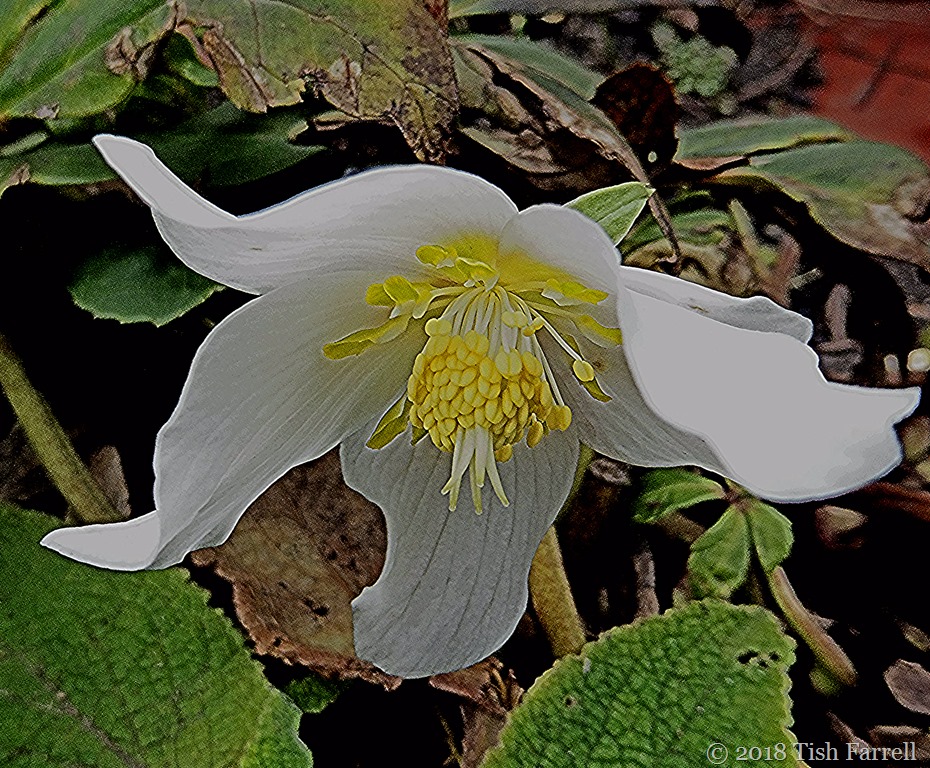
Good chum Lesley bought us this sweet little hellebore. Thank you, Lesley!

Good chum Lesley bought us this sweet little hellebore. Thank you, Lesley!


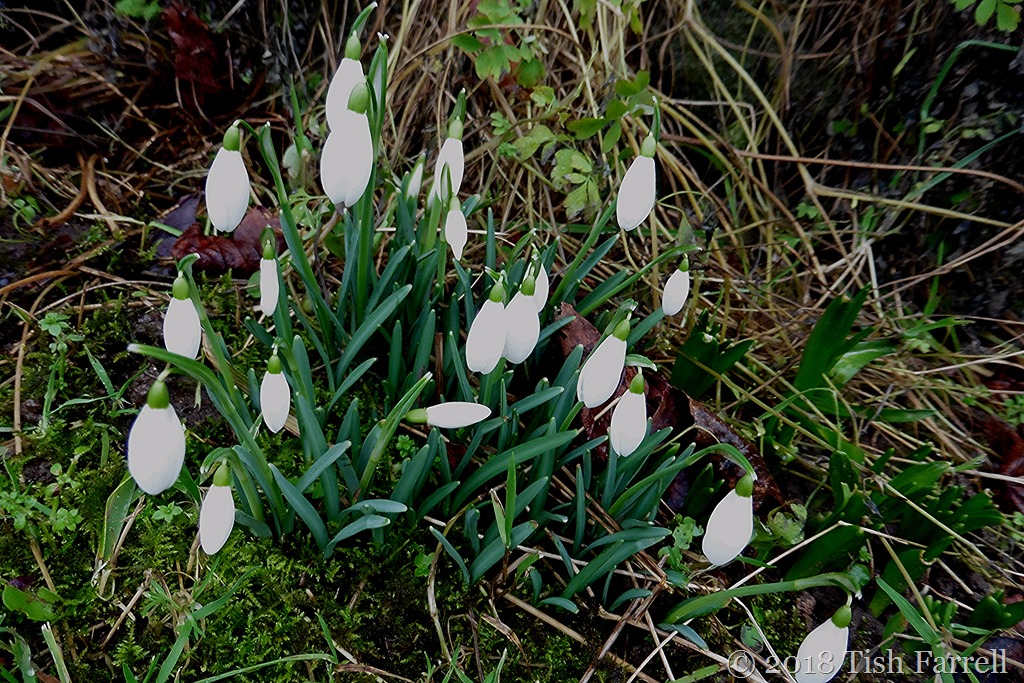
I don’t remember ever seeing lesser celandines flowering in January. They are at least a month too soon, and this one has clearly been around a while, and much rained on. Snowdrops, though, are timely, and they are cropping up everywhere in gardens and wooded margins around the town.
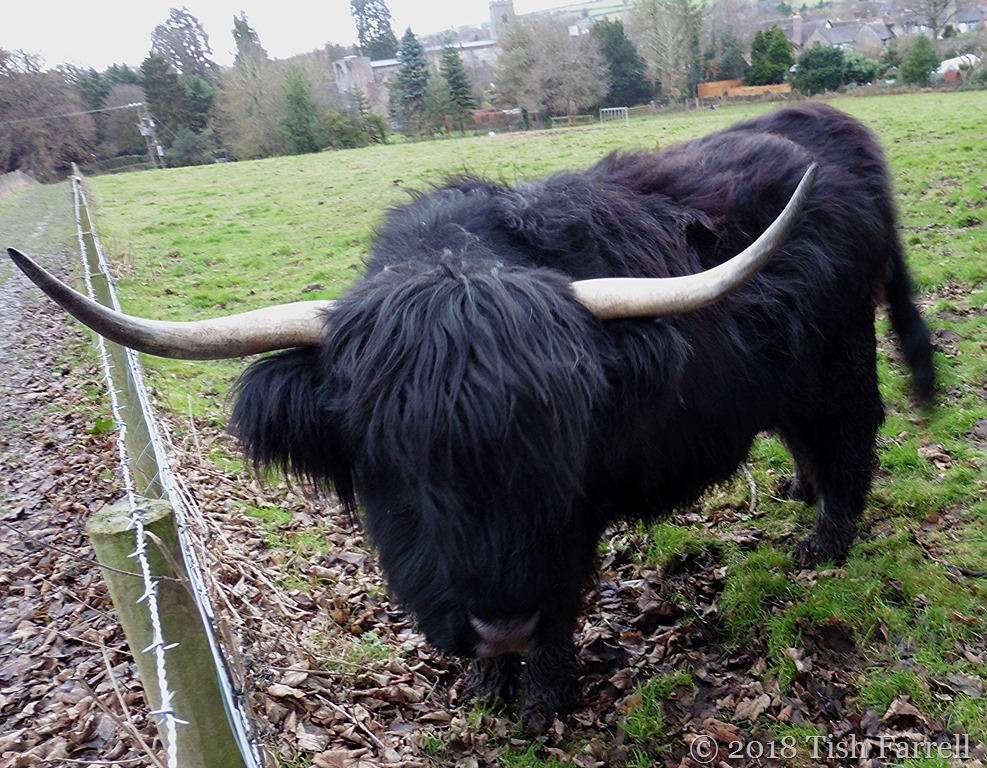
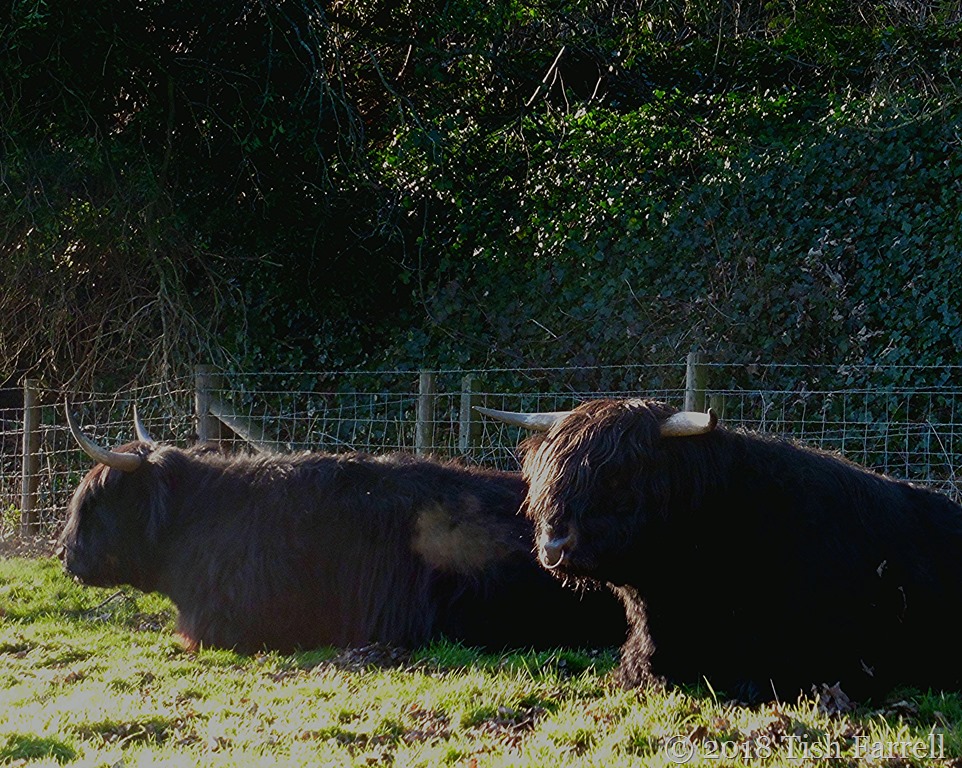
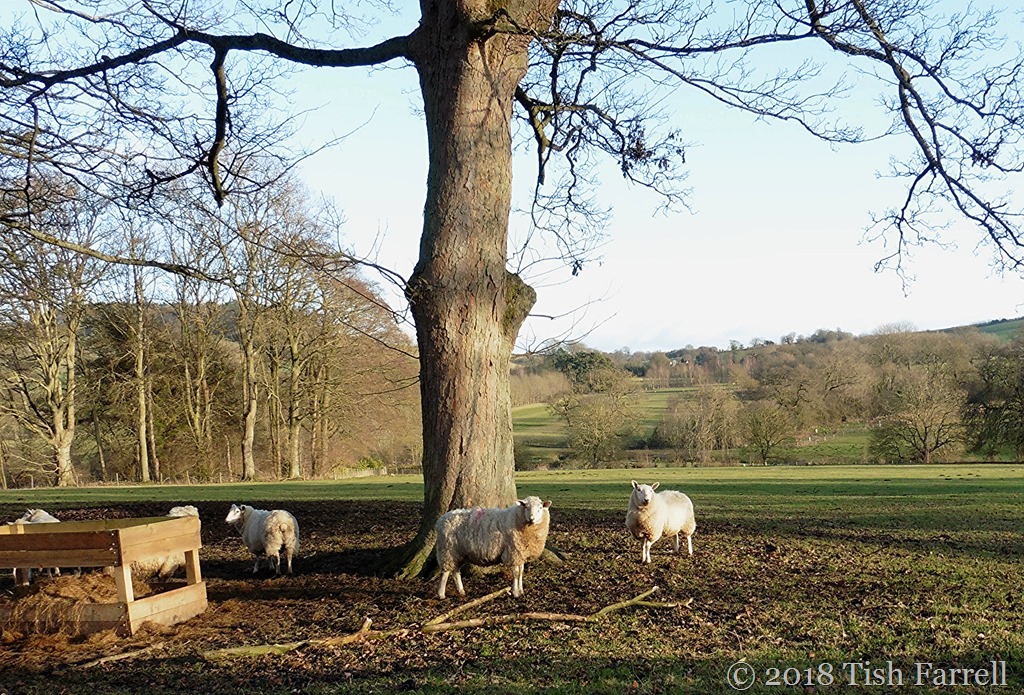
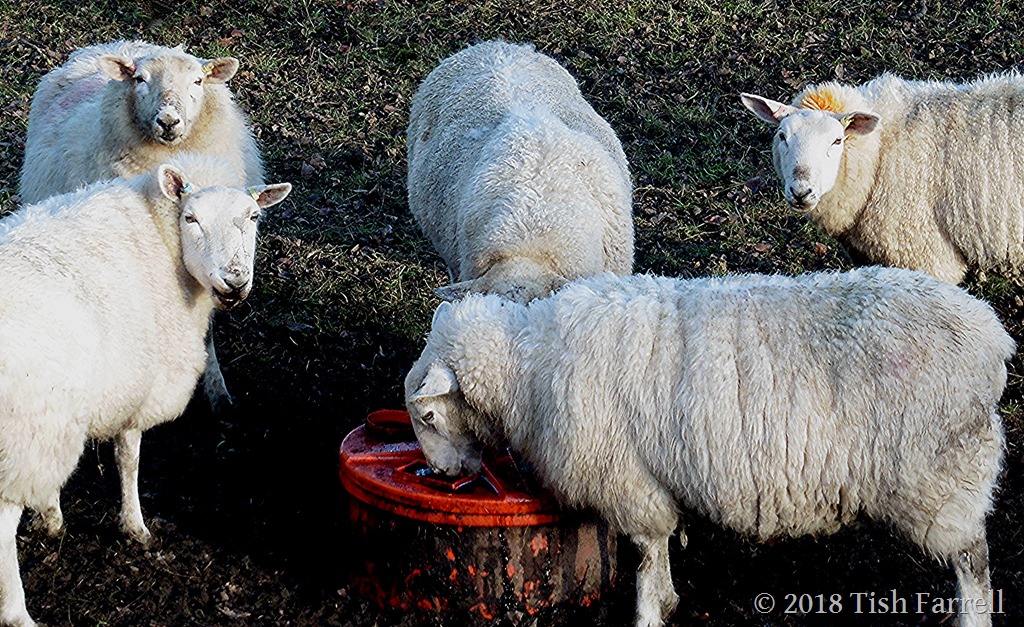
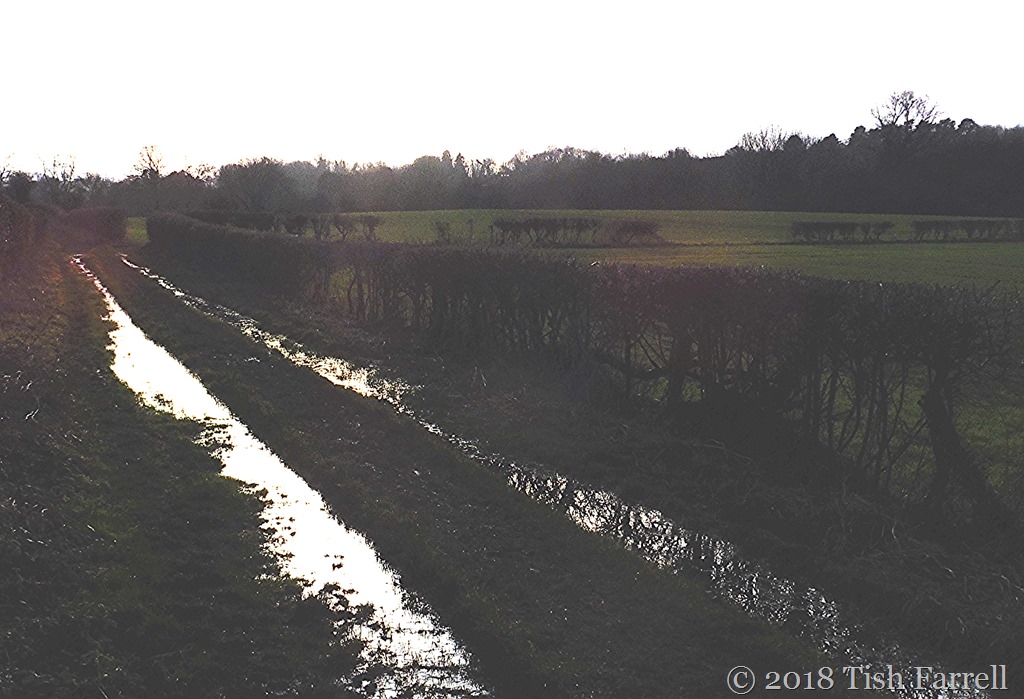
All the footpaths are very waterlogged and slithery. On our walk yesterday it was necessary to stop at intervals to de-mud the boots and stop growing giants’ feet. This also gave me the chance to photograph the highland cattle in the Cutlins meadow, the sheep in the Priory park, and puddles on the track to Bradley Farm. Welcome to Much Wenlock in January.
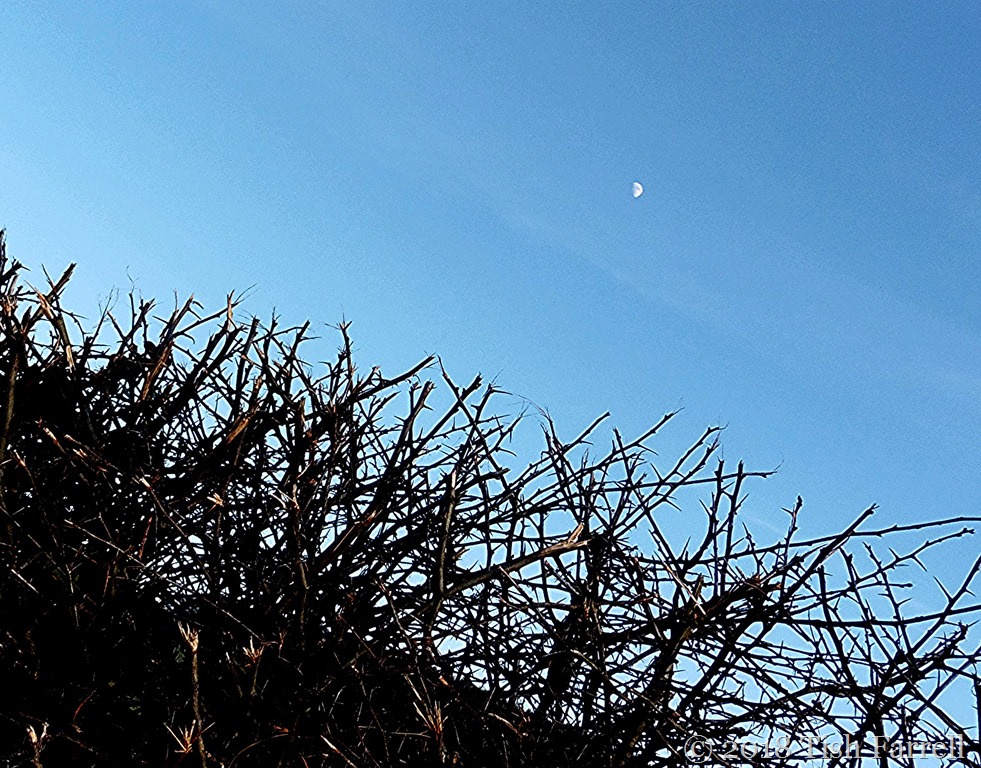
Six Word Saturday Please pop over to Debbie’s to see her very astonishing photo


During our late summer stay in the hills near Harakopio in the Messinian Peloponnese, I was impressed by the dogs we passed on the lanes. Most were loose, yet they were clearly on duty. No malice was involved, but they barked to let us know that the olive grove we were passing through was under their jurisdiction. As soon as we reached the boundary, the barking ceased only to be taken up by the next property’s guardian.
Back at home some weeks later, I caught the ‘tail end’ of a programme on the BBC World Service, whose content I meant to follow up, but forgot to. Somewhere in the world where the exact location of rural land boundaries had been forgotten by humans, researchers found that they could pretty much identify them from monitoring their dogs’ barking zones.
The thing that struck me about all the dogs in the photos was, while they might be faithful comrades to humans, they still retained a sense of their own canine dignity. They were what I call good dogs.

Well, it’s hardly been gardening weather – far too wet; not at all like our good old winters where on fine, cold days you could pile on the gardening togs, balaclava and all, get out your trusty spade and dig the allotment, naturally always standing on a plank as you went so as not to compact the soil.
I actually like digging, though I’m trying to wean myself off the practice (as many of you who come here will know) opting instead for the no-dig approach which relies on raised beds and the annual autumn application of compost. Around 2 inches worth says no-dig guru, Charles Dowding, and only on the surface (he has lots of useful videos on You Tube and grows parsnips and carrots the size of cruise missiles).
The only problem with this approach is you need loads and loads of compost, and despite my having a dozen assorted piles, bins and bays of decomposing garden waste, I never seem to have enough garden-ready stuff at the right time. I also completely forgot about the autumn application as I had left my brain in the olive groves of Kalamata back in October. Drat! However, it did return briefly in December to remember to gather leaves for making leaf mould, and it’s probably not too late to go out and gather more if only it weren’t raining, and Wenlock’s likely byways a sea of slithery Silurian mud.
We also had more snow in January, but not the glistening, Snow-Queeny landscapes of December, but the dank and dreary sort followed by more rain, which soon washed it away. Except that when I went up to the allotment on Monday I was surprised to find heaps of it lurking along the sides of the polytunnels. Oh no! I remembered the old wives’ tale which says that when snow remains we can expect further falls to carry it away. Hmph. A curse on old wives for being so doomy. We’ve done snow. Now we want spring!
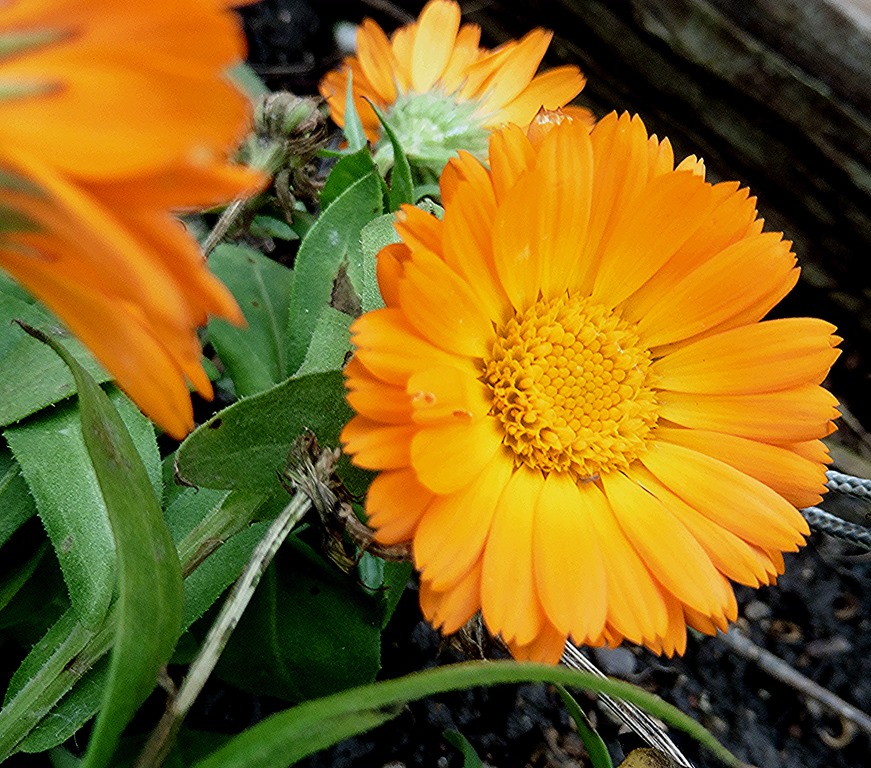
But then the odd thing about that is, along with our snow and frost we have also had spring, or at least if the pot marigolds are anything to go by. These are self-seeded annuals that grow hither and thither around my plot, and not even being buried for a week under December’s snow drifts stopped them flowering. When the snow receded they emerged full-on, like floral headlights, though their stems were somewhat misshapen from the burying. As anyone would be.
Anyway, here are some views of the allotment taken on Monday. I’m including some of my compost heaps – not a pretty sight, I know, but they bring joy to this gardener’s heart. Also of my parsnips, which as you will see were exceedingly hard to extract from the mud. They are also nowhere near the size of Charles Dowding’s cruise missiles, nor as perfectly formed. But then as the shed-building man who lives in my house says, who needs parsnips that big? A vaguely existentialist enquiry to which I find there is no answer…


For those who haven’t caught up yet, Su Leslie is now our very excellent host for The Changing Seasons monthly challenge, having taken over from our former very excellent host Max at Cardinal Guzman (btw fantastic ski-ing video at Max’s blog). We have thus shifted across the globe from Norway to New Zealand. Please pop over to Su’s place to see her and other bloggers’ monthly round up from their corners of the world. And please join in. The ‘rules’ are simple.
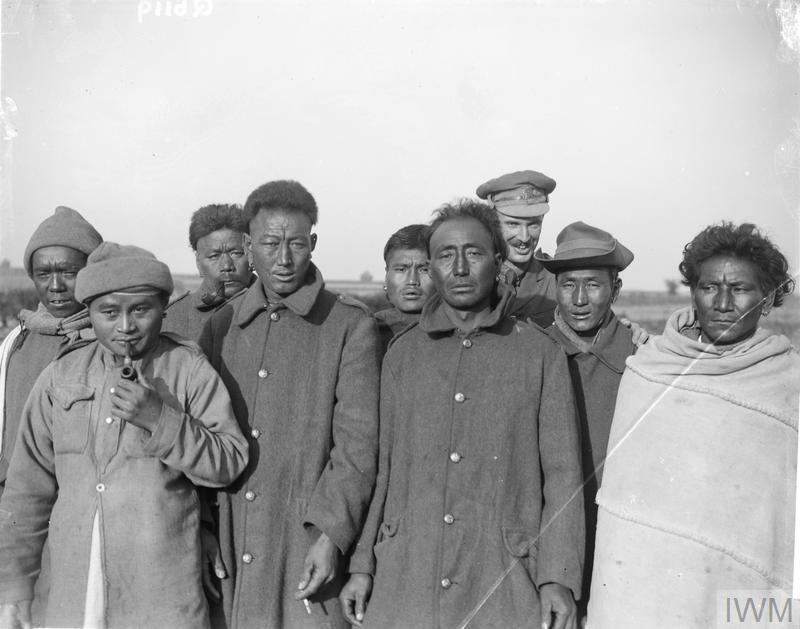
I am reblogging this post from Historic England’s Heritage Calling blog. A matter of necessity I believe. The service of thousands of non-white personnel, who provided essential labour and more during World War 1, more often than not went unregarded and unrewarded. In East Africa alone 50,000 conscripted African porters of the Carrier Corps lost their lives. Many families who had waved goodbye to their sons never heard of them again, or received their pay, or compensation, or even a thank you from the British Army. That is one story. Here are many others – of the Chinese Labour Corps in particular:
The Labour Corps of the First World War comprised mostly of a now largely forgotten multi-ethnic army of tens of thousands of workers (along with British servicemen unfit to fight), without whose manpower the war would have ground to a halt.
These unarmed non-combatants, working under military control, carried out crucial tasks behind the lines on the Western Front and in other theatres of war – building and repairing docks, roads, railways and airfields, manning ports, stores and ammunition depots, unloading ships and trains, digging trenches and constructing camps.
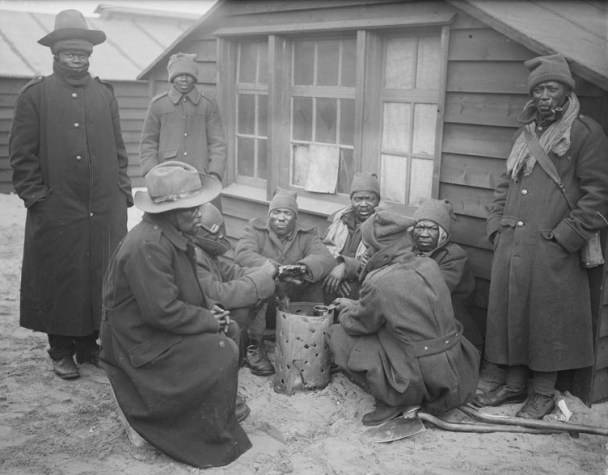 SANLC men round a brazier at their camp, Dannes, France, March 1917. © IWM Q4880.
After the Armistice, the Corps undertook the dangerous and difficult work on former battlefields clearing live ordnance and exhuming bodies – reburying them in the great military cemeteries of the Commonwealth War Graves Commission (CWGC).
Despite their vital contribution (including the Chinese, Indians and South Africans, many of whom…
View original post 1,215 more words
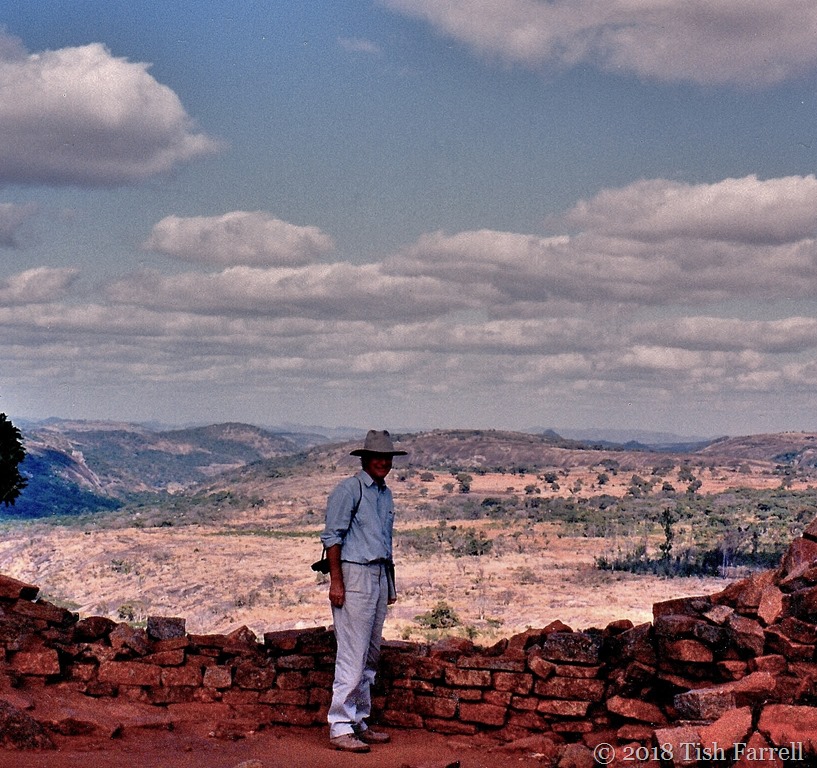
For more about the history of this ancient African city see my earlier post Abandoned: Great Zimbabwe
This Sunday over at Travel With Intent Debbie’s one word is ‘views’

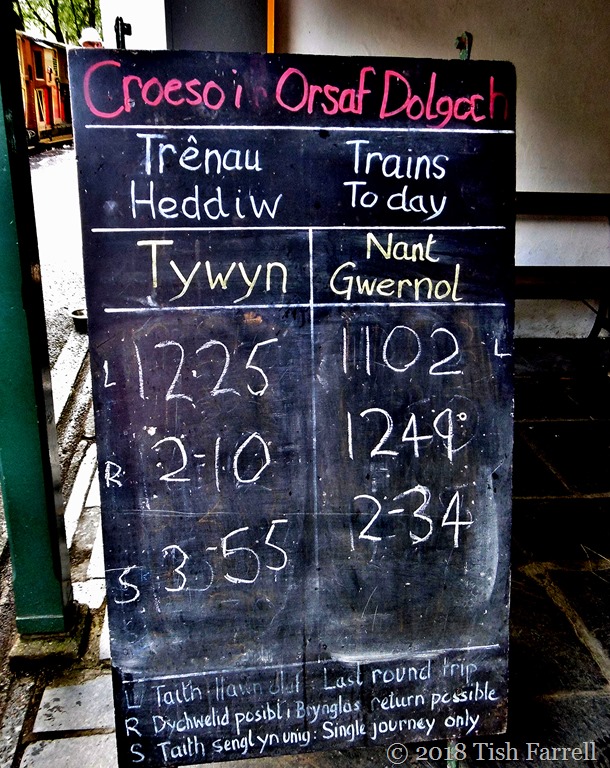
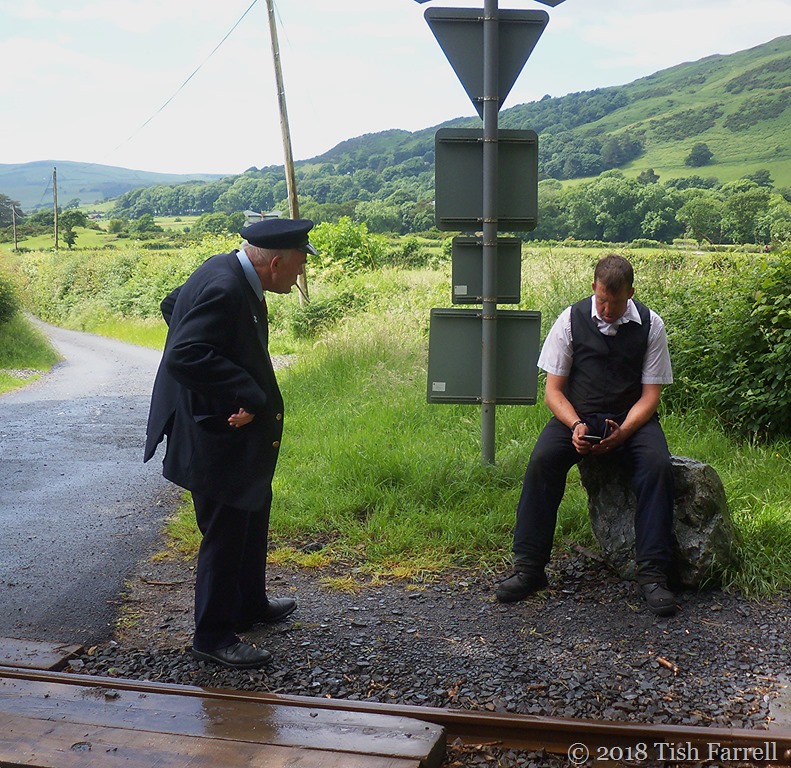
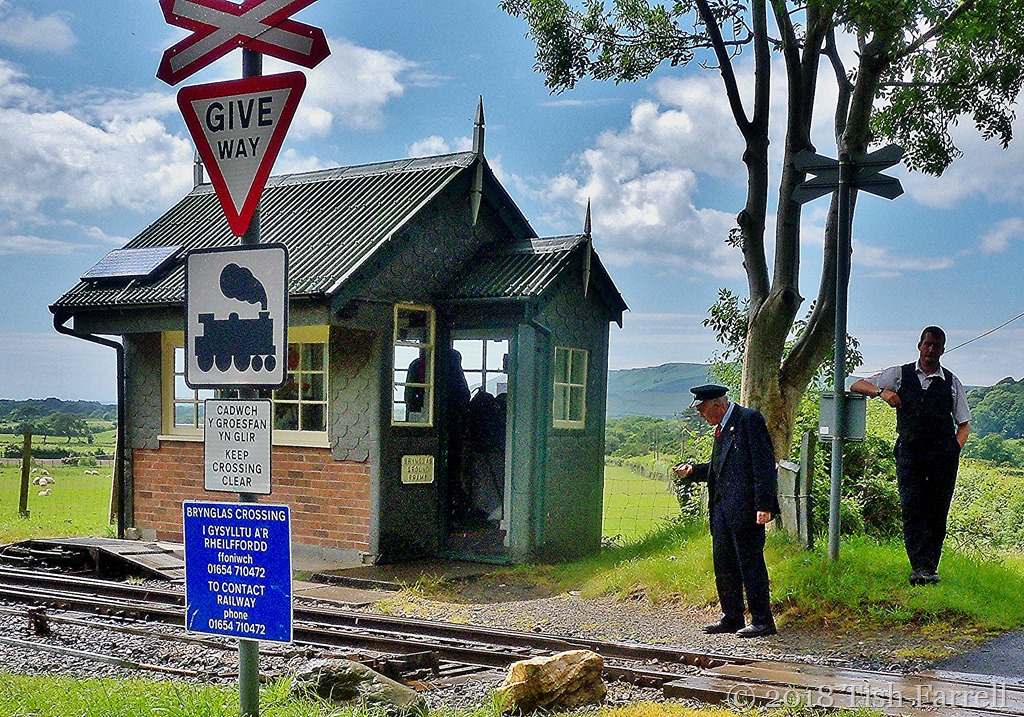
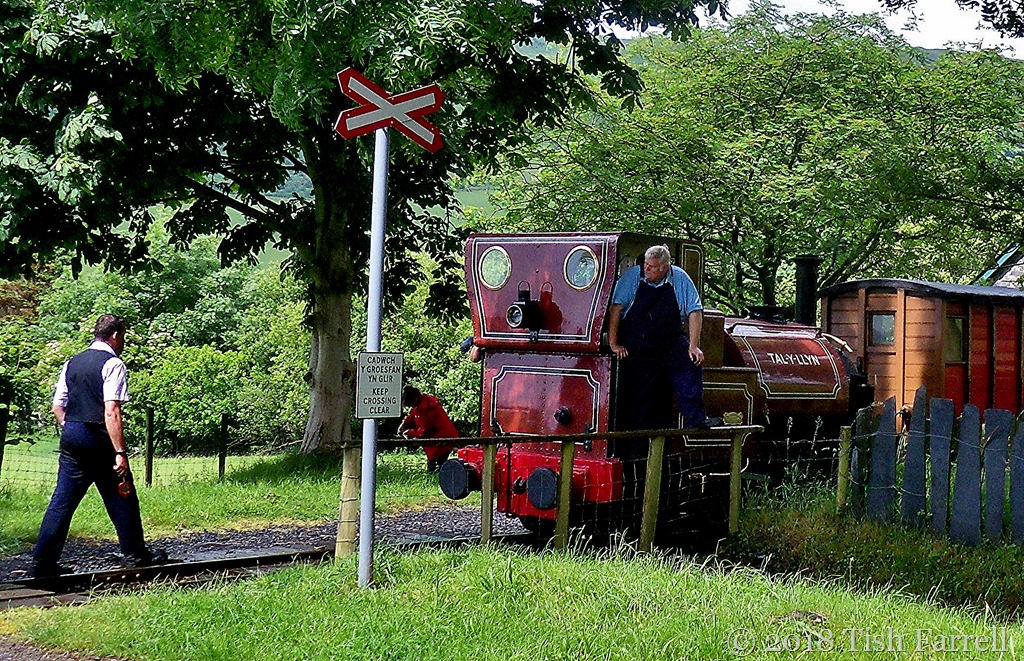
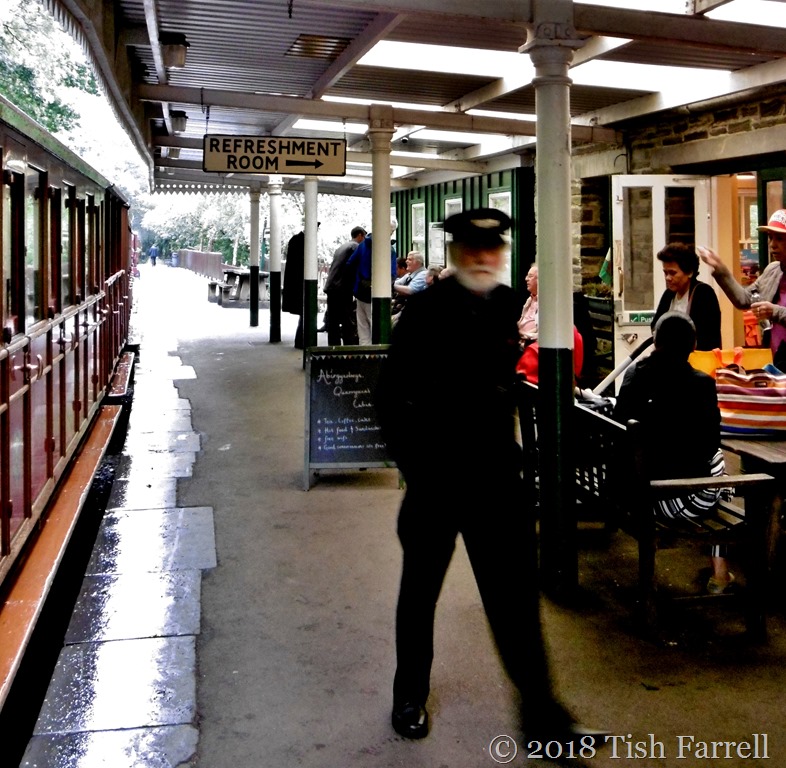
Our day out on the Talyllyn Preserved Steam Railway a year or so ago is high on the list of the Farrells’ jolliest excursions. Further details and more train photos HERE
Meanwhile more Talyllyn takes on Paula’s ‘message’ challenge at this Thursday’s Lost in Translation

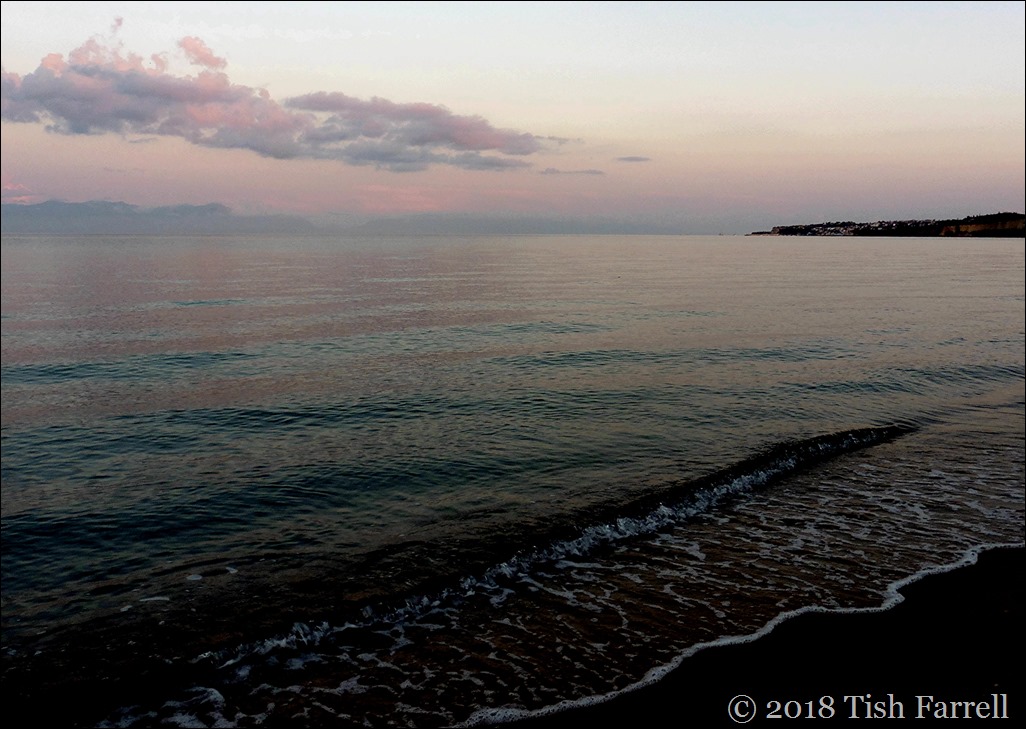

The weather in Shropshire has taken a frigid turn – flurries of sleet and bone-chilling winds, the need to wear too many vests and socks and feeling that I’m far too nesh to venture out in it. For any reason whatsoever. (Allotment? What allotment?) Which also has me thinking of a warm sea and Peroulia Beach and the rosy displays laid on there each dawn and dusk, and walking through silent olive groves that come down to the shore, the days’ warmth stored in the many seasons’ leaf layers beneath our feet. At sunset we find we have the beach to ourselves. The sea barely lapping the sand, and somewhere across the Gulf, above the Mani’s fortress scarps, a raptor mews. There are no other sounds.
copyright 2018 Tish Farrell
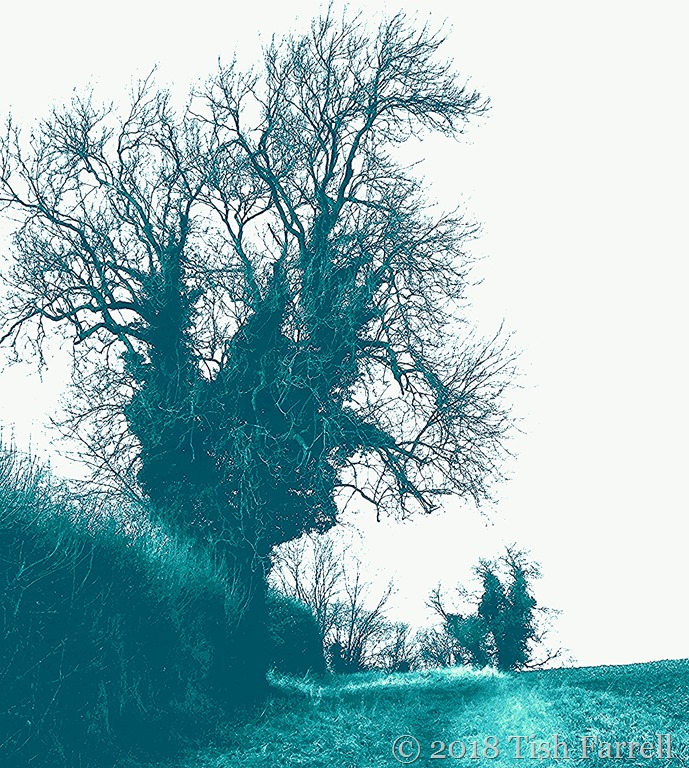
The field path to the allotment was a slithery assault course after heavy rain and the wind was bitter, but on the big allotment bonfire-heap-in-waiting there was treasure. On top were slices of a new builder’s pallet that someone had sawn up to make for easier disposal. Well thank you very much. Naturally I had to retrieve these for recycling man and the home wood burner pile. I stacked the pieces by the hedge beside my exit route for later transportation i.e. once I’d emptied my big blue IKEA bag of vegetable peelings on the compost heap; the reason for my visit.
But then once I’d fished out the pallet pieces I realised someone had dumped a mass of garden waste that would be so much better on my compost heap. (Why do people who garden not make compost?) My good fortune though. I filled the IKEA bag to bursting. And it was during this exercise and under a load of tree prunings that I found the other half of the pallet that had not been sawn up. Yippee! It was just the right size to make the side of a new compost bin. I lugged it up to my plot along with the compost makings. Dug up the last of the carrots and discovered some parsnips. It was then I realised I’d been so busy scavenging and rootling, the weather had sneaked up on me. Over Windmill Hill there was a storm coming in. Just time to slither home across the field, deliver the pallet bits and untangle the sheets that had tied themselves in knots on the washing line. When I took them indoors they were filled with fresh-air smells that made me think of spring.
copyright 2018 Tish Farrell


