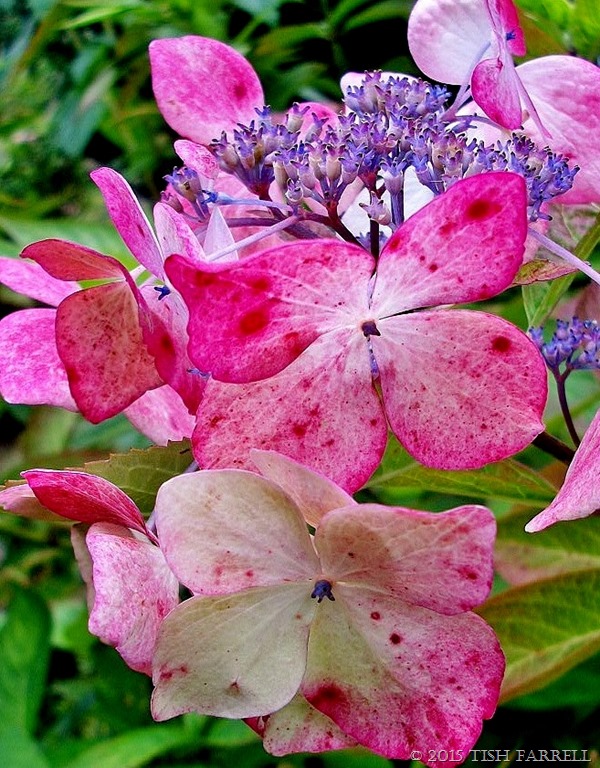
Kind of Mauve not Blue at Plas yn Rhiw

100_4853

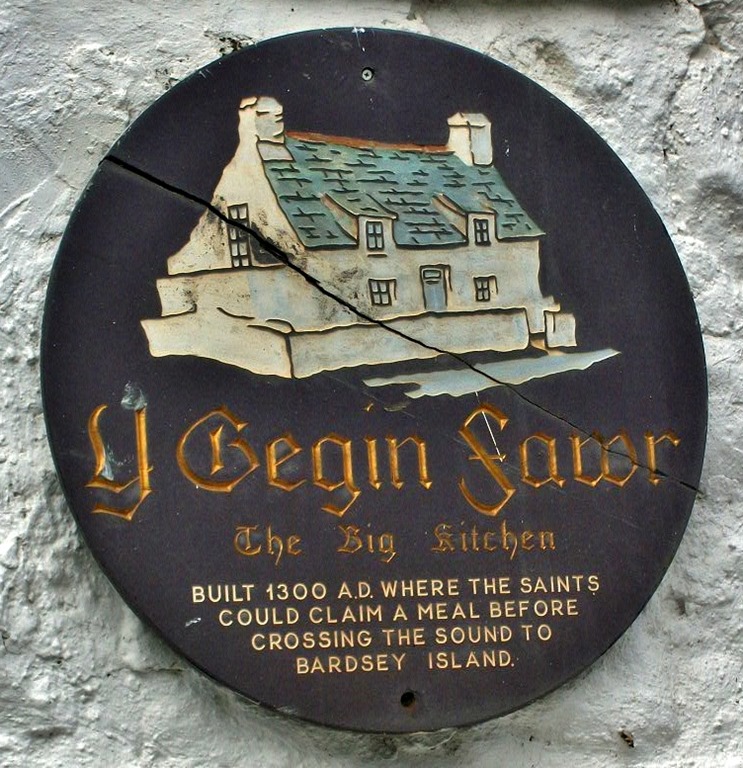
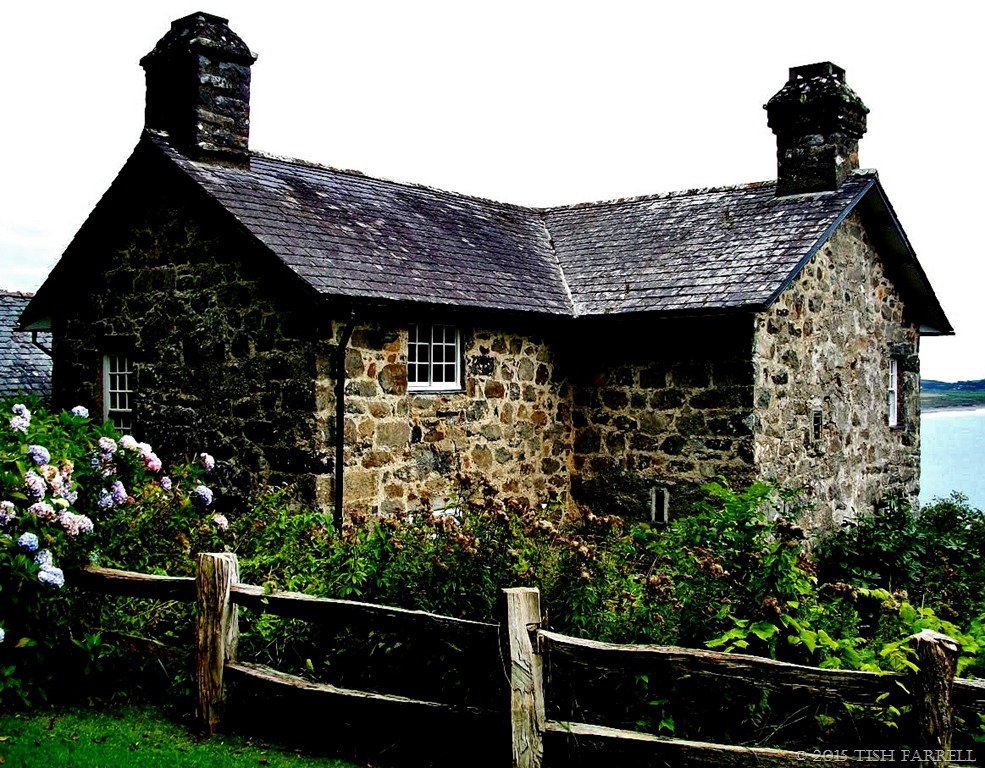
Looking back, it was a mauve sort of a day, the day we went to visit the old Welsh farmhouse of Plas yn Rhiw on the Llyn Peninsula. The sea in the bay below the house was peaceful, and the air still and dreamy. If you listened hard you  might hear echoes of the past along this ancient pilgrims’ path to Bardsey Island, the place the Welsh call Island of Currents. It was late September, and Wales was very much in end-of-season mode with many places closed; or if they were open, then looking as if they wished they were closed. It’s often like that in Wales. Even the stalwart National Trust, that now has care of Plas yn Rhiw, was slow to open up. We had to go away and come back. In fact that was a bit of good luck. Further down the peninsula in Aberdaron we were taken by surprise at Y Gegin Fawr, The Big Kitchen cafe, where the owner was enthusiastically hospitable.

IMG_0690

It turned out that she was keen to uphold  a 700 year-old tradition of feeding pilgrims. We had some very excellent hot chocolate there, not something the saints would have recognised. Or if they had, and if they had seen Graham’s mug overtopping with whipped cream, they would surely have pronounced it a sin of the flesh, and to be eschewed at all costs.

100_4805

Back at Plas yn Rhiw we stepped into another time-warp.

100_4858

100_4822

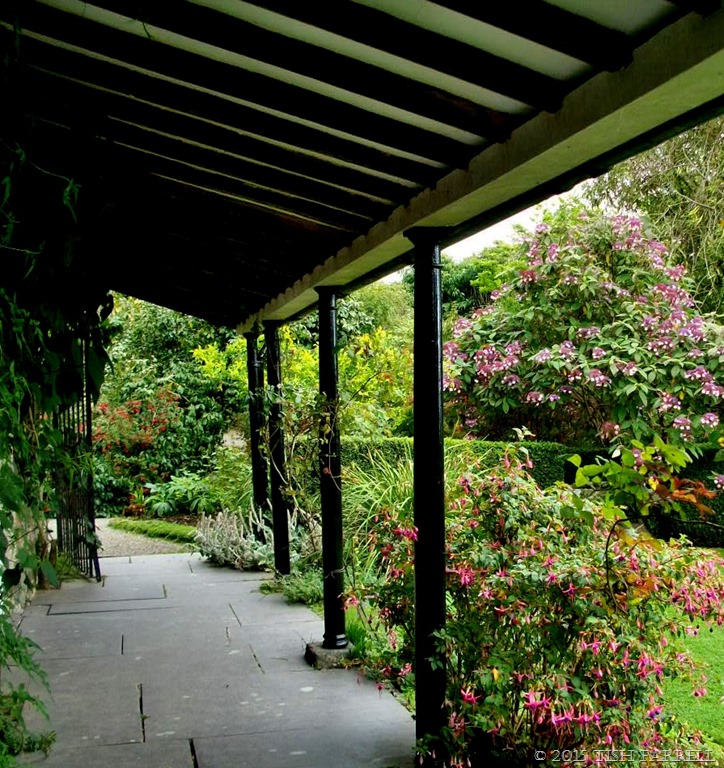
Here, the seventeenth century farmhouse had been lovingly restored from ruin by the three Keating sisters, who at the urging of friend and architect, Clough Williams-Ellis (he of Portmeirion fame) scraped up the funds to buy the place in 1938. They lived there until they died, filling the house with personal treasures. When you wander from room to room, there is a feeling of benign, if eccentric spirits. They don’t seem to mind us peering at their books and nick-nacks…

 copyright 2015 Tish Farrell

For more of this story:

Gazing into Hell’s Mouth at Plas yn Rhiw


Jennifer Nichole Wells One Word Photo Challenge: Mauve

Sarah by the Sea ~ Black & White Sunday

IMG_0801

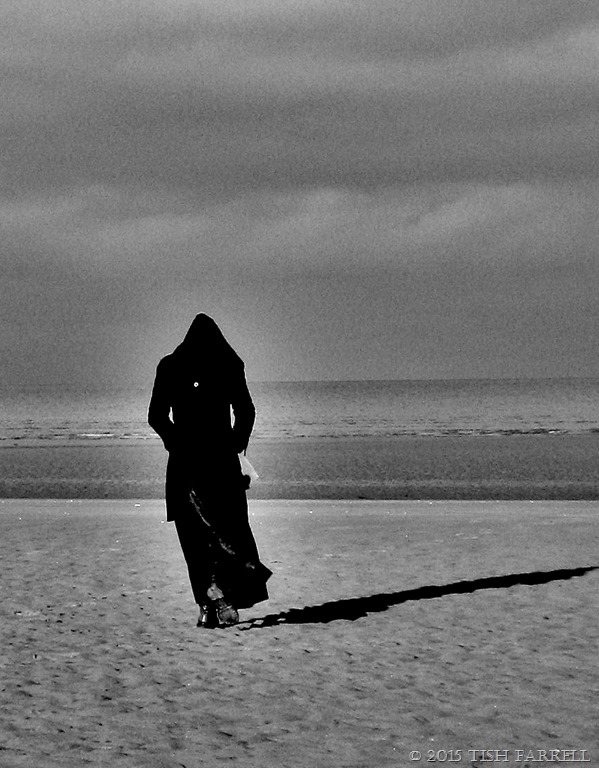
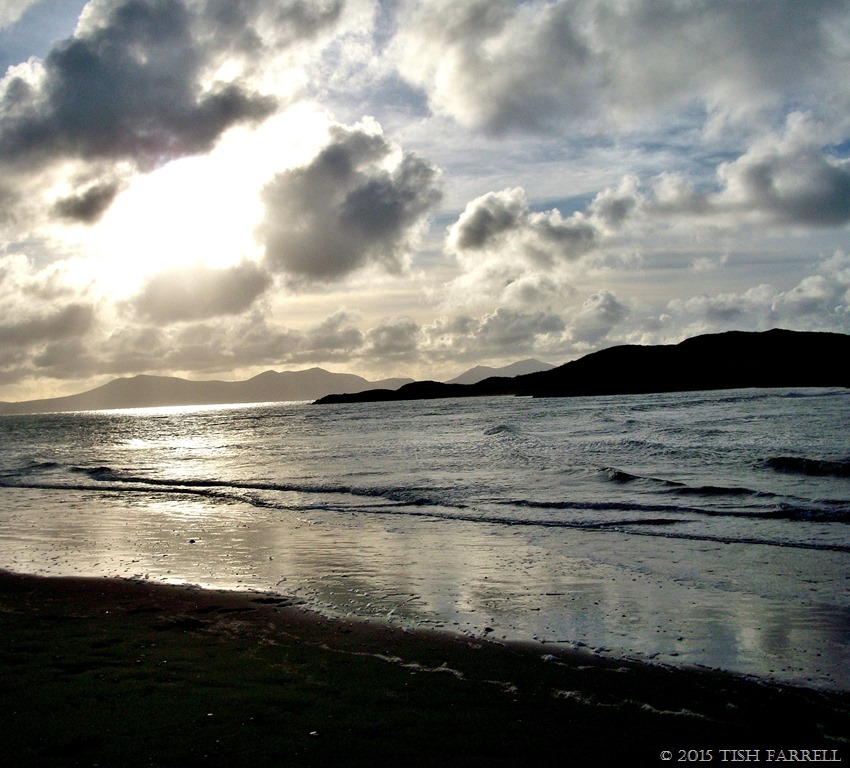
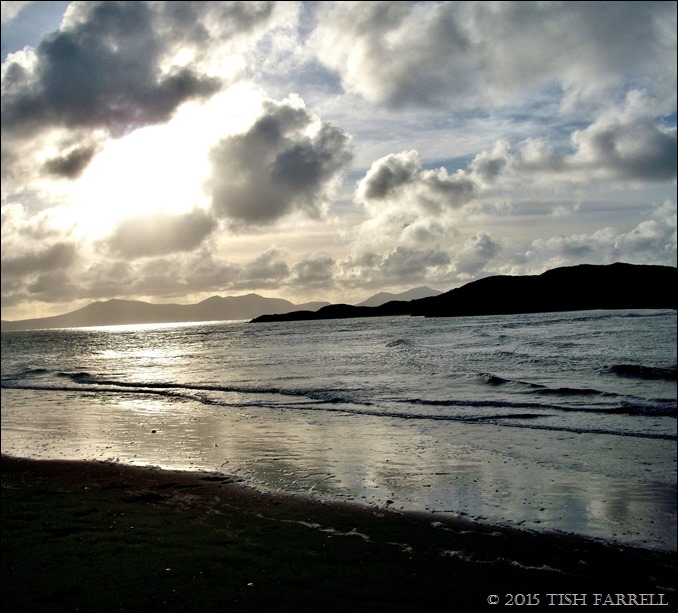
This photo was taken two Christmases ago on the island of Anglesey (Ynys  Môn) in North Wales.  The island saw the last stand of the Celtic druids, who were defeated there during the Roman conquest of Britain. This edited image, with the faint glow of light around the dark silhouette,  suggests to me the lingering Celtic spirit – quiescent and contained now, but still purposeful.

Inspired by Paula’s request for quiet. For more hushed compositions in black & white please visit her blog at Lost in Translation

Related: For more of the Druid’s last battle see my earlier post Island of Old Ghosts.
Rule of Thirds

To the Isle of Dwynwen, Welsh Saint of Lovers

100_7117

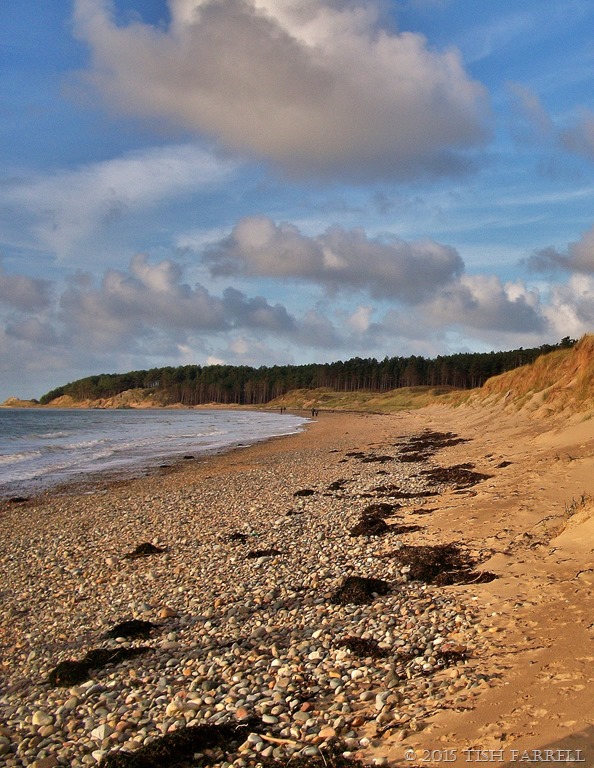
Christmas morning and we find ourselves in a general pilgrimage of families and dogs. We have all had the same idea: to trek along Anglesey’s Newborough Beach to Ynys Llanddwyn, the island sanctuary of Dwynwen, Welsh patron saint of lovers.

100_7140

As you can see, the day was brilliant, but down on the shore the wind was bitingly cold. It was a challenge to take photos, but taken they must be. For one thing, the views across the Menai Strait to the mainland’s Llŷn Peninsula were mesmerizing, and had to be captured.

100_7187

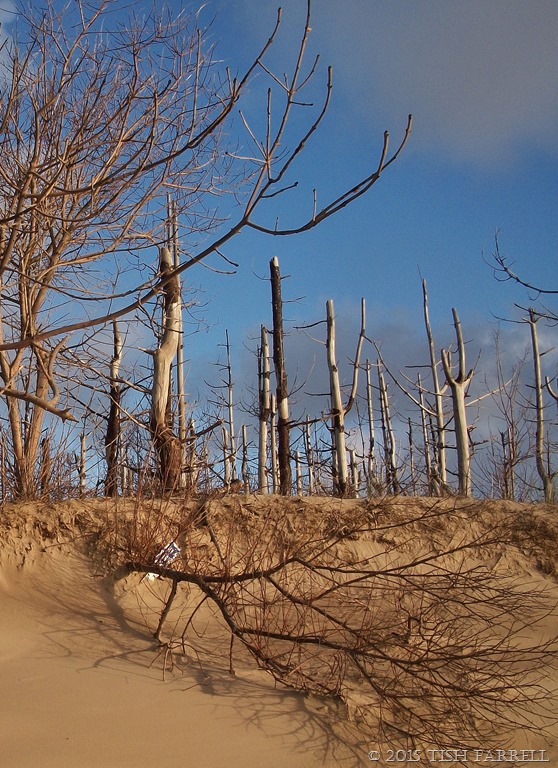
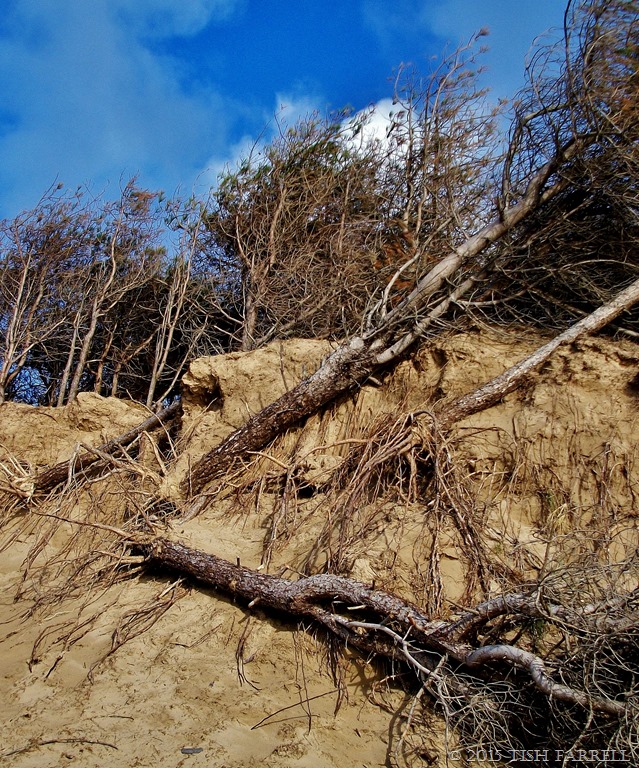
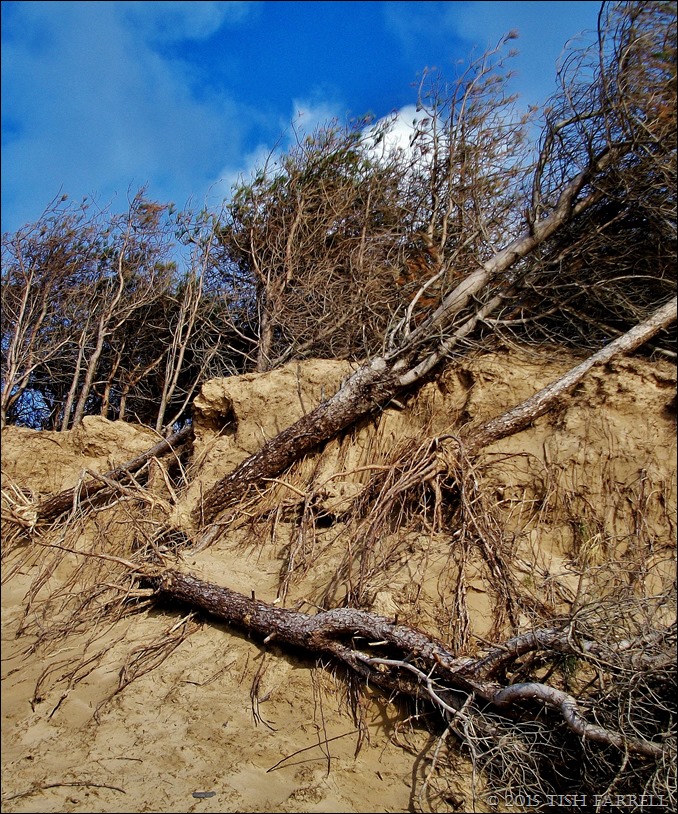
For another, there were some rather shocking scenes of coastal erosion. I promise, though, when we reach the island I will tell you the story of Dwynwen.

First things first. Newborough Beach is some two miles long and ends at the promontory that forms Llanddwyn Island. It is famous for its dunes which apparently arrived there in the great storm of 1331. It was the Feast of St Nich0las (December 6) when the disaster struck, and on that day the wind and sea rose to such a pitch that they drove, from the shores across the Strait, great mounds of sand and deposited them on the once fertile fields and dwellings of the medieval Newborough.

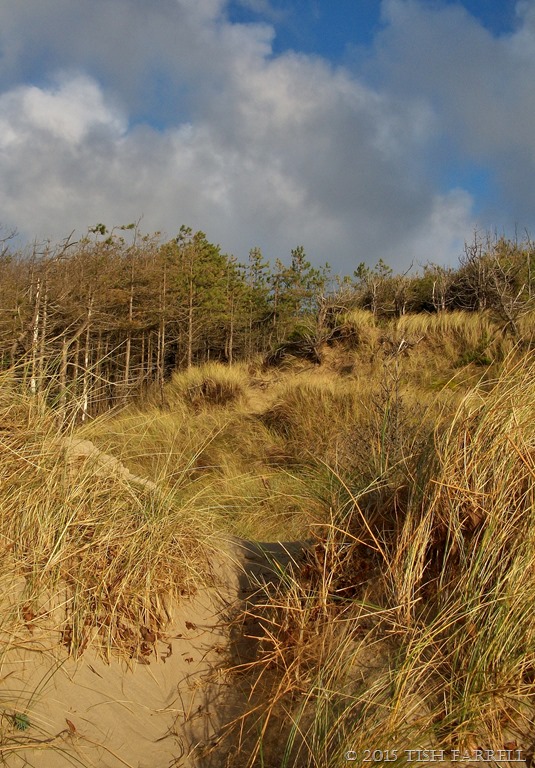
Ever since, many of the dunes have continued to shift, although there have been various strategies to stabilize them. In the sixteenth century marram grass was planted, and this gave rise to a successful local industry wherein the grass was cropped to weave into mats and baskets. Far more recently, in the 1940s, the Forestry Commission planted the promontory with conifers. The small forest that has thrived there since is home to ravens and red squirrels.

100_7131

Now, though, there are new threats from the weather. Last winter severe storms lashed the Welsh coast, causing great damage and much local concern about a future where rising sea levels and erratic storms are likely to figure more prominently.

100_7122 - Copy

100_7128 - Copy

It is a simple demonstration of the power of weather, and instead of arguing about its precise causes we should perhaps be wondering what is best to be done. At the present, the people of Newborough are doing just that. There is an on-going public consultation as to how the forest and nearby salt marsh may be protected. This whole corner of Anglesey is a much treasured resource to locals and visitors alike.

100_7135

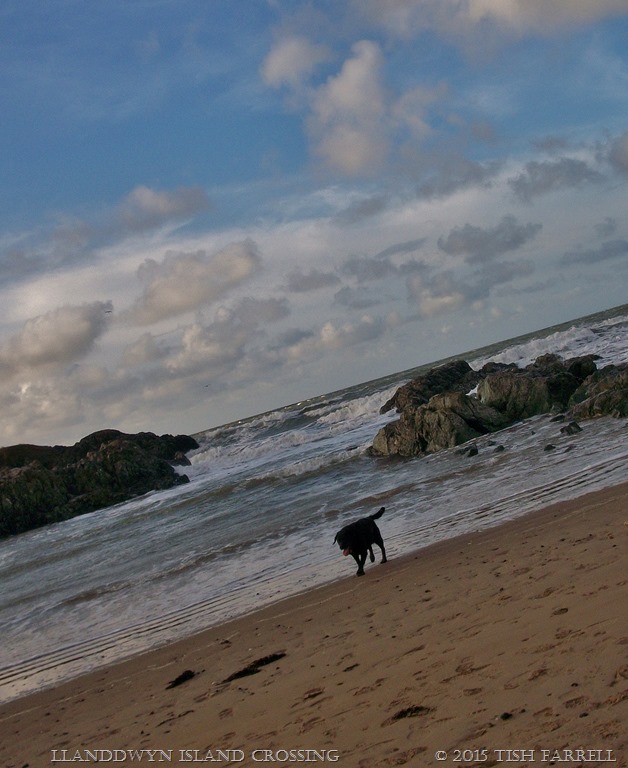
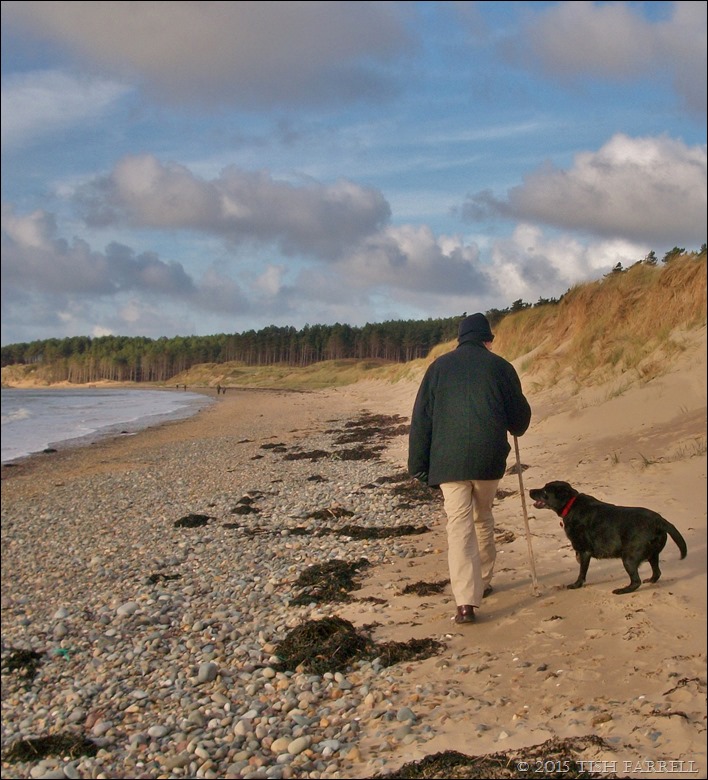
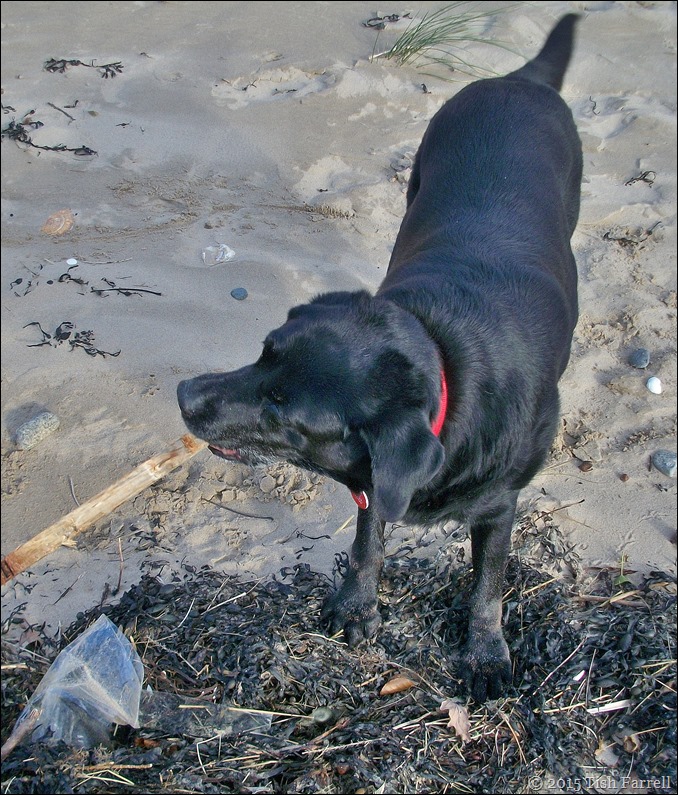
Meanwhile, sister Jo’s labrador Molly is hardly concerned with matters of coastal erosion. Nothing a dog likes more than sand in its paws, wind in its ears, some smelly crabs and dead fish to nose, and also to lay claim to everyone else’s stick.
100_7141

She always wins. ALWAYS. Bad luck, Graham.
100_7144

When we reach the crossing place to the island, the tide is still too high to walk across. So we ponder the rocky deposits of pillow lava, that were apparently blown up from undersea volcanic eruptions in the Precambrian era, and wonder if Dwynwen really did choose this exposed promontory for her sanctuary some fifteen hundred years ago. There is no doubting the elevating beauty of the place.
100_7161100_7158

100_7160

And so, as I promised, to Dwynwen’s story. She lived in the fifth century CE, and was one of Prince Brychan’s twenty four daughters. She fell in love with a young man called Maelon Dafodrill who apparently returned her feelings. Yet in a fit of caprice, Dwynwen refused his proposal of marriage. Some say it was because she wished to remain chaste. Others say it was because her father had arranged for her to marry another man. For his part, Maelon made his displeasure at the refusal known by spreading tales that cast doubt on Dwynwen’s honour.

In a frenzy of anguish, she thus took herself off alone to a wood where she prayed to be cured of her passion. And so it was that an angel appeared to her in a dream and gave her a potion that not only erased her feelings of love, but also transformed the spurned lover into a block of ice. Heaven also granted her three wishes. Dwynwen thus asked that Maelon be unfrozen. She then requested that if any true-hearted lover invoked her name, they should be granted their heart’s desire or relieved of their painful emotions. Finally, she sought never to be married, and thence withdrew from the world, founding a convent on Llanddwyn Island which, after her death in 465, became a place of pilgrimage. Her feast day is 25 January, and is celebrated by many in Wales with cards and flowers in the same way Saint Valentine’s Day is marked in many European countries.

100_7175

And so unable to complete our own pilgrimage and reach the island with its ruined church, we retraced our steps, thinking more profanely of a turkey to be roasted, presents to be opened, and a glass of champagne to drink.
100_7191

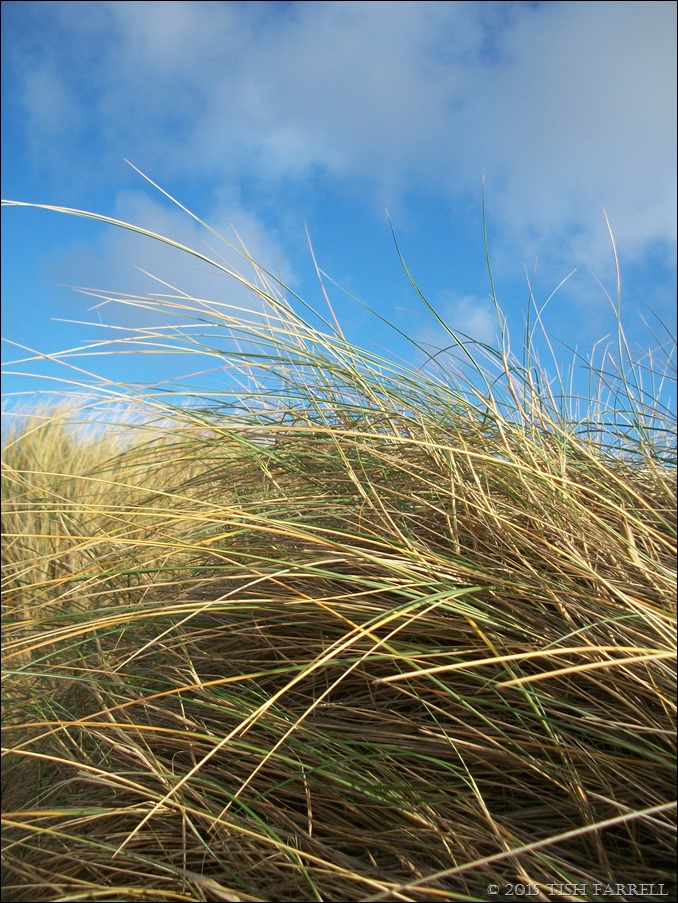
And it was under this patch of marram grass, as we left the beach, that my Kodak EasyShare gave up the ghost. You could say, then, that this post is its last post. Just as well I still have the memory…

copyright 2015 Tish Farrell

Inspired by Jo’s Monday Walk

See her latest post and other bloggers’ walks at Roker Pier

*

Losing Kui -Final[1]

ON AMAZON AND ePUB BUD

Secrets, conspiracies, tragedy,

dark comedy – a fast-paced

novella of interwoven tales set

somewhere in East Africa

The Hounds of Henllys: Shadowed

P1000194

P1000193

We spent our Christmas with my sister, Jo, and chap, Bob, and their labrador Molly, staying in a cottage in the grounds of Henllys Hall on Anglesey. These huge sculpted dogs guard the entrance drive to the cottages, and are caught here in light shadow with the sun on the scene behind them. I find them intrinsically noble, and they unavoidably remind me of the story of the great dog Gelert, owned by the thirteenth century Welsh prince, Llywelyn of Gwynnedd. But beware, this tale does not end well. Here it is.

One day Llywelyn went hunting with his court, leaving his faithful hound, Gelert, to guard the stronghold, and in particular to watch over the Prince’s young motherless son who was still only an infant. At sunset when Llywelyn returned to his castle, Gelert rushed to meet his master, but something was horribly wrong. The dog’s muzzle was all smeared with blood. Filled with alarm, Llywelyn ran to his son’s chamber and, seeing the cot upturned, and bed clothes  strewn about and streaked in blood, he leapt to conclusions, and drawing his sword, he killed his beloved dog. As the dog yelped his last, so a child’s cry rang out from under the cot. When Llywelyn ran to right it, he found his son quite safe beneath. But he also found the corpse of a large wolf that Gelert had killed to save the child. Filled with remorse, Llywelyn built a cairn of stones to honour his faithful friend, and the place where it may be seen is at Beddgelert (grave of Gelert), beside the River Glaslyn, on the road to Porthmadog.

copyright 2015 Tish Farrell

Daily Post Weekly Photo Challenge: Shadowed

image

Secrets, conspiracies, tragedy,

dark comedy – a fast-paced novella

of interwoven tales set somewhere in

East Africa
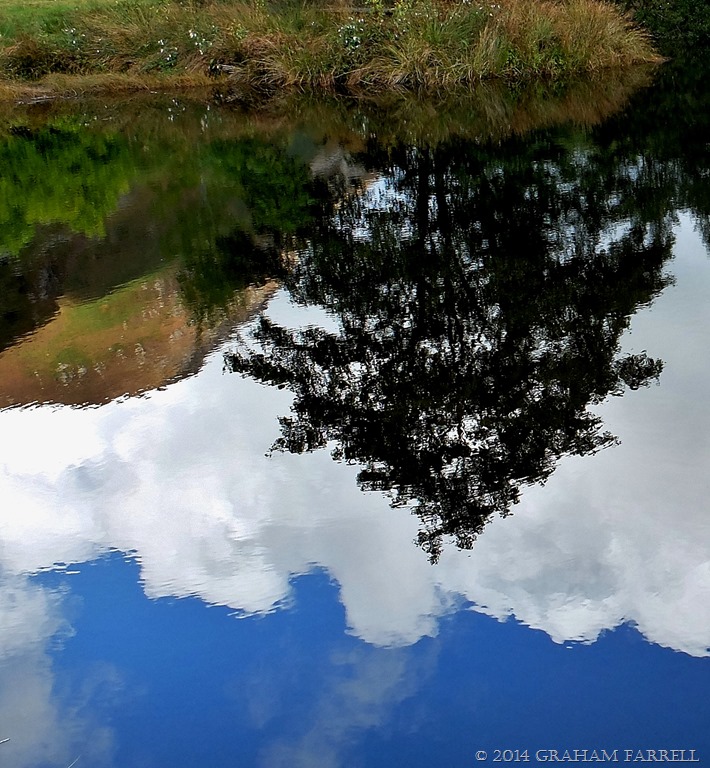
Refracted, reflected beneath Cadair Idris

Dolgellau 110

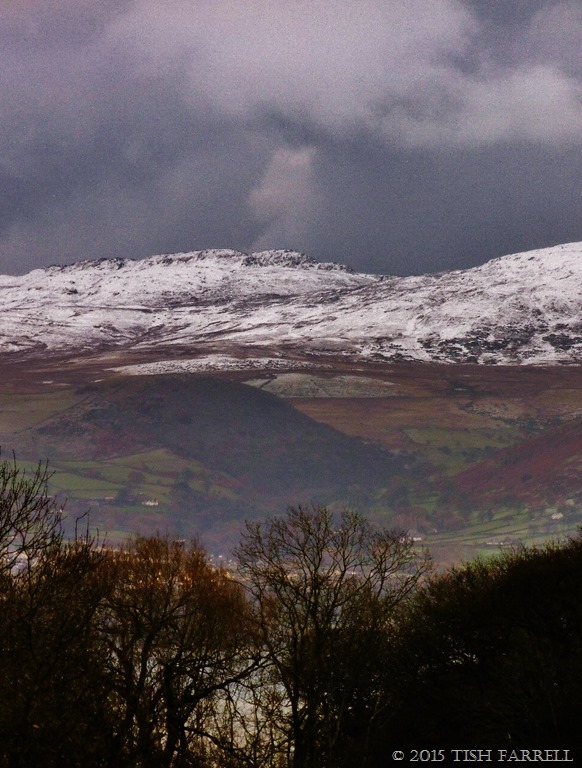
This photo was taken on a recent trip to Wales. On a sleepy October afternoon we took a stroll beneath Cadair Idris, one of Snowdonia’s most spectacular mountains. I wrote about the walk in an earlier post. You can follow in our footsteps here: Now that summer’s done, we take the Dol Idris Path…

http://www.visitwales.com/working-with-us

@visitwales

DP Photo Challenge

Now that summer’s done, we take the Dol Idris Path…

IMG_1768

The other day I decided we should take a short break in Wales as we did this time last year. Back then we went to the Llyn Peninsula. On Thursday we headed further south, to Dolgellau in Gwynedd in north-west Wales. It’ is well under a two-hour drive from home, but given that the local guidebook states that the town ‘enjoys’ 70 inches of rain a year, it might seem a perverse choice of holiday destination, and especially in the autumn. All I can say was we were very lucky. For four whole days the weather was fine, the sun often hot, and when it did rain, it did so while we slept. What could be better?

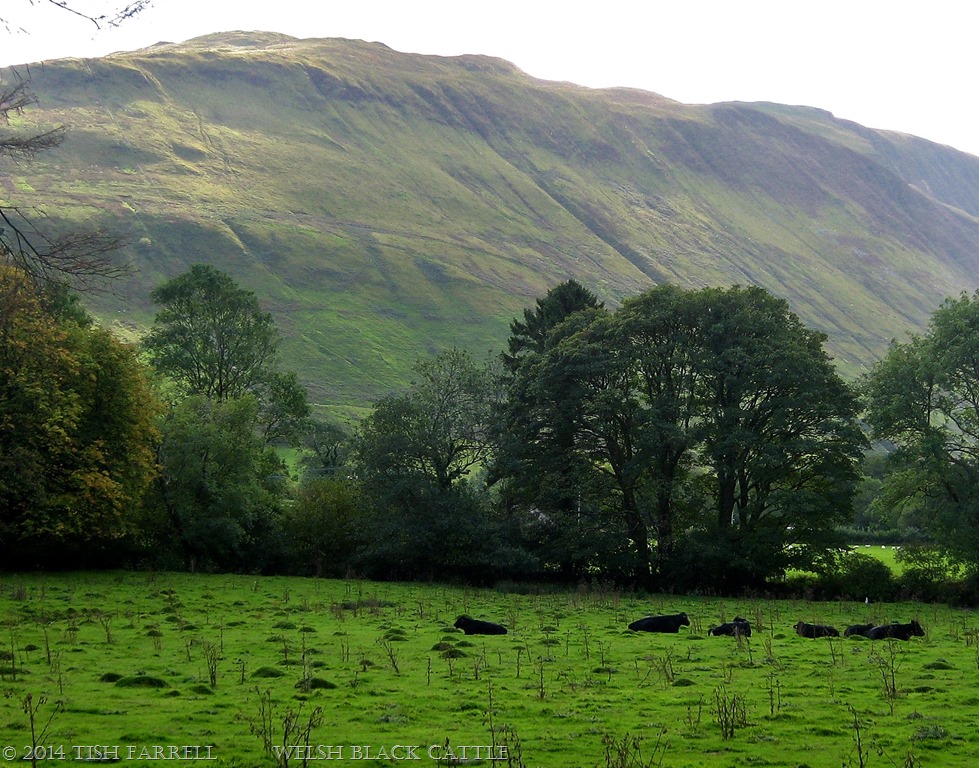
Dolgellau (Dol-gethl-eye) is an ancient market town, once prosperous as a centre of the wool trade.  Today, agriculture, especially sheep and cattle rearing are still important, but tourism has now become a mainstay. And for those who relish outdoor pursuits of every kind, then this part of Wales has pretty much everything on offer, and all set in the most stunning mountain landscapes.

Perhaps the most dominant feature in this locality is Cadair Idris, seen here in its lower reaches from the Dôl Idris Path, a few miles outside the town.

IMG_1753

*

IMG_1729

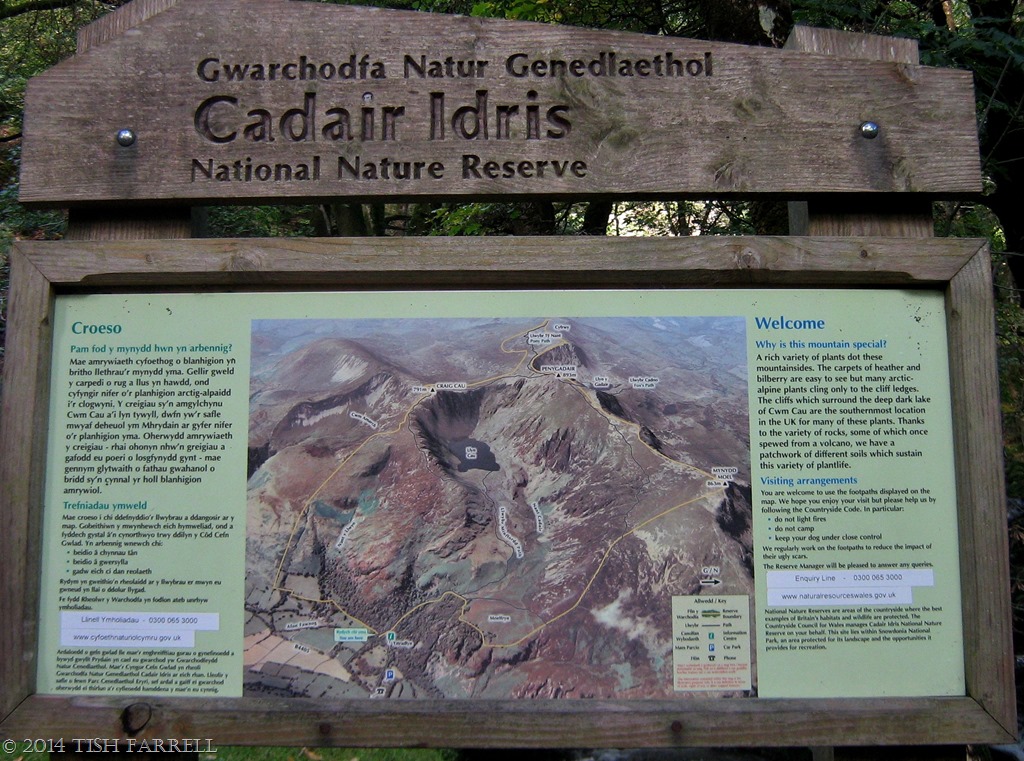
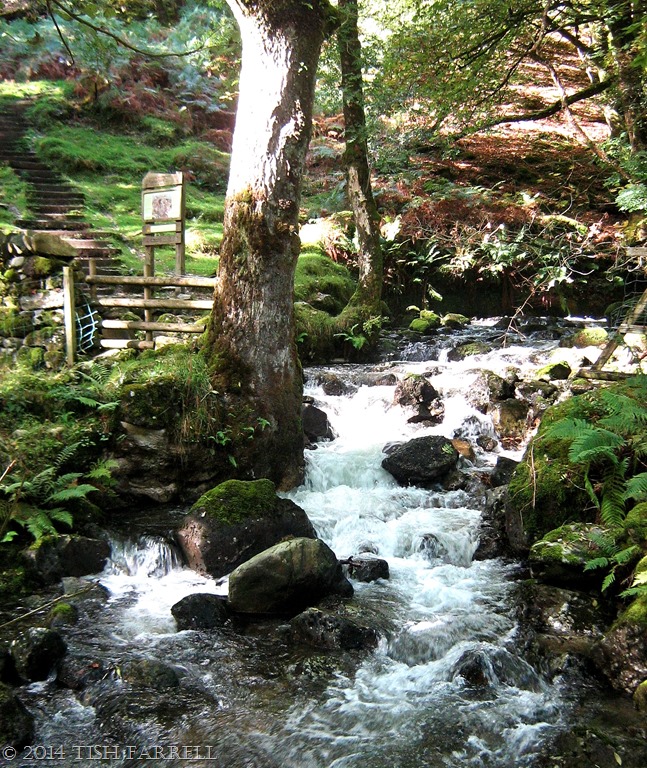
The mountain is 893 metres (2,930 feet) high, and there are several routes to the summit, but the most direct one strikes off  almost vertically from the Dôl Idris Path, which itself is a short, level route created for those who wish to stroll on the horizontal. (That would be us). So we were not tempted to take the winding stairway up the hillside, this despite its splendid setting beside a roaring waterfall. We had read the guidebook and learned that those steps mark the start of 3.8 kilometre (2.4 mile) ever-upwards haul that includes a 300 metre (1,000 feet) cliff scree face. It would take five hours to go there and back, and besides which, there was also the legend to consider. This says that anyone who spends the night on the mountain will wake up either  mad or a  poet.

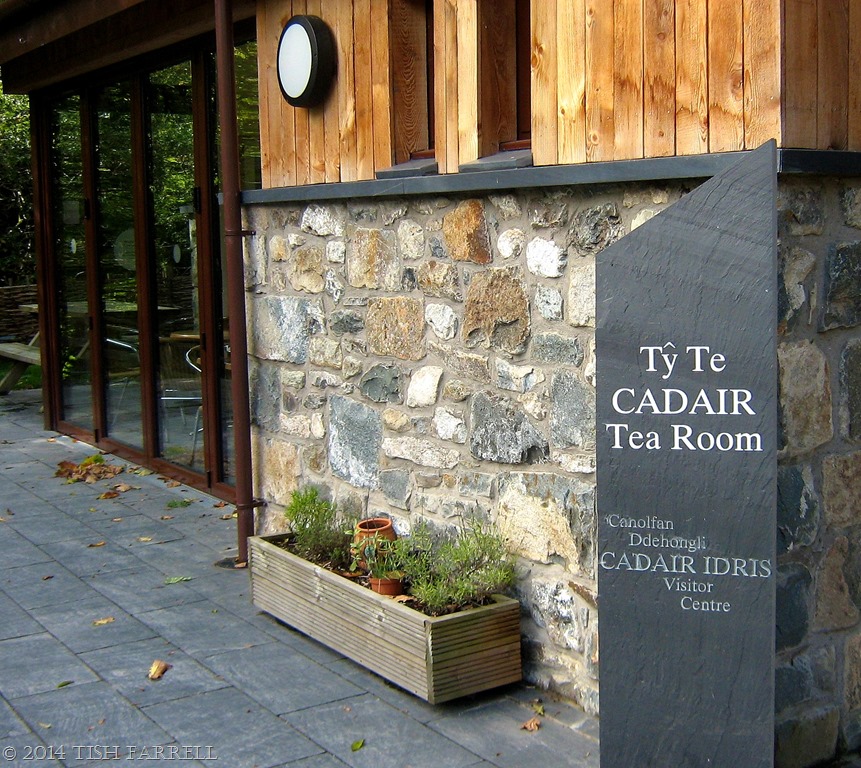
We couldn’t risk it, not even for a brainstorm of bardic eloquence. Instead we took photos, but only after we had visited the tea-room and eaten chicken curry and rice (me) and a bacon sandwich (G) while watching nut hatches on the bird feeder outside the window. (All Farrell safaris must include tea rooms, coffee houses and restaurants). Also, while we were there, we viewed the cartoon about Idris the Giant, who uses the mountain as his armchair (cadair) while gazing up at the stars. And finally, we peered uncertainly at the bat-cam video that mistily revealed to us rare and roosting horseshoe bats who live in the tea room roof space. Bats in the attic. That was  somehow pleasing too.

IMG_1725

*

IMG_1731

*

IMG_1715

IMG_1714

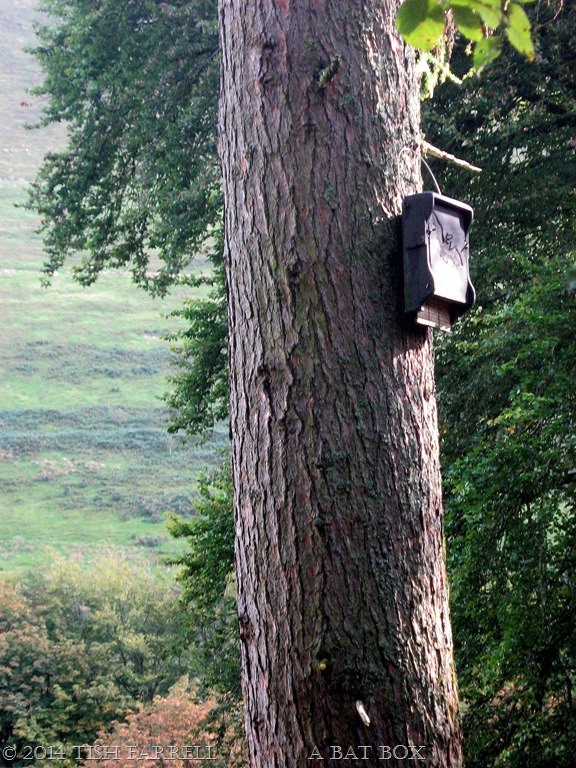
The food in the cafe was really rather good, but once back on the path we found still other diversions. There was the spotting of bat boxes in the trees. Apparently 9 species are catered for. I didn’t discover the exact purpose of the boxes – emergency roosts for dirty-stop-out bats caught out in the daylight while still far from  home?

IMG_1722

More curiously, at the foot of the mountain path, we found the ruined remains of Idris soft drinks company’s research laboratory.  And yes, it does look more like a barn. It is hard to imagine that, in its day, a cutting-edge business empire based on non-alcoholic fizzy drinks, had its  roots  in an isolated valley below Cadair Idris. The company even went on to supersede Schweppes as the sole soft drinks purveyor to HM Queen Victoria.

Dolgellau 076

Im19190726ILN-Idris[1]

The founder of the company, a successful Welsh chemist called Thomas Howell Williams, began the laboratory in 1873. The Temperance Movement was gathering momentum at this time, and the production of cheap, non-alcoholic, and (apparently) healthy drinks was welcomed.  Why Williams chose this site in particular is not exactly clear, but he was so impressed by the mountain’s splendour that he changed his name by deed poll to Thomas Idris. He also became known as The Ginger Beer Man, and all these years on, Idris Fiery Ginger Beer is still produced, albeit under the Britvic label.

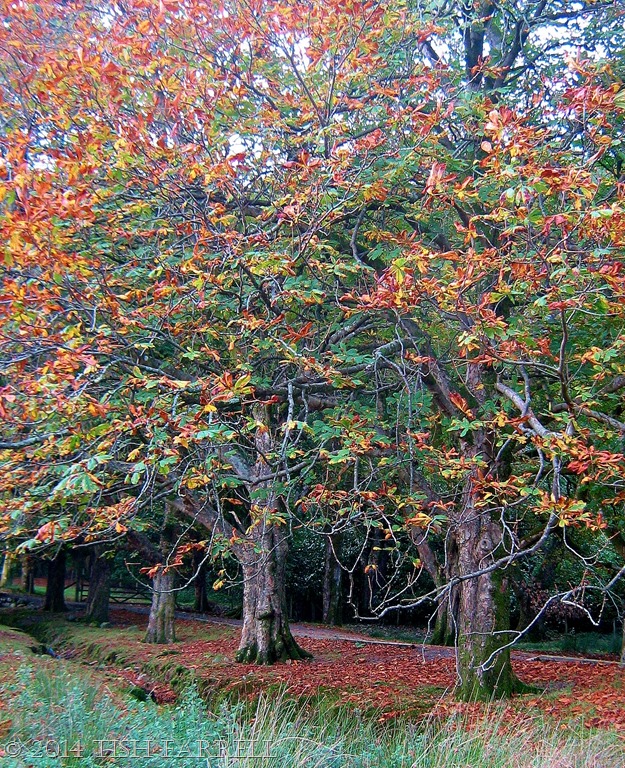
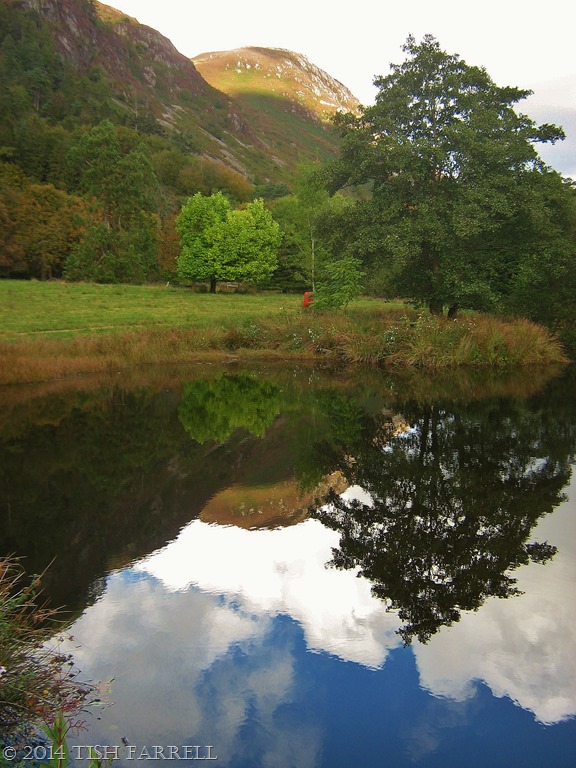
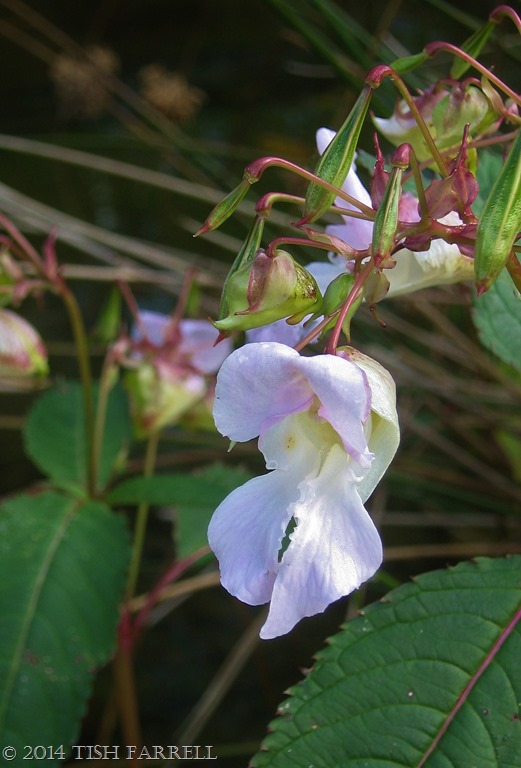
In the 1980s the Idris family gave the land to the Snowdonia National Park Authority and, in the last few years, a flat, circular path of just over a kilometre has been created to cater for all who wish to enjoy what remains of the Idris parkland domain. There is an ornamental lake with wild balsam on its margins, specimen trees dotted here and there, a fish ladder and weir to examine, secluded tables for picnics, a chestnut tree avenue, streams to walk by, and of course the tea room for the scones and carrot cake we didn’t have the first time round.

On our slow wandering we did not see the buzzards, kites or peregrine falcons noted on the tea room’s  recent ‘bird sightings’ board, but it was a fine walk on a fine autumn day, and so thank you Mr. Idris for your gift to the nation – to Wales that is, and thence to the United Kingdom that derives only the greatest benefit from the sum of its peripheral lands’ magnificent places.

copyright 2014 Tish Farrell

IMG_1734

IMG_1754

IMG_1763

*

Dolgellau 105

Flickr Comments: N words

This post was also inspired by Jo’s Monday Walk : Fountains Abbey

strait edge

IMG_0834

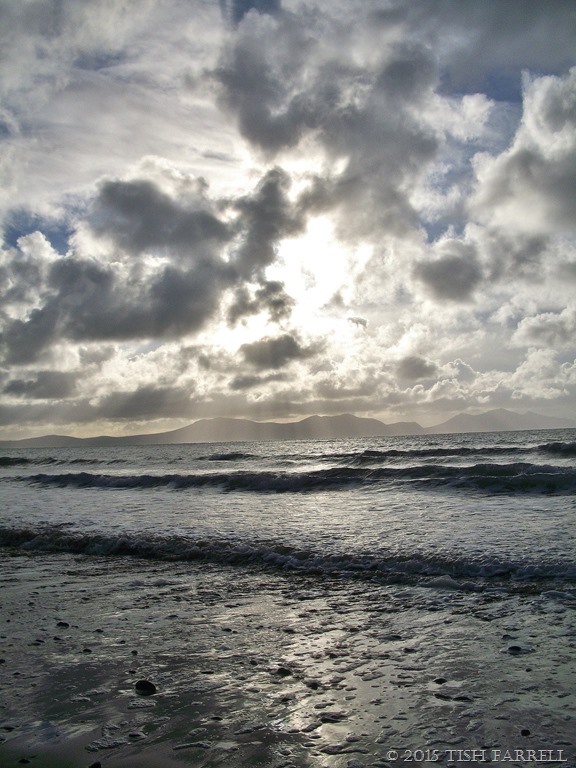
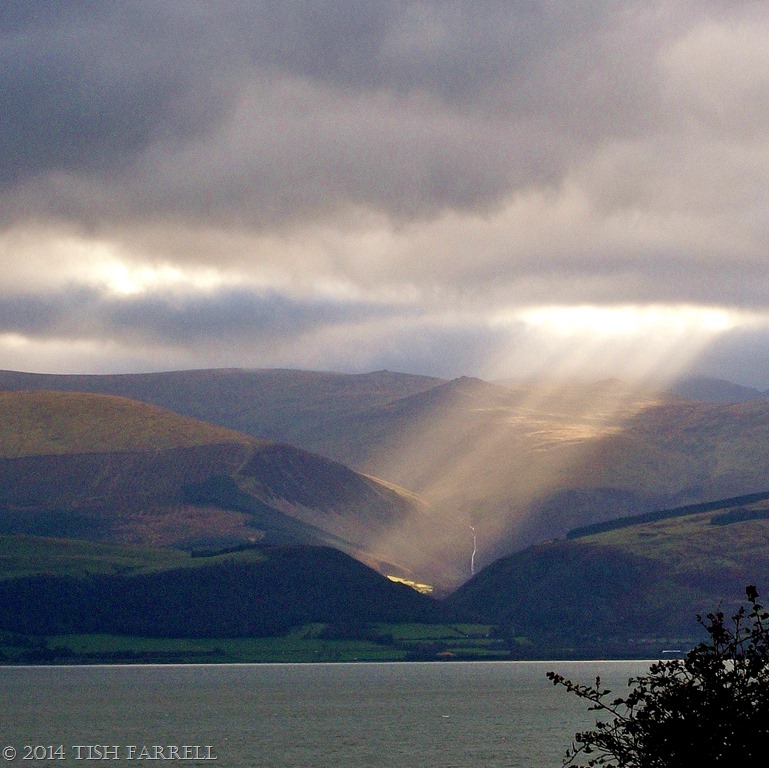
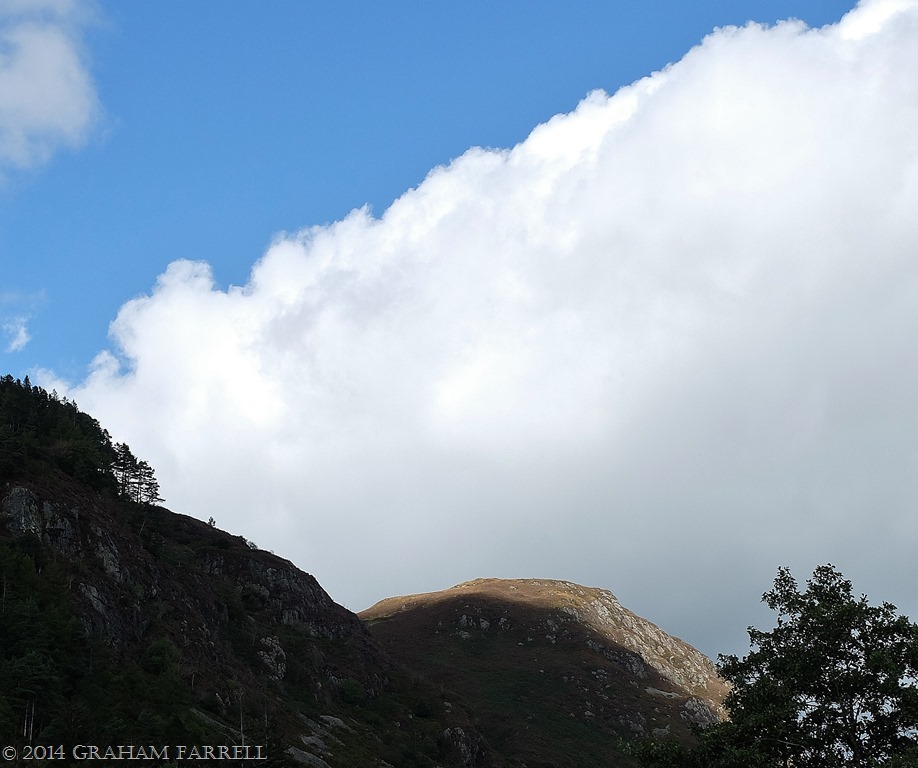
This awe-striking effect of cloud and sunlight seems to be a feature of Menai Strait, the narrow stretch of tidal water between the island of Anglesey (Ynys Môn) and the North Wales mainland. This photo (looking towards the mainland) was taken around midday in December last year. The cloud had banked so thickly it seemed we were heading into night. Over the previous days there had been horrendous winds that had torn across the island, ripping up trees and closing roads. And then quite suddenly the sun broke through – a moment of luminous tranquillity after all the storms.

Anglesey has a long and dramatic history extending back to at least the Neolithic. At the start of the Common Era it was also the stronghold of the Celtic peoples’ priestly caste, the Druids. These warrior mystics were slaughtered in a terrible battle by the army of the Roman Governor of Britain, Suetonius, which in 61/62 AD bore down on them across this Strait. You can read more about it in Island of Old Ghosts.

copyright 2014 Tish Farrell

Ailsa’s Travel Challenge: Edge for more edgy photo stories