Dandelion Dreams ~ A Bit Of Magic On Monday

dandelion clocks

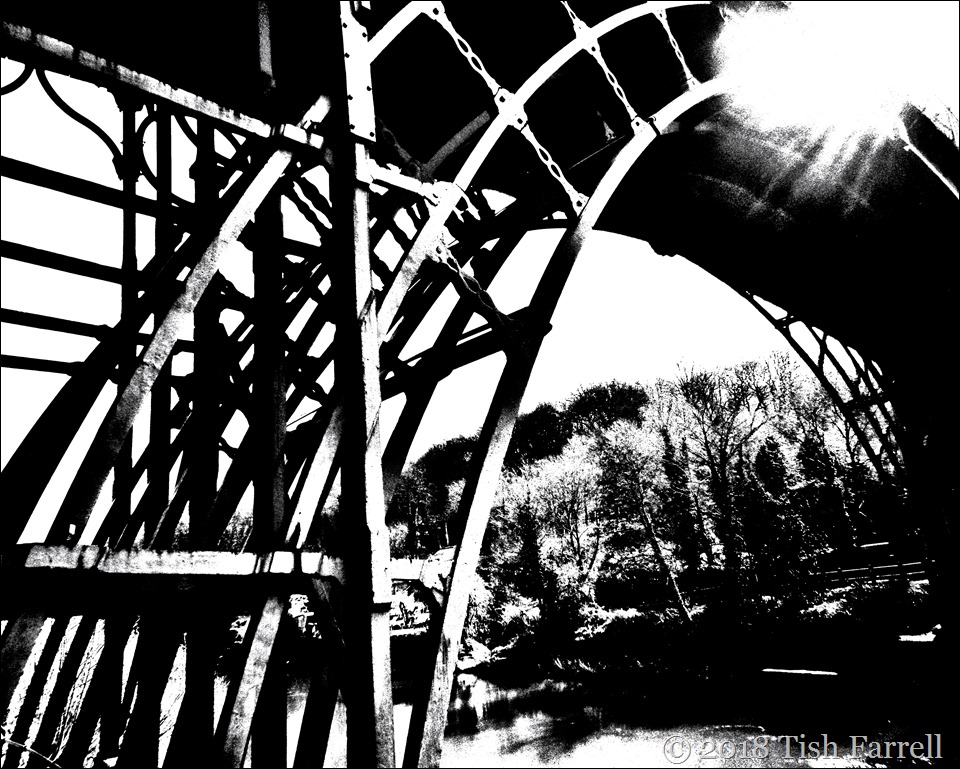
These dandelion ‘clocks’ are putting on their own firework display. If I had my gardener’s head  on, the sight of so much imminent seed shedding would cause me much frustration. Fury even.  I have spent hours, days and weeks of my life trying to keep my allotment plots and paths free of them. I have even tried seeing their good side: cropping them for their young salad leaves, making dandelion tea, roasting their roots to make coffee (very good for the liver). I also know their long tap roots release nutrients locked deep in the soil. And sometimes a field full of dandelions can look, well, beautiful.

Which brings me to the image above. I clearly had my photographer’s head on when I snapped it, and with the camera in dynamic monochrome setting. And then I edited it a little, and so emerged these magical structures. And there we have the top and bottom of it. Once we stop fighting the natural world, we can see how very wonderful it is. Or at least some of us can. This does not appear to apply to the corporate strains of our species.

copyright 2018 Tish Farrell

Cee’s Black & White Challenge: patterns

Three Hippopotamuses Or Should That Be Hippopotami? Either Way, It’s Hard To Type ~ Thursday’s Special

Scan-130716-0011 (3) b

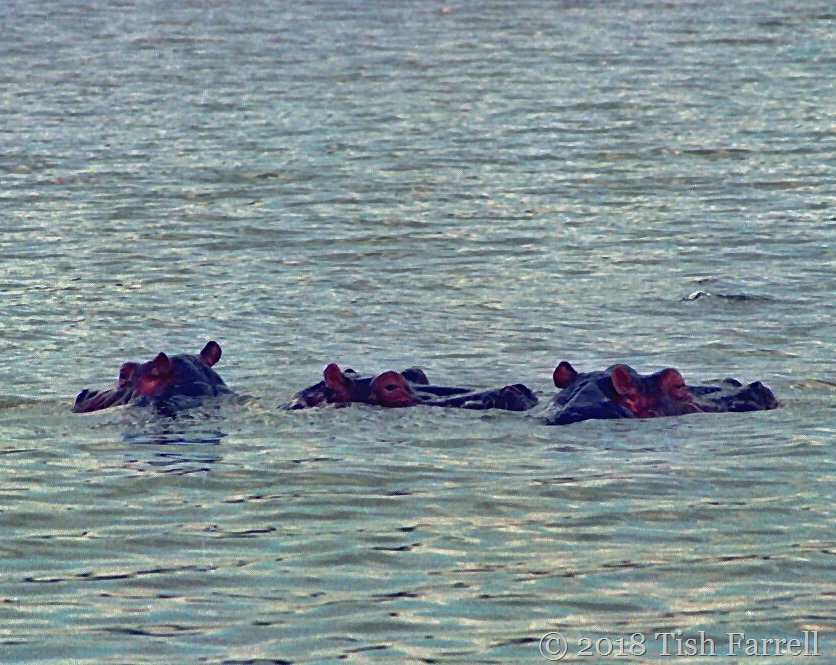
Hippos can be very disagreeable at the best of times, and downright murderous if you upset them. They are probably at their most peaceable in the water, but that does not mean that they may not capsize a  passing boat if they’ve a mind to. They spend the night hours grazing on shore, and consume huge quantities of grass, around 100lb (45kg) a night.

These Lake Naivasha hippos especially like the close-cropped lawns of the lakeside hotels, so it’s not good idea for guests to go wandering around the gardens after dark. The hazard reduces towards daybreak when the grazers usually return to the water, not liking to be caught out in the sun despite having their own in-built skin care product – a red oily secretion that protects them from dehydrating and overheating.

Once when we were Zambia, on a guided walk in the Luangwa Valley, we encountered a huge bull who was late returning to the river, and couldn’t find an accessible way down a steeply shelving bank to the water. He was so furious he decided to charge us.  (See Grouchy Hippo, Laid Out Lions.) And this is perhaps one of the most surprising things about hippos, given their bulk and tonnage – their land speed capability. They can clock 18 mph at the gallop and easily outrun a human over short distances.

As to good points – they do go in for much companionable honking and grunting when a group is submerged together for the day’s wallowing. It is one of those Africa sounds that imprint on the consciousness – once heard, never forgotten.

Thursday’s Special: trio Now go head over to Paula’s to see her unforgettable puffin trio.

P.S. Hippopotamus – the name is derived from the Greek meaning river horse. Hippos have no horse connections but are distantly related to pigs.

copyright 2018 Tish Farrell

Looking Back At Wenlock’s Snow Paths In Black & White

It’s snowing again today, but hopefully without conviction: just enough to dust the field behind the house, and coat the roofs of the garden sheds. Otherwise, despite the winteryness, there are more signs of spring everywhere – winter pansies in full fettle in Wenlock gardens, allium leaves pushing up through the soil, buds on the flowering currant, more hellebores emerging, snowdrops and catkins in the hedgerows.

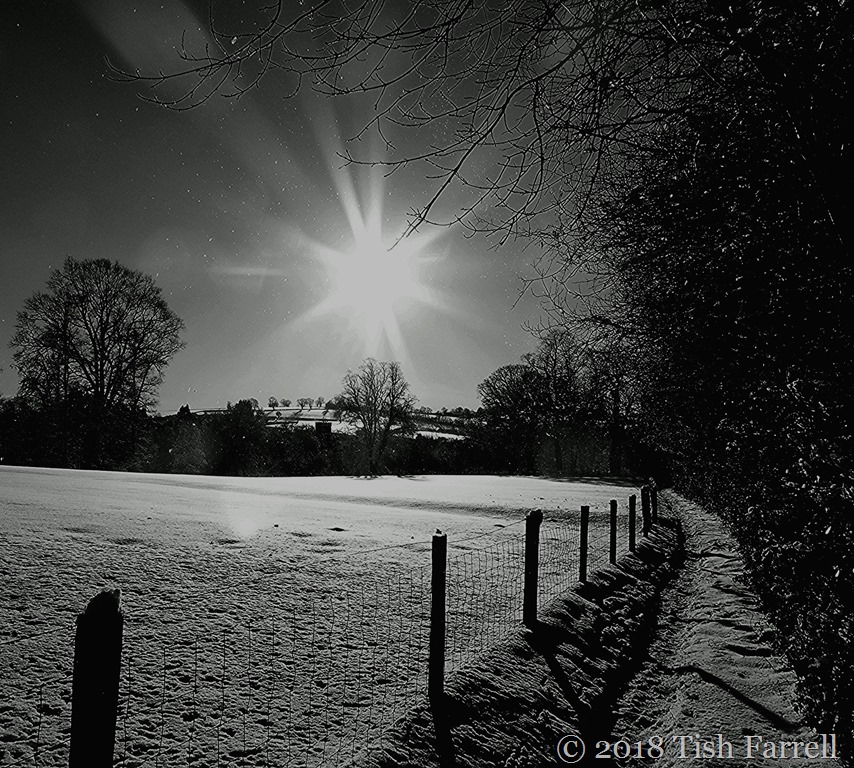
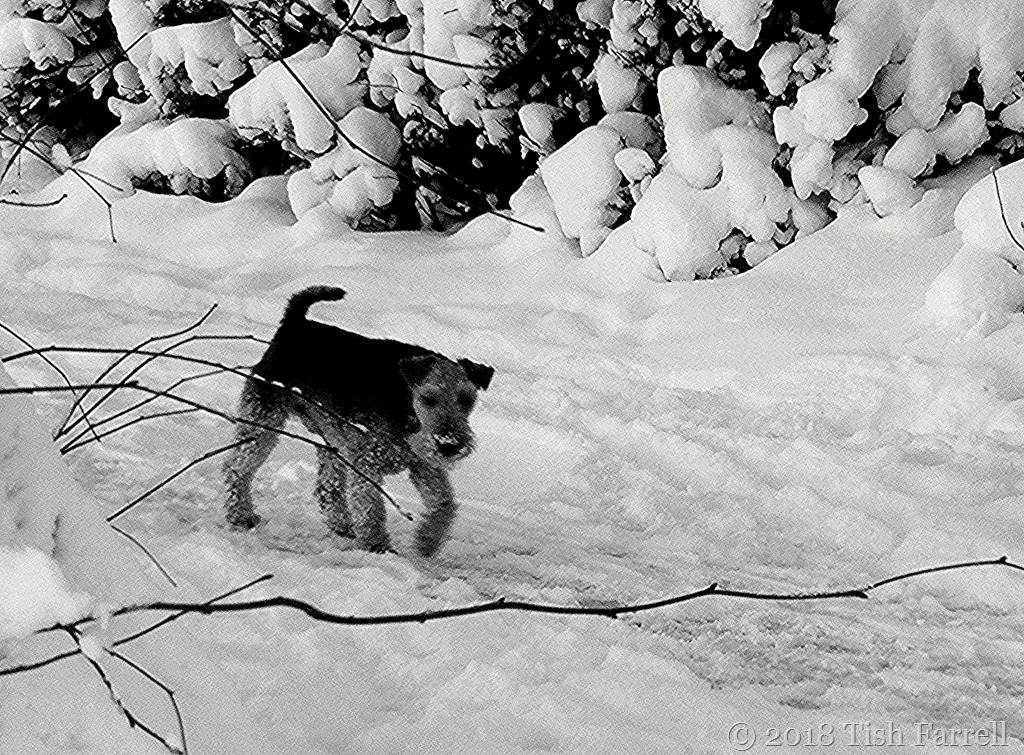
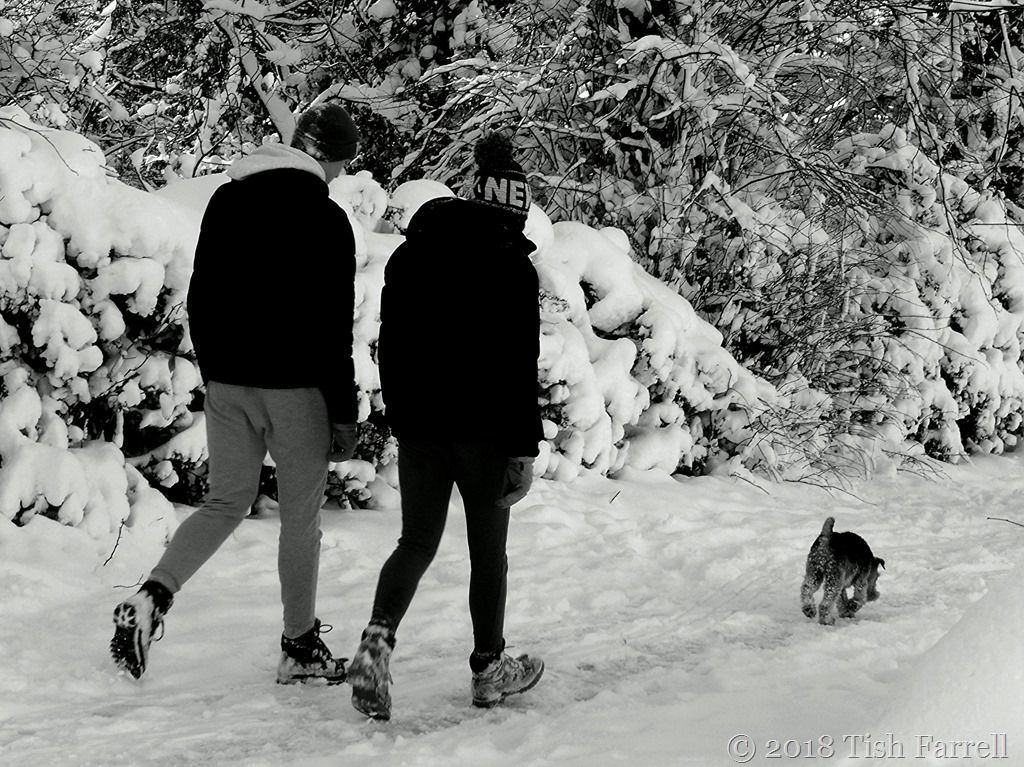
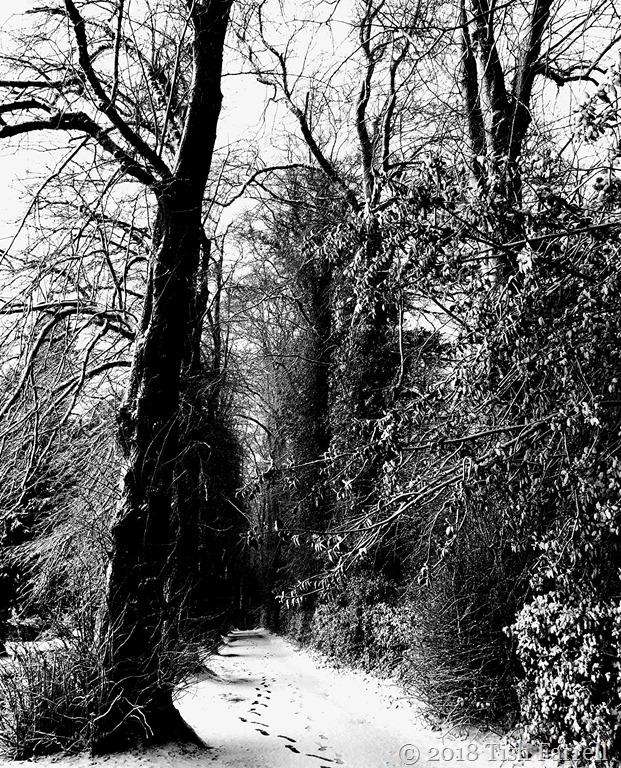
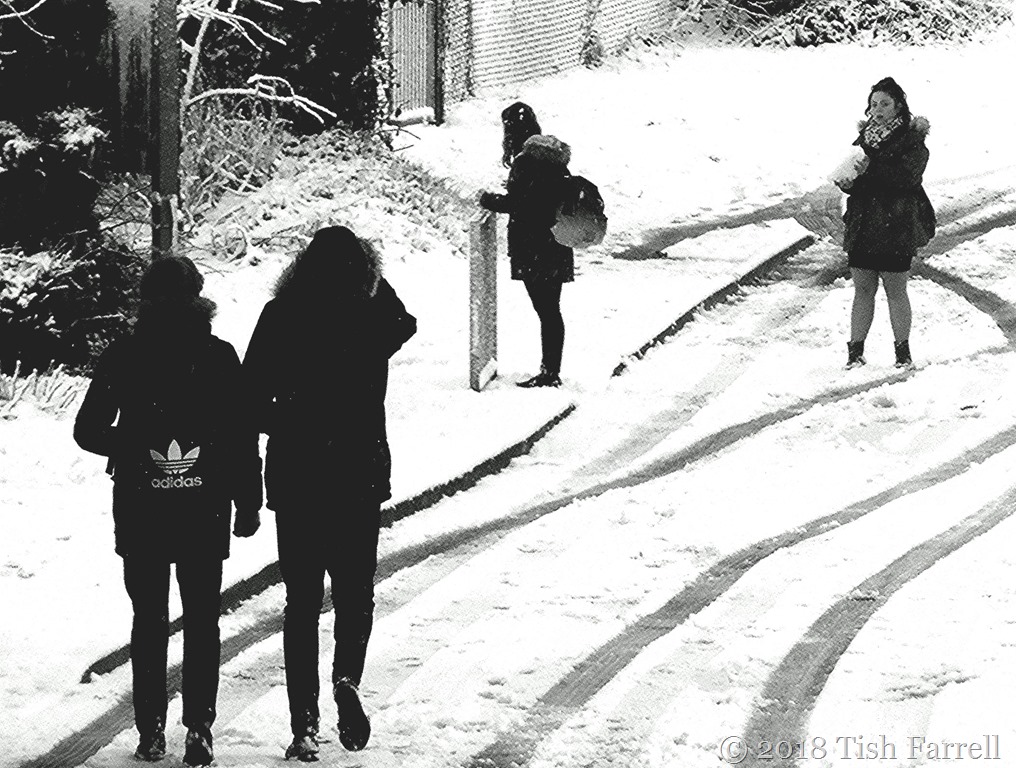
The December snow days were very beautiful, but best remembered now in photos. Some of the following shots were taken in monochrome, and some I’ve converted. The header is a conversion, and it’s only in this format that you can see that the sun is melting the snow from the branches in a mini snowstorm. It isn’t dust on the lens. The photos were taken in and around the Linden Field and I’m posting them in response to Cee’s Thursday black and white challenge: out doors – walks and roads. Follow the link below to join in.

P1030785 b

P1030786 b

P1030628

P1030637

P1030597ab

Cee’s Black & White Photo Challenge – walks and roads

This slideshow requires JavaScript.

Elephants May Never Forget, But The Human Posting This Photo Has A Very Faulty Memory

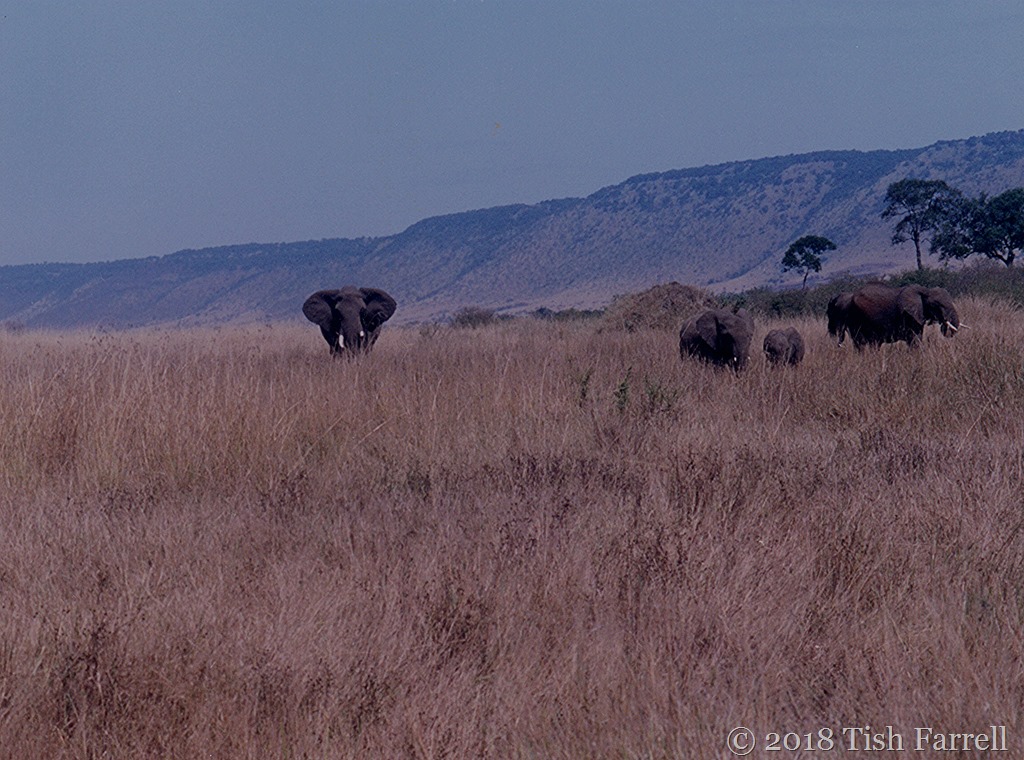
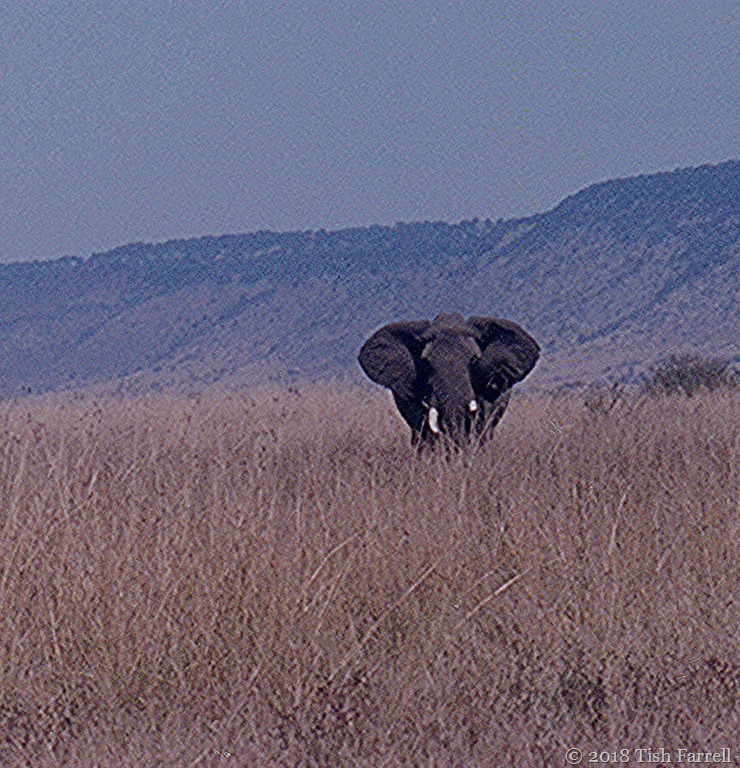
I have no recollection of taking this photo. I came across it yesterday in a pile of ‘to scan’ shots that had been lurking on my desk for a while. How could I not remember this marvellous scene – elephant family against Maasai Mara backdrop of the Oloololo Escarpment? Not only that (and I know elephants are short-sighted) but the one left-of-centre, possibly the matriarch, seems to be looking straight into my lens. And the ears are out, which is not usually a very good sign. Fortunately, though, the trunk is not up. When that happens, swift retreat is definitely called for; an angry elephant can flatten a truck.

We must have driven on and left them to their peaceful browsing. Time is of the essence; it takes a lot to fill an elephant every day – 300-400lb (135-180kg) of grass, reeds and tree parts (grass is their preferred food and they actively deforest areas to encourage grasslands, which may explain the broken tusk) and 30-60 gallons (135-270 litres) of water. A full time job then, seeing to those creature requirements.

For more about elephants see the previous post.

elephant_0001 b

copyright 2018 Tish Farrell

Daily Prompt creature

Most Beloved ~ The Elephant Child

best version 1

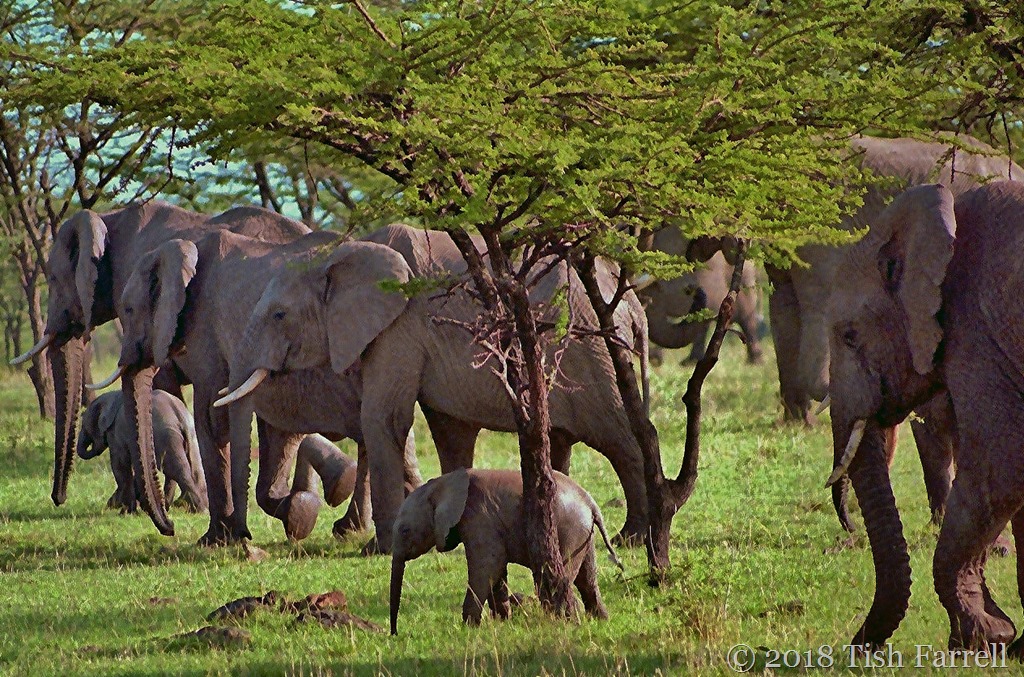
The fervour of elephant love should never be underestimated. Look like a threat to an elephant child and death will surely follow. But in peaceful surroundings, and from safe quarters, the way a matriarchal group shepherds and protects their young is marvellous to behold. The header photo was taken in the Maasai Mara in 1999 from a safari truck, but the account below is of a scene witnessed in 1992, one night at Kilaguni Lodge in Tsavo West national park. Some of you will have read this piece before, but then I think it’s worth retelling. You can’t say too much about elephants, can you:

Night comes swiftly in the African bush but never quietly. As the sun drops behind the Chyulu Hills, so the pipe and whirr of frog and bug ratchet up a few decibels. It is like a million high tension wires being pinged and twanged. If you listen with both ears it can drive you mad. Likewise, if you allow yourself to succumb to the night’s sticky heat and the hypnotic scents of thorn flowers, then do not be surprised when the sudden scream of a tree hyrax stops your heart.

But we are not going mad. And our hearts are just fine. We think we have cracked this Africa lark. Well sprayed with insect-repellent, all accessible parts covered as can be, anti-malarials ingested, it seems safe to sit out on our veranda at Kilaguni Lodge  and do some night-time big game watching.

Below our room is a barren stretch of red volcanic earth, and a water-hole lit up by two search lights. The illuminated circle that the lights create is like a stage set. It seems we are seated in a mysterious wildlife theatre waiting for the cast to appear.

The contrast is disturbing. By day, this self-same set is furnace red, littered with volcanic spoil; it is the haunt of the cadaverous-looking marabou storks and the occasional zebra. By night, all is softer, surreal. You feel you might dissolve through the light into perpetual darkness; for out there the night goes on forever, doesn’t it?

And so we go on gazing at the scene. It takes some time to realize that small groups of impala are emerging from the gloom. Their stillness is mesmerizing. Perhaps they are not there at all.

And then…

And then…

The impala are wary. You can almost see the charge of anxiety ripple through the herd. We hold our breath and stare into the dark behind the lights.

And then we see them – black hulks gliding through the thorn trees. Elephants. They have come so silently, walking always on tiptoes, their heels cushions of fat to muffle their footfalls. Slowly they move in from the bush. Even in the dimness beyond the pool, their hides glow red, irradiated by the igneous dirt they have blown over themselves.

In the wings the elephants pause. It is hard to say how many are there. After a few moments two peel away and the rest of the group retreats again into darkness. Two large matriarchs now head for the pool. At the water’s edge they part, and in matched strides stake out the water-hole from opposite directions. There’s an angry trumpeting when an impala fails to withdraw fast enough, and only when the entire bank is clear do the elephants go down and drink. Yet  they have hardly taken a couple of gulps when they move back and take up guard duty, one at each end of the mud bank.

We are transfixed. We cannot fathom the plot, but note that, despite the elephants’ aggressive stance, there has been a concerted gracefulness to their routine. It crosses my mind that the great choreographer, Balanchine, once made a ballet for elephants. Now we see they have dances of their own.

And so we wait.

Slowly the rest of the group reappears, moving as one in the tightest huddle. As they enter the spotlight we understand. Tucked safely between the legs of four large cows are three infants. Like precious celebrities surrounded by an escort of heavies, the youngsters are guided to the water. There, with tiny trunks they cannot quite control, they drink their fill. The whole thing takes only a few minutes. Then, with this life-and-death task accomplished, the sentinels re-join the group, and the small herd leaves as silently as it came, melting into the backdrop.

For the rest of this piece see earlier post The Tsavo Big Game Show – It’s A Dangerous Pursuit

copyright 2018 Tish Farrell

Daily Post: Beloved

On Windmill Hill ~ Thursday’s Special

P1040245

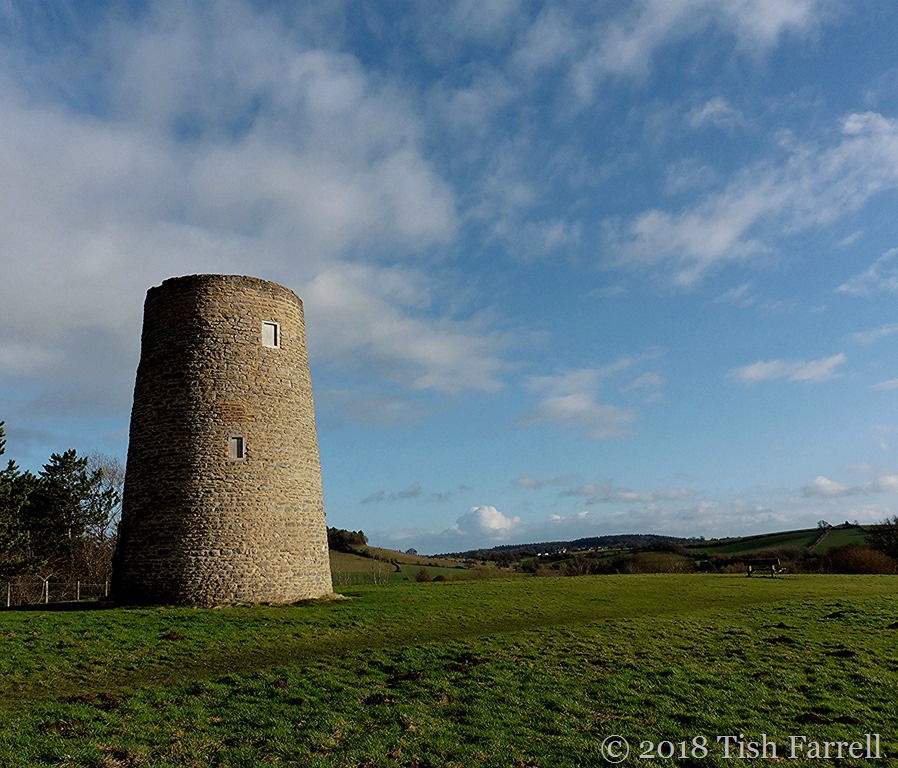
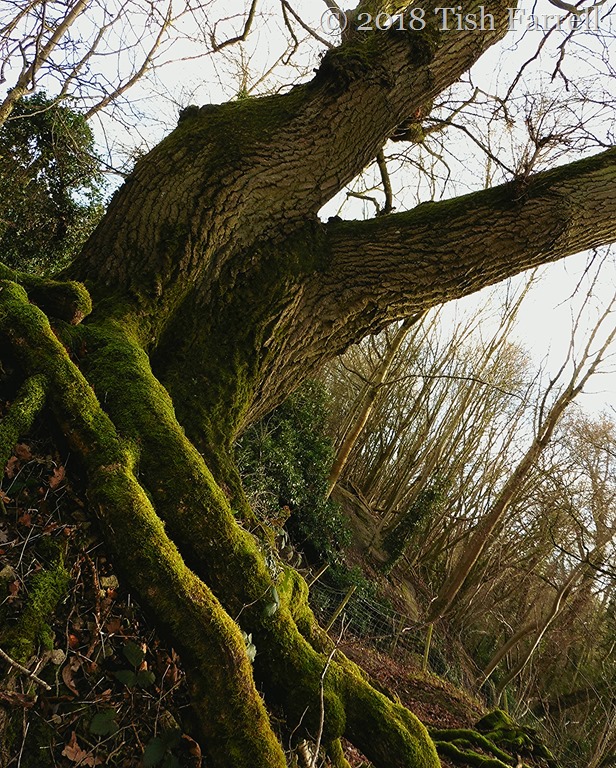
Yesterday the wind was whistling into Shropshire through the Cheshire Gap, and despite the apparent stillness and bright sunshine in this photograph, it was one big icy blast up on Windmill Hill. I did not stay long. But in the shelter of the woods, lower down the hill, I did stop to catch these mossy tree roots:

P1040260

P1040255v

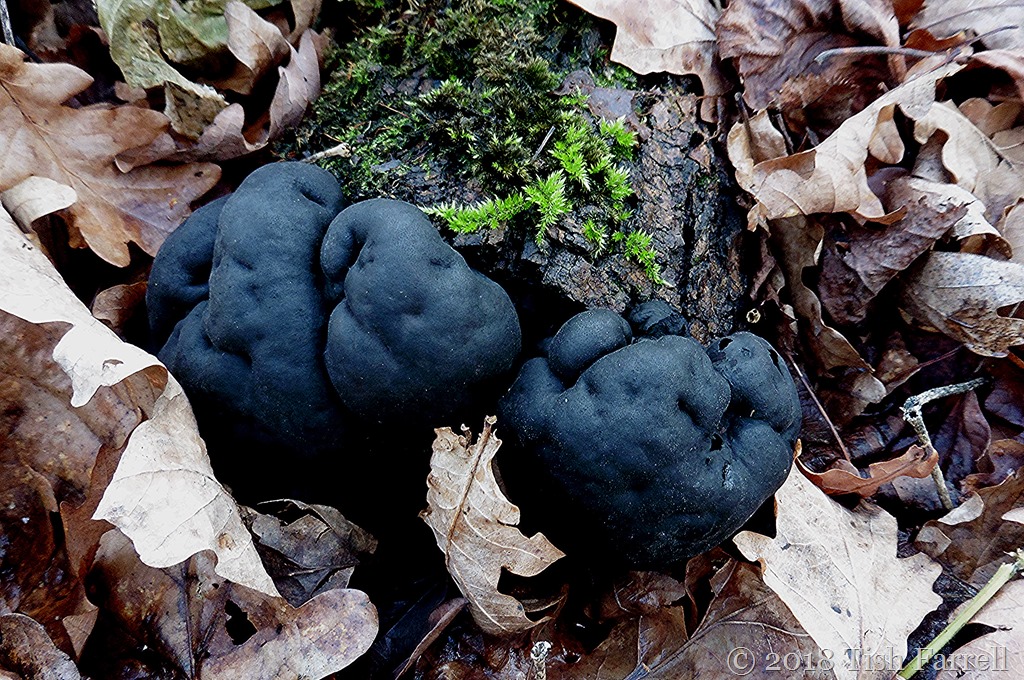
And then among the fallen leaves I found this very strange fungus:

P1040257

This week at Thursday’s Special Paula has given us five word prompts to choose from. My choice for these photos is protuberant. Pop over to Paula’s to join in.

Thursday’s Special: Pick A Word

Once When We Were In Africa At The Foot Of The Ngong Hills…

In December 1993 we returned to Kenya after nearly a year spent in Lusaka, Zambia (Graham had been overseeing the distribution of European Union food aid during a period of extreme drought in southern Africa). For much of the preceding year he had been in Kenya working with a team controlling Larger Grain Borer, a crop pest introduced to Africa in consignments of U.S. food aid. (Short-term emergency assistance can too often lead to unintended long-term chronic consequences). The reason for returning to Kenya was to wind down the LGB project. Predator beetles had been bred and released in affected areas; it was time to let them do their work and leave Kenyan scientists to monitor progress. We were thus not expecting to be in Kenya long, but somehow that ‘not long’ stretched to January 2000. For some of those years I kept a journal. Here is the first entry:

Sunday 19 December 1993

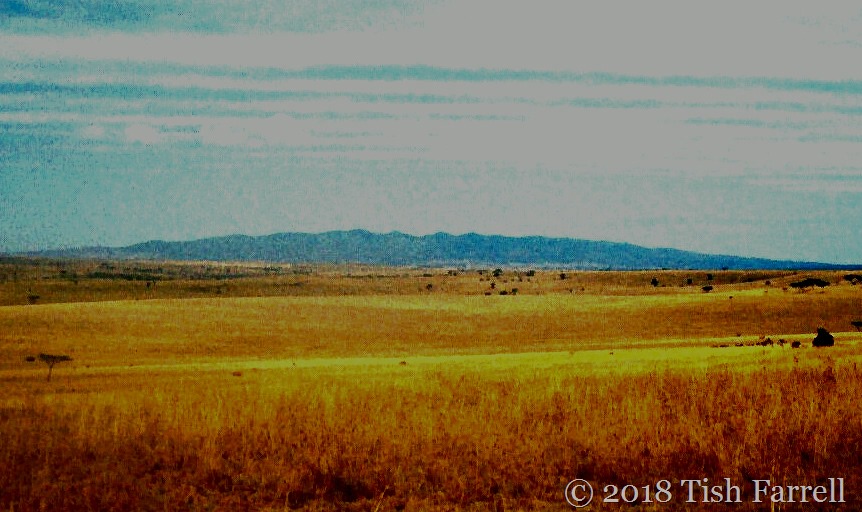
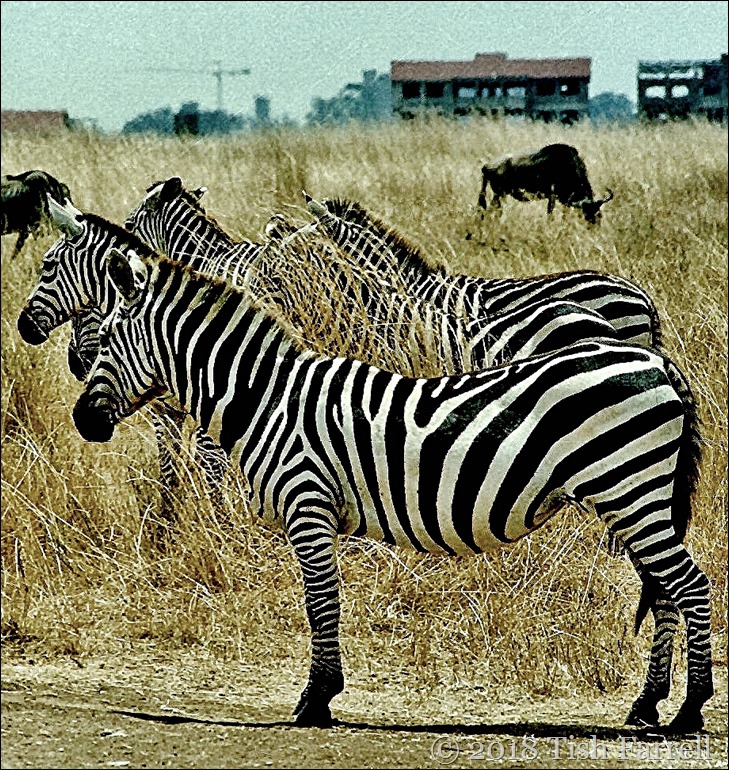
Our first trip out to the Nairobi National Park since our arrival back in Kenya. We had thought of it often while we were away. Of stately giraffes. Yellowing plains beneath the hazy blue of the Ngong Hills (the four peaks  said to be the knuckles of a giant’s clenched  fist). Groves of fever trees along the Athi River.

Now we have returned well prepared with map, camera, binoculars and a picnic. But as we pull into the main entrance on Langata Road we see that there have been changes since our last visit: the stand of  tall eucalyptus trees that lined the approach have been felled, and their ground carved up, exposing the red raw earth of a building site. It looks as if a new wildlife service administration block is nearing completion. We had heard about Richard Leakey’s large loans from the World Bank: this must be one of the newly funded enterprises. But at the entry gate little has changed ; there are still negotiations over the size of the Land Rover and its appropriate tariff and much accompanying paperwork. It is worth it though. As residents, a day’s pass costs us a mere two pounds thirty pence.

Once through the main gate we drive slowly through open woodland and dense shrubby undergrowth. Judder over the sleeping policemen meant to slow you down because it is quite likely that a giraffe will step into the roadway here. Even on to the asphalt. And the presence of a tarmacked road in a game park always takes me by surprise. But in this instance it was probably laid for the benefit of dignitaries going to the famous ivory burning ceremony in 1989. It took place just a kilometre or so within the park, a big show involving President Daniel arap Moi setting light to the retrieved tusks of nearly 2,000 poached elephants, an act intended to demonstrate Kenya’s commitment to conservation. There is a monument to mark the event and a picnic site where you may get out of your car and  feel the grasslands wind on your face. The Athi Plains stretch out below.

But it is not a wilderness view by any means; perhaps even challenges the sincerity of the grandiose ivory burning gesture. To the north, where a hundred years before there were only empty plains, city high-rises glint in the sun. Directly behind the wire fencing of park boundary there are more recent developments: grey-stone apartment blocks whose half-built elevations have all the charm of a post-war bomb site. Then as we turn towards the plains a large passenger jet takes off from nearby Jomo Kenyatta airport and soars into the blue above us. It seems an unlikely spot for game watching.
park 11v

But just as we are turning on to the dirt road, a blue Land Cruiser approaches and pulls up beside us. The driver is English. His accompanying family look red-faced and querulous. He, though, is excited.  “There’s a lion back there guarding its kill. Just follow the track. There’s a group of four trees. He’s under the one nearest the road.” He pauses. A wrinkle of doubt. He has clearly had a hard morning with cross children. “If you’re interested?” He adds, half query, half-throwaway remark.

We are. We drive off – full of hope. Will the lion still be there?

We drive slowly, scouring a landscape dotted with low bushes, hoping the four stunted thorns will make themselves obvious in this terrain of few landmarks. They do. A stone’s throw from the track lie the remains of a large antelope. But there is no sign of the lion. Any other time we would have driven on, but being forewarned we pause for a better look.

The antelope is lying in the shadow of the little tree. We scan the scene with binoculars. Nothing. But just then a mighty tail flicks up above the grass. Graham turns off the car engine, and in the next moment up comes a mighty head to go with the tail. He fixes us. Yellow eyes. Yellow mane. Then his head flops back into the grass and once more he is invisible. We wait and decide to eat our sandwiches – pastrami and horseradish. Perhaps the lion catches a scent of them for suddenly he is on his feet. He is massive. He is staring at us. He is heading our way. A frisson of fear, despite the sheltering Land Rover. But no. He has merely risen for a stretch. Then he returns to his tree and sits down with his back to us,  a posture that reminds me of the yellow labrador I once owned. The similarity is, of course, misleading. Then down he flops. An occasional tail twitch, a momentary fix of an eye, a large yellow lion stretched out in a clump of bright yellow daisies. We leave him in peace and drive on.

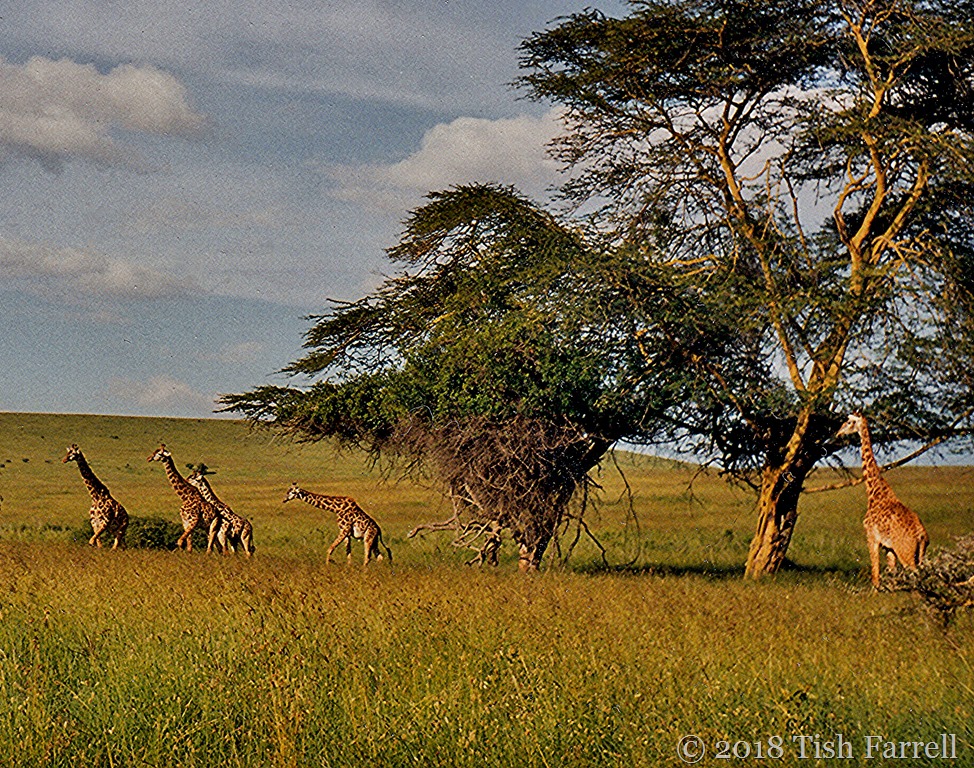
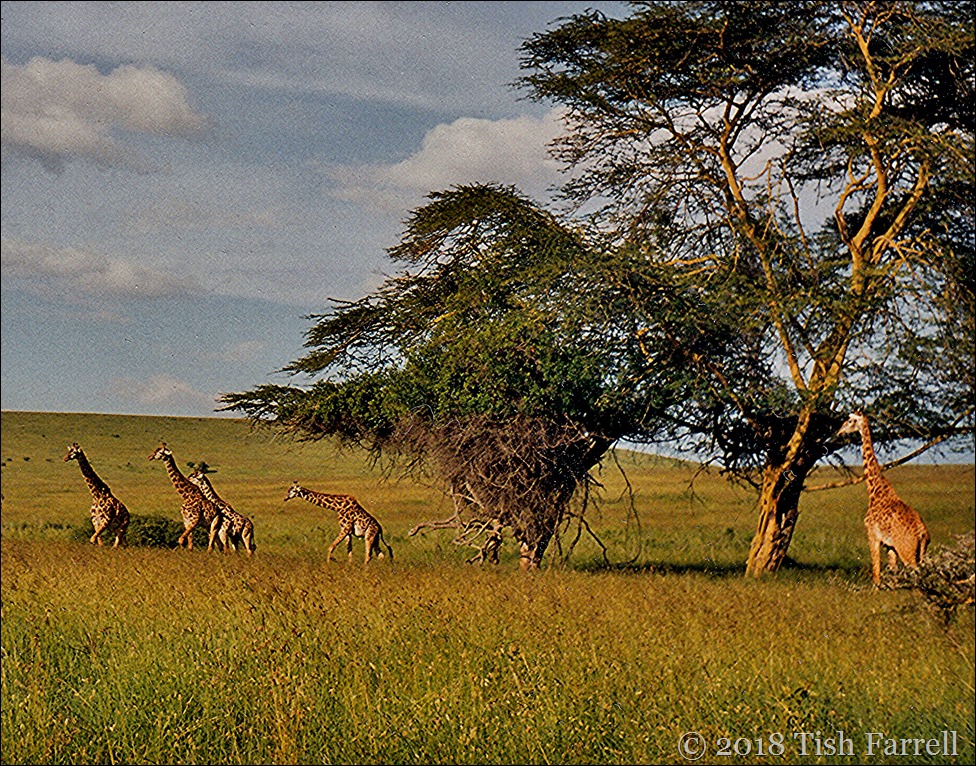
And it is hard to register such sightings. Are they real? Here we are out on a Sunday morning drive. We have just picked up the newspapers from the street vendor, driven past crowds of citizens on their way to church, are barely beyond the city limits. We are not at the zoo, nor in a contained English safari park. The animals that browse and hunt here are wild; they come of their own accord. For although the boundaries with the city are well fenced, there is still an open corridor to the south-west which allows the game access to and from the Maasai Mara. And as we push on along the dirt road we see Maasai giraffes with their lacy butterfly markings, strung out along a low gully, peacefully browsing the short-rains greenery of the acacias. And behind them, towering on the skyline, the garish blue and red construction of the Carnivore restaurant’s water splash.
giraffe

park 10v

It puts you in a quandary. Part of you yearns to recreate the illusion of out-of-town wilderness,. Perhaps a planting of quick growing gum trees to screen the areas of urban spread. But then, despite their commonplaceness here, eucalyptus are not natives, and they might just suck the plains dry of their precious moisture. Some indigenous forest trees then. But they would take longer to establish. Would have to be fenced off from the foraging herbivores until they reached maturity. And anyway, how could you possibly blot out the airport and the cement works?

Leave it as it is then; an ungainly halfway house between the natural world and city living. As outsiders we would rather see the plains teeming with wildlife and no ugly signs of human enterprise and industrial development. But it is too late for that. And besides, who are we to complain? Our empire-building forebears had their chance to manage well and wisely this land of plenty. And for the most part they ignored both the needs of its wildlife and, more particularly, the needs of its indigenous peoples.

So no, we have no room to criticise.

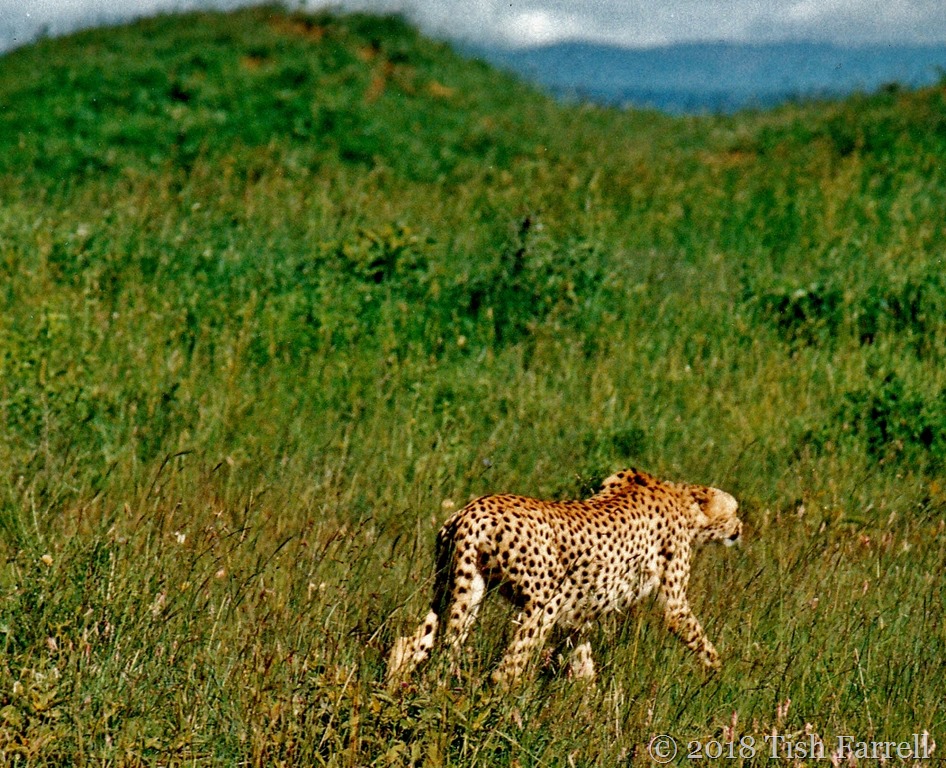
All we can do today is be grateful that we can drive out to the Athi Plains in our car and see a lion, or watch the quiet grazing of wildebeest, gazelle, eland, kongoni, zebra and know too that there is always a chance that we may just spot a family of cheetahs out hunting, or come upon a reclusive rhinoceros browsing quietly. But that within an hour we can be back inside the well-tamed confines of our suburban Nairobi garden, drinking a cup of tea. But perhaps it seems too convenient, too small a challenge; almost as “easy” as the early white settlers had it, when they looked out of the newly installed drawing room windows to find a pride of lions stretched out on the veranda.

copyright 2018 Tish Farrell

IMG_0004

Yesterday Along The Lanes In Wenlock

P1040186

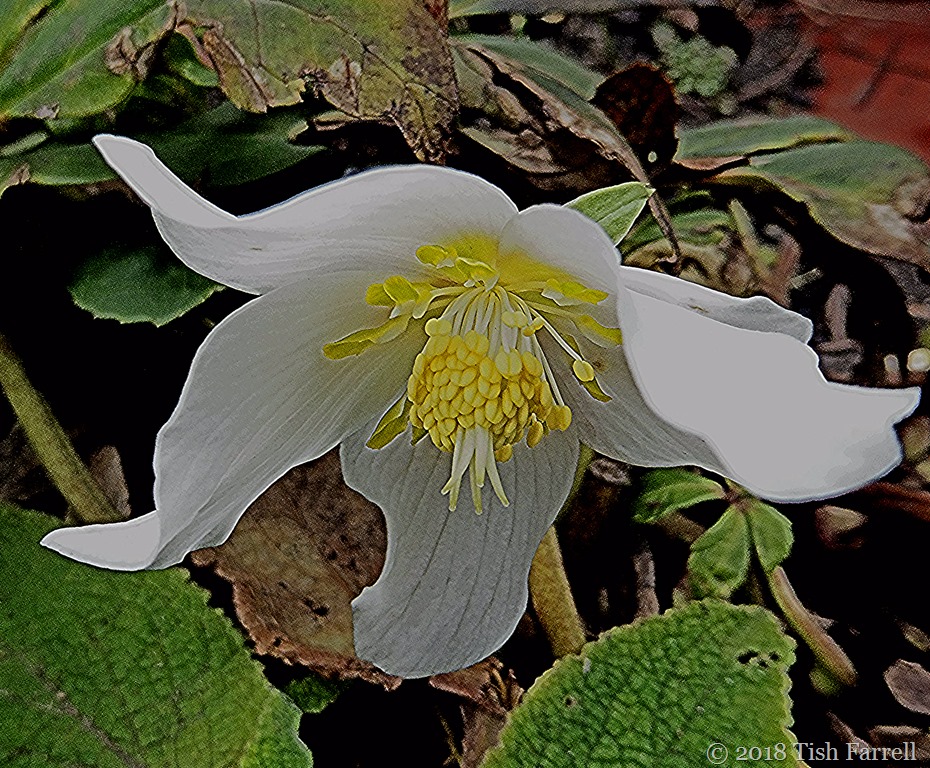
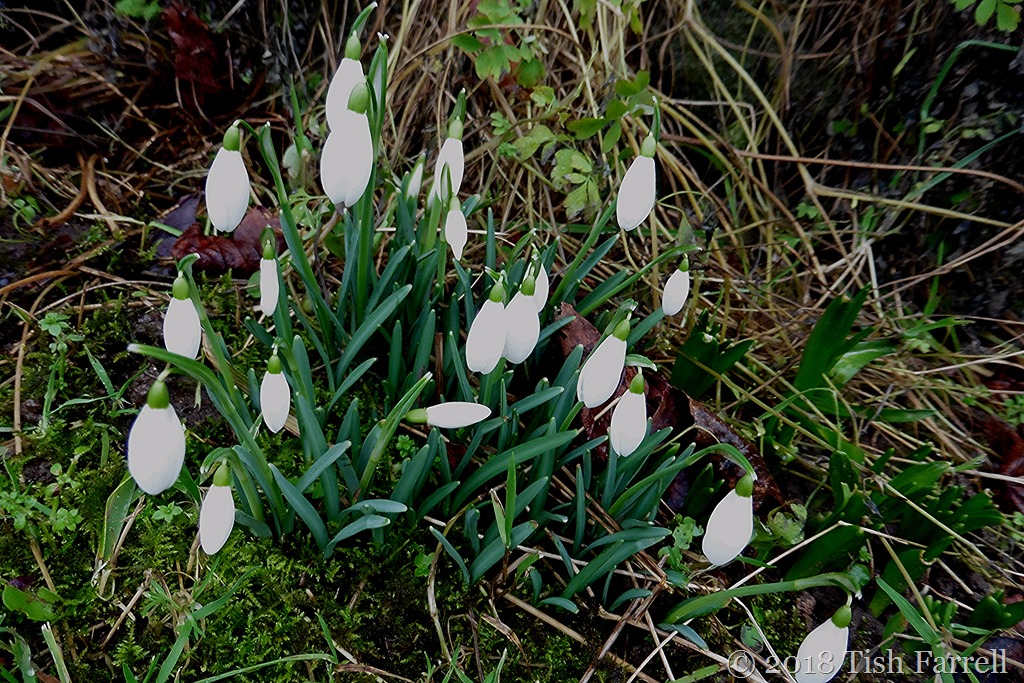
I don’t remember ever seeing lesser celandines flowering in January. They are at least a month too soon, and this one has clearly been around a while, and much rained on. Snowdrops, though, are timely, and they are cropping up everywhere in gardens and wooded margins around the town.

P1040181

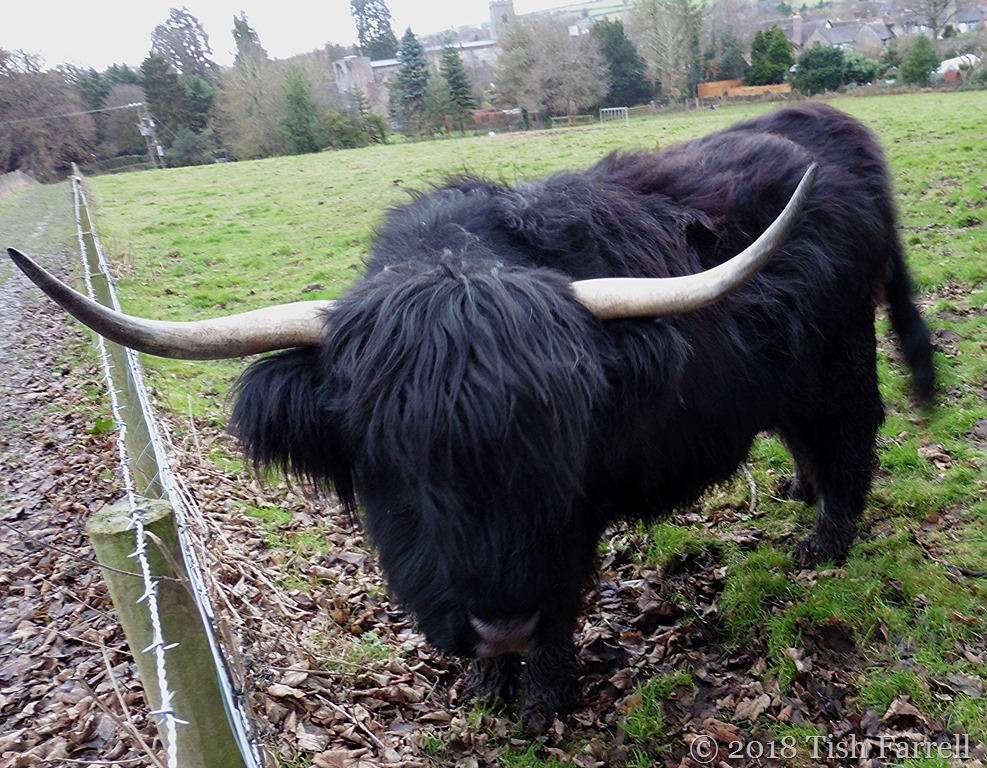
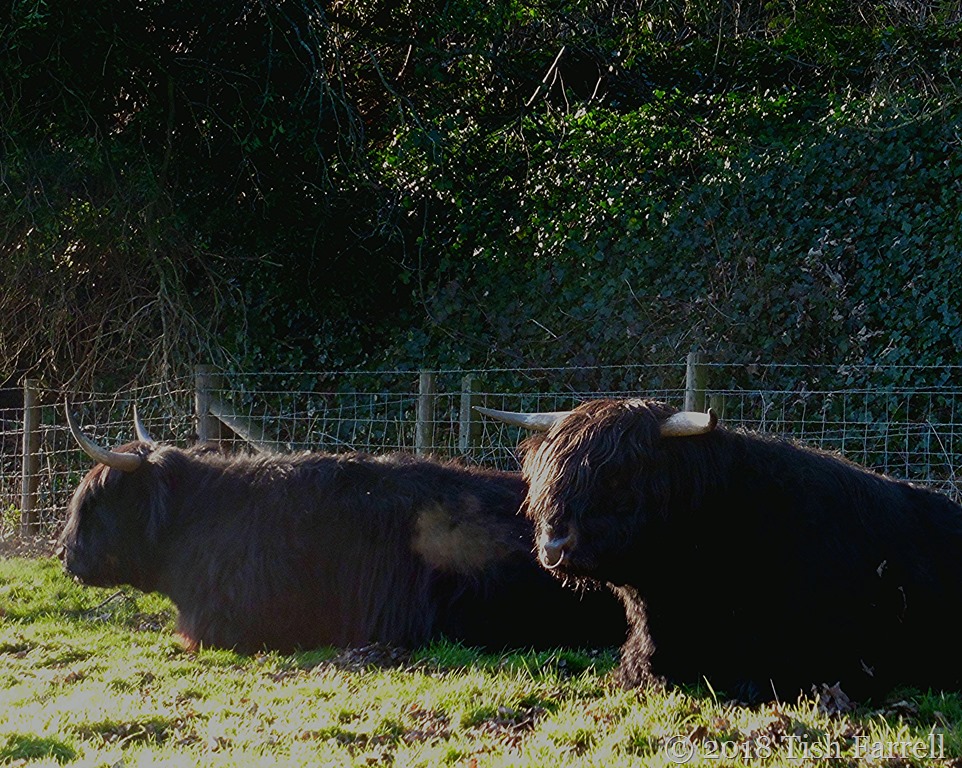
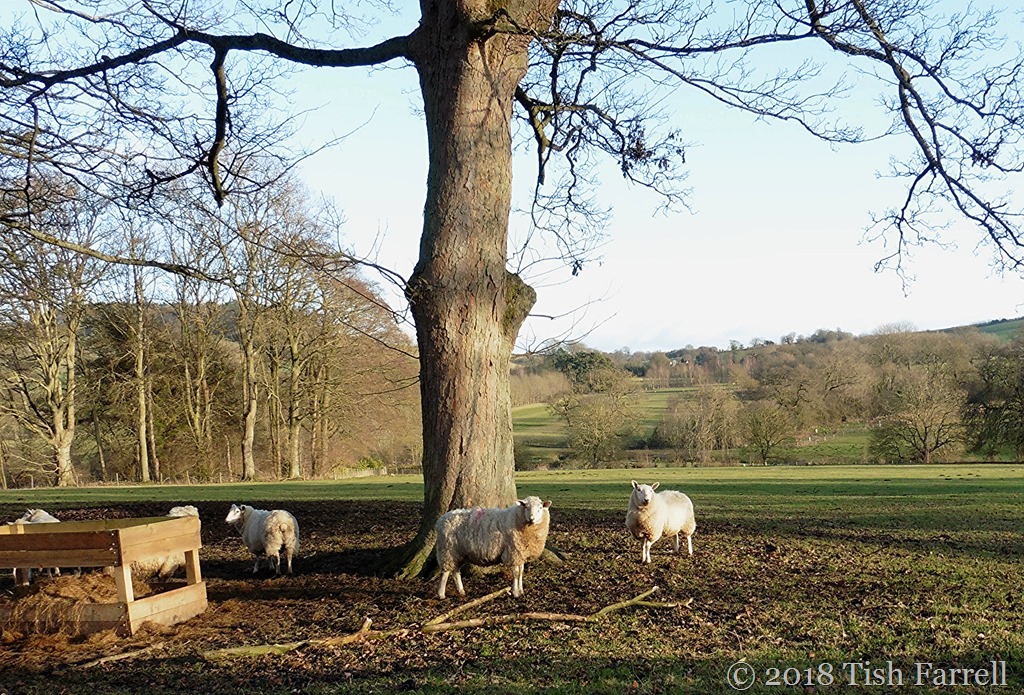
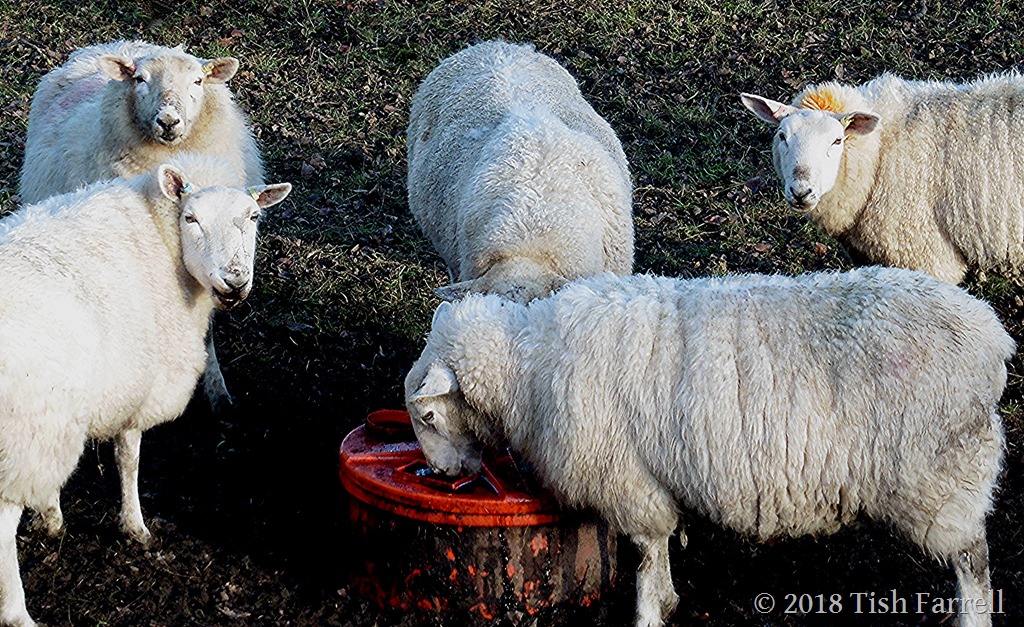
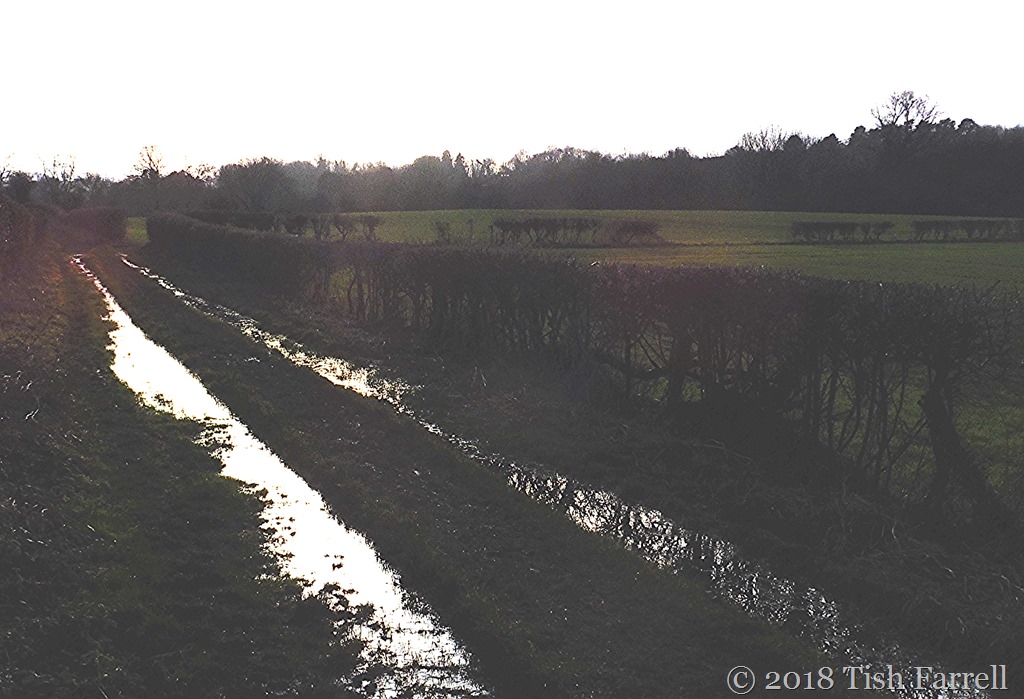
All the footpaths are very waterlogged and slithery. On our walk yesterday it was necessary to stop at intervals to de-mud the boots and stop growing giants’ feet. This also gave me the chance to photograph the highland cattle in the Cutlins meadow, the sheep in the Priory park, and puddles on the track to Bradley Farm. Welcome to Much Wenlock in January.

P1040197

P1040212

P1040214

P1040219

P1040223

P1040225

Six Word Saturday  Please pop over to Debbie’s to see her very astonishing photo