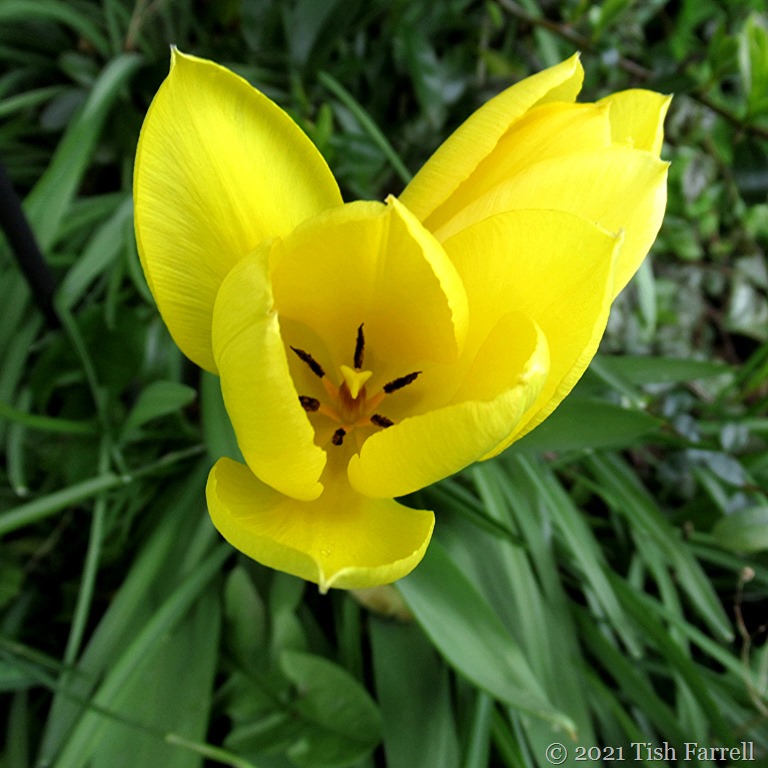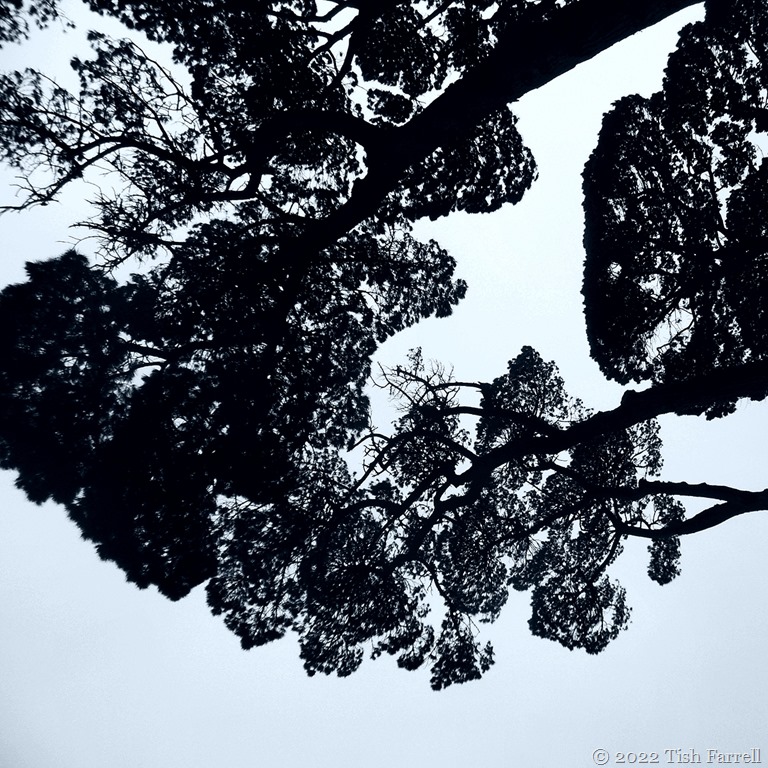
This week Cee suggests we consider things from unusual perspectives.

This week Cee suggests we consider things from unusual perspectives.
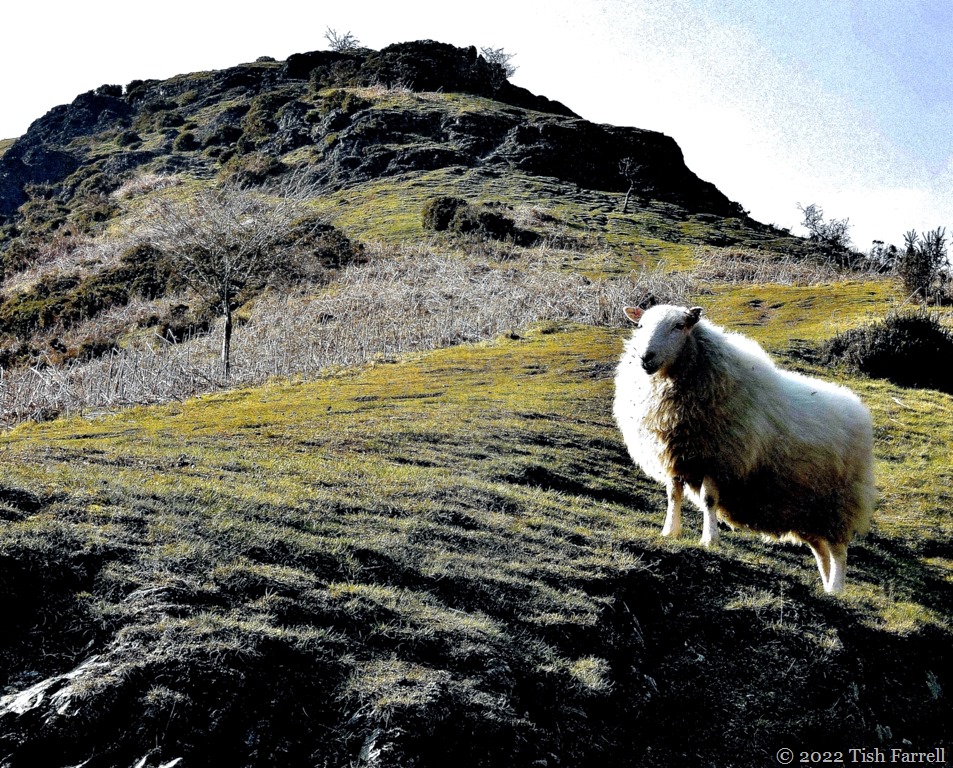
This sheep is posing on some of the world’s most ancient rocks, layers of mud-stones, sand-stones and shales laid down when this incipient Shropshire Hill was still lying in shallow seas somewhere in the Indian Ocean off East Africa. This was followed by much shunting and shifting across the planet, tectonic plates smashing and colliding.
Our most local collision was along the Church Stretton Valley, just over Wenlock Edge, some twelve miles from where we live. To the east of it (some 600 million years ago) volcanic ash and lava formed our well loved hills of Wrekin, Lawley, Caer Caradoc and Ragleth. To the west lay the sedimentary formations of Long Mynd, which around 550 million years ago were folded and thrust upwards along the Church Stretton Fault.
Then in recent times (2.4 million to 20,000 years ago) glaciers slipped and slid along the Mynd’s flanks, although the summit was clear of ice. And then during successive interglacial (warming) periods (300,00-15,000 years ago) melting ice fed stream torrents that cut deep valleys and batches…
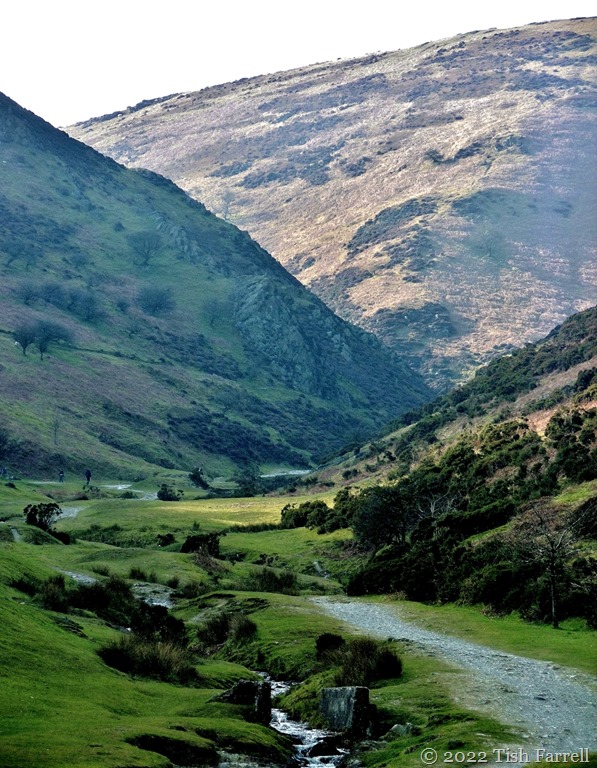
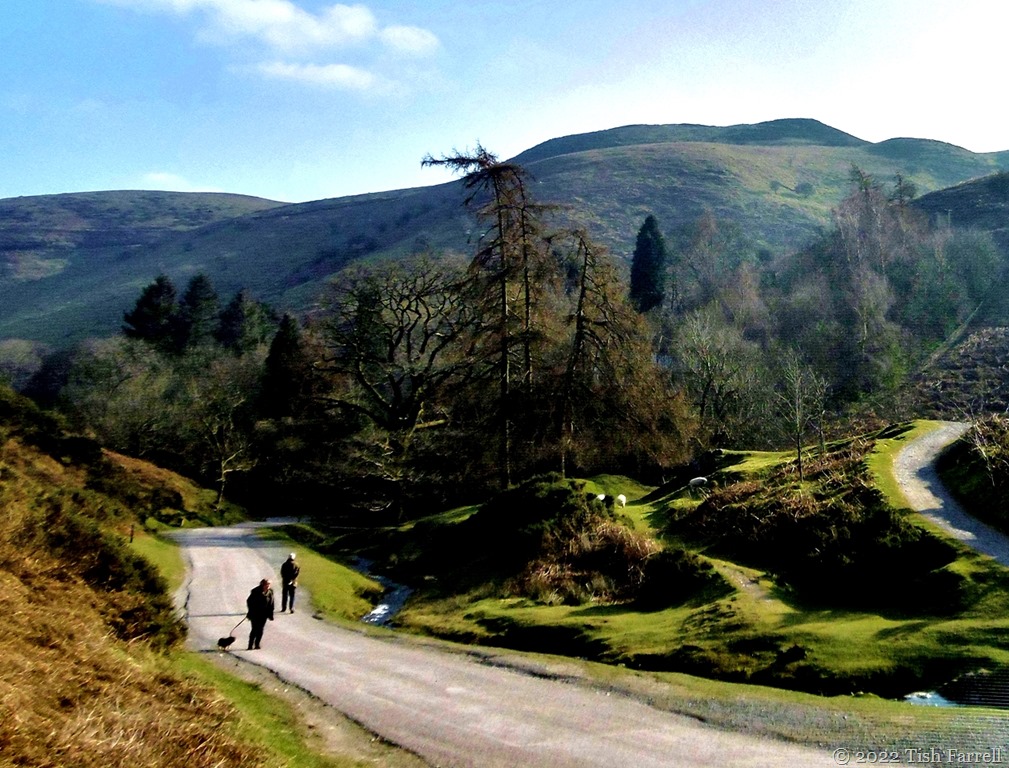
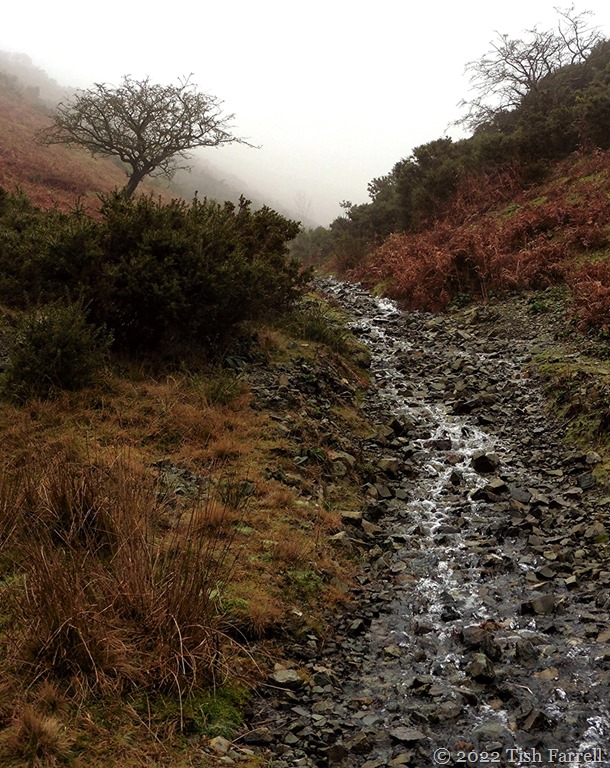
Ashes Hollow, one of the Mynd’s stream-cut batches
*
And so it might be timely to ponder on the momentous natural forces that brought about the formation of this single Shropshire hill – begun in tropical seas half a world away, then wrought by collision, compression, ice and melt-water. And all achieved without the meddling of humanity and on a planet that is endlessly reshaping itself.
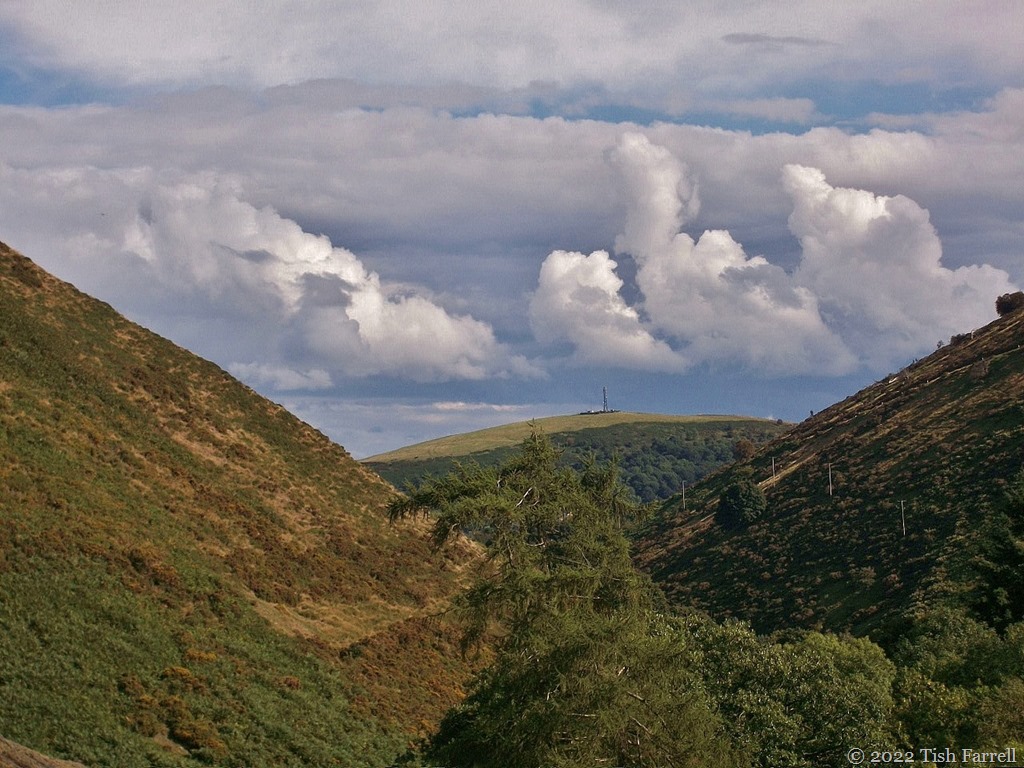
View from the Long Mynd’s Carding Mill Valley towards Ragleth Hill
*
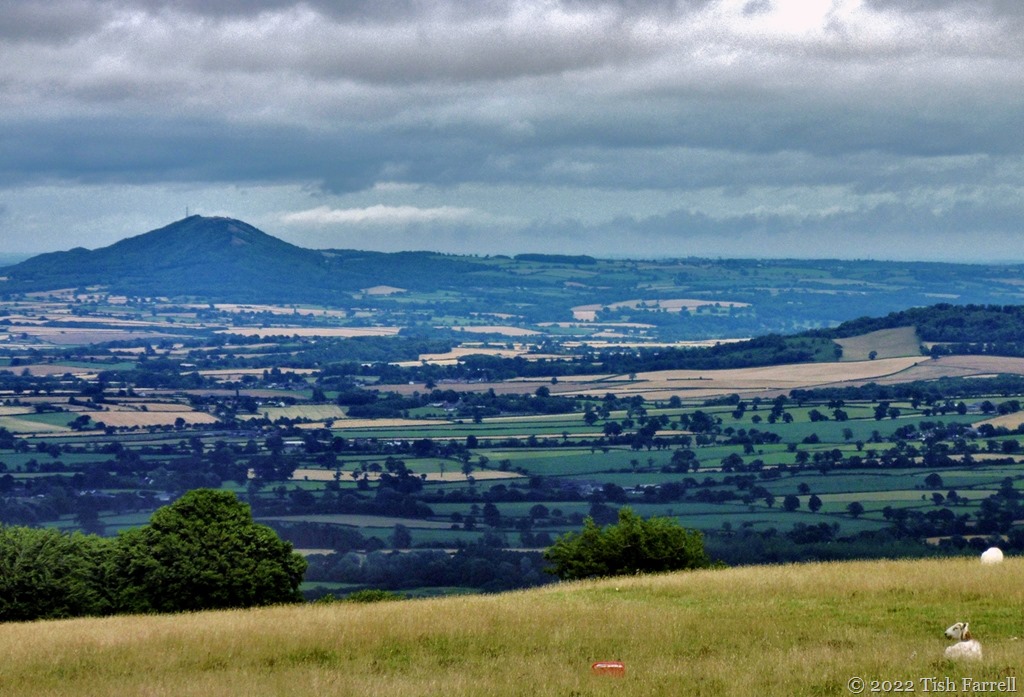
Looking east from the Long Mynd towards the Wrekin
*
Lens-Artists: Earth Story Please visit Amy to see her very stunning Earth Story photos.

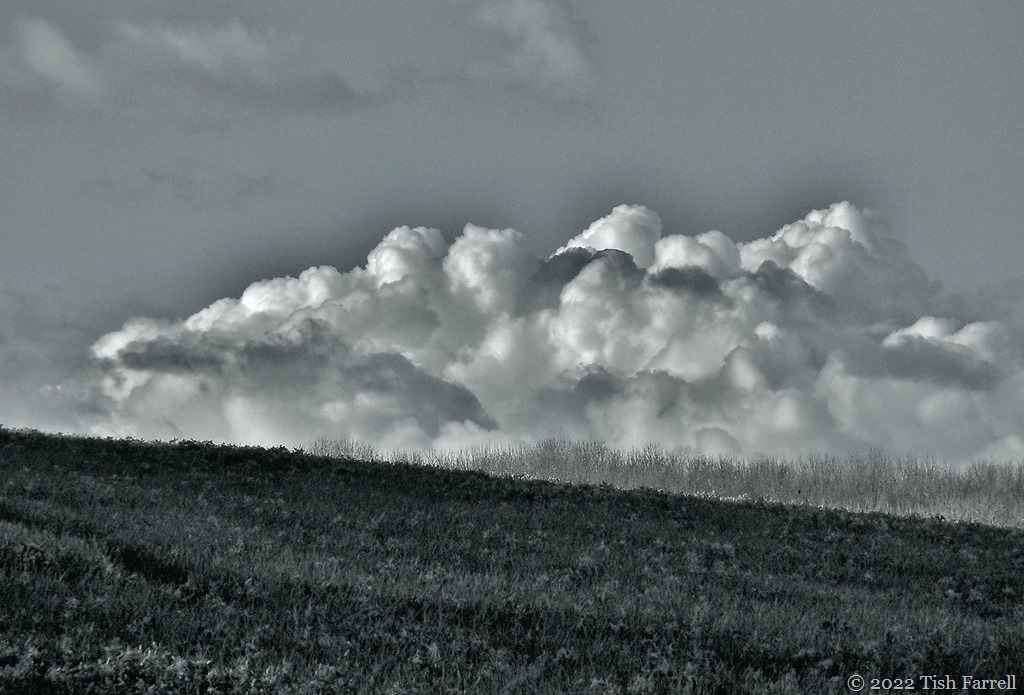
“Clouds pass and disperse.
Are those the faces of love, those pale irretrievables?
Is it for such I agitate my heart?”
― Sylvia Plath Elm
In an earlier post this week I mentioned Wild Edric our heroic Saxon warlord who challenged the Norman interlopers and ended up as a ghost haunting the Stiperstones. Now shunt forward a few hundred years to the 1640s, a time when England was locked in civil war: Roundhead Parliamentarians versus Charles 1 and the Royalist army. The Parliamentarians were intent on curbing the king’s proclivities to do as he liked at the nation’s expense; the Royalists were set on protecting the monarch’s prerogative.
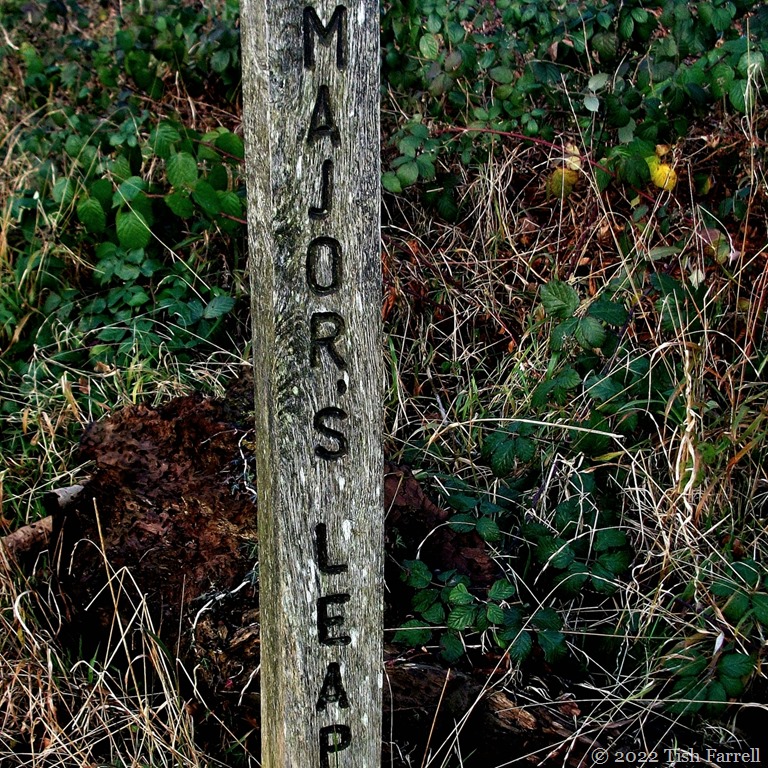
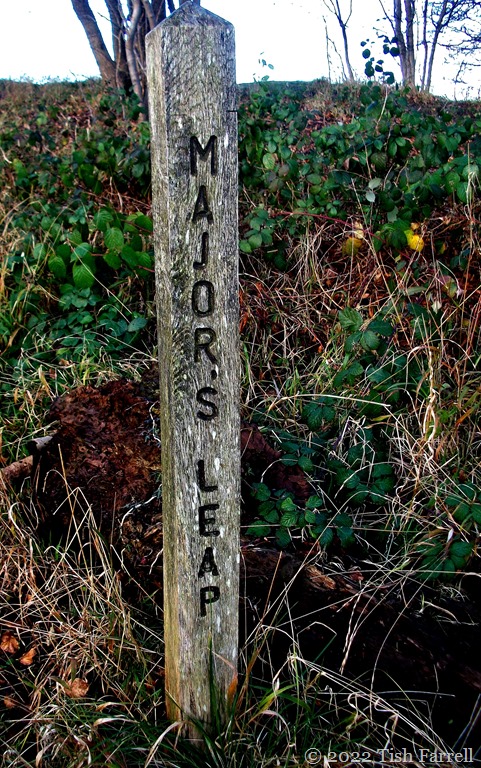
We’ve shifted from the South Shropshire hills to Wenlock Edge, a wooded limestone escarpment that rears up above the county’s farming lowland for nearly 20 miles. Enter one Major Thomas Smallman, fleeing on horseback from his home in nearby Wilderhope Manor. He is a King’s man, carrying despatches for the Royalist headquarters in the county town of Shrewsbury, some dozen miles away. On his heels are Cromwell’s troops. Trying to evade them, the major veers off along the Edge. But there’s no escape. He and horse leap over the precipice. It is a two hundred foot drop. The major was caught up in a crab apple tree, and so survived to deliver his despatches to Shrewsbury, but his valiant horse was lost. Perhaps that’s why a ghostly major on horseback may sometimes be glimpsed near this signpost on the Edge footpath.
*
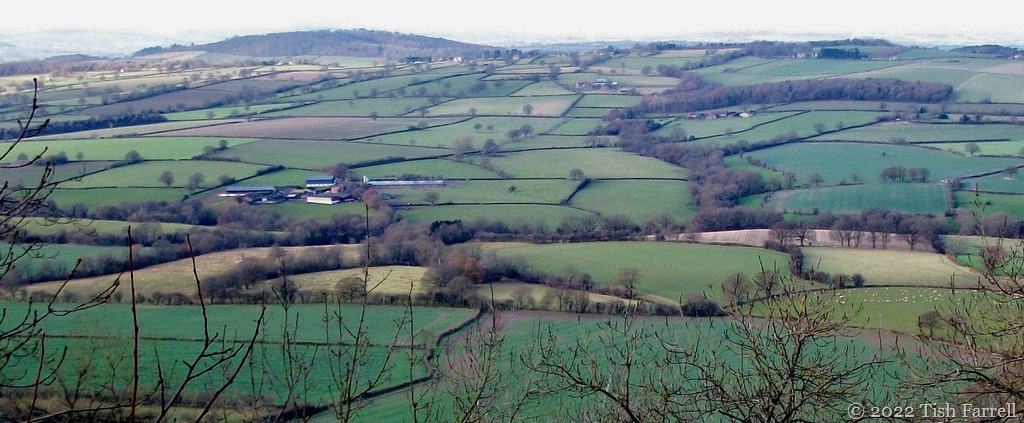
And to give you a notion of what lay before the major when his horse took off:
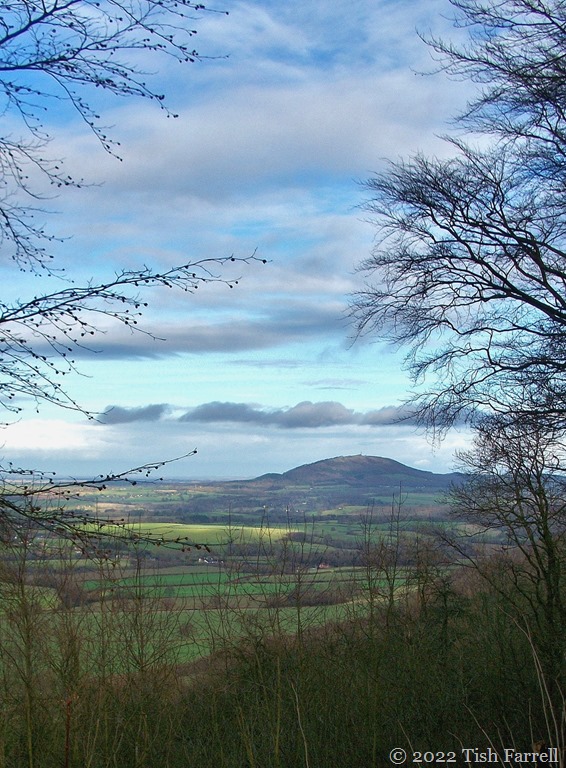
The Square Odds #10
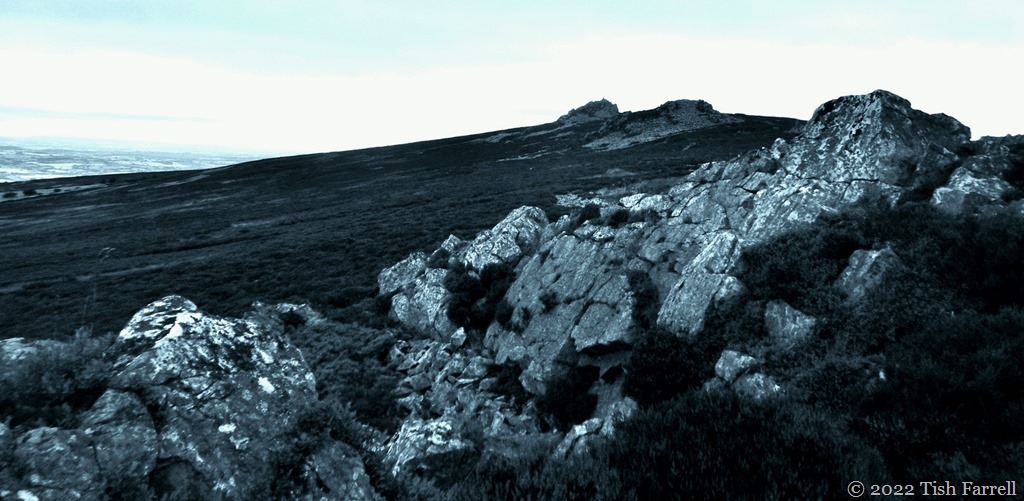
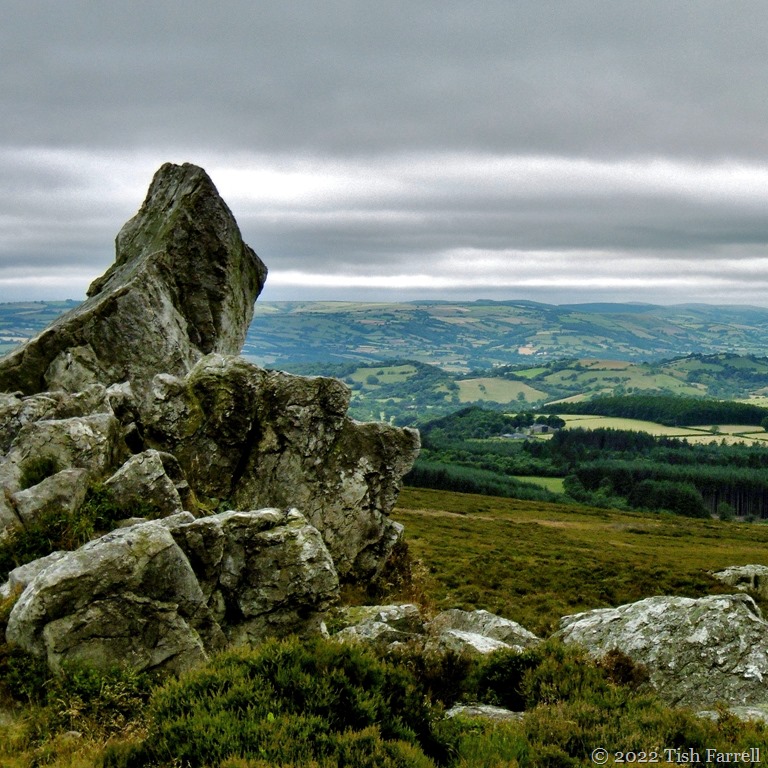
With its series of other-worldly outcrops, the Stiperstones ridge has to be one of Shropshire’s most compellingly strange landscapes. The cragginess was wrought by the scything, crushing and cracking action of ice during the last glacial period. But natural forces alone don’t explain the sense of weirdness. It is also a place of old lead mines (going back to Roman times), and of older-still Bronze Age burial cairns.
And on the supernatural front, there are ghosts there, most notably of Saxon lord, Wild Edric, our local King Arthur, who rampaged against the Norman invaders and is said to have been imprisoned in an abandoned lead mine. When he rides again, it is said the natural good order of things will be restored to the land.
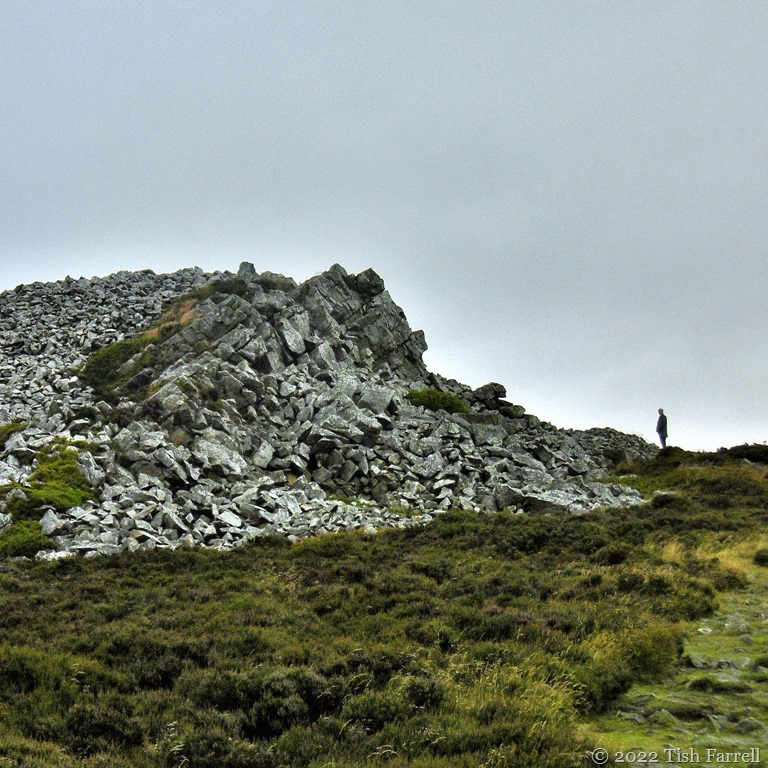
And last, but scarcely least, there are the sinister witchy happenings, especially when the mist falls and Old Nick himself is said to occupy the most mysterious of all the outcrops – otherwise known as the Devil’s Chair. (See Mary Webb’s novel Gone to Earth whose heroine Hazel Woodus is tragically enthralled by the landscape and legends of the Stiperstones.)
*
As a 6/7th Shropshire lass, I’m ashamed to say I have not yet got myself to the Devil’s Chair. On our last two expeditions we did not get further than Manstone Rock. This year’s ambition perhaps. On a mist-free day of course!


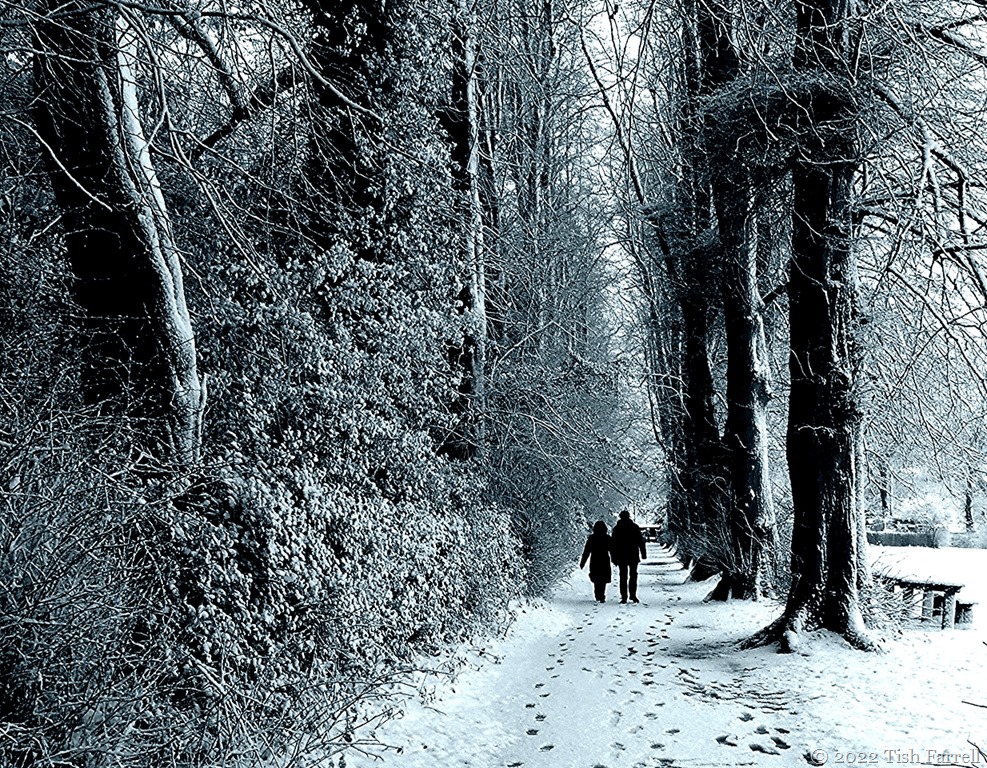

Taken a few winters ago. This year we’ve only had frost. So far.