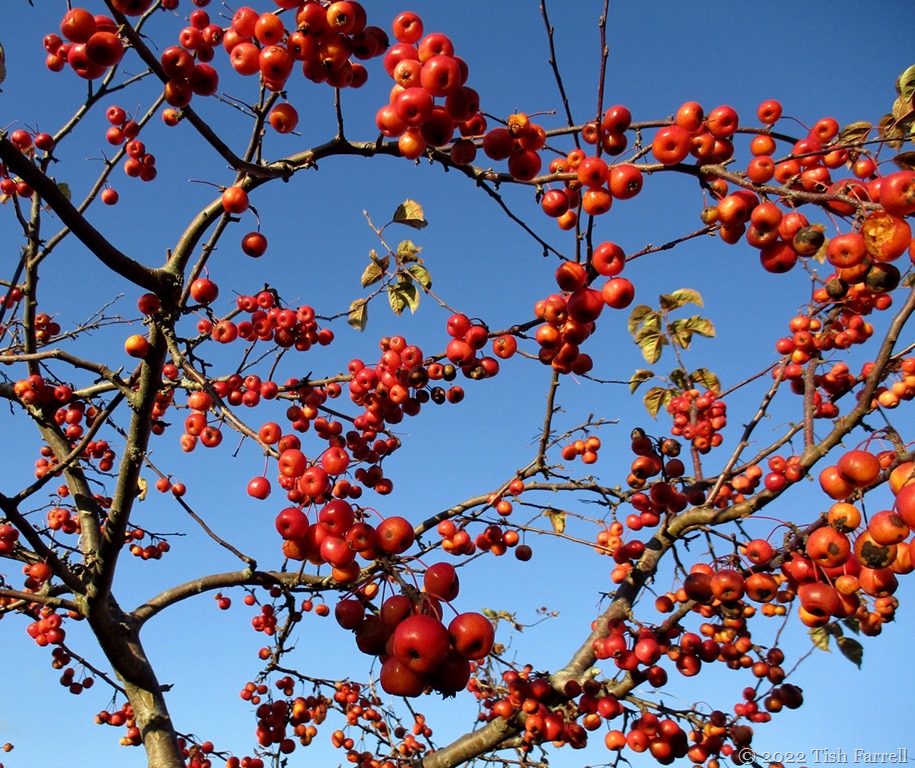
Over The Hills And Far Away…

IMG_3673

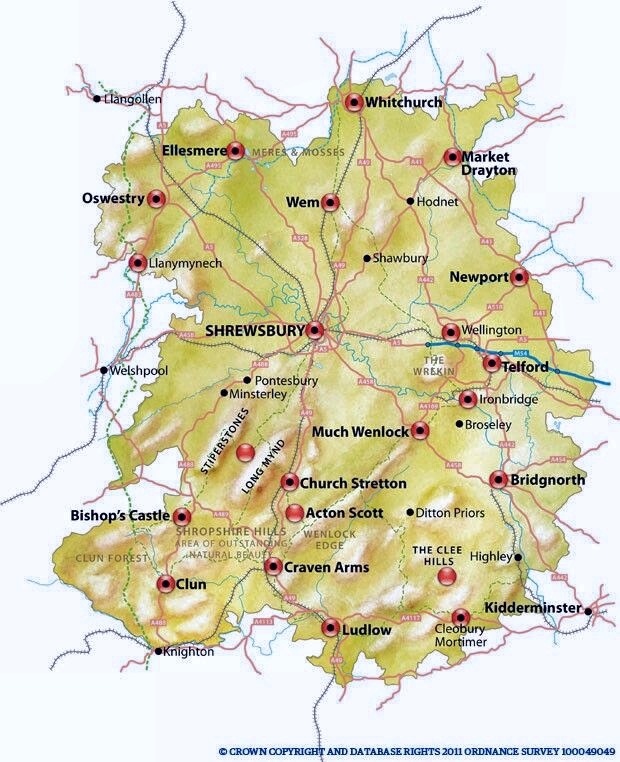
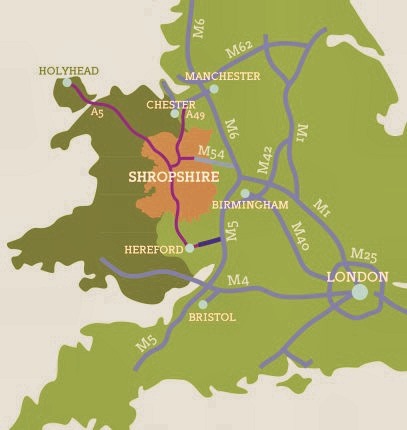
At last. We’ve landed. I’m back. And on a whole new edge; no longer Wenlock, but on the border between Shropshire and Wales. And although we are finally here in body, there’s still a sense of too long in transit; a Rip Van Winkle dislocation in time and space. So just so you and  we know where we’ve come to (from Broseley in the east to the county’s south-west corner just north of Clun), here are some maps.
03b9b2d507fc78c58ec9a4fcc2a4bbc5-2720297223

shropshire-travel-map-407x430-1174062181

*

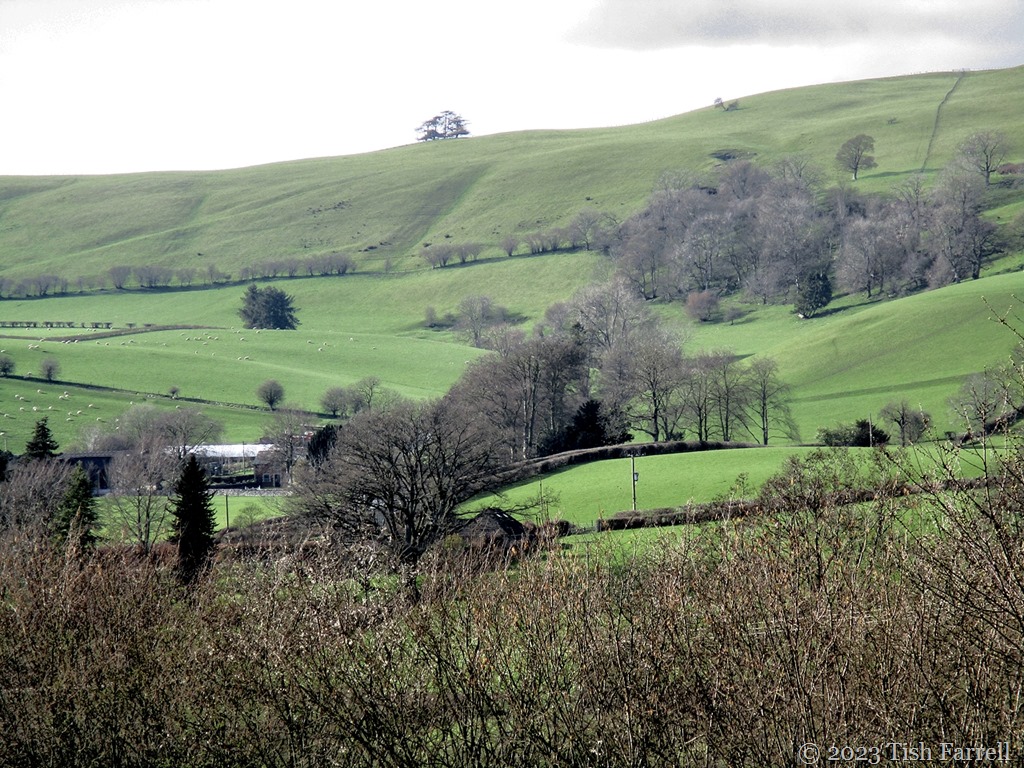
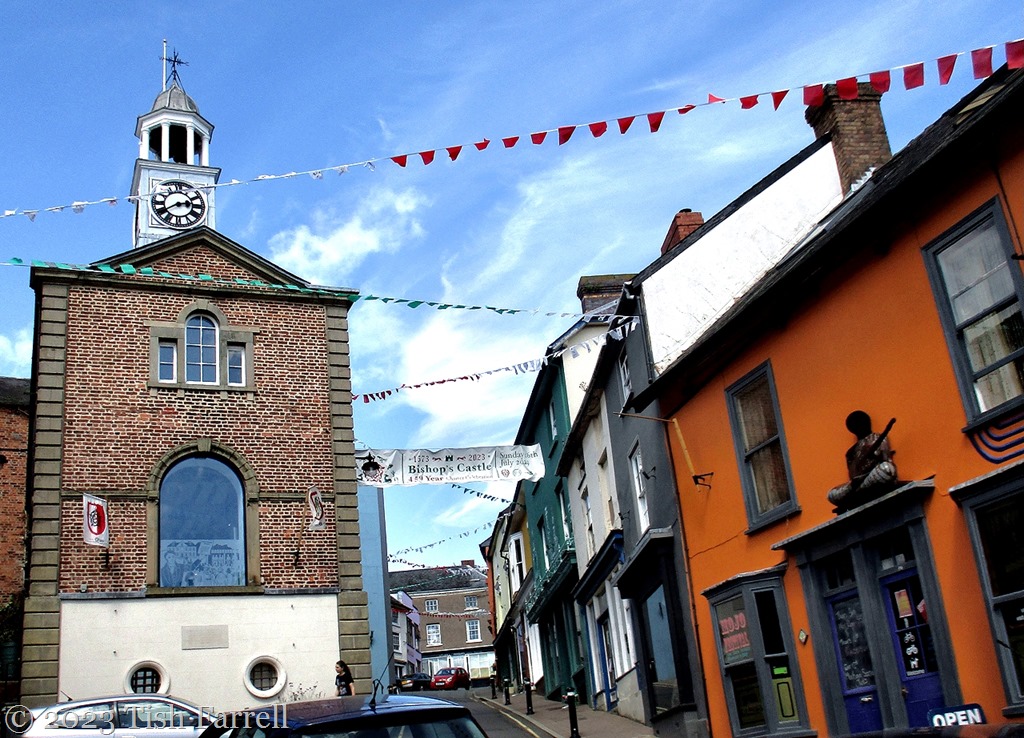
Here we are, then, in the midst of Shropshire’s hill country, not far from the Long Mynd and the Stiperstones. Nor far either from the Welsh uplands. Bishop’s Castle also sits on its own steep hill.
IMG_3642

This is the Town Hall, not quite on the summit. The clock chimes the hours and quarter hours, the plangent tones (when one is half asleep) evoking vague notions of Dylan Thomas’s Under Milk Wood, for although we lack the slow black, crow black fishing boat bobbing sea, I feel sure I will discover some equivalent.

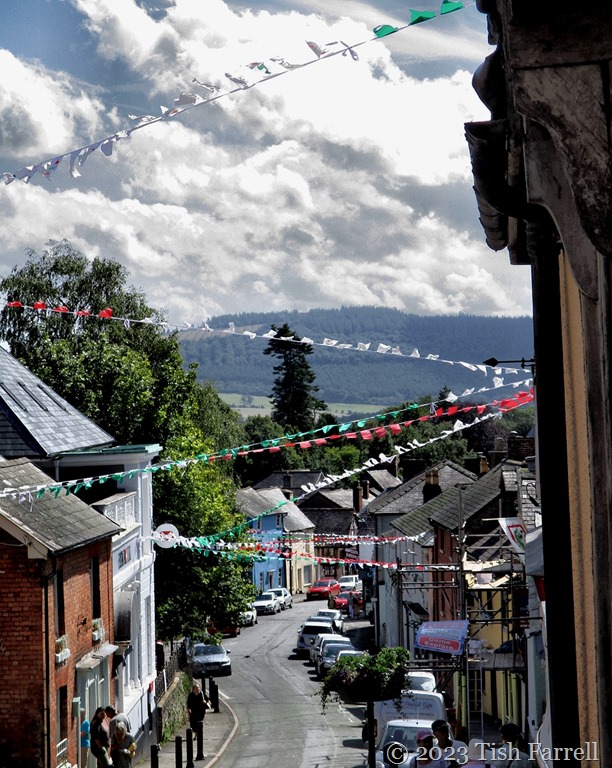
Here’s the downwards view:
IMG_3641

*

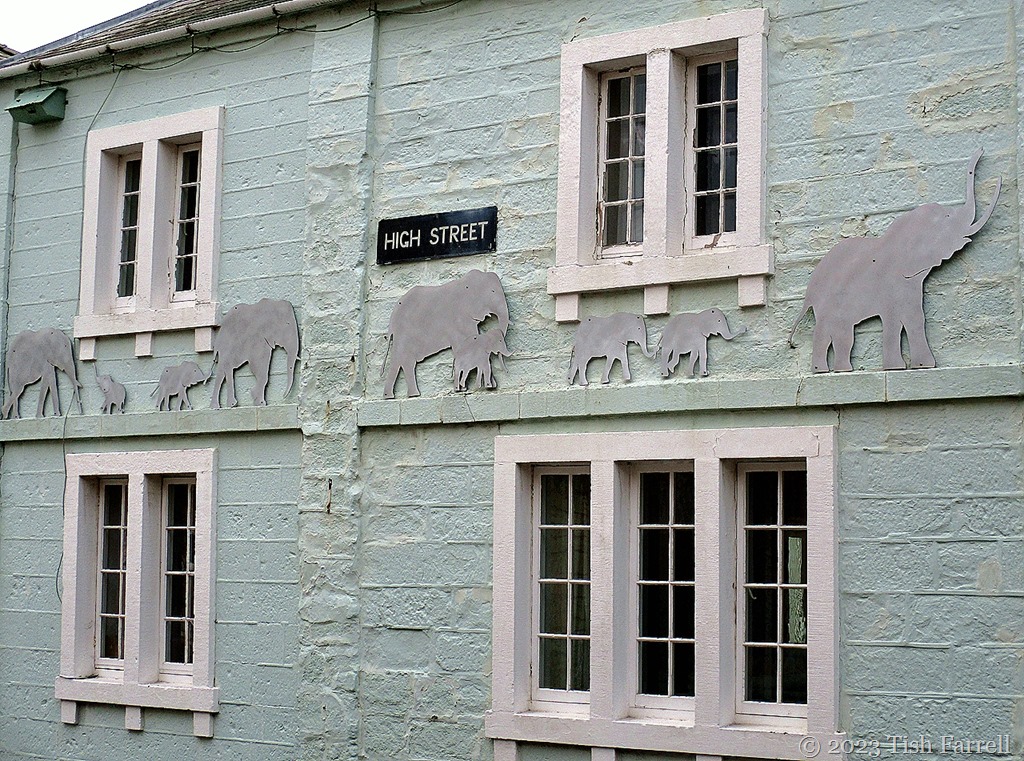
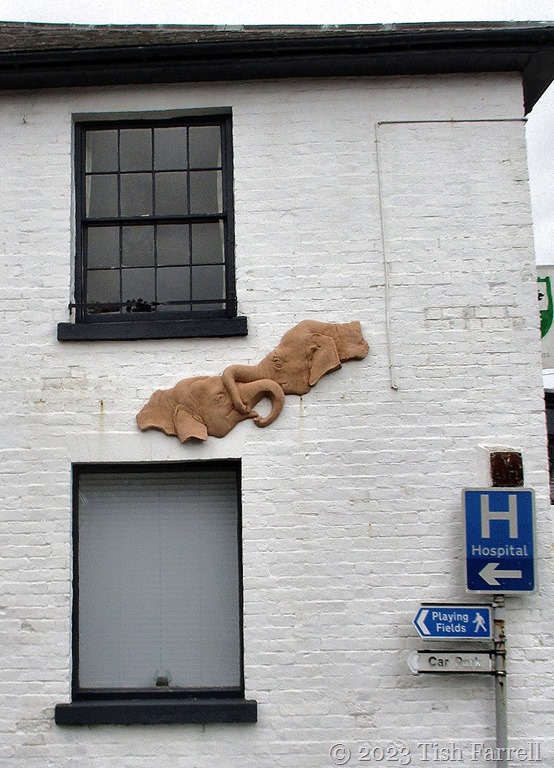
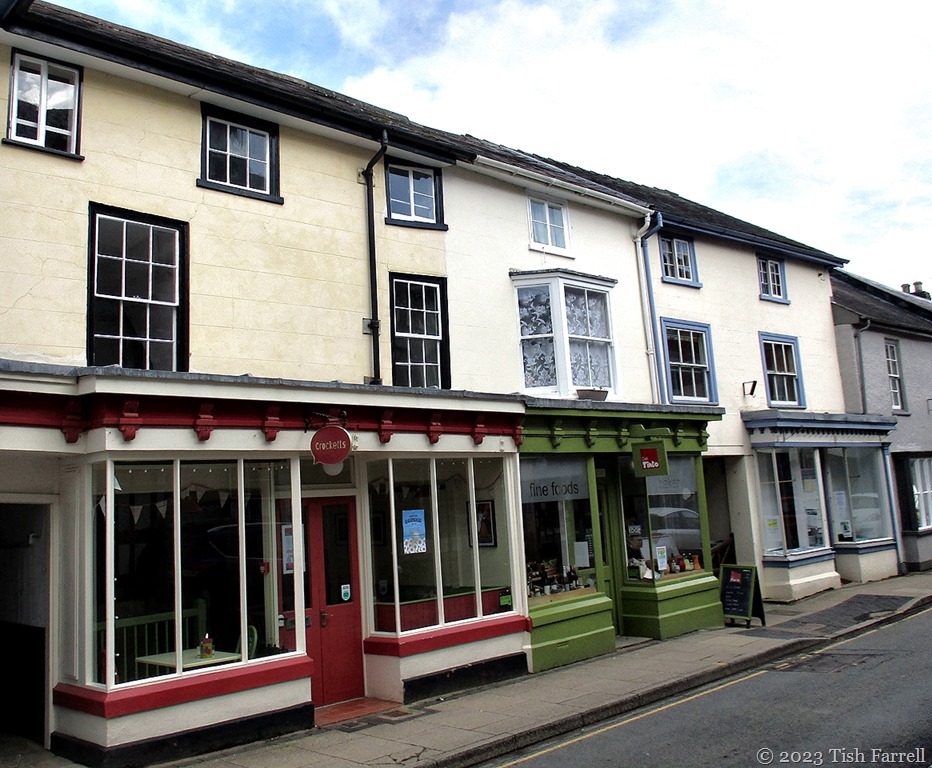
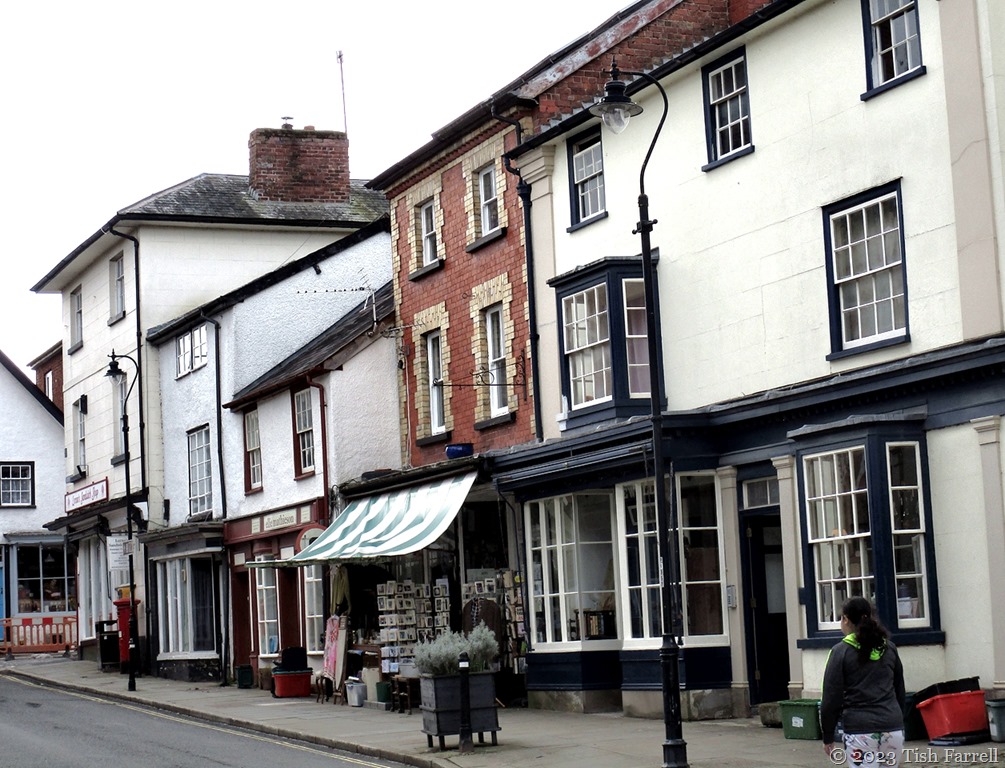
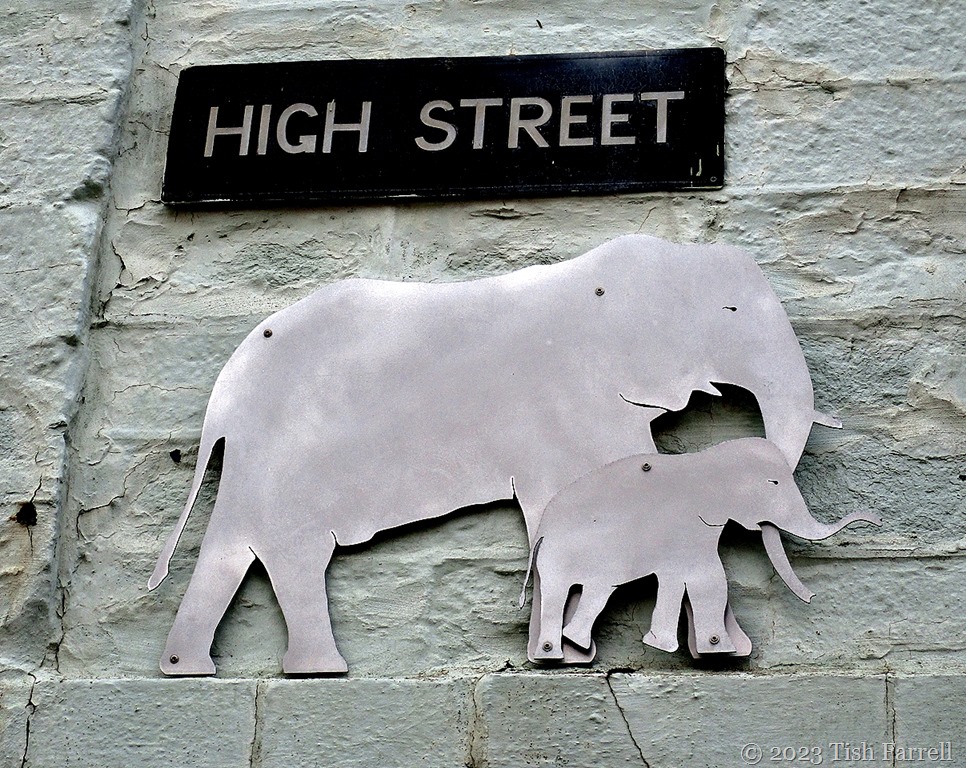
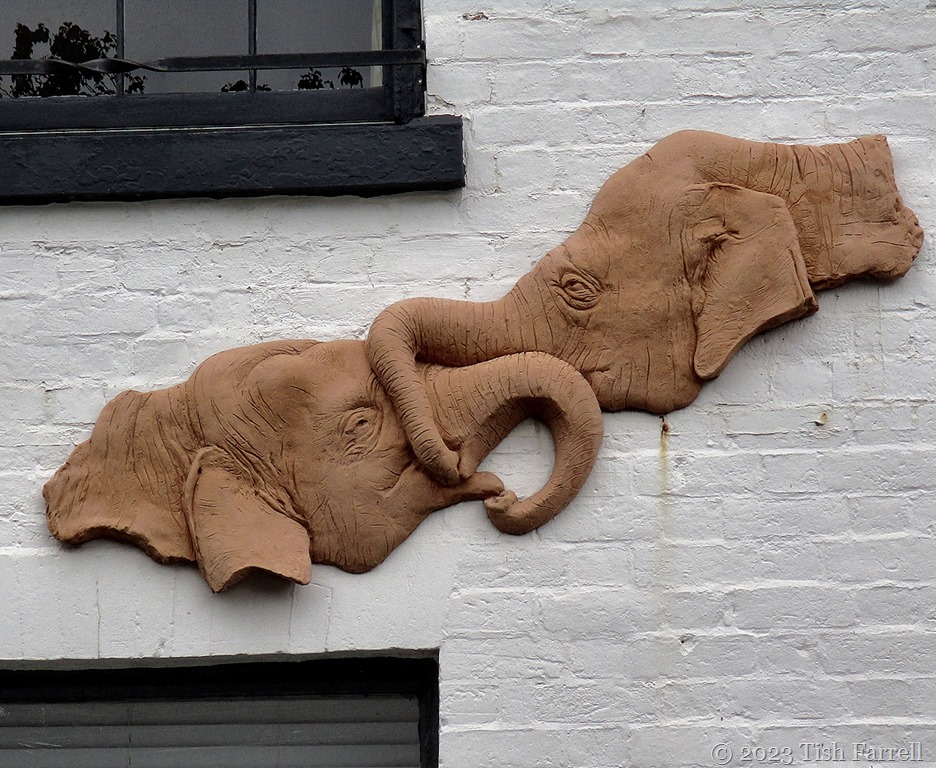
This is the High Street. Curiously perhaps, it features tributes to elephants here and there along its length. The most dramatic and near life-size version is just above the Town Hall:

IMG_3640

*

But half way down the hill we find a whole herd:
IMG_3658

IMG_3657

*

And on the corner with Union Street, our new-home road:
IMG_3668

IMG_3669

*

And why the elephants, you ask?

Well, there are two reasons.

1) In the 18th century, the rapacious Robert Clive aka Clive of India, returned to England with his haul of Subcontinental booty and became Member of Parliament for the rotten borough of Bishop’s Castle. Yes, he bought the votes, folks; married into the Earls of Powys dynasty and included an Indian elephant in his coat of arms (seen here at the top of the town)
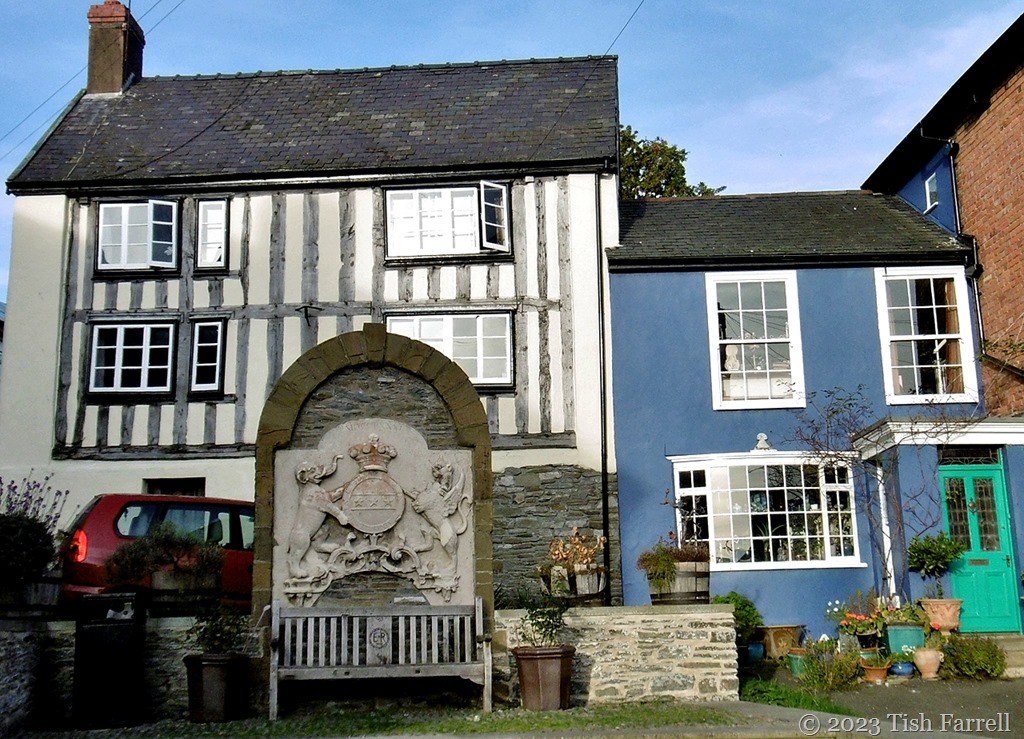
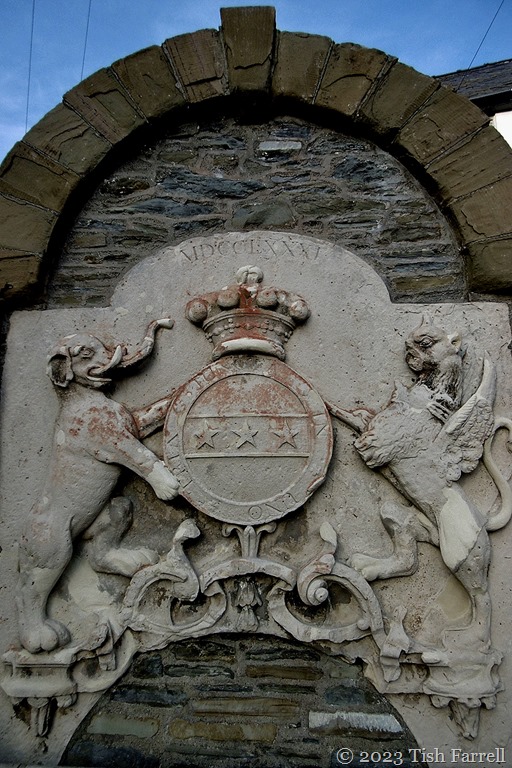
P1050898

P1050899

*

2) Across the road from the coat of arms is the Castle Hotel. During World War 2 its stables were used to shelter a number of circus elephants, keeping them safe from bombing raids. When peace resumed and the elephants returned to their owners, it is said that one remained unclaimed and continued to be a familiar sight on the town’s byways.

The Elephant Gate House where the elephants lived has been refurbished and these days is a welcoming holiday retreat for humankind.

And now there’s an elephant I haven’t mentioned, but certainly featured in earlier blog posts on Bishop’s Castle. Please meet Clive, the mascot of the town’s Michaelmas Fair which is due to happen in two weeks time (I shall report back). Meanwhile here’s a photo of him from an earlier fair day:
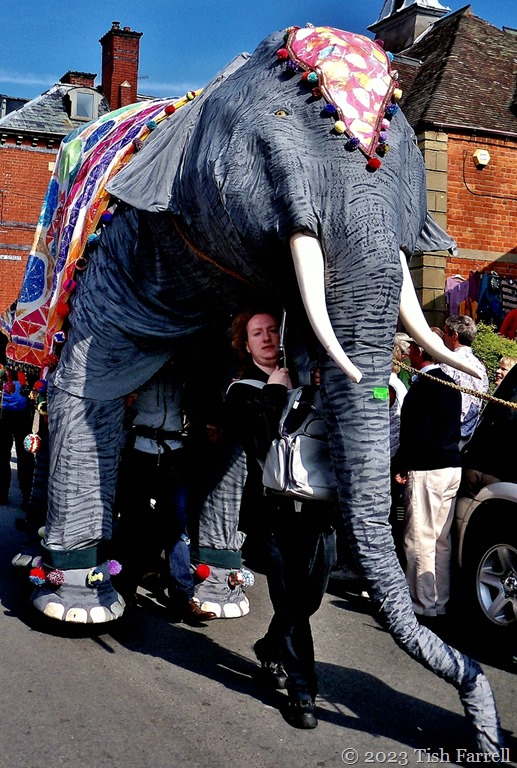
100_7181ed

*

While I’m here, I’d like to thank all of you who wished us well with second house move since March. Those kind thoughts surely worked, and all went smoothly, and without the snowstorms of the first move. Though on the leaving day I was mightily caught out. Such is the fickleness of the human heart, but I felt more sad about leaving Broseley after a mere six months than ever I did about leaving Wenlock after sixteen years. Goodness! Where did that come from?

But then I probably do know. I fell in love with Broseley’s Jitties, the town’s meandering alleys and pathways that resonated with centuries of people history – of miners and iron workers, potters and clay pipe makers, water carriers and maypole dancers; and all discovered in a place I thought I knew.

It’s a lesson to carry onward. Don’t take things for granted. Look beyond the obvious. And I know very well that Bishop’s Castle has a myriad of tales to tell, from the ancient and antique to the quirkily new. It’s certainly home to many busily creating people.

And on that note, here’s a cheery (elephant-free) artwork from the end of our road. You  can’t help but smile:
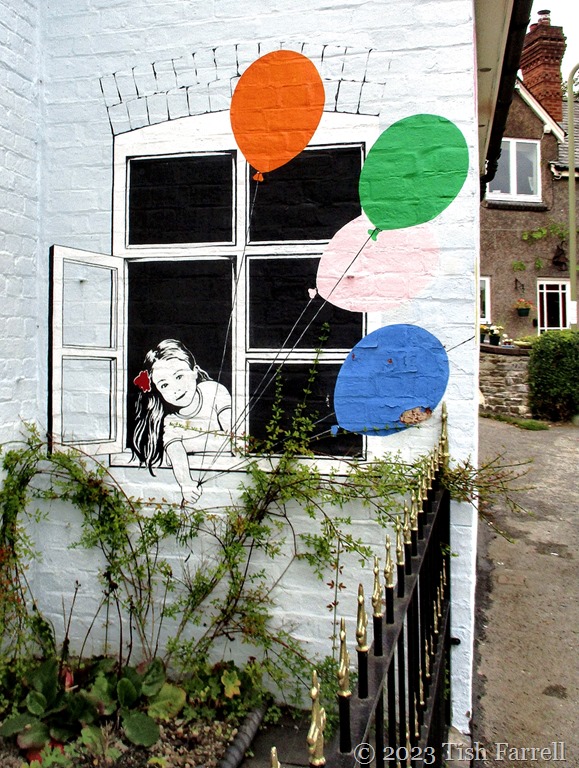
IMG_3670

*

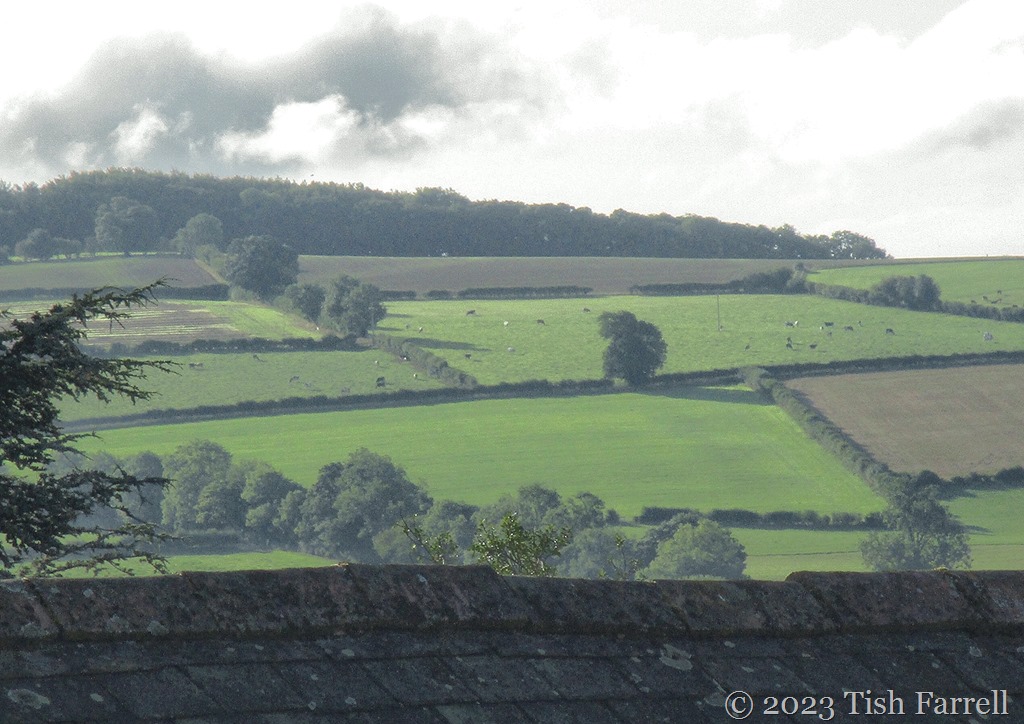
PS: the header photo is the view from our bedroom window – if I stand on tiptoes.
Still Life After The Allotment

100_4930

*

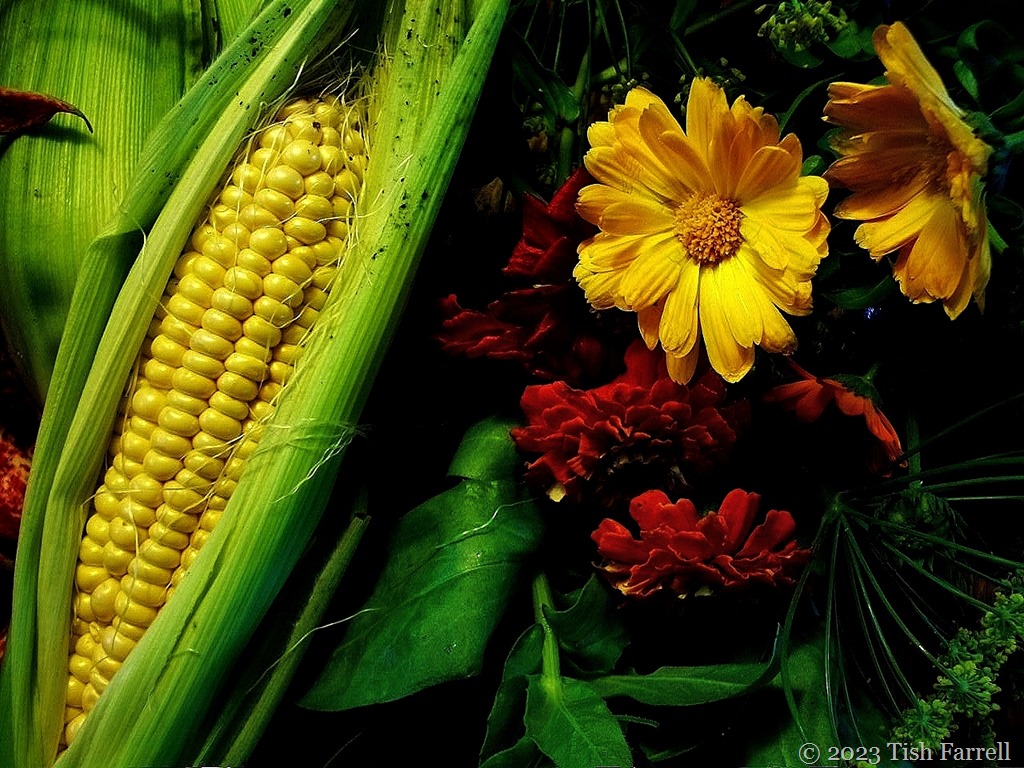
I’m still pondering on how I feel about giving up my allotment. Hmm.

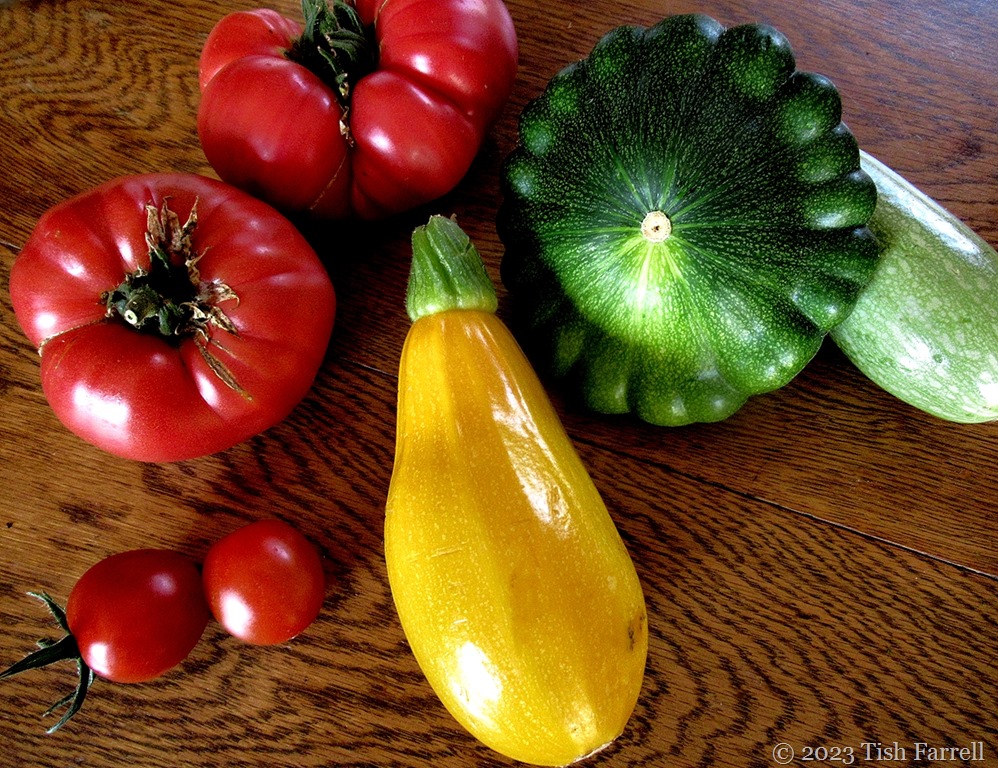
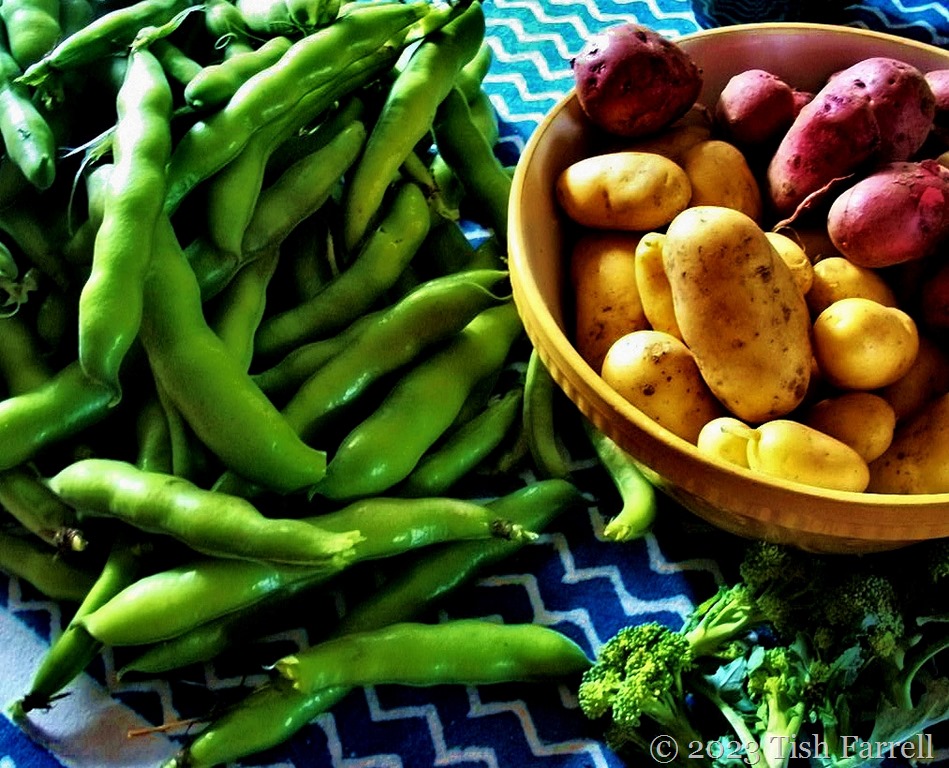
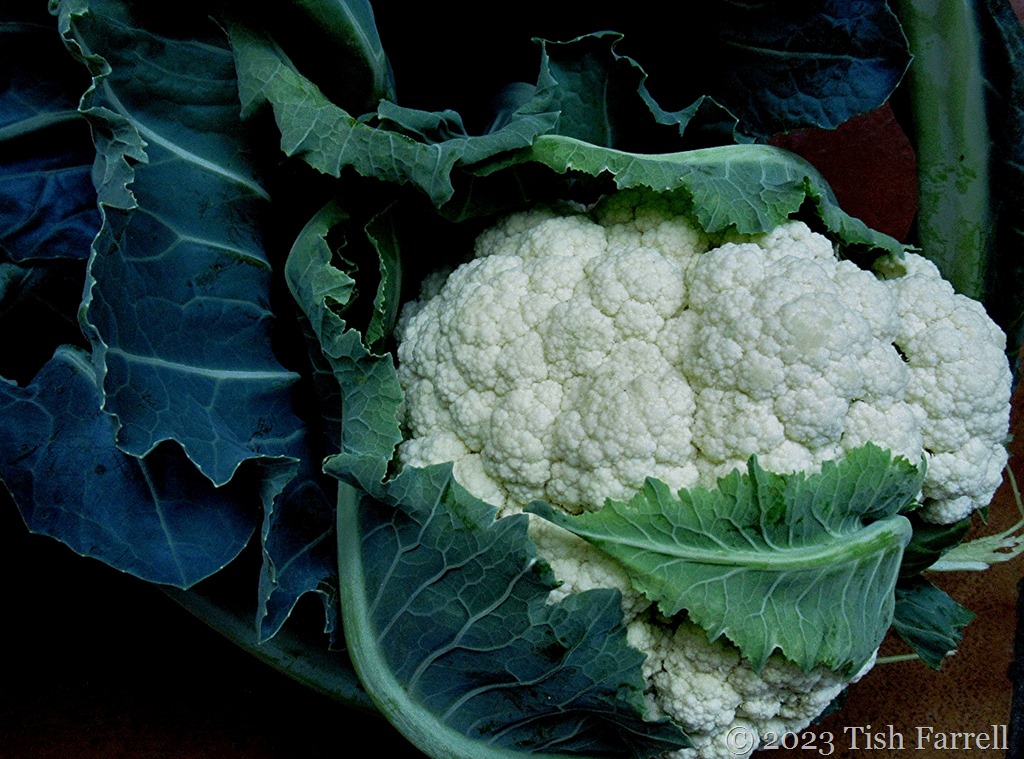
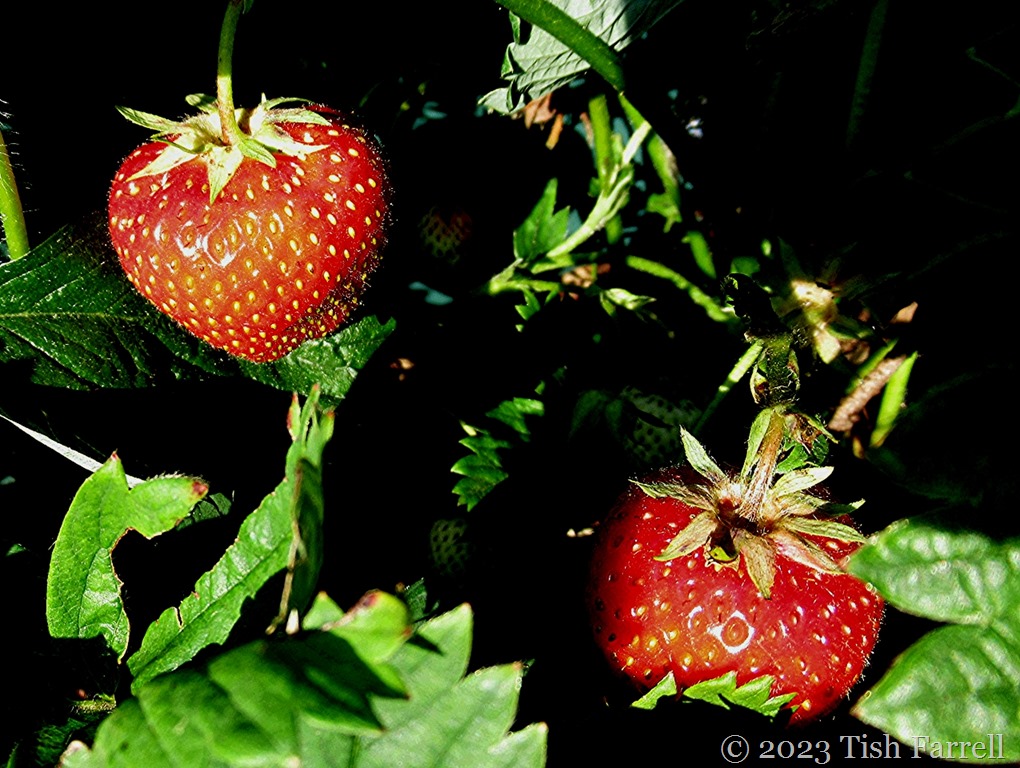
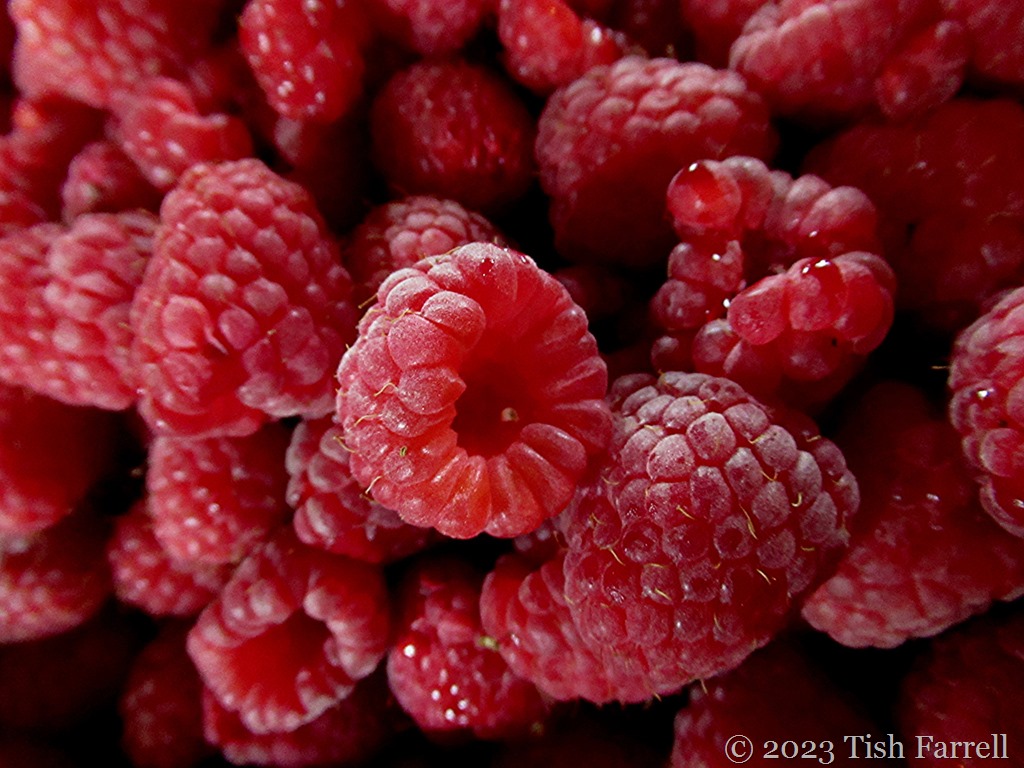
But then given the long, wet and laboured lead up to spring, I know the soil on my plots will be cold and claggy and in no way suitable for any kind of cultivation. Probably for weeks yet. I also know the wind will be whistling up there, and I can do without the added chill factor. Yet there’s no denying it (as I look at these photos), we’re going to miss the produce, freshly gathered as needed and all grown without the taint of pesticide.

IMG_3242

100_4196

IMG_7438

IMG_8513

IMG_8531

IMG_8566

IMG_9646

*

We do have a small garden at our rented house, and I’ve already sown lettuce, rocket and spinach in big buckets. I have them covered in a large plastic covered cloche affair, and they’ve all germinated despite unpromising temperatures. I’m also going to get carrots going in large pots (they anyway often work better in containers) and peas in seed trays for sprouts. Yesterday I sowed cherry tomato seeds (in heated trays on the kitchen cupboard) and hope to plant them out along the sheltered walled border, though at this rate probably not till June!  And then there might be room for some French climbing beans.

On the other hand, we might suddenly find we’ve bought a house. In which case, my (mostly) portable garden will be moving with us.

Lens-Artists #246: Still Life  This week Patti sets the theme, a favourite with me when it comes to photographing garden produce. I’m sure I’m not the only one to see beauty in freshly dug new potatoes.

April In The Ironbridge Gorge

IMG_3015ed

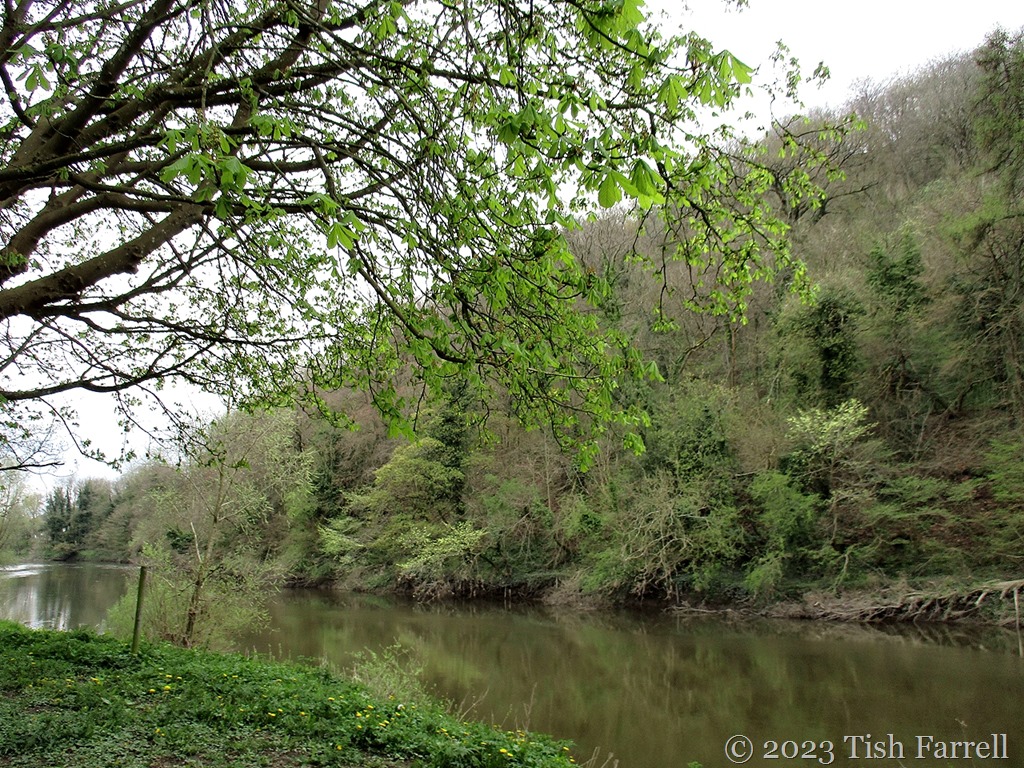
For the past weeks it’s been more  ‘blow blow thou winter wind…’ than balmy spring breezes. Still, on Monday the gustiness subsided long enough  to enjoy an afternoon stroll along the Wharfage to Dale End Park in Ironbridge.
As you can see, there wasn’t much sun, but it was good to see the River Severn safely back in its bed after its March uprising – the almost-deluge after rapid snow-melt upstream.

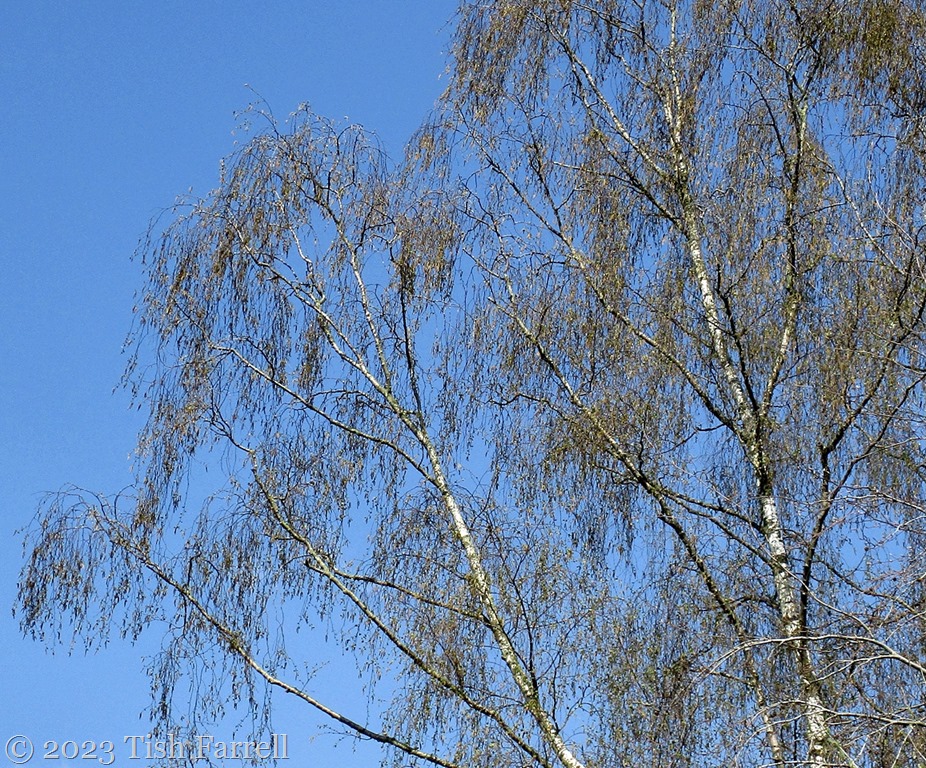
And it was good, too, to see tree-life greening, slowly-slowly – willow and ash, birch and hazel, larch, sycamore, hawthorn, horse chestnut:

IMG_3022ed

*

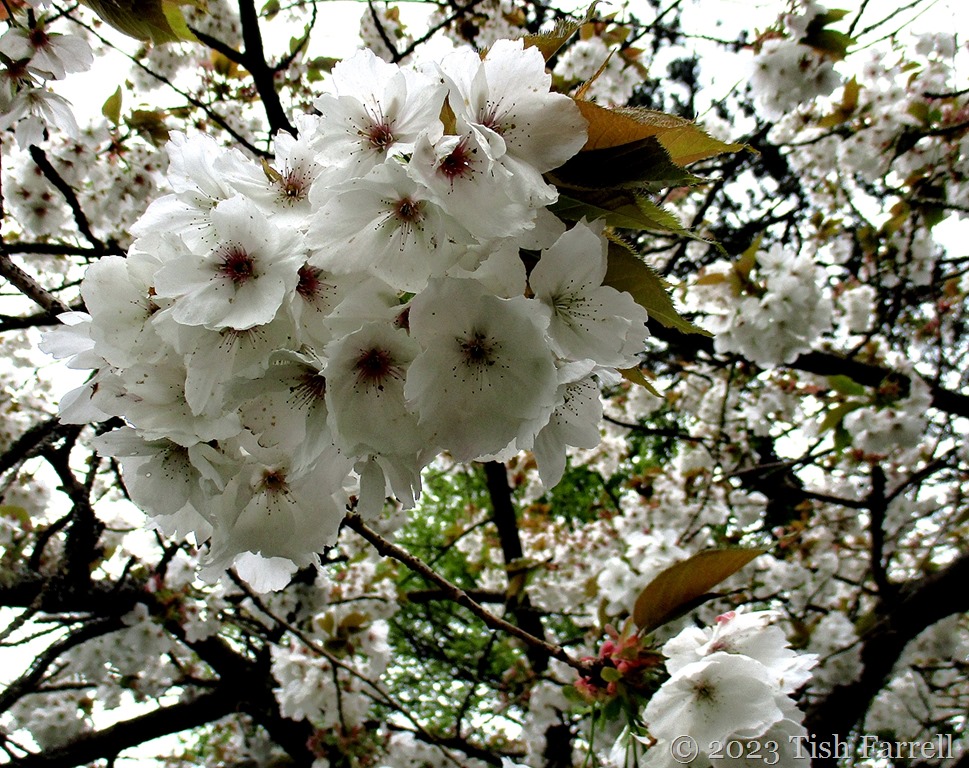
And then the park cherry trees were at full flourish ~ tarrah!

IMG_3018ed

*

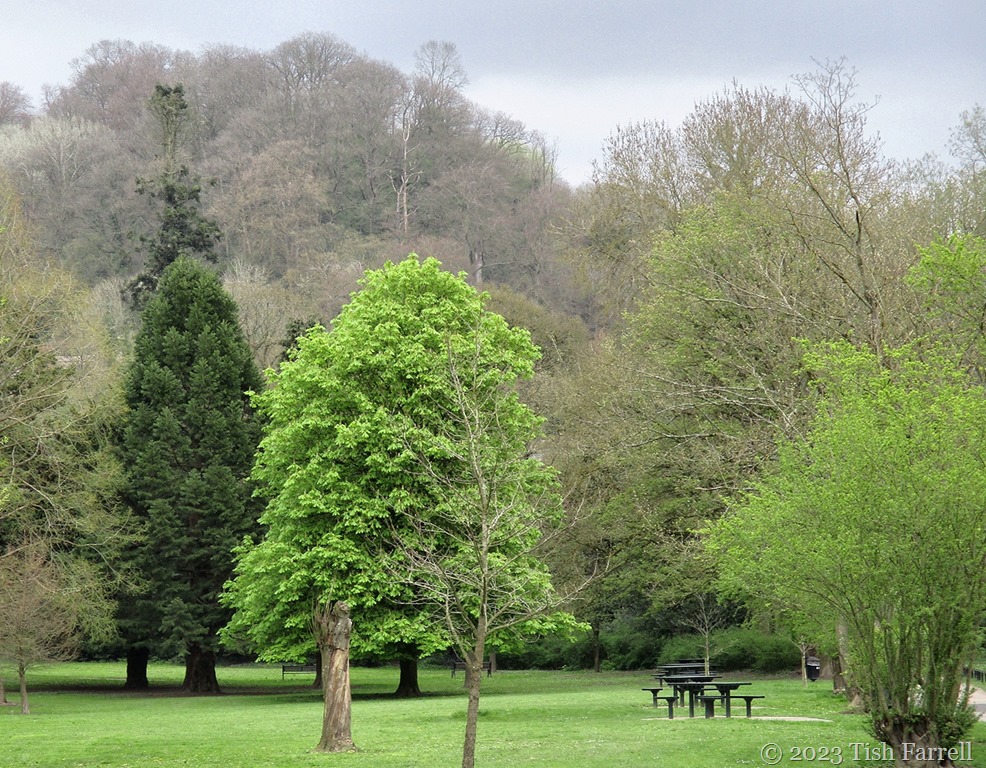
And this horse chestnut tree (centre) was all set to light  up its creamy ‘candles’:

IMG_3028

*

Many of the trees were in full flower too. My computer issued a high pollen warning this morning.

IMG_3040ed

IMG_3039ed

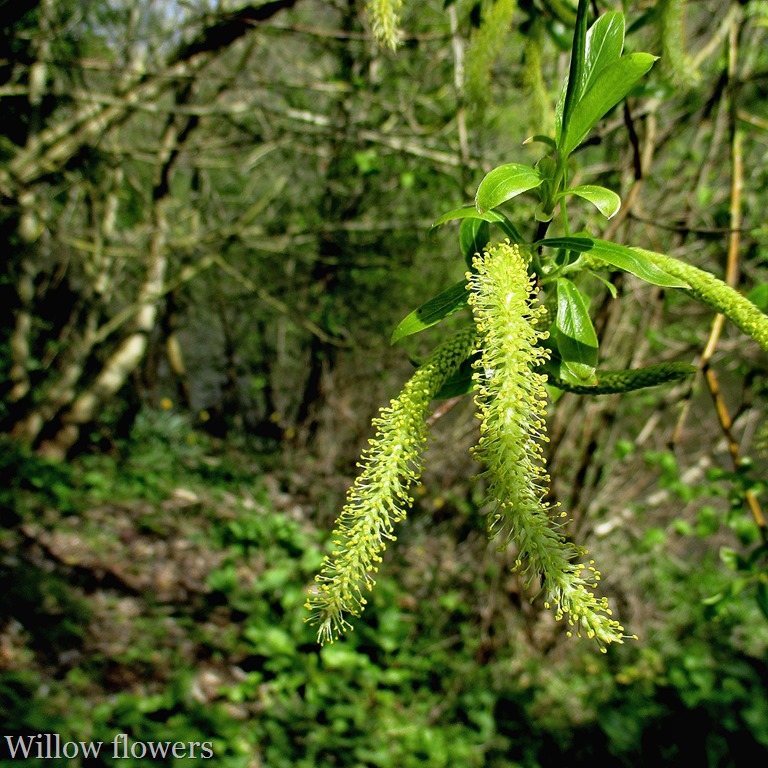
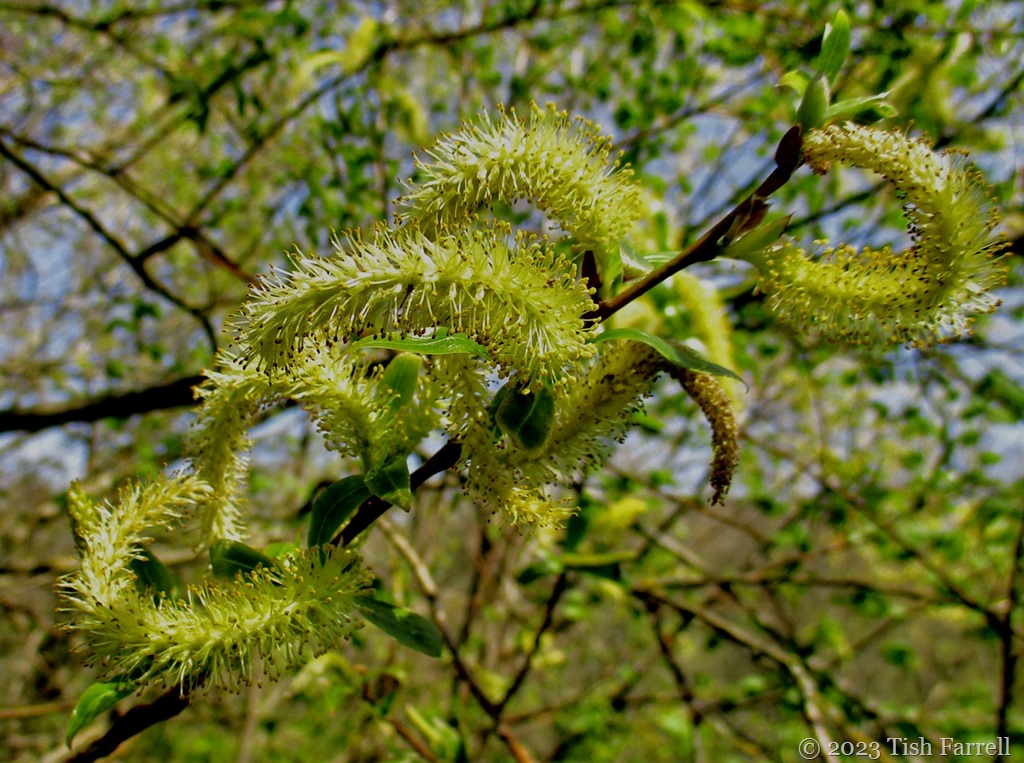
These willow flowers were spotted the following day at Jackfield, a couple of miles downstream of Ironbridge, caught here in a brief sunny interlude.

*

IMG_3053

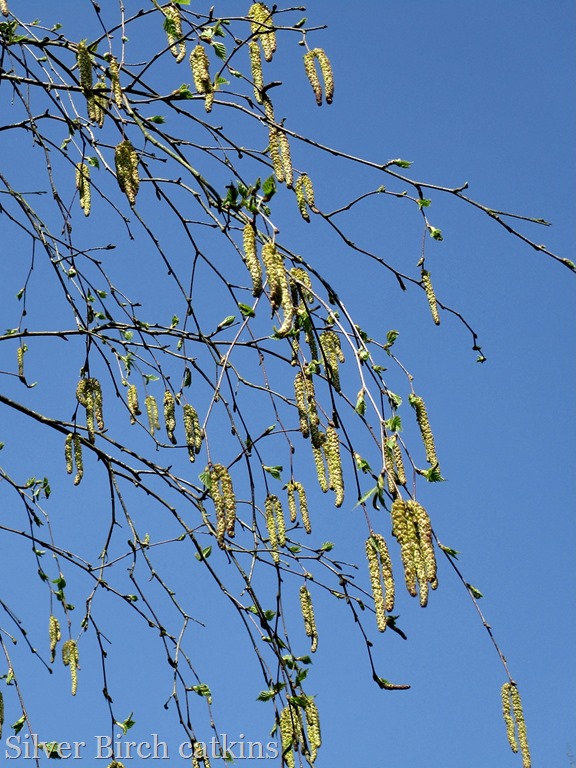
And silver birch catkins caught on the breeze: catkin cascades. All we need now is a little warmth, and less bluster.
IMG_3052ed

Over The Hills And Into Wales

IMG_2948ed

My sister Jo is a whizz at finding lovely spots for family gatherings, and so it was last Thursday we found ourselves in the Radnorshire hills, staying at Wild Meadow eco-cottage just outside Presteigne. We were only an hour or so’s drive from home, having crossed from Shropshire into Herefordshire, and thence into Wales, although only just inside the border  (red arrow marks the spot):

presteigne_map_position_in_powys_000001-294861101

And we all agreed how very pleasing it was to arrive on holiday so quickly i.e. without the stress of planes, motorways and hours of tedious driving. In fact the entire journey from home was mostly through rolling farm land. It also included our first ever sighting of a terrestrial rainbow. It was lying across the fields below Walton Hills as we drove through Much Wenlock. Most extraordinary. After a brief, sharp drizzle it seemed to have fallen flat out of the sky.

*

And so here we are (some of us) at Wild Meadow cottage:

IMG_2838

*

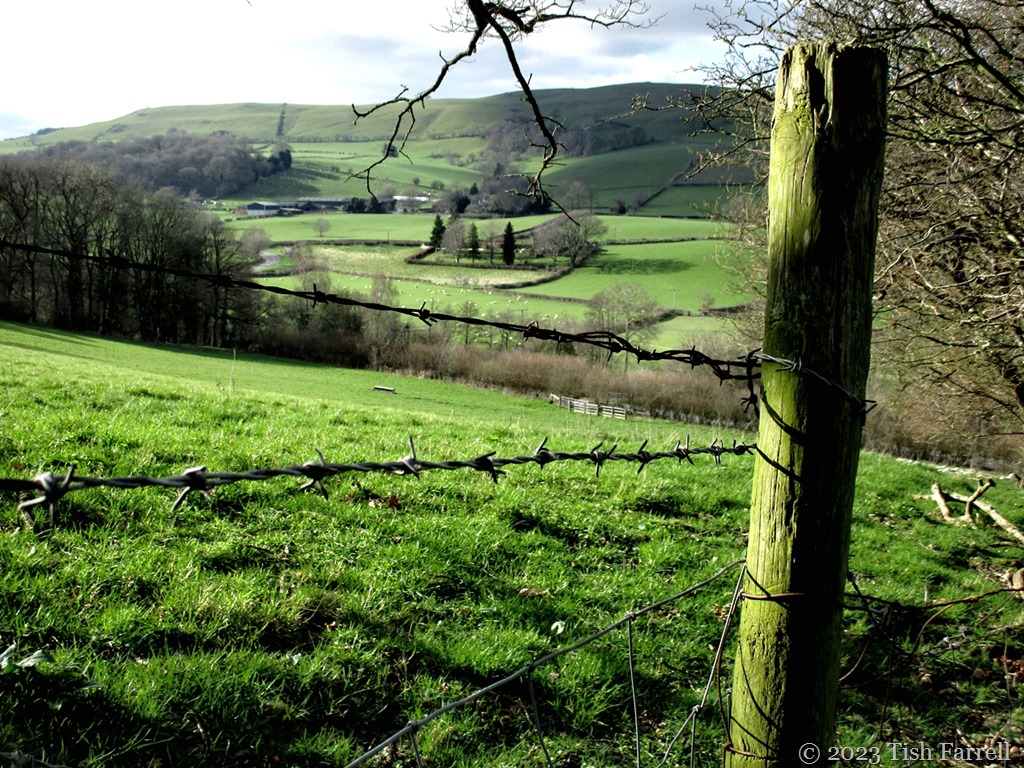
Nearby Presteigne was once the county town of the ancient shire of Radnor, but these days is part of Powys, the largest administrative region in Wales. It is fine sheep farming country, and mostly looks like this for miles and miles and miles:

IMG_2938ed

*

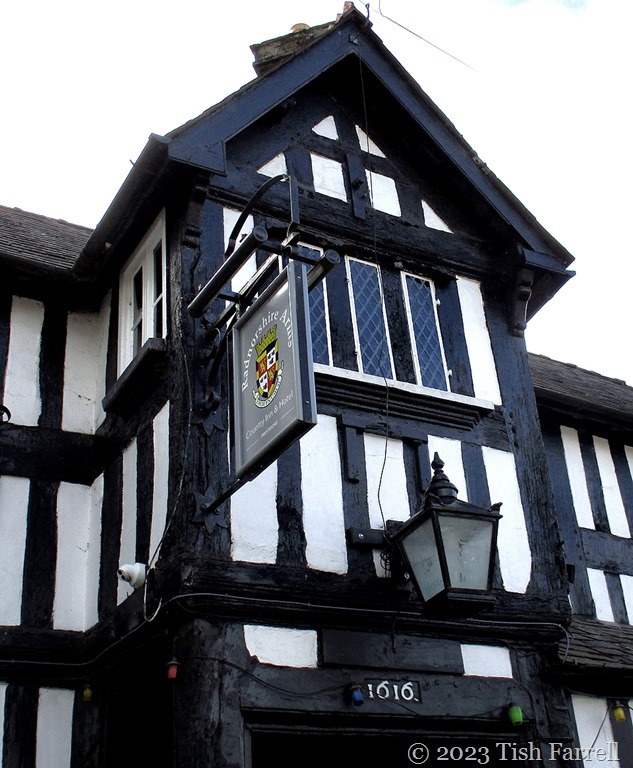
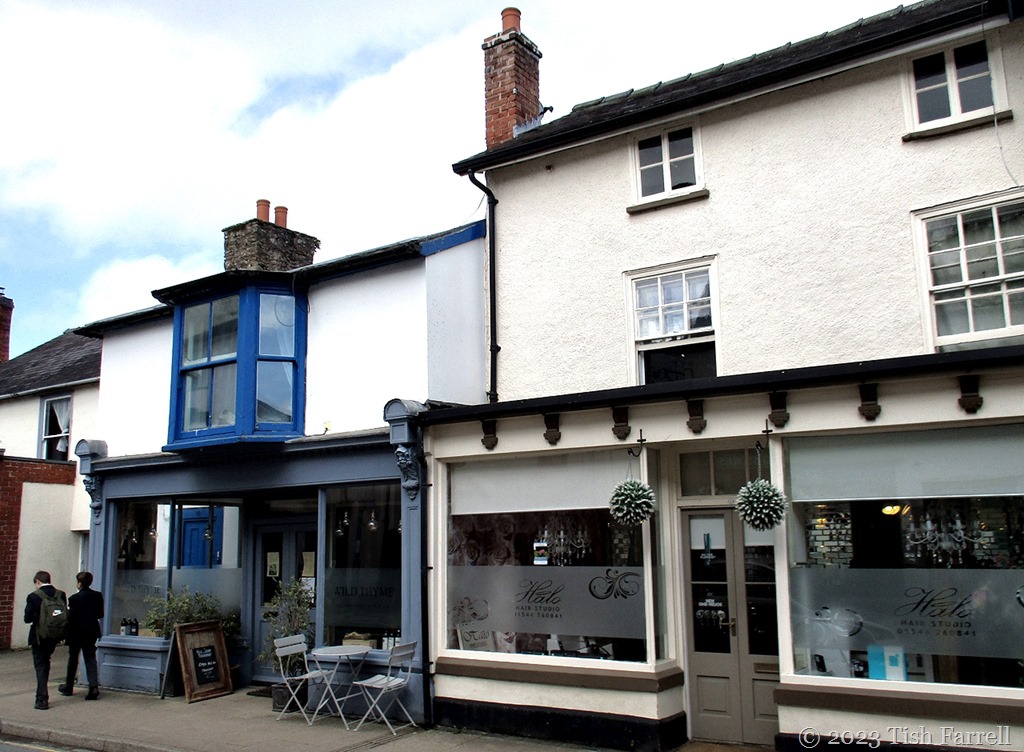
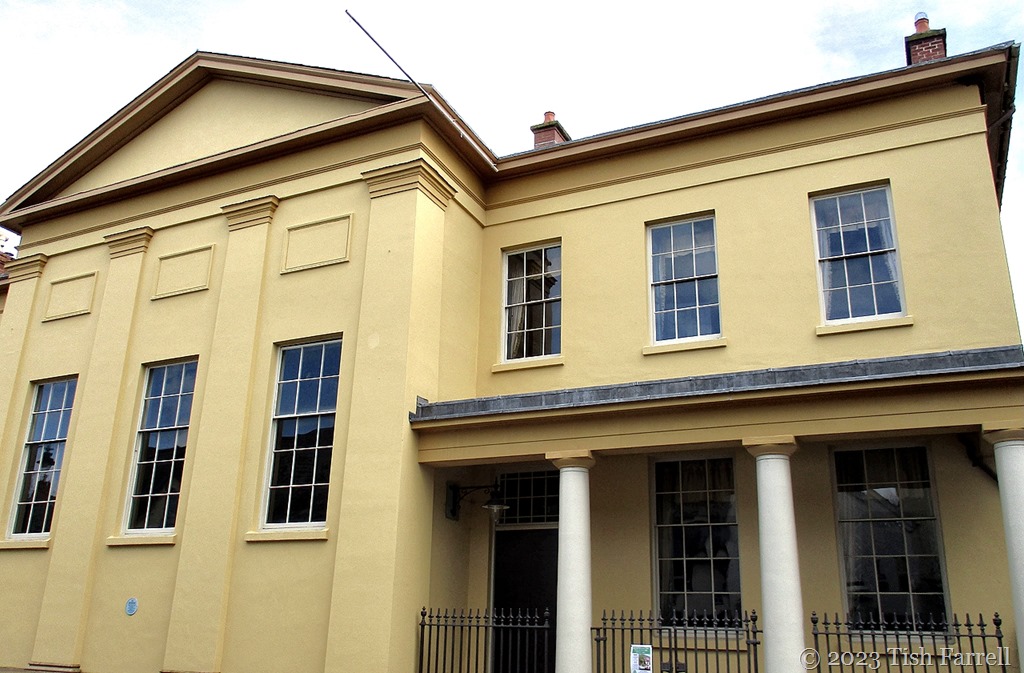
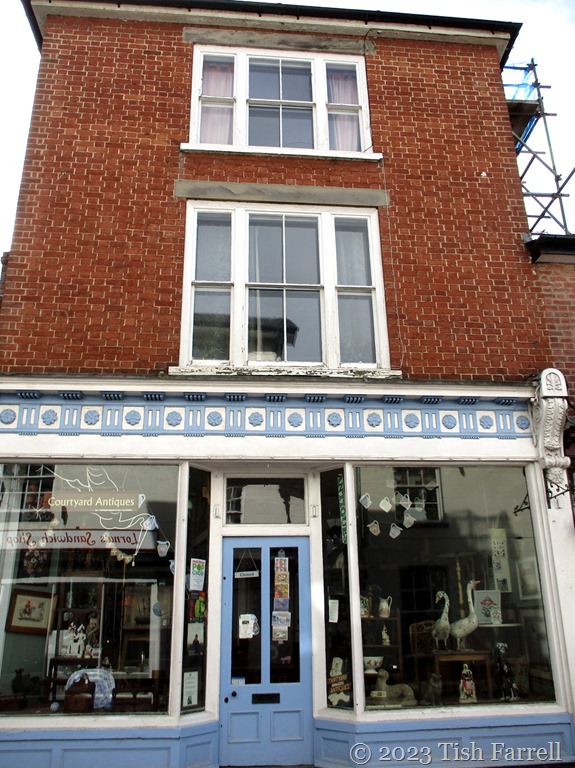
And this is the town. Not much was happening when we stopped there mid afternoon last Thursday, although we were pleased to find coffee was being served in the the bar of the 17th century Radnorshire Arms along with a welcoming smile from the publican.

IMG_2763

IMG_2748

IMG_2755

IMG_2775

IMG_2743

IMG_2774

IMG_2752

IMG_2762

IMG_2767

IMG_2747

*

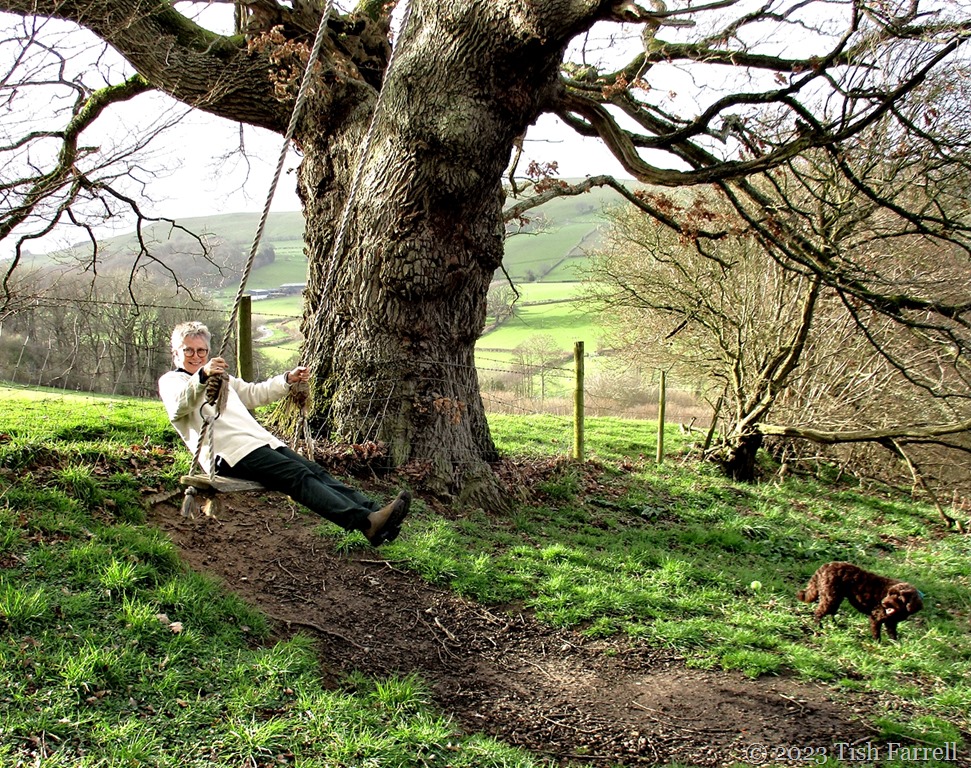
Back at Wild Meadow, Jo tried out the old oak tree swing:

IMG_2802

*

And after a few squalls of rain, we watched the sun set across the hills.

IMG_2955

Primrose Peace In The Midst Of Moving House

IMG_2575

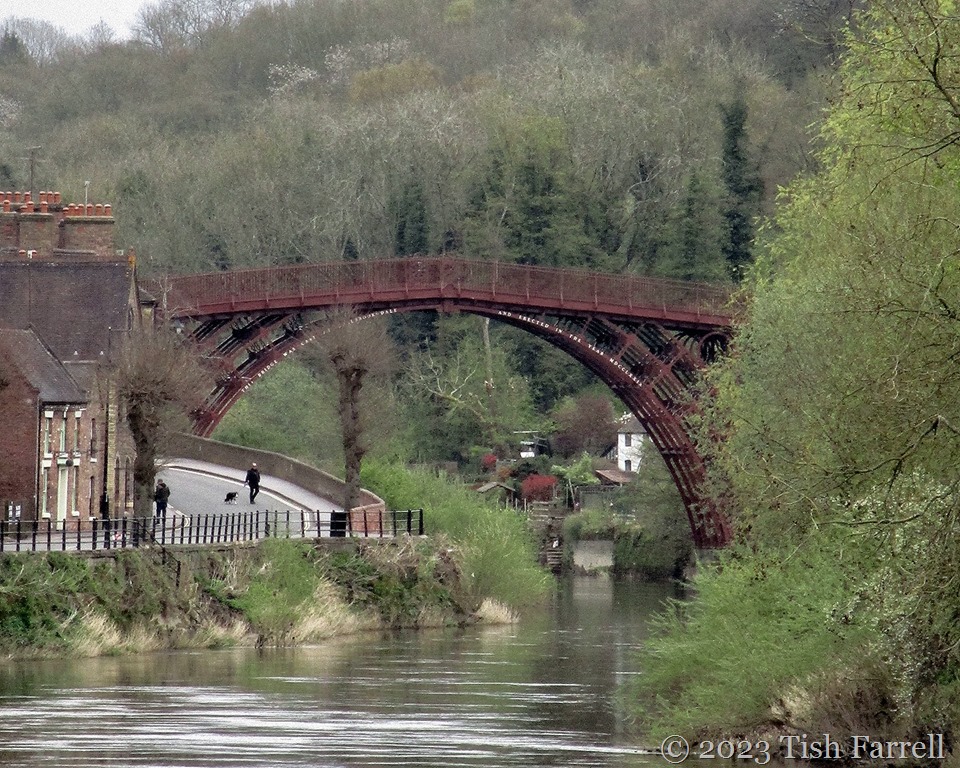
Some of you may have noticed that I’ve not been around much in the last few months. And the reason? The Farrells are on the move, out of Much Wenlock and into next-door Broseley (ten minutes drive away), leaving the edge of Wenlock Edge for a new edge atop the Severn Gorge and above the world’s first cast iron bridge (1779).

In fact the Iron Bridge will be in walking distance of the new house, although maybe only on the outward foray. The Gorge is so steep, a bus ride back could well be called for. Anyway, this is what’s been going on – house selling, possessions culling, allotment retreating and finally, in the last three weeks, the hair-raising dash to find a rental property before the new owner moves in. Phew and double-phew. (Who knew that renting anywhere these days is so fraught with difficulties).

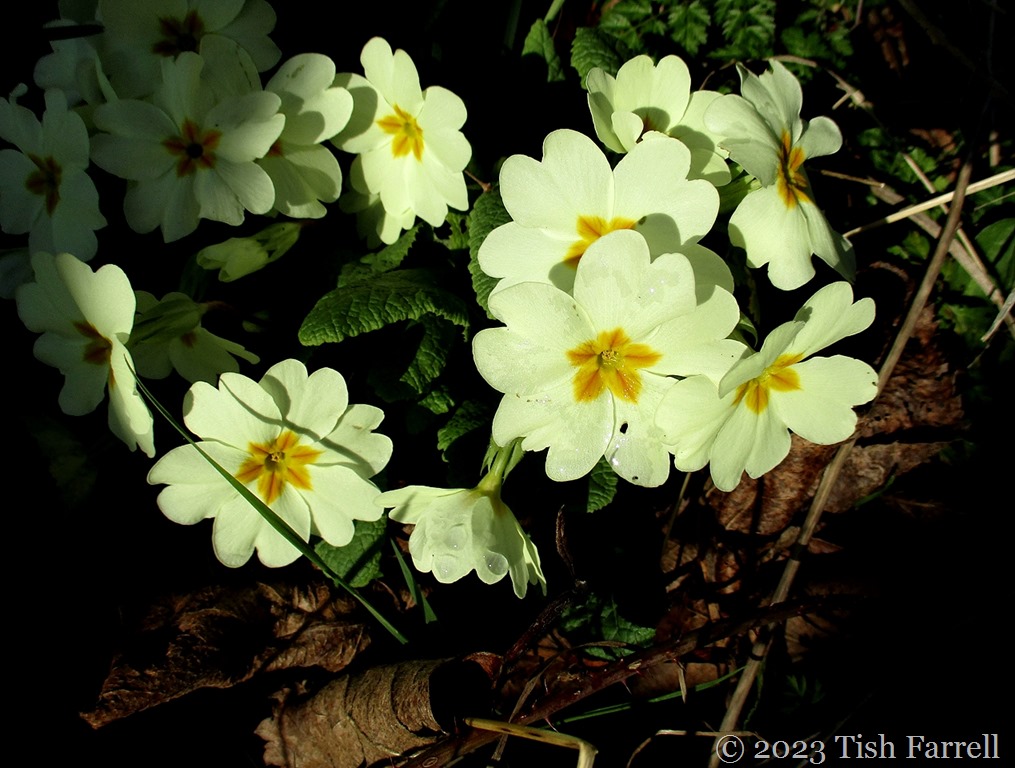
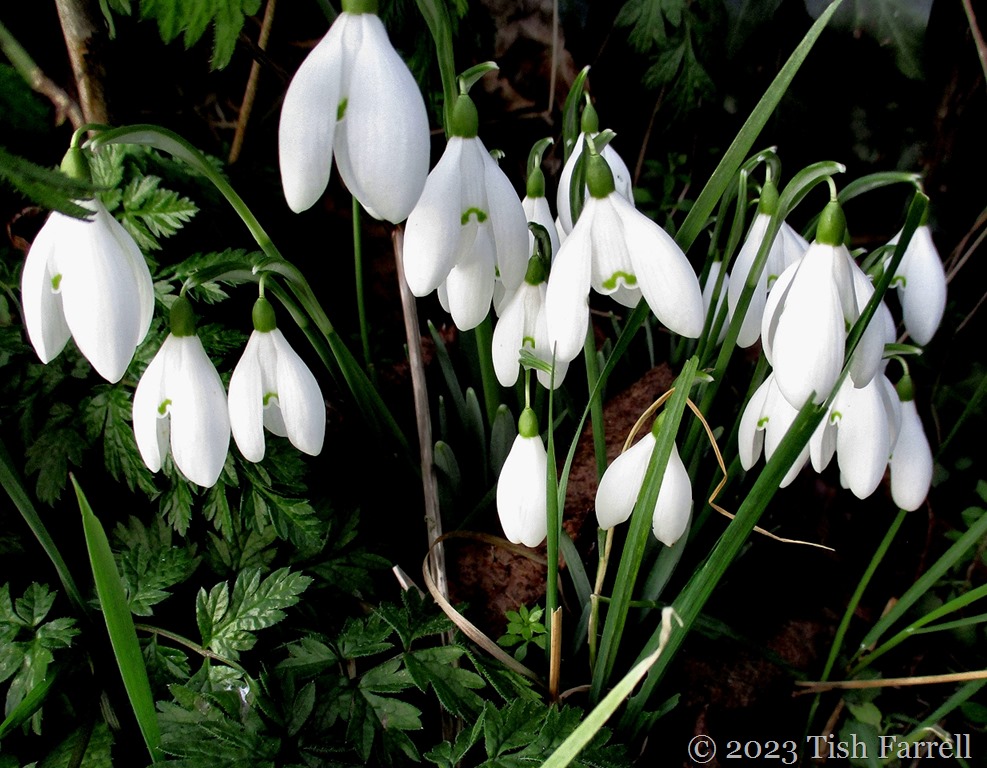
We began this whole moving process over a year ago, and it scarcely needs saying that it’s been very stressful. It’s definitely been a matter of snatching peaceful moments as and when. And of course, for gardening types, spotting signs of spring is always a welcome distraction from domestic chaos.  I was busy repatriating allotment tools when I first noticed the primroses along the hedge bank beside Townsend Meadow. This was around the end of January, and I was surprised to see them flowering so early (neck and neck with the snowdrops). Clearly, unlike Mrs. Farrell, neither mind the frigid temps we’ve been having.

IMG_2550

*

Some of you may also be wondering why we’re moving when there’s no obvious necessity. On anxiety-ridden days I have been wondering this myself. But then I have long been hankering for a home with a vegetable garden attached as opposed to one a field’s walk away.  Not that I won’t miss the walk, or the views above the town, or the raven that flies cronking over my polytunnel in the late afternoon, or the chats with fellow allotmenteers.

But I will be glad to leave the allotment’s dispiritingly claggy Silurian soil, the endemic pests and weeds typical of free-for-all community gardens and the outrageous numbers of snails. And of course, I am getting on a bit! I would like to nurture my soil, not do battle with it. Nor do I really want to dash across the field for the lettuce I forgot to pick earlier.

So the plan: to rent for a time in Broseley while looking for a place to buy – hopefully somewhere over Wenlock Edge into South Shropshire and closer to dear younger sibling, the hill country, and also to better functioning public transport systems.

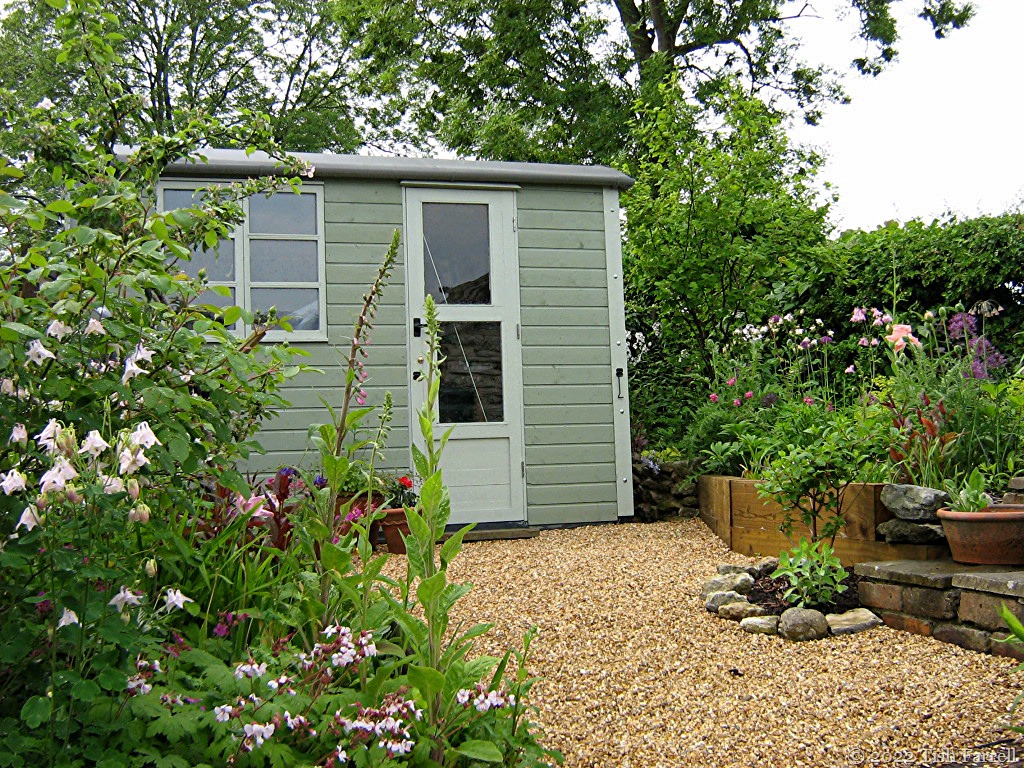
And yes, I will be sad to leave our upstairs-downstairs garden, and Graham his custom-made, super self-built shed. We’ll also miss our quirky cottage (though not the spiders). I’m sure, too, we’re going to feel more than a touch stranded in a rented house that’s not at all our style, to say nothing of the daunting prospect of moving TWICE.

IMG_3493

Summer garden and Graham’s peaceful place freshly built

*

But then Broseley is a very fascinating old town, whose maze-like streets (jitties) of higgledly-piggledy cottages, reflect the arrival of immigrant miners way back in the 1590s when the town’s population of 5,000 was apparently much the same as today’s. The other key industry was clay pipe making, the products exported around the world, and the pipes themselves referred to as ‘Broseleys’.

Here’s a nice taster of what’s to explore from Broseley Historical Society.

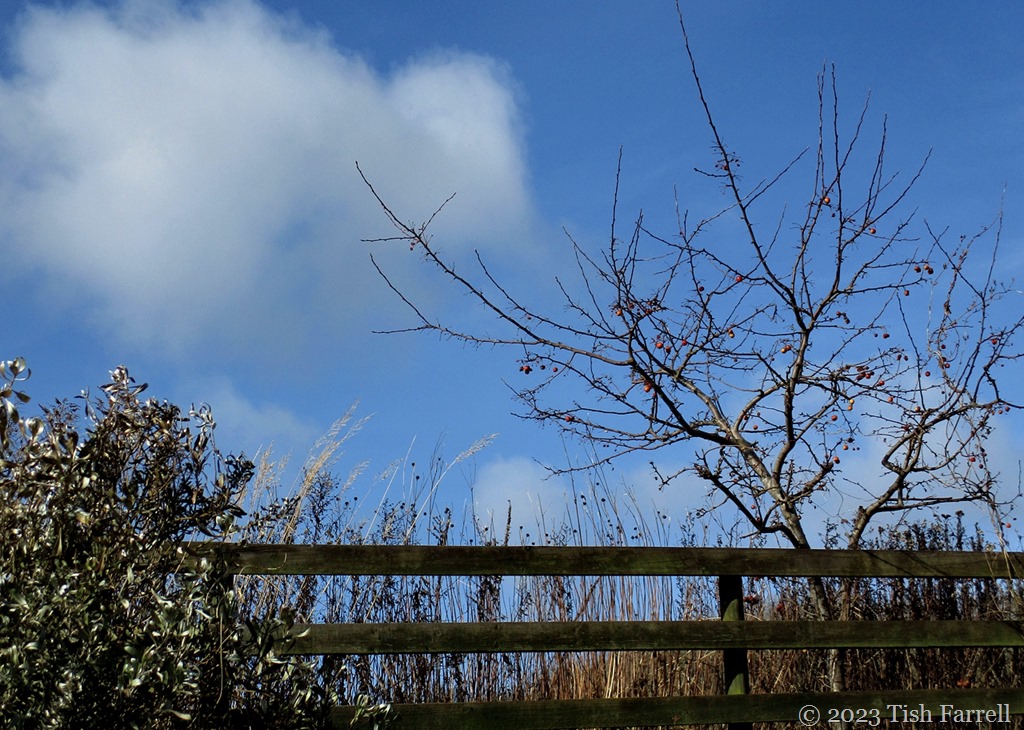
Meanwhile, as the packing cases pile high in the living room, and sixteen years of covert dust alarmingly reveals itself, out in the garden, all is still wintery, the crab apple tree eaten bare and the guerrilla garden over the fence very endy.

IMG_2551

*

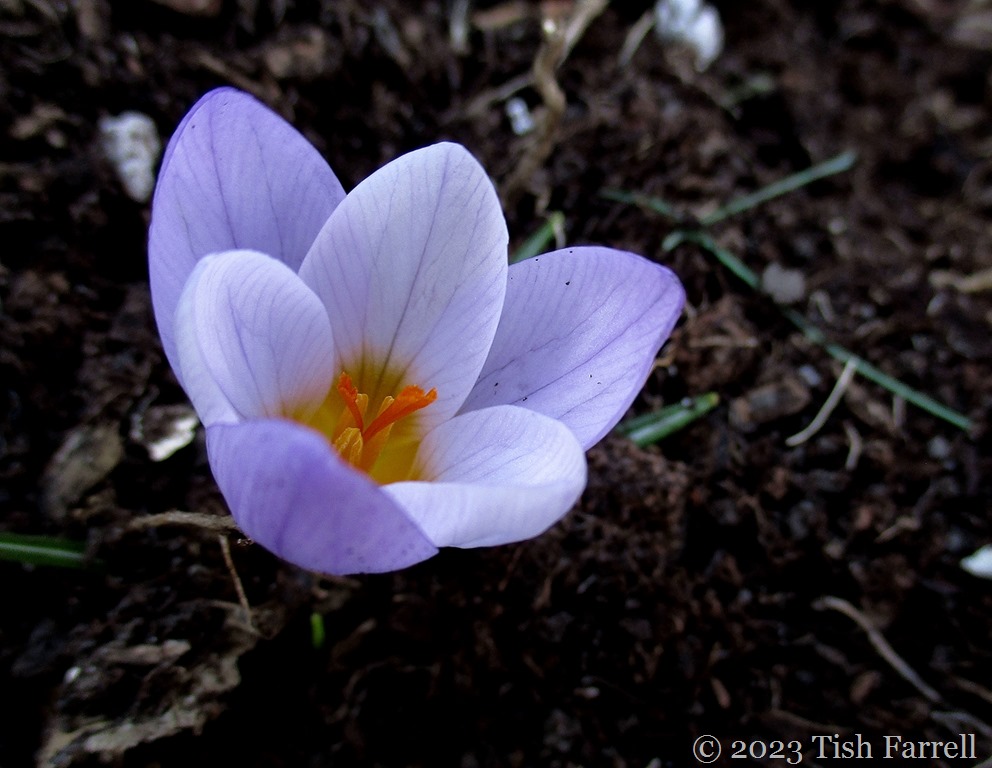
But then in the shady corner behind Graham’s shed there’s  a small scatter of miniature crocuses. So soothing to spend a few quiet moments with them before the big move at the end of the week (with the added thrill of forecast SNOW!)

IMG_2559ed

Lens-Artists: Finding Peace This week Tina’s theme could not be more apt here on Sheinton Street.

Spanning The Straits: Thomas Telford’s Magnificent Menai Suspension Bridge

IMG_2388ed

“…some of the horses are unsettled by the drop…”

Thomas Telford 1826

I’m not one for heroes, but I make an exception for Thomas Telford (1757-1843), the son of a Dumfriesshire shepherd who became one of Britain’s most outstanding engineers, the first President of the Institute of Civil Engineers and the man who left us with many astonishing structures still in daily use. Not the least of his many achievements are Scotland’s 60-mile Caledonian Canal and the magnificent Pontcysyllte Aqueduct whose still working canal crosses the River Dee near Llangollen in Wales.

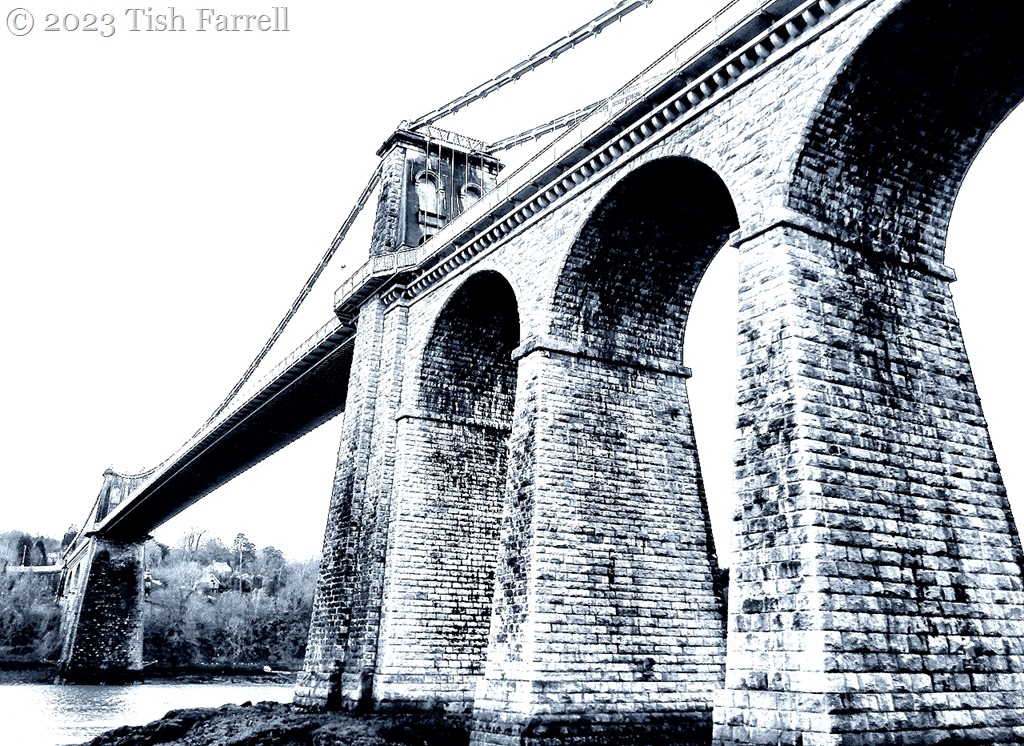
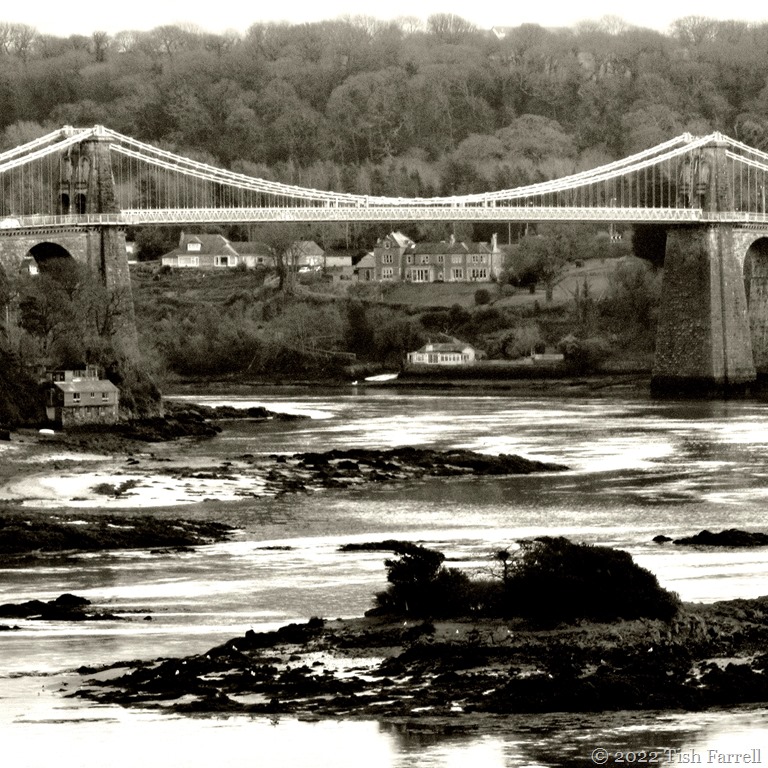
And then there is the Menai Bridge that bridges the strait between mainland Wales and the island of Anglesey, with arches tall enough to allow ships to pass without lowering their sails. With a span of 580 feet it was, in its day, the longest suspension bridge ever constructed. Work began in 1819 and the bridge was opened to coach traffic in 1826. The project was part of Telford’s major improvements of the road from the Anglesey port Holyhead to London, otherwise known as the A5. One object was to ensure the swift, safe transport of Irish Members of Parliament to Westminster. Before the bridge, they had to risk a perilous ferry crossing between Anglesey and Bangor.

Telford was not only a man of vision in construction terms, but he always looked to the bigger picture, building roads that, though expensive to construct, were well drained and low maintenance, always looking to create integrated transport systems that would bring local and national prosperity. He was fastidious, too, in his project planning, and astute when it came to political lobbying and fund raising. He was also a man who made fast friendships and was a diligent letter writer, and he did much to encourage the young engineers who would succeed him.

In fact he never stopped working. Only death at the age of 77 concluded his prodigious career. There was never time to marry  either (though there were near misses) and only in his late years did he bother to buy his London house. Even then he still kept travelling, racketing around in a coach from project to project, the length and breadth of the British Isles. He was certainly a man who knew his own worth, but he was modest too. Here’s a letter he wrote to one of his Menai Bridge contractors, Nye Vaughn, owner of the Castle Iron Works which provided the iron chains.

My Dear Vaughn,

You will be pleased to learn that the bridge at Menai is finished and opened to mail coaches last month. I confess the admiralty demand to hang the road a hundred feet above the sea to allow sailing ships to pass was a daunting requirement. However the bridge is built and, I must say, I am proud of it. It seems I am to be known as the ‘Colossus of Roads’ ** . An odd name don’t you think? Your iron chains were a devil to hang across the straits but they are firm and there is little movement when the coaches pass across although some of the horses are unsettled by the drop. Thank your son for his suggestion to coat the chains in linseed oil to protect them from corrosion. His idea has proved better than the lead paint we planned to use. To be doubly sure we have done both. When he proposed linseed oil I believed he was repaying me for teasing you in the sealing of Pontcysyllte Aqueduct. I hope you forgive my jest. Please accept my compliments and thank your foundry men. Tell them we found no flaws in the links we tested. When I am next in need of heavy castings I will call on you.

My very best regards,

Telford

** It was Telford’s close friend and poet Robert Southey who coined this term Colossus of Roads

When we were on Anglesey back in January the bridge had been closed for three months. It was quite an emergency. Some structural upgrading carried out during the war years 1938 and 1941 showed serious signs of failing. Brittle hanging sockets were the problem and “analysis showed there was a credible risk of an unzipping failure of the bridge deck.”

An unzipping suspension bridge of Menai’s scale sounds horrendous. It’s good to know the bridge is now back in business. It opened again at the start of February. All the same, I wonder what Thomas Telford and Nye Vaughn would have had to say about brittle hanging sockets.

IMG_6517ed


Cee’s Black & White Photo Challenge: Arches, domes and half circles

Days Of Frost And Sun And More Upended Reflections

IMG_2534ed2a

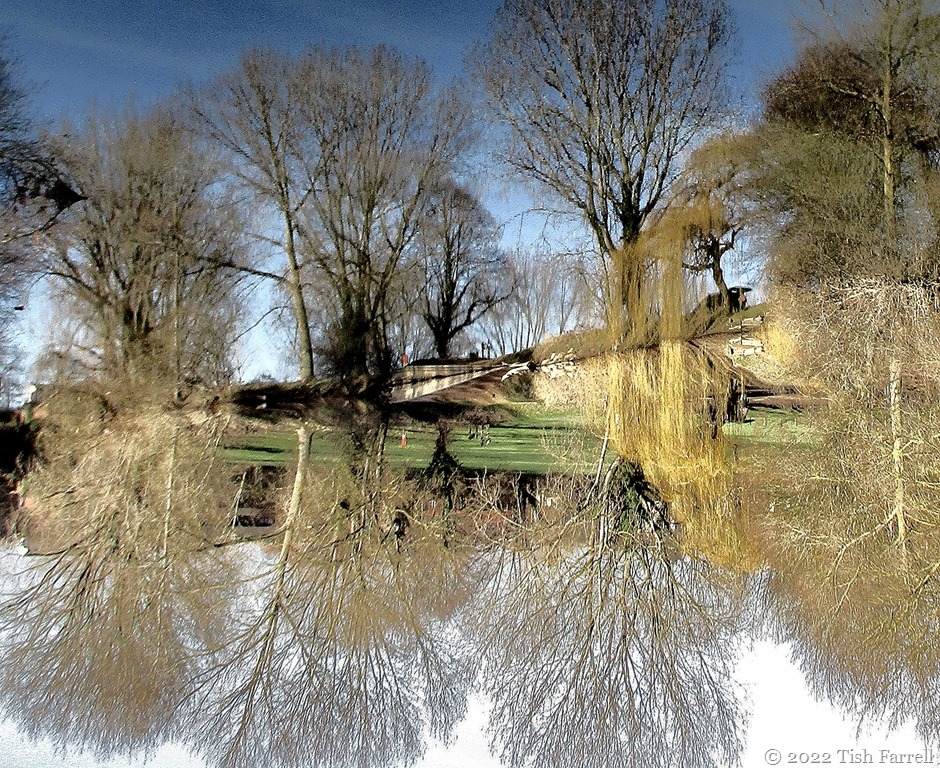
This week the weather gods are treating us to hoar frosty nights and chilled, sun-filled days. The wind has dropped too – ideal conditions, then, for watery reflections. So here’s a flipped image of the River Severn, and a mysteriously vivid mirror-world that, in this photo at least, looks more real than reality. Strange how that can happen.

*

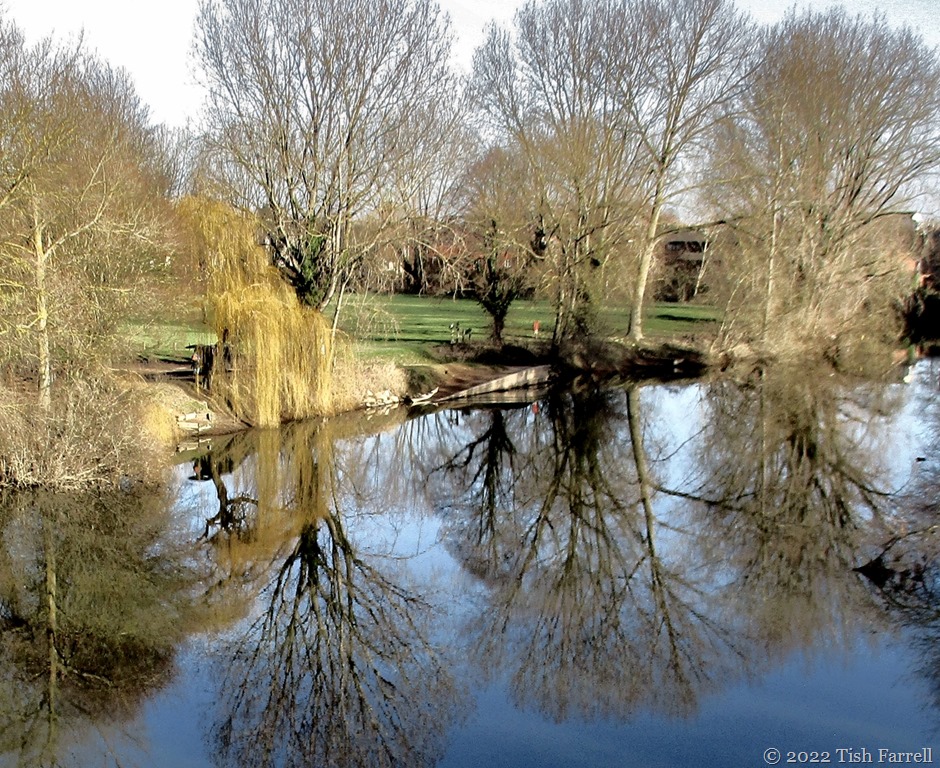
The photo was taken yesterday afternoon on a trip into Shrewsbury, our county town. Here it is restored to uprightness.

IMG_2534ed2

*

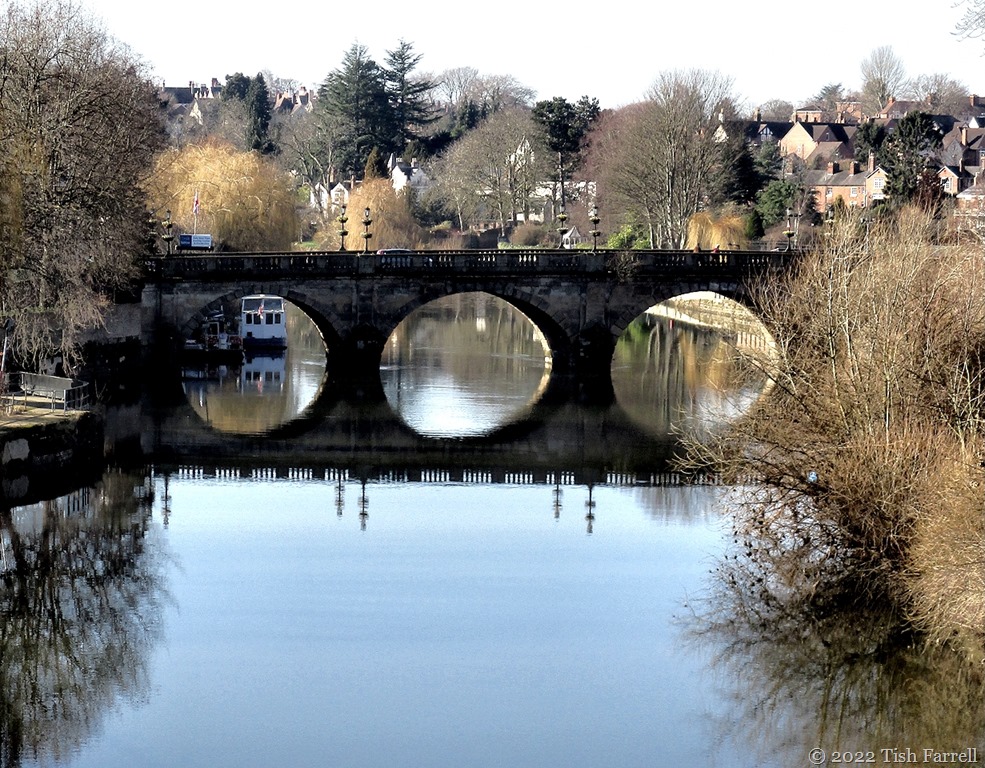
And now the upstream view, showing off the Welsh Bridge, the town’s westerly exit. (There is also an English Bridge over the easterly stretch):

IMG_2538ed

The Severn is Britain’s longest river (220 miles). It rises in the mid-Wales mountains and then meanders down England to the Bristol Channel and thence into the Celtic Sea. At Shrewsbury it all but encircles the town centre, a hilltop settlement of ancient Saxon origins and ever a busy centre for trade and manufacturing. The river was once its super highway, woollen cloth and wool being  key export commodities from which great fortunes could be made. These days the riverside parks and walks are a precious resort for tranquil pursuits (and reflection) away from nose-to-tail traffic that clog up the mediaeval streets. Interesting the ways things change.

More sun and frost promised tomorrow.

The Day The Sun Fell Into Henllys Woods And Other Light Shows

Henllys Woods

It is said that the Druids faced their final battle with the Roman Army on the North Wales island of Anglesey in 60-61 AD. According to Tacitus, things did not end well for them and their sacred oak groves. [See my earlier post Island Of Old Ghosts]. Early on in the invasion of Britain, the island had become a refuge for resisting Celtic warriors, doubtless assuming that the Menai Strait would present an obstacle to the legions. (It didn’t).

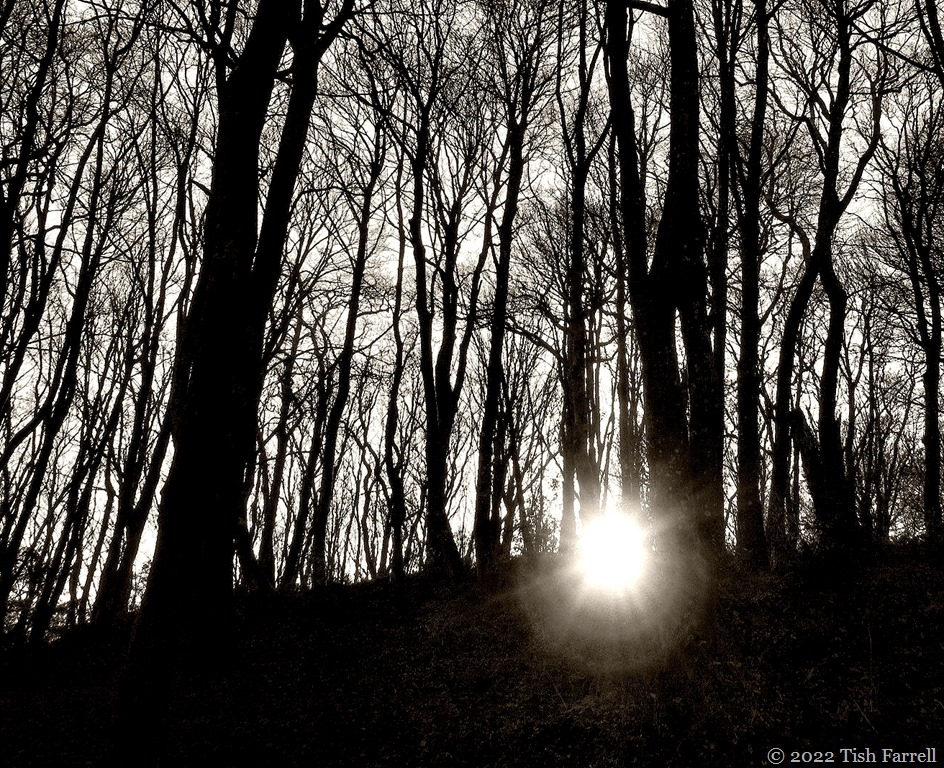
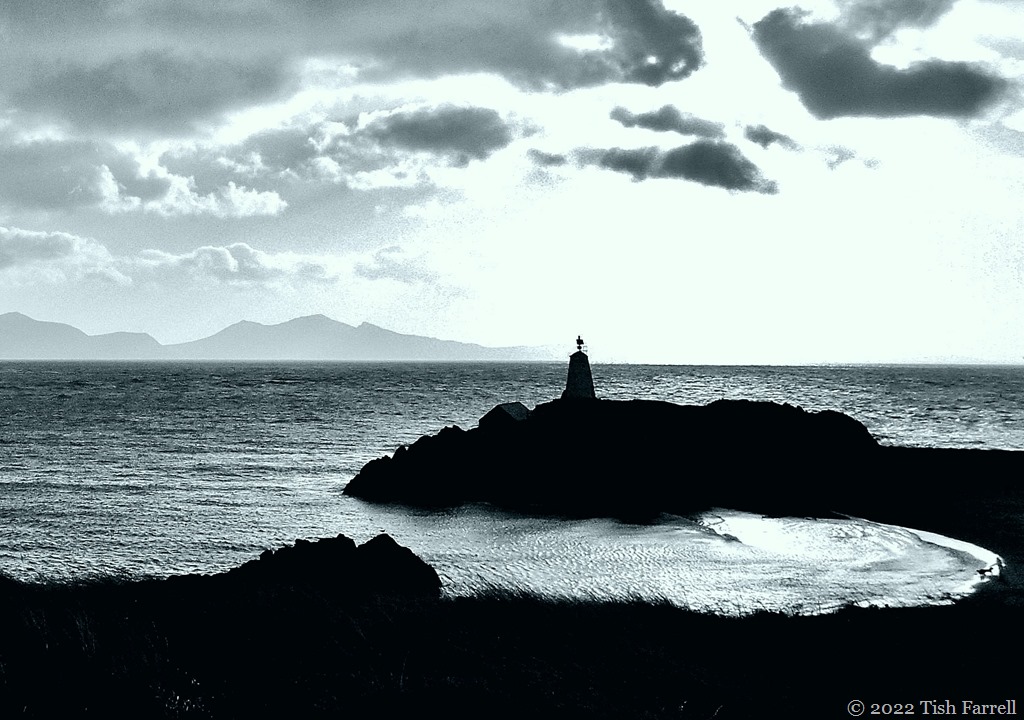
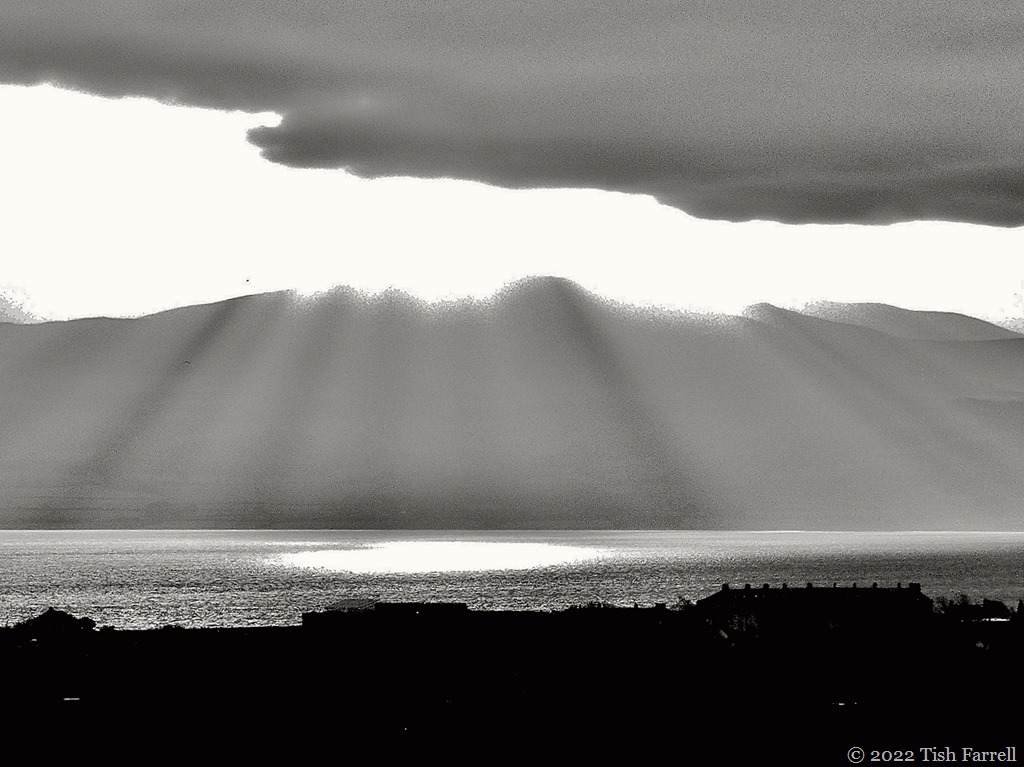
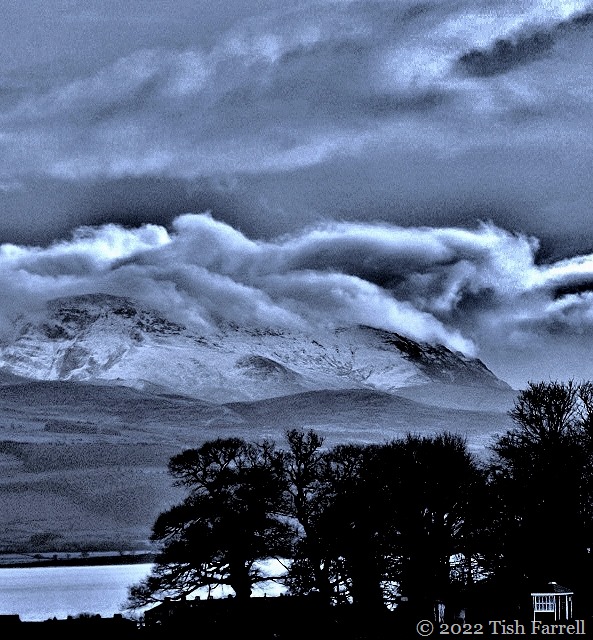
But for the Druids – the seer-diviner-lore-keeper-law-makers of the community, I tend to wonder if it wasn’t the island’s more extraordinary characteristics that they drew on. The quality of the light for one, and especially in winter when the sun over sea and strait and mainland mountains creates some mesmerizing effects, even when caught in monochrome.

P1060396 - Copyc

P1060522sep

100_5262

Henlyss Woods 2

Cee’s Black & White Photo Challenge: Light

Over The Garden Fence ~ News From The Crab Apple Fly-By

IMG_2475ed1

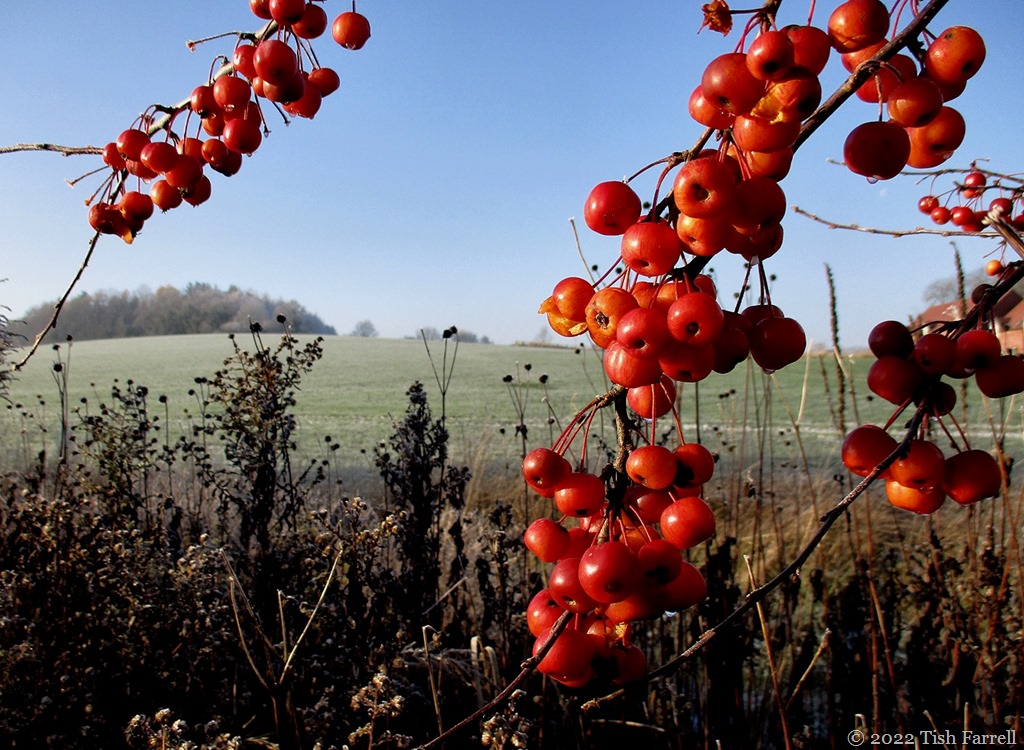
Well, haven’t the birds tucked in well over the past few weeks. I have to say, though, I rather begrudge the number of pigeons who’ve come scoffing at our little Evereste tree. But still, the blackbirds have had their fair share too.

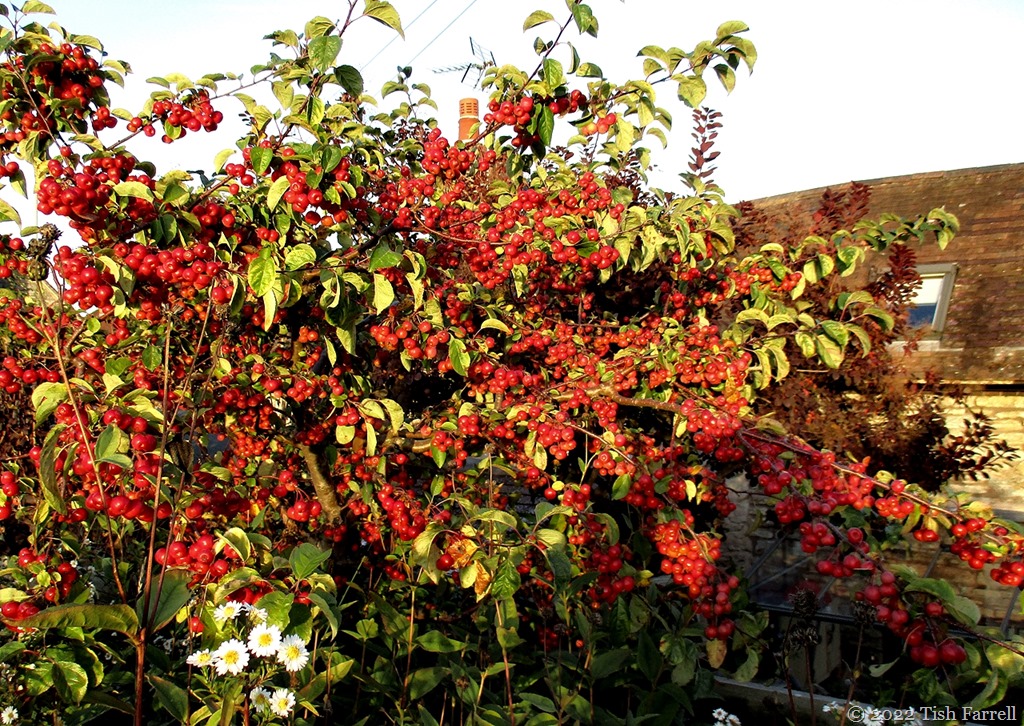
Here’s how the tree looked in early October, aglow in late-day light:

IMG_1890ed

*

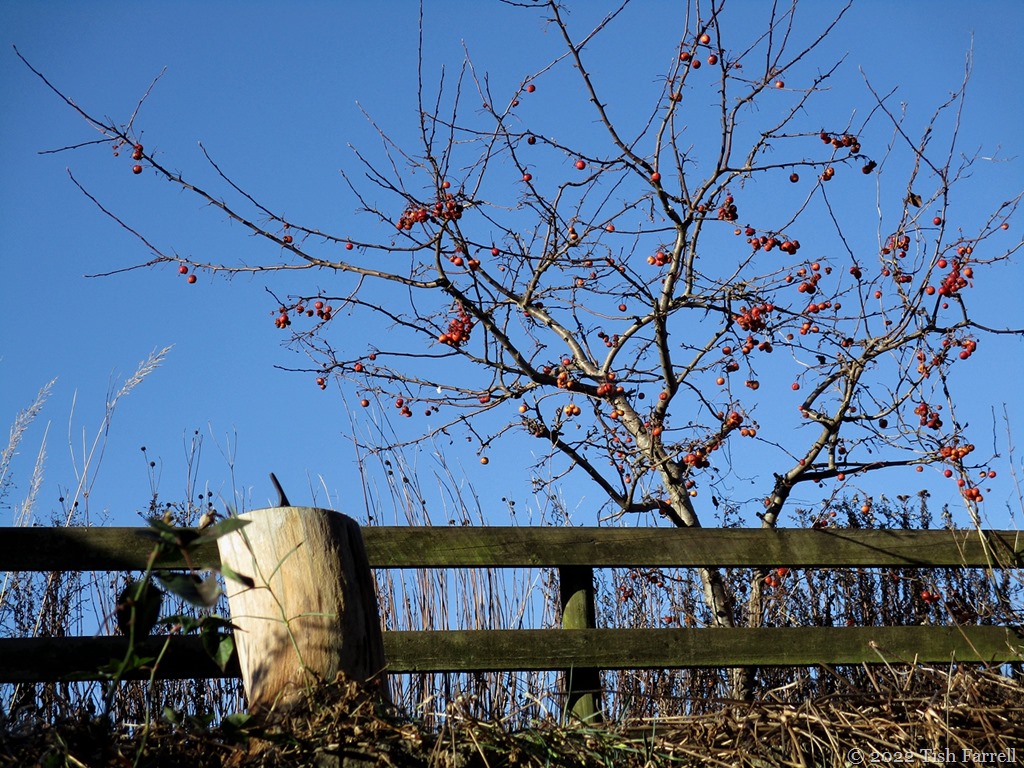
And in no time at all it will look like this:

IMG_0297re

*

And like this:

IMG_0366re

*

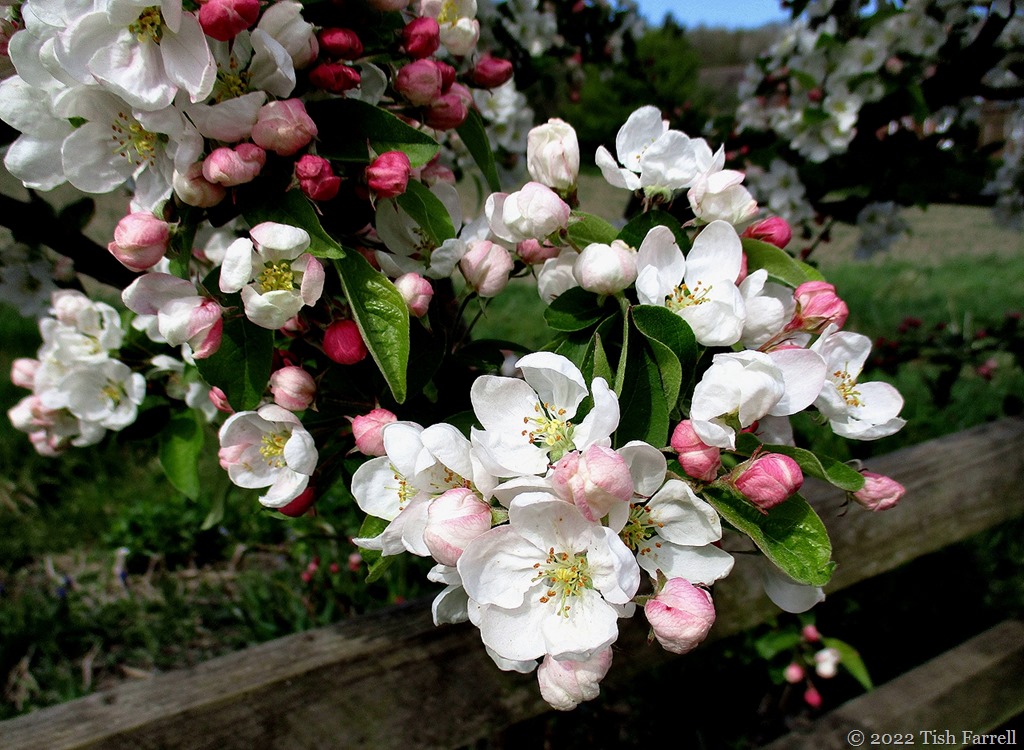
And so the gyre of life, loss and renewal endures; never mind the doom-mongers.

IMG_2123ed