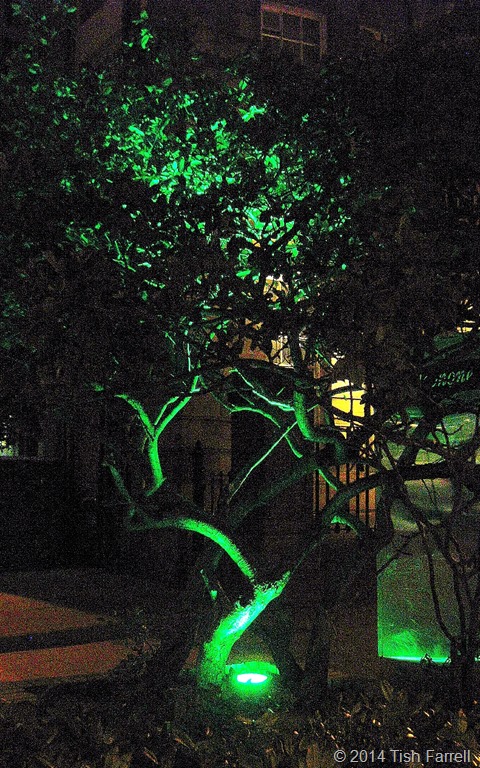
Forever Summer


OOB1


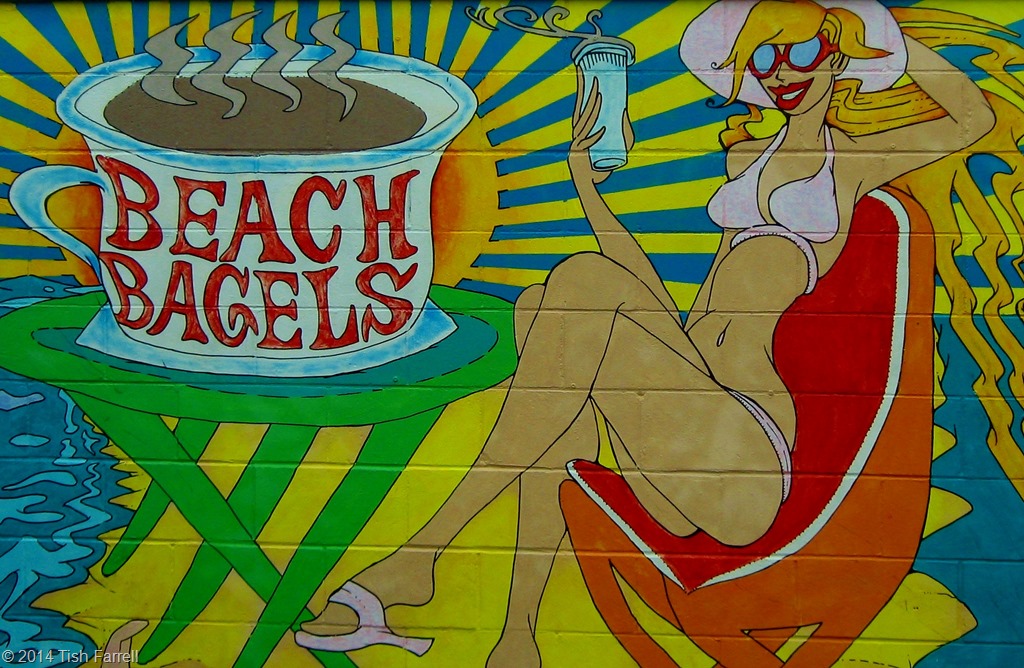
The fun fair was wrapped up for the winter, the pier shops barely open, and there was already a strong hint of autumn in the air when we went to Old Orchard Beach. We were too late. The sky was grey. We had missed all the beach fun. But then as we were mooching up the main street, wrapped in coats and searching for coffee, I spotted this mural on the side of a building. And so it was, in a corner of this out-of-season town, that summer never ends.

copyright 2014 Tish Farrell

Word Press Photo Challenge: Summer Lovin’

Desert Date ~ a real-life tree of life


desert date mulului tree 001

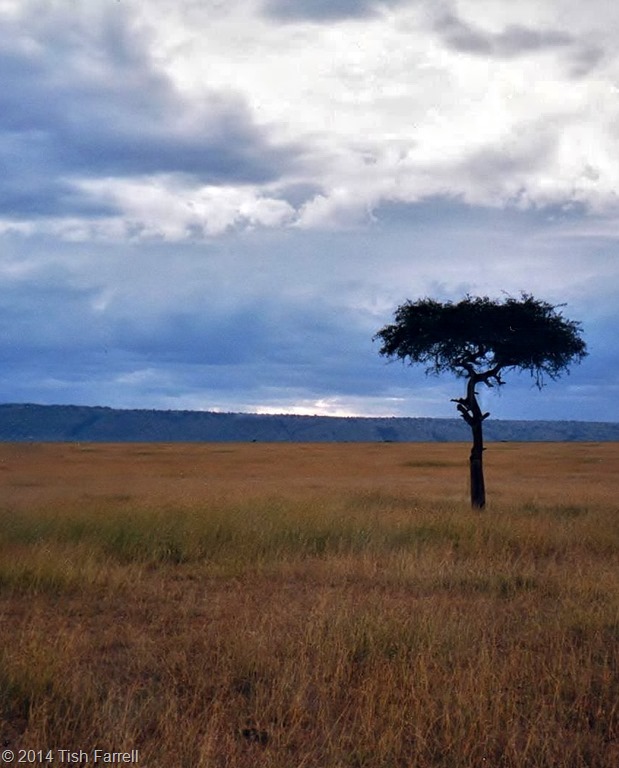
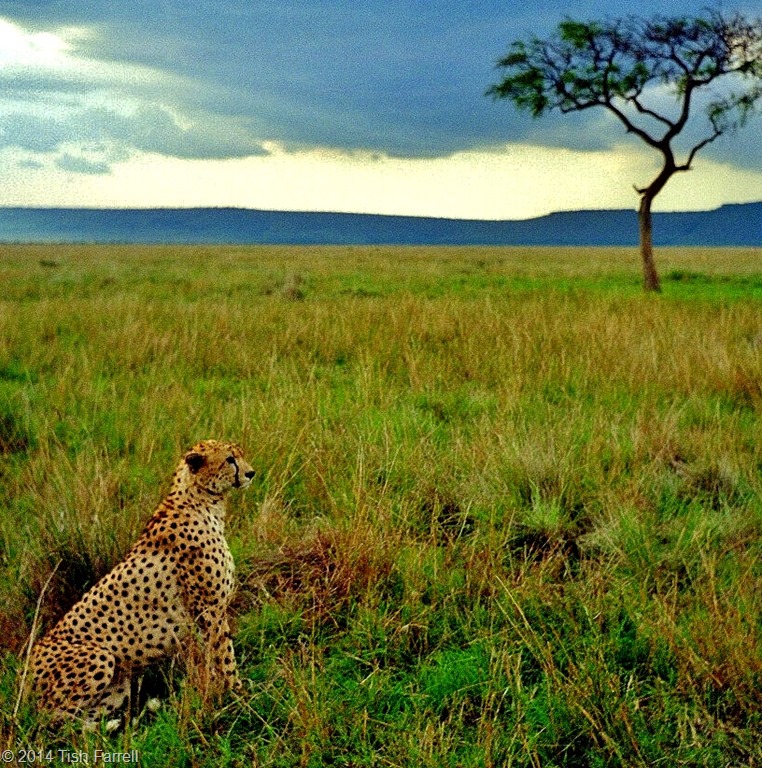
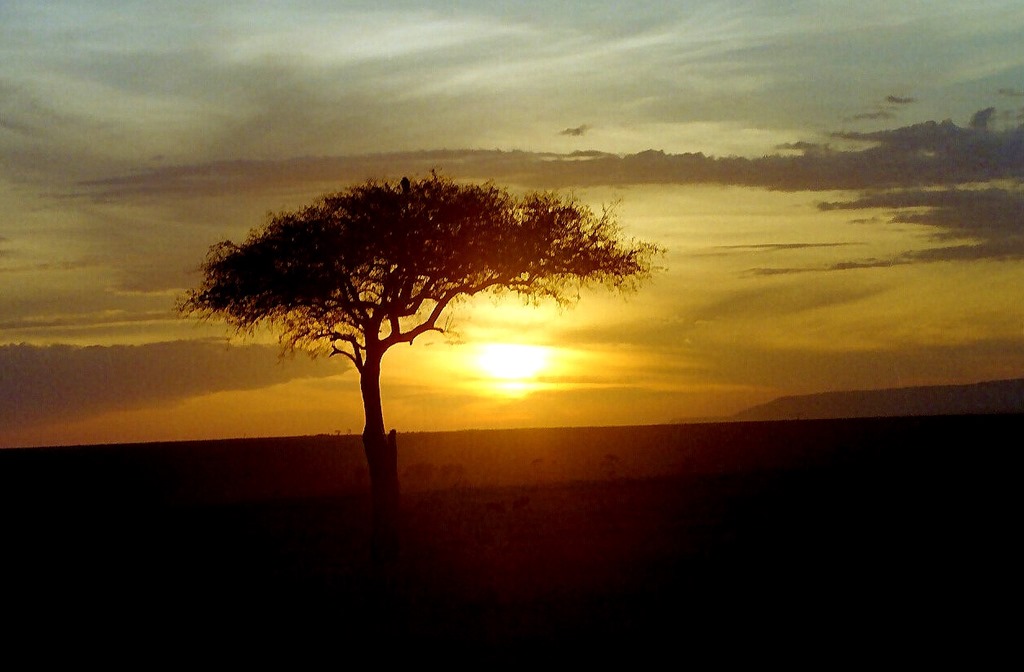
Badda, Othoo, Olokwai, Eroronyit, Mjunju, Kiwowa – are just some of the names that Kenya’s peoples use for this super-tree. Here, in the Maasai Mara, its  lone presence on the grasslands adds a sense of drama. Perhaps the spare silhouette springs some ancestral memory. For if we believe that humankind evolved in the Great Rift, then we must have an ages-old association with this tree, and not only as a source of food, but for firewood, the making of shelters and tools and, most especially, for medicine.

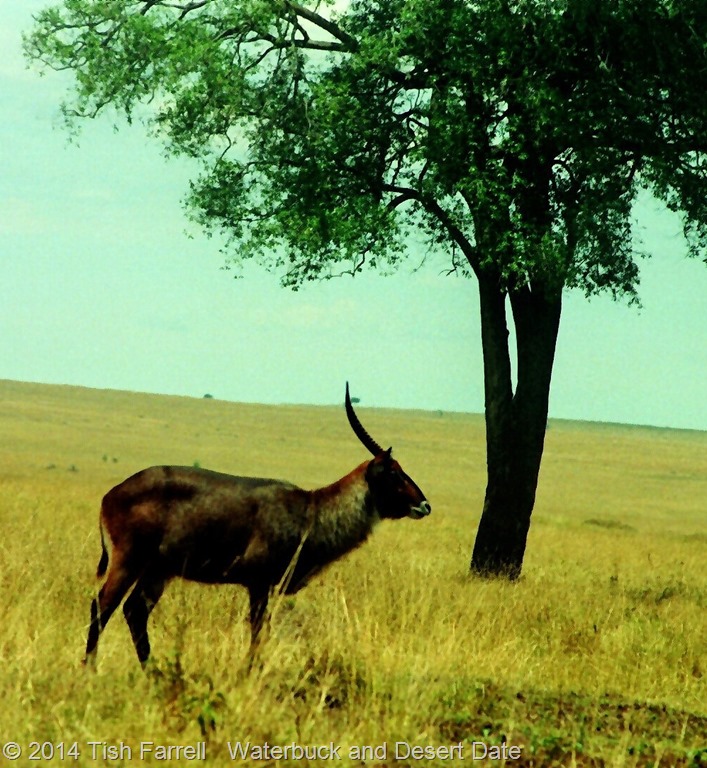
All the photos here were taken in the Mara, but the range of the Desert Date (Balanites aegyptiaca) extends across much of Africa, and into parts of the Middle East and India. But wherever it grows, its multiple uses have long been valued. Much like the baobab, it is a natural pharmacy. Every part of this unassuming tree has been scientifically shown to be packed with pharmacologically active substances.

Saponins are the key compounds. They protect the immune system, decrease blood lipids, lower cancer risk and cholesterol levels. They include diosgenin, from which hormones for the contraceptive pill may be produced. In short, the tree’s parts – roots, shoots, bark, fruits and seeds – have been shown in laboratory tests to have many healing and prophylactic properties: anti-fever, anti-diabetic, anti-inflammatory, antibacterial, antifungal, anti-parasitic, anti-cancer, antioxidant and liver-protecting. (For more scientific details see Bishnu P Chapagain 2006.)

And so it is that the practices of generations of traditional healers, from Africa to India, (and so often sneered at) may now be vindicated: all along they have been barking up precisely the right tree.

cheetah 3

For example, the Pokot pastoralists of northwest Kenya make a decoction of the root to treat malaria. They also boil the root in soup to ease oedema and stomach pains. For heartburn, the Akamba of central Kenya make an infusion of bark.  Throughout East Africa, the root is used to get rid of intestinal worms, and as a general purgative. The bark is used as a fish poison, and when mixed with fruit will kill freshwater snails and copepods that host the parasites that cause Bilharzia and Guinea Worm respectively, both scourges in many parts of Africa. In Sudan herbalists use Desert Date to treat jaundice, and in West Africa the fruit is mixed into porridge and eaten by nursing mothers. The seeds, when boiled, produce an excellent oil that is used in food preparation and to soothe headaches. Over 4,ooo years ago in Ancient Egypt this oil was a prized cosmetic. So much so, that the seeds were placed in tombs beside the dead as if to suggest that, in the afterlife, this was a tree that no one could be without.

Scan-140726-0017.jpg

In fact Balanites thus once grew in profusion along the Nile Valley, and were possibly cultivated. But they are also well adapted to arid and semi-arid conditions, tolerating both sand and heavy clay. Their vertical roots reach down 7 metres, while the horizontal roots may extend 20 metres from the trunk. It can also cope with stock and wildlife grazing (the characteristic canopy is shaped by browsing giraffes), flood, and grassfire. Their boughs and long, thin spines photosynthesize even when the leaves drop off. This makes them a valuable famine food. No matter how dry, each year they can produce up to 10,000 date-like fruits. The flesh is bitter-sweet, but eaten by humans, their stock and most wild game. In fact elephants are one of the main propagators of this species, at least in Africa. While most other creatures spit out the stones, elephants swallow them, depositing them in due course in dollops of ready-made compost.

In Kenya the Pokot and Turkana also eat the tree’s young leaves and shoots, boiled, pounded and fried with fat. The Maasai eat the gum, and the Marakwet boil the seeds and eat them like beans. In other parts of Africa the small flowers are stirred into porridge, and the fruit is fermented to make alcoholic drinks.

Scan-140727-0044.jpg

And then there is the wood. This is an excellent cooking fuel since it burns with little smoke. The wood is durable and used for house-building. It is also easily worked to make yokes, wooden spoons, pestles, mortars, handles, stools, combs. Resin from the tree stems is used to stick feathers on to arrow shafts and spear heads to shafts. The Turkana use it to repair cracks in tool handles. And the tree itself may be grown in farmsteads as a living fence that can be cropped for both human needs and livestock fodder. While it is protecting domestic animals and crops it is also fixing nitrogen in the soil.

And now you know why I called it a tree of life. It is ripe for development too, the kind of development that can only enhance existence on the planet. In fact one gasps at how much potential can subsist within a single tree species. AND THIS IS JUST ONE TREE. But doesn’t it show, and with glaring clarity, that instead of destroying the world’s wild places (and for mostly very pointless reasons), we need to protect and learn from them, and learn, too, from those indigenous peoples who still know them intimately and understand where the real treasure lies.

Scan-140726-0004.jpg

 Copyright 2014 Tish Farrell

For my earlier post on the baobab:                                                                                                                                               

Anthology Baobab: African Story Tree

Jungle2Jungle and Bishnu P Chapagain 2006 for more about the Desert Date

Flickr Comments for more ‘D’ words

Charles Darwin, holy bones and wild orchids at Wenlock Priory


IMG_1261.jpg


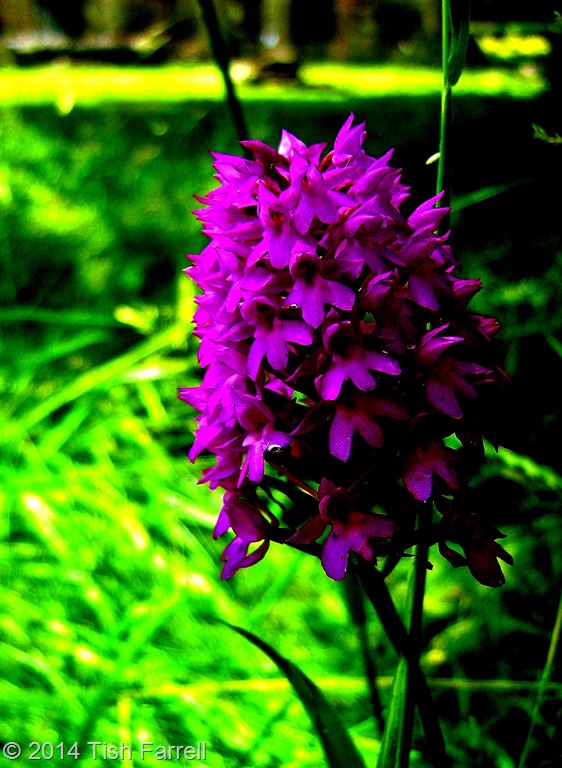
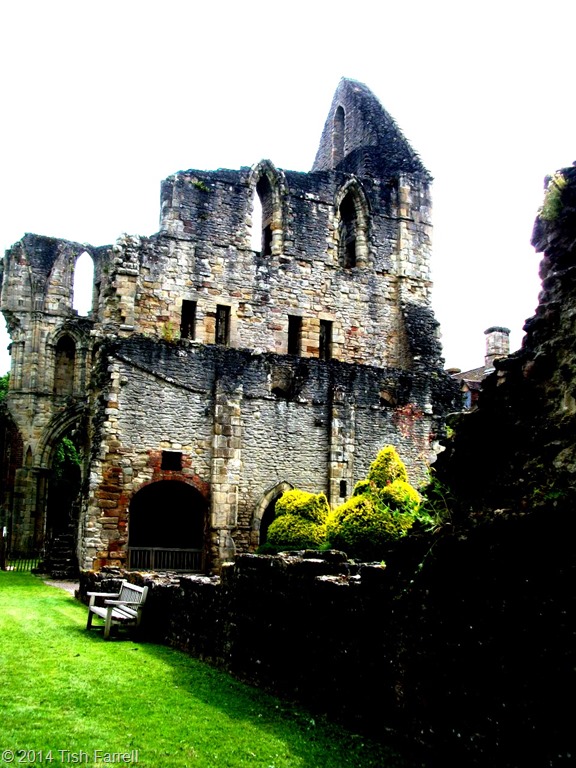
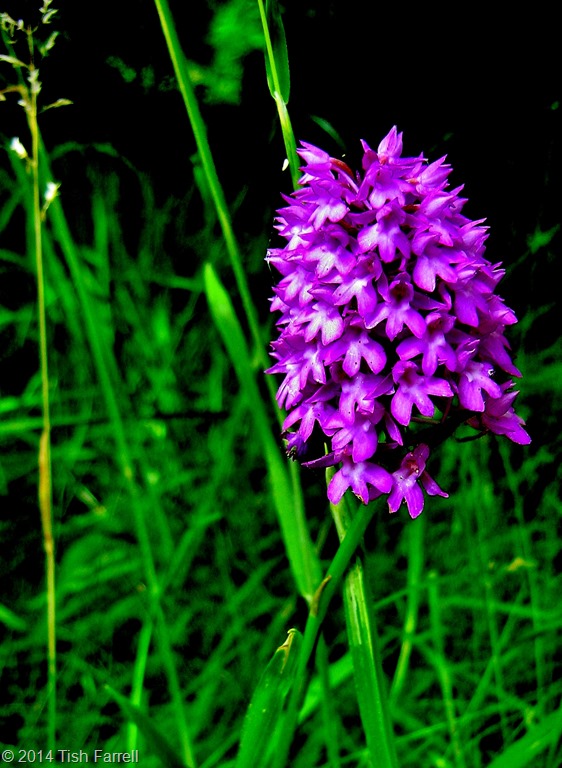
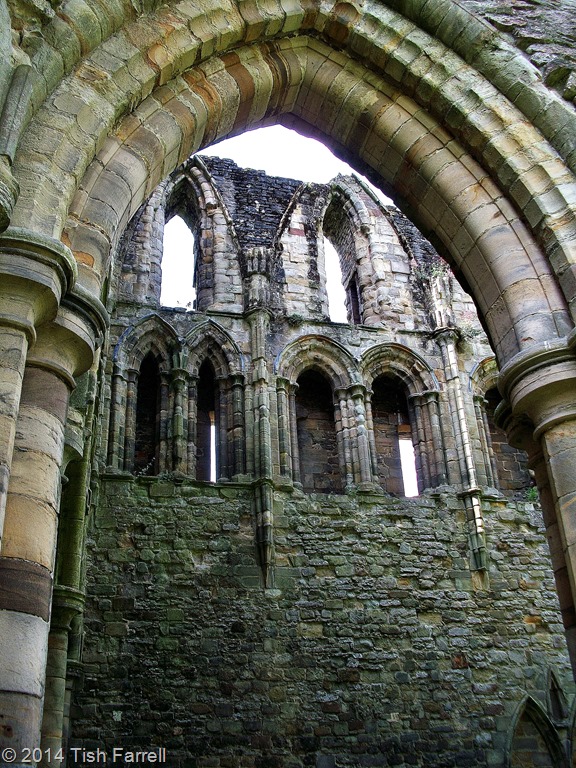
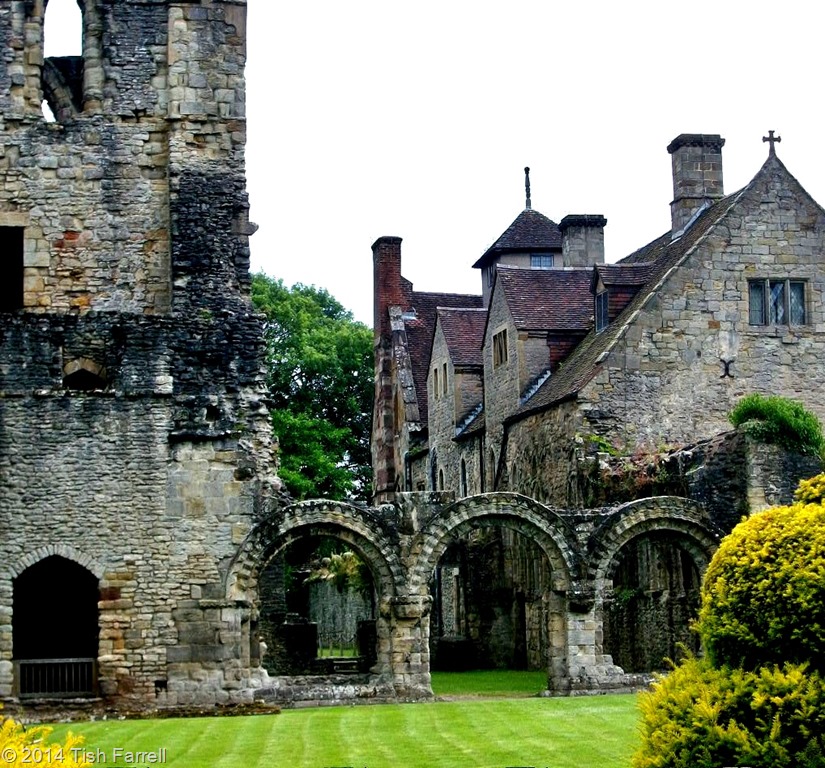
I came upon this wild orchid last week: a single small spike, flowering in the un-mown margins of Wenlock Priory. The Priory is my hometown ancient ruin. In fact the town of Much Wenlock both grew up around, and then later out of the monastery. This latter occurrence was due to some opportunistic recycling on the part of the local populace. After Henry VIII dissolved the monasteries in 1540 (this in a bid to take control of the English church, marry Anne Boleyn and free up some  much needed monastic capital), the lead was ripped from the roofs, and over the years, the stones from the ensuing ruins used to build many of the town’s houses.

100_5898.jpg

*


IMG_1260

The orchid is Anacamptis pyramidalis, a pyramidal orchid, and fairly common in Shropshire. This particular specimen was only a hand’s span in height, but the plant will grow taller. I did not get down to sniff it, and am sorry now, because I have since read that the flowers have a vanilla scent by day to attract pollinating butterflies. But then at night, when wet with dew, they give off a goaty smell that offends moths, or indeed anyone rash enough to get down on their knees for a quick nocturnal whiff. Their roots have medicinal properties when dried and ground into a sweet, nutritious powder called salep. It was once used to soothe upset stomachs. Perhaps the monks in the priory’s infirmary used it too, but please do not try this at home.

Incidentally, it was Charles Darwin who discovered that the structure of orchid flowers was designed specifically to be pollinated by either butterflies or moths with their long probosces. He wrote about it in Fertilisation of Orchids. Darwin also has a local connection. He was a Shropshire lad, born  in the nearby county town of Shrewsbury in 1809. Shropshire has a lot to answer for, and indeed be proud of.

It is also interesting to think of Darwin within these Priory confines. Just as his book On the Origin Species shook the foundations of Christian orthodoxy, so these ruins mark England’s break from the Church in Rome and a complete shake-up in religious belief that rebounded down the centuries. For years, Darwin put off publishing his theory of natural selection – “like confessing a murder”. Even his wife was concerned about the state of his soul. Only the realization that out in the Malay Archipelago, one Alfred Russel Wallace was arriving at similar conclusions to his own, prompted him to finish his book. In the first public airing that described Darwin’s work, Wallace was also given credit.

100_5957-2.jpg


But back to the orchid. I found it growing not far from the place where the Priory’s high altar would have stood, beneath the great east window. Behind that altar was said to be the shrine of St. Milburga. She was a Saxon princess famous for all manner of miracles, and who long after her death, became a big draw on the medieval pilgrim circuit.

For thirty years she had been abbess of the first monastic house in Much Wenlock. This predates the existing 12th – 15th century monastic remains by hundreds of  years, and was founded as a mixed house for both monks and nuns in 680 AD by her father King Merewahl of Mercia. Her grandfather had been the great King Penda, who, it is said,  personally abhorred Christianity, while nonetheless tolerating those with Christian beliefs.

All three of Merewahl’s daughters, and also his queen (after she forsook the marriage) headed religious houses. And I gather it was common in Saxon times both to have mixed-sex religious houses, although with separate places of worship and accommodation, and for them to be ruled by women. Milburga had been well educated at Chelles in Paris before she took up her office. She also controlled extensive estates, which later became part of the Cluniac monastery of Norman times, and yielded large revenues in agricultural produce.  It is clear that in Saxon times, princesses were deemed to have both political and spiritual power to wield. There was apparently no incentive for kings to marry them off in useful dynastic marriages.

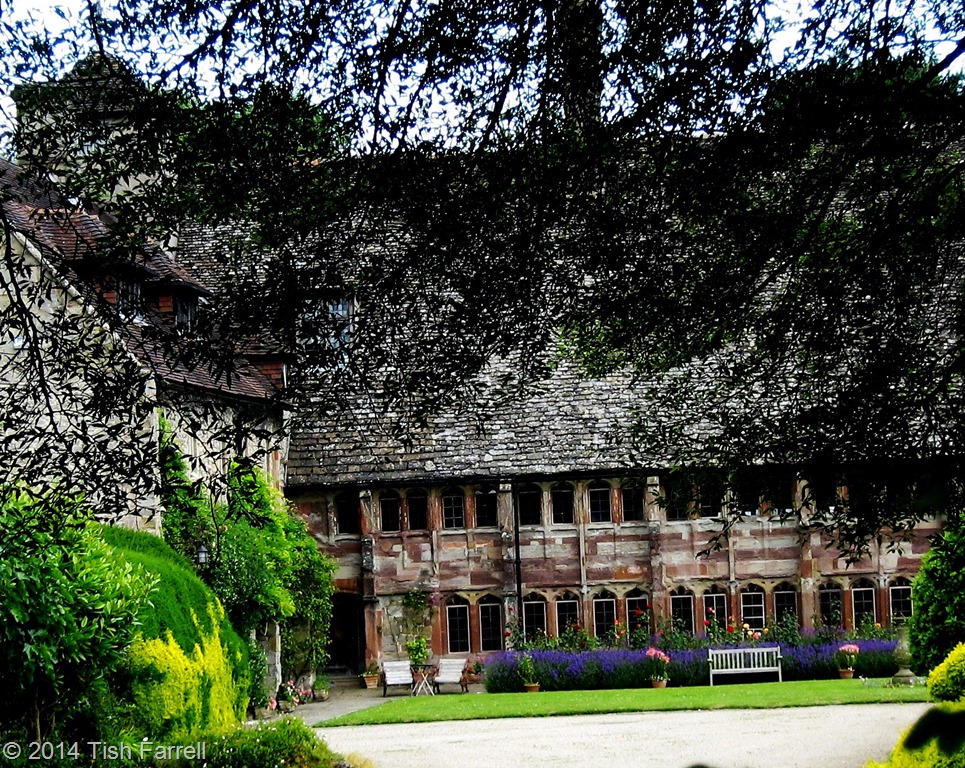
The re-discovery of Milburga’s remains in 1101 during the rebuilding of her, by then, ruinous church greatly added to the Priory’s revenue and prosperity as pilgrims flocked to the newly established shrine.  The opulence of the Prior’s lodging, expanded in 1425 , gives an indication of the wealth and power enjoyed by its then Prior, Richard Singer.

IMG_1265.jpg

There are many historical accounts of grim goings on in Wenlock Priory – everything from monks counterfeiting coinage to plotting to murder their prior. But these will have to wait for another post. For now more views of the priory ruins and its other plants – wild and cultivated.

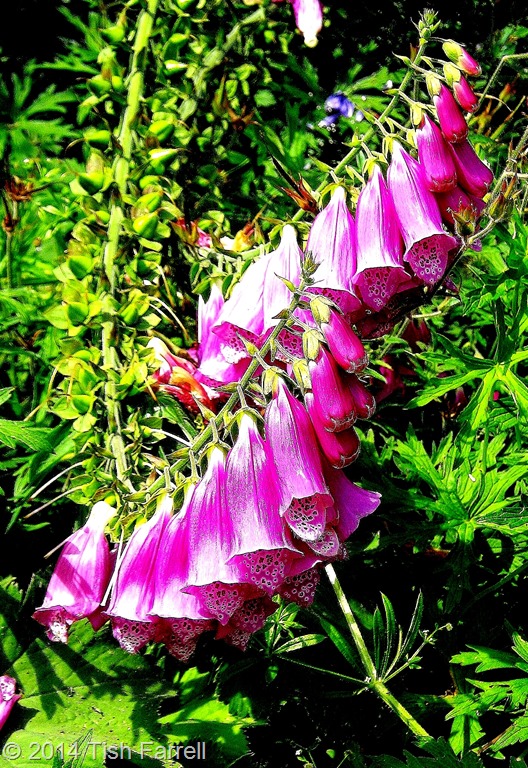
IMG_1230.jpgFoxglove in the cloister garden. Digitalis purpurea was used by monastic herbalists from the early Middle Ages to cure dropsy (oedema or swelling caused by fluid). It has also  long been used for heart conditions, although an overdose can prove fatal. Something else not to try at home.

*

100_5923_thumb.jpg

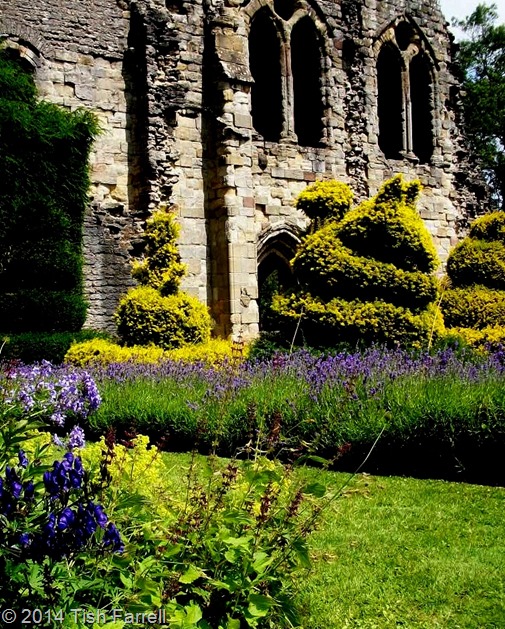
More mauve than purple – the lavender border (and topiary) in the cloister. Lavender has many soothing medicinal uses – for headaches in particular. I have no idea why the topiary hedges are there – a much more recent non-monastic addition it seems.

100_5907.jpg

copyright 2014 Tish Farrell


For more shades of purple go to Ailsa’s Travel Challenge HERE 

For more ‘C’ stories go to Flickr Comments HERE

Container Mania: Maine Make-do and Memories


IMG_1273 (2)

The Farrell domain is full of containers of the rural and artisanal variety – too full, says the Team Leader. He murmurs the word ‘cluttered’. I close my ears. These are artefacts to think by.  They resonate with story.  (See  also Basket Case, the story behind my Nubian mats.)

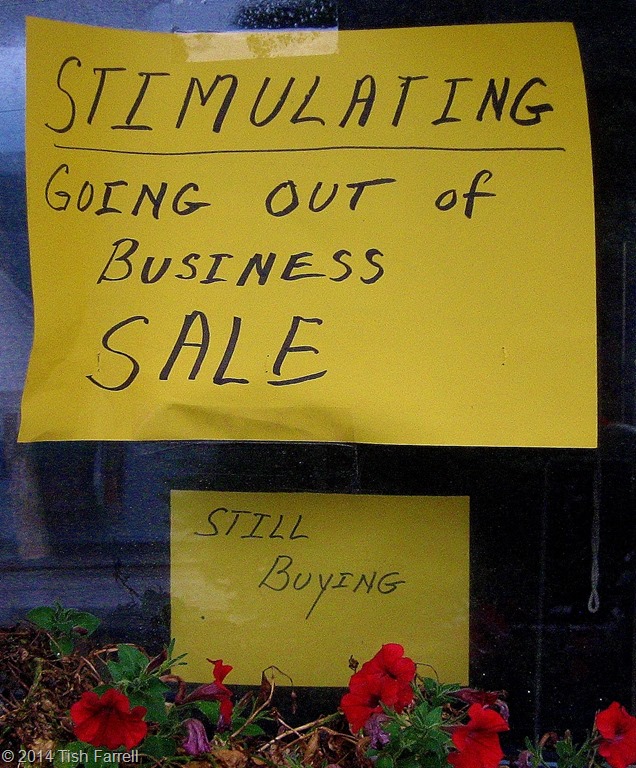
Yet even G was beguiled  by this American sugar bucket or firkin, once used for collecting sap from maple trees.  Not that we knew this when we first spotted it in the Ocean Park antique store in Southern Maine. The elderly owner of this  ‘going-out-of-business’ curio emporium was having a sale. He did not mention the maple syrup, but called the bucket  a farm ‘make-do’, pointing out that the replacement handle was a length of horse harness, and that in its latter days it was probably used for doling out animal feed.

I instantly pictured my own rural upbringing in Cheshire (England). When I was small my parents rented a house on a large farm. I often used to help the farmer’s wife feed the hens, carrying a bucket round the orchard chicken run, and tossing out handfuls of corn to  happy, healthy hens. So you can guess what happened next.

Sold. One ‘make-do’.

IMG_0096

 IMG_0097

 The ‘make-do’ now sits on the kitchen window sill, and further reminds us of the kindness of Cousin Jan who was the reason we went to Maine in the first place. She let us stay in her magical Ocean Park cottage.  (Thank you, Jan and Craig, and happy anniversary to you both).

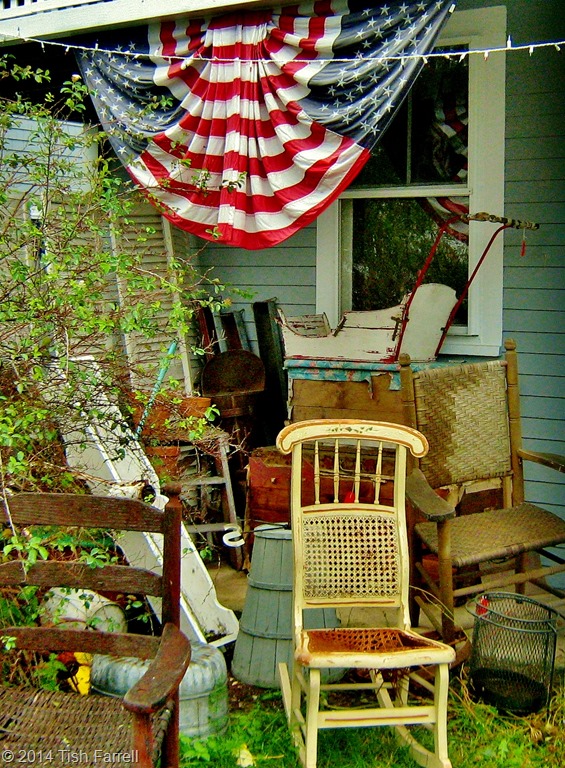
The bucket makes me smile for other reasons too. The Stars and Stripes came free when we bought it – a give-away  on account of the flag’s deficit of stars. It only has 48, and thus pre-dates 1959 and the admission of Alaska and Hawaii to the USA. I recall the brittle humour of the dealer who gave it to me. It turned out he was married to an English woman, who coincidentally just happened to come from G’s home town of Wolverhampton. He said he met her during ww2 when he was stationed  nearby. He was thus a bit of an antique himself, although you wouldn’t have known it to look at him. He said he was giving up the shop to concentrate on doing shows instead.

So there you have it. My justification for container mania (and I haven’t even mentioned the Polish potato basket which I use to store my onions, or the Zambian gourd that holds my cooking salt). This plain, rustic bucket simply goes on accruing meaning, a bit like Rumpelstiltskin weaving gold from farmyard straw. Which of course makes me wonder about the craftsman who made it, and the generations of family members who used it, and the circumstances by which one individual decided that, despite the broken handle, there was still good and useful life left in it, and so applied a length of harness strap to keep it going for another generation or two.

But for G, who would ever de-clutter if I gave him the chance, he has own reasons to be well-disposed towards the make-do.  Now that he knows it was probably once used for collecting sugar sap, he recalls the bright winter days of his Ontario childhood, the crisp air filled with the scent of hot maple syrup. For every year, at the winter maple syrup festival, freshly gathered sap would be boiled up outside in a big vat, and then thrown, sizzling, onto the snow-covered ground for some taffy pulling, and then much delicious eating. He speaks of this memory so vividly that I almost believe it to be my own…

copyright 2014 Tish Farrell

Go HERE for more wordpress bloggers’ containers

Dhows in Dubai ~ Living Relics


002


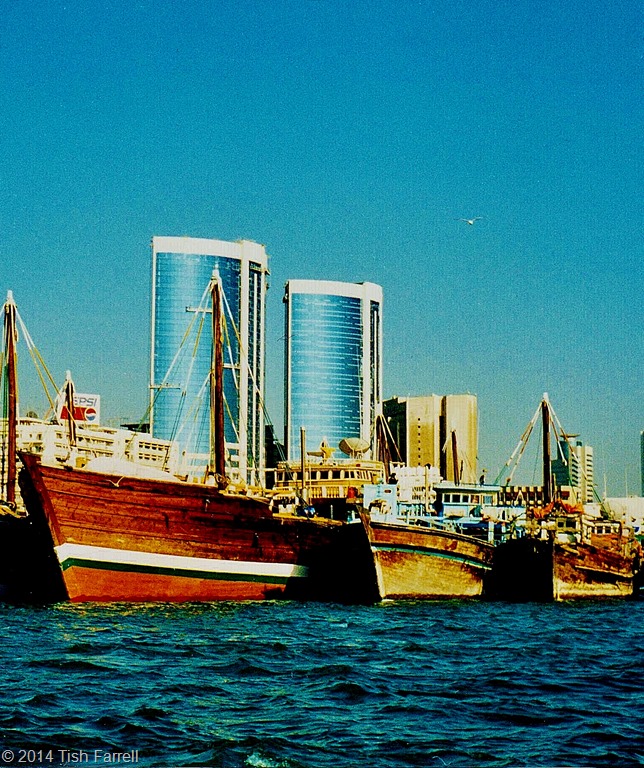
There have been dhows sailing out of the Persian Gulf for India and East Africa for a thousand years and more, following the gyre of monsoon winds. Dates, jewels, fine carpets and chests went one way; ivory, gold, leopard skins and slaves came the other.

These days in Dubai Creek you are more likely to see cargos of Coca Cola, white goods and Japanese cars being loaded on deck. But for all that, and yet among the ever sprouting  high rises, there is still a drift of Arabian Nights’ romance, and more than a hint of Sinbad’s voyaging.

Related posts:

Zanzibar: time’s twists and turns

Weekly Photo Challenge: Culture (The Swahili)

Inside looking out on Lamu Island

*

WordPress Weekly Photo Challenge: Relic Go here for more bloggers’ relics

Much lettered at Much Wenlock’s Poetry Festival


100_5560

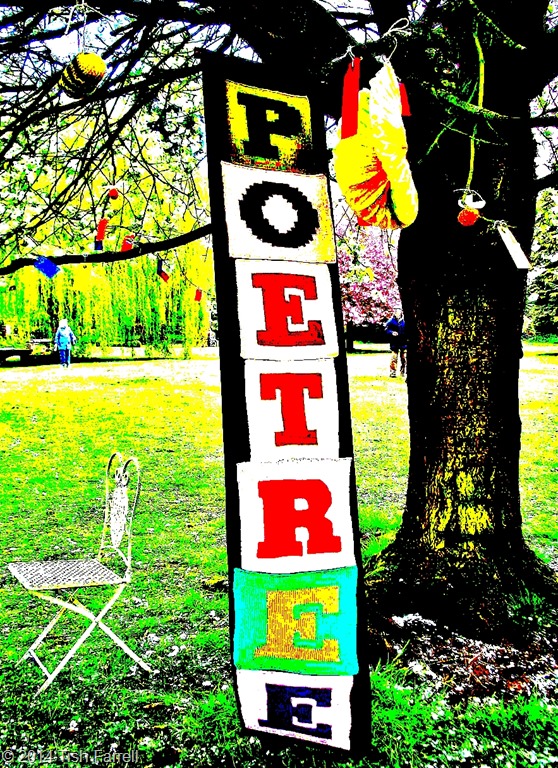
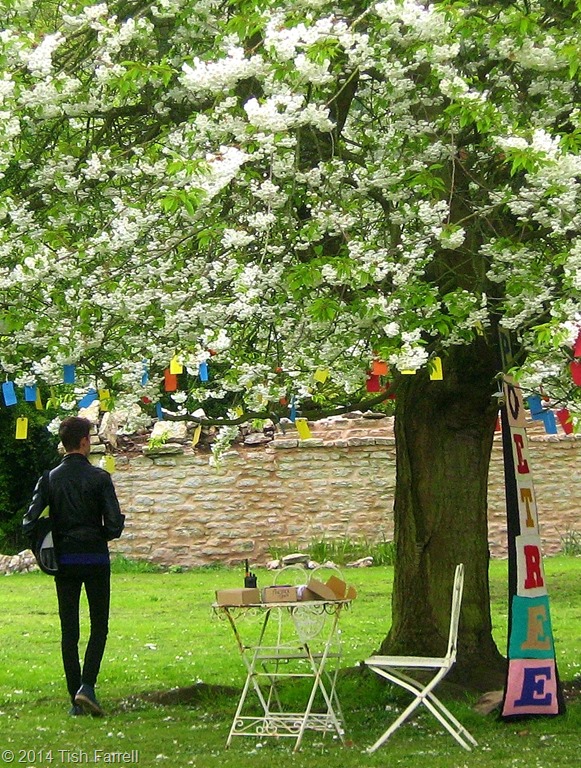
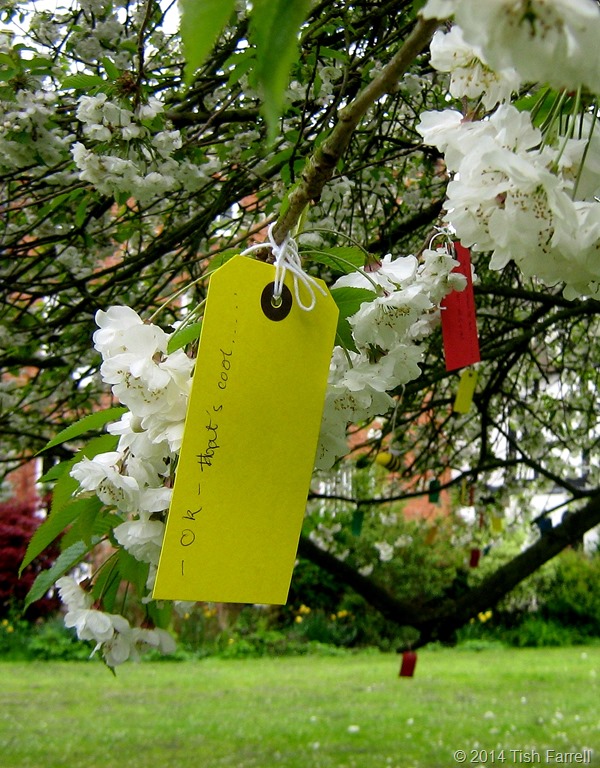
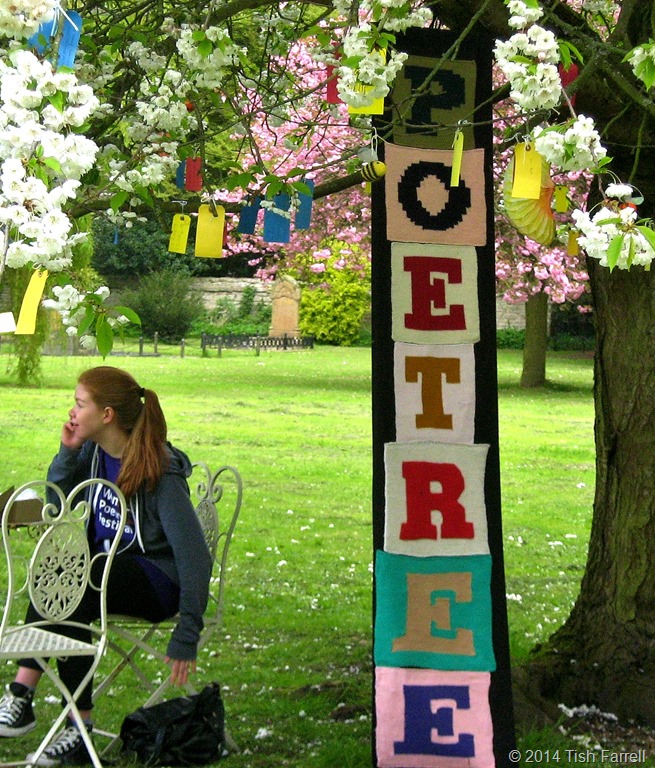
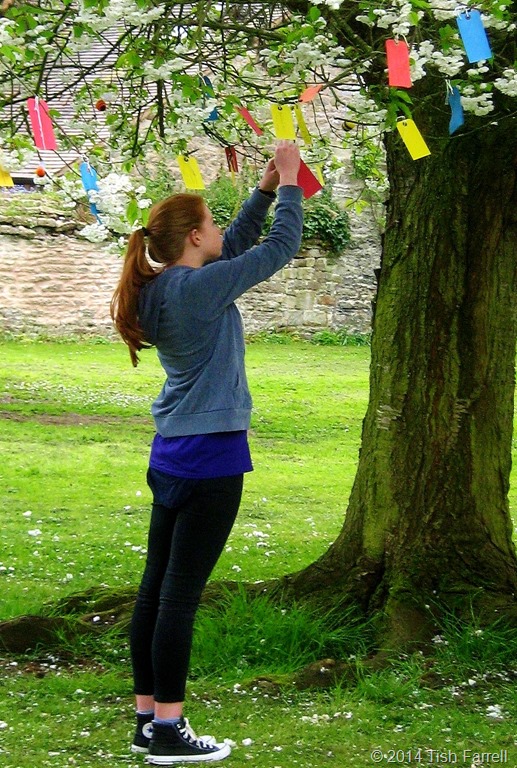
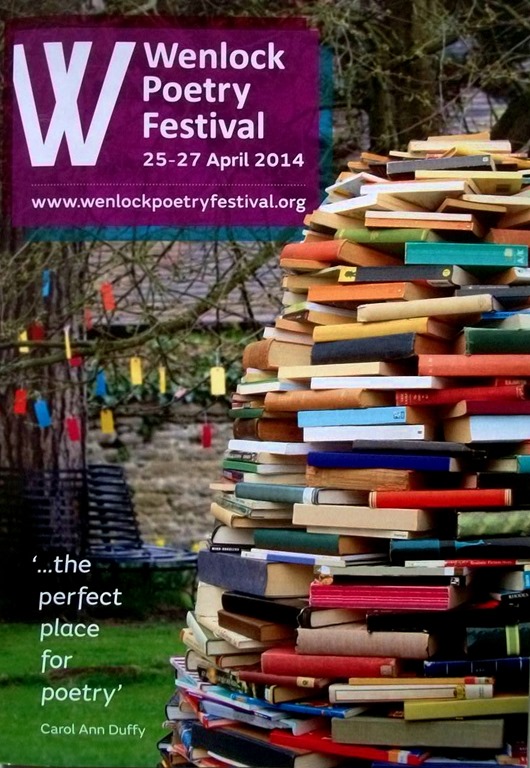
These letters are knitted (I think I was responsible for the red ‘E’) and here they are adorning the cherry tree on the Church Green. This is the Wenlock Poetry Festival’s ‘Poetree’ (artistic licence rendered photo-wise) and, during this now annual April event,  everyone may compose, or write verses from their favourite poem on a luggage tag and hang it on the tree for others to read.

This year the tree has joined in the general creativity by bursting into bloom. In previous years it has been quite bare.

IMG_1050

IMG_1038

IMG_1116

IMG_1105

IMG_1032

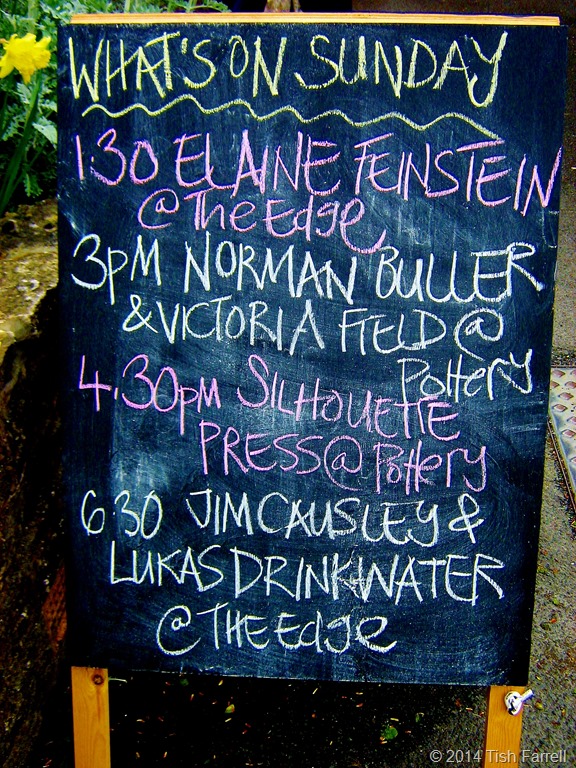
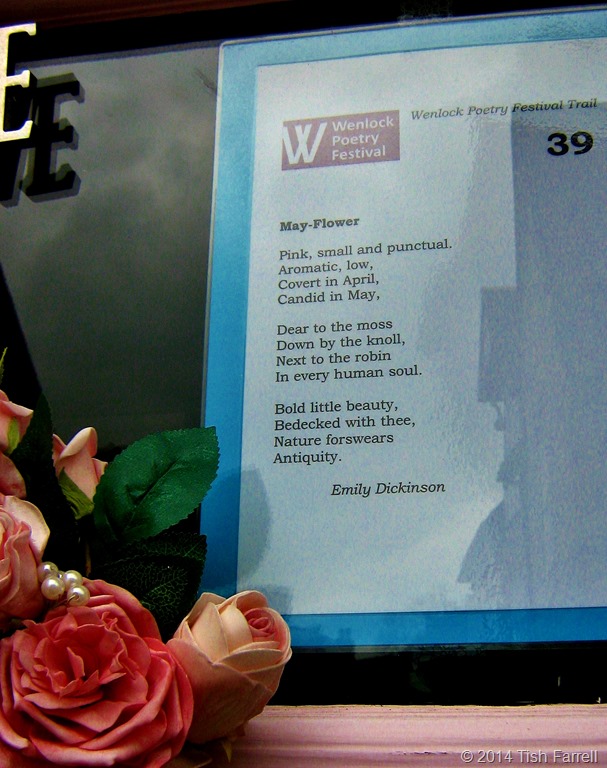
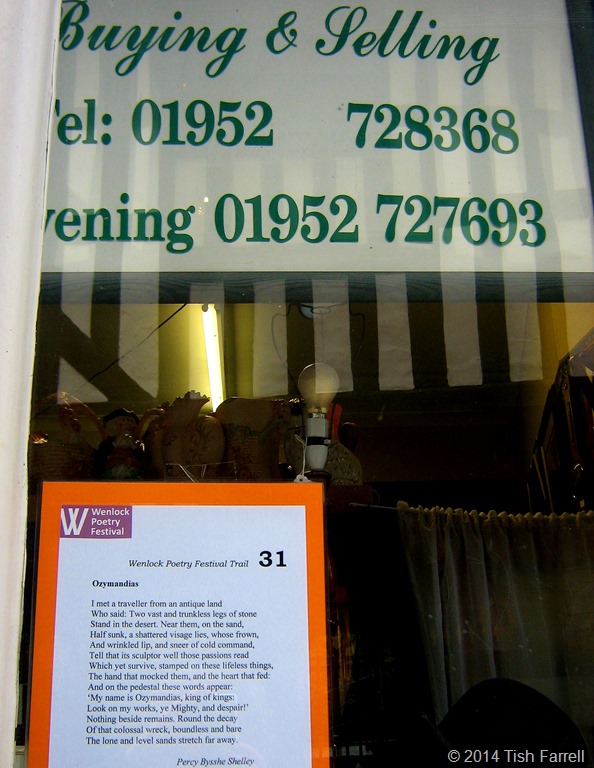
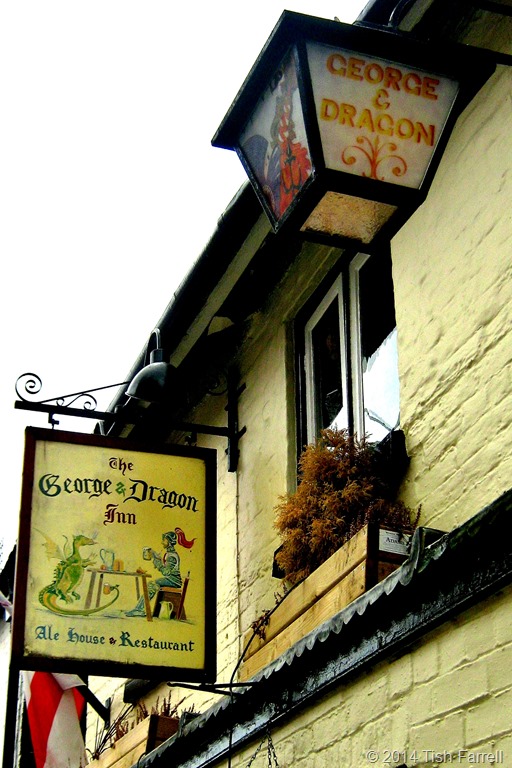
The festival embraces the entire town, using venues at Wenlock Pottery, Methodist Church, the George and Dragon Pub, Tea on the Square Cafe, and The Edge Arts Centre. Besides the three-day programme of readings, talks and workshops with top British poets, there are verses to be found all over the place. Nearly all the shop windows host one, and they include works by local amateurs as well as the more famous.

IMG_1026

IMG_1100

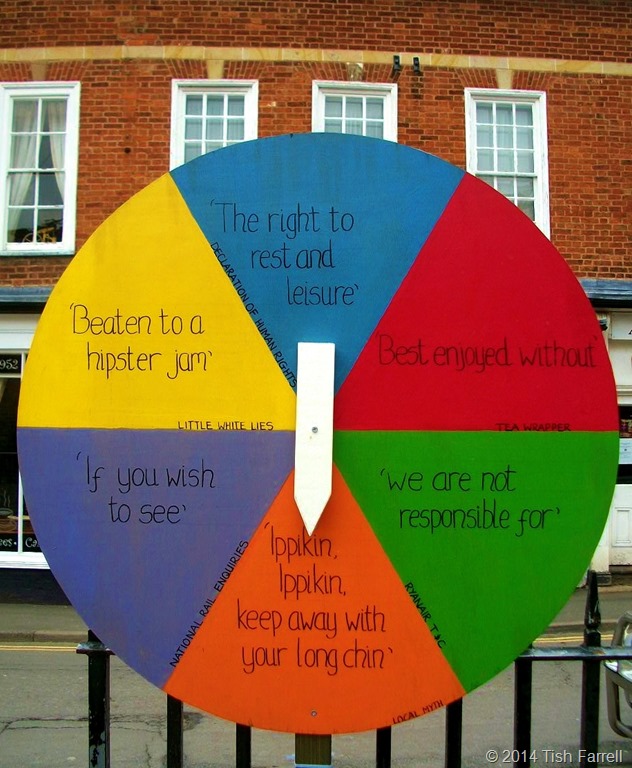
And then there are the ten Dada Poetry Orienteering spinners (including 2 mystery ones) sited about the town. They comprise phrases culled from printed matter – from the Declaration of Human Rights to a tea wrapper. Visit some or all and, with random spins of the pointer, create an on-the-spot composition.

100_5594

And when inspiration needs a further boost, then there are refreshments on hand, not only at the Poetry Café in the Priory Hall, but at the town’s ancient inns, and traditional tea rooms.

IMG_1080

IMG_1058

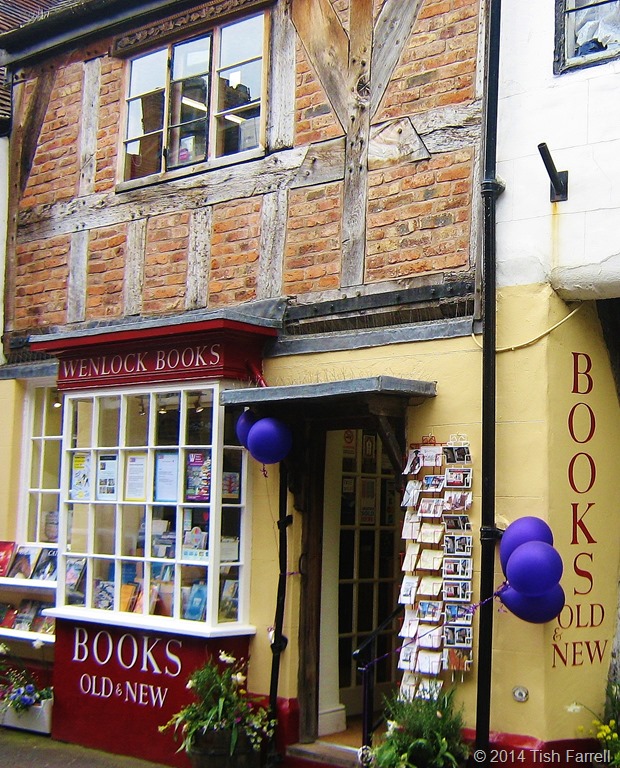
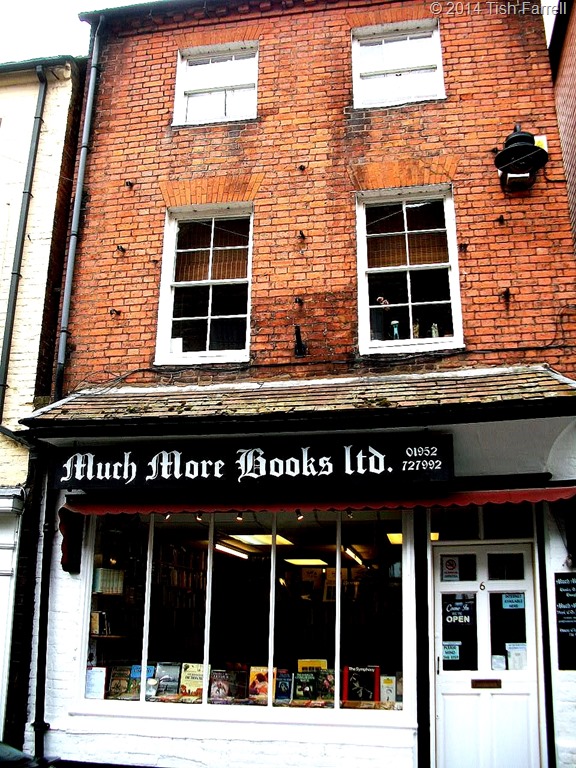
And here we come to the heart of the festival, the town’s famously much loved independent book shop, Wenlock Books. Its owner, Anna Dreda, has been the primary driving force behind the festival, enticing, Carol Ann Duffy, Britain’s Poet Laureate, to be the festival’s founding patron. The festival is now in its fifth year, and involves the efforts of many dedicated volunteers who put in many months of work to ensure its continuing success.

And so for a small town of less than 3,000 people, we are astonishingly well-lettered, and much of this is down to Anna, who throughout the year (and quite apart from the poetry festival) lures young and old into her lovely shop to take part in reading groups, listen to stories being read, or chat with authors. Coffee and biscuits are ever on offer, and sometimes even a Tea and Toast Breakfast. Last year, too, Anna was invited to meet the Queen during a celebration of British contemporary poetry.

IMG_1054

Anna Dreda.

Anna Dreda of Wenlock Books

*

Sadly, you have just missed this year’s festival, but now that you’ve glimpsed a little of what’s on offer in Much Wenlock, check out the festival website below and make a date for next April. But before you leave, a few more views of lettered Wenlock:

IMG_1069

IMG_1071

100_5579

IMG_1079

100_5606

See you at the sixth Wenlock Poetry Festival 2015


Related:

Wenlock Poetry Festival

Wenlock Books


Go to Daily Post Weekly Photo Challenge for more LETTERS

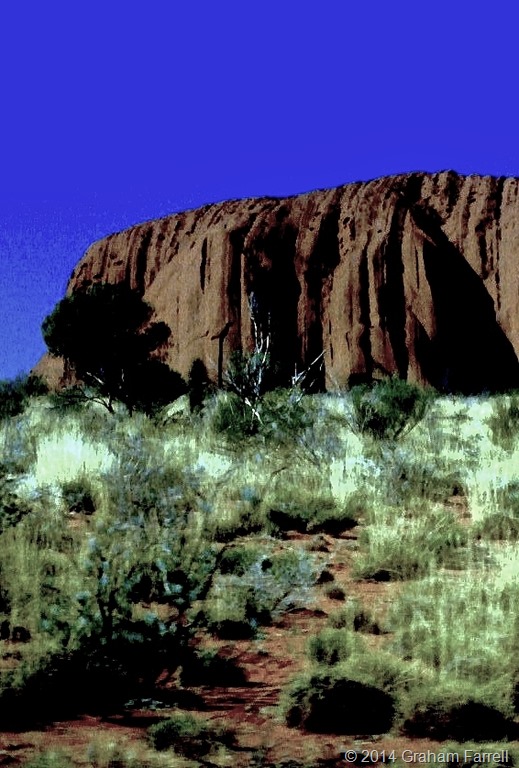
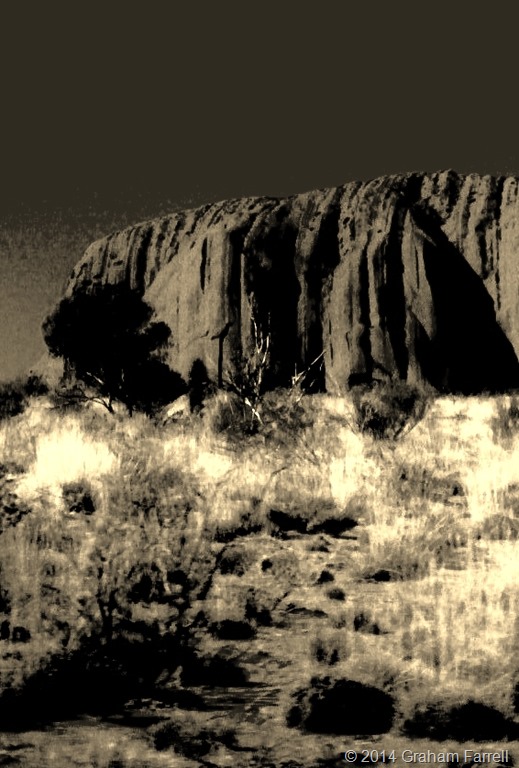
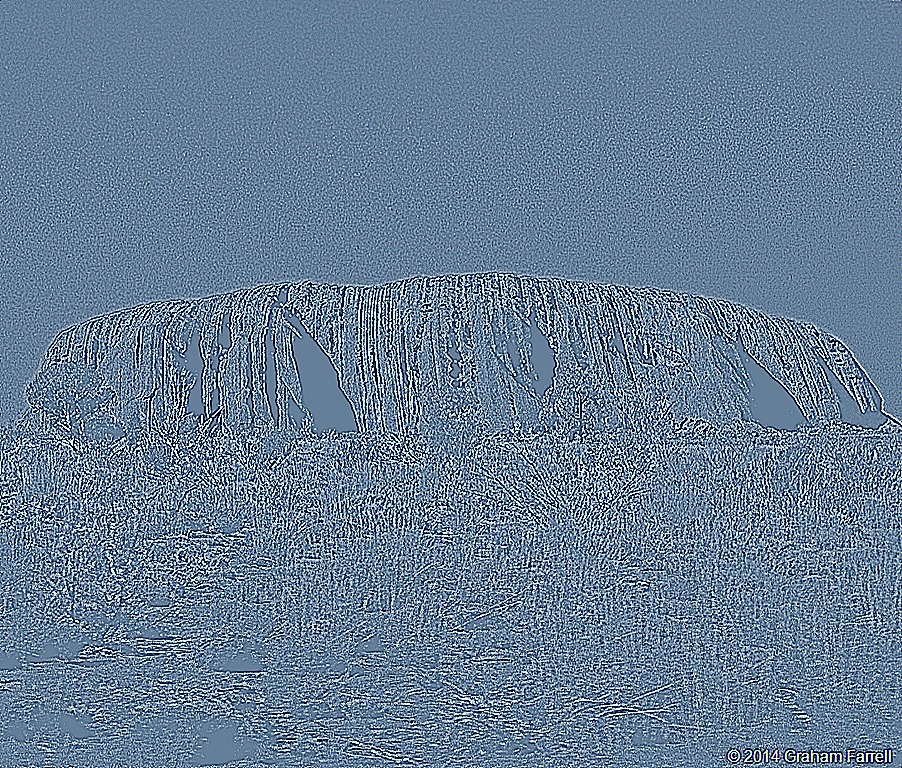
Uluru on top of the world: one view, several perspectives

“Then the earth itself rose up to  mourn the bloodshed—this rising up in grief is Uluru.”

Norbert C Brockman Encyclopedia of Sacred Places

*

Scan-140419-0006 - Copy


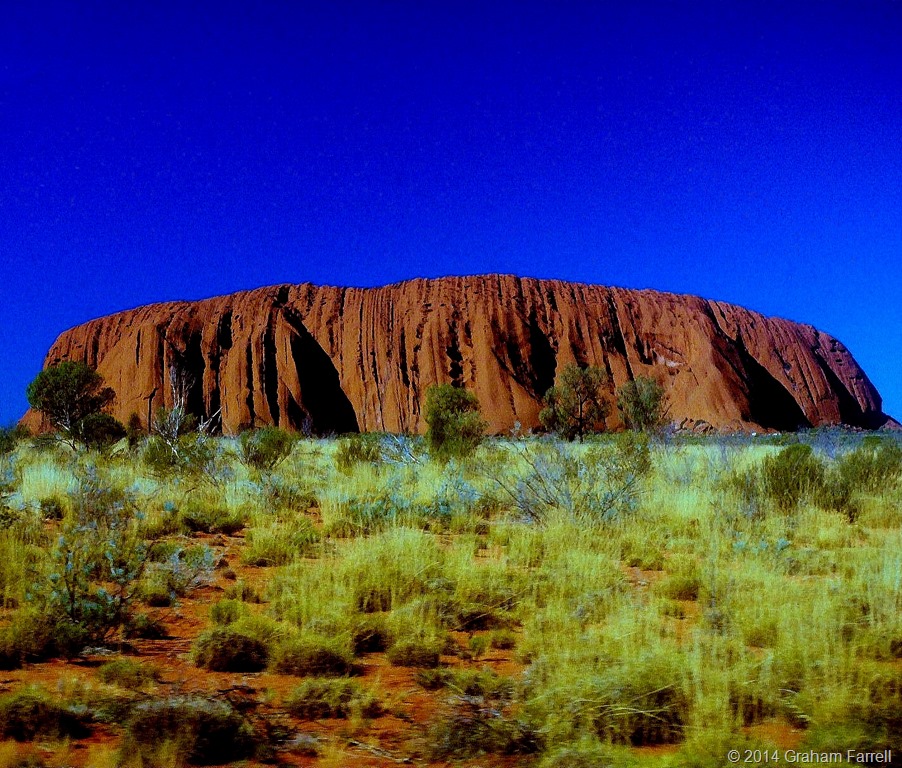
This striking eruption of earthly sorrow is only one of the stories that the Anangu people of Australia’s Northern Territory tell about the origin of Uluru (also known as Ayers Rock). Uluru is a sacred place in their tribal land. It is now part of the Uluru-Kata Tjuta National Park, which since 1985 has been jointly managed by the Australian Government and the Anangu people. In Brockman’s version of the origin story he says that back in the time of ancestral spirits, two tribes were invited to a feast. But on the way, the guests became captivated by a group of Sleepy Lizard Women and lingered at a waterhole where Uluru now stands. The party hosts took umbrage at their guests’ nonappearance and, feeling insulted, sang evil into the mud they were moulding until it sprang to life as the dingo. Next, a terrible battle broke out and all the tribal leaders were killed. The spilling of their blood caused Uluru to rise up.

Scan-140419-0006 - Copy (3)


Geologists will of course give another explanation. They will say that Uluru is an inselberg, literally an island mountain, a sandstone dome that is the sole remnant after the slow erosion of a mountain range. Tourist guides will tell you that it is Australia’s most famous natural landmark, that it rises over 300 metres above the flat desert scrub, that the tough trek to the top is 1.6 km, and the walk around the base over 9 kilometres.

As I write these facts and figures, I feel myself becoming irritated. Surely they are not the point. I begin to see a little of why the Anangu people do not want people scrabbling all over the place. Come there, by all means, they say. But do not climb. Watch and listen. This is the place where several songlines intersect, and where many sacred ceremonies are performed. It is filled with great meaning and resonance.

Scan-140419-0006

Genetic studies have shown that Australia’s indigenous people arrived in that land some 50,000 years ago. In all that vast expanse of time, and until the arrival of Europeans, their cultural view was presumably uninterrupted. They lived a hunter-gathering life well fitted to a demanding environment. There were people living around Uluru 10,000 years ago. What to European newcomers appeared utterly undeveloped and primitive, was rich in metaphor and codes of conduct. And if I have rightly understood what the Anangu people say (see the links below), then physical reality, metaphor, and time itself are meshed as one. Past, present and future are all part of the becoming that began with the first ancestral spirits.

Scan-140419-0006 - Copy

In the beginning, then,  the earth was flat and featureless. Next came the spirit ancestors who took the forms of people and animals. In their wanderings across the surface of the world, they instigated acts of both creation and destruction. These brought into being the physical landscapes we see today. They are journeys of becoming, iwara or songlines, and through them was engendered  the law, tjukurpa (chook-orr-pa).  These are ethical pathways, ways of being and doing that honour the interconnectedness of all things; the relationships between plants, animals, humans and the land itself.  The law is remembered and passed on by elders to the rightful inheritors through song, art, stories and ceremonies.

One can see, then, why the Anangu people might feel that the word ‘dreamtime’ does not do justice to the meaning of tjukurpa (law). To the European mind the term suggests something fey and otherworldly. Yet in the physical sense Anangu law is absolutely worldly; it is about showing responsibility towards the land and all living things; honouring existence. This, I would suggest, is the kind of moral geography that we ‘Rich-Worlders’ could do well to acquire—and PDQ? Our trail of destruction across the planet speaks for itself. Our presumption of being ‘on top’ in the civilization stakes is more than a little flawed. We forgot a few hundred years ago to leave only our footprints.

Scan-140419-0006 - Copy


For more about Anangu culture go HERE and HERE and HERE

copyright 2014 Tish Farrell

Weekly Photo Challenge: on top

This fiction writer’s path: five things learned along the way


068

1) Swimming not drowning: there will be (many) false starts

I associate intending to be a writer with learning to swim. I was ten, in my last year of primary school, when I told Mr. Williams, my very Welsh head teacher, that I meant to be a writer. I said it with great certainty, and he listened in all seriousness. He was someone I trusted implicitly. He was also the person who taught me to swim, and to me, decades later, the way he did it still seems a little miracle.

There were several non-swimmers in the senior class and one day Mr. Williams decided to remedy this life-threatening deficiency. Once a week for several weeks he drove us to the swimming pool in the school minibus. He made no concession to the occasion and still wore his smart grey headmasterly suit. Looking back, he probably did this on purpose. It showed he meant business and we were not there to play. The suit’s material had a soft metallic sheen and probably went by the name of Tricel. It somehow had a part to play.

After a couple of trips to the pool I had fully grasped the mechanics of swimming, but was unwilling to give up my rubber ring. Mr. Williams, however, was determined. He told me to walk twenty paces into the pool’s shallow end. He told me to take off the rubber ring. Then standing at the pool’s edge, he squatted down so low that his trousers strained across his knees and shone like silver. His eyes levelled with mine as I stood there – in the water – shivering – without my protecting ring. He told me to swim but I kept standing and staring at his knees, feeling silly and helpless. Then suddenly out flew his arms in a welcoming embrace. ‘Come on,’ he cried. ‘Swim to me. YOU.CAN.DO.IT.’ And such was his look of unconditional expectation that I took to the water and swam.

And the point of this story? Becoming a writer/maker/artist means learning to  grow and nurture your inner Mr. Williams. Along the creative path there may be few external expressions of encouragement. But without the deep-down core of self-belief you will not have the resilience to stay the course, bear the disappointments, handle the rejection slips, or to toil and toil alone for the days, months and years it will take to learn your craft. All of which is not to discourage, but to say that you really have to want to do this.

2) Having formed your intention, do NOT wait for inspiration to strike: you can wait till the crack of doom

Of course learning to swim is not the same as being a good swimmer who can swim fifty lengths with ease and feel quite at home in the water. To become a skilled artisan of any kind, there is the long haul of apprenticeship, probably one that will never end. I, though, and like many would-be writers, went for years, carrying in my head the apparently foregone conclusion that one day inspiration would strike and I would begin to write my own stories instead of reading other people’s.

It rarely, if ever happens this way. Besides which, inspiration is only the starting point, the ‘ah-ha’ moment when your attention fixes on an overheard conversation, or collides with a character on a bus, or gets hooked on some bizarre news event that starts you asking the kind of questions that kick off the story-making process. Mostly, though, you need to seek it out. Because the fact is, even if you are not actually writing, you must be doing the internal work, mentally exploring the stories that you might one day tell, gathering material, keeping watch, feeding that tiny flame of an inkling that says ‘I do have a story to tell’. ‘I do have something important to say.’

Inspiration, then, does not arrive ‘out of blue’ or occur in a vacuum; it needs one, two or several things to rub together. You could say it’s a bit like the slow-going process of rubbing dry sticks together, and trialling likely bits of kindling to get a fire started. In that initial whoosh of a blaze taking hold all is very exciting, but it is only the start. Now the hard work really begins – keeping the fire going, finding suitable material that will burn well – fast or slowly or long enough to cook your dinner. In other words, flash-in-the-pan, quick-fire notions (inspiration) are the easy part. Thereafter comes the sourcing of materials, planning, construction and general project management. You can only truly learn how to do this by doing it. So how to begin?

3) Do not fall into the trap of thinking that reading other writers will drown out your own small voice before you even start: read, read, read…

As an adult, my writing work was largely academic: dissertations, reports, preparing educational materials in various museums. Somewhere along the line I stopped reading fiction; I feared that to do so would distract me from finding my own inspiration, my own voice, my own stories. I have met other beginner writers who said they did the same thing, and especially when it came to books that they thought might ‘compete’ with their own ideas. Yet not to read widely is another form of writer’s self-sabotage. Writers need to read anything and everything they can, and across all genres, and they need to read with attention and discernment. For instance, you can learn a huge amount about story construction by studying an infant’s picture book that contains only around 30 words (Pat Hutchins Rosie’s Walk).

In fact some of the best-crafted storytelling on the planet is for young people – and here I’m thinking of writers such as Richard Peck, Sharon Creech, Robert Cormier, Kate di Camillo, Geraldine McCaughrean, Philip Pullman, Jennifer Donnelly, David Almond. Reading good books with all senses attuned is akin to having mental conversations with other writers; far from swamping your own style/voice/subject matter, listening carefully to what they say and how they say it can help release your very own form of creative expression. This is not about copying ; it is about finding your own truthful response to other writers’ work. Writing a book or a story or a poem is not a contest with anyone else. It is your book, story, poem. Only you can write it. And if in doubt, think ‘Mr. Williams’. At some point you have to get in there and swim.

But of course, having joined the fray, then comes the endurance testing and training, the honing of skills, and goal setting.

4) Being a good writer is not the same as being a good storyteller

Some people are natural storytellers, and especially so when they come from families or cultures where oral storytelling is still practised. Even so, and no matter how you treat them later, it helps to learn the storytelling basics: the beginnings, middles and ends of a story, their possibilities, the ways to build tension and interest, how to manage revelation, crisis and resolution, what it takes to create believable worlds (real-life or science fiction), to breathe life into characters who will then ‘speak’ to readers, to make effective and affective use of language.

All these skills can be learned to some extent by much well-directed reading, including studying a few how-to-write books on the way. But taking out a subscription to a good creative writing magazine or attending a class are the more interactive and less lonely options. The disciplines of entering magazine contests or doing class exercises – reading others’ work with interest rather than envy, writing to deadlines, word counts and prescribed themes are all worth cultivating. They all build the kind of writing muscles you need to best deliver ‘the what’ of the creative process – the  story.

5) Writing fiction does not mean ‘making things up’; it is all about building convincing worlds.

This is something that is easily misunderstood, and it took me some time to grasp explicitly. Fiction reveals imagined worlds and their inhabitants in ways that are truthful in. Integrity and authenticity are key objectives. The setting may be a medieval Russian monastery, a London secondary school, or a planet with two suns, but it must ring true for the reader. Its special characteristics will add depth and texture to the narrative, but above all, they will be dynamic – informing, shaping, adding drama to the characters’ behaviour/situation/dilemmas. This requires considerable research and construction work by the writer, but with the caveat that, at the end of the process, only the writer ever needs to know all this stuff. The reader wants only the most telling details, the ones that, like literary hyperlinks, will take them straight into that special place and engage them wholeheartedly with the characters’ lives. (A fine example of this is Hilary Mantel’s Wolf Hall where she uses historical, social and political contexts to reveal the life and times of Thomas Cromwell.)

To achieve this level of ‘reality’ requires the writer to have strong reasons for telling a particular story. As I’ve said, creating a story from start to finish requires drive and stamina. Passion, pain, compassion and anger are great spurs, but their energy needs to be channelled judiciously. (No ranting or heavy-handed moralizing required and the writer’s self should keep well out of the way). The research part of the project may also demand a whole new reading schedule (encyclopaedias, atlases, internet content, telephone directories, newspapers etc) and, where possible, physically immersing yourself in the places where the story is set.

This is all about knowing your territory as an expert guide would know it. Only then can the alchemy begin. Or perhaps shape-shifting is a better analogy. Because this is one of the most important of all the things I have come to learn from the practise of being a writer: the writing must come from the inside out; writers must inhabit their character’s minds, shoes and underpants; whatever it takes to get inside their skin. For me, this usually means starting with the feet rather than the knickers department. When I wrote about a street girl called Jessicah, she was conjured by a ‘feeling’ in the balls of my feet as she tramped in thin-soled shoes through the African highlands. Years later I can still summon that particular sensation and know it is Jessicah, and start seeing the world again through her eyes. All of which is very strange when you think about it, and probably the reasons why most writers keep writing. For the final truth is that even well-published writers struggle to make a living from book sales alone. Writing then, first and foremost and anyway, has to be done for the love of the thing.

© 2014 Tish Farrell


Tish Farrell writes short fiction to entice unkeen teen readers to read in the Shades series at Ransom Publishing. She also writes for Heinemann Junior African Writers, Zimbabwe Publishing House and Phoenix Publishers East Africa. Her short story Flight came third in last year’s International Bath Short Story Award.


Writerly Reflections

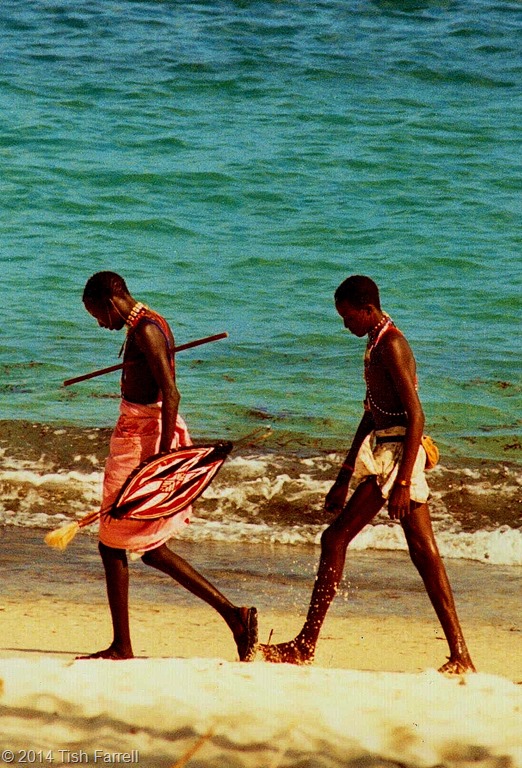
Street-wise on Mombasa Beach

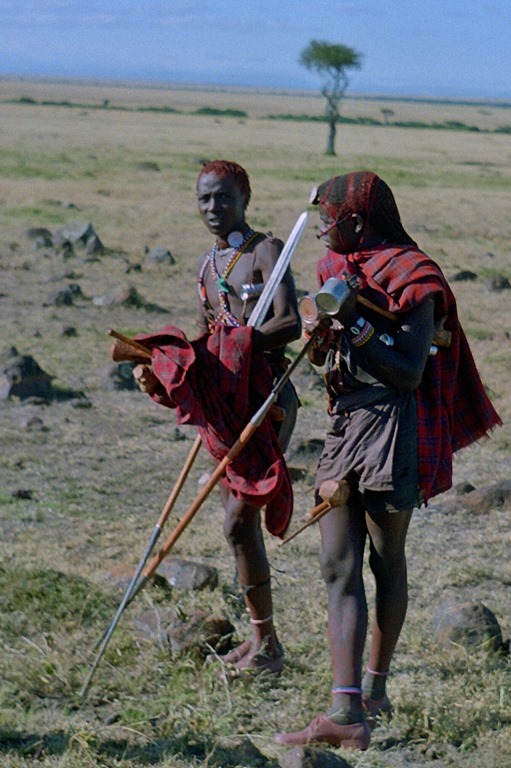
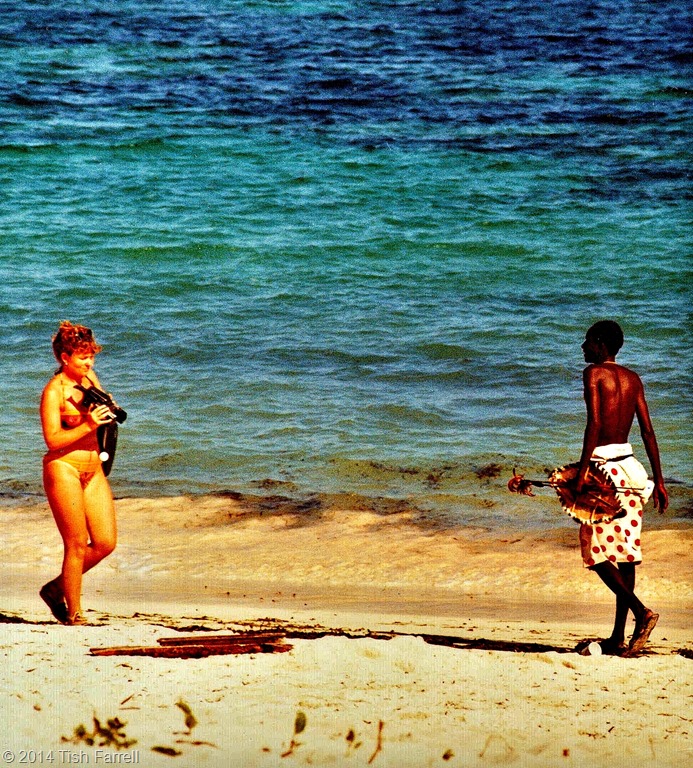
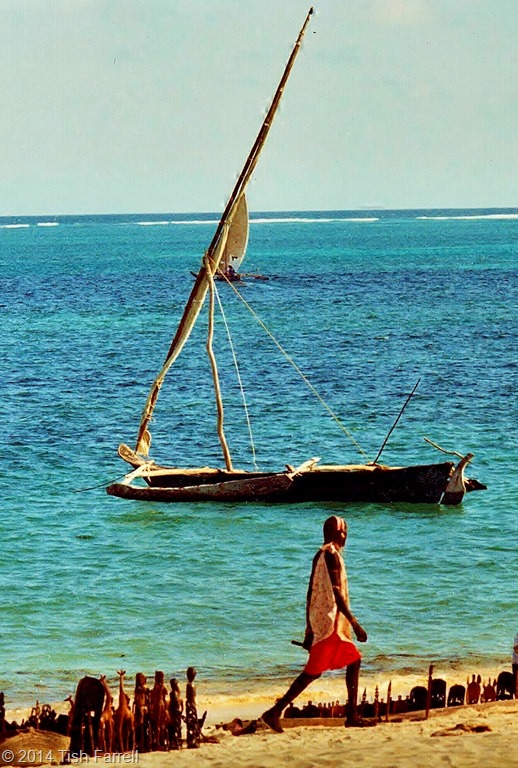
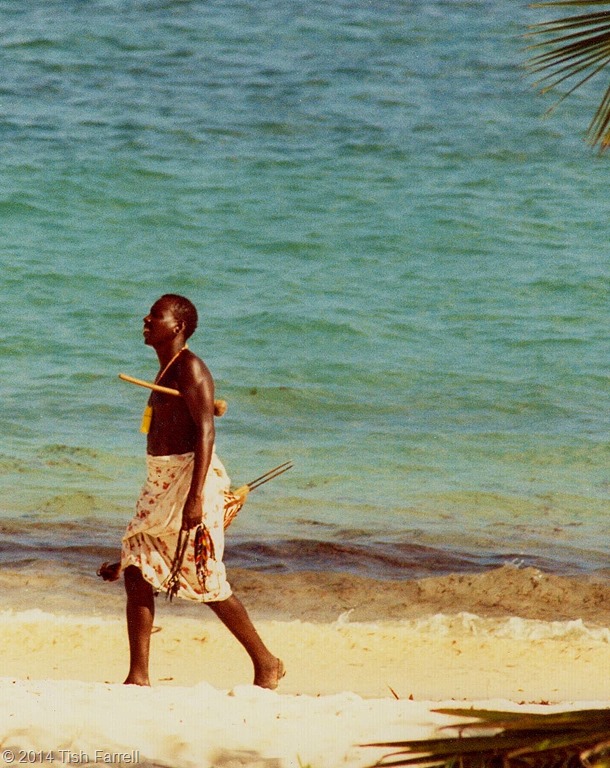
Mombasa Beach is as busy as any street, and like any downtown district anything can be traded there. In the margin between ocean and hinterland, people feel they can live outside accepted moral and  cultural bounds. Kikuyu boys may dress up as Maasai to cash in the ‘warrior’ cachet that is so attractive to European women; white women of a certain age think it OK to flaunt themselves on the sands with lovely young Kenyan boys whose real hope is to be adopted or sponsored through school; dope can be bought along with the kanga wraps and hand-carved giraffes. All, then, may not be quite what it seems in this Indian Ocean ‘paradise’.

003

002

005

006

004

012

013

010


Weekly Photo Challenge: Street Life

Reflections on Wolverhampton
IMG_0916 - Copy

Sometimes we rural Much Wenlock souls get to visit the city, our nearest one being Wolverhampton. A couple of Sundays ago we were lucky enough to have tickets to see the Tord Gustavsen Quartet at Wolverhampton University’s Arena Theatre (Jazz at the Arena). It was the final night of their British tour, and what a night it was – utterly captivating musicianship. You can see Peter Bacon’s review at The Jazz Breakfast.

En route to the concert, and to prepare  myself for some Nordic introspection and reflection, I thought I’d dabble in a little West Midlands Noir. I used my Canon Powershot A430, bought on Ebay for twenty quid, and then fiddled about on Windows Live  Photo Gallery. The shots were taken near the theatre and include St Peter’s Church and  other University of Wolverhampton buildings. While I was in the Arena bar I also happened to notice that it had a reflective ceiling.

IMG_0901

IMG_0912

IMG_0911

IMG_0907

IMG_0905

IMG_0914

IMG_0904

Weekly Photo Challenge: reflections

TORD GUSTAVSEN QUARTET: THE WELL

https://www.youtube.com/watch?v=_3A6ziUPbdk