Musings On Time Past ~ What Do We Make Of It?

pentre ifan

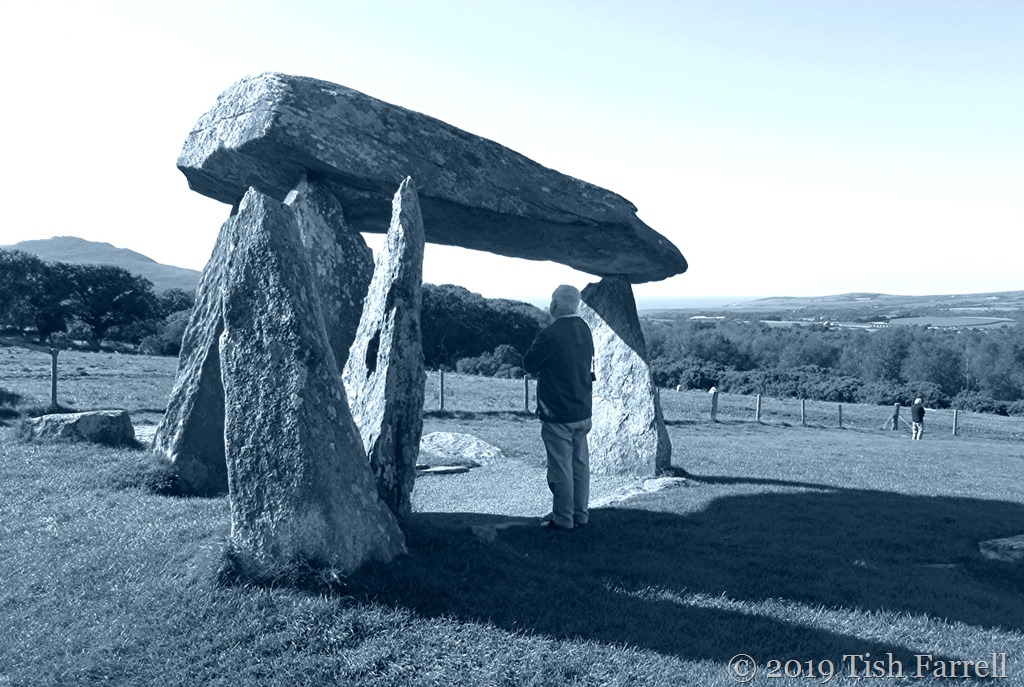
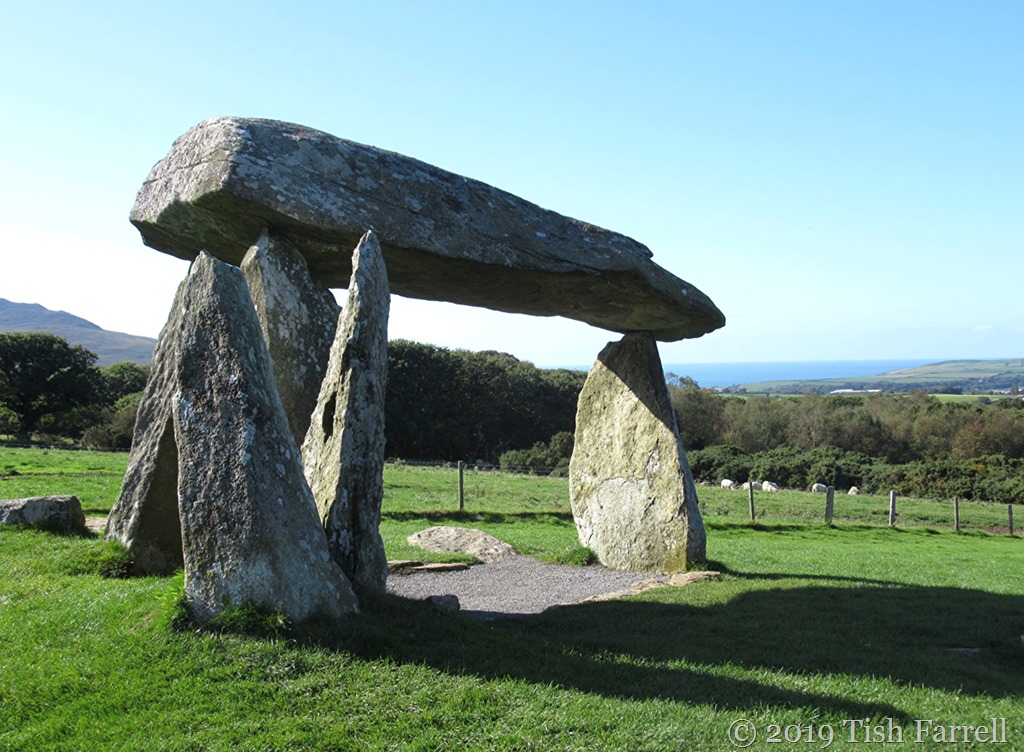
Remains of Pentre Ifan chambered tomb, Newport, Pembrokeshire c. 3,500 BCE

*

We humans have problems with time: too much of it; not enough; the wrong kind for a planned action or pronouncement; then there’s ever that tale of elders who forget what they had for breakfast, but recall in minute detail events of decades past.

We try to pin it down of course, have long done so with all manner of devices. Most likely the late ‘Stone Age’ people who constructed Pentre Ifan above, had contrived the means to keep track of it. For instance, the placement of so-called standing stones, the particular configuration of megalithic circles, the siting of tomb entrances, whence to observe the movement of stars, the angle of the sun, and so know where they stood in relation to the earth’s perceived cycles. A time to plant; to make a journey; to hunt; to trade; mark seasons for rites and festivals.
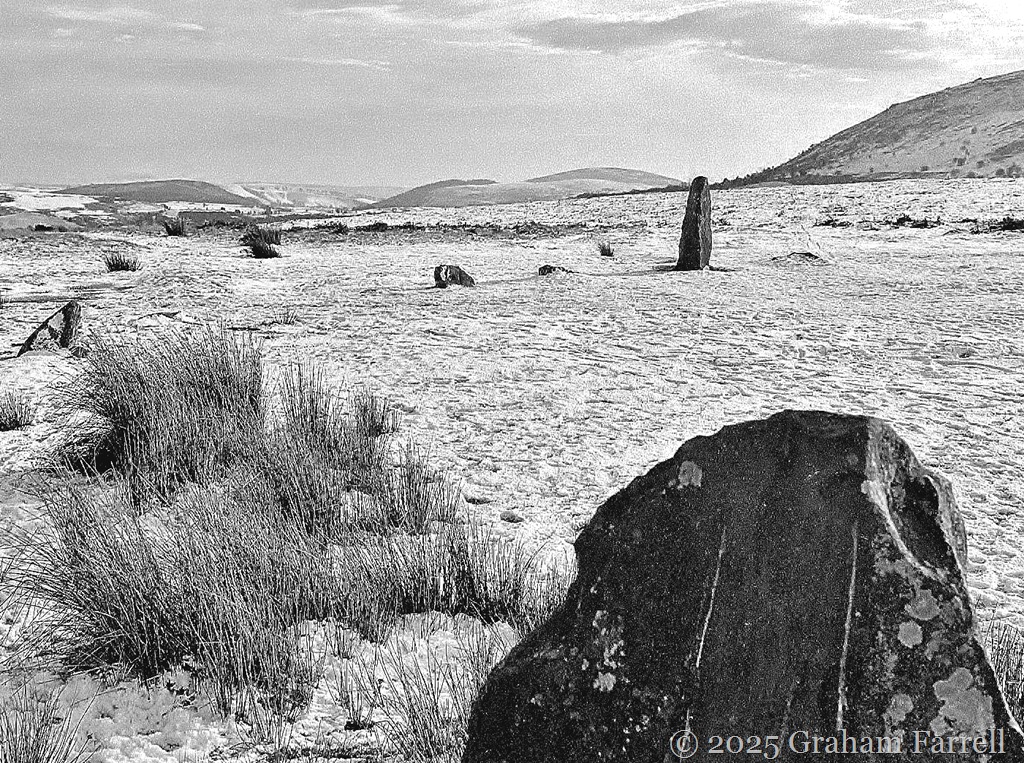
Mitchells Fold

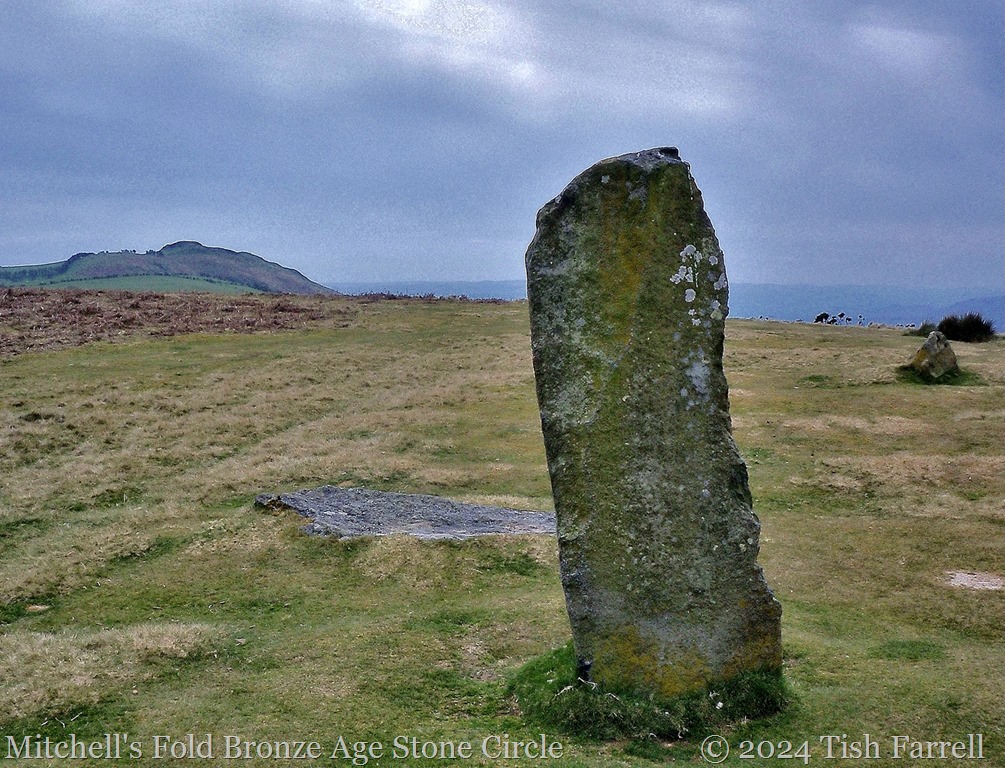
Mitchell’s Fold Bronze Age stone circle, Shropshire-Powys border

*

We don’t know who these prehistoric (pre-literate) people were. There is no apparent connection between us and them. How do we even begin to grasp what five and half thousand years actually means. Most of us, unless we spring from some dynastic household that records family pedigrees down the centuries, or derive from some close knit community where little has changed for generations, cannot name our four pairs of great grandparents without the help of genealogy.com. We certainly have no true idea of how they lived day to day, unless they kindly left us their diaries; and even then…

As L.P. Hartley says in the opening of his novel The Go-Between: ‘The past is a foreign country; they do things differently there.’ And for most of us, too, our generations of ancestors left no mark, but were ever caught up in ‘big people’s’ histories; the machinations of church and state.

*

There are anyway far bigger pasts than our human one. Here in my home county of Shropshire, in the borderland known as the Welsh Marches we have  some of the planet’s oldest parts. Seven hundred million years old, in fact.

Set against such a monumentally unimaginable timescale, the history of humanity, including that of our primate ancestors, is not even a magnified dot on the horizon.

This is what Peter Toghill has to say about the Marches geology:

The beautiful landscape of the Welsh Marches
is underlain by a rock sequence representing ten of
the twelve recognised periods of geological time…
This remarkable variety, covering 700
million years of Earth history, has resulted from
the interplay of… (1) erosion and
faulting which have produced a very complex
outcrop pattern; (2) southern Britain’s position near
to plate boundaries through most of late
Precambrian and Phanerozoic time; and, most
importantly, (3) the incredible 12,000 km, 500
million year, journey of southern Britain across the
Earth’s surface from the southern hemisphere to
the northern, caused by plate tectonic processes
.

An introduction to 700 million years of earth history in Shropshire and Herefordshire

*
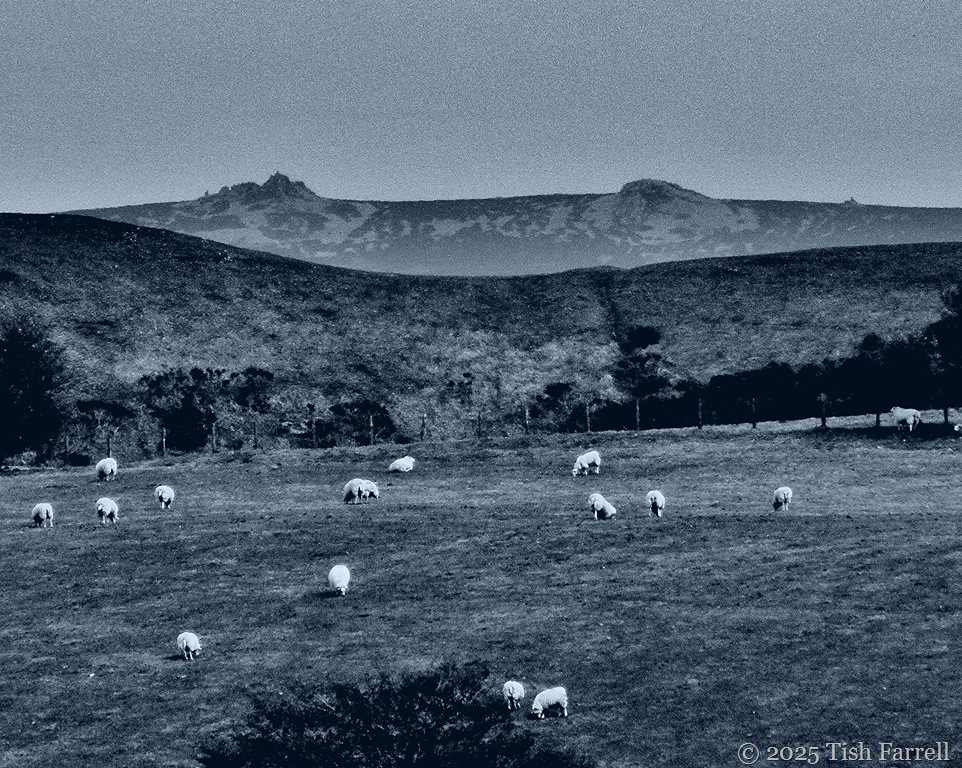
P1030691

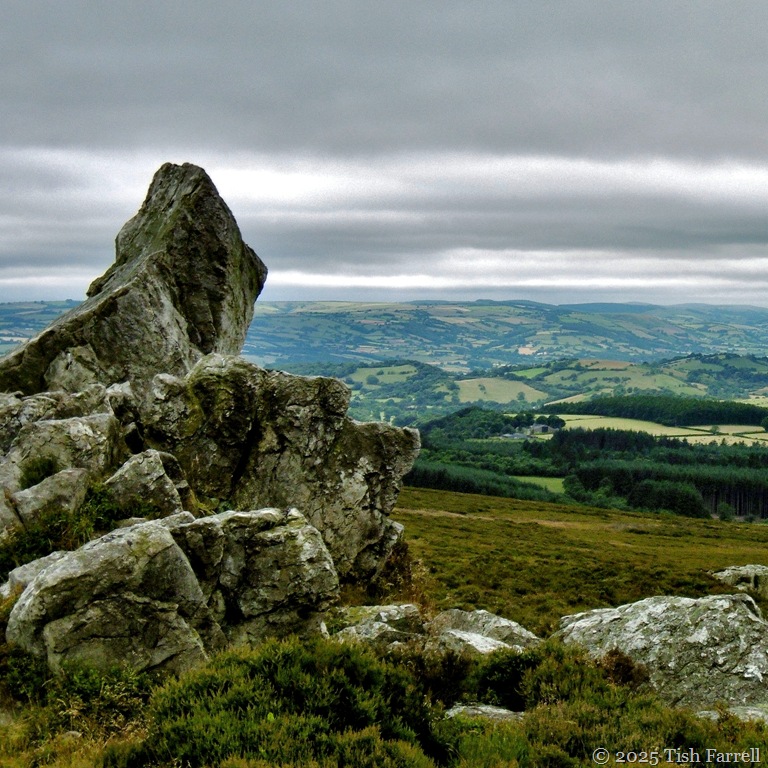
This distant view of the Stiperstones from Mitchell’s Fold stone circle, shows two of the Ice Age tors along the five mile summit, (Manstone the highest point on the left). This hill was probably formed from the laying down of quartzite sand when the whole of Southern England lay in the southern hemisphere, somewhere near the Comoros Islands in the Indian Ocean. That was around 500 million years ago, about the time when it began to move north. The tors themselves were exposed far more recently, by the repeated freezing and melting of glaciers that nudged up against them during the last Ice Age (115,000 to 12,000 years ago).

*
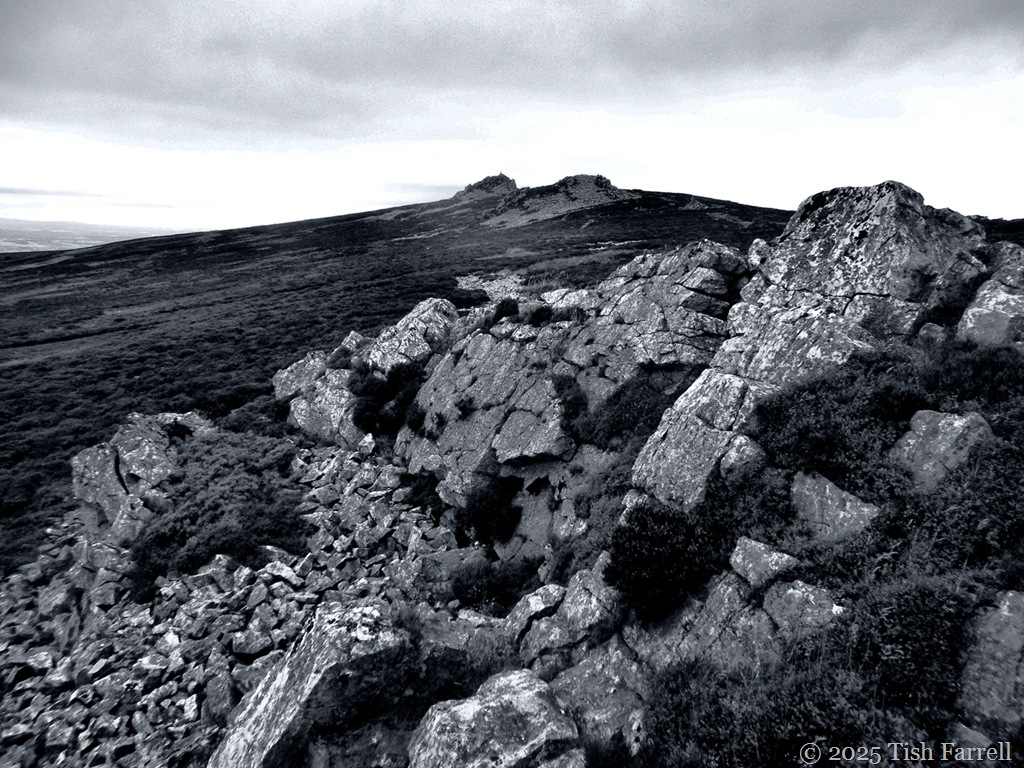
Stiperstones shaped by ice sheets freezing and melting

P1080553cr

Makes me think we humans sometimes think too much of ourselves and what we think we have achieved. Maybe the planet has the edge on us by a few hundred million years. It’s certainly done some momentous shunting and shifting.
Lens-Artists: Ancient

Mad About Megaliths

2

It’s an old passion, the love of old stones, already set in before my first decade on planet earth. My memory tells me it had something to do with Saturday afternoon drives along Cheshire lanes and mother announcing that the unusual row of cairns along one such lane were the ancient Celtic graves of sacrificed virgins. Sometimes she could be most unsuitable. The story wasn’t true anyway, but it sparked a yen for things prehistoric.

P1030697ed3

Mitchell’s Fold Bronze Age Stone Circle, Shropshire

*

My second decade thus found me sitting in the basement lecture rooms of Sheffield University Arts Tower, looking at slide shows of standing stones, cairns, cists and chambered tombs, the subjects frequently screened upside down. The lecturers in the small Prehistory Department, couldn’t seem to fathom the loading of the slide carousel (it became a standing joke). And then they didn’t seem to think it mattered which way up we looked at things.

P1070984ed

They were probably right. After all, there is very little one can say about these ancient structures and configurations. We might be able to hazard a date for their construction from some excavated artefact found nearby. And we know that tombs were tombs from the human remains found within them.

We also know that these sites must have been hugely important to the people who constructed them. (Think physical effort needed to heft the stones; antler picks and stone axes the only available technology). And then there is the siting of the monuments which, in nearly all cases, strongly suggests pre-literate humanity’s elemental connection with landscape. Place had MEANING; all of it doubtless sacred in ways we no longer grasp.

But when it comes to knowing who the people were, and how they lived and what they believed – the rituals and customs honoured over generations – then the stones remain stonily silent.

And I think that’s what I like about them. They are mysterious. Utterly mysterious.

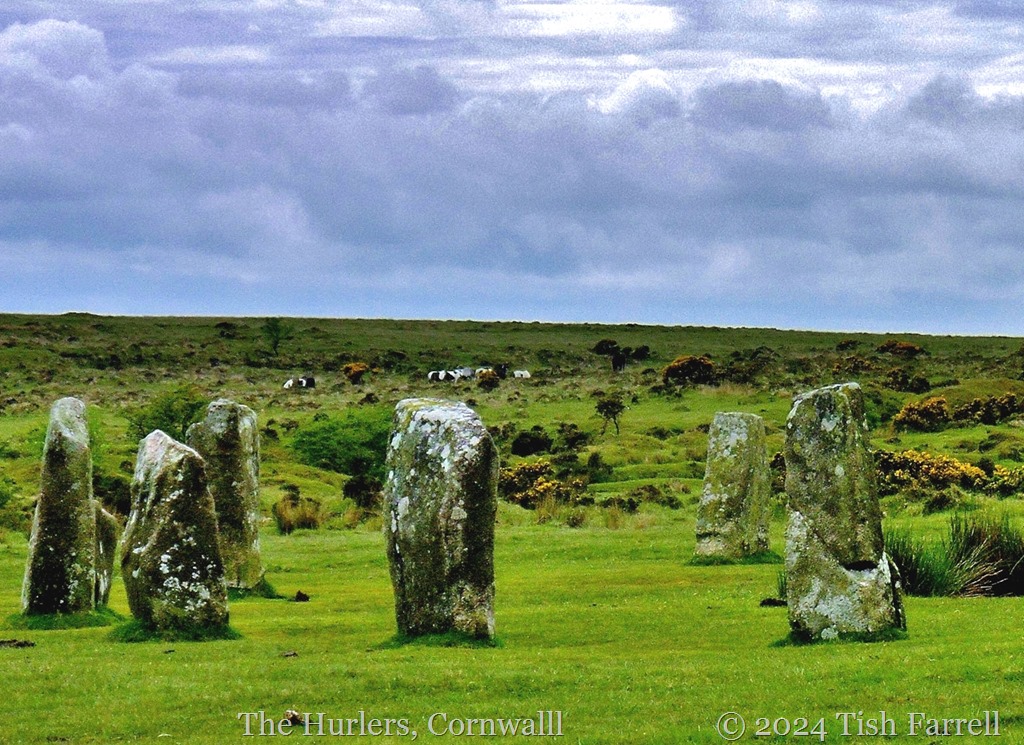
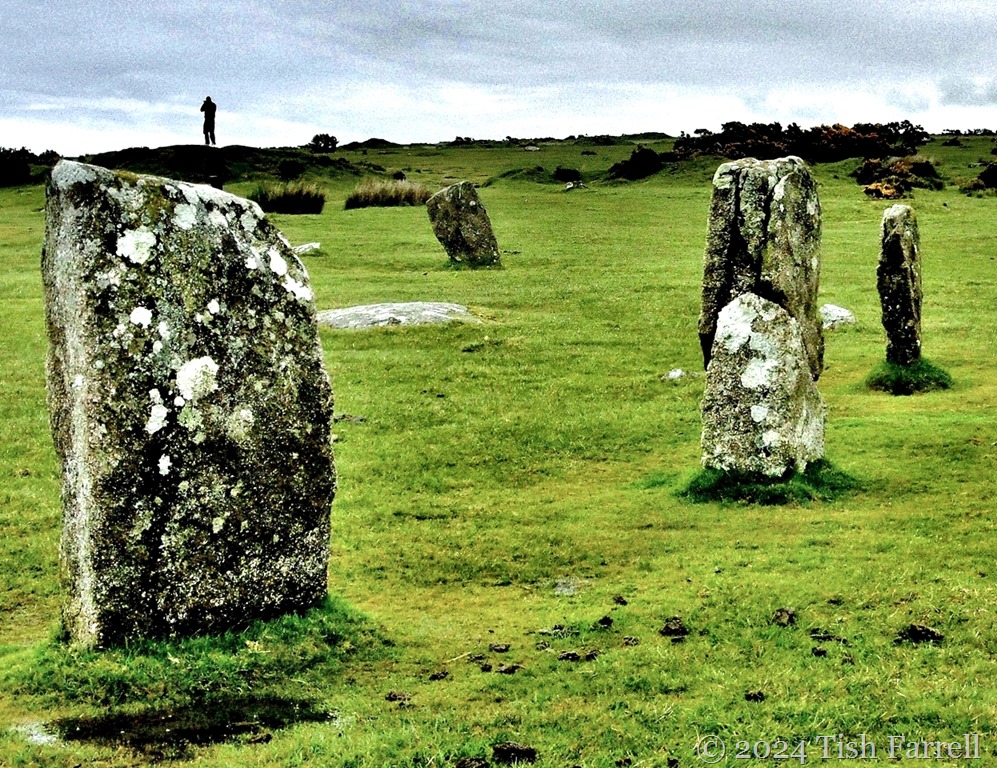
Here’s another photo of  The Hurlers stone circles on Bodmin Moor, Cornwall. (The obvious mystery here being who or what is that seeming pendant figure on the horizon?) The Hurlers are said to date from the late Neolithic, early Bronze Age (so around 2,500 BCE) and they are unique in that the site comprises three perfect circles set in a row. (Impossible to photograph without a drone). But that’s not all. P1070982ed

*

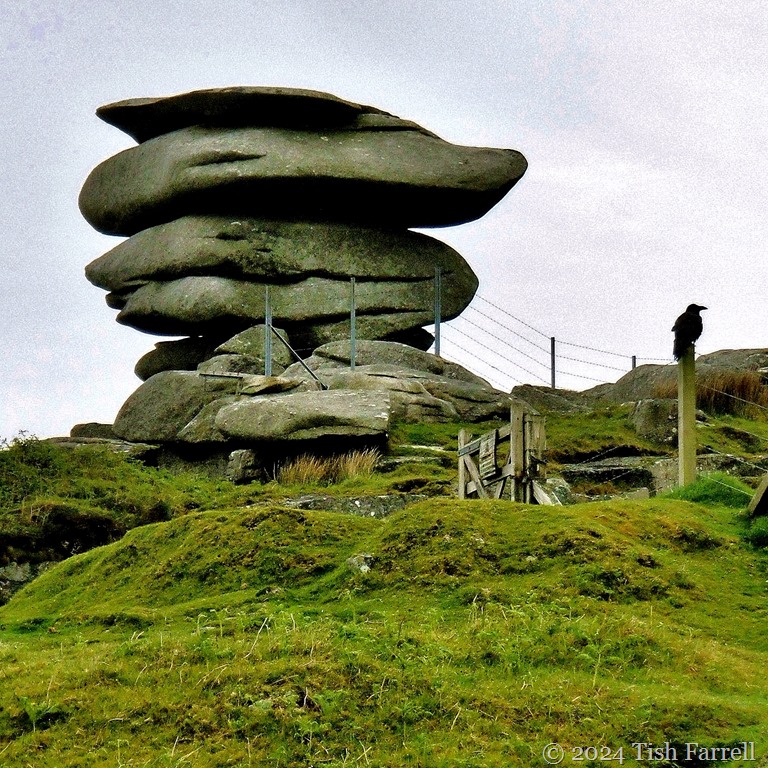
The circles line up with a striking natural feature – the Cheesewring granite tor (Keuswask in Cornish), which of course makes one wonder if it somehow featured in the circle ceremonies, if only as a beacon site to gather in communities from across the moor.

P1080012ed

*

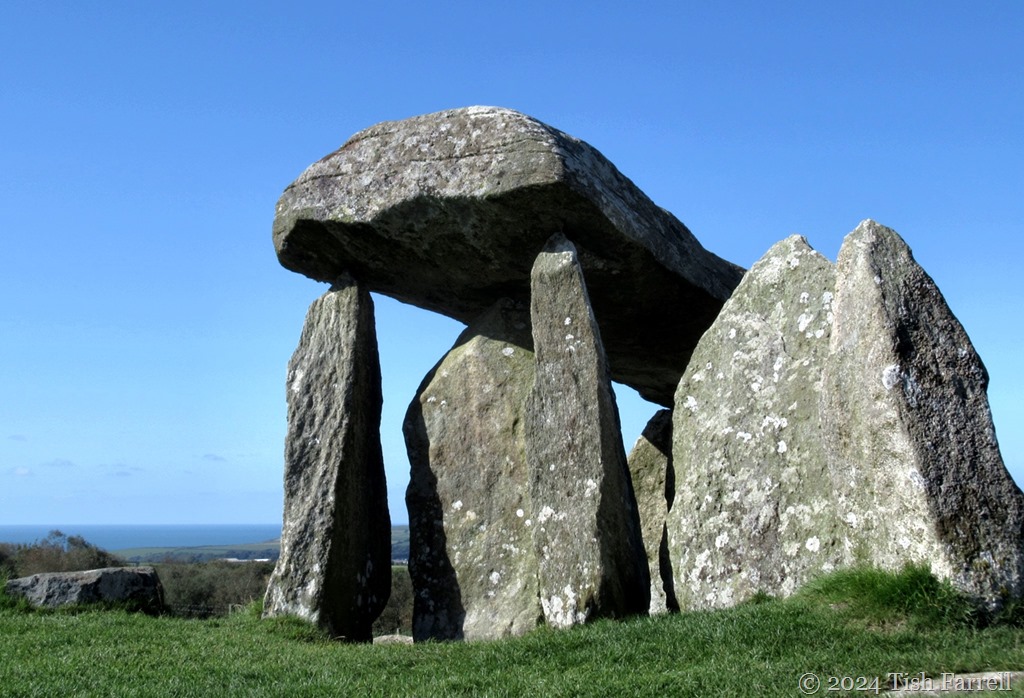
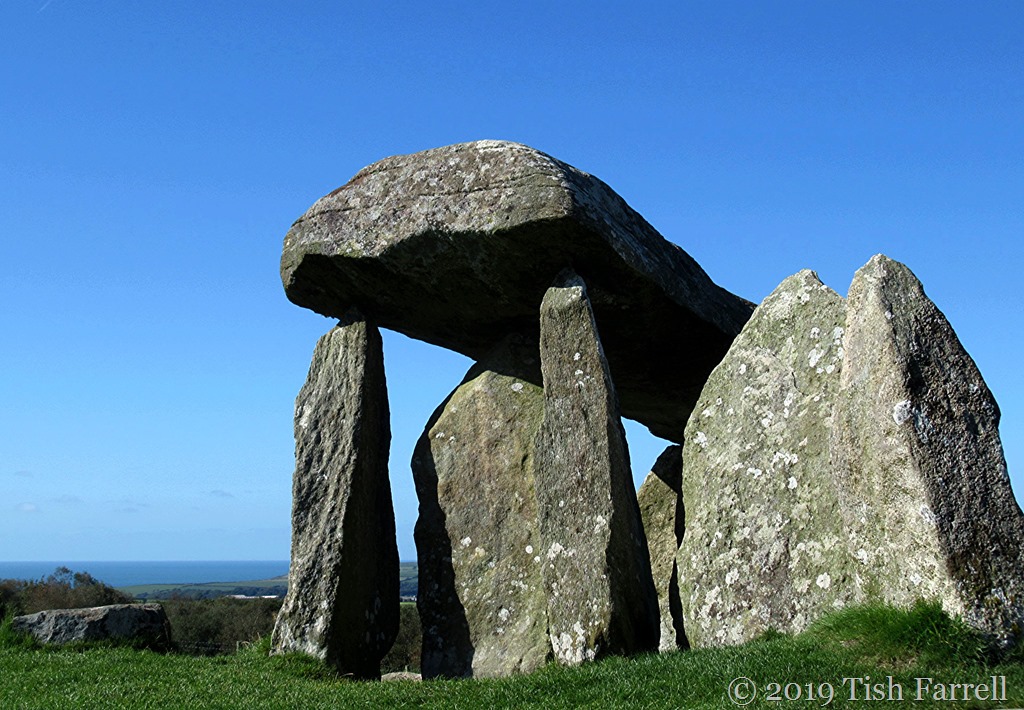
In Pembrokeshire, West Wales, there are numerous megalithic sites. One of the most striking is Pentre Ifan chambered (dolmen) tomb c. 3,500 BCE. The capstone is seventeen feet long and thought to weigh around 16 tons.

IMG_4581ed

*

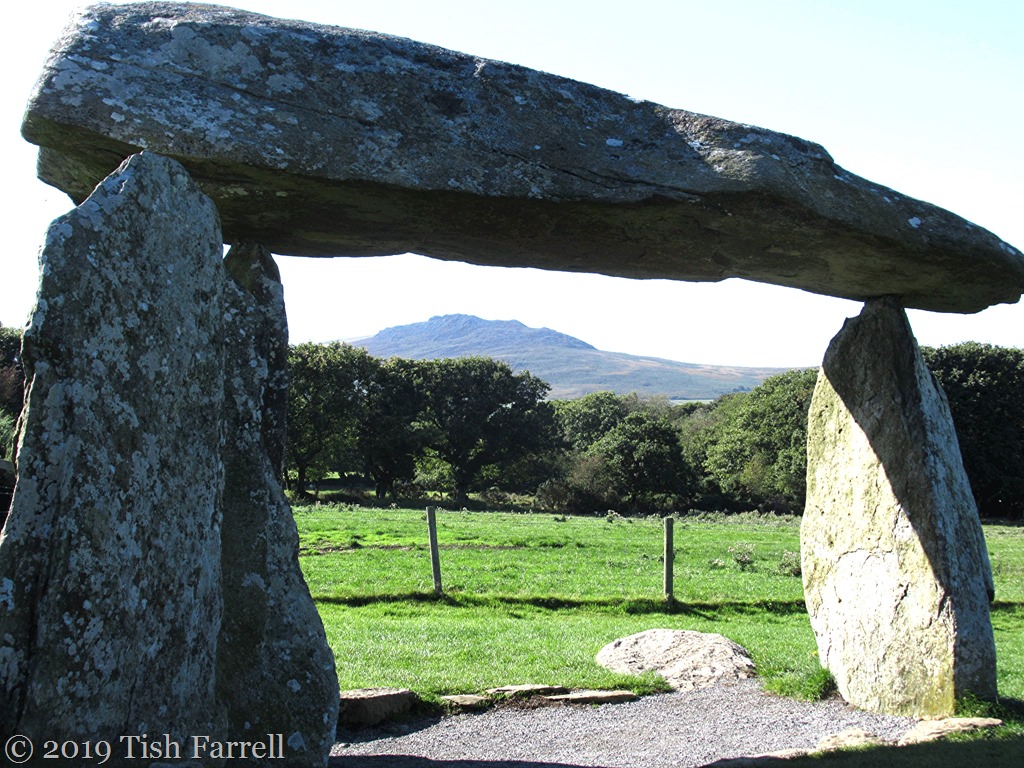
The finished tomb would have been covered with a huge mound of stone and earth, and the whole constructed in sight of the sea and  Mynydd Carningli (Mount of Angels).

Pentre Ifan

Pentre Ifan 2

You can read more about Pentre Ifan in a previous post HERE.

Lens-Artists: Rock Your World   This week Donna sets the theme with photos of some fabulous rocky subjects. Go see!

Pentre Ifan Revisited

IMG_4583r

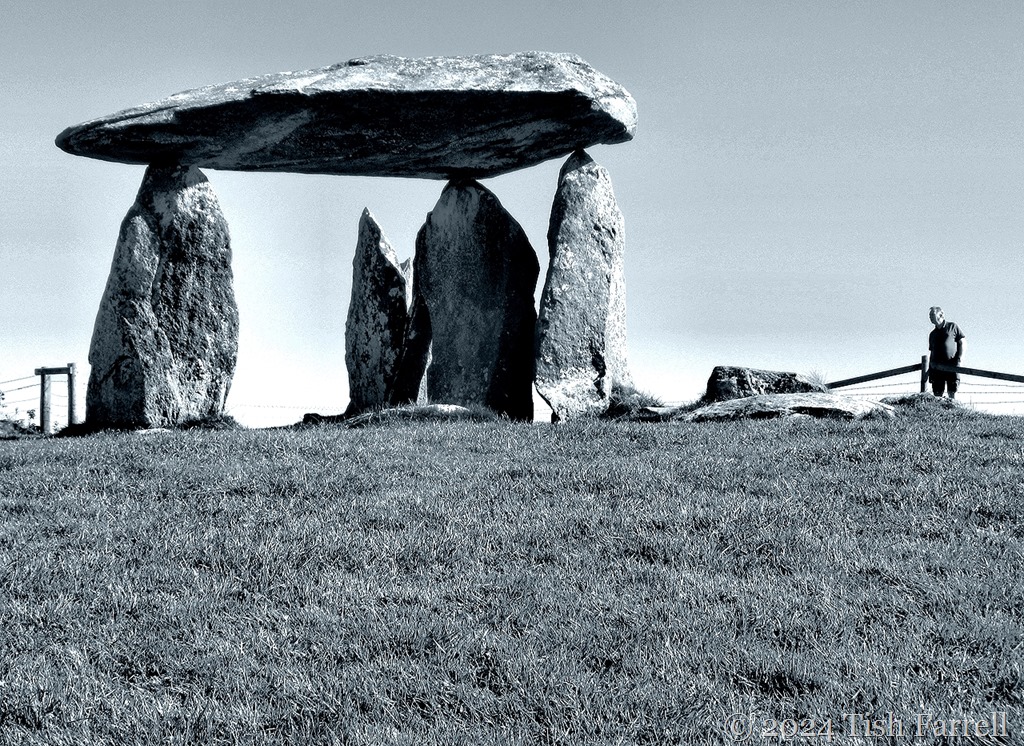
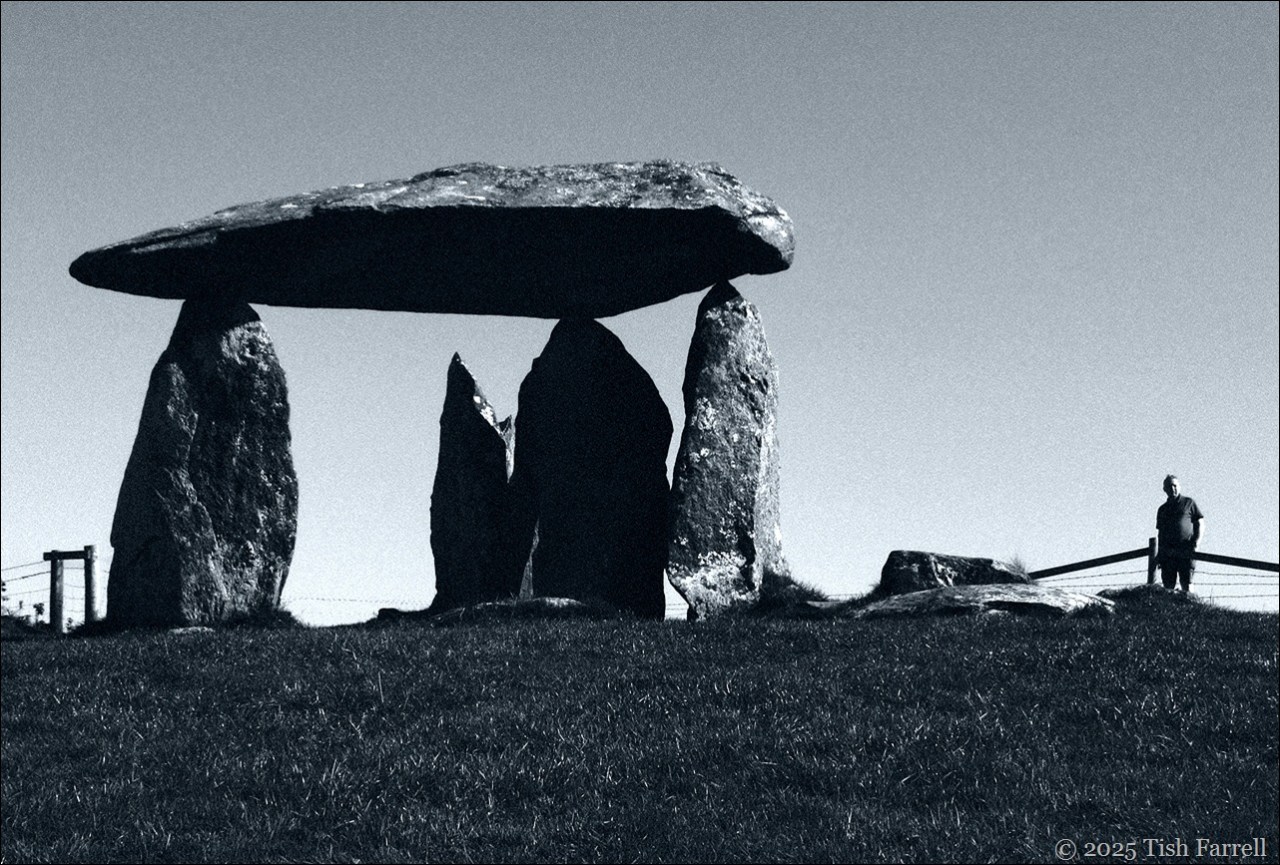
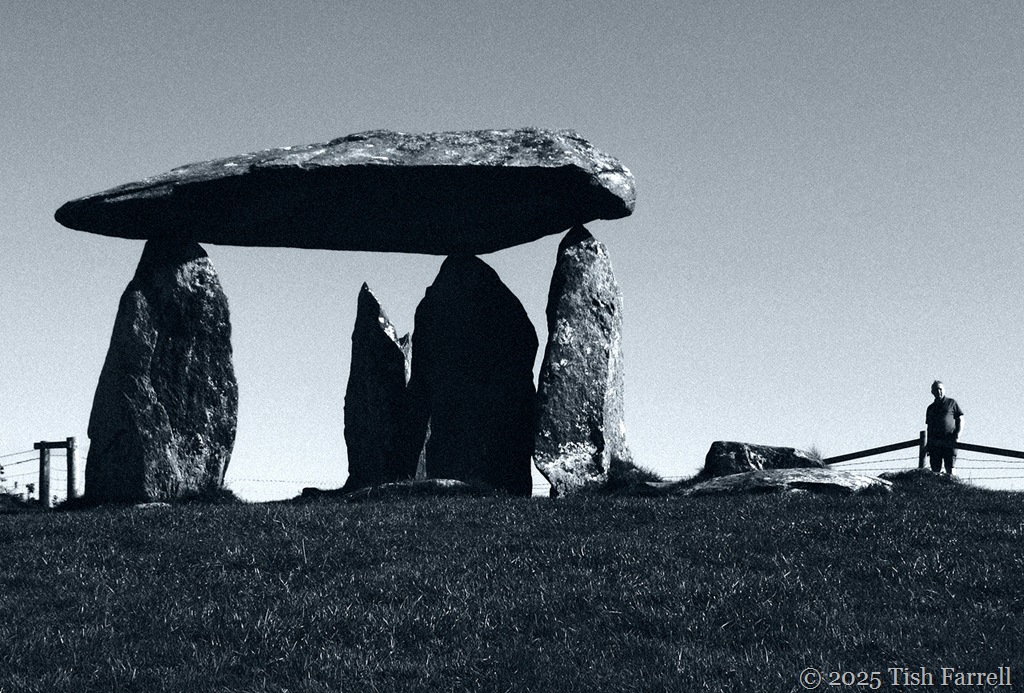
These few massive stones are all that remains of a 5,500 year old chambered tomb. Originally it extended some 120 feet (36 metres), the whole structure covered by an earth mound. It must have looked spectacular, dominating the uplands above Cardigan Bay. When I took this photo I was also taken with the rather searching stance of the man at the fence. I spoke to him later. He told me he had been so keen to reach the monument after parking his car, he had dived across the nearest farm field instead of discovering the official footpath, and thus found himself on the wrong side of a barbed wire fence. He was trying to see if he could climb over. We both decided it looked too risky. And then he told me about his awe-inspiring visit to the Great Pyramid. A man clearly much moved by ancient places.

For more photos: Scenes from the realms of ancestors


Cee’s Black & White Challenge: stones or bricks

Scenes From The Realm Of Ancestors

IMG_4533

Two thousand years ago the people who lived within the mountain hillfort of Carn Ingli (seen here in the distance) would have looked down on this 5,500 year-old chambered tomb of Pentre Ifan. Back then, the Neolithic burial cairn was probably mostly intact, still covered with an earth mound and extending some 120 feet (36 metres). Over the centuries most of the stones have been removed, most likely for wall and house building; only the most immovable stones remain. The capstone is reckoned to weigh 16 tonnes and is supported on the tips of three larger-than-man-size stones.

However you think about it, this tomb is an extraordinary feat of construction by people who only had tools made of stone, wood and bone. In the next photo I have included men (near and far) to give some sense of scale – height and original tomb length. The burial place, probably used for successive interments and not only for one individual, is also in sight of the sea, the harbour inlet at Parrog, Newport, which may well have been used by trading boat as far back as the Neolithic.

I’m wondering what the ancestors would think of us now: the age when folly and ignorance finally ‘triumphed’ over wisdom?

IMG_4601

IMG_4602


Six Word Saturday