Day’s End at the Rookery

P1000439

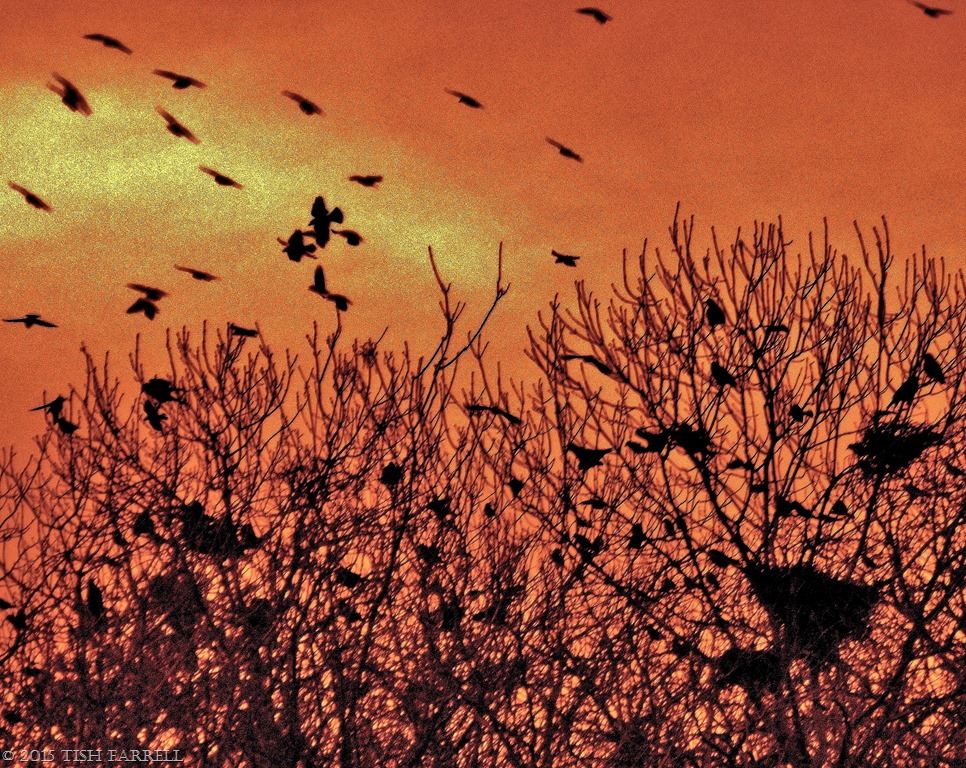
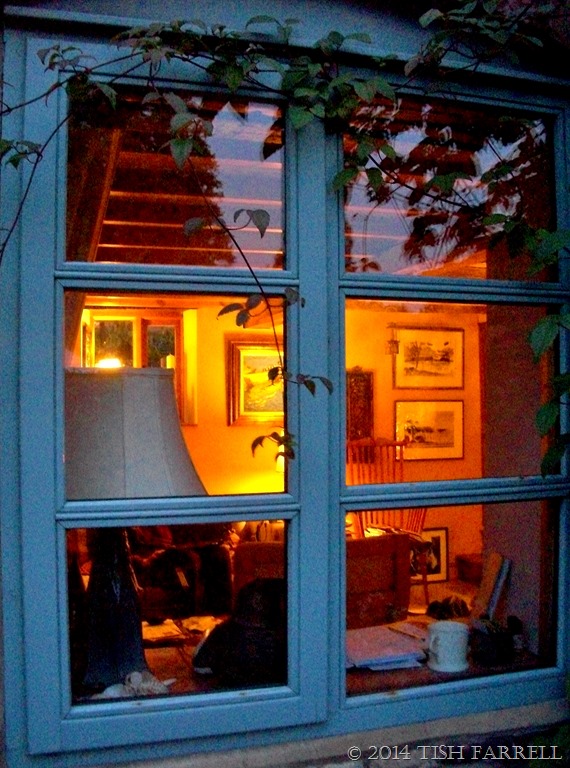
With sunset there is a general homecoming behind our house: hundreds of rooks and accompanying jackdaws return to the rookery in Limekiln Wood. The corvid air fleets head in from all points, returning from the day’s foraging grounds around the town. There are the strident greeting calls – a caw-cophony if you like – of passwords given and passwords received, as the early-bird returnees acknowledge the arrival of others. Sometimes, it seems, an incoming squadron ends up in the wrong tree, and then there is an avian explosion, black silhouettes shot into the sky. Much rook-shouting and abuse ensues.

They sort themselves out, and the wood soon echoes to sounds of companionable muttering.

As the year progresses we will be treated to elaborate twilight fly-pasts and synchronised acrobatics that resemble the murmuration of starlings. And, as the weather warms and we sleep with open windows, so the night will be sound-tracked by the chuntering of rooks. I know from the sleepless small hours that they talk all night. ALL NIGHT. Sometimes I want to tell them to settle down in their nests, and SHUT UP.

The collective term for rooks, of course, is ‘a parliament’, and anyone who has listened to the proceedings of Britain’s House of Lords or Commons on the BBC will have a rough idea of how a rookery sounds. Some might say the corvids are the more intelligent. I could not possibly say.

The rookery wood thus gives us much pleasure, but there are strains of melancholy too in the resonant kaah-kaahing, and the tchaka-tchak counterpoint of jackdaws. It evokes the kind of nostalgia that is so very English, the longing for a lost and perfect England that never existed; a feeling that A E Housman conjures so well in stanza XL of  A Shropshire Lad:

Into my heart an air that kills

From yon far country blows:

What are those blue remembered hills,

What spires, what farms are those?

That is the land of lost content,

I see it shining plain,

The happy highways where I went

And cannot come again.

*

Post inspired by Jennifer Nichole Wells’ One Word Photo Challenge: Bittersweet, a colour that is roughly the colour of the sky in the photo.

copyright 2015 Tish Farrell

A Shropshire Lad by A E Housman – you can read the full work HERE courtesy of Gutenberg Press

To see/hear rook acrobatics click on the link below to my brief video …OF ROOK DANCING 

Thursday’s Special: Seeing Red

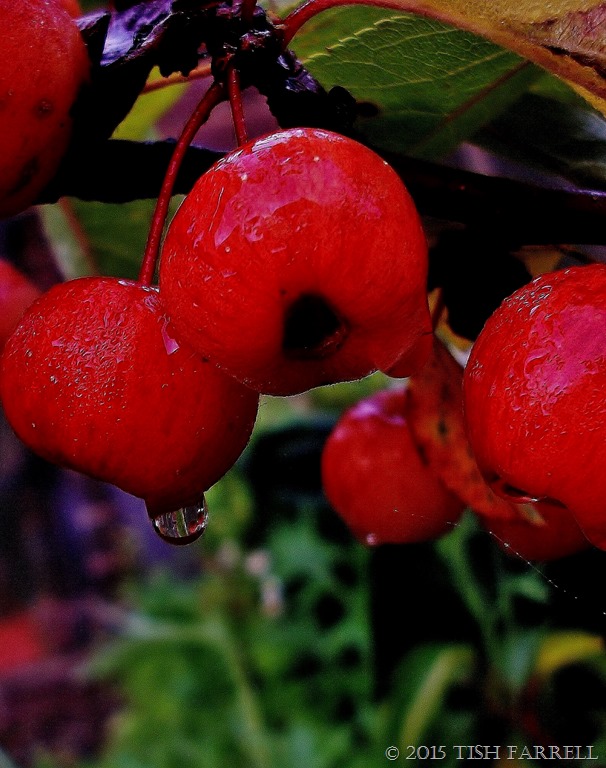
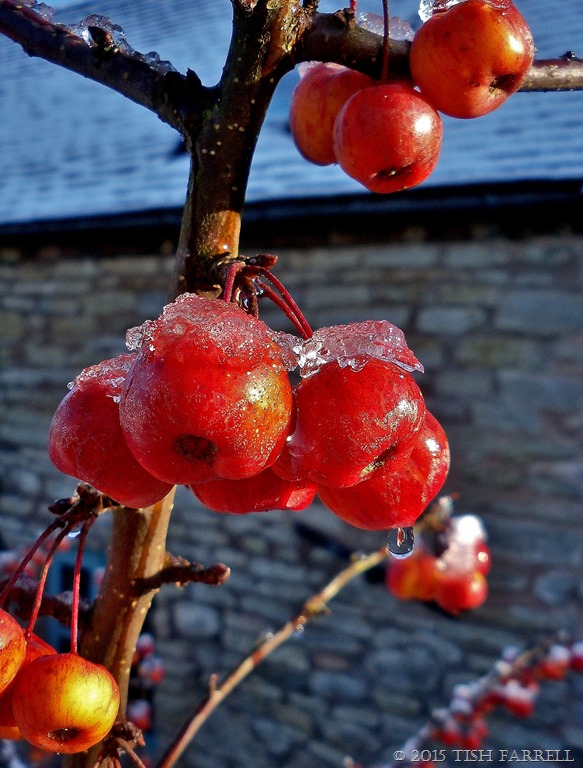
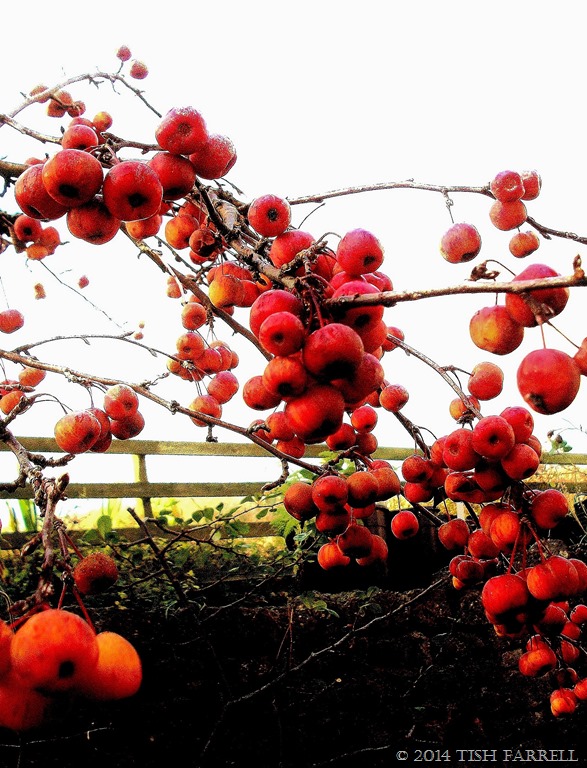
I’m in love with the Japanese crab apple tree in my garden at Sheinton Street. There is hardly a moment in the year when it does not give pleasure. Even now in February there are still a few tiny apples on its bare branches – minimally disposed like a left over Christmas tree that someone forgot to undress. The black bird still visits, although by now the apples have been frosted and lost their bloom.

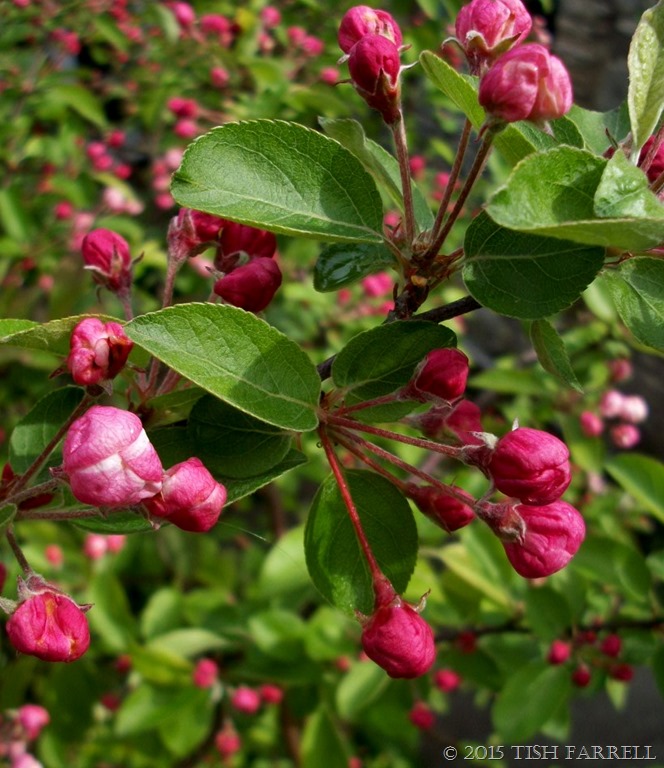
But then I also know that by the time the last one has fallen, there will be tight rosy-red buds bursting to make the next crop, bees permitting. And while I think of it, I’m grateful to fellow blogger, Mélanie at Mon Terrain de Jeux who tells me that crab apples sound much lovelier in French, and I agree – pommes sauvages.

On the other hand, my little tree is so finely wrought and well bred, and its fruit so exquisite, that I can imagine no situation when it might be tempted to wildness – unlike its large, unruly English cousins that grow in our farm hedgerows. Those I raid in October for their not so pretty fruit to make jars of crab apple jelly. (How could I possibly pick my own pommes sauvages?). The jelly is delicious on toast and croissants, and the jars glow like jewels as the hot jelly is poured into them. Mmmm.

More things to look forward to then: blossom, bees, pommes sauvages, toast…

100_5546

For Paula’s Thursday’s Special challenge ‘Red’ at Lost in Translation

Gallery

Guest Challenge: Knowing your place (colour photo challenge)

This week I’m also over at Paula’s blog, Lost in Translation. She kindly asked me to post a guest photo challenge ‘Knowing My Place’. It’s all about finding some cunning new angle that tells you something fresh about a place you think you know very well. To find out more read on, and to see Paula’s own amazing photo response go HERE:

Paula's avatarLost in Translation

tish

 Tish Farrell:

Music: Vaughan Williams On Wenlock Edge song cycle inspired by A E Housman’s A Shropshire Lad

January can be a lowering month – at least in the North. We are expected to burst, sparkling new, into the New Year, when we might feel more jaded than go-ahead. Hopefully this photo prompt will have you seeing things in a new light.
I’ve called it ‘Knowing My Place’, and you can interpret it in any way that strikes you. ‘My Place’ will be somewhere that you think you know inside out: your home town or street, the journey to work, your office, kitchen, garden or desk; your state of mind, or work in progress. Now search it with the camera’s eye. Sleuth out an angle that starts to tell you something new about it.
When I first thought of the prompt I was thinking about my home town, Much…

View original post 289 more words

From My Window in Wenlock: Trucks…

100_6404 (2)

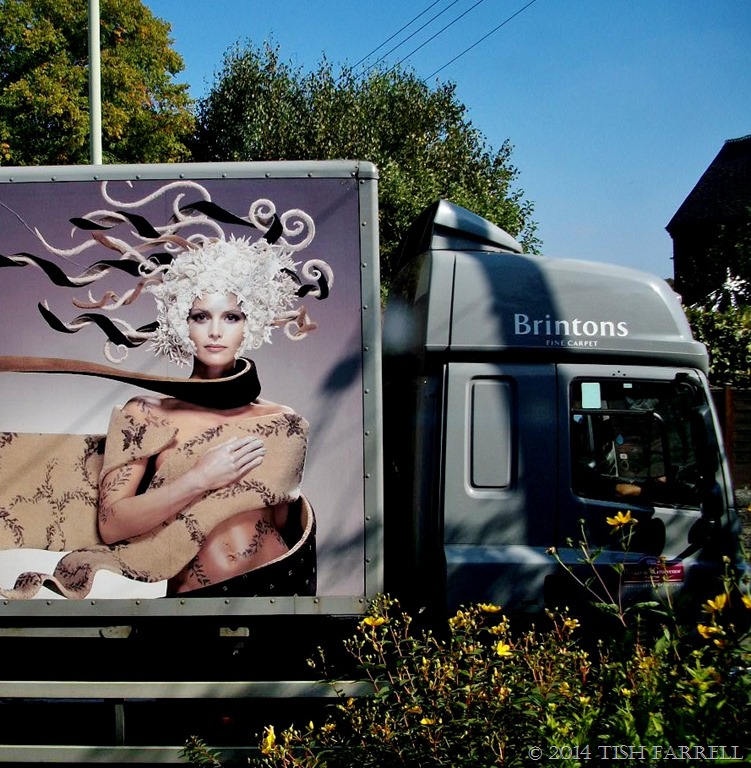
The other day I was astonished to look out of my kitchen window and behold this perplexing vision on the side of a carpet truck. It was a bit like spotting a unicorn. Well, what do you think this image is saying carpet-wise? Hey, come unravel me? Anyway, it made me laugh. And some days you do need a sense of humour to live where we live.

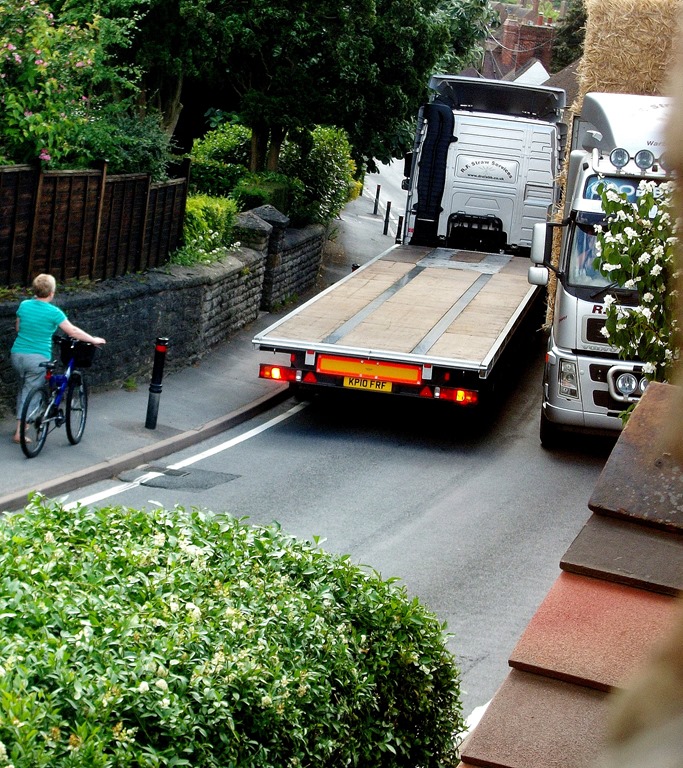
Trucks are a daily feature of Sheinton Street, a town lane that somehow in the 1980s was upgraded to an ‘A’ road. This means it is designated as a “through road”, and that there should thus be nothing on it to impede the flow of traffic.

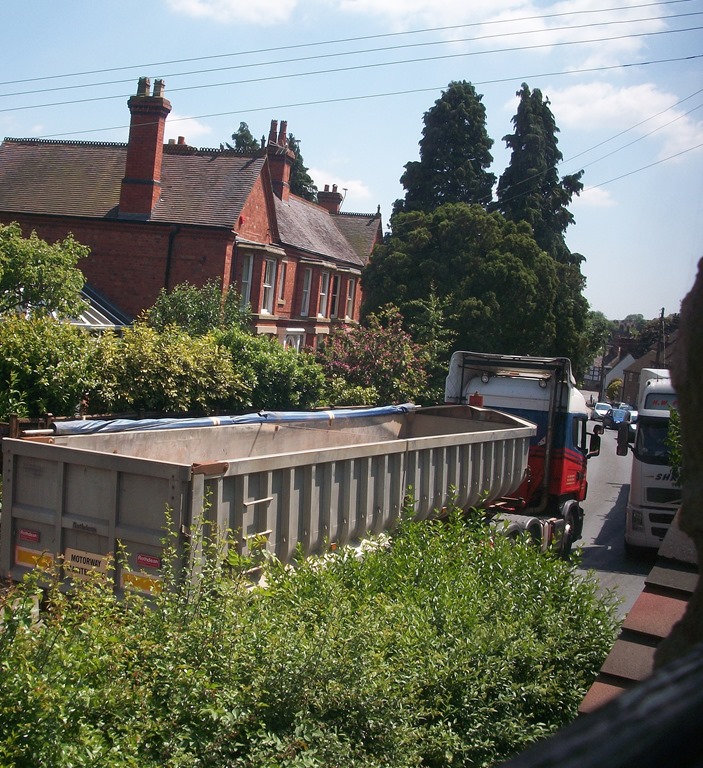
Anyone who has read my previous post (By the Silurian Sea) will know that while the back of our cottage mostly overlooks farm fields and woods, the front is very close to this road. Along it come all manner of large vehicles – many so big that they get jammed together trying to pass one another. This includes school buses, and combine harvesters, garden fencing lorries and clay trucks. Sometimes they block the road completely. Not good news if you are trying to get to hospital in an ambulance. There truly is no other way to go without a huge detour.

Over the years I have captured a few of these HGV encounters. I call the phenomenon Truck Stuckage. Most of the photos are taken from my upstairs office window. See what I get up to when I’m supposed to be writing. (I know: it’s hard to say what is more oddball – the photos or the person who took them). And not only do I snap stills, I also from time to time put short video clips on You Tube so I can forward the links to Shropshire Council’s chief highways engineer. She’s called Alice. I think we are on first name terms. She doesn’t know what to do about this road, but a team of consultants has recently been employed to think about what might be done. Or not.

In the meantime, if the trucks get any larger, we will need the local fire brigade on permanent standby to unravel the stuckage. They will have to do this before they can answer any emergency calls north of Sheinton Street. One can see where the “through road” designation begins to fall down somewhat:

100_1908

Cee’s Odd Ball Photo Challenge

Winter Harvest

100_7006

At twilight these crab apples glow like tiny lanterns against the darkening sky. And that’s when the blackbird comes to feed. Or at least this is the time when I most often spot her silhouette bobbing amongst the fruit. You will have to imagine her. It is a piece of English winter magic.  A gift.


Flickr Comments for more bloggers’ stories and photos

Shadowland: in Wenlock Churchyard

100_6973

100_6972

100_6969

100_6971

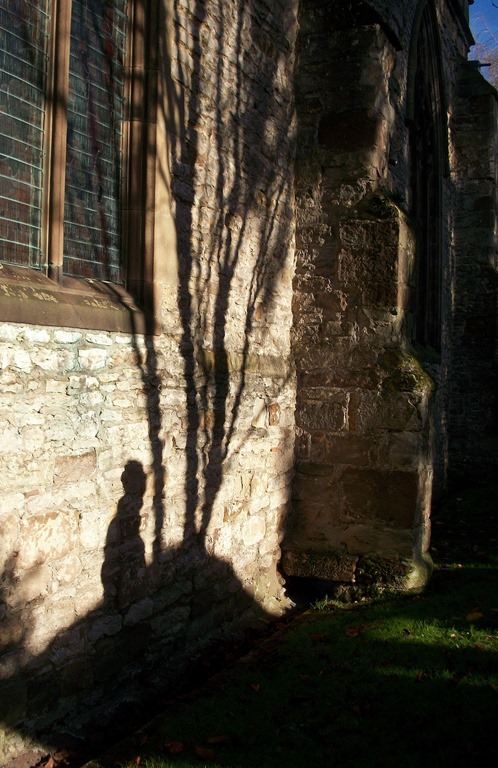
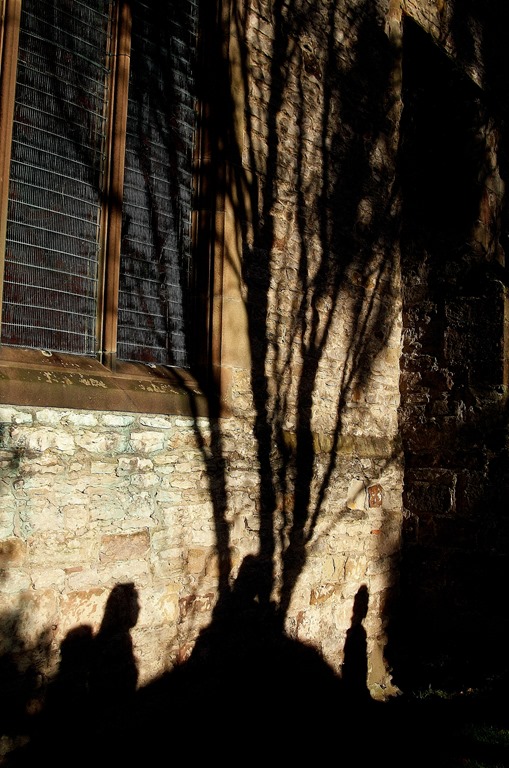
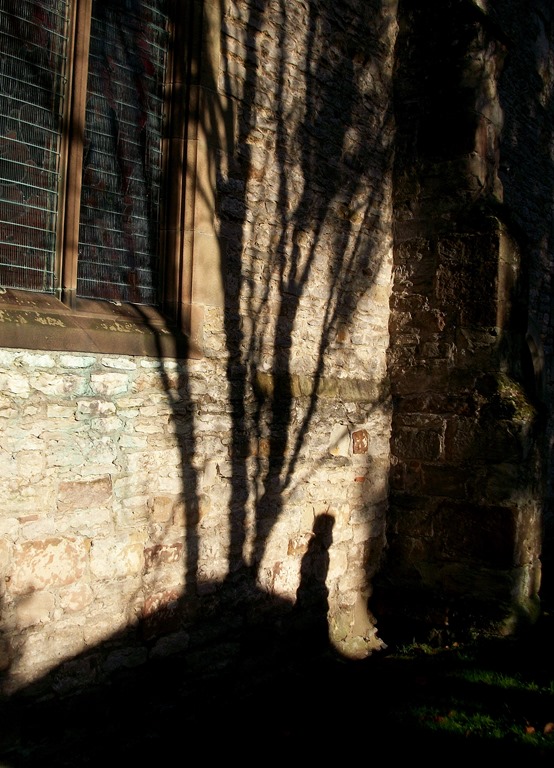
I took these photos today  in a burst of winter sunlight on the wall of our parish church, Holy Trinity in Much Wenlock.  The sequence of shadows has a gothic feel despite the brightness of the light on the limestone wall. My overwhelming feeling was of spirits of the past remembered, the cycle of life and death. This church is very old, possibly with its roots in the 7th century when a Mercian princess, St Milburga was Abbess of Wenlock. A lot of humanity, then, has walked over this ground. It is good to think of them.


DP Photo Challenge; Gone, but not forgotten

Rambling Tales: My Little Pony, Windmills, Olympian Dreams

100_6661

For a small community a lot goes on in Much Wenlock. In fact you  never do know what you will find even a stone’s throw from the doorstep. So it was that on a recent  foray up Wenlock’s Windmill Hill, and for quite another purpose, G and I met up with this astonishing little horse.  Given its newness on the planet, I was impressed by its air of stolid self-containment. It did not move an inch as I walked around it snapping photos. I asked it a few questions of course, but it seemed lost in thought. I even felt it might be having an identity crisis: I am a real little horse, aren’t I? Or am I?
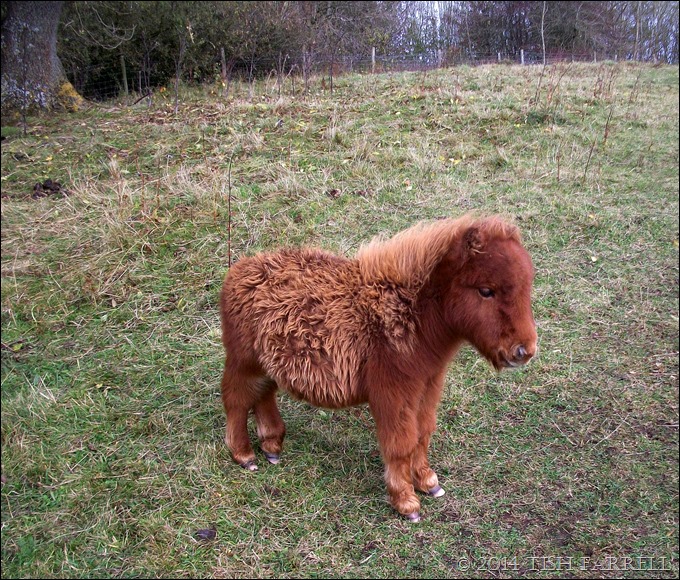
100_6654

Then at last it reached a happy horsey conclusion and went off to do a bit of grazing with the other little ponies. But please do not ask about the man in the next photo. He has the most irritating habit of walking into my shots. Does anyone else have a man who does this? Here, though, he is perhaps adding some sense of scale, a factor drilled into me as important during my student-archaeologist days. And archaeology, not little ponies, was the real reason for this outing to Windmill Hill.

100_6656

In the background you can see the limestone tower that gives the hill its name. It is a famous local landmark, and only a short walk from our house. In its time, it has been both a watch tower and  a windmill. Carved stones from its interior suggest construction dates of 1655-57, but none of the members of the Windmill Trust, the volunteers who look after the monument, has been able to discover quite what the mill would have looked like during its working life.

On the day of our visit a small archaeological dig was taking place beside it to investigate the possibilities of earlier human activity on the site. We went to see how the diggers were getting on, but disappointingly they said they had not found much that was particularly old. There were broken clay pipe stems  of course– a feature wherever you turn a spadeful of earth around the town. Clay pipes were an important manufactured product here in the 17th century, and clearly used extensively by the locals as well as being exported.

100_6665

On finding there had been no great discoveries, we wandered off across the hill. In early and late summer the pasture here is covered in wild flowers typical of a limestone meadow – orchids, cowslips, agrimony, wild thyme, St. John’s Wort, knapweed, drifts of yellow Lady’s Bedstraw, but now the grassland has a tired look, though clearly tasty enough for the ponies.

We scanned the fields all round. Recent lidar remote sensing surveys have revealed the existence of extensive mediaeval remains a few fields away from the windmill, and also the possible outline of a Roman villa. In any event, there would have been much human activity in the area from at least 680 AD when Milburga, the daughter of the Mercian king, Merewahl,  became abbess of Much Wenlock Abbey. Her land possessions were extensive. She also later became a saint, renowned for all manner of odd miracles.

But great antiquity apart, the views from the hilltop reveal everyone’s idea of  a typical English farming landscape, although it does not come without its adjacent ‘blot’. The ground immediately behind the hill falls away into a bleakly huge quarry with a deep pool of strangely turquoise water.
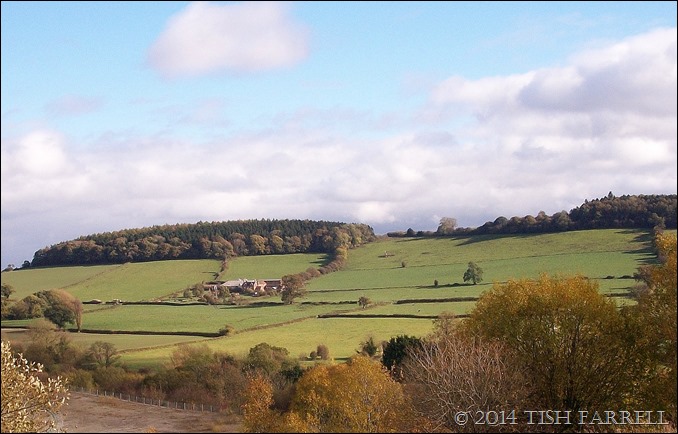
100_6670

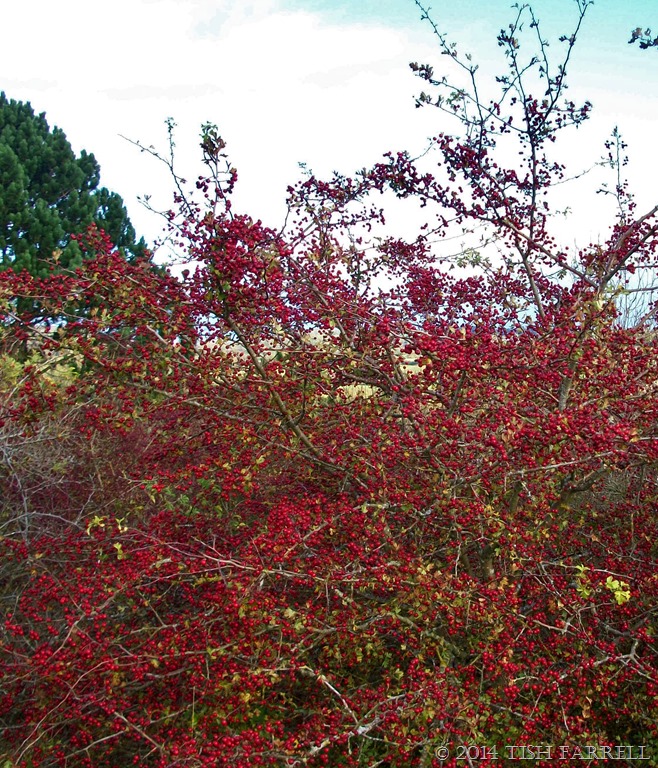
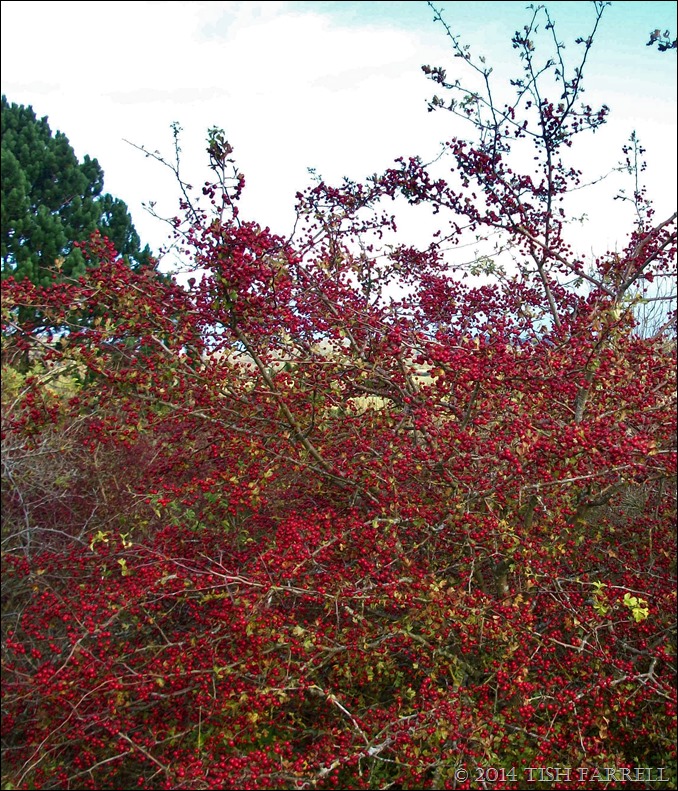
Now disused, the workings are screened by conifers, and also by this astonishing display of hawthorn berries. Plans to turn the site into a diving school with log cabins seem to have to been dropped.
100_6669

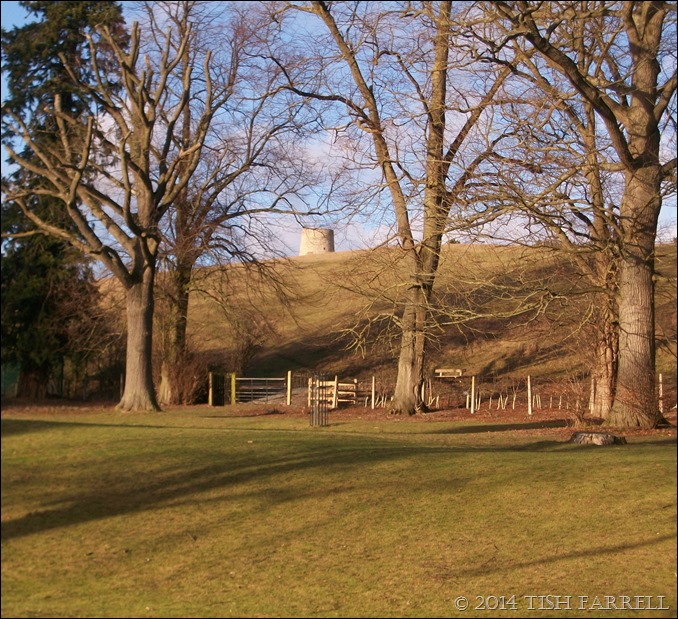
At the foot of Windmill Hill is the Gaskell Recreation Ground, or Linden Field. Having long been used for village cricket and bowls, it was bequeathed to the people of Much Wenlock in the 1930s by a descendent of the Gaskell family who owned much of Milburga’s former domain. It was here too, from 1850 that the first modern Olympian Games took place every year, attracting athletes from across the country. The man responsible for reviving this prestigious sporting event was the town’s local doctor, William Penny Brookes.
067

Every year, thousands of visitors would come to watch the games, arriving on the Olympian Special train. The station was conveniently situated  beside the field, the bringing of the railway being another of Penny Brookes’ successful projects for the benefit of Much Wenlock. The field was bare of trees in those days, so spectators could sit on Windmill Hill, amphitheatre-style, and have a fine view of track and field events.

Penny Brookes was also a campaigner of national standing. It was he who argued for the introduction of physical exercise into Victorian schools. He even did clinical trials to prove how young bodies grew well as a result of it.  His fame spread, and in the 1890 Baron Pierre de Coubertin, charged by the French Government to improve the physique of the French army, came to Wenlock to see Dr. Brookes’ Olympian Games for himself.  An elderly Penny Brookes apparently took this opportunity to share his ideas with the younger man, but sadly died four months before the launching of the first international Olympics in Athens in 1896. De Coubertin did, however, pay tribute to the Shropshire doctor’s vision: 

” If the Olympic Games that Modern Greece has not yet been able to revive still survives today, it is due, not to a Greek, but to Dr W P Brookes.”

The Much Wenlock Olympian Games still take place on the Linden Field every July, and attract sportsmen and women from around the world. The Olympic Association also acknowledged Much Wenlock’s contribution to the modern movement with the naming of the Wenlock Mascot in the 2012 games.

*

But now here we are heading homewards, taking the path that runs down edge of the Linden Field, and beside the old railway line. Here William Penny Brookes left another legacy. He planted an avenue of lime trees – the Linden Walk. Many of the trees are around 150 years old and still going strong. The scent of the blossom in summer is transporting, but the walk is beautiful any time of the year. It is one of the town’s many treasures, and accessible to all.

100_6680

As I stopped to take this photo, a young woman went powering past me, clearly in training for some event. But as you can see, that man is also there again. It is a puzzling phenomenon – how he is ever in my sights.

copyright 2014 Tish Farrell

Jo’s Monday Walk

Flickr Comments

One Word Photo Challenge: Scarlet

100_3415

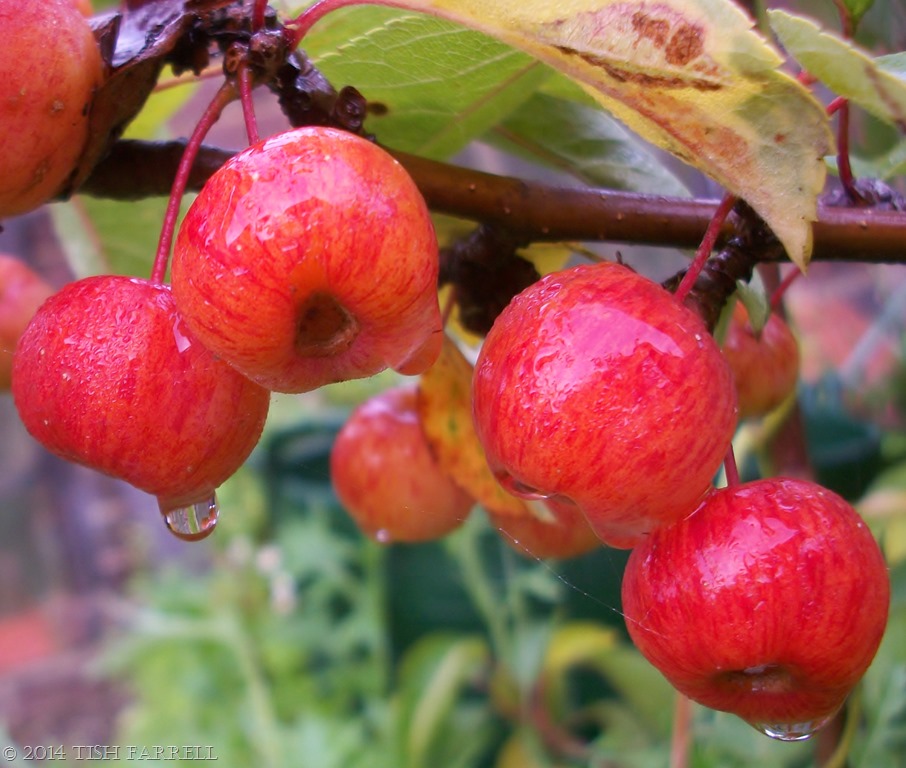
We planted the Japanese crab apple tree in the garden in 2006, not long after we moved into Sheinton Street.  Now is its season of fiery scarlet glory. Each fruit glows like a miniature lantern, brightening the gloomiest autumn day. And today is just such a day in Much Wenlock, my usual sky-view over Wenlock Edge, a blanket of grey mist. Even so, the apples glisten. I know, too, as we head into winter, we will have the pleasure of watching the blackbirds come to feed on the fruit, grey days then enlivened by their darting silhouettes foraging among the branches. Few of these tiny apples will be wasted. And then before you know it, the tree will be bursting with purple-pink buds that open in showers of pale blossom. Spring. Splendid how one thing leads to another.

copyright 2014 Tish Farrell

For more studies in scarlet, visit Jennifer at One Word Photo Challenge: Scarlet