Some don’t like it wet, and a case of sub-teen rebellion big cat style

Scan-140726-0010 (2)

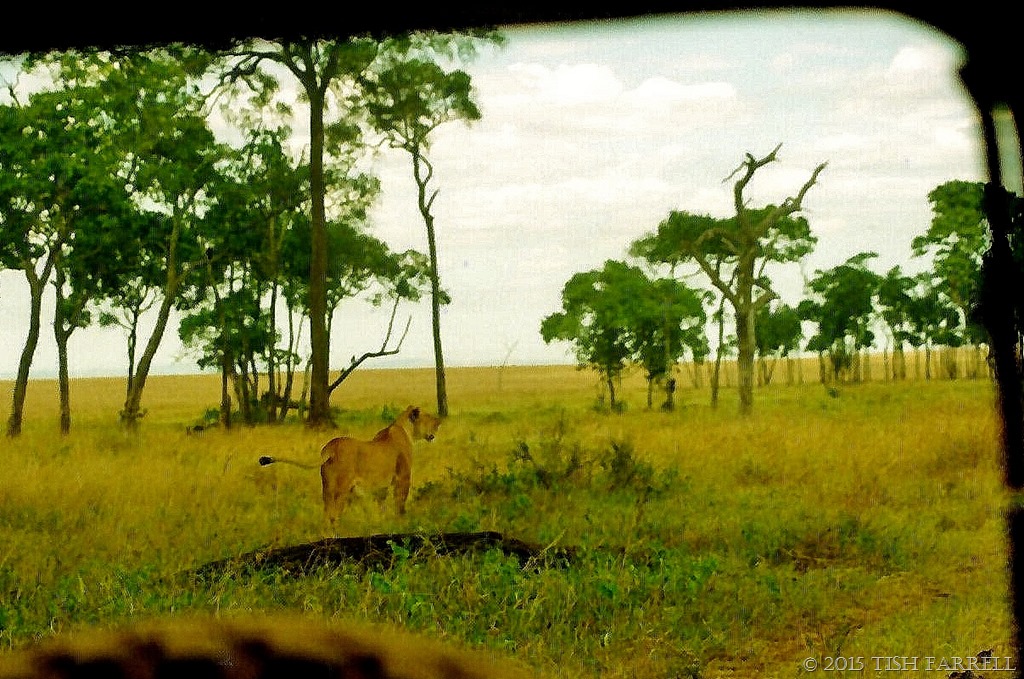
First off I should say these aren’t the best of  photos. They were taken on a dullish, August day in the Maasai Mara, and out of the back of a dusty Land Rover. But it’s a nice little glimpse of ‘I’m-a-big-boy-now’ rebellion of the lion kind.

It was the she-lion’s odd behaviour that attracted our attention. We drove towards the swamp to see what was going on. The rest of the Marsh Pride was lying up in the long grass a good half mile away, but here was a lone adult female walking about in a distracted manner, and with no attempt at concealment. She was also calling…and looking…

Scan-140726-0012 (2)

And calling…

Scan-140726-0011 (3)

We drove around the swamp. And then we could see what she couldn’t…

Scan-140726-0005 (10)

Junior. He, in fine nonchalant style, was busy exploring. He could hear Mom all right, but he was darned if he would show himself. In fact he just kept going…

Scan-140726-0007

…in the opposite direction…

Scan-140726-0003 (13)

Ooops! Not looking where we were going…

Scan-140726-0002 (4)

But it gave him a good excuse: “Was just getting a drink of water, Mom.”

Scan-140726-0001 (3)

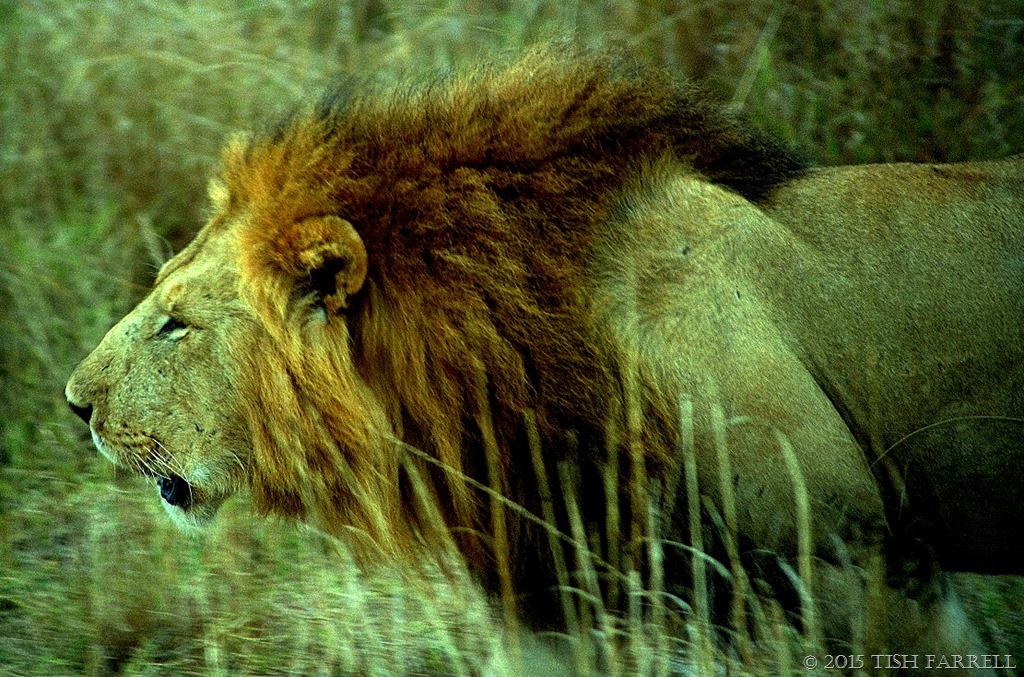
We left them to find one another, although I reckon Junior was in for a big cuff round the ears. Meanwhile, here’s the big lion, he was thinking he already was – Dad.
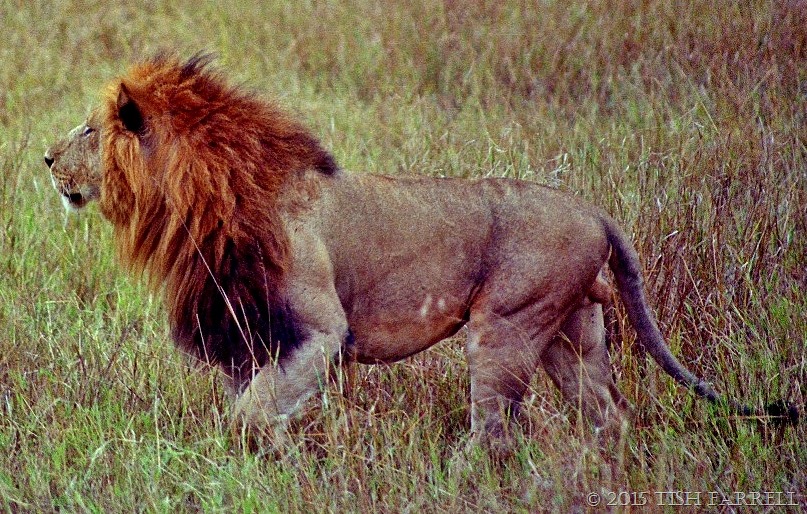
Marsh Pride male 3


This post was inspired, somewhat tangentially, by Jennifer Nichole Wells One Word Photo Challenge: wet Drop in to her blog to see other bloggers’ responses.
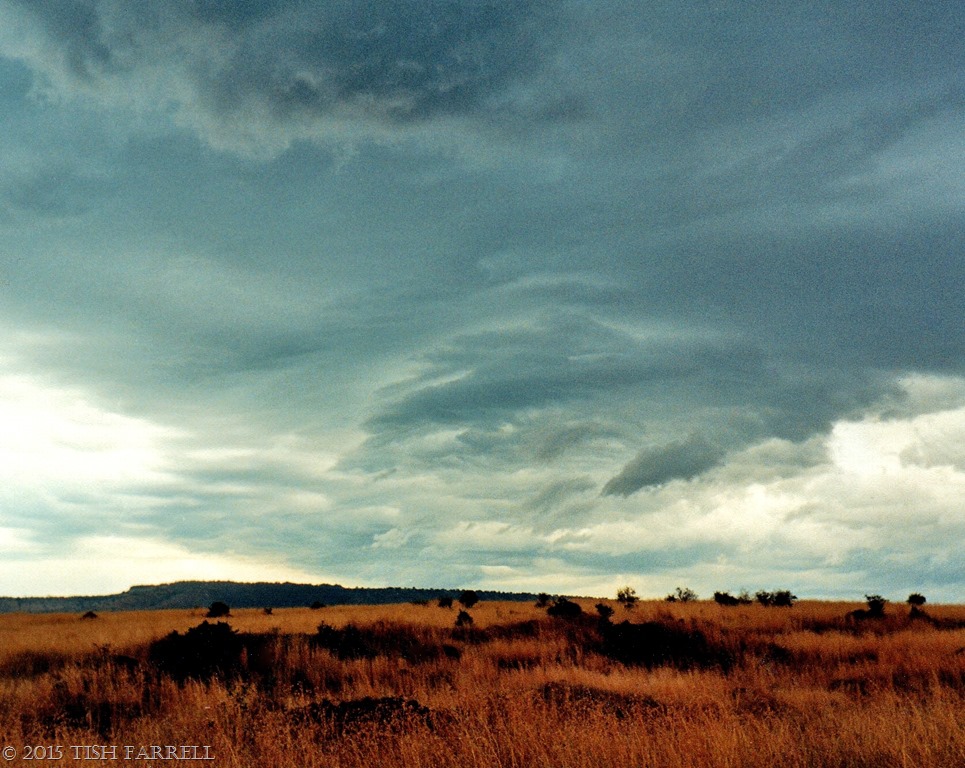
Clouds over Kenya

IMG_0024

This probably is not the kind of scene most people associate with Africa. It looks more like a stretch of bleak English moorland in December. Anyway Kenya it is, and it was taken one August in a Maasai group ranch conservancy, bordering the Maasai Mara National Park.

May to September is East Africa’s winter, and the skies are often overcast and leaden. The nights, and even the days can be chilly. Kenya, anyway, covers many of the world’s climatic zones either horizontally or vertically – from the hot and arid Northern District, bordering Ethiopia and Somalia, to the alpine heights of Mount Kenya with its glacial peaks. There are also the airy, and rarely too hot, highland plains around Nairobi, and the steamy humidity of the Mombasa coastal strip to the south.

Much of the nation’s weather is determined by the cycle of Indian Ocean monsoon winds. These, unless disrupted by El Nino effects, bring two seasons of rain – the long rains in March to May, and the short rains in November-December. In between, many areas receive little or no rain. Western Kenya, however, receives more regular rainfall courtesy of Lake Victoria Nyanza which makes its own weather.  Meanwhile in the fertile Central Highlands above Nairobi, altitude and forest combine to make June and July the season of heavy mists. It’s all a bit dreary, but the mist does have its uses – for instance, ripening the maize crops for the August harvest.

napier grass on the Rift

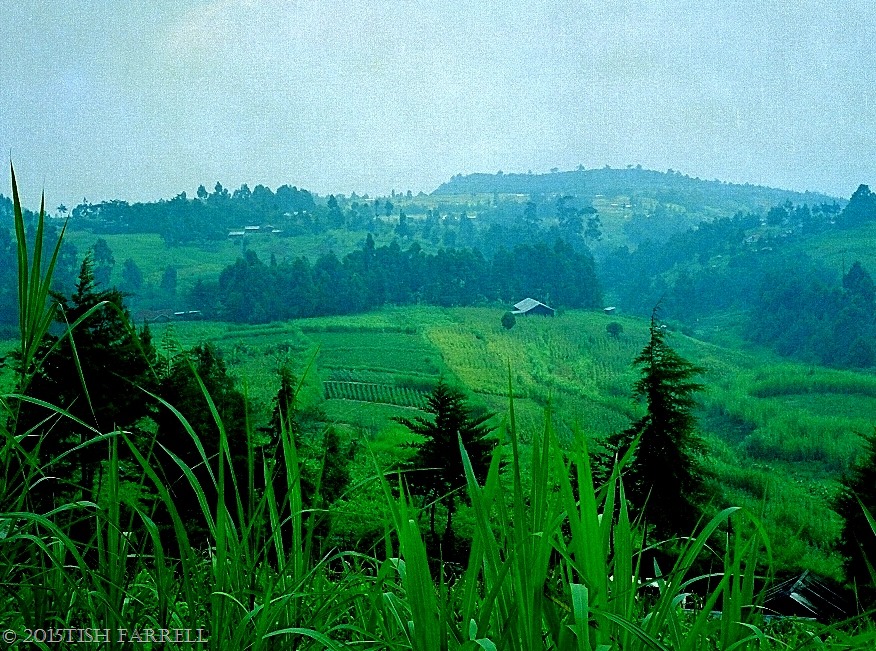
Smallholder farms and July mists in the Kikuyu highlands, north of Nairobi

*

In the late 1990s Team Farrell was often out and about in the Kikuyu highlands, visiting smallholder farms. And the reason we were doing this in the fog season was because the Team Leader, aka Graham, was – besides running an agricultural crop protection project on behalf of Her Majesty’s Government – gathering data for his doctoral thesis on smut. If you want to know more about our smut forays (of the plant variety that is) your can find out more HERE.

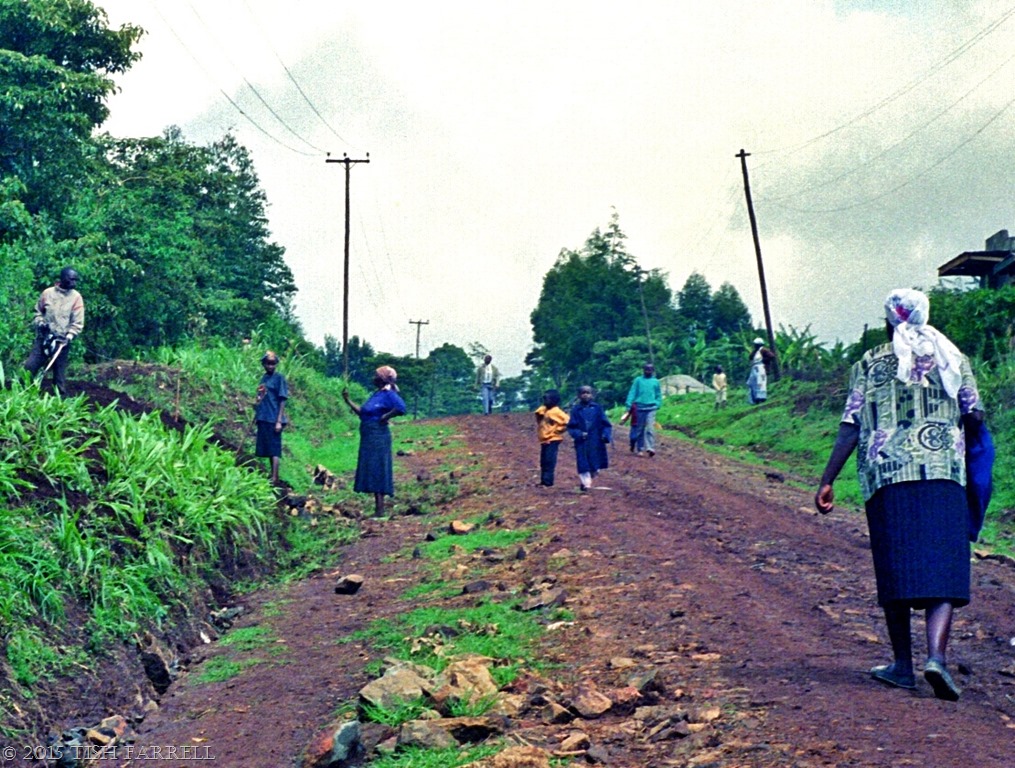
Rift lane after July downpour

Rural road after an unseasonal July downpour. Poor communications embed poverty, making it hard for farmers to get produce to market before it spoils.

*

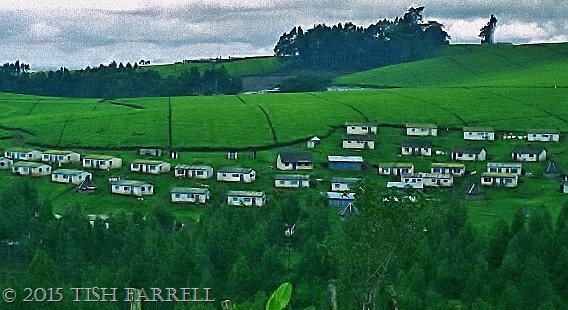
tea fields and workers' houses

Lowering skies over Limuru’s tea gardens with tea pickers’ housing.

*

Kikuyu farmstead 1

Kikuyu farmhouse.

*

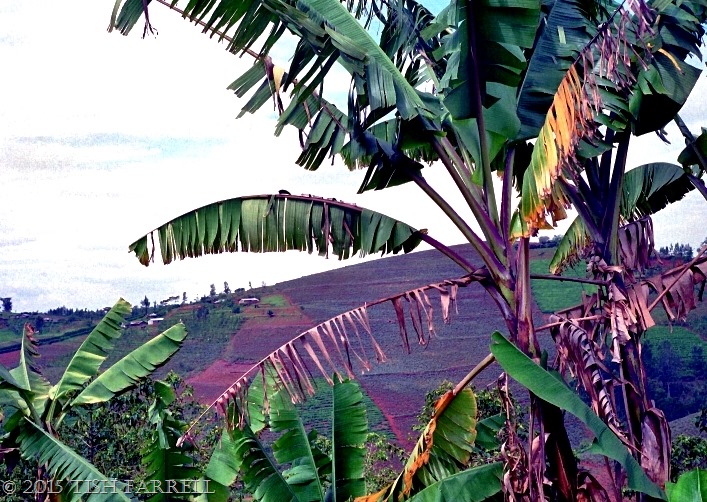
banana trees 2

Wintery fields in Muranga where the Del Monte pineapples grow.

*

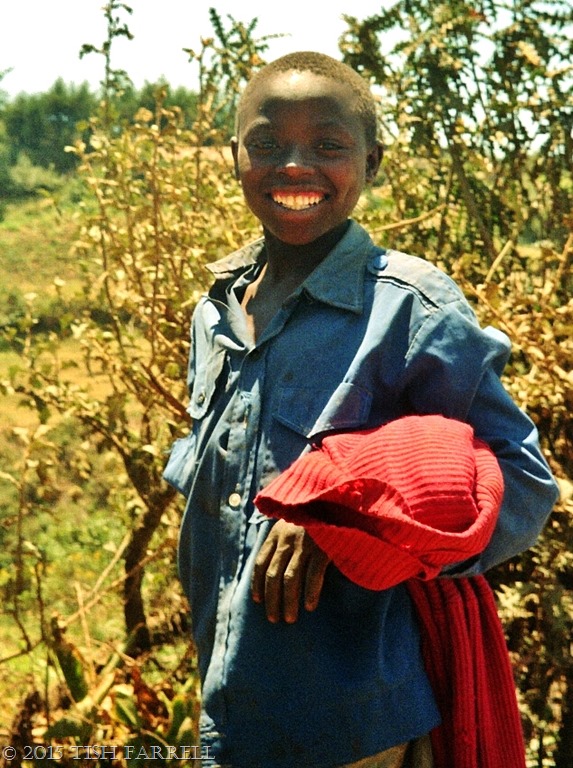
And just sometimes, even on the gloomiest Kenyan winter’s day, the sun breaks through the clouds:

Kikuyu child 3


Jennifer Nichole Wells OWPC: cloudy     Go here for more bloggers’ cloudy offerings.

Mischief in the Mara

Scan-131109-0008

001 (2)

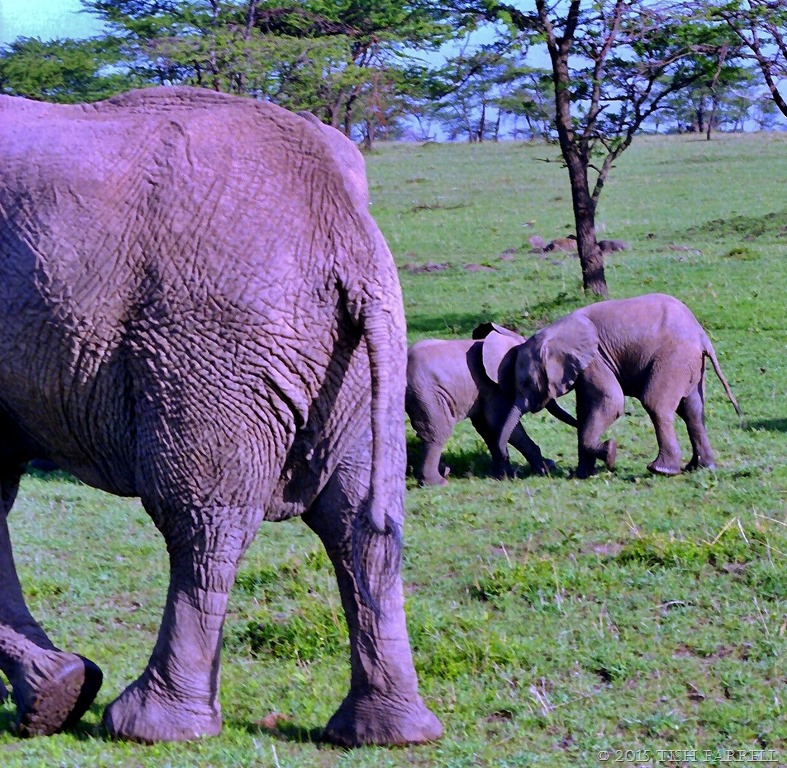
These photos were taken in the Maasai Mara during a game drive. For more scenes of mischief visit Ailsa’s travel challenge at Where’s My Backpack

And now for a treat, and even more mischievous behaviour: a short film about Daphne Sheldrick’s Elephant Orphanage in Nairobi, Kenya. The baby elephants you will see in the film have all been orphaned, mostly due to ivory poaching or drought. Sheldrick discovered that orphaned infants will only survive if given 24 hours a day emotional support. At the orphanage each infant has a keeper who becomes its surrogate mother. The ultimate objective of the Sheldrick project is to restore these elephants to wild herds in Tsavo East National Park. This approach has had many successes, and in fact just before Christmas it was reported in the British press that one of Sheldrick’s former orphans had just given birth, back in the wilds with her own herd.

https://www.youtube.com/watch?v=FvA52oAvcZ0


Elephants at Dawn

Scan-131109-0004

Scan-131109-0032

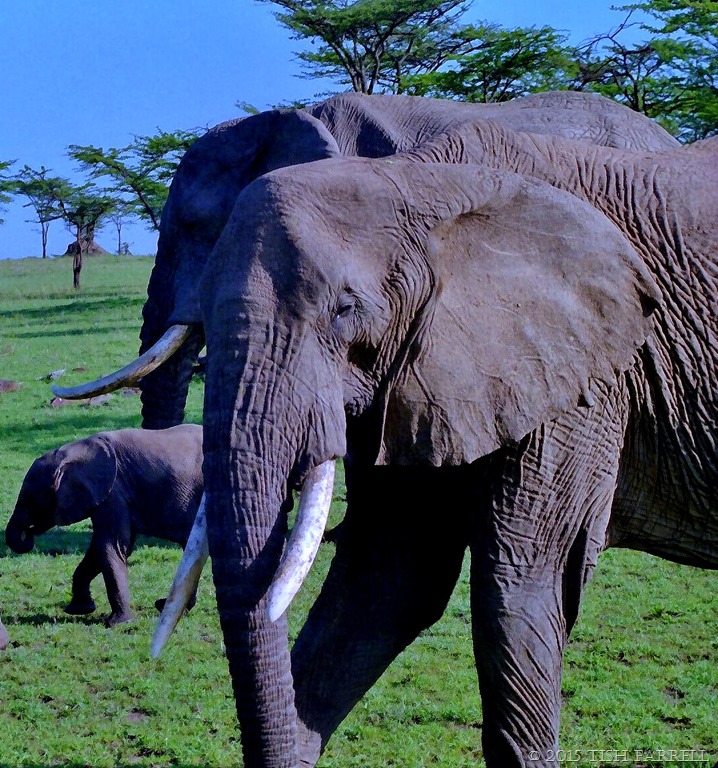
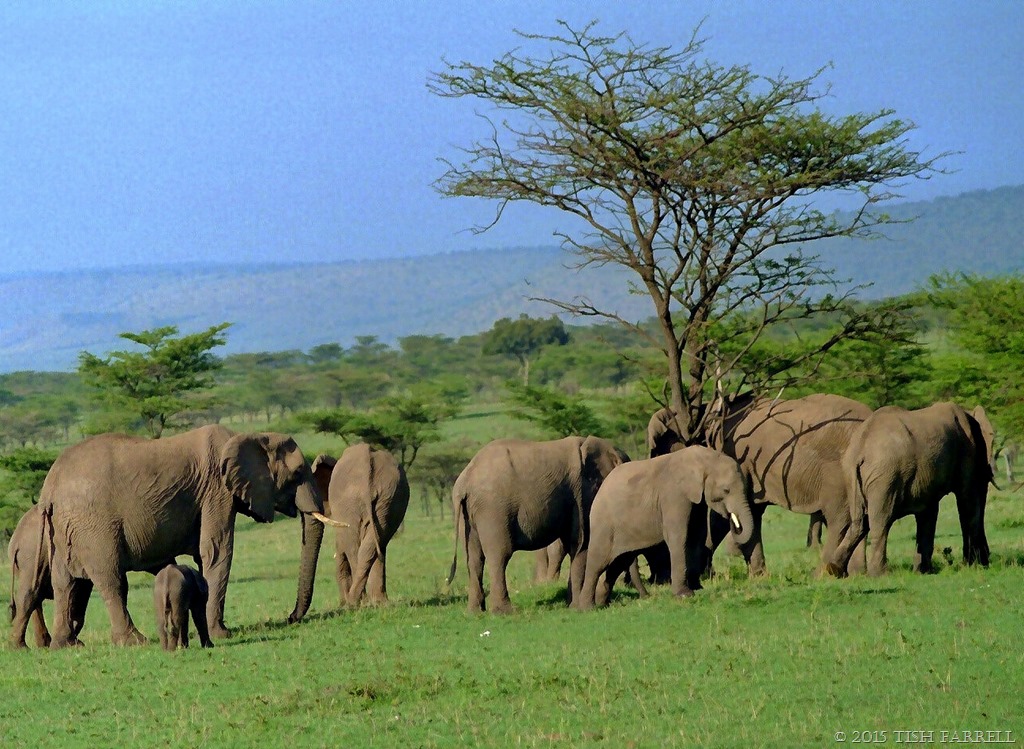
There is nothing more imposingly serene than a large herd of unruffled elephants on the move. We humans, on the other hand, may become thoroughly over-excited by such an encounter. The elephants are not impressed though. They note our existence, weighing us up with scant regard. We are quickly aware of being mentally ‘put in our place’. And as we watch, and watch the herd’s slow and steady progress through the Mara thorn trees, we find ourselves succumbing to the collective elephant will. There is the urge to follow, to step out, placing each foot with quiet intention on the surface of the earth, moving at one within ourselves instead of forever rushing about, seeking fresh excitement. As they disappear from view, we are left with a sense that something has changed. Have we been changed? In any event, it seems there is much to be learned from an early morning meeting with elephants.

Later that day, as dusk is descending, we meet the herd again. They are crossing the trail that leads back to our camp. The guide stops the truck, and we stand up, leaning out of the roof hatches as the herd moves all around us. It is breath-taking. This time they are close enough to touch. We can smell their musky hides. They move around the truck as if it is not there, then fade into the darkness as quiet as ghosts.

© 2015 Tish Farrell

Daily Post Weekly Photo Challenge: Serenity


*


image

Secrets, conspiracies, tragedy,

dark comedy – a fast-paced

novella of interwoven tales set

somewhere in East Africa

Available on ePud Bud 

5* Amazon Kindle Review


Serenity

International Cheetah Day

016

Scan-140728-0020

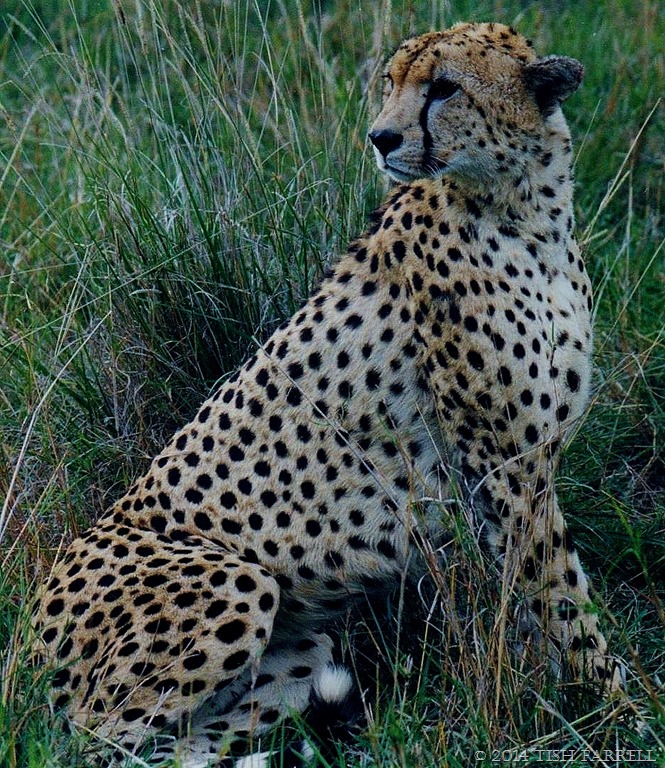
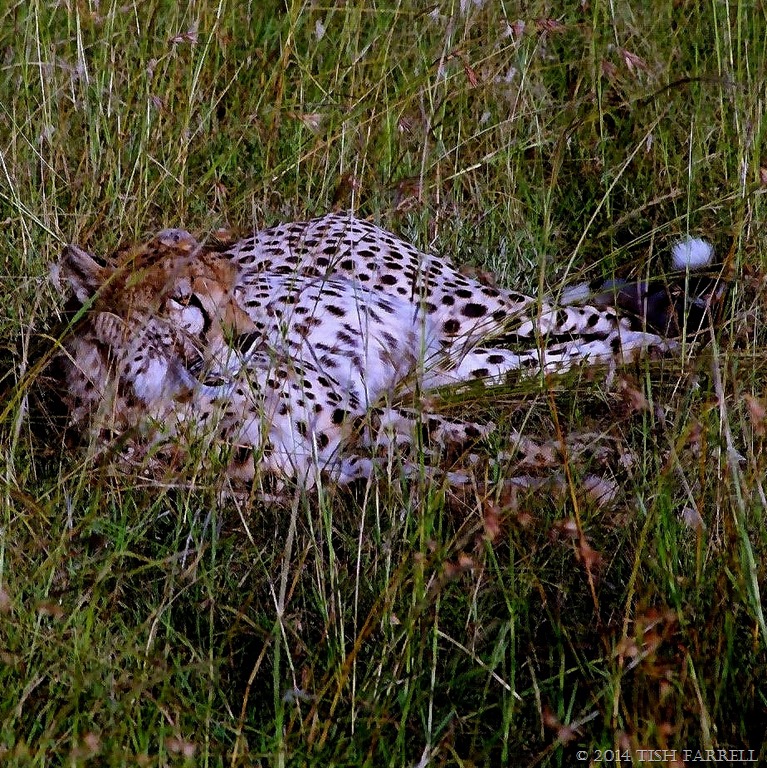
Three cheers for the cheetah. We need to protect their habitat if we want to keep them. Take a look at the Cheetah Conservation Fund site if you would like to help. This organisation, based in Namibia, tries to improve habitat for both animals and humans. You can visit, or go work as a volunteer. Check them out.


Also please visit International Cheetah Day  for wildlife photographer, Paul Goldstein’s gallery of stunning cheetah photos


#PaulGoldstein #InternationalCheetahDay

Oloololo Escarpment: Maasai Dreaming


Scan-140726-0002 (3)


Night on the Mara River – darkness wraps round, close as a Maasai’s blanket.  It is cold, too, on the river’s bend. We press closer the campfire, our white faces soon roasting red. No one speaks. There’s too much to listen for. A hyena whoops across the water?  It sounds close. It sounds unearthly, sending shock waves through vulnerable bones – mine, conjuring packs of predators, out there, circling our ring of light. And even as I think it the Maasai are on us.  Six warriors, spears in hand and naked to the waist.  Their leader tosses his ostrich-feather head-dress that looks like a lion’s mane.  He is fearless.  He is lion.

Then the singing starts, a nasal falsetto that resonates through time and space – the winds’ whine through Mara grasses.  The Maasai girls trip lightly into the firelight, their wraps like flames – yellow, red; close-cropped heads hung with beads; chins jutting forward as the crescent necklets – tiny beads so patiently strung – rise and fall on skinny chests.  The moran start to leap – higher, faster.

excerpt from Dances With Warriors © 2014 Tish Farrell

Continues HERE

Flickr Comments for more bloggers’ stories

DP Weekly Photo Challenge

Hyena Heist in the Mara

Scan-140826-0021jpeg

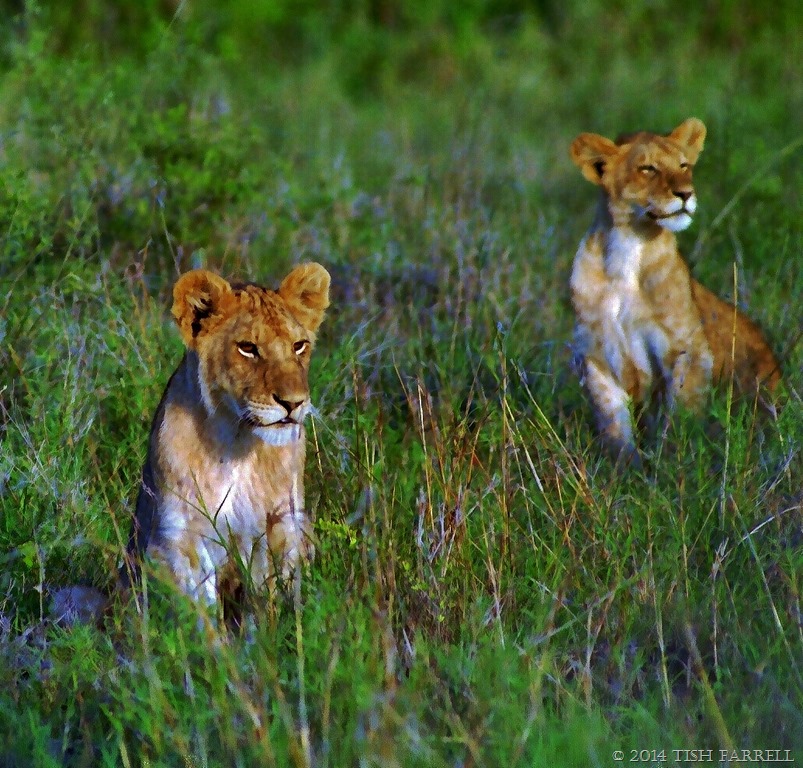
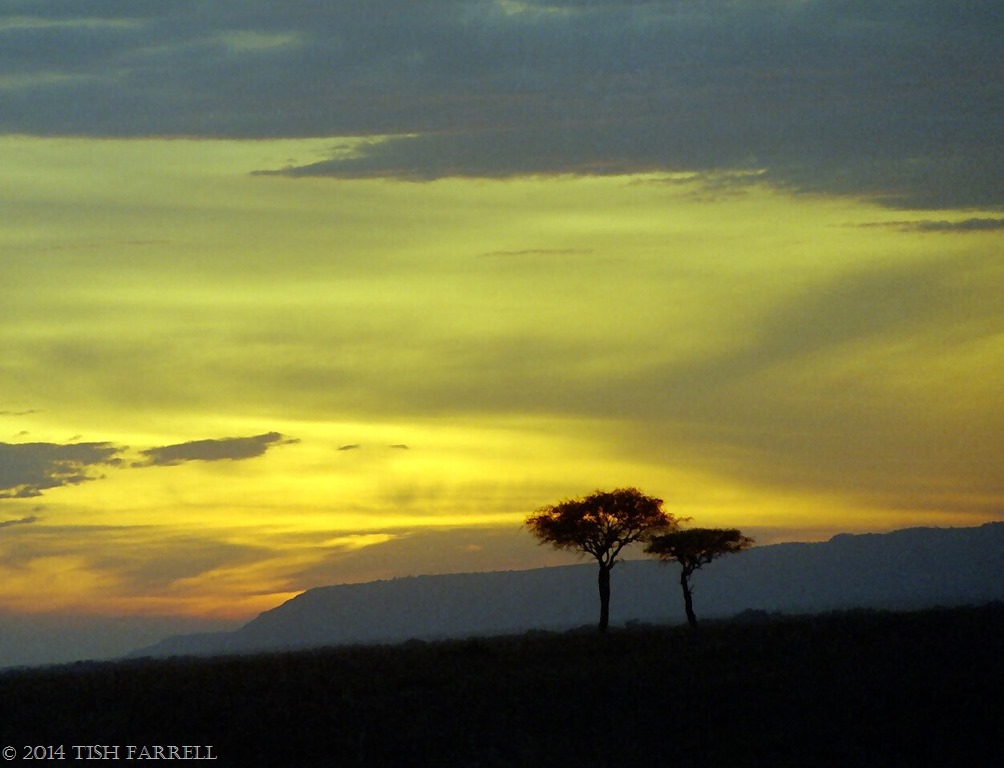
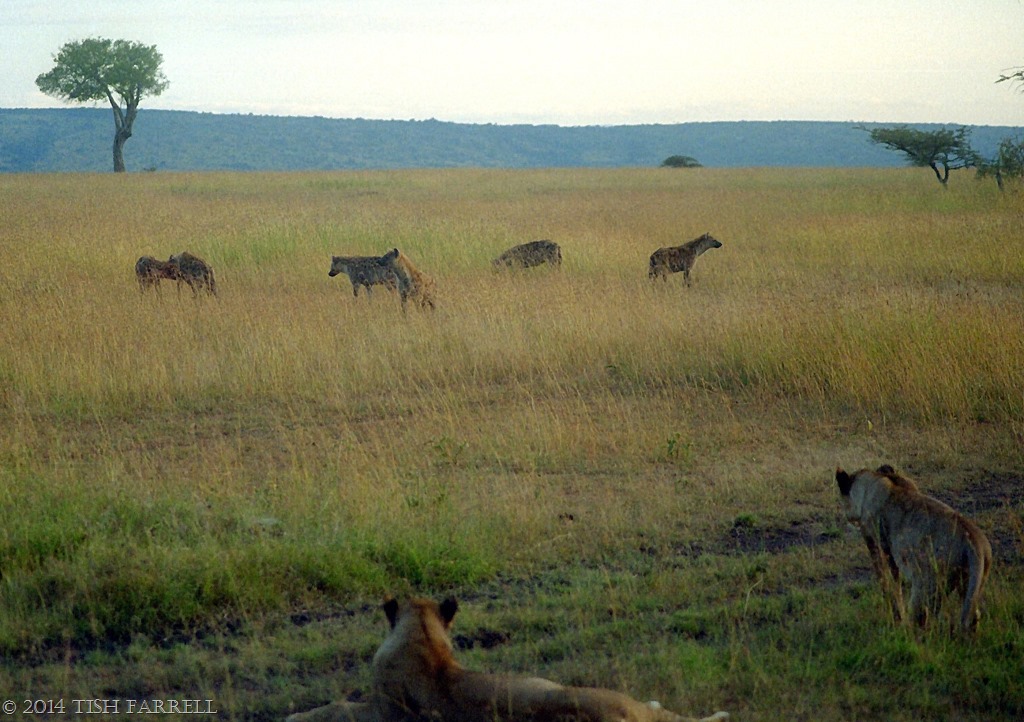
First light on the Mara plains, and the Marsh Pride lionesses have eaten well. In the night they have killed a giraffe and are resting up near the remains of the carcase.  The peace doesn’t last though. And it isn’t us who are bothering them.

Scan-140826-0029jpeg

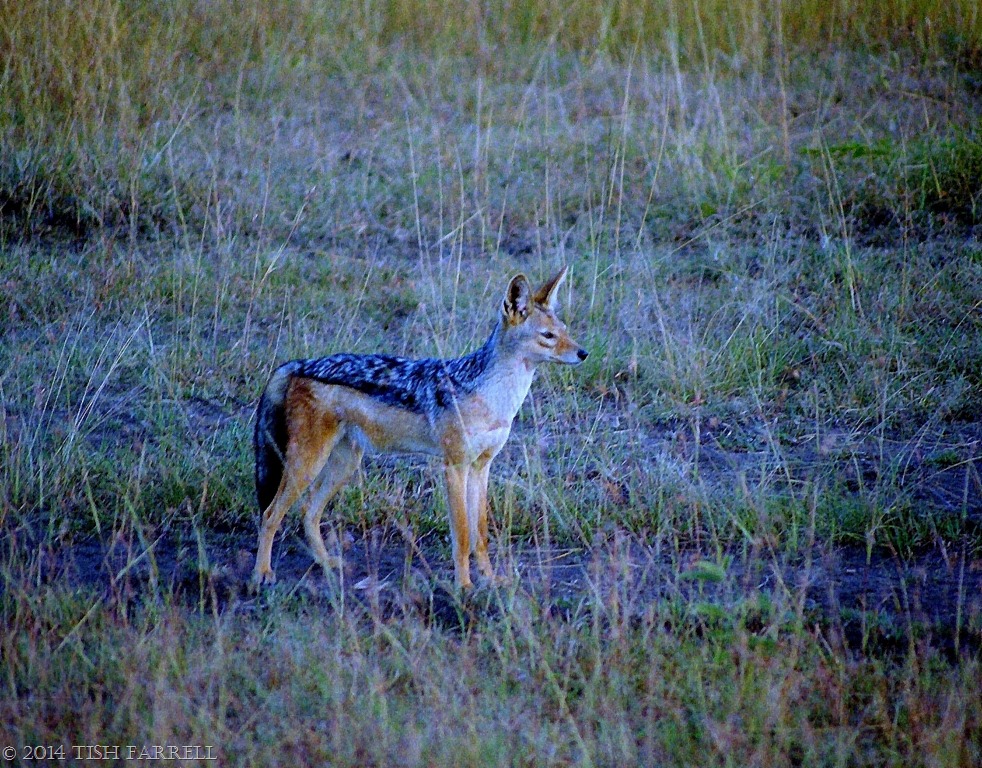
Other predators are moving in on the leftovers.  First a black-backed jackal comes trotting by, watches hopefully from the side-lines. Her chances are looking slim…

Scan-140826-0024jpeg

…already the heavy mob are moving in – a pack of spotted hyenas.

Scan-140826-0027jpeg

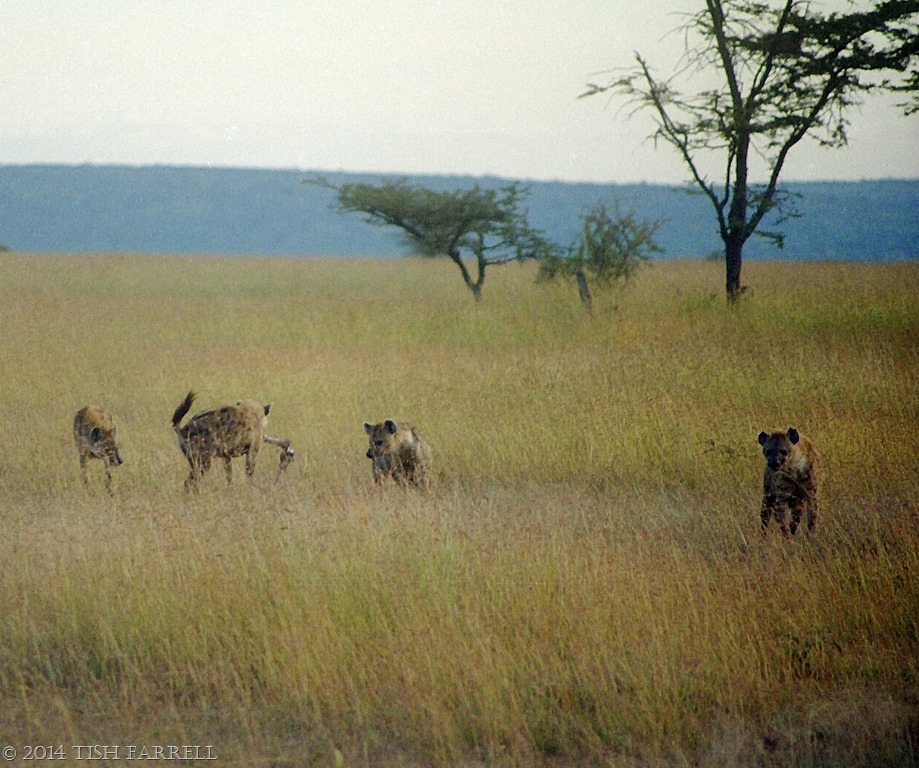
As I said in an earlier post, hyenas do  not only scavenge, they are powerful hunters with jaws like demolition-crushers. And despite their lop-sided gait, their feet with blunt, non-retractable claws, are well adapted for the long-distance chase. They can take down a wildebeest and eat and digest the lot (apart from horns and rumen) within 24 hours. They will also eat anything, including the faces of sleeping humans caught out without sufficient night-time protection. This was a commonly reported horror while we lived in Kenya.  In consequence they are East Africa’s most successful large predator, apart from politicians, that is.

Scan-140826-0026jpeg

Here, one of the pack has made a rush on the kill and escaped with some leg bones, but it doesn’t look as if sharing is on the hyenas’ menu.

Scan-140826-0006jpeg

Scan-140826-0008jpeg

The lionesses go on watching, alert in that laid-back kind of way that cats do so well. The remnants are not worth fighting over. When the time comes, and bellies are empty, they will make another kill.

FLICKR COMMENTS ‘H’ WORDS for more bloggers’ stories

copyright 2014 Tish Farrell