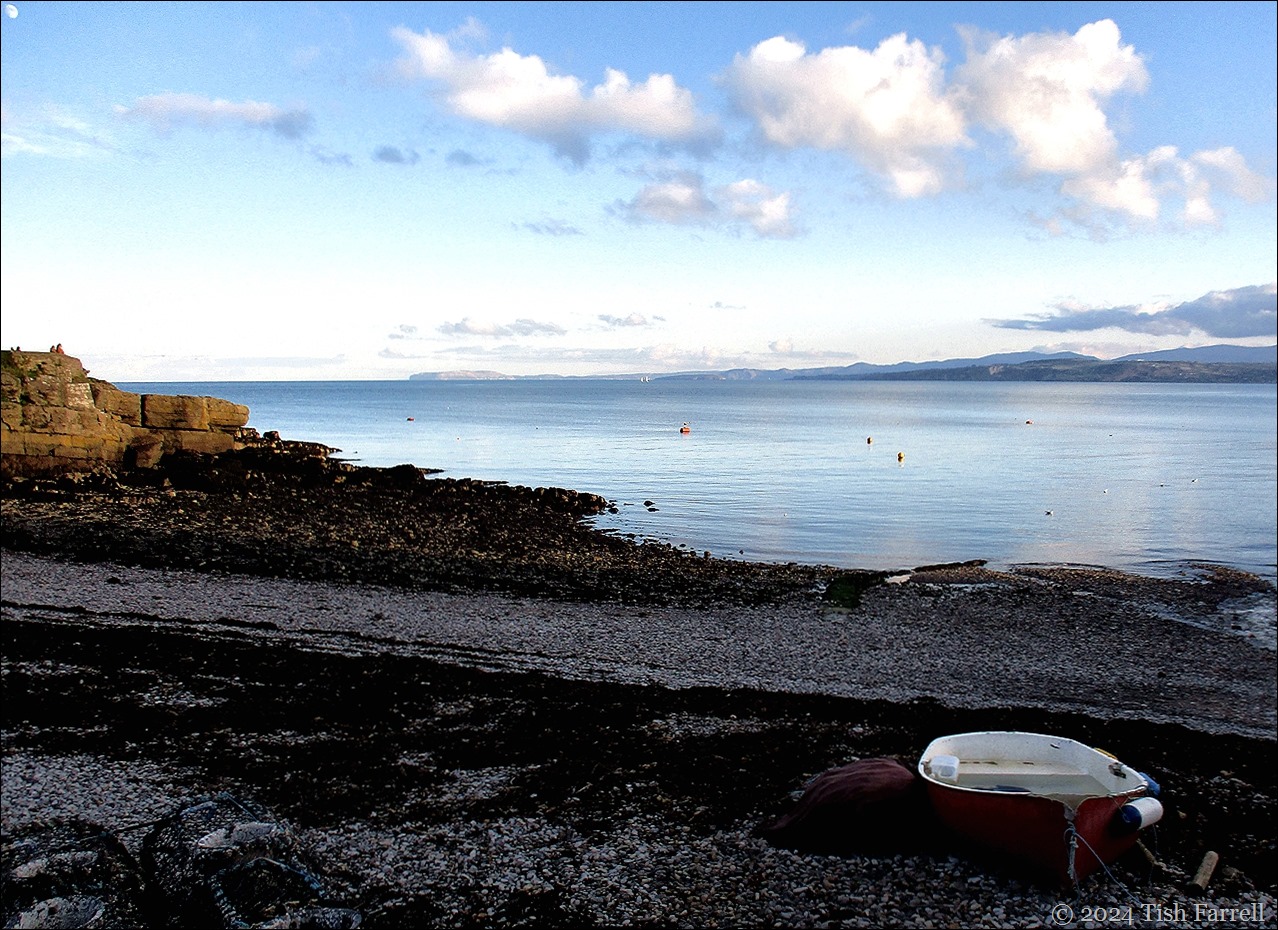
2023 Began Beside The Sea

IMG_2372ed

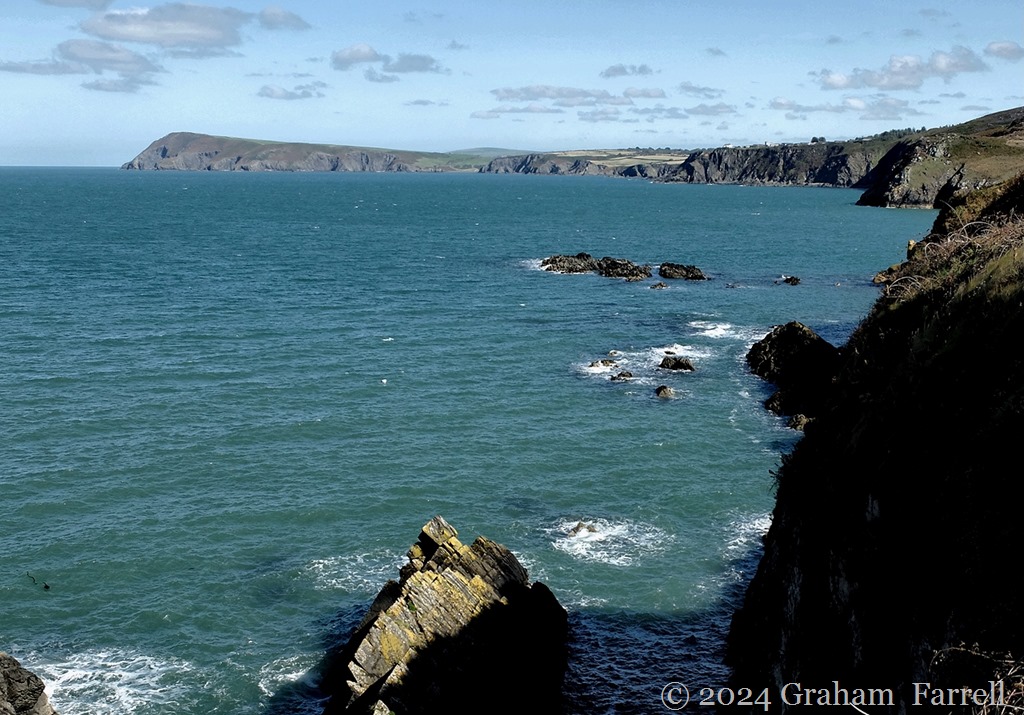
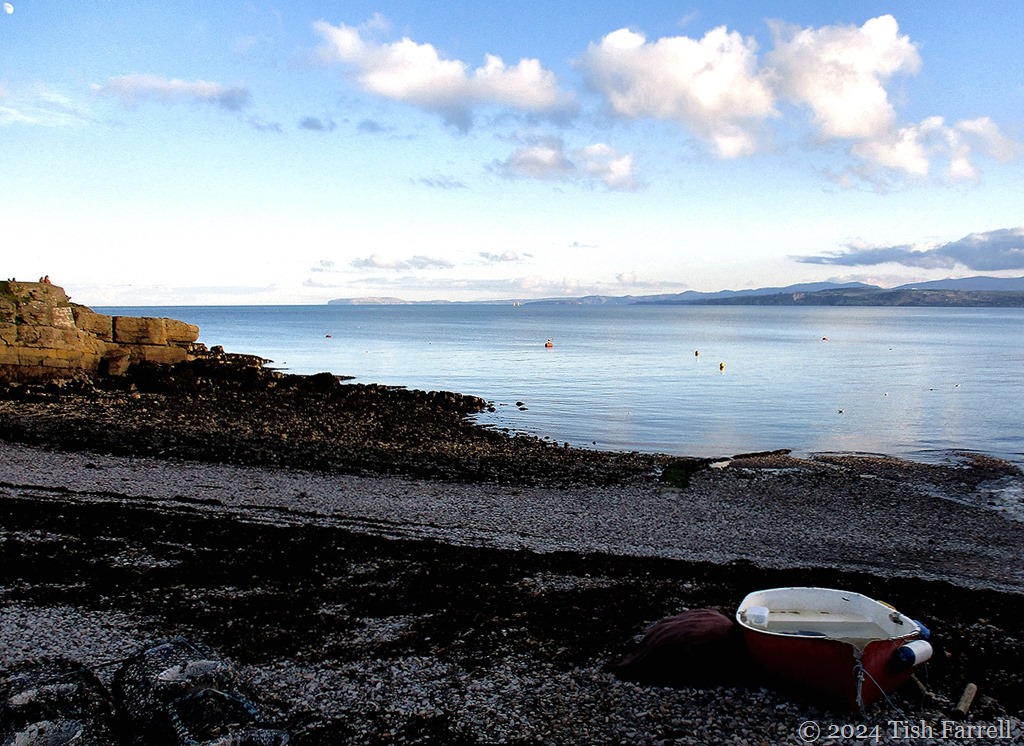
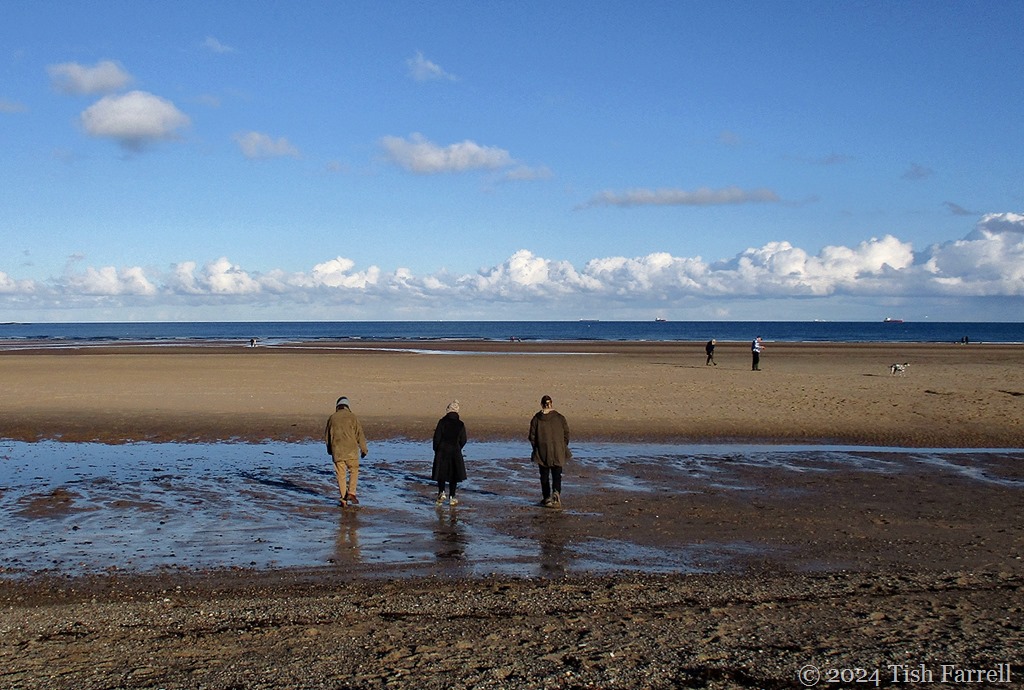
When last year began we were on the island of Anglesey in North Wales – gathering with family for a belated Christmas celebration. It was good to soak up some blue tranquillity. At the time, we were fretting over the sale of our cottage, plus trying to find a bolt-hole to rent while we looked for a new home to buy. All unnerving in all sorts of ways; nothing straight forward.

winter beach

*

Finding a house to rent proved almost as hair-raising as selling the cottage (Huge demand, few available properties). Only by the skin of our teeth did we secure a place in time for moving day in early March. And then it snowed – for two days, an unexpected blanketing that closed most of the roads. Snow – of all things. The Farrells had not factored that in. Still, a day later than planned, and by devious routes, the removal lads came through. We were re-homed.

Then more unforeseen happenings.

IMG_2716ed

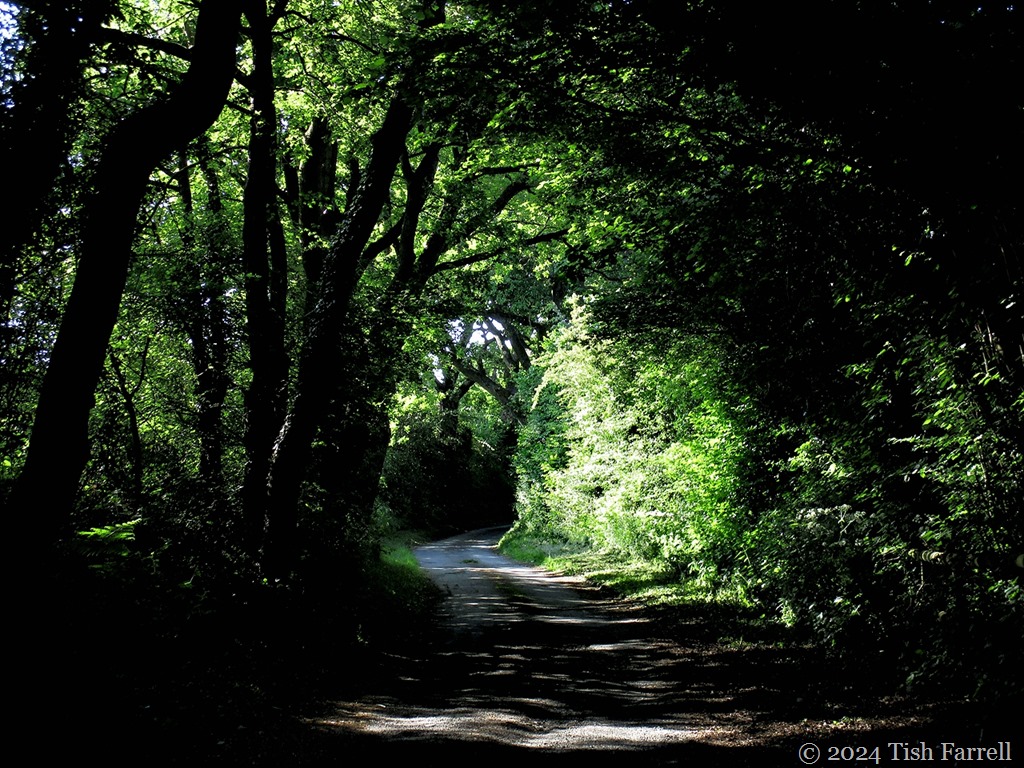
View from one of Broseley’s many country paths: bright and cold in March

*

By the time we moved to Broseley (East Shropshire), we had already set our house-buying sights on Bishops Castle or points well south-west of the county. For one thing, we wanted to be nearer to my sister, and I’d anyway dismissed Broseley as a final destination. I’d known it from an earlier chapter in my life and always thought it a plain and unalluring town.

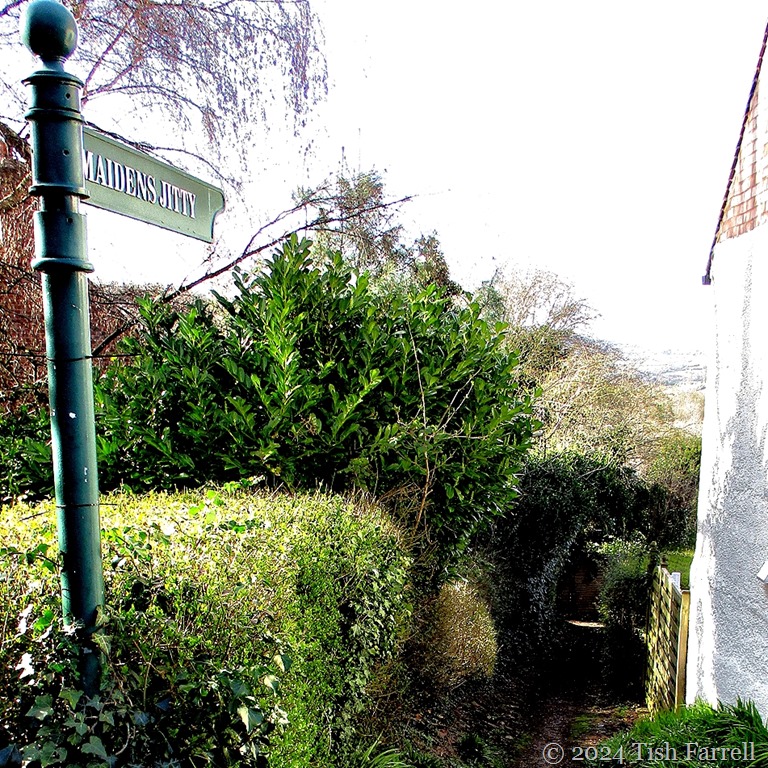
Just shows what I know. I didn’t expect to fall in love with the place. It began with finding a maypole at the end of our street; and from it a sweepingly magnificent view above the Ironbridge Gorge. And it began with finding beguiling footpaths that meandered in and out of town and took us to some wild, wild places that seemed slipped out of time. And most of all it began when I discovered the network of thoroughfares and alleyways that belonged to Broseley’s ancient industrial past, the wonderfully named jitties, that to my mind suggested jetties, or things that jutted like prows of ships. Exploring them on our cool summer days felt like voyaging – through time, space, the imagination.

Go HERE for the jitties posts.

IMG_3105

Here is one of many favourite finds: some historic re-purposing of discarded artefacts in an old wall on Gough’s Jitty. It’s been built from saggars. These earthenware boxes were once used for the packing of clay pipes, then stacked in a bottle kiln for firing. There were several factories in the town from the 17th century onwards. They exported their wares around the world. In fact clay pipes were often referred to as ‘Broseleys’.

*

IMG_2703ed

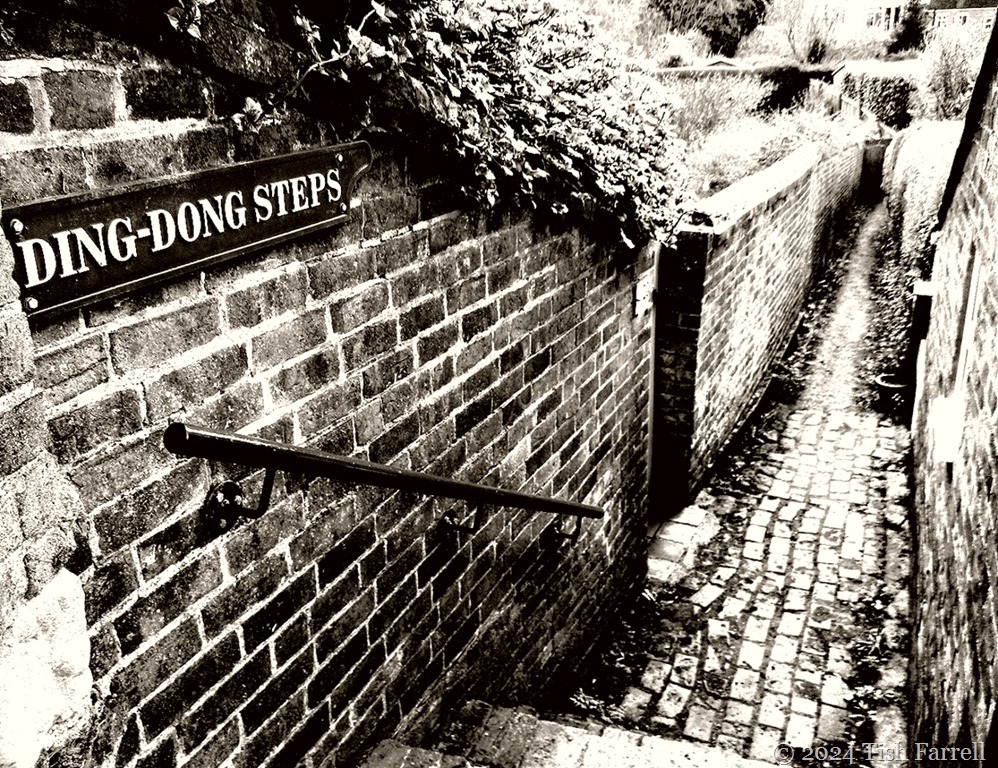
Ding Dong steps 2

Apparently the spot for some illicit fist-fighting back in the day.

*

IMG_3415

Lodge Lane became a favourite walk. Once there would have been the heavy rumble of trucks hauling coal from Broseley’s mines, an area still called the Fiery Fields due to the old coal pits’ erstwhile tendency for spontaneous combustion.

*
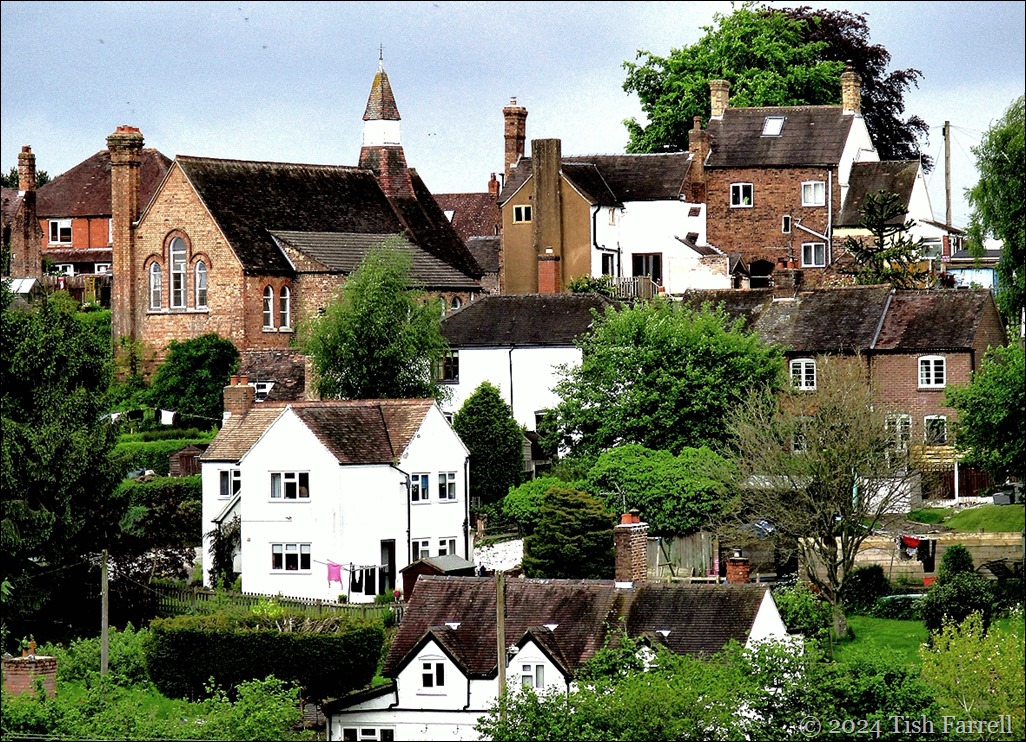
IMG_3314

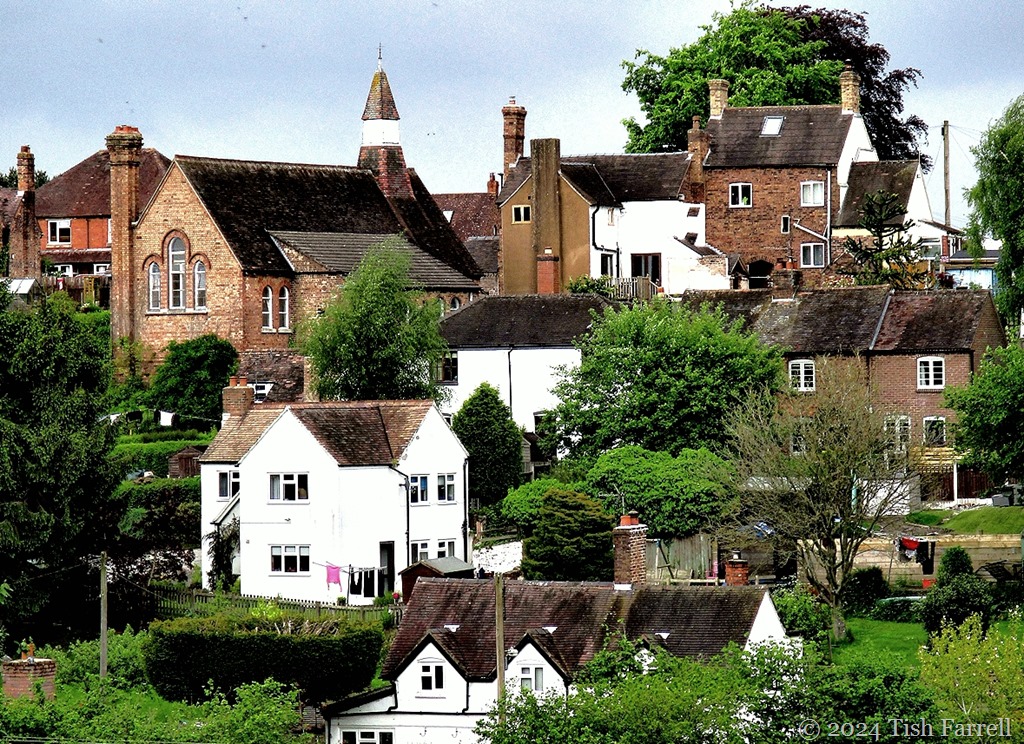
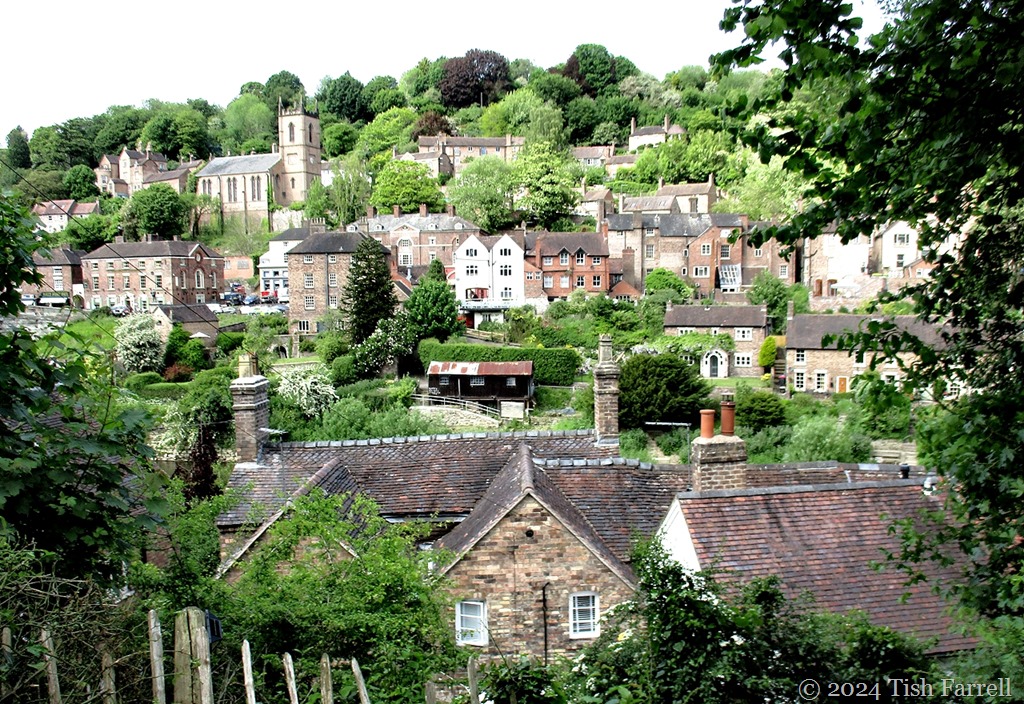
Broseley sits above the Severn Gorge, directly across the river from Ironbridge and Coalbrookdale, so-called birthplace of the Industrial Revolution. The town evolved from an early 17th century squatter community of immigrant miners. Coal, clay, ironstone and limestone were plentiful. There was timber for construction and for the making of charcoal for fuelling furnaces and forges. And there was the river for transport down to Bristol. The wealth of local resources attracted the likes of ironmaster-pioneer, John ‘Iron Mad’ Wilkinson, who lived here from 1757 in a very fine mansion opposite the parish church.

I loved these views of multi-period, multi-layered habitation.

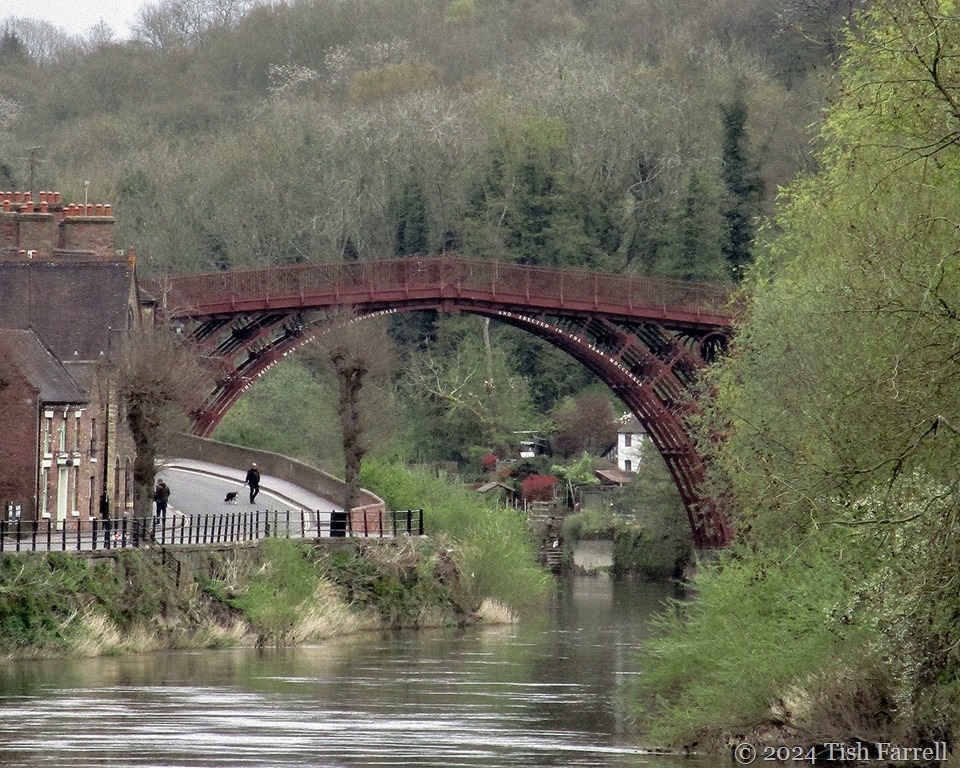
And likewise across the River Severn on the opposite side of the Gorge:

IMG_3333

Broseley’s neighbours – Ironbridge and the Iron Bridge (1779)

IMG_3015ed

*

I suppose if the little house in Bishops Castle hadn’t cropped up, we might well have stayed in Broseley. The folks were so friendly there.  As it is, it’s good to think of our brief sojourn, even with the little pang of loss. Strange, how things turn out.

But now we’re here in an ancient agricultural town, where the folks are also very friendly. Clearly there’s many a tale to unravel here, or will be, once we’ve sorted out the house. This may take a while. For one thing, come spring there’s a new extension in the offing: this to remove an old conservatory and transform the space into a bright new kitchen with doors onto the garden. Apart from this, every room needs some serious attention, plus two chimneys to rebuild, and maybe the roof to replace. And then there’s the garden…

So all is in flux and not a little confused. But even so, with the turn in the year, it’s beginning to feel like home.

IMG_3641

IMG_3693cr

Lens-Artists: Favourite photos of 2023

Ancestral spaces

P1080417cr

Offerton Moor viewed from Callow Farm, Highlow, Derbyshire

*

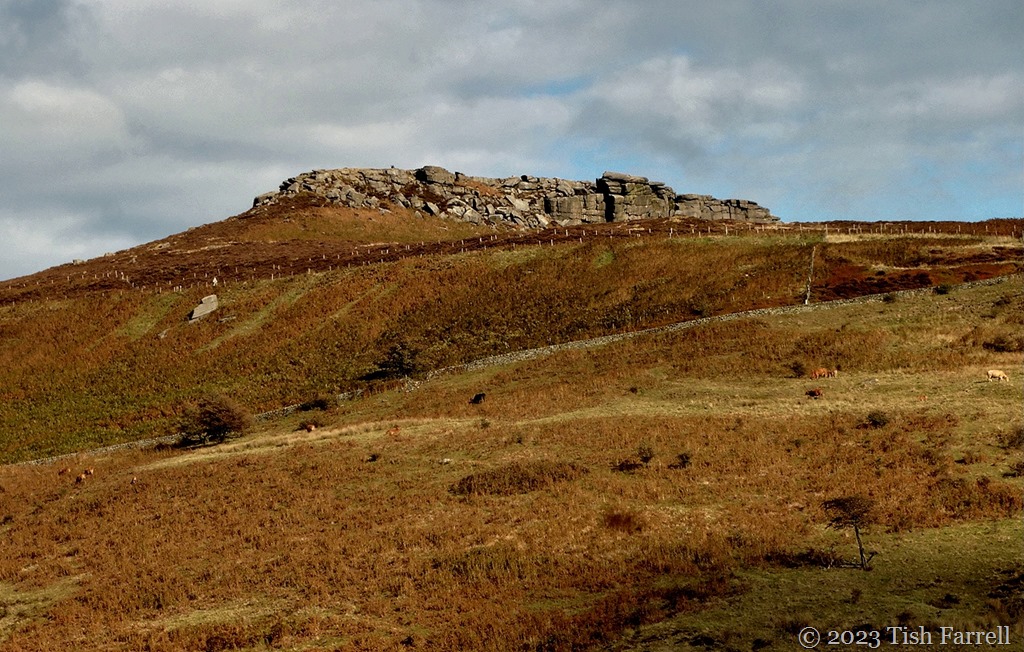
I’ve been posting views of South Shropshire lately, the green and wooded hill country of my home county. It is a terrain that, on the whole, seems more amiable than rugged, although in bad winter weather the tops of Stiperstones and Long Mynd  will ever prove challenging.

But today, on another hoar-frosted day in Bishops Castle, I’m thinking of the Derbyshire Peak District where my maternal Fox family ancestors farmed over many generations. What a tough life they must have led, running sheep on the high moors, struggling to raise essential oat crops in more sheltered enclaves, raising a few cattle to provide milk to make cheese and butter: the cheese a staple with ale and oatcakes, the butter to sell at market.

The header photo is the view from the former farmyard of Callow Farm, last occupied by 3x great grandfather George Brayley Fox in 1892.

Most of the High Peak farmers (even if they were yeomen owning some land and property) were also tenants of large estate owners – the Dukes of Rutland and Devonshire as well as lesser lords of manors. The farms provided food and shelter, but Derbyshire farmers were opportunists too. For centuries they mixed farming with other trades, butchery, hat making, grindstone making for milling and the Sheffield cutlery trade, weaving, haulage, and most dangerously of all, but potentially lucrative, lead mining; this last usually carried out in winter months when there was little farm work.

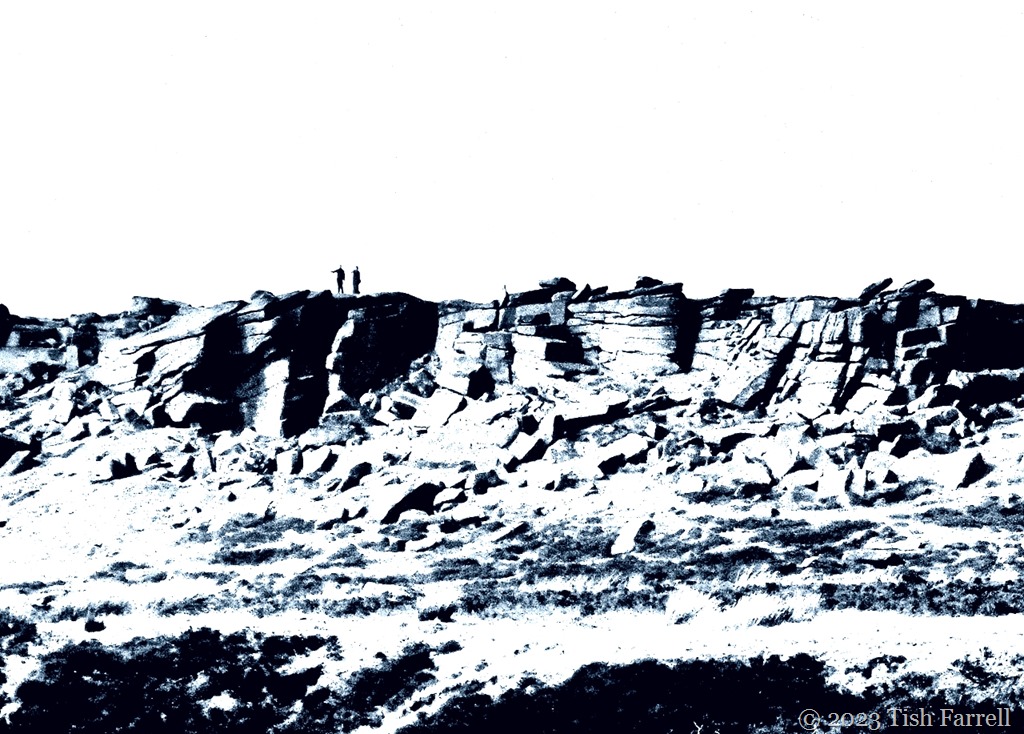
These next views are of Stanage Edge. This gritstone escarpment lies across the valley from Callow Farm. This is where millstones were once cut and hauled to nearby Sheffield. I know there were farmer Foxes who went in for this arduous trade, but none, as far as I know, in my immediate family tree.

P1000999ed

*

P1080864ed

*

This next photo is of Scraper Low Farm also known as Scraper Low Hall. It stands above Hathersage, and for a short time was the home of my 2x great aunt, Sophia Lister nee Fox who married Mr. Lister the silversmith while still attached to hill farmer, John Brocklehurst who himself had bigamously married a young next-door widow. You can read the story at the link.

When we first came upon Scraper Low, I was astonished that the Listers would choose to move to such a lonely place after living in a Sheffield city centre flat, to say nothing of taking on a farm in their sixties. But then when I walked up the long approach lane, I realised that whenever Sophia walked this way from her extraordinary castellated porch house, she would have been able to scan across the Derwent Valley and spot Callow Farm where she was born in 1814, the place where her brothers George and William still lived.

But then was she engaging in family feeling, or cocking a snook at the relatives now that she could pretend she’d finally made something of herself?

P1080976ed

*

This is the view from Scraper Low: Hathersage Moor – Higger Tor, Carl Wark hillfort and Burbage Rocks. It’s a landscape that already looks bleak in September. Imagine it in winter:

P1090030ed

P1080997ed

*

And finally back to Callow Farm, a more benign scene of the fields below the house, once worked by four generations of Foxes: George, Robert, George and William.

P1080325ed

*

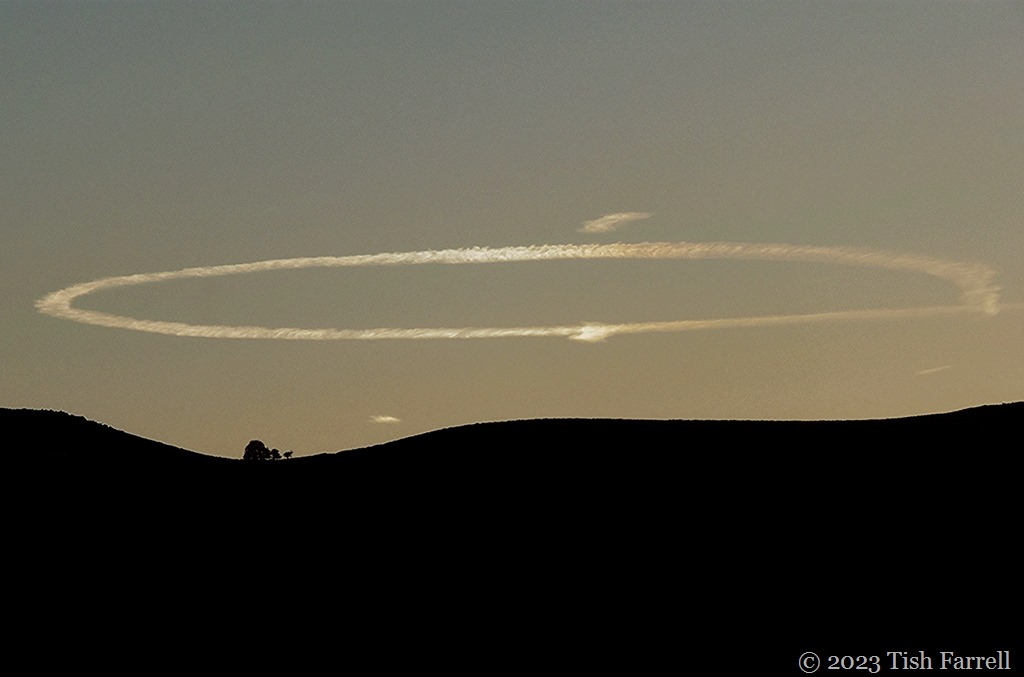
And an early morning flight trail across the valley. Not the sort of phenomenon the ancestors would have spotted, nor dreamed of seeing.

P1080444ed

Lens-Artists: Empty Spaces  Over this past week Patti has asked to show her empty spaces, however we chose to interpret the theme.

Off-Centre In Lamu

Mzee Lali cropped

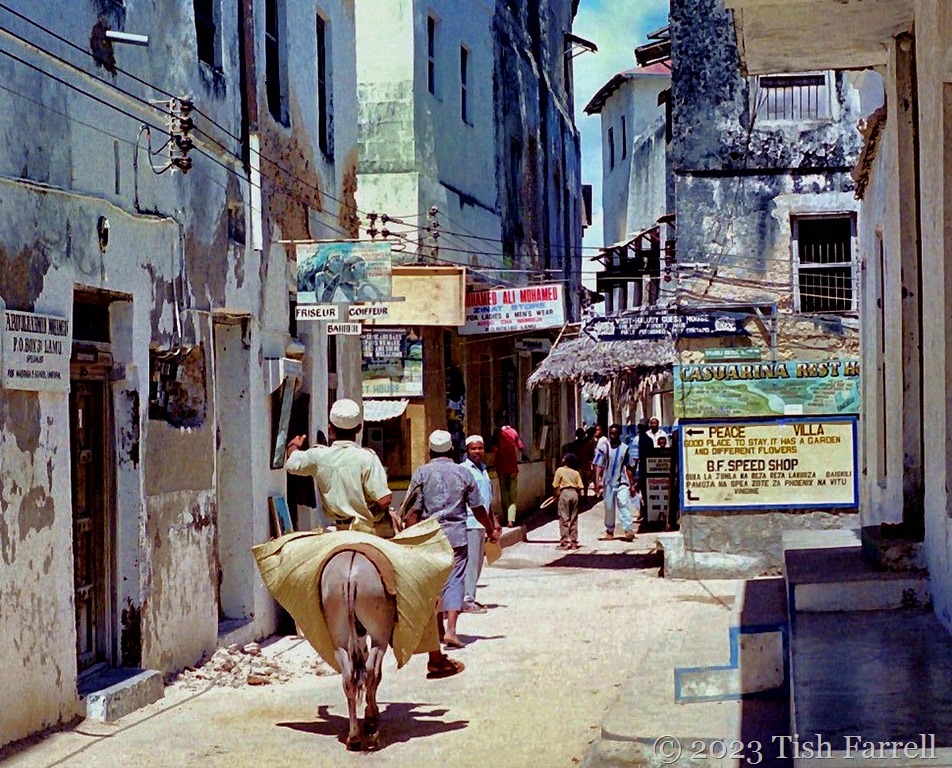
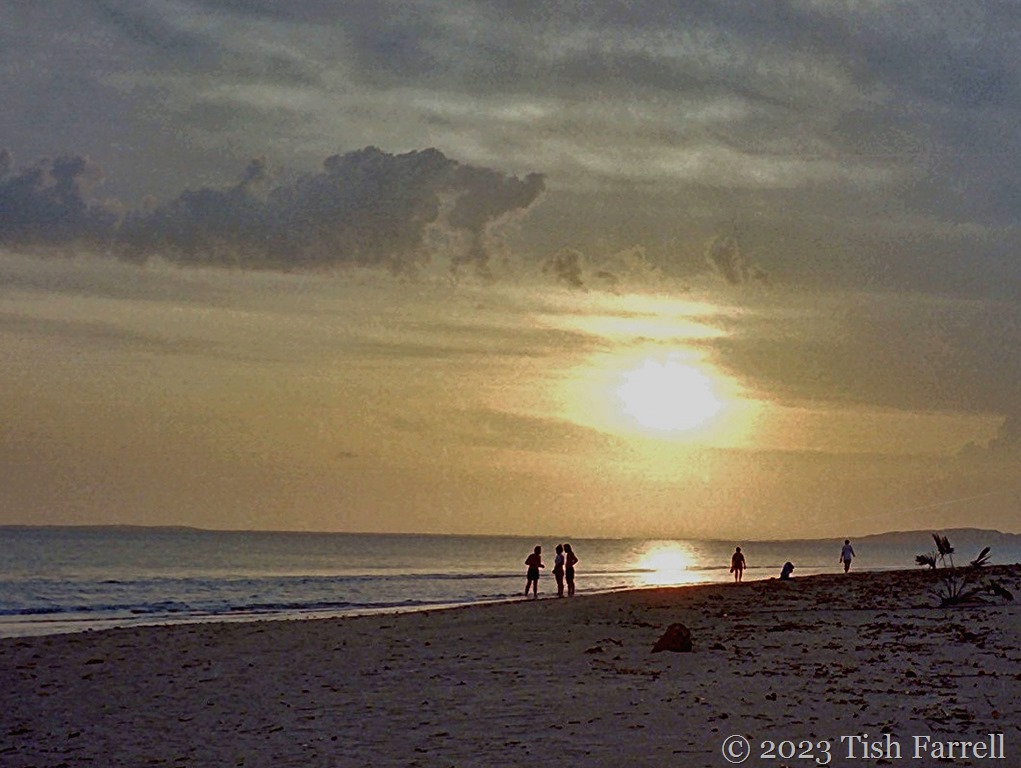
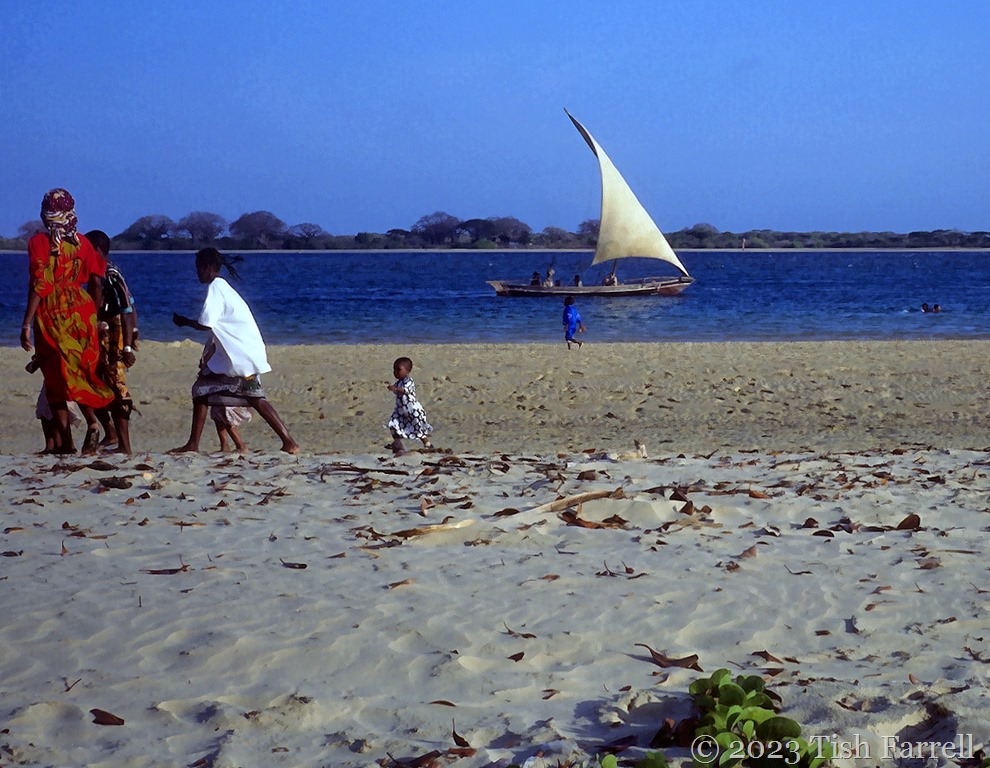
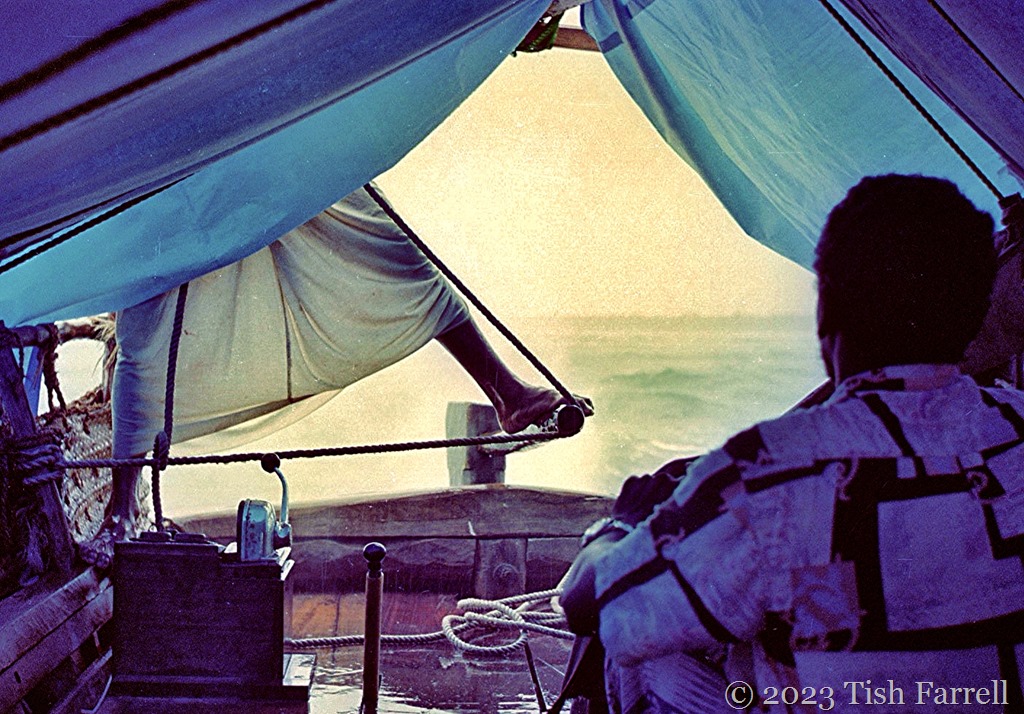
Once, a long time ago when we were living in Kenya, we spent Christmas on Lamu Island. I wrote about our brief stay HERE.  It seemed like a dream when we were there. And here in this photo (posted a few times before) Mzee Lali, dhow captain, also dreams, the late-day breeze bearing us along the Manda Strait back to Shela village.

Scan-130429-0029ed

Scan-140802-0010ed

Scan-130428-0053 - ed3
Stone Town: a World Heritage site

*

Scan-130428-0128ed

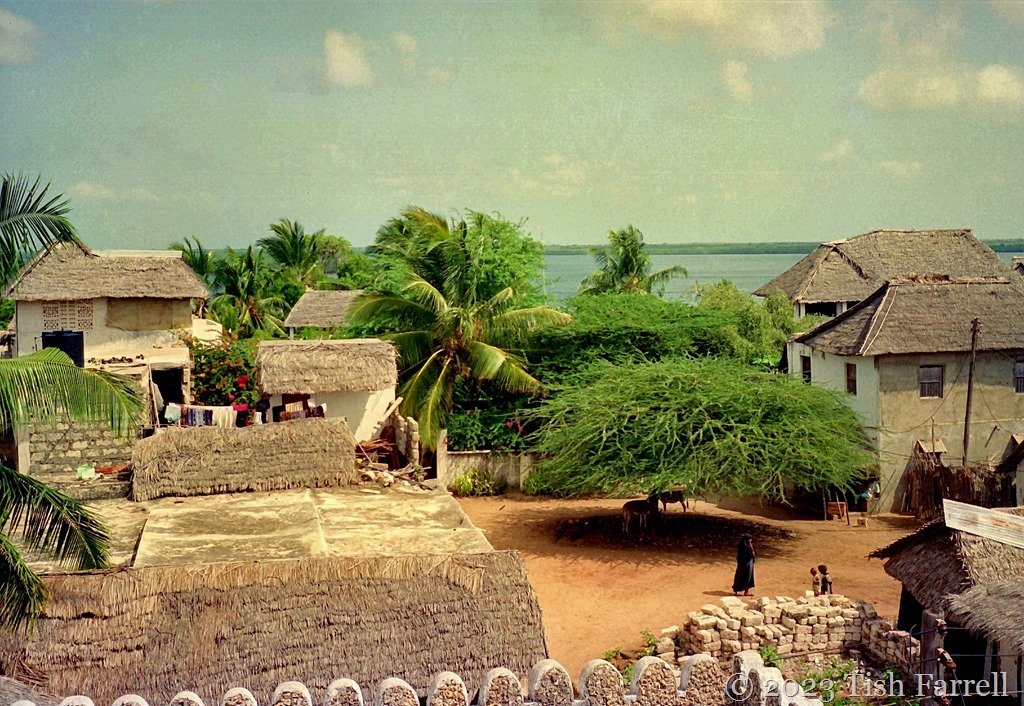
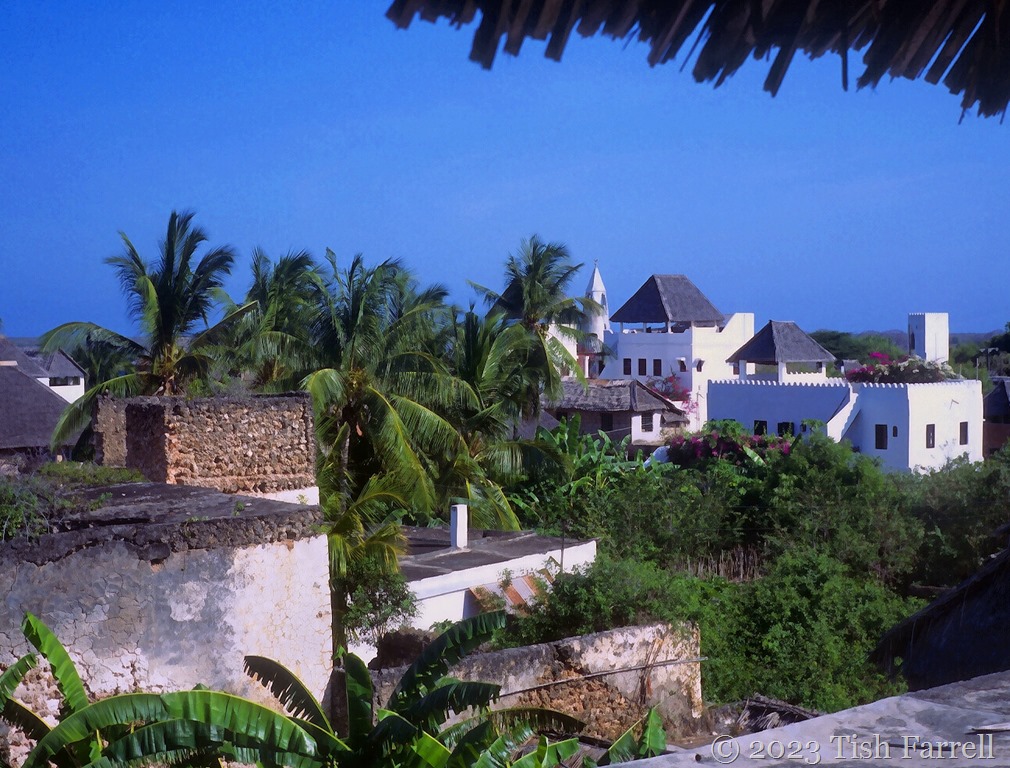
Shela Beach above, and Shela Village below. Donkeys were ‘parked’ under the thorn tree until needed for transport.

Scan-130428-0140ed

Scan-140801-0011ed2

Scan-130428-0024 - Copyed

Crossing Manda Strait to the air field in a sudden squall

*

Scan-140802-0015ed

Lens-Artists: Asymmetry    This week Donna sets the theme and shows us how asymmetrical framing can give compositions a different kind of balance.

Nice Symmetry ~ Symmetrically Nice

On the front

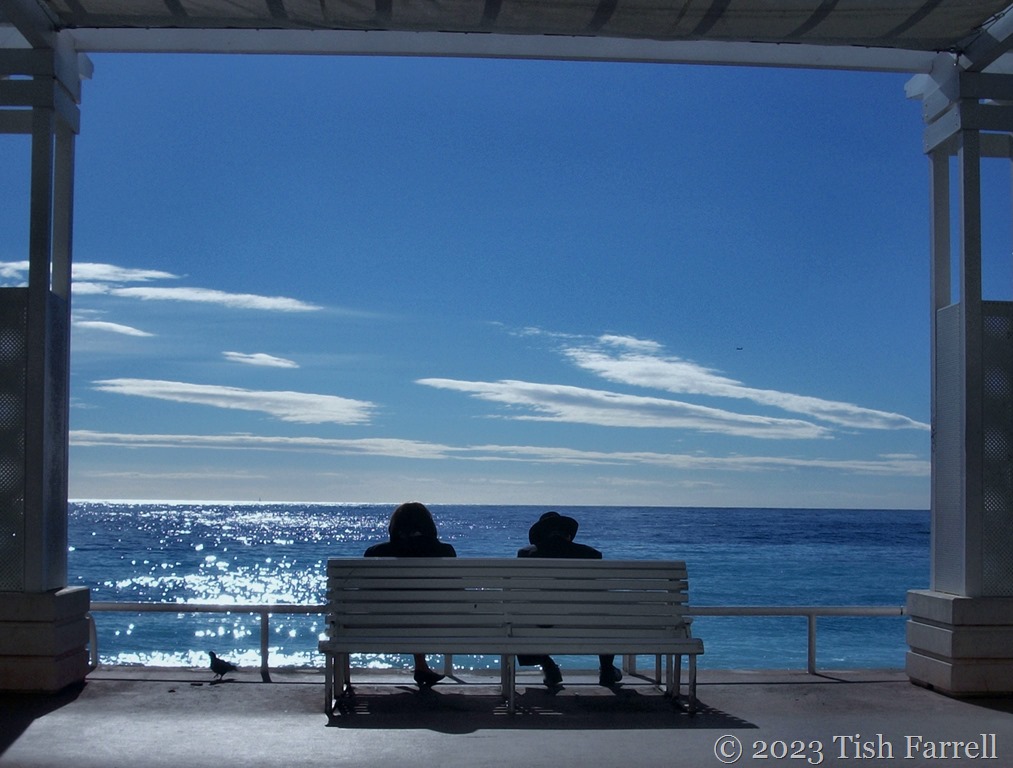
A flight of fancy was needed on this drizzly Shropshire day. So why not skip off to Nice for some dreaming Cote d’Azur light. And (somewhat loosely interpreted) take up Sofia’s this week’s challenge at Lens-Artists to look for all manner of things symmetrical.

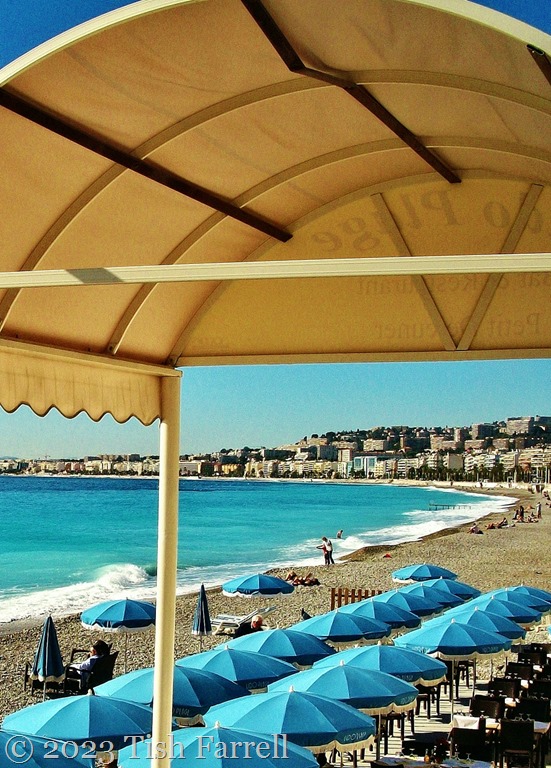
The Promenade des Anges beside the glimmering Mediterranean seems a good place to start – glorious under the sun even in late October. And what could be more cheering than an azure avenue of beach brollies…

100_1248ed

*

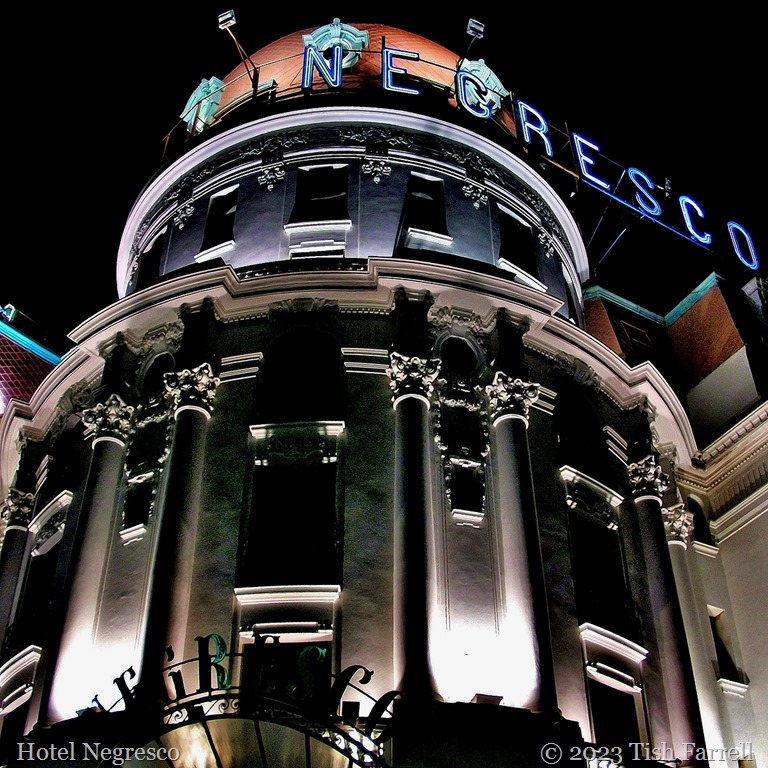
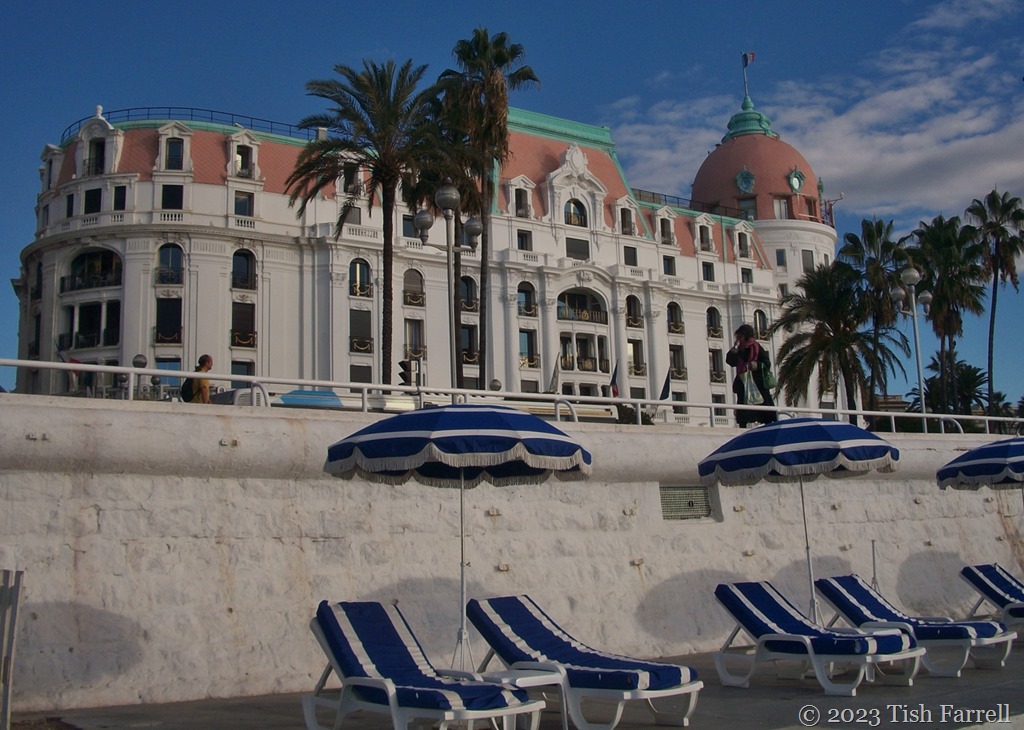
…glamorous by night:

Hotel Negresco, Promenade des Anglais

*

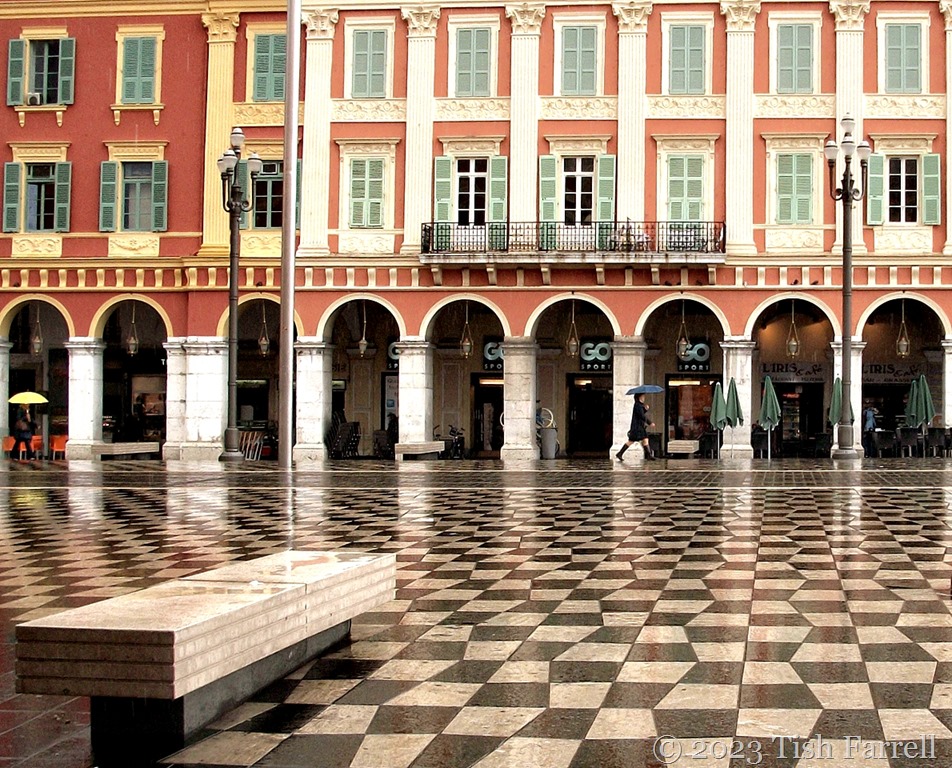
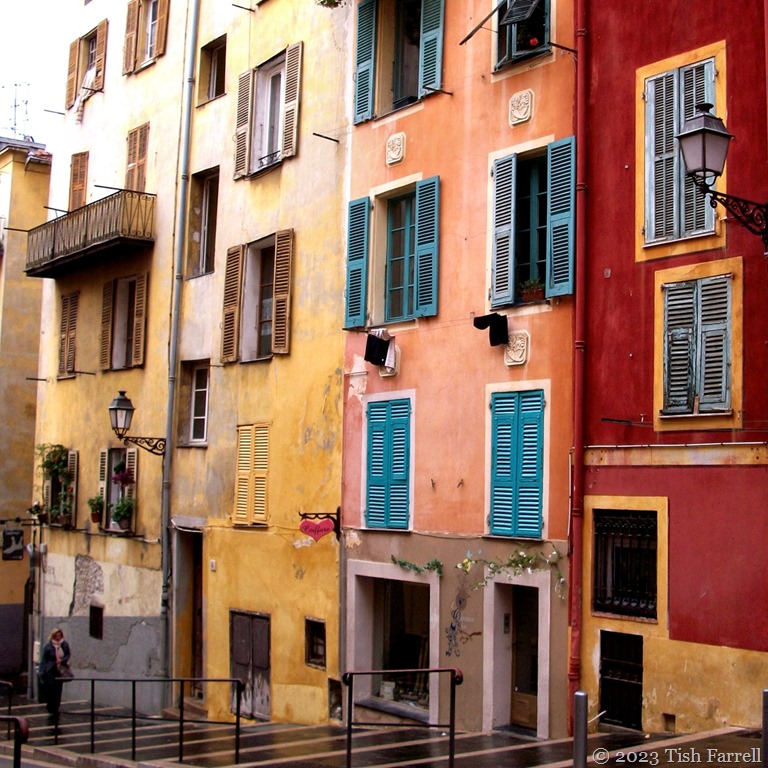
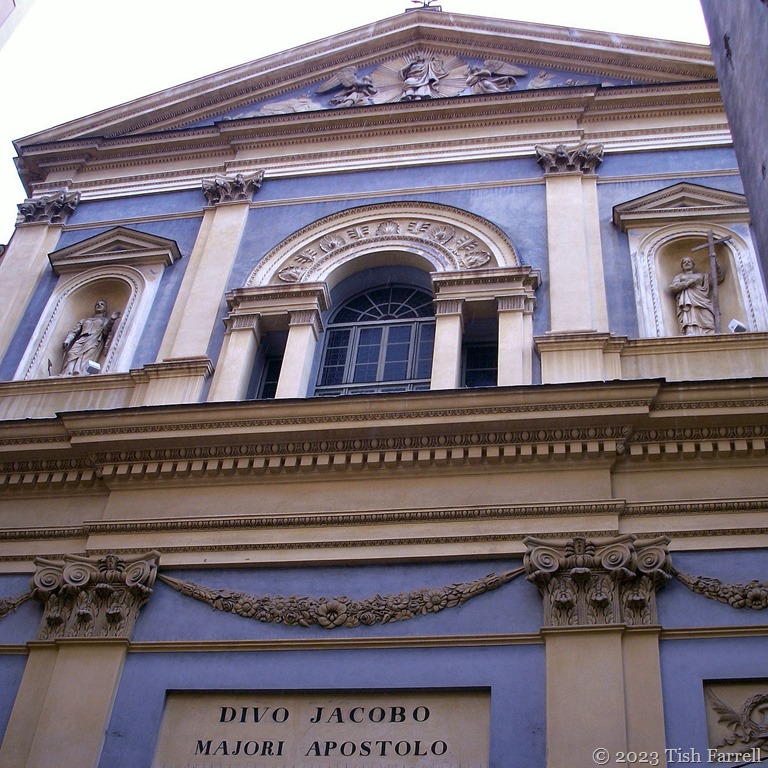
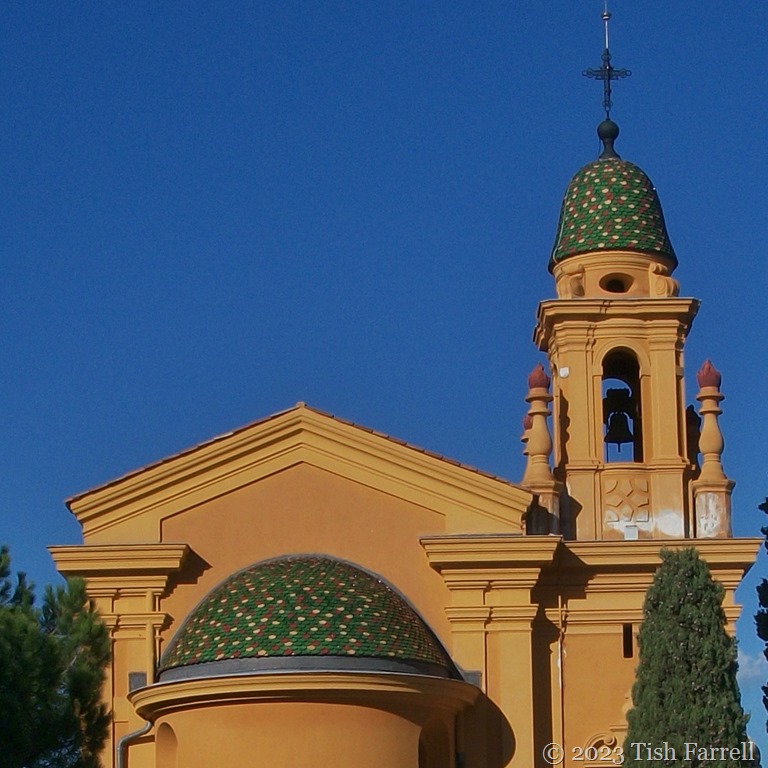
…vibrant in its old town streetscapes, markets, palaces, churches, museums….even a sudden cloudburst doesn’t dampen its spirits…

Place de Masena en pluie

100_1208ed

100_1173ed

*

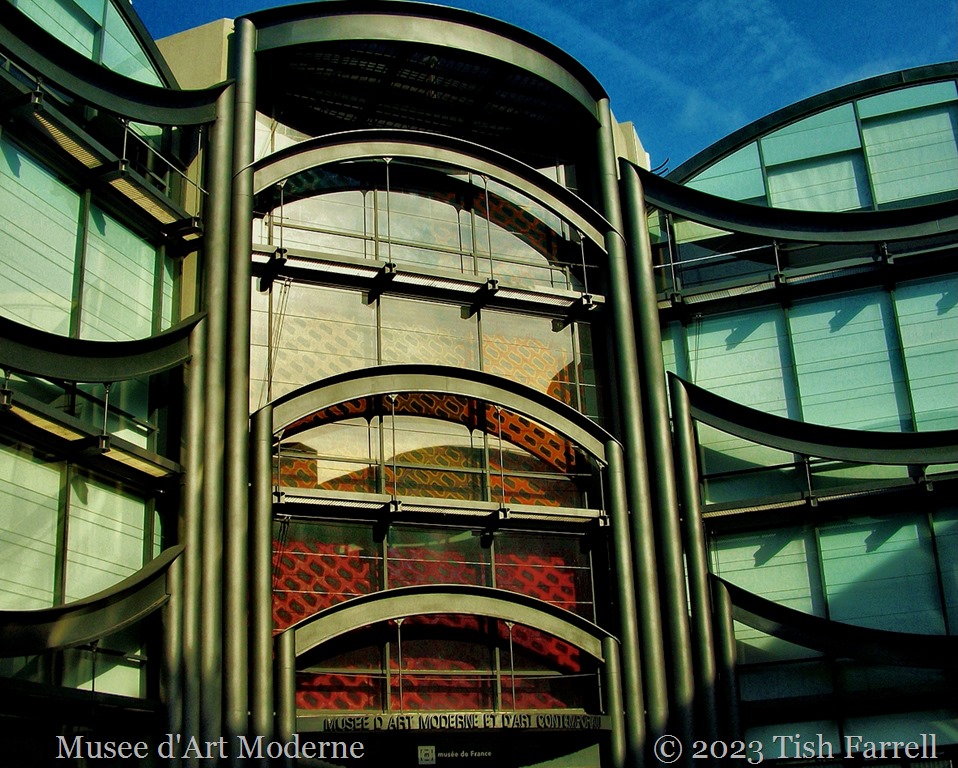
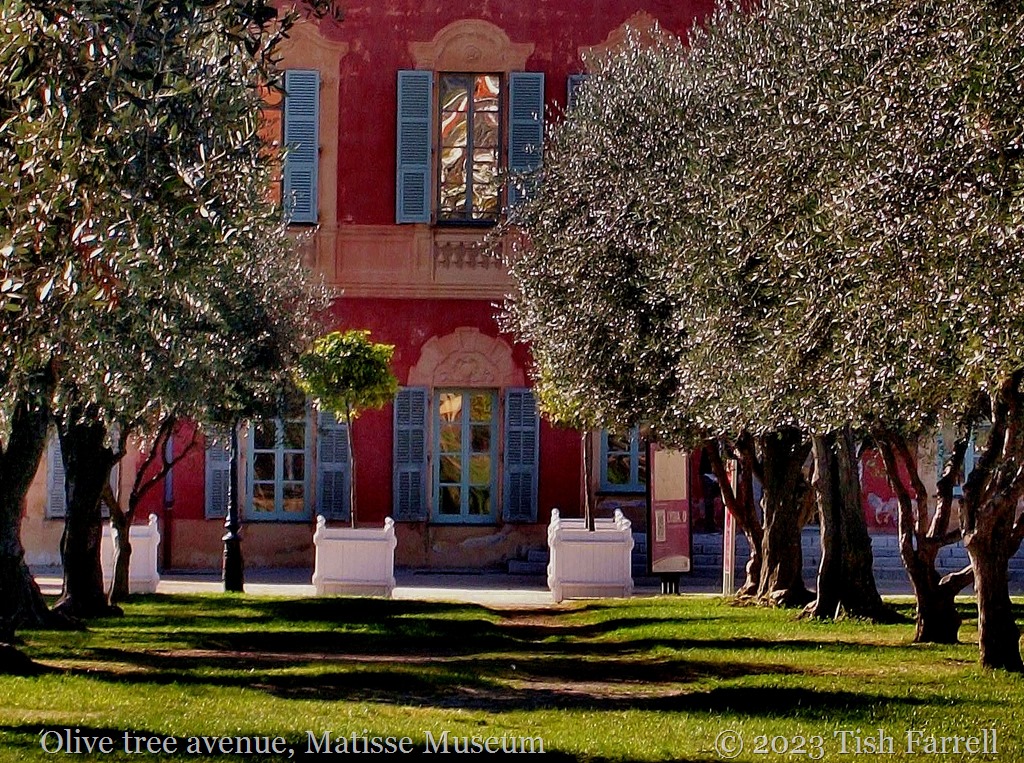
and when the sun comes out again…oh, that light, shades of Matisse, Chagall, Dufy…

Mamac

100_1268ed

Olive orchard at Cimiez

*

…and then it’s back to the beach for some symmetrical sunbathing:

100_1234ed

Lens-Artists: Symmetry   This week Sofia shows us many exquisite examples of symmetry. Please visit her blog and be inspired!

In A Winter Light

P1000056 - Cropped

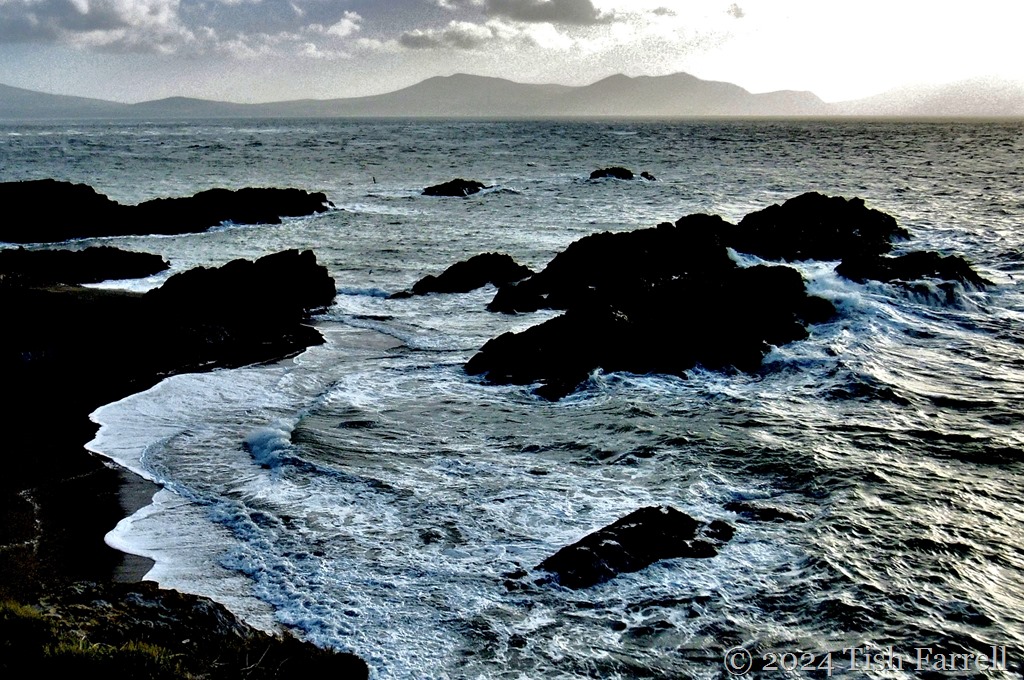
This week Amy at Lens-Artists wants us to show her contrasts. Here are some of mine from winter sojourns on the island of Anglesey in North Wales – a favourite destination for family Christmas gatherings.

And a favourite place for photo-taking too. The combination of solstice sun, cold air, mountain weather and light off the sea creates some striking effects, especially along the Menai Strait between island and mainland.

2

IMG_2427ed

100_7161

P1060390ed

P1060416ed

IMG_2294ed

IMG_6210ed

4

Lens-Artists: Contrasts    Amy sets the challenge with some fine contrasting compositions. Go see!

Enter The Dragon

IMG_3813ed

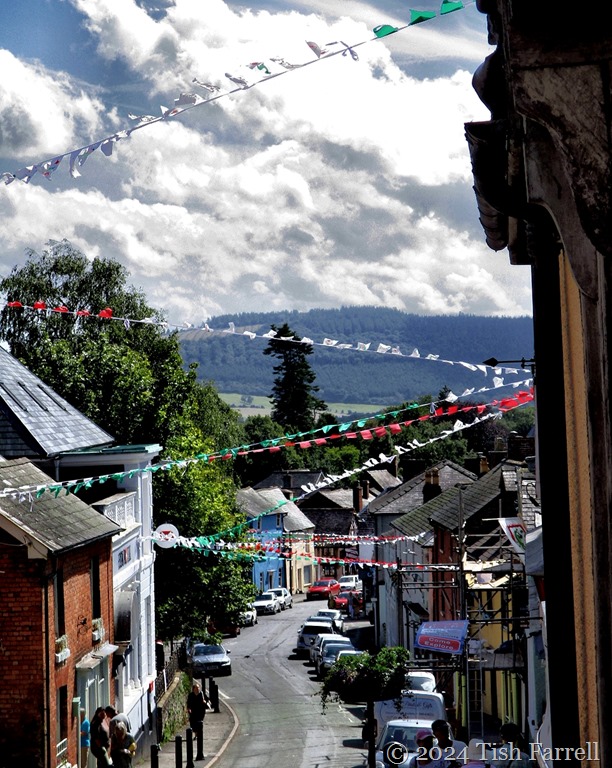
We’ve been ‘moving in’ to our new Bishops Castle home for a month now; more an ongoing state of flux than a settling in. There’s a lot to do and for months ahead, including work on roof and chimneys.  And so not a little frazzled, it was a relief to abandon the house and head for the streets.

Yesterday was Michaelmas Fair day. Time to find out what kind of a town we’d moved to. Time to mingle with our new community and connect. After all, it’s what humans most need beyond basic sustenance – connection. And when we think we don’t (because there’s just too much to do), it’s probably when we need it most.

Proceedings kicked off at noon with street stalls and roaming performers, bands on the Town Hall stage; classic cars lined up on the High Street – primped and prepped; fleet of steam traction engines huffing coaly steam in the cattle market, waiting on the 3 o’ clock grand parade.

IMG_3777ed

IMG_3768ed

IMG_3759ed

But as you can see, it was a dull old day – autumnal mist and drizzle plus intermittent showers, so we dipped in and out of the afternoon’s programme, met some new neighbours, reprised earlier introductions (yes, I do remember your name), bought a very fine rudbeckia, caught the Shropshire Bedlams Morris Dancers, but then listened to Jane the town’s singing florist (much amplified) while installing the new plant in the front garden. It was the evening’s events we wanted to go to.

The Lantern Procession began at 7.45. We stood at the top of the town to welcome it, wondering why the street was so sparse in humanity. (Was everyone in the pub? It surely looked like it. The nearby Vaults inn was full to bursting). And then down the hill the drumming began. Then out of the gloaming, the sinuous twists and twirls of the Hung Gar Light Dragon. And strung out behind him, the town’s lantern-bearing children and all their friends and relations.

IMG_3789ed

IMG_3791ed

IMG_3794ed

Now we understood. Most of Bishops Castle had been busy making lanterns in the Church Barn. They were all in the procession. What a throng.

And so as the dragon and Chinese drummers climbed the hill, so the Broseley Beats Samba Band struck up at the top. (I wish we’d discovered them when were living Broseley). A drumming play off then, the beats ripping from toe to crown. No choice. The body says, DANCE!

Then just when we thought the show over, the dragon came whiffling back round the Town Hall, heading off down the hill. Followed by the samba band. Followed by us and everyone else, the descent choreographed by the drummers, stopping at intervals to give a bravado performance.

IMG_3820ed

IMG_3832ed

*

When we reached the King’s Head at the bottom of the town, we (somewhat astonished) came on a line-up of several steaming traction engines outside the pub door. What a hoot, and literally too. One owner was a tad whistle-happy. I trust he wasn’t driving home.

IMG_3827ed

*

So there you have it, a fine finale to the Michaelmas Fair. All good spirits restored. And a taste of good things to come? I should think so.

Lens-Artists: recharge    This week Egidio sets the theme as he hikes Colorado’s fabulous trails.

Old As The Hills: That Would Be 570,000,000 years

100_9277ed

I recall being told by my geography teacher (aeons ago) that the Shropshire uplands comprised some of the world’s most venerable rocks i.e from the Precambrian era. The hills in question lie either side the Church Stretton fault, just across the Long Mynd from where we live now in Bishop’s Castle. On the east of the Stretton Valley are Lawley, Caer Caradoc and Ragleth, all formed from volcanic lava and ash around 570 million years ago. The Long Mynd lies to the west and began forming a little later with the build up of mud- and sandstone sediments in shallow seas.

Most astonishing of all, this whole process began when the earth’s crust beneath the land on which I now live was sited south of the Antarctic Circle. I’ll say that again: South Shropshire once lay south of the Antarctic Circle. Which obviously means this part of the British Isles has travelled from one end of the globe to the other.

On that journey, over millions of years, sea levels rose and fell; tectonic plates collided as continents shifted and shunted; uplifted landmasses were compressed, folded, tilted.

Then a succession of Ice Ages knocked the hills into shape. The Long Mynd is probably the most dramatic example – seen here in the the next photos taken in Carding Mill Valley, near Church Stretton. From 2.4 million years ago to 20,000 years ago glaciers shifted around the Mynd. When the ice sheets melted during interglacial periods, streams fed by melt water and rain carved out deep valleys, locally known as ‘batches’.

How mind-bogglingly amazing is this for a piece of landscape sculpting: water power plus the passage of time.

P1030461ed

P1030466resixws

IMG_6743ed

P1030464ed

P1030457

Lens-Artists: Time

Mysterious In Monochrome: The Shropshire Borderlands

P1030697sepia

This week at Lens-Artists, Anne from Slow Shutter Speed asks us to think about monochrome and black and white photography. Click on the link below to see her post.

My first photo here was edited from a colour image, although however it comes, it’s an odd composition. It was taken at Mitchells Fold, the Bronze Age stone circle on the border with Wales, and I was only aware of the passing figure as I snapped the shot. I neither saw him arrive, nor leave the scene. Gives one a bit of a shiver.

These next two shots were taken with my Lumix point and shoot (before it gave up the ghost), using the ‘dynamic monochrome setting’. It was midday, and in high summer, but the light was penumbral; as if the sun had been switched off. Again very strange, although you can well see why these hills inspired tales of the Devil and gatherings of evil ones whenever mist shrouded the heights.

sepia

P1080542mono

*

This last photo was again taken on the Stiperstones, but on a brilliantly sunny day – a view of the Devil’s Chair (edited from colour). It looks like a ruined citadel, the quartzite rocks catching the sunlight.

IMG_0542bw

Related post: To Shropshire’s Mysterious Stiperstones

Lens-Artists: Black & White or Monochrome Please visit Anne at Slow Shutter Speed. She’s given us a snappy little essay on this topic.

Simply Does It

P1070611cr

Wild oats and a summer storm brewing: I liked the muted tones in contrasting textures.

*

These convolvulus flowers seemed to light up a shady corner:

100_6691

*

The barley field: shades of green with front row sgraffitto effect:

IMG_0222

*

Ladybird sheltering in a sage leaf – what’s not to love?

100_6855

*

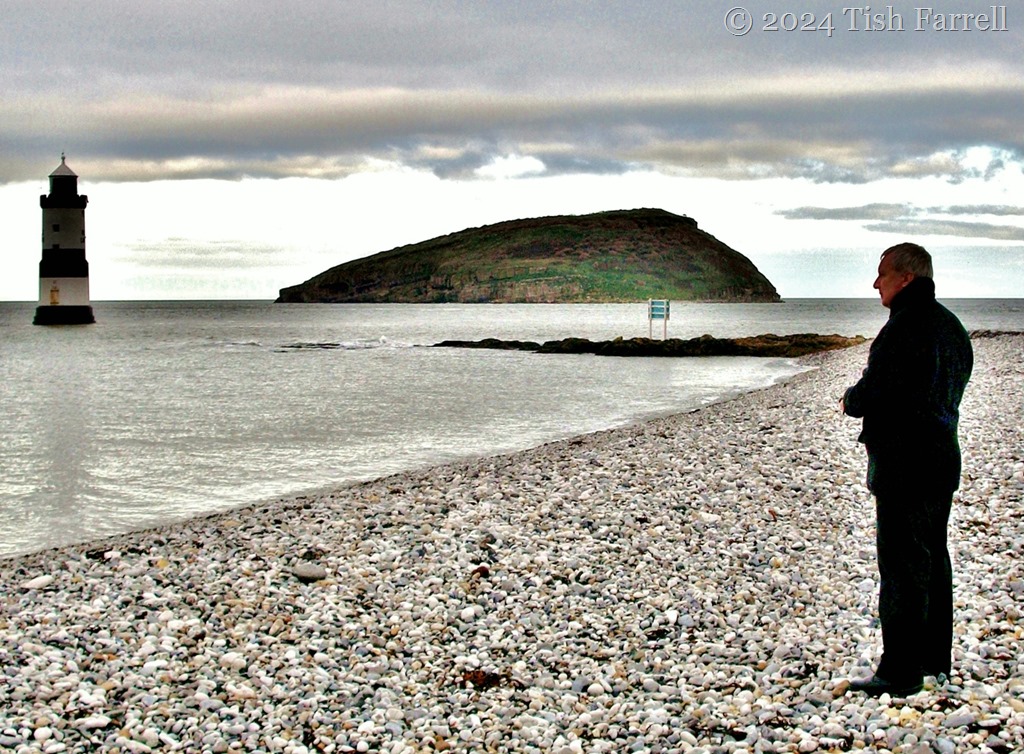
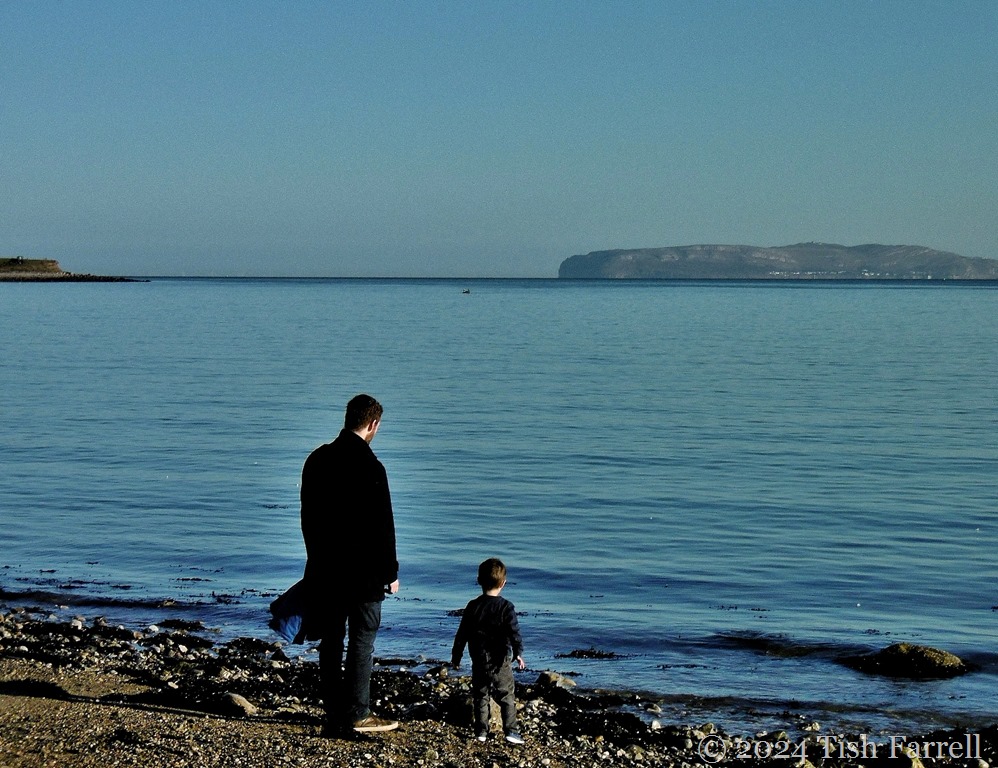
And finally – three photos taken at Penmon Point on the island of Anglesey. In descending order: view of Puffin Island;  looking across Menai Strait to the Welsh mainland;  boy looks at lighthouse.

P1060570cr

IMG_6205

p1060566

Lens-Artists: Simplicity  This week Philo at Philosophy Through Photography sets the theme. Please go and see his inspiring examples.