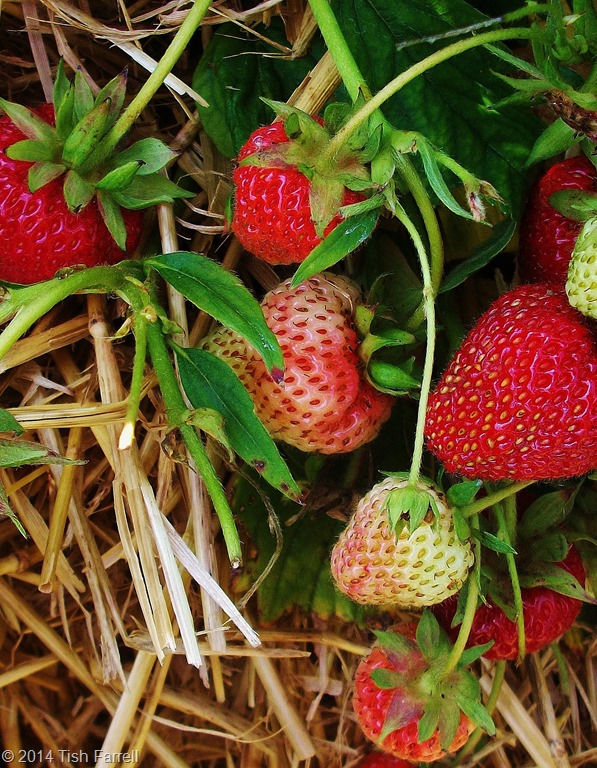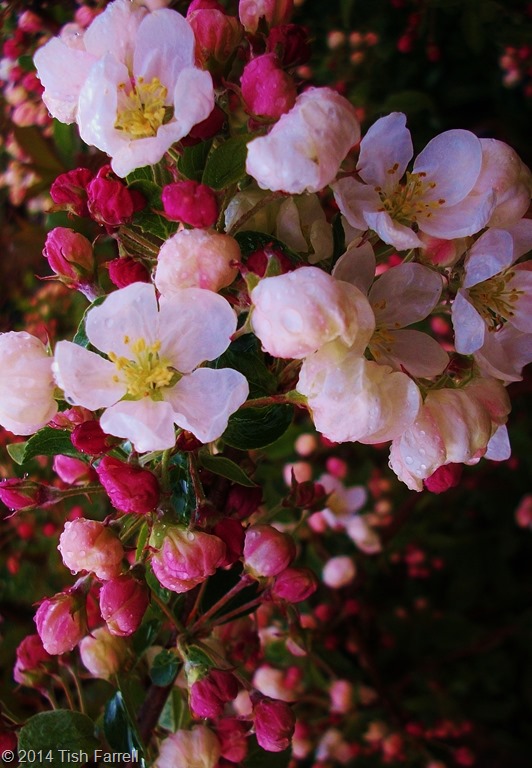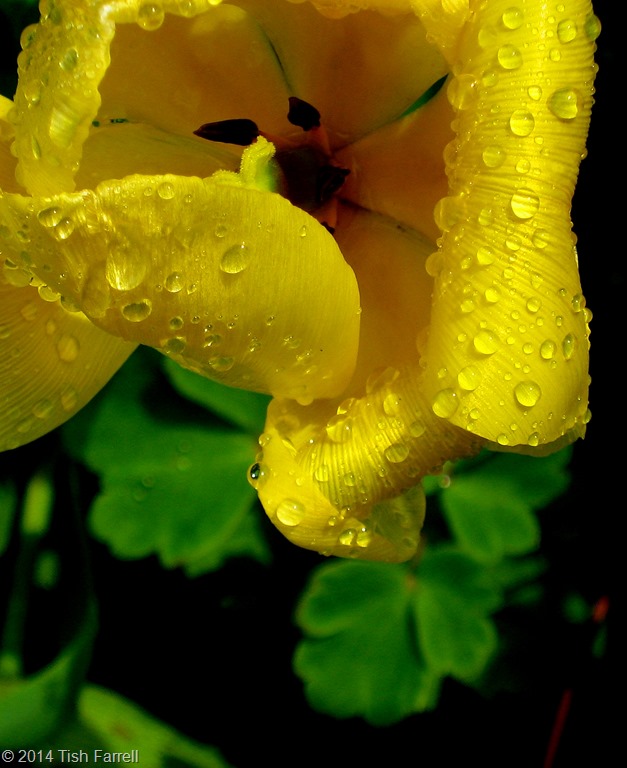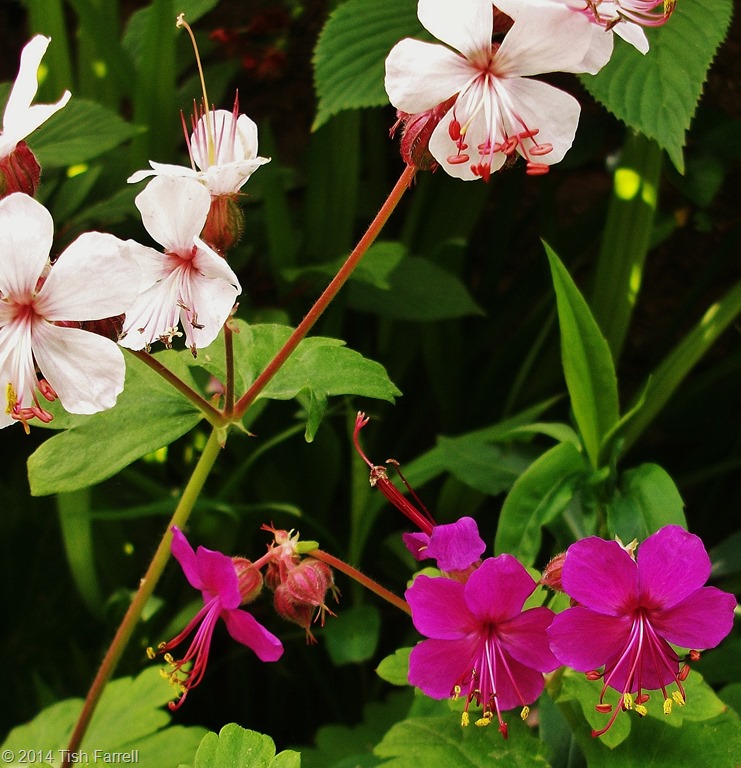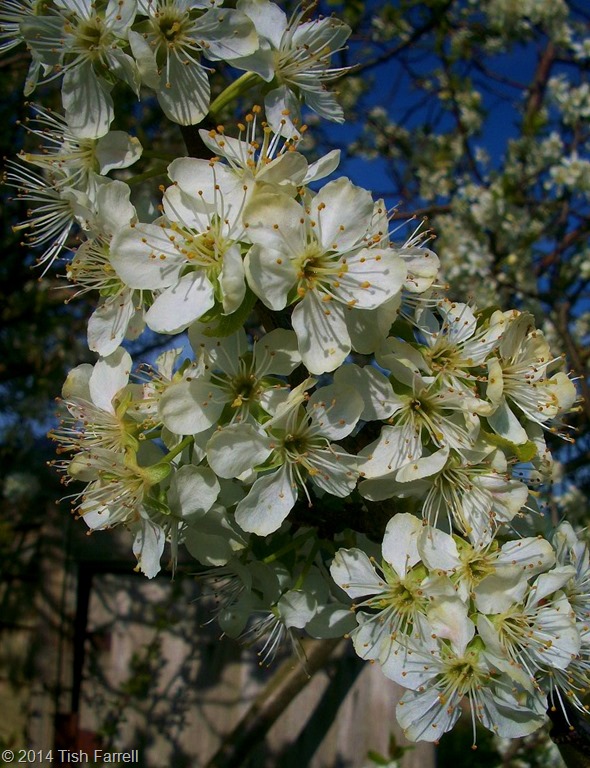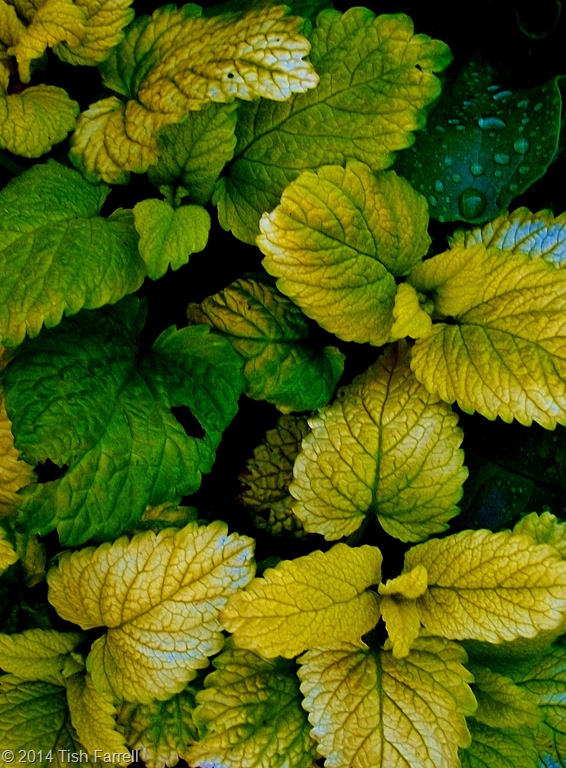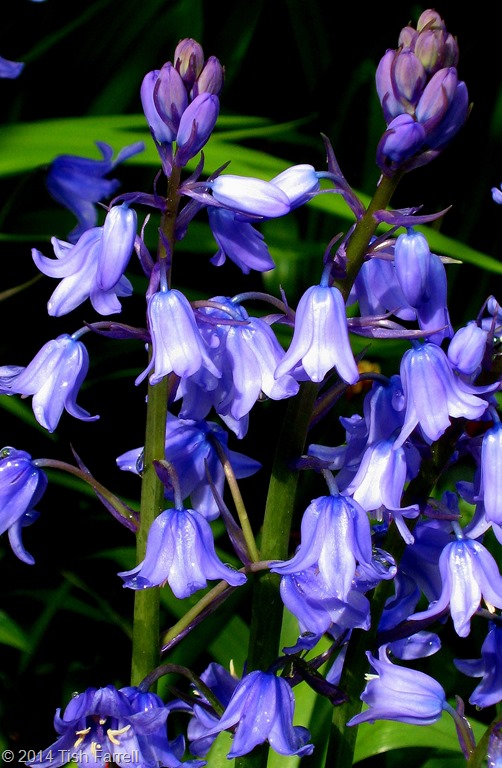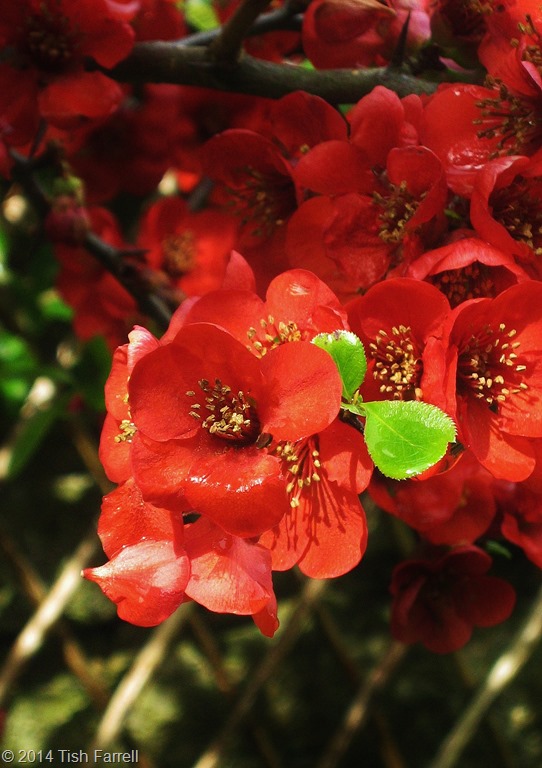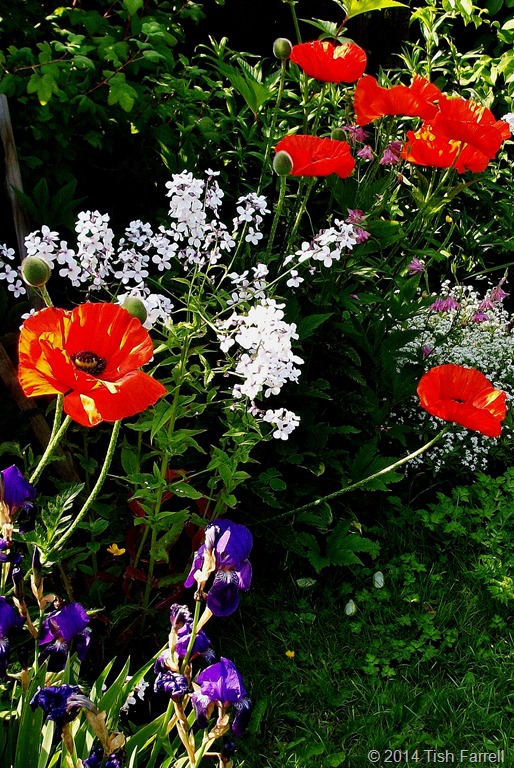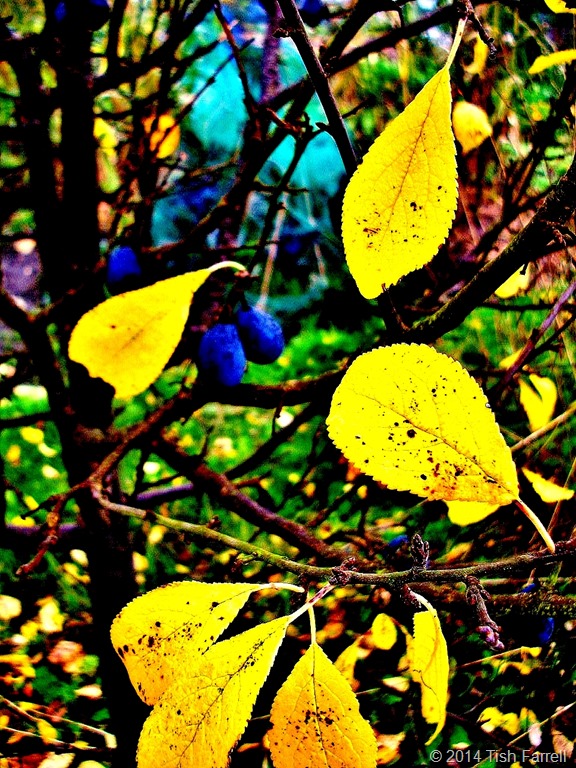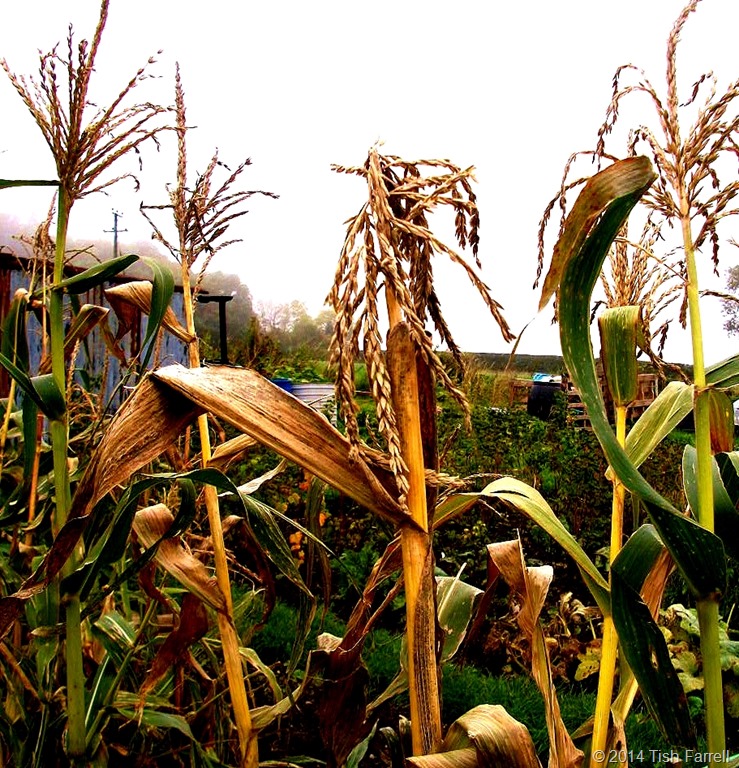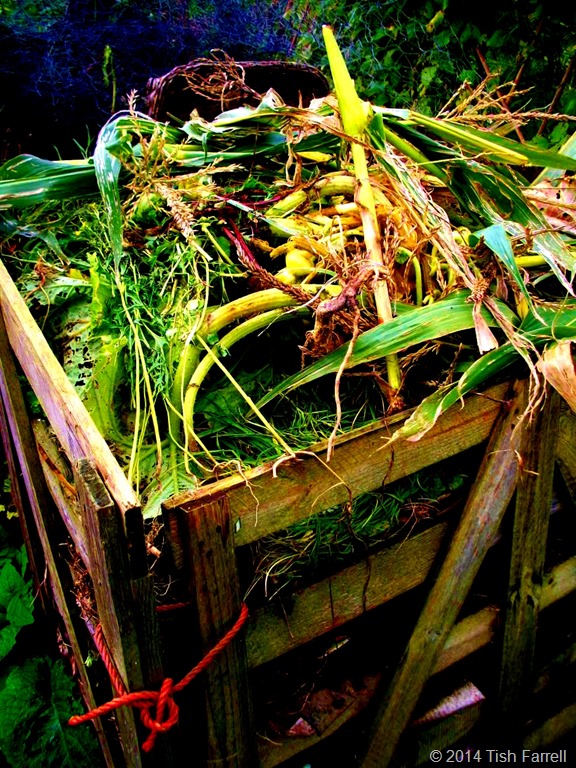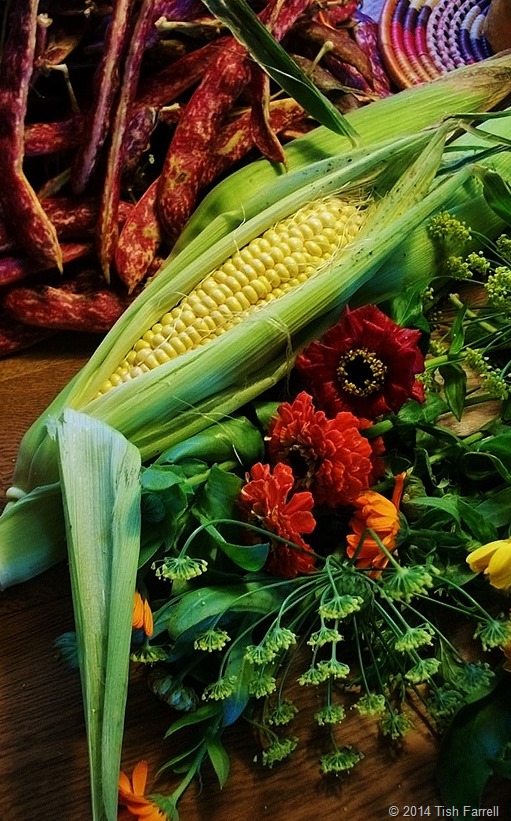
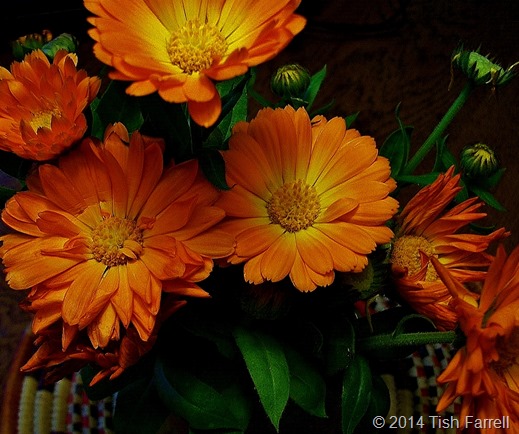
I’ve posted this photo of my last summer’s allotment produce to prove something. I thought it might be a good antidote to my dreary state of writing stuckness. (And may be yours too). For one thing it shows conclusively that if I can’t get to grips with the several novels now backed up in brain and filing cabinets, then I can at least produce beautiful vegetation. (In season of course). Most of it is edible too, although I would not recommend the zinnias. Marigolds are fine however – in salads and as herbal tea. Excellent for the immune system, or so a herbalist friend tells me.
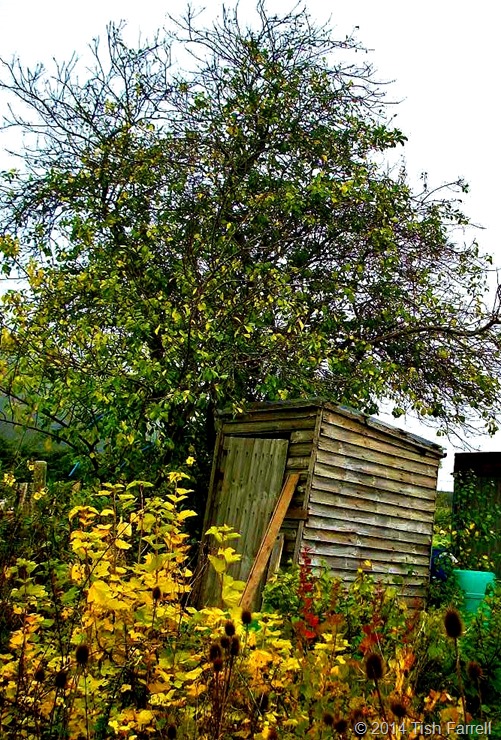
I sometimes think my allotment life is a metaphor for my writer’s life. Sometimes I think it’s the other way around. This reminds me of the great Welsh poet, R S Thomas. In my post about him the film link shows him, in his elder years, out bird watching on the Welsh coast. Speaking to camera, and with a wry smile, the Nobel nominee says he is supposed to be a poet, but that when the poem is going badly, then he is a birdwatcher. Likewise for me, when the writing stalls, then I am a gardener. I am mostly a gardener.
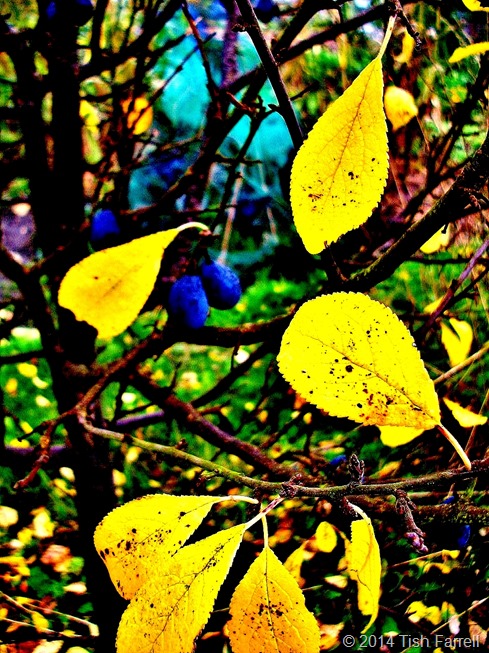
The common ground between growing and creating is obvious: seasons of productivity followed by dead times when the creative flow seems to be, well, DEAD. This is the natural order of things. I know it. And so I am forgiving when it comes to the garden. I do not expect it to grow things in December and February (or at least not much). But when it comes to writing, I fret, fume and grow ever more despondent with myself because the ideas in my head cannot be rendered, as I would like them, to word, to screen, to finished work. And I do not forgive this. I consider it a grave fault.
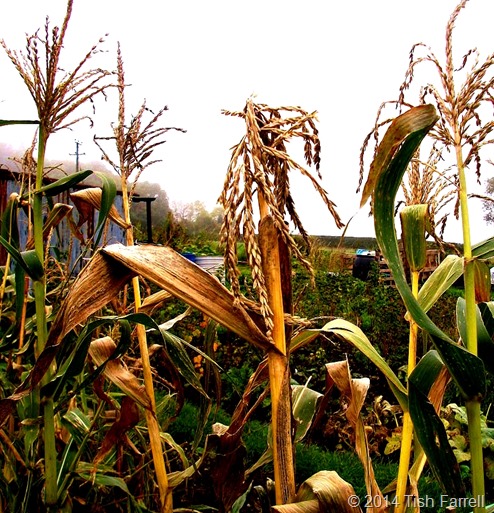
Yet I know, too, that good growing and writing, require a fertile medium, one that is well turned and appropriately nourished. You need plans and timetables, while remaining open to alternative courses of action. You also need the right medium for the job in hand. All this takes time: years of learning, of preparation, and the application of improving strategies. You have to understand your ground from the inside out. And that brings me to another essential condition – good drainage. And in my home town poor drainage is a problem; both brain and allotment, then, are equally afflicted. They are not free-draining. But at least I know how to improve the soil. Grit is good.
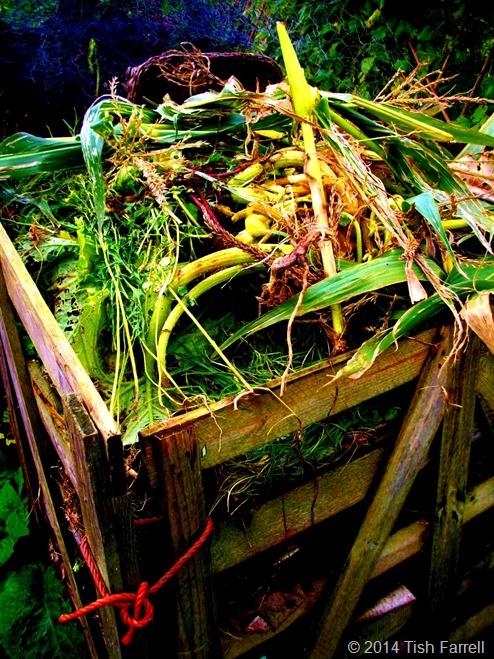
In the absence of creative flow, ungoverned gathering of new material can start filling the gap. This in hopes of finding a spark, some fresh inspiration to jump start the writing. The activity can of course have its good points. You may indeed find the very thing you need. Besides which, well rotted down and aerated compost improves content and structure for any future cultivation. On the other hand, ever growing stagnant piles of poorly decomposing matter simply overwhelm and add to the stalled flow problem. In other words, there comes a time when you simply have to give your brain a rest, leave the compost heap to rot down, and allow the period of dormancy to run its course. The hard thing is to keep faith during this process of seeming inactivity; to believe that you WILL recover and complete the works you began.
That wonderful woman, poet and Jungian psychoanalyst, Clarissa Pinkola Estés has some very heartening things to say about this. In her autobiographical exploration of the nature of story, The Faithful Gardener, she says that new seed is faithful, and that it roots most deeply where the ground is the most empty. In The Creative Fire she also says that everyone is an artist even if they have not lifted a brush to the canvass or opened a new Word file (I paraphrase). Finally she tells us that the only thing you need to create is to get out of the way.
And so in a bid to get out of the way, I leave you with some summer marigolds. Before your eyes they are passing through their natural cycle from bud, to falling flower to newly forming seed head. Perhaps if we stare at them long enough, absorbing all that very creative orangeness, we stalled creators will ‘hear’ what they are telling us.
© 2014 Tish Farrell
*
Frizz’s Tagged E Go here for more ‘E’ stories
*
Related:
Bright Fields on Llyn: windows in time, mind and space and other stories from Cymru
Onwards and upwards…the big New Year ‘do-over’