Centred At Wenlock Priory

p1000494

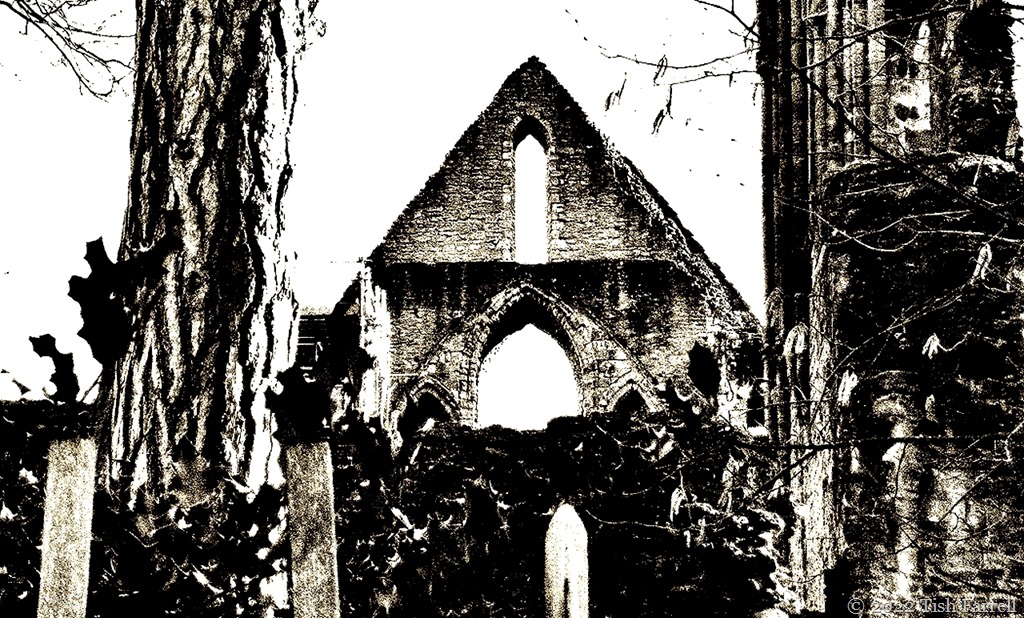
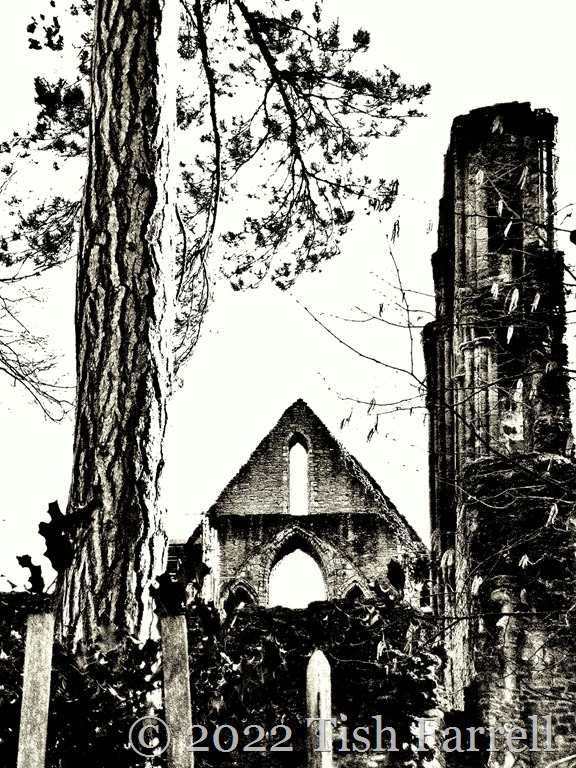
Of course for centuries Much Wenlock Priory was the centre of things for the ordinary folk who lived along Wenlock Edge and across the River Severn beyond Ironbridge. And I don’t only mean for the saving of their souls or temporal spiritual guidance. Successive priors were effectively CEOs of a large agricultural and industrial business enterprise. They ruled over an extensive landed estate in much the same way as powerful feudal lords of the manor ruled over their serfs and villeins.

The Priors laid down the law. They exacted rents, tithes and substantial death duties from the community, while the peasant smallholders, who were their rent-paying tenants, were obliged to provide a considerable amount of their labour –  ploughing, harvesting, transporting goods. The Priory was also a big wool producer and it was involved in industrial enterprises such as quarrying, milling, extracting coal, operating an iron-making bloomery in Coalbrookdale, and so presumably relying on members of the 18 local serf families to do much of this work.

The Priory also did very nicely when anyone died. One third (a terciar) of the value of the deceased person’s moveable goods would be claimed. In 1377 when John Brice a local lord of the manor died, his executors had to pay out 5 oxen, plus a further third in value of 5 cows, 7 horses, 132 sheep, 90 ewes, 75 lambs, 2 silver spoons, and 3 drinking bowls with silver decoration. Other terciar records indicate that people’s every last possession was weighed up (in all senses). This might include the value of meat in the larder, the iron parts of a plough, corn in the barn, pans and axes, a worn out harrow all converted to monetary worth and paid in coin (Wenlock in the Middle Ages  W F Mumford).

It is thus pleasing to know that there were moments when the Prior’s powers were well and truly challenged. In 1163 the villeins rebelled and ‘threw down their ploughshares’, calling for the repressive Prior to be deposed. The monks’ response was to excommunicate the lot, a truly horrifying penalty at the time. This only led to a riot. The church was besieged and knights called in to save the monks. But in the end the Prior was forced to hold an enquiry before a committee of knights and monks who, it seemed, listened to the villeins’ grievances and effected a compromise. In the following centuries, as the villeins’ own economic power grew, they were more and more able to demand payment for their services (A History of Much Wenlock Vivien Bellamy).

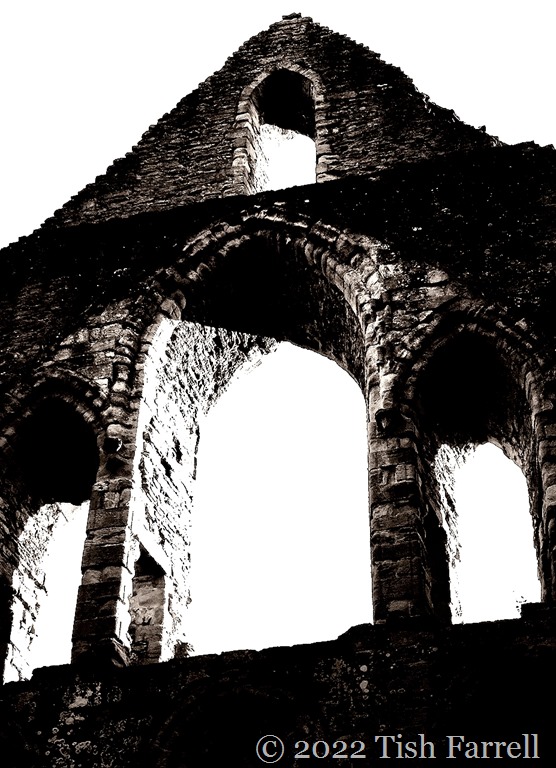
But with all this taxing and tithing, you can well see why in 1540 Thomas Cromwell wanted to get his hands on, as in liberate, the accumulated wealth of nation’s monastic houses. And here in Wenlock we still have the end result, nearly 6 centuries on – the dissolved relics of one of Europe’s most prestigious monasteries.
P1100067ed

Cee’s Black & White Photo Challenge: Centred

Zanzibar’s House Of Wonders: A Door On The past

Scan-130429-0037sepcr

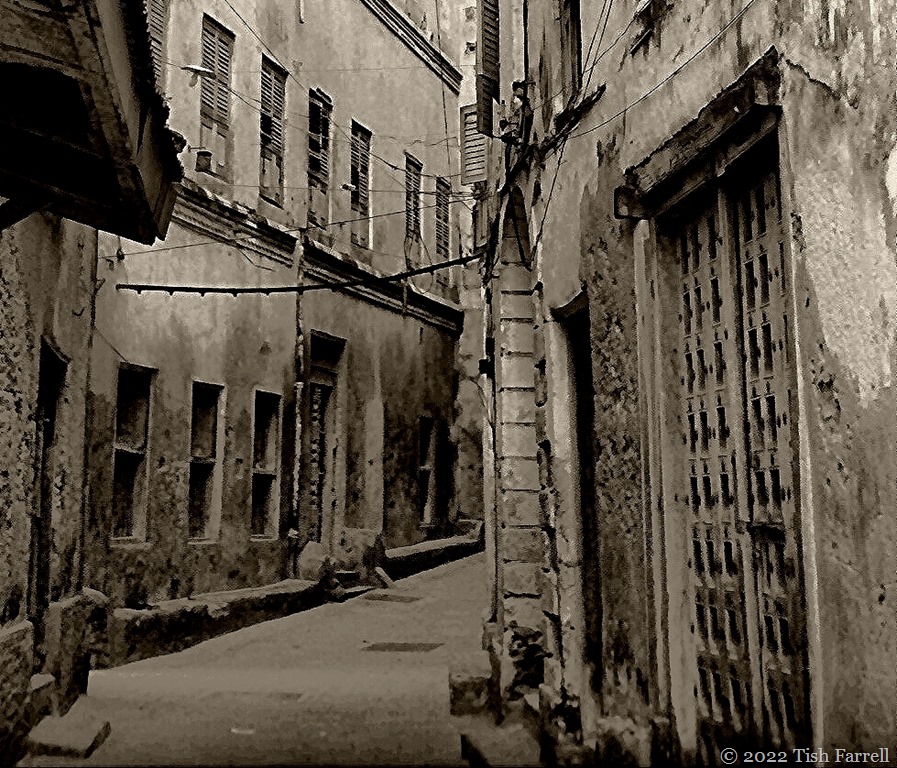
The ancient Swahili towns of East Africa’s seaboard and islands are renowned for their elaborately carved doors. Zanzibar (more properly Unguja) has some fine examples, so it’s a pity I have so few photos from our long-ago stay in Stone Town. There is a reason, however. For one thing the streets are so shadowy and narrow it is difficult to take decent shots without causing pedestrian chaos. And anyway, neither photographer, nor my then Olympus trip camera, whose back kept flicking open, were up to job.

Scan-130429-0037sep

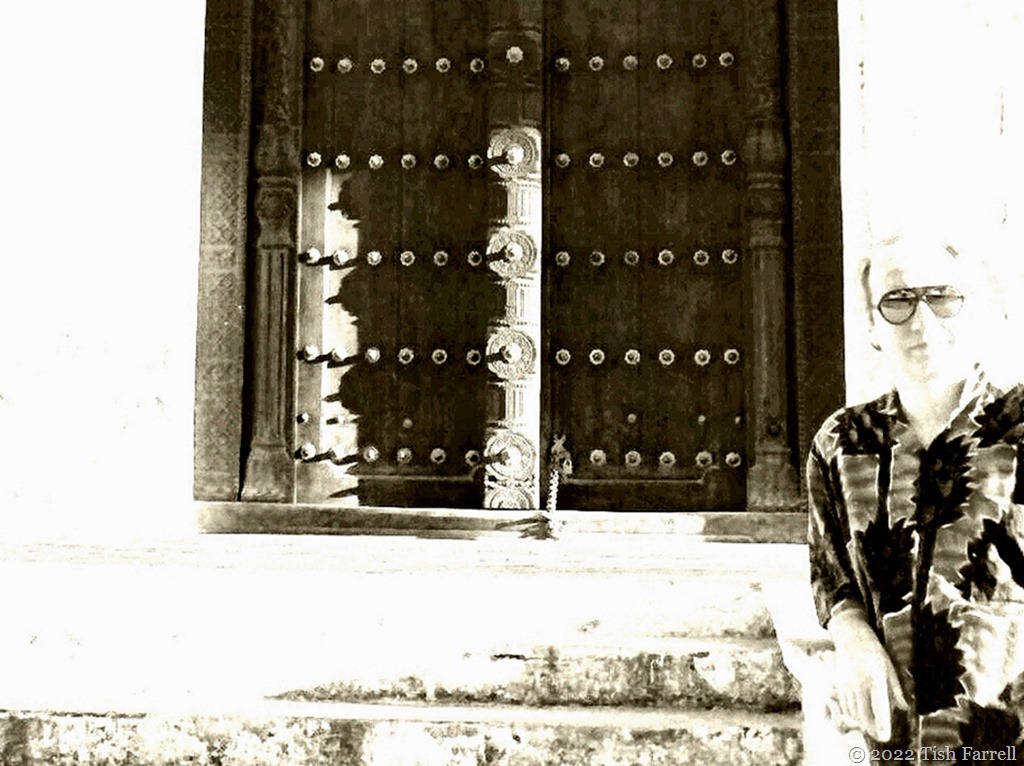
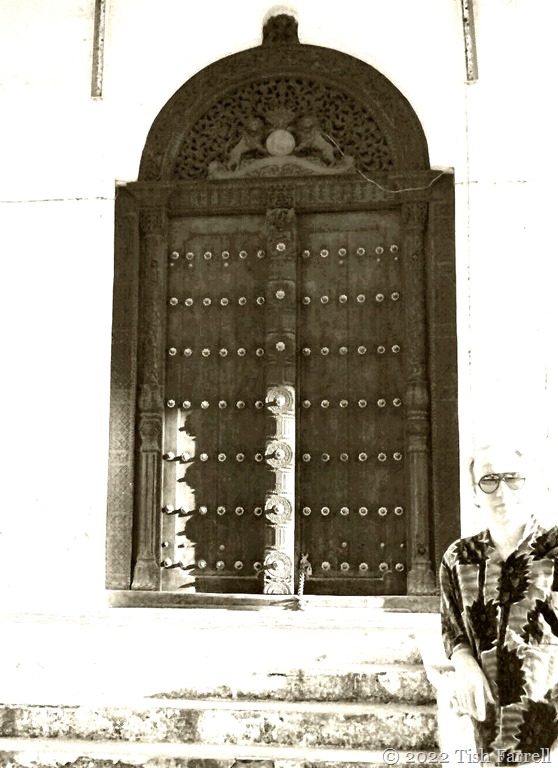
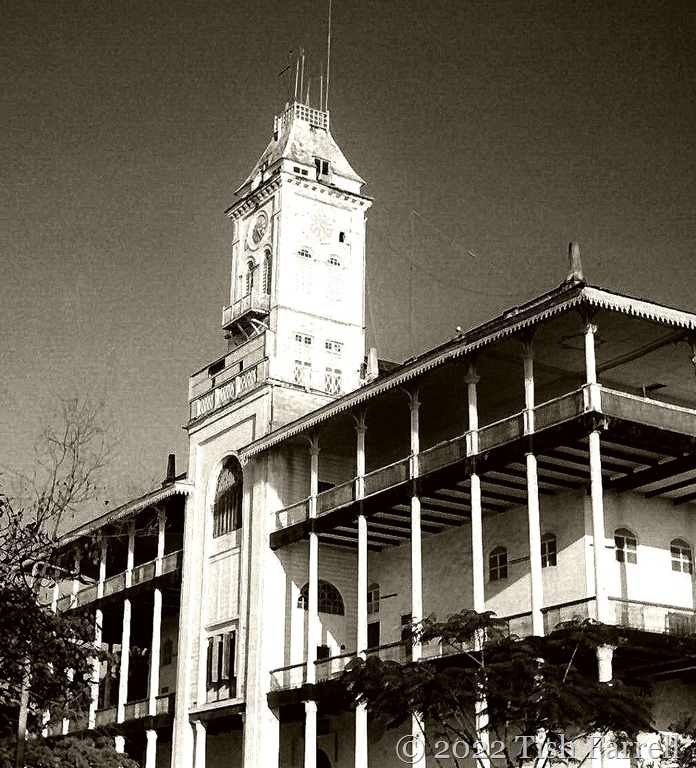
Here though, on the steps of Beit-al-Ajaib, the House of Wonders, there was both light and room for manoeuvre. The doors belong to a palace built by Sultan Barghash in 1883 to host ceremonial events. Barghash belonged to the dynasty of Omani Arabs who had ruled over the Swahili city states from the late 17th century, this after the expulsion of the Portuguese who, thanks to explorer Vasco da Gama, had held the territory, thus controlling the Indian Ocean trade, for some two centuries.
So it was that one set of invaders succeeded another, the situation further complicated in the 19th century by competing European interests wherein Britain saw off Germany, and proclaimed the Zanzibari Omanis’ dominion a British protectorate; the stated objective being to put an end to the Arab slave trade, though some might say this was only an excuse, since there appear to have few means to back up the fine words, and slaving on parts of the East African coast anyway continued into the 1920s.

But back to the palace. Barghash was an extravagant man and, before his death in 1888, built six palaces across Unguja island. (The Zanzibari sultans’ wealth derived both from the slave trade and Unguja’s spice plantations). Their rule did not end well. 1964 saw the Zanzibar Revolution. The Omanis, along with many Indian residents, were killed or expelled. Thereafter the House of Wonders was used as government offices. When we visited in 1999 it was abandoned, shrouded in dust and empty  but for one of the last sultan’s  cars (a candy pink saloon) parked inside the atrium just behind those two front doors. One wonders how many men it took to carry it up the palace steps. A friend who visited more recently told me it was still there.

Scan-130429-0027sep

*

And finally, my only view of a Stone Town door, more gist than detail:

Scan-130429-0102sep

Cee’s Black & White Photo Challenge: doors and drawers

Quiet Scenes On The Edge

P1060107sep

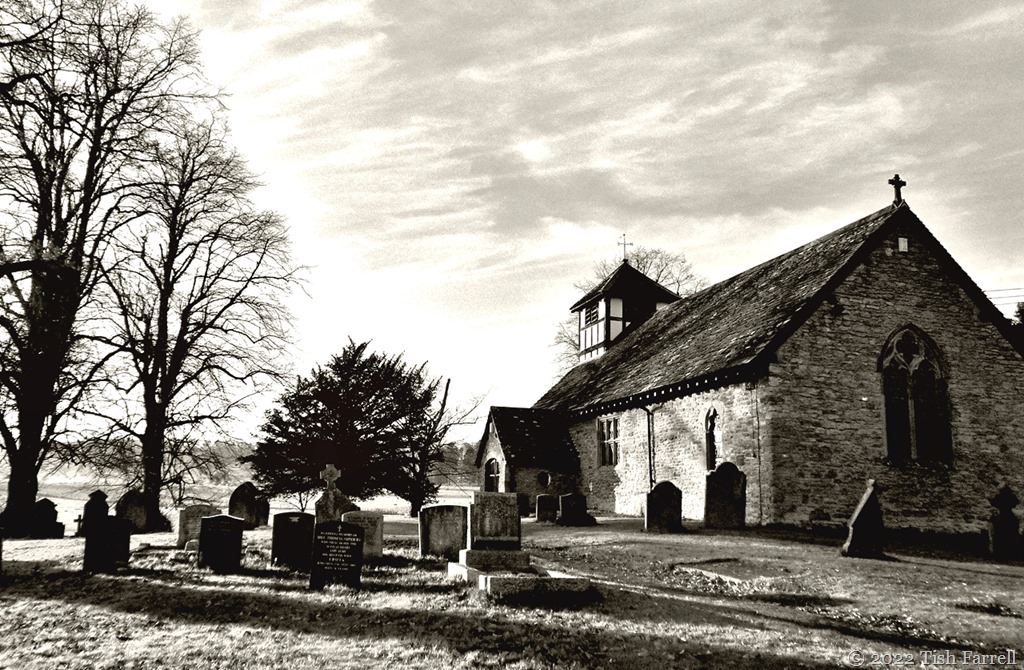
The hamlet of Easthope lies a few miles south-west of Much Wenlock. To reach it you travel along Wenlock Edge towards Church Stretton, then drop down a winding lane, too narrow for comfort. At the village heart is St. Peter’s church and the meadows of Manor Farm. The houses are scattered round: old limestone cottages, some ancient timber framed buildings, some modern homes built last century, a gracious rectory no longer ecclesiastically engaged. Most look out on the Mogg, a darkly forested hogsback ridge whose trees hide the the remains of  an Iron Age hillfort known as The Ditches.

You can just see the conifer tops of the Mogg between the churchyard trees in the next photo.

P1060116sep

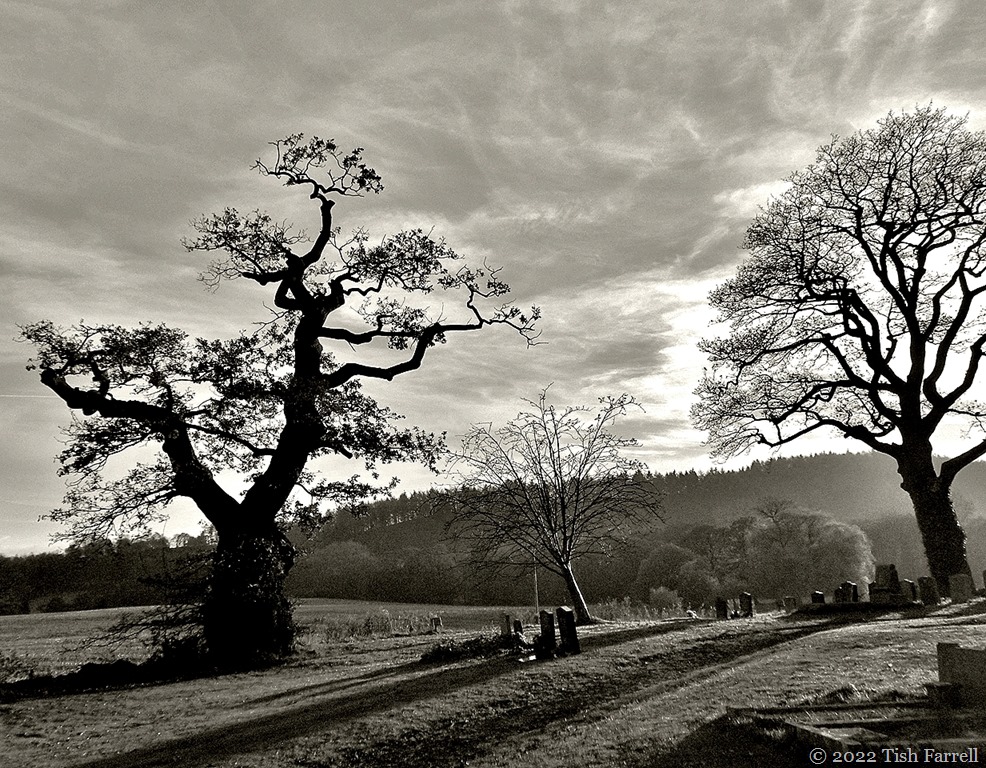
I took these photos one bright December afternoon. It was something of a pilgrimage.  My good friend and artist Sheilagh Jevons resides in this peaceful graveyard, the perfect spot for a woman so in tune with the Shropshire landscape and its liminal spaces and much in love with the Mogg. Her house and studio were just down the lane from the church and she called her home The Mogg.

*

P1060049sep

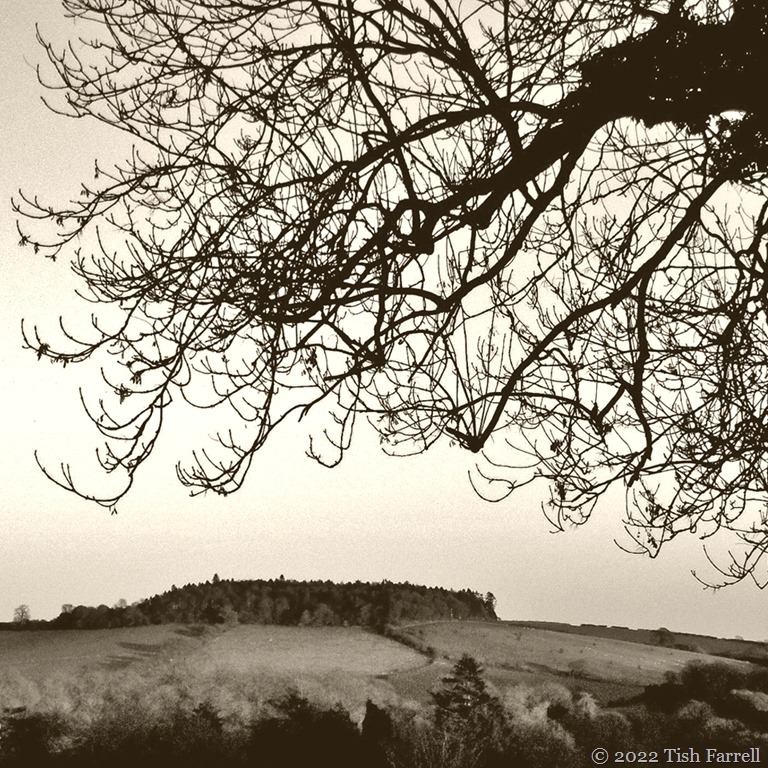
Here is another hill topped with a conifer plantation. It lies on the easterly side of Much Wenlock, and this is the view I see as I come home from the allotment, stepping out under the big ash tree that guards the unofficial ‘gateway’ through the field hedge.

*

P1100113sep

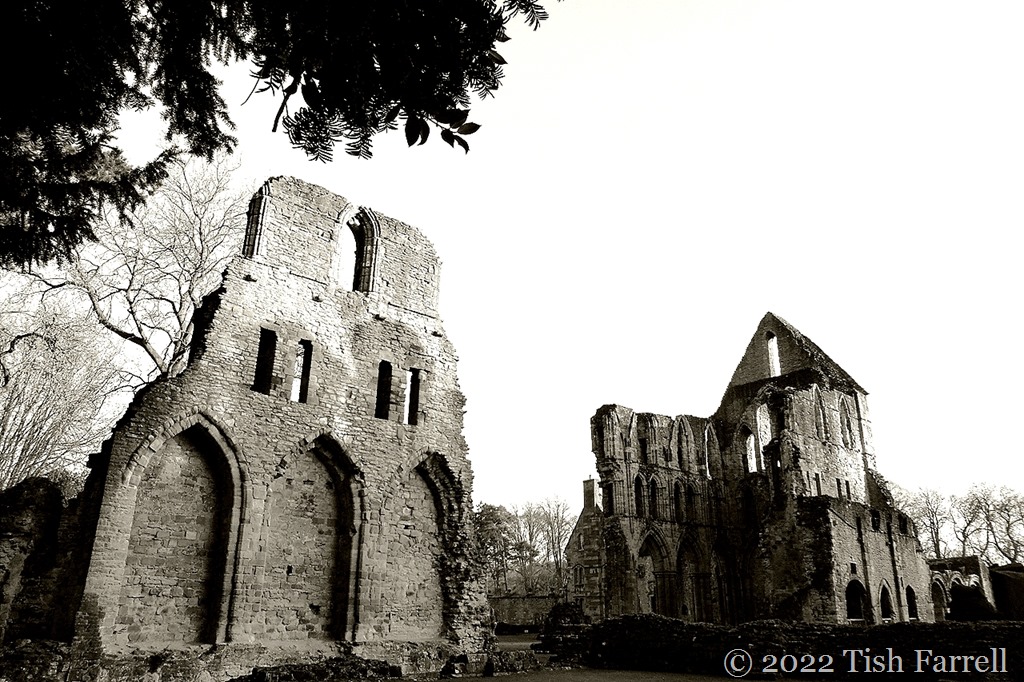
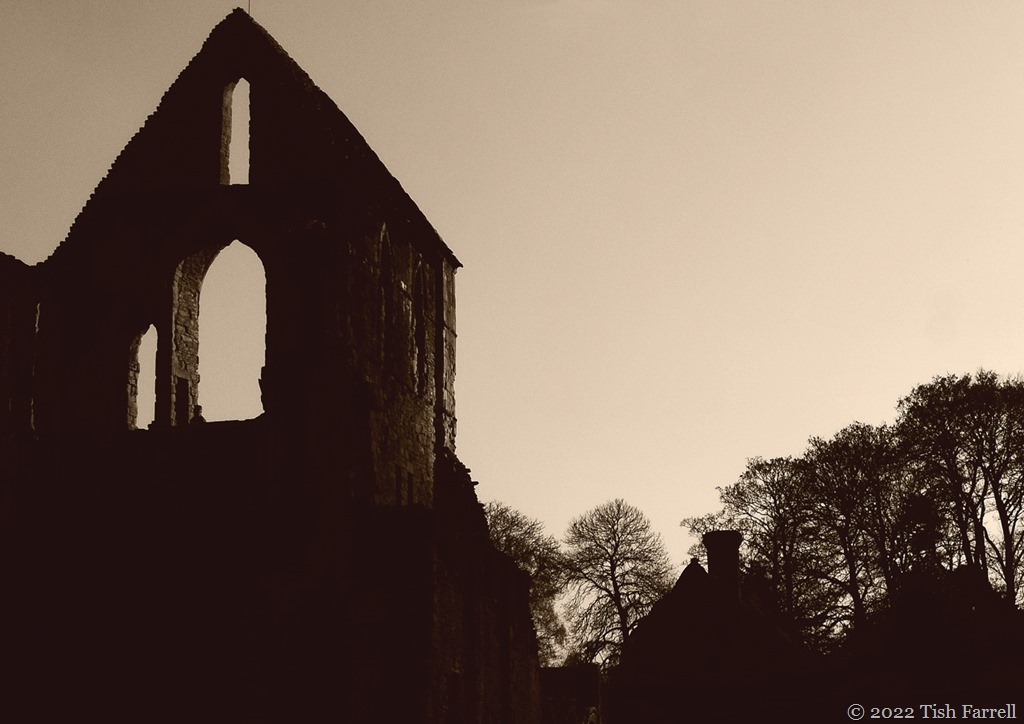
And naturally, one of the most peaceful spots in the town are the ruins of Much Wenlock Priory whose origins, in the charge of Saxon princess and abbess, St. Milburga, go back to 670 CE. The remains you see here are much later, dating from successive building phases in the 12th and 13th centuries. In its day, Wenlock Priory was among the grandest monastic houses in Europe, its monks belonging to the Cluniac order and brought here from France. It’s a mysterious thing to think of now, a French community ruling the lives, body and spirit, of Shropshire folk. All dissolved in 1540 of course, with the protecting lead stripped off the roofs by Thomas Cromwell’s team of asset strippers.
Cee’s Black & White Photo Challenge: peaceful

Dads And Lads At The Severn Valley Railway

IMG_5518bw

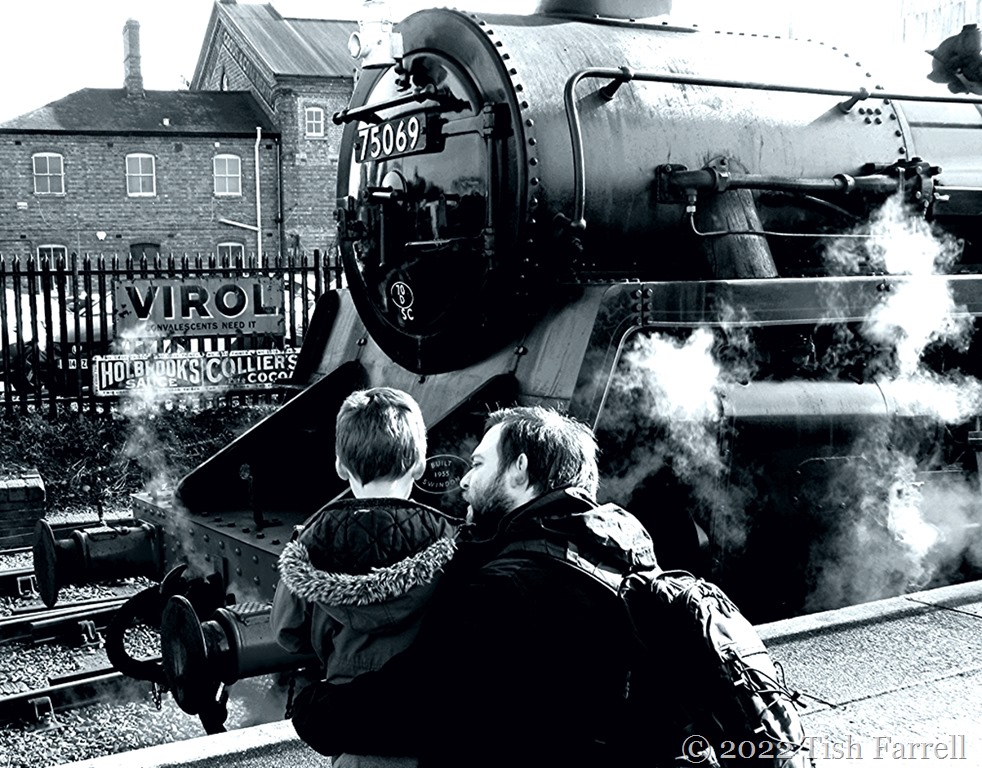
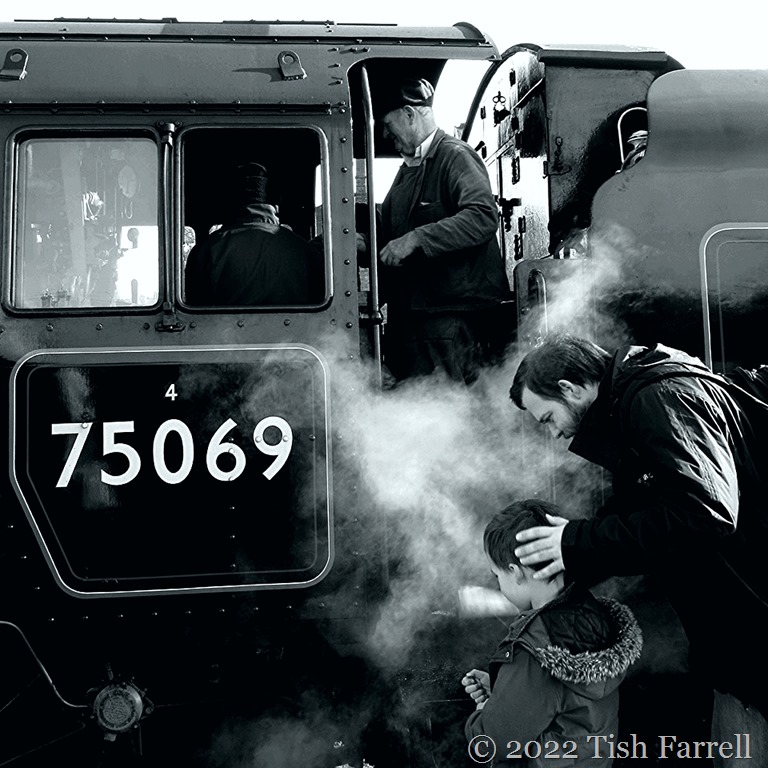
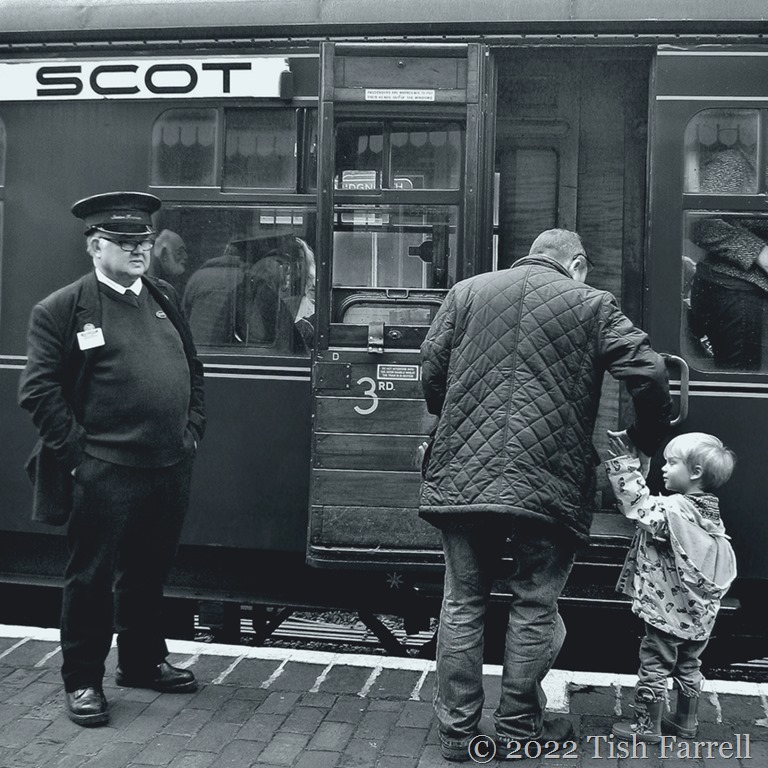
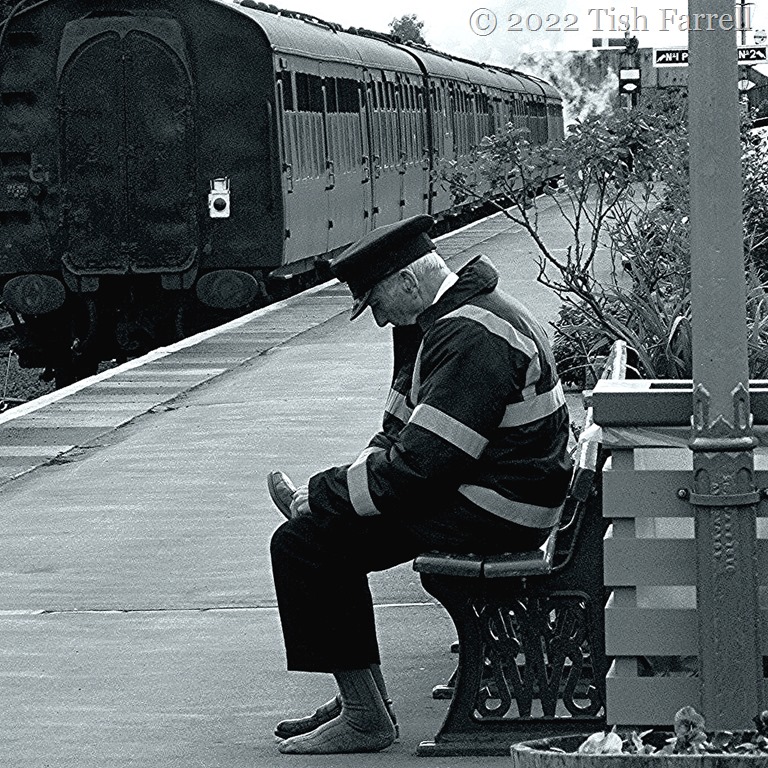
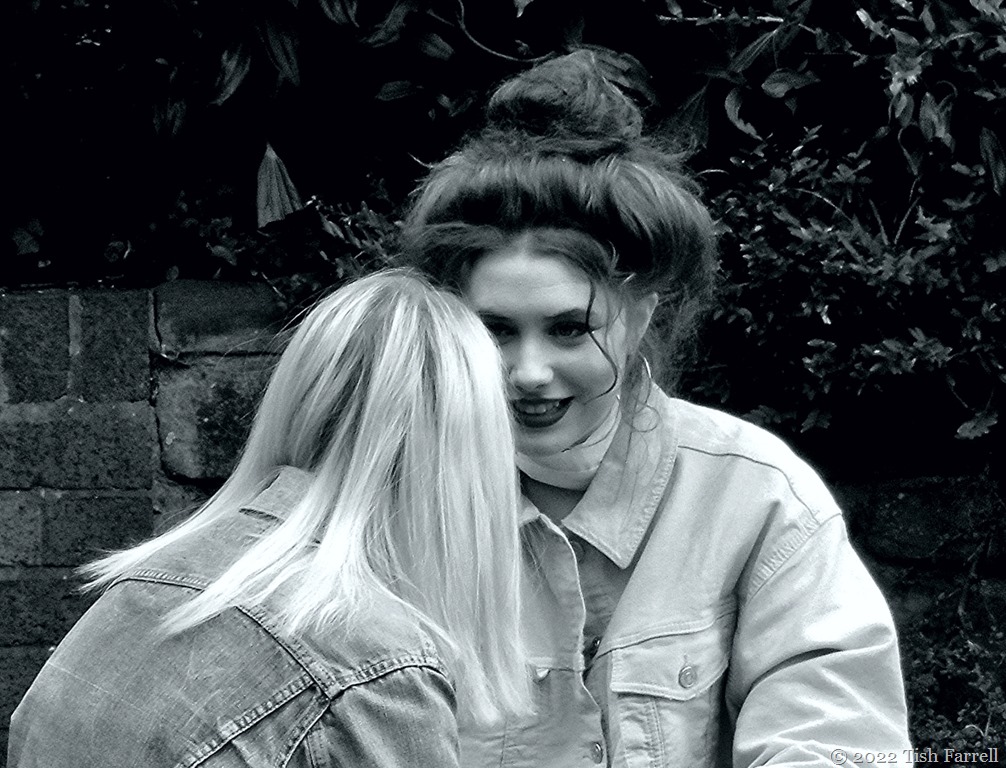
This week Cee wants to see tender moments. Here are some that caught my eye on a couple of visits to Shropshire’s Severn Valley Railway.
They make me wonder too: young dads sharing their passion for steam trains; little lads not quite big enough to be sure. Which is also touching.

IMG_5516sq

IMG_1846 - Copysq

*

And quite another take on the topic…

IMG_5565sq

A case of sore feet and

100_6803sq

a tender behind… (I know, it’s an old joke)

*tender = coal wagon

Cee’s Black & White Photo Challenge: Tender Moments

Wenlock Views Near And Far

P1100118sep

The header photo was taken among the ruins of Wenlock Priory, looking towards the trees and roof tops of the Prior’s Lodgings, now a private house, locally known as The Abbey.

This next shot is my well-trodden path to the allotment, along the southerly edge of Townsend Meadow. That’s an ash tree on the skyline – doing a good Ent impression as our Shropshire ash trees tend to do.

P1020405

100_5026cr

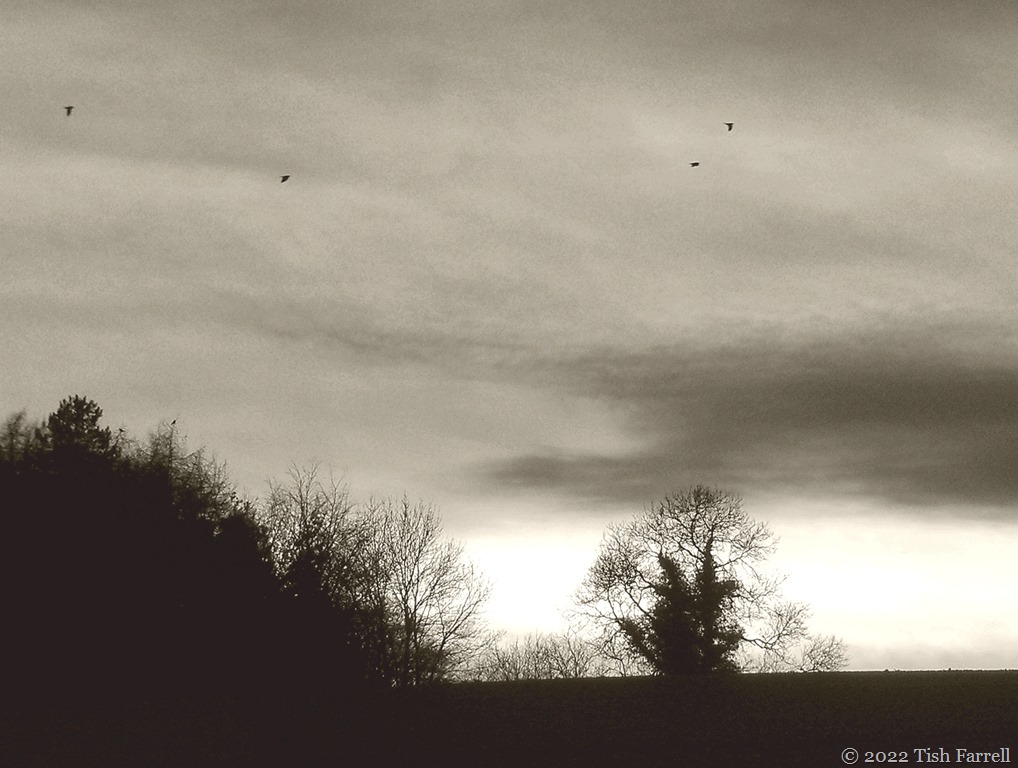
And a nearer view of the ash tree – a sundowner shot complete with rooks flying home to their roost in the Sytche wood.

*

100_6398sep

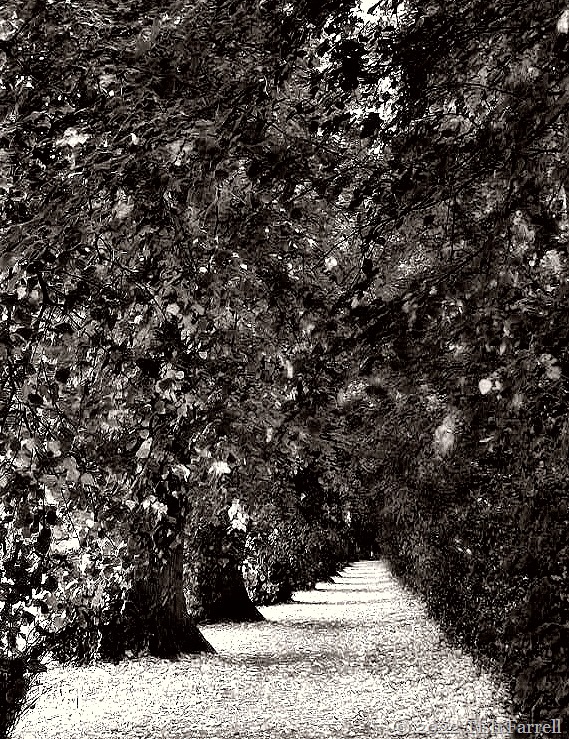
And finally a rather strange and blurry photo of the Linden Walk, taken when all the pale and papery sepals had fallen off the lime tree flowers in late summer. I think if you squint, you might just spot someone at the top of the path.

Cee’s Black & White Photo Challenge: In the distance