Past Perfection: Marigolds

100_6630

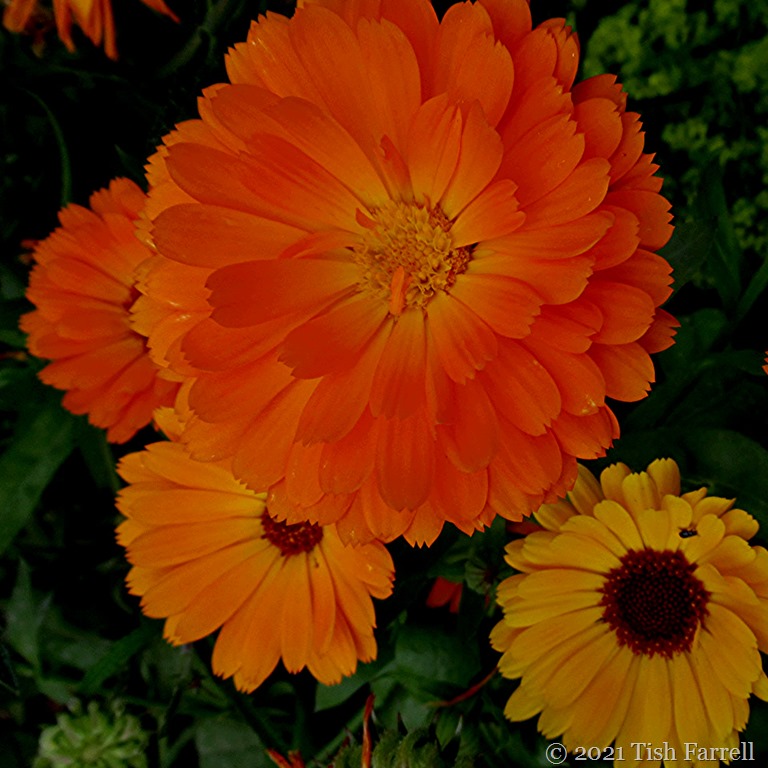
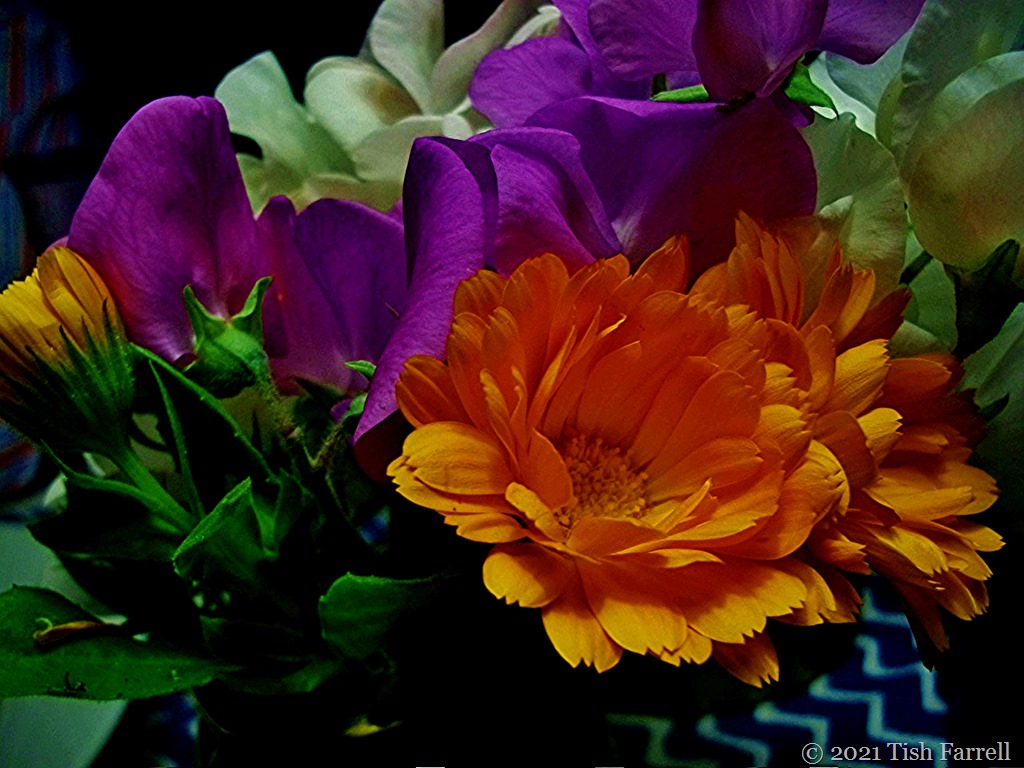
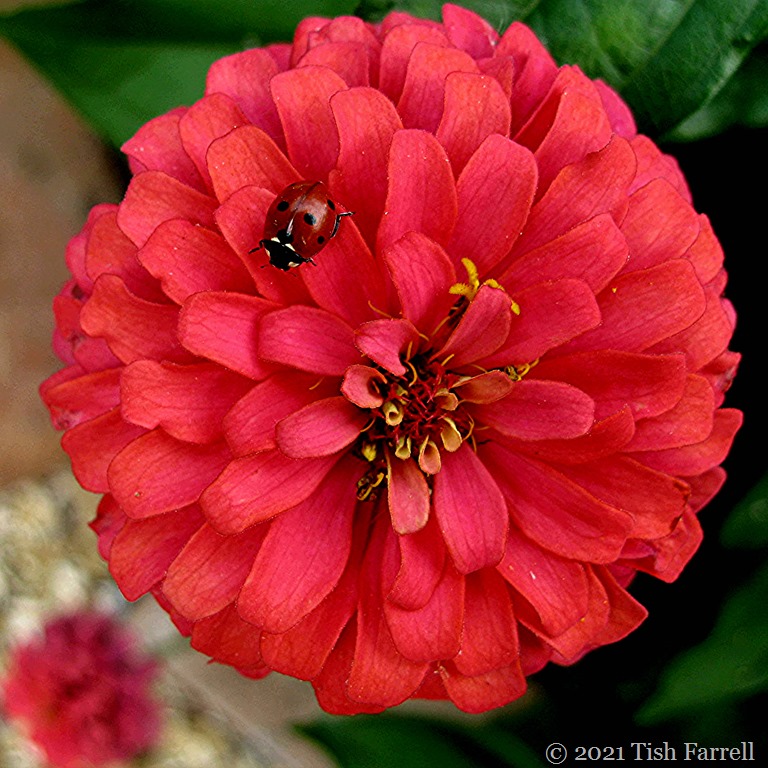
Like cosmic solar entities dropped into the garden: what’s not to love about the orangeness of pot marigolds (Calendula officinalis). They are among my favourite flowers, which is just as well as they grow everywhere on my allotment plots. I mostly let them do as they please. They keep on flowering too – from summer through autumn and sometimes into December. I use the petals in brighten up my salads, but I think the whole plant is edible – in fact a miniature pharmacopoeia in every stem. My medical herbalist’s guide lists numerous healing properties, besides which, just looking at them makes me feel better.

Passing them on to brighten your Monday.

IMG_9044

100_4175


Life in Colour: Orange   Jude’s October colour selection at Travel Words

Past Squares #4  Becky says interpret the concept of ‘past’ however we will – just so long as the header photo is square.

Leamington Spa’s Elephant Wash: Fact or Fiction?

IMG_1995sq

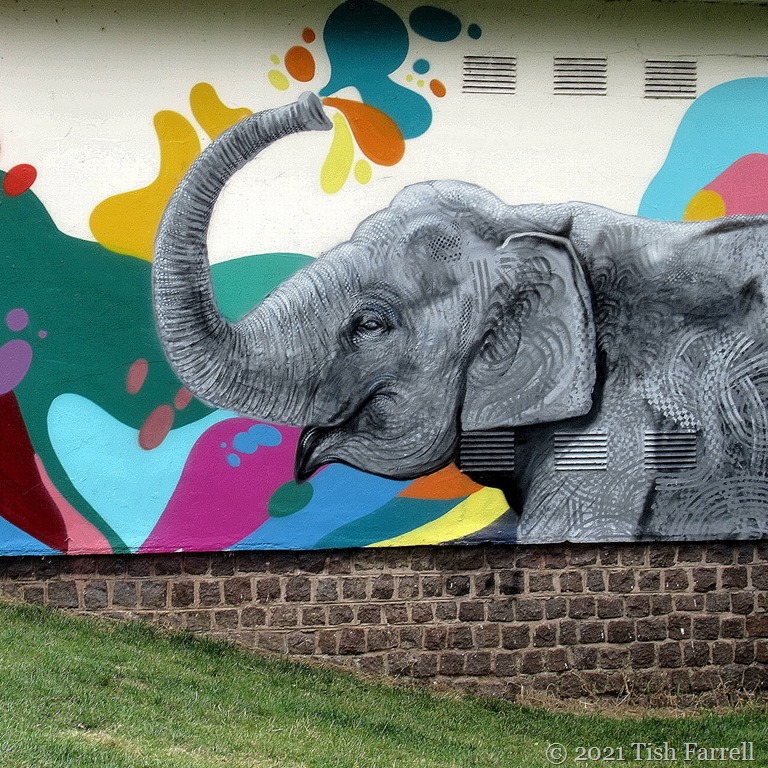
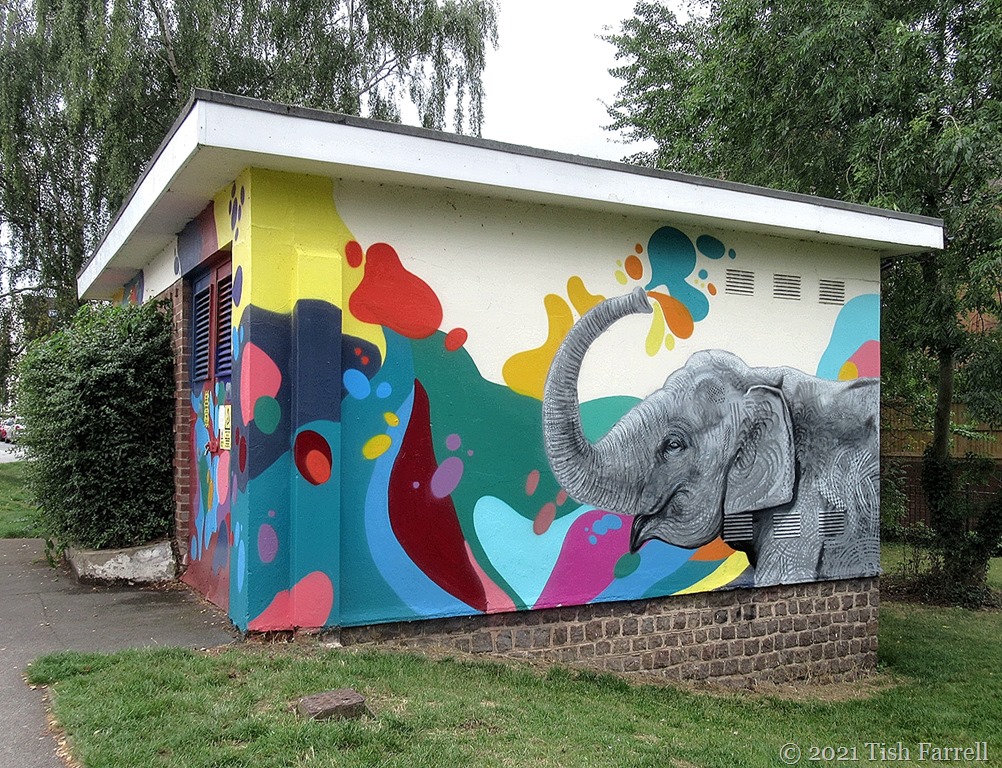
This jolly piece of street art is on the side of a Leamington Spa electricity sub-station just across the river from Jephson Gardens. It  commemorates not only the regular presence of elephants in the town in the late 19th – early 20th century, but also celebrates the local yarn that said eles were regularly marched through the genteel centre to a dedicated slipway on the River Leam so they could bathe.

IMG_1996

The slipway is still there – its retaining wall barely visible behind the sub-station. There is also an Edwardian house next door with an apparently telling address:

IMG_1997

But is it true? Were elephants brought here for a good wallow?

A little bit of internet digging revealed that the presence of elephants in town is not in question, only the river bathing bit; this on the grounds that no contemporary evidence, particulary newspaper reports, has so far surfaced.

The elephants’ owner was a trapeze artist cum renowned elephant trainer Samuel Lockhart (1850-1933), member of a famous circus family. He travelled the world with his elephants, and in between engagements returned to Leamington Spa, his wife’s home town. His last documented show was 1910/11 when he was on the bill at the Theatre Royal in Leamington with four elephants Mustard, Salt, Vinegar and Little Saucy.

I’m certainly no fan of performing elephants, but the notion of a dedicated elephant wash in a Warwickshire river does appeal. And it’s not so very strange either – depending on the depth of your chronological perspective.

On a visit to Ryton Pools Country Park between Leamington and Warwick I discovered that in one of England’s many warmer eras there had indeed been indigenous elephant herds in the locality, though much larger and tuskier versions than their Asian cousins. ‘They became extinct c.115,000 years ago when the climate became colder,’ says the graphics panel.

IMG_2347

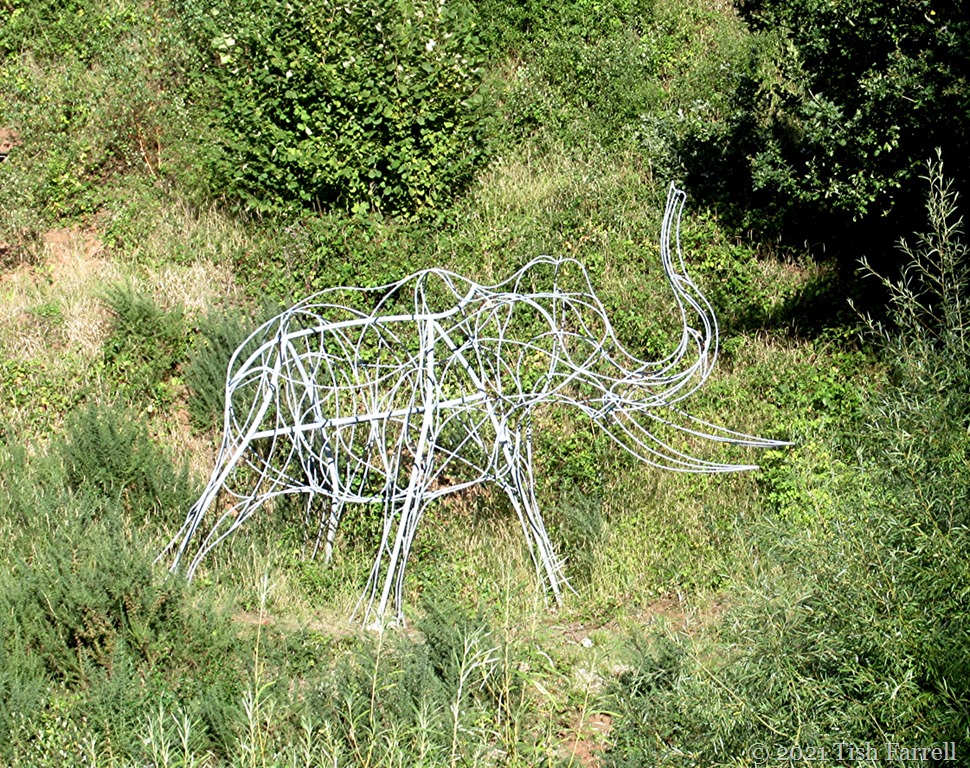
They was also an interesting ‘artist’s impression’ of past elephant kind at Ryton Pools.

IMG_2346

*

You can find out more about Sam Lockhart and his elephants HERE

And now for some fabulous old photos of Royal Leamington Spa. Slide 40 has elephants parading along a main shopping street. If the embedded code doesn’t work the original link is HERE

Past Square #2

Greater Love Had No Man…

IMG_2065sq

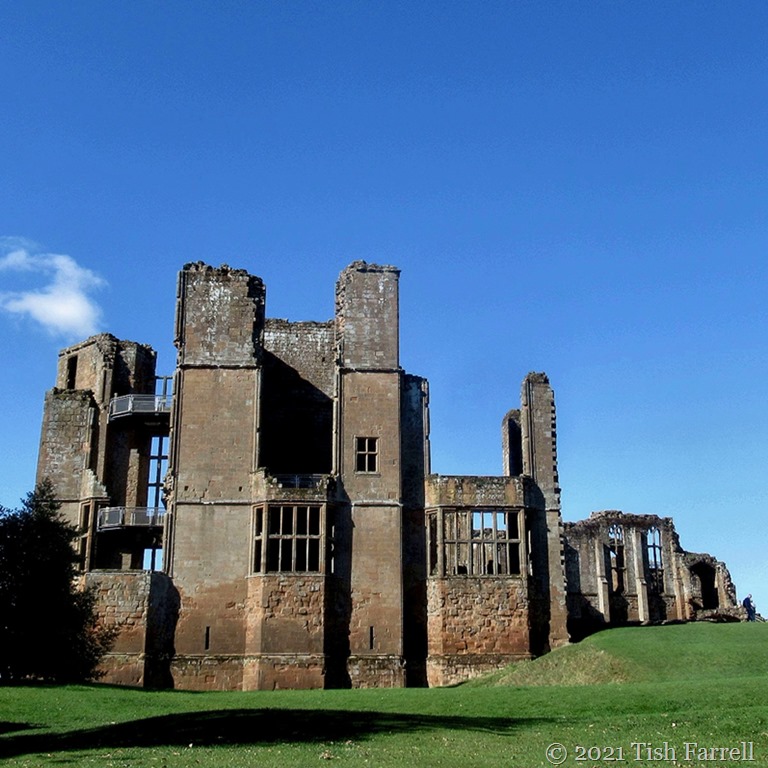
…that he built a grand palace to please his queen.

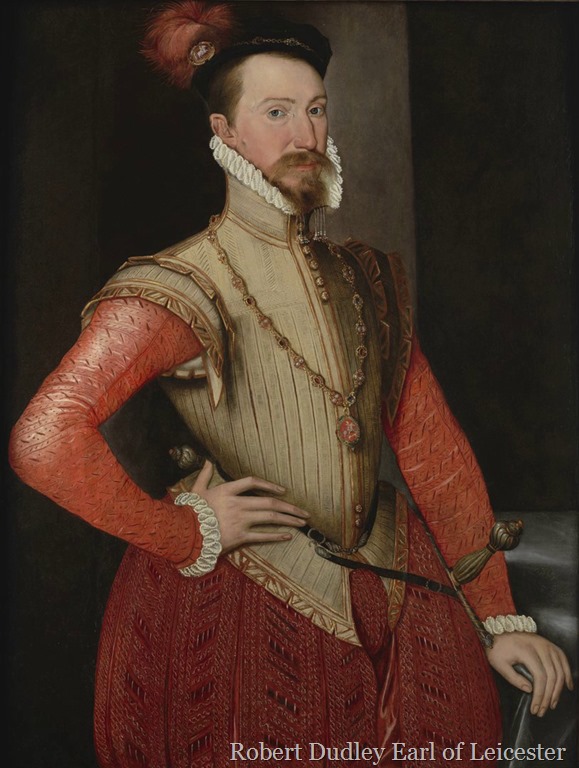
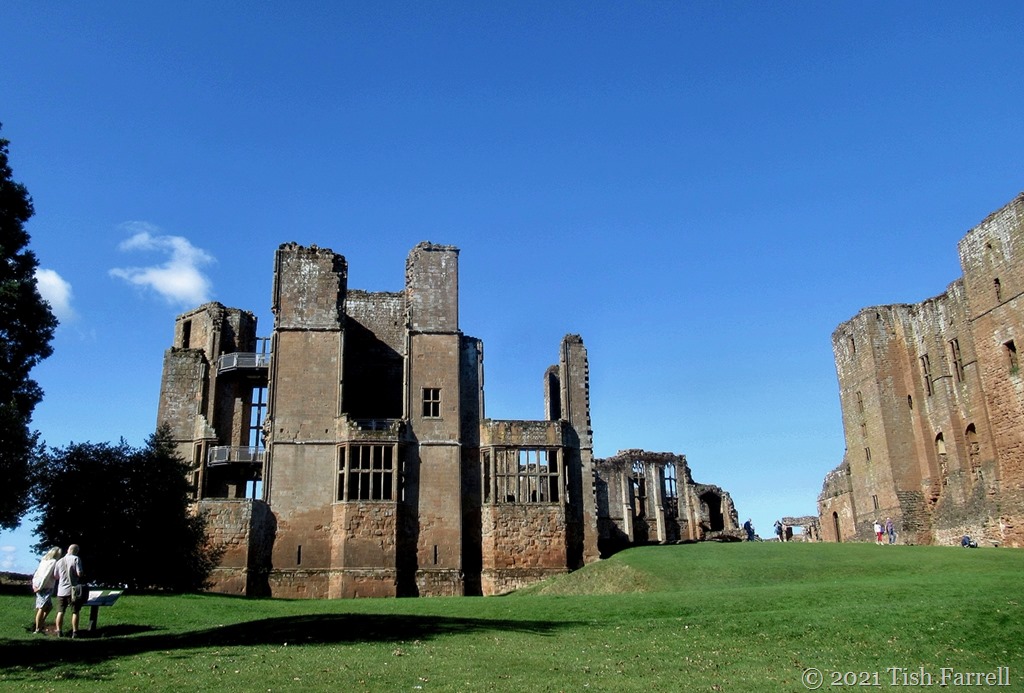
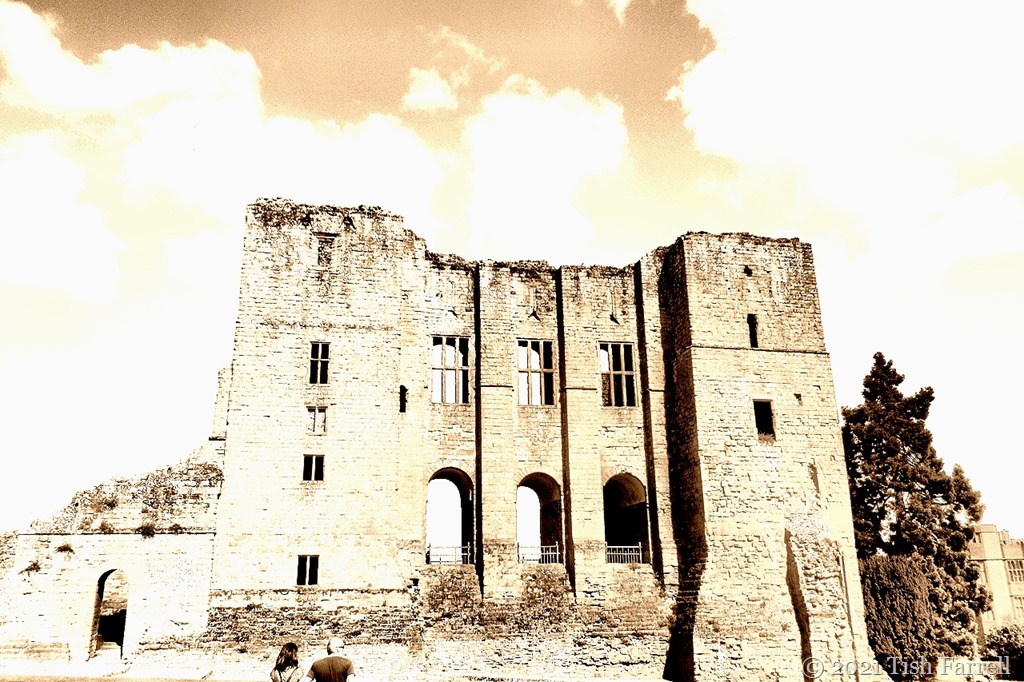
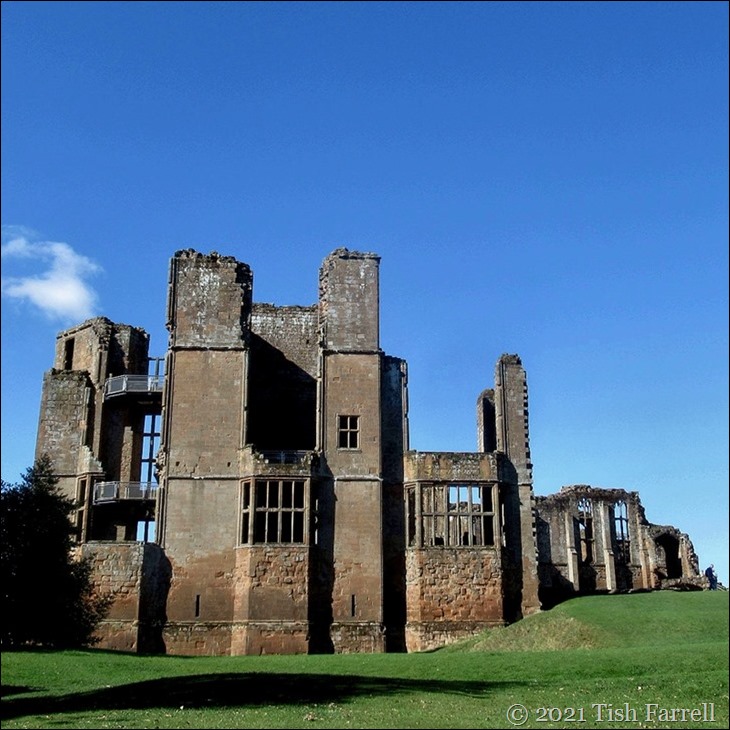
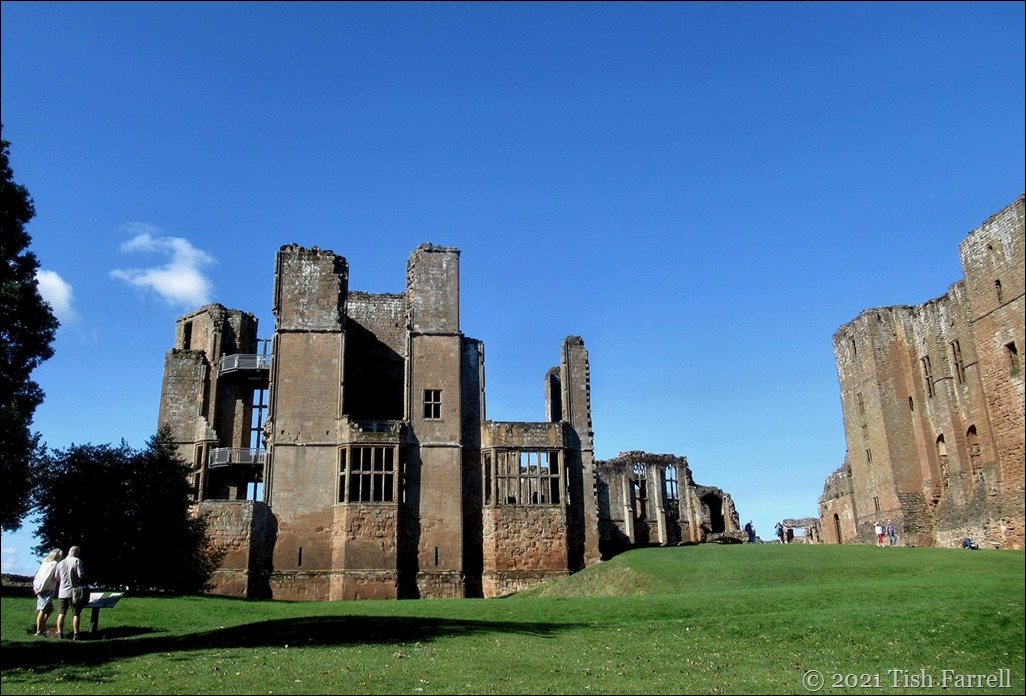
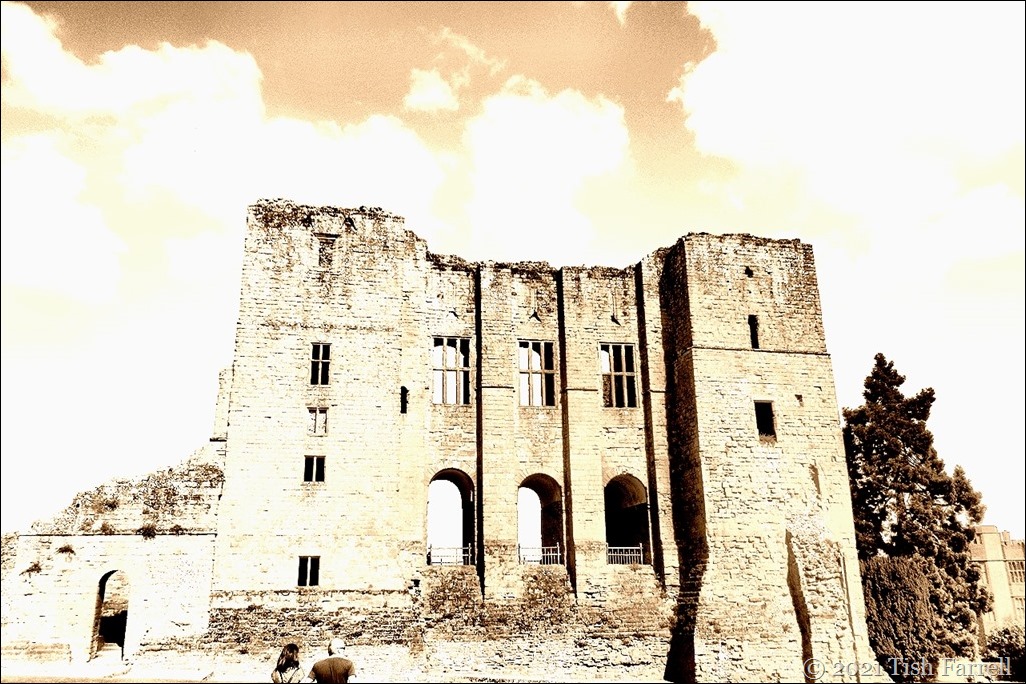
And that man would be Robert Dudley, first earl of Leicester (1532-1588), and his queen, Elizabeth Tudor  (1533-1603). The royal apartment in question is known as the Leicester Building, part of Kenilworth Castle in Warwickshire. Dudley’s own private chambers apparently adjoined the queen’s, so providing further substance to rumours that began on Elizabeth’s succession in 1558 (and have endured for more than 400 years), that she and Dudley were lovers.

Dudley was without doubt a royal favourite, and queenly predilection did indeed confer on him great wealth and courtly status. But he was also a man of considerable ability as well as good looks. In fact the Spanish ambassador reported home that he was among the three men who ruled the country.

814px-Robert_Dudley_Earl_of_Leicester_attributed_to_Steven_van_Herwijck(1)

He was already married when Elizabeth came to the throne. He had married Amy Robsart in 1550 when they were both seventeen years old and in what was said to be a love match. But by 1558, with Robert appointed Master of the Horse, a position that dictated almost constant attendance on the queen, Amy was reduced to a nomadic existence, living with friends and rarely seeing her husband. Finally she settled at Cumnor Place near Oxford, living in a private apartment in the home of the Forster family. But by September 1560 she was dead, having apparently fallen down some steps. Her neck was broken.

There was a colossal scandal, much enjoyed by Robert Dudley’s rivals and enemies. And although Dudley was cleared of any wrong doing (he was attending on the queen at the time), the whispers of an ‘arranged death’ never went away.
IMG_2065

So now Dudley was free, but gravely compromised. Did he really think there was ever a chance to marry Elizabeth?

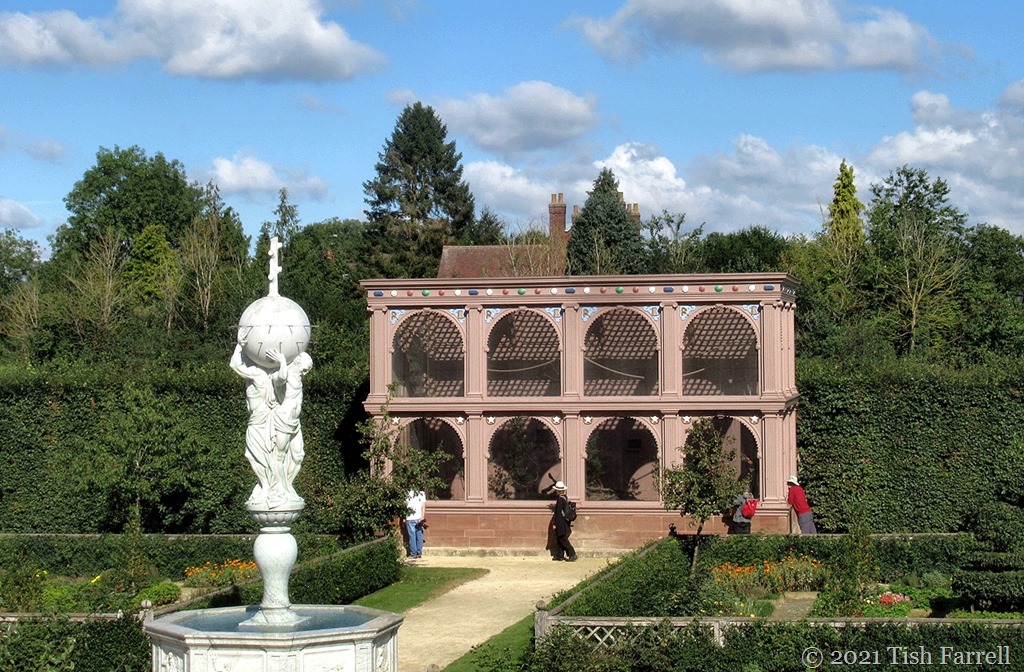
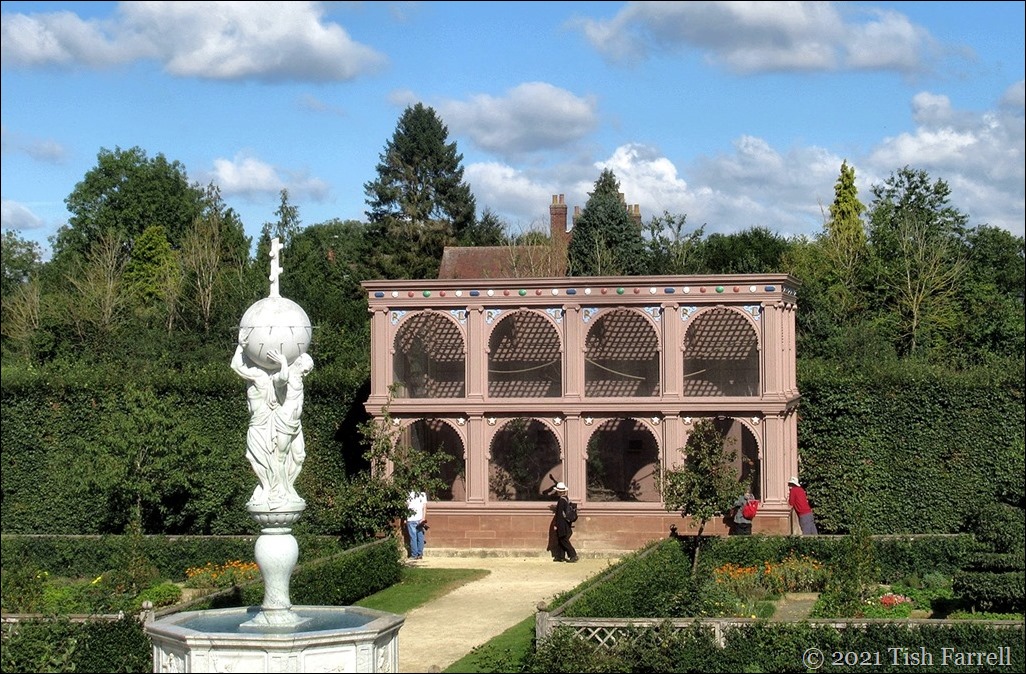
The new Kenilworth apartments were built in time for the queen’s third visit there in 1572, constructed in the latest elegant Tudor style. They were further improved for a fourth visit in 1575, so much so that Elizabeth extended her sojourn for an unprecedented 19 days, being marvellously entertained with fireworks, masques, hunts and a brand new pleasure garden created especially for her.
IMG_2086

It is usually suggested that all this vast investment on Dudley’s part was his last ditch attempt to win the queen’s hand.

Yet from 1568 to at least 1574 he was actually having an affair with a young widow, Lady Douglas Sheffield. She bore him a child, whom he acknowledged as his ‘base son’ Robert Dudley, and thereafter took good care of him, although he was careful, too, to inform Douglas Sheffield that he could not marry her, fearing the loss of the queen’s favour.

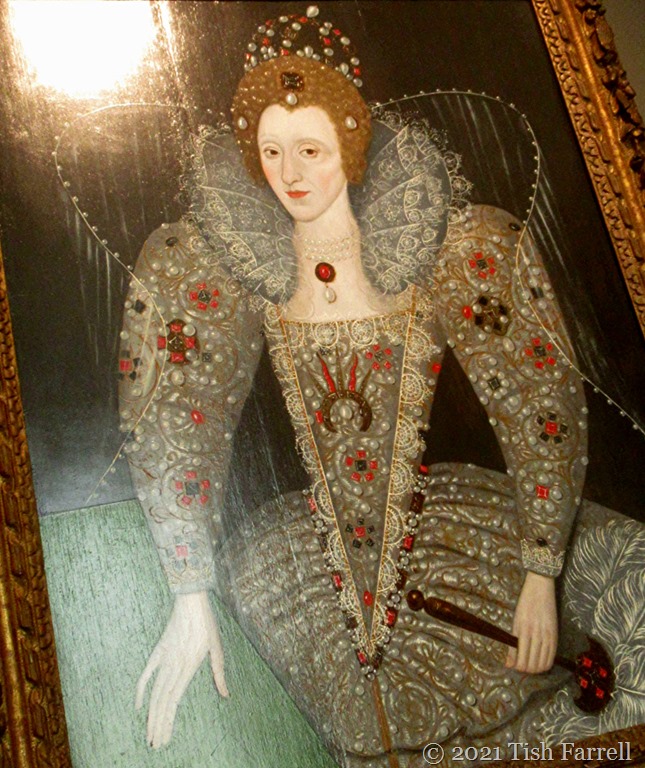
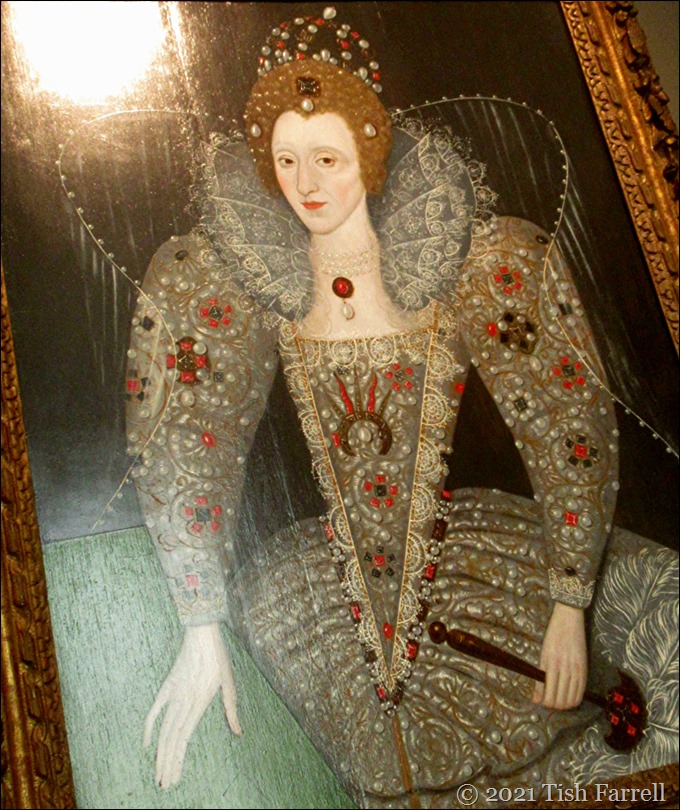
Yet as time went on, he grew ever more anxious about the lack of a legitimate heir. And so in 1578 he secretly married Lettice Knollys, Countess of Essex, another widow with whom he was rumoured to have been having an affair before her husband’s death in 1576. The queen was furious when informed of the deed by Dudley’s enemies, and she banished Lettice from court. But it was around this time, with Elizabeth in her mid-to-late forties, that the so-called Phoenix Portrait was commissioned. (My photo was confounded by the gallery lights at Compton Verney where the picture now hangs, but you get the drift):
IMG_2462cr

Such portraits were always intended as PR exercises. Quite apart from the phoenix rising from the ashes symbolism, the proliferation of pearls is also said to convey a particular message, i.e. confirming Elizabeth’s well cultivated image as Virgin Queen. No marriage for her then. Even so, spite ruled, and seven years into Dudley’s marriage he said she was still being insulting about his wife and taking every opportunity to ‘withdraw any good from me.’

Nonetheless he went on to play considerable roles in affairs of state. Most notably in July 1588 as the Spanish Armada approached, he was appointed Lieutenant and Captain-General of the Queen’s Armies and Companies. When Elizabeth went to address the troops at Tilbury, and made that now most famous speech, he was walking at her side.

After the victory he was feted, spending the last weeks of his life dining with Elizabeth. But by then he was already ill. He died suddenly in September 1588, on his way to Buxton in Derbyshire, to take the baths. When Elizabeth heard, she locked herself in her apartment and Lord Burghley was forced to have the door broken down. At her own death in 1603 Dudley’s last letter to her, written before his departure for Buxton, was found in her beside treasure box.
IMG_2115sep

Past Squares #1

Hurrah! Becky’s squares are back for the month of October – our favourite past squares reprised, or squares about the past.

Last Of Summer Days In Heart-Of-England Country

IMG_2283

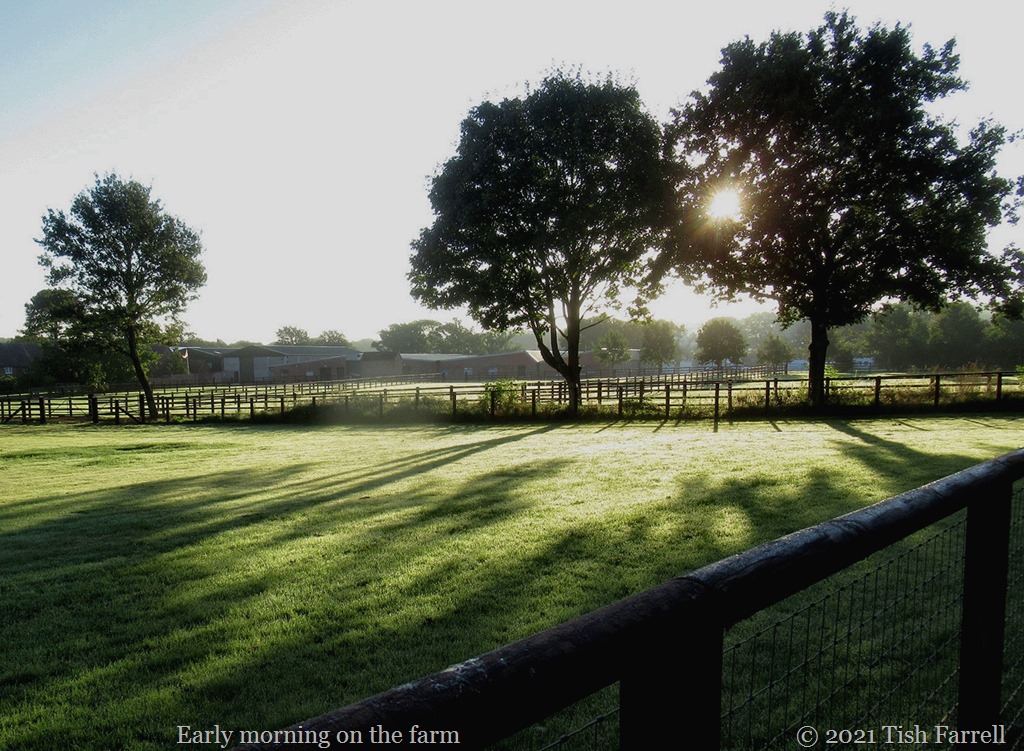
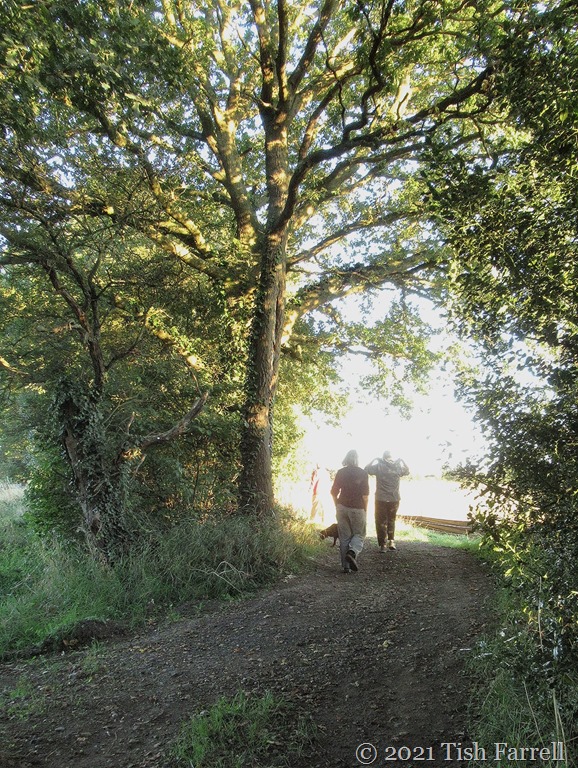
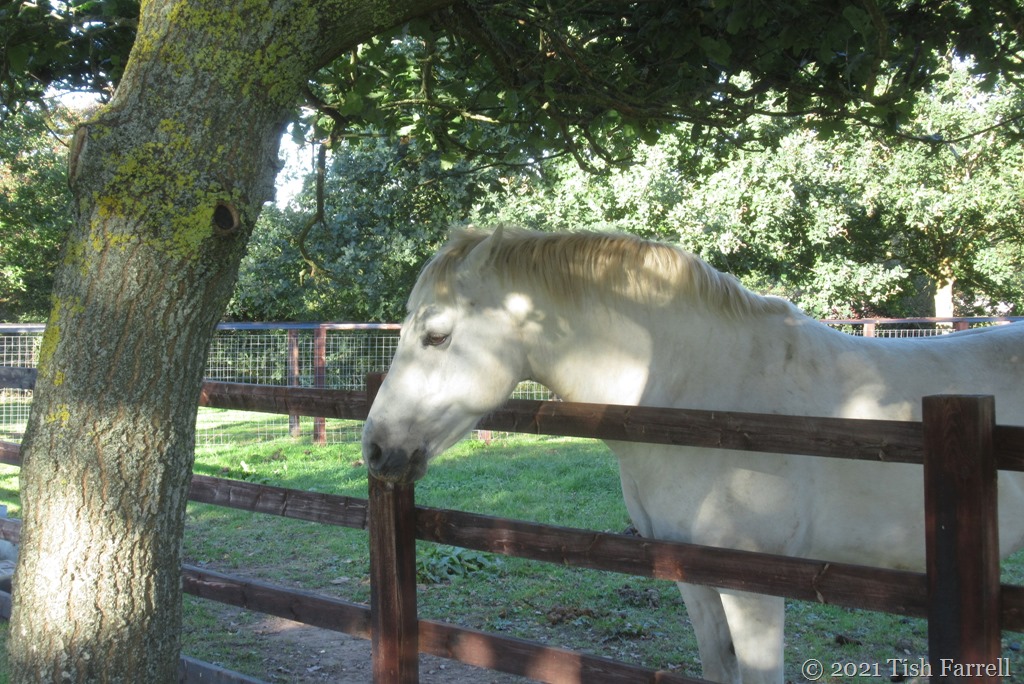
…and in this case that ‘heart’ would be Warwickshire, homeland of master playwright, Will Shakespeare, the man who tantalizingly left scant evidence of his existence there. But then we weren’t pursuing him in his Stratford birth-and-death place along with many a late summer visitor. We were choosing the quieter option, staying on a farm in a cottage near Royal Leamington Spa, watching horses graze in lush paddocks and meandering down leafy footpaths to the River Leam.

For seven days last week we were blessed with full-on summer warmth. Lucky us.

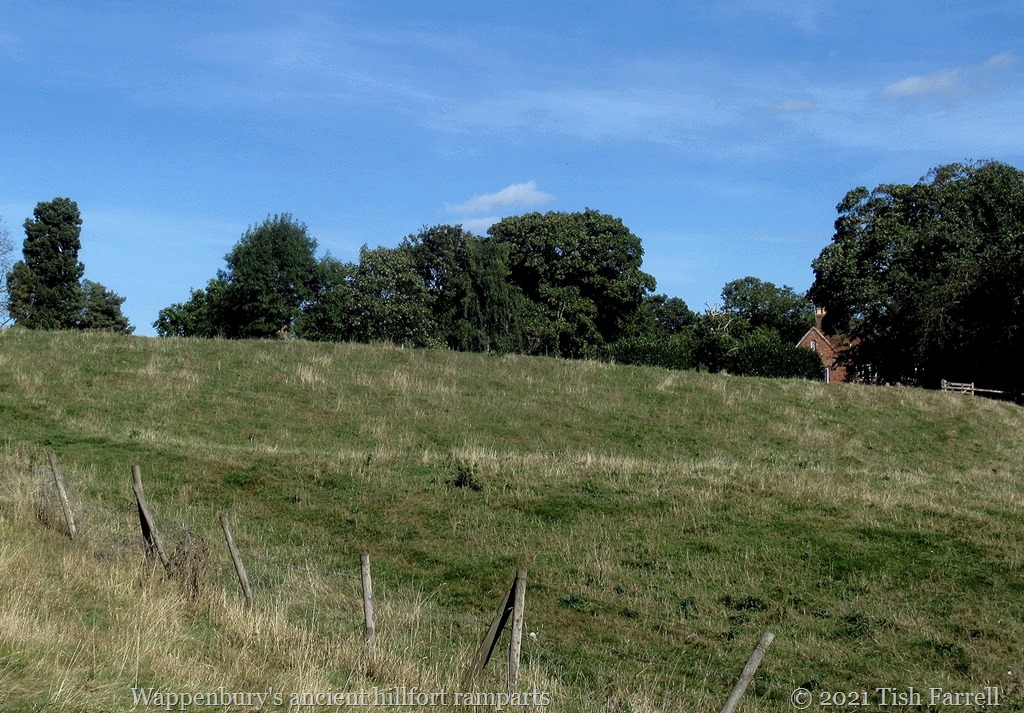
It was new territory too. For us Shropshire dwellers (slightly north and west of Warwickshire), this particular county has always been one to drive through to somewhere else, usually to Devon or Cornwall. This being due to its having various motorways which incline one to dash through. This has clearly been a mistake. At the very least it is a county of two stunning castles – each in the magnificent, must-visit-settings of Warwick and Kenilworth. Then there are the elegant Georgian boulevards of Leamington Spa with its riverside parks. Then out in the surrounding countryside there are ancient pretty villages with well patronized pubs serving delicious food. One little village called Wappenbury even had the distinction of having grown up within the  bounds of an Iron Age hillfort. You could still spot the weathered ramparts from the path down to the Leam.
IMG_2322

IMG_2011

IMG_2291

IMG_2197

*

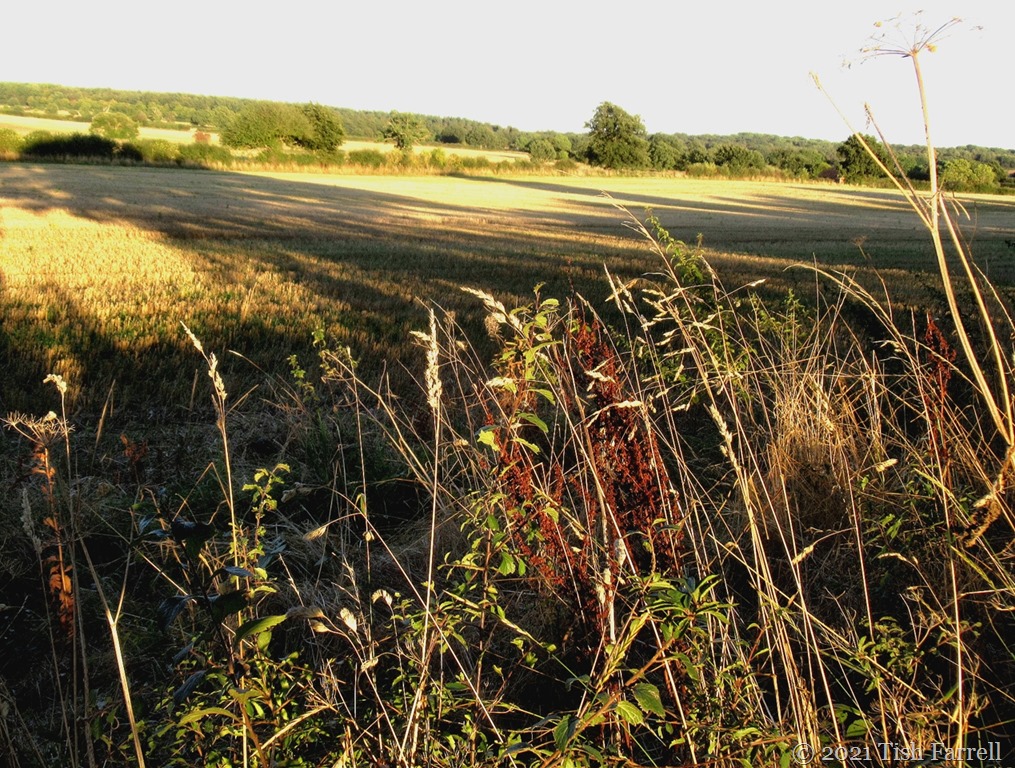
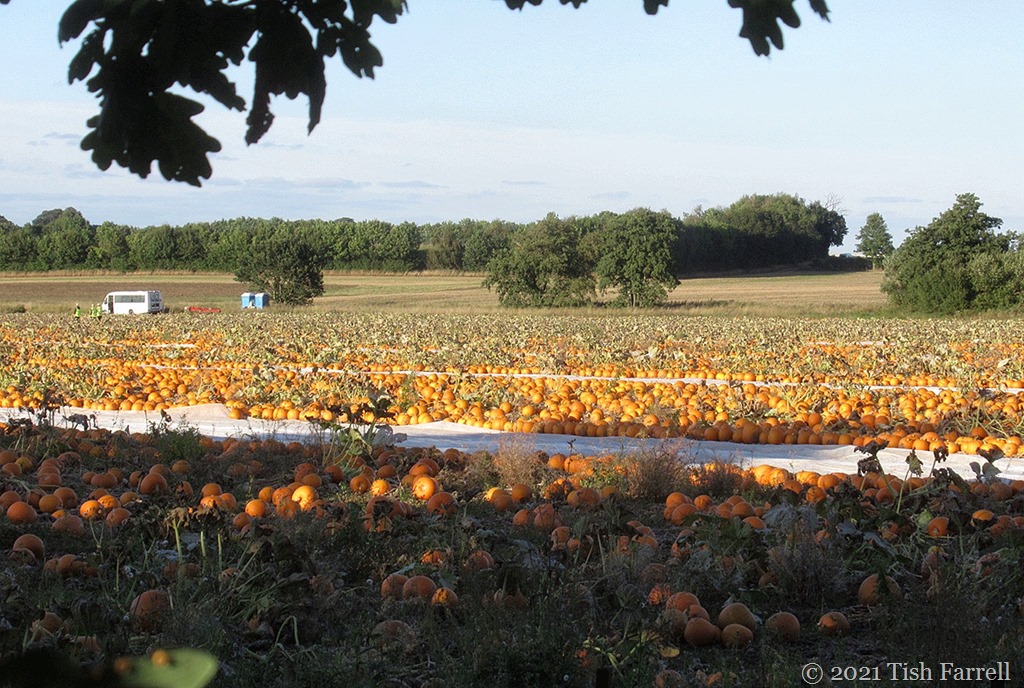
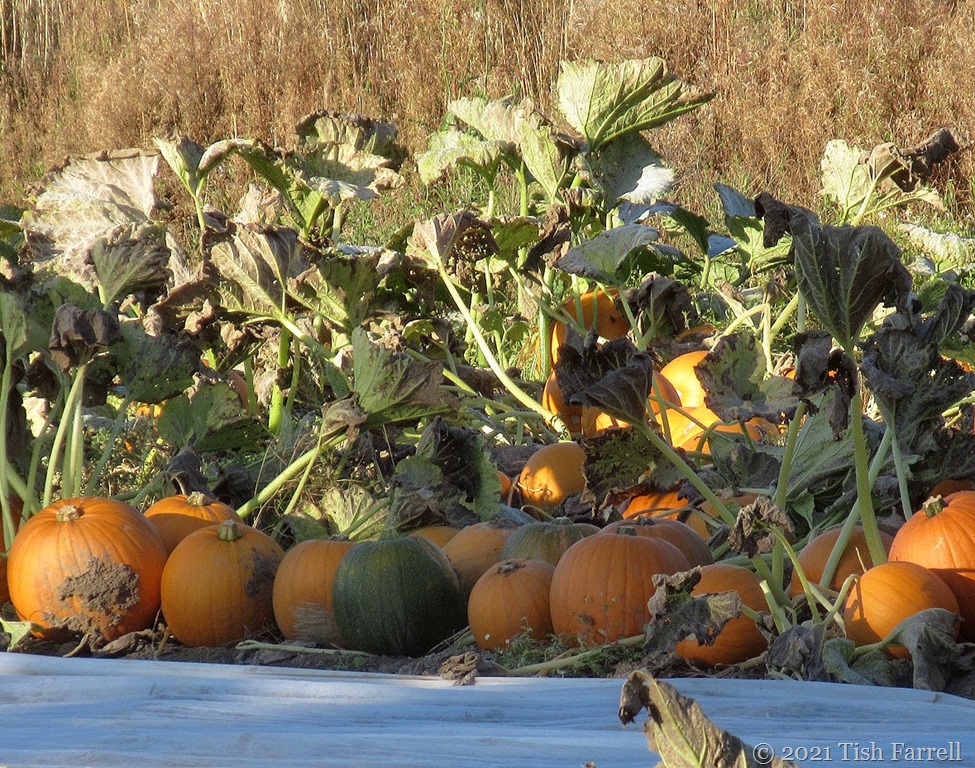
Warwickshire is largely an agricultural county, mostly arable with ‘big-field’ cultivation and wooded peripheries, the surviving 18th century (and older) farmhouses displaying well kempt manorial looks.  By late September the harvest was pretty much done, the drilling of winter wheat underway. What remained, though, were fields and fields of pumpkins, they of the now customary Halloween variety. In fact there were so many acres of them – Sleepy Hollow on agristeroids – we decided the farmers must be growing them under contract to every  big supermarket chain across the land. Who knew?  But we pitied the poor pickers who we saw arriving on gathering duty: some of the pumpkins were HUGE, not easy to grapple with.

This next photo is one portion of a single field.

IMG_2261

IMG_2254

*

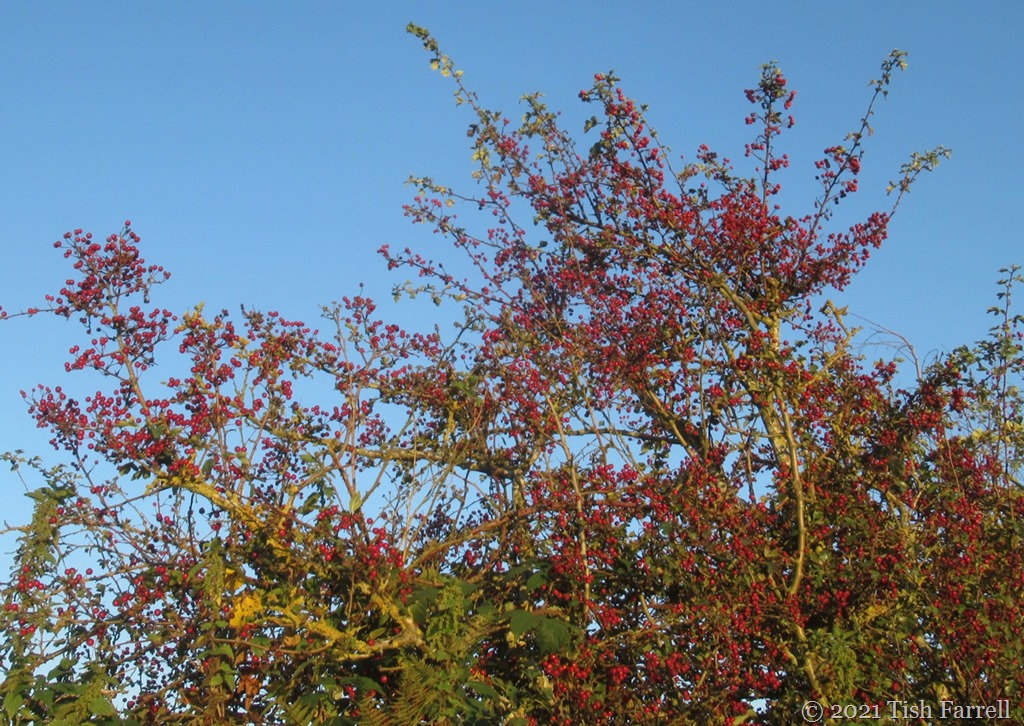
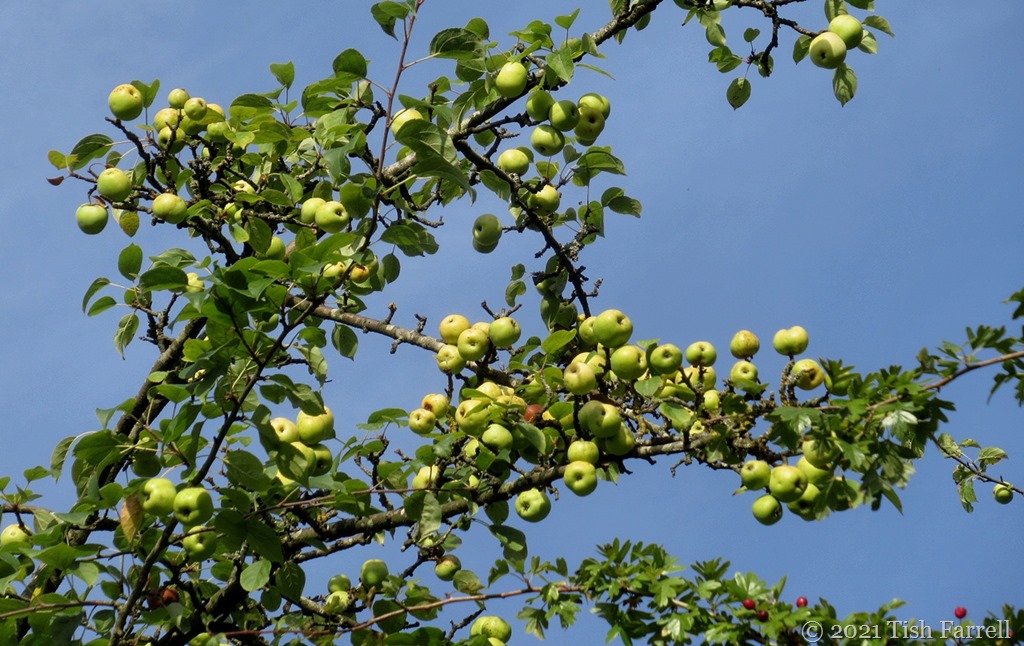
As you can see, our English trees are yet to gain their autumn tints, but there were other signs in the astonishing hedgerow shows of hawthorn berries and crab apples. I also discovered a tree of wild plums, the fruit so sharp yet lusciously sweet. An ode to wild plums is definitely called for.

IMG_2288

IMG_2229

*

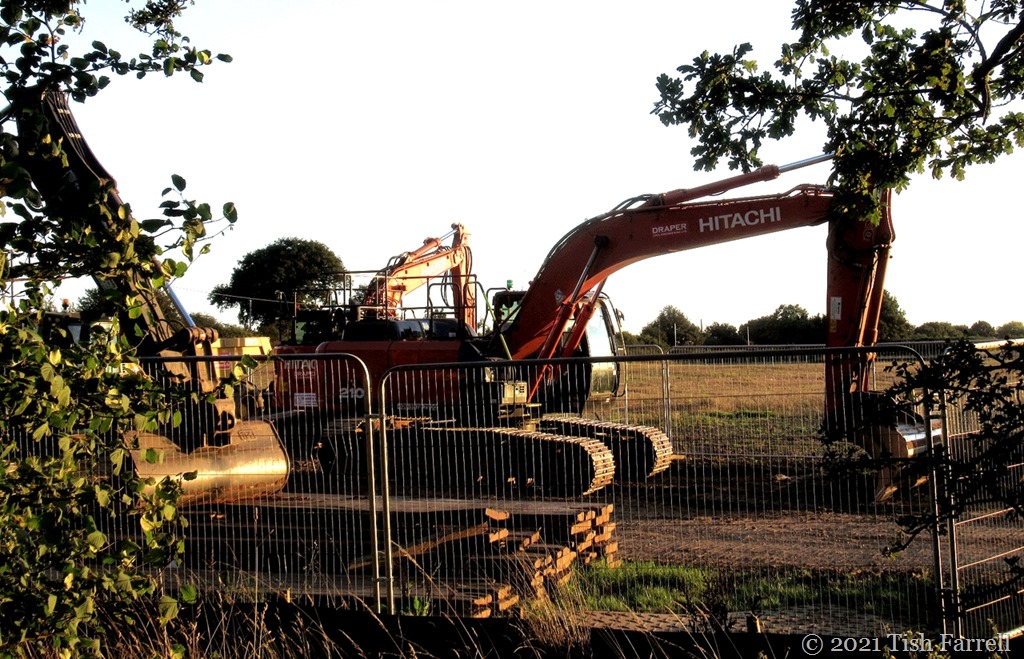
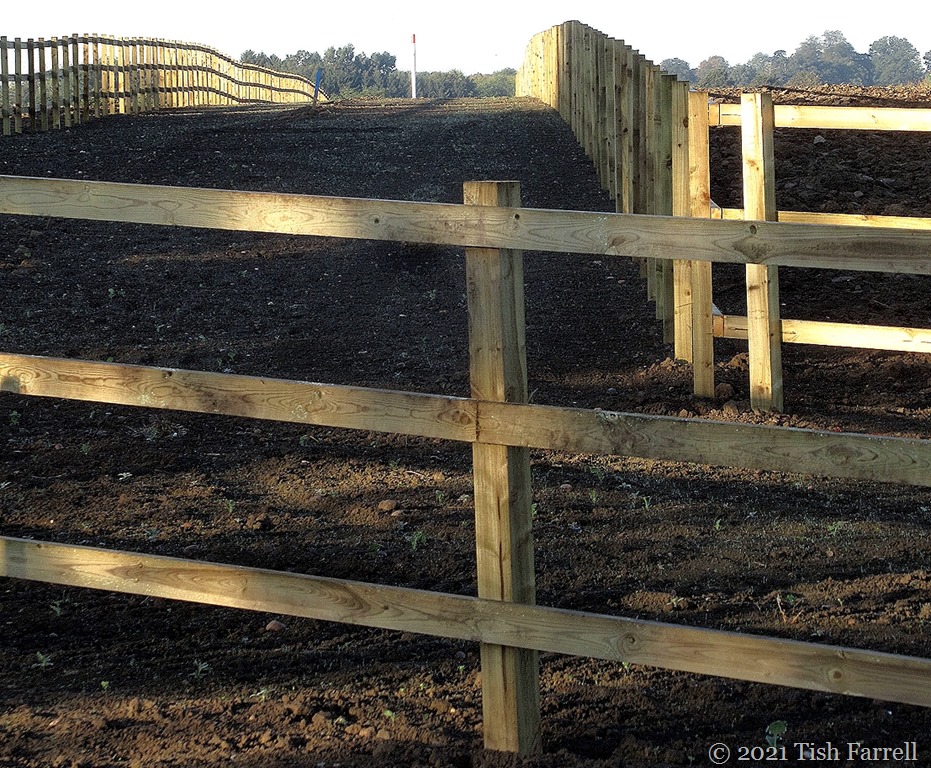
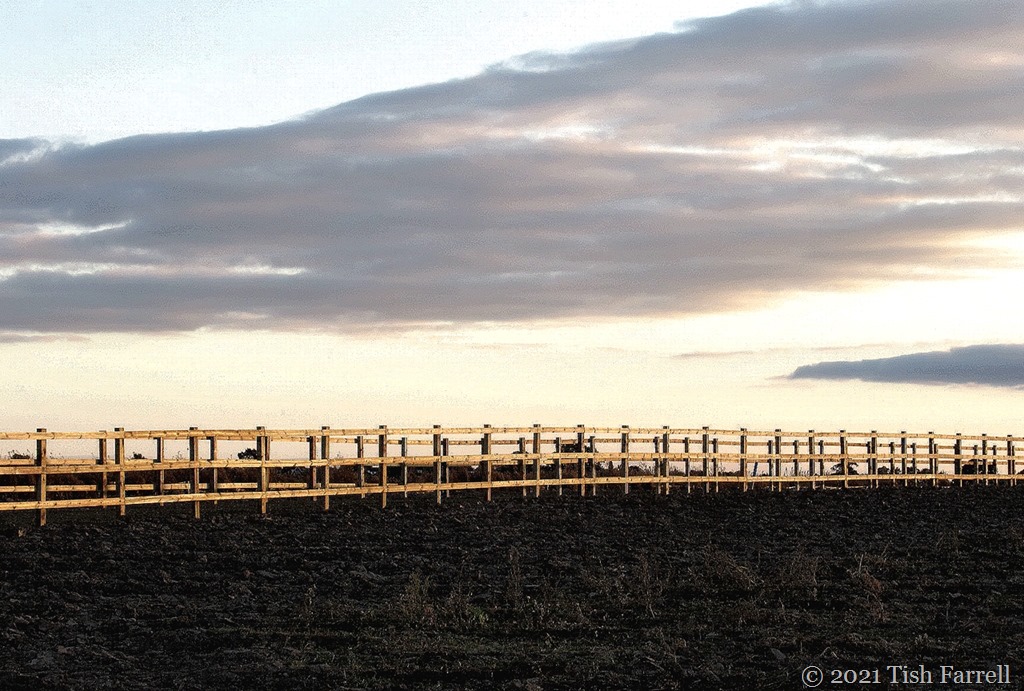
But in case this all seems idyllic, there were also dark rumblings across the county: the incessant daylight thump-thump of heavy plant piling machines.  The controversial high speed 225 mph train line HS2 – London to ??? is carving up the land. And just in case, like me, when someone says ‘railway’ you picture only a narrow swath of track bed, then think again. There are all the access roads and service infrastructure to accommodate. The farm we stayed on had had a compulsory purchase order slapped on 100 of its acres. These are now fenced off.

IMG_2014

IMG_2297


For now, only phase 1 London to Birmingham is approved and underway though already, according to Construction News July 2021 it is £1.2 billion over budget; a situation described as ‘cost pressures’.  Nor is this limited section of the projected line likely to open before 2029-2033 (or even 2041 according to whistle-blowing info revealed by one Tory MP). Meanwhile, the whole point of the exercise (apparently) which was to open up the north of England: Manchester west and Leeds east (see map at previous link) seems unlikely to be approved. On top of that, the opposition to the project on grounds of horrendous cost, deemed general pointlessness, and wholesale destruction of ancient woodland continues, as noted in the most recent Government report:

The key issues across the route continue to revolve around traffic and road
related matters, woodland, vegetation and wildlife issues and noise
disturbance. HS2 Independent Construction Commissioner: Eighteenth Report

One also wonders, with all the moves to make people work from home, that come completion in 10+ years’ time – we’ll have more of a ‘ghost train’ than a viable commuter service.

IMG_2308

IMG_2294

*

Still, one shouldn’t let madcap schemes spoil things. Here are more sunlit Warwickshire vistas as summer slips into autumn.

IMG_2284

IMG_2299_thumb.jpg

IMG_2298

Lens-Artists: The Colours of Autumn

Life in Colour: gold

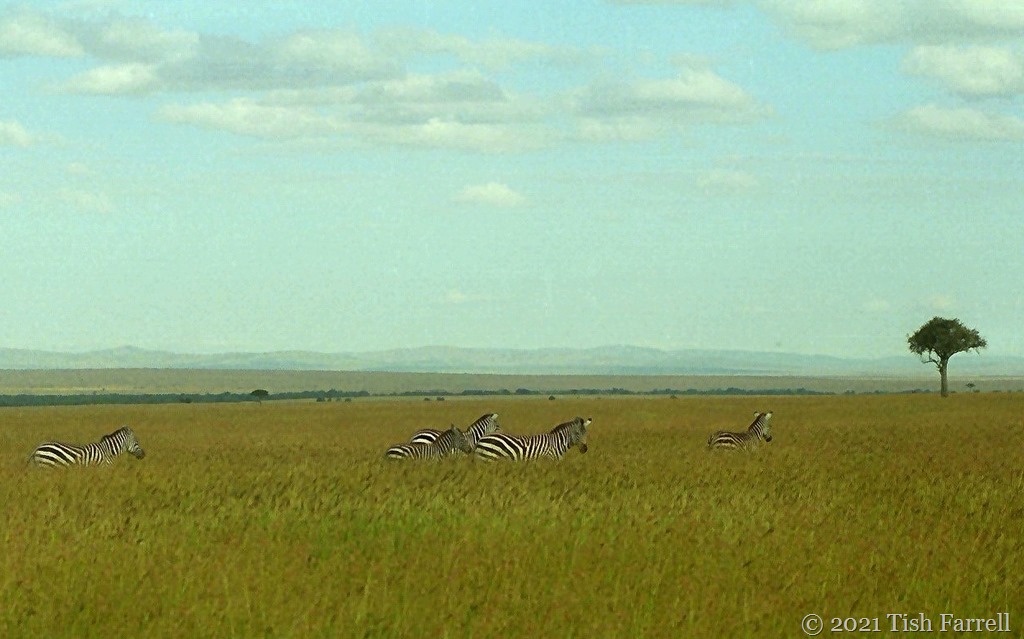
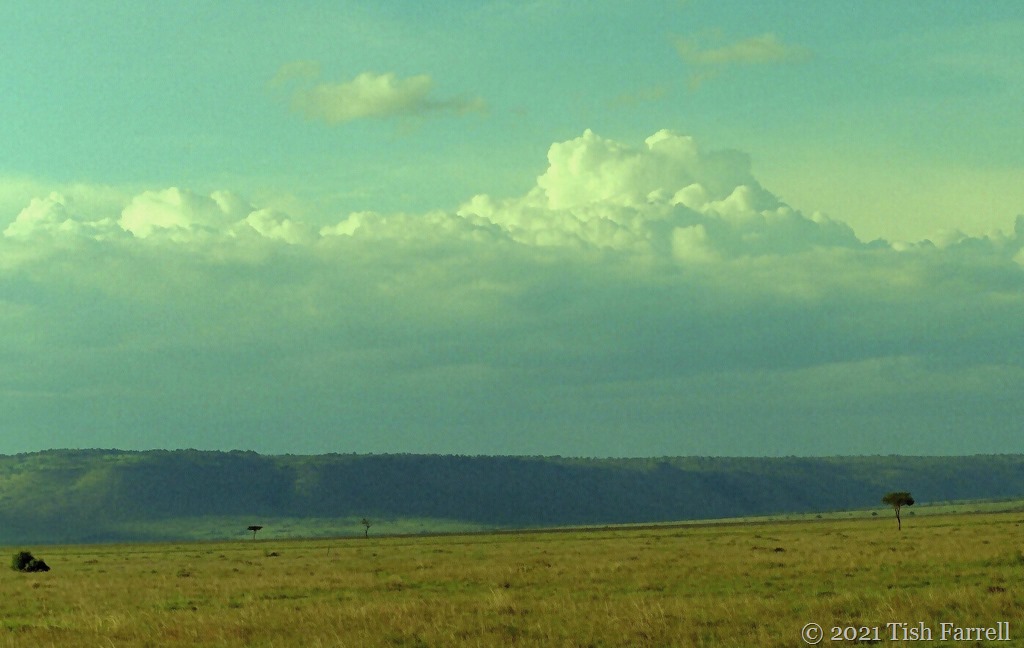
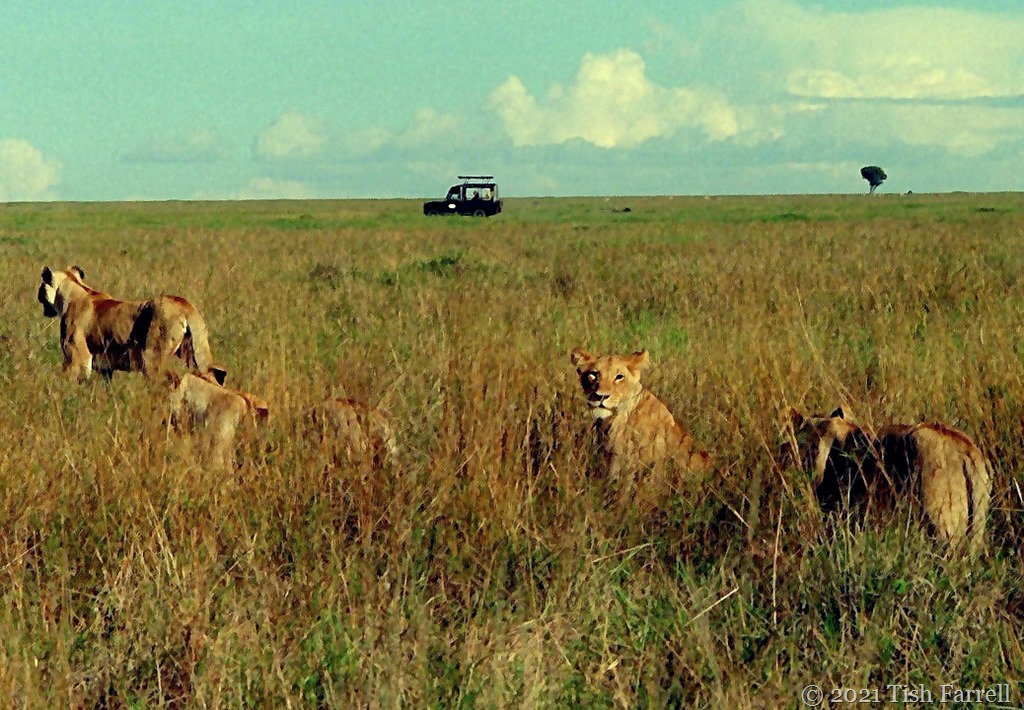
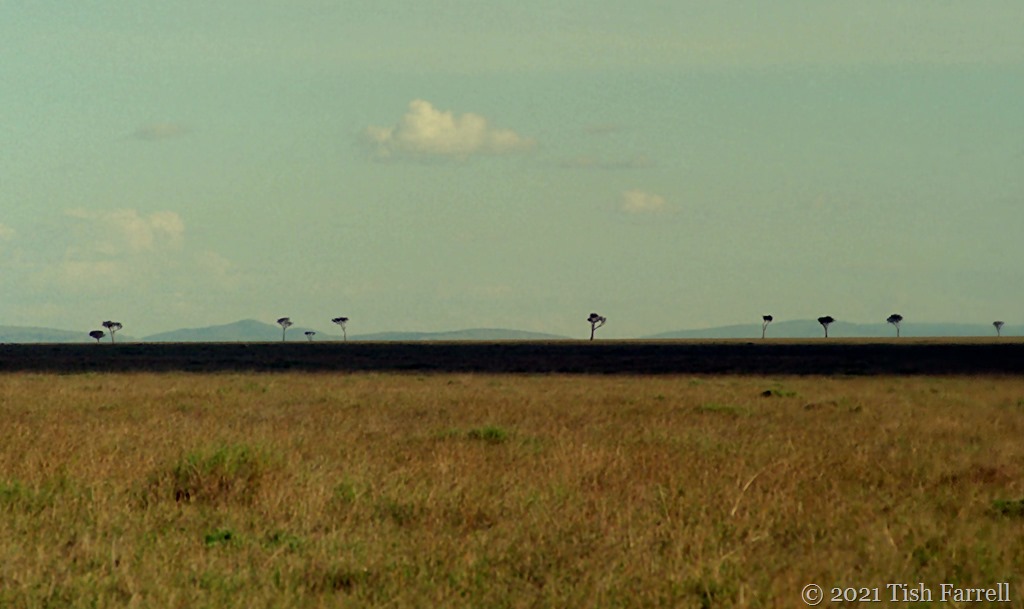
Taking The Broad View ~ Mara Grasslands

desert date mulului tree 001 - Copy (2)

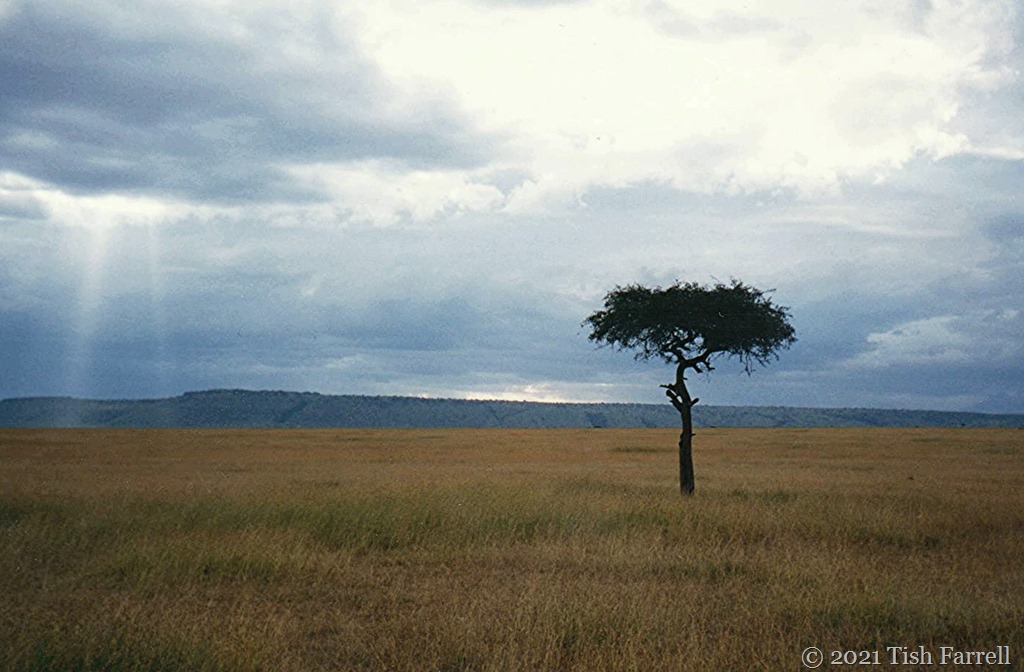
In the rainless months it is the oat grass that gives the Mara plains their golden hue. The small trees with their sculpted looks are desert dates, mulului trees, much browsed by all the local herbivores.

These photos from the Farrells’ old Africa album were taken outside the main Maasai Mara National Park, below the Oloololo Escarpment on territory owned by related Maasai families, locally referred to as a group ranch. Visitors pay a daily fee to group ranch elders. We were lucky to be able to make three trips there while living in Kenya.

Scan-140727-0038

Scan-140728-0018

wide Mara 7

lions wide Mara 30

mulului trees Mara 14

Life in Colour: Gold

Lens-Artists: Going wide

Day’s End Over The Garden Fence

IMG_1869

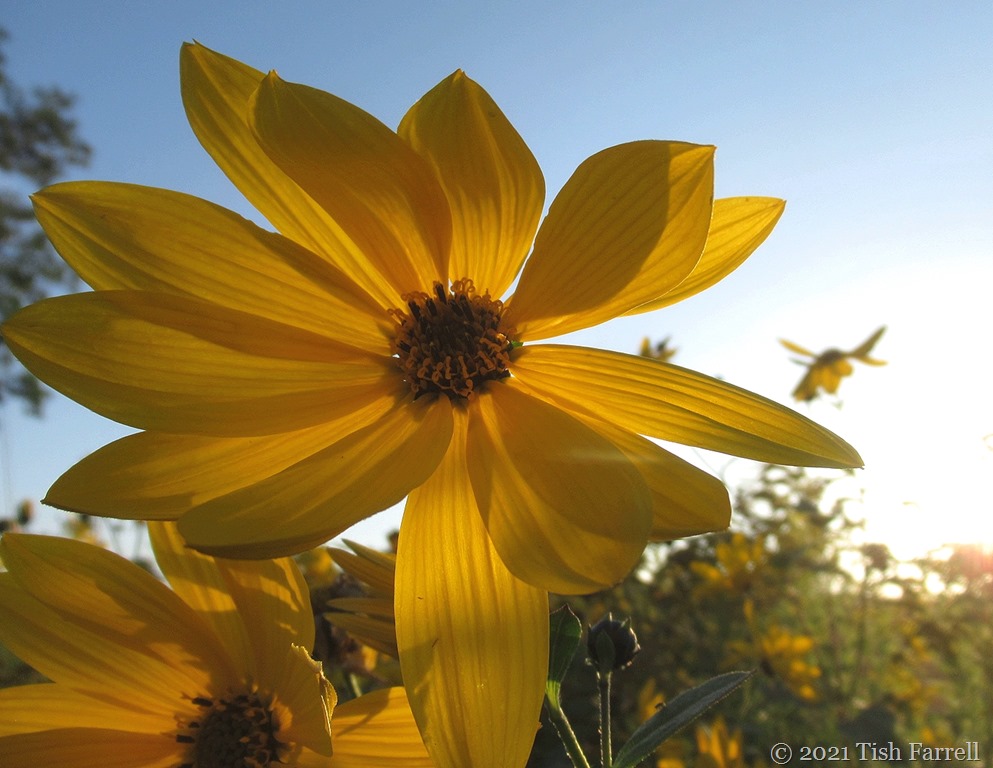
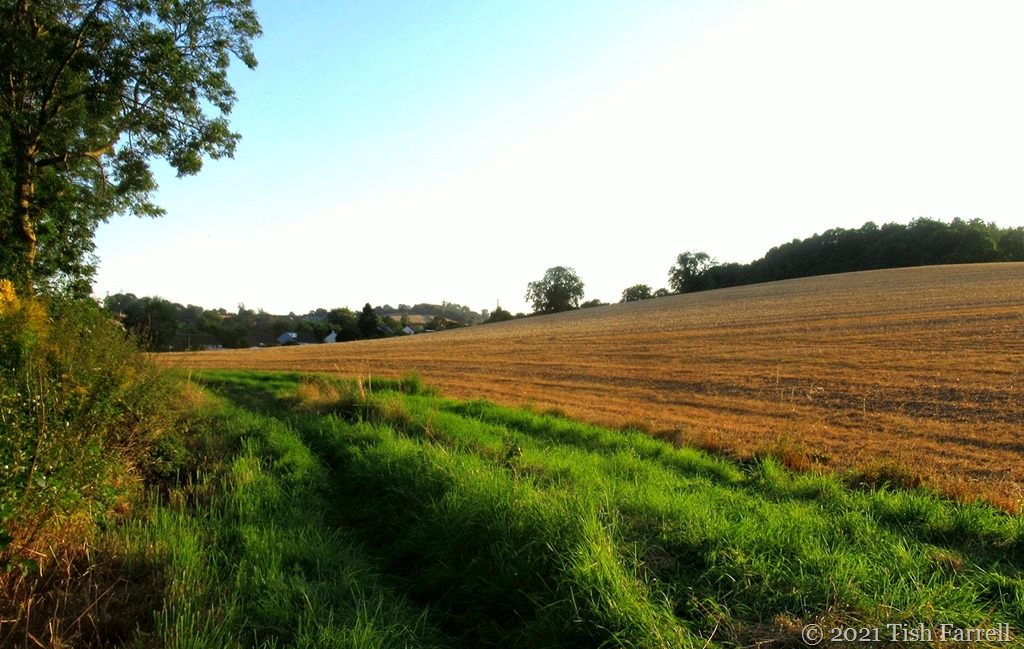
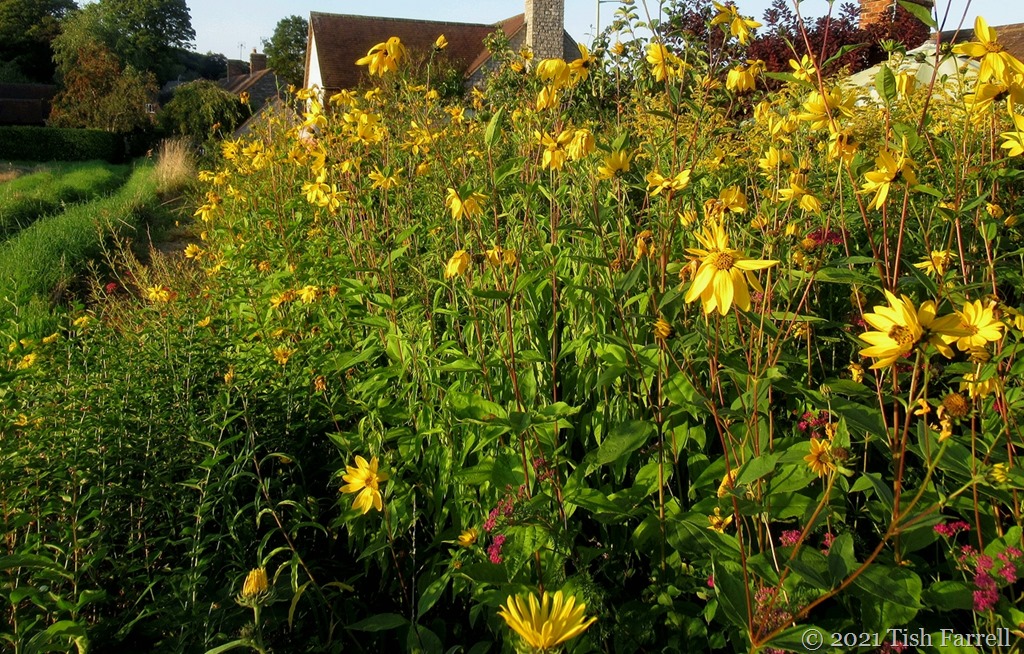
Summer came back this week, a few days of full-on sun before tomorrow’s promised thunder storm. As you can see, the helianthus in the guerrilla garden are all of a glow, caught here yesterday evening – sun dipping over Wenlock Edge. Even Townsend Meadow, recently doused with herbicide, looked quite good in sundowner light. The story here is that after the barley was harvested in July, much of the fallen grain germinated, turning the field into a grassy sward. This has now been dealt with. Next comes the ploughing and drilling. It is also the season of muck spreading, though thankfully not in the field behind the house. Even so, the odour is wafting about the town, especially pungent when combined with a heat wave. All of which is to say,  beauty presently comes with a bit of a whiff.

IMG_1882

*

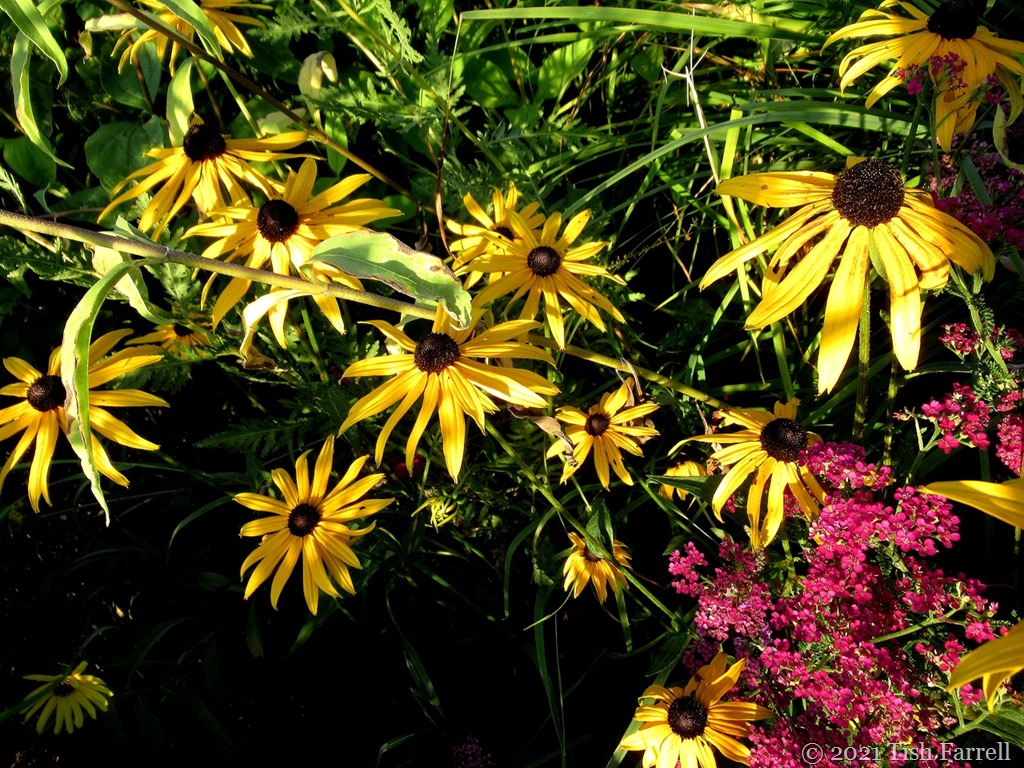
Meanwhile back in the Farrell jungle, all is gold…

IMG_1880

IMG_1881

IMG_1856

IMG_1877

IMG_1874

IMG_1828

IMG_1858

IMG_1781

Life in Colour: GOLD

The Changing Seasons ~ This Was August

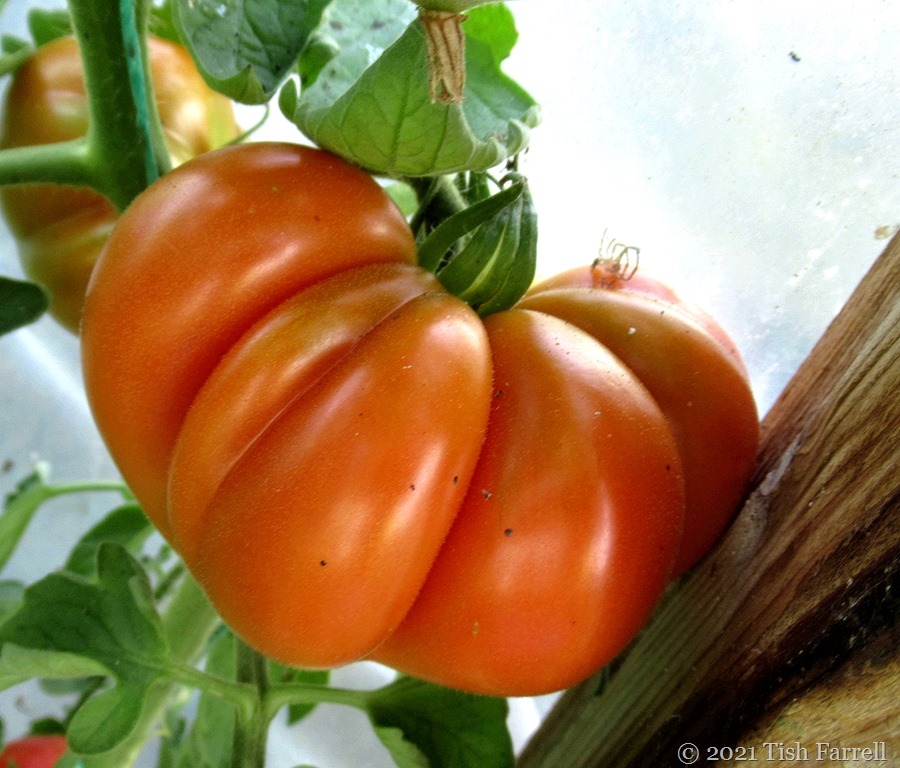
IMG_1606

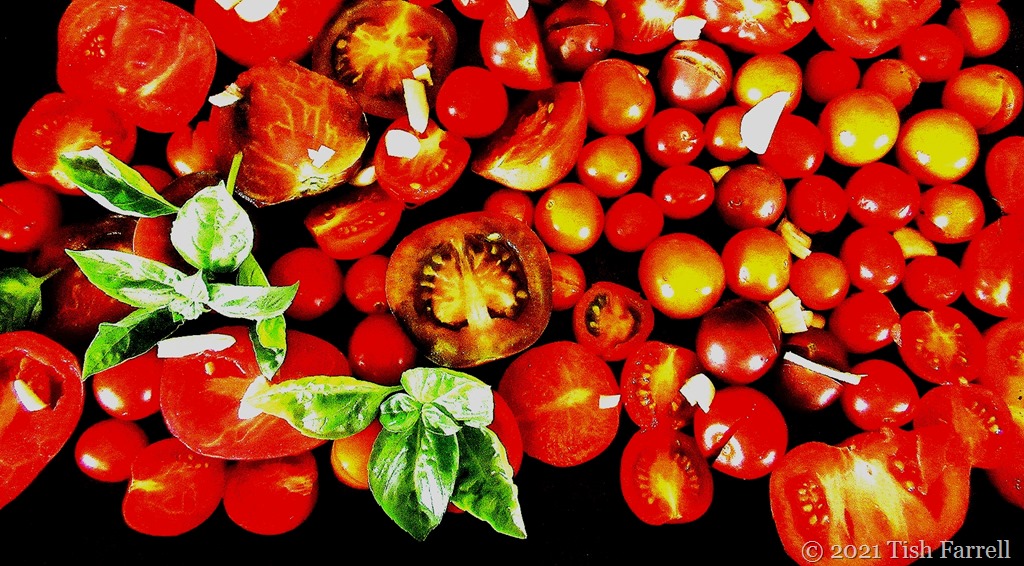
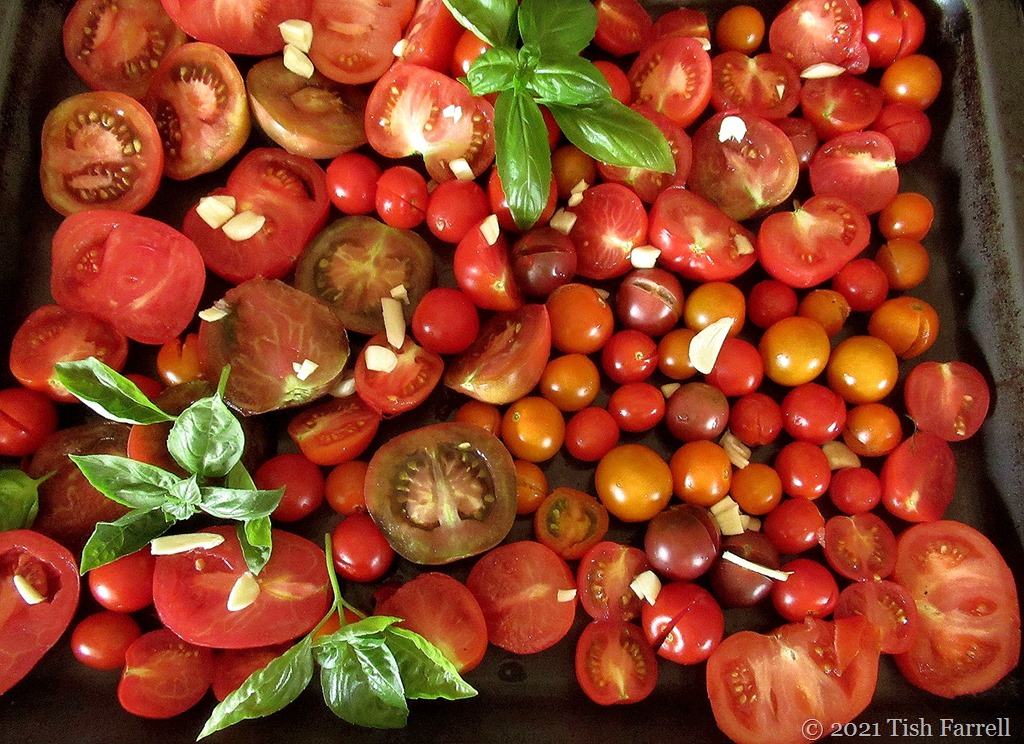
And it has been all about tomatoes. The allotment polytunnel has been in production for many weeks now: more than enough from a dozen plants. This in turn has meant tomatoes with every meal and much processing of the remainder. For the latter, this year’s method of choice is simply to roast  them until soft. Additives include a drizzle of olive oil, black pepper, sea salt, garlic and fresh basil.  Once cooked, all is whizzed with an electric wand-thingy and put through a coarse sieve into plastic containers. These are then frozen, contents decanted and stored in bags as sauce ‘bricks’.

Otherwise we’ve been enjoying a very simple Greek dish of repeat layers of thinly sliced potatoes, tomatoes, courgettes (starting and finishing with the potatoes) – also with added basil, seasoning, garlic, drizzle of olive oil, and baking the lot slowly in a moderate oven until the potato-slice topping is crispy. Good with baked fish and/or thinly sliced and steamed runner beans or Violette French beans. We’ve also been eating runner beans as a meal on their own, sprinkled with parmesan or pandano cheese, with or without a homemade pesto sauce, or the pistou version which uses up a tomato.

IMG_1497

I’m thinking that by now we must comprise 99% processed vegetable matter.

*

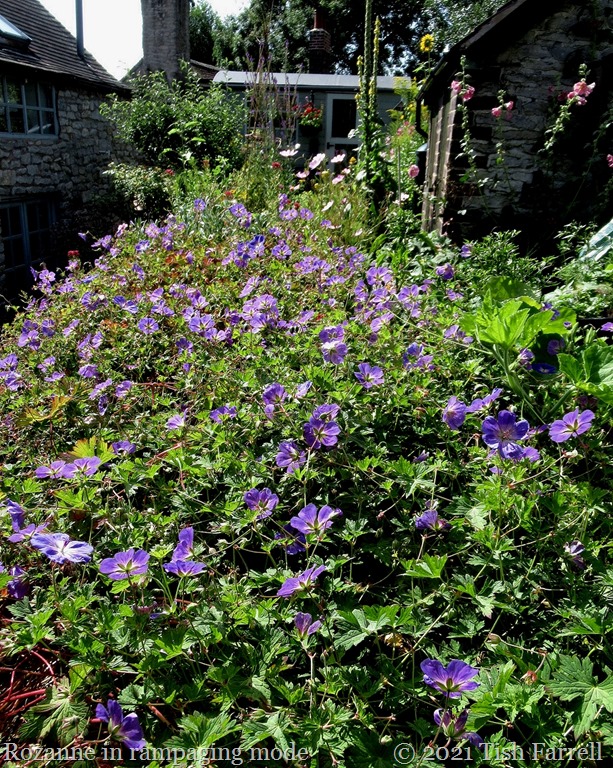
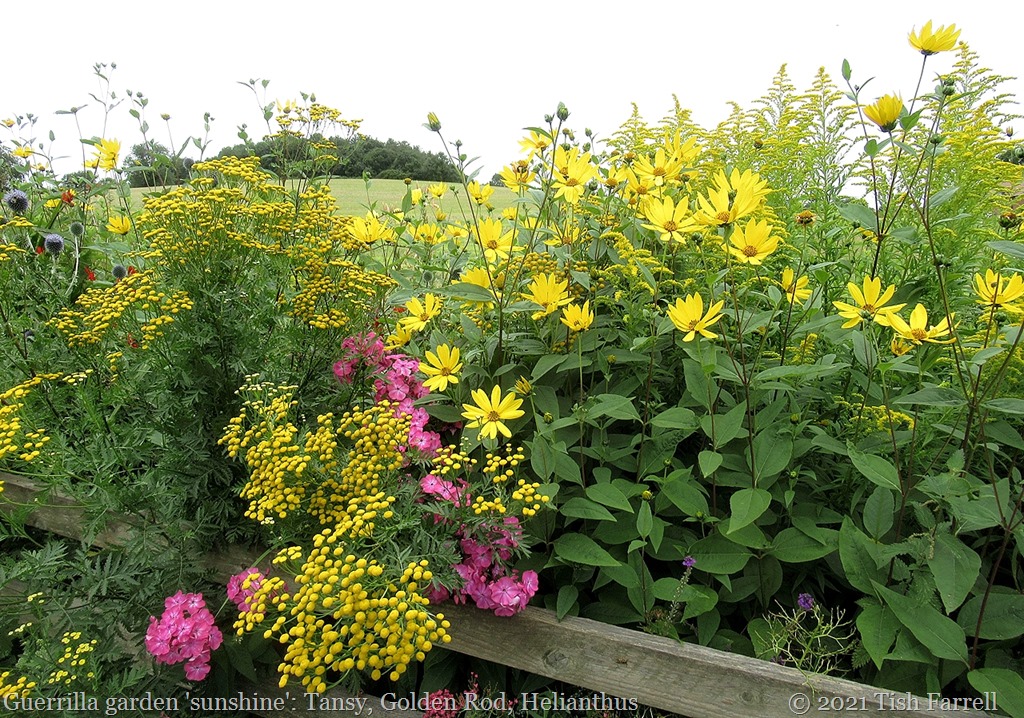
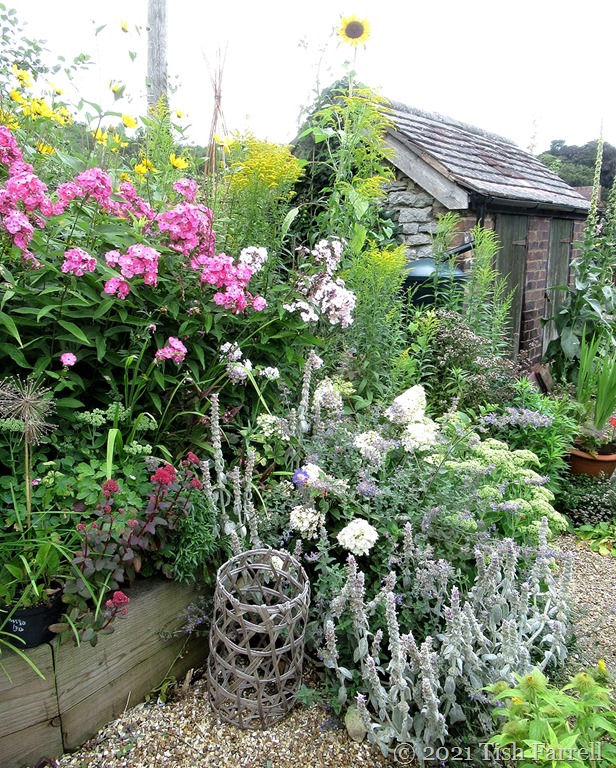
For several weeks the weather here has been more like early autumn than summer – some sun, but many overcast days and often quite chilly. We’ve even lit the wood stove a couple of evenings. But lacklustre temperatures have not stopped the garden. Geranium Rozanne made a bid to take over the entire upstairs terrace. Serious curtailing had to be implemented to ensure a bit of space for human kind. The rest of the borders also seem to be several feet taller this year, including the guerrilla garden which has done great service standing in for the too often absent summer sun.

IMG_1534

IMG_1594

IMG_1539

*

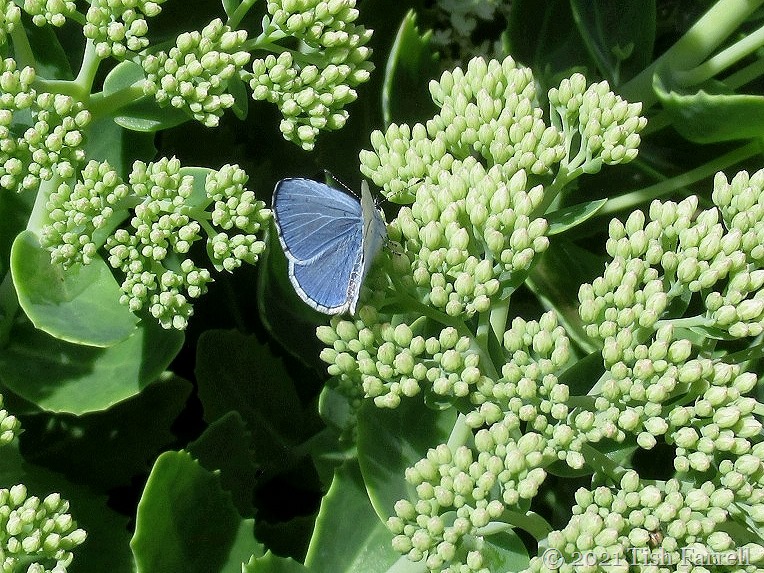
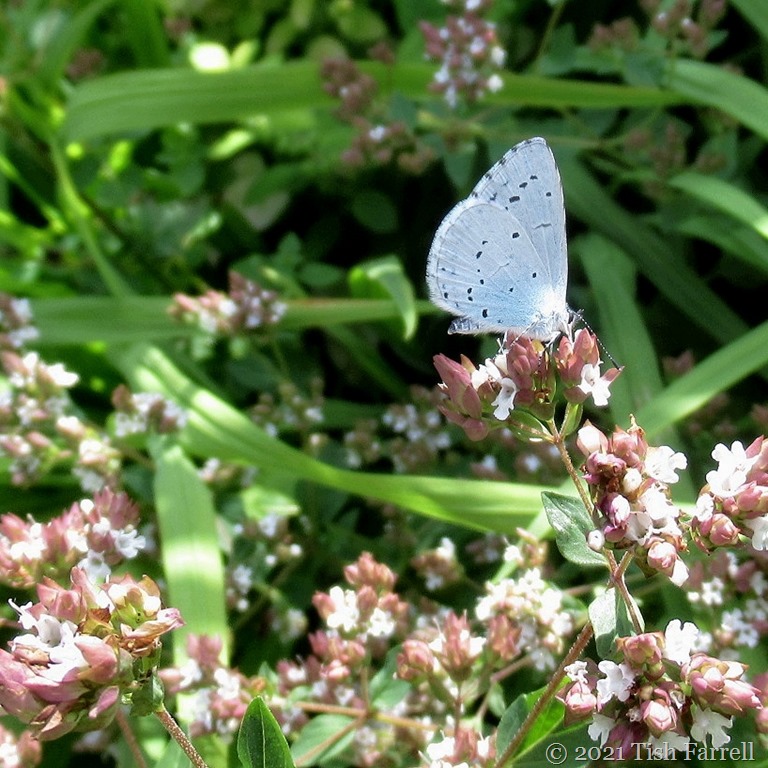
For those of you who missed our special garden visitor in early August – here he is, the male Holly Blue butterfly. It was spotted first on the sedum also seen in the photo above. Later I saw it feeding on the oregano, also much favoured by the bees:

IMG_1459

IMG_1464

IMG_1505

*

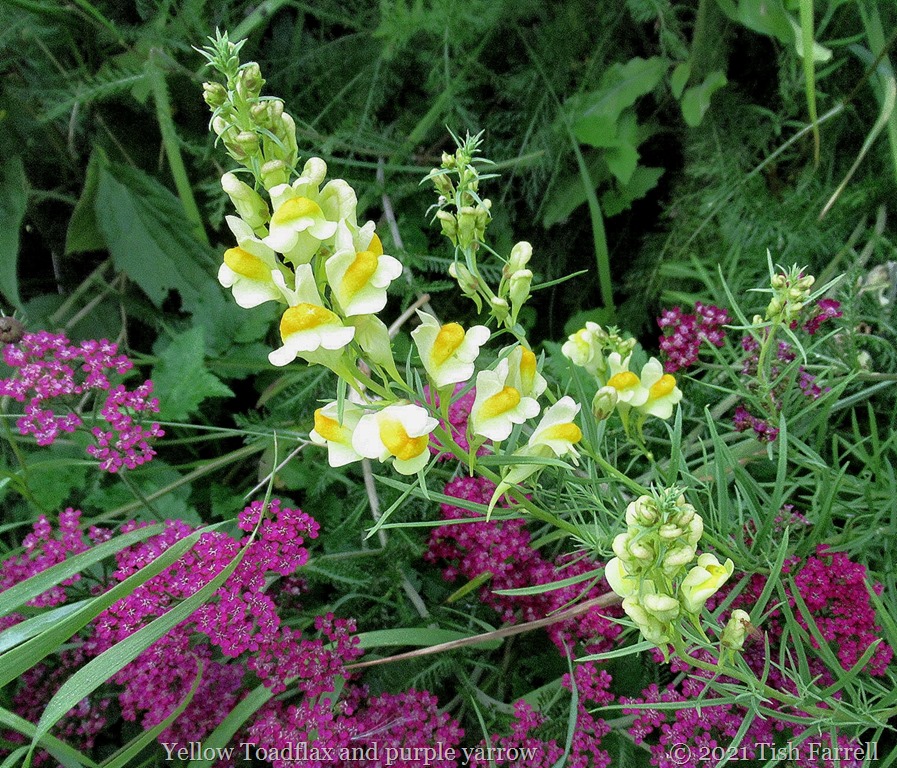
One of my favourite August flowers is the wild yellow toadflax. This is one I’ve grown from seed bought from a specialist wildflower nursery. It is common along the verges of Shropshire’s hill country, especially on the lane up the Long Mynd to Rattlinghope.

IMG_1521

*

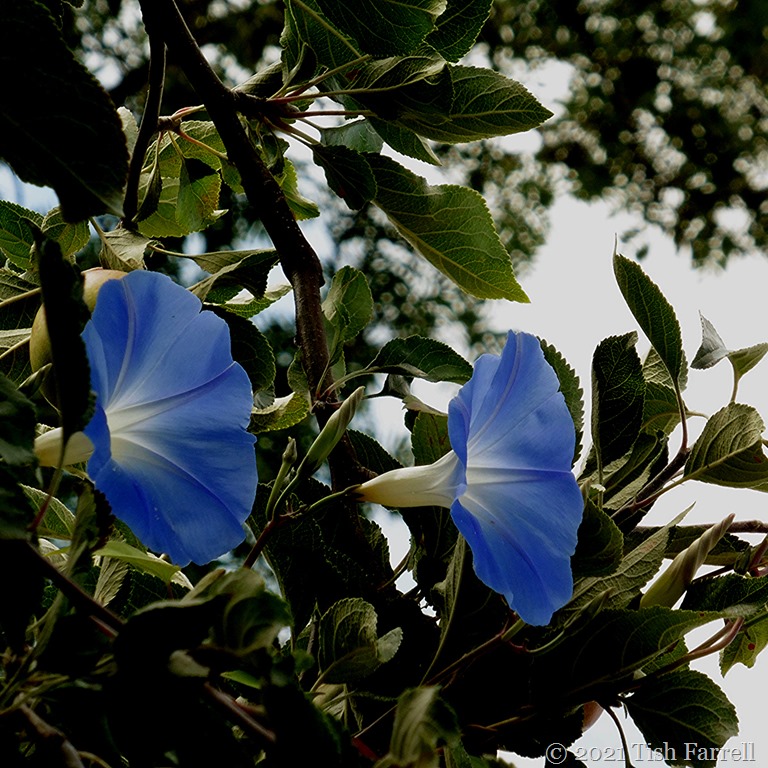
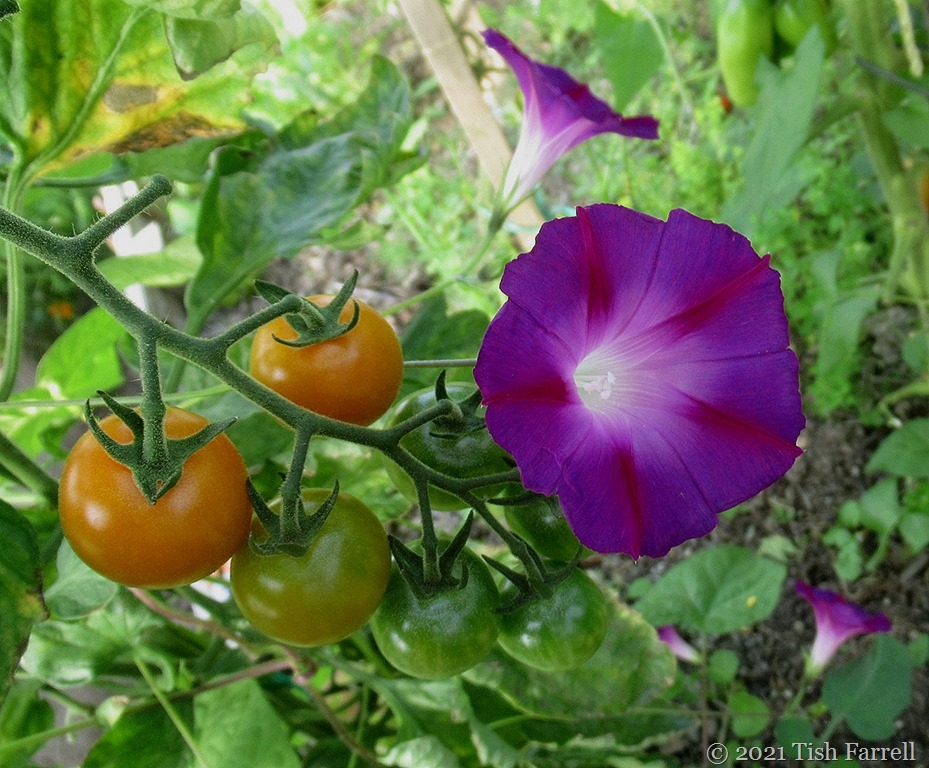
Another summer latecomer is the Morning Glory. The deep indigo-purple ones have just started blooming in the polytunnel where they’re happily growing up a Sun Gold tomato plant. A pleasing cohabitation:

IMG_1657

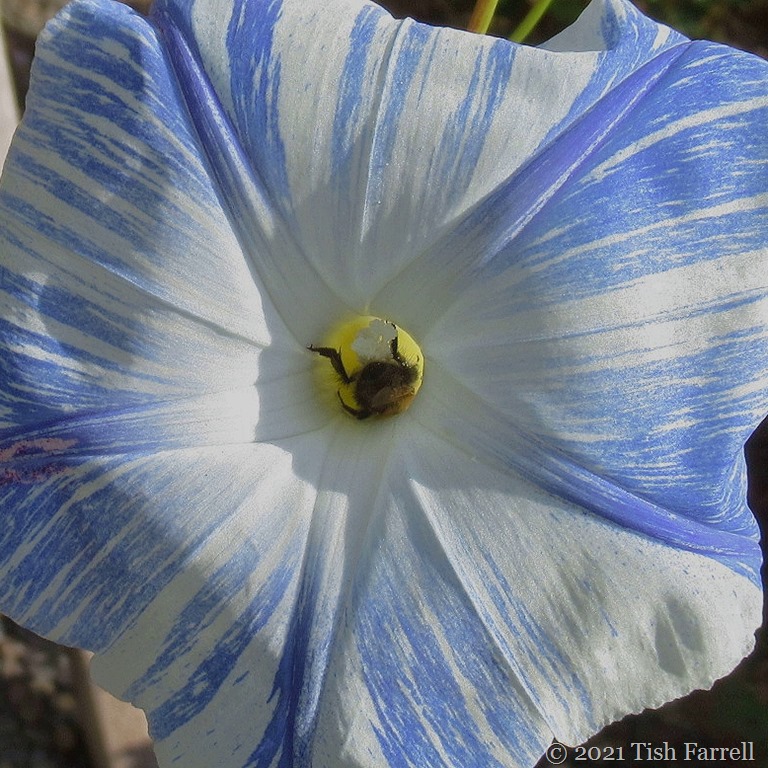
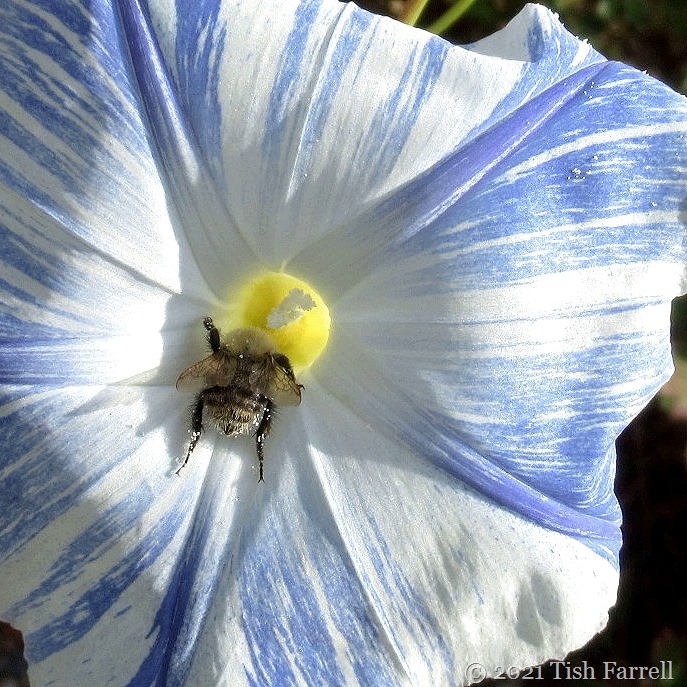
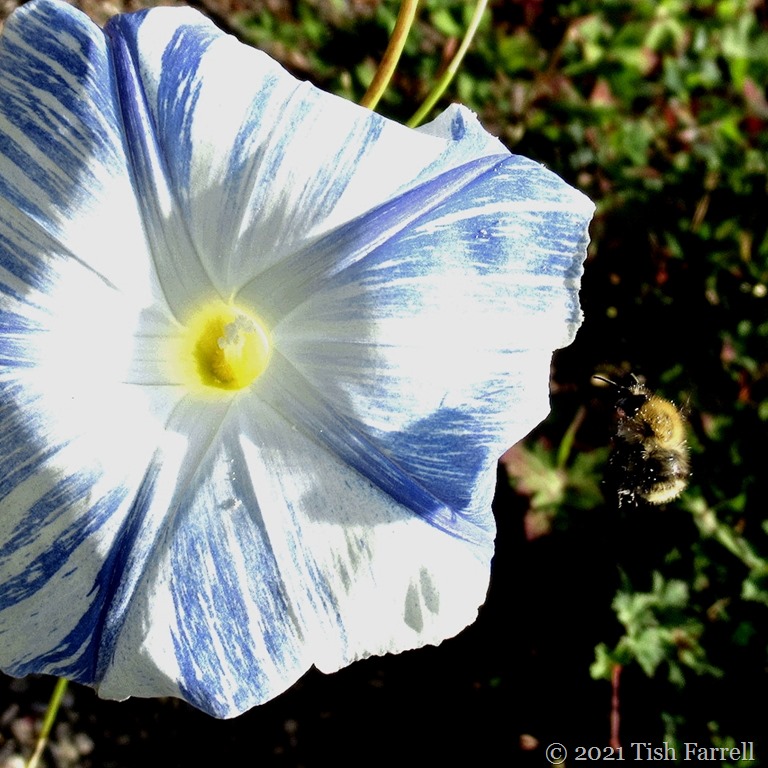
And in the home garden we had a single ‘Flying Saucer’ version. I caught it fully open just as a little bee found it too. Said little critter could not get enough of the nectar. Every time it thought it was full, it made to leave, only to return again and again. Made me wonder if there was something seriously addictive in there. And what with all the pollen too: a new take on the meaning of Bee-line perhaps.

IMG_1676

IMG_1683

IMG_1682

IMG_1686

And just to show we have had some sunny interludes along with the sun flowers:

IMG_1710

The Changing Seasons: August  This month hosted by Ju-Lyn at Touring My Backyard alternating with Brian at Bushboy Blog. Ju-Lyn has been doing some delicious cooking, though sadly short of tomatoes when she needed them (Sorry about that!) And Brian has some fabulous plant and birdlife on show.

Looking In Looking Out On Wenlock’s Old Railway Line

100_7808

P1010926

The old railway line that runs for a couple of miles on the edge of town is a local treasure. If you are outward bound, and up for a really long hike, it is the starting point for a host of other footpaths. You can head for the Severn Gorge, or go cross country through farmland searching out ancient signs of lost medieval villages. The towards-town stretch runs past the outskirts of Shadwell Quarry and then on below the Linden Walk, terminating abruptly above the Cutlins meadow where the highland cattle are often found grazing.

IMG_1359

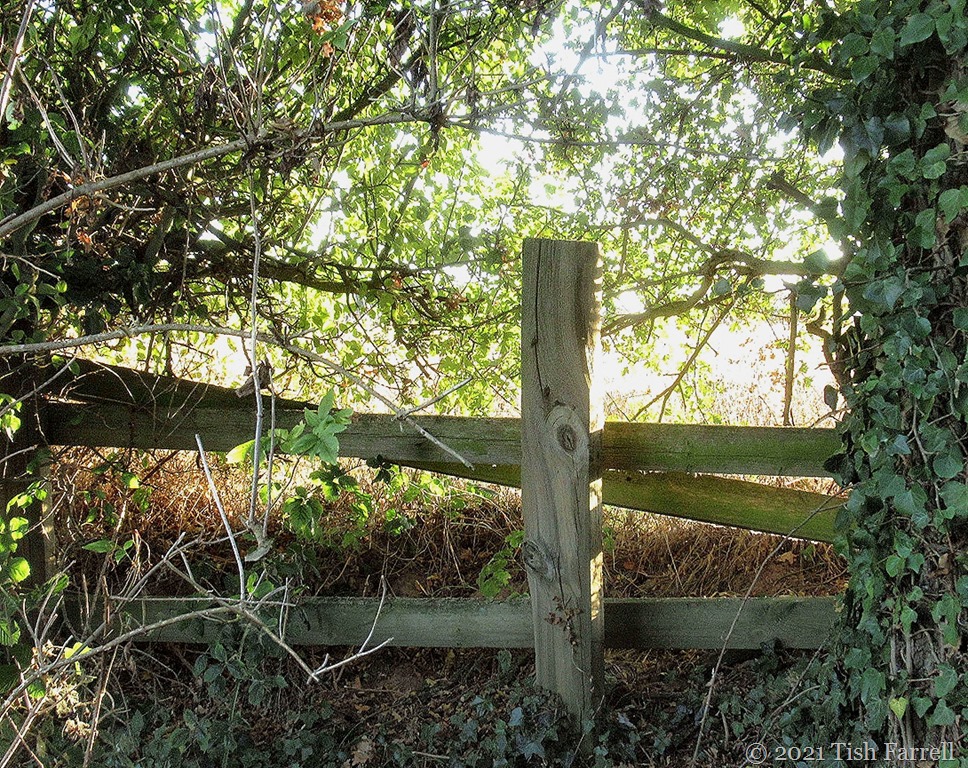
For much of its length the old line is a shadowy arcade of ash, hazel and crab apple trees. Bosky in other words. In spring there are masses of tiny white violets among the ferns, later a scattering of orchids and wild strawberries. Now and then someone comes along and clears back the tree branches and ivy to stop total junglification. There are scarcely any views out. The fence in the first two photos is the main ‘window’ of opportunity.

On the northerly side you have to a bit of clambering above the trees to glimpse the quarry peripheries. Not very scenic, but I quite like the starkness of these next two winter shots – wild clematis (Old Man’s beard) and barbed wire and then the detention camp look of the perimeter fence.

100_7819

P1000661

*

And finally one I’ve posted before – the gate at the entrance of the Linden Walk. At this point the railway line is in a cutting to the left of the trees.

p1040281

Cee’s Black & White Photo Challenge: Fences and gates