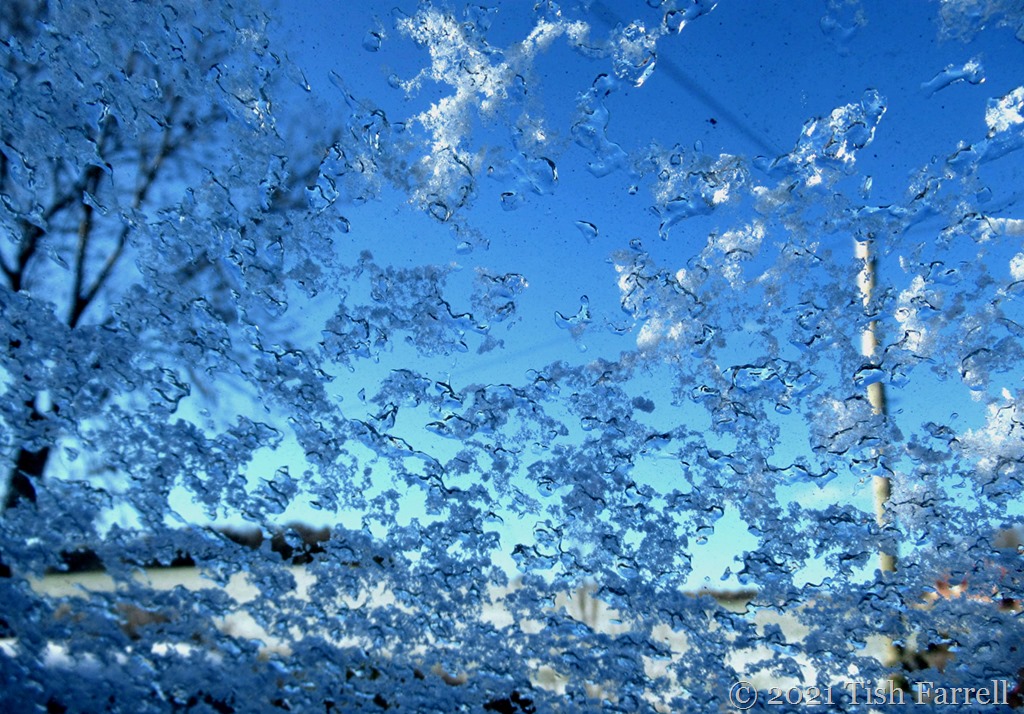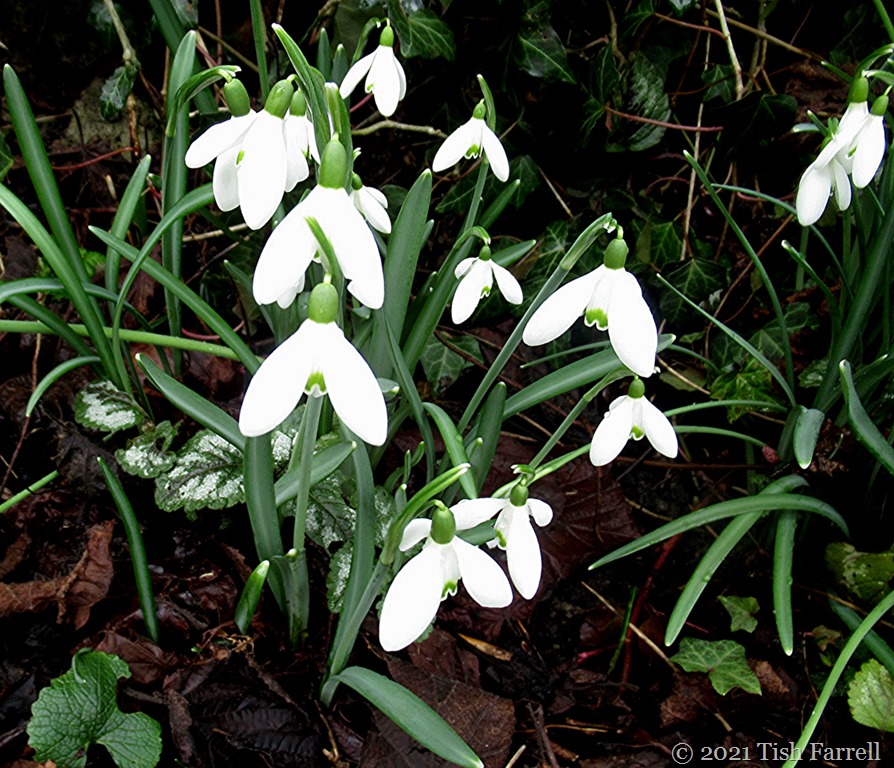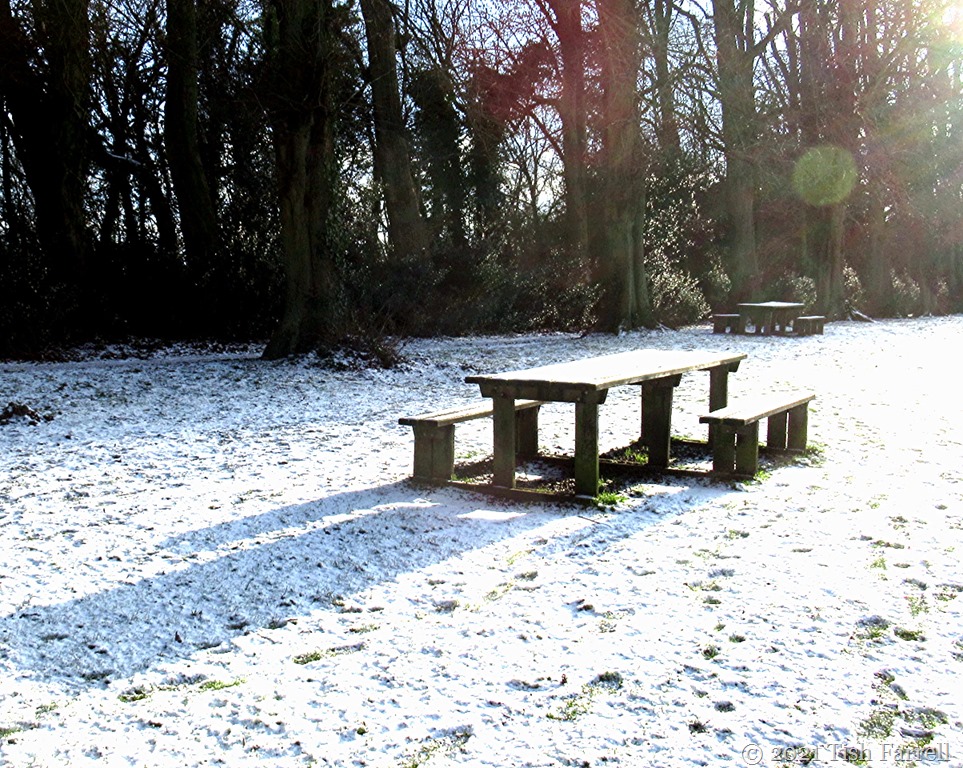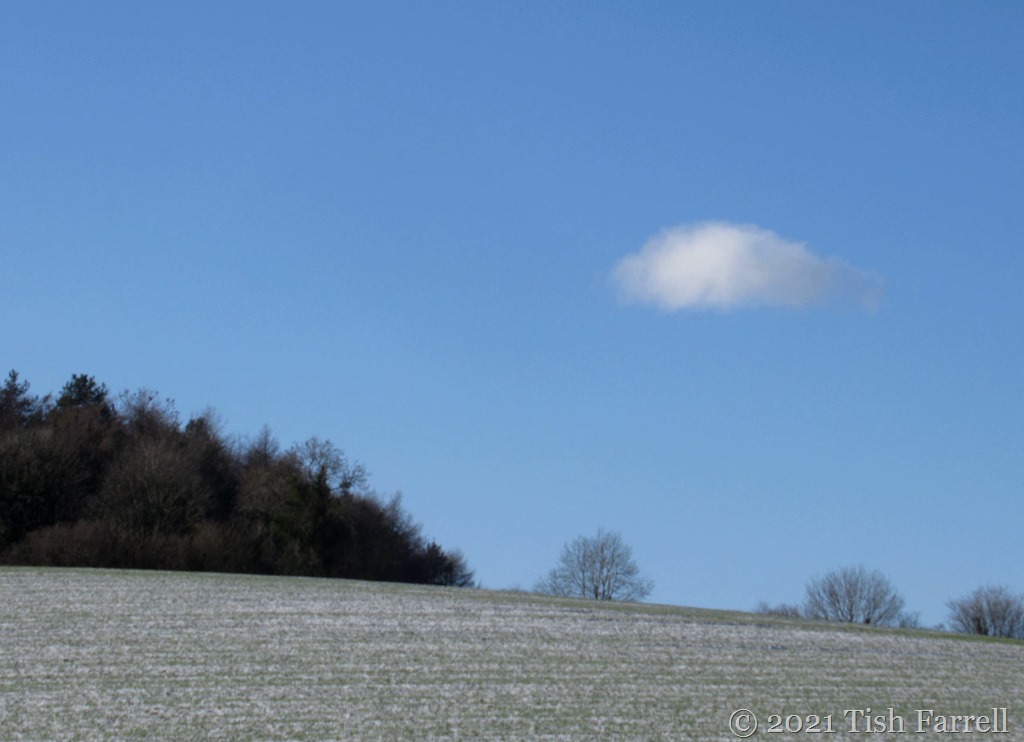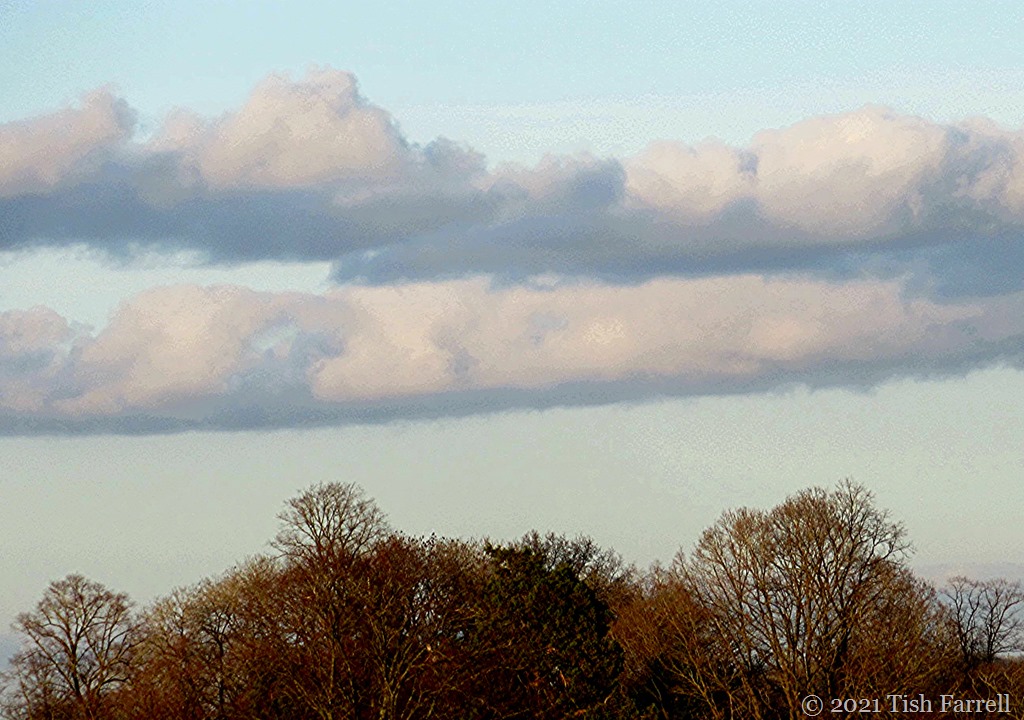
I wasn’t whingeing…It really was the coldest April in 99 years

IMG_8341p

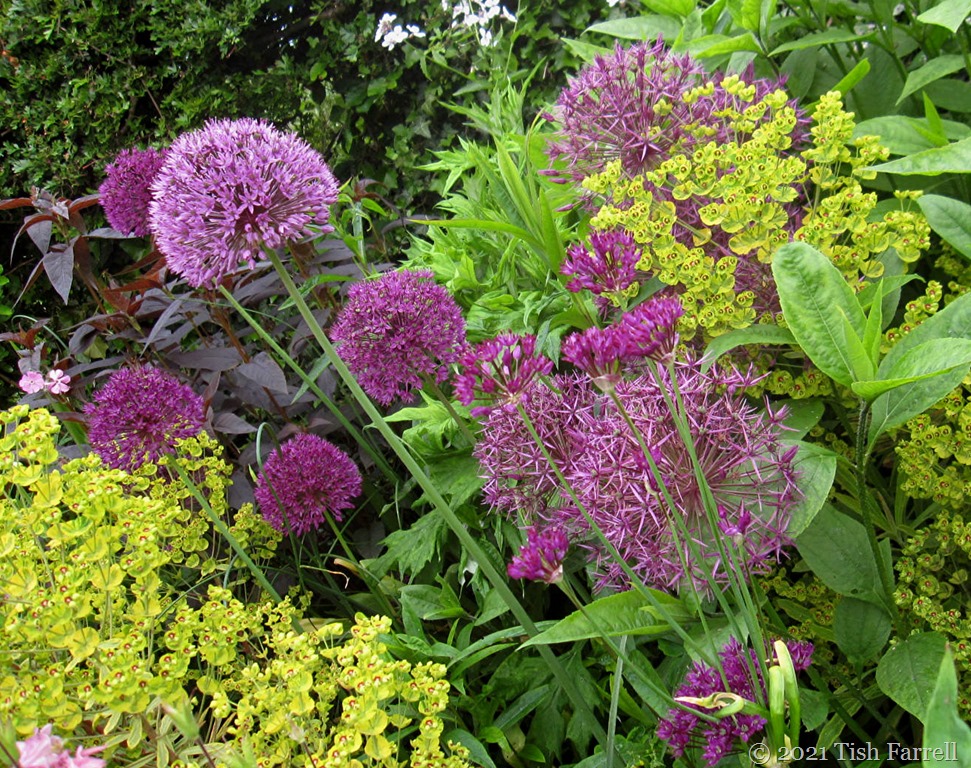
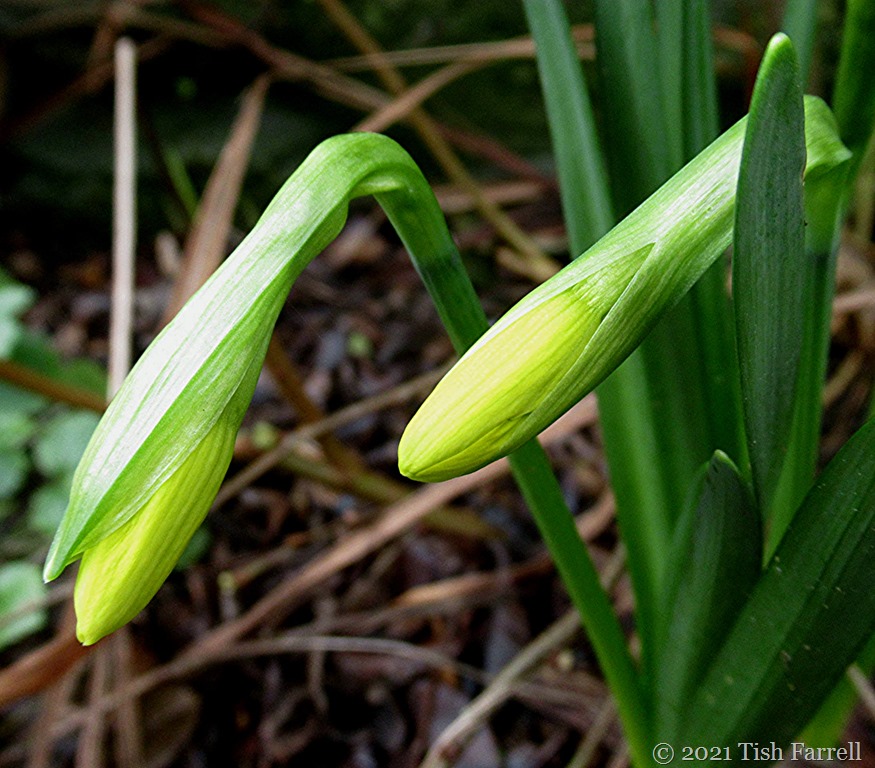
No alliums out in our part of Shropshire yet, though there are frosted leaf tips and a few tightly closed buds just showing. Still, when they do come, they really can’t be beaten for early season purple, and purple is this month’s Life in Colour choice at Jude’s Travel Words blog (link below).

Jude and I have also been muttering about the weather in April. At one point we both wondered whether it was growing older than made us think it was colder. But no! Now we have the evidence. The UK Met Office report:

April 2021 had the lowest average minimum temperatures for April in the UK since 1922, as air frost and clear conditions combined for a frost-laden, chilly month, despite long hours of sunshine.

Early provisional figures from the Met Office’s National Climate Information Centre indicate that April had the third lowest average UK minimum temperature for the month since records began in 1884, while Wales, Scotland and England all reported their figures in their top five lowest ever recorded. Average daily maximum temperatures were also below normal, but not by as much as the minimum temperatures.

It had already been reported that April had seen its highest level of air frost in 60 years, with an average of 13 days of air frost topping the previous record figure of 11 days in 1970 (records for air frost go back to 1960). This number of air frosts is more typical for December, January or February, whereas the average number of air frosts in April is five days. For gardeners and growers there were also a record high number of ground frosts with 22 days this month compared to an average of 12 days.

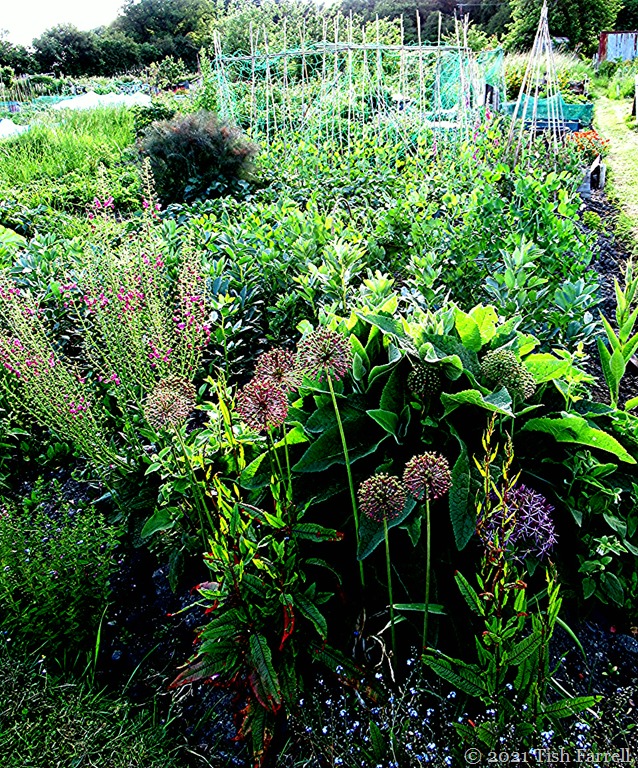
And so while we’re waiting for warmer days and nights and for the alliums to happen, here are some archive allium shots to be going on with:

IMG_4718

p1070248p

Life in Colour: Purple

“Loveliest Of Trees, The Cherry Now…

IMG_2601sq

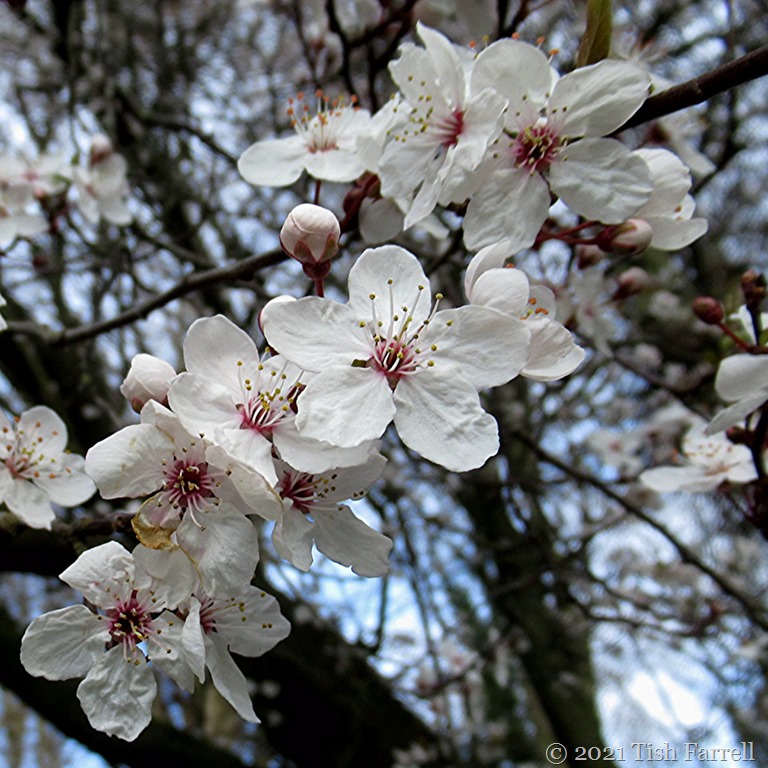
Loveliest of trees, the cherry now

Is hung with bloom along the bough,

And stands about the woodland ride

Wearing white for Eastertide.


Now, of my threescore years and ten,

Twenty will not come again,

And take from seventy springs a score,

It only leaves me fifty more.


And since to look at things in bloom

Fifty springs are little room,

About the woodlands I will go

To see the cherry hung with snow.

A E Housman A Shropshire Lad

IMG_2594sq

The Loveliest of Trees is the second poem from the Shropshire Lad  cycle, and probably the one best known.  It is easy from today’s perspective to dismiss the apparent simplicity, sometimes ditty-like quality of these poems. But Housman was a scholar of Olympian proportions, an atheist too and, it is said, suffering in love for a man who could never love him in return. Sensibilities run deep here.

The verses speak of love and loss and going to war; the fleetingness of things; all set against landscapes seen only in the mind’s eye, or as if looking from a long way off across time and space. There are many voices too, even ghostly ones, the sense of old country airs remembered. It is not surprising that they spoke so compellingly to composers who then set many of the poems to music: George Butterworth (Bredon Hill and Other Songs), Ralph Vaughan Williams (On Wenlock Edge), Ivor Gurney (The Western Playland), Samuel Barber (With rue my heart is laden ) to name a few.

Here is Butterworth’s evocation of the cherry tree, sung with perfect poise by Roderick Williams. If you choose to listen you may imagine Shropshire here today. As I write this we are having flurries of light snow just like falling cherry blossom.

Butterworth: Six Songs from ‘A Shropshire Lad’ (Excerpt) – BBC Proms 2014 – YouTube


Bright Square #5

Life In Colour: The Home Front In Shades Of Green

From Wenlock Edge

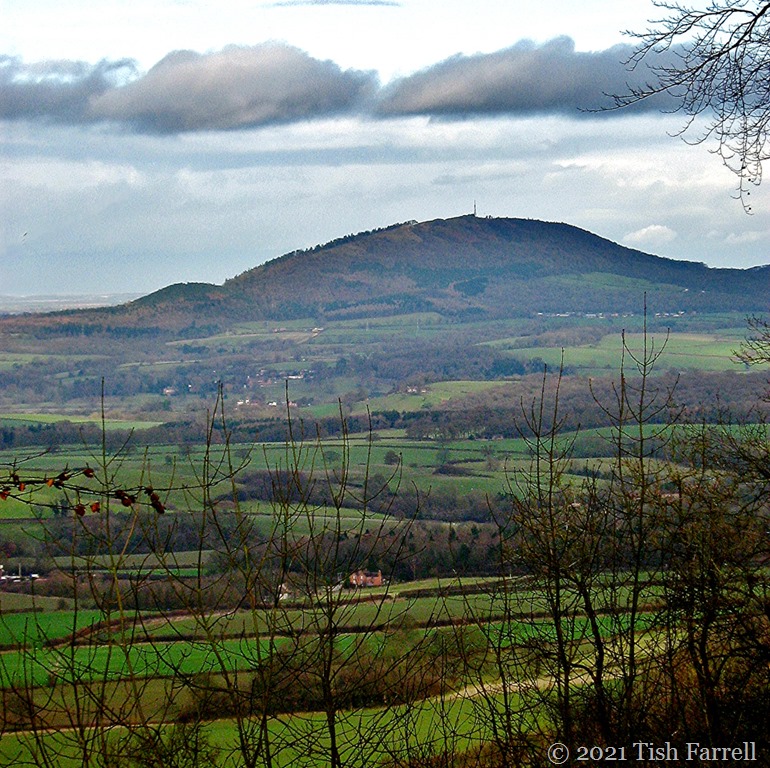
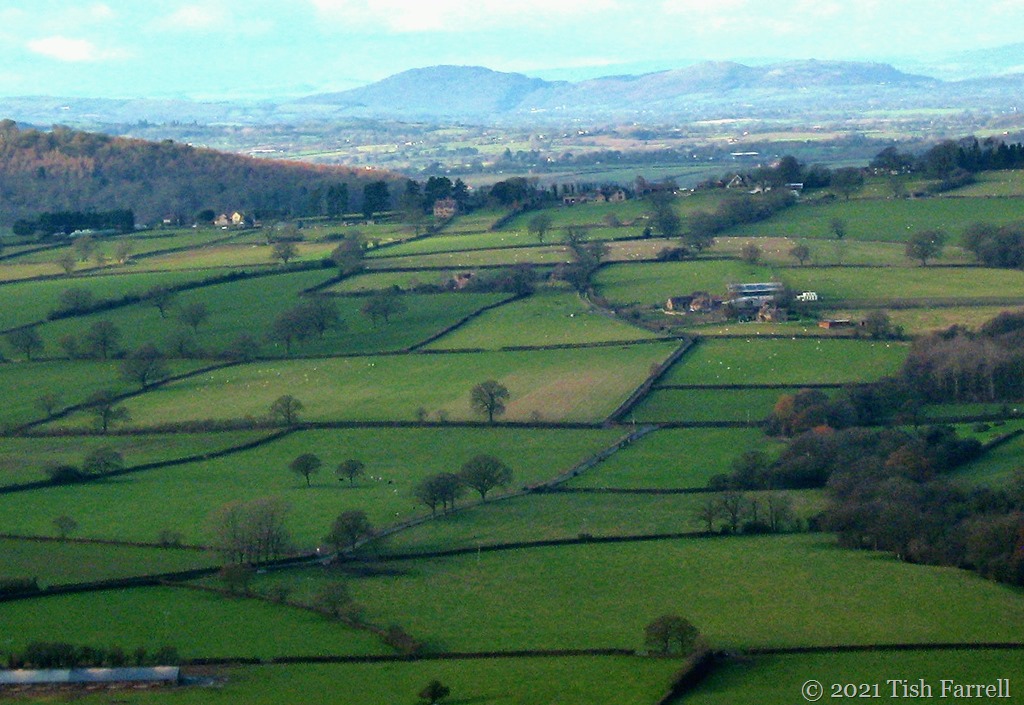
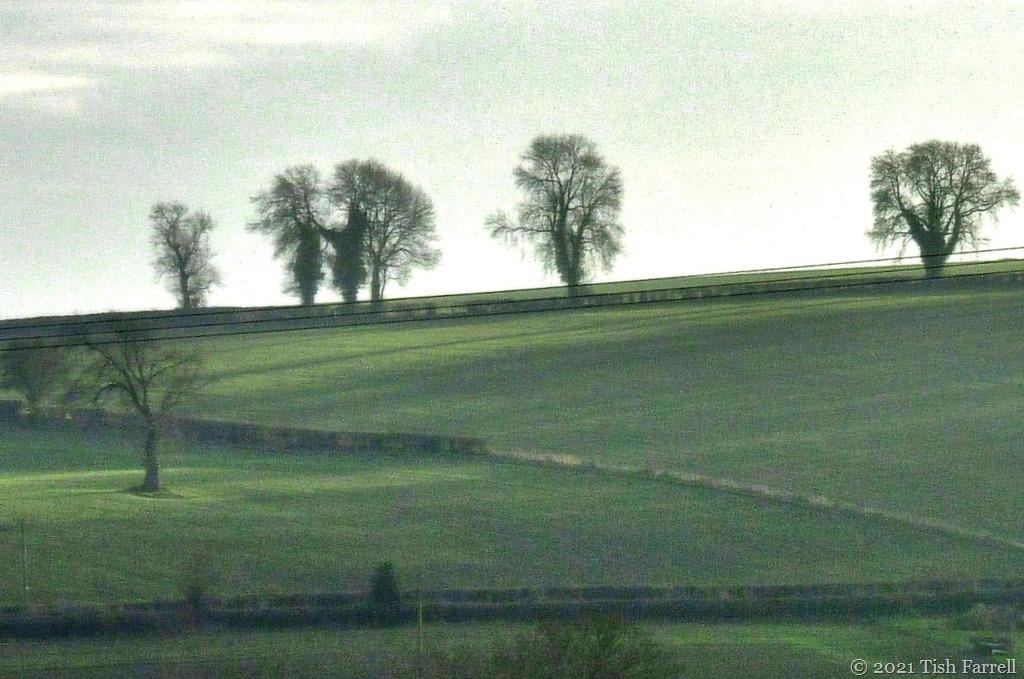
This month Jude at Travel Words  asks us to explore the colour green. So I thought I’d start with our home landscapes. Here in the English countryside we perhaps take  greenness for granted. Even our over-wintering fields are bright with sprouting wheat and pasture grass. The header shot is a December view, looking across Shropshire from Wenlock Edge.

Closer to home is the long-shot view I see whenever I go to the allotment: Callaughton Ash on the southerly edge of Much Wenlock. It’s one I never tire of – those sky-line ash trees with their ivy cladding.

P1060829

*

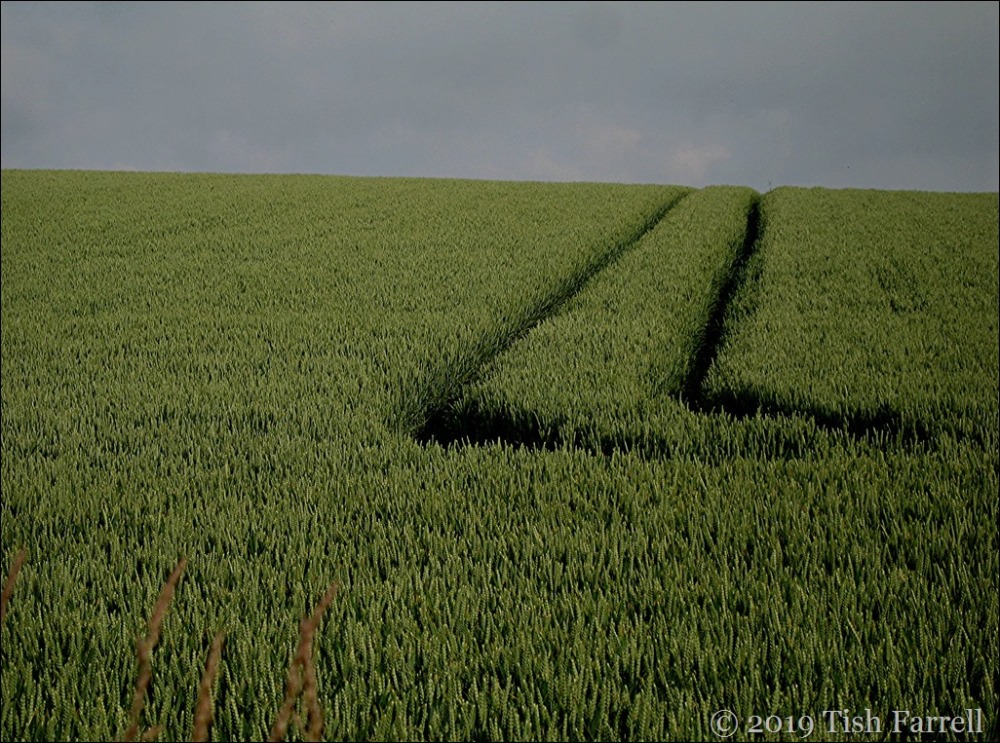
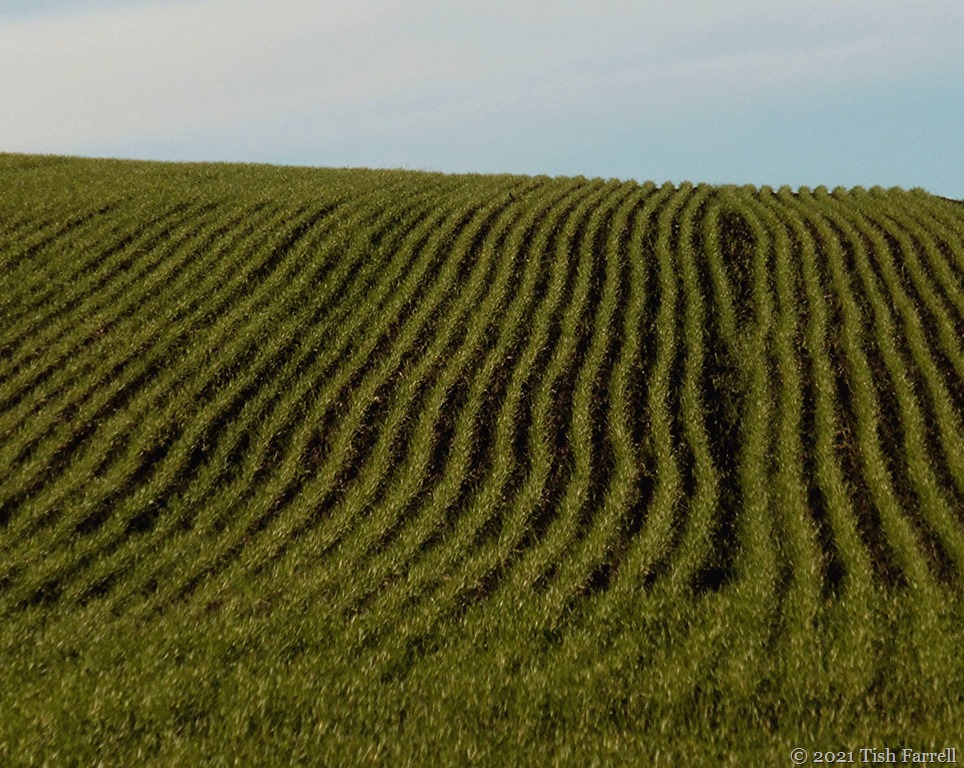
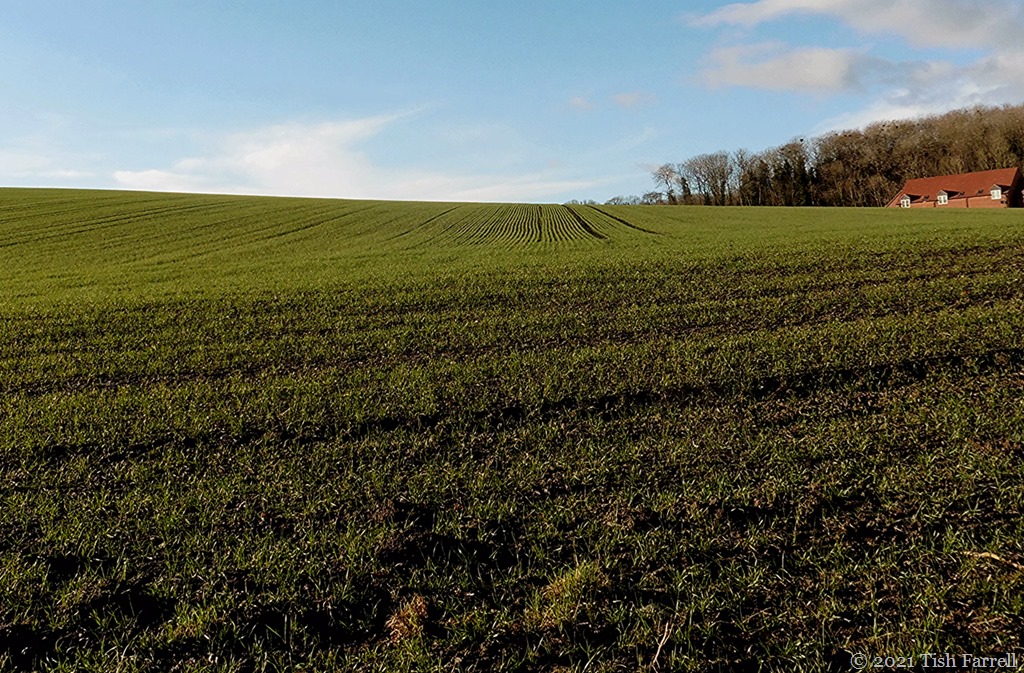
Then behind our house is Townsend Meadow. Wheat has been grown along the flanks of Wenlock Edge for centuries, and as proof has left its name ‘The Wheatlands’ in part of it. These days the crop is sown in October-November and is usually well sprouted by Christmas. I like the corduroy effect.
P1100710

P1100709

*

By summer, after serial dosing, the field looks like this:

img_2538_thumb

img_2527

*

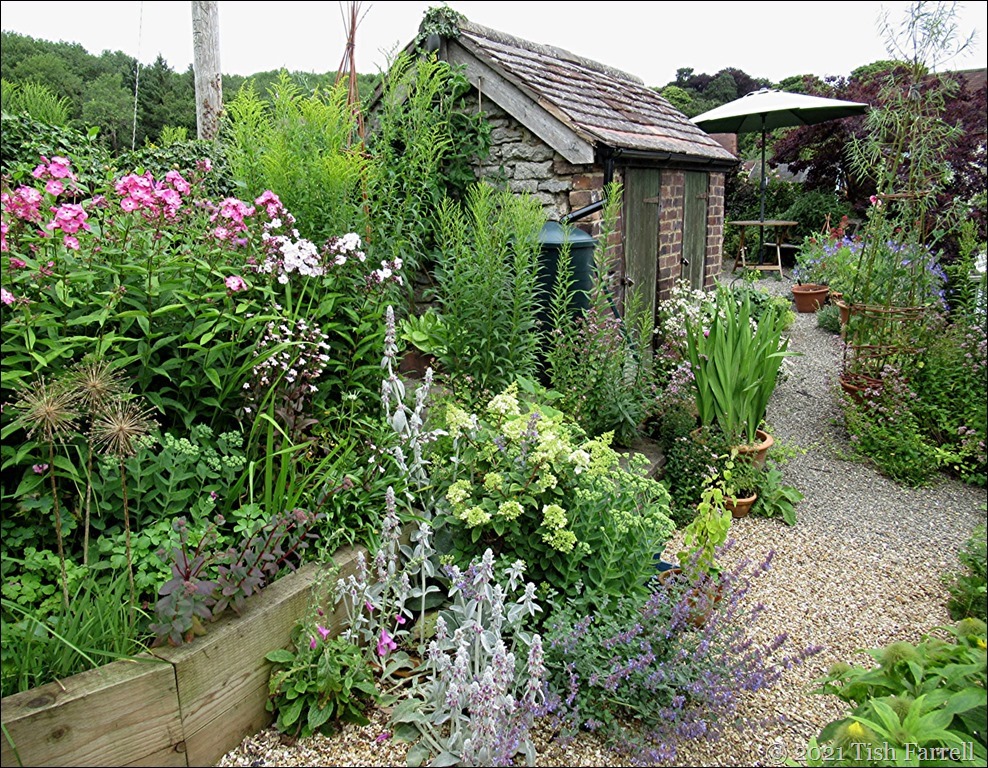
And on our side of the fence, thanks to home-made compost:

img_8889_thumb

100_6855

*

Meanwhile my summer route across the field to the allotment used to look like this – before the farmer cut the ‘wildlife’ reserve back to the ‘path’:

100_5602

*

And when things go well on the plot:

IMG_1995 (2)

… we get other ‘greens’:

100_6169

100_4196


Life in Colour: Green

The Changing Seasons: This Was February

IMG_2176

Winter – spring – winter: we have been sorely teased over the past weeks, though it’s true that February may often prove contrary, breaking out in fleeting intervals of unexpected warmth. This year, after hard-frost beginnings, we had several days of sudden spring, and he who is old enough to be more weather-wise started casting clouts and layers with abandon. Too soon, I told him. Winter’s not done. And besides, March can be cruel. Hang on, good sir, to fleecy vests and quilted combinations.

And so here we are, the first days of the new month with much sky-gloom and creeping dankness, again the pressing need for woolly gloves and hats, and that’s just indoors. I joke. Well almost. But in spite of the cold, there are signs of spring: the blackbird singing its heart out just now in the Station Road holly tree, doves on the church tower in close-canoodling-cooing huddles, daffodils fast opening. Reasons to be cheerful. Absolutely!

IMG_2283

IMG_2204

IMG_2186

IMG_2318

IMG_2311

IMG_2349

IMG_2345

IMG_2277


The Changing Seasons: February 2021

Uplands: Wenlock In Shades of Brown

P1020130

It is rather strange, but when you are wandering round Much Wenlock you are hardly ever aware of its upland surroundings. Yet it sits in a steep-sided bowl between the upthrust strata of Wenlock Edge and various residual hills and hummocks from Ice Age days. It is a place of natural springs and erstwhile saintly wells, with hints, too, from ancient finds that its waters may well have been venerated in Roman times. It was doubtless the reason why the Saxon Princess Milburga established her convent here around 670 CE, ‘cleanliness being next to godliness’ and so on.  She was the subject of many local legends, most of them relating to her fleeing the unwanted attentions or lusty males, while conjuring protective streams and rivers to thwart her pursuers. The water from the town well named after her was believed to restore poor eyesight.

The priory ruins and parish church you see in these photos date from six and more centuries after Milburga, belonging mostly to the Norman era wherein the invaders sought to dominate the local populace with overbearing architecture. Wenlockians, though, knew how to take some advantage from the situation. It was said that the best ale in town was brewed from rainwater collected from the church roof.

P1060826

P1090051sq

P1070739

IMG_9737

SquareUp #19

Life in Colour

This month Jude at Travel Words is asking us to consider the beauty of BROWN – earth colours.

Having The Upper Hand…Or Would That Be Beak?

IMG_1686

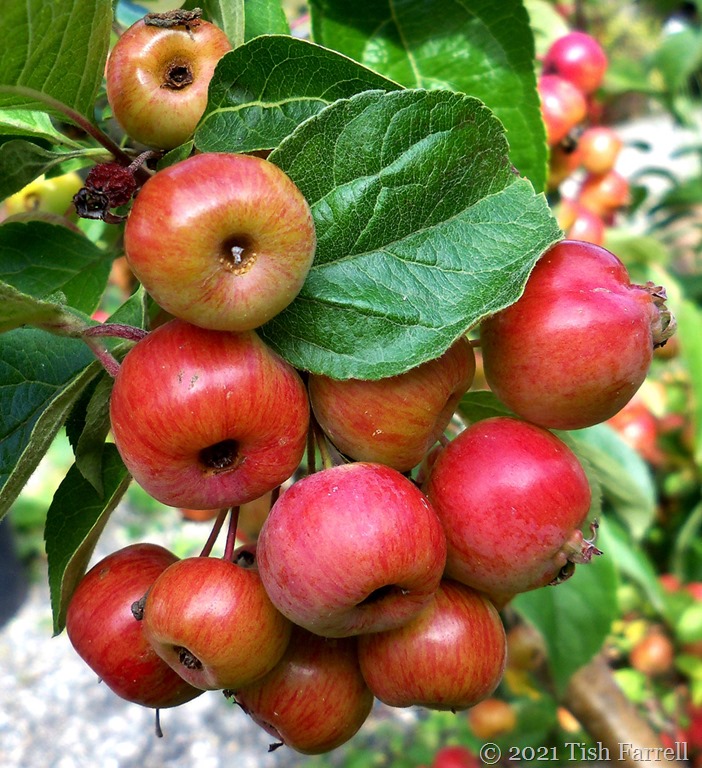
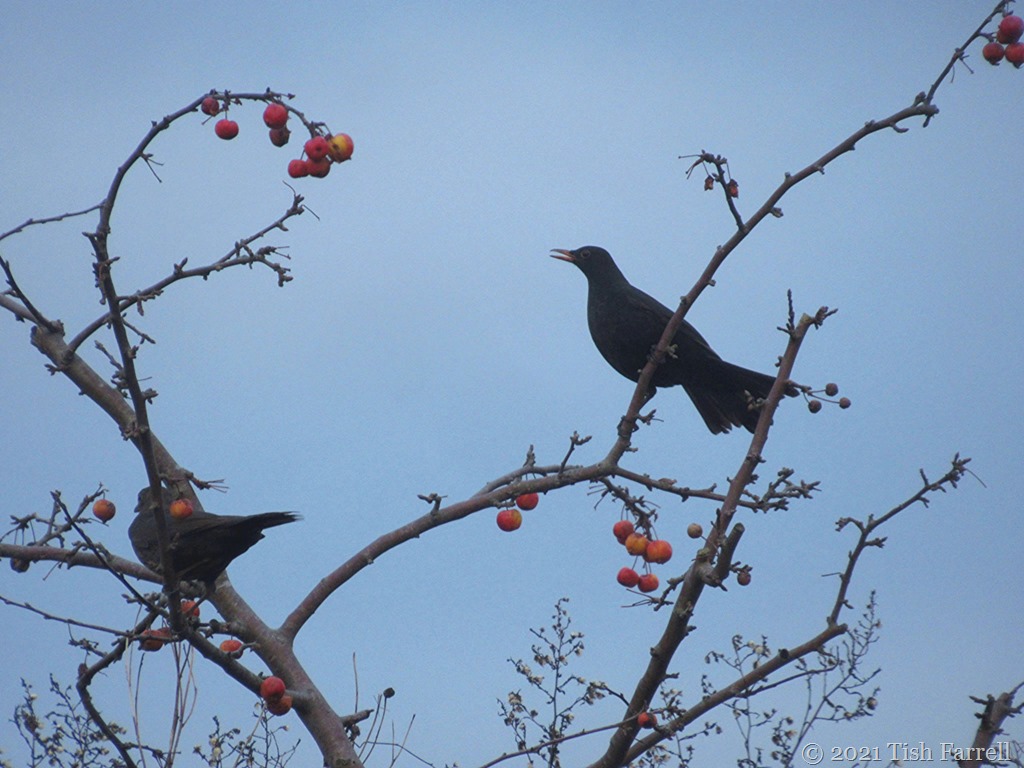
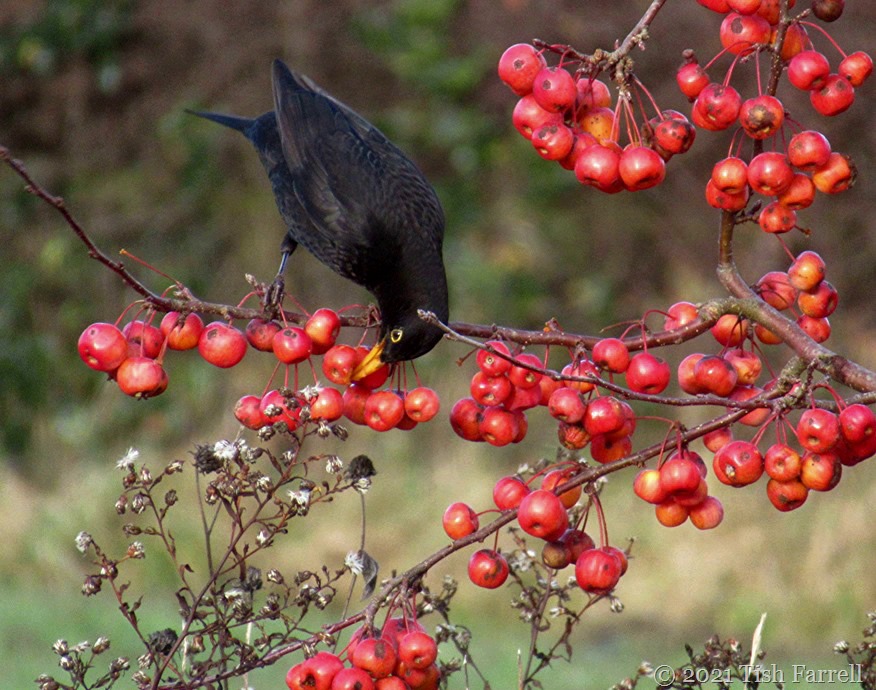
In recent days there has been a bit of a coup over in the crab apple at the top of the garden. Mama Blackbird has staked her claim to the crop. In fact the other morning I caught her seeing off the male blackbird in a most aggressive manner. No quarter given there then. He went off in a fluster.

Back in early December it was he who was King of the Crab Apples.   There had been no frost or snow to soften the fruit, and he was finding the going tough, adopting a fencer’s lunging stroke to slice off shreds of fruity flesh. Once in a while he’d (accidently) end up with a whole mini-apple wedged in his beak, too hard to scrunch in one pincer movement. Next would come a rapid descent to the garden path to sort himself out. Once or twice I thought he was in danger of choking, and wondered what the procedure might be – to unchoke a blackbird.  But then he hopped back on the fence and, if birds can cough, he coughed a few times and returned to lunging.

IMG_1077

IMG_1051

*

And so now all is clear. There was naturally a very  good reason why Mama Blackbird was biding her time, waiting for wintery weather to make easy pickings of the apples .

IMG_1673

IMG_1681

Apple Sorbet on a stalk. Mine! All mine! says Mama Merle.


Square Up #7

Signs Of Squirrel-Dupery? Who knew?

IMG_0426sq

Grey squirrels don’t hibernate, though they are said to do less scampering in wintery weather, and when it is very cold, they will curl themselves up, using their tails like duvets.

These photos were taken before the snow when the big oaks at the top of the Linden Field were alive with squirrel-kind seeking out acorns. They were also pretty busy after the snow, doubtless seeking out their respective stashes. But here’s the thing. It seems they are a sneaky lot and will make a big pretence of burying nuts in particular places to fool other squirrels. The little dupers.

IMG_0415sq

IMG_0424sq


Square Up #6

Becky has a wonderful sun for us today.

Looking Up Between Mynd And Ragleth

IMG_1243sq

On Christmas Day we drove over Wenlock Edge to Little Stretton to spend the day with our family. It was a bright and chilly day, but as I climbed the steep steps to my sister’s home I saw the spring bulbs already emerging in her terraced beds and some frisky pink primroses freshly opened. The house is perched on a lower flank of the Long Mynd and overlooks Ragleth Hill. So while the turkey was roasting, I stood out on the deck and took these photos, watched a pair of buzzards who live in the garden’s larch trees waft over in the stillness.

And now I’m thinking that these views are rather apt for Jude’s new challenge at Travel Words. She wants us to think about colour through the coming year, and in January that colour is brown: earth shades.

IMG_1257

The close-up above was a very ‘long shot’, but I like the way the sun glints off the bare branches of the dark wood; the layers of russet leaves and bracken and the deeper soily looking browns among the ash trees. It could well be a candidate for Jabberwocky’s tulgey wood. It also reminds me of one of those ‘heavy’ Victorian oil paintings – Arcadia seemingly overdone with every expectation of rustic maids and shepherds popping up. But here it is. No time-slipped lads and lasses, just a piece of real Shropshire landscape.

IMG_1237sq


Square Up #5

Becky is keeping us ‘upspired’ during trying times. Interpret ‘up’ anyway you like, but keep it sUPer square.

Life in Colour: brown   Jude at Travel Words wants us to really pay attention to colour. This month she asks us to explore shades of brown.

Looking Up

IMG_1405crsq

Hurray for Becky and her January Squares. There are only two ‘rules’: the image must be square, and this month’s theme is UP – however you choose to interpret it. You can post a square a day, or dip in as and when.
My first ‘up’ is a slightly blurry grey squirrel, spotted by chance in the Linden Field while taking the snow photos I posted yesterday. It was perched way, way up in an oak tree, thus requiring lots of camera zoom and steadiness, both of which were hard to effect with frozen fingers. In fact it was sitting so still, it looked frozen to the branch. I think it must have been nibbling an acorn.

Onwards and upwards, everyone!

Square Up #1