
I’m not actually at my pc as this post appears, though I will be back there shortly. And shortly too it will be time to sow squash and courgette seeds.
A big thank you to Becky for her spiky squares challenge. What a lot of fun we’ve had.

I’m not actually at my pc as this post appears, though I will be back there shortly. And shortly too it will be time to sow squash and courgette seeds.
A big thank you to Becky for her spiky squares challenge. What a lot of fun we’ve had.


Here in Shropshire we are just this minute bursting with damson blossom. We also have our own variety – the Shropshire Prune, which has been around from at least Tudor times. The damson trees along the field boundaries and lining the country lanes are also reminders, or so local legend has it, that before chemical dyes were invented, damson growing was done on an industrial scale both here and in many parts of rural England, the fruit skins used to colour wool and leather. I’ve certainly seen old photos on a pub wall in nearby ‘Damson Valley’ of the fruit being harvested by the cartload and driven off to the local station. And whether for dyeing or not, there was certainly once a great demand for damsons in the commercial jam-making industry. These days people aren’t so keen on them, and each year the old tree at the allotment hangs in unpicked fruit. It is seems a great pity. Damsons are delicious, and they also make for excellent damson gin or vodka, so spreading their cheer through the darkest months. Chin-chin!
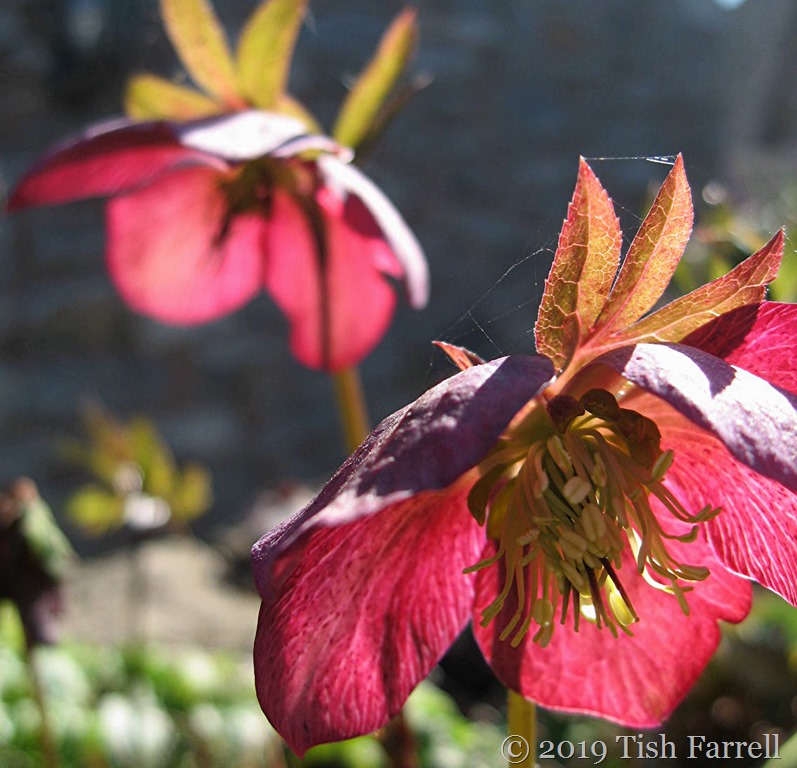
Sun in the hellebores, and a forget-me-not sky. Not a cloud in sight, only a passing aircraft unzipping the blue. And, for heaven’s sake, it was warm enough to sit outside for morning coffee; nor did we need coats when we walked into town at lunch time. Along the verges the celandines were as wide as wide; birds twittering; butterflies flitting. In the Cutlins field we found there had been a multiplication of highland cattle: parents and calf have joined the three teens. They were all quietly grazing and munching out in the sun. At the foot of the path by the priory ruins the air was drenched with mahonia scent, and around the town there was a dreamy sense of the world just waking up, tree buds swelling and crocus out on parade.
But then as the countryman poet John Clare warns, February can be a treacherous month. Out of the blue comes blissful weather and everyone is out and about and thinking of summer. And then…and then…
Here’s an extract from the poem, for though rather florid for my taste it captures the day so perfectly, and tonight there may indeed be frost:
The sunbeams on the hedges lie,
The south wind murmurs summer-soft;
The maids hang out white clothes to dry
Around the elder-skirted croft:
A calm of pleasure listens round,
And almost whispers winter by;
While Fancy dreams of summer’s sound,
And quiet rapture fills the eye.Thus Nature of the spring will dream
While south winds thaw; but soon again
Frost breathes upon the stiffening stream,
And numbs it into ice: the plain
Soon wears its mourning garb of white;
And icicles, that fret at noon,
Will eke their icy tails at night
Beneath the chilly stars and moon.
Excerpt of February from The Shepherd’s Calendar by John Clare (1793-1864)
*
*
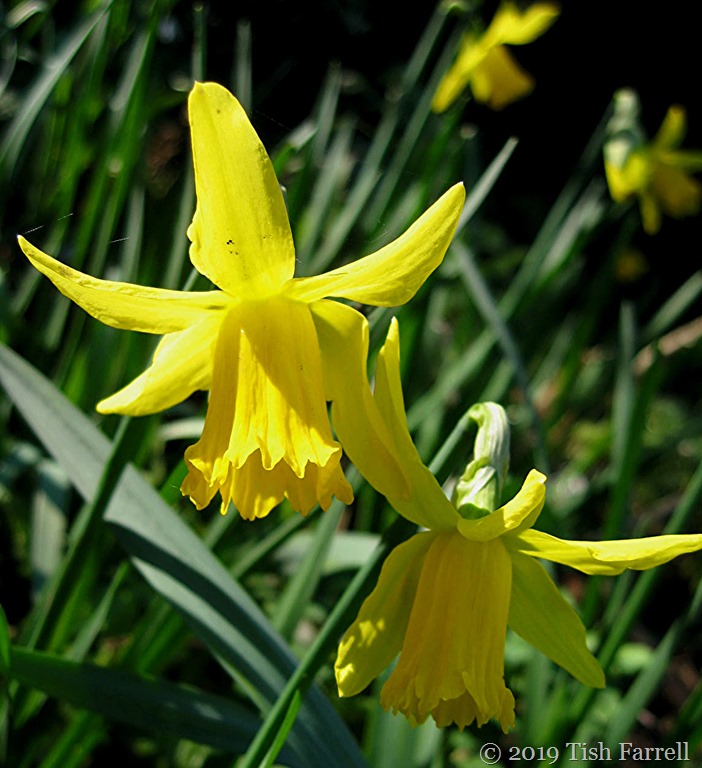
So as I said to Graham as we drowsed happily on the garden bench, staring at the cloudless sky, coffee mugs in hand: better soak up the bliss while we can then. Carpe diem, says Graham.
*
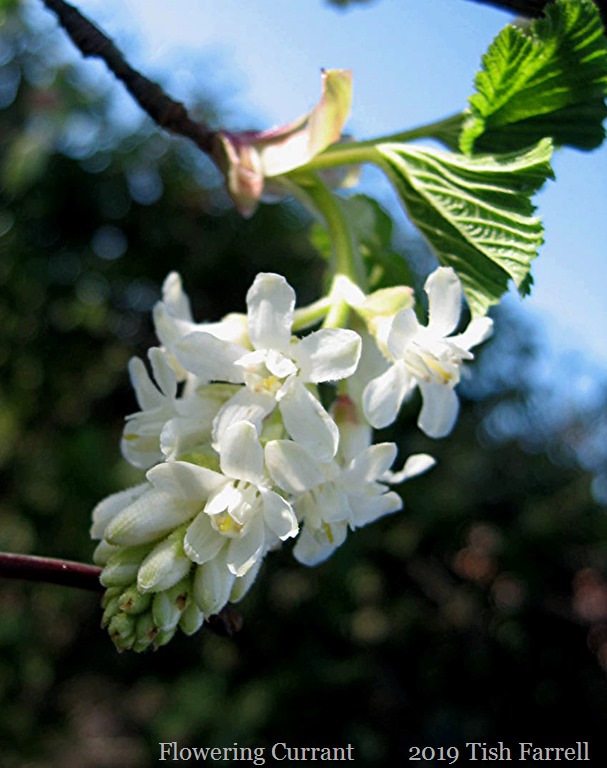
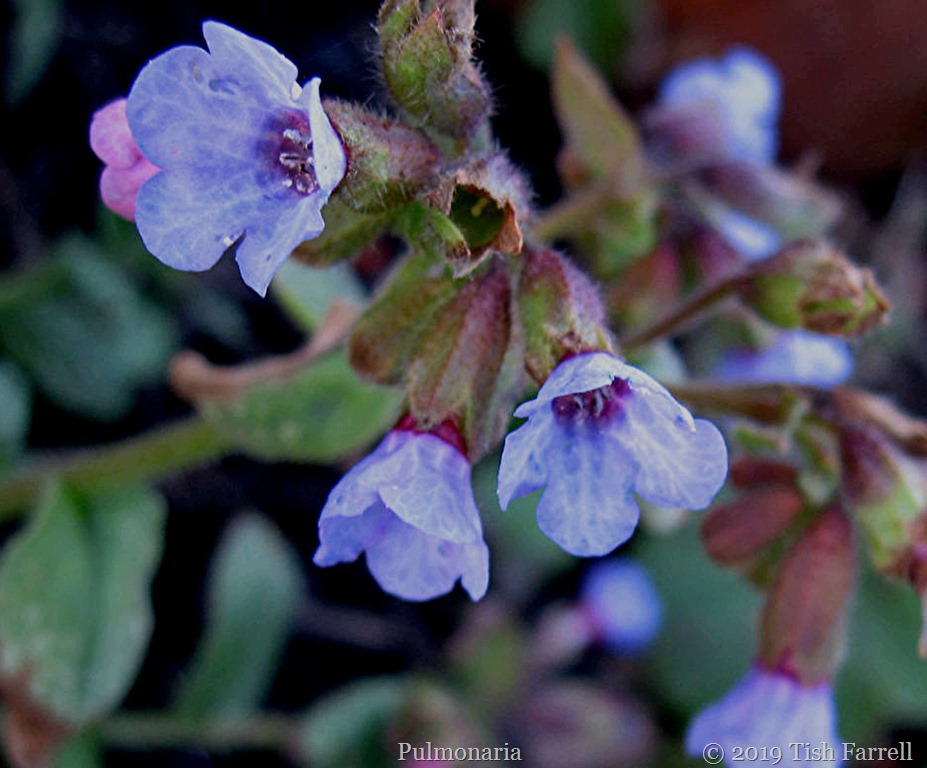
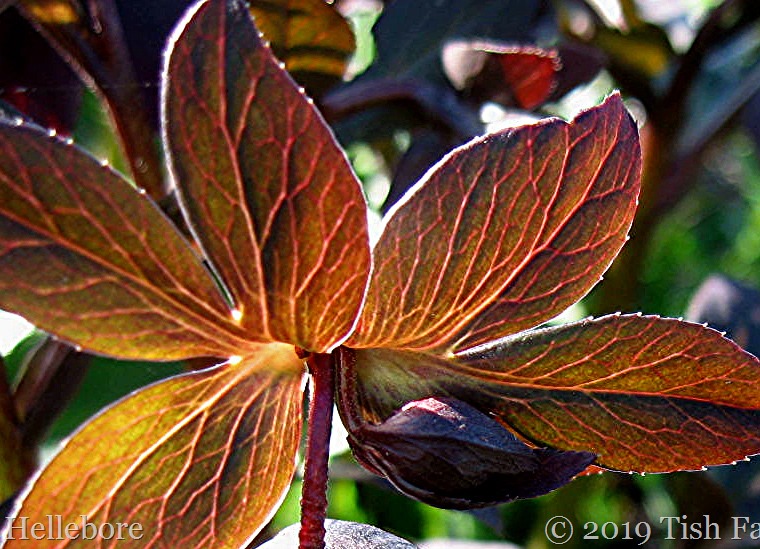
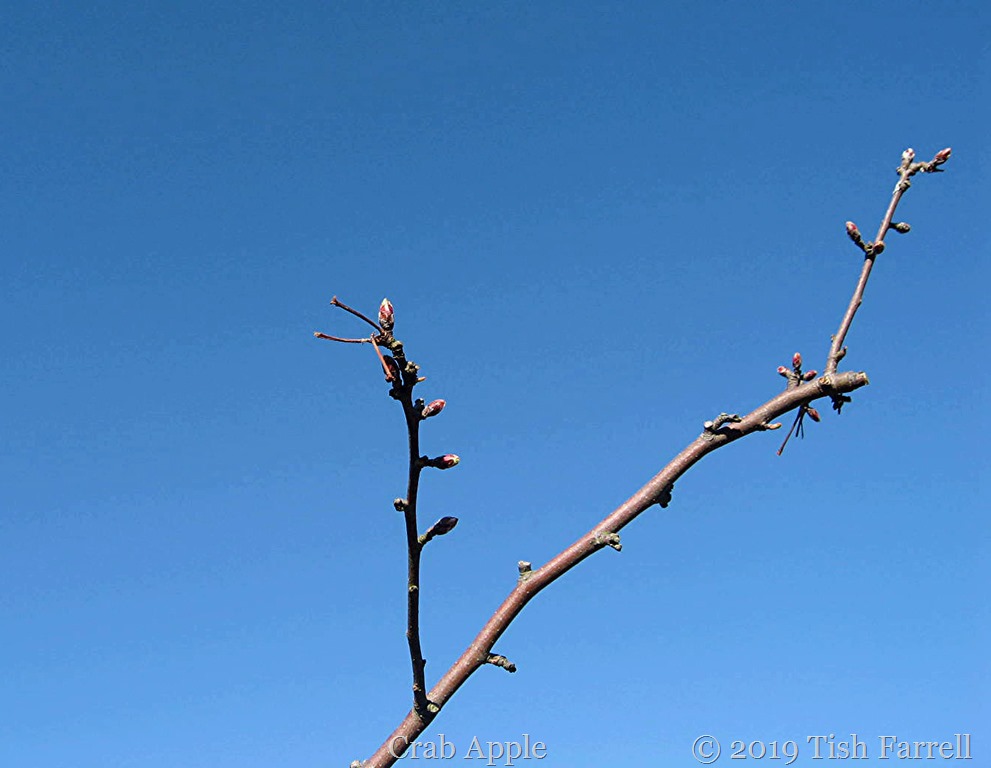
And I suppose now I’ve mentioned the Highland calf I’d better show him to you, not at all close up, but the sun on his nose and hints of green in the willow behind:
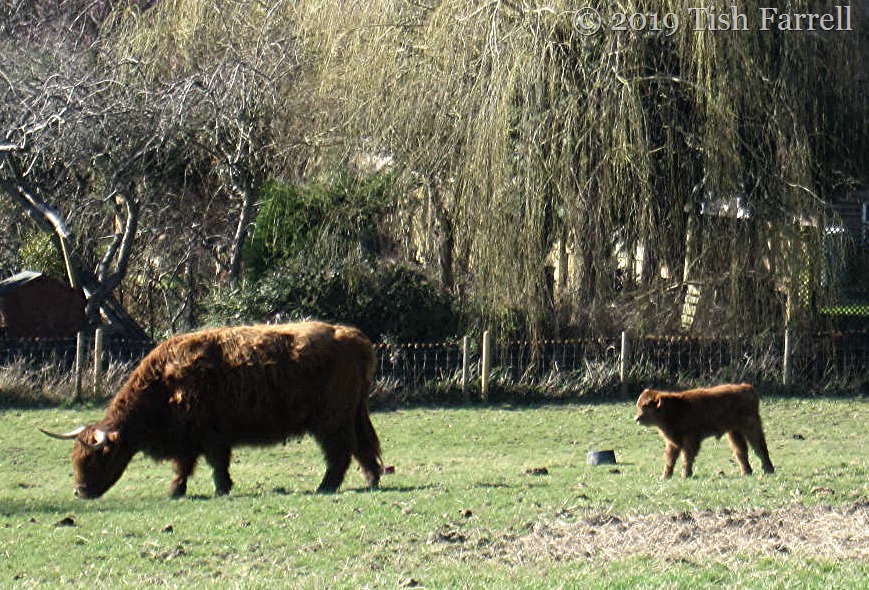
copyright 2019 Tish Farrell
Lens-Artists: Close up This week Ann-Christine set the challenge. Please also pay the other Lens Artists a visit:
Lens-Artist Photo Challenge Patti: Close-Up
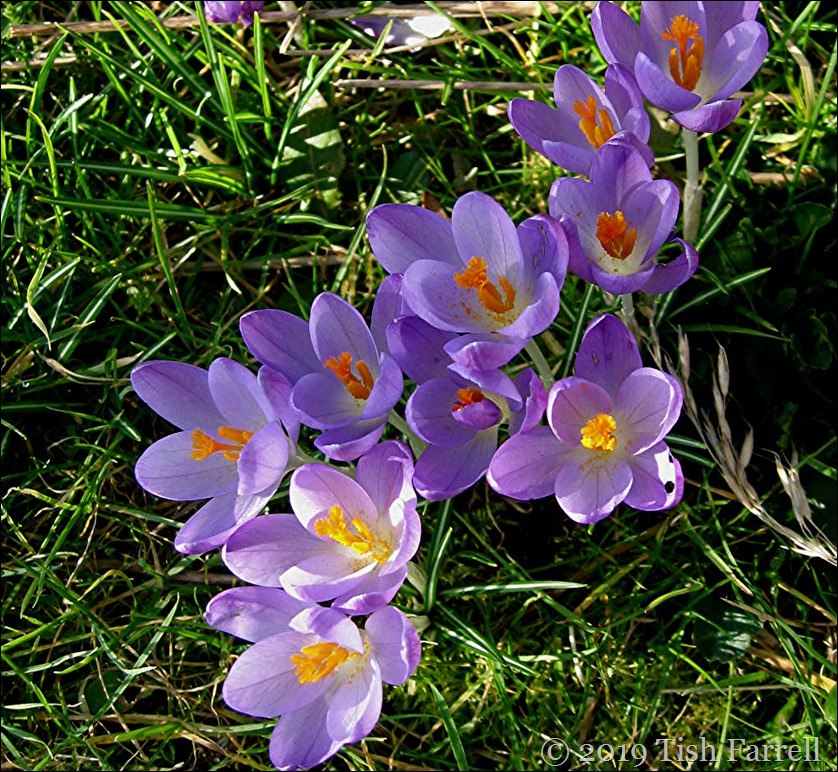
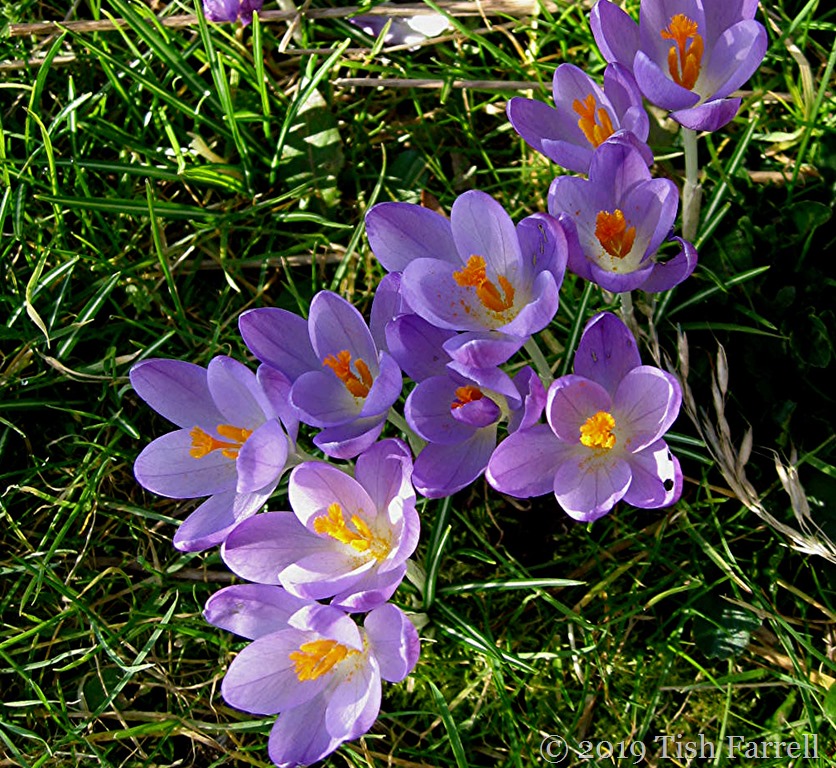
Up at the allotment this morning it was full throttle crocus, and also this year’s first sighting of a honey bee which was paying them a visit. Sadly the bee is missing from this photo due to the malfunctioning state of the camera wielder who was in a bit of a dream due to the astonishing arrival of warm and dazzling sunshine.
In fact the day remained so perfect I returned to the allotment late this afternoon to do some actual work. Nothing like a bit of twilight gardening with only foraging blackbirds for company. The sky over the town was rose pink, and all was quiet on the allotment plots. When I opened up the polytunnel it was pleasantly warm inside. I sowed some spinach seeds in one of the corner beds, broad beans in modular trays (Super Aquadulce, and Masterpiece Green Longpod) and a few handfuls of Early Onward peas in two metre lengths of plastic guttering (a method that makes for speedy transplanting).
And then as the fine weather had done a good job drying up the allotment’s general sogginess, I thought it would be a good moment to fetch some soil from the old compost heap which some of us have been recycling over the last three years. In the last of the daylight I managed two barrow loads of nice crumbly soil, just enough to top dress a raised bed. And then, as it really was growing dark, I put away grandfather’s spade and walked home across Townsend Meadow under a bright half moon, serenaded by blackbirds singing their evening songs.
Happy Valentine’s Day
Love Not War
copyright 2019 Tish Farrell
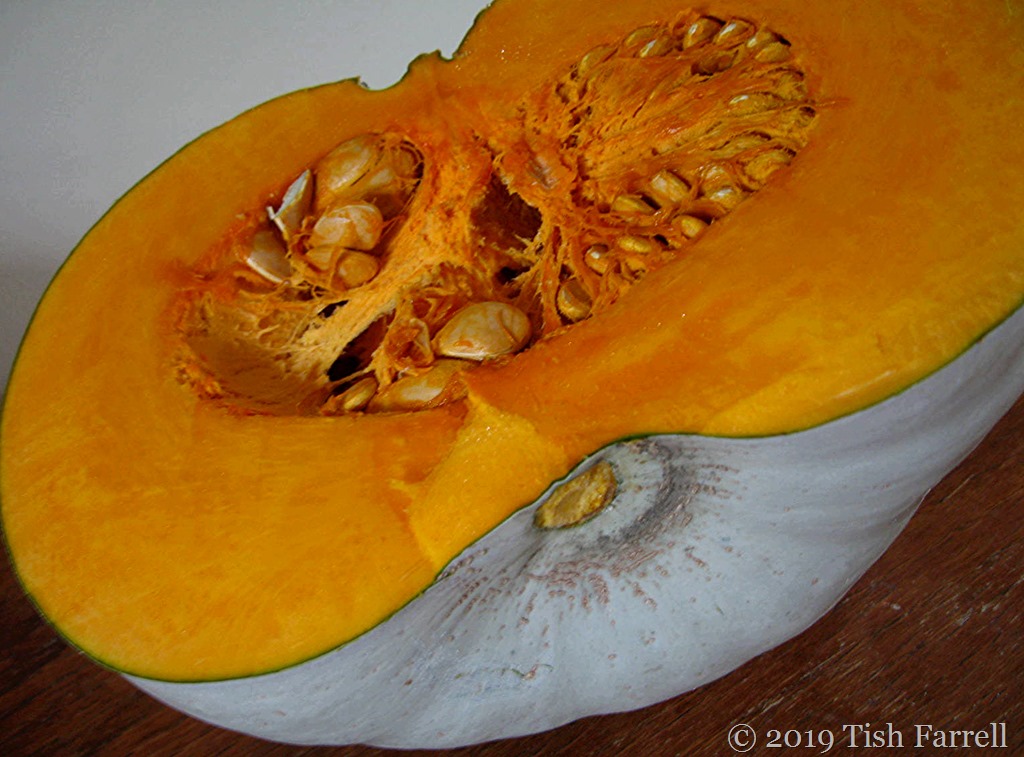
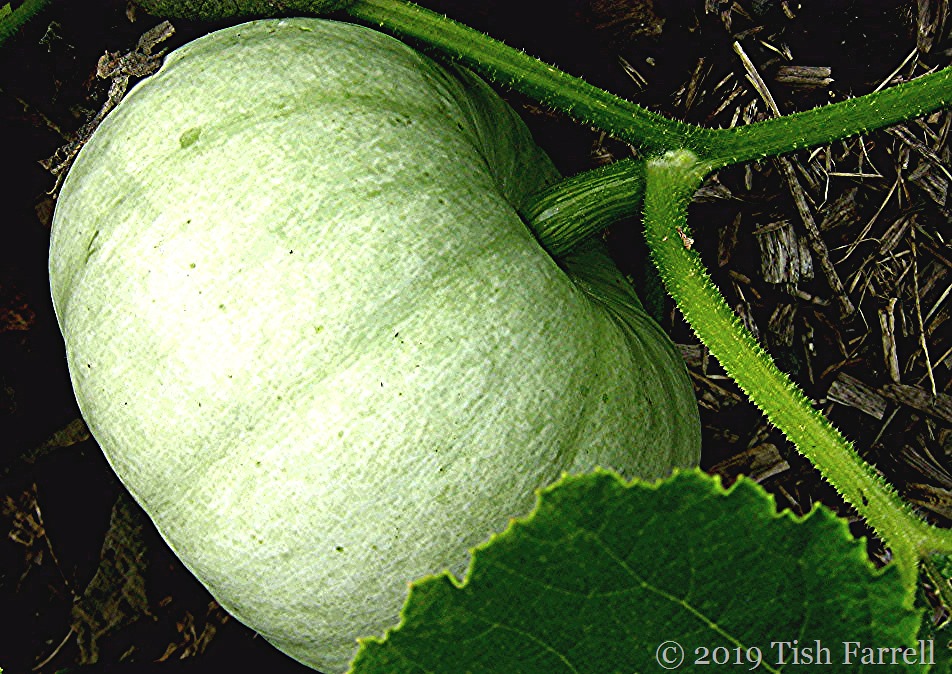
He’s been sitting on the kitchen cupboard all winter, and I’d grown used to his being there; rather forgotten that he might be eaten. Then last week I did remember. Soup. We need more soup! It was quite a tussle breaking into him, and then I found a quarter of him was more than enough for a big pan of spicy squash and onion concoction with added tub of tomato ‘stock’ from the freezer. The soup did us for two lunches, the first day topped with plain yogurt and rye bread croutons, the next with homemade walnut-parsley-garlic pesto and toast.
The rest of the squash has been consigned to the fridge, there awaiting more souping and roasting (perhaps with dates, soy sauce, lime juice and onions). All hearty winter food.
But then, the thing is, when I first broke into him after much battling with my largest knife, and the two halves finally fell apart on the counter top, out whooshed the scent of summer. And I was transported, and all without the need for white mice magicked into coach horses by passing fairy godmothers. I was back. Those weeks and weeks of long hot days (with all that hauling of water about the allotment and (not the least of it) tending to his highness). And then I thought, well now, it will soon be time to sow more Crown Princes, seeds kept and dried from a princeling eaten back in December. And finally I thought so this is the essence of things, the cycle of sowing, growing and harvesting, of being nourished and the pleasure of simply being. And that made me feel very happy. It’s amazing how much mileage there is in a pumpkin. Thank you, Crown Prince, for your great beneficence.
copyright 2019 Tish Farrell


A real hoar frost too. Finally, after all the recent seasonal prevarications, this feels and looks like winter.

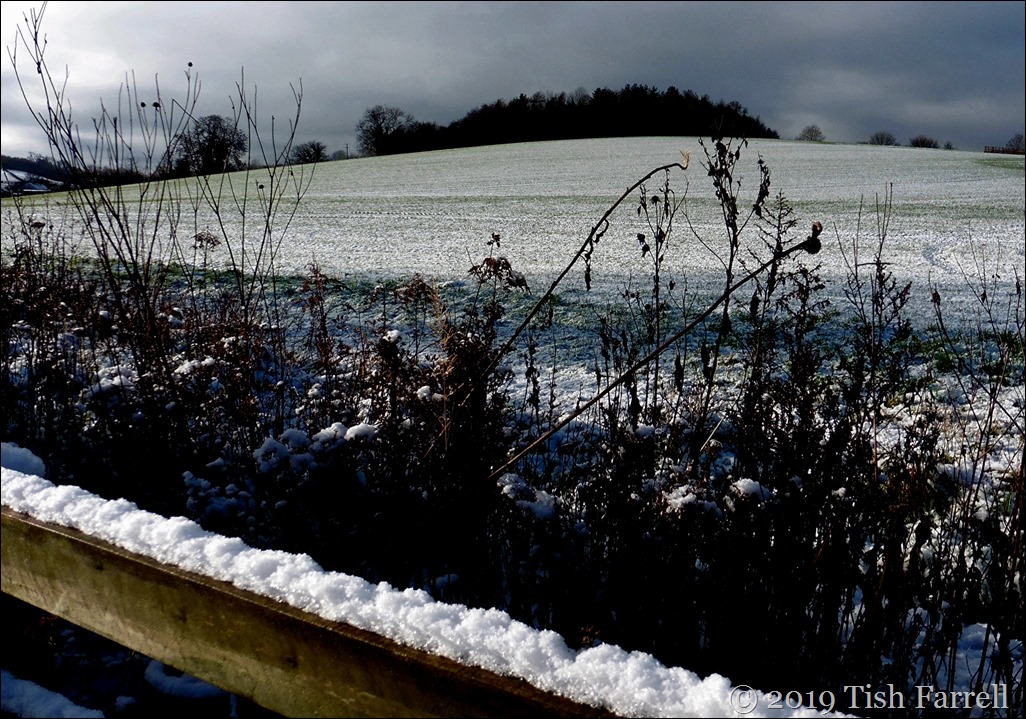

There is more seasonal confusion to report this month. I continue to be astonished by this Dyer’s Chamomile, aka Golden Marguerite (Cota tinctoria). It’s growing in the guerrilla garden behind the back fence, and has been flowering for months. I’ve heard the plant described as ‘a hardy but weak perennial’ because it fizzles out after its second year. Well that’s as may be. This particular exemplar hasn’t reached its first birthday yet, but so far at least is looking remarkably resilient after Tuesday night’s snowfall. Nor is it alone. A tender trailing geranium that I had abandoned in its garden pot at summer’s end has recently started to flower again. It didn’t seem to mind the snow either.

Admittedly it wasn’t much of a fall. By Wednesday morning it was already melting, and a quick wander round the garden now reveals many signs of spring. There are breaking leaf buds on the roses, flowering currant and honeysuckle; the columbines and centaurea are making vigorous new growth; bulbs are sprouting; hellebores flowering; along the lanes the snowdrops are out in force, and the winter wheat is greening all the fields around the town. Even the birds are singing spring songs. Will it all go horribly wrong one wonders? Better enjoy it while we may then, this summer-spring-winter.


The Changing Seasons ~ January 2019 Please visit Su to join in this monthly challenge.

January can be a dreary time up at the allotment: cold claggy soil, weedy peripheries, bare trees and a general sense of neglect and of plots too long abandoned. And yet…and yet…when I slip-slide around my raised beds I find there is still plenty to harvest: leeks, parsnips, Tuscan kale, Swiss chard. The slugs have even left us some carrots (the voracious little gastropods are especially fond of the sweet and stubby rooted Paris Market variety), but I manage to find a bunch that have not been too gobbled.
There are also some golden beetroot to pluck, some as big as turnips. From the outside they do not look too promising – over-weathered and their skins suggesting woodiness within. But to my surprise, they are still good – delicious chopped into cubes and roasted till they start to caramelize, and even better with added quartered onions (Sturon still going strong from the summer cropping) and cloves of garlic kept in their papery jackets (so they can be popped out later, if squidgily, and accompanied by much finger licking).
Down by the raspberry bed, the purple sprouting plants, long nurtured through the summer drought and now wrapped in netting against pigeon attack, are looking stout and lush-leaved. I see that they are beginning to yield, and manage to find half a dozen fat florets. Hopefully, the plants will keep cropping now into the spring.
And then as I make for home with my muddy bag filled with veggies, I spot the marigolds (Calendula officinalis). There they are, back in flower after their December lull, and making their own sunshine on a dull and chilly day. I feel a bit guilty about picking them, but then I think some sunshine on the kitchen table would be a cheering sight for He Who Is Presently Coughing His Socks Off. And of course a scatter of petals, therapeutic little entities that they are, would be just the garnish for a dish of roasted golden beetroot.
copyright 2019 Tish Farrell
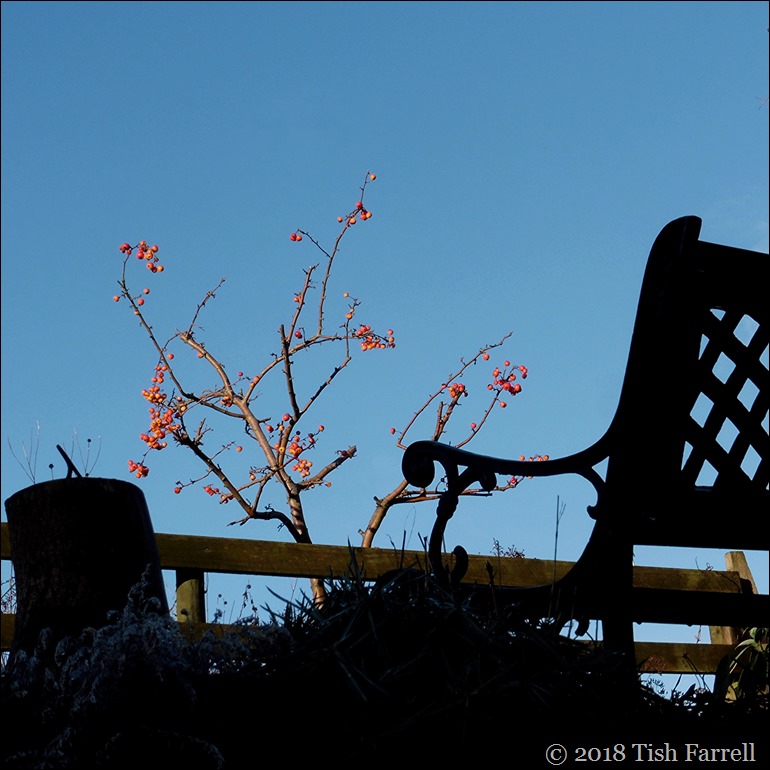
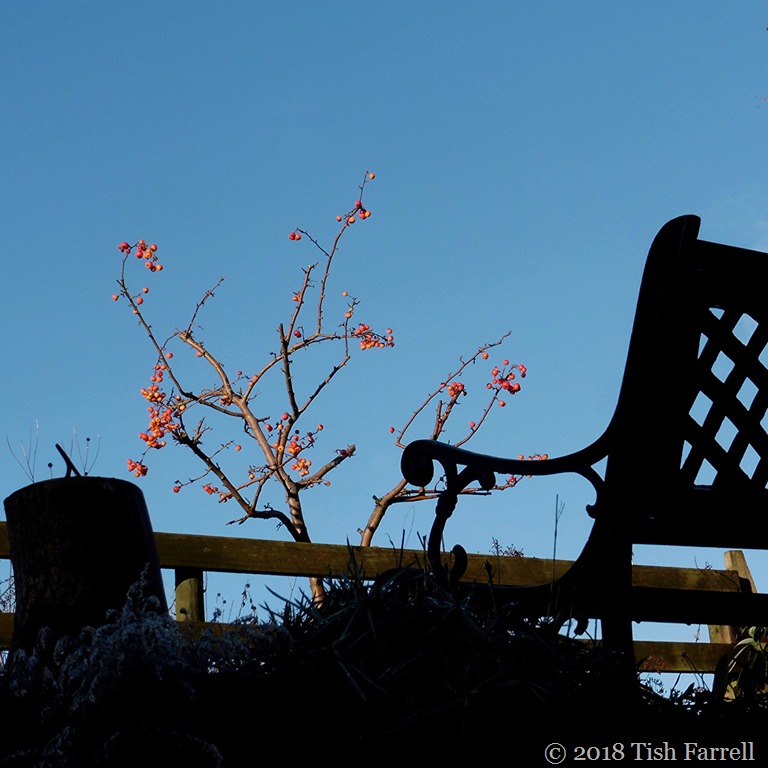
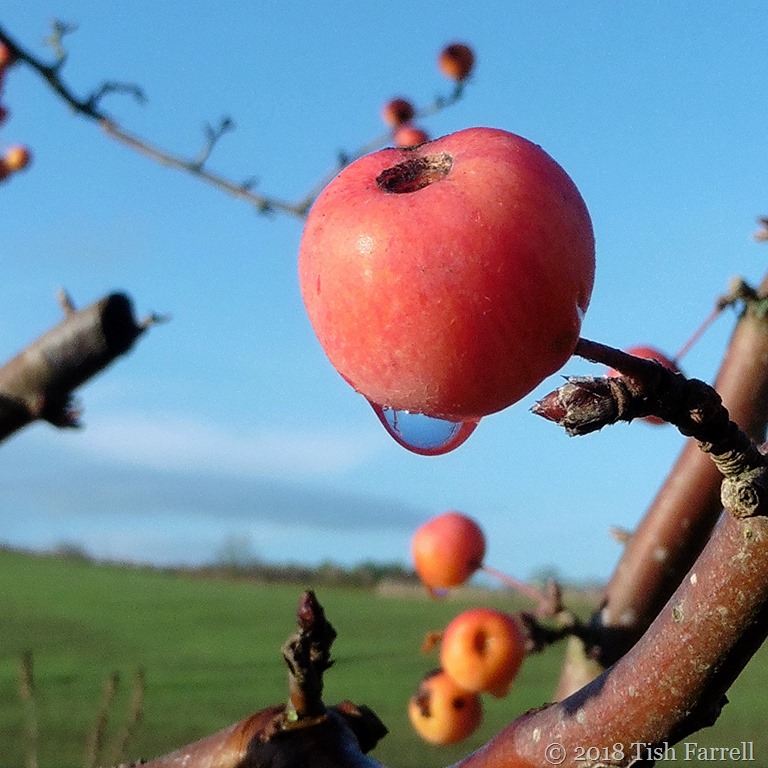
This morning with the sun on their faces the crab apples seemed to glow like tiny lanterns. I’ve noticed that as the temperature drops so their colour deepens to a rosy gold. Not that they will last much longer. The blackbirds have been busy foraging. Better enjoy them while we can then.
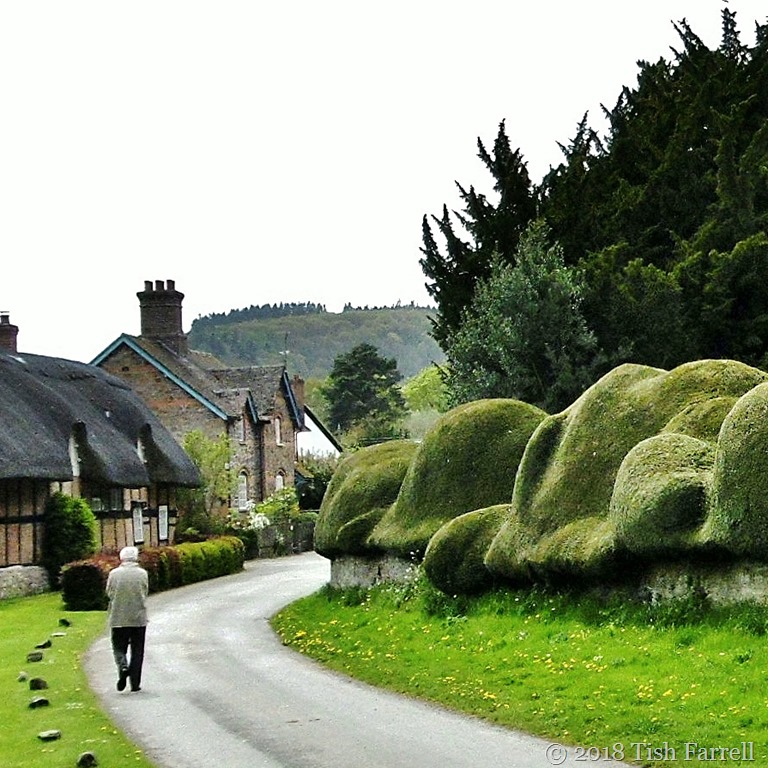
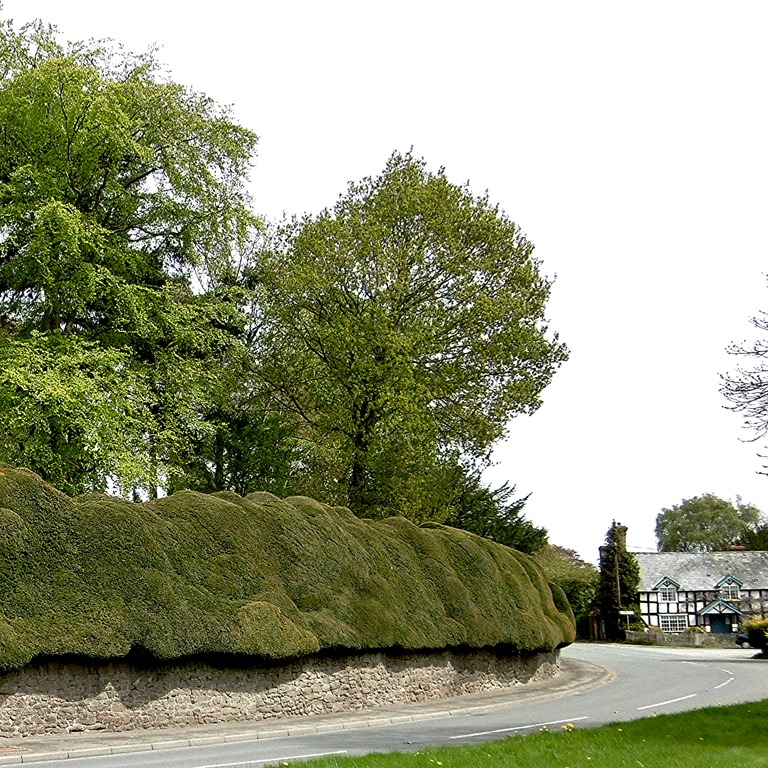
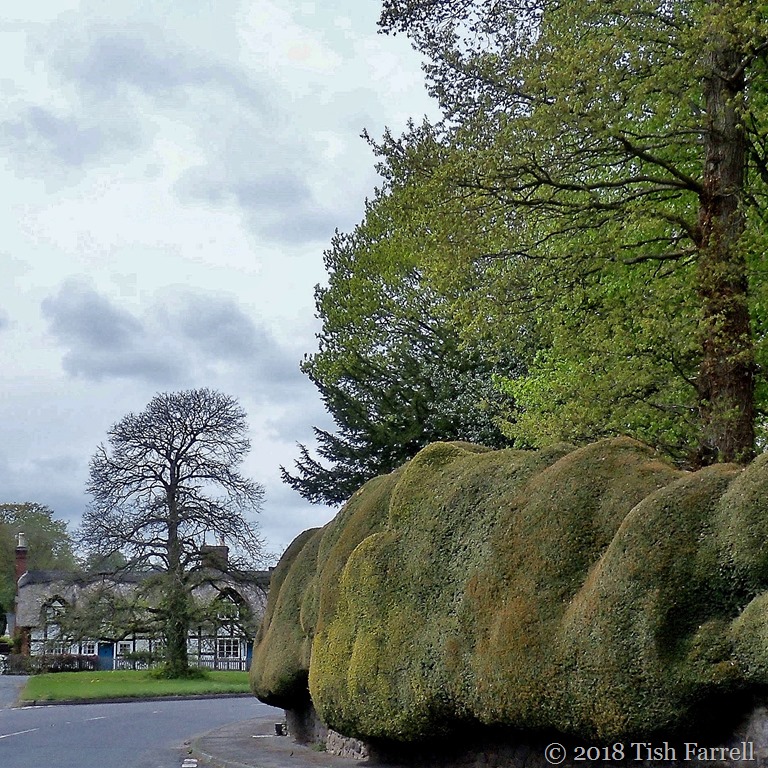
It’s 300 yards long too, so one can only imagine how much time and effort it takes to keep this yew hedge looking so fine. It surrounds the grounds of Brampton Bryan Hall, and its next-door predecessor, the ruined Brampton Bryan Castle. It and the whole village are remnants of the feudal past, the manorial Harley family having been in continuous residence here for 700 years. I have not been able to find out when the form of this hedge was first conceived, or who thought of doing it. Or, indeed, who has the job of trimming it.
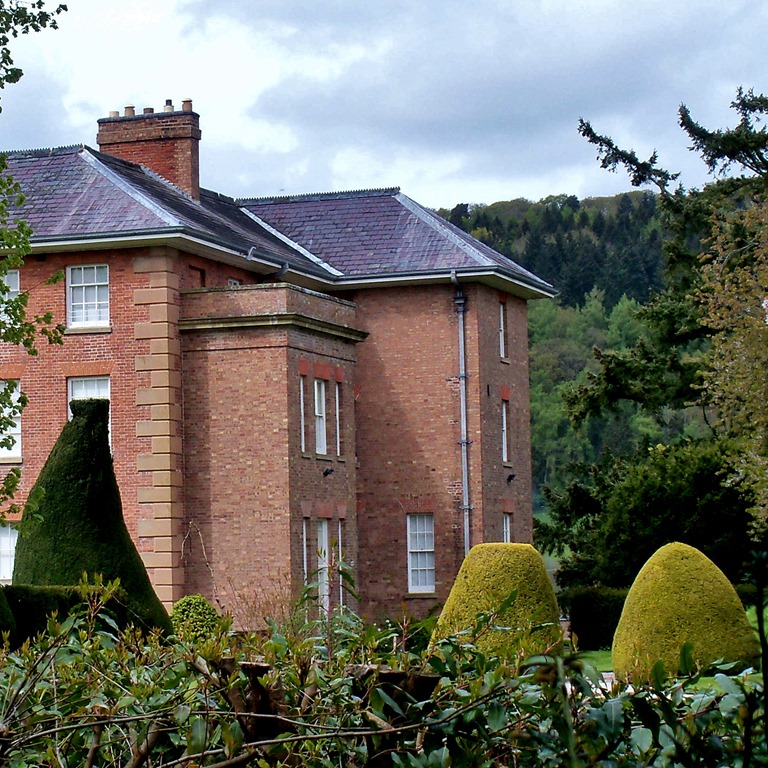
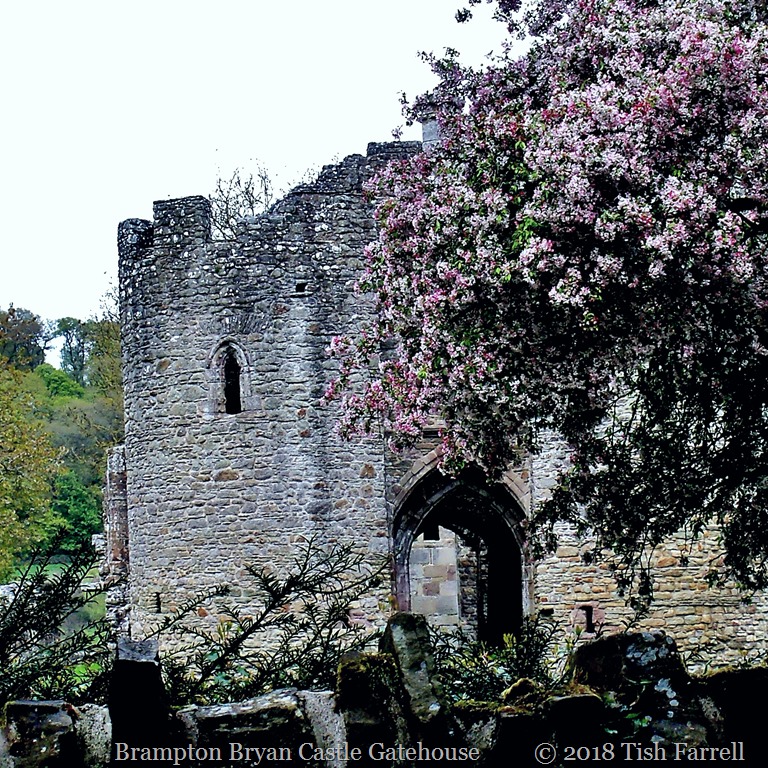
The village is in Herefordshire, but close to the borders of Wales and Shropshire. There is mention of a castle here in Domesday (1086) and of building work in the 13th century. Doubtless it played its part during the Norman domination of Britain. Four centuries later, during the Civil War it was subjected to two sieges by Royalist forces.
During the first attack of 1642 that lasted several weeks, the castle was held for the Roundhead cause by Lady Brilliana Harley (there’s a name to conjure with) along with a band of locals and 50 soldiers. Her husband, Sir Robert, statesman and member of the Long Parliament which sat throughout both Civil War periods, had left her ‘to man the fort’ while he was in London attending to parliamentary business.
There was something of a truce during 1643, but by this time Brilliana was ailing and she died of pneumonia in October 1643. In the following spring there was a second siege. This time the Royalist forces arrived with mines and more powerful artillery, and so had their way. The castle was sacked and burned, the three Harley children taken off to be imprisoned in Shrewsbury. But not long afterwards the Royalist cause was lost, and Sir Robert was paid the equivalent of £1 million in compensation for the destruction of his home.
Looking around the peaceful little village today, and at that apparently all-enduring hedge, it is hard to envisage the place as a battle ground. These days we have entered the Age of Quaint & Picturesque. Which reminds me, the hall grounds were used in scenes from the Merchant Ivory film of E M Forster’s Howard’s End.
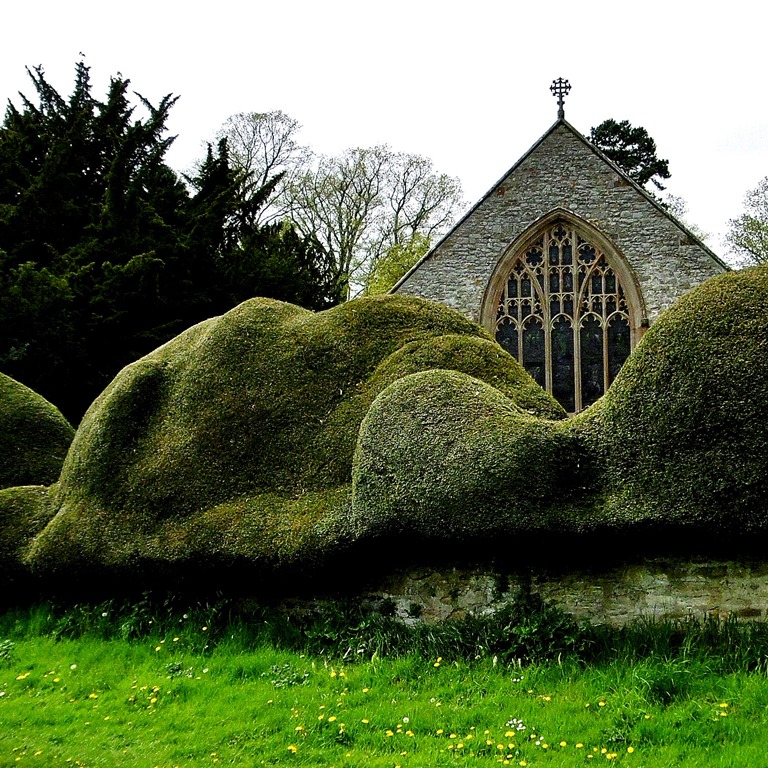
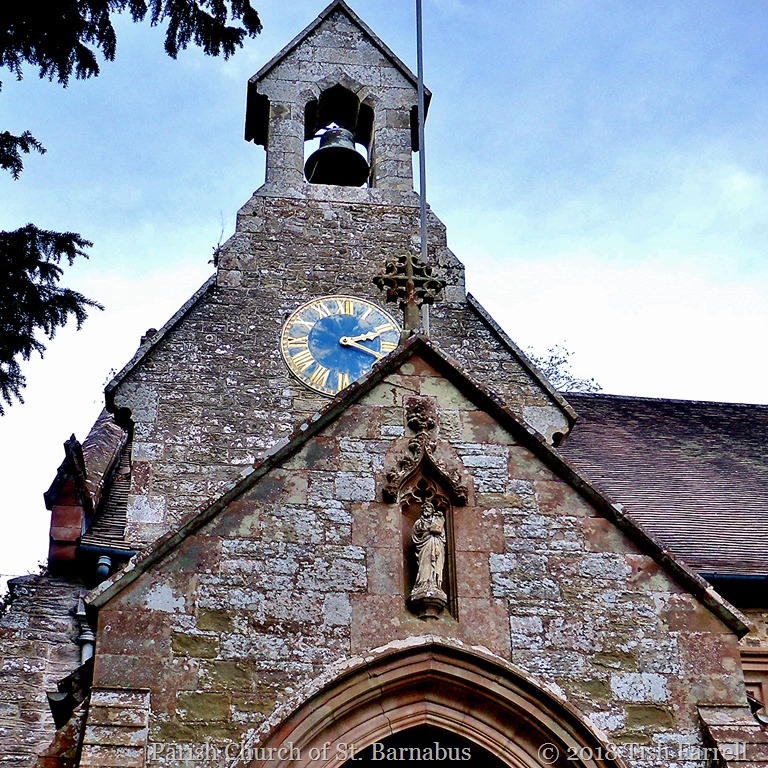
The parish church stands in front of the castle gatehouse, and my photo of the latter was taken looking over the churchyard wall. Built in the 1660s, it is one of only six churches built in England during the Commonwealth period. Timbers from the castle’s great hall were re-purposed here.
