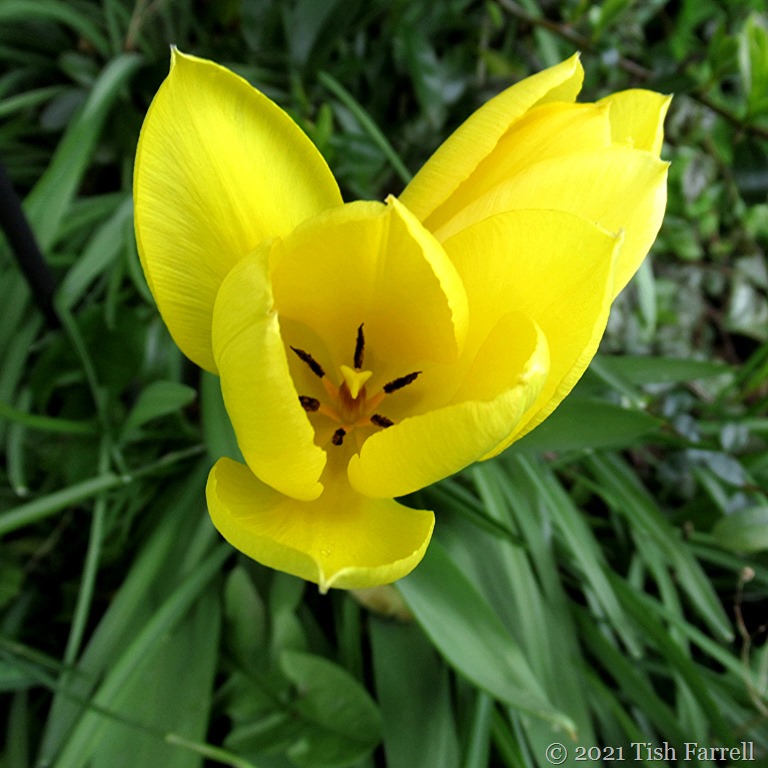
A ‘life in pink’ round up. Don’t forget to visit Jude on Sunday for May’s colour scheme.
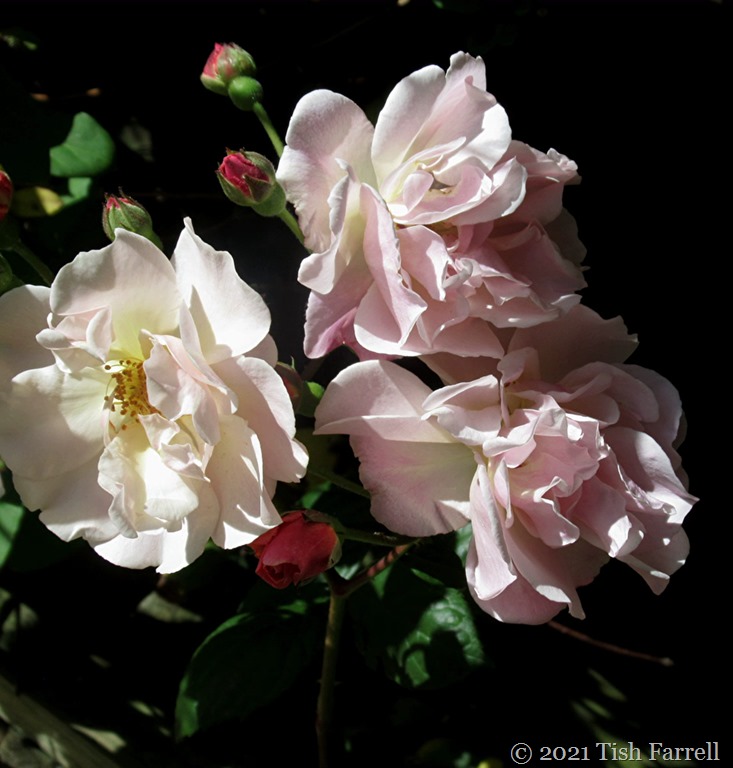


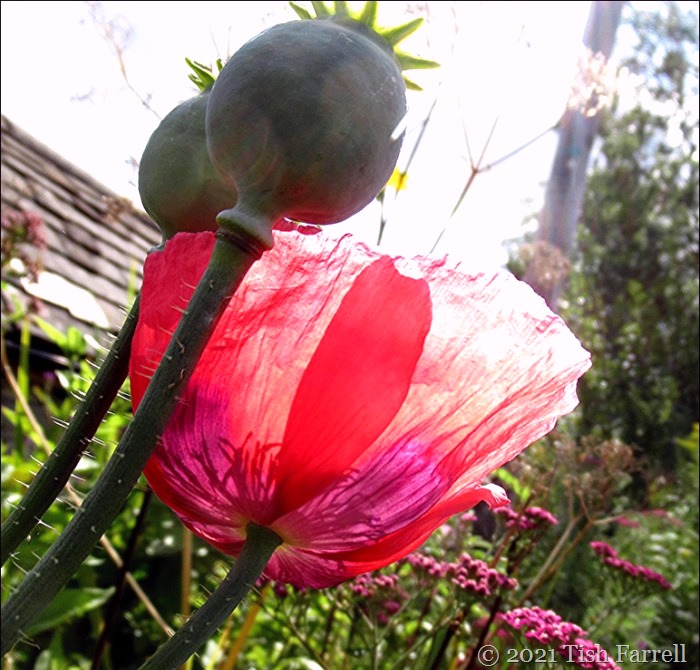
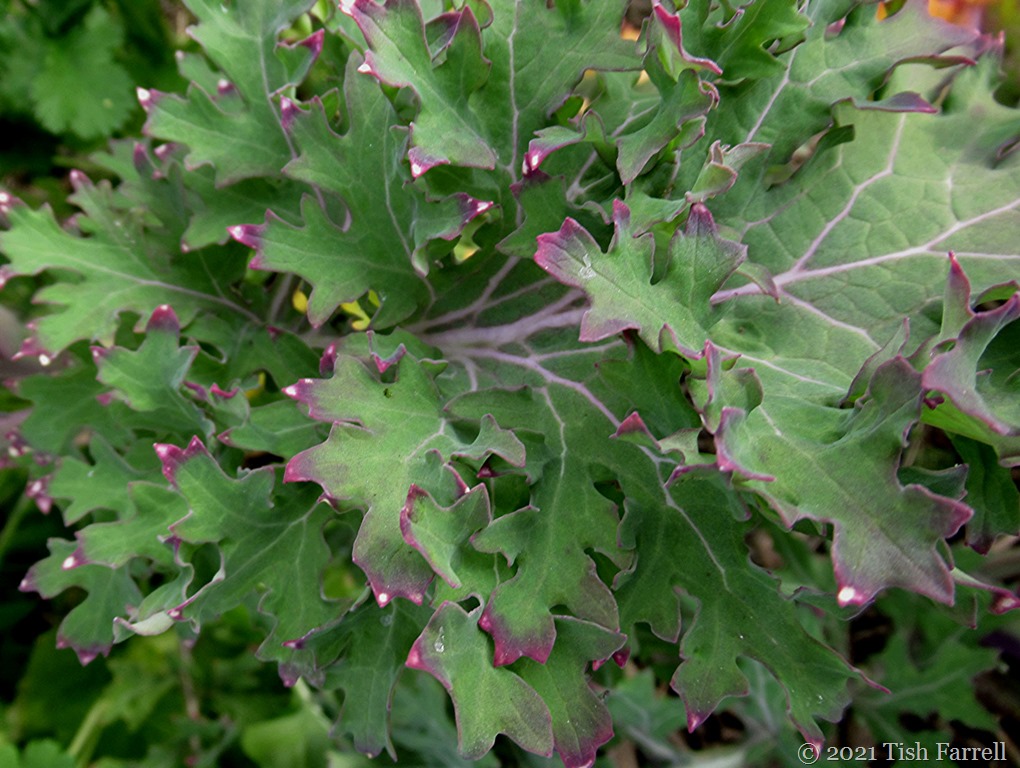
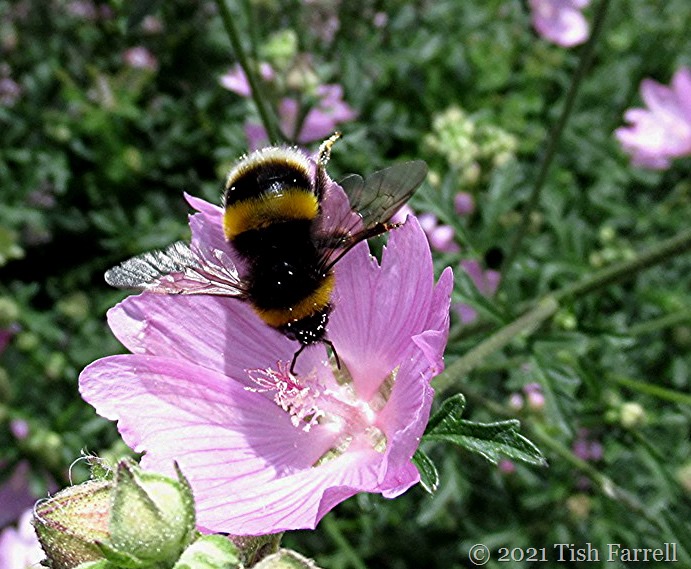
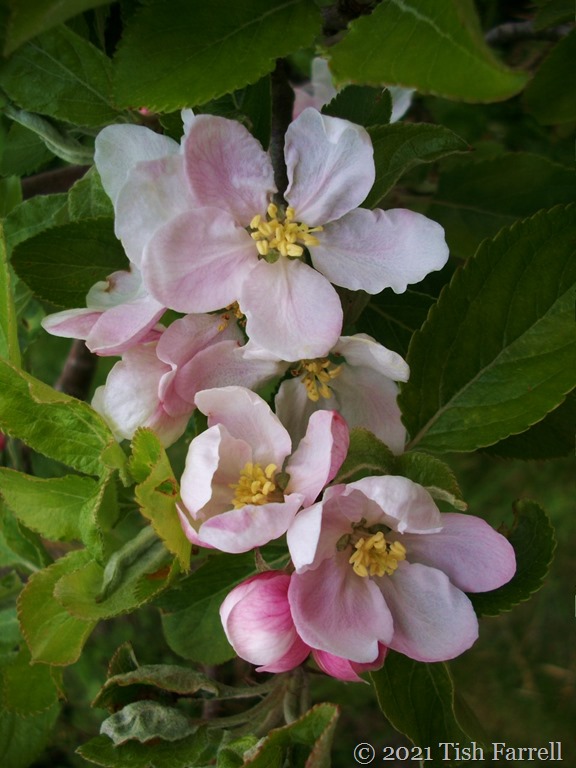
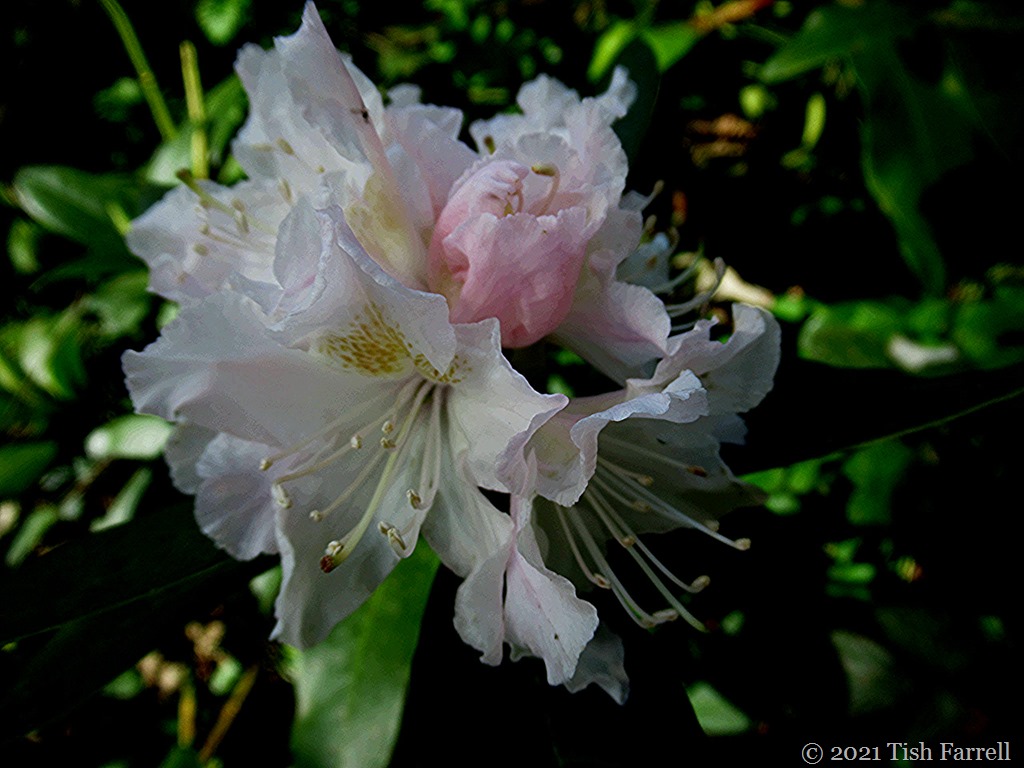
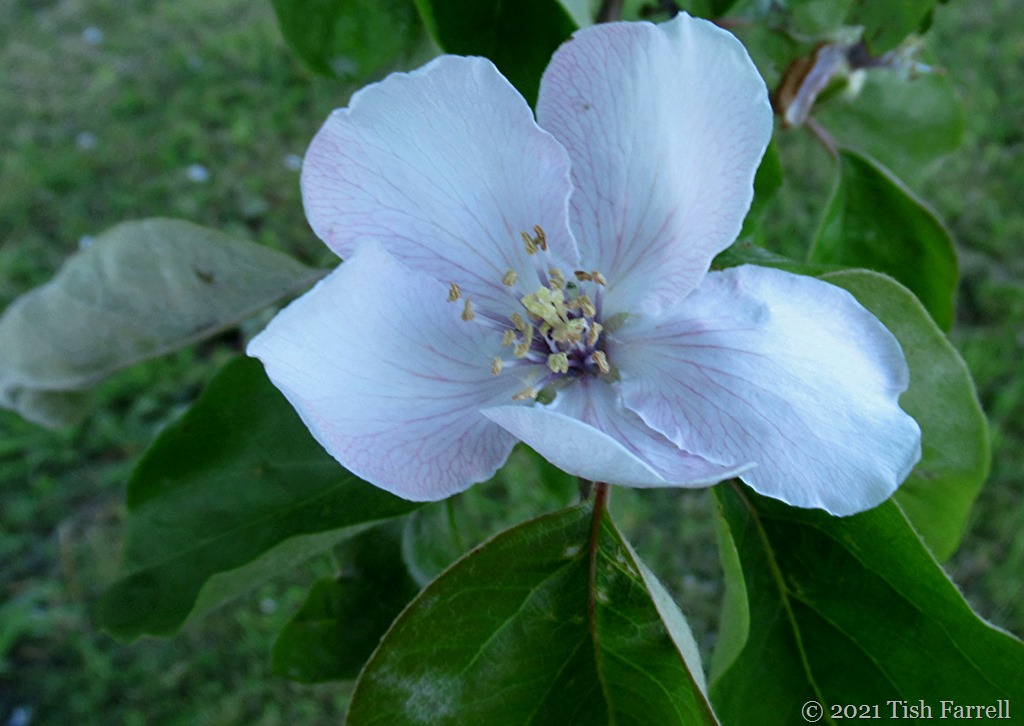

A ‘life in pink’ round up. Don’t forget to visit Jude on Sunday for May’s colour scheme.
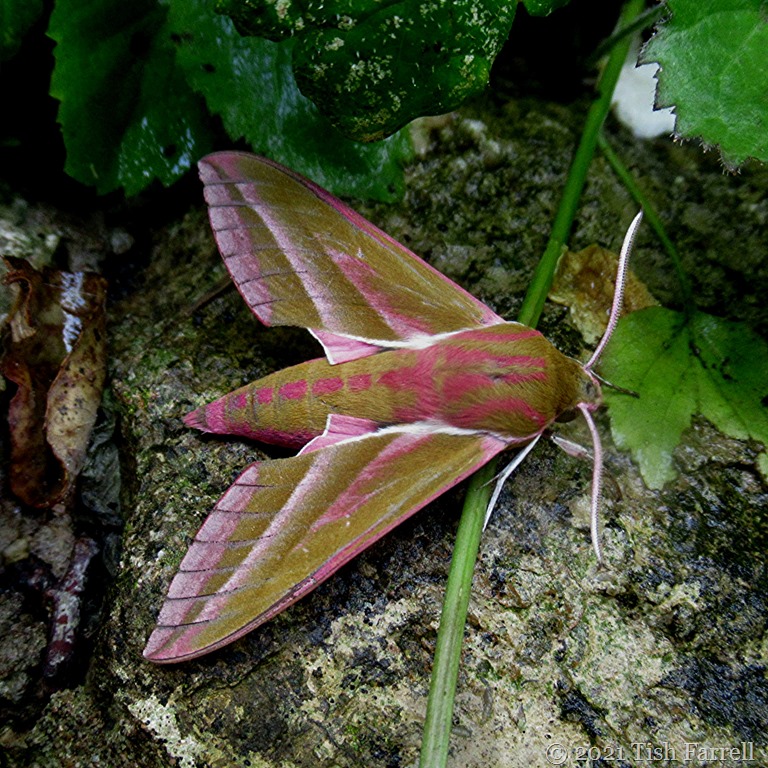
I thought my photo of an Elephant hawk-moth, Deilephila elpenor, deserved another viewing, being both unusually pink (as for Jude’s Life in Colour this week) and bright lipstick pink and so good for a Becky-bright-square. The moth itself was a surprise arrival on the garden wall a couple of summers ago. In fact I think it was asleep when I found it. In real life it was about 6 centimetres across (2 and a half inches); a big moth, in other words. And in its caterpillar form it is even bigger, though at that stage it is mostly a dull sludgy colour with pink eye spots and a strange little horn on its tail end.
Hawk moths are nectar feeders and come equipped with especially long tongues to probe their favourite flowers. They are also speedy, precision fliers, so the colour scheme, gaudy when stationary, blends well among drifts of rose-pink rosebay willow herb where, in high summer, they best like to feed. The caterpillar, on the other hand, has very different eating habits. If they find themselves in a domestic garden they will eat fuchsias. The best response is to pop them in a container and find them a wild patch of rosebay willow herb, Himalayan balsam or bedstraw.


*
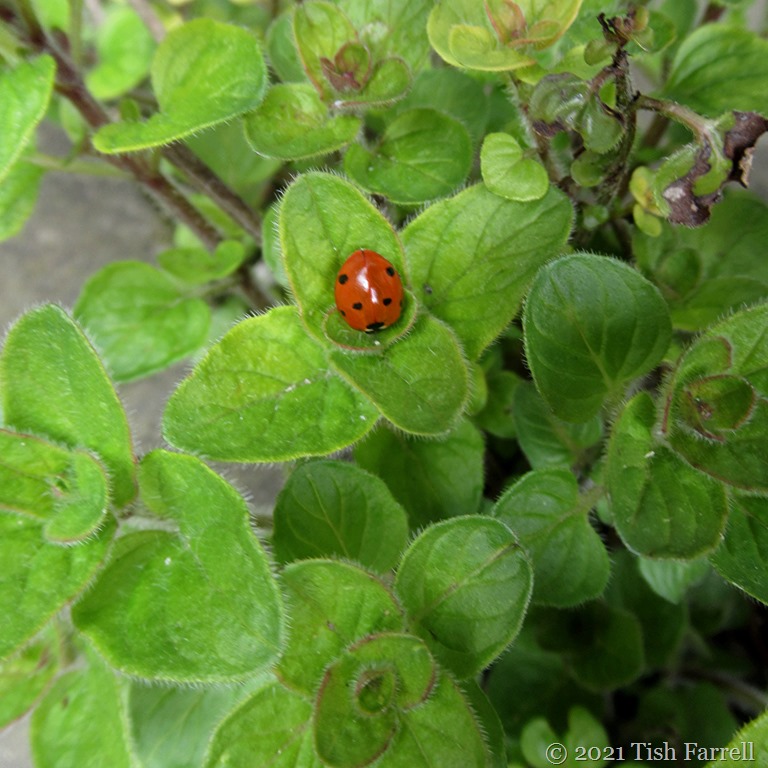
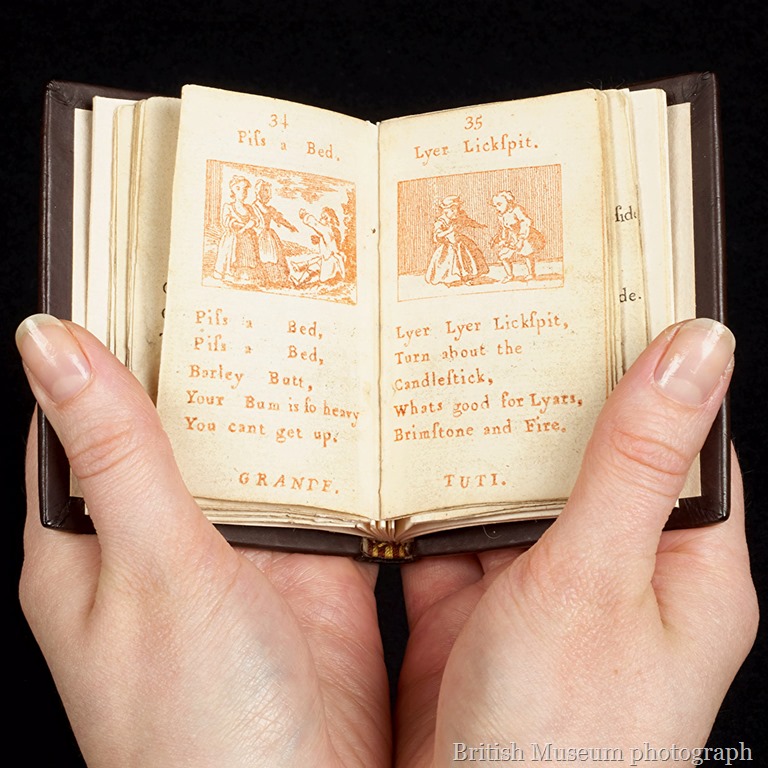
The rhyme comes from Tommy Thumb’s Pretty Song Book, published in London in 1744. Just like the ladybird, spotted this week inside a whorl of freshly sprouting oregano, the book is very tiny. Here are some images from the British Museum which owns one of two surviving copies. You can see more images and find out more about the little book of rhymes that some us once knew (well perhaps not all of them) HERE.

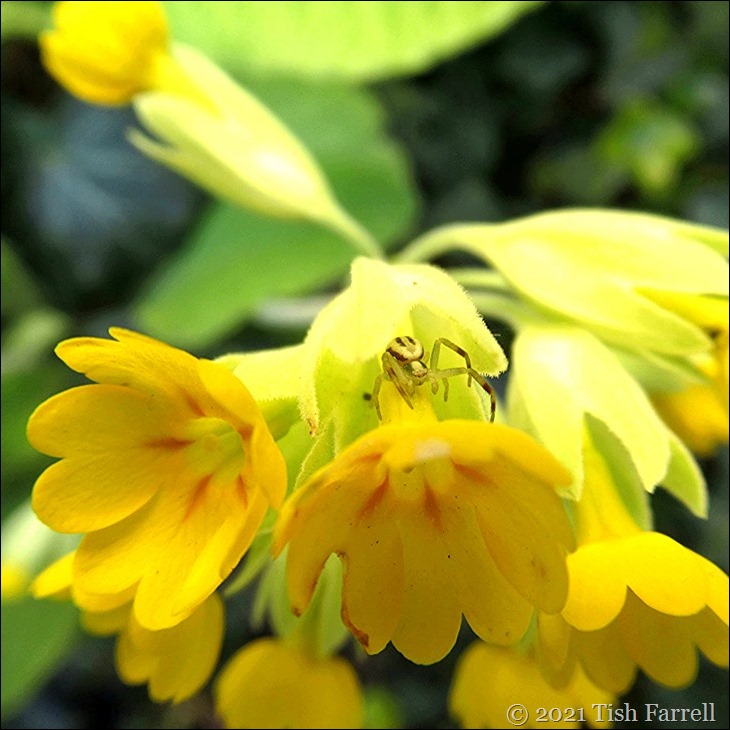
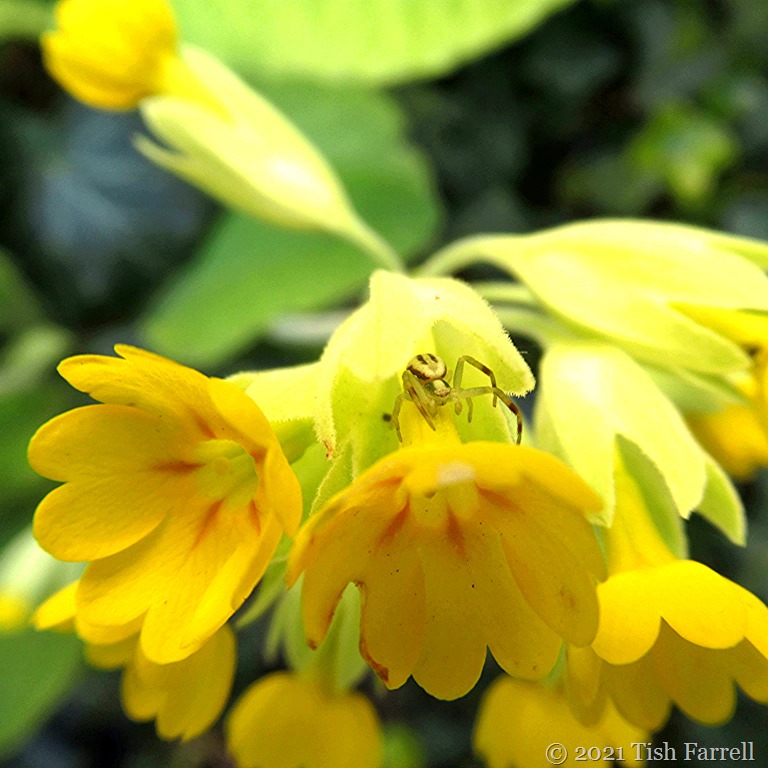
This tiny crab spider has been zoomed to giant size in the photo. I guess, in real time, it was about 3 millimetres across, less than a quarter of an inch. And still it waved its little front legs at me (most crab-like in posture) when I tried to take its portrait. Next it went into hiding under the flower, and when I pursued it down the stem it flung itself at me and then disappeared into the flower bed. It was most unnerving to find oneself having ‘a relationship’ (albeit a fractious one) with such a teeny-weeny little arachnid; the suggestion of ‘intelligence’ even.

*
As you can see in the next photo, the flowers of this cultivated cowslip are anyway quite small. Feisty little critter, the crab spider.
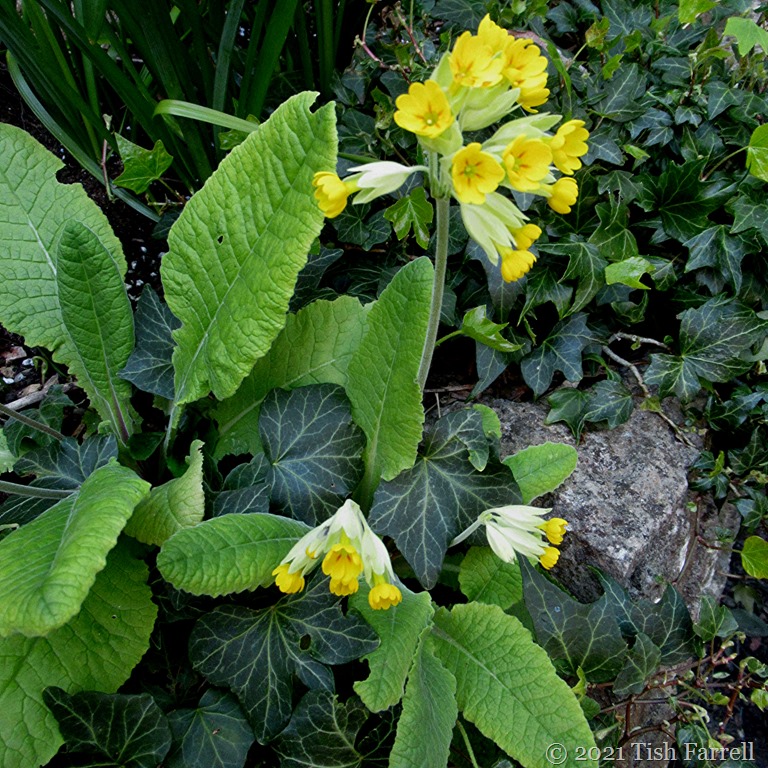
The quotation comes from Shakespeare’s play The Tempest, Aerial’s song, a jolly little air:
Where the bee sucks, there suck I,
In a cowslip’s bell I lie;
There I couch when owls do cry;
On the bat’s back I do fly
After summer merrily.
Merrily, merrily shall I live now
Under the blossom that hangs on the bough.
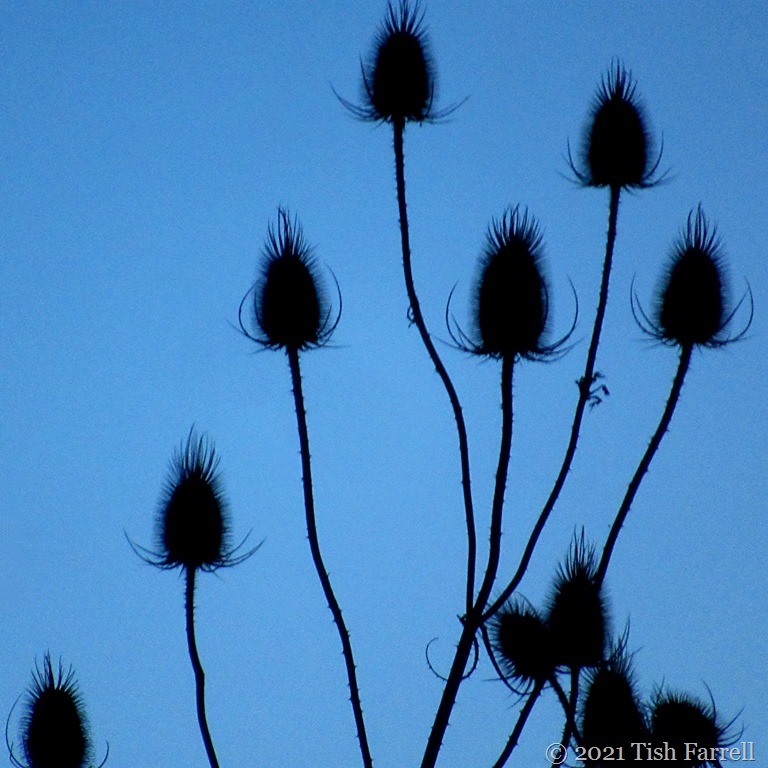
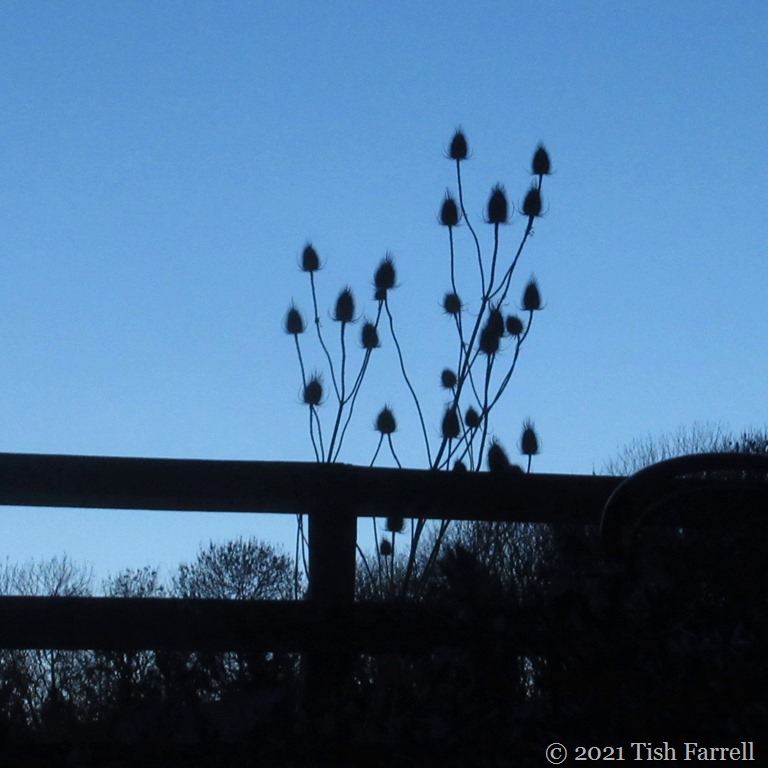
Gosh, but the April air is chilly here in Wenlock, even when the sun shines and distracts us. I gather it’s all the fault of the North Atlantic Oscillation which has dropped into negative zones and is drawing cold air from an unusually frigid Arctic. The weather people say there’s more cold air to come so it looks like spring, here in the northern hemisphere, might be late this year.
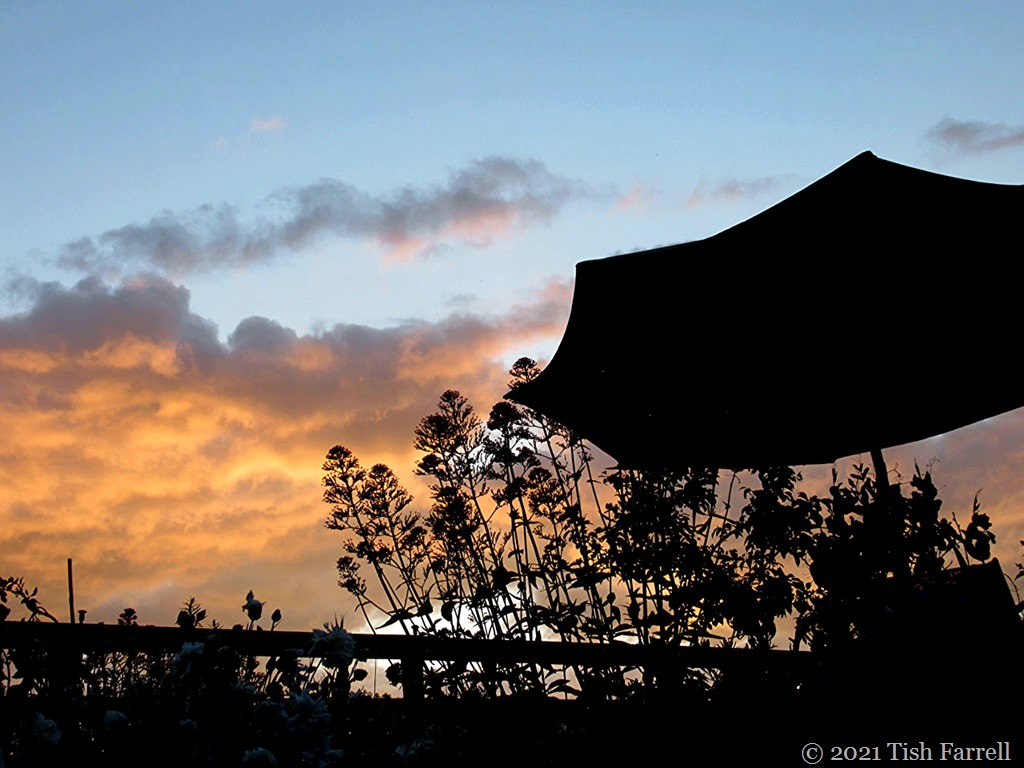
I took these photos from the kitchen door the other evening. As ever, the teasels up in the guerrilla garden continue to catch my eye, and I’m putting off cutting them down. At this time of year the garden-over-the-fence does not look promising. Very flat and wintered. But then it’s also just the moment to discourage some of the more tenacious weeds which are popping up there – couch grass and ground elder in particular. Except now the allotment plot is calling and that’s where all my effort is being deployed. So many compost heaps to turn over, and bins to turn out in hopes finding enough of something useful to spread on the raised beds.
Climbing peas and broad beans have been started off in pots, the onions and the first early Swift potatoes are in the ground, and it’s time to start clearing the polytunnel of winter greens to make space for the tomato and cucumber plants which are presently in the conservatory at home, along with trays of cabbage and cauli and perennial flower seedlings. They will all need hardening off, but not yet.
And there we have a problem. He-who-binds-books-in-winter-and-lives-in-my-house is now set on the outdoor pursuit of dismantling said conservatory (which though presently useful to this gardener, we both agree is hateful) and erecting in its place against our other back door, a lean-to greenhouse whose parts are presently lying in boxes in our sitting room.
It’s one of those projects that will be wonderful when done, but the getting there is fraught with many acts of plant juggling, issues of meteorological conflict and potential domestic unrest between gardener and demolition man. Prickly times ahead. I will keep you informed.

Every year these mad-cap daffodilly-narcissus make a fine show up the allotment. In fact they light up a deep-shade spot under a very ancient damson tree and her offspring thicket. No one seems to care for them in any way. They simply come and go. For some reason they make me think of Cadbury’s cream eggs.
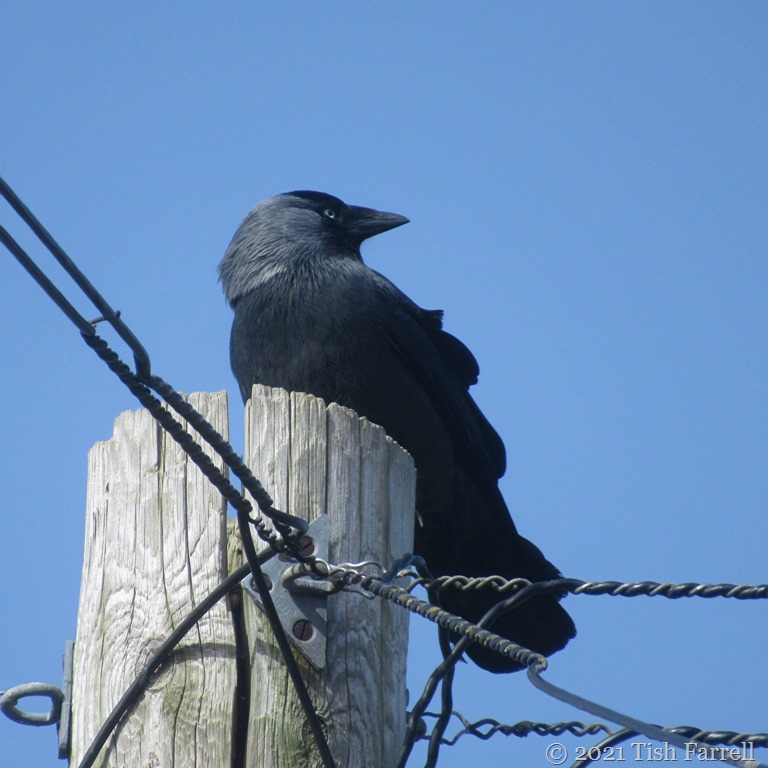
The telegraph pole over our garden wall provides a handy look-out for jackdaw-kind. These, the smallest of Britain’s crow family, are renowned, like magpies, for their thieving ways and proclivities for bling. But they are companionable birds. They mate for life, and form large flocks. They also gather with rooks and starlings, joining in their aerial sundowner displays.
The common name derives from their call: tchak-tchak, but they have many other apt descriptors including ‘chimney-sweep bird’. Anyone who has ever had to remove a jackdaws’ nest in their chimney will never forget the astounding deluge of soot and sticks and bird detritus. So if you have an unguarded chimney be warned. They do like the pots to nest in; also holes in trees and nooks in castle ruins.
I’m wondering what this one is thinking about. It looks like a bird with a plan.
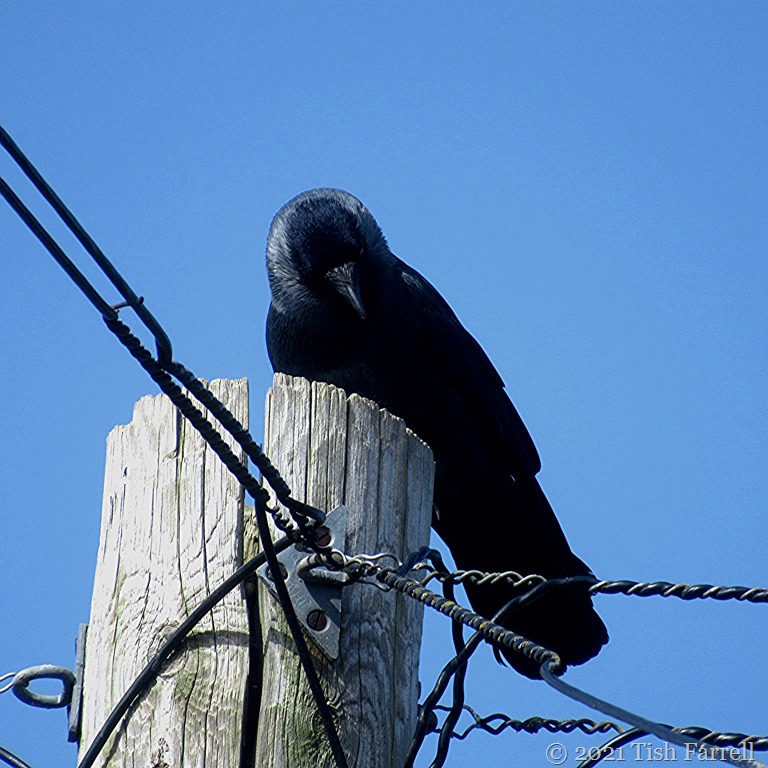
Bird Weekly #42 Lisa at Our Eyes Open wants to see what we’ve seen bird-wise in the past fortnight
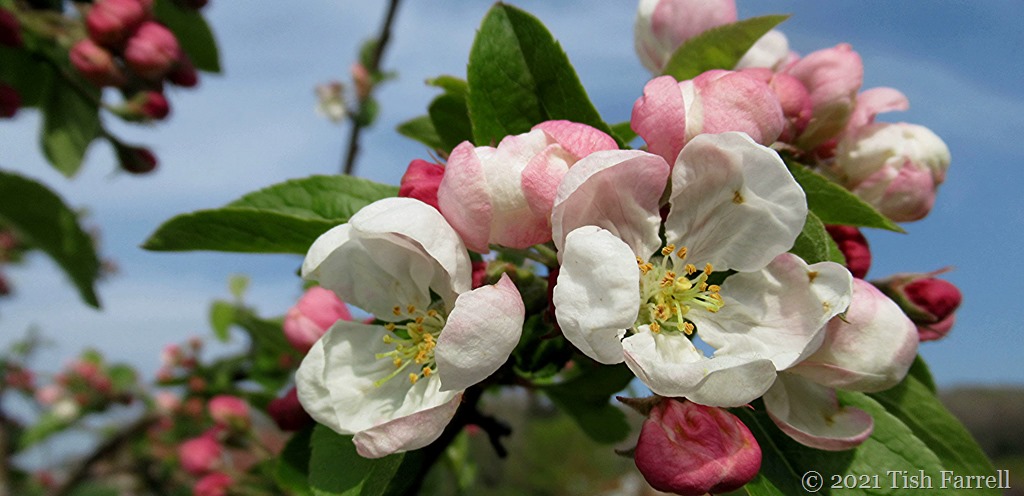
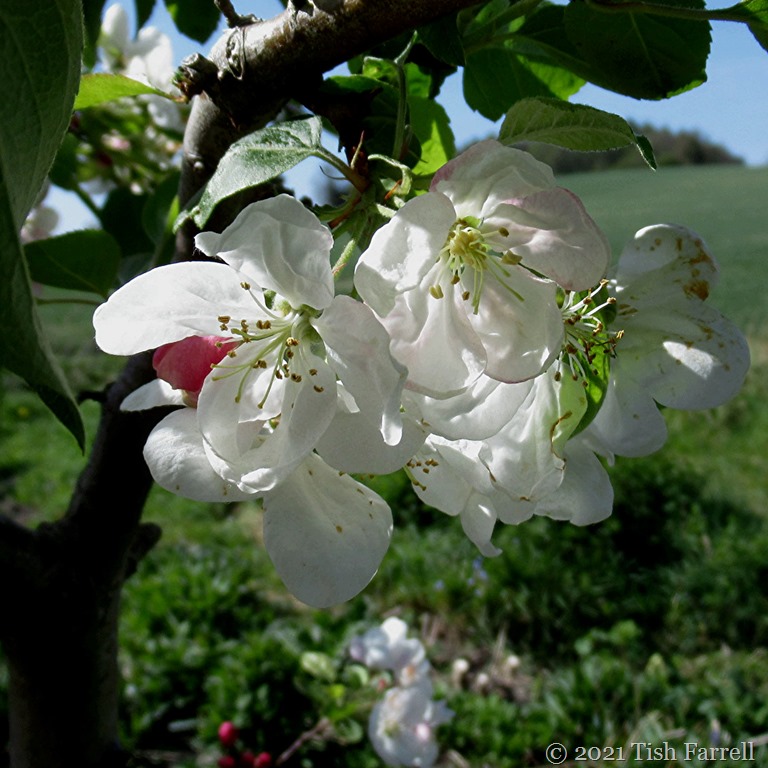
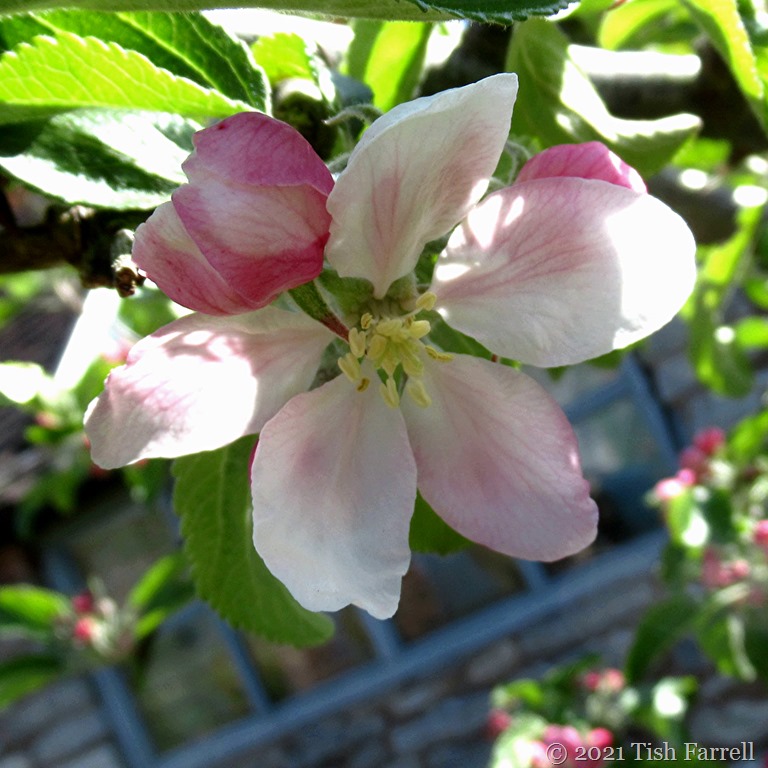
Here in Shropshire the fruit tree buds are swelling: soon be apple blossom time.

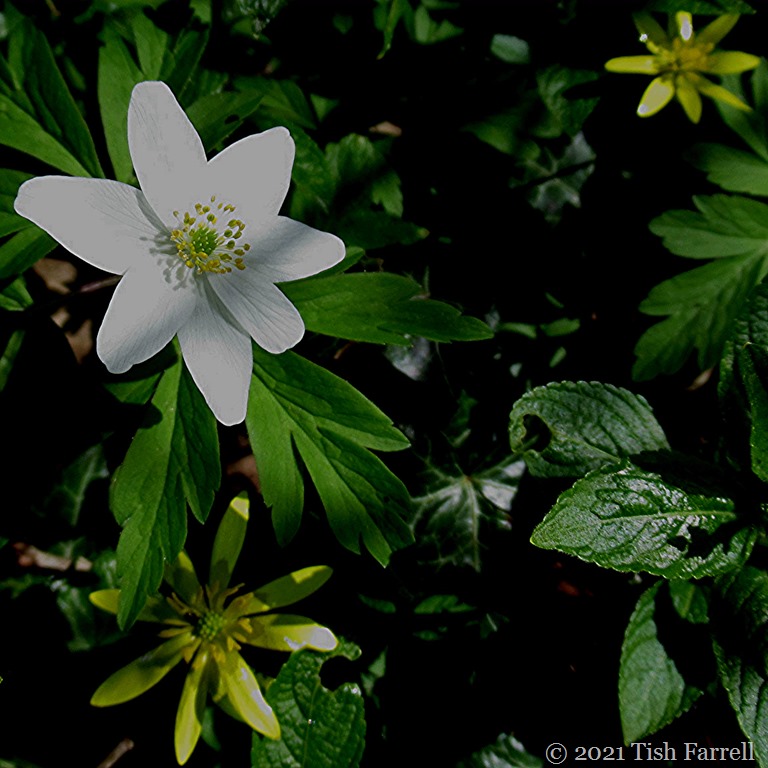
That would be wood anemones and lesser celandines – the bright stars of English wildflowerdom. The celandines have been flowering for weeks and weeks and usually are among the first spring bloomers. It’s hard not to smile when you first spot their mini-sunbursts popping out the dreary over-wintered grass.
This year they have also colonised our front flower bed that runs down to the road. There must have been hosts of seeds among the wood chippings that I gathered up last year after tree and branch felling in the Linden Field. A double bonus then: first the autumn mulch, then an unforeseen spring flowering. They grow very low to the ground in coronets of lush green leaves, and so have most discreetly filled gaps between the daffodil clumps. I expect I’ll let them stay. The pilewort common name of course denotes an old herbal application.
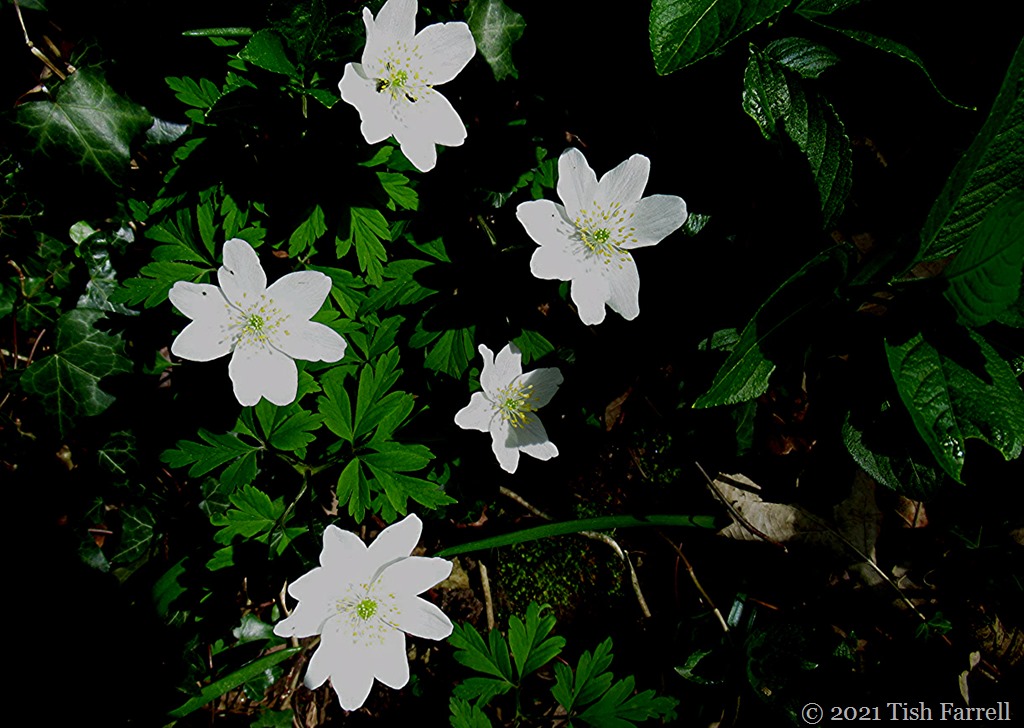
I’m not expecting any wood anemones to emerge from the front garden mulch. As their name suggests, they prefer wooded terrain, or at least ground where woodland once was. I found the one in the photo growing beside the path between the Linden Field and Windmill Hill, under the oaks and conifers, keeping company with primroses and violets and dog’s mercury and wild arum. Legend has it that only the wind will make them open their delicate petals. I beg to differ. When I took this one’s photo it was embracing the sun full-on, as you can see. The next day when I returned to the same spot, the anemones were all hanging their heads and shivering in the cold wind. With no sunshine on offer, they looked like bedraggled waifs, much hard-done-by.
Today in Shropshire the snow flurries have stopped. We have sun and wind. A good moment then to check on the plant life in the Linden Field, and also to gather supplies from a fresh cache of wood chips from a felled oak tree. They chips are brilliant for allotment paths and dosing the hot compost bin. The things one does!
Copyright 2021 Tish Farrell