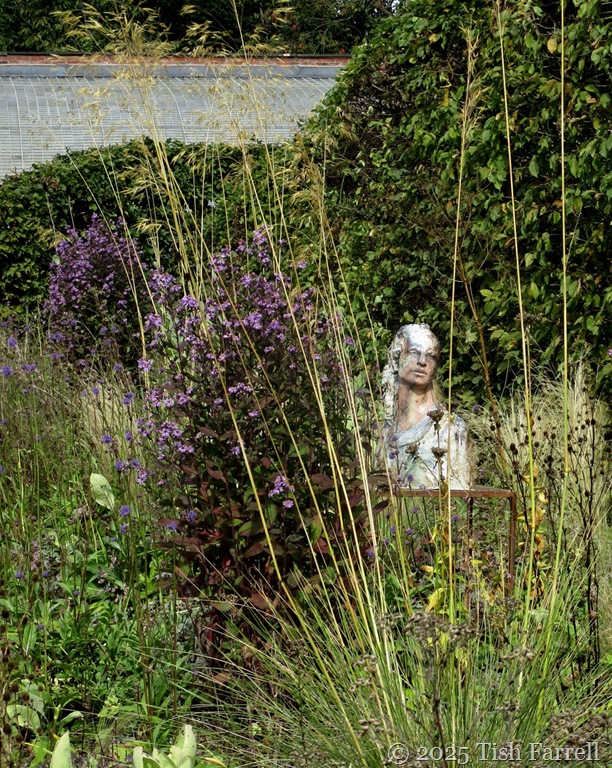
‘Drawn from the Earth’ ~ Art In The Garden At Wildegoose Nursery

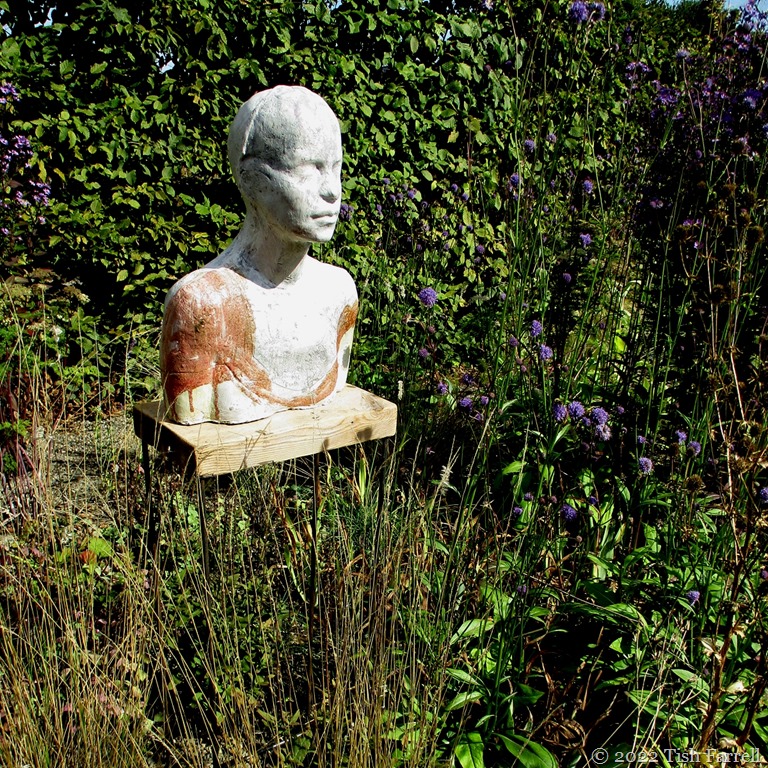
large female bust 2

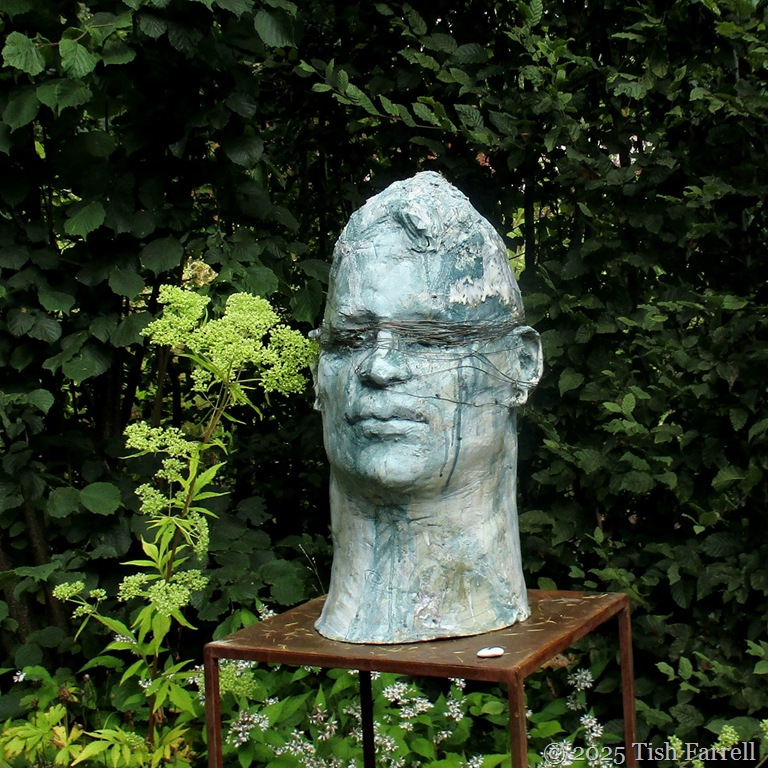
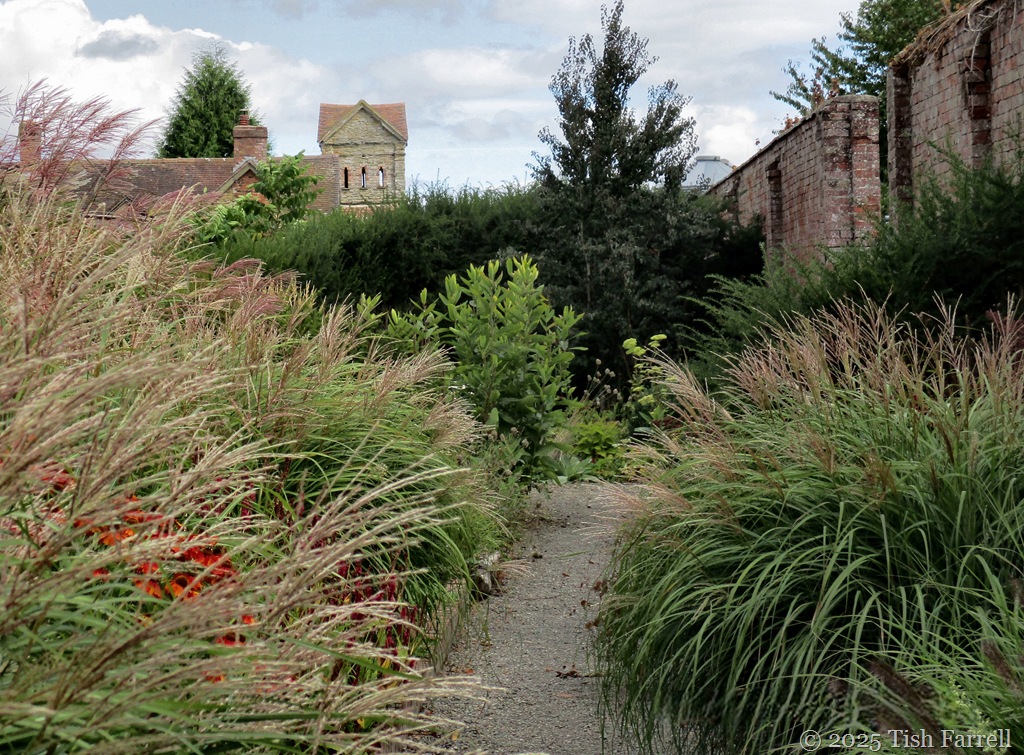
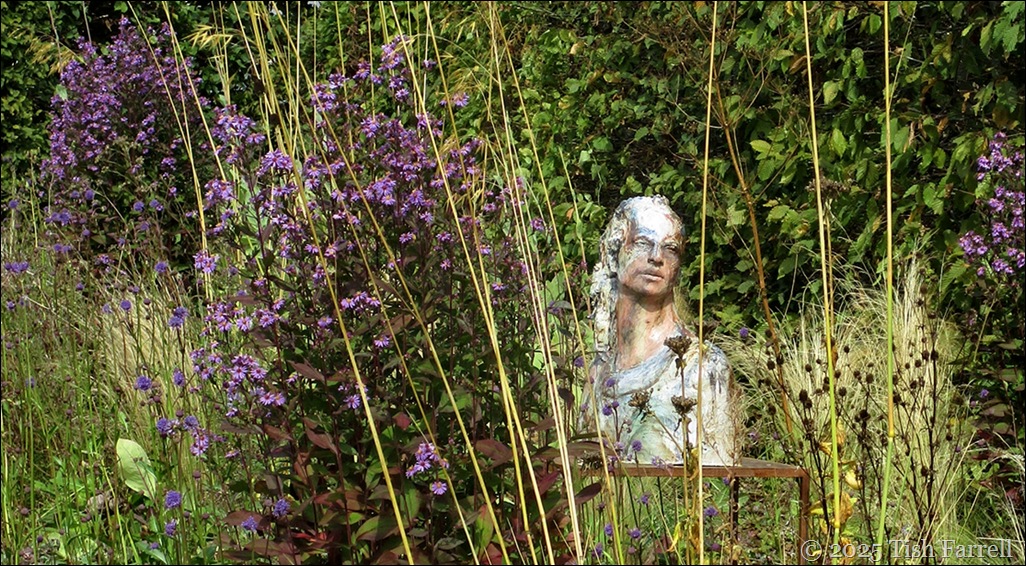
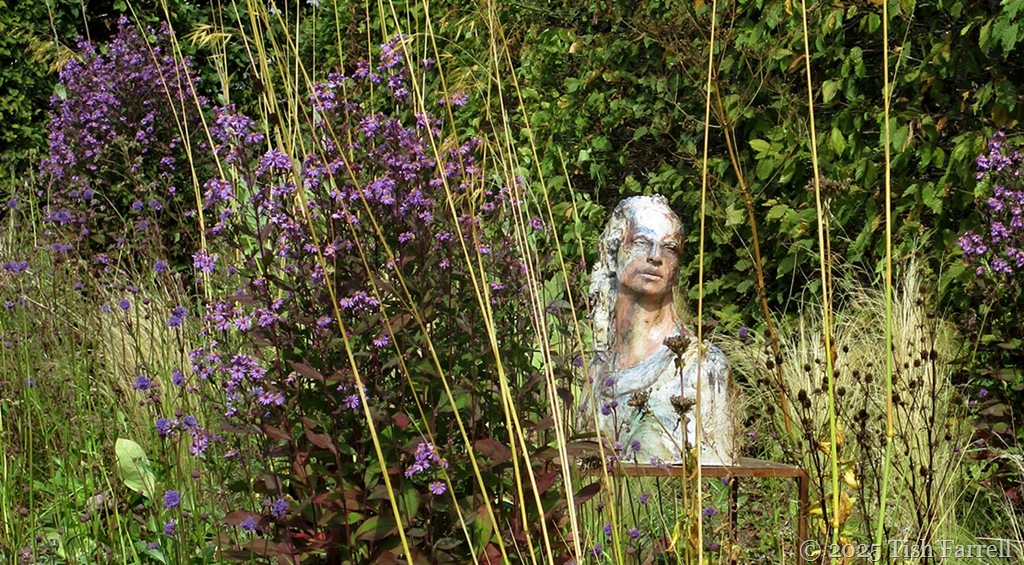
In the last post I said I’d show some of the artworks from Mary Elliot’s ‘Drawn from the Earth’ exhibition, hosted last week by Wildegoose Nursery.  The setting is a series of garden ‘rooms’ created in an old and magnificent walled garden. The late summer plants and grasses made an otherworldly backdrop for Sharon Griffin’s ceramic figures.
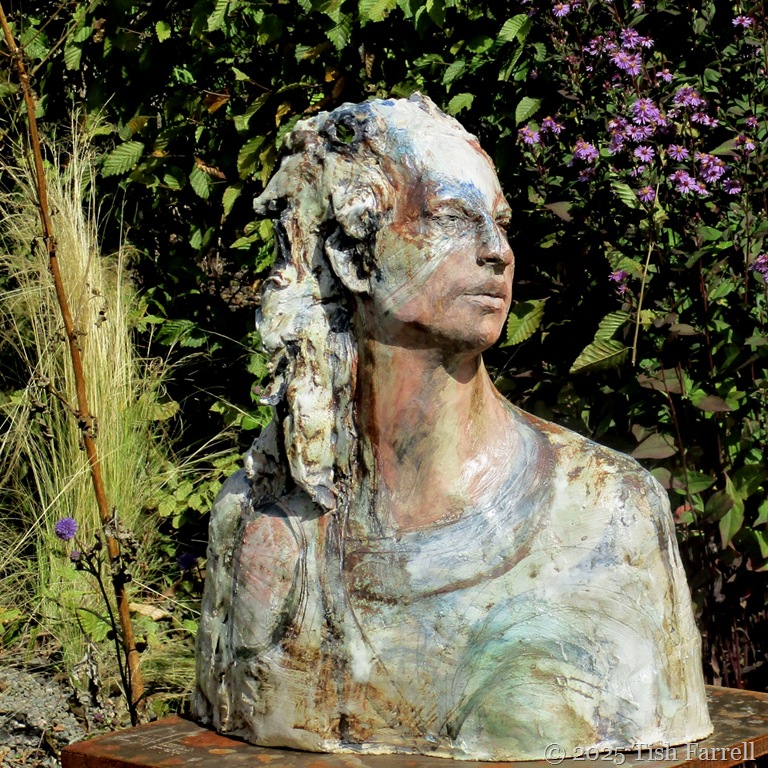
large female bust

Her work is haunting. To come upon her pieces, as if by chance, in a garden that is slipping into autumn, gives them added drama; a life almost. There’s a sense of ‘old gods’ invoked; forgotten stories being retold.

Or in her own words:

I make work which explores the universal human condition…clay allows me the freedom for pure expression; a re-connectivity with the land and ancestral storytelling…
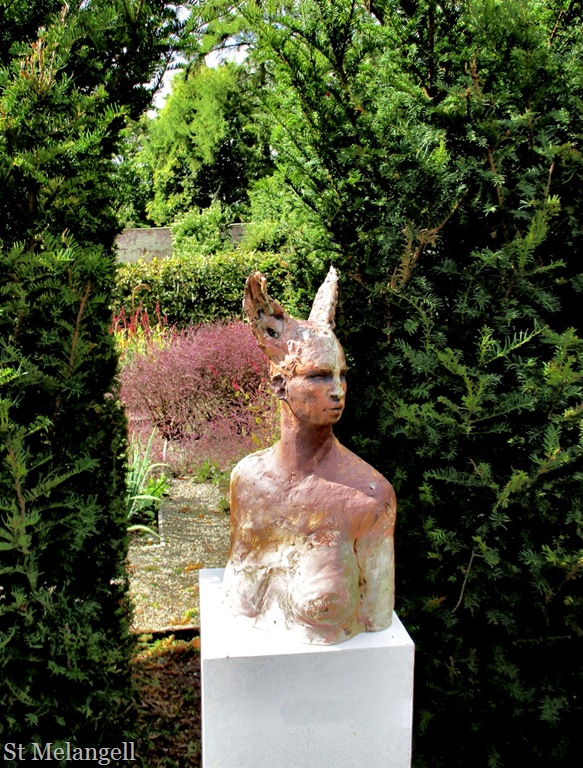
art 4

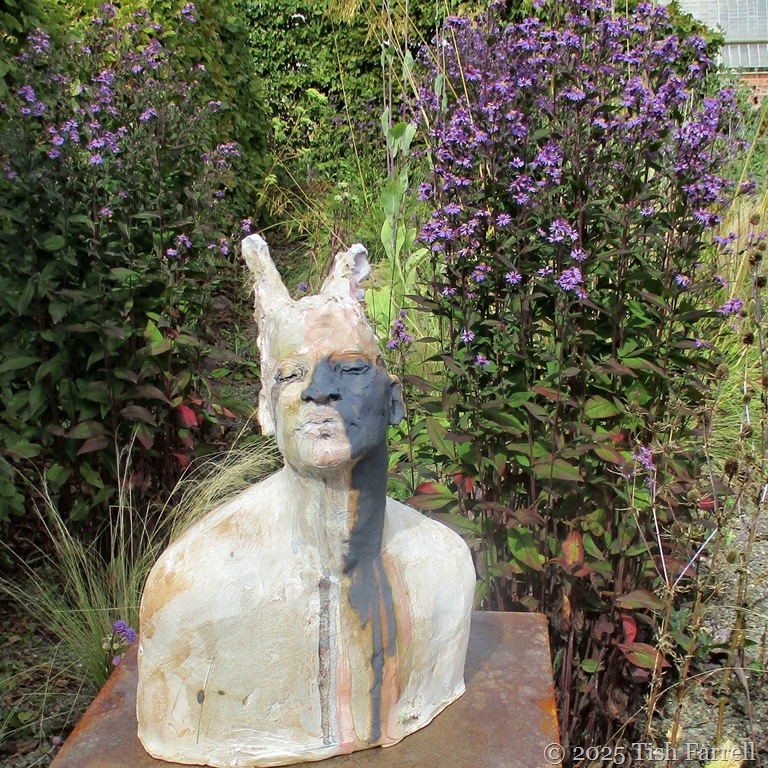
faun with shadow ears

Faun with a shadow face and deer ears

*
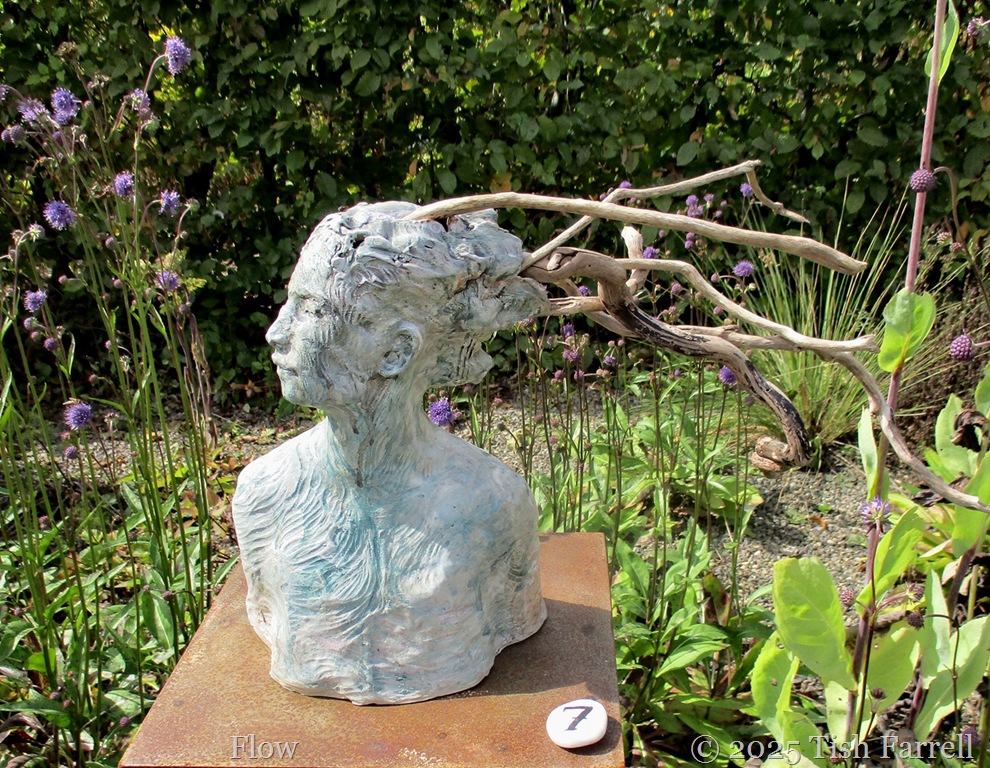
Flow

Not so blind that I can't see Sharon Griffin

‘Not so blind that I can’t see’

*

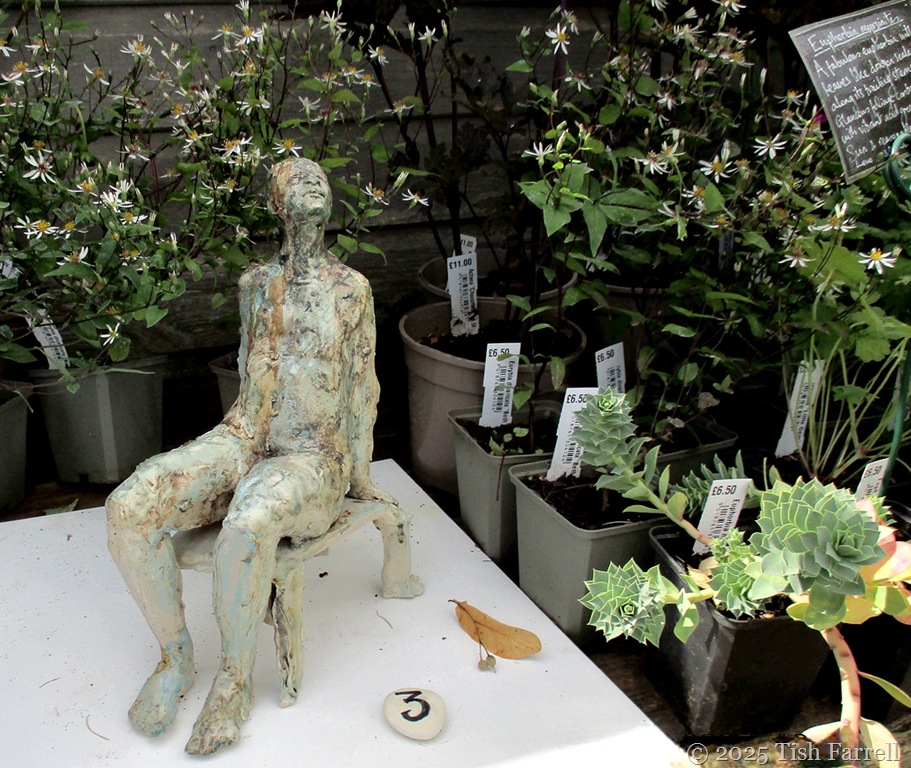
small figure

And on the plants for sale table: ‘The Gardener’

*

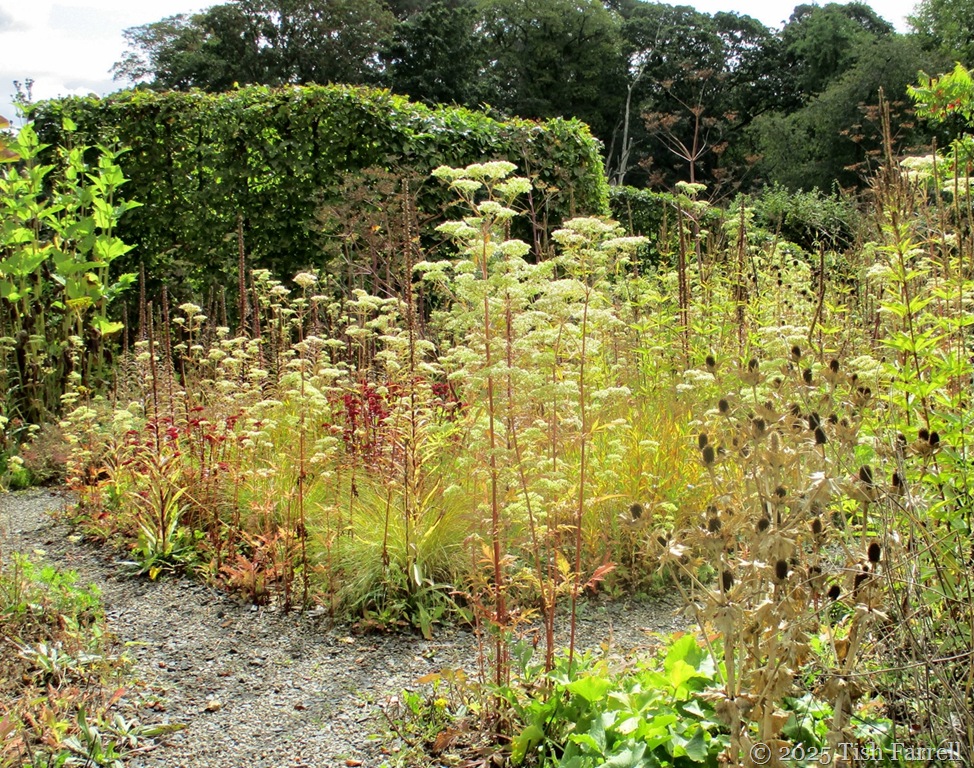
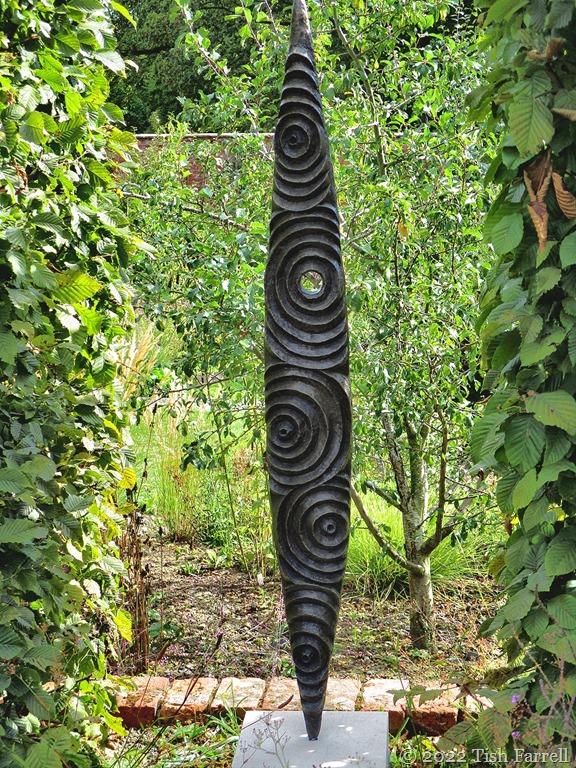
I only came upon this one work by sculptor, Glen Farrelly.  It’s called ‘Formation’. I perhaps find it more personally appealing than the Sharon Griffin works. i.e. in the sense I could see myself living with it. I loved its setting amongst the pale green Patrinia seedheads and red sedum, the spires of dying flower stems and grasses.

Art 4a

*

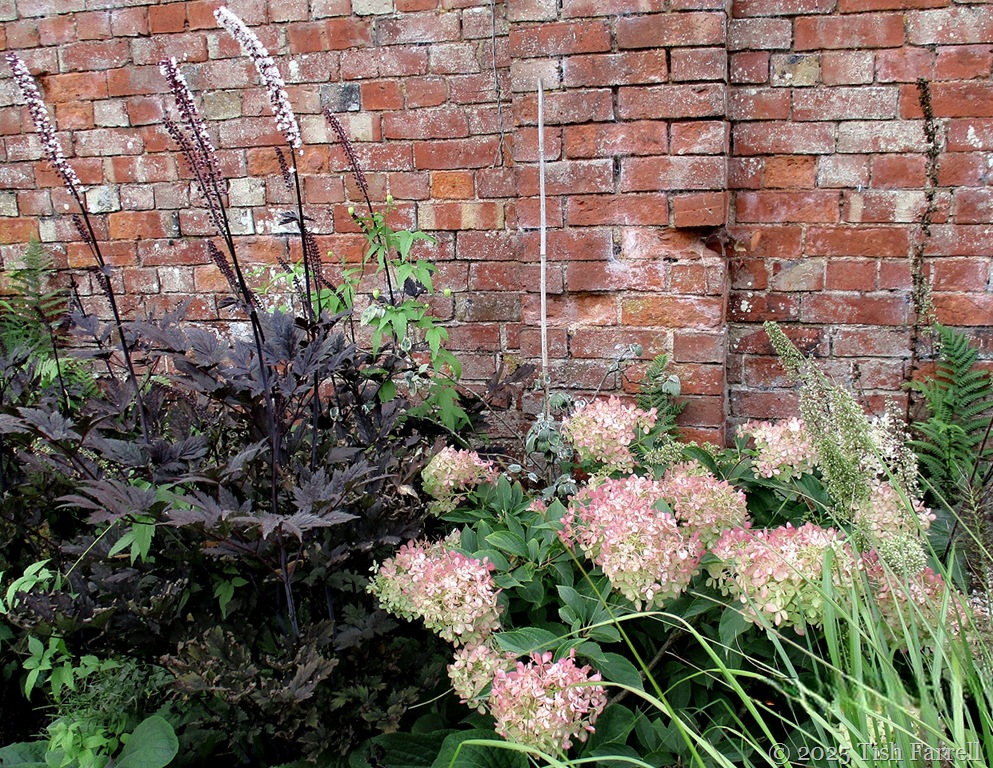
And finally some more views of the gardens – plants making their own end-of-season artworks.
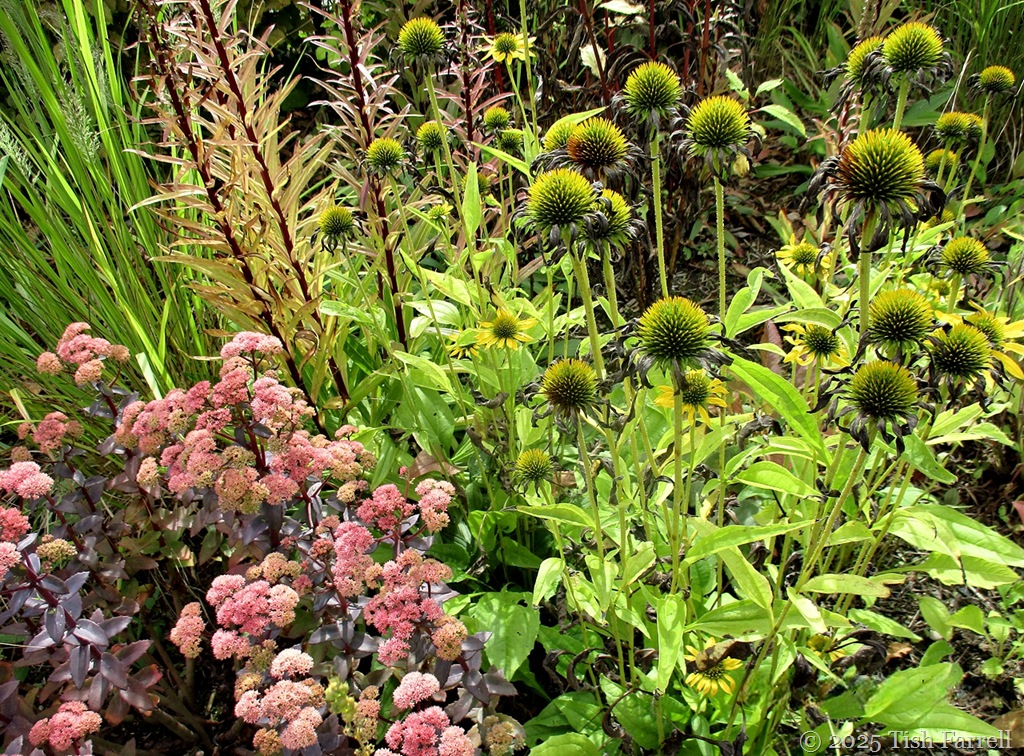
echinacea and ice plant

hydrangea and actaea

Wildegoose 1

wildegoose 2

*

Mary Elliot’s drawings and paintings can be seen HERE.
header 2

Elephantine Geometry: The Things One Sees In Bishop’s Castle

IMG_6641sq

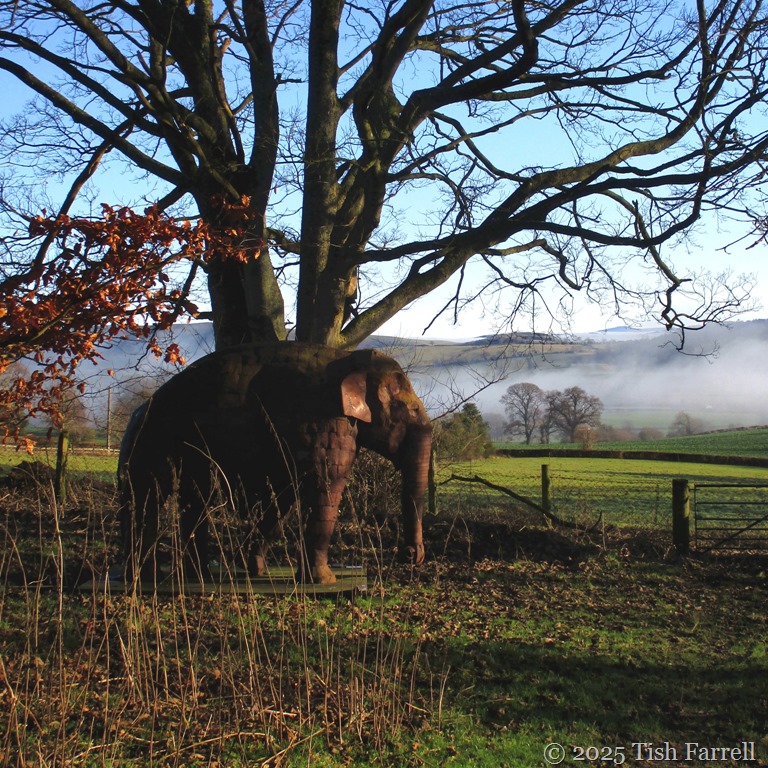
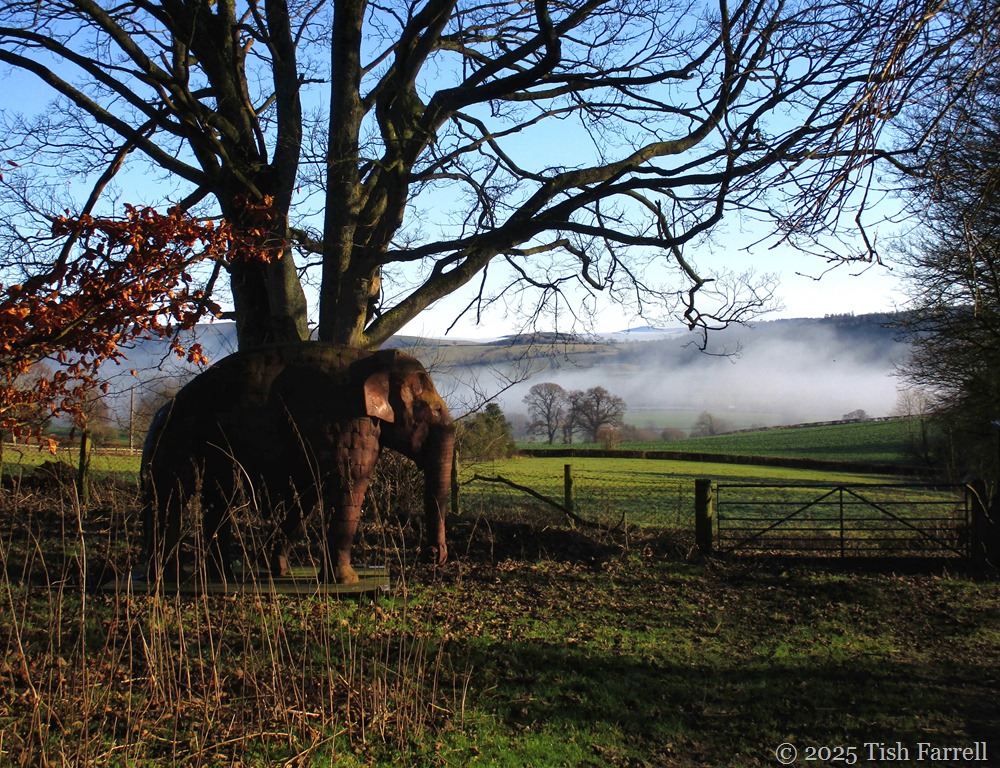
Well, at first sight, glimpsed through a December hedgerow, it truly did look like an actual elephant. Good heavens! What was it doing here in the Shropshire Hills?

We discovered it last week, by chance, as we explored the hillside paths above the town. There it was, beside the Shropshire Way, at Foxholes campsite, and with company too. The Buddha no less.

IMG_6638 sq

*

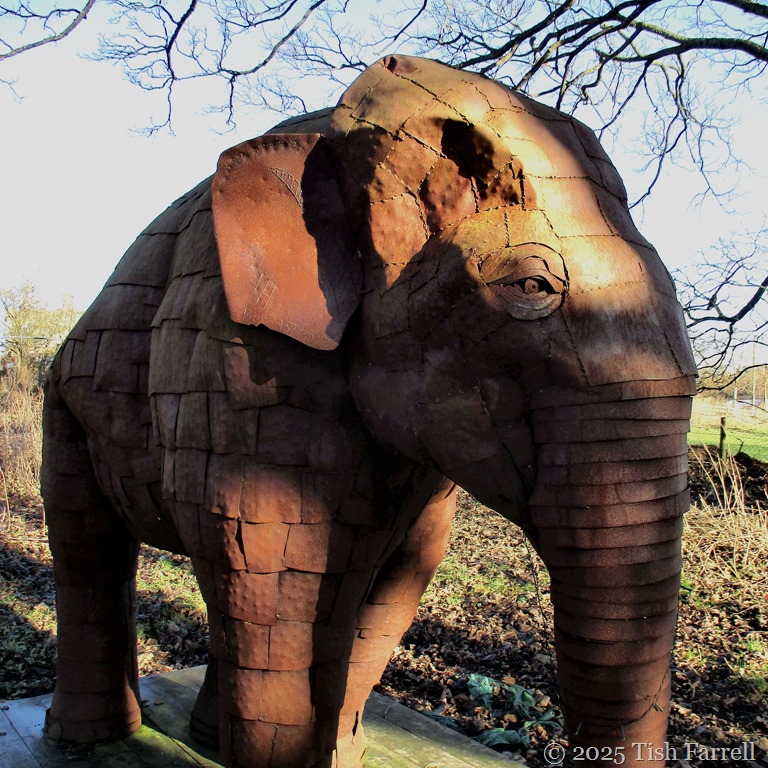
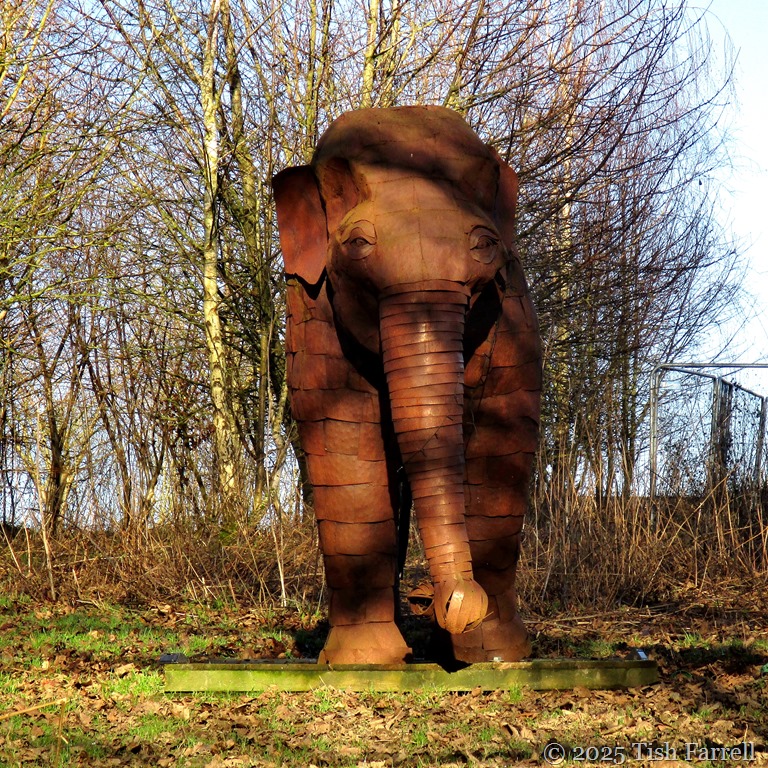
Closer inspection of course revealed that it was cunningly constructed of metal plates, now richly rusted.

IMG_6646 sq

IMG_6637 sq

*

We then realised that it was doubtless one of the exhibits in the Bishop’s Castle town trail, The March of Elephants. You can see the other artworks at that link. This particular work was created by local artist Ben Ashton, but I couldn’t find anything further about him.

By now you could well be wondering why there is an elephant art trail in a Shropshire market town wherein the trade in sheep and cattle has for centuries been the major enterprise.

There are two connections.

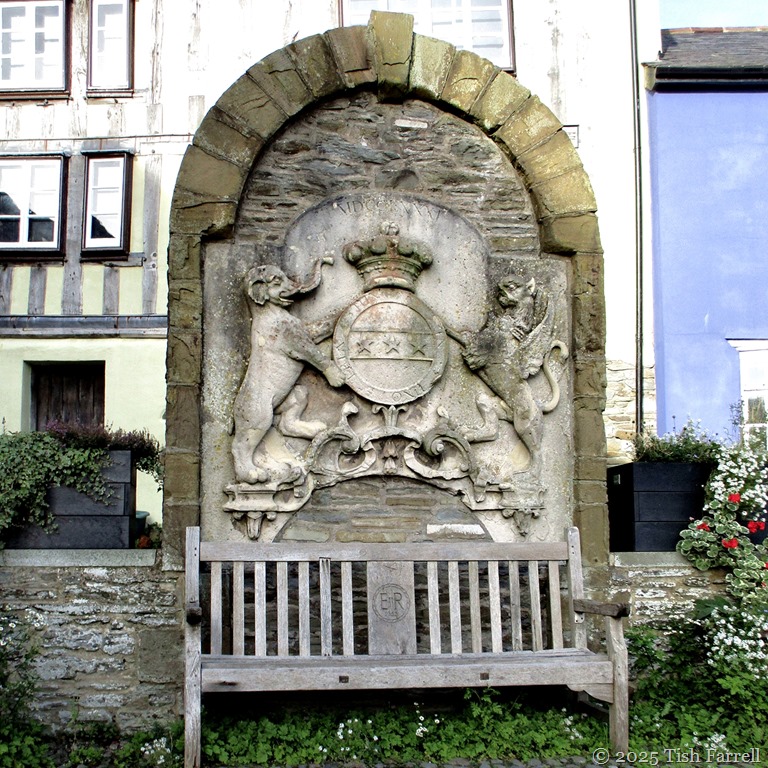
First there is Robert Clive aka Clive of India (1725-1774). After he had finished plundering Bengal (he had started out as a clerk of the East India Company), he returned to his native Shropshire with an eye-wateringly colossal fortune and lived at Walcot Hall just outside Bishop’s Castle. He was further rewarded for his India efforts with a seat in Parliament (MP for Shrewsbury) and an Irish peerage. His newly wrought family crest featured an Indian elephant, of which a carved stone version still survives in the town’s Market Square. It had once been prominently sited on the main window of the Market Hall (since demolished) built by Clive’s son Edward.

IMG_3973 sq

*

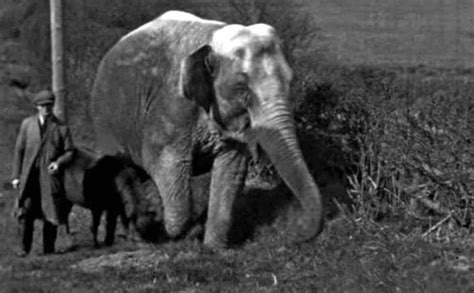
A rather more pleasing elephant association is the fact that during World War 2, one or more circus elephants were kept in Bishop’s Castle for safety’s sake. They lived in the stables of The Castle Hotel at the top of the town. At least one was to be seen exercising along the lanes. There’s a brief film clip of it here: https://www.youtube.com/watch?v=AnMu3l3Q0rE

Bishops Castle elephant

*

So there you are. Seeing elephants in Bishop’s Castle is not so outlandish after all.

 IMG_6641

*

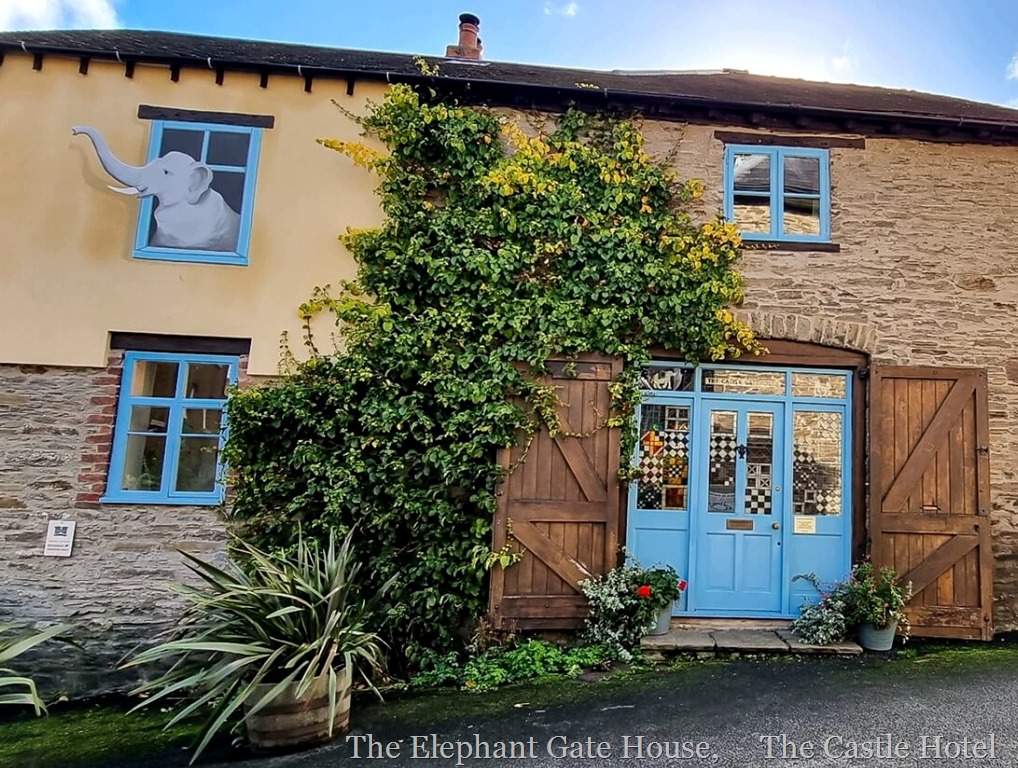
P.S. The war-time elephants’ quarters have been given a plush makeover and you can now stay in The Elephant Gate House.

Elephant Gate House

#GeometricJanuary Day 4   This month Becky is hosting square photos with a geometrical theme.

Blue Waves ~ Geometrically Commemorative

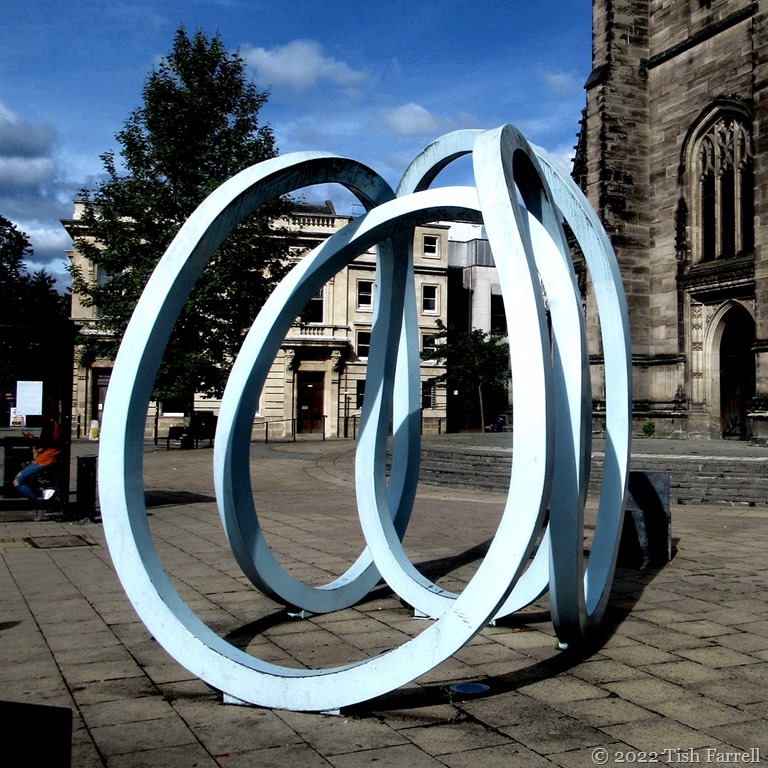
IMG_1942 blue waves

I’m all for public art enlivening urban spaces. But what does this sculpture say to you? Despite the blueness, I can’t help thinking of spaghetti, or maybe unravelled knitting, which doesn’t mean I don’t like it, though I’m thinking it might be better served in parkland surroundings.

The setting, however, is key. Bath Street (originally Bath Lane) is the place, and Blue Waves marks the source of Royal Leamington Spa’s claim to fame as a once fashionable place ‘to take the waters’.

Until 1800, the town, in its original format of Leamington Priors, was a very small village. The saline springs around the parish church had been known of for centuries, and in 1586 one Robert Camden had declared them healthful. But it was not until 1784, and the discovery of the Bath Street spring, that local worthies Messrs Abbott and Satchwell decided to exploit the resource and open the first bathhouse.

And so the village, spurred on by speculators, grew into an elegant resort with fine rows of classical town houses, parks with promenading avenues and ornate bandstands, and grand public buildings, including the Royal Pump Room And Baths and the Assembly Rooms.

All to cater for the great and the good. In fact the place was grand enough in 1838 to attract the likes of a young Queen Victoria, whose visit naturally conferred royal status on the enterprise. One wonders what was ailing her so early in her reign. The waters were said to ease stiff joints and tendons, and give relief to sufferers of rheumatism and gout. But perhaps it was the all round social whirl of the spa town that attracted her. She came again twenty years later.

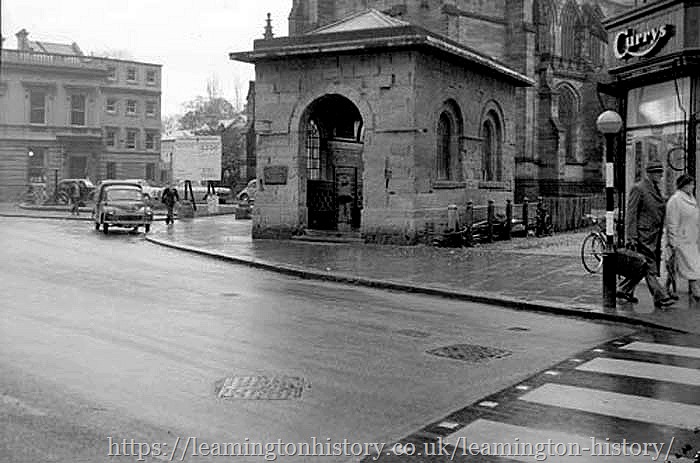
The local people, though, were not forgotten. The spot where Blue Waves is sited seems to roughly match the footprint of the first public well-house which was opened, also in classical style, in 1803, and known as Aylesford’s Well. Here’s a photo of it in the 1950s from Leamington Spa’s History Society website:

https://leamingtonhistory.co.uk/leamington-history/

aylesford-well, Leamington Spa

#GeometricJanuary 

Join Becky for a month of squares. Geometry is the theme and the header photo  must be square in format.

Installation Geometry: ‘Green Dwelling’

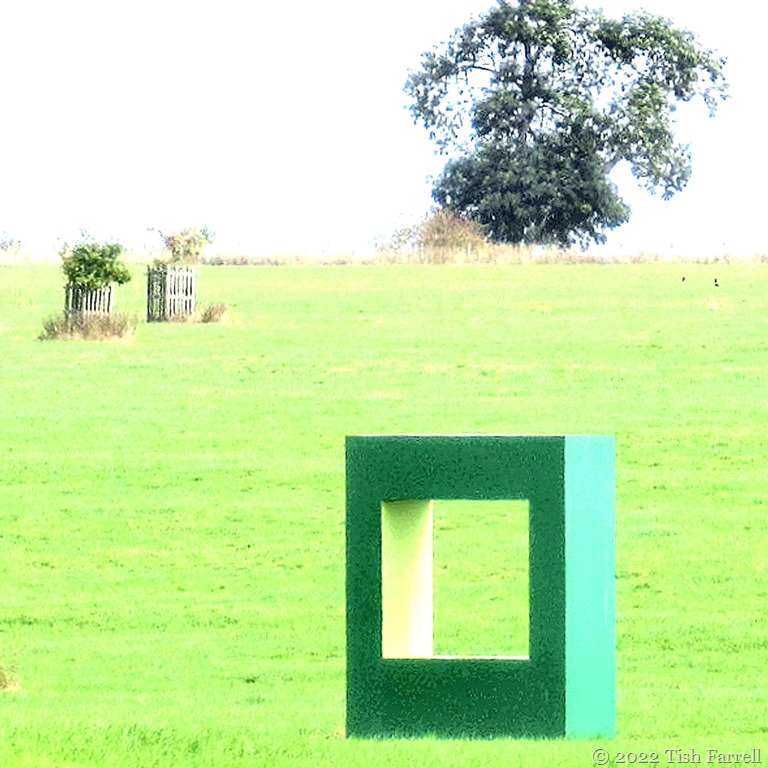
IMG_2355ed*

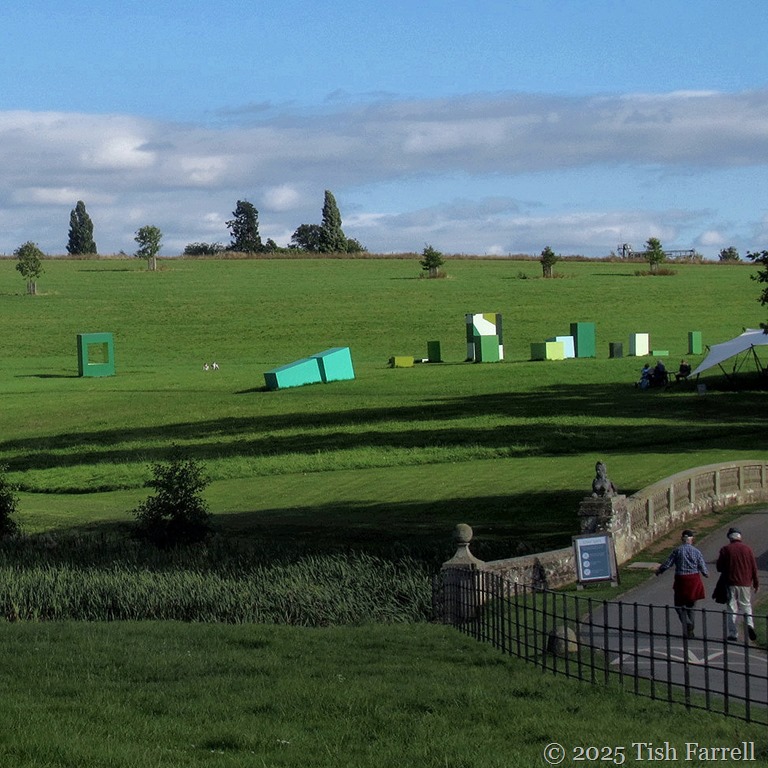
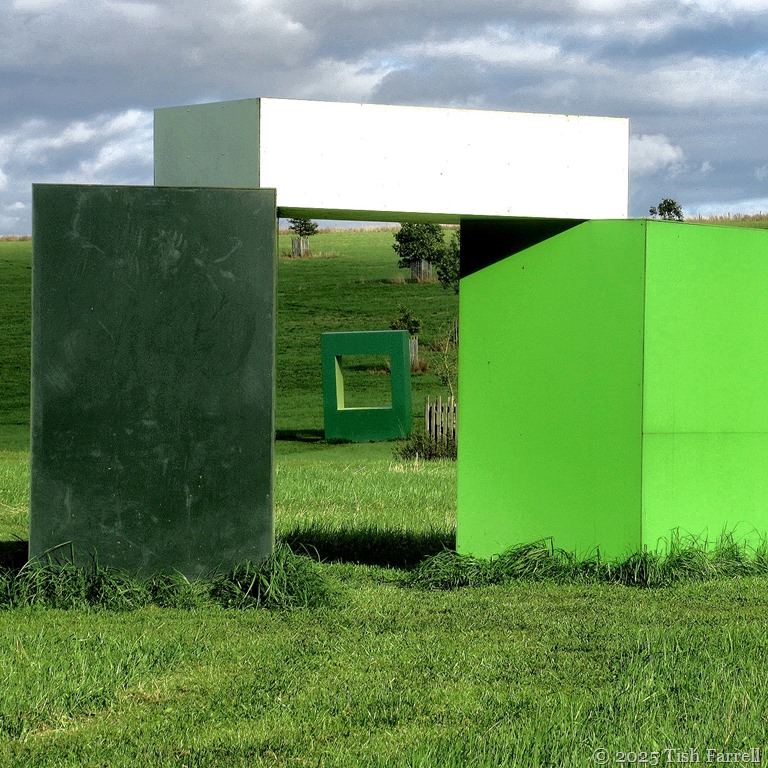
Here we have one element of an art installation called ‘Green Dwelling’. In 2021 it was sited in the Old Town Meadow of Compton Verney Art Gallery & Park, a grand Warwickshire venue for some magnificent art, ancient, old, and contemporary. Very well worth visiting.

But I’m not quite sure what to make of Green Dwelling as a whole, although for some reason I like this square. Perhaps it feels like a happier, more mundanely accessible version of Mark Rothko’s many ‘windows’, which I also admire, but find more challenging.

IMG_2526 green dwelling

*

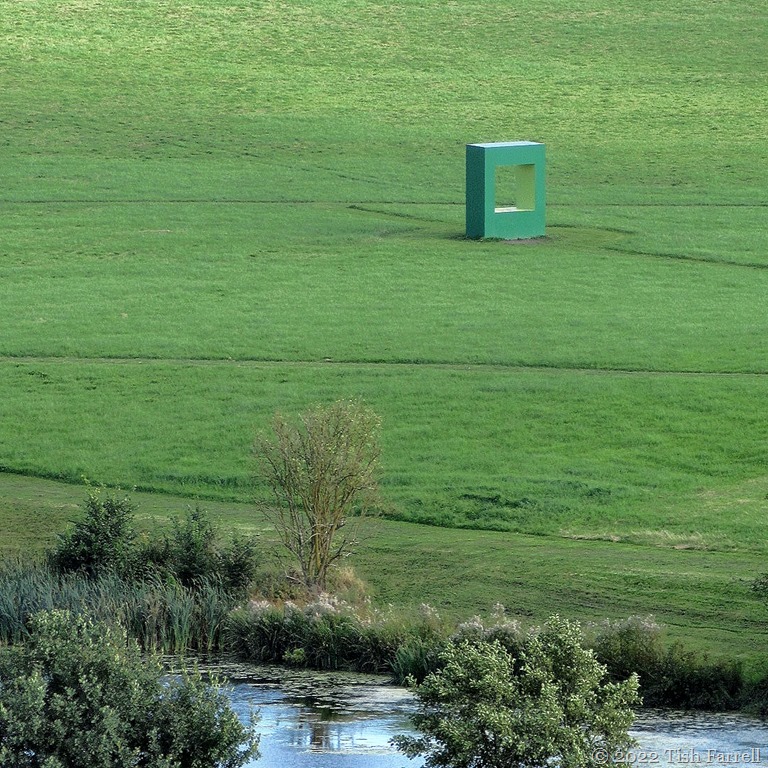
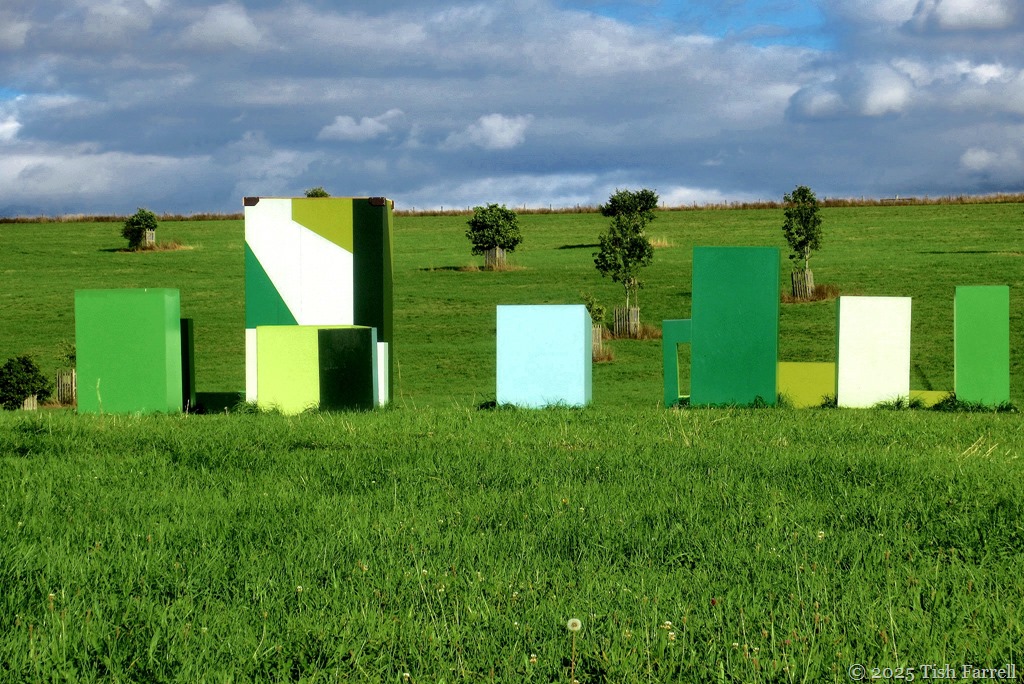
Here are the 23 other blocks that comprise the installation.

IMG_2524 green dwelling

IMG_2537

Dutch artist Krijn de Koning was commissioned to create a work that would encourage people to engage with Compton Verney’s landscape, designed by Capability Brown in 1779.  It also marks the site of the lost medieval village of Compton Murdak, the blocks placed to create new framed vistas, and arranged on mown pathways that might suggest the presence of the ancient settlement.

IMG_2540ed

Well, as I said, I’m not quite sure what to make of the whole; perhaps more appealing in the conception than the physical manifestation. Perhaps, too, if I’d thought to venture closer, I might have become more involved. On the other hand, it looks to me as if the landscape, domesticated as it is, needs no such cues of engagement. In fact it rather outdoes the structures.

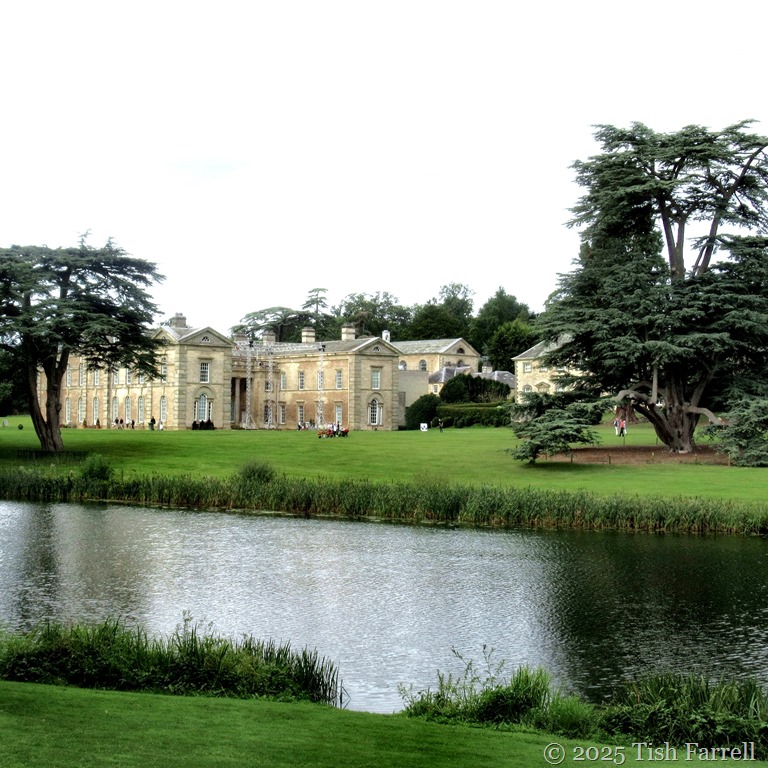
If I had walked to the further side of the square and looked through, I might have seen this kind of vista: Compton Verney Manor, essence of classical architecture – symmetry, perspective and lots of angles…

IMG_2364house

#GeometricJanuary

A Curious Rendition?

Elvised

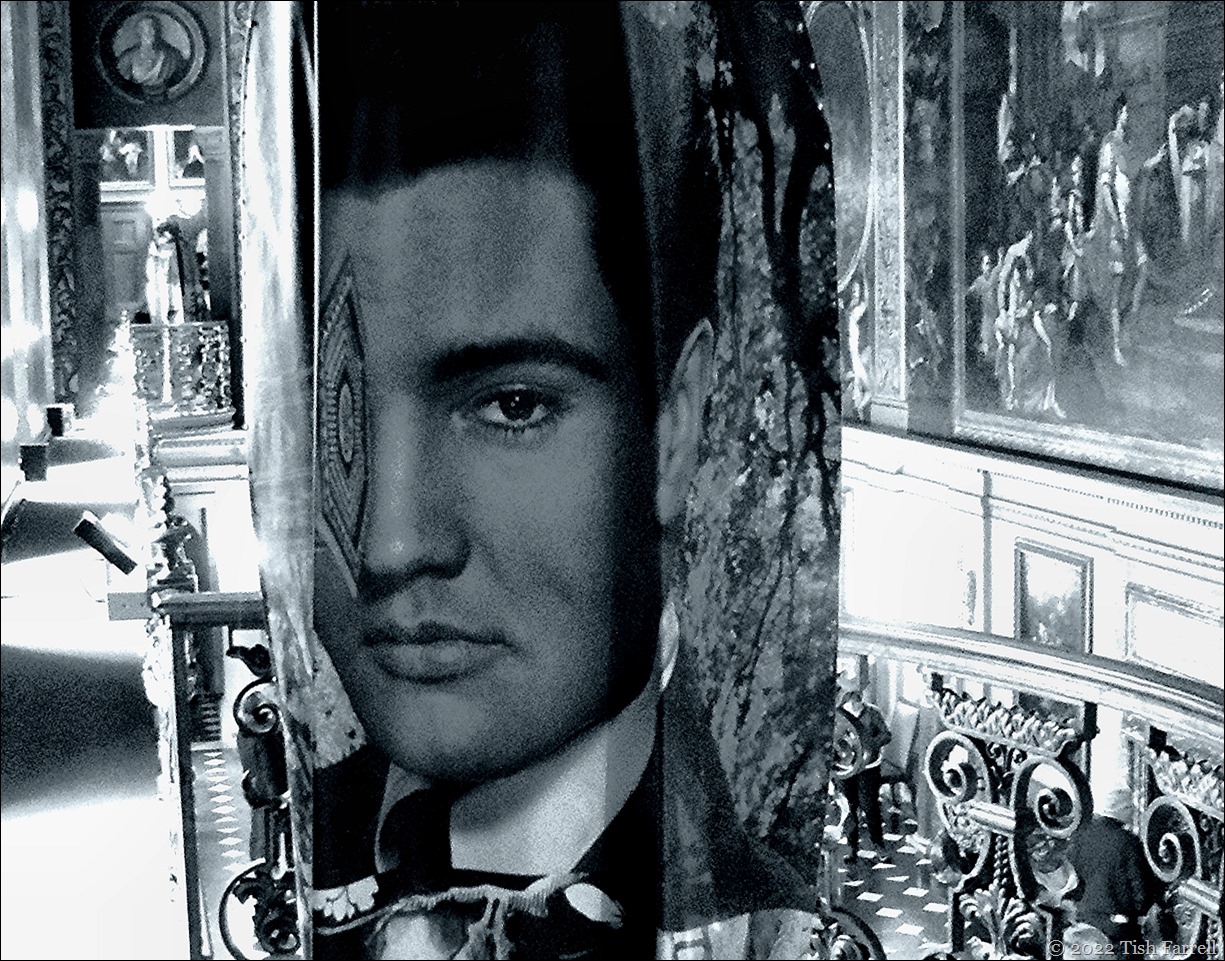
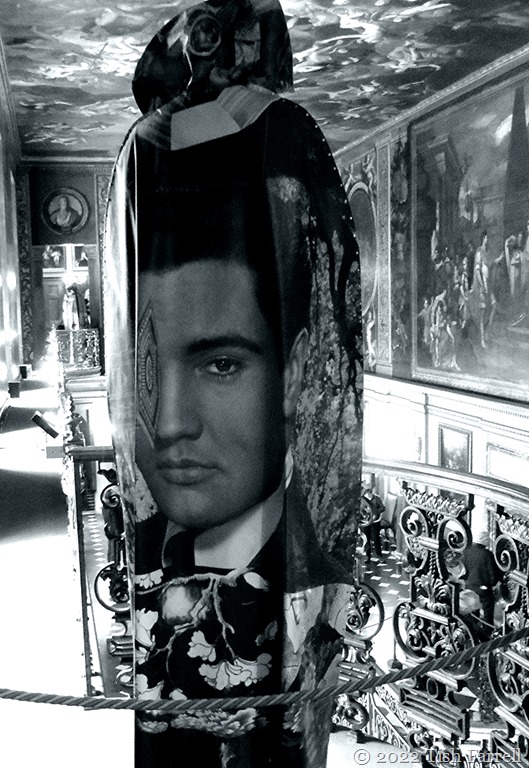
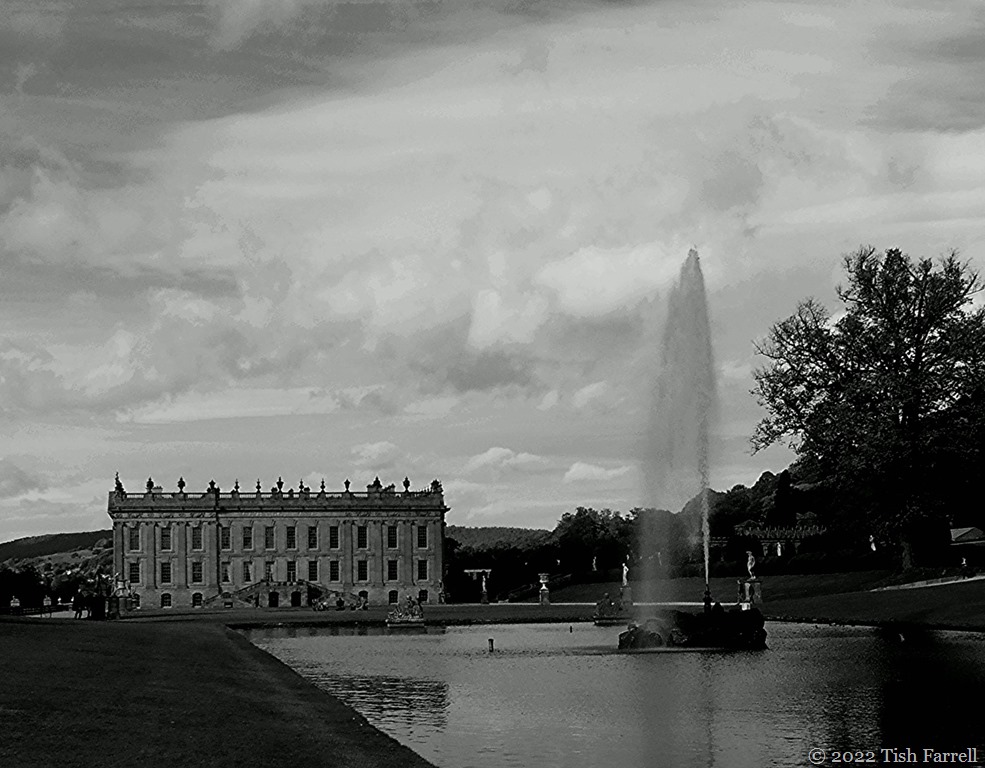
Well, it is surprising, isn’t it – to find this Elvis artwork at the head of the grand staircase at Chatsworth House, Chatsworth being one of England’s most prestigious stately homes and the country seat of the Dukes of Devonshire.

Elvis

Here’s more of the art work. It is pretty surreal, however it comes: whether in the original technicolour or in monochrome.  (I’m afraid I omitted to make a note of its creator). But now I discover that the likely reason for its presence is that the late Dowager Duchess of Devonshire, otherwise known as Debo to her friends, was a huge Elvis Presley fan and had a fondly kept signed photo of him on her wall.

Also when the Duchess died in 2014 at the age of 94, he was to play a big part in her simple funeral service, held in the Chatsworth estate church. She had chosen his recording of ‘How Great Thou Art’ to play her out as she was borne aloft in her woven wicker coffin stranded with ivy and autumnal hawthorn berry sprays. A surprising soundtrack perhaps in rural gentrified Derbyshire.

P1080752 monchrome

Debo was the last surviving Mitford sister, a notorious brood of five ‘gels’, several of whom, in pursuit of love, bolted from deemed acceptable aristocratic marriages in order (between them) to embrace the full spectrum of political persuasion. Jessica was a communist; Diana ran off with fascist Sir Oswald Mosley; Unity pursued Hitler; novelist Nancy was a socialist and left her husband for a protracted affair with a French statesman; Pamela left her husband to live with an Italian horsewoman, while Deborah, in true English gentry style, married a future duke and spent her life developing Chatsworth House as a premier visitor attraction, including the pioneering of heritage shopping and the marketing of local produce.

You can find her final accompaniment ‘How Great Thou Art’ on YouTube.

Cee’s Black & White Photo Challenge: things musical

Wildegoose Garden’s Sculpture Show

IMG_1512ed

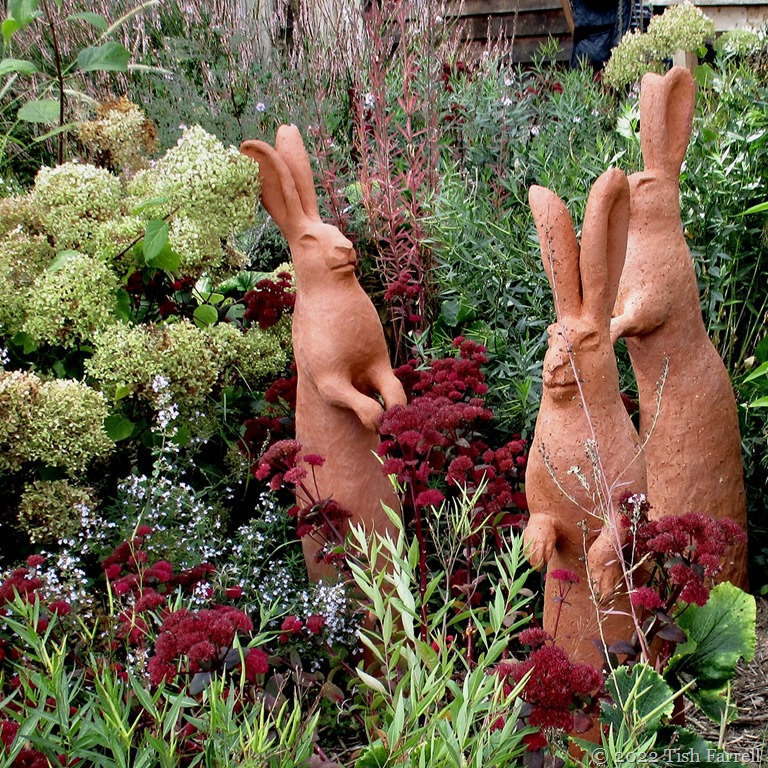
Real-life rabbits are the last thing this gardener wishes to encounter in her garden, but these terracotta ones by artist Sharon Griffin would be more than welcome. They were spotted back in September when our favourite plant place Wildegoose Nursery (set inside a historic walled garden) hosted a sculpture show by our favourite gallery, Twenty Twenty. It was a perfect match all round: art among the late summer perennials on a dreamy afternoon. And blissful to meander the garden paths and come upon some extraordinary creations. Here is a selection of works that caught my eye.

IMG_1516ed

Self in stoneware with sgrafitto by Sharon Griffin

*

IMG_1540ed

Mitosis: a storm fallen field maple by Glen Farrelly

IMG_1557ed

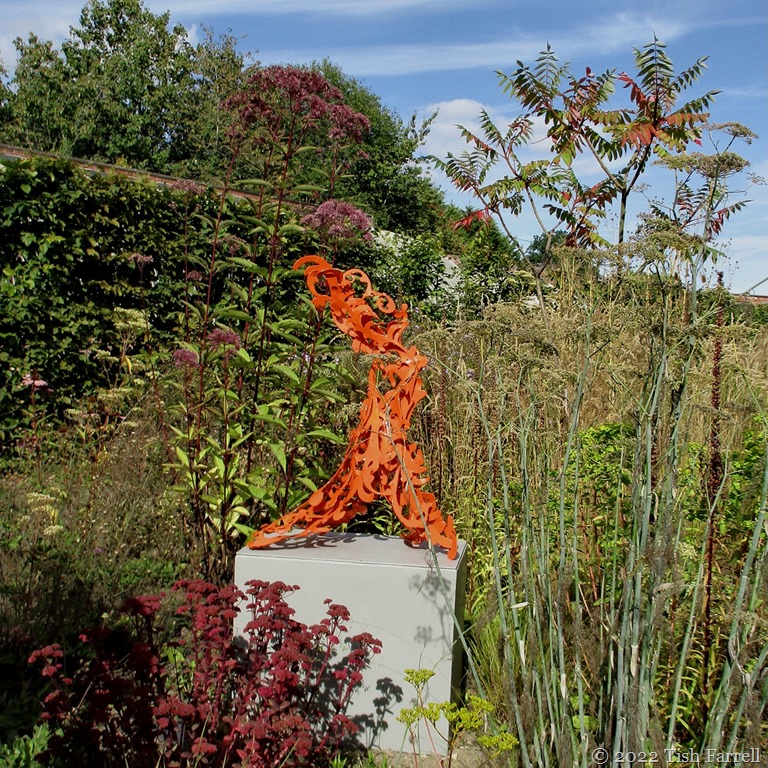
Flaunt 2022 powder coated steel by Anya Beaumont

IMG_1562ed

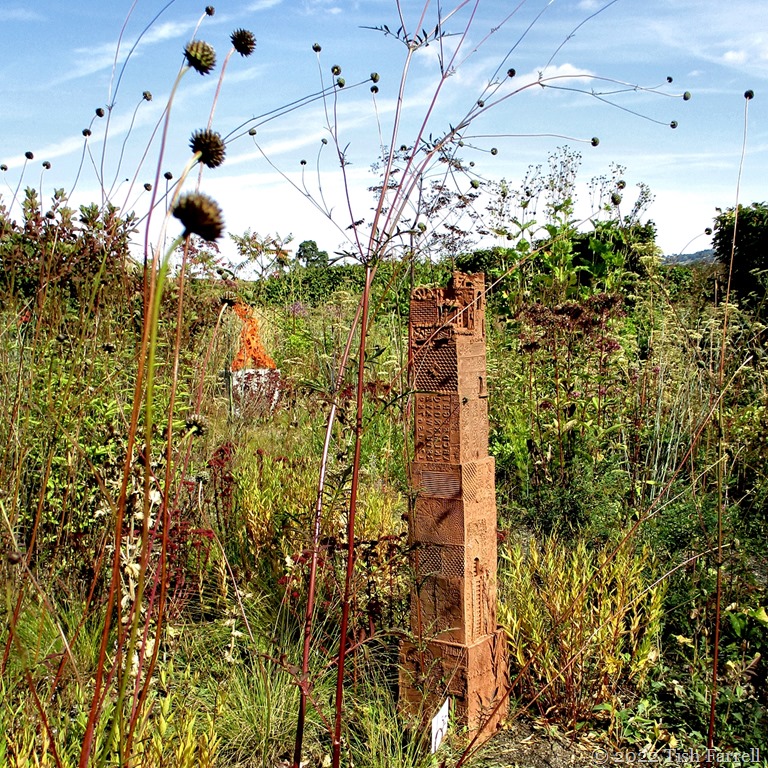
Starlight Tower in terracotta stoneware by Emma Fenelon

*

IMG_1520

Insight: stone and bronze resin by Sue Jones

*

IMG_1539

Walking Squares #4 

Join Becky on her November walks.

Once In Nice…Of Past Pleasures

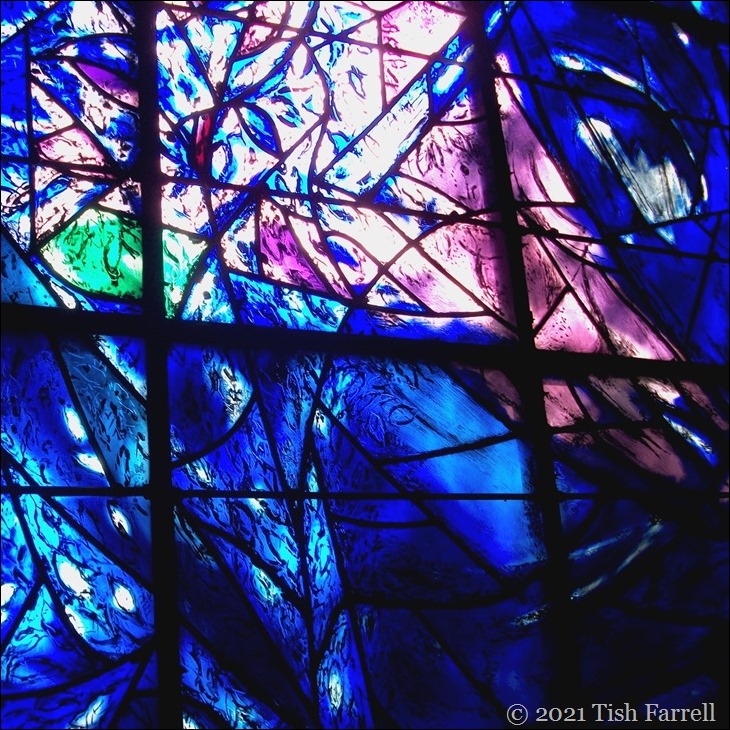
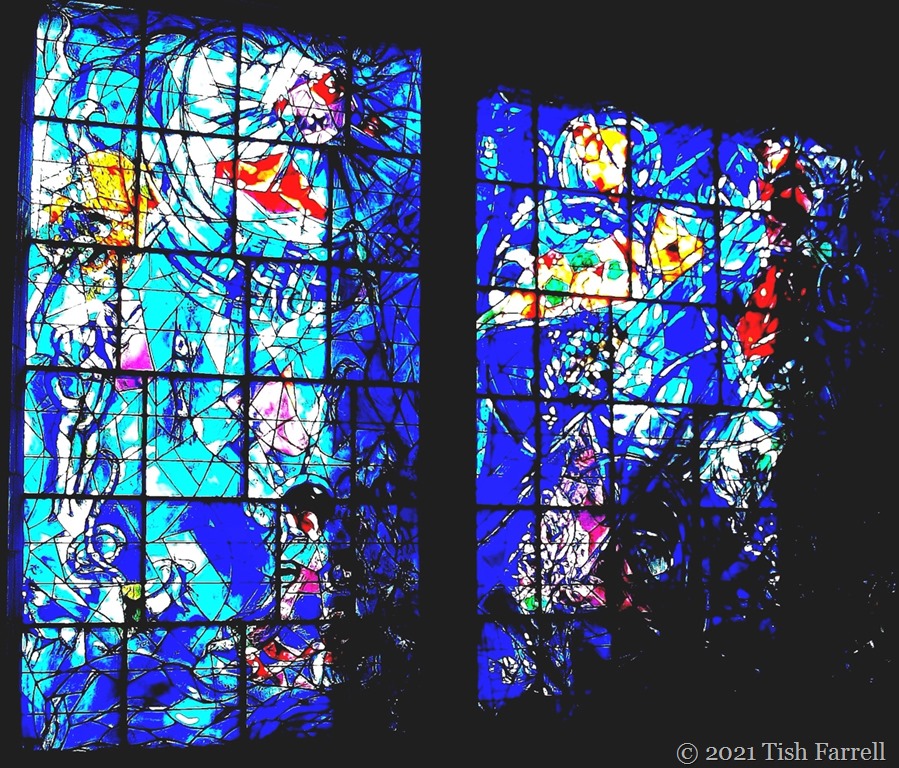
chagall stained glass

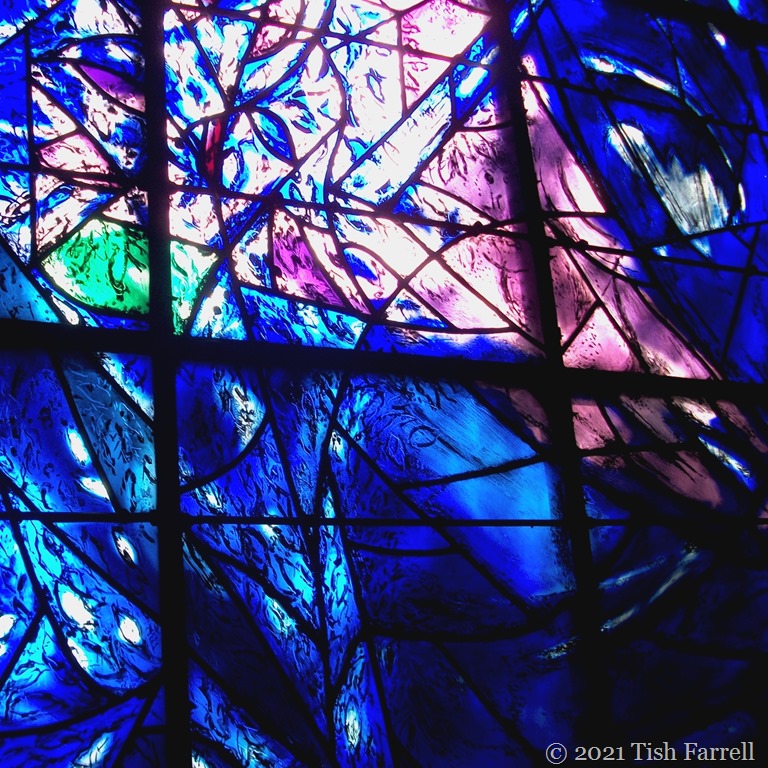
“For me, a stained glass window represents the transparent partition between my heart and the heart of the world. Stained glass is exhilarating, it needs gravity, passion. It has to live through the perceived light.”  Marc Chagall

100_1310

Today Becky’s lovely blue gallery reminded me of the photos I’d taken of Marc Chagall’s stained glass – this on a long-ago stay in Nice. The window is in the auditorium of the Musee National Marc Chagall, which has to be one of the finest little galleries in the world: the setting, the building and the art fusing in dreamy synergy that captures the humanity, joyousness, and all round good spirits of Marc Chagall. He was a man who created in all media. He saw his work  “not the dream of one people but of all humanity”.

100_1309

And then there is his use of colour. Picasso probably has the last word on that: “When Matisse dies, Chagall will be the only painter left who understands what colour really is.”

Marc Chagall (1887-1985)

Past Squares #9

Onwards And Upwards

IMG_1840sq

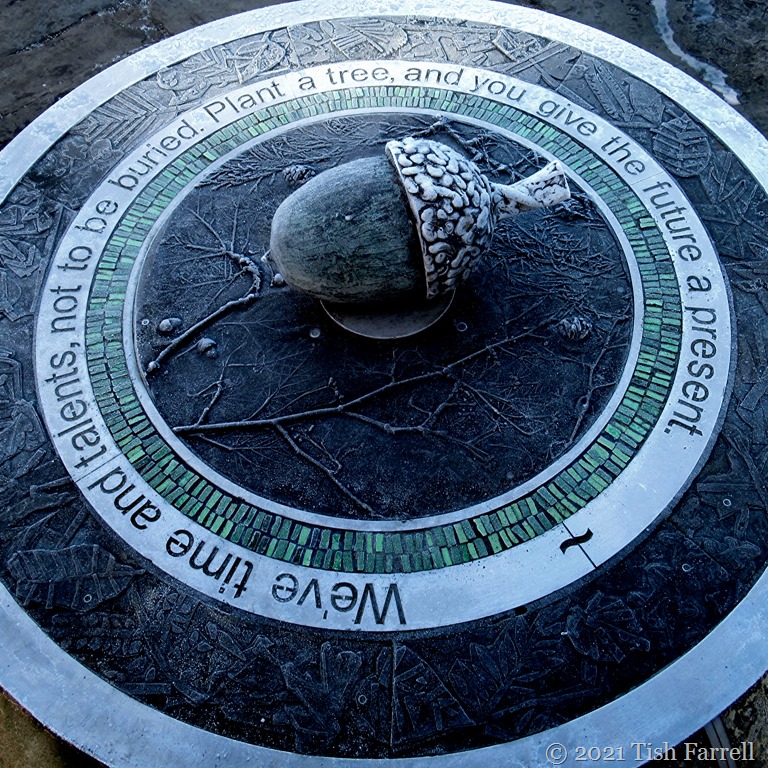
In 2012 Much Wenlock’s Olympian Games Committee commissioned a series of five artworks to mark the town’s founding connections with the modern Olympic Games[**].

You might describe them as stone ‘tuffets’, though they are rather larger and lumpier than Miss Muffet’s seating arrangements. Local school children contributed creative notions and designs for the tops. This one now sits in the town square (after a few years getting grubby on the Linden Field) and is my favourite. Cultivate our hidden talents, it says, and if we can – plant a tree.

IMG_7884


[**] see earlier post on Wenlock’s connection with the revival of the Olympian Games HERE


Square Up #18

Iced!

IMG_0851bw

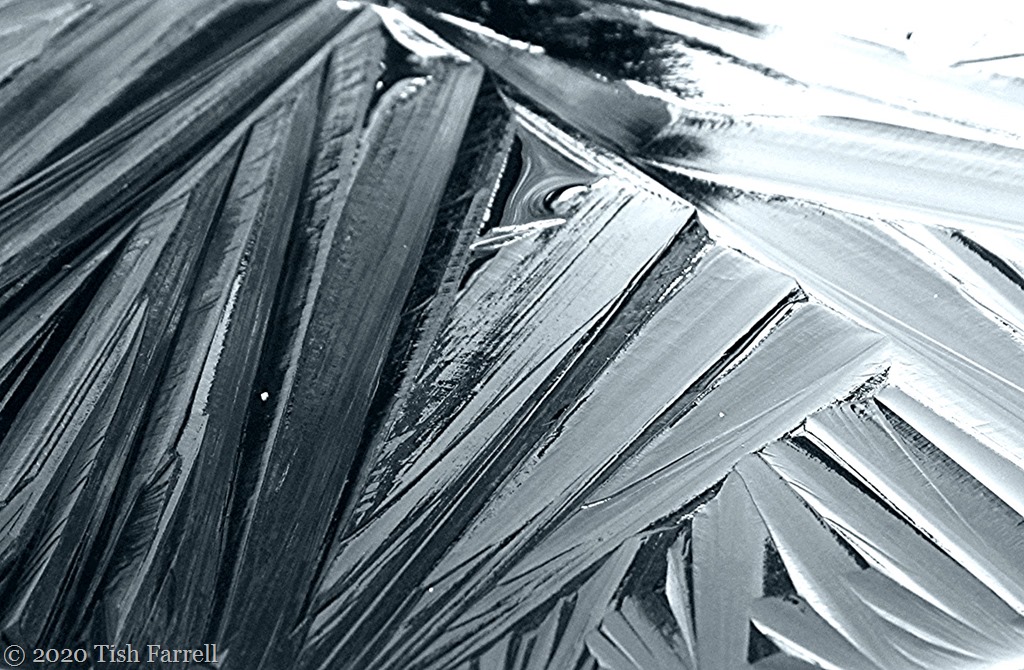
The other morning I found the frost had left this ice skin on the very top of the garden water butt. We’ve had days of rain and it was filled to the brim with downpourings from the old privy roof. Most  curious, I thought. It looks like a pile of actual leaves, some reedy plant, say. Or else in some mysterious way the water’s surface had replicated, as it froze, the flattened leaves of the Crocosmia that grows a few feet away over the fence. So does this mean that a common or garden water butt can make art; or create, when the elements conspire, its own version of monochrome digital images? It would seem so. I herewith proffer the evidence.

Cee’s Black & White Photo Challenge: close-ups 

This week Cee gives up lots of close-up inspiration. Please pay her a visit.

Dear John ~ A Household Treasure

IMG_7547

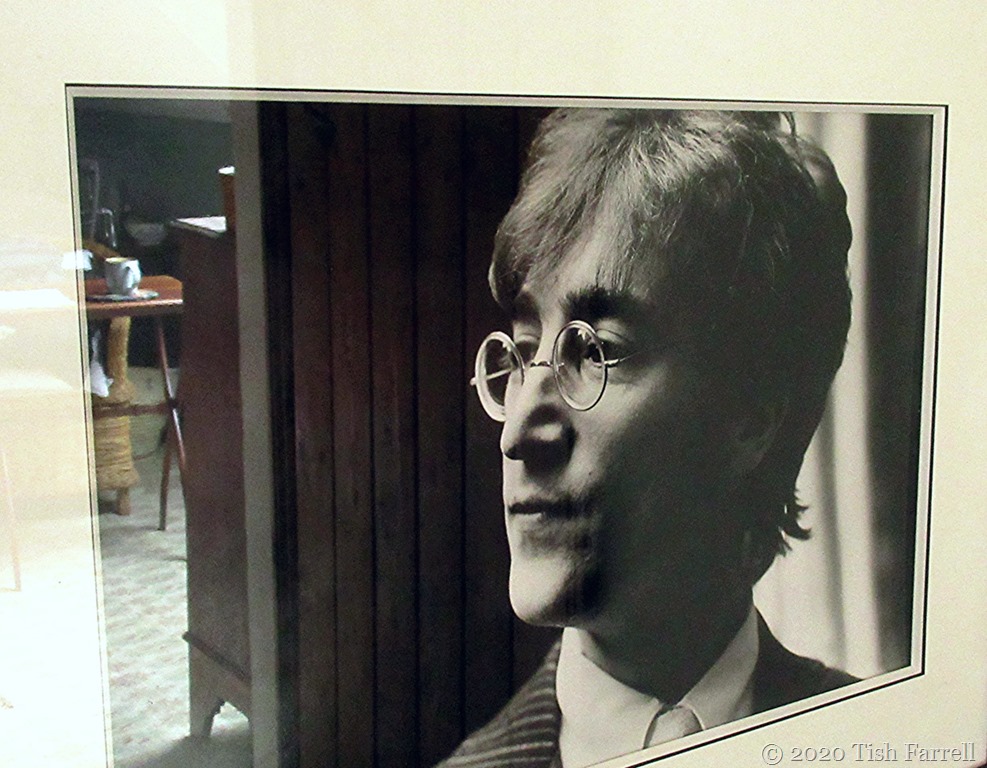
We see it every day. Or do we? Do we actually see, as in look and engage? We certainly pass by it night and morning and at times in between. It hangs on the bedroom wall, beside the spiral staircase, this portrait of John Lennon by stellar photographer and photojournalist, Jane Bown. And how do we come to have this particular treasure?

From 1949 and over the next 6 decades Jane Bown (1925-2014) was the The Observer newspaper’s photographer (The Observer being the sister Sunday paper of The Guardian weekly i.e in the days before its 2008 sell-off). Some time in the early 2000s, not long after we had repatriated ourselves after eight years in Kenya and Zambia, and were living in Kent, The Guardian offices in Farringdon Road, London, announced it was having a small exhibition of Bown’s work, not only portraits but also the chance to look at the contact sheets from particular shoots. There would also be the opportunity to  buy one of the limited edition reprints. So: one Saturday morning we took ourselves off to the capital by train, not a small event for two dislocated souls not then caught up with the way things worked in the home nation.

The key thing about Jane Bown’s work is she always used natural light – never deploying flash or even using a light meter.

Famously reluctant to talk about her working method, Jane once admitted that for the brief moment when she looked at somebody through a lens, what she felt could best be described in terms of an intense love.

Quote from the Guardian Print Shop site.

But to go back to the earlier question of how far we engage with the objects we surround ourselves with. Doubtless many have sentimental attachments – gifts, mementos, inherited items from loved ones; some are domestic tools, artefacts for cooking, home maintenance, cleaning, eating, and therefore deemed essential; others are specially acquired assemblages: dolls, snow globes, china pigs, model cars, snuff boxes, original art, books, orchids: stuff. Of course, given the quantity of possessions most of us house, if we gave due consideration to each and every one of them each day there would be no time to do anything else. There could be an element of the King Midas curse in this?

And the portrait of John Lennon? There is no doubting that when his presence is fully acknowledged, the times I stop and behold, he does feel like a presence. The keenness of gaze is almost too poignant. I start wondering what he might say to us now – in these times ‘of lies, damn lies, and statistics’. I’m thinking he might tell us to WAKE UP!

You can see more of Jane Bown’s magnificent work HERE,  HERE and HERE.
 

Lens-Artists: Everyday objects