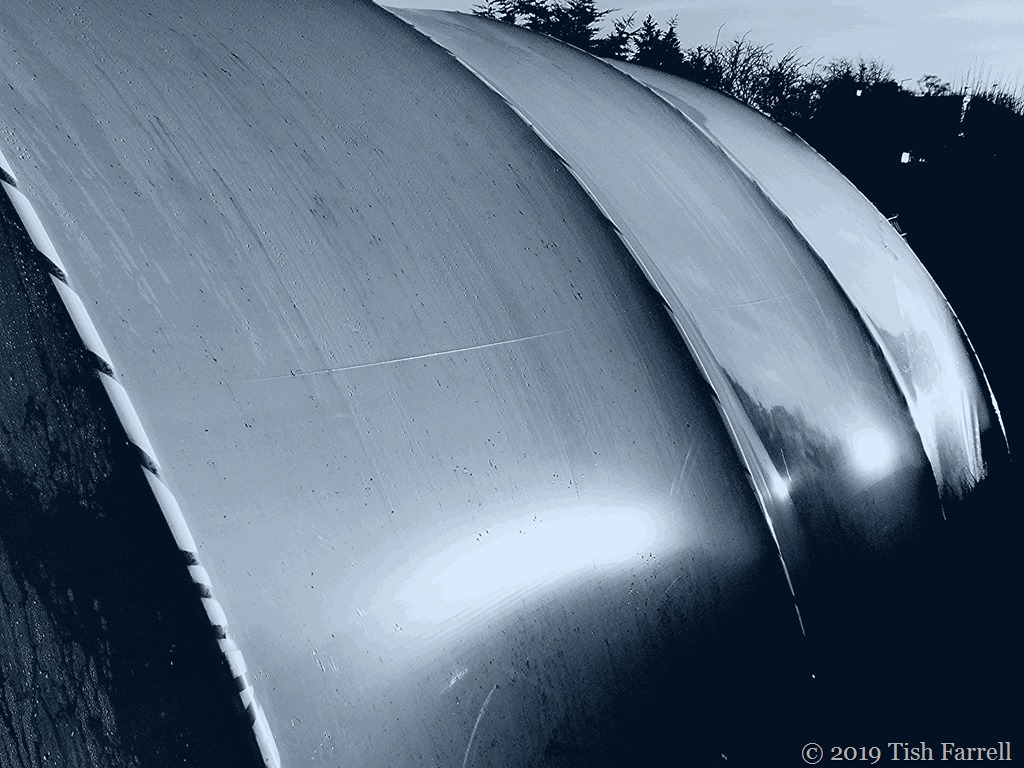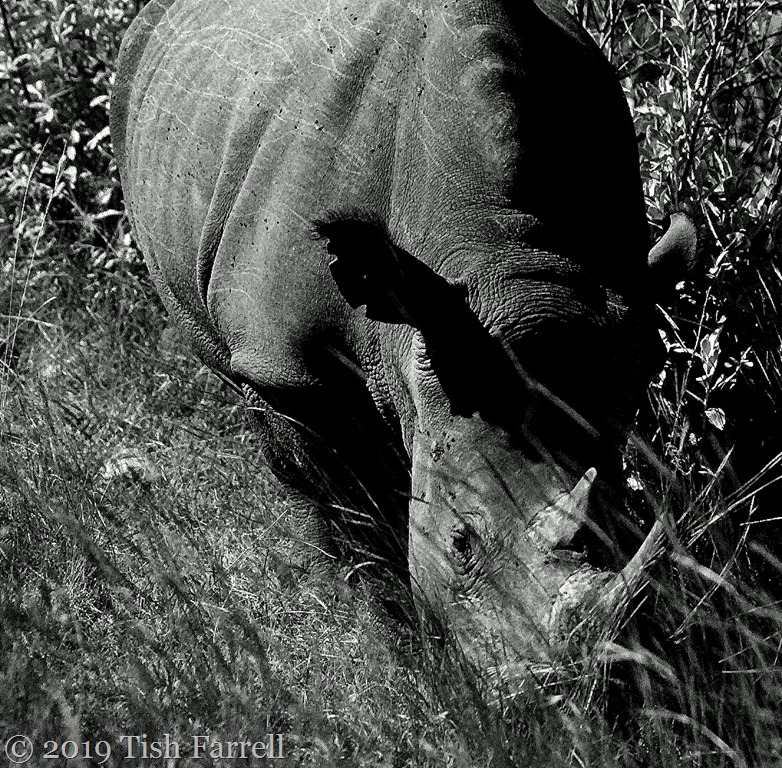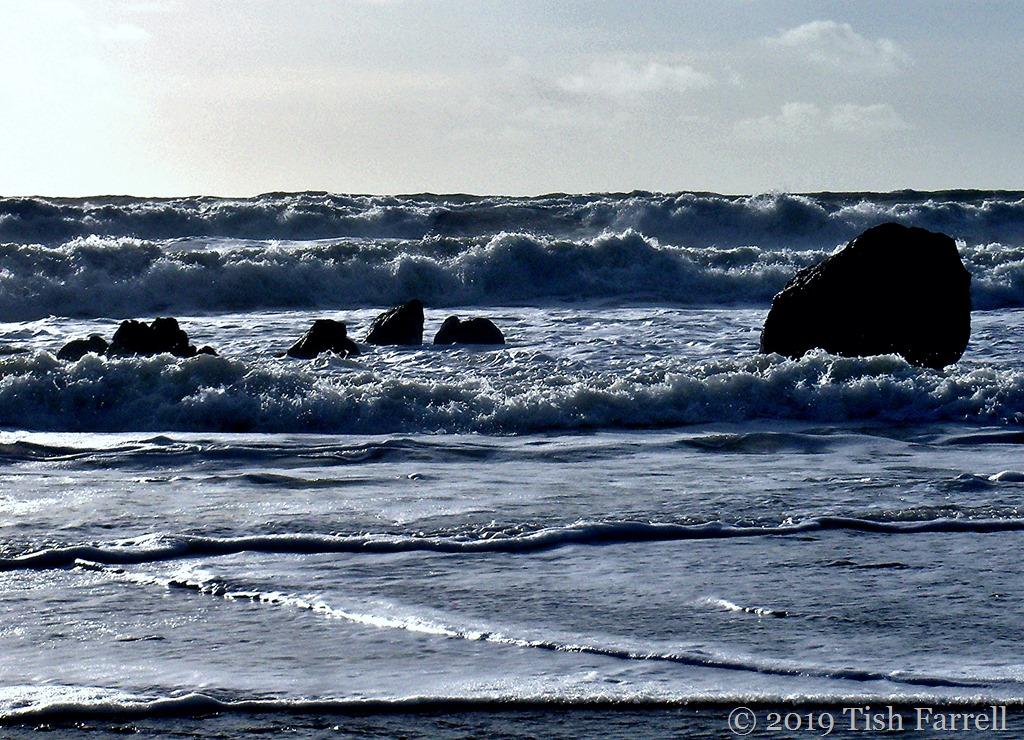
Stormy seas, Port Wrinkle, Cornwall taken a few winters ago.
Lens-Artists: Shadows Please visit Tina and the other Lens-Artists and be inspired shadow-wise

Stormy seas, Port Wrinkle, Cornwall taken a few winters ago.
Lens-Artists: Shadows Please visit Tina and the other Lens-Artists and be inspired shadow-wise
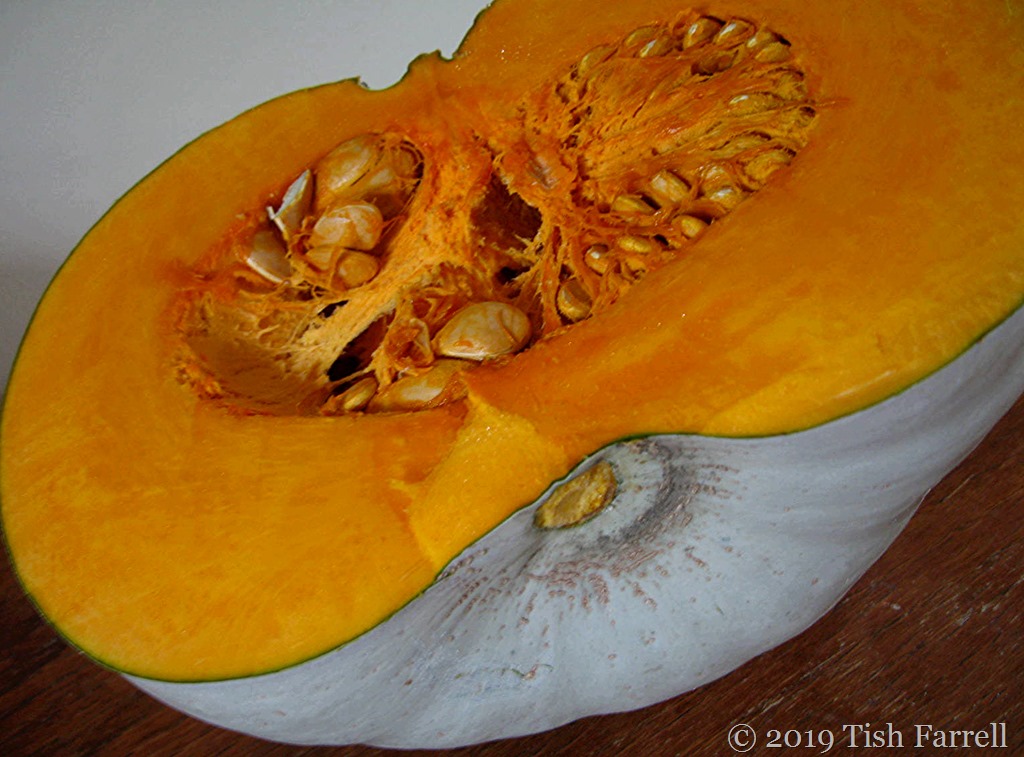
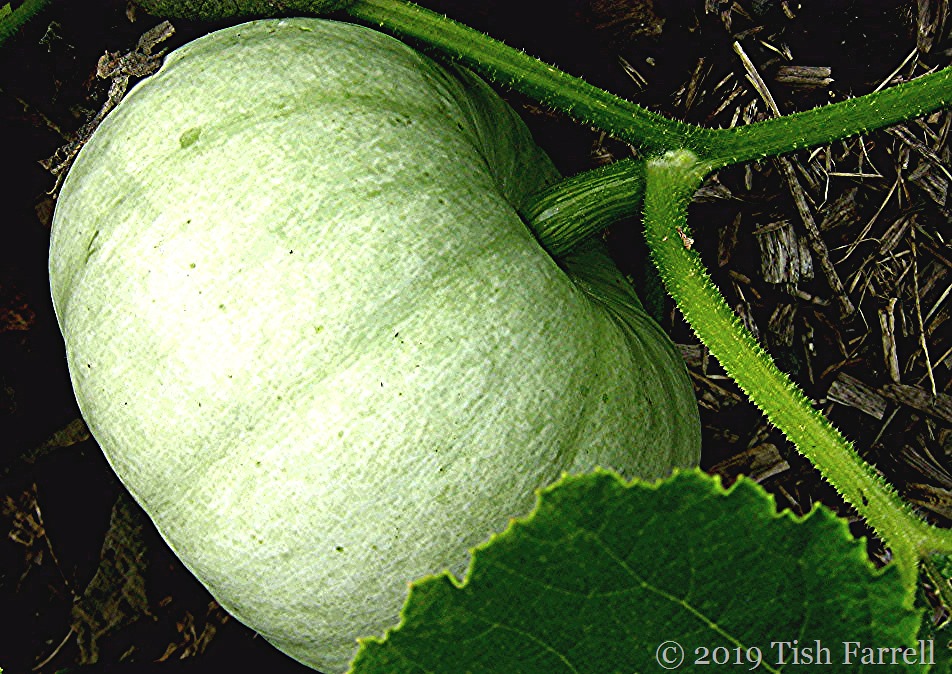
He’s been sitting on the kitchen cupboard all winter, and I’d grown used to his being there; rather forgotten that he might be eaten. Then last week I did remember. Soup. We need more soup! It was quite a tussle breaking into him, and then I found a quarter of him was more than enough for a big pan of spicy squash and onion concoction with added tub of tomato ‘stock’ from the freezer. The soup did us for two lunches, the first day topped with plain yogurt and rye bread croutons, the next with homemade walnut-parsley-garlic pesto and toast.
The rest of the squash has been consigned to the fridge, there awaiting more souping and roasting (perhaps with dates, soy sauce, lime juice and onions). All hearty winter food.
But then, the thing is, when I first broke into him after much battling with my largest knife, and the two halves finally fell apart on the counter top, out whooshed the scent of summer. And I was transported, and all without the need for white mice magicked into coach horses by passing fairy godmothers. I was back. Those weeks and weeks of long hot days (with all that hauling of water about the allotment and (not the least of it) tending to his highness). And then I thought, well now, it will soon be time to sow more Crown Princes, seeds kept and dried from a princeling eaten back in December. And finally I thought so this is the essence of things, the cycle of sowing, growing and harvesting, of being nourished and the pleasure of simply being. And that made me feel very happy. It’s amazing how much mileage there is in a pumpkin. Thank you, Crown Prince, for your great beneficence.
copyright 2019 Tish Farrell
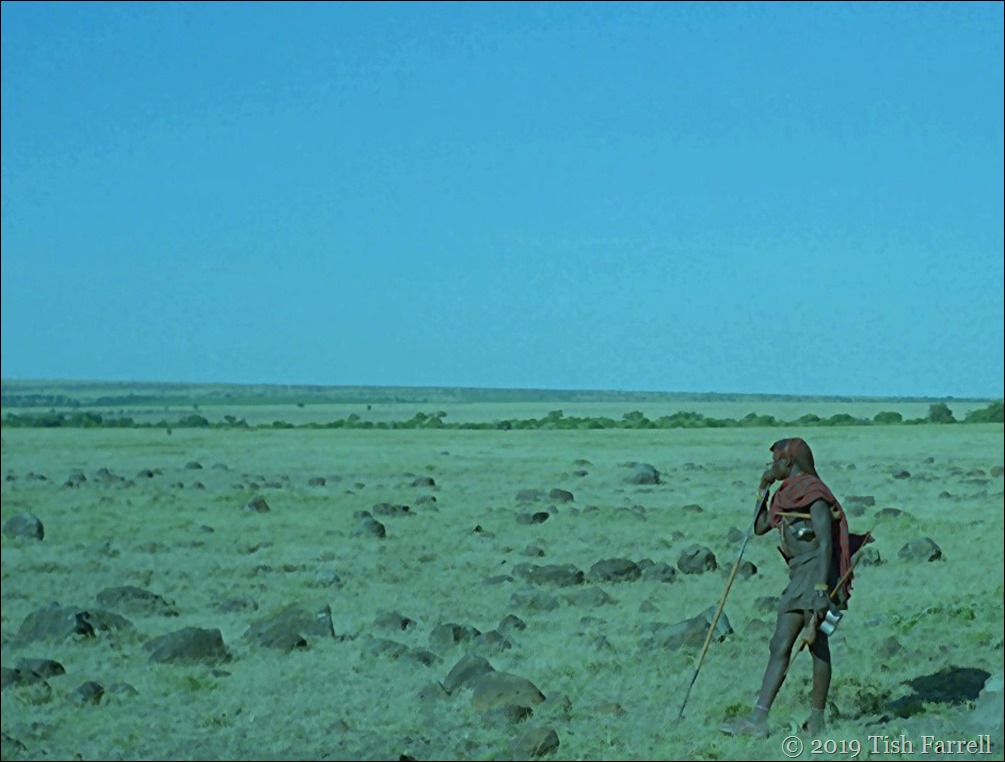
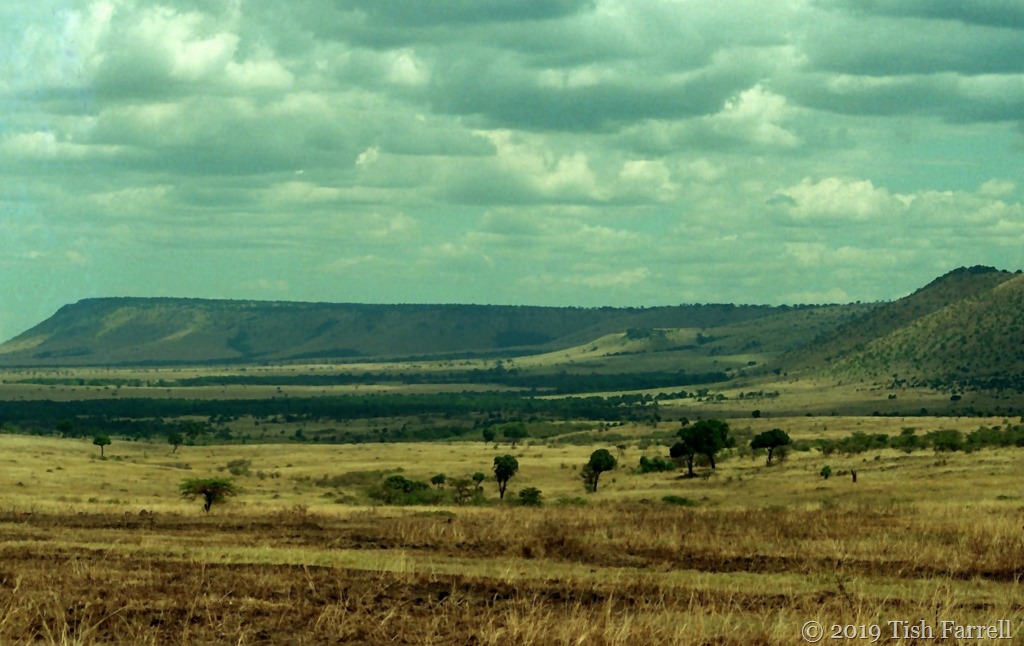
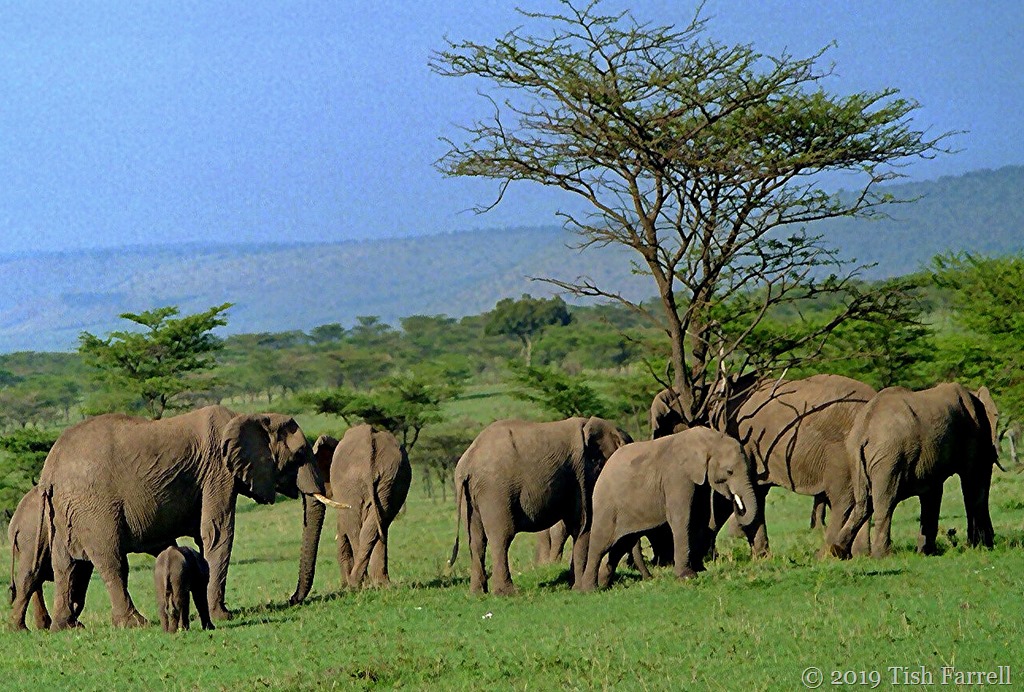
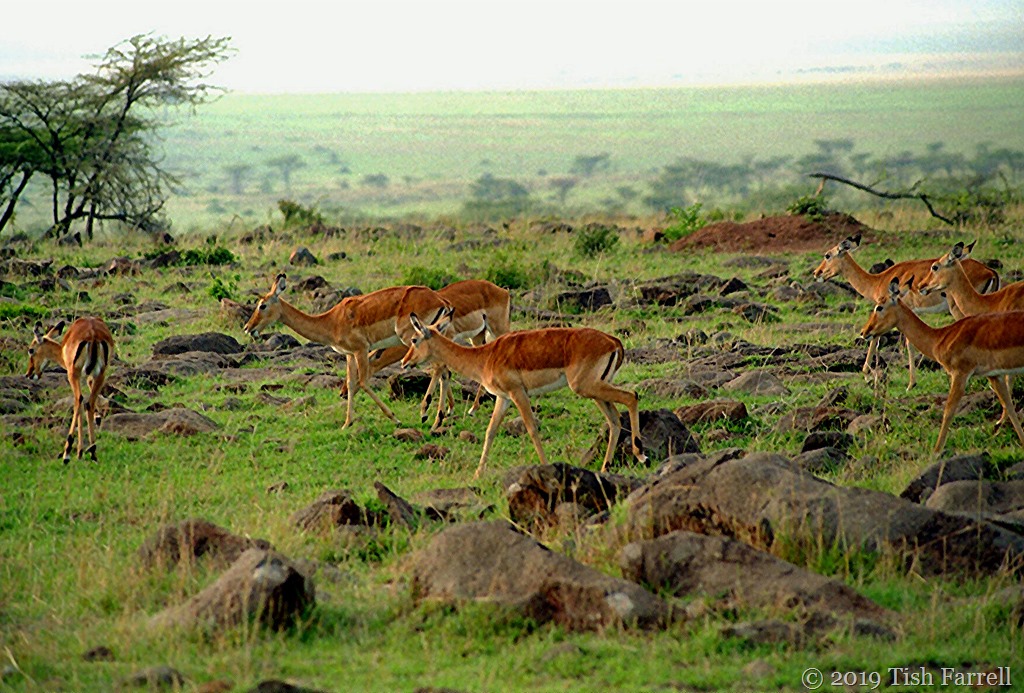
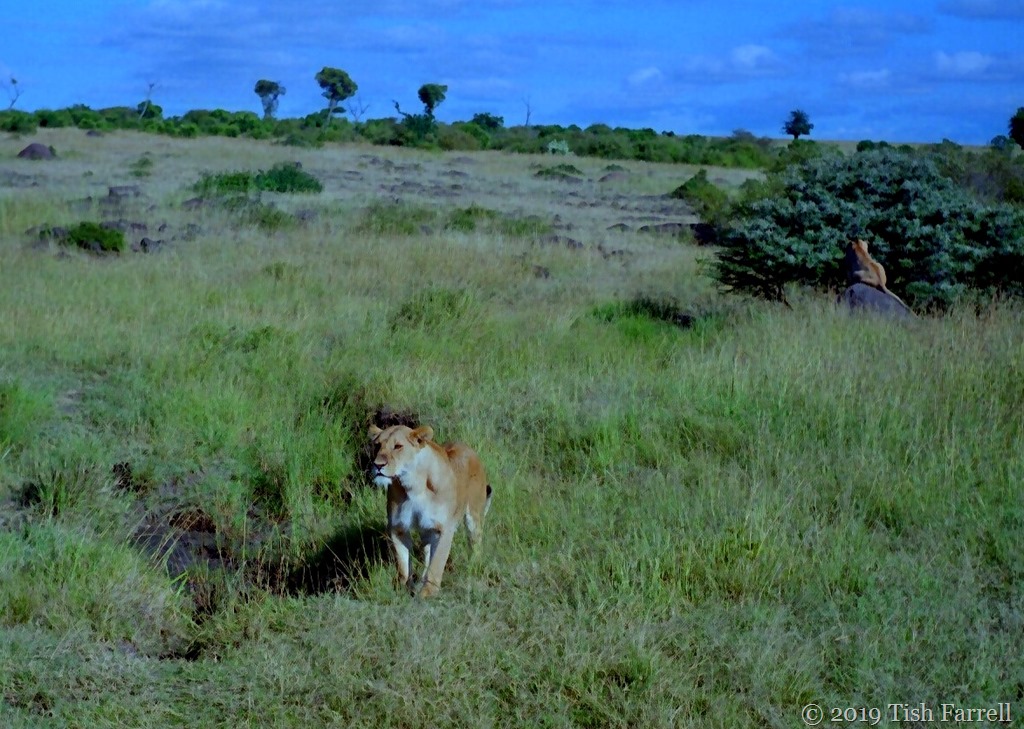
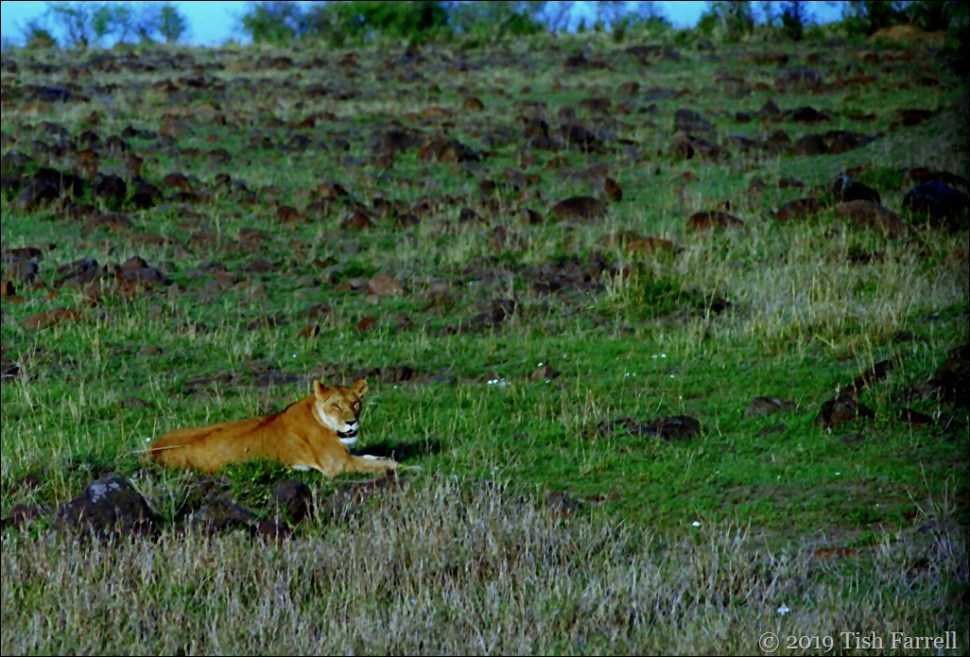
I’ve written about the Maasai Mara in other posts. Here’s an excerpt from a piece that was long-listed in the Brandt Travel Guide competition ages ago:
Dances with warriors
Night on the Mara River – darkness wraps round, close as a Maasai’s blanket. It is cold, too, on the river’s bend. We press closer the campfire, our white faces soon roasting red. No one speaks. There’s too much to listen for. A hyena whoops across the water? It sounds close. It sounds unearthly, sending shock waves through vulnerable bones – mine, conjuring packs of predators, out there, circling our ring of light. And even as I think it the Maasai are on us. Six warriors, spears in hand and naked to the waist. Their leader tosses his ostrich-feather head-dress that looks like a lion’s mane. He is fearless. He is lion.
Then the singing starts, a nasal falsetto that resonates through time and space – the winds’ whine through Mara grasses. The Maasai girls trip lightly into the firelight, their wraps like flames – yellow, red; close-cropped heads hung with beads; chins jutting forward as the crescent necklets – tiny beads so patiently strung – rise and fall on skinny chests. The moran start to leap – higher, faster.
Their dance fires the blood as it was once meant to in the days when the young morani proved their courage by killing a lion; but we see the collecting box left discreetly in the grass. These kids are from the nearby settlements, but before I unravel the question of exploitation – theirs or ours – the dancers pounce, dragging us into a conga, pastoralist-style. I let the Maasai girl take my hand. She’s about fourteen years old and she is boss. After all, this is her land – the big skies and the rippling oat grass, and our small camp in the outer reserve remains there only on her clansmen’s say-so. The hand that grips mine is small and hard.
So I follow her, graceless in the rhythms I cannot fathom, wend with the snake of dancers on and round the camp. The dancers know we’re squeamish and should not be put at risk, so we stray no further than the firelight’s edge, never crossing the bounds of the vast out there.
And of course, being on safari, and staying at a luxury, tented camp, we have been taken to visit the vast out there. We went earlier that day and naturally, being tender wazungu, we ventured only in daylight, with the rising sun at our back, and we went, not on foot, but in the Land Rover whose solid sides we were sure would protect us from too much closeness with the wilderness.
copyright 2019 Tish Farrell
Continues HERE
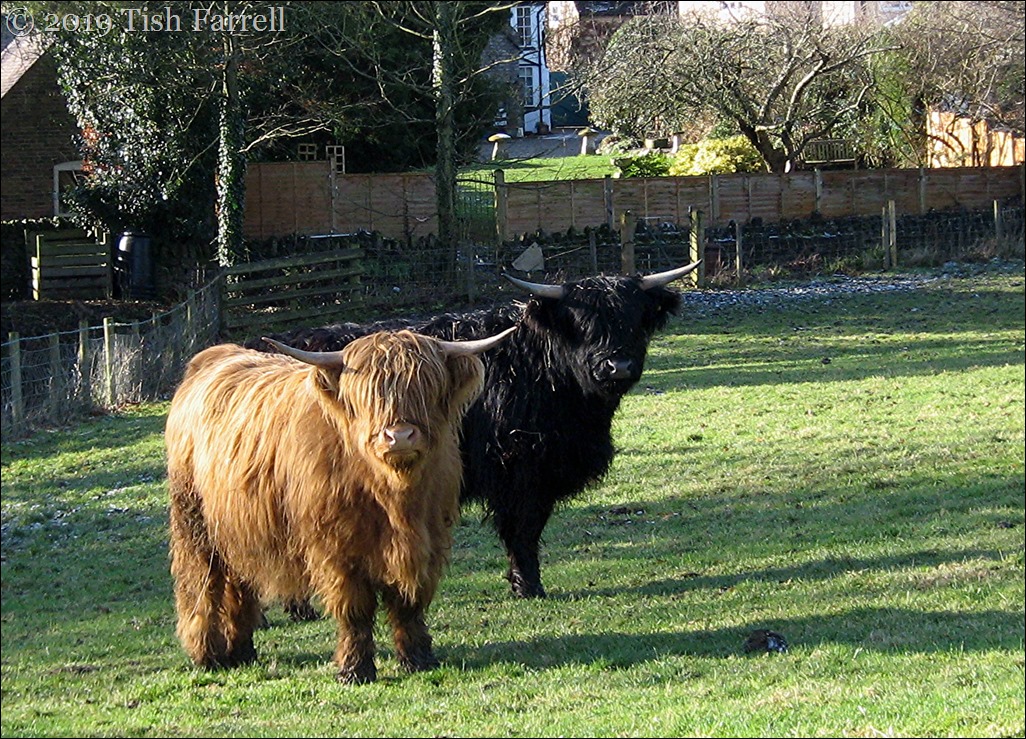

One of the very best things about living in a rural town like Much Wenlock is that you can be setting off for the shops to buy ordinary stuff like a local newspaper or half a dozen eggs, and come upon small happenings of one sort or another. So here we are. As we slipped and slid down the muddy path that brings you first to the Priory ruins, and thence to the town centre, we met up with a new batch of Highland Cattle recently ensconced in the Cutlins meadow. Teenage moos, I should think. Not fully grown anyway. They were certainly most curious, and so posed nicely to have their photos taken. Or at least two of them did. The third was too busy eating breakfast.

Yum! Lovely crunchy hay. So important to keep well stoked up in this cold snap.
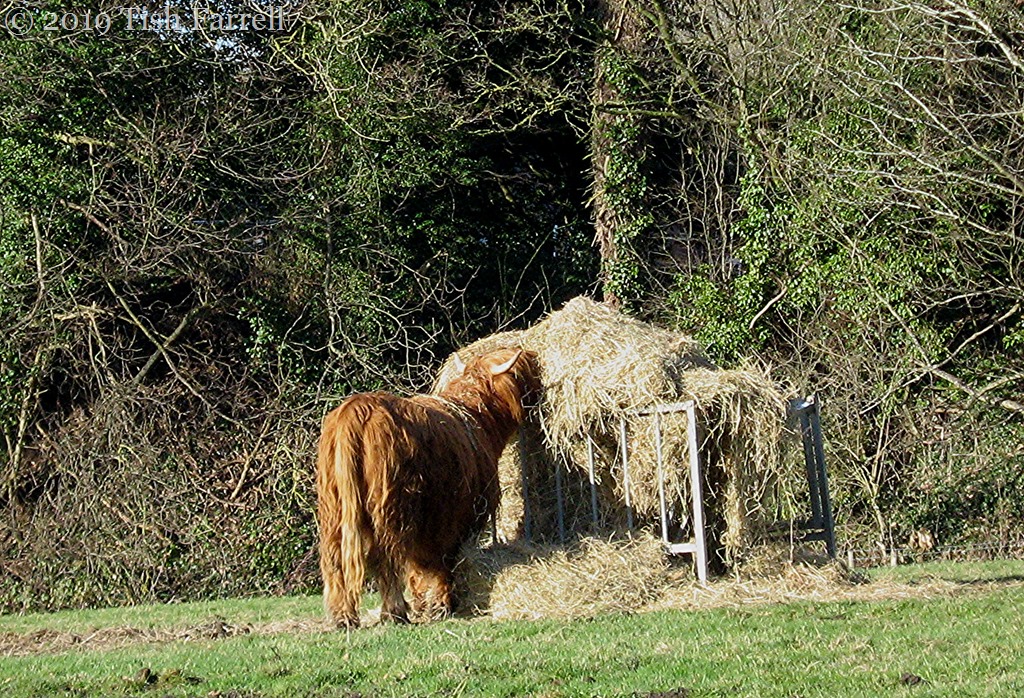
Six Word Saturday Pop over to Debbie’s at Travel With Intent for some truly striking photos.
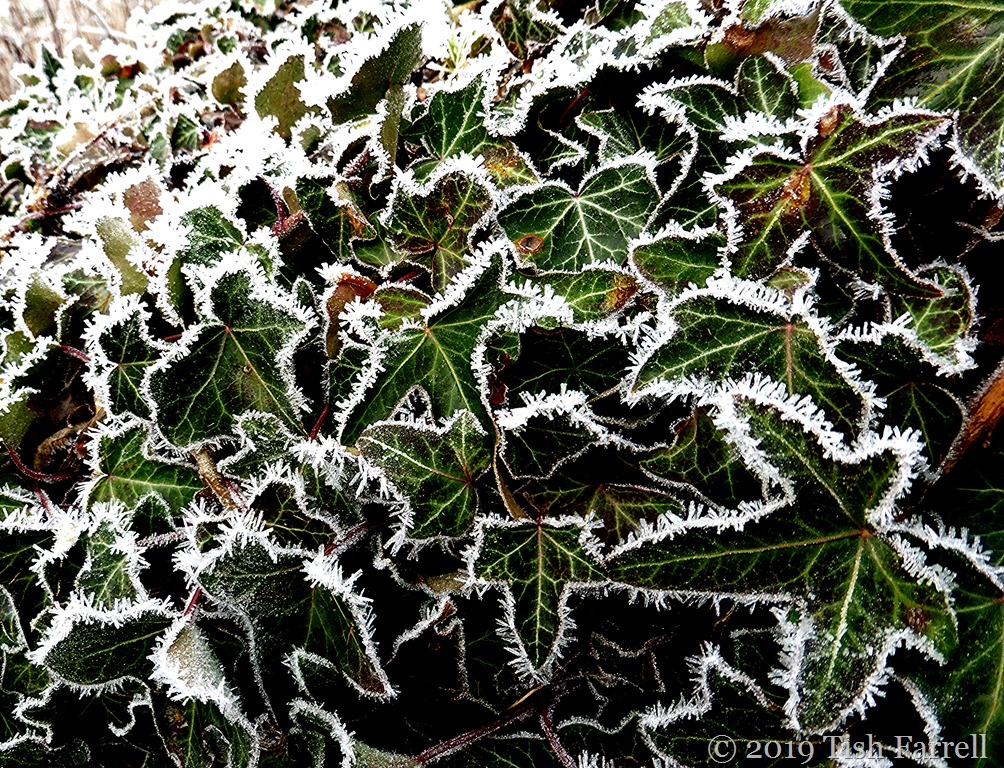

A real hoar frost too. Finally, after all the recent seasonal prevarications, this feels and looks like winter.

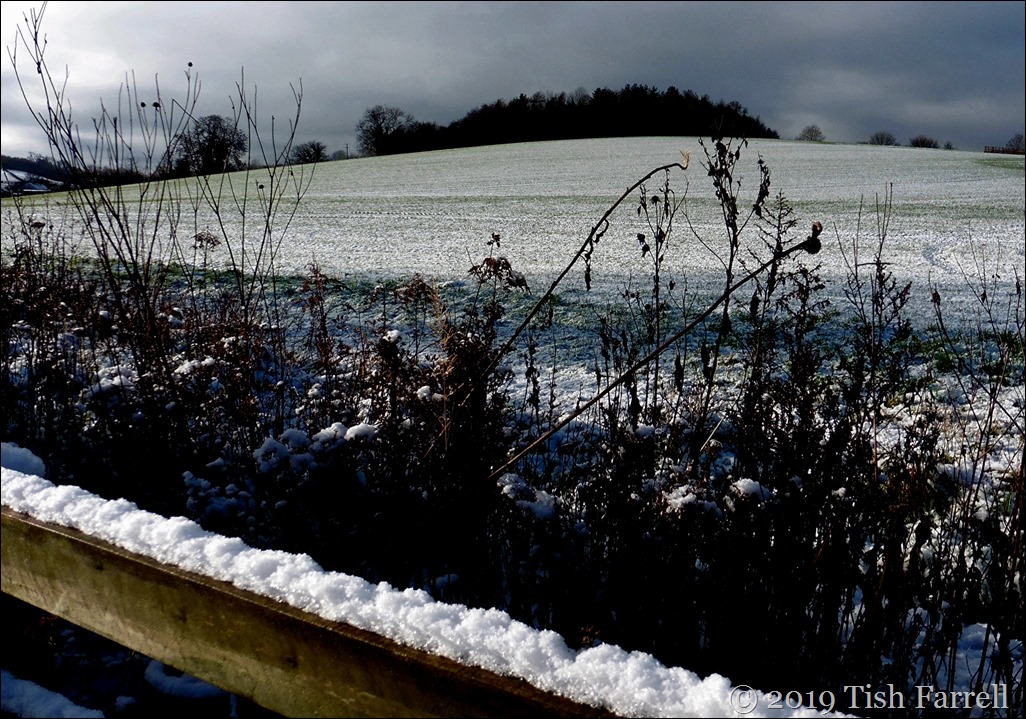

There is more seasonal confusion to report this month. I continue to be astonished by this Dyer’s Chamomile, aka Golden Marguerite (Cota tinctoria). It’s growing in the guerrilla garden behind the back fence, and has been flowering for months. I’ve heard the plant described as ‘a hardy but weak perennial’ because it fizzles out after its second year. Well that’s as may be. This particular exemplar hasn’t reached its first birthday yet, but so far at least is looking remarkably resilient after Tuesday night’s snowfall. Nor is it alone. A tender trailing geranium that I had abandoned in its garden pot at summer’s end has recently started to flower again. It didn’t seem to mind the snow either.

Admittedly it wasn’t much of a fall. By Wednesday morning it was already melting, and a quick wander round the garden now reveals many signs of spring. There are breaking leaf buds on the roses, flowering currant and honeysuckle; the columbines and centaurea are making vigorous new growth; bulbs are sprouting; hellebores flowering; along the lanes the snowdrops are out in force, and the winter wheat is greening all the fields around the town. Even the birds are singing spring songs. Will it all go horribly wrong one wonders? Better enjoy it while we may then, this summer-spring-winter.


The Changing Seasons ~ January 2019 Please visit Su to join in this monthly challenge.
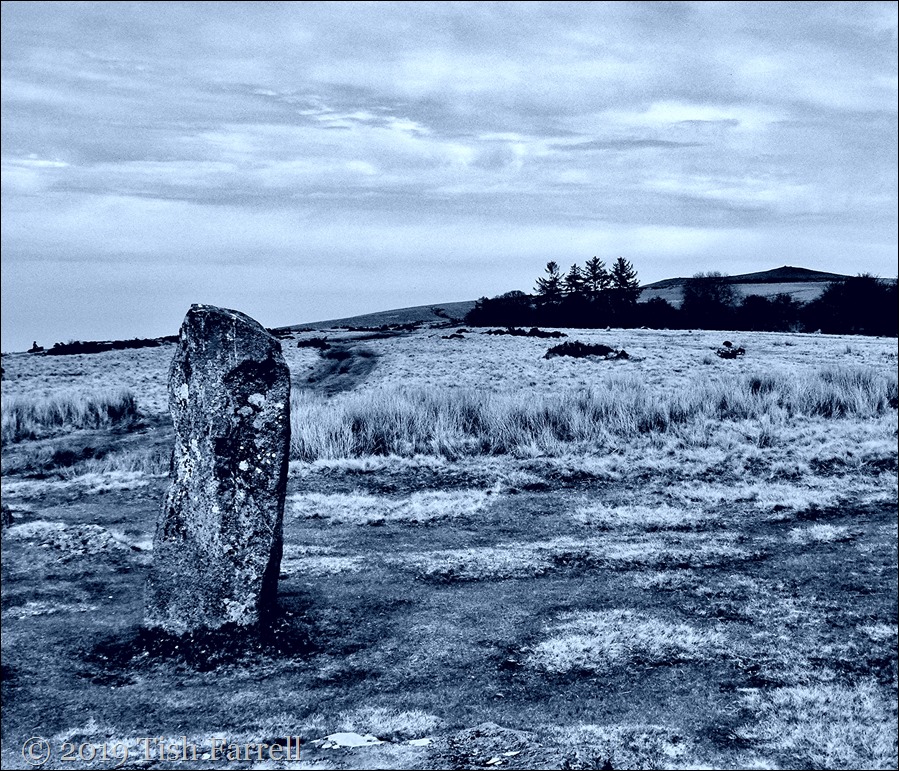
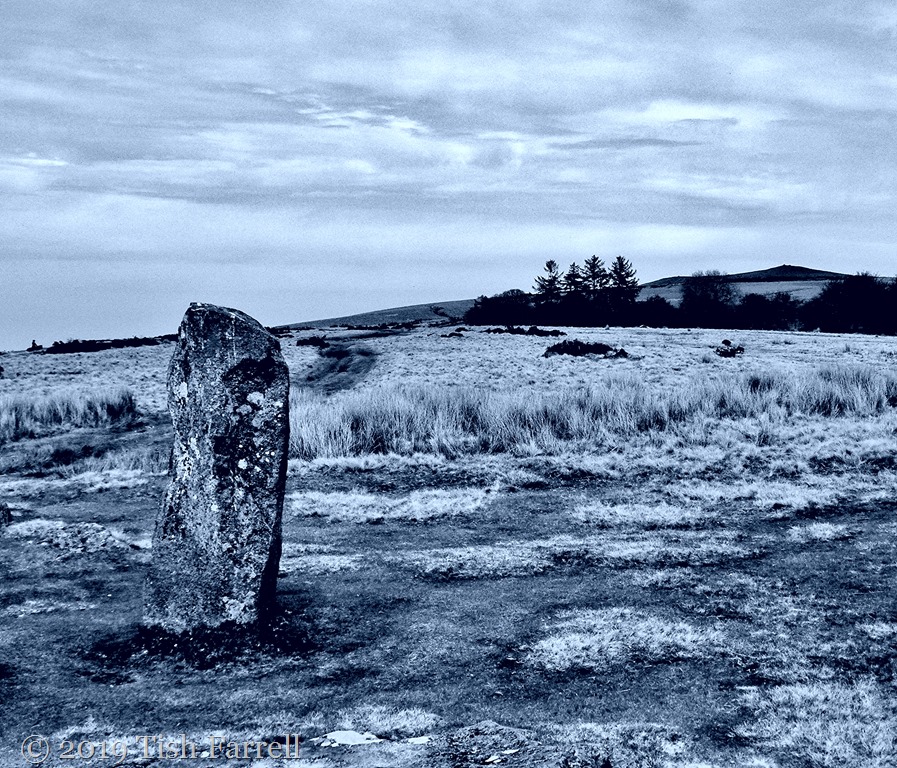
We’re in border country here – between the Shropshire Hills and Wales and I’m standing inside a Bronze Age stone circle, Mitchell’s Fold, looking in a northerly direction. And if the circle is a little raggedy after three millennia, then its location is surely still impressive.
*
Here is the southerly view towards Corndon Hill on whose flanks are the remains of several prehistoric burial cairns. To the right are the hazy Welsh uplands.

*
This westerly view towards Wales shows more of the Bronze Age circle. Several of the stones have been laid flat or damaged, and this apparently happened long ago. Perhaps when the land through the circle was being worked. You can see here the rig and furrow outlines of medieval fields. I think the climate must have been milder back then or they grew very tough crops.
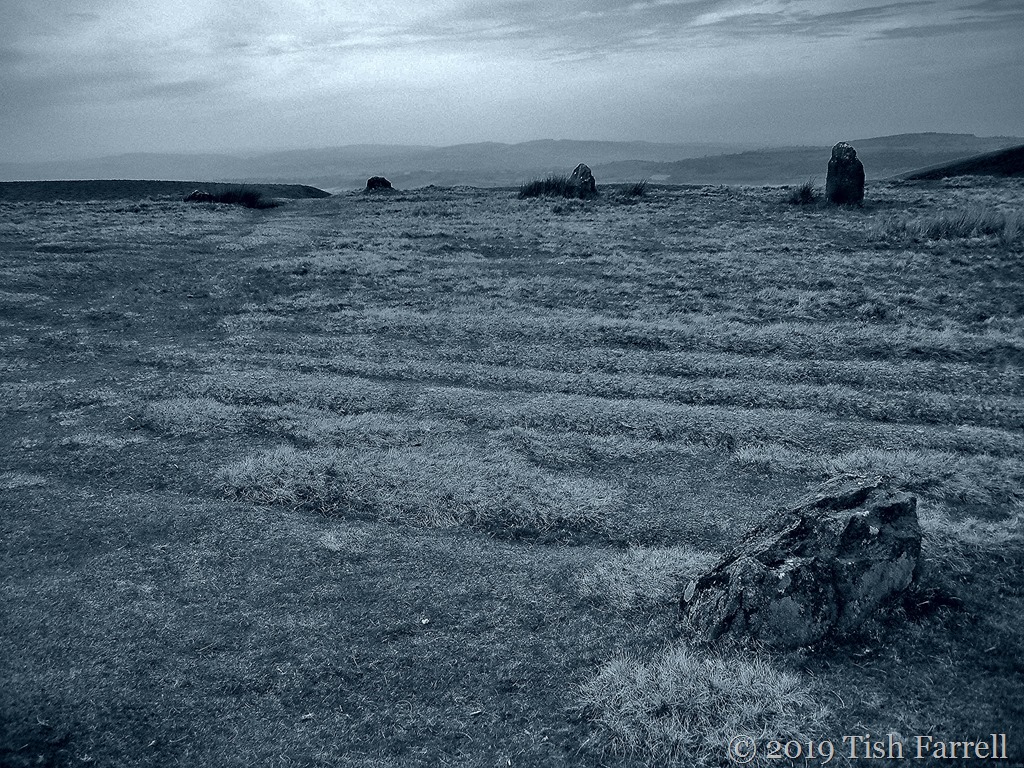
*
Now looking east, the furthermost ridge is one of Shropshire’s most mysterious and curiously named hillscapes: the Stiperstones with its lunar Manstone and Devil’s Chair outcrops. This ridge is formed from quartzite laid down some 480 million years ago.

All these places loom darkly in local legends and folklore. I’ve told the story before of Mitchell, the wicked witch for whom Mitchell’s Fold is named. You can read about her grim deeds and sticky end in an earlier post: Witch Catching in the Shropshire Wilds which also comes with snow-scene photos courtesy of he who no longer uses his camera.
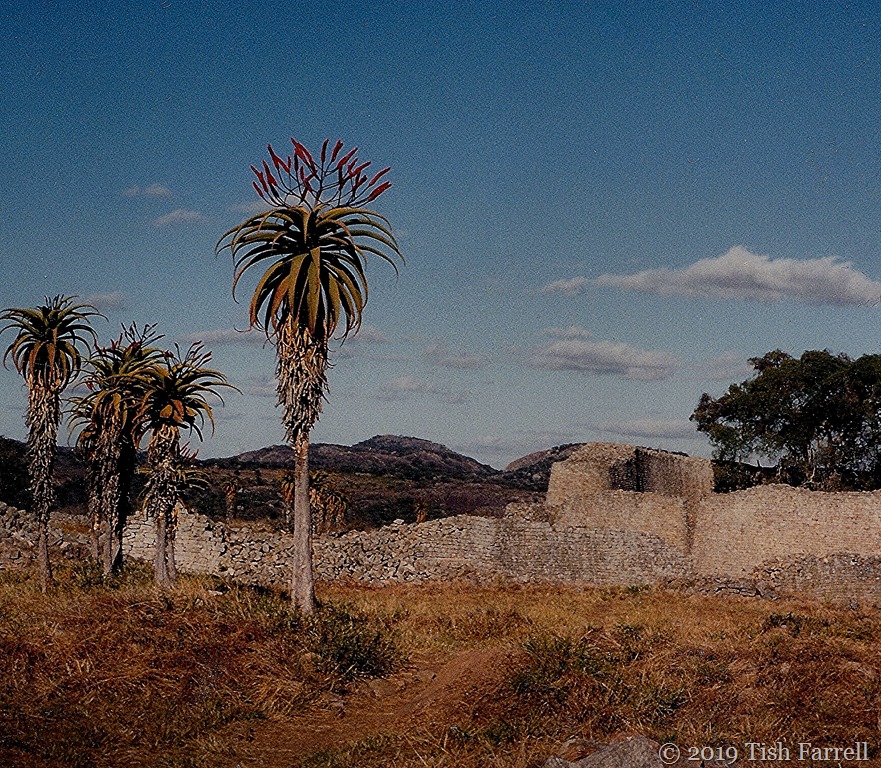

Among the gold mines of the inland plains between the Limpopo and Zambezi Rivers…a fortress built of stones of marvellous size, and there appears to be no mortar joining them. This edifice is almost surrounded by hills, upon which are others resembling it…and one of them is a tower more than twelve fathoms high. The natives of the country call these edifices Symbaoe, which according to their language signifies court.
Captain Vincente Pegado, Portuguese Garrison of Sofala, 1531
This scan of a photograph from our 1993 trip to Zimbabwe looks like one of those hand-coloured postcards from the days before colour film was invented – a fitting medium perhaps for these medieval ruins (and yes it’s probably appeared in earlier posts). Anyway by the time Captain Pegado was reporting from his base in Sofala, Great Zimbabwe had been in decline for a century and more. It was begun in its stone-built phase by the cattle owning Shona people around 1200 CE. In its heyday (mid 14th century) it seems the rulers of Great Zimbabwe were controlling the passage of high value goods (certainly gold and copper, and probably also ivory, slaves, textiles) across the Zambezi valley, and exporting them by caravan to Sofala on Africa’s east coast (present day Mozambique).
By this time, Sofala had long been a trading centre for Zambezi and Limpopo gold, and was subject to the great Swahili city state of Kilwa to the north (present day Tanzania). Thus the merchants of Great Zimbabwe, through their contact with the Arab-Swahili dhow merchants, were part of a trading network that extended across the Indian Ocean to China, and north to the Arabian Gulf and thence into the Mediterranean and Europe where African gold was much in demand during the Middle Ages. This last factor was responsible for tempting the Portuguese around the Cape to come and fetch it for themselves, hence the presence of Captain Pegado in Sofala.
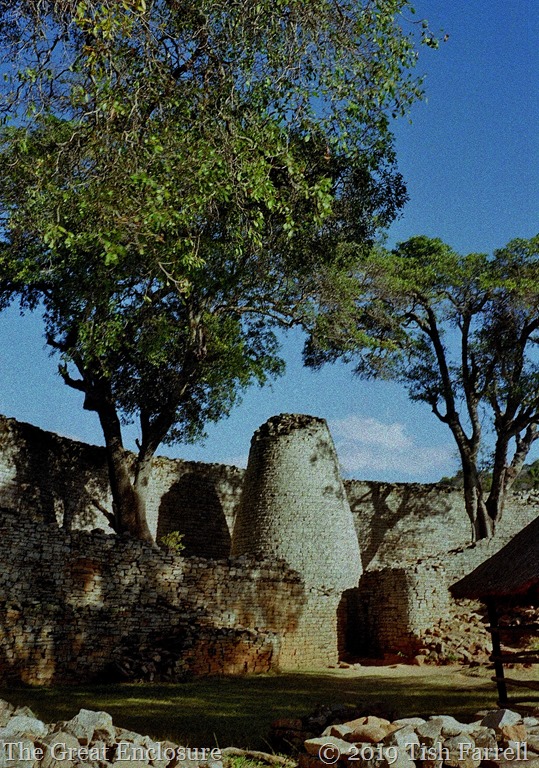
Of course when the ruins of Great Zimbabwe were re-discovered by Europeans in the late 19th century, specifically by one Carl Mauch, it was thought that the city could not possibly be the work of indigenous people. Surely it was the lost kingdom of Ophir whence King Solomon received regular cargos of gold, silver, apes and peacocks. Even in the 1970s when Zimbabwe was still colonial Rhodesia, all the considerable evidence (revealed by a series of archaeologists over previous decades) that showed it was built by the local African people was officially censored by the Smith regime.
Quite apart from perverting the course of scholarship and its all round offensiveness, the stance seems somewhat odd when you discover that Great Zimbabwe was not a ‘one off’. There are scores of similar medieval stone-built complexes across southern Africa, including Chisvingo and others in Zimbabwe. When Great Zimbabwe fell into decline at the close of the 15th century, another centre of power grew up at Khame, near Bulawayo in Matabeleland. It was the capital of a royal dynasty that lasted some two hundred years, all of which is food for thought on days when one cares to re-adjust one’s picture of the history of African peoples before the white folks arrived.

The stone built complex of Great Zimbabwe originally covered 1,800 acres (730 hectares). There were also several enclosures on the hilltop where I’m standing to take this photo, including one that revealed evidence of gold smelting. The gold items found on the site were worked into coiled wire, small rods and discs or cast into beads – all highly portable. Copper was also worked, either cast in soapstone moulds to produce ingots for trade, or made into ceremonial spears (ceremonial because unalloyed copper is too soft a metal to be militarily functional).
Finds that demonstrate the city’s external trading contacts include glass beads commonly used in the medieval Indian Ocean trade, glass shards from vessels made in the Near East (13th-15th century), and pieces of Chinese celadon export ware from the Ming (1368-1644) and earlier dynasties.
The classic work on the excavations is Peter S Garlake’s Great Zimbabwe. It also makes detailed reference to related sites.

English allotments are too often rackety sorts of places, and ours on Southfield Road is far from beautiful. The accumulations of tat on some neglected plots go back decades – broken glass, old bricks, shreds of plastic, rusting tools. Bit by bit they are being tidied up, the detritus carted off to the tip, aka the local recycling and waste disposal centre, this being done by one or two good souls who have more than enough to do on their own plots. But despite the overall unloveliness of the place, it does provide some interesting visual moments. The top photo was taken last spring – damson blossom and barbed wire with distant ash tree.
And here are some more views taken on my camera’s monochrome setting. A touch surreal I’m thinking: