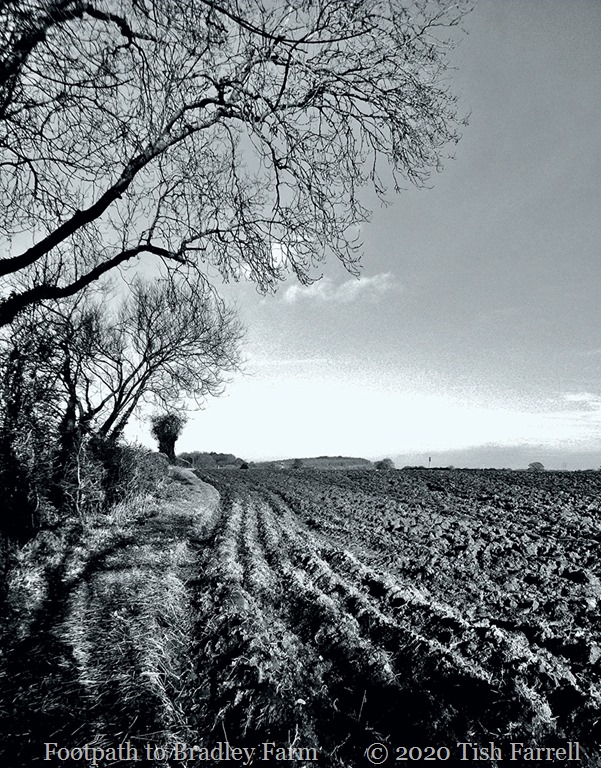
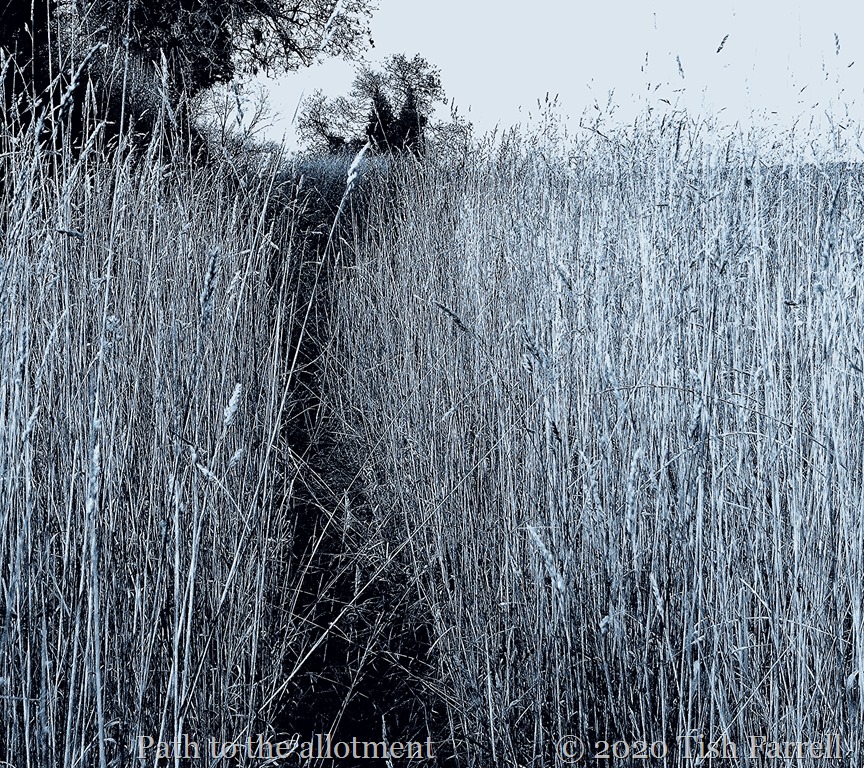
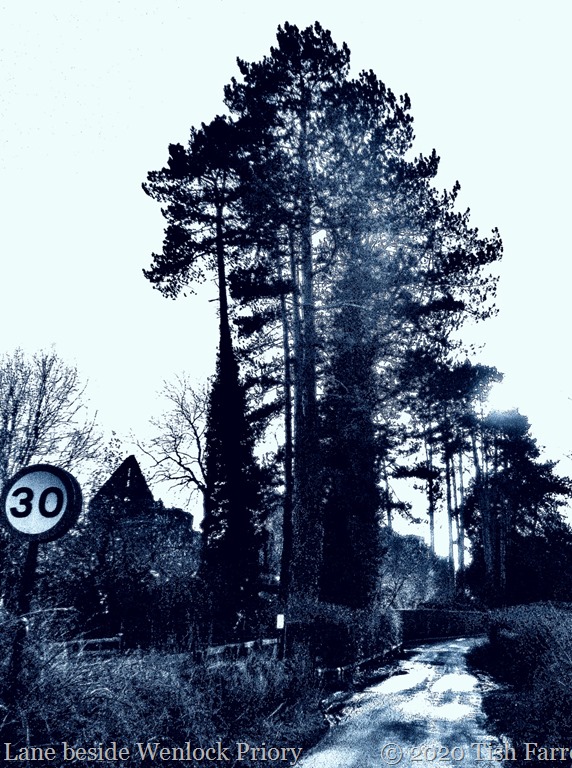
This week Cee says show her anything that’s long. I’ve chosen long paths and lanes and distant views.

This week Cee says show her anything that’s long. I’ve chosen long paths and lanes and distant views.


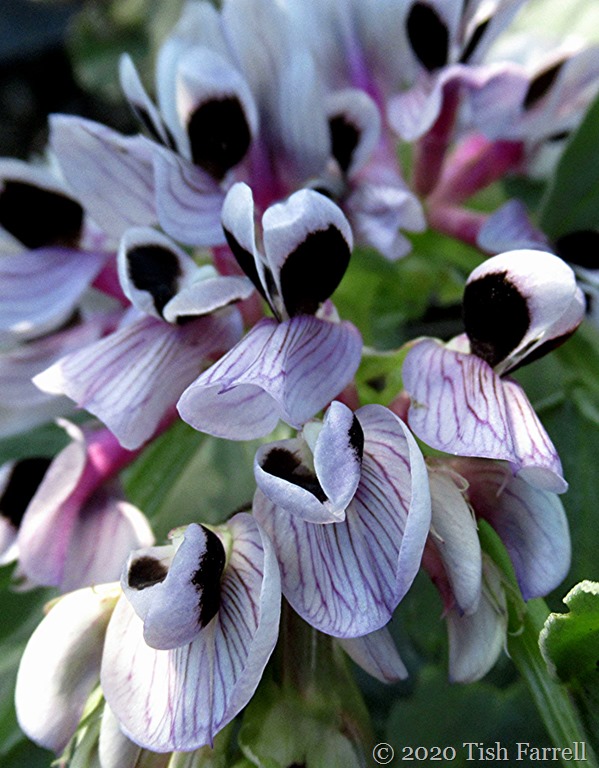
Well they have to be don’t they – magic that is – sporting such snazzy attire. These are the flowers of Field Beans Vicia faba, the same species as Broad Beans. They are usually grown in the UK as animal fodder or a green manure – the latter being sown in autumn and then dug in prior to flowering in the spring. This seems a huge waste to me. The beans produced are less than half the size of their bigger culinary cousins, but the plants are prolific with bundles of pods per stem. In fact (as with Broad Beans) you can harvest the young pods and steam them whole. If you leave the pods on the stem too long the beans can become a bit floury, but then they are excellent for soup. The young beans (Field or Broad) also make their own tasty version of guacamole (I have tried it out on foodie chums who thought it delicious), though it’s a bit fiddly as you need to steam the beans and then remove their outer pale shell before blitzing the green innards with olive oil, garlic, lime and herbs. There’s a recipe HERE.
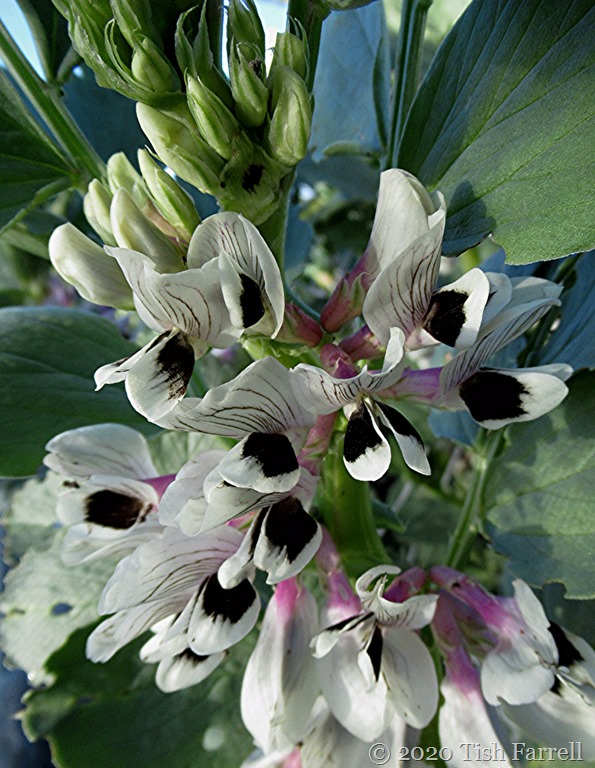
Bees of course love bean flowers however they come. And of course for us humans they have the most alluring fragrance. When I was taking this photo I also noticed the flowers lower down the stem had already been pollinated and were forming tiny pods. So the bean feast will not be long in coming. In the meantime you can also lightly steam the plants’ growing tips as a green vegetable. It’s anyway advisable to pinch them off about now to discourage blackfly assaults, so they may as well be added to the supper menu. Magic all round then.
And here are some with purple striped petals:
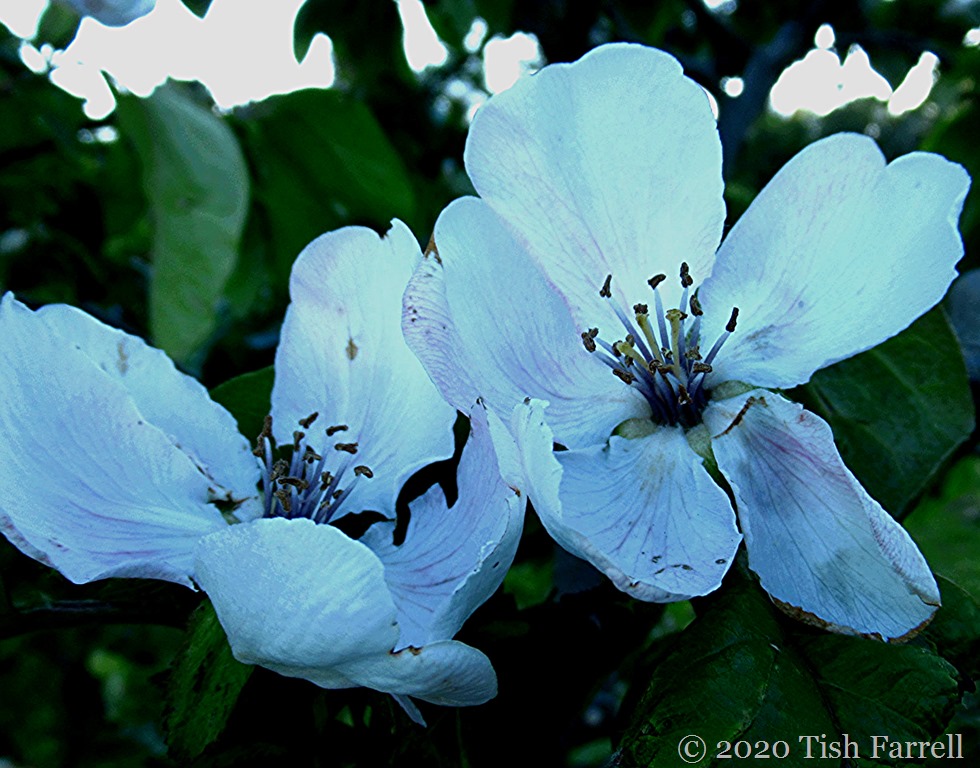
I almost missed the quince blossom this year, and had to look hard for a few surviving flowers. These were caught two evenings ago in the allotment orchard. I have my own quince tree of course – though scarcely even a treelet as yet. It’s out in the guerrilla garden behind the old privy sheds. Two autumns ago fellow allotmenteer Siegfried gave me several large quinces from the allotment tree. I duly made quince jelly with them and must have saved some of the pips. These I apparently put in a pot of compost and then forgot about them. The pot was outside all winter, buried under another pot. Then last spring when I was tidying up I lifted the top pot and found five tiny plants underneath – ID then unknown. They looked interesting though – i.e. not like weeds, so I kept them. And then I remembered. Quince offspring!
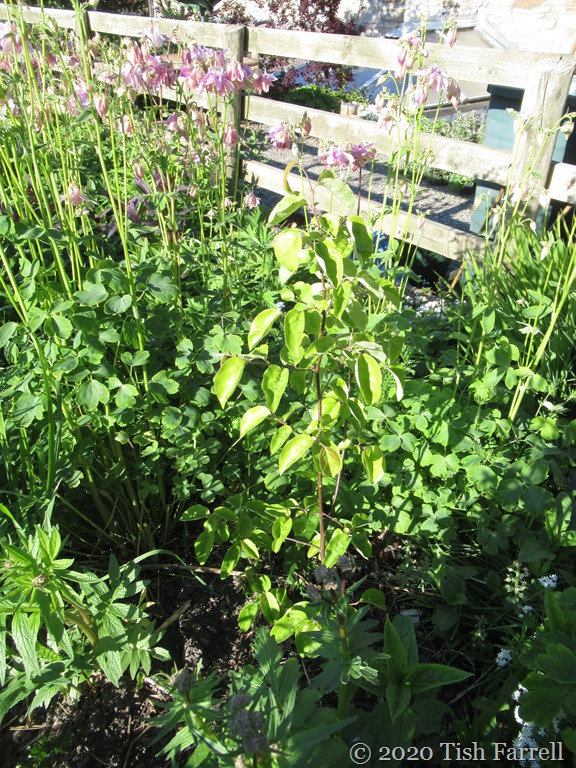
Apart from the one I’ve planted out, I’ve found a good home for another with a chum who says it is thriving, but I still have three small trees in pots. If the mother tree is anything to go by (and it hasn’t been grafted onto dwarf rootstock), then the offspring should not grow too big. Maybe some more guerrilla planting is called for. My treelet is currently ringed by a crowd of columbine heavies, so it’s hard to spot. Anyway, here’s a photo:
And here’s the mother tree:

Randomized gardening can be so rewarding.

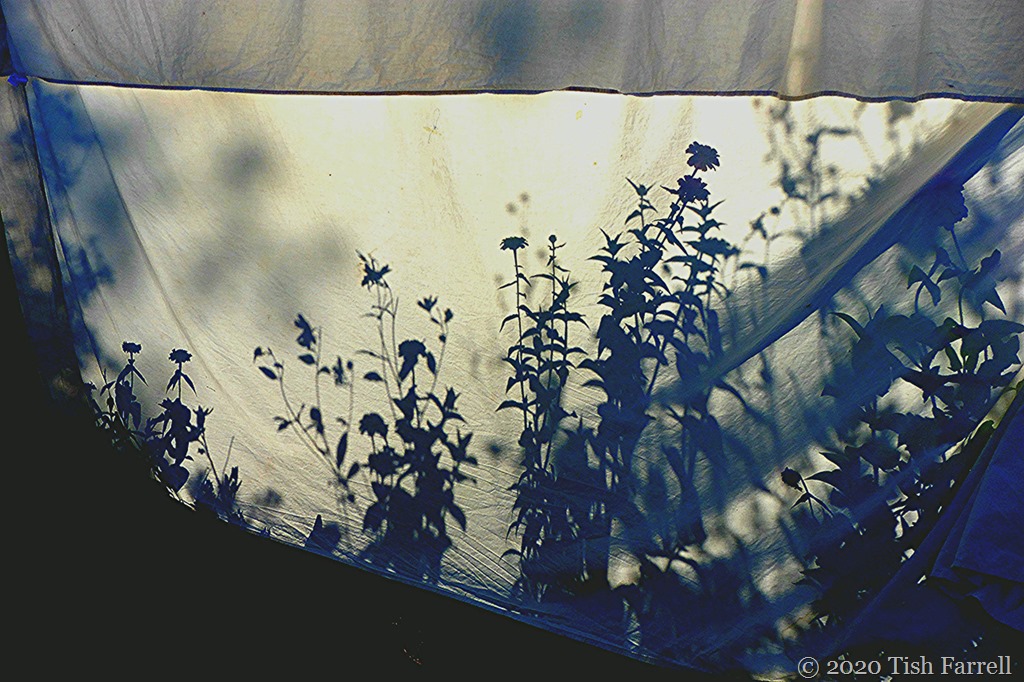
Jude’s ongoing photo challenge at Travel Words is well worth your attention. Her aim over the coming months is to help us be more creative with our photography. May is dedicated to the use of light, with a different assignment each Sunday. Here is this week’s:
‘Look for shadows. Strong light, casting well-defined shadows, can create interesting abstract images. Layering light and shadows brings a sense of depth to an image and can convey mystery.’
My shadow composition came about as a result of some domestic DIY. It must have been late summer a couple of years ago. I don’t remember what the job was, but it involved washing this dust sheet afterwards. And as the late-day sun headed over Wenlock Edge so the shadow garden was made.
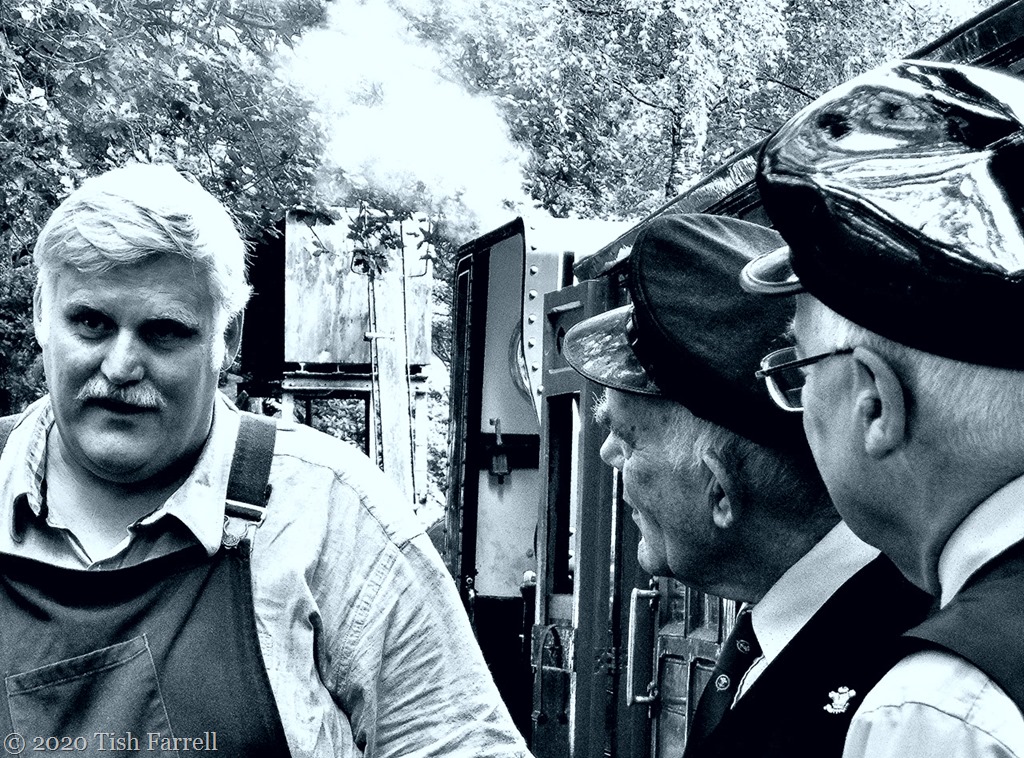
A couple of summers ago we had a perfectly batty day out on the Talyllyn Railway, the world’s oldest preserved steam railway. The line runs from the mid-Wales seaside town of Tywyn up into the hills to the old Nant Gwernol slate quarry – the shifting of slate being the original reason for the line’s existence. You can see the full colour account of that trip at: Partners in steam on the Talyllyn Railway – Woo-Hooooo. But as Cee’s Black White Challenge this week in all about ‘heads’ and ‘features’, I thought I’d celebrate the Talyllyn’s enthusiastic and dedicated volunteers with a little photo gallery of those we met that day. A pleasure to travel with you, good sirs.

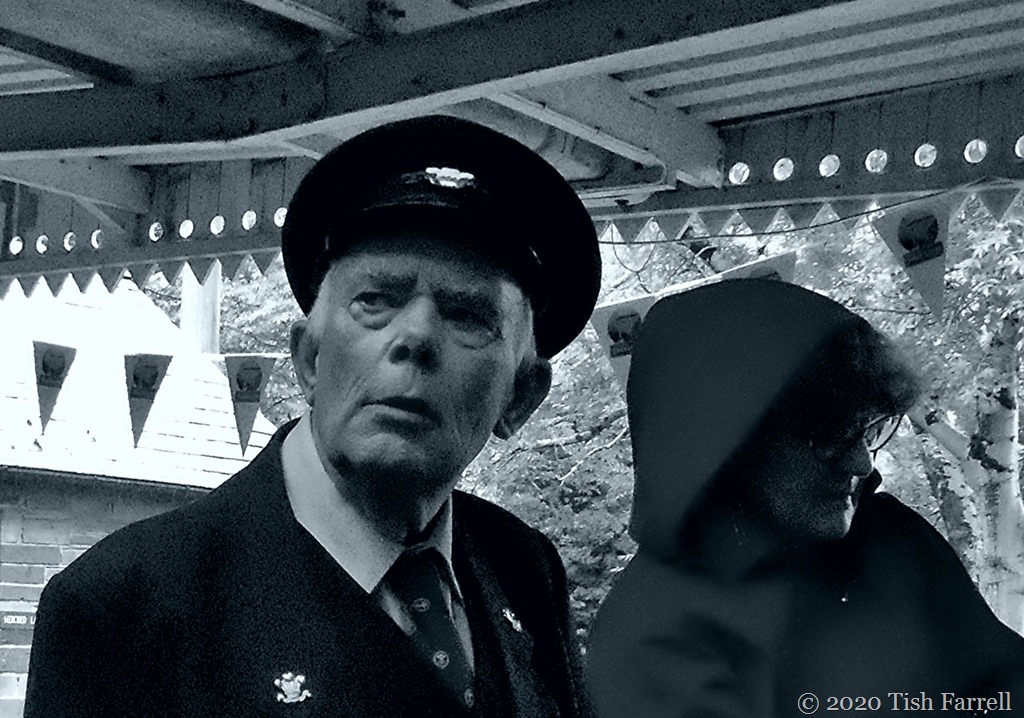


Cee’s Black & White Photo Challenge: heads or facial features
Normal life NOW in Syria’s Damascus as filmed by Eva Bartlett, one of the very few western journalists who has been regularly travelling to and around Syria for the past few years:
During my hours-long daily walks all around Damascus, I’ve been delighted to note (as always) the calm and people interacting as normal on the streets, but also the re-opening of stores. That started over a week ago, with shops (non-essential) re-opening on alternate days. As of some days ago, they are allowed to open daily till 5 pm.
The government continues to find ways to both take precautions and help people survive economically.
For my thoughts on Syria’s dealing with C19, see this post
Related content:

