All Of A Twitter ~ Yesterday In The Garden

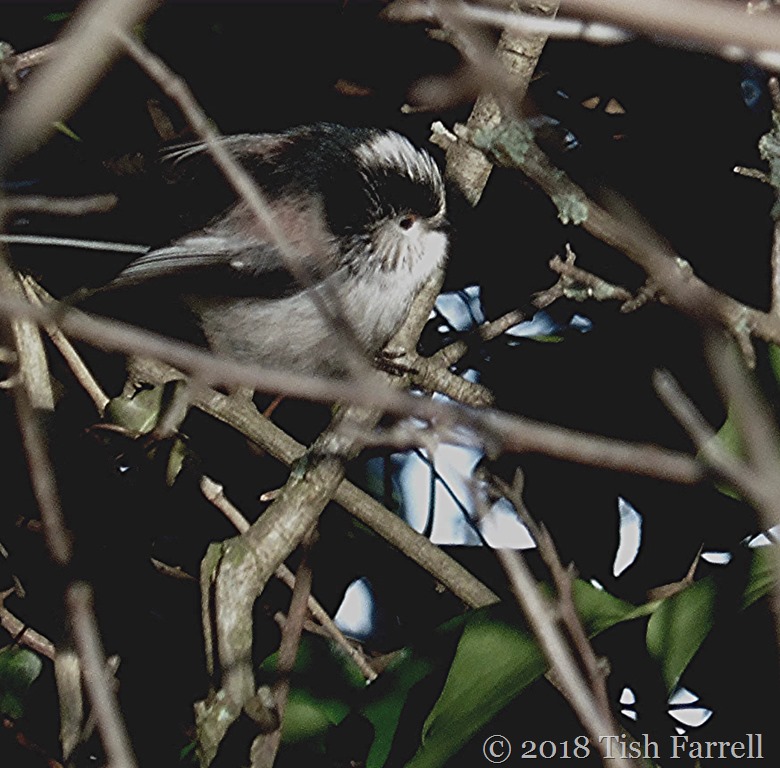
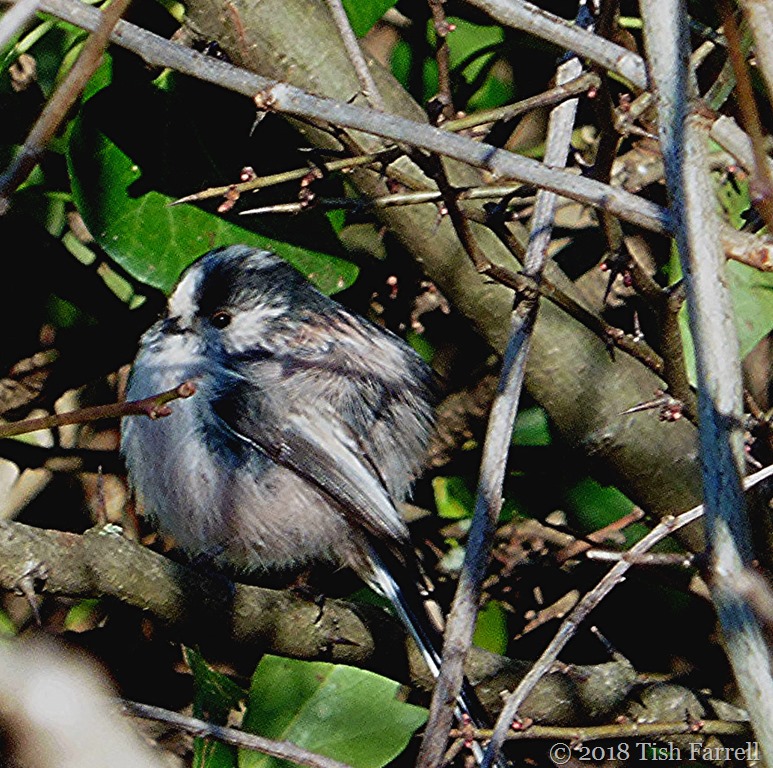
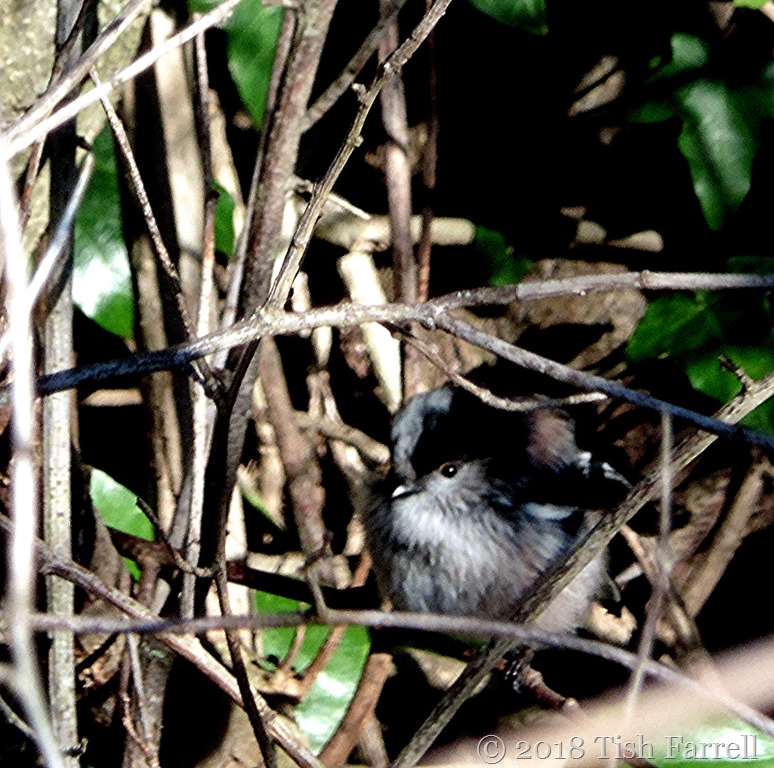
It is one of those sudden joys. You can be staring out at a bleak winter garden, all dormant stems and leafless, when whoosh – like darts of light – the gloom is fragmented by a little host of twittering, darting long-tailed tits. Their dashing habit of course makes them hard to photograph, and their livery – all the colours of a winter landscape – adds to the general elusiveness. They are tiny too. And they rarely stay for more than a few moments before taking off again on the great insect hunt. When they have gone, the garden is bereft, but you are left with the feeling that someone just gave you a perfect small gift. You can conjure it again at any time, in your mind’s eye, that moment when a flock of tiny beings flew in and lit up the day.

P1040271

P1040273

Long-tailed tit Go here to find out more about them and for far better images than I managed here.

copyright 2018 Tish Farrell

Much Wenlock As Seen On TV!

P1060826

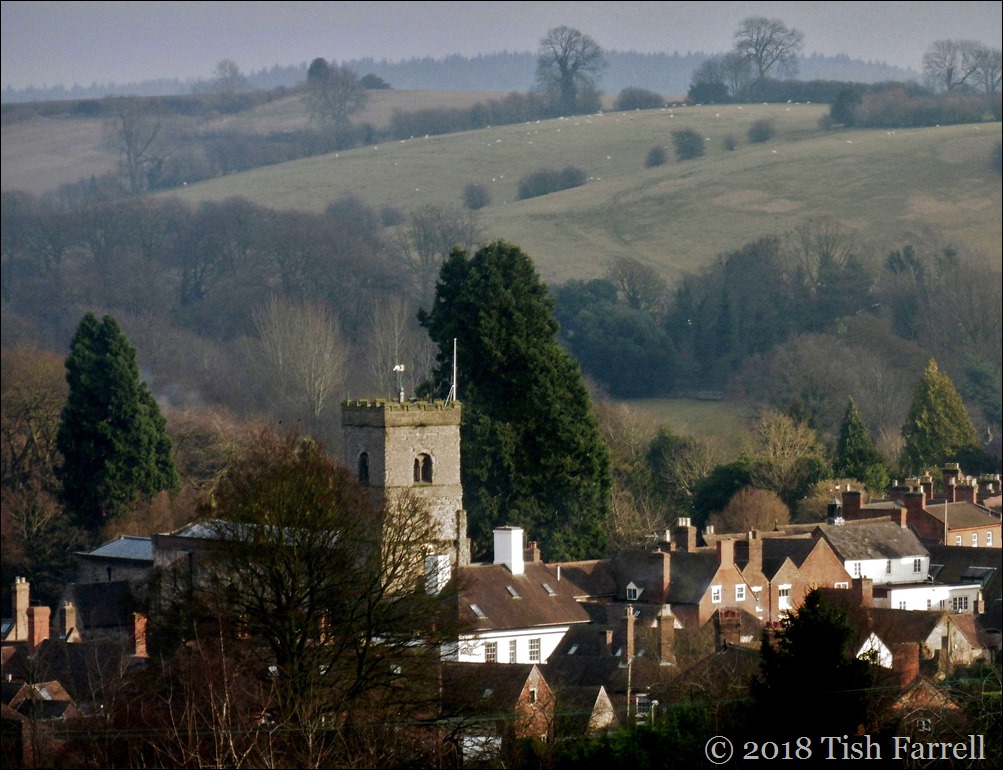
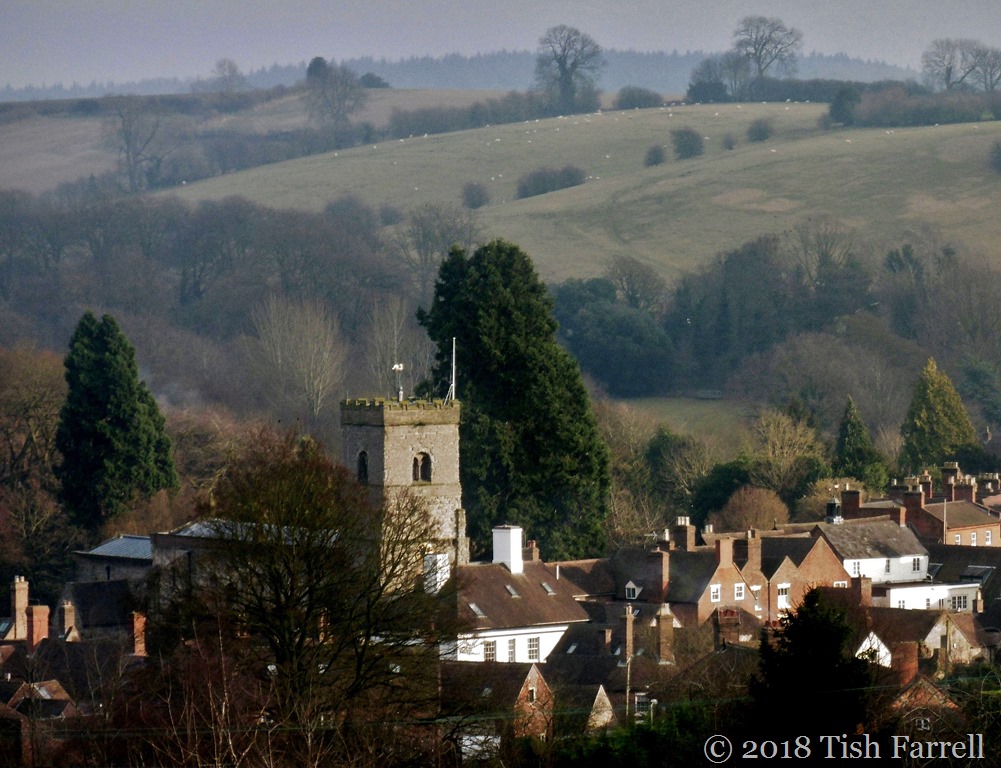
This view of the town is the one I see as I head to the allotment. I have captured it in many seasons. Today I’m posting it because it features one of the town’s oldest and most notable landmarks at the heart of our town – Holy Trinity Church which dates from the early Middle Ages and was once part of an impressive priory complex. And the reason for doing that is because its current vicar, Matthew Stafford, also known as ‘the mad vicar’ is featured in a 4-part BBC series A Vicar’s Life. The programmes follow the parish duties of three vicars in the rural Hereford diocese (of which Much Wenlock is a part although in Shropshire) over a one year period.

I adhere to no church or dogma, but I do have a lot of time for Matthew Stafford and the work he does in the community. If you watch only the first four minutes of this first episode you will perhaps see why. You will also be treated to bird’s eye views of Wenlock and see Matthew out and about in the town, as well as arranging a marriage at my local hairdressers.

http://www.youtube.com/watch?v=7jS1TAq8p5o

Daily Post: Tour-guide

Dandelion Dreams ~ A Bit Of Magic On Monday

dandelion clocks

These dandelion ‘clocks’ are putting on their own firework display. If I had my gardener’s head  on, the sight of so much imminent seed shedding would cause me much frustration. Fury even.  I have spent hours, days and weeks of my life trying to keep my allotment plots and paths free of them. I have even tried seeing their good side: cropping them for their young salad leaves, making dandelion tea, roasting their roots to make coffee (very good for the liver). I also know their long tap roots release nutrients locked deep in the soil. And sometimes a field full of dandelions can look, well, beautiful.

Which brings me to the image above. I clearly had my photographer’s head on when I snapped it, and with the camera in dynamic monochrome setting. And then I edited it a little, and so emerged these magical structures. And there we have the top and bottom of it. Once we stop fighting the natural world, we can see how very wonderful it is. Or at least some of us can. This does not appear to apply to the corporate strains of our species.

copyright 2018 Tish Farrell

Cee’s Black & White Challenge: patterns

Three Hippopotamuses Or Should That Be Hippopotami? Either Way, It’s Hard To Type ~ Thursday’s Special

Scan-130716-0011 (3) b

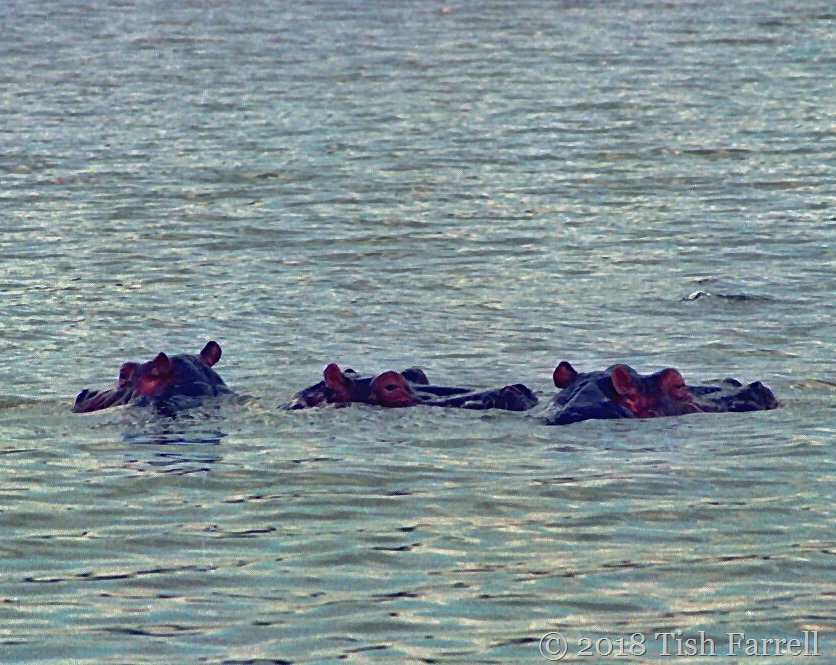
Hippos can be very disagreeable at the best of times, and downright murderous if you upset them. They are probably at their most peaceable in the water, but that does not mean that they may not capsize a  passing boat if they’ve a mind to. They spend the night hours grazing on shore, and consume huge quantities of grass, around 100lb (45kg) a night.

These Lake Naivasha hippos especially like the close-cropped lawns of the lakeside hotels, so it’s not good idea for guests to go wandering around the gardens after dark. The hazard reduces towards daybreak when the grazers usually return to the water, not liking to be caught out in the sun despite having their own in-built skin care product – a red oily secretion that protects them from dehydrating and overheating.

Once when we were Zambia, on a guided walk in the Luangwa Valley, we encountered a huge bull who was late returning to the river, and couldn’t find an accessible way down a steeply shelving bank to the water. He was so furious he decided to charge us.  (See Grouchy Hippo, Laid Out Lions.) And this is perhaps one of the most surprising things about hippos, given their bulk and tonnage – their land speed capability. They can clock 18 mph at the gallop and easily outrun a human over short distances.

As to good points – they do go in for much companionable honking and grunting when a group is submerged together for the day’s wallowing. It is one of those Africa sounds that imprint on the consciousness – once heard, never forgotten.

Thursday’s Special: trio Now go head over to Paula’s to see her unforgettable puffin trio.

P.S. Hippopotamus – the name is derived from the Greek meaning river horse. Hippos have no horse connections but are distantly related to pigs.

copyright 2018 Tish Farrell

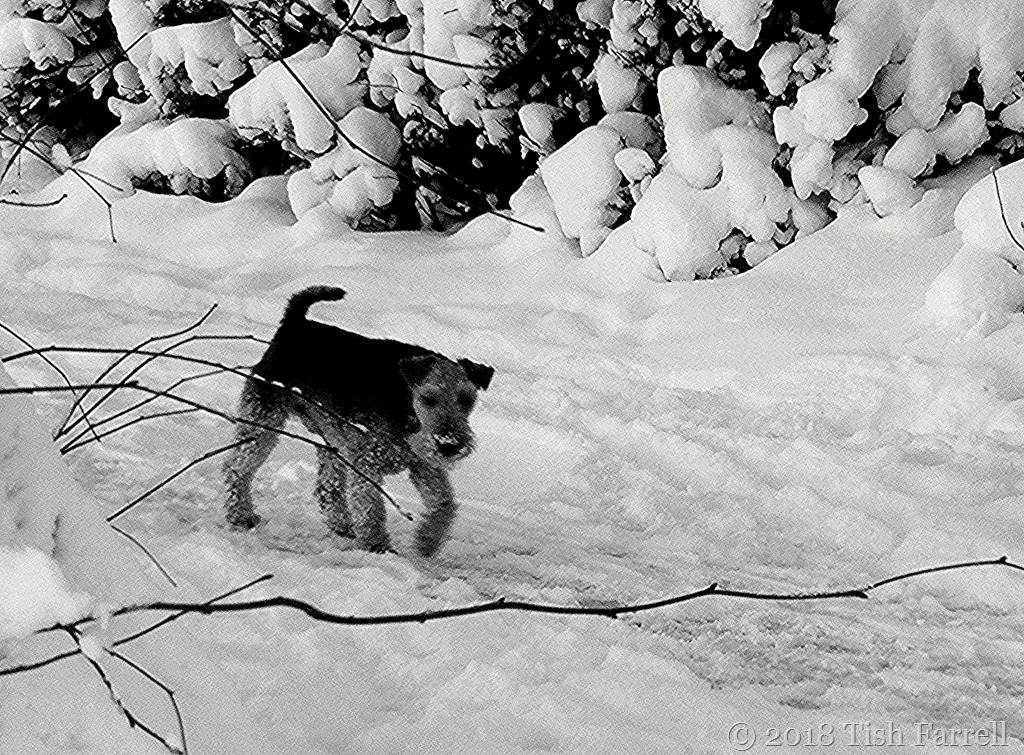
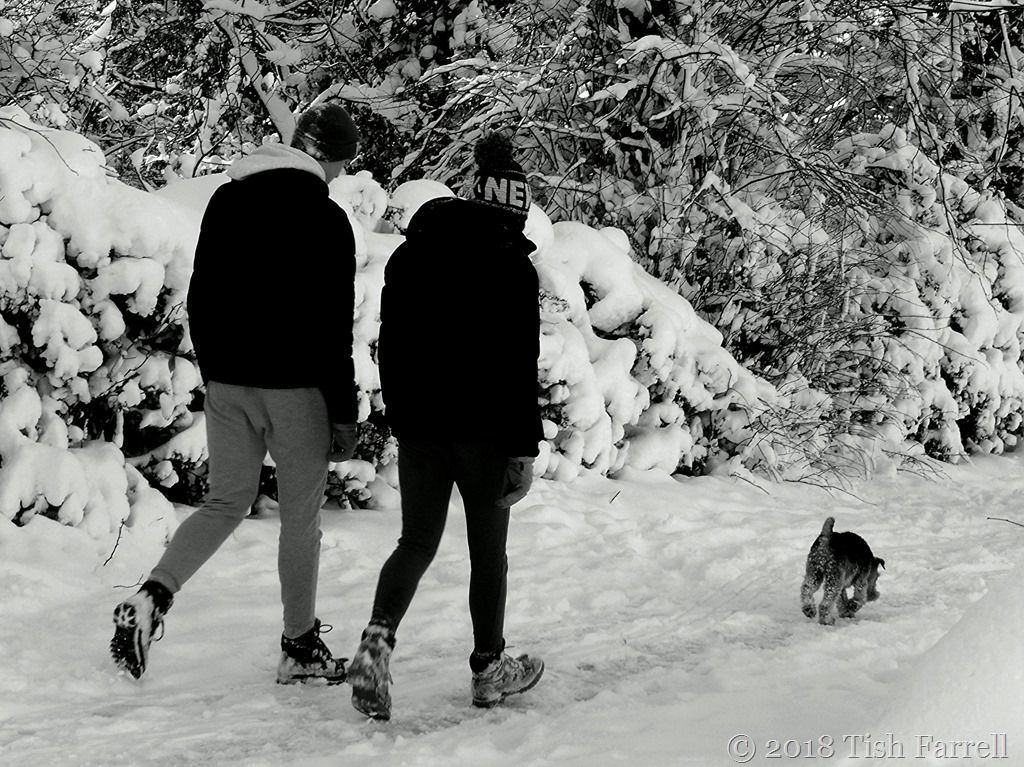
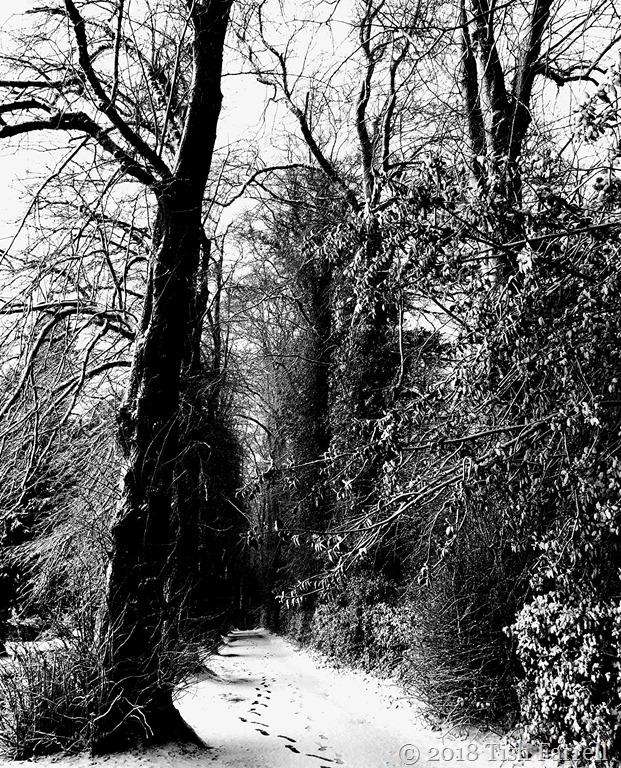
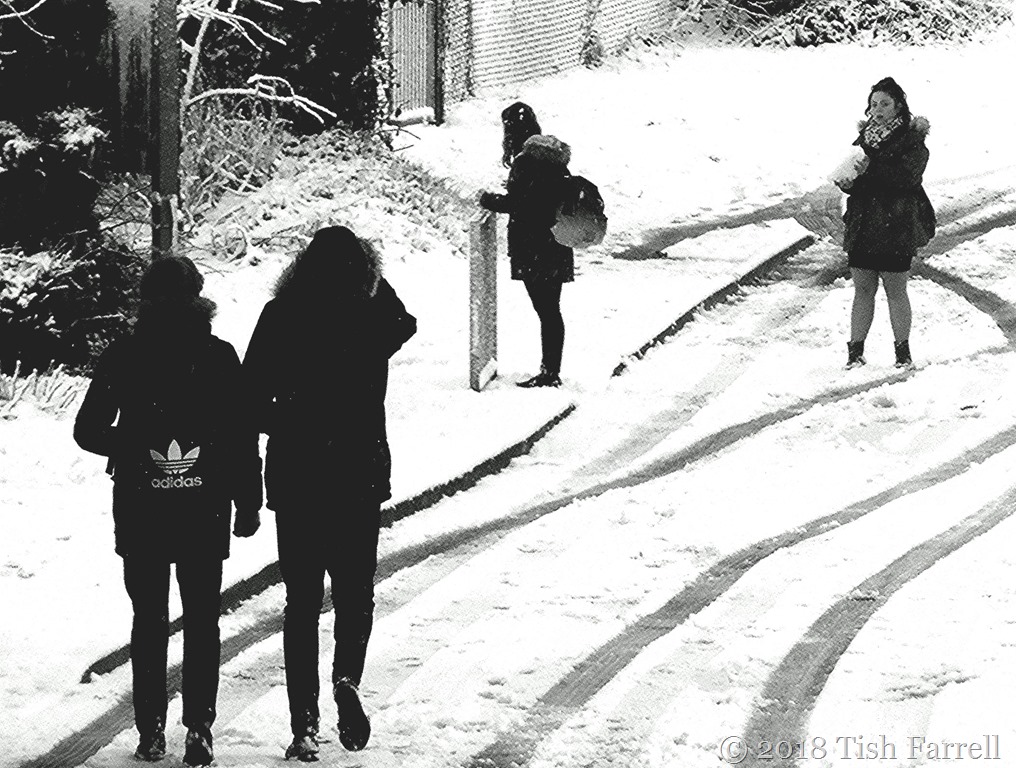
Looking Back At Wenlock’s Snow Paths In Black & White

It’s snowing again today, but hopefully without conviction: just enough to dust the field behind the house, and coat the roofs of the garden sheds. Otherwise, despite the winteryness, there are more signs of spring everywhere – winter pansies in full fettle in Wenlock gardens, allium leaves pushing up through the soil, buds on the flowering currant, more hellebores emerging, snowdrops and catkins in the hedgerows.

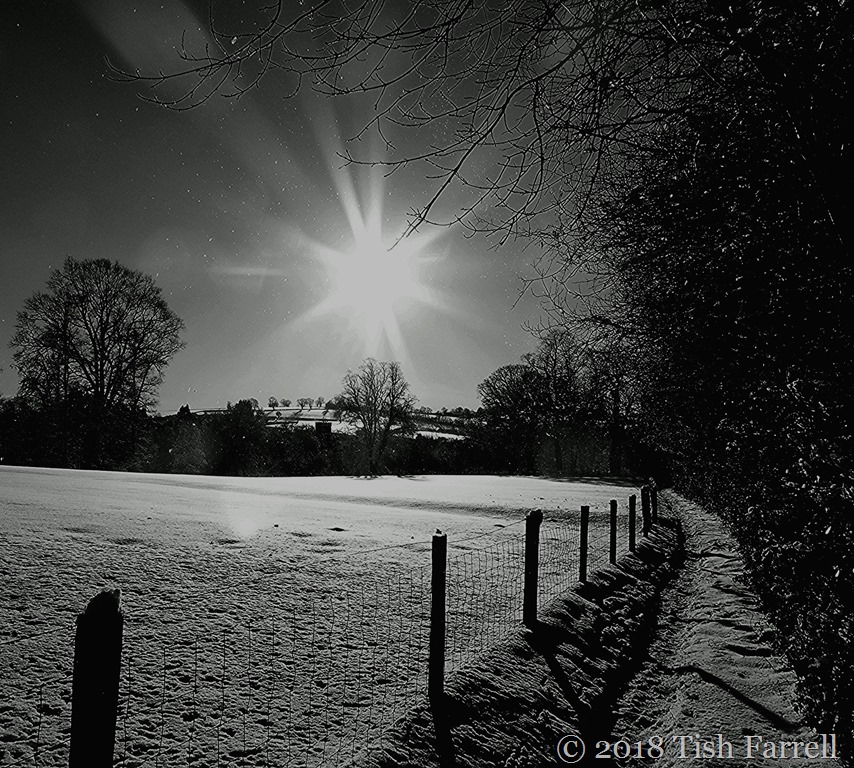
The December snow days were very beautiful, but best remembered now in photos. Some of the following shots were taken in monochrome, and some I’ve converted. The header is a conversion, and it’s only in this format that you can see that the sun is melting the snow from the branches in a mini snowstorm. It isn’t dust on the lens. The photos were taken in and around the Linden Field and I’m posting them in response to Cee’s Thursday black and white challenge: out doors – walks and roads. Follow the link below to join in.

P1030785 b

P1030786 b

P1030628

P1030637

P1030597ab

Cee’s Black & White Photo Challenge – walks and roads

This slideshow requires JavaScript.

Elephants May Never Forget, But The Human Posting This Photo Has A Very Faulty Memory

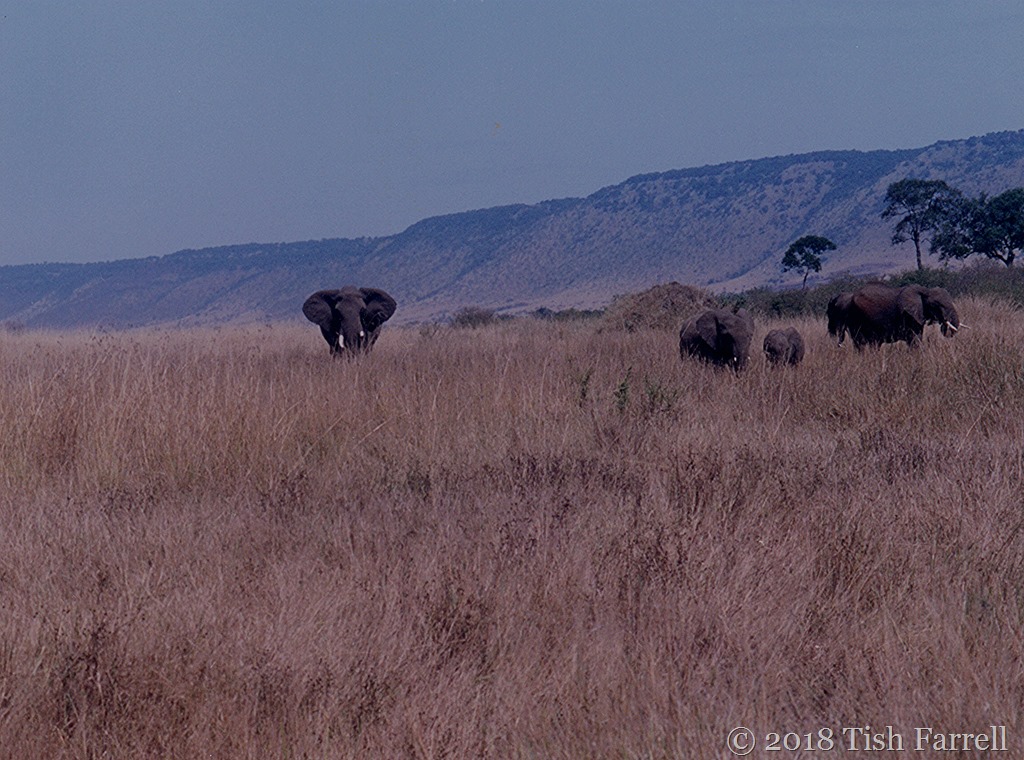
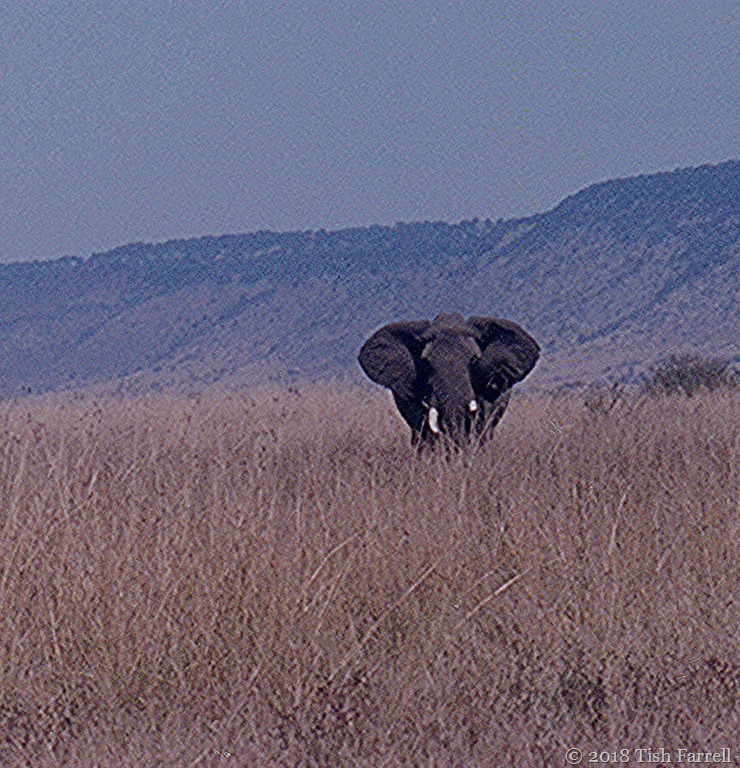
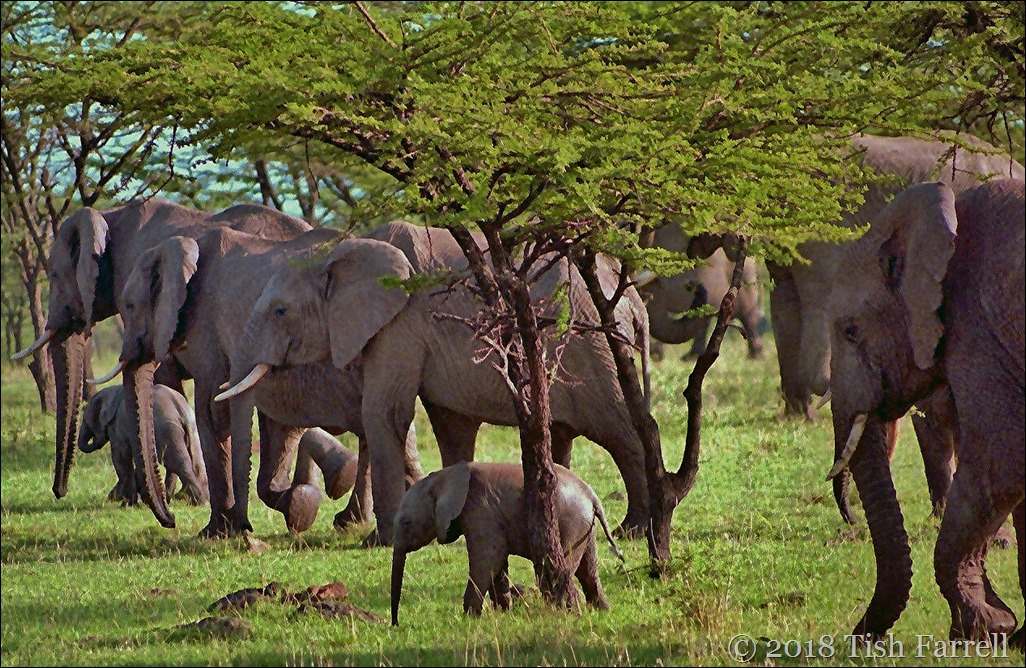
I have no recollection of taking this photo. I came across it yesterday in a pile of ‘to scan’ shots that had been lurking on my desk for a while. How could I not remember this marvellous scene – elephant family against Maasai Mara backdrop of the Oloololo Escarpment? Not only that (and I know elephants are short-sighted) but the one left-of-centre, possibly the matriarch, seems to be looking straight into my lens. And the ears are out, which is not usually a very good sign. Fortunately, though, the trunk is not up. When that happens, swift retreat is definitely called for; an angry elephant can flatten a truck.

We must have driven on and left them to their peaceful browsing. Time is of the essence; it takes a lot to fill an elephant every day – 300-400lb (135-180kg) of grass, reeds and tree parts (grass is their preferred food and they actively deforest areas to encourage grasslands, which may explain the broken tusk) and 30-60 gallons (135-270 litres) of water. A full time job then, seeing to those creature requirements.

For more about elephants see the previous post.

elephant_0001 b

copyright 2018 Tish Farrell

Daily Prompt creature

Most Beloved ~ The Elephant Child

best version 1

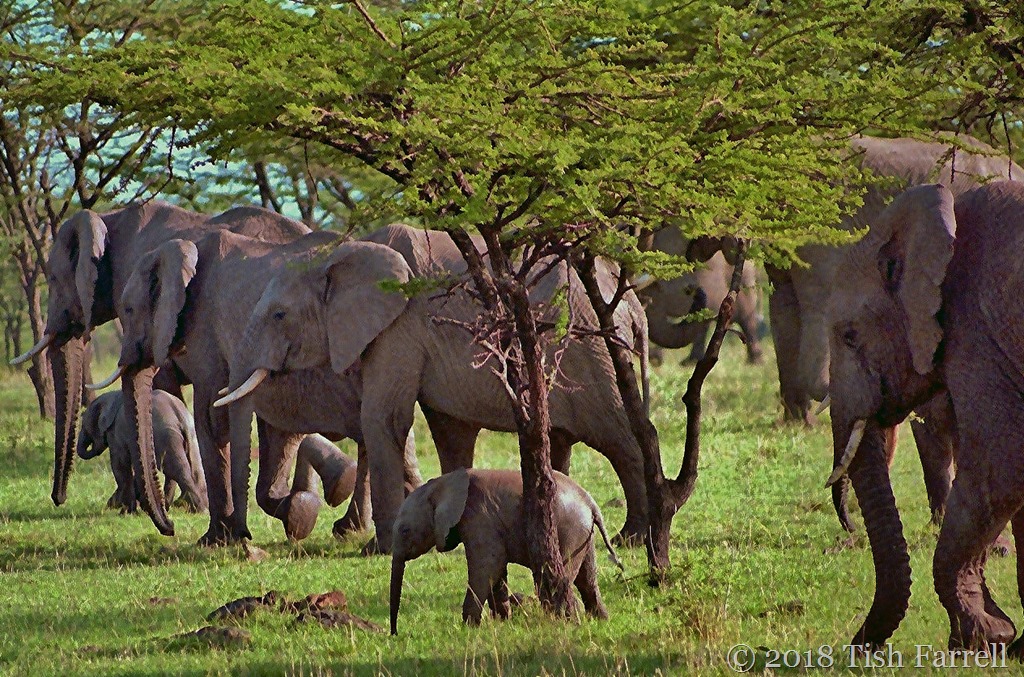
The fervour of elephant love should never be underestimated. Look like a threat to an elephant child and death will surely follow. But in peaceful surroundings, and from safe quarters, the way a matriarchal group shepherds and protects their young is marvellous to behold. The header photo was taken in the Maasai Mara in 1999 from a safari truck, but the account below is of a scene witnessed in 1992, one night at Kilaguni Lodge in Tsavo West national park. Some of you will have read this piece before, but then I think it’s worth retelling. You can’t say too much about elephants, can you:

Night comes swiftly in the African bush but never quietly. As the sun drops behind the Chyulu Hills, so the pipe and whirr of frog and bug ratchet up a few decibels. It is like a million high tension wires being pinged and twanged. If you listen with both ears it can drive you mad. Likewise, if you allow yourself to succumb to the night’s sticky heat and the hypnotic scents of thorn flowers, then do not be surprised when the sudden scream of a tree hyrax stops your heart.

But we are not going mad. And our hearts are just fine. We think we have cracked this Africa lark. Well sprayed with insect-repellent, all accessible parts covered as can be, anti-malarials ingested, it seems safe to sit out on our veranda at Kilaguni Lodge  and do some night-time big game watching.

Below our room is a barren stretch of red volcanic earth, and a water-hole lit up by two search lights. The illuminated circle that the lights create is like a stage set. It seems we are seated in a mysterious wildlife theatre waiting for the cast to appear.

The contrast is disturbing. By day, this self-same set is furnace red, littered with volcanic spoil; it is the haunt of the cadaverous-looking marabou storks and the occasional zebra. By night, all is softer, surreal. You feel you might dissolve through the light into perpetual darkness; for out there the night goes on forever, doesn’t it?

And so we go on gazing at the scene. It takes some time to realize that small groups of impala are emerging from the gloom. Their stillness is mesmerizing. Perhaps they are not there at all.

And then…

And then…

The impala are wary. You can almost see the charge of anxiety ripple through the herd. We hold our breath and stare into the dark behind the lights.

And then we see them – black hulks gliding through the thorn trees. Elephants. They have come so silently, walking always on tiptoes, their heels cushions of fat to muffle their footfalls. Slowly they move in from the bush. Even in the dimness beyond the pool, their hides glow red, irradiated by the igneous dirt they have blown over themselves.

In the wings the elephants pause. It is hard to say how many are there. After a few moments two peel away and the rest of the group retreats again into darkness. Two large matriarchs now head for the pool. At the water’s edge they part, and in matched strides stake out the water-hole from opposite directions. There’s an angry trumpeting when an impala fails to withdraw fast enough, and only when the entire bank is clear do the elephants go down and drink. Yet  they have hardly taken a couple of gulps when they move back and take up guard duty, one at each end of the mud bank.

We are transfixed. We cannot fathom the plot, but note that, despite the elephants’ aggressive stance, there has been a concerted gracefulness to their routine. It crosses my mind that the great choreographer, Balanchine, once made a ballet for elephants. Now we see they have dances of their own.

And so we wait.

Slowly the rest of the group reappears, moving as one in the tightest huddle. As they enter the spotlight we understand. Tucked safely between the legs of four large cows are three infants. Like precious celebrities surrounded by an escort of heavies, the youngsters are guided to the water. There, with tiny trunks they cannot quite control, they drink their fill. The whole thing takes only a few minutes. Then, with this life-and-death task accomplished, the sentinels re-join the group, and the small herd leaves as silently as it came, melting into the backdrop.

For the rest of this piece see earlier post The Tsavo Big Game Show – It’s A Dangerous Pursuit

copyright 2018 Tish Farrell

Daily Post: Beloved

On Windmill Hill ~ Thursday’s Special

P1040245

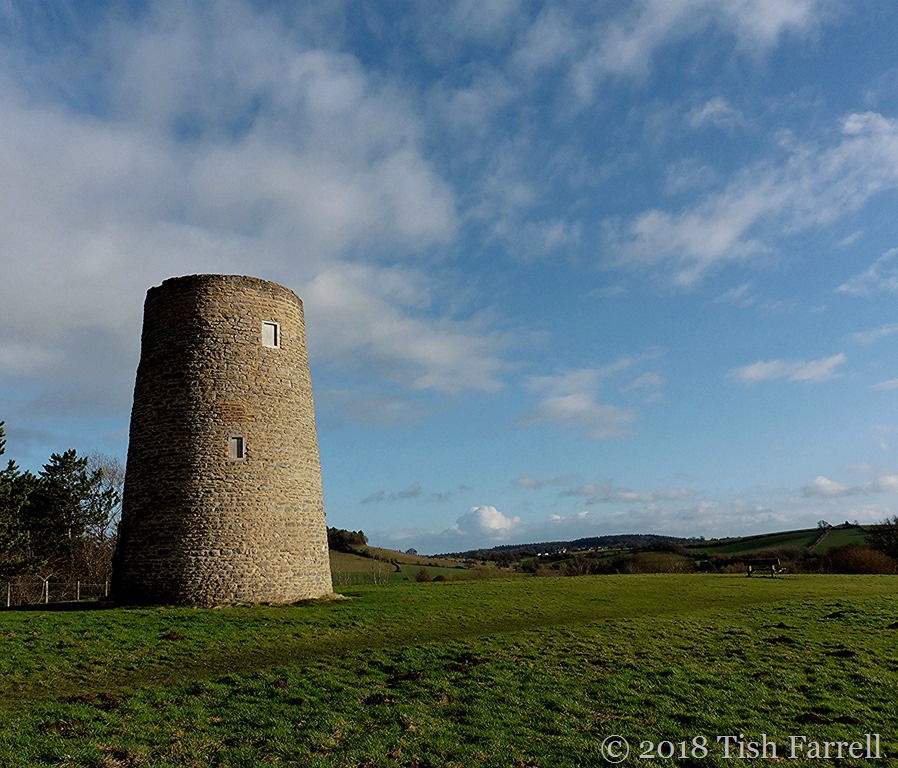
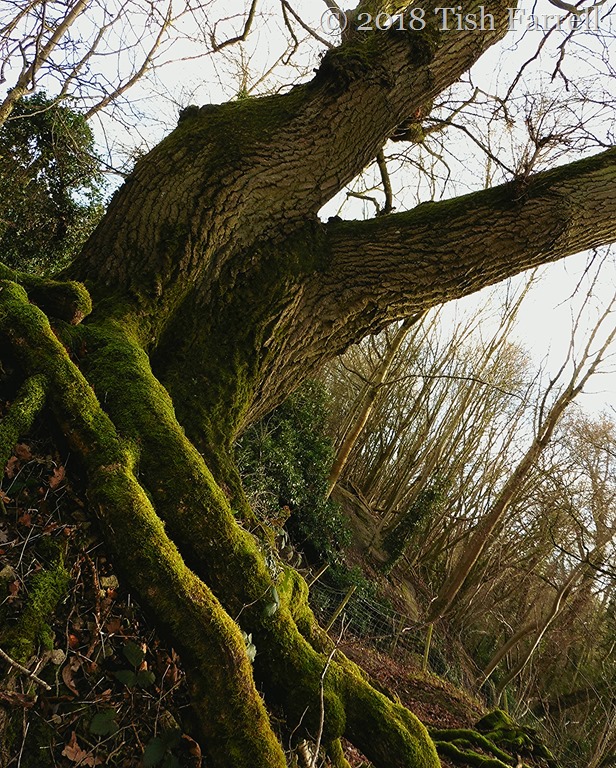
Yesterday the wind was whistling into Shropshire through the Cheshire Gap, and despite the apparent stillness and bright sunshine in this photograph, it was one big icy blast up on Windmill Hill. I did not stay long. But in the shelter of the woods, lower down the hill, I did stop to catch these mossy tree roots:

P1040260

P1040255v

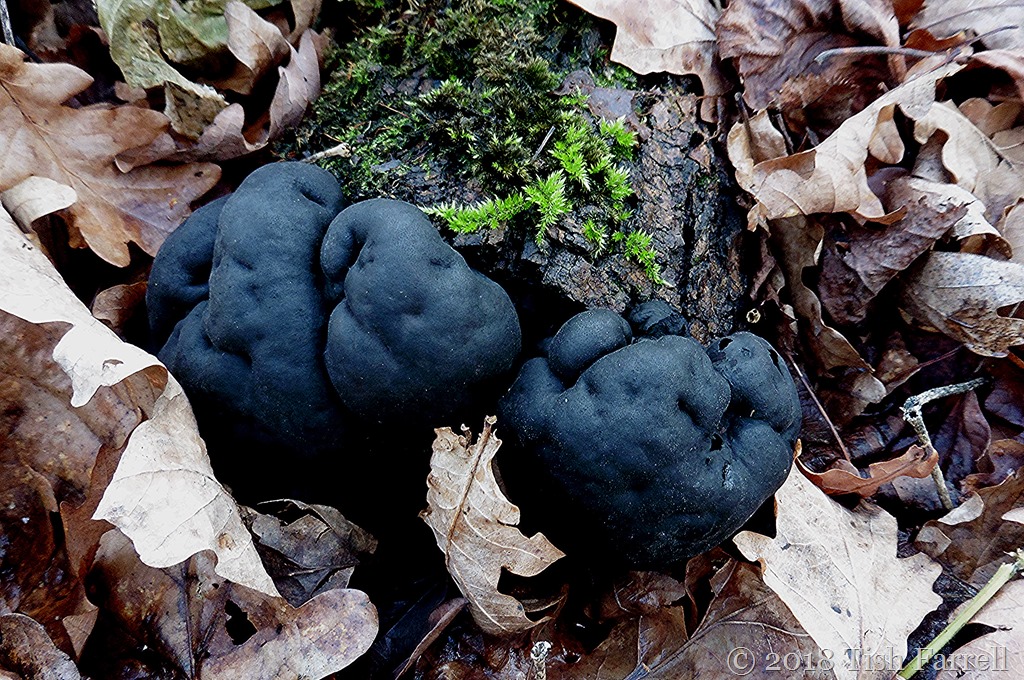
And then among the fallen leaves I found this very strange fungus:

P1040257

This week at Thursday’s Special Paula has given us five word prompts to choose from. My choice for these photos is protuberant. Pop over to Paula’s to join in.

Thursday’s Special: Pick A Word