Six On Saturday: In The December Garden

IMG_9640sos

Now as the year ends, the garden is wet, wet, wet. Wet as in waterlogged, sodden, soggy and all round slithery. But yesterday we had sun. It seemed like a heavenly blessing after days of gloom and serial downpours. And suddenly, instead of finding the garden depressing, I started to notice the plants that were not only doing their best, but in their own way, putting on a show.

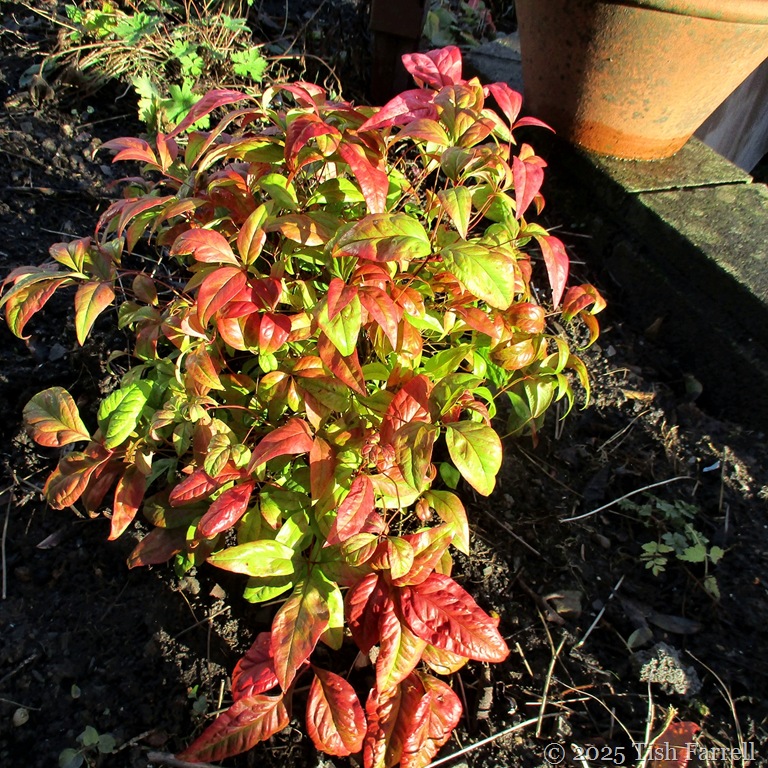
1) Top of the list is Nandina domestica, otherwise known as Heavenly Bamboo. It’s not a bamboo and so does not have bamboo’s bad infesting habit. The variety here is Fire Power. It’s compact, dome-like in habit, evergreen, and will grow around 18 inches tall with a two feet spread. It likes full sun, but otherwise is undemanding. It also seems unfazed by hard frost (we had several weeks of freezing weather last year). But what colours! It turns more red with the cold weather.
IMG_9629sos

*

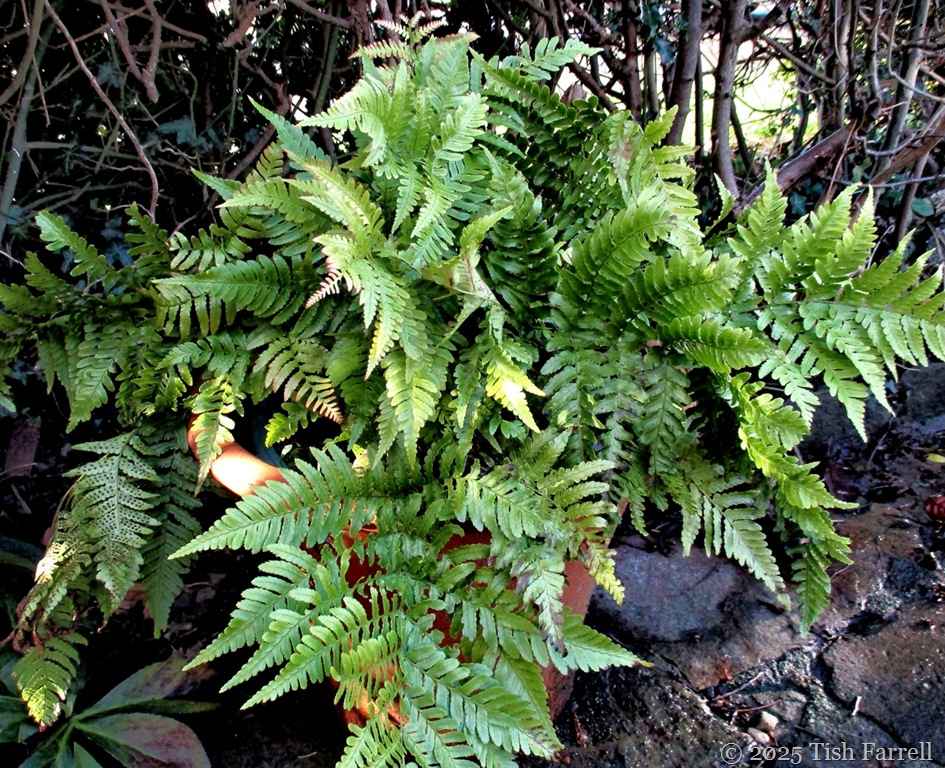
Number 2) is a plant that has made a good recovery after a very unpromising start. It’s a Japanese Shield Fern I bought on-line back in the spring. After ten days being lost and tossed about by the delivery company, it arrived in very sorry state, much mangled and desiccated. Now it seems very happy in its pot, making new fronds even..
IMG_9628sos

*

3) The prize for steadfast out-of-season flowering goes to the Phlox paniculata Adessa in the front garden. This is a young plant, bought in the summer. I was not expecting it to flower until next year, but come November, spires of small white flowers appeared, and they’re still going, subtly scented too.

IMG_9641sos

*

4)  Also in the front garden is a tiny self-grown viola. It’s seeded from the pot of violas my sister gave me over a year ago. Such stalwart, exquisite little plants.

IMG_9639sos

*

5) Another surprise is the number of foxglove plants in the garden, all self-sown. They have been growing huge during the recent wet and mostly mild weather, having recovered from a spell of heavy frosting in November. Happy thoughts of summer then.

IMG_9634sos

*

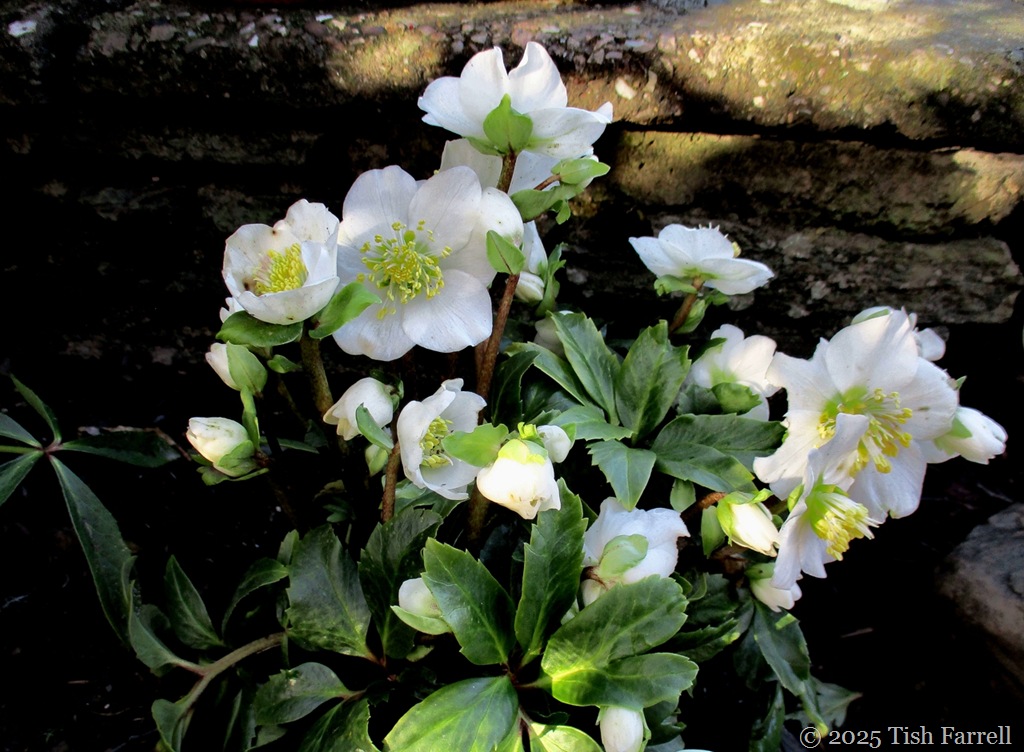
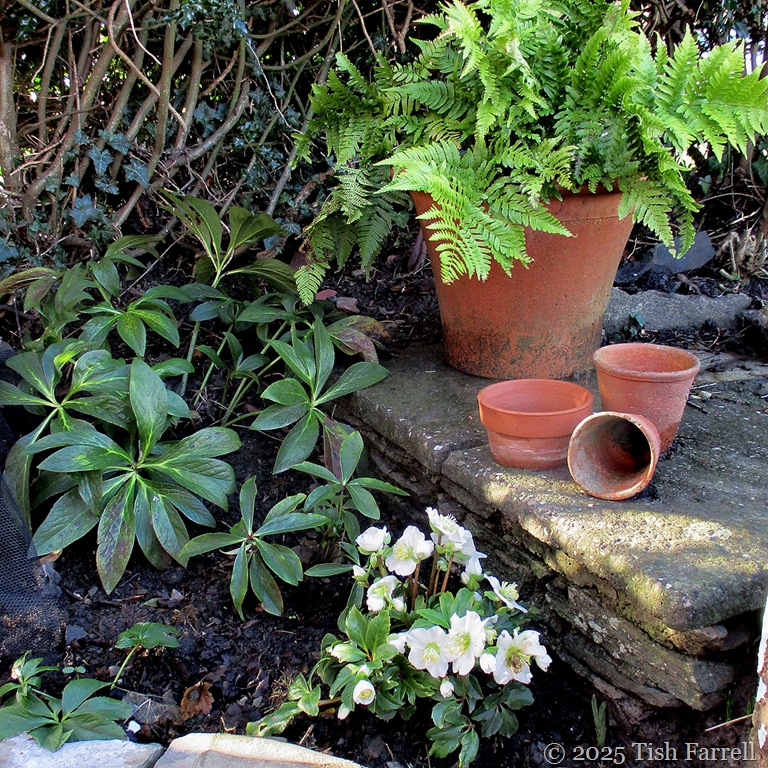
6) Finally, and spot on for a December debut is hellebore Christmas Carol. It was a gift last year, since divided and planted out both in a pot and in the new back steps bed. It’s been so cheering on dull days, though, annoyingly, some beastie is biting holes in its petals. Last year it flowered from months and months.
IMG_9651sos

IMG_9649sos

*

Happy gardening everyone –

whether planning or planting, depending on your hemisphere

Six on Saturday  And thanks and Happy Christmas to host Jim. He has shown us so many fascinating plants, to say nothing of guiding us around his stunning planting schemes.

IMG_9640 sos header

Last Posting For Lens Artists: The Dew Pond Walk

Hollow Way 4

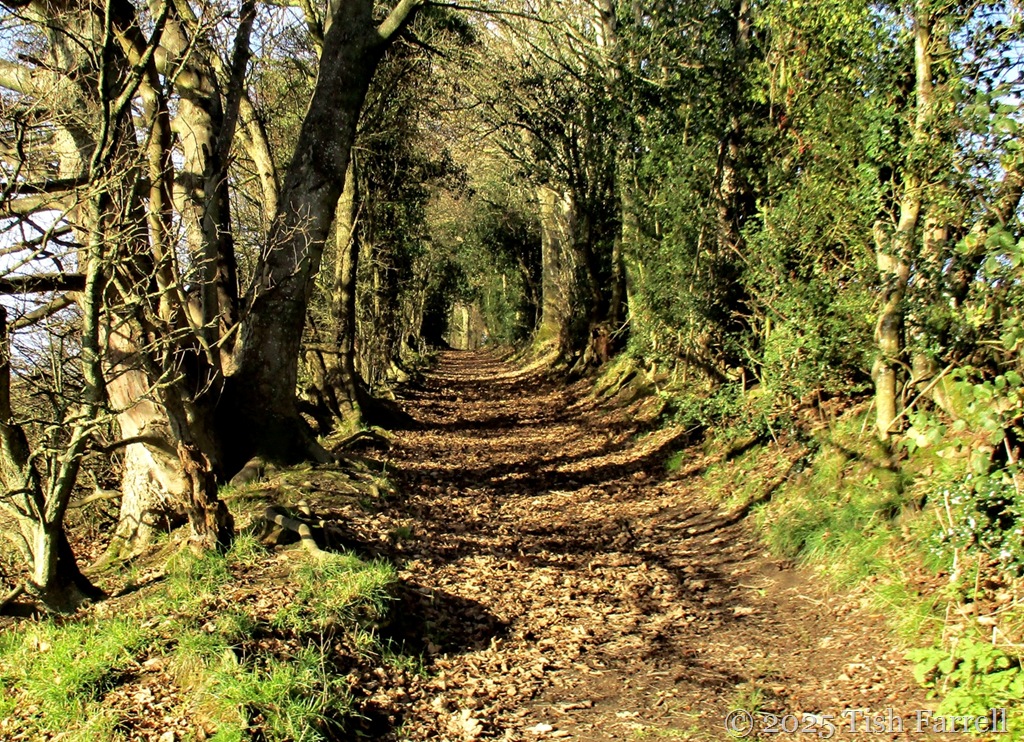
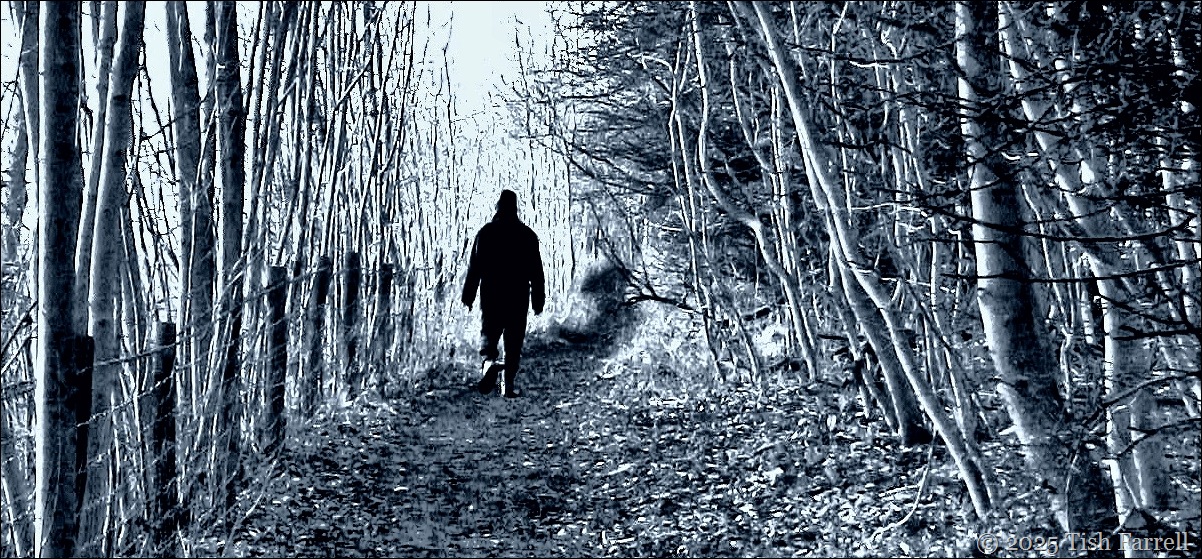
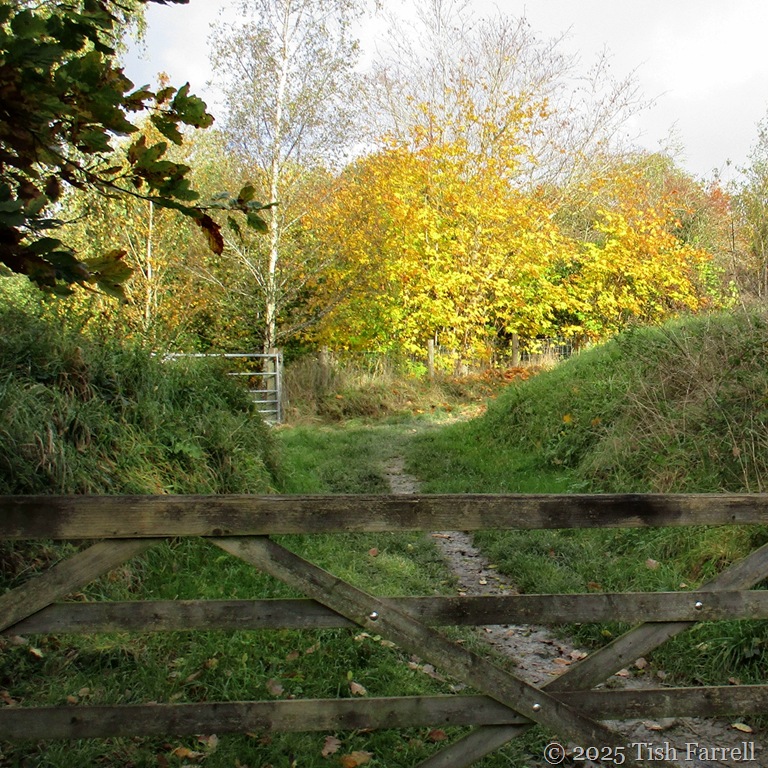
Green lane, hollow way, sunken road: there’s a hint of mystery in these byways, not only in the names, but in the sense of times past, centuries of footfall embedded in the earth between ancient hedges; the passing of cottage folk, farmers, drovers with their herds and flocks; times when most people only had their feet to rely on if they needed to go anywhere.

This particular green lane is one of my favourite spots in Bishop’s Castle. The following photos are ones I forgot to post, taken on a late November walk. It was a brilliant day too, following a brief snow fall and several days of hard frost.

The frozen grass and leaves were crunchy under foot, gripping boots and making the walking easy as we climbed up Wintles Hill. We were heading to the dew ponds.

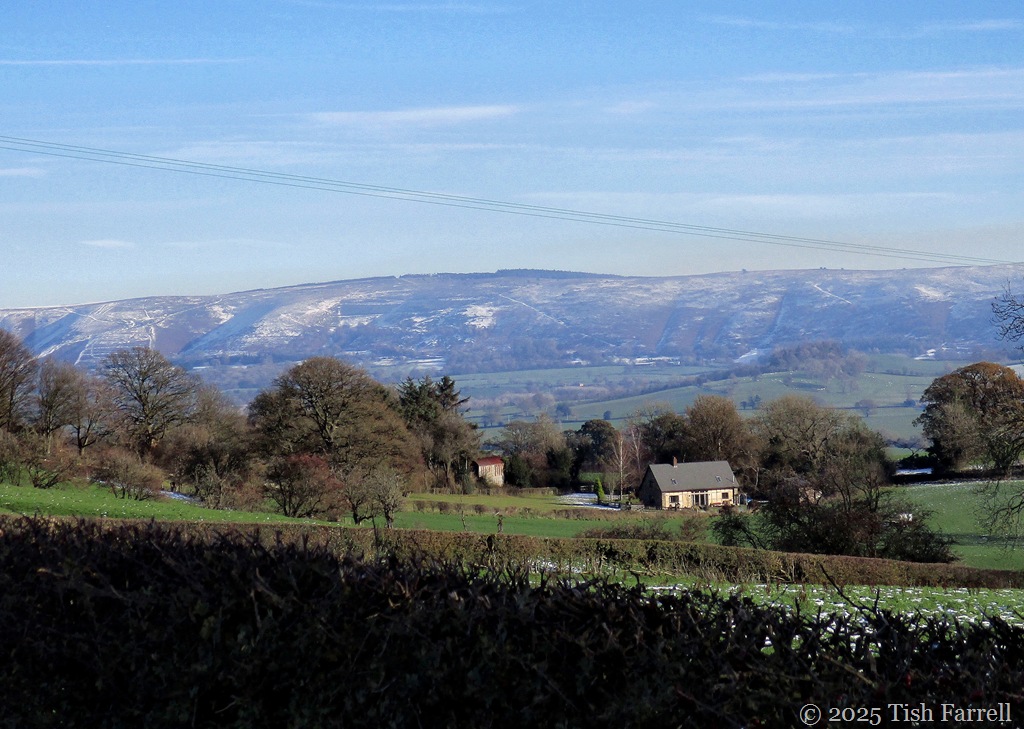
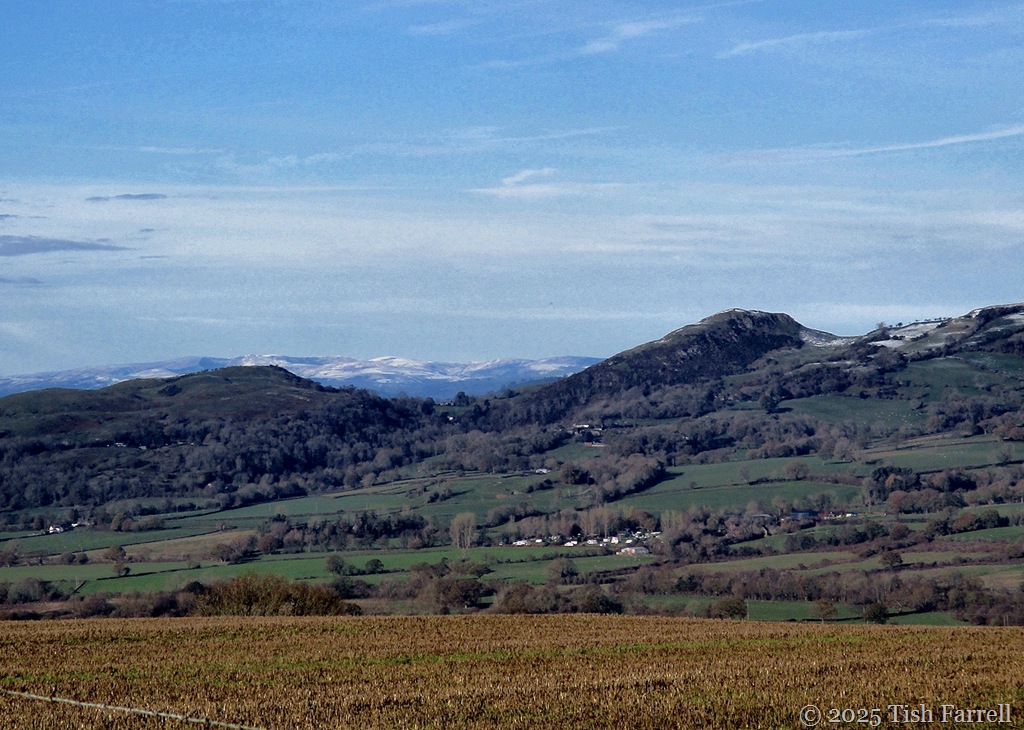
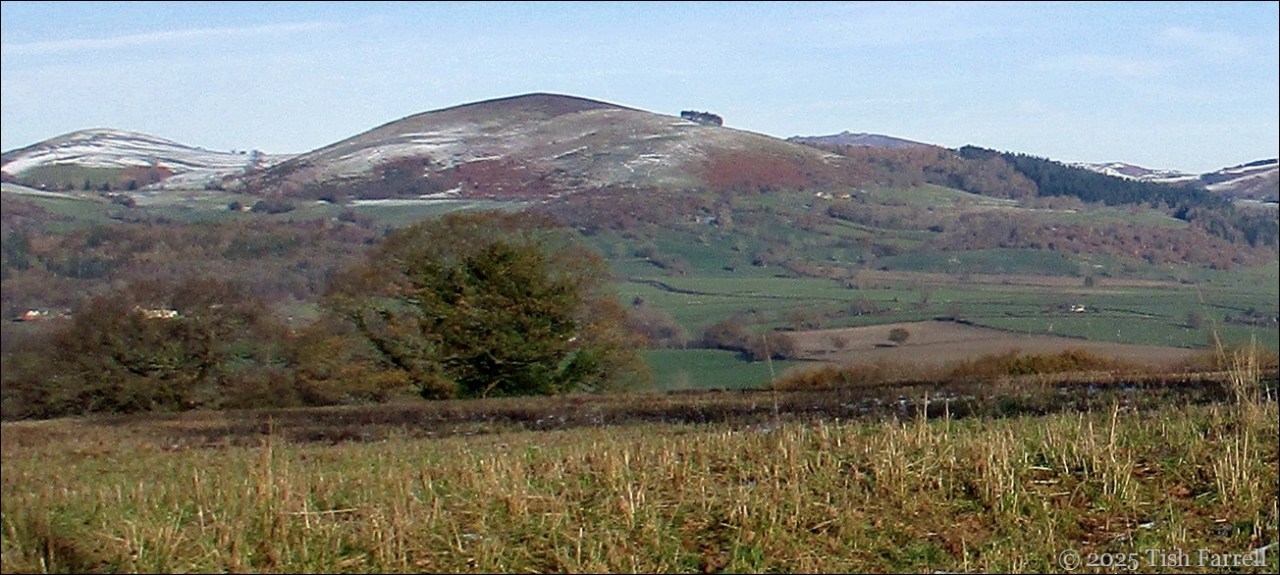
There are essential landmarks en route of course: a hoar-frosty Long Mynd…

Longmynd

*

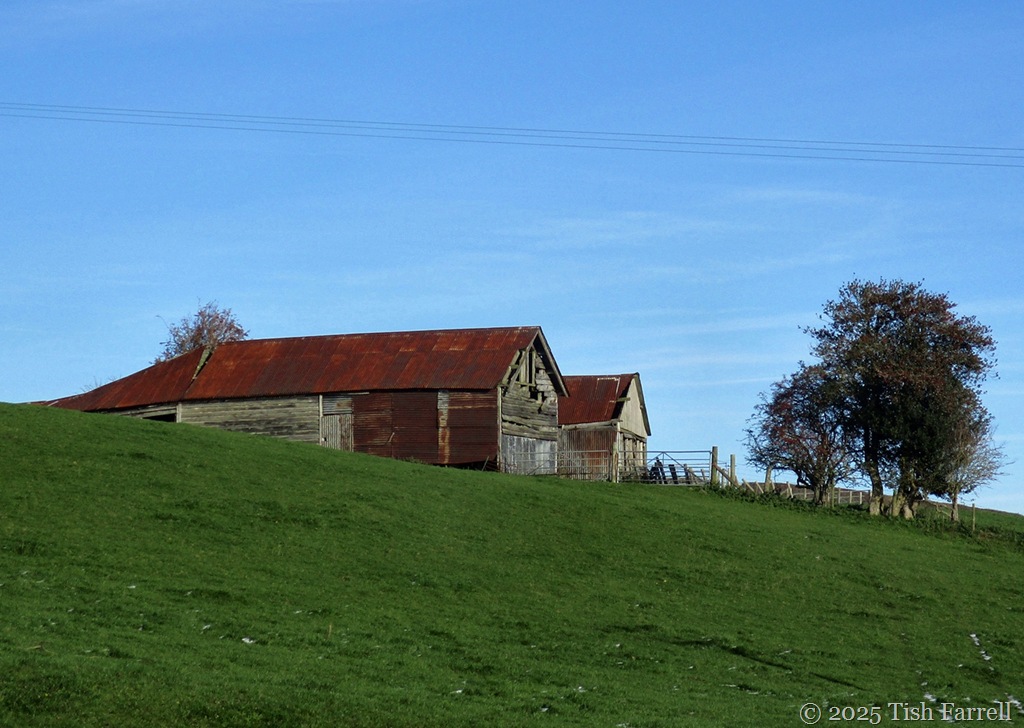
The barns with their rusty roofs that always insist on having their photo taken…

barns

*

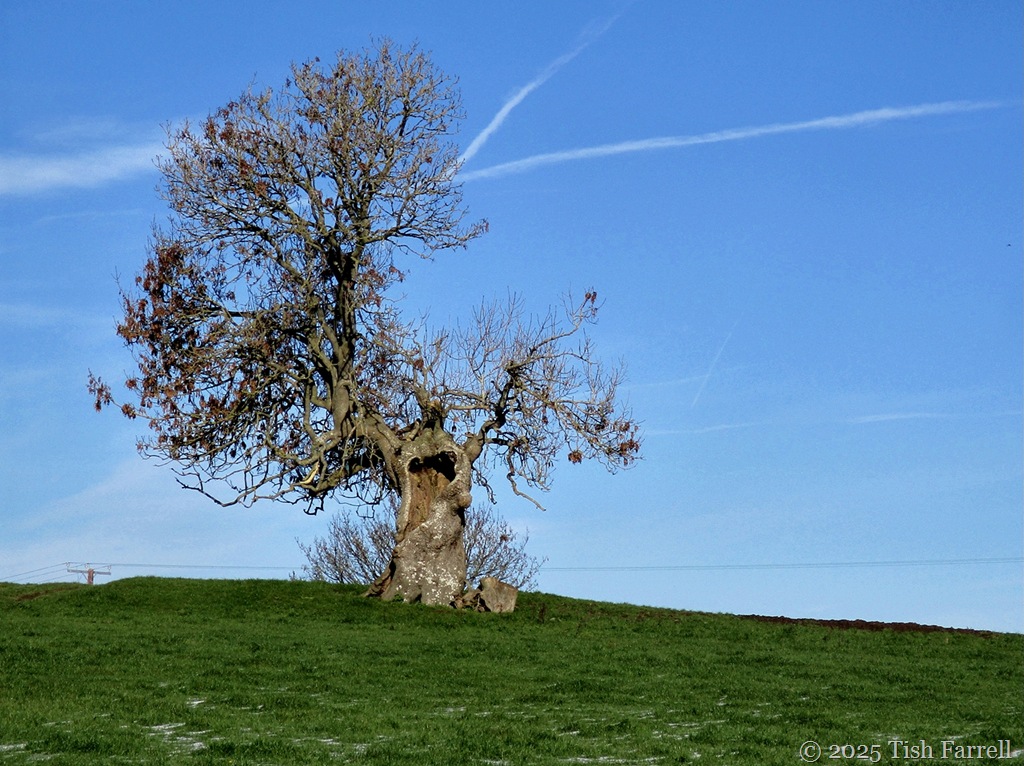
The skyline ash tree that looks like an arboreal version of Munch’s ‘The Scream’…

Wintles hill ash

*

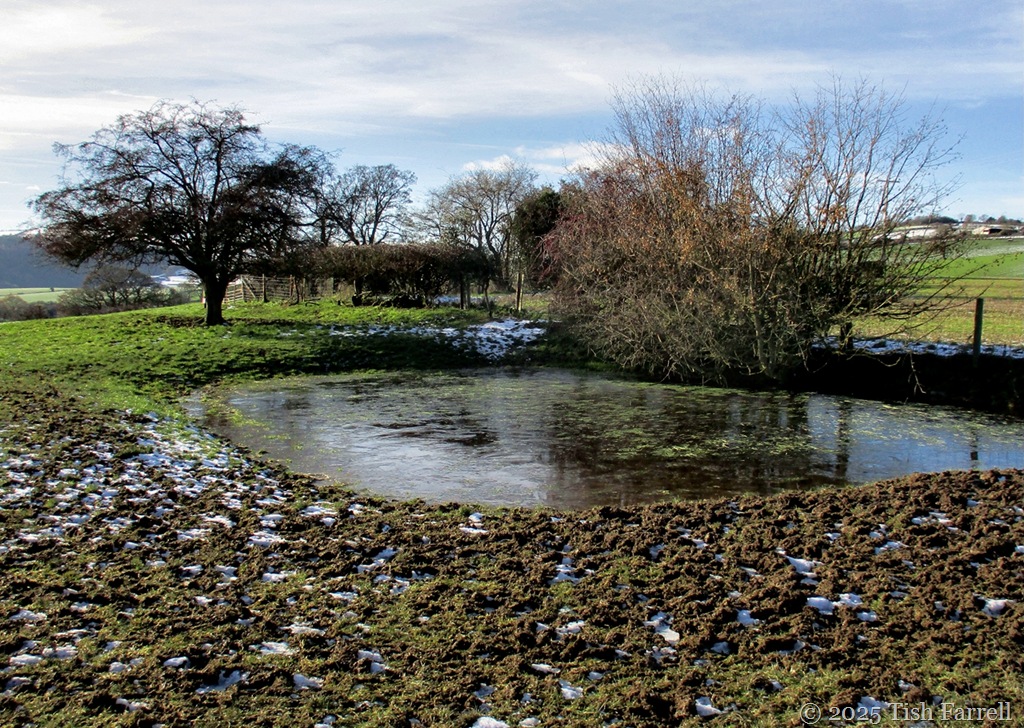
As for the dew ponds, there are three on the hilltop, one very much in use, as you can see from the well-pocked mud around it…

dewpond3

*

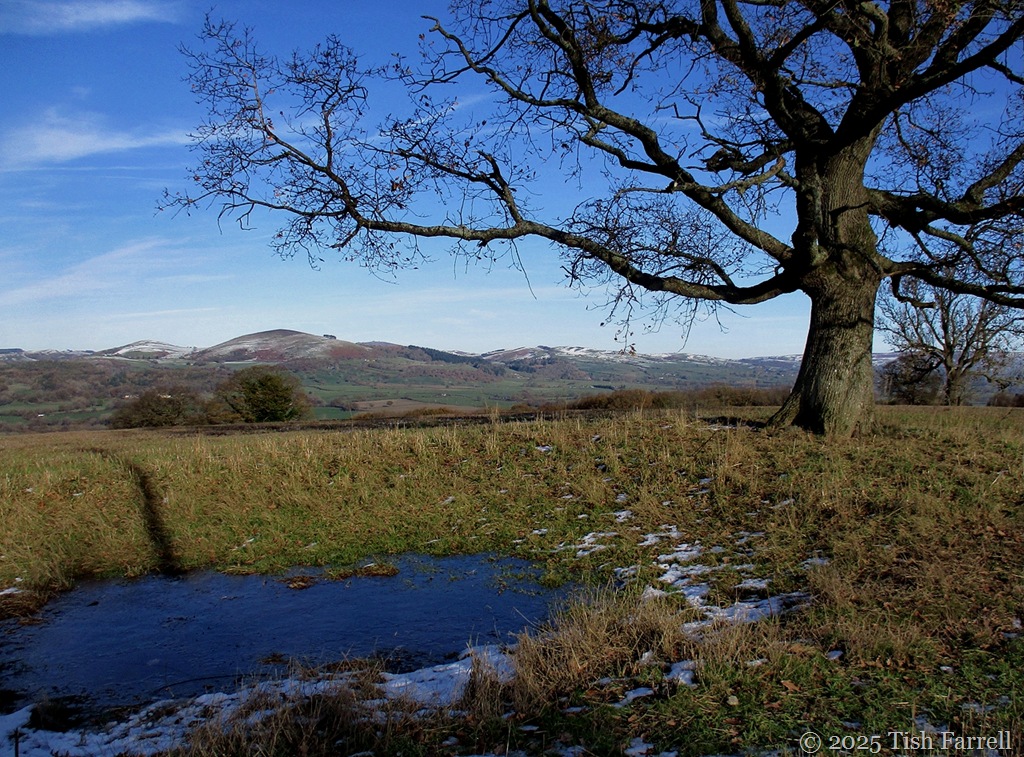
One dwindling in the next door arable field and so only used by wildlife…

dew pond 3

*

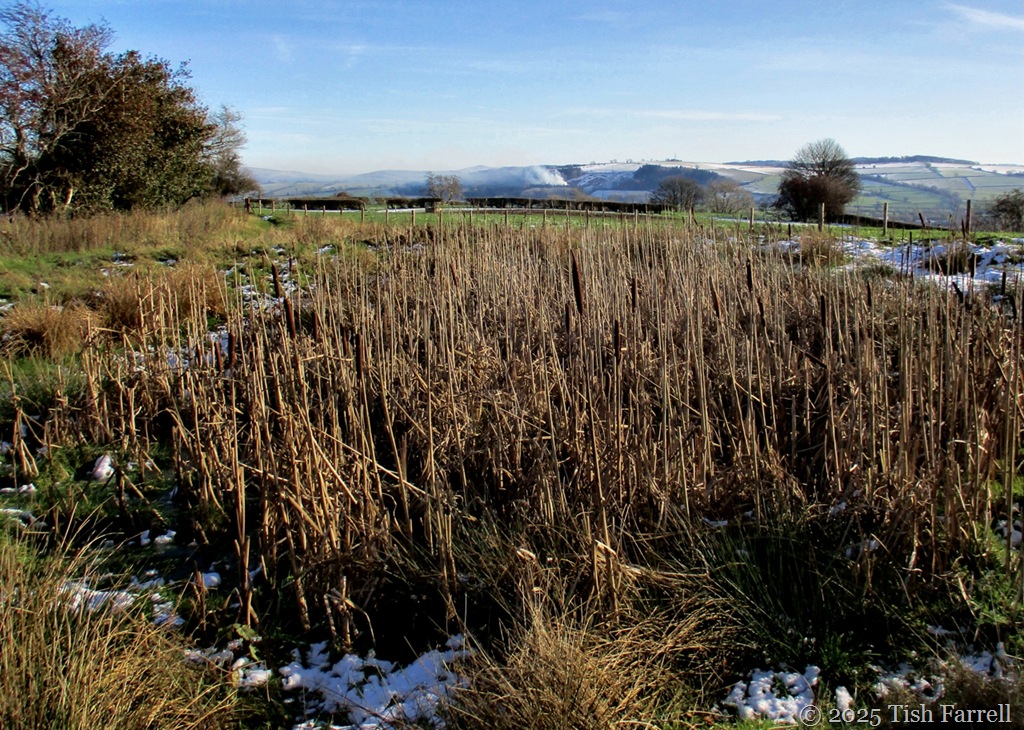
And the largest in a now enclosed enclave where it is producing a fine crop of bullrushes…

dewpond 4

I don’t know why this corner of the field has been hived off, access provided by two stout kissing gates either side of it, but the Shropshire Way footpath passes through it.

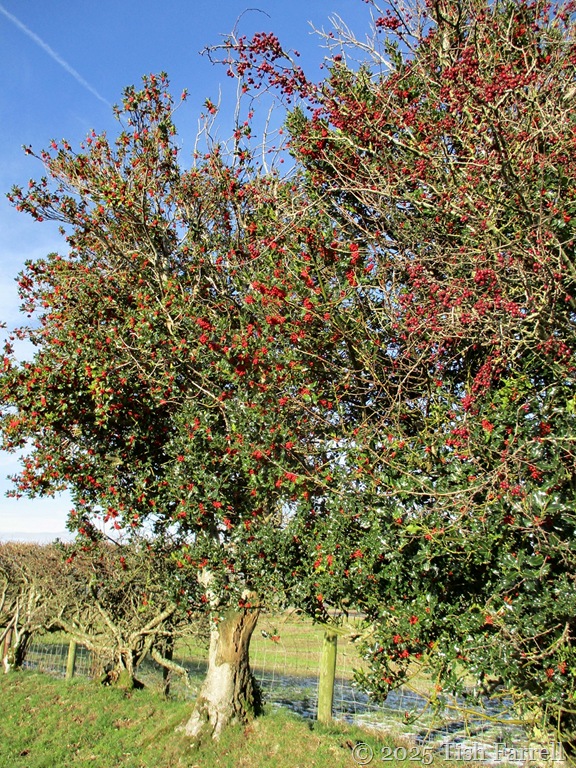
It’s a good spot for holly trees, which reminds me. Holly was once grown in farm hedges both to shelter stock and as a valuable winter fodder for sheep (and sometimes cattle) when hay was in short supply. And yes, it does seem an unlikely foodstuff with all those prickles, but apparently the leaves become less barbed as the tree grows taller. And so it was the upper branches that were lopped off for the animals to feed on, the holly trees doubtless thriving on the pollarding (if our brute of a garden holly hedge is anything to go by).

holly trees

*

Water was the other essential in hill country where streams were lacking. Dew ponds have been used at least since Neolithic times. They were also much used in mediaeval times and in the 18th-19th centuries, both periods reflecting a vibrant market for sheep wool.

Pond construction required skill and heavy labour. First a saucer shaped depression was excavated, about 3 feet (1 metre) deep. The diameter varied between 10 feet (3 metres) to 45 feet (15 metres). The whole surface was then covered with straw followed by a layer of mud which had to be puddled to seal the surface. (Canal beds were sealed in the same way, the puddling usually done by labourers in bare feet). Once sealed, rain and field run-off duly collected in the ponds.

In the past, Welsh drovers would have driven their stock through Bishop’s Castle, and on to the town and city markets of the Midlands. This next photo shows the country they would have trekked through – not so tamed and tidy in the eighteenth century. (Wales ahead, dewponds behind me). Perhaps the flocks and herds were gathered and watered at points like these before the drovers broached the town.

hillview 6

*

And it was at this moment that thoughts of watering holes had us turning on our heels and  heading downhill to town. Toasted sandwiches at The Castle Hotel suddenly beckoned, plus a glass of delicious Clun pale ale.

Cheers and happy festive season to all the Lens-Artists (and their followers).

Many thanks for setting us so many diverting challenges through 2025.

IMG_9497ed

*

Lens-Artists: Last chance for 2025   This week Patti sets the theme: last chance to post photos that missed previous posting opportunities.
dew pond 3 header

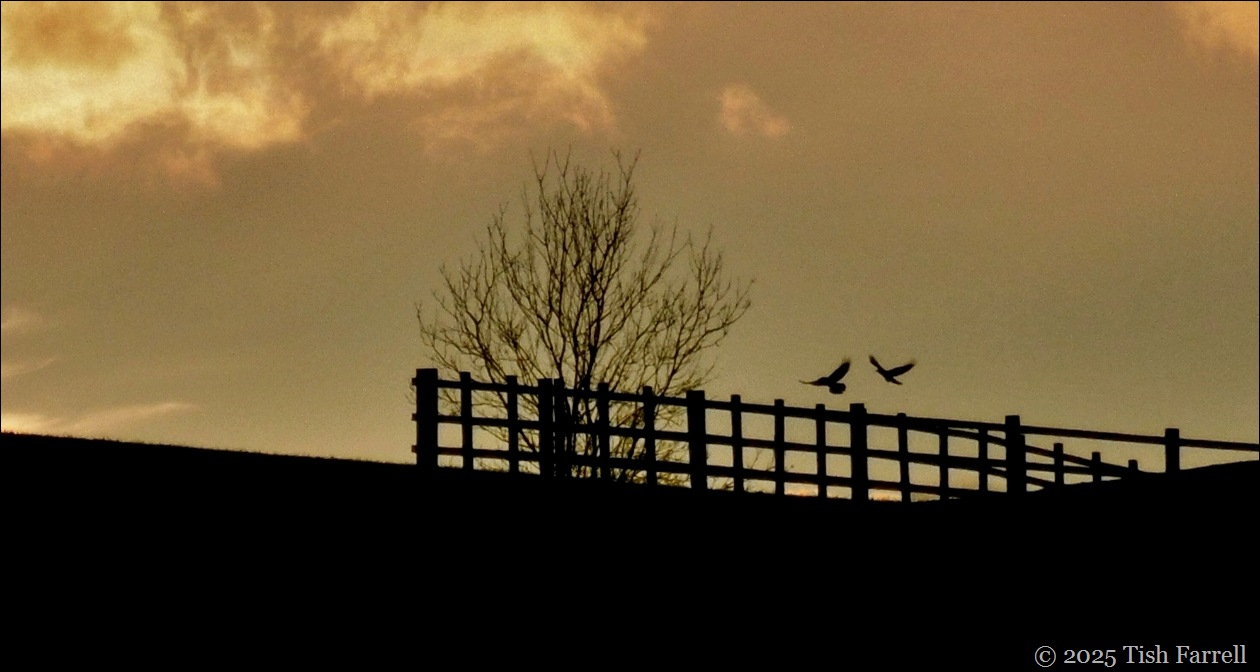
Winging It ~ Chance Encounters With Aerial Kind

townsend meadow resized

In the old tales birds are often messengers, bearers of foreknowledge – for good or ill. They overhear things that humans don’t, come unbidden to help the hero in their quest, although their warnings are not always understood or welcomed.

In Kenya (and other parts of Africa) the Red-Chested Cuckoo is the bearer of good news. Its three note call says the rains are coming – ‘time to dig’, ‘time to dig’. On the other hand, in some interpretive versions, much depends on the geo-location of the call. If you are setting out on a journey and the call comes on the right of the path, then it signifies that all will be well. But if it comes from the left, then there’s danger ahead; better go home and wait for a more propitious day.
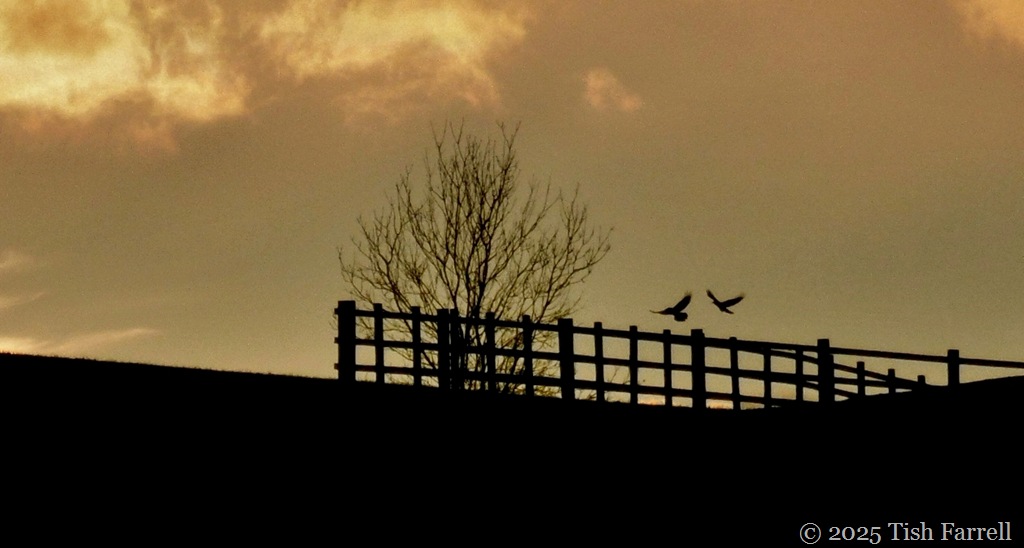
I think the two birds in the first photo are rooks. All members of the corvid family (rooks, crows, ravens, choughs, magpies, jays) tend to have a poor reputation on the bad omen front, but since I have a twosome here, I’m choosing to see them as beneficent. I’m also reminded of the magpie sighting rhyme: one for sorrow, two for joy.

***

common blue

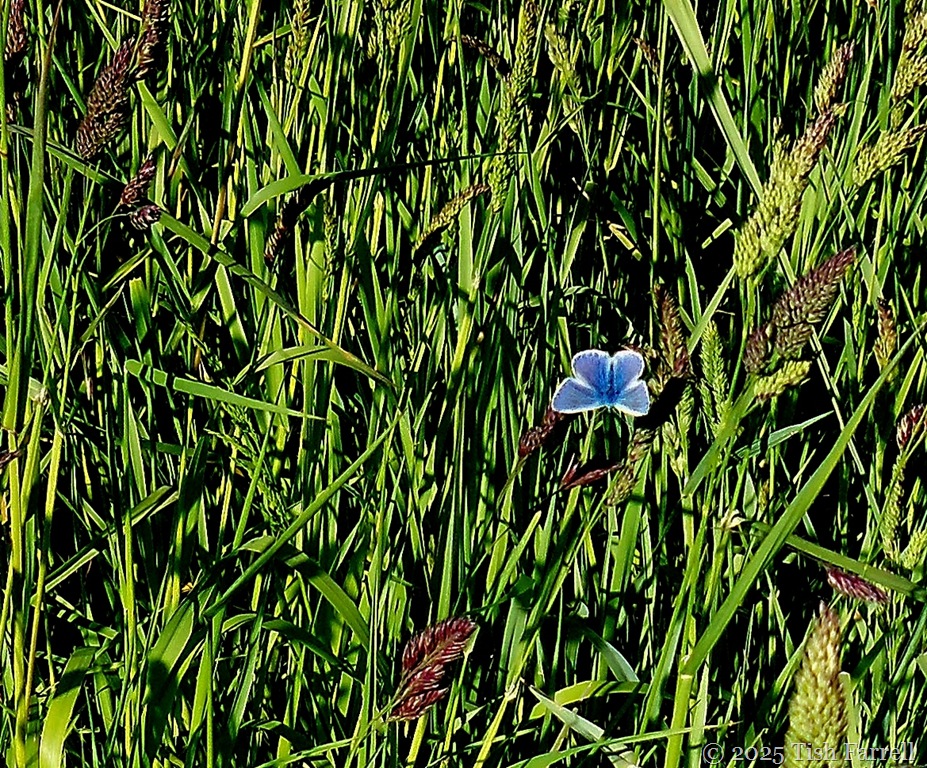
Butterflies also have spirit world connotations. In cultures across the globe they represent transformation and rebirth, joy and happiness. A butterfly may also be seen as the embodiment of a human soul, although a crowd of them might be thought an evil portent. I’m happy, then, to come upon this single tiny Common Blue butterfly, sipping at grasses on a summer’s evening.

***

bee and marigold

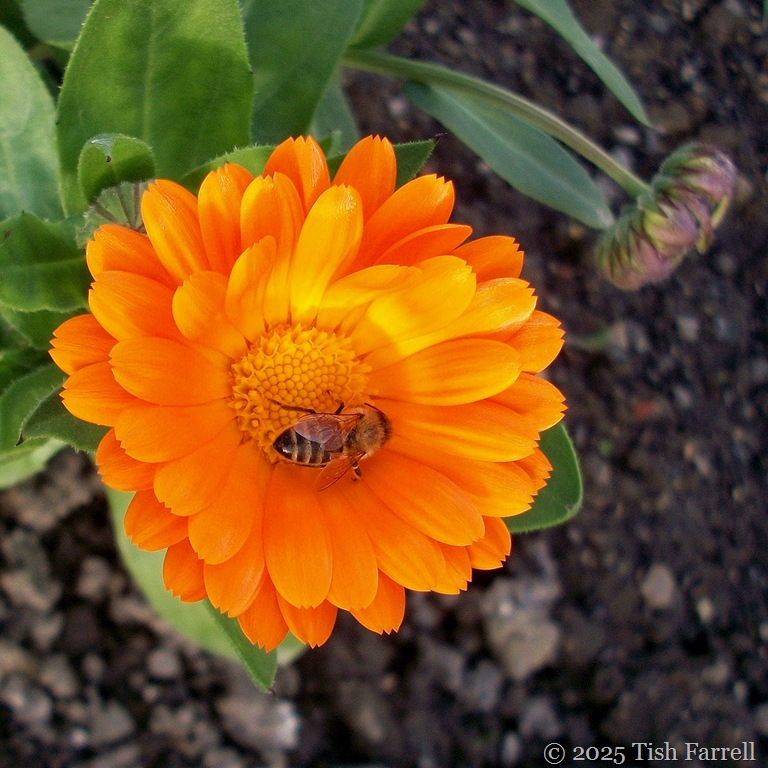
And as for the bees, most of us know that, as pollinators alone, they are absolutely indispensable. The value of their produce too is inestimable. They are admired for their busyness and sound work ethic; the therapeutic hum in spring orchards.

It’s not surprising, then, that in many ancient cultures they were revered. They conferred blessings even on the gods. For instance, Apollo’s gift of prophecy was bestowed on him by three bee maidens, or in older pre-Hellenic versions of the tale by a trio of bee goddesses. Other texts see the bee’s origin as dramatically supernatural. One Ancient Egyptian version has it that they arose from Sun God Ra’s tears as they fell on desert sand. What an image. I think I believe it.

***

Lens-Artists: Wings  This week Beth at Wandering Dawgs gives us a fabulous theme to work with.

header

Mara Sundowner: Plains’ Shadows

Maasai Mara sunset

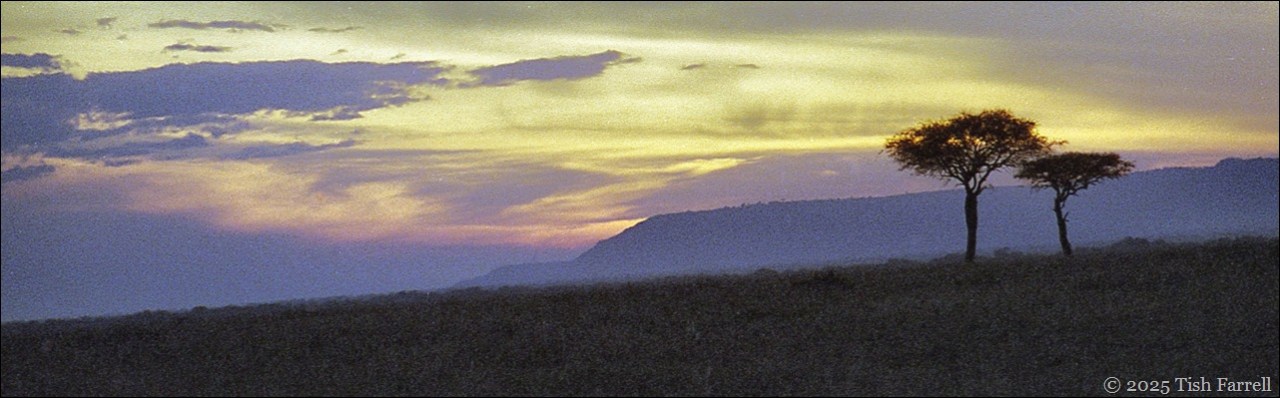
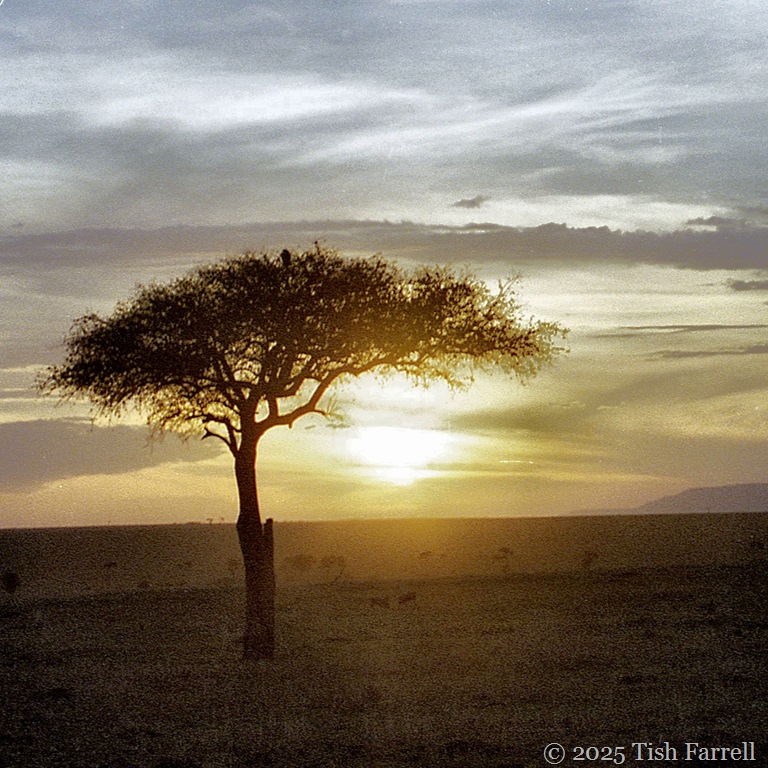
Back to the Farrell ‘once in Africa’ archives for this final ‘shadows’ post.

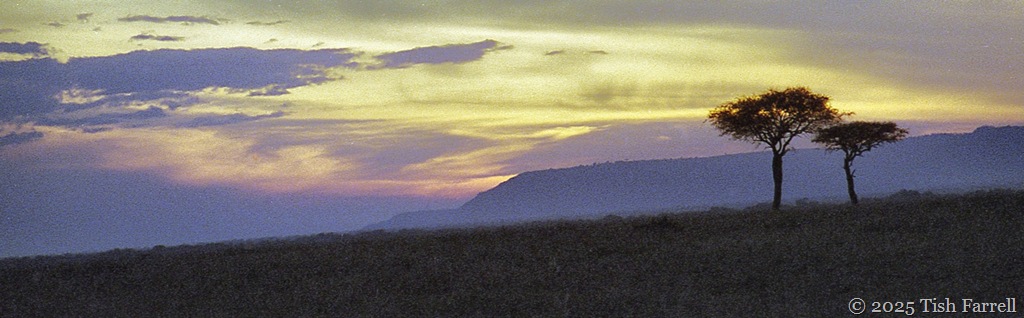
Here we have the Maasai Mara in December, a desert date tree, a shadowy glimpse of the Oloololo Escarpment, lots of stunning memories invoked, plus a few pangs for Kenya days long gone.

And talking of gone, where did this month go? Now as ‘November Shadows’ draw to a close, a big round of applause for Becky who has kept so many of us so well occupied.

Cheers, my dear!

November Shadows #30

Desert date sunset header

Shadows of Summer Past at Wildegoose Nursery

wildegoose 1

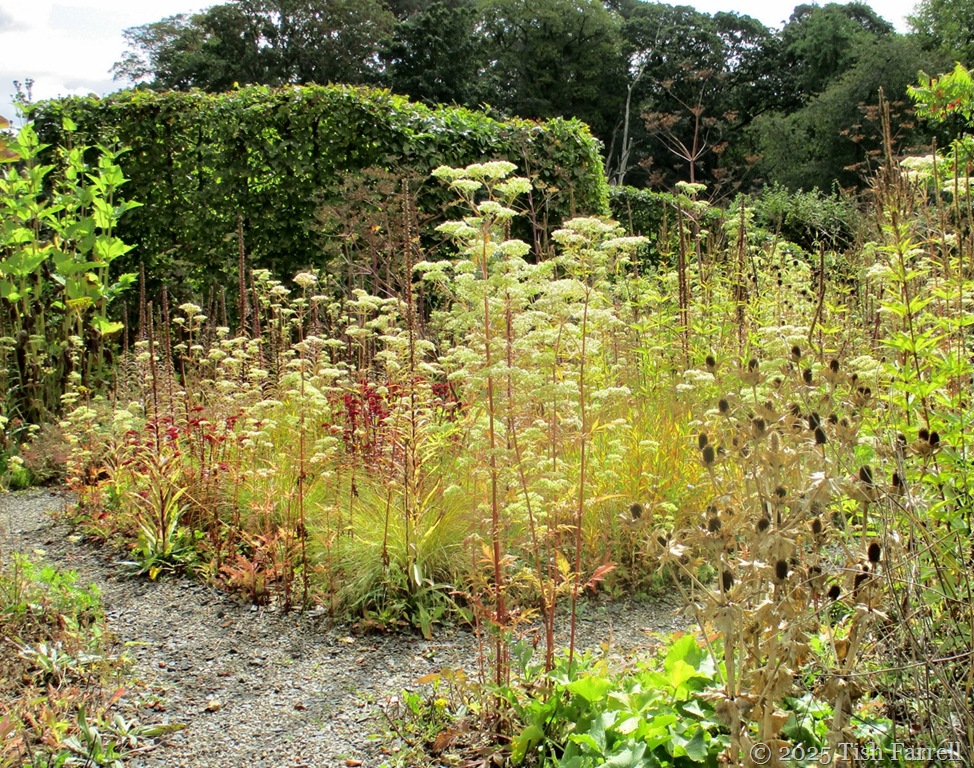
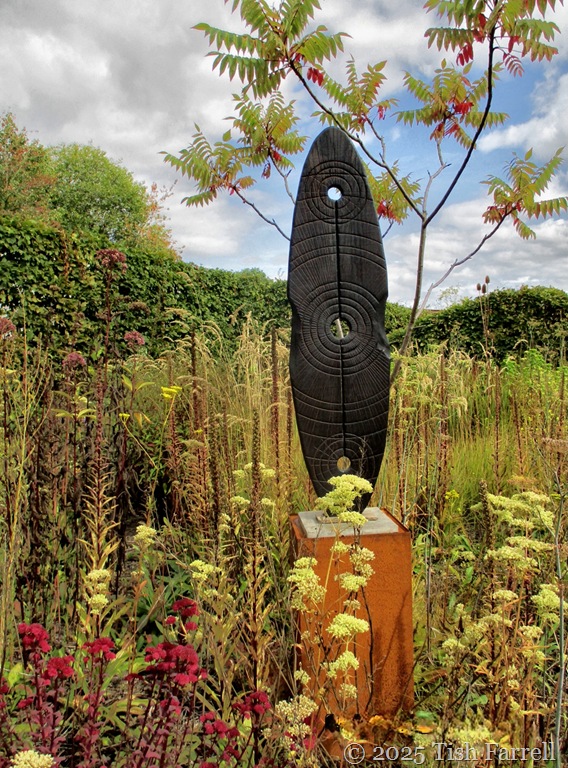
Wildegoose Nursery in the Corve Valley has been hosting a special winter opening this week (Thursday – Sunday) – giving us a chance to see the walled garden in its late season colours. Not the brightest of days yesterday, and with rain on the air.

Here’s a reminder of how it looked when we visited in September, this after weeks without rain:

Wildegoose 1

Art 4a

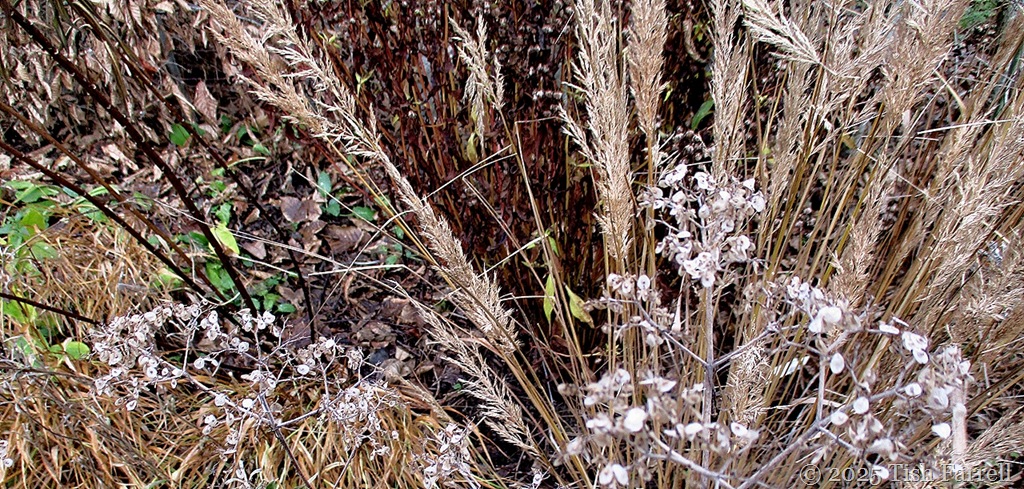
Then and now…

wildegoose 6

wildegoose 4

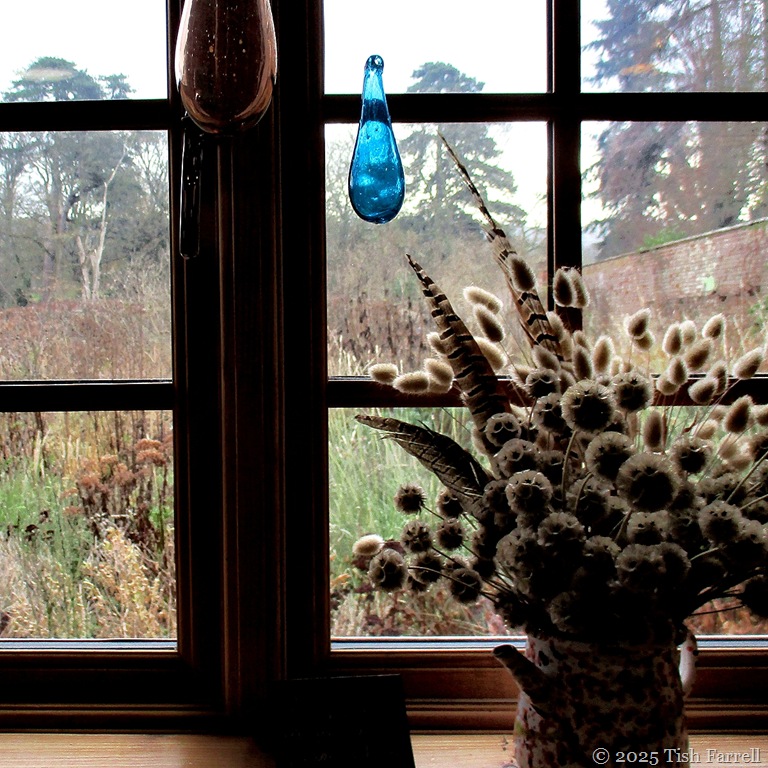
From the tea room window

November Shadows #29

wildegoose header

A Shadowy Past

Clive coat of arms

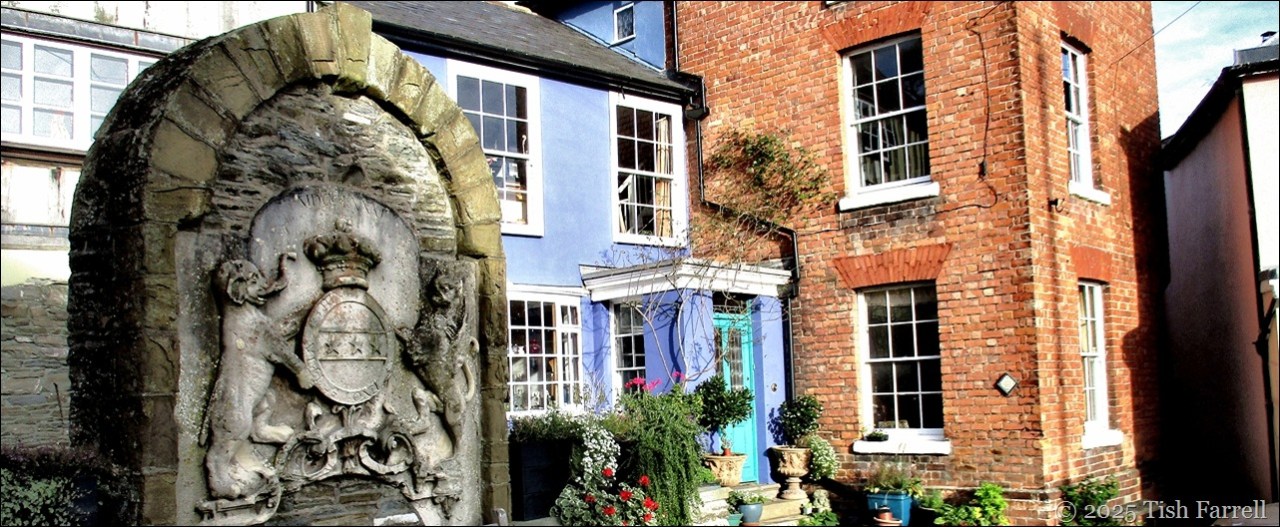
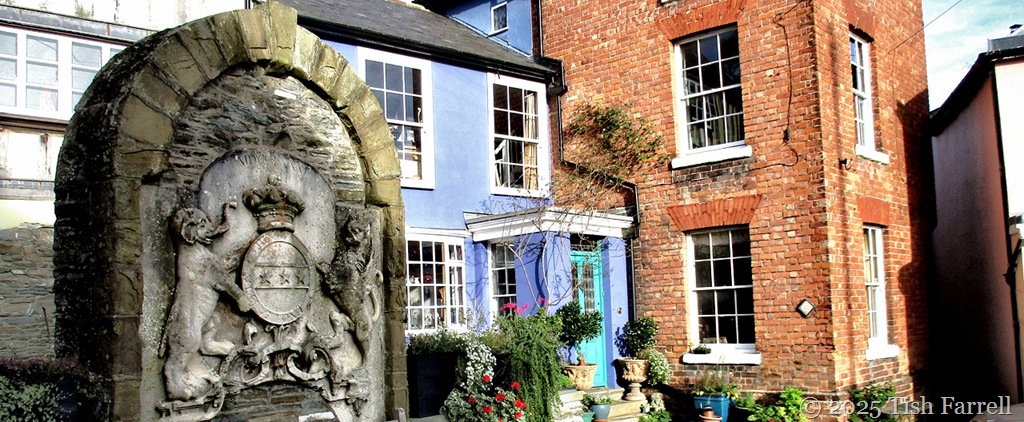
This is a fine spot for catching one’s breath after climbing Bishop’s Castle’s steep High Street. The bench sits on the footprint of a long gone market hall, built for the town by Edward, eldest son of Robert Clive (as in Clive of India) in 1781. At this time (and until 1926) the manor of Bishop’s Castle was owned by the Clive family, and above the bench is some surviving evidence. This is the Clive family’s (acquired) coat of arms: an Indian elephant and a griffin that once adorned the market hall, and so stood above the town, proclaiming the Clive wealth and power.

top4

This, then,  is the view from the bench in the Market Square. (I included it the other day on our walk around the town). All very picturesque. Except, even on a bright autumn afternoon, that Clive coat of arms sheds dark shadows that still linger.

Robert Clive (1725-1774), was the pugnacious offspring of a Shropshire land-owning family. He began his meteoric career as a clerk in the East India Company Madras in 1744. Once in India, he proved an able administrator and ruthless military commander, so efficient in fact, he is credited with securing the power of the East India Company and thus the establishment of British Rule in India.

He returned to England with a vast fortune, equivalent to some 30 million pounds by today’s values. That he was the subject of a parliamentary enquiry for corruption (including examination of his punitive policies while running the East India Company) did not stop him from securing an Irish barony and buying his way into government.

He lived in Mayfair, London and owned estates in Surrey and Ireland, but bought the Shrewsbury  seat in 1761 and remained the town’s M.P. until 1774. (Shrewsbury is Shropshire’s county town and nowhere near London). He also deployed his wealth to secure the votes of Bishop’s Castle’s 150 burgesses, so ensuring that this town’s M.P. was also always a member of the Clive family fiefdom.  The town already had the reputation as a ‘rotten borough’ i.e. votes for whoever could best bribe the burgesses. Now it became a ‘Pocket Borough’ ruled by Clive friends and relations, a situation that continued until 1832 when The Electoral Reform Act ended direct representation for the town and other ‘rotten boroughs.’

It’s astonishing perhaps to think how one man’s shadow can reach so far – through time and across the world. But then what about those among us today whose material ambitions and global reach affect the lives of millions; I wonder what future historians will have to say of them.


November Squares #23

Jude’s Bench Challenge Anniversary

clive coat of arms header

Sun And Shadow At The Top Of The Town

top3

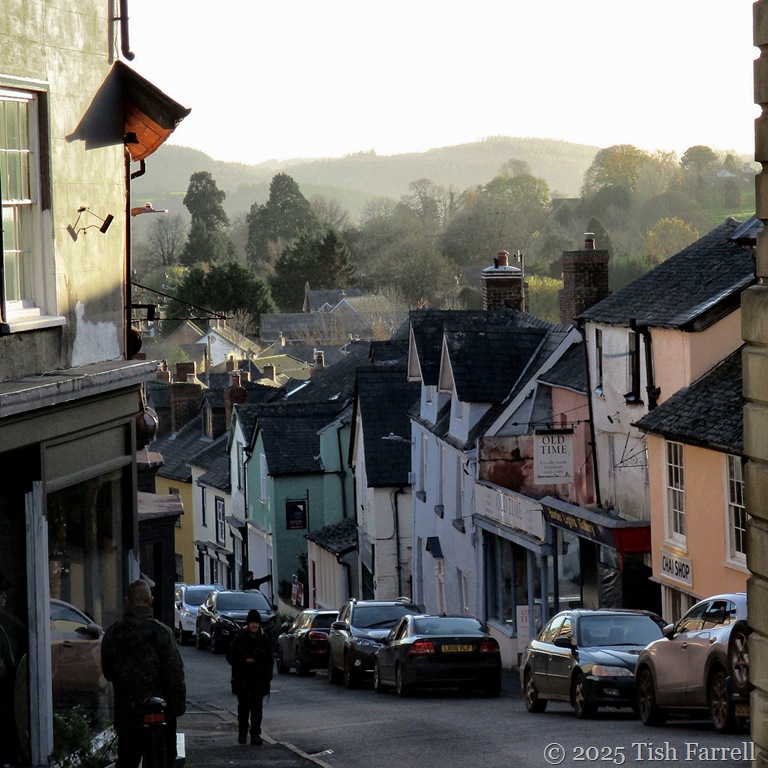
Yesterday we had sun. We did! And a fine afternoon it was for a short tramp up and round the town.

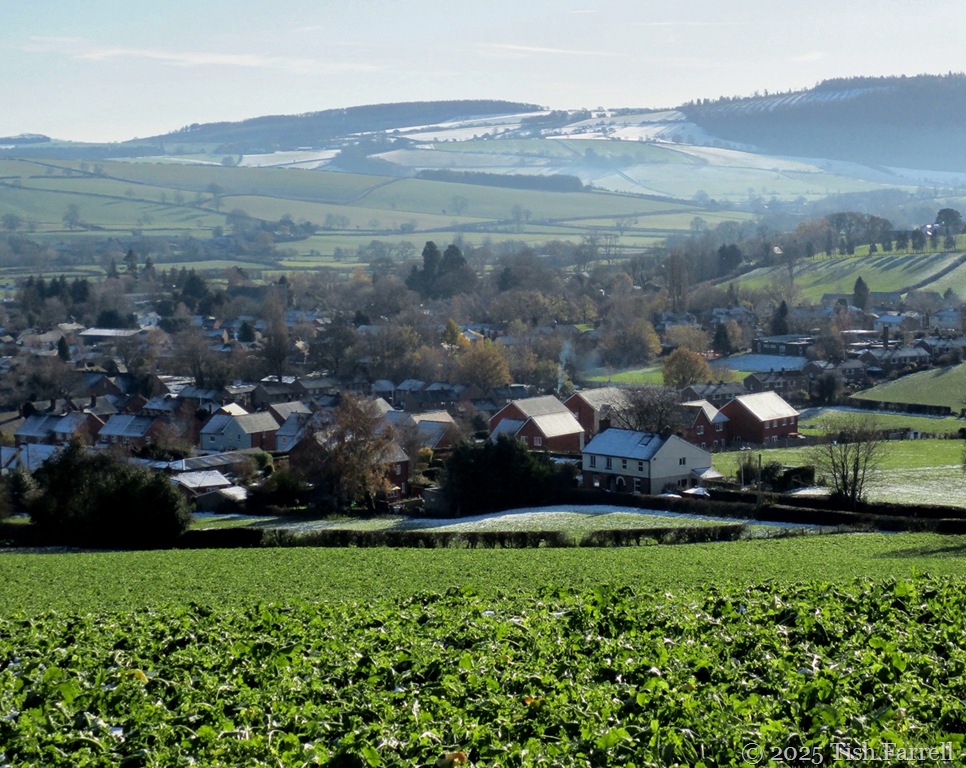
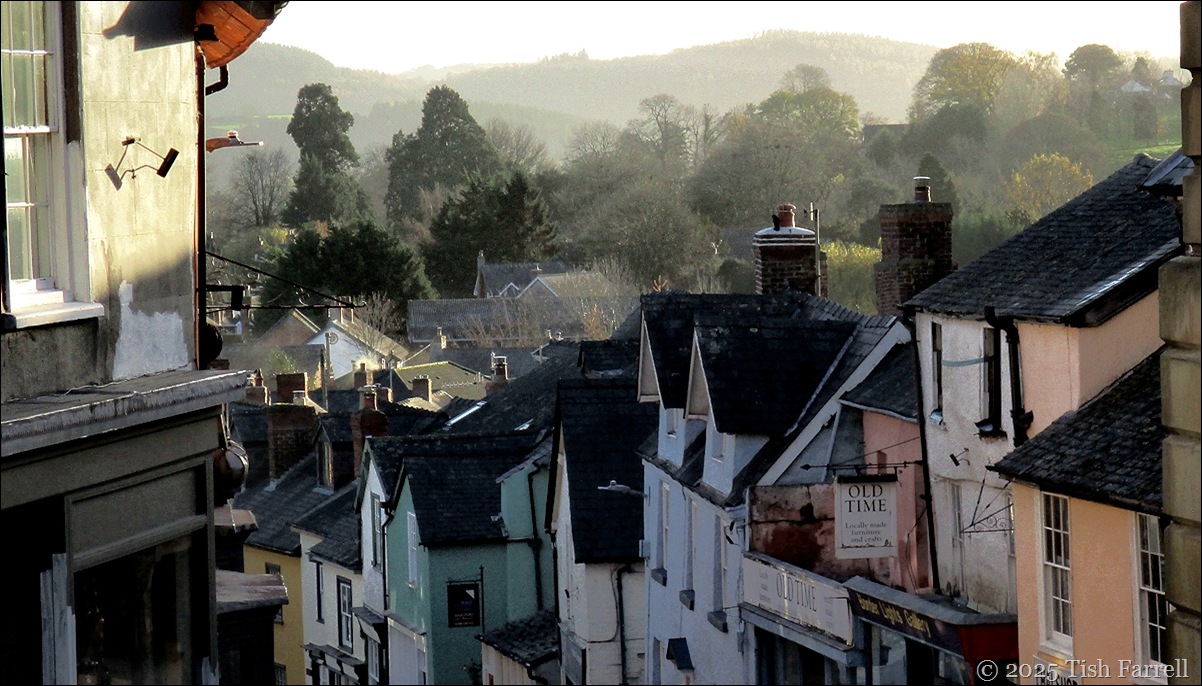
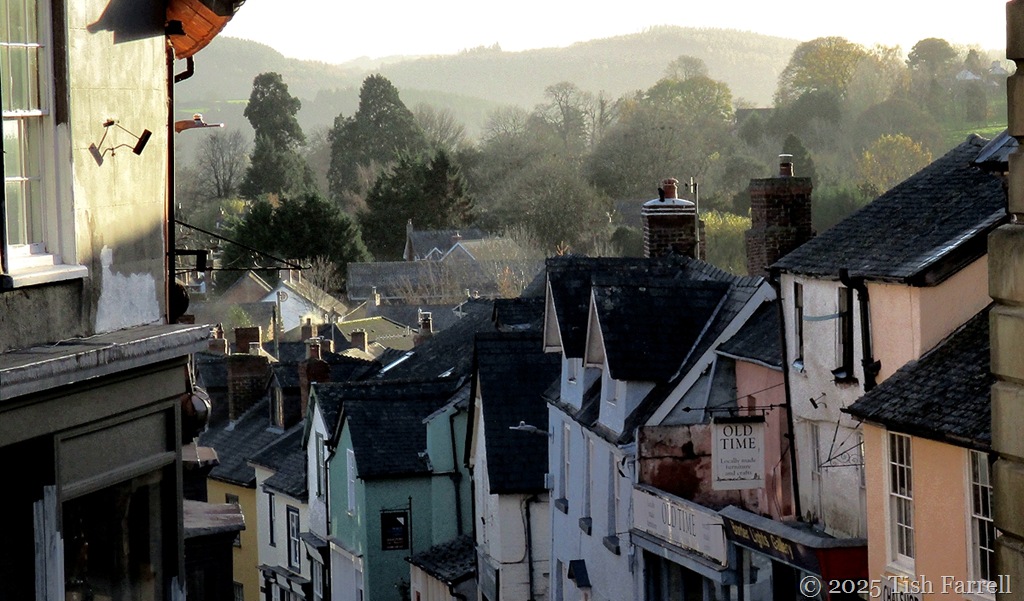
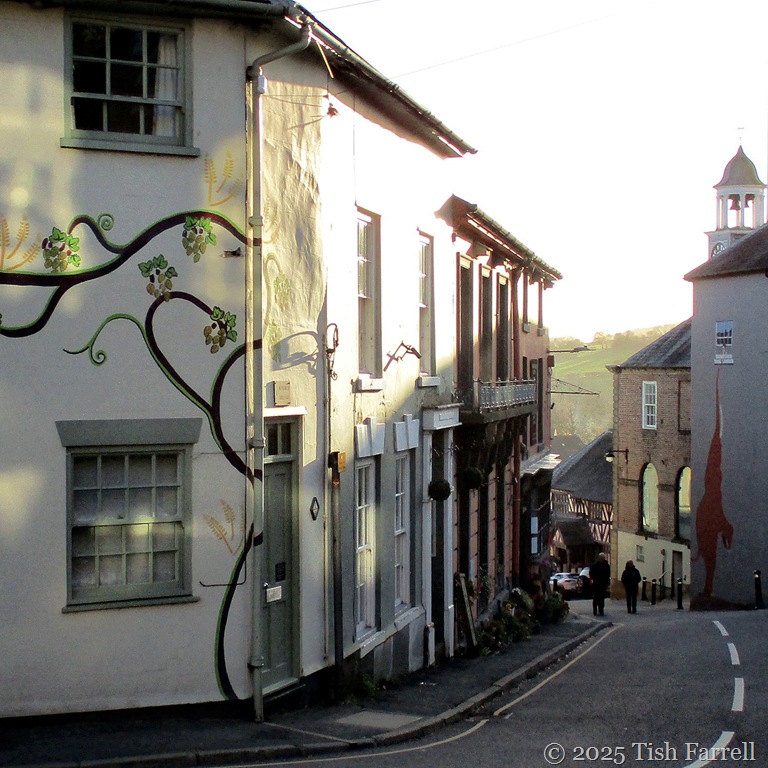
As you can see, Bishop’s Castle is on a steep hill. The header view shows the High Street below the Town Hall. We’re around half way up the hill.

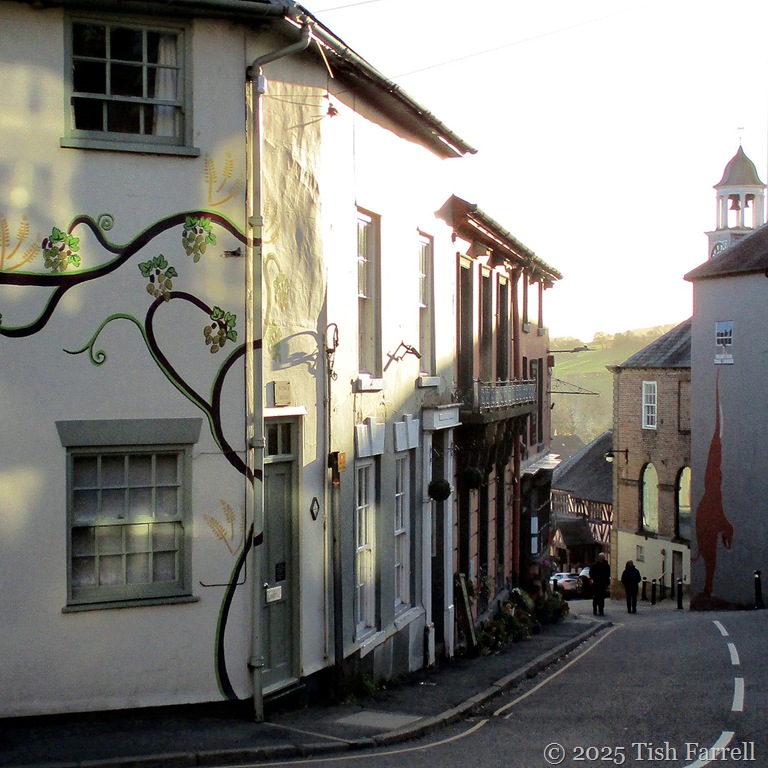
Now I’m walking you backwards, past the Town Hall, past Bamber’s elephant mural into the Market Square, and crossing Salop Street.

top4

*

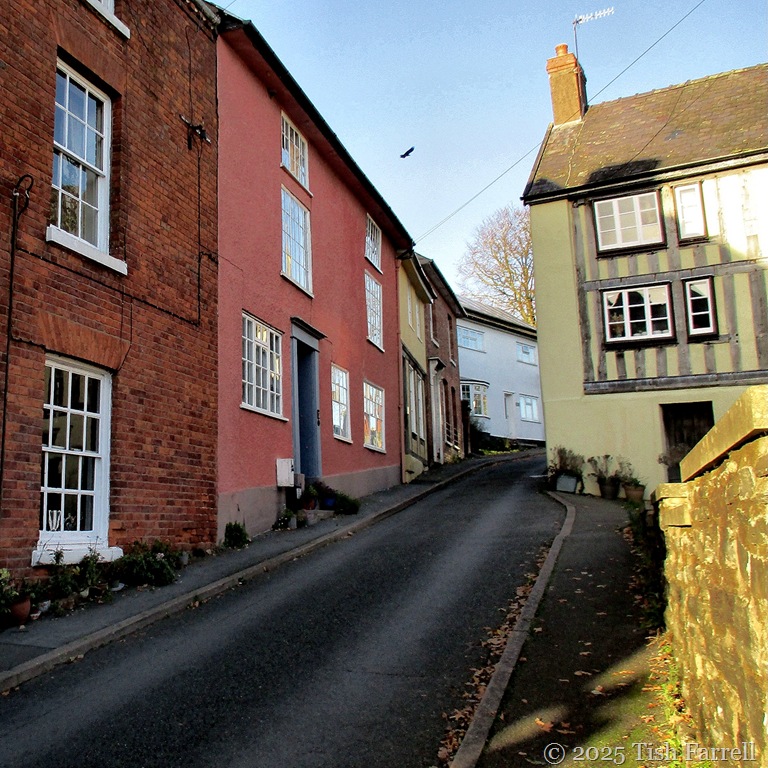
And now I’m turning  you right around to look up Bull Street:

top5

And we’re still not at the top.

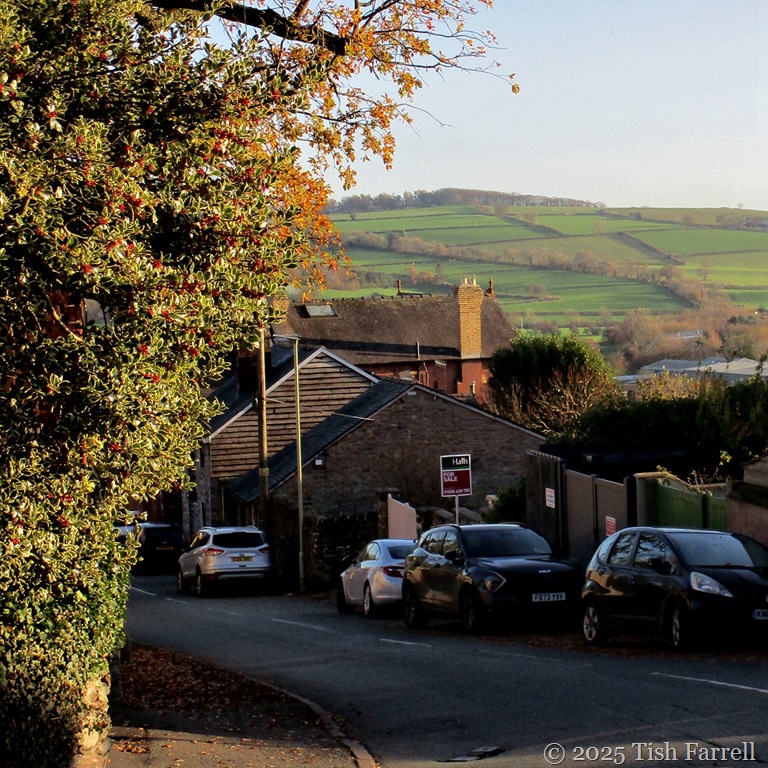
Bull Street leads to Bull Lane. If we look right and downhill, there’s a fine view of farm fields, doubtless winter wheat and oil seed rape.

top 6

But we’re not going down, but left and up to the crossroads where Bull Lane meets Castle Street, Wintles Lane and Montgomery Road.

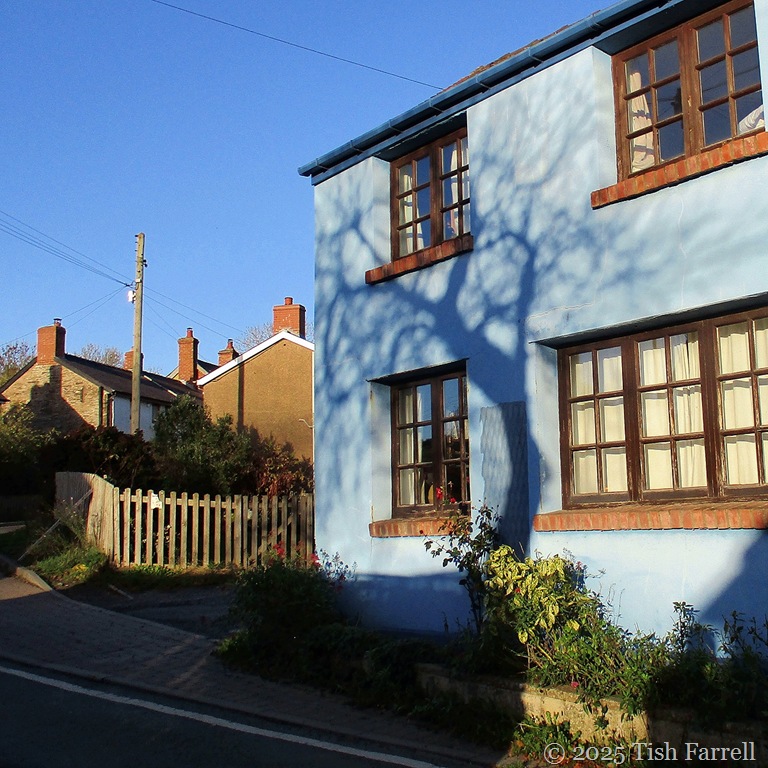
Now we’re at the top of the town, by the blue house that is growing a fine shadow tree:

top8

*

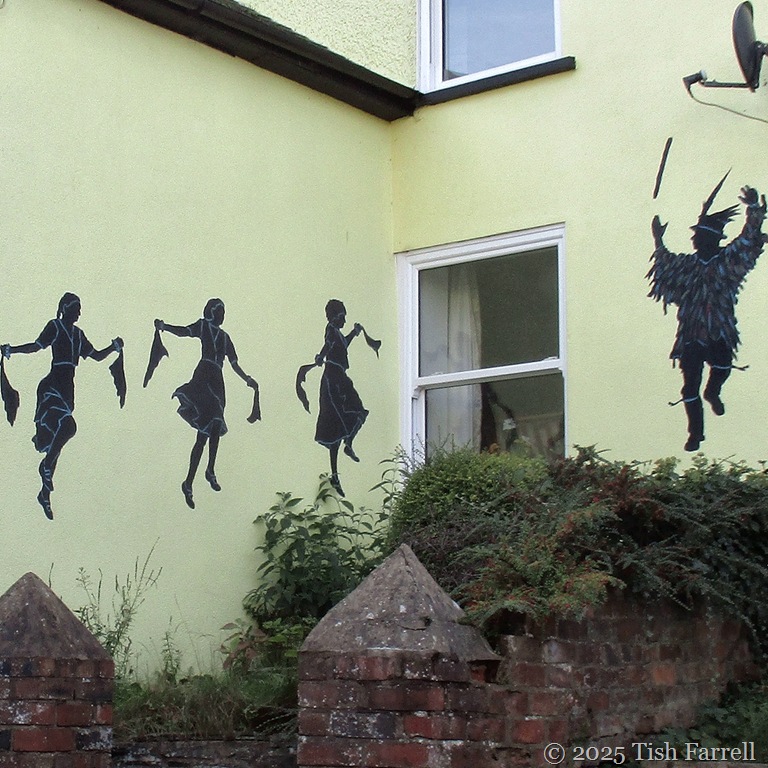
And in the shade, on the house wall opposite, a tribute to our two local Morris dance teams, the Shropshire Bedlams and Martha Rhoden’s Tuppenny Dish

top9

*

At the crossroads it’s decision time – to go left and back into town via Castle Street (where there is no castle, only some ground it once sat on and some more good views):

top10 castle st

*

Or cross the road into Wintles Lane:

top 11 wintles lane

*

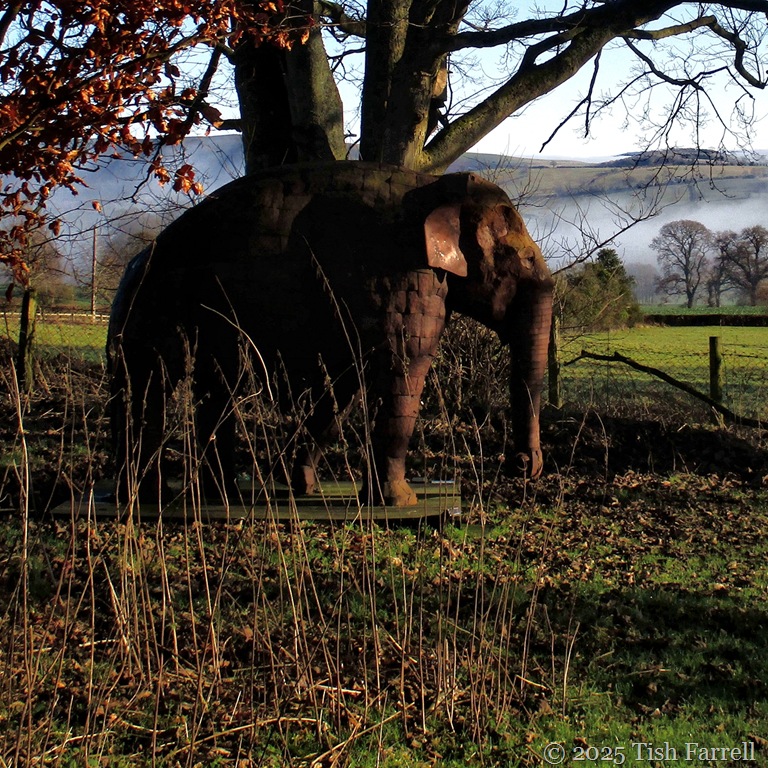
If you want to see the elephant sculpture, then you need to take the Wintles Lane option and follow the footpaths on the right. And climb another hill:

top12

top 13 wintles hill

Elephant

It’s also worth clambering up here for the view of the Long Mynd.

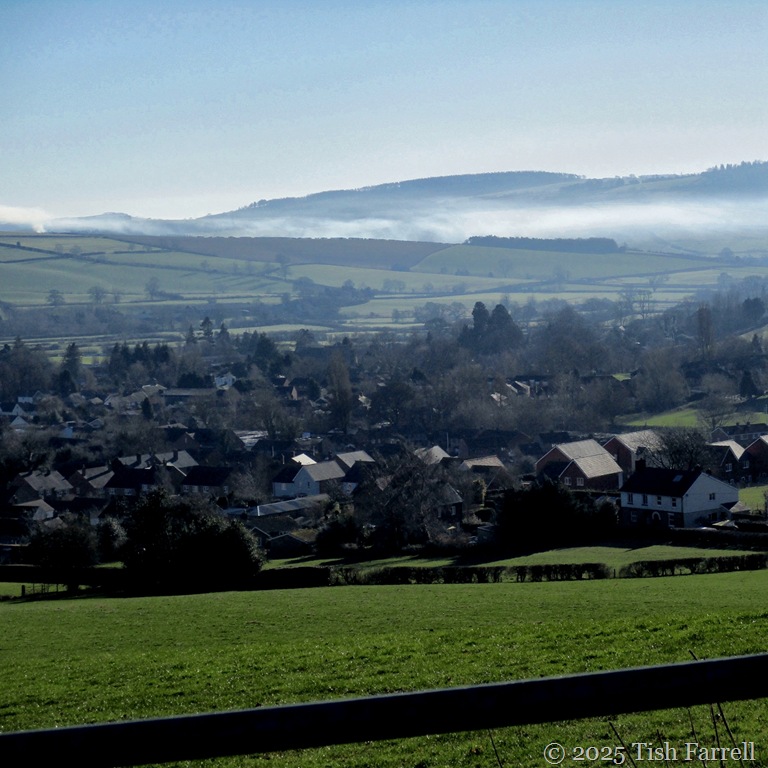
And from here, too,  you can turn about and look down on the town. A fine spot on Planet Earth:

IMG_6729sq

November Shadows #18

top3 header