Serenity ~ Inside And Out

P1060459 - serenity

There are vistas that manifest serenity – at least as seen through human eyes. (I mean who knows what fervid biological imperatives are playing out beneath the calm surfaces of things).

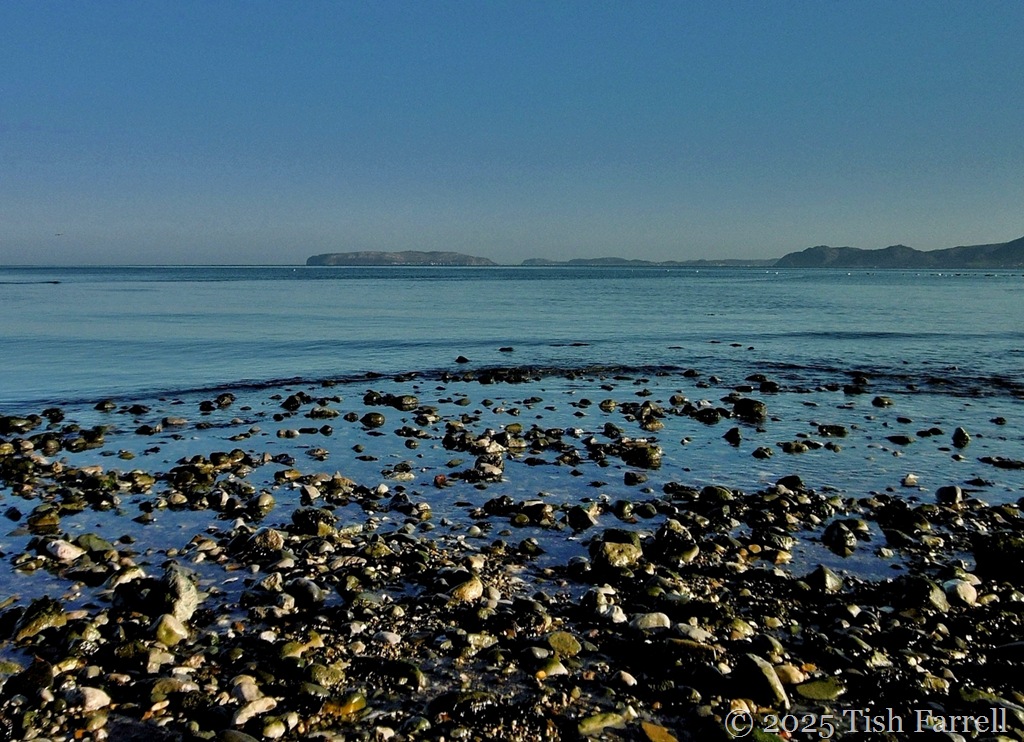
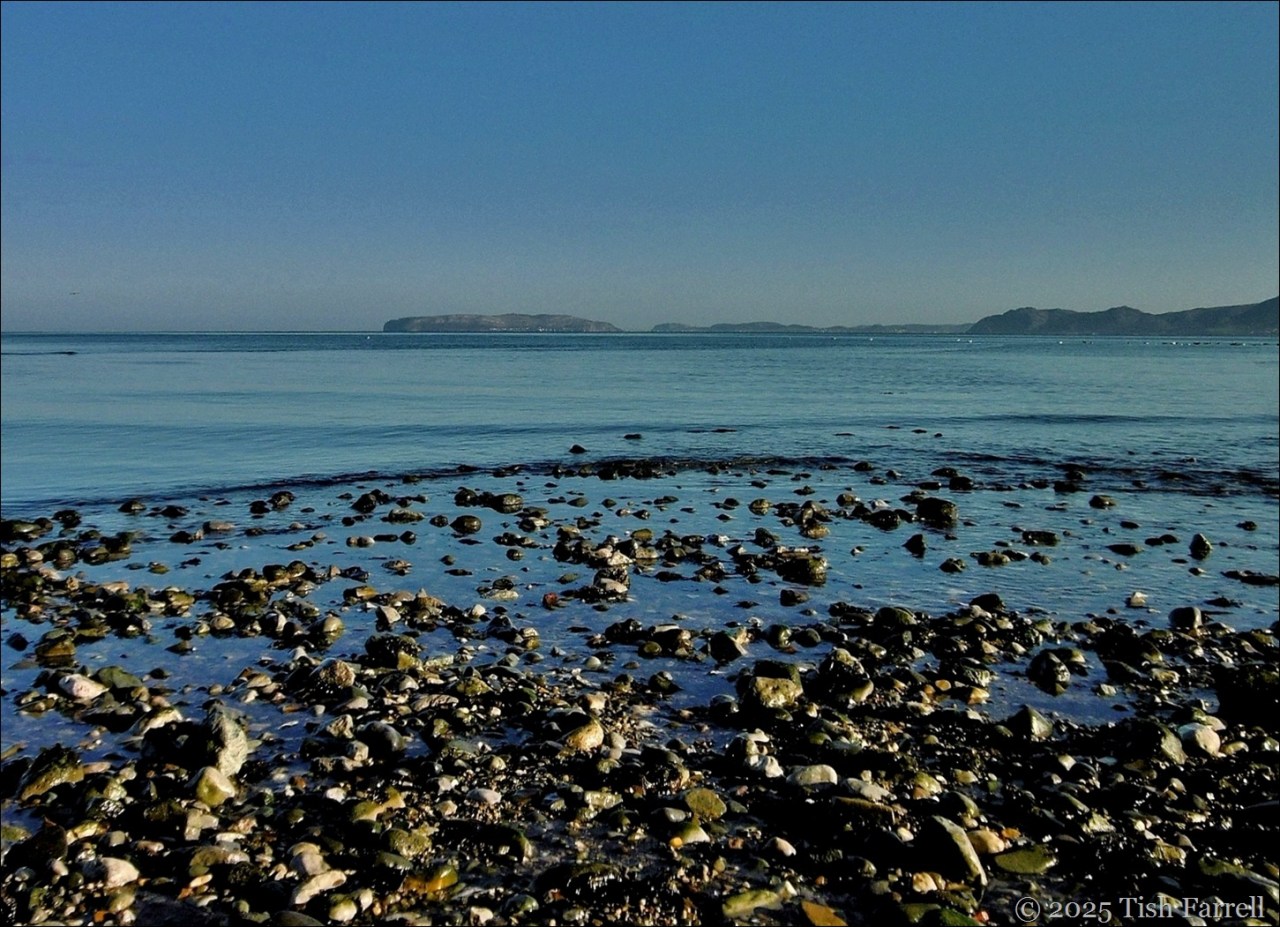
This distant view of the Great Orme from Anglesey was shot on a late December day, the air so still there is barely the hint of a tide. No clouds either, and the sun warm enough to go coatless and believe the seasons have fast-forwarded to June.

*

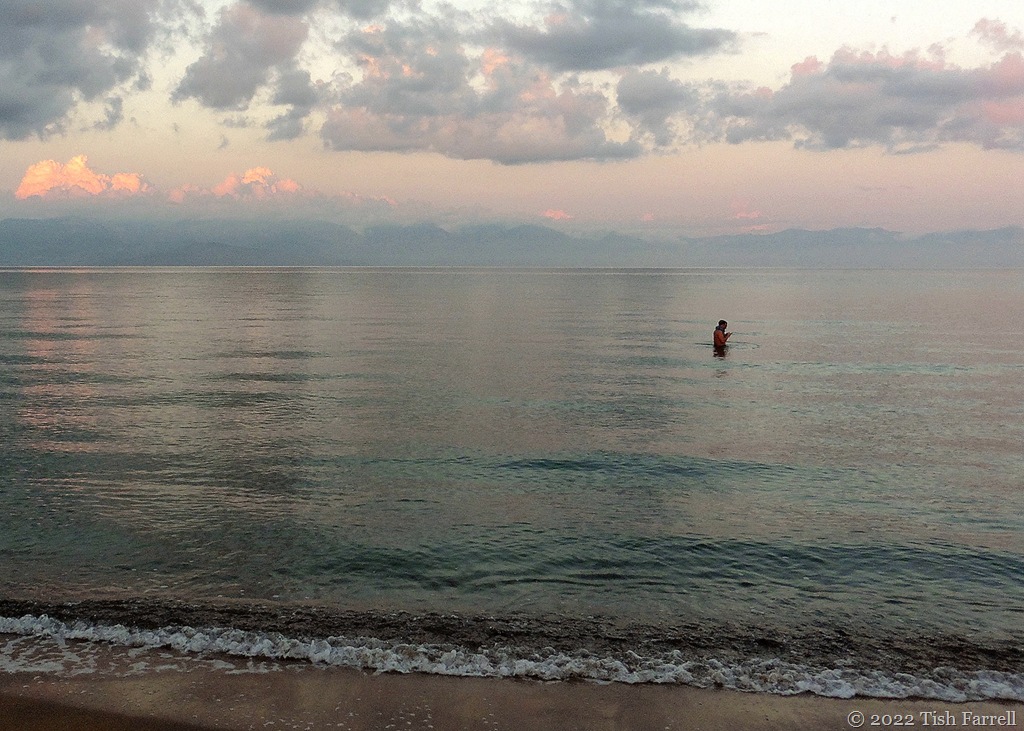
Another ‘still waters’ scene. An end-of-summer sunset in Kalamata. I watch a naked man wade into the rose-tinted shallows of the Messenian Gulf, talking on his cell phone.

serenity

*

And a third sea-serenity scene: another December, this time long ago, a tropic summer afternoon on the Manda Strait; Lamu, dhow captain Mzee Lali dreams.

Scan-140801-0001serenity

*

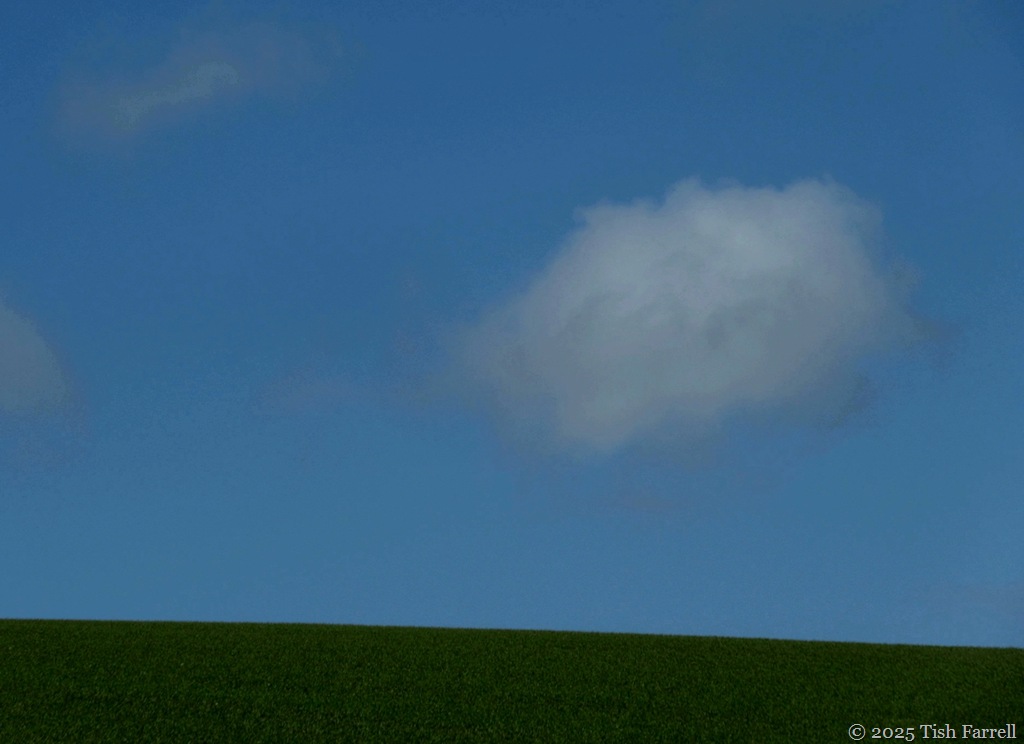
Then there are things that induce a sense of serenity in me. This unruffled cloud for instance…

IMG_6932

*

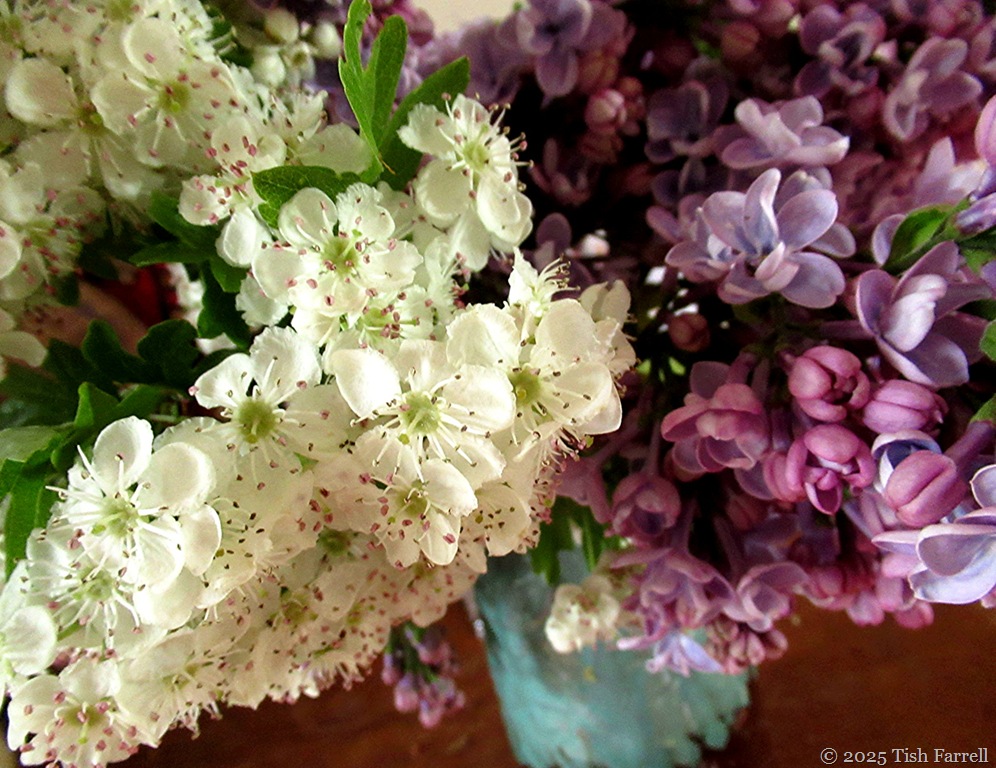
The close-up view of hawthorn blossom and the scent of lilac…

IMG_7582

*

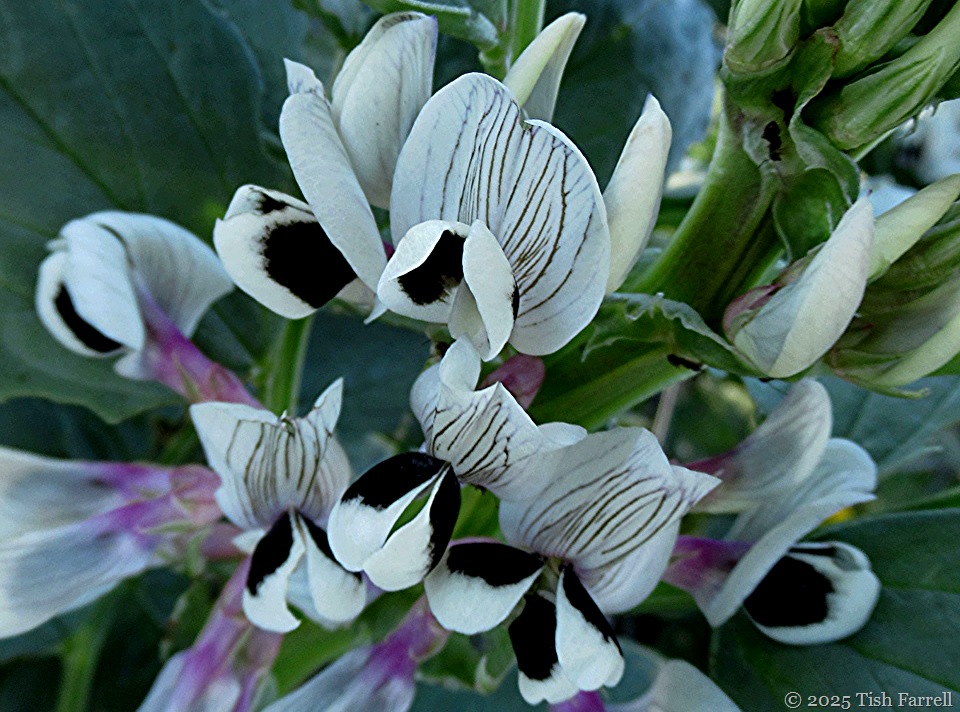
The gentle fragrance of bean flowers and pleasing thoughts of beans to come…

IMG_7640

*

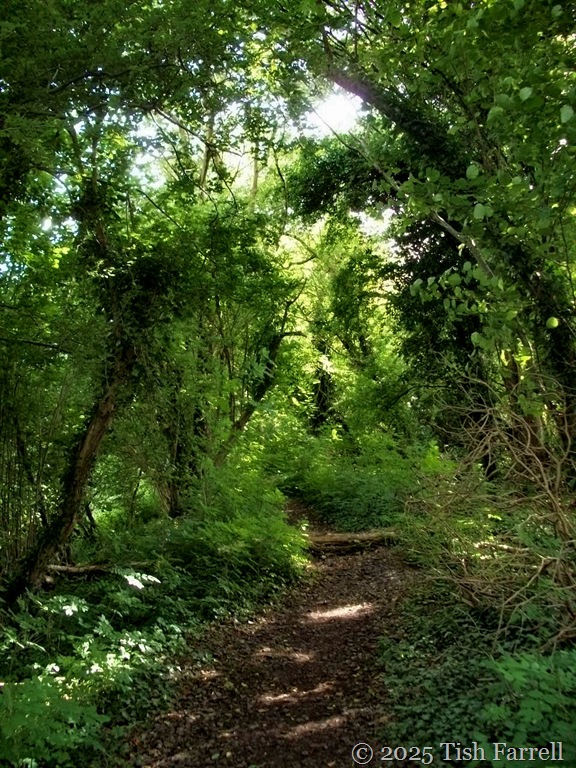
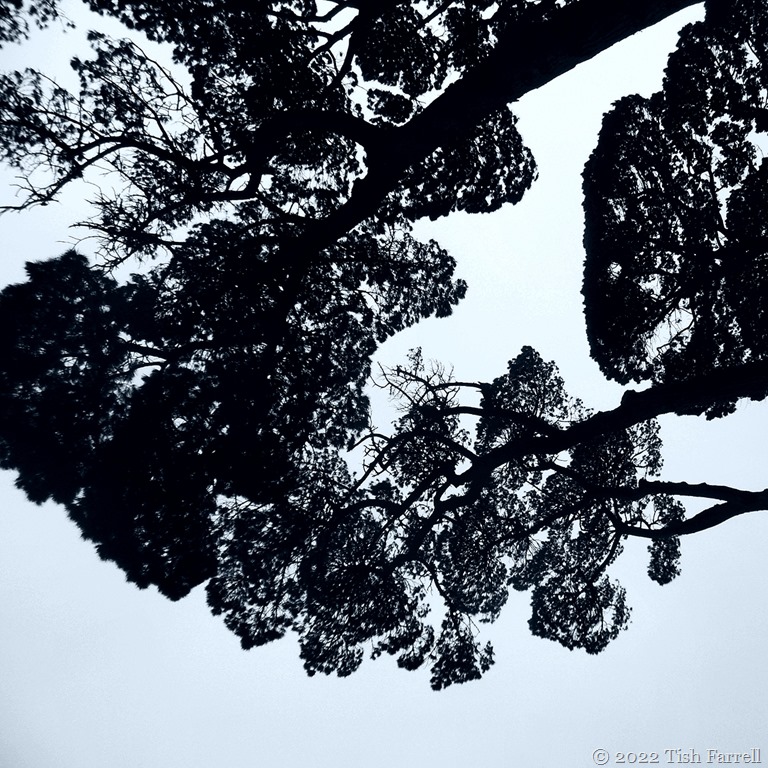
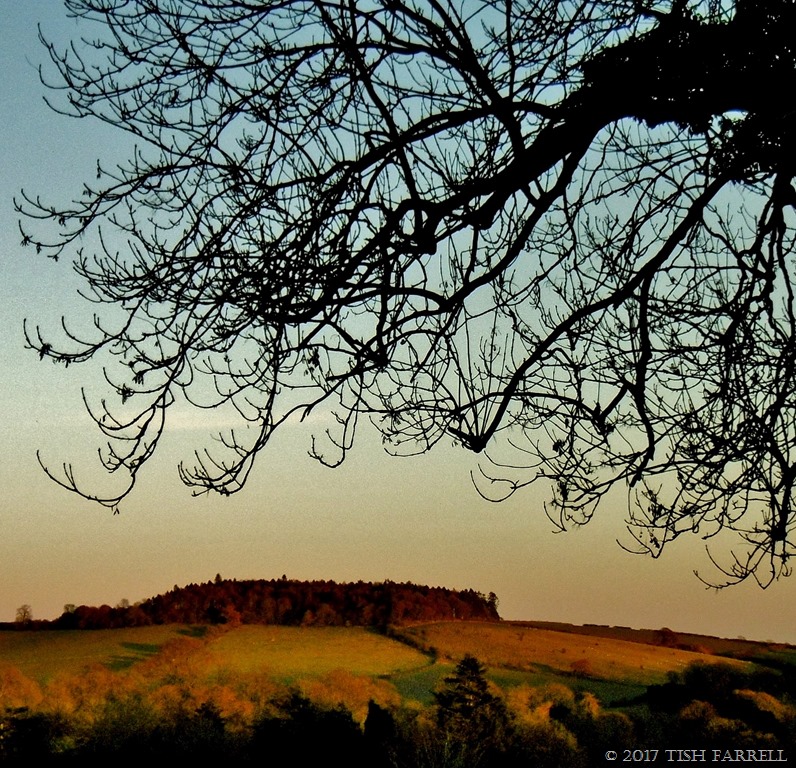
And the all embracing company of trees…

100_5864ed

*

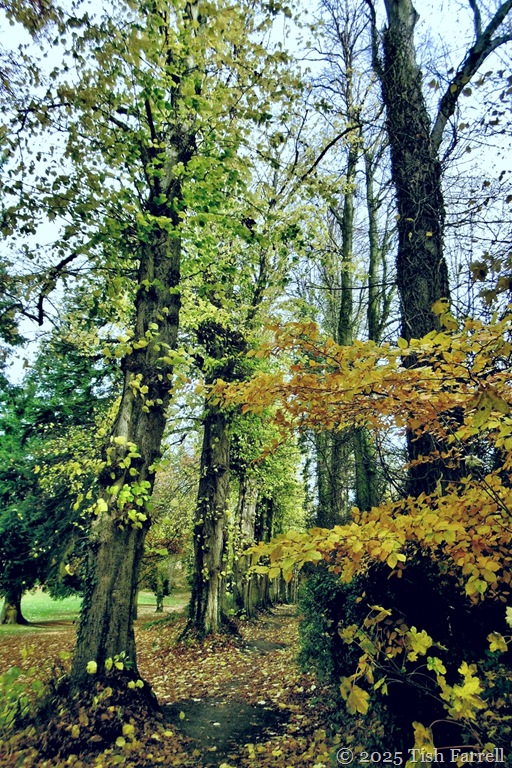
…whatever the season…

P1050998ed

P1030637

Lens-Artists: Serenity  This week Egidio at Through Brazilian Eyes sets the theme. Please pay him a visit.

Monochrome Madness: Trees Making Art

IMG_3290overexposed

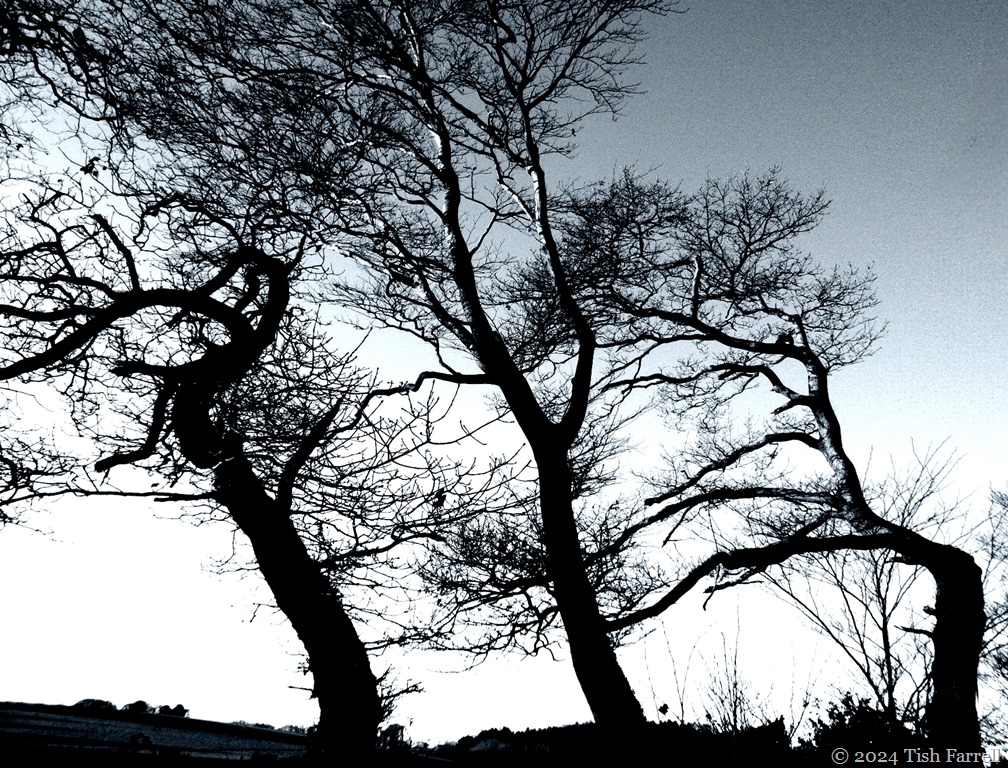
On a seaside lane in Aberffraw, Anglesey

*

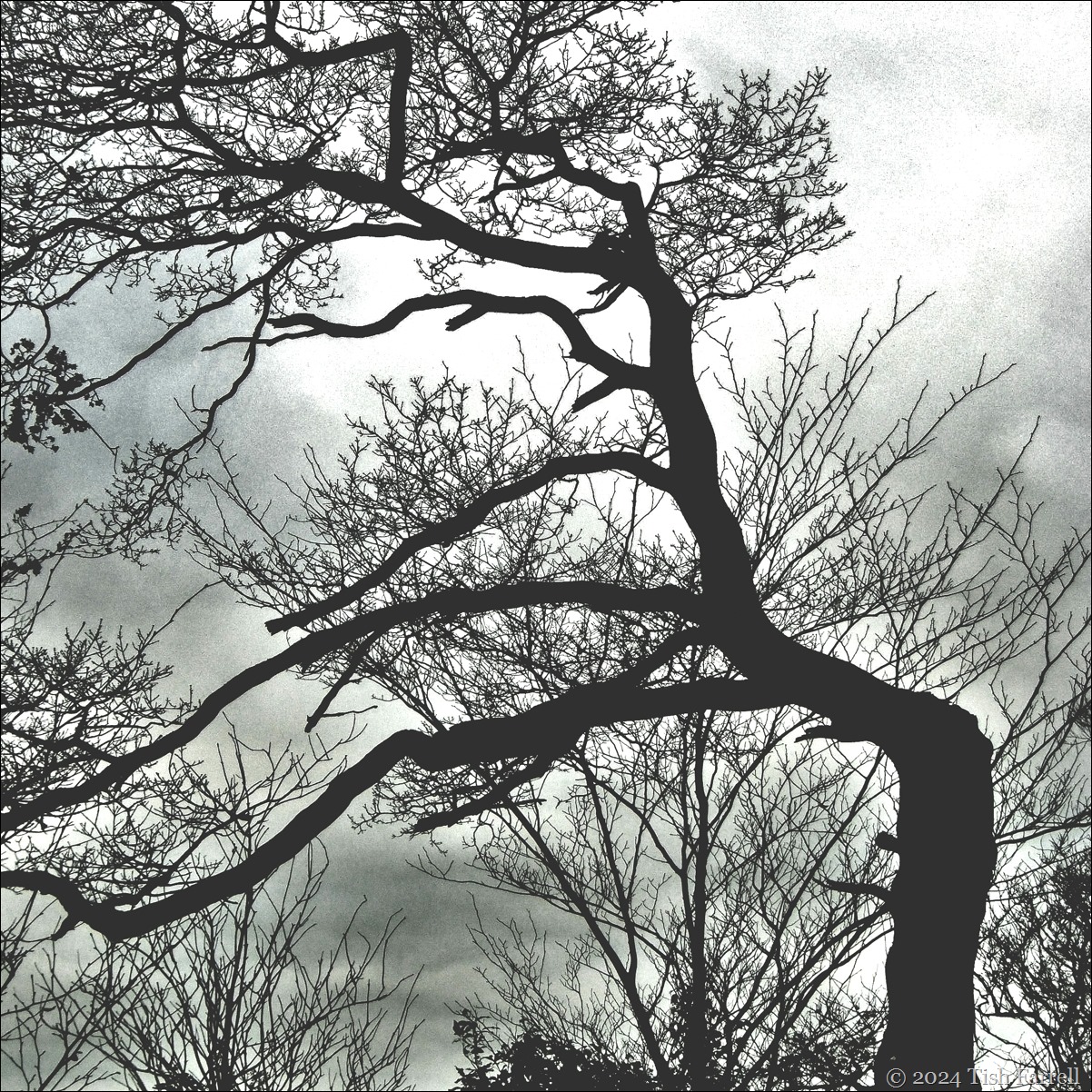
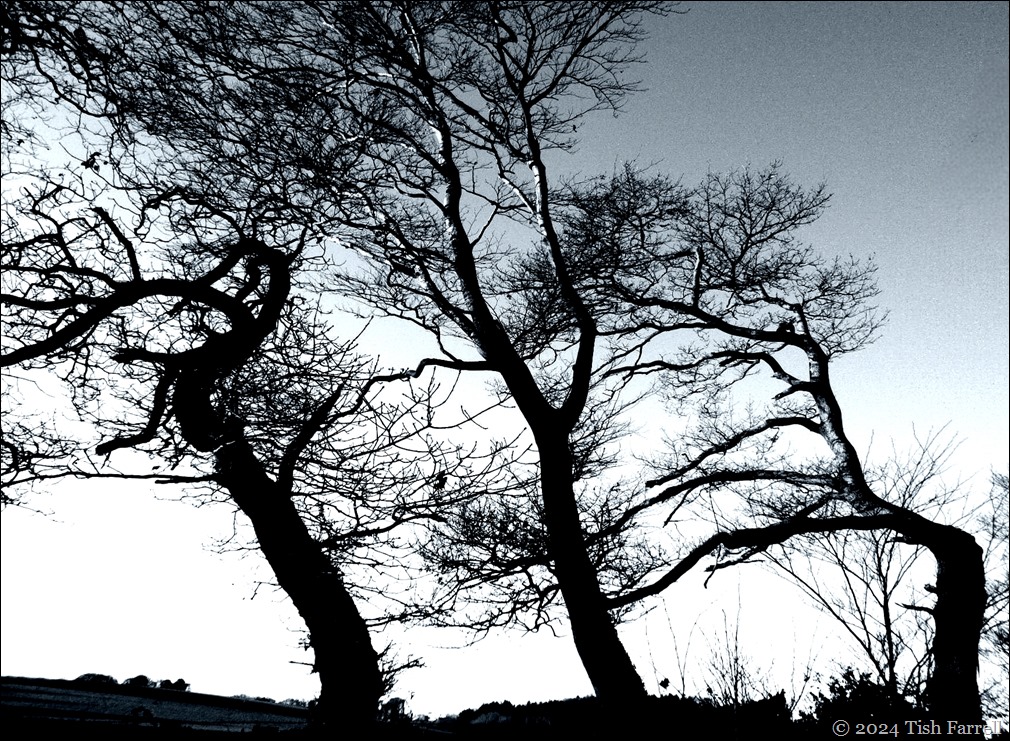
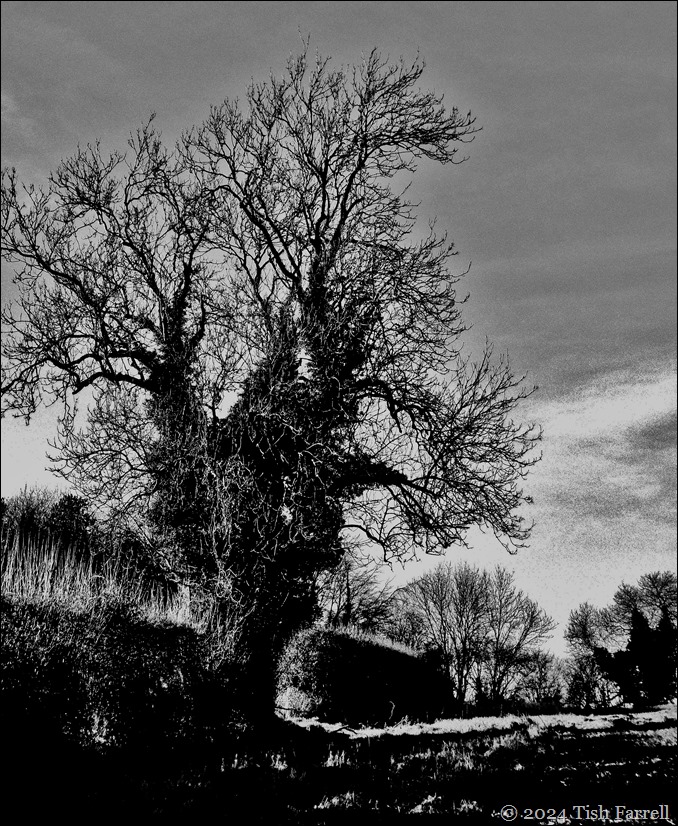
This week at Leanne’s Monochrome Madness,  Sarah from Travel with me invites us to show her trees, especially ones that are strikingly sculptural.

Britain’s coastlands are good places to find such trees, the prevailing winds bowing and retraining limbs, scissoring canopies. And yet, to my eye, these trees seem to dance with the elements, the header hawthorn caught in the end flourish of a pirouette; the tree below mid jete: a paradox of energy transfixed.
P1060537bw

P1000075

Henllys Wood, Beaumaris, Anglesey

*

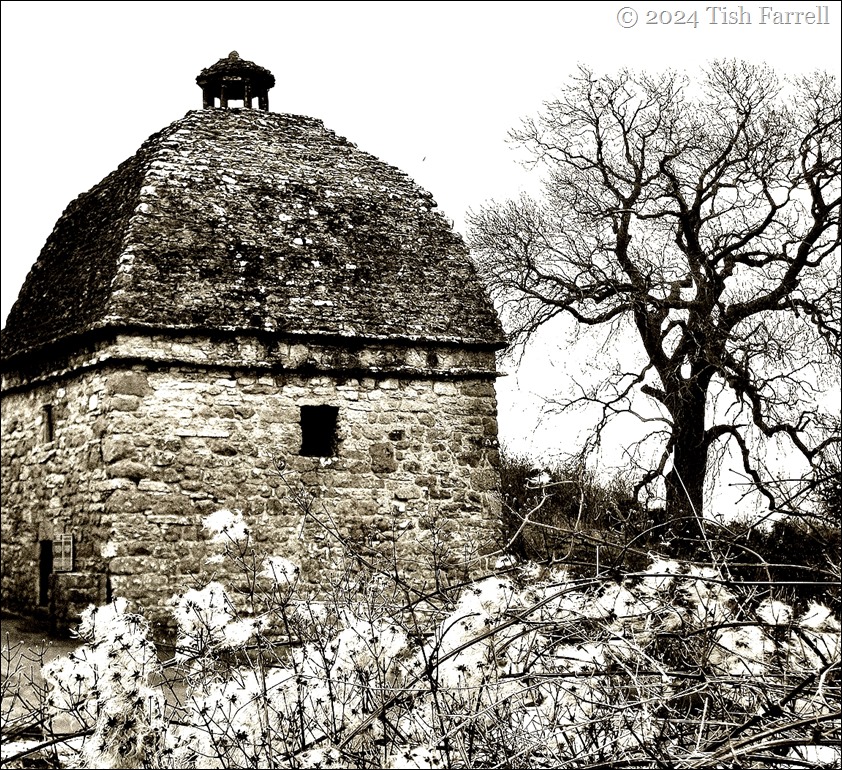
Other kinds of physical setting may enhance the intrinsic art of a tree. This next photo is of an ash, I think, viewed through an aperture in Penmon Priory dovecote, also on Anglesey island.

P1060543

017monochrome

*

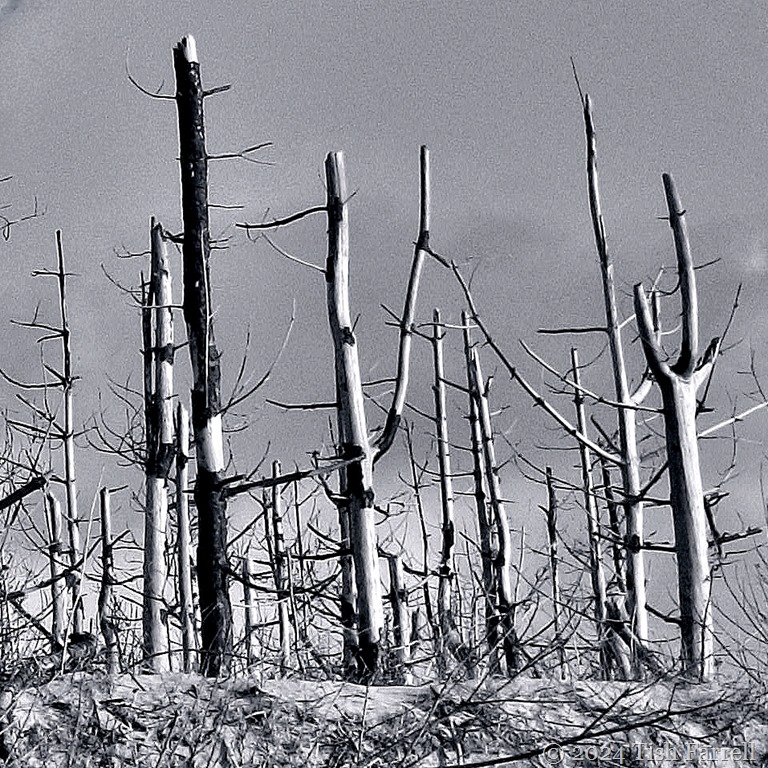
At Newborough Beach, further along the coast from Penmon, there are other elements in play. Erosion.

100_7122

This is a tale of deposition and decomposition. The extensive sand dune system, on which these plantation conifers was planted, blew into this part of Anglesey during a massive storm in the fourteenth century. Now bit by bit,  the storms are stealing the sands away again, leaving a parade of ghost trees.

*

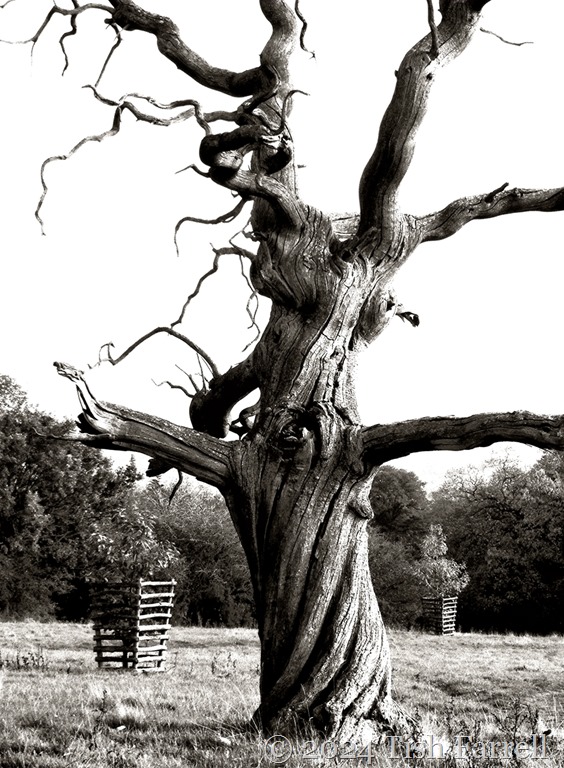
And talking of ghost trees, there are yet other transformative powers at work. At Croft Castle on the Herefordshire-Powys border, the estate walks of Spanish Chestnuts, have succumbed to both age and disease (Phytophythora cinnamomi or cinnamon fungus). The trees supposedly date from the late sixteenth century, their origins ‘explained’ by an Armada legend that suggests they were grown from chestnuts found in the pocket of a ship-wrecked Spanish sailor.

Now Croft is nowhere near the sea, but maybe that is irrelevant. This was the age of grand garden making, and it is well known how rare plant material, however it arrived, was ever coveted by the landed elite. And of course it’s a good story, a fittingly mythic gloss for this gallery of the arboreally deceased; trees that have been allowed to die and be dead in their own spectacular way.
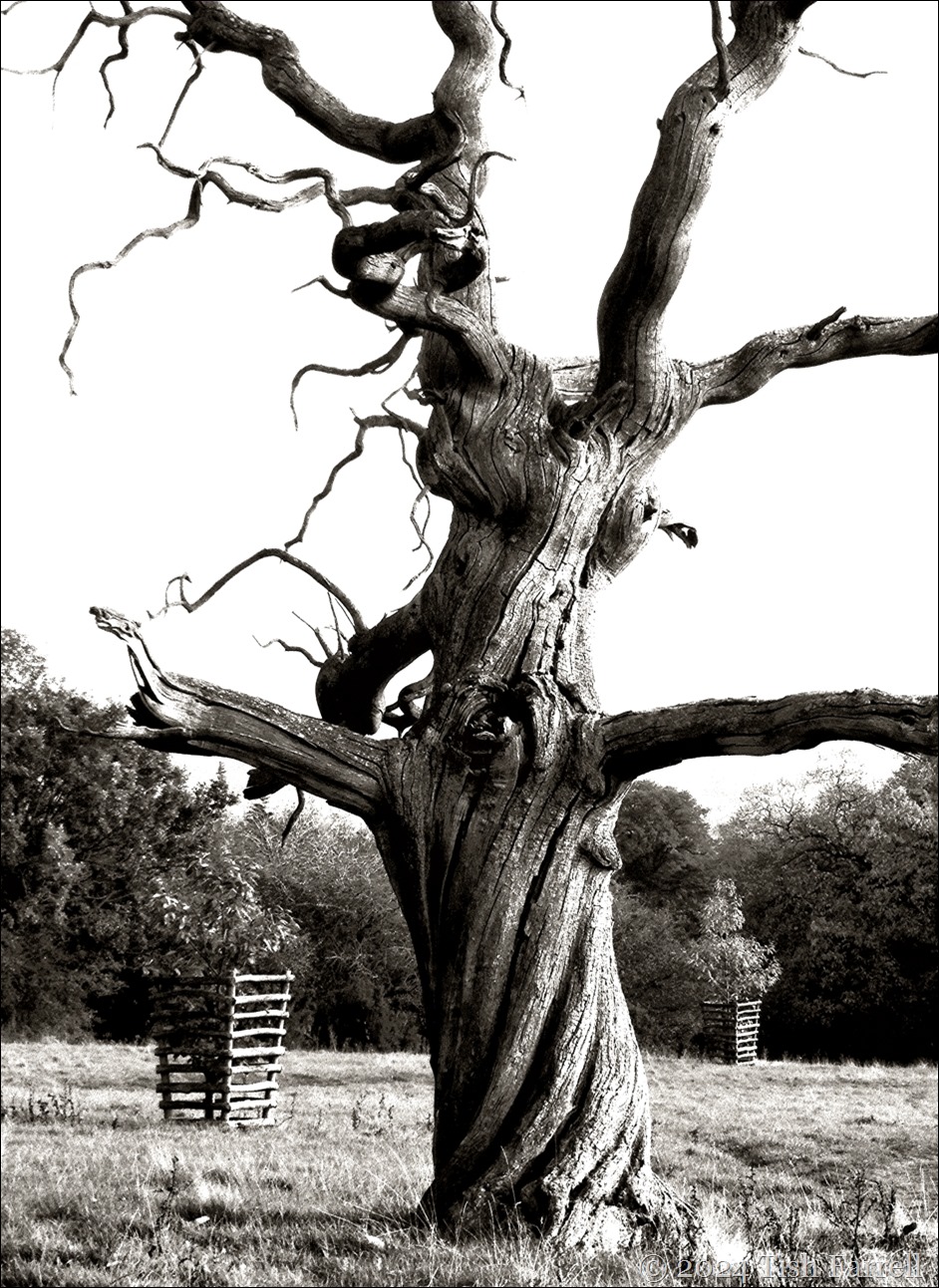
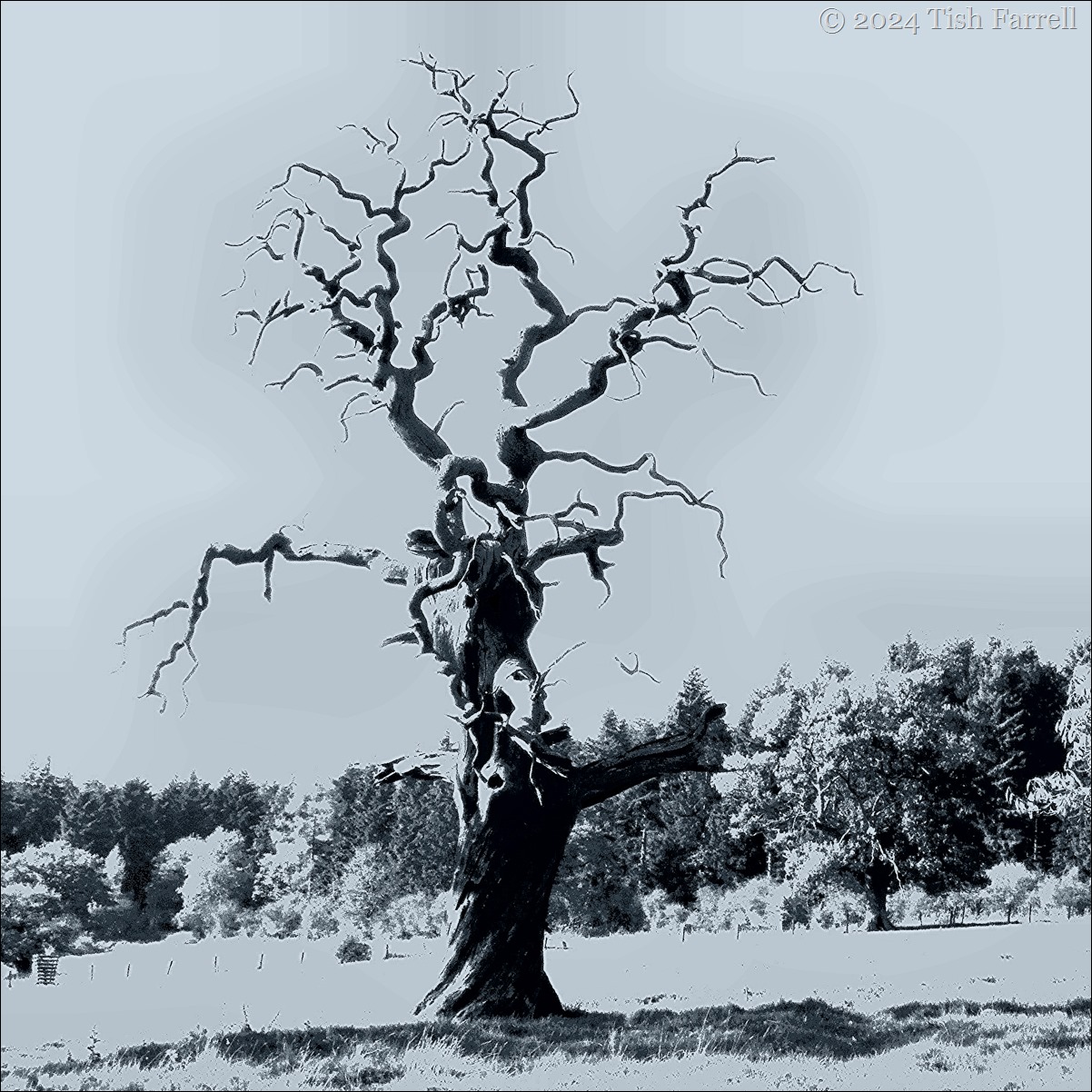
P1090652ed

P1090599sq

One of Croft Castle’s Spanish Chestnut ‘ghost trees’

*

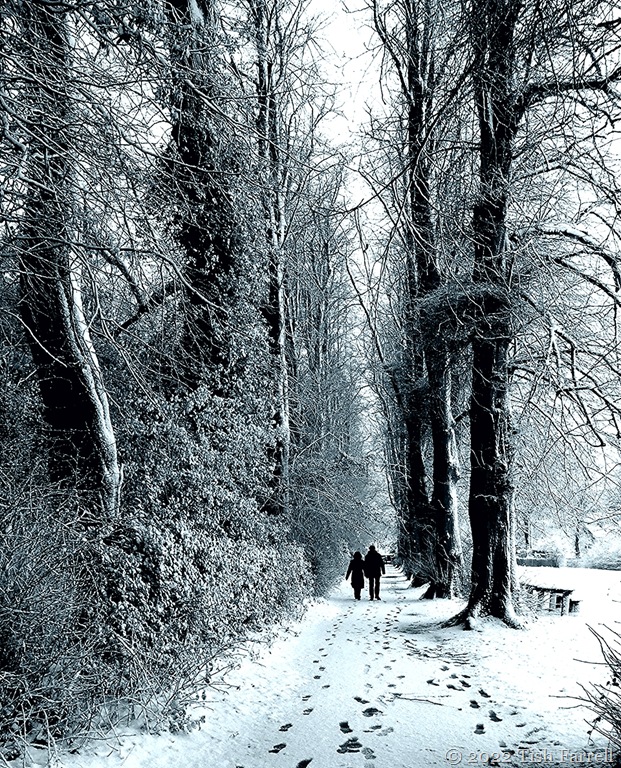
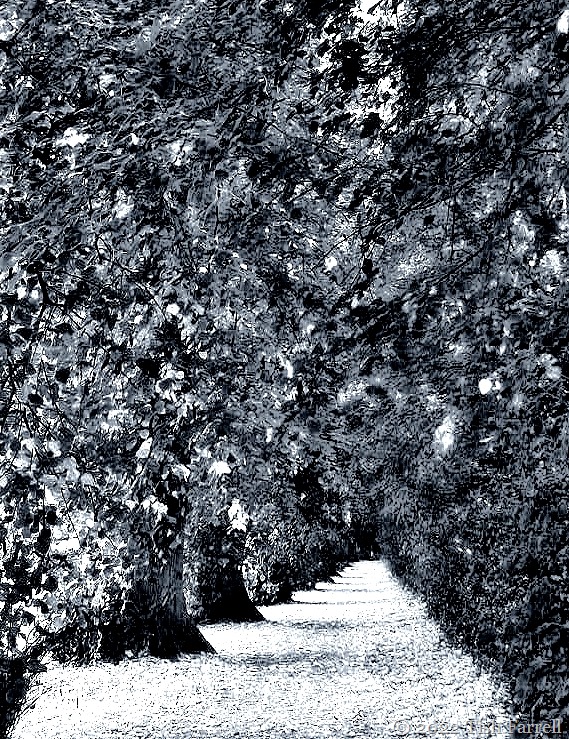
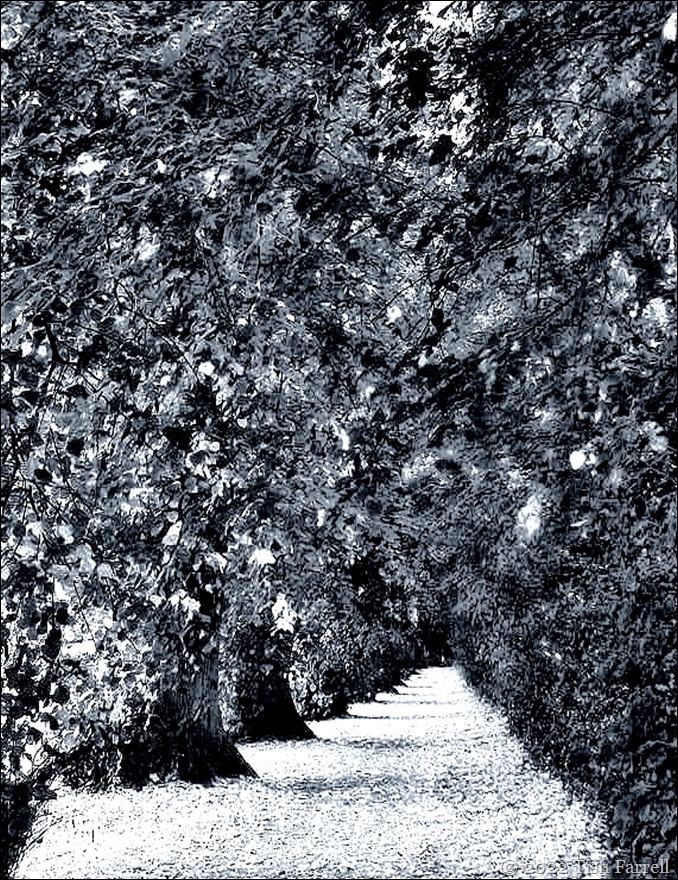
Finally, and in more comfortable terms, there are those trees whose familiar contours or particular disposition mean home to us; they become our personal landmarks. Here are some from our Wenlock days:
100_6398

The Linden Walk, Much Wenlock in late summer

*
P1000347

The allotment ash tree in winter

*

p1070087 ed

The little tree on the hill above the house

*

Monochrome Madness: trees  This week Sarah at Travel With Me is featuring trees. She suggests we consider sculptural qualities.

Thursdays Special ~ The Arboreal Position And Why We Can’t Live Without Trees

P1060049

These late day views overlooking Wenlock were taken back in December. Many of the trees, especially the oaks, beeches and field maples, had hung on to their leaves, which in turn were gathering in, and reflecting the winter sun. Looking at these photos now makes me appreciate how well treed we are in our hollow beneath Wenlock Edge, this despite two thousand years of farming.

But then you simply cannot have too many. Our shamanic ancestors were wise in their conception of the world tree at the heart of all existence: trees are essential to our survival. Without them we would have a lot of problems breathing. According to science writer Luis Villazon at the BBC’s Science Focus each of us requires around 740 kilos of oxygen per year, which amounts to 7 or 8 trees’ worth.

But that’s not all. As well as providing us with the air we breathe, trees also stabilize, create and replenish soils. They support biodiversity. They affect the climate including rainfall patterns, and their destruction rapidly leads to desertification and soil erosion. They provide us with many useful products, and in the future we may come to rely on them as a source of essential and cheap medications to which everyone can have ready access.

In the light of all these arboreal gifts, going out and hugging a tree now seems an eminently sane thing to do. In fact I recommend it. At the very least, it will lift the spirits. The tree might like it too.

P1060044


Please visit Paula for her February Pick A Word and be inspired. There is a choice of five prompts, each of which she illustrates superbly: radiating, alimentary, frontal, arboreal, remote.

copyright 2017 Tish Farrell