Squared Up Views Of Wenlock’s Antique Buildings

100_3612cr

The small town of Much Wenlock has been continuously occupied for at least a millennium. It grew up to serve the demands of Wenlock Priory. In  Saxon times there would doubtless have been a smallish population of servants and slaves to do the menial tasks around the monastic domain. There were also local providers of goods and services with weekly fairs pre-dating the Norman Conquest.

St. Milburga was the first prioress whose name we know. Her father, the Mercian king, Merewald, sent her to France to be educated for the role. From around 670 CE she returned to preside over a double house of monks and nuns who lived and worshipped in separate quarters. She also commanded large estates – from the Severn Gorge to the Corve valley. This was very much a pattern for Saxon princesses – ruling over human souls and securing physical territory.

The original monastic house was greatly expanded in the years preceding the Norman invasion of 1066. Saxon Earl Leofric and his consort, Lady Godgifu (Godiva) footed the bill. But their considerable improvements were not good enough for the new Norman earl, Roger de Montgomery. From 1091 the place was taken over by incomer French monks from Cluny and it was they who, over succeeding centuries, undertook the work on the buildings whose ruins survive today. (See last week’s post for a tour of some of the ruins).

The town’s big break came in 1101 with the apparent discovery of St. Milburga’s bones in the ruins of Saxon women’s chapel. This convenient fortunate find put Much Wenlock on the pilgrims’ map, kick-starting a thriving service industry to cater for the many visitors. So were sown the seeds of the busy market and manufacturing town, and though still under monastic authority, the early Middle Ages saw the rise of freemen and burgesses and the growth of an urban elite.

With the Dissolution, the Prior’s dictate and ecclesiastical court rulings were exchanged for secular management by bailiff and burgesses – tanners, weavers, wool merchants, the new owners of monastic lands. In 1540 they built the town’s Guild Hall and later added the debating chamber where the Town Council still holds its meetings. They also set about building grand homes for themselves, enhancing and expanding earlier structures.

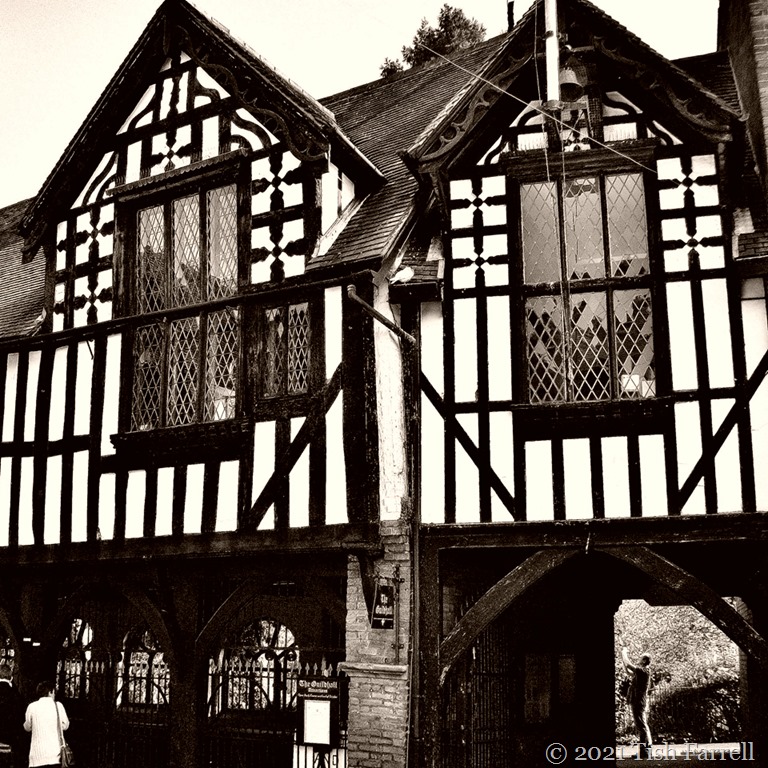
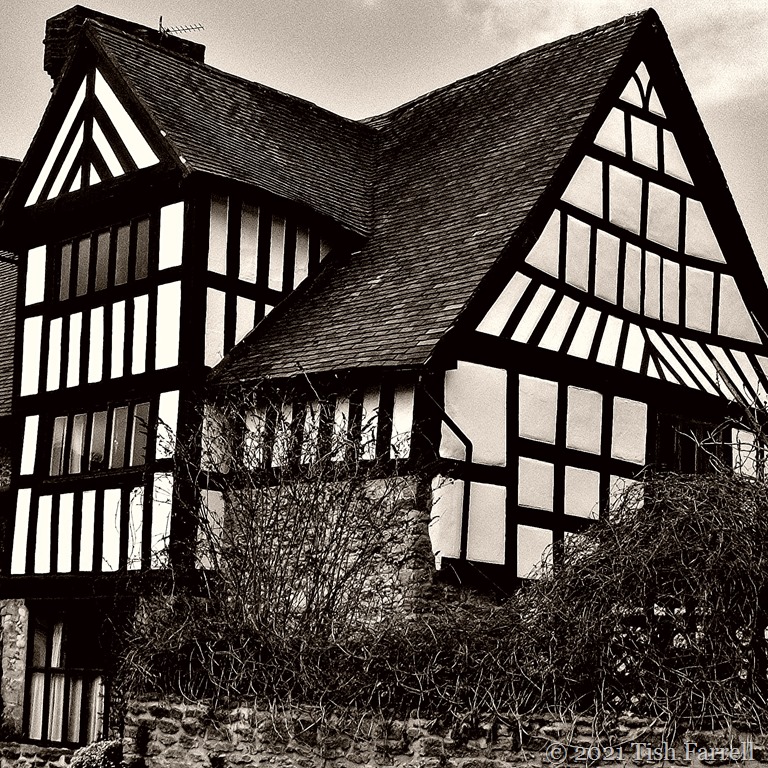
The header photo is Ashfield Hall, rebuilt in the 1550s by local worthy, Thomas Lawley, who extended an earlier stone building with the eye-catching timber-framed wing. In 1642 it was better known as the Blue Bridge Inn, and it was here that Charles I apparently spent the night during Civil War manoeuvres.

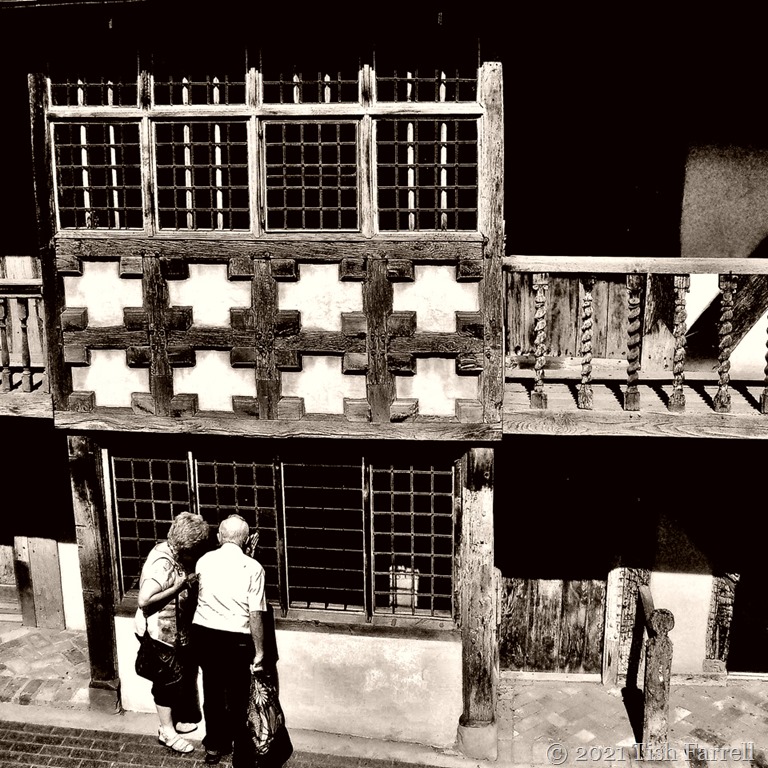
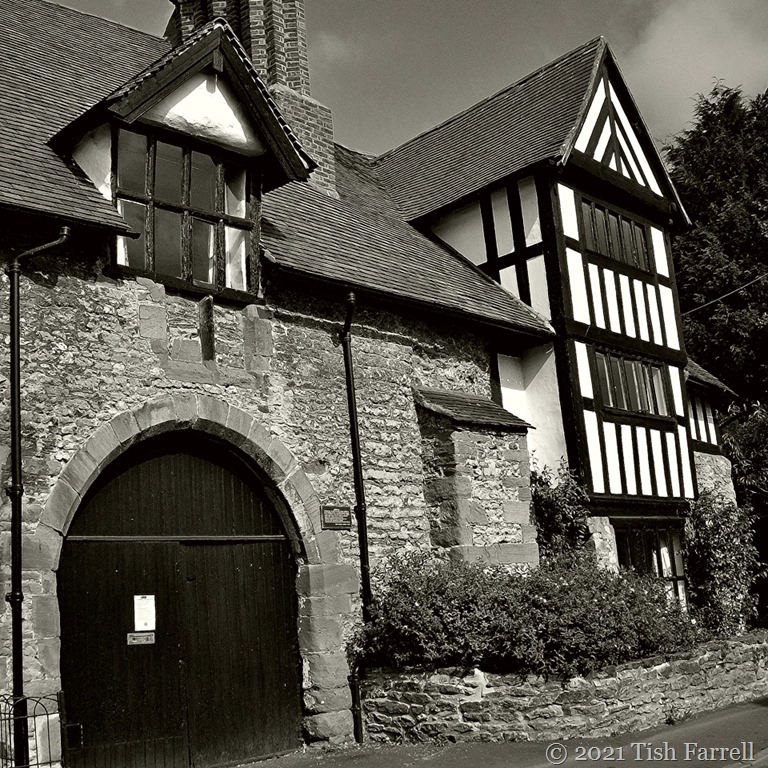
Here’s another view of Ashfield Hall. It is said to have been built on the site of St. John’s Hospital which was run by monks in the 1280s for the benefit of ‘lost and naked beggars.’ It had gone by the 15th century though evidence of its existence lived on in the street name of Spittle (hospital) Street, later renamed the High Street.
100_6387sq

*

100_5540cr

Much Wenlock’s Tudor Guild Hall is still used as a market hall (downstairs) and a museum and council chamber above. Sitting in the heart of the town beside the parish church t is absolutely the town’s ‘signature’ landmark.

P1010699sq

*

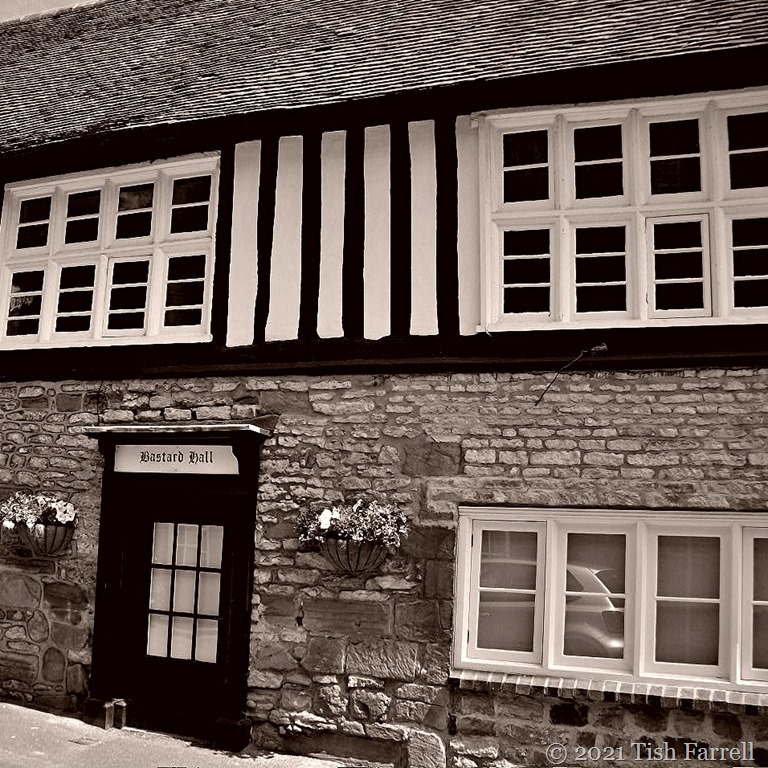
The Bastard Hall up the street from the Guild Hall has seen many phases; its stonework certainly suggests some repurposing of priory ruins. It and its attached neighbour were the subject of an early Time Team television programme, the latter found to be housing the remnants of an early medieval hall. See link at the foot of this post for the full programme and insider views.
100_6031 (2)

*

100_6264

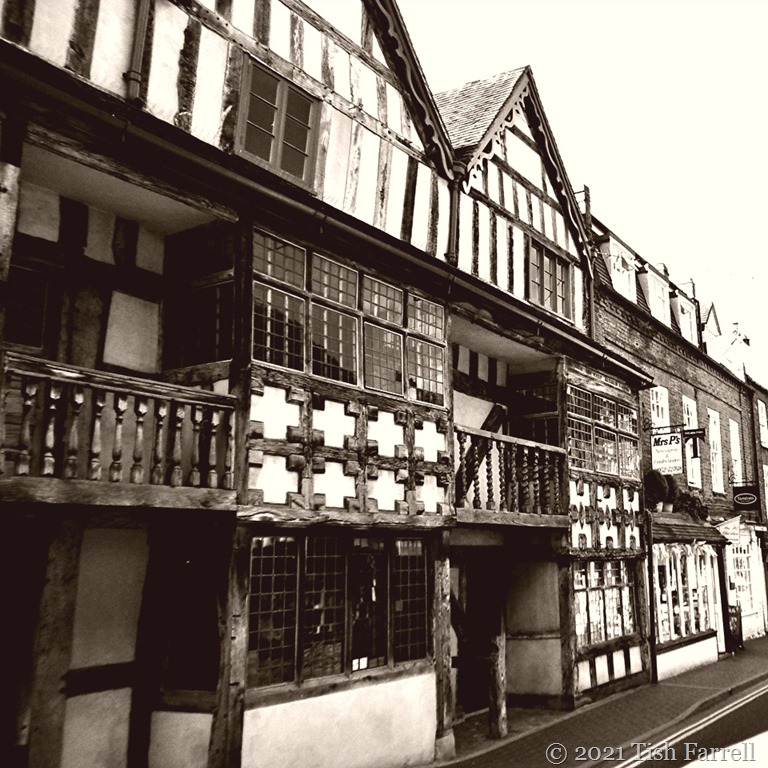
Reynald’s Mansion is perhaps the most singularly impressive building on the town’s High Street. The striking timber facade was built onto an existing medieval house in 1682. For a time it was the town’s butcher’s. The post with cross-bar by the front door was used to make hefting heavy loads easier.
P1010717sq

*

This small architectural round-up was inspired by Ann-Christine at Lens-Artists. Striped and checked is her challenge this week.

Square Up #26

Lens-Artists: striped and checked


Inside the Guild Hall and more about Bastard Hall: Time Team in Much Wenlock in 1994:
Time Team Season 01 Episode 03 The New Town of a Norman Prince. Much Wenlock, Shropshire UK – YouTube

Wenlock Weather Update

IMG_2065

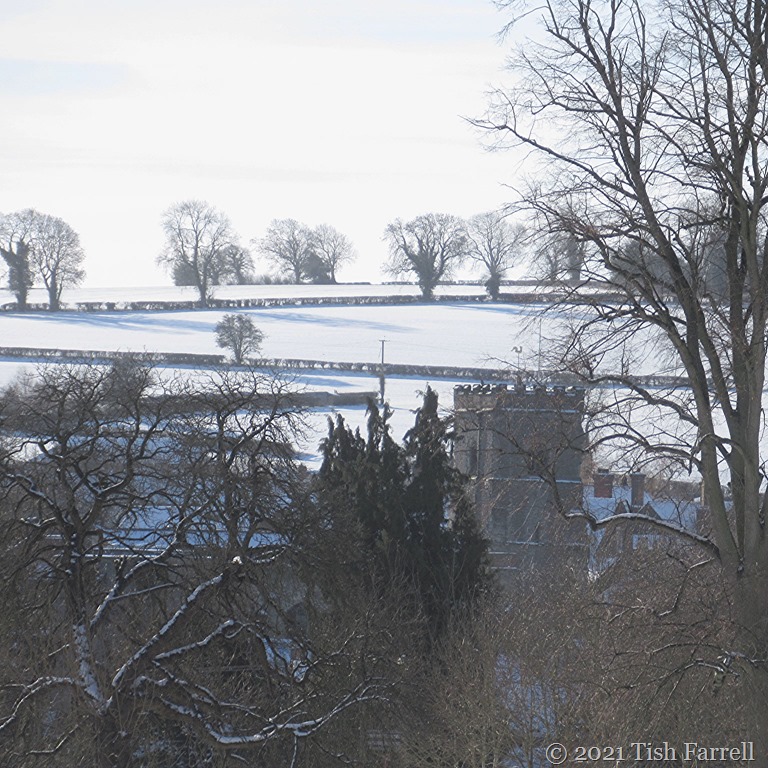
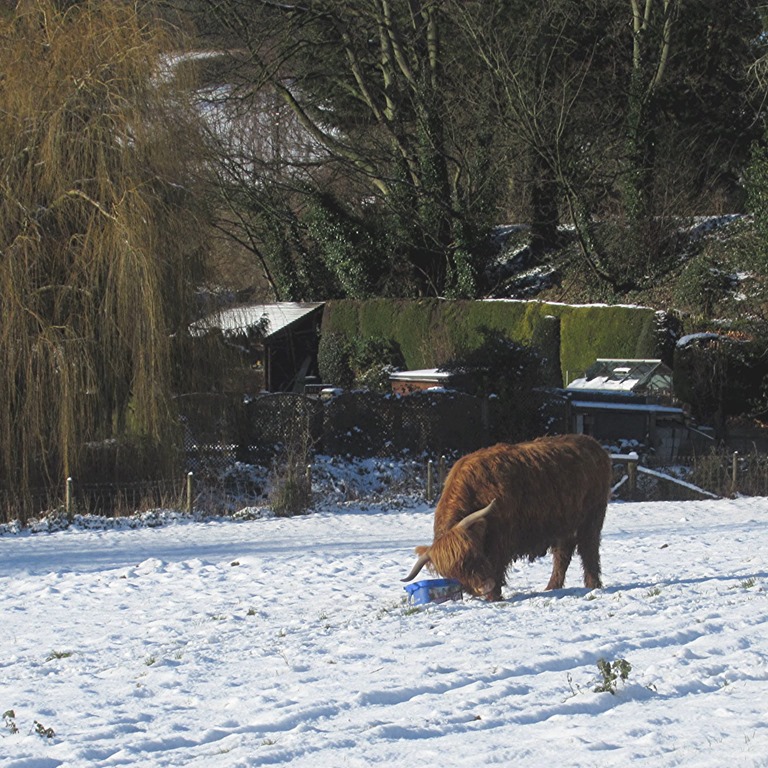
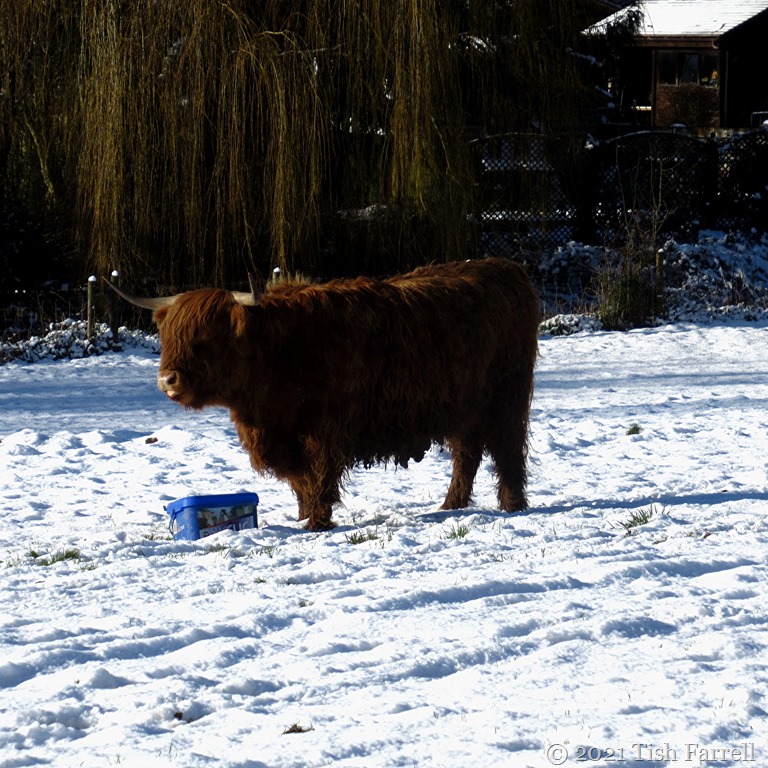
Today we have blue skies and brilliant sunshine and last night’s snow has been rapidly melting. But the big question is: will enough of it melt before it starts freezing again, turning byways into ice rinks.
IMG_2040

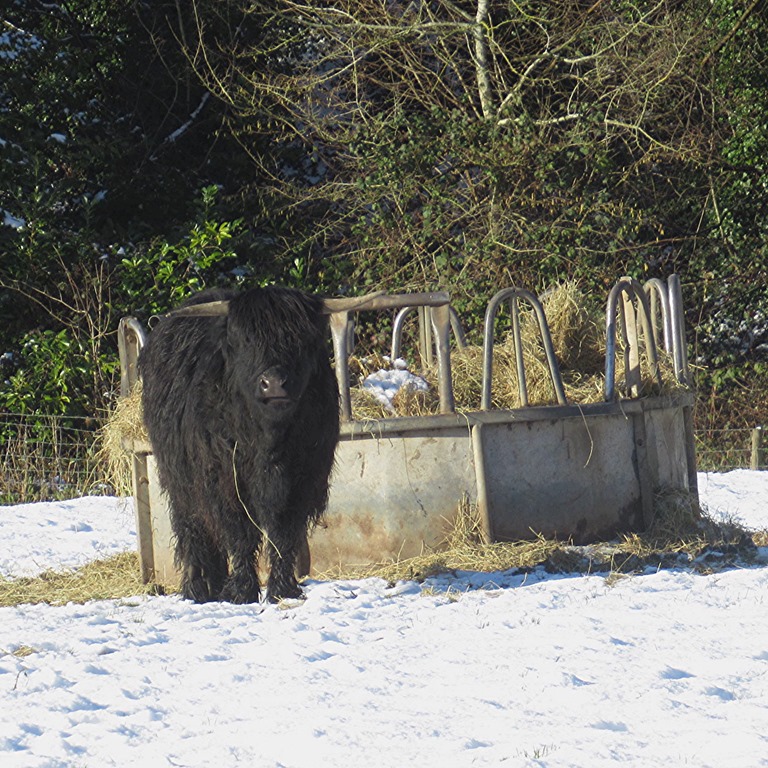
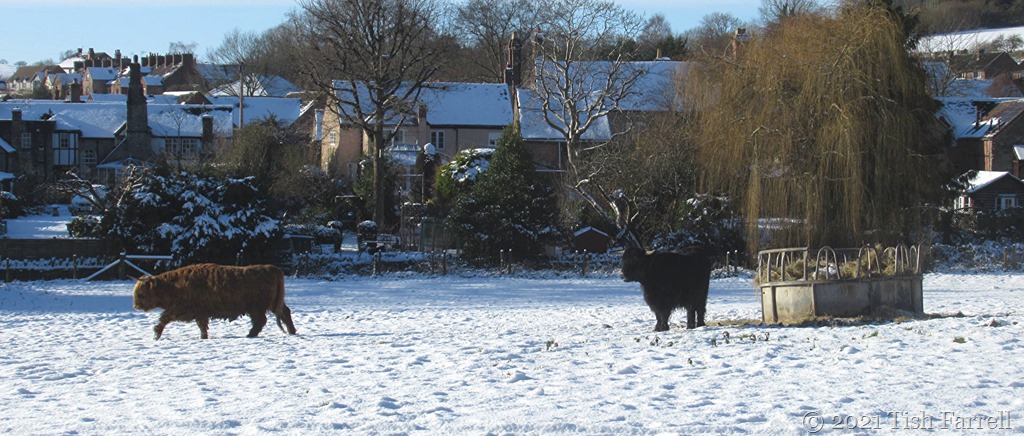
This morning, though, it was all very picturesque over the garden fence and about the town. The MacMoos were my first port of call for a photo-op. There were only two in the Cutlins meadow today. They do come and go. And what imperturbable souls they are, seemingly un-moo-ved by their snowy world so long as there’s plenty of hay.

IMG_2052

IMG_2055

IMG_2051

cr

Square Up #25

Wenlock Priory On An Autumn Afternoon

P1100100

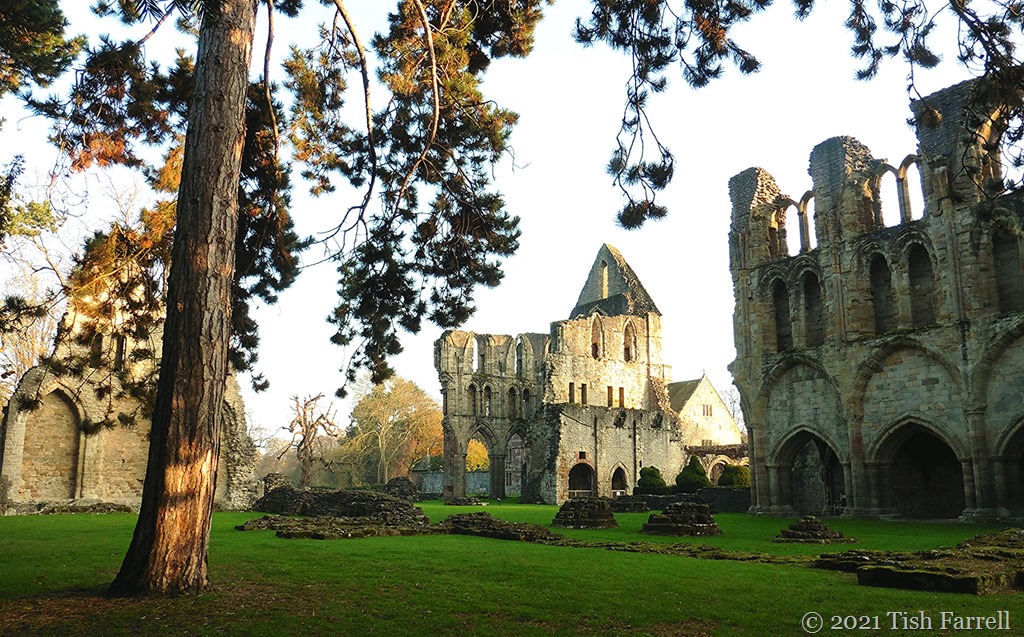
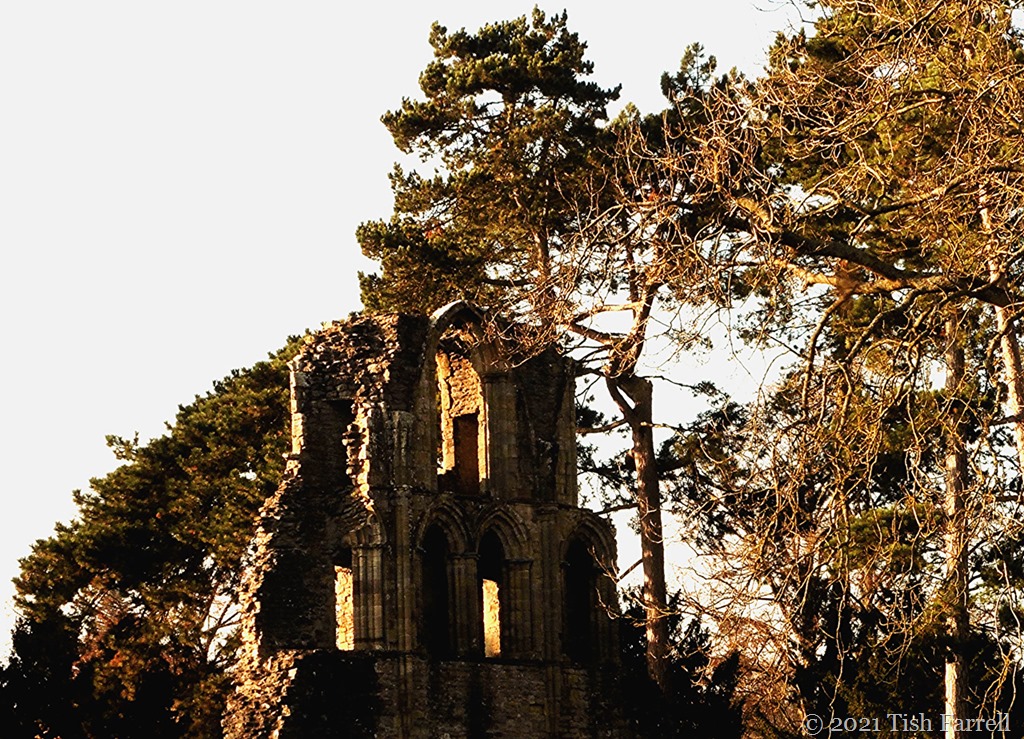
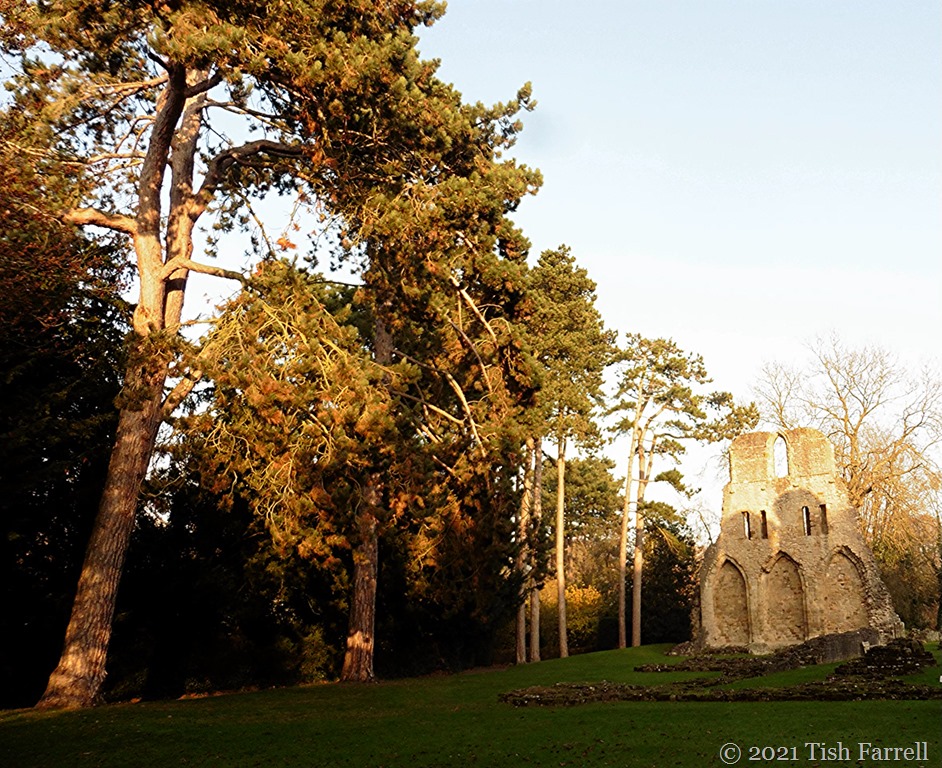
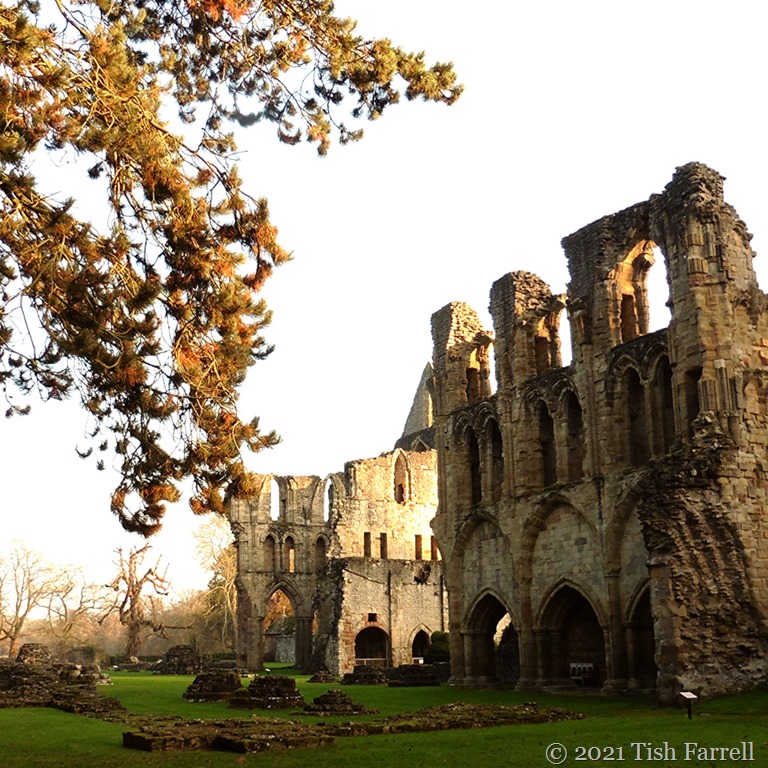
Autumn somehow seems a fitting season for visiting thousand-year old ruins. These particular ones are practically on my doorstep, but I usually only glimpse them over the perimeter wall. They have anyway been out-of-bounds this last year. As a non-believer, I am never quite sure what to make of such places, though it is a wonderfully tranquil spot and I do like the play of light on the stonework and through the archways. I also like the ruinous shapes, and the sense of antiquity, and the glimpses of the priory parkland. And I especially love the Corsican pines that must have been planted by the Milnes-Gaskells who once lived in the Prior’s House (also known as The Abbey) and had these ruins as their personal garden features. (You can see the gable end of the house just right of centre in the first photo.) And finally there is some personal history, for I have been coming here, on and off, for well over half a century. Gracious, how time flies.

P1100022

P1100096

P1100099


Life in Colour This month Jude at Travel Words is asking us to consider shades of brown in our photos. This set is from a couple of years ago, but I came across them again recently and thought they fitted the bill.

Snowed Up Teasels–AGAIN!

IMG_1996sq

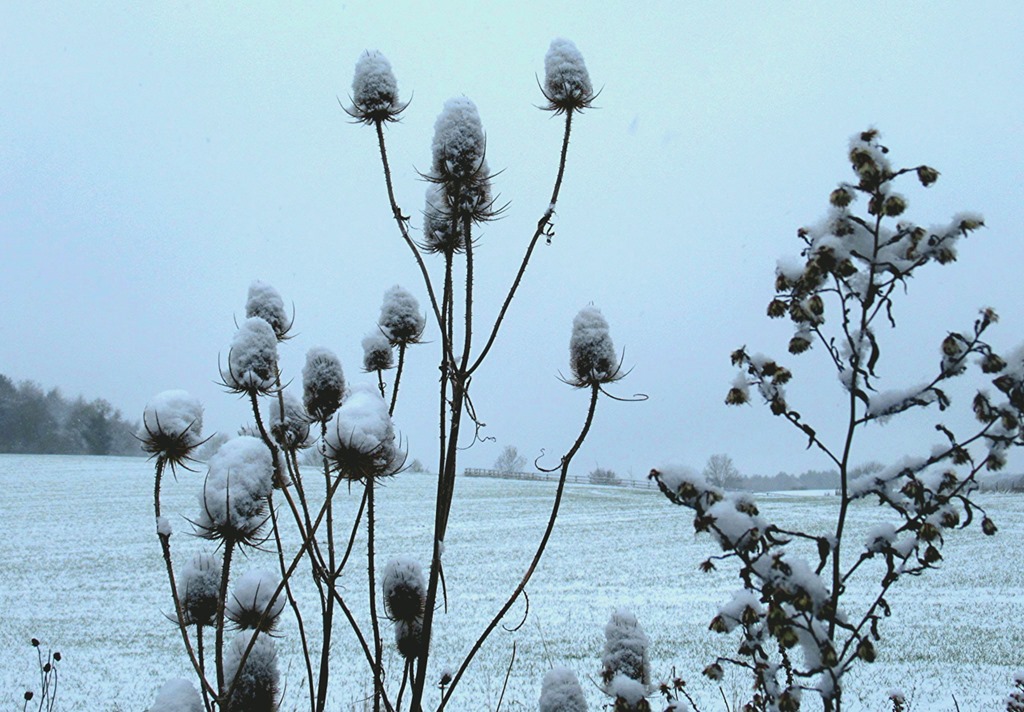
Fresh from the garden an hour ago, and more snow to come. Nor are we alone. Temperatures in the northern hemisphere, and especially parts of North America have been plunging to record lows due to a shift of the polar vortex, the icy wind system that usually spends winter over the Arctic. It’s even been snowing in the Algerian Sahara – the fourth time this has happened in 42 years. My computer tells me it’s zero degrees celsius here in the UK, positively tropical compared to Chicago’s –26C with an added wind-chill factor of –53C. Stay warm, everyone.

IMG_1995

Square Up #24

Taking The Path Up Windmill Hill ~ Keep Up At The Back Please!

100_7821

It’s a place for all seasons, and only a few minutes walk from our house. There are several approaches but I’ll take you up the Linden Walk that runs beside the old railway line. To the left lies the Linden aka Gaskell Field, now the town’s main recreation ground, and site of the annual Wenlock Olympian Games since the 1850s.

P1100161sq

*

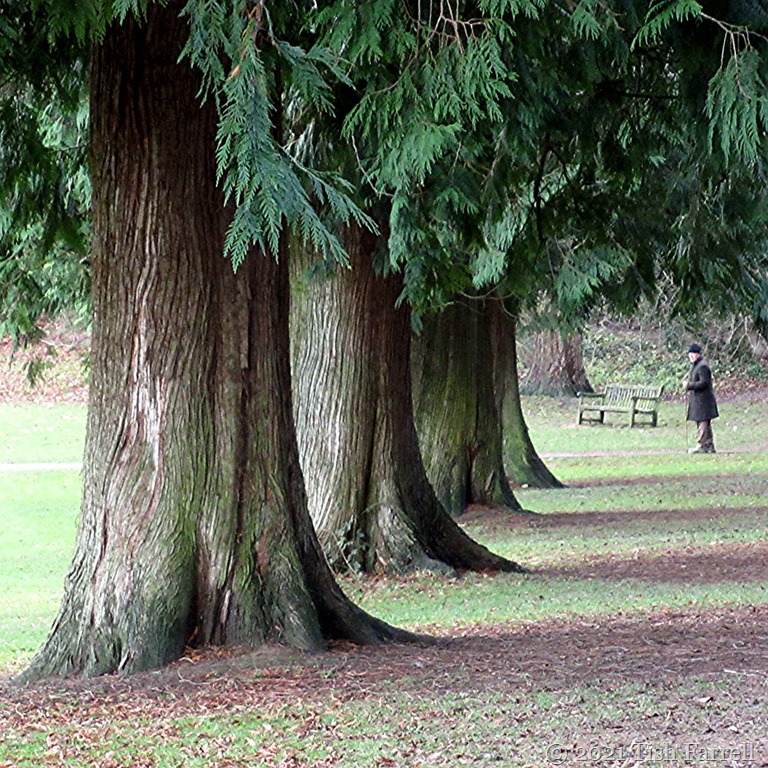
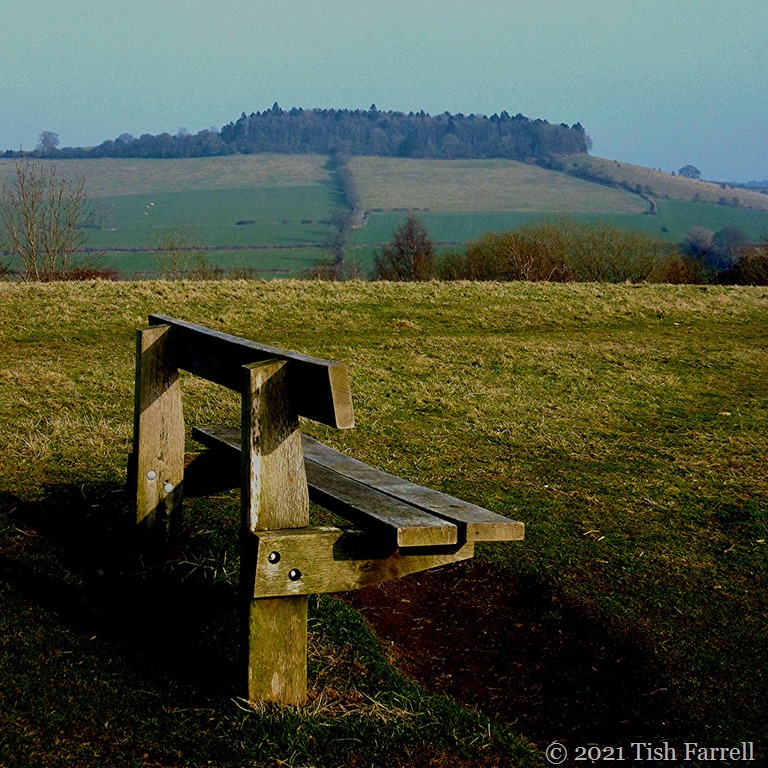
Near the top of the Linden Walk there is a parallel avenue of conifers. At the end turn left by the seat. In fact follow that chap in the brown coat. He knows where he’s going.

IMG_1162sq

*

The path next takes you briefly along the wooded flanks of Shadwell Quarry. On the left as you go, at the top of the Linden Field, is a fine parade of oaks planted in the late nineteenth century to commemorate various Olympian Games doings. Watch out for the squirrels.

IMG_0687sq

067sq

*

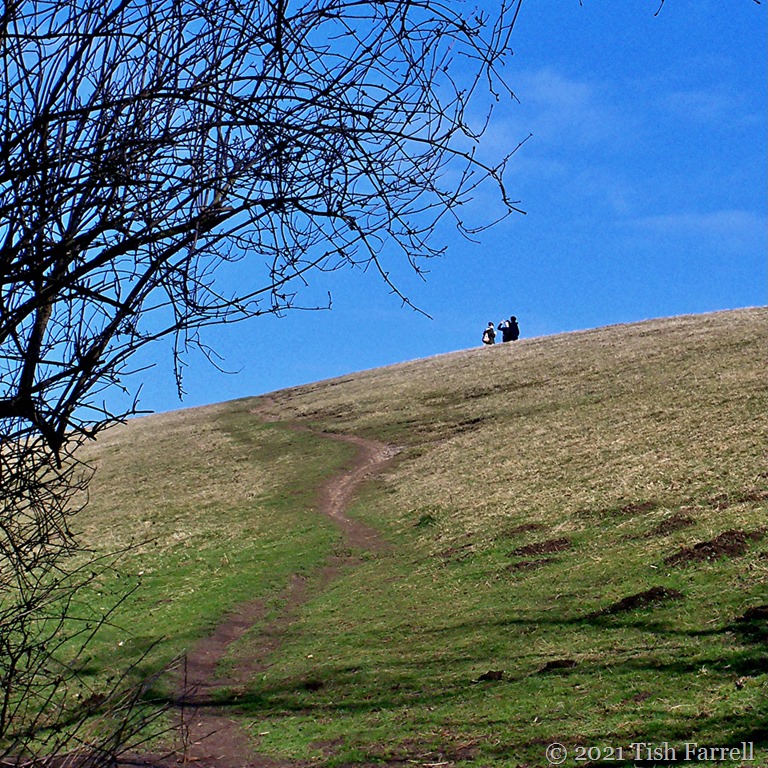
The path up the hill is quite steep. In winter the limestone meadow looks like this:

100_5070sq

And like this:

P1040020

*

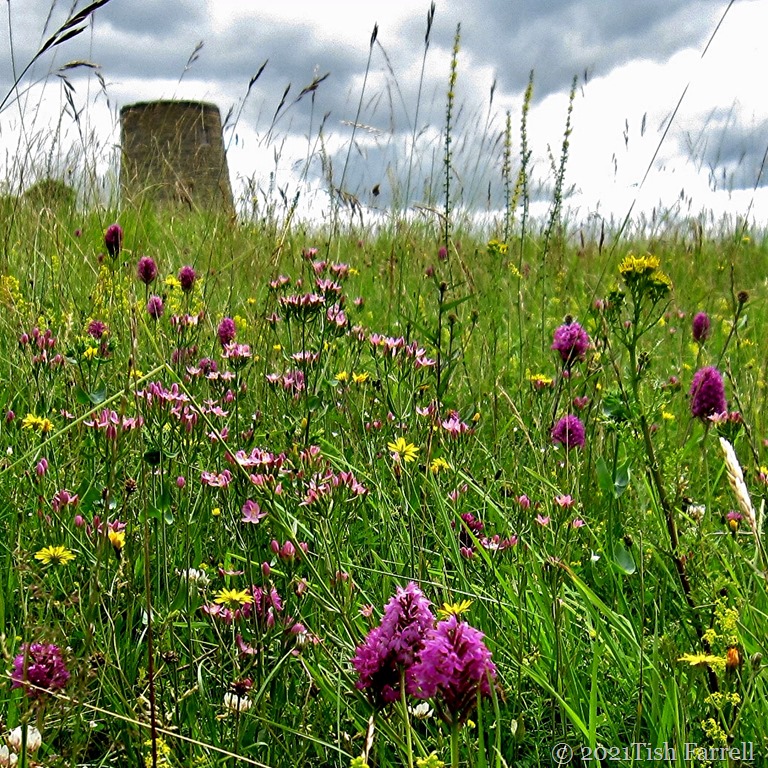
But in early summer it’s a riot of orchids, lady’s bedstraw, clover, wild thyme, vetches, agrimony and St. John’s Wort:

IMG_2155

*

And in late summer it’s the grasses’ turn to flower:

P1050007

*

But whatever the season, if it’s not too windy, there’s a good place to sit and admire the view:

P1000684 sq

100_7835

Square Up #22

Slice Of Upper Crust Anyone?

IMG_1584

Until this last year I had not been an enthusiastic bread maker. But then with lockdown, needs must, and so kneading it was. Also during the warm summer weather the over-heating conservatory was an ideal spot for dough proving.

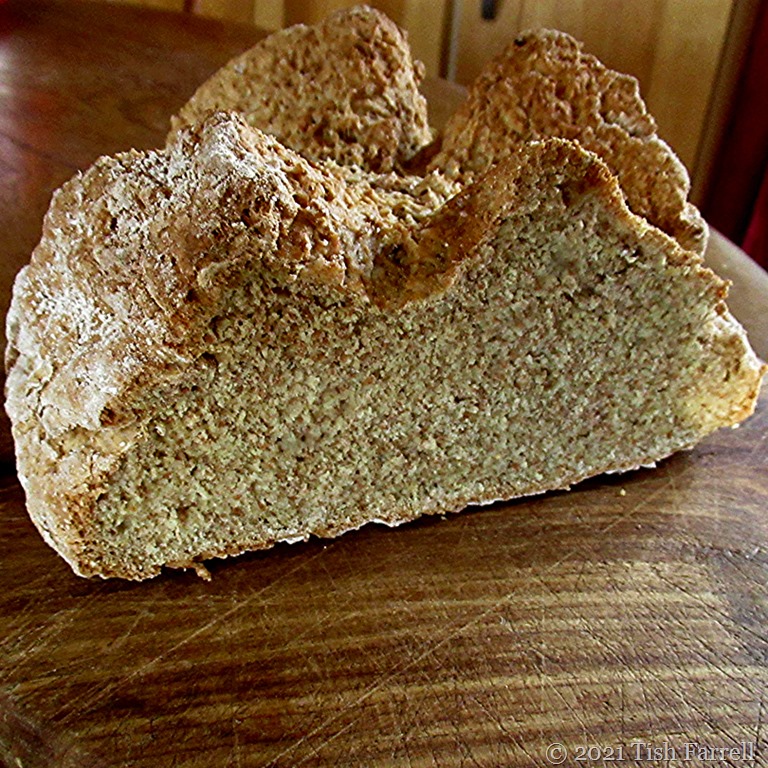
I  was surprised at how well my wholemeal, spelt and kamut loaves turned out.

But with the cooler days, proving was taking longer and the bread never seemed to be ready when I wanted it. Enthusiasm waned. And then I remembered soda bread. Or rather I happened to see an old episode of Hugh Fearnley Whittingstall’s River Cottage wherein Ruby Wax, celebrity comedian but non-cook, had been charged to make soda bread. It looked so easy. And so quick. And even through the screen you knew the bread was delicious.

Next came some research. One stumbling block was obtaining a seeming key ingredient – butter milk. It was not to be found in Much Wenlock. Then I discovered natural live yogurt would do instead. Or even milk (dairy or non-dairy) plus a tablespoon of lemon juice or cider vinegar to activate the soda.

IMG_1579

Some of the recipes seemed to have too much bicarb. I did not want to be able to taste it. And so here is the recipe I’ve come up with. It takes a few minutes to throw together, and a little over 30 minutes in the oven.

Oven (fan-assisted) 200 C

400 gms of flour: I use 260 gm wholemeal  spelt flour and 140 gm of strong white bread flour;

1 very slightly rounded teaspoon of bicarbonate of soda;

1 level teaspoon of sea salt;

300 ml liquid: natural live yogurt:

OR milk (dairy or plant-based) with 1 tablespoon of lemon juice/cider vinegar; or a mixture of yogurt and milk and a good squeeze of lemon juice. I’ve also used slightly ‘gone off’ milk.

Mix it all together with a spatula, then shape into a round (not too much fiddling);

Place on floured baking sheet.

THEN THE MOST IMPORTANT BIT:

Slice a deep cross across the top of the loaf.

This may serve 3 purposes:

A) Let out the fairies;

B) Give protection from the devil:

C) Help the loaf to cook evenly.

Cook in a hot oven and check at around 30 mins. The bread is done when a knock on the bottom produces a good hollow sound.

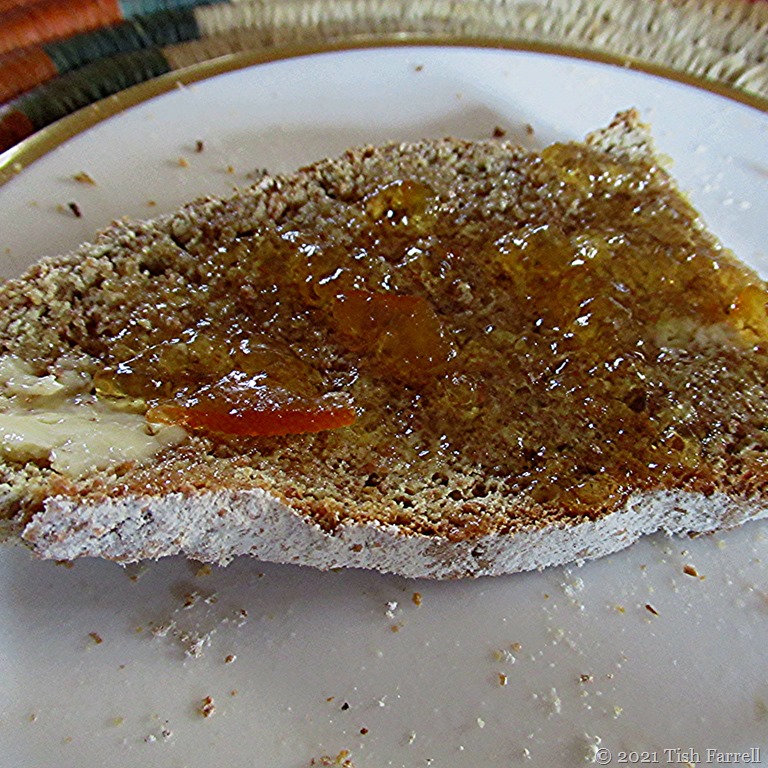
Soda bread is best eaten fresh, but it will keep a couple of days in a cake tin, and it does make the most excellent toast. Delicious with homemade Seville marmalade or wild honey.

For a savoury version: 125 gms of grated strong cheese can be added to this recipe plus some herbs of choice.

Square Up #21

Upsy-Daisy Does It

IMG_6105

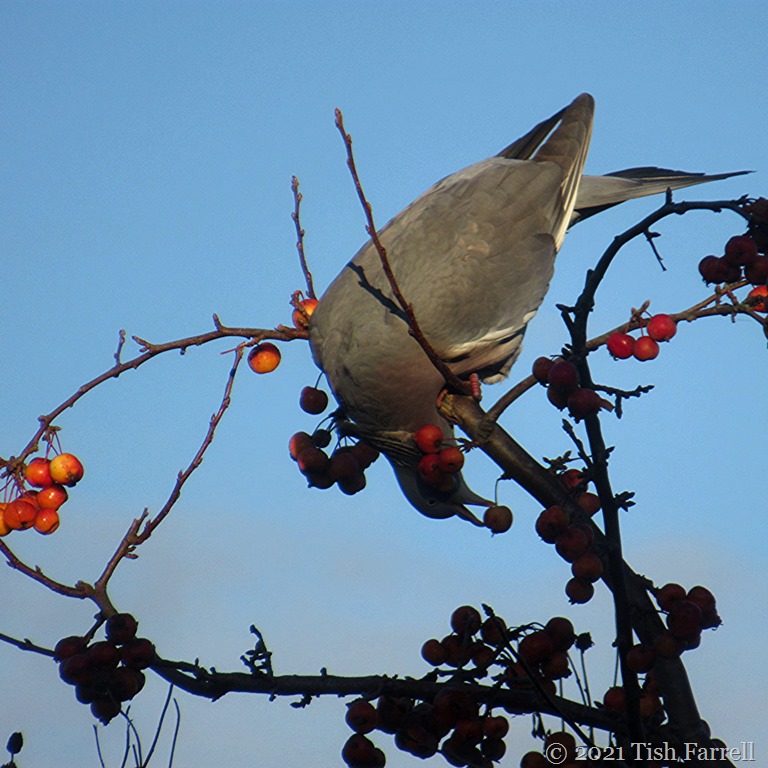
It was definitely a case of trial and error. This wood pigeon was far too big and heavy to perch safely in our little crab apple tree AND snaffle the apples. Various approaches were attempted. Finally the down-under manoeuvre did the trick. Success!


Square Up#20

Today Becky is using her magic crystal ball to do some conjuring.

Bird Weekly – up tails all

This week Lisa wants to see ‘butts in the air’ bird life.

Uplands: Wenlock In Shades of Brown

P1020130

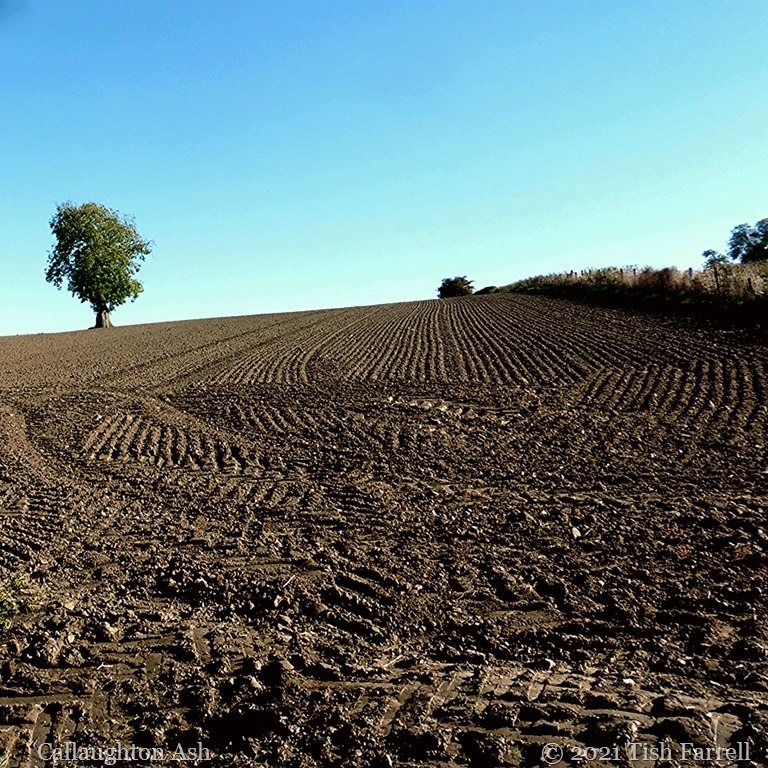
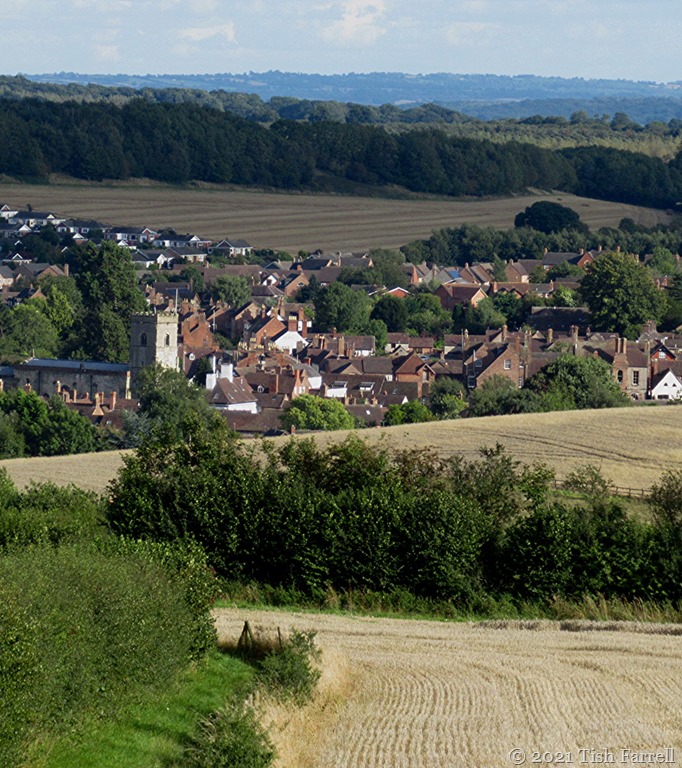
It is rather strange, but when you are wandering round Much Wenlock you are hardly ever aware of its upland surroundings. Yet it sits in a steep-sided bowl between the upthrust strata of Wenlock Edge and various residual hills and hummocks from Ice Age days. It is a place of natural springs and erstwhile saintly wells, with hints, too, from ancient finds that its waters may well have been venerated in Roman times. It was doubtless the reason why the Saxon Princess Milburga established her convent here around 670 CE, ‘cleanliness being next to godliness’ and so on.  She was the subject of many local legends, most of them relating to her fleeing the unwanted attentions or lusty males, while conjuring protective streams and rivers to thwart her pursuers. The water from the town well named after her was believed to restore poor eyesight.

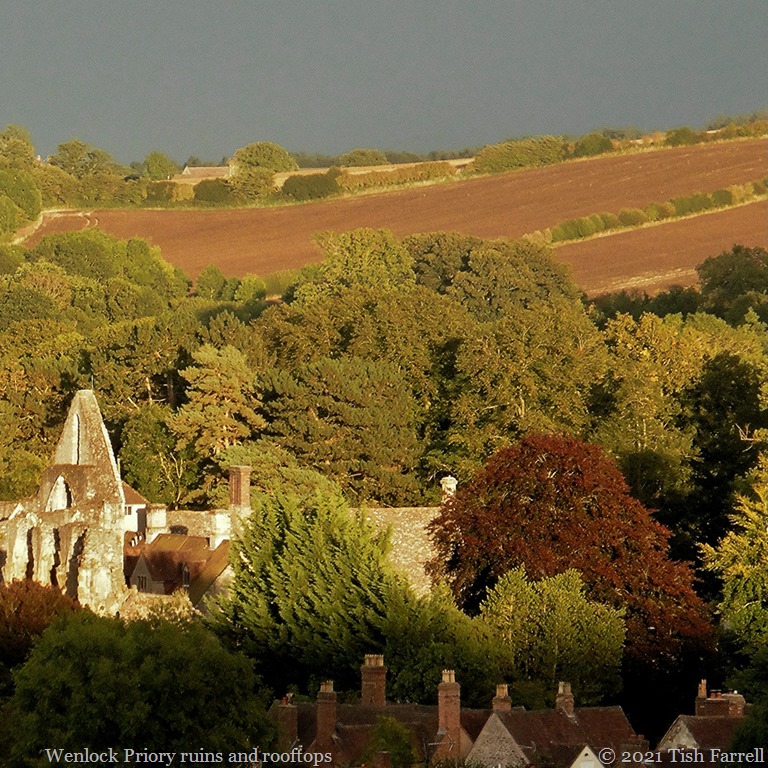
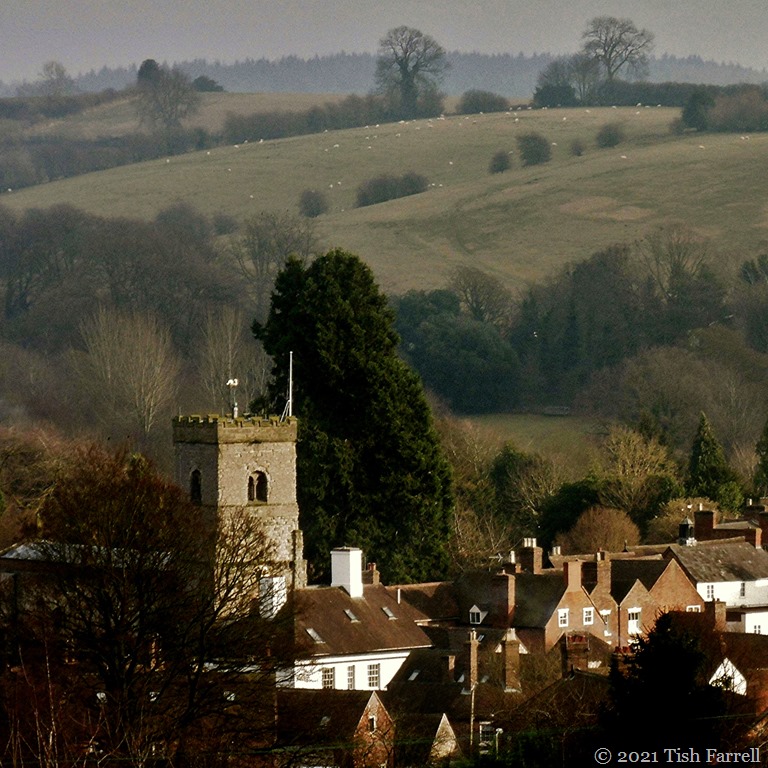
The priory ruins and parish church you see in these photos date from six and more centuries after Milburga, belonging mostly to the Norman era wherein the invaders sought to dominate the local populace with overbearing architecture. Wenlockians, though, knew how to take some advantage from the situation. It was said that the best ale in town was brewed from rainwater collected from the church roof.

P1060826

P1090051sq

P1070739

IMG_9737

SquareUp #19

Life in Colour

This month Jude at Travel Words is asking us to consider the beauty of BROWN – earth colours.

Onwards And Upwards

IMG_1840sq

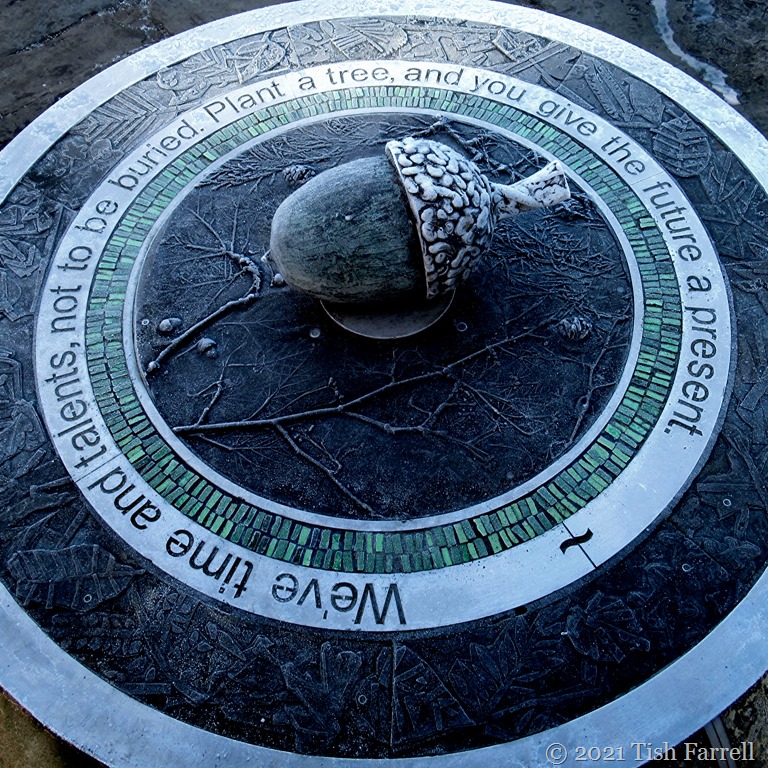
In 2012 Much Wenlock’s Olympian Games Committee commissioned a series of five artworks to mark the town’s founding connections with the modern Olympic Games[**].

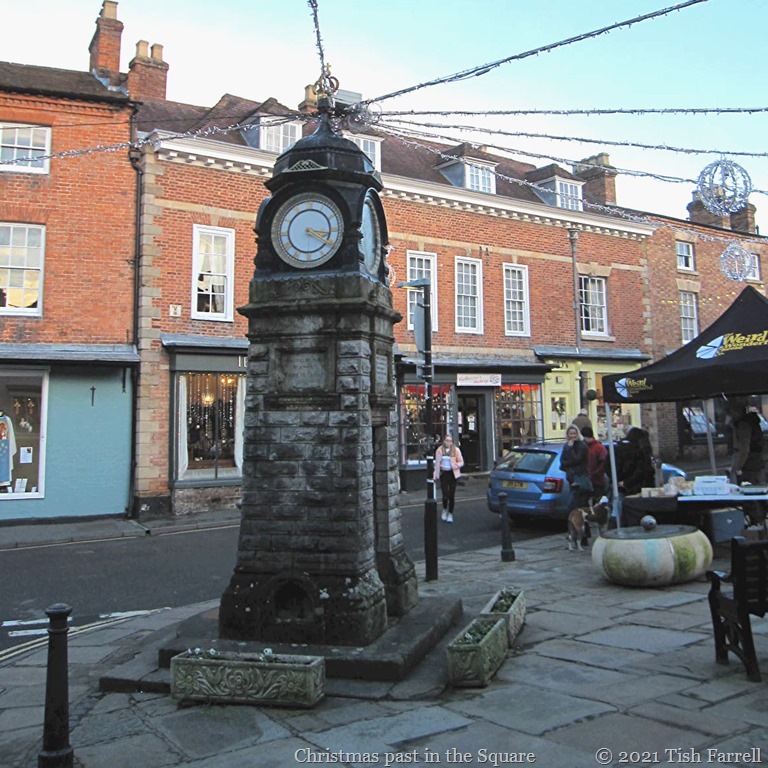
You might describe them as stone ‘tuffets’, though they are rather larger and lumpier than Miss Muffet’s seating arrangements. Local school children contributed creative notions and designs for the tops. This one now sits in the town square (after a few years getting grubby on the Linden Field) and is my favourite. Cultivate our hidden talents, it says, and if we can – plant a tree.

IMG_7884


[**] see earlier post on Wenlock’s connection with the revival of the Olympian Games HERE


Square Up #18