Seaton Seascape

P1020706 - Copy - Copy (2)

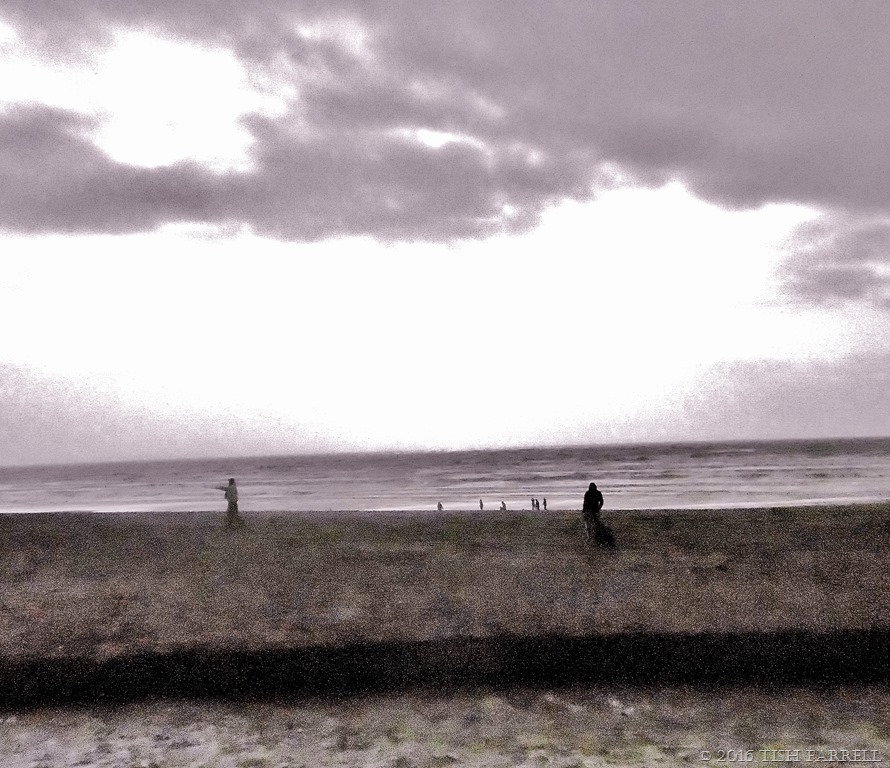
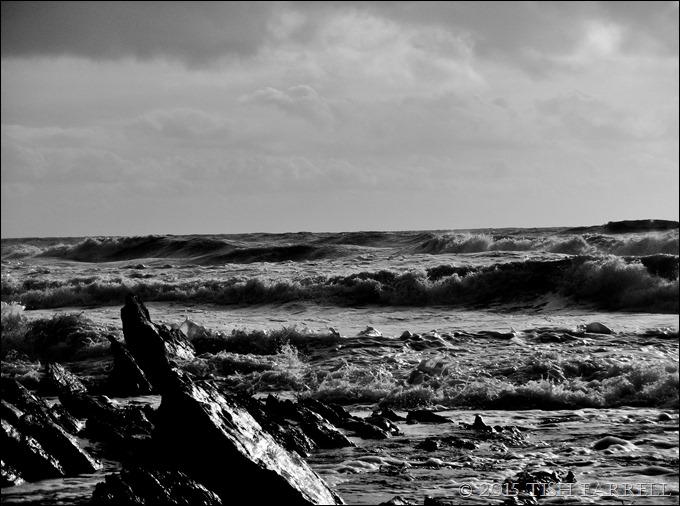
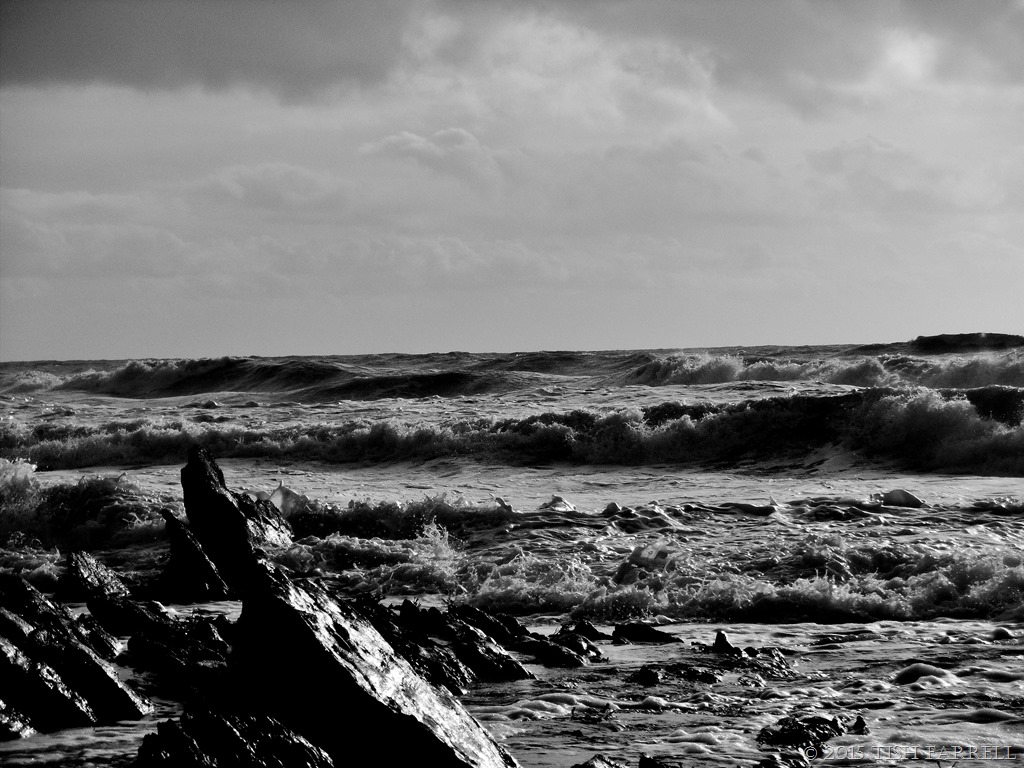
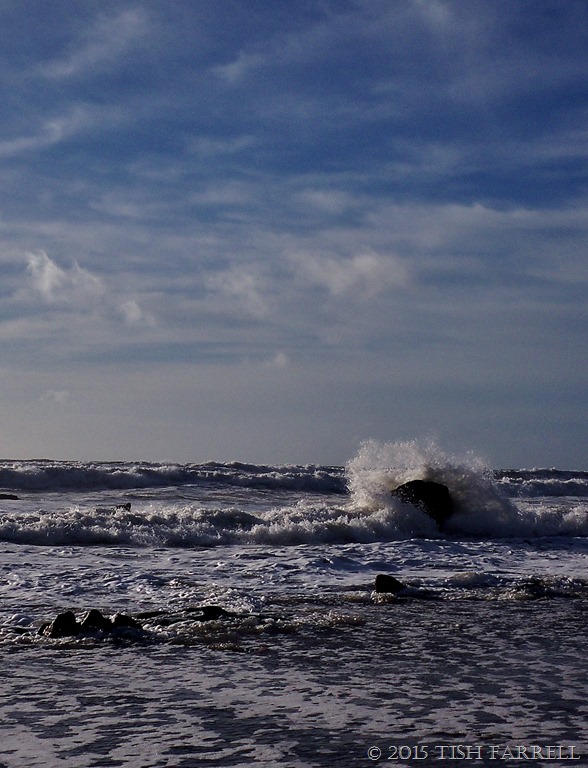
All I can say is my Lumix point and shoot was on a very strange setting when I took this photo. I blame the gale that was blowing along Seaton Beach, though you’d hardly know it by the ‘frozen-in-time’ look of this shot.

Cee’s Black & White Photo Challenge

This week Cee says the subject can be anything beginning with the letter ‘S’. Please follow the link to see her work and other bloggers’ renditions.

Well Hello Hellebores!

100_8773

100_8774

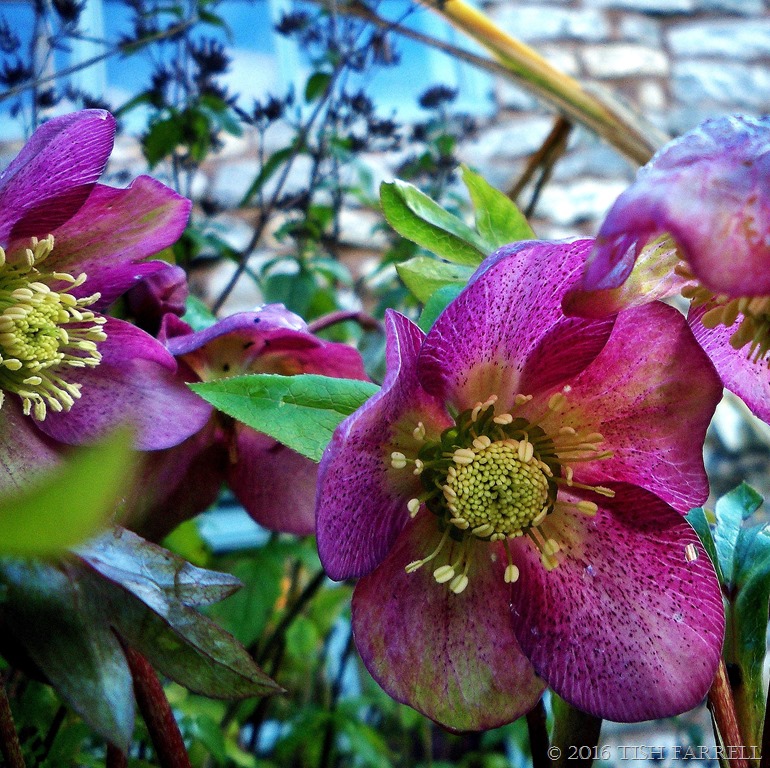
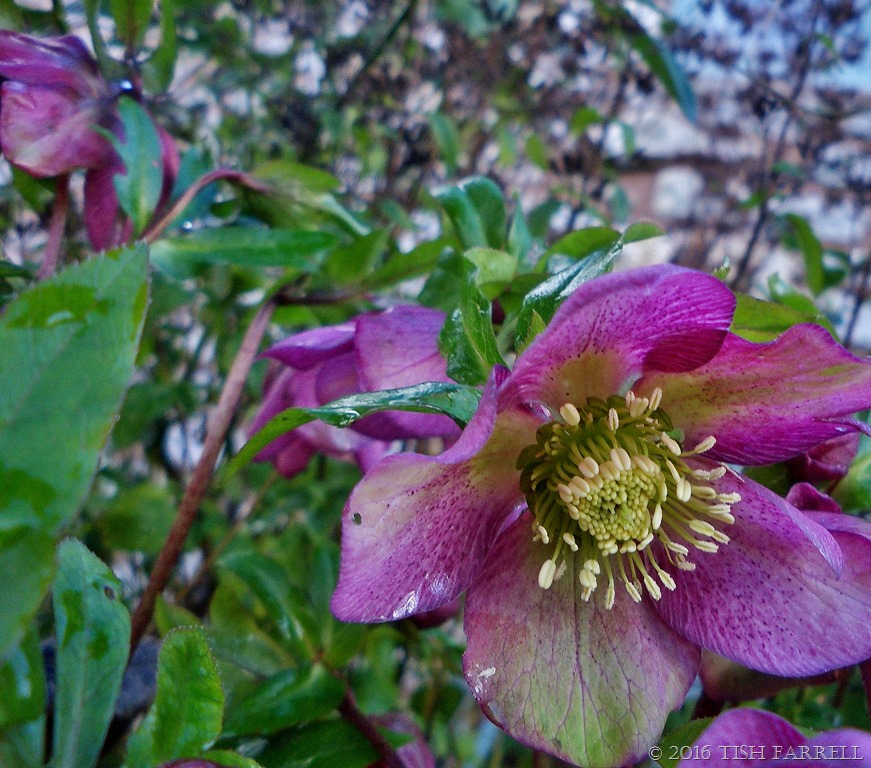
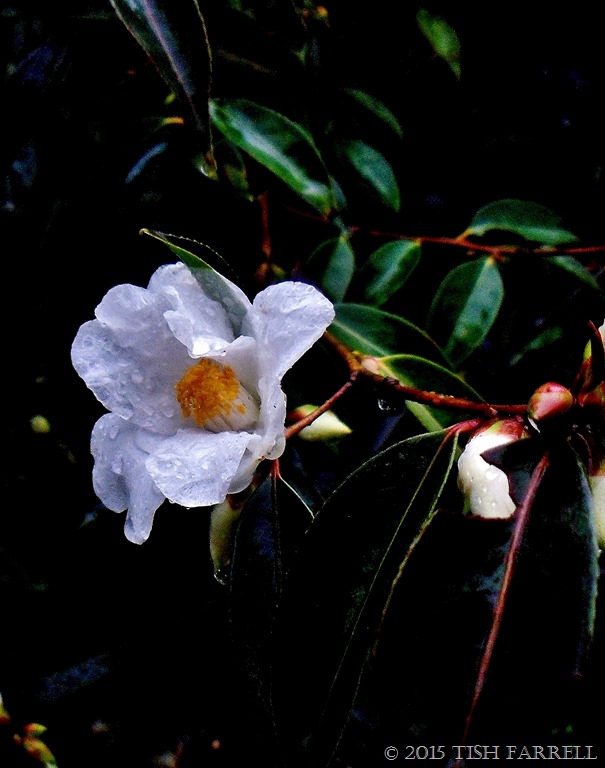
Show us your hellebores, said Jo at Restless Jo – this in a chat about Jo’s last week’s hellebore post which she linked to Jude’s new  Winter Garden  photo challenge. And so thinking to oblige, and in between sleet and rain, sleet and rain, and more rain and rain,  I dashed out into the garden with the digital camera only to find the currently flowering hellebores in most reclusive mood. They all had their heads determinedly earthwards as in the next photo:

100_8776

And so the only way to capture the first two shots was for me to stand on my head, and send the camera underneath on macro setting, and press. The whole enterprise was totally discomposed, and what’s more, it had started raining AGAIN. But then that’s winter in the garden for you. Anyway, despite shooting blind I’m quite pleased with results – sort of candid-camera shots of shrinking violets hellebores.

For more bloggers’ winter gardens please visit Jude over at The Earth Laughs In Flowers blog.

This Writer’s Path In Black & White? Or Search For The Lost Portal?


P1020698

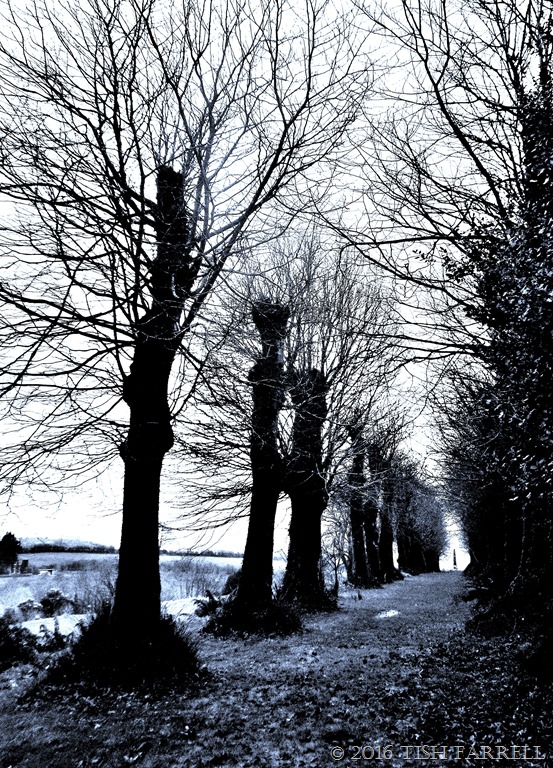
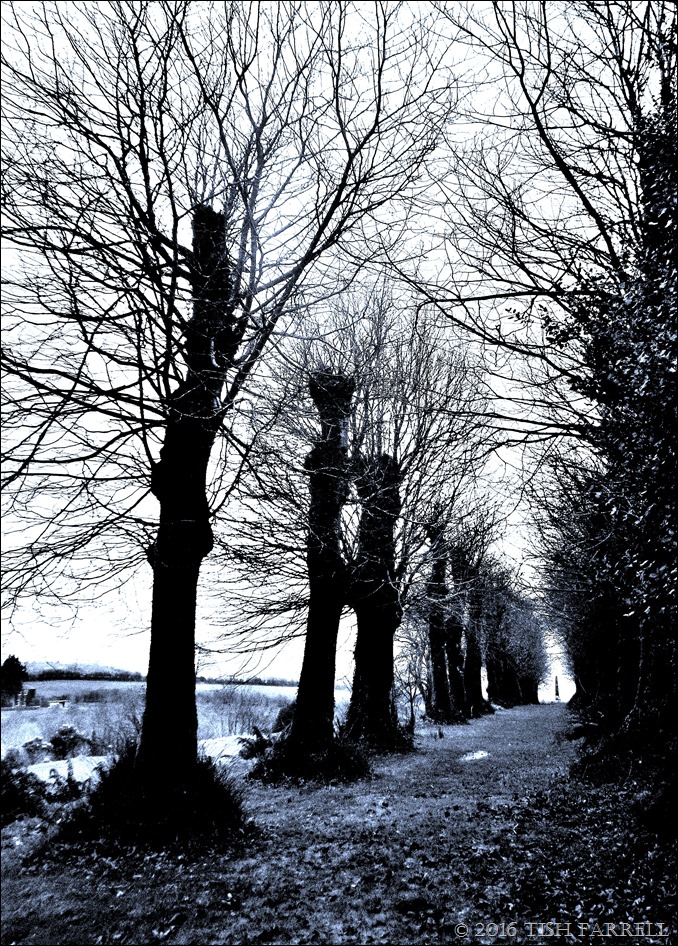
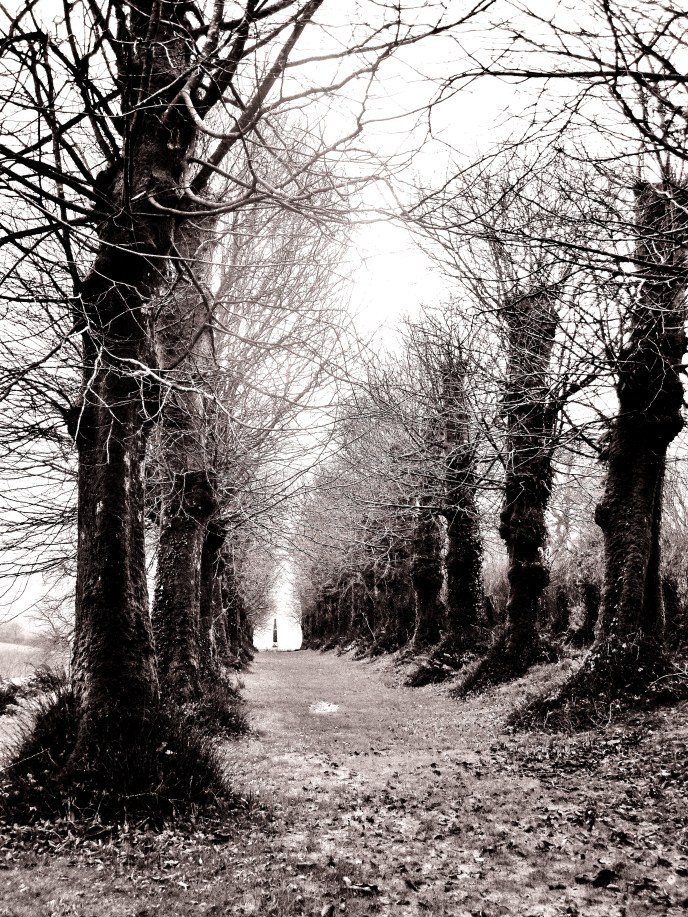
This image could be symbolic. You see the real problem is my mind keeps leaping ahead. Already it knows what is waiting for it beyond that distant obelisk. There is the final scene: redemption for a lost, old soul; rain falling in a rainless land. There is even the final sentence. The last full stop. I can see them all. But then, curiously perhaps, the mind’s-eye place that I rush towards is nothing like the place in the photograph – this rain-logged Cornish avenue of cropped limes. How could it be? My body may live in England now, but my mind still wanders in Africa where it endlessly struggles to create.

The yarn (aka the novel) that’s been churning in my head for countless months (years maybe) has its source in the thorny, arid plains of East Africa. And if ever it rains there, it smells nothing like the rain in temperate lands. In Africa you know your life depends on it – the fickle falling of rain. In England you simply expect it while grumbling at forever getting wet. This is one manifestation of the great divide between the famished and the over-fed.

And yet…

And yet there is congruence here.

When I discover the avenue at Christmas I am instantly fascinated. It’s like coming upon a lost garden, or some ancient megalith. I want to know where the path leads: simply to the obelisk, or is there something more beyond? The avenue itself, with its period formality, anyway evokes expectation of some pleasing and diverting progress along it.

But it isn’t the time for promenading. The weather is so gloomy and wet the avenue is almost too dark to photograph, let alone walk along. But still I return several times more, and pick my way back and forth among the trees, noting the clumps of daffodils and crocus, sprouting densely among the roots. I even patrol the grassy bank beside it, trying to grasp the avenue’s measure and meaning. Is it simply some vanity-planting by long-ago denizens of the small manor house that is now converted into holiday flats? And even though I can see it clearly issues from the carriage circle outside the house, does it actually go anywhere at all?

I can ask similar questions of my current work. Is it a piece of vanity writing, or something of substance? A story that is going somewhere special, or not? I am becoming aware, too, that knowing the ending (being in love with it almost) could be an (overwhelming) handicap: why bother to create what comes before it? Isn’t it all too hard? But then, on its own, that final scene has no meaning, no matter how much it may excite and lure my imagination away from the job in hand; snatching concentration from the down-and-dirty toil of how to get there.

So yes, yes, and yes. Of course it is the journey that counts; the grand excursion that must be planned and undertaken. Undergone. Borne. The delineation and experience of what happens on the way are key; in that yawning space between departure and arrival great transformations must take place. This, after all, is the point of fiction. Verbal alchemy.

When I finally slither and slide to the obelisk, I find the avenue strangely truncated. Behind the monument whose commemorative purpose is not obvious, I find a small wrought iron seat for two and, a step beyond and directly facing it at right-angles, a hedge. This is puzzling. How can the avenue end here? Surely it was once part of the main drive to the house. From its earliest days in 1690, and through the Victorian period, Duloe Manor was the rectory. And so, whether by carriage or cart, on horseback or on foot, parishioners must have approached its front door somehow.

A cursory scanning of the landscape suggests that any onward stretch of drive must have turned sharply at the obelisk and descended downhill to the lane. Now it is lost in an open meadow tailored for holiday guests who wish to exercise their dogs or simply amble. I also ponder why the seat looks onto a hedge. Then I see that, beneath the recent unseasonal growth spurts, the hedge had been shaped to allow a vista as if it were a balcony. As I stand beneath dripping lime trees, I conjure a clear day when rainclouds aren’t snagged on the fence tops. The panorama of Cornish countryside will be magnificent, I think; perhaps a distant glint of sea?

Looking at the photo now, I see only my task ahead – the making and moulding of the many stages through which a piece of work must pass. I have made a good start. Written many thousands of words. I know where I’m heading. Clearly then it is time to commit myself to the hardest part – the middle.

But here’s the rub – the discomforting, unnerving questions that this little excursion has sparked. Ones that must be answered before I take another step.
1: How seriously do I take my writer-self? Seriously enough to bring off this task?
2: Does the work itself have energy enough to make, or even warrant the journey?
3: Do I have energy enough?
4: And how will I feel if I never give myself the chance to write that final scene?

On reflection, an answer to this last might serve for the other three. It depends on the answer.

Later – today in fact – I discover that in times past one of the house guests at Duloe Manor was Charles Dodgson, aka Lewis Carroll. It is said he was working on Alice in Wonderland at the time. Suddenly this knowledge brings new possibility. Never mind the navel-gazing and writer-angst. Of course it is exhausting inhabiting two realities, and never being quite in either – body in one place, mind half a world away. Surely, then, what I need is Alice’s rabbit hole – to submerge, to blooming well get down there and on with it. In fact, look out there. I think I see him. Isn’t that the White Rabbit dodging through the lime trees? Quick, quick, I mustn’t lose sight of him.

Wait for me-eeeee, White Rabbit!

copyright 2016 Tish Farrell
P1020701

January: Winter Garden Harvest

P1020995

Yesterday, after several days of rain, I trudged, stick in hand, clad in big hat and waterproof – (looking a bit like Gandalf, I thought, but definitely without any concealed fireworks) along a very squelchy field-path to the allotment. To say the plots are not looking their best is an understatement. All seemed dank, dreary, waterlogged, weedy, and downright dismal, and certainly not worthy of a photo – not even a moody, atmospheric one. BUT there was produce, much of it still thriving in the mild, wet weather. So here we have it – on the kitchen table my winter harvest, a humble ‘still life’ tribute to the Flemish masters who created such scenic wonders out of lemons, melons and grapes. And also inspired by Jude who kindly said we could interpret her winter garden challenge any way we liked.

So please pop over to her garden photography blog for more Winter Gardens

On The Rocks

P1020559


P1020558

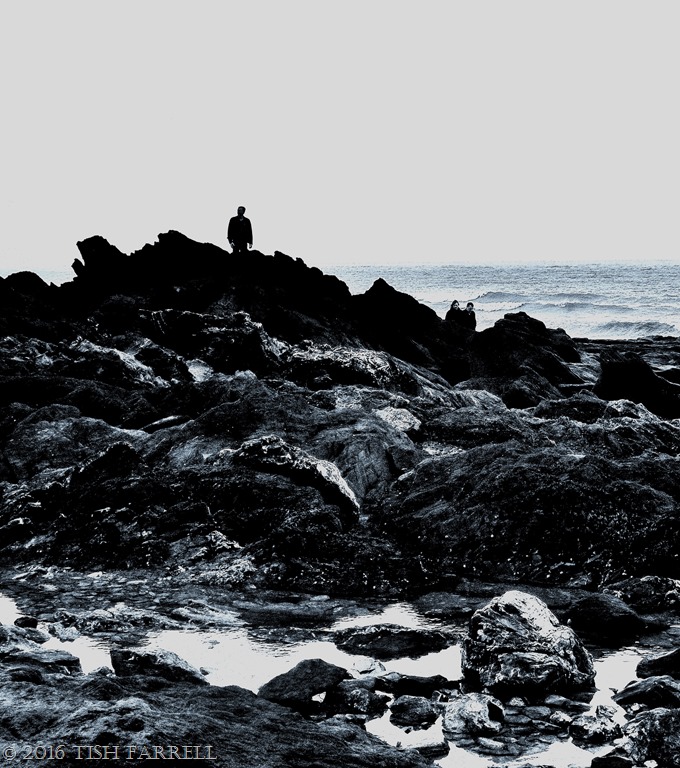
Over at Lost in Translation Paula is challenging us to show her ‘moody’. So here are my moody seaside shots in Looe, Cornwall, captured on Christmas Day on my Lumix’s Dynamic Monochrome setting. There was hardly any light, but I liked the silhouettes these young people were creating between rocks and surf.

Please visit Paula for more bloggers’ moody views.

copyright 2016 Tish Farrell
A Mysterious Four-Thousand-Year-Old Circle

P1020777

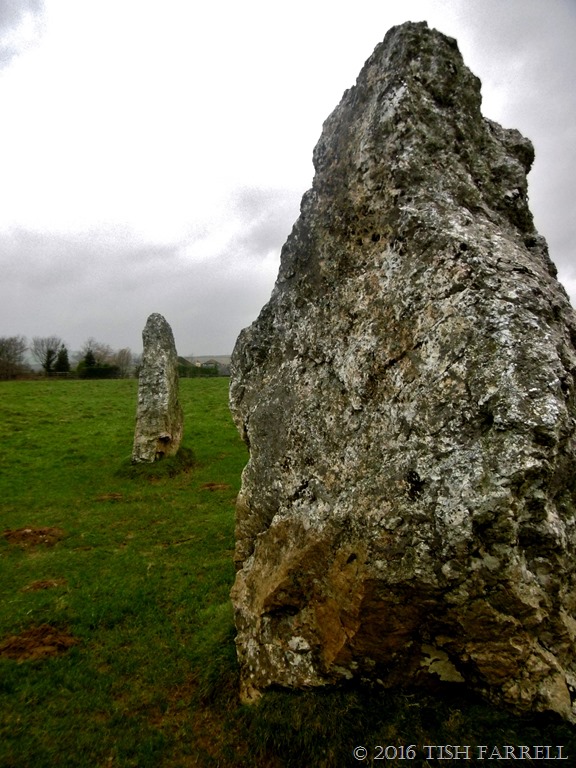
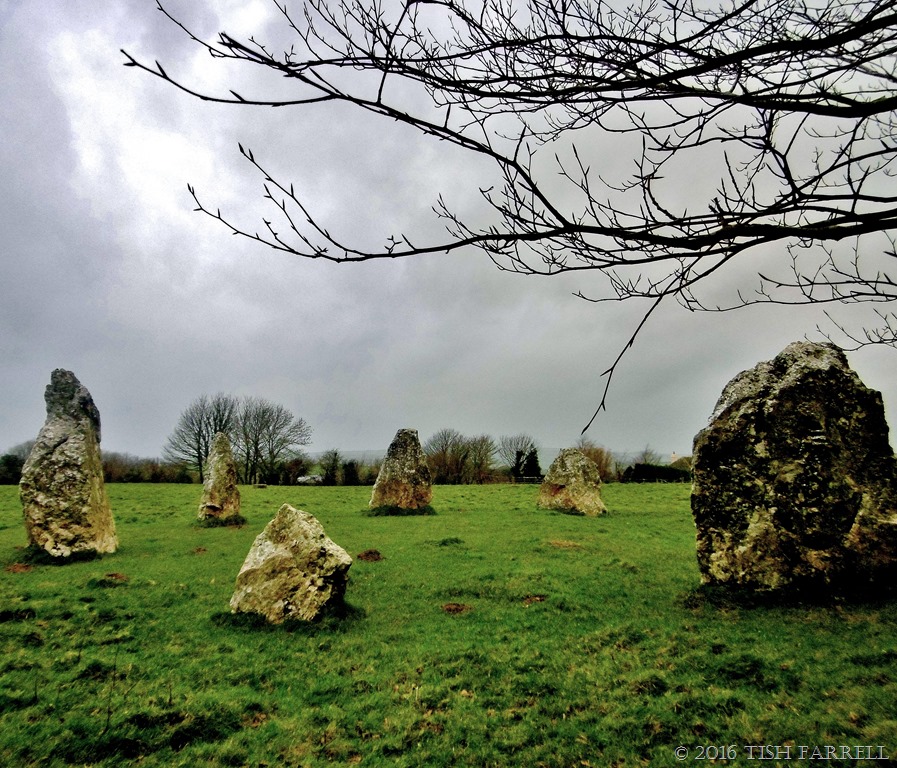
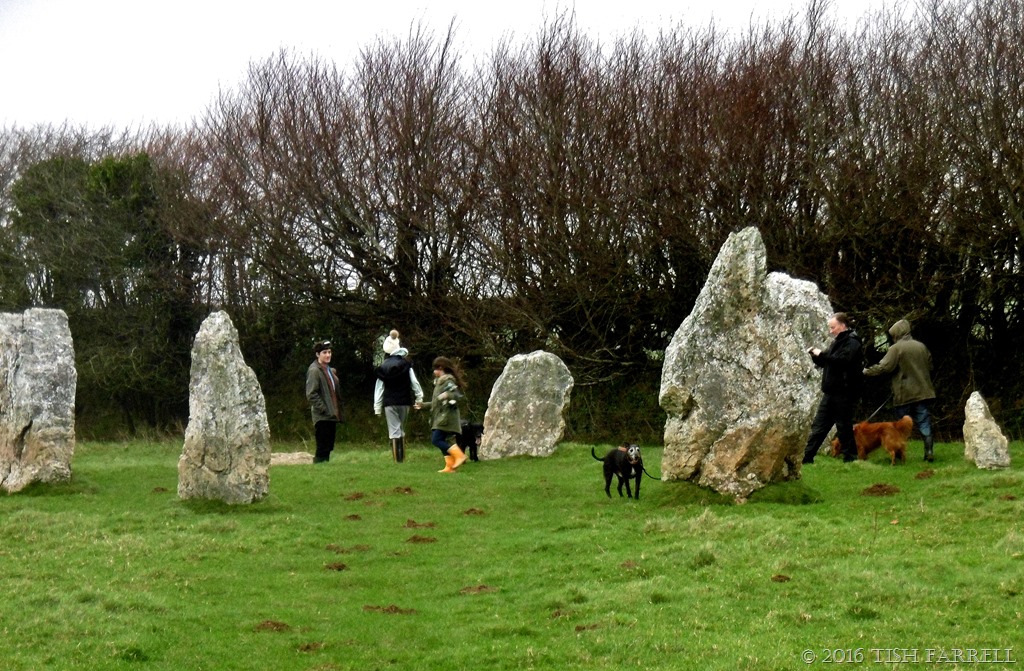
This is Cornwall’s smallest stone circle, captured here on a dreary December afternoon in the village of Duloe. It dates from around 2,000 B.C.  a relic of the British Bronze Age.

P1020774

In fact the 8 large stones that comprise the monument are set out in more of an ovoid than a circle, the diameter varying between 10 and 11 metres. But they are also roughly aligned with the compass points, which instantly has everyone thinking all sorts of things about the possible purpose of the structure.

The first historical, if indirect, reference to the circle, occurred in 1329 A.D. in a record that mentions the farm of Stonetown on whose land the stones stand. Its official antiquarian discovery, however, was in 1801, at which time the stones were prone, and the circle bisected by a hedge.

During restoration work in 1861, and the removal of the hedge, workmen stumbled on a Bronze Age funerary urn in the centre of the circle. Unfortunately the urn and the cremated human contents have since been lost, but it thus seems likely, given its small size, that the monument was intended only as an elaborate grave, rather than constructed for any other ritual purposes.

All the same, the enterprise involved some considerable labour. It’s been estimated that thirty or more people would have been needed to move stones up to 12 tons in weight. They are quartzite-rich with elements of ankerite, and the nearest source of such rock is at least a mile from the site.

100_8310

And so there it stands, a domestic-scale stone circle complete with neighbouring cottages, sheep and power lines. Families out with dogs and infants wander briefly round the stones before continuing their walk. They look bemused, as if expecting more. But the stones give nothing away. They have no stories to impart. They simply are.

P1020778

copyright 2016 Tish Farrell


Circle


The Cotehele Christmas Garland

P1020954

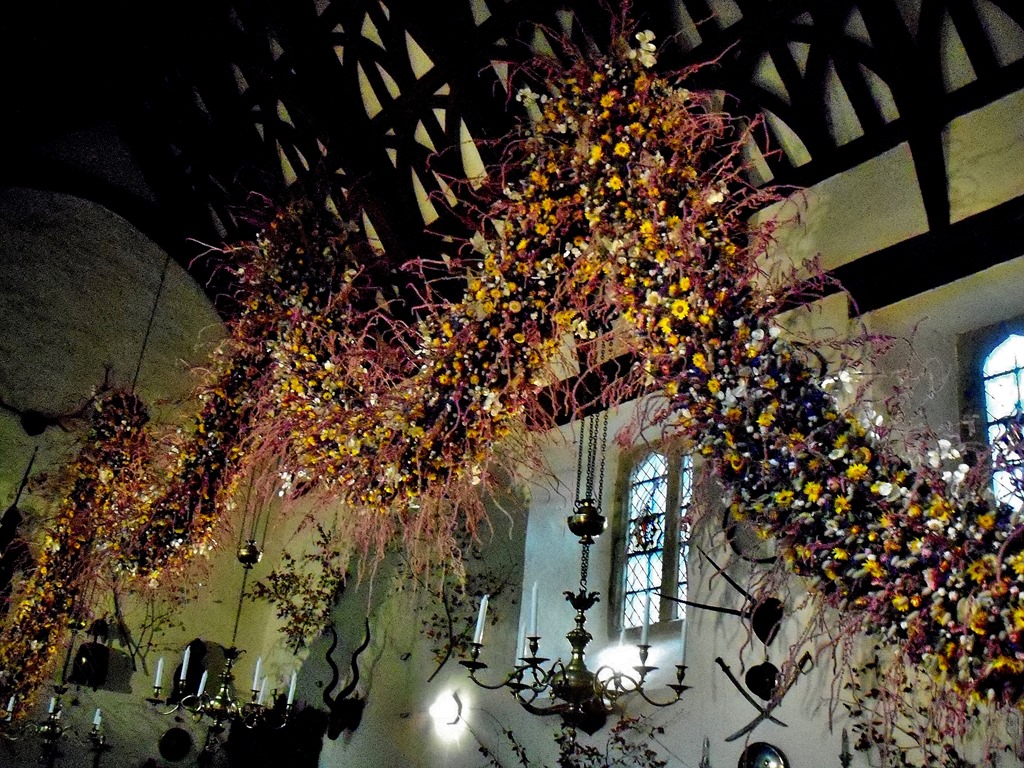
Even on the dreariest, dankest of days Cotehele is a magical place. For nearly 600 years this medieval-Tudor house was the home of the Edgecumbe family who aquired it through marriage in 1353. In 1947 it passed into the ownership of the National Trust in lieu of death duties.  Naturally, December is not the best time to visit, not if you wish to see the main house, or wander in the gardens. But from mid-November to 31st December Cotehele does have one very special attraction that makes it well worth the trip up winding, narrow lanes and into the mysterious Tamar River hinterland.

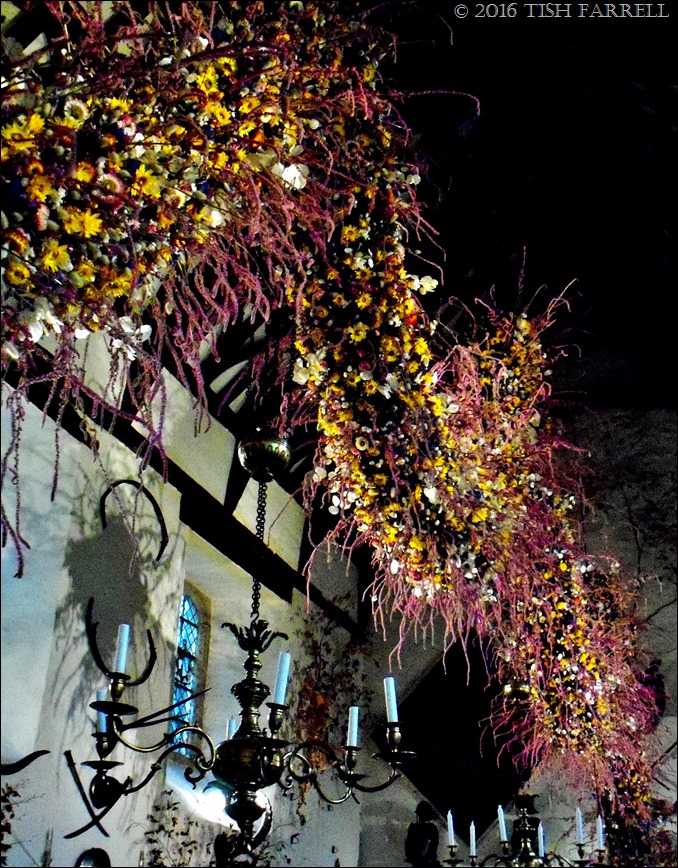
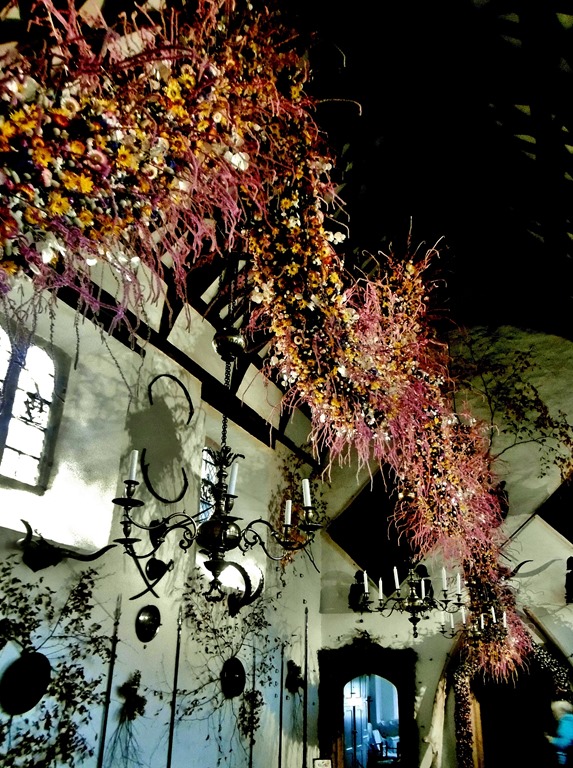
Every year in the Great Hall, and with a log fire flickering in the grate below, an epic swag of dried flowers is hung from the rafters to brighten the festive season.

The garland comprises one hundred feet of rope dressed with 46,000 dried flowers, all of which are grown on the Cotehele estate.  When you step into the Hall there is the faintest scent of summer hay, all of which puts one in mind of old English Hardy-esque midsummer relevry, and brings on a fit of nostalgia for the rustic yesteryear that probably never was.

But it does not matter. As invented traditions go (and the notion for it began in 1956), the garland is beautiful, and a darn sight more picturesque than that other English invention of similar vintage – the Ploughman’s Lunch that is still found lingering dolefully on most pub menus.

The garland takes staff and volunteers two weeks to construct. The base is made up of cuttings from 60 evergreen pittosporum trees. Added to these are statice, grasses, helichrysum, pink pokers, xerochrysum, acrolineum and helipterum. The whole creation lifts the spirits, and in the darkest days of the year, what more could one ask for, that and a delicious bowl of homemade soup in the National Trust tea room?

100_8667

100_8661

100_8686

Cotehele Great Hall

copyright 2016 Tish Farrell
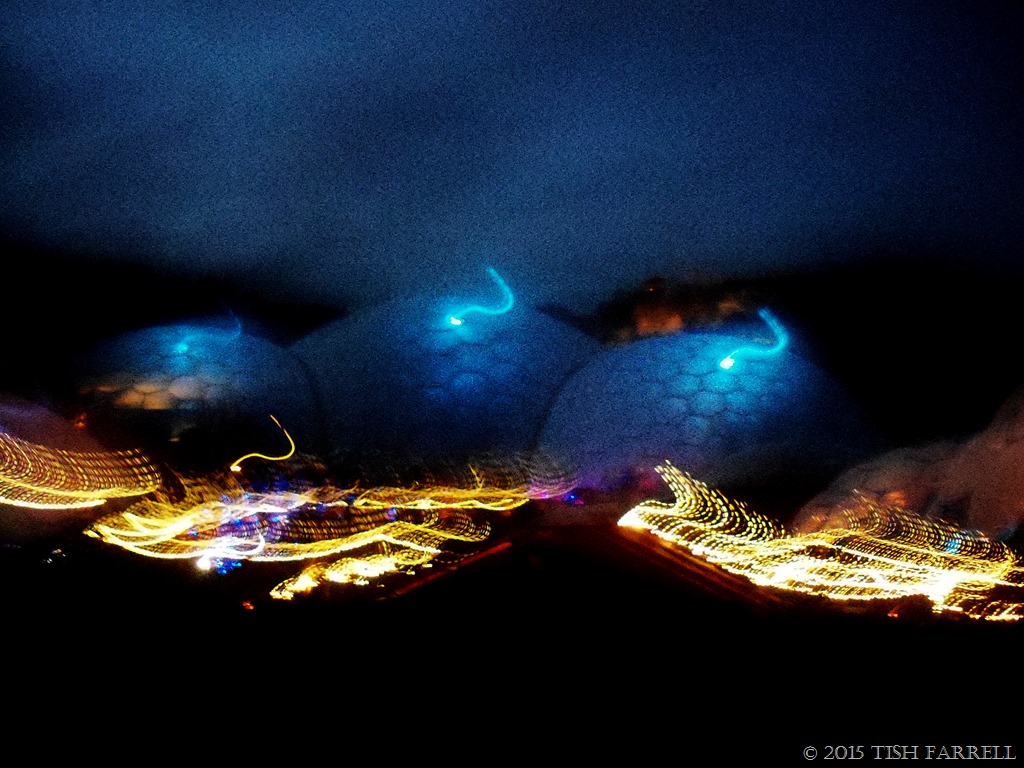
On Sunday we went to Eden and this is what it looks like…

100_8377

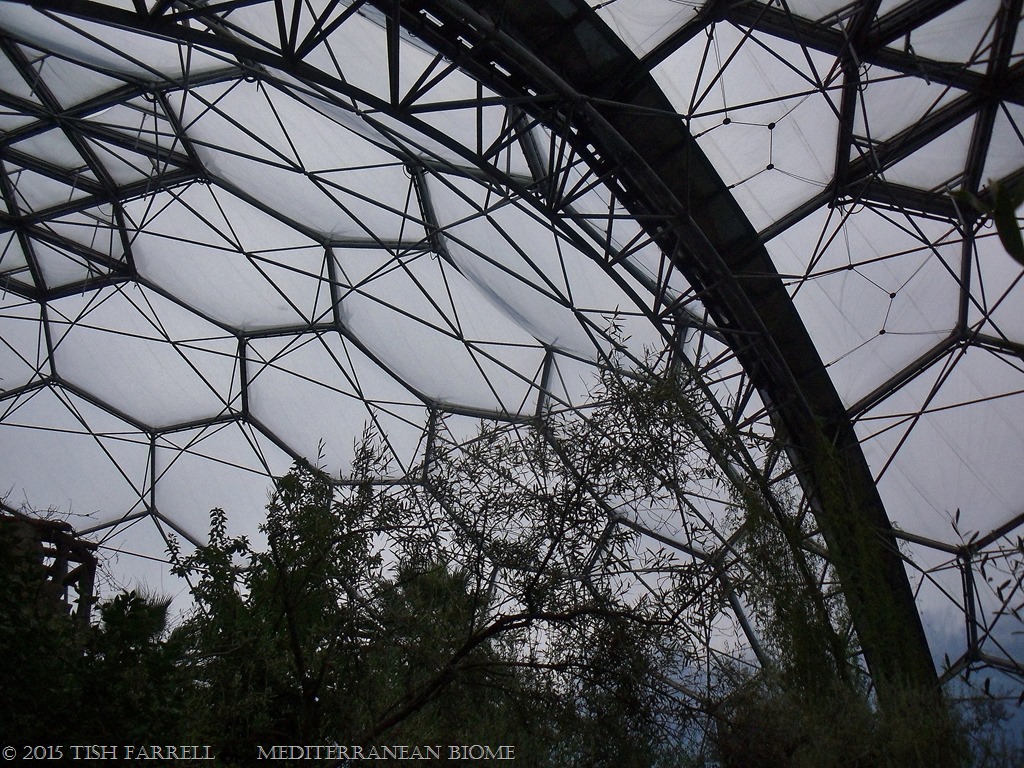
At least this is what the Eden biomes look like in December twilight, and courtesy of some dodgy photography. I think the effect suits it – this bold and inspirational project to wake us up to the knowledge of our total dependence on plant life. For one thing – without trees we couldn’t breathe very well. It’s interesting that we’ve become so divorced from natural-world-reality that we do not  instantly remember this, and from time to time (or even continuously) need it pointed out to us.

There’s more about the project in an earlier post: Making Eden: new patterns for living? And at the Eden Story you can see how a disused Cornish china clay pit was transformed into this world-famous educational visitor attraction that teaches us how to regenerate and nurture the Eden we have on earth. More power to their purpose.

100_8349

White Horses All Of A Lather at Port Wrinkle

P1020925

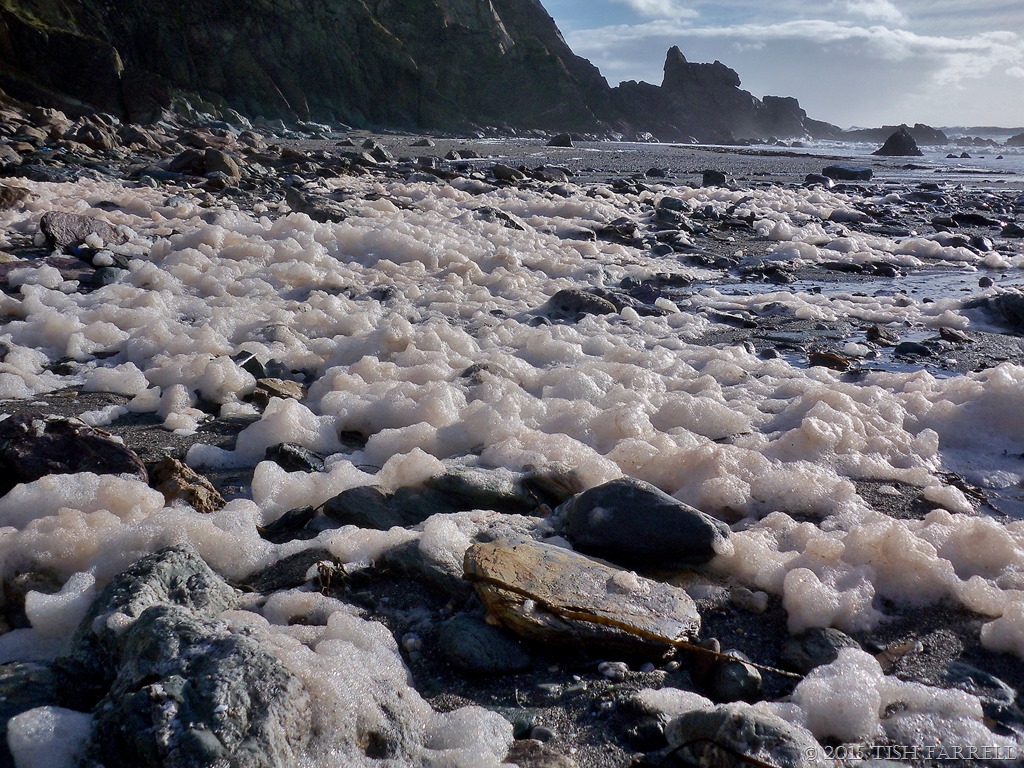
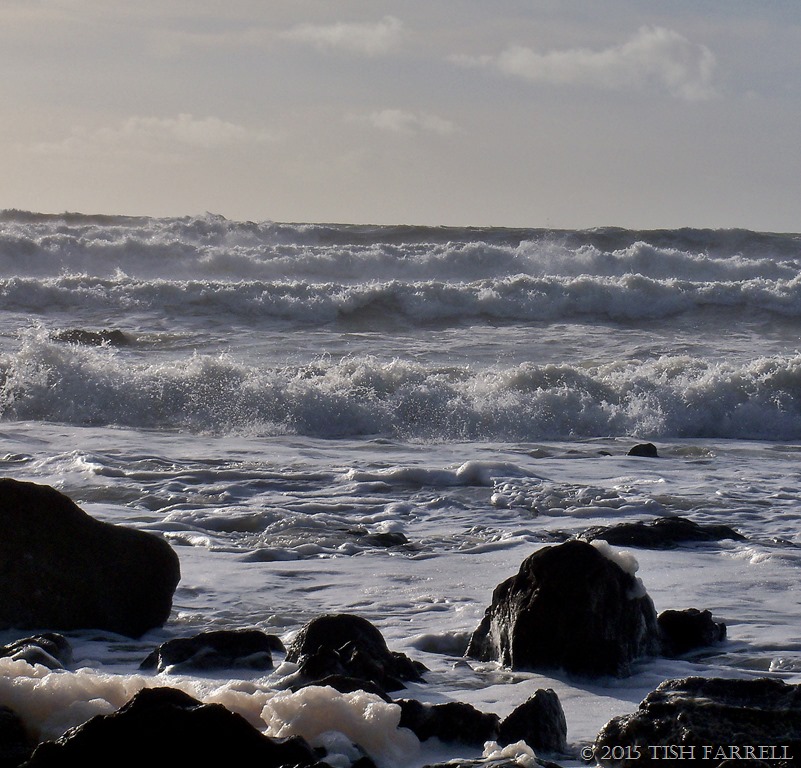
Talk about elemental energy. This morning the sea was in such a boil at Port Wrinkle that the beach was filled with spume. It was blowing across the rocks like thistle down, then settling in shivering masses – as if a prelude to some alien hatching. What it might turn into who can tell, but all that whipped up air filled us to the brim. We all but galloped up and down the beach. Yee-HAAA!

100_8448

100_8466

100_8460