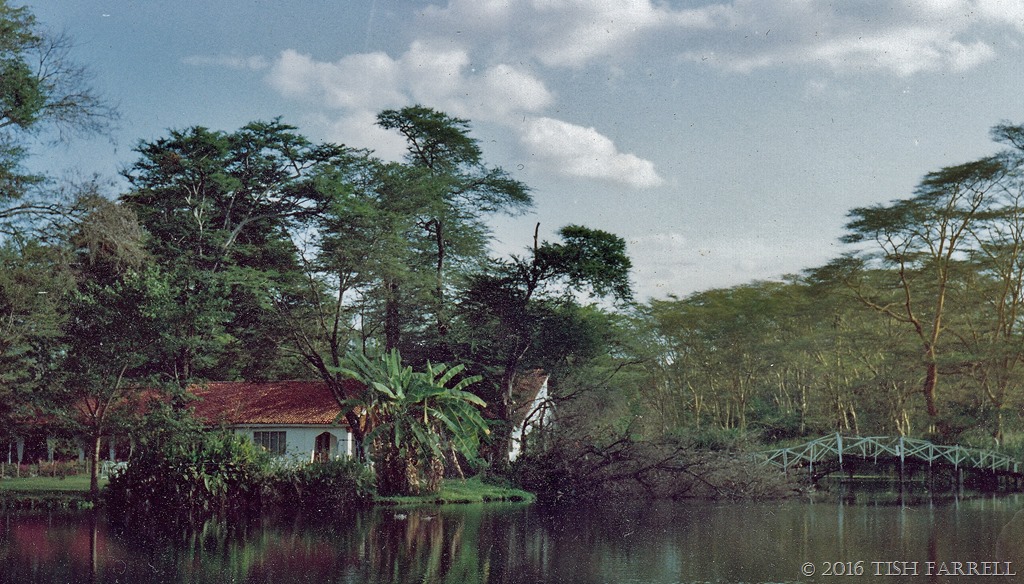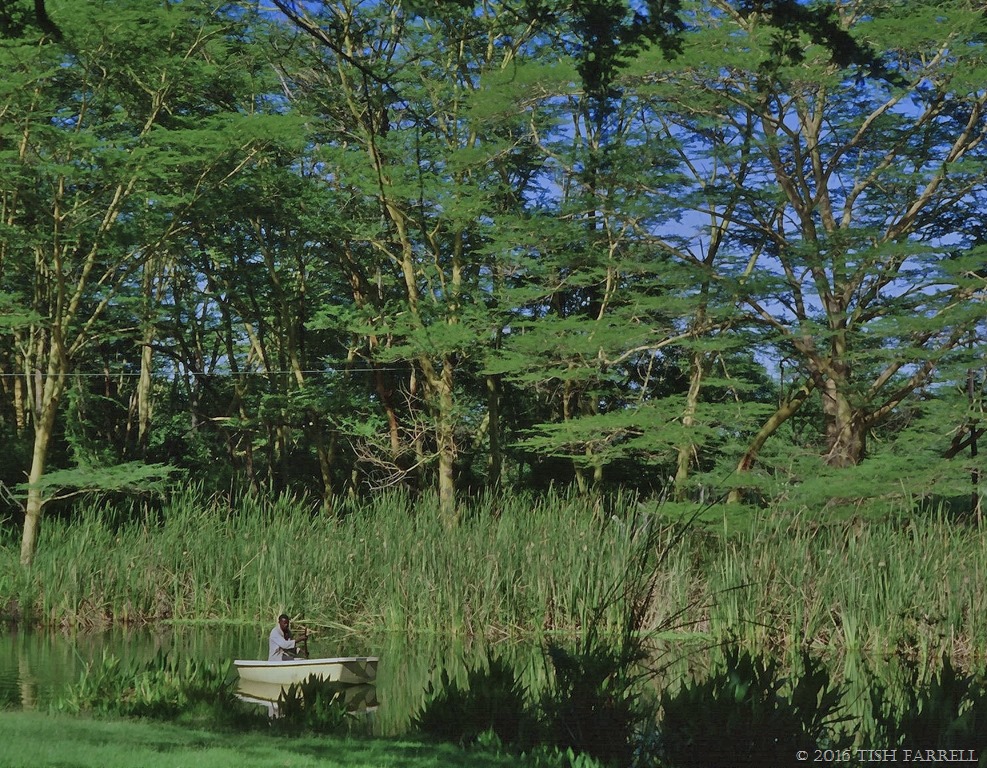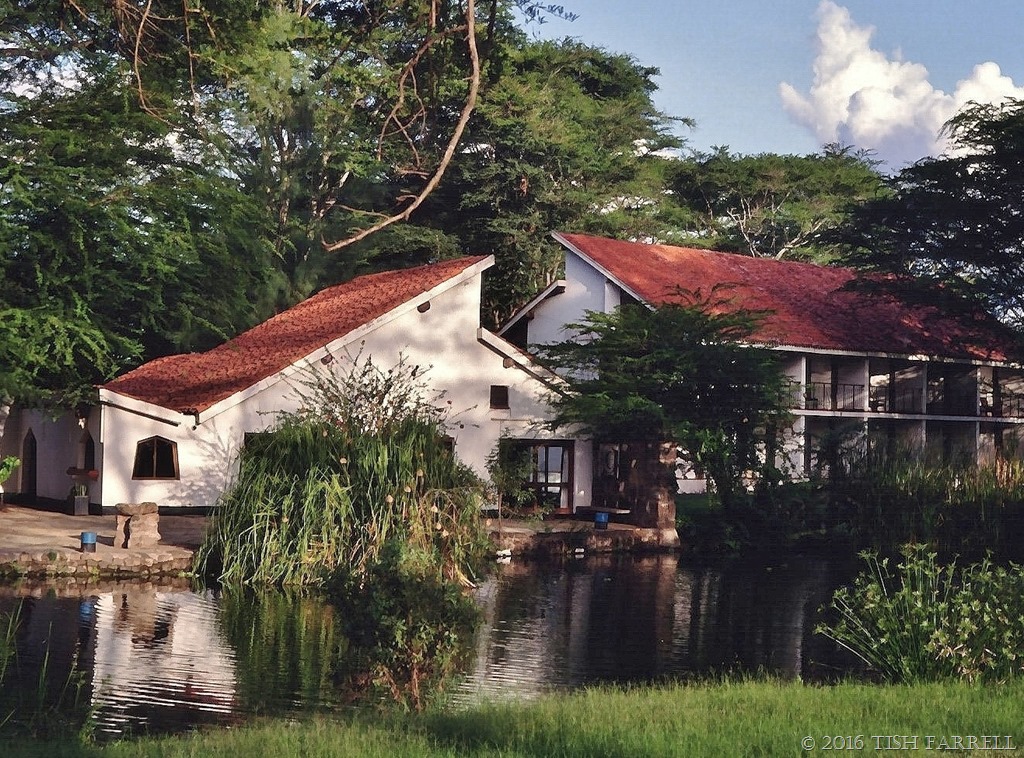
So Easy To Be Green After The Rains In Kenya’s Great Rift

IMG_0003_NEW

It is hard for many of us to imagine living in lands that have rain only in given seasons with little or none in between. In Kenya, in theory at least, the long rains come during March and April, and the short rains between October and December. All depends on the movement of the Indian Ocean monsoon winds, and long before awareness of serious climate change,  Africa’s rainy seasons were known to be fickle.

So: the arrival of timely rains to plant or ripen crops is matter of survival  for most rural households. Only 15% of the country’s land is fertile enough and receives sufficient rain to support agriculture, and most of this is cultivated by smallholder farmers, women for the most part, while their husbands go to the towns to earn cash to buy stuff – medicine, fertilisers, stone to build a house etc.

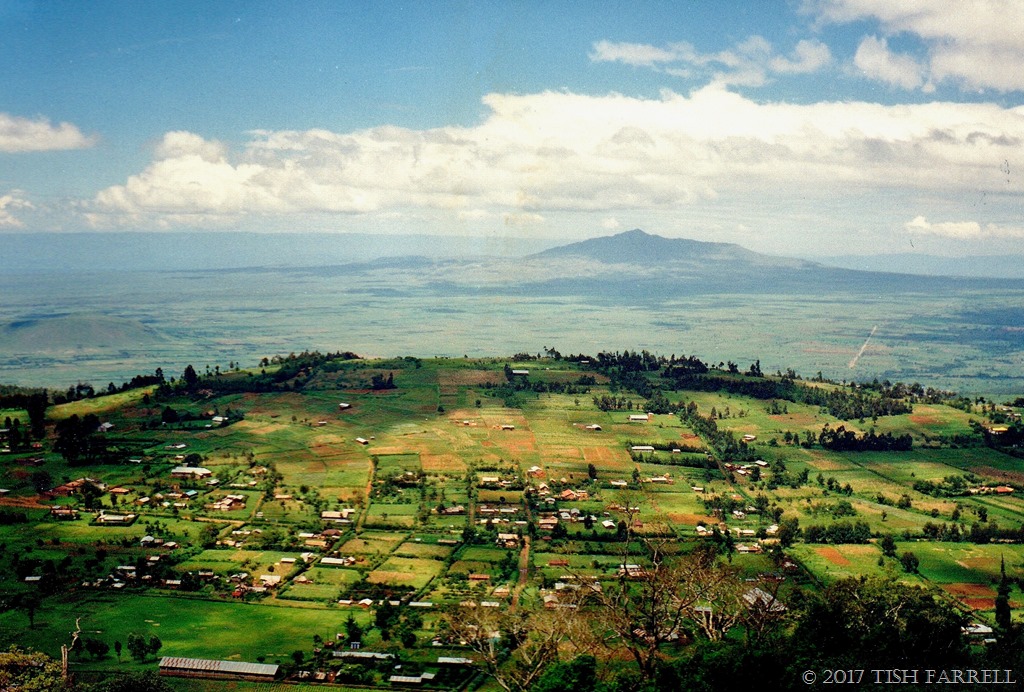
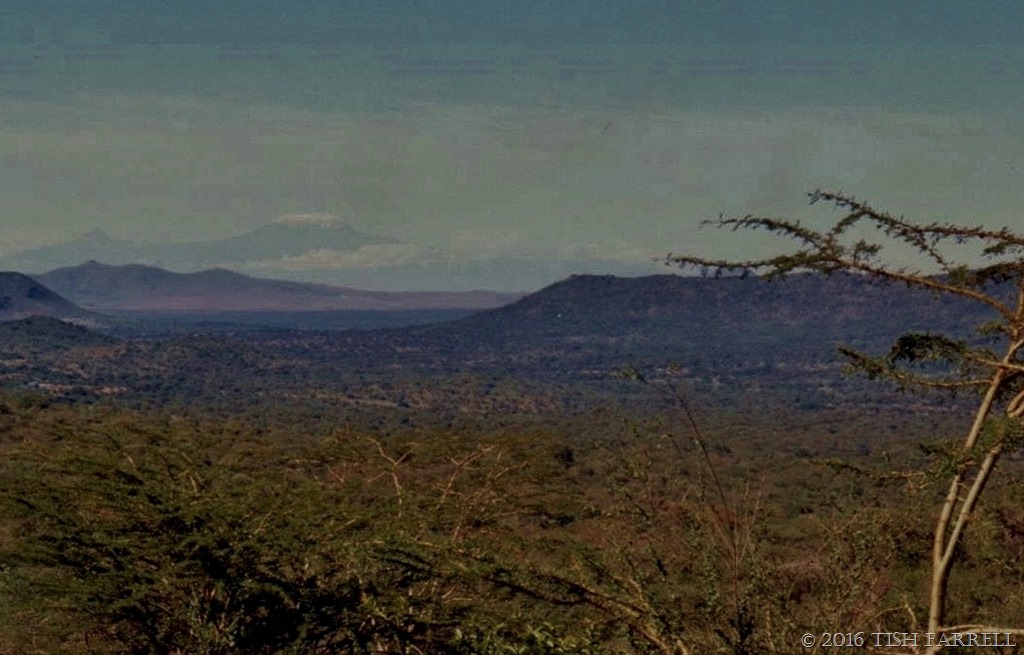
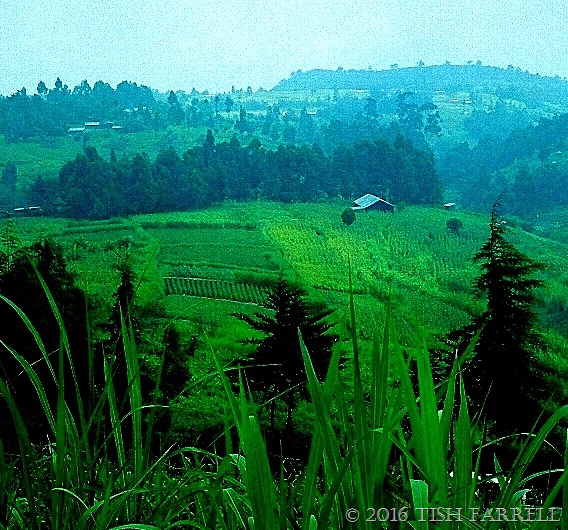
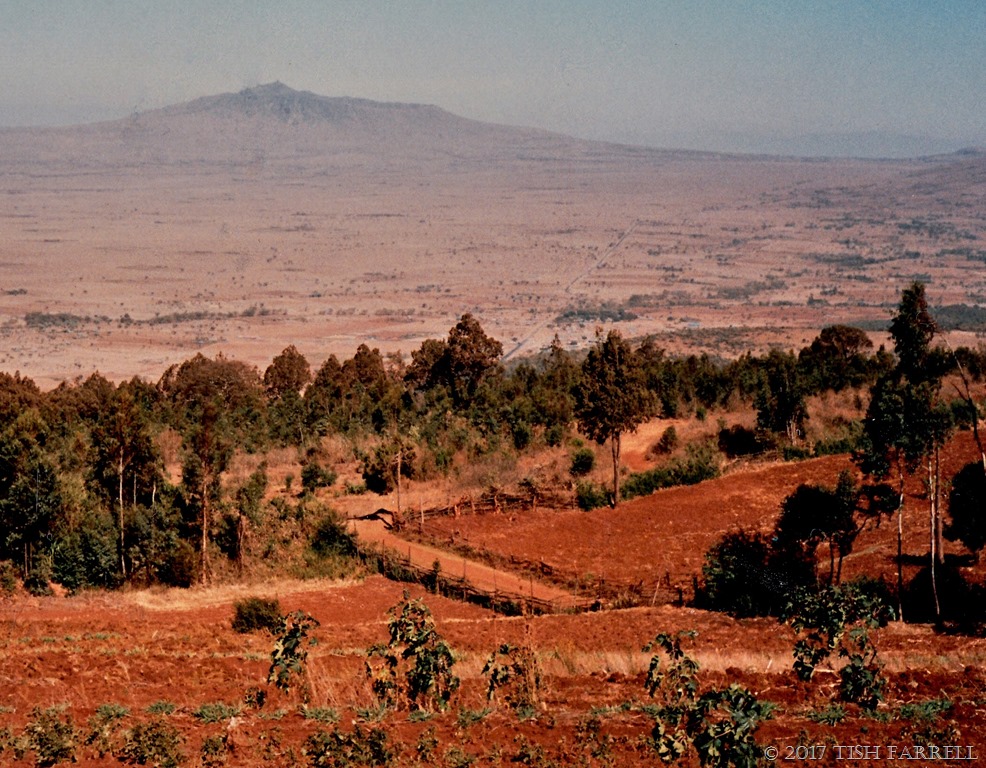
The second photo was taken just north of Nairobi, from one of the Great Rift view-points looking over the smallholder farming community of Escarpment. The farms here were originally a series of single 12 acre lots, distributed by the British administration around 1951. I’m not sure what prompted this land hand-out to Africans, or how  the beneficiaries were chosen, or if they had to buy the land, although that seems unlikely as Africans were not allowed to own land as individuals. By then the native reserves, the only places where indigenous people could farm, were more than overcrowded. Land shortage, especially within the Kikuyu reserves, meant that the marriageable generation could not marry for lack of farm plots, and this was one of the main drivers of the Land Freedom Uprising of 1952 – aka Mau Mau.

When we visited Escarpment during  Graham’s Napier Grass smut survey, Njonjo, our driver-guide played host, since this was where he had his own farmstead. He told us that his family’s 12 acre plot had been so subdivided (from father to sons according to custom) that he only had a quarter of an acre. He proudly showed it to us anyway, with his good crop of maize, and said it adjoined his brother’s plot.

Of course there comes a point when further subdivision is pointless, and there is not enough ground to support even the smallest family. Nearer the city such communities have turned ancestral farm land into room rental land, and erstwhile family gardens are now part of the city perimeter slum sprawl. It’s how it goes. As I’ve said in an earlier post, the British left their constructs of Crown land, landed gentry land ownership and native reserves well embedded when they so ‘graciously’ handed Kenya back to Kenyans, and made them pay for it too, thus creating a great big debt that was only paid off in recent times.

British feudal notions about land ownership never did fit with the more communally minded African ideas about land usage and proprietorship, although they certainly came to suit the current ruling elite, a family that has hung on to power (one way another) since the British bestowed it upon them in 1963.  Let us hope we manage the exit from Europe with more wisdom. Much as we Brits like to think we went around civilising the world, we also left a lot of skeletons in cupboards when we beat our retreat.

copyright 2017 Tish Farrell

Daily Post Photo Challenge: It is easy being green


Into The Rift Valley Under A Midday Sun

Rift lane 2 - Copy

Rift lane 2

Rift lane 2 - Copy (2)

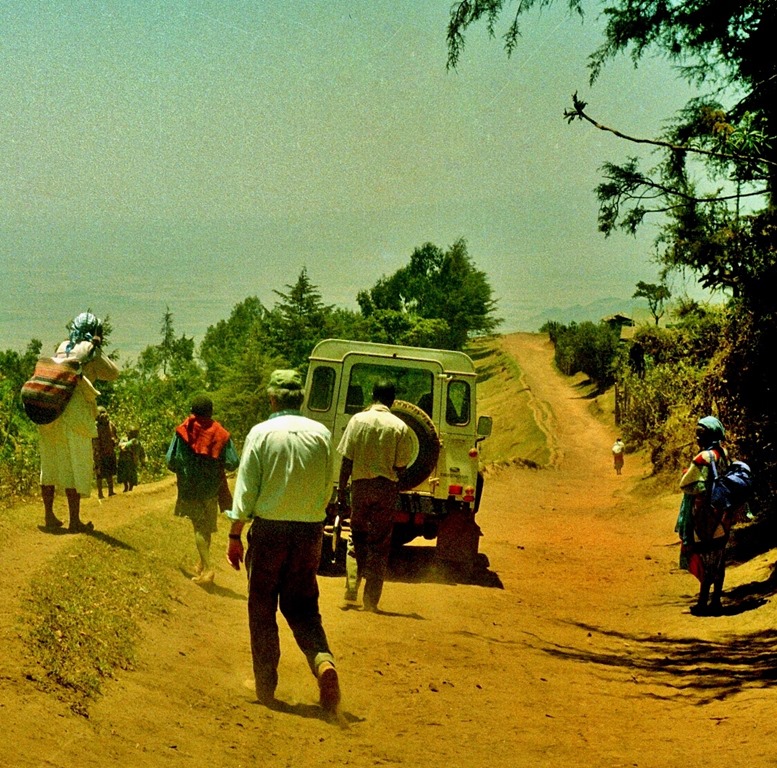
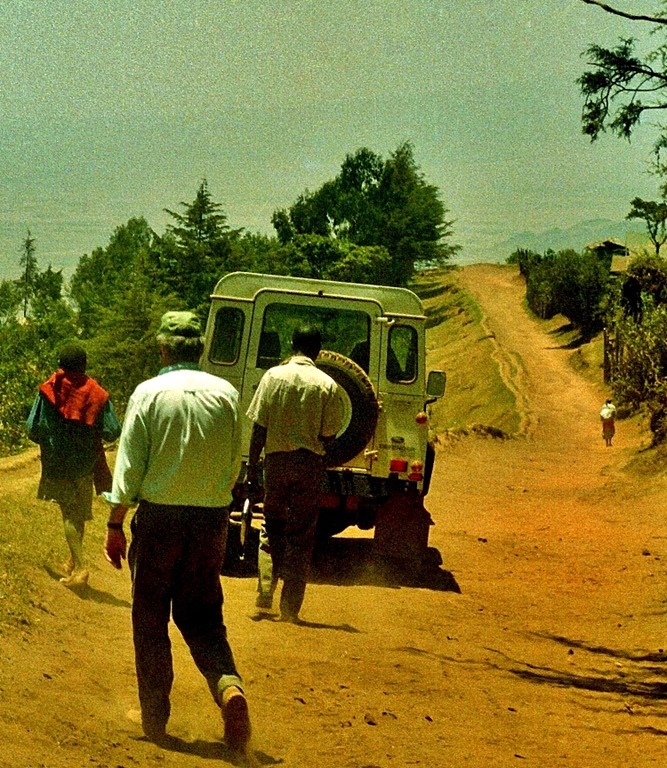
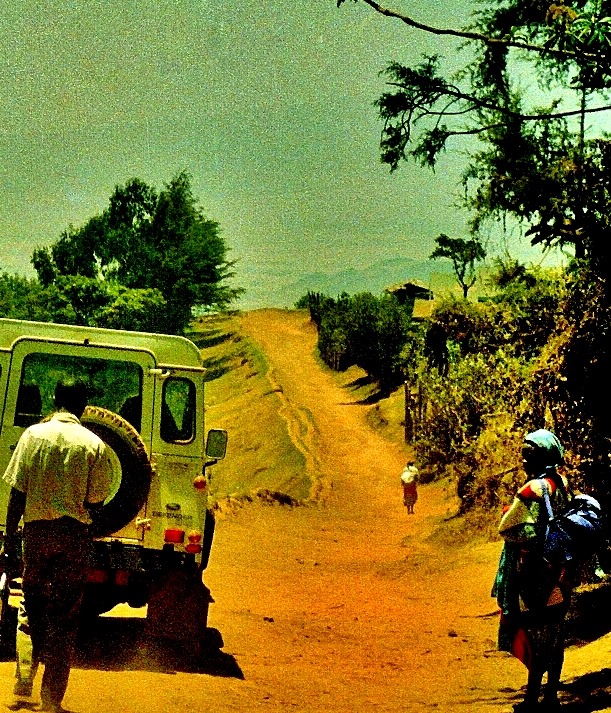
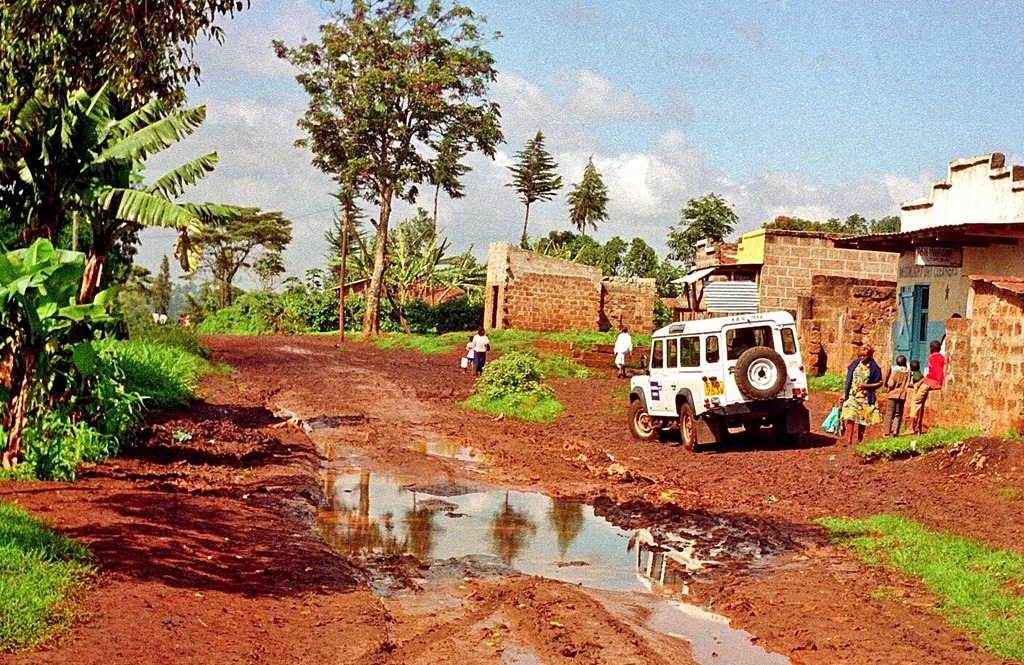
Here’s another old ‘when we were in Africa’ shot. It was taken in  full-on midday sun (not good), but despite increasing fuzziness, I thought it would be interesting to do some successive crops, just to lead the eye along this Rift escarpment road. As might be imagined it was easier to negotiate on foot than by vehicle.

The Great Rift is actually ahead where the road drops from view. If you stare hard enough at the first shot, you can just make out the blue outline of the Rift volcanoes in the valley bottom.  The photo was taken in 1997-8 when He-Who-Was-Studying-Smutted-Napier-Grass was doing his fieldwork for his PhD thesis, and I was going along as She-Who-Holds-One-End-Of-The-Tape-Measure.

There were several such smut missions, and on all occasions it was really Njonjo who was in charge. He was our driver (seen here behind the works’ Land Rover) and he was a whizz at spotting plots of smutted Napier grass while at the same time driving on roads a good deal worse than this one.

It was also he who talked us into numerous randomly chosen Kikuyu farmsteads around the Rift Valley. This was probably more of a feat than we realized at the time. Unknown people striding about in field plots with tape measures can rouse unwelcome suspicions from local farmers: the activity taken as signs of imminent invasion by  land grabbers. In fact anything to do with land is a touchy issue in Kenya, and has been since colonial times. It is one of the nasty, big, enduring skeletons we Brits left behind there, along with our notions of large-scale land ownership, Crown Lands, and the idea that confining indigenous populations to community reserves (where very many still subsist on degraded ancestral plots) was a good one.

Anyway, that’s another story. In the next on-the-road shot, (and one that has some tarmac), Njonjo (in the tartan shirt) is conducting an impromptu workshop on smut identification. These are all smallholder farmers who just happened to spot our presence, and gathered round to see what we were up to. Everyone was very happy when Graham produced some information booklets on what to do with smutted  plants.

impromptu smut workshop

*

In the next shot Njonjo holds a clump of diseased grass. The fungal infection turns the flower spikes black and gradually weakens the plant, decreasing the leaf mass year on year. Most smallholder farmers have such small farm plots, any livestock has to be zero grazed, i.e., confined to pen or paddock, and food delivered to it. Napier grass is an important and usually prolific fodder crop, and grown wherever there is space, including along road verges and on hillside terraces to serve a further function of stabilising the soil and reducing soil erosion.

smutted grass and a fruit tree disease - Copy

There is not much than can be done about the disease, other than to pull up the plants and burn them, and plant clean fresh stock. This is easier said than done in communities where farmers get new planting  material from each other. It was one of those situations where you quickly learn that other people’s roads are a damned sight harder than ours – and in all senses.

trading centre after El Nino rains

copyright 2017 Tish Farrell

There is more about these expeditions at Looking for smut: work on Kenya’s Highland Farms

Photo Challenge: The Road Taken

Thursdays Special ~ Profile Of The Leonine Kind

Marsh Pride male 1

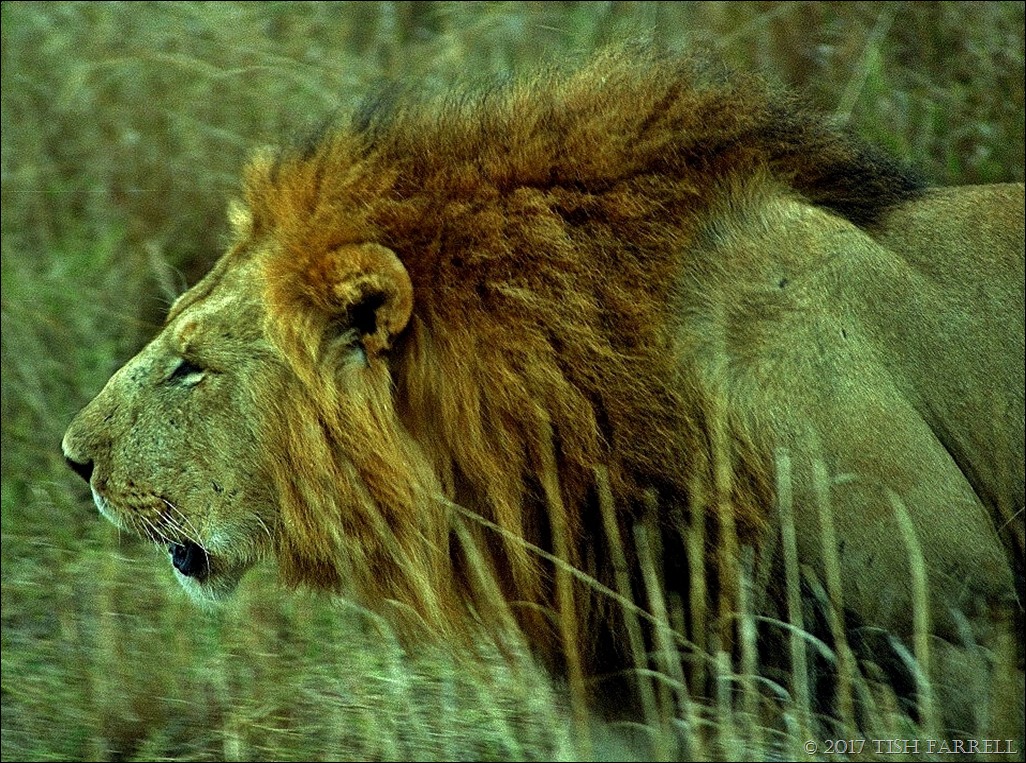
We came upon the Maasai Mara’s famous Marsh Pride on a morning game drive out from Mara River Camp. It was August – as close to winter as Kenya gets – the skies leaden, the plains parched and dusty, the whole place waiting for the short rains that will not be happening for another two months; and perhaps not at all. In fact this trip had started out from Nairobi in thick fog, and descending the Great Rift escarpment was even more hair-raising exciting than usual.

But to get back to the lions. The pride was resting up in home territory, most of its members – mothers and cubs – scarcely visible in the grass. For one thing they were the same colour as the vegetation. For another, it is what lions do – disappear in twelve inches of grass.

As we drove nearer we spotted this male. He was pacing through the grass, roaring. This was answered by another male some distance away. It seemed they were busy marking out their patch. They ignored us anyway, which was comforting, though I have to say that lion-roars, especially ones at close quarters, make your spine resonate, and not in a good way.

Another hair-raising exciting moment then.

We watched them for a while from the safety of the safari truck, then left them to it, the roars following us down the track. By which time  we were  wondering if we were really there at all. Out in the African wilds it mostly feels like dreaming.


Profile:     Panthera Leo

                    Simba in KiSwahili

Weight:    Males 420-500 lb/110-135 kg

Length:     Males 5-7 ft/2.5-2 m

Lifespan:  Males 12 years


Thursdays Special: Profile

Please visit Paula to see her fantabulous shot of a snowy owl.

The Solitude Within

Scan-140801-0001 - Copy (2)

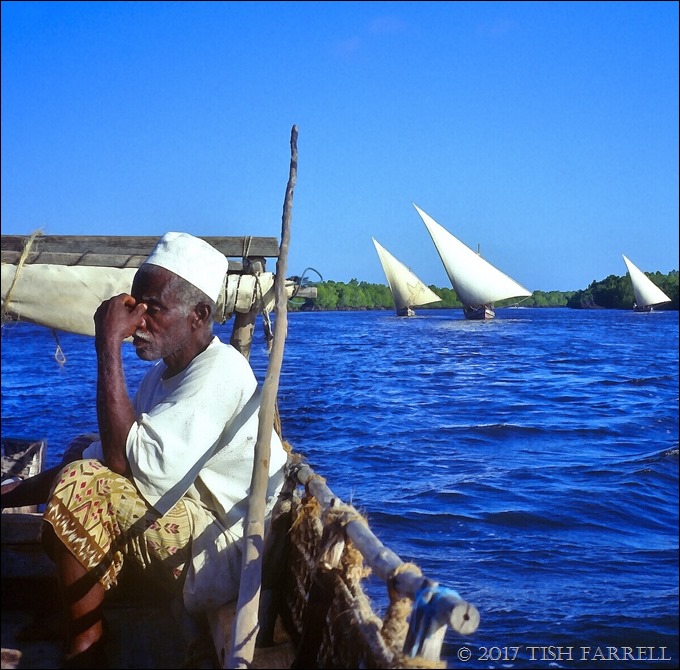
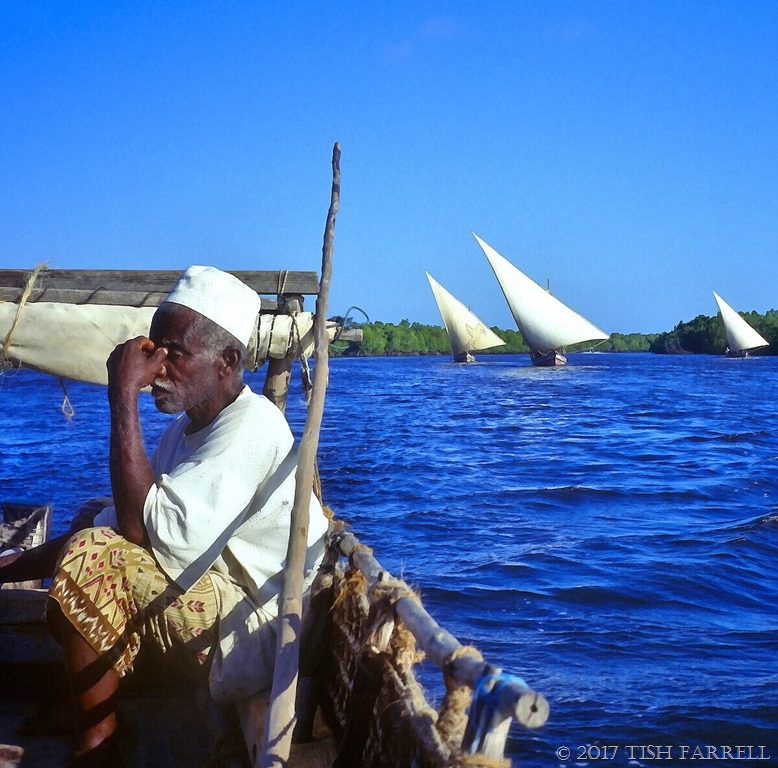
As in the previous post, this is a Christmas photo, but one taken long ago when we were visiting Lamu off the Kenya coast. I’ve posted it before, but make no excuse for showing it again. It is one of my favourite photos, and one caught in a split second with my Olympus Trip. I think the gods of photography were smiling on me.

The gentleman so absorbed is Mzee Lali, the owner of the sailing dhow. He spoke no English, nor said a word to us that I recall on our day trip out to the reef. The conversation was dominated by his nephew, Athman, who, as a speaker of English, Kenya’s official language, could hold a captain’s licence, and so take tourists out on sailing trips.

He told us that Lali was born on Pate, one of the more remote large islands in the Lamu archipelago. He knew everything there was to know about sailing, Athman said. But because he spoke no English he could not take the necessary two and half year captain’s course, and so obtain a licence.

Somehow this photo echoes the dilemma of island elders. They belong to another world in another time.

copyright 2017 Tish Farrell


Weekly Photo Challenge:Solitude

Basket Case ~ How To Make A Bag From A Baobab

IMG_3922

I could have written about my compost heaps, and repurposing of fallen foliage into leaf mould, but I’ve already done that HERE and written the poem. Instead, I’ve chosen an example of some traditional Africa repurposing – far more interesting and pleasing to look at.

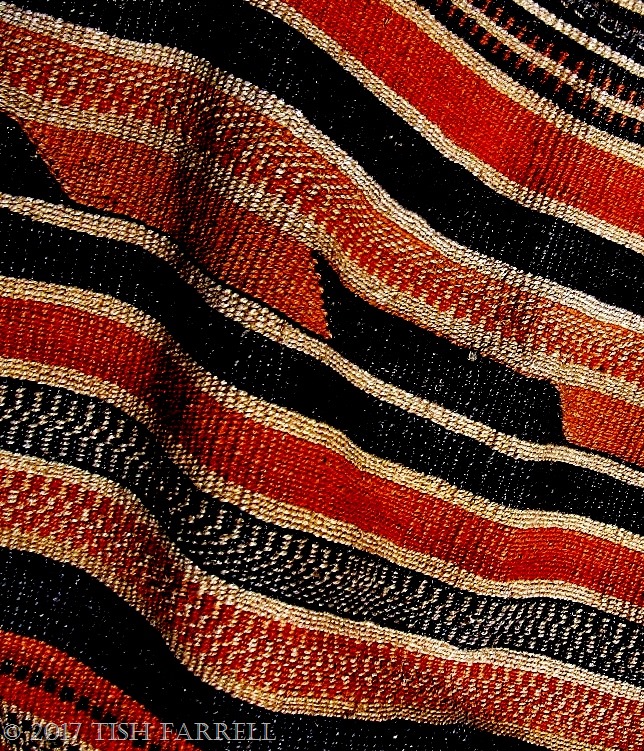
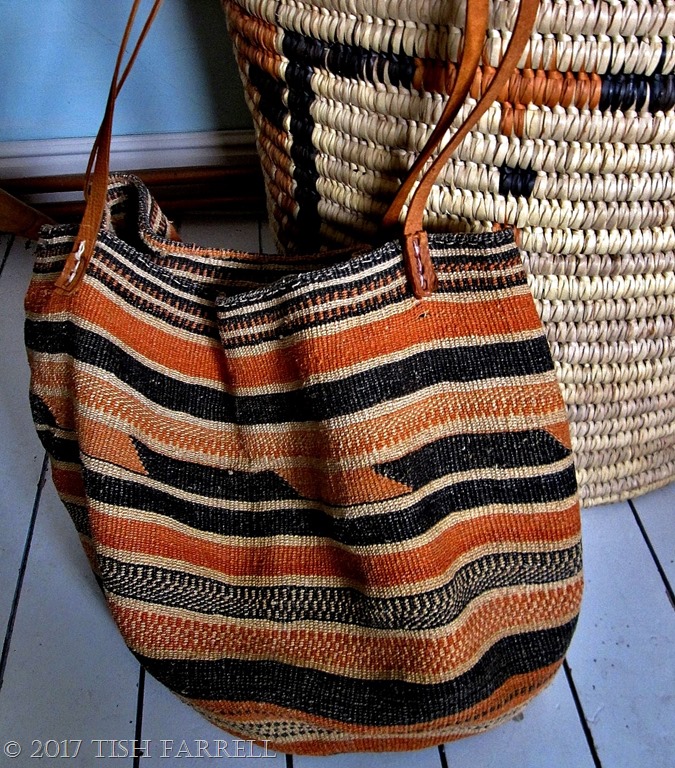
Kenya is famous for its string bags or kiondo. These days they are usually woven from sisal string, the sisal grown on vast plantations. But in the past the twine was much finer and fabricated from baobab and wild fig bark. One of my treasures from our Kenya days then (and as far as the Team Leader is concerned, I have rather too many such treasures) is this more traditional bag made from baobab fibre.  I bought it from a curio seller at the annual Nairobi Agricultural Show in 1997. I think I paid 500 shillings for it, around five pounds at the time.

IMG_3923

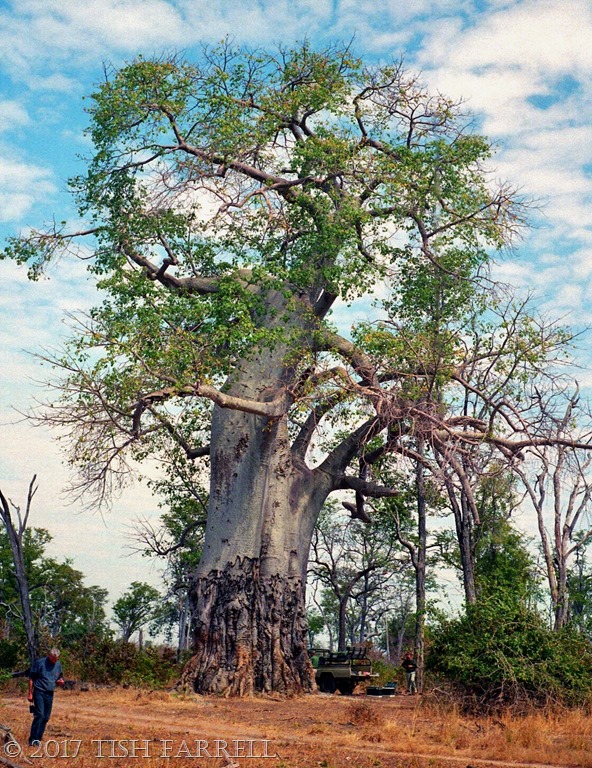
Baobab trees may appear impenetrable entities with iron-like skins, but their trunks are deceptively fibrous, and especially so in old age and after elephants have done some determined shredding work on them.  Even so, the twine to make a bag like this would have taken  much preparation. The main process involved chewing the fibre until it could be rolled out to the required thinness. Two strands would be worked one after another, and then twisted together to produce the final cord. This was then dyed using natural pigments, the cords cut to suitable lengths to create the warp threads, and work begun from base of the bag, moving outwards as the weft thread spirals round.

South Luangwa - mighty poachers' baobab

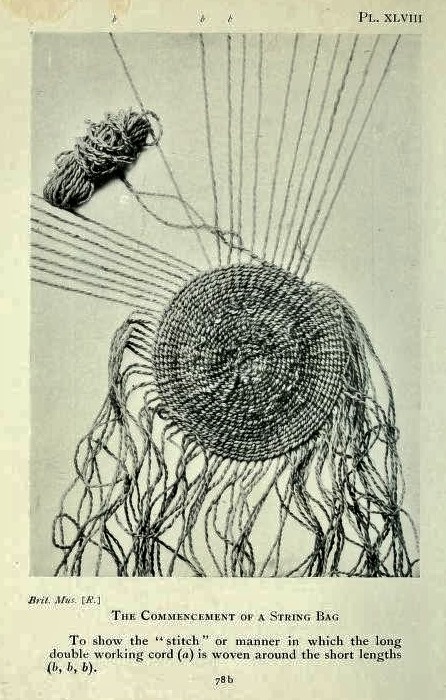
Whether or not the materials have changed, methods of construction  remain much the same. I have seen women striding out along the Mombasa highway, their work in progress flowing from their arms like some giant deconstructed spider’s web. You will see what I mean in the next photo. It was taken in the early 1900s and shows a young Kikuyu woman at work:

withprehistoricp00rout_0187[1]

kiondo

Both images are from what I feel is the inappropriately titled 1910 monograph With A Prehistoric People  by W Scoresby Routledge and Katherine Routledge.

*

And there you have it – a beautiful, but eminently useful bag, painstakingly constructed from baobab parts. I consider it a work of most artful repurposing and, as with many traditionally crafted everyday artefacts, it also strikes  me how  people untouched by western mass-production, daily and routinely  made art out of necessity and utility. There is an intrinsic aesthetic here, which is why I take issue with the term ‘prehistoric’ used in this early twentieth century context. People who work with their hands in this way continuously nurture and exercise  their creative intelligence and powers of discretion and visualization. This also makes me think that one day we technophiles might wake up and regret the loss of such facilities and skills; we might recognize, for instance, that their passing signals a lack of general competency?

copyright 2017 Tish Farrell

Daily Post Photo Challenge: repurpose

Giraffes And Other Animals ~ Graceful In Their Own Unique Way

200

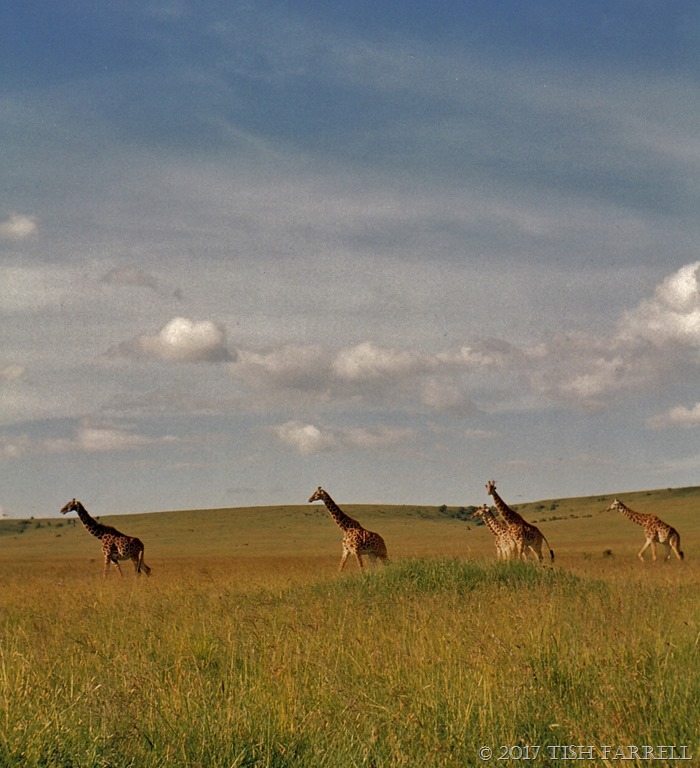
This week’s Daily Post photo prompt induced a ‘long ago when we lived in Africa’ moment, and thus a nostalgic trawl through the old photo files. It was giraffes I first thought of. They may seem an ungainly composite of various creatures, but to see them moving across the plains is a sight that cannot be forgotten. They lilt in time to some inner rhythm of their own. This is more apparent when you see several moving together. And you wonder what is this giraffe music, beyond your hearing, that they stride forth to with such synchronicity?

IMG_0027

Some of the plains’ song you can hear of course – the wheesh of dry grasses, the ceaseless koo-kroo-ing of collared doves, the crickets’ whine. And as you scan the bush country, looking for any signs of wildlife, these are the sounds that fill your head. The sun is hot on your scalp, the light too bright, and the spicy scent of thorn trees too rich for the over-sensitive. But just when you think all the game has gone and there’s nothing more to see, magic happens:

Scan-130429-0031

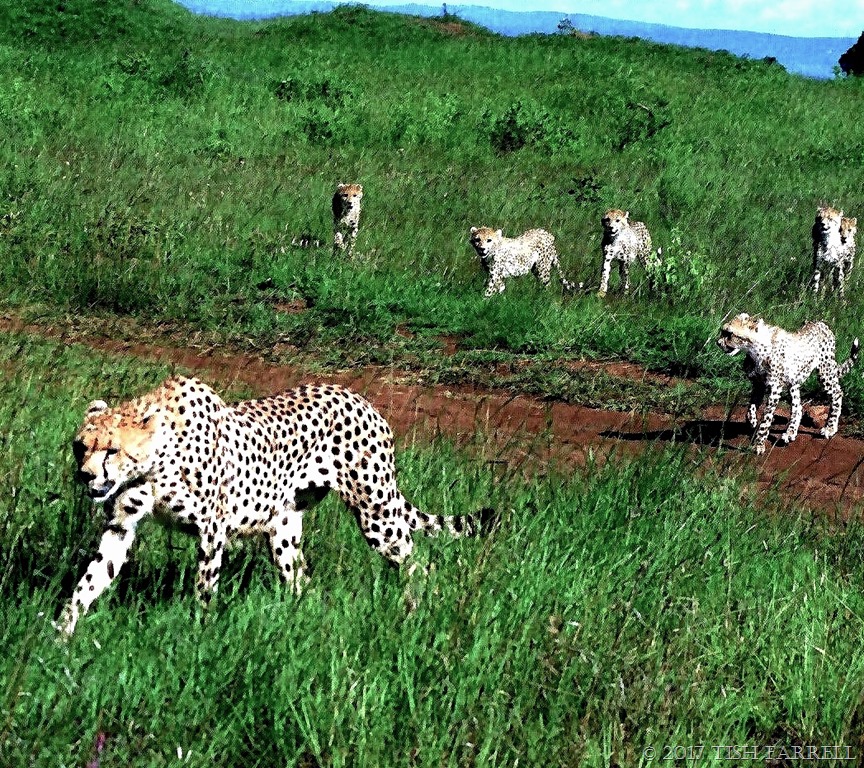
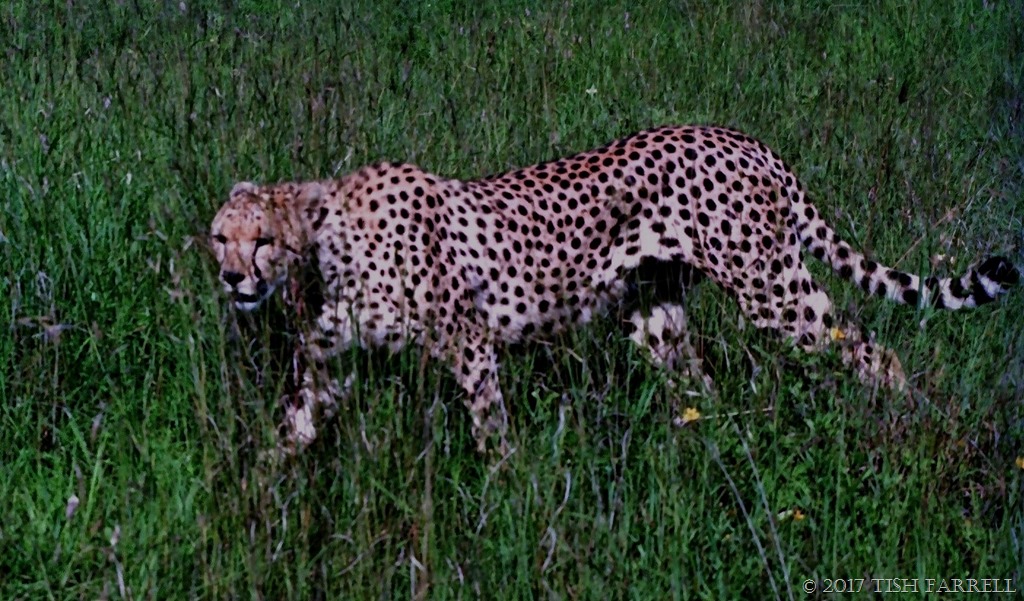
This cheetah mother with six half-grown cubs, walked out of the undergrowth beside the park track. When we stopped the car to watch she didn’t so much as blink at us. It seemed we were the least of her problems. She was trying to make the cubs stay in one place while she went off to hunt. But they were not having it.

IMG

No sooner had mama parked them and moved out sight, than one (there always has to be one) goaded the obedient ones out of the cover that had sheltered them until they all decided to follow.

IMG_0003

In the end, mama gave it up as a bad job, and gathered the offspring and disappeared into the bush. It is a mystery how she had ever managed to rear so many teenage cubs.

These photos, sadly ageing, were all taken in Nairobi National Park, a gem of a park that borders the city. It covers only 46 square miles, but when we lived In Nairobi during the 1990s the wildlife corridor to the south was still open, allowing for seasonal migration. Today there are all kinds of pressures from one of the fastest growing conurbations in Africa – the need for farm land and for better transport links. It’s a thorny issue however you look at it – wildlife versus humans: probably no happy solution; gracefulness seems not to be a natural human trait.

Scan-130429-0032

copyright 2017 Tish Farrell


Daily Post Photo Challenge Graceful

Echo Of Time Past ~ Hunter’s Lodge, Kiboko

IMG_0024

I’ve not done an Old Africa post of a while, and this photo is rather the worse for wear. But perhaps that is fitting in all sorts of ways.

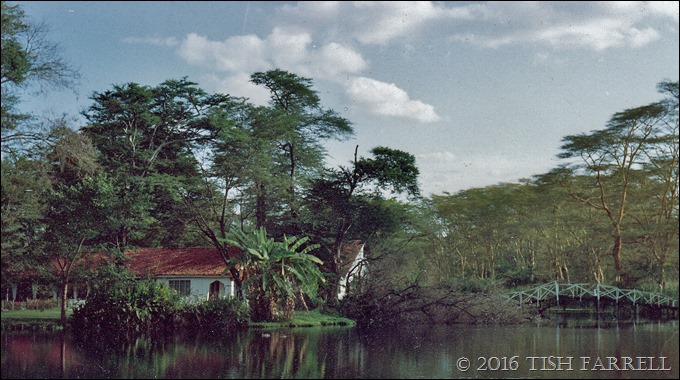
I also thought I’d post an excerpt from our 1990’s travels in Kenya – an account written not long after my arrival in 1992. During the eight years we lived there, we had many sojourns at Hunter’s Lodge on the Nairobi – Mombasa highway. Graham was overseeing a research project at the nearby field station and had to make regular visits. The Lodge had been built by great white hunter, John Hunter, around the late ‘50s – early ‘60s – his retirement home after a long career of game control, grand safaris and general  rhino and elephant slaughter.  He saw no irony in choosing a spot that had once been his favourite place for watching elephant at a sunset waterhole on the Kiboko River. He dammed the stream to make an ornamental garden lake for his guests’ pleasure. And instead of elephant, the place attracted a marvellous array of birds. The soundtrack here, then, is endless weaver bird chatter in the papyrus, and the clatter of stork beaks up in the fever trees. Oh yes, and the nonstop whine of crickets…

*

Monday 17th February, my two bags packed once more and Graham’s few belongings assembled, we set off for Kiboko. Although it was still early morning, the sun was already beginning to scorch my arm through the open car window; sweat trickled down my spine. But I was pleased to be on the move again; and Graham, who was watching me from the side-lines – to see how I would react to a new land, confined himself to saying that he hoped I would like the lodge where we would be staying for a few days.

I imagine I will, but at that moment it was not my main concern. I was excited at the prospect of my first safari. Too opulent a term for us perhaps, conjuring up an entourage of well-provisioned trucks each manned with a local African guide and tracker, bullish Europeans in khaki shorts, legs the colour of seasoned olive wood above long woollen socks, bush-hatted and safari-jacketed, a powerful rifle to hand to fend off attacks by a raging buffalo. But no, there was none of this; just a couple of bags and a few supplies for the field station in the boot of a modest Peugeot saloon. And anyway, in Swahili safari simply means journey, and so it was the journey itself that I was looking forward to, even if it only involved a few hours’ drive down the Nairobi-Mombasa highway.

We left the city by the same route I had come from the airport two days earlier. Now I could take it in with a more focused eye: the newspaper and magazine sellers out in force, and stepping between the traffic with all the ease of those who have taken up walking the plank for a living and survived to tell and retell the tale; the avenues of yellow blossomed acacias; the screens of puce pink bougainvillea; palm trees; throngs of citizens everywhere, waiting, milling, buying, selling, chatting, reading, walking; the welter of city centre multi-storey office blocks in as many styles, from oriental chic to Dallas smoked glass; the air heavy with dust and oily exhaust fumes and the smell of roasting maize cobs.

And as we head south out of Nairobi, through the flatlands of the industrial zone you feel that you could be leaving any city anywhere in the developed world. There is a Slumberworld bed centre, another for well-known names in bathroom and sanitary ware, a detergent factory, a Toyota showroom, a cut-price cash-and-carry warehouse, builders’ yards, air freight offices, the outposts of many a multi-national company, all neat brick buildings flying their corporate banners behind well-tended and irrigated flower beds.

At this point, you can only just glimpse the plains beyond. It is easy to think you are on familiar territory: the industrial estate, a modern major thoroughfare with white lines, UK road signs, traffic police operating speed traps, Esso service stations, driving on the left. The British-born may believe too quickly that they know all the rules, the received codes of behaviour that pertain here. After all, it did used to be “ours”; you would expect some sense of familiarity.

Or would you? The British of old empire days were not overly concerned about establishing decent infrastructure in the countries they colonized (“standards” maybe) beyond building railways to ferry their administrators and export their hard-won commodities, or erecting imposing edifices that represented the institutions of law and taxation used to control indigenous peoples, who though in their own land, found that it was no longer theirs. And so, having built the Uganda Railway across Kenya Colony, the British seem to have fallen short when it came to road building. For much of their sixty-year stay, the road between Nairobi and Mombasa port was three hundred miles of gut-twisting dirt corrugations that, if you were lucky, took a day and more to traverse. It was only on the last lap of occupation in the 1960s that the tarmac was laid, reducing journey time to a mere seven or eight hours.

And so quite quickly I see that we should not set too much store by apparent similarities, and the seeming familiar artefacts. The things that we British recognise now in Kenya are not necessarily the issue of what we left behind. Or, if there are remnants of our abandoned institutions, then it does not follow that they have exactly the same meaning or function for modern Kenyans. Therefore, lest they lead us astray or cause us to make wrong assumptions, we should ignore their supposed messages altogether; think of them as laying a false trail, for this is Africa and, as the locals would often tell us, anything can happen here.

It soon becomes apparent, too, that when the highway itself was being built, every effort was made to ensure that the ‘surface’ went as far as possible. There is only a thin skin, a makeshift causeway to hold the bush at bay. And while some stretches have been recently upgraded, for the most part it is rag-edged and pot-holed and, south of Nairobi, gives way altogether to a several mile detour on dirt road.

And even though it is not a busy road by European standards, it is one of Africa’s major transport routes, the main users being massively laden freight lorries hauling their own weight and the same again in trailers hitched on behind. Bales of iron rods from the Mombasa rolling mills; crates of Tusker beer; petrol in rusty tankers as battered and misshapen as badly squeezed toothpaste tubes; cargoes of maize; transporters filled with new white Japanese cars. That their drivers think they will ever make it to Uganda far to the north, or to Zambia way down south through Tanzania, or even to the next market pull-off twenty miles away often seems to be an act of supreme faith. Many of course do not survive the test, but are pulled off the road, the cabs bowed to the ground like broken-winded beasts, their drivers sprawled out asleep between the wheels to avoid the sun’s glare while waiting for rescue or inspiration.

***

Much of the first hour out of Nairobi was thus spent leap-frogging trucks, and it should be said that African lorry drivers are very courteous, using their right indicator if it is not safe for you to overtake, the left when it is. Once past, I would watch them in the wing mirror, grinding along slowly in our wake, their exhausts billowing out evil-smelling clouds that lingered in black fog banks for many yards behind. But we were out in open country now, to the west the pale grasslands of the Athi Plains extending and merging into the distant blue horizon, to the east and south the land falling away into thorn scrub valleys, undulating hills and blazing outcrops of red igneous rock.

There were problems of perception here as well. The landscapes which the road bisects are on too vast a scale to fit a single frame; to absorb. Always too much foreground, so that the mind switches off and dismisses the whole as featureless bush: thorn scrub followed by thorn scrub, stretching as far as the eye can see, across plains that are scarcely interrupted by the scatter of old volcanic peaks – which would be impressive, if only you could find some sense of proportion.

That is one perspective. Another might be to take heart at the sight of so much space, to acknowledge the inherent grandeur of mile after mile of untamed, uncultivated, unbuilt-on land that yields only sporadic evidence of human activity beyond the margins of the road. Yet a third might be to wonder at the apparent absurdity of driving down a main road along with Mercedes, Land Cruisers and BMWs and seeing ostriches loping away beneath the spans of power lines beside the highway, or to pass by a large farm field fenced off against the bush, and to realize that in amongst the well-contained herd of grazing domestic cattle are also Thompson’s Gazelle and hartebeest.

***

Nearly three hours out of Nairobi and we are bowling across the lowland plains, through the large dusty market settlements of Sultan Hamud and Emali. It is much hotter down here and the tarmac, straight and undulating before us, at one moment fragments into a heat haze and in the next, reforms, only to fragment again with each successive horizon. The bush now presses in against the bare dirt verges; it seethes with insect call; a callous thrust of sharp-tempered thorns. Yet not wholly impenetrable for this is Maasai country and, through occasional breaches in the bush, I could see baked terracotta drovers’ trails, worn and smoothed, season to season, by hoof and heel. We begin to see Maasai herders at the roadside too, men draped in their distinctive tartan shuka shawls. Always red.

Lads hare past on bicycles, the shawls now red capes caught up in the breeze and their cattle prods poised in hand as if heart-fired charioteers on the charge. And then there are the women, striding out along the track, tall and self-possessed; handsome heads shaved and dressed with strings of small coloured beads whose blues and greens mean God, and heaven and peace.

But as for us, we were by now hot and wet and dusty; our clothes welded to our backs. As we passed beneath an arch of tall fever trees, the first shade on the road in a hundred miles, we realized the urgent need for coolness; to stop being bounced and shaken and broiled. Only a little further. It was the next stand of fever trees that was to become our landmark over succeeding months. Here the Akamba woodcarvers have their stalls; here is a large petrol station with a cafe that sells bottles of chilled mineral water (the percolated snows of Kilimanjaro, or so the label suggests). This is Kiboko. And this is where we turn off the road for Hunter’s Lodge.
 

021 - Copy

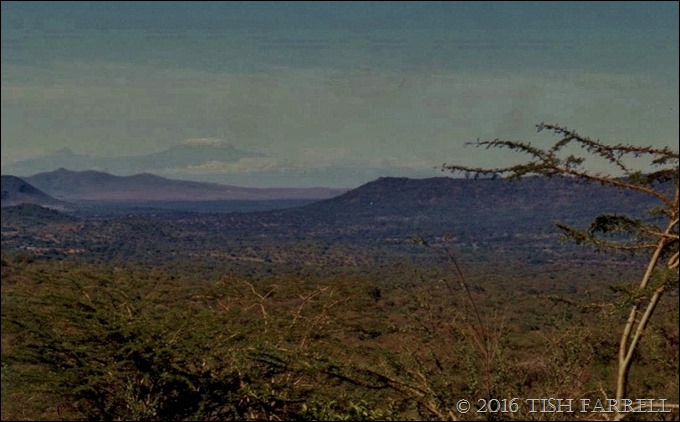
A misty, mysterious Kilimanjaro pushes through the clouds. Its appearances are usually fleeting, caught here from the Nairobi-Mombasa highway, where the road descends to the lowland plains of Ukambani.
212

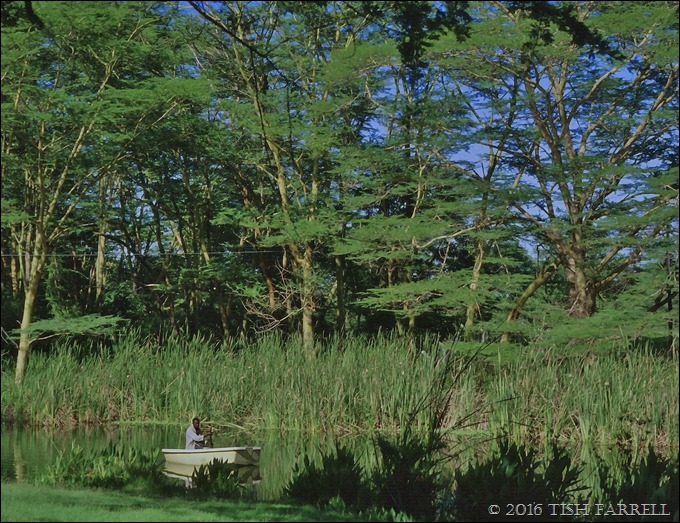
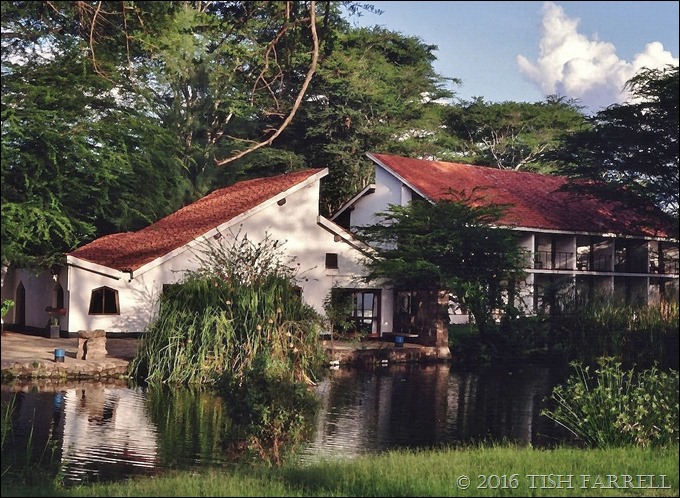
The pool at Hunter’s Lodge – a bird-watcher’s paradise; or just plain paradise. I spent hours just watching.

*
018

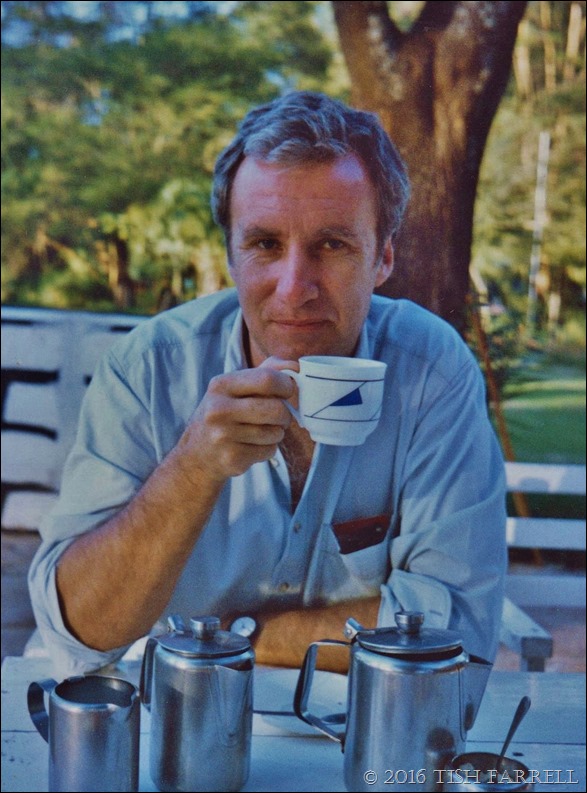
It became a ritual. So you might call afternoon tea on the bar terrace a libation. We were usually accompanied by the resident peacock who liked to steal the sugar if he got the chance. The tea tasted sulphurous from the local volcanic spring water, and the milk needed sieving because it was delivered daily by the Maasai, and the hotel staff subjected it to heavy boiling before serving. Even so, we always looked forward to it – the interlude before twilight and the firefly fly-past over the pool, and the prelude to supper and a chilled Tusker beer.

*
227

Paula at Thursday’s Special prompted this post with her December ‘pick a word’. So here we have aquatic echoes, an amiable Graham with chai libation, and a misty mountain protrusion. Cheers, Paula! Please visit her for further sources of inspiration.

Shore, Reef, Ocean, Sky: Edge On Edge

dawn over Tiwi lagoon more contrast - Copy

Some of you will have already read the essay below. It won first prize in a Quartos Magazine competition years ago. The magazine is no more, but I’m posting the piece again for those of you in need of  a long, soothing wallow beside an African beach. Enjoy!

 Going to the Dogs on Mombasa’s Southern Shore

It’s a dog’s life on Tiwi Beach, the white strand where ocean roars on coral and trade winds waft the coconut palms; and where, best of all, as far as the local canines are concerned, there are quiet coves sparse in holidaymakers. It means they may do as they please. After all, it is their own resort, and every morning they set off there from the beach villages along the headland, nose up, ears blown back in the breeze, ready for the day’s adventures.

But the dogs are not churlish. They can take or leave the odd pale human wrestling to right his windsurfer on the still lagoon; ignore the sentinel heron that marks the reef edge beyond; pay no heed to the etched black figures of the Digo fishermen who search the shallows for prawns, parrot fish, or perhaps a mottled lobster or two.

But in this last respect at least, the dogs are smug. For the fishermen come down to the beach only to make a living. And when they are done hunting, they must toil along the headland from beach village to beach village, then haggle over the price of their catch with the rich wazungu who come there to lotus eat. Hard work in the dogs’ opinion.

The dogs know better of course; know it in every hair and pore. And each morning after breakfast, when they take the sandy track down to the beach, they begin with a toss of the head, a sniff of the salt air, a gentle ruffling of the ear feathers in soft finger breezes. Only then do they begin the day’s immersion, the sybaritic sea savouring: first the leather pads, sandpaper dry from pounding coral beaches, then the hot underbelly. Bliss. The water is warm. Still. Azure. And there can be nothing better in the world than to wade here, hour on hour, alongside a like‑minded fellow.

There’s not much to it; sometimes a gentle prancing. But more likely the long absorbing watch, nose just above the water, ears pricked, gaze fixed on the dazzling glass. And if you should come by and ask what they think they’re at, they will scan you blankly, the earlier joy drained away like swell off a pitching dhow. And, after a moment’s condescending consideration, they will return again to the sea search, every fibre assuming once more that sense of delighted expectation which you so crassly interrupted. You are dismissed.

For what else should they be doing but dog dreaming, ocean gazing, coursing the ripples of sunlight across the lagoon and more than these, glimpsing the electric blue of a darting minnow? And do they try to catch it? Of course they don’t. And when the day’s watch is done, there is the happy retreat to shore ‑ the roll roll roll in hot sand, working the grains into every hair root.

And if as a stranger you think these beach dogs a disreputable looking crew, the undesirable issue of lax couplings between colonial thoroughbreds gone native: dobermanns and rough‑haired pointers, vizslas and ridge‑backs, labradors and terriers, then think again. For just because they have no time for idle chit-chat, this doesn’t make them bad fellows: it’s merely that when they are on the beach, they’re on their own time. But later, after sunset, well that’s a different matter. Then they have responsibilities: they become guardians of the your designer swimwear, keepers of your M & S beach towel, enticing items that you have carelessly left out on your cottage veranda.

By night they patrol the ill‑lit byways of your beach village, dogging the heels of a human guard who has his bow and arrow always at the ready. And when in the black hours the banshee cry of a bush baby all but stops your heart, you may be forgiven for supposing that this bristling team has got its man, impaled a hapless thief to the compound baobab. It is an unnerving thought. You keep your head down. Try to go with the flow, as all good travellers should.

But with the day the disturbing image fades. There is no bloody corpse to sully paradise, only the bulbuls calling from a flame tree, the heady scent of frangipani, delicious with its sifting of brine. You cannot help yourself now. It’s time to take a leaf out of the dogs’ book, go for a day of all‑embracing sensation ‑ cast off in an azure pool.

And in the late afternoon when the sun slips red behind the tall palms and the tide comes boiling up the beach, the dogs take to the gathering shade of the hinterland and lie about in companionable couples. Now and then they cast a benign eye on you humankind, for at last you are utterly abandoned, surrendering with whoops and yells to the sun‑baked spume. They seem to register the smallest flicker of approval: you seem to be getting the hang of things.

copyright 2016 Tish Farrell

Edge

Kenya’s Prolific Green Highlands ~ Thursday’s Special

napier grass on the Rift

Prolific

Nothing could have prepared me for my first glimpse of Kenya’s fertile uplands all  those years ago when I ran away to Africa. I’d flown out from Paris on the overnight Air France flight to Nairobi. It was my first long-haul flight, a good eight hours, and I did not sleep a wink despite being served a very delicious small-hours’ supper, and having a whole row of seats to myself.

I was pent up with the prospect of meeting up with Graham, whom I had not seen for some weeks, rather than wondering about my destination. Quite ridiculous I know. I was flying blind, having done not a scrap of  research on Kenya. In fact I had set out armed with only my brother-in-law’s comment: you’ll either love it or hate it; there’s no in between.

And so early one February morning as the great jumbo jet slid down the valleys of Central Province towards Nairobi, I could scarcely believe my eyes. Volcanic hillsides unfolded beneath us – every scrap of earth burgeoning green to their summits, the patchwork plots of Kenya’s smallholder farmers. Before we set down at Jomo Kenyatta International I was already in love. I did not know then that this was the start of an eight year affair with a land that could not be more different from my Shropshire homeland. I am still infected.

Some years after this arrival, when Graham was combining his project work at Kenya Agriculture Research Institute with some field work for his doctorate, I had the chance to visit many of those highland farms and meet the farmers and see at first hand the kind of crops that they were growing so prolifically – maize, tea, bananas, fodder grass, squash, beans, potatoes, plums, apples, cabbages and kale. This photo was taken on one of these expeditions, and like me it has aged somewhat. But it was the first image I thought of when I read through Paula’s list of word prompts as this week’s Thursday’s Special. Do drop in there to join in the ‘pick a word’ challenge.

For more of my Kenya story see also:

Valentine Day’s Runaway

Looking for smut on Kenya’s Highland Farms

Too Long Out Of Africa

Scan-140726-0020 (2)

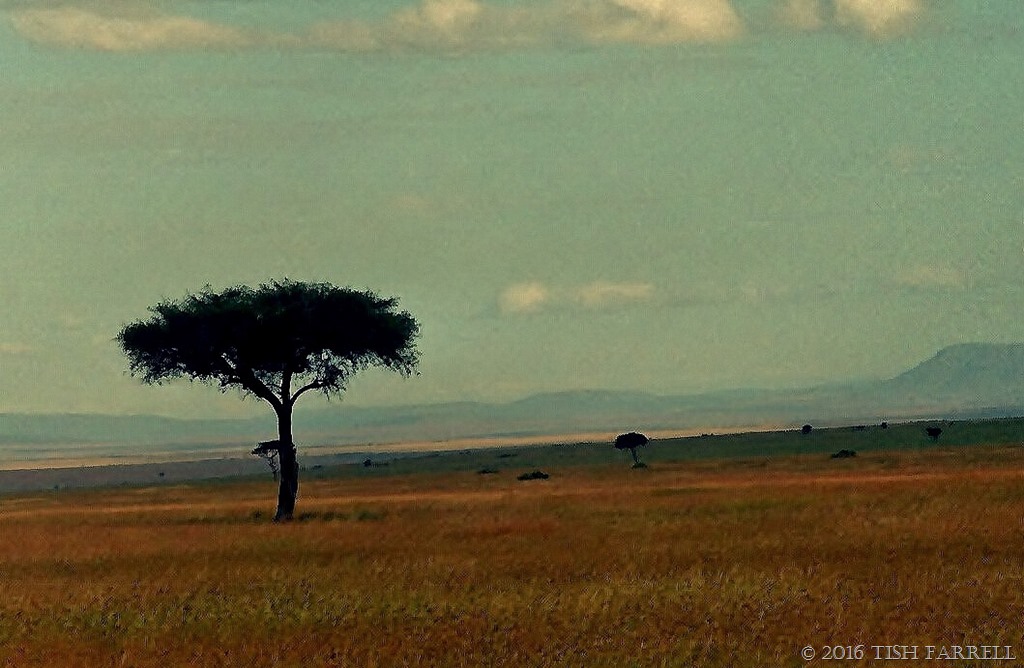
I had been wondering to myself whether I would post some of my Africa pix for the nature photo challenge, and thought I probably wouldn’t. Then the ‘Landscape’ challenge cropped up, and so here  I am, killing two birds with one shot. Or it might be two. Also, for whatever reason that has nothing much to do with me, post editing or anything, this view of the Maasai Mara (edge of the Ololo Escarpment to the right, desert date tree to the left) has acquired the look of a painted landscape. I think it was probably taken at dawn, out on game drive from the Mara River Camp, one of the last places we stayed before ending our eight-year life in Kenya and Zambia.

The desert date (Balanites aegyptica), much like the baobab, is one of Africa’s treasure trees, and has multiple uses. It grows in the driest places across the Sahel and savannah regions of the continent, and fruits in the driest of years. It is thus highly valued by nomadic herders since both fruit and foliage provide useful forage for camels and goats during times of drought.

Also a nourishing and restoring skin oil can be made by milling the fruit, its cosmetic and therapeutic qualities long known of by the Ancient Egyptians. (Samples have apparently been discovered amongst pyramid grave goods). And you can buy it now. Fair trade producers in Senegal, West Africa are producing the oil commercially.

Other traditional uses include making fish poison from the bark, and using the termite resistant wood to fashion farm tools. Better still, an emulsion can be produced from the fruit – harmless to humans and warm-blooded mammals (Trees of Kenya  Tim Noad & Ann Birnie: 27) and used to clean up drinking water supplies. It kills the freshwater snails that carry bilharzia, and the water fleas that carry guinea worm, both causes of distressing and debilitating diseases in many parts of Africa.

The continued existence of this tree is also related to the continued existence of elephants. In the wild they are the main conduits by which seed is processed and made ready to plant. Having passed through the elephant’s digestive tract, it is then conveniently deposited in its own dollop of manure. Another example of how all in the natural world is intimately connected, and we kill off bits of it (stupidly thinking they don’t matter) at our peril.

Scan-140726-0019

Elephants at high noon beside the Mara airstrip. You can see the green tops of desert date trees above a gully in the distant heat haze.

*

Anna at Una Vista di San Fermo invited me to join the 7-day Nature Photo Challenge. This is my Day 4. Please also go and see Laura’s magnificent dragonfly at Eljaygee, and Sue Judd’s elegant study of daffodil decay at WordsVisual, and Gilly’s absolutely mega termite mound at Lucid Gypsy.

Landscape