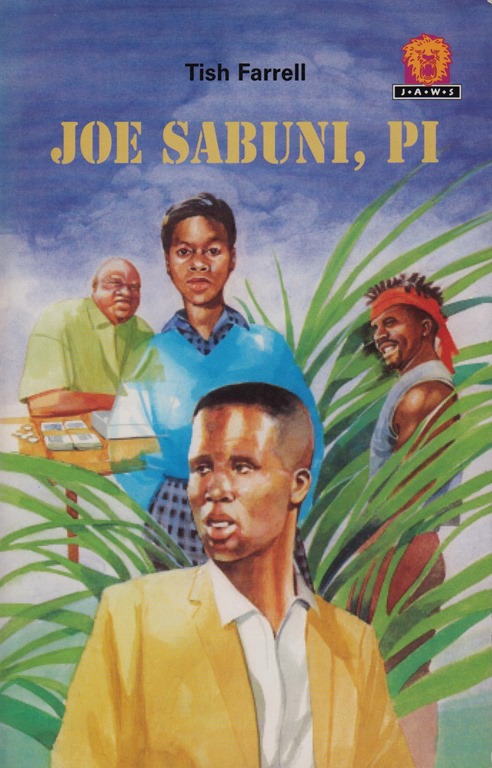
Meet Joe Sabuni P.I. aka Joe Soap

001

Perhaps it is Jonas Kilimani’s choice of alias that makes things go so badly wrong in Mbogo sub-location. Or maybe he’s just not cut out to be a sleuth. Or it could even be his bad choice in suits. But whatever the cause, everyone is running rings round ‘Joe Sabuni’, and it all starts when his Uncle Micah sends him upcountry to track down a man who owes him money. It’s not much of a job, but Jonas is desperate to impress. He has college loans to pay back, and rich girlfriend, Keziah, to keep happy. And if he pleases Uncle Micah, maybe the man will give him a real job, as he’d long ago promised…

Cover artwork: Bob Harvey

*

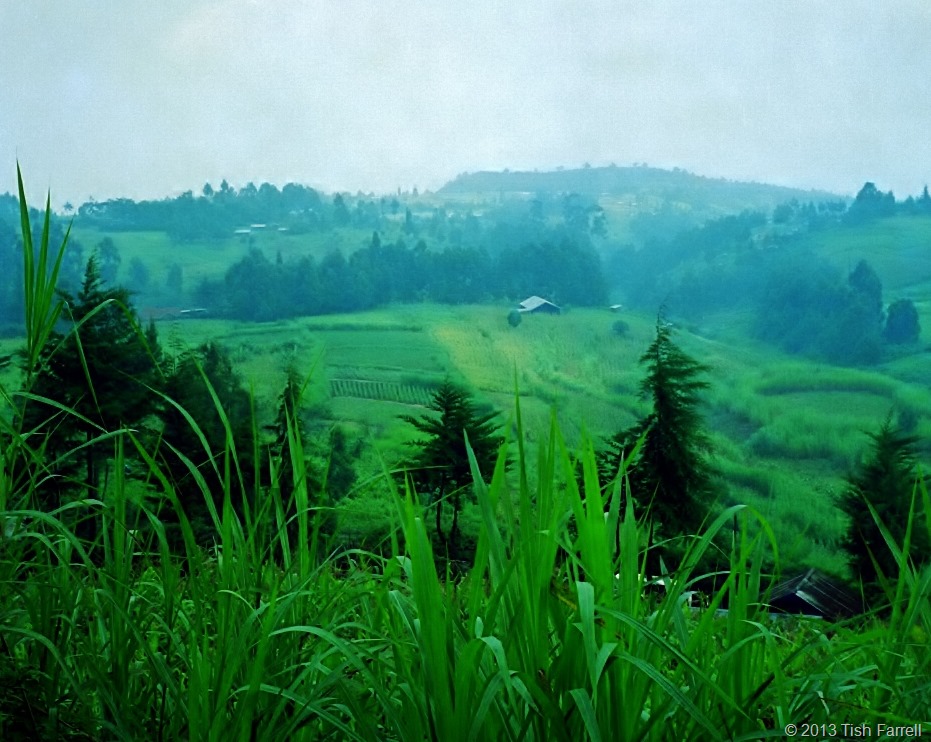
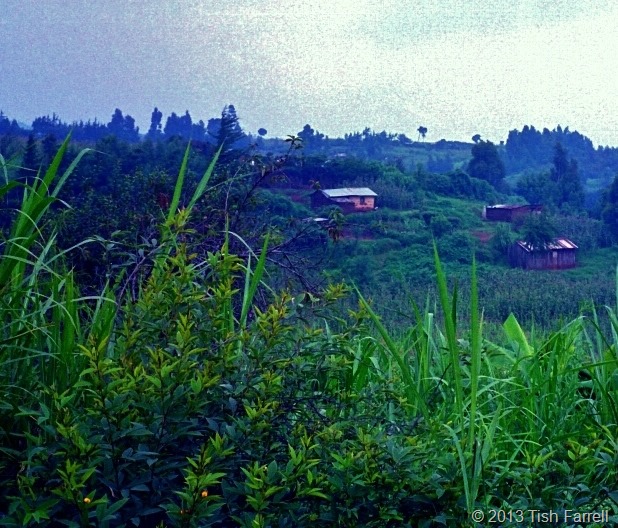
Okay, I am taking advantage of Frizztext’s JJJ-challenge for another piece of self-publicity. Also I think Jonas Kilimani deserves to be better known. He’s a really nice guy, and I’m glad I created him. He actually began life as a tiny notion while I was out on Kenya’s farms surveying smut-infected grass with the Team Leader. (For  more about smut see earlier post HERE). It’s amazing how one thing leads to another, and all apparently unrelated. There is no smut in Joe Sabuni by the way. Or maybe just a smidgeon – involving the dreadful Keziah of course.

I began writing stories for the African children’s literature market while we were living in Kenya in the 1990s. I think it was fury that started me off. There had been an article in the local press about children’s books, and the lack of locally written ones. It included a quote from a school girl saying she did not know there were stories with African heroes and heroines.

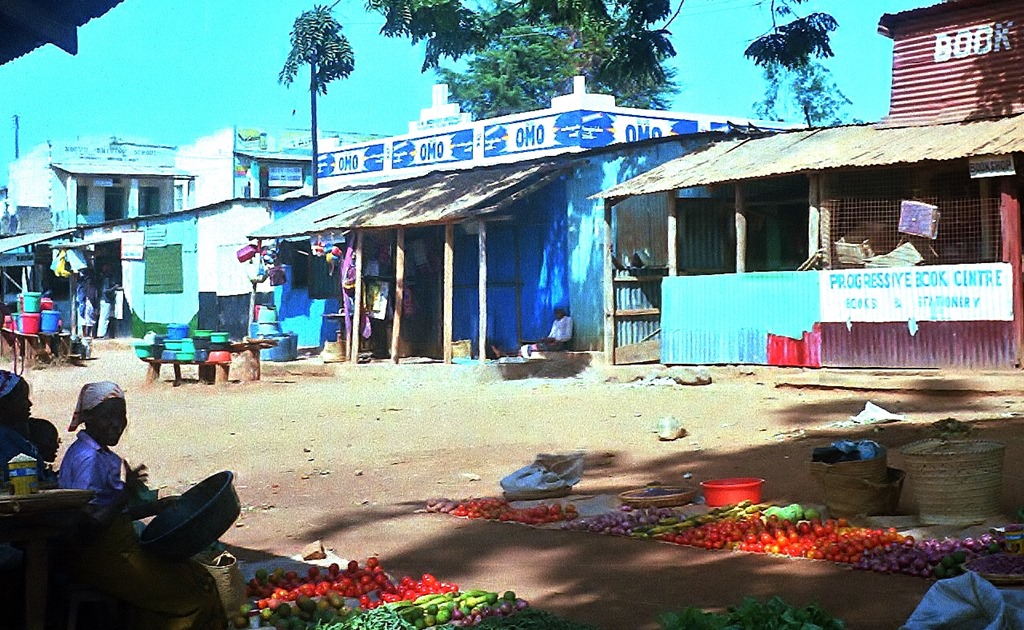
My first reaction was bewilderment. (The fury came later.) I began to look along the shelves of Nairobi’s bookshops. I could see that the girl had a point. Most of the locally produced fiction comprised folk tales, which I, as an outsider, had until then been more than happy to see and buy.

Now I began to regard them with fresh eyes. If I were six or nine or thirteen years old what would I think about such books? The design was often minimal, the paper quality poor, the stories wholly unrelated to modern day living, since the texts had mostly remained frozen in some colonial time when an avid ethnographer had recorded them. And so by comparison with these dry looking tales, would not the imported British and American paperbacks seem infinitely more glamorous and slick?

And yes, for sure, there would be no African kids featured in the rows of Enid Blytons or the Nancy Drew and Hardy Boys mysteries, or in the Ladybird versions of Snow White and Sleeping Beauty. For these, I discovered, were at that time the mainstay of the children’s section. Even the school curriculum  English literature texts were books like Gogol’s Government Inspector or Dickens.

In fact, given the era when all these books were written, there would be no dark faces in them at all. That the stories were written in times long past would not necessarily be apparent to young Kenyan readers. I remember a ten-year old girl telling me that her dream was to ride her bicycle on country lanes and go wherever she pleased just as the Famous Five did. It was hard to know what to say to this. It seemed such a lovely dream.

Anyway, all this started me wondering what it might be like to only read books about children who were nothing like me AT ALL. How would that make me feel about myself: that I wasn’t cut out for hero-dom?

Of course the reason for all the imported revamped  titles was because they were far cheaper than mainstream market books, and parents were more likely to be able to afford them. There is anyway a resistance to buying fiction, since stories are considered an unnecessary luxury when parents have to spend so much on school textbooks every year.

And so we start getting to the heart of the problem. Kenyan publishers, like many others across the continent, struggle along producing textbooks, often in collaboration with British publishers like Oxford University Press, Macmillan and Longman. They can’t afford to produce much fiction, and that means there are not many local fiction writers. Classic authors like Ngugi Wa Thiong’o and Meja Mwangi are few and far between, and Ngugi has anyway long lived abroad in America. The best Kenyan writing, then, is mostly to be found in the country’s excellent newspapers, and they are aimed at adults not children.

As a writer, though, I learned a lot from the late Wahome Mutahi and his hilarious Whispers column, and also from the trenchant political analysis of John Githongo. The end result was Joe Sabuni P.I., a humorous teen short novel set in the fictitious city of Greenvale, somewhere in East Africa. It is published in the Heinemann Junior African Writers Series, now a Pearson imprint.

One of my best moments came a few years ago when I learned that the book was also to be used in Zambian schools, and not only in English, but translated into 6 Zambian languages. This I gather was funded by the World Bank. Someone had the surprising idea that people learn to read best in their own language. I wonder how they came to think such a breath-taking thought.

Because that’s another thing, most African children who go to school do not learn in their vernacular, but in the language of whichever colonial power once ruled them. In Kenya the curriculum is conducted in English and the East African lingua franca, Ki-Swahili, although the vernacular may appear in the study of arcane oral literature texts.

I think this is what Ngugi wa Thiong’o means by ‘colonization of the mind.’

Of course you could say what on earth is an English woman doing writing for African kids in their second or third language? It’s a good question. As I said it was fury that drove me. I wanted to tell contemporary stories that showed Kenyan kids their own wonderful selves, and in situations they might recognize. That these stories have also proved popular in other English-speaking countries such as Zambia and Zimbabwe is a bonus. A couple have won prizes of which I am inordinately proud.

You can read a sample of Joe Sabuni P.I. on Google HERE. Please forgive the fact that Google copywriters can’t spell the word ‘rotten’. And nor can Amazon.

© 2013 Tish Farrell


Far away in Africa

Where’s My Backpack: Distance

002 (2)
This shot of Kilimanjaro, which is actually miles and miles away, was taken from Kenya’s Mombasa Highway near Kibwezi just after the rains. Below it are the green cones of the Chyulu Hills on the approach to Tsavo. Like Mount Kenya, this huge old volcano is very elusive. Sometimes it will fill the sky, other times it is more like a mirage. The next shot was taken in the early morning during the dry season. The mountain often appears with the sunrise, but twenty minutes later you will see nothing at all in the space that it occupied.

003

*

010

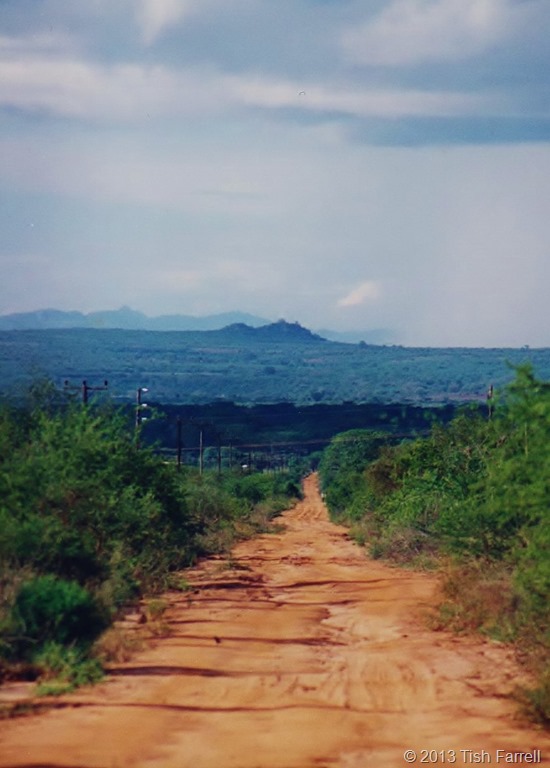
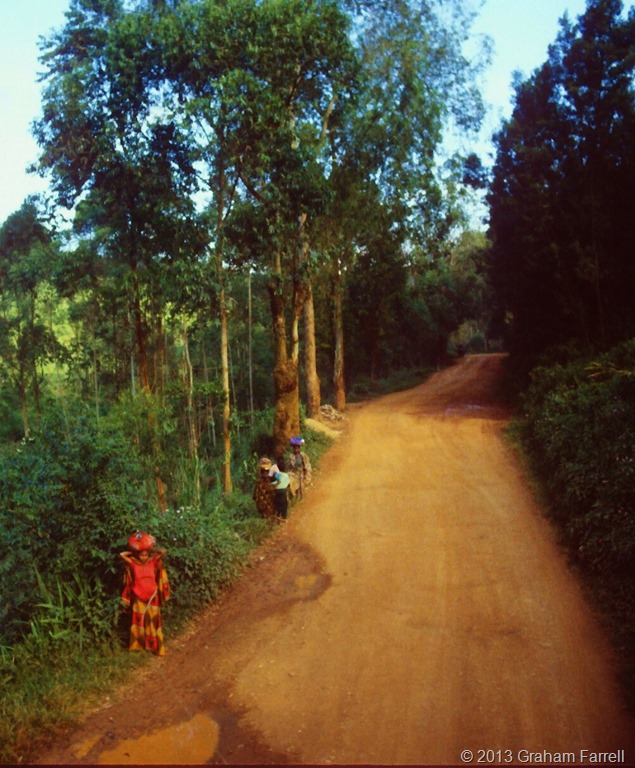
This dirt road is heading back towards the Mombasa Highway from Kenya Agriculture Research Institute’s Range Station at Kiboko. Buffalo lurk in the thorn scrub, and much else besides.

*

dawn on Tiwi with dugout

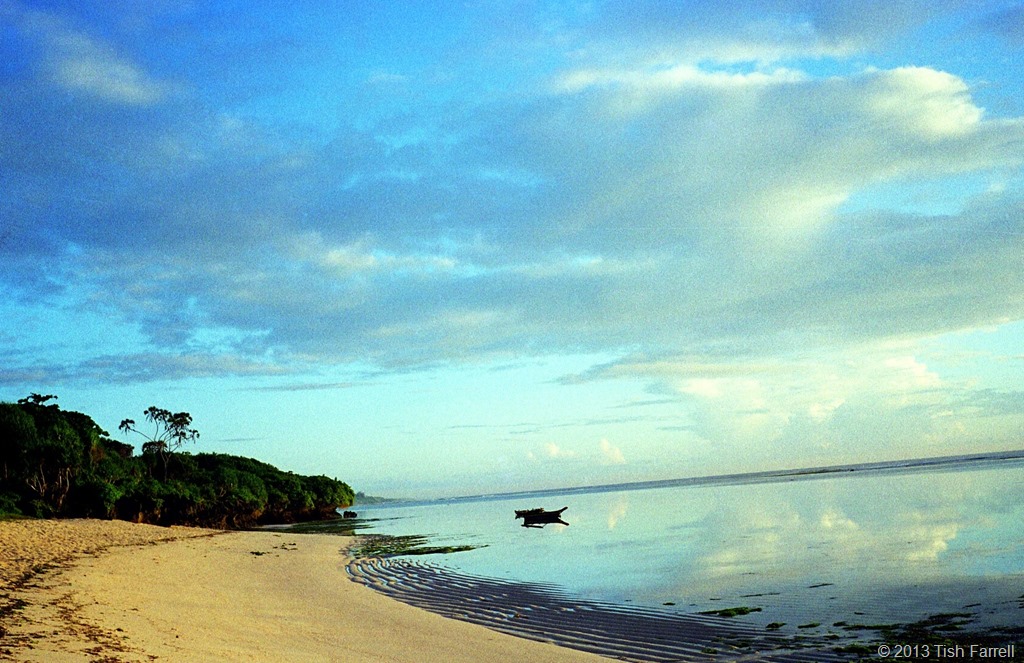
Early morning on the reef at Tiwi Beach, South Mombasa. The dug-outs belong to the local Digo fishermen, who make a living selling their catch to tourists staying that the local beach villages. (See Beaches – Mombasa)

*

Capricho and palms

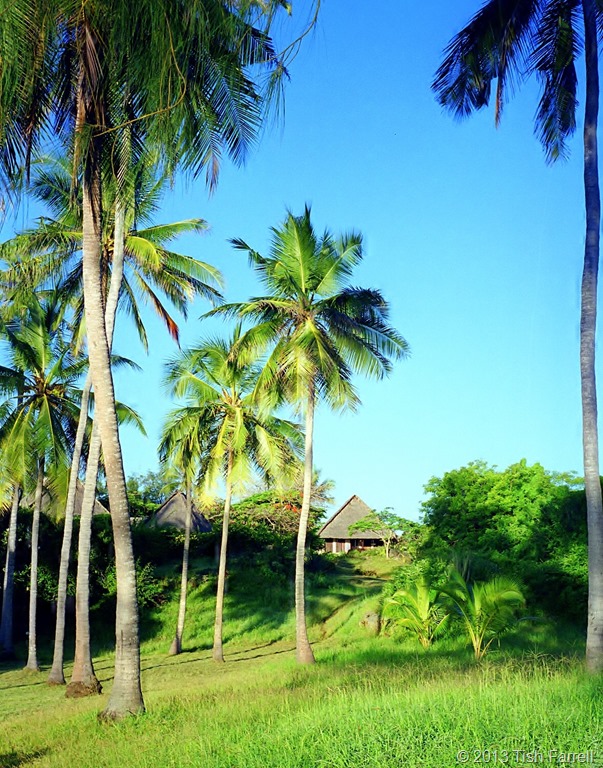
A glimpse of Maweni Beach Cottages, built in the local style: coral rag walls and high makuti roofs thatched with coconut palm. Many of the local coconut plantations are ailing, due to too much tapping of flowering shoots to make the local brew tembo.

*

Mara grassland 3

Mara grasslands and, in the distance, the Ololua Escarpment.

*

Scan-130426-0029.jpg

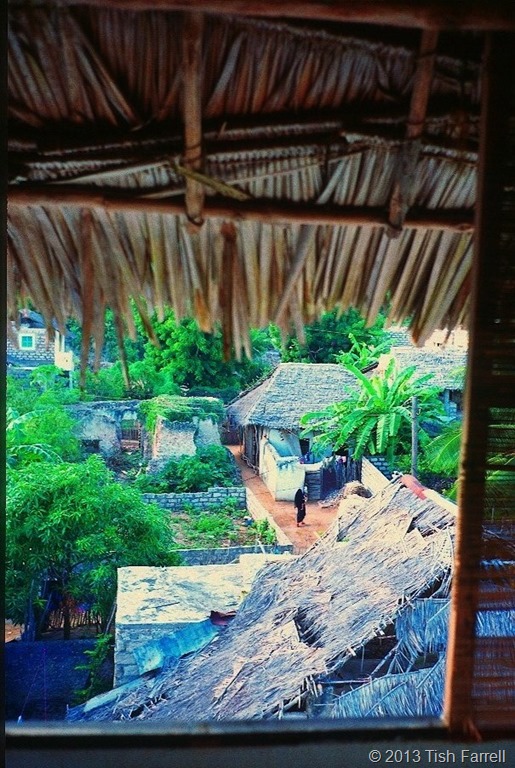
A room with a view, the ‘penthouse suite’ of the erstwhile Island Hotel, Shela Village, Lamu. This room had three whole walls of windows – the absolutely most perfect place for Nosy Writer to survey local life.

*

Scan-130429-0005

“I had a farm in Africa, at the foot of the Ngong Hills.”

Karen Blixen Out of Africa

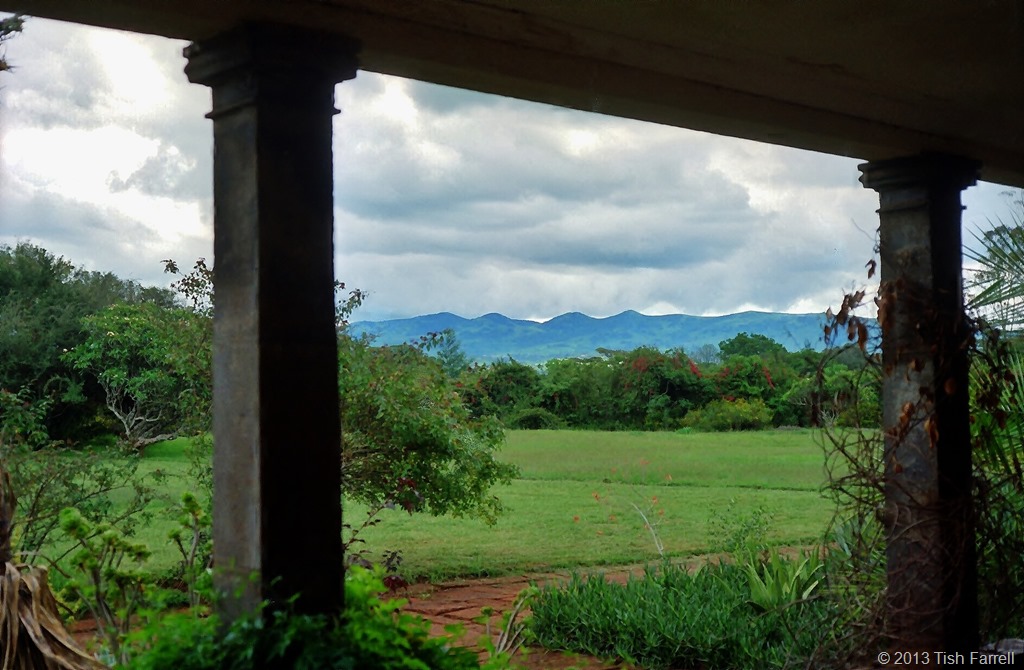
The view that Karen Blixen saw from the veranda of her home outside Nairobi.

*

001

The Mombasa Highway just north of Kiboko. This shot was taken as we were heading to Nairobi about sixty miles away. The arid scrubland is part of Ukambani, home of the Akamba people, but Maasai come to trade here too. It was unusual to see the road with absolutely nothing and nobody on it.

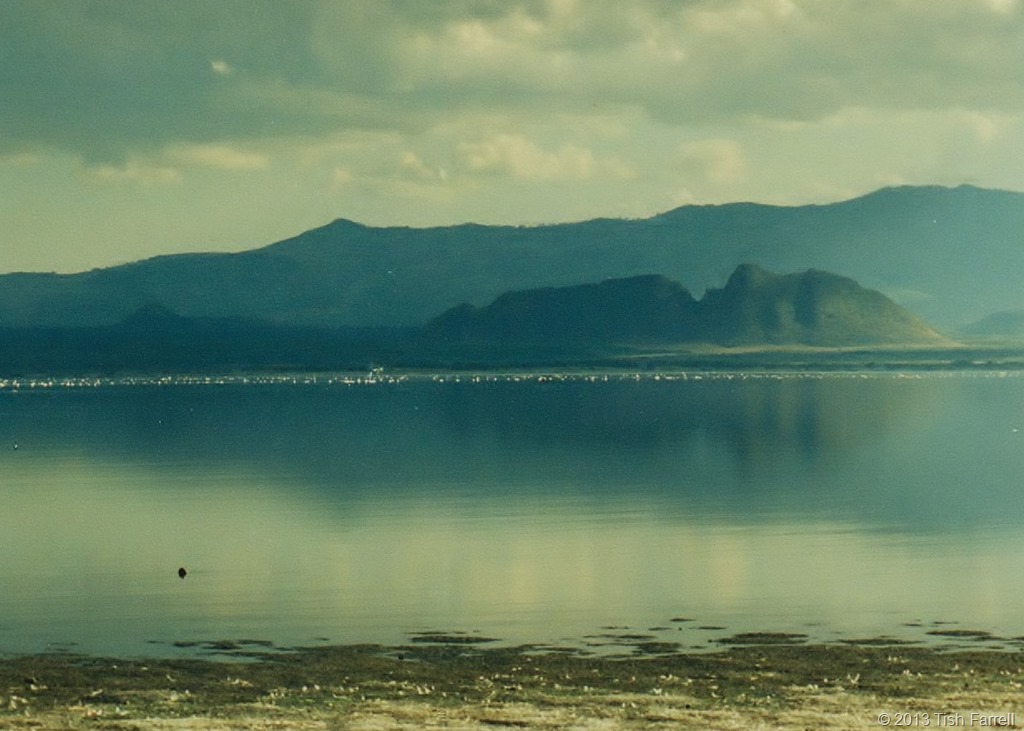
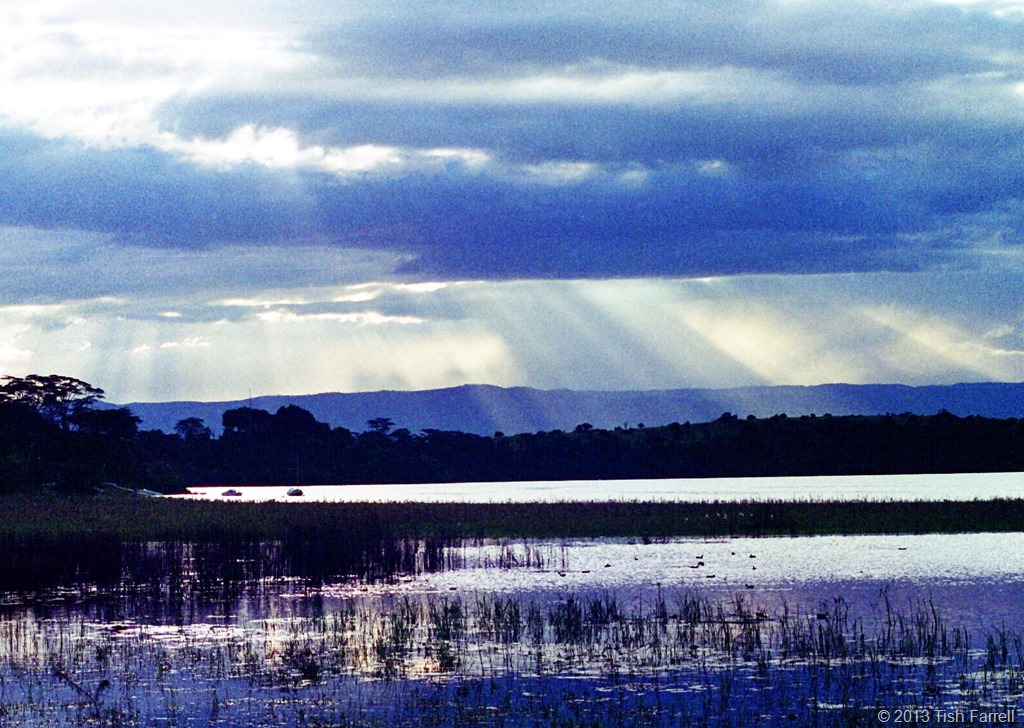
And finally back up the Rift, north of Nairobi, a view across Lake Elmenteita of Lord Delamere’s Nose. This was the name the Maasai gave to the exploded volcano on the lake shore. Lord Delamere was one of the first white settlers in what was then British East Africa. I leave it to you to imagine what his nose looked like. Before Lord Delamere arrived to occupy this part of Africa, the hill was known as the Sleeping Warrior.

001 (2)

© 2013 Tish Farrell

In the Rift: in and out of focus

WP Photo Challenge: Focus

Rift Valley from Escarpment

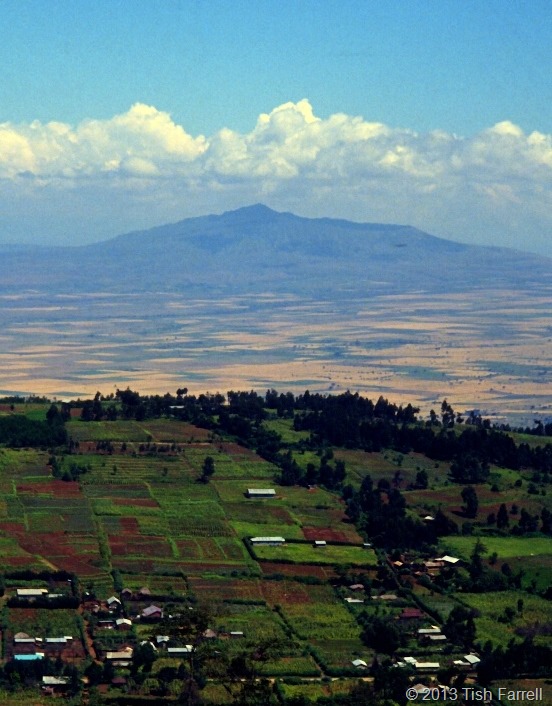
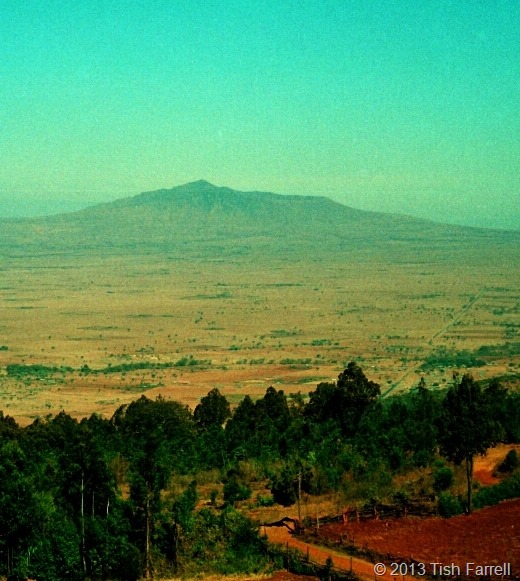
You may have seen a version of this photo in an earlier post, but it’s worth another look for various reasons – all of them to do with FOCUS. This shot was probably taken late morning. The farmsteads of Escarpment are shadowed by the Eastern Rift behind. Out under the sun, the old volcano Longonot flattens and drifts into mistiness. Your brain tells you that your are witnessing a mirage.

You can climb up Longonot if you want to, and walk around the rim. (We never did.) Inside the crater, Rider Haggard-style, there is a wonderful hidden forest filled with wildlife. In the middle distance, but not quite visible, runs the old road from Nairobi to Naivasha, built by Italian prisoners of war in WW2.

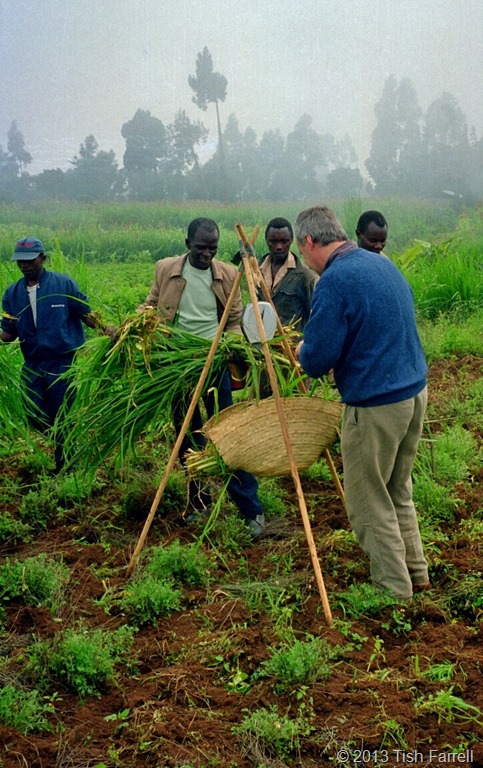
But to come back to the foreground, and the largely Kikuyu community of Escarpment, this is one of the places where, in 1997-8, Team Leader and Nosy Writer carried out some of the Team Leader’s doctoral fieldwork on SMUT. Smut is a fungal disease that attacks Napier Grass, an important animal fodder crop. If you didn’t read the smutting post, coming up is a photo of the smut team in action, complete with some Rift Valley fog which usually happens during Kenya’s cold season in June and July.  Here it provides  the soft-focus-background-look without need of any technical jiggery-pokery.

napier grass sampling 3

Team Leaders Njonjo and Graham weighing clumps of Napier Grass. The object to establish a disease assessment scale for estimating the food loss of a smut-infected field.

*

Actually, the real leader in Operation Smut was Njonjo. He’s the one holding the bundle of Napier Grass. His family’s land is in Escarpment, much sub-divided between himself and his brothers. When we visited his home he told us that his own holding was about a quarter of an acre. This was one reason why he worked as a driver for the Kenya Agricultural Research Institute and was not as a full-time farmer. He had children to educate, and his land alone could not support them all.

*

napier grass on the Rift

Napier Grass in the foreground with Escarpment farms beyond. This important crop is grown on road verges and field terrace boundaries to feed ‘zero-grazed’ stock. The small size of most farms  (some less than an acre) means there is insufficient ground for both pasture and cultivation.

napier grass and farms

Kikuyu farmstead on a drizzly El Nino day.

*

And if you are wondering why Kenyan farms are so very small (several acres in the fertile Central Highlands would be considered quite large for many families) then that’s old colonial constructs for you. Kenya may have been an independent nation state for fifty odd years, but the colonial concept of land management and ownership, along with many other inappropriate British institutions, is alive and well.

Because that’s the thing about British institutions – they are sneakily feudal and thus very hard to unpick. Even in Britain, most of the population is generally unaware that most of the nation’s land is owned by a small number of people who are fully committed to keeping it that way. Ownership in the form of title deeds coupled with an elitist sense of superiority and personal entitlement based on heredity fortify their position. Increased urbanisation is in their interest; it keeps hoi polloi out of the deer parks and off the grouse moors (unless of course they are paying high fees to be there.)

In Kenya much of the population still occupies plots that were part of the designated Native Reserves back in the 1900s.  Since those days the population has increased many-fold, and family farms have been subdivided to point where they cannot easily support one family. This situation underpins much of the creeping poverty that you will see in Kenya today. It is the reason why at least 75% of the nation’s food is grown by women smallholders.

*

Wundanyi market 2

Women selling their excess garden produce at Wundanyi market, Taita Hills.

*

These essential growers are the rural wives who stay on what remains of family land to grow what they can, while their husbands  migrate to the towns to work in shops, hotels, and as drivers,security guards and house servants. These men will return home maybe once or twice a year when they have their annual leave. At such times they will help with the harvest and undertake house repairs. This is also the reason why most parents struggle so hard to educate at least some of their children – so they do not have to live this way.

*

When the British occupied British East Africa at the end of the 19th century, they treated the territory in much the way a British landowner would manage his inherited estates. There was the presumption of absolute ownership. All indigenous people who hunted for a living were labelled poachers and treated accordingly. Land was divided into Native Reserves and Forest Reserves and latterly there were also Game Reserves. All the land that had not been alienated for European settlement was Crown Land unless it was Native Reserve land. By 1914, five million acres had been allotted for European settlement. The Maasai had also been removed from their fertile grazing lands on the Laikipia Plateau and relegated to the poor land that is now known as the Maasai Mara.

001

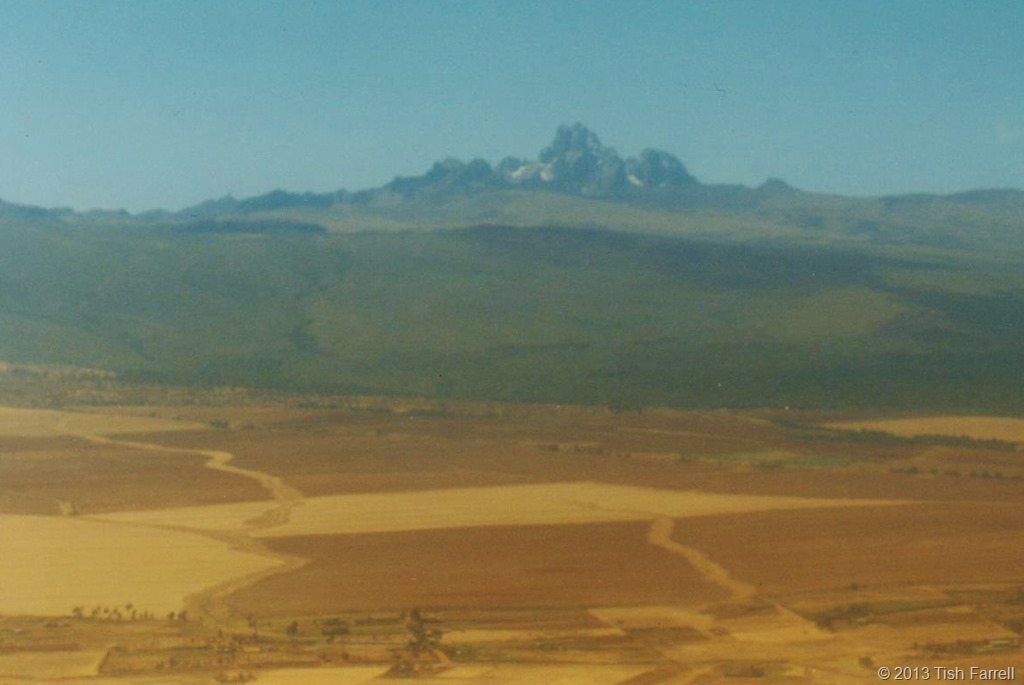
European owned wheat fields, Laikipia, below Mount Kenya. Taken from a plane window hence the haze.

*

Under colonial rule, Africans could not leave their Reserves unless it was to work for Europeans. Hut and poll taxes were imposed to force them to do so. When overgrazing and land erosion became evident in overcrowded Reserves, well-meaning British Agriculture Officers informed the locals that they were doing everything wrong. Farmers were urged to plant in a European way, to grow strains and varieties of crops to suit British markets. In particular, the growing of nutrient-, water-guzzling maize over traditional, more nourishing crops such as millet was promoted. There was the enforced terracing of land and the confiscation of stock animals without compensation if deemed to be in excess.

Meanwhile, large blocks of the best settlement land were taken  up by British settlers, including a number of British aristocrats whose descendants still live on large estates in Kenya. After the 1st and 2nd World War, British veterans of the officer class were actively encouraged to settle the so-called ‘White Highlands’ around the Rift and grow cash crops. When many sold up at Independence, their tea and coffee estates were taken over by European corporations. Other settlers who wished to leave at that time were bought out by the British Government who then apparently handed over the bill to the new Kenyan government. The new nation state thus started out in debt, having paid to get its own land back. It was not a good beginning.

Scan-130601-0006.jpg

A beautiful corner of Lord Delamere’s estate of Soysambu at Elmenteita in the Rift Valley. The pink dots on the soda lake are flamingos.

*

the-castle2.jpg

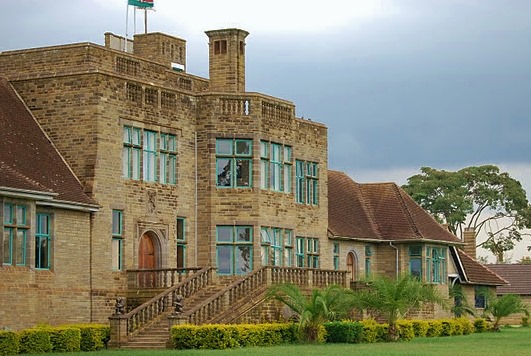
Egerton Castle, built in Njoro in the Rift Valley between 1930-40. Its owner was the Fourth Baron Egerton of Tatton, Cheshire. It is now part of Egerton University and used as a wedding venue.

*

However you look at it,then, the land situation in Kenya does not present a pretty picture, and this is only a brief, soft-focus version. After the British left in 1963, Kenyans might have been able to leave their Reserves without passes, and walk on whichever side of the street they chose, but the Crown Lands concept of absolute possession has dogged the country ever since. Crown Land became state owned land; colonial institutions became state institutions. And as I said, such constructs are hard to unpick. Nor would the Kenyan elite wish to unpick them, any more than the British nobility would wish to surrender their hereditary land rights to the masses. As the fourth President, Uhuru Kenyatta (and son of the first President Jomo Kenyatta) takes office, so the thorny issues of land grabbing and wrangles over title deeds continue.

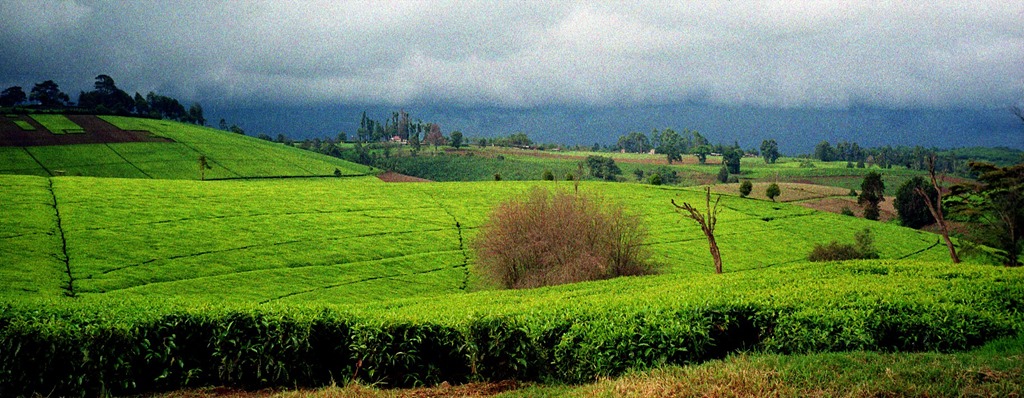
tea fields and workers' houses_thumb[140]_thumb

A  tea estate with workers’ quarters near Nairobi.

Limuru tea fields in the long rains

*

Today, ordinary land-poor Kenyans must look out on the large farms and estates still owned by the descendants of European settlers, or the ranches and flower factories of the Kenyan elite, or at the plantations of the multinationals whose profits go to foreign shareholders, or even at the great wildernesses set aside exclusively for wildlife, and wonder what Independence has brought them. Under colonialism most people were excluded from the wealth creating process except to provide manual labour. Today it seems that not much has changed.

*

Rift Valley and Longonot from Escarpment (2)

http://flickrcomments.wordpress.com/2013/08/27/iii-challenge/

© 2013 Tish Farrell

Carnations, crooks and colobus at Lake Naivasha

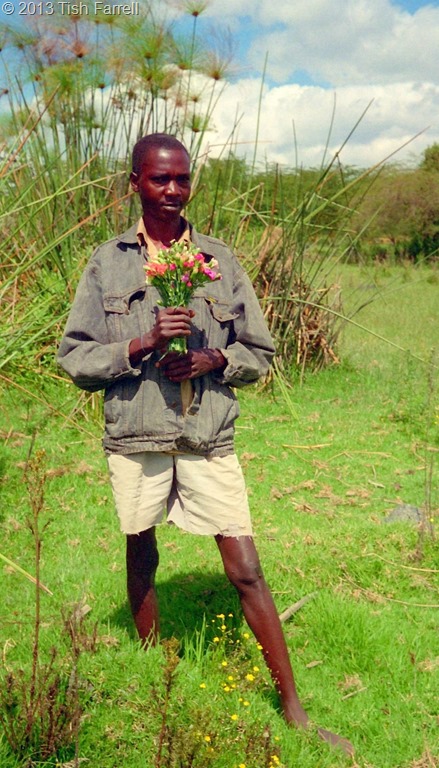
Even locals told us that  anything could happen in Kenya.  And  so one Lake Naivasha morning, when I thought I was  alone in the grounds of an old safari lodge, I was both surprised and unsuprised when a young man suddenly stepped out from the papyrus swamp clutching two bunches of carnations. Fifty bob, madame, he said after the customary greeting. He seemed nonplussed  when I started to laugh.

“Do you always keep your carnations in the papyrus,” I asked.

“Yes,” he said.

“What, waiting for people like me?”

“Yes,” he said.

Scan-130602-0001

This exchange seemed to seal the deal. I didn’t even bother to haggle. And although I have no idea why I would have 50 bob on me in such a place, I bought a bunch. Given the general lack of wazungu humanity in that particular location, I also wondered  how long he had been waiting for the likes of me to come along; or how long he would have been prepared to wait for a customer. Or if I was just the unexpected thing that happened to him, rather than he to me. (You could tie yourself in knots second guessing). The rest of the lodge guests, I knew, were male entomologists, engaged all day in seminars and workshops; only I was free to wander about the hotel’s straggling  grounds buying flowers for which I had no particular need.

*

Scan-130716-0012 (3)

*

We had driven up the Rift from Nairobi the day before. Team Leader Graham was to attend a four-day international conference on the Larger Grain Borer. Along with his Kenyan colleagues there were some forty delegates from such places as Honduras, Mozambique, Italy, UK, Benin, Zimbabwe.  Anyone who has read my post, Letters from Lusaka Part 1,will know that this small maize-grinding beetle, aka LGB, was introduced into Africa in a consignment of US food aid in the 1980s. Its natural habitat is in South and Middle America where it also has natural predators to keep it in check. In Africa it has no natural enemies and can thus eat itself silly while villagers, deprived of their staple crop, starve.  Seventeen years on from this conference, it is still a problem.

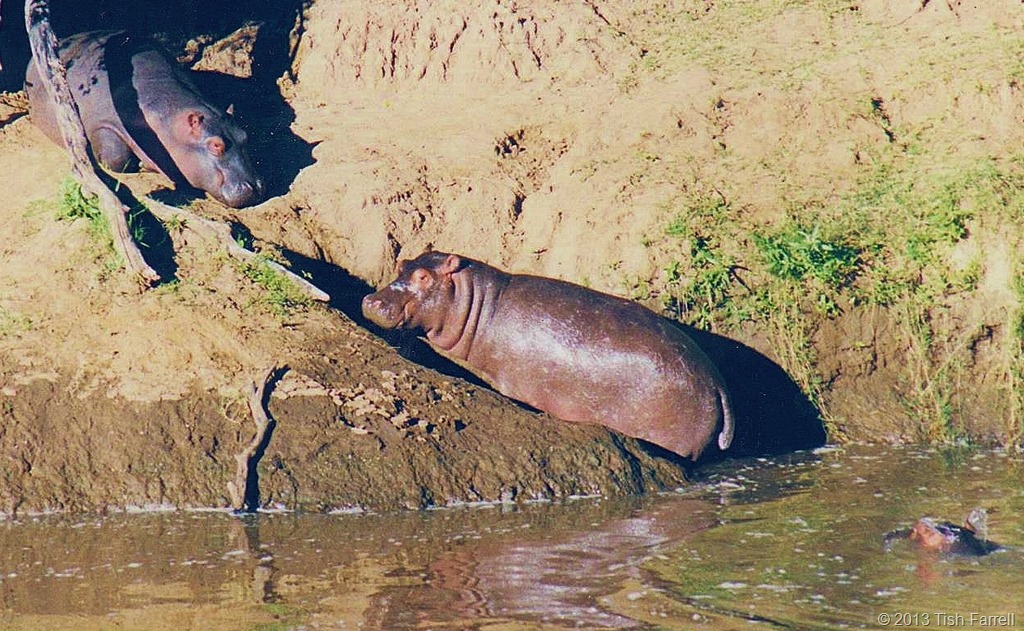
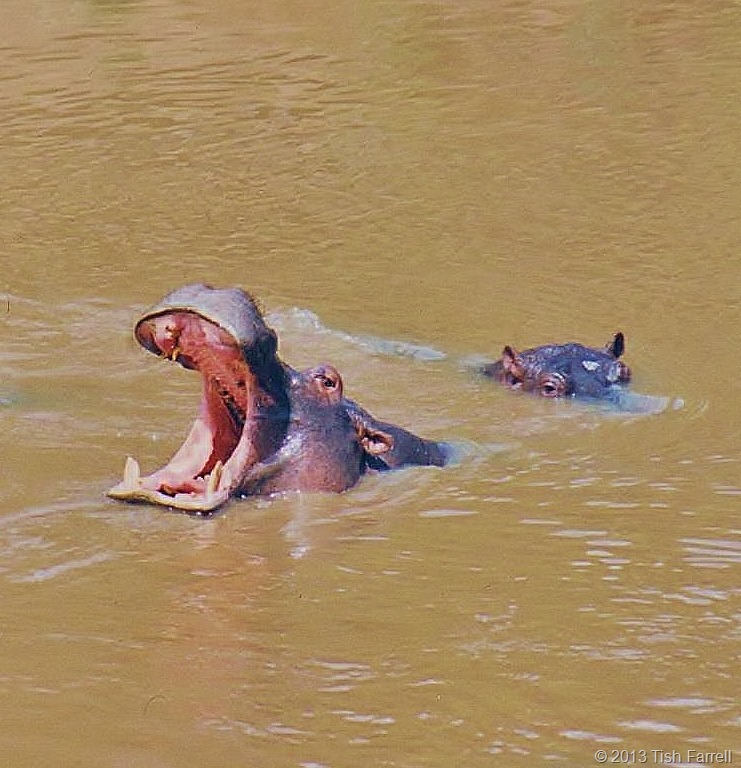
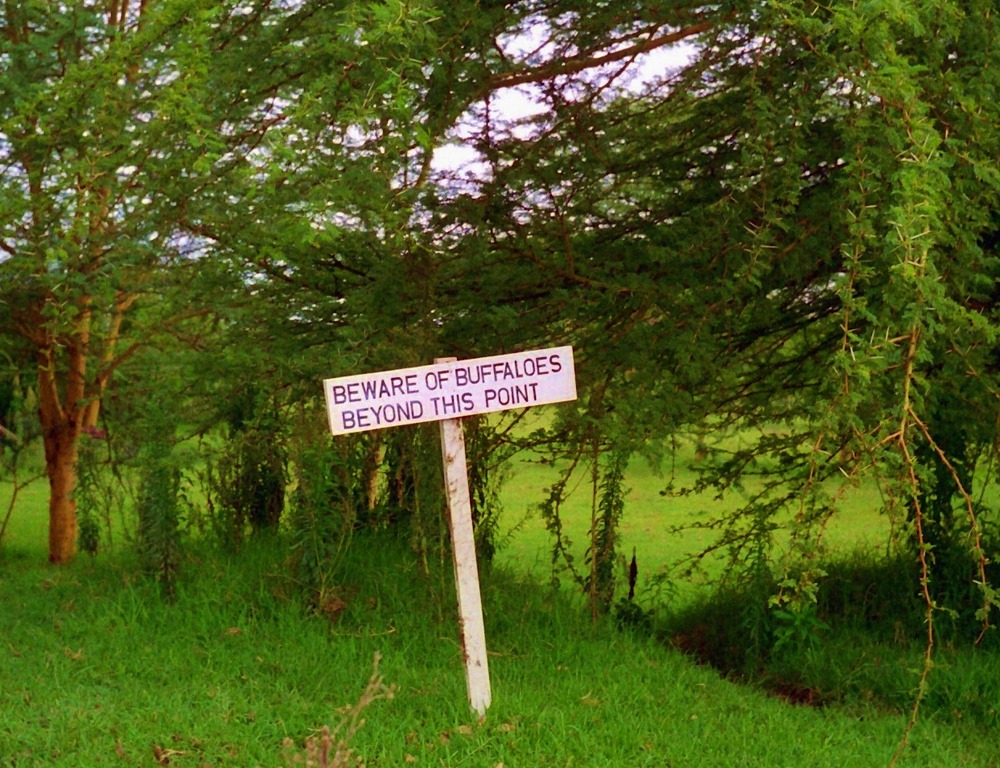
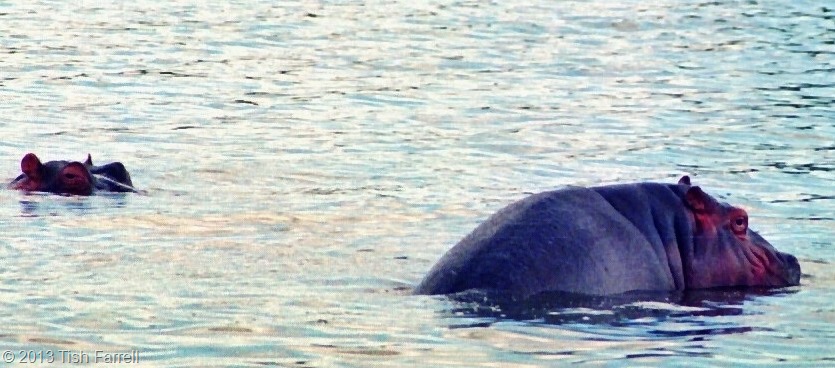
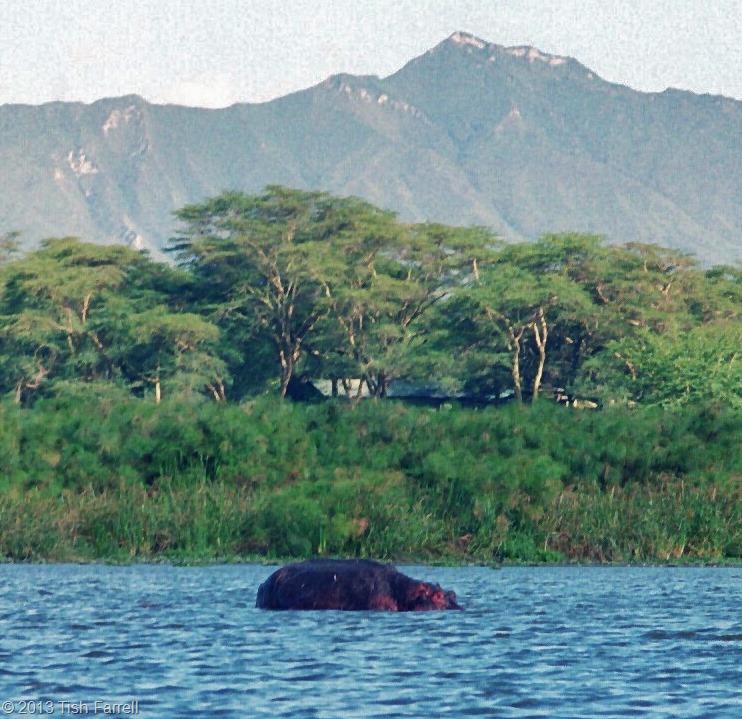
So: while delegates debated what might be done about the ravages of this particular storage pest, Nosy Writer, like some latter-day colonial ‘mem’, dilly-dallied about the lake shore and its hinterland. At the time I was recovering from some strange digestive malady, so wandering and bird watching were all I could cope with. When the young man popped out of the papyrus I was still weighing up whether or not I should be deterred by the sign I had just read amongst the fever trees.  I could anyway hear the hippo grunting, and having once been charged by a big angry bull in Zambia was already a little wary. The appearance of a boy with a bouquet, then, seemed like a piece of magic.

Scan-130602-0003

When I asked him where he got the flowers, he told me there was a flower factory ‘next door’. (Many international growers have their flower factories around the lake. There are strawberry and asparagus growers there too). At the factory (think acres of pink poly-tunnels under the tropical sun) he gathered the discarded side stems and inferior blooms from the refuse heap and made them up into bunches. Later, when I told this to Graham’s Kenyan boss, Gilbert, he told me that export stems had to be between 70-100 cm long, which meant there were probably plenty of rejects.

He also told me that the factory ‘next door’ was reputed to be owned by one of Kenya’s top crooks, a notorious Kenyan-Asian wheeler-dealer. Gilbert then added that he also owned the safari lodge where we were all staying. I could only blink in response. It seemed like another of those ‘anything can happen in Kenya’ moments; another of the endless moral conflicts. Here were a bunch of diligent, respectable scientists all funded by international development money patronizing the establishment of a member of the criminal elite who, from behind a front of untouchable respectability, was bleeding the nation on breathtakingly colossal proportions.

It’s the moment when you say, oh, bloody hell, I can’t cope with this, and go back to reading a book or bird watching, or listening to the plaintive call of a pair of fish eagles resounding off the water, or to the companionable  grunting of hippos.

Scan-130716-0012.jpg

Scan-130716-0010-2.jpg

I also tried to distract myself from thoughts of the flower factories around the lake. There was talk of them abstracting too much water, and polluting the only freshwater lake in Kenya’s Rift with pesticide residue  – all so the citizens of London, Paris, Amsterdam can buy the perfect, but scentless, long-stemmed rose, or metre-long carnations. Of course these places provide work for scores of labourers, and increasingly there are well qualified Africans in managerial positions.

The companies probably provide clinics and primary schools too, but the bulk of the profits from these huge concerns go to Europe and to their shareholders, not to Kenya whose human and natural resources are being exploited in the meantime. Then there’s the row about multi-nationals not paying local taxes. It’s the same old story – colonialism in a new form – the need for cheap labour to justify the cost of the daily absurdity of flying fresh-cut flowers out of Africa.

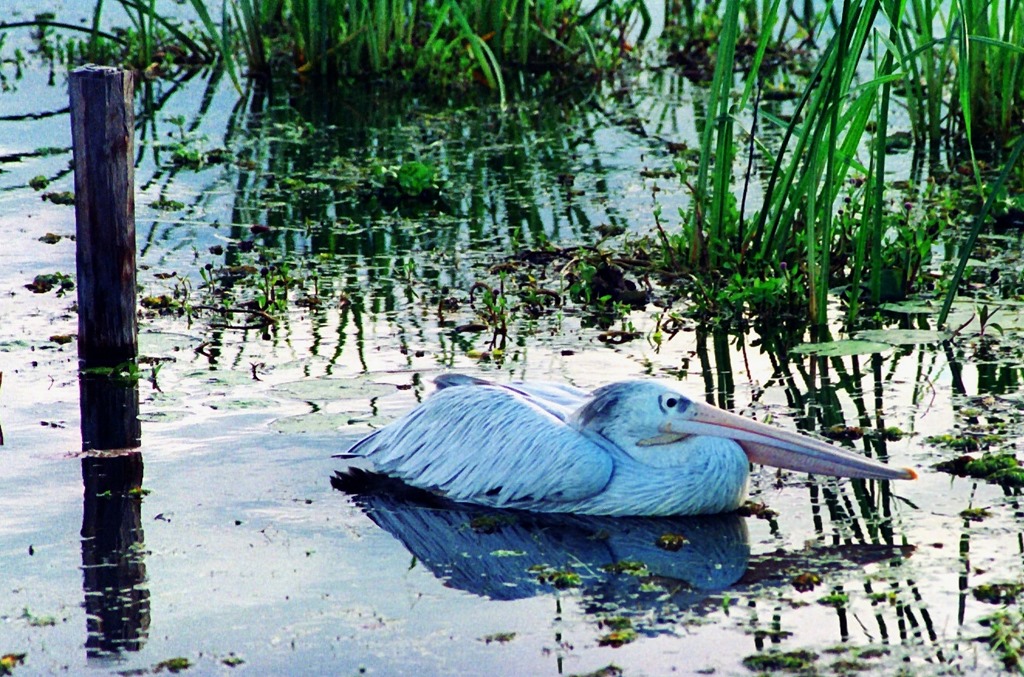
How do you begin to unpick all this. I can’t. It is easier to bird watch, and there are hundreds of species around the lake to look out for.

Scan-130716-0013

Scan-130716-0008.jpg

Scan-130716-0014-2.jpg

Scan-130716-0011 (11)

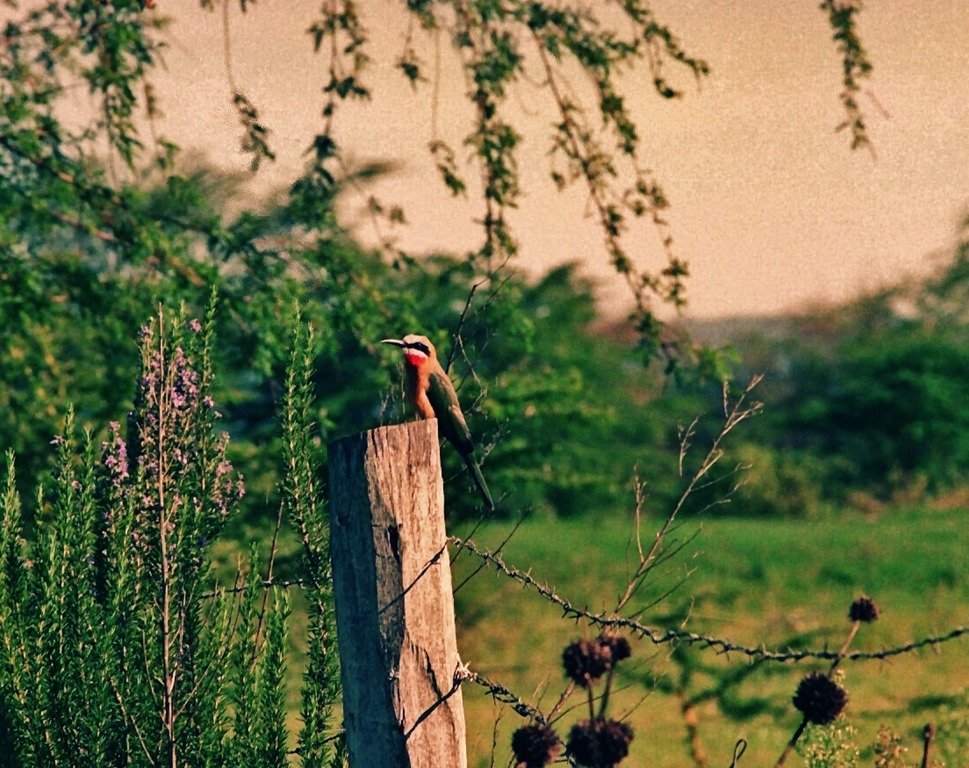
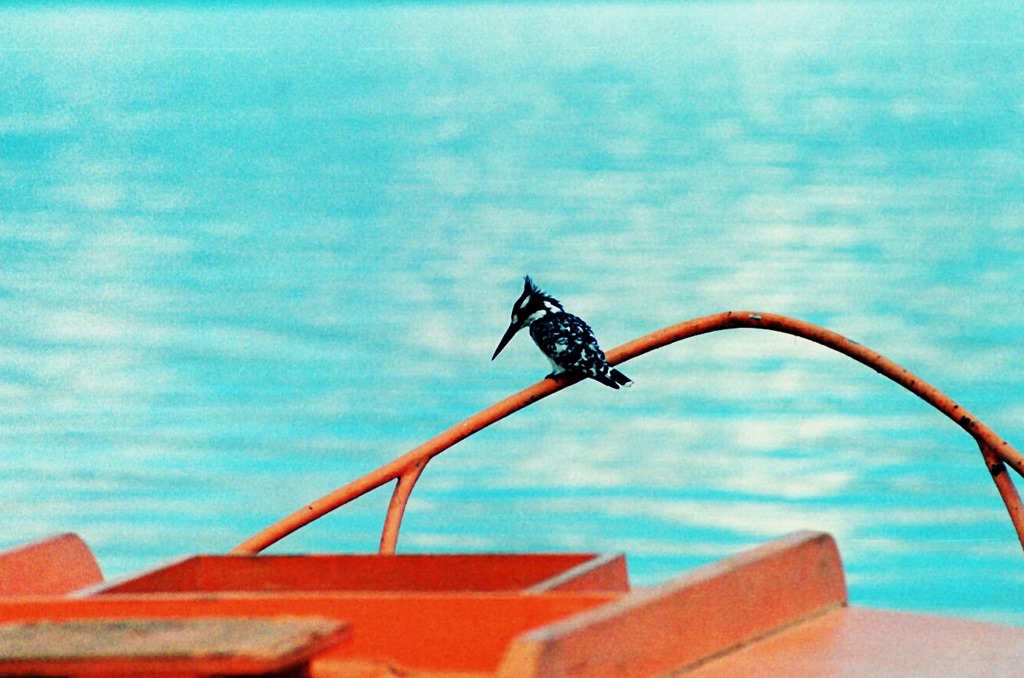
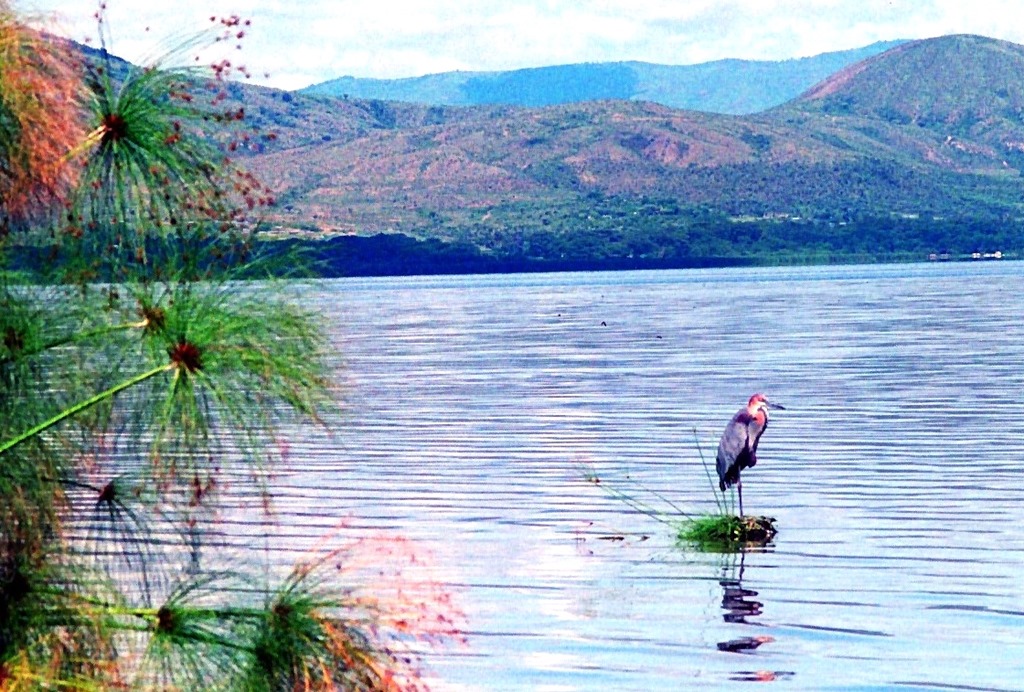
From the top down: pelican, bee eater, pied kingfisher, goliath heron – just a few of the 400 bird species around the lake.

*

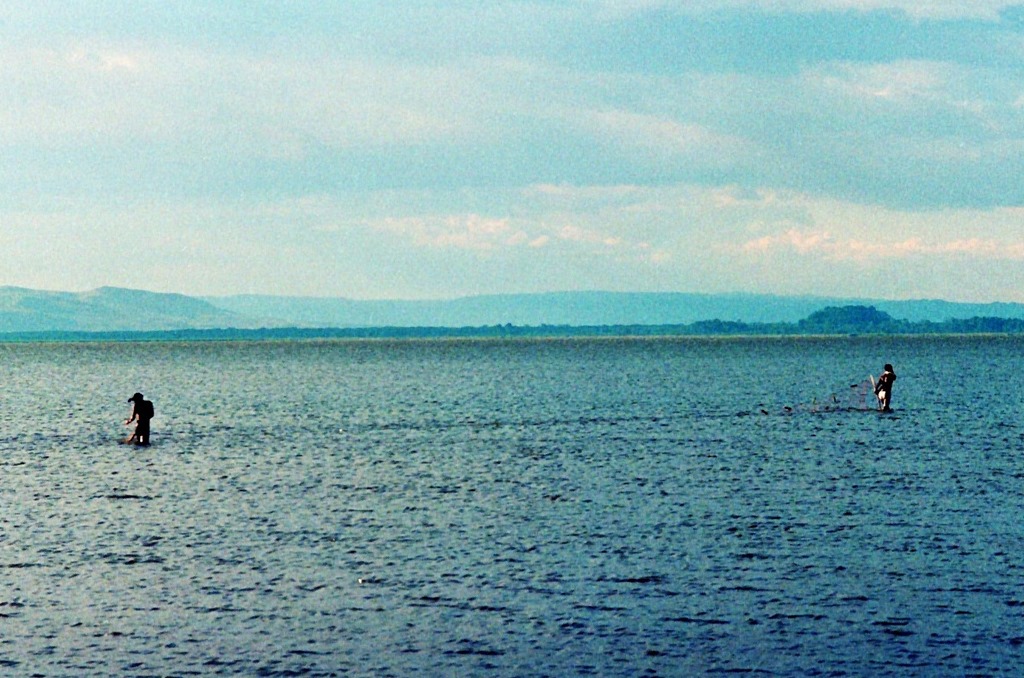
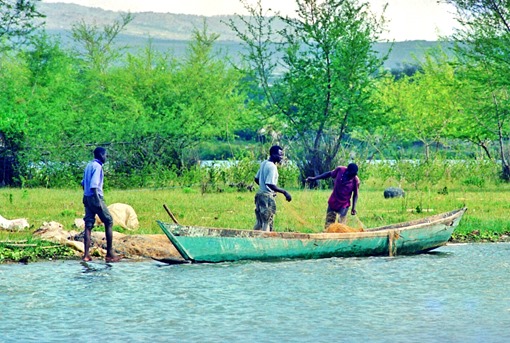
There are the fishermen too, seine netting and scooping up buckets of freshwater crayfish, although accidentally introduced carp is now the dominant fish species.

Scan-130716-0011.jpg

Scan-130716-0011-6_thumb.jpg

*

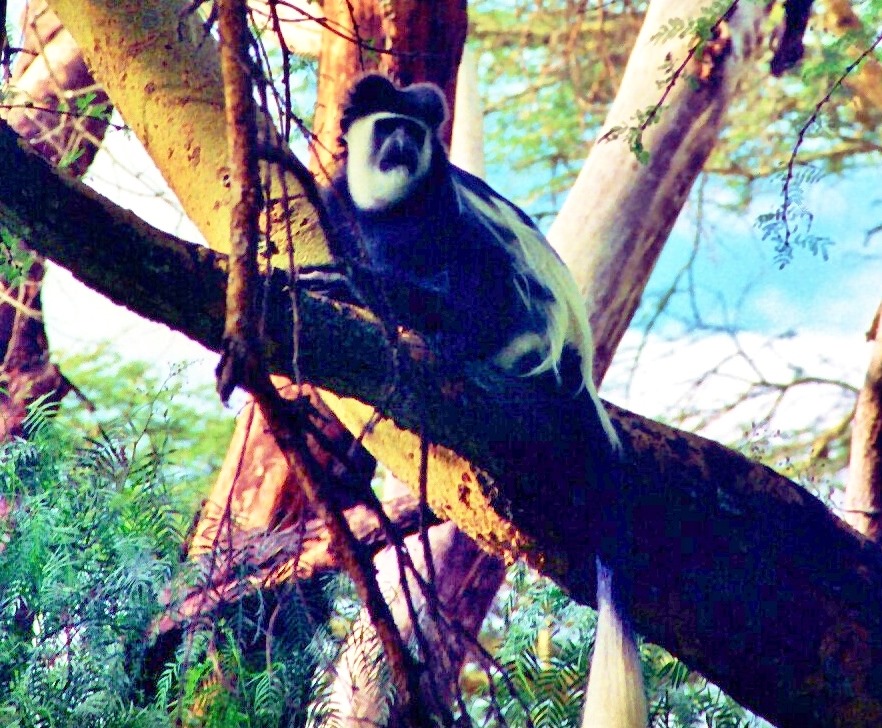
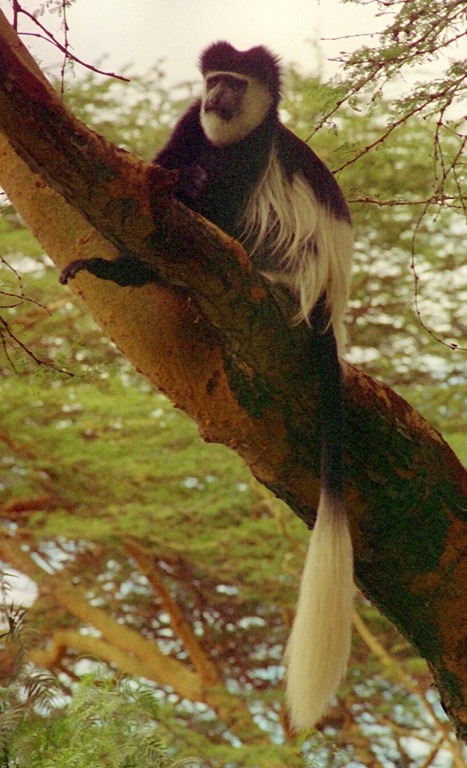
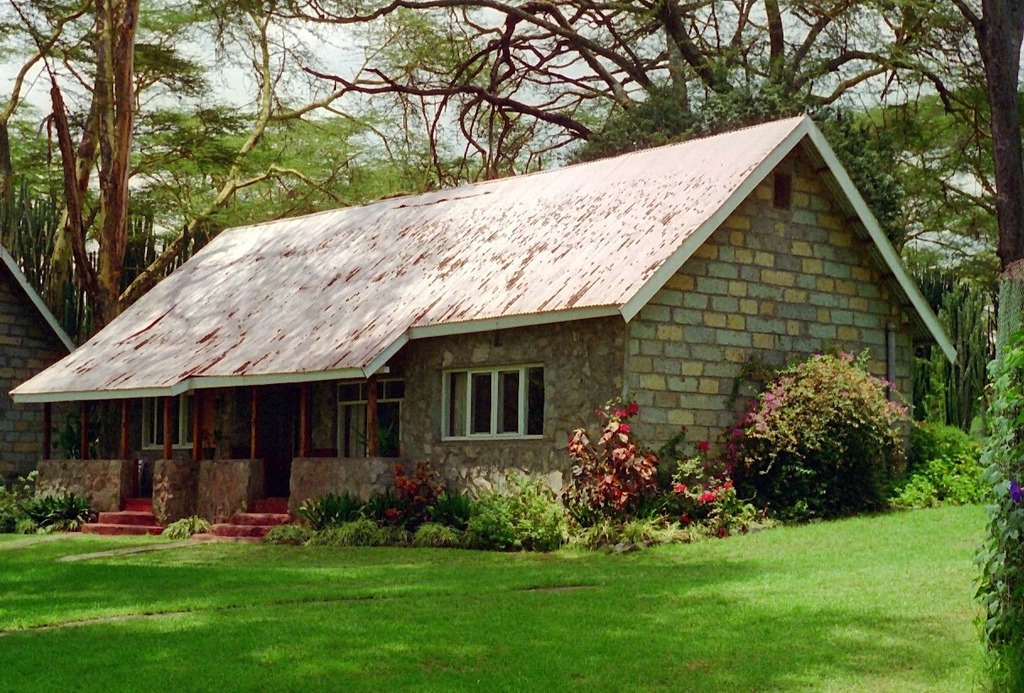
And finally every afternoon around four, a family of colobus monkeys come to the lodge garden and play on the guest cottage roofs. It’s easy to tell yourself that this is paradise.

Scan-130716-0012 (2)Scan-130601-0007.jpg

Refs:

Urban society and the fishery of Lake Naivasha, Kenya – Balancing ecosystem and stakeholder demands by Phil Hickley, Mucai Muchiri & Ros Boar

Kenya Birds Lake Naivasha

Flower power keeps Kenya’s Lake Naivasha blossoming – video Guardian 2012

Kenyan flower industry’s taxing question Guardian 2011

P.S. I took the carnations home to Nairobi where they lasted a further ten days. Excellent rejects.

© 2013 Tish FarrellScan-130602-0002Scan-130602-0004

The Golden Hour on the Rift Plains

  1. http://dailypost.wordpress.com/2013/07/12/the-golden-hour/

First off, before the best bits, I should say that there’s a bug in the Word Press system, so dear followers and followees, please check your SPAM for any comments from me or other afflicted bloggers and (only if you want to of course) upspam them. Otherwise, on most blogs, my comments are currently going straight to SPAM. It’s a cunning way to stop us from talking to each other. Curses on the joyless little bug that is doing this.

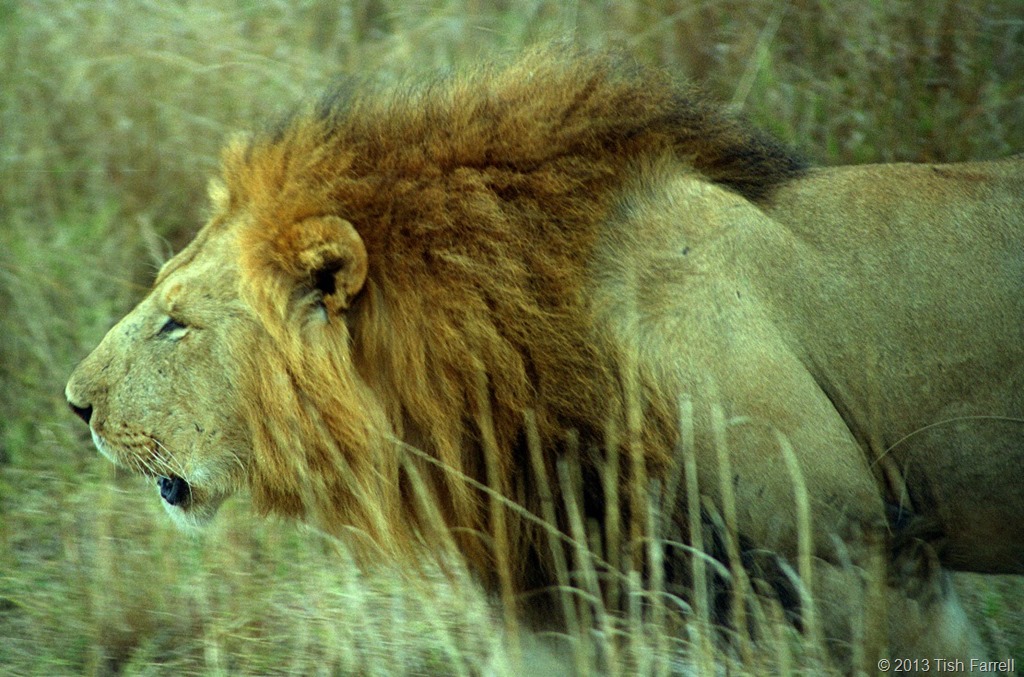
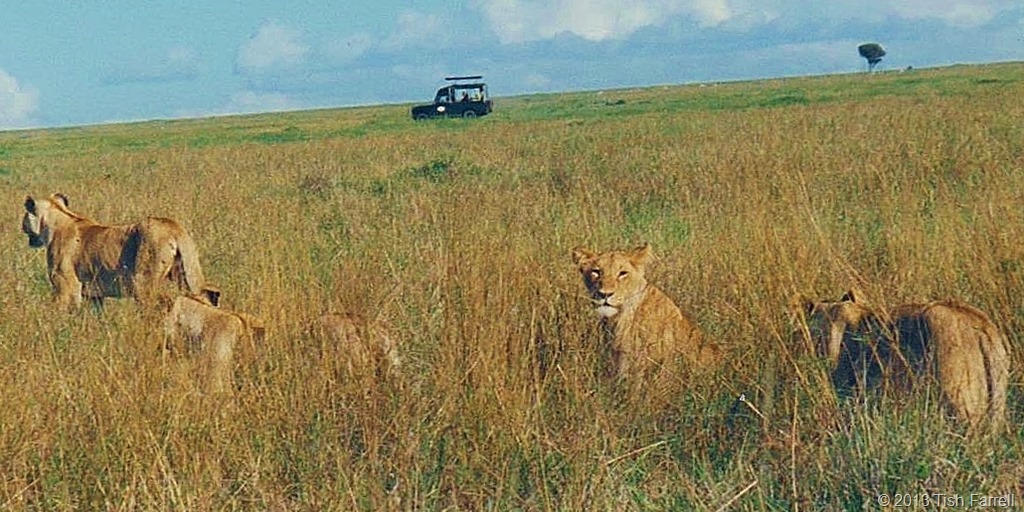
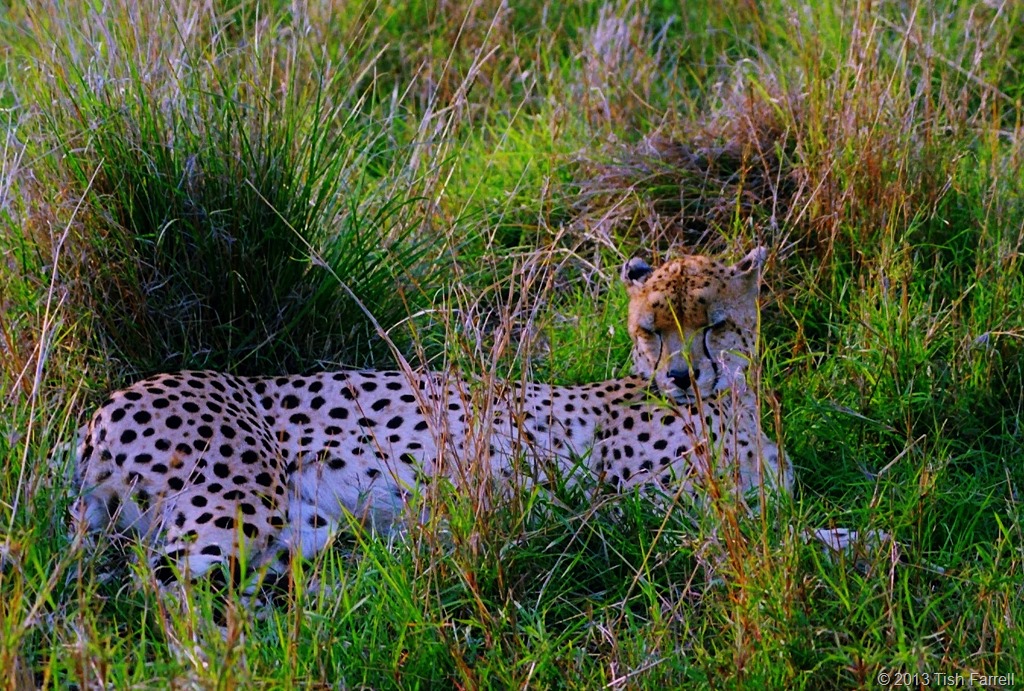
Now for some late afternoon views of big cats and other animals in the Maasai Mara.  This photo shows just how easily lion conceal themselves in quite short grass. Here, as sunset approaches they are becoming watchful, although they could scarcely care less about us watching them. Soon it will be time to go hunting.

Scan-130520-0011

*

Mara lioness 2

Just to the right of the lioness is another lion. It makes you appreciate how intrepid are the Maasai who daily have to graze their herds, and also fetch firewood and water out on these plains. (For more about this you can read my short story ‘Flight’ HERE. It was one of the Bath Short Story Award winners and tells the story of a Maasai girl’s life in this extraordinary land.) Doubtless the herders keep an eye on where particular prides are spending their sleeping hours, but even so, walking into a laid-out lion seems a distinct and chilling possibility.

*

Scan-130520-0017

Scan-130520-0018

Scan-130520-0021

Mara at dawn 2

Mara grassland 4 (2)

Which Way in Africa: It’s Often Hard to Know

http://www.ceephotography.com/2013/07/10/cees-which-way-challenge-week-1/

More views from our time living in Africa. For more of the stories behind the photos, you can follow the links.

*

Scan-130429-0003

Village path, Shela, Lamu Island, Kenya

*

Scan-130429-0102

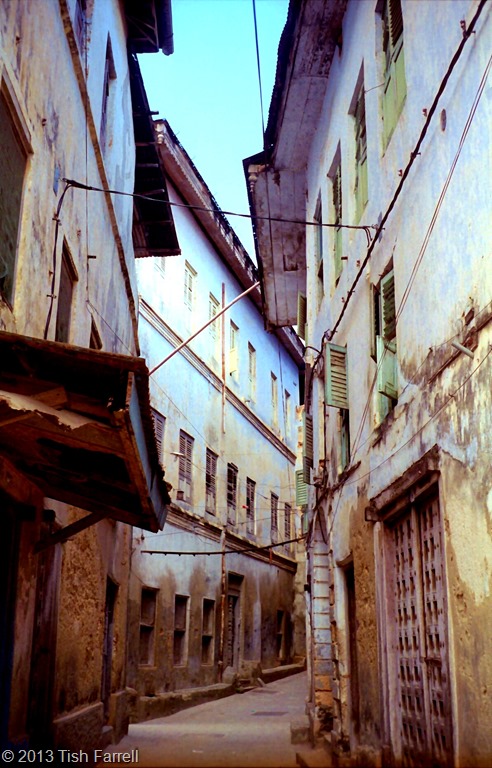
It is easy to get totally lost in the by-ways of Stone Town, Zanzibar

*

trading centre after El Nino rains

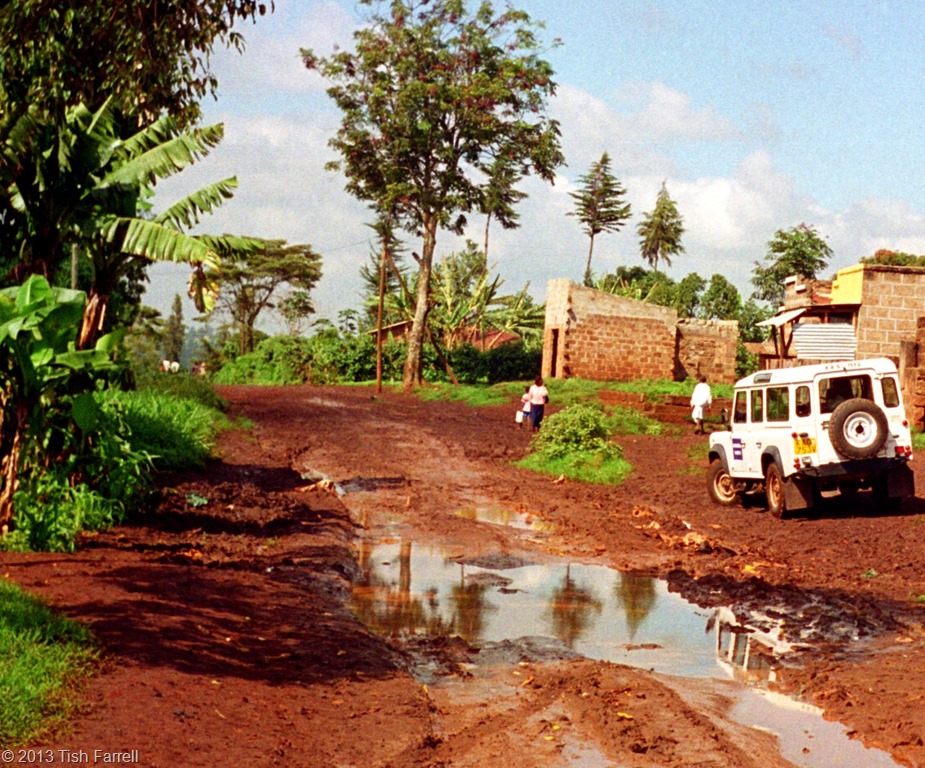
Or totally bogged down during the rains. This road is in Kenya’s highlands in Central Province, taken when we were out on the farms surveying crops for smut fungus.

*

Scan-130603-0061

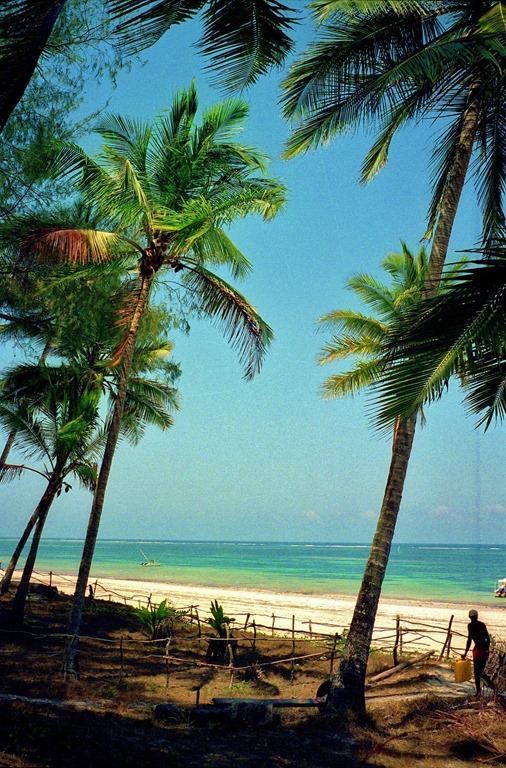
Village path down to Tiwi Beach, Mombasa, Kenya

*

Sable Road in the dry season 2

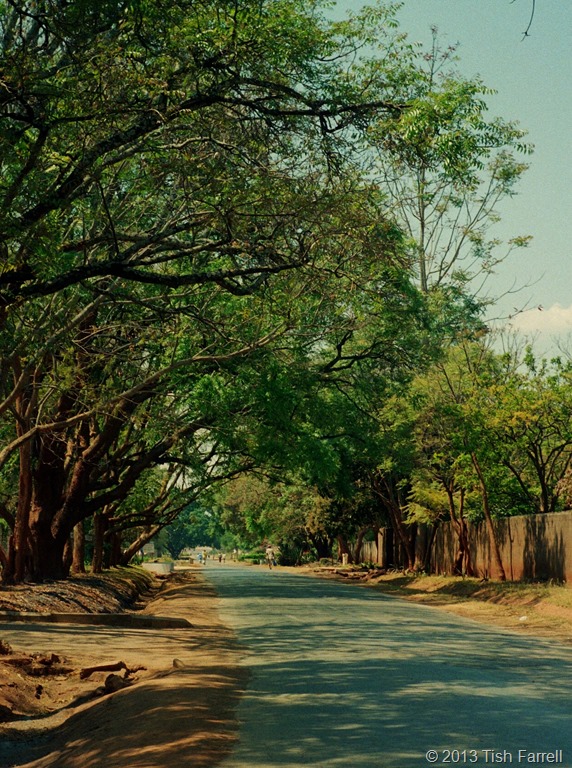
Sable Road, Lusaka, Zambia, where we lived in 1992-3. This was taken in the dry season.

*

Scan-130703-0009

Heading for Uganda from DR Congo. Or maybe not…

http://www.ceephotography.com/2013/07/10/cees-which-way-challenge-week-1/

International Women’s Day 8 March

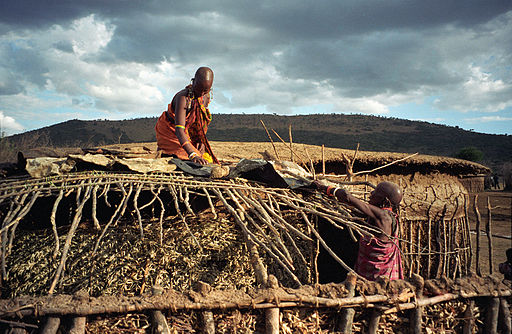
House BuildingCreative Commons photo: Jerzy Strzelecki

House Building
Creative Commons photo: Jerzy Strzelecki

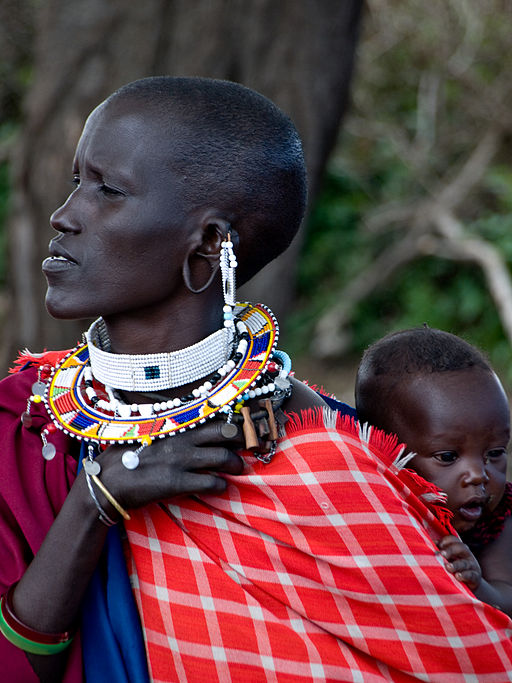
I’m thinking of women whose life is immeasurably harder than mine. Could I, for instance, walk the Maasai woman’s barefoot daily trek across wild bush country, searching for firewood, fetching water, taking produce to market? Could I have reared children in the dung and wattle hut that I had built myself? Could I live obeying a husband’s commands even when I thought them wrong? What kind of bravery, tenacity and inner strength would I need to live this way, and to still live well? These days, things are slowly changing for Maasai women, not least because campaigners from their own communities are pressing for girls’ education, the end of genital mutilation and forced teen marriages. But for outsiders visiting the Mara it is all too easy to see only the grinding poverty and the reconstituted, fit-for-tourist shreds of former warrior glamour. But before jumping to too many conclusions about what is really going on, here is my version of a Maasai traditional story that sheds some light (literally) on their own views of the man-woman relationship.

And the moon still shines

Long ago Sun wanted a wife
so he married Moon and they made a pact,
to ply the sky in endless round,
Sun ahead, Moon behind.
And each month, tiring of the trek,
Sun carried Moon-Wife on his back.

But then one day they came to blows.
Moon crossed Sun and Sun lashed out,
beating his Moon-Wife black and blue.
Moon struck back. She slashed Sun’s brow.
He gouged her cheek, plucked out an eye.

Later Sun fumed: I’ll shine so hard
that none will ever see my scars.
While Moon tossed her head:
Why hide my wounds?
I still light up the night sky.

Creative CommonsPhoto: William Warby (flickr.com)

Creative Commons
Photo: William Warby (flickr.com)

Text: Copyright 2013 Tish Farrell

…of Maasailand

I wrote this piece around 2000 after several visits to the Maasai Mara. It was long-listed in the Brandt Travel Guide travel writing competition.

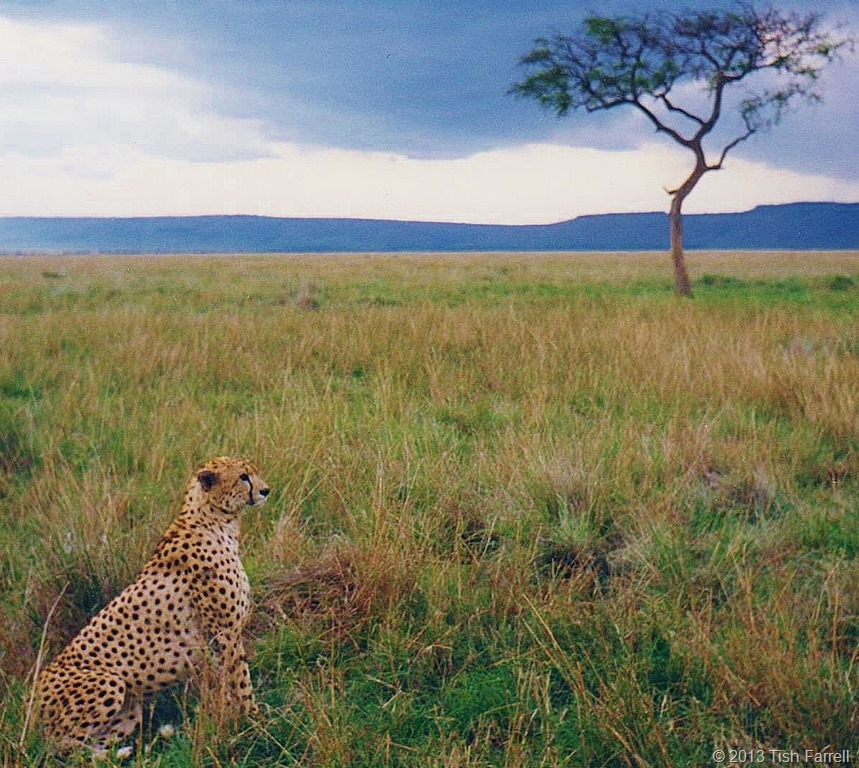
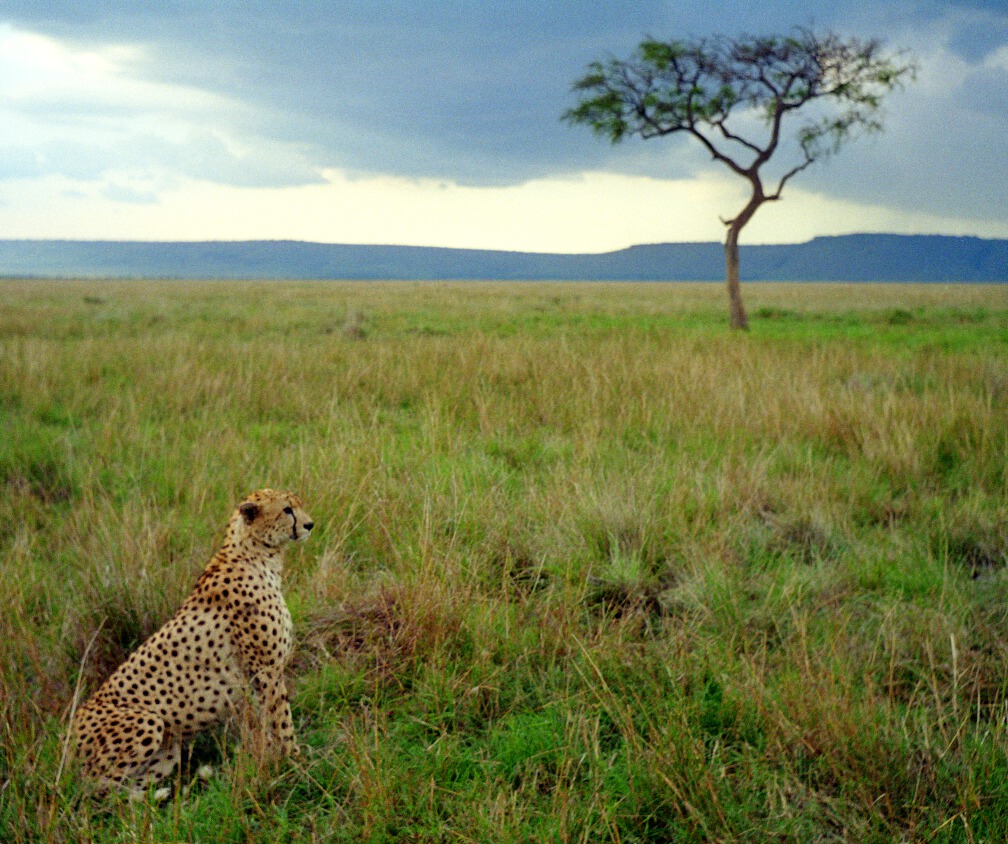
Cheetah

Dances with warriors

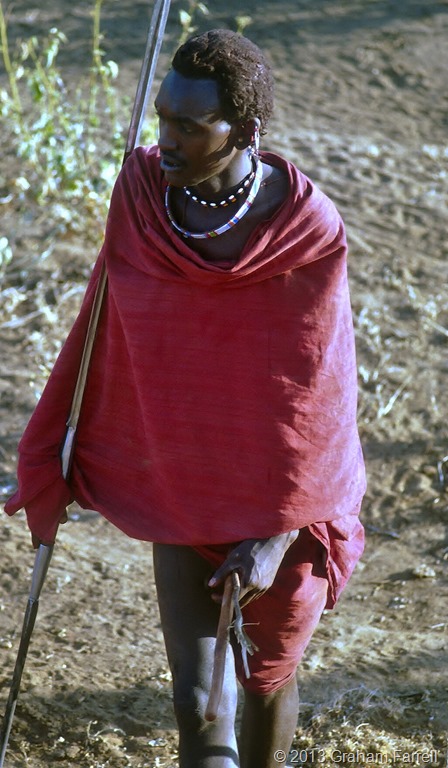
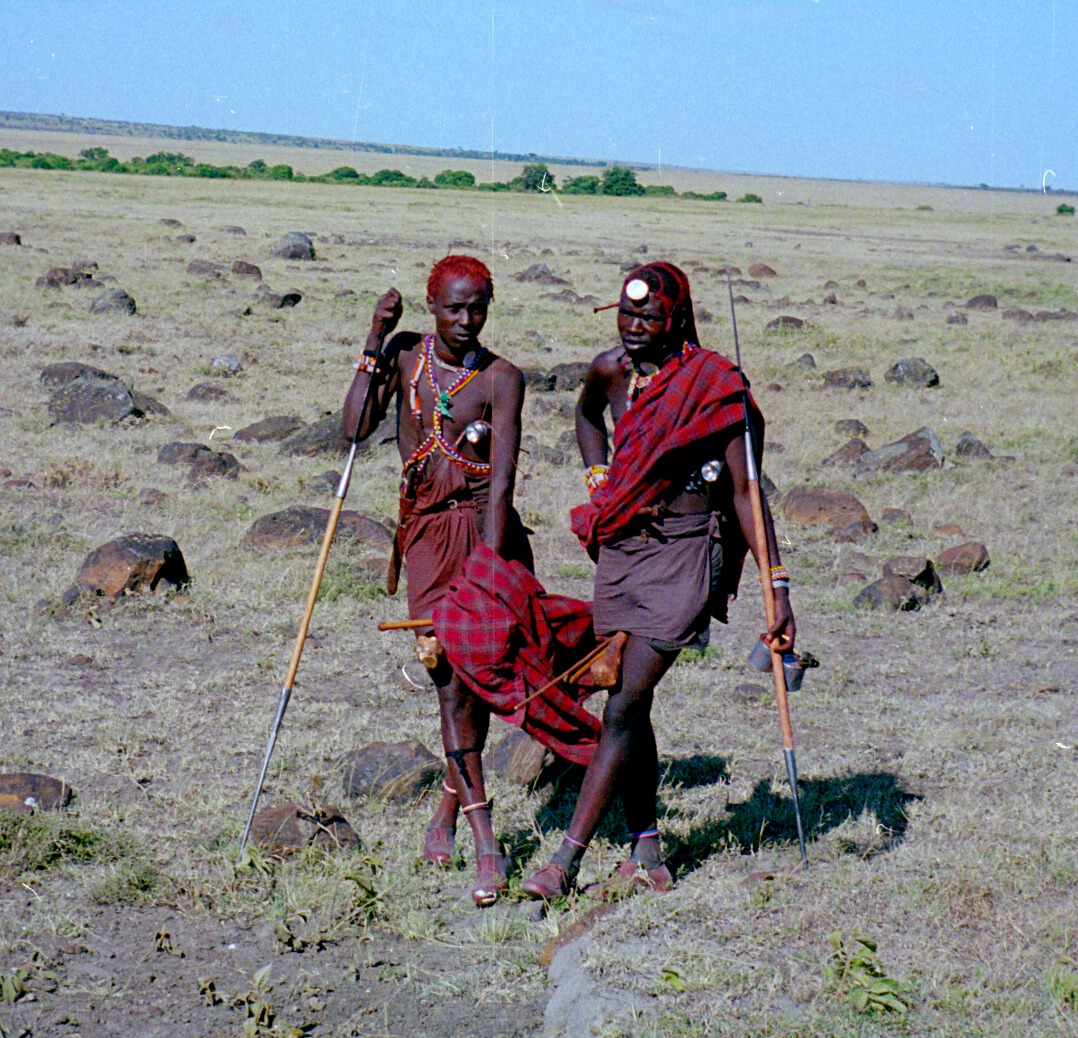
Night on the Mara River – darkness wraps round, close as a Maasai’s blanket.  It is cold, too, on the river’s bend. We press closer the campfire, our white faces soon roasting red. No one speaks. There’s too much to listen for. A hyena whoops across the water?  It sounds close. It sounds unearthly, sending shock waves through vulnerable bones – mine, conjuring packs of predators, out there, circling our ring of light. And even as I think it the Maasai are on us.  Six warriors, spears in hand and naked to the waist.  Their leader tosses his ostrich-feather head-dress that looks like a lion’s mane.  He is fearless.  He is lion.

Then the singing starts, a nasal falsetto that resonates through time and space – the winds’ whine through Mara grasses.  The Maasai girls trip lightly into the firelight, their wraps like flames – yellow, red; close-cropped heads hung with beads; chins jutting forward as the crescent necklets – tiny beads so patiently strung – rise and fall on skinny chests.  The moran start to leap – higher, faster.

Their dance fires the blood as it was once meant to in the days when the young morani proved their courage by killing a lion; but we see the collecting box left discreetly in the grass.  These kids are from the nearby settlements, but before I unravel the question of exploitation – theirs or ours – the dancers pounce, dragging us into a conga, pastoralist-style.  I let the Maasai girl take my hand.  She’s about fourteen years old and she is boss. After all, this is her land – the big skies and the rippling oat grass, and our small camp in the outer reserve remains there only on her clansmen’s say-so.  The hand that grips mine is small and hard.

So I follow her, graceless in the rhythms I cannot fathom, wend with the snake of dancers on and round the camp. The dancers know we’re squeamish and should not be put at risk, so we stray no further than the firelight’s edge, never crossing the bounds of the vast out there.

And of course, being on safari, and staying at a luxury, tented camp, we have been taken to visit the vast out there. We went earlier that day and naturally, being tender wazungu, we ventured only in daylight, with the rising sun at our back, and we went, not on foot, but in the Land Rover whose solid sides we were sure would protect us from too much closeness with the wilderness.

Mara country

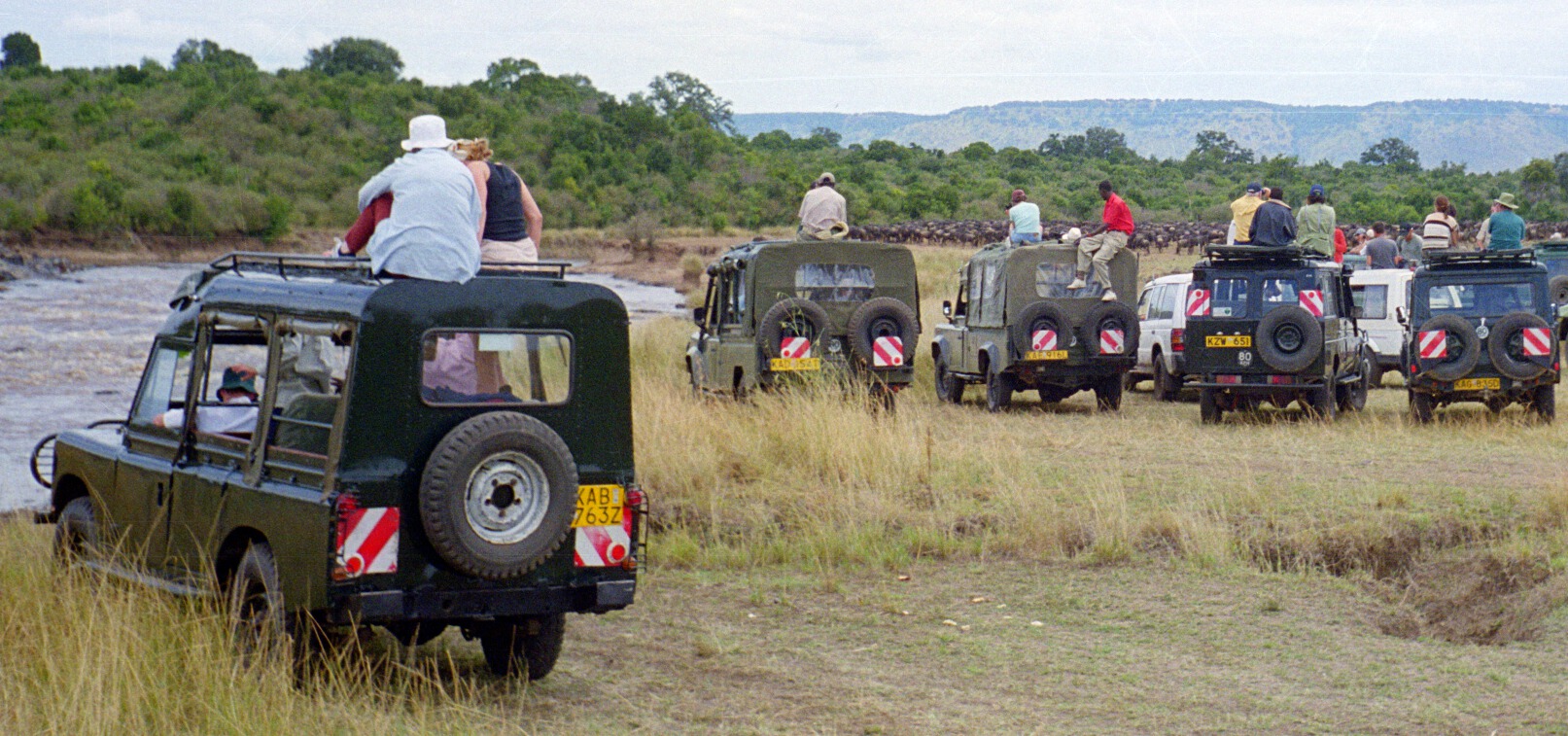
Our driver-guide, Sammy, had decided to take us to the famous river crossing where, over several days, tens of thousands of migrating wildebeest had been piling up, snorting and stamping on the dusty bank. For days they had been steeling themselves to make the seasonal Russian roulette dash that would take them over the river to much needed grazing.

Waiting for the wildebeest to cross the Mara River

“Perhaps they will cross today,” Sammy said as he found a good vantage point and stopped the Land Rover. At first, infected with the drama of the thing, we scrambled up through the viewing hatch with binoculars and cameras. The beasts unlucky enough to find themselves pushed to the head of the queue, teetered nervously on the brink. Eventually the sheer weight of numbers behind would force the vanguard to cross. It was a case of stand your ground and starve, or risk the gaping reptilian jaws of the massive crocodiles that were watching and waiting in the water.  Even leopard, we were told, would dare some daylight hunting and crouch in the brush across the river and wait for lunch to arrive. We did not see one.

But we did see the remnant corpses of earlier wildebeest meals snagged on riverside branches and we did see the flocks of ever-watchful vultures. We also realised that a dozen tourist trucks from other safari camps had now joined ours, their occupants craning with camcorders primed, willing the show to start. In the end we could not look. It was time to leave.

As we drove off our mood was swiftly lightened by a close encounter with the famous wildlife photographer, Jonathan Scott. We could add him instead to the morning’s, ‘seen’ list. He pulled alongside in his jeep to talk Marsh Pride movements with Sammy. After that we headed back to camp for our own feeding time, a large lunch that promised outrageous gluttony compared with the Maasai’s simple milk-based diet.

Maasai boys mind the clan's herds on the Olololo Escarpment

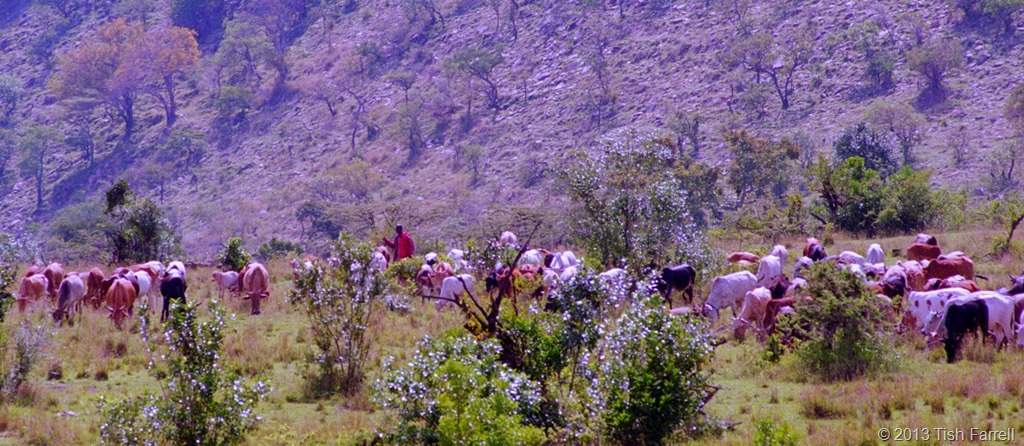
As we jolted back across the Mara grasslands we marked the pastoralists’ bleak brushwood corrals with their dung-plastered hump-backed huts; saw the distant red dots of herds boys’ shukas; heard the tinkling bells of shifting herds; watched the shaven-headed, much beaded women setting off on their long daily trek for water. And all of them seemingly at ease in the vast out there, walking each day where lion and leopard walk, fetching water, doing washing amongst crocodiles and hippos, sharing the grassland with elephants, buffalo and wildebeest. And all we could wonder was, how? How can they live here, so unchanging, while our world presses round and people like us come in droves on our own seasonal migrations?

But then, when we look more carefully, we can see changes. There’s a big thatched house that is not at all traditional and with an old jeep parked outside. There is talk of the womenfolk settling in one place (while their husbands move the cattle herds) so the children can go to the schools and clinics that tourist dollars fund. Near our camp is a new stone-built trading centre where the Maasai sell chickens and beer.

For a people so long resistant to change even these small innovations seem remarkable. Ever since1883 when Scottish explorer, Joseph Thomson, introduced red blankets and coloured glass beads to the Maasai, in return for safe conduct across their territory, outsiders have tried to “develop” the Maasai.  Now, it seems, they are doing it for themselves and in their own way. And so it is fitting that, before we leave Maasailand, we visit the Mara curio shop and, in a bid to hang on to the spirit of place we are drawn to buy red ‘Maasai’ blankets (polyester, made in China) and locally beaded jewellery. As I hug the tacky blanket and put on the beaded bracelet, I begin to smile deep down. The absurdity of my transactions is pleasing: somehow the dance has come full circle.

Maasai moran

© Tish Farrell 2011