Windows in Wenlock

In response to Frizztext’s  ‘Tagged W’

Here are some scenes of the town where I live, Much Wenlock, a settlement continuously lived in for the last thousand years. For more of its history see my post Of Silurian Shores.

100_3616

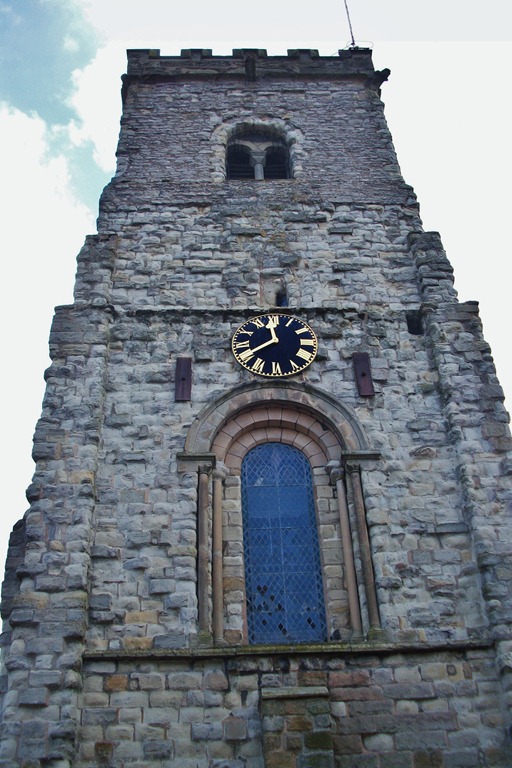
The town grew up around a medieval monastery. This is the tower of Holy Trinity church which survived Henry VIII’s Dissolution of the Monasteries in 1540. It has been our parish church since around 1100 AD. Originally it was part of the monastic complex.

The Priory ruins are now owned by English Heritage. This twelfth century Cluniac Priory was once one of the largest religious houses in Europe. It was built on the site of a much earlier abbey founded in the seventh century by St Milburga, daughter of King Merewald of Mercia. England’s Norman rulers wished to cash in on the sanctity of St. Milburga’s remains as well as making a big architectural statement on the Saxon landscape.

This is street is called The Bullring, once the place for bull-baiting, a popular local sport until the early 19th century.

043

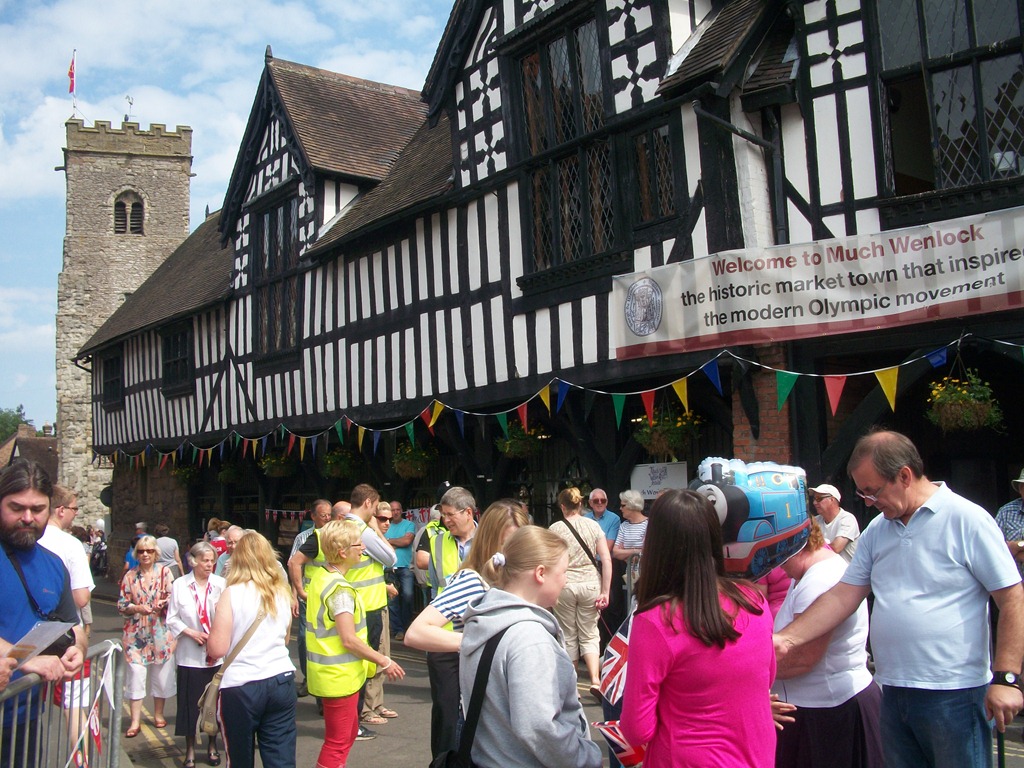
The Guildhall was built around 1540 as the court house to replace the monastic court after the Dissolution. Town Council meetings are still held here. The ground floor is used for various markets. In this photo, taken in 2012, townspeople are celebrating Much Wenlock’s Olympic Games connections. See Of wolf farts, windmills and the Wenlock Olympics.

041

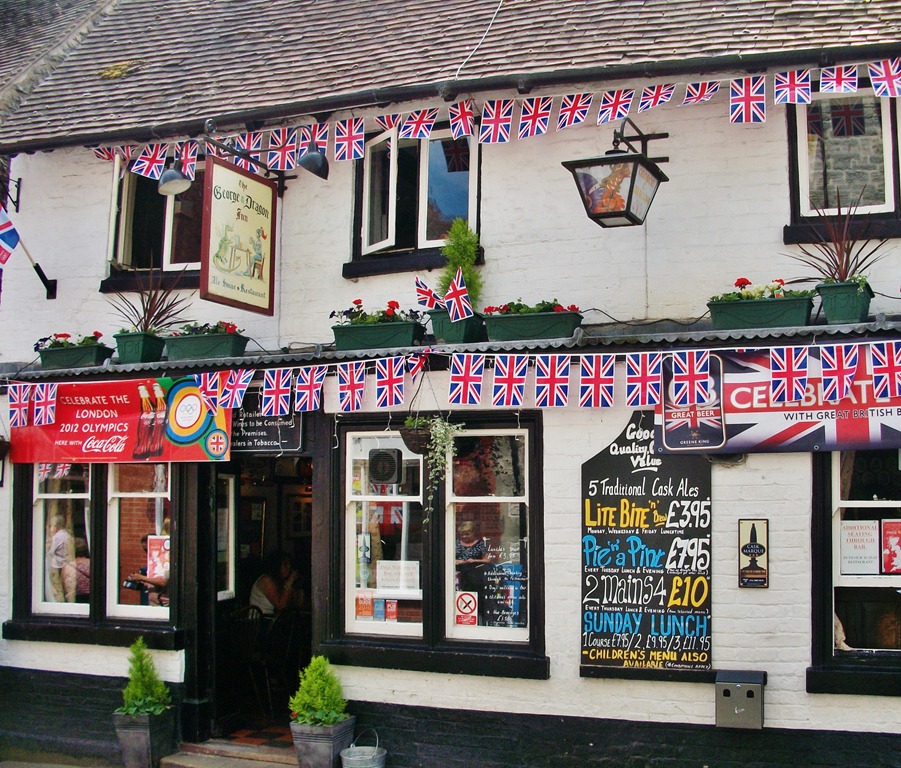
The George and Dragon is one of the few survivors of the town’s once numerous inns and public houses. The town’s main industries were limestone quarrying, lime burning and agriculture – all hard-working pursuits guaranteed to build up a thirst.

100_3609

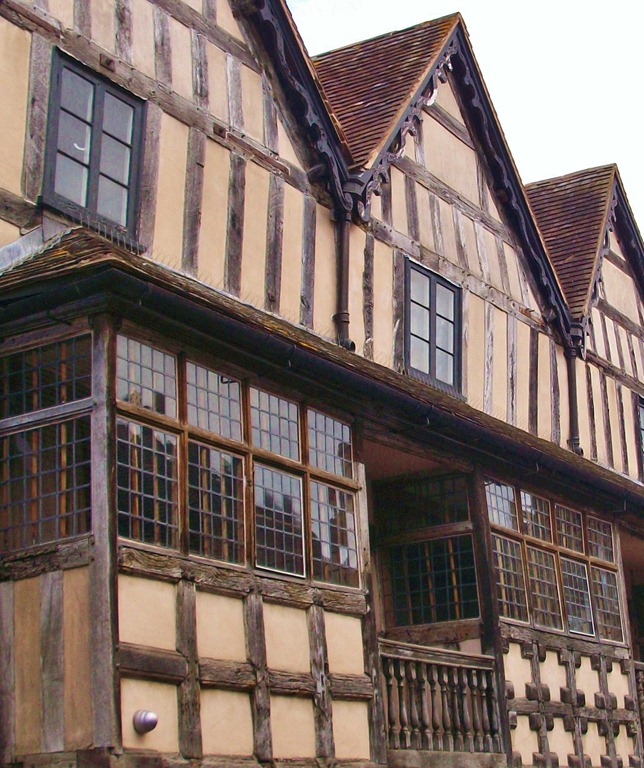
Raynald’s Mansion (above) on the High Street dates from around 1600.

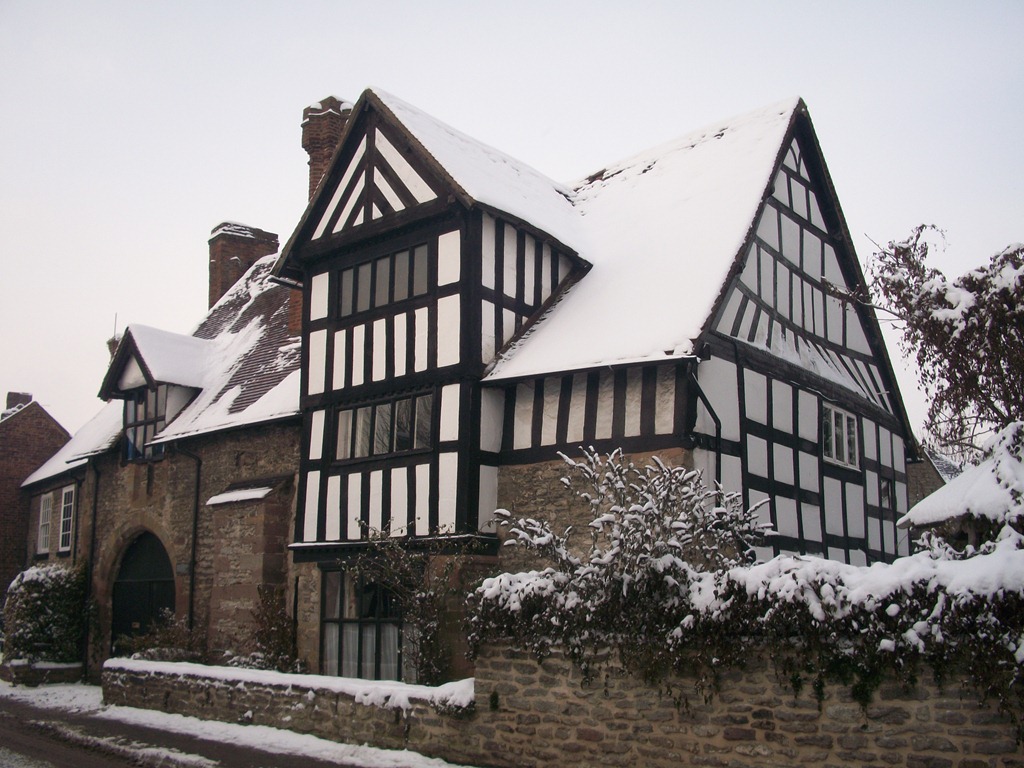
Ashfield Hall, also on the High Street, was built before 1421. It was possibly built on the site of St. John’s Hospital for ‘lost and naked beggars’. For a time is was the Blue Bell Inn and then a lodging house for itinerant labourers. (A History of Much Wenlock by Vivien Bellamy.)

100_3621

These ogival windows are a local ‘speciality’.

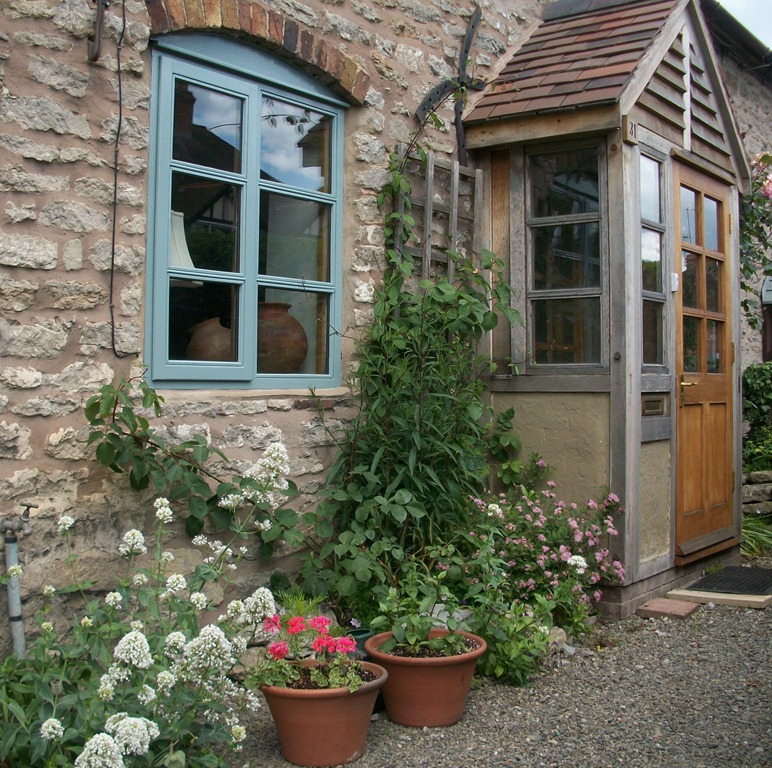
And some of my windows.

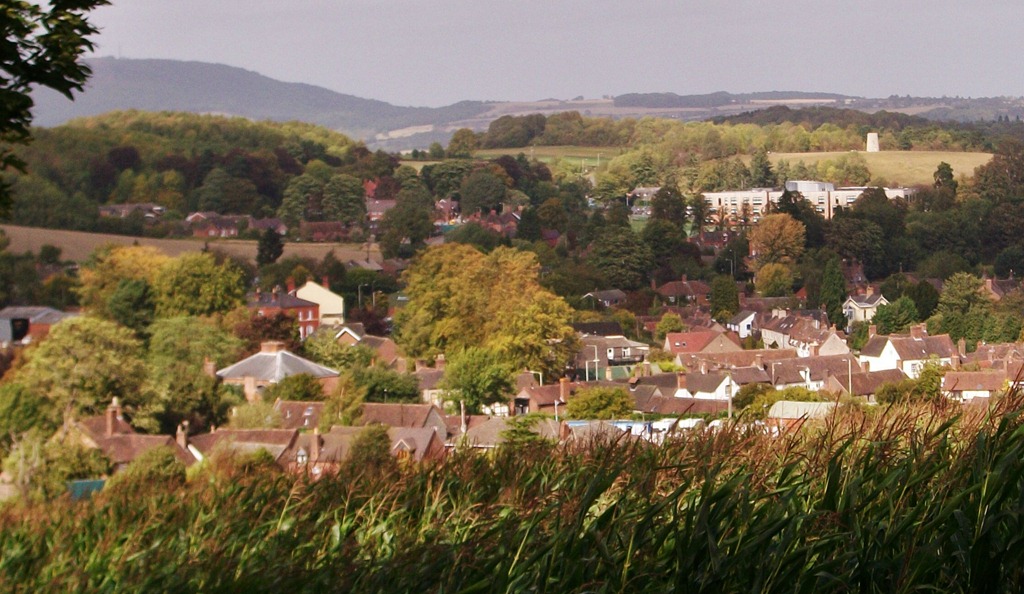
Looking down on the town from the south west, Windmill Hill top right, The Wrekin top left.

© 2013 Tish Farrell

WP Challenge: In the Background (MMBA in Zimbabwe)

Graham at Great Zimbabwe

Weekly Photo Challenge: In the Background

There’s always a lot of background in Africa: MMBA as the colonial British frequently referred to it – Miles and miles of bloody Africa. The origin of this expression is variously attributed to Winston Churchill, Ernest Hemingway and Robert Ruark. In any event MMBA is always difficult to capture in a photograph.

The shot above was taken from the hilltop ruins above Great Zimbabwe. The original negative has degraded a little, but the photograph was also taken in winter-time when the landscape of southern Africa anyway takes on the aspect of an ‘old master’ oil painting.

As ever when Team Farrell go travelling, Team Leader Graham was striking out in front – ‘Our Man in Africa’, while Nosy Writer was busy being nosy and fumbling with the settings on her Olympus Trip. Inevitably, TL ended up walking into NW’s line of sight. Here, though, I’m glad he did. He may be in shadow, but he provides a handy foil for the backdrop. It could be a stage set, couldn’t it? There’s definitely a sense of unreality.

aloes and Great Zimbabwe

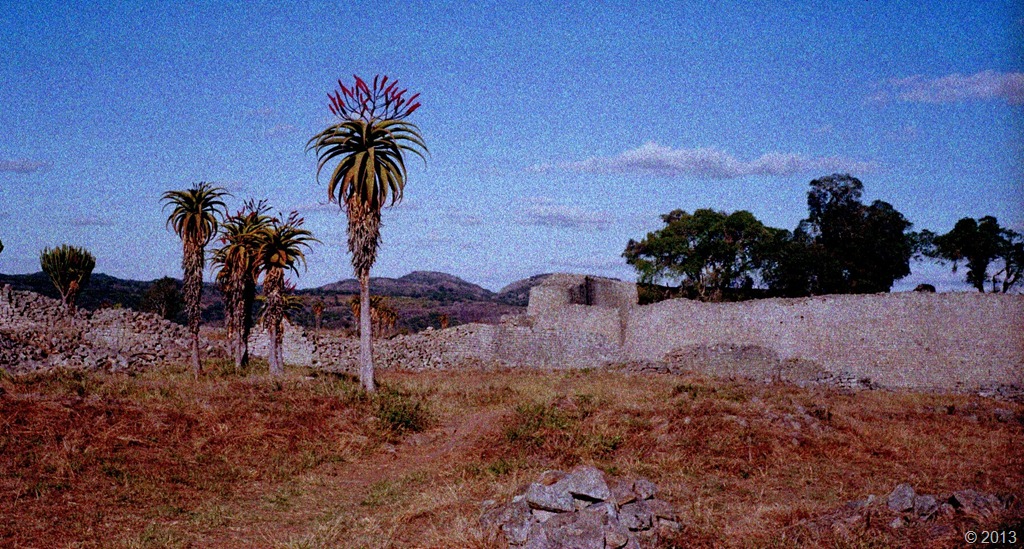
And here’s another painterly ‘in the background’ view: the Great Enclosure of Great Zimbabwe with giant aloes in the foreground. Of course, when it comes to the history of this World Heritage site, ‘in the background’ could well have another  and wholly insidious meaning. When geologist, Carl Mauch, first visited the site in 1871 he was convinced that the massive dry-stone granite walls were the remains of the Queen of Sheba’s lost city of Ophir.  (See also my post on The Swahili). For some decades this view persisted. It was not in the interests of pioneer imperialist Cecil Rhodes for it to be known that Africans had a sophisticated historical heritage. He financed the first excavation by James Theodore Bent whose brief was to ‘prove’ that the complex had been built by the Phoenicians or the Ancient Egyptians. In 1928-9 British archaeologist, Gertrude Caton-Thompson refuted this conclusion, pronounced it African-built but “the product of an infantile mind.”

Some people may be surprised to know how often archaeology is used as a political tool, but it was, and still is.

In the 1960s-70s when Zimbabwe, then Southern Rhodesia, was under the white rule of  Ian Smith’s regime, history was again re-written. Any historians who dared to state that Great Zimbabwe was built by indigenous Africans put themselves at risk, and their work was censored. This led to the departure from the country of many prominent Rhodesian archaeologists including Peter Garlake, both an expert on the ruins, and Rhodesia’s then Senior Inspector of Monuments. His excavations in the 1960s, and those of Paul Sinclair in 1986 fully demonstrate that from around 1200 AD to c. 1500 AD when it was abandoned, the Shona-speaking Karanga people built and lived in this extensive settlement.

Estimates for the population over this period range from 5-30,000. It was a wealthy centre for cattle rearing and for cereal and cotton growing. Gold from mines further inland was brought into Great Zimbabwe, its rulers acting as middle-men in the trade that extended to the Swahili city of Sofala on the Mozambique coast.  In return for gold and ivory, the Karanga imported luxury goods – fine textiles, Persian and Chinese wares, including Ming porcelain.

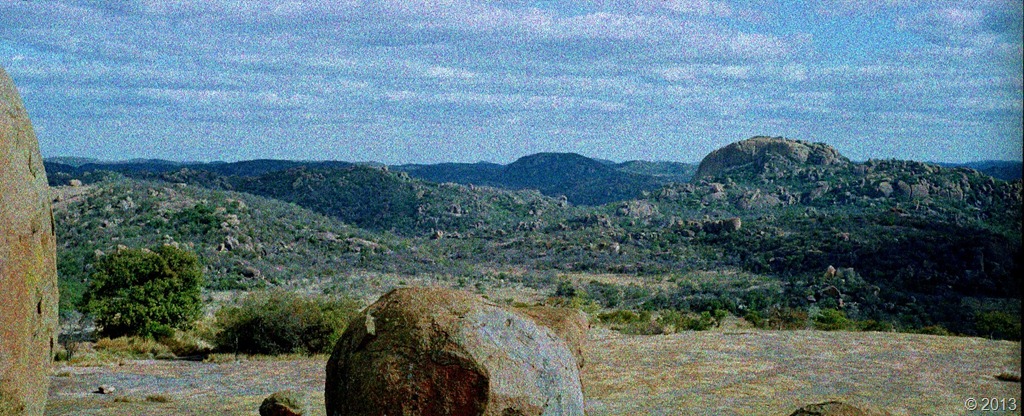
So much for Cecil Rhodes and his racist agenda. Although even in death this man manages to still make his presence felt. He chose to be buried in the Matobo Hills, territory of Ndebele people, and at a place known as Malindidzimu, Hill of Spirits. From here, also known as World’s View, I imagine that he thought he could continue to ‘rule’ Africa. The locals find the presence of his spirit here in their own sacred place quite offensive.

Matobo Hills - view north from Cecil Rhodes grave

View from Cecil Rhodes’ grave in the Matobo Hills, and his stated aim: “I contend that we are the finest race in the world and that the more of the world we inhabit the better it is for the human race. Just fancy those parts that are at present inhabited by the most despicable specimens of human beings what an alteration there would be if they were brought under Anglo-Saxon influence, look again at the extra employment a new country added to our dominions gives.”

From his 1877 Confession of Faith

And as an antidote to that dispiriting diatribe here are some more ‘in the background’ views in Zimbabwe:

Great Zimbabwe entrance

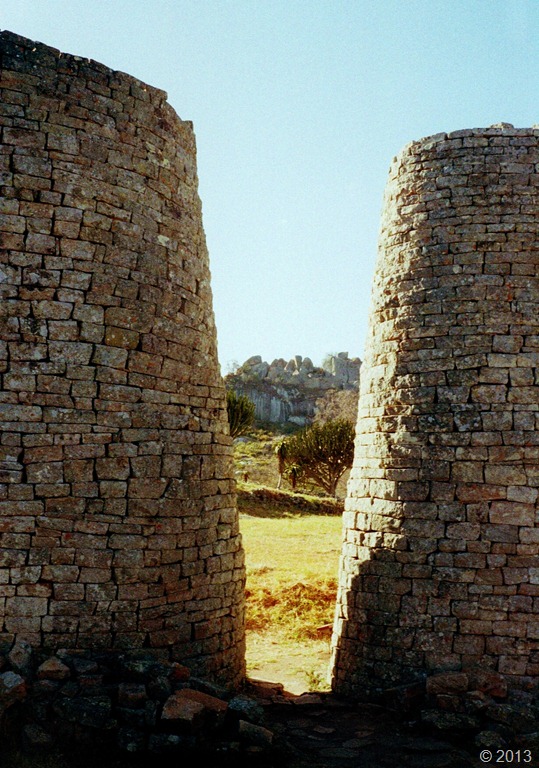
Gateway in the Great Enclosure, Great Zimbabwe

Great Zimbabwe inside the great enclosure

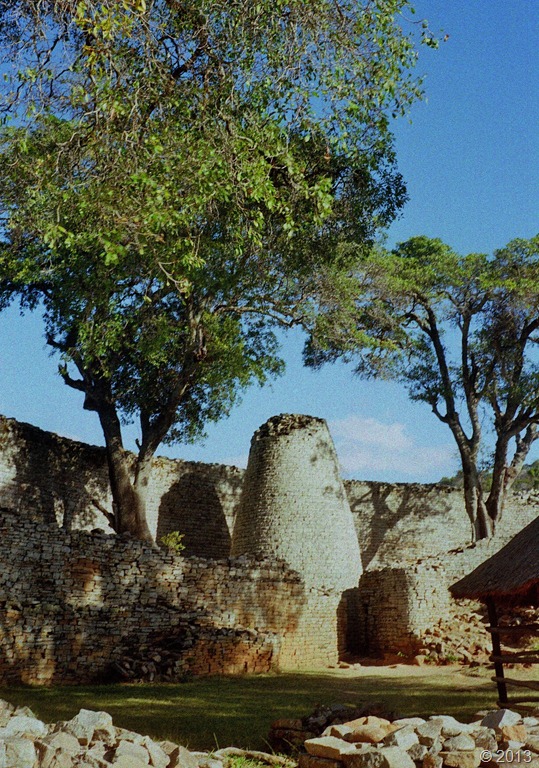
The mysterious tower inside the Great Enclosure

Great Zimbabwe -Tish inside the walls of Great Zimbabwe

Me looking small and very young inside the Great Enclosure. The walls are dry-stone granite – not a lick of mortar.

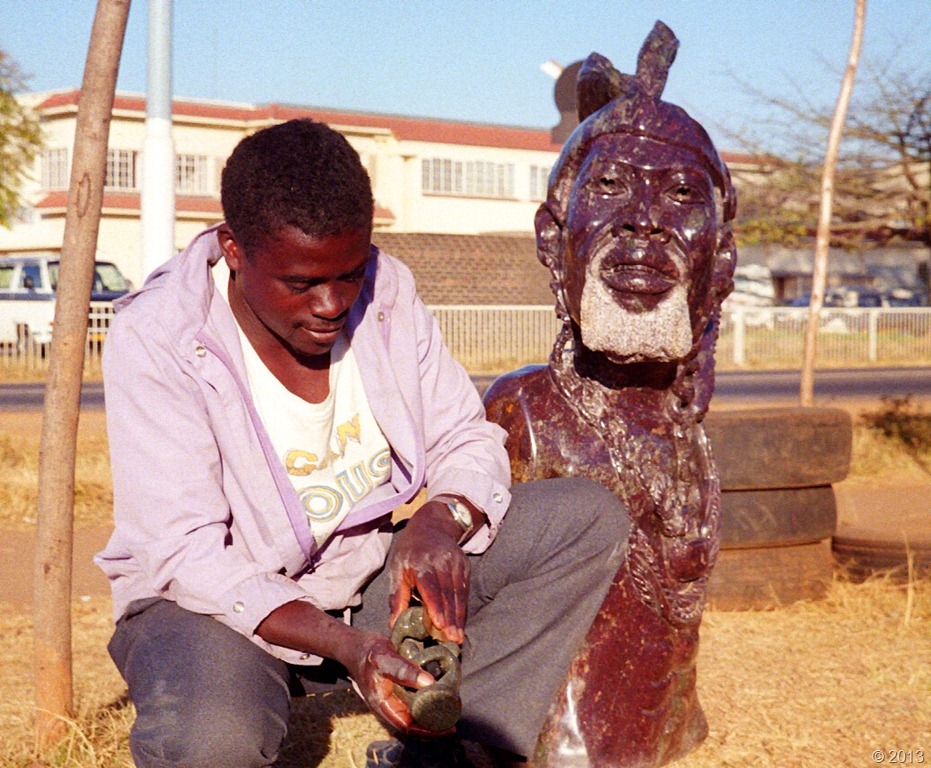
Harare soapstone carver

A roadside soapstone artist in Harare. This bust of a Shona elder is a common subject. Zimbabwe has produced some of the world’s outstanding sculptors.

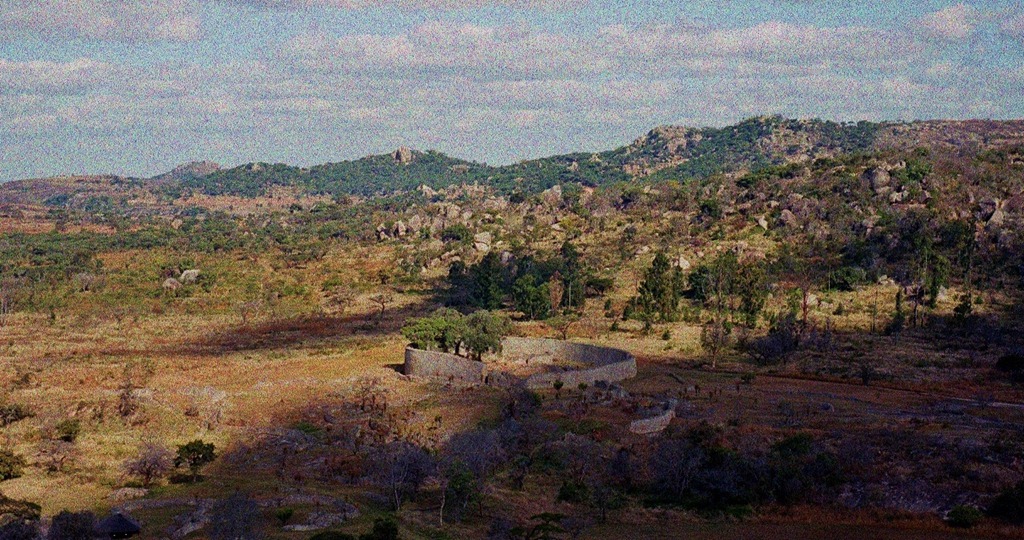
Great Zimbabwe landscape

Looking down on the Great Enclosure. For decades many Europeans refused to believe Great Zimbabwe was an African settlement.

Victoria Falls and buck

Victoria Falls through a misty spray of mighty Zambezi.

Zambia's Victoria Falls looking along knife-edge to Zimbabwe's falls

Victoria Falls from the Zambian side. Most of the water on this side of the Zambezi is abstracted. My wet kanga wrap nearly took me hang-gliding off the knife edge in a rainstorm, but that’s another story.

Hwange - Dete schoolgirls

Dete school girls, with a train in the background!

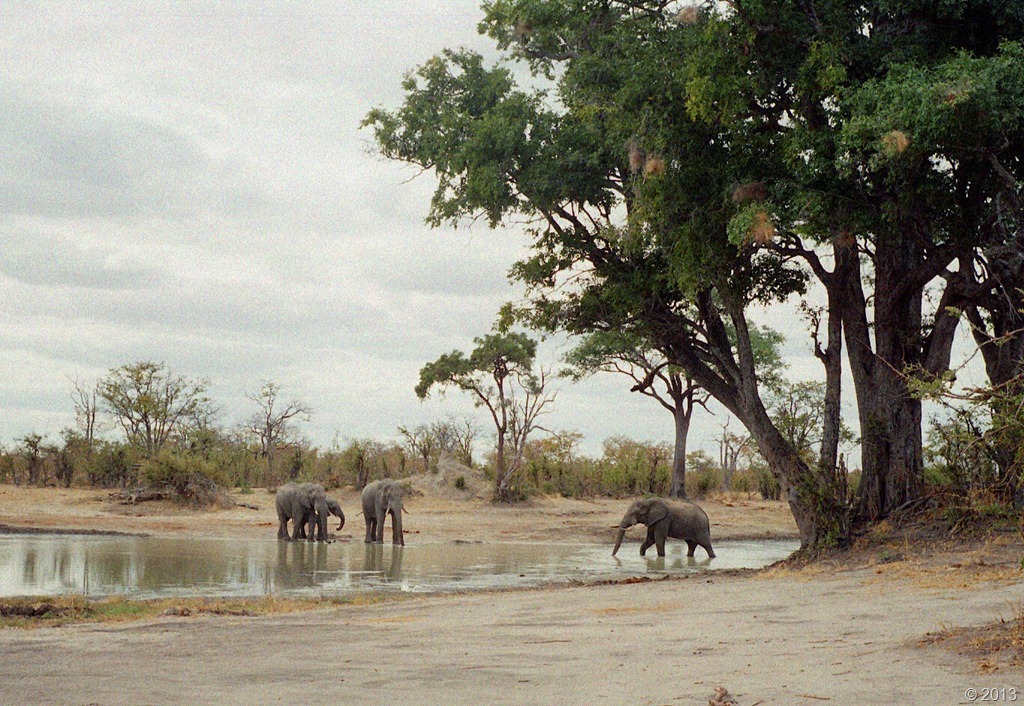
Hwange - waterhole and elephants 4

And finally, because this is Africa, there has to be shot with some elephants in the background. Taken in Hwange National Park.

© 2013 Tish Farrell

The Many Faces of Evelyn Mary Ashford

Evelyn 1 scanned

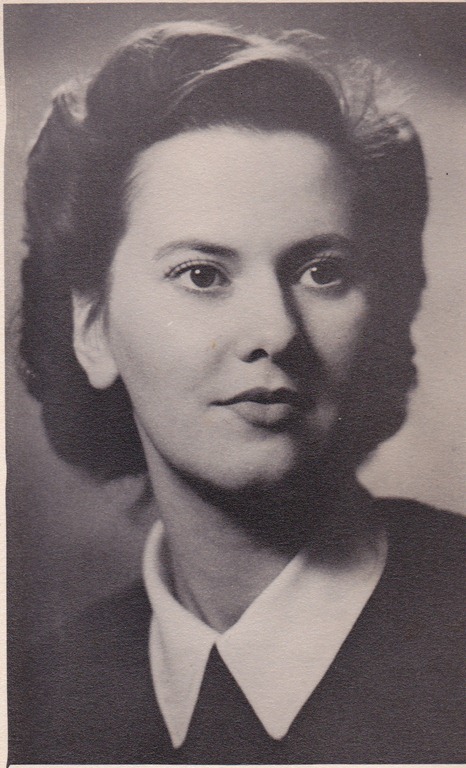
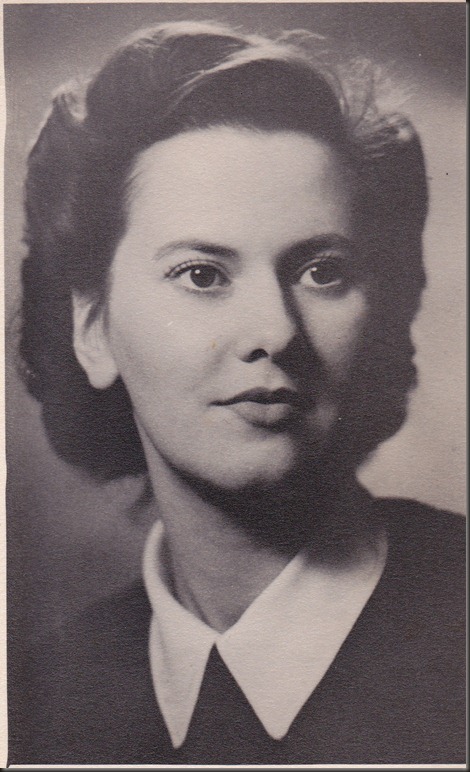
What does this face say to you? Naivety. Candour. Wistful intelligence. Vulnerability.  A time long past?

It is clearly an ‘old photo’, a studio shot. I also happen to know that it was made for wide circulation, part of the subject’s own personal war effort during the early 1940s when she tirelessly wrote cheering letters to numerous servicemen fighting overseas. This is my aunt, Evelyn Mary Ashford, my father’s little sister, thirteen years his junior. In a few weeks time it will be her ninetieth birthday, and although many who know her will mark this day with cards and kind words, it is unlikely that she will fully understand; these days her mind quite inhabits another zone.

Her corporal self, however, lives in a nursing home in rural Wales where she is well cared for. Hers is a strong old body. She has survived a Luftwaffe bombing, diabetes, breast cancer, strokes, repeated acts of medical negligence and, most recently, recovered from a broken hip.

Like many women of her generation, her spirit has also borne years of thwarted ambition, the denial of the higher education that her village school essays prove she deserved. As a country girl she has believed herself socially inferior. As a childless woman she has felt a misfit. As a daughter she has  sacrificed her own longings to ‘be someone’ , first to leave school at fourteen years old to care for an invalid mother, later to take in a domineering old father whose presence further blighted the first fifteen years of her marriage. And while the physical wounds of the 1942 bomb blast were exquitisitely repaired – her face was miraculously re-constructed over four years by Professor T P Kilner, a pioneer in Plastic Surgery for disfigured service personnel – the psychological effects of her experience were never addressed.

In the end, you could hardly see the scars as the later photographs below clearly show. But for years afterwards Evelyn reported the emergence of glass shards from all parts of her body. Also there were the years of  disfigurement between admissions  for plastic surgery to St. Thomas’s Hospital, London, and later to Stoke Mandeville (then a military hospital) where she received her final round of surgery alongside service amputees and burns victims. It was while she was here that she read letters to a young Canadian from the Royal Canadian Engineers. A landmine explosion had blown off his right leg and arm and left him partially blind. She and other patients were also shocked to see the arrival of the first victims released from the Belsen concentration camp. This is how she describes the scene in some lecture notes:

“All along the wall of the Main Hall there were stretchers lined up. Each one carried a skeletal form covered in a grey army blanket which barely disguised the fact that there was very little flesh on brittle bones. Gaunt, hollow eyes turned to look at us. ‘How are they ever going to put those poor souls right again,’ someone said.”

***

I of course have only known the older Evelyn, so I cannot say what it would have been like for her to suffer multiple facial injuries – to effectively ‘lose face’ in all senses. She was nineteen when it first happened, in love, the shining light of her village, and she also earned a living in a very public place as an assistant in Whites, a big Guildford department store.

The effects, though must have been devastating. But then how do you begin to come to terms with your own injuries when you know that others were suffering far worse, or were dead, or that your particular wounds were considered a civilian casualty, and not the product of heroic self-sacrifice in action? Self pity, then, was not only NOT ALLOWED. It was seen as positively unpatriotic. These were the years  of the ‘stiff upper lip’, ‘grinning and bearing it’, both hard to pull off with glass-torn flesh. There are, though, some later passing references to unresolved issues. After the bomb blast Evelyn suffered from blistering rages which only her husband, Geoffrey Gibbings, was later to help her to overcome.
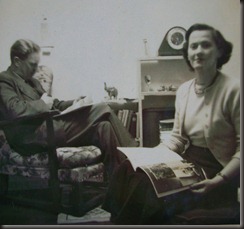
100_3744

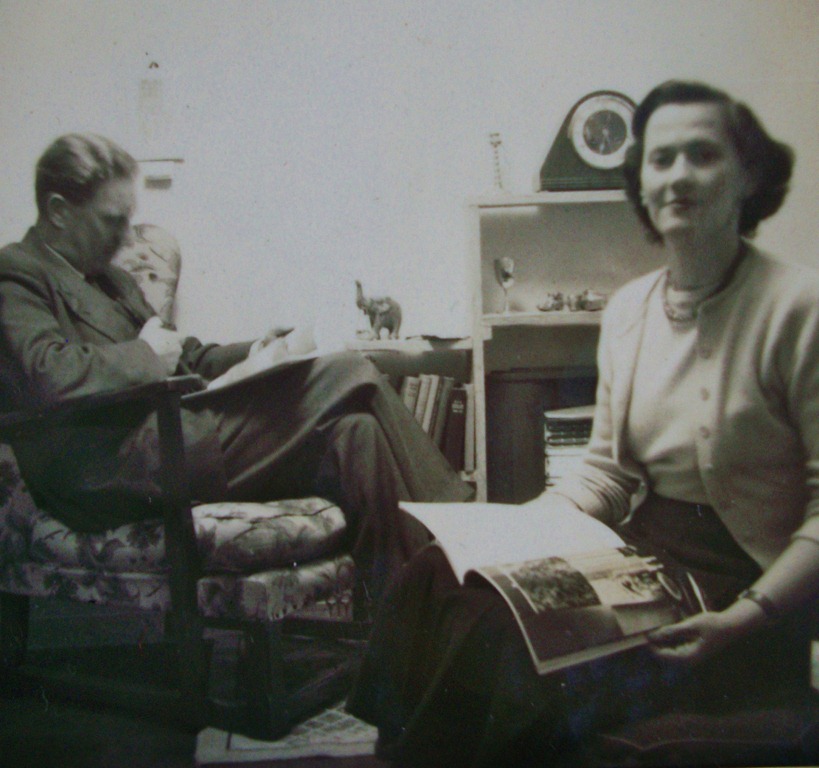
Married life c.1953

***

It was December 16th 1942 when the German pilot of the Dornier 217 strafed and then dropped three bombs beside the 1.34 pm Guildford to Cranleigh train. It must have been half-day closing because Evelyn’s account, written a month afterwards, says it was a Wednesday and she was going home from work. The train on this line comprised only two carriages, and she and two other White’s girls, Marjorie and Avis, were the only ones in their compartment.

Evelyn remembered the greyness of the day, the black silhouettes of trees across the farm fields, a swirling misty rain as they approached Bramley. She also said she felt an unaccountable depression. Avis was reading a book, The Sun is My Undoing, and Marjorie was leafing through Evelyn’s copy of the London Illustrated News. Suddenly, as she and Marjorie were chatting, there was a terrific clatter along the train roof – like a shower of hail. Next she says it was

as if someone had given me a crack on the head with a giant hammer and I was going down and down, then round and round into eternity.

When she came to, she found herself hanging out of the corridor window with the remains of the door hung around her shoulders. Through the glassless window she first thing she saw was the three Canadian soldiers who had got on the train with her at Guildford. They were beside the track. One was badly cut and his clothes were in shreds. He held his companion  as they sobbed together like children. The third soldier was dead, lying against their knees with a handkerchief over his face. In her muddled state, and before she passed out, Evelyn remembered thinking that they must have been in an accident, and that one of the soldiers was dead. Poor things, she thought.

When she surfaced again it was to find that her own clothes in shreds and that the valise she had put on the seat beside her was pierced through by a shaft of wood. Marjorie had disappeared completely, and Avis lay under the debris, apparently unscathed but dead, with the usual quiet smile on her face. Later, it transpired that Marjorie had been blown out of the carriage. She had lost an eye.

In a 1944 letter to one of her many war-time pen-pals, a young American trainee pilot, Evelyn describes what happened next:

at last I ended up in hospital with no face or clothes to speak of…I opened my one good eye and saw a handsome face smiling down at me. This boy, as he looked to me, was in shirt sleeves and I, thinking he was a student, and being very light-headed…reached up and patted his face saying, “Hello, Sunshine” with the result that he had a lovely blood-stained cheek. He turned out to be the hospital’s leading surgeon and ever afterwards was known as Sunshine Allen.

Seventy years on, there is no way of knowing if Evelyn remembers any of this. Over the past few years she has grown increasingly confused, and after several strokes has been unable to speak very well – a declining state generally described as ‘having dementia’. I know it is said that unresolved anger is a feature of dementia, and there may be a big element of this in Evelyn’s mental retreat – years of repressed frustration perhaps. But wherever her mind is now, I feel it is there, somewhere, tracking in a parallel universe. It is our loss that we can no longer communicate with her in this new world.

As the keeper of her notebooks and letters, the fragments of her life, I now find myself the custodian of her memories. This of course is flawed in many ways. A long family feud meant that I did not really get to know Evelyn until later years. We wrote to one another while I was in Africa, and I knew she always led a hectically busy life within whichever community she and my uncle had made their home. I never had the chance, or even thought to ask her about her life; how it had really been. I knew her only in the present where she was an expert horticulturalist, seamstress, good cook, great reader, great letter writer, dedicated Women’s Institute judge and committee member, animal lover, church goer, former small-time sheep farmer and generous friend to anyone need. I also knew that my mother had been deeply jealous of her.

Evelyn’s archive is not extensive. It includes some of her village school essays from 1936-7, notes for lectures given to her gardening club and the W.I, and a fraction of her lifetime’s correspondence with friends around the world. There are also two day-books of newspaper cuttings and her commentaries upon current affairs dating from the late 1940s to the 1960s. Finally there is a notebook of creative writing pieces.

My aunt wanted to be a writer; was so thrilled when my own work began to be published. All her life she strove to cultivate herself, and on all fronts. There appeared to be no subject that did not interest her. Coming from a background with a Victorian father who thought it more important that his daughter be apprenticed to a draper’s than to go on to high school, and then marrying a stalwartly middle class man who thought wives should stay at home, she later sought her educational opportunities within the seemingly unchallenging sphere of the Women’s Institute’s Denman College. Here she attended all manner of courses whenever the chance arose, then passed on her knowledge wherever she could. At seventy nine, and much to her husband’s bemused irritation, she went to word processing classes so she could write up her lecture notes in a more orderly fashion. Clearing her home, I found her notes on the letters I had written from Africa. Naturally she had turned them into one of her talks.

But perhaps in the end it is best to let the photographs of Evelyn tell their own story. Here, then, are some of the many faces of Evelyn Mary Ashford, glimpses of a life well lived. She truly is an inspiration to all who have had the pleasure to know her.
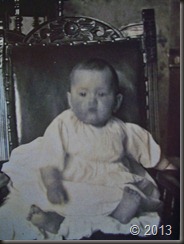
100_3742

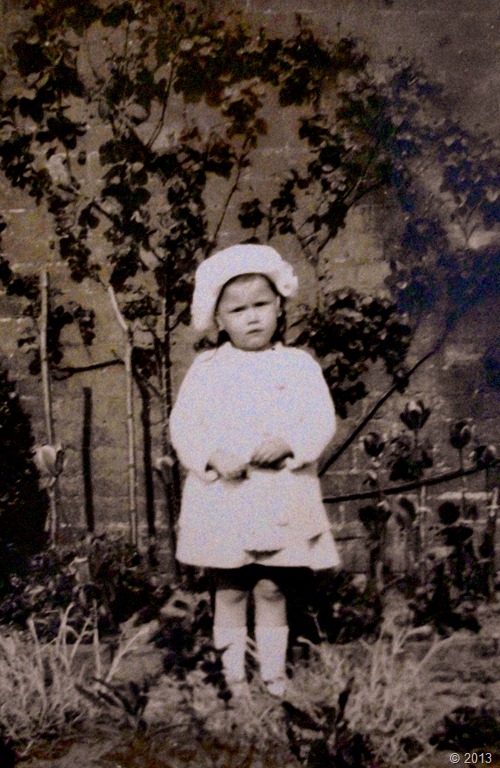
Evelyn around a year old. She was born at Redhurst Cottages, Cranleigh, Surrey in 1923. Her mother Alice, was a Streatham girl and former cashier for Sainsbury’s. Her father Charles Ashford was Head Gardener at Redhurst Manor.  (Below) Aged three, in the walled garden at Redhurst. Her life-long interest in horticulture began in this garden, listening to her father’s instructions to his men.
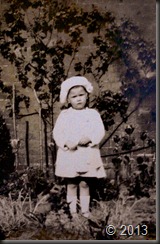
100_3759

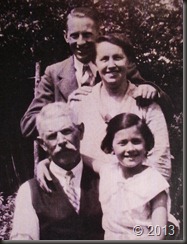
100_3763

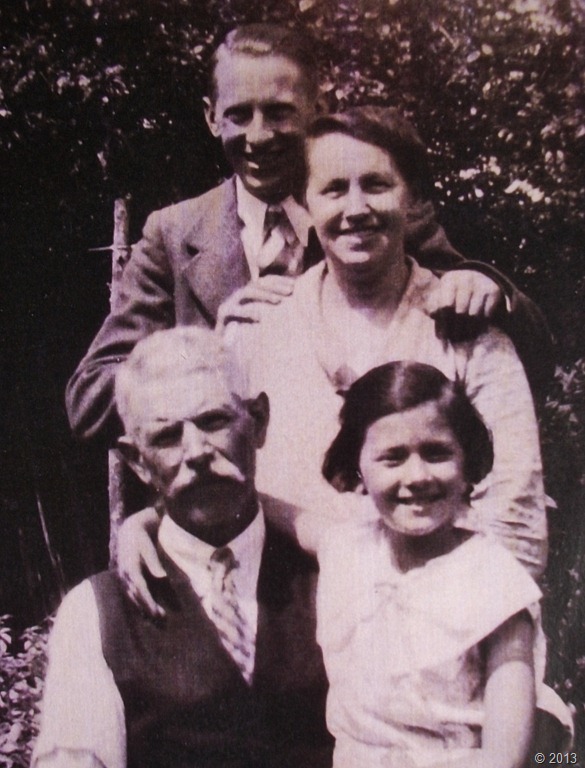
The Ashford Family, my father Alex at the rear c. 1930
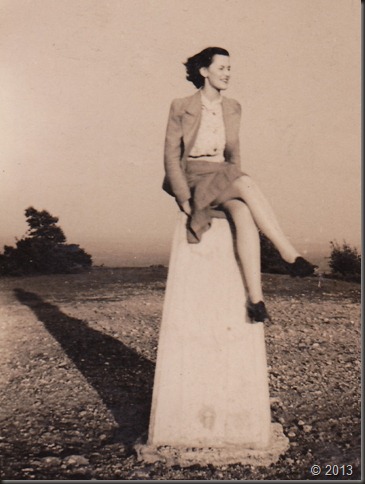
Eve trig 2 scanned

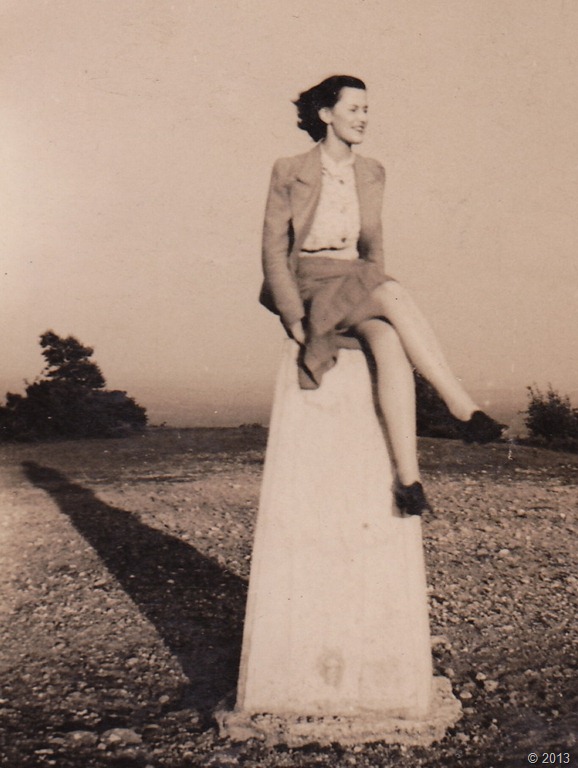
At Pitch Hill, aged around fourteen (1937). This was her last year at school. In an English exercise of that year she wrote: “These are the things that I want in life: 1. A library of my own; 2. All Rudyard Kipling’s Works; 3) lots of money so that I can make poor people happy.” She also wanted to have lots of REAL friends and play Madame Defarge in a stage version of Tale of Two Cities. The people she most wanted to meet included Jean Batten, famous New Zealand aviator, H.G. Wells and Alfred Hitchcock.
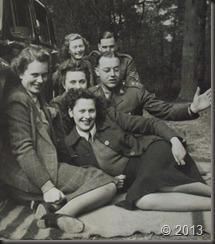
100_3768

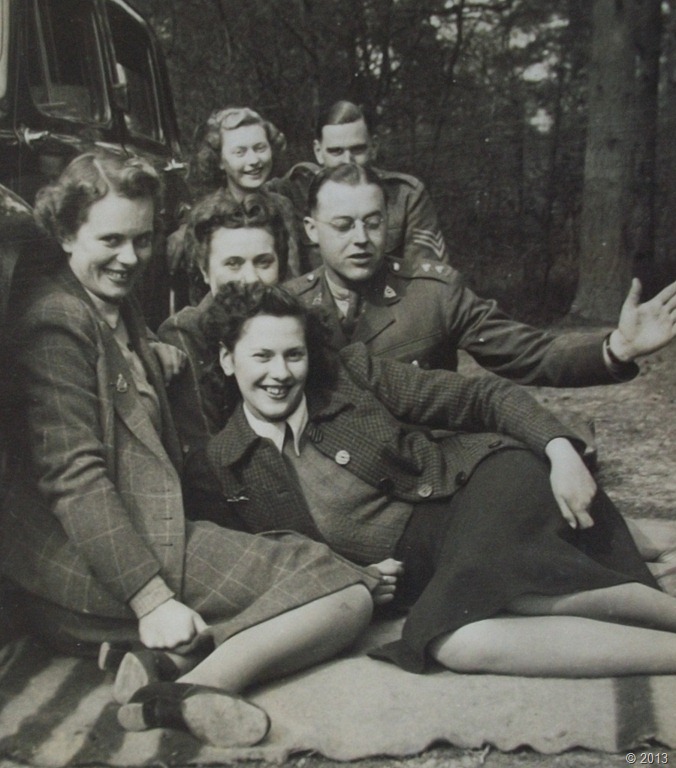
In 1941 the 2nd Royal Gloucester Hussars were billeted in Cranleigh where Evelyn’s family lived. This is how Evelyn met her future husband Geoffrey Gibbings. He is taking the photograph of this, the ‘Hoy Gang’ picnic on Pitch Hill. Later that year the 2nd RGH was posted to Libya to fight in the North African Campaign. Evelyn did not see Geoff again until the end of the war.
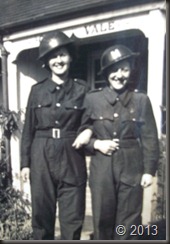
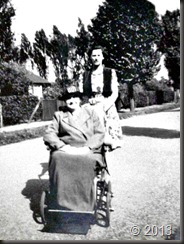
100_3745100_3758IMG_0508

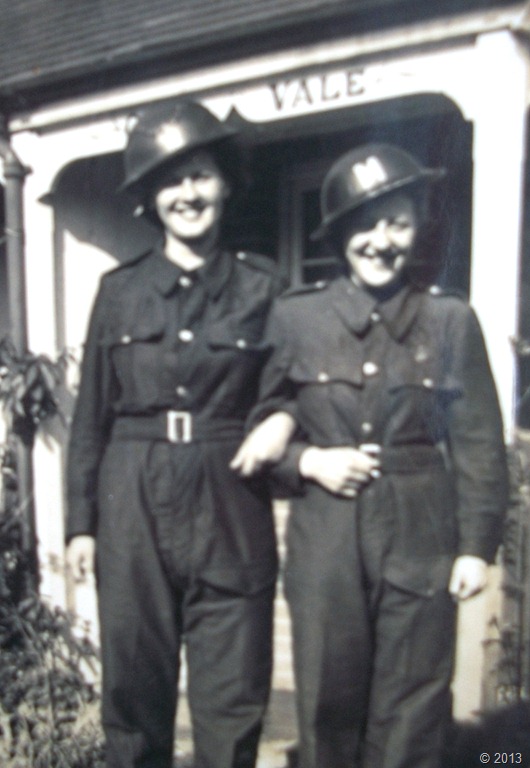
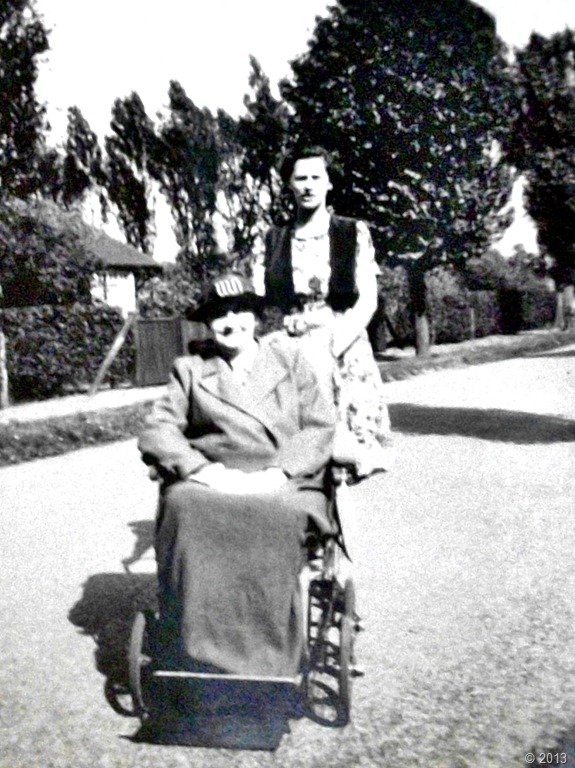
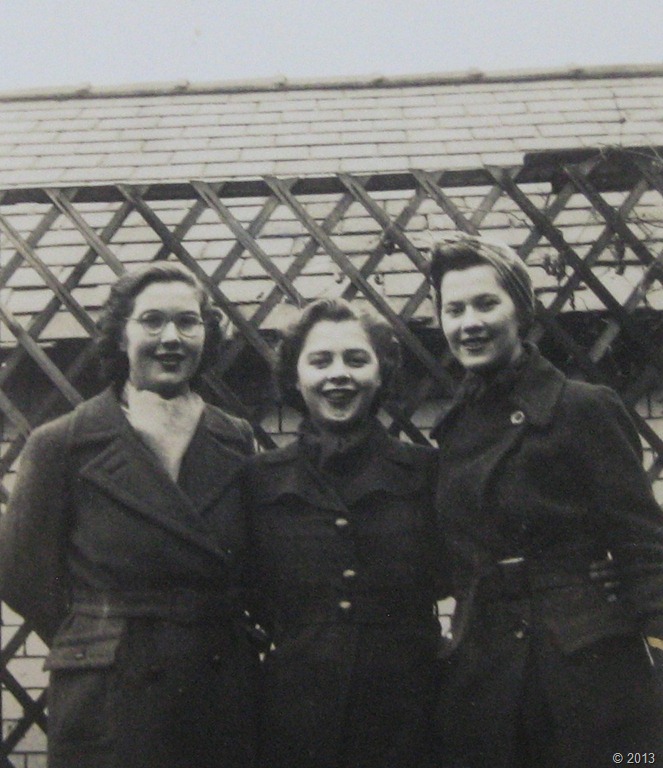
Evelyn as an ARP (air raid protection) volunteer (left). Looking after mother (right). On the roof of White’s department store with her fellow assistants (bottom).

100_3748

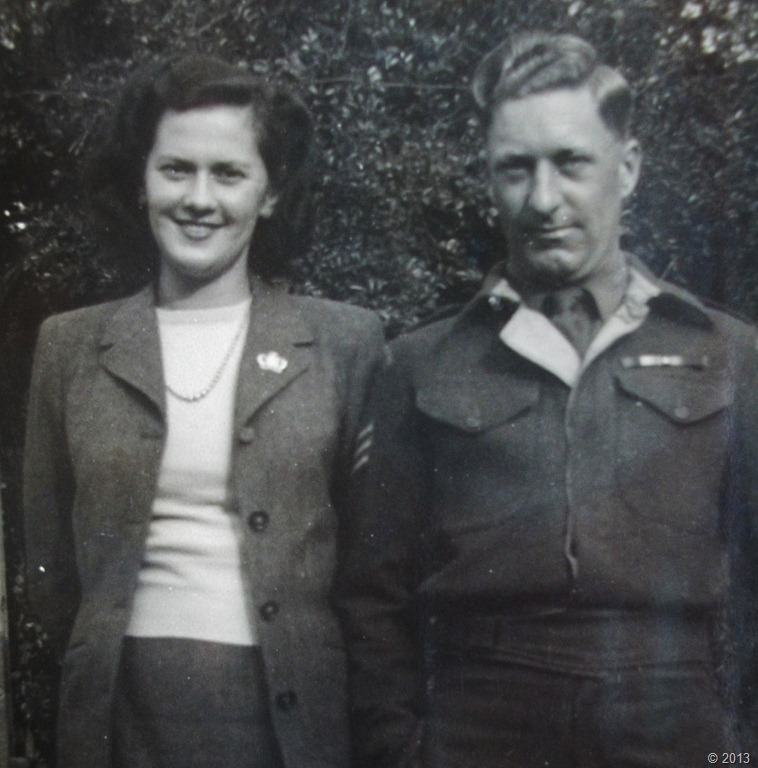
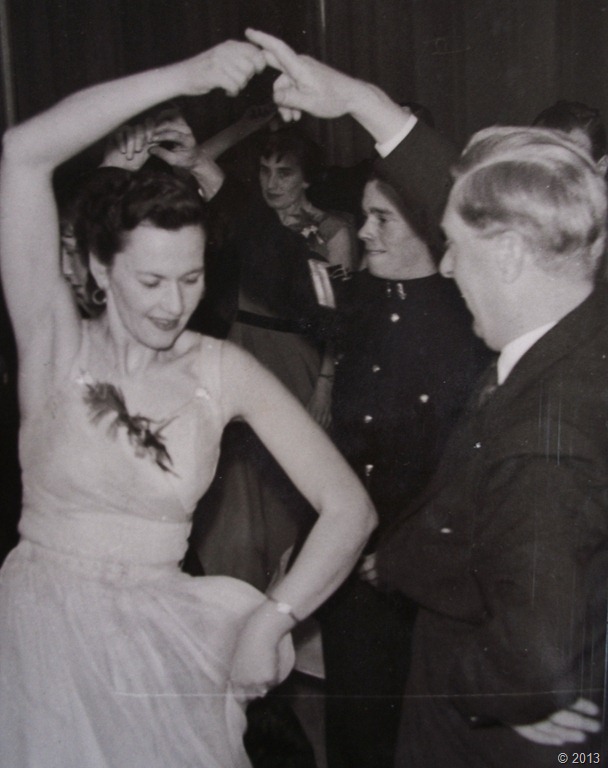
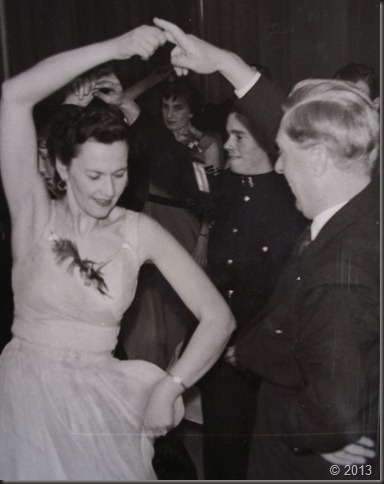
War’s end and engagement to Geoffrey Scott Gibbings. He twice escaped capture by the Germans while fighting in the desert. (Below) At the New Year’s Eve Southampton Motor Club dance c.1955. After the war, Geoff worked in the motor trade for the rest of his working life. Somehow this last photo tells you everything you need to know about Evelyn. May her dance go on in some part of her mind.
100_3743

View album
View album View album View album View album View album

a-word-a-week-challenge-face/

And many thanks to Su Leslie for her inspiring Shaking the Tree blog on her family history.

©2013 Tish Farrell

Pattern for the Skyscraper

Weekly Photo Challenge: Pattern

100_3701

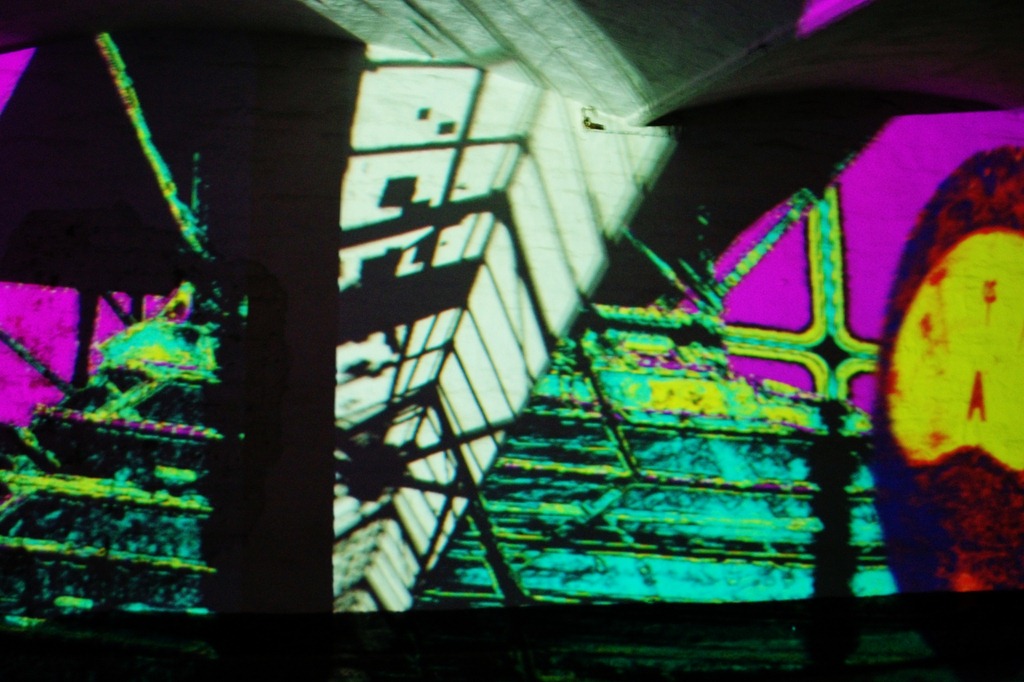
Fractured Light by Andy McKeown, Flaxmill-Maltings, Shrewsbury May 11-12 2013

At first sight there may seem to be no connection whatsoever between Andy McKeown’s magical lightshows (Fractured Light) and the skylines of NYC, Dubai, Chicago, Hong Kong. But believe me there is. In fact there are some clues in the photo below, although they are heavily disguised by the giddy maypole effect of light streamers. Architects should spot them, though – the slender columns of cast iron.  And this is where the another kind of pattern comes in – not in the spectacle of fractured light, but in the venue. On the 11-12 May 2013 the Friends of the Flaxmill-Maltings held an open weekend so Nosy Writer and hundreds of other nosy people could look round this old industrial complex, perhaps for the last time before renovation work begins. Since the buildings have been lying derelict for decades this was something of a celebration, hence the performances by musicians, craftspeople and artists all over the complex.

100_3688

Andy McKeown’s ‘Fractured Light’ was up on the third floor of the Cross Mill, and without the entrancing light show the place would have been dank, cold and cavernous. It was originally the mill where hackling or flax dressing took place, and is part of a late eighteenth century iron-framed building – the first of its kind in the world. This is Bage’s Flax Mill in Shrewsbury, Shropshire, the place where, in 1796-7, the makings of the skyscraper began.

shropshire-uk-map[1]

Shropshire Archives

Photo: Shropshire Archives

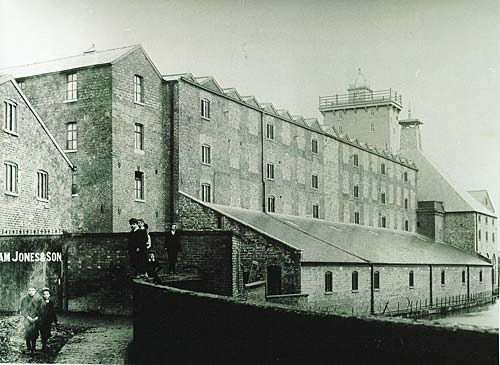
Above is the building around the end of the nineteenth century after it had been converted into a malting factory. The main five storey block was the original flax mill. And  its connection with the Manhattan skyline?

New York 214

IS THIS:

Shropshire Archives 3

…a constructional frame of iron columns and beams that ever since has allowed buildings to go upwards.

As with many great innovations, the development of iron framed buildings was prompted by disaster. In 1796, linen magnate, John Marshall and Shrewsbury businessmen, Thomas and Benjamin Benyon had suffered severe financial losses when their timber-built mill in Leeds, Yorkshire, caught fire. Such fires in textile mills were all too common. Flax and cotton dust  are highly combustible, and not only were the early mills built extensively from timber, they were also candlelit. And so when Messrs Marshall and Benyon had the opportunity to develop a new flax mill in Ditherington, Shrewsbury, a fire-resistant building was what they required.  And a good part of the answer lay in an up and coming new material – cast iron.

The late 18th century was the age of cast iron. It was the revolutionary material of choice for engineers and architects of vision. In 1781 the spectacular unveiling of the world’s first iron bridge had taken place at Coalbrookdale, a few miles downriver of Shrewsbury. It was a PR stunt of breath-taking proportions: to use this untried material in such a dramatic and highly visible  setting. But it was not all bravado. There were practical considerations too: the need to span the Severn in order to make a more convenient road link between various iron works, thus replacing a treacherous ferry crossing. Then there was show-off element of achieving this with a single arch that was tall enough to allow swift passage for the sailing barges that plied the Severn from Bristol to Shrewsbury. Usually these large cargo boats had to lower their masts to go under the Severn’s many stone bridges.

At the time, then, the Iron Bridge was a new world wonder and a magnet for celebrity visitors. Coalbrookdale ironmaster, Abraham Darby III, was the man making his pitch for the utility of cast iron, egged on by business associate John ‘Iron Mad’ Wilkinson whose works across the river from Coalbrookdale were being served by the new bridge.   When in 1795, the Iron Bridge was the only bridge to survive unscathed the massive river floods of 1795, it more than sparked the interest of Thomas Telford, ‘Father of Civil Engineering’. At the time he was also in Shropshire, working as County Surveyor. He went on to devise his own astonishing uses for cast iron, not least the Pontcyssylte Aqueduct near Llangollen in North Wales.

But if all this constructional enterprise in iron seems a bit old hat to us now, then perhaps we should try thinking of the River Severn in Shropshire as the Silicon Valley of its day. Cast iron helped drive the Industrial Revolution in all its component parts; it brought us to where we are today. 

The world’s first Iron Bridge, built by Abraham Darby III and opened in 1781. Today, it is a world heritage site and still spans the River Severn in Ironbridge, Shropshire.

While technological developments were proceeding in Shropshire, the possibilities of using iron in industrial buildings were also being explored by Derbyshire cotton spinner and architect William Strutt. He was particularly concerned to find a way to make cotton mills more fire resistant. To this end, he developed the shallow arched brick ceilings with tiled and plaster floors that his friend and fellow Derbyshire man, Charles Bage  was later to use in the Ditherington Flax Mill. He also used sheet iron to encase the mills’ timber beams to inhibit fire damage. All these measures he discussed by letter with Bage who shared his interests. And in 1776 Bage, just happened to be a wine merchant and surveyor, working in Shrewsbury.

And so as the old A-Team phrase would have it, here we have a good plan coming together. Charles Bage was engaged by Marshall and the Benyon Brothers to design their flax mill. There on the banks of the Shrewsbury Canal that Thomas Telford was just then completing, he would create a quite novel construction in iron, and since this was pioneering stuff, he decided to take nothing for granted. He set about undertaking a series of experiments to test the structural properties and strength of iron, and so established the modern discipline of structural engineering. The papers with his calculations still survive.

The Ditherington Flax Mill, then,  was the first mill to be built from brick and iron. It was this mode of construction that led the way for the development of multi-storey, fire-resistant buildings, and whose techniques were later  adapted for the rebuilding of Chicago after the Great Fire of 1871.

100_3717

Cast iron pillar on the ground floor of the flax mill warehouse.

But this is where the story of entrepreneurial enterprise and invention takes a nasty turn. We are, after all, also talking about the growth of the factory and and the enslaving of human beings to the demands of machines and mill owners. In the 1840s there were 800 employees at Ditherington and, as time went on, more than half of the workers were under twenty years old, with some as young as seven. These were the apprentices, mostly orphans and illegitimate children despatched from parish Work Houses in order to learn a trade. At Ditherington, the conditions were reputed to be better than most mills: accommodation in the Apprentice House was strictly segregated, and the welfare and moral upbringing was overseen by a manager. Even so, working hours were long and life was tough. There were cruel and vindictive overseers who beat the children for the slightest mistake, or dipped them head first into a water cistern if they dozed off at their work.  

In 1832 there was a House of Commons enquiry into factory working conditions and Ditherington workers gave evidence. One Samuel Downe, born in Shrewsbury in 1804, told the Committee that he began work at the mill from the age of ten. Of his working hours he says:

       “We used to generally begin at five o’clock in the morning till eight at night.”

And when he was asked if he had been beaten, he said that once he had been beaten so hard that he could not lie on his back to sleep. The reason given for the brutality was  this:

      “I had never been in a mill where there was machinery, and it was winter time, and we worked by gas-light, and I could not catch the revolutions of the machinery to take the tow out of the hackles; it requires some practice, and I was timid at it.”

1024px-Marshall's_flax-mill,_Holbeck,_Leeds_-_interior_-_c.1800[1]

Scene from one of John Marshall’s flax  mills in Leeds c.1800, much as his Ditherington Mill would have looked. (Copyright expired)

Despite such indictments, John Marshall saw himself as a benign employer. He believed that treating his workforce well meant they would work harder and yield greater profit. He thus provided ventilation and heating in the work rooms, and in time added baths and changing rooms. Also in 1834 when there were 92 child employees, they were by then allowed two two-hour sessions, morning and afternoon, for lessons.

Even so, the processing of flax on this vast scale, was a dusty, unpleasant business. The crop had to be dried, then de-seeded by threshing and combing. Then it was left to partially rot for up to three weeks so the stems could be peeled away from the useful fibre. Next this fibre was dried, separated and combed by machine and finally twisted into yarn on  spinning machines.

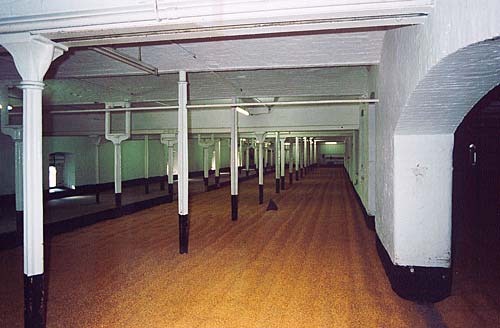
Throughout the 18th century, linen was a hugely important textile. In Shrewsbury flax yarn production took over from the dwindling wool industry, employing many of its skilled workers. During the Napoleonic Wars (1799-1815) Ditherington was supplying the yarn to make Britain’s military uniforms. But with successive generations of owners, and doubtless the growth of the Lancashire cotton industry, the mill began to fail, finally closing in 1886. Some ten years later it had a new lease of life. The five-storey building was converted into the Maltings, making malt for the brewing industry. These works finally  closed 1987, and since then this extraordinary building has been left to fall apart, despite being a Grade I listed building.

294451593_fd23d0623b_z[1]

Photo: Keith 1999 Creative Commons

This, though, is hopefully about to change. Finally, on the verge of collapse, and after much campaigning by the Friends of Flaxmill-Maltings, a partnership of English Heritage and Shropshire Council has put in a bid for funding from the Heritage Lottery Fund. Their plans include a massive regeneration scheme, bringing environmentally friendly office and workshop space to a currently depressed part of Shrewsbury. Perhaps at last this landmark structure will have a bright new existence, and just as Andy McKeown’s light show amazed and energized the Open Day visitors, infuse its occupants with life-enhancing potential, banishing the ghosts of dismal exploitation. 

In the meantime, Nosy Writer, like many others, is rather keen on scenes of industrial decay. So here are a few shots of the Flax Mill-Maltings – pattern of bricks, timber and iron.

100_3728

100_3712

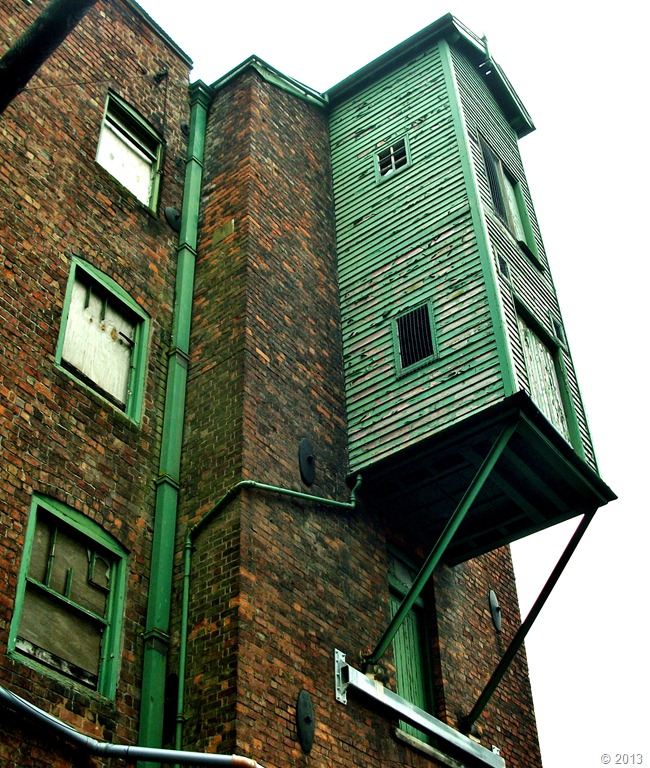
The timber hoist tower was added during the Maltings phase and the ornamental capping put up to celebrate Queen Victoria’s Diamond Jubilee in 1897.

100_3719

100_3706 - Copy (2)

For more info about the Flaxmill project: http://flaxmillshrewsbury.wordpress.com/

© 2013 Tish Farrell

Travel Theme: Beaches (Mombasa)

sea and sky on the reef at Tiwi

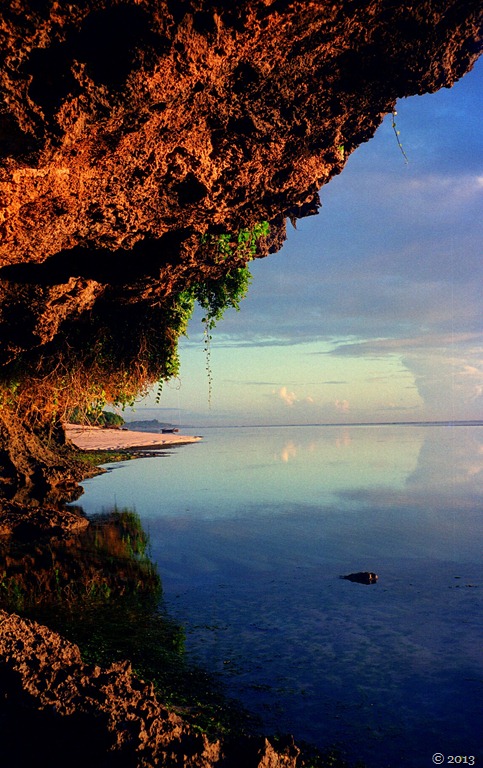
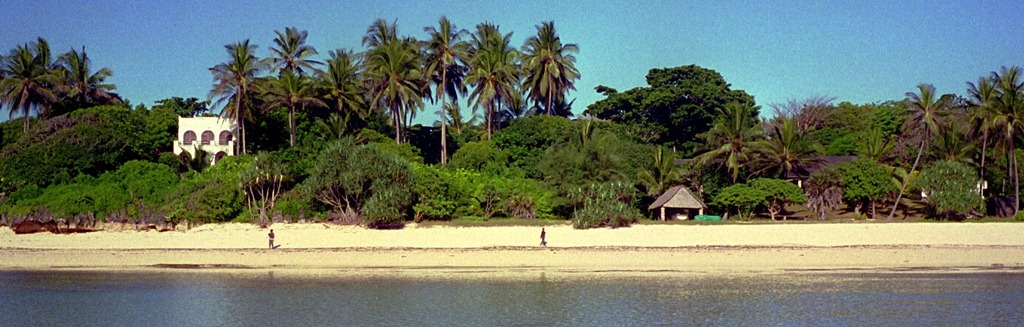
Tiwi Beach and lagoon at dawn, South Mombasa, Kenya

Going to the dogs on Mombasa’s Southern Shore

It’s a dog’s life on Tiwi Beach, the white strand where ocean roars on coral and trade winds waft the coconut palms; and where, best of all, as far as the local canines are concerned, there are quiet coves sparse in holidaymakers. It means they may do as they please. For after all, it is their own resort, and every morning they set off there from the beach villages along the headland, nose up, ears blown back in the breeze, ready for the day’s adventures.

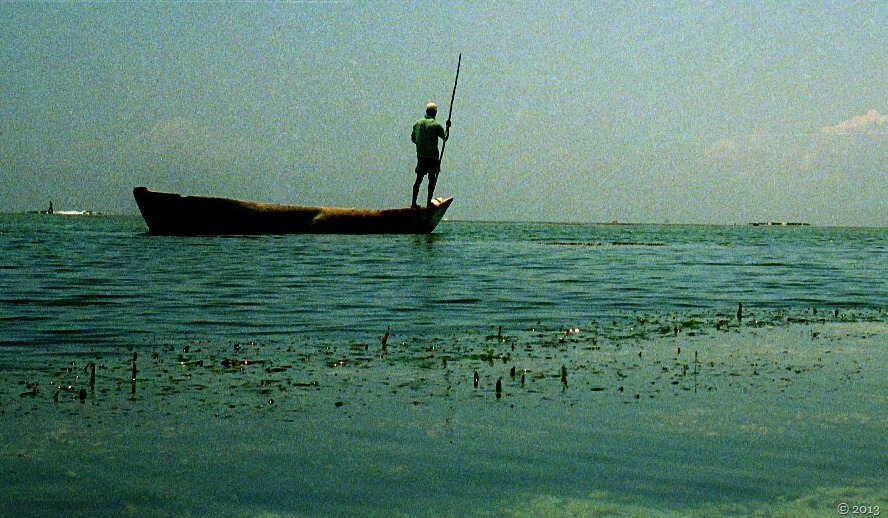
But the dogs are not churlish. They can take or leave the odd pale human wrestling to right his windsurfer on the still lagoon; ignore the sentinel heron that marks the reef edge beyond; pay no heed to the etched black figures of the Digo fishermen who search the shallows for prawns, parrot fish, or perhaps a mottled lobster or two.

Digo fisherman on lagoon, Tiwi 2

But in this last respect at least, the dogs are smug. For the fishermen come down to the beach only to make a living. And when they are done hunting, they must toil along the headland from beach village to beach village, then haggle over the price of their catch with the rich wazungu who come there to lotus eat. Hard work in the dogs’ opinion.

The dogs know better of course; know it in every hair and pore. And each morning after breakfast, when they take the sandy track down to the beach, they begin with a toss of the head, a sniff of the salt air, a gentle ruffling of the ear feathers in soft finger breezes. Only then do they begin the day’s immersion, the sybaritic sea savouring: first the leather pads, sandpaper dry from pounding coral beaches, then the hot underbelly. Bliss. The water is warm. Still. Azure. And there can be nothing better in the world than to wade here, hour on hour, alongside a like‑minded fellow.

There’s not much to it; sometimes a gentle prancing. But more likely the long absorbing watch, nose just above the water, ears pricked, gaze fixed on the dazzling glass. And if you should come by and ask what they think they’re at, they will scan you blankly, the earlier joy drained away like swell off a pitching dhow. And, after a moment’s condescending consideration, they will return again to the sea search, every fibre assuming once more that sense of delighted expectation which you so crassly interrupted. You are dismissed.

For what else should they be doing but dog dreaming, ocean gazing, coursing the ripples of sunlight across the lagoon and more than these, glimpsing the electric blue of a darting minnow? And do they try to catch it? Of course they don’t. And when the day’s watch is done, there is the happy retreat to shore ‑ the roll roll roll in hot sand, working the grains into every hair root.

Maweni beach at dawn 2

And if as a stranger you think these beach dogs a disreputable looking crew, the undesirable issue of lax couplings between colonial thoroughbreds gone native: dobermanns and rough‑haired pointers, vizslas and ridge‑backs, labradors and terriers, then think again. For just because they have no time for idle chit-chat, this doesn’t make them bad fellows: it’s merely that when they are on the beach, they’re on their own time. But later, after sunset, well that’s a different matter. Then they have responsibilities: they become guardians of the your designer swimwear, keepers of your M & S beach towel, enticing items that you have carelessly left out on your cottage veranda.

For by night they patrol the ill‑lit byways of your beach village, dogging the heels of a human guard who has his bow and arrow always at the ready. And when in the black hours the banshee cry of a bush baby all but stops your heart, you may be forgiven for supposing that this bristling team has got its man, impaled a hapless thief to the compound baobab. It is an unnerving thought. You keep your head down. Try to go with the flow, as all good travellers should.

Scan-130429-0016

But with the day the disturbing image fades. There is no bloody corpse to sully paradise, only the bulbuls calling from a flame tree, the heady scent of frangipani, delicious with its sifting of brine. You cannot help yourself now. It’s time to take a leaf out of the dogs’ book, go for a day of all‑embracing sensation ‑ cast off in an azure pool.

And in the late afternoon when the sun slips red behind the tall palms and the tide comes boiling up the beach, the dogs take to the gathering shade of the hinterland and lie about in companionable couples. Now and then they cast a benign eye on you humankind, for at last you are utterly abandoned, surrendering with whoops and yells to the sun‑baked spume. They seem to register the smallest flicker of approval: you seem to be getting the hang of things.

© 2013 Tish Farrell

Travel Theme: Beaches

headland from the reef

Lamu Dreaming

Scan-130426-0019

…to sleep, to dream…

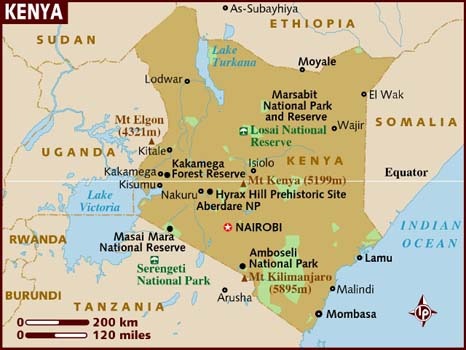
Anyone who has seen my post on The Swahili will know that I’ve had Lamu on my mind. The island lies off Kenya’s northern coast, and its Stone Town is one of the best preserved Swahili settlements, lived in for the last 700 years.  We went there one Christmas, flying out of Nairobi in a small plane that let you watch the ground all the way there. This was comforting in some ways, but in others not: the bush country east of the capital is arid and little inhabited except by wildlife, and the coast hinterland, then as now, too often the haunt of Shifta (Somali bandits). Yet there was one especially striking moment that at once distracted me from other anxieties. It was the sight as we flew over the Tana River Delta and saw the red earth of the Kenya Highlands flowing out into the sea like blood: the country’s life force pumping away. It looked like a shark attack of epic proportions. I was glad when we touched down on Manda Island and our only concern was to catch the same ferry to Lamu as our luggage.

www.theafricanaviationtribune.com

Map: www.theafricanaviationtribune.com

Scan-130429-0041

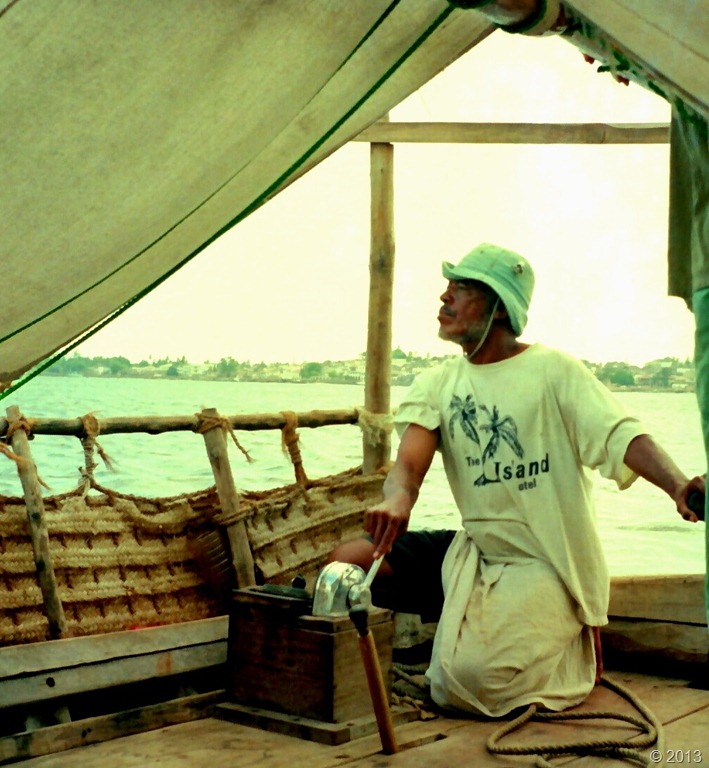
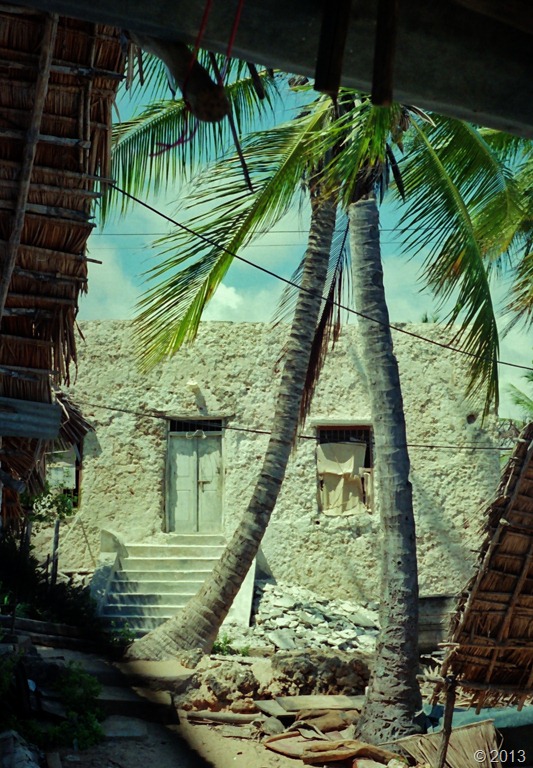
A storm blew up as we chugged across the strait in a Lamu fishing dhow. We tourists huddled under the awning to keep dry as the world turned steely grey. Our captain though, out in the rain, simply secured his hat and looked resolutely to shore. The rain did not last, and by the time we had put into Shela  harbour, the coral rag walls of the houses were steaming; scents of jasmine and frangipani filling the air. As we followed our guide up a sandy path from the shore, I remembered it was Christmas Eve. It seemed we had stepped into a dream.

Scan-130429-0029

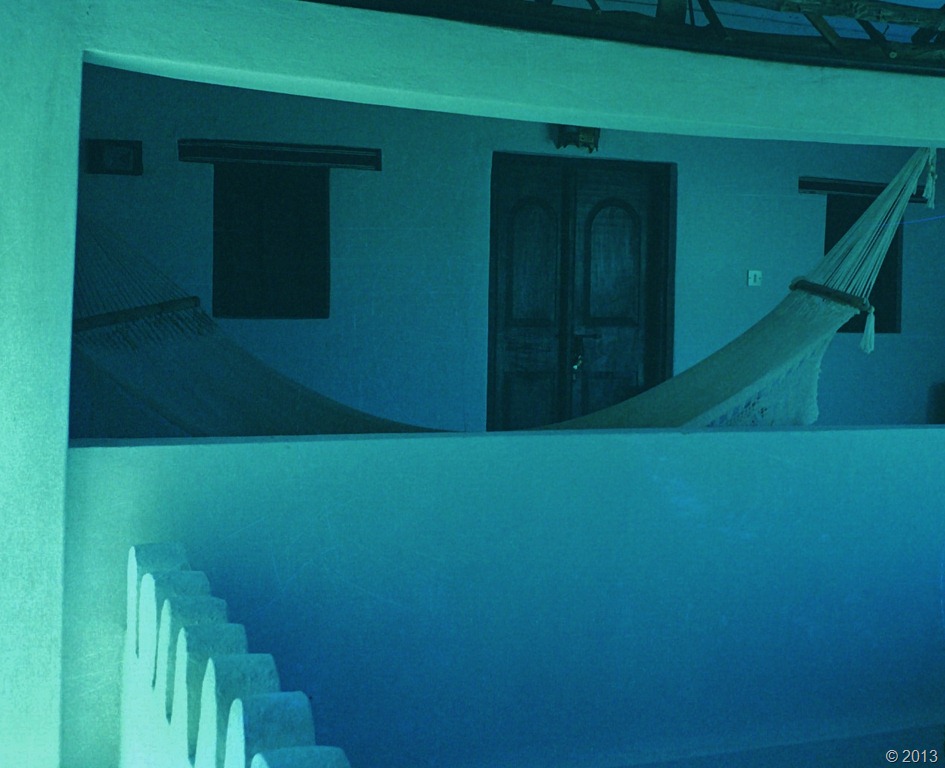
The hotel was also a dream for someone as nosy as Nosy-Writer. It occupied an old merchant’s house in the centre of the village, and best of all our room was up in the palm thatch with the whole top floor at our disposal. Not only that, most of the walls were open to the elements and overlooked the village. Sadly it seems, the place no longer exists, so perhaps I really did dream it.

Scan-130428-0138

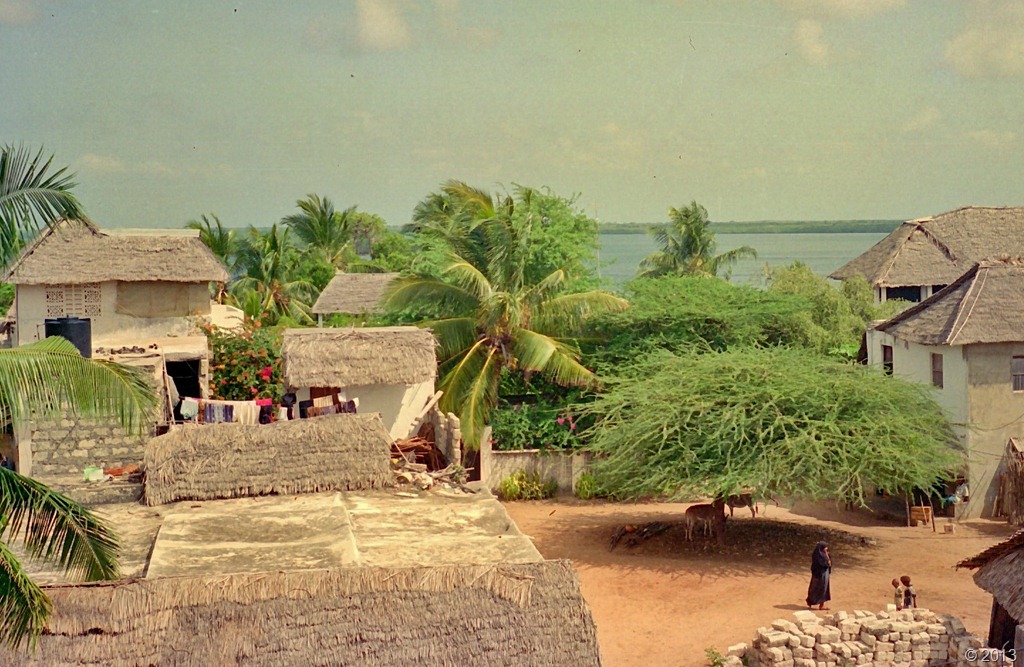
Shela village square from our room with many views. In the foreground is a  stack of the coral rag building blocks from which  most of the houses are built. The spreading thorn tree was the place where the donkeys were parked until needed for transport.

Scan-130429-0016

On Christmas Day we bumped into Azrael who sold us the most delicious, freshly cooked, fish samosas – a local speciality.

Scan-130428-0012

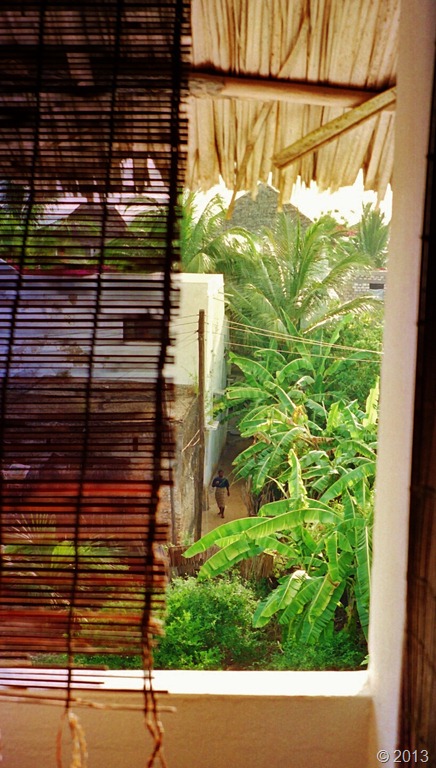
The only problem with our room’s open-plan arrangement was that not only could I see into people’s kitchens, gardens and bedrooms,  but we could hear everything too. It made for nights of fractured sleep – radios playing, pots clattering, cats yowling, but mostly hee-hawing donkeys, Lamu’s equivalent of night-sounding car alarms. Then just as you were drifting back to sleep, the dawn call to morning prayer would begin, the sacred strains of Allahu akbar (God is greatest) winding through my faithless semi-consciousness. It was a disorientating start to Christmas Day. Yet later on, when we set off on the two-mile beach hike between Shela and Lamu town, from every quarter the locals greeted us – Happy Christmas, Happy Christmas. There was no stinting on hospitality, and that extended to the plentiful provision of nice things to lie down on, and what with the steamy tropical heat by day, and the wakeful nights, these were more than welcome.

Lala salama, as they say in KiSwahili – sleep peacefully.

Scan-130428-0069


© 2013 Tish Farrell

Weekly Photo Challenge: UP (in NYC)

New York 200 (2)

Of course NYC has been a city on the rise ever since its origins as Dutch New Amsterdam in the seventeenth century. And when you visit Manhattan, what else can you do but look UP. This photo, though, was a true  happenstance shot: I just happened to look up as we were going into Grand Central Station.  Here are some more ‘up’ views. Guess the locations.

New York 049

New York 144

New York 208 - Copy

New York 179

New York 214

As the baseball caps and tee-shirts sold on every street corner would  have it: it’s hard not to love NYC; a city that led the way in up-ness.

© 2013 Tish Farrell

Weekly Photo Challenge: Change

Rift Valley from Escarpment


Change, what change? All seems so still in this shot of Kenya’s Great Rift Valley. The day is fine. The short rains have brought on the maize and pyrethrum crops on the small escarpment farms. The distant volcano, Longonot, appears dormant and suggests no kind of threat. It is hard to imagine, then, that this peaceful scene is a site of great seismic upheaval, and has been for the last 30 million years. Likewise it is hard to accept that even as I took the photo, the tectonic plates beneath the Rift floor were v-e-r-y slowly pulling apart. In another million or so years you might stand in the spot where I stood and look out on the Indian Ocean; the ground beneath your feet will be a brand new island, and the low Rift terrace where Kikuyu farm wives presently toil, lost under the sea.

The thought is unnerving. For it’s an interesting paradox: while we accept and embrace increasingly rapid changes in the man-made environment, we’re not too keen to confront the reality of a planet that transforms itself beneath our feet and in ways we cannot control. It is interesting then to think, as scientists have been doing, that our very origins as humankind, could well derive from the creation of the Rift Valley.

The argument runs like this. The Rift has long been referred to as “The Cradle of Mankind”. The earliest remains of human ancestors have so far been found along its length (in Ethiopia, Kenya and Tanzania), but the time when we see the big leap in hominid development coincides with the time of maximum uplift in the Rift. This happened around 7 million years ago when the so-called Wall of Africa was created and Africa’s climate thereafter began to change. The rain shadow created by the upthrust highlands caused the forests, the preferred habitat of our primate predecessors, to give way to the more arid savannah we see today.

Without trees for cover and look-out posts our ancestors became vulnerable; food would have become less easy to find, and so in order to hunt and not to be hunted they had to stand up on two feet in order to see over the tall plains grasses. Thus began the long march to cell phone, app and PC that much of humanity apparently cannot now live without. It’s interesting to think how things end up.

As to what created the 3,700 mile-long Rift, then that comes down to plumes of hot semi-molten rock surging up beneath the earth’s crust. In Kenya this surging has also left behind chains of dead and dormant volcanos, including Mount Kenya which, at 17,000 snow-capped feet, is only a vestige of its former unexploded vastness. The pulling apart of the Rift plates has also created the famous soda lakes of Magadi, Nakuru and Baringo, and the deep freshwater Lake Victoria.

Personally, though, I prefer the old Kenyan story that says the Rift was created by termites. It goes like this. Once there was a marauding giant abroad. He preyed on all the animals and none of them was strong enough to finish him off. In the end it took the cunning of many tiny insects to burrow away under the ground and create a well hidden ambush. The next time the giant came rampaging by, the ground gave way beneath his feet and he plummeted into the great trench that the termites had created and so was killed. It was doubtless a fitting end for a troublesome giant, while the hitherto disregarded insects could look forward to greater respect from their fellow creatures.

©2013 Tish Farrell

Pliny the Elder said it first

 
thorn tree (Lewa)

                      'Out of Africa Always Something New'

                             Not homeland, but sourceland;
                             Scored in genetic code,
                             Branded in bone:
                             Thorntrees' jasmine scent,
                             Red pepper dust on the tongue,
                             Sifted on skin,
                             While beneath our feet
                             Obsidian's glint,
                             Shards of the earth's dark heart;
                             The Rift,
                             Riven,
                             Wide 
                             Open

DP Challenge: Playing with Space 

Copyright 2013 Tish Farrell