Silhouettes and symbols

A Word A Week: Silhouette

Scan-130703-0006 (6)

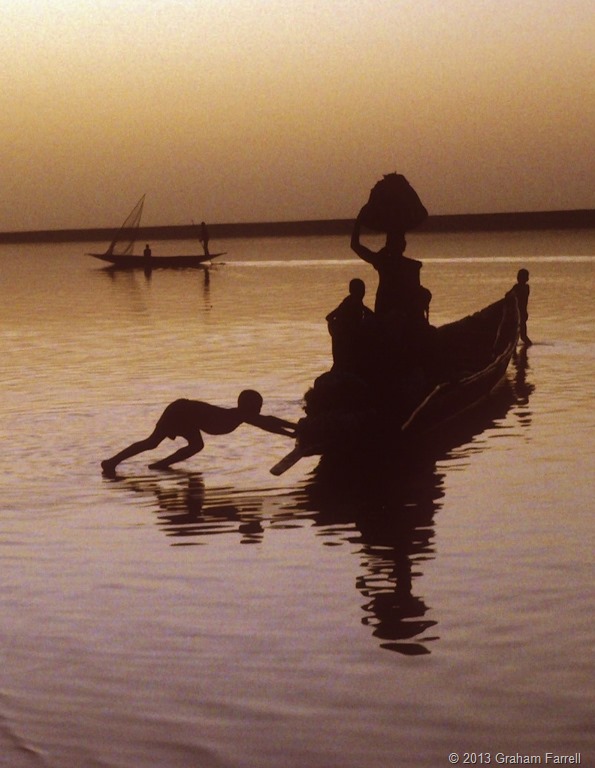
I was forced to raid the Team Leader’s overland photo files for this shot. It is one of my favourites and was taken in Mali, just south of Timbuktu on the banks of the mighty Niger River.  In West and Central Africa, rivers are super-highways, the means by which most business and travel are done. They are also an essential source for the watering of humans, livestock and farm fields. Many people also make their living from fishing, pot and brick-making, and then there is the making of bogolanfini, the famous mudcloth of the Bamana people; this is a craft that  requires both mud and copious amounts of water.

It struck me too, that the traditional patterns that are used to decorate bogolanfini are also silhouettes of sorts: the dark background used as a foil to the recurring signifiers and abstract imagery that make up the design.

100_4909

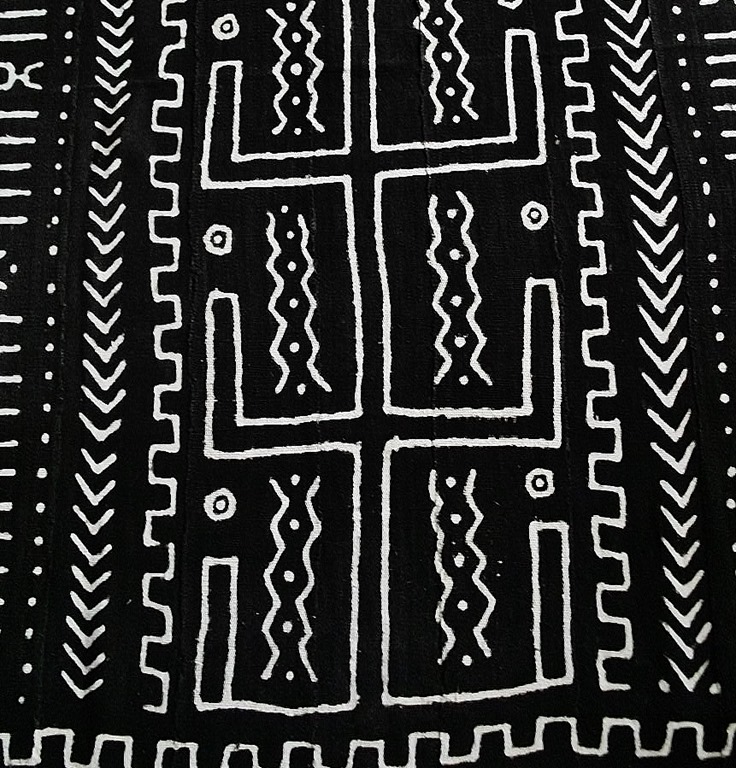
This piece of mudcloth usually drapes over the back of  our kitchen sofa. The fabric is made from Malian cotton, woven by men into narrow strips 15cm by 1.5 metres. These are then sown together to make a wrap about 1 metre wide.

In the past, the dyeing and the design were women’s work, but these days bogolanfini is made by both men and women, much of it simplified versions of traditional designs and made specifically for the tourist and export market. The piece above is typical of tourist mudcloth.

The central motif, the joined up ‘EEEs’ is called crocodile fingers. The >>>> pattern on the borders is called wosoko and said to relate to a specific event, that of a farmer who had a sickle he especially liked and thought should have its own pattern. The circles with dots inside represent love of family and community: the large circle is the home, and the dot inside the family.

In the past, too, the messages drawn on the cloth were not only more intricate, but also held more complex meanings that related to Bamana history and custom. The obvious motif references to streams, hills, animals, might have many layers of meaning. The wearing of the wraps had sacred significance too, some made to be worn by girls undergoing initiation into womanhood, others for women who had just given birth, or who had died in childbirth. These were usually black and white, and believed to have protective qualities.

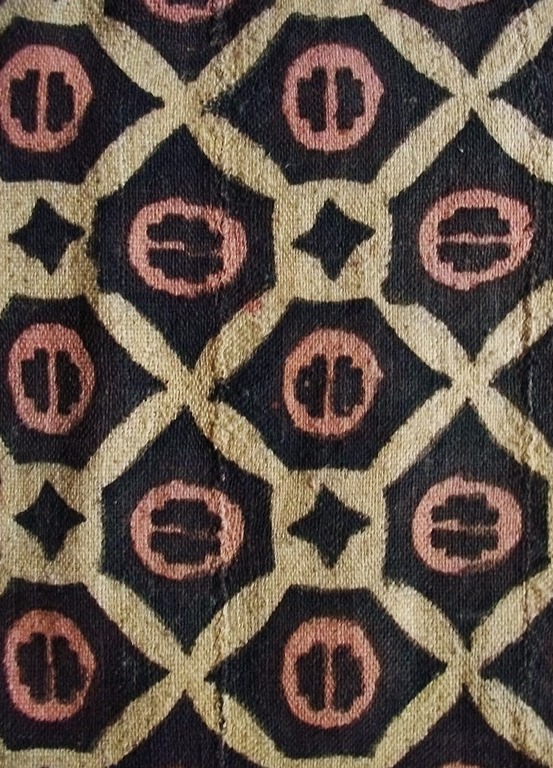
Cloth dyed with ochre- and red-coloured mud was favoured by hunters since it provided good camouflage in the bush.The fabric below is part of a waistcoat. Again, I imagine that this piece was made for the tourist market, or possibly commissioned especially by the Kenyan fashion house Kiko Romeo where I bought the waistcoat. To my eye, though, this is a pleasing abstraction of a giraffe’s lovely hide.

100_4915

The processes for making mudcloth have also been simplified to cater for mass market demands. This means that anyone can pick up the basics of the craft in a fairly short time. Traditionally, the apprenticeship might take years, daughters learning from mothers and grandmothers. But all is not lost. Artists like Nakunté Diarra are still maintaining authentic methods, which she has passed on to her son and granddaughter.

The process begins by soaking the plain undyed cotton in a decoction of crushed leaves and bark from the Anogeissus leiocarpa tree and the woody shrub Combretum glutinosum. This turns the cloth yellow and acts as a mordant to fix the mud dye. Once the cloth has dried, river mud that has been fermented in pots for up to a year, is applied to it. The designs are painted on using a stylus-like instrument. The cloth is again dried and washed, and the mud re-applied, then washed and dried once more. Finally, the remaining yellow areas are treated by painting over them with caustic soda to whiten them and make them stand out against the dark background. It takes two to three weeks to make a cloth.

If you want to see mudcloth making in action go to the video link below for a tour of the Coulibaly workshop in Burkina Faso where techniques were learned from a Malian grandmother.

kourangele-1[1]

A traditionally made wrap by Kouraba Diarra. Photo: Haffenreffer Museum of Anthropology, Brown University.

*

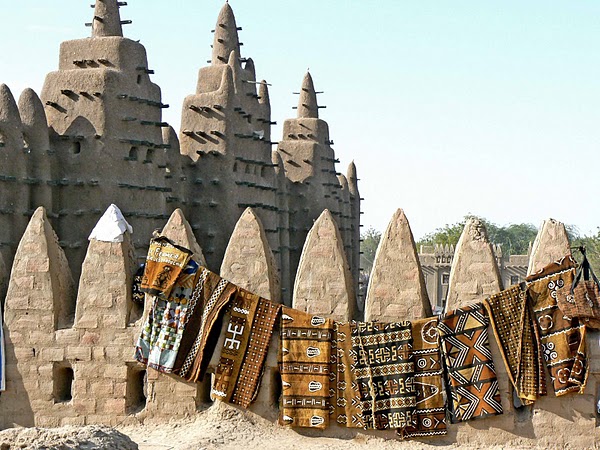
tumblr_m5r7haSBuZ1rwcwkxo1_1280New-wave bogolanfini at Djenne, Mali. Photo: Art of Afrika

*

Related:

Dr. Y’s  African Heritage blog at: http://afrolegends.com/2009/09/11/bogolan-the-art-of-making-mudcloth/

*

More a-word-a-week silhouettes:

http://ileanapartenie.wordpress.com/2013/10/08/a-word-a-week-challenge-silhouette/

http://tvortravels.wordpress.com/2013/10/08/a-word-a-week-challenge-silhouettes/

http://sillarit.wordpress.com/2013/10/08/a-word-a-week-challenge-silhouette/

http://tehicho.wordpress.com/2013/10/09/a-word-a-week-challenge-silhouette/

http://shyraven23.wordpress.com/2013/10/09/a-word-a-week-silhouette/

http://booksmusicandmovies.wordpress.com/2013/10/10/a-word-a-week-challenge-silhouette/

© 2013 Tish Farrell

The Smoke that Thunders

Scan-130703-0003

We inhabitants of Great Britain, that one-time source and bastion of Empire, somehow take it for granted that other people’s geography should be named after our explorers, our lords and our monarchs. It was part and parcel of the colonizing process, this laying claim to territory, the ‘making it ours’ rather than theirs, the indigenous inhabitants’. Also, much as a head-hunter gains spiritual power by consuming the brains of his enemy, so explorers, lords and monarchs accrued grandeur by bestowing their names on natural-world-wonders. It was one way of acquiring grand-scale permanence over frail bodily transience. Some might say it was a form of megalomania.

All of which is to say that the photo above shows one of the most famous examples of colonial misappropriation – the great southern African cataracts of Victoria Falls. They were ‘discovered’ by missionary, David Livingstone, in November 1855. This was in the days before the British map-makers had staked out the colonial territories of Northern and Southern Rhodesia, (named after the mineral-hungry Cecil Rhodes), and now known (respectively) as Zambia and Zimbabwe.

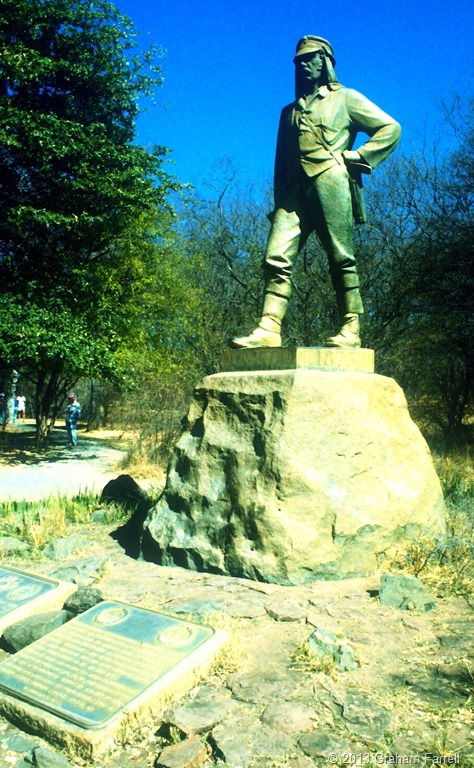
Livingstone is thought to be the first European to set eyes on the falls, and his presence is commemorated both in the name of Livingstone Island, just above the falls, and in the town of Livingstone on the Zambian side of the cataracts.

Scan-130703-0004

 Livingstone Monument

But the fact remains that when Livingstone arrived this, the largest falling curtain of water in the world, already had at least one very fine name. The rainbow spray from the toppling cascades rises like smoke that can be seen for miles, and the Zambezi, as it drops through 110 metres, simply roars. And so it is fittingly known by the indigenous Tonga people as Mosi-oa-Tunya, the smoke that thunders.  Also fittingly, and by way of restitution, this is also the name that UNESCO puts first in its World Heritage Site citation for the falls.

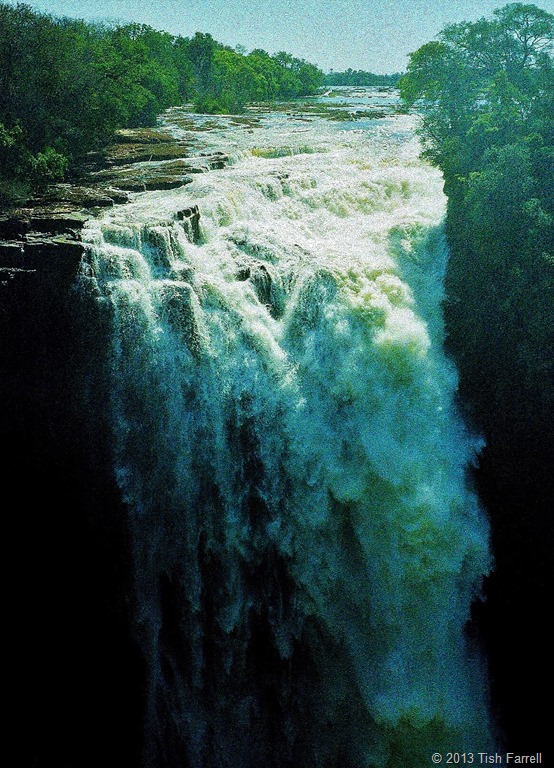
Victoria Falls and Zambezi

The falls from the Zimbabwe side at Victoria Falls town. The spray is a challenge to the the photographer.

*

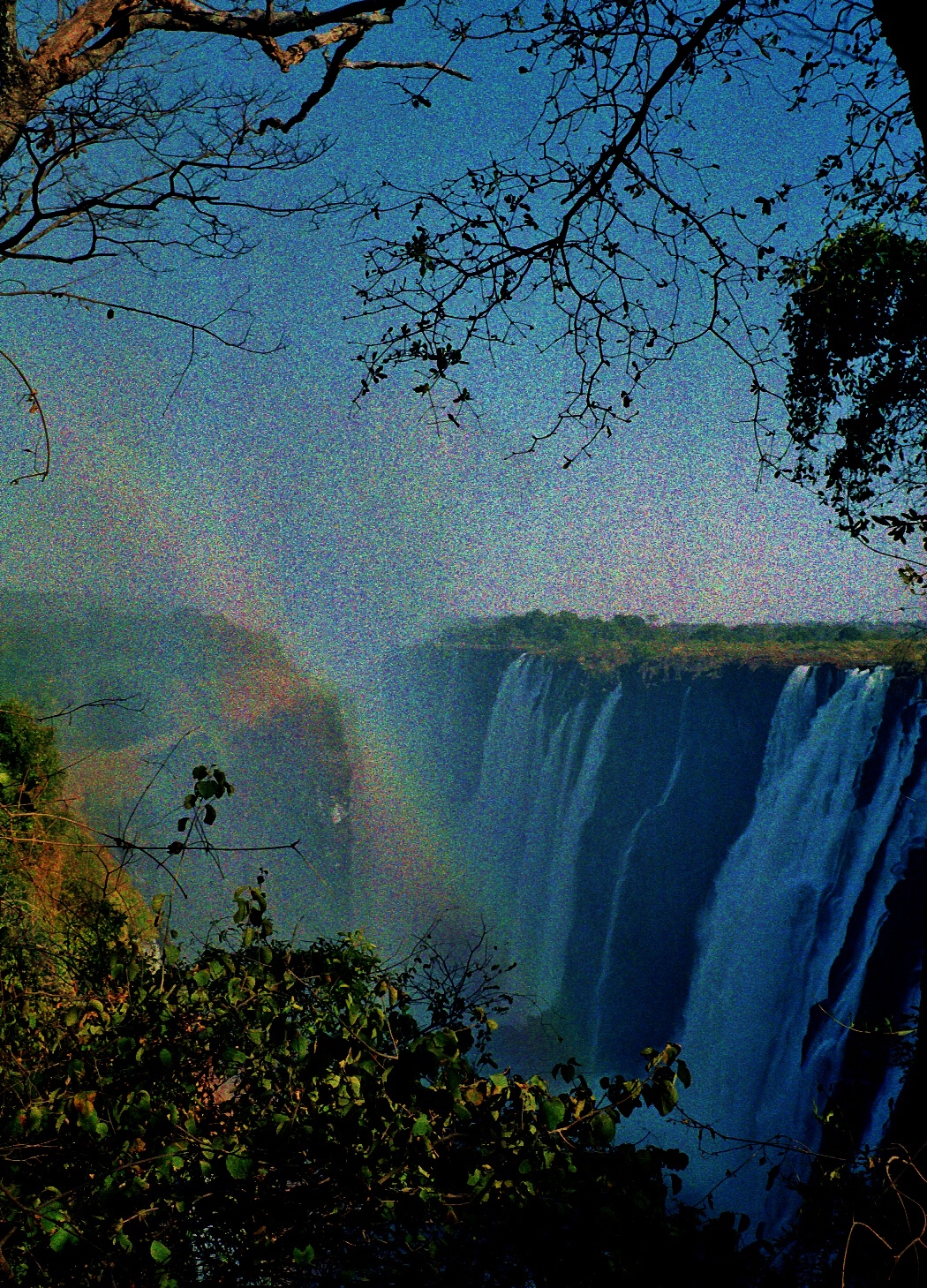
The photo below shows the falls from the Zambian side. The rains had been poor when the shot was taken, and much of the water from the Zambian side of the Zambezi is anyway abstracted for industrial purposes. It is hard to convey the scale, but it shows well how the Zambezi has cut through the basalt plateau over which it flows. Over the last hundred thousand years the river has repeatedly carved out new gorges, wearing down cracks of softer sandstone within the basalt and creating a zigzag of massive fissures. The current falls go over the eighth gorge, but there are already signs that the ninth is beginning to form.

I have the foolhardy distinction of almost hang-gliding off the falls’ knife-edge courtesy my kanga-wrap, just then being used as an umbrella. G had business in Livingstone and we were staying in a hotel near the river, or I should say near the absence of river. I saw people walking across the waterless river bed towards the Zimbabwe side of the falls, and one Sunday afternoon, urged G. to set off on an outing. In no time we had a young Zambian boy offering to be our guide. He led us through a maze of huge boulders and oily stagnant pools. At one point I noticed fresh elephant droppings and fully expected the massive stones to transform into pachyderms, since that’s the sort of thing elephants do. All around the sky was turning from brilliant blue to a steely grey. I forgot about elephants and thought of flash-floods instead. I was beginning to wish we had not come.

Zambia's Victoria Falls looking along knife-edge to Zimbabwe's falls

But the boy pressed on, heading we later discovered for Livingstone Island. He had promised to show us the best place to view the falls. And so we followed. And then came the deluge. In seconds we were soaked to the skin by very cold, hard rain. When I looked back across the river, our hotel seemed very far away, and the empty river bed so very wide. We ran after the boy into the trees on Livingstone Island, and there we huddled under the dripping vegetation. Time passed. And more time passed. We grew colder and wetter.

Finally, when there was no sign of the rain letting up, G. asked the boy how far was this viewpoint. Oh, not very far, he told us. We followed him out into the driving rain. And sure enough, in a few paces, there we were on the knife edge. I held my kanga high above my head, fly-sheet style, in a bid to fend off the downpour. But as I craned over the precipice, the wind gusted and I felt the threatening lift as it filled the kanga…

After that there could only be a swift retreat. Shaken by my close shave with the abyss, I turned for the distant shore and tried to run. But the rocks were slippery, and every boulder looked like an elephant, and the more it rained the more I glanced upstream for that wall of rushing water. By now our guide had disappeared. I don’t think we had even given him a tip, and that was even more worrying. To leave without his kwacha? What did he know that we did not?

Of course it was all panic and no substance. After a hot shower and a bottle of Mosi back at the hotel, it seemed like a great adventure, though we did wonder if Livingstone Island was in Zambia or in Zimbabwe, and if, in the rainstorm, we had become illegal immigrants into Zimbabwe. Of course we hadn’t, but it added a little more spice to the story.

Scan-130703-0007 (2)

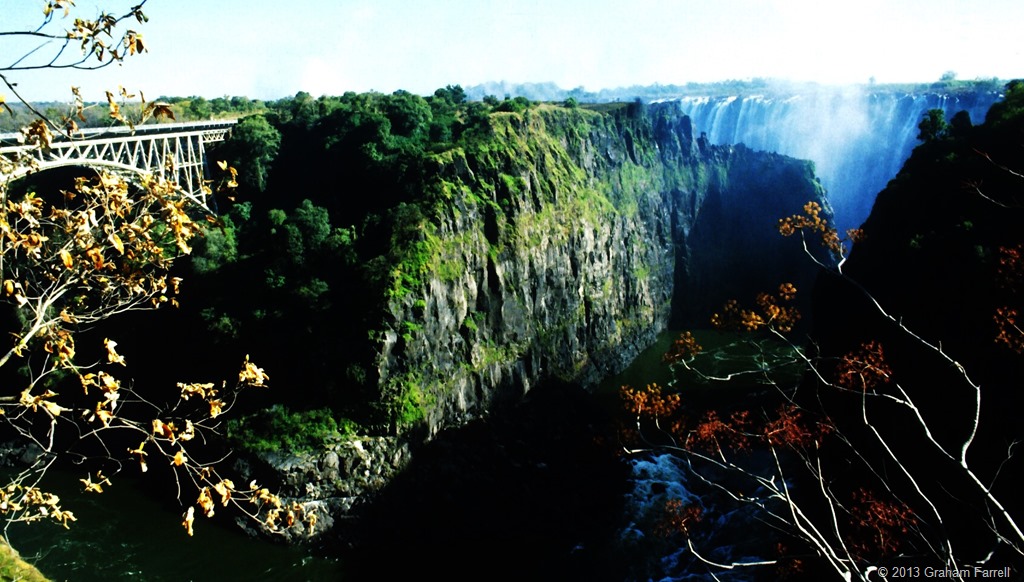
Victoria Falls - Cecil Rhodes' railway bridge

The Victoria Falls bridge, built in 1905 in a bid towards fulfilling Cecil Rhodes’ dream of the Cape to Cairo railway line. He insisted it was built where the falls’ spray would fall on passing trains.

Victoria Falls - Zambian side with rainbow

Related:

UNESCO World Heritage Site

Sun, Steel and Spray: A History of the Building of the Victoria Falls Bridge by Peter Roberts

Where’s My Backpack Ailsa’s Travel Theme: Height

More takes on height:

http://suejudd.com/2013/10/04/weekly-travel-theme-height/

http://cosytravels.wordpress.com/2013/10/04/travel-theme-height/

http://laavventura.wordpress.com/2013/10/04/travel-theme-height/

http://bastet1952.wordpress.com/2013/10/04/travel-theme-high/

http://sustainabilitea.wordpress.com/2013/10/04/travel-theme-height/

© 2013 Tish Farrell

Only One Ogunquit: the little gallery by the sea

105

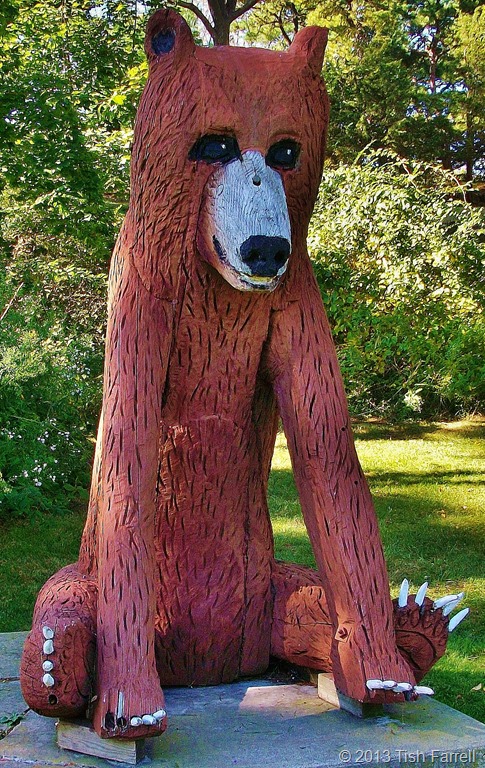
Seated Bear by Bernard Langlais 1973, Ogunquit Museum of American Art

*

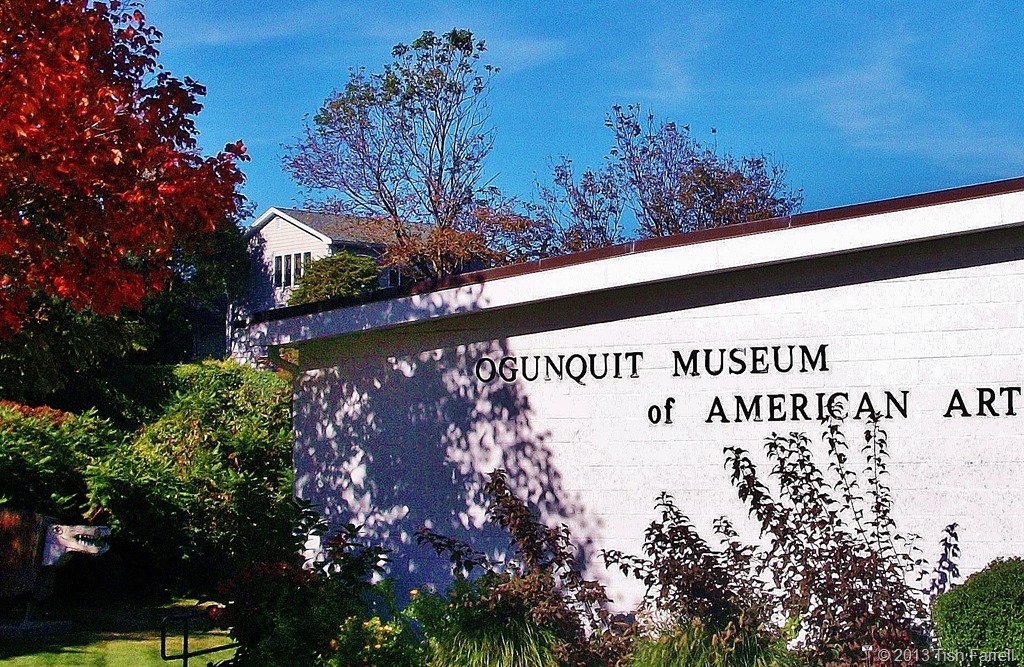
Ogunquit Museum of American Art

Last year when we were in Maine we went to Ogunquit, to the Museum of American Art. As the guide books have it, Ogunquit is an Abernaki word  meaning ‘beautiful place by the sea’. Some also say that this small art gallery is the most beautiful in the world. I think I must agree. It is certainly in the most stunning location. As you enter the main hall your eye is drawn, not so much to the works of art, but to the east wall that is entirely glass (a picture window if ever there was one), and looks out on the great Atlantic.

sculpture-gallery-overlooking[1]

Photo: copyright 2013 Ogunquit Gallery of American Art

*

Places of pilgrimage

Of course, not for all the world would I be without the world’s great art galleries. To simply speak their names: the Tate, Met, V & A, Hermitage, Rijksmuseum, to name but a few in my particular hemisphere, induces in me feelings of awe, reverence, and even that childhood sense of bursting expectation at opening Christmas tree presents. I may never visit most of them, but somehow it is enough to know they are there. Their palatial chambers may ooze worthy academicism and the particular brand of nineteenth century paternalism that was intent on informing the masses while keeping them firmly in their place, but these monumental repositories are indeed our treasure houses. And not because of the monetary value of the works they contain, but because the quiet spaces filled with marvellous pieces of human craft and ingenuity are true resorts: places of pilgrimage, edification, solace, joyousness, meditation. People come there to commune with the spirit of creation and creator, each according to their inclination. 

094b

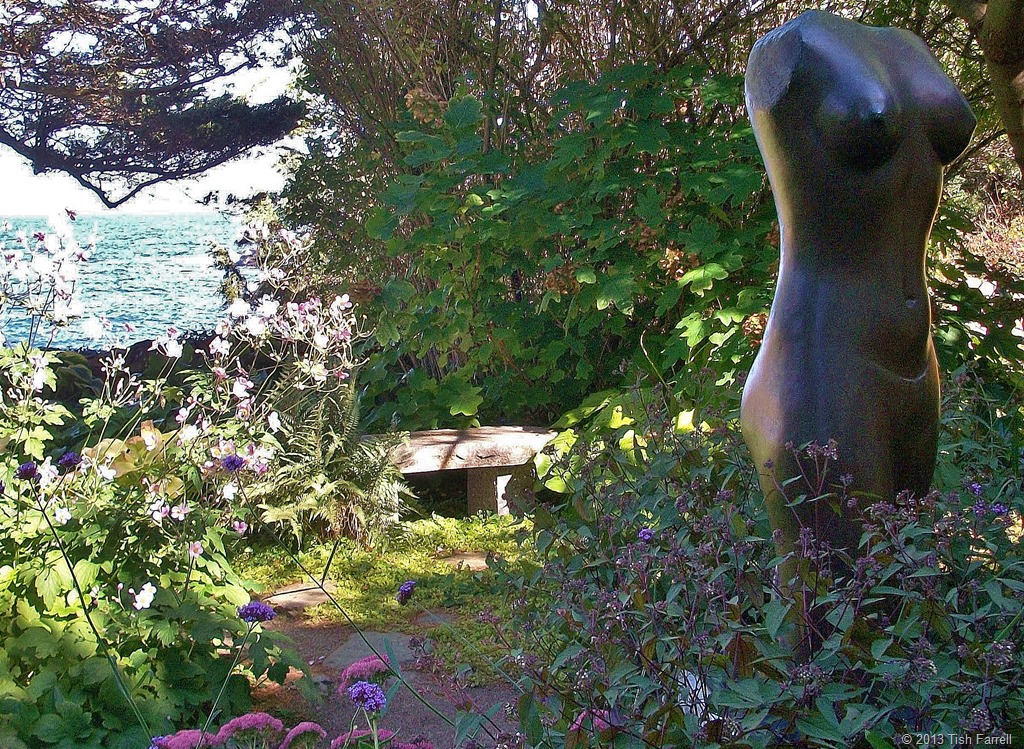
The museum sits not so much in ‘grounds’ but in a lovely seaside garden with art amongst the plants.

*

Art without blisters

But for me, there is something altogether more beguiling about a small gallery. It is less physically arduous for one thing; you need not leave, as you can well do from the V & A or the Met, feeling cross that after many hours spent hiking up and down marble corridors and staircases, there was something important that you missed, but were simply too foot-sore to look for.

There is none of this at the Ogunquit Museum. It is definitely small-scale, and  its mission clearly defined: the art it shows is exclusively American art. In particular, the collection includes works by Ogunquit’s art colony that was founded by Charles Woodbury in 1890. The theme, then, is simple. The visitor’s mind and gaze is immediately focused.  The setting is intimate too, for once you tear yourself from the view of the sea in the main hall, the display spaces are of domestic scale. Only missing is the cosy arm chair and somewhere to put your tea tray. Wise omissions nonetheless; otherwise you might not ever leave.

123

‘An artist’s paradise’

When Bostonian, Charles Woodbury, visited Ogunquit’s Perkins Cove in 1890 and declared it ‘an artist’s paradise’, the seed for the Ogunquit artists’ colony was sown. He opened a school for his student followers, providing board and lodging in converted fishermen’s shacks along the shore. From the late nineteenth century Ogunquit’s reputation as a place for artists grew. Some of those associated with the colony include Edward Betts,  Hamilton Easter Field, Robert Laurent and Walt Kuhn. But many other American artists later lived or spent their summers here, including Edward Hopper, and their works are also included in the Museum’s collection.

It was  Henry Strater, artist and friend of Scott Fitzgerald and Hemingway, who in 1953 founded the Ogunquit Museum. He sited it above the rocks on Narrow Cove where many artists used to congregate – a perfect fusion of place, building and content, or, for that  matter, of nature and culture. The three-acre garden is a rambling, blissful place with hidden corners and unexpected vistas and sculptures perfectly placed.

096

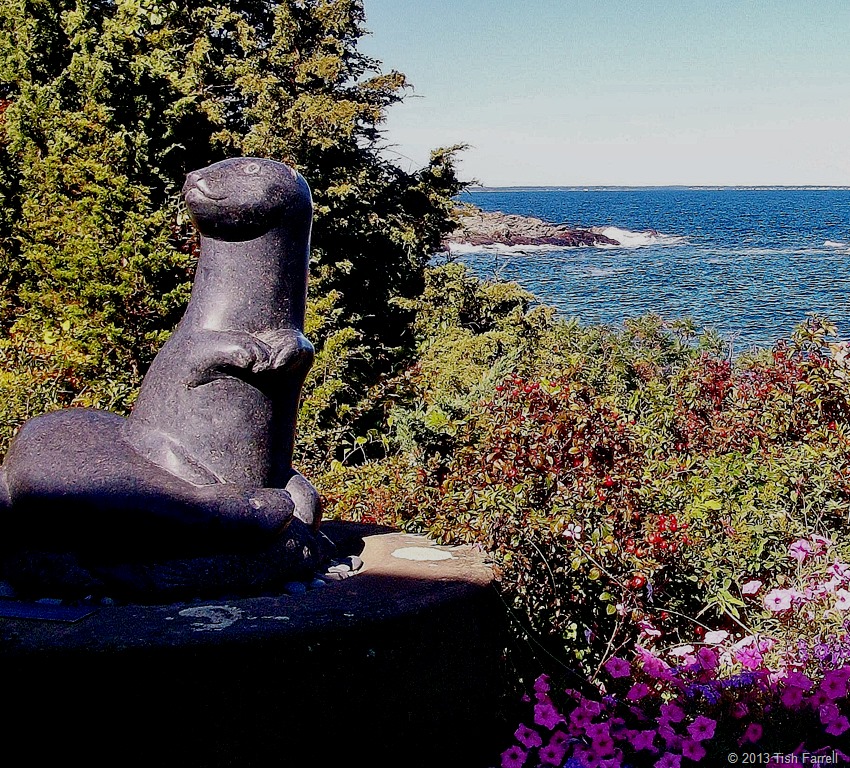
Cabot Lyford’s Otters above Narrow Cove.

*

097

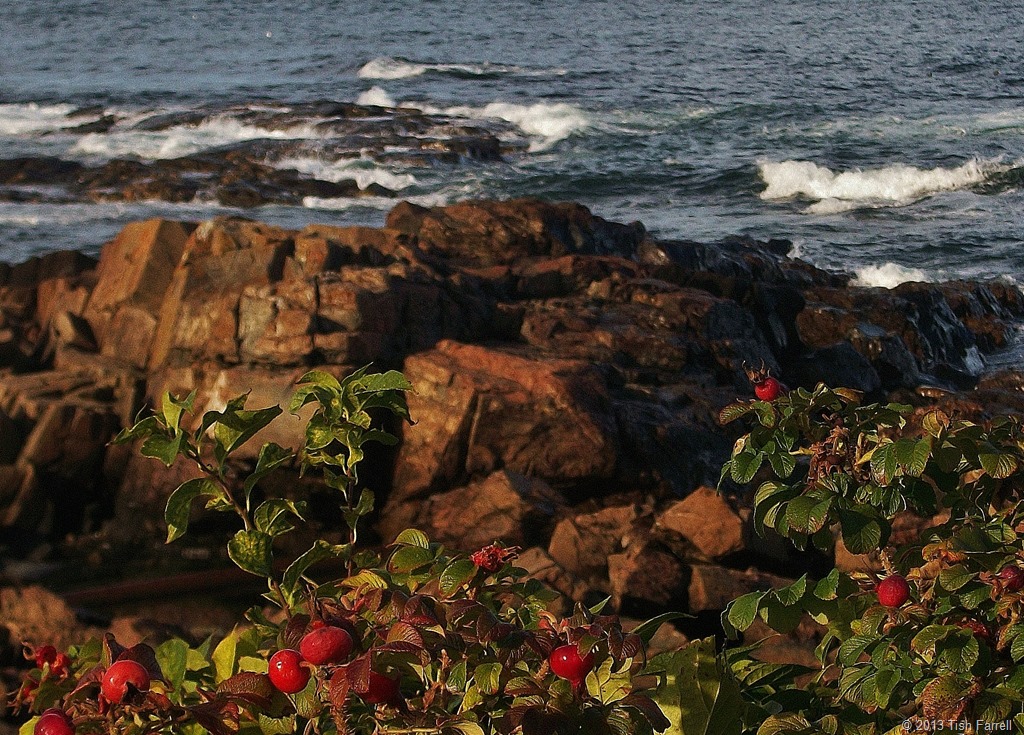
Narrow Cove below the Museum.

*

099

111

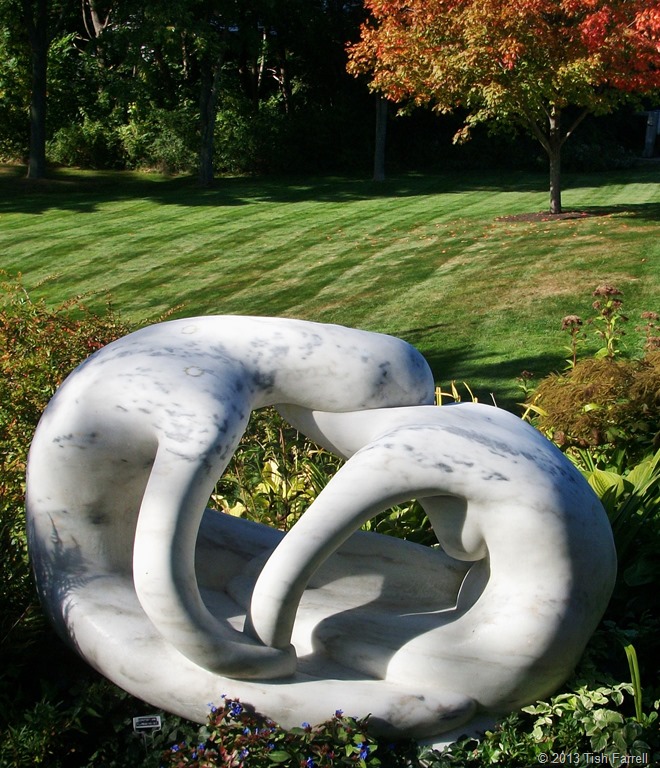
Antoinette Prien Schultze: Life Entwined 1988, Vermont marble.

*

100

*

Sixty works 60 Years

This year, then, the OMoAA is celebrating its sixtieth year with a show of works from its permanent collection.  The pieces have been chosen to illustrate the Museum’s collecting trends from the days of Henry Strater to the most recent acquisitions. If you are in Maine you have until October 31st to see it, along with the accompanying exhibitions. The programme of events is here. And if you are not in Maine, then make the OMoAA the reason to go there. You will not be disappointed.


You can find the Ogunquit Museum of American Art at 543 Shore Road, Ogunquit ME, on Facebook and the website links below:

https://www.facebook.com/OMoAA            http://www.ogunquitmuseum.org/

Related article:

Henry Strater’s Ogunquit Museum of American Arthttp://www.someoldnews.com/?p=440

*

Frizztext’s OOO-challenge

And some other entries:

© 2013 Tish Farrell

Grouchy Hippo, Laid-out Lions

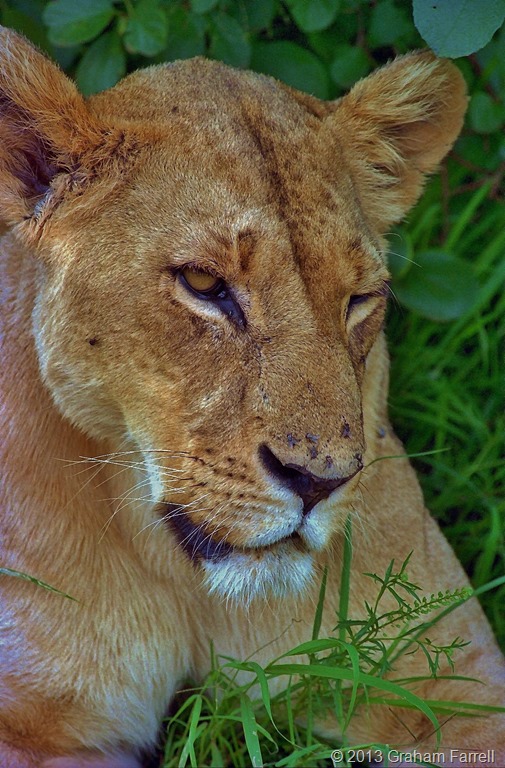
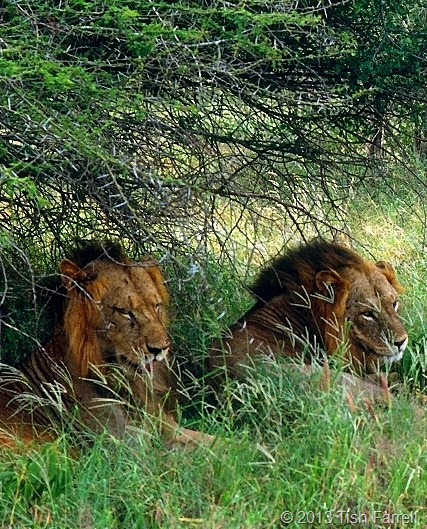
It always seemed astonishing to me that, should you be lucky enough to locate them, you can simply drive up to dozing lions and take their photographs. Even if you sit doing this for half an hour or more, they will barely deign to register your presence. These big cat shots were all taken in Kenya, but it was while we were living in Zambia, and visiting South Luangwa, that our young South African guide briefed us on the proper protocol when encountering lions.

Scan-130429-0024


lions in the Taita reserve 1992

At the time we were driving around a Luangwa salt pan where we had come upon a pride of lions lying about in the thorn scrub. The guide told us that as long as  our profiles remained within the frame of the vehicle (in this case an open-topped safari truck) the lions would not give two hoots about us. To them we would appear to be part of the truck and from which they perceived no particular threat.

South Luangwa - out on the salt pan lion hunting

Out on the Luangwa salt pan, me in the back seat. The lions had been spotted earlier before the sun came up.

South Luangwa - spot the lions 1

Not a good photo, but the light was poor and I had only my Olympus trip.

*

However, I was scarcely reassured by this newly acquired knowledge of how-not-to-upset-a-lion when the next day, at 5 a.m., the same guide took us on a hike through the bush. It is all so very different on foot. For one thing, it can be hard to see  far ahead, what with all the tall grasses and potato bushes. The guide, though, seemed perfectly relaxed. He had already led us to within thirty paces of a browsing elephant, and assured us that it was entirely peaceable since its ears were not out, nor its trunk thrust to the side in charge mode. He had explained, too, how elephants move silently, in effect walking on tiptoes, the backs of their feet cushions of fat. For a time I kept looking behind me. It had never occurred to me before that something as large as an elephant could sneak up on me.

Our guide then spotted a herd of buffalo. This pleased him because he said that in Luangwa lions preyed on buffalo and the big cats were thus never far behind. And so keeping a careful watch on which way the wind was blowing our scent, he and our accompanying park ranger, White, set out to find some. This involved much careful manoeuvring, first around a small group of  passing elephants, and then around the buffalo herd.

Clearly, being on foot, the keeping-one’s-profile-inside-the-vehicle strategy would be quite useless. We had no vehicle. Instead we were told to stake out likely trees to scramble up. I eyed the leadwood and sausage trees doubtfully. A few decades had passed since I had done any tree-climbing. I did not think I could do it – not even to escape a charging  lion or buffalo.

Later I was to read a white settler tale of how if you were ‘treed’ by buffalo, they would lick any appendage you had not managed to haul high enough into the branches, and go on licking until your flesh was abraded to the bone. I’m glad I did not know that then. I already knew that buffalo were probably the most dangerous beasts in Africa, and it did not do to cross them- ever.

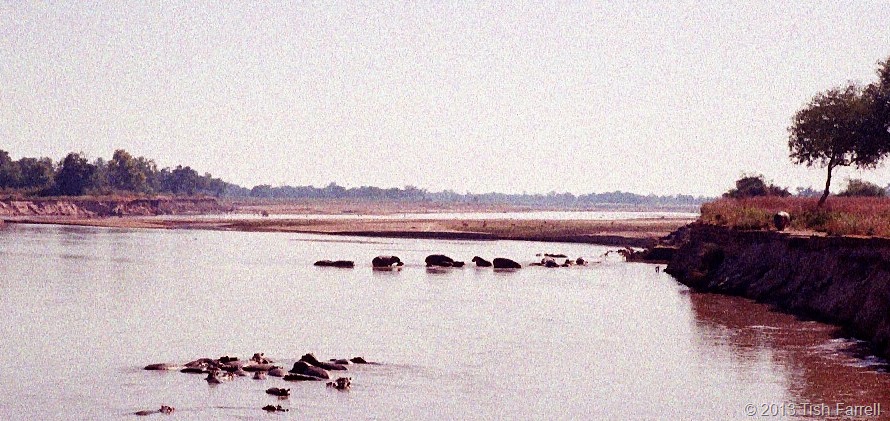
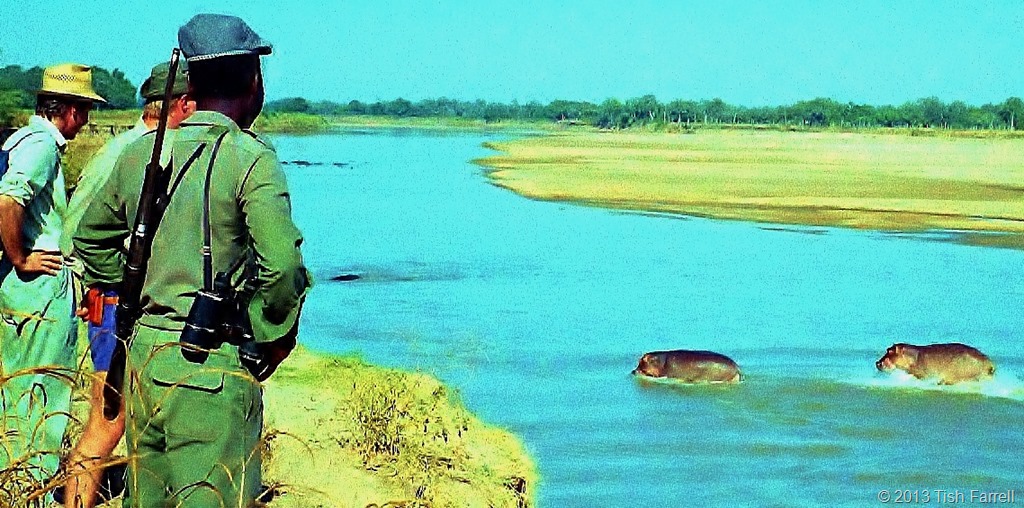
In the end we did not find lion. I was both disappointed and relieved. By then we had been out walking for several hours, and had only stopped for a tea break. The late morning sun burned down overhead, and we headed back to camp along the Luangwa River, me thinking mostly of breakfast. The members of our small party chatted amiably, enjoying the shimmering meanders of the river. We might have been walking in a city park for all the care we were taking. It was lucky, then, that we had White, the park ranger with us. It was he who drew our guide’s attention to the big bull hippo further along the track. The great beast was attempting to negotiate a shelving river bank, and having some difficulty. Several times he slithered half way down, but could not bring himself to take the final plunge.

The guide said it was most unusual to see a hippo out of the river so late in the day. They liked to be back in the river before sun-up, this after the night spent foraging for grass. He was clearly upset, but we were still some way off, so we stood and watched. Some of us were even laughing at the hippo’s dilemma. The bank was simply too steep. His huge bulk gleamed an angry red under the sun.

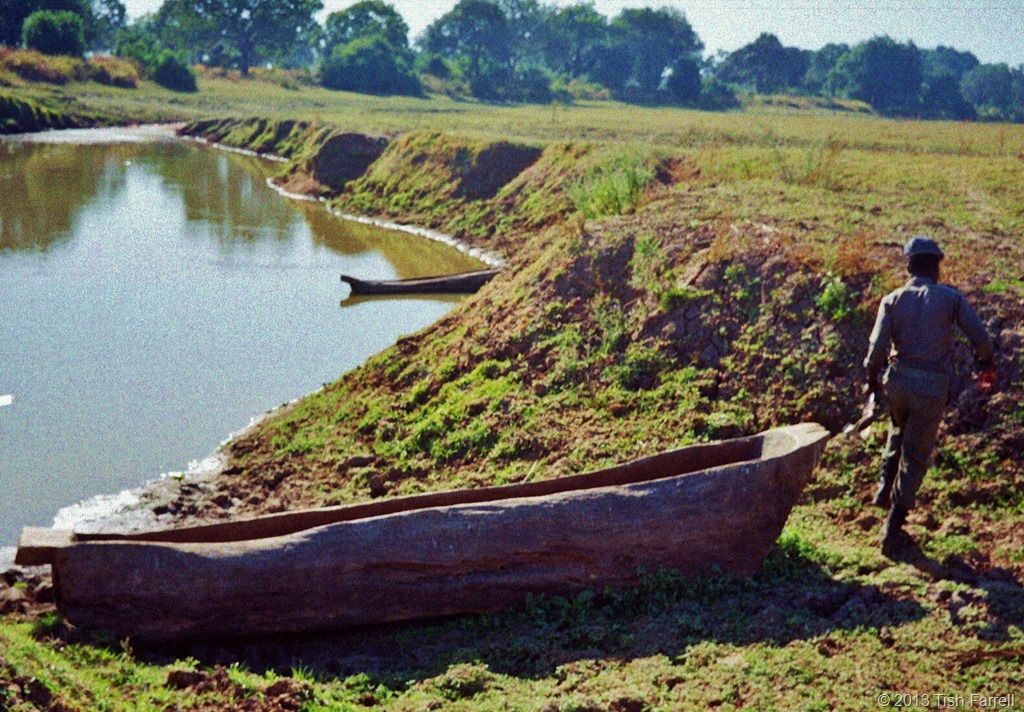
Then someone must have laughed too loudly, for suddenly the bull gave up trying to slide into the river. With a bellow he swung towards us and came charging down the path. While White took up a position behind a thorn bush, the guide urged us to move several hundred yards back along the path, across an old lagoon to where a fisherman’s big dug-out had been beached. We were to stand behind the dug-out until he came for us.

We did not need to be told twice. The boat looked reassuringly substantial, although it reminded me of the guide’s earlier tea break tale. We had stopped at a fisherman’s old campsite, and it was there that he told us how a fisherman had recently been mangled to death by a hippo. As we reached the dug-out I vaguely wondered if this boat had belonged to the poor man.

Meanwhile the ranger and the guide, held their position behind the thorn bush, and began to clap very loudly.

For too many seconds the bull came on. The ranger had his rifle at the ready. The guide kept clapping. Then at the last moment, the hippo ran out of steam and veered off into the undergrowth. There were sighs of relief all round.  When the guide came to round us up, he informed us that White had been more than ready to, as he put it,  part the bull from his brains, but they were nonetheless glad that this had not been necessary. Apart from being scared, the incident made me uncomfortable. I saw then that safari-going had its responsibilities, and was not simply an exciting jaunt. If White had been forced to shoot the hippo it would have been because we were intruding at a moment when the bull saw himself at great disadvantage. Who could blame him for charging?

South Luangwa - hippos and bull on the bank 2 wider view

The hippo when first sighted. You can just spot him under the tree on the right. Thereafter, I was running not snapping.

*

South Luangwa - traditional fishermen's dug-outs on a lagoon

The dug-out refuge point, and White leading us back to the path, the hippo now vanished from sight.

*

South Luangwa - dawn walk and hippos

Watching more peaceful hippo near our camp.

*

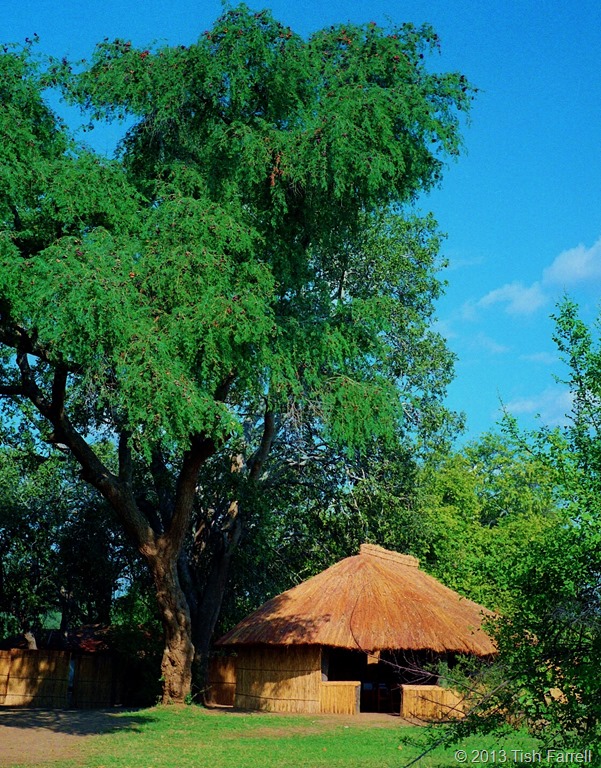
Back in camp it was of course a case of ‘travellers’ tales’.  We could sit around over a late breakfast, talking of all the things we had seen that morning, and especially of our near miss with one very angry hippo. At such times, and as so often happened in Zambia, life did not seem altogether real.

South Luangwa - Tenatena camp dining room under a rain tree

The dining room at Tena Tena camp, beside the river and under a rain tree


© 2013 Tish Farrell

No way back from Africa: the road to Hunter’s Lodge

010

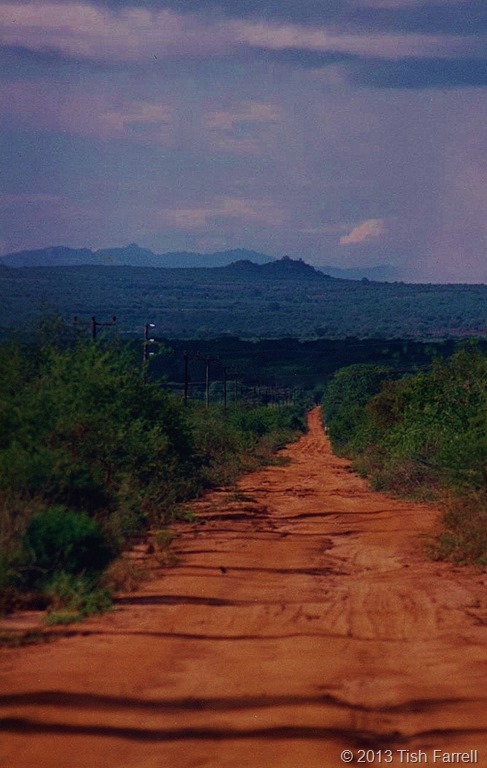
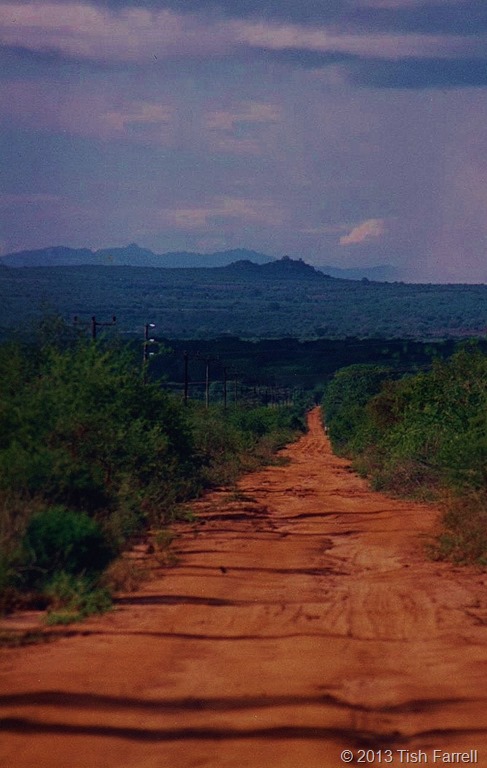
The road from the Range Station to Kiboko

*

I can pretty much bank on it. Once you have been in Africa you will never be the same. Nowhere else will you feel so alive, or so in love, or so entranced or indeed, afraid. In the physical sense, your blood and guts may well bear traces of the diseases and parasites you encounter there for years to come. Certainly the psyche will be forever afflicted by acute withdrawal symptoms, the loss of sensation, the no-longer-state of being always in the present – the only way to live back there.

In elemental ways too, standing, for instance, in East Africa’s Rift Valley, you could well find yourself confronting your genetic heritage for the very first time: the dazzling revelation that this is the land where your ancestors stood up on their apes’ hind legs and marched onwards to the age of technological development that we like to call civilization. It is the moment that you understand that you and this landmass are intimately connected through every pore, cell and bone.

And the reason I can say this, daring such unbridled presumption, is because it happened to me, and to G, and to all who know us and visited us there. Africa gets under your skin and, to quote a dear old friend “up your nose and into your soul.”

003

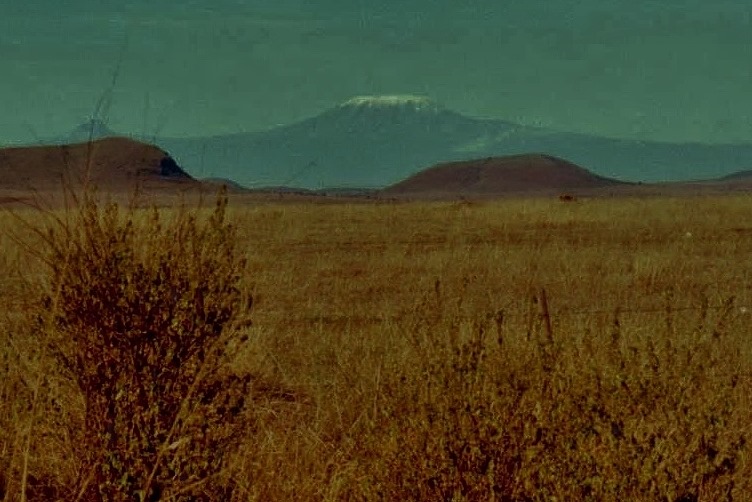
Kilimanjaro caught from the Mombasa highway just south of Kiboko

*

For me the journey into Africa began, with auspicious timing, on the 14th February 1992. This was the day I ran away – to Kenya to be precise, leaving home, possessions, accountant spouse and several labradors in order to travel with a roving entomologist who had no home, no possessions – neither in Africa nor in England. He had recently been in Mexico researching the habits of the Larger Grain Borer (LGB), a small maize-eating beetle that ravages stored crops. Before this he had worked for two years in Tabora, Tanzania, as a volunteer Agricultural Extension worker, also advising farmers about LGB. (See earlier post On Kenya’s Farms)

In the 1980s this pest had arrived  in Africa (where it has no known natural predators), introduced on consignments of food aid from the Americas. In 1992, then, G was on a new LGB mission: to monitor the beetle’s spread from Mombasa on the Indian Ocean coast to Nairobi in the Kenya’s central highlands. For the next nine months we would lead a nomadic life, travelling up and down the Mombasa highway, which back then was little more than a ribbon of ragged tarmac running through the bush.

The road was fraught with dangers – from gargantuan potholes to car-jackers lurking in the thorn scrub. There were also successions of stranded trucks left where you least expected them, and the possibility of some belligerent buffalo insisting on a standoff in the middle of the highway; and then there were policemen flagging us down for lifts, or to give us speeding tickets when we had not been speeding.
sundowner

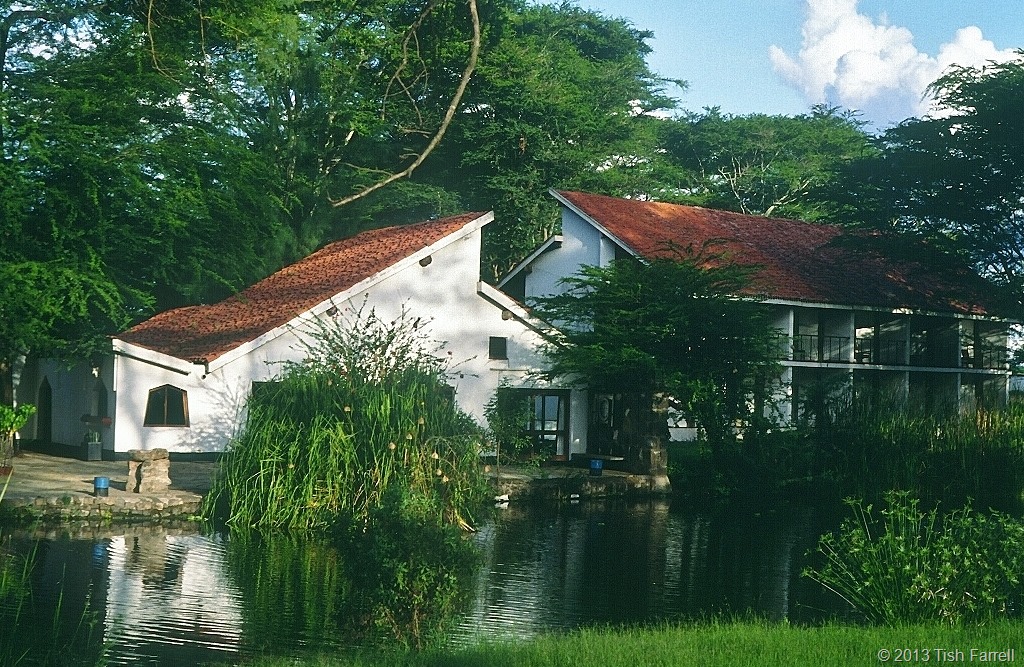
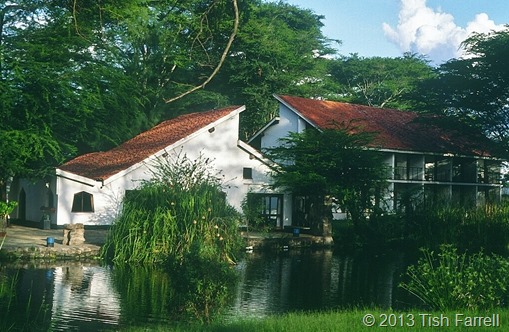
Hunter’s Lodge, Kiboko

*

During these nine months we stayed in roadside hotels, safari lodges, beach cottages, a Danish development workers’ guesthouse, and, best of all, at Hunter’s Lodge where we were usually to be found for three or four days each week. This one-time home and small hotel was begun by Great White Hunter, John Hunter, at a small place called Kiboko, some hundred miles south of Nairobi. The place had once been a regular resort for expatriates taking a weekend break from the capital, or a convenient overnight stop en route for Mombasa beach. This was in the days when the road was still an un-metalled cart track, and it took all day to get there (needless to say, covered head to toe in red plains’ dust). The coast was a further 200 mile-drive, including the long stretch of desolate Taru thorn scrub south of Voi.

Kiboko, then, was in every way an oasis. John Hunter had long had his eye on the location before he moved there in his retirement in 1958. He had arrived in British East Africa in 1908 in the wake of the first European settlers, and made a career of clearing unwanted game: first lions from the Uganda railway that ran nearby and later, on behalf of the colonial game department, elephant from settler farms, and marauding hyena from the African native reserves.

He also ran private safaris for counts and maharajas, and therefore rubbed shoulders with the likes of Karen Blixen’s white hunter husband, Bror Blixen, and her lover, Denys Finch Hatton (Out of Africa). In his time, Hunter was personally responsible for despatching over 1,400 elephants, and nearly as many rhinoceros. Local myth had it that Hunter gave up repairing the hotel sign which a vengeful rhino was intent on flattening. Besides, in those days, everyone who was anyone knew where Hunter’s Lodge was.

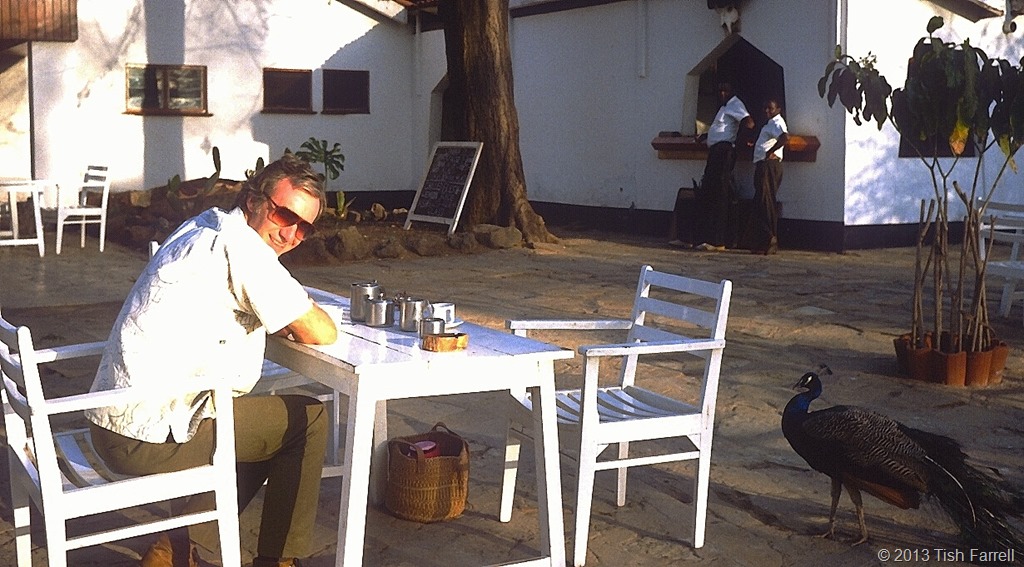
Graham and peacock 1992

Afternoon tea with the sugar-stealing peacock

*

The reason Hunter chose Kiboko to settle was because it had fresh water: a volcanic spring, and the only one for miles around. In the old days he had often watched elephant coming there at sundown to drink. He, however, set about damming the stream to make a small lake, this surrounded by a grove of graceful fever trees and wild figs. Given the general aridity of the surrounding bush country, it truly is a beautiful place, a resort not only for human travellers, but for some three hundred species of bird. When we were there, there was also talk that a leopard haunted the upper reaches of the pool, but we never saw it: only baboons and vervet monkeys, a bushbaby and a monitor lizard.

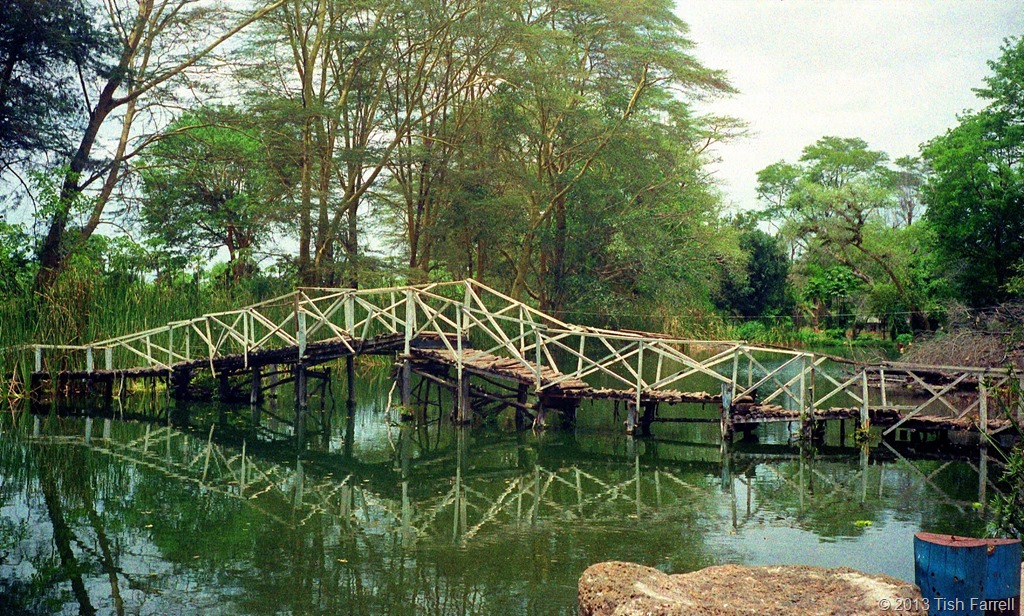
The bridge

The bridge to the vegetable shamba

*

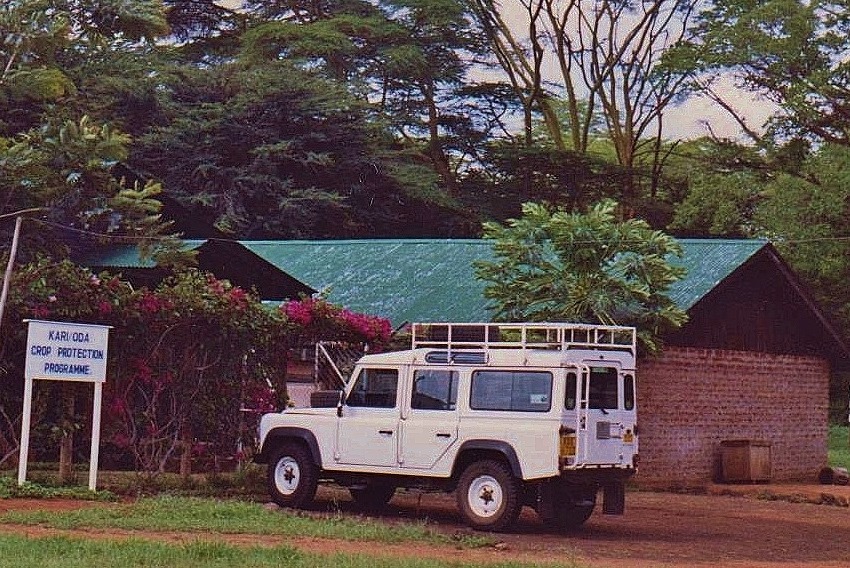
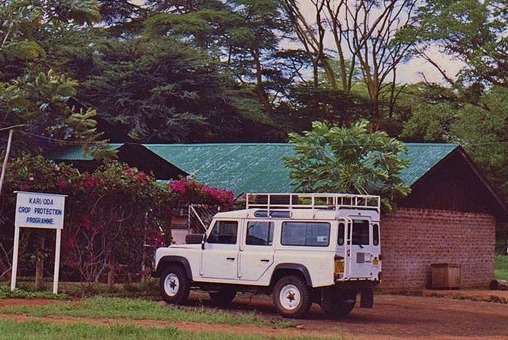
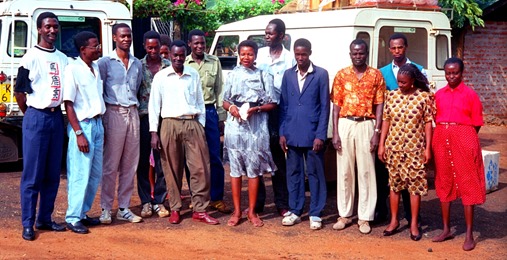
And the reason that we often stayed there was because the Kenya Agricultural Research Institute had a small research station and laboratory just behind the lodge. On starting his job, Graham was gravely entrusted with a key to the back garden gate, so that at 7.30 am he could walk to work, and then walk back again for lunch at noon. The lab employed a dozen technicians, all working on the LGB project.
002

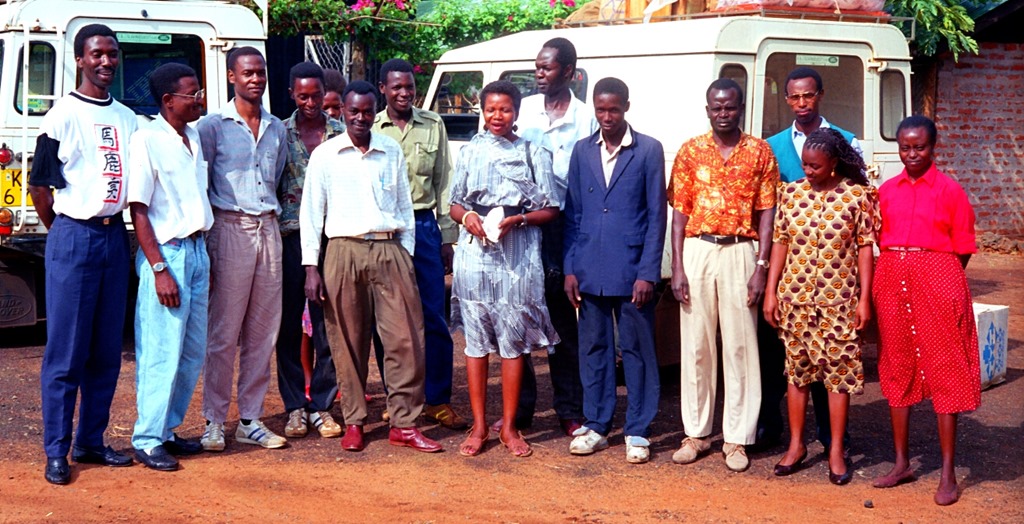
Graham's team at Kiboko Lab - the last day

Kiboko lab and staff

*

In 1992 Hunter’s Lodge rarely had many overnight guests. Sometimes G’s boss would be stay; sometimes a travelling salesman; sometimes an aid worker or two. Once, an Intermediate Technology N.G.O held a two-day seminar there. Once, a large group of Nairobi Asians came for a weekend party. The main trade, however, comprised passing travellers who dropped in throughout the day for snacks and drinks. These were served by smart bow-tied waiters on the bar terrace where you would be stalked by a bedraggled peacock, which sorely depressed since its mate had been swallowed by a python, sought pleasure in raiding the sugar bowl whenever it had the chance. It was a sad old bird.

The menu was limited: cheese sandwiches, steak and chips and omelettes. But the cook did prepare an amazing fresh lemon juice made from the lodge garden’s own lemons. It was sour enough to curl your teeth, but extraordinarily sweet too. We also soon took to carrying a plastic tea strainer around with us – to sieve the skin out of the milk, both from the breakfast wheatie flakes, and before we poured it into our tea.

The milk was brought daily by Maasai women and their donkies, and boiled within an inch of its life. Even so, it still tasted of the ash-scrubbed gourds that it was delivered in. This milk, coupled with the sulphurous water from the spring, made afternoon tea a daily strange experience. Only the lack of other things to do when G came home from work at five o’clock made us persist with it. Going for tea on the terrace was, after all, an outing – a different experience from the lunch and supper outing to exactly the same spot, or to the breakfast outing which was to the lodge dining room with its strange ogival doorways.

Scan-130520-0010_thumb.jpg

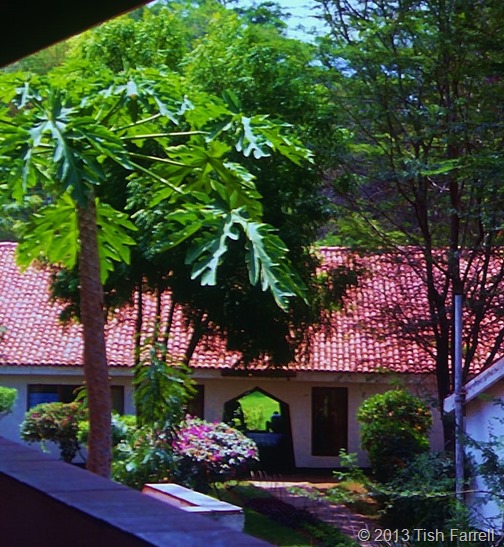
Looking toward the Lodge dining room

*

The best pursuit of the day, so long as there had been a calor gas delivery, was at sundown  to resort to the shower in our room. The shower fittings went under the manufacturer’s name of Steamy Steamy. After a dusty drive up or down the Mombasa highway, a good Steamy Steamy was the only thing we could think of.

Then by seven when it was quite dark, and we were duly steamed and dressed, the next treat would be to sit on our veranda and wait for the firefly display up and down the garden lake. This was followed by a trip to the bar and a couple of Tusker beers. If John, the young Maasai barman, was on duty, then we were in for some good conversation. He had opinions on everything. The local Akamba waiters would stand about and gaze at him in awe, whether he was talking to us or to them. He told us he owned 150 cattle, and had two wives. He had not wanted to marry a second time, he explained, but his parents had urged him because his mother had kidney disease and needed more household help. He had accepted the situation philosophically.

Once, John offered to take me on the back of his bicycle into the bush to his family’s ‘enkang and to see a female circumcision ceremony. I wished I’d had the guts to accept. He told me his home was only two hours away, as if I would manage the ride over bush tracks quite easily, me who had never ever balanced myself on a bicycle parcel rack.

005

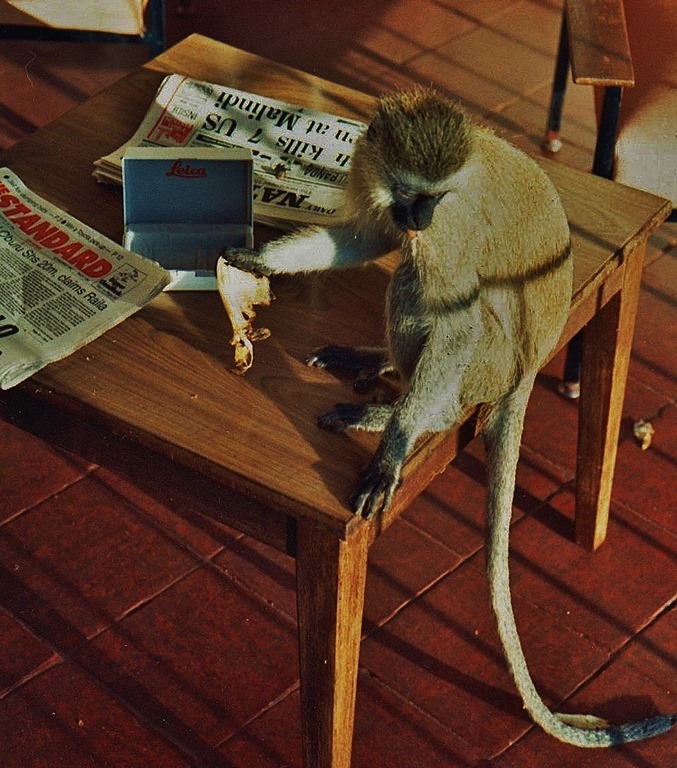
Caught red-handed, a vervet raider eating our bananas

*

While G was at work, I wrote letters and read. But mostly I watched. I soon realized that the Lodge was run, not for guests, but for the benefit of its staff. Their daily routine of cleaning and tending went on whether or not there were any guests. The garden staff wore brown overalls. They mowed the lawn, and worked in the vegetable shamba across the lake. Around ten in the morning a bell rang and everyone disappeared for a tea-break. The manager wore a smart khaki Kaunda suit, and marched hither and thither, but to no apparent purpose.

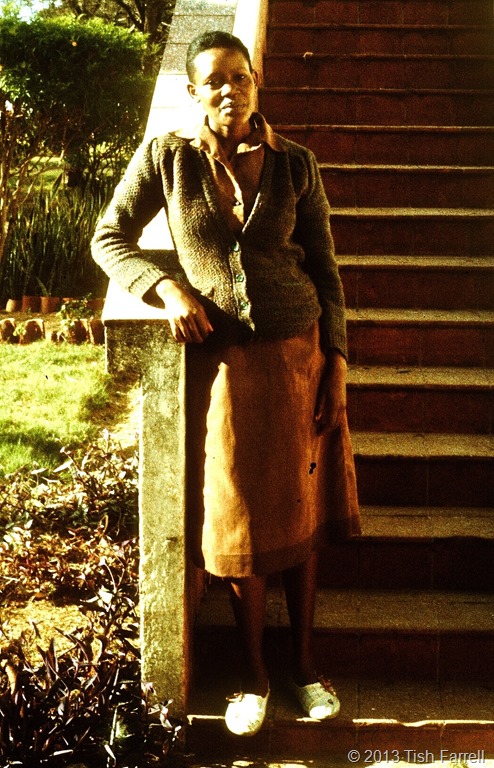
Then there was Joyce, the chambermaid. Her husband worked down at Kibwezi and was a forestry officer. She lived with her two little boys in the staff bandas at the bottom of the garden. On her days off she went home to the family farm. She told me that I should learn Ki-Swahili since it was very easy. I agreed, but only learned a smattering. The hello, how are you: jambo, habari yako?

Between the gentle staff activity, there was only the wildlife to observe, vervet monkeys planning raids on our room, pied kingfishers diving, yellow weavers endlessly weaving, herons clattering their bills in the thorn tree heronry, marabou storks lurking like spectres on the lawn, hadada ibis winking out grubs with their curvy bills. And over all, the high-tension whine of crickets that could drive you mad when you were not feeling well.

Joyce our chambermaid

Joyce

*

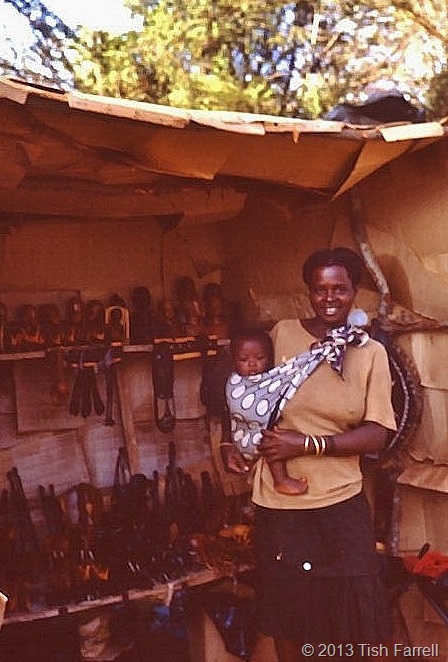
One of the features of Kiboko, I soon discovered, was the wood carvers’ stalls opposite the Lodge. Sometimes I took my clothes down to Esther who ran such a stall, and traded them for Akamba carvings. She struck a hard deal, and I was a simpleton when it came to haggling. G was nonetheless impressed since it lightened the contents of my two bags.

Scan-130429-0155 (3)

Esther at her stall with son, Tom

*

And so it was that Hunter’s Lodge became a home of sorts. Whichever way we approached it on the Mombasa highway, my eyes would fix on the green grove of fever trees, and my spirits would lift as we turned off the road. There was Steamy Steamy to look forward to, the smoky taste of the tea, Reuben the breakfast waiter who always asked us if we were having eggs though we never did. Only later did we discover that we had paid for a full breakfast in with our room rate. There was the birdlife to watch, and the sleepy routine of the hotel staff to keep tabs on; there were the steaks that our weak teeth found impossible to process, the fireflies and the vervets, and there were the brief African sunsets as the light turned through lavender and orange to black, black night. There was irony too, for it was of course the metalled road that turned Hunter’s Lodge from oasis to backwater, making the coast accessible in a single day: an unintended consequence of progress. 

I remember the long nights I lay awake, listening to the whine of insects, the drone of trucks on the Mombasa highway, the hoot of the train on Uganda railway. We are in Africa, I would tell myself. And even when I was there, so very much present in every sense, it still seemed like a dream. Perhaps this land was the original Garden of Eden. When we left it, we took our self-regarding selves to material greatness. Maybe the price for this knowledge was the loss of wisdom. Even now, so many years on, I still travel the road to Kiboko, at least in spirit,  and ponder this conundrum. The great safari continues…

013

Letter from Kathleen Collins Howell, illustrator and best friend

Daily Prompt: on the road

© 2013 Tish Farrell

Weekly Photo Challenge: saturated – Baked Bramleys and Autumn Bliss

Weekly Photo Challenge: Saturated

IMG_0723

*

The fat Bramley apples came from the Women’s Institute market, held in Much Wenlock every Thursday morning. The trestle tables are set out in the old Corn Exchange outside the library and are invariably laden with home-baked cakes – Lemon Drizzle, Rich Fruit, Iced Ginger, Millionaire’s Shortbread. Then there are the jams and marmalade.

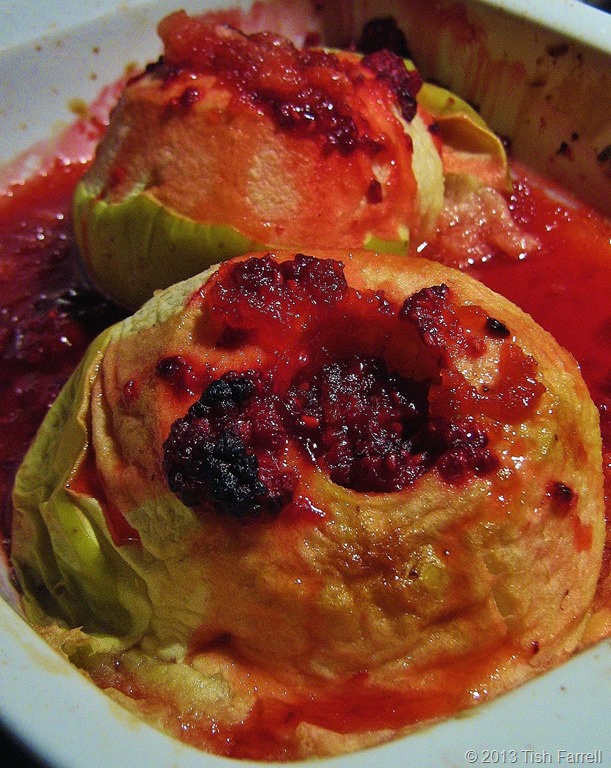
But in recent weeks – this being the season of over-laden fruit trees – there has also been garden produce, and in particular bags of Bramley cooking apples. And what better thing to do with a Bramley than to bake it, stuffed with the last of the allotment raspberries?

The raspberries are called Autumn Bliss, and deliciously live up to their name; and especially so when added to apple. The synergy of hot, fruity flavours hits every taste bud with a satisfying zing.

This is how I cooked them.

*

Baked Apples

*

Per person: one apple, a handful of fruit, a good teaspoon of honey, a sliver of butter

Set oven to 200 C, 190 C for fan versions

With a corer or sharp knife carefully remove the apple middles, making sure all  tough core bits are excised. 

Remove the peel from the upper half of the fruit, then place in a greased oven-proof dish.

Stuff the apple centres with raspberries, adding a good teaspoon of runny honey to each apple. I used fair trade wild Zambian honey, which is cold-pressed, and has a rich, slightly smoky flavour.

Scatter any spare raspberries over the top.

Slather a small nugget of  farmhouse butter over each apple.

Add half a cup of water to the dish.

Bake for around 30 minutes, basting with the juices half way through. Bramleys have a habit of exploding, as mine were about to do, so keep an eye on them.

*

Desert apples can also be baked, though they need longer, slower cooking and must be well basted. The result is not as ‘fluffy’ as a Bramley, and it’s better to remove all the peel. But desert apples often have a more distinctive flavour. Dip them first in in  water with a squeeze of lemon to stop them discolouring. 

Of course there are endless variations when it comes to stuffing apples. A good old English version is to use sultanas and raisins with a dollop of Golden Syrup.  You could make my version more sophisticated with a drizzle of an appropriate liqueur. Armagnac springs to mind. Or Creme de Cassis. And serve with some toasted almond flakes. But however you make them, they always go well with Greek yoghurt. (Or thick farmhouse cream…)
© 2013 Tish Farrell

Making Eden: new patterns for living?

003.jpg

Is this how you picture the Garden of Paradise: that mythic, perfect place from which shame caused humankind to be forever banished? Probably not.

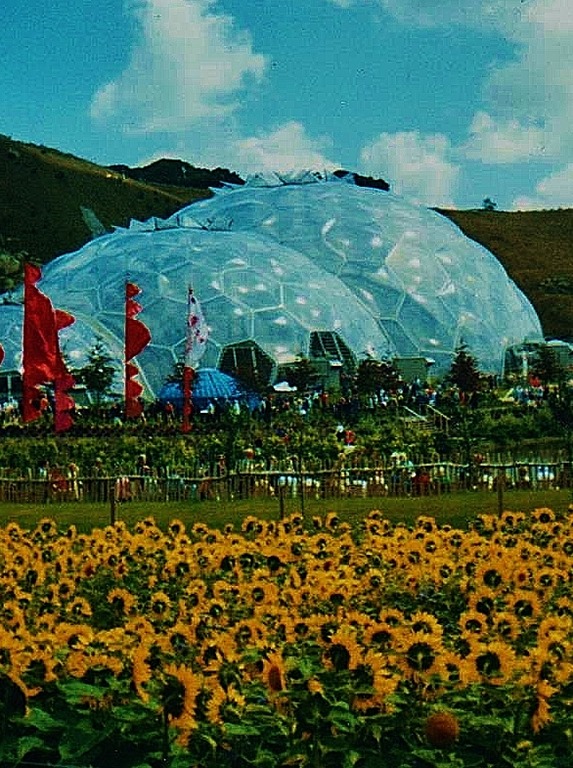
Personally, I do not have time for dogma founded on guilt, but I do have time for the Eden Project, one of Britain’s most ambitious Millennium schemes that in the year 2000 saw an abandoned Cornish china clay quarry transformed into a world-famous visitor attraction and charity. 

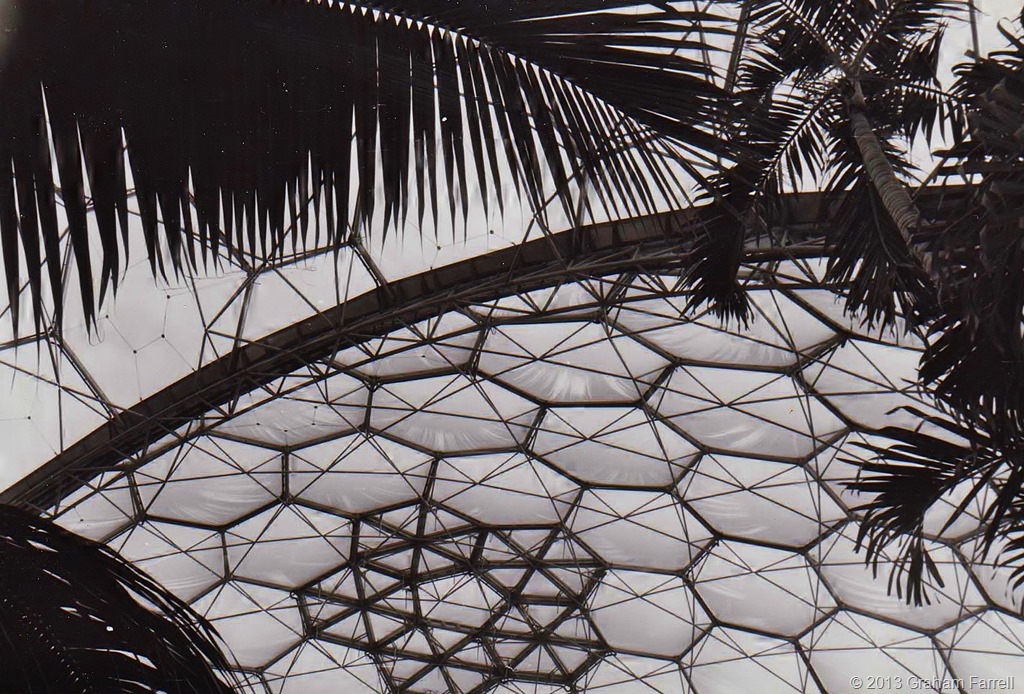
The photo above, raided once more from the Team Leader’s files, was taken that year inside the Rainforest Biome. This extraordinary Sci-Fi structure is  apparently twice as high as Big Ben, and planted with more than 1,000 species. In this  audacious new world, pests and diseases are managed with an array of biological controls, including bugs that eat other bugs, birds and lizards. It is an on-going experiment in life management.

The man behind Eden in all senses is Tim Smit, Netherlands-born, British entrepreneur. He conceived the idea while working on the restoration of the Lost Gardens of Heligan also in Cornwall. Both these enterprises have not only enthused and informed millions of visitors from all over the planet, but injected millions of pounds into Cornwall’s struggling economy. Like an infinity of interlinked hexagons, it has been having a multiplier effect.

File:Tim Smit (6509919409).jpg

Eden’s creator, Tim Smit. Photo: Creative Commons (source Tim Smit)

*

And what is Eden Project saying to us?


plants give us our food, fuel, materials and medicines”

“plants are part of a wider ecosystem that provides our water and air”

“the natural world can be beautiful, relaxing and inspiring”

001.jpg*

AND THAT:

“In a changing world, we need imagination and enterprise; we need to foster our skills and talents; we need communities to get engaged in inventing new, more sustainable ways of living together.”

*

As a belief system to live by, I can accept all of these propositions. Now see the video of some Eden’s ideals in action:

Arch Wizard of Wales: Clough Williams-Ellis “Architect Errant”

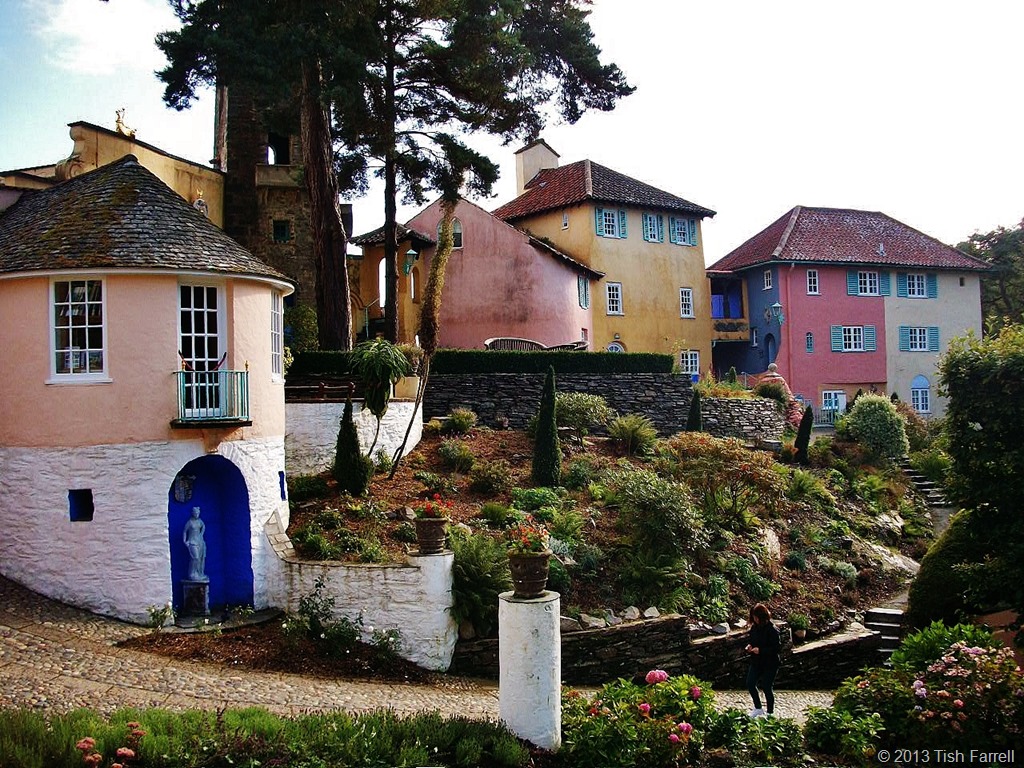
Surely only a wizard could have conjured this  place – or so I thought, aged six, when we, the Ashford family first made pilgrimage to Portmeirion on the North Wales coast.

100_4683

“Cherish the past. Adorn the present. Construct for the future.” This was the life-long credo of Clough Williams-Ellis, the man who dared to build an Italianesque village on a beautiful Welsh headland.

*

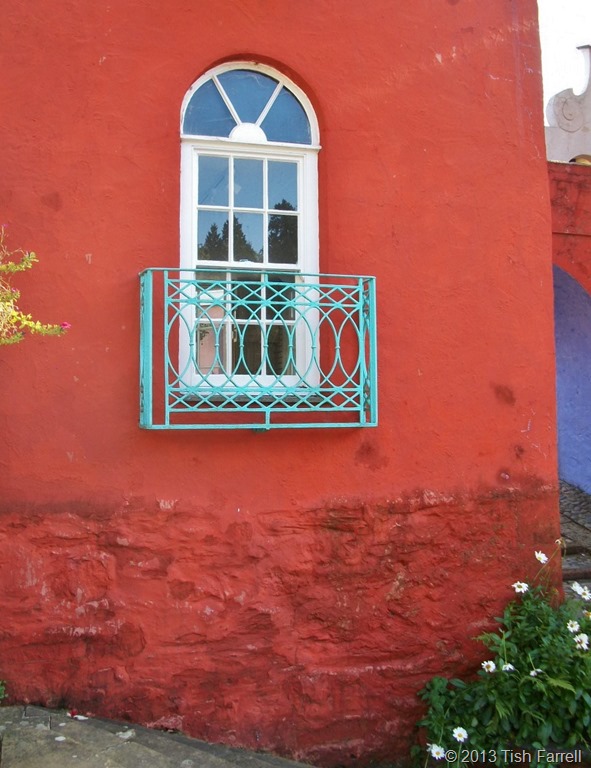
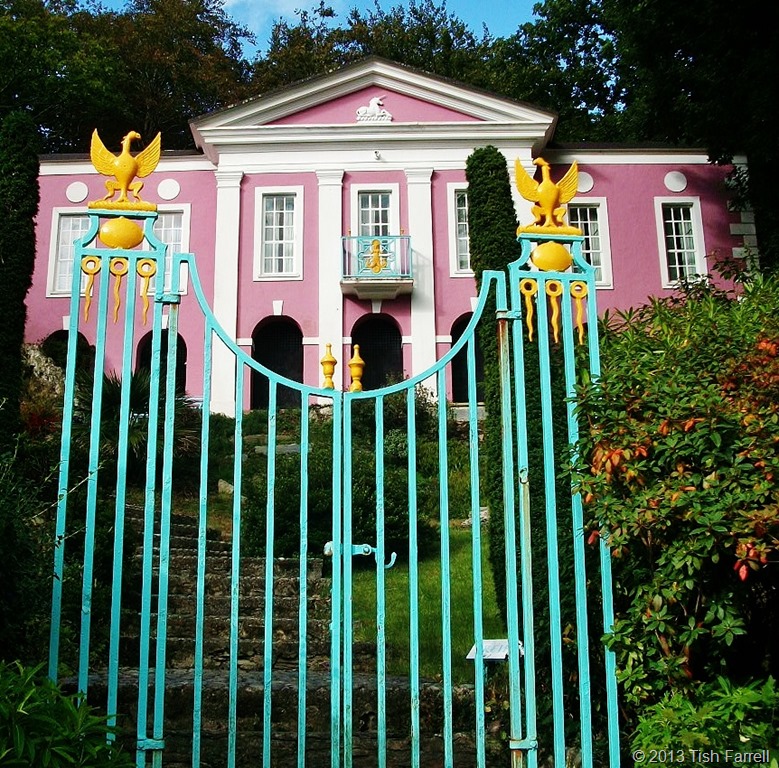
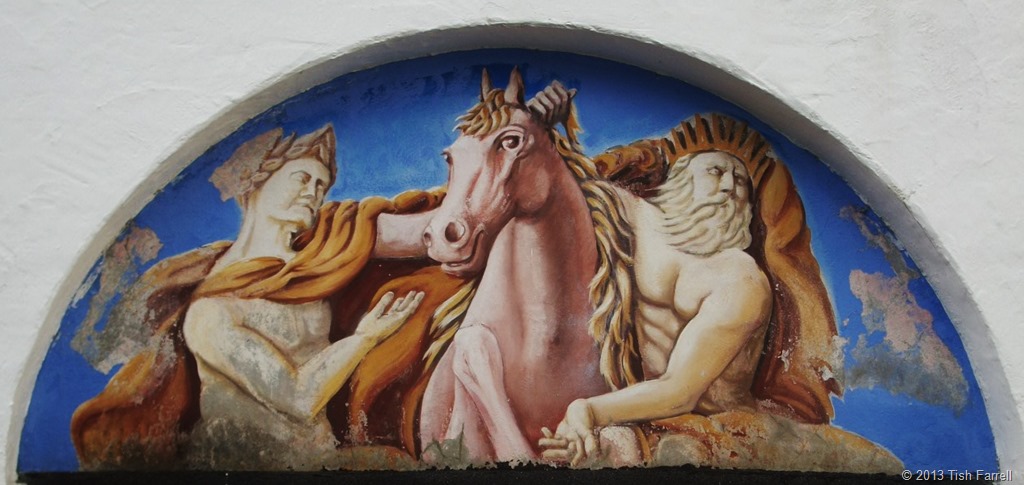
It was like stepping into a living picture book or melting through the mirror into Looking Glass Land. The houses were the rich, powdery, pastel shades of Loveheart sweets (does this strange confection still exist?). There were mythic frescoes in places were a child might least expect them, and best of all, a shell grotto that was just like the Little Mermaid’s deep-sea garden.

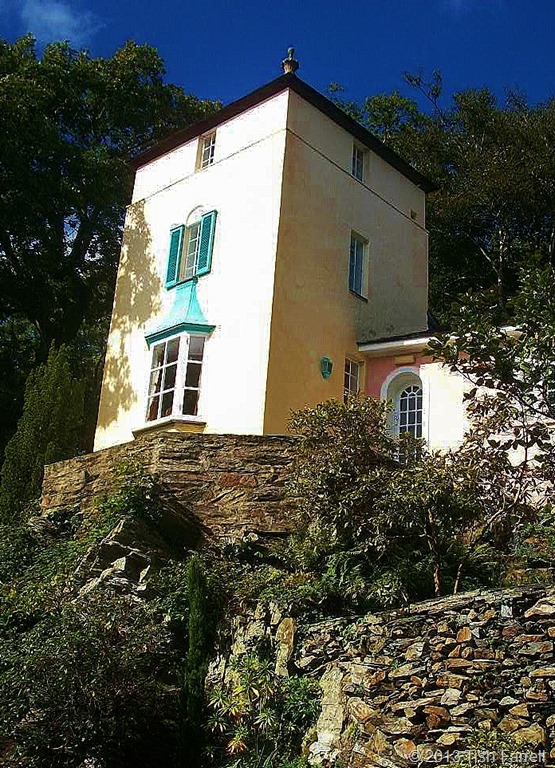
It was enchanting from the moment we stepped through the gatehouse entrance. How could there be so much colour, so many decorative flourishes to catch the eye, so many mermaids – here on a wooded Welsh headland with the lowering grey sky above? And the weather was gloomy on that first visit; I was forced to wear my dull brown mac over my pretty summer dress. The photos taken that day show me looking pensive and withdrawn. But I did love the place, and was quick to register the tones of admiration in my parents’ voices whenever they uttered the name of the man who had conceived this folly to beat all follies – Sir Bertram Clough Williams-Ellis, self-taught architect and champion for the preservation of rural Britain.

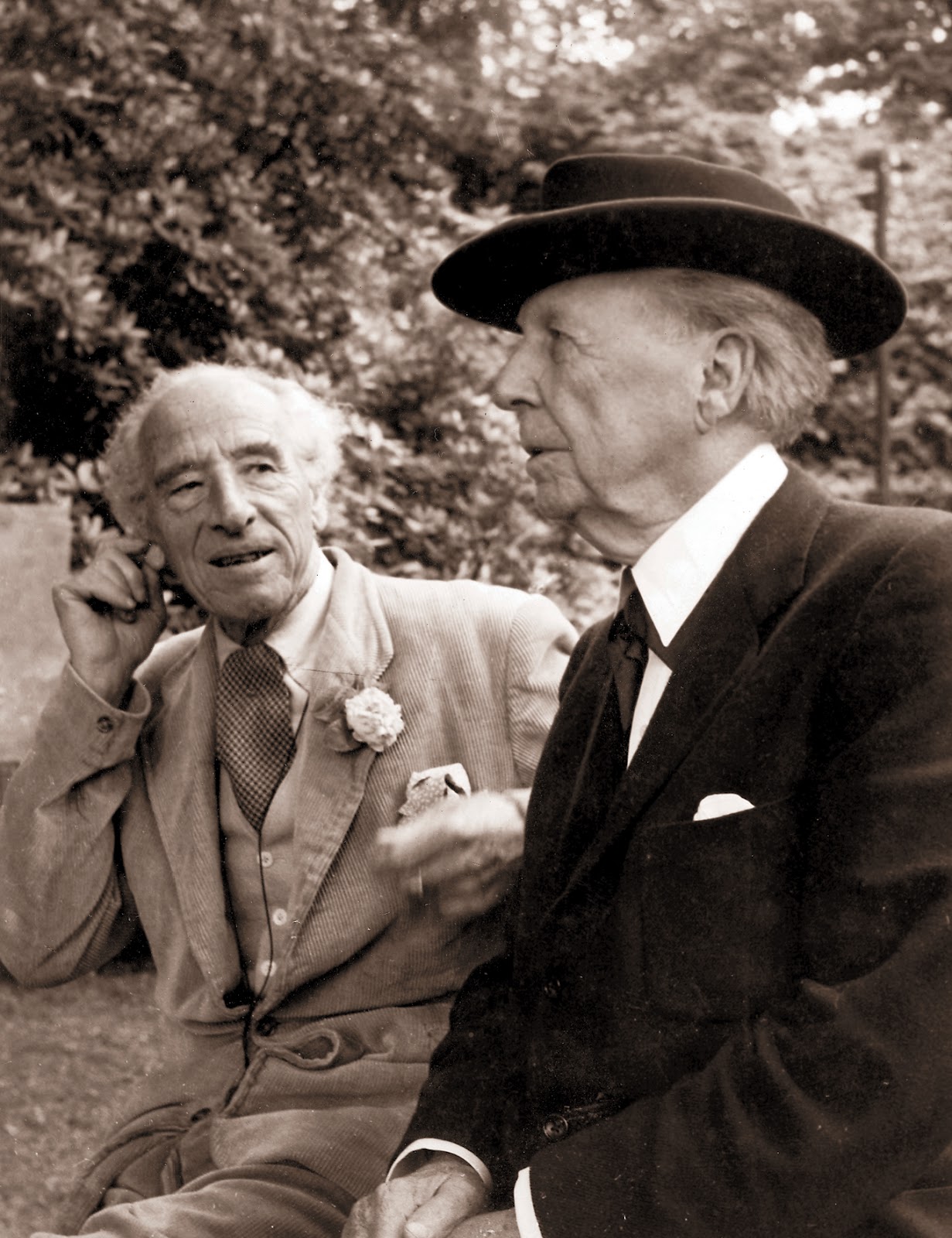
Clough Williams-Ellis (left) with Frank Lloyd Wright at Portmeirion in 1956

*

Of course he built Portmeirion to prove a point: that a beautiful site could be developed without wrecking  it. When he bought the land in 1925  he described it as “a neglected wilderness.” There was “a pale mansion, a hundred years old, spread along the balustraded terrace on the sea’s edge.”

That house became the Portmeirion Hotel, and some of its associated cottages were integrated in the village plan. The two previous owners from the 1850s onwards had planted the site extensively with specimen oriental trees and exotic plants, many of which still survive. The planting, along with the building of a close-knit hillside village continued from 1925 under Clough’s direction for the next fifty years.

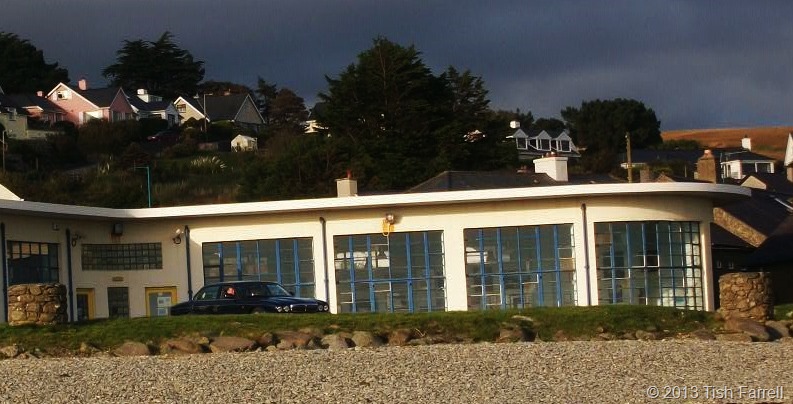
Many of the original plans still exist. The first phase of development was influenced by Clough’s interest in the Arts and Crafts movement. Later buildings followed Classical lines. He also made use of what today we refer to as architectural salvage, and indeed he called Portmeirion  “a home for fallen buildings.” With this architectural bricolage are references to some 5,000 years of architectural history from around the world. Critics of modernist inclination thus tend to overlook Clough’s contribution to architecture. This is a mistake. On our most recent visit to Wales we discovered his Caffi Morannedd Cafe at Criccieth, a few miles north of Porthmadog.

100_4741

Caffi Morannedd by the sea at Criccieth

*

Of course it was at Portmeirion that I first learned there was such a thing as architecture, and that this was something altogether more momentous and wonderful than drawing pictures of “our house” as one endlessly did at primary school.

Clough was also intent on giving people pleasure. He fought all his life to create and preserve beauty, which he called “that strange necessity.” But this did not mean that he was against development. “Enterprise by all means,” he said in 1931 when he was Chairman of the Council for the Rural Protection of Wales, “but reasonable, seemly development where it is in the public interest and nowhere else.”

And oh how fine it would be if English planning authorities were ruled by such objectives, instead of developer aspiration.

100_4627

As a child, I liked the way the houses seemed to have grown out of the rocky hillside, and that there was a mysterious “smugglers’ path” through a tunnel of overgrown rhododendrons that led to a secret sandy cove and the little tin lighthouse on the headland. It was all such fun, and created by a man who, like any magician, or indeed a wizard, wanted everyone to take delight in his illusions.

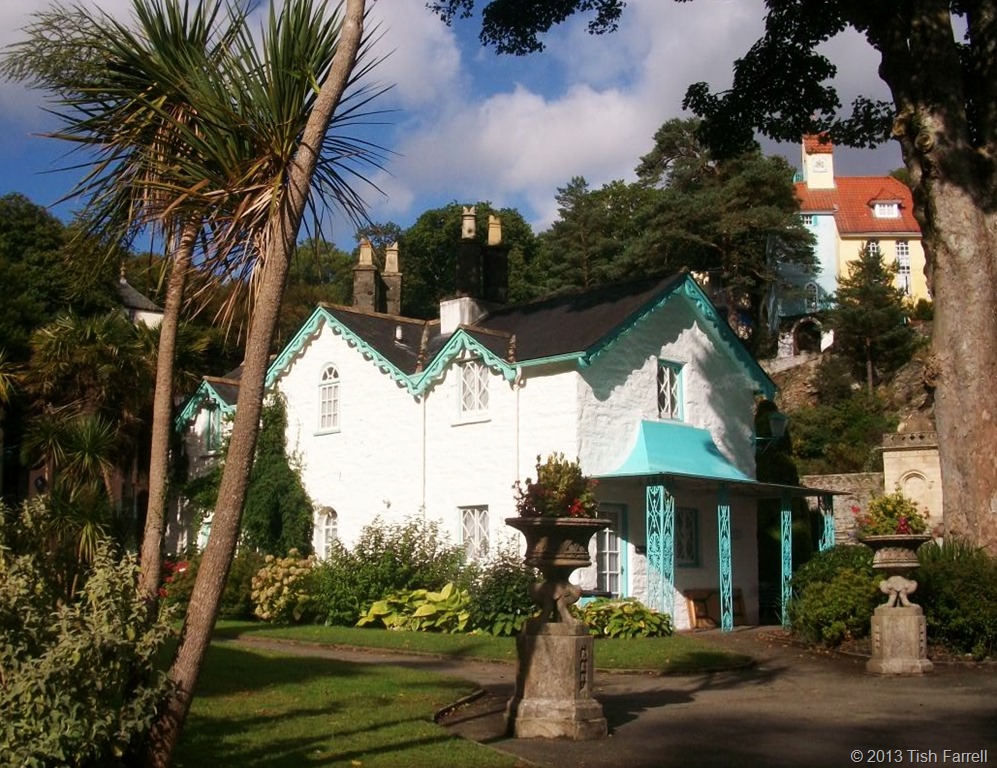
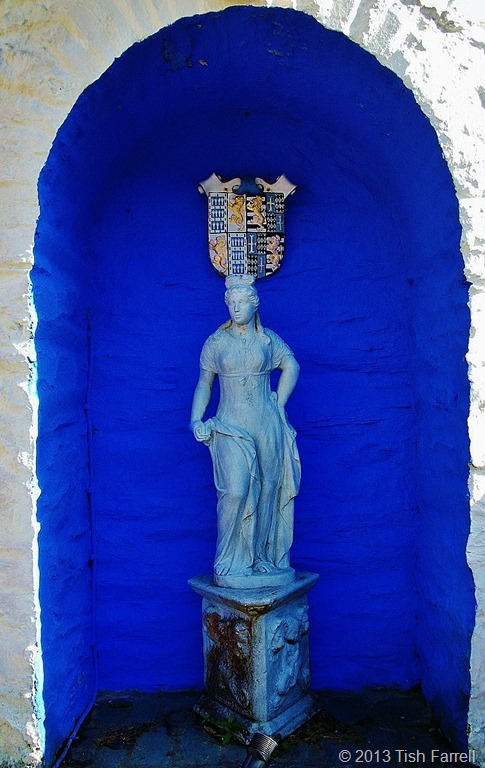
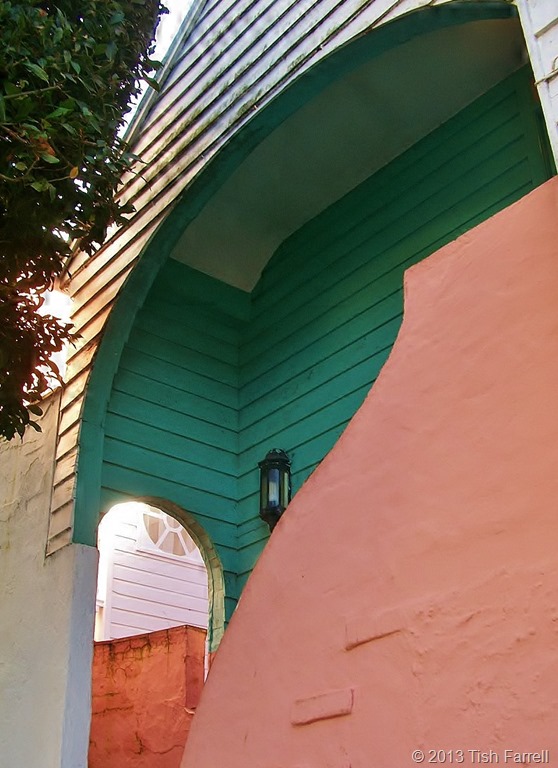
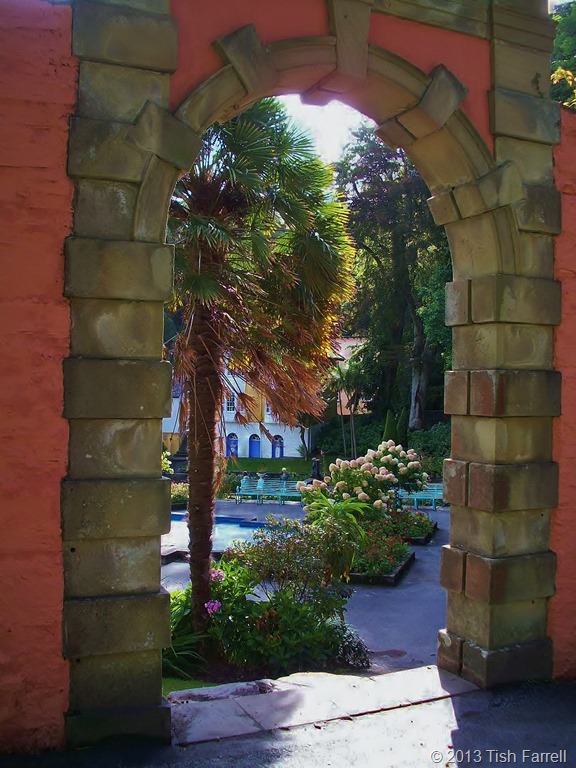
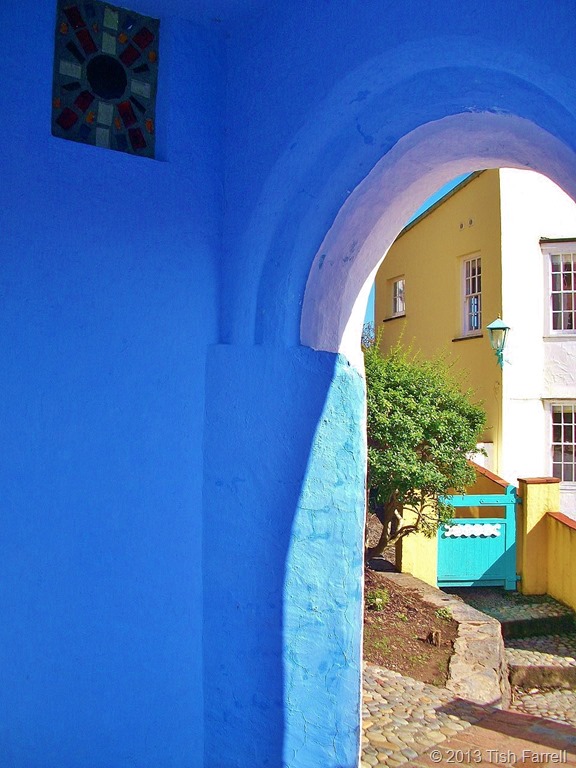
And now, since this post was prompted by Sue Llewellyn’s Word A Week arch challenge, here are some more views of Portmeirion – naturally with arches of all kinds in mind – all taken last week in Wales under mostly sunny skies.

 100_4672.jpg

100_4692

Unicorn Cottage: this illusion of a stately home is in fact a bungalow

*

100_4643.jpg

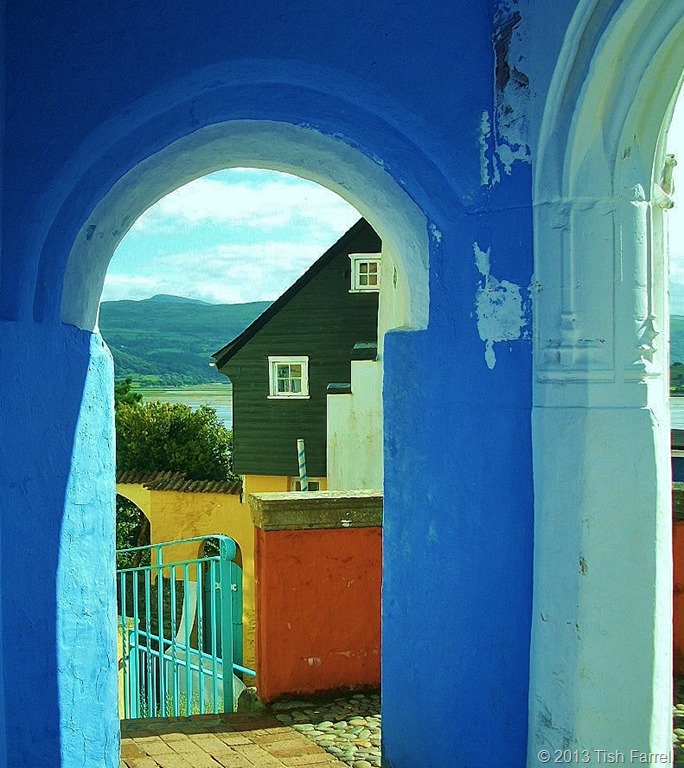
Arch with a view: glimpse of the estuary below the village

100_4645.jpg


IMG_0676.jpg

100_4631

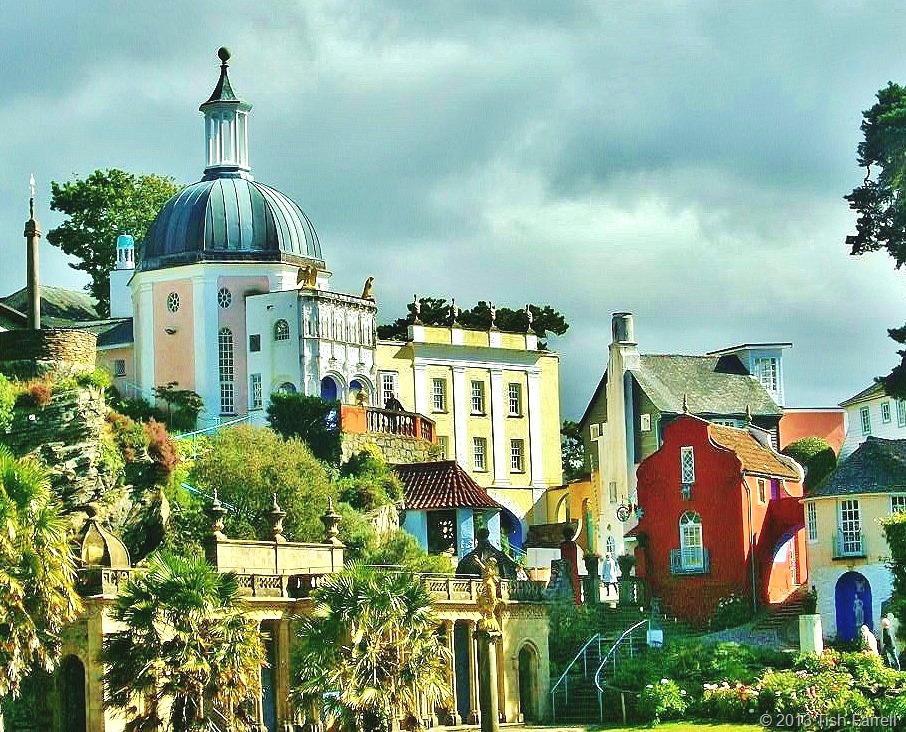
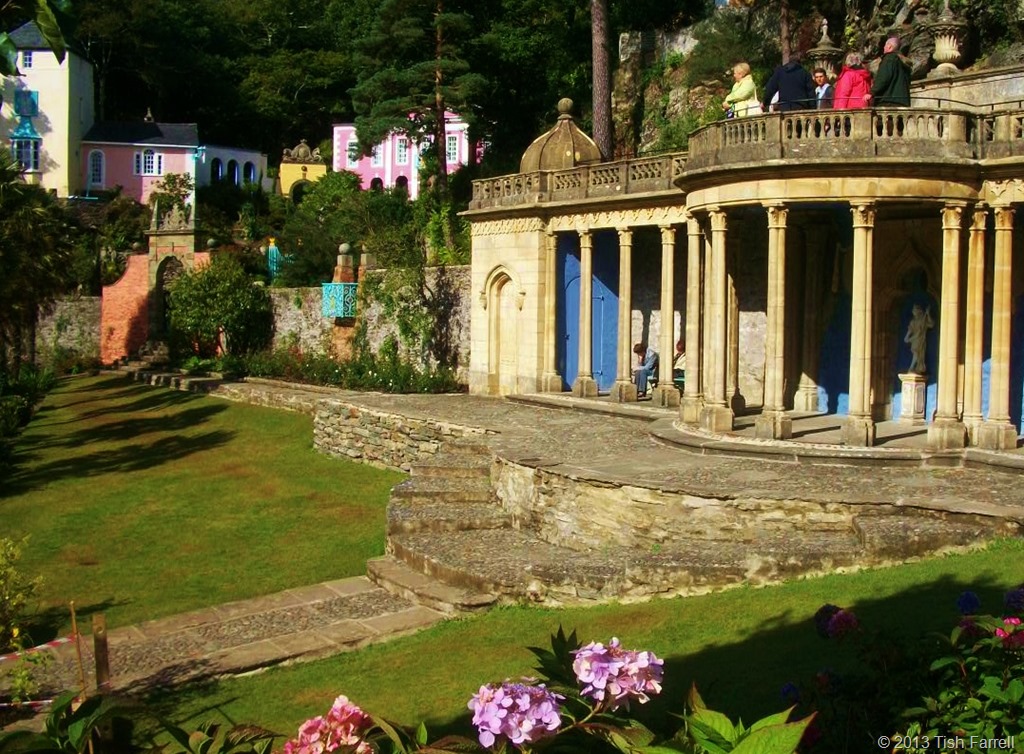
In the foreground, behind the palms, is the colonnade from a Bristol bathhouse built in 1760. Another view below.

100_4636.jpg

*

100_4661

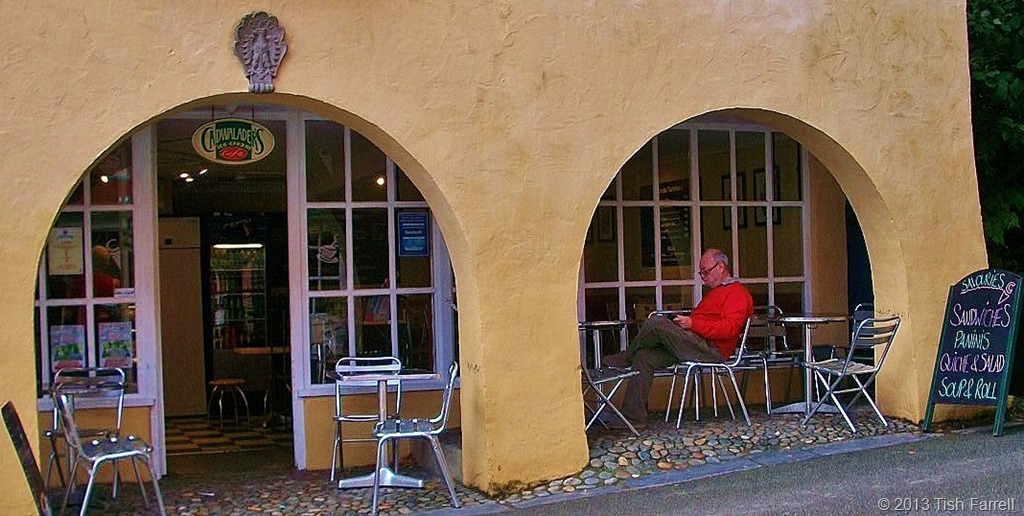
There are cafes and restaurants in the village, and cottages to let.

*

100_4666

Mermaid Cottage was already on the site when Clough bought the land. It was built in the 1850s, and Clough adorned it with the canopy and added the palms for the Mediterranean look.

100_4668.jpg

*

100_4680

*

100_4667

The Hercules Gazebo, complete with cast iron mermaid panels, serves to disguise a generator.

*

100_4672

*

100_4673

*

100_4674

The Prisoner, the cult TV series of the late 1960s starring Patrick McGoohan, was filmed at Portmeirion. It put Portmeirion on the map and its association with the place is still celebrated.

*

100_4677

Arches at all angles.

*

100_4691

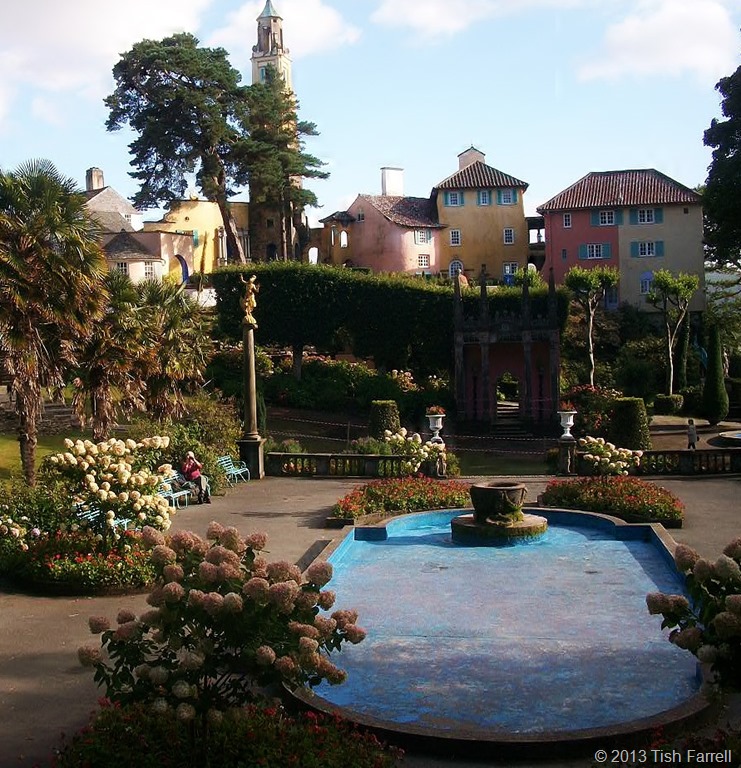
Archway to the Piazza and (below) the Piazza itself below.

100_4693

*

IMG_0670

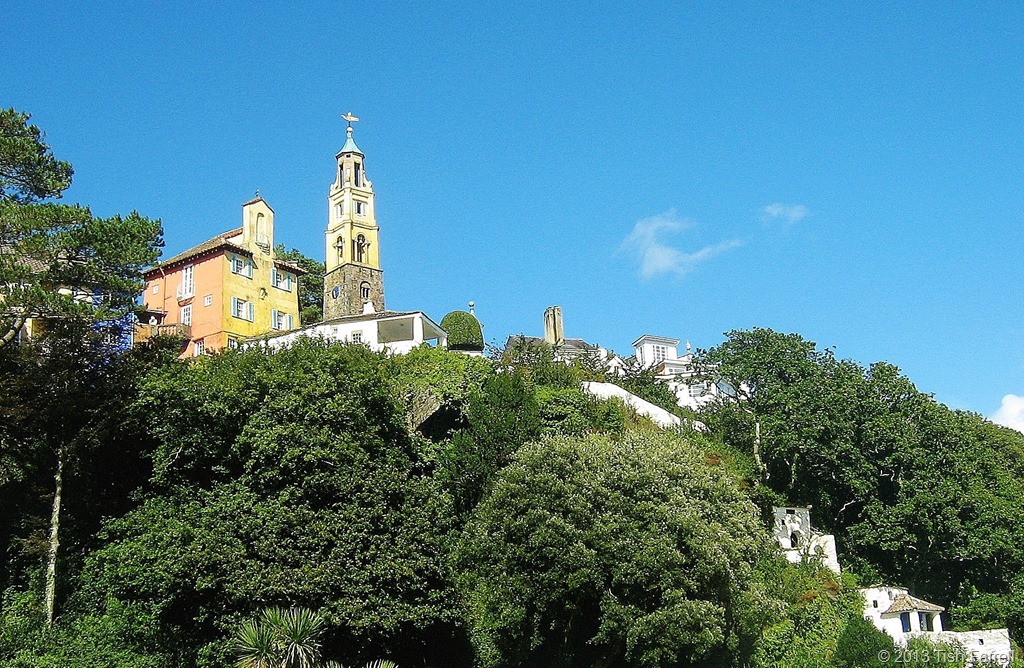
The village from the estuary.

IMG_0660

The arc of the Dwyryd Estuary taken from the esplanade at the Portmeirion Hotel

*

4363309520_fcd2edd736[1]

Clough Williams-Ellis 1883-1978  Photo: Polandeze Creative Commons

A man who lived creatively in all senses, and whose work has delighted millions.

copyright 2013 Tish Farrell

References:

http://www.portmeirion-village.com/en/visit/clough-williams-ellis/chronology/

http://www.brondanw.org/english/history/portmeirion.html

http://www.100welshheroes.com/en/biography/sircloughwilliamellis

Marvellous Multicoloured Maine


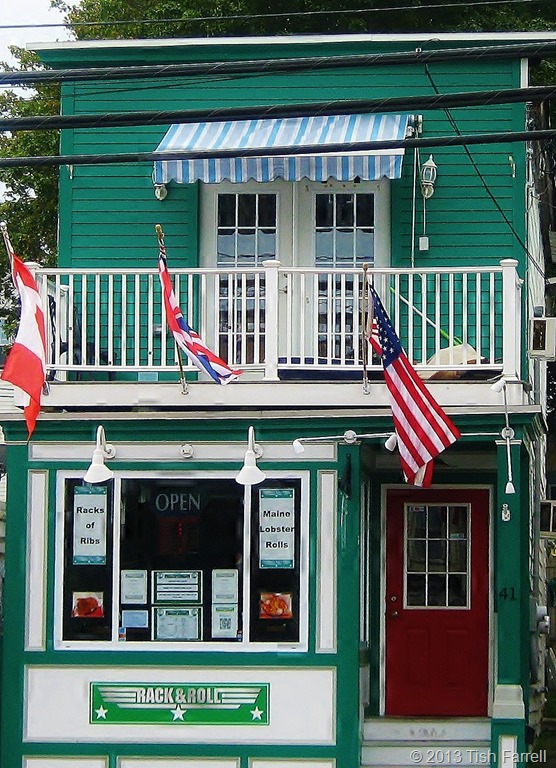
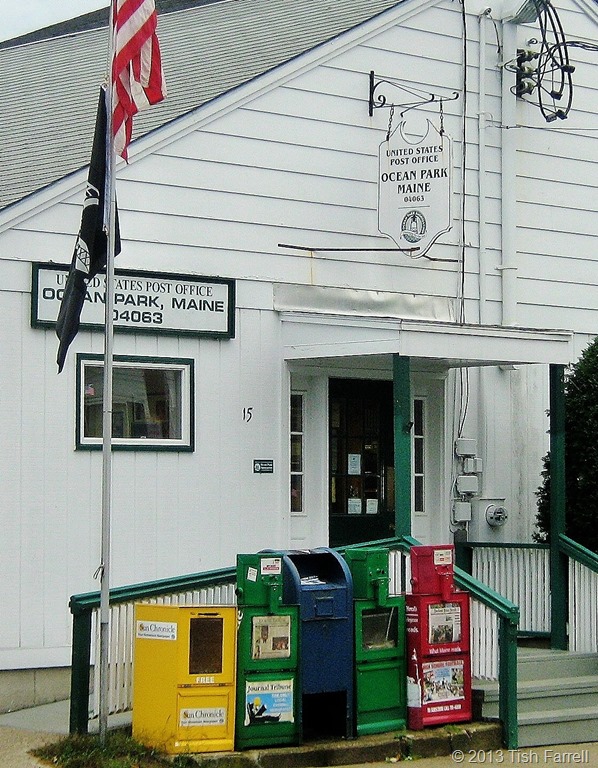
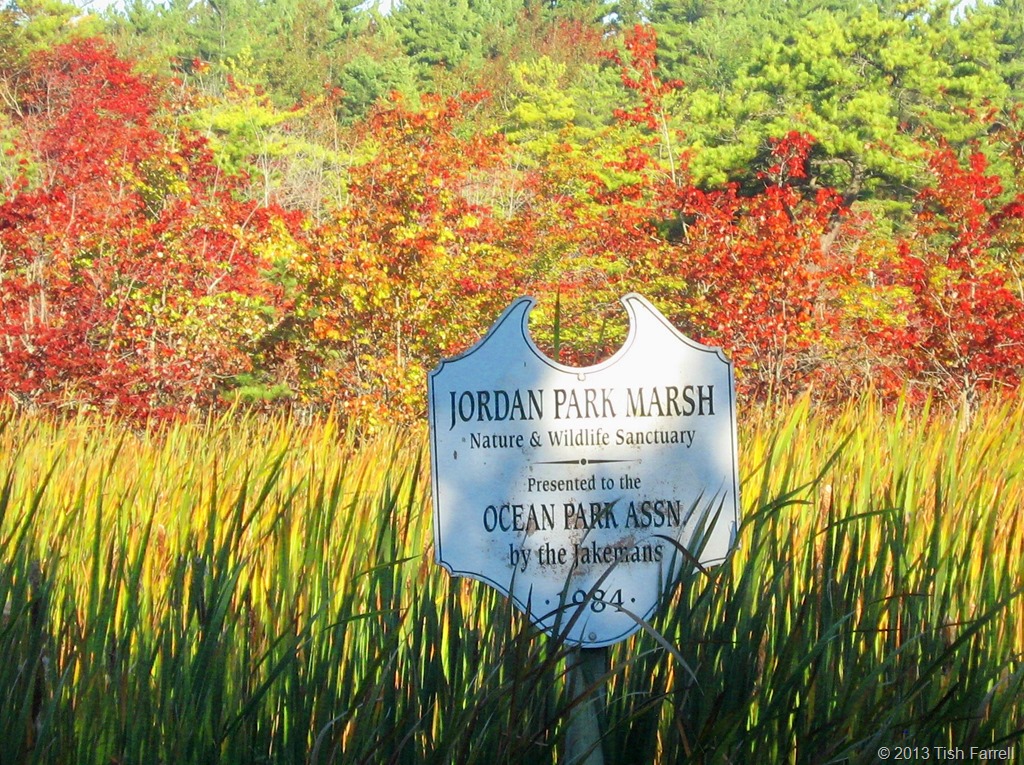
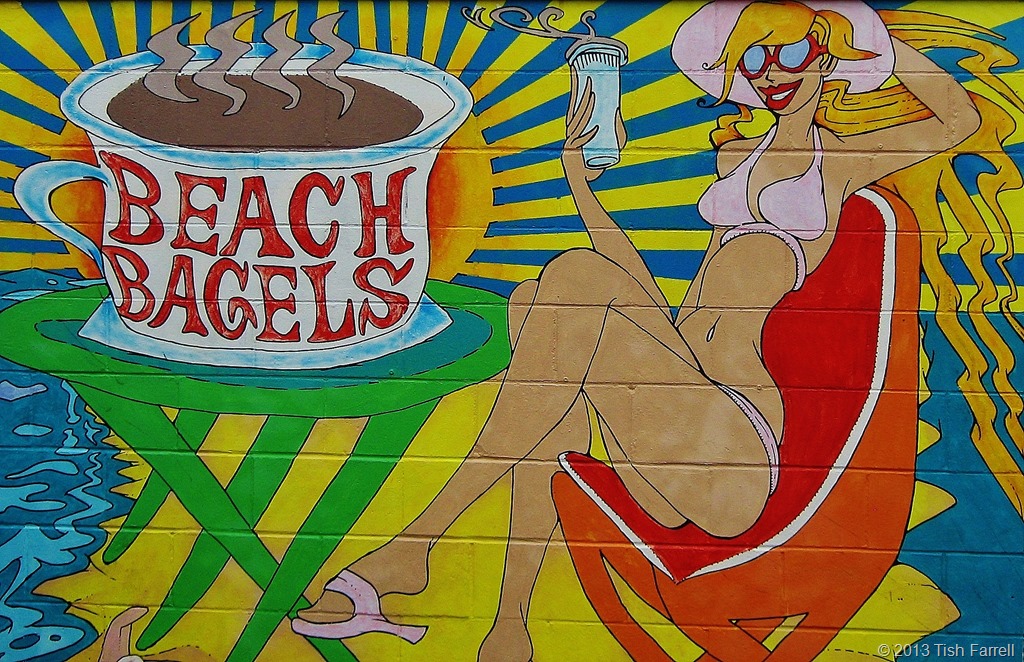
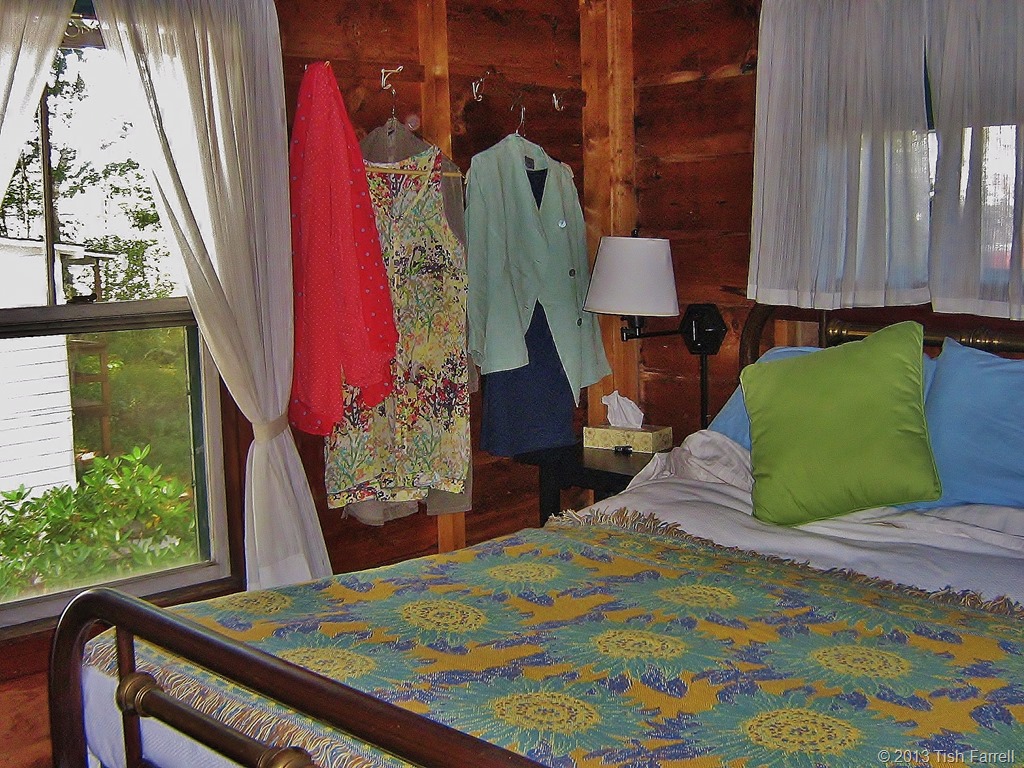
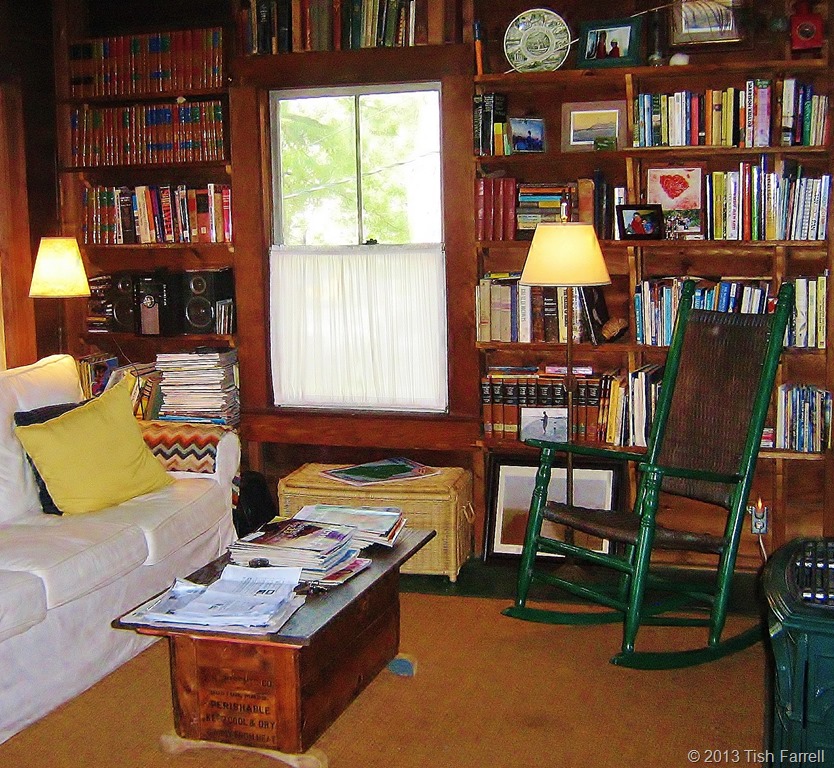
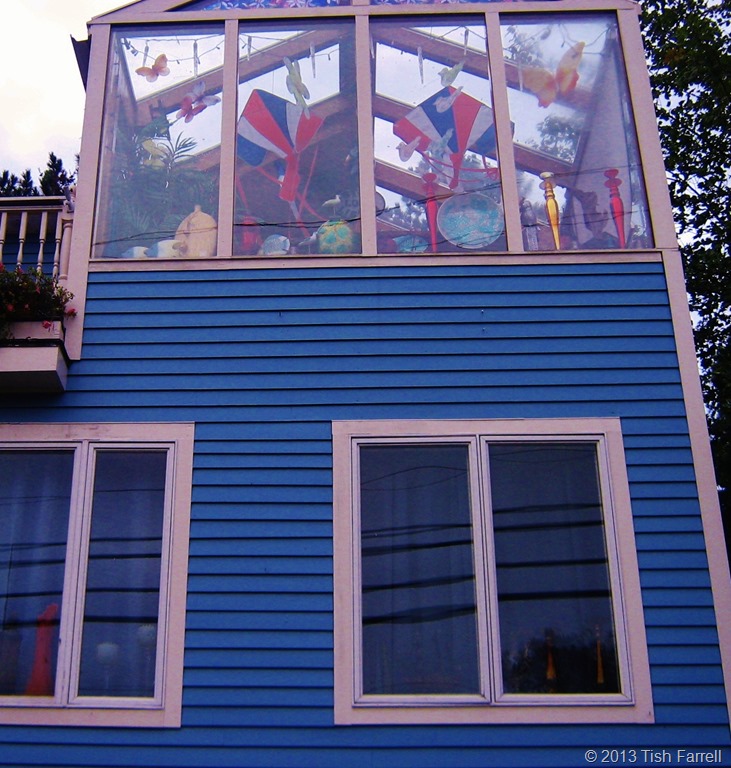
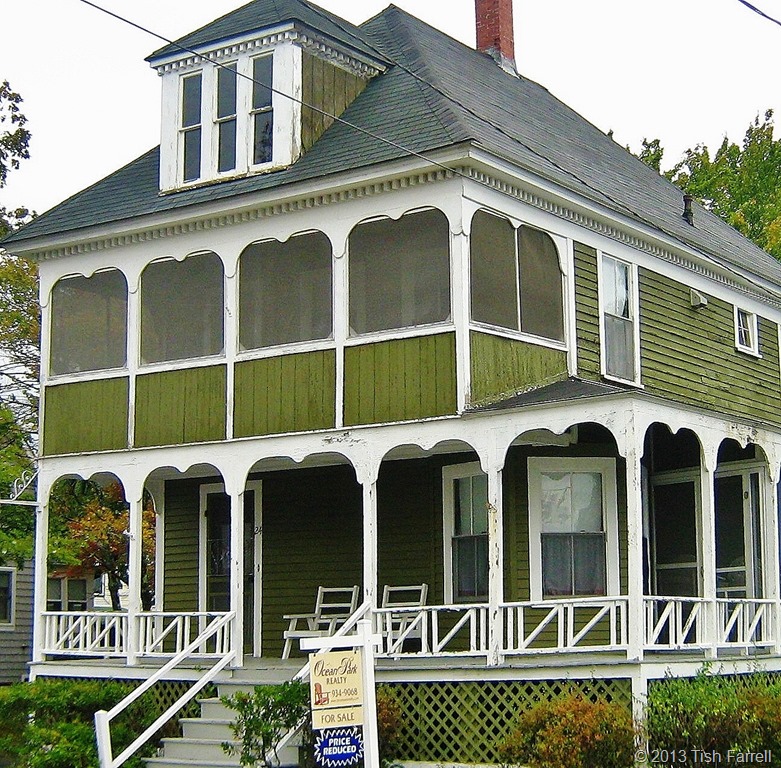
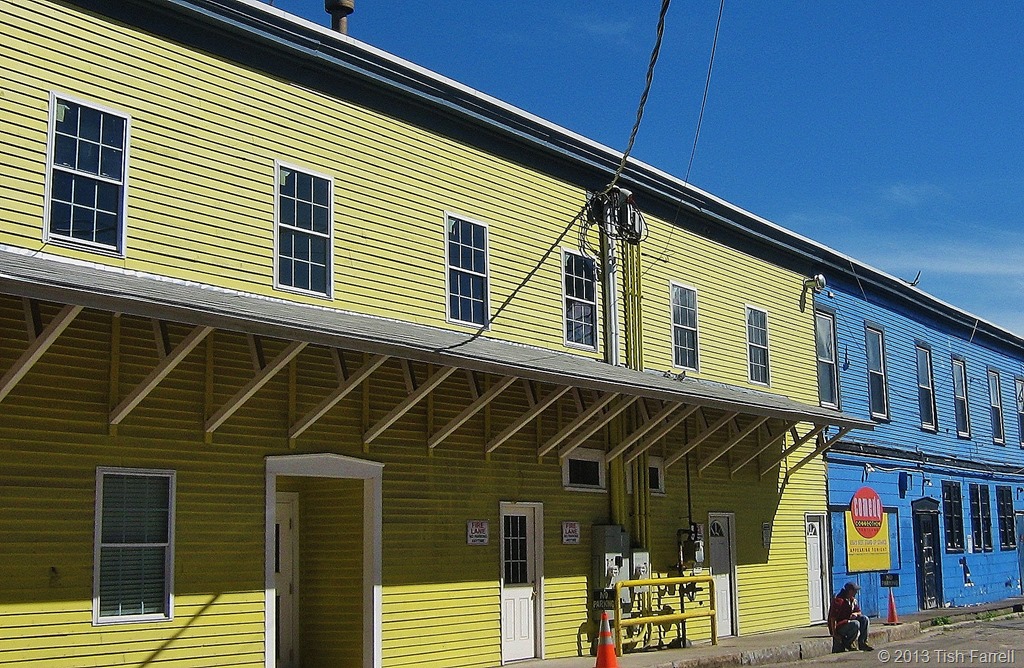
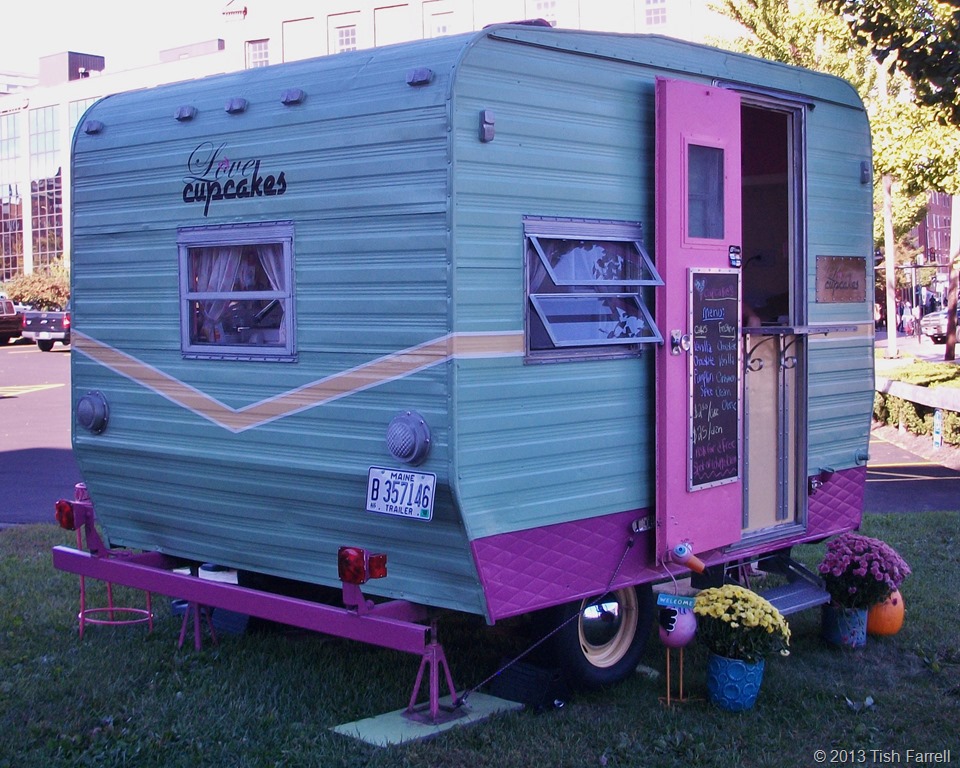
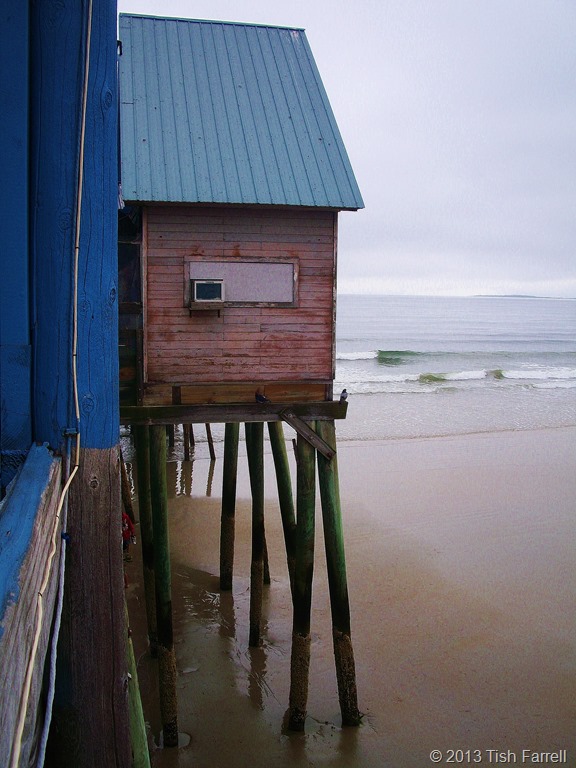
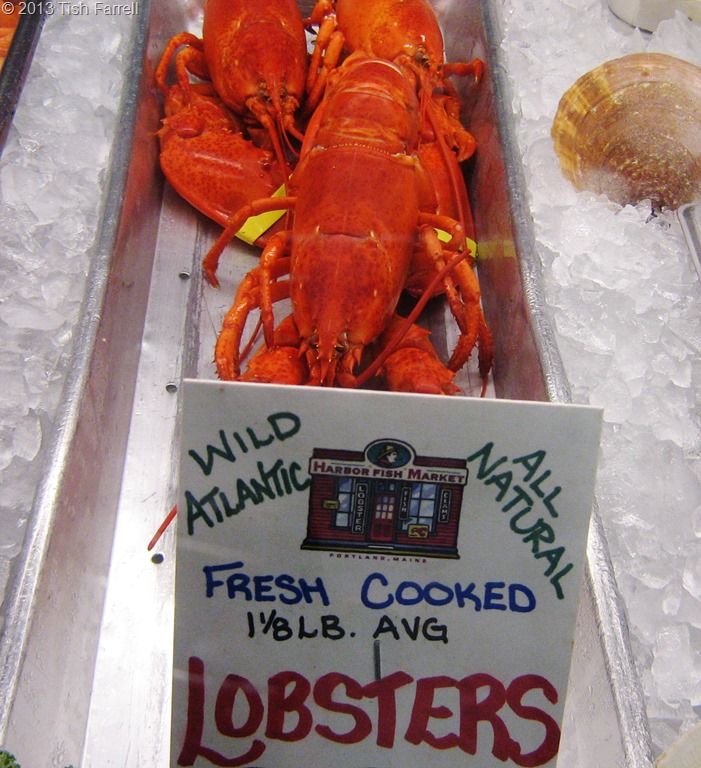
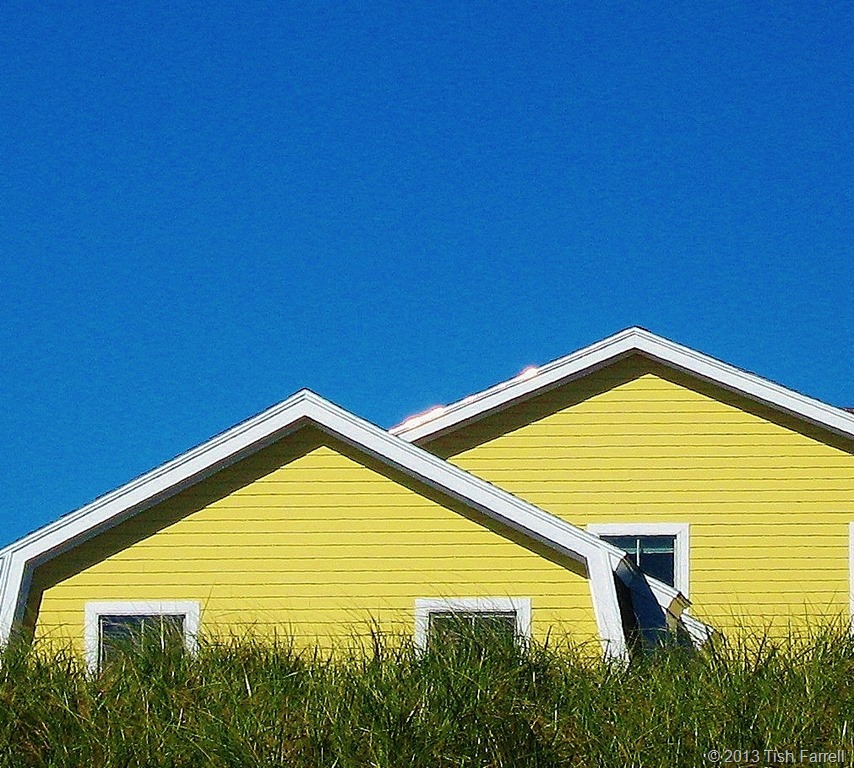
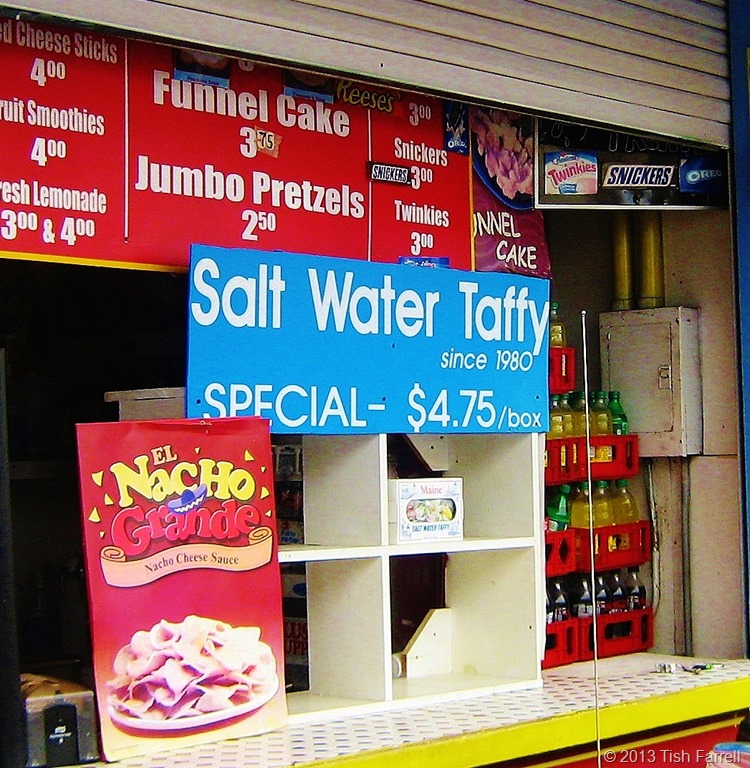
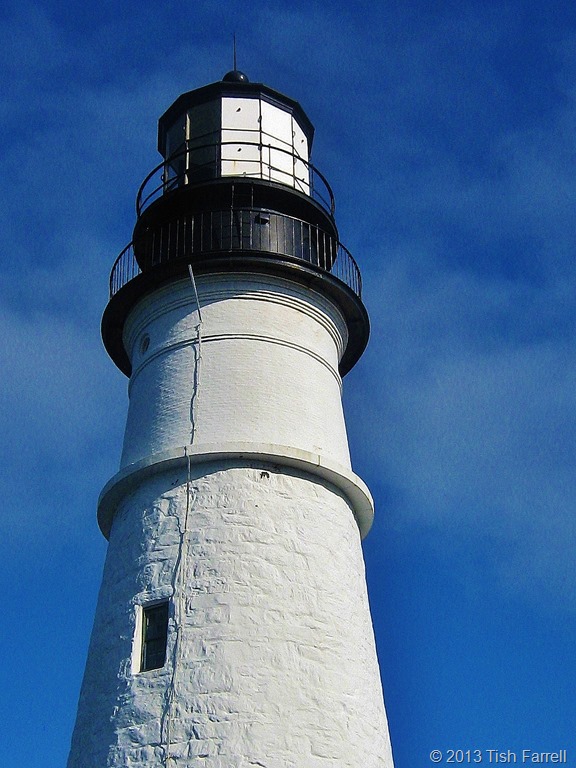
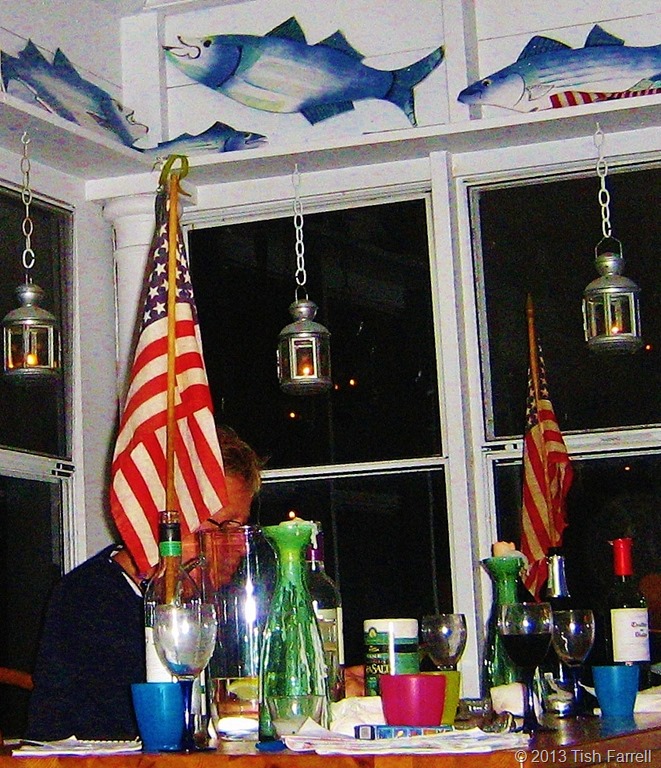
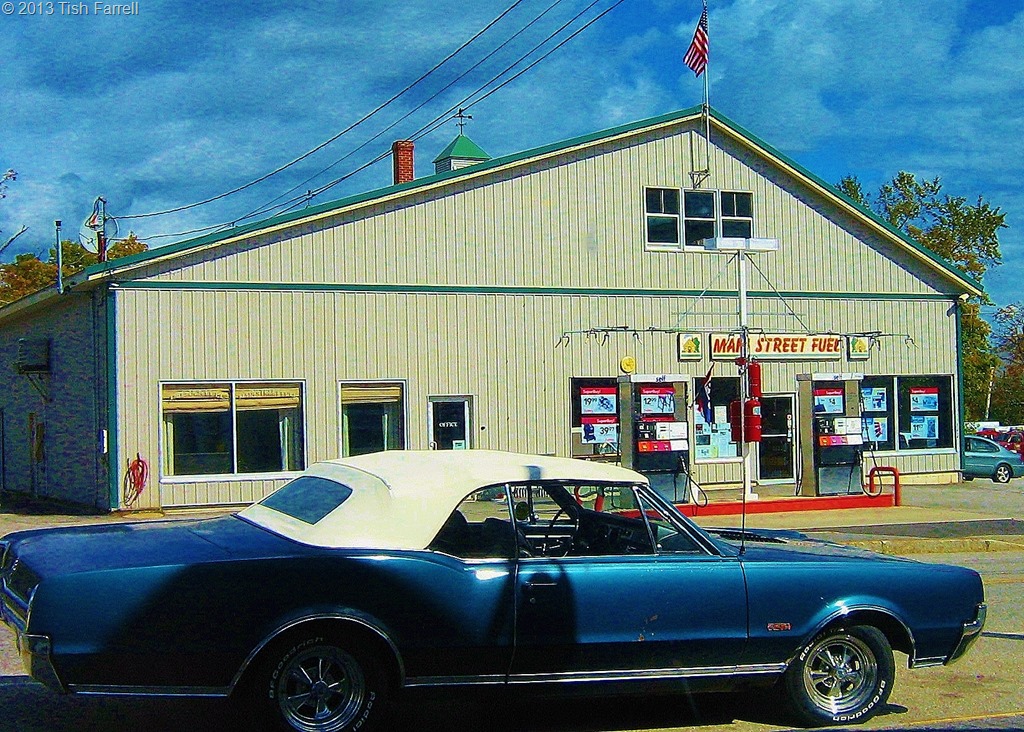
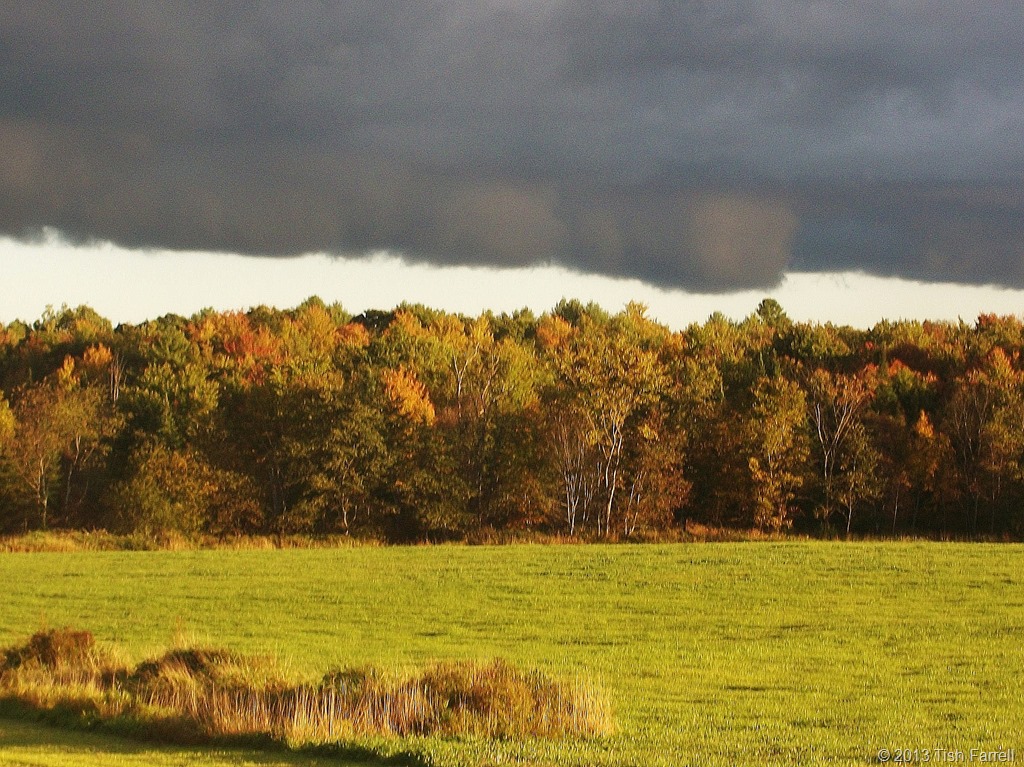
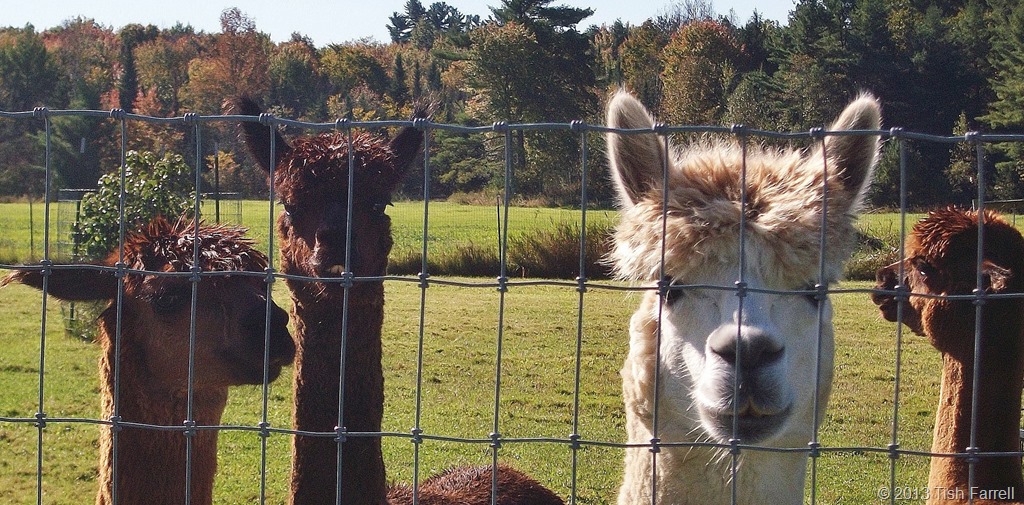
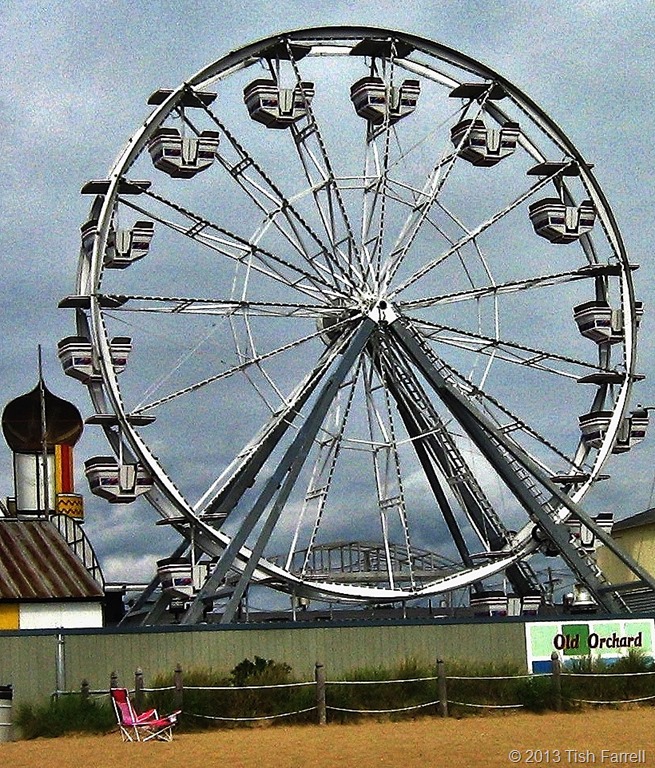
I read somewhere that most Americans, when asked, said they would like to live in Maine. I’m not surprised. This time last year we were setting off there with high hopes. We were not disappointed.  Our American cousins had given us the use of their magical beach house in Ocean Park, Old Orchard Beach. Later we would go to their farm in Richmond where they keep alpacas. So here’s a tribute to colourful Maine, and big thank you to Jan and Craig Wanggaard.

Travel theme: Multicoloured

074a

078

100

110

IMG_0062

IMG_0063

IMG_0047

IMG_0050

IMG_0126

Portland 10

OOB9

IMG_0129

IMG_0164

IMG_0216

IMG_0239

Portland Headlight 3

IMG_0315

IMG_0326

IMG_0328

The Farm 16

The Farm 6

073b

IMG_0057

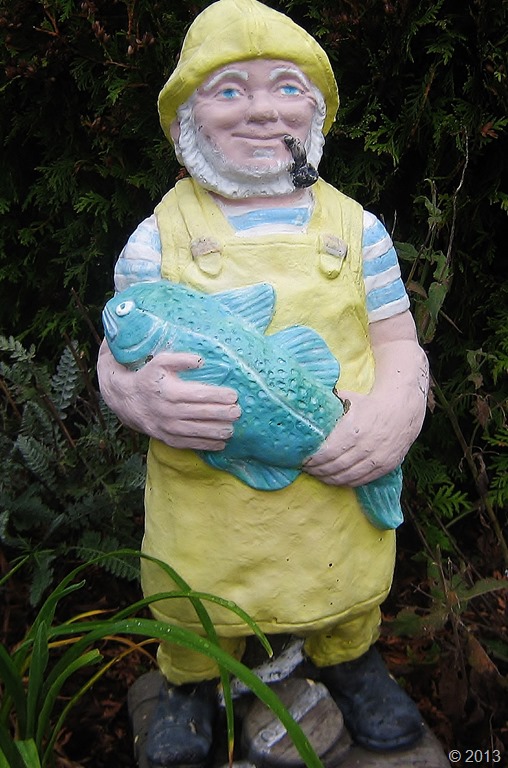
And finally, a sea-faring ‘garden gnome’. When I posted this photo on my Face Book page, FB wanted to me to tag and say (quote) “who this person” was. Any guesses?

IMG_0099

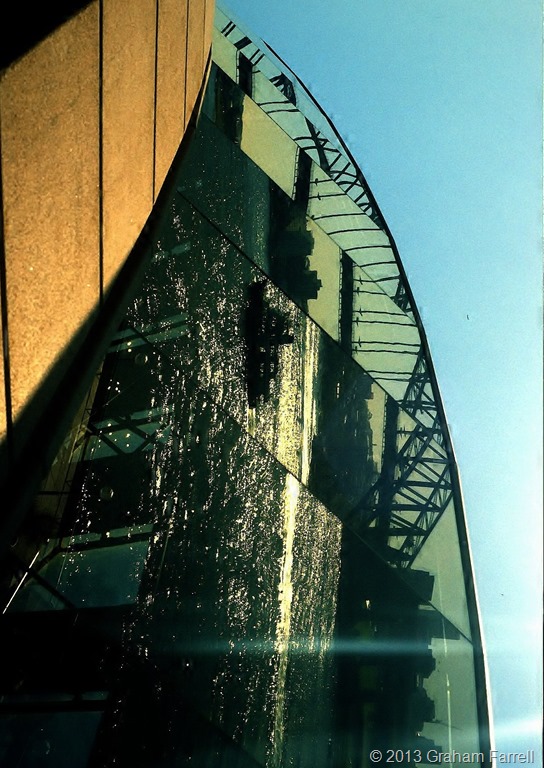
Sydney Harbour Bridge reflected from the Sydney Opera: an unusual point of view


http://dailypost.wordpress.com/2013/09/06/unusual/

Scan-130703-0024


We have a copy of this photo on our landing wall, taken by the Team Leader some years ago. I suppose it’s a case of familiarity  making you forget to look at things with due care and attention. In fact, come to think of it, I may have scanned the slide back to front and upside down. But then that should be OK too for this particular challenge, and whichever way, I think it deserves a more appreciative audience. The man who caught this image by chance doesn’t seem to think that it’s up to much as a photograph. What do you think?