Late Bloomers: Six On Saturday

sunflower

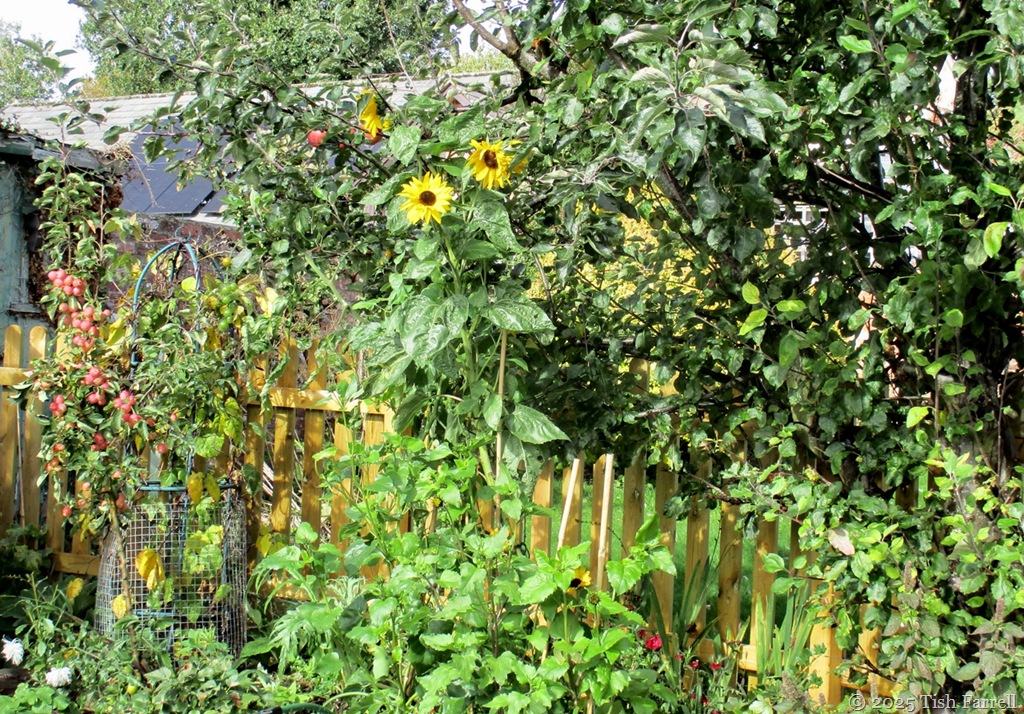
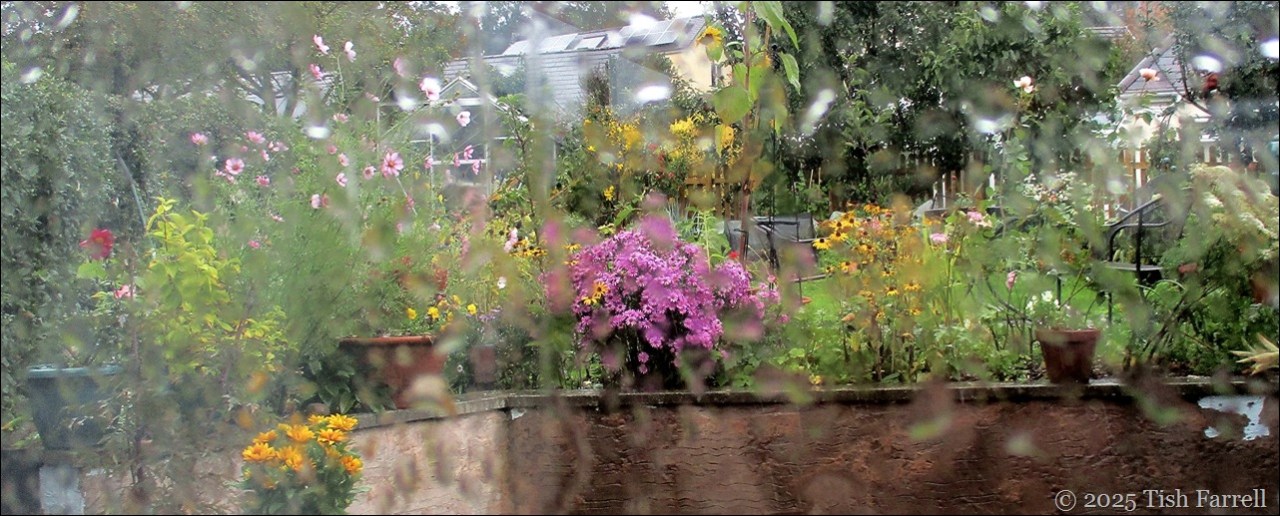
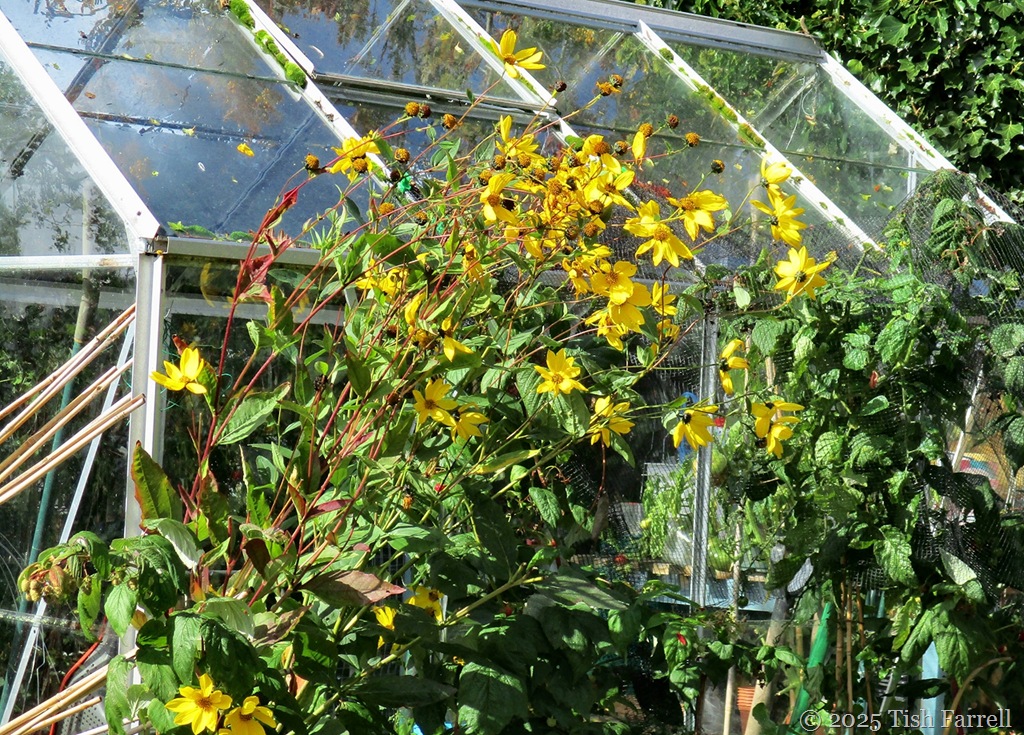
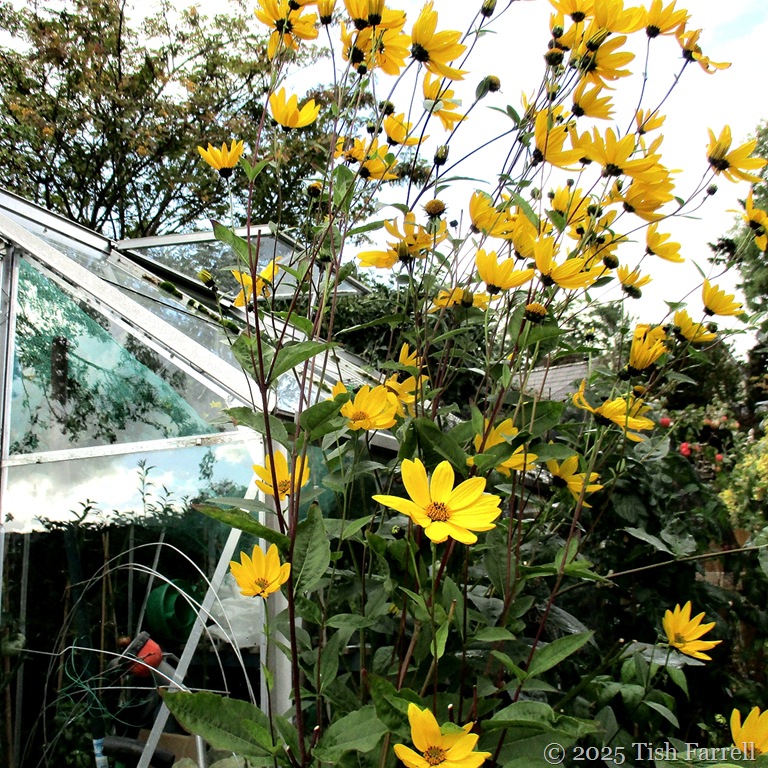
The garden looked shell-shocked after this week’s deluge. Rain at last! But rather too much at one go. “It never rains but what it pours…” etc etc. Anyway, the giant sunflowers [1]  held their own and are still putting on a show. Then there were the almost immediate signs of revival by the lawn which had been dusty brown all summer. This reminded me of our Kenya days when our lawn of tough Kikuyu grass was reduced to looking like old sacking during the long dry season. But come the short rains and up would spring masses of green shoots,  an instantaneous green sward.

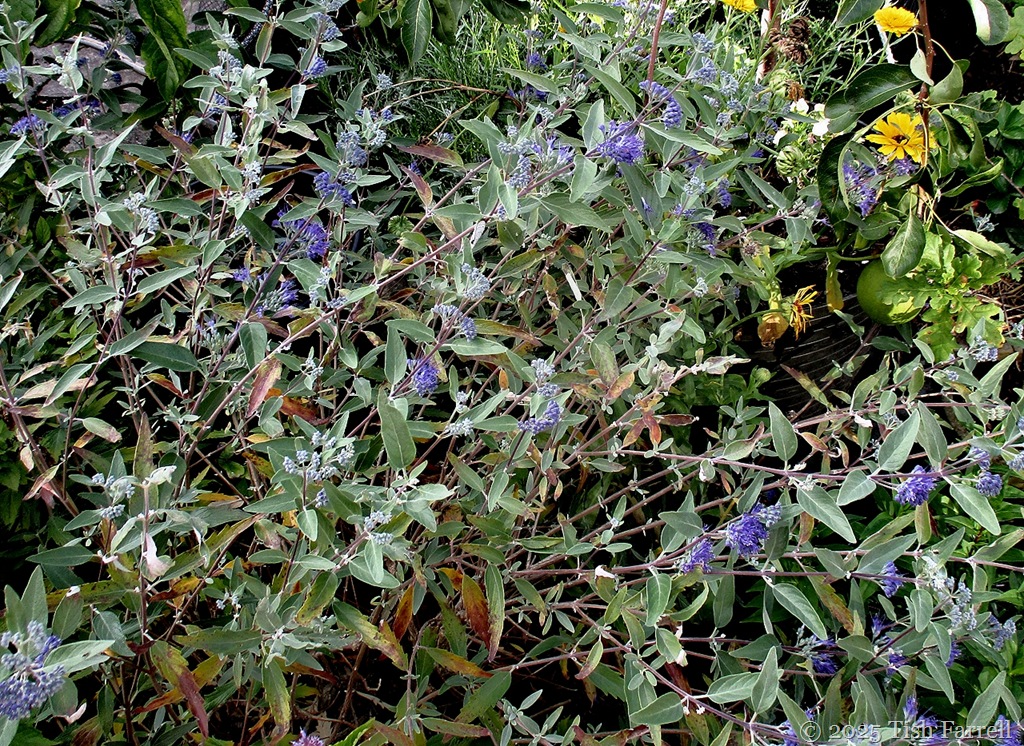
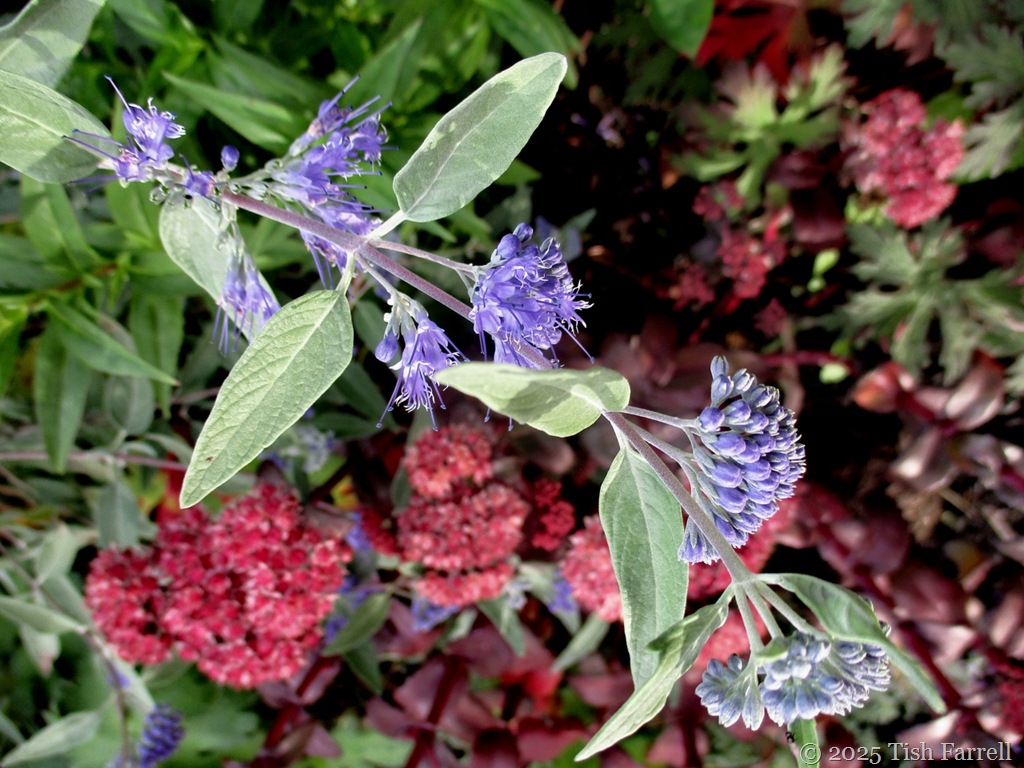
The rain stirred the caryopteris [2] into flowering. It is supposed to be late, but this year seemed particularly so. As a shrub, its structure is rather underwhelming. The small silver-grey leaves and lax stem tendencies make it look rather like some unkempt garden escape on waste ground. Or maybe it was just the way I pruned it. The instructions said give it a good cut back.  Or then again, maybe it is simply the effect of a long, dry summer. This variety is Heavenly Blue. And if the overall look isn’t too exciting, the sapphire sprays are gorgeous, and bee-life loves them.

caryopteris heavenly blue

caryopteris detail

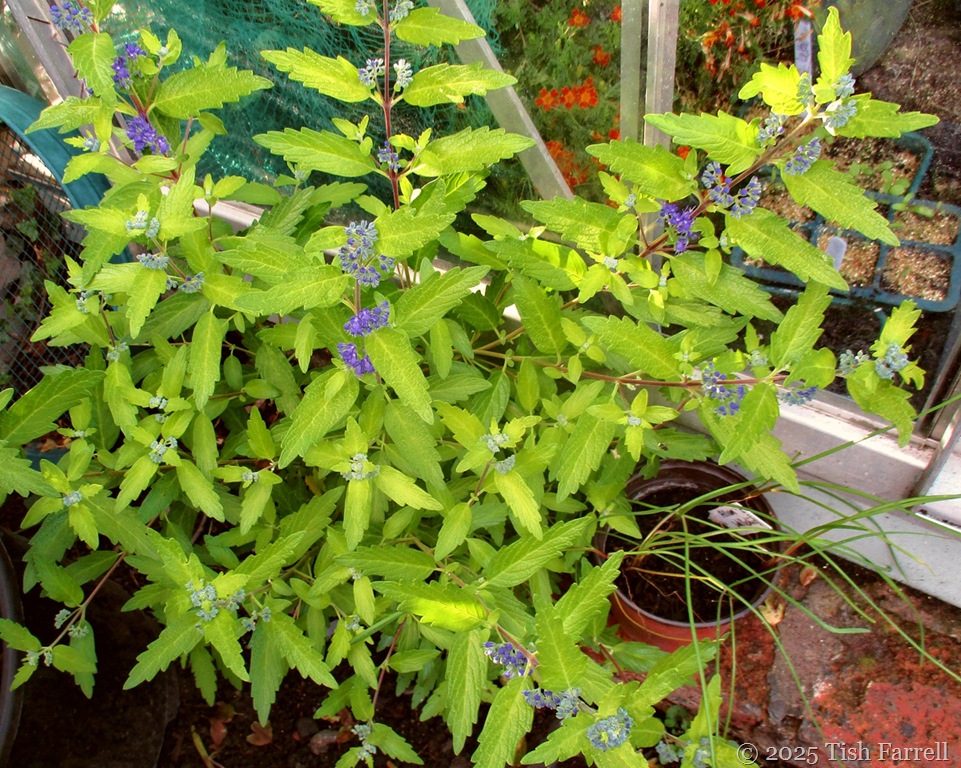
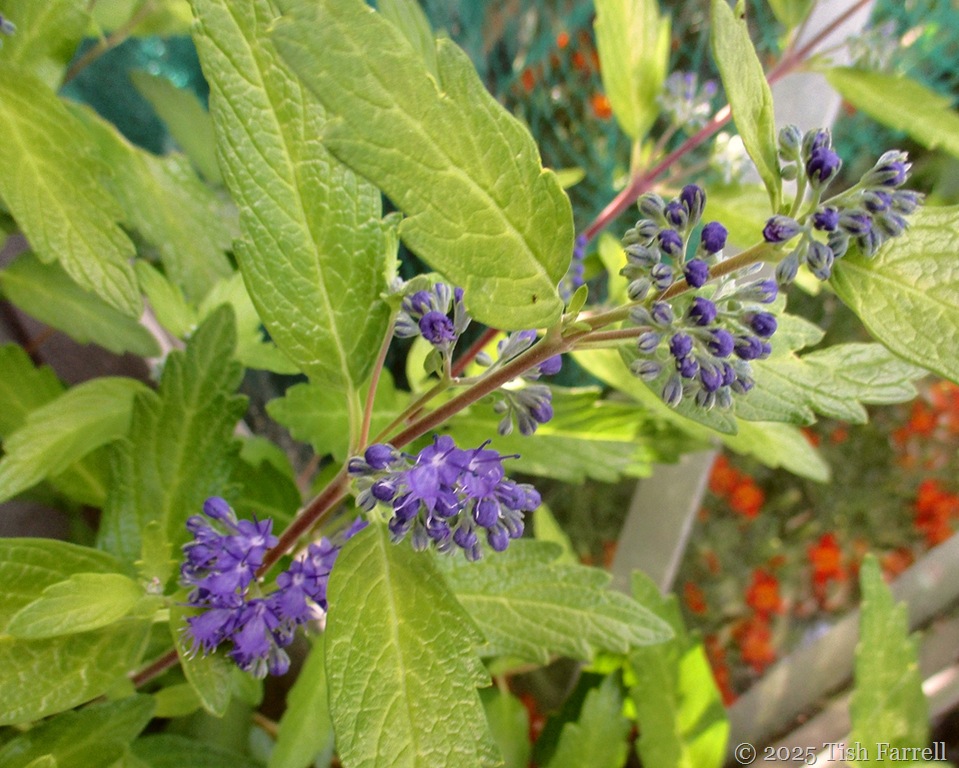
I have some other young caryopteris shrubs by the greenhouse. These have yellowish leaves and are a variety called Gold Crest. At the moment, their shape is rather more appealing. Also the contrast colours of flowers and foliage is pleasing.

caryoptros gold crest

caryopteris details gold crest

*

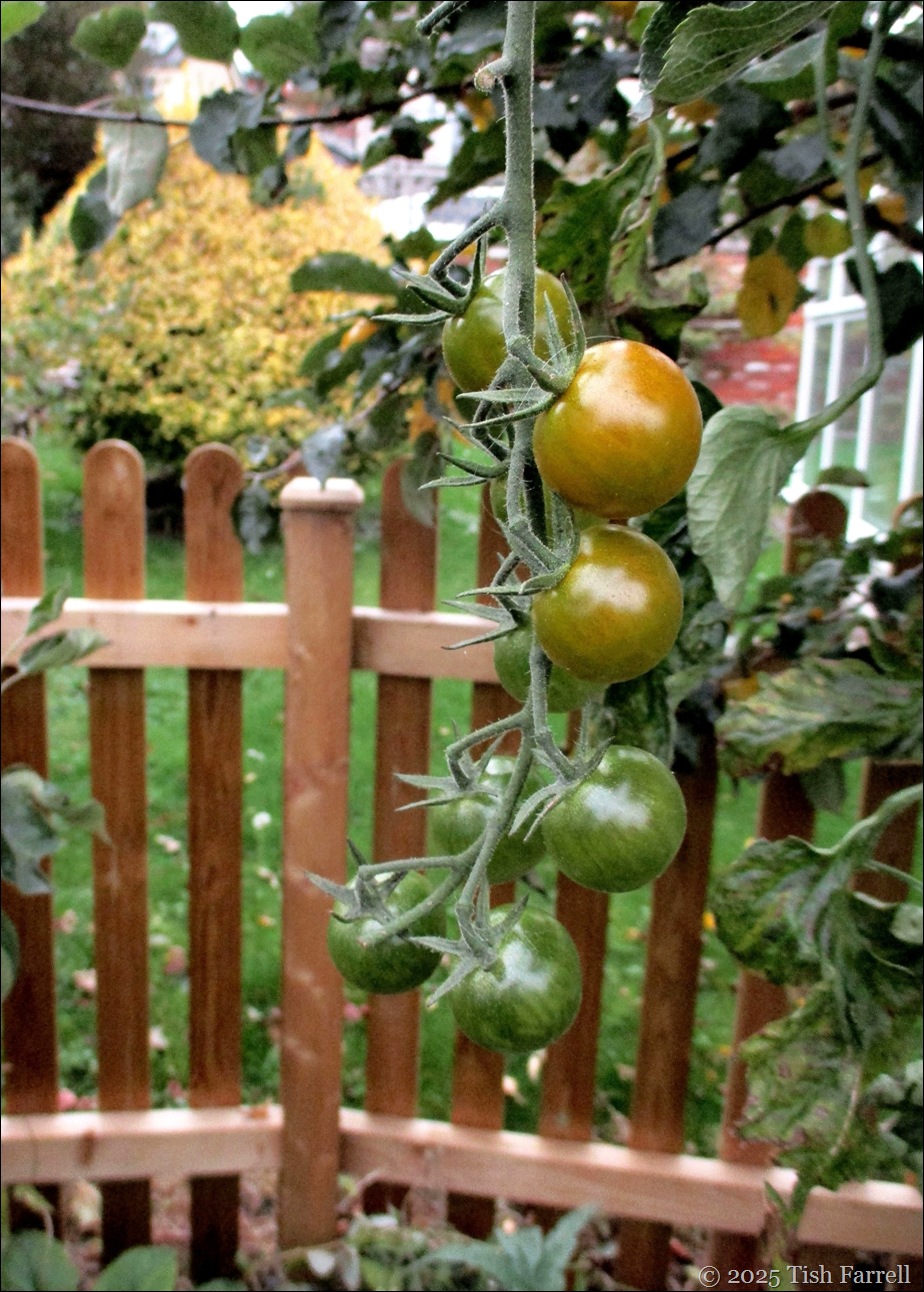
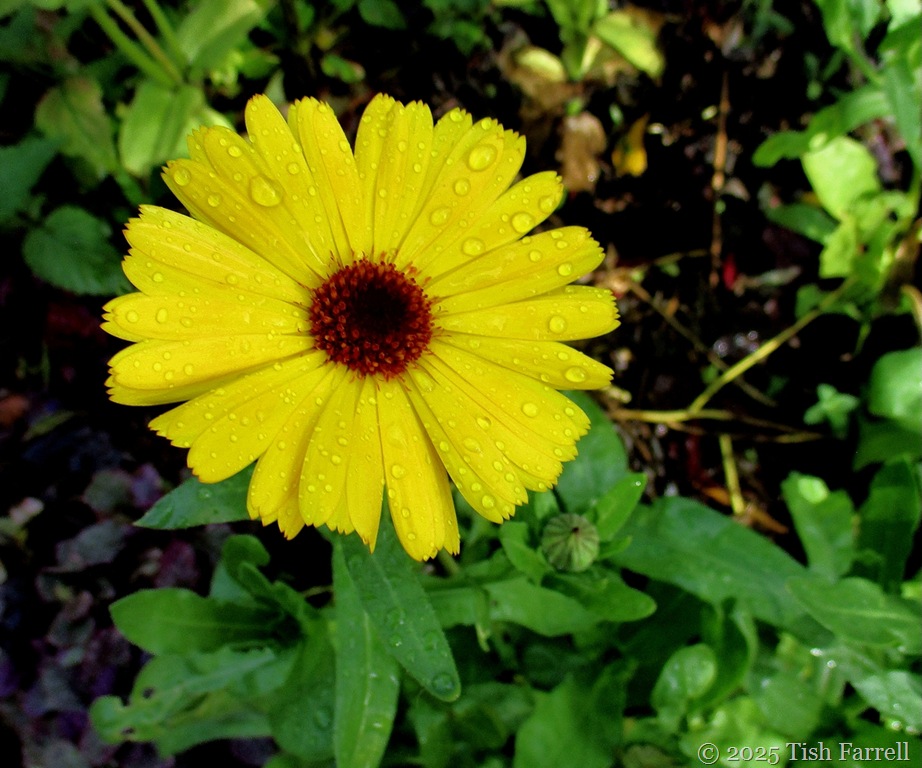
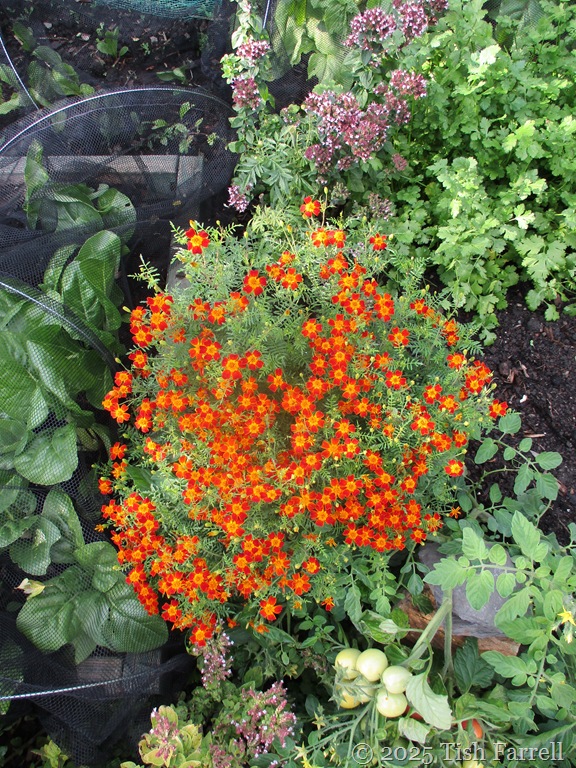
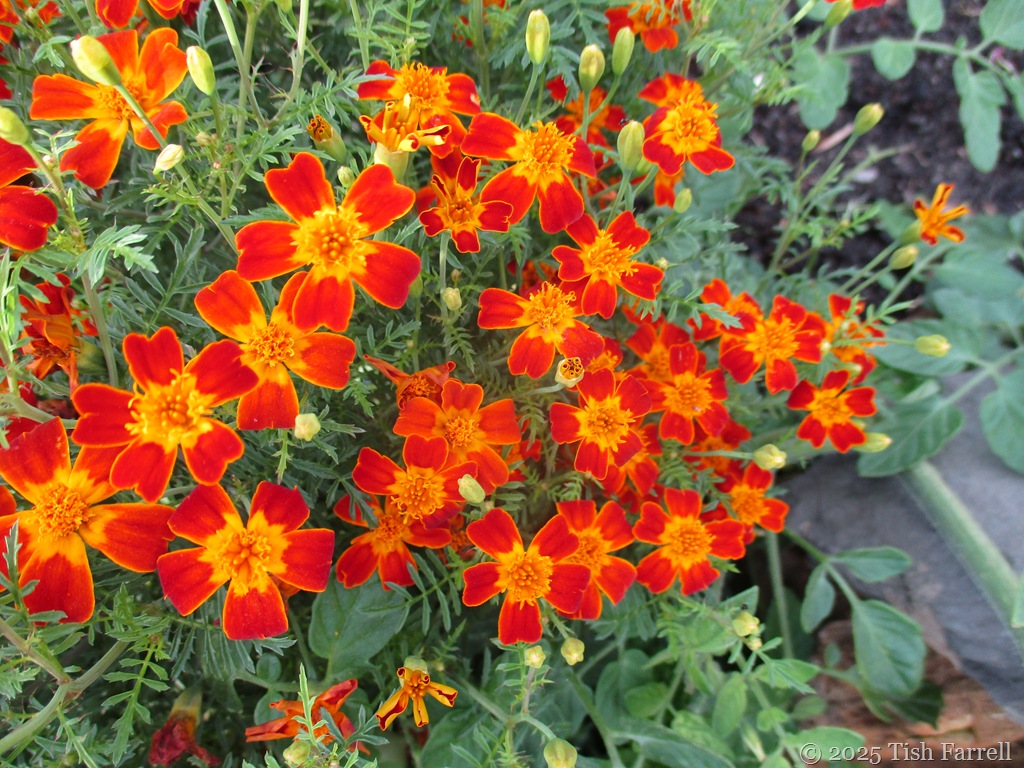
The French Marigolds [3] have also appreciated a good dousing. Grown from seed this spring, Red Gem has been flowering all summer. She’s supposed to deter white fly, so I planted her out in the greenhouse amongst the tomatoes, and also between the raised beds where I have a rather late performing Tumbling Tom cherry tomato. The individual flowers are tiny but it’s still a good show.

IMG_8845

IMG_8844

*

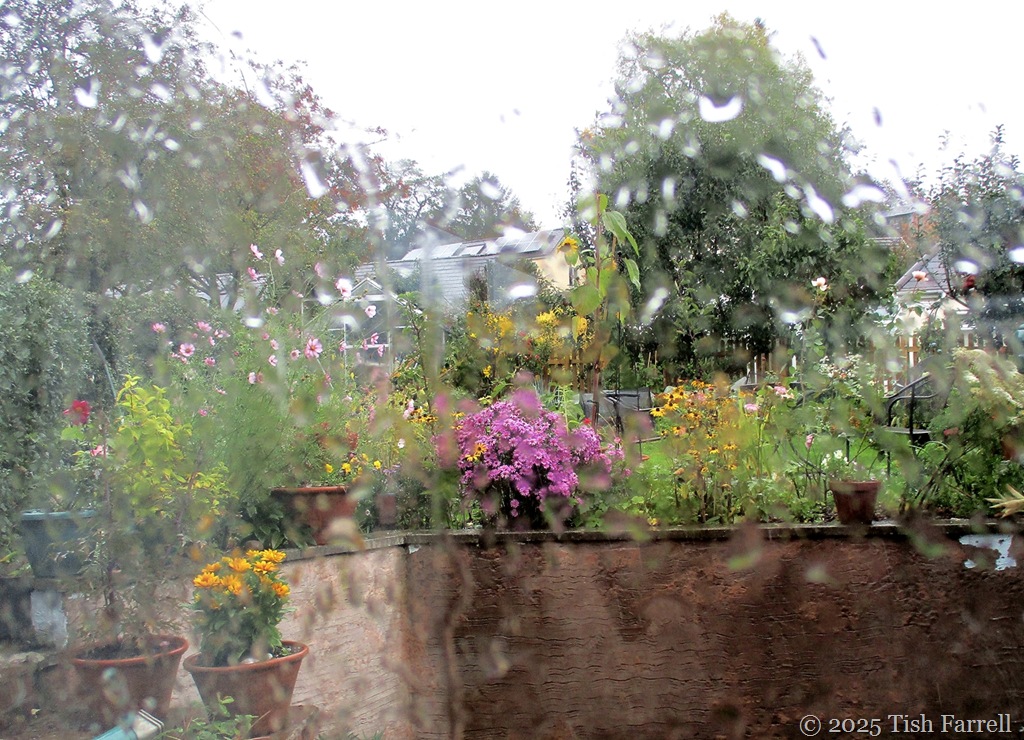
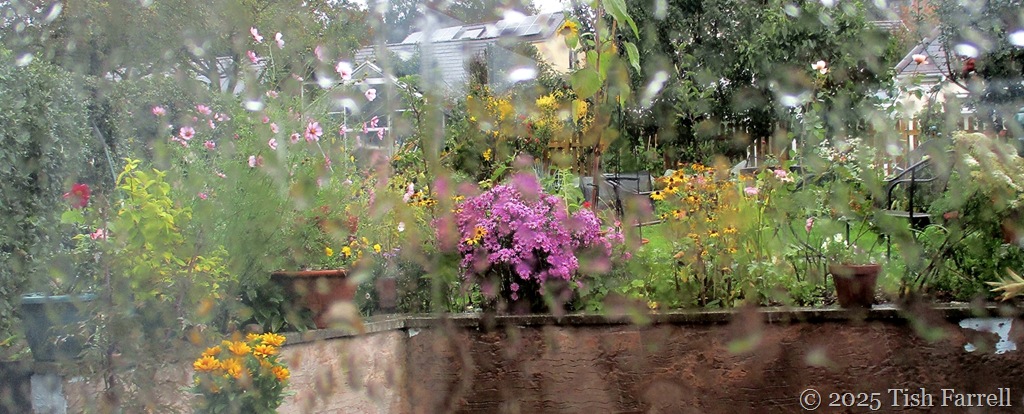
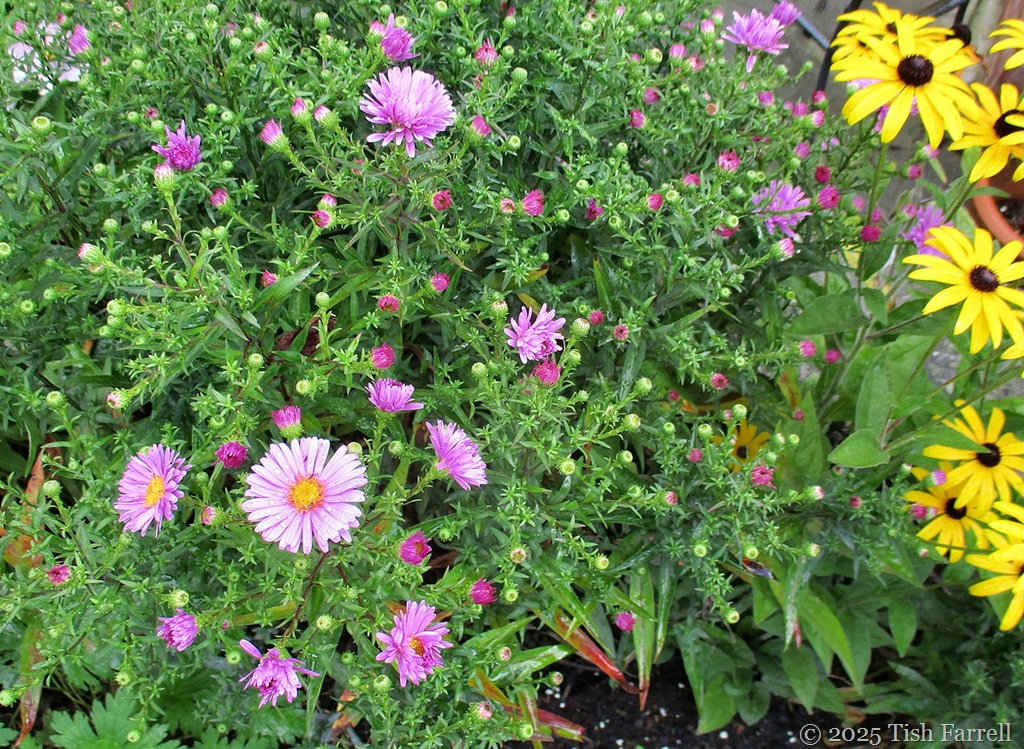
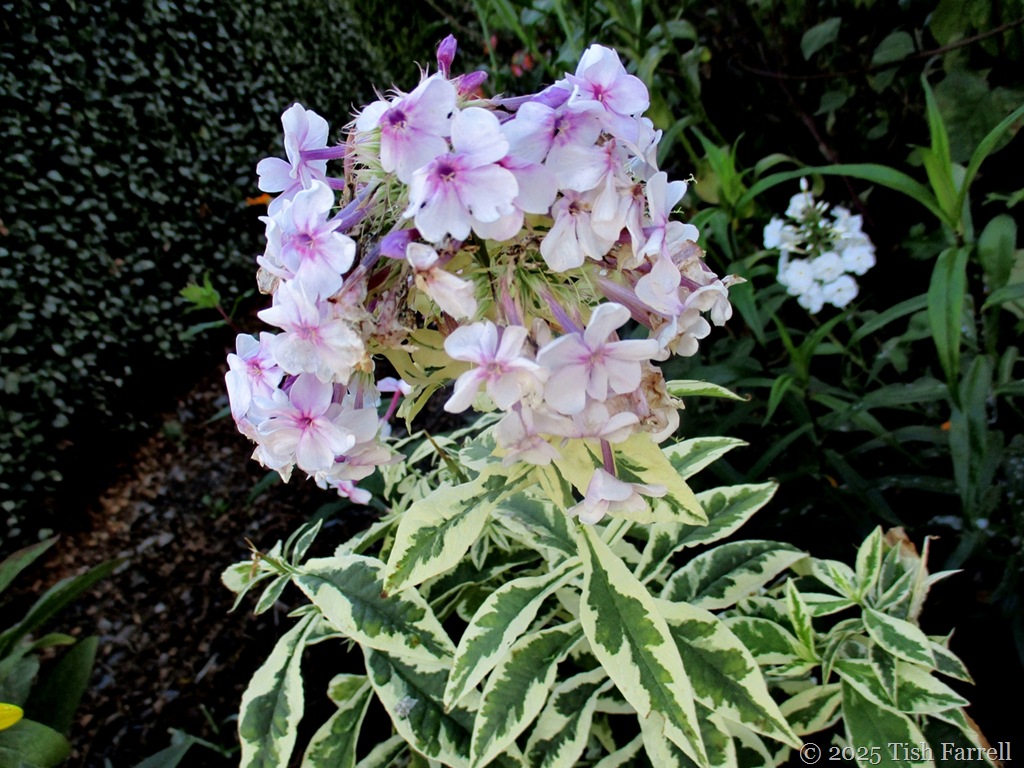
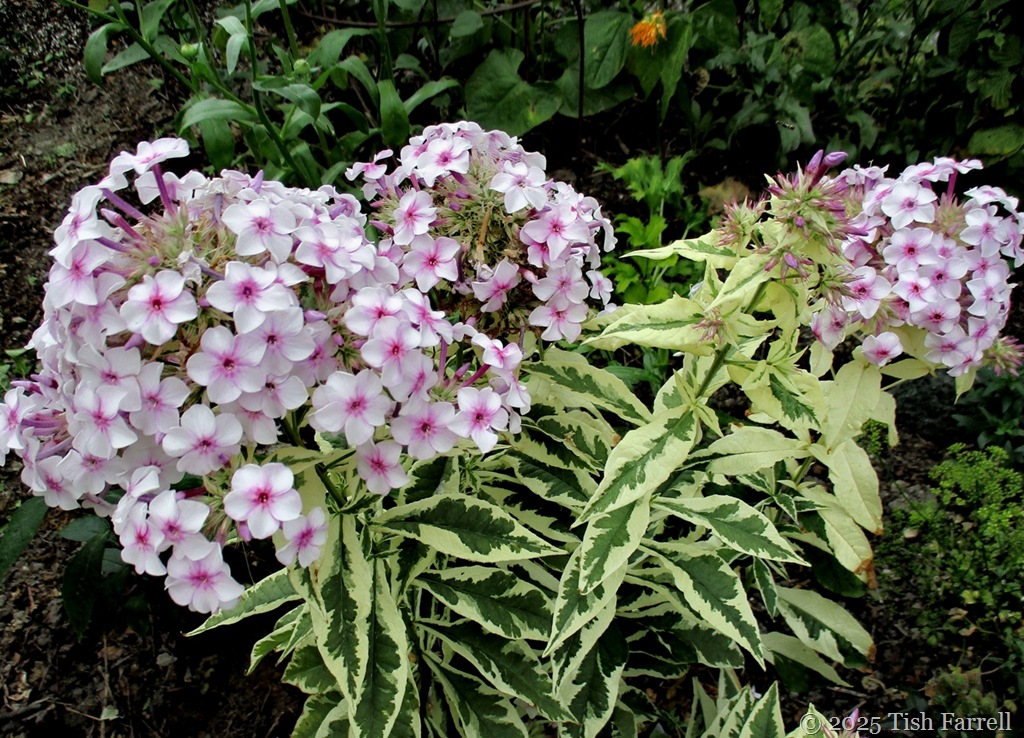
Another plant that’s done well until this week is one of my new favourites: phlox Norah Leigh [4]. I should have featured her when she was in full bloom. But she still has a few flowers, and although I’m generally unkeen about pink, I find the contrast with the variegated foliage very attractive. I’m becoming a bit of a phlox fanatic.

Here she is after the heavy rainstorms:

Norah Leigh

And here she is a week of so ago, before the rain: a stalwart show considering the dry weather, and that I only bought her as smallish specimen back in the early summer :

Norah Leigh 2

*

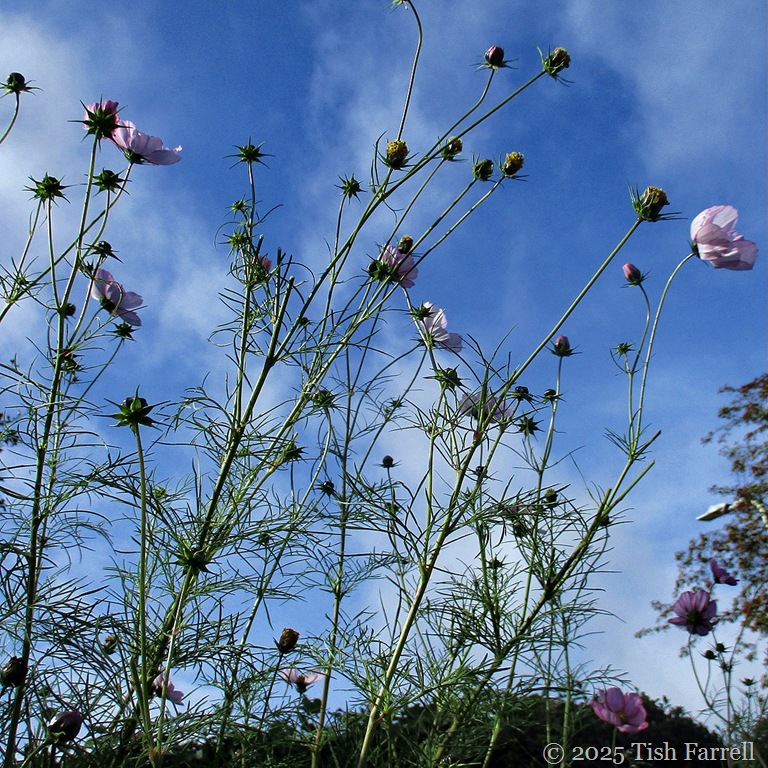
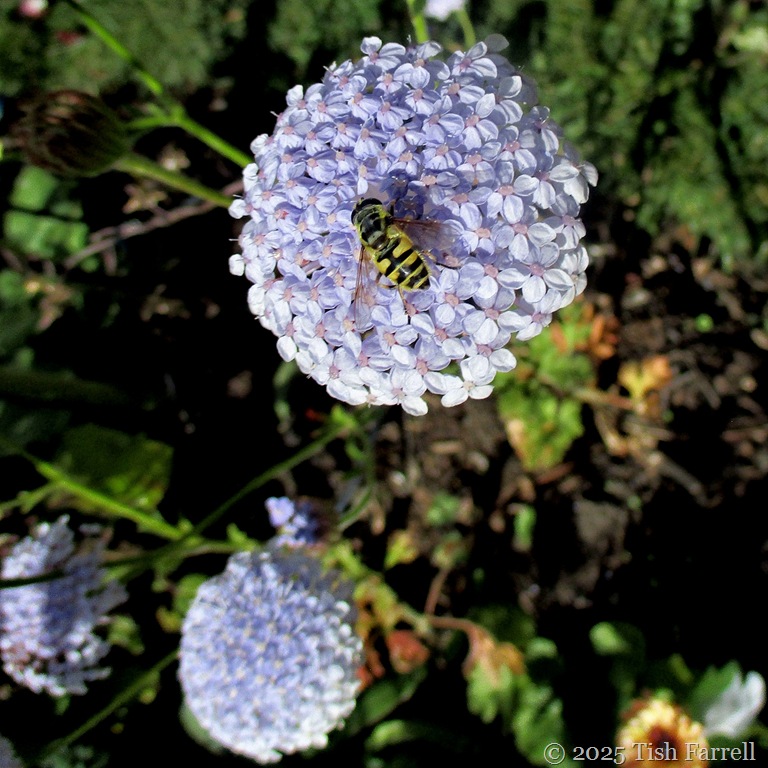
Some of the seed grown Madonna Lace Didiscus [5] are still going too. Also much loved by insects. When the flowers fade they transform into little silvery sputniks – quite magical on a dewy September morning.

lace flower

*

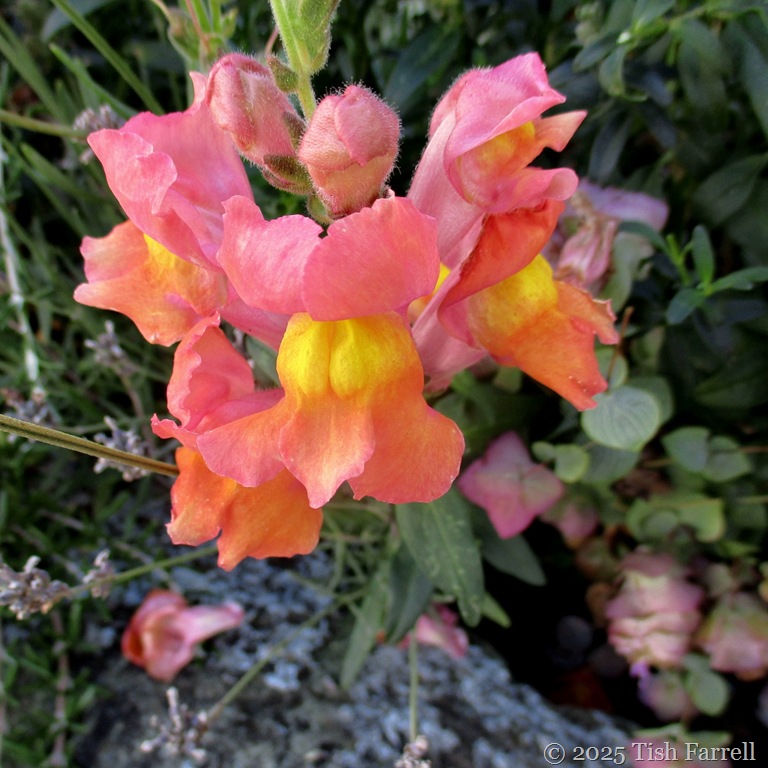
But the prize for the longest flowering flower this year goes to the self-sown and -grown snapdragons [6]. They’re on their third blooming round at least, and the plants are now growing quite shrubby with masses of seed heads among the latest flowers. The original volunteers have made some new plants in the course of the summer and these are also flowering now. And there’s me thinking that our front garden soil, which is full of old paving mortar and mashed roof tiles is somehow problematical. Norah Lea and the snapdragons are clearly loving it.

snapdragon

*

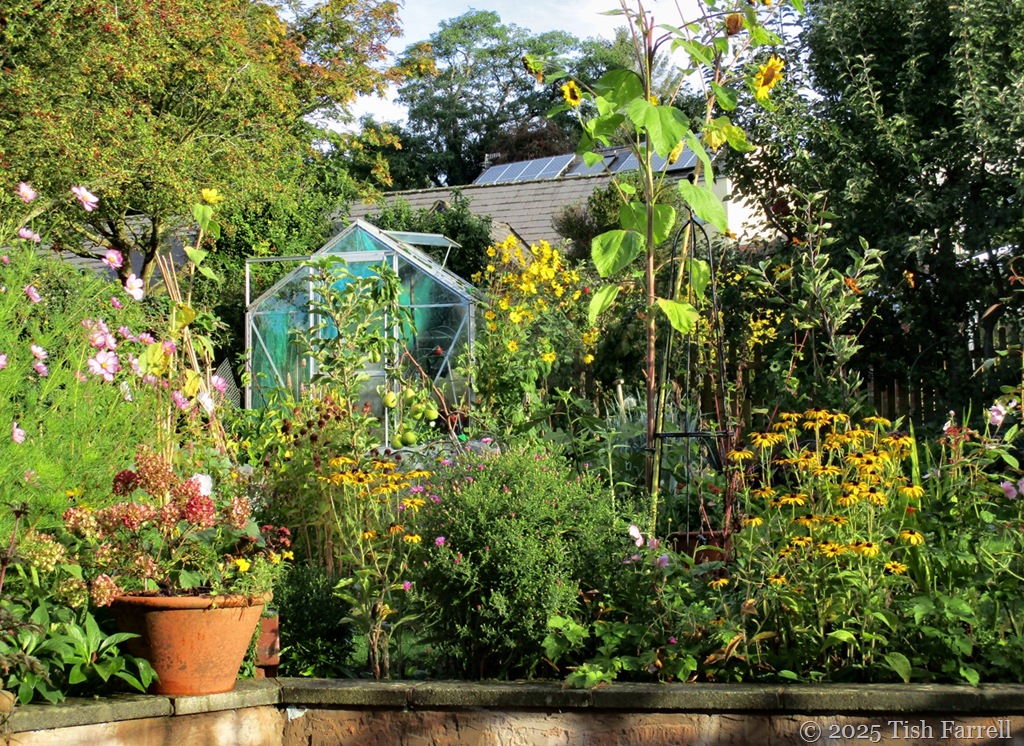
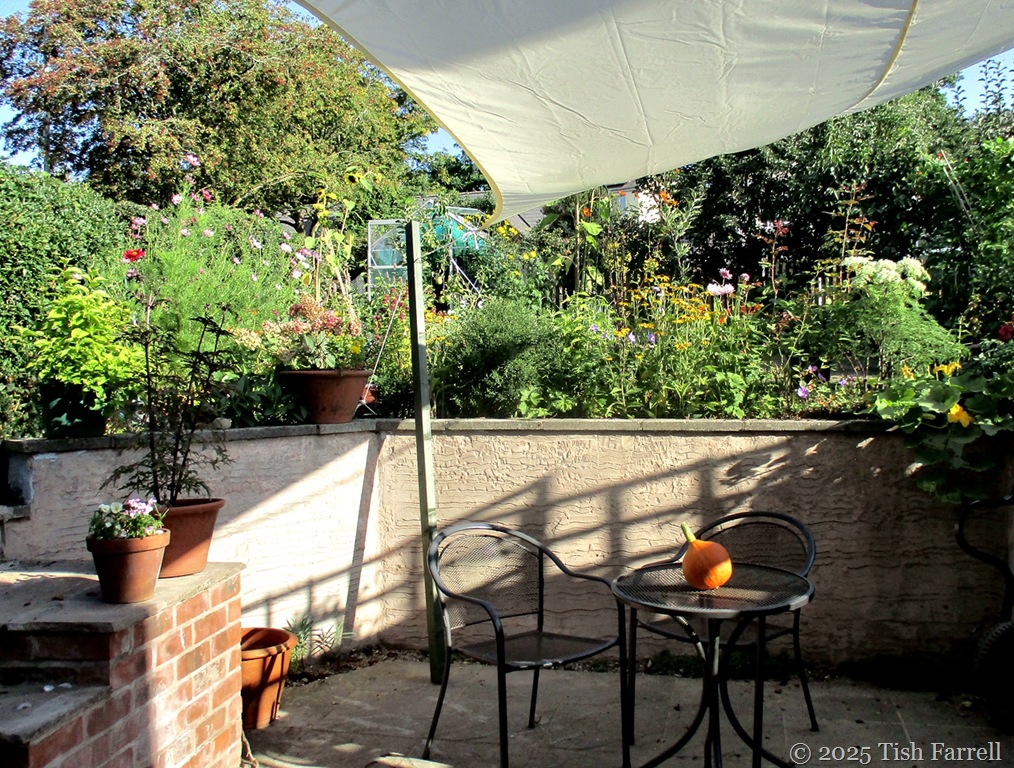
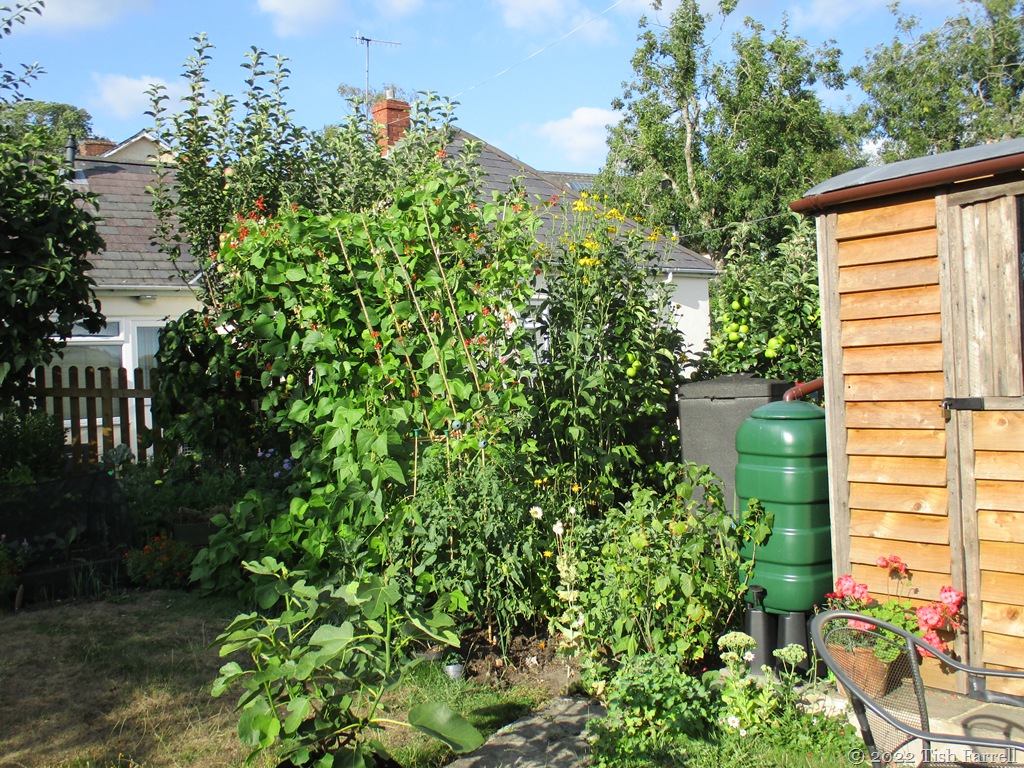
back garden

Late summer in the back garden. He who-builds-sheds’ wing shade is obscuring the sunflower view from the kitchen door, though we have been glad of it. Here’s what it’s hiding:

sun in sunflowers

Six on Saturday  Please call in on Jim and see what he’s been up to in the garden and at the allotment.

Befuddled…

IMG_8764

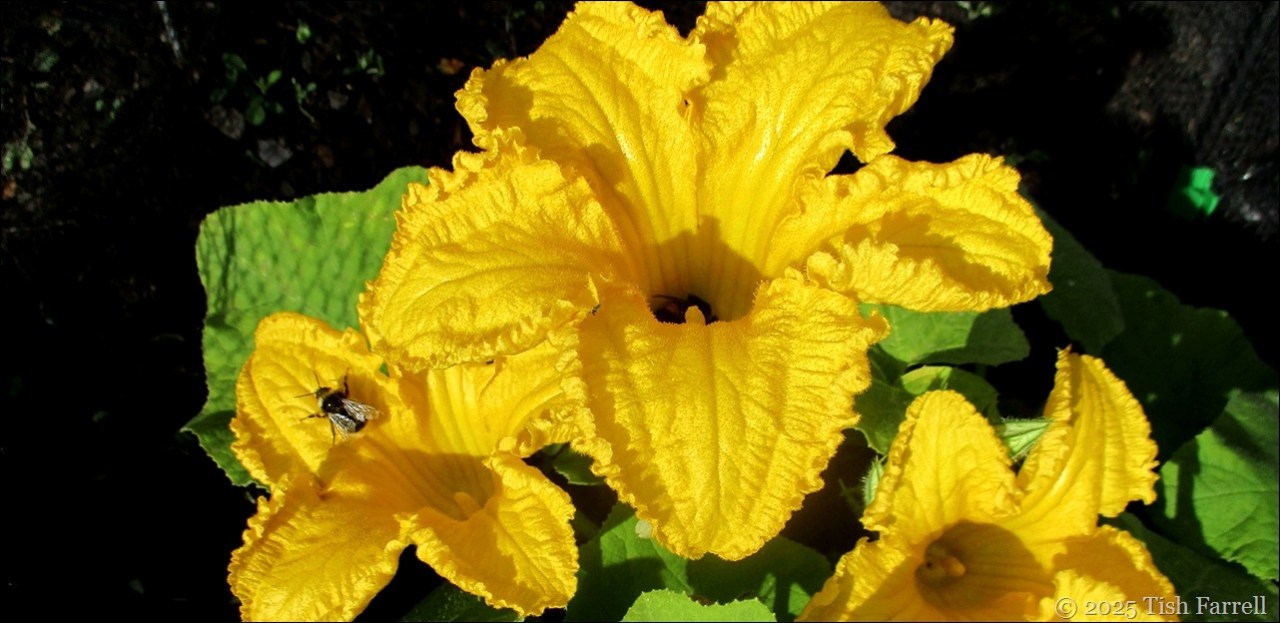
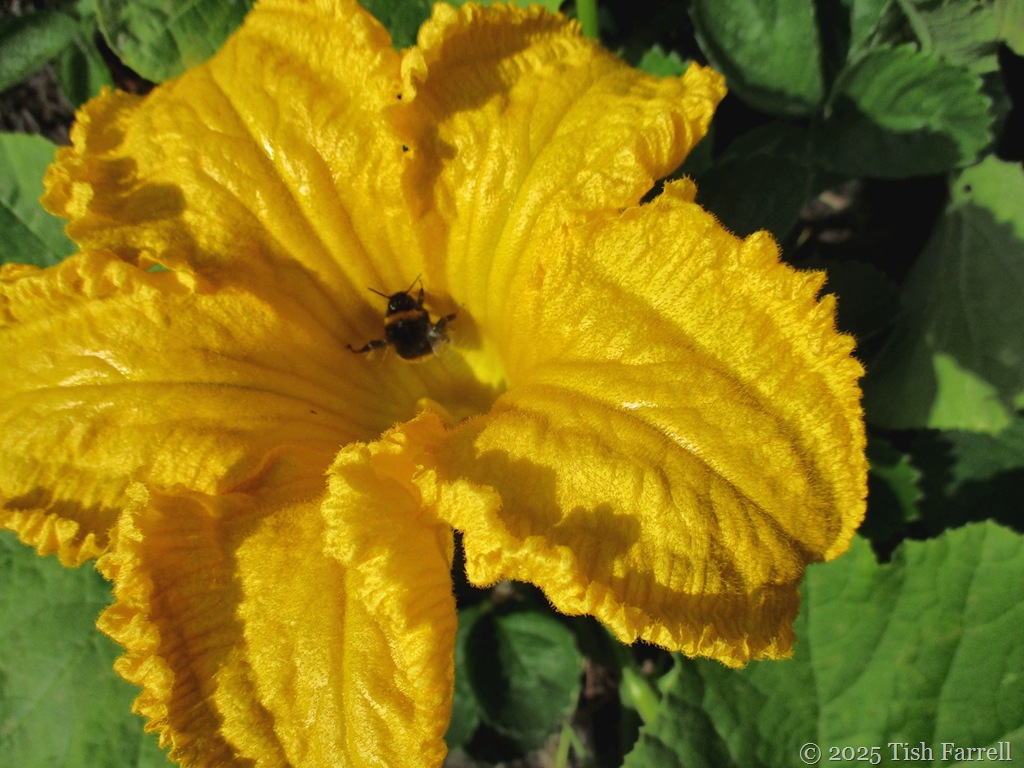
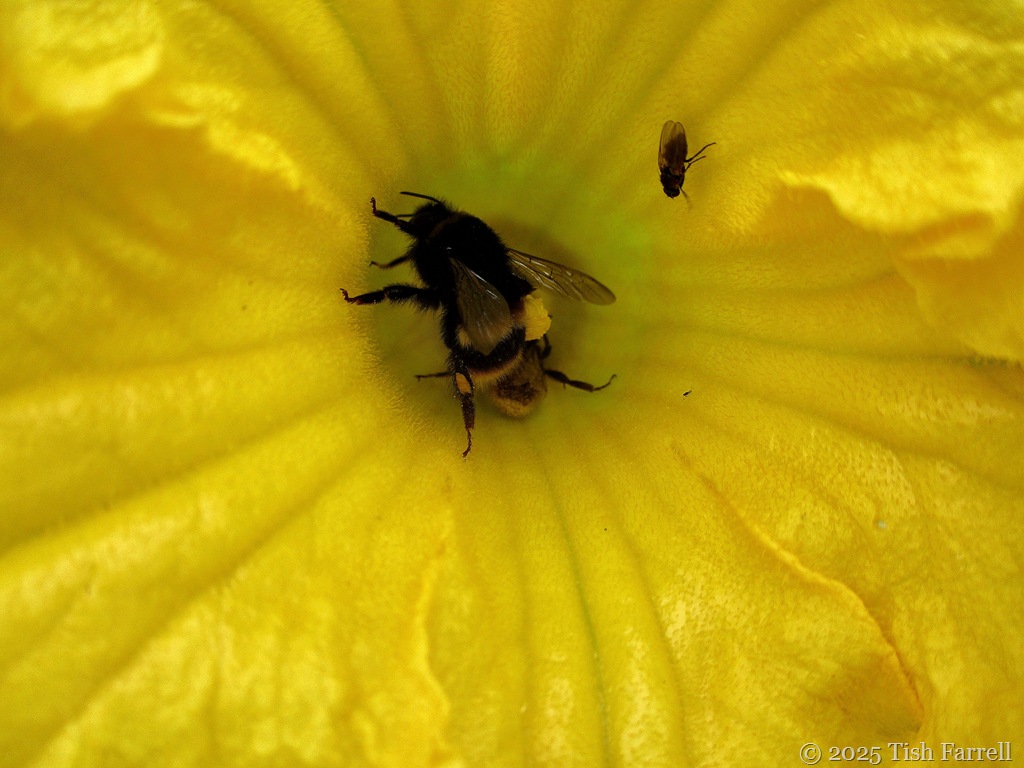
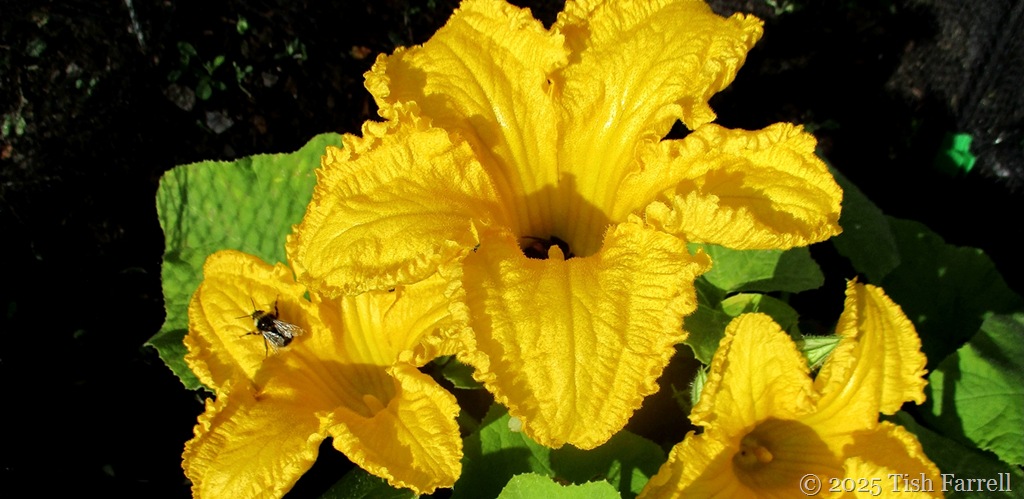
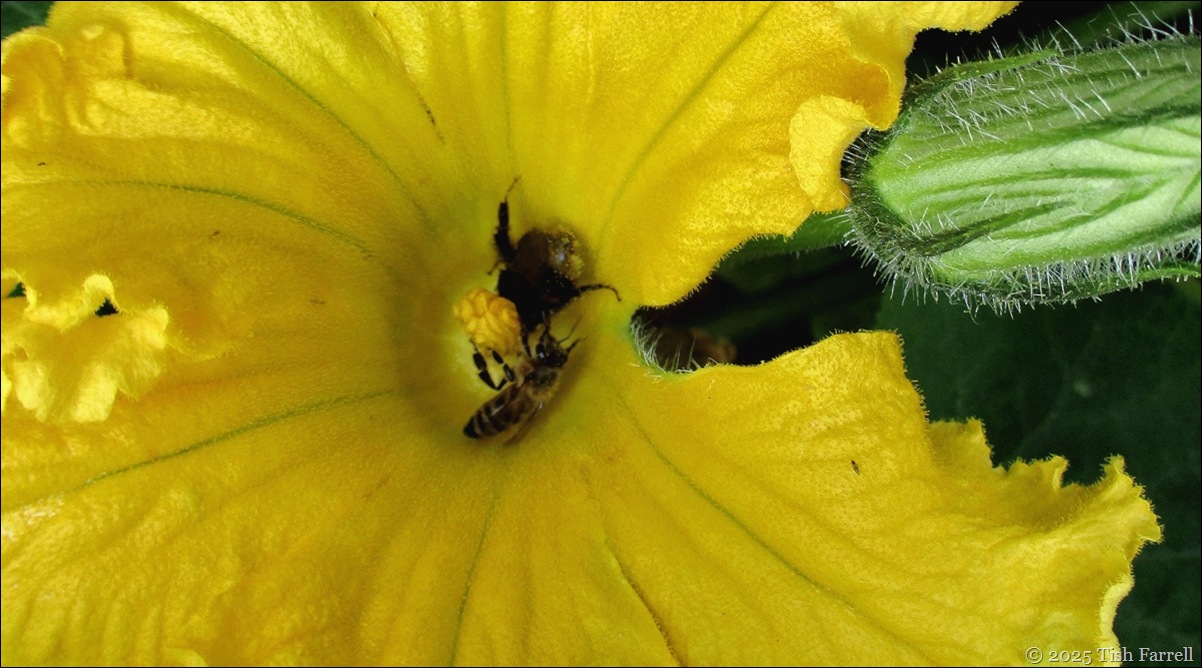
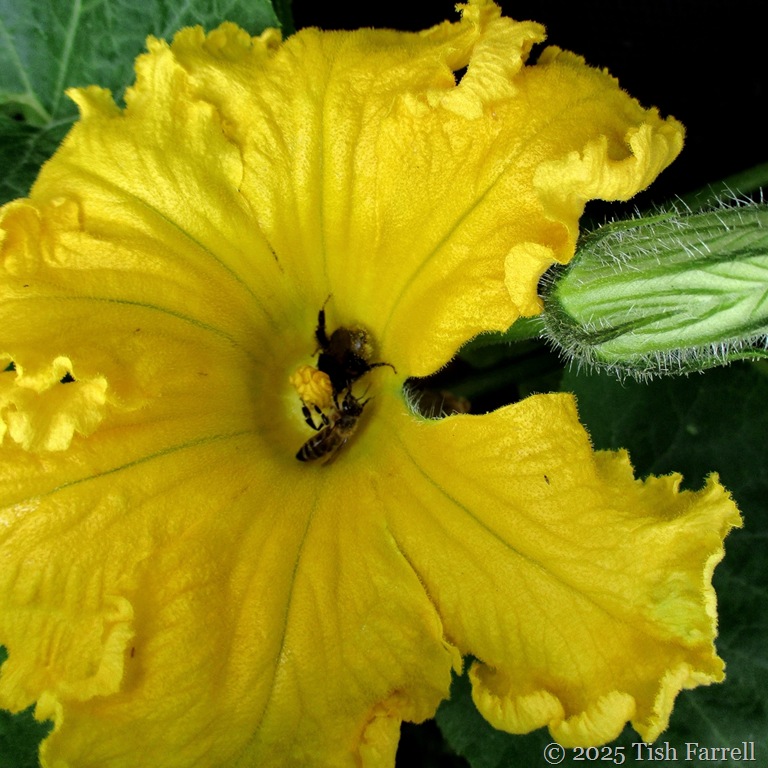
It’s been a sixes and sevens sort of a day – perhaps nothing new in the Farrell domain. It started off beautifully. At nine this morning the garden was filled with hot sunshine. There was a wind, but it felt warm, and it was wafting the scent of squash flowers across the lawn. Who knew that Japanese squash flowers smelled so lovely. And why would they need to when they already make such a show – little suns on stalks. Anyway, the bees were crowding in, not only drilling into the nectar chamber beneath the single stamen, but also bathing themselves in pollen.

Talk about a bug bacchanalia. It was all bees knees and no decorum. Each bee shoved its way in, regardless of existing occupants. After much frenzied barging about, followed by concentrated scoffing, it stumbled out again, looking slightly dazed, before diving into another squash flower.

tangle of bumbles

*

Perhaps the bumble and honey bee punters knew the squash bar would soon be closing. For so it was. By ten o’ clock, summer had gone. The wind turned cold; sky was dark and down came the rain in short sharp bursts. We needed it of course, but for a spell it seemed as if autumn had dropped in too, the seasons changing before our eyes. All very disconcerting.

The squash flowers were spoiled of course, their petals sadly deflated.

Grey skies loomed on with more rain threatened. With the sudden coolness, it seemed like a good time to plant out cabbages, though I still had to fend off all the white butterflies who for weeks have been trying to lay their eggs on my netted kales and caulis.

And then something odd started going on with the town hall clock. Sometime around lunch time it began to chime. And then kept on chiming in somewhat drunken fashion. I think it must have chimed at least twenty ‘o clock, and I vaguely wondered what this might mean, and if we’d suffered some kind of Rip Van Winkelish space-time shift. And would we care if we had.

Meanwhile, between showers, he-who-build-sheds, pressed on with his construction that looks like a car port but isn’t for the car. The sun and blue sky returned. The squash plant developed several new buds nicely set up for tomorrow’s opening. Inside a deflated one I found a bumble having a kip. I didn’t disturb it.

Just another day at the Castle.

squash header

copyright 2025 Tish Farrell

As We Walked Out One August Evening

IMG_8622ed

So why don’t we have supper with the elephant? says I. We can take a picnic.

It was Sunday evening, and he-who-builds-sheds had been toiling all day on a new construction. (We call it ‘the car port’, but it’s not for the car.) The response was not altogether encouraging. I knew he was thinking of the hill climb in the heat. I thought of it too, but the notional destination outweighed resistance. I packed a couple of small cool bags with spicy cooked chicken, bulgar wheat salad, apples and some elderflower kombucha.

We set off a little after six. The sun beamed hotly. (What a summer we’ve had).

The walk I had in mind is a climb of two parts, the first being the short sharp yomp up our street to the top of the town. This haul can be alleviated half way up from our house by deviating into Laburnum Alley, a shady ginnel of ancient walls and overhanging greenery, that wends more gently around garden perimeters, and brings you, breathing easily, into Welsh Street.

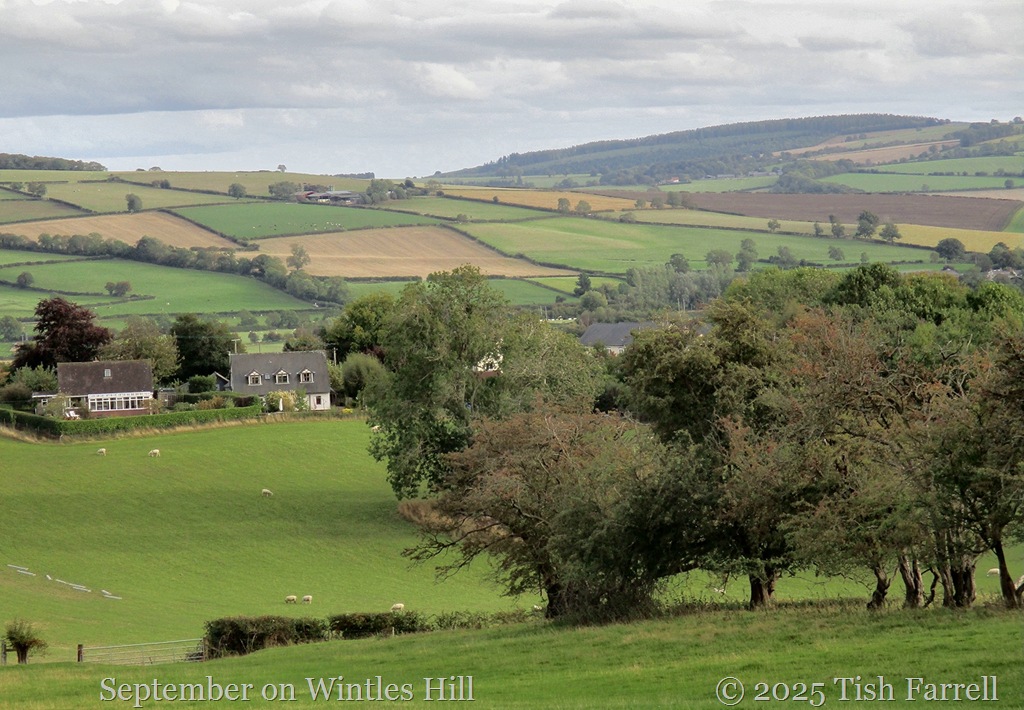
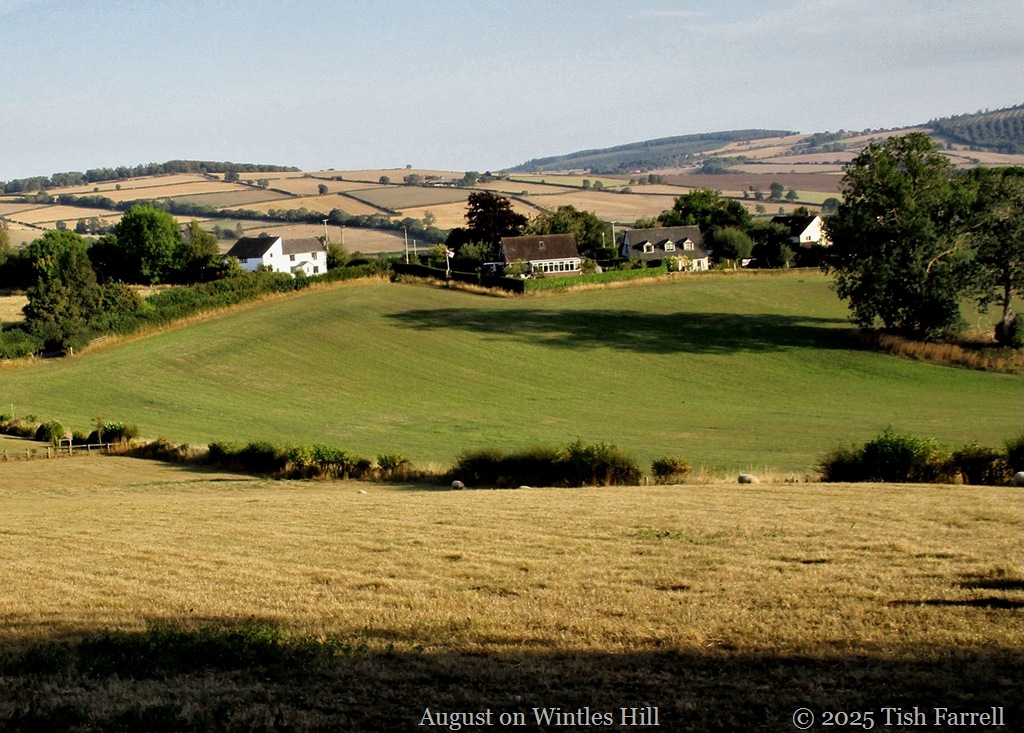
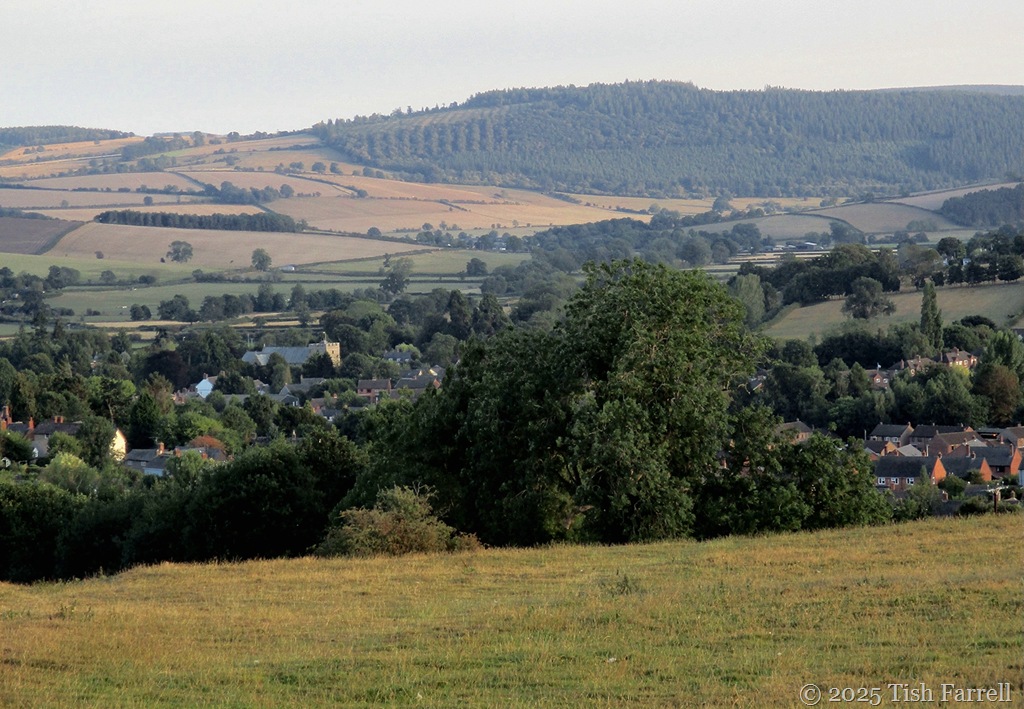
Next there’s an even stretch along the road around the Wintles mini eco-village before we head into the shade of this settlement’s privately owned (but freely accessible) woodland enclave of vineyard, allotments, and bosky meanderings. The Shropshire Way also bisects it. We pass through the gate into the field behind the gardens, and start the main climb. We’re headed towards Wales now, the Long Mynd our right.

The field behind the Wintles woodland still looks remarkably green, this despite the months of drought. But above us, the fields are pale ochre, shorn of pasture or wheat, the hedgerows tousled, fringed with dead grasses and thistles bursting with down.

IMG_8613 ed

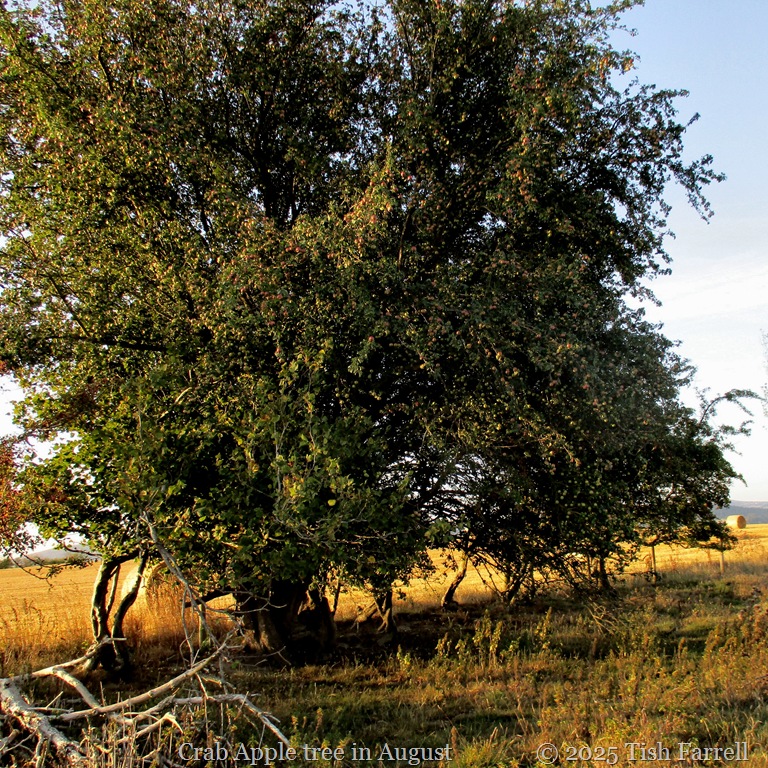
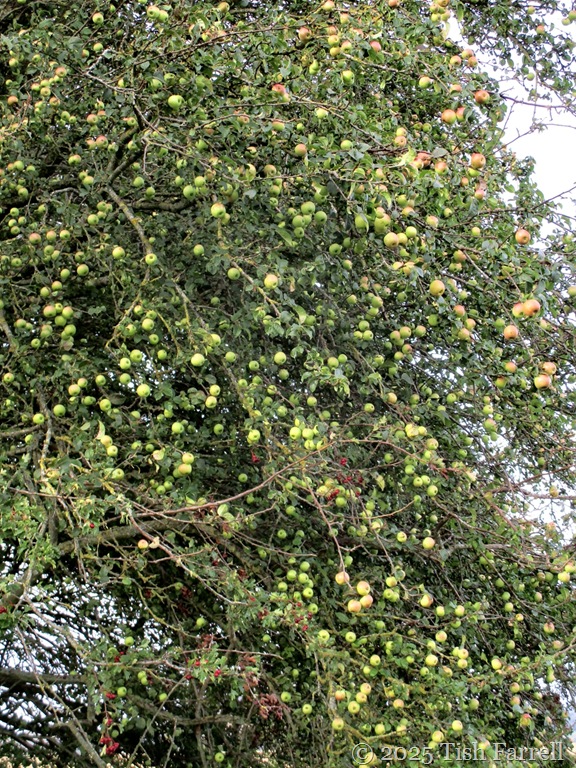
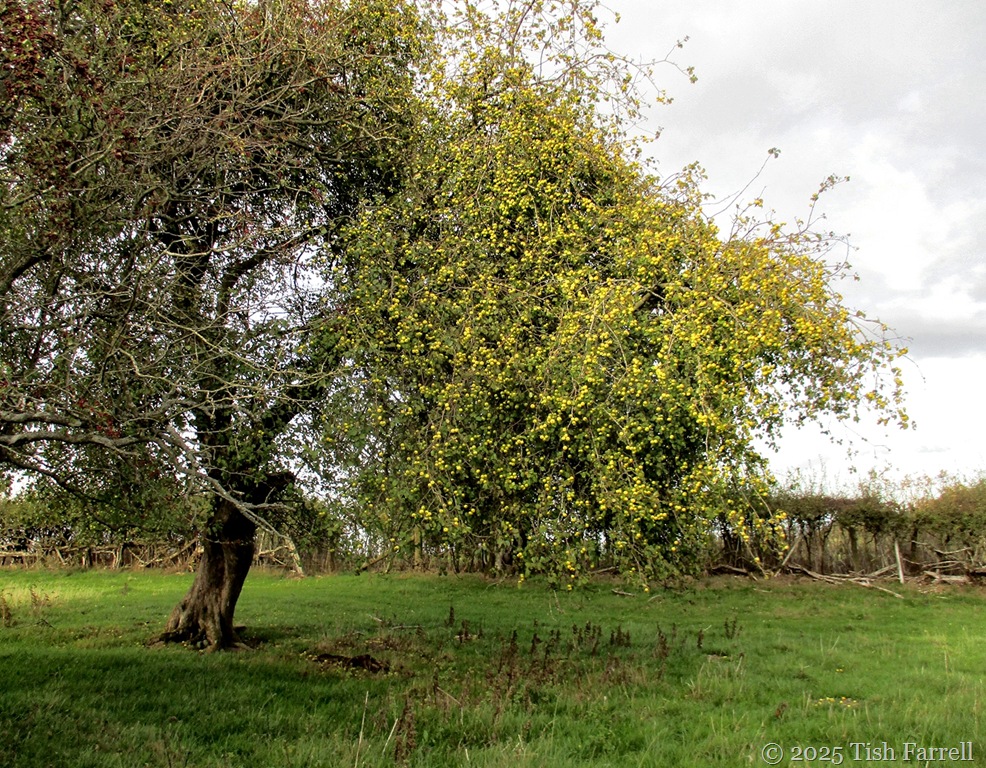
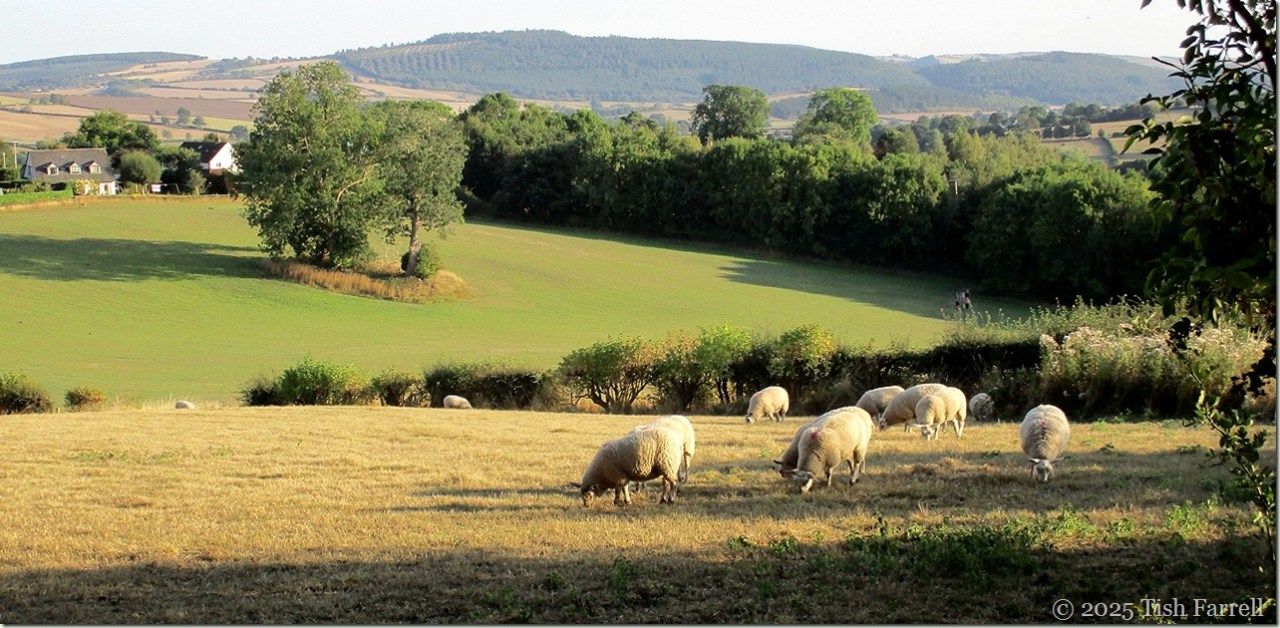
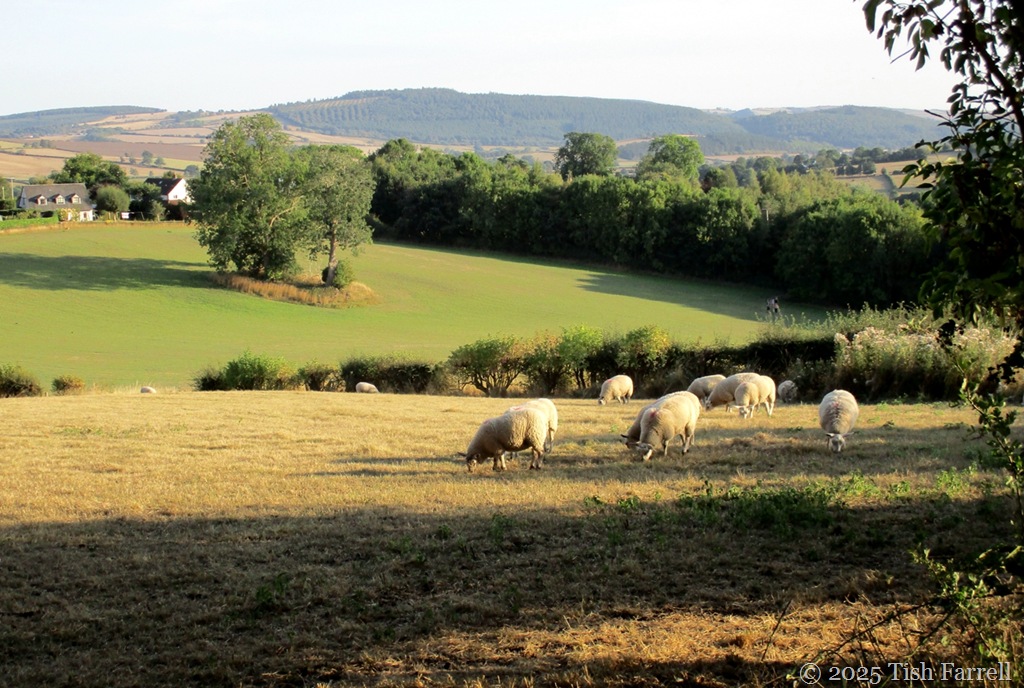
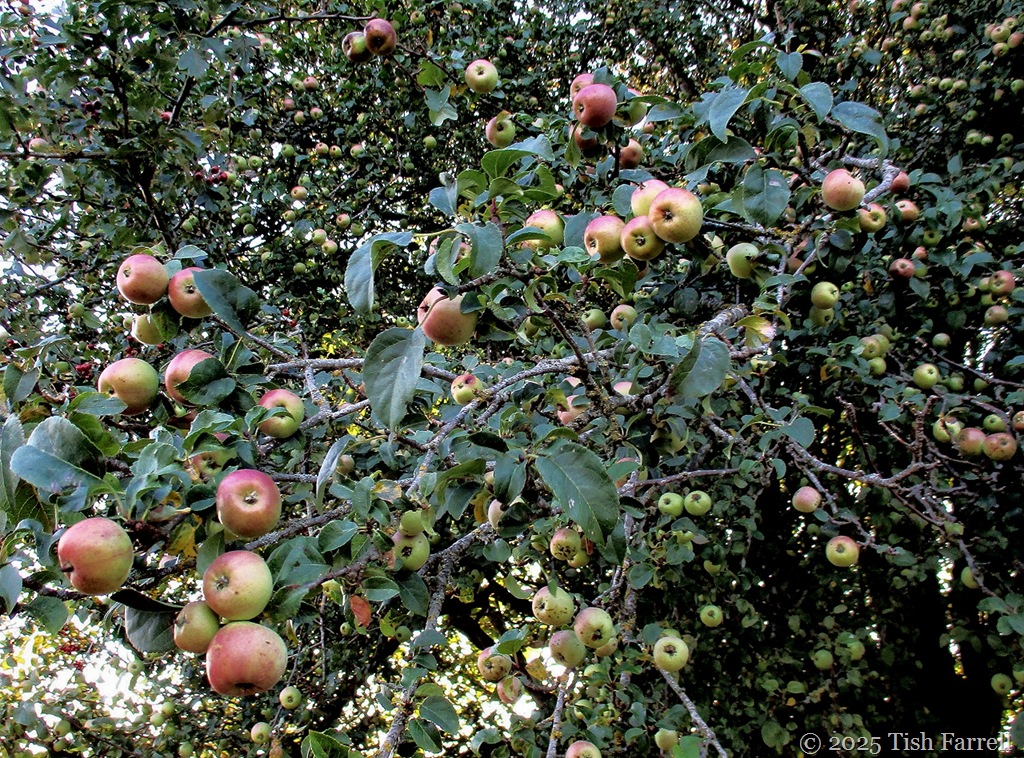
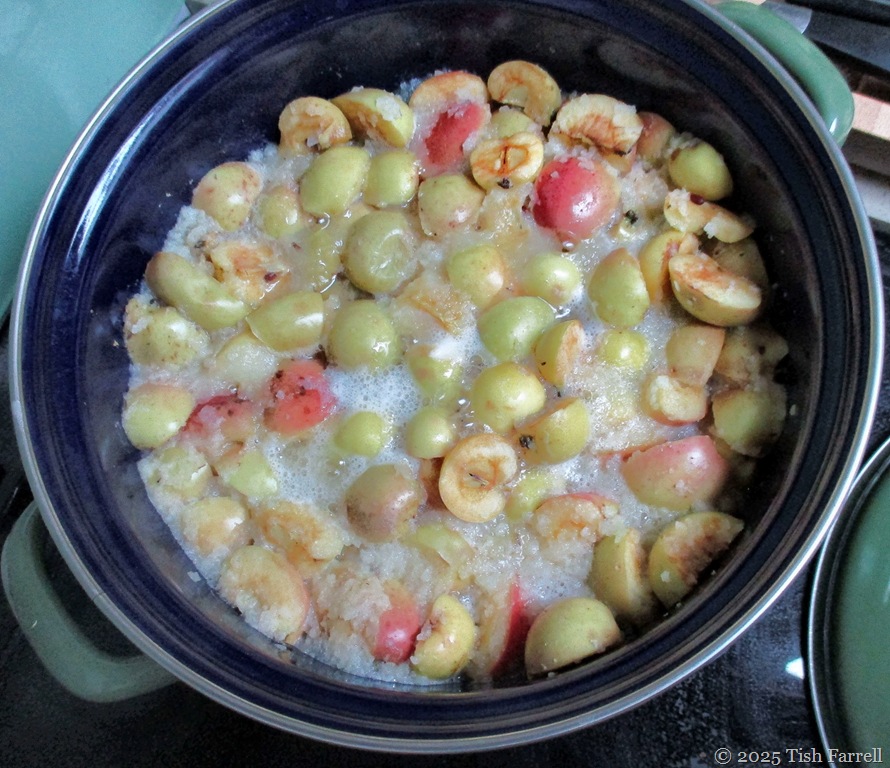
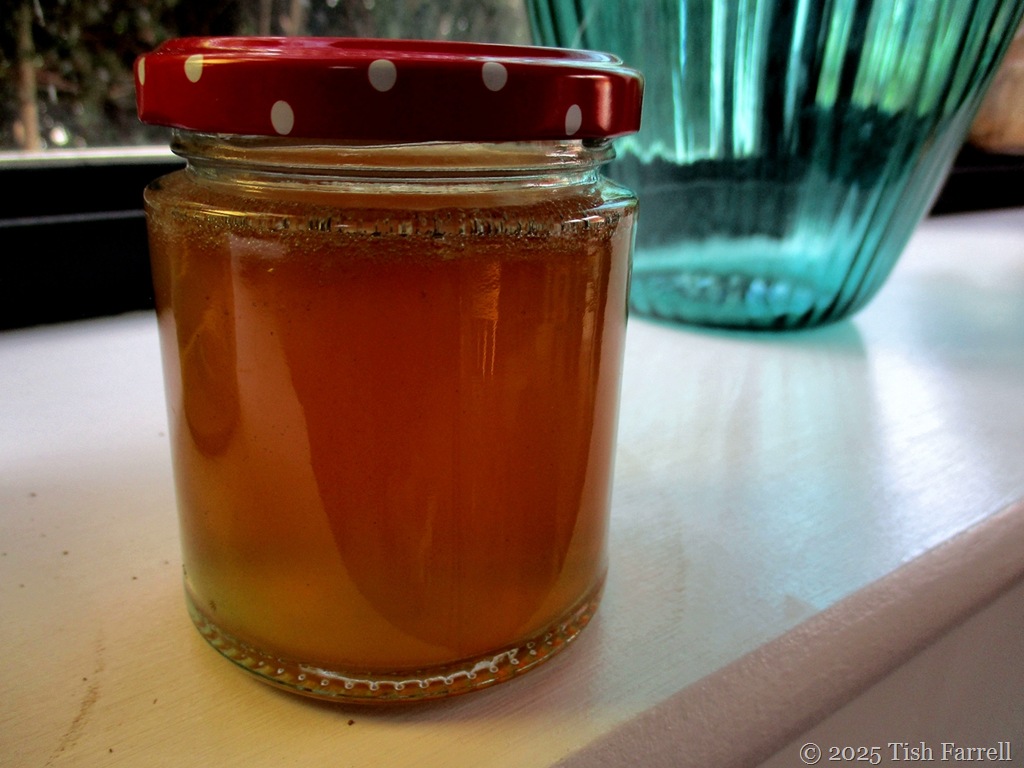
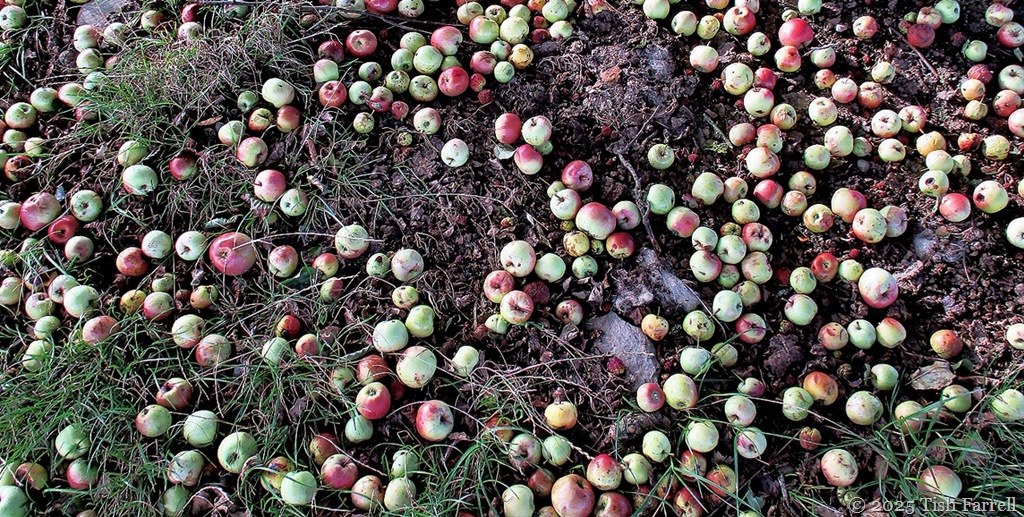
The few sheep we pass seem happy enough, and we begin to see that not everything has suffered from the lack of rain. The red clouds of the berry-laden hawthorns are astonishing, so copious is this year’s crop. The elders, too, are weighed down with ripe black berries, and later we see bushes of fat blue sloes (think passingly of making sloe gin), and then come upon a crab apple tree so crammed with fruit it is almost too good to be true. Excitement mounts. Crab apple jelly will definitely happen – if not yet, then very soon, and feasibly in quantities for all of Bishop’s Castle.

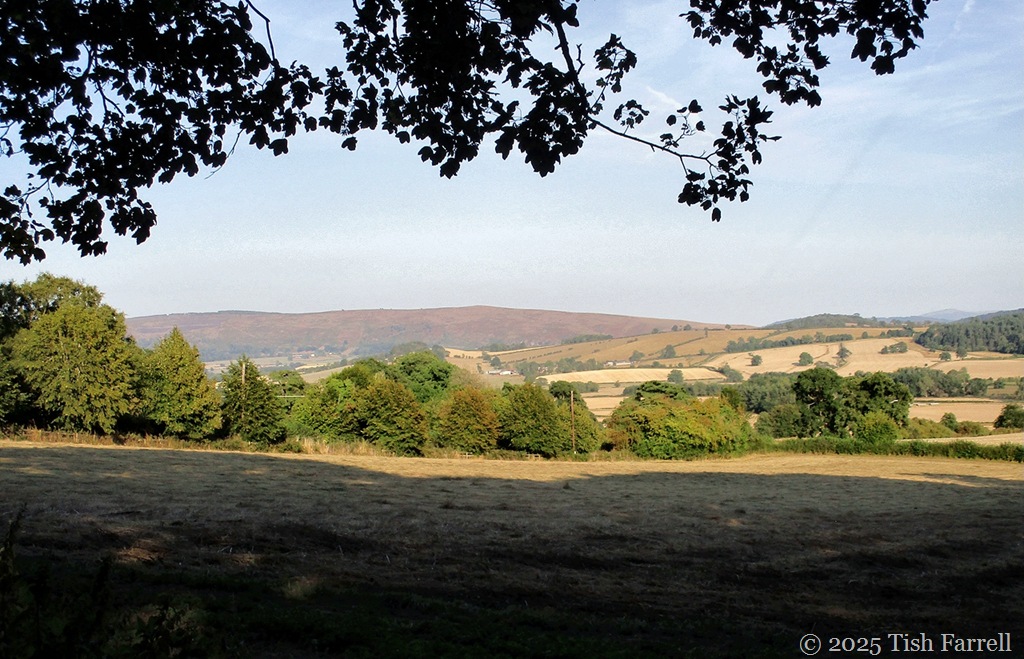
But first the picnic. We follow the footpath markers through two gates and into the trees below Foxholes Campsite. There’s a good view of the Longmynd now…

Longmynd

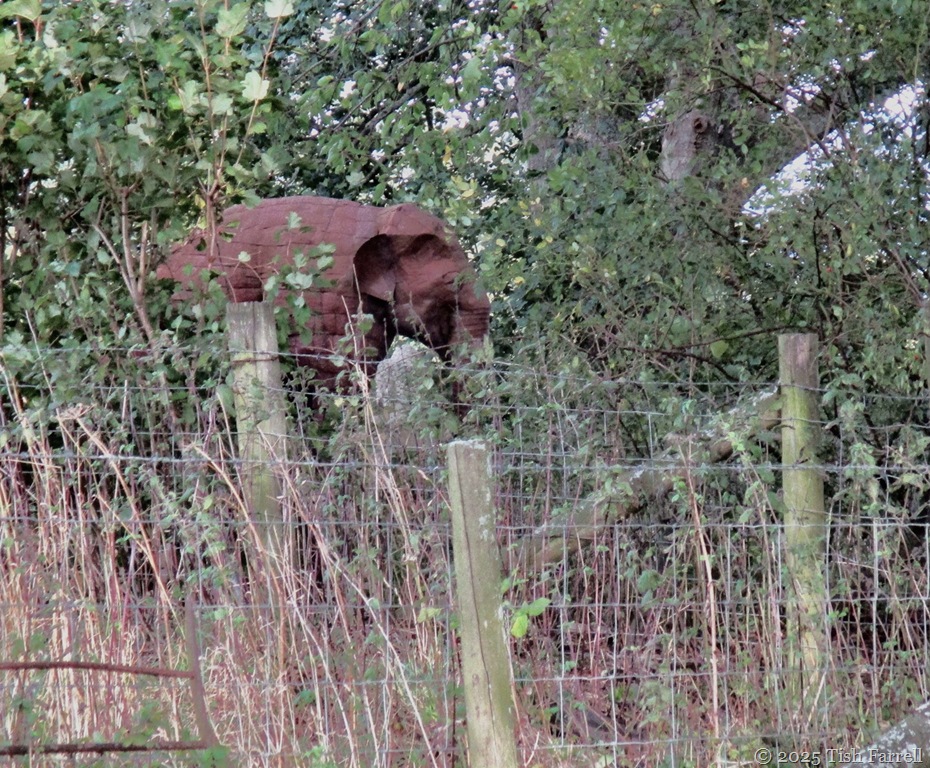
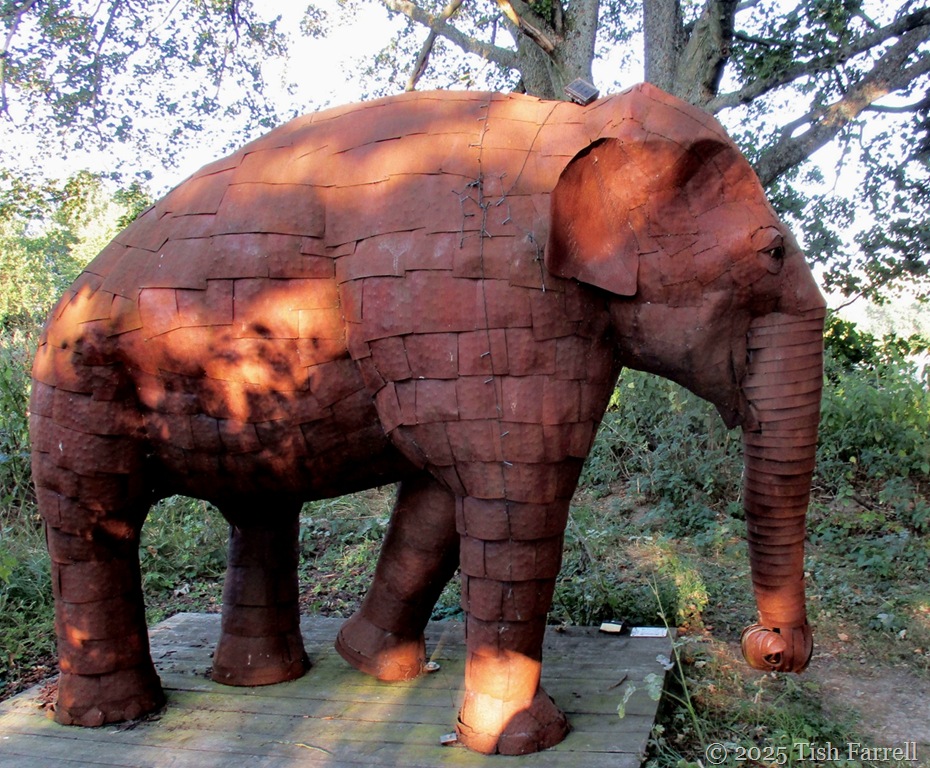
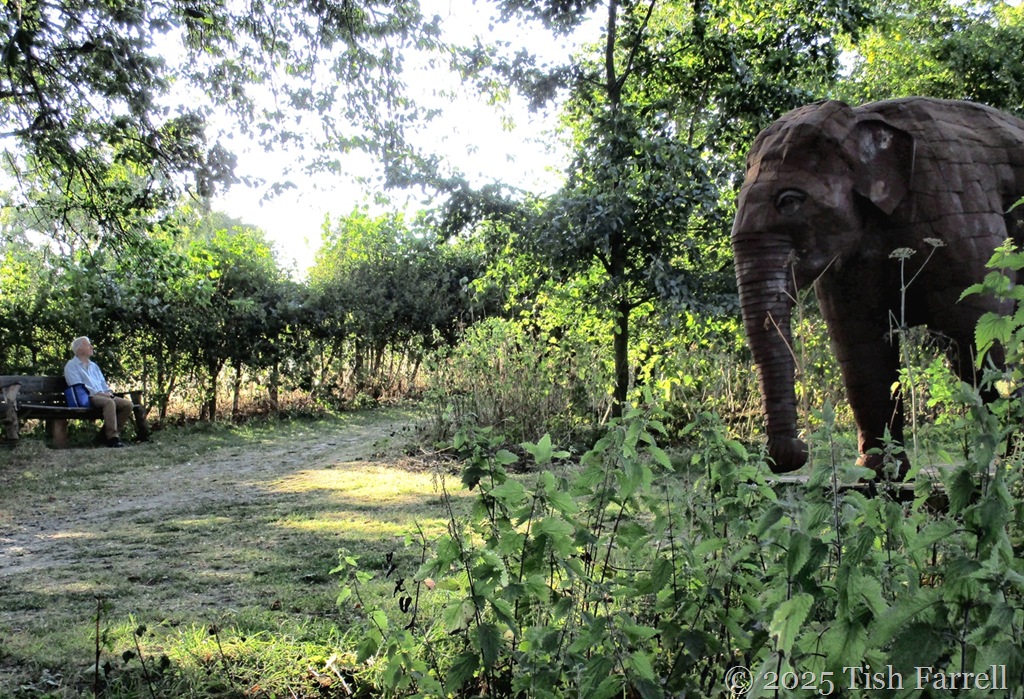
…and there is also an elephant…an Asian elephant…

elephant 2

*

Some of you will have seen this before, and I’m sorry to say that I’ve still not tracked down who made her or why she is here in this particular spot.

*

IMG_8627ed

But here, then, was the envisioned picnic spot.

We ate our supper, sitting on a fine seat commemorating a lost love, greeting camping folk as they passed by, listening to the breeze in the trees. The elephant did not have much to say. Nor did Buddha who was sitting near us:

Buddha

Just some quiet communing.

Once we’d eaten, I thought I could risk suggesting a little more climbing. This time to the top of the hill to see the views towards Montgomery.

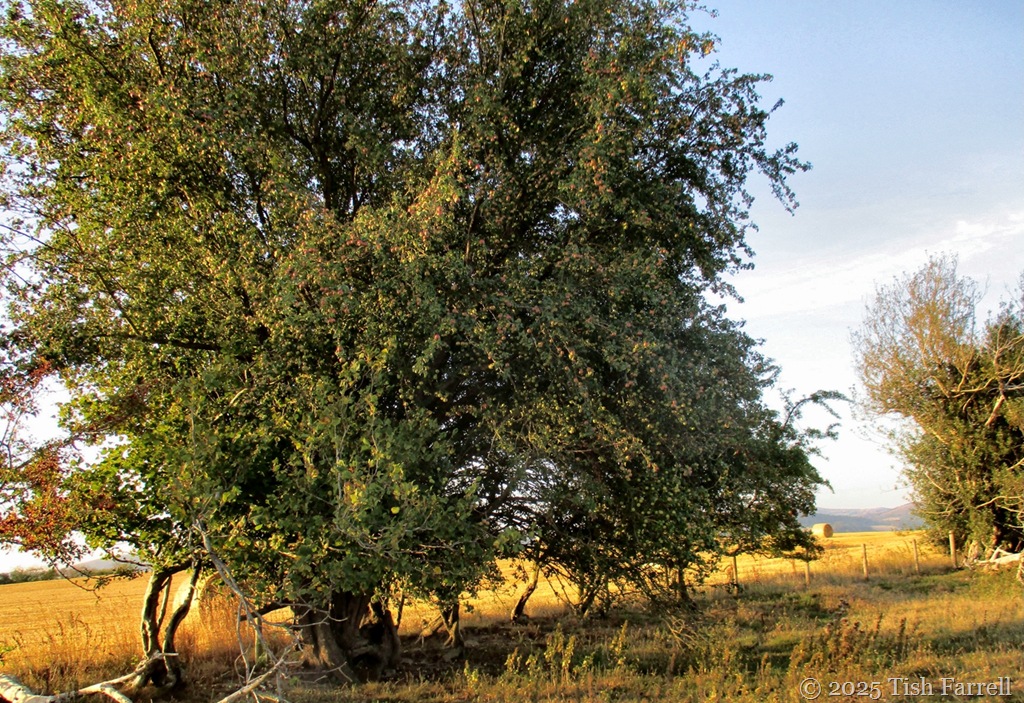
It was here we found the crab apple tree.

crab apple and haw accessories

crab apple tree

*

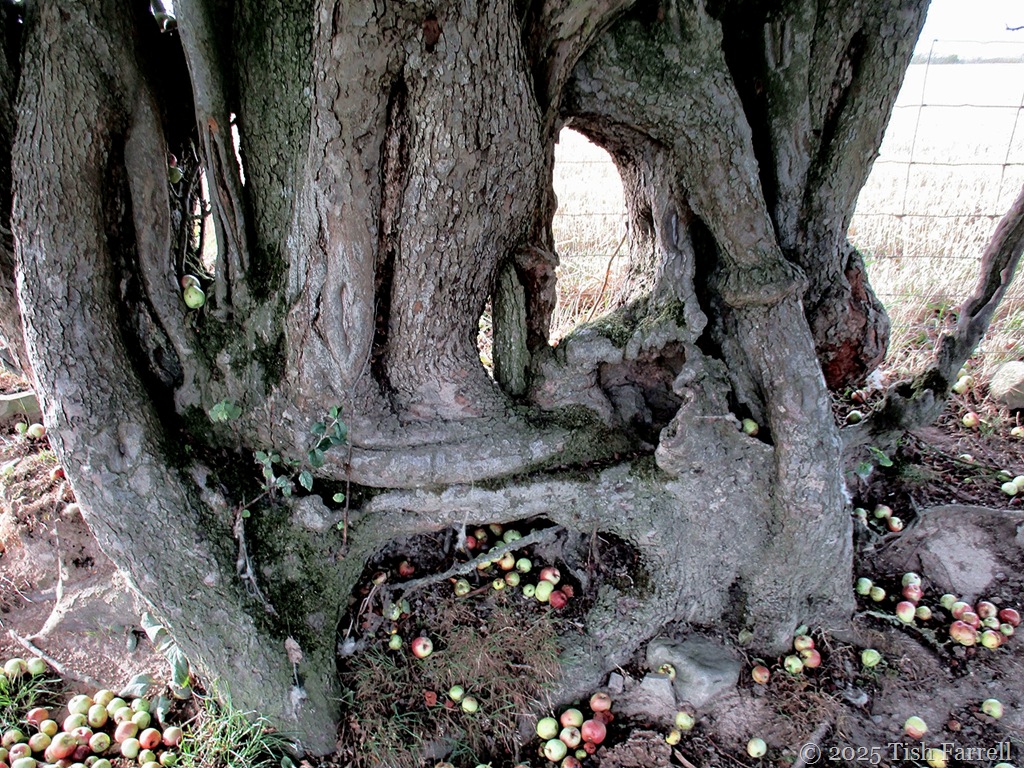
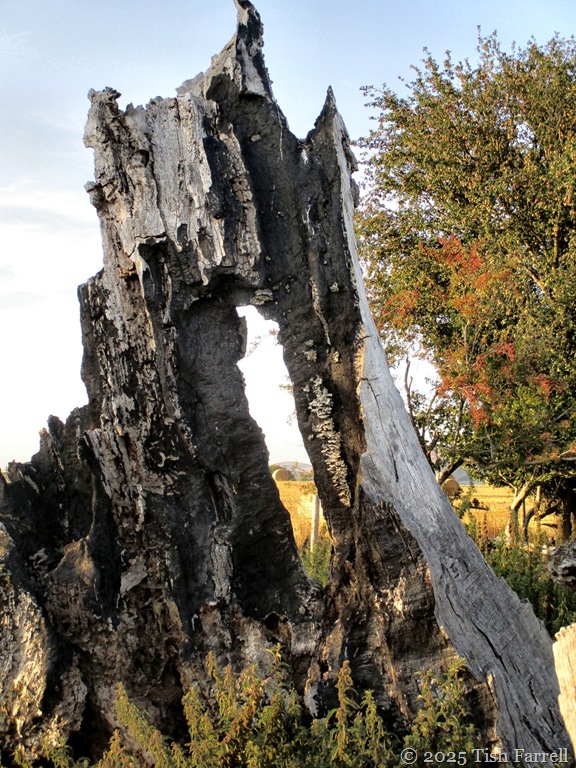
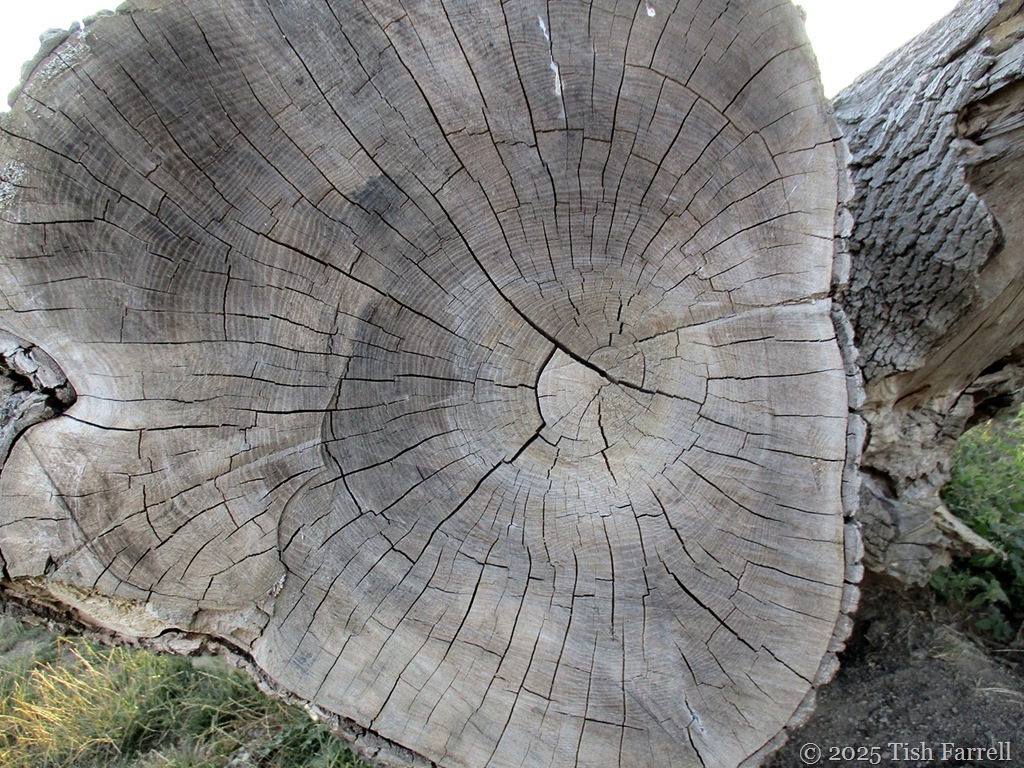
And next to it a fallen giant with its own elephantine qualities. It looks to have been struck by lightning many moons ago:

tree window

tree rings

*

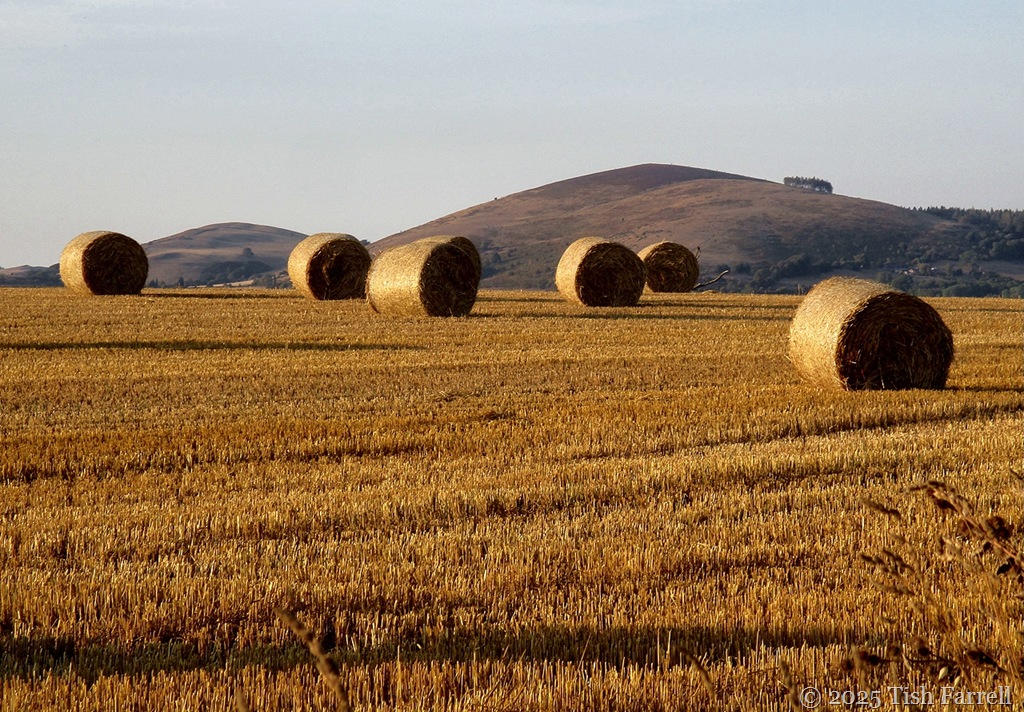
And beyond it the wheat field, the crop harvested and the straw bound in roundels, which for some reason are always appealing:

stubble

*

Then it was time to turn for home, slithering down the hill on sun baked ground…IMG_8666ed

*

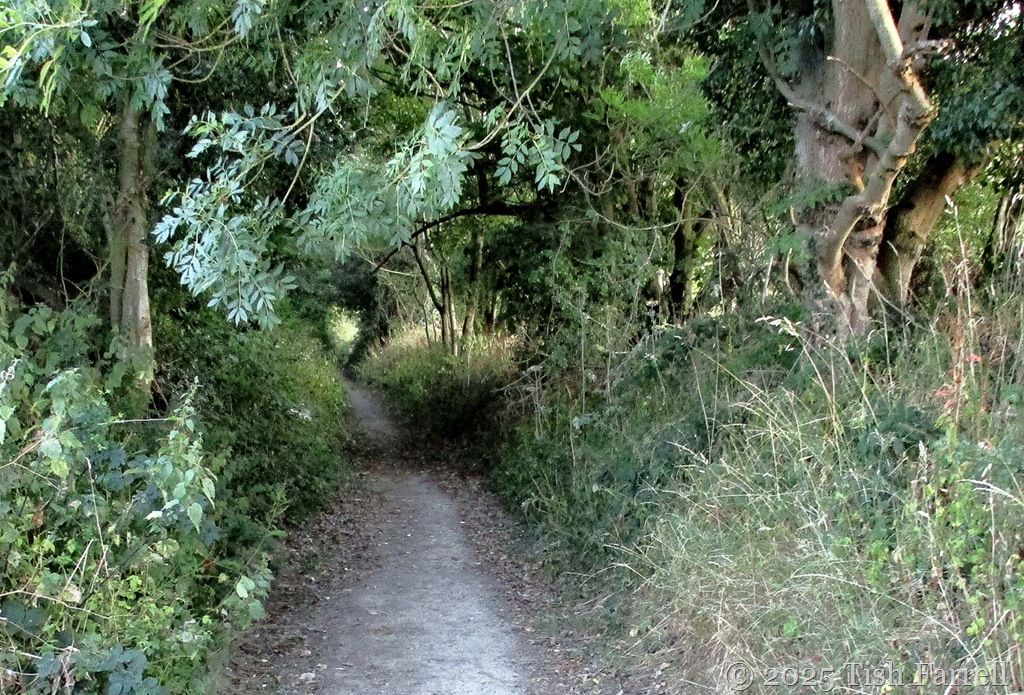
…and on down the hollow way, back to the Wintles.

hollow way

*

We should do this more often, we said when we arrived back at the Gables.

copyright 2025 Tish Farrell

Bees, Bugs, Blooms and Borlotti

bees squash

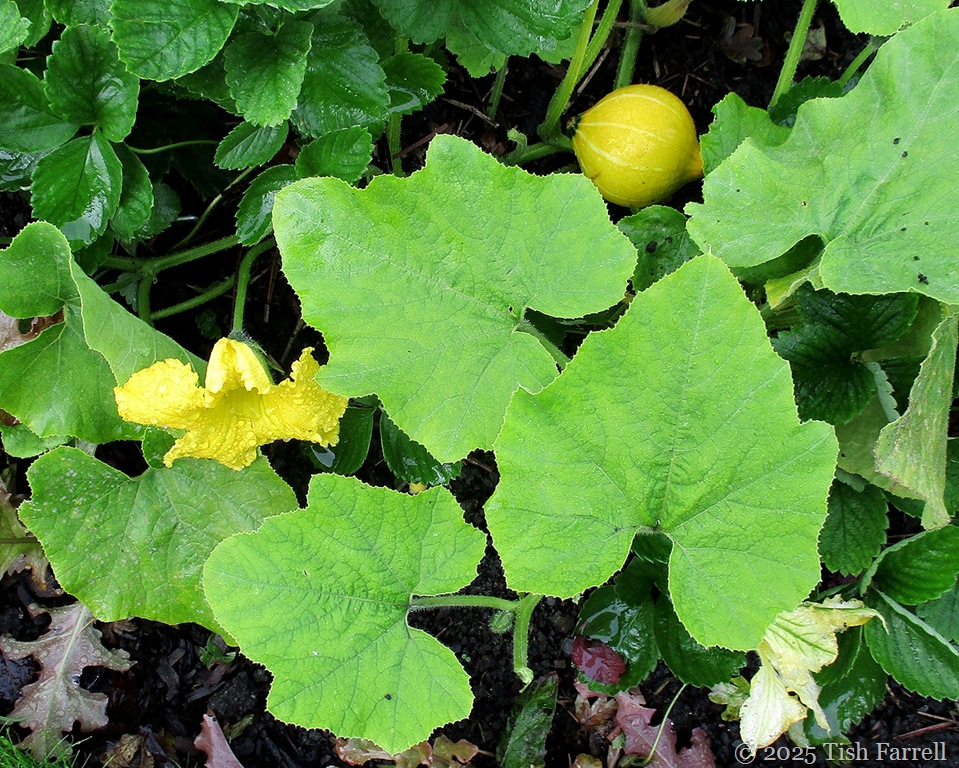
[1]  Earlier in the summer I grew some uchiki kuri squashes from seed and planted a couple on the boundary wall. This is is the wall that had a ‘flower’ bed in the middle of it and was originally choked with Rose of Sharon shrubs, Spanish bluebells and ash trees. I wasn’t expecting too much of it once I’d cleared it, but it seemed like a useful space that could not be wasted. Much to my surprise the squashes have taken off like magic beanstalks. Even had to stop them heading off for the top of the town.

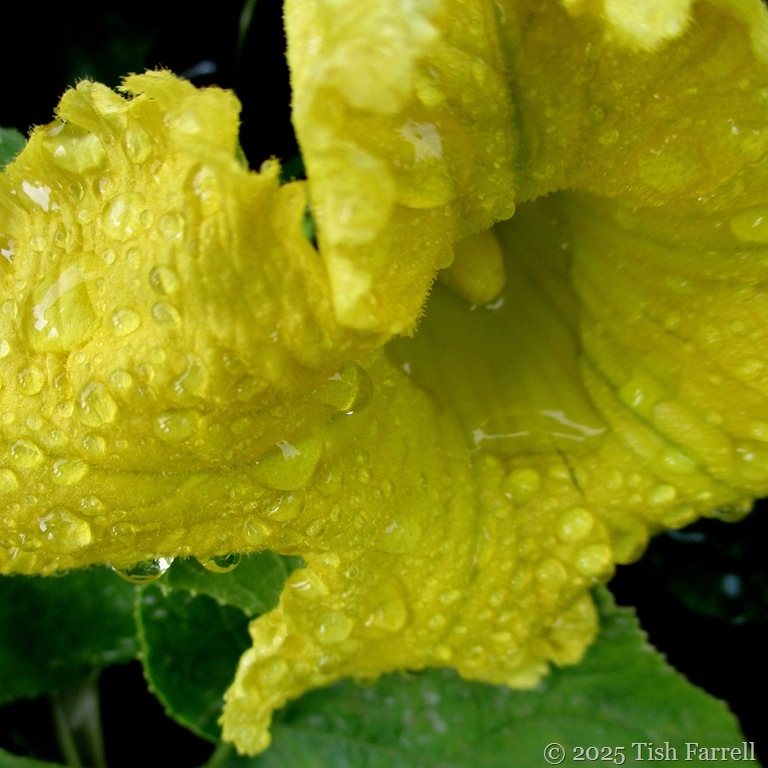
The leaves are huge and the flowers are wonderful. Bumbles, honey bees, beetles and hoverflies think so too. They are currently getting drunk, shoving their way into the male flowers, and drilling down into the nectar below the stamens. In the process they are bathed in pollen. They can’t seem to get enough nectar and don’t care how many of them squash in there, or if they are different species.
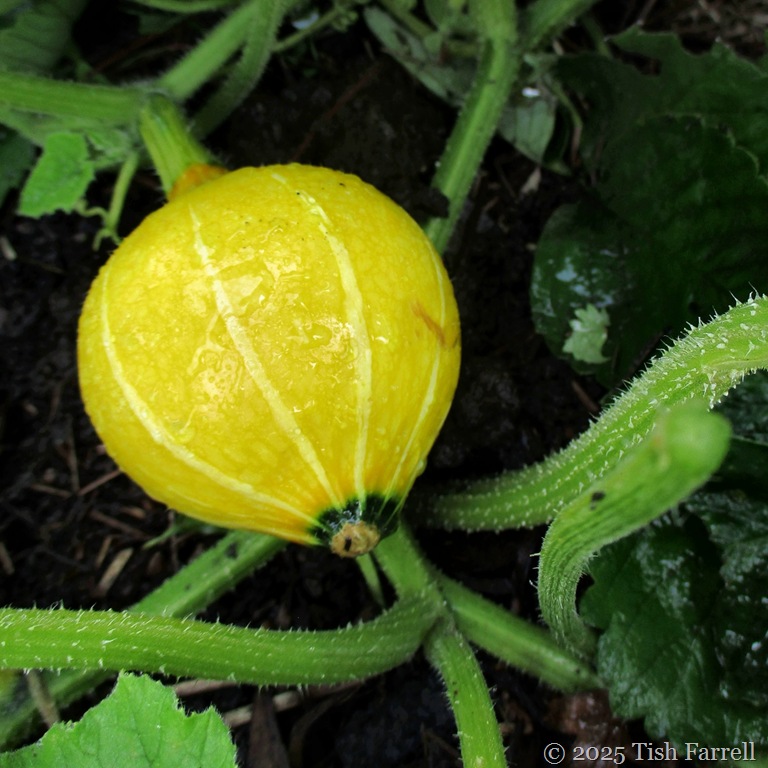
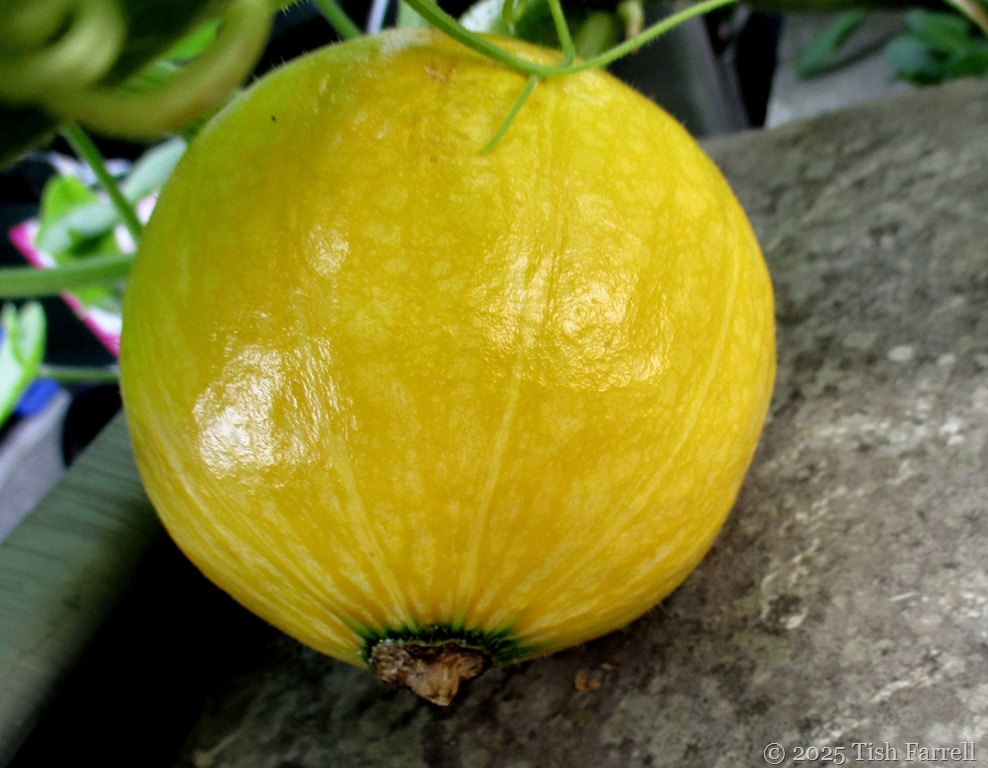
And this is what they have made.
squash

So far it’s about a hand’s width across. There’s a slightly larger one behind the oil tank, and a couple of smaller ones besides. Thank you bugs and bees. Some of you seem to be sitting around the garden with hangovers.

*

IMG_8437

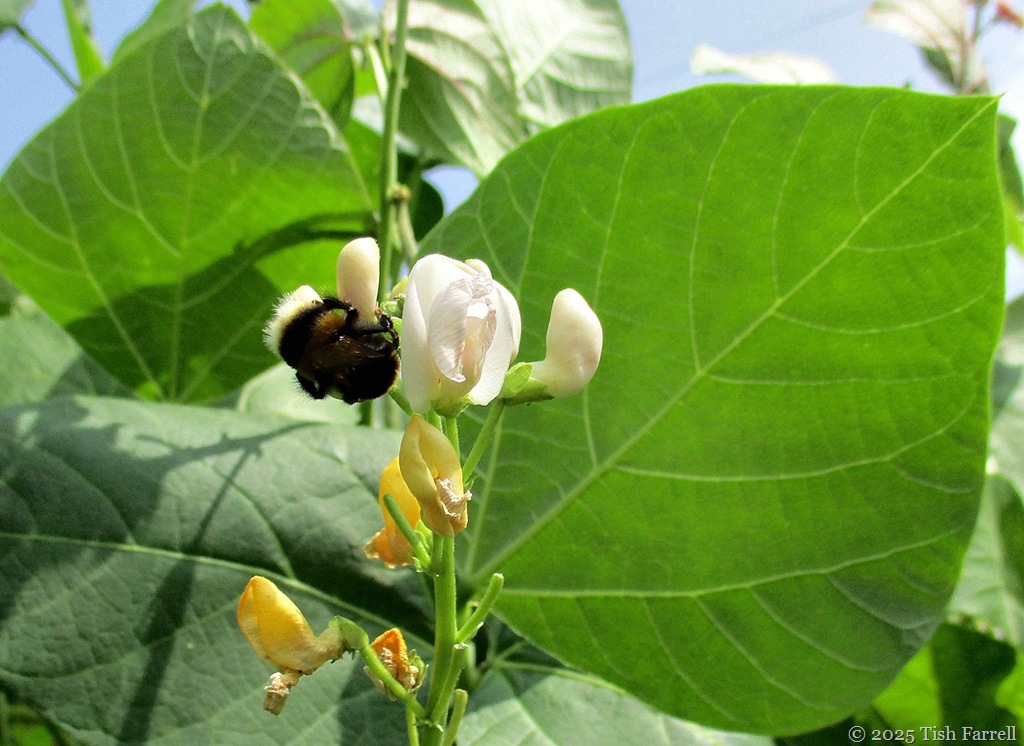
[2] The runner bean plants are still looking good and there is a mass of blossom, but so far they have been slow to set and the cropping sporadic. Too hot for them it seems. We’ve still had very little rain, apart from a good cloudburst on Thursday which added a few watering cans full to the water butt. And it certainly refreshed the garden, but did not last long enough to really penetrate the soil. The days have been much cooler though, and today there are signs of more beans coming. The bees have certainly been doing their best here too.

bumble and beans

*

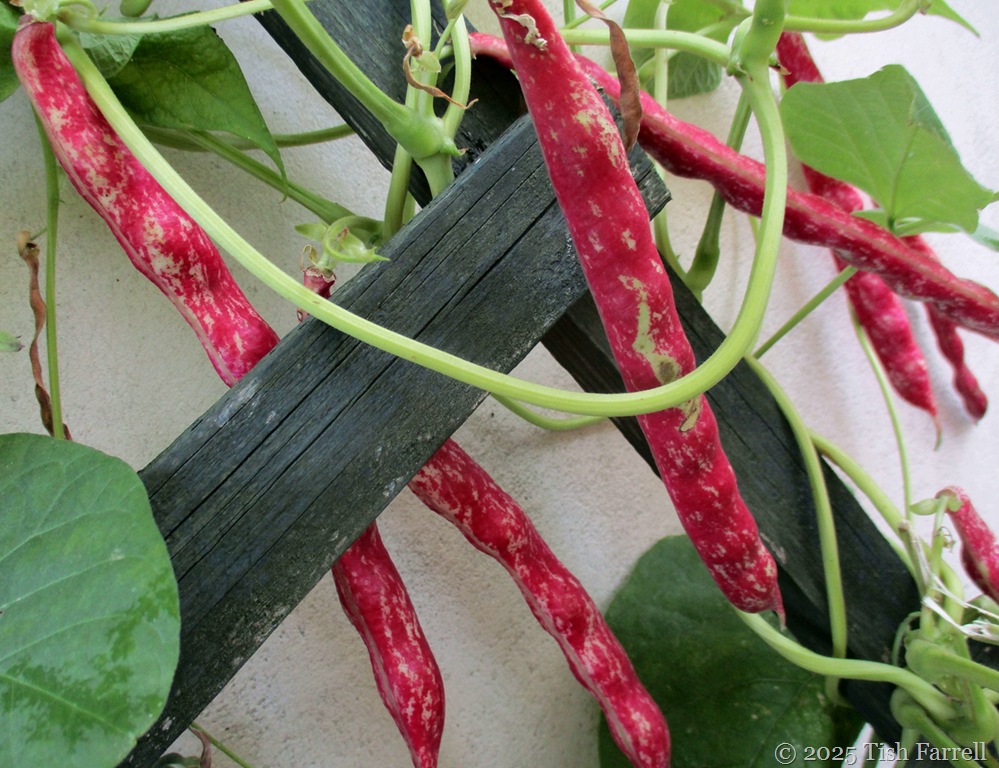
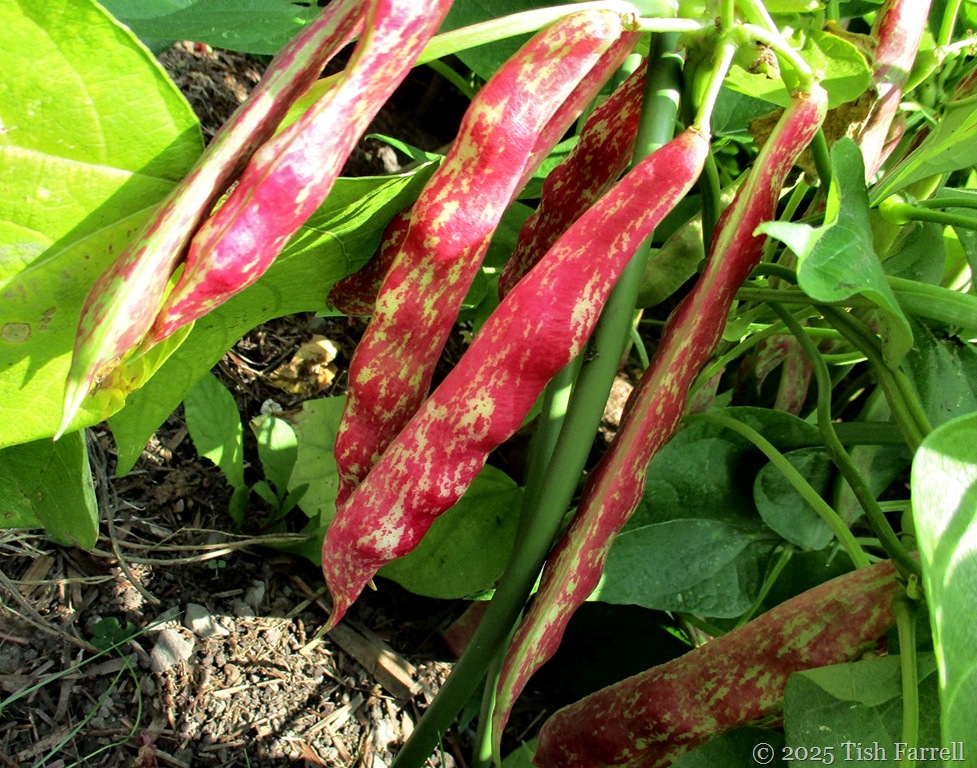
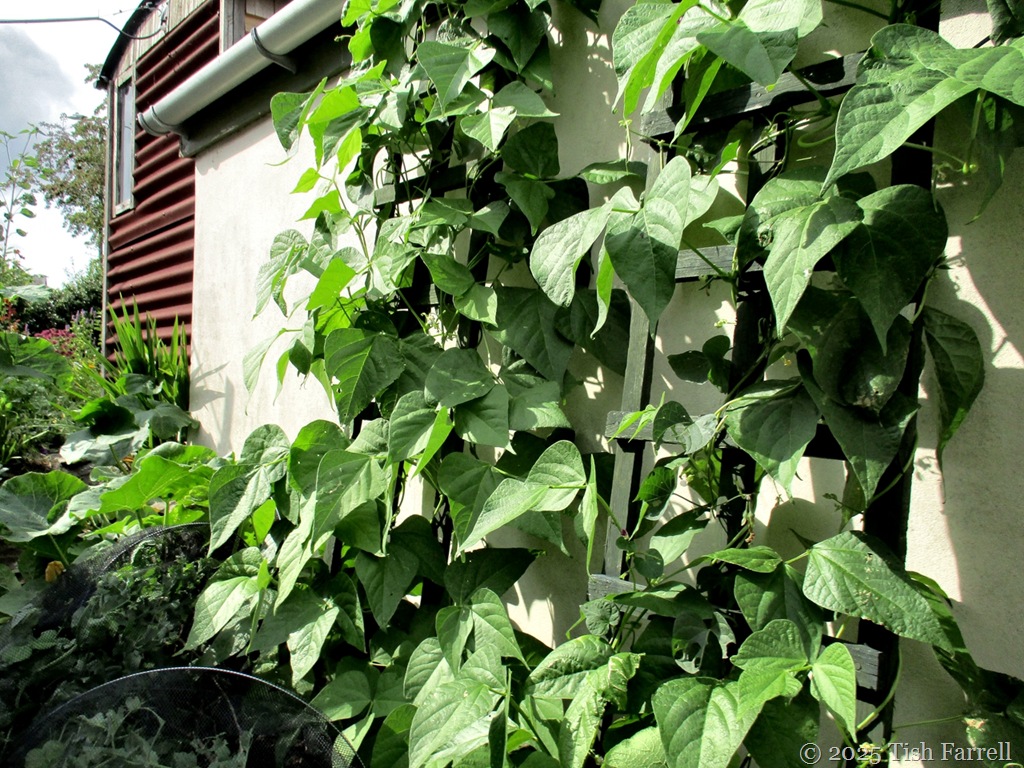
[3]  When I had my allotment I used to grow big rows or wigwams of climbing borlotti beans. Here at The Gables I haven’t the space. Instead, I have half a dozen plants growing up an obelisk in the front garden, and also a few more plants growing up some trellis beside the neighbour’s garage wall in the aforementioned border bed i.e. between the squashes. The beans are just beginning to set, but have a long way to go yet.
Meanwhile, in the bed in front of the runners, I have a short row of dwarf borlotti beans grown from seed. This was the first time I’ve grown them, and goodness, much like the squashes they zoomed off almost as soon as I’d planted them out. Already there are clusters of fattening pods. I love them for their colours as well as for cooking. So fingers crossed for a reasonable crop and no bean-boring bugs.

borlotti

IMG_8519

These are the climbing borlotti beans growing up some recycled trellis, and propped against next door’s garage, glimpse of squash plant to the rear. Some peas under the mesh in front are presently being nibbled. Graham, wearing his plant pathologist’s hat, tells me it is pea weevil. We entertain all bugs here – the good, the bad and the weevils.

*

[4]  It’s been a struggle stopping the herbaceous borders from flagging. In the front garden we left all the privet hedge cuttings on the flower beds to provide a bit of protection. I had mulched a number of plants earlier in the summer, but the blackbirds have kept moving it everywhere but under the plants.Most annoying.

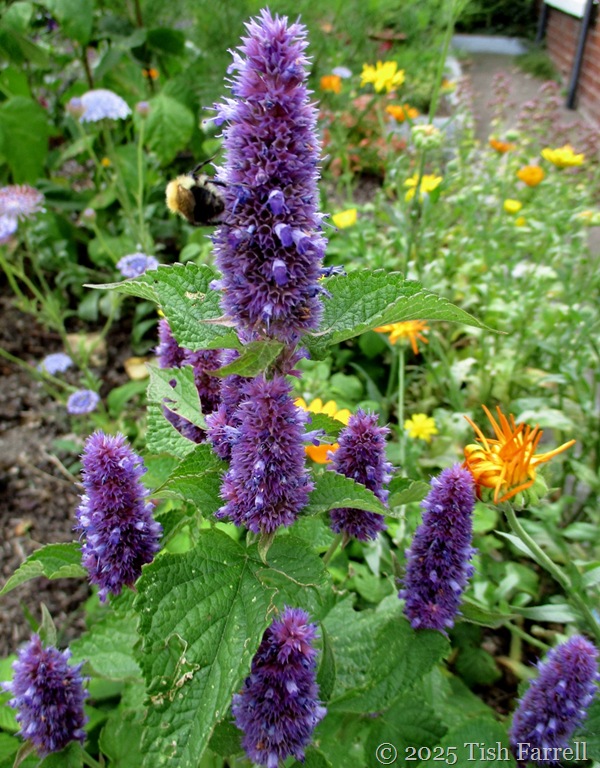
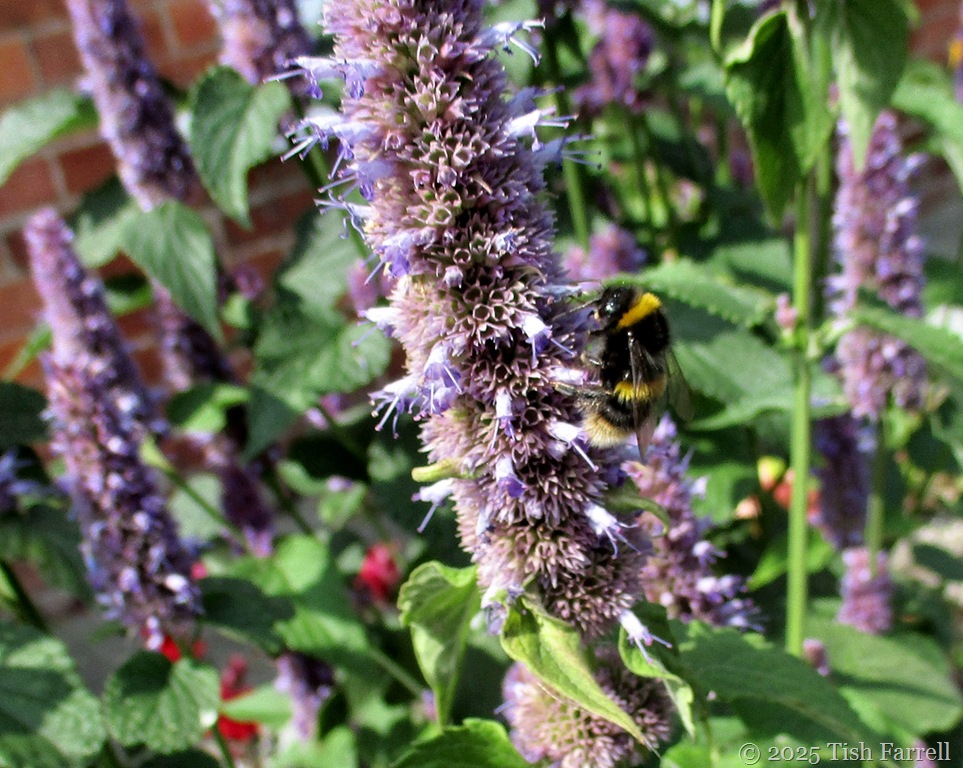
Still, things have survived, and now the late summer flowers are coming to the fore, and especially the Agastache, which I grew from seed last year. It’s another plant frequented by insects, including the cabbage white butterflies. I love its mauvy purple spikes, and the aniseed scent of its leaves.

IMG_8524

bumble agastache

*

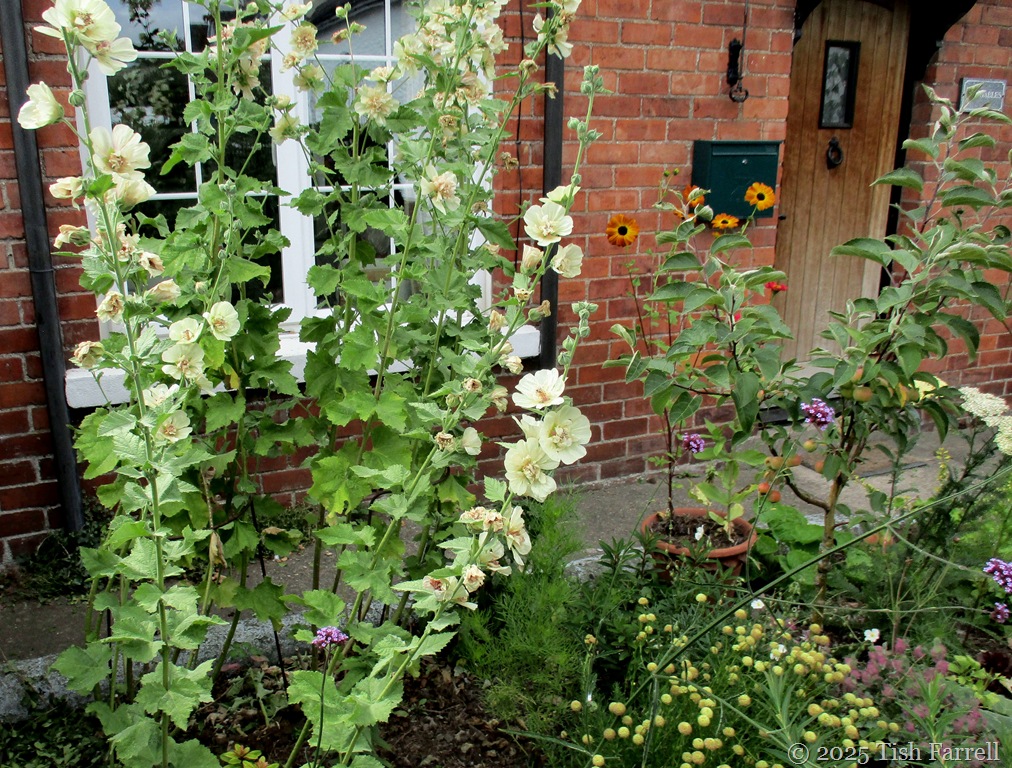
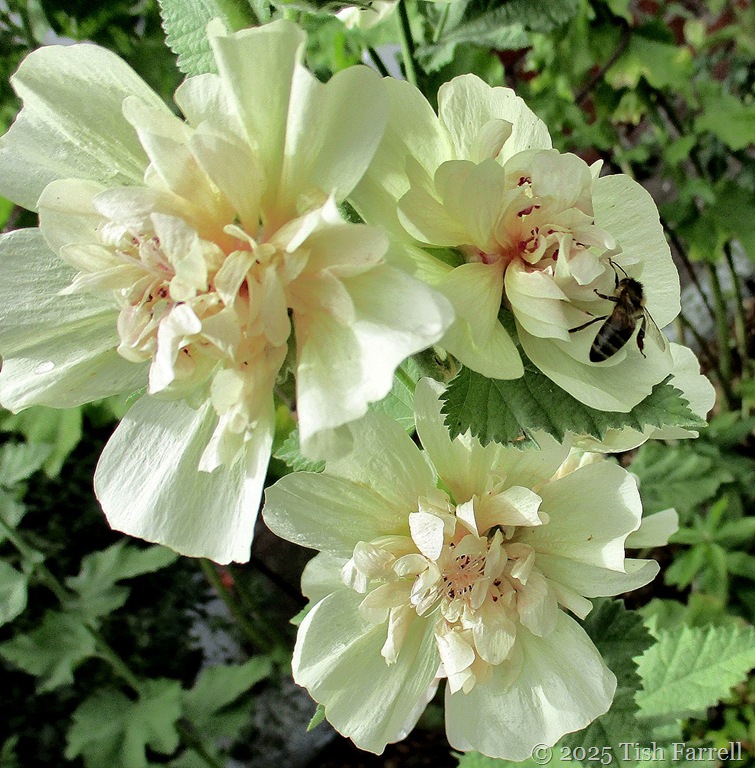
[5]  When I was thinking how to plant the front garden, I was much beguiled by Alcathaea ‘Parkallee’. I’d spotted it in a garden catalogue and was attracted by the fact that, as a crossbred hollyhock and mallow, it was immune from rust that frequently attacks hollyhocks. It also looked very pretty and so was among the first plants I bought for new garden.

It’s been flowering beautifully, despite the drought, but it does grow very tall, and thus has a tendency to flop over. I’ve found that cutting off the top few feet to put in a vase doesn’t seem to detract from the overall display. They anyway last very well as cut flowers too. Probably because they’re actually getting some water!

Alcathaea1

Alcathaea and bee

*

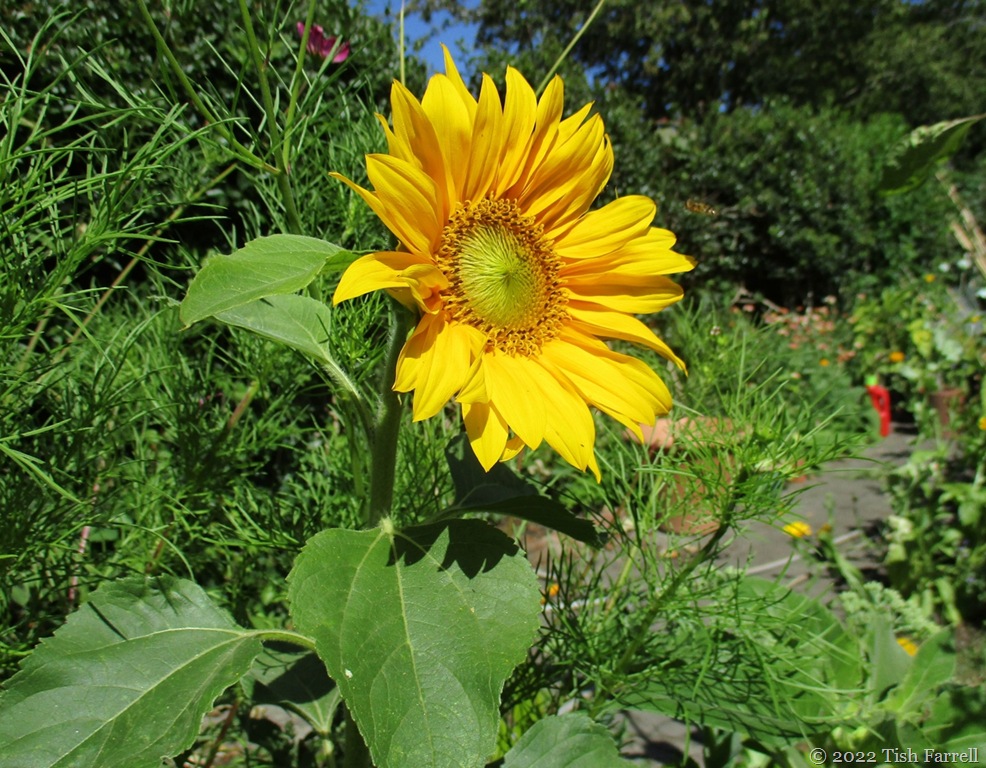
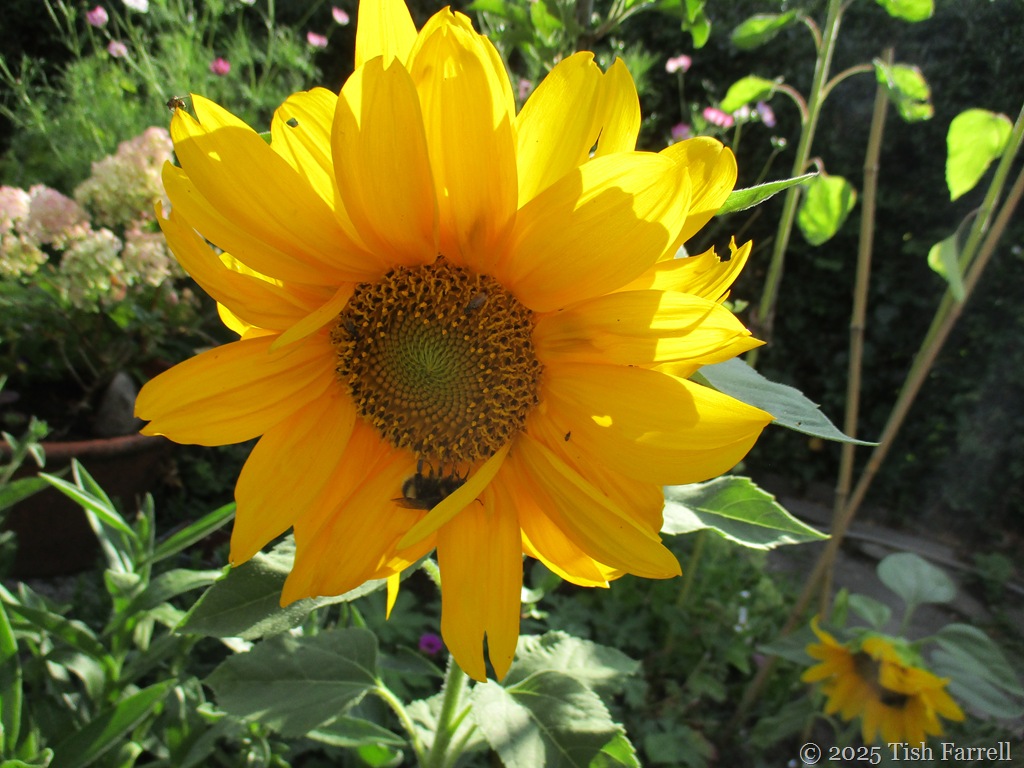
[6] And now it’s also time for sunflowers. I’ve grown all sorts, including the short Sunspot and some giant ones. Early summer plantings were zapped by some nasty bug and I had to cut off the main stems. Most annoying. Except now we have whole bushes of small-headed but long stemmed sun flowers which is actually very pleasing. You can see some orangey ones in the pot in the first Alcathaea photo.

 sun in sunflowers

The long…

…the tall

sunspot sunflower

…and the short Sunspot:

IMG_8432

*

It’s hard not to smile back at a sunflower Smile

Six on Saturday  Join host Jim at Garden Ruminations: lots of lovely plants and planting schemes.


Turning Red

IMG_8360ed

Yesterday surely was a red letter day – at least on the gardening front.

We had rain.

We did.

Enough to soak the top inch of soil. This I discovered in late afternoon when I went to dig up some Rooster potatoes whose leafy tops had been cut off some weeks ago.  I was surprised the rain hadn’t penetrated more deeply. We’d had a few heavy downpours during the day, along with gentle summer showers in between. It just goes to show how much rain is needed to nurture crops and all growing things. In fact, the soil under the potatoes had baked into an ashy crust, reminiscent of Bishop’s Castle’s very particular brand of lime mortar that holds our house together, the crust only penetrable with a hefty thrust of the garden fork.

But for all that quibbling, the garden does look relieved, some plants almost perky. This includes the runner beans which had been too overheated to make any beans. Now, with the cooler temperatures, they are abuzz with bees and (hopefully) making up for lost time.

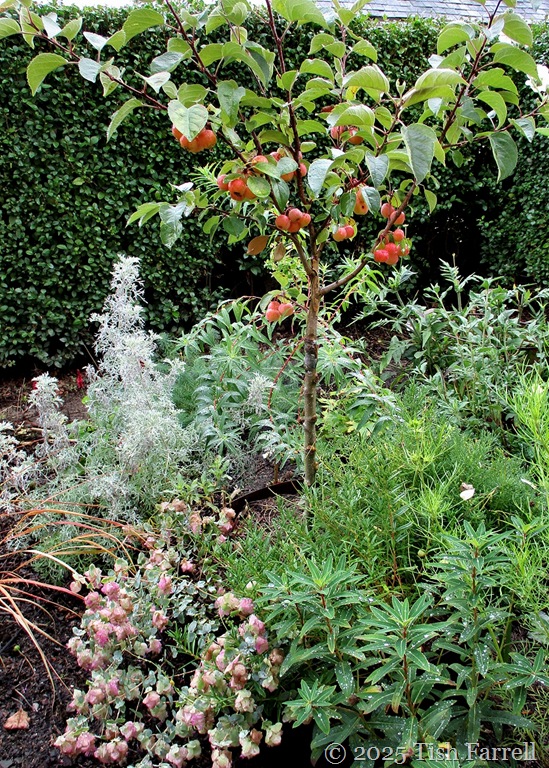
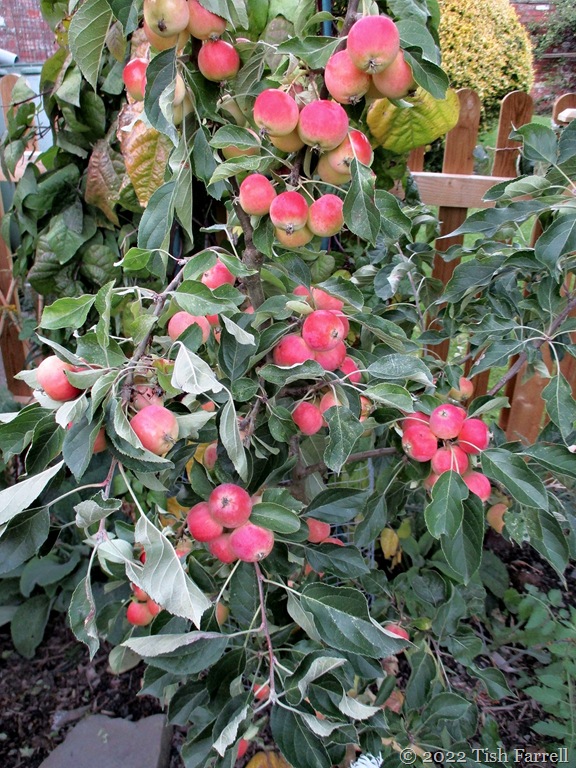
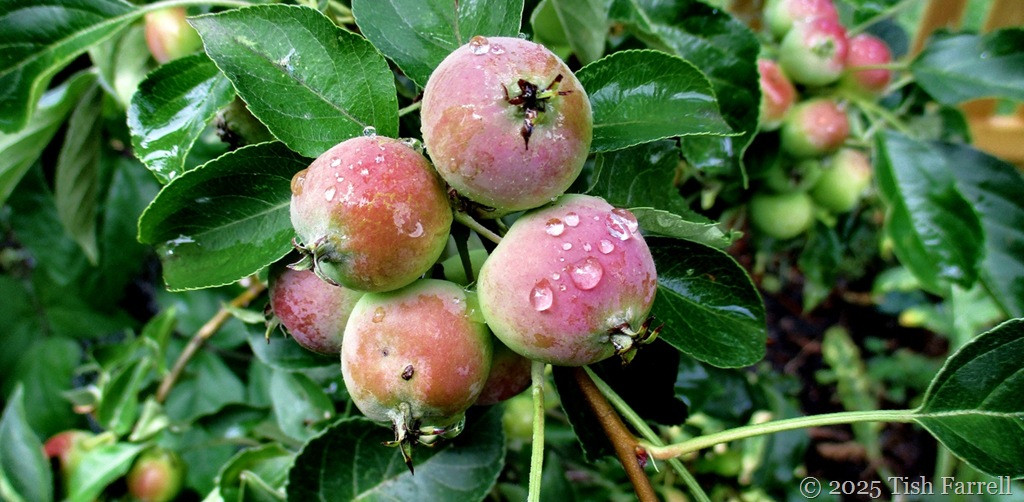
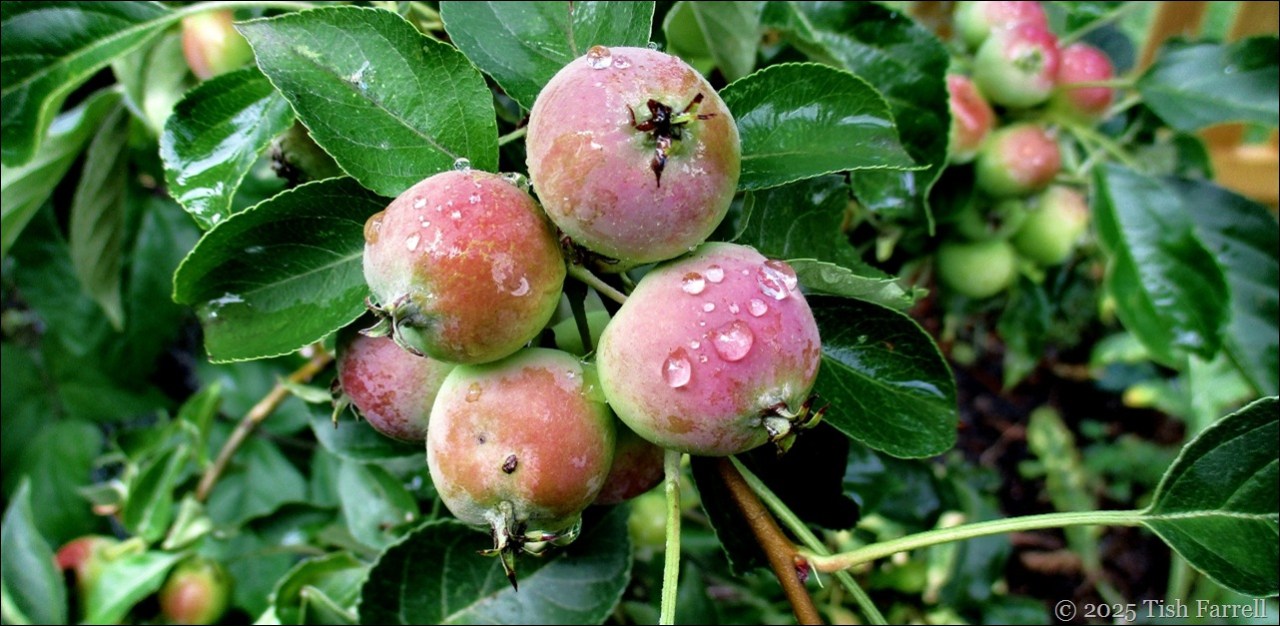
And in the bottom of the garden, our little crab apple is looking especially grateful. It was planted last October and, as a new young tree, has been struggling during the long dry spell. Buckets of tap water really don’t quite do the job, although obviously better than nothing. But the tree has survived and has a mass of little apples which are growing in redness by the day.  I’m trying to recall the variety. I especially wanted a tree that was good for jelly, so it may well be Jelly King. Or if not that, Red Sentinel. It will become more obvious in a few weeks time when the apples gain their full colours. Happy thoughts of jelly making, though not of rushing too fast into autumn.

IMG_8360 header


#SimplyRed Day 30

Heavenly Harvest

IMG_8275sq

A week or so ago we were on one of our periodic walks to the Builders’ Merchants. It sits on the edge of town, part of a small industrial enclave whose  buildings are screened from adjacent roads by a section of dense mixed woodland.

And this is what we found along the fence-line – a close-set row of cherry plum trees, laden with fruit.

The Cherry plum (Prunus cerasifera) is native to Europe and Asia and grown in the UK as an ornamental due to its early flowering. It is also used in hedging. (Which makes me wonder if this row is a hedge gone feral. There are a few of those in Bishop’s Castle and we should know.) Better still, the fruit, ripening between mid-July and September, is edible. I tried a couple of windfalls, fallen on the verge. Sun-warmed and juicy. Delicious.

Now, I can’t think why I haven’t been back to gather some more – before the wasps beat me to it.

IMG_8277 header

#SimplyRed Day 28

Ladybirds In My Borders, Bees In My Bergamot

ladybirds sq

I’m back in the garden today. The old Africa album is taking a break. Although actually, thinking about days long past in Kenya has been a happy diversion from fidgeting about the lack of rain. Yet another month now with hardly enough to fill a watering can. But at least the days are much cooler and today quite overcast. In the meantime, the weather forecasting bods keep teasing and teasing, saying there will be rain two days hence, and then when we get there, ne’er a drop. Even my computer’s been joining in the game – a little message popping up saying ‘rainy days’ ahead. I now understand that ‘ahead’ is the operative word. And, of course, this being England, we can be fairly sure that one day we will receive a proper soaking.

Anyway, it’s not all bad news on the gardening front, so long as I keep up the regular watering. In fact the bergamot has scarcely needed any attention. For weeks now it has been a riot of bright purple heads. The leaves smell wonderful too, crushed between soily fingers. And as for the white tailed bumbles which, on closer inspection, are probably garden bumbles – talk about bee-lines. These days whole tribes of them are foraging among the curiously structured flowers.

IMG_8303sq

*

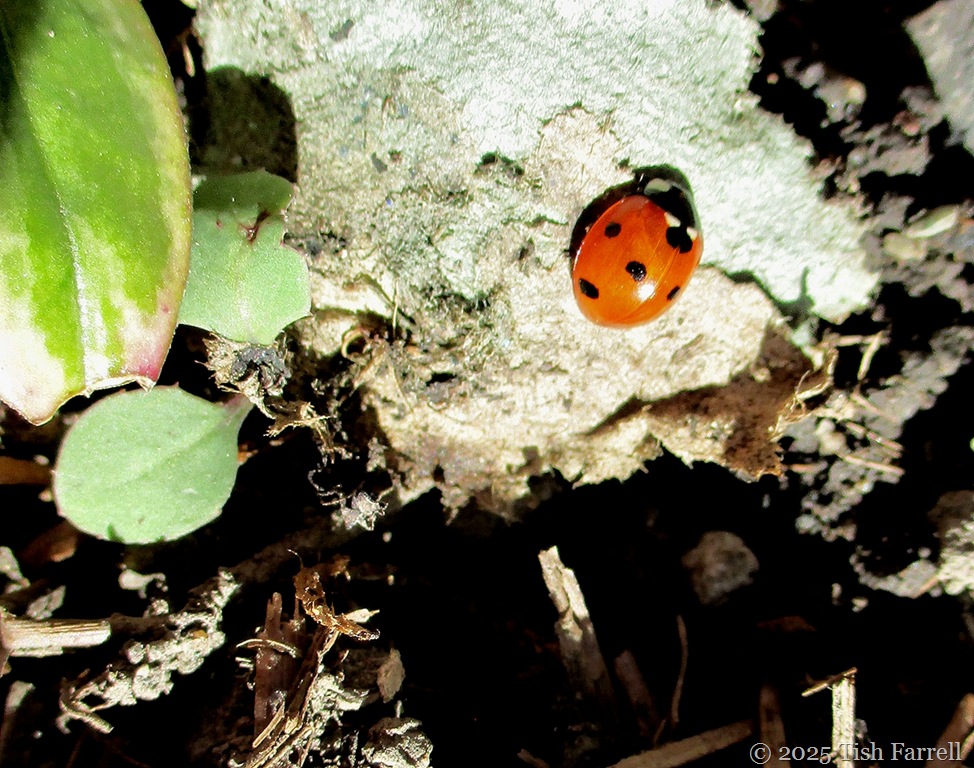
I’m also very pleased to see a number of ladybirds in the garden, most numerously in the perennial cornflower (Centaurea). I’m puzzled as to why they are there, since I can’t see any aphid infestation, only ants. Unless they both ladybirds and ants preying on something too small for me to see.

Also spotted in the Centaurea are Common Carder bees, seen here with an incoming hoverfly:

IMG_8309sq

*

And in the neighbouring Sunspot sunflower a Red-tailed bumble bee:

IMG_8333sq

IMG_8334 sq

*

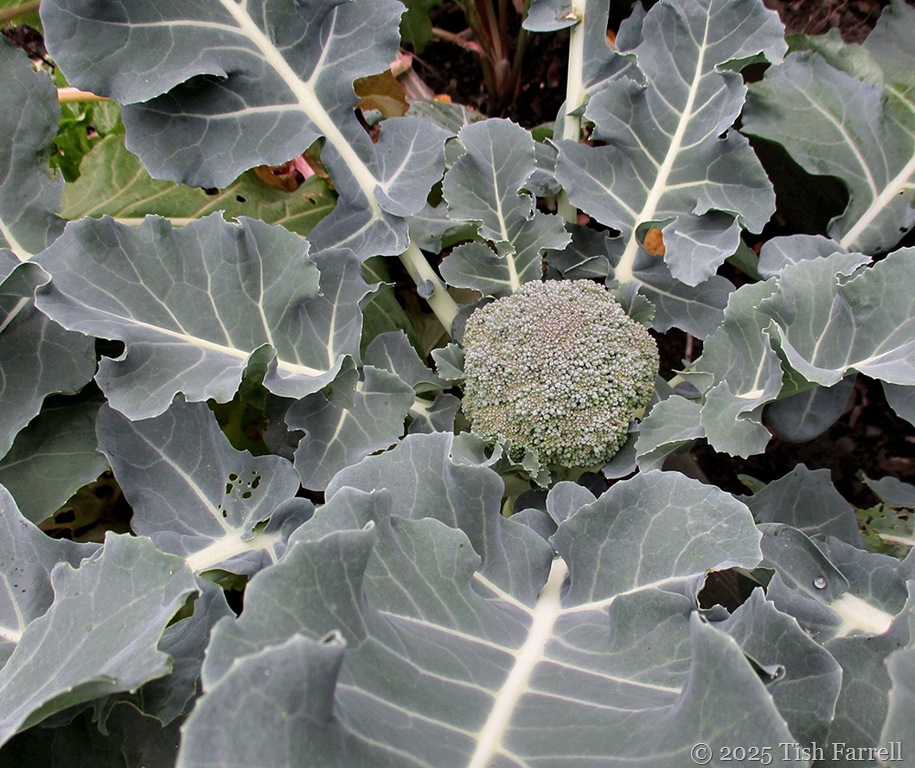
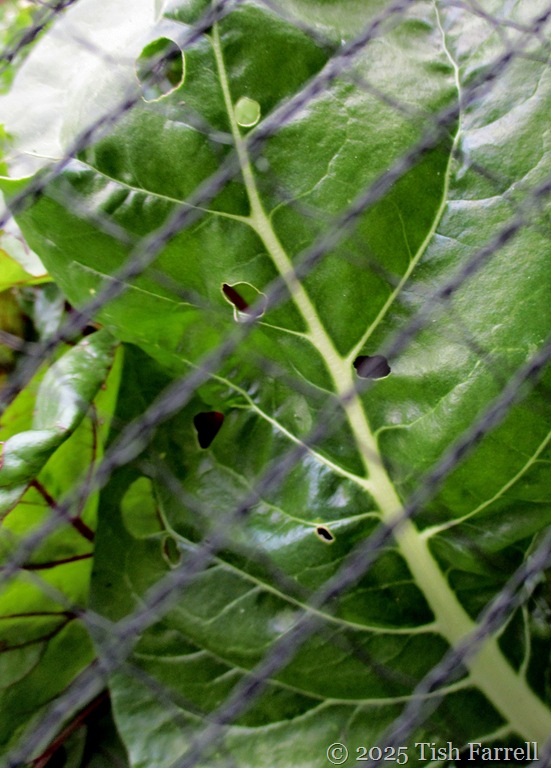
However, I am not so pleased this morning, to discover flea beetles on my Kabuki broccoli seedlings, planted out only two days ago. These tiny brassica-infesting bugs create a ‘scatter-shot’ appearance to all the leaves. Time to round up a few ladybirds and put them to work then. I’ve just read that they like flea beetles…


#SimplyRed Day 27

It Seemed Like A Big Day Out

IMG_8114 sq

We’ve not been gadding for ages. He who builds sheds has been much occupied during our rainless days, taking the internal house doors off their hinges and, one by one, stripping them down and repainting them. As may be imagined with a hundred year old house, there are many layers to remove. He’s working outside with wallpaper stripping gun which peels off ancient gloss and varnish like a dream.

It was during one such operation on the cloakroom door that we decided opaque glass panels in the upper door half would make for more light in the neighbouring gloomy utility room. Glass panels were duly ordered and on Friday we set off (from the somewhat isolated fastness of Bishop’s Castle) to collect them.

This involved a twenty mile drive to our county town of Shrewsbury. We’d not been there for over two years, not since our house selling days and foiled attempts to find a rental property there. In some ways the prospect of this outing made me realize how our horizons have shrunk, though not in a bad way. But once our life was repeated long haul flights between UK and Africa. Now, I feel I’ve been on a journey if we go to next door Clun, eight miles away or to  Montgomery, just over the Welsh border. But then both those places are so lovely, each in their own particular ways, what else could one want?

One of the reasons the Shrewsbury trip turned into a haul was because the main route out of Bishop’s Castle was closed and we were sent on a diversion, wending back and forth between Wales and Shropshire. But it was a sunny day and the countryside, with its undulating hillscapes, glorious, so why should we complain. We even had a red leg partridge step into the lane in front of us. (It withrew unscathed). And there were buzzards and red kites high in the blue, wafting over newly mown hayfields, the roadside hedgerows full of wildflowers – honeysuckle, willow herb.

After such bucolic byways, Shrewsbury with its multiple bypasses (internal and external), huge traffic islands, and peripheral industrial estates and retail zones is something of a culture shock. But the old town itself, on a hill and cupped in a loop of the River Severn, has been going since at least Saxon times, and so has many ancient and scenic parts. These days, too, it is cafe culture central. Just look at this LINK.

And one of the best locations for eating out is Shrewsbury Market. Which is where we headed (after negotiating the ring roads and industrial quarters)  for a spot of lunch at the Moli Tea House. To say their exquisitely served Asian offerings are delicious is an understatement – tiny Chinese dumplings with dipping sauce, delicate meat balls served in a crisp lettuce leaf wrap. Heavenly.

Later, we wandered around the stalls of artisan bread, fresh vegetables, farm eggs and meat, looked at what people were enjoying in the other eateries, bought some fresh fish. Then headed back to our border refuge, to the Castle that has no castle, this time on the truck-roaring A49, the main highway south, which is quicker if further. We were anyway glad to leave it behind, back to the quietness of our home terrain and a restful cup of tea.

IMG_6190

#SimplyRed Day 9


Red Brick

IMG_5145sq

It’s very nearly two years since we moved into The Gables, a modest little house, built in the early 1920s by a local builder. It stands on ground that once belonged to the smithy and The Hit Or Miss pub further up the street.  (Both now family homes).

The move from Much Wenlock had been protracted: selling our cottage had taken time. Then there was six months in a rented house while we found somewhere to buy. It gave us chance to do some serious de-cluttering, but all the same we knew we would not fit comfortably into our new house without building a new kitchen. And so we bought it with that notion in mind.

We began, then, with something of the gamble. The Gables is in the Bishop’s Castle conservation area. Planning approval would be required, and our encounters with planning authorities in the past had not always gone well. We engaged local architectural designer, Henry Beddoes, to take care of the plans and the application. After all, it was scarcely an ambitious project replacing an old heat-leaking, plastic conservatory with a properly insulated room.

Even so, waiting for approval was still nerve-wracking. It took several months.

sq1

When it came to the actual plans, the site itself was anyway problematical. The south end of the conservatory was right on the boundary with a roadside verge, and most of the rest was nestled into the overgrown bank and hedge. There was not much room to manoeuvre, either outwards or upwards.

Flat roofs are never ideal, but a sloping roof that did not obscure the upstairs windows and had a good enough incline would have markedly reduced the height of the living space. (See previous post for internal restructuring.) And so instead we have a lantern skylight and some leaded nifty brickwork round the parapet. It seemed to us a reasonable compromise, not overburdening the existing house either in scale or fanciness. Builder Alan also cleaned and re-used all the conservatory bricks, and took pains to source new ones that were as near as possible to the 1920s fabric.

sq3

*

And so there you have it: the Farrell domain…plain and unassuming, but ever so well built and insulated.

IMG_7715 back garden

bricks header

#SimplyRed Day 8

Home Deliveries

IMG_5377 ed

This time last year we were still up to our ears in building work. We were opening up the back of the house – replacing an old conservatory with a new kitchen-dining room. This project involved somewhat hair-raising deliveries of construction materials into our front garden. As you can see, access on our street is challenging for large trucks, and it gets worse beyond our house. The only way out is backwards.

Also during such operations, the entire carriageway was blocked. So I was mightily impressed by the high-techery involved in this particular delivery – all executed ‘remotely’ by the driver with a natty little gizmo hung round his neck. Watching him was anyway a welcome distraction from watching what was happening at the back of the house.

It was July when we turned the existing sitting-room cum galley kitchen…

IMG_3687

…into this:

IMG_5385ed

IMG_5623

The big ‘knocking through’ event. The dust cloud was horrendous. And the steel beam insertion somewhat mind boggling.

At this stage, the structural work on the new kitchen beyond the opening was nearing completion, and the old galley kitchen was about to be re-worked and closed off to make a utility room with cloakroom.

IMG_5620ed

Super builder Alan eased the transition by setting up a make-do sink plus the cooker in the new kitchen where we planned to camp out until the arrival of the kitchen units in mid-August. Meanwhile, all the new kitchen window and door spaces were encased in black plastic, while we also waited for the actual windows and double doors. It was all strangely cavernous. It was also raining a lot, and there were concerns over leakage.

Then came the lantern roof-light, doors and windows (the kitchen’s footprint was dictated by the space occupied by the erstwhile old conservatory – not ideal but do-able and the plans drawn up by Bishop’s Castle architectural designer Henry Beddoes):

IMG_5871ed

IMG_5865ed

And there was light:

IMG_6549

*

And then came the solid wood kitchen drawers and cupboards made by local cabinet makers Shepherd Hills:

IMG_6542

IMG_6548

IMG_6545ed

And yes, I know – it’s all very quirky, mostly evolved as we went along.

And after the kitchen, there was/is still more to do, especially the small terrace area at the back door.  Outside views to follow.

IMG_5379 header

#SimplyRed Day 7   Becky concludes the first week of SQUARES in fine style on the high seas. Three weeks left to post red themed photos; the header must be SQUARE.

#Squares