Elephantine Geometry: The Things One Sees In Bishop’s Castle

IMG_6641sq

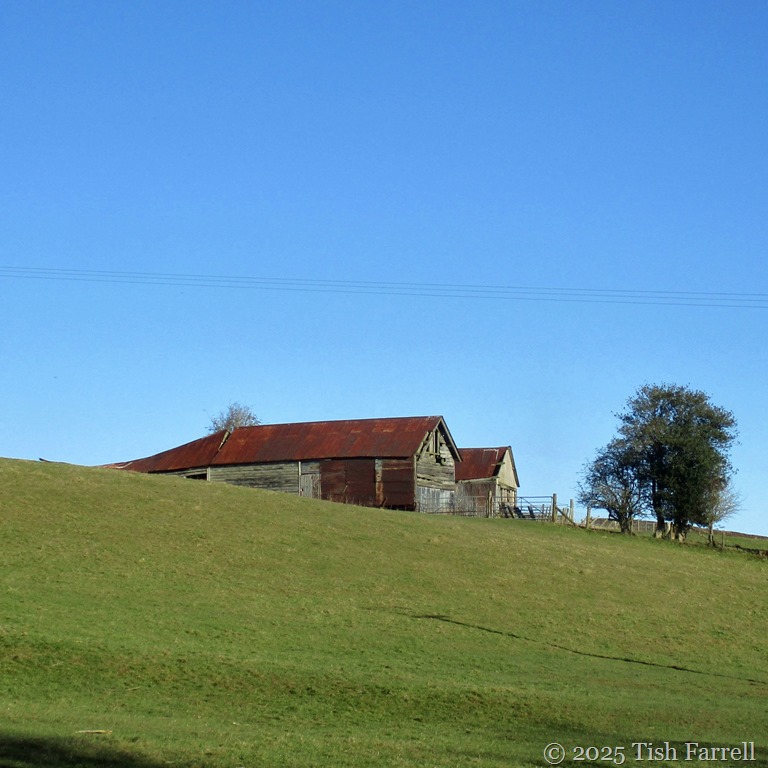
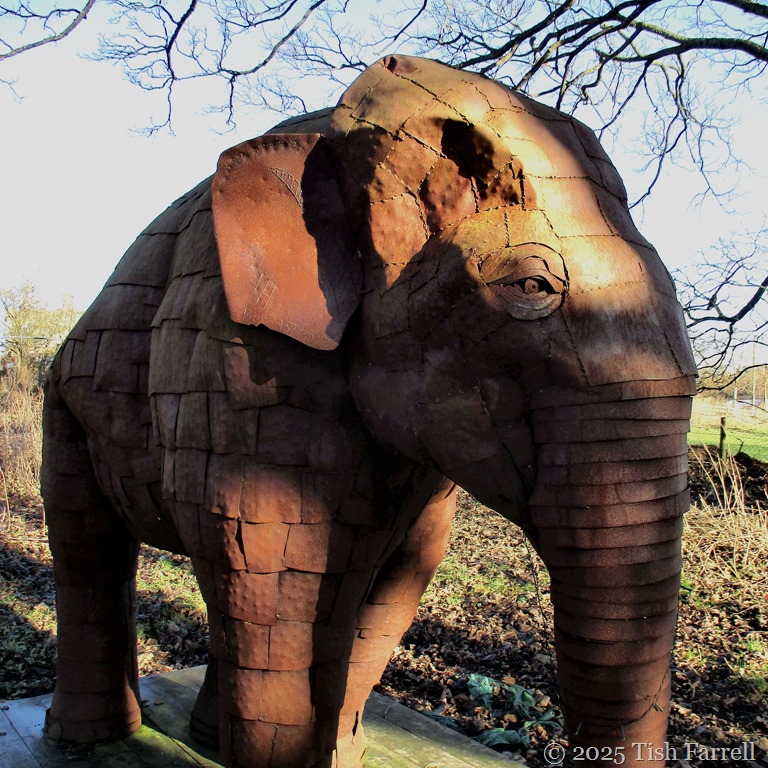
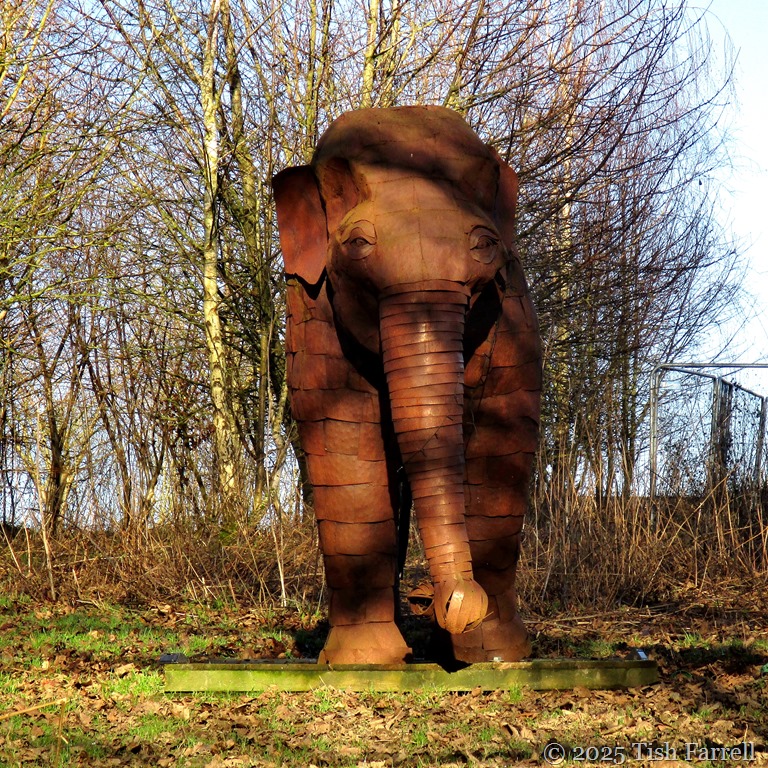
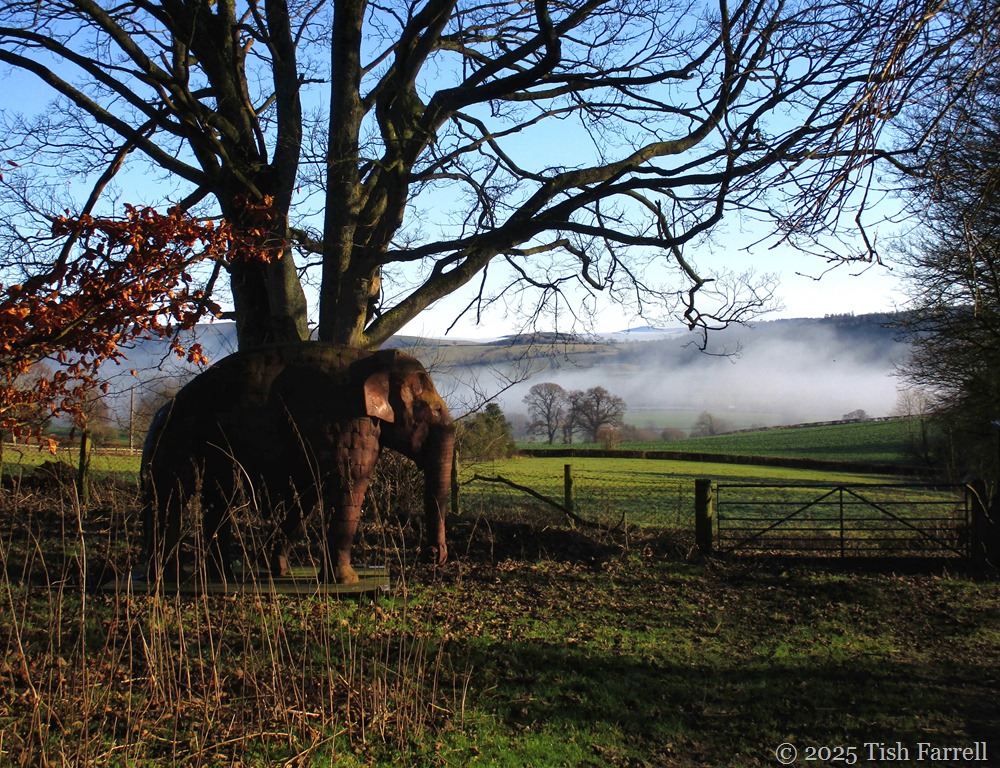
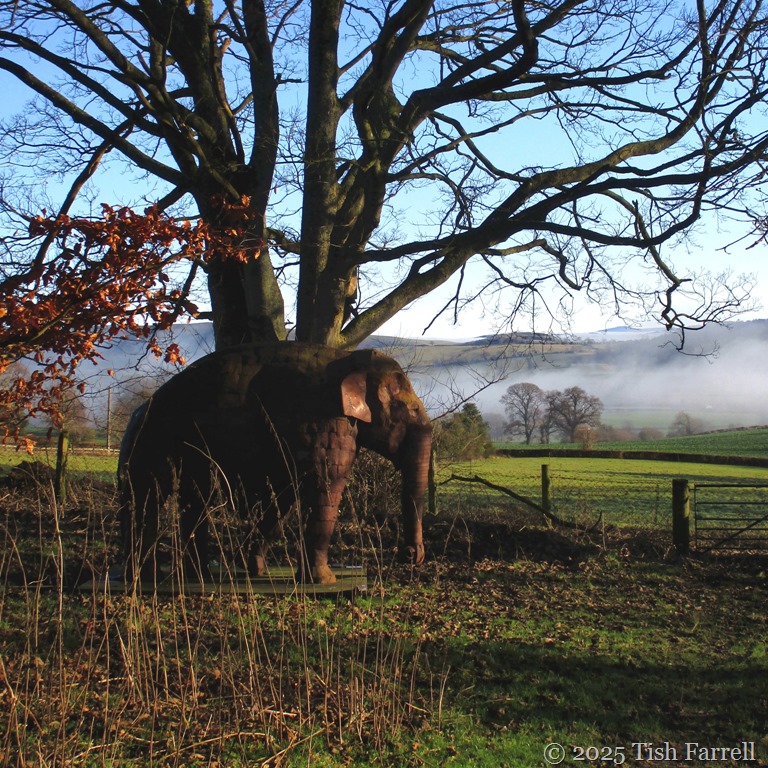
Well, at first sight, glimpsed through a December hedgerow, it truly did look like an actual elephant. Good heavens! What was it doing here in the Shropshire Hills?

We discovered it last week, by chance, as we explored the hillside paths above the town. There it was, beside the Shropshire Way, at Foxholes campsite, and with company too. The Buddha no less.

IMG_6638 sq

*

Closer inspection of course revealed that it was cunningly constructed of metal plates, now richly rusted.

IMG_6646 sq

IMG_6637 sq

*

We then realised that it was doubtless one of the exhibits in the Bishop’s Castle town trail, The March of Elephants. You can see the other artworks at that link. This particular work was created by local artist Ben Ashton, but I couldn’t find anything further about him.

By now you could well be wondering why there is an elephant art trail in a Shropshire market town wherein the trade in sheep and cattle has for centuries been the major enterprise.

There are two connections.

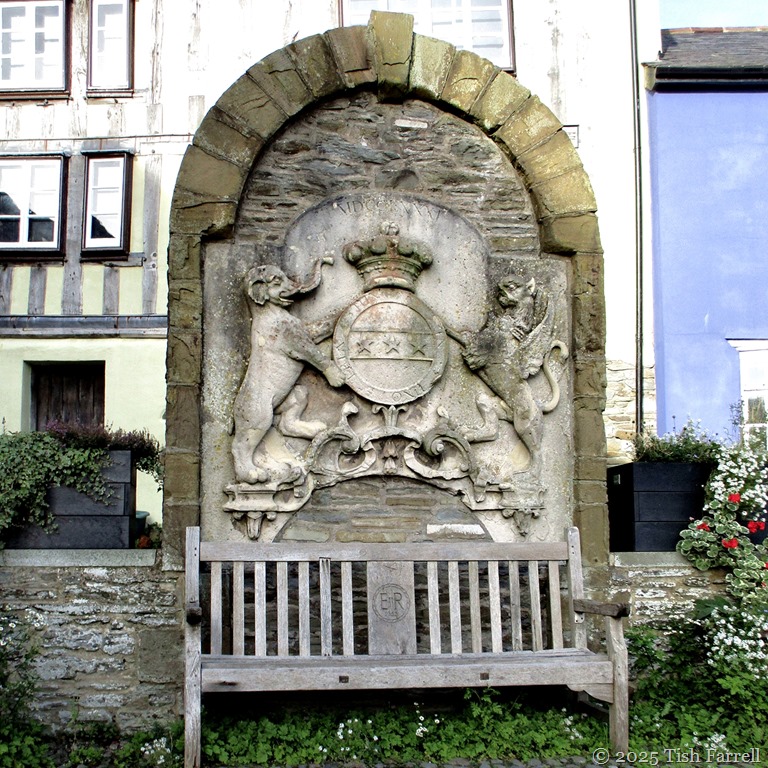
First there is Robert Clive aka Clive of India (1725-1774). After he had finished plundering Bengal (he had started out as a clerk of the East India Company), he returned to his native Shropshire with an eye-wateringly colossal fortune and lived at Walcot Hall just outside Bishop’s Castle. He was further rewarded for his India efforts with a seat in Parliament (MP for Shrewsbury) and an Irish peerage. His newly wrought family crest featured an Indian elephant, of which a carved stone version still survives in the town’s Market Square. It had once been prominently sited on the main window of the Market Hall (since demolished) built by Clive’s son Edward.

IMG_3973 sq

*

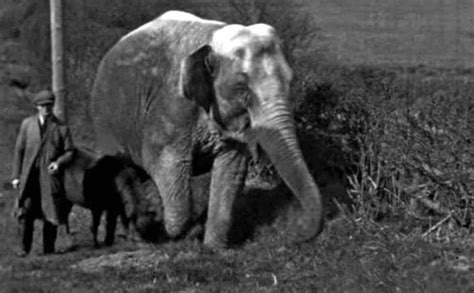
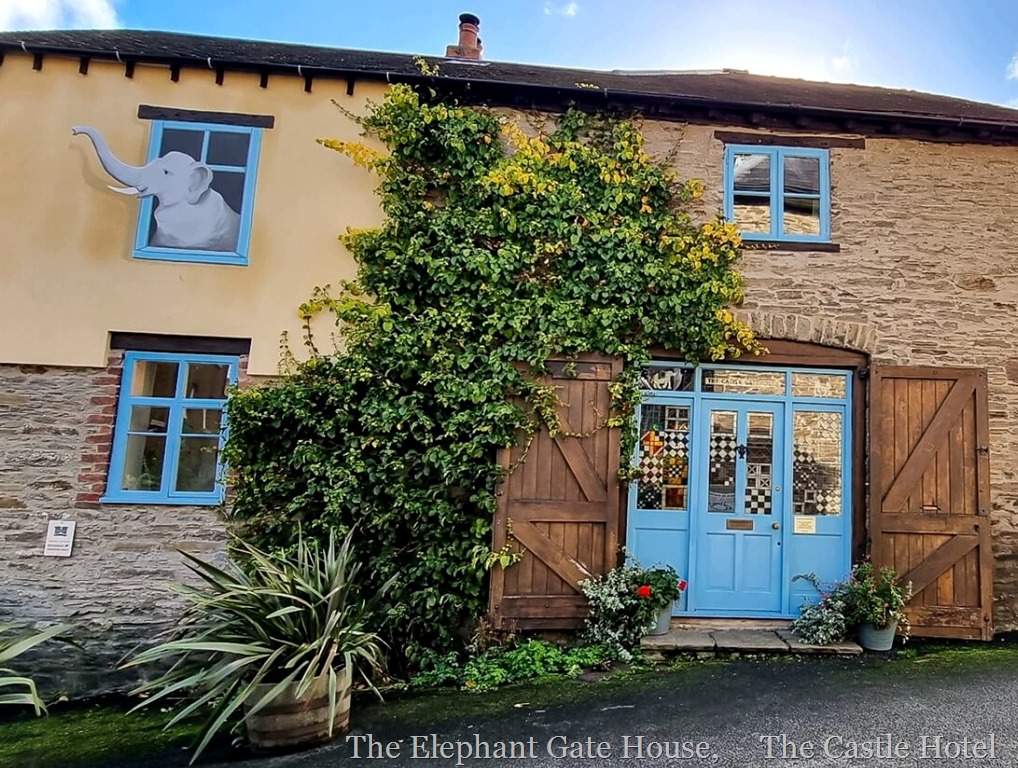
A rather more pleasing elephant association is the fact that during World War 2, one or more circus elephants were kept in Bishop’s Castle for safety’s sake. They lived in the stables of The Castle Hotel at the top of the town. At least one was to be seen exercising along the lanes. There’s a brief film clip of it here: https://www.youtube.com/watch?v=AnMu3l3Q0rE

Bishops Castle elephant

*

So there you are. Seeing elephants in Bishop’s Castle is not so outlandish after all.

 IMG_6641

*

P.S. The war-time elephants’ quarters have been given a plush makeover and you can now stay in The Elephant Gate House.

Elephant Gate House

#GeometricJanuary Day 4   This month Becky is hosting square photos with a geometrical theme.

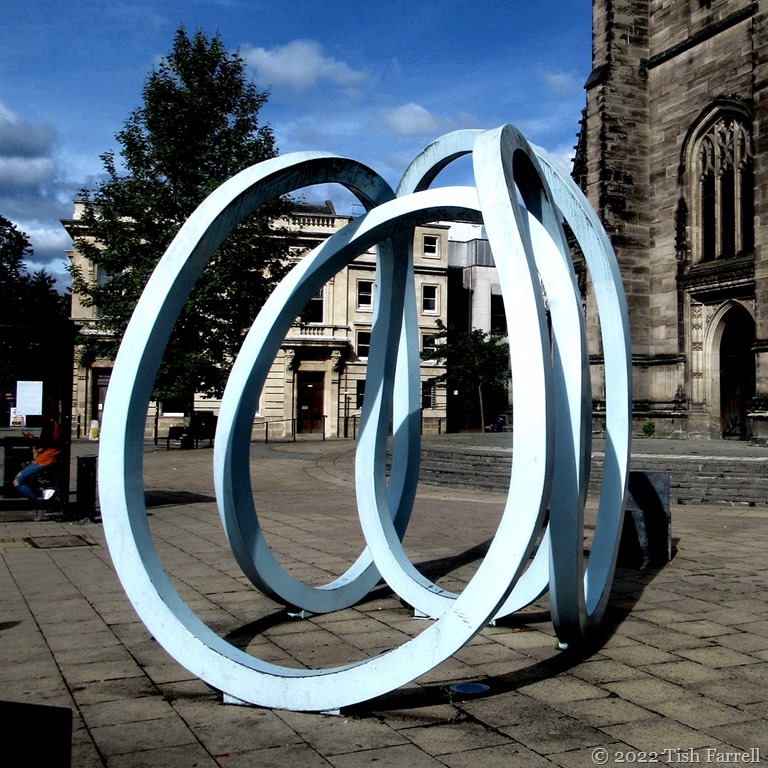
Blue Waves ~ Geometrically Commemorative

IMG_1942 blue waves

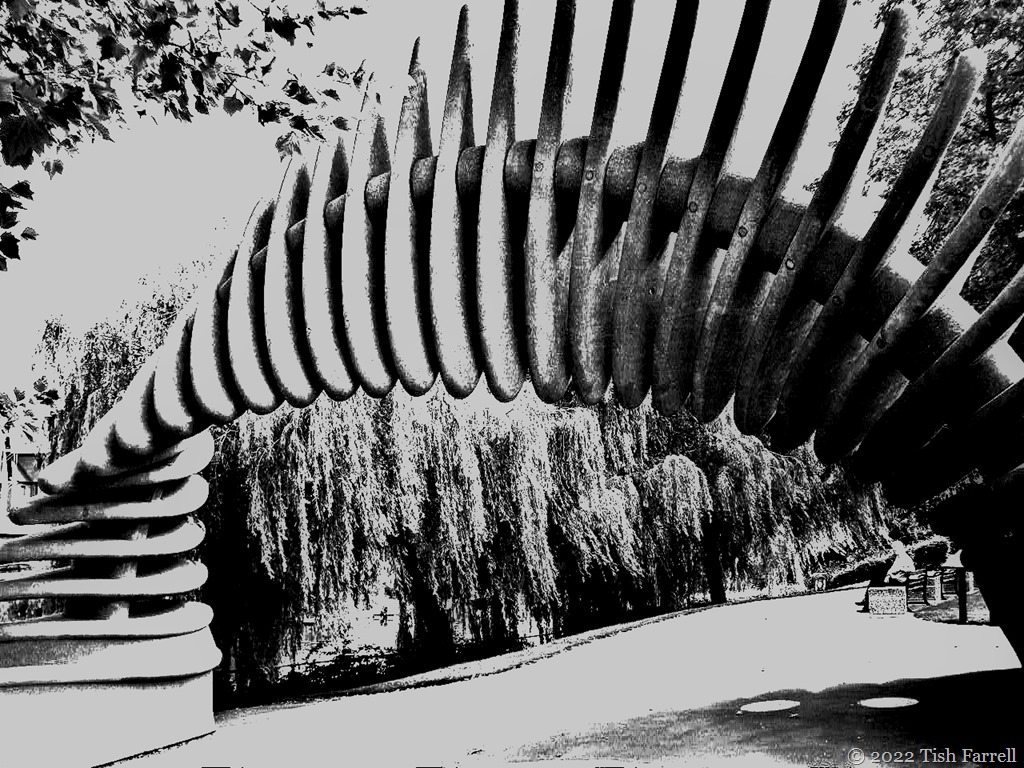
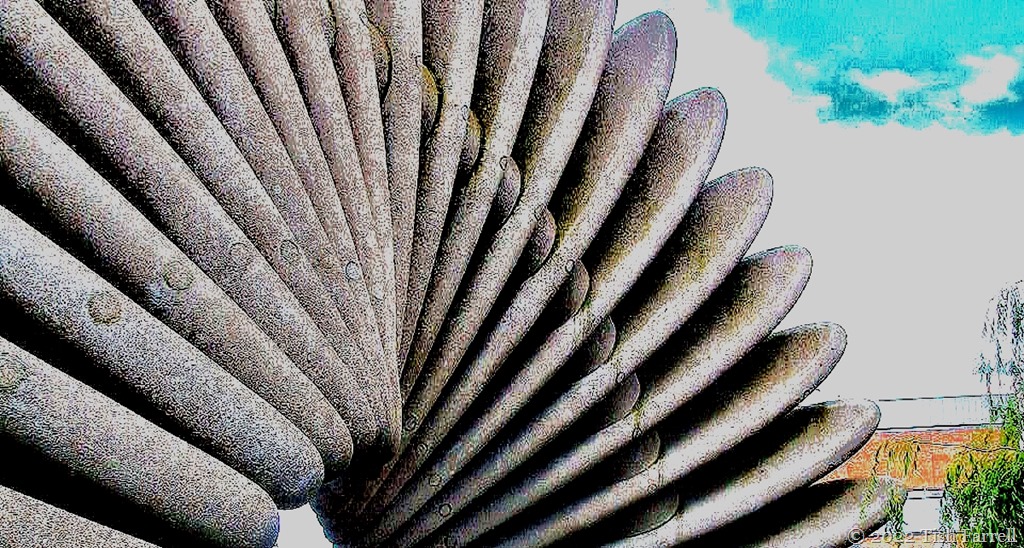
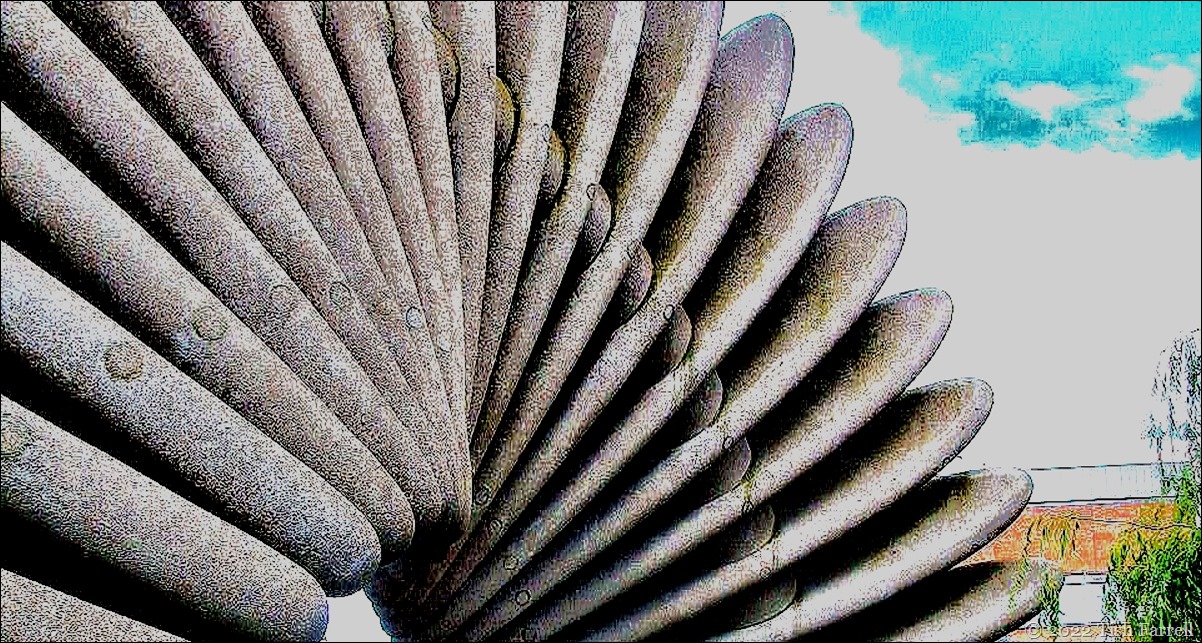
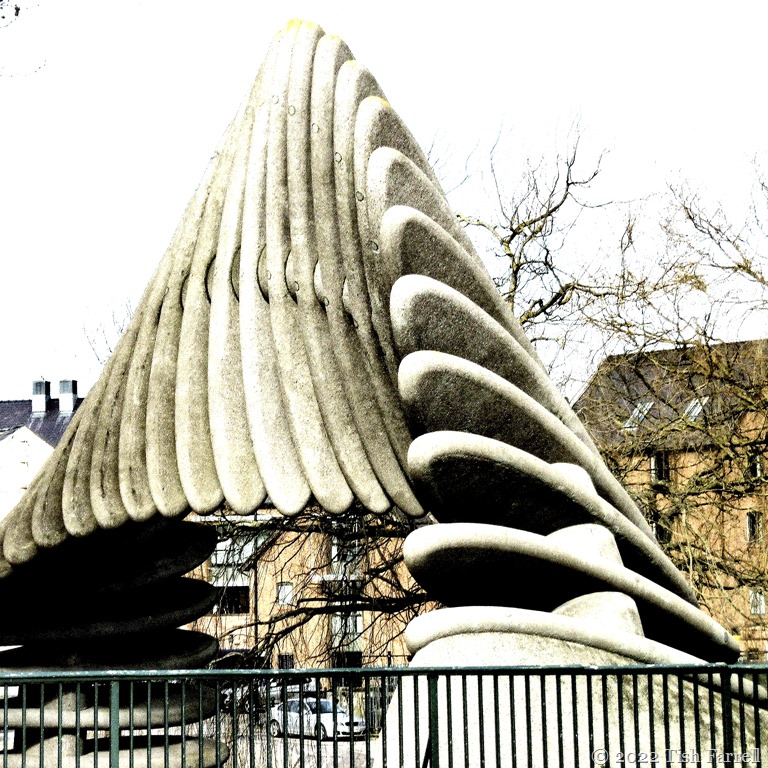
I’m all for public art enlivening urban spaces. But what does this sculpture say to you? Despite the blueness, I can’t help thinking of spaghetti, or maybe unravelled knitting, which doesn’t mean I don’t like it, though I’m thinking it might be better served in parkland surroundings.

The setting, however, is key. Bath Street (originally Bath Lane) is the place, and Blue Waves marks the source of Royal Leamington Spa’s claim to fame as a once fashionable place ‘to take the waters’.

Until 1800, the town, in its original format of Leamington Priors, was a very small village. The saline springs around the parish church had been known of for centuries, and in 1586 one Robert Camden had declared them healthful. But it was not until 1784, and the discovery of the Bath Street spring, that local worthies Messrs Abbott and Satchwell decided to exploit the resource and open the first bathhouse.

And so the village, spurred on by speculators, grew into an elegant resort with fine rows of classical town houses, parks with promenading avenues and ornate bandstands, and grand public buildings, including the Royal Pump Room And Baths and the Assembly Rooms.

All to cater for the great and the good. In fact the place was grand enough in 1838 to attract the likes of a young Queen Victoria, whose visit naturally conferred royal status on the enterprise. One wonders what was ailing her so early in her reign. The waters were said to ease stiff joints and tendons, and give relief to sufferers of rheumatism and gout. But perhaps it was the all round social whirl of the spa town that attracted her. She came again twenty years later.

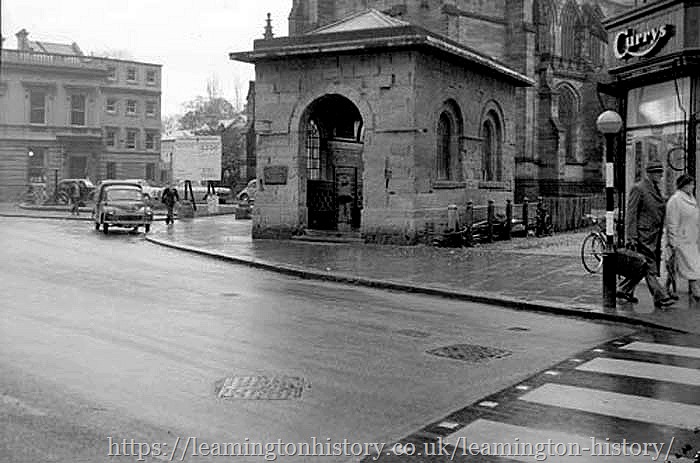
The local people, though, were not forgotten. The spot where Blue Waves is sited seems to roughly match the footprint of the first public well-house which was opened, also in classical style, in 1803, and known as Aylesford’s Well. Here’s a photo of it in the 1950s from Leamington Spa’s History Society website:

https://leamingtonhistory.co.uk/leamington-history/

aylesford-well, Leamington Spa

#GeometricJanuary 

Join Becky for a month of squares. Geometry is the theme and the header photo  must be square in format.

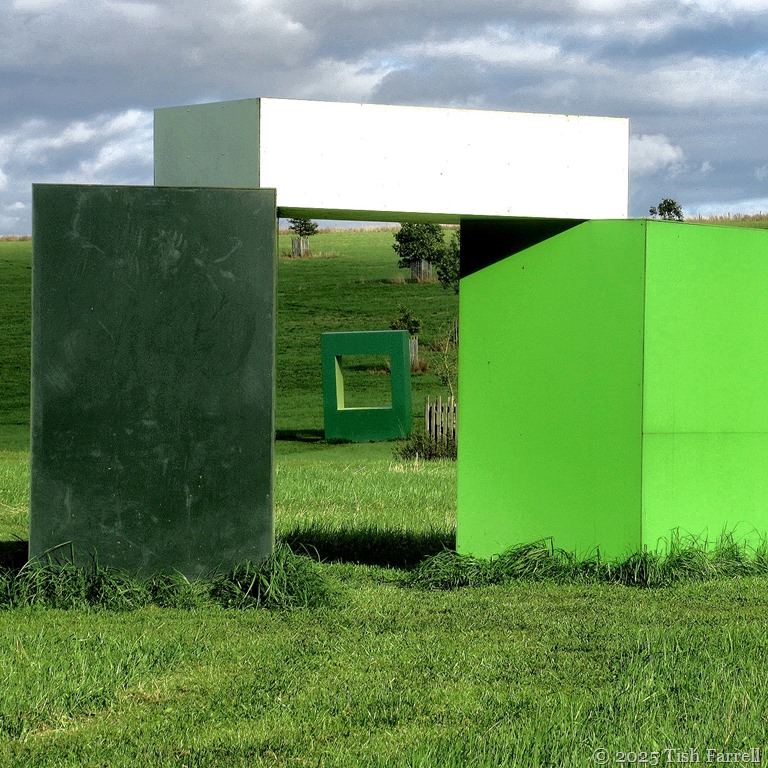
Installation Geometry: ‘Green Dwelling’

IMG_2355ed*

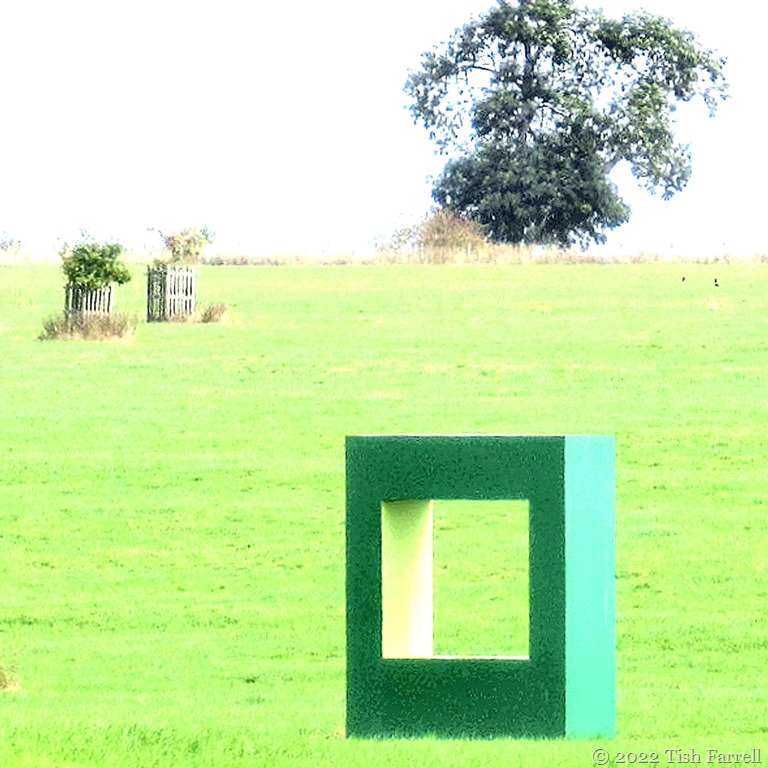
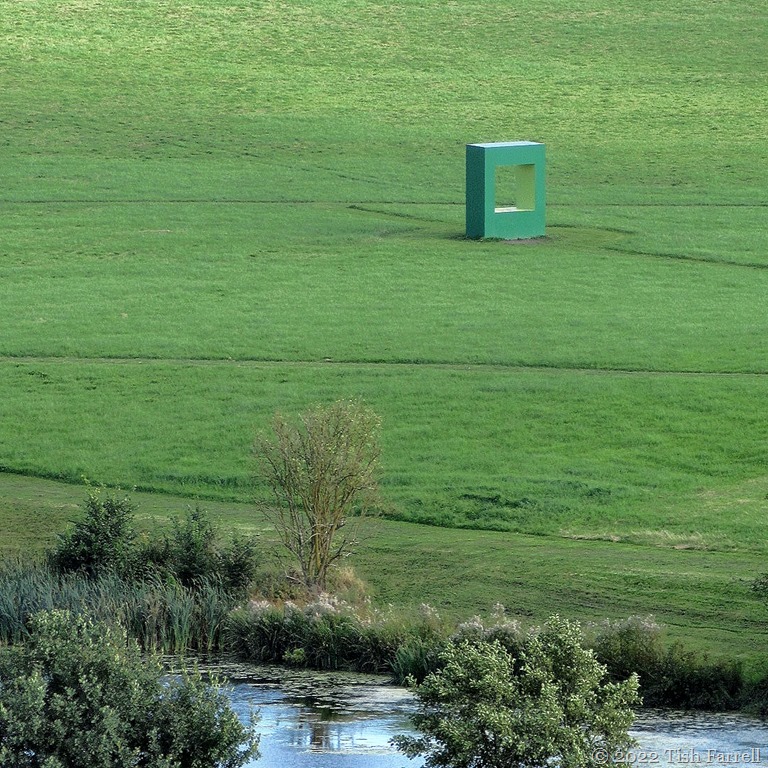
Here we have one element of an art installation called ‘Green Dwelling’. In 2021 it was sited in the Old Town Meadow of Compton Verney Art Gallery & Park, a grand Warwickshire venue for some magnificent art, ancient, old, and contemporary. Very well worth visiting.

But I’m not quite sure what to make of Green Dwelling as a whole, although for some reason I like this square. Perhaps it feels like a happier, more mundanely accessible version of Mark Rothko’s many ‘windows’, which I also admire, but find more challenging.

IMG_2526 green dwelling

*

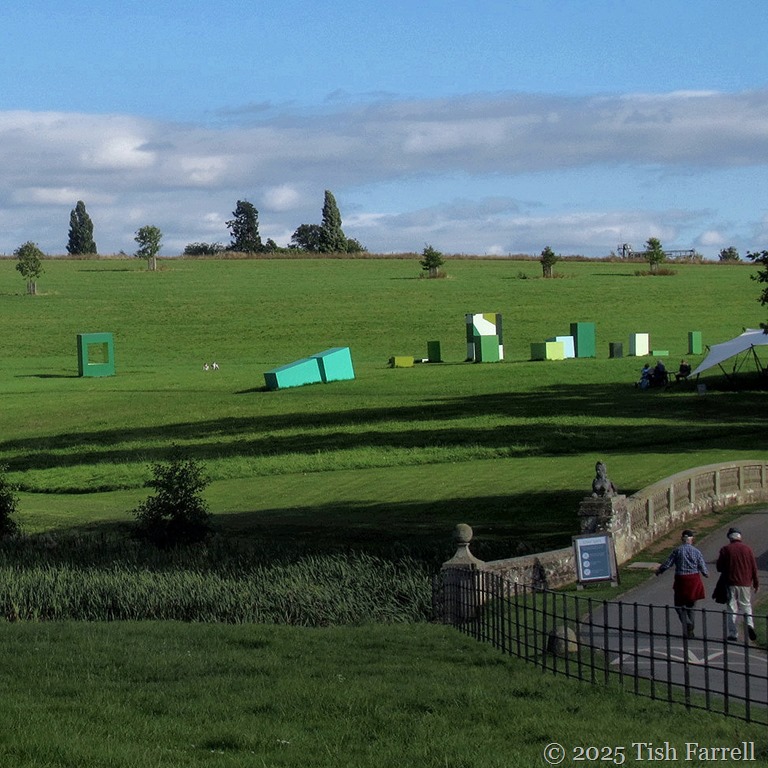
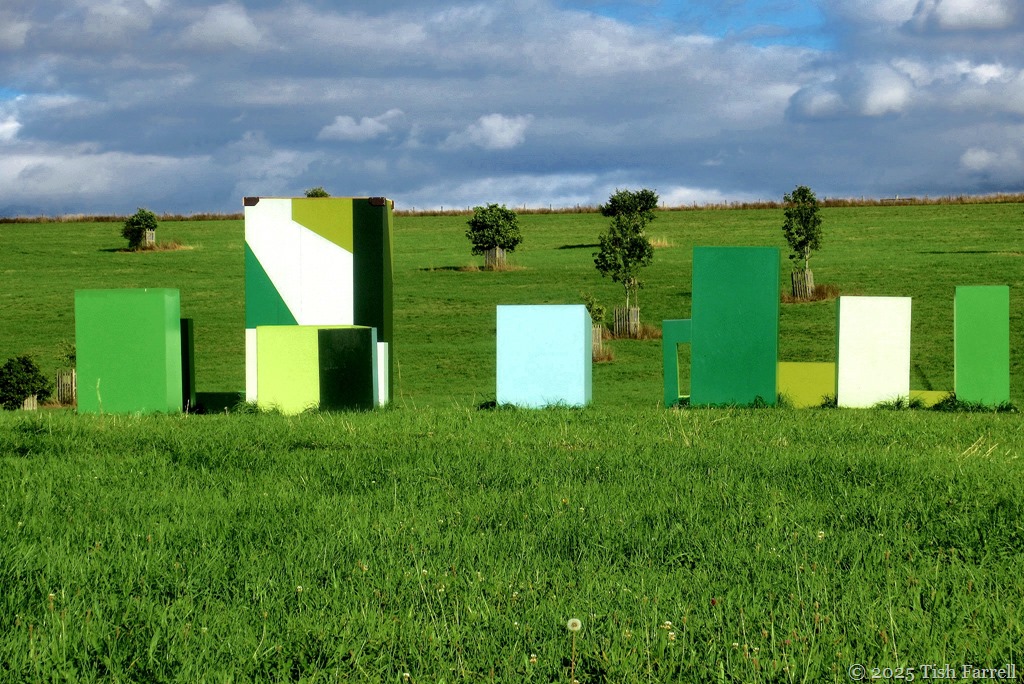
Here are the 23 other blocks that comprise the installation.

IMG_2524 green dwelling

IMG_2537

Dutch artist Krijn de Koning was commissioned to create a work that would encourage people to engage with Compton Verney’s landscape, designed by Capability Brown in 1779.  It also marks the site of the lost medieval village of Compton Murdak, the blocks placed to create new framed vistas, and arranged on mown pathways that might suggest the presence of the ancient settlement.

IMG_2540ed

Well, as I said, I’m not quite sure what to make of the whole; perhaps more appealing in the conception than the physical manifestation. Perhaps, too, if I’d thought to venture closer, I might have become more involved. On the other hand, it looks to me as if the landscape, domesticated as it is, needs no such cues of engagement. In fact it rather outdoes the structures.

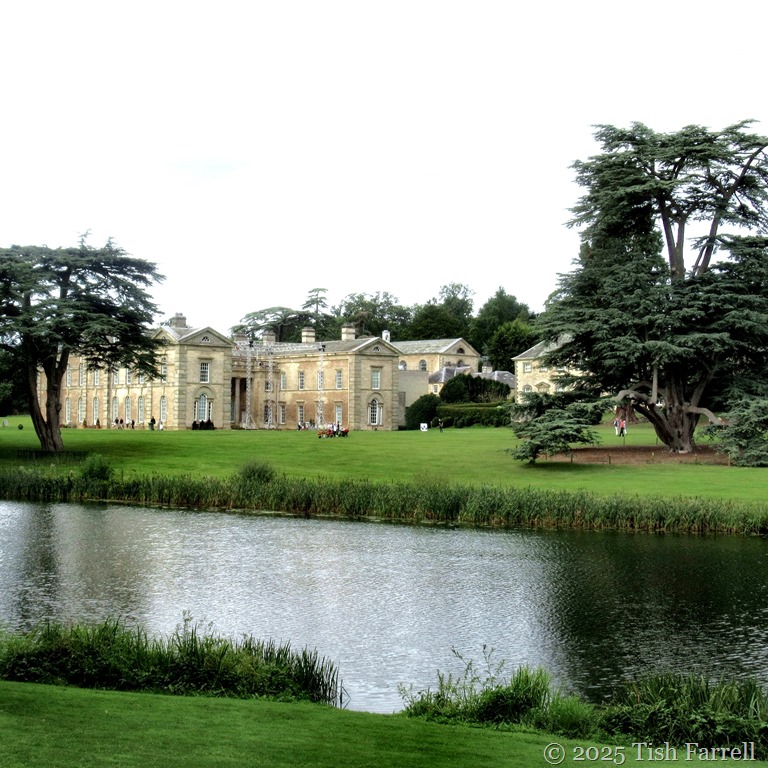
If I had walked to the further side of the square and looked through, I might have seen this kind of vista: Compton Verney Manor, essence of classical architecture – symmetry, perspective and lots of angles…

IMG_2364house

#GeometricJanuary

Of Right Royal Geometry

IMG_2129ed

*

So begins Becky’s month of square format photos – of things geometrical. So here goes.

There’s almost too much geometry in this shot: triangles, rectangles, circles, semi-circles, octagons. It is was taken at Kenilworth Castle in Warwickshire, a medieval fortress transformed in the 1570s into a grand Tudor palace, wrought at huge expense by Robert Dudley, Earl of Leicester, and with the sole purpose of entertaining his queen (and rumoured lover)  Elizabeth I.

More of that story here: Greater love had no man…

The photo shows a slice of the pleasure garden and ornamental aviary constructed in 1575, specifically for Elizabeth’s visit. This is how she would have first glimpsed it, descending from the royal apartments to a loggia terrace, whence she could view the whole extravagant horticultural confection. For this particular visit, it is said Elizabeth arrived with thirty-one barons and four hundred staff.

And they  stayed nineteen days. (Just imagine!)

Robert Dudley pretty much bankrupted himself to keep them all amused, not only with lavish banquets, but also with hunting, pageants, plays, bear baiting and fireworks.

And after all this, Elizabeth still could not be persuaded to marry him.

As to the garden, it was lost for nearly 400 years. English Heritage have reconstructed it using an eye-witness account of the visit by one Robert Langham plus archaeological and historical investigation.

You can read Langham’s account HERE. He speaks of ‘fair alleys…green by grass…and some (for a change) with sand…pleasant to walk on, as a sea-shore when the water is availed.’ He mentions too (and not an inconsequential attribute in those times) ‘the sweetness of savour on all sides, made so respirant from the redolent plants and fragrant herbs and flowers, in form, colour, and quantity so deliciously variant’.

*

IMG_2086

IMG_2084ed

*

And the ruins of the erstwhile royal apartments:

IMG_2065sq

*

Wishing everyone an all round happy New Year

*

#GeometricJanuary  You can join Becky’s square posting every day this month. The only rule is the photo must be in square format. How you interpret ‘geometry’ is up to you.

This Made Me Smile ~ Once Upon A Time In Kenya’s Highlands

img20241008_11580324ed2

It seemed the greatest gift for this nosy writer when Graham said I could go with him to survey the Kikuyu farms just north of Nairobi. Yes, yes and yes. I would be delighted to look for smutted Napier Grass. And hold the clipboard. And  manage one end of the tape measure.

We were all set then, along with Njonjo, senior driver for the Kenya Agricultural Research Institute, where Graham’s crop protection project was based.

It was the time just after the late 90’s El Nino rains. The Rift escarpment roads were terrible, many of them washed away. In other places great chasms had opened up, or the roads were strewn with boulders brought down the hills by flash floods.  But this was also home territory for Njonjo. He had ancestral land there. A farmer then, when he was not employed as a driver. He anyway handled the Land Rover with great skill, and astonished us, too, by simultaneously negotiating giant pot holes and spotting plots of smutted grass growing many metres from the roadside behind kei apple and winter jasmine hedges.

img138 ed

Njonjo and Graham

*

trading centre after El Nino rains ed

Trading centre after El Nino rains

*

Rift lane after July downpour

*

Of course, after a fine spell, the roads baked hard into gullies and corrugations. This next photo shows one of the Rift Valley lanes on the edge of the escarpment. You can just make out the valley bottom through the far haze:

Rift lane 2ed

I don’t recall why we were all out of the Land Rover at this point. Probably Njonjo was asking directions. Even locals have problems finding their way across the ridges. Anyway, this was the moment I met this lovely young man:

img125ed

*

Rift Valley from Escarpment ed

Small-holder farms at Escarpment, in the Rift’s shadow, Mount Longonot in the background

*

As we jolted and slid along the country lanes, Graham was using a GPS to select farms at random. When a location was chosen, Njonjo then took further charge of operations and went to  find the owner of the farm, and talk them into admitting a couple of wazungu , who would like to look at their Napier Grass.

Over the weeks of the survey it became a matter of pride that no one turned us away. In fact the opposite was often overwhelmingly true. Wherever we went, we were met with great courtesy, mugs of tea and presents of farm produce: plums, pears, sugar cane, a cockerel. We had brought useful information that must be reciprocated. Njonjo was particularly adept at fending off serial invitations to lunch, and did so without us seeming too rude. Otherwise the job would never had been done.

img194ed

This farmer gave us sugar cane

*

Mrs Njuguna's Farm ed

One chilly morning Mrs. Njuguna served up mugs of hot chocolate before we went to examine her napier grass plot

*

napier grass and farms

tea fields and napier grass

Napier Grass (foreground in both photos)  is an essential  animal food crop for small-holder farmers who zero graze their stock. Zero graze means they have no access to pasture, but grow plots of grass wherever they have space, including on roadside verges, and then crop and deliver the grass to their animal pens. (Commercial tea gardens in the background). Most farms (shambas) are on ancestral land that has been subdivided down the generations and may be only a few acres or less.

*

By now you’re probably wondering what Napier Grass smut looks like. You will also have gathered that in this context, smut has nothing to do with off-colour jokes or questionable practices. (That said, everyone found it hugely amusing that Graham was doing a part-time doctoral thesis on smut). It is in fact a fungal disease that attacks grasses, including maize and sugar cane. On Napier Grass it becomes visible when the plant begins to flower; the florescent parts look as if they have been dipped in soot.

Graham and Jackson best

Two happy plant pathologists: Graham with Dr Jackson Kung’u admiring smutted grass growing on a road reserve in Nairobi, as spotted across a busy dual carriageway by Njonjo.

*

The diseased grass isn’t apparently harmful to the animals that eat it, but there are serious implications for farmers who rely on it for zero grazing. In time, smut weakens the plant and so less and less leaf mass is produced. The spores spread on the wind, although Graham thought the most likely source of infection was due to farmers unknowingly giving cuttings of infected plants to their neighbours. The only solution is to dig up the plant and burn it.

Farmers, predominantly women, were keen to hear anything and everything Graham could tell them. Impromptu roadside smut seminars became a feature, Njonjo providing lectures in Kikuyu or Swahili for those who did not speak English. Graham also distributed information sheets. We never seemed to have enough!

impromptu smut workshop

*

On some of the farm visits, it was inevitable that Graham would be consulted about other plant diseases that farmers had noticed. Here there’s some problem with the fruit trees.

img080 ed1

The farmer’s daughter watches us. Her father had handed her one of Graham’s smut information sheets: the school girl in the family…

img097ed

*

napier grass on the Rifted

The Kikuyu uplands are mostly 5-6,500 feet above sea level, the settlements strung out along ridges. Although at the tropics, early mornings and evenings can be cool, and especially in June and July, when there may also be fine rain and fog. Some of the highest settlements at around 7,000 ft are in the frost zone, the landscape’s bleakness, with bracken growing along the roadside, reminding me of Scottish uplands.

Kikuyu farmstead 11 ed

*

All in all, Graham’s smut survey was among the highest highlights of our seven year stay in Kenya. Although not everyone was always keen to speak to us:

img161ed

copyright 2024 Tish Farrell
Lens-Artists: This made me smile   Ann-Christine is making us all smile with this week’s theme.

In An Autumn Light: The New Kitchen

IMG_6545ed

Henry, who produced the structural design brief and plans for our kitchen extension came round on Wednesday to take photos of the finished ‘product’. This reminded me that I had not posted any photos so far, mainly because there are a few bits and pieces to finish off. But then this week we’ve had some glorious light through our roof lantern and this morning it spurred me into action.

But first, this is how it was just after we moved in:

IMG_3687

The sitting room then had a galley kitchen (around the right hand corner) and the back door opened onto an oldish, large uPVC conservatory. The conservatory was pleasant enough in summer being shaded by the house and the hedge on the south-west, but its doors also faced north so it was pretty chilly in the winter.

Our plans for replacing it with a properly insulated room were constrained by the hedge and the position of the upstairs windows. We are also in the town’s Conservation Area. We thus had to stick to the original footprint although we could add a metre or so along the rear wall, taking in the exterior downstairs former kitchen window. When it came to the roof, we could have had a shallow lean-to option with roof lights, but decided the parapeted flat roof with lantern would give us the best light.

before and after 1

finished!

So: there were all sorts of compromises, including cost, and constraints over access at the rear of the house and to the front of the house for debris removal and deliveries. We also didn’t want to do anything that would be at total odds with this modest little 1920s town house.

It finally came to fruition thanks to weeks of conscientious in-put from builder-hero, Alan Morris, who project managed the whole thing. He was also responsible for some nifty brickwork, as well as taking pains to match, as far as was possible, the original brickwork.

IMG_5119

Alan Morris conducting a spot of problem solving  with Graham.

*

And the final result suits us very well.

Here are some reminders of what happened in between, starting with the conservatory as moving-in dumping ground:

IMG_3682

demolition 4

demolition

IMG_5126

demolition 5

IMG_5395ed1

*

And inside, it all went on around us:

IMG_5383ed

IMG_5623

IMG_5865ed

*

The old kitchen:

IMG_3192

IMG_5620ed

Range cooker gone and original access to cloakroom restored. This is now the utility room,  stud-walled and doored. The downstairs loo has been much smartened up and its parma violet and bottle green walls banished. Also discovered but covered up again was an old flue that probably served a laundry copper. Still some finishing off to do in this quarter.

New wall and door to the utility room on the right.

IMG_6545ed

And the new kitchen – yes, I know, It is more than a touch quirky. For one thing, we didn’t domesticate the original outside wall, just washed the spiders off, and kept the window spaces too. Anyone who moves in after us can plaster board over them if they want to.

IMG_6564ed

IMG_6569

*

We left the window space by the back door open. A kitchen ‘hatch’ no less. It gives us instant access to the utility room sink. Ideal for chucking freshly dug spuds into it:

IMG_6565IMG_6567

*

And of course there’s the aardvark:

IMG_6563

*

Handmade units made by Shepherd Hills cabinet makers. The angles either side the cooker were tricky to deal with:

IMG_6548

IMG_6245

IMG_6549

IMG_6555

The ‘horrid hedge’, which I’m still tackling, has turned out to be just the place to hang some bird feeders. The sparrows and robin have found them, but the jackdaws haven’t (not yet anyway), and we have good mealtime views of passing birds.

And now, after all that, a good sit down beside the wood burner is called for:

IMG_6547

*

There’s still a lot to do. Top of my list is that Graham needs to get rid of all his trailing cables. We don’t have TV but stream and screen things we want to watch via a laptop and projector. At present the system is mobile and makeshift, waiting for the moment when all the wiring will be hidden under the bedroom floor. There are signs that this might happen soon. Apart from this, much decorating is still required, and we still haven’t quite moved in. One day…

In the meantime, the Castle is a good place to be.

header3

The Grateful Gardener

IMG_6486ed

We have snow here in the Castle. We woke up to it early yesterday. What a shock. Snow in November. It’s much too soon. I’d seen the weather forecast of course, but was expecting only a spot of sleet that would soon melt away with the global boiling, not several inches of real snow, the sort perfect for snowballs.

Anyway, it’s not the snow I’m grateful for, but I do love the brilliant blue sky it’s brought with it. And also this golden Rowan tree in its white cocoon. It stands just outside our garden, and provides us with some borrowed treescape. And it, in turn, has recently been much loved by the birds, especially the blackbirds. Before the snow came they were busily stripping the stems.

IMG_6457

*

I’ll miss the berries when they’ve gone. On bright autumn days they light up like jewels. This is how they looked in early October. A tree full of joy. Thank you, Rowan.

IMG_6424ed

*

The snow fall also focused my eye on the latest garden addition: a Jelly King crab apple tree. Yesterday morning while sitting at the kitchen table eating my porridge, I could see its clutch of red apples glowing like little beacons at the bottom of the garden. Time for a photo then, and to say how very pleased I am with this Halloween birthday gift from my other half. Thank you, Graham.

IMG_6489ed

It came a few days before my birthday, delivered in a tall box to the front doorstep, whither I was directed to investigate the new arrival. Once I’d broken through the cardboard, I was surprised to find the little tree had come with eight tiny apples still firmly attached. There were also a dozen loose ones in the bottom of the box, sadly not quite enough to make crab apple jelly, but filling me with high hopes. I decided to keep them as a spur to locating a wild tree. I thought I knew where there was one. And so it proved. Last week I found a fine crop of fallen apples in a patch of woodland on the way to the builders’ merchants. We now have crab apple jelly. No need to wait for the little tree to do its stuff then.

*

And speaking of stuff – we still have some of the salad variety growing outdoors and in the greenhouse.

IMG_6466

This year I’ve grown Red Radicchio endive. For the past few weeks it’s been growing fatter by the day, and as temperatures lower, the more red it becomes. I’ve been plucking the outer leaves with hopefully plenty more to come. In the greenhouse I have tubs of red Chinese mustard, Moroccan Cress which grows like a cut and come again lettuce and a few oakleaf lettuces. Also some lettuces out in the garden, though they may have succumbed to the snow. Likewise the marigolds. But it makes me very happy to find a bowl full of fresh salad leaves in late November. Thank you, garden.

And one little plant that is standing up to the snow, once I’d dug it out it earlier today:

IMG_6508

These sweet little hearts ease type pansies have been flowering for weeks and weeks in a pot on the garden steps. And they’re still going strong. They were a gift from my sister. Thank you, Jo.

Lens-Artists: Gratitude  This week Tina sets the theme, both timely and thoughtful. Please visit her ever lovely blog.

The Silence Of Stones

100_6999ed

This is Shadwell Quarry on  Windmill Hill, Much Wenlock, part of the Wenlock Edge Silurian reef system.

There’s an air of brooding here, even on a bright winter’s day: of violation survived, albeit roughly; scrub and small silver birch trees recolonising the horizontal shelves. It’s a silence all its own, cupped by sheered off walls and the mysterious deep pool below. Then there is my own silence: awe at the scale of this one-time endeavour now shut down, truncated, closed as if it never mattered: the hard lives of the men who worked here, their injuries and doubtless deaths, unrecalled.

P1000657 Shadwell

Half a century ago, this hillside and the nearby town of Much Wenlock rocked with every quarry blast. Then came the soft fall of lime dust that clung to every surface.

The quarry closed in the 1980s, but in its heyday in the late 19th-early 20th centuries, steam powered goods trains huffed and clanked up the incline from the Ironbridge Gorge to the quarry’s own siding, there to take on stone to use as flux in iron smelting at the Coalbrookdale Works and the furnaces of the Black Country; industries that are also long defunct, or exported to China along with the roar of red-hot hearths, the crucibles’ hiss of pouring iron, shouts of foundrymen.

But then there’s another absent soundscape here, one so ancient it is hard for human minds to grasp. The limestone reef exposed in this quarry began to form over 400 million years ago in a shallow tropical sea somewhere off the Comoros Islands in the Indian Ocean. In waters teeming with corals, sea lilies (crinoids), bony fish, sponges, trilobites and molluscs began the depositing, compacting and solidifying of decomposing animal parts. And while this was happening there was apparently no terrestrial life, but instead there were endless howling gales rampaging across the landmass; brutal winds terrifying in their loudness.

Good that they’ve gone then. Instead we are left with other ungraspable events, for instance, envisaging how vast land masses shunted around the planet, ending up in places many thousands of miles from where they began; the slow, slow scrunch of tectonic plates; the gradual upthrusting and folding of ancient strata; a world we somehow think is in our power!

The stones beneath our feet, the rocky uplands maybe silent, but they have wider, wiser perspectives to impart if we choose to pay attention. I think our ancestors may have understood something of this.

IMG_1947 ed

Wenlock Edge quarry

*

Lens-Artists: Silence  This week Egídio explores the principles of silence in the work of American photographer, Robert Adams. Please see his photo essay and be inspired.

Tales From The Lake Shore ~ Of Hot Springs, Cold El Nino Rains And A Leopard

img20241001_19513812ed

Elmenteita December 1997

*

I’m having camera problems when I take this first photo, but in its way, it speaks of the times. It is early December 1997, our sixth year in Africa. There have been recent months of crazy weather with Kenya awash from El Niño floods and devastating downpours. When the rain rolls into the Great Rift, a lugubrious twilight descends, lowering in all senses. It feels cold too, and especially for a month that is usually hot; the equatorial summer in fact. Normally, too, October to December is the time of the short rains, the season for seed sowing. But instead of hopeful cultivation, there are reports of whole hillsides, entire farmsteads, being swept clean away.

The day I take this photo I’m with a Kenyan ecologist, Michael, a quietly spoken young man whose community belongs to the Central Province highlands. He has driven me out from Delamere Camp for a day’s excursion across the westerly reaches of Lake Elmenteita. We don’t have rain, but the light is poor and the landscape, at times, looks as dreary as an English November. We are heading south to an area of the lake known for its hot springs. But that story comes later.

*map

*

And the reason this trip is happening is because my other half is some twenty miles further north up the Rift Valley, attending a three-day Crop Protection workshop at Lake Nakuru. And since he must drive past Elmenteita to get there, he’d had the kind thought to book me into the Soysambu Delamere Camp; once the workshop was done he would join me there for a couple more nights.

scan-140502-0013

*

When I am dropped off on a Sunday afternoon, I find the camp sorely lacking in visitors. The bad weather, plus political tensions in the run up to the general election, including riots and a killing spree down at the coast back in August, are keeping tourists away. The only other guests are an English couple who have won the Kenya trip in a charity raffle. They are well-heeled, with connections in publishing and arms dealing, but know nothing of Kenya’s current political unrest. Having flown to the tropics out of a wintery England, they are put out to find they should have packed sweaters, raincoats and sturdier shoes.

img20241004_11430944ed

View from Soysambu Delamere Camp: rain in the Rift and the Sleeping Warrior, a volcanic plug also known as Lord Delamere’s Nose.

*

img185 Godfrey Mwirigi

*

I find myself in the care of Godfrey Mwirigi, the camp manager.  He quietly ensures I do not eat alone, and joins me at every meal. Like the best party host he also presides over the clifftop sun-downer that happens each day at around 5.30. It is part of the camp ritual, guests are driven up through the sage scented leleshwa scrub to a high terrace above the lake. There they are met by the catering team presiding over a full bar and trays of tasty hot canapes. There is no stinting even though there are only three of us to please.

It is more than a touch surreal, both of itself and the Great Rift setting. Below us, the Sleeping Warrior sinks into blackness, while the lake slips through many shades of washed out pink and grey, and the day drops swiftly behind the Mau Escarpment. It is both beautiful and unsettling, one of those many times in Africa when I ask myself: where am I exactly?

img343 sundowner ed

*

Come nightfall and it’s time for a game drive around the reserve. The truck is roofed but open sided. We’re given blankets to fend off the chill. The air is dank, and the lakeside tracks perilous even with 4 wheel-drive. Now and then, disagreeable swarms of tiny hard-cased beetles fly in our faces. But then discomfort dissolves as the night theatre begins. While Michael drives, Dominic, another expert guide, rakes the trackside vegetation with the spotlight.

Eyes glow in the dark: eland, Africa’s largest antelope that can leap its own height over farm fences; buffalo, the most vengeful of all the big game; impala; waterbuck and, then among the fever trees and sheltered by underbrush, a shy steinbok. Out on the flood plains, spring hares, curious jumping rodents, bounce in every direction, creating their own mad light show before our spot-lamp. We come upon a genet cat and an African wildcat out on their night prowl. Then mongooses, a zorilla, porcupine parents with tiny porcupine twins in their new quill coats. And then Michael stops the truck and slowly reverses as Dominic scans along a grassy ridge.

The damp vegetation glistens, and in the halo of light a face looks back at us. A large leopard face. We’ve clearly disturbed him, lying in the grass, the intrusion prompting him to lift his head to check us out. For several moments he simply regards us. I’ve no idea if he can make us out behind the spotlight, but I have a sense of amber eyes looking deep inside my head: a non-consensual injection of leopardness; it does change me.

Finally, he blinks and lies back in the grass. The audience is over.

*

img20241003_19453803 weaver birds and nests

Masked weaver and nests

*

By day, the camp runs other activities. If you opt for the early morning bird walk, a tray of tea and biscuits is brought to your tent at 5.30. At six you set off with Dominic or Michael for an hour or two’s ramble around the camp perimeter. You can find yourself walking among impala and waterbuck while your guide runs off the names of all the birds that may be heard calling from trees and bushes.

If a bird reveals itself, you are told where to look for it, and the characteristics that define it. A morning walk thus can yield grey back fiscal shrikes, rattling cisticolas, Ruppell’s starlings (in brilliant violet and turquoise), the shy tchagra, a scarlet chested sunbird, and blue-naped mousebirds. You might also spot fish eagles or hear a golden oriel call or the song of an olive thrush or a robin chat whose repertoire makes me think of an English blackbird. There are 400 species to choose from here.

Later, after breakfast, there is usually a two-hour game drive, but on my third morning there is only me to be entertained. Godfrey says he has arranged for Michael to take me on a longer drive to the hot springs. We can take a picnic lunch.

*

As we set off along the estate’s perimeter road, Michael gives me the background on the Delamere Estate. He tells me there are 10,000 beef cattle on the Soysambu ranch, which adjoins the reserve. The name Soysambu is a Maasai word meaning mottled rock. He tells me, too, that the reserve was set up  by Lord Delamere in 1990 as a means of protecting the lake shore from developers.

The estate had also included land on the East Rift escarpment behind the camp, but this had been sold off cheaply, and was now settled by some 15,000 people, each family farming 5 acre plots. Most of Delamere’s 200 employees have smallholdings there. But this has caused problems. Game that once lived in the former wilderness has now moved onto the ranch. And so his lordship’s cross-bred cattle also share their pasture with 600 eland, 300 buffalo and 200 zebra. It is literally a bone of contention among big landowners, that they are not allowed to cull the game for food.

img20241008_12180805 eland and cattle 2

Eland graze with Lord Delamere’s cattle

*

Michael also spots wildlife as he drives: a secretary bird, an augur buzzard, hoopoe, wheatear, Grant’s and Thomson’s gazelle, open-billed storks. There are zebra, giraffe and ostriches. The pink haze of flamingos across the water.

As we head out behind the lake, it looks as if we’ll be lucky with the weather. No rain, but very overcast. In a moment of brightness, as we rattle through thorn scrub, Michael spots a Kirk’s dikdik and I remember he has told me on an early morning walk how these tiny antelopes are fiercely territorial. They create middens where they go to defecate and urinate. While visiting, they scratch up the dung heap so their hooves can deposit their scent and reinforce the boundaries of their domain. It sounds a touch grubby for a creature so daintily pretty, but then that’s my problem.

img014dikdik

Kirk’s dikdik – not much bigger than a hare

*

We drive past the Sleeping Warrior. The skeins of power lines running by take me by surprise. Electricity is often in short supply. That year there are daily three hour cuts in Nairobi, and most rural areas anyway have little or no access to the grid. Michael tells me the lines import electricity from Uganda.

img20241001_19534122 lord delamere's nose 97

*

Then suddenly, as if fallen in a time slip, we are among the Maasai. I have noticed a settlement, an ‘enkang with its mud domed dwellings. Now an elder in red kilt and blanket passes by us with a herd of goats. There is no obvious exchange. I see the dark bare legs, ebony hewn; not a pinch of flesh.

When we roll up at the hot springs on the southern lake edge, Maasai women are finishing up their washing in the hot water. Children, fully clad, are whooping and wallowing in the shallows. All soon retreat as if they have never been. When I look back I see the elder standing on a ridge with his goats, the red shuka against a stormy sky. I do not attempt to photograph any of this.  This is not my place.

img20241001_19542210ed

The Eastern Rift from the hot springs in Lake Elmenteita

*

We sit under thorn trees and chat over the packed lunch. At some point the subject of Princess Diana’s death back in August crops up. I say am touched at how sorrowful Kenyans were, how they queued to sign the condolence book at the British High Commission, and how Graham’s colleagues at the research institute came to his office to offer their condolences. Michael tells me that his wife’s prized possession was a  video of the royal wedding, although the only place they could play it was at the pub in their home village. You can guess the name of our daughter, he says.

I ask him where he worked before joined the team at Delamere Camp. He tells me that soon after he graduated with a degree in wildlife management, he was posted, as deputy wildlife district officer, to the remote quarter of mainland Lamu, in north-east Kenya. Somali cross-border bandit country, in other words. There, his job was to coordinate anti-elephant poaching operations, using local police or military, whoever he could rope in, sometimes using helicopters. He said that whenever he went into the bush, he never knew if he was coming back. The gangs were often 20-30 men strong, and with an official policy of shoot to kill, the stakes were high.

I am shocked as I listen to this account, told with such detachment: that an ecologist should be expected to do this kind of work. But Michael simply says he is finding Elmenteita much more to his liking, and especially as his wife and family are not far away. In the quiet understatement, I sense a man who has seen too much.

I feel uncomfortable too – some people don’t know they are born, do they, with all their sheltered good fortune. That would be me of course. Though I am learning. Kenya’s gracious people never stop teaching me. They teach me even now as I retrace my steps down the years.

*

img20241004_11051850 east escarpment near camp

copyright 2024 Tish Farrell

Looking Back: African Dawn

img20241008_12561103dawn flamingos ed

These last few weeks I’ve been immersed in a major displacement activity – both actually and metaphorically. While trying to find a good place to store Graham’s newish photo scanner, I decided I’d quite like to use it and revisit our old Africa negatives.

The Epson, however, was unknown territory. I’d done my original scanning using technology long since deceased, and I wasn’t altogether happy with the results, or with my editing. So first stop meant downloading software and all the nonsense that goes with it (compatibility/senescence issues – not mine – since both scanner and PC are only a few years old as far as their owners are concerned, but they are obviously superannuated in techno-ageist terms).

After several efforts, and two different apps later, I’m finally set to go, but then there is the issue of dealing with negatives that are twenty and thirty years old, were processed in Africa, have thus moved continents, survived several house moves, and not been stored very carefully. My original prints are in far better condition, some astonishingly sharp, but they are stuck in albums. So yes, as I said, a major displacement activity.

Yet it’s serious time travelling too, and every now and then a frame emerges and I am transported. The image may have lost clarity, but I’m there at first light, on the shores of Lake Elmenteita in Kenya’s Rift Valley.

The greater and lesser flamingos that inhabit this shallow soda lake never stop honking and grunting. It’s a seamless shifting soundscape that you hear all night if you are camping nearby. The loudness ebbs and flows, depending on where the flocks are feeding, but always strangely amplified across the shallow waters. At dawn though, you forgive the din, just for the sight of them through the mist. In the distance they look like scattered rose petals, and since the air is frosty at this hour, this sparks thoughts of celebratory champagne and ice bowls of strawberry sorbet…

img20241004_11291465 flamingo dawn

*

But let’s not get too carried away. If you venture out on the lake mud for a better view, beware. It’s slithery with flamingo guano, and the acrid smell of it, along with the soda, stings the nose, throat and eyes.

And yet…and yet these vistas have to be the most entrancing of all the many scenes in my memory archives.

*

When we lived in Nairobi during the 1990s we came here when we needed a break from city living, staying at Soysambu tented camp. The drive up the Great Rift had its own thrills, both the astonishing views of the Rift volcanoes, and the hair-rising truck driving along the way.  It was always a relief to turn off the tarmac and bump along dirt tracks to the camp. img20241003_14405356ed

*

The lake and its surrounding land is mostly in the hands of the Delamere family. From the late 19th century to the 1930s, the third baron Delamere was both an agricultural pioneer and prime mover in the shaping of the then British colony. Among other land holdings, he acquired 46,000 acres around the lake in the early 1900s. At some stage there were attempts to grow wheat there, but the soil was too shallow and the land reverted to bush. In our day, the fifth Lord Delamere, managed the place as a private game reserve (more recently the Soysambu Conservancy) and cattle ranch.

img20241005_19451737 flamingo dawn

*

The camp back then was sheltered by fever trees, sixteen tents each with its view of the lake and the remnant volcanic cone, known by local Maasai as the Elngiragata Olmorani, the Sleeping Warrior.  There was always something to look at. The light on the lake changed every second and there were 400 species of bird to watch out for not least the campsite superb starlings, weaver birds, orioles, babblers, herons and storks – and then you might look up to see impala slip noiselessly through the trees or waterbuck out on the flood plain…

It could all have been a dream of course.

img20241005_19075173 Sleeping Warrior

img20241008_12580861ed

*

Lens-Artists: Looking back  This week Sofia wants to see the things and places we treasure and would like to revisit.

img20241008_12561103dawn flamingos ed header