Caught Red-Handed

Kiboko ed vervet raid

Whenever Graham had work to do at the Kiboko research station we stayed at Hunter’s Lodge. It was just next door, and the hotel manager allowed Graham a key to the back garden gate so he could come and go on foot rather than driving the long way round. The Lodge had been built around the late 1950s for the big game hunter, John Hunter. It was sited near his favourite waterhole, beside the Nairobi – Mombasa highway, just north of Makindu, and this was the place he chose for his retirement after a long career as safari guide and game controller.
Scan-140828-0013jpeg

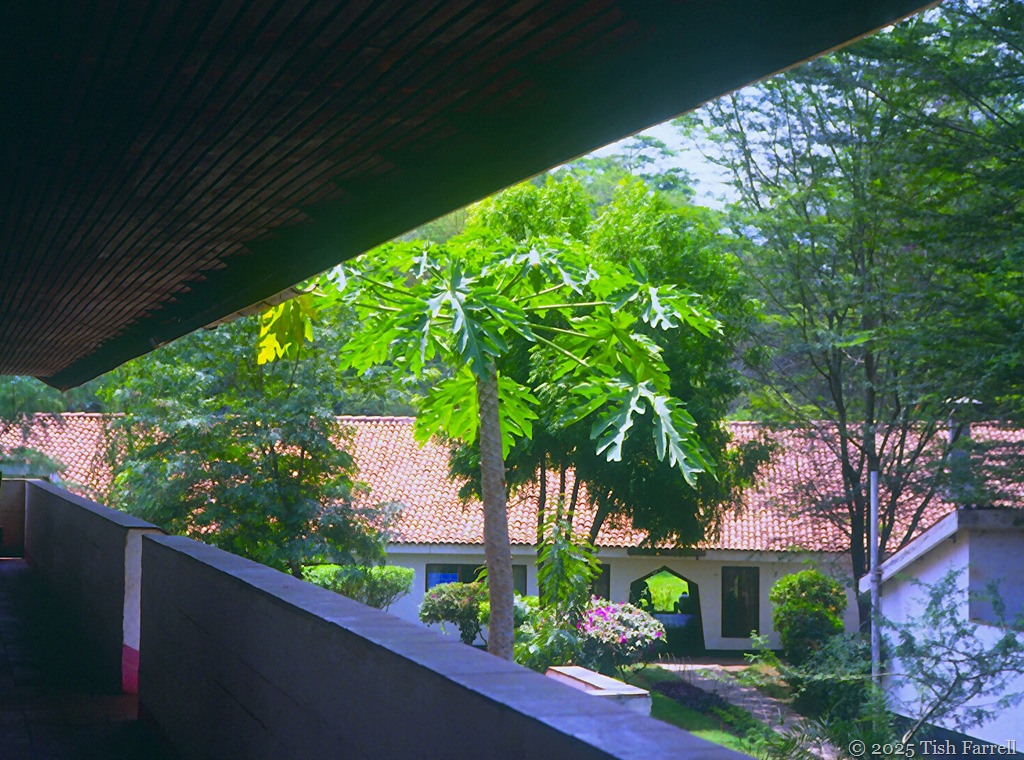
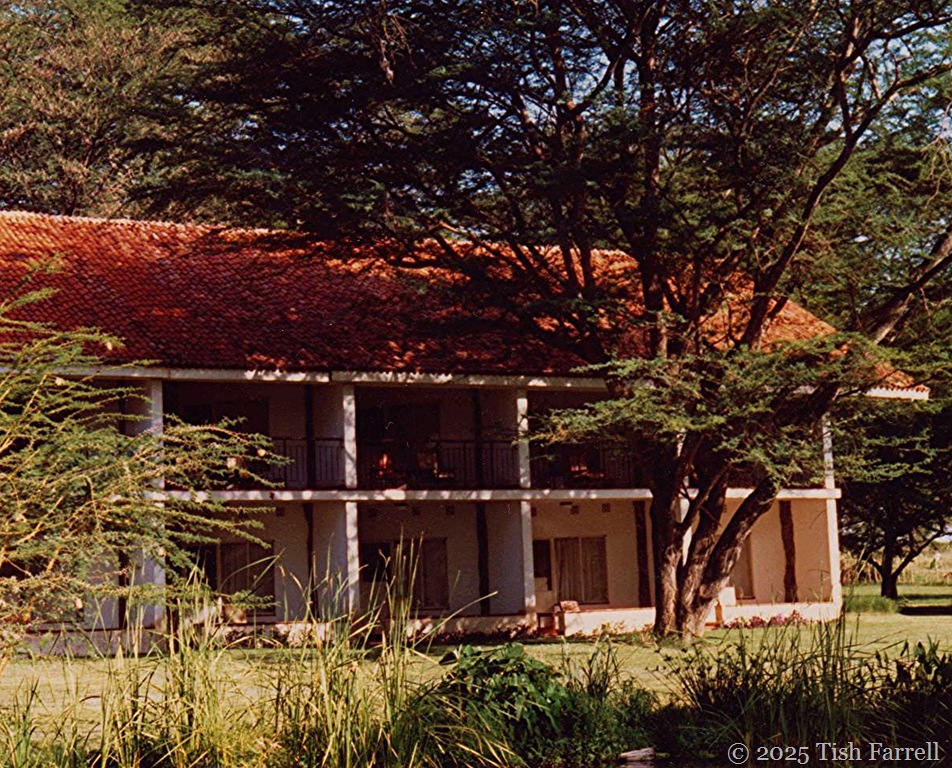
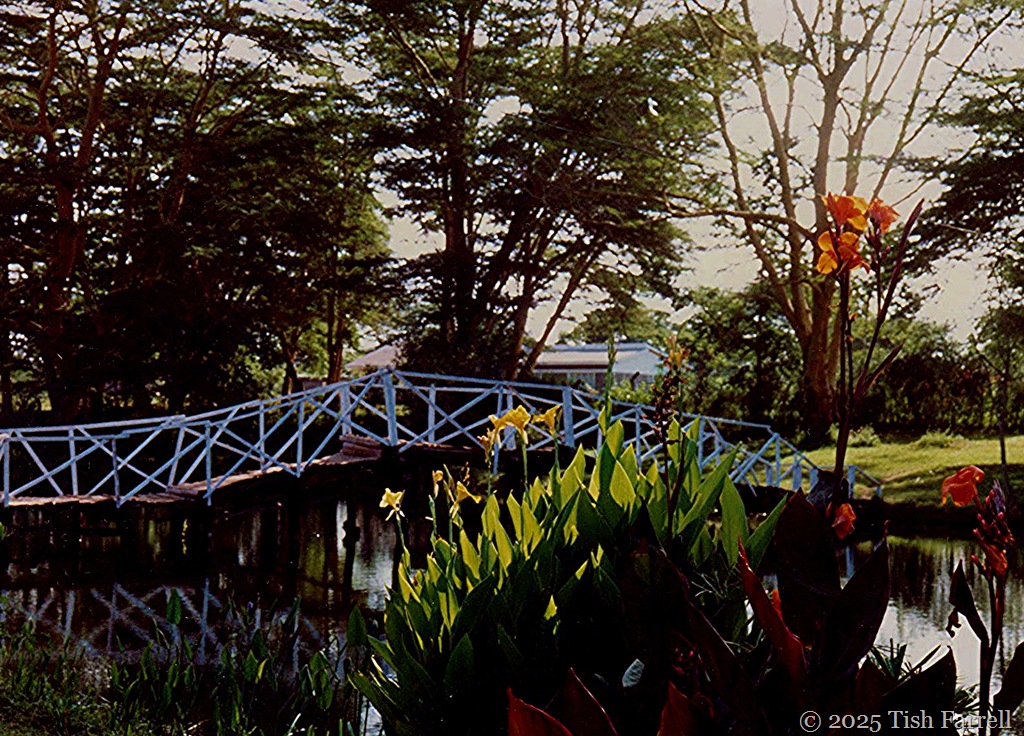
At some time in the sixties the site was expanded into a motel with a small block of architect designed guest rooms overlooking the pool. (In his day, Hunter had dammed the Kiboko River that fed the waterhole and so created a garden lake). For a time the place had a heyday, being the weekend spot for British expatriates, or the main overnight stopover for anyone driving to or from Mombasa. Then the highway was improved with a layer of tarmac, and the clientele drove on by.
008

*

When we stayed there in the ‘90s it was unusual to find any other guests. The Lodge staff anyway had their own regime that ticked over nicely irrespective of visitors. Now and then some Kenyan government agency might hold a seminar there or an overland truck might be allowed to park up and its occupants to camp on the lawn. Once I met an Israeli water engineer who was consulting on a nearby project. Otherwise, my main companions by day were Joyce the chambermaid and an astonishment of birdlife.
007

*

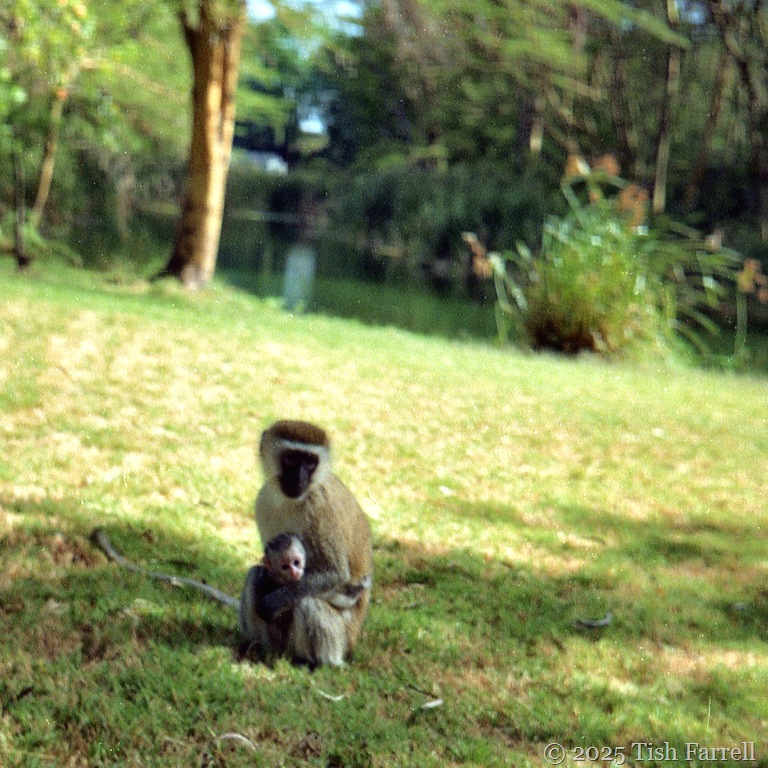
And vervet monkeys.

vervet and child ed

*

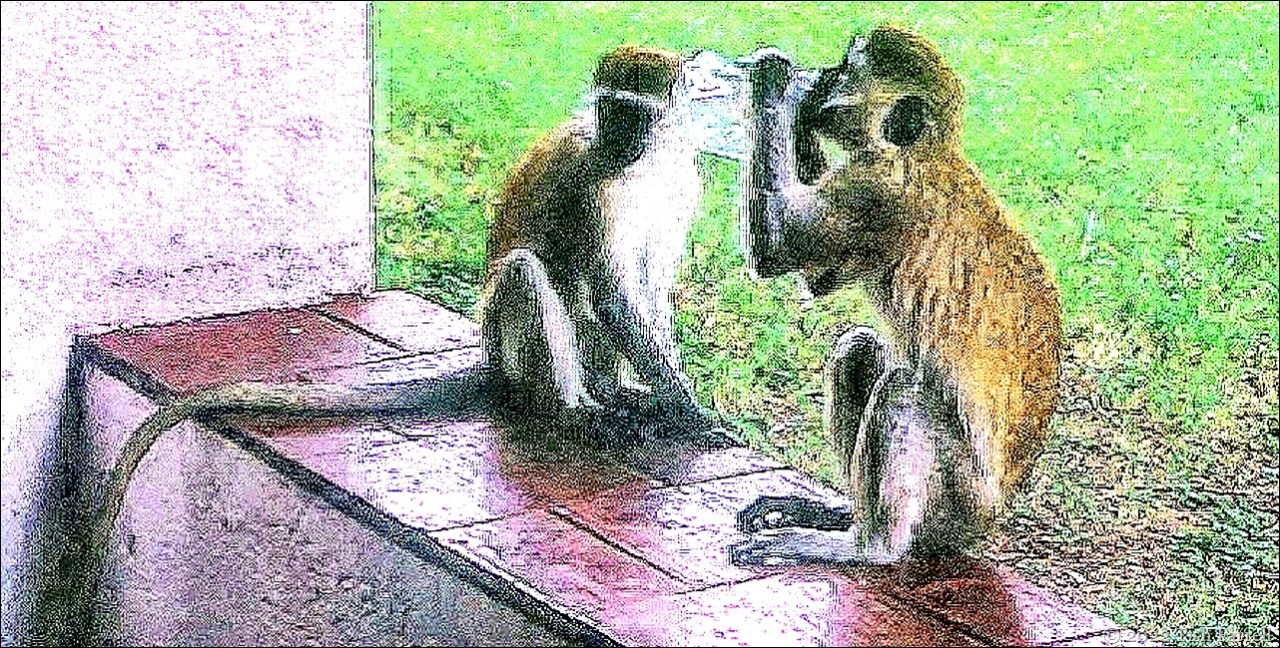
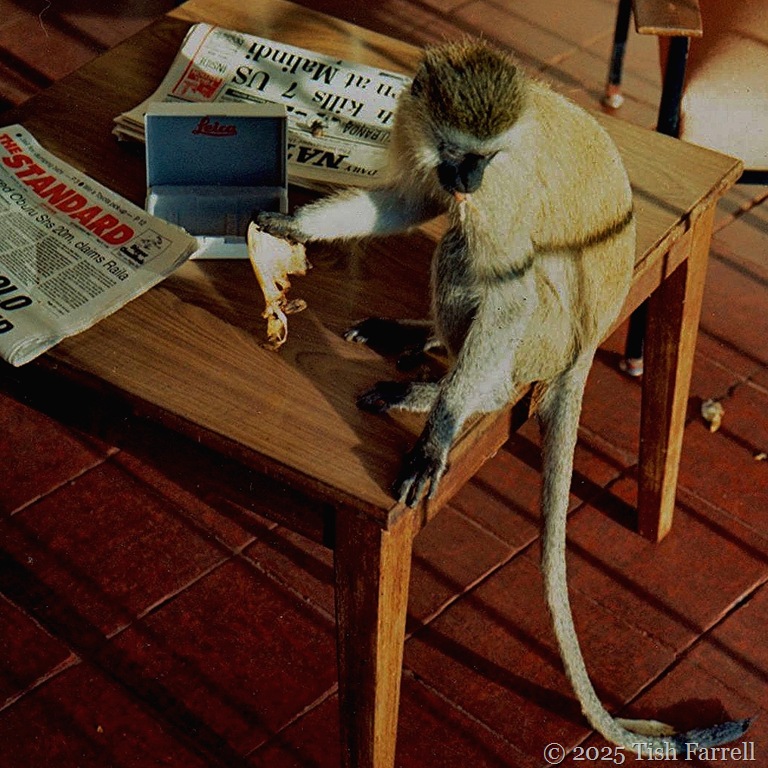
The vervets kept a keen eye on us. They soon learned we had supplies in our room – especially highly desirable bananas, and packs of raisins and nuts. We brought these to make up for the limited Lodge menu of cheese sandwiches, omelettes and steak and chips. But any unguarded moment and there would be a raid. I once came out of the bathroom to find three monkey faces peering up at me from under the bed.

The vervet in the header had clearly pounced while I was distracted with some bird watching out on the lawn (viz. empty binoculars case). And with over 200 local species, the distractions were many – from tiny malachite kingfishers to the giants whose diving technique seemed set to empty the pool. There were also pied and brown hooded kingfishers, ibis, storks, herons and weaver birds, and once, a lone pelican that dropped in from who knows where.
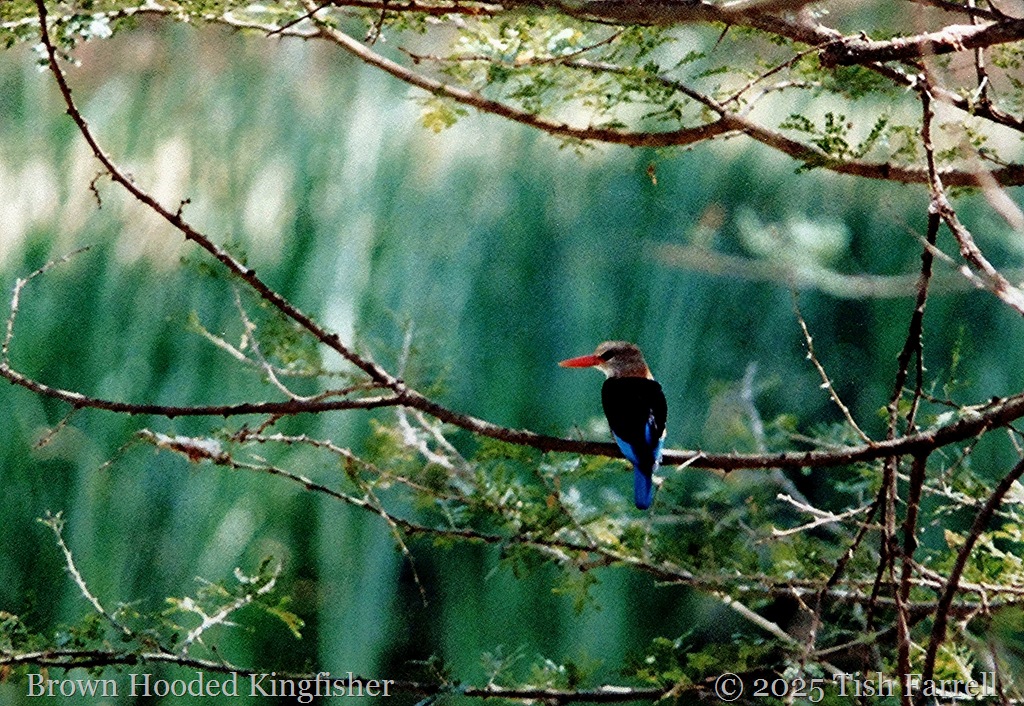
brown hooded kingfisher

*

Days at Hunter’s Lodge were like a waking dream, soundtrack the high-tension whine of insects, muffled rumble of trucks along the highway, clatter of stork bills up in the fever trees and sometimes the chime of a bell calling the gardeners and chamber-maids to their tea breaks.
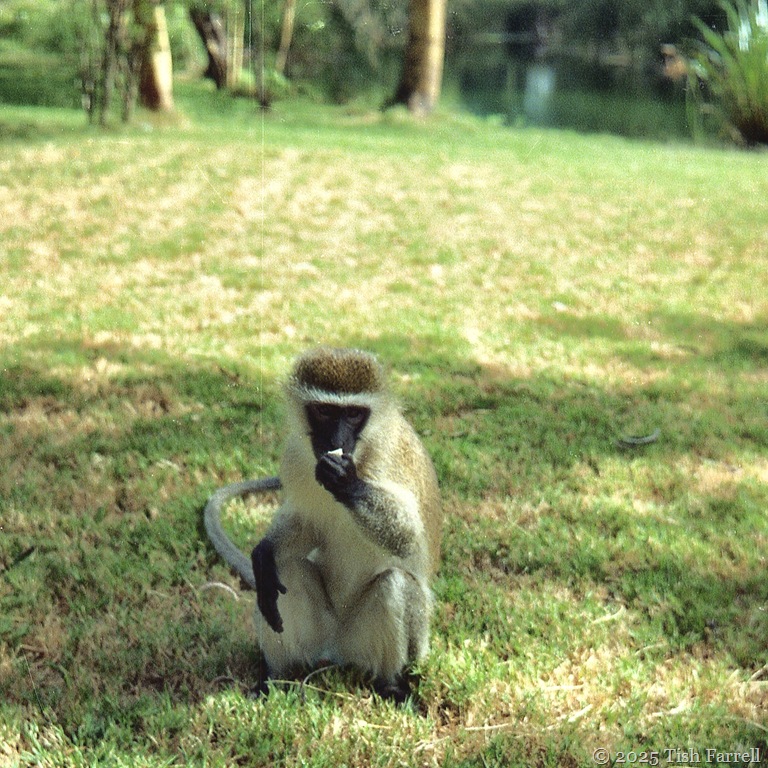
vervet


#SimplyRed Day 13

Looking Back: African Dawn

img20241008_12561103dawn flamingos ed

These last few weeks I’ve been immersed in a major displacement activity – both actually and metaphorically. While trying to find a good place to store Graham’s newish photo scanner, I decided I’d quite like to use it and revisit our old Africa negatives.

The Epson, however, was unknown territory. I’d done my original scanning using technology long since deceased, and I wasn’t altogether happy with the results, or with my editing. So first stop meant downloading software and all the nonsense that goes with it (compatibility/senescence issues – not mine – since both scanner and PC are only a few years old as far as their owners are concerned, but they are obviously superannuated in techno-ageist terms).

After several efforts, and two different apps later, I’m finally set to go, but then there is the issue of dealing with negatives that are twenty and thirty years old, were processed in Africa, have thus moved continents, survived several house moves, and not been stored very carefully. My original prints are in far better condition, some astonishingly sharp, but they are stuck in albums. So yes, as I said, a major displacement activity.

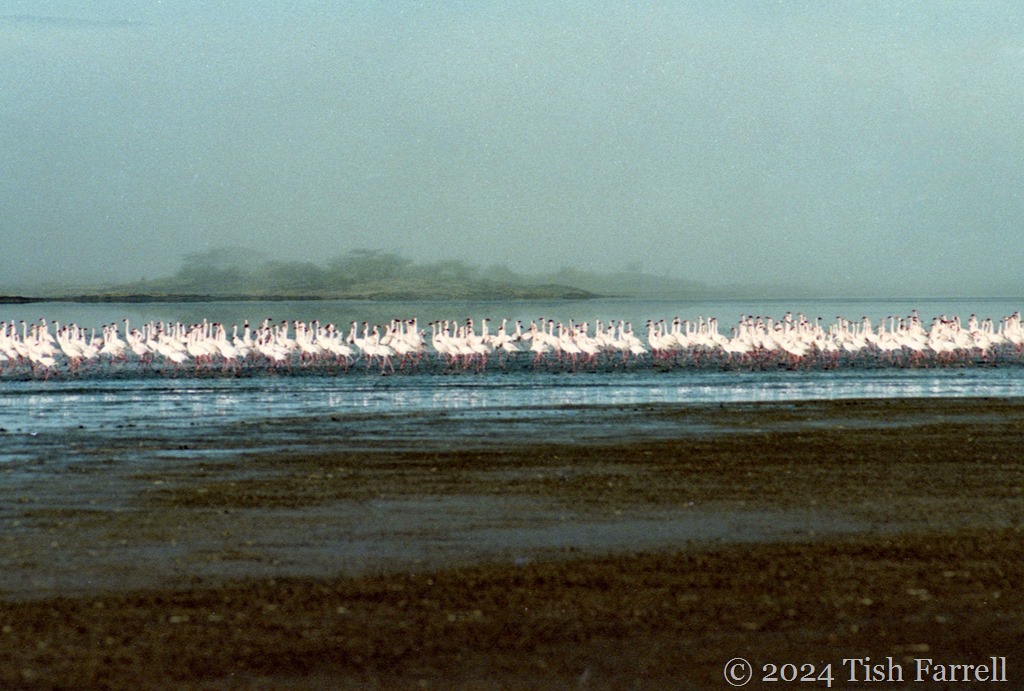
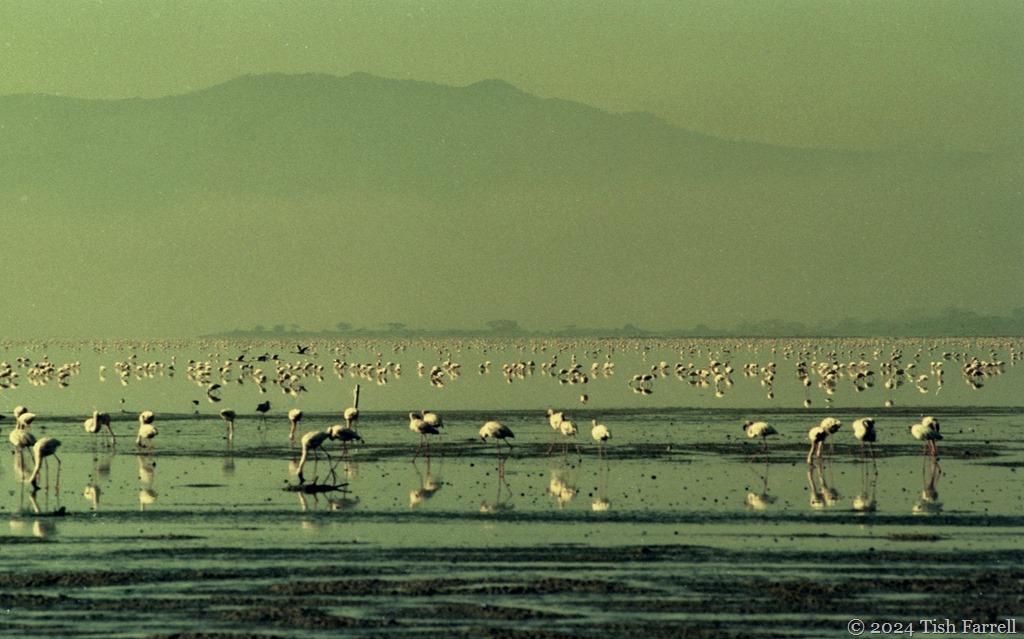
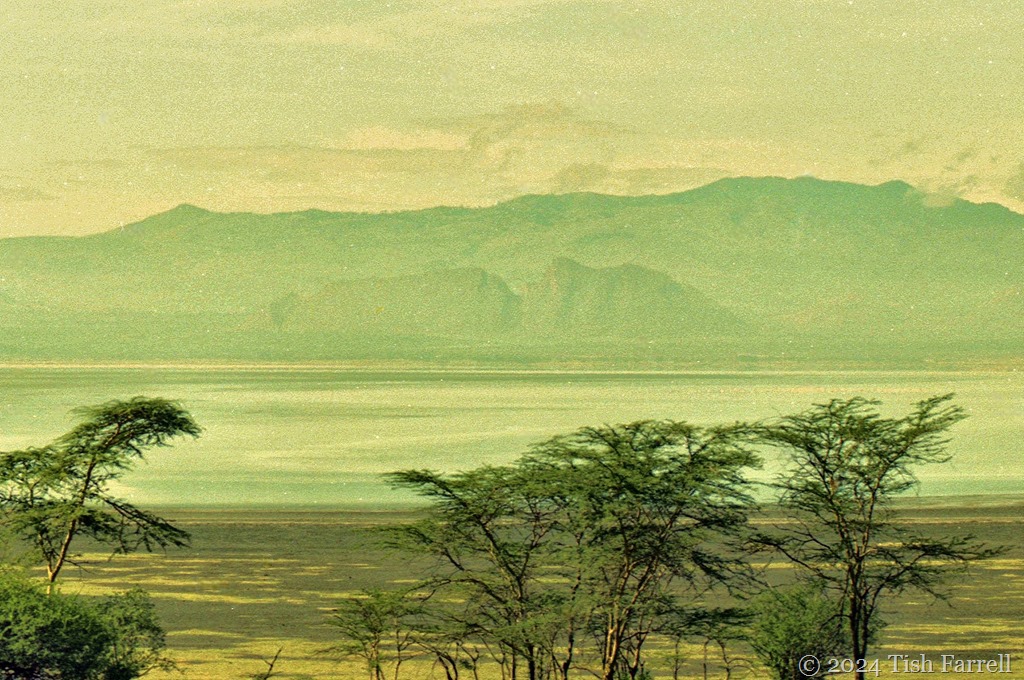
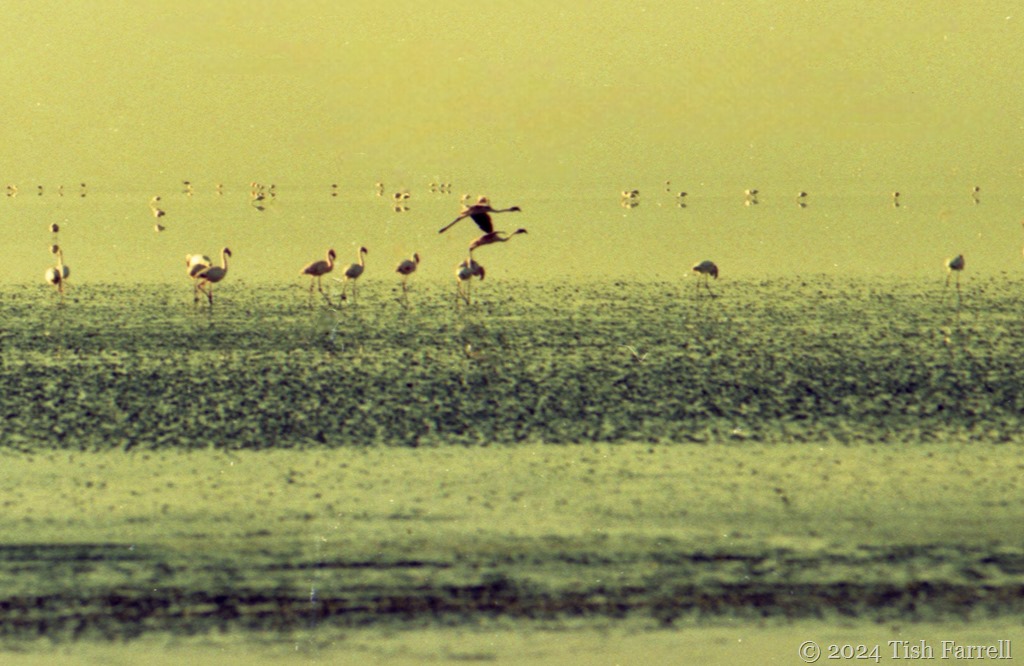
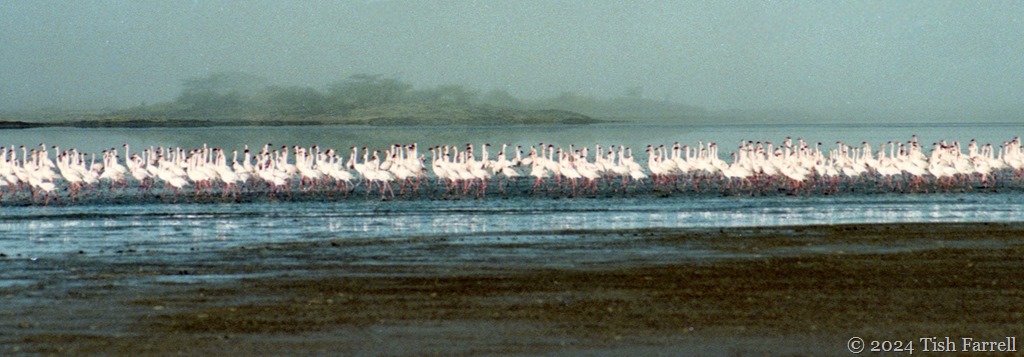
Yet it’s serious time travelling too, and every now and then a frame emerges and I am transported. The image may have lost clarity, but I’m there at first light, on the shores of Lake Elmenteita in Kenya’s Rift Valley.

The greater and lesser flamingos that inhabit this shallow soda lake never stop honking and grunting. It’s a seamless shifting soundscape that you hear all night if you are camping nearby. The loudness ebbs and flows, depending on where the flocks are feeding, but always strangely amplified across the shallow waters. At dawn though, you forgive the din, just for the sight of them through the mist. In the distance they look like scattered rose petals, and since the air is frosty at this hour, this sparks thoughts of celebratory champagne and ice bowls of strawberry sorbet…

img20241004_11291465 flamingo dawn

*

But let’s not get too carried away. If you venture out on the lake mud for a better view, beware. It’s slithery with flamingo guano, and the acrid smell of it, along with the soda, stings the nose, throat and eyes.

And yet…and yet these vistas have to be the most entrancing of all the many scenes in my memory archives.

*

When we lived in Nairobi during the 1990s we came here when we needed a break from city living, staying at Soysambu tented camp. The drive up the Great Rift had its own thrills, both the astonishing views of the Rift volcanoes, and the hair-rising truck driving along the way.  It was always a relief to turn off the tarmac and bump along dirt tracks to the camp. img20241003_14405356ed

*

The lake and its surrounding land is mostly in the hands of the Delamere family. From the late 19th century to the 1930s, the third baron Delamere was both an agricultural pioneer and prime mover in the shaping of the then British colony. Among other land holdings, he acquired 46,000 acres around the lake in the early 1900s. At some stage there were attempts to grow wheat there, but the soil was too shallow and the land reverted to bush. In our day, the fifth Lord Delamere, managed the place as a private game reserve (more recently the Soysambu Conservancy) and cattle ranch.

img20241005_19451737 flamingo dawn

*

The camp back then was sheltered by fever trees, sixteen tents each with its view of the lake and the remnant volcanic cone, known by local Maasai as the Elngiragata Olmorani, the Sleeping Warrior.  There was always something to look at. The light on the lake changed every second and there were 400 species of bird to watch out for not least the campsite superb starlings, weaver birds, orioles, babblers, herons and storks – and then you might look up to see impala slip noiselessly through the trees or waterbuck out on the flood plain…

It could all have been a dream of course.

img20241005_19075173 Sleeping Warrior

img20241008_12580861ed

*

Lens-Artists: Looking back  This week Sofia wants to see the things and places we treasure and would like to revisit.

img20241008_12561103dawn flamingos ed header

Off-Centre In Lamu

Mzee Lali cropped

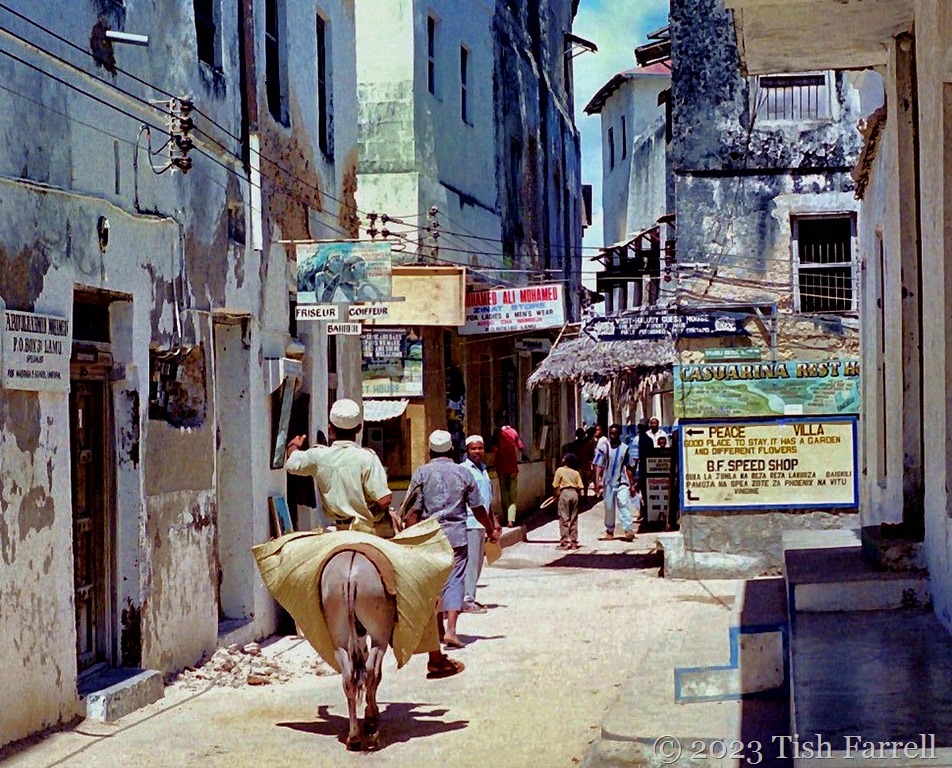
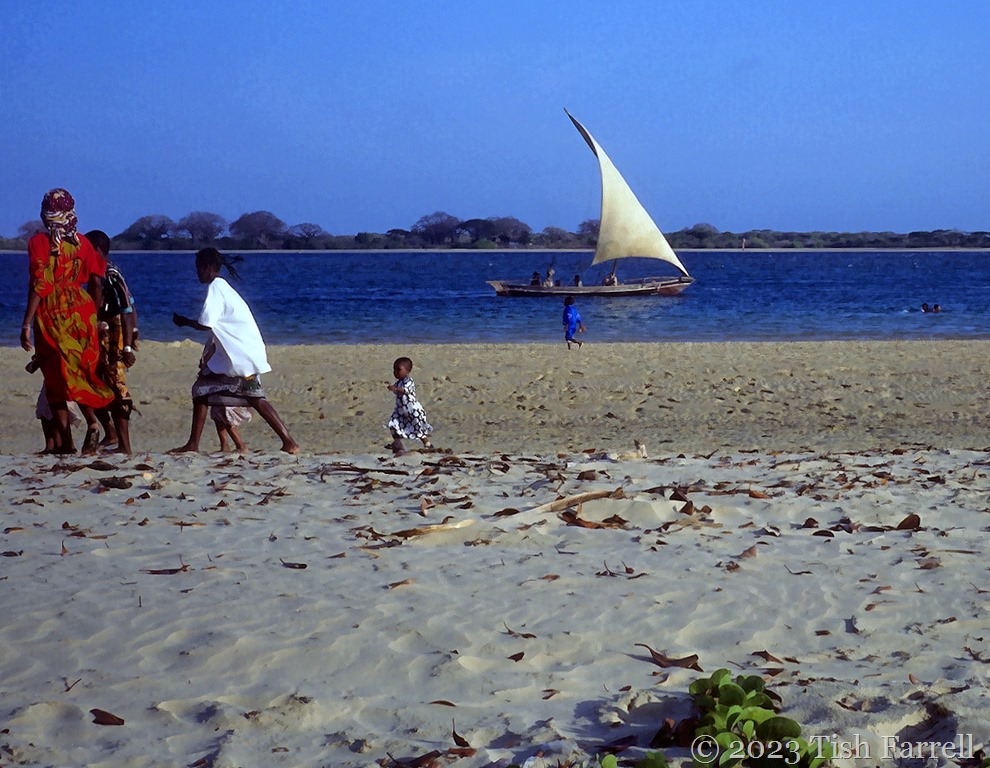
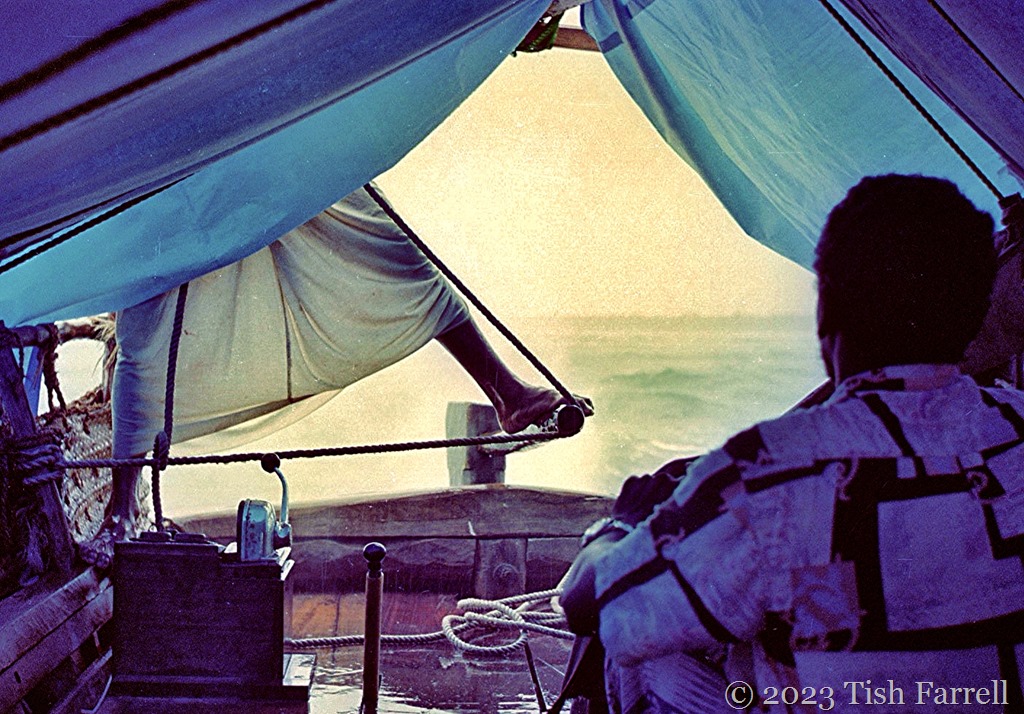
Once, a long time ago when we were living in Kenya, we spent Christmas on Lamu Island. I wrote about our brief stay HERE.  It seemed like a dream when we were there. And here in this photo (posted a few times before) Mzee Lali, dhow captain, also dreams, the late-day breeze bearing us along the Manda Strait back to Shela village.

Scan-130429-0029ed

Scan-140802-0010ed

Scan-130428-0053 - ed3

Stone Town: a World Heritage site

*

Scan-130428-0128ed

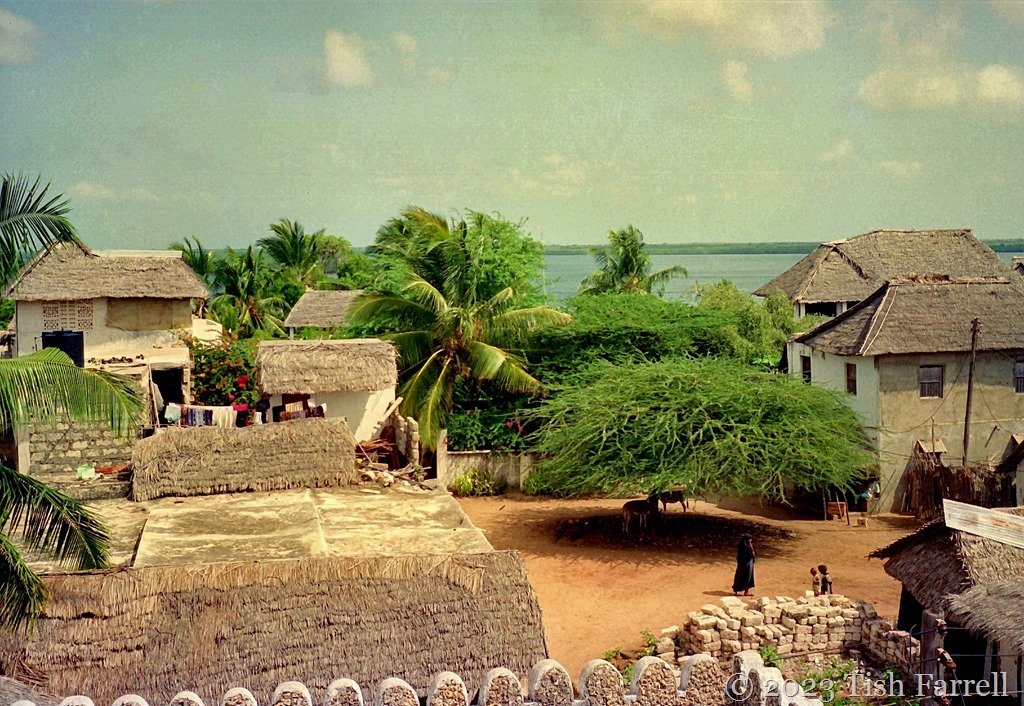
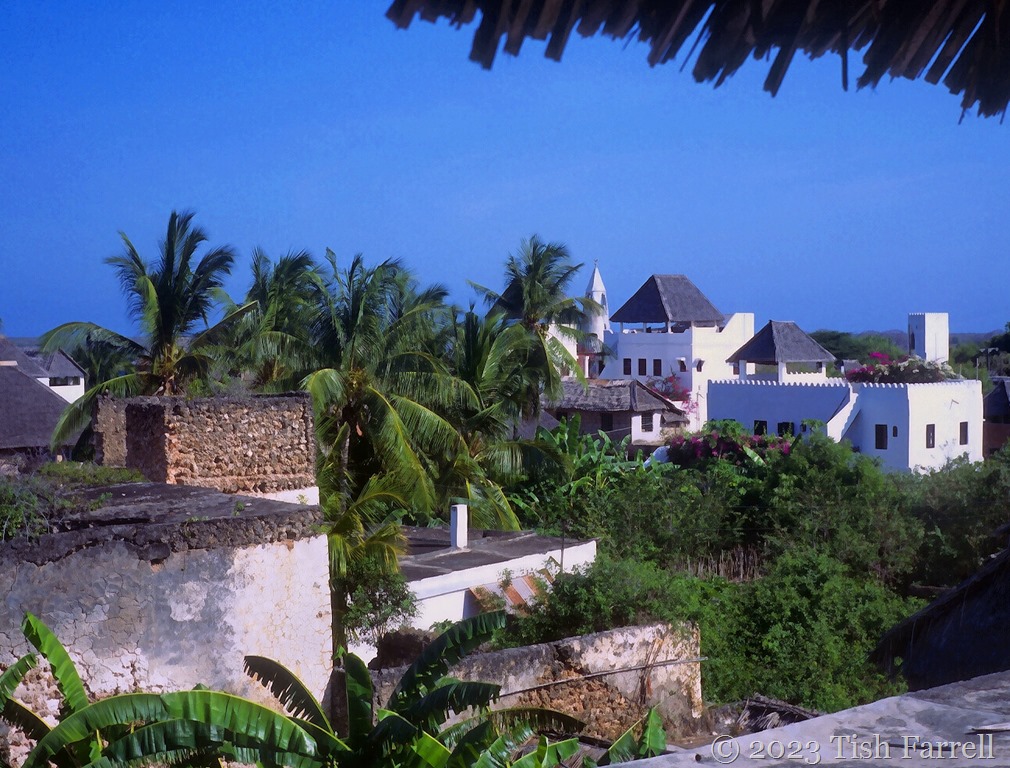
Shela Beach above, and Shela Village below. Donkeys were ‘parked’ under the thorn tree until needed for transport.

Scan-130428-0140ed

Scan-140801-0011ed2

Scan-130428-0024 - Copyed

Crossing Manda Strait to the air field in a sudden squall

*

Scan-140802-0015ed

Lens-Artists: Asymmetry    This week Donna sets the theme and shows us how asymmetrical framing can give compositions a different kind of balance.

When Creator Comes Visiting…

Mt Kenya

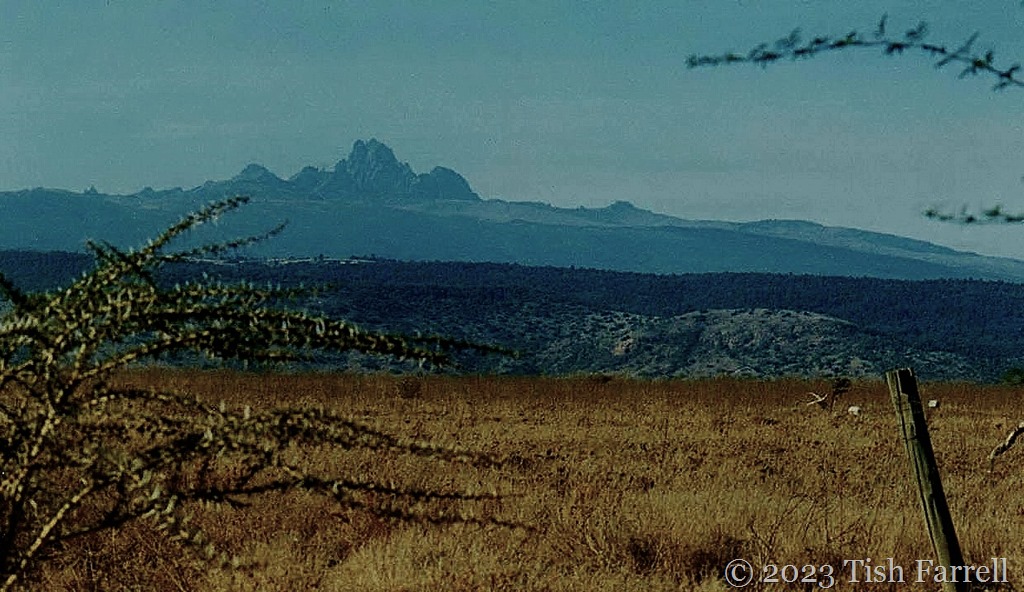
…this is one of his domains – the craggy summit of Kere-Nyaga, Mountain of Brightness, better known outside East Africa as Mount Kenya.

And the supreme being concerned is Ngai, maker of earth, the cosmos and everything. And it was to Ngai that the Kikuyu farmers of Mount Kenya’s southerly foothills once offered their sacrifices and prayers. Although they only did this in times of great crisis, since it was generally held that Creator was a remote figure, little concerned with human affairs. When his help was sought, he was addressed as Mwene-Nyaga, possessor of brightness (Jomo Kenyatta, Facing Mount Kenya 1938). Nyaga also has figurative connotations, meaning ostrich, but in this context suggestive of the white plumes of the male ostrich, a visual analogy for the glaciated zones among the dark mountain peaks.
You’ll see the thinking in this next photo:

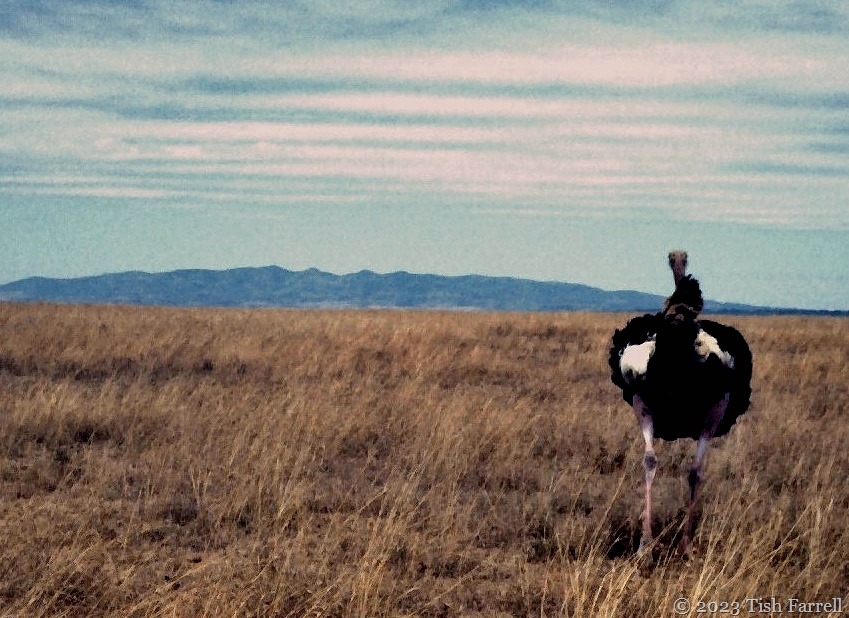
ostrich and Ngong hills best

This shot of a retreating male ostrich also captures a distant view of the Ngong Hills, another landmark of spiritual significance, not least in recent times to Out of Africa  writer Karen Blixen and her lover Denys Finch Hatton whose burial place it is. For that story see Caught inside a Kikuyu garden.
I’m sorry I don’t have more and better photos of Mount Kenya. The ones I do have are a little odd, as if the mountain meant to tease by showing off parts of itself at times and in places where it was not expected to be. I remember spotting it early one morning as I stood in the garden of the Outspan Hotel in Nyeri, the jagged summit floating gauzily above the horizon.

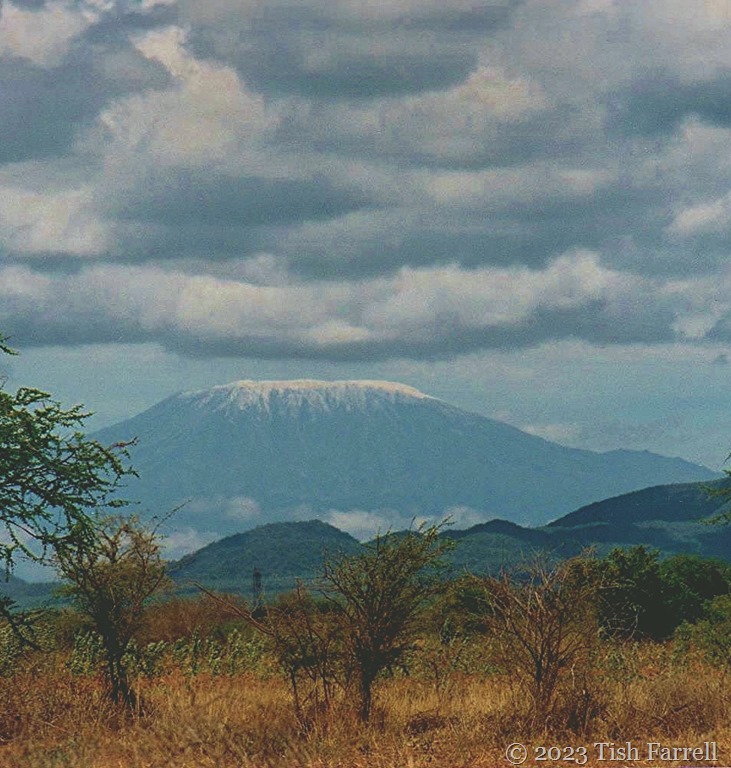
For several moments I was fixed to the spot. By the time I thought of taking a photograph it was gone – only empty sky in the place where it was, and a visceral sense of loss. Kilimanjaro just over the border in Tanzania, plays the same trick. Both mountains spend much of their time being mysteriously invisible. Yet there are travellers’ tales that claim occasions when, looking north and south, both mountains appeared simultaneously. Just imagine!

002 (2) ed

*

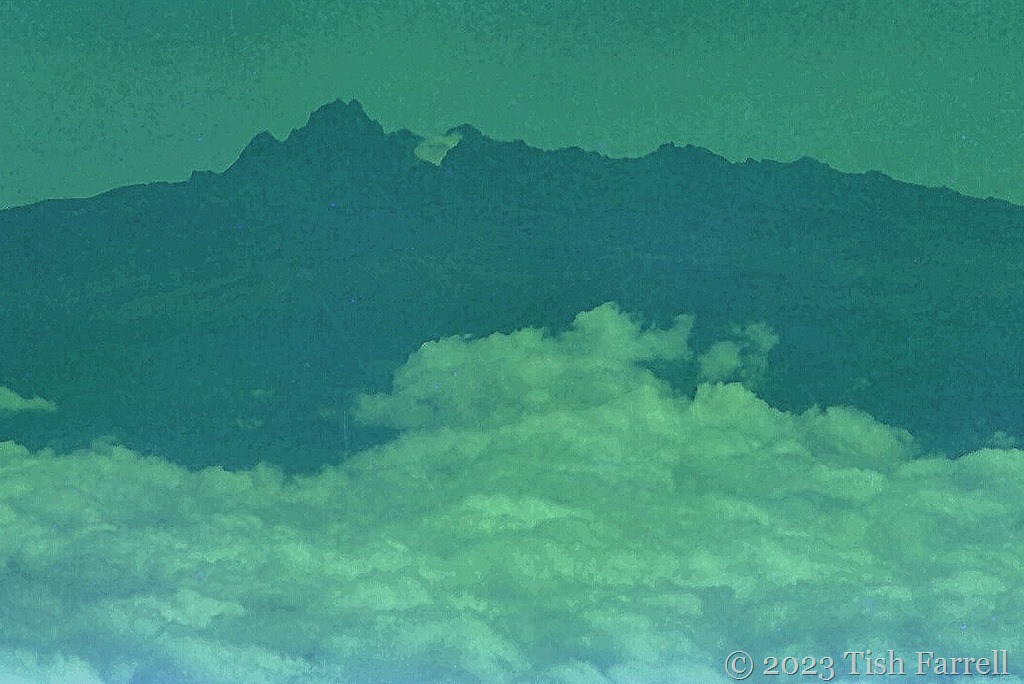
And now for the Mount Kenya photos I do have. The first one was taken from a small plane on our way to Lewa Downs:

Mt Kenya from plane

Grevy's Zebra and Mt Kenya

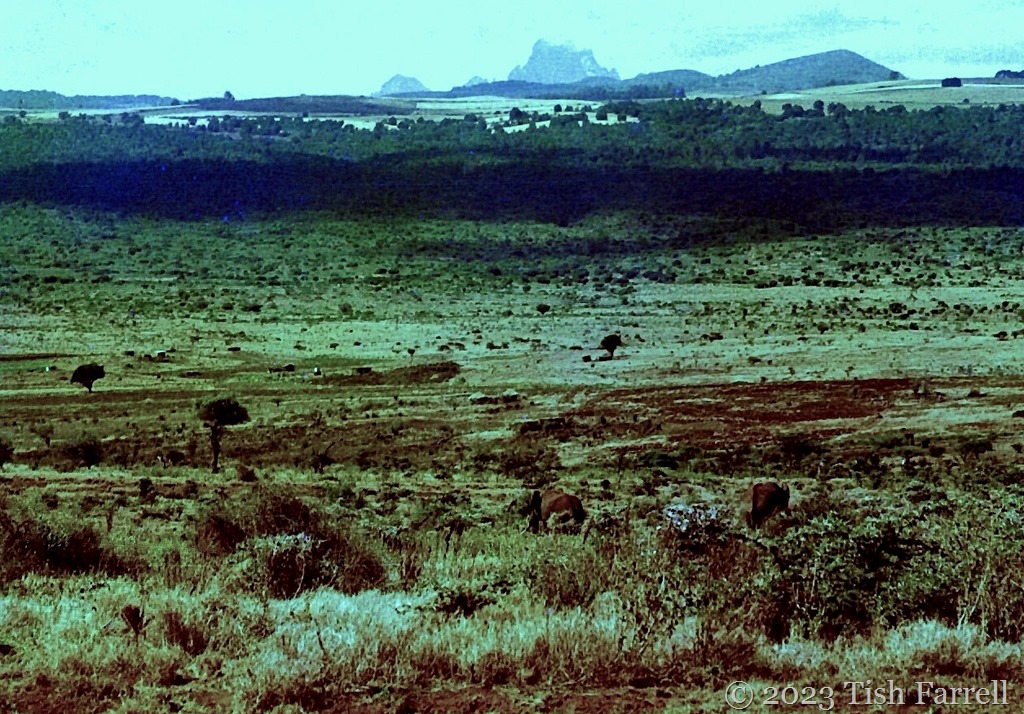
Mount Kenya and elephants

This photo was taken beside the Lewa Downs air strip. At the time, it was the two elephants, just visible in the foreground, that caught my eye. It was only when I was scanning the image that I noticed the odd geographical juxtaposition of Mount Kenya’s summit. What are its lofty peaks doing just there, and so sneakily? They are over 17,000 feet high.

*

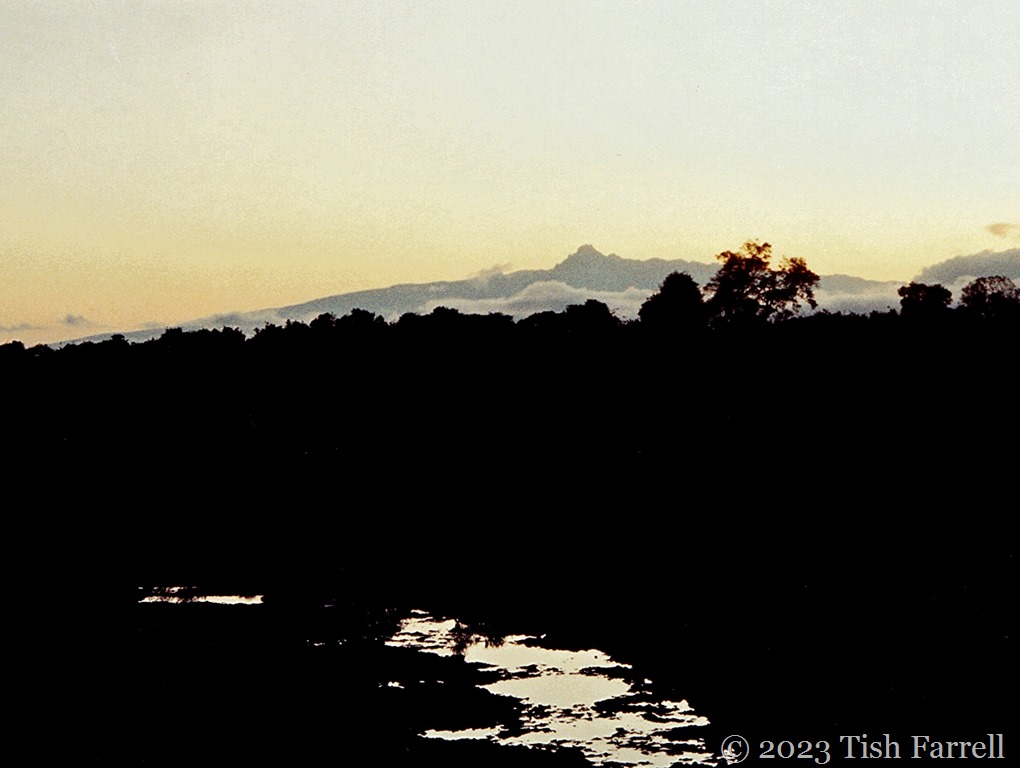
Kenya Aberdares

And finally a sunset view of Mount Kenya from the neighbouring Aberdares National Park. The Aberdare Range is also one of Creator’s dwelling places when he is checking out earthly doings. Its Kikuyu name is Nyandarua, which I believe means place of the crumpled hide – another interesting metaphor. Here’s an aerial view:

Scan-130608-0051

These vivid names for spiritual landscapes remind me that in traditional pre-literate societies, the natural world provided humans with unlimited scope for pondering, creating and observing. Its diverse parts were sources of inspiration and expression, things to think by, a resource for metaphor, analogy, riddles, song, dance and story telling as means for making sense of existence.

Particular mountains, trees, rocks, lakes, chosen as places to make sacrifices or pray to Creator, are gateways to congress with the divine, and so may be taken as sacred in the same way a church is sacred space for a Christian. More broadly, though, all land may be seen as sacred since it was made and given to humans by Creator.

And in this sense, then, there is no divide between spiritual and physical; all states exist in the same plane, which is interesting, if somewhat difficult for some of us to think about. We might call it respect. We might even call it love.

*

Lens-Artists: Spiritual Sites   Tina sets this week’s fascinating theme. Please take a look at her inspriting post.

Trio Of Photo-Favourites From ‘The Old Africa Album’

Mzee Lali

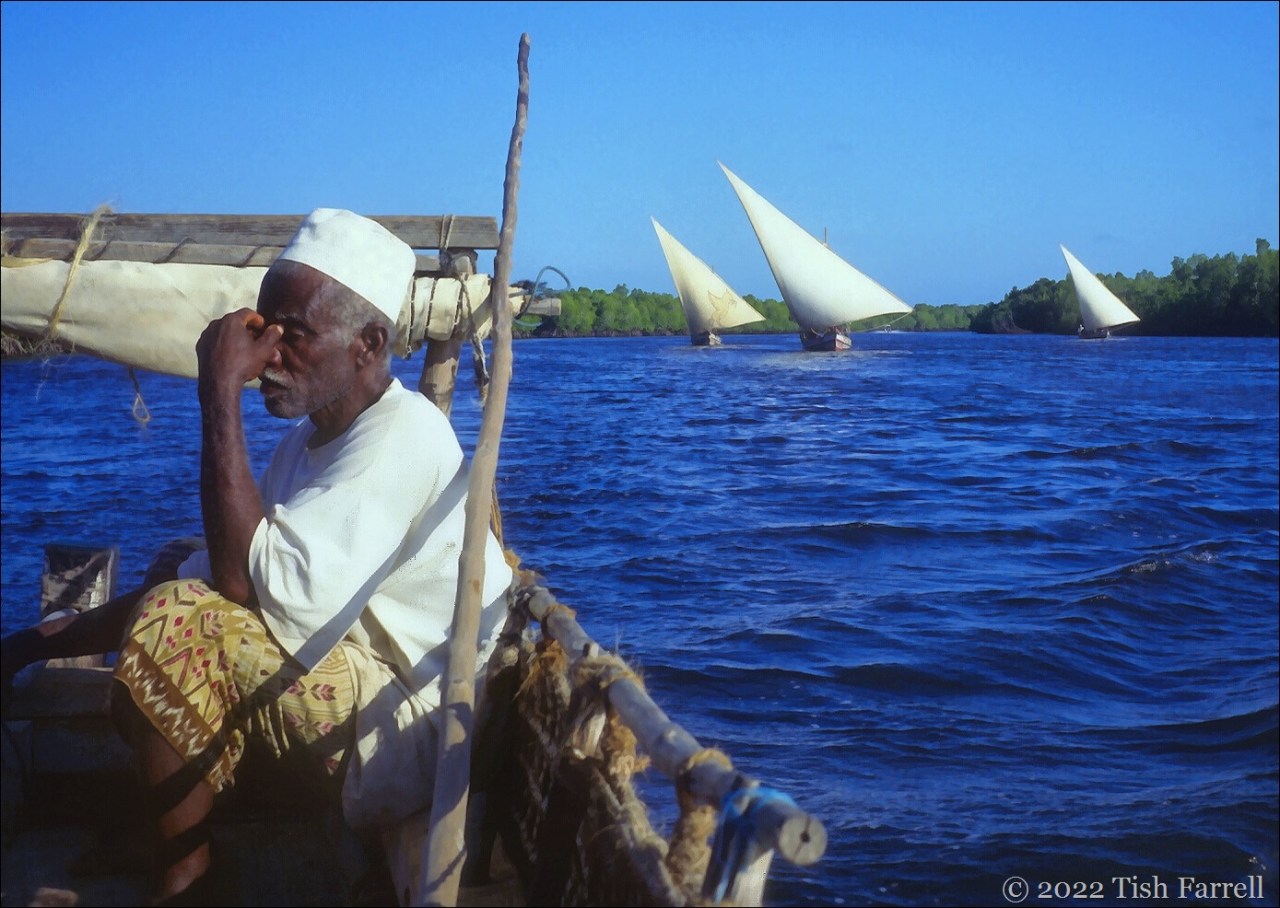
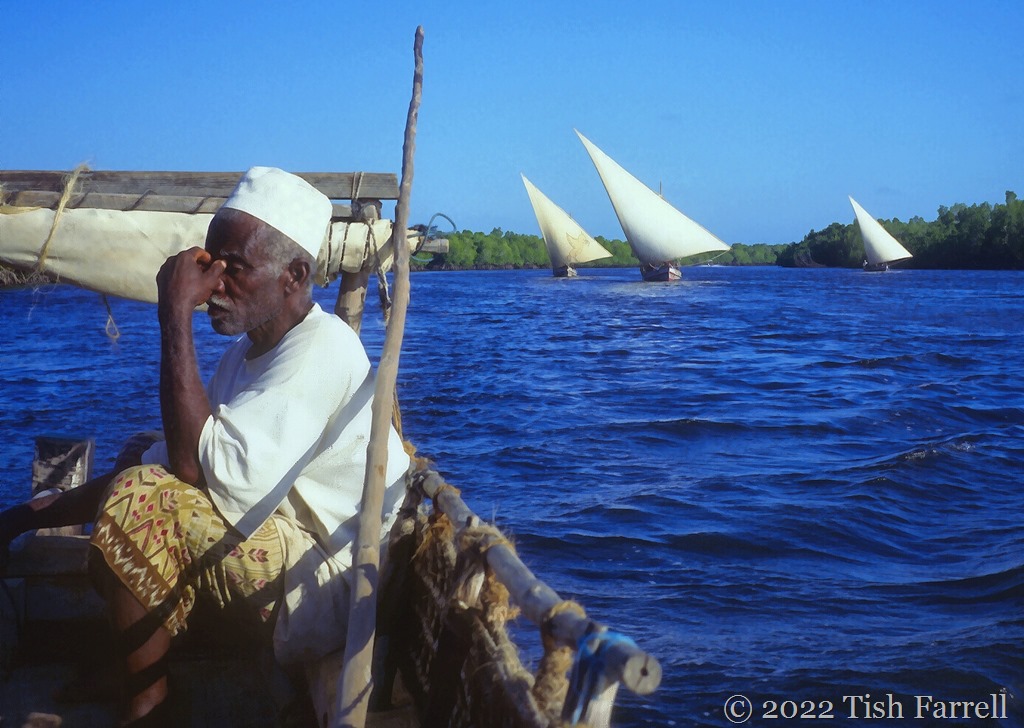
This first photo of Mzee Lali having a nap, with three full-sail Lamu dhows  in our wake  has to be my absolute favourite photograph. It was sheer chance that a) the scene composed itself so beautifully, b) I was alert enough to snap it and c) my Olympus-trip was not on the wrong setting.

It was Boxing Day and we had been out cruising the Manda Strait for several hours. In the morning some of our small party went in for a spot of snorkelling out on the reef. Next, using baited lines, we caught a few little fish which Lali and his nephew Athman scaled and cleaned. At noon when we were moored off Manda Island, Lali waded ashore and knelt down on the beach to pray. Then lunch was prepared, the fish grilled on a portable charcoal (jiko) stove and served up with freshly chopped coleslaw. Delicious.

In the afternoon we meandered back along the strait between the mangrove forests, waiting for the wind to pick up. We passed a large dhow taxi, utterly becalmed, engine stalled. It was brimful with laughing, chattering passengers, all hopeful  that some time or other they would finally reach Lamu mainland to visit their relations.

*

Robert Omondi ed

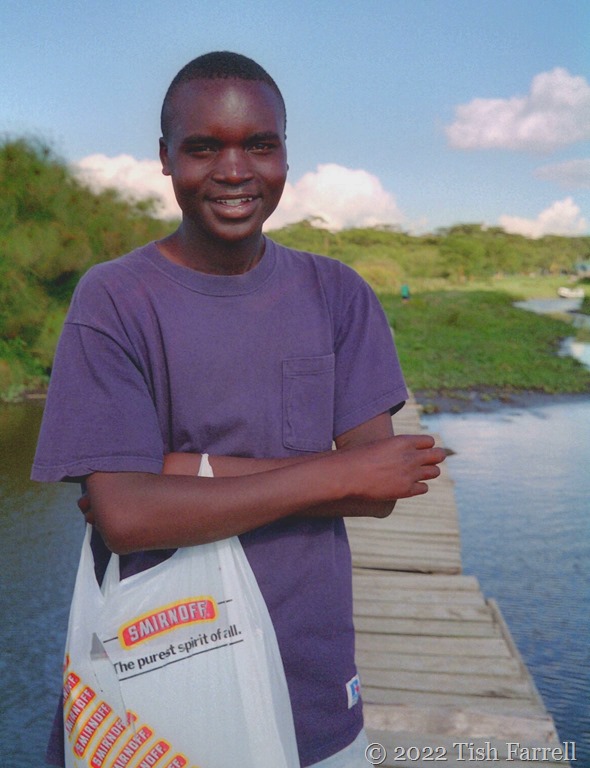
This photo was taken a few years later. It’s a favourite because it was a chance meeting that pretty much sums up all that is so powerfully positive about young Kenyans. We were staying at Safariland Lodge on  the shores of Lake Naivasha. Graham was hosting a conference of international crop pest scientists, and I was spending the days wandering around the place, bird watching. One afternoon I met Robert Omondi on the hotel mooring. He sold me one of the hand written booklets he had made, its topic the ecology of Lake Naivasha and the water sources that fed into it. He was visiting all the hotels and lodges along the lake, selling copies where he could, and so raising funds for his next term’s school fees.

*

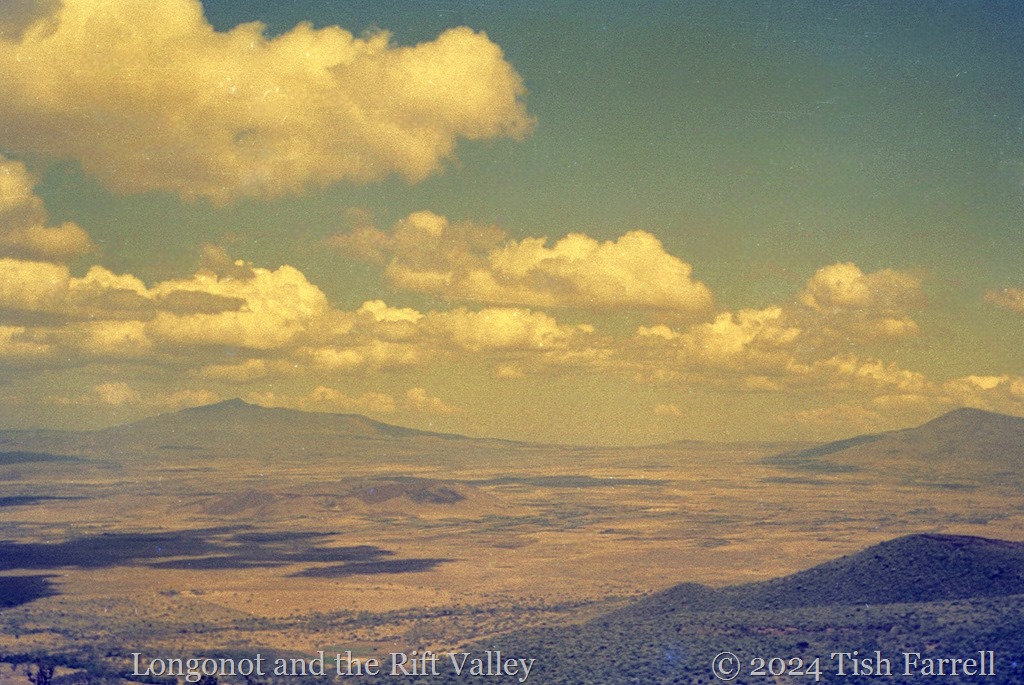
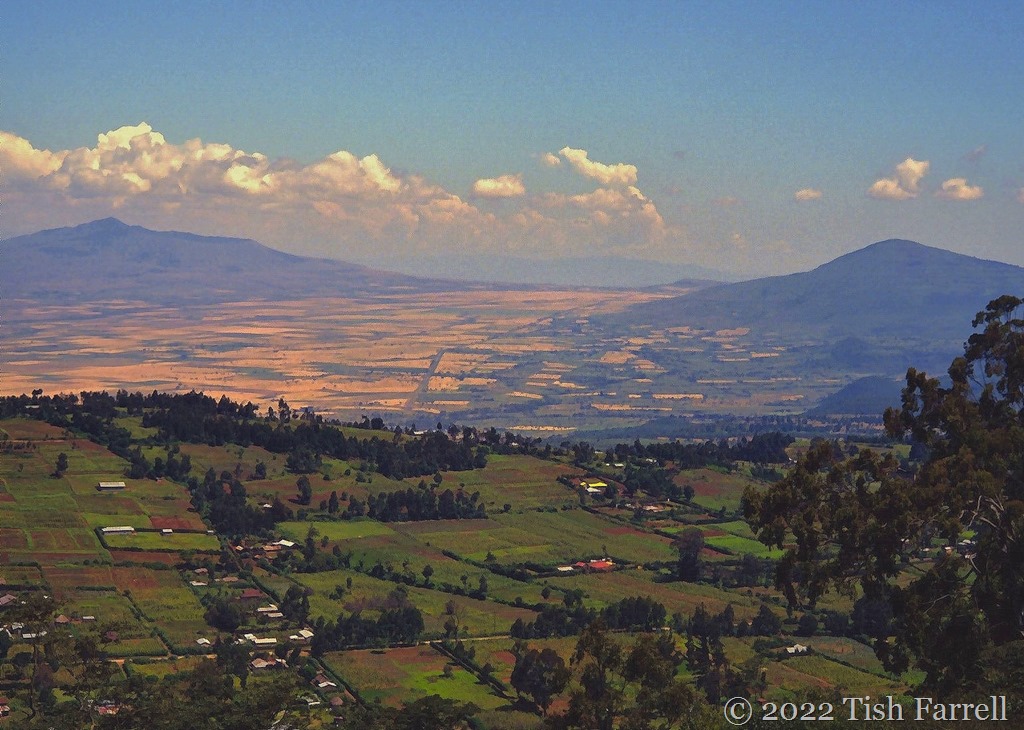
And finally a photo to prove to myself I was actually there, although even at the time I took it, it was hard to believe. Besides which, the Great Rift Valley is almost impossible to photograph and give any true sense of scale or depth. If there isn’t a heat haze, there is often a fog. I was standing somewhere north of Nairobi, on the east escarpment highway which runs up to 9,000 feet above sea level. Below, in the foreground, is Escarpment location, a community of smallholder farmers. The bright green of the plots suggests it must be the main growing season after good rains. In the Rift bottom are the wheat and barley fields of larger-scale farmers, the crater of defunct volcano, Longonot on the left. The low road to Lake Naivasha runs north beneath it along the valley floor.

Escarpment

Lens-Artists: picking favourites This week Sarah at Travel With Me  invites us to choose three favourite photos (not necessarily absolute favourites). Please go and see her three stunning choices.

Zanzibar’s House Of Wonders: A Door On The past

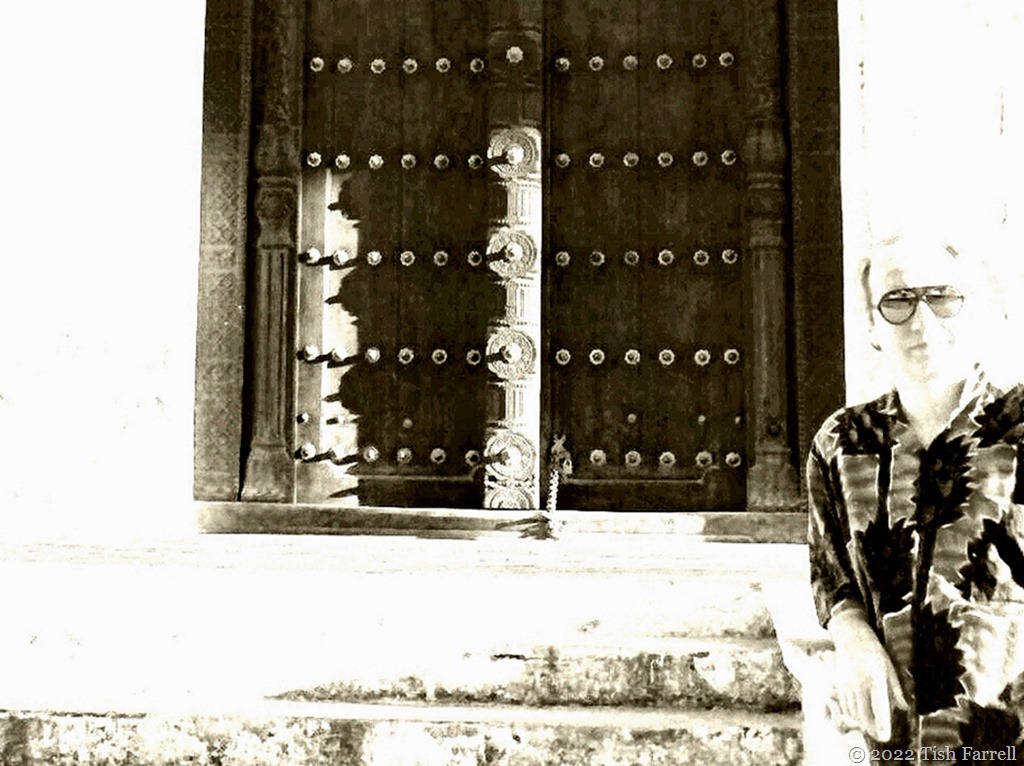
Scan-130429-0037sepcr

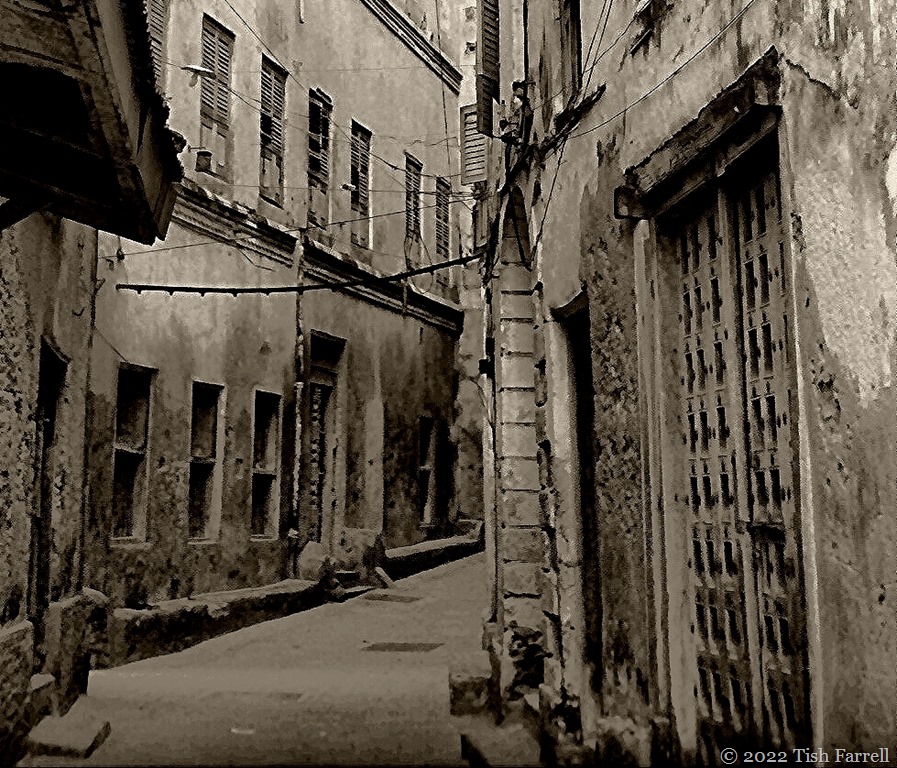
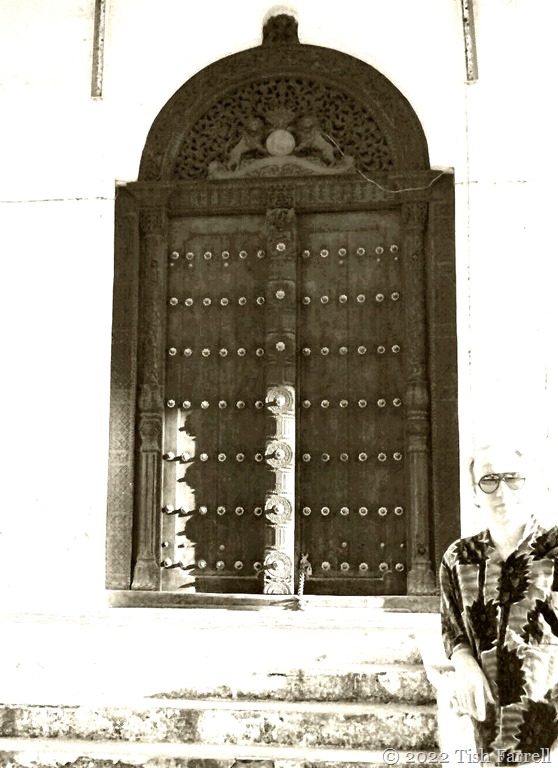
The ancient Swahili towns of East Africa’s seaboard and islands are renowned for their elaborately carved doors. Zanzibar (more properly Unguja) has some fine examples, so it’s a pity I have so few photos from our long-ago stay in Stone Town. There is a reason, however. For one thing the streets are so shadowy and narrow it is difficult to take decent shots without causing pedestrian chaos. And anyway, neither photographer, nor my then Olympus trip camera, whose back kept flicking open, were up to job.

Scan-130429-0037sep

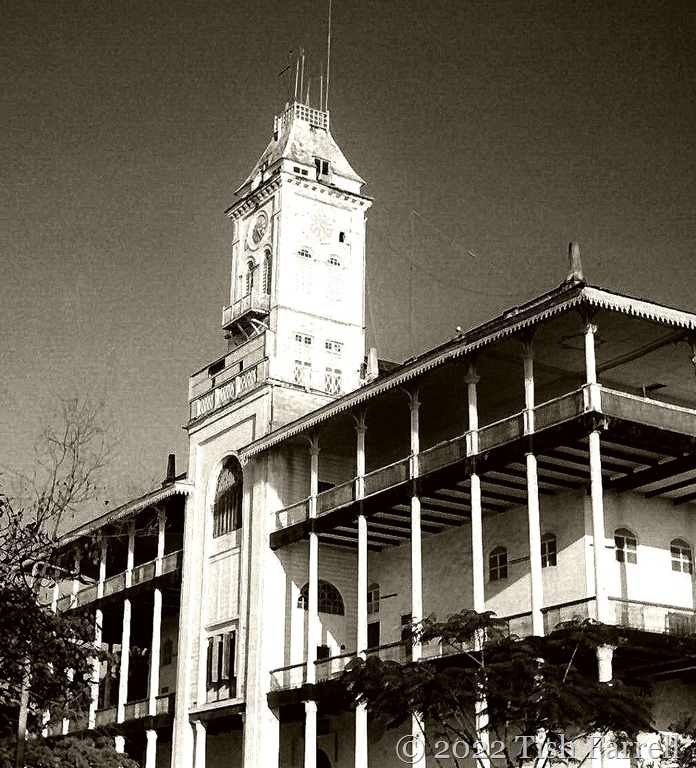
Here though, on the steps of Beit-al-Ajaib, the House of Wonders, there was both light and room for manoeuvre. The doors belong to a palace built by Sultan Barghash in 1883 to host ceremonial events. Barghash belonged to the dynasty of Omani Arabs who had ruled over the Swahili city states from the late 17th century, this after the expulsion of the Portuguese who, thanks to explorer Vasco da Gama, had held the territory, thus controlling the Indian Ocean trade, for some two centuries.

So it was that one set of invaders succeeded another, the situation further complicated in the 19th century by competing European interests wherein Britain saw off Germany, and proclaimed the Zanzibari Omanis’ dominion a British protectorate; the stated objective being to put an end to the Arab slave trade, though some might say this was only an excuse, since there appear to have few means to back up the fine words, and slaving on parts of the East African coast anyway continued into the 1920s.

But back to the palace. Barghash was an extravagant man and, before his death in 1888, built six palaces across Unguja island. (The Zanzibari sultans’ wealth derived both from the slave trade and Unguja’s spice plantations). Their rule did not end well. 1964 saw the Zanzibar Revolution. The Omanis, along with many Indian residents, were killed or expelled. Thereafter the House of Wonders was used as government offices. When we visited in 1999 it was abandoned, shrouded in dust and empty  but for one of the last sultan’s  cars (a candy pink saloon) parked inside the atrium just behind those two front doors. One wonders how many men it took to carry it up the palace steps. A friend who visited more recently told me it was still there.

Scan-130429-0027sep

*

And finally, my only view of a Stone Town door, more gist than detail:

Scan-130429-0102sep

Cee’s Black & White Photo Challenge: doors and drawers

Taking The Broad View ~ Mara Grasslands

desert date mulului tree 001 - Copy (2)

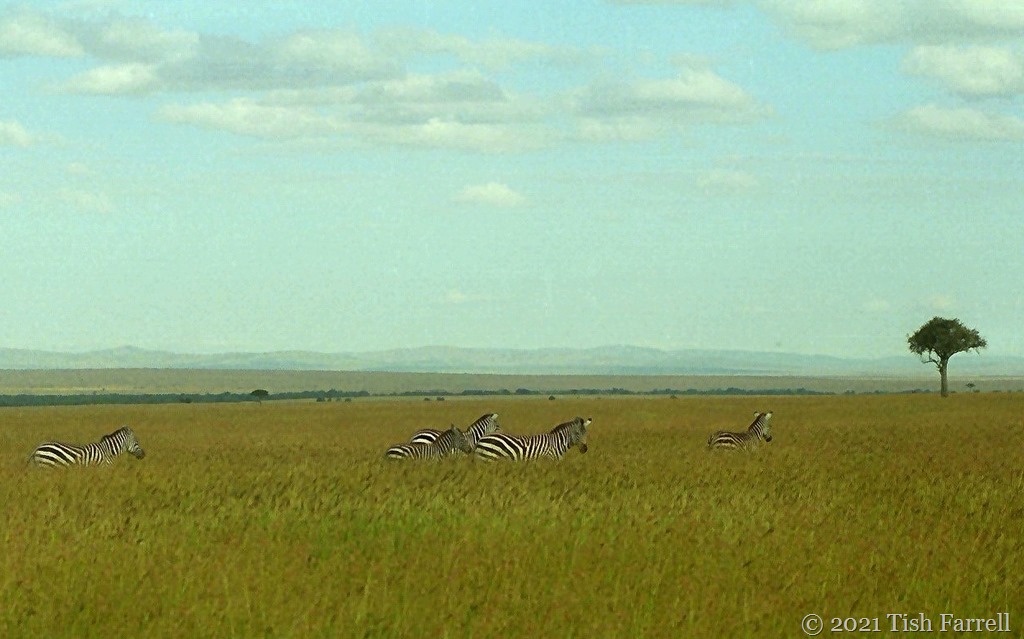
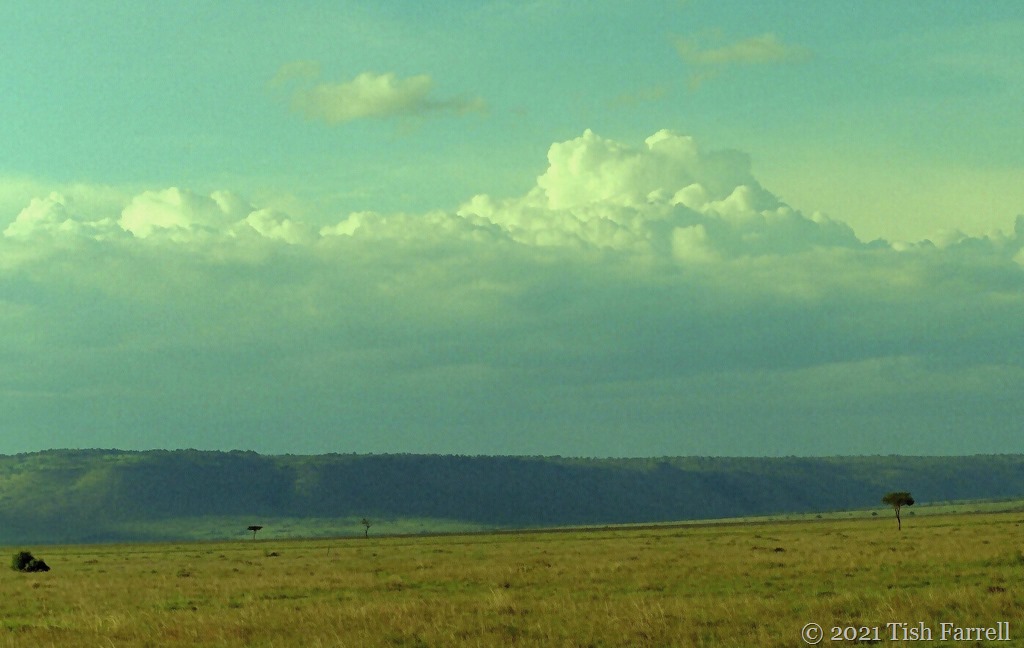
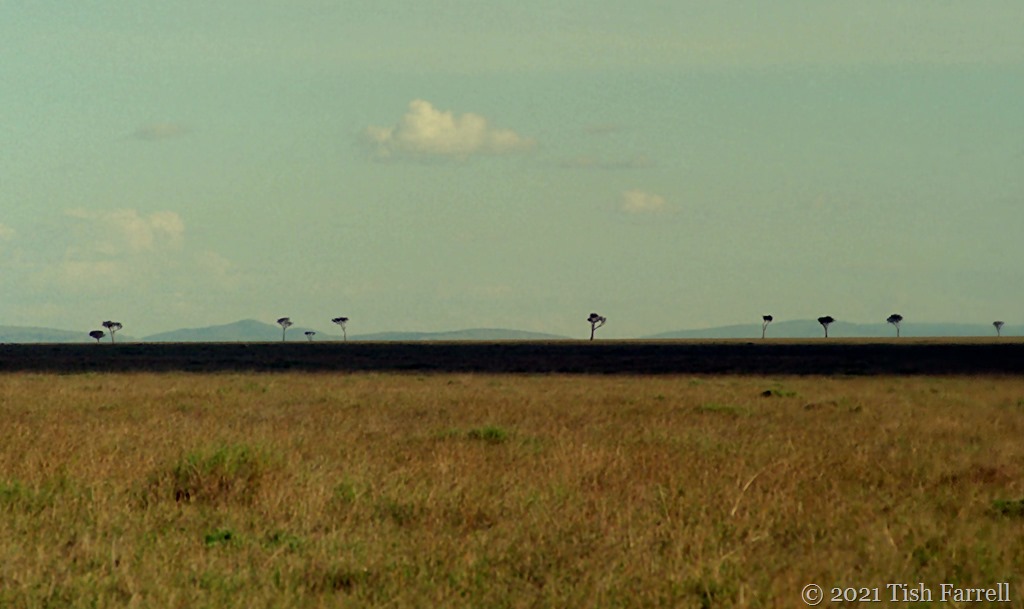
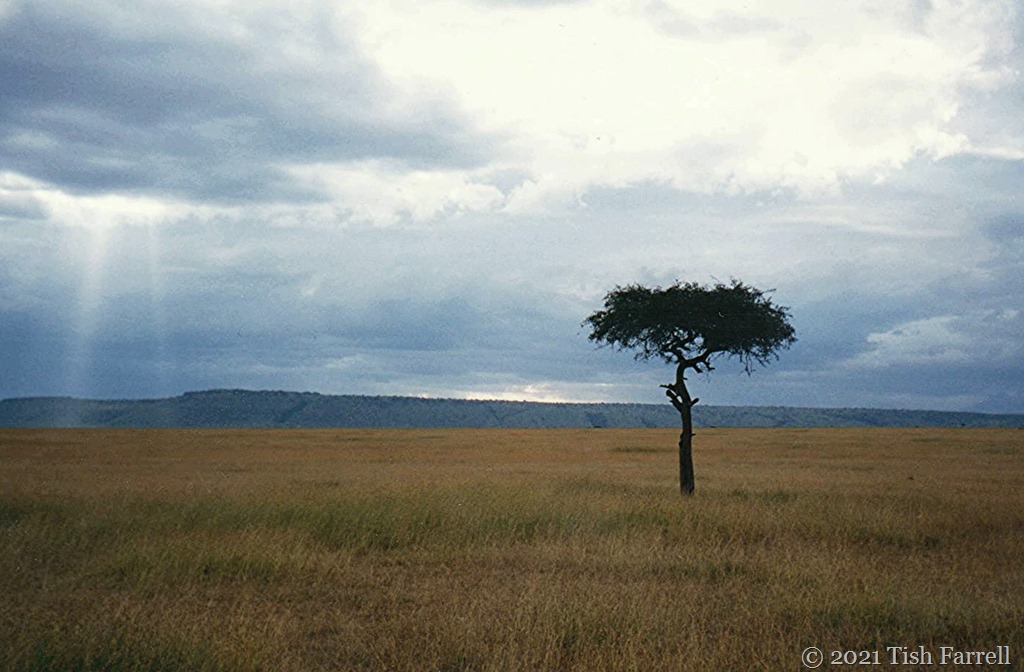
In the rainless months it is the oat grass that gives the Mara plains their golden hue. The small trees with their sculpted looks are desert dates, mulului trees, much browsed by all the local herbivores.

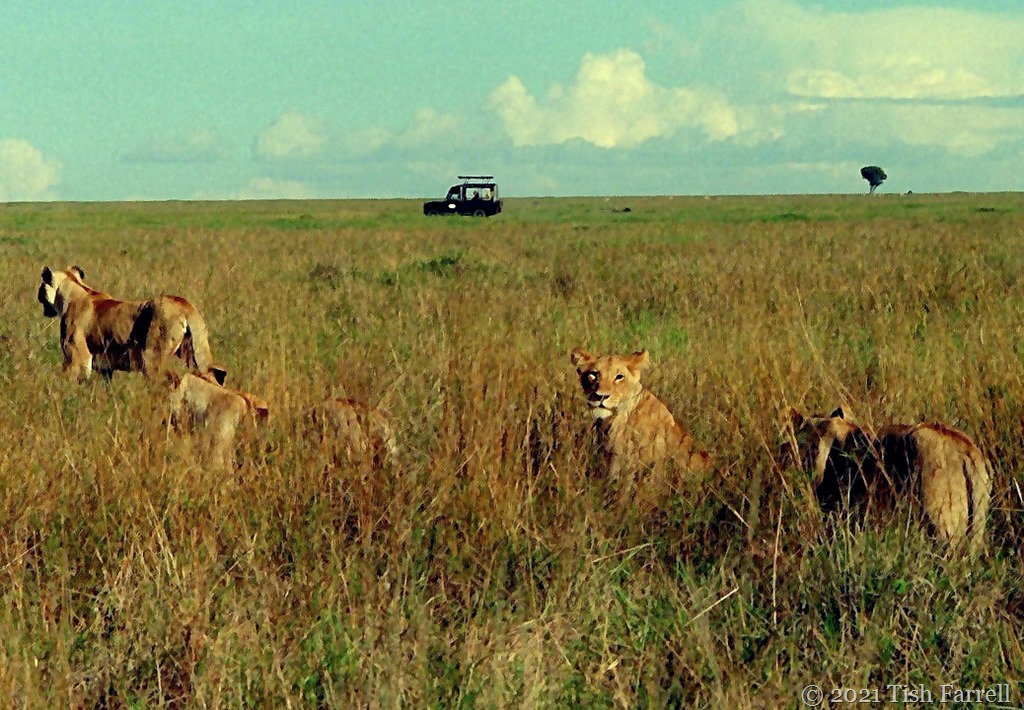
These photos from the Farrells’ old Africa album were taken outside the main Maasai Mara National Park, below the Oloololo Escarpment on territory owned by related Maasai families, locally referred to as a group ranch. Visitors pay a daily fee to group ranch elders. We were lucky to be able to make three trips there while living in Kenya.

Scan-140727-0038

Scan-140728-0018

wide Mara 7

lions wide Mara 30

mulului trees Mara 14

Life in Colour: Gold

Lens-Artists: Going wide

Vintage Zimbabwe

Hwange - waterhole and elephants 4sq

Late 1992-3 and we were living in Lusaka, Zambia, Graham on secondment from the Natural Resources Institute in Kent to the European Union Delegation – his job to manage the logistics of food aid deliveries to drought-stricken parts of Zambia.

These were exciting times. As we arrived, long-term presidential incumbent, Kenneth Kaunda (he who had led Northern Rhodesia to independence in 1964) had recently ceded to Frederick Chiluba, the first elected president after the return to multi-party democracy. Which sounds positive, but it also involved the International Monetary Fund structurally adjusting the nation, causing hikes in staple food prices, and stopping free schooling and medical care for the poor so they could become even more hard done by.

Then there were the international corporations who continued not to pay taxes on their exploitation of Zambia’s copper mines. Then Kenneth Kaunda’s army officer son, Rezi, had thoughts of starting a coup and was said to behind much of the criminal activity in the capital, and then over in the neighbouring Congo (or so the story went) President Mobutu had neglected to pay his army thus causing them to come on regular night-raiding missions to the diplomatic quarters of Lusaka.

One could have become very anxious, but actually, none of this was my experience of Lusaka. It always seemed rather sleepy under the wide blue skies of breezy white clouds, the locals ever quick to smile and share a joke.

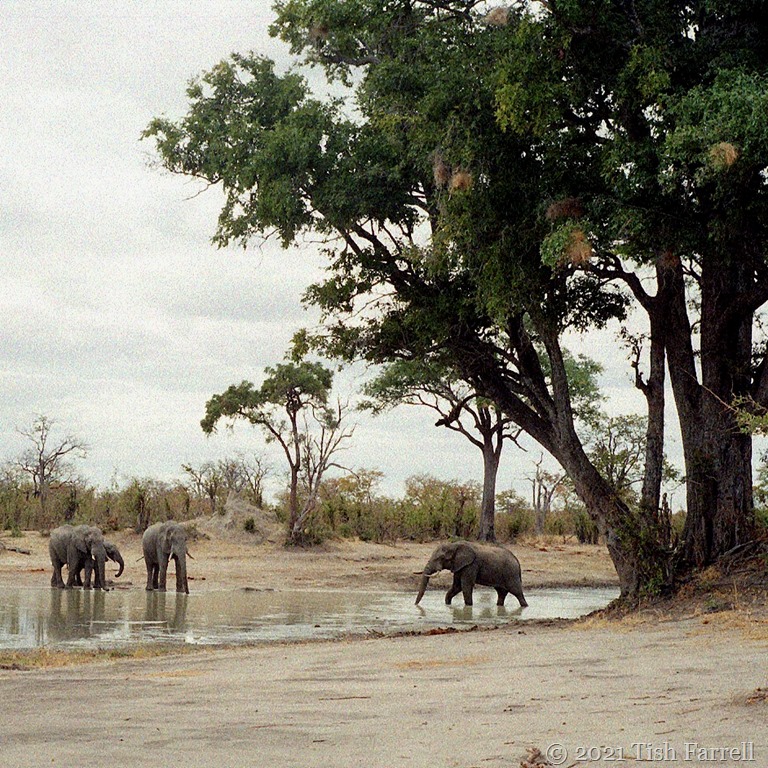
Anyway by July ‘93, winter in southern Africa, we thought we needed a holiday, and headed south for the then peaceably prosperous neighbour-state of Zimbabwe. We drove on near empty roads all the way to Harare. Back then that city  seemed like a wonderland, the epitome of sophistication compared to Lusaka where the downtown stores had empty shelves and all seemed stuck in a 1950s time-warp.  And after Harare we set off across Zimbabwe – nothing booked ahead – empty roads. The only downside was a gloomy day or two when we were in Hwange National Park and my little camera could not cope with low light levels. Still, it just about managed to capture the elephants under this very large acacia. They turned up while we were eating our picnic lunch.

Photo: Hwange National Park, Zimbabwe.

Tree Square #29

A pair of bright sparks

P1080014

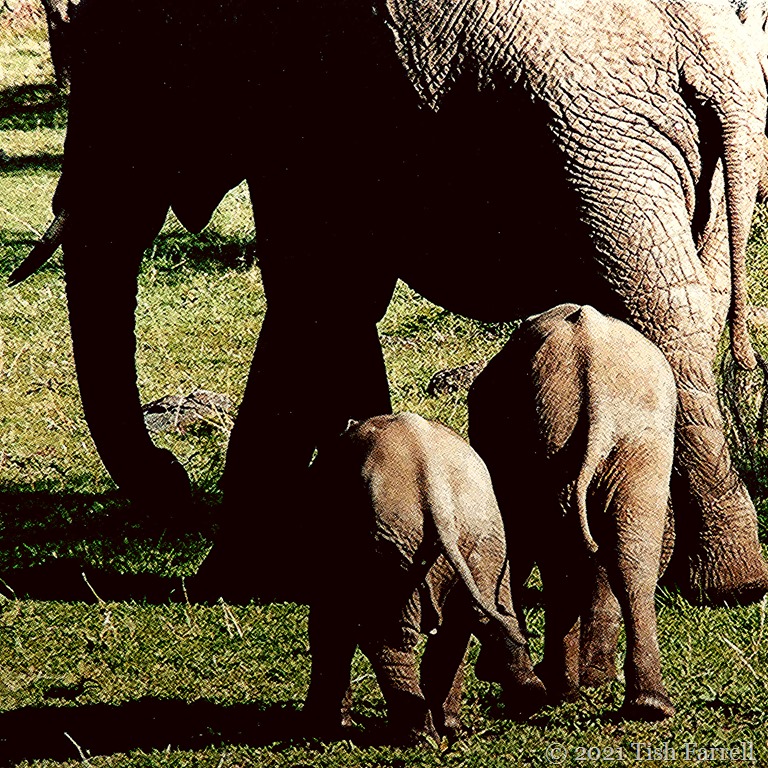
No apologies for showing this yet again. But the biting April wind here in Shropshire has driven back to the ‘old Africa album’ for a bit of warmth. And anyway, what can be more brightening than the sight of elephant babes. This photo was taken early one morning, on our last trip to the Maasai Mara. Happy times. Eight years in Africa gone in a flash.

Bright Square #22

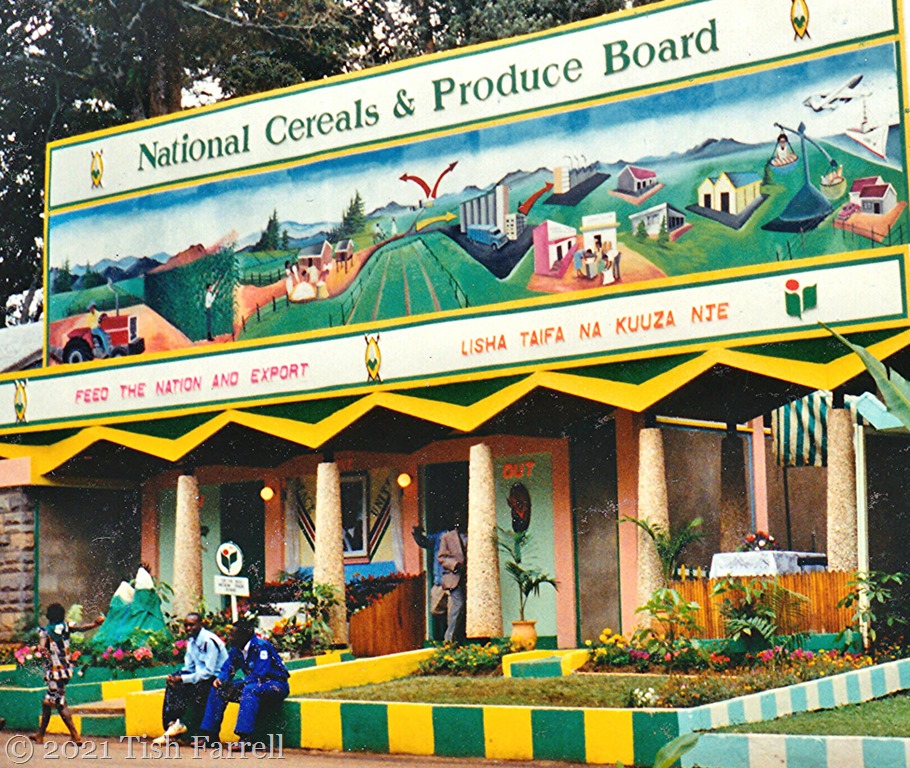
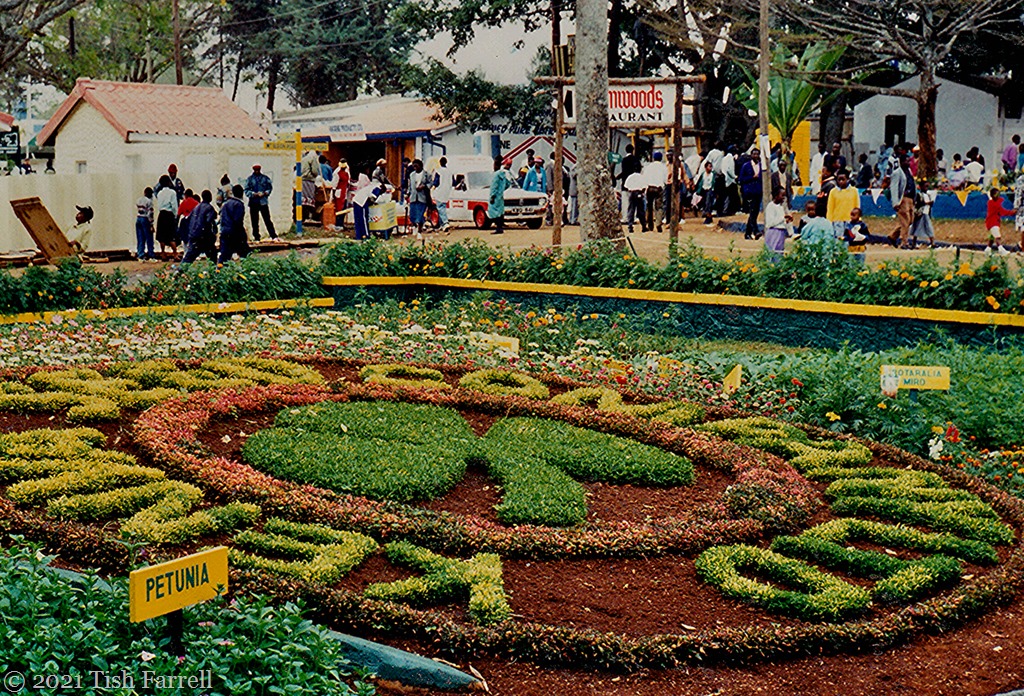
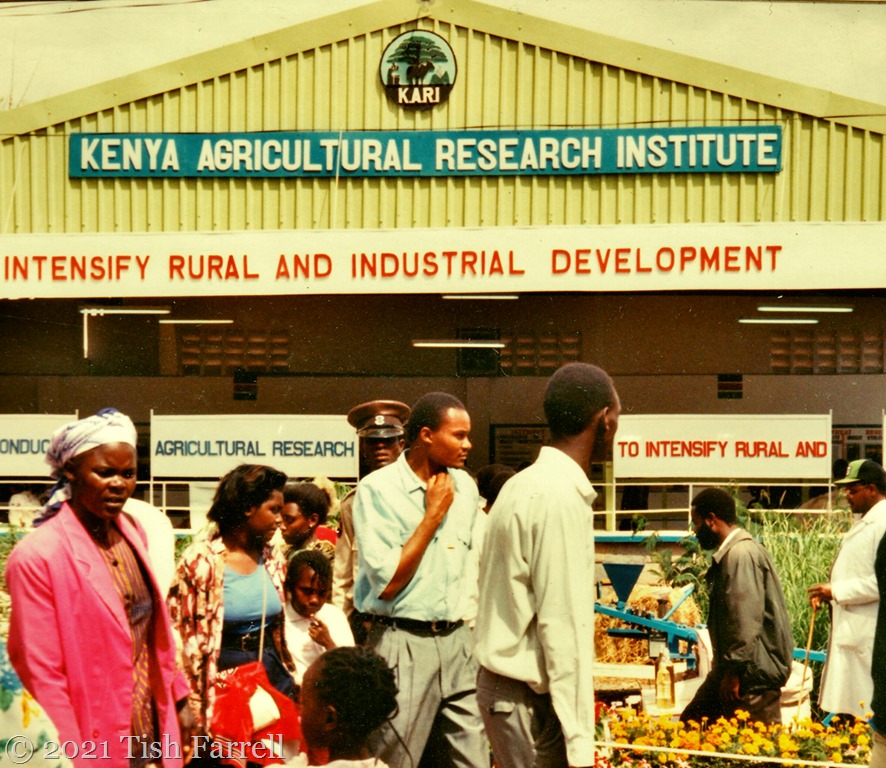
Vintage Views: The International Nairobi Agricultural Show

Agri show 1995cr2

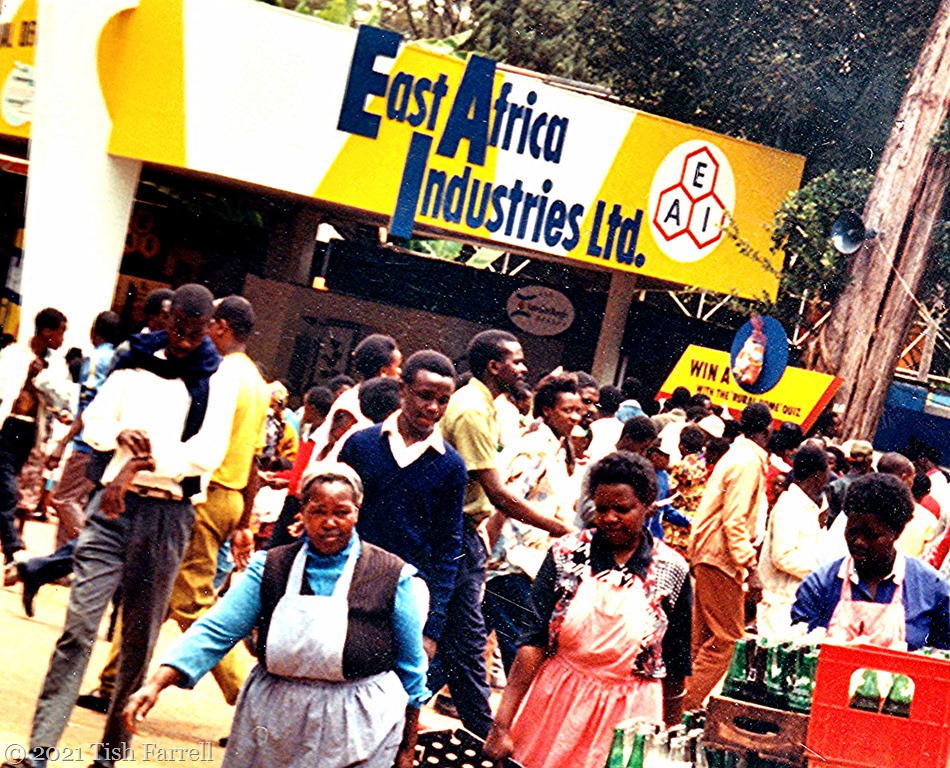
The agricultural show can most probably be counted as one of the more useful left-overs from the colonial occupation of African nations. Back in 1995 when these photos were taken I remember being struck by a rural farmer’s glowing comment in a newspaper interview. He said he had to travel a great distance to attend the Nairobi show every year, but it was worth it. The exhibition stands were his university, he said.

I could believe it. The amount of expert advice available at every turn was indeed impressive, and I speak as someone brought up on agricultural shows: my father was a grain merchant for a farmers’ cooperative and my memories of the various company stands were weighted rather more towards alcohol delivery than education.

Agri show 1995 c_0007

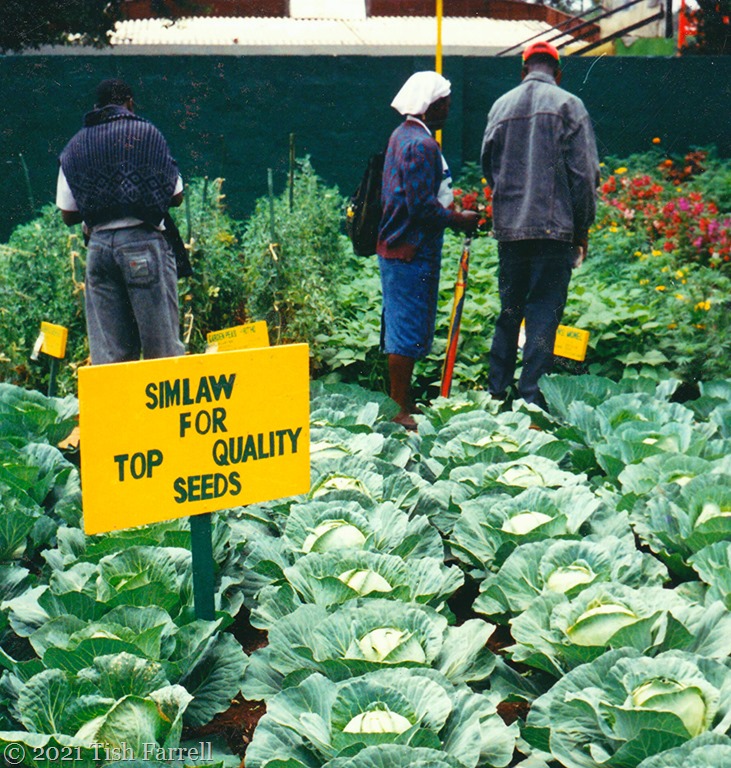
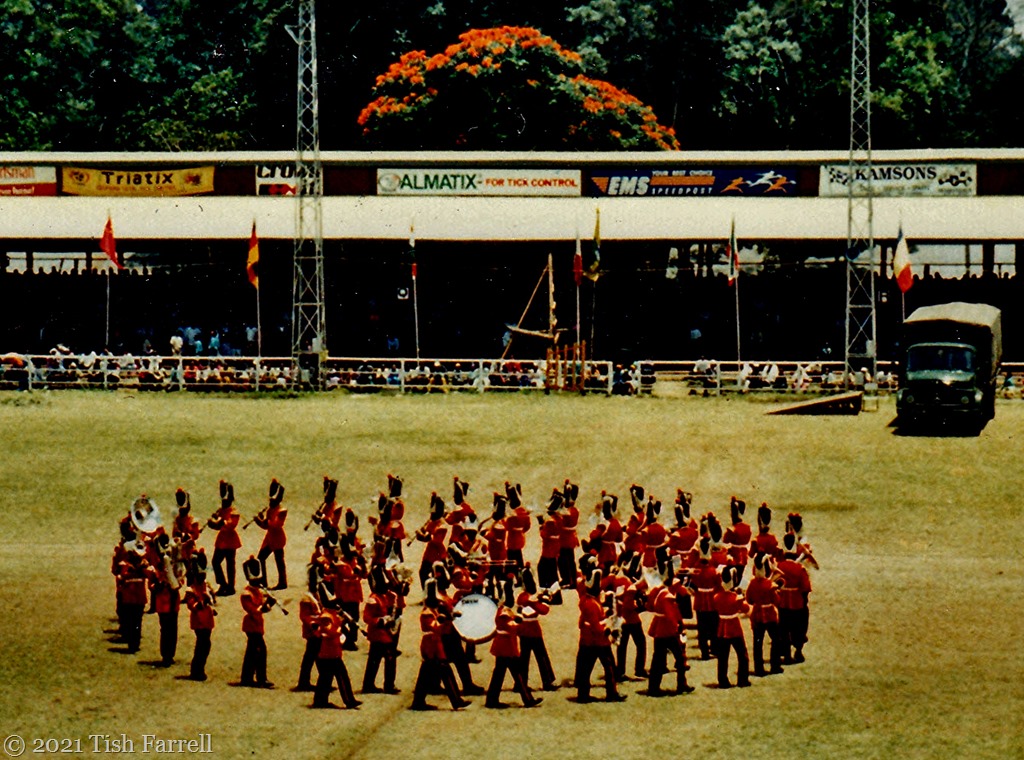
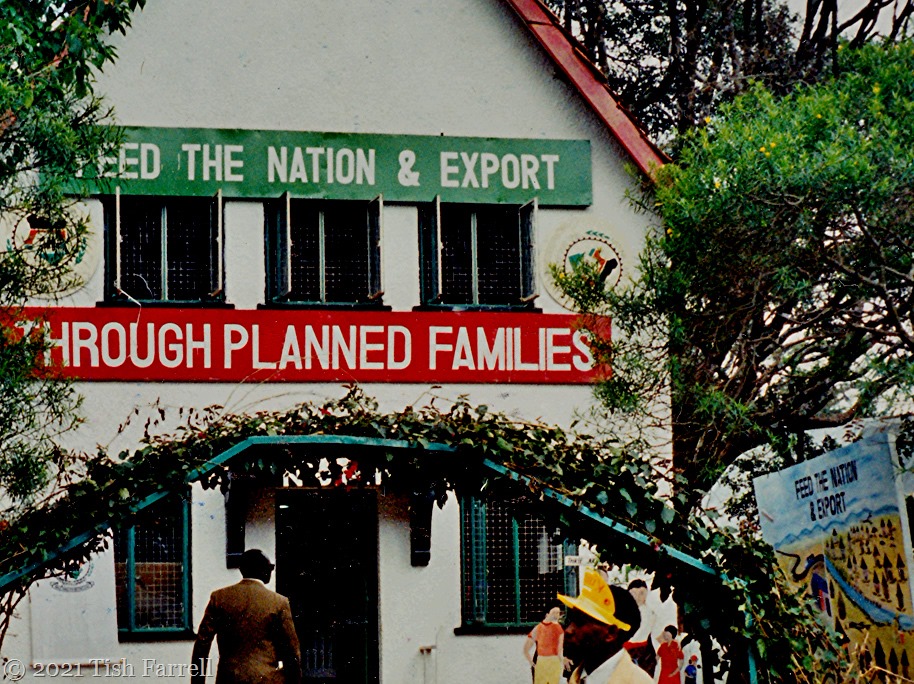
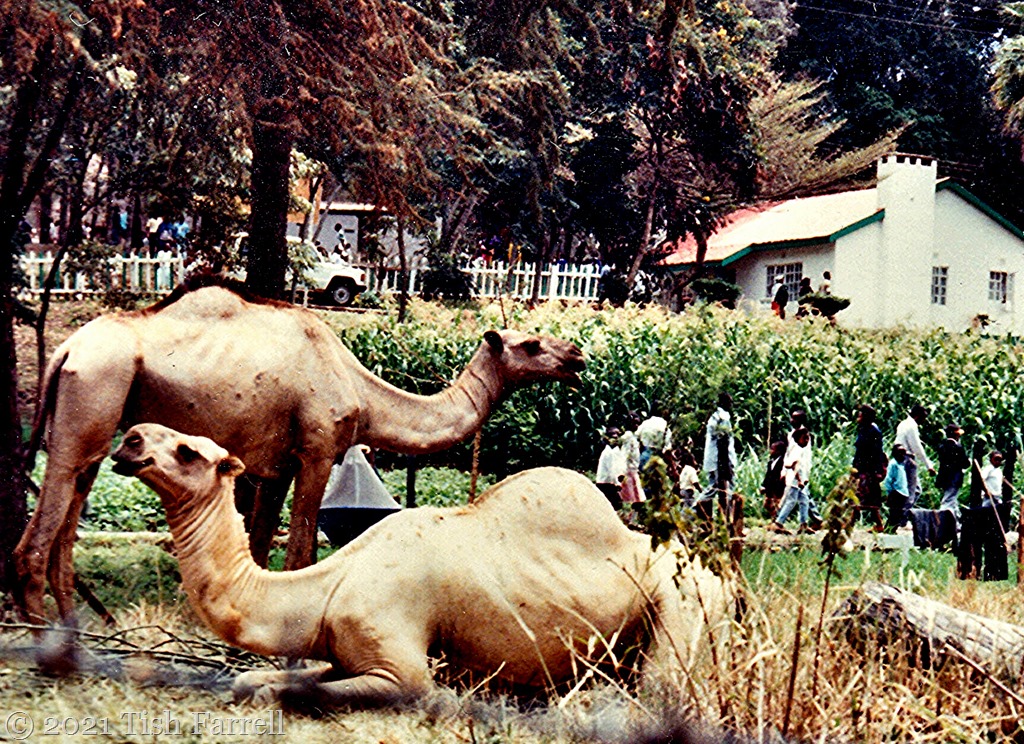
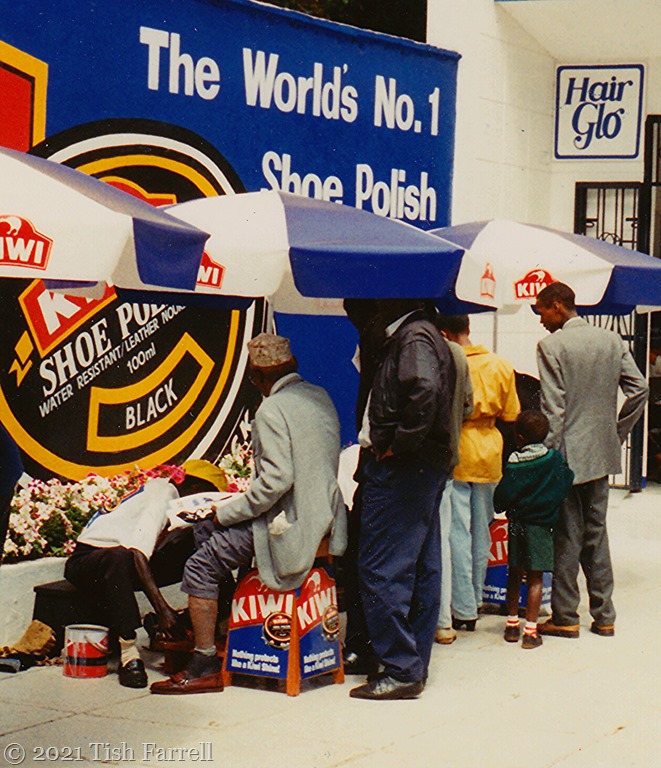
Of course the Nairobi show is also about selling and public relations, but I remember being particularly diverted by the National Archives stand which was showing 1950s newsreel footage of Land and Army so-called Mau Mau uprising; also by the Kenya Automobile Association’s  novel pitch to drum up membership; and by the glorious conformity of the cabbage display put on by a seed company. And of course there was all manner of entertainment to be had: shopping, snacks, a helter skelter, close encounters with camels, ripping performance from the military band: all the fun of the fair in fact. And you could get your shoes cleaned with the ‘world’s  no.1 shoe polish’, then have a swish new hair do in the next-door salon.

Agri show 1995 c_0015

Agri show 1995 c_0013 - Copy cr

Agri show 1995 c_0003cr

Agri show 1995 a

Agri show 1995 c_0010 cr

Agri show 1995 c_0008

Agri show 1995 c_0013

Agri show 1995 cr

Life in Colour: Yellow   This month Jude at Travel Words is asking us to think about yellow. Please pay her a visit.