Changing Seasons ~ July’s The Time For Lady’s Bedstraw Up On Windmill Hill

P1050216

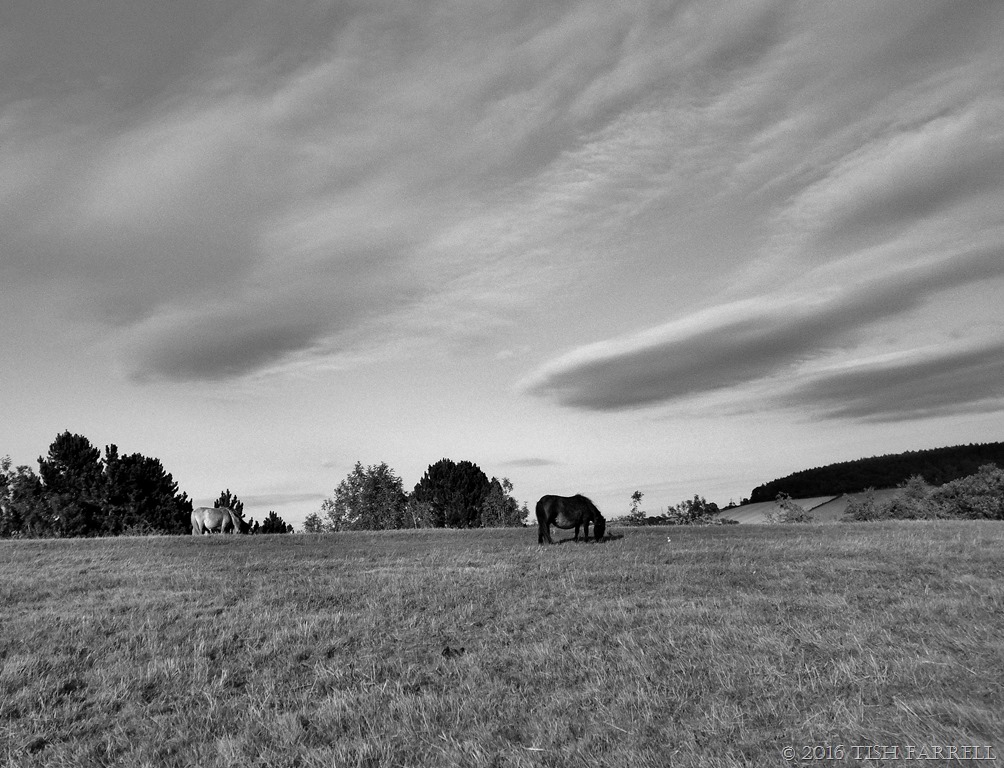
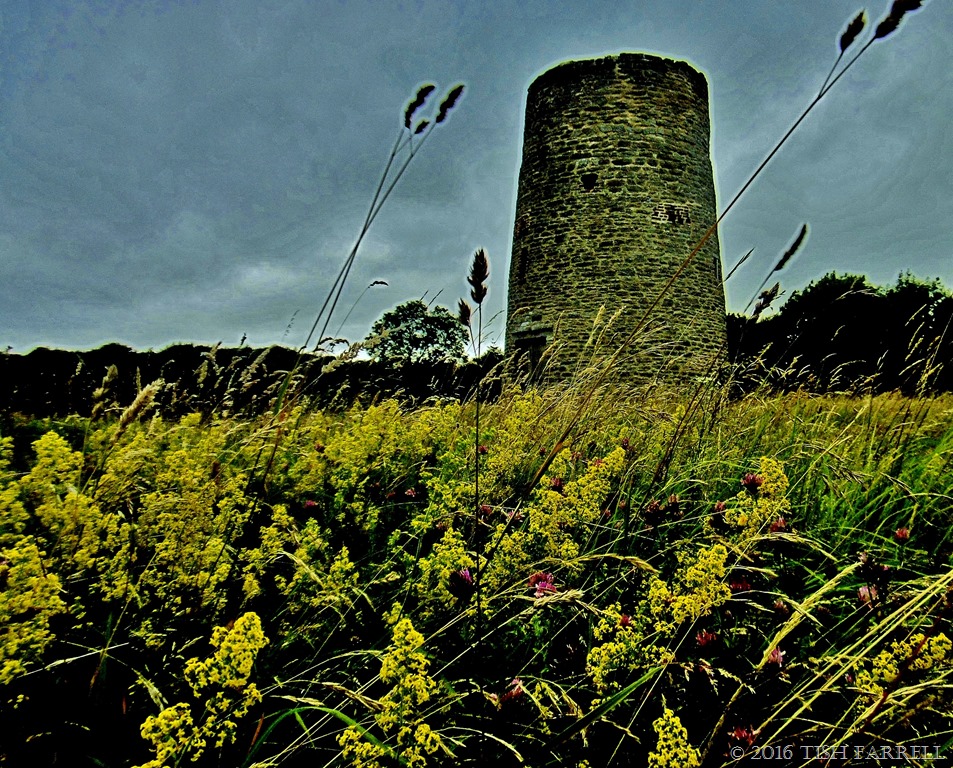
So far July in the UK has featured several seasons. We’ve had April showers, autumnal gloom, wintery downpours, mutterings about frost that just never happens around here in July, and now a heat wave of unprecedented temperatures outside the tropics. Yet three evenings ago when  I took this photo, it felt like October. There was a wild windiness about the place, and lowering skies, and that pang of melancholy that tells you summer is done.

But then as I lay in the grass to frame the shot all I could smell was the mignonette fragrance of Lady’s Bedstraw. Delicate. Hypnotic; gathering in waves across the hilltop. I can well understand why these golden flower drifts were once harvested to dry and fill mattresses. Their scent says essence of high summer. And so it proved. The next morning Octoberal tendencies had evaporated and we woke to wall to wall blue, and the overwhelming hotness, beneath whose onslaught we are currently sweltering. All this climatic chopping and changing of course suits us English. We’ve never had so much weather to talk about all at once.

This photo, by the way, was taken in low evening light conditions using the  ‘Impressive Art’ setting on my Lumix. I’d rather dismissed this setting, not liking the results of shots taken in broad daylight. But in low light the images acquire an other-worldly look – perhaps slightly sinister. I only added a touch of ‘contrast’ and  ‘highlight’ editing.


Changing Seasons July2015

Please visit the Cardinal for more about this challenge. There are two versions: use one or both. The latest version 2 features a single image/creation that sums up the month for you in some way. Version 1 is a gallery of several photos – all to be freshly shot.


#ChangingSeasons
And It Was A Right Bees’ Breakfast This Morning Over My Garden Fence…


IMG_2265

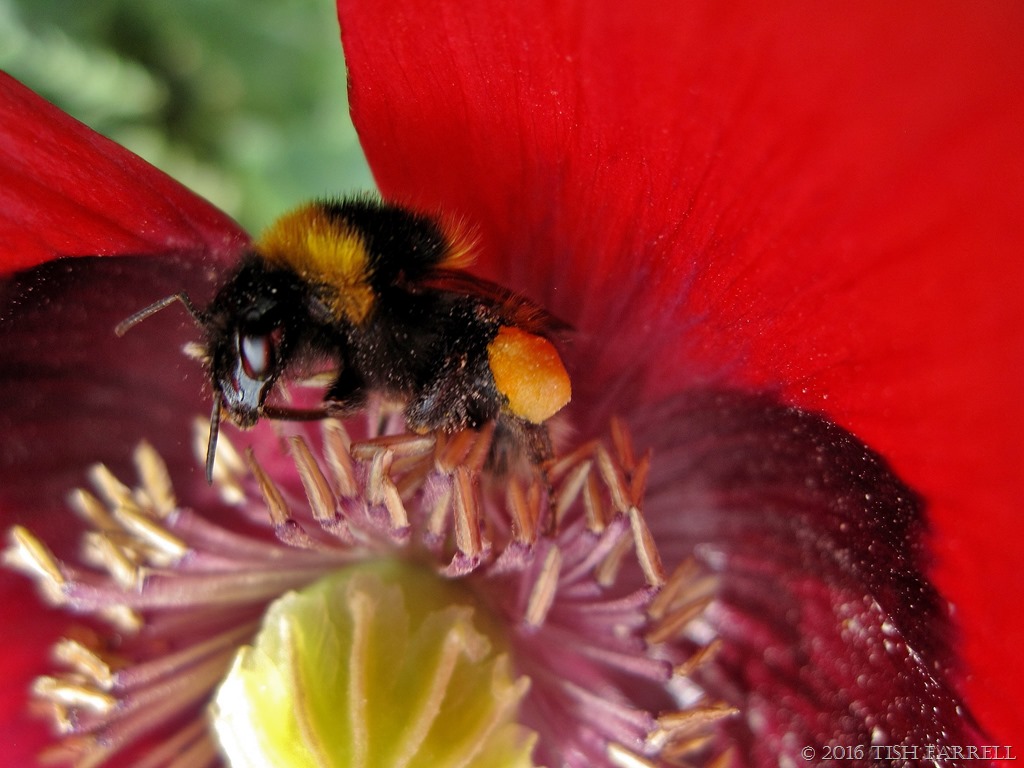
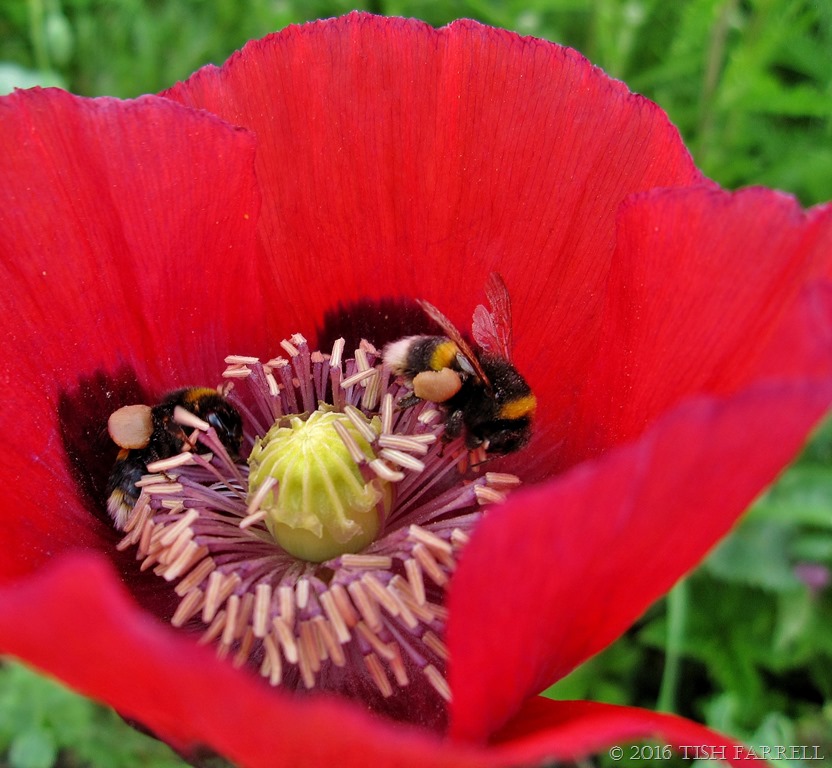
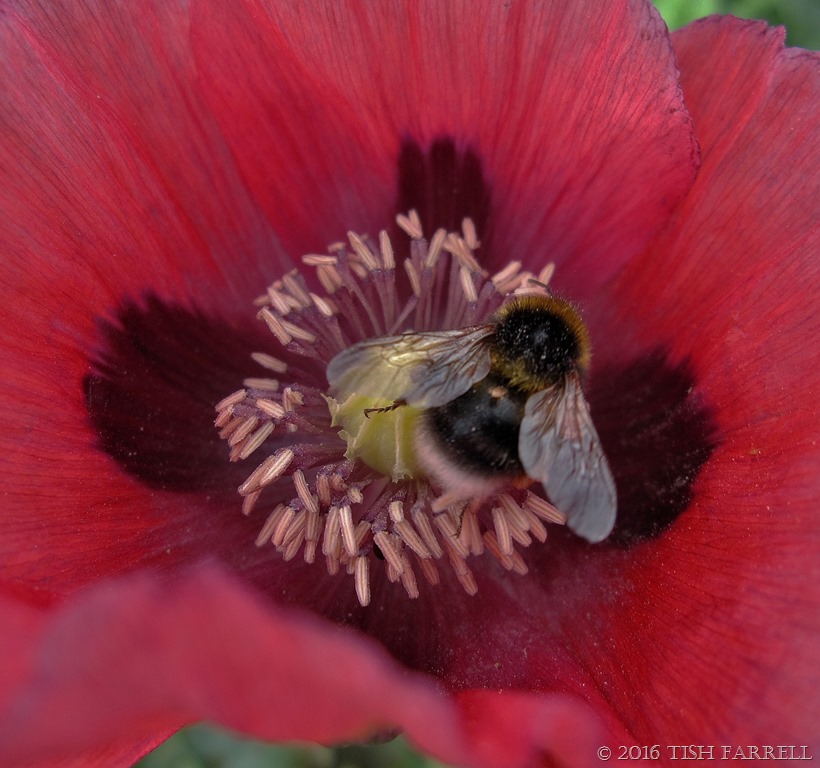
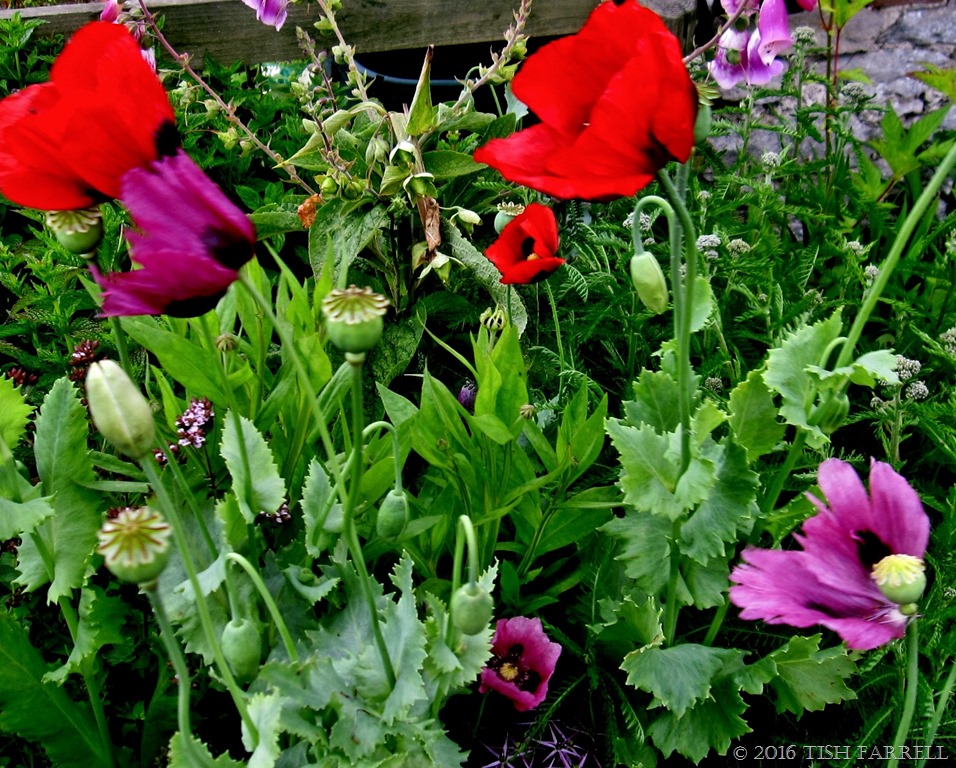
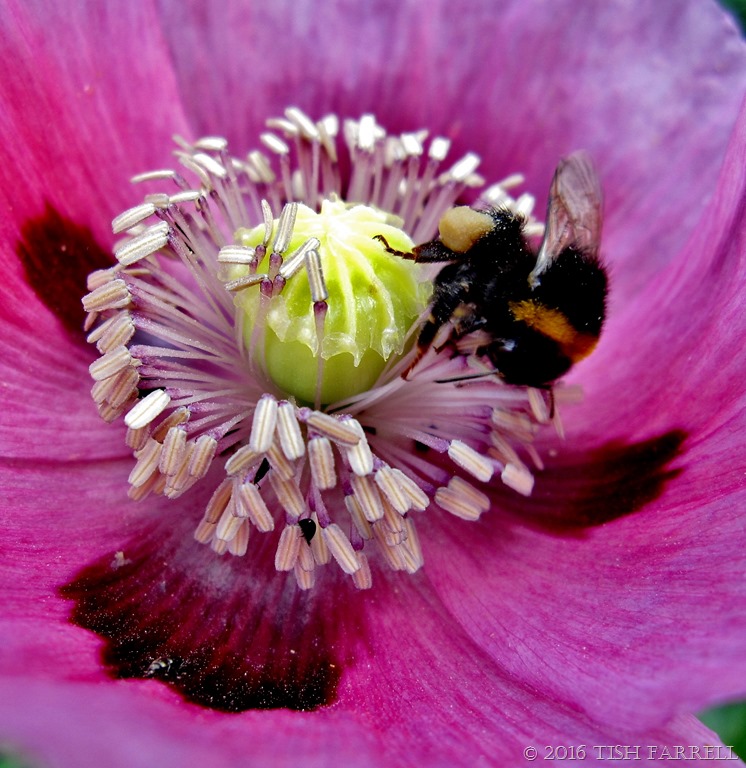
It was every bee for itself over in the poppy patch behind the garden sheds this morning: the apian equivalent of a supermarket trolley dash. Honey bees, little brown bumbles, dinky stripy bumbles, blooming big scary bumbles and white-tailed bumbles diving in for the poppy nectar while the air all round filled with happy bee hum.  Some were feeding with such speed and voracity that their baggage compartments were definitely approaching the overloaded mark. Now and then they would take a feeding break on the poppy’s crown while they dusted themselves down and redistributed the pollen cargo.

IMG_2252

The gathering technique is also fascinating. They dive into the base of the flower and speed round beneath the stamens, feeding on the nectar while every part of them hoovers up pollen from the anthers. Even with the biggest bumbles, once they get into their stride, all you can see are the stamens ruffling round like curtain pelmet tassels in a stiff breeze. Whoosh, and it’s on to the next feeding station.

IMG_2282

IMG_2310

I probably don’t need to say it again to those who follow this blog, but then no chance should be wasted. The wellbeing of our planet, and of humanity, and of the continued production of much of our food depends on protecting and nurturing bee populations any way we can. Masses are being killed off by pesticides and habitat loss. So loud applause for the opium poppies that came of their own accord to our boundary fence, and are doing their bit for bee world. Rah! Rah! Hurrah, poppies!

IMG_2360

IMG_2361

IMG_1828


Daily Post Weekly Photo Challenge: Details

In the Distance ~ Much Wenlock’s By-Ways In Black & White

P1040281

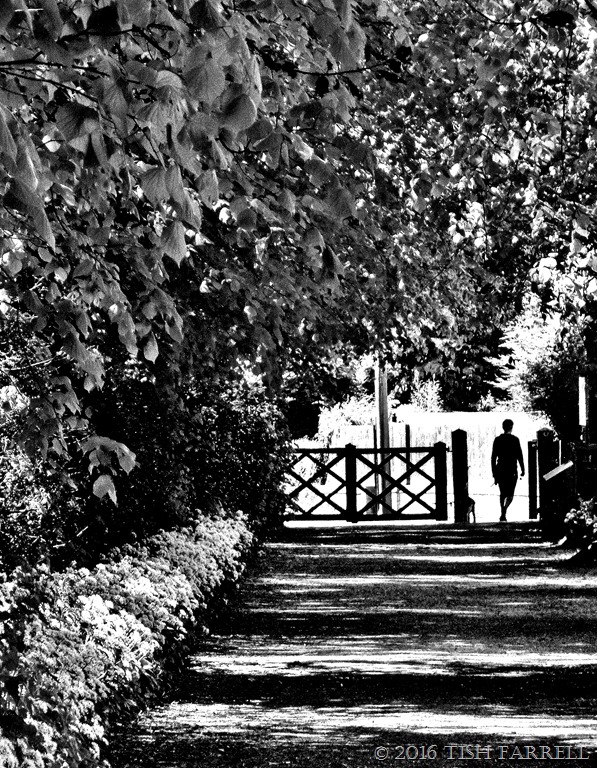
For once I wasn’t using my Lumix Dramatic Monochrome setting when I took this photo on Wenlock’s Linden Walk back in early June. But I think the manual colour version-turned black & white has come out quite well despite the deep shadow and lots of zoom.

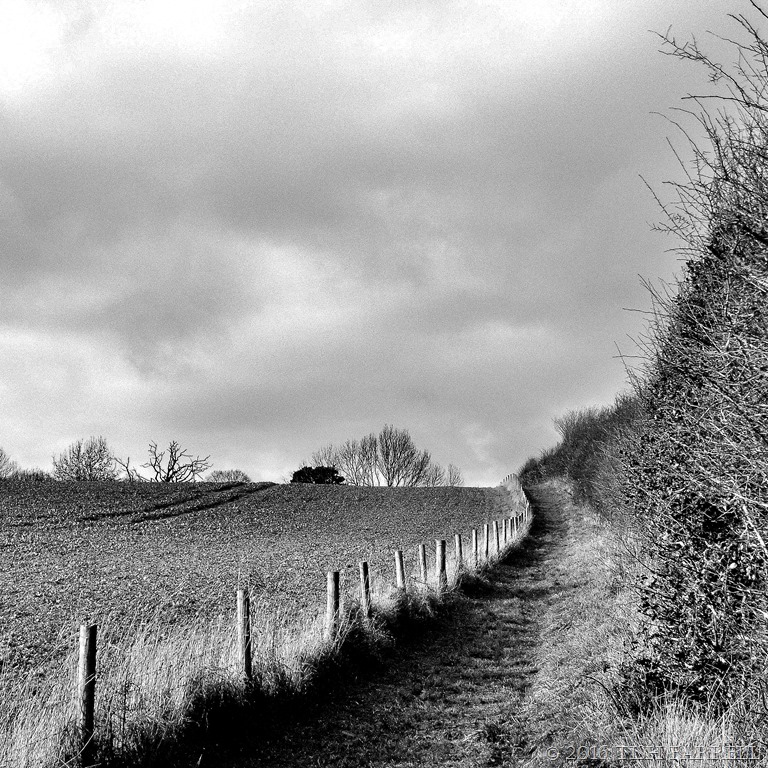
The next photo was taken on a winter’s day using the monochrome setting. It’s the path that runs from the field behind our house and up onto Wenlock Edge. The horizontal line of tree tops marks the top of the Edge. (I like the strange effect of false horizons). When you stand up there the land falls away from you rather hair-raisingly, dropping almost vertically through ancient hanging woodland. In winter, through the bare trees you can just make out the rooftops of Homer village way below.

P1030069

*

P1010921

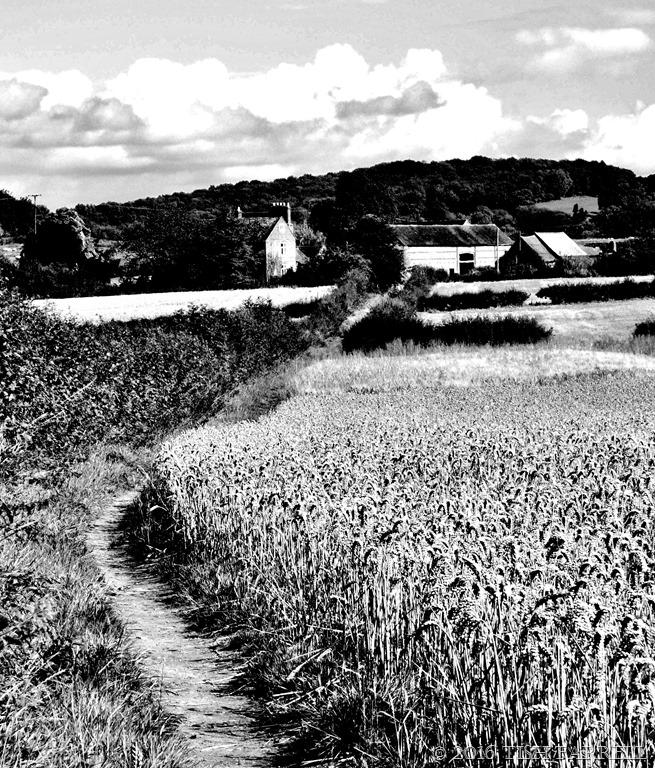
This is the footpath to Bradley Farm. It lies on the far side of the town away from the Edge. Also a change in seasons here: this was taken in full sun last August just as the wheat was ripening.

P1010968

Windmill Hill sunset. I think it’s early autumn because the little ponies that are brought in to graze the hill have not yet been moved to their winter quarters.

*

P1020381

I take lots of photos of the hill on Down’s Farm. It’s an interesting shape and the spinney on top gives added character. But with distant views I always like some structure in the foreground too, in this case the Windmill Hill bench. I took the next photo with same idea in mind.

P1020167

The subject here is the cricket club’s shed on the Linden Field. It stands between the lime tree avenue and a line of Wellingtonia or Giant Sequoias. From this angle I think it looks rather mysterious. A Tardis type portal of some kind. It simply pretends to be the place where Wenlock’s cricketers keep the lawn mower.


Cee’s Black & White Challenge: In the distance

Please visit Cee for more distant compositions.

Over My Garden Fence This Morning

IMG_1827

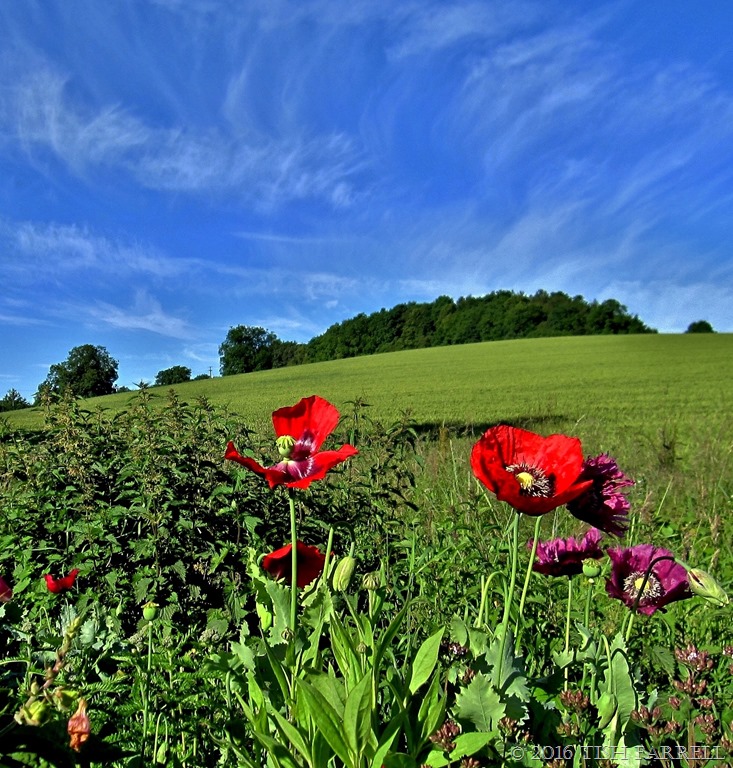
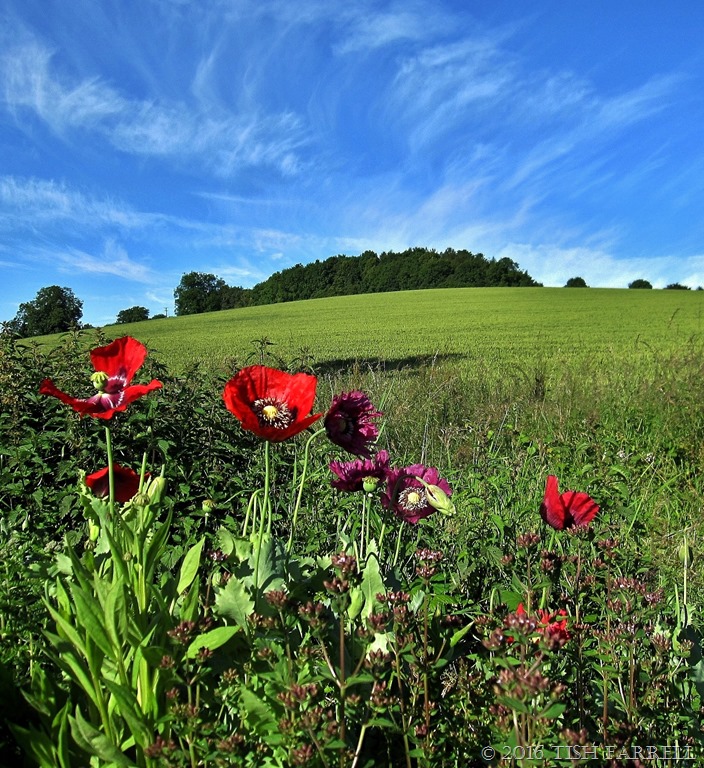
We didn’t invite them, but this crowd of opium poppies showed up anyway, pushing in behind the garden fence along with several other blooming gate-crashers. There’s a whole bunch more behind the garden shed. Papaver somniferum – the sleep bearing poppy, Asian in origin but now naturalised in Britain on waste ground and in field margins. And in case you are wondering, in our cool climate it does not produce the latex from which opium is derived. Better to get high by looking at them. And what a cheering sight it is on a Monday morning. So poppies, we’re glad you came. Please feel free to make yourselves at home here.

IMG_1803

IMG_1811

For more 4th July blooming visit Cee at Flower of the Day.

Wall to Wall Poppies In Wenlock

P1050054

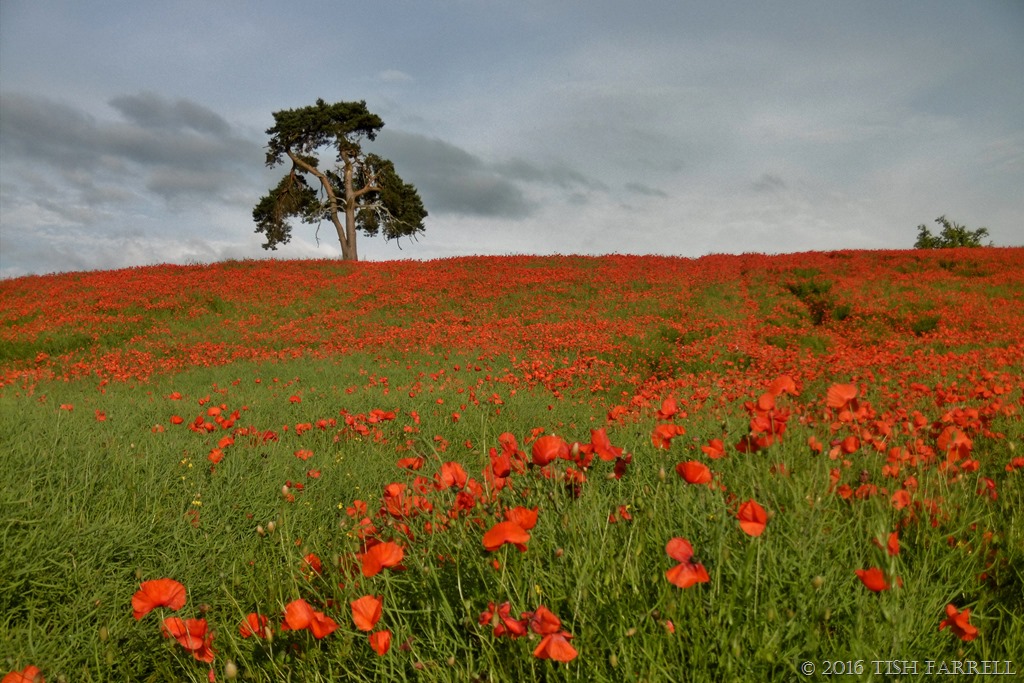
I spotted the blood red field across the town from Windmill Hill on Midsummer’s Eve. Yesterday at sunset, I gave up picking field beans and strawberries at the allotment, and went to seek it out. After a dull afternoon and early evening, the sun suddenly put in an appearance and I surmised it would be shining right on the poppies, and it was.

What a glorious sight. I have never seen such a profusion of scarlet heads, pushing their way up through the ripening stems of oil seed rape.

P1050068

Of course the question I ask myself – is this happenstance or has someone gone in for some guerrilla gardening on an epic scale? Either way, it cannot be rivalled as a piece of earth art. And of course with the hundred year anniversary of the Battle of the Somme upon us, it strikes other chords – the pointless waste of so much promise; of so many brave young men.  Today, too, just over half of the British voting public opted to leave the Europe Union, one of whose founding objectives was the avoidance of another European conflict. I feel very sad about this outcome. I think change can be best effected by participation and engagement from within. In fact we Farrells were so fed up this afternoon we had to visit the poppy field once more to cheer ourselves up.

So here’s to poppy power and creative cultivation. A potent beautiful force.

My Wenlock Summer Garden

100_9967

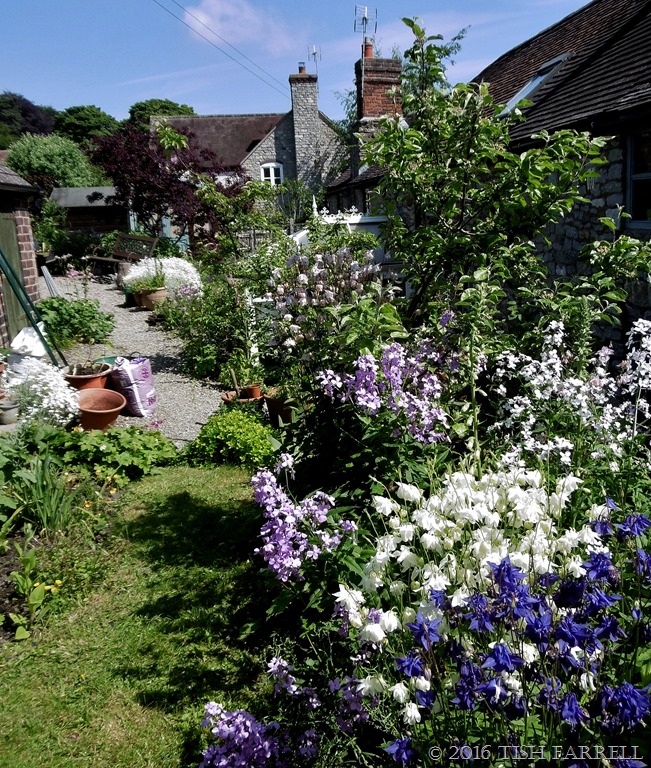
For her June Sunday Garden Challenge, Jude asks us to show her what summer means to us. So here are a few views of our garden on Sheinton Street. I should say straight away that I don’t give it the attention it deserves, and that daily I abandon it as I walk through and out the back gate and across the field to the allotment.

The plot is long and thin, following the width of the cottage, and on three different levels, which I don’t make enough of. For one thing, I know it must be possible to have beautiful plants growing somewhere within it all the year round if only I would sit down and do some proper planning and research.

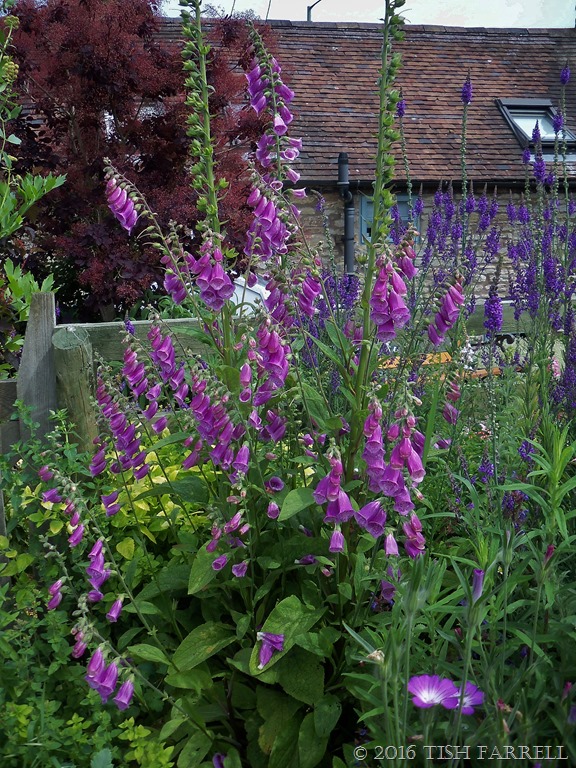
Instead I tinker here and there, and let the garden do a lot of its own gardening. This includes encouraging the self-sown foxgloves, and the wonderfully scented purple, mauve and white Dame’s-violet  (Hesperis matronalis) seen in the photo behind the foxglove, both of which follow on from the clouds of self-sown columbines. My garden, then, comes into its own only in summer, and otherwise can look rather dreary. But while it’s here, it’s wonderful – total cottage garden exuberance and chaos.

Welcome to my garden.

100_9981

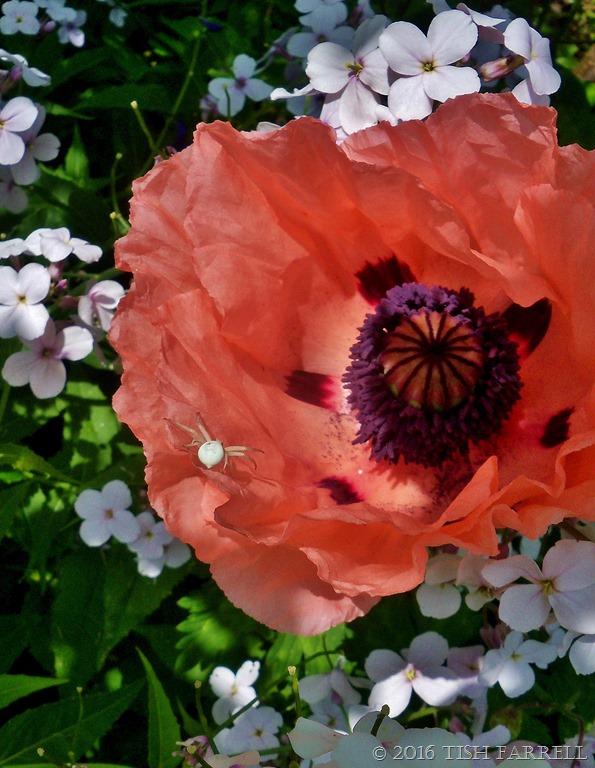
Oriental Poppy, crab spider and Dame’s-violets

*

100_6046

Wild corn cockle (bottom right), foxgloves, purple toadflax; variegated lemon balm, oregano and golden marjoram in between, and the coppery foliage of Smoke Bush (Cotinus) in the background.

*

P1040431

Columbine break-out

Over The Garden Fence At Sunset Yesterday

P1040528

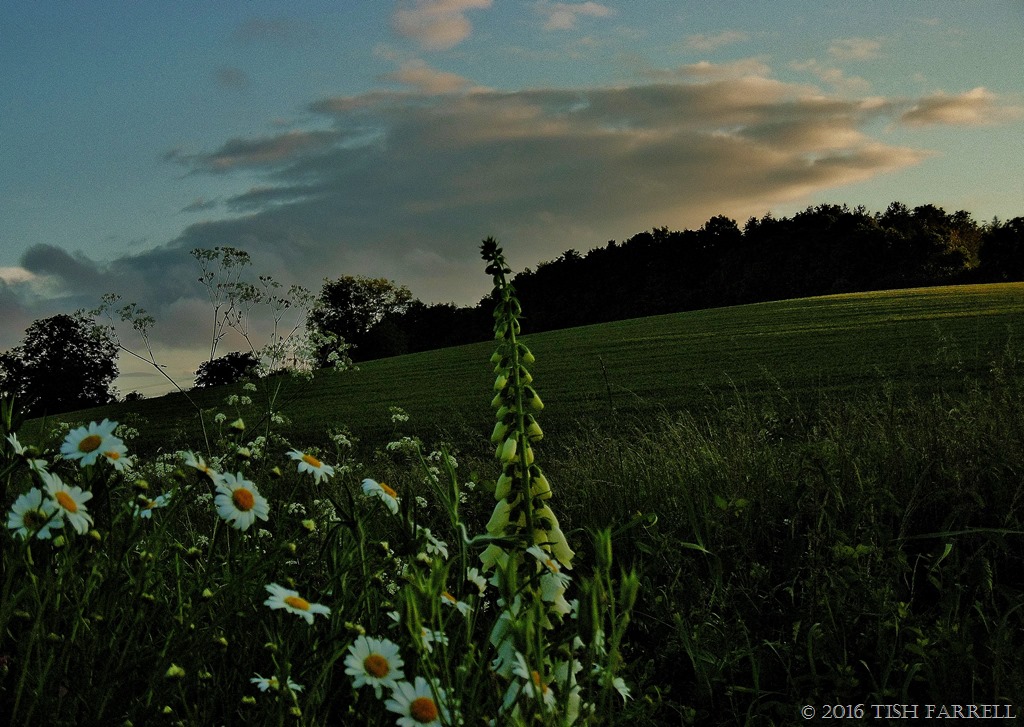
After tropical days in Wenlock we now have rain and more rain. There were showers between downpours for most of yesterday, and only at the last lap, as it was about to set, did the sun coming bursting hotly through the clouds. I caught its last beams here before it disappeared behind Wenlock Edge.

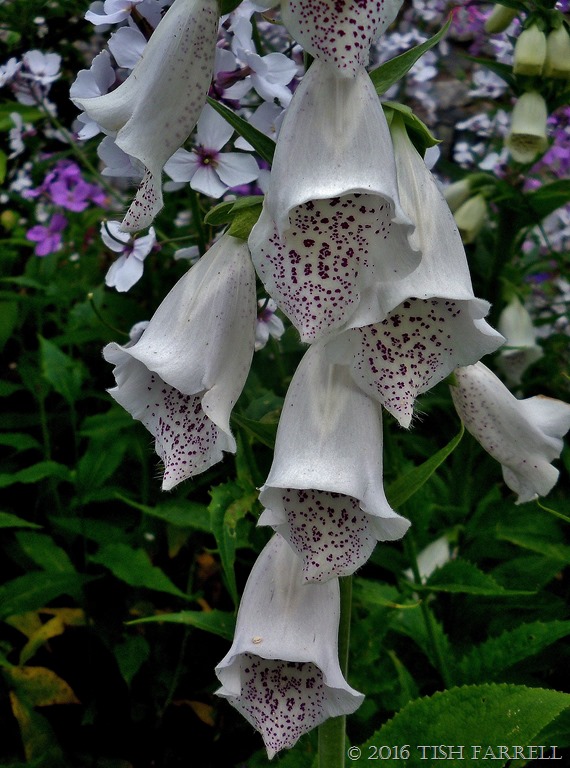
With all the sudden rain the wheat in the field behind our house is growing before our very eyes. So is our wildflower garden along the fence below it. Seen here are Moon Daisies (also known as Oxeye Daisy, Dog Daisy and Moonpenny). I love that last name. And keeping company with the daisies is one stately white foxglove, with a spray of cow parsley or Queen Anne’s Lace in the background.

According to Richard Mabey’s Flora Britannica  cow parsley (a member of the carrot family) has a whole lexicon of country names – some obvious, others not so. So here we go with a few more: Fairy Lace,  Spanish Lace, Mother die, Step-mother, Badman’s oatmeal, Blackman’s tobacco, Kecksie, and Rabbit meat.

And as for the foxglove, it was also known as Fairy Gloves and Fairy Bells. It has long been used as a herbal remedy that at times proved more killing than curing. And of course until recent times a compound version of  the toxin found in foxglove leaves was the drug of choice for various heart conditions.

It is anyway one of my favourite plants. I like the way it grows itself around the garden and crops up in a variety of subtle shades from white to purple, although it perhaps looks a little sinister, looming here in the failing light across Townsend Meadow.


*

Posted for:

Mundane Monday #63 at Jithin’s PhoTraBlogger

On The Diagonal ~ Around Wenlock In Winter And Summer

P1000582


P1010927


P1010920

P1000562 - Copy

This week’s diagonals theme at Black & White Sunday is right up my street, or at least in my neighbourhood.  Looking through my file of Lumix monochrome images, it seems that the diagonal often features. I think it’s because it appeals to both my visual and my writing mind. Things on the slant; one thing leading to another that’s not quite in view; unexpected angles; the monochrome subliminally suggestive of the written word and printed pages: storytelling then.

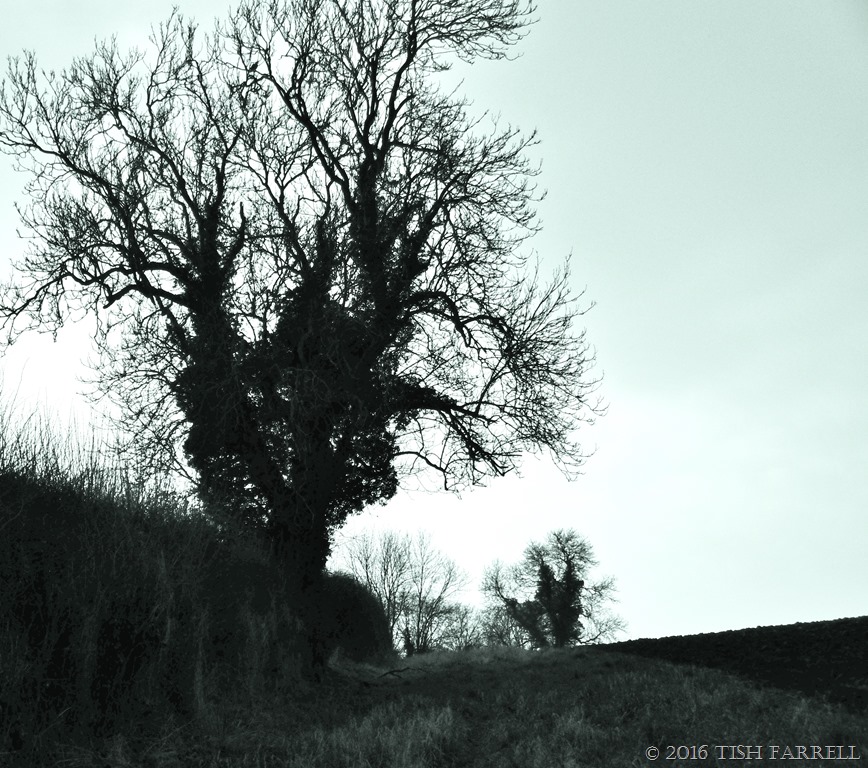
The first photo was taken on my well-worn path to the allotment. It’s a scene I photograph in all seasons, but I especially like the ash tree silhouettes in winter, their boughs cloaked in ivy which always reminds me of Tolkein’s Ents. I think this is where the lost Ent Women ended up, guarding our Wenlock Edge field boundaries.

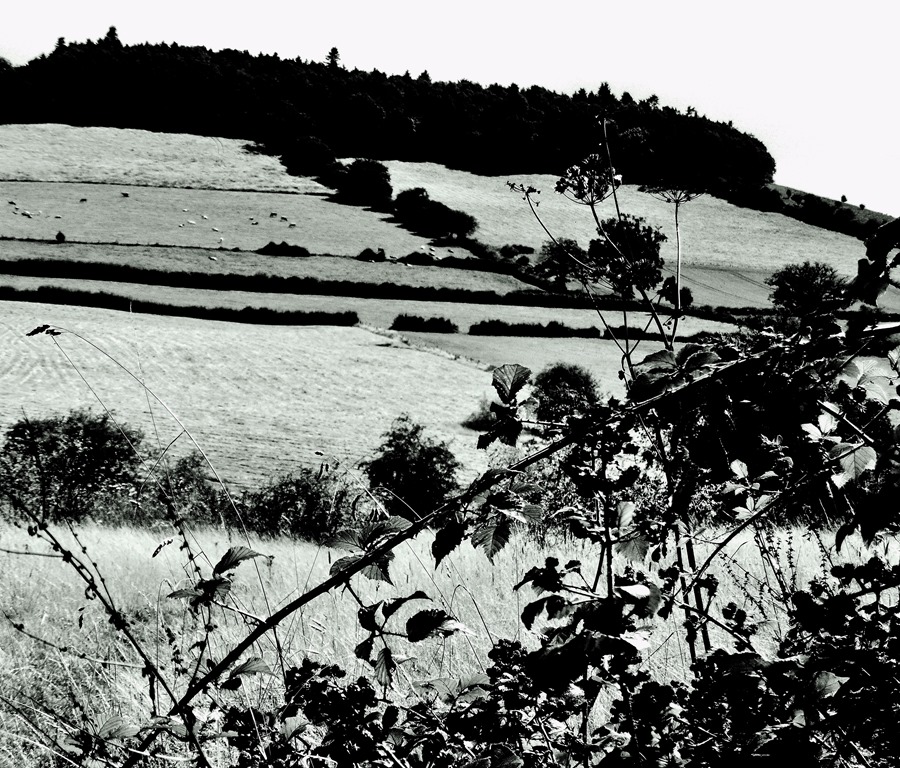
Photo 2 was taken from the old railway line, leaning over the fence and shooting from deep shade into bright sunlight and with some zoom – not quite the best thing to do, though it gives the hilltop wood a touch of dark mystery.

Photo 3 is the field path from Wenlock to Bradley Farm, once the site of a medieval settlement.

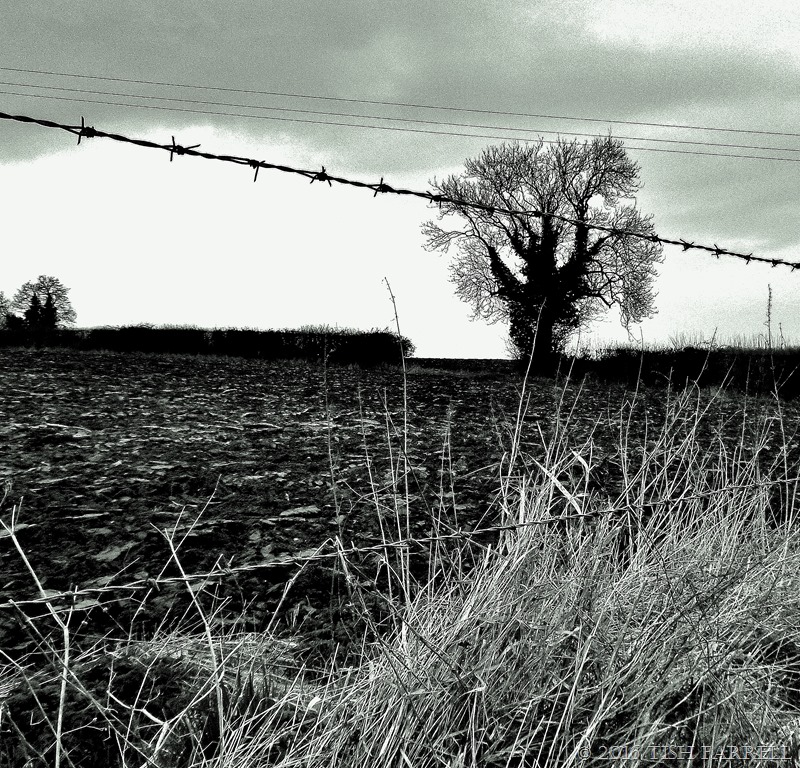
Photo 4 – we are back at the allotment, the field behind our plots looking at the ash trees from another angle. I like the way the barbed wire adds a bleak and faintly sinister air.

Now please visit Paula at the link above for more photo essays on the slant.

copyright 2016 Tish Farrell