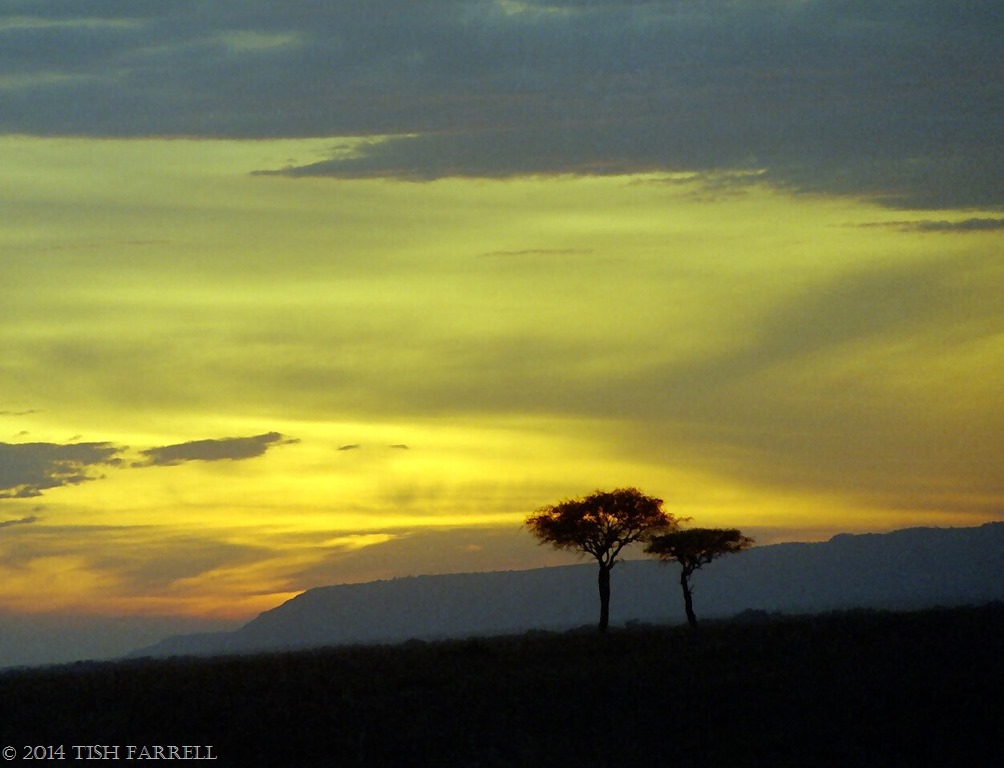
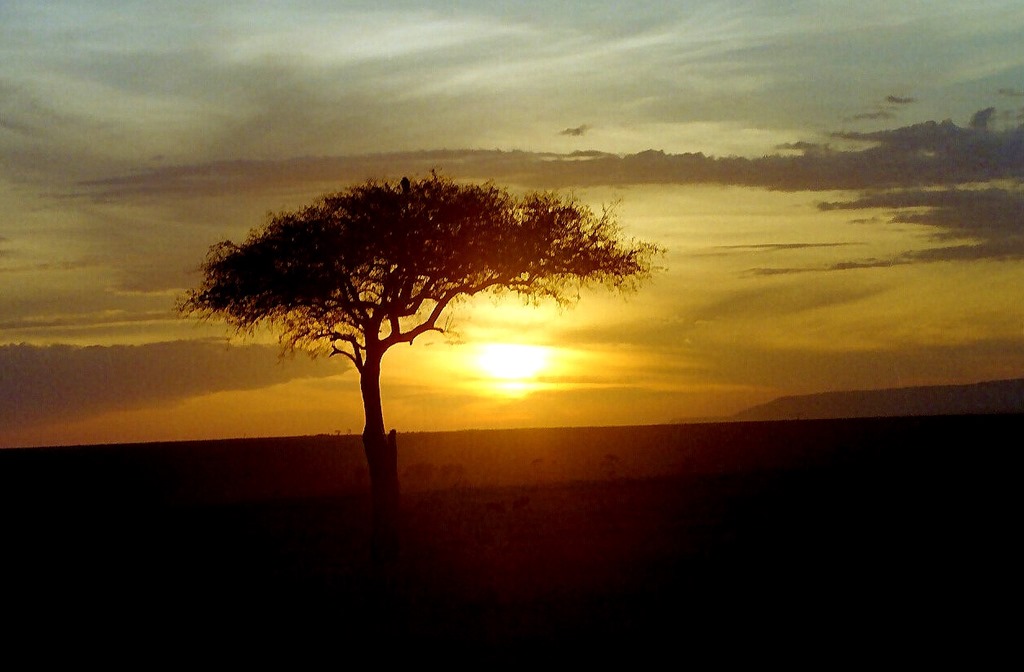
Oloololo Escarpment: Maasai Dreaming


Scan-140726-0002 (3)


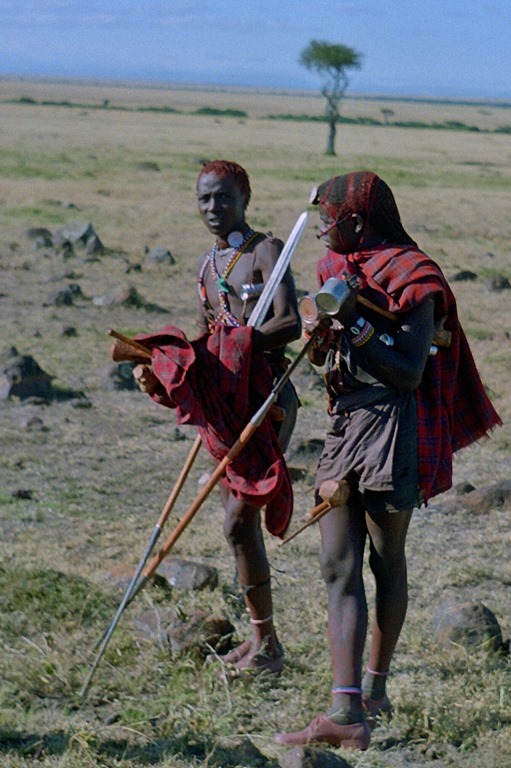
Night on the Mara River – darkness wraps round, close as a Maasai’s blanket.  It is cold, too, on the river’s bend. We press closer the campfire, our white faces soon roasting red. No one speaks. There’s too much to listen for. A hyena whoops across the water?  It sounds close. It sounds unearthly, sending shock waves through vulnerable bones – mine, conjuring packs of predators, out there, circling our ring of light. And even as I think it the Maasai are on us.  Six warriors, spears in hand and naked to the waist.  Their leader tosses his ostrich-feather head-dress that looks like a lion’s mane.  He is fearless.  He is lion.

Then the singing starts, a nasal falsetto that resonates through time and space – the winds’ whine through Mara grasses.  The Maasai girls trip lightly into the firelight, their wraps like flames – yellow, red; close-cropped heads hung with beads; chins jutting forward as the crescent necklets – tiny beads so patiently strung – rise and fall on skinny chests.  The moran start to leap – higher, faster.

excerpt from Dances With Warriors © 2014 Tish Farrell

Continues HERE

Flickr Comments for more bloggers’ stories

DP Weekly Photo Challenge

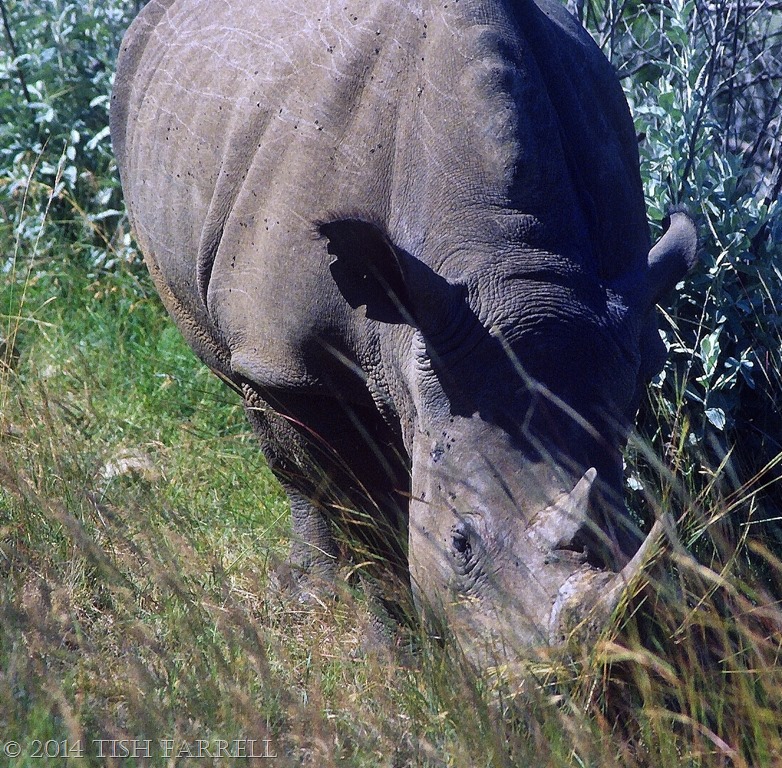
Rhinos: strong but oh so vulnerable

Scan-140827-0009jpeg

The poaching of rhinos for their horn is a truly abhorrent trade, and shows humans at their worst, not only in terms of wanton cruelty, but also for their gross stupidity in believing that the horn a) makes a nice macho handle for their dagger, or b) does a single thing for their sexual performance. I do not wish to be sexist, but we are talking of the male of the species here.

However, while we are blaming recent decades of poaching for big game loss, it is worth remembering that some truly monumental decimation took place in countries like Kenya under colonial rule, and by the kind of aristocratic settler who considered East Africa their own personal hunting ground; this to the exclusion of the people whose land it had been for generations, and who then became labelled poachers if they were caught hunting for the pot.

John Hunter, was but one of many white hunters who worked both on his own account as a safari leader, and as a game clearance officer for the government. He began his hunting career around 1910 after quitting his job as a guard on the Mombasa railway. In an article in LIFE magazine 12 July 1952 he begins by saying:

When I first came to Kenya the game covered the plains as far as man could see. I hunted lions where towns now stand, and shot elephants from the engine of the first railroad to cross the country. In the span of my 65 years the jungles have turned to farmland and savage tribes have become factory workers. I have had a little to do with this change myself; for the government employed me to clear dangerous beasts out of areas that were opened to cultivation.This was in a day’s work for me; yet I have always been a sportsman.

John A Hunter(1887 – 1963)

*

His career tally for elephants killed is 1,400, but when it comes to rhinos, he holds the world record. Over a two-day period he was responsible for 1,000 rhino deaths, the slaughter taking place in the Makindu area of Ukambani, about a hundred miles south of Nairobi. The land, and rather poor land at that, was wanted by the authorities for the resettlement of the Akamba people. But the scale of the killing goes to show how plentiful these animals once were.

When John Hunter came to retire in 1958, it was to the small hotel he had built at Hunter’s Lodge, Makindu. I have written about the place in other posts; we practically lived there in ‘92. The story goes that successive owners had long given up trying to keep the roadside hotel sign upright. Always, the locals said, some avenging rhino would come and flatten it. Whether this was a real or a spirit rhino, no one said, but there were certainly no rhinos in sight when we were there.

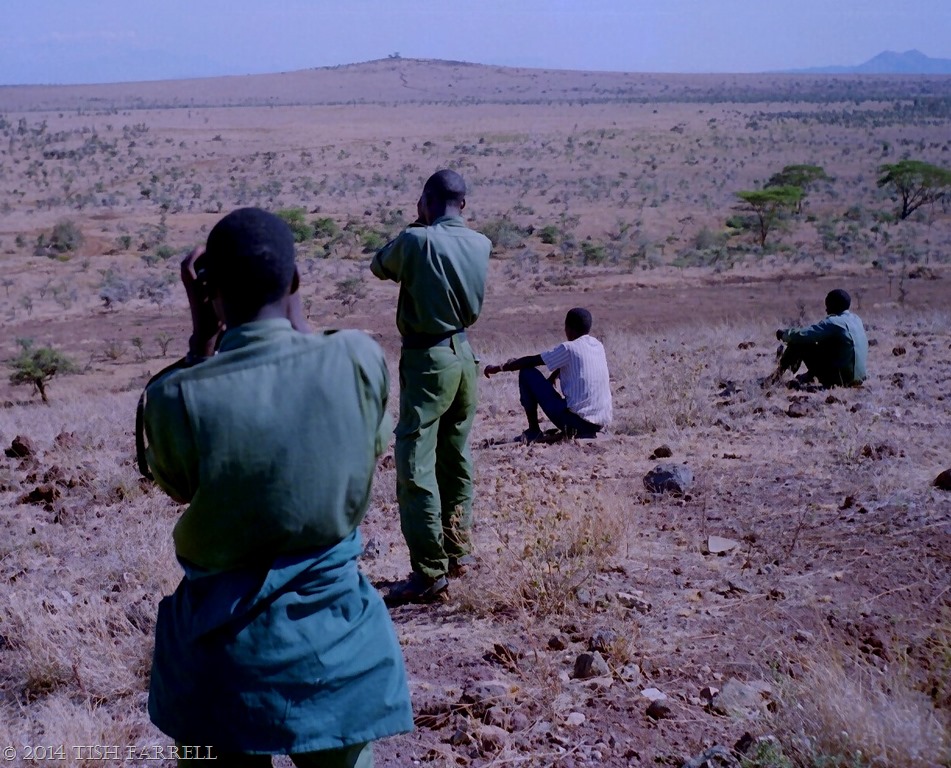
Today in Kenya there are several private reserves where small numbers of black and white rhinos live out their lives with round-the-clock ranger-guards. At the time when the top photo was taken, the white rhino concerned inhabited, with several others, a secluded part of a Maasai-owned group ranch. It is hoped that initiatives such as these will keep the species viable, but it is by no means certain. It is anyway a dangerous job for the men in the photo below. These days poachers come well armed with automatic weapons. It takes great bravery and strength of character to protect the world’s wildlife out in the bush. So three cheers for the rangers wherever they are working on this, WORLD RHINO DAY. These men and women deserve all our  praise and support. It is only a shame that their diligent protection continues to be needed.

Scan-140809-0037

Anti-poaching team in a private reserve in Northern Kenya

*

copyright 2014 Tish Farrell

For a South African perspective on the state of rhinodom see De Wets Wild, always a blog worth visiting for its wonderful wildlife photos.

And for an Indian view, Sriram Janak’s wonderful blog.

Ailsa’s travel theme: strong for more strong stories


wild shopping in Kenya

Scan-130602-0001

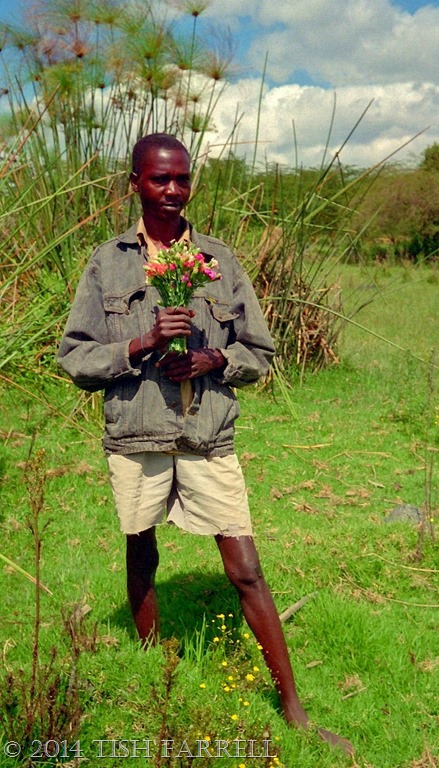
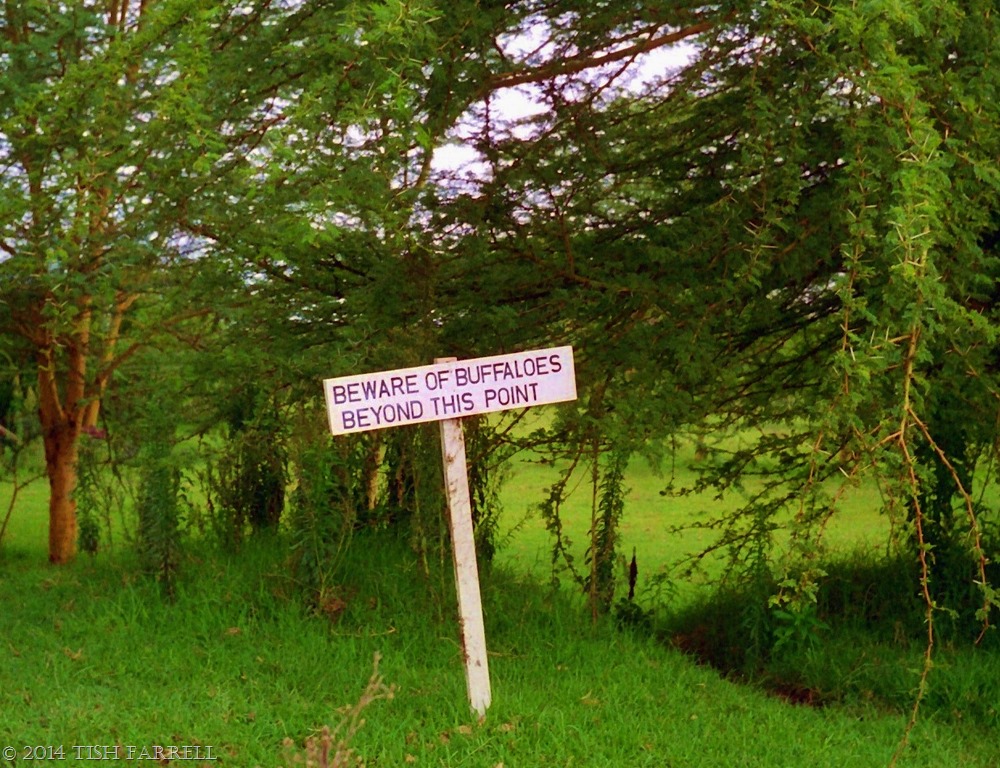
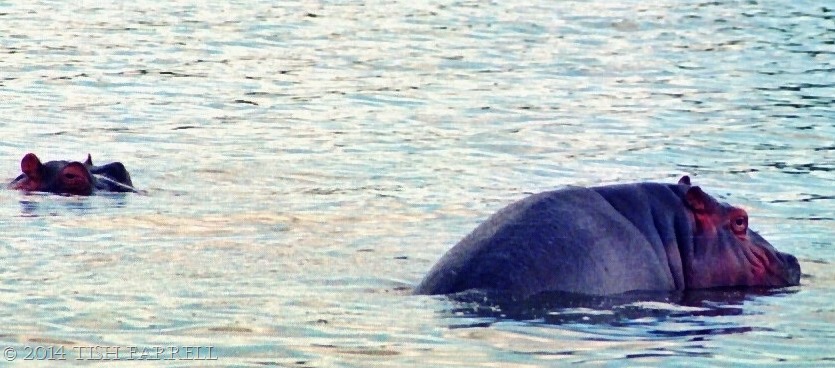
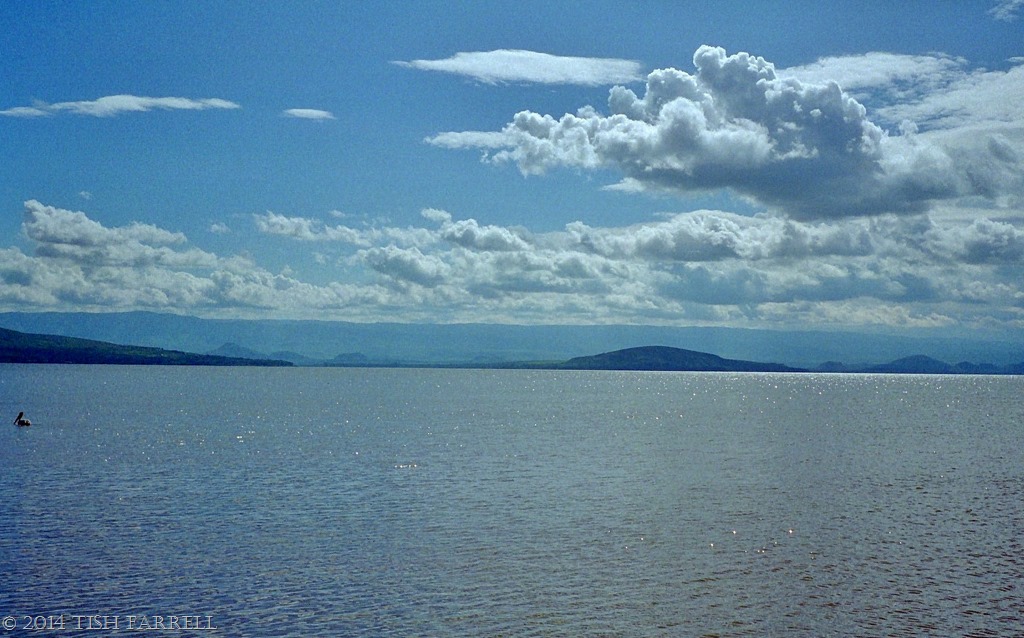
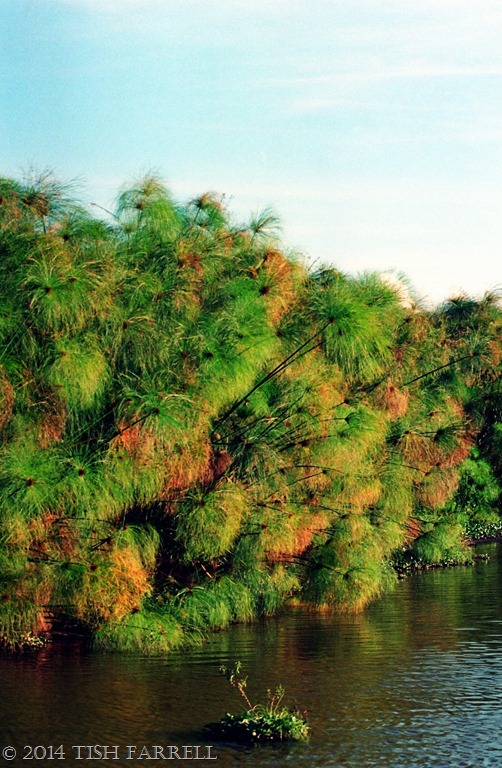
In Africa shopping is often an adventure. Well, who needs the thrill of the mall when you can strike a deal in a hippo-infested papyrus swamp? And for carnations too. I was most impressed by this young man’s opportunism, though puzzled too. Flower-buying customers seemed in short supply in this particular location. I was in the wilderness grounds attached to the Safariland Hotel on the shores of Lake Naivasha when he popped out of the papyrus. I had been wandering alone there (as I did over several days), not on the look out for retail therapy, but for Cape Buffalo (as indeed the sign warned me), and also for hippo whose very loud grunting was resounding off the lake. Both creatures can be deadly if you catch them, or they you, in circumstances not to their liking. 

In short then, I was engaged in my own form of adventure bird-watching, while the Team Leader, aka Graham, was back at the hotel, involved in workshop brain-storming with fellow scientists from across Africa. The other surprising factor is that I had some money on me so was able to buy a bunch. The flower seller kept his stock hidden from view in a swamp puddle. It seemed he was recycling the discarded side-shoots from one of the local flower factories. There are several of these huge horticulture enterprises along Lake Naivasha’s shore, all abstracting and polluting the only freshwater lake within Kenya’s Rift in order to export perfect metre-long stems of roses and carnations to Europe. The seller was thus making an opportunity out of stock control squeamishness over European “standards”. But as you can see, his little posy is very pretty. The flowers lasted ages, even surviving a hot drive back to Nairobi. A good buy all round.

You can read more of this story at CARNATIONS, CROOKS AND COLOBUS AT LAKE NAIVASHA  For now, here are more views of this unique wildlife outlet store:

Scan-130602-0003

Scan-130716-0012

Scan-130602-0006Scan-130716-0010Scan-130716-0013


DP weekly photo challenge: adventure

Ailsa’s Travel Challenge: merchandise

ILLUMINATING INGENUITY AFRICA-STYLE

“production from local resources for local needs is the most rational way of economic life.”    E F Schumacher


100_6355

You could call this the mother of all light bulb moments: a piece of African technology transfer that would have been right up E.F. Schumacher’s street (Small is beautiful: a study of economics as if people mattered). Of course light bulbs aren’t much use to people whose politicians have failed to connect their villages to the national grid.  One might also assume that a blown light bulb isn’t of use to anyone anywhere. But well,  think again. Here we have the proof of it: some very natty Tanzanian recycling. And in case it is not entirely obvious from this photo, here we have a used light bulb, and a remodelled tin can made into a very handy carrying lamp. The cap that holds the wick in place, can be removed to refill the bulb with oil as needed.

200px-SmallIsBeautiful1973[1]

And talking of E F Schumacher, his book Small is beautiful  has been rated one of the 100 most influential books written since World War 2. It has inspired highly inventive  Intermediate Technology Development projects around the world, low tech solutions that use the kinds of materials and spare parts that can be maintained, replaced  and replicated locally. Adeyemi’s floating school in Lagos (see earlier post Floating not flooding) is a good example of such principles in action.

This particular light bulb lamp was bought in the market in Tabora in central Tanzania. Graham lived there two years in a house beside the old Arab slave route, while working as an agricultural extension officer for V.S.O  (Voluntary Service Overseas). These were in the days TBT – Time Before Tish. 

But then much later there was another light bulb moment. When we were in Kenya doing fieldwork on the Central Province farms ( Looking for smut: work on Kenya’s highland farms ) I came across quite another use for a cast off bulbs. We had been invited into a Kikuyu farmer’s home for tea and cake, and there it was hanging on the sitting room wall. Our hosts had already told us the sad tale of how they and their neighbours had made financial contributions to  a political candidate who promised to bring electricity to their community, but then conveniently ‘forgot’ once he had been elected. I wrote a poem about it.


Power-play

Joe Maina, small-time farmer, says

before the polls he paid

some local boss three thousand bob

to bring the power lines down the Rift.

The big man won the vote,

but now, as ever,

Faith Waithera Maina cooks githeri,

bending at her hearth,

three rocks to hold the pot,

sleek skin cured hide in smoke-house fug.

Next, slogs like an ox on cow-track paths

to fetch more wood  to feed the fire.

“Our days’ career,” she shrugs.

Till dusk she lights her

sofa room with fumy lamps,

where, hanging on the wall with

keep-safe snaps and family memorabilia,

a cast-off city sixty-watt has second lease;

recharged of course,

a perfect vase

for garden sprays of purple

Tradescantia.


Flickr Comments ‘I’ words

A Word A Week: technology

Sundown in the Maasai Mara

Scan-140726-0025


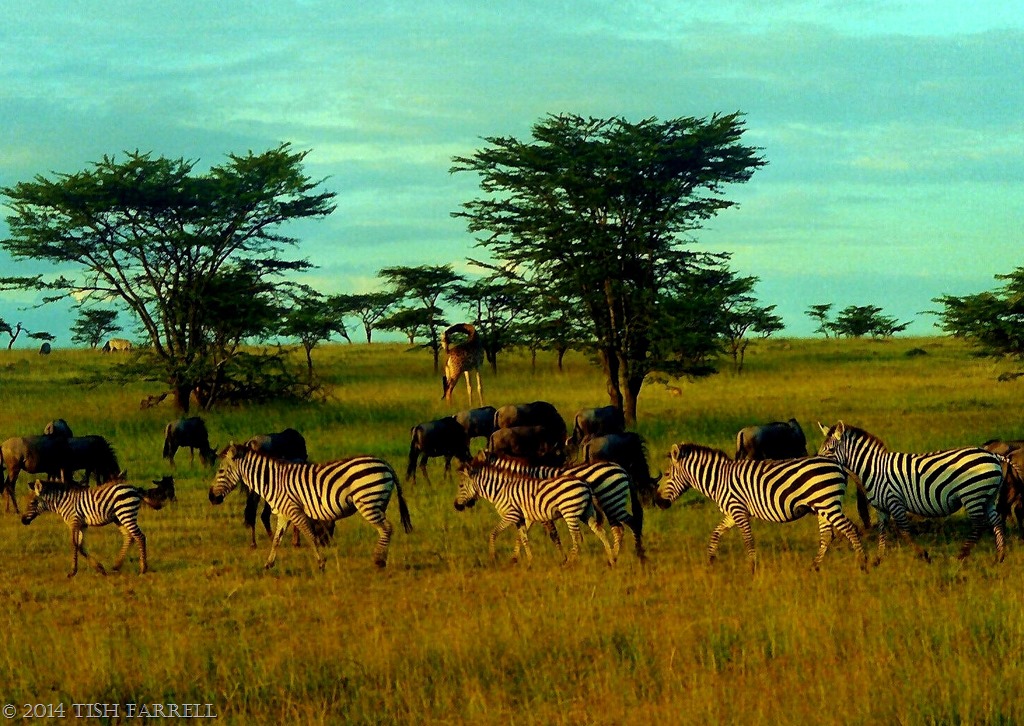
Night comes swiftly at the equator, usually at 6 to 6.30 pm. But around 5 pm there is that perfect moment when the light is like molten honey.  This shot was only a quick snap, taken after a game drive, and as we were heading back to camp on the Mara River. Our driver-guide was intent on one last go at spotting a leopard. For our part, we were simply entranced by this scene. Even at the time it seemed as if we had stepped into an oil painting. Besides, this was the most game we’d seen in one place all afternoon. Because that is something that wild life films tend not to show you: that you can drive for hours across the African bush and not see a single animal.


There is also more going on in this scene than is immediately obvious. Behind the zebra are some wildebeest; then the giraffe between the thorns. I’m not sure what the pale animal is on the top left horizon, but from its size I’d say  it is probably an eland. Then if you look carefully  just below the right hand bough of the right hand thorn tree, you might make out a brown dog-like shape. Hyena. There will doubtless be others in the grass. Once it was thought they were only scavengers, moving in on big cats’ kills. But now they are known to be hunters too. They prey on gazelles and larger antelope. Even a lone hyena can bring down a full-grown wildebeest, and pack away 15 kilos of meat at one sitting. They have jaws like industrial meat grinders, and believe me, to come upon one at close quarters, is not recommended.


Sunday Stills: Crowd Work

copyright 2014 Tish Farrell

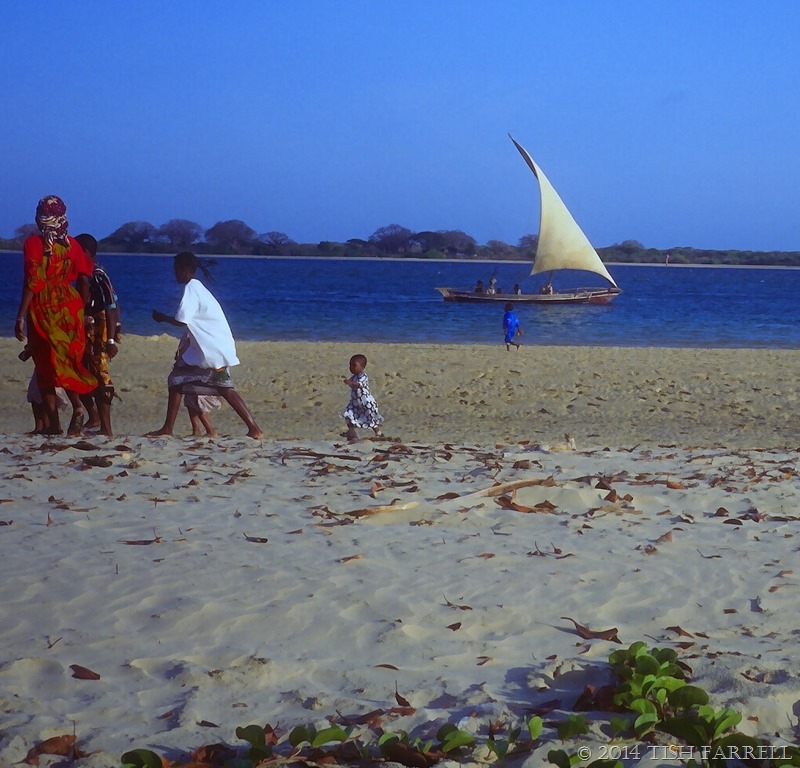
Transported on Lamu


Scan-140801-0001


There came a time when Sendibada signed on with a strange sea captain. The next day, as dawn was breaking, the ship cast off, a strong breeze filling the lateen sails, and bearing them swiftly out to sea. But towards noon the wind died, and the boat drifted, becalmed, on still waters.

At this the captain strode out on the bridge, and began to utter words that Sendibada could not fathom. He stared and stared for, to his astonishment, the ship began to rise, graceful as an egret taking flight. Sendibada grinned. He liked a good adventure, and now it seemed this strange captain of his was none other than the most powerful magician.

Up into the clouds they soared, flying, flying until at last they saw a faraway red spot. But little by little the spot grew, until at last Sendibada saw it was a city in the sky, and that every house there was made of copper. Soon they set down in the harbour and, as the crew made to go ashore, from every quarter, lovely girls came out to greet them, bearing on their heads copper trays laden with the most delicious fruits and sweetmeats and tender roasted morsels.

And so it was that much time passed, the ship’s crew enjoying month after month of this most gracious hospitality. Sendibada, though, was growing homesick, and said as much. Now the magician gave him a round mat and told him how to use it.

Sendibada followed the instructions, placing the mat on the ground and seating himself upon it so that he faced the direction of his home town. Then he spoke the foreign words that meant: Behold! We shall all return to it . And at once the mat rose into the clouds, and faster than a diving hawk, set Sendibada back on the beach just outside his home town.

 copyright 2014 Tish Farrell

The Copper City  retold from a translated text in Jan Knappert’s Myths and Legends of the Swahili


P.S. In case you hadn’t guessed, Sendibada is the Swahili version of Sinbad.


A Word A Week challenge: transport

Desert Date ~ a real-life tree of life


desert date mulului tree 001

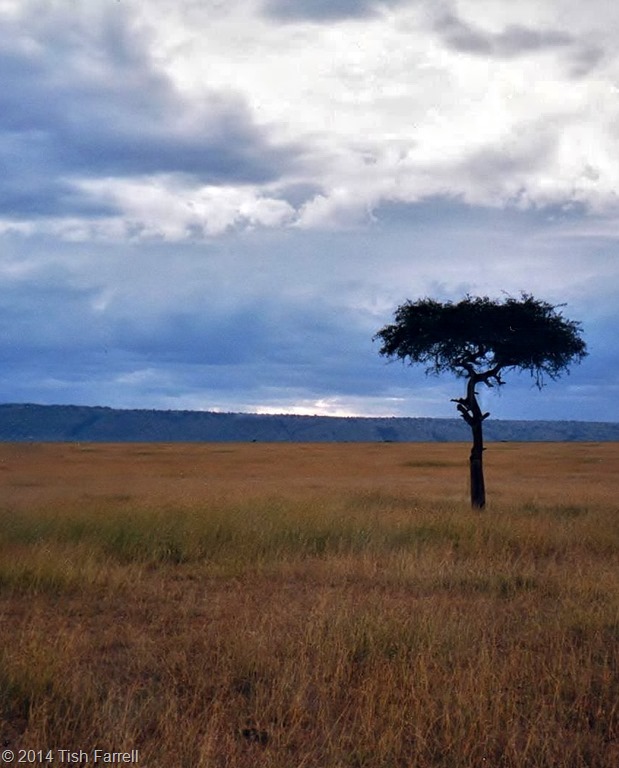
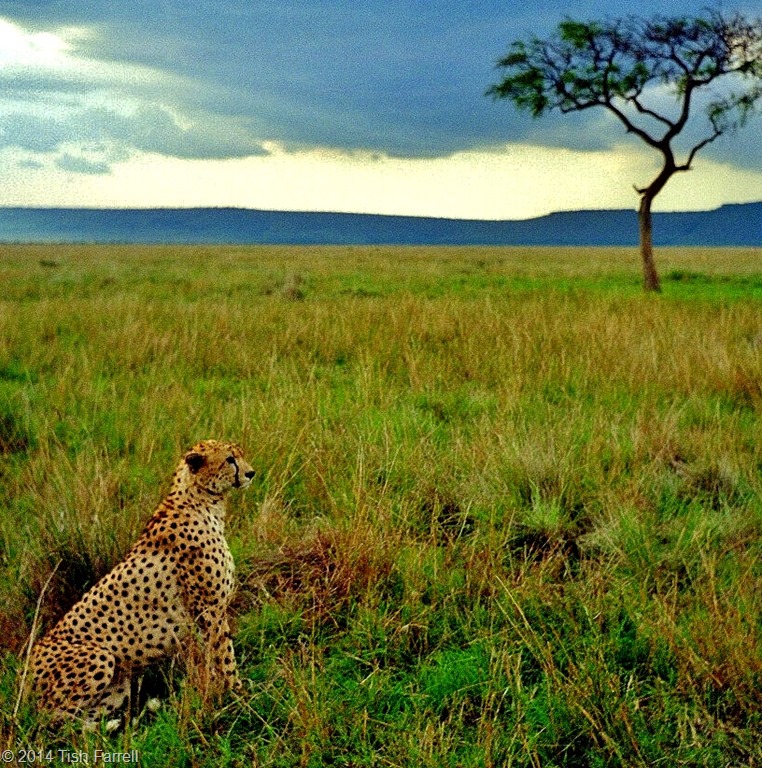
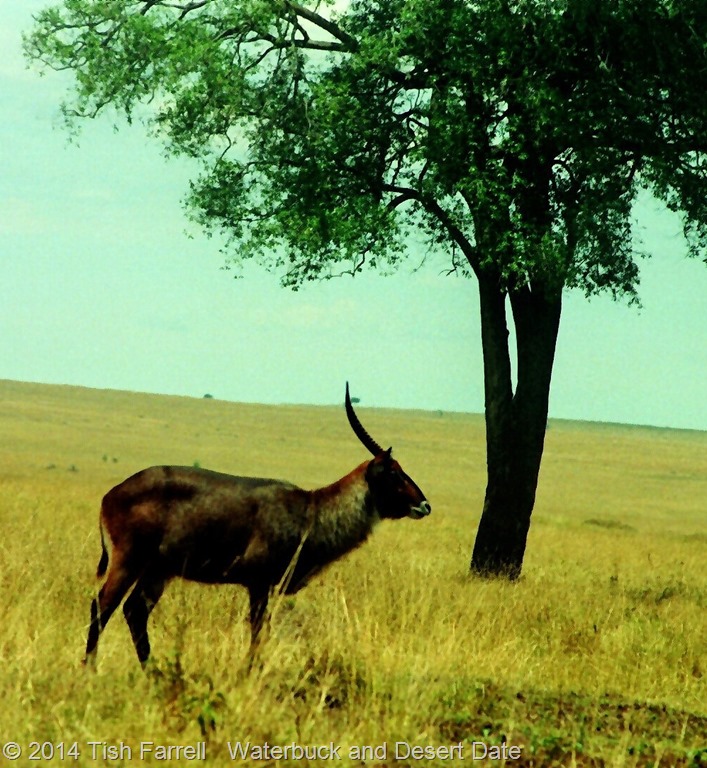
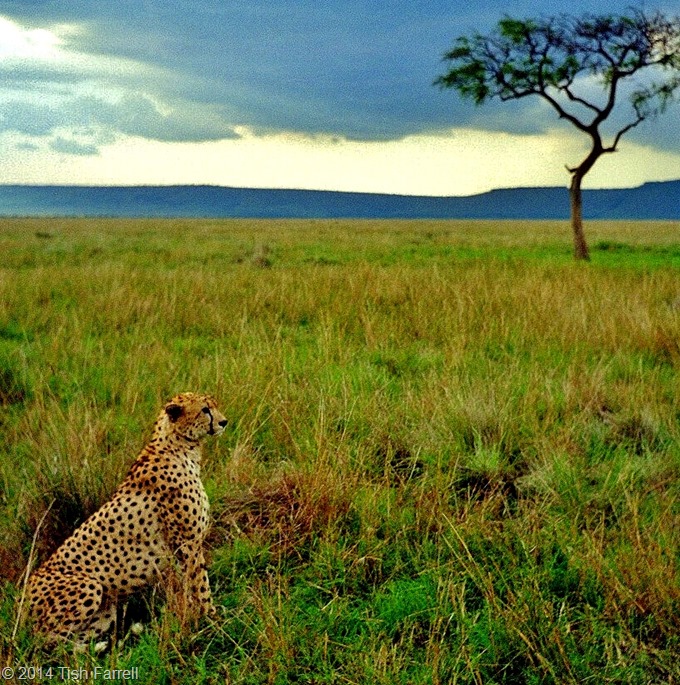
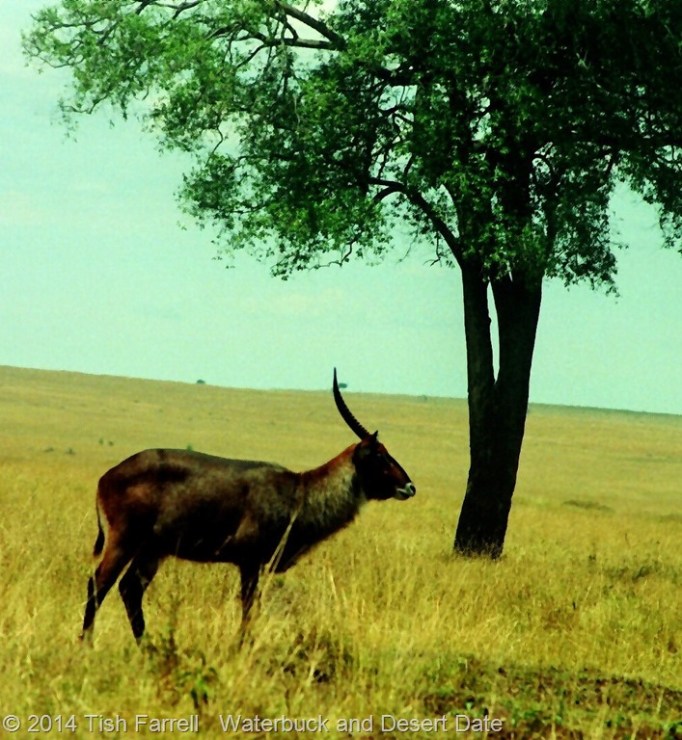
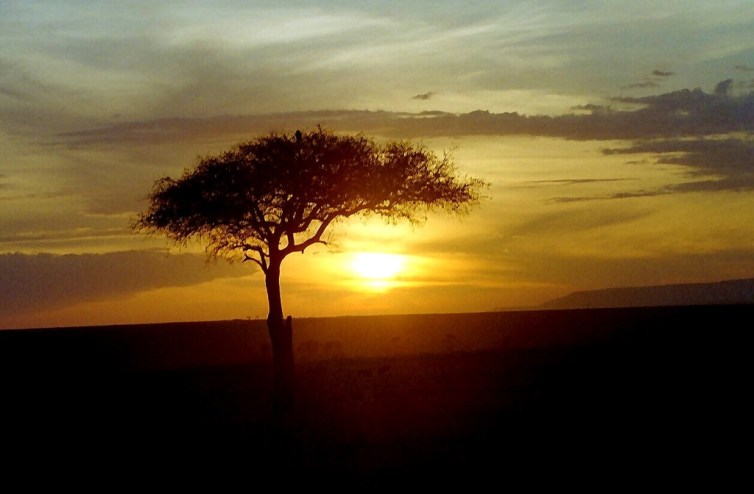
Badda, Othoo, Olokwai, Eroronyit, Mjunju, Kiwowa – are just some of the names that Kenya’s peoples use for this super-tree. Here, in the Maasai Mara, its  lone presence on the grasslands adds a sense of drama. Perhaps the spare silhouette springs some ancestral memory. For if we believe that humankind evolved in the Great Rift, then we must have an ages-old association with this tree, and not only as a source of food, but for firewood, the making of shelters and tools and, most especially, for medicine.

All the photos here were taken in the Mara, but the range of the Desert Date (Balanites aegyptiaca) extends across much of Africa, and into parts of the Middle East and India. But wherever it grows, its multiple uses have long been valued. Much like the baobab, it is a natural pharmacy. Every part of this unassuming tree has been scientifically shown to be packed with pharmacologically active substances.

Saponins are the key compounds. They protect the immune system, decrease blood lipids, lower cancer risk and cholesterol levels. They include diosgenin, from which hormones for the contraceptive pill may be produced. In short, the tree’s parts – roots, shoots, bark, fruits and seeds – have been shown in laboratory tests to have many healing and prophylactic properties: anti-fever, anti-diabetic, anti-inflammatory, antibacterial, antifungal, anti-parasitic, anti-cancer, antioxidant and liver-protecting. (For more scientific details see Bishnu P Chapagain 2006.)

And so it is that the practices of generations of traditional healers, from Africa to India, (and so often sneered at) may now be vindicated: all along they have been barking up precisely the right tree.
cheetah 3

For example, the Pokot pastoralists of northwest Kenya make a decoction of the root to treat malaria. They also boil the root in soup to ease oedema and stomach pains. For heartburn, the Akamba of central Kenya make an infusion of bark.  Throughout East Africa, the root is used to get rid of intestinal worms, and as a general purgative. The bark is used as a fish poison, and when mixed with fruit will kill freshwater snails and copepods that host the parasites that cause Bilharzia and Guinea Worm respectively, both scourges in many parts of Africa. In Sudan herbalists use Desert Date to treat jaundice, and in West Africa the fruit is mixed into porridge and eaten by nursing mothers. The seeds, when boiled, produce an excellent oil that is used in food preparation and to soothe headaches. Over 4,ooo years ago in Ancient Egypt this oil was a prized cosmetic. So much so, that the seeds were placed in tombs beside the dead as if to suggest that, in the afterlife, this was a tree that no one could be without.
Scan-140726-0017.jpg

In fact Balanites thus once grew in profusion along the Nile Valley, and were possibly cultivated. But they are also well adapted to arid and semi-arid conditions, tolerating both sand and heavy clay. Their vertical roots reach down 7 metres, while the horizontal roots may extend 20 metres from the trunk. It can also cope with stock and wildlife grazing (the characteristic canopy is shaped by browsing giraffes), flood, and grassfire. Their boughs and long, thin spines photosynthesize even when the leaves drop off. This makes them a valuable famine food. No matter how dry, each year they can produce up to 10,000 date-like fruits. The flesh is bitter-sweet, but eaten by humans, their stock and most wild game. In fact elephants are one of the main propagators of this species, at least in Africa. While most other creatures spit out the stones, elephants swallow them, depositing them in due course in dollops of ready-made compost.

In Kenya the Pokot and Turkana also eat the tree’s young leaves and shoots, boiled, pounded and fried with fat. The Maasai eat the gum, and the Marakwet boil the seeds and eat them like beans. In other parts of Africa the small flowers are stirred into porridge, and the fruit is fermented to make alcoholic drinks.

Scan-140727-0044.jpg

And then there is the wood. This is an excellent cooking fuel since it burns with little smoke. The wood is durable and used for house-building. It is also easily worked to make yokes, wooden spoons, pestles, mortars, handles, stools, combs. Resin from the tree stems is used to stick feathers on to arrow shafts and spear heads to shafts. The Turkana use it to repair cracks in tool handles. And the tree itself may be grown in farmsteads as a living fence that can be cropped for both human needs and livestock fodder. While it is protecting domestic animals and crops it is also fixing nitrogen in the soil.

And now you know why I called it a tree of life. It is ripe for development too, the kind of development that can only enhance existence on the planet. In fact one gasps at how much potential can subsist within a single tree species. AND THIS IS JUST ONE TREE. But doesn’t it show, and with glaring clarity, that instead of destroying the world’s wild places (and for mostly very pointless reasons), we need to protect and learn from them, and learn, too, from those indigenous peoples who still know them intimately and understand where the real treasure lies.
Scan-140726-0004.jpg

 Copyright 2014 Tish Farrell

For my earlier post on the baobab:                                                                                                                                               

Anthology Baobab: African Story Tree

Jungle2Jungle and Bishnu P Chapagain 2006 for more about the Desert Date

Flickr Comments for more ‘D’ words