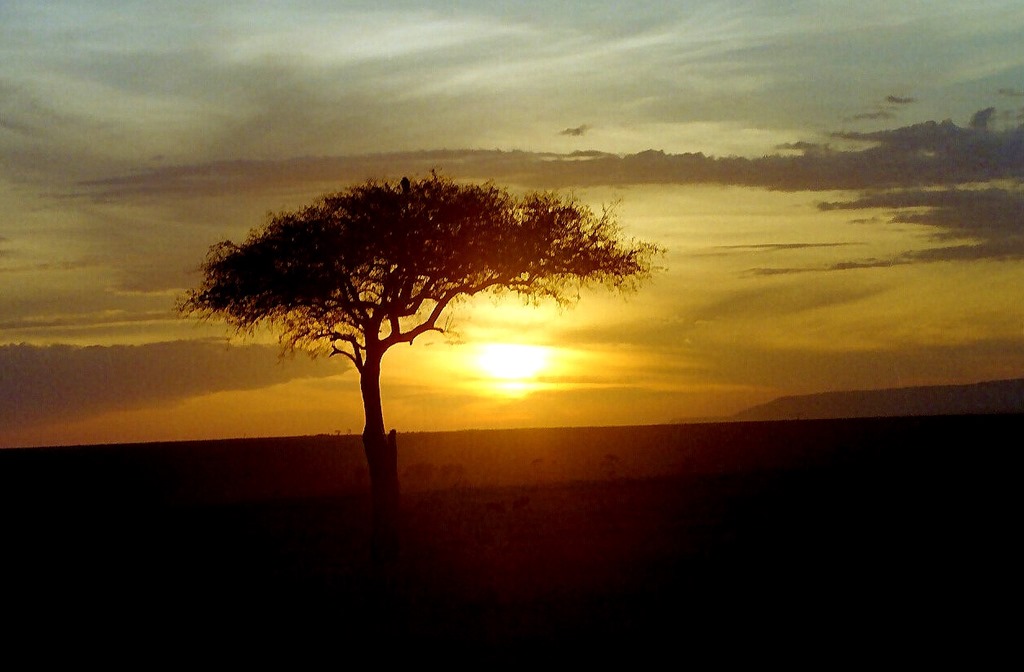
Mara Sundowner: Plains’ Shadows

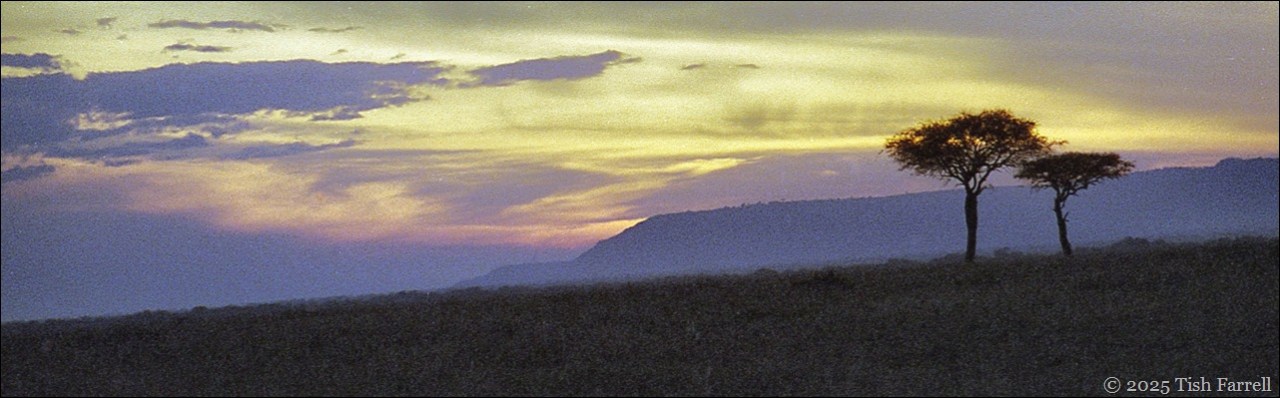
Maasai Mara sunset

Back to the Farrell ‘once in Africa’ archives for this final ‘shadows’ post.

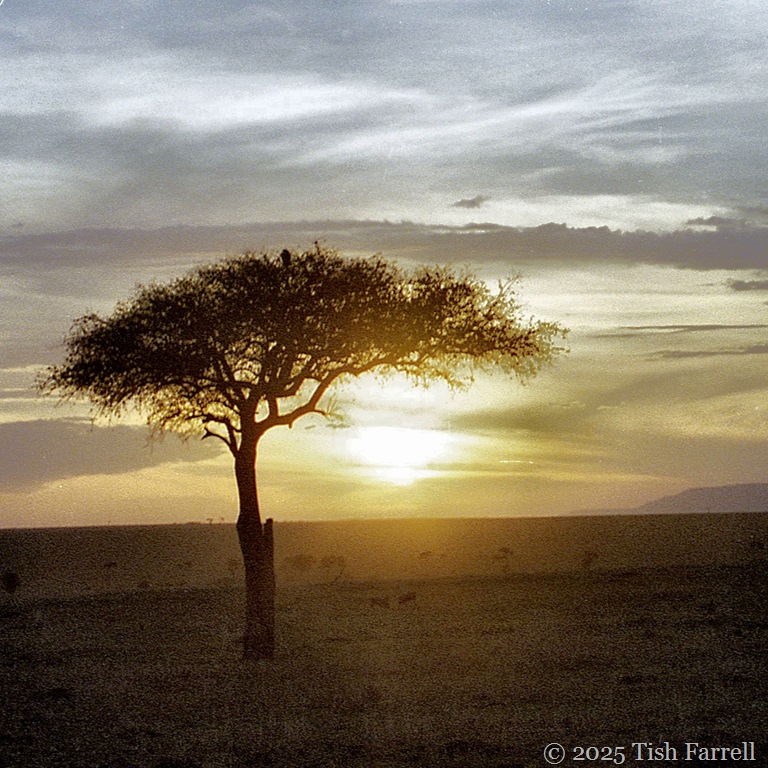
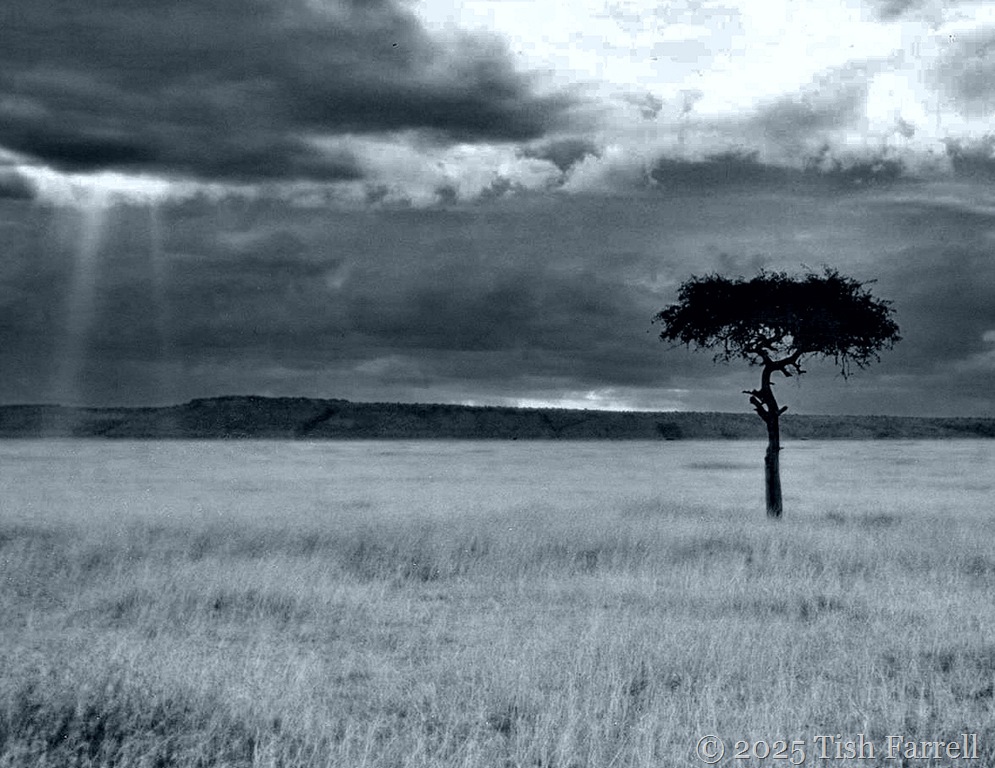
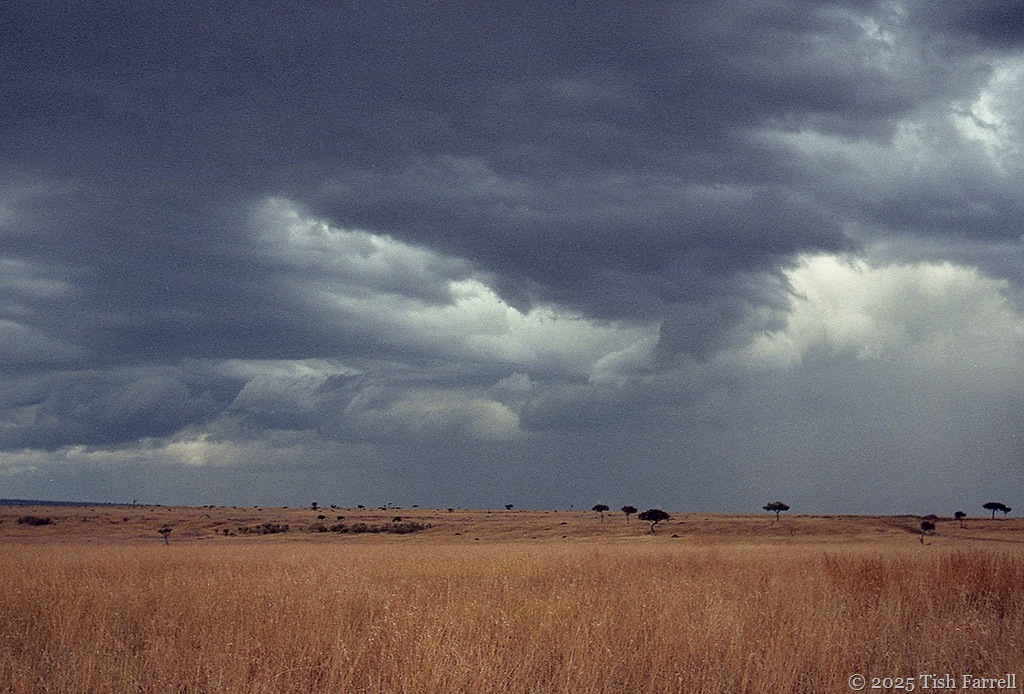
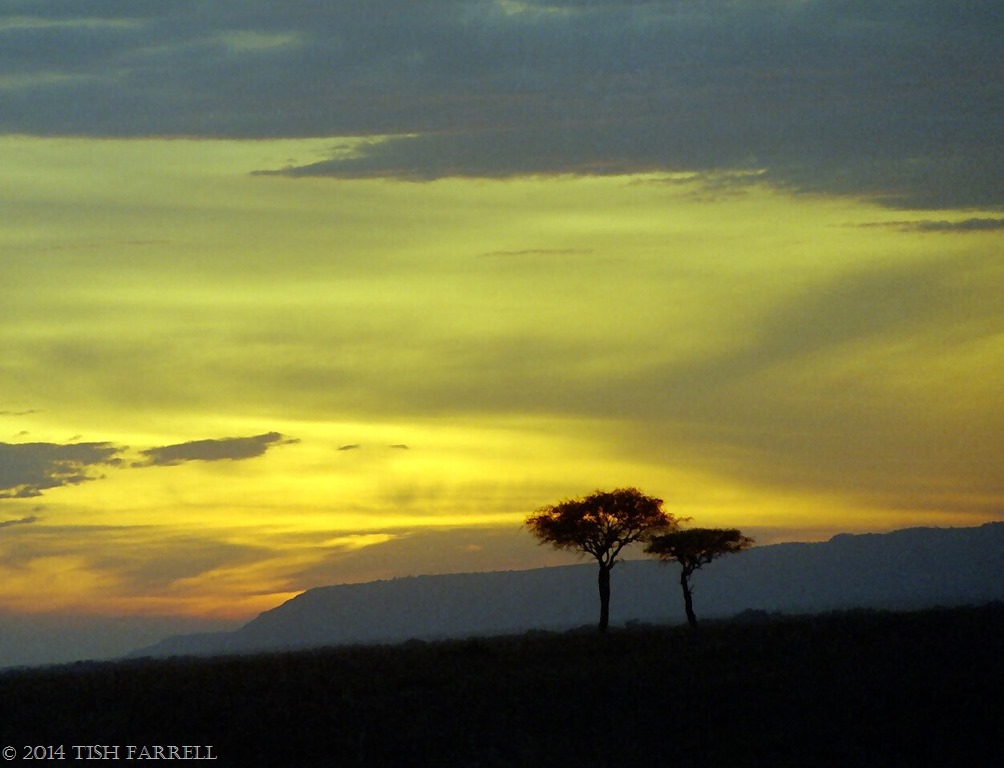
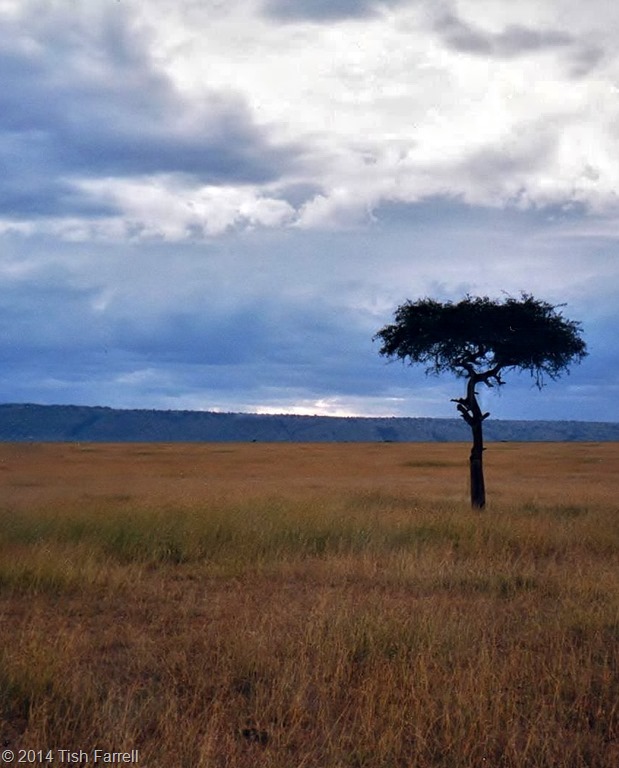
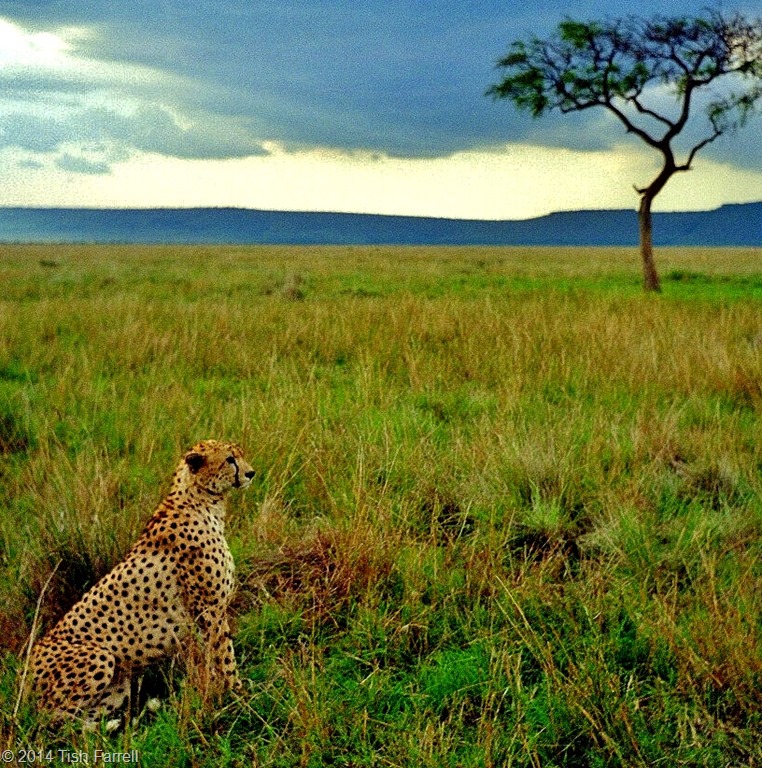
Here we have the Maasai Mara in December, a desert date tree, a shadowy glimpse of the Oloololo Escarpment, lots of stunning memories invoked, plus a few pangs for Kenya days long gone.

And talking of gone, where did this month go? Now as ‘November Shadows’ draw to a close, a big round of applause for Becky who has kept so many of us so well occupied.

Cheers, my dear!

November Shadows #30

Desert date sunset header

Waiting For Rain…In Kenya Past And Shropshire Present

desert date mulului tree

Maasai Mara with desert date tree

*

We’ve been living back in the UK since 2000, our years in Africa increasingly faraway. And yet…

And yet this spring and summer in Shropshire we’ve been very short on rain. The temperatures, too, have recently risen after a cold and windy spring. My gardening self grows anxious. Several times a day I do the rounds of my vegetable plots, checking on the kales, chard, beans and potatoes, the onions and leeks, examining the greenhouse tomatoes and cucumbers for signs of stress. My hands are always dirty, soil crushed under nails, as I prod the soil, testing for moisture levels around the plants.

It makes me think of Kenya days, pastoralists like the Maasai depending on rain to replenish the grasslands for grazing, cattle their life-blood in every sense;  village farmers waiting for the November-December small rains for sowing; for the long rains March to May to bring the crops to harvest: lives and livelihoods dependent on monsoon weather systems that are nothing if not capricious.

Nor is this new. Oral history accounts, some going back two or more centuries, make reference to periods of drought and famine. One type of oral record is the memorized male circumcision list that survives in some communities. The rite  was carried out every ten years or so, and the given year commemorated by some notable event. Food shortages were often inferred.

For instance the list for Maragoli in Western Kenya has 1760 as the time of Kgwambiti. Our Maragoli house steward, Sam, interpreted this as people behaving selfishly like animals, suggesting a food shortage. Likewise Vuzililili  for the year 1800, a time when small insects fed on large insects. Then in 1900 Olololo-Lubwoni – refers to a time when jigger fleas (olololo) infested people’s feet, implying that that households were dusty and not swept properly. Lumbwoni is a very thin sweet potato, also suggesting drought and lean times.

img120 ed

Another remarkable source of rains failure evidence is the revised historical events calendar used in the enumerators’ guide to the 1969 Kenya census. At this time many rural householders would have been born in the 19th century, or else reckoned family chronology according to particular past occurrences. For semi-arid Ukambani, a drought-prone region in southern Kenya, it was generally agreed that there had been six significant periods of famine in the 19th century: Ngovo (1868); Ngeetele (1870); Kiasa (1878); Ndata (1880); Nzana (1883) and Ngomanisye or Muvunga (1898).

In the past, too, it transpired that the Akamba people had established emergency strategies via extended kinship allegiances. This involved moving from the worst stricken areas and, for a time, living with relatives who were not so badly affected, or who had their own water-holes. Rules of reciprocity of course applied; this was not charity.

It was important, too, that in pre-colonial times the Akamba had a sphere of far-flung connections through their hunting and trading activities, one that extended into what is now Tanzania. This increased the scope for finding sanctuary from drought-stricken regions, but of course was curtailed when the colonial administration consigned each ethnic group to a designated reserve, basically drawing a line around the territory that each community apparently occupied at the time when the British arrived; self-determination being duly cancelled by a line on a map.

But perhaps the most compelling evidence for the enduringly random state of weather across East Africa is the deeply embedded cultural phenomenon of the rainmaker. Every community had them; perhaps still does. They were often rich and powerful individuals. And contrary to what may be imagined, the forecast of rain was mostly based on informed careful observation of natural phenomena, including the movement of clouds, wind directions, dew formation, the behaviour of particular hygroscopic plants and trees that respond to rises in ground water, the arrival of particular species of birds and insects. Such observations informed planting decisions, the particular crops chosen, the times and places they were sown.

It’s tempting to think our Met Office could learn and thing or two.

And so I ponder again on our lack of rain. Our lives do not depend on the success of our garden produce. The Co-op’s daily deliveries of fresh food are two minutes’ walk from the house. I anyway have an outside tap and a clutch of watering cans. The water is always there. (Or at least it is for now). A luxury however you look at it. But even so, the daily sight of parched soil does seem to trigger some bred-in-the-bone alarm system, all those generations of farmers and gardeners in my family tree worrying…

And so the sky-watching continues, the hopeful eyeing up of every darkening cloud.

And probably also, in the not too distant future when the rain comes, there will be the ungrateful complaint that it doesn’t seem to know when to stop.

*

copyright 2025 Tish Farrell

Lens-Artists: Stormy This week Beth wants to see scenes of storminess.

Maasailand In Black & White

desert date mulului tree 001

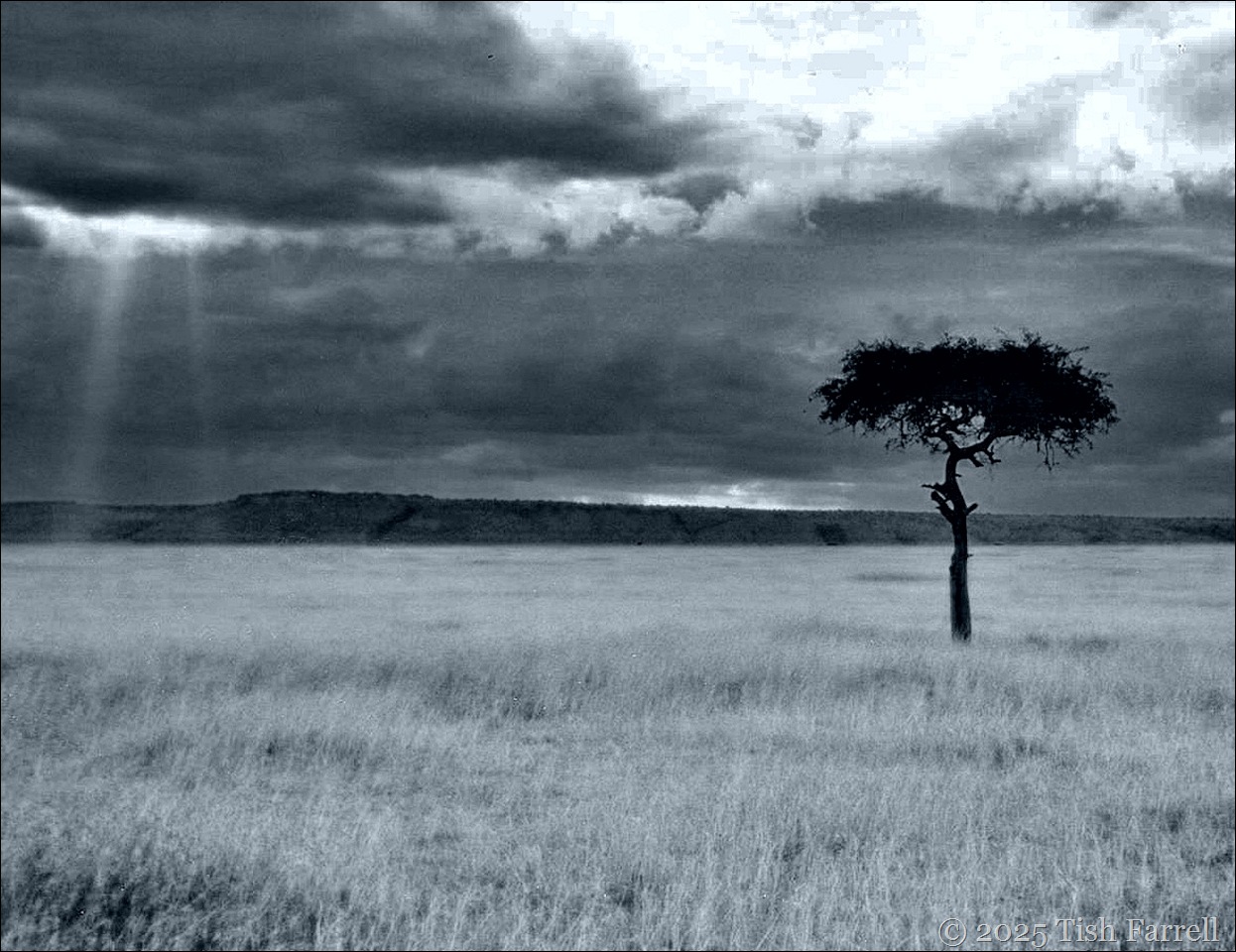
I do not think of Africa in black and white, and when we lived there during the 1990s it was still in the days of conventional photography, and only colour film was readily available. So I am rather intrigued by these monochrome edits from the old Africa photo file.

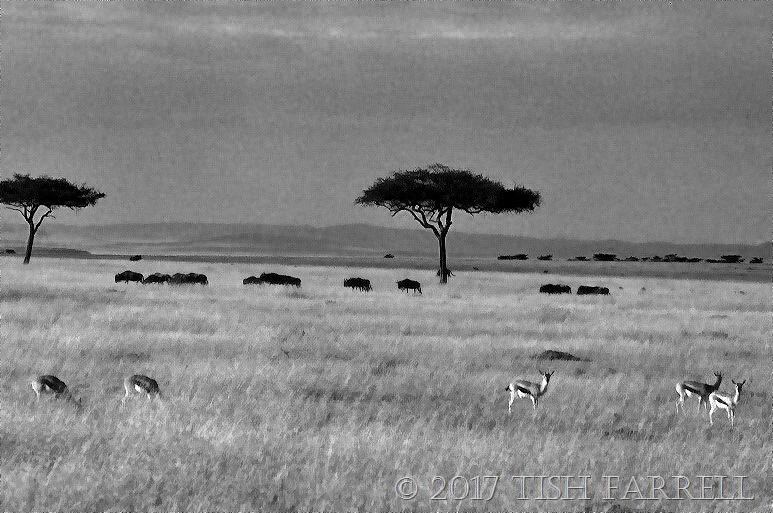
They were taken in August – in the cool, dry, gloomy season, and the time of the wildebeest migration. We had driven down to the Maasai Mara from Nairobi under lowering skies, taking our visitors, Chris and Les, on safari. The roads were dusty and the bush country parched and dreary looking for mile after mile.

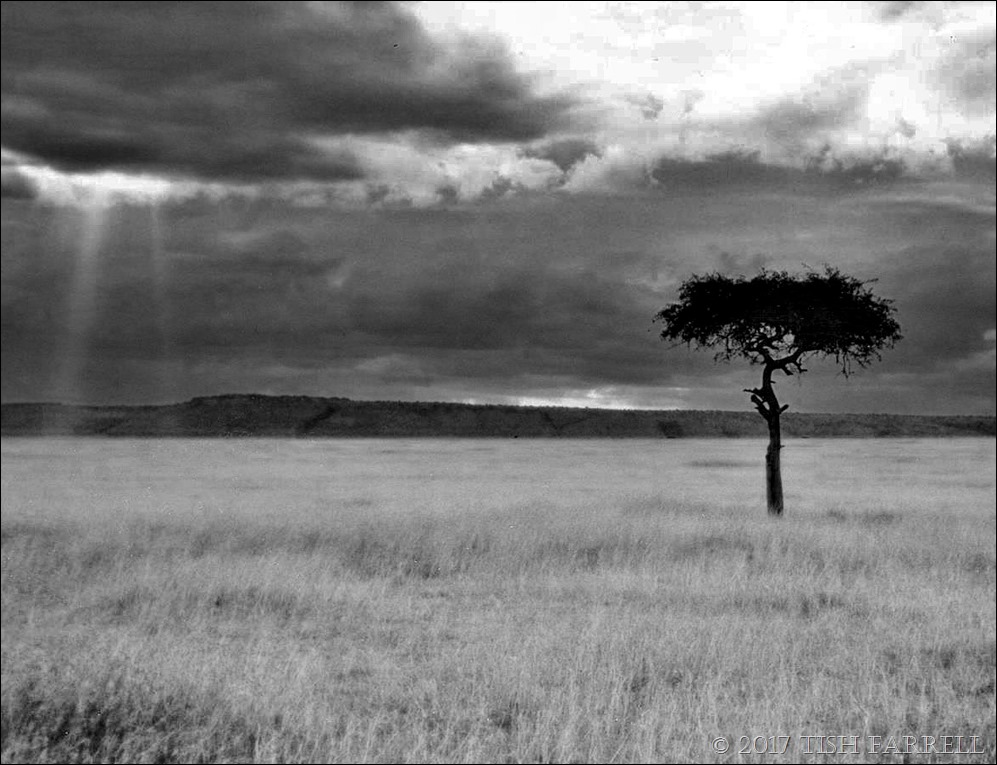
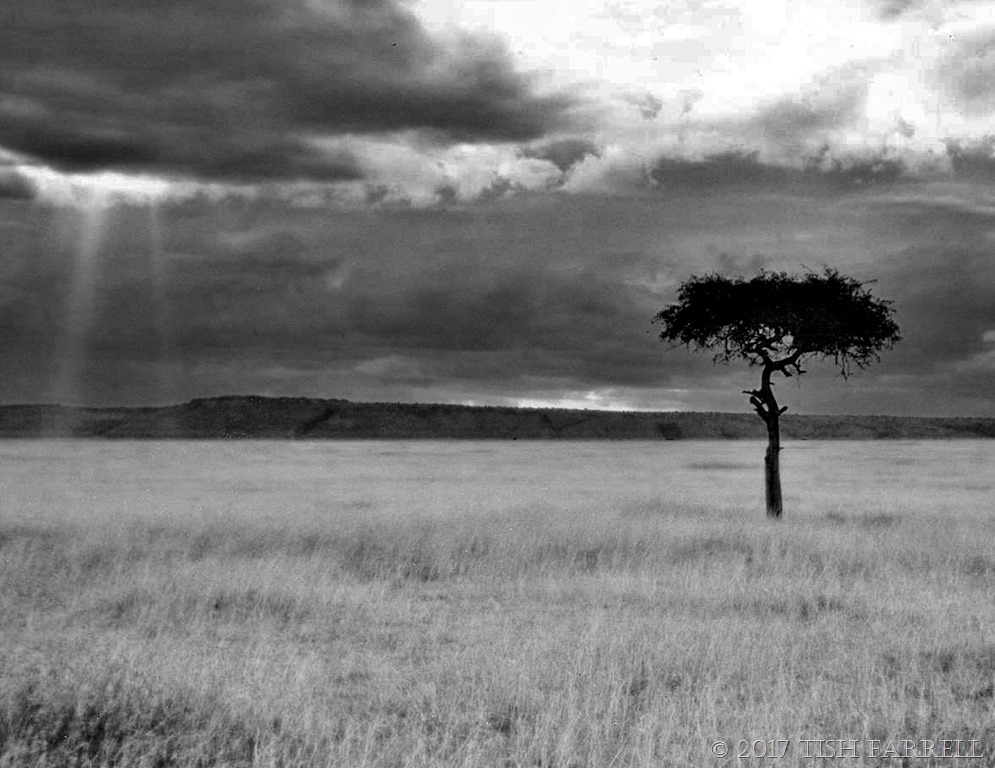
Amongst other things, the first photo shows how empty the landscape can be of wildlife,  or indeed of people. In the distance is the Oloololo Escarpment which forms  the north west boundary of the Mara Triangle. The tented camp where we were staying was on the Mara River outside the park, and part of the Mara Conservancy, a reserve managed by the Maasai themselves.

The lone tree is a Desert Date (Balanites  aegyptiaca ), and is typical of the open savannah where its presence is highly valued by humans and grazing animals alike. It fruits under the driest conditions. The tree has also long provided traditional healers with remedies; like the baobab, Balanites is one of Africa’s tree pharmacies. The fruit’s outer flesh was used for treating skin diseases, and preparations of the root and bark were used to combat malaria.

The oil within the fruit in fact has a host of remarkable properties. It has long been known that it kills the freshwater snails that carry bilharzia and the water fleas that are vectors of guinea-worm disease  (Trees of Kenya  Tim Noad and Ann Birnie). It has also been studied more recently by Egyptian scientists who reported their findings in the the 2010 Journal of Ethnopharmacology.  Their laboratory tests revealed anticancer properties for certain human carcinoma cell lines, as well as demonstrating selected antimicrobial, anthelmintic, and antiviral activity.

An all round useful tree then.

The shape of the trees in the photos is also typical. The result of having their canopies nibbled by passing giraffes, although there are none in sight here – only wildebeest and Thomson’s gazelle.

289


Black & White Sunday: typical

Too Long Out Of Africa

Scan-140726-0020 (2)

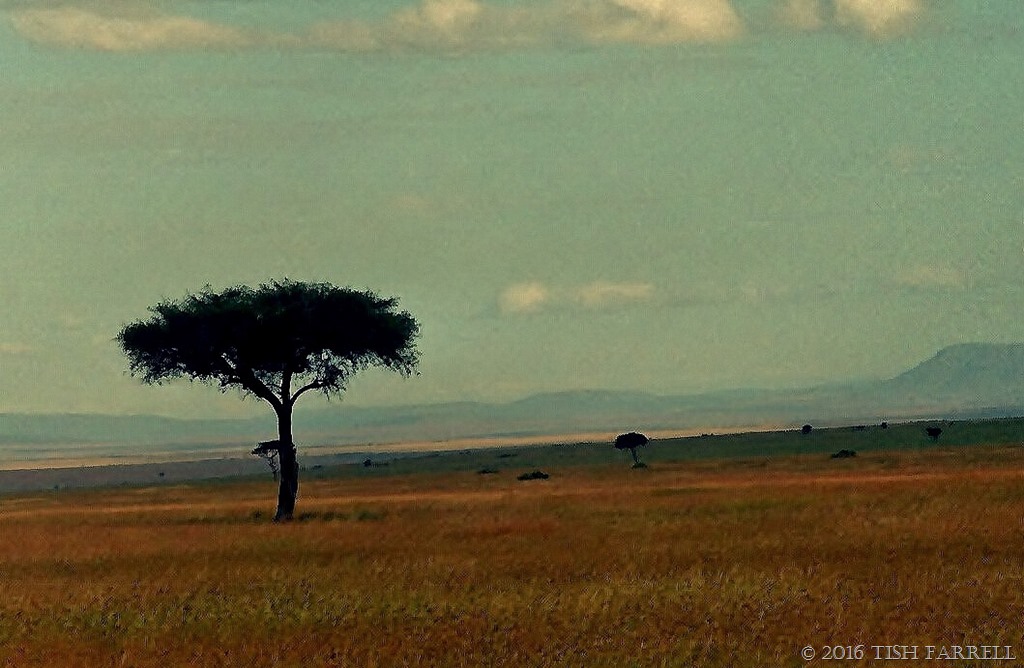
I had been wondering to myself whether I would post some of my Africa pix for the nature photo challenge, and thought I probably wouldn’t. Then the ‘Landscape’ challenge cropped up, and so here  I am, killing two birds with one shot. Or it might be two. Also, for whatever reason that has nothing much to do with me, post editing or anything, this view of the Maasai Mara (edge of the Ololo Escarpment to the right, desert date tree to the left) has acquired the look of a painted landscape. I think it was probably taken at dawn, out on game drive from the Mara River Camp, one of the last places we stayed before ending our eight-year life in Kenya and Zambia.

The desert date (Balanites aegyptica), much like the baobab, is one of Africa’s treasure trees, and has multiple uses. It grows in the driest places across the Sahel and savannah regions of the continent, and fruits in the driest of years. It is thus highly valued by nomadic herders since both fruit and foliage provide useful forage for camels and goats during times of drought.

Also a nourishing and restoring skin oil can be made by milling the fruit, its cosmetic and therapeutic qualities long known of by the Ancient Egyptians. (Samples have apparently been discovered amongst pyramid grave goods). And you can buy it now. Fair trade producers in Senegal, West Africa are producing the oil commercially.

Other traditional uses include making fish poison from the bark, and using the termite resistant wood to fashion farm tools. Better still, an emulsion can be produced from the fruit – harmless to humans and warm-blooded mammals (Trees of Kenya  Tim Noad & Ann Birnie: 27) and used to clean up drinking water supplies. It kills the freshwater snails that carry bilharzia, and the water fleas that carry guinea worm, both causes of distressing and debilitating diseases in many parts of Africa.

The continued existence of this tree is also related to the continued existence of elephants. In the wild they are the main conduits by which seed is processed and made ready to plant. Having passed through the elephant’s digestive tract, it is then conveniently deposited in its own dollop of manure. Another example of how all in the natural world is intimately connected, and we kill off bits of it (stupidly thinking they don’t matter) at our peril.

Scan-140726-0019

Elephants at high noon beside the Mara airstrip. You can see the green tops of desert date trees above a gully in the distant heat haze.

*

Anna at Una Vista di San Fermo invited me to join the 7-day Nature Photo Challenge. This is my Day 4. Please also go and see Laura’s magnificent dragonfly at Eljaygee, and Sue Judd’s elegant study of daffodil decay at WordsVisual, and Gilly’s absolutely mega termite mound at Lucid Gypsy.

Landscape

Oloololo Escarpment: Maasai Dreaming


Scan-140726-0002 (3)


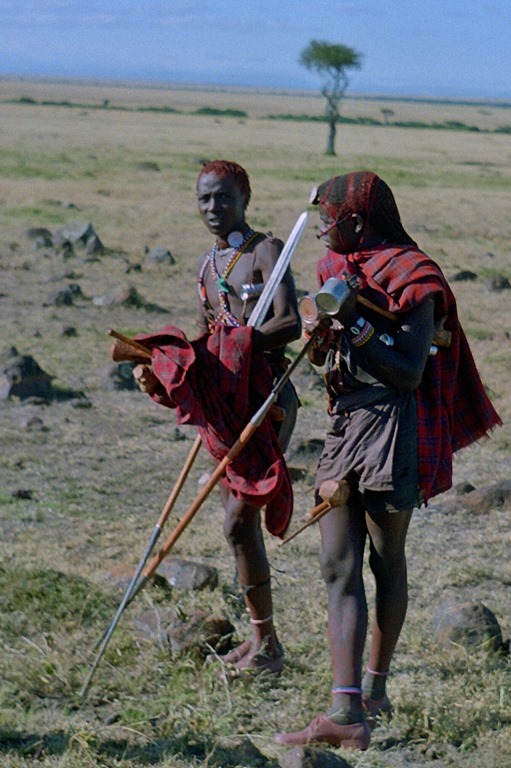
Night on the Mara River – darkness wraps round, close as a Maasai’s blanket.  It is cold, too, on the river’s bend. We press closer the campfire, our white faces soon roasting red. No one speaks. There’s too much to listen for. A hyena whoops across the water?  It sounds close. It sounds unearthly, sending shock waves through vulnerable bones – mine, conjuring packs of predators, out there, circling our ring of light. And even as I think it the Maasai are on us.  Six warriors, spears in hand and naked to the waist.  Their leader tosses his ostrich-feather head-dress that looks like a lion’s mane.  He is fearless.  He is lion.

Then the singing starts, a nasal falsetto that resonates through time and space – the winds’ whine through Mara grasses.  The Maasai girls trip lightly into the firelight, their wraps like flames – yellow, red; close-cropped heads hung with beads; chins jutting forward as the crescent necklets – tiny beads so patiently strung – rise and fall on skinny chests.  The moran start to leap – higher, faster.

excerpt from Dances With Warriors © 2014 Tish Farrell

Continues HERE

Flickr Comments for more bloggers’ stories

DP Weekly Photo Challenge

Desert Date ~ a real-life tree of life


desert date mulului tree 001

Badda, Othoo, Olokwai, Eroronyit, Mjunju, Kiwowa – are just some of the names that Kenya’s peoples use for this super-tree. Here, in the Maasai Mara, its  lone presence on the grasslands adds a sense of drama. Perhaps the spare silhouette springs some ancestral memory. For if we believe that humankind evolved in the Great Rift, then we must have an ages-old association with this tree, and not only as a source of food, but for firewood, the making of shelters and tools and, most especially, for medicine.

All the photos here were taken in the Mara, but the range of the Desert Date (Balanites aegyptiaca) extends across much of Africa, and into parts of the Middle East and India. But wherever it grows, its multiple uses have long been valued. Much like the baobab, it is a natural pharmacy. Every part of this unassuming tree has been scientifically shown to be packed with pharmacologically active substances.

Saponins are the key compounds. They protect the immune system, decrease blood lipids, lower cancer risk and cholesterol levels. They include diosgenin, from which hormones for the contraceptive pill may be produced. In short, the tree’s parts – roots, shoots, bark, fruits and seeds – have been shown in laboratory tests to have many healing and prophylactic properties: anti-fever, anti-diabetic, anti-inflammatory, antibacterial, antifungal, anti-parasitic, anti-cancer, antioxidant and liver-protecting. (For more scientific details see Bishnu P Chapagain 2006.)

And so it is that the practices of generations of traditional healers, from Africa to India, (and so often sneered at) may now be vindicated: all along they have been barking up precisely the right tree.
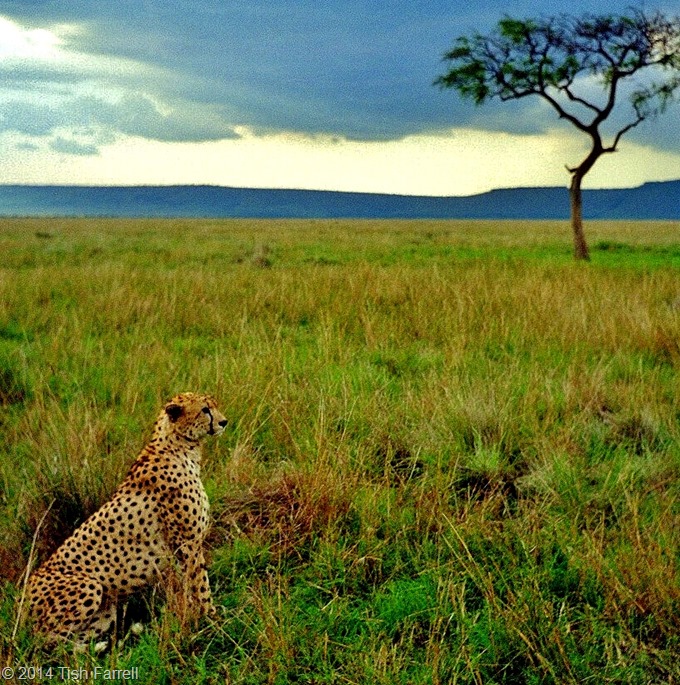
cheetah 3

For example, the Pokot pastoralists of northwest Kenya make a decoction of the root to treat malaria. They also boil the root in soup to ease oedema and stomach pains. For heartburn, the Akamba of central Kenya make an infusion of bark.  Throughout East Africa, the root is used to get rid of intestinal worms, and as a general purgative. The bark is used as a fish poison, and when mixed with fruit will kill freshwater snails and copepods that host the parasites that cause Bilharzia and Guinea Worm respectively, both scourges in many parts of Africa. In Sudan herbalists use Desert Date to treat jaundice, and in West Africa the fruit is mixed into porridge and eaten by nursing mothers. The seeds, when boiled, produce an excellent oil that is used in food preparation and to soothe headaches. Over 4,ooo years ago in Ancient Egypt this oil was a prized cosmetic. So much so, that the seeds were placed in tombs beside the dead as if to suggest that, in the afterlife, this was a tree that no one could be without.
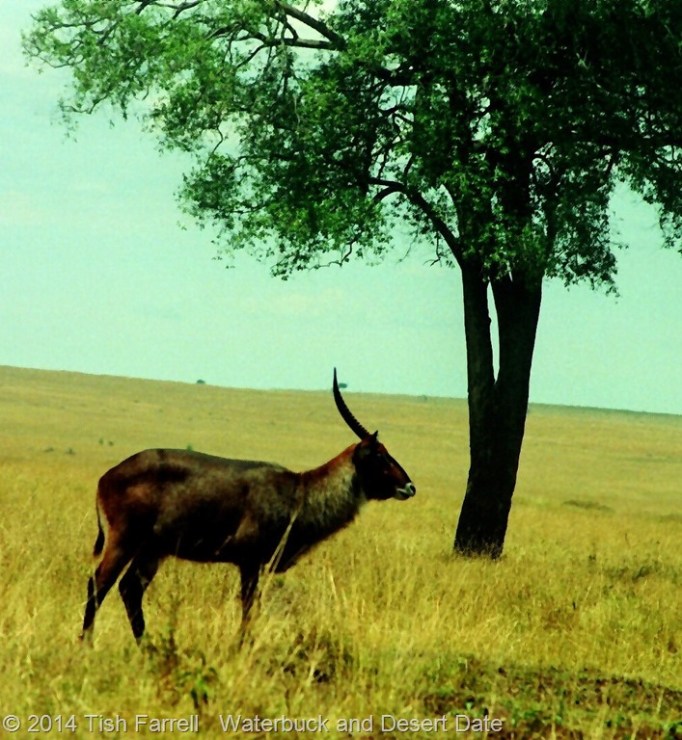
Scan-140726-0017.jpg

In fact Balanites thus once grew in profusion along the Nile Valley, and were possibly cultivated. But they are also well adapted to arid and semi-arid conditions, tolerating both sand and heavy clay. Their vertical roots reach down 7 metres, while the horizontal roots may extend 20 metres from the trunk. It can also cope with stock and wildlife grazing (the characteristic canopy is shaped by browsing giraffes), flood, and grassfire. Their boughs and long, thin spines photosynthesize even when the leaves drop off. This makes them a valuable famine food. No matter how dry, each year they can produce up to 10,000 date-like fruits. The flesh is bitter-sweet, but eaten by humans, their stock and most wild game. In fact elephants are one of the main propagators of this species, at least in Africa. While most other creatures spit out the stones, elephants swallow them, depositing them in due course in dollops of ready-made compost.

In Kenya the Pokot and Turkana also eat the tree’s young leaves and shoots, boiled, pounded and fried with fat. The Maasai eat the gum, and the Marakwet boil the seeds and eat them like beans. In other parts of Africa the small flowers are stirred into porridge, and the fruit is fermented to make alcoholic drinks.

Scan-140727-0044.jpg

And then there is the wood. This is an excellent cooking fuel since it burns with little smoke. The wood is durable and used for house-building. It is also easily worked to make yokes, wooden spoons, pestles, mortars, handles, stools, combs. Resin from the tree stems is used to stick feathers on to arrow shafts and spear heads to shafts. The Turkana use it to repair cracks in tool handles. And the tree itself may be grown in farmsteads as a living fence that can be cropped for both human needs and livestock fodder. While it is protecting domestic animals and crops it is also fixing nitrogen in the soil.

And now you know why I called it a tree of life. It is ripe for development too, the kind of development that can only enhance existence on the planet. In fact one gasps at how much potential can subsist within a single tree species. AND THIS IS JUST ONE TREE. But doesn’t it show, and with glaring clarity, that instead of destroying the world’s wild places (and for mostly very pointless reasons), we need to protect and learn from them, and learn, too, from those indigenous peoples who still know them intimately and understand where the real treasure lies.
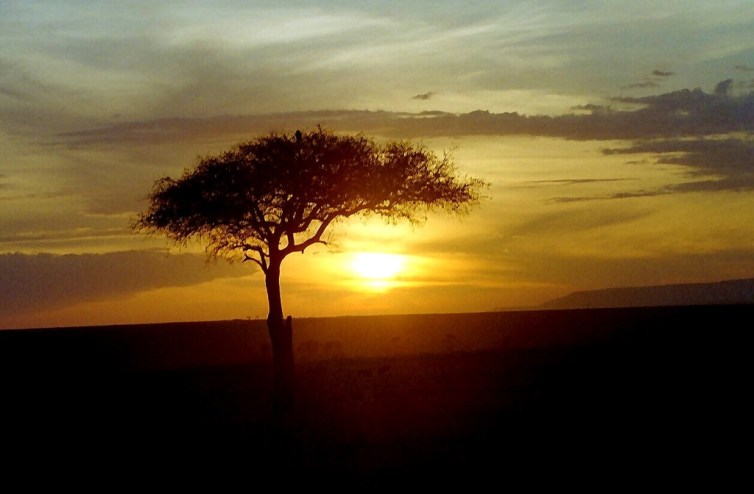
Scan-140726-0004.jpg

 Copyright 2014 Tish Farrell

For my earlier post on the baobab:                                                                                                                                               

Anthology Baobab: African Story Tree

Jungle2Jungle and Bishnu P Chapagain 2006 for more about the Desert Date

Flickr Comments for more ‘D’ words