Elephant tribe versus Man tribe: and how the bees are helping

We’ve been watching a very heartening series on BBC i-Player The Secret Life of Elephants. It followed the magnificent conservation work being carried out by Save The Elephants, a charity that operates in Samburu, Northern Kenya, and relies on the cooperation between  the nomadic Samburu people, local smallholder farmers and scientists from Kenya and beyond.  One of the key initiatives is to put tracking collars on the matriarch leaders of particular elephant clans, and also on the large bulls who, outside the breeding season, lead more solitary lives.

Elephants may cover vast distances in the course of their annual migrations. But once they leave the national parks they are more vulnerable to poachers, and also to irate farmers who are tired of having their year’s livelihood consumed in a single night. By tracking and mapping the herds’ movements on computers, and  maintaining channels of communication with the pastoralists and farmers, Save The Elephants researchers  are working out ways to lessen conflicts, and present solutions, and above all, to secure the future for wild elephants.

The Samburu pastoralists have always been wise enough to respect elephants, and are now anxious to do what they can to protect them. This is their view on the matter:


The first man said the elephant is like us, like our brother, and we have to live together, not hunt elephant. That’s what we say we were told at the beginning. That’s what we still believe. The elephant has always been, and will always be, special to us. This is why we protect it now.

Samburu people on the importance of elephants


Scan-130608-0001


For farmers it is a very different matter. People are often killed trying to drive elephants out of their crops.  And so one of STE’s objectives is to work out the best place to erect elephant fencing so that elephants can be channelled away from farming communities as they pass by on their seasonal trek between the river where they congregate to breed,  and the mountain forests where they go to browse.

Fencing, though, is not always the total solution it seems. Elephants are not daft. The old bulls have learned  how to open gates onto the vast European wheat farms that lie to the west of Mount Kenya. But while the large-scale producers can tolerate some elephant grazing, smallholders cannot. For them it is a matter of living or starving.

One of the STE researchers, Dr. Lucy King has come up with a very simple, low-tech and productive approach to keeping elephants out of Kenyan farmers’ cabbage fields.  It began with the discovery that elephants will move off if they hear the sound of bees buzzing. African bees are especially aggressive, and on a very short fuse temper-wise. She thus came up with the notion of placing beehives around farm fields.

Traditional African beehives are made of lengths of hollowed-out tree trunks that are then suspended in trees. These were hung at intervals on the field perimeters, and connected up by tripwires. When the elephants tripped the wires, the hives were duly shaken and out would swarm the angry bees. Elephants would then beat a retreat, leaving farmers with both their crops and a new source of income from the honey.

As Colonel John ‘Hannibal’ Smith was so often wont to say in The A-Team: “I love it when a plan comes together.” In this case, though, it is clearly the work of the B-Team.

Copyright 2015 Tish Farrell


Related:

I’ve written more about elephants in Elecommunication: So Many Connections

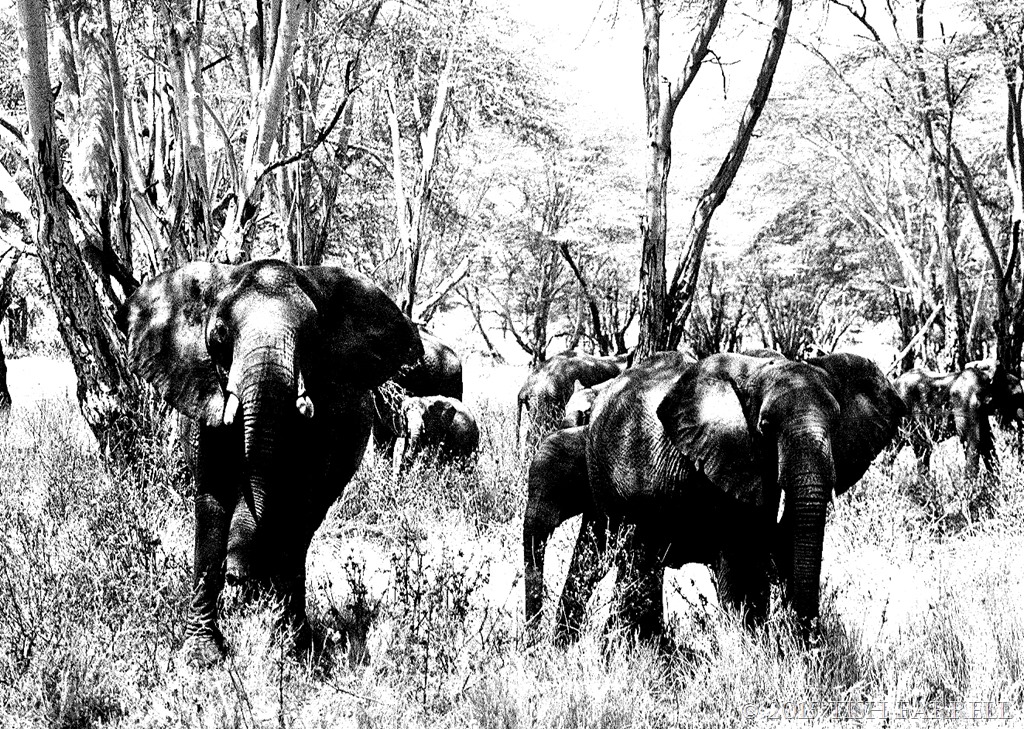
And last but never least, thanks to Paula at Lost in Translation and her guest challenger, photographer Guilhem Ribart. TRIBE is the prompt. For more interpretations, please also follow this link.  I should add that my photos here were taken in Lewa Downs which is part of Save The Elephants’ sphere of operations. The original negatives are very degraded, but seem to have a new lease of life translated into B & W. In fact they also seem to capture the elephantness of elephants rather better than the colour originals, which is interesting when you think about it.
Thursday’s Special: Seeing Red

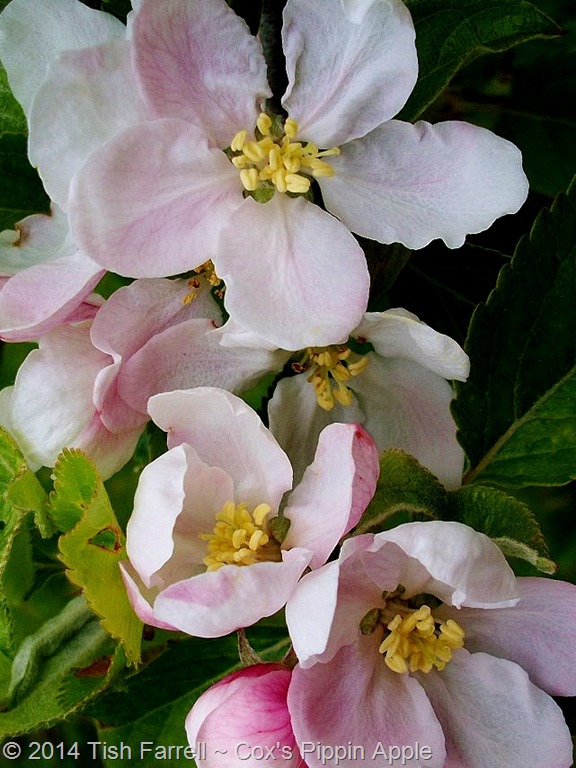
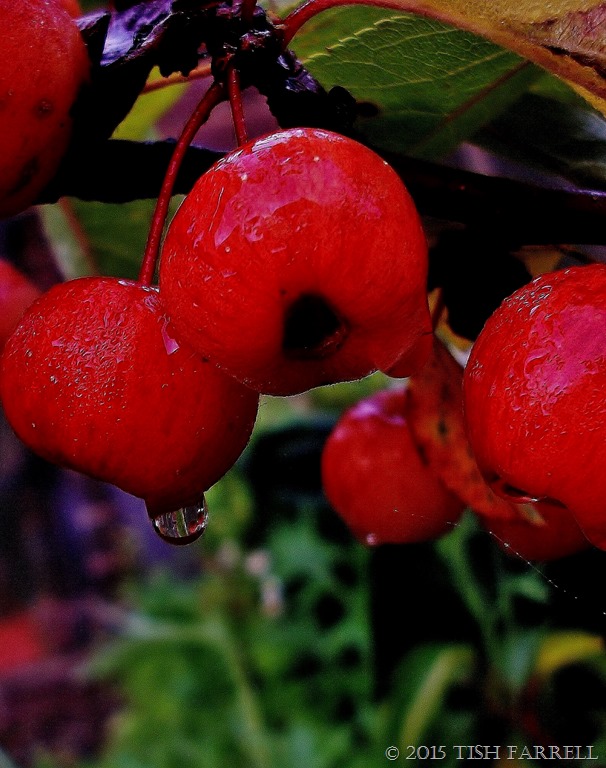
I’m in love with the Japanese crab apple tree in my garden at Sheinton Street. There is hardly a moment in the year when it does not give pleasure. Even now in February there are still a few tiny apples on its bare branches – minimally disposed like a left over Christmas tree that someone forgot to undress. The black bird still visits, although by now the apples have been frosted and lost their bloom.

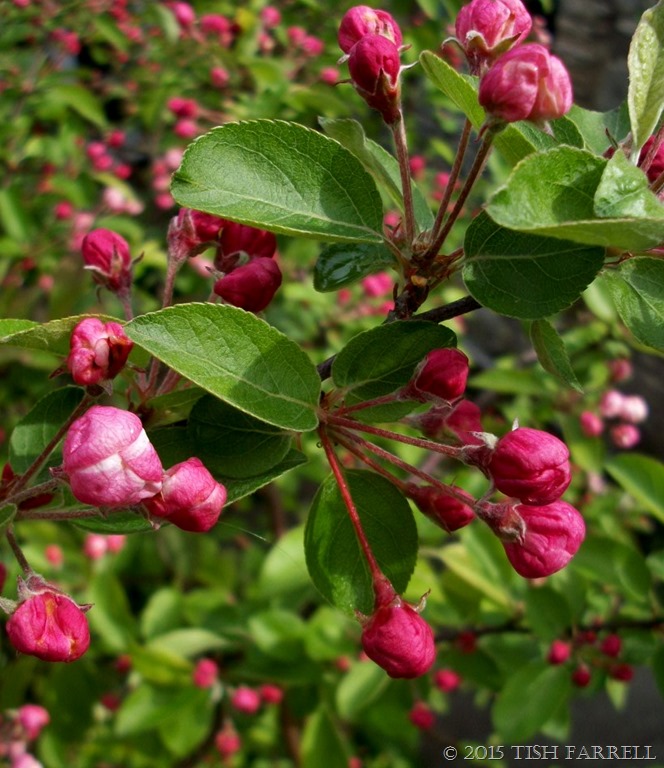
But then I also know that by the time the last one has fallen, there will be tight rosy-red buds bursting to make the next crop, bees permitting. And while I think of it, I’m grateful to fellow blogger, Mélanie at Mon Terrain de Jeux who tells me that crab apples sound much lovelier in French, and I agree – pommes sauvages.

On the other hand, my little tree is so finely wrought and well bred, and its fruit so exquisite, that I can imagine no situation when it might be tempted to wildness – unlike its large, unruly English cousins that grow in our farm hedgerows. Those I raid in October for their not so pretty fruit to make jars of crab apple jelly. (How could I possibly pick my own pommes sauvages?). The jelly is delicious on toast and croissants, and the jars glow like jewels as the hot jelly is poured into them. Mmmm.

More things to look forward to then: blossom, bees, pommes sauvages, toast…

100_5546

For Paula’s Thursday’s Special challenge ‘Red’ at Lost in Translation

Still Life at the Allotment

100_6630

Mid October and the marigolds are still blooming up at the allotment. I love the way they simply grow themselves amongst my vegetables. In a mild winter they may flower into December.  It was also good to see this bee out and gathering pollen. These days, every bee is precious. Once we have killed them all with agri-chemicals, we can expect to starve. It’s as simple as that. My allotment empire has recently expanded – more of which in the next post – so I’m intending to grow more varieties of late and early flowering plants on my plot. Or maybe I should simply stick to marigolds, and let them grow EVERYWHERE. The flower petals are lovely in salads, and a herbal tea of marigold flowers is good for warding off flu. Simply looking at them makes you feel better. All that orange straight into the brain, lighting up the little grey cells as the days darken.

‘Happy Autumn’ northern dwellers.

100_4930


For more vibrant treats visit Cee’s Fun Foto Challenge

Rooti-toot-toot, it’s spring at the allotment: up close and vegetal

100_5367

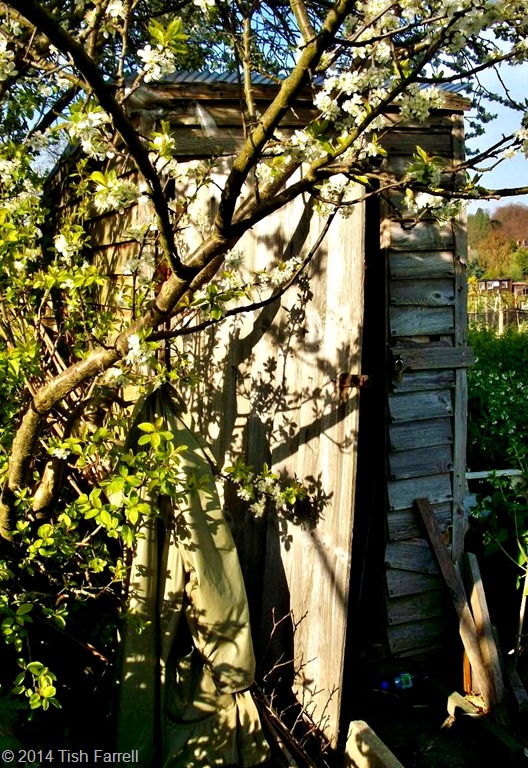
Well the old shed has made it through another year. A couple of bits have fallen off, but last year’s application of internal bracing by the Team Leader, aka Graham, has kept its tendency to list in an easterly direction in check. Would that we all had such a bracing. Over the winter it housed a poor mummified mouse, and snails still go to roost in there. I’m not showing you the inside, though. You definitely do  not want to see in there.

100_5374 (2)

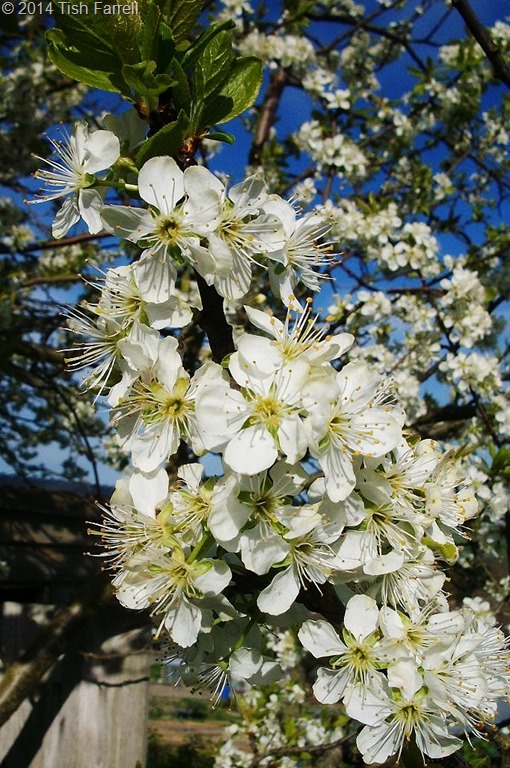
Instead, here is the ancient greengage tree with its delicate blossom. Already I’m wondering if it will give us some fruit this year. Greengages are notoriously temperamental, and after the magnificent crop in my first year of allotmenting that had us, and all our friends and relations, dribbling with delight over bucket loads of luscious harvest, it has borne very little. That was seven years ago. Maybe this year is the year then.

100_5362

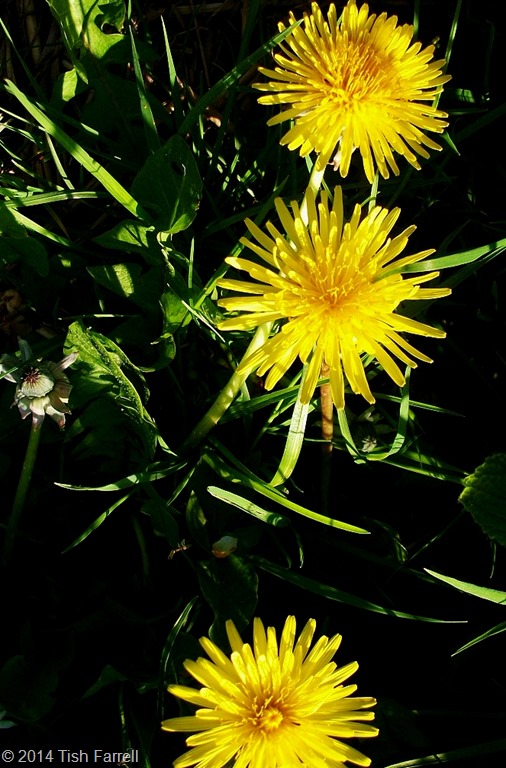
There are loads of jobs to do, not least digging. The endlessly wet autumn and winter meant that winter digging was impossible, so there has been much to catch up on. Meanwhile the weeds are literally having a field day, which makes this the the season of dandelion beheading. (Sorry, dandelions). They are sprouting up all along the paths between everyone’s plots, and I’m afraid I find great satisfaction in slicing off these cheery faces with my strimmer. Their replacements are anyway there the next day, beaming vigorously.

100_5637

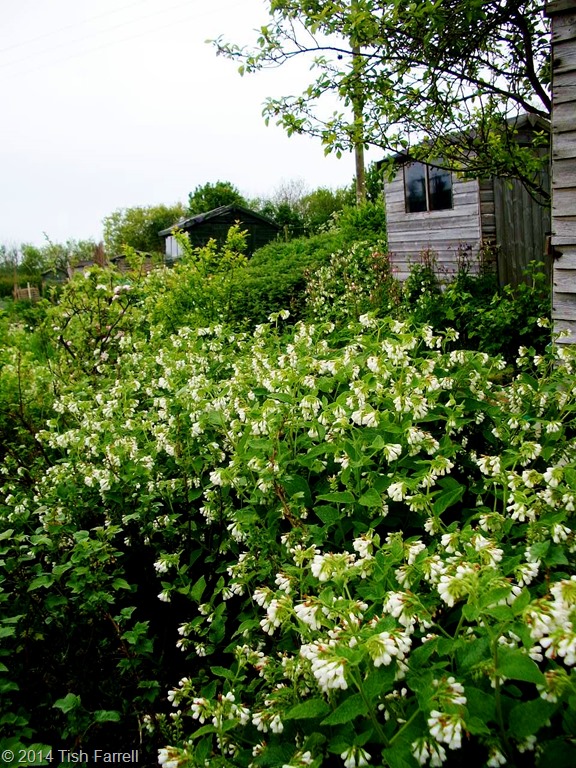
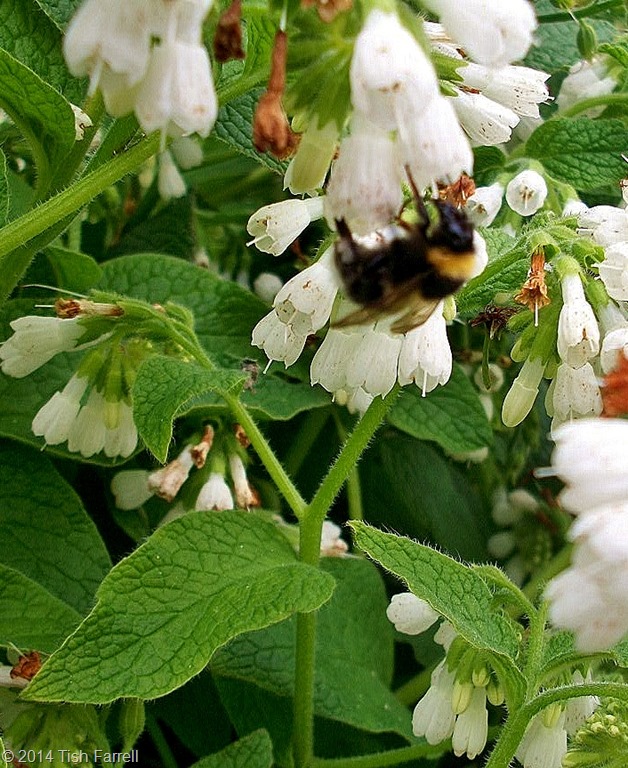
Then there is the comfrey forest to manage. This plant I crop and cherish. You cannot have too much of it, and it obligingly grows  itself in a huge clump beside the shed. If you cut it down after flowering, it will grow again and again during the summer.

Comfrey, as I have mentioned before, is the organic gardener’s dream plant. It comes in other shades, pink to purple through blue. Its ability to mine otherwise inaccessible  nutrients from the soil (dynamic accumulation I believe this is called) and repurpose them in its foliage make it an endless source of cost-free fertilizer. It is one of the reasons why you can’t look in my shed. I do my brewing in there. And no. It’s not what you think.

100_5645

For those who missed an earlier post on this, I stuff old compost bags with the comfrey’s  top growth, seal them with clothes pegs, cut a hole in the corner of each bag, and prop it over a bucket and wait. In the warmth of the shed the vegetation soon rots down, giving out a dark and evil looking liquid that collects in the buckets.  This stuff is pretty smelly, although nowhere near as pungent as the slimy residue left in the bag, which then ends up on the compost heap. The liquid I  decant  into old plastic bottles, and use as a feed through the growing season. It is 3 times richer in potassium that farmyard manure, but it must be diluted 1 part comfrey essence to 15 parts water.

The blurry bee above would not stay still for the shot, but that’s another good thing about comfrey. Bees like it. As I took this, I spotted at least 4 different kinds: a honey bee and three bumbles of varying liveries and sizes. Having written of the dire things that are happening to bees, it’s heartening to see so many at the allotment doing their work. Thank you, bees.

100_5647

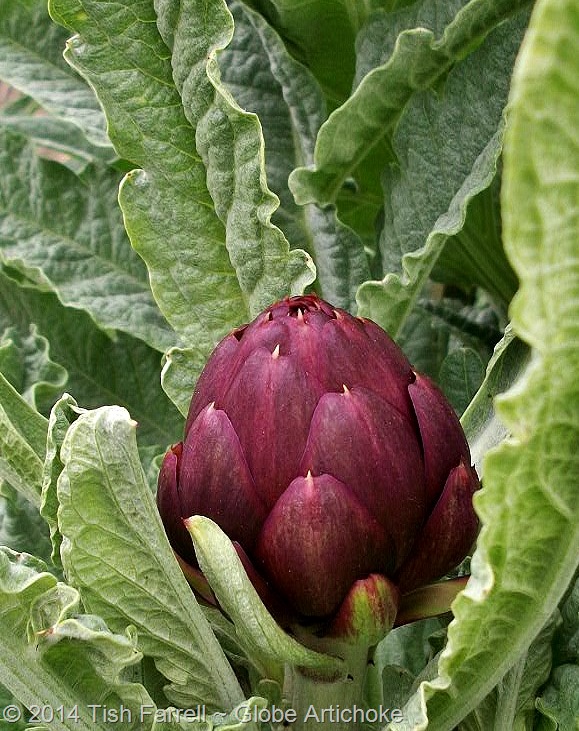
The mild winter has meant that many crops simply kept going without dying back. Yesterday I noticed that my globe artichokes have already made globes almost big enough to eat. In May? What is going on?  But thank  you, artichokes.

100_5611

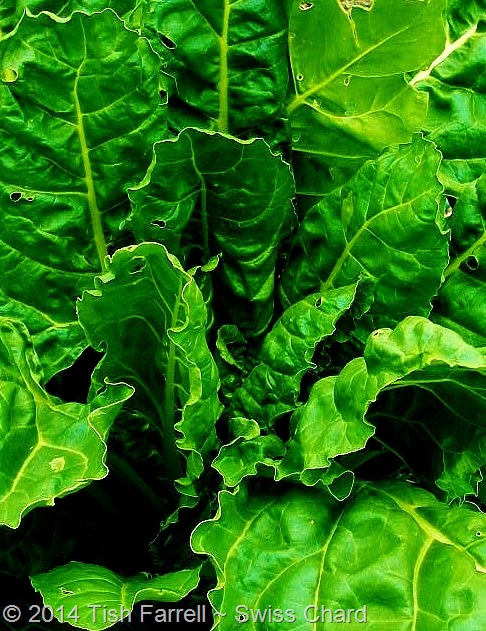
The Swiss Chard has been magnificent too and kept us going through the winter with fresh new leaves. It is only now going to seed. Nor did I sow it in the first place. It seeded itself around my plot from my neighbours’ plot. Thank you,  Pete and Kate.

100_4188

And now you can look at my Red Duke of York spuds, their foliage just pushing through the soil. I love the purple flush on the new growth.

100_5631

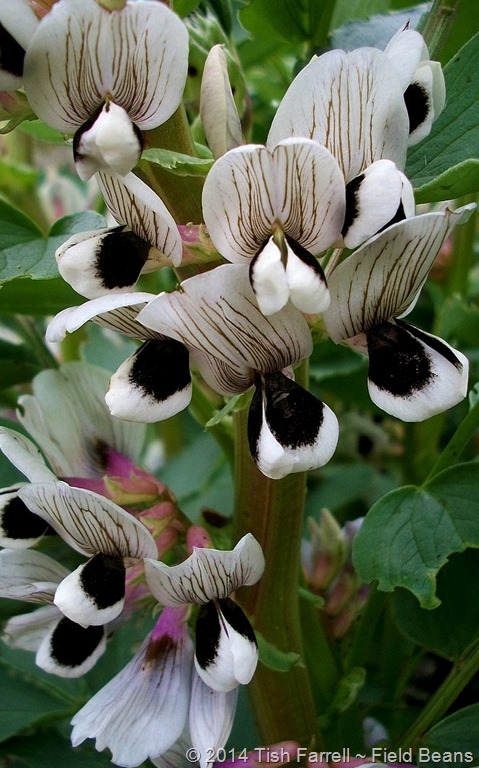
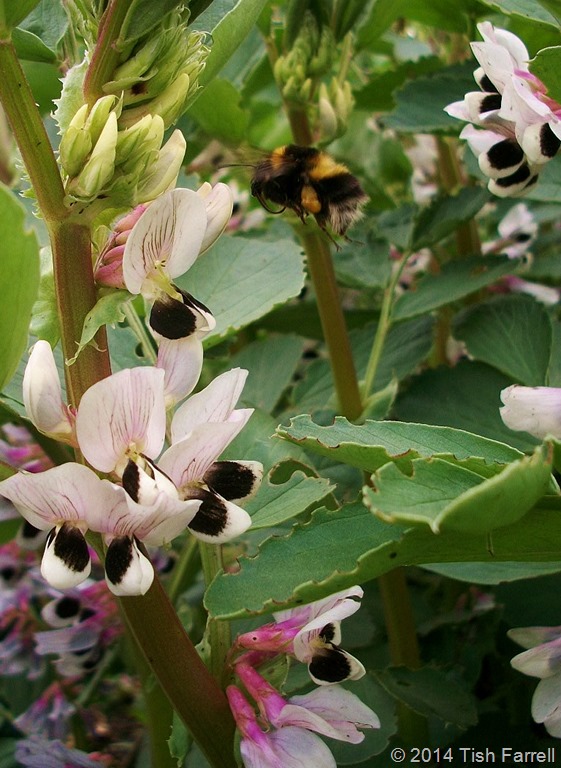
And next are my over-wintered field beans (rather like broad beans I am told, but smaller and tastier). This is the first year I have tried them. The metre tall stems are covered in blossom from tip to root, and the scent is glorious. The bees are busy here too.

100_5620

100_5619

*

And last but not least, the strawberries are flowering like crazy…

100_5616

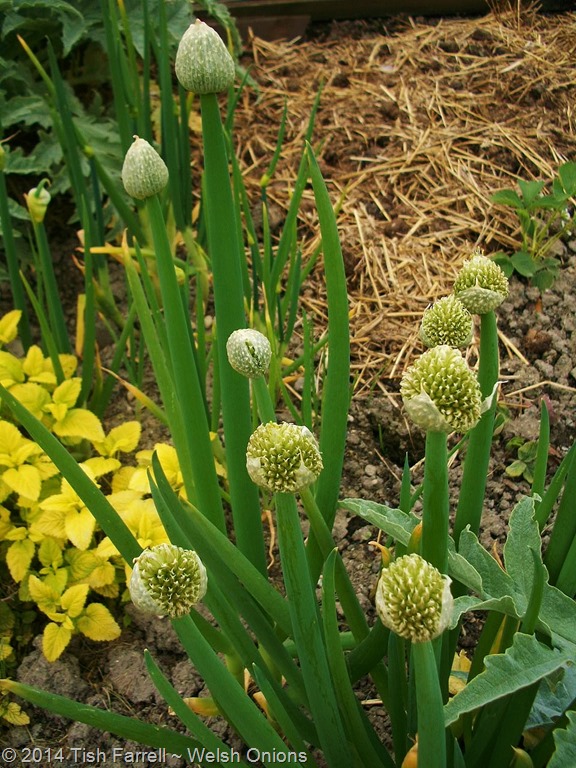
And the Welsh Onions are bursting into bloom beside the Lemon Balm, although I’m not sure whether I should be stopping them from doing this. On the other hand they will look rather splendid as the flowers open, and of course make lots more seed.

100_5613

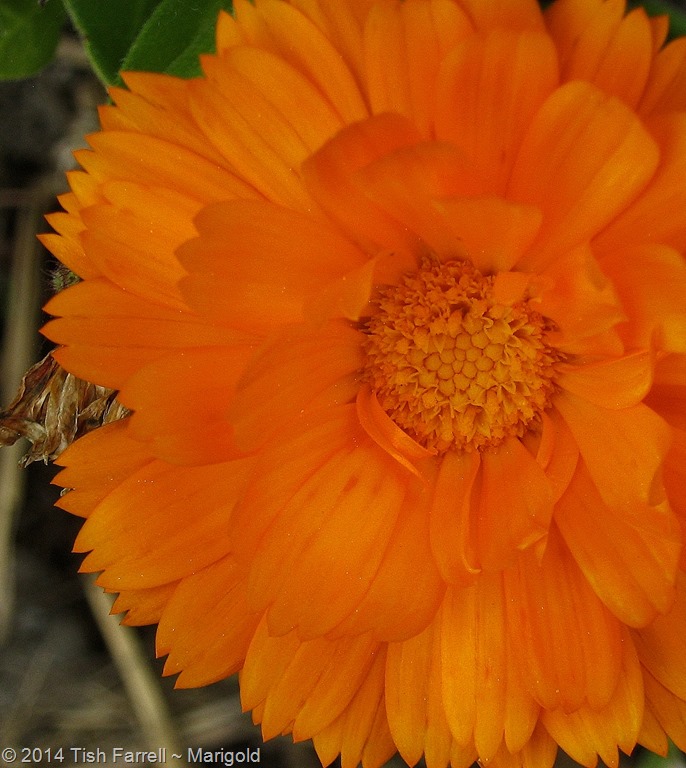
And finally, the brightest face of all at the allotment, other than mine after too much digging. This is yet another lovely plant that grows itself up there with no help from me, and flowers into the winter. Its petals are lovely in salads, and it makes a good herbal tea that is said to improve pretty much any condition. I can believe it. Simply looking at this flower does you good: the orange goes right through your eyes and into your immune system. A big hand then, for the marigold. TARRAAAAH!

IMG_1137

© 2014 Tish Farrell

Please go to all these places for lots more brilliant stories:

Frizztext’s tagged ‘R’

Ailsa’s Travel Challenge ~ Close-up

DP Weekly Photo Challenge ~ Spring

Three bees, two bees, one bee, gone bees?

100_3915

100_3920

100_3926

There have been worrying reports this week that wild bumble bees are now catching  deadly diseases from domesticated honey bees. Numbers are declining  across Europe, North America, South America and also in Asia. You can read the Guardian article about the situation HERE. Then there are problems with pesticides that halve bees’ capacity to gather pollen. Last month the Guardian reported that:

“A two-year EU ban of three neonicotinoids, the most widely used insecticides in the world, began in December, following research that showed harm to honey and bumblebees. The neonicotinoids are “systemic” pesticides, being applied to seeds so that the chemical spreads within the plants. Over three-quarters of the world’s food crops require insect pollination, but bees have declined in recent decades due to loss of flower-rich habitat, disease and pesticide use.”

You can read the rest of the article HERE.

One thing is certain, without bees we will start going hungry. But if this is all too depressing, here’s a view of our Much Wenlock garden taken last summer where there were in fact very many bees. So for all of us who think that winter will never end, take heart. Summer will come again.

100_3922

Weekly Photo Challenge: threes for more trios

@guardian @guardianeco

Bee-line

Word a Week: vibrant

100_3915.jpg

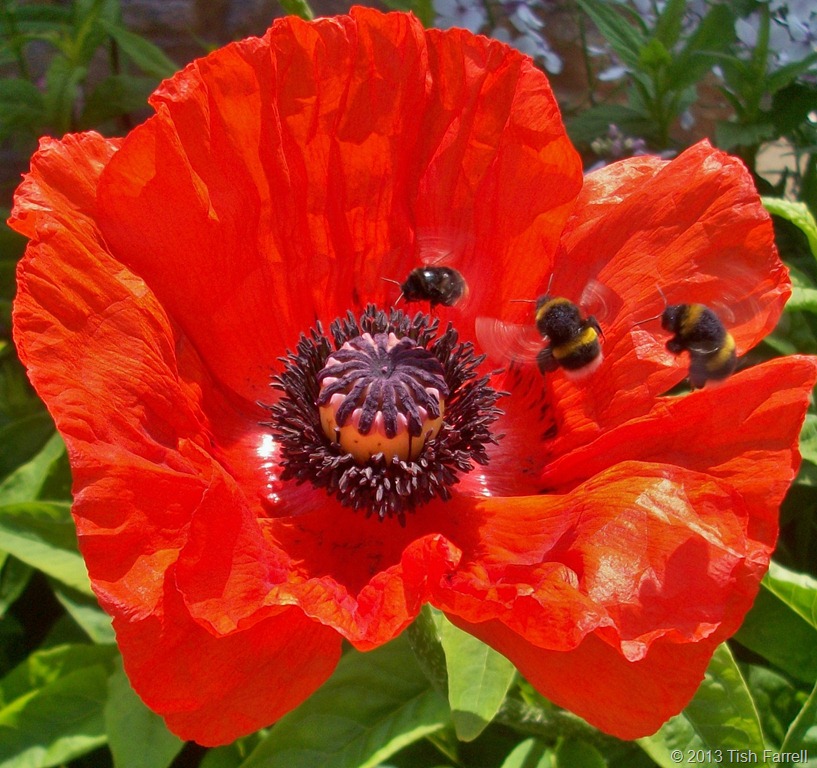
Click on the image to enlarge. This photo was taken blind (because the sun was shining on my camera screen), and on a happy snapper Kodak Easyshare. So I cannot take much credit for any of this. But isn’t it good to see so many bees, and especially after hearing of all the pesticidal threats to their existence. So a big cheer for the bees. We cannot live without them. Love the way you can see the fluttering wings.

My writer’s mind, much like  my garden, is often chaotic and full of weedy overgrowth. And so this morning, as a ready excuse not to tackle the former, I decided to go into the other weedy place in pursuit of something for the ‘A Word a Week’ challenge. I also thought I would try to overlook the fact that Sue, who set the challenge is very annoyingly enjoying tropical wonders in Malaysia while manfully coping with WFDS – wi-fi deficiency syndrome.

Apart from which, this is just the other excuse I’ve been looking for to show off some of the rampant vegetation in my small but multi-level flowerbeds. So welcome to my garden on the Edge of Silurian Shores.

100_3860

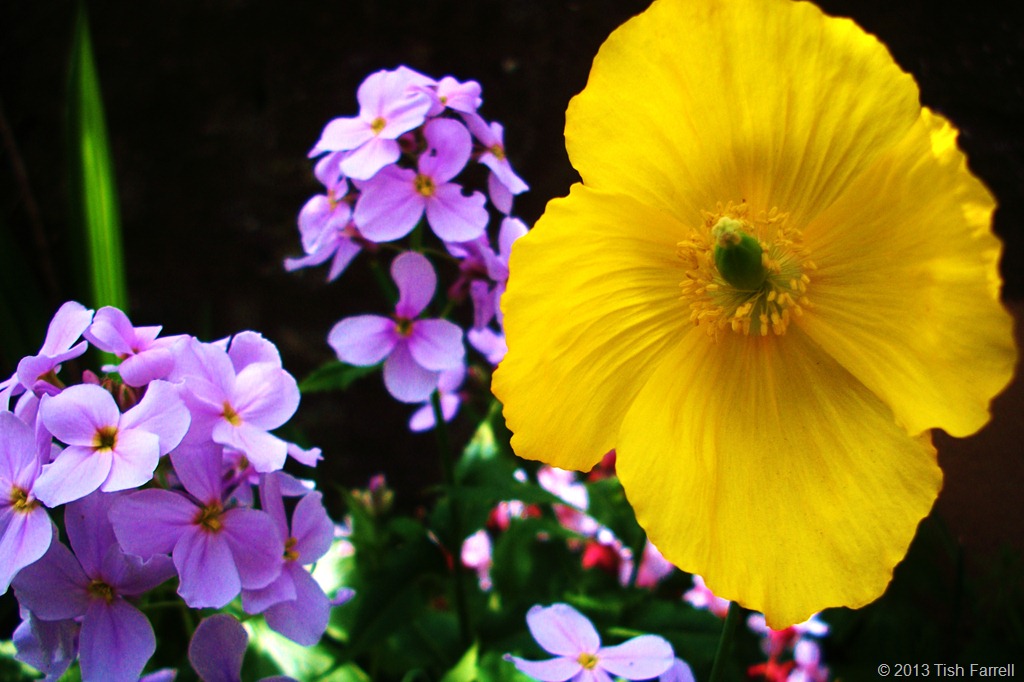
Wild stock and Welsh Poppy. These came from my batty Aunt Miriam’s Devon garden. She is no longer with us, but doubtless is dead-heading and pruning and stealing cuttings somewhere in the big garden in the sky.

100_3874

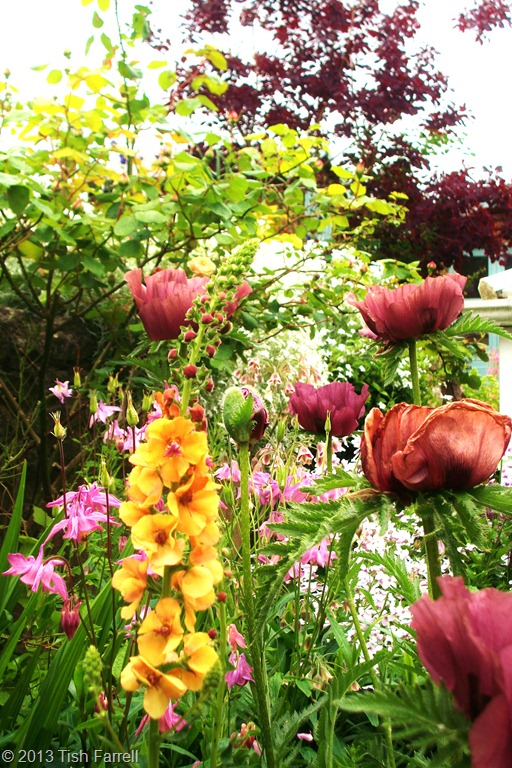
Verbascum, columbine, Patty’s Plum poppies

100_3887

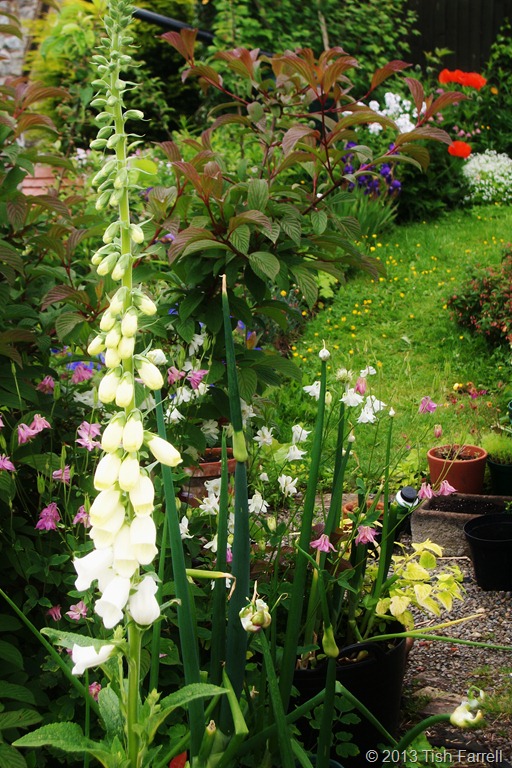
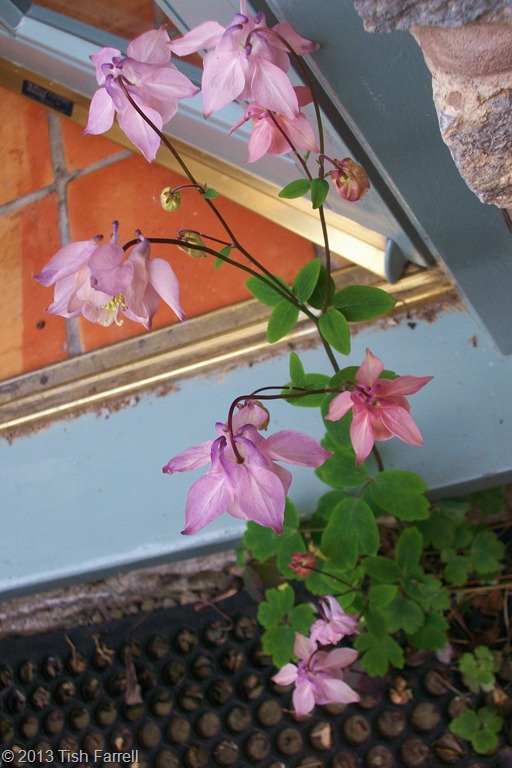
This white foxglove has grown itself in the path along with the pink and white columbine. I love plants that do their own gardening.

100_3797

Pasque flowers going to seed at sunset – much like the photographer.

100_3681

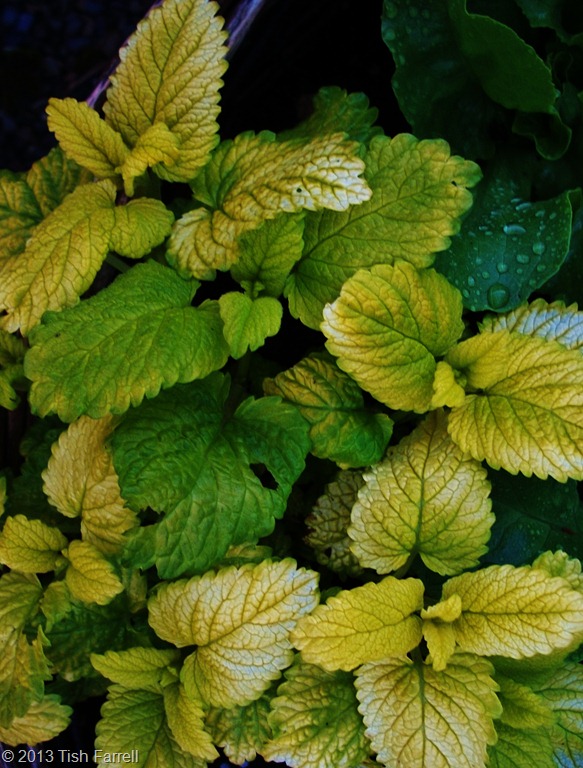
Variegated Lemon Balm not only smells delicious when you brush by it, but it makes a wonderful soothing tea if you are feeling stressed. Also good in Pimms and shredded finely on strawberries. Or in salads and tabbouleh.

100_3677

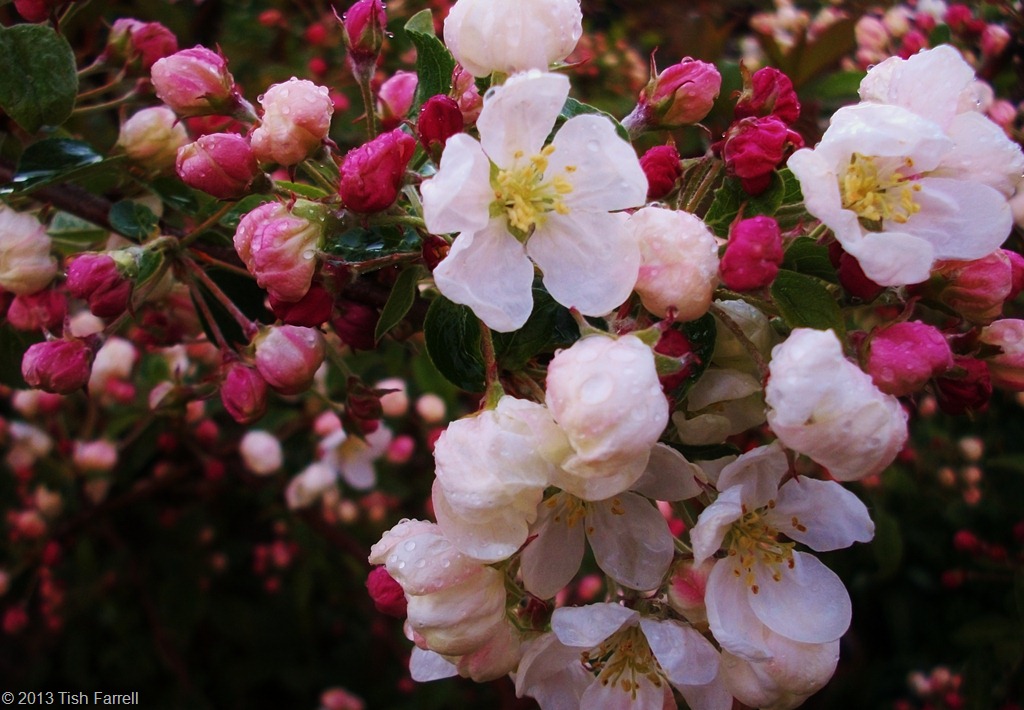
Japanese Crab Apple in bloom a few weeks ago. Already there are thousands of tiny apples forming. You can see  what they look like in autumn here. Wonderful for crab apple jelly, and of course emergency winter rations for the black birds.

100_3859

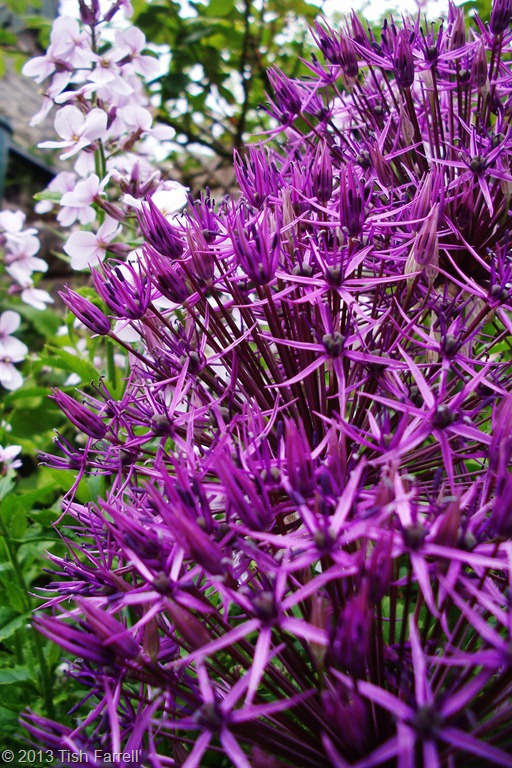
Allium.

100_3804

The garden coming into the kitchen, though a certain amount of vigilance and exclusion must be deployed. Having suffered an invasion of leopard slugs on my counter tops and in the spaghetti, I definitely draw the line at all forms of molluscs coming in too.

100_3847

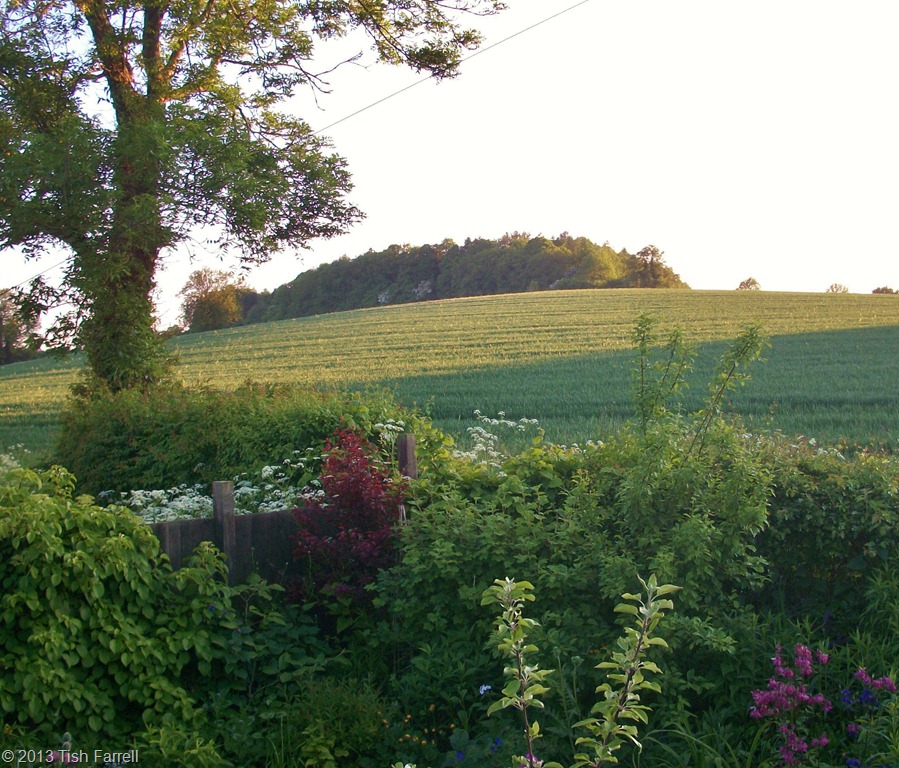
Townsend Meadow behind the garden and looking towards Wenlock Edge. For geology lovers this  upthrust limestone ridge was once the bed of the tropical Silurian Sea i.e. c.400,000 million years ago. At that time this piece of ground was lying somewhere off East Africa.

100_3849

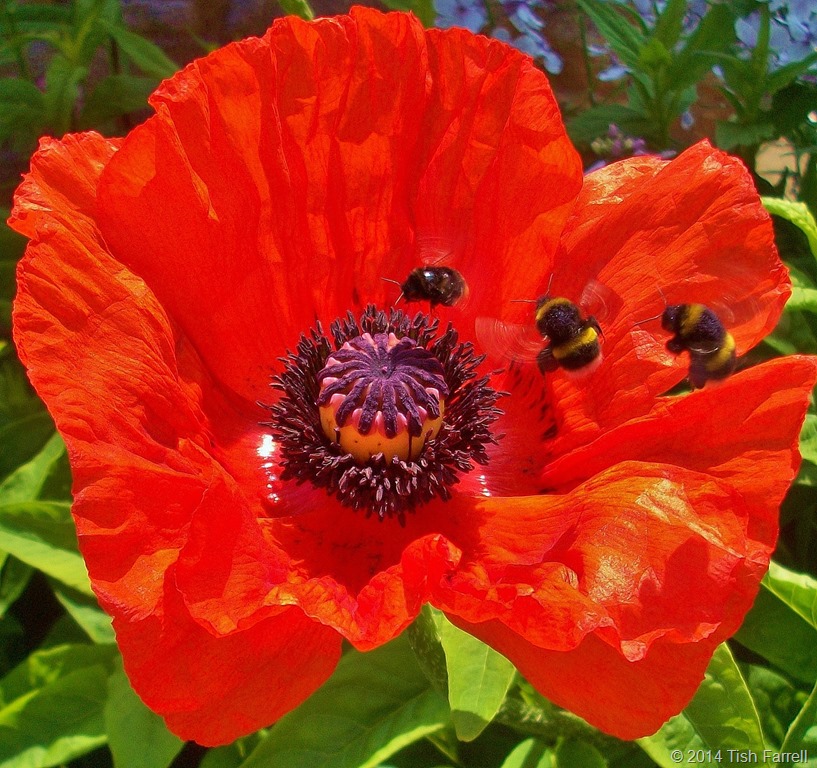
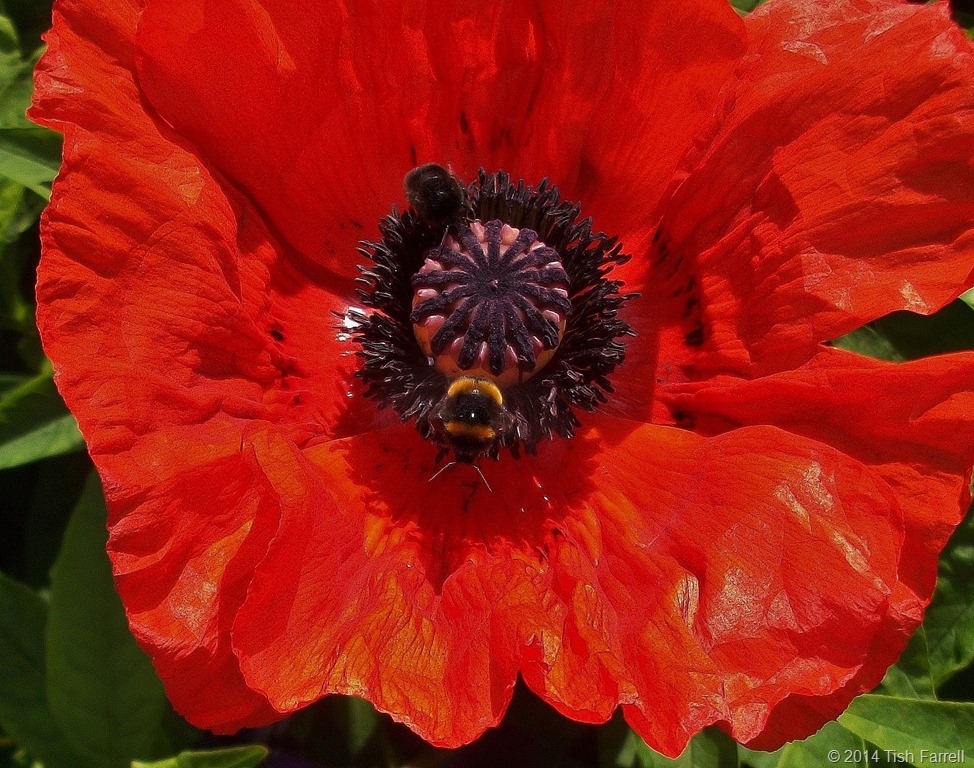
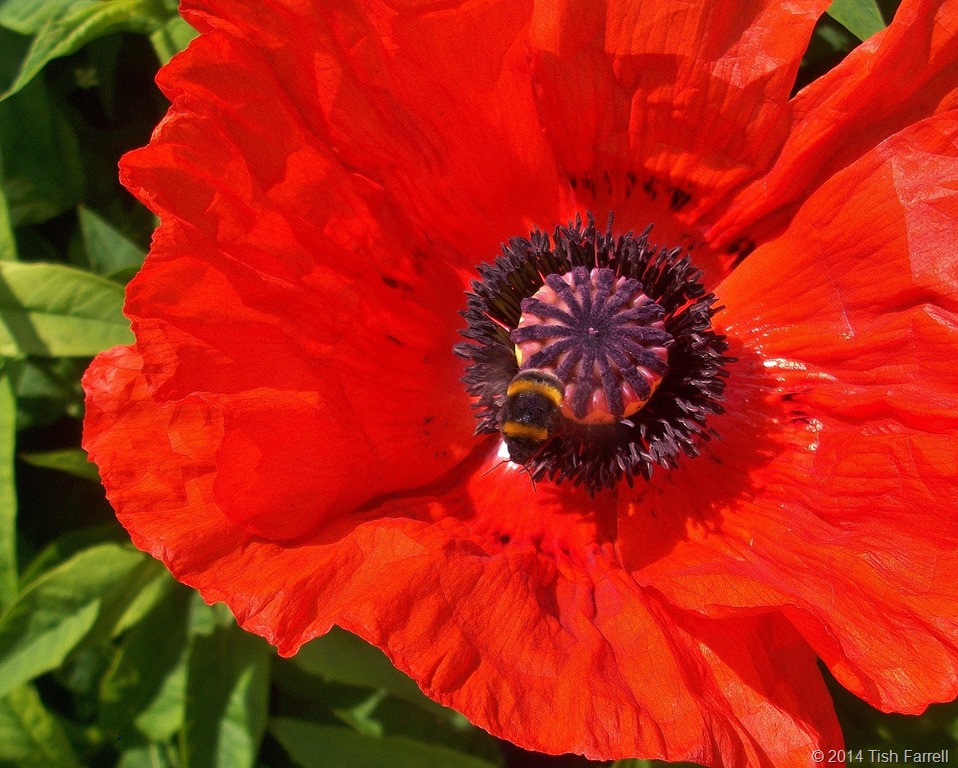
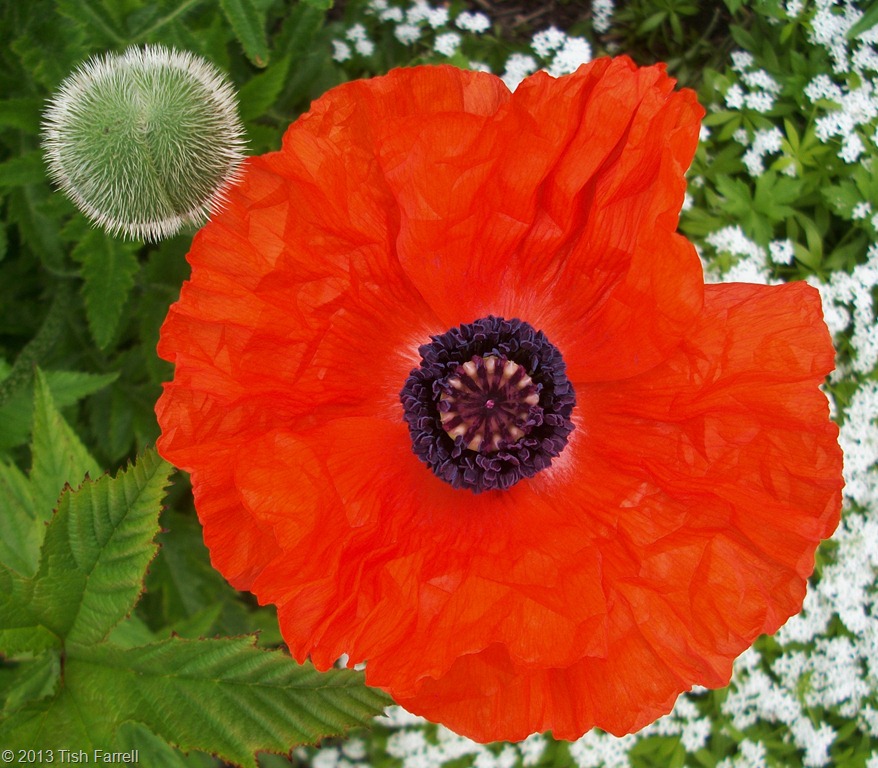
And because one look isn’t enough, another view of an oriental poppy, freshly opened, but not quite pressed.

Finally, a Bee Movie. And for all those who follow Frizz on Flickr Comments, please note the sound effects. Don’t they remind you of something?

‘B’ Movie