‘Drawn from the Earth’ ~ Art In The Garden At Wildegoose Nursery

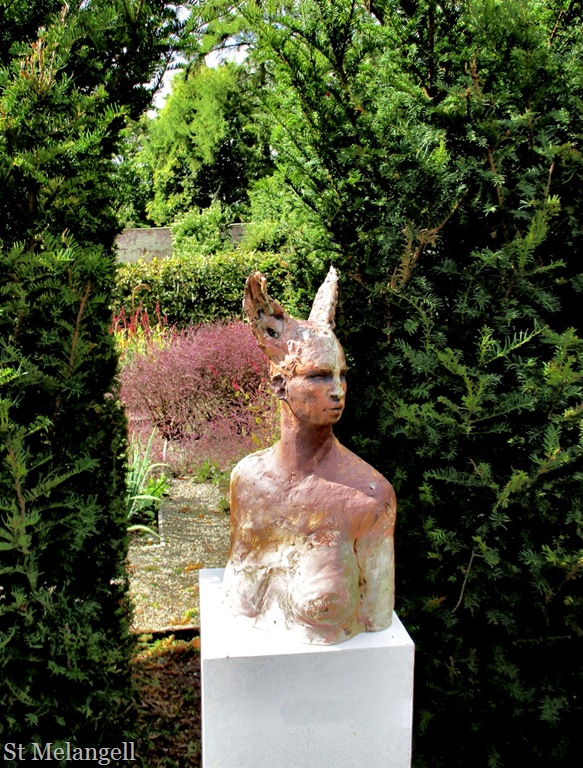
large female bust 2

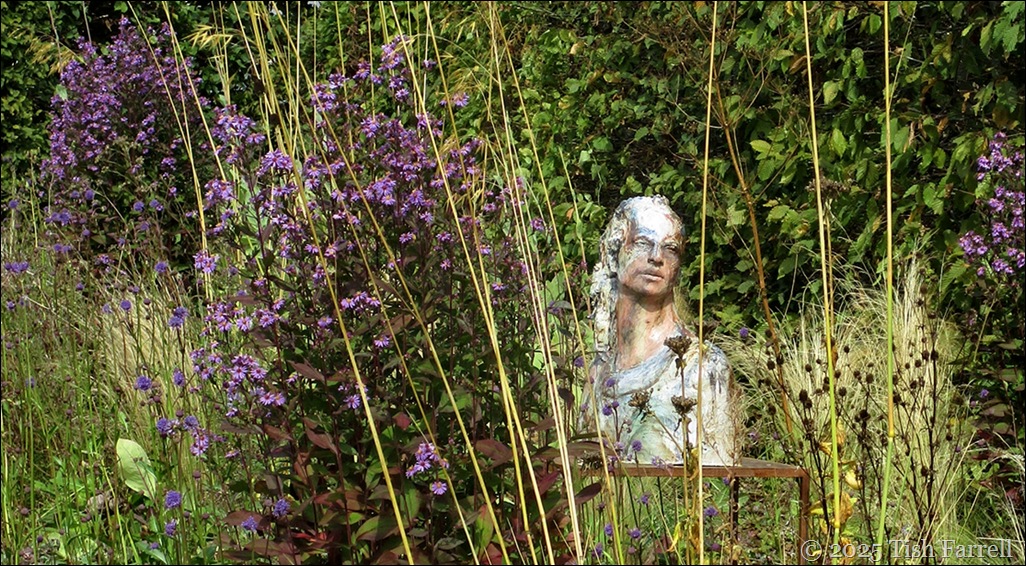
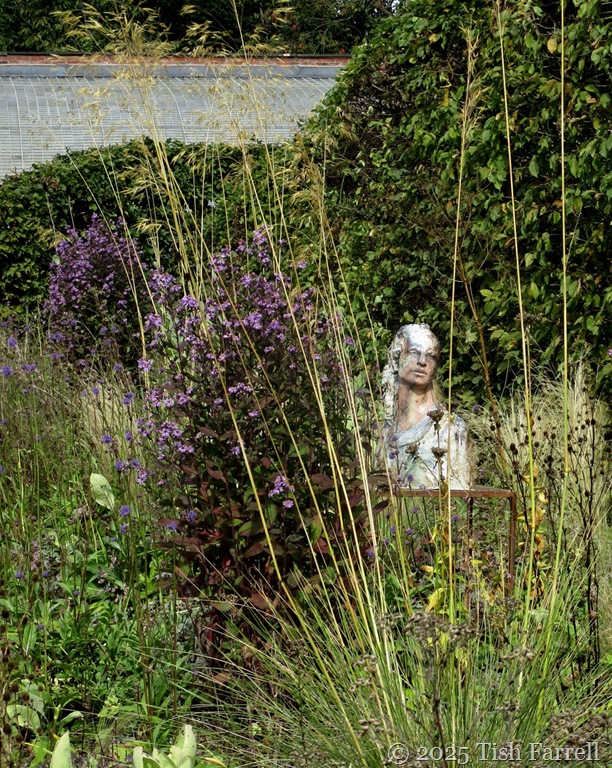
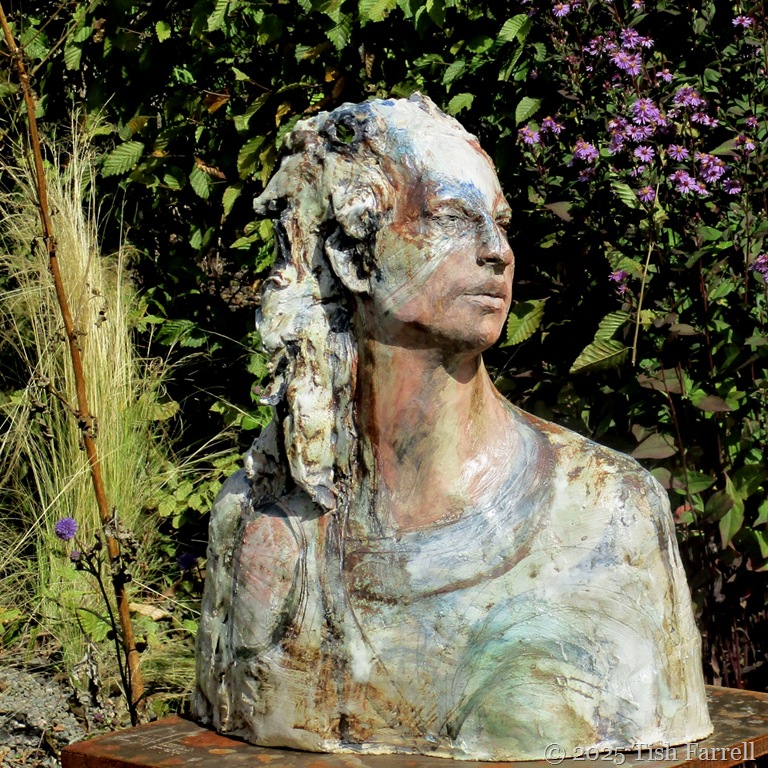
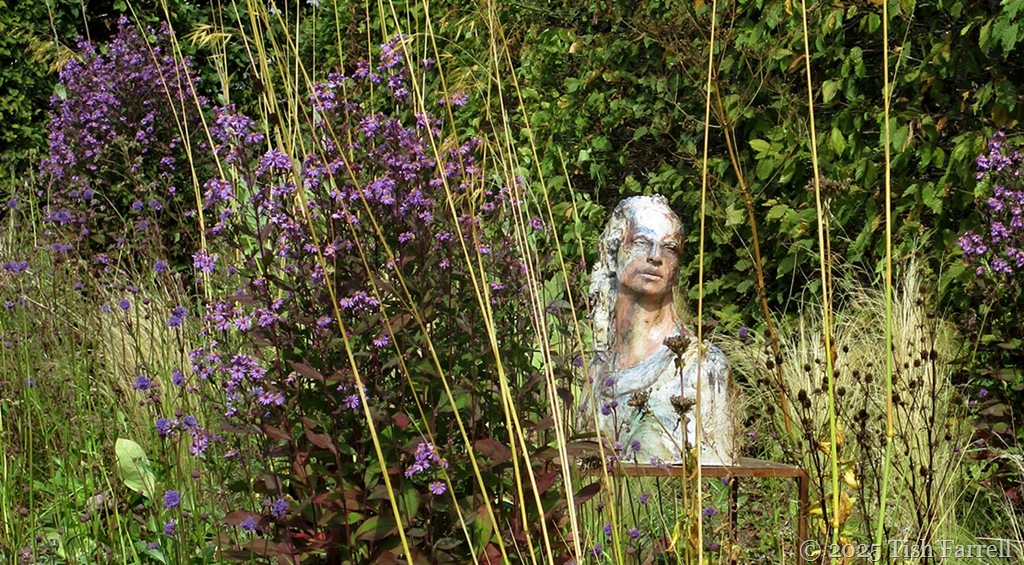
In the last post I said I’d show some of the artworks from Mary Elliot’s ‘Drawn from the Earth’ exhibition, hosted last week by Wildegoose Nursery.  The setting is a series of garden ‘rooms’ created in an old and magnificent walled garden. The late summer plants and grasses made an otherworldly backdrop for Sharon Griffin’s ceramic figures.

large female bust

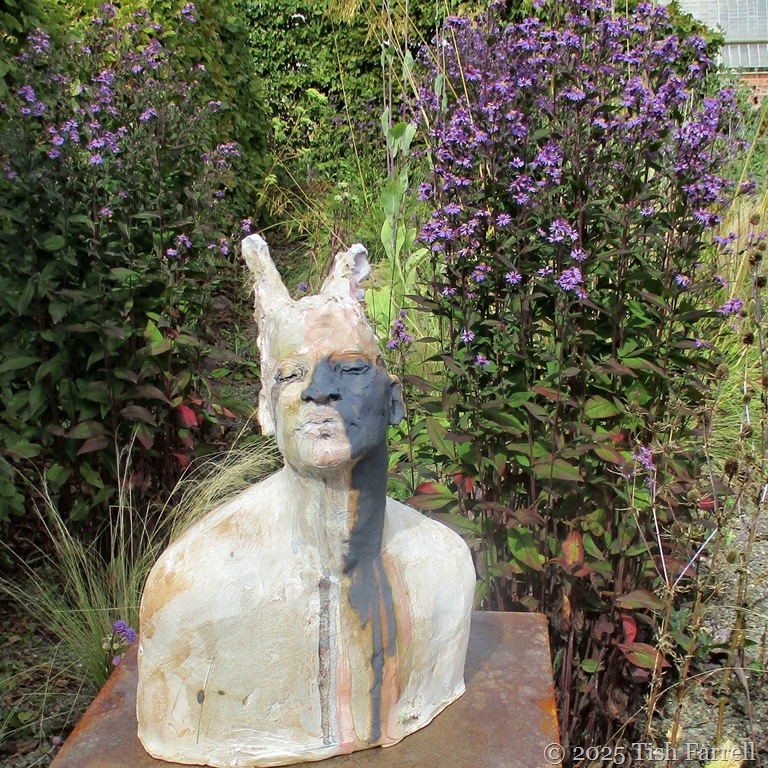
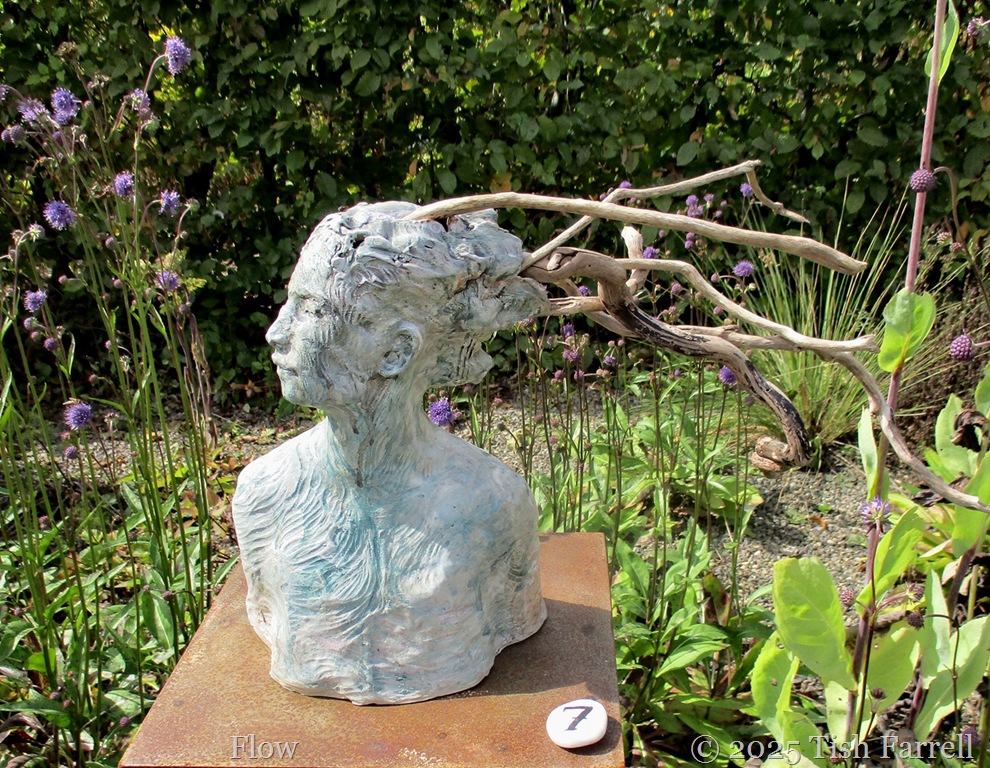
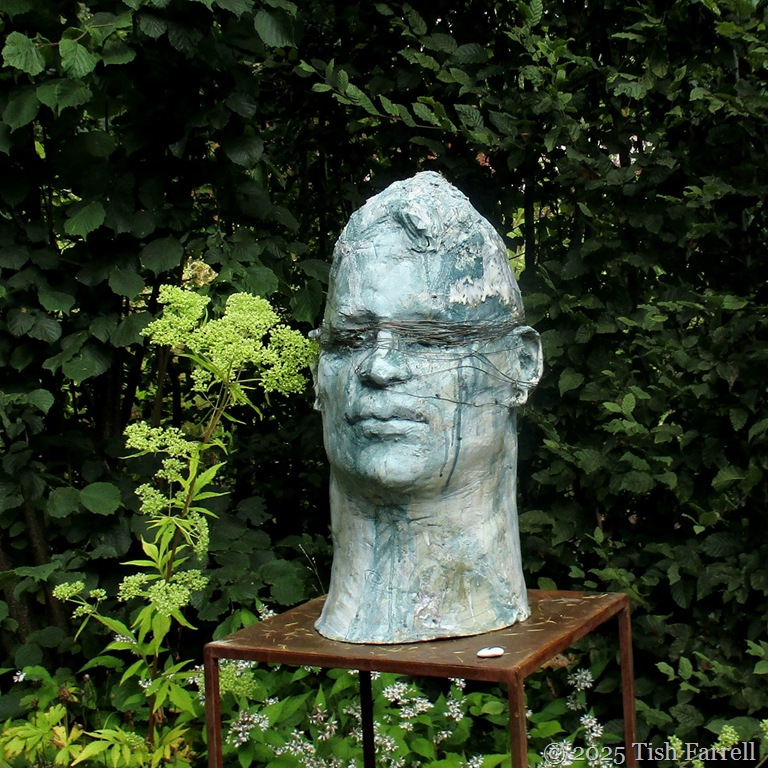
Her work is haunting. To come upon her pieces, as if by chance, in a garden that is slipping into autumn, gives them added drama; a life almost. There’s a sense of ‘old gods’ invoked; forgotten stories being retold.

Or in her own words:

I make work which explores the universal human condition…clay allows me the freedom for pure expression; a re-connectivity with the land and ancestral storytelling…

art 4

faun with shadow ears

Faun with a shadow face and deer ears

*

Flow

Not so blind that I can't see Sharon Griffin

‘Not so blind that I can’t see’

*

small figure

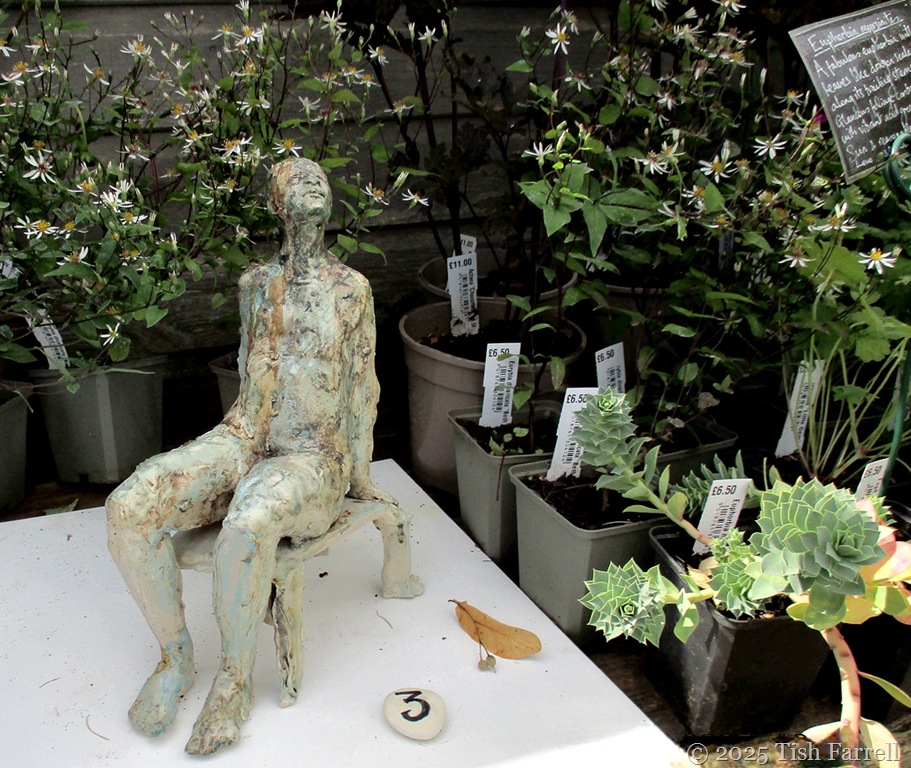
And on the plants for sale table: ‘The Gardener’

*

I only came upon this one work by sculptor, Glen Farrelly.  It’s called ‘Formation’. I perhaps find it more personally appealing than the Sharon Griffin works. i.e. in the sense I could see myself living with it. I loved its setting amongst the pale green Patrinia seedheads and red sedum, the spires of dying flower stems and grasses.

Art 4a

*

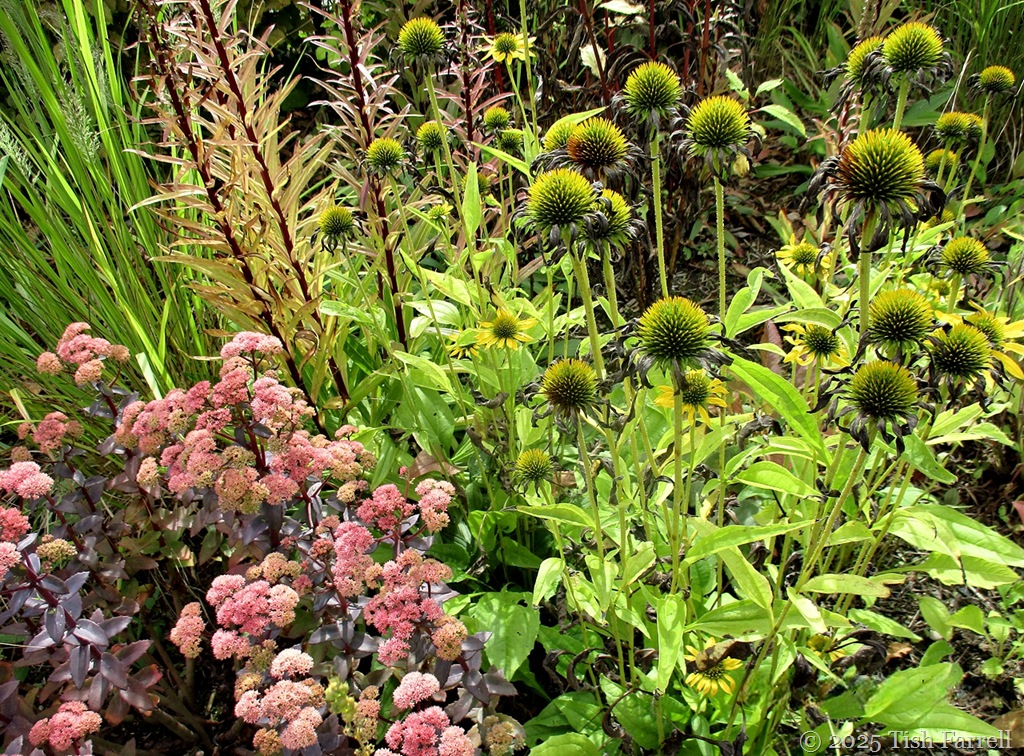
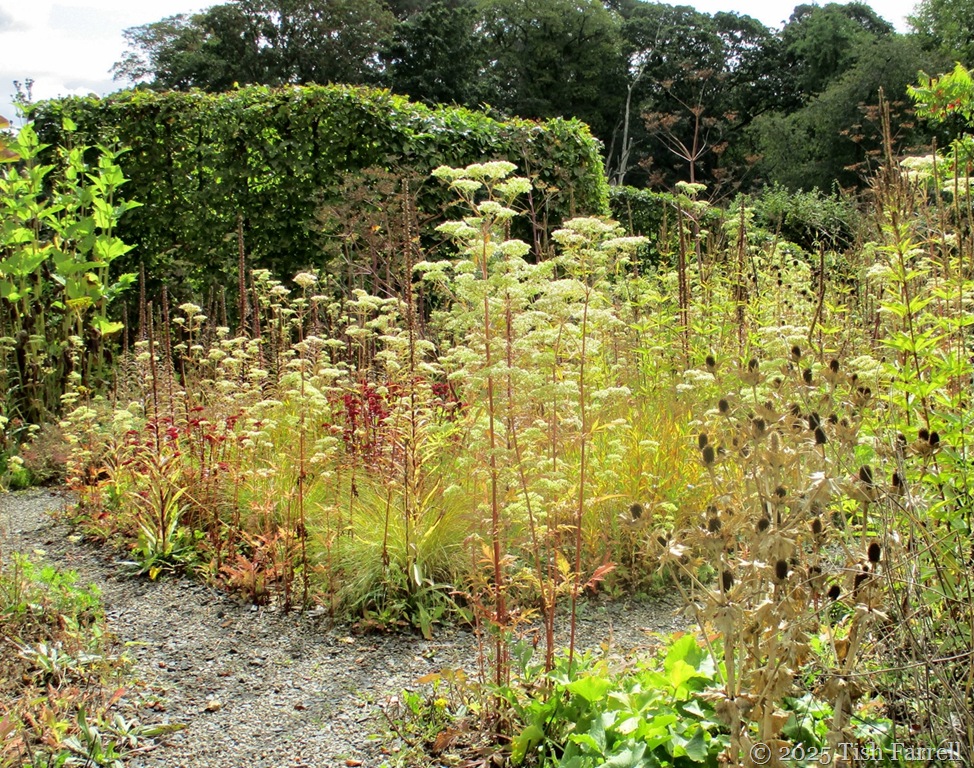
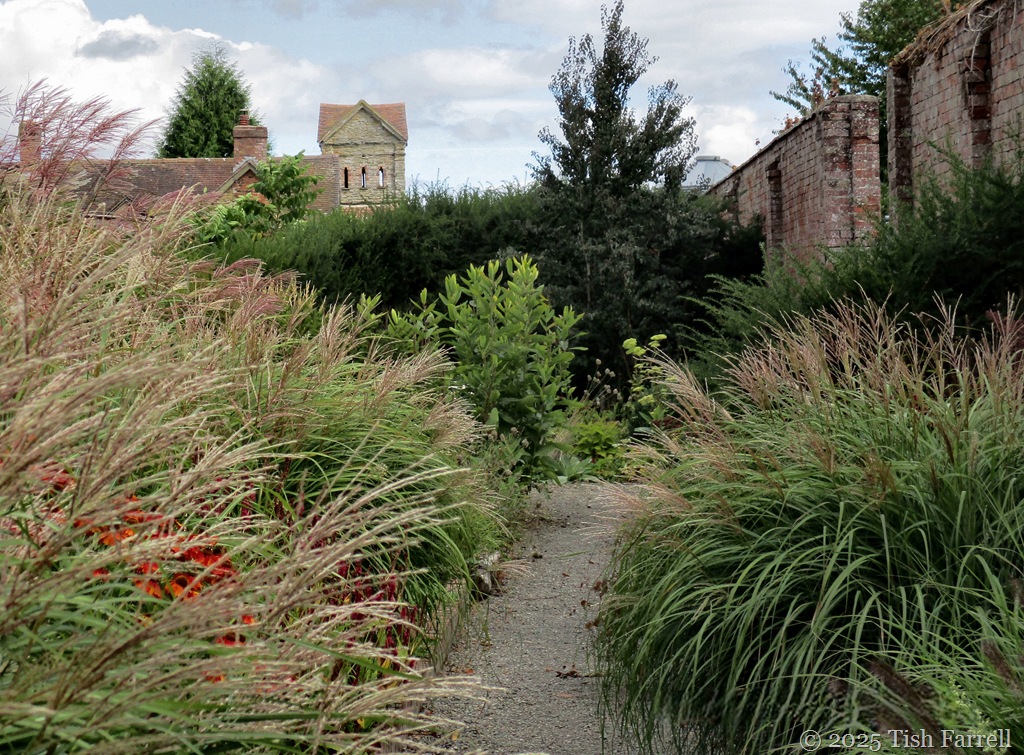
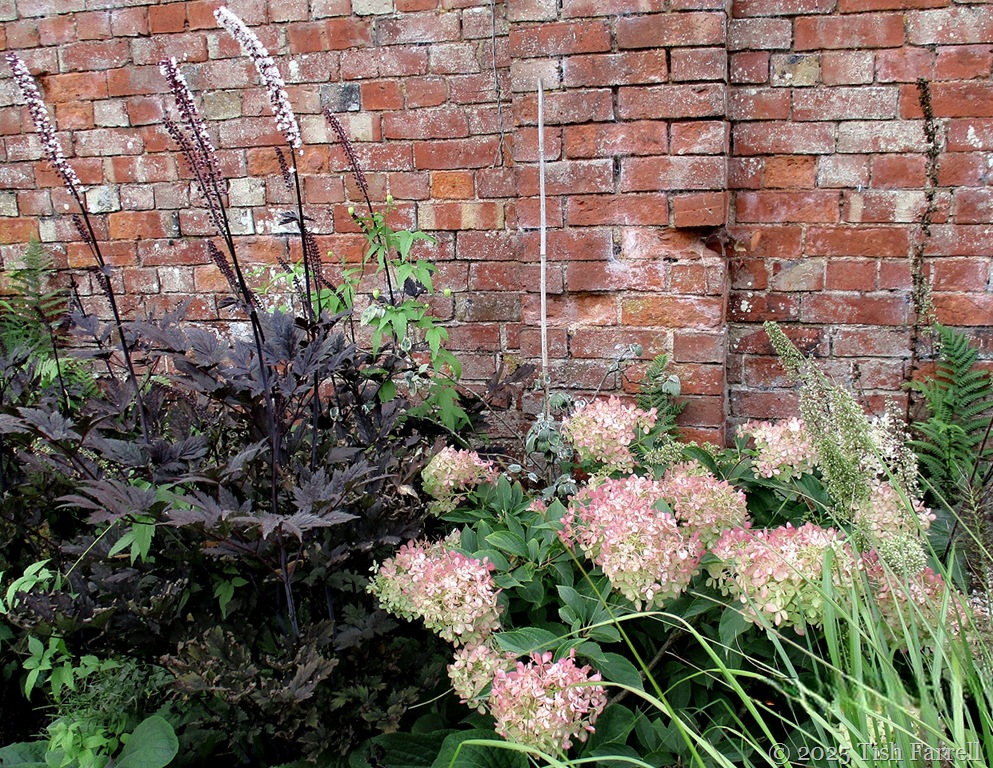
And finally some more views of the gardens – plants making their own end-of-season artworks.

echinacea and ice plant

hydrangea and actaea

Wildegoose 1

wildegoose 2

*

Mary Elliot’s drawings and paintings can be seen HERE.

header 2

Evolutionary Geometry?

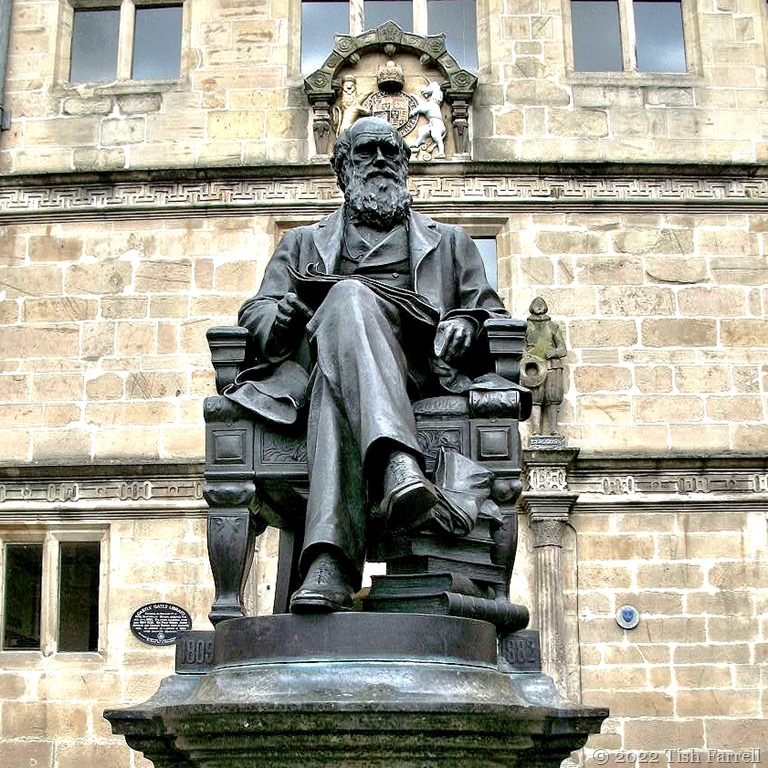
P1070061 Darwin

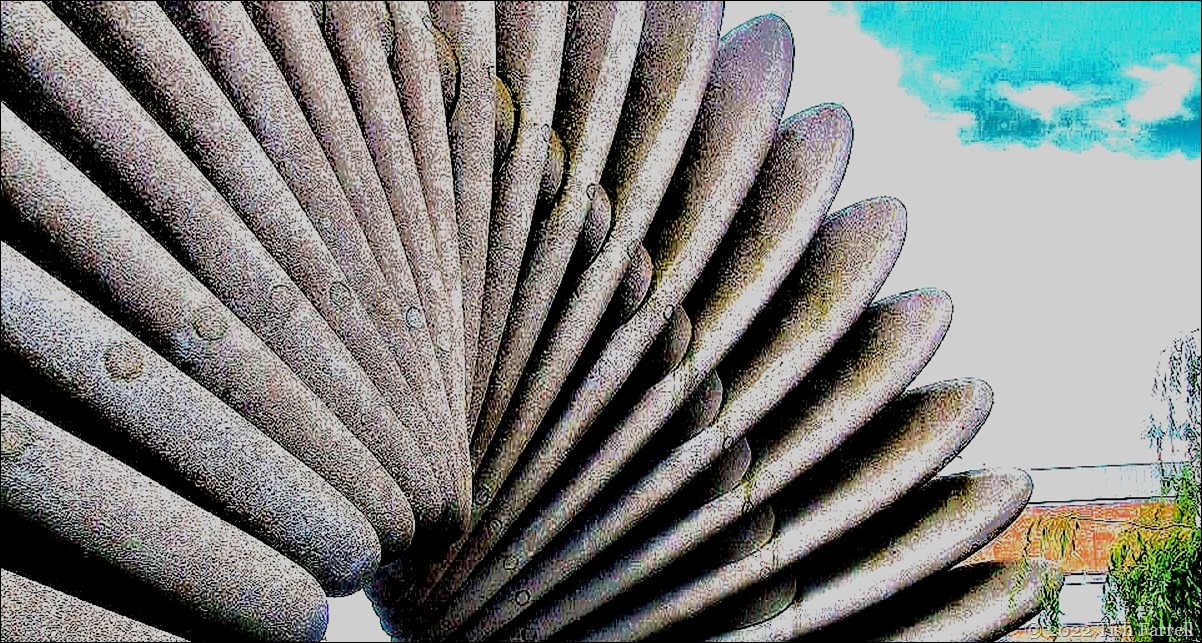
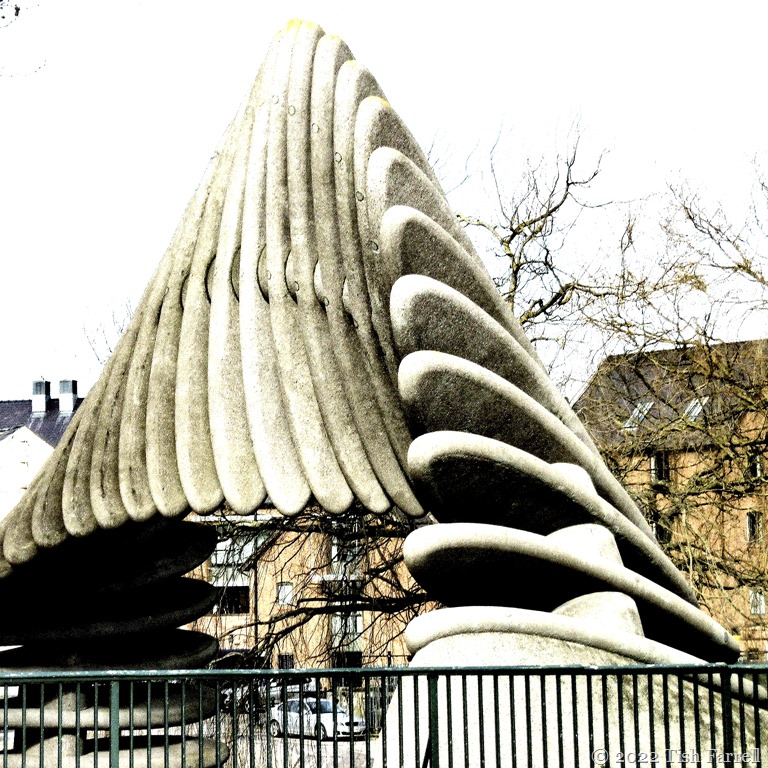
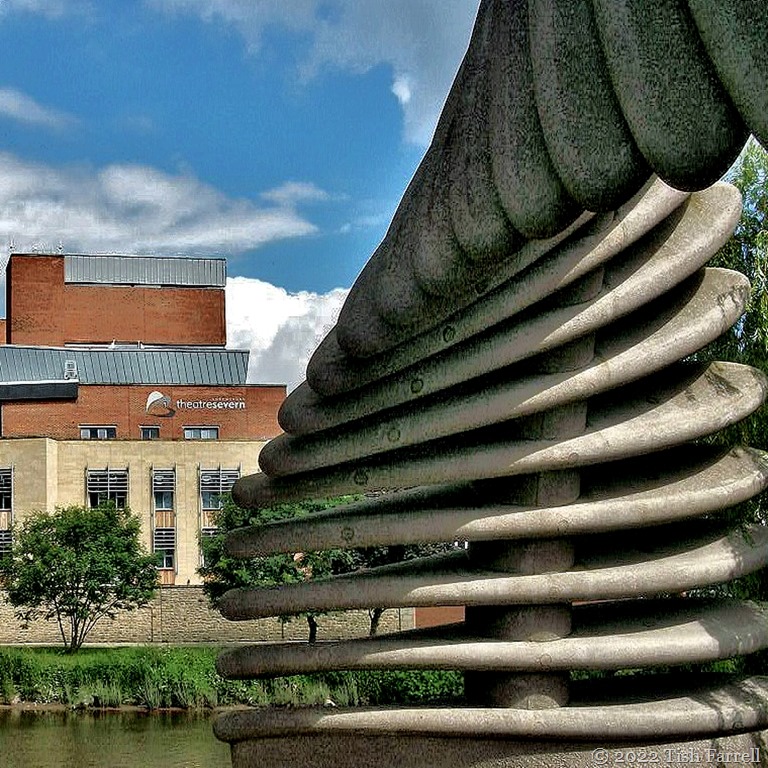
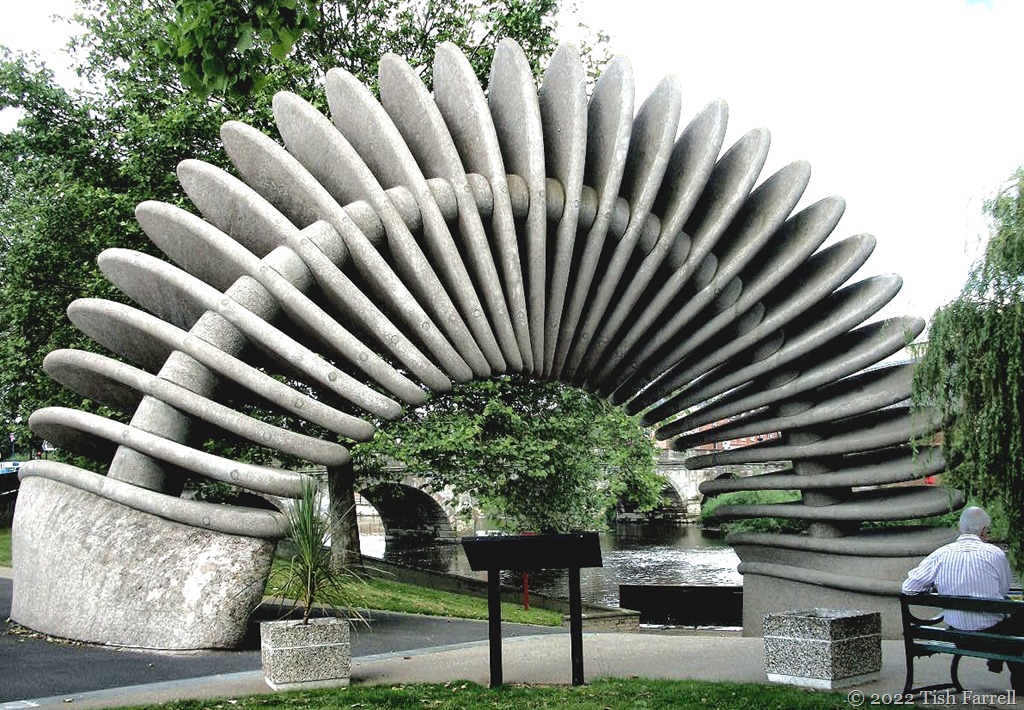
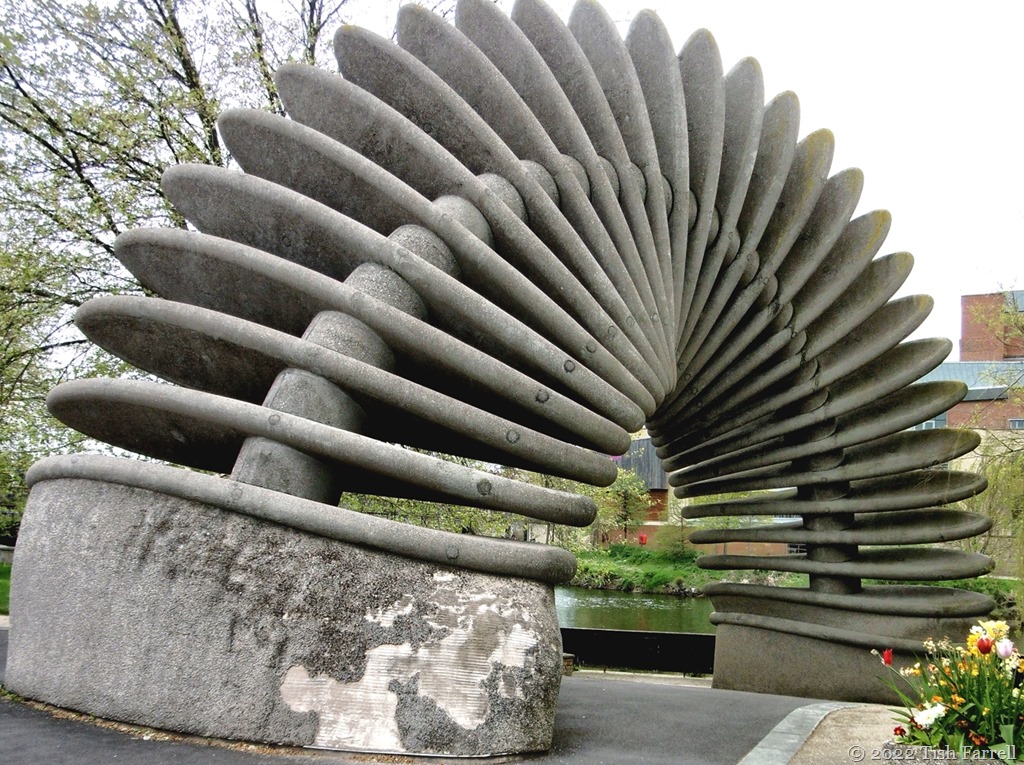
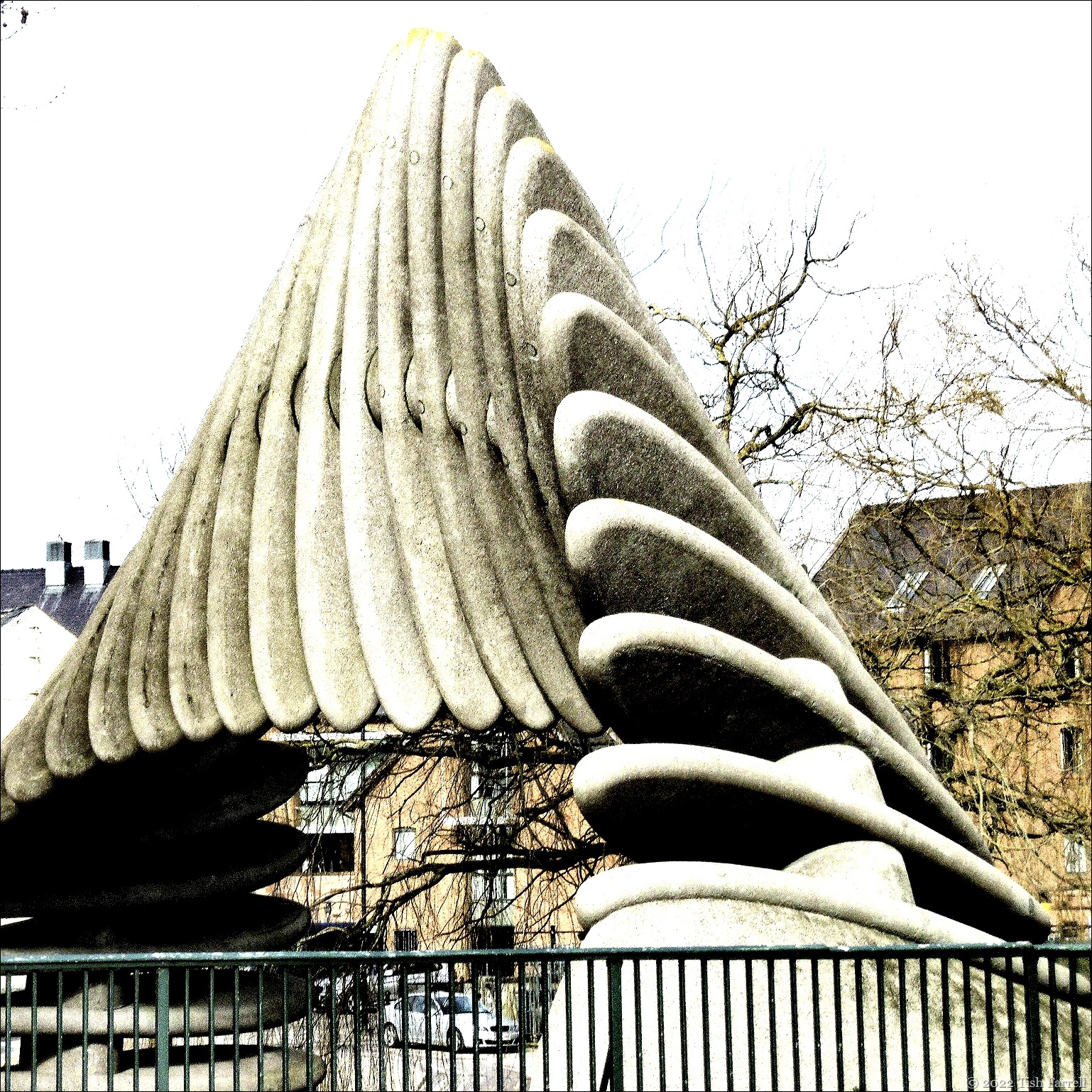
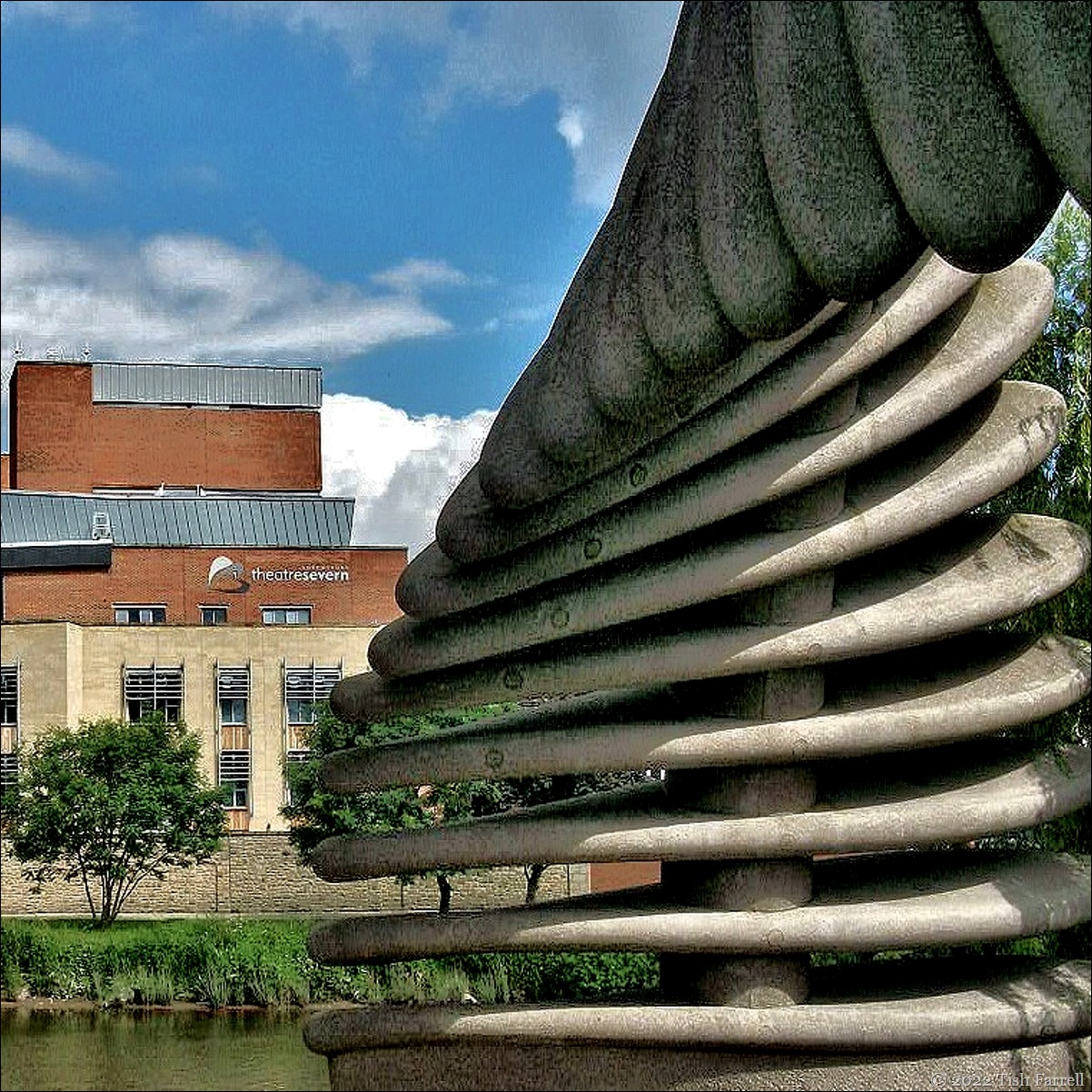
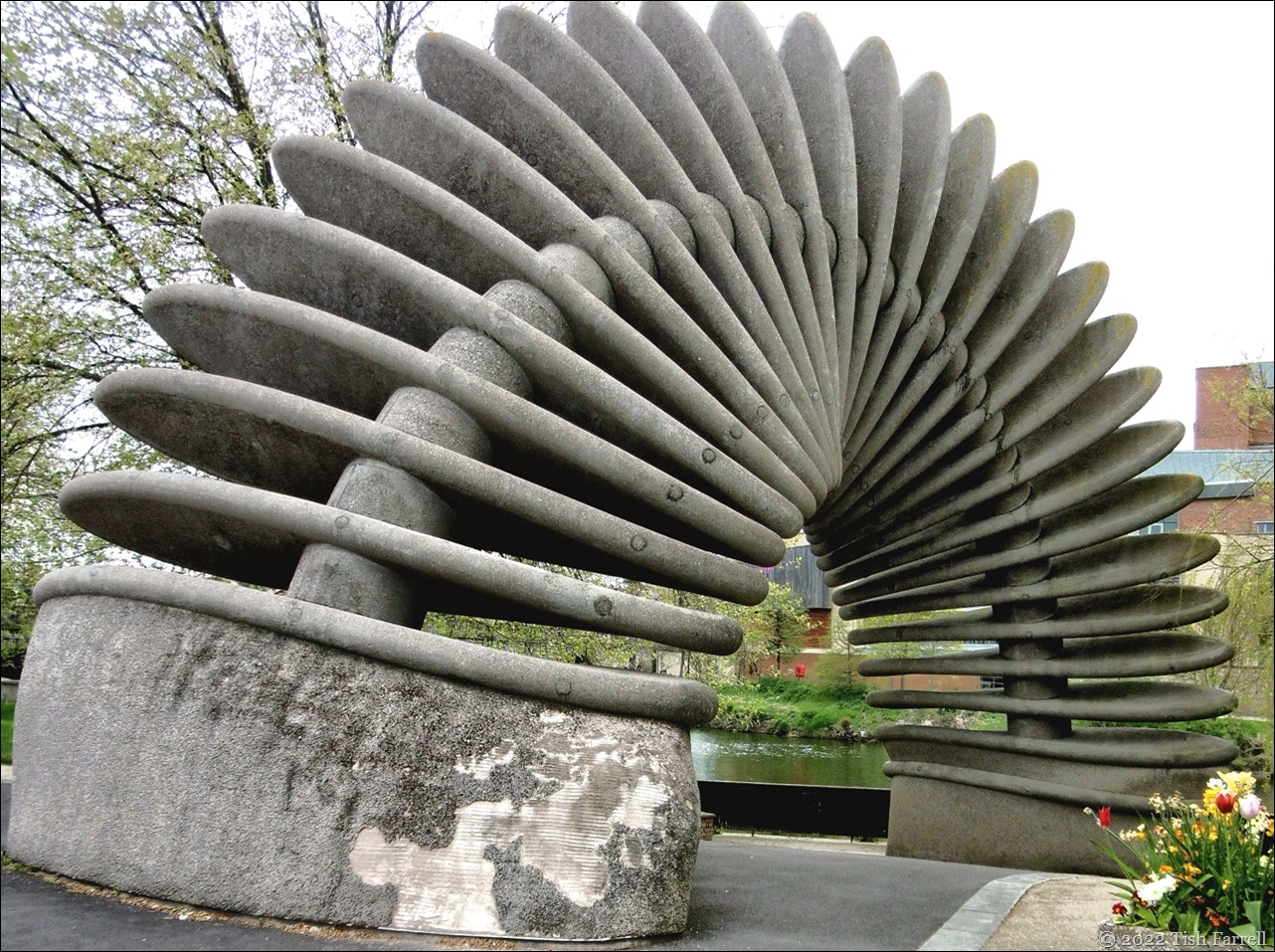
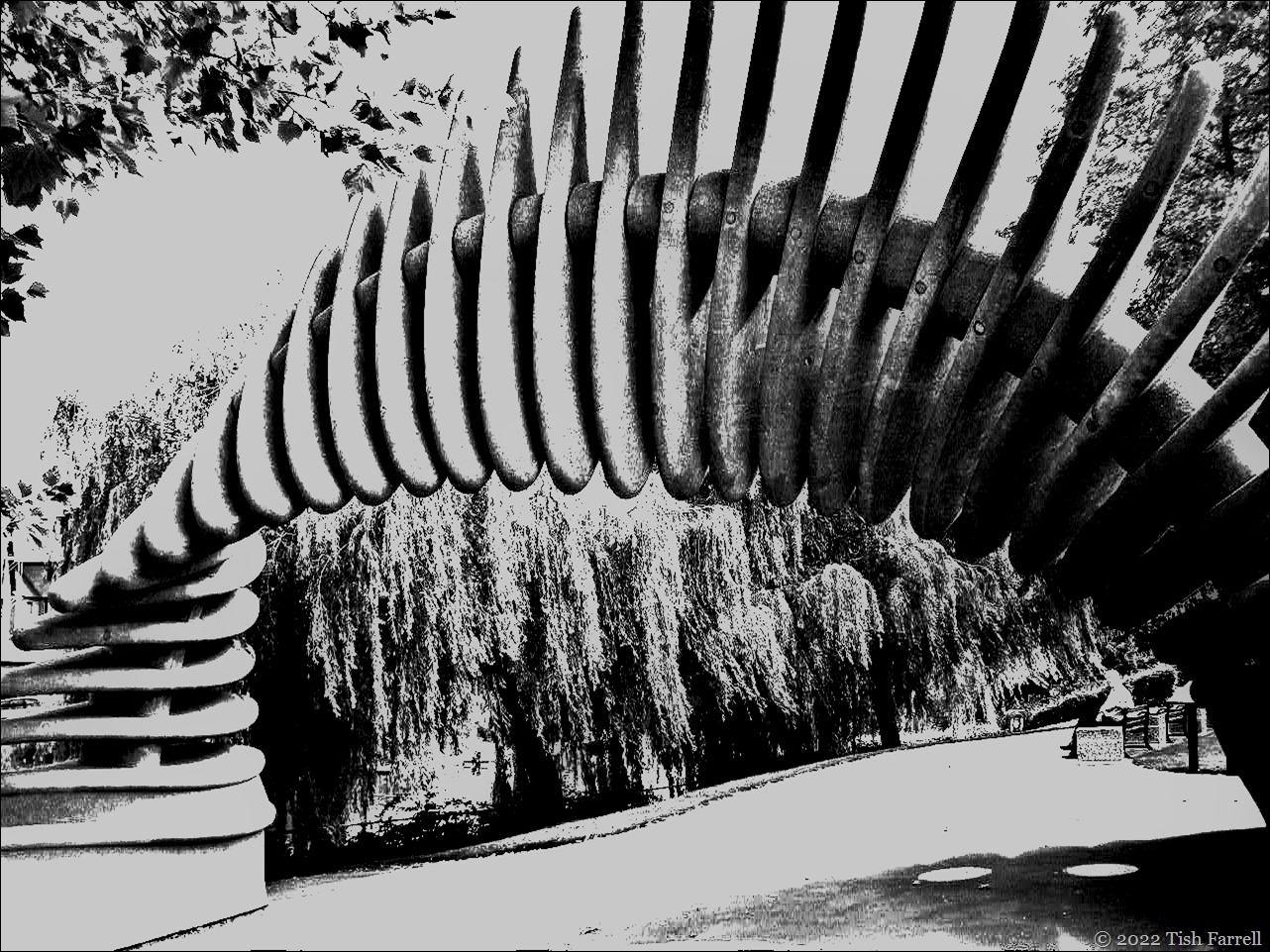
Some of you may have seen this sculpture here before, known variously as the Shrewsbury Slinky, or by its actual title The Quantum Leap. It sits between the River Severn and a busy traffic system, sited on a narrow slice of public space, not large enough to be called a park.

The architectural designers, Pearce and Lal, describe it as a piece of geo-tectonic sculpture, inspired through “the influence of objects and materials central to the development of Darwin’s thought: rock, fossils, zoology…” It was commissioned by the Shrewsbury and Atcham Borough Council to commemorate the 2009 bicentenary of Charles Darwin’s birth.
100_5782 Darwin

100_5791 Dawin

And the reason it’s here?

Charles Darwin was born and brought up in Shrewsbury. His father, Robert Darwin was a wealthy doctor and financier, son of physician and free-thinker Erasmus Darwin. His mother Susannah was the daughter of famous potter, Josiah Wedgwood. A family, then, much used to serious thinking, unafraid to challenge established boundaries and in many domains.

Charles lived at The Mount, a grand house built by his parents, across the Welsh Bridge (glimpsed in the photo above), and so not far from Quantum Leap. He spent his early years exploring the 7-acre family garden, as well as discovering plant and animal life in the countryside all around. He would later claim that he could not help but be a naturalist.

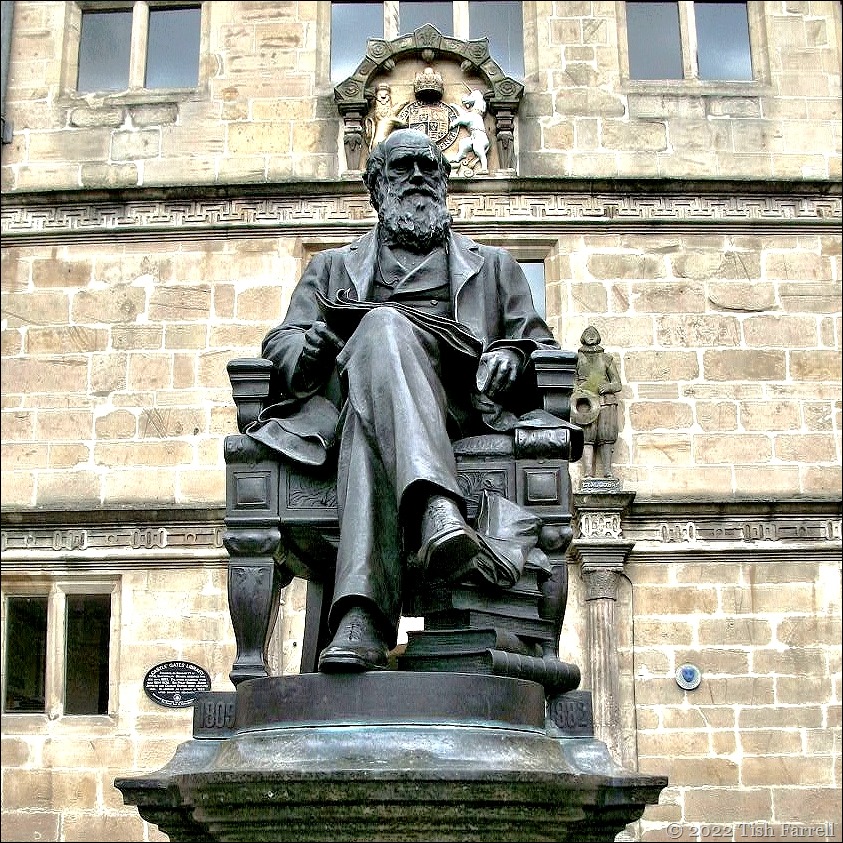
After attending the local Unitarian School, he transferred as a boarder to the prestigious Shrewsbury School (founded in 1552 by Edward VI), which in Charles’ day occupied the building that is now the town’s main library. Outside the entrance is the late Victorian tribute to the man who would go on to write On the Origin of Species, the astonishing (horrifying to some) work that addressed and consolidated his years of careful observations and research.
100_5382sq

At sixteen, Charles left Shrewsbury to follow his older brother, Erasmus, to Edinburgh Medical School, where he lingered for two years, largely disinterested in studying medicine. An angry father then sent him to Christ’s College, Cambridge where he was to study for an arts degree as a prelude to becoming a country parson. This plan did not work out either. The influences and contacts met with at Cambridge led to his taking up a self-funded position as naturalist aboard HMS Beagle on an expedition tasked with survey work across the southern hemisphere. He was 22 and the voyage lasted five years. When he returned he had tomes of notes and extensive collections of mammals, birds and plants. So began the concentrated work of study, classification and cataloguing.

*

But what about The Quantum Leap?

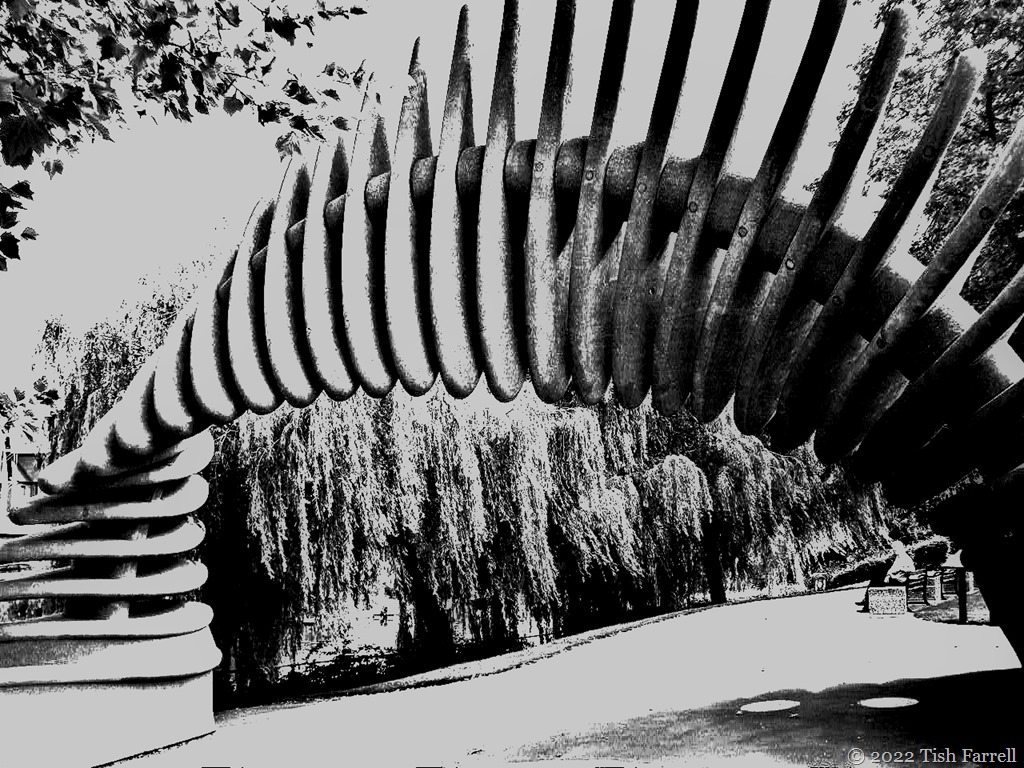
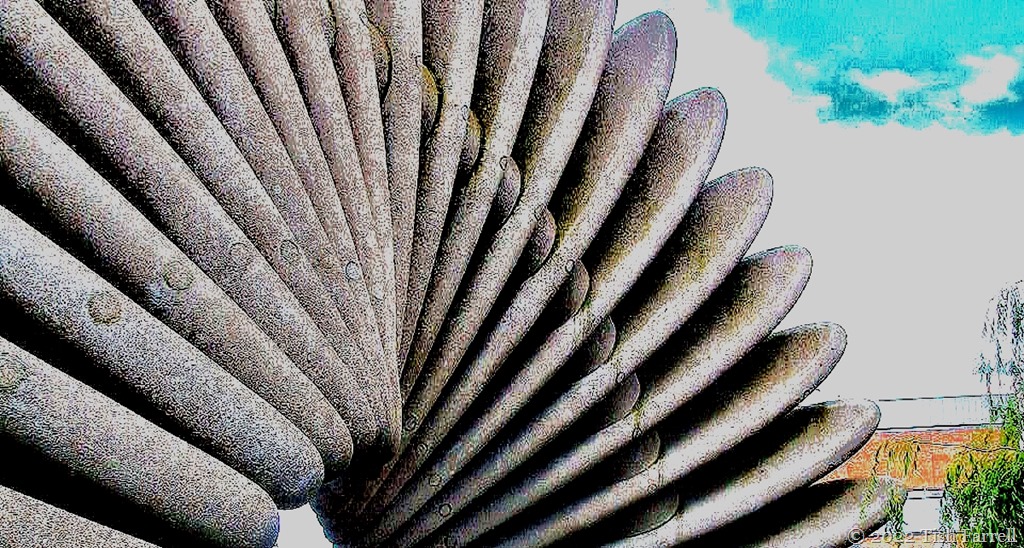
Like many others, I’m not really sure what to make of it. I see the connections with dinosaur fossils, the DNA double helix, but the concrete used to cast the blades is unappealing; the whole effect ‘heavy-handed’ somehow.  However, I do like the way it curves through different planes, although at the same time find myself wondering how the initial plan might have translated with more finesse into bronze or iron. Looking at the Anish Kapoor C-Curve posted earlier this week, I’m wondering what marvellously sympathetic creation he might have come up with, had he been given the brief.

One of the most obvious problems is the siting. It’s a piece of public art that has not only NOT been given enough space to speak for itself, but has been sited on the edge of the town centre where most people will not see it. A commemorative work left largely unseen and at the cost of one million pounds! At which point words fail me, so I’ll leave you with more photos and see what you think about it.
P1070810 darwin

100_5777

#GeometricJanuary  Day 24
100_5792Darwin header 2

Reflective Geometry: C Curve By Anish Kapoor

Anish Kapoor sq

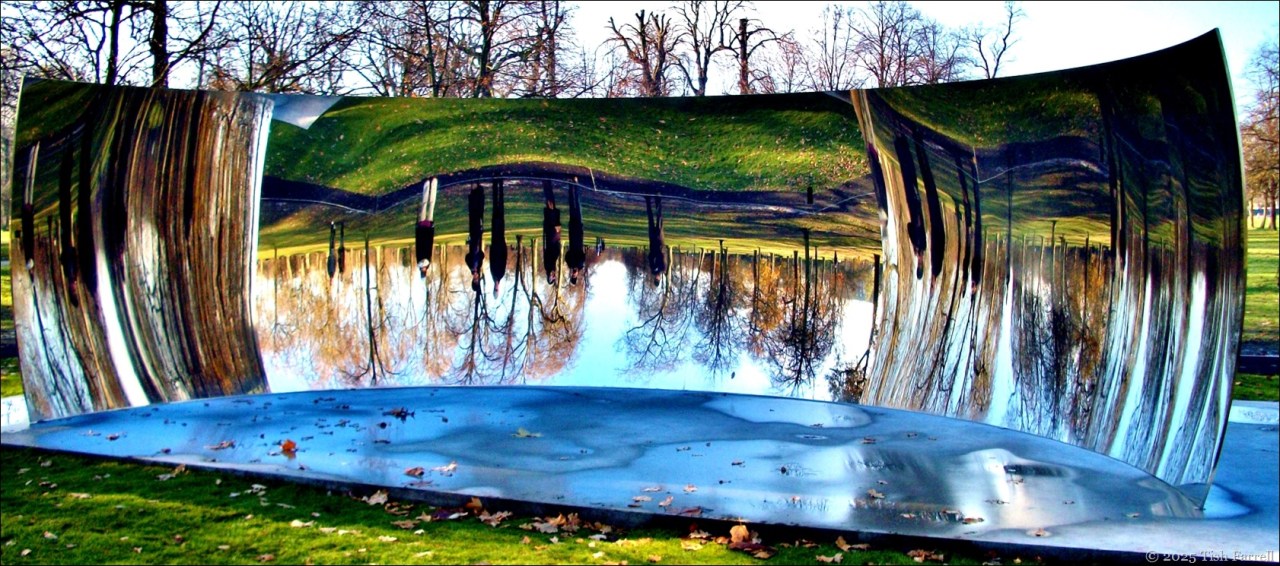
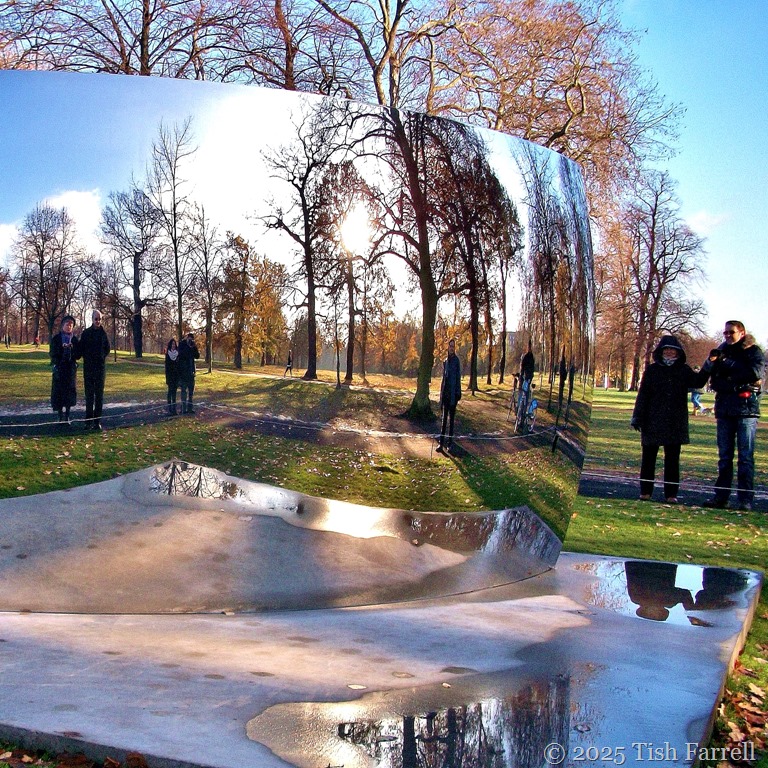
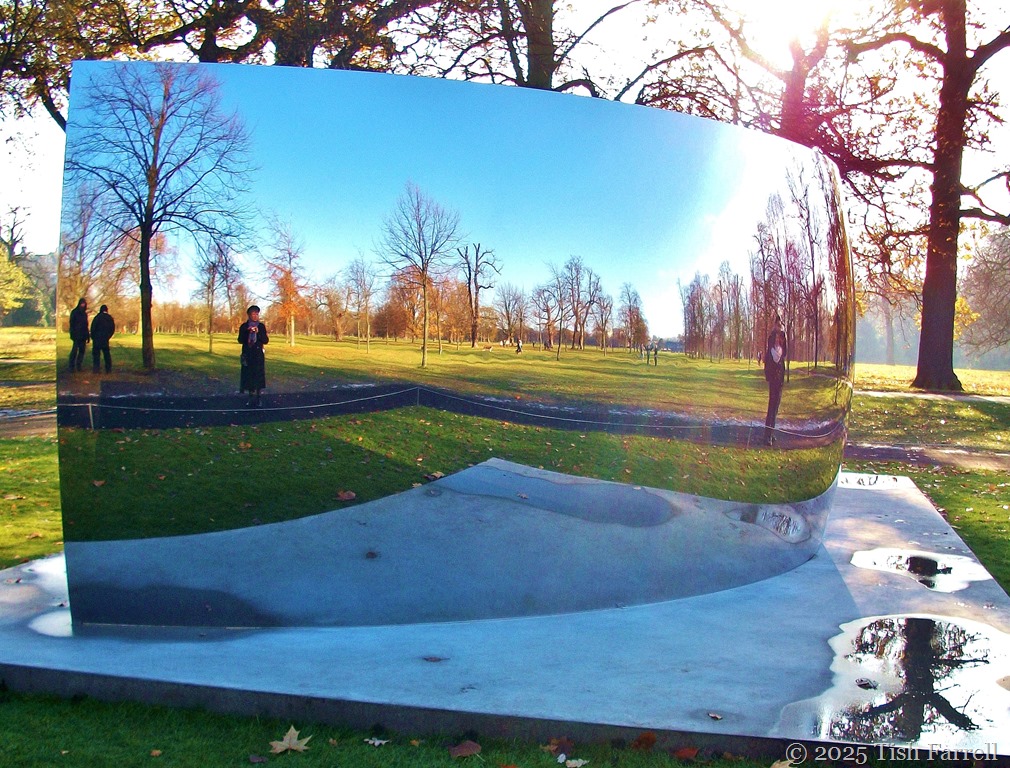
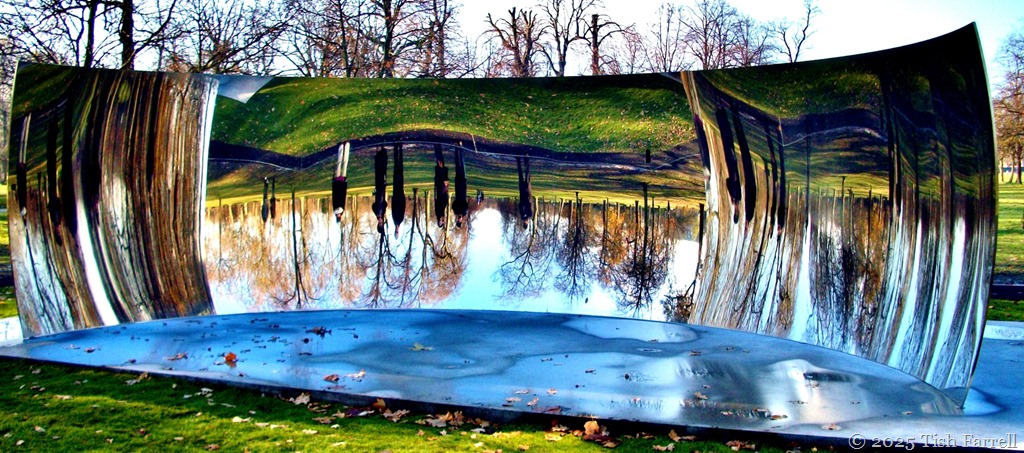
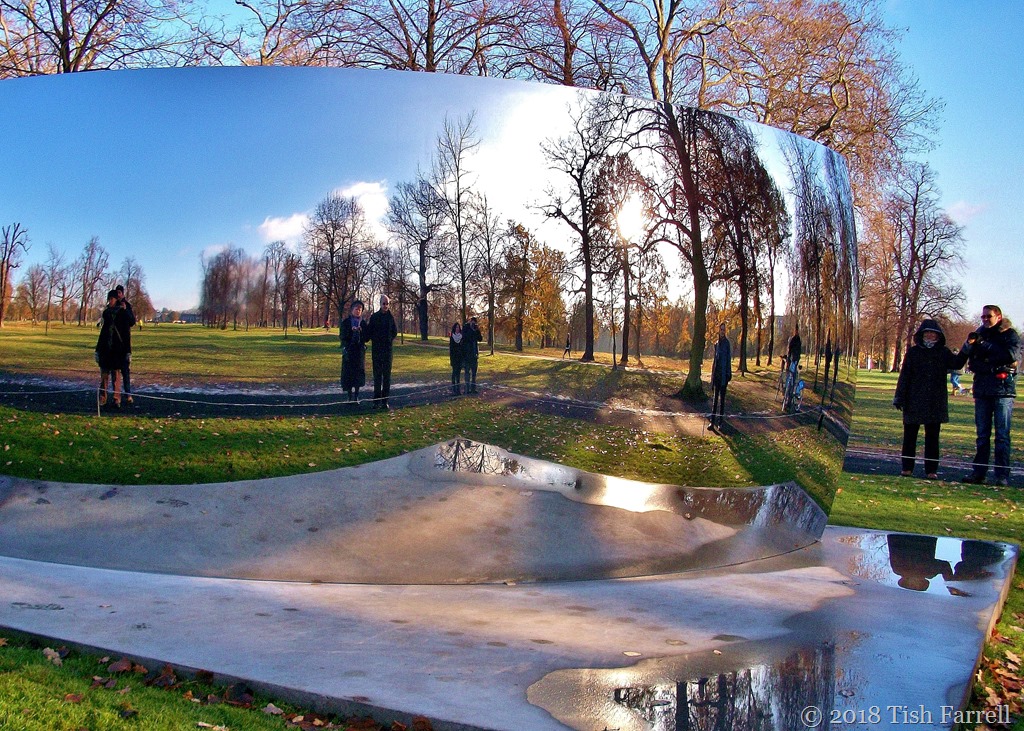
Here’s one from the photo archive. I was reminded of it by today’s very chilly sunshiny morning. It’s a work by Indian sculptor, Anish Kapoor, and called C-Curve. We came upon this fabulous creation by chance after a visit to Kensington Palace, a piece of happenstance that made it all the more wonderful: Looking Glass Land made manifest.

Not only were there the reflections to ponder on, but also the responses of other passersby to enjoy.

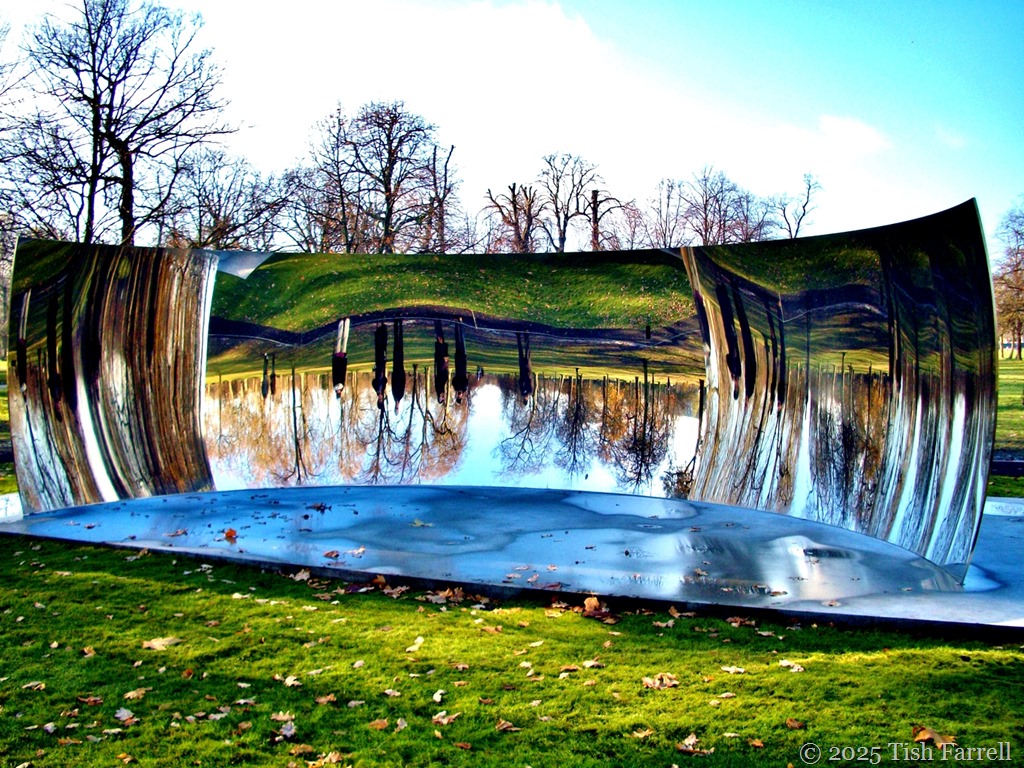
And yet to think the work itself was utterly engineered, the unforgiving edges and surfaces of highly polished steel. It’s stunningly paradoxical. And there was more. When you walked around to the concave face you could have your world turned upside down:

Anish Kapoor concave view

*

And then back again:

100_1453 - Copy

More about Anish Kapoor and lots more geometry HERE

#GeometricJanuary Day 22

Anish Kapoor header


Reflections Intentional And Accidental

100_1451 - Copy

C-Curve by Anish Kapoor and reflective puddles courtesy of the rain god; photo taken several freezing Decembers ago in Kensington Gardens. You can spot the Farrells looking a bit stiff – centre twosome on the left.

Lens-Artists ~ Reflections  Patti set the challenge this week. Her fantastic photo of the Chicago Bean sculpture by Anish Kapoor reminded me that I had photos of his work too.

Bears In Central Park: Who Knew?

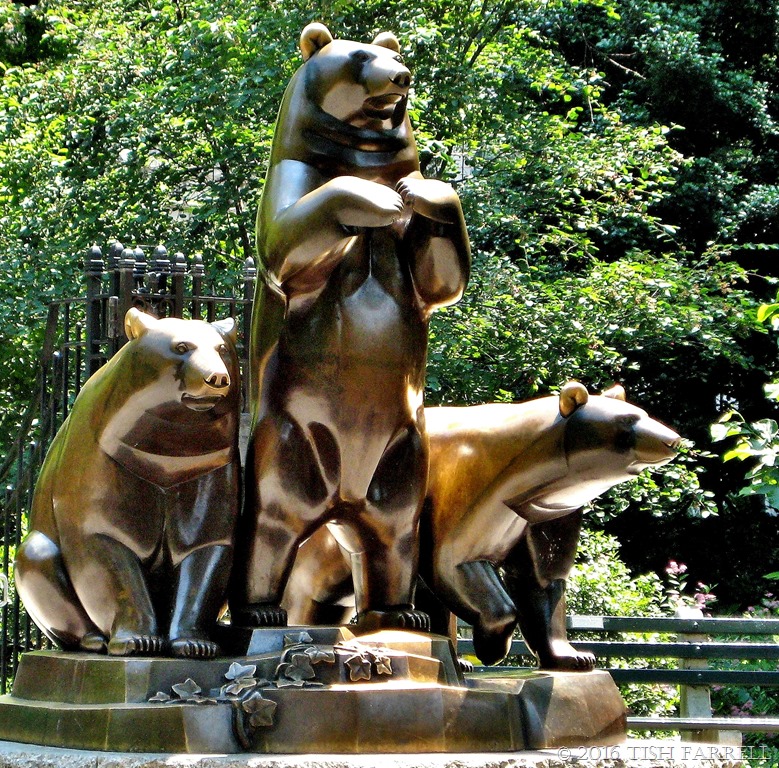
Group of Bears by Paul Manship (1889-1966)

There was wall to wall sun when we visited New York in early June a few years ago. In fact it was so hot we spent most of our week there in Central Park trying not to melt. But the full-on sun certainly lit up these magnificent bronze bears. They are affectionately known as ‘The Three Bears’, and may be found at the Pat Hoffman Friedman Playground at Fifth Avenue and 79th Street. The work was gifted to the Park by Samuel N. Friedman in memory of his wife – a fine dedication all round.

You can find out more about  Paul Manship (1885–1966) at this link.


Daily Post: Shine

Life Entwined at Ogunquit

111


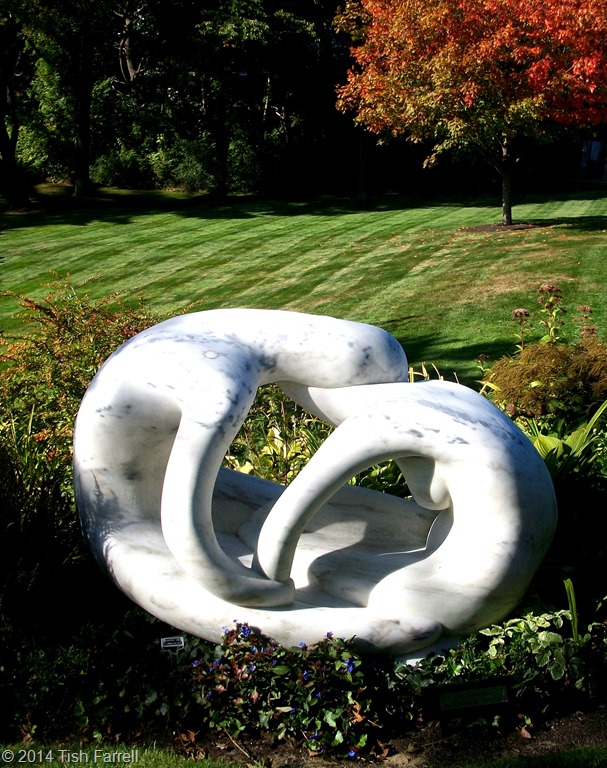
Cee’s ‘Circles and Curves’ challenge is giving me the chance to  show again this work by New England sculptor Antoinette Prien Schultze. ‘Life Entwined’ is circular in every way – suggesting not only the cycle of human life and love, but also the turn of the seasons, the circle of time itself.

It is made from Vermont Danby marble and weighs 4 tons. You can see it in the beautiful shore-side garden of the Ogunquit Museum of American Art in southern Maine. I have written more about the Museum HERE. It is one of the most beautifully situated galleries in the world, and well worth a visit for the setting alone.

Another fine thing about Ogunquit is the Marginal Way, a cliff top path along the rugged shore. It was here I found this natural sculpture which also fits the challenge.

100E3309

copyright 2014 Tish Farrell

*

For more about Ogunquit Museum of American Art see my earlier post:

Only One Ogunquit: the little gallery by the sea

*


Click on the image for more bloggers’ circles and curves