Heavenly Harvest

IMG_8275sq

A week or so ago we were on one of our periodic walks to the Builders’ Merchants. It sits on the edge of town, part of a small industrial enclave whose  buildings are screened from adjacent roads by a section of dense mixed woodland.

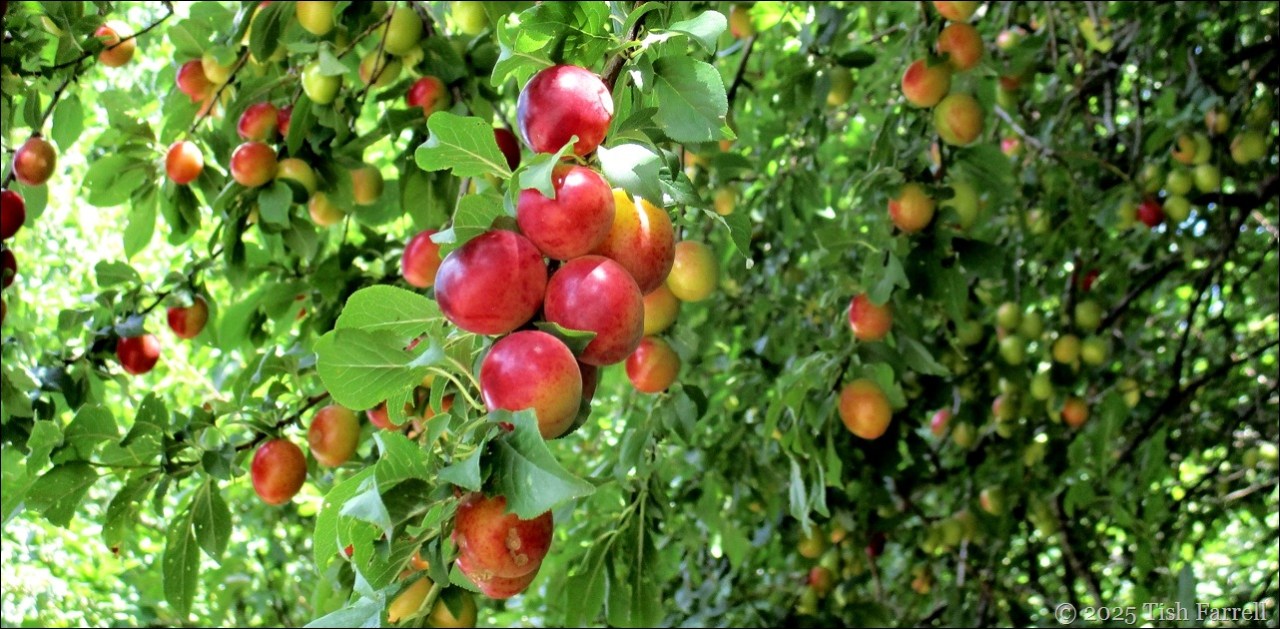
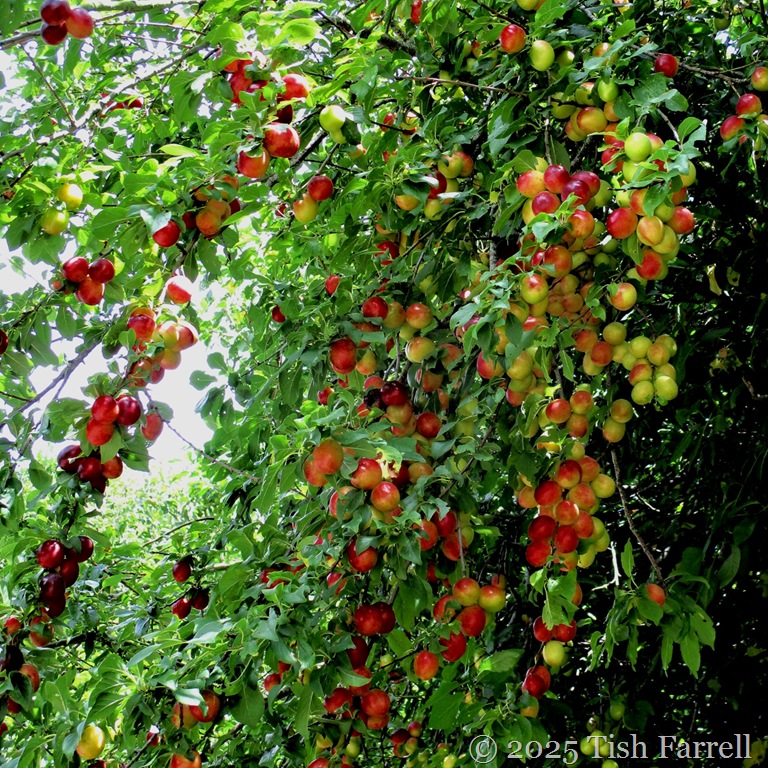
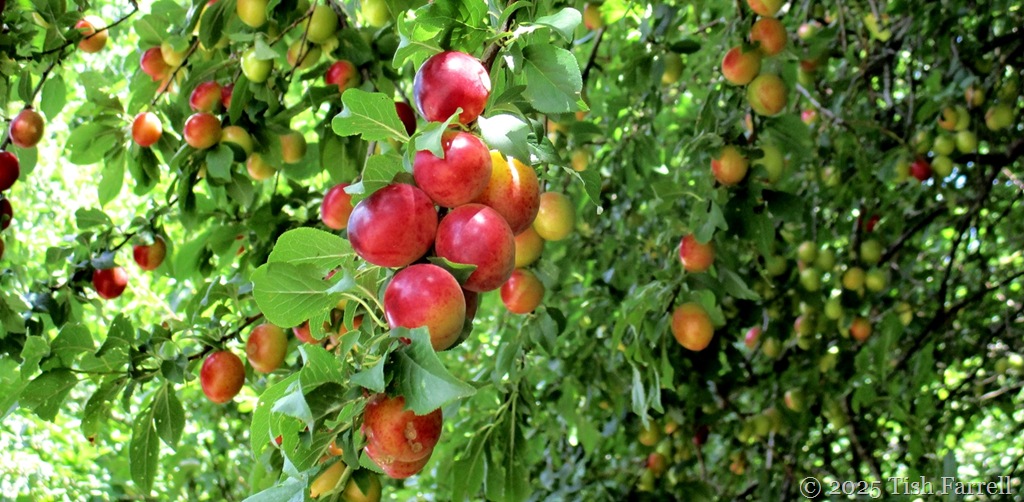
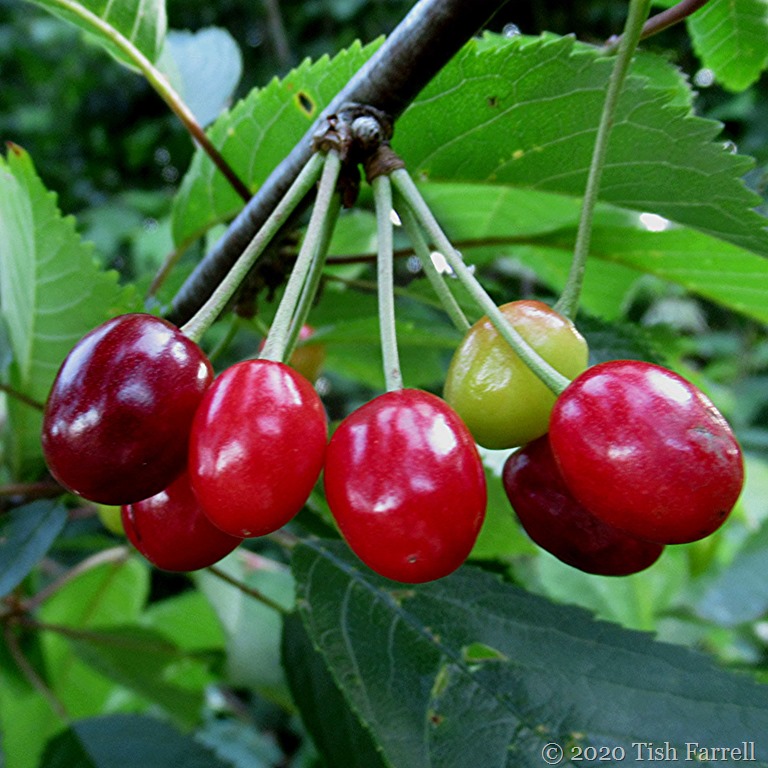
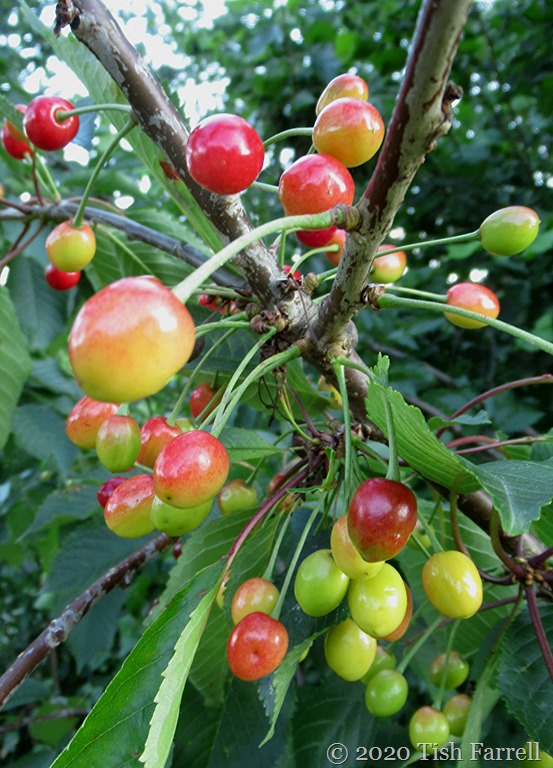
And this is what we found along the fence-line – a close-set row of cherry plum trees, laden with fruit.

The Cherry plum (Prunus cerasifera) is native to Europe and Asia and grown in the UK as an ornamental due to its early flowering. It is also used in hedging. (Which makes me wonder if this row is a hedge gone feral. There are a few of those in Bishop’s Castle and we should know.) Better still, the fruit, ripening between mid-July and September, is edible. I tried a couple of windfalls, fallen on the verge. Sun-warmed and juicy. Delicious.

Now, I can’t think why I haven’t been back to gather some more – before the wasps beat me to it.

IMG_8277 header

#SimplyRed Day 28

Gone To Pot…The Backdoor Veggie Plot

IMG_3547ed

Most of you who come here often know that the Farrells are in transit, currently in a rented house while waiting to buy a new home. To say the process is stressful is an understatement. It’s also meant giving up my allotment plots, so I’ve been very glad to be able to potter about with some container growing.

Because it is true what they say: gardening is good for both mind and body, even in a scaled-down version.

The container approach also proves you can grow fresh vegetables with a fairly small amount of space or physical effort (if these happen to be issues) and any container will do, including small pots which are particularly useful for growing successional salad stuff.

But first, the big pot planting.

IMG_3578ed

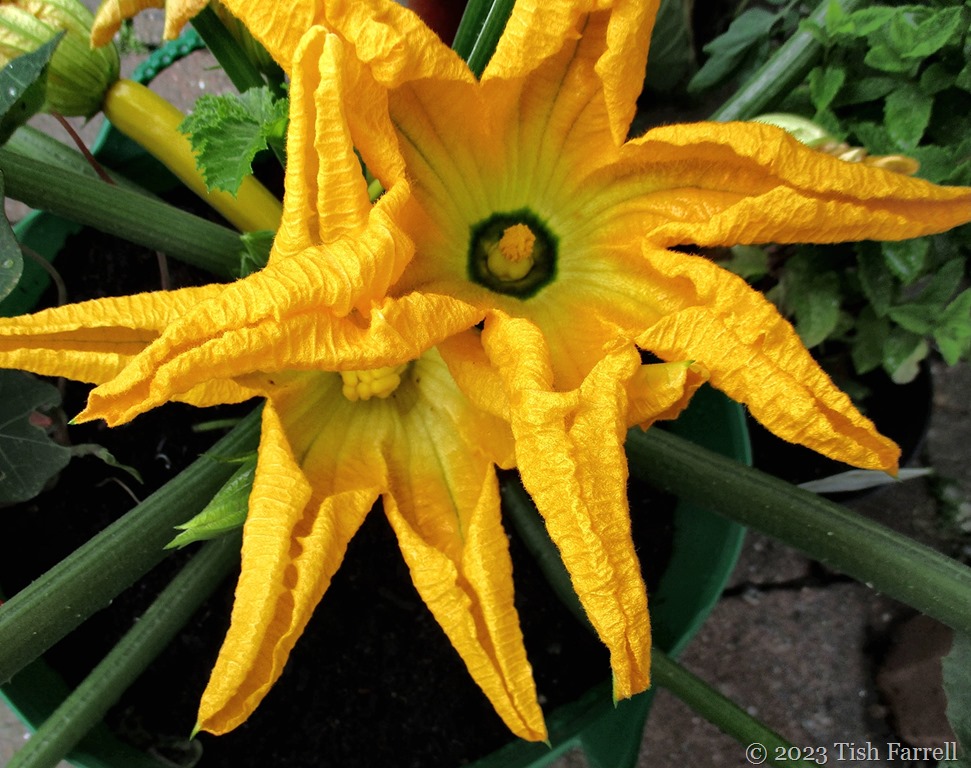
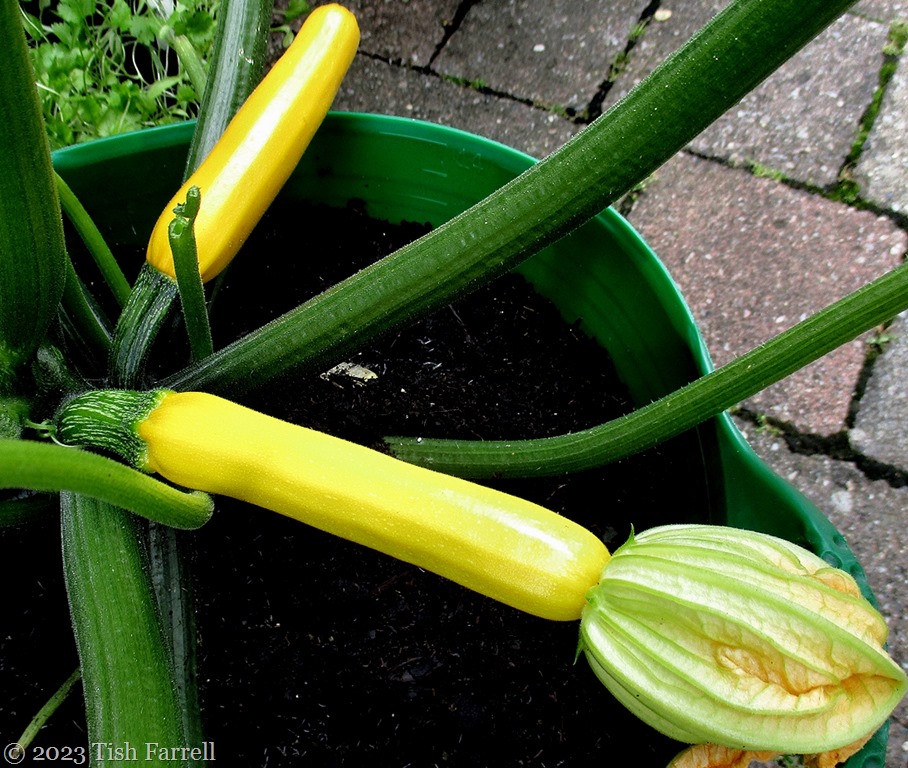
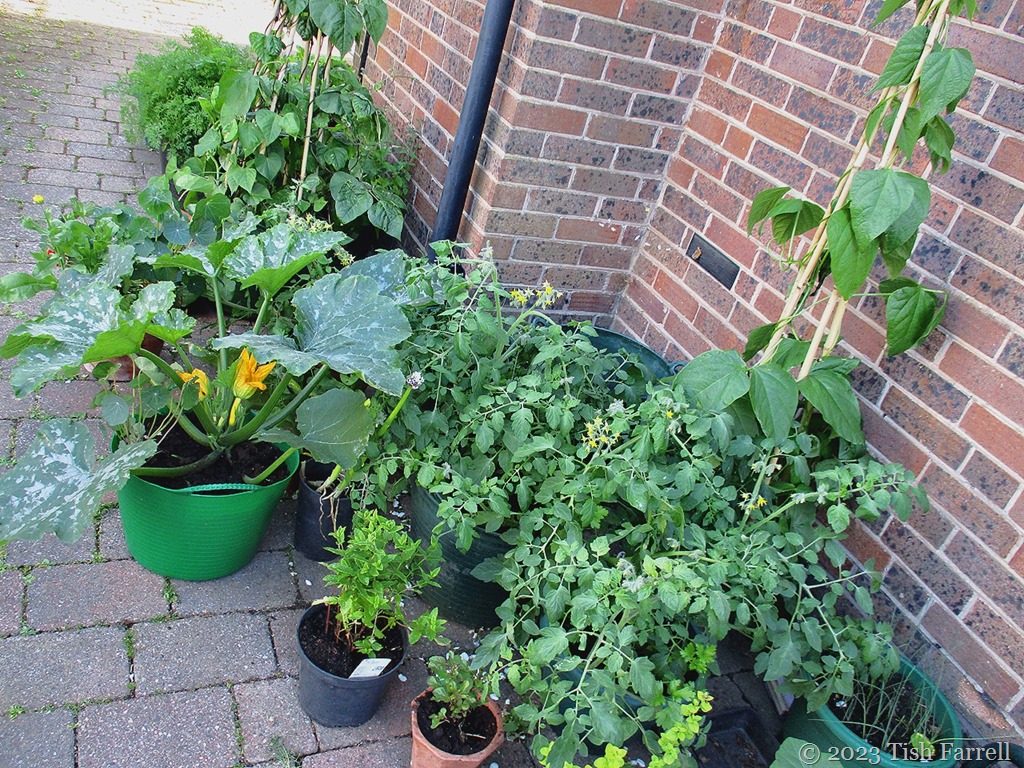
With a further move on the horizon, I did have a very strong motive for resorting to container growing. If a pot is still cropping (or about to crop) when moving day arrives, it will be coming with us. To that end, the yellow courgette plant is in a builders’ two-handled bucket for easier transportation.

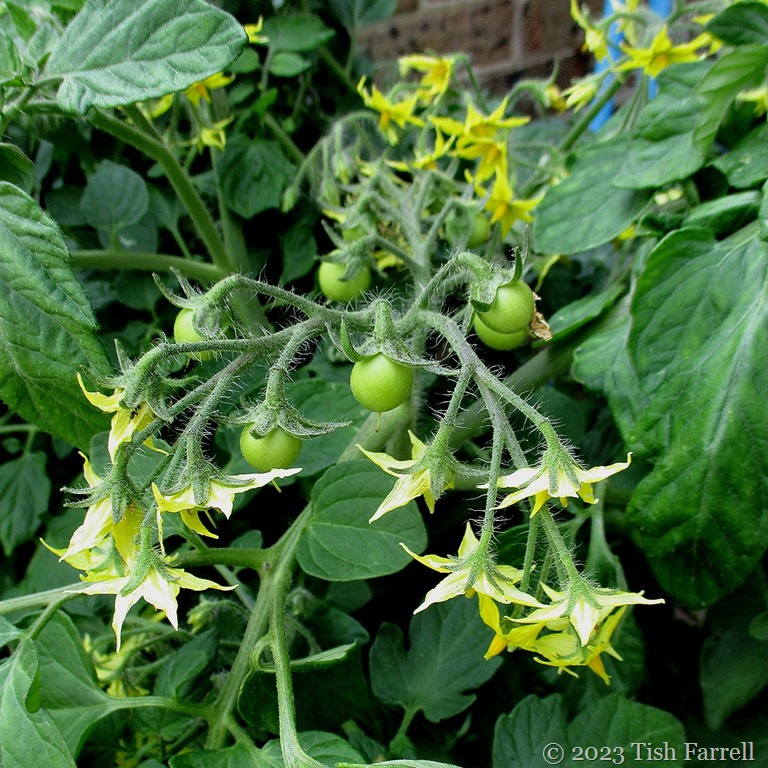
Then I was much perturbed about missing our usual tomato crop. To cover eventualities – as in just in case we’re lingering in Broseley longer than expected, I’ve planted a couple of cherry tomato plants in the garden border – Sungold and Piccolo, but I’ve also put some in large flower pots, two plants to a pot. And I’ve grown Tumbling Tom, which have been bred to dangle from hanging baskets and so don’t need staking.  Again, I have these in transportable builders’ buckets, and despite the ongoing gales, they are growing well with masses of flowers, and showing the first signs of fruiting.

IMG_3591

*

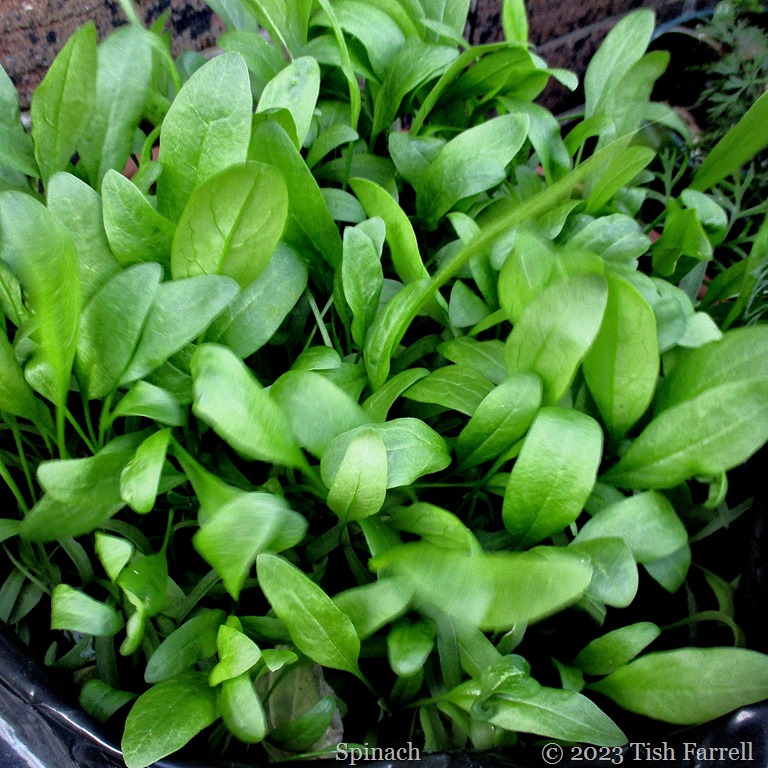
I do have lots of big clay pot, but realizing they would be too heavy and cumbersome to move when filled with compost and plants, I decided to use old compost bags (added drain holes in the bottom), with the tops rolled back to make a firm and grabble edge, and then popped into a clay pot for stability. These have proved excellent for growing successional crops of rocket and spinach. The latter usually bolts quickly in summer weather (not that we’ve had that since our few hot days in June; it’s more like early autumn), but growing it for baby leaf for salads or wilting into casseroles and curries seems to work just fine. It also grows very quickly.

IMG_3475

*

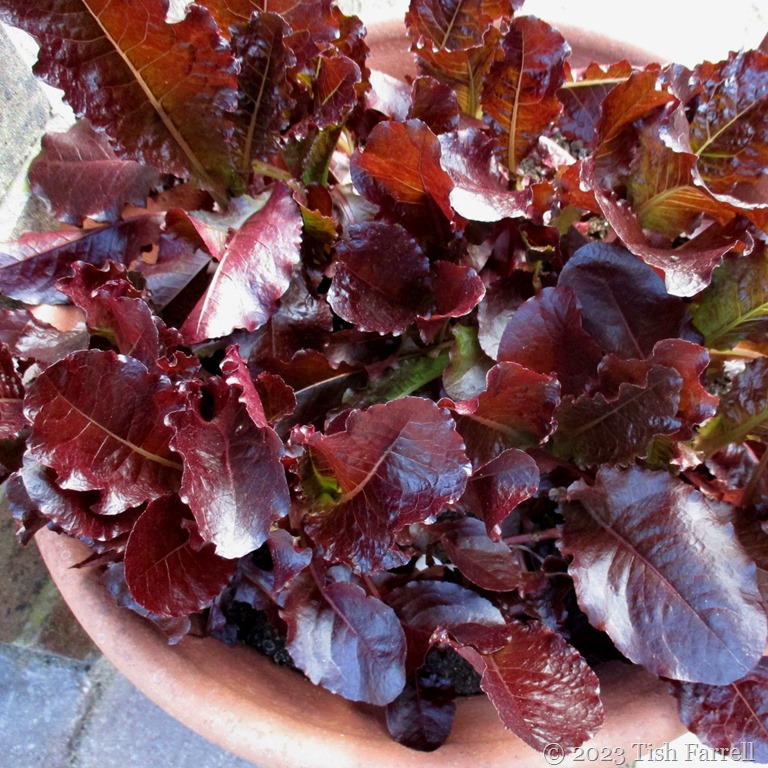
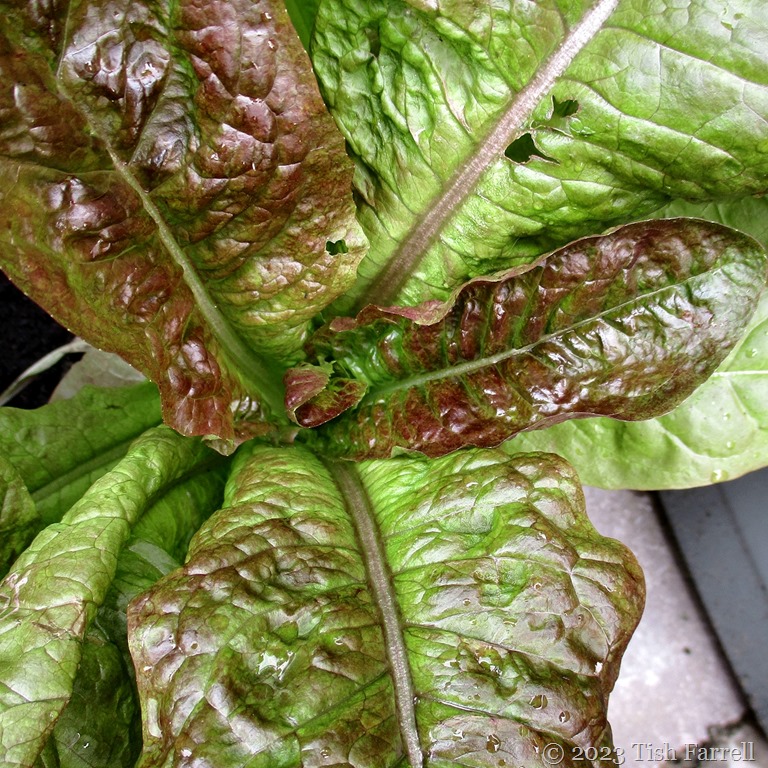
Lettuce can be sown all season, and best done anyway in small-pot, successional sowings. Some I’ve left unthinned, and just cropped the leaves; others I’ve thinned and planted out in compost bags to grow into proper lettuce.

IMG_3478

IMG_3590

*

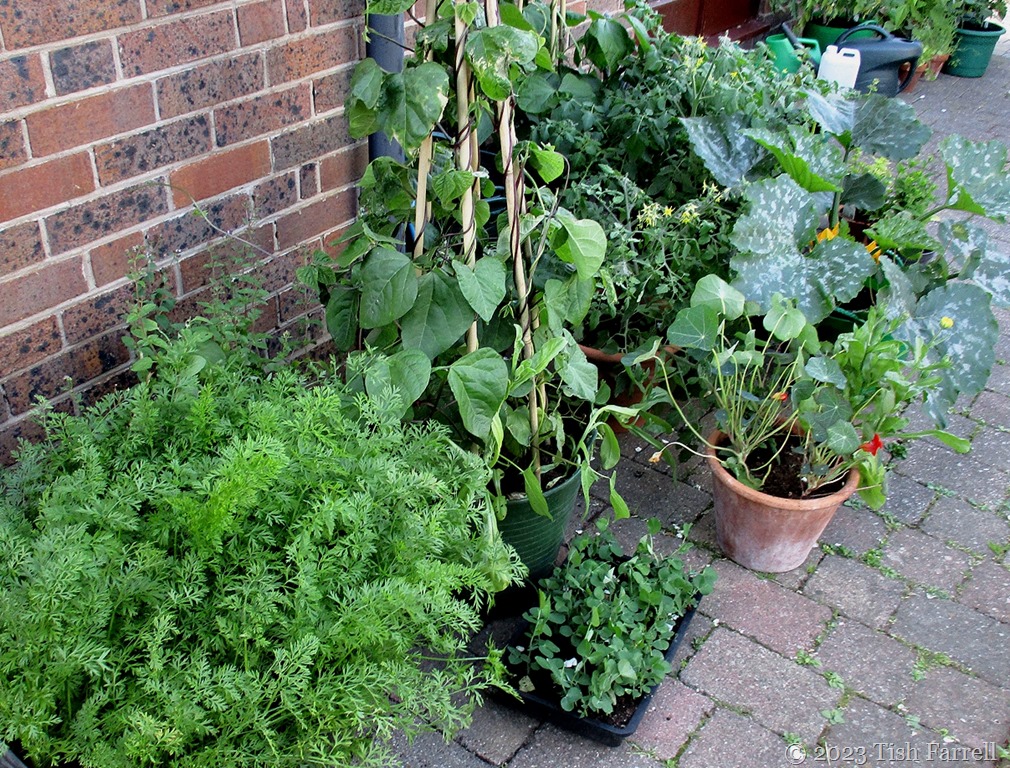
For the last few years I’ve tended to grow carrots in buckets, especially late summer sowings which provide a crop for winter eating. This year I sowed some back in April, and now have a big bucket of carrots seedlings, some of them just big enough to pull. We ate this little bunch steamed with broccoli and tahini lemon sauce.

IMG_3606

*

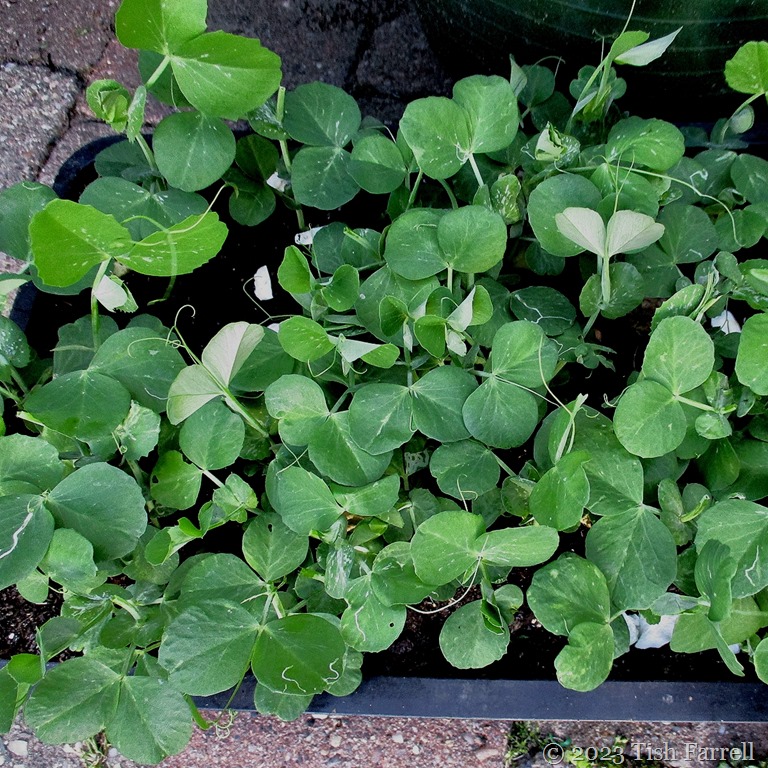
And now a big shout-out for pea sprouts. This is a first for me, though why I’ve not thought of it before I really don’t know. I was able to use up all my old pea seeds too. Again, these can be grown in a series of 5 inch flower pots, sown successionally, or in standard seed trays (a layer of compost in the bottom, peas popped across the whole surface about an inch apart or a bit closer, and an inch of compost on top).

IMG_3480

This tray has been recently cut  i.e. when the stems are about 4 inches long. If the tray is kept well watered, then there will be further crops, maybe 2 or 3 more cuttings. We use the sprouts both in salads and for cooking.

Other potted crops include spring onions, leeks, pot marigolds and nasturtiums (for salads and prettiness), parsley, basil, dill, mint, coriander and oregano. I also have a bucket of climbing Violette French beans, and another of borlotti beans. I’m not sure how they’ll work out. The French beans have been beaten up by the winds (there has been no ‘hottest ever’ global warming in Broseley only shivering) but they are at least beginning to flower.

So there you have it: the Farrells’ moveable feast, and in the interim, the makings of a green salad to accompany every supper for the last couple of months. The exercise is making me re-think my gardening practice. The biggest advantage (apart from the moveability) is that container growing seems to help focus the mind on small, successional sowings, something I rarely seemed to manage on the allotment. You do need to keep an eye on the watering however. Wind, in particular, can dry out pots very quickly.

And now for some views of the back-door veggie plot:

IMG_3479

IMG_3473ed

*

I hope this might have enthused some of you to get potting. You can’t beat a freshly plucked green salad.

Past Harvests

100_4930

I confess there are times when I think growing our own vegetables is more trouble than it’s worth. On the other hand, I’d be sorry not to have my two allotment plots, though I am thinking of sub-letting a portion of one of them come March. This is mostly because the beds on my newer polytunnel plot are now in a more useable condition after several seasons’ composting. The Wenlock Silurian soil is very challenging, and it’s only taken me a decade and a half to get it to a state where it’s possibly more friable than claggy. Endemic pests are also a problem in community gardens, and especially in situations where plot holders’ early enthusiasm gives way to garden neglect and finally abandonment.

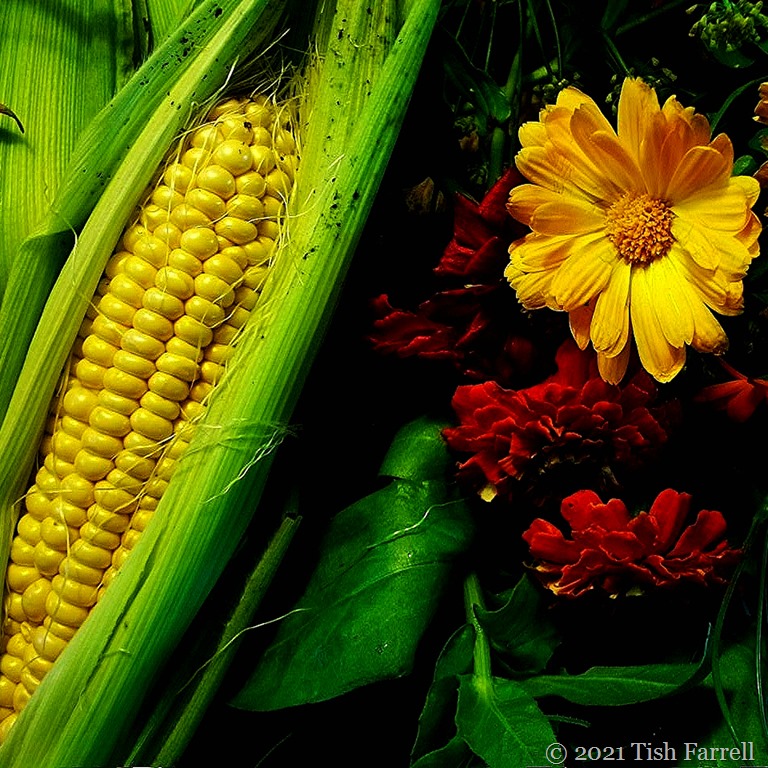
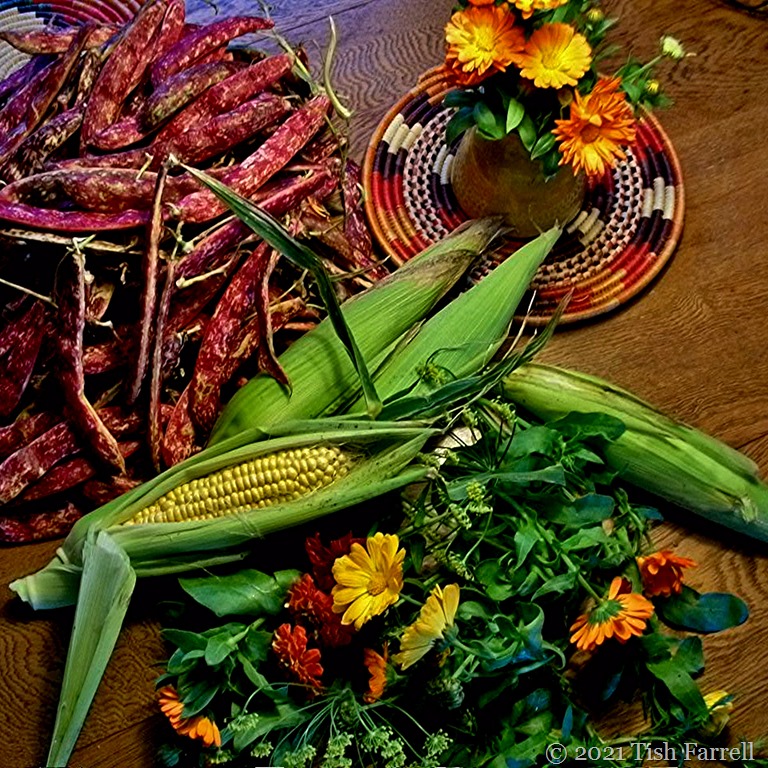
Anyway this last season has had its high points, sweet corn being one of them. We ate the last cobs yesterday, out of a crop of three or four dozen. Doing one’s own growing also means being able to have vegetables that are otherwise only available in tins: e.g. borlotti beans. And then having the polytunnel means that once the tomato and cucumber harvest is over (and that’s been tremendous this year too) I can bring on assorted kales, herbs, lettuces, spinach, endives and mustards for salads over the winter months.

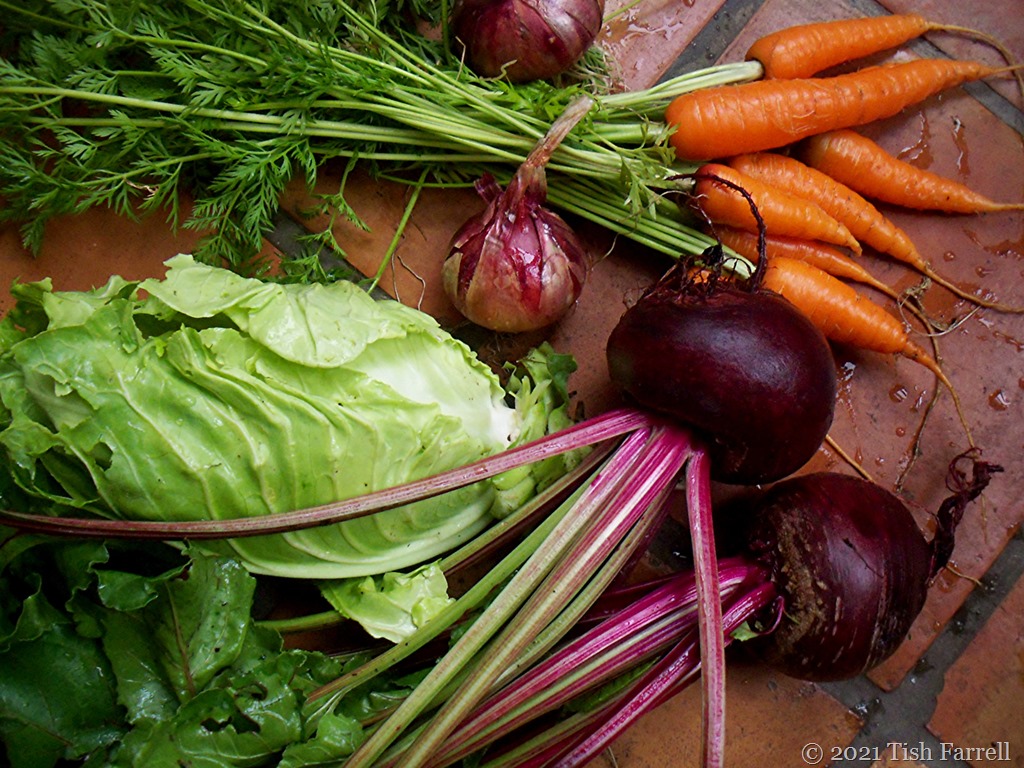
Other successes this year are the raspberries – summer and autumn, strawberries, peas, courgettes, runner and broad beans, beetroot, cauliflowers, carrots, potatoes, onions and pointy cabbages. There are leeks, parsnips, fat winter cabbage, sprouting broccoli, and hopefully butter beans still to come. The squashes were a bit of a failure: two undersized Chioggia efforts, though I did turn one of them into some very good spicy soup today.

As ever with gardening, as one gathers in and eats the produce, so one is ever plotting the next seasons’ sowing, planting and eating.

100_4929

100_6169

Past Squares #14

Wild Wild Eating

IMG_8501sq

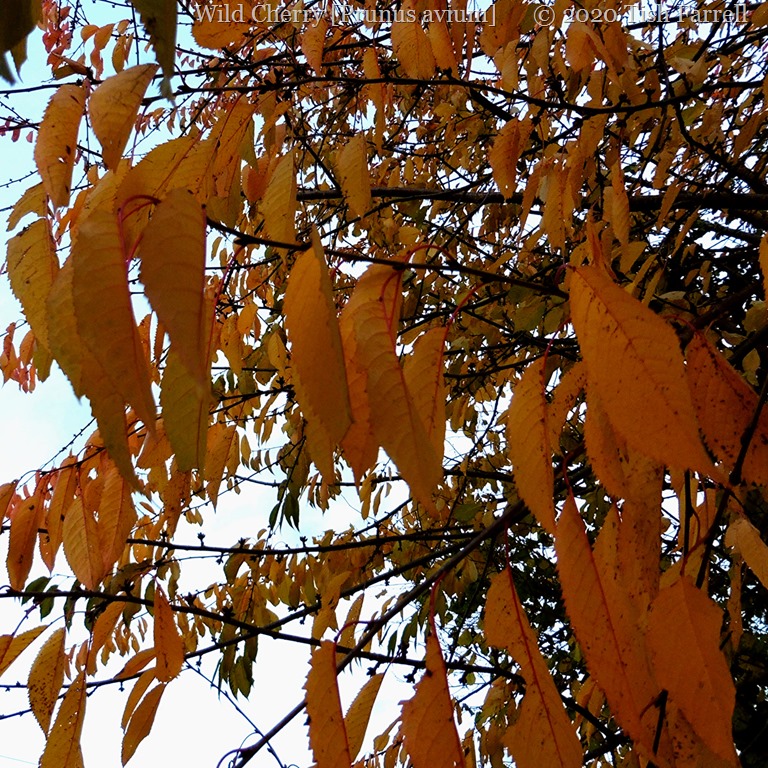
There’s a little ‘copse’ of wild cherry trees (Prunus avium)  in one corner of the allotment. Most years I scarcely notice the fruit. The cherries are usually less than half the size of a cultivated cherry, and more stone than flesh. But this summer there has been a magnificent crop, and I’m afraid I’ve been grabbing handfuls as I pass, stuffing them in my mouth, and spitting out the stones willy-nilly.  Delicious, but most uncouth, and doubtless my regardless foraging activities will give rise to a whole new forest.

IMG_8500

And why not? These native British trees are very beautiful; quite stately in habit and tall with handsome chestnut coloured trunks. Hitherto my dealings with them had been confined to autumn when I go and rake up the leaf fall to make compost. And what a golden harvest it is. The leaves are very lovely; so much so, I often feel they should be edible too. I have yet to try them. In the meantime, the Woodland Trust has more to say about the Wild Cherry.

P1090796


Square Perspective #16

Last Year At The Allotment ~ Seasonal Highlights

Now is the time of year when gardeners head for their seed catalogues and start making plans for the growing season ahead. Seed potatoes must be ordered, and preparations made (i.e. brain put in gear so as not to miss appropriate time slots) for crops that must be sown early. It is also a good moment to review which of the last year’s crops grew best, and most importantly, which we most enjoyed eating.

Actually all the produce was delicious. We had loads of Early Onward peas, courgettes and salad greens. Beans thrived – French, borlotti, fava, runners, and Cherokee, as did the globe artichokes, raspberries and Swift sweet corn. In the polytunnel the Black Russian tomatoes, and yellow cherry variety were the most prolific. I also grew some very good pink onions in there, and thus saved them from alium beetle attack which did a lot of damage in the outdoor crop.

There’s still stuff to eat on the plot too – Brussels sprouts, Italian broccoli, Tuscan kale, parsnips, and early purple sprouting to come.

And now as I look at these photos, I sense the horticultural sap rising. Soon it will be time to go out and get growing – all over again. For the gardener’s work is never done. Yippeeeeee!

 copyright 2017 Tish Farrell

Thursday’s Special: 2016 Retrospective   Please visit Paula for her own fine retrospective, and be inspired.

Rooti-toot-toot, it’s spring at the allotment: up close and vegetal

100_5367

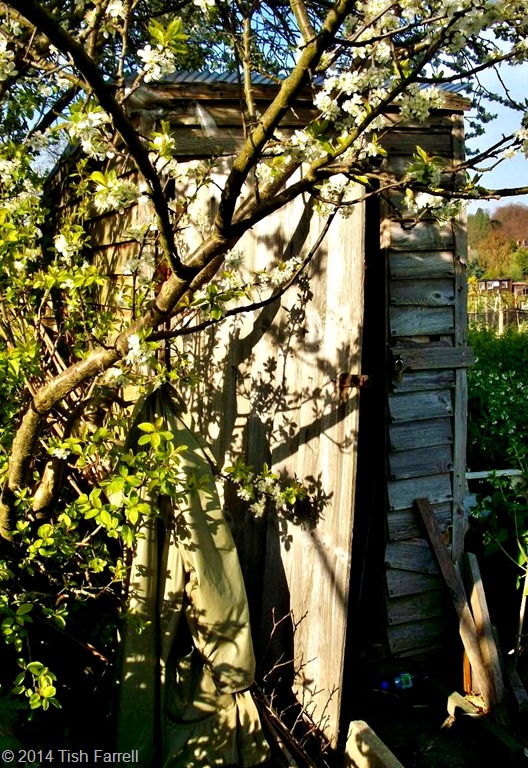
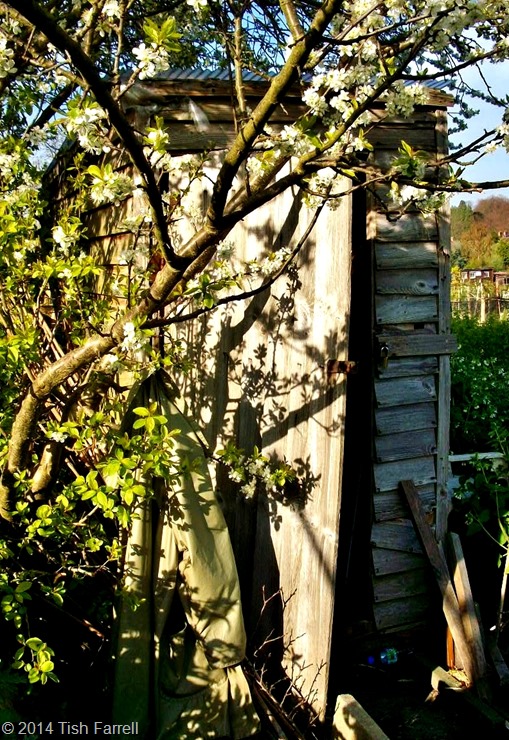
Well the old shed has made it through another year. A couple of bits have fallen off, but last year’s application of internal bracing by the Team Leader, aka Graham, has kept its tendency to list in an easterly direction in check. Would that we all had such a bracing. Over the winter it housed a poor mummified mouse, and snails still go to roost in there. I’m not showing you the inside, though. You definitely do  not want to see in there.
100_5374 (2)

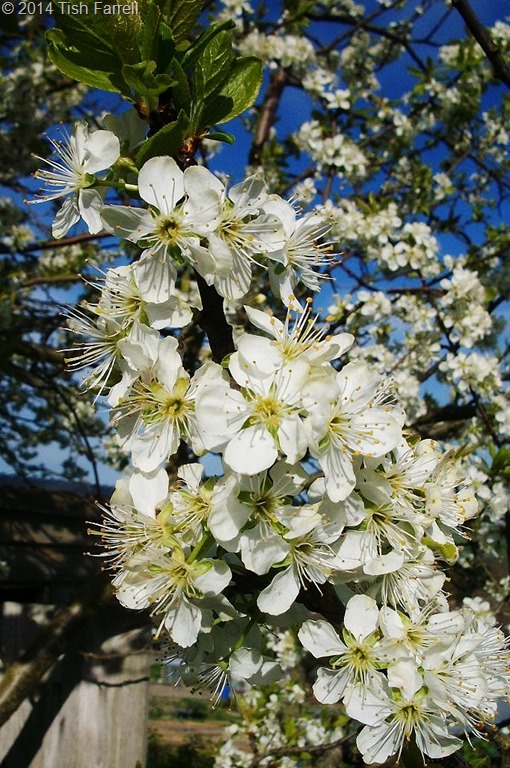
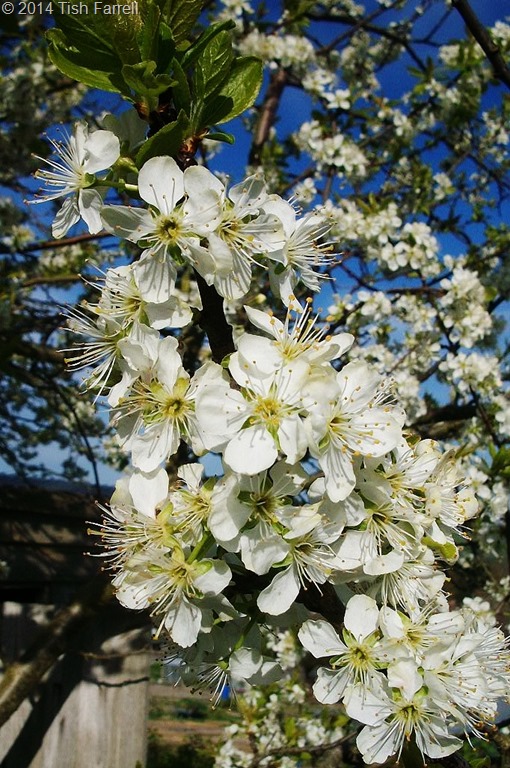
Instead, here is the ancient greengage tree with its delicate blossom. Already I’m wondering if it will give us some fruit this year. Greengages are notoriously temperamental, and after the magnificent crop in my first year of allotmenting that had us, and all our friends and relations, dribbling with delight over bucket loads of luscious harvest, it has borne very little. That was seven years ago. Maybe this year is the year then.
100_5362

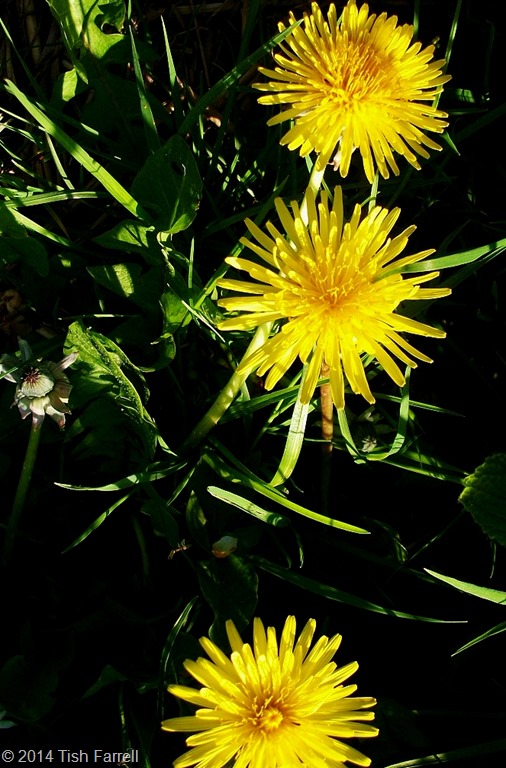
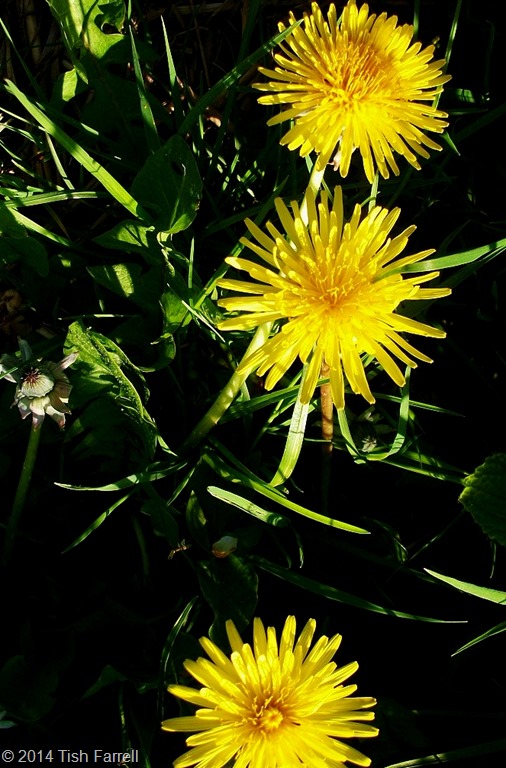
There are loads of jobs to do, not least digging. The endlessly wet autumn and winter meant that winter digging was impossible, so there has been much to catch up on. Meanwhile the weeds are literally having a field day, which makes this the the season of dandelion beheading. (Sorry, dandelions). They are sprouting up all along the paths between everyone’s plots, and I’m afraid I find great satisfaction in slicing off these cheery faces with my strimmer. Their replacements are anyway there the next day, beaming vigorously.
100_5637

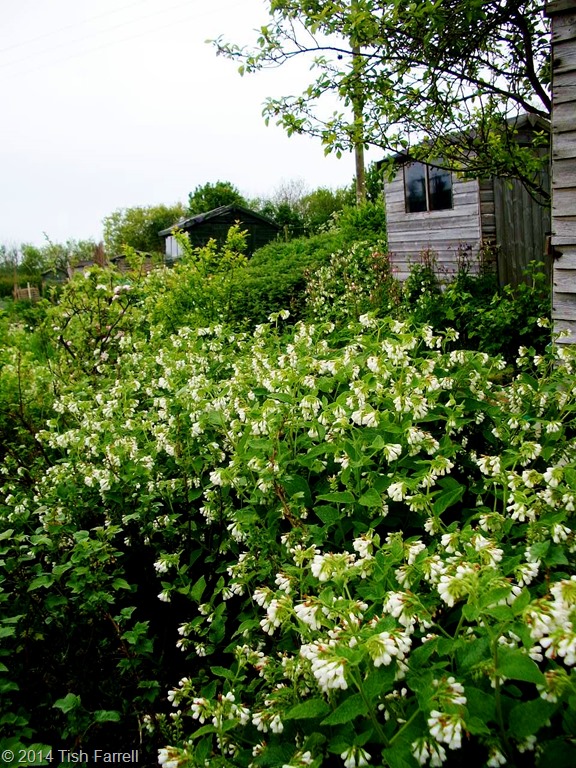
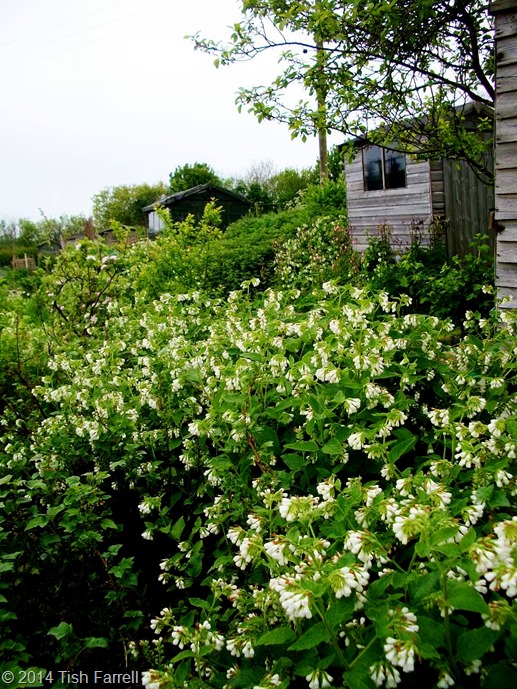
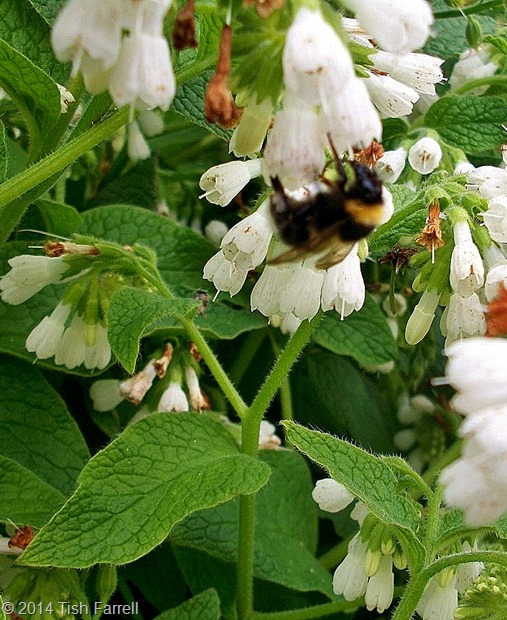
Then there is the comfrey forest to manage. This plant I crop and cherish. You cannot have too much of it, and it obligingly grows  itself in a huge clump beside the shed. If you cut it down after flowering, it will grow again and again during the summer.

Comfrey, as I have mentioned before, is the organic gardener’s dream plant. It comes in other shades, pink to purple through blue. Its ability to mine otherwise inaccessible  nutrients from the soil (dynamic accumulation I believe this is called) and repurpose them in its foliage make it an endless source of cost-free fertilizer. It is one of the reasons why you can’t look in my shed. I do my brewing in there. And no. It’s not what you think.
100_5645

For those who missed an earlier post on this, I stuff old compost bags with the comfrey’s  top growth, seal them with clothes pegs, cut a hole in the corner of each bag, and prop it over a bucket and wait. In the warmth of the shed the vegetation soon rots down, giving out a dark and evil looking liquid that collects in the buckets.  This stuff is pretty smelly, although nowhere near as pungent as the slimy residue left in the bag, which then ends up on the compost heap. The liquid I  decant  into old plastic bottles, and use as a feed through the growing season. It is 3 times richer in potassium that farmyard manure, but it must be diluted 1 part comfrey essence to 15 parts water.

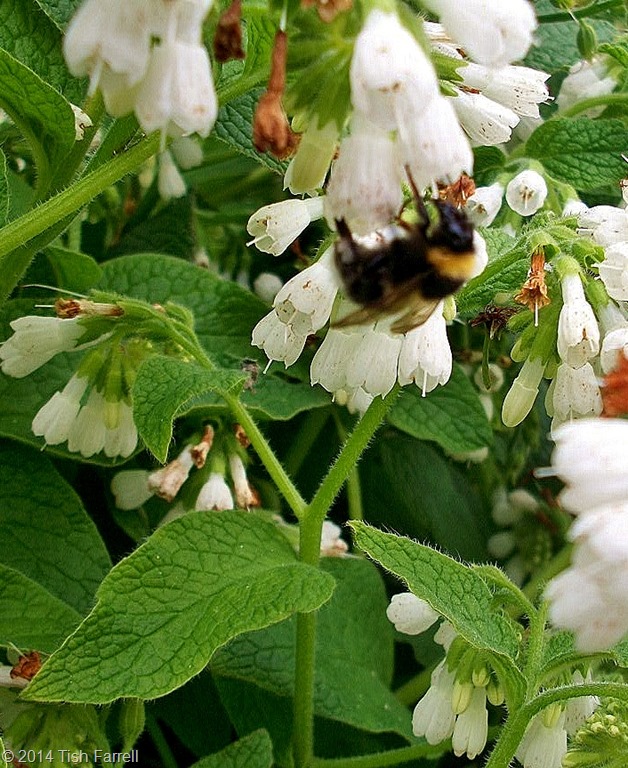
The blurry bee above would not stay still for the shot, but that’s another good thing about comfrey. Bees like it. As I took this, I spotted at least 4 different kinds: a honey bee and three bumbles of varying liveries and sizes. Having written of the dire things that are happening to bees, it’s heartening to see so many at the allotment doing their work. Thank you, bees.
100_5647

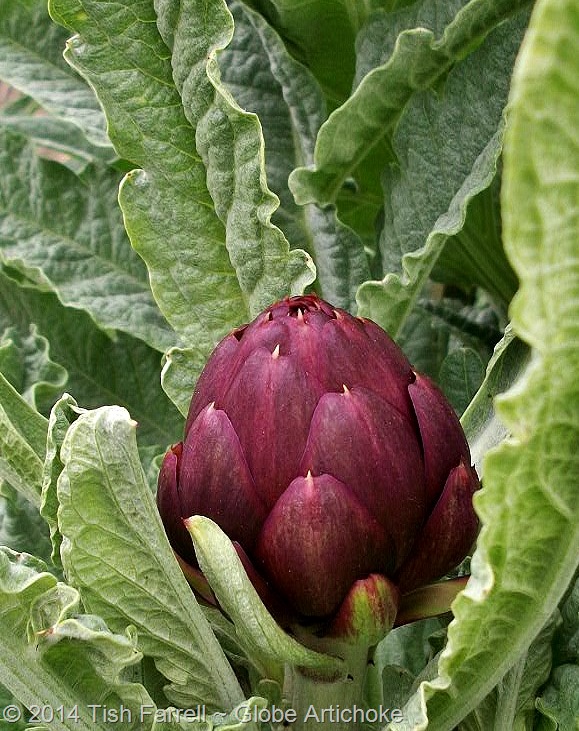
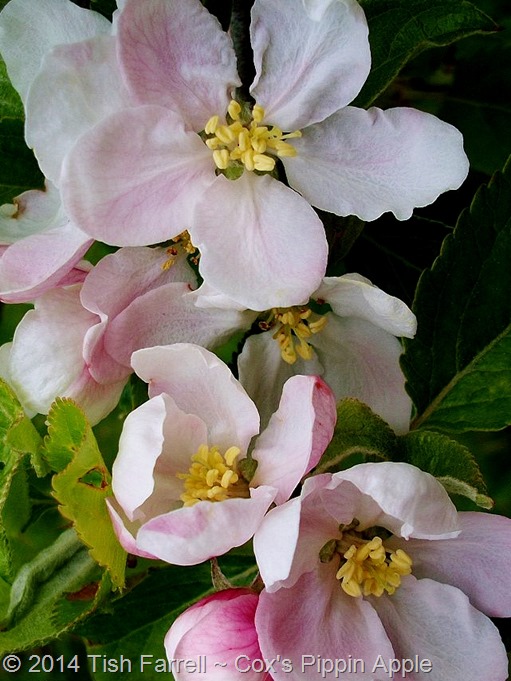
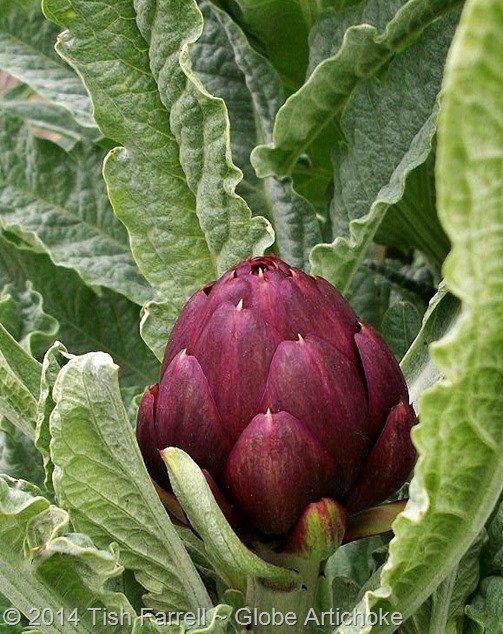
The mild winter has meant that many crops simply kept going without dying back. Yesterday I noticed that my globe artichokes have already made globes almost big enough to eat. In May? What is going on?  But thank  you, artichokes.
100_5611

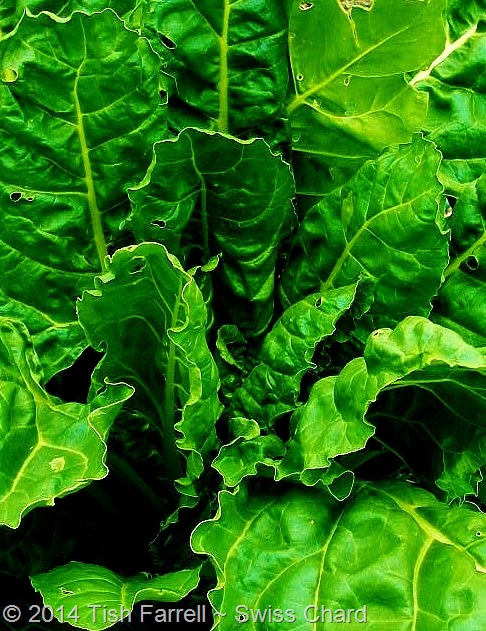
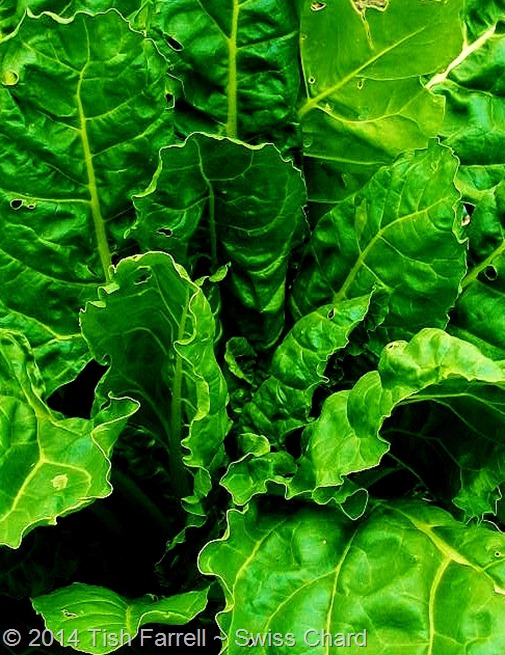
The Swiss Chard has been magnificent too and kept us going through the winter with fresh new leaves. It is only now going to seed. Nor did I sow it in the first place. It seeded itself around my plot from my neighbours’ plot. Thank you,  Pete and Kate.
100_4188

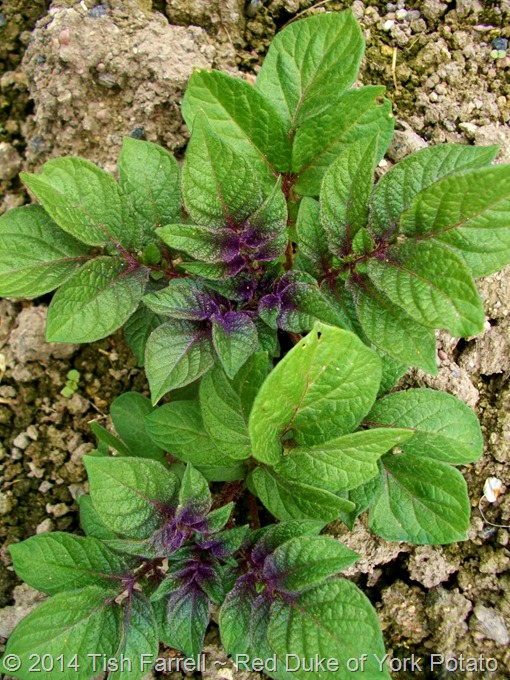
And now you can look at my Red Duke of York spuds, their foliage just pushing through the soil. I love the purple flush on the new growth.
100_5631

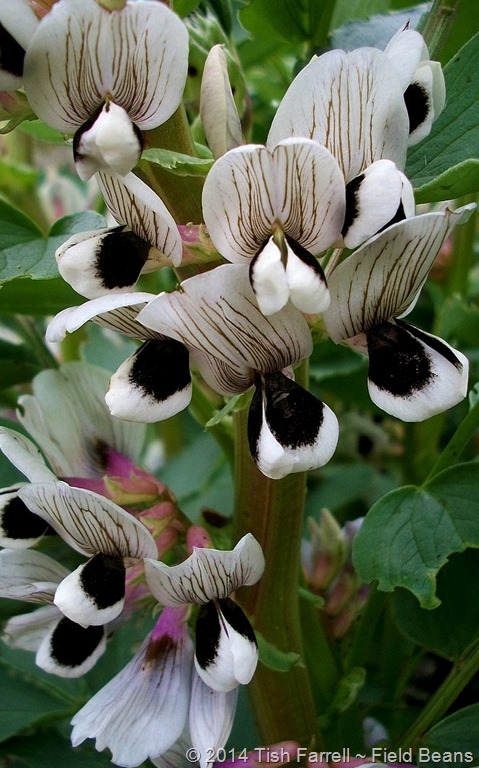
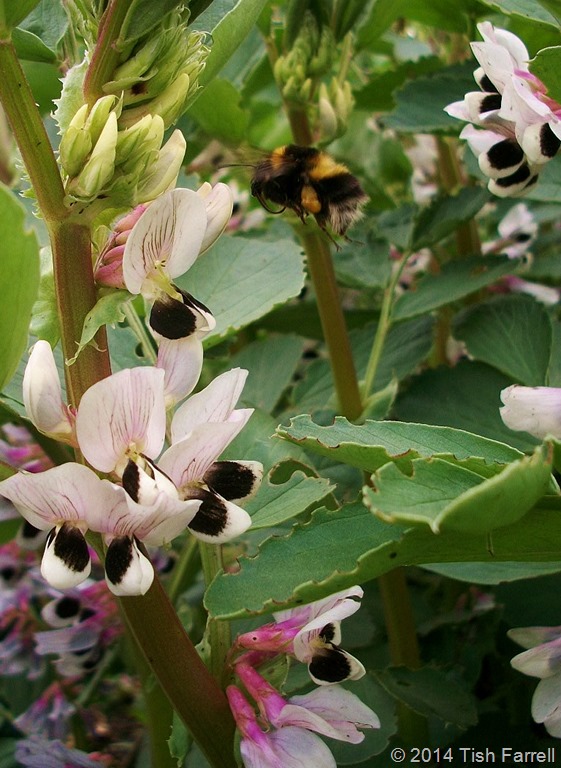
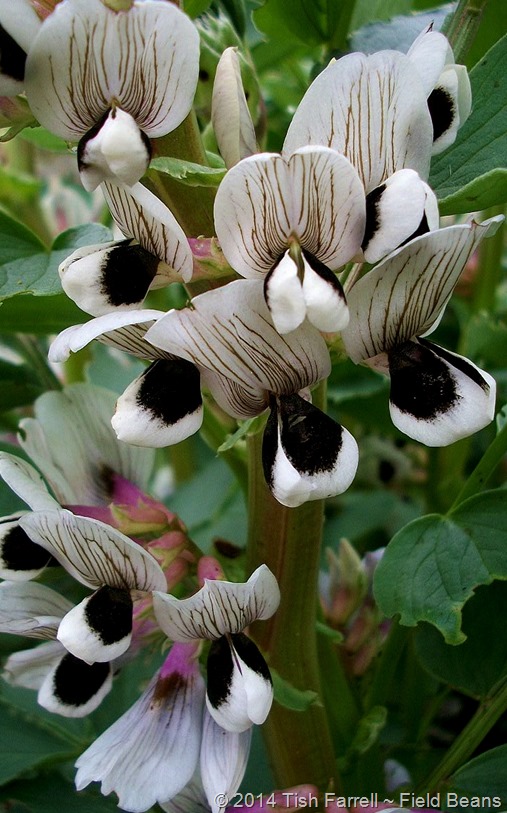
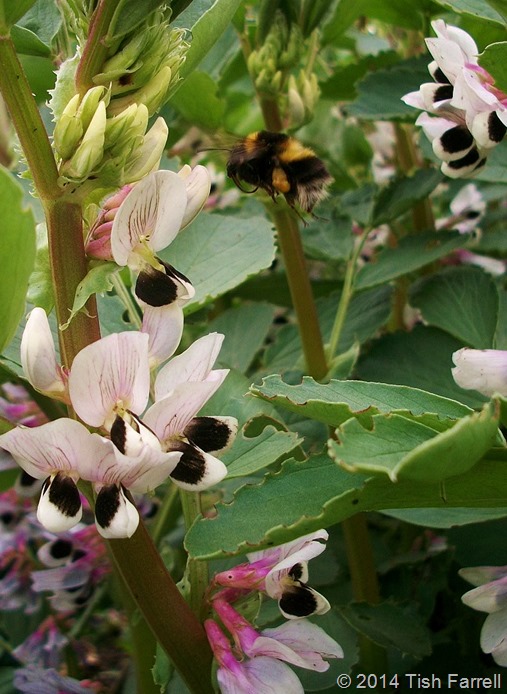
And next are my over-wintered field beans (rather like broad beans I am told, but smaller and tastier). This is the first year I have tried them. The metre tall stems are covered in blossom from tip to root, and the scent is glorious. The bees are busy here too.
100_5620

100_5619

*

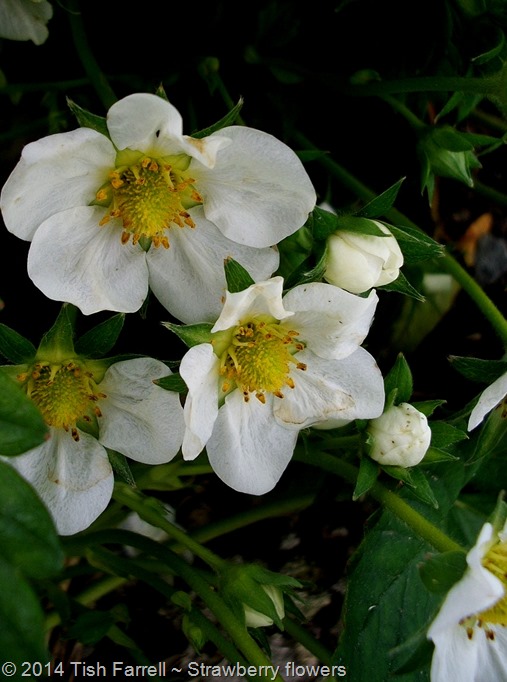
And last but not least, the strawberries are flowering like crazy…
100_5616

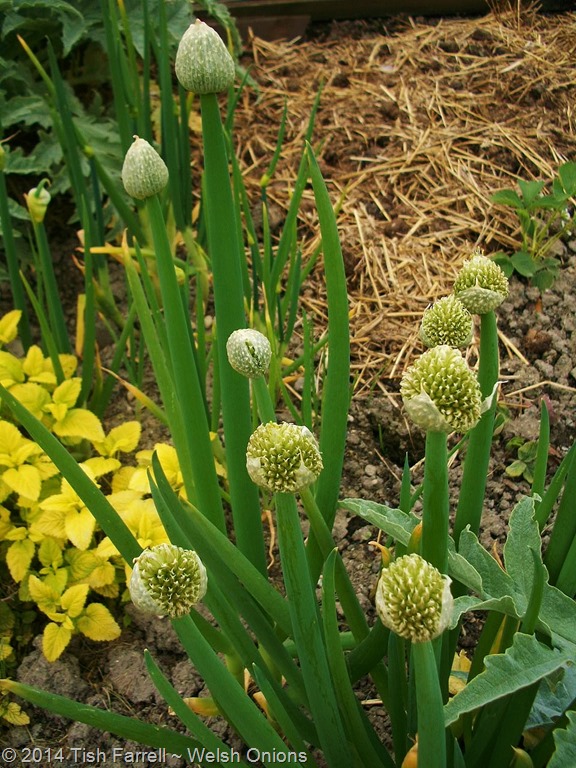
And the Welsh Onions are bursting into bloom beside the Lemon Balm, although I’m not sure whether I should be stopping them from doing this. On the other hand they will look rather splendid as the flowers open, and of course make lots more seed.
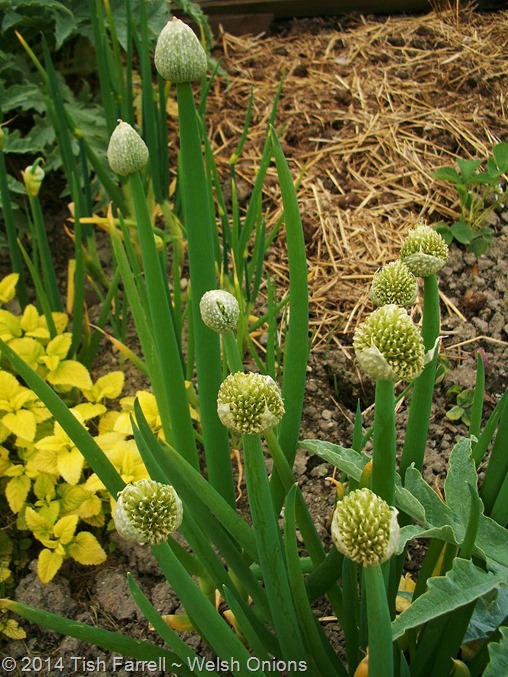
100_5613

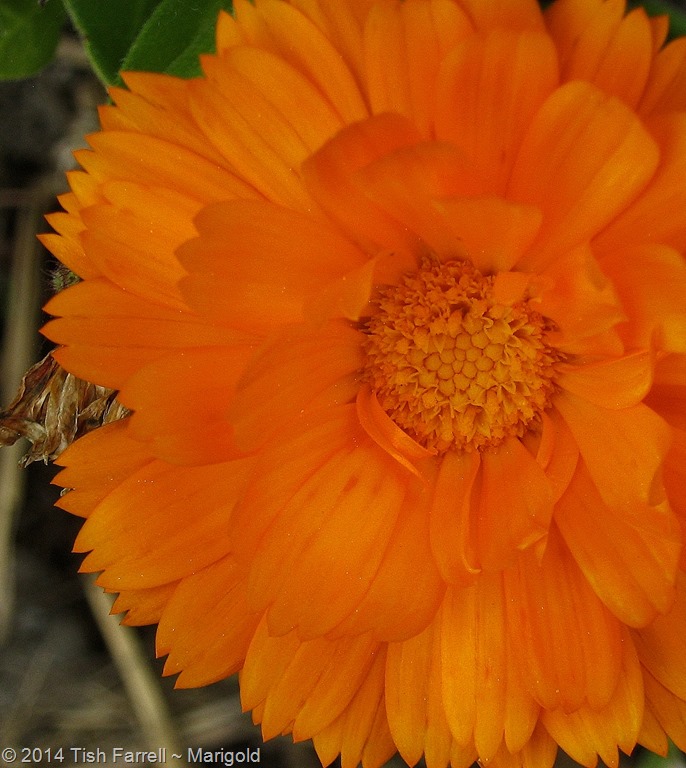
And finally, the brightest face of all at the allotment, other than mine after too much digging. This is yet another lovely plant that grows itself up there with no help from me, and flowers into the winter. Its petals are lovely in salads, and it makes a good herbal tea that is said to improve pretty much any condition. I can believe it. Simply looking at this flower does you good: the orange goes right through your eyes and into your immune system. A big hand then, for the marigold. TARRAAAAH!
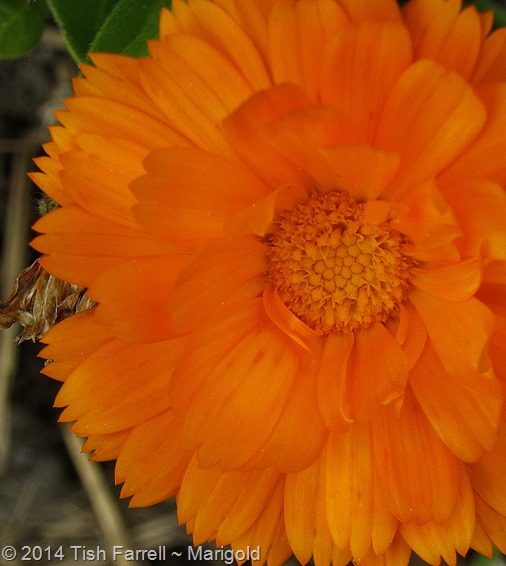
IMG_1137

© 2014 Tish Farrell

Please go to all these places for lots more brilliant stories:

Frizztext’s tagged ‘R’

Ailsa’s Travel Challenge ~ Close-up

DP Weekly Photo Challenge ~ Spring