Mara Sundowner: Plains’ Shadows

Maasai Mara sunset

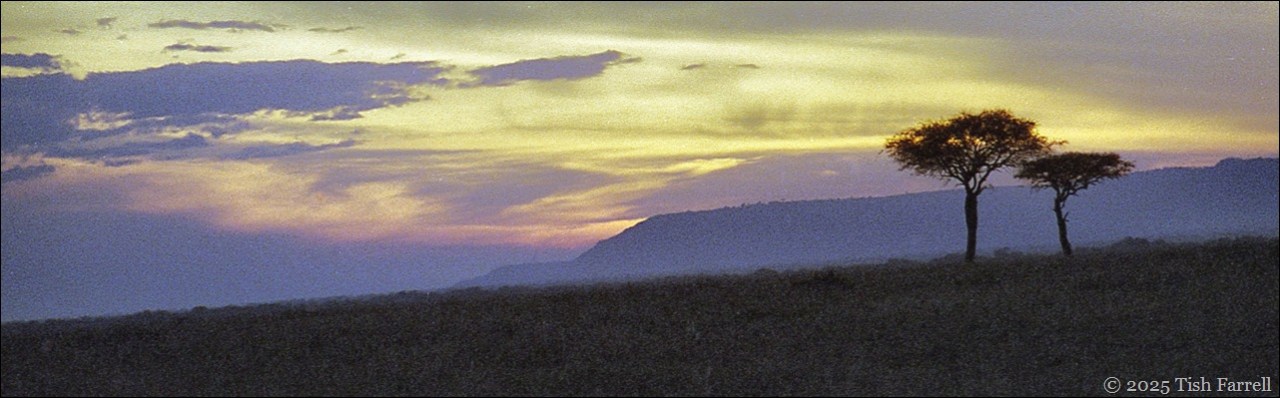
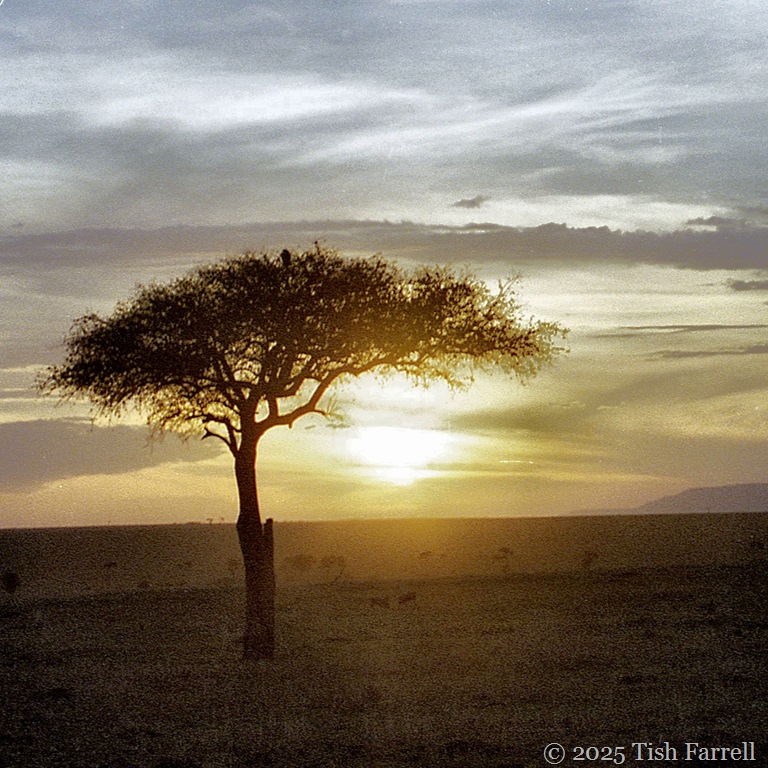
Back to the Farrell ‘once in Africa’ archives for this final ‘shadows’ post.

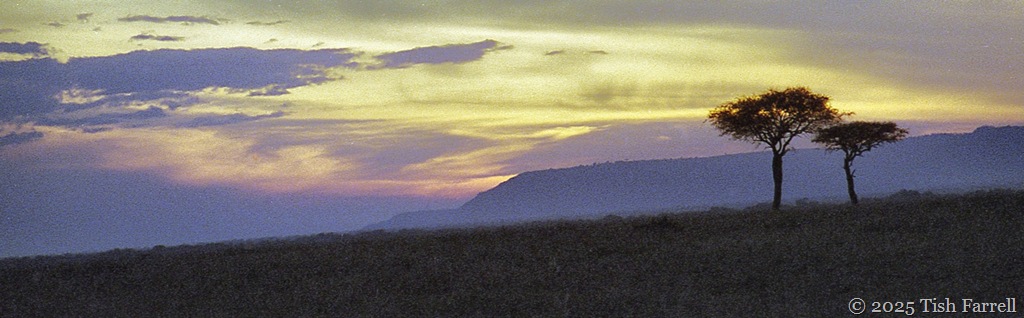
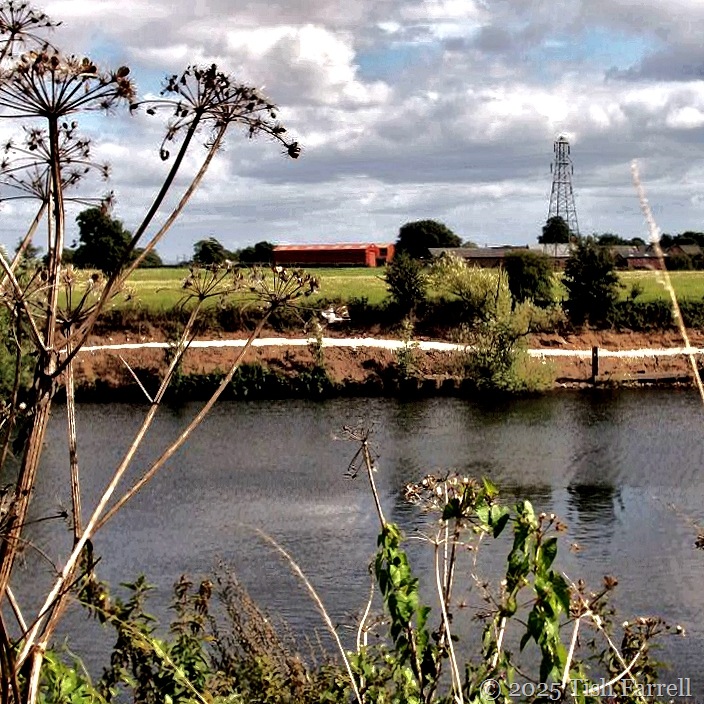
Here we have the Maasai Mara in December, a desert date tree, a shadowy glimpse of the Oloololo Escarpment, lots of stunning memories invoked, plus a few pangs for Kenya days long gone.

And talking of gone, where did this month go? Now as ‘November Shadows’ draw to a close, a big round of applause for Becky who has kept so many of us so well occupied.

Cheers, my dear!

November Shadows #30

Desert date sunset header

A Shadowy Past

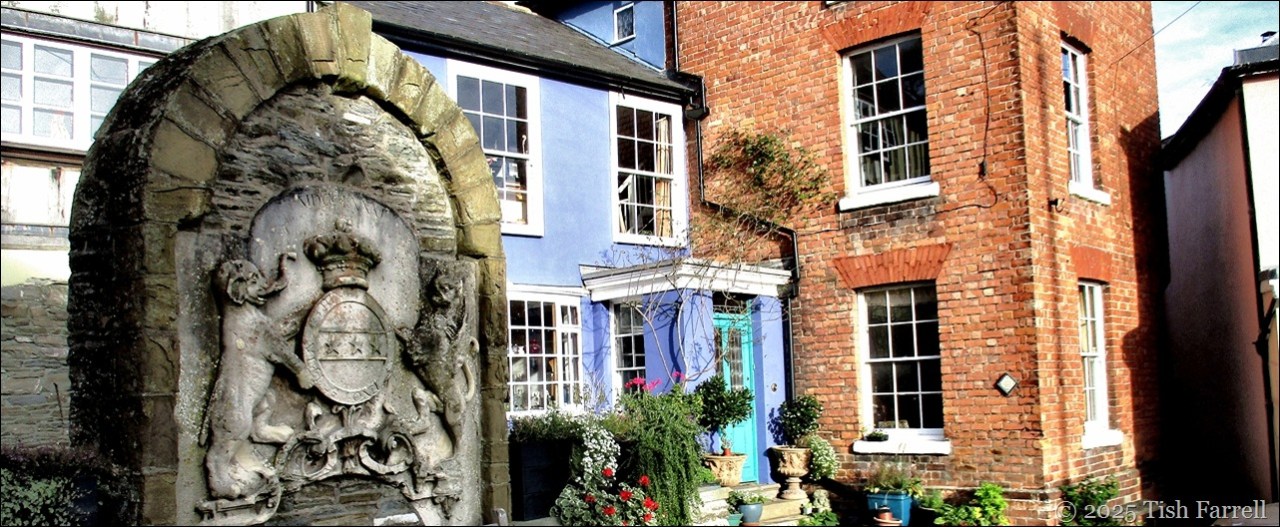
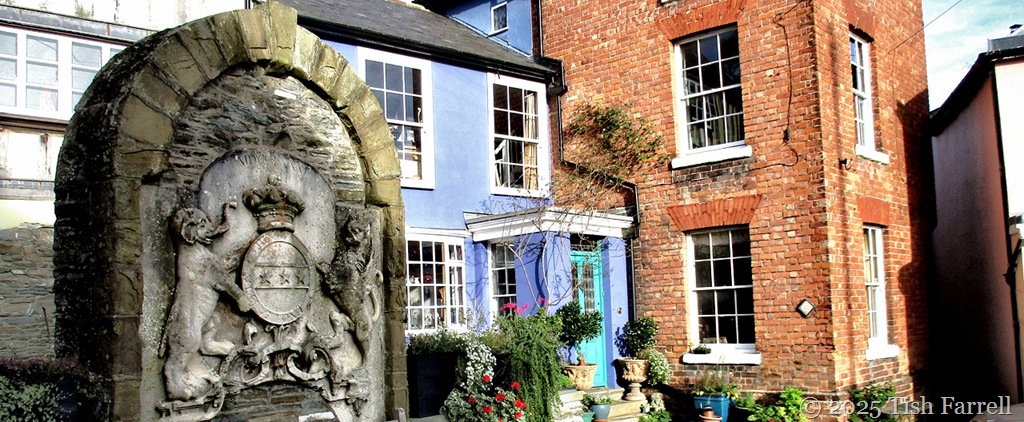
Clive coat of arms

This is a fine spot for catching one’s breath after climbing Bishop’s Castle’s steep High Street. The bench sits on the footprint of a long gone market hall, built for the town by Edward, eldest son of Robert Clive (as in Clive of India) in 1781. At this time (and until 1926) the manor of Bishop’s Castle was owned by the Clive family, and above the bench is some surviving evidence. This is the Clive family’s (acquired) coat of arms: an Indian elephant and a griffin that once adorned the market hall, and so stood above the town, proclaiming the Clive wealth and power.

top4

This, then,  is the view from the bench in the Market Square. (I included it the other day on our walk around the town). All very picturesque. Except, even on a bright autumn afternoon, that Clive coat of arms sheds dark shadows that still linger.

Robert Clive (1725-1774), was the pugnacious offspring of a Shropshire land-owning family. He began his meteoric career as a clerk in the East India Company Madras in 1744. Once in India, he proved an able administrator and ruthless military commander, so efficient in fact, he is credited with securing the power of the East India Company and thus the establishment of British Rule in India.

He returned to England with a vast fortune, equivalent to some 30 million pounds by today’s values. That he was the subject of a parliamentary enquiry for corruption (including examination of his punitive policies while running the East India Company) did not stop him from securing an Irish barony and buying his way into government.

He lived in Mayfair, London and owned estates in Surrey and Ireland, but bought the Shrewsbury  seat in 1761 and remained the town’s M.P. until 1774. (Shrewsbury is Shropshire’s county town and nowhere near London). He also deployed his wealth to secure the votes of Bishop’s Castle’s 150 burgesses, so ensuring that this town’s M.P. was also always a member of the Clive family fiefdom.  The town already had the reputation as a ‘rotten borough’ i.e. votes for whoever could best bribe the burgesses. Now it became a ‘Pocket Borough’ ruled by Clive friends and relations, a situation that continued until 1832 when The Electoral Reform Act ended direct representation for the town and other ‘rotten boroughs.’

It’s astonishing perhaps to think how one man’s shadow can reach so far – through time and across the world. But then what about those among us today whose material ambitions and global reach affect the lives of millions; I wonder what future historians will have to say of them.


November Squares #23

Jude’s Bench Challenge Anniversary

clive coat of arms header

Sun And Shadow At The Top Of The Town

top3

Yesterday we had sun. We did! And a fine afternoon it was for a short tramp up and round the town.

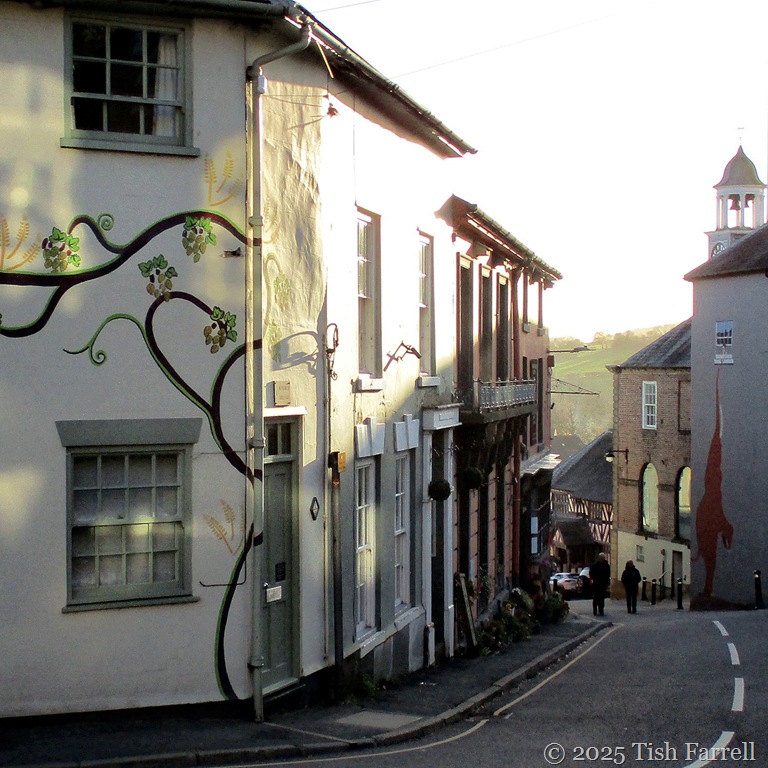
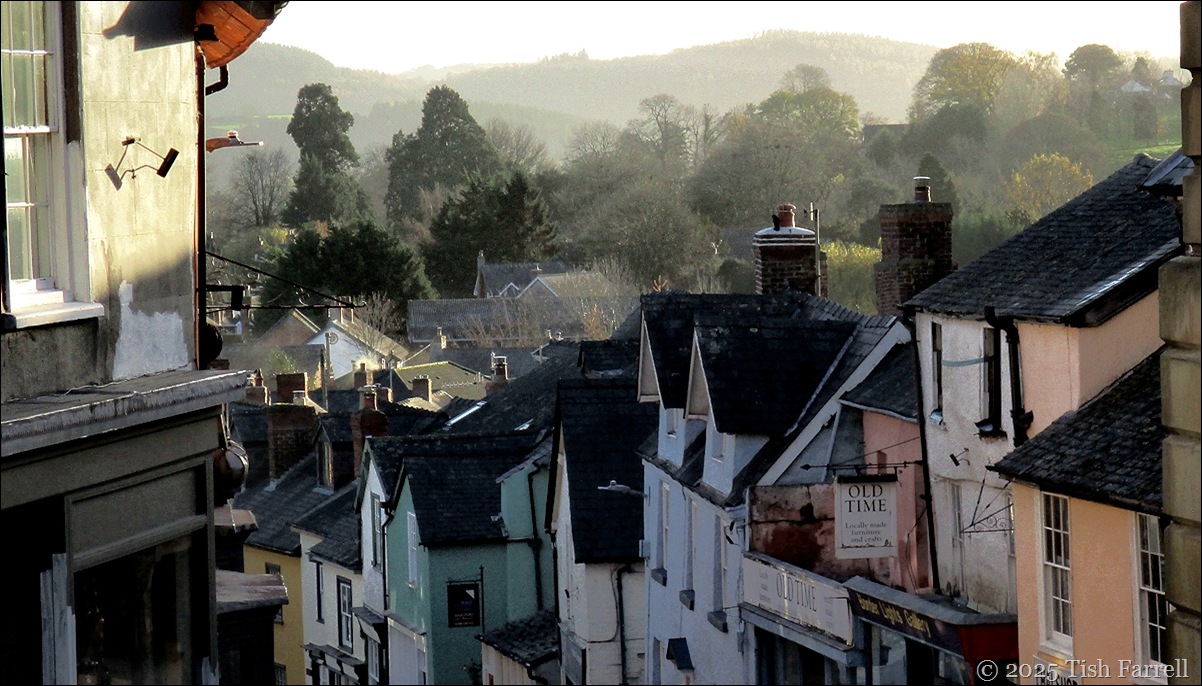
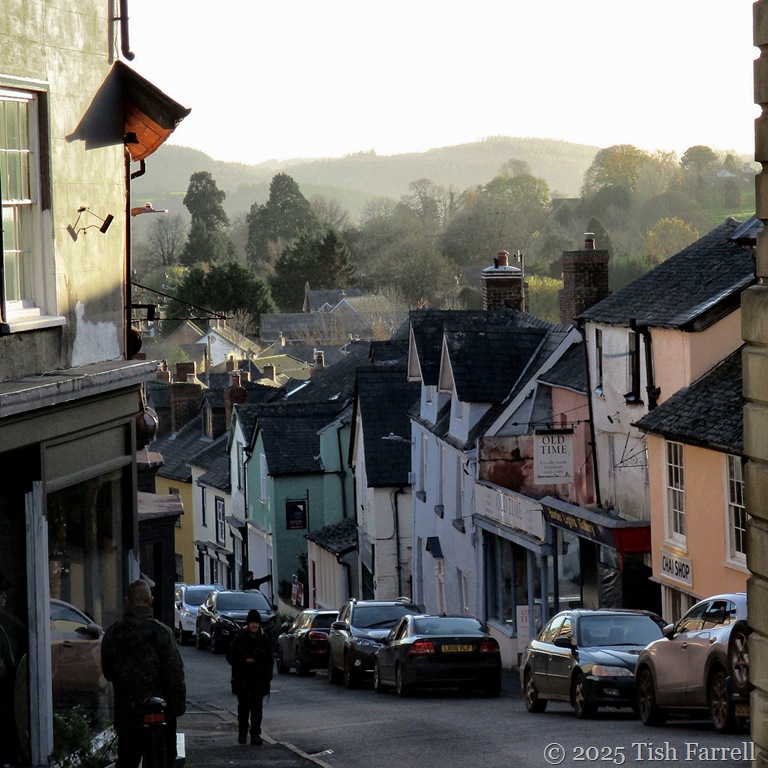
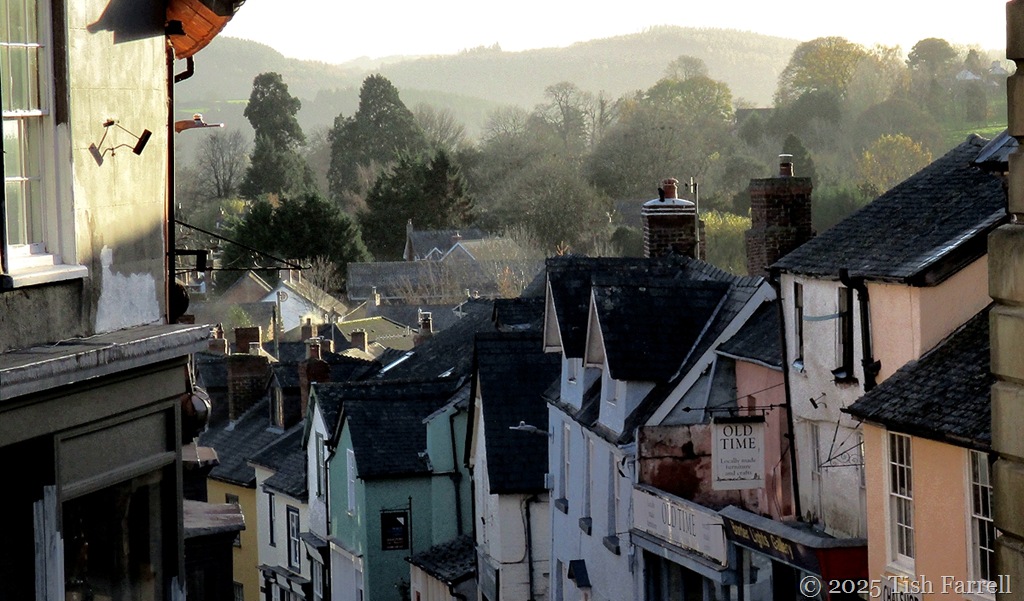
As you can see, Bishop’s Castle is on a steep hill. The header view shows the High Street below the Town Hall. We’re around half way up the hill.

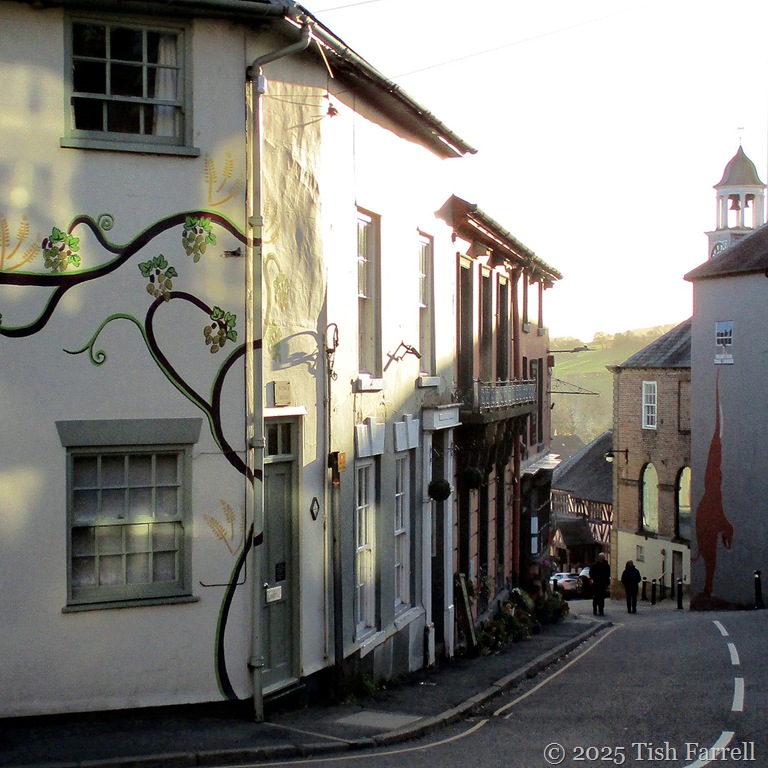
Now I’m walking you backwards, past the Town Hall, past Bamber’s elephant mural into the Market Square, and crossing Salop Street.

top4

*

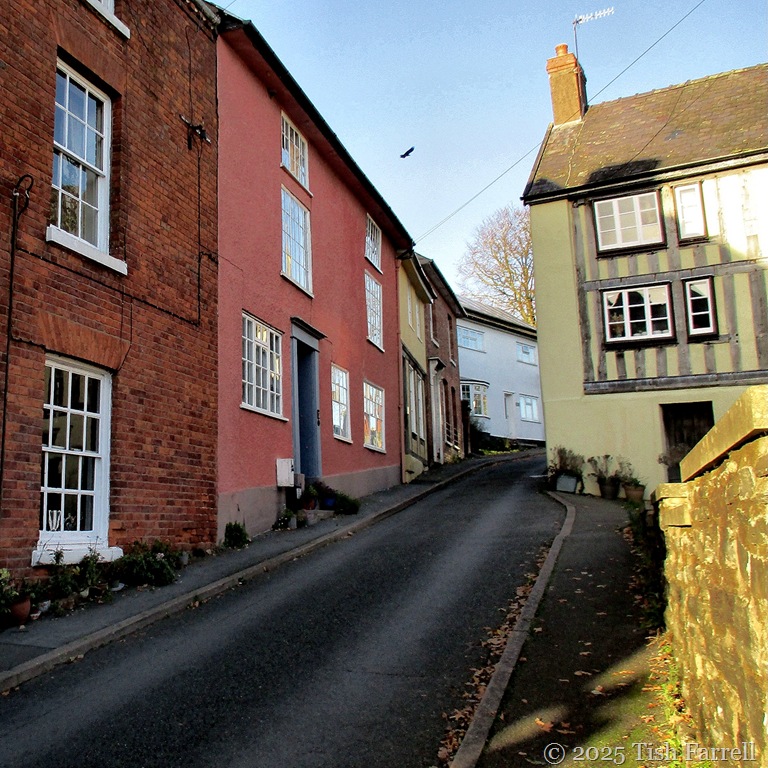
And now I’m turning  you right around to look up Bull Street:

top5

And we’re still not at the top.

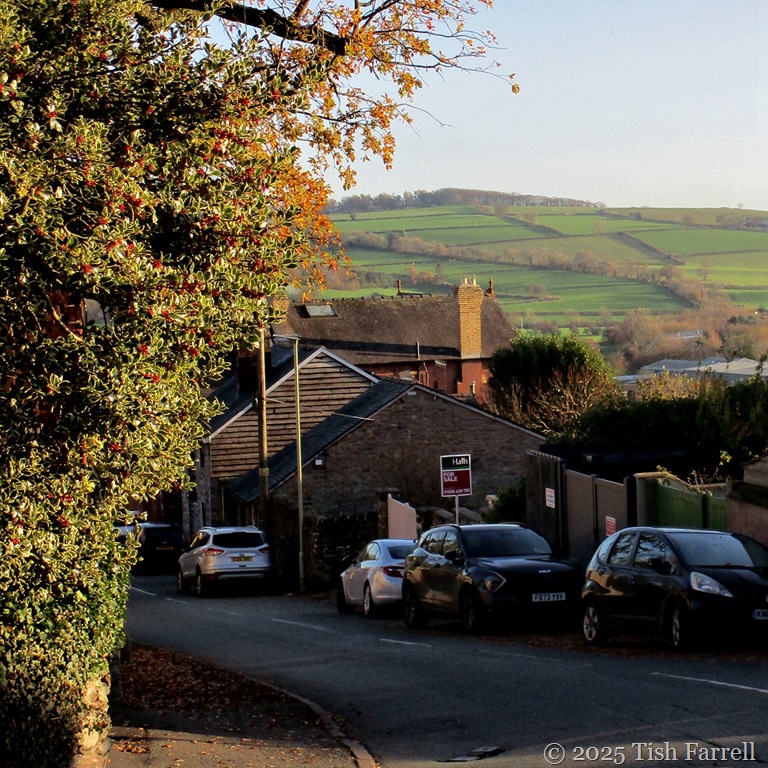
Bull Street leads to Bull Lane. If we look right and downhill, there’s a fine view of farm fields, doubtless winter wheat and oil seed rape.

top 6

But we’re not going down, but left and up to the crossroads where Bull Lane meets Castle Street, Wintles Lane and Montgomery Road.

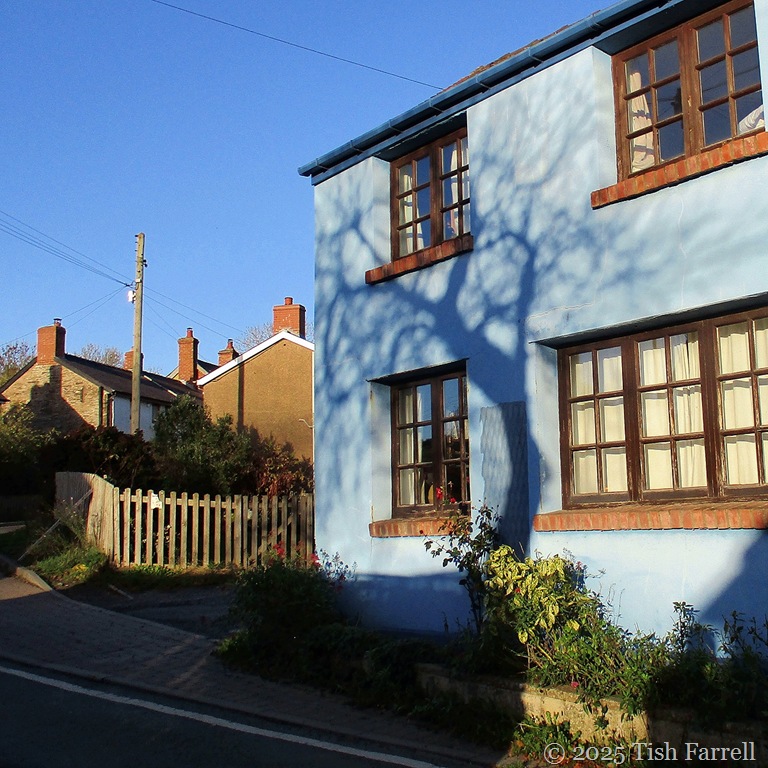
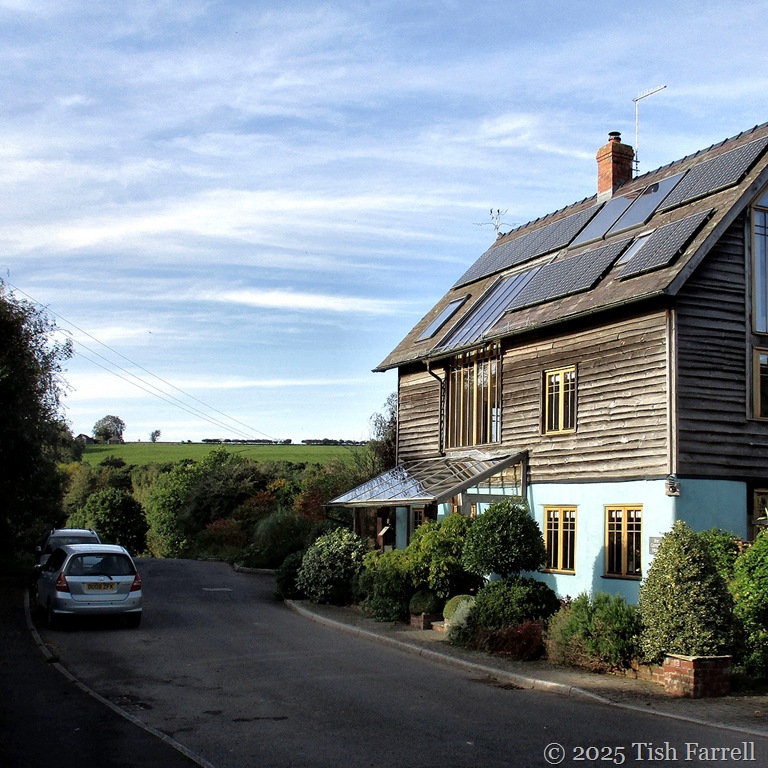
Now we’re at the top of the town, by the blue house that is growing a fine shadow tree:

top8

*

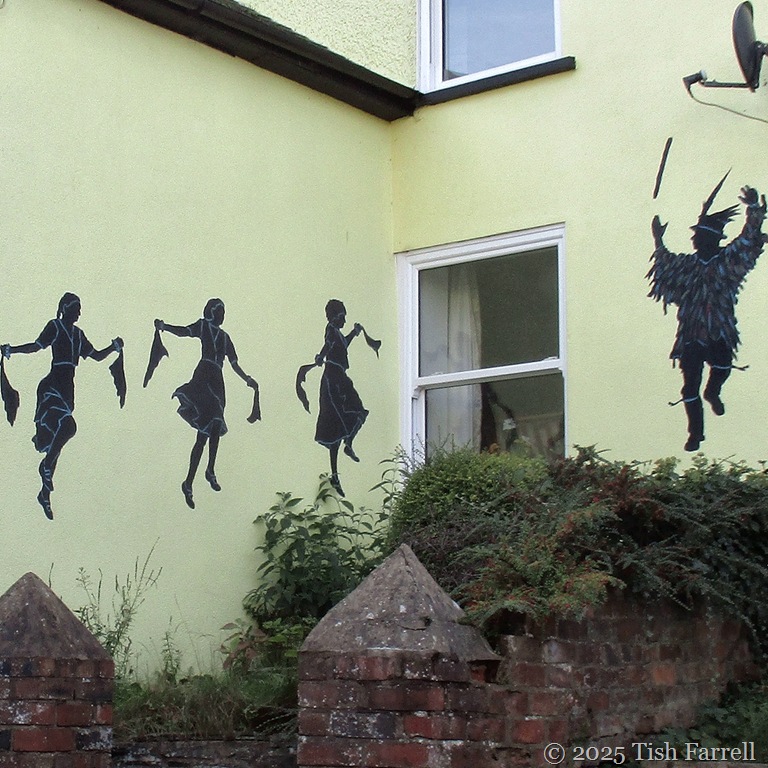
And in the shade, on the house wall opposite, a tribute to our two local Morris dance teams, the Shropshire Bedlams and Martha Rhoden’s Tuppenny Dish

top9

*

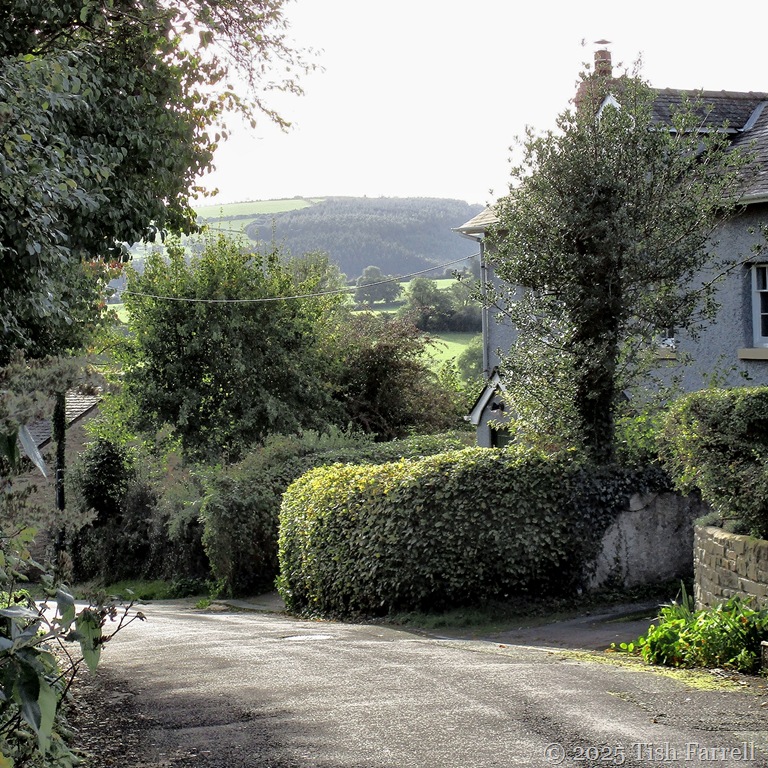
At the crossroads it’s decision time – to go left and back into town via Castle Street (where there is no castle, only some ground it once sat on and some more good views):

top10 castle st

*

Or cross the road into Wintles Lane:

top 11 wintles lane

*

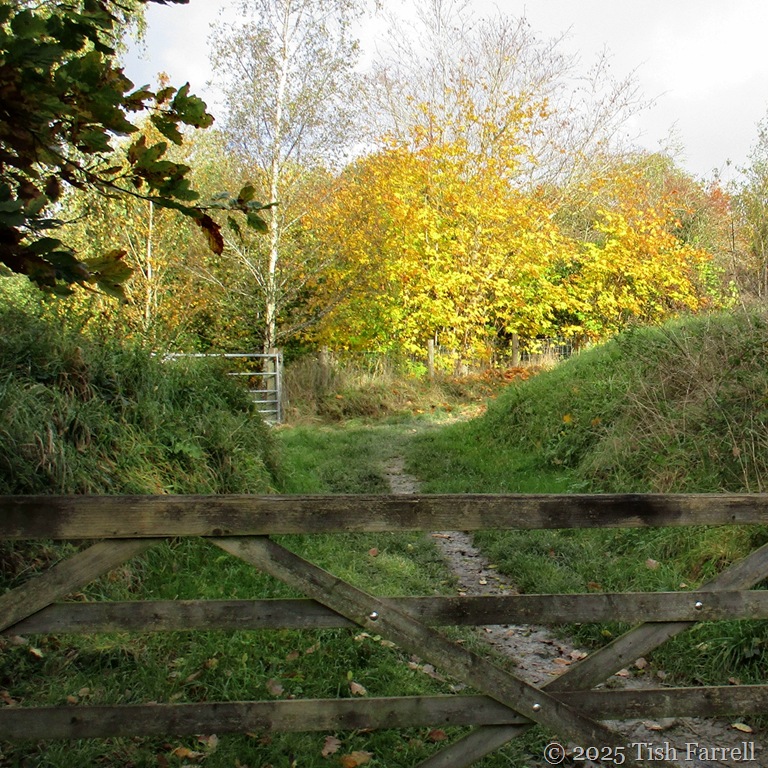
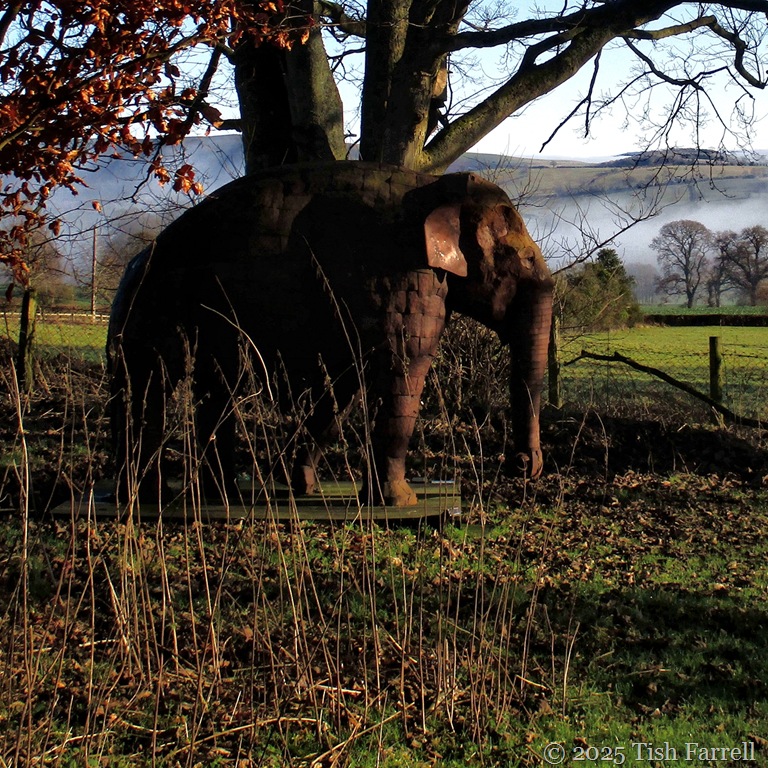
If you want to see the elephant sculpture, then you need to take the Wintles Lane option and follow the footpaths on the right. And climb another hill:

top12

top 13 wintles hill

Elephant

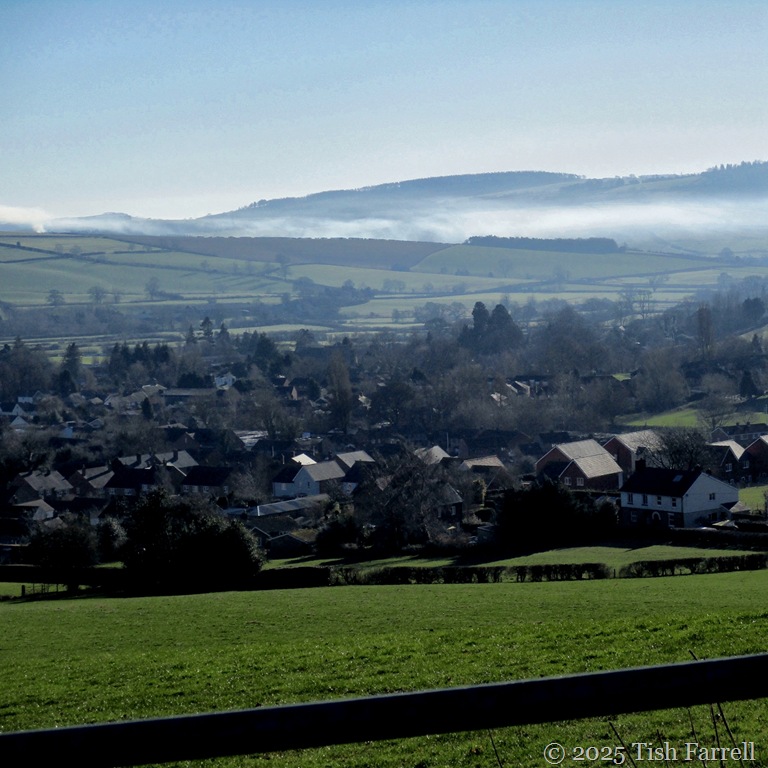
It’s also worth clambering up here for the view of the Long Mynd.

And from here, too,  you can turn about and look down on the town. A fine spot on Planet Earth:

IMG_6729sq

November Shadows #18

top3 header

In Great Grandmother’s Footsteps

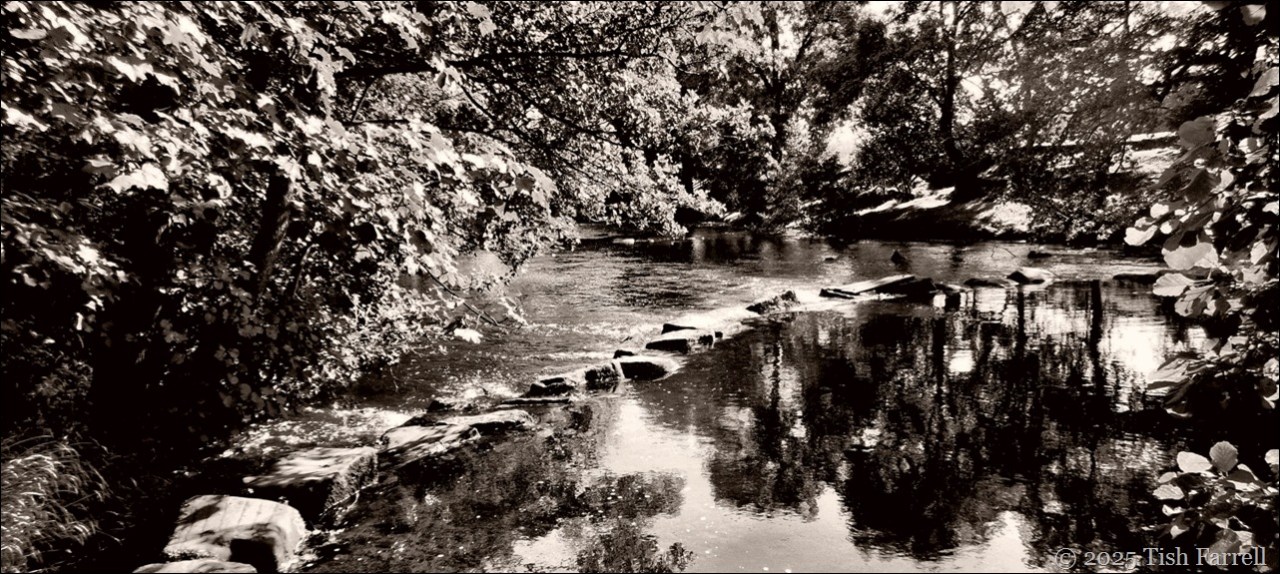
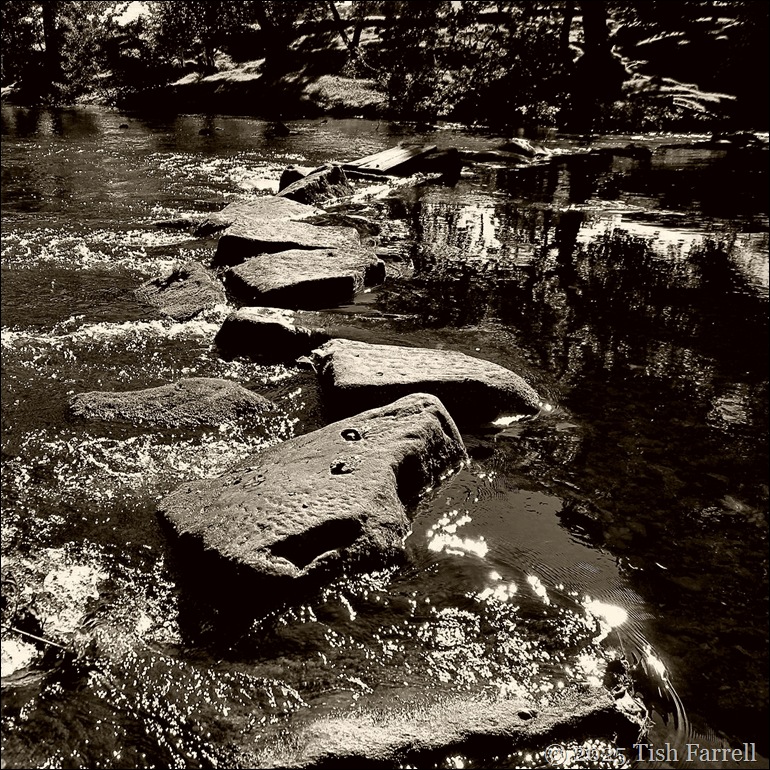
Callow and stepping stones sepia

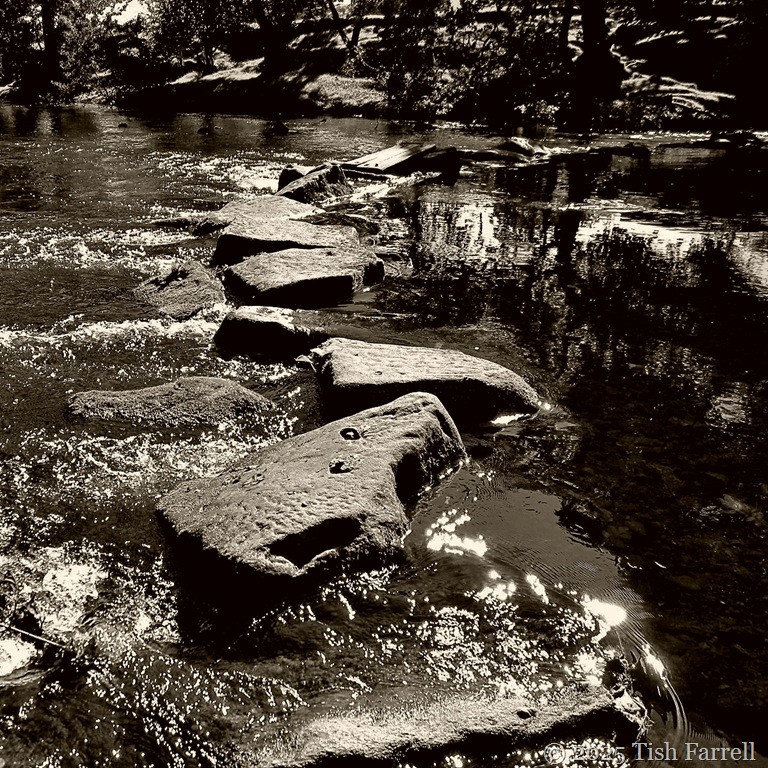
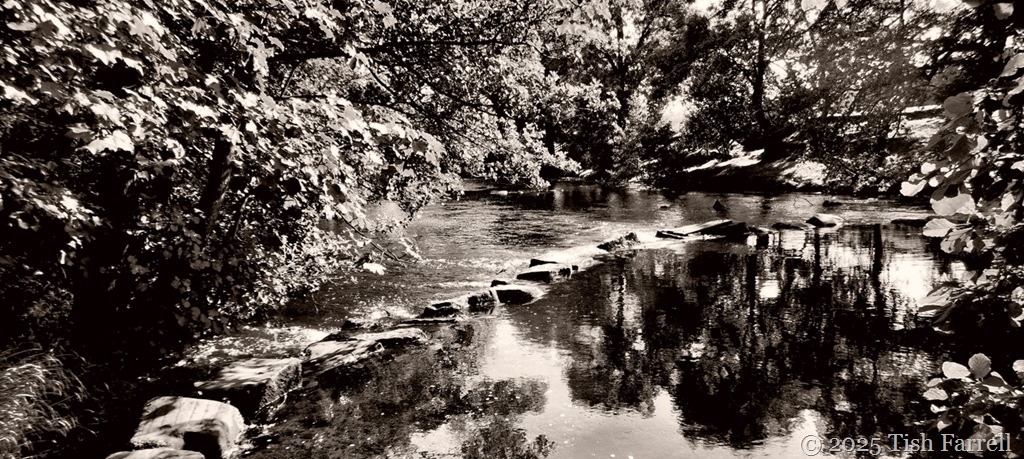
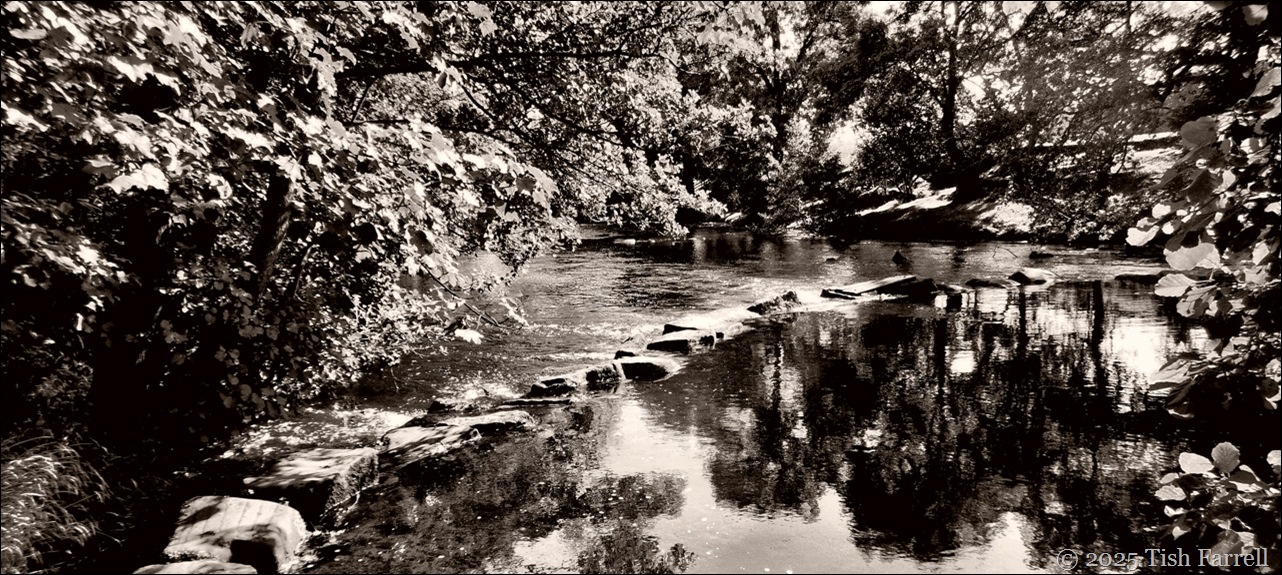
This is where my great grandmother used to cross the River Derwent to go shopping in Hathersage back in the 1880s. I know this because, much like stepping from stone to stone, she told my grandmother, who told her daughter, who then told me.

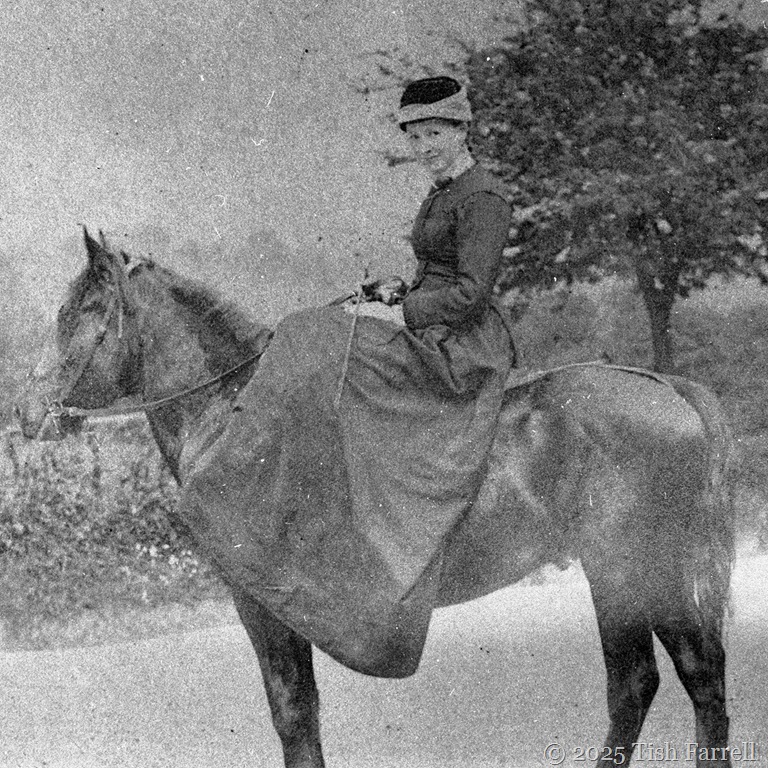
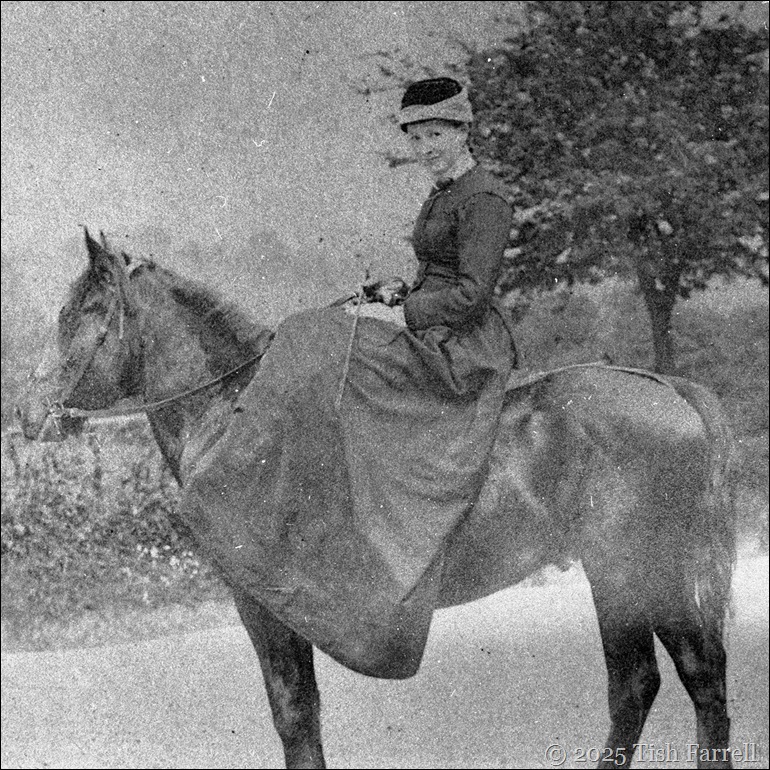
Here she is, Mary Ann Williamson Fox, in her late teens (she still has her hair in a long plait) before her father confiscated her pony. She disobeyed him too many times, jumping the farm gate (side-saddle) on the lane to Highlow Hall.
Mary Ann square

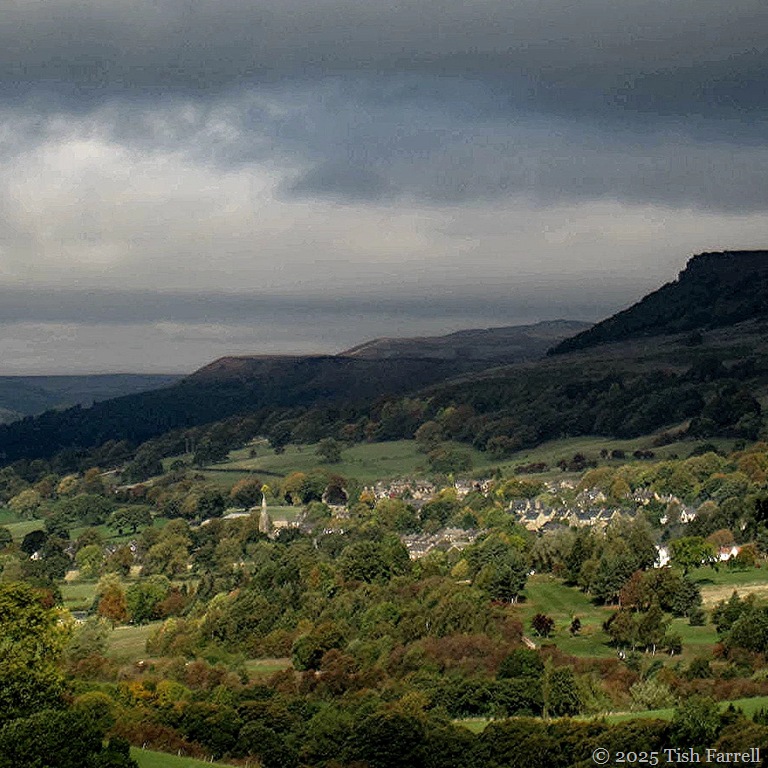
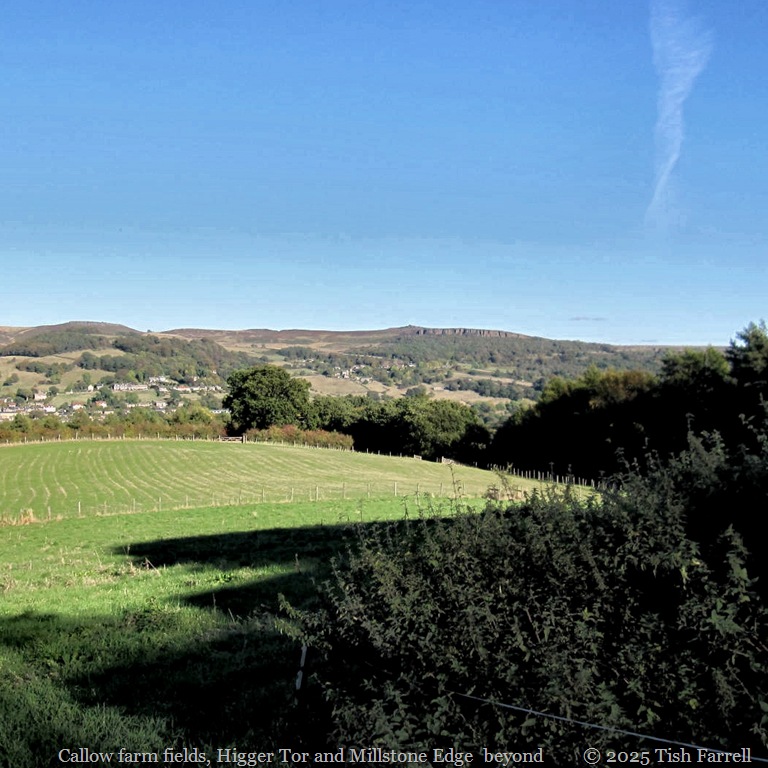
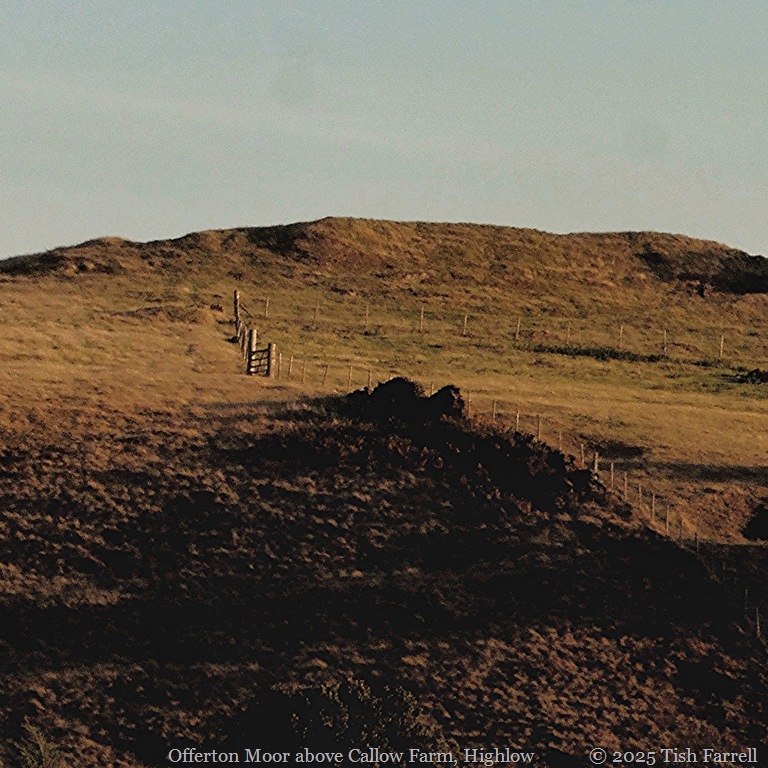
She was born in at Callow Farmhouse on the Highlow Estate in 1863. The house sits on the hillside above the river, the wilds of Offerton Moor above, the township of Hathersage below, the view across the valley to Higger Tor and Millstone Edge, and further off to Stanage Edge and Bamford (below).
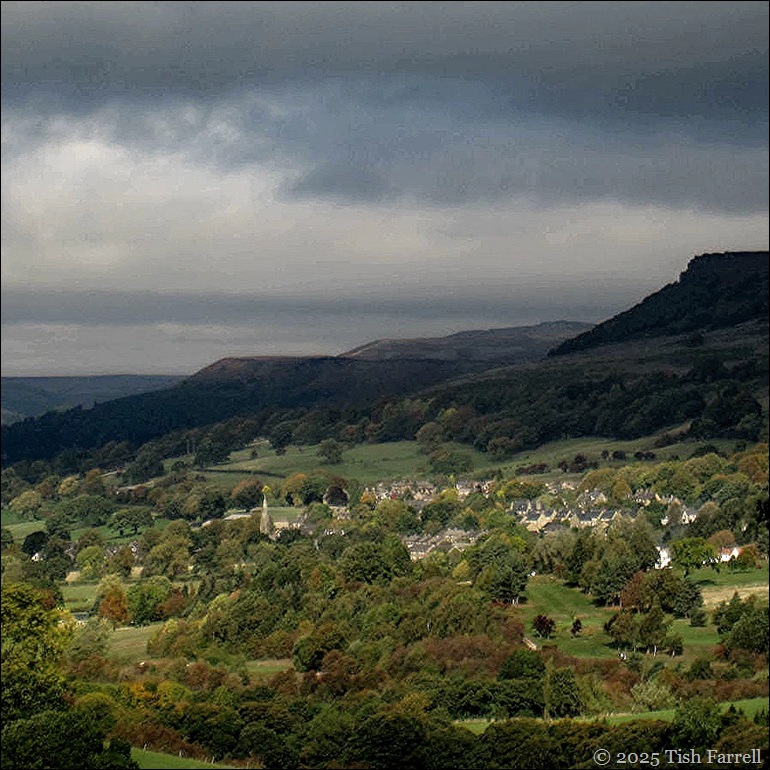
Hathersage, St Michaels, Callow view

Mary Ann’s father, George Brayley Fox (1820-1904) had been born at Callow too. He was a tenant of the Duke of Devonshire, as four generations of Foxes had been before him. They were middling folk, yeoman farmers who also owned land and property across the River Derwent at Newitts Field.  There were connections, too, with lead mining. Mary Ann’s mother, also Mary Ann (nee Bennet), inherited land with lead deposits over in Great Hucklow, a bequest from her grandfather, Robert Jackson, Smalldale hatter, farmer and lead miner.

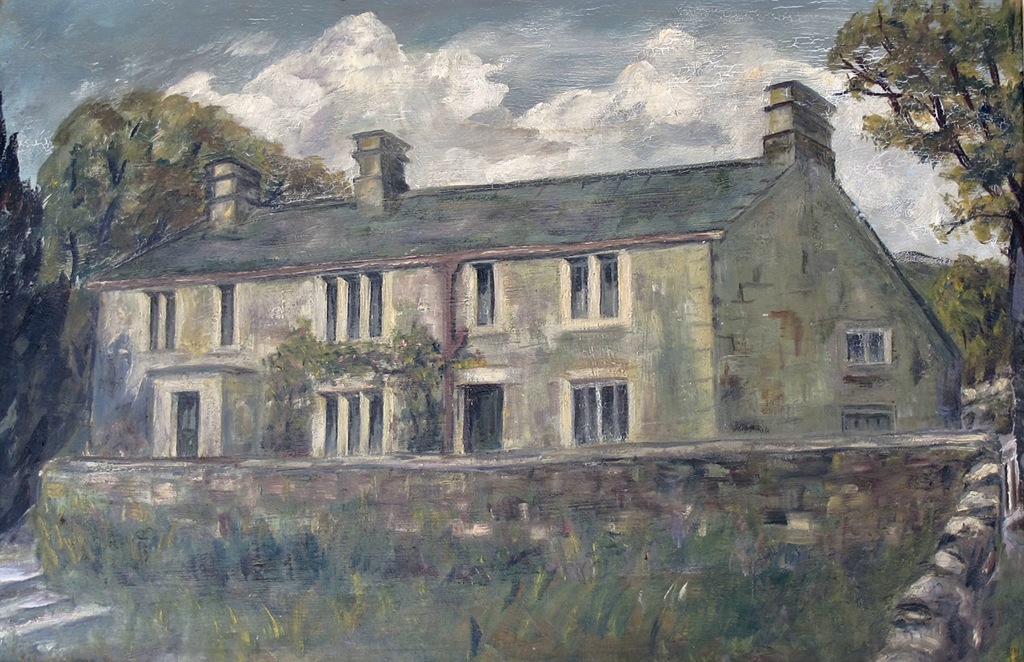
Callow farmhouse is still there, privately owned these days and presently up for sale, but this inter-war painting (found on the internet) is perhaps more the home that Mary Ann would recognise.
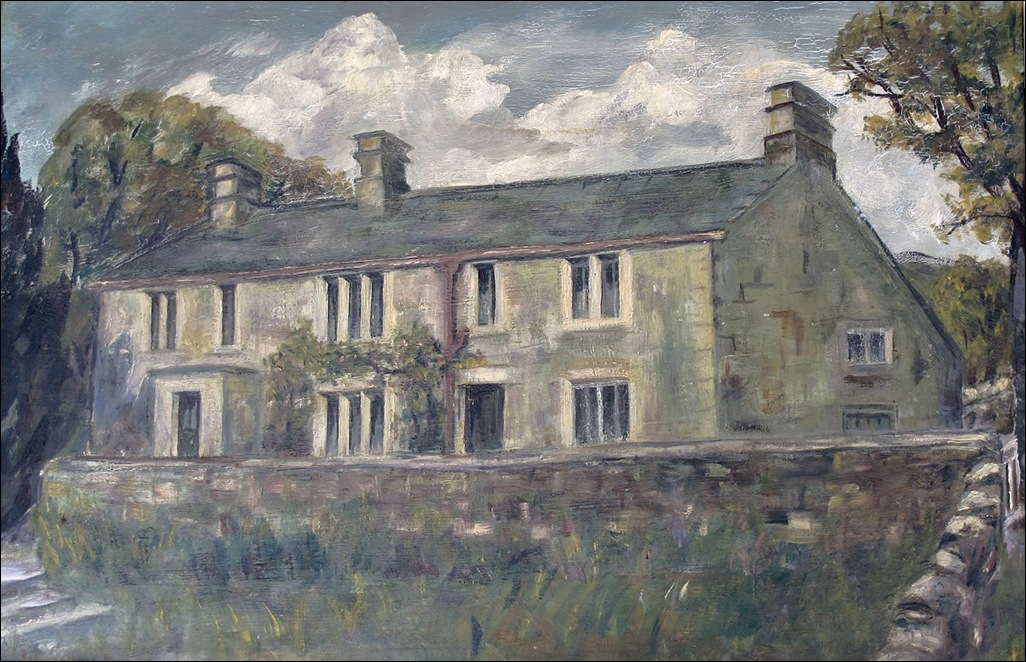
The painting is unsigned but apparently associated with a later 1920s tenant Lawrence Dungworth MM who served in the Derbyshire Yeomanry. (Hathersage Remembers site)
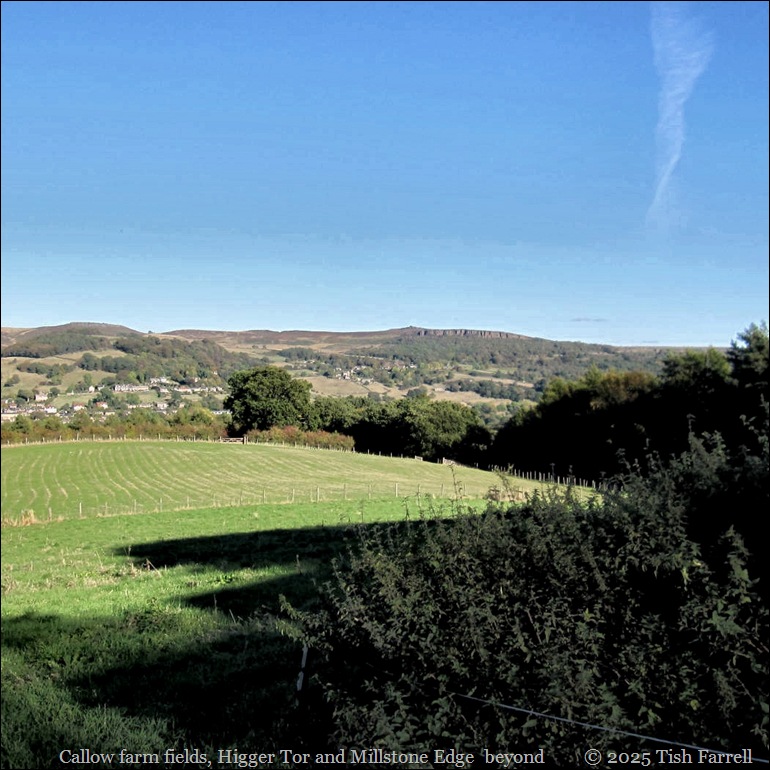
Hathersage, Callow farm, Millstone Edge

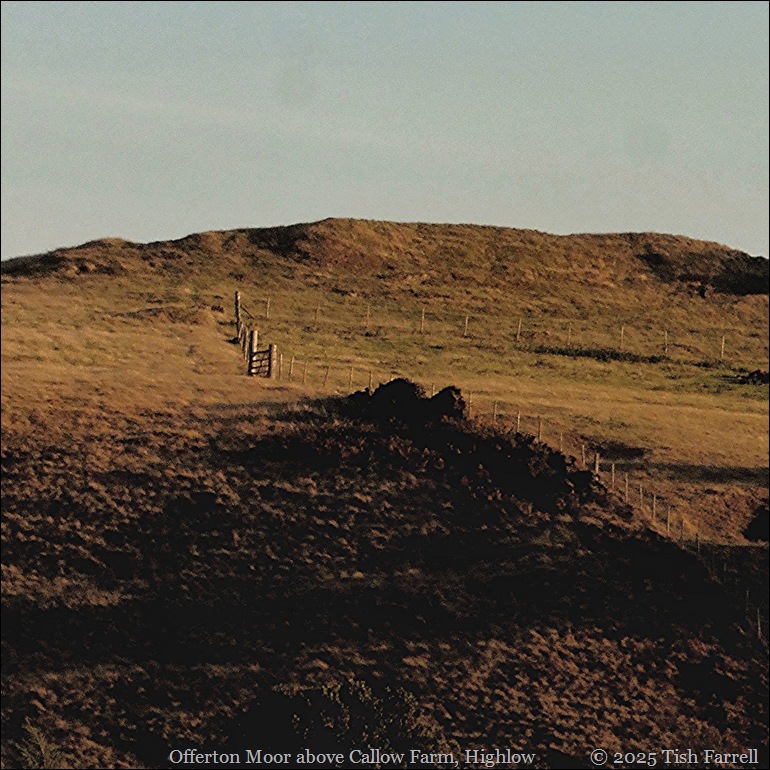
Offerton Moor above Callow

The Derbyshire High Peak is a rugged and exposed land. Living there, in times past, bred resilient, hardy folk. They grew their own oats (for the oat cakes that were a staple), kept cattle to produce their own cheese and butter, sheep for wool for weaving, reared hens and geese, kept bees and, doubtless, brewed their own ale.

Hathersage gossip back in the day had it that generations of Fox men were fist fighters, an illegal pursuit that, on account of the high stakes betting, had great support from the gentry. Mary Ann’s grandfather, Robert Fox (1779-1863), was known as ‘Bobbling Bob’. He apparently won a big fight against a likely champion after fifteen rounds, this despite a cracked shoulder blade in the first round. This yarn was told by Mary Ann’s older brother, Robert, to G B H Ward, walkers’ rights activist and editor of the Sheffield Clarion Ramblers’ Handbook. Ward included it in an article on the Foxes of Callow in the 1930/31 edition.

My own sense, though, from reading several generations of Fox wills, is that they strove to make the most of what they had, making strategic alliances, exploiting new opportunities, concerned always for their children’s future, seeing they received an education, putting them to trades and occupations that would ensure a decent living.

But by the 1890s, the shadows were gathering. In March 1893, George, in his seventies and recently bereaved, could no longer wrangle with falling crop prices and a rising farm rent. He sold up at Callow and went to live with his son, Robert, at Shepherd’s Flat farm at Foolow near Eyam. Meanwhile Mary Ann was facing her own tragedy far away in industrial Farnworth, Greater Manchester. In 1886 she had married Thomas Shorrocks, partner in a family firm of spindle-makers. But the decline in the local cotton industry led to the company’s collapse and bankruptcy, following several high profile court cases. Thomas died in December 1893, aged 38, leaving thirty-year old Mary Ann with baby Thomas, Lilian 5 years, Mary 7 years, and an 11 year old step-son Robert.

The Fox family rallied and came up with what seemed an ingenious plan to give Mary Ann both a home and a living. In 1894 Queen Victoria opened the Manchester Ship Canal, giving the newly created inland port of Manchester access to the River Mersey, Liverpool and the world beyond. There were high hopes it would boost the international cargo trade. And so that year, George Fox (probably Mary Ann’s younger brother rather than father, and stepping in to cover her expected period of mourning) secured the licence for the Old Red Lion Inn on the banks of the Mersey, Hollinfare, a small Cheshire village on the coach road to Manchester. Besides the view of the new Ship Canal and passing cargo boats, the buzz of new prosperity in the air, the inn came with its own farm fields and outbuildings. It must have seemed an excellent choice for a fresh start.

In 1895 Mary Ann took over the licence. She did so under her family name of Mary Ann Williamson, dropping the Shorrocks, perhaps to shed association with the bankruptcy (?) (Williamson was her mysterious grandmother’s maiden name). Younger sister Louisa, described by my grandmother as ‘simple’, came to live in as home help and child minder. And in that year too, Mary Ann married one Charles Rowles, a widower and retired sea captain, who was then employed as a pilot on the Manchester Ship Canal. Soon there was a child on the way, and for a time, it must have seemed, the shadows were in retreat.
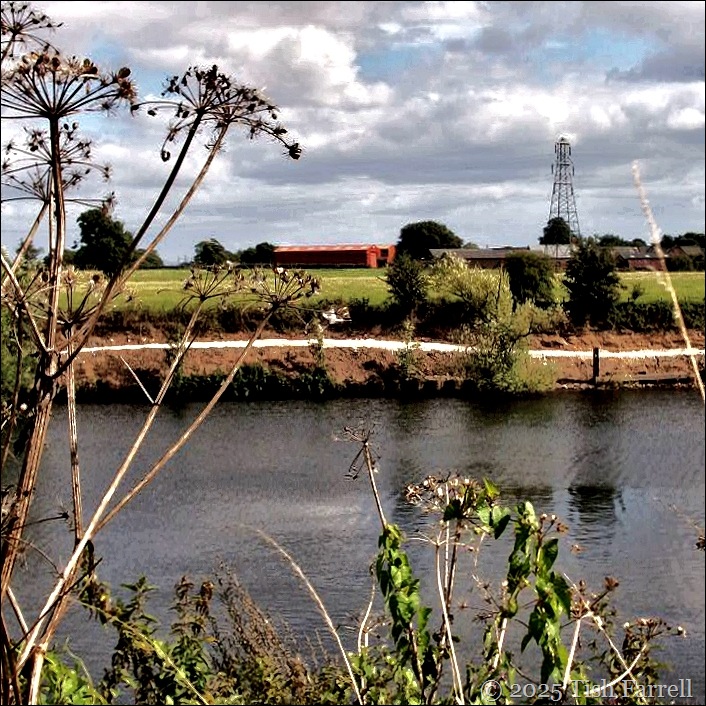
Mersey at Hollinfare

The Old Red Lion Inn still stands across the road from the River Mersey on the Manchester Ship Canal. No chance of stepping stones here; and the views of the lush dairy farmland of Cheshire across the water, a far cry from the challenging uplands of High Peak Derbyshire.

November Shadows #16
Stepping stones header

Shadow Time

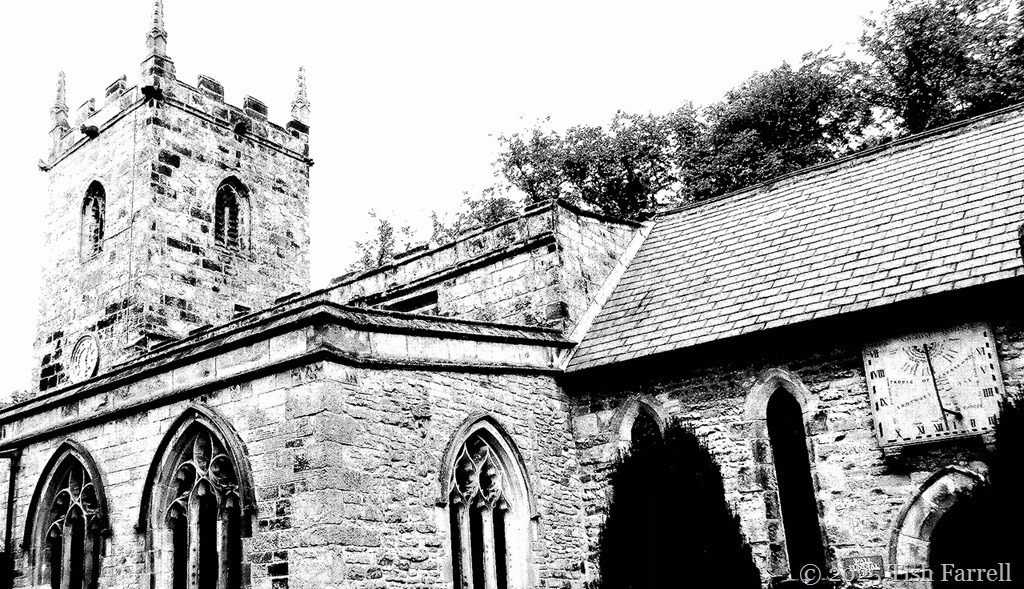
Eyam Church sundial 1775 sq

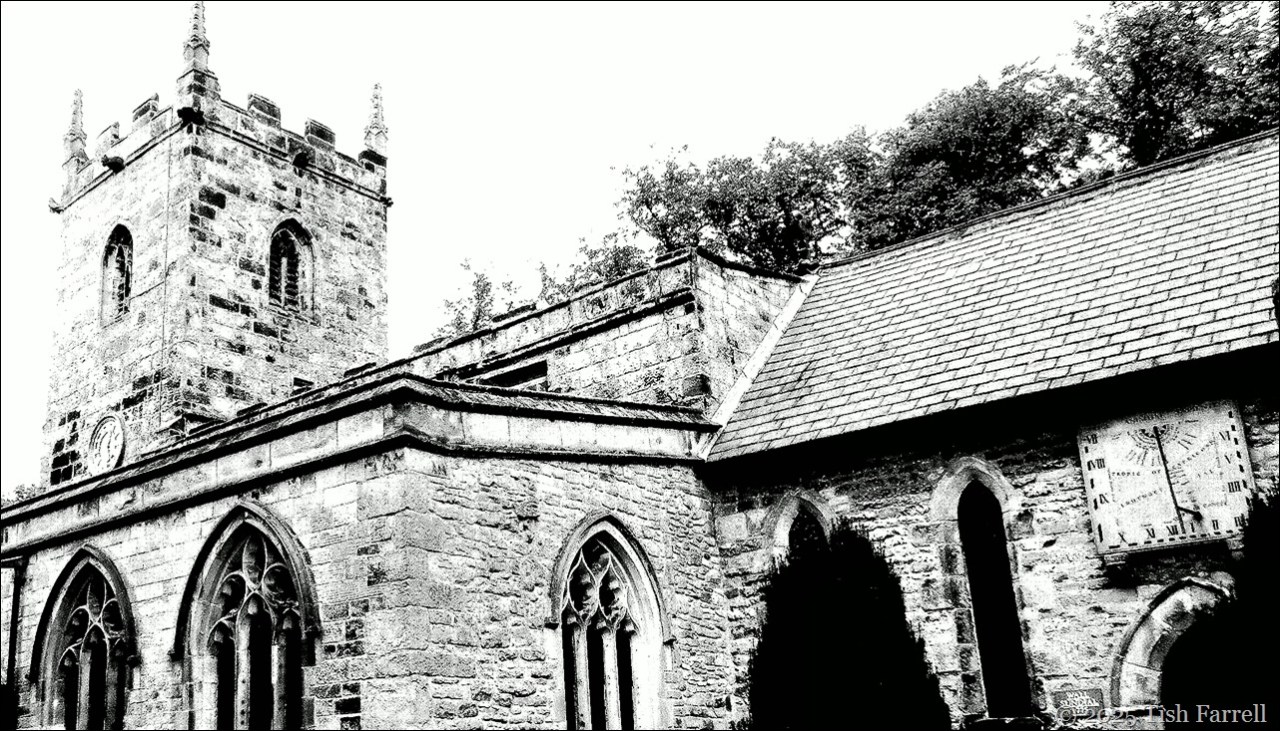
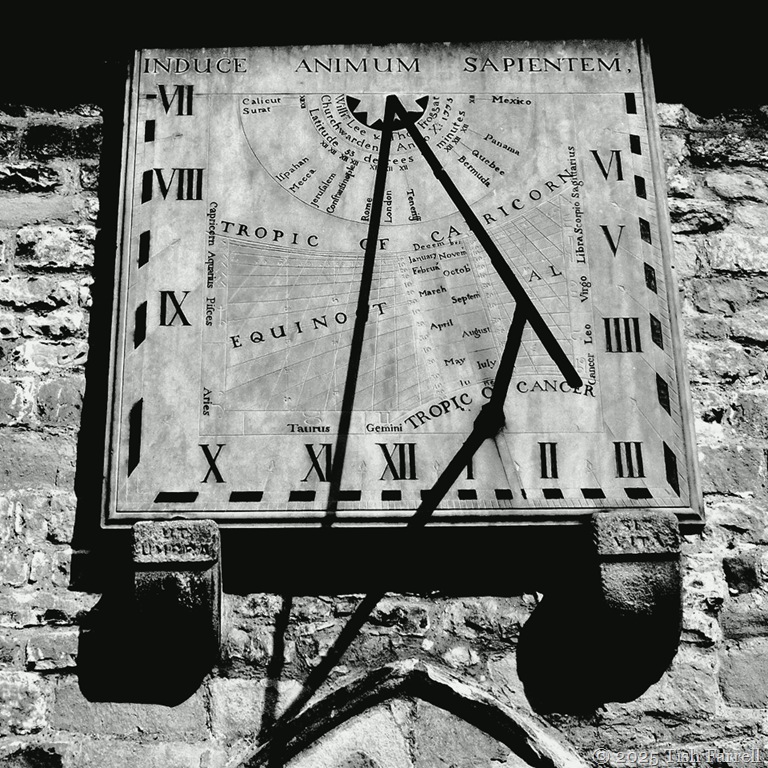
This magnificent sundial clock hangs on the wall of Eyam parish church in Derbyshire. It is extraordinarily intricate; something of a world-view 18th century style. It was installed in 1775 by a vicar with illustrious, wide-reaching connections, although the face itself was carved by local stonemason William Shore.

Eyam is probably best known as ‘the plague village’, the isolated High Peak community that chose to isolate itself completely during the 1665-1666 outbreak of the Black Death. A more recent discovery concerning the village is that the DNA analysis of living descendants of survivors shows a marker which indicates immunity to the disease. Amazing to think this can be detected.
Back in the 17th century, Eyam’s inhabitants made their living mostly from farming and lead-mining. The two pursuits went together, the mining carried out in the winter months in open-cast field seams called rakes. I have ancestral connections here. One Robert Fox, yeoman farmer and lead miner, who looks to have arrived in the area post-plague, married second wife Margaret Mower at Eyam church on the 4th June 1682.  They are probably 6th great grandparents, but at the very least 6th great uncle and aunt. There are also much earlier Bennet ancestors around Eyam. They intersect with Foxes in the 19th century, that link arriving via 4th great grandfather, hatter, farmer, lead miner and property owner, Robert Jackson. He married Hannah Eyre at Eyam in August 1826. They would have known this clock.

And about that clock. You have to wonder how far Eyam villagers would have been impressed to know the time difference between their spot on the globe and Calicut, Mecca, or Quebec. The single shadow also marks the solstice and equinox days and, for good measure, the months of zodiac are included too. All these intricate details apparently suggest to clock sundial specialists that the designer was the eminent Derby scientist and clockmaker John Whitehurst FRS.

Besides a time marking facility, the clock includes some thought-provoking inscriptions. On  the supporting corbels is says: Ut Umbra – Sic Vita  –  life is but a shadow. And across the top:  Induce Animum Sapientem  – cultivate a wise spirit.

This last should be a rallying call for our times. For all our, wizkiddery, wise minds seem sorely lacking. This 250 year old clock might be just the device for cultivating a little capacity for critical thinking. It certainly tests mine.

P1050540 header

November Shadows #12

Monochrome Madness: clocks and timepieces This week Margaret at From Pyrenees to Pennines is setting the theme at Leanne’s Monochrome Madness

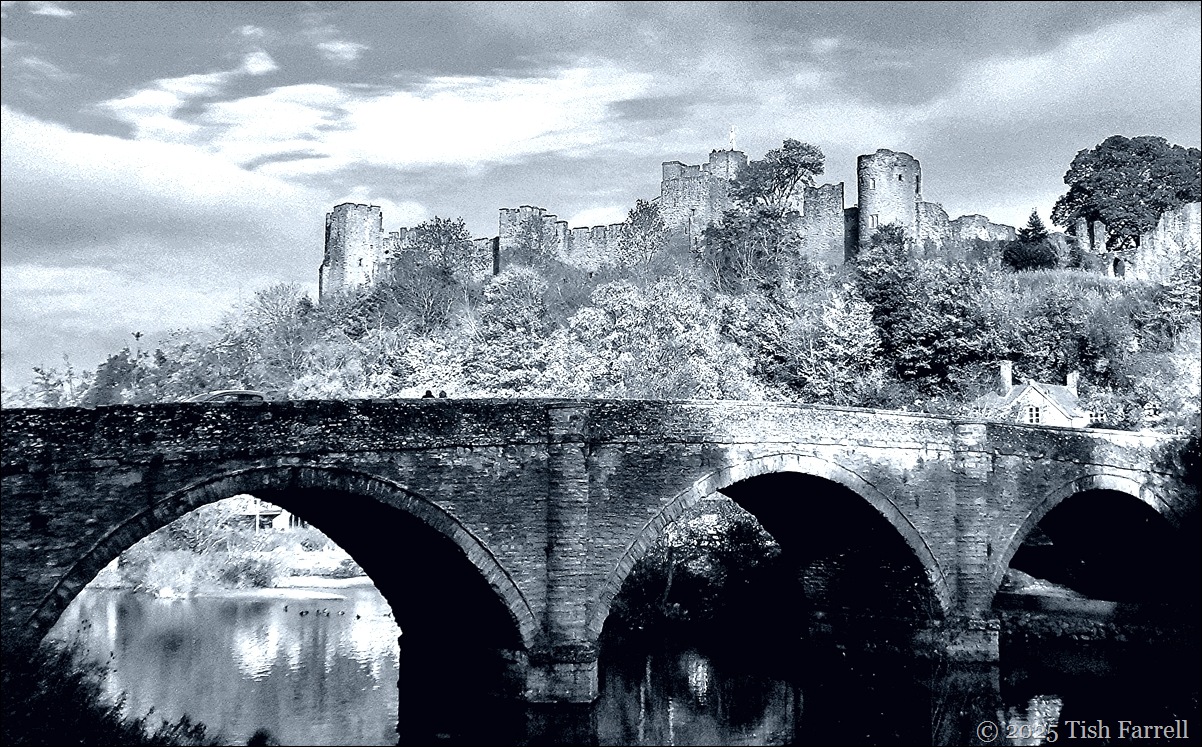
Antique Shadows at Dinham Bridge

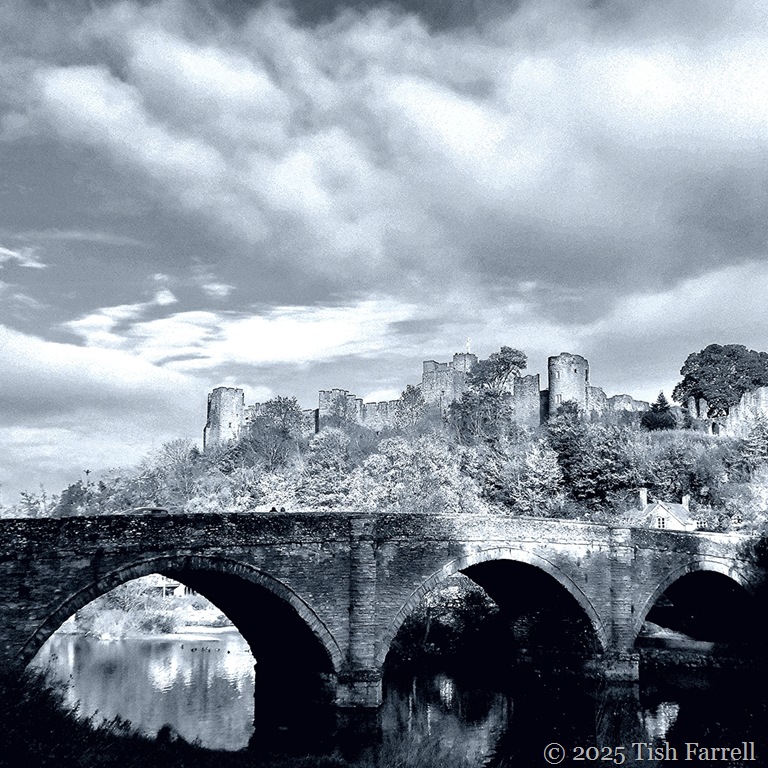
bridge 2

A bridge for Cee who loved bridges and featured them in some fabulous monochrome shots. Like so many others, I loved taking part in her regular Black & White photo challenge.

*

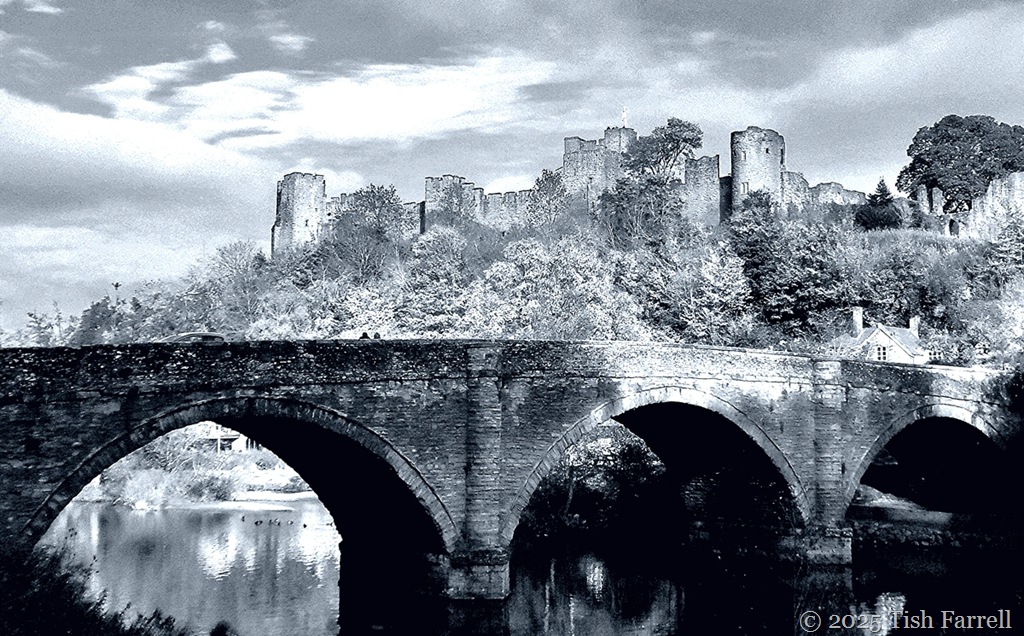
Dinham Bridge over the River Teme in the Shropshire market town of Ludlow was built in the early 1800s. The castle above it had its origins nearly 800 years earlier, soon after the Norman invasion of 1066. It was one of the first stone-built castles under the new regime, sited there to keep the Welsh at bay. Over succeeding centuries it was expanded to the fortress scale whose remains we see today. As with all castles, there were doubtless many shadowy doings, conspiracies and counter-conspiracies within its walls; but its towers caught here in autumn sunshine almost have fairytale looks; so many stories those stones could tell.

*

November Shadows #7 Today Becky pays tribute to Cee who meant so much to so many. There are further blogger tributes at links below.

Remembering Cee 7th November  Marsha Ingrao at Always Write and Dan Antion at No Facilities are hosting a day to remember Cee; Cee who inspired us with her weekly photo challenges, and was so generous with her knowledge. She embraced so many of us and is sorely missed in the blogging community she so steadfastly embraced and encouraged.

bridge 2 header

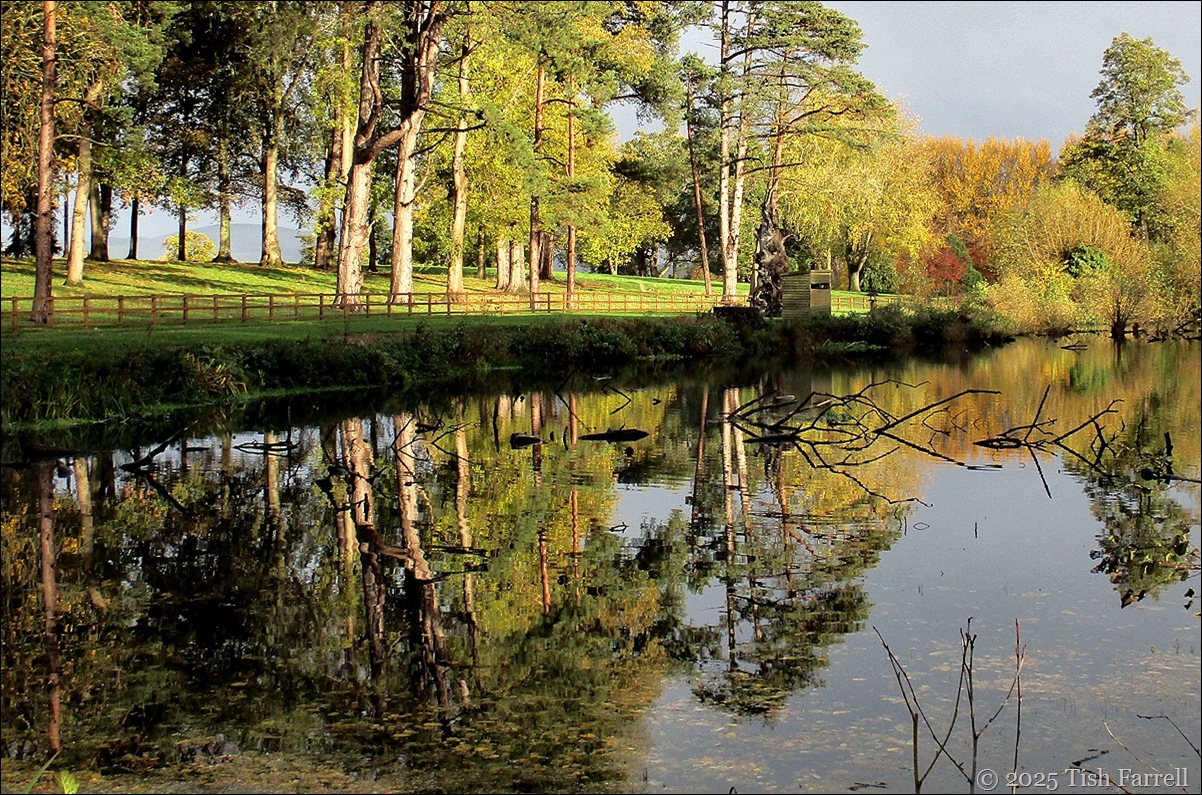
In Light And Shadow ~ Lakeside Reflections

Mellington Hall 9

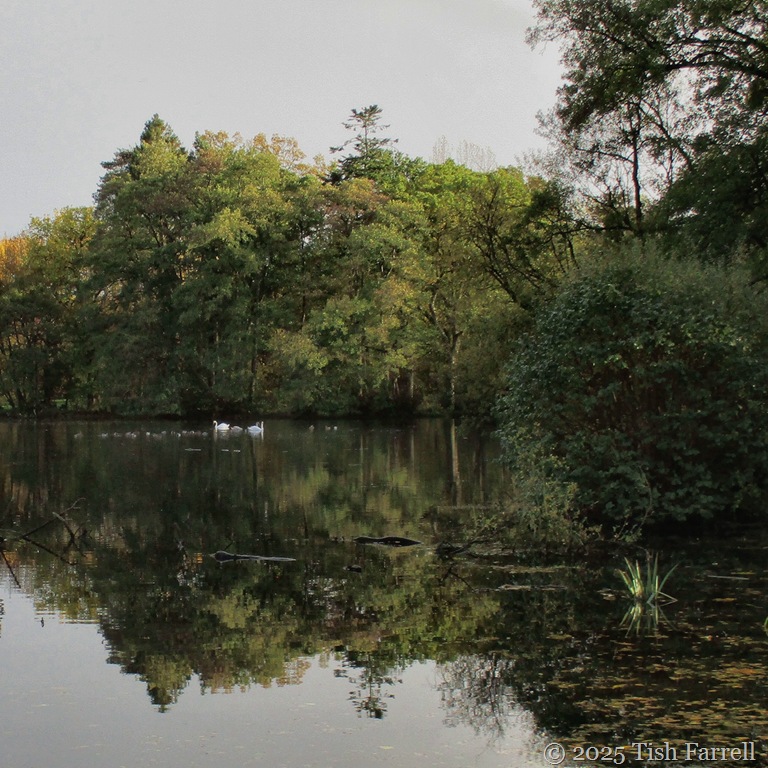
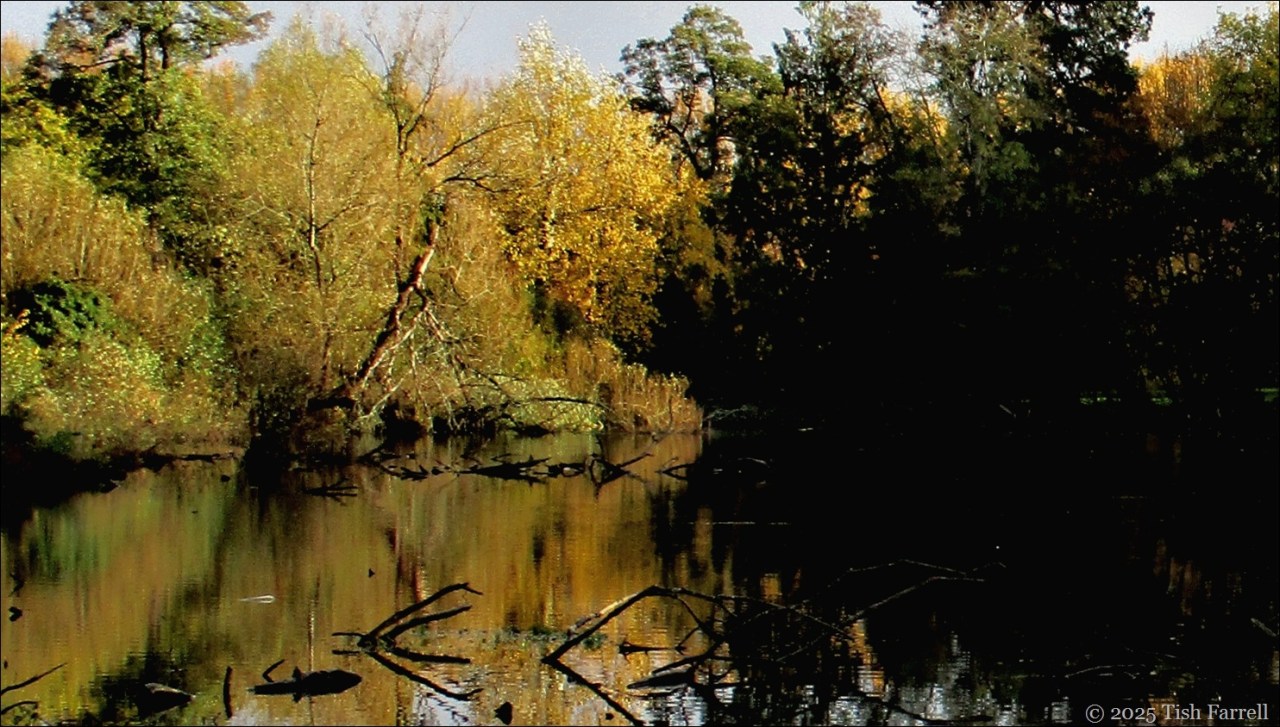
These are the last photos from our Friday day out to Mellington Hall, caught in a brief burst of sunshine. The far glimpse of two swans across the lake had magic in it – a gentle scene for All Hallows’ Eve.

Mellington Lake 11


November Shadows Day 4 Becky has the most fabulous shadows on show today. She’s flying high in a mass aerial display.


All Hallows’ Eve ~ Light And Shadow At Mellington Hall

Mellington Lake 3

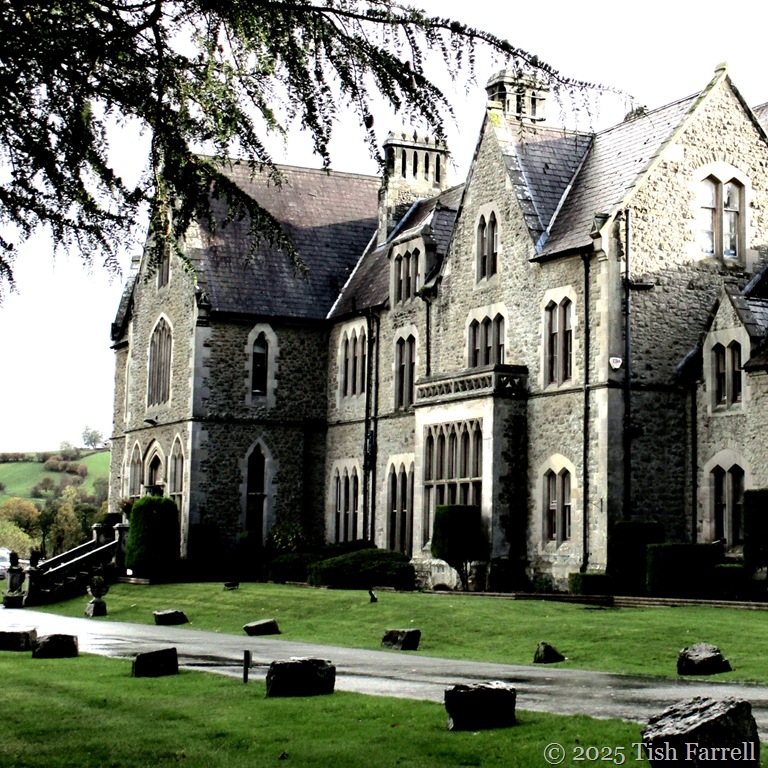
On Friday we were out for a family lunch just over the border in Wales: destination Mellington Hall. It is only a few miles from Bishop’s Castle, an impressive Gothic pile built in the 1870s by Derbyshire ironmaster, Philip Wright, and now run as a country house hotel and holiday park.

Mellington Hall 5

“Built by iron, saved by eggs and rabbits.”

This is how the current owners describe the hall’s more recent history.

They then explain how the present enterprise derives from some creative family entrepreneurship over sixty years ago:

The establishment of the Holiday Park in the 1960s and the survival of the Hall are inextricably linked: the Hall was in a terrible state when Mr Jack Evans, the grandfather of the present owner, bought the Hall and parkland in 1959.

Jack built his business on collecting rabbits, other game and eggs from the nearby farms and selling the produce to shops and markets in the Midlands. Coincidentally, Jack’s wife Margaret had been in service at the Hall as a young girl but by the 1950s the Hall was almost certainly going to be demolished.

Prompted by business contacts in the Midlands looking for a rural bolt-hole, Jack created the Holiday Park in the 1960s to generate revenue which would pay for the restoration and upkeep of the hall and thus save it from demolition.

What a project.  And the restoration work is still ongoing.

You can see some photos of the Hall in its Victorian heyday HERE.

Mellington Hall 4

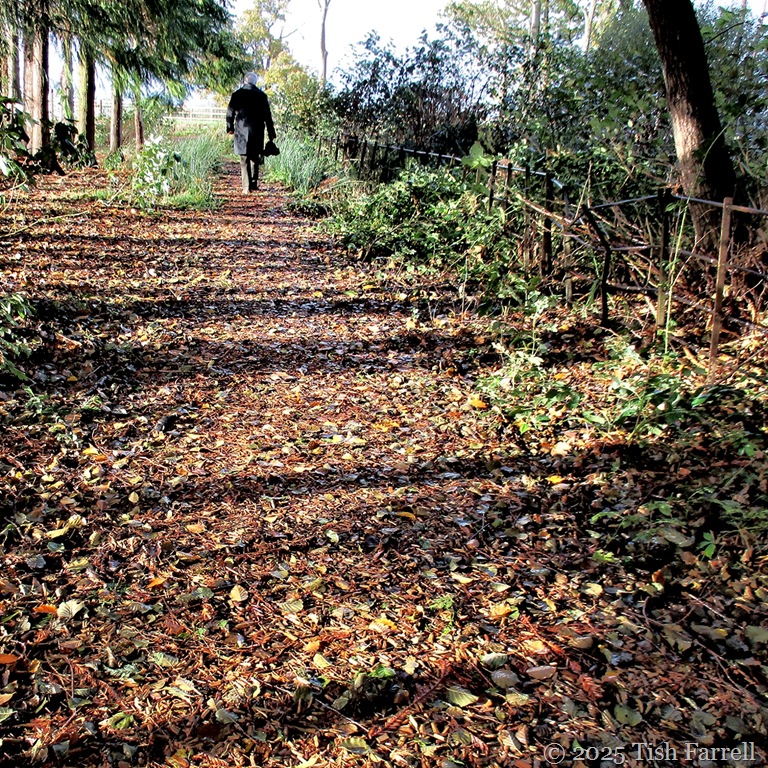
The grounds were originally landscaped by Joseph Paxton, but there has been further planting of specimen trees by Jack Evans. Work also still continues in the park, including the upkeep and creation of woodland paths, one of which links to the 177 mile Offa’s Dyke path, constructed along the England-Wales border in the late 700s CE by the Saxon king of Mercia.

Mellinton 7

Friday, though, was not a day for big walks, or even short ones. Too many fierce squalls to contend with. But between two showers, and armed with brollies, we did manage a brief stroll to lake where a sudden burst of sunlight yielded the header photo.

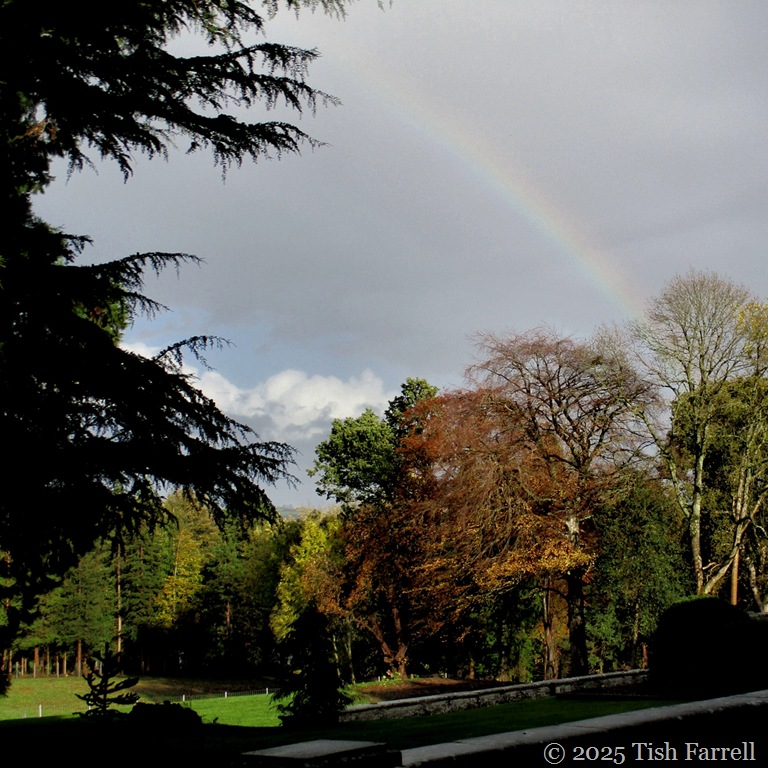
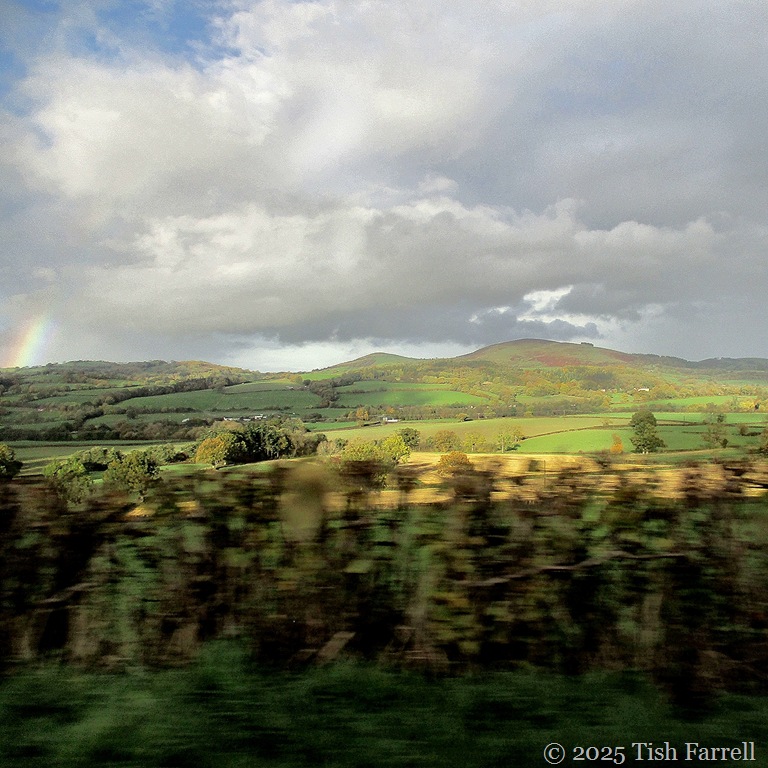
On the drive home, sun and rain together created a huge double rainbow over the Camlad Valley, casting brilliant prisms across the foothills of Todleth, Roundton and Corndon Hills, but not quite caught here as we sped along.

Mellington Hall 6

*

November Shadows  This month Becky invites us to post square-format photos on a shadowy theme, however we care to interpret it. You can join in as and when.