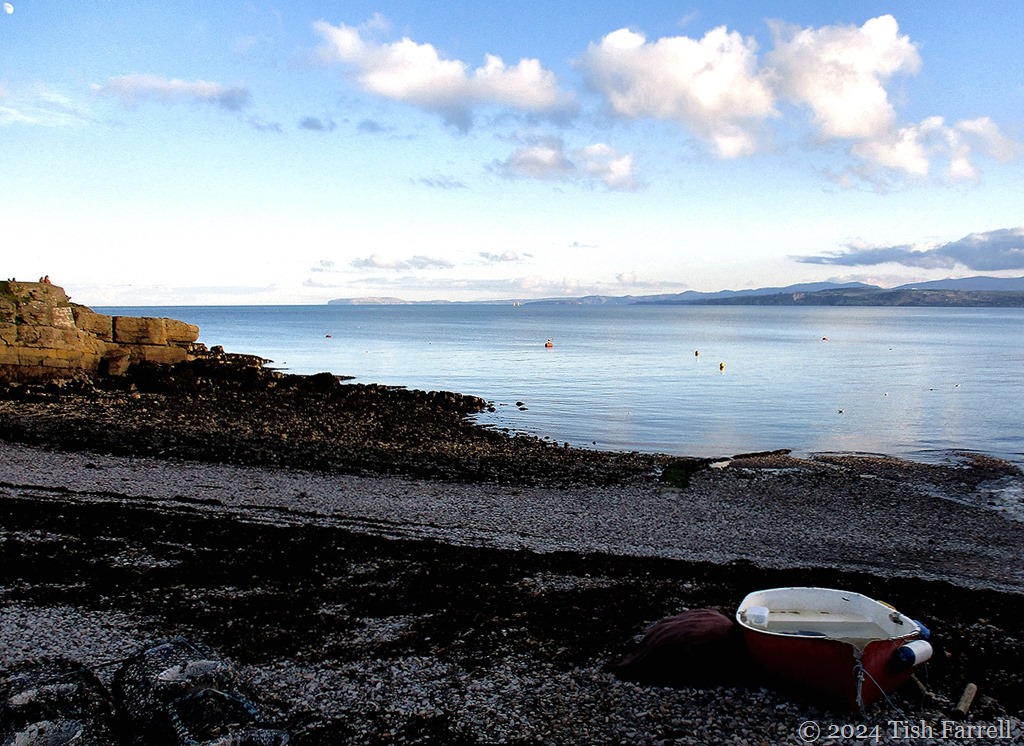
2023 Began Beside The Sea

IMG_2372ed

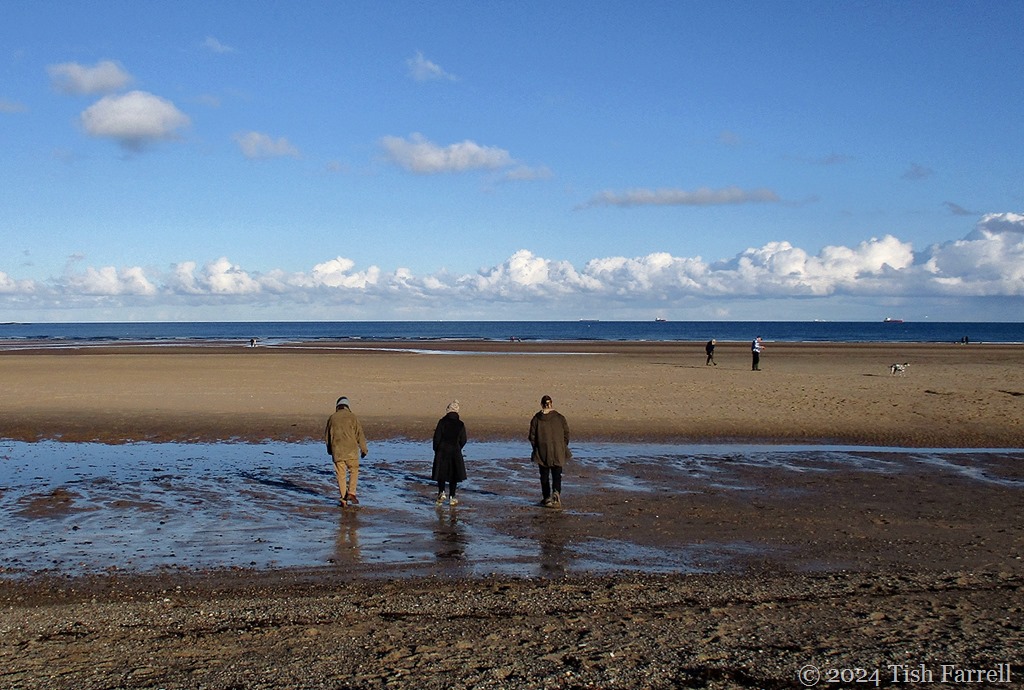
When last year began we were on the island of Anglesey in North Wales – gathering with family for a belated Christmas celebration. It was good to soak up some blue tranquillity. At the time, we were fretting over the sale of our cottage, plus trying to find a bolt-hole to rent while we looked for a new home to buy. All unnerving in all sorts of ways; nothing straight forward.
winter beach

*

Finding a house to rent proved almost as hair-raising as selling the cottage (Huge demand, few available properties). Only by the skin of our teeth did we secure a place in time for moving day in early March. And then it snowed – for two days, an unexpected blanketing that closed most of the roads. Snow – of all things. The Farrells had not factored that in. Still, a day later than planned, and by devious routes, the removal lads came through. We were re-homed.

Then more unforeseen happenings.

IMG_2716ed

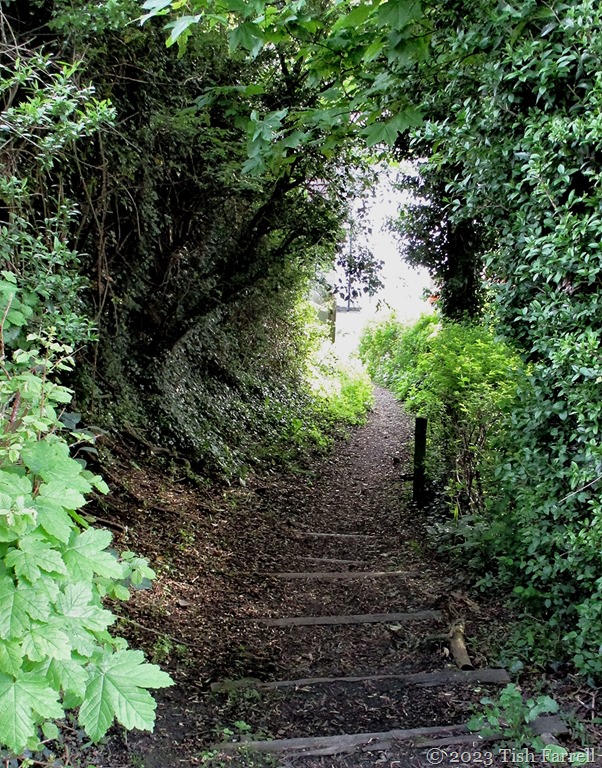
View from one of Broseley’s many country paths: bright and cold in March

*

By the time we moved to Broseley (East Shropshire), we had already set our house-buying sights on Bishops Castle or points well south-west of the county. For one thing, we wanted to be nearer to my sister, and I’d anyway dismissed Broseley as a final destination. I’d known it from an earlier chapter in my life and always thought it a plain and unalluring town.

Just shows what I know. I didn’t expect to fall in love with the place. It began with finding a maypole at the end of our street; and from it a sweepingly magnificent view above the Ironbridge Gorge. And it began with finding beguiling footpaths that meandered in and out of town and took us to some wild, wild places that seemed slipped out of time. And most of all it began when I discovered the network of thoroughfares and alleyways that belonged to Broseley’s ancient industrial past, the wonderfully named jitties, that to my mind suggested jetties, or things that jutted like prows of ships. Exploring them on our cool summer days felt like voyaging – through time, space, the imagination.

Go HERE for the jitties posts.

IMG_3105

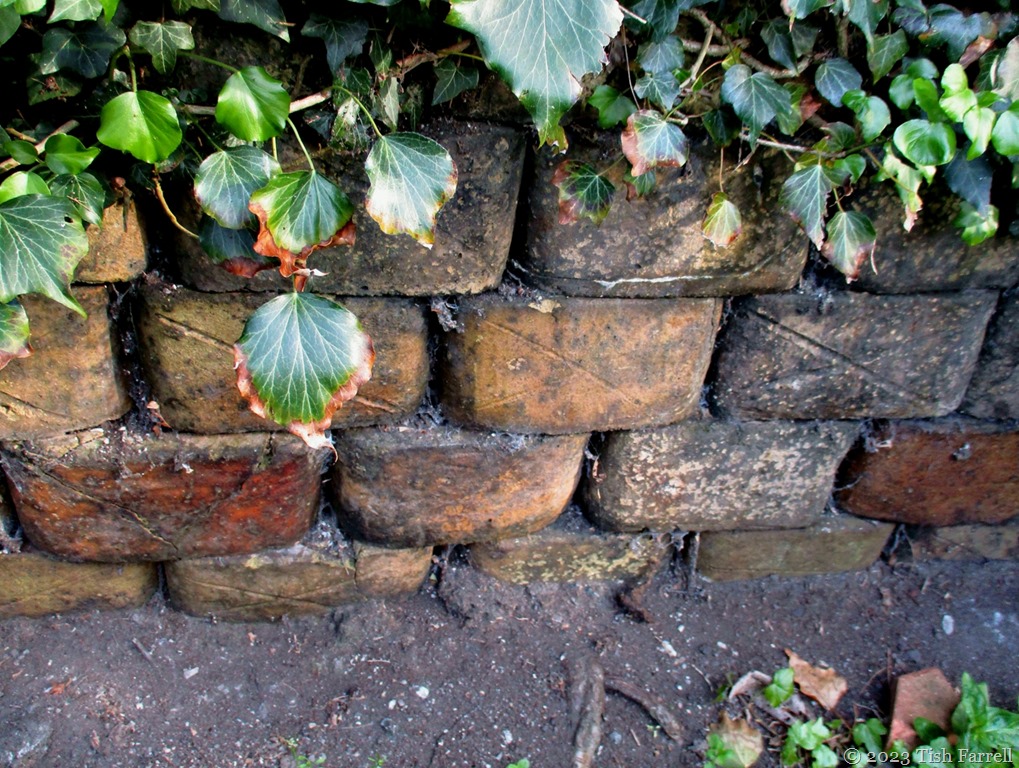
Here is one of many favourite finds: some historic re-purposing of discarded artefacts in an old wall on Gough’s Jitty. It’s been built from saggars. These earthenware boxes were once used for the packing of clay pipes, then stacked in a bottle kiln for firing. There were several factories in the town from the 17th century onwards. They exported their wares around the world. In fact clay pipes were often referred to as ‘Broseleys’.

*
IMG_2703ed

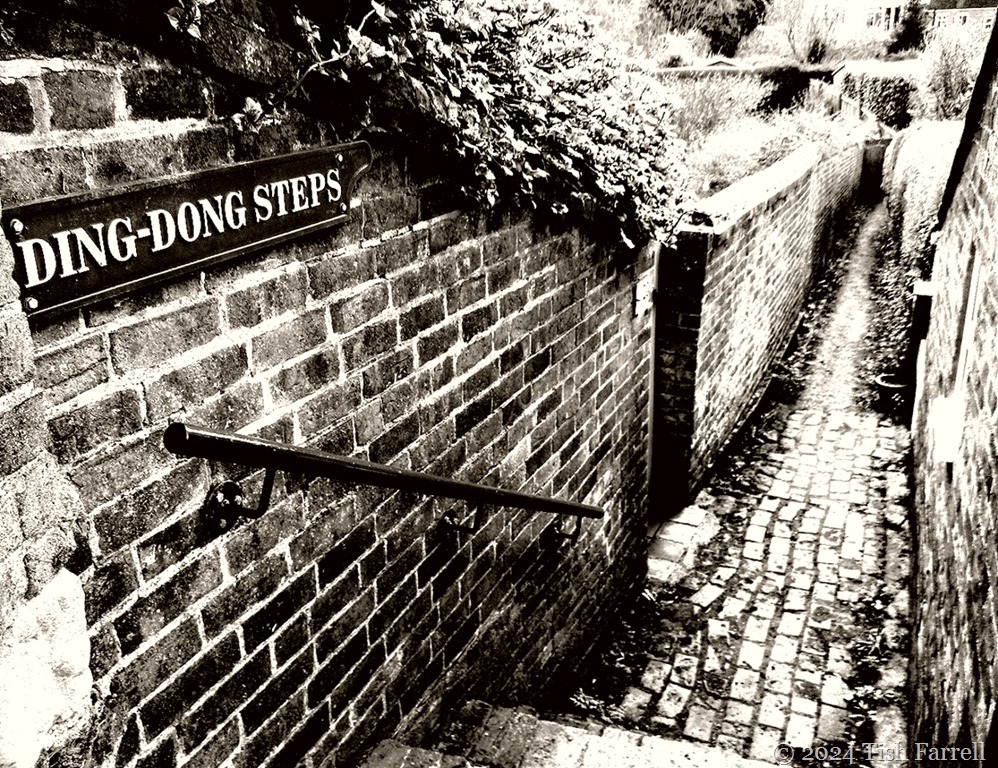
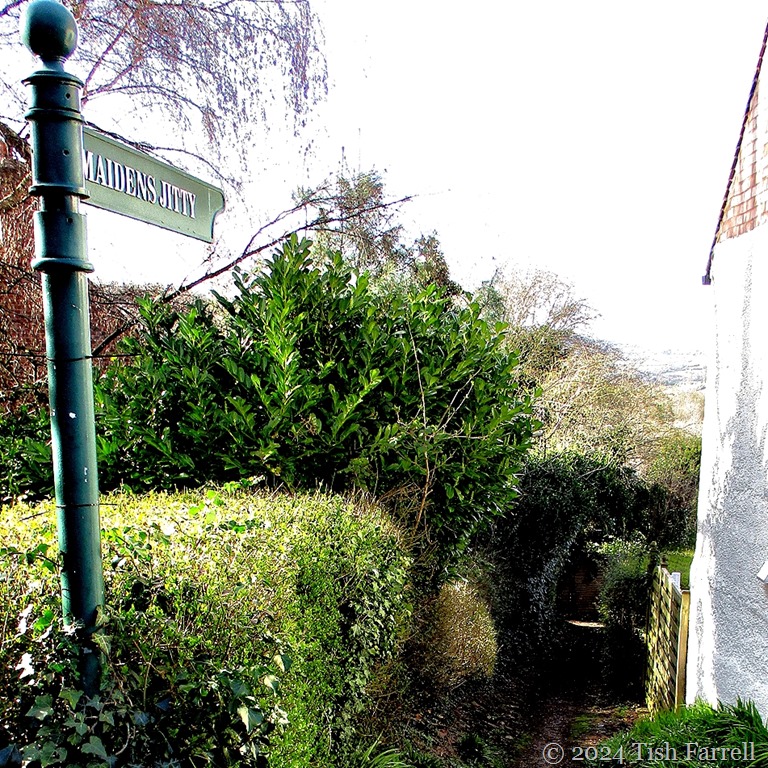
Ding Dong steps 2

Apparently the spot for some illicit fist-fighting back in the day.

*
IMG_3415

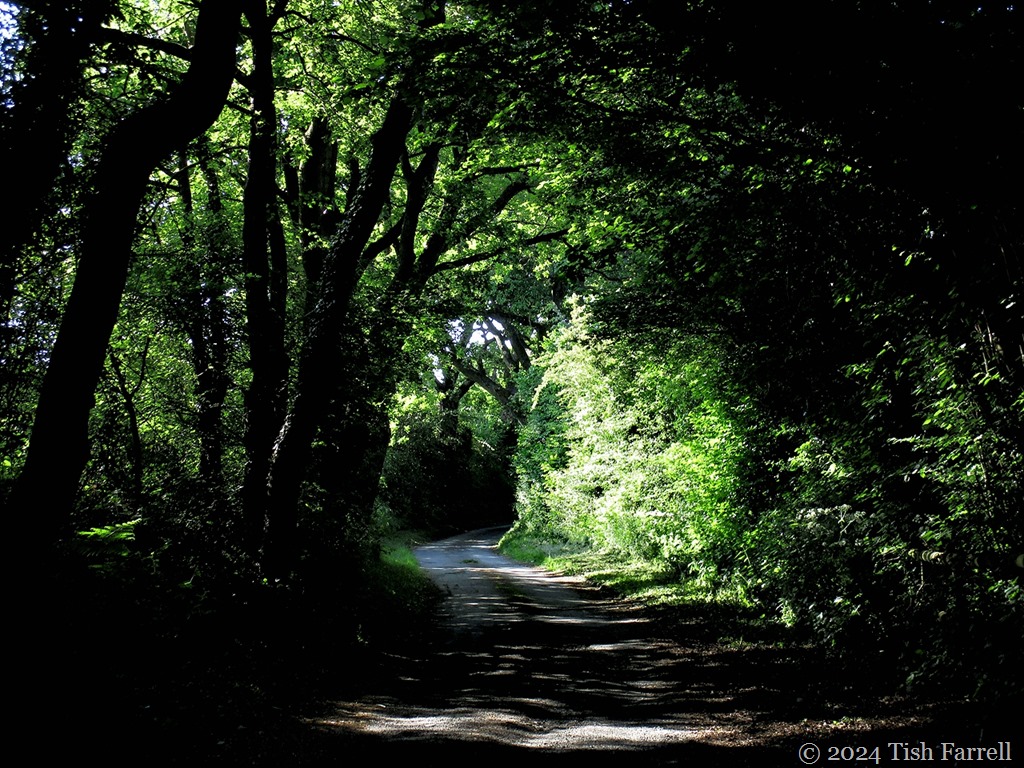
Lodge Lane became a favourite walk. Once there would have been the heavy rumble of trucks hauling coal from Broseley’s mines, an area still called the Fiery Fields due to the old coal pits’ erstwhile tendency for spontaneous combustion.

*
IMG_3314

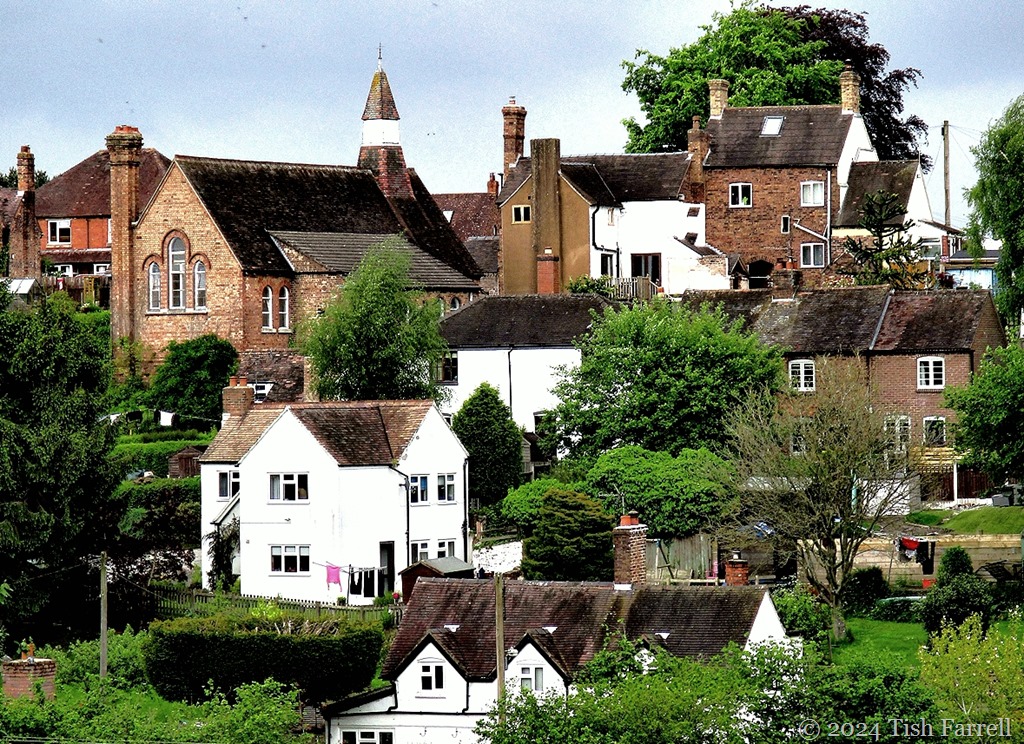
Broseley sits above the Severn Gorge, directly across the river from Ironbridge and Coalbrookdale, so-called birthplace of the Industrial Revolution. The town evolved from an early 17th century squatter community of immigrant miners. Coal, clay, ironstone and limestone were plentiful. There was timber for construction and for the making of charcoal for fuelling furnaces and forges. And there was the river for transport down to Bristol. The wealth of local resources attracted the likes of ironmaster-pioneer, John ‘Iron Mad’ Wilkinson, who lived here from 1757 in a very fine mansion opposite the parish church.

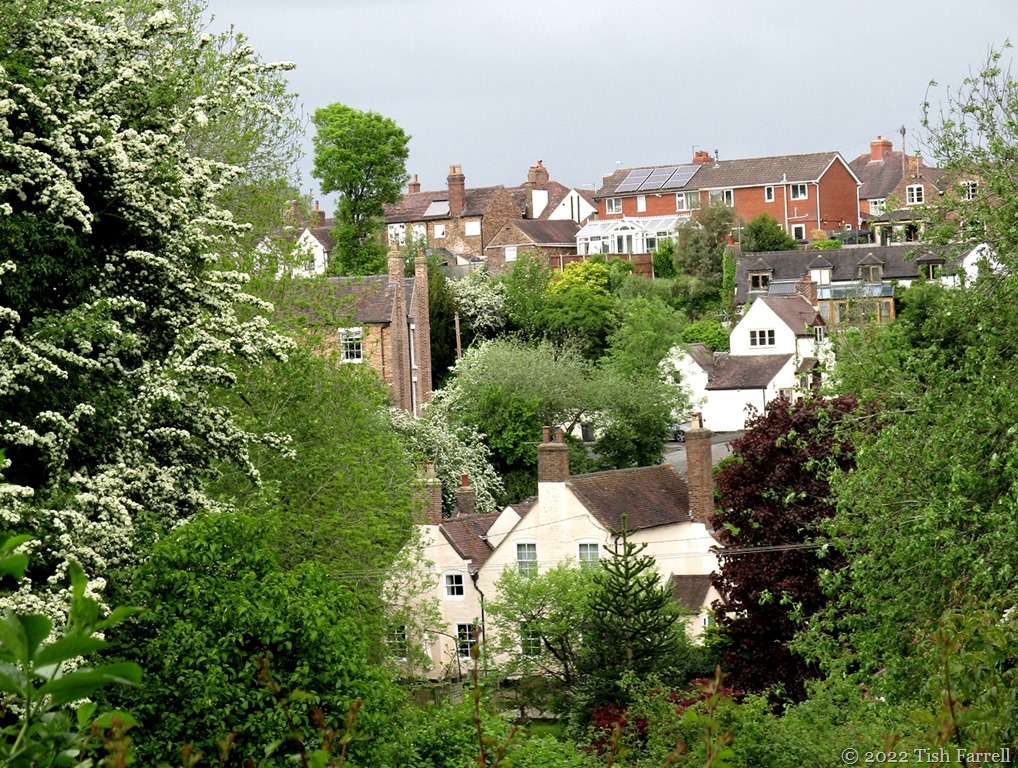
I loved these views of multi-period, multi-layered habitation.

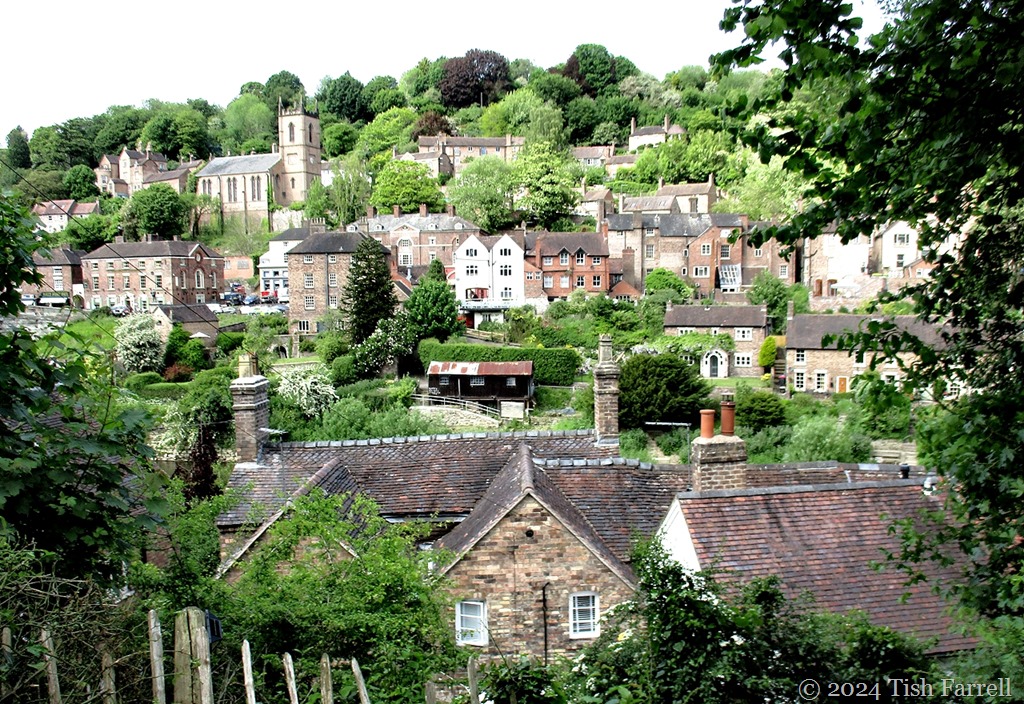
And likewise across the River Severn on the opposite side of the Gorge:
IMG_3333

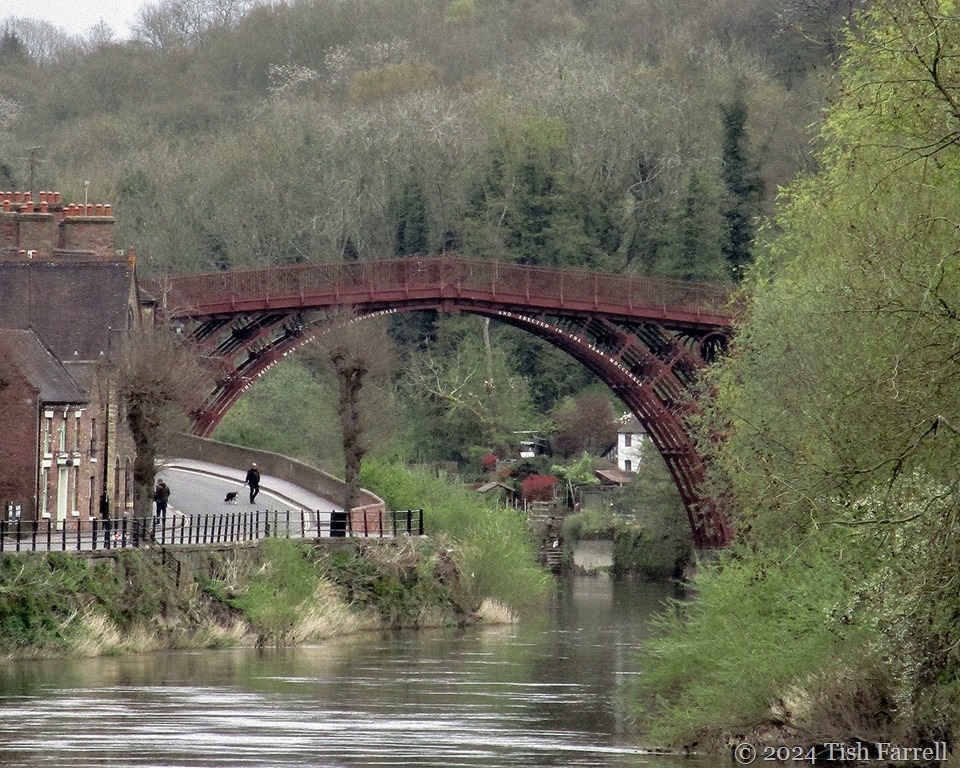
Broseley’s neighbours – Ironbridge and the Iron Bridge (1779)
IMG_3015ed

*

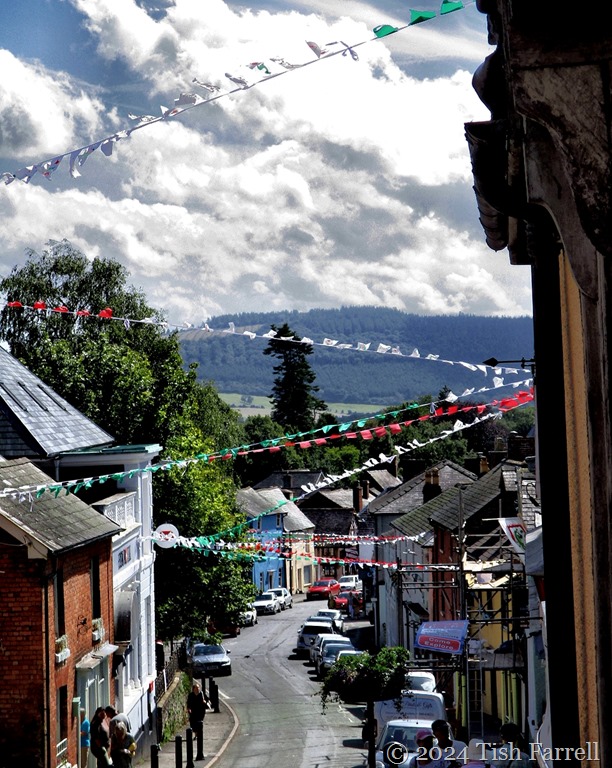
I suppose if the little house in Bishops Castle hadn’t cropped up, we might well have stayed in Broseley. The folks were so friendly there.  As it is, it’s good to think of our brief sojourn, even with the little pang of loss. Strange, how things turn out.

But now we’re here in an ancient agricultural town, where the folks are also very friendly. Clearly there’s many a tale to unravel here, or will be, once we’ve sorted out the house. This may take a while. For one thing, come spring there’s a new extension in the offing: this to remove an old conservatory and transform the space into a bright new kitchen with doors onto the garden. Apart from this, every room needs some serious attention, plus two chimneys to rebuild, and maybe the roof to replace. And then there’s the garden…

So all is in flux and not a little confused. But even so, with the turn in the year, it’s beginning to feel like home.
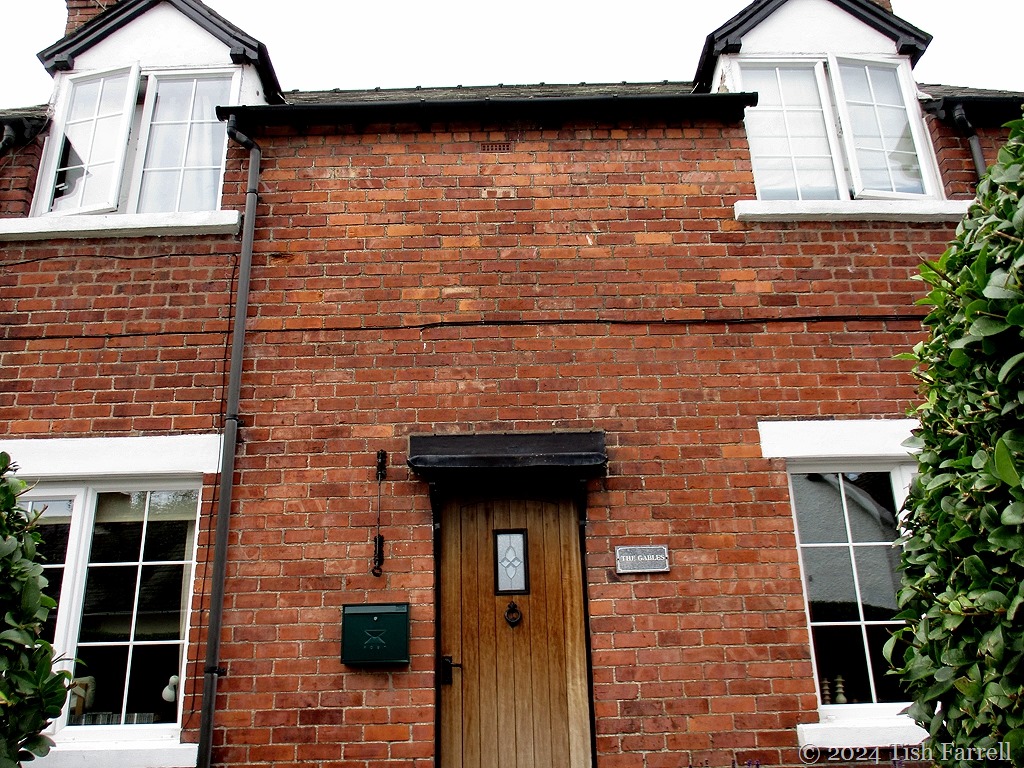
IMG_3641

IMG_3693cr

Lens-Artists: Favourite photos of 2023

This Was May, But Is It Spring?

IMG_3313

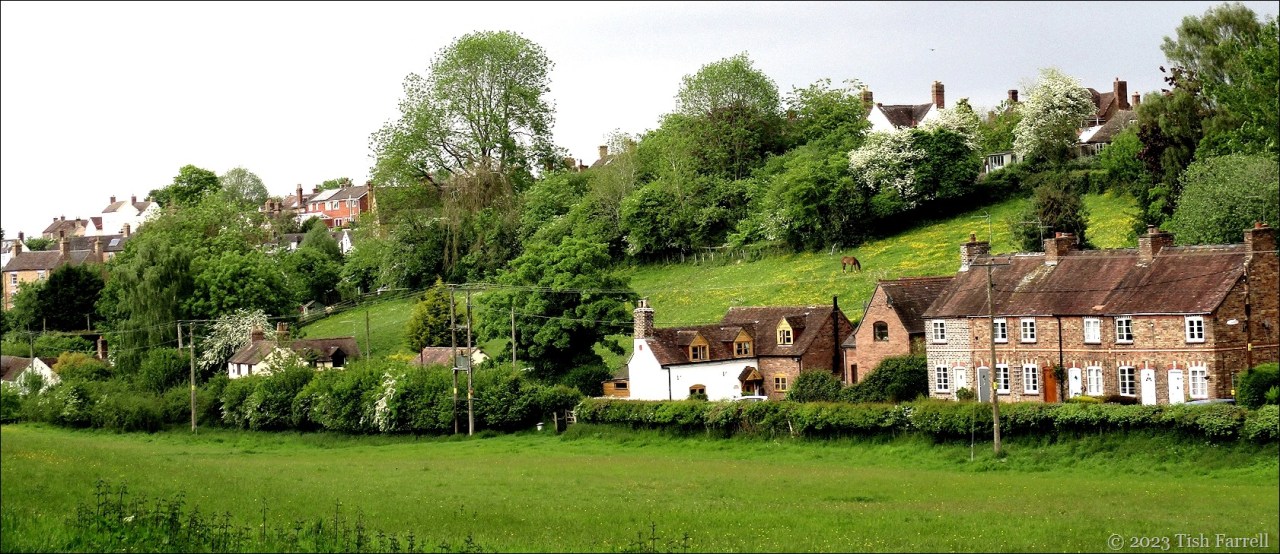
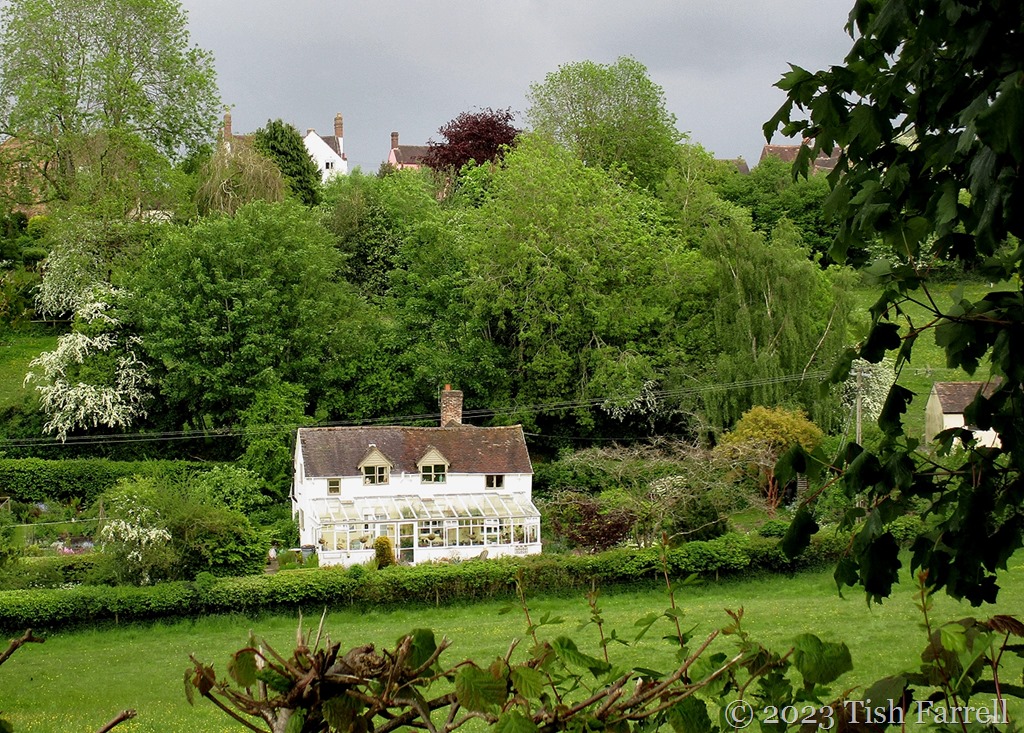
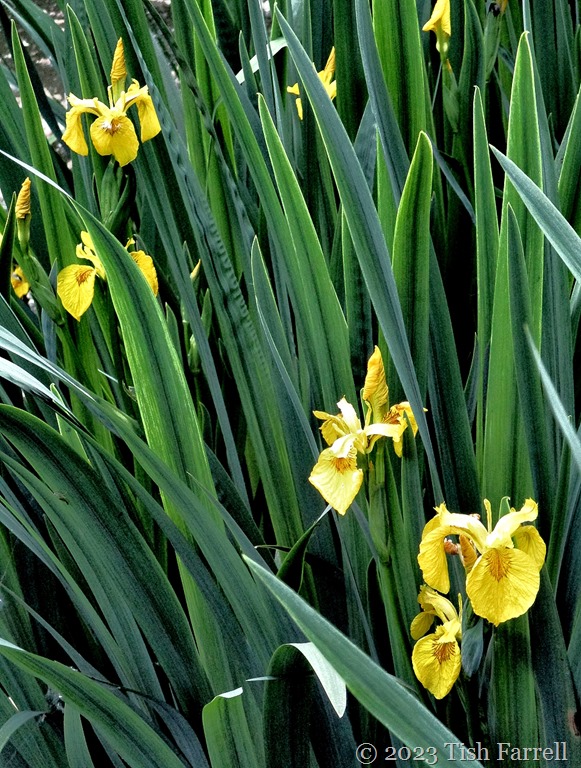
It certainly looked like spring as we pursued our May explorations of Broseley’s lanes and jitties – but then looks can deceive. The trees in these photos may be bursting with greenery, the hawthorns hanging in blossom, and the cottage gardens bright with late spring flowers: Welsh poppies, columbines, clematis and wisteria, but this past month has been COLD. Even on the sunniest days we have had winds that feel as if they have just blown over an ice field. In fact, come the first of June, we switched the central heating back on for a spell.

Still, we’ve not let draughty climes stop our walks. We’ve made some special finds too, in particular the Haycop Nature Reserve, a wooded ridge a short walk from the High Street. It was once a coal mine (1760-1860), the coal extracted from it coked and used for firing two nearby blast furnaces. Later it was used to fire local brick kilns.

The mine shafts were capped in the 1970s and the ground reverted to grazing land. Then in 2007, the Haycop Conservation Group began restoring the natural habitat, including the pond that had once been the holding pool for pithead winding gear. This week when we visited the flags were definitely ‘flying’:

IMG_3370 cr1

IMG_3369cr

IMG_3363

*

The 9-acre site is a warren of trails through mature woodland, meadow and heath, the main paths smartly sign-posted at intervals, and provided with information boards highlighting the local wildlife, including several varieties of butterflies, moths and dragonflies and some 58 bird species, among them sparrowhawks and nuthatches. From the top of the ridge there is a fine view of the parish church, All Saints, built in 1745 and an excellent example of the perpendicular:

IMG_3383

IMG_3378

IMG_3385

IMG_3381

*

Looking at these views now, it’s hard to envisage Broseley in its industrial heyday (17th to early 19th century), the fumes from steam engines, furnaces, kilns and coking ovens, the clatter of waggons on the network of wooden railways, the carts pushed by humans, hauling coal, bricks and iron through the town to the River Severn.

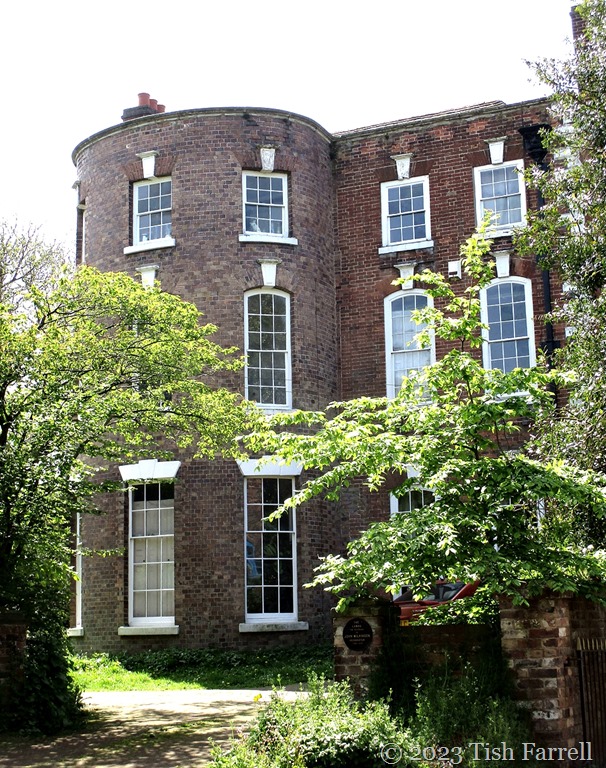
One of Broseley’s famous industrialist residents was John ‘Iron Mad’ Wilkinson, who pioneered the use of cast iron, including the first iron boat, and the accurate boring of cannon. By way of thwarting any attempts of industrial espionage, his two furnace sites were in secluded spots just outside Broseley at Willey, on land owned by the lord of the manor. From 1763 he lived in the town, not far from the church, leasing a rather grand house called ‘The Lawns’. Nearby was a building wherein he operated a mint, producing his own token currency, a common practice among ironmasters to keep their workforce in thrall.

IMG_3268

The Lawns was first leased by John Wilkinson in 1763. Later it was the home of porcelain manufacturer, John Rose, who founded the nearby Coalport China Works

*

IMG_3271

John Wilkinson’s mint, next door to The Lawns.

*

IMG_3321

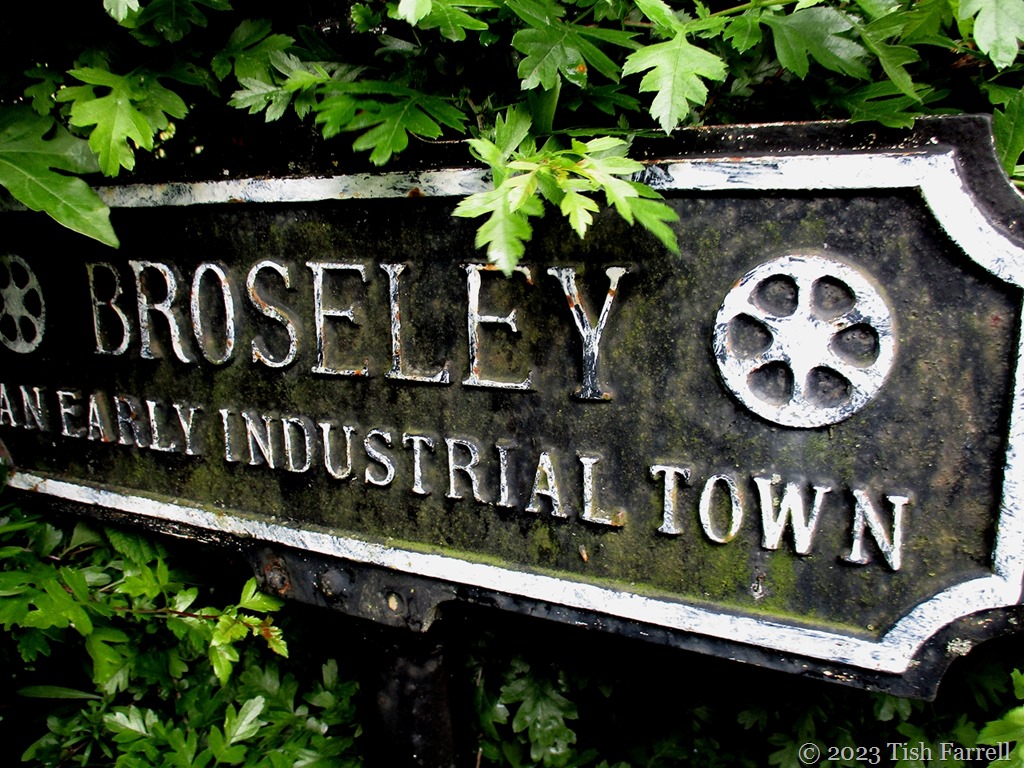
This town boundary sign takes a bit of spotting; the hawthorn hedge is definitely winning.

*

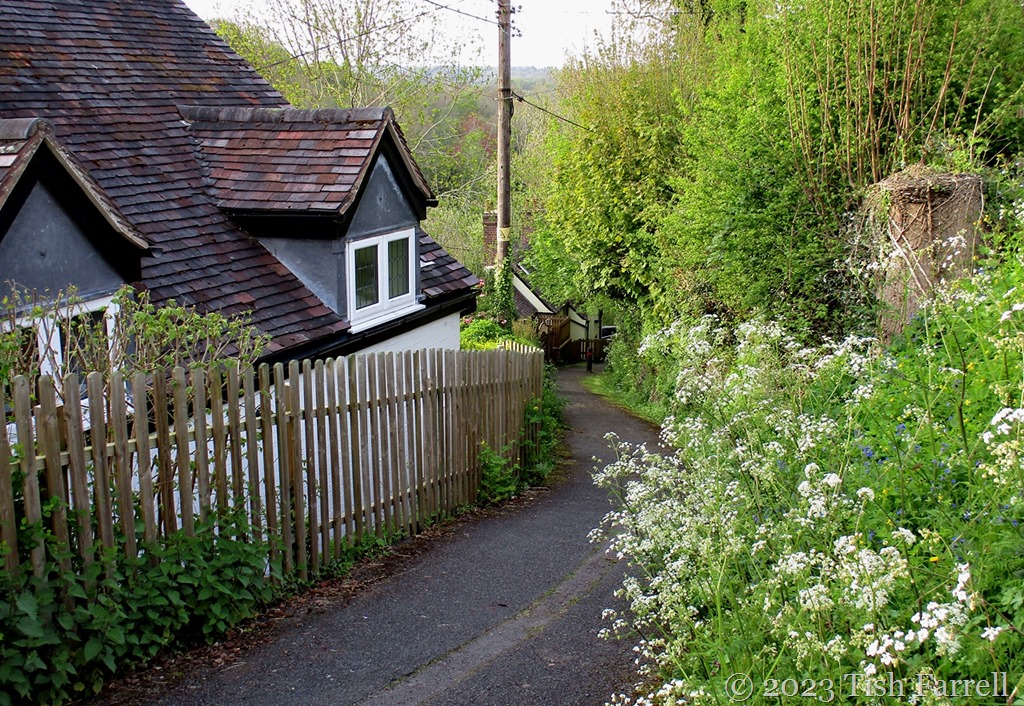
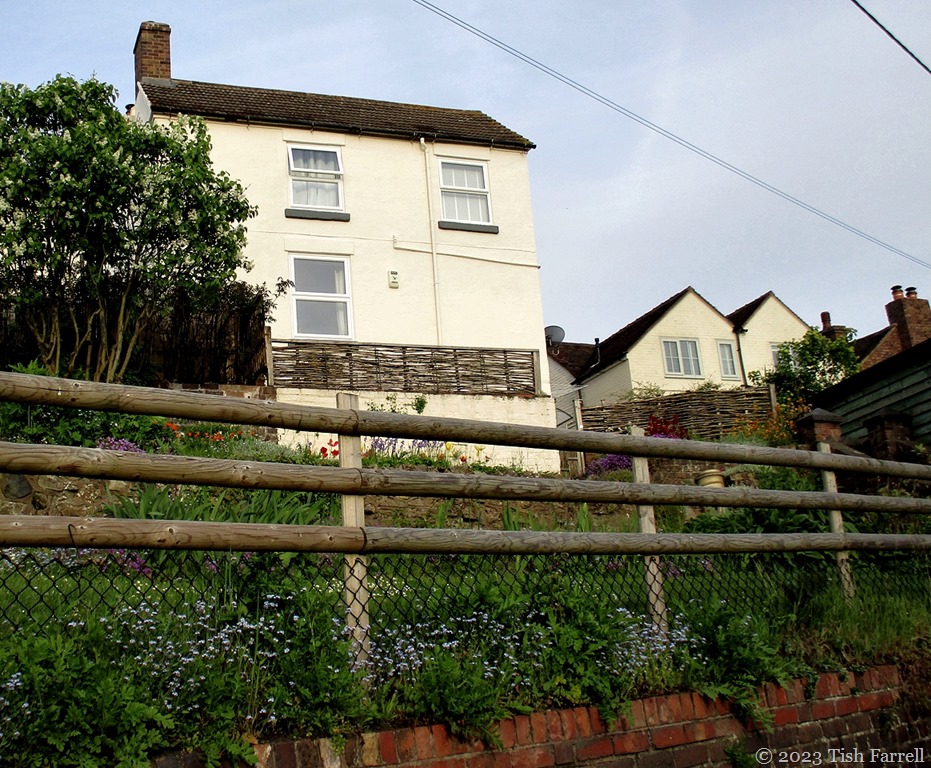
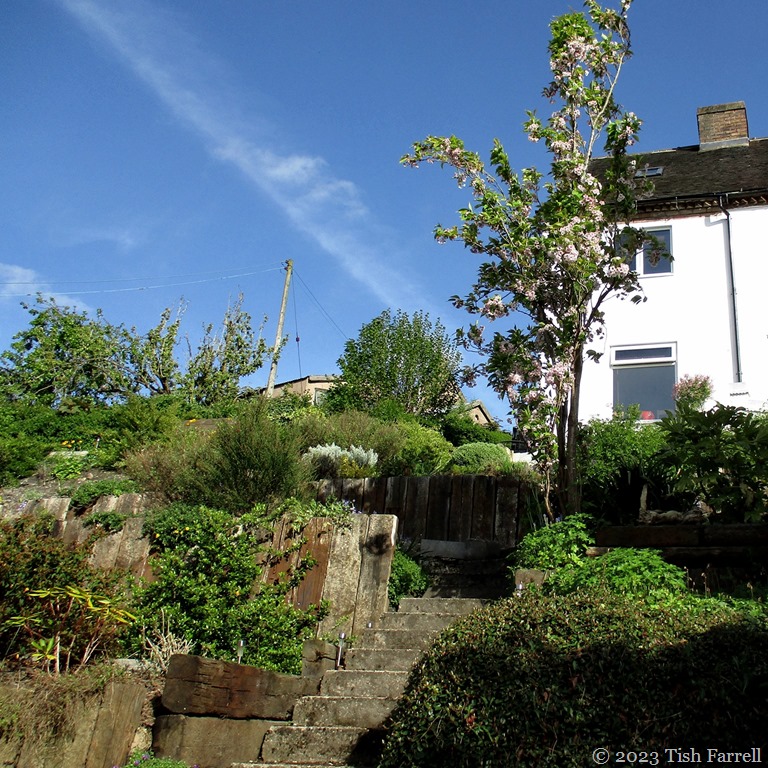
And now for a few ‘hanging’ roofscapes in and around the Broseley Wood jitties:

IMG_3283

IMG_3312

IMG_3320

Speeds Lane – John Wilkinson’s personal railway apparently ran down here to the River Severn – the waggons loaded with iron from his Willey Furnaces

*

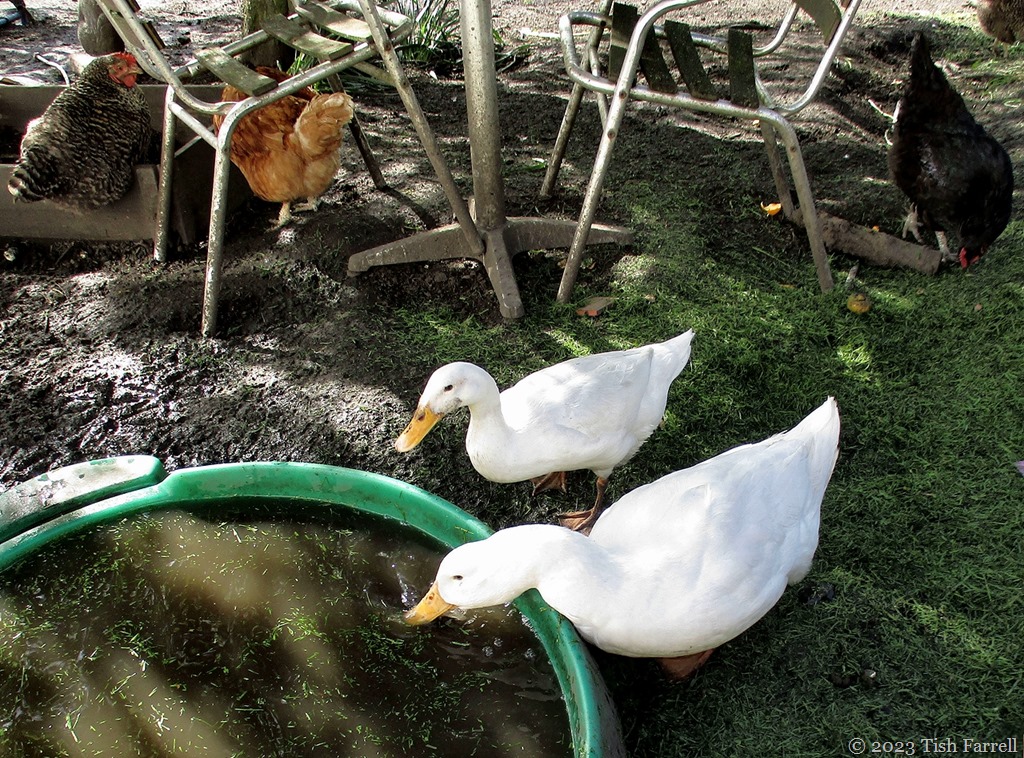
And to finish – another visit to the Quarry Road duck and hen ‘farm’:

IMG_3395

The Changing Seasons: May 2023

Kindly hosted by Brian and Ju-Lyn. Please go and see May in their respective home territories – Australia and Singapore.

Ups And Downs On The Broseley Jitties

Ding Dong steps 2

The Broseley Jitties are quiet these days. On our early evening rambles we meet only a now-and-then walker with their dog. And then perhaps a stray chicken. Or a watchful cat in a cottage gateway. The atmosphere is somnolent; a sense of falling back through time. There’s the subtle scent of cow parsley along the verges,  of garden flowers wafting over the walls and hedges.

Yet a hundred/two hundred years ago there would have been no quietness (or cleanly odours) here. Only the shouts and chatter of working men, women and children; rattle of clogs as the folk of Broseley Wood went about their day – to the mines and quarries, to the pot and pipe factories, to the taverns, to the chapels, to the wells.

Ding Dong Steps

*

Botswell Lane Jitty down and up – and as the name denotes, a main route for fetching water from the well in the valley bottom. Hard work fetching washing and cooking water, especially in the winter.

Botswell Lane

Botswell Lane up

*

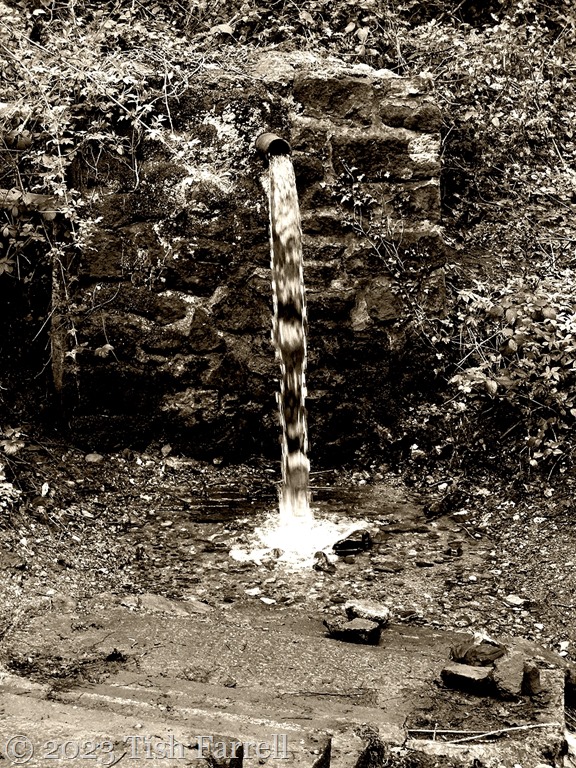
Another water source was the spring on Spout Lane, not far from the bottom of Jews Jitty where the Wolfson family lived and ran their pottery factory.  The daughters of the house apparently carried out the ritual bathing rite of mikvah at this spring – a somewhat public spot.

spout lane spring

*

Jews Jitty up…

Jews Jitty up

*

And Jews Jitty down …

Jews Jitty sepia

*

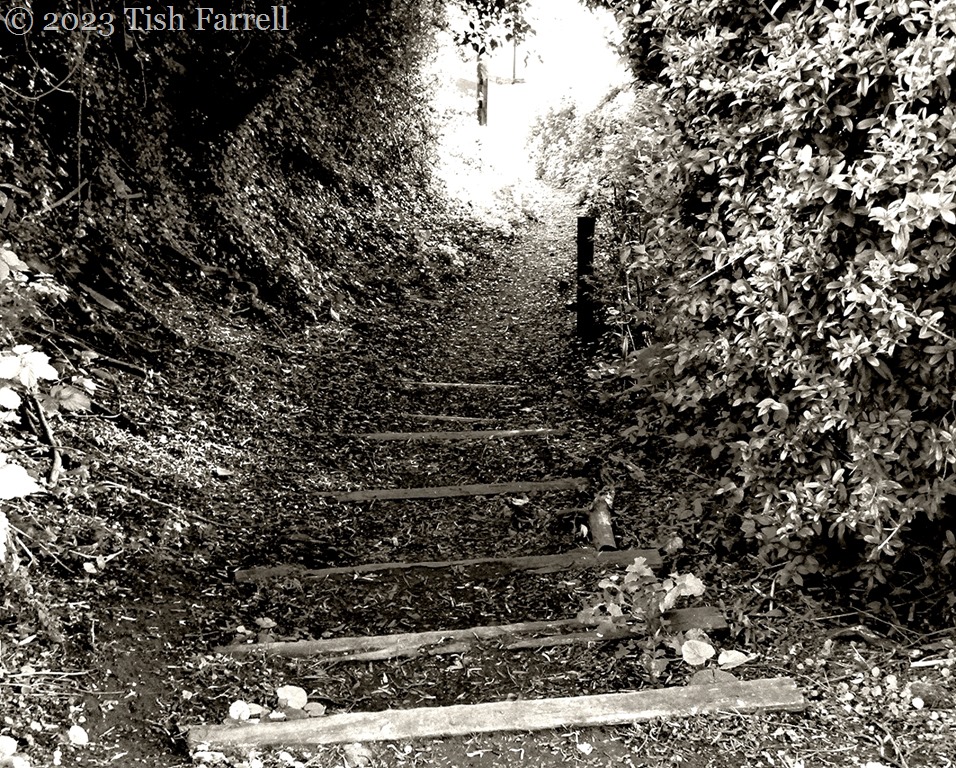
And a final up on Gittings Jitty yesterday evening, the cow parsley in full flourish…

Gittings Jitty

Cee’s Black & White Photo Challenge: steps or ladders

Another Jaunt Down The Jitties

IMG_3103header

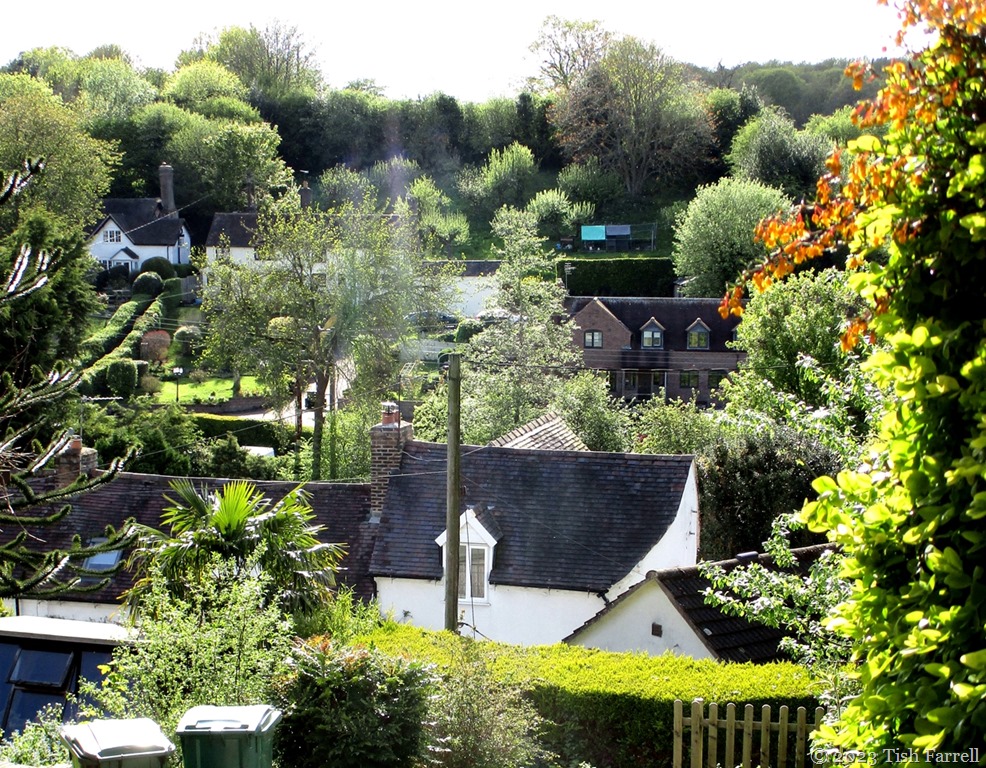
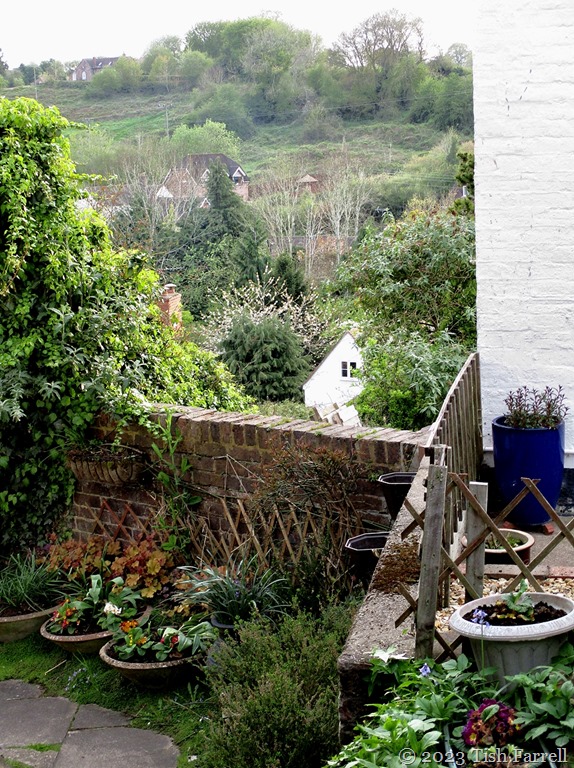
For those who missed my earlier post, the Broseley jitties comprise a hillside maze of passages and pathways that served the ancient mining community of Broseley Wood. Today they wend between erstwhile squatter cottages, now restored and extended to make highly desirable homes with terraced gardens and magnificent views across Benthall Woods and the Severn Gorge.

In the early evening sunshine, the place feels idyllic, but back in the seventeenth, eighteenth and early nineteenth centuries this hotchpotch of dwellings built on the wastes around coal, iron and clay pits would have been more shanty town than orderly village. For one thing think taverns on every corner to quench the thirst of hard labouring folk. And for another think no sanitation.

IMG_3146

*

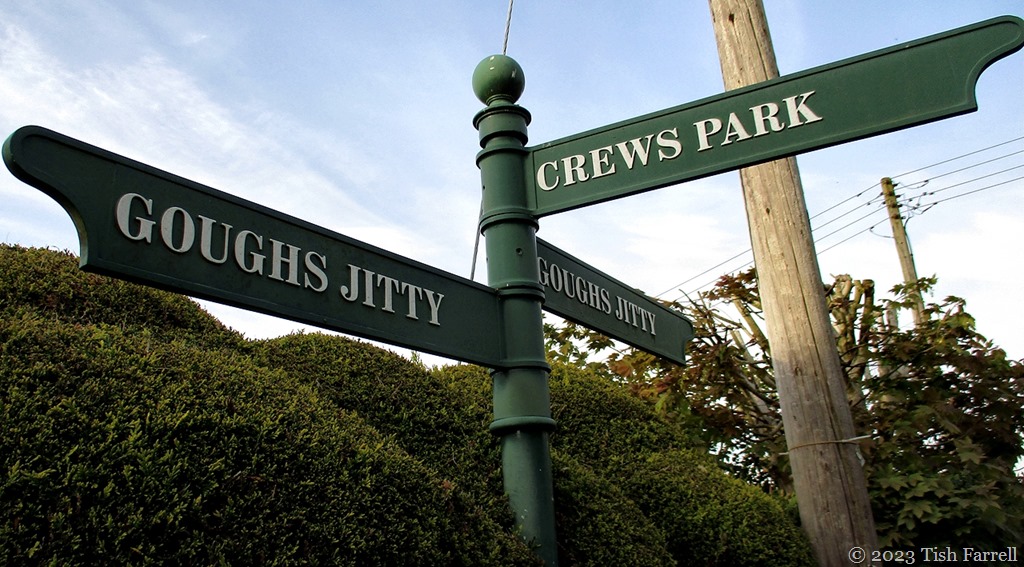
There are seventeen jitties, most of them cross-paths between more substantial lanes and each named after individuals, wells or particular landmarks associated with them. We began this particular exploration at Crews Park Jitty, hiving off Woodlands Road not far from the town May Pole.

IMG_3177

*

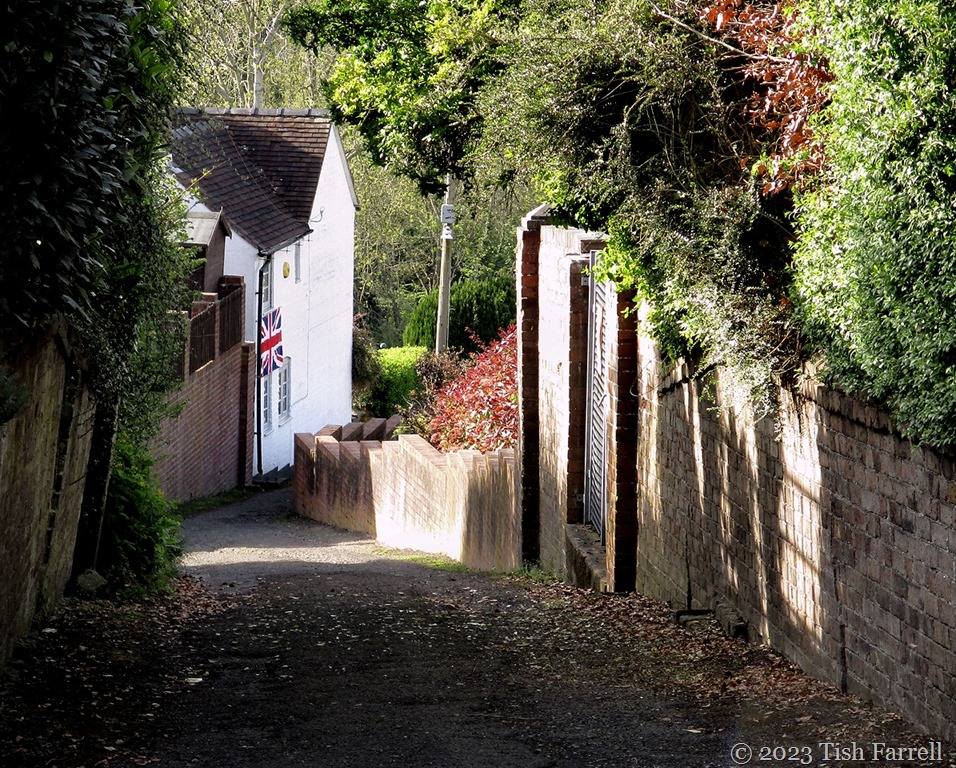
At the foot of this hill is Gough’s Jitty, that runs crosswise, left and right to Crew’s Park. We turned left and soon came upon the very noteworthy retaining wall built entirely of saggars. These are fireclay boxes, the remnants from one of Broseley’s clay tobacco pipe factories.

IMG_3105

Adaptive re-use: the pipe factory saggars make a fine wall.

There were three Broseley factories in the 19th century, although pipe-making had begun in the area by at least the seventeenth century. The pipes were exported across the world and often referred to as ‘broseleys’. During firing, and to protect them from ash damage, the pipes were packed inside saggars, which were then stacked up inside the bottle kilns.

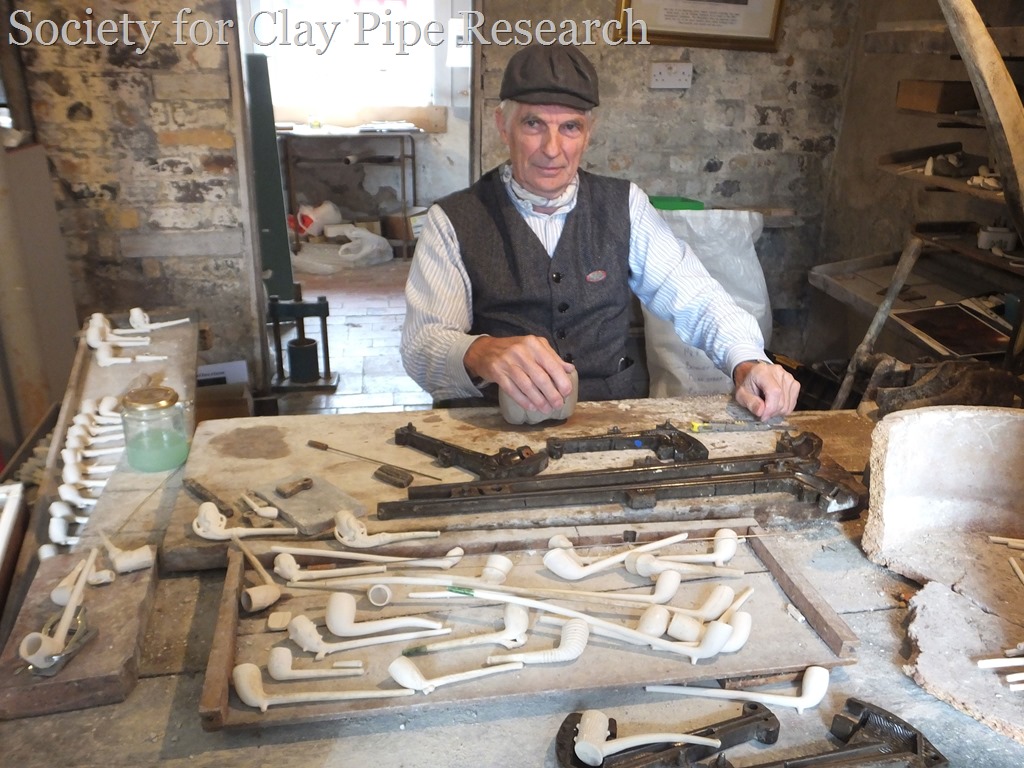
And by way of a further digression, talking of clay pipe factories, here’s a glimpse inside Broseley’s last surviving pipe works, operated by the Southorn family until the 1950s and now owned by Ironbridge Gorge Museum Trust:

Pipe-maker Rex Key demonstrating his skills at Broseley Pipe Works Museum.

*

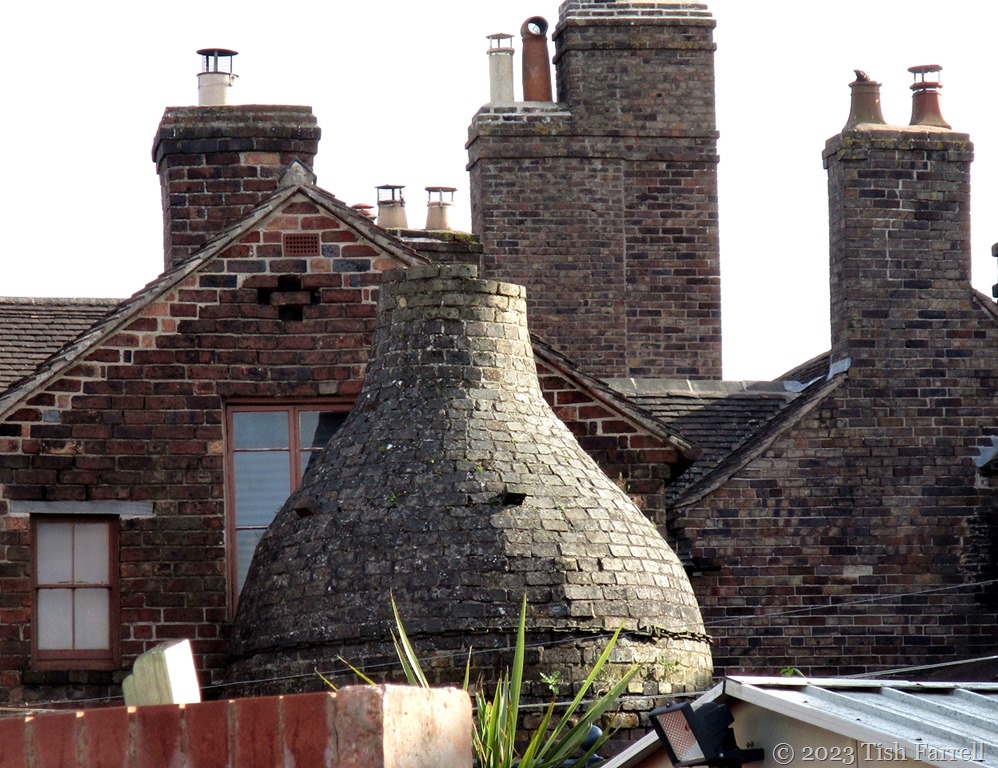
The museum is closed at present, but you can glimpse the top of the King Street bottle kiln from the end of our road.

IMG_3184ed

*

See also an intriguing article from the 1950s that talks about the Southorn family and their Broseley pipe works: https://www.broseley.org.uk/cutting/kings%20head.PDF

*

But back to the jitties.

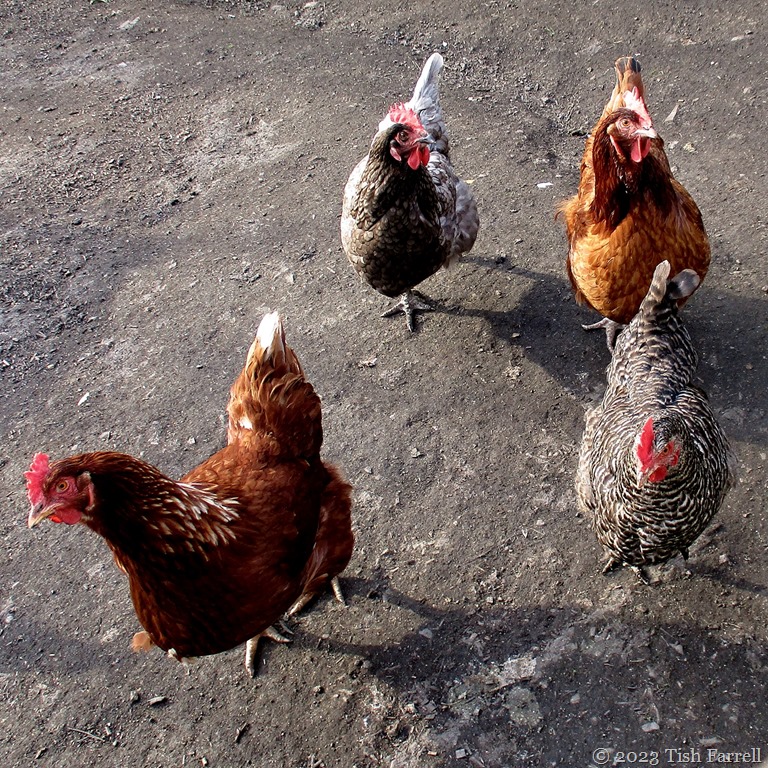
As I said, Gough’s Jitty runs crosswise from Crews Park, and following the south westerly end along the saggar wall you soon collide with Mission Jitty heading north east. Near the intersection there’s a delightful ‘farmyard’ filled with fun activities: swings, coops, rails and ponds, for ducks and hens. You can buy the eggs too (honesty box provided). The hens came hotfoot to the fence when they saw me:

IMG_3114

IMG_3152

*

At this point we left the jitties and stepped out on to Quarry Road which then presented us with a choice, downwards towards Ironbridge:

 IMG_3116

Or upwards towards home…

IMG_3118

*

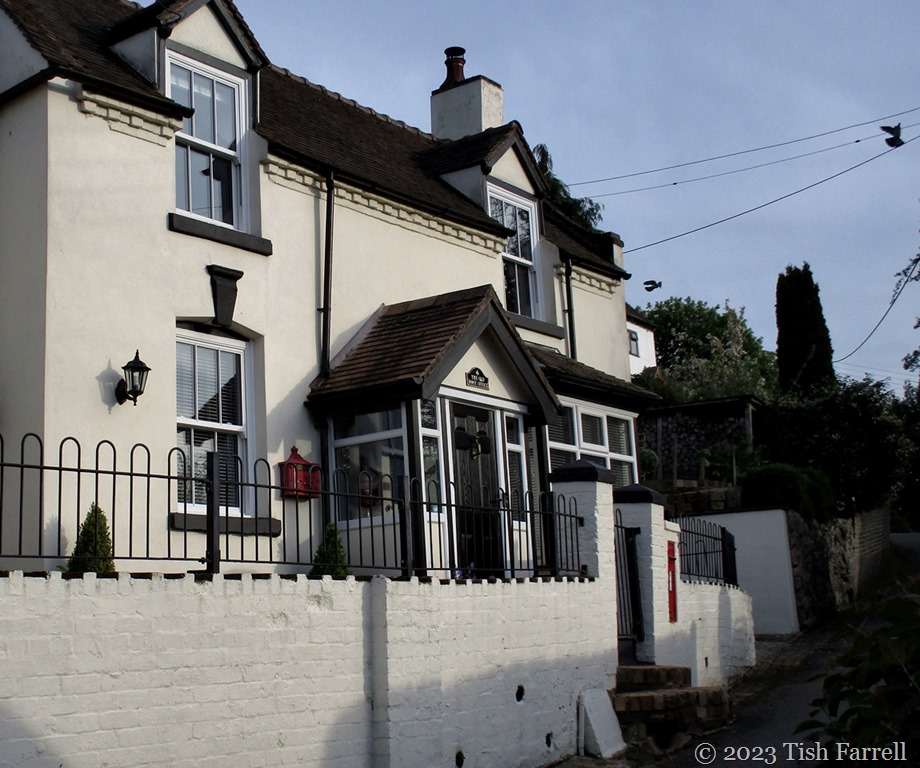
…passing the cottage that was once the Broseley Wood post office:

IMG_3119

*

And a new jitty sign:

IMG_3120
*
This will have to be explored another day, although I’ve since discovered this path leads down to Bridge Road where in the 1930s and 40s the Wolfsons, a Jewish family ran a pottery works making plain plates and dishes. A branch of the family also set up another works nearby where they made china petals for Woolworths, and also painted porcelain dolls’ faces, all of which meant useful employment for local women who could work from home. The family apparently paid good wages and were well respected, although it is said their faith kept them socially aloof.
*
And next the sign to Ferny Bank, which again must wait for another day:
IMG_3132
*
And so onwards up Quarry Road, views up and views down across the valley to Benthall:
IMG_3133
IMG_3149
IMG_3136
IMG_3144
IMG_3146
IMG_3135
*
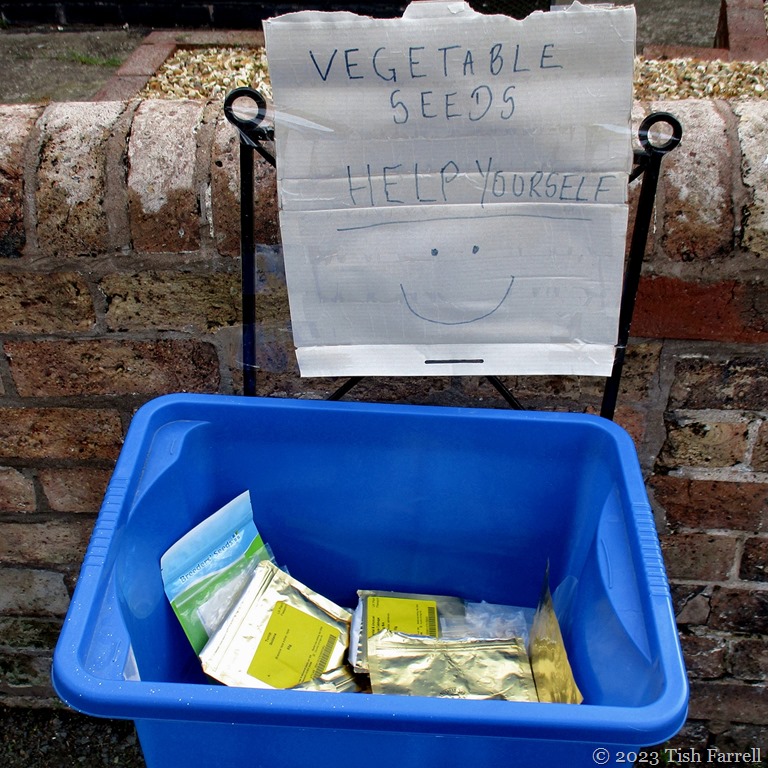
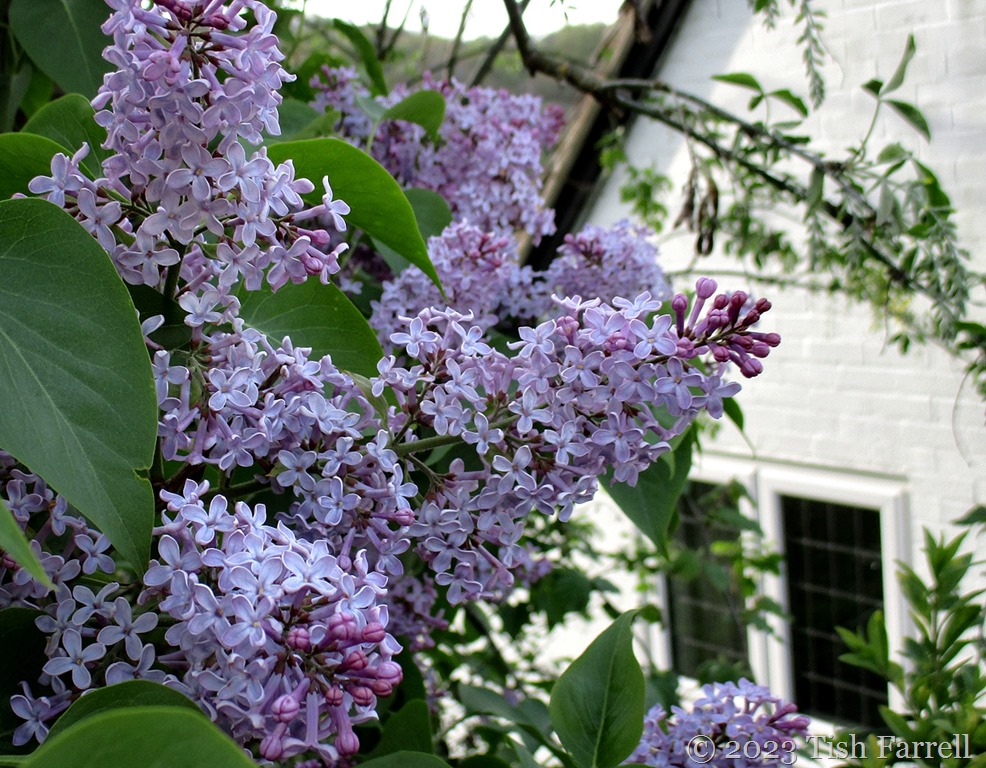
And of course this was an offer I could not refuse. In fact we have learned that this is very much a Broseley custom. Residents put out on their doorsteps still useful items they’ve finished with, but others might like. We passed a microwave on a wall the other day. Also a large etched glass vase outside another house.
*
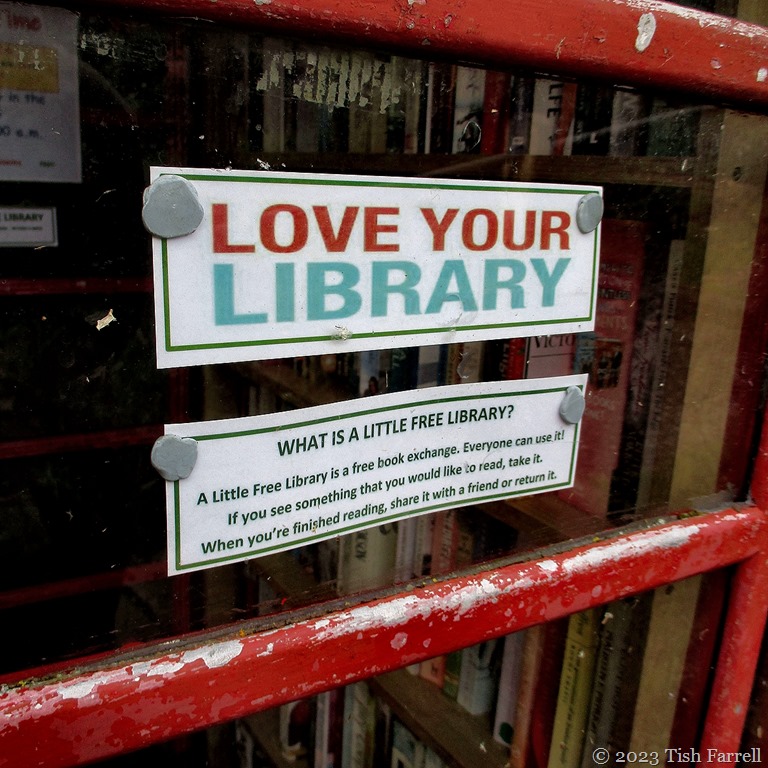
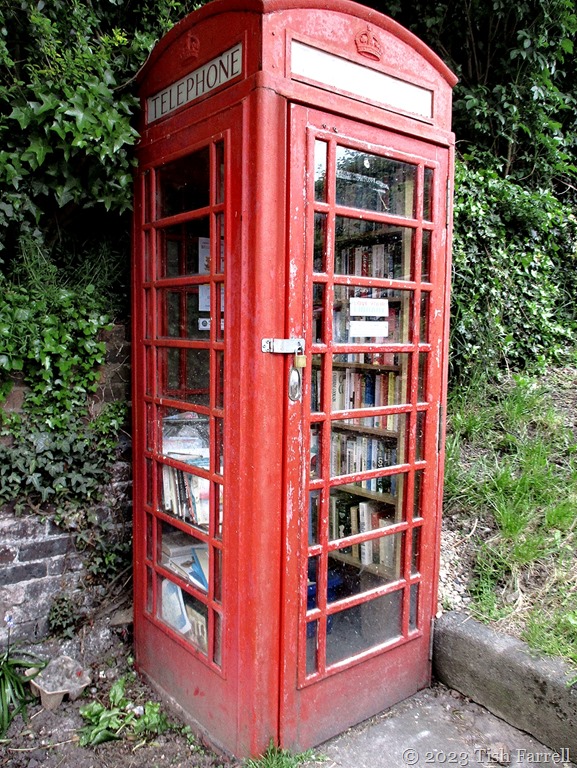
Then comes the star find of this particular jitty jaunt. At the junction of Quarry Road and King Street is a telephone box. And inside the telephone box is…
IMG_3138
IMG_3140
It closes in the evening, but is open earlier in the day. I think we might be making one or two donations to this particular institution.
And just in case you looked at the link about the Southorn family which included a 1950s photo of the King’s Head inn on King street – here’s the link again https://www.broseley.org.uk/cutting/kings%20head.PDF
This is the King’s Head today; an inn no more:
IMG_3182
*
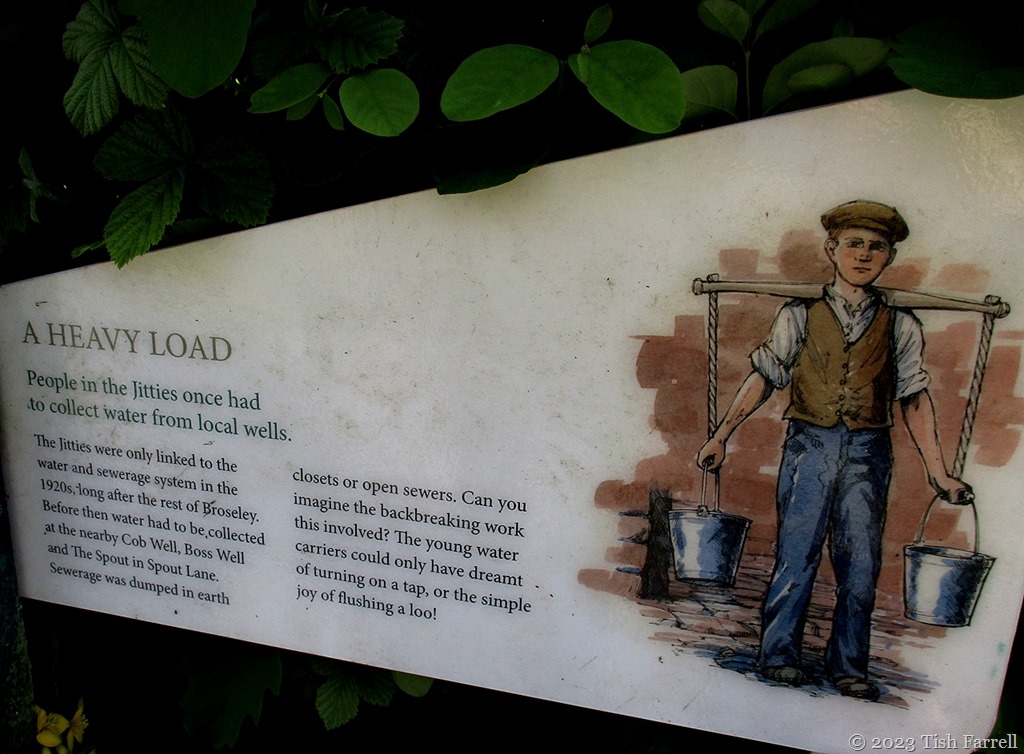
Finally, a salutary reminder of how things were:
IMG_3167