All the colours of the rainbow in the creations of poet-painter Marc Chagall

“My hands were too soft. I had to find some special occupation, some kind of work that would not force me to turn away from the sky and the stars, that would allow me to discover the meaning of life.”

100_1302

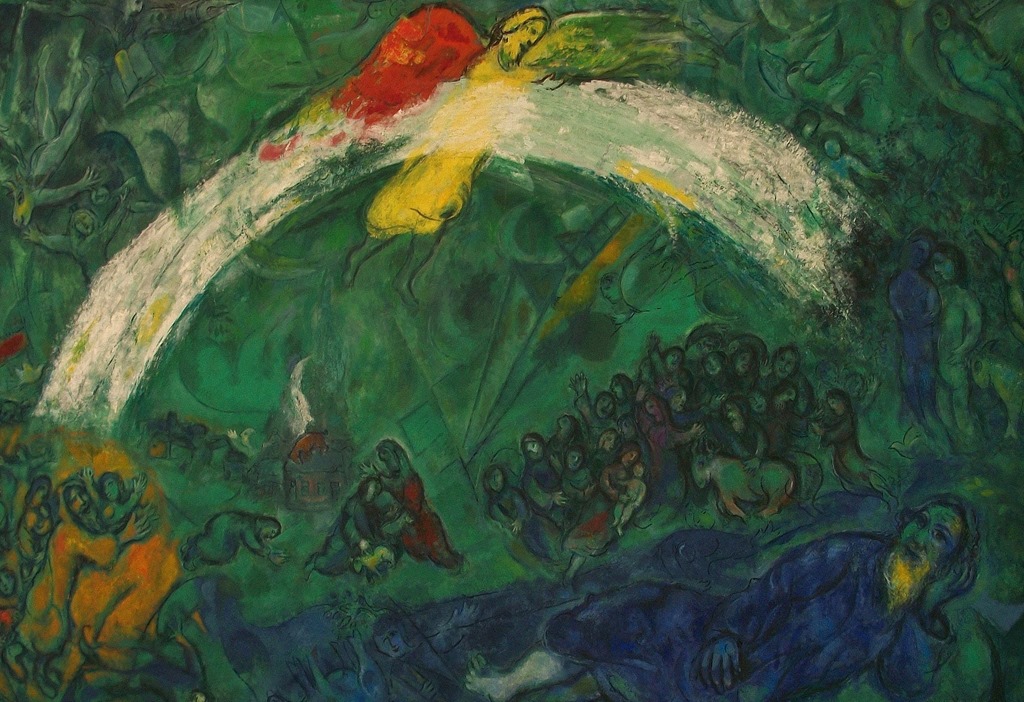
Noe et l’ Arc-en-ciel       Musee National Marc Chagall, Nice

100_1303

Le Paradis     Musee National Marc Chagall, Nice


I took these photographs in the Musee National Marc Chagall in Nice. This gallery has to be one of the finest little galleries in the world: the setting, the building and the art fusing in dreamy synergy that captures the humanity, joyousness, and all round good spirits of Marc Chagall. He was a man who created in all media. He saw his work  “not the dream of one people but of all humanity”.

Or as André Breton put it, “under his sole impulse, metaphor made its triumphal entry into modern painting.”

And then there is his use of colour. Picasso probably has the last word on that: “When Matisse dies, Chagall will be the only painter left who understands what colour really is.”

Marc Chagall (1887-1985)

ROY G. BIV

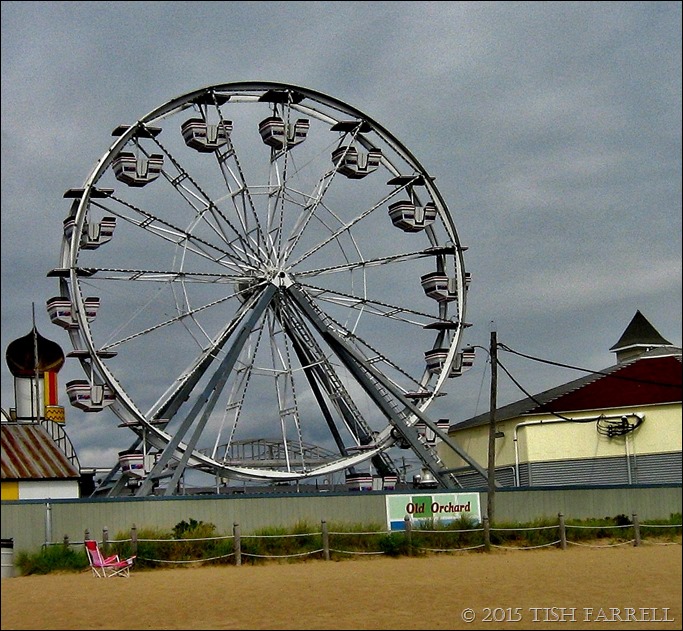
Off Season and Off Centre at Old Orchard Beach

OOB 4 - Copy (2)

It was late September when we headed for Southern Maine. By ‘we’ I mean Graham, my sister Jo and her chap, Bob, and I. The trip had been Jo’s or G’s idea, we couldn’t agree who had started it. But it felt like a jaunt, or as G put it later ‘Four Go Mad in Maine and Mass.’ We were going with the aim of meeting up with our third cousin, Jan, whom I had never met (being away in Kenya when she and Craig had visited the UK). Jo had met them, though, and shown them around Shropshire. Now Jan had kindly invited us to stay in her beach cottage for a week before travelling on up to Richmond to the family alpaca farm.

The day was hot as we drove up from Boston, but already I could feel summer slipping away. There was a dreamy, dusty air about the small towns we drove through, the civic gardens still brightly neat with flowers, yet with that ‘nearly over’ look.  Salem, Gloucester, Portsmouth, Kittery, Biddeford, Saco,  we passed on through, except for a quick pit stop at Kittery, and our first taste of Maine clam chowder. The first of many ‘tastes’ I should say, since we all became hooked on the stuff.

And so well and severally chowdered, we sped on northwards up route 95. The trip was taking longer than we had reckoned on. Being the end of the  holiday season, the highways department had started digging the road up for what seemed like miles. We could spot  no useful turn off, and we were keyed up in the knowledge that Cousin Jan was meeting us at the cottage with the keys at 3pm.  Back at the farm, the alpaca moms were busy having babies and she was on tight schedule.

But then just when we thought we’d never get there, there was the sign we’d been looking for.  Ocean Park. We turned off the highway into the maze of pretty lanes and avenues that make up this quaint seaside community.
IMG_0053

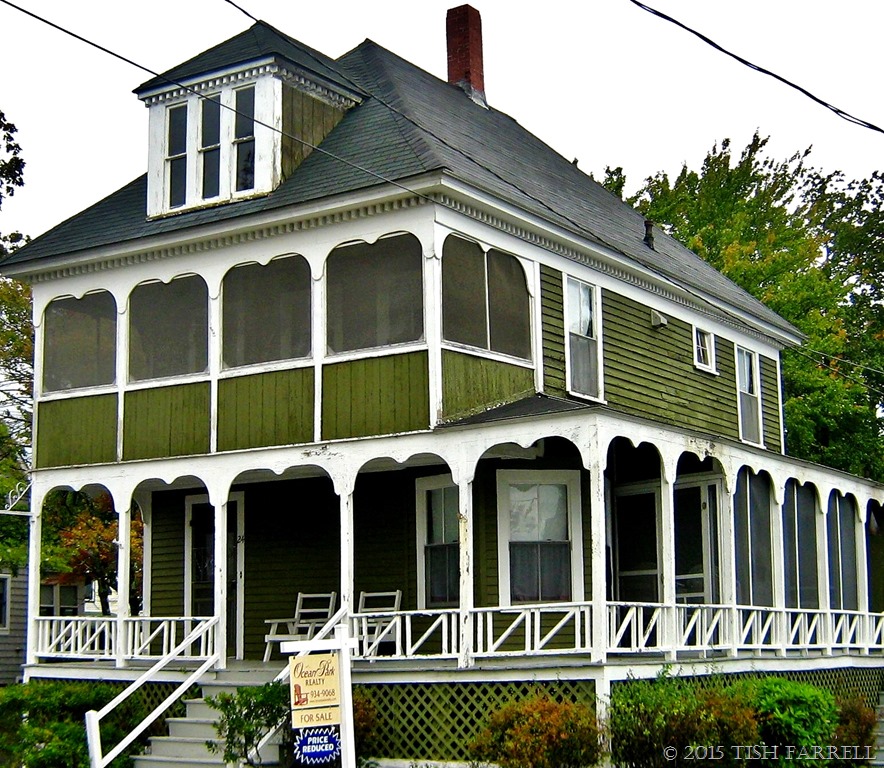
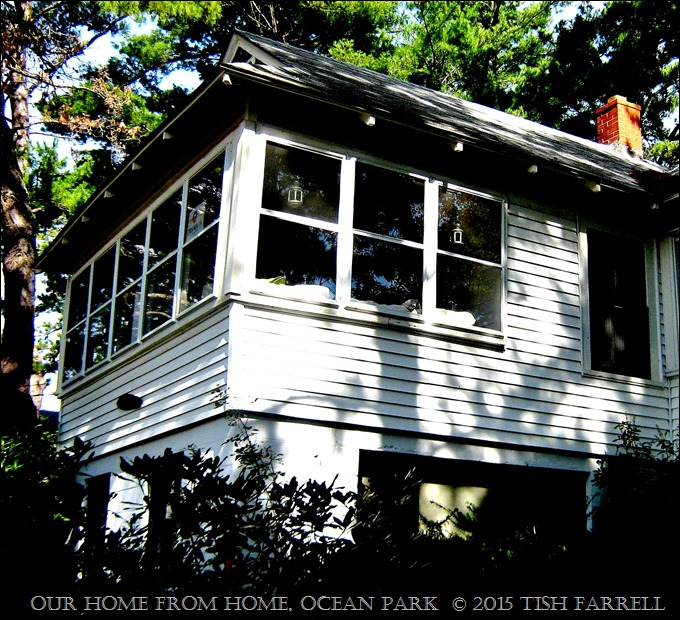
Our destination was in fact just a step away from the beach, in what had started out as a single storey, verandahed cabin, but later had been jacked up on cinder blocks to provide another floor. The verandah had been enclosed and turned into two rooms. Jan told us that the cottage had originally been the 1920s retreat of an Englishman who had lived in India. Many of his books were still on the sitting-room book shelves where he had left them. He had apparently later created the lower floor for his mother  so making two little houses in one.

Jan was sitting out on the lawn reading when we arrived. The sunlight had that honeyed September glow, but the sea breathed autumn at us. Jan was worried we would be cold at night since the cottage had no insulation. She had come armed with extra duvets from the farm. It was an odd feeling that meeting. Although we were strangers, I felt instantly embraced by family affection. For one thing, Jan so looked like my Aunt Evelyn.
IMG_0093

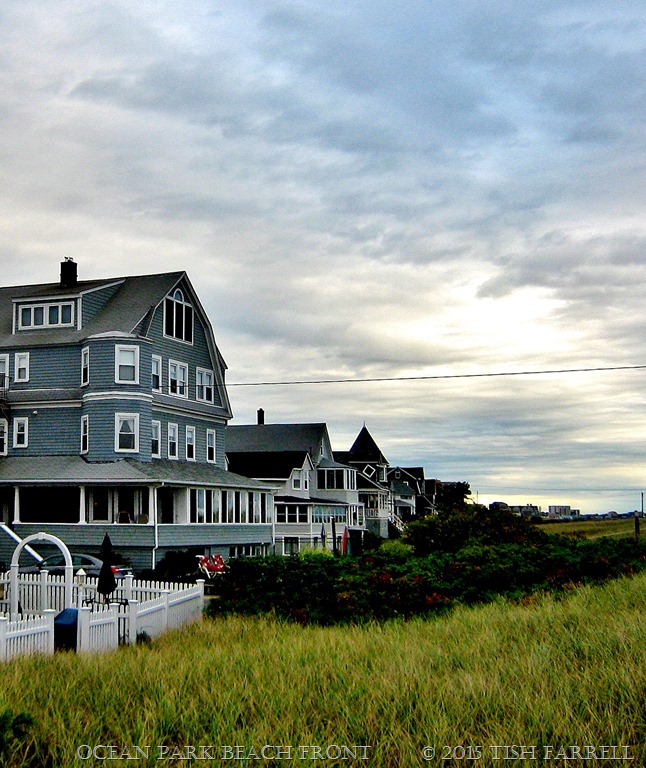
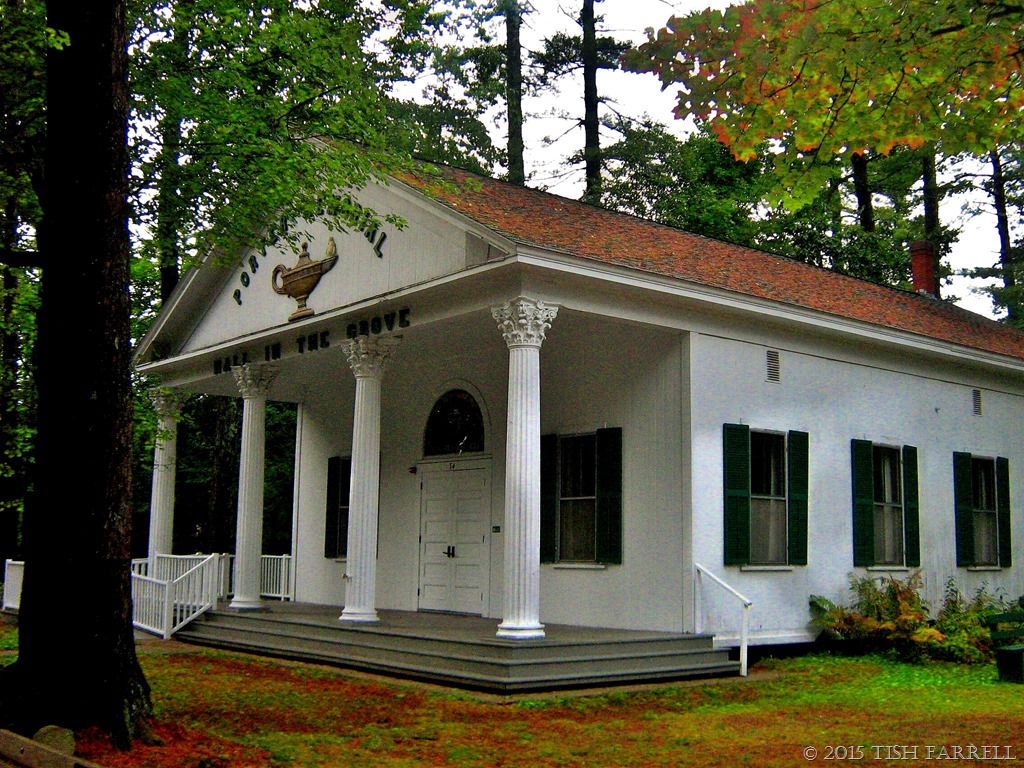
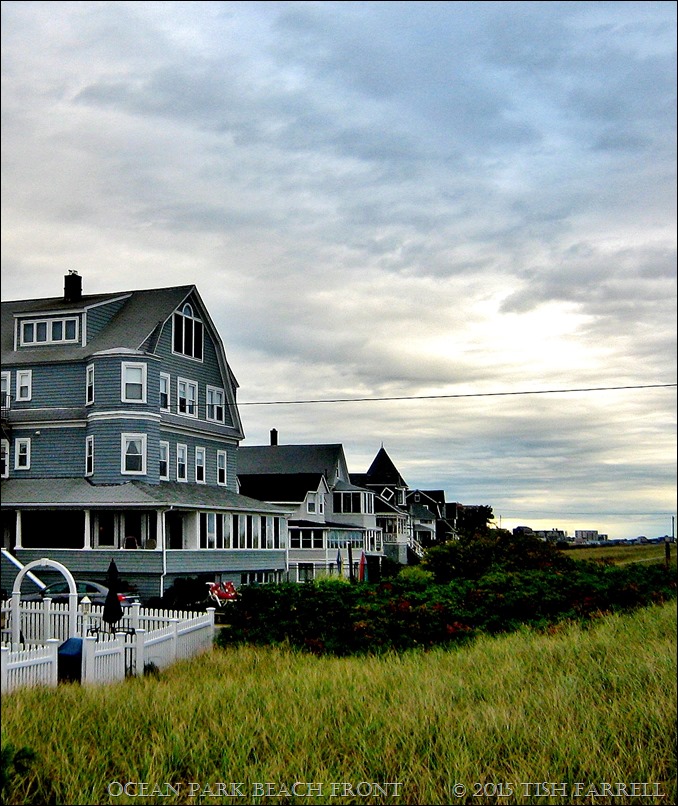
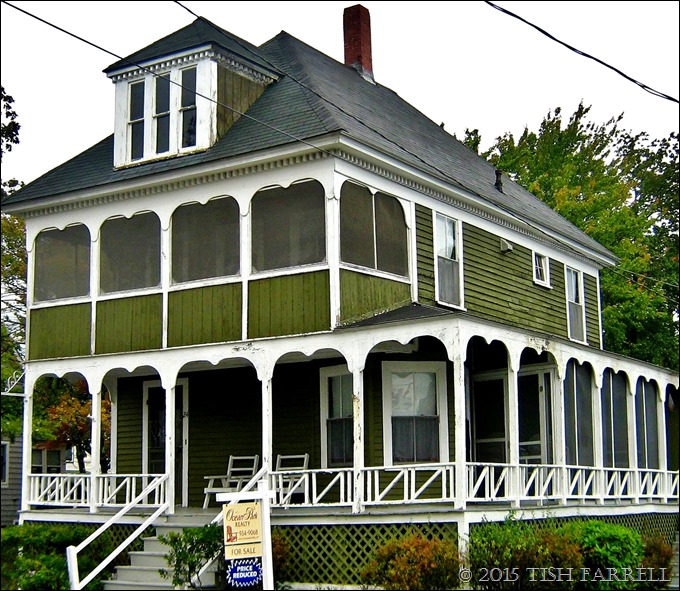
Apart from the occasional and poignant call of a passing train (a sound we grew quickly to love), Ocean Park is a serene and leafy enclave. A place out of time. Most of its houses date from the late 19th century when the Free Will Baptists founded a family summer resort there. The presence of water and a grove of trees were requisite for such a retreat, while religious and educational meetings and all round self-improvement were the focus of the gathering’s activities.  The Tabernacle Temple meeting hall is still there amongst the pines and maples.
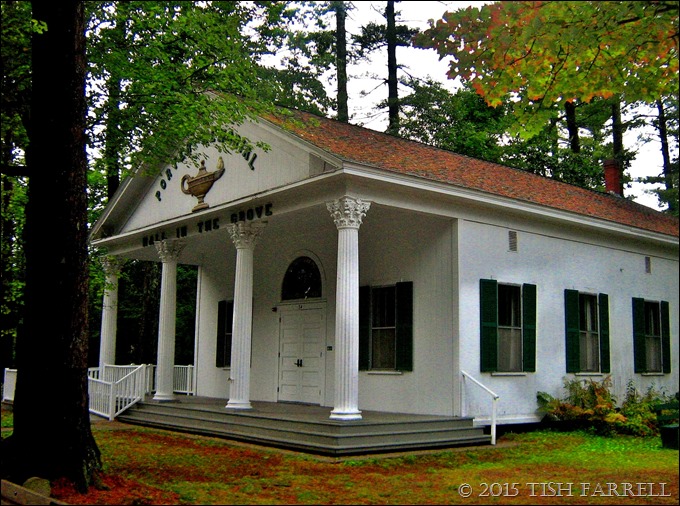
071 Hall in the Grove

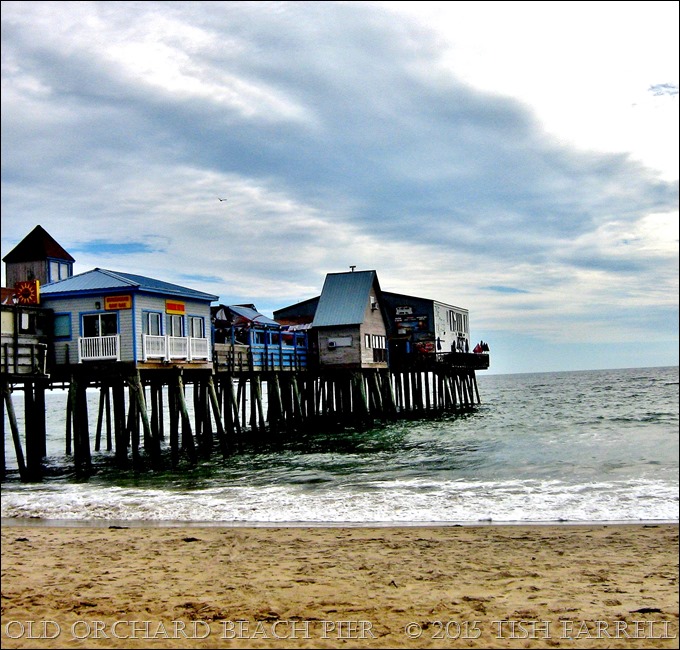
Meanwhile, a couple of miles along the beach, the resort of Old Orchard Beach aka OOB, could not be more different.  In season it is teeming with humanity, the coastal strip lined with cheap boarding houses and motels. It is not the sort of place we would normally go to in any season, too much razzamatazz and bustle, junk takeaways, and nowhere to buy real food. But now, at summer’s end, it did hold a certain doleful fascination – you know, the kind of fascination of the David Lynch Twin Peaks sort.
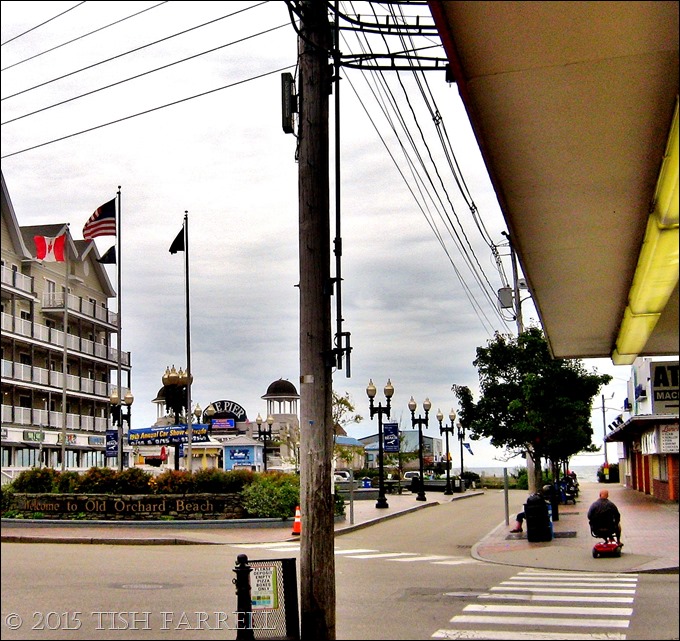
IMG_0070

IMG_0059

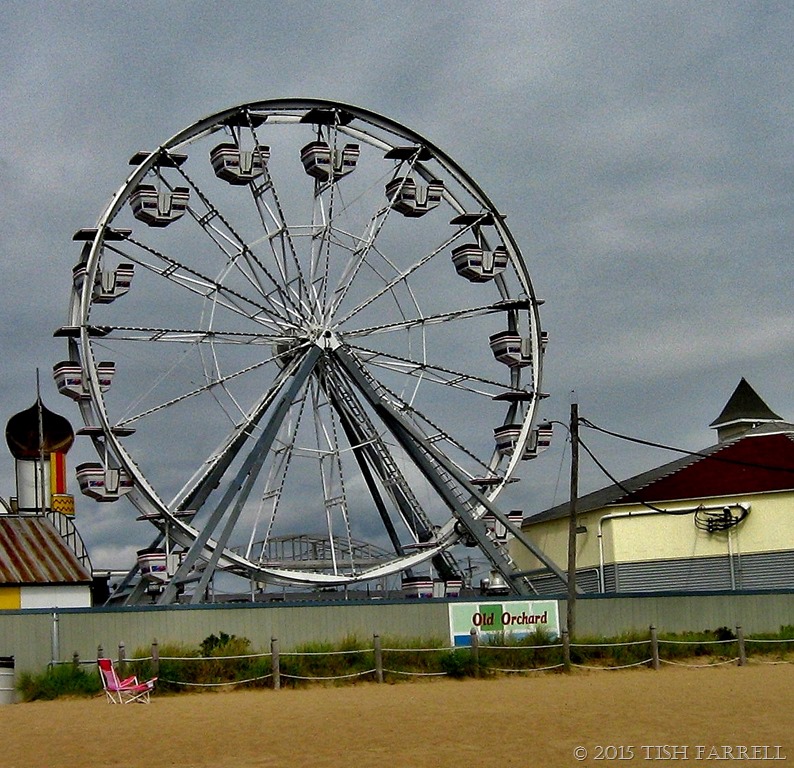
IMG_0058 - CopyWhat else can you say, off-season resorts are simply desolate. When summer ends they lose their reason ‘to be’; the body is there, but someone has switched off the blood supply. We wandered up and down empty streets, feeling somewhat perplexed. Most of the shops were shut.  The rides at Palace Playground had been wrapped up for the winter. There was scarcely a soul around.

It was only when I had a notion to take the Downeaster train to Portland, and we ended up in the library, trying to find out how to buy tickets (the station machine being terminally out of order), that it was all change. Inside the library it was humming with cheerful librarians and  young moms with kids. And so just when we thought we were all alone on Planet OOB, lovely human life was discovered. The librarian even let us use the phone to reserve train tickets, and then print them off from her computer. So thank you Libby Library, you surely know how to give good service – in or out of season. We hope, too, that by now you have reached your building fund target. ‘Support Your Local Library’ – that’s something we all need to do.

OOB 8

copyright 2015 Tish Farrell


Follow the links for more bloggers’ off season off centre posts:

Ailsa’s Travel Challenge Off Centre at Where’s My Backpack

Off-Season

An Intricate Mind: Alan Turing 1912-1954

100_5256

100_5248

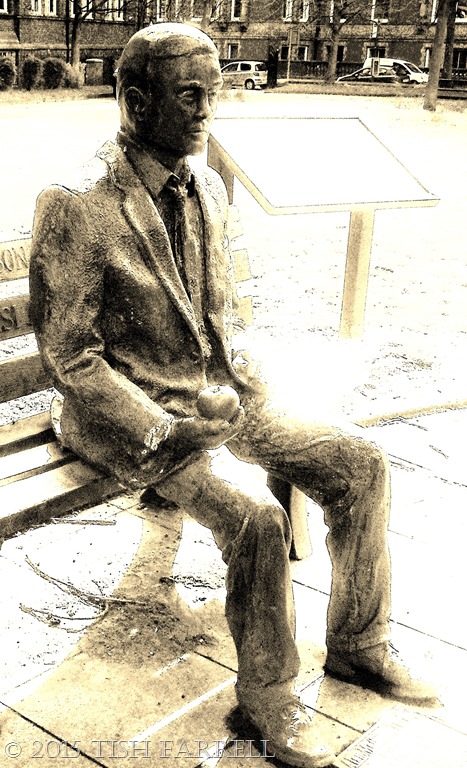
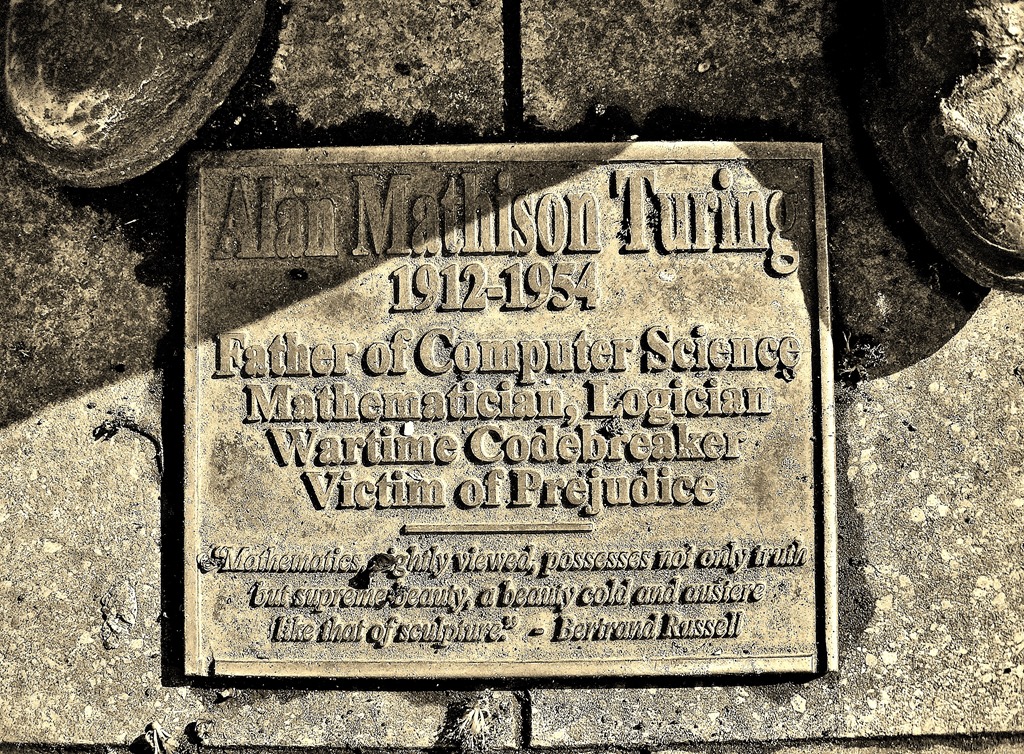
Alan Turing Memorial, Sackville Gardens, Manchester: sculptor Glyn Hughes

*

Here is the statue of man whose decoding of German Enigma Code is credited with shortening World War 2 by two years, and so saving thousands of lives. After the war, working in Manchester, he played a key role in developing ‘Baby’, the first digital computer. He had the brilliance of intellect and foresight that should have been considered a national treasure. Yet in 1952 he was charged with engaging in homosexual acts, tried and convicted of gross indecency. The penalty was prison or chemical castration through the administration of oestrogen. He chose the latter. But because homosexuals were considered security risks, he forfeited his security clearance. In 1954 he was found dead. At the inquest the coroner concluded he had committed suicide by taking potassium cyanide. He was forty two.

There have various theories about his death: that he staged it to look like an accident; that it was in fact an accident; that he was assassinated. In any event we can only guess at the scale of his future contributions to the domains of science, mathematics, and computer technology had he lived. In 1950, concluding his article in the journal Mind, Computing Machinery and Intelligence, he himself said:

We can see only a short distance ahead, but we can see plenty there that needs to be done.


In 2013 Turing was granted a royal pardon, and British Prime Minister, Gordon Brown, expressed his regret at the way the eminent mathematician had been treated. Today, Turing’s great-niece, Rachel Barnes is lending her support to the campaign Turing’s Law that wishes to see 49,000 others given posthumous pardons. She says that while the Turing family was delighted by Alan Turning’s pardon, they felt it unfair that it was not extended to others similarly convicted.

Turing relative demands pardons for gay men convicted under outdated laws

And all I can say is: see where bigotry takes us. And if you want to see what kind of funny, humane man Alan Turing was, and discover something of his intricate thinking, then read the article Computing Machinery and Intelligence at the link above. It begins with the words:

I propose to consider the question, “Can machines think?”

Intricate

The Dhow Builders’ Yard, Zanzibar

Scan-130429-0031 - Copy

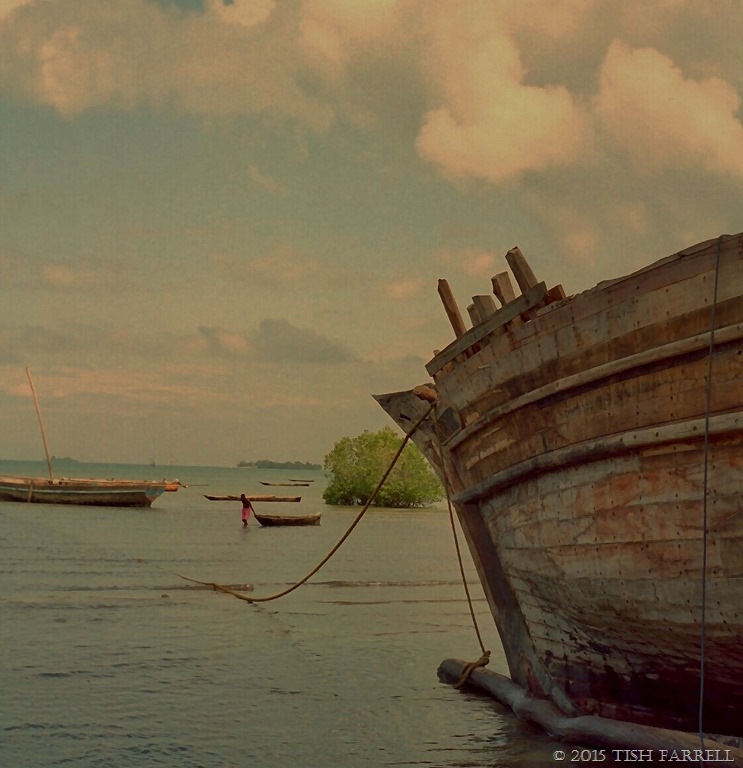
Zanzibar’s days of building large ocean-going dhows were on their last gasp when this photo was taken in 1999.  Hari, our guide, told us that the large dhow on the right had been commissioned by a Somali trader at a cost of around £7,000.  The building yard is on Maruhubi Beach,  not far from Stone Town, and on the edge of a mangrove forest which provides much of the construction timber. All the work is done by hand, following centuries old traditions. It is a slow and painstaking process, and dhow builders camp out on the beach while working on a big contract like this.


Rule of Thirds

Going All Symmetrical At Portmeirion

100_4692

100_4667

100_4694

100_4693

Surely only a wizard could have conjured this  place – or so I thought, aged six, when we, the Ashford family first made pilgrimage to Portmeirion on the North Wales coast.

Story continues with more photos at Arch Wizard of Wales: Clough Williams-Ellis “Architect Errant”
Symmetry

Hidden Depths

005

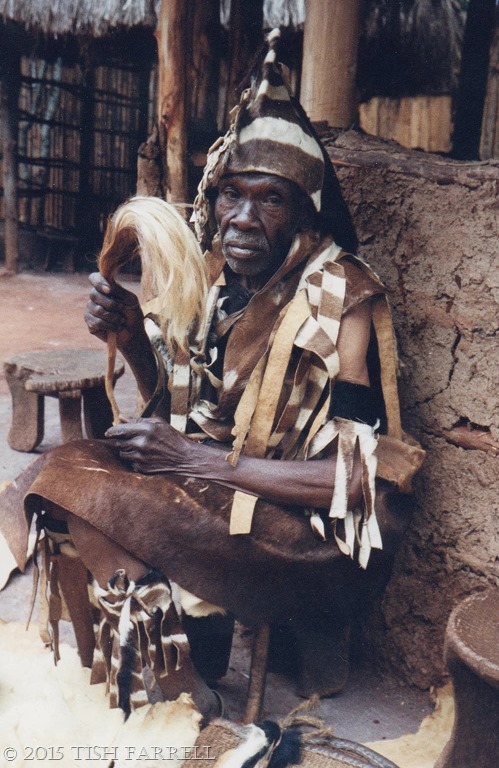
The Kikuyu Medicine Man

*

For the story behind the photo see The Medicine Man


*

 Shades FINAL COVERS Set 3_Layout 1

Kenya 1955

When war comes it can rip your

family apart. Then you have to decide

whose side you are on.

Ransom Books

Teen Quick Read/Adult Interest


More about this book and extract

Amazon.de

Amazon.com

Bokus.com and ebook Bokus.com

WHSmith.co.uk

Tanum.no


Depth

Elephants at Dawn

Scan-131109-0004

Scan-131109-0032

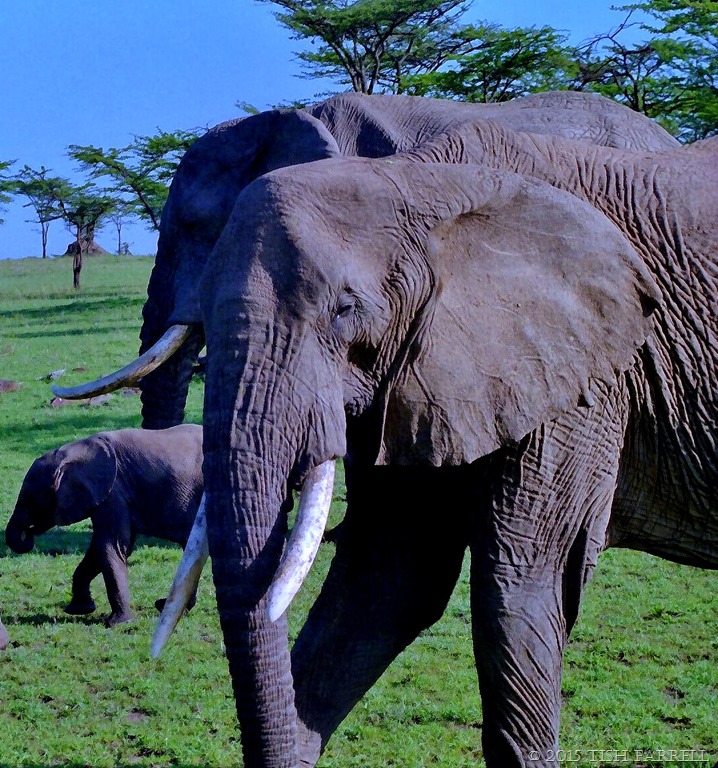
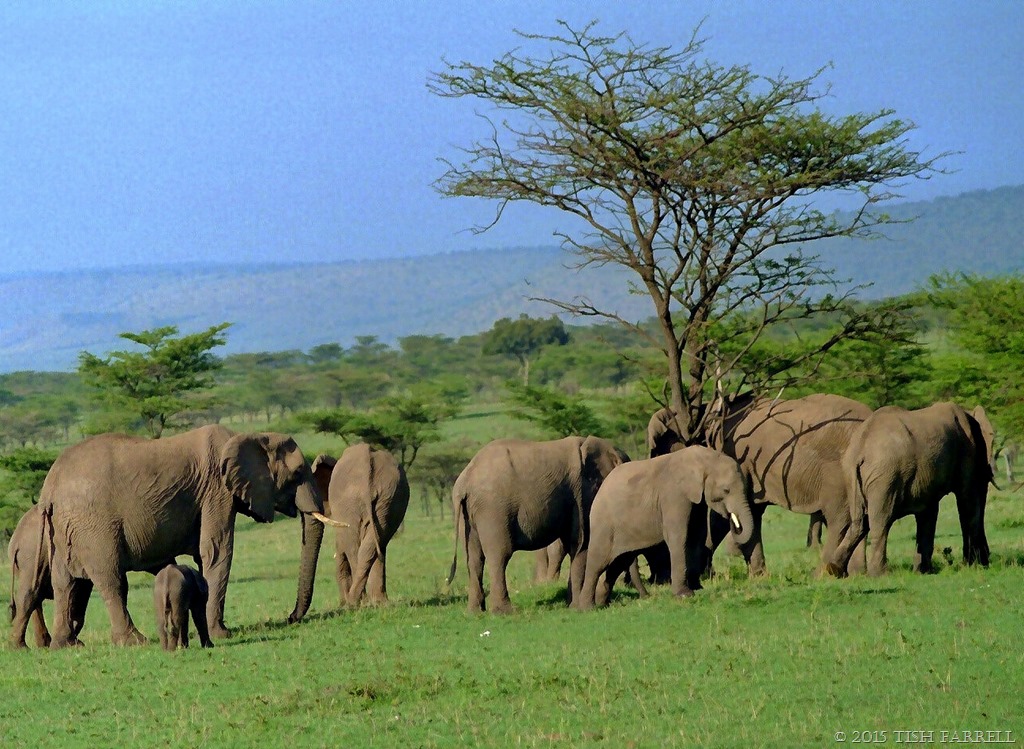
There is nothing more imposingly serene than a large herd of unruffled elephants on the move. We humans, on the other hand, may become thoroughly over-excited by such an encounter. The elephants are not impressed though. They note our existence, weighing us up with scant regard. We are quickly aware of being mentally ‘put in our place’. And as we watch, and watch the herd’s slow and steady progress through the Mara thorn trees, we find ourselves succumbing to the collective elephant will. There is the urge to follow, to step out, placing each foot with quiet intention on the surface of the earth, moving at one within ourselves instead of forever rushing about, seeking fresh excitement. As they disappear from view, we are left with a sense that something has changed. Have we been changed? In any event, it seems there is much to be learned from an early morning meeting with elephants.

Later that day, as dusk is descending, we meet the herd again. They are crossing the trail that leads back to our camp. The guide stops the truck, and we stand up, leaning out of the roof hatches as the herd moves all around us. It is breath-taking. This time they are close enough to touch. We can smell their musky hides. They move around the truck as if it is not there, then fade into the darkness as quiet as ghosts.

© 2015 Tish Farrell

Daily Post Weekly Photo Challenge: Serenity


*


image

Secrets, conspiracies, tragedy,

dark comedy – a fast-paced

novella of interwoven tales set

somewhere in East Africa

Available on ePud Bud 

5* Amazon Kindle Review


Serenity

Medina of Marrakesh

Scan-140829-0052jpeg

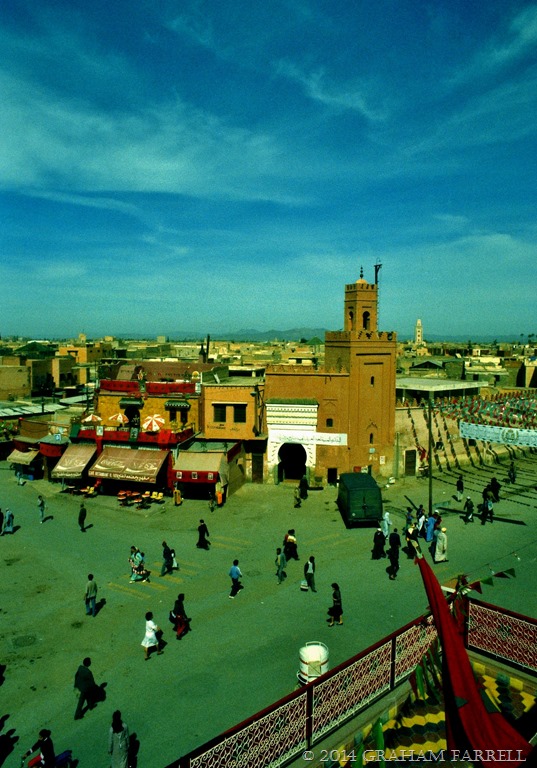
Medina of Marrakesh, Morocco a UNESCO world heritage site

This is one of my favourite photographs from the Team Leader’s, aka Graham’s long ago Africa overland trip. Even the clouds are conspiring to draw the viewer’s eye to the gateway. Click the link underneath the photo to find out more about this fascinating place.

DP Photo Challenge: converge

“Photos are visual spaces where shapes and lines, objects, and people come together.”

 Ailsa’s Travel Challenge: above