Travel Theme: Beaches (Mombasa)

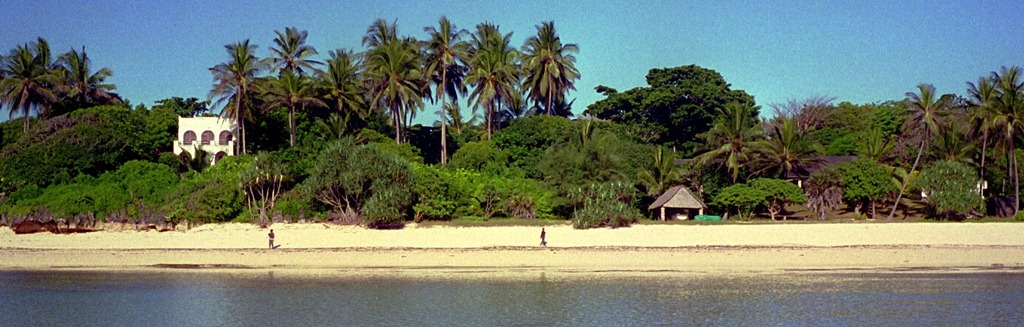
sea and sky on the reef at Tiwi

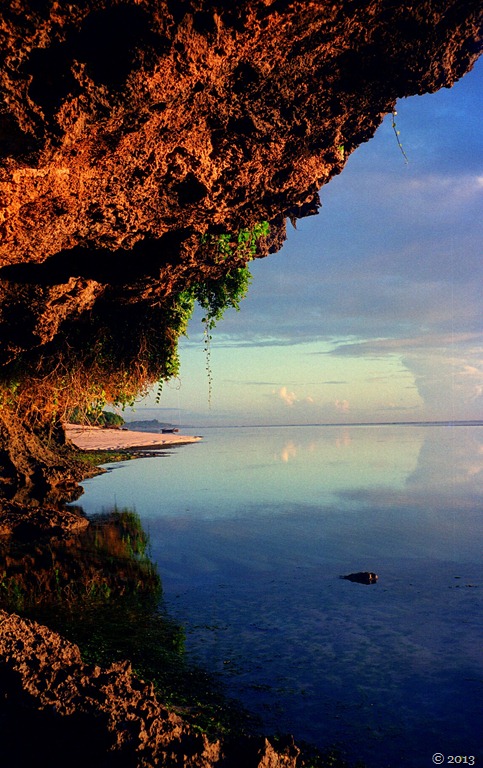
Tiwi Beach and lagoon at dawn, South Mombasa, Kenya

Going to the dogs on Mombasa’s Southern Shore

It’s a dog’s life on Tiwi Beach, the white strand where ocean roars on coral and trade winds waft the coconut palms; and where, best of all, as far as the local canines are concerned, there are quiet coves sparse in holidaymakers. It means they may do as they please. For after all, it is their own resort, and every morning they set off there from the beach villages along the headland, nose up, ears blown back in the breeze, ready for the day’s adventures.

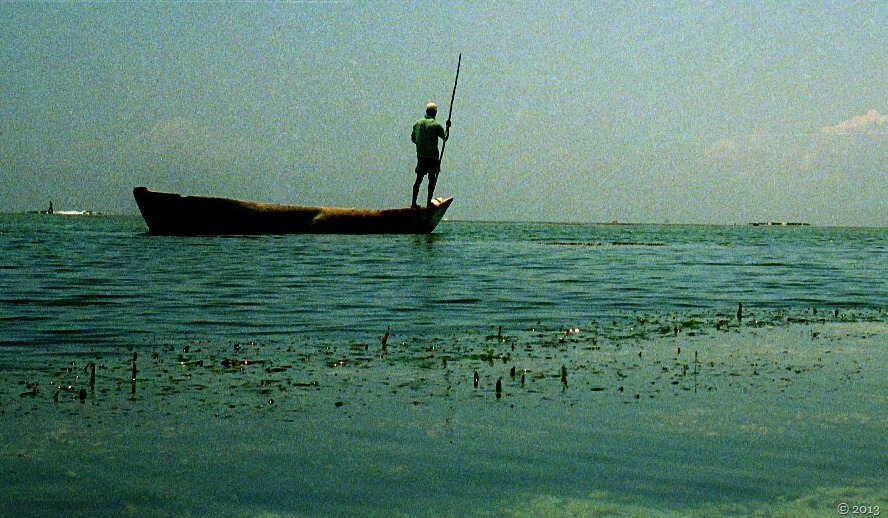
But the dogs are not churlish. They can take or leave the odd pale human wrestling to right his windsurfer on the still lagoon; ignore the sentinel heron that marks the reef edge beyond; pay no heed to the etched black figures of the Digo fishermen who search the shallows for prawns, parrot fish, or perhaps a mottled lobster or two.

Digo fisherman on lagoon, Tiwi 2

But in this last respect at least, the dogs are smug. For the fishermen come down to the beach only to make a living. And when they are done hunting, they must toil along the headland from beach village to beach village, then haggle over the price of their catch with the rich wazungu who come there to lotus eat. Hard work in the dogs’ opinion.

The dogs know better of course; know it in every hair and pore. And each morning after breakfast, when they take the sandy track down to the beach, they begin with a toss of the head, a sniff of the salt air, a gentle ruffling of the ear feathers in soft finger breezes. Only then do they begin the day’s immersion, the sybaritic sea savouring: first the leather pads, sandpaper dry from pounding coral beaches, then the hot underbelly. Bliss. The water is warm. Still. Azure. And there can be nothing better in the world than to wade here, hour on hour, alongside a like‑minded fellow.

There’s not much to it; sometimes a gentle prancing. But more likely the long absorbing watch, nose just above the water, ears pricked, gaze fixed on the dazzling glass. And if you should come by and ask what they think they’re at, they will scan you blankly, the earlier joy drained away like swell off a pitching dhow. And, after a moment’s condescending consideration, they will return again to the sea search, every fibre assuming once more that sense of delighted expectation which you so crassly interrupted. You are dismissed.

For what else should they be doing but dog dreaming, ocean gazing, coursing the ripples of sunlight across the lagoon and more than these, glimpsing the electric blue of a darting minnow? And do they try to catch it? Of course they don’t. And when the day’s watch is done, there is the happy retreat to shore ‑ the roll roll roll in hot sand, working the grains into every hair root.

Maweni beach at dawn 2

And if as a stranger you think these beach dogs a disreputable looking crew, the undesirable issue of lax couplings between colonial thoroughbreds gone native: dobermanns and rough‑haired pointers, vizslas and ridge‑backs, labradors and terriers, then think again. For just because they have no time for idle chit-chat, this doesn’t make them bad fellows: it’s merely that when they are on the beach, they’re on their own time. But later, after sunset, well that’s a different matter. Then they have responsibilities: they become guardians of the your designer swimwear, keepers of your M & S beach towel, enticing items that you have carelessly left out on your cottage veranda.

For by night they patrol the ill‑lit byways of your beach village, dogging the heels of a human guard who has his bow and arrow always at the ready. And when in the black hours the banshee cry of a bush baby all but stops your heart, you may be forgiven for supposing that this bristling team has got its man, impaled a hapless thief to the compound baobab. It is an unnerving thought. You keep your head down. Try to go with the flow, as all good travellers should.

Scan-130429-0016

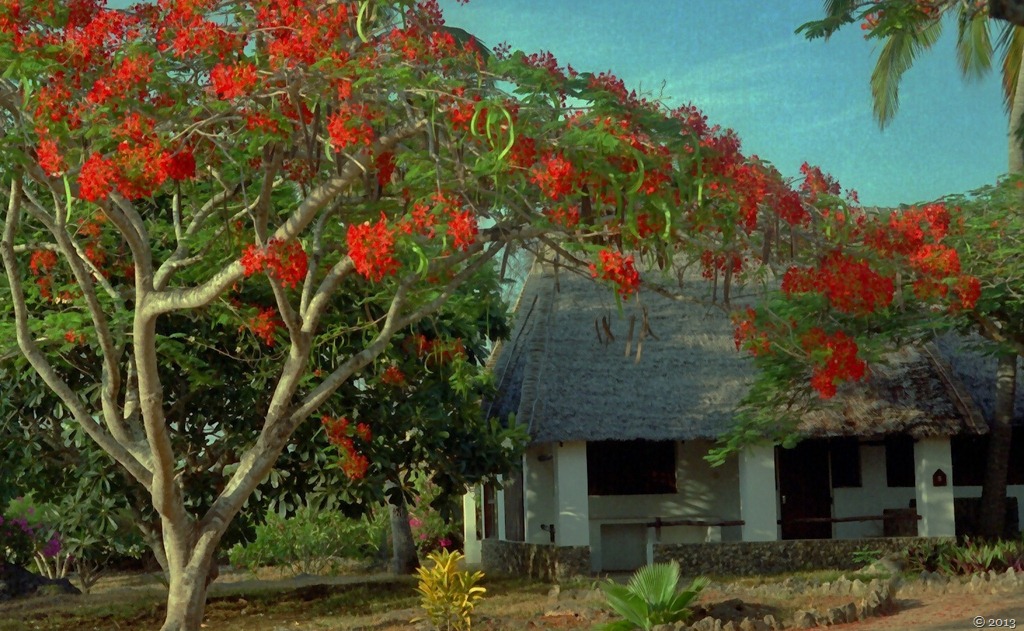
But with the day the disturbing image fades. There is no bloody corpse to sully paradise, only the bulbuls calling from a flame tree, the heady scent of frangipani, delicious with its sifting of brine. You cannot help yourself now. It’s time to take a leaf out of the dogs’ book, go for a day of all‑embracing sensation ‑ cast off in an azure pool.

And in the late afternoon when the sun slips red behind the tall palms and the tide comes boiling up the beach, the dogs take to the gathering shade of the hinterland and lie about in companionable couples. Now and then they cast a benign eye on you humankind, for at last you are utterly abandoned, surrendering with whoops and yells to the sun‑baked spume. They seem to register the smallest flicker of approval: you seem to be getting the hang of things.

© 2013 Tish Farrell

Travel Theme: Beaches

headland from the reef

Lamu Dreaming

Scan-130426-0019

…to sleep, to dream…

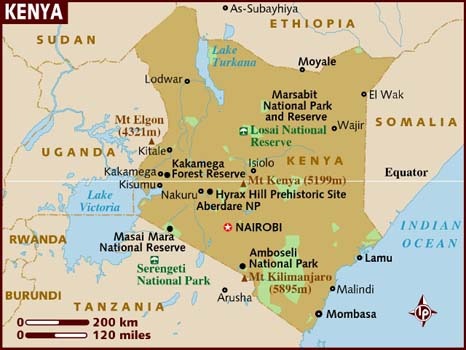
Anyone who has seen my post on The Swahili will know that I’ve had Lamu on my mind. The island lies off Kenya’s northern coast, and its Stone Town is one of the best preserved Swahili settlements, lived in for the last 700 years.  We went there one Christmas, flying out of Nairobi in a small plane that let you watch the ground all the way there. This was comforting in some ways, but in others not: the bush country east of the capital is arid and little inhabited except by wildlife, and the coast hinterland, then as now, too often the haunt of Shifta (Somali bandits). Yet there was one especially striking moment that at once distracted me from other anxieties. It was the sight as we flew over the Tana River Delta and saw the red earth of the Kenya Highlands flowing out into the sea like blood: the country’s life force pumping away. It looked like a shark attack of epic proportions. I was glad when we touched down on Manda Island and our only concern was to catch the same ferry to Lamu as our luggage.

www.theafricanaviationtribune.com

Map: www.theafricanaviationtribune.com

Scan-130429-0041

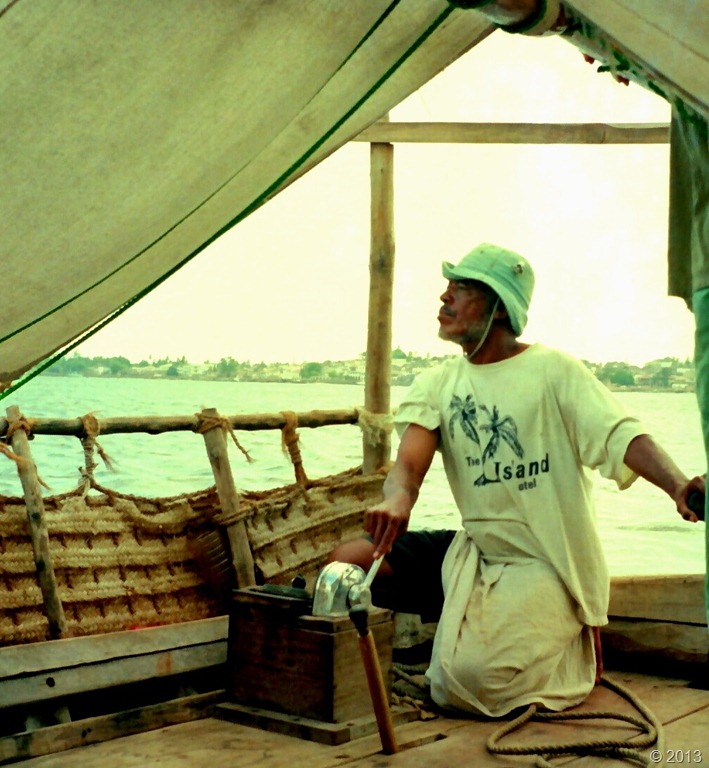
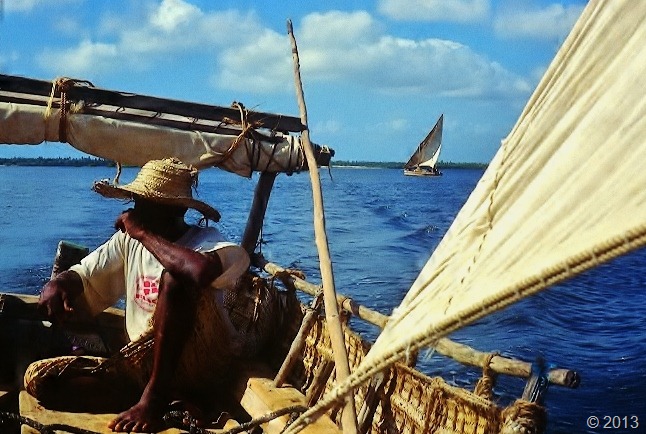
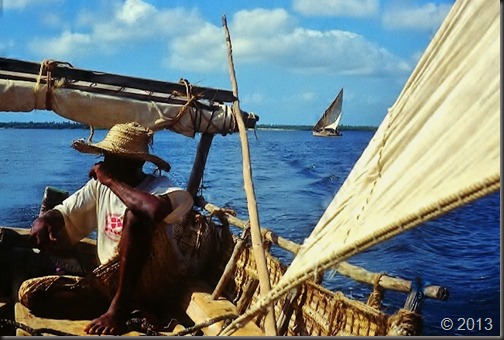
A storm blew up as we chugged across the strait in a Lamu fishing dhow. We tourists huddled under the awning to keep dry as the world turned steely grey. Our captain though, out in the rain, simply secured his hat and looked resolutely to shore. The rain did not last, and by the time we had put into Shela  harbour, the coral rag walls of the houses were steaming; scents of jasmine and frangipani filling the air. As we followed our guide up a sandy path from the shore, I remembered it was Christmas Eve. It seemed we had stepped into a dream.

Scan-130429-0029

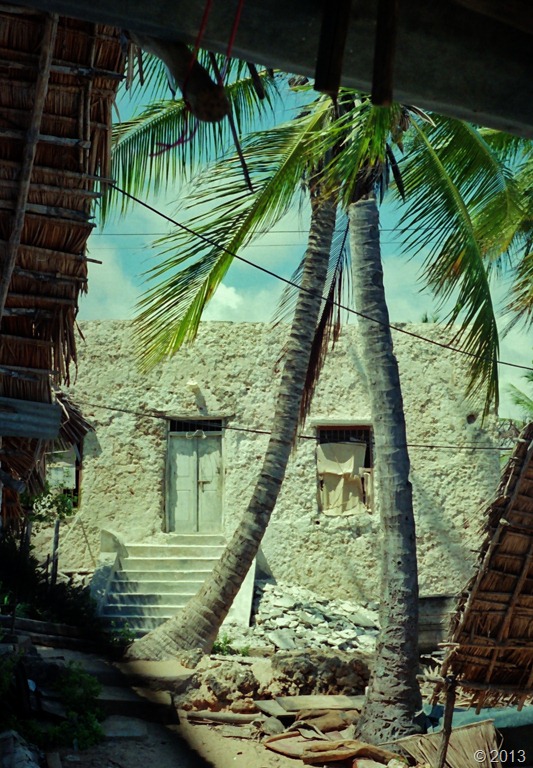
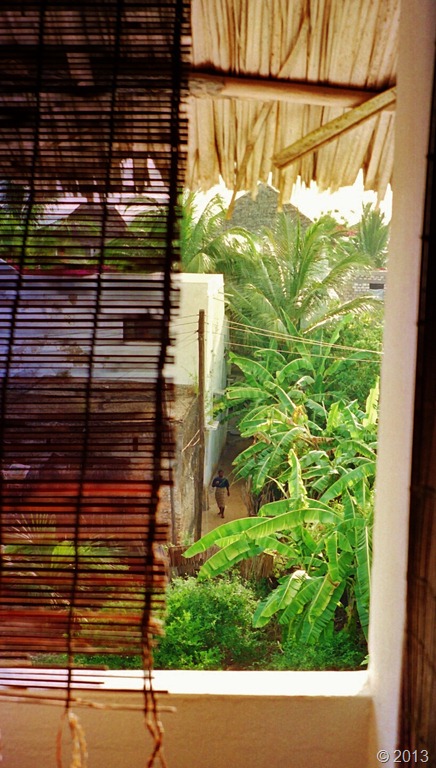
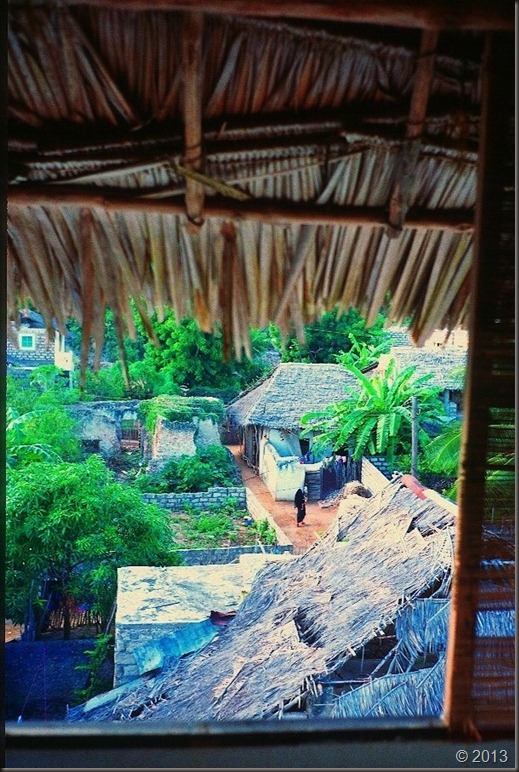
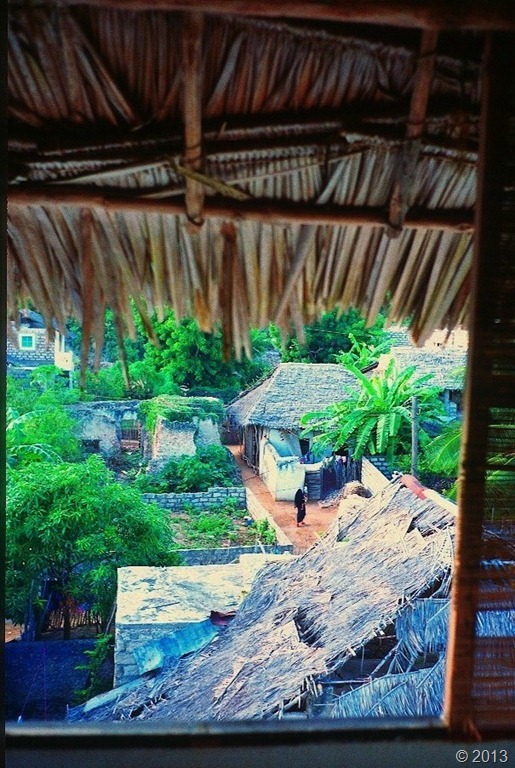
The hotel was also a dream for someone as nosy as Nosy-Writer. It occupied an old merchant’s house in the centre of the village, and best of all our room was up in the palm thatch with the whole top floor at our disposal. Not only that, most of the walls were open to the elements and overlooked the village. Sadly it seems, the place no longer exists, so perhaps I really did dream it.

Scan-130428-0138

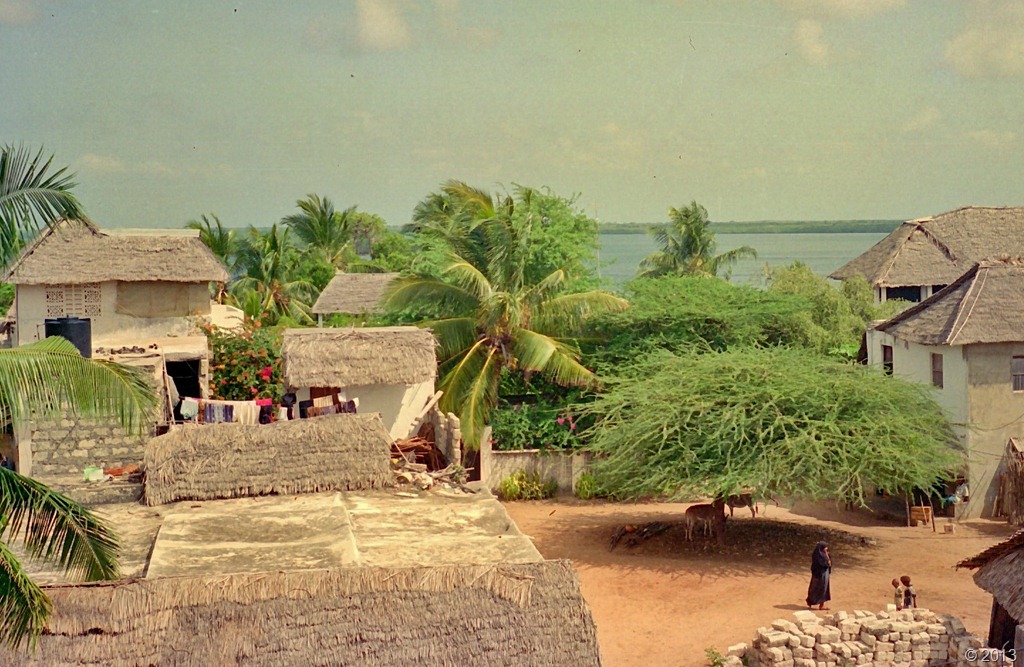
Shela village square from our room with many views. In the foreground is a  stack of the coral rag building blocks from which  most of the houses are built. The spreading thorn tree was the place where the donkeys were parked until needed for transport.

Scan-130429-0016

On Christmas Day we bumped into Azrael who sold us the most delicious, freshly cooked, fish samosas – a local speciality.

Scan-130428-0012

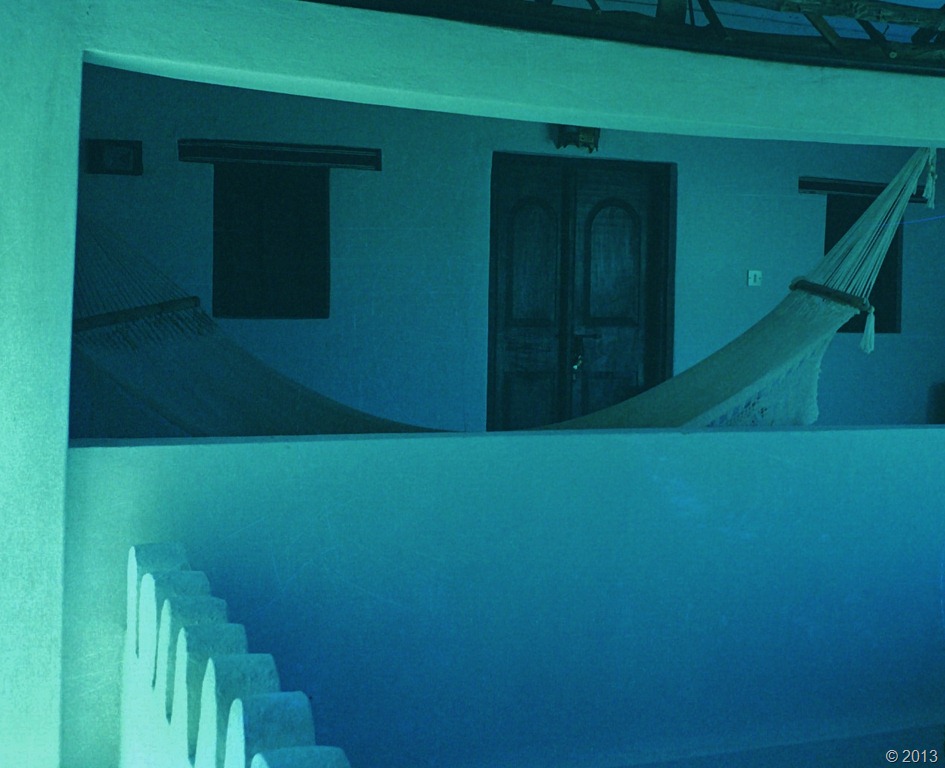
The only problem with our room’s open-plan arrangement was that not only could I see into people’s kitchens, gardens and bedrooms,  but we could hear everything too. It made for nights of fractured sleep – radios playing, pots clattering, cats yowling, but mostly hee-hawing donkeys, Lamu’s equivalent of night-sounding car alarms. Then just as you were drifting back to sleep, the dawn call to morning prayer would begin, the sacred strains of Allahu akbar (God is greatest) winding through my faithless semi-consciousness. It was a disorientating start to Christmas Day. Yet later on, when we set off on the two-mile beach hike between Shela and Lamu town, from every quarter the locals greeted us – Happy Christmas, Happy Christmas. There was no stinting on hospitality, and that extended to the plentiful provision of nice things to lie down on, and what with the steamy tropical heat by day, and the wakeful nights, these were more than welcome.

Lala salama, as they say in KiSwahili – sleep peacefully.

Scan-130428-0069


© 2013 Tish Farrell

The Swahili

Scan-130426-0007

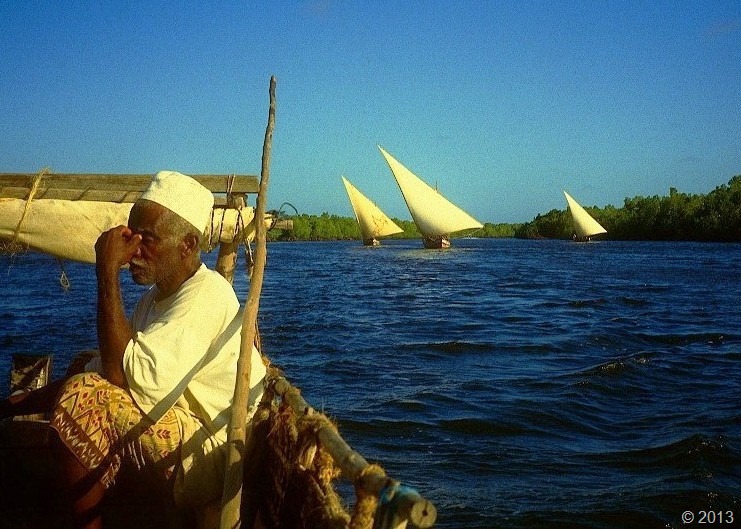
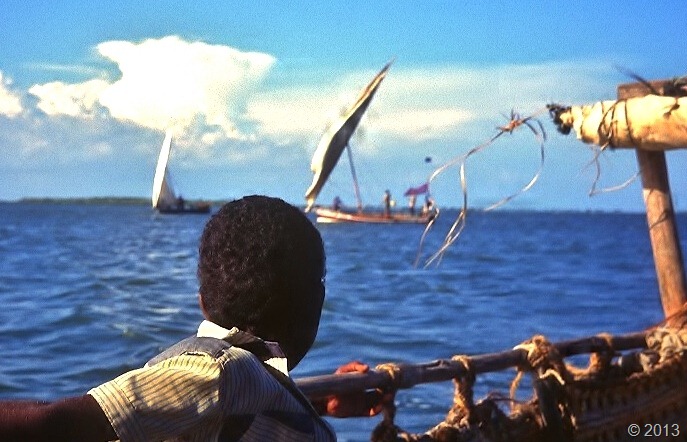
Lamu  fishing dhows off the Kenya Coast

*

You could say that Swahili culture was born of the monsoon winds, from the human drive to trade and of prevailing weather. For two thousand years Arab merchants plied East Africa’s Indian Ocean shores, from Mogadishu (Somalia) to the mouth of the Limpopo River (Mozambique), arriving with the north easterly Kaskazi, departing on the south easterly Kusi. They came in great wooden cargo dhows, bringing dates, frankincense, wheat, dried fish, Persian chests, rugs, silks and jewels which they traded with Bantu farmers in exchange for the treasures of Africa: ivory, leopard skins, rhinoceros horn, ambergris, tortoise shell, mangrove poles and gold.

By 700 AD many Arab merchants  were beginning to settle permanently on the East African seaboard, and the earliest mosques so far discovered date from around this time. These new colonists would have married the daughters of their Bantu trading hosts and doubtless used these new local connections to expand their trading opportunities. Soon the African farming settlements were expanding into cosmopolitan port towns. Itinerant merchants and their crews would also have had plenty of chances to get to know the local girls. The weather served this purpose too. Between August and November the trade winds fail. Voyaging captains would thus put in to a known safe haven to wait for good winds. And while this was not a time to be idle, since boats had to be beached and the crew put to cleaning and sealing the underwater timbers with a paste of beef fat and lime, three months was a long time to be ashore and far from home.

And so from this trade for trade, evolved a new culture, a loose confederation of self-governing city states stretching 3,000 km along the East African coast. Islam melded with Bantu customs and beliefs, and transactions’ fusion of Arabic with Bantu vernaculars gave rise to a new language, KiSwahili, which is still the lingua franca of East Africa today. Into this mix also came settler-traders from the Indian Subcontinent, shipwrecked Chinese sailors and refugee (Shirazi) Persians. Welcome, then, to the world of Sinbad, or Sendibada as the Swahili people call him, the ancient Empire of Zanj.
Scan-130426-0004

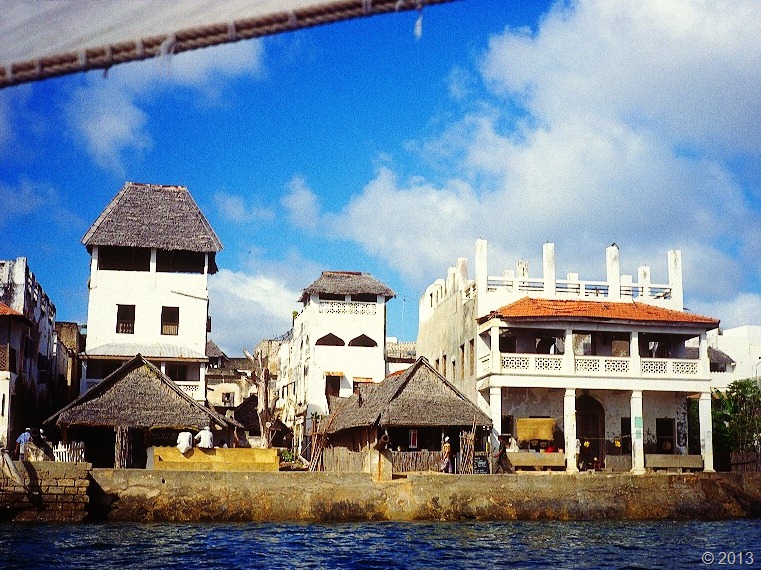
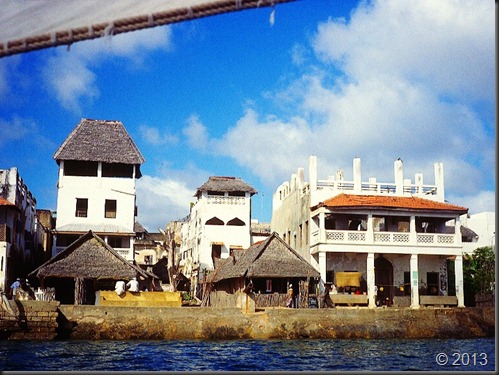
Lamu Town, off the Kenya coast, is one of the best preserved Swahili towns and  has been lived in for over 700 years. It is now a World Heritage Site. The building of the Swahili stone towns was apparently underway by 700 AD, the stone in question being coral rag, quarried from uplifted reef beds. Lamu town is not one of the earliest or the finest, but it was once a city state ruled over by its own sultan. The remains of far older settlements have been discovered on the nearby islands of Manda and Pate. Today, of course, the dhow trade in East Africa has dwindled, and towns like Lamu are barely a shadow of their former selves. Its residents’ main source of income comes from tourism, fishing , boat building and farming.
Scan-130426-0029

Shela Village, Lamu. It seems like a scene for one of Scheherezade’s night-time tales.

*

The annual dhow  season used to start from home Arabian ports in August with ripening of the date harvest in the Tigris and Euphrates valleys.* Merchants from the Arabian Gulf and the Gulf of Oman would set sail for Basra at the head of the Persian Gulf where the dates were crated and taken on board. The size of a dhow was gauged not in tonnage but by the number of Basra date boxes it could take. Thereafter, the dhow  captains (nakhodas)  might make for Aden to pick up salt or ply the Red Sea before heading south for Africa, trading as they went. Alternatively they might set off from the Gulf of Oman for Bombay, keeping the shore always in sight as they sailed east. Then, after trading down the Indian coast to Cochin, the winds would take them back across the Indian Ocean to the Comoros Islands where they would wait for the Kusi to take them homeward up the African coast.

trade[1]

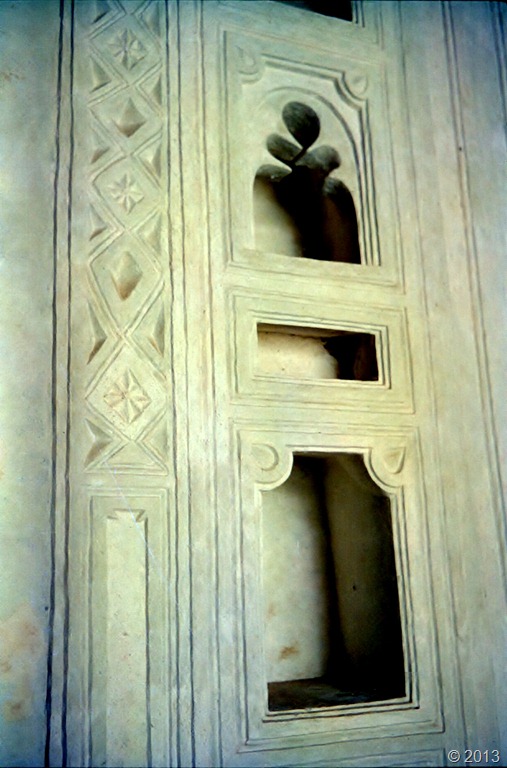
The trade routes, of course, stretched far beyond the Indian Ocean and, during the 11th to 16th centuries when many of the Swahili city states were having their golden age, dhow merchants found ready buyers for exotic goods from China, Cambodia, Thailand and India. Today if you walk along the beach at Lamu you can pick up pieces of ancient Chinese porcelain. These wares were very popular from the 14th century, and Swahili town houses were fitted out with ornately plastered display niches (zidaka) to display their prized possessions.

It is also true that exotic goods went out from Africa. In the early 1400s, the Swahili Sultan of Malindi (north of Mombasa) despatched to the Chinese Emperor via the King of Bengal, a live giraffe along with a ‘celestial stag’ or oryx. This was taken as an ‘open for business’ calling card and thereafter the Chinese merchant ships sailed directly into East African ports.
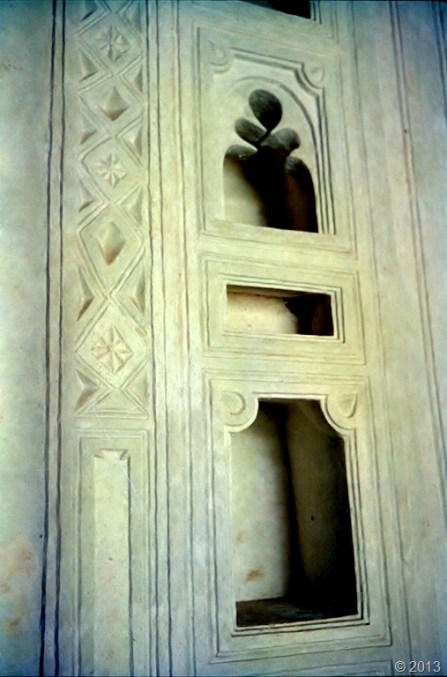
Scan-130428-0077.jpg

A Lamu ‘china cabinet’ (zidaka)

Scan-130429-0041

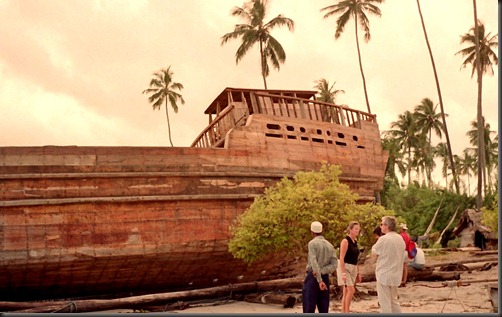
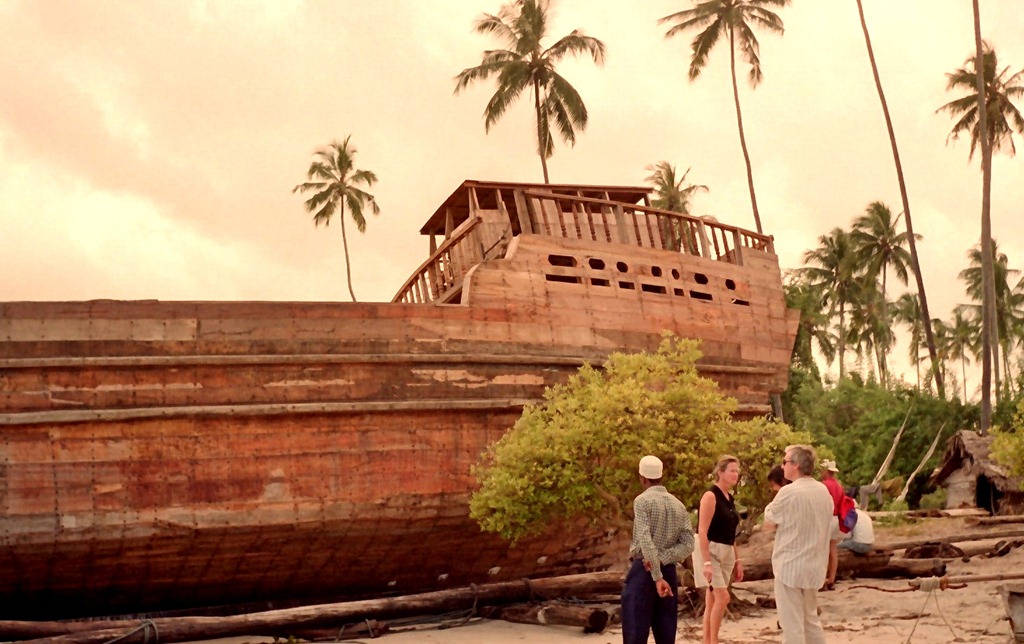
Although the days of the big dhows are over on the Kenyan coast, we saw this one being newly built on Maruhubi Beach near Zanzibar’s Stone Town in 1999. It had been commissioned by a Somali merchant.
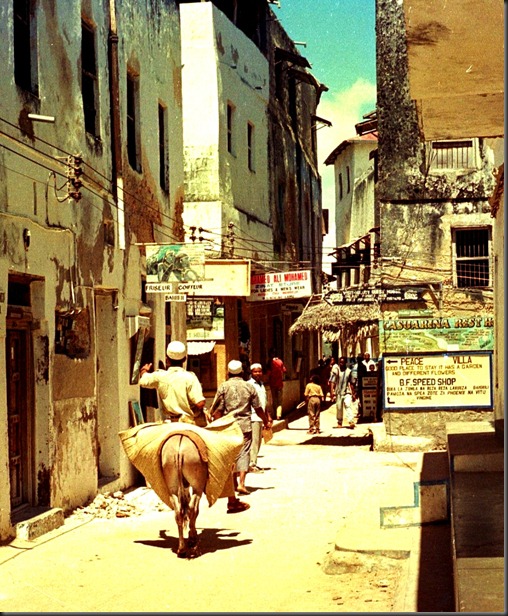
Scan-130428-0010 (2)

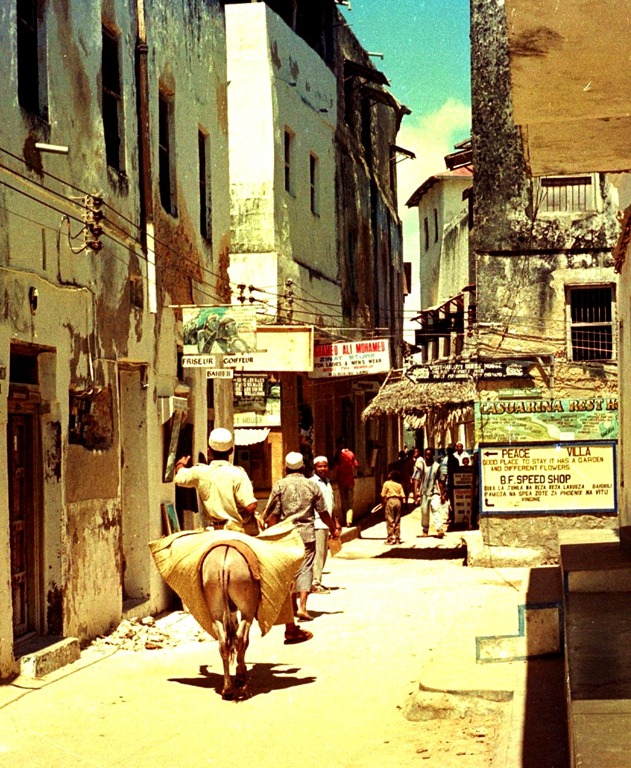
Lamu’s main  street in recent times; only donkey transport will do for deliveries.

*

Much of the wealth of the Swahili states came from African gold. During the fourteenth and fifteenth centuries the Shona rulers of Great Zimbabwe, far inland, were trading with the coastal Swahili city of Sofala (Mozambique). The Shona traders exchanged massive supplies of gold and ivory for Arab cloth. This gold drove the East African trade and it was not long before it was attracting European traders.

And so into the midst of this prosperity sailed Vasco da Gama (1498). He was pioneering a maritime route to India, but after his glowing accounts of the wealth he had observed while putting in at Mombasa and Malindi, (the sultan robed in damask trimmed with green satin and sitting beneath a crimson satin sunshade) Portuguese eyes turned to the East African coast. They built a number of forts there, including ones at Sofala and Mombasa, using them as strongholds in their bid to seize the Indian Ocean trade from Arab merchants.
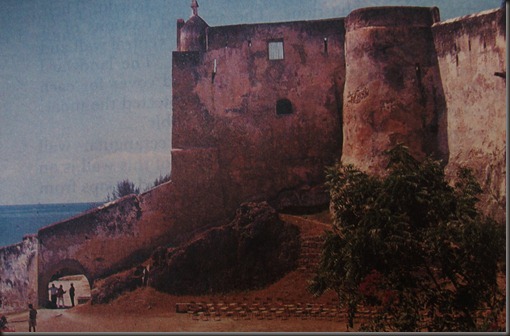
100_3636

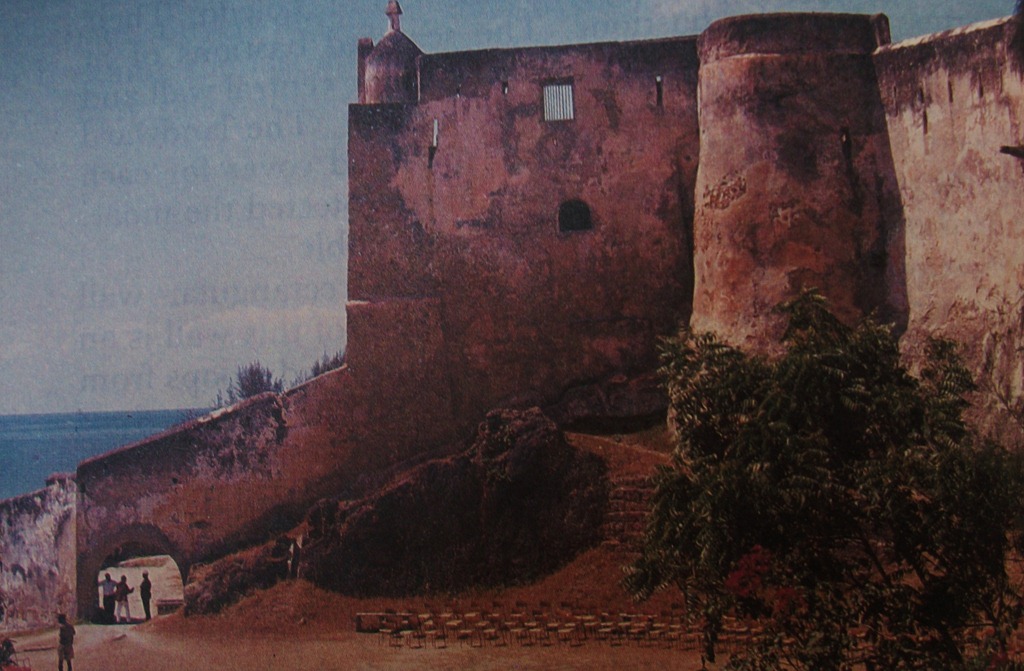
The Portuguese built Fort Jesus in Mombasa in 1591. The building of such forts along the Swahili coast was part of their strategy to seize control of the Indian Ocean trade from the Arabs. A century later they were driven back to their Mozambique strongholds by Omani forces.

*

There followed many bloody battles over the next two hundred years, and it was during this time that most of the Swahili city states fell into decline. Their only hope was to call for outside help, and it came in the shape of the Omani of Muscat who made numerous attempts to oust the Portuguese, finally pushing them back to Mozambique in the 18th century. By the 19th century much of Swahili coast was ruled by the Sultans of Oman, and in 1832 they moved their capital to Zanzibar.
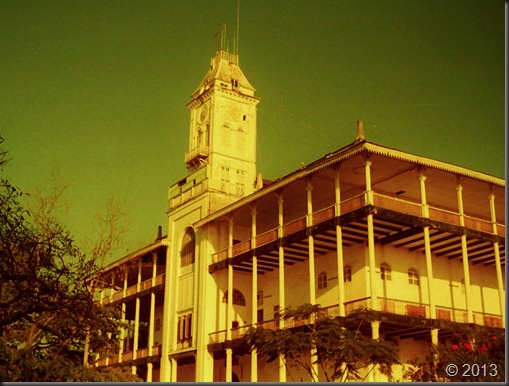
Scan-130429-0027

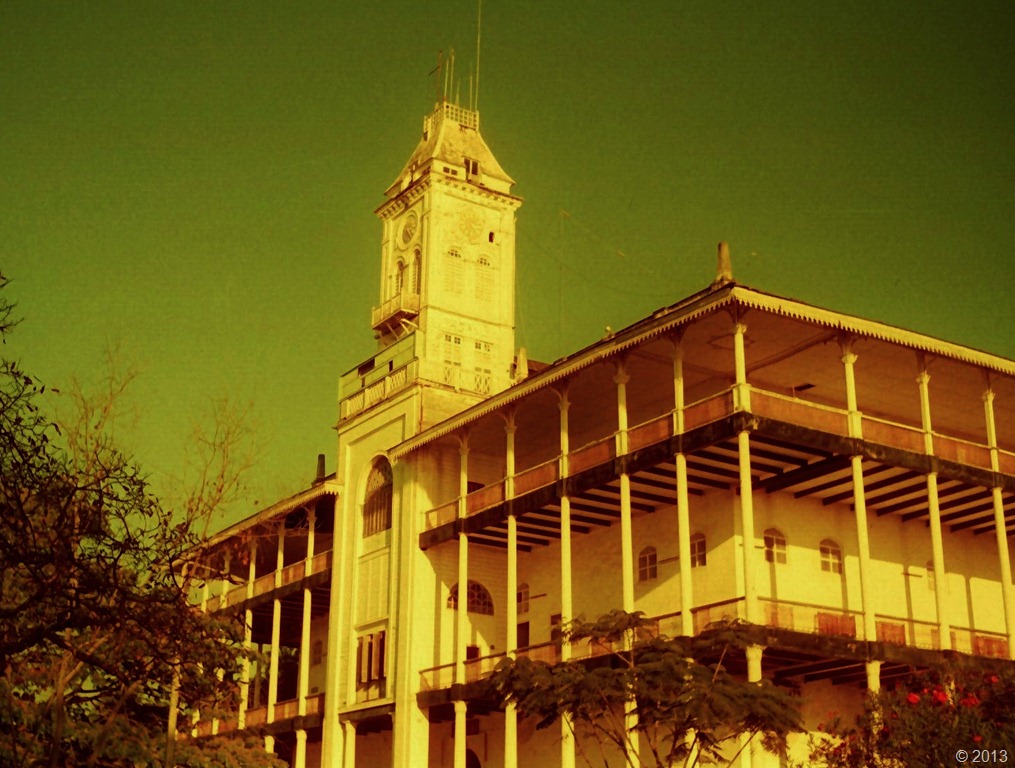
The Sultan’s Palace ‘The House of Wonders’, Zanzibar. The British navy bombarded it in 1896 in the 45-minute war.

*

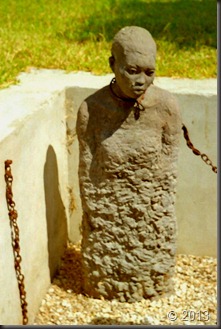
So now comes the real sting in this Arabian Nights’ tale. I have not mentioned the ‘S’ word. And for hundreds of years SLAVES were indeed a major ‘commodity’ shipping out from Swahili ports for destinations in Arabia and Persia. But it was not until the 19th century that the worst excesses of this terrible trade were widely documented. Under Omani rule slaving expanded. The Sultans had clove plantations to be worked. So, instead of relying on supplies of human cargo delivered by African traders from the African hinterland, Swahili slavers began to lead their own expeditions into the interior. Here they rounded up both slaves and ivory, forcing their hapless captives to carry the tusks hundreds of miles to ports like Mombasa. 

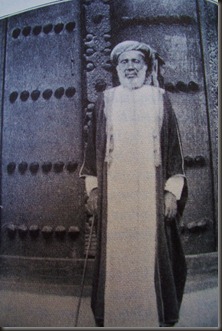
One of the most notorious slavers was Tippu Tib. His mother was a Muscat Arab aristocrat, but his father was a Swahili trader. His reign of terror extended across East Africa into what is now the Democratic Republic of Congo. By 1895 he had seven plantations and 10,000 slaves. It was only in 1873 that the Zanzibar slave market was shut down.
100_3633Scan-130429-0002

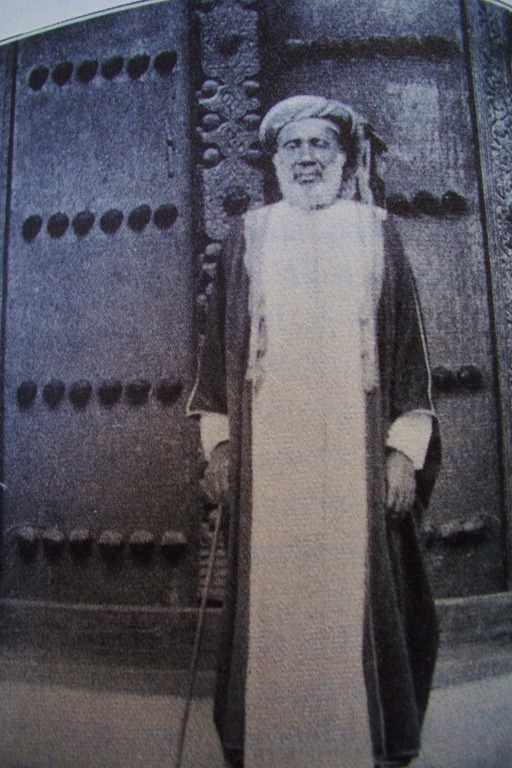
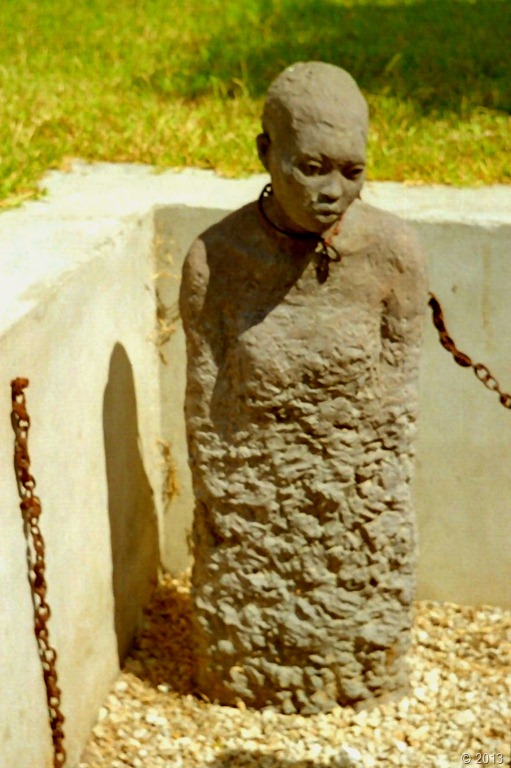
Tippu Tip the Zanzibari slaver (1837-1905), and the memorial to his human cargo on the site of Zanzibar’s slave market. At its height, some 50,000 souls were trafficked through this market each year, and this was only ONE market on the Swahili coast. The Sultans further exploited the slave  market by playing the Portuguese off against the French. Although the Atlantic slave trade had ceased by 1834, the buying of slaves by European and Arab merchants continued into the twentieth century. The Zanzibar slave market closed only in 1873.

*

The subject of slavery now brings me back to Lamu where I started this tale. By 1652 the Lamu had had more than enough of the Portguese and called on Oman to help see them off. Thereafter Lamu became an Omani protectorate which led to a revival of the town’s fortunes. Slaves were also the chief export, and in fact the trade was not outlawed here until 1907, by which time Kenya (British East Africa) had been a British Protectorate for twelve years.
Scan-130428-0102

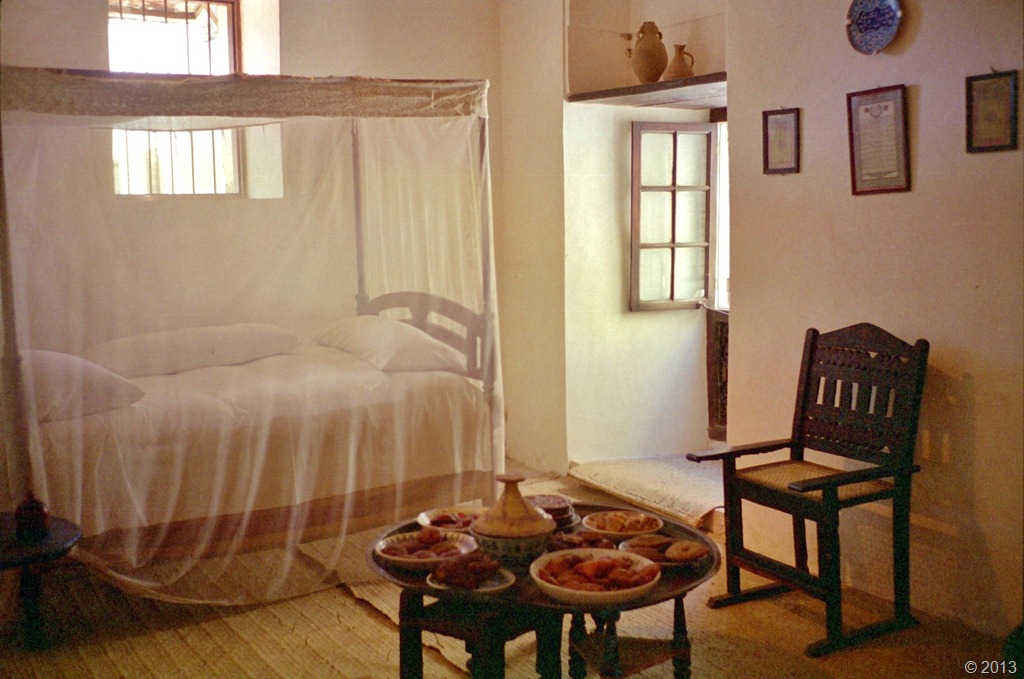
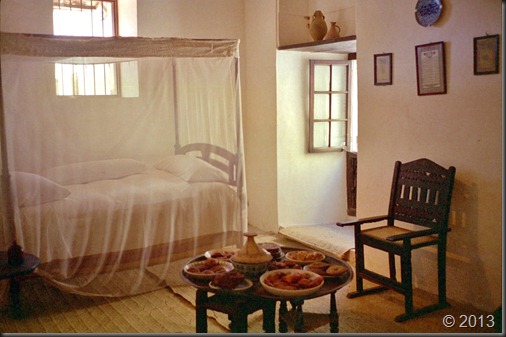
The Swahili House Museum, Lamu, shows what life was like in an 18th-19th century merchant’s home.
Scan-130426-0003

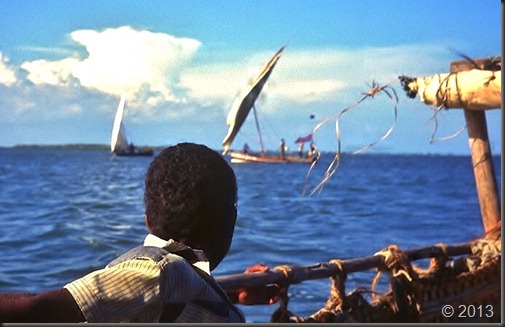
So what of the future? Will places like Lamu slumber away, selling themselves as romantic retreats for lotus-eating tourists. What kind of lives will their young people have ? Will they not simply have to leave? Or are there new ventures afoot in this Land of Zanj? Word has it that the Chinese have come calling once more, and not in response to gifts of giraffes, or to deliver more crates of blue and white porcelain. Now they have plans to turn Lamu into the biggest port in East Africa, opening up trading access for land-locked South Sudan and Ethiopia. So begins a new chapter in gyre of Indian Ocean trade. Today, it is not the Kaskazi or the Kusi that will dictate its destination and progress of this multi-ethnic enterprise, but diesel and commercial imperative. In some ways, then, not much has changed. 

Ref: John H A Jewell 1976 Dhows at Mombasa East African Publishing House

© 2013 Tish Farrell

Weekly Photo Challenge: UP (in NYC)

New York 200 (2)

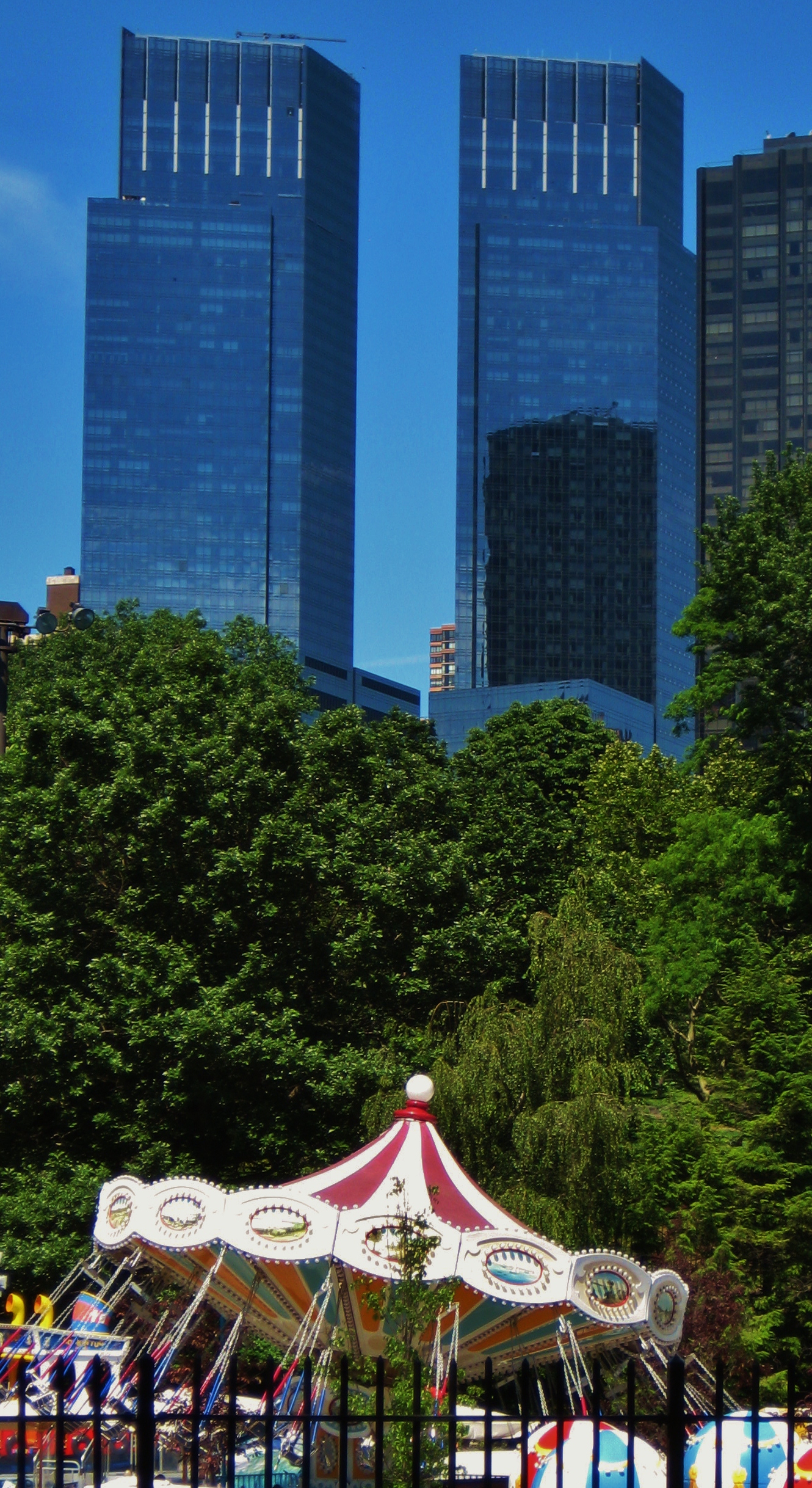
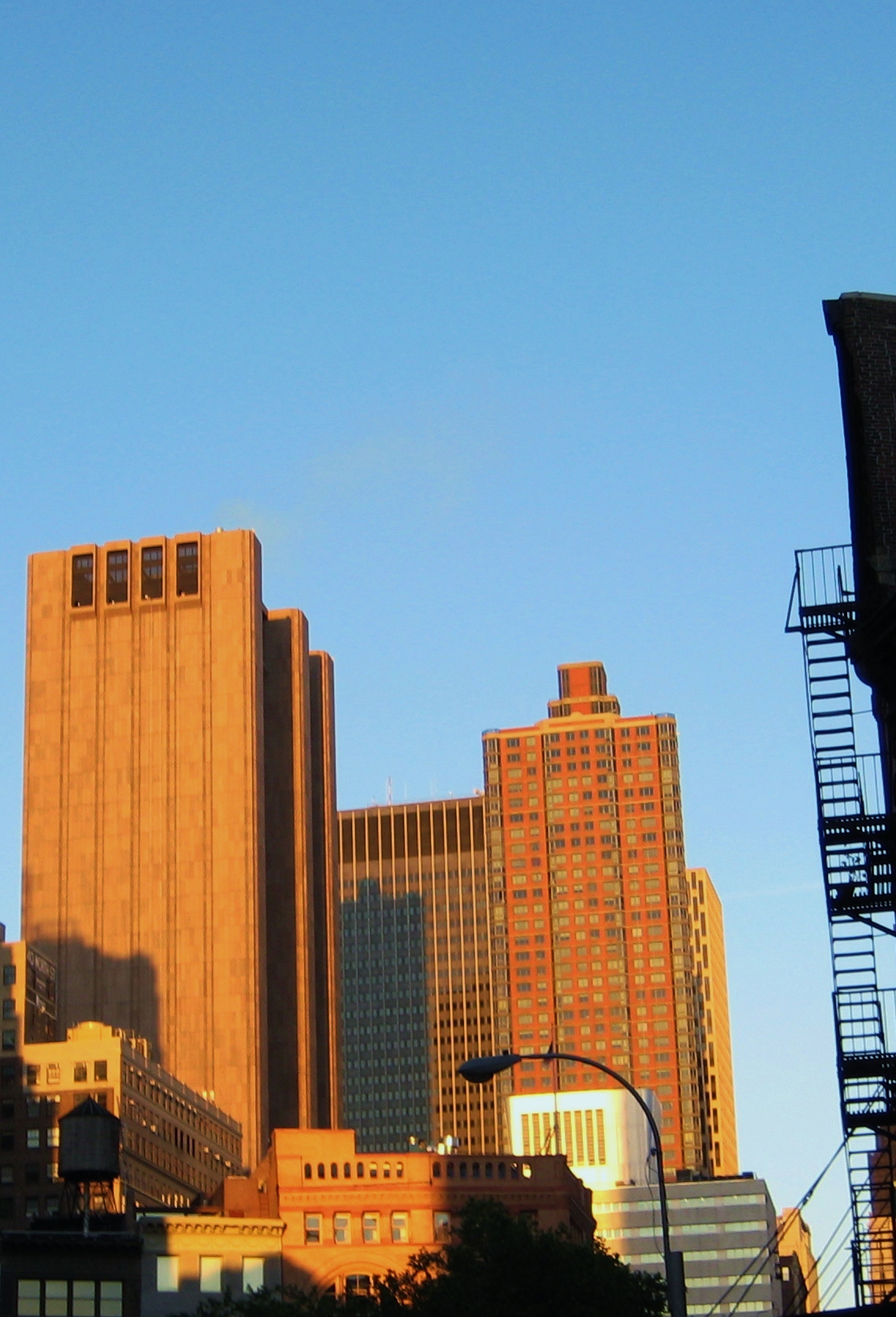
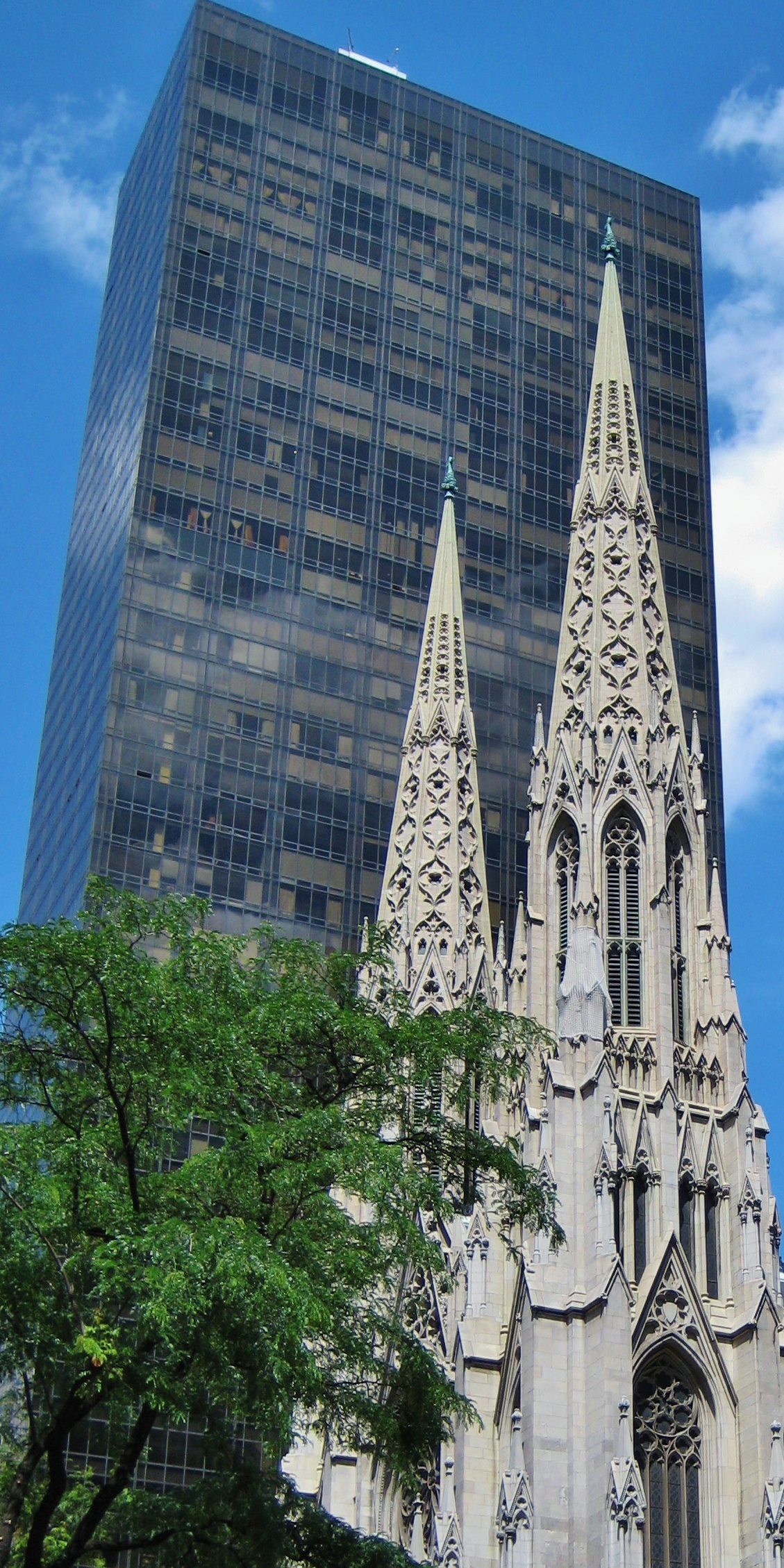
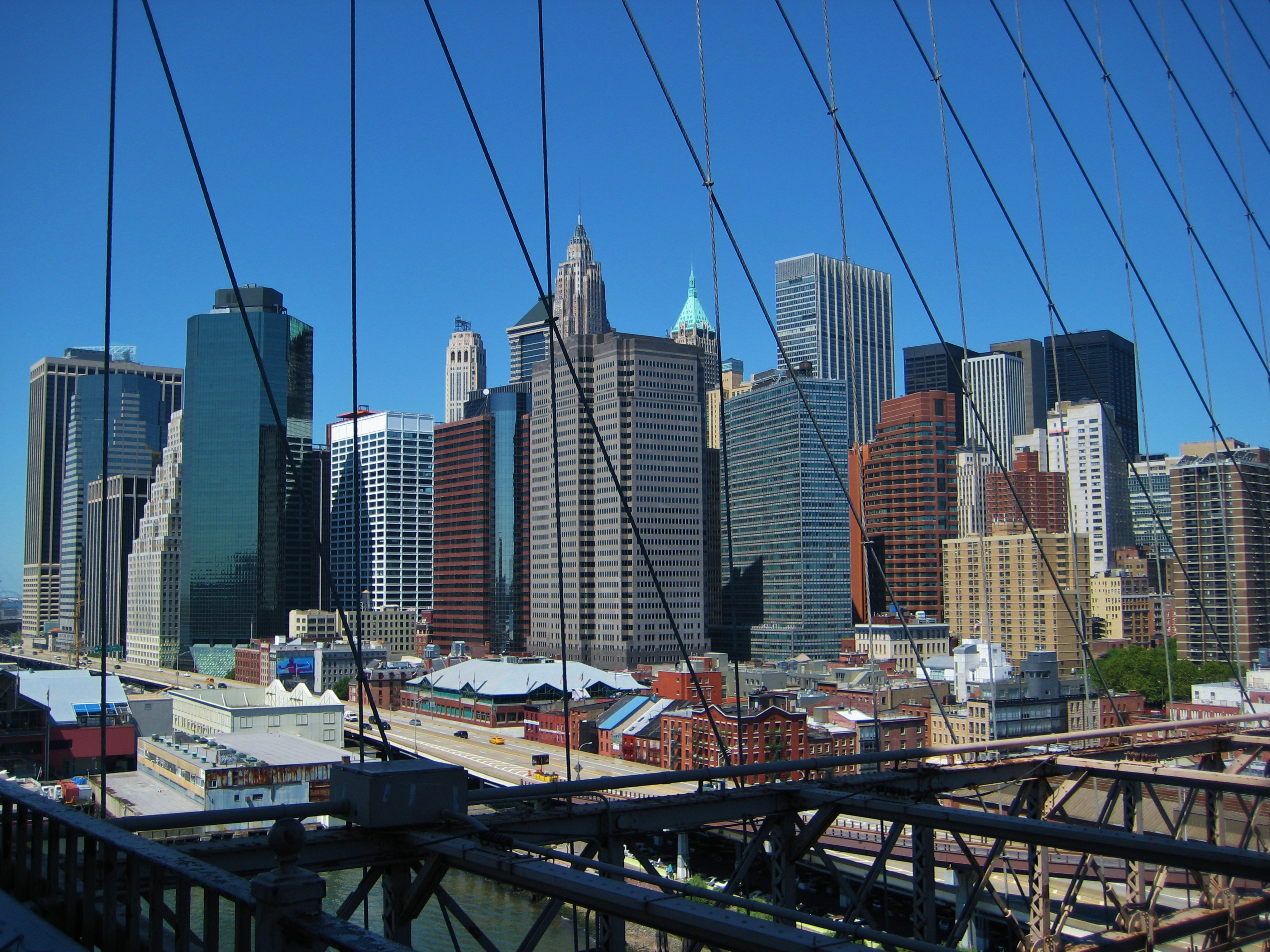
Of course NYC has been a city on the rise ever since its origins as Dutch New Amsterdam in the seventeenth century. And when you visit Manhattan, what else can you do but look UP. This photo, though, was a true  happenstance shot: I just happened to look up as we were going into Grand Central Station.  Here are some more ‘up’ views. Guess the locations.

New York 049

New York 144

New York 208 - Copy

New York 179

New York 214

As the baseball caps and tee-shirts sold on every street corner would  have it: it’s hard not to love NYC; a city that led the way in up-ness.

© 2013 Tish Farrell
Weekly Photo Challenge: Change

Rift Valley from Escarpment


Change, what change? All seems so still in this shot of Kenya’s Great Rift Valley. The day is fine. The short rains have brought on the maize and pyrethrum crops on the small escarpment farms. The distant volcano, Longonot, appears dormant and suggests no kind of threat. It is hard to imagine, then, that this peaceful scene is a site of great seismic upheaval, and has been for the last 30 million years. Likewise it is hard to accept that even as I took the photo, the tectonic plates beneath the Rift floor were v-e-r-y slowly pulling apart. In another million or so years you might stand in the spot where I stood and look out on the Indian Ocean; the ground beneath your feet will be a brand new island, and the low Rift terrace where Kikuyu farm wives presently toil, lost under the sea.

The thought is unnerving. For it’s an interesting paradox: while we accept and embrace increasingly rapid changes in the man-made environment, we’re not too keen to confront the reality of a planet that transforms itself beneath our feet and in ways we cannot control. It is interesting then to think, as scientists have been doing, that our very origins as humankind, could well derive from the creation of the Rift Valley.

The argument runs like this. The Rift has long been referred to as “The Cradle of Mankind”. The earliest remains of human ancestors have so far been found along its length (in Ethiopia, Kenya and Tanzania), but the time when we see the big leap in hominid development coincides with the time of maximum uplift in the Rift. This happened around 7 million years ago when the so-called Wall of Africa was created and Africa’s climate thereafter began to change. The rain shadow created by the upthrust highlands caused the forests, the preferred habitat of our primate predecessors, to give way to the more arid savannah we see today.

Without trees for cover and look-out posts our ancestors became vulnerable; food would have become less easy to find, and so in order to hunt and not to be hunted they had to stand up on two feet in order to see over the tall plains grasses. Thus began the long march to cell phone, app and PC that much of humanity apparently cannot now live without. It’s interesting to think how things end up.

As to what created the 3,700 mile-long Rift, then that comes down to plumes of hot semi-molten rock surging up beneath the earth’s crust. In Kenya this surging has also left behind chains of dead and dormant volcanos, including Mount Kenya which, at 17,000 snow-capped feet, is only a vestige of its former unexploded vastness. The pulling apart of the Rift plates has also created the famous soda lakes of Magadi, Nakuru and Baringo, and the deep freshwater Lake Victoria.

Personally, though, I prefer the old Kenyan story that says the Rift was created by termites. It goes like this. Once there was a marauding giant abroad. He preyed on all the animals and none of them was strong enough to finish him off. In the end it took the cunning of many tiny insects to burrow away under the ground and create a well hidden ambush. The next time the giant came rampaging by, the ground gave way beneath his feet and he plummeted into the great trench that the termites had created and so was killed. It was doubtless a fitting end for a troublesome giant, while the hitherto disregarded insects could look forward to greater respect from their fellow creatures.

©2013 Tish Farrell

Pliny the Elder said it first

 
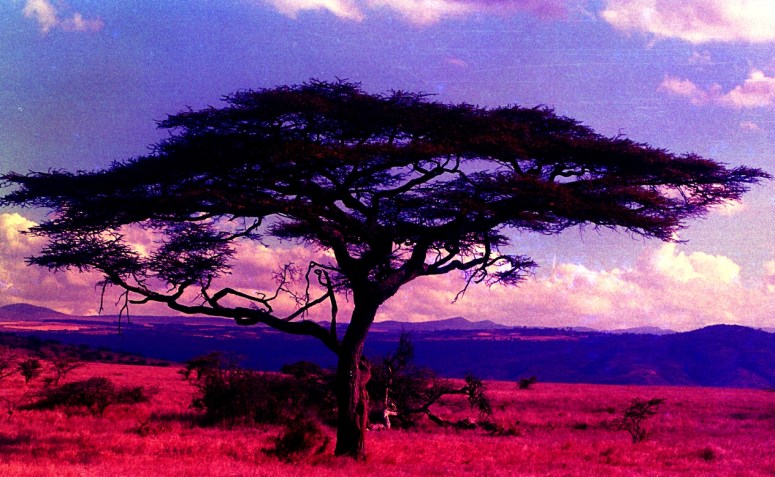
thorn tree (Lewa)

                      'Out of Africa Always Something New'

                             Not homeland, but sourceland;
                             Scored in genetic code,
                             Branded in bone:
                             Thorntrees' jasmine scent,
                             Red pepper dust on the tongue,
                             Sifted on skin,
                             While beneath our feet
                             Obsidian's glint,
                             Shards of the earth's dark heart;
                             The Rift,
                             Riven,
                             Wide 
                             Open
DP Challenge: Playing with Space 

Copyright 2013 Tish Farrell

Weekly Photo Challenge: Colour

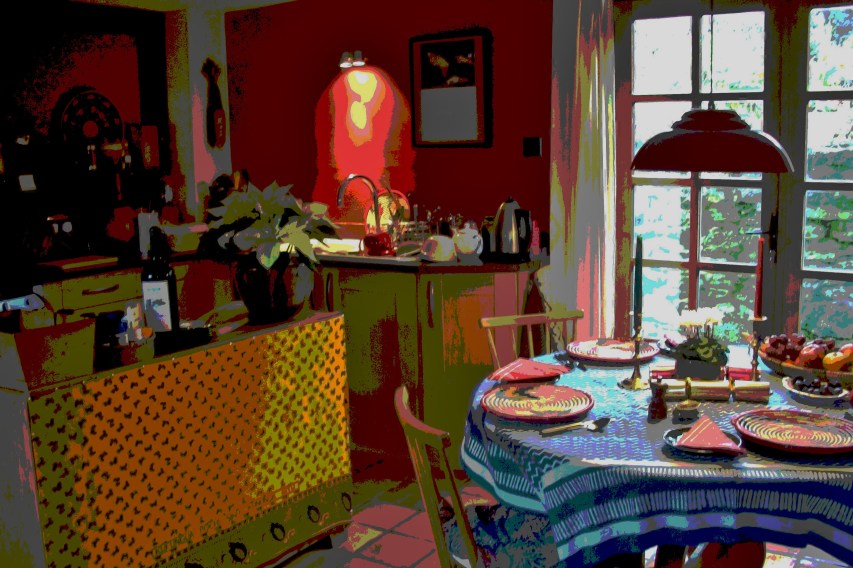
kitchen poster 100_3488

Christmas Kitchen

It’s interesting, not to say cheering, when you find a way to see the familiar with fresh eyes, or by accident  tweak the mediocre effort and create something  new. This, after all, is meant to be the artist’s way, whatever medium they choose to work in. It’s how I spend my days when I’m not digging my allotment or fanning the slow flame of local civic activism. So here’s a snap of my kitchen where my last post’s tulips hang, but rendered in ‘poster effect’. I think it’s rather intriguing.

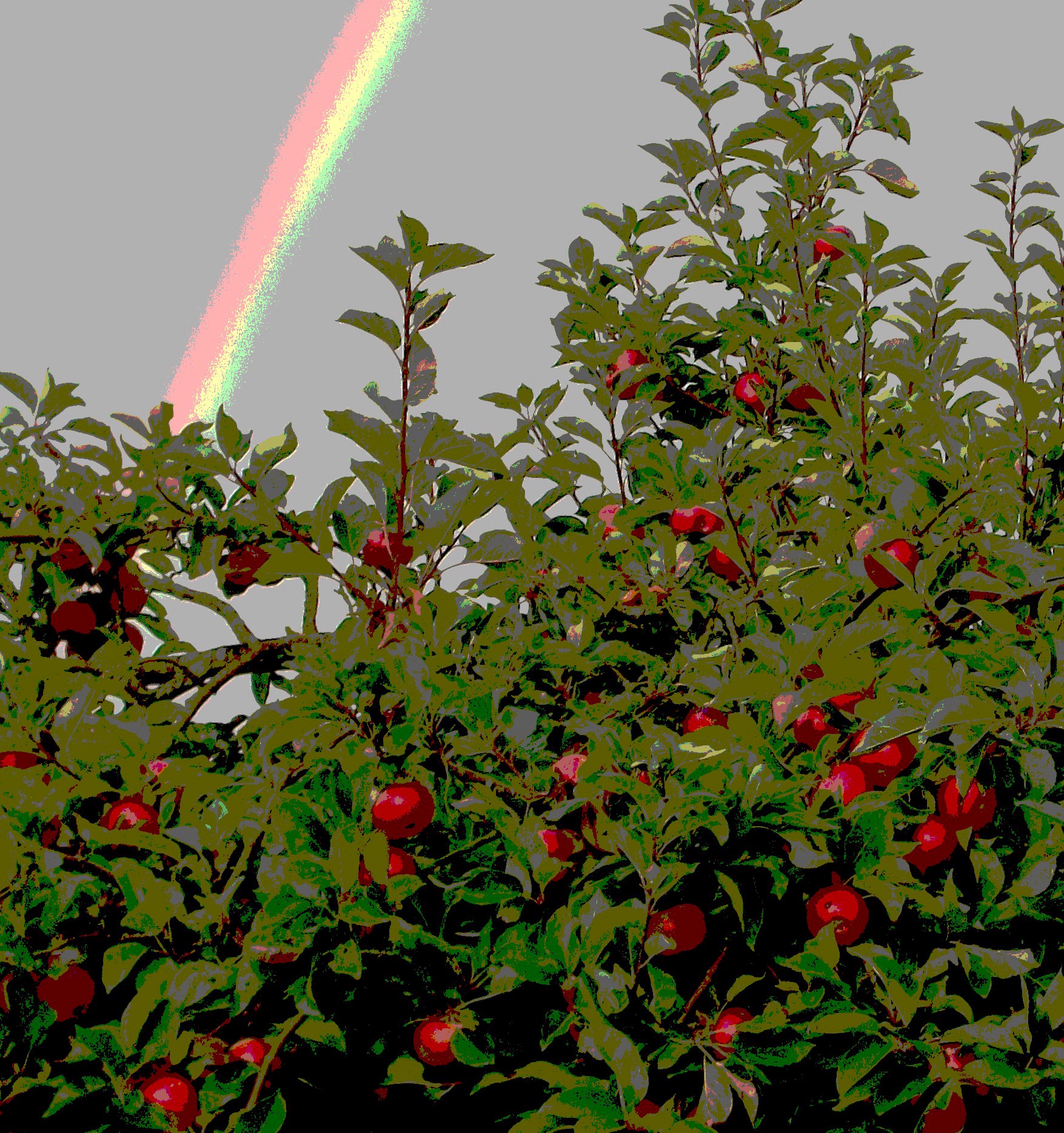
And since I mentioned my allotment, here’s the communal apple tree, which I call the Garden of Eden tree because of its very red apples, complete with rainbow – also in poster effect.

apple tree poster 2 100_2087

Weekly Photo Challenge: COLOUR

100_3567

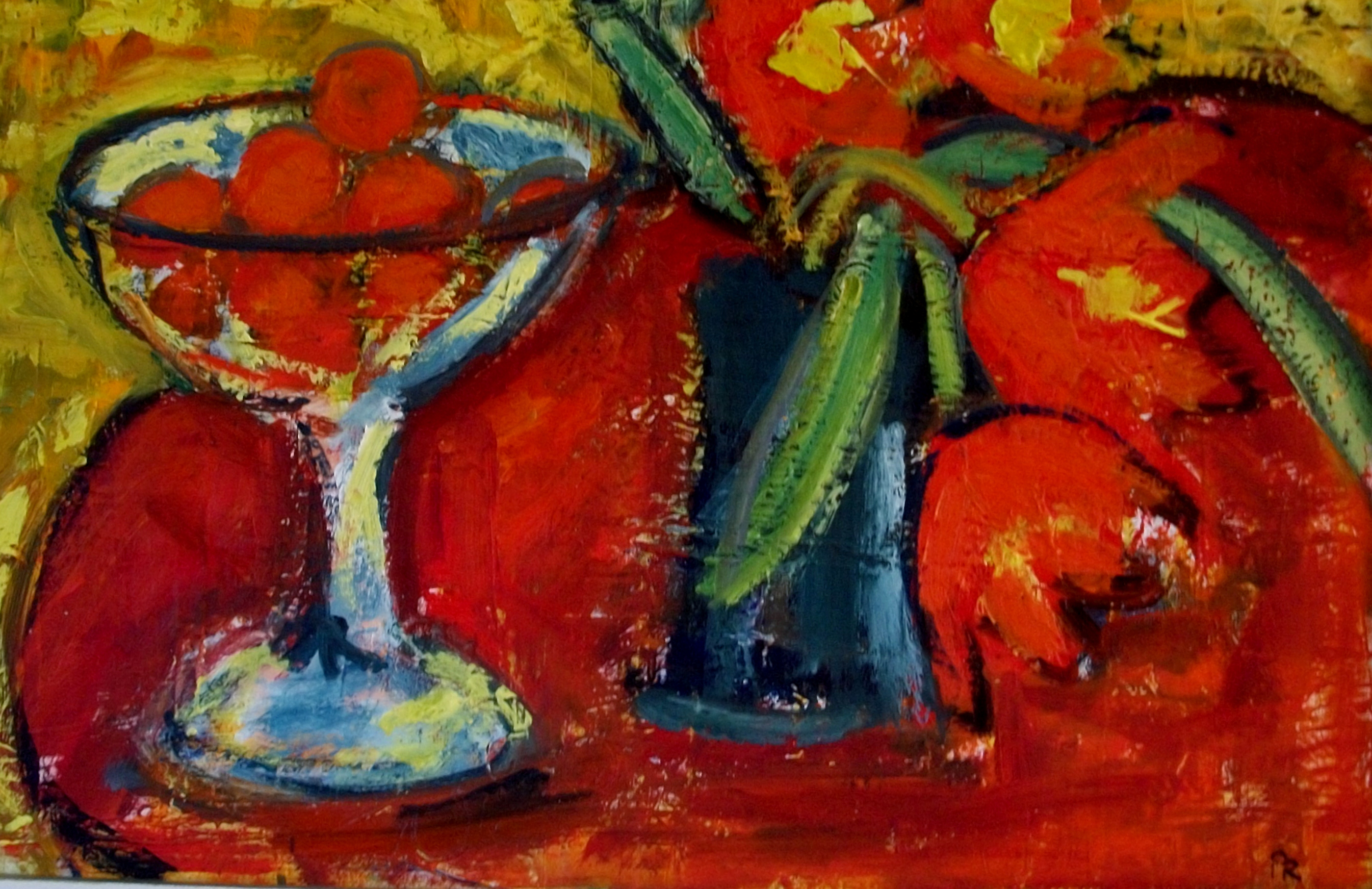
Fruit Bowl by Penny Rees

Last week I posted a photo of tulips in my snowy garden. Now here are the tulips in my kitchen. This painting shouts undiluted joy to me; tulips that want to party. It was painted by Herefordshire artist Penny Rees and I love it. It hangs beside our dining table and encourages frivolity even on a Monday night.

100_3415

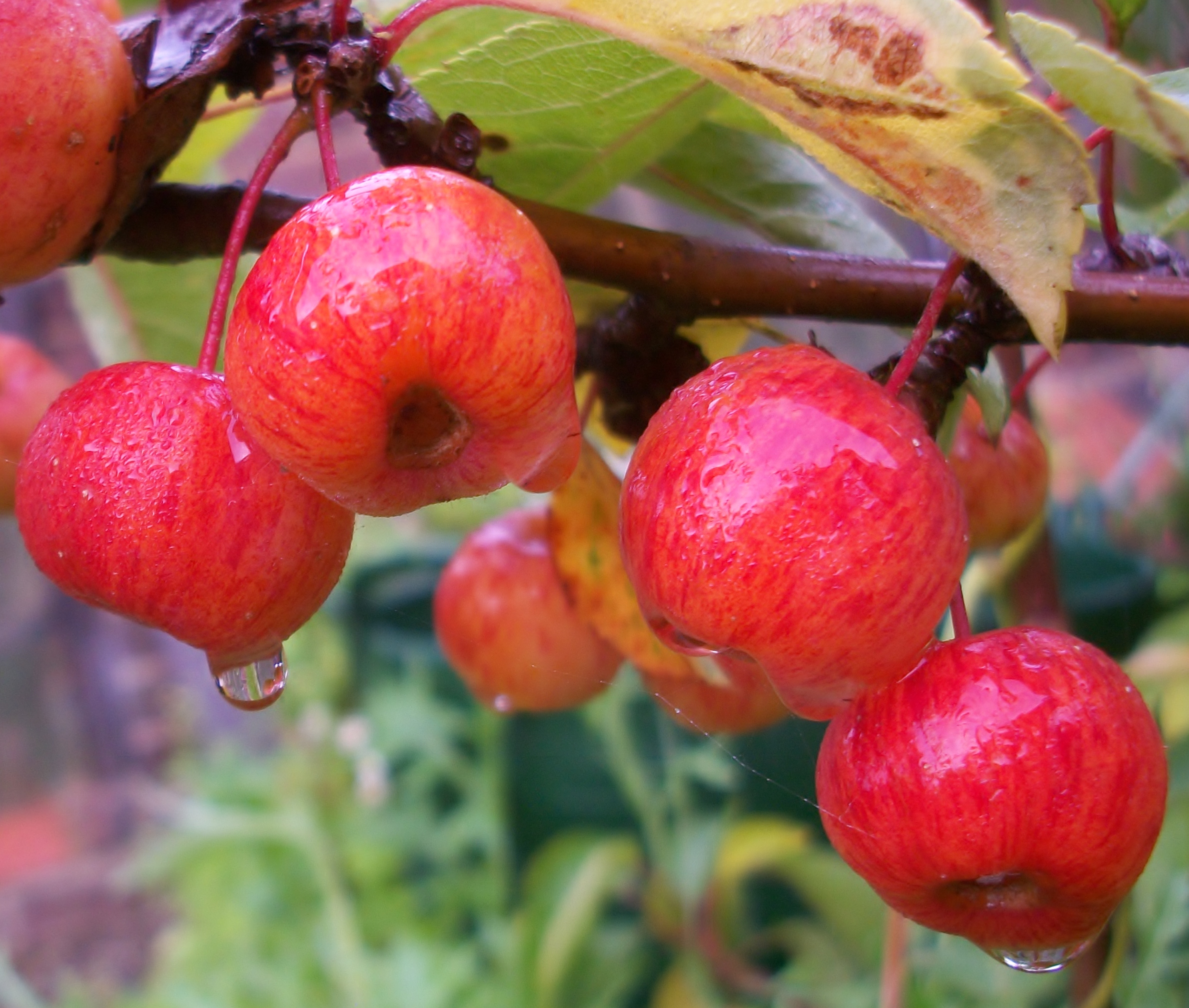
And now you’ve seen my tulips, here are my crab apples: another view from my kitchen taken back in the autumn. Red hot colours for a freezing April in Much Wenlock

…of creation’s imperative

IMG_0453 - Copy

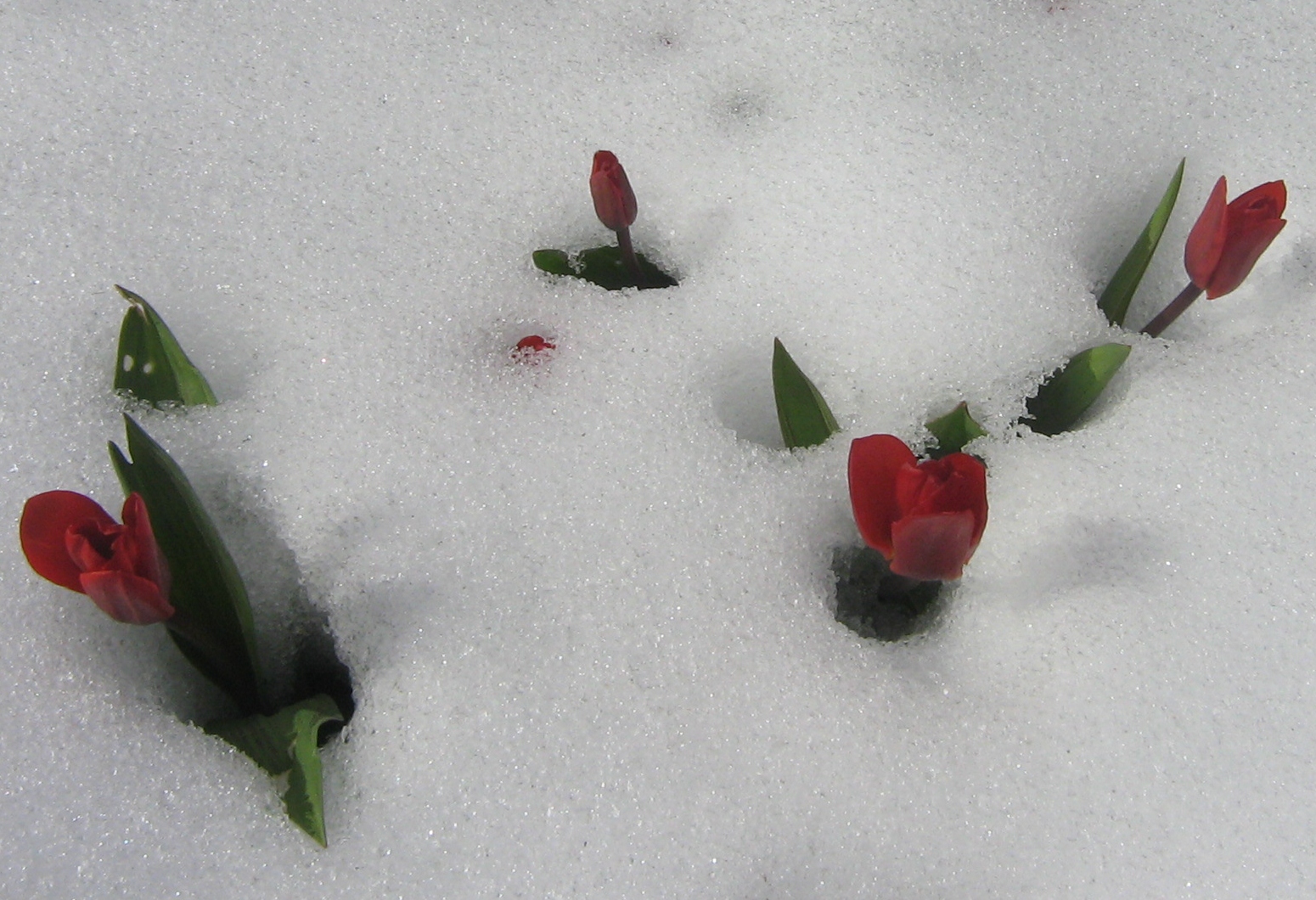
Snow at Easter! I took this photograph last week as the slightest thaw began. Earlier that day, the buds had loomed beneath the ice crust, looking like blood spots rising from the earth. But then the sun came out and the tulips, red-hot, burned their way out, leaving smooth hollows in the snow. For me, as voyeur, the wind was biting cold and I was soon frozen through. I dived indoors whining at the unseasonal frigidity, and then as ever, in whining-writer mode, began to take the tulips’ triumphal expression personally. What about my own creative impulse? Why cannot I manifest my intentions with such exuberance, and with such elegant economy? And under such extreme weather conditions too?

And so as one thing leads to another, I thought of Robert Louis Stevenson bemoaning how writers alone among artists are “condemned to work in mosaic with finite and quite rigid words” (The Art of Writing), or how the true author knows how “to judge his own stuff’s worth, without pity, and destroy most of it” (Colette). Or how if I were Tolstoy I would only ever write if I could dip my pen in the inkpot and leave behind a shred of my own flesh (and thus write later only from the stew of my own life force perhaps?) Then I uploaded the photo and studied it on my computer screen. Isn’t there a story, I thought, that begins with a silent, winter’s world, and a queen sitting and sewing at her castle window and, as she pricks her finger on the needle, three drops of blood fall into the snow…

text 2013 Tish Farrell

Trakai Island, LithuaniaPhoto by anjči from London, UK [CC-BY-2.0 (http://creativecommons.org/licenses/by/2.0)], via Wikimedia Commons

Trakai Island, Lithuania
Photo by anjči from London, UK [CC-BY-2.0] via Wikimedia Commons