The Golden Hour on the Rift Plains

  1. http://dailypost.wordpress.com/2013/07/12/the-golden-hour/

First off, before the best bits, I should say that there’s a bug in the Word Press system, so dear followers and followees, please check your SPAM for any comments from me or other afflicted bloggers and (only if you want to of course) upspam them. Otherwise, on most blogs, my comments are currently going straight to SPAM. It’s a cunning way to stop us from talking to each other. Curses on the joyless little bug that is doing this.

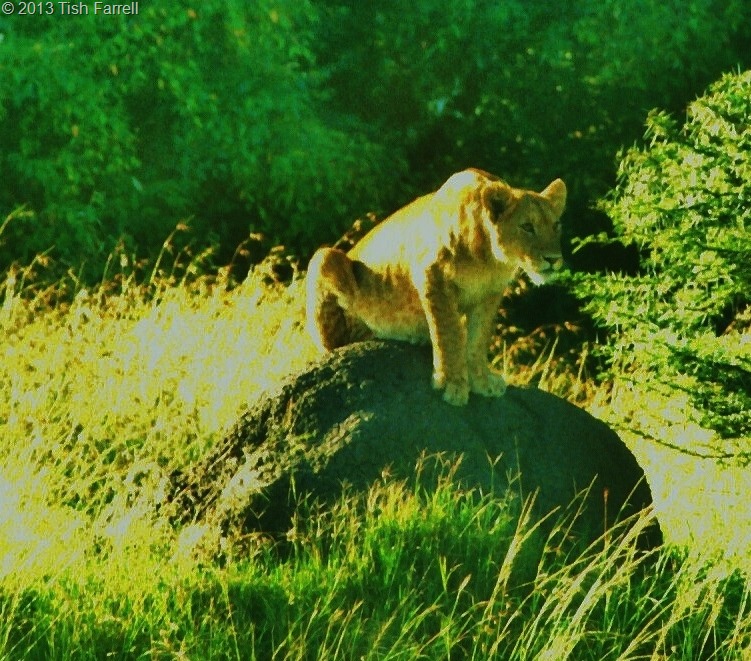
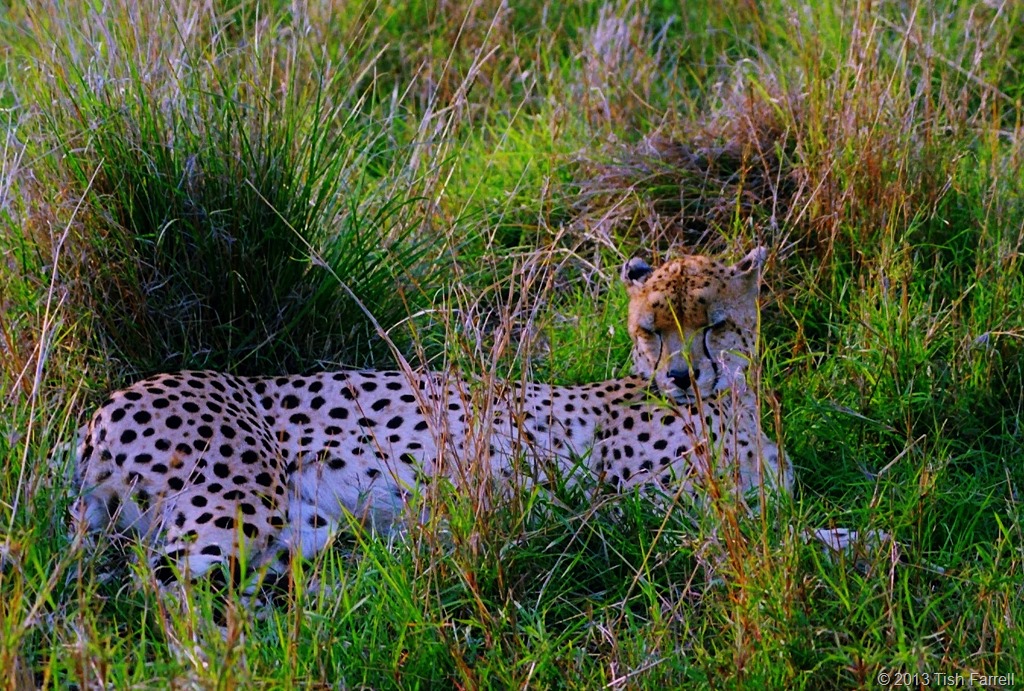
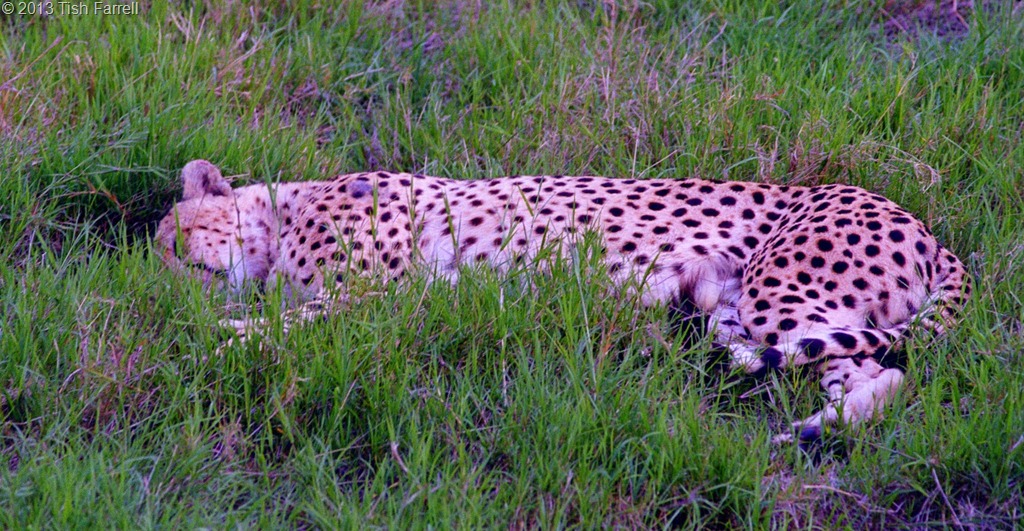
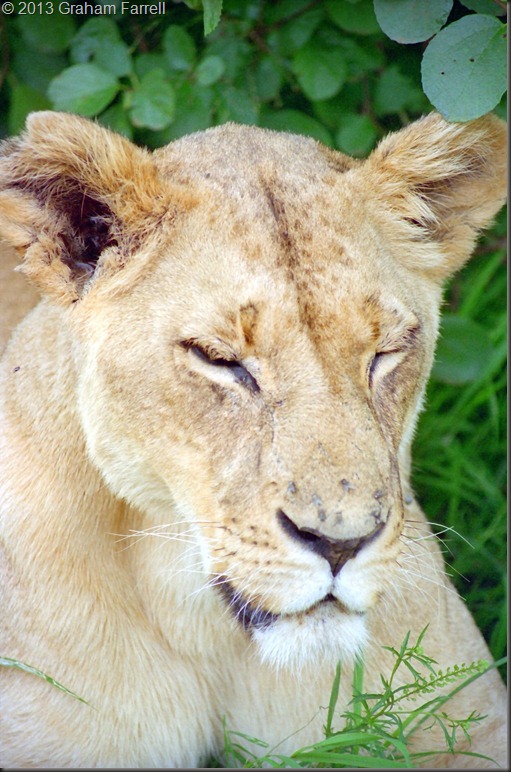
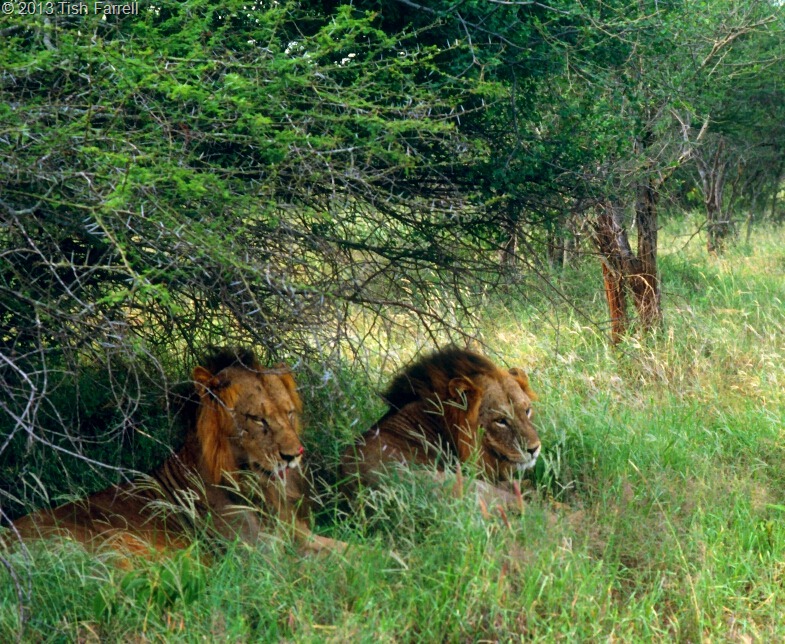
Now for some late afternoon views of big cats and other animals in the Maasai Mara.  This photo shows just how easily lion conceal themselves in quite short grass. Here, as sunset approaches they are becoming watchful, although they could scarcely care less about us watching them. Soon it will be time to go hunting.

Scan-130520-0011

*

Mara lioness 2

Just to the right of the lioness is another lion. It makes you appreciate how intrepid are the Maasai who daily have to graze their herds, and also fetch firewood and water out on these plains. (For more about this you can read my short story ‘Flight’ HERE. It was one of the Bath Short Story Award winners and tells the story of a Maasai girl’s life in this extraordinary land.) Doubtless the herders keep an eye on where particular prides are spending their sleeping hours, but even so, walking into a laid-out lion seems a distinct and chilling possibility.

*

Scan-130520-0017

Scan-130520-0018

Scan-130520-0021

Mara at dawn 2

Mara grassland 4 (2)

Which Way in Africa: It’s Often Hard to Know

http://www.ceephotography.com/2013/07/10/cees-which-way-challenge-week-1/

More views from our time living in Africa. For more of the stories behind the photos, you can follow the links.

*

Scan-130429-0003

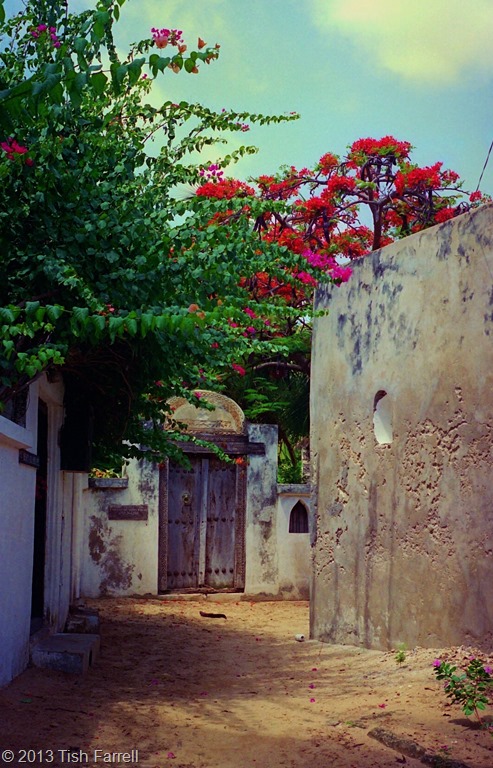
Village path, Shela, Lamu Island, Kenya

*

Scan-130429-0102

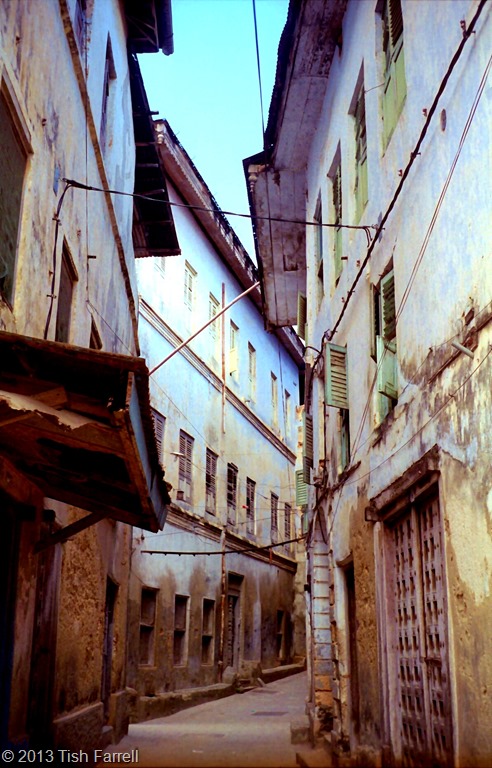
It is easy to get totally lost in the by-ways of Stone Town, Zanzibar

*

trading centre after El Nino rains

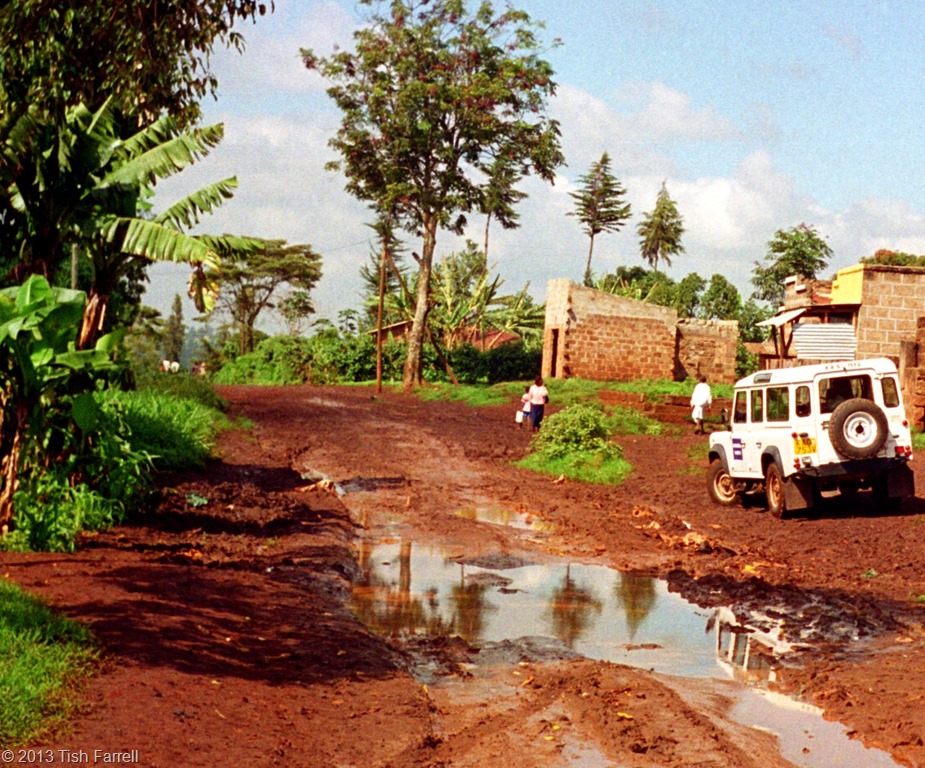
Or totally bogged down during the rains. This road is in Kenya’s highlands in Central Province, taken when we were out on the farms surveying crops for smut fungus.

*

Scan-130603-0061

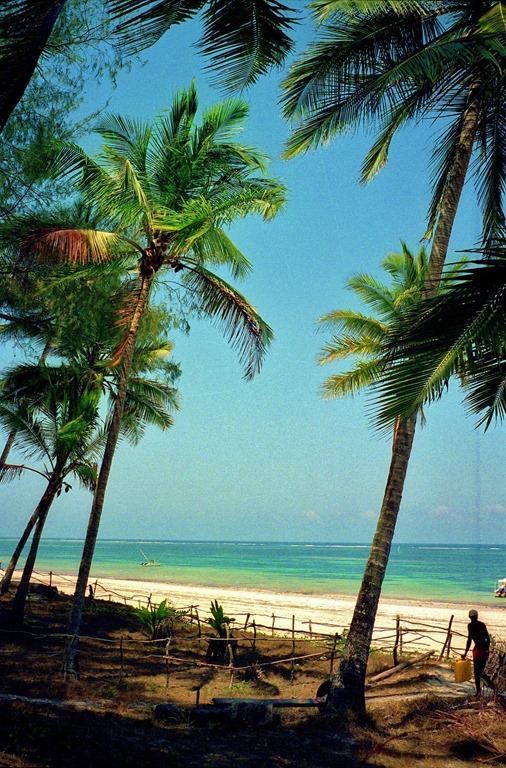
Village path down to Tiwi Beach, Mombasa, Kenya

*

Sable Road in the dry season 2

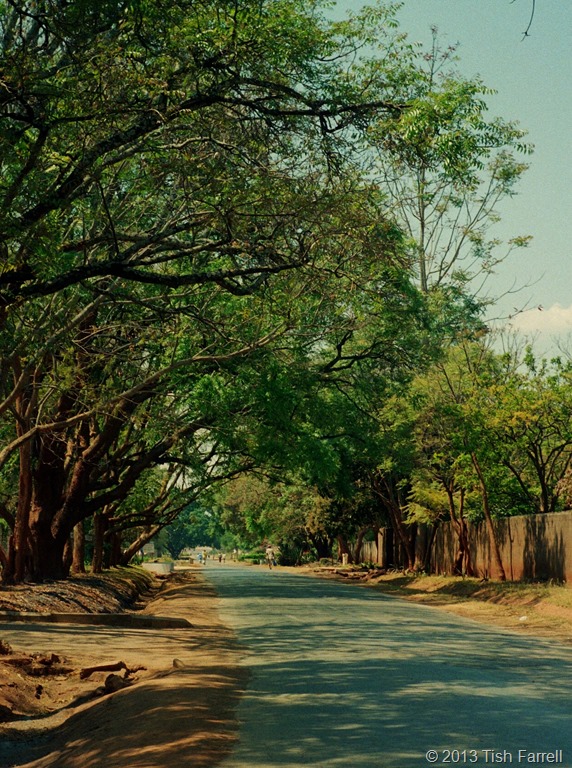
Sable Road, Lusaka, Zambia, where we lived in 1992-3. This was taken in the dry season.

*

Scan-130703-0009

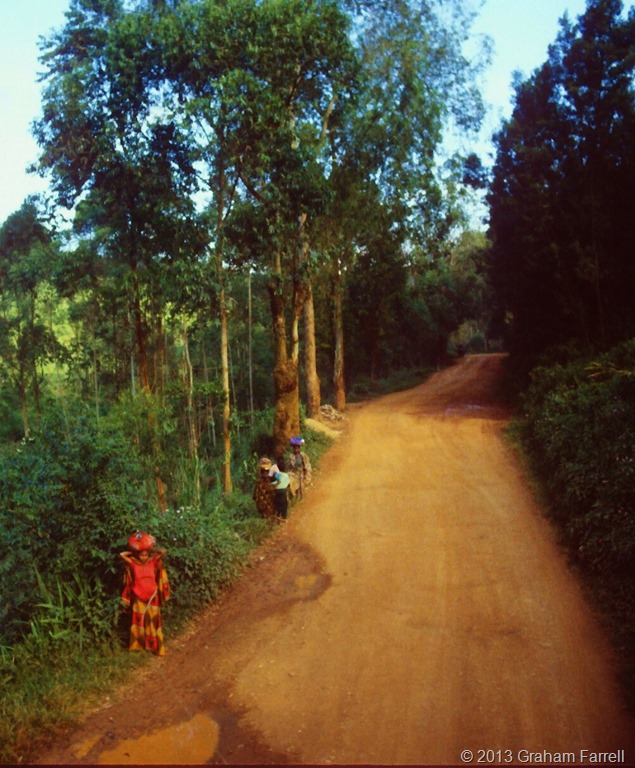
Heading for Uganda from DR Congo. Or maybe not…

http://www.ceephotography.com/2013/07/10/cees-which-way-challenge-week-1/

Letters from Lusaka Part 1

Notes from an aid nomad’s life in Zambia
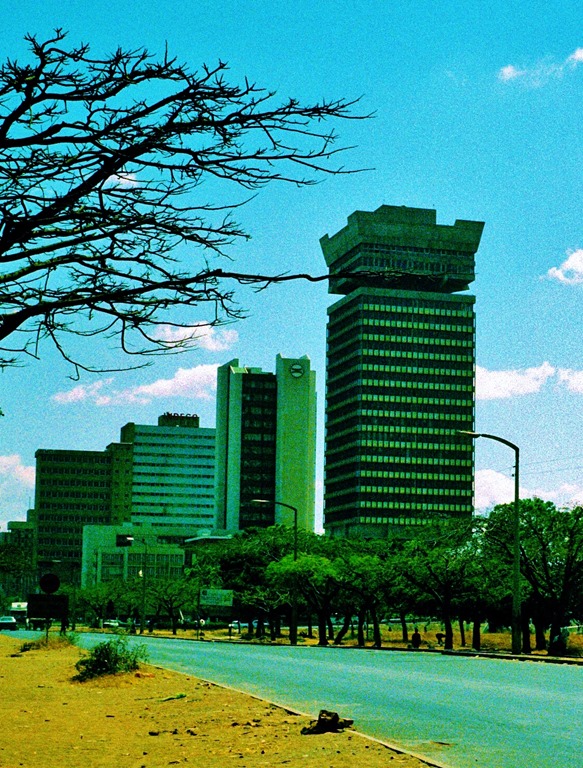
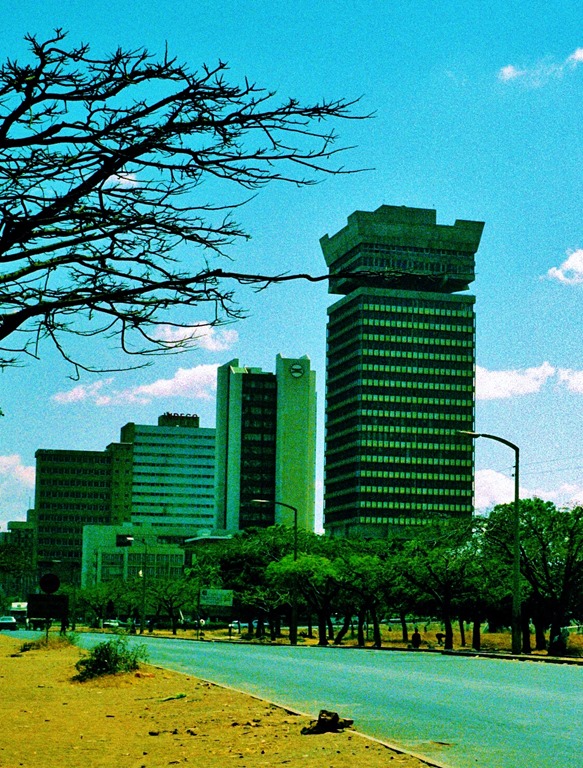
Cairo Road - looking north

October 1992 and I’m expecting to start a new life in Medway, Kent, but instead I find we are off to Lusaka. It is hard to take in. I am barely back in England after nine months in Kenya where we lived out of a Land Rover, plying the Mombasa Highway. My heart is still in the Ngong Hills, the knuckle-shaped peaks that were my last view of East Africa before the plane rose through the clouds and headed for London via Bahrain. In that moment I find myself weeping for the loss of the Ngongs, recognising, with a twinge of shame, I would never weep like this for my homeland.  

Due to ticket problems I have to travel back to the UK alone. G will follow the day after. When we say goodbye at Nairobi airport there is no inkling of another overseas contract. Yet two days later when we meet up in England, the first thing G says is: how would you like to go to Zambia?

Zambia, I echo blankly. How would I know if I want to go there? But with barely a pause, I say yes; I’m up for it. I’ll find out later if I’m going to like the place. Besides, whatever happens, it’s bound to be interesting.

When we tell friends and family where we are going, they also look blank. Zambia, they say. What did it used to be? It is only months afterwards that I see how loaded is this seemingly simple question, how unfathomable the answer. What indeed did Zambia used to be – before it was Northern Rhodesia – before David Livingstone passed through it in search of lost souls and the Nile’s source, and claimed the falls known as Mosi oa Tunya (The Smoke that Thunders) for Queen Victoria; before the south’s Zulu Wars that pushed many displaced communities across the Zambezi?

We’re expected to leave within the month, but due to various administrative foul-ups, this stretches to two. It gives us time to unpack our Kenya life, catch up on dental work, have the jabs we have not already had, say hello and goodbye to relatives, and to get married. This last event takes place briefly before a handful of guests in a Bridgnorth building society office where the registrar has occasional premises. Our little marriage party finds itself queuing for attention alongside Friday morning withdrawers and depositors. It all seems fittingly bizarre for a life that no longer fits the norm.

At this point I am still no wiser about our destination. In these pre-Google days there is little time for research. To my annoyance, too, I find there are no handy books on Zambia, not in the public library, nor in the bookshops. By the time we come to leave, we have only the sparse Foreign Office briefing notes to go on. They speak of the climate and the kind of clothing we will need, and of the possibility of having to take a driving test if we want to drive in Zambia. No clear picture of the country emerges. I am becoming increasingly irritated at the lack of information, as well as at my own ignorance. How can I, an English woman, not know a thing about a land that Britain ruled and exploited for over sixty years, a land we only quitted in 1964 while I was in still at school? Why wasn’t it on the curriculum along with Cicero and Chekhov? How can the existence of a former protectorate pass so swiftly from the protecting nation’s consciousness? How can it become so very unimportant?

Then suddenly it’s too late for righteous indignation; it’s all down to family farewells, and wondering if the right things have been packed, when there is no way of knowing what the right things should be. Of necessity, it becomes a matter of travelling hopefully and telling ourselves that the contract is for ten months only. And ten months isn’t long, is it?

*

So, November 1992 and we fly into Lusaka with the rains. It seems like a good omen – to arrive with rain. There has been severe drought over southern Africa for at least a year. Crops have blown to dust, rivers run to sand, and the granaries lie empty. In remote districts, we later learn, villagers have been surviving on a diet of wild mangoes. To add to their misery, the wildlife is hungry too. In one district villagers have been barricading themselves into their homes. The local lions have developed a taste for canine flesh and are breaking down house doors at night in order to snatch the dogs from the midst of their terrified human families.

And of course, this is why we are going to Zambia; famine is taking us there. G has been seconded from the Natural Resources Institute in Kent to the E. U. Delegation in Lusaka to supervise the distribution of European Union food aid to starving Zambians. The country’s then new President, Frederick Chiluba, tells the Head of Delegation that he does not trust his ministers to do the job. The consignments of maize meal and cooking oil must therefore be distributed through church missions and the Red Cross. Zambia is a big country, the size of France and the Low Countries combined. G will be in charge of logistics: checking the contents of grain stores, getting trucks on the road and ensuring that loads reach their intended destination. His boss at NRI is sure he is fitted for the task, although he has never done anything like it before.
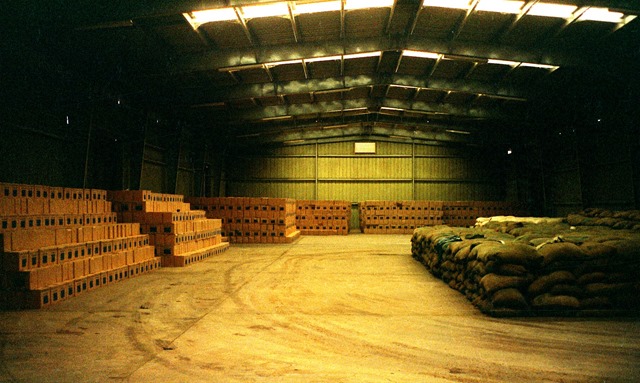
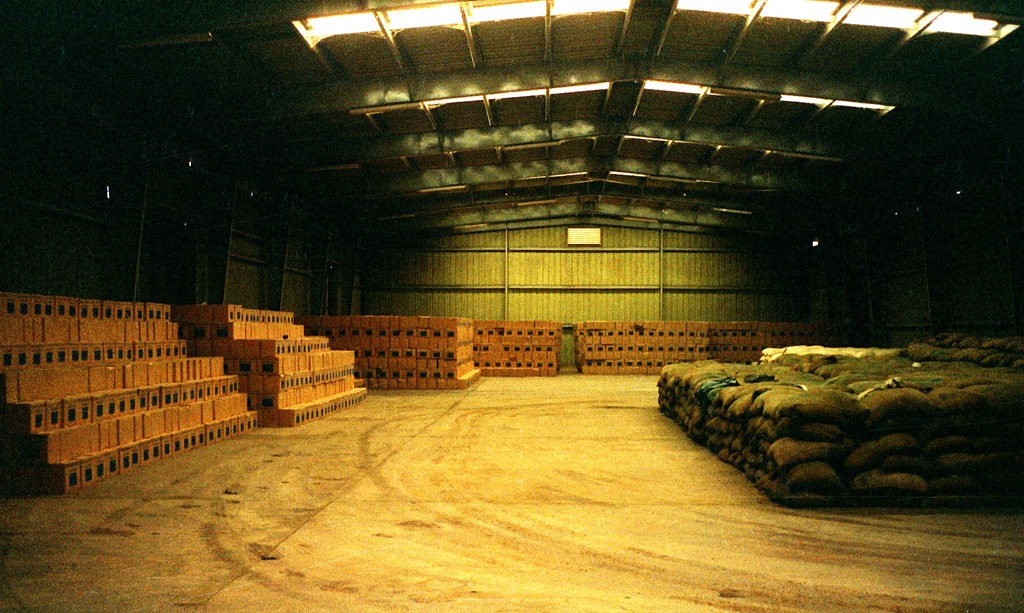
Food aid consignment 4

Food aid awaiting distribution in a Zambian warehouse.

*

In Kenya, as a crop storage specialist, he had been dealing with another kind of food crisis – the spread of a voracious pest that gobbles up maize – the Larger Grain Borer. This beetle is a native of South and Central America, and (ironically) came to Africa in the 1980s in a food aid consignment from the United States. It has no natural predators in its new homeland and, across a continent where maize is many peoples’ staple crop, it also has all the food it can eat. If a grain store is infested you can hear the jaws of these tiny creatures gnawing the cobs to dust. In Zambia we find the beetles are already there too, spreading out into villages along the line of the Tazara Railway that links land-locked Zambia to the port of Dar es Salaam. The Chinese built the line in the 1970s to provide Zambia with an external trade route through Tanzania after Ian Smith’s Unilateral Declaration of Independence in Southern Rhodesia cut the country off from all points south. Now the Tanzam is a handy vector for crop pests and thus, through such unintended consequences, is the frequent folly of donor good intention compounded. It is the sort of thing that happens in African countries all the time. It makes us question then (as we will do many times over the next few years) the ethics of our presence on the continent.

*

That November morning, then, as we make our descent through grey skies into Lusaka International Airport, I note only how flat and tamed the landscape looks: large square fields of European-owned ranches (Lonrho, for one, is a big player here); service roads and farm buildings laid out in orderly grid patterns. It is also very green and looks more like France than the Africa I have come to know. I suppose I feel a little disappointed. It is bush country that I have fallen in love with, the smell of it triggering some ancient genetic memory that tells me that such landscapes mean home.

Once down on the tarmac, and as a matter of courtesy so we will not get wet in this welcome downpour, a bus arrives to ferry us the short distance to the low white terminal building. Our fellow travellers are European businessmen, each shouldering his laptop bag. By contrast, a tall African in a well-cut suit emerges from the First Class cabin wielding only a shiny new golf club. It seems utterly incongruous, as if he has just stepped out of a London taxi after visiting a golfing shop rather than flying half way across the world. It crosses my mind that I like his style.

By now I am both jet-lagged and deeply anxious about the forthcoming immigration process. Still fresh in my mind is the stony-faced inscrutability of Kenyan officialdom when I twice visited the notorious Nyayo House immigration department to extend my three-month travel visa; I recall the hours left in limbo, sitting amongst distressed Somalis and Ethiopians, all trying to secure sanctuary away from troubled homelands. But suddenly I see it’s not going to be like this. The officers, as they take their seats at the immigration desks are all smart young women. They are laughing and chatting and, when we hand them our passports and paperwork, they are still smiling, and at us.

Next we have our first, but fleeting taste of the diplomatic life, as G’s new boss steps up and introduces himself. His name is Bernard. He is French, frenetic and instantly engaging. He whisks away our paperwork and deals with it in minutes. There is then a worrying delay before we can claim our bags. Bernard tells us that British Airways on this route are well known for leaving cases behind in London. Finally, though, we have our luggage and are propelled into Bernard’s Peugeot, Bernard talking non-stop. He apologises for his poor English, saying that this is his first posting to an English-speaking country. Mauretania and Madagascar were his previous postings. Worryingly, he adds that he hopes we will speak some French. Beside me, looking wan, G winces; he does not fly well. He can barely speak. When he does, it is to utter a customary response in KiSwahili. I’m beginning to feel hysterical.

Soon, though, all smooths out as we cruise along the Great East Road into Lusaka. There is little traffic (not like Nairobi), and the place has a small-town provincial air – wide streets lined with jacarandas shedding mauve petals and acacias with russet coloured flowers, red-roofed villas. We pass the turn to the University of Zambia, the entrance to Lusaka’s agricultural show ground. The side walks are filled with people walking – young men in loose shirts and smart front-pleated pants striding out, country women in ankle-length chitenge wraps, city girls in high heels and sleekly cut frocks, and who seem to flow along the street. There are roadside stalls selling garden surplus – mangoes, tomatoes, okra, spinach.
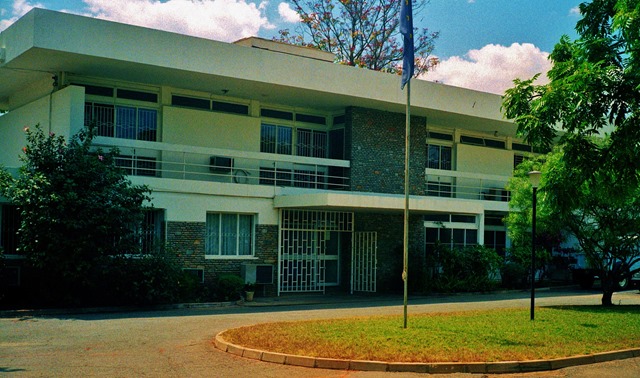
E C Delegation

EU Delegation, Lusaka

*

And I am just thinking that I can cope with this when we swing into the grounds of the five-star Pomodzi Hotel, and Bernard’s car is instantly lassoed in chains whose ends the hotel porter quickly padlocks to an adjacent post. I have never seen nor imagined anything like this. Bernard explains that this is a necessary procedure even though it will only take a few minutes to escort us to reception. I see that other guests’ cars are similarly chained. It is then that my one sure piece of Zambia information surfaces. All along we have been ignoring it, that in that year of 1992 the country has a big security problem. Some months later the reasons for this become clear, but for now I am struggling to absorb this apparent evidence of an expected car-jacking – in broad daylight, and in such orderly and upmarket surroundings. I gaze, bemused, at the tail-coated porter who is now ushering us into the hotel foyer. After the humid warmth of outside, the hotel is frigid with air conditioning. The reception area is cavernous, all grey-white marble. A trolley appears and our cases are stacked upon it. They look shamefully shabby in these austerely smart surroundings. The porter politely motions me towards a comfortable armchair while G registers. This always takes ages, and by now it is lunchtime and I am hungry and yet too tired to want to eat. Then suddenly there are Englishmen everywhere. They seem to issue as one from the lift.

“Hello. I’m David…Peter…Tim…Paul…Alan. We’ve not been introduced but…”

As welcoming committees go, it is well meant but too much, and I wonder if I’m responding sensibly. They turn out to be G’s fellow consultants from the Natural Resources Institute, out on short-term missions relating to crop storage and food security. They include G’s head of section, the man who seconded him to the E.U. Delegation. He’s just off to Zimbabwe, and hardly have we reached our room than the phone rings, and G is summoned to an impromptu meeting and a trip round a Lusaka grain store that has flooded, none of which has anything to do with his present posting. He goes off looking terrible while I collapse on the bed, trying to come to terms with my new surroundings.

Here we are back in Africa, back in the so-called developing world, here to help deal with a food crisis. Yet now I find myself in a room that has more of comfort and opulence than I’m used to in England. There is a huge colour television that shows American and British world service programmes. There is a telephone by the bed and another beside the lavatory. The ivory tiled bathroom has abundant hot, clean water and piles of soft white towels. The flask of drinking water is chilled. We have our own veranda. The room service menu offers club sandwiches, burgers and steaks. A polite notice on the writing desk requests guests not to tempt the staff by leaving their valuables unattended.

This is a hotel designed not so much for travellers and tourists, but to cater for the expectations of international entrepreneurs. Its luxury is hard to reconcile with the hardship that G has been brought here to relieve. This is only the first of the multiple contradictions that we will encounter over the next ten months. We learn not to dwell on them, and so become part of the contradictions.

*

Now in Lusaka, we find ourselves dropped into a diplomatic no-man’s-land. Although G works for a British government institution and has been deployed by them on official business, neither the EU nor the British High Commission want to altogether acknowledge our presence in the country. We gather that the BHC has some bee in its bonnet about the cost of air-lifting us back to the UK in the event of some great ill befalling us. This is a puzzling response when all G asks for is some anti-malarial pills. They are not keen to give us any, since this establishes responsibility.

There is also a problem about finding us somewhere to live, this despite the fact that both missions have their own staff accommodation. We have been sent out with a stash of travellers’ cheques to pay for ten months’ rent and to buy a car, but house rents in Lusaka are twice the allowance we have been given. A Delegation secretary, a white Zambian, takes pity on us and directs us to a small company compound of eight houses where local Zambian Europeans and Asians live.

There is one house vacant, and we can just about afford it. The accommodation is very lowly by diplomatic standards, and full of dog-haired furniture, but we still manage to upset BHC consular etiquette because the compound has a swimming pool. Only officials of the higher orders may be allocated houses with pools. BHC staff kindly let us know of our gaff at social functions, although we wonder what it has to do with them since they were so unwilling to acknowledge our existence. Clearly the swimming pool has got under somebody’s skin.
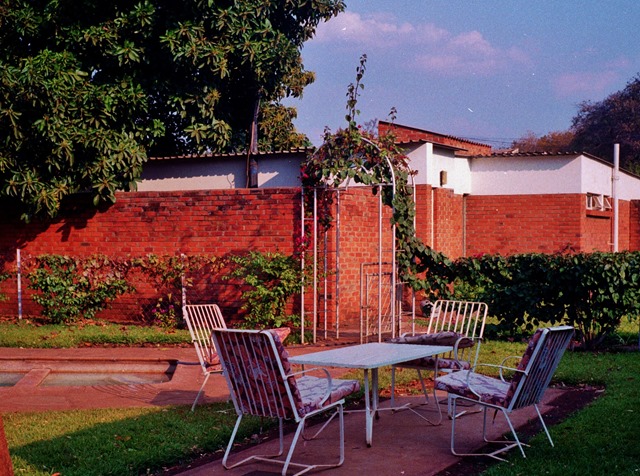
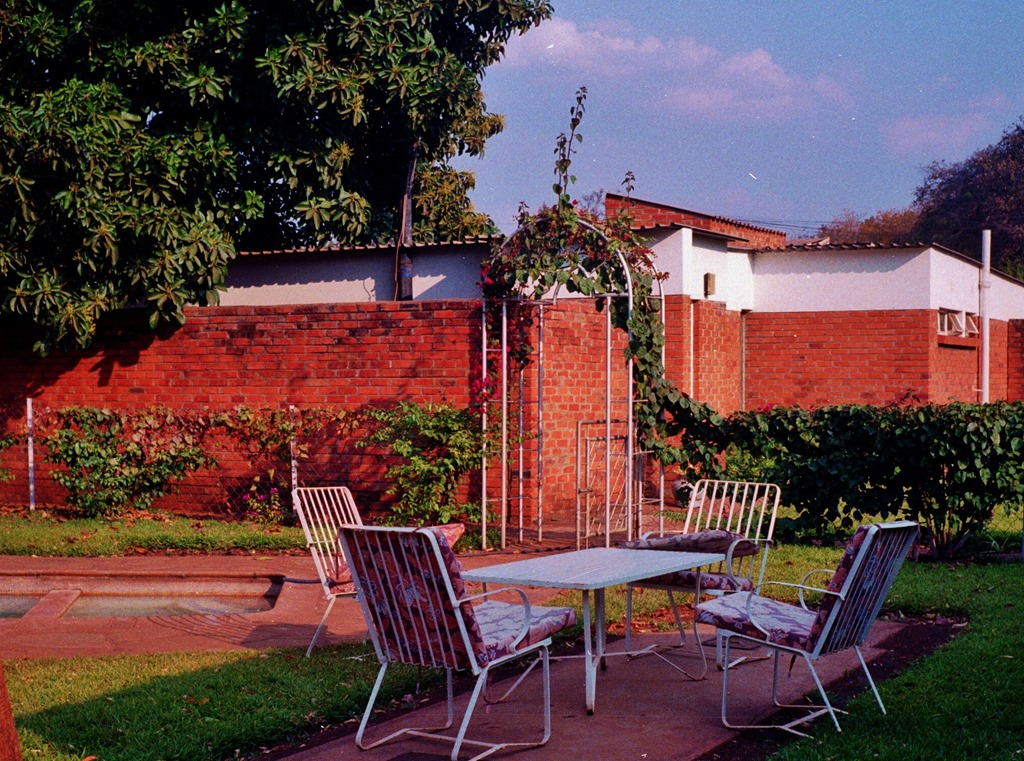
Sable Road - our house by the pool 2

Home on the Sable Road compound.

*

Then, when we are among EU Delegation officials and their white Zambian staff, we are constantly regaled with tales of car-jackings, house break-ins, muggings and murder. At his house, Bernard has been newly issued with a gun and a short-wave radio to summon security in case of attacks by the locals. We presume that we are not important enough to warrant this scale of protection. When, after some weeks, I return to Zambian Immigration to renew my passport, and once more am treated with only good-hearted African courtesy, I consider switching my nationality to Zambian.

To be continued…

http://dailypost.wordpress.com/2013/07/07/daily-prompt-travel/ Daily Prompt: Rolling Stone

© 2013 Tish Farrell

Peaceful wildlife, unpeaceful writer

Travel theme: peaceful

lions-in-the-Taita-reserve-1992.jpg

Okay, I confess. I’m using Ailsa’s weekly photo challenge for a piece of shameless self-publicity. Because today I’m feeling anything but peaceful. I’ve just heard that  my short story ‘Flight’ won third place in the International Bath Short Story Award, sponsored by Writing Events Bath. Of course it’s set in Africa as most of my fiction is. To read ‘Flight’, follow this link then scroll to the foot of the page. Twelve of this year’s short- and longlisted stories are to be published by Hearst as an e-book anthology under a new imprint UkEditBooks in November. So all you fiction writers out there, seasoned or novice, submissions for the 2014 Bath Short Story Award are OPEN 1st November 2014. Go for it!

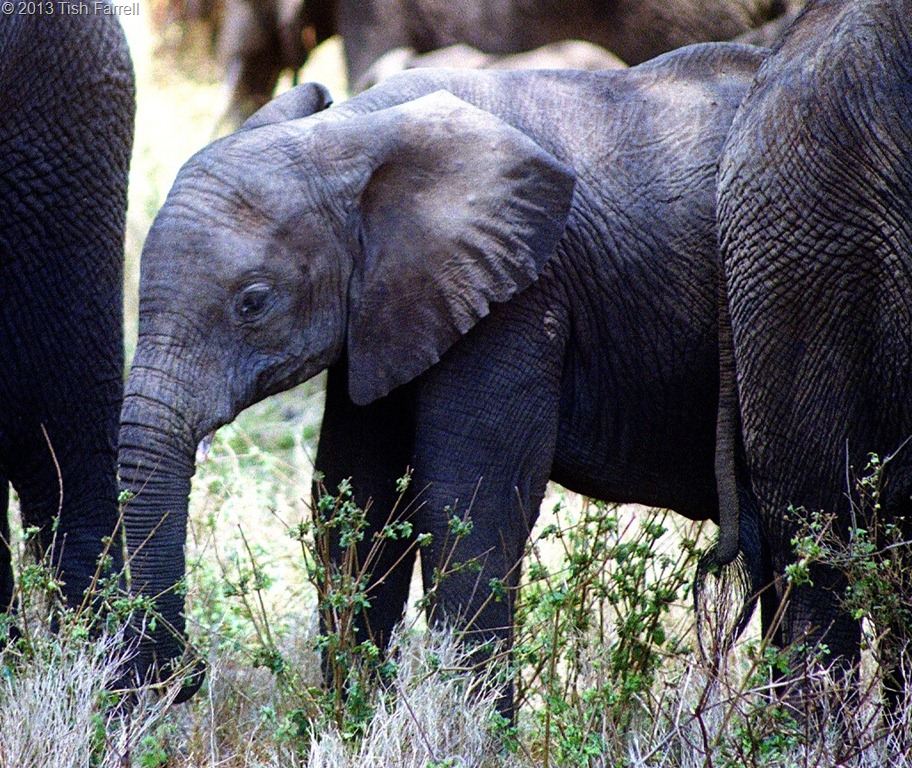
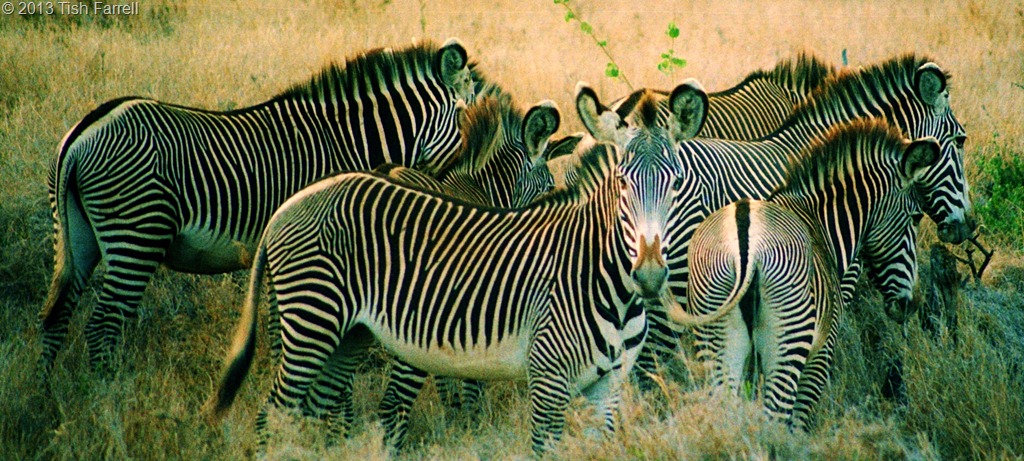
Now to calm things down I’m posting some shots of some very languor-inducing wildlife. Besides which, big cats do ‘laid back’ like no other, and quiet small elephants are a joy to behold on any occasion. And as for Grevy’s Zebras composing themselves so stripily, what else is there to say but ENJOY!

Scan-130608-0004

Grevys-zebra.jpg

©2013 Tish Farrell

Travel theme: Peaceful

Travel Theme: Beaches (Mombasa)

sea and sky on the reef at Tiwi

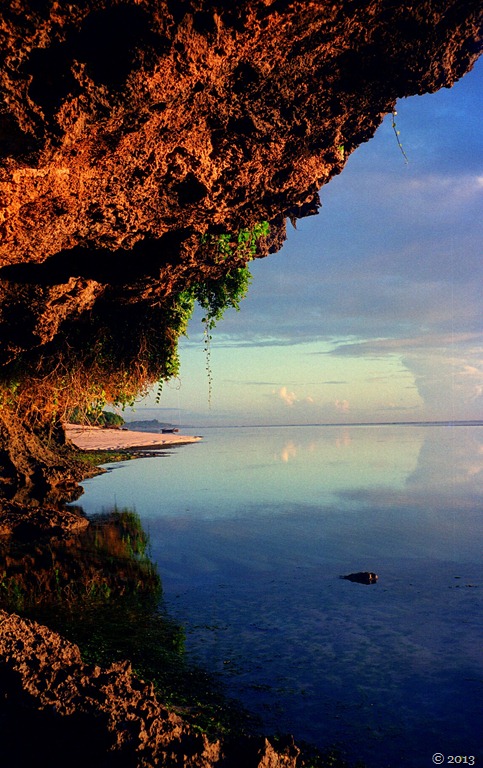
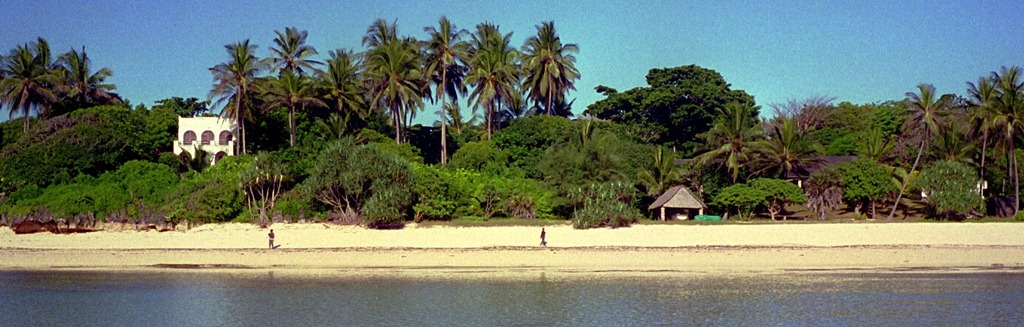
Tiwi Beach and lagoon at dawn, South Mombasa, Kenya

Going to the dogs on Mombasa’s Southern Shore

It’s a dog’s life on Tiwi Beach, the white strand where ocean roars on coral and trade winds waft the coconut palms; and where, best of all, as far as the local canines are concerned, there are quiet coves sparse in holidaymakers. It means they may do as they please. For after all, it is their own resort, and every morning they set off there from the beach villages along the headland, nose up, ears blown back in the breeze, ready for the day’s adventures.

But the dogs are not churlish. They can take or leave the odd pale human wrestling to right his windsurfer on the still lagoon; ignore the sentinel heron that marks the reef edge beyond; pay no heed to the etched black figures of the Digo fishermen who search the shallows for prawns, parrot fish, or perhaps a mottled lobster or two.

Digo fisherman on lagoon, Tiwi 2

But in this last respect at least, the dogs are smug. For the fishermen come down to the beach only to make a living. And when they are done hunting, they must toil along the headland from beach village to beach village, then haggle over the price of their catch with the rich wazungu who come there to lotus eat. Hard work in the dogs’ opinion.

The dogs know better of course; know it in every hair and pore. And each morning after breakfast, when they take the sandy track down to the beach, they begin with a toss of the head, a sniff of the salt air, a gentle ruffling of the ear feathers in soft finger breezes. Only then do they begin the day’s immersion, the sybaritic sea savouring: first the leather pads, sandpaper dry from pounding coral beaches, then the hot underbelly. Bliss. The water is warm. Still. Azure. And there can be nothing better in the world than to wade here, hour on hour, alongside a like‑minded fellow.

There’s not much to it; sometimes a gentle prancing. But more likely the long absorbing watch, nose just above the water, ears pricked, gaze fixed on the dazzling glass. And if you should come by and ask what they think they’re at, they will scan you blankly, the earlier joy drained away like swell off a pitching dhow. And, after a moment’s condescending consideration, they will return again to the sea search, every fibre assuming once more that sense of delighted expectation which you so crassly interrupted. You are dismissed.

For what else should they be doing but dog dreaming, ocean gazing, coursing the ripples of sunlight across the lagoon and more than these, glimpsing the electric blue of a darting minnow? And do they try to catch it? Of course they don’t. And when the day’s watch is done, there is the happy retreat to shore ‑ the roll roll roll in hot sand, working the grains into every hair root.

Maweni beach at dawn 2

And if as a stranger you think these beach dogs a disreputable looking crew, the undesirable issue of lax couplings between colonial thoroughbreds gone native: dobermanns and rough‑haired pointers, vizslas and ridge‑backs, labradors and terriers, then think again. For just because they have no time for idle chit-chat, this doesn’t make them bad fellows: it’s merely that when they are on the beach, they’re on their own time. But later, after sunset, well that’s a different matter. Then they have responsibilities: they become guardians of the your designer swimwear, keepers of your M & S beach towel, enticing items that you have carelessly left out on your cottage veranda.

For by night they patrol the ill‑lit byways of your beach village, dogging the heels of a human guard who has his bow and arrow always at the ready. And when in the black hours the banshee cry of a bush baby all but stops your heart, you may be forgiven for supposing that this bristling team has got its man, impaled a hapless thief to the compound baobab. It is an unnerving thought. You keep your head down. Try to go with the flow, as all good travellers should.

Scan-130429-0016

But with the day the disturbing image fades. There is no bloody corpse to sully paradise, only the bulbuls calling from a flame tree, the heady scent of frangipani, delicious with its sifting of brine. You cannot help yourself now. It’s time to take a leaf out of the dogs’ book, go for a day of all‑embracing sensation ‑ cast off in an azure pool.

And in the late afternoon when the sun slips red behind the tall palms and the tide comes boiling up the beach, the dogs take to the gathering shade of the hinterland and lie about in companionable couples. Now and then they cast a benign eye on you humankind, for at last you are utterly abandoned, surrendering with whoops and yells to the sun‑baked spume. They seem to register the smallest flicker of approval: you seem to be getting the hang of things.

© 2013 Tish Farrell

Travel Theme: Beaches

headland from the reef

Lamu Dreaming

Scan-130426-0019

…to sleep, to dream…

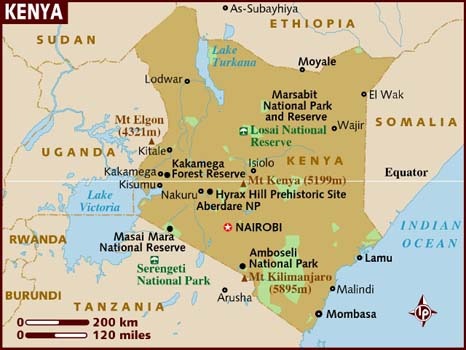
Anyone who has seen my post on The Swahili will know that I’ve had Lamu on my mind. The island lies off Kenya’s northern coast, and its Stone Town is one of the best preserved Swahili settlements, lived in for the last 700 years.  We went there one Christmas, flying out of Nairobi in a small plane that let you watch the ground all the way there. This was comforting in some ways, but in others not: the bush country east of the capital is arid and little inhabited except by wildlife, and the coast hinterland, then as now, too often the haunt of Shifta (Somali bandits). Yet there was one especially striking moment that at once distracted me from other anxieties. It was the sight as we flew over the Tana River Delta and saw the red earth of the Kenya Highlands flowing out into the sea like blood: the country’s life force pumping away. It looked like a shark attack of epic proportions. I was glad when we touched down on Manda Island and our only concern was to catch the same ferry to Lamu as our luggage.

www.theafricanaviationtribune.com

Map: www.theafricanaviationtribune.com

Scan-130429-0041

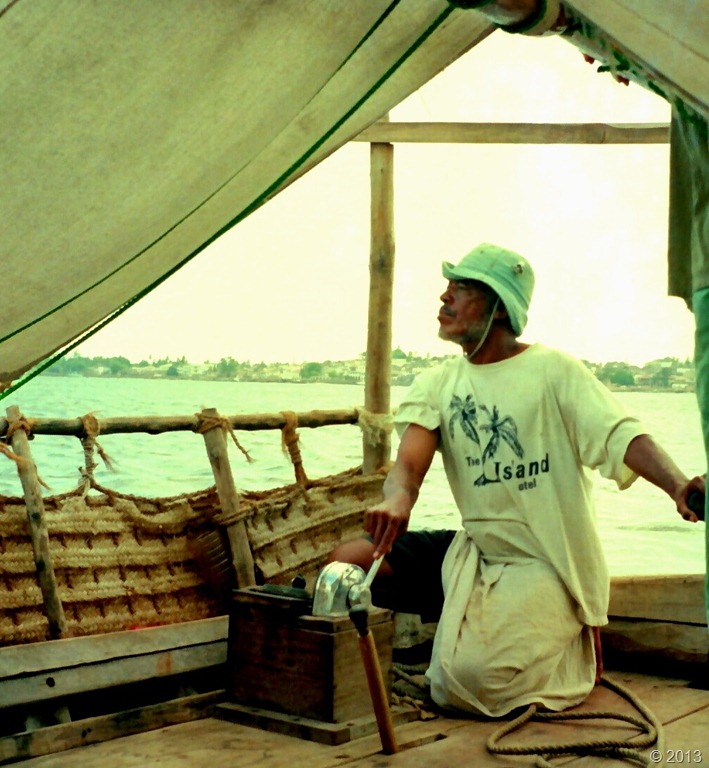
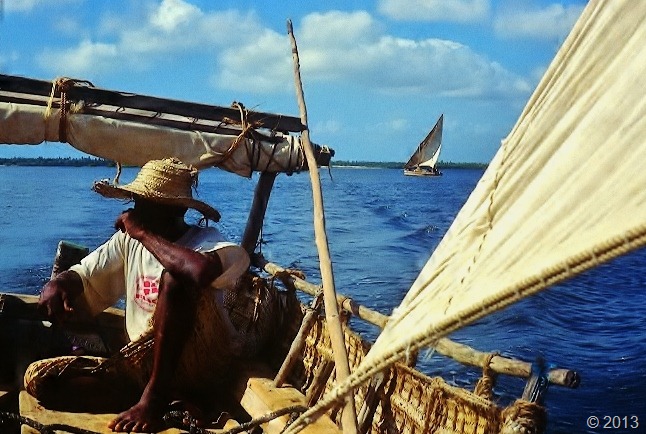
A storm blew up as we chugged across the strait in a Lamu fishing dhow. We tourists huddled under the awning to keep dry as the world turned steely grey. Our captain though, out in the rain, simply secured his hat and looked resolutely to shore. The rain did not last, and by the time we had put into Shela  harbour, the coral rag walls of the houses were steaming; scents of jasmine and frangipani filling the air. As we followed our guide up a sandy path from the shore, I remembered it was Christmas Eve. It seemed we had stepped into a dream.

Scan-130429-0029

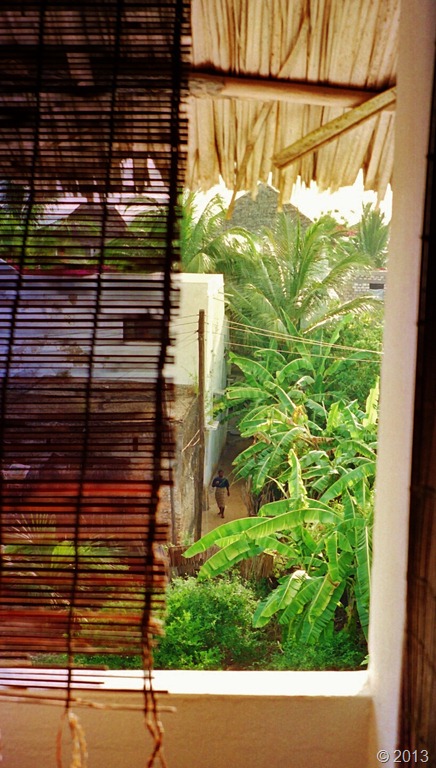
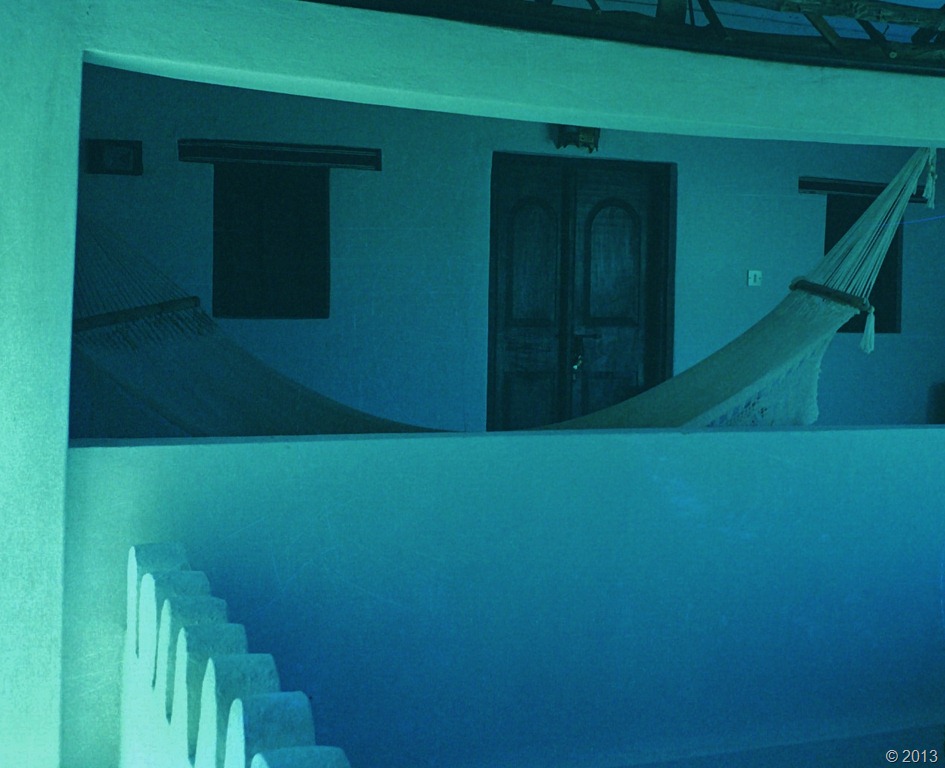
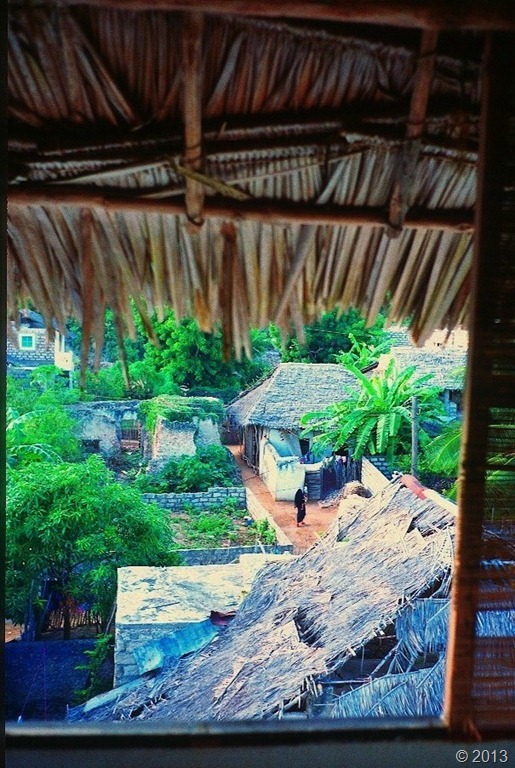
The hotel was also a dream for someone as nosy as Nosy-Writer. It occupied an old merchant’s house in the centre of the village, and best of all our room was up in the palm thatch with the whole top floor at our disposal. Not only that, most of the walls were open to the elements and overlooked the village. Sadly it seems, the place no longer exists, so perhaps I really did dream it.

Scan-130428-0138

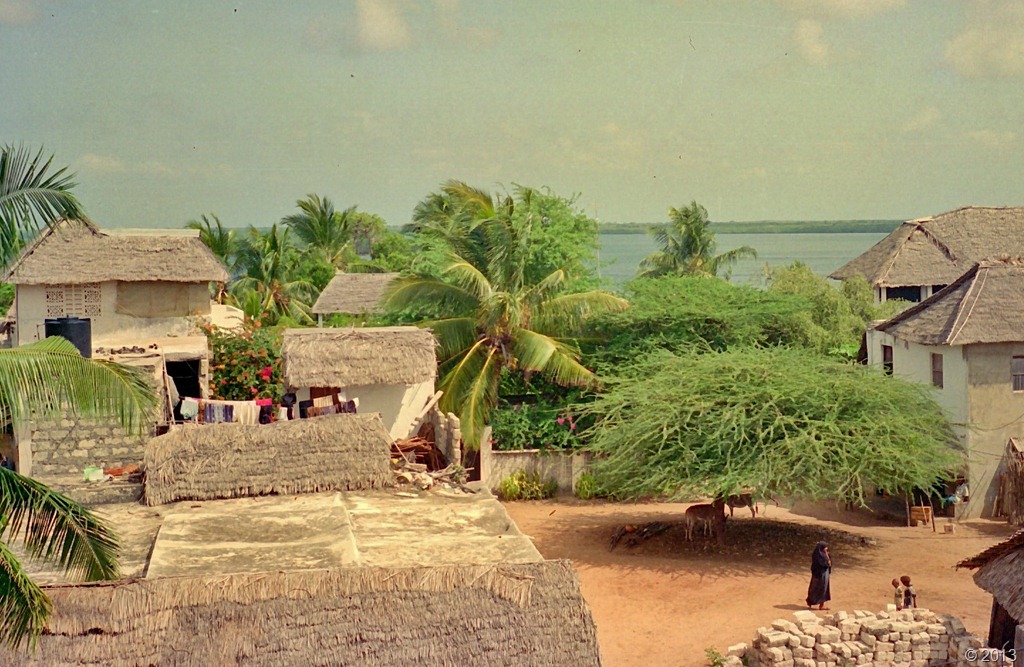
Shela village square from our room with many views. In the foreground is a  stack of the coral rag building blocks from which  most of the houses are built. The spreading thorn tree was the place where the donkeys were parked until needed for transport.

Scan-130429-0016

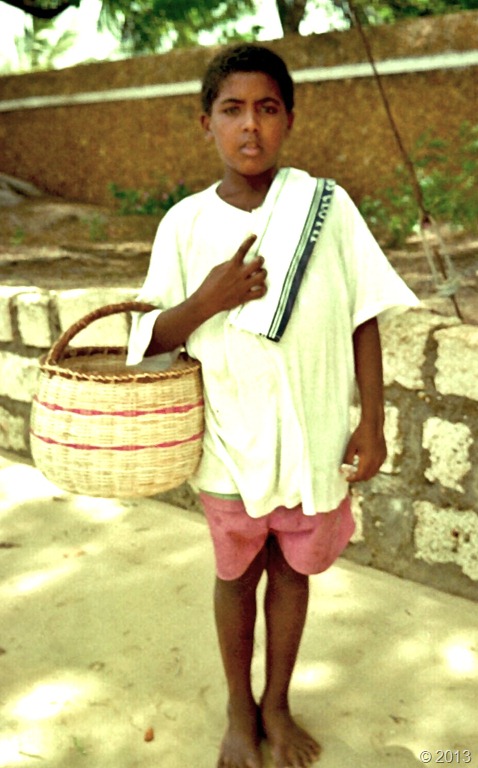
On Christmas Day we bumped into Azrael who sold us the most delicious, freshly cooked, fish samosas – a local speciality.

Scan-130428-0012

The only problem with our room’s open-plan arrangement was that not only could I see into people’s kitchens, gardens and bedrooms,  but we could hear everything too. It made for nights of fractured sleep – radios playing, pots clattering, cats yowling, but mostly hee-hawing donkeys, Lamu’s equivalent of night-sounding car alarms. Then just as you were drifting back to sleep, the dawn call to morning prayer would begin, the sacred strains of Allahu akbar (God is greatest) winding through my faithless semi-consciousness. It was a disorientating start to Christmas Day. Yet later on, when we set off on the two-mile beach hike between Shela and Lamu town, from every quarter the locals greeted us – Happy Christmas, Happy Christmas. There was no stinting on hospitality, and that extended to the plentiful provision of nice things to lie down on, and what with the steamy tropical heat by day, and the wakeful nights, these were more than welcome.

Lala salama, as they say in KiSwahili – sleep peacefully.

Scan-130428-0069


© 2013 Tish Farrell

The Swahili

Scan-130426-0007

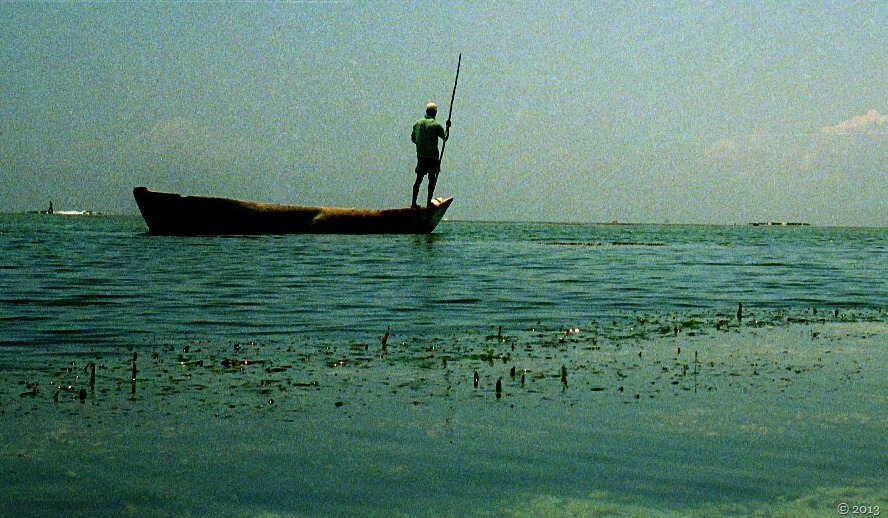
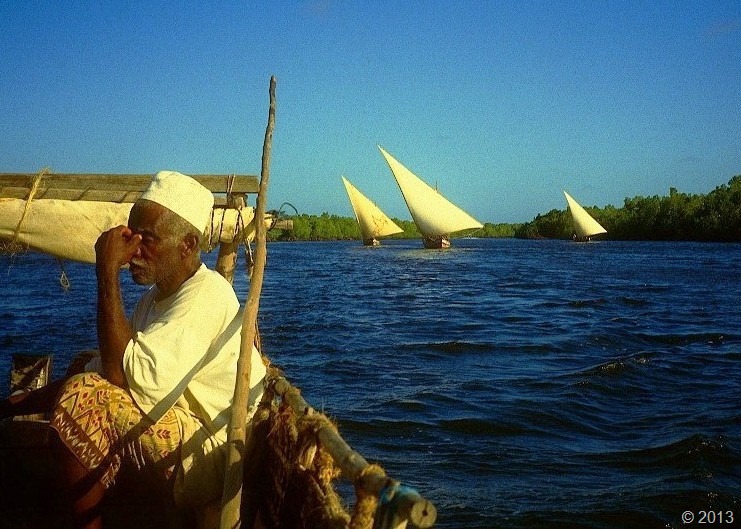
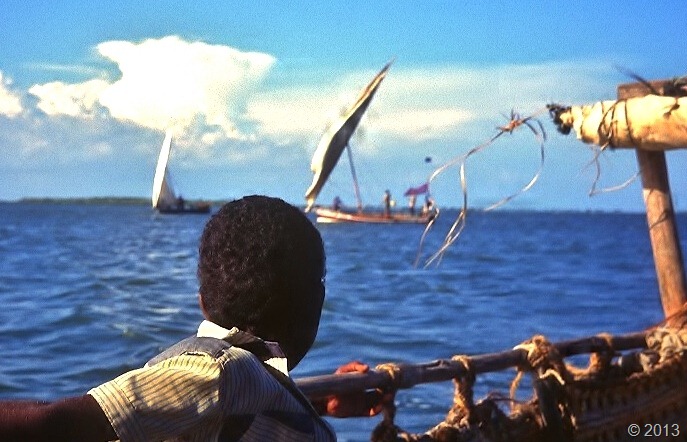
Lamu  fishing dhows off the Kenya Coast

*

You could say that Swahili culture was born of the monsoon winds, from the human drive to trade and of prevailing weather. For two thousand years Arab merchants plied East Africa’s Indian Ocean shores, from Mogadishu (Somalia) to the mouth of the Limpopo River (Mozambique), arriving with the north easterly Kaskazi, departing on the south easterly Kusi. They came in great wooden cargo dhows, bringing dates, frankincense, wheat, dried fish, Persian chests, rugs, silks and jewels which they traded with Bantu farmers in exchange for the treasures of Africa: ivory, leopard skins, rhinoceros horn, ambergris, tortoise shell, mangrove poles and gold.

By 700 AD many Arab merchants  were beginning to settle permanently on the East African seaboard, and the earliest mosques so far discovered date from around this time. These new colonists would have married the daughters of their Bantu trading hosts and doubtless used these new local connections to expand their trading opportunities. Soon the African farming settlements were expanding into cosmopolitan port towns. Itinerant merchants and their crews would also have had plenty of chances to get to know the local girls. The weather served this purpose too. Between August and November the trade winds fail. Voyaging captains would thus put in to a known safe haven to wait for good winds. And while this was not a time to be idle, since boats had to be beached and the crew put to cleaning and sealing the underwater timbers with a paste of beef fat and lime, three months was a long time to be ashore and far from home.

And so from this trade for trade, evolved a new culture, a loose confederation of self-governing city states stretching 3,000 km along the East African coast. Islam melded with Bantu customs and beliefs, and transactions’ fusion of Arabic with Bantu vernaculars gave rise to a new language, KiSwahili, which is still the lingua franca of East Africa today. Into this mix also came settler-traders from the Indian Subcontinent, shipwrecked Chinese sailors and refugee (Shirazi) Persians. Welcome, then, to the world of Sinbad, or Sendibada as the Swahili people call him, the ancient Empire of Zanj.

Scan-130426-0004

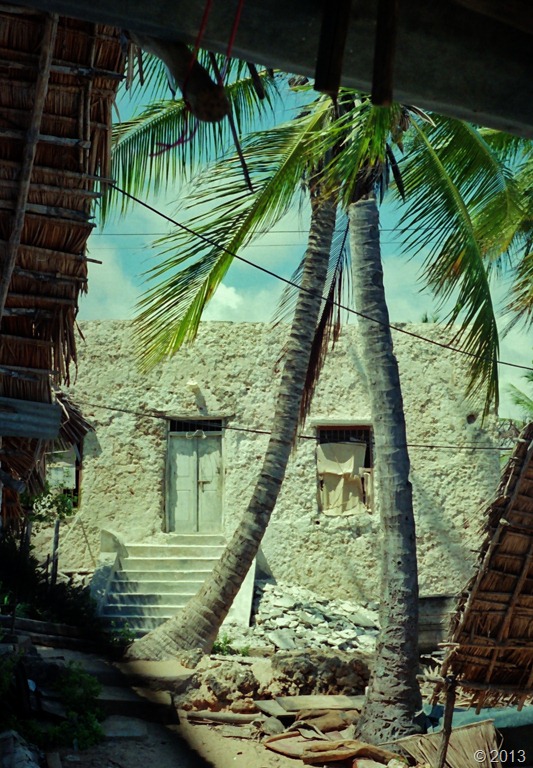
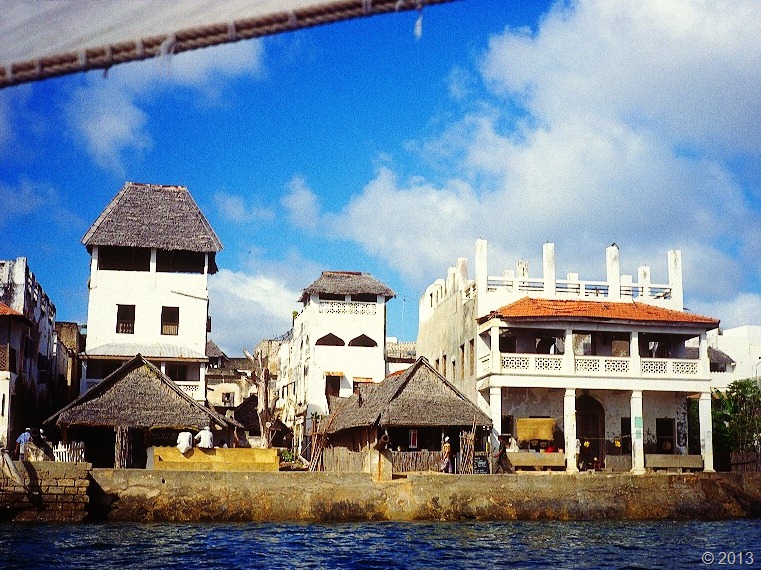
Lamu Town, off the Kenya coast, is one of the best preserved Swahili towns and  has been lived in for over 700 years. It is now a World Heritage Site. The building of the Swahili stone towns was apparently underway by 700 AD, the stone in question being coral rag, quarried from uplifted reef beds. Lamu town is not one of the earliest or the finest, but it was once a city state ruled over by its own sultan. The remains of far older settlements have been discovered on the nearby islands of Manda and Pate. Today, of course, the dhow trade in East Africa has dwindled, and towns like Lamu are barely a shadow of their former selves. Its residents’ main source of income comes from tourism, fishing , boat building and farming.

Scan-130426-0029

Shela Village, Lamu. It seems like a scene for one of Scheherezade’s night-time tales.

*

The annual dhow  season used to start from home Arabian ports in August with ripening of the date harvest in the Tigris and Euphrates valleys.* Merchants from the Arabian Gulf and the Gulf of Oman would set sail for Basra at the head of the Persian Gulf where the dates were crated and taken on board. The size of a dhow was gauged not in tonnage but by the number of Basra date boxes it could take. Thereafter, the dhow  captains (nakhodas)  might make for Aden to pick up salt or ply the Red Sea before heading south for Africa, trading as they went. Alternatively they might set off from the Gulf of Oman for Bombay, keeping the shore always in sight as they sailed east. Then, after trading down the Indian coast to Cochin, the winds would take them back across the Indian Ocean to the Comoros Islands where they would wait for the Kusi to take them homeward up the African coast.

trade[1]

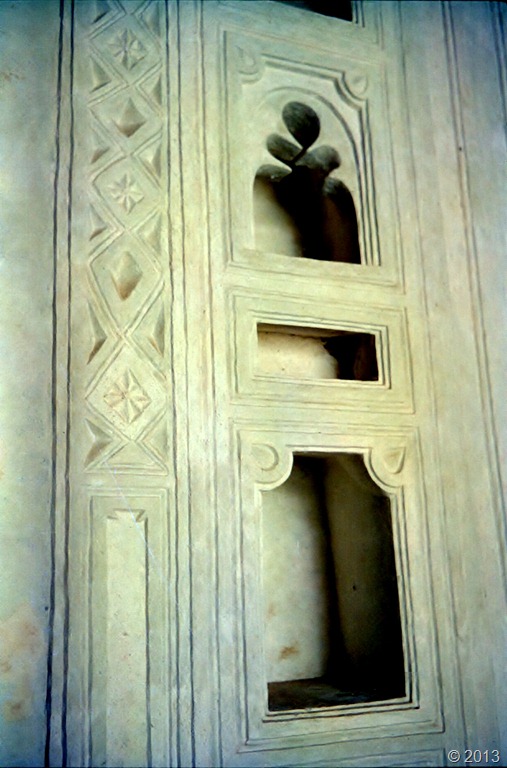
The trade routes, of course, stretched far beyond the Indian Ocean and, during the 11th to 16th centuries when many of the Swahili city states were having their golden age, dhow merchants found ready buyers for exotic goods from China, Cambodia, Thailand and India. Today if you walk along the beach at Lamu you can pick up pieces of ancient Chinese porcelain. These wares were very popular from the 14th century, and Swahili town houses were fitted out with ornately plastered display niches (zidaka) to display their prized possessions.

It is also true that exotic goods went out from Africa. In the early 1400s, the Swahili Sultan of Malindi (north of Mombasa) despatched to the Chinese Emperor via the King of Bengal, a live giraffe along with a ‘celestial stag’ or oryx. This was taken as an ‘open for business’ calling card and thereafter the Chinese merchant ships sailed directly into East African ports.

Scan-130428-0077.jpg

A Lamu ‘china cabinet’ (zidaka)

Scan-130429-0041

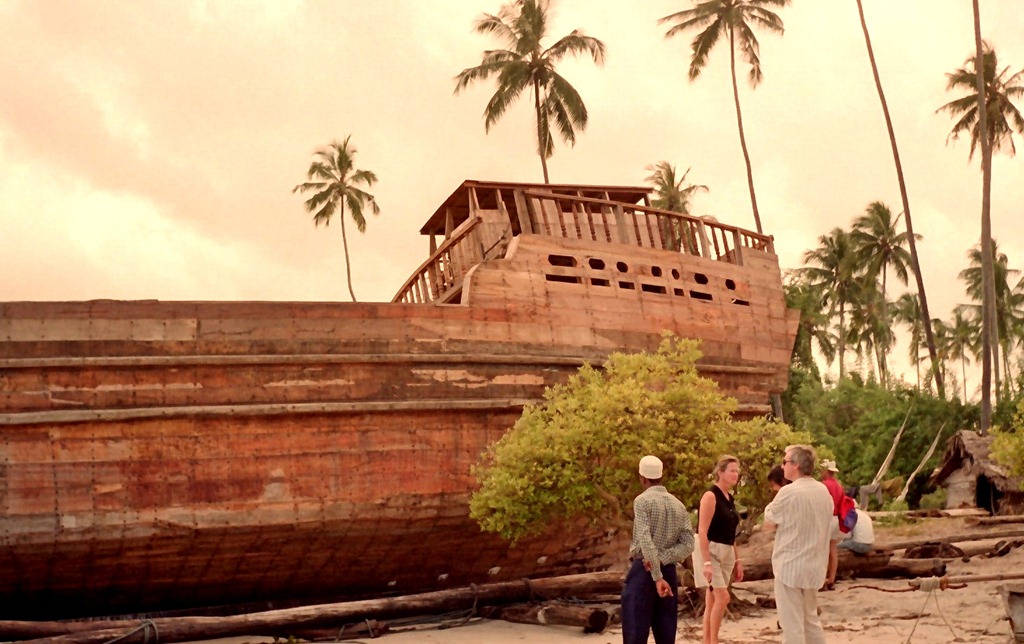
Although the days of the big dhows are over on the Kenyan coast, we saw this one being newly built on Maruhubi Beach near Zanzibar’s Stone Town in 1999. It had been commissioned by a Somali merchant.

Scan-130428-0010 (2)

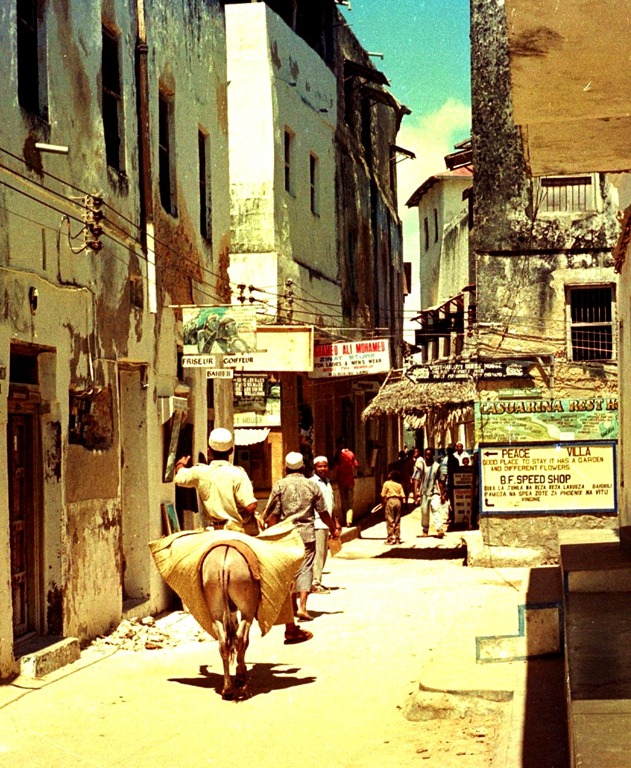
Lamu’s main  street in recent times; only donkey transport will do for deliveries.

*

Much of the wealth of the Swahili states came from African gold. During the fourteenth and fifteenth centuries the Shona rulers of Great Zimbabwe, far inland, were trading with the coastal Swahili city of Sofala (Mozambique). The Shona traders exchanged massive supplies of gold and ivory for Arab cloth. This gold drove the East African trade and it was not long before it was attracting European traders.

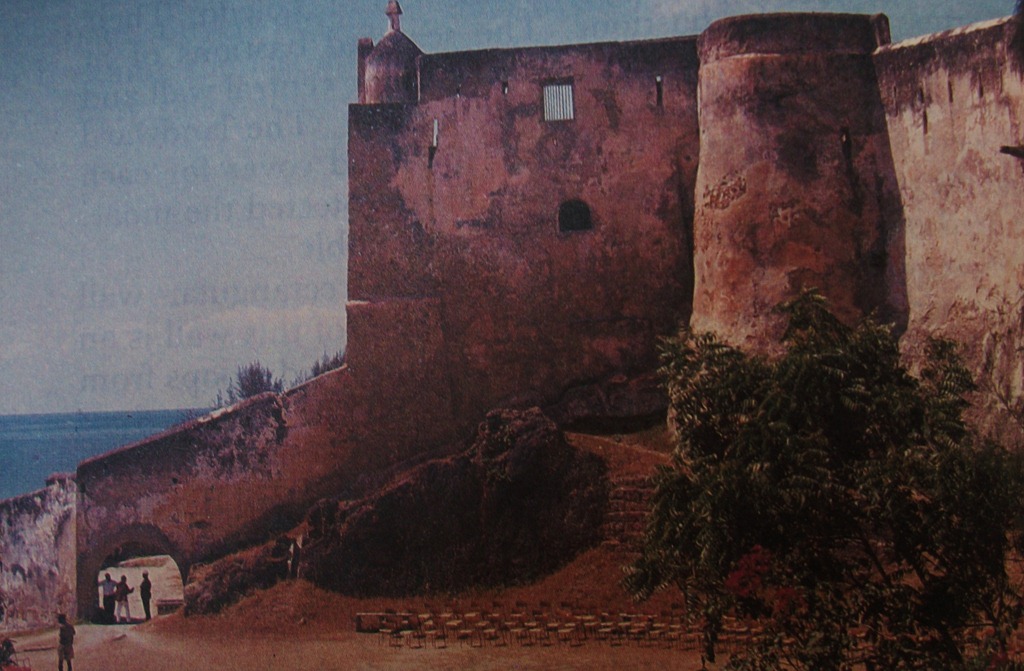
And so into the midst of this prosperity sailed Vasco da Gama (1498). He was pioneering a maritime route to India, but after his glowing accounts of the wealth he had observed while putting in at Mombasa and Malindi, (the sultan robed in damask trimmed with green satin and sitting beneath a crimson satin sunshade) Portuguese eyes turned to the East African coast. They built a number of forts there, including ones at Sofala and Mombasa, using them as strongholds in their bid to seize the Indian Ocean trade from Arab merchants.

100_3636

The Portuguese built Fort Jesus in Mombasa in 1591. The building of such forts along the Swahili coast was part of their strategy to seize control of the Indian Ocean trade from the Arabs. A century later they were driven back to their Mozambique strongholds by Omani forces.

*

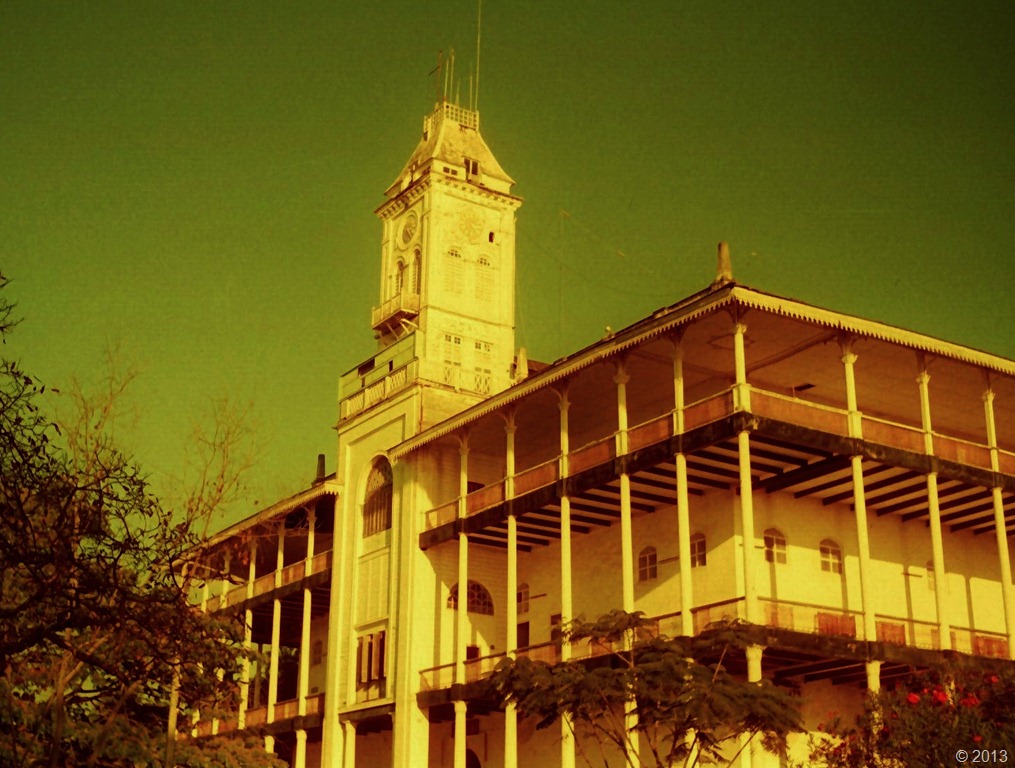
There followed many bloody battles over the next two hundred years, and it was during this time that most of the Swahili city states fell into decline. Their only hope was to call for outside help, and it came in the shape of the Omani of Muscat who made numerous attempts to oust the Portuguese, finally pushing them back to Mozambique in the 18th century. By the 19th century much of Swahili coast was ruled by the Sultans of Oman, and in 1832 they moved their capital to Zanzibar.

Scan-130429-0027

The Sultan’s Palace ‘The House of Wonders’, Zanzibar. The British navy bombarded it in 1896 in the 45-minute war.

*

So now comes the real sting in this Arabian Nights’ tale. I have not mentioned the ‘S’ word. And for hundreds of years SLAVES were indeed a major ‘commodity’ shipping out from Swahili ports for destinations in Arabia and Persia. But it was not until the 19th century that the worst excesses of this terrible trade were widely documented. Under Omani rule slaving expanded. The Sultans had clove plantations to be worked. So, instead of relying on supplies of human cargo delivered by African traders from the African hinterland, Swahili slavers began to lead their own expeditions into the interior. Here they rounded up both slaves and ivory, forcing their hapless captives to carry the tusks hundreds of miles to ports like Mombasa. 

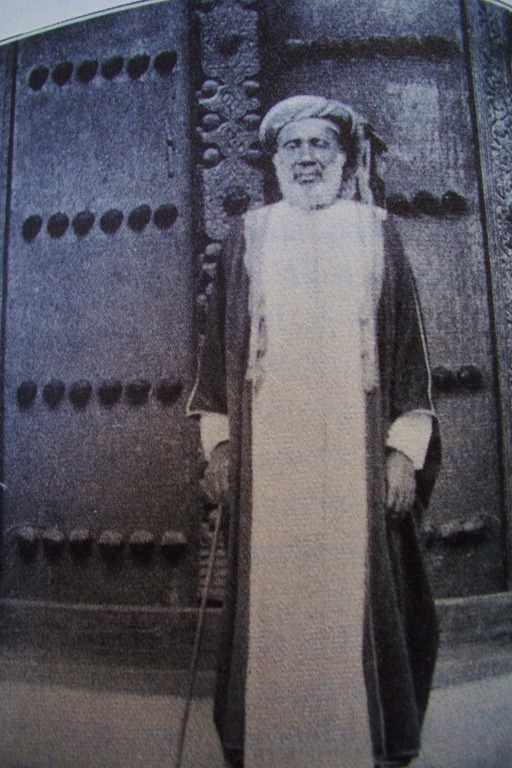
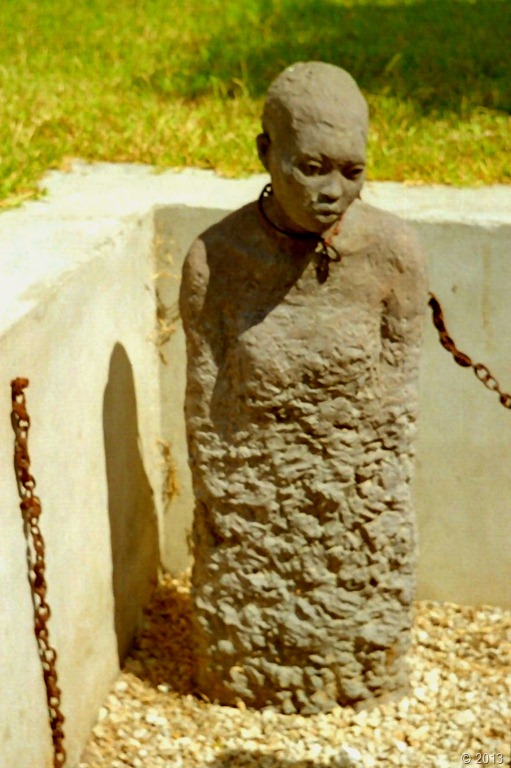
One of the most notorious slavers was Tippu Tib. His mother was a Muscat Arab aristocrat, but his father was a Swahili trader. His reign of terror extended across East Africa into what is now the Democratic Republic of Congo. By 1895 he had seven plantations and 10,000 slaves. It was only in 1873 that the Zanzibar slave market was shut down.

100_3633Scan-130429-0002

Tippu Tip the Zanzibari slaver (1837-1905), and the memorial to his human cargo on the site of Zanzibar’s slave market. At its height, some 50,000 souls were trafficked through this market each year, and this was only ONE market on the Swahili coast. The Sultans further exploited the slave  market by playing the Portuguese off against the French. Although the Atlantic slave trade had ceased by 1834, the buying of slaves by European and Arab merchants continued into the twentieth century. The Zanzibar slave market closed only in 1873.

*

The subject of slavery now brings me back to Lamu where I started this tale. By 1652 the Lamu had had more than enough of the Portguese and called on Oman to help see them off. Thereafter Lamu became an Omani protectorate which led to a revival of the town’s fortunes. Slaves were also the chief export, and in fact the trade was not outlawed here until 1907, by which time Kenya (British East Africa) had been a British Protectorate for twelve years.

Scan-130428-0102

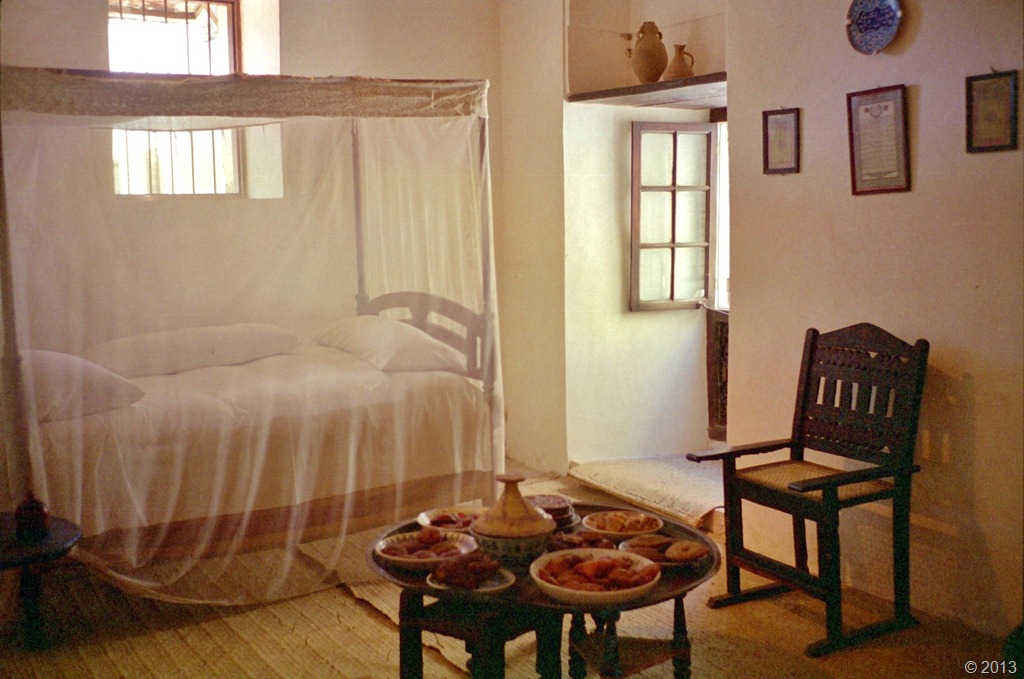
The Swahili House Museum, Lamu, shows what life was like in an 18th-19th century merchant’s home.

Scan-130426-0003

So what of the future? Will places like Lamu slumber away, selling themselves as romantic retreats for lotus-eating tourists. What kind of lives will their young people have ? Will they not simply have to leave? Or are there new ventures afoot in this Land of Zanj? Word has it that the Chinese have come calling once more, and not in response to gifts of giraffes, or to deliver more crates of blue and white porcelain. Now they have plans to turn Lamu into the biggest port in East Africa, opening up trading access for land-locked South Sudan and Ethiopia. So begins a new chapter in gyre of Indian Ocean trade. Today, it is not the Kaskazi or the Kusi that will dictate its destination and progress of this multi-ethnic enterprise, but diesel and commercial imperative. In some ways, then, not much has changed. 

Ref: John H A Jewell 1976 Dhows at Mombasa East African Publishing House

© 2013 Tish Farrell
…of Silurian Shores

Overlooking Townsend Meadow: on the edge of Wenlock Edge

All is peripheral in the place where I live – my house beside the path beside the field whose name on the 1847 tithe map, Townsend Meadow, marks the old town boundary of Much Wenlock. The town, itself, is very ancient and it has long outgrown the town’s-end frontier along the Sytche Brook. It also lies below its own impressive periphery – the long limestone scarp of Wenlock Edge.

I cannot quite see the Edge from my house, but I see the big sky above it, the dramatic false horizon that the Edge creates and thus the endless movement of weather along it. Hours can be wasted sky watching: the breezy march of clouds across the roof lights, the flush of hundreds of rooks from Sytche Lane wood at dawn and at dusk, peppering the skyscape.

Sky over Wenlock Edge

In fact most inhabitants of the town cannot quite see the Edge. This is something of a paradox given that its massive limestone presence has shaped Much Wenlock in so many ways, and not only in the fabric of its many stone cottages. You need to be outside the town to get a proper glimpse of it and, even then, it is hard to get the full measure of it. Nevertheless, as landmarks go, it will not fail to make an impression however you come at it: whether wending up the hairpin bends from Shrewsbury; or taking the road over the top from Wenlock to Church Stretton and the Shropshire Hills beyond, or yet meandering down below it along the narrow lanes through Kenley, Hughley, Church Preen and Longville. From the lowland, the Edge’s steep north-west slopes look so heavily wooded that they bristle up like a giant hog’s back. For some fifteen miles this dark spine stretches, bearing down on the scattered hamlets and farm fields. It is unavoidably mysterious.

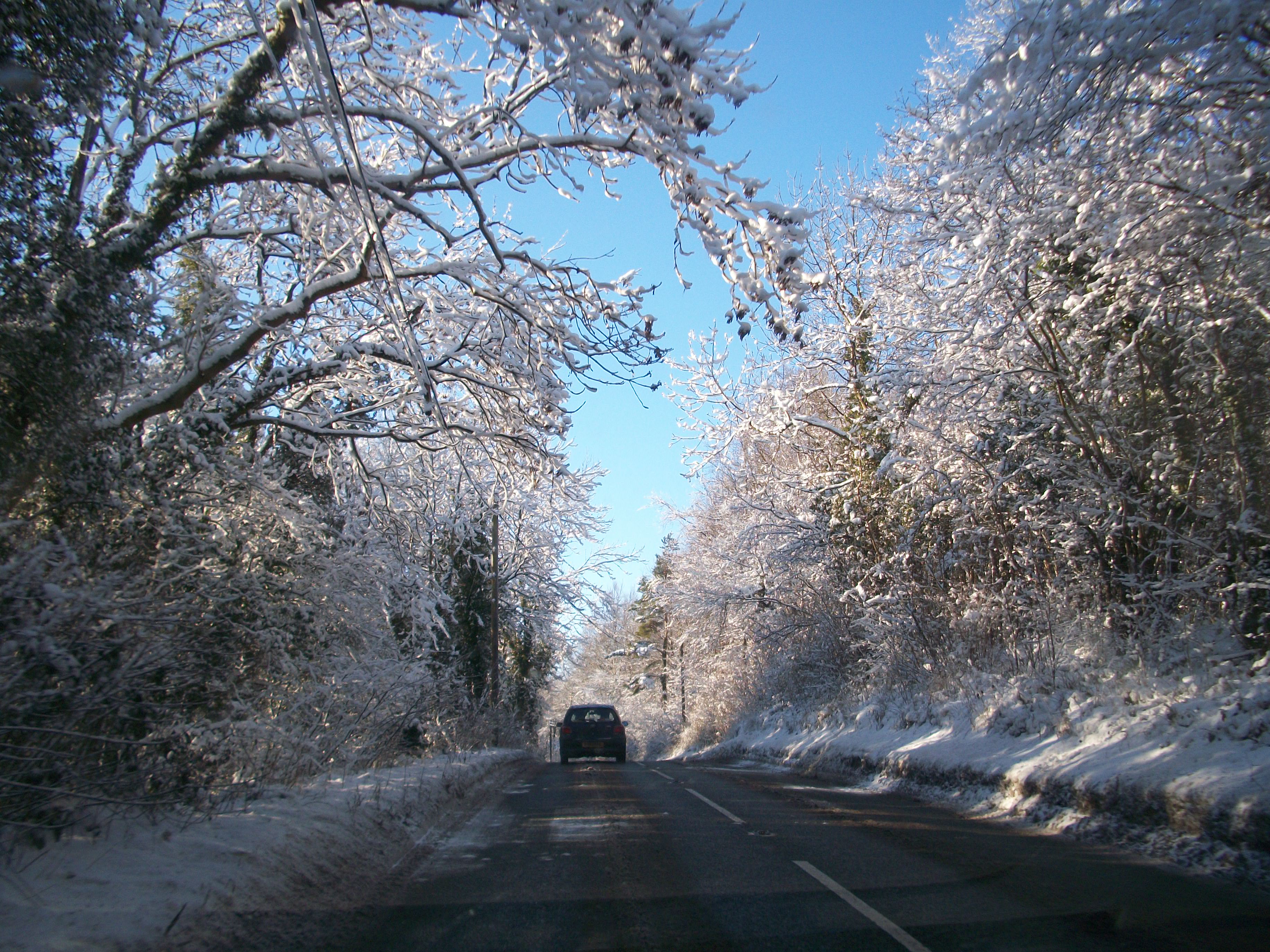
Driving along the Edge on Christmas Day

The south-east slopes, by contrast, have a more domesticated feel, and something of an industrial air, having been dug into for centuries. The road that cuts along the top passes beside vast quarries (now mostly hidden by hedges and woodland and visible only to walkers). These quarries yielded limestone for building and for the iron works of Coalbrookdale where it was used as a flux in smelting, and for burning in lime-kilns to make fertiliser. In more recent times most of the stone went for road building. But now quarrying has stopped and Much Wenlock’s houses no longer shudder in a pall of white dust as they once did whenever the quarrymen were blasting; nor do the streets vibrate with the endless rattle of passing stone trucks.

There are other sources of disturbance of course – over-sized farm vehicles and garden fencing lorries. They pass by on the other side of my house, which sitting as it does on the A4169 is not so scenic, although it is interesting in other ways. For instance when I’m standing in the kitchen eating toast, I might look up to meet the serially startled gazes of a tour bus party as their coach nudges them past our windows, brushing hard through our privet hedge in order to wheedle a way past another HGV. It is the only way to do it on a road too narrow for two large vehicles to pass. We locals amuse ourselves by taking photos of the trucks and buses that several times a day get jammed outside our homes while officers at Shropshire Council shrug helplessly, quite unable to say what their predecessors were thinking of when they upgraded a bottle-neck lane into an ‘A’ road. There’s nothing to be done, they say. One day a European mega-truck will drive down from nearby Telford and block the road forever.

Coaches getting stuck on Much Wenlock’s narrow streets

But for all the present day shove and shunt, there is still a sense of romance about the town and Wenlock Edge. Spirits from the past make their presence felt in all sorts of ways. Housman set the Edge in verse; Vaughan Williams rendered it in song; the explorer, Stanley, sat upon it, his dark heart brooding on his time in Africa as he surveyed the more benign Shropshire landscape below. Even Henry James and Thomas Hardy came visiting, (James several times and said to have worked on Turn of the Screw while staying in the old Prior’s House that adjoins the Priory ruins).

Last but certainly not least, Shropshire writer-poet, Mary Webb spent her adolescent years living upon the Edge at The Grange and was well known about the town. When, in the 1950s, her novel, Gone to Earth, was turned into a film by Michael Powell and Emeric Pressburger, some of the scenes were shot in and around Much Wenlock. In fact I’m told by my neighbour that one of the film’s extras used to live in our house and was also the town’s projectionist. Perhaps he even showed Gone to Earth in the little cinema that is now the museum, thrilled to bits as the scenes flickered on the screen: seeing himself and other townspeople alongside Hollywood’s Jennifer Jones.

Wenlock Edge, of course, has much older stories than this to tell. Back in the Silurian Age, some 430 million years ago, it was a tropic seabed, and in rare moments when my mind can even begin to consider such vast temporal constructs, I imagine my house on the shore of the Silurian Sea. (A Solaris moment perhaps). Of course back then the ground on which my house stands was not even in the Northern Hemisphere. Back then the earth’s landmasses were still on the move, shifting up the globe from the South Pole. The English Midlands and Welsh borderlands that I think I know so well thus lay south of the Equator; 15 degrees south in what is now the Indian Ocean, where they were part of the micro-continent of Eastern Avalonia that in turn bordered the Iapetus Ocean. And so while Shropshire lay somewhere off Mozambique, the world warmed and the Ordovician ice caps melted and the low-lying lands filled to become the Silurian Sea. I also like to imagine, that after living in East Africa for seven years, returning to settle in Much Wenlock is like coming back to the place where I was; for I miss Africa very much. Also it gives a new connotation on the phrase ‘world travel.’

Wenlock Edge, then, is a fossil hunter’s treasure place and, as such, is the most famous Silurian site in the world. In its seaside days, warm, shallow waters were home to sea lilies, corals, multi-radiate starfish, trilobites, gastropods, brachiopods and fish. Indeed, somewhere over my garden hedge, there may have been some reef lagoon that hosted ammonites, squid and, horrifically, water scorpions five feet long. In fact, my house is composed of these Silurian deposits, dug from those vast quarries along the Edge. I thus inhabit a re-shaped fossil seabed. There are crinoid stems and corals in the chimney-breast, and all belonging to an age before the birth of amphibians or dinosaurs, or before there were mammals and birds in the world.

While I can easily picture my house on a flat, gravelly shore and a teeming shallow sea beyond, it is hard to conjure the great absence of earth-life. We might easily begin to think that the terrestrial world would be a painfully quiet and very still place, although this, I gather, would be a grave misconception. The land may have been lacking in life forms but there was instead a perpetual wind. And because the paucity of land life meant there was little with which to bind the earth’s surface, the Silurian seashore would have been a dreadful place of roaring sandstorms and lashing gravel.

Today, the farmland that surrounds the town is lush and homely. It has sheep and cattle, arable crops and pasture, woods and thickets, the old quarries and sundry ruins, remnant green lanes and farm cottages. There are deer and rabbits, foxes and rodents and also, as far as the town’s allotment owners are concerned, far too many birds. That said, though, it is good to hoe and dig to the mewing of buzzards.

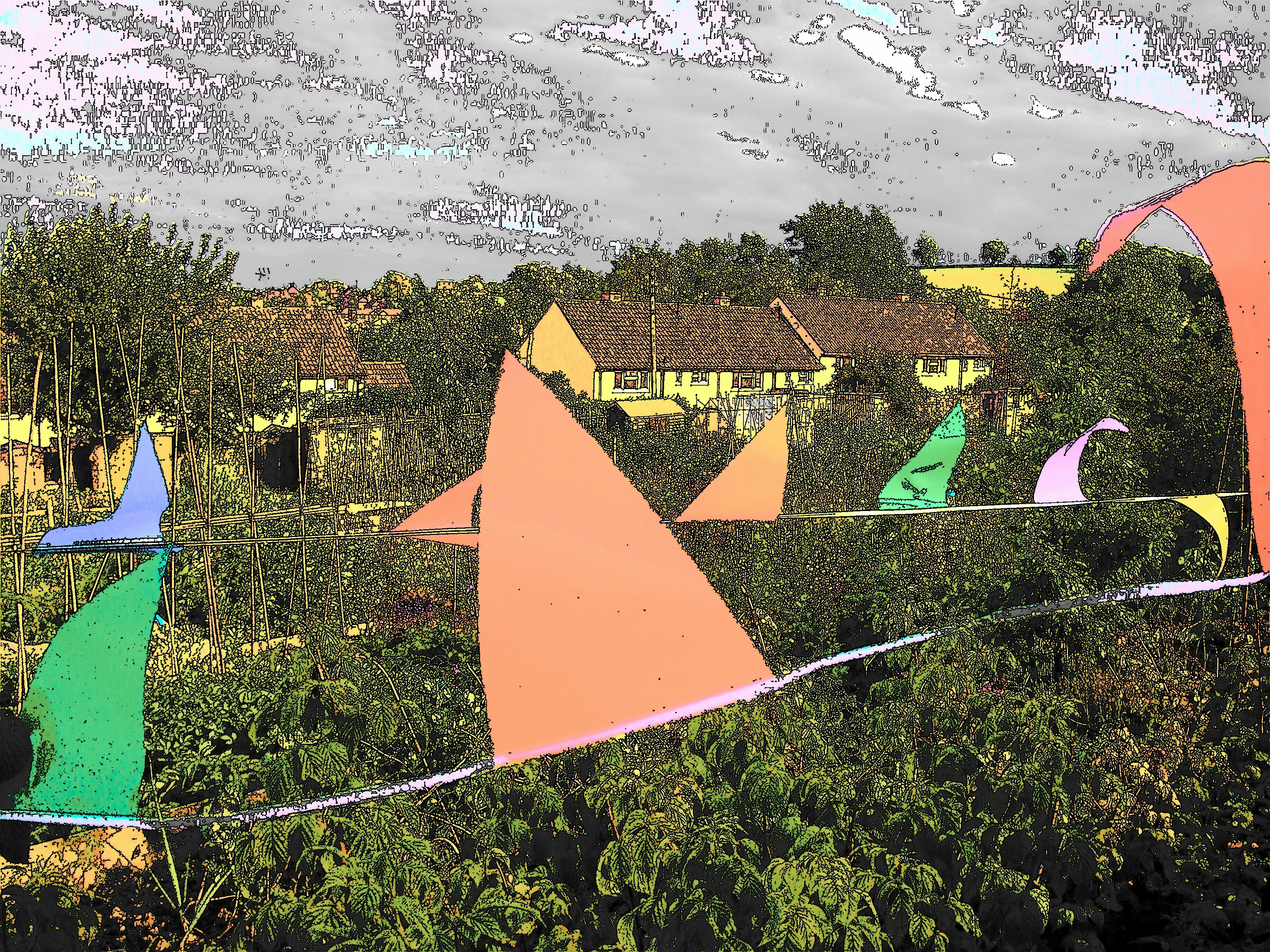
Bird-scaring bunting at the allotment

Most of the land within the town boundary, and this includes Townsend Meadow, is still feudally owned and tenanted and, within these little bounds of landowner imposition has grown a small market centre that has been continuously lived and worked in for the last thousand years.

But then that is only the historical record.* Archaeological investigations show that humans settled this valley by the Edge from at least the Bronze Age. These first Wenlockians were probably early Celts, and as venerators of water, were doubtless attracted to the many springs that rise below the limestone escarpment. The Celts were also skilled metal workers and Wenlock Edge would have provided a natural, upland byway for itinerant smiths and metal traders going to and from the mineral-rich hills of Wales. Certainly Bronze Age hoards have been found in and around the nearby River Severn which, through many ages, was one of the country’s busiest inland trade routes.

After the Celts came Roman and Saxon settlers, Viking and Norman invaders, and the town not only still has substantial ruins of an eleventh century Benedictine Priory, but many of the present houses and cottages are built from stone plundered from the monastery after its dissolution in 1540. The medieval Prior’s House, however, largely survived this recycling. It adjoins the Priory ruins, from where it may be glimpsed, and has been restored as a breathtakingly beautiful private house.

The common theme, then, that runs throughout Much Wenlock’s settlement history is the belief in sacred water. The town has many holy wells. Excavations of the Priory that sits beside a brook that runs off the Edge yielded not only the carving of a Celtic deity but also a substantial Romano-British residence that seems to have its own Christian chapel. In Saxon times, around 670 A D, Merewald, King of Mercia, founded an abbey there, and his daughter, Milburga, after training at Chelles, near Paris, became the foundation’s second abbess. She is also our saint and the heroine of a local legend that tells how she escaped an assault on her honour by a rapacious suitor. She is known, too, for striking holy springs from the ground and for her miracles of healing. The water from her well near Barrow Street was reputed to cure eye diseases.

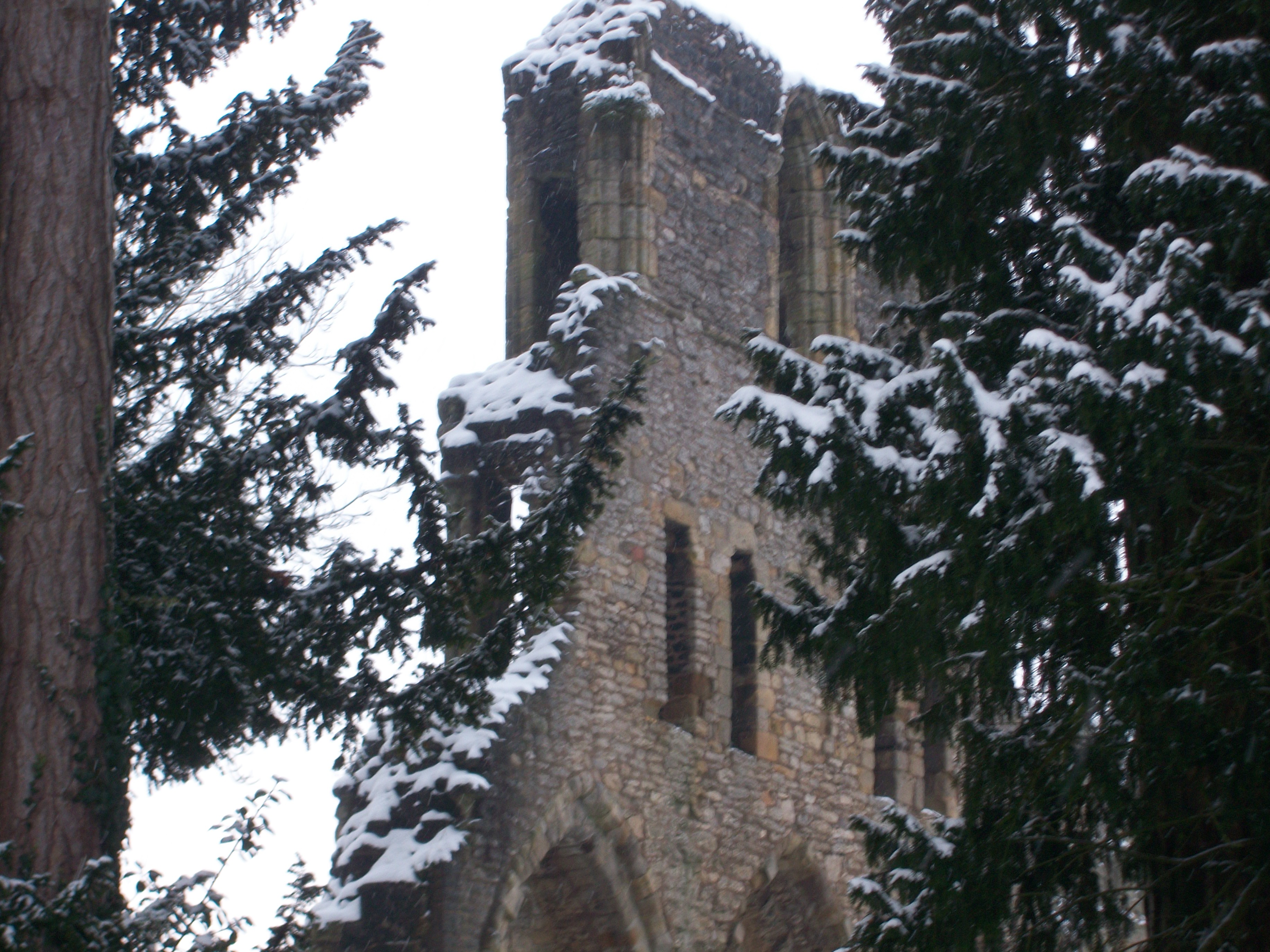
Much Wenlock Priory ruins

The Benedictine Priory that succeeded the Saxon Abbey in 1079 was part and parcel of the Norman master plan to control all aspects of Saxon life. Much Wenlock’s age-old reputation for holiness guaranteed that the Norman earl, Roger de Montgomery, would choose the town for a big demonstration of power and piety. It was he who invested so heavily in the priory that was to become one of the most imposing religious houses in Europe. And to ensure the new priory’s prosperity as a lucrative place for pilgrimage, St.Milburga’s reputation for miracles was duly annexed to the cause and a new shrine to her established.

Today, most of the pilgrims to Much Wenlock are tourists, stopping off briefly en route for Wales. But this coming year we are expecting many more visitors, as news of Much Wenlock’s further claim to fame spreads around the world. For it was here in 1850 that the town’s physician and apothecary, Dr William Penny Brookes (1809-1895) founded the Wenlock Olympian games that were to become the inspirational force behind the modern Olympic movement. It was he who in 1890 (six years before the 1896 Athens modern Olympics) passed on to a young Baron Pierre de Coubertin not only a wealth of experience gained from running the town’s annual games, but also his passionate belief that exercise wrought moral, physical and intellectual improvements in all who took part.

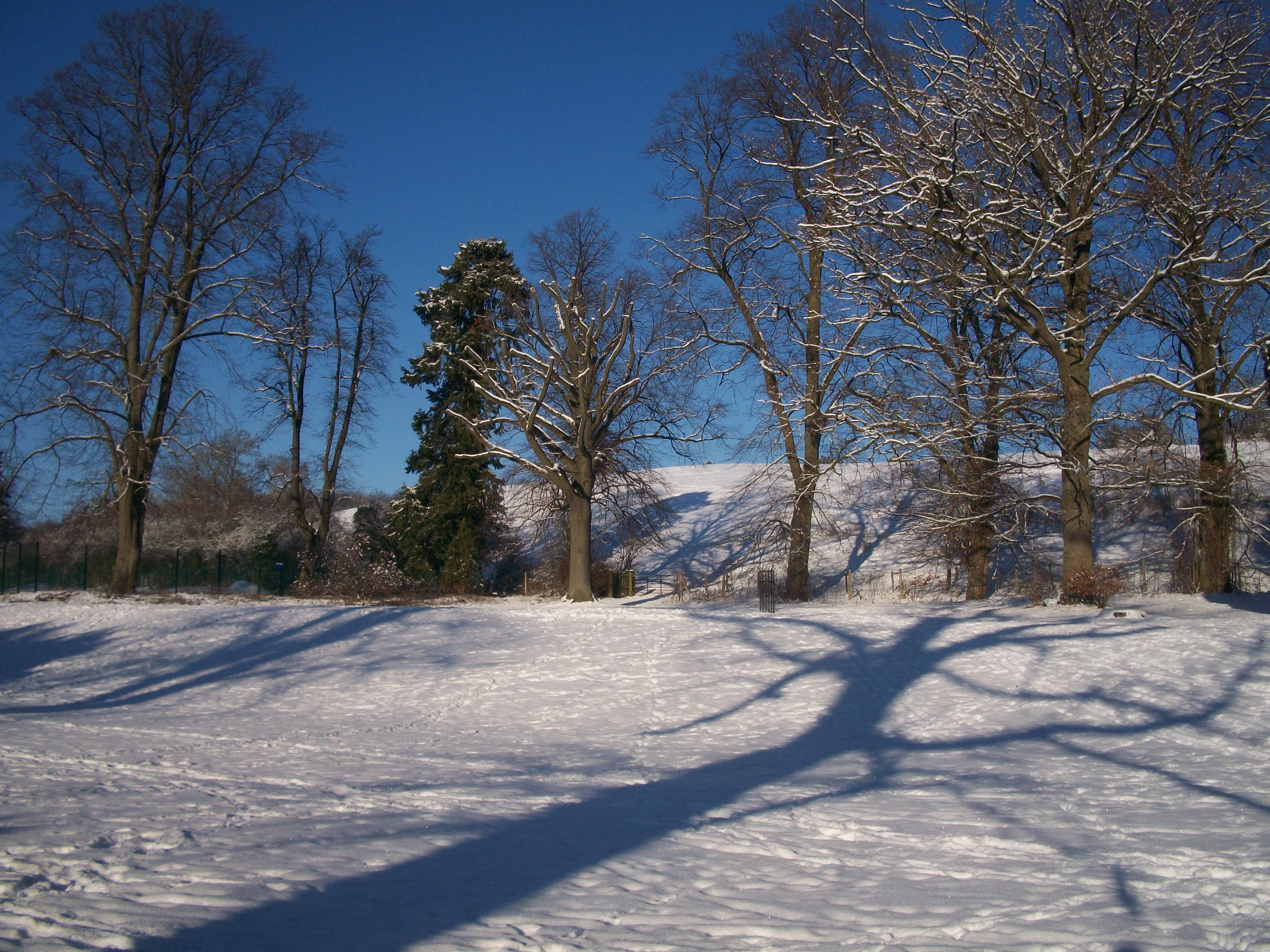
The Linden Field, Much Wenlock: birthplace of the modern Olympic Games

The Linden Field where the Wenlock Olympian Games were held amid crowds of up to 10,000 spectators is still there and is now a public park, bequeathed by a former feudal worthy for the pleasure and recreation of the people of Much Wenlock. Since it is only a step from my house, I sometimes toy with idea of running down the avenue of lime trees that Dr. Brookes planted there one hundred and fifty years ago. Perhaps such active activity would improve my mind. Perhaps it would spur on the story-telling process. Perhaps I would escape the peripheries and finally get some work done…finish a new edition of my one-time award winning African novella, Jessicah the Mountain Slayer, finally create some new tales from my backed-up story-making stock. Or perhaps, like the Silurian seabed, I will simply go on accreting: stuff and more stuff, piles of notes and scribble and memory sticks slowly compacting, although hopefully not enfolding anything as alarming as a fossilised giant water scorpion. That is a worrying thought.

© Tish Farrell 2011
www.tishfarrell.co.uk

* for many historical details I am indebted to Vivien Bellamy. See her book A History of Much Wenlock, Shropshire Books, 2001