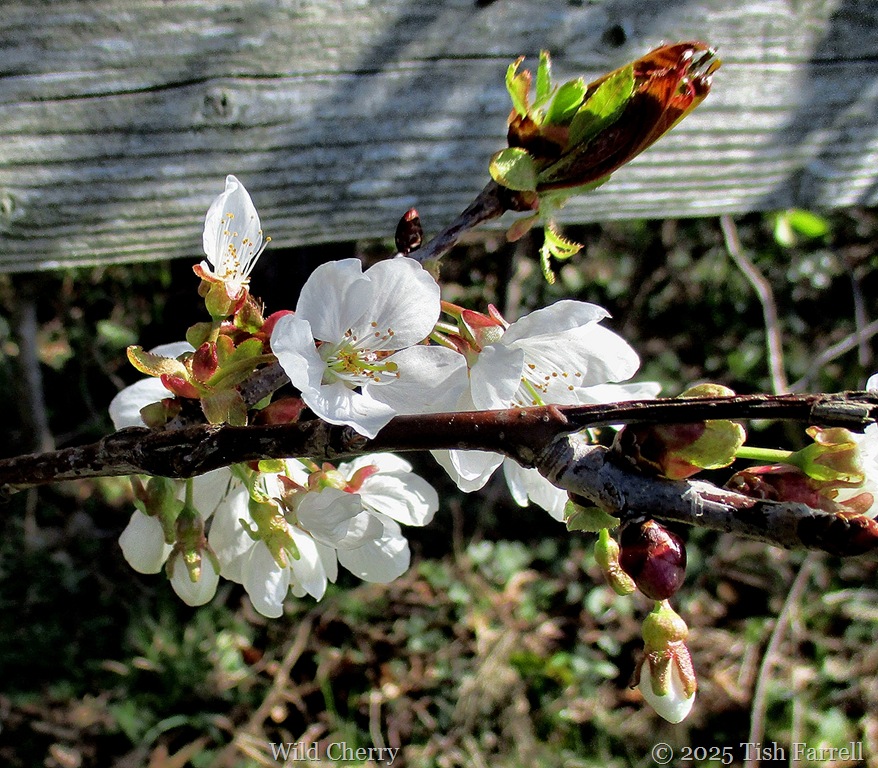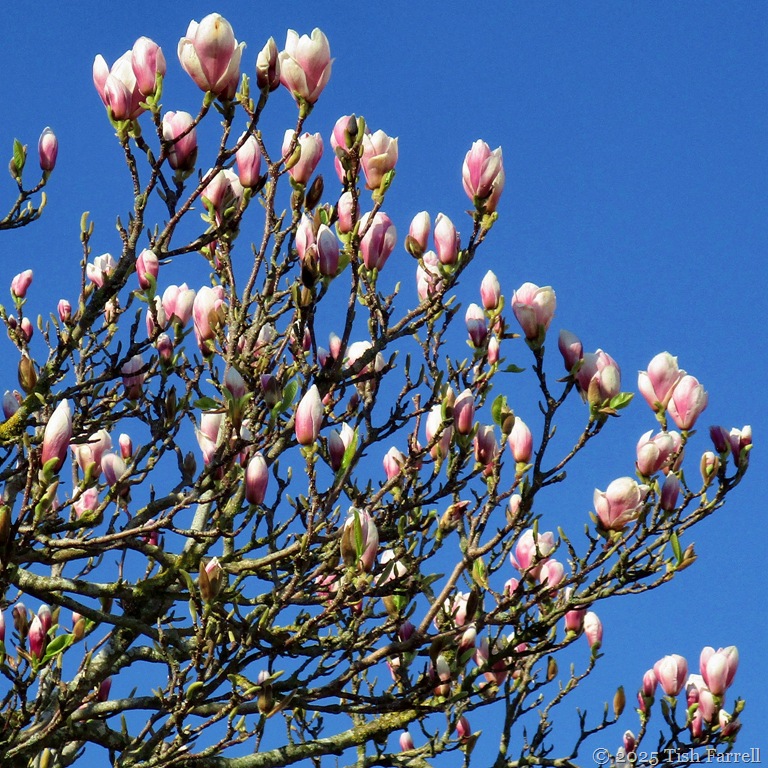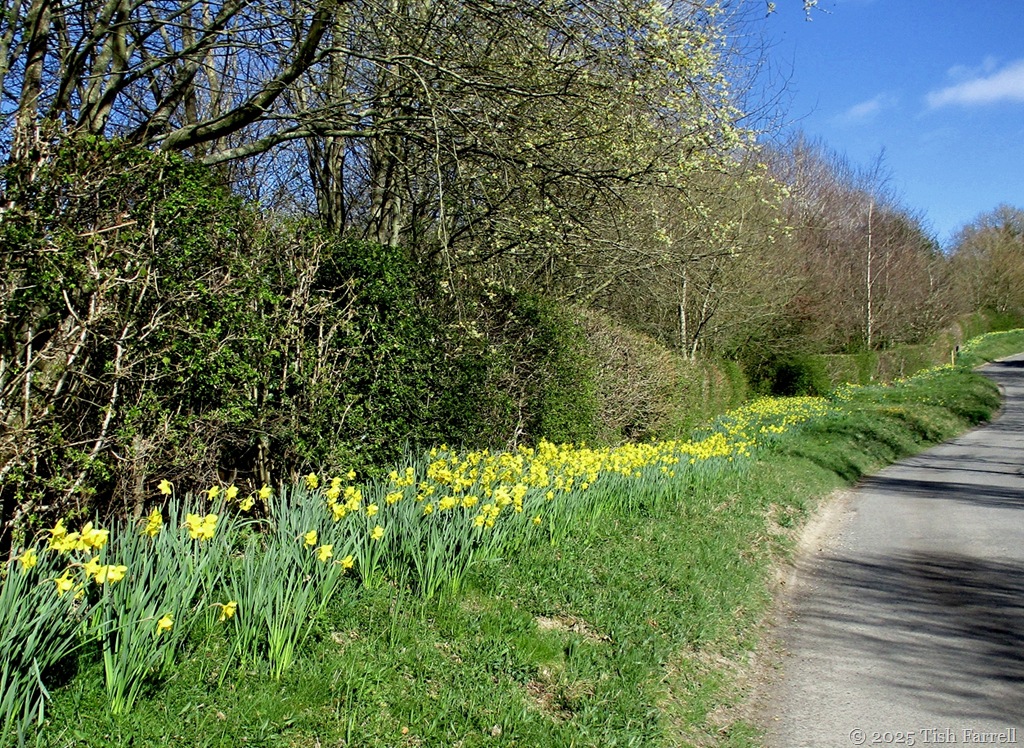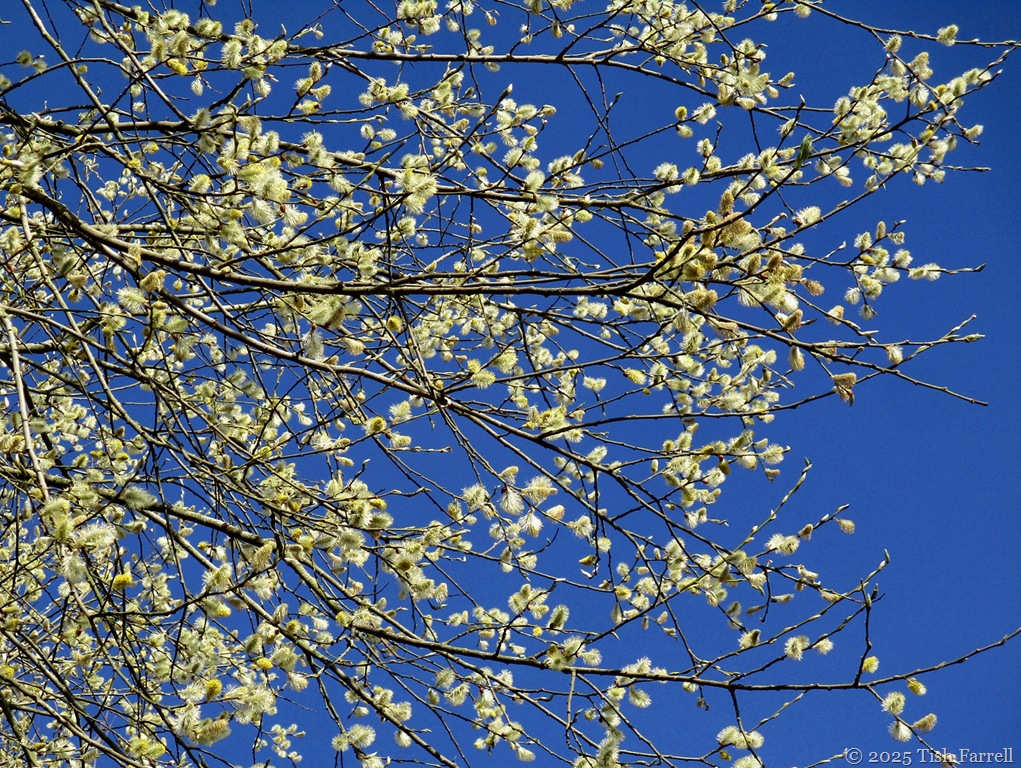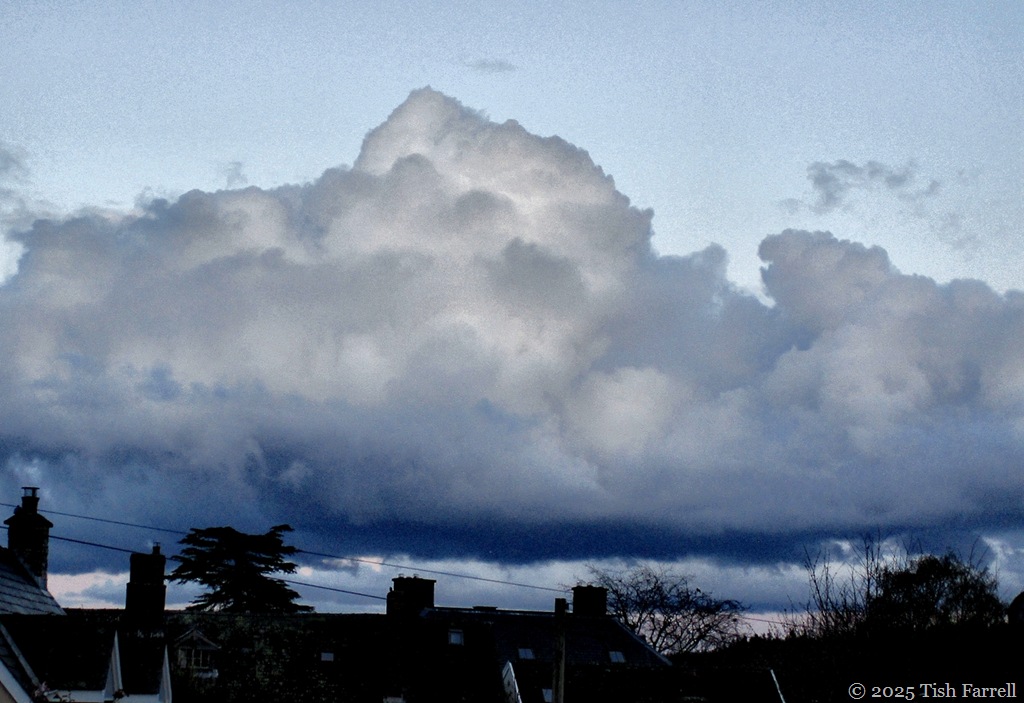
Spring!

IMG_6806ed

Or is it?

February in Britain often teases, bringing us a sudden mild and sunny day, as it did last Saturday, followed by bone biting winds (today). Countryman poet, John Clare 1793-1864, wrote a poem about February fickleness. I probably mentioned this time last year. It’s worth a read.

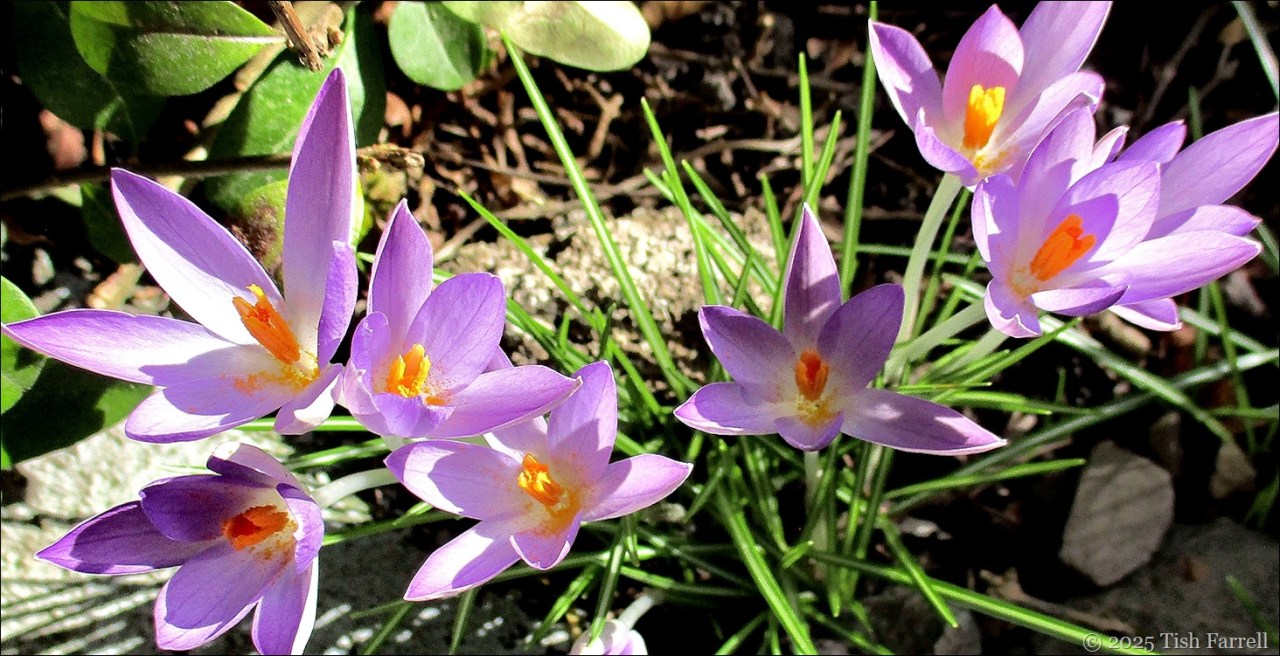
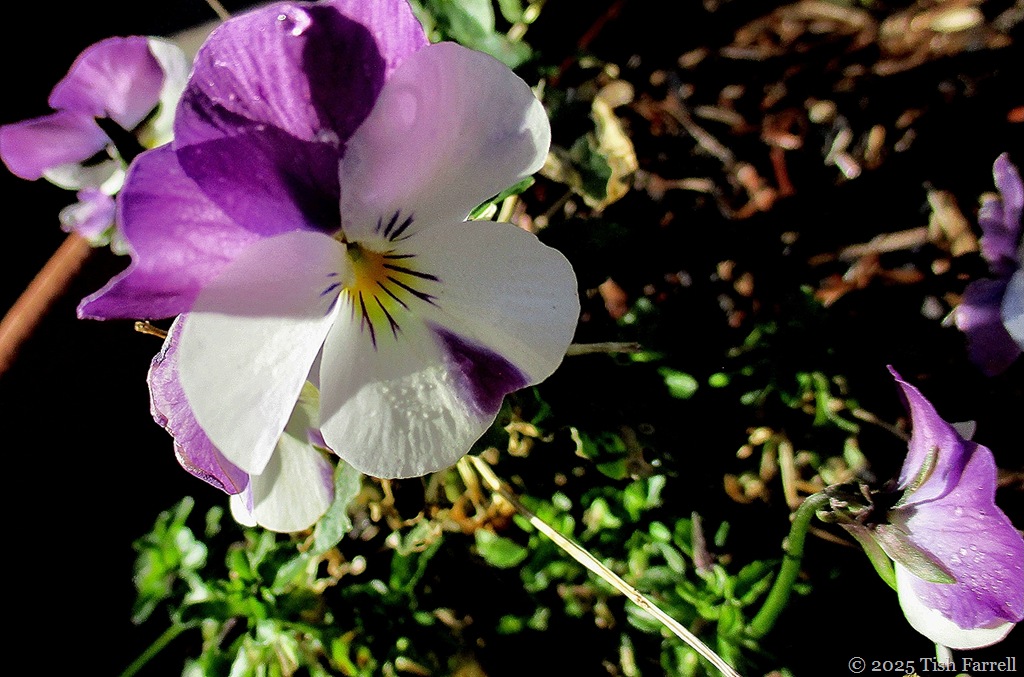
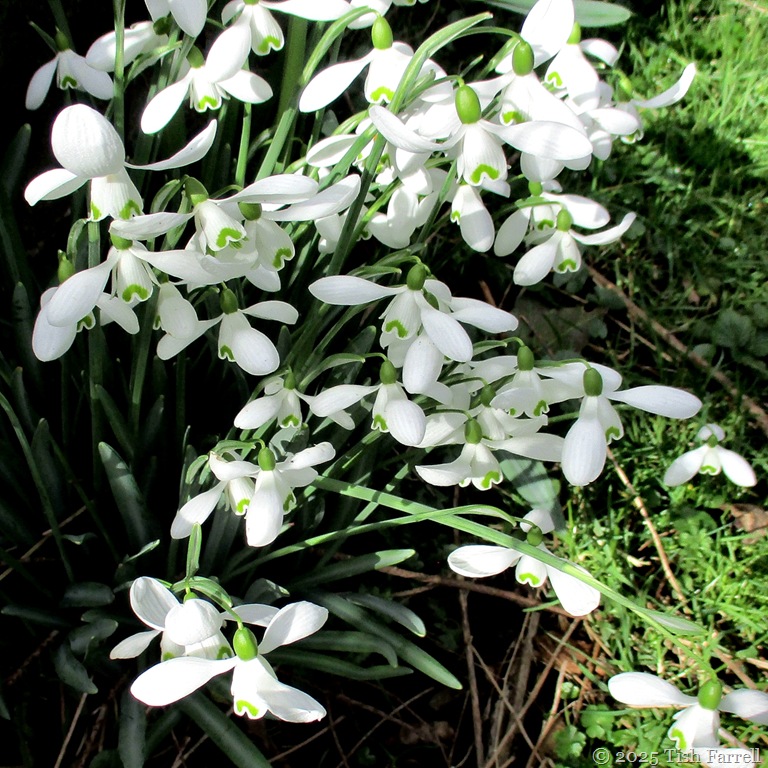
So: we have crocus and snowdrops, and the odd daffodil. Also hellebores, both waning and waxing. On the garden steps the winter pansies still thrive, although all but blustered out of their pot.

IMG_6787ed

IMG_6795

We have only a small scatter of snowdrops in the Farrell domain, but everywhere else about the town, in gardens, under lane-side walls and hedges there are drifts and drifts. Reinforcements, then, needed at The Gables for next year.

IMG_6822ed

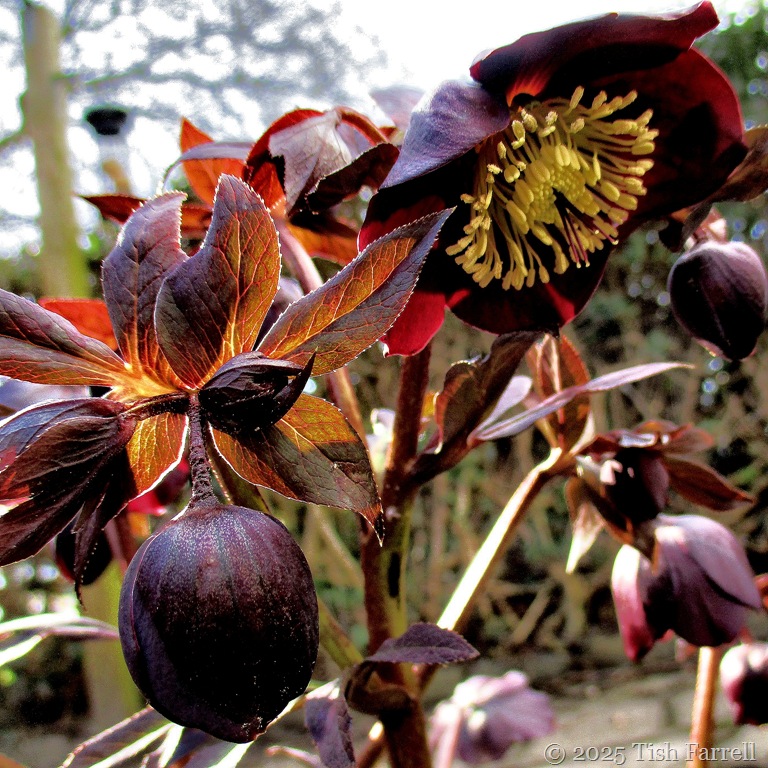
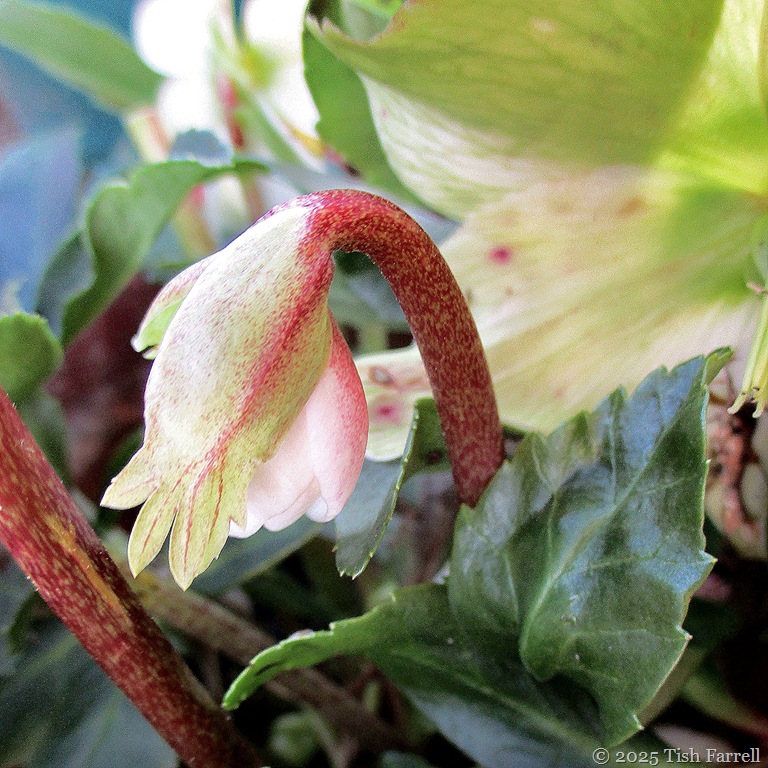
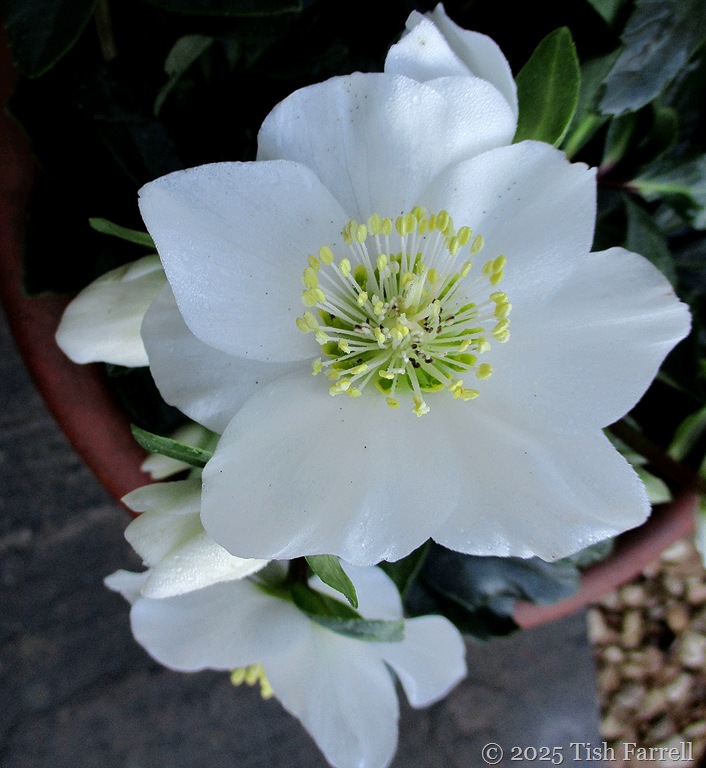
At the top of the garden steps the dark hellebore has just begun to flower. Very striking when the sun catches it. Meanwhile, in the pot below, Hellebore Christmas Carol is winding down after a three month performance. Although having said that, this morning I noticed there are new buds forming beneath the gone-to-seed blooms.

IMG_6832

*

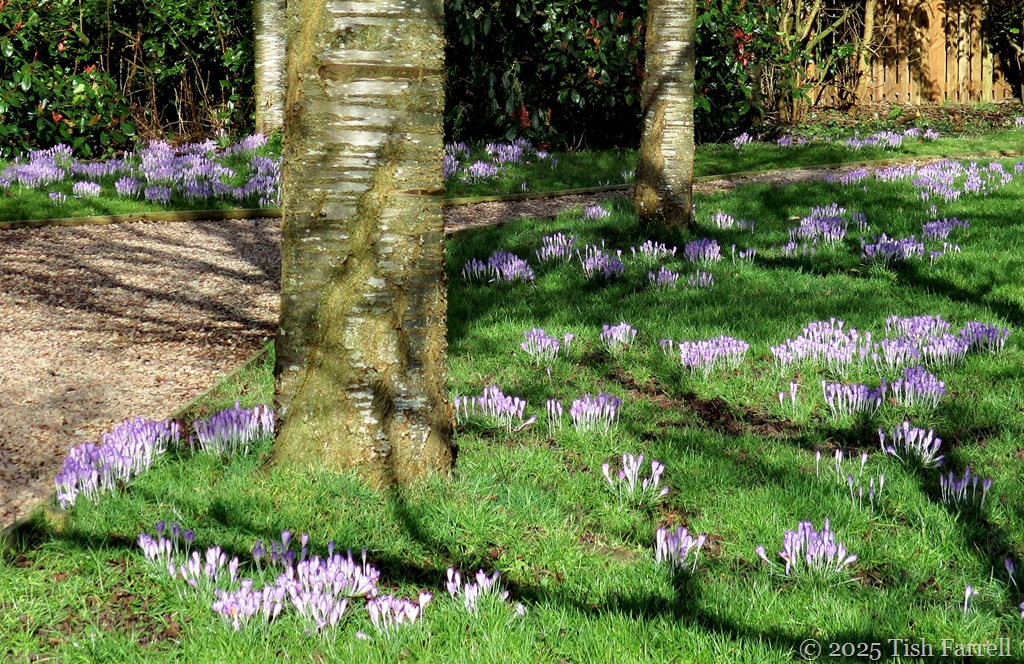
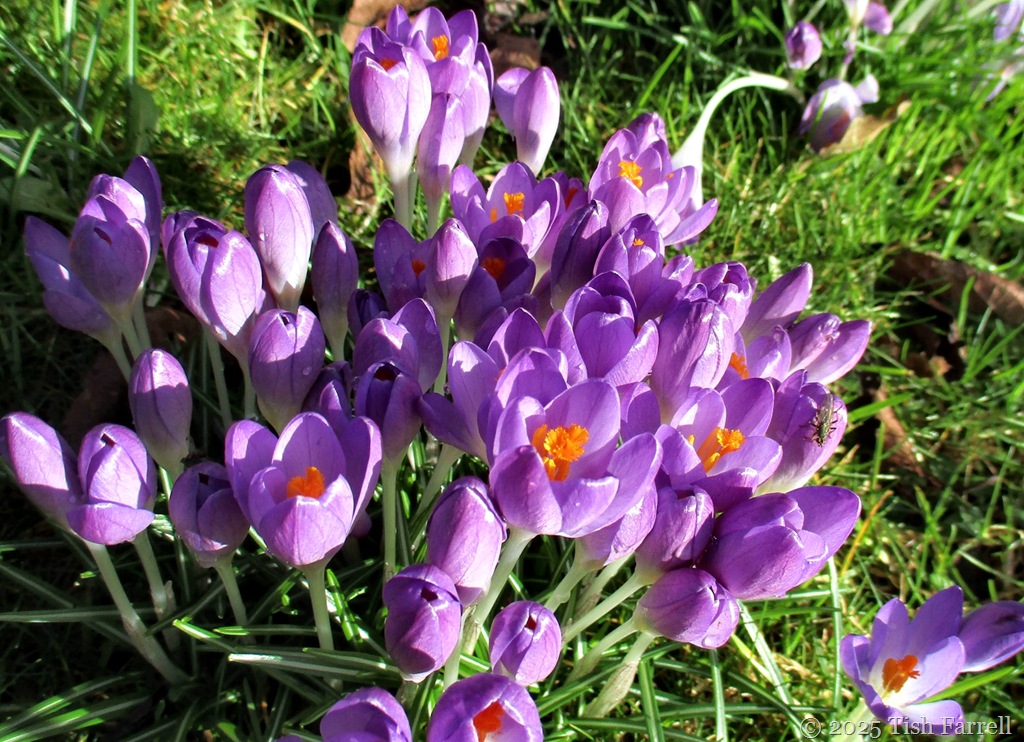
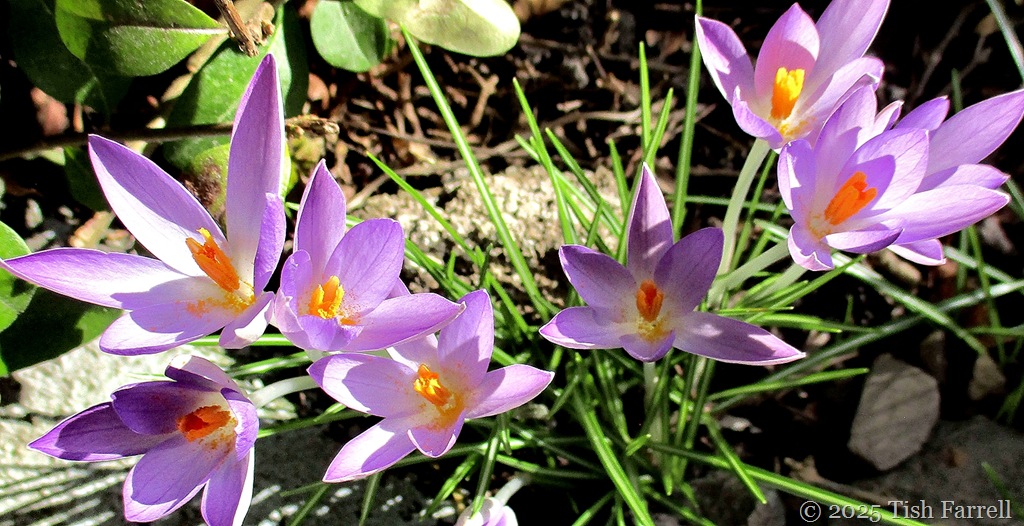
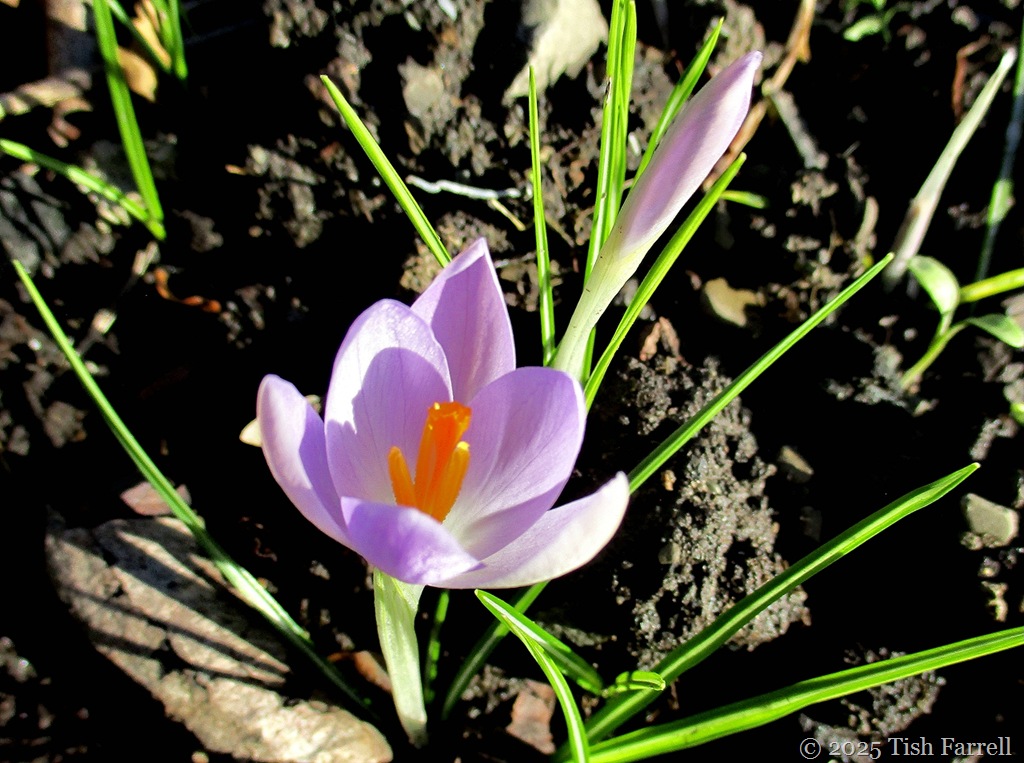
The clump of tiny crocus at the top of this post popped up this week by the front gate. Most welcoming of them. This particular variety also seems to be growing in every Bishop’s Castle garden. And of course there are the chunkier sorts too, a whole host in fact spotted in the grounds of the Wintles eco-houses:

IMG_6796

IMG_6801ed

*

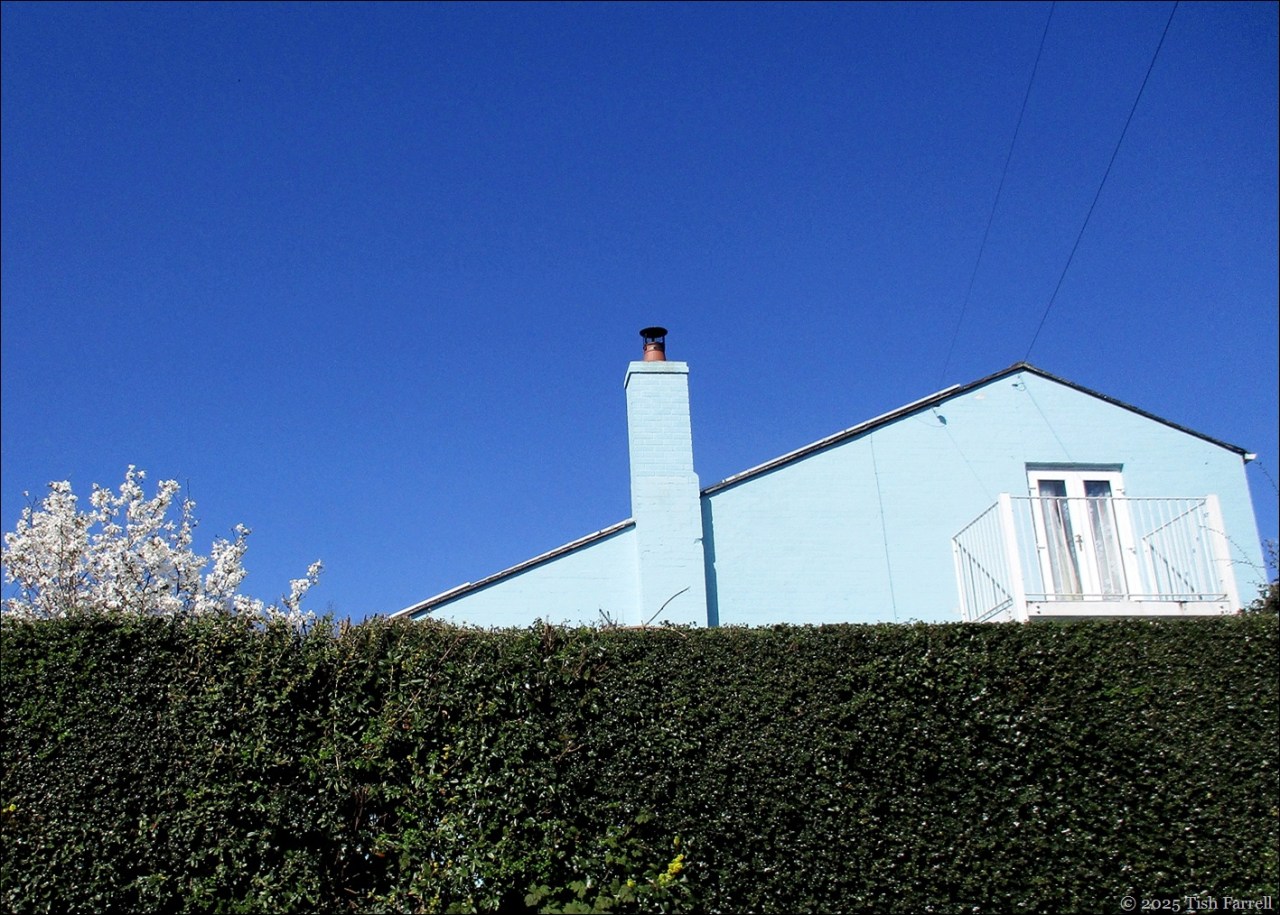
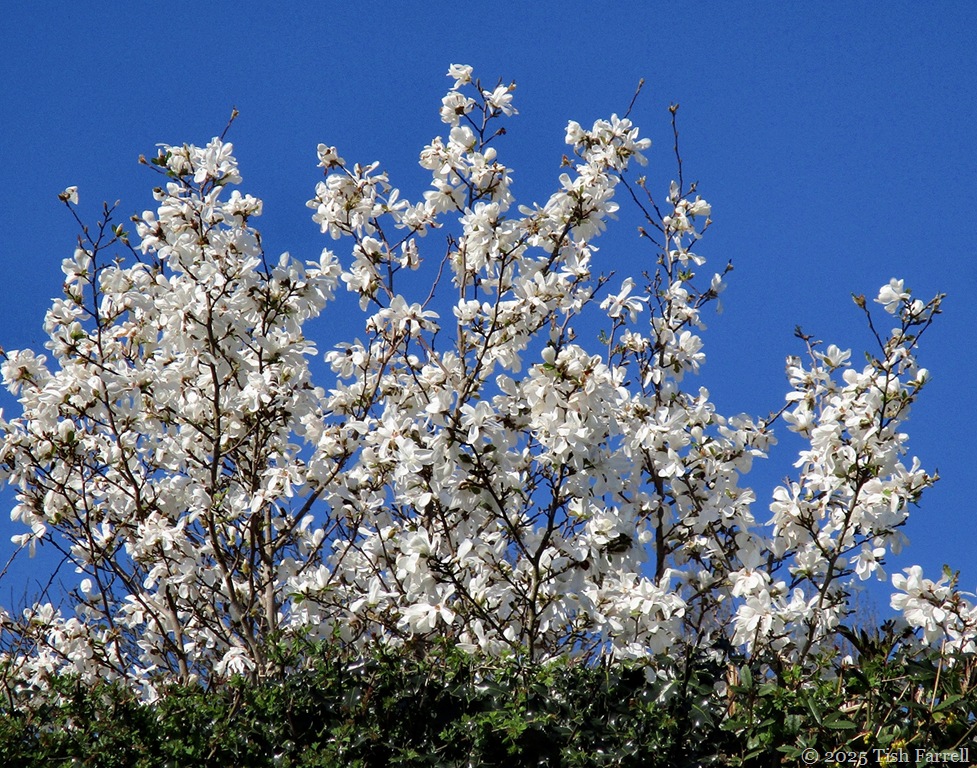
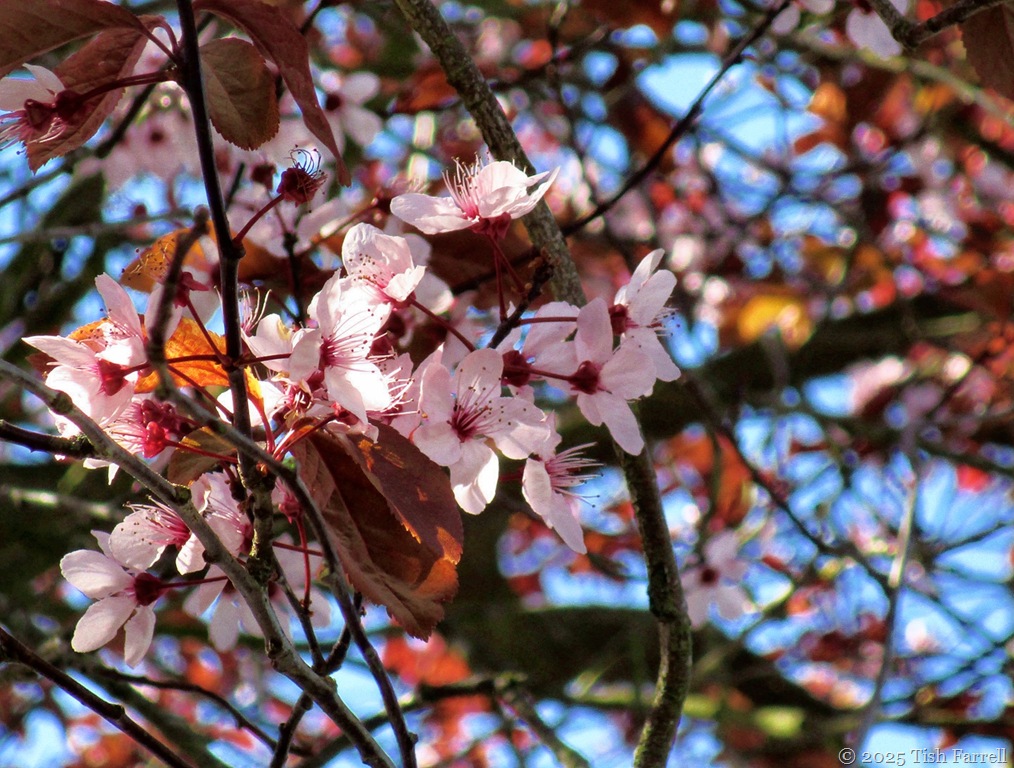
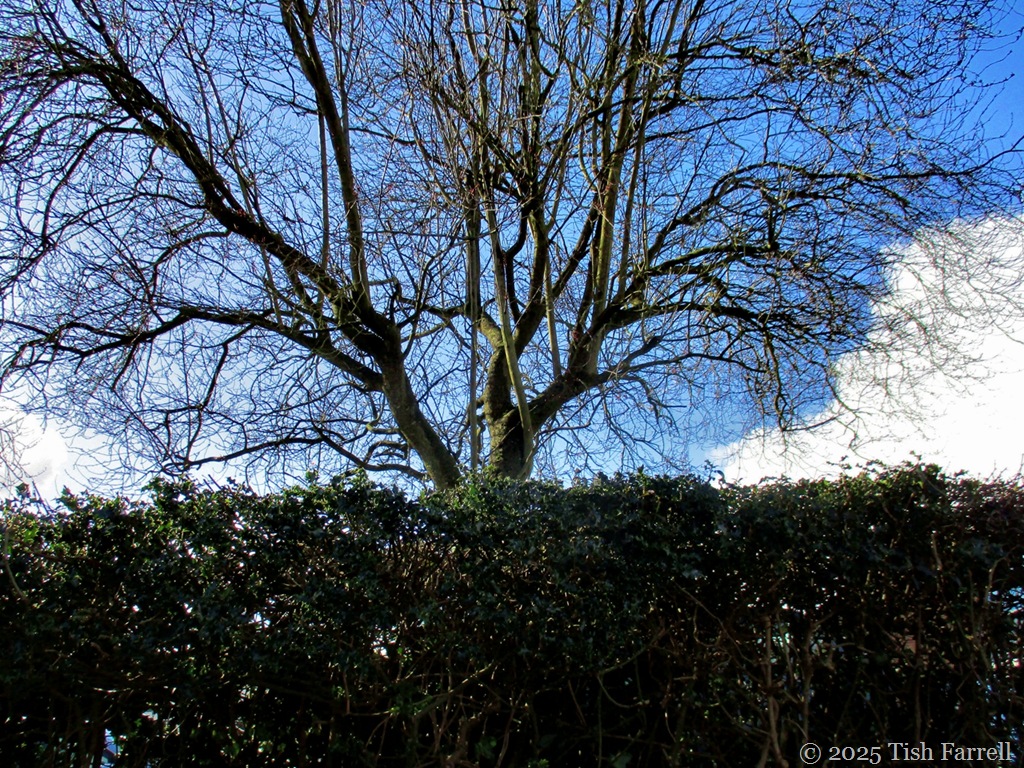
Outside the kitchen window (on the far side of our horrid hedge) the ornamental cherry tree is now displaying the faintest haze of plum coloured buds. They will be candy floss pink when they open. Not a favourite colour, but still a sight to look forward to against a blue spring sky.

IMG_6808

And talking of the horrid hedge, those of you who follow my gardening pursuits will know that last year I was doing battle with it: untangling swathes of ivy, pulling out decayed hawthorn branches, unpicking very prickly vegetation that had knitted itself into a chicken wire fence running the length of the back garden, whingeing about the forest of saplings – ash, sycamore and elder that had grown amongst the holly, privet, weigela and hawthorn, all of which meaning you pretty much need a chainsaw to keep it in check.

In an ideal world I would have it dug out and replanted with wildlife-human friendly species. In fact, looking at 1990s photos of it, I don’t think it was ever deliberately planted as a hedge: more a case of boundary holly trees and shrubs suckering up together with arboreal interlopers and encasing a very rotten field fence.

But then a few weeks ago I had a notion. I discovered I could buy individual wild hedging plants and so fill in gaps between existing thickets. We have now popped in bird cherry, field maple and briar rose whips. We also have a more substantial hornbeam still to plant on the sunny side of the biggest gap created by our recent building work.

My hope is that, as the new plants become established (well trained of course), we can then cut back the main stems of the ash, sycamore and overgrown weigela, encouraging them to sprout more usefully (and manageably) from the base. That’s the plan anyway. One for the long term, methinks.

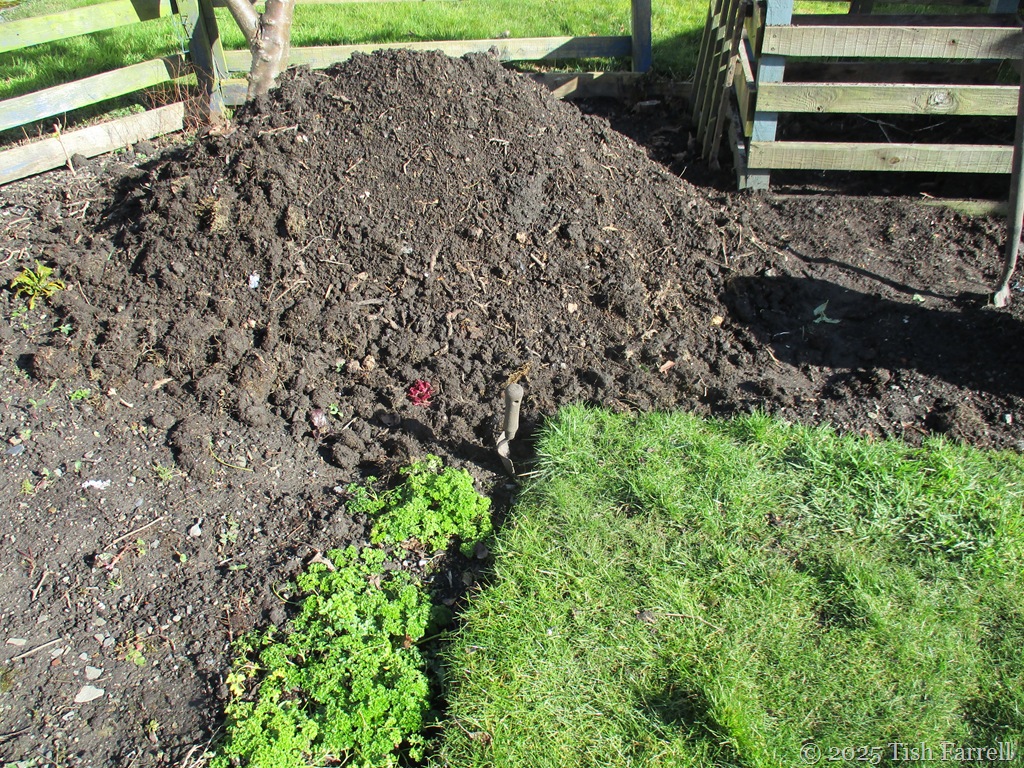
And apart from this, and in rare dry spells, my other betwixt-winter-spring gardening pursuit has involved digging out the compost bin. Last year I’d filled it with dug up lawn. And oh, what lovely stuff it’s become. I can’t tell you how happy it makes me – a lovely big pile of crumbly dirt. Perhaps enough for two raised beds.

Time to start some seed sowing then…

IMG_6809

copyright 2025 Tish Farrell

*

IMG_6807header

The Tenacity Of Small Things

IMG_6788

*

A persistency of pansies

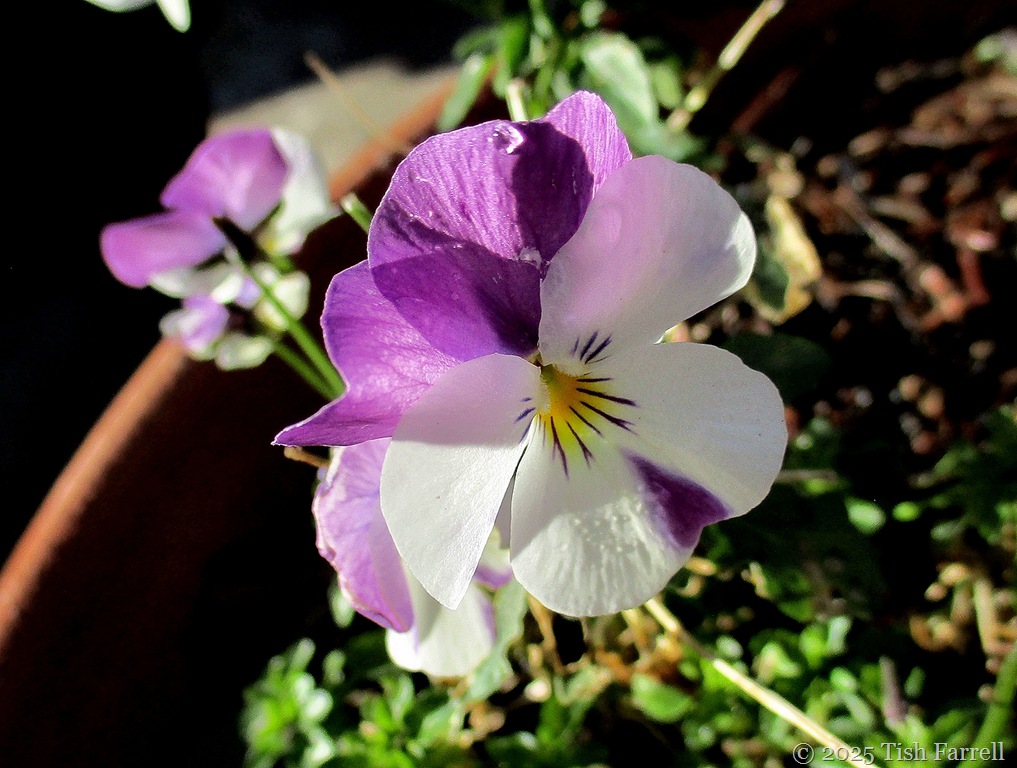
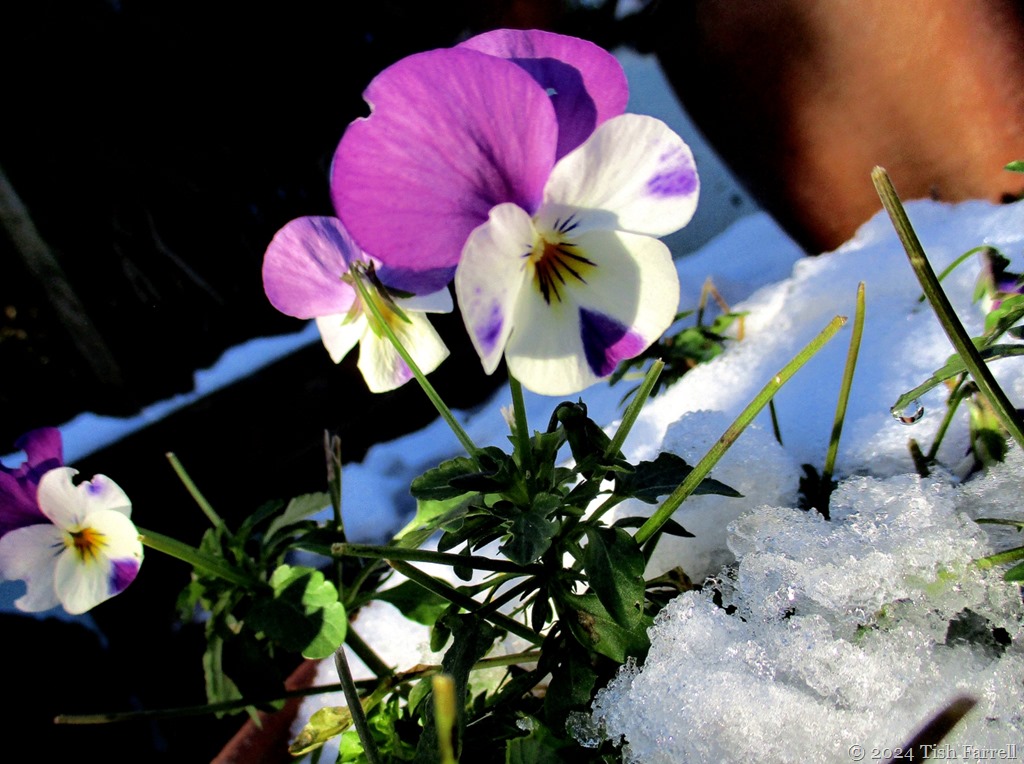
I am truly astonished by the hardiness of pansies. They must have been bred with anti-freeze in their roots and shoots. Their structure is anyway so puny and fleshy; easily crushed by clumsy humans. So how can they still be flowering?

The pansy in the photo is much tinier in real life, less than one inch across, and so tending more towards the wild heartsease, Viola tricolor ,  which grows in upland summer meadows.

Sister Jo gave me three little pots around the end of September. I planted them out in a larger pot and they have been sitting on the garden steps ever since, already into their fifth month of flowering. And not once have they failed. Not when they were buried in snow for several days. Or subjected to hard January frosts night after night. Or buffeted by gale force winds. Or beaten by downpours.

It’s true they look mangled after a frost, but as the day warms, they perk themselves up as if it had never happened. Bless their little pansy faces.

IMG_6597 ed

After the December snow and frost

*

A hurrah of hellebores

And cheering on the pansies comes the hellebore – a Christmas Carol gift from best chum Les. Since mid December it too has flowered its socks off in a pot by the back door where we can see it. So heartening on dull winter days when it’s too icy to venture outside: there it’s been, day after day. And according to the horticultural sites on the internet, it may well carry on till spring, which at the moment it looks like doing.

IMG_6596

*

And now in the front garden, pushing up through frosty soil come miniature crocus, their stems no thicker than a darning needle. They are scattered everywhere and seem to be tiny seedlings rather than the offspring of corms; not a garden phenomenon I’d come across before we moved into The Gables. On gloomy days when they are closed up tight, you can hardly see them. But when the sun shines, the little flowers open wide. Spring is on the way, they say.

They’re nothing if not optimistic little specimens.

 IMG_6777

A cheerfulness of crocuses. Or maybe croculetti.


This Morning’s Walk With Some Rural Geometry

IMG_6696sq

*

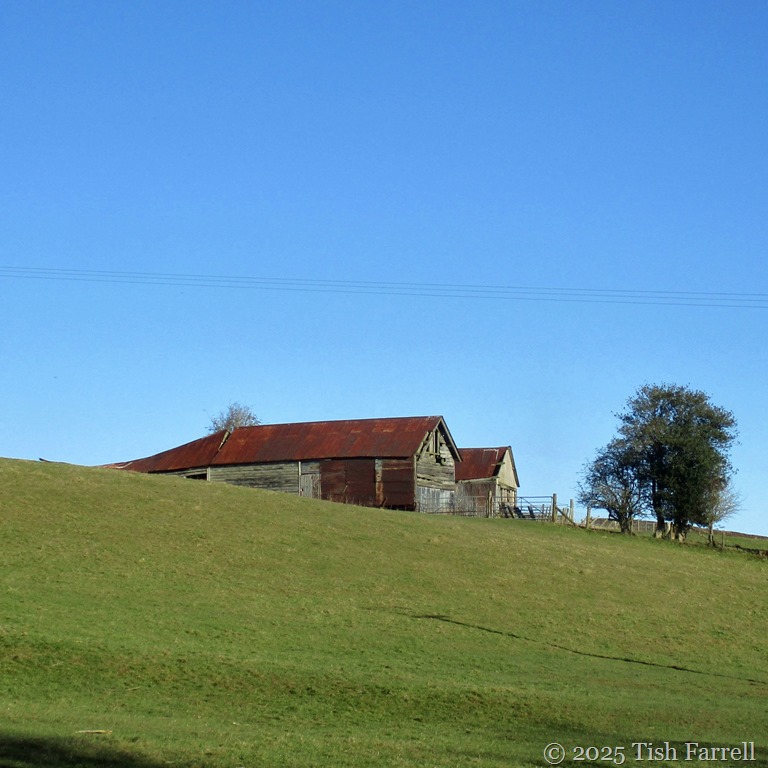
Barn roofs, gates, styles, fence- field- crop- and power-lines, pylons and pole shadows. Oh yes, and some bull rushes…

IMG_6693ed

A brilliant sun-frosty morning and, so we’re told, the last of the super-cold days. But just the morning for a hike up to the dew ponds above the town.

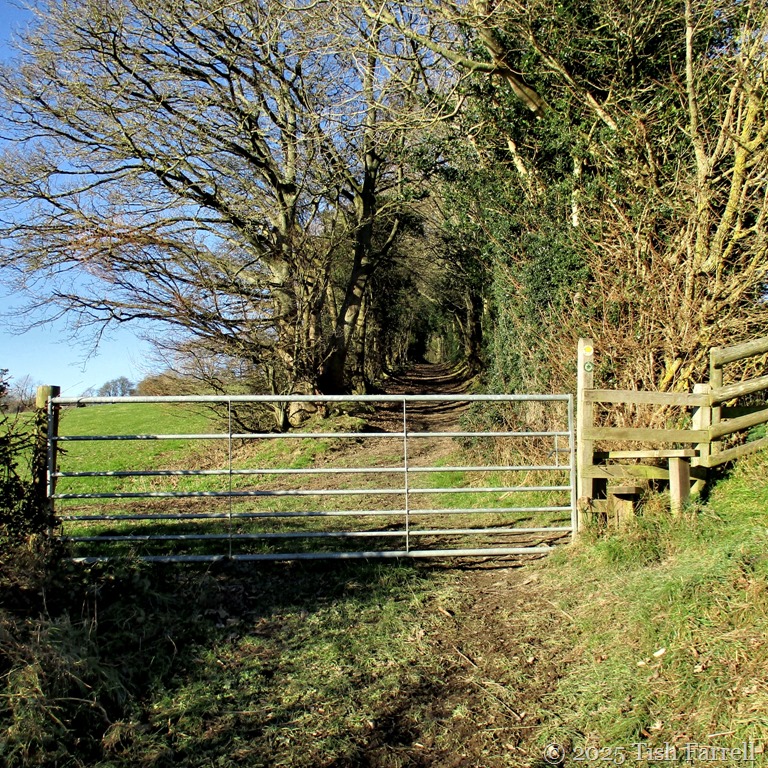
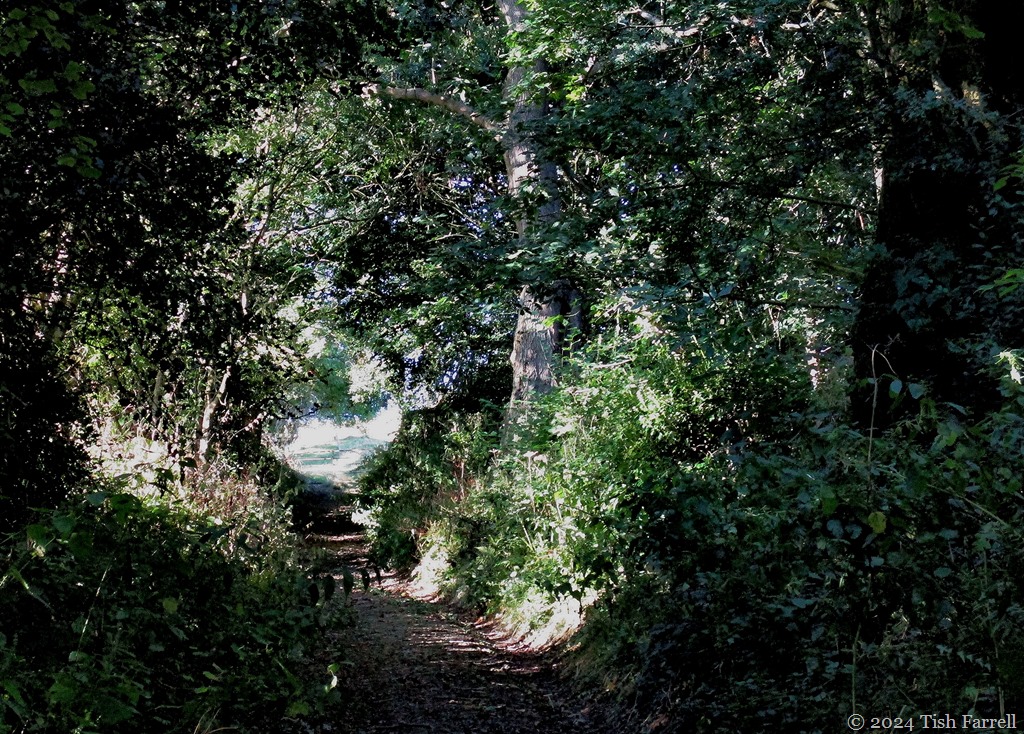
I love this green lane, perhaps the remains of an ancient thoroughfare between settlements, this before the creation of the modern road system, or maybe even part of the old drovers’ routes out of Wales, shepherds and cattlemen driving their flocks and herds to markets in the English Midlands.

Bishop’s Castle was anyway an important market centre at least as far back as the thirteenth century, when the Bishops of Hereford ruled it from their castle at the top of town. Charters were granted for weekly markets and seasonal fairs to be held outside the castle walls.

On market days this now quiet track might well have been bustling with carts, farmers’ wives with their produce: ducks, geese, hens, eggs, butter, cheeses; farm boys on foot, driving pigs, goats, cattle and sheep to sell. Other traders too might have come this way: basket, hat and chair makers, dealers in songs, fortune tellers, herbalists, and street musicians.

IMG_6697sq

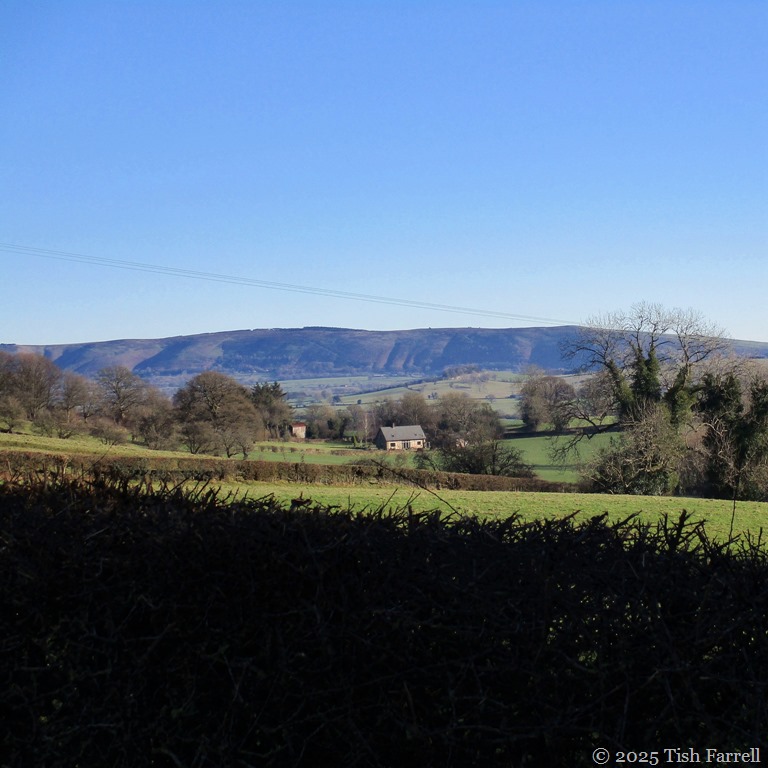
The Long Mynd

*

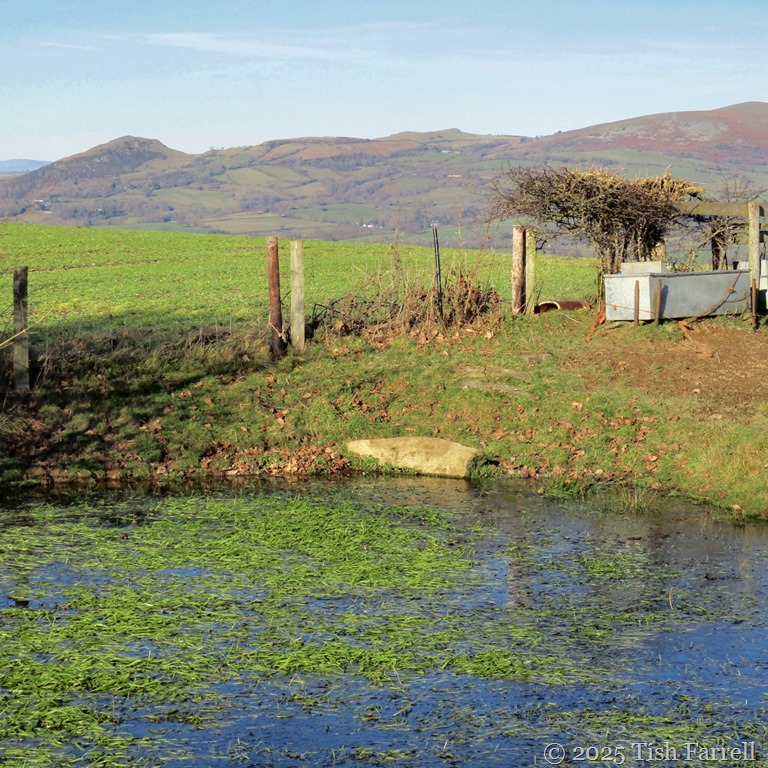
At the top of the hill are some dew ponds. These are man-made pools, created in upland areas without natural water sources, to provide for grazing stock. Water then collects in them, either rain or field run-off. Some may date from the Neolithic period, that is 6-7,000 thousand years ago. Others may date from the Middle Ages or more recently in the 18th/19th centuries when there was still a high demand for wool. Much skill was required to make them. They started out as a saucer-shaped excavation, about a metre (3 feet) deep, and anywhere between 3-15 metres in diameter. This was then lined with straw, followed by an impermeable layer of puddled clay.

IMG_6725sq

*

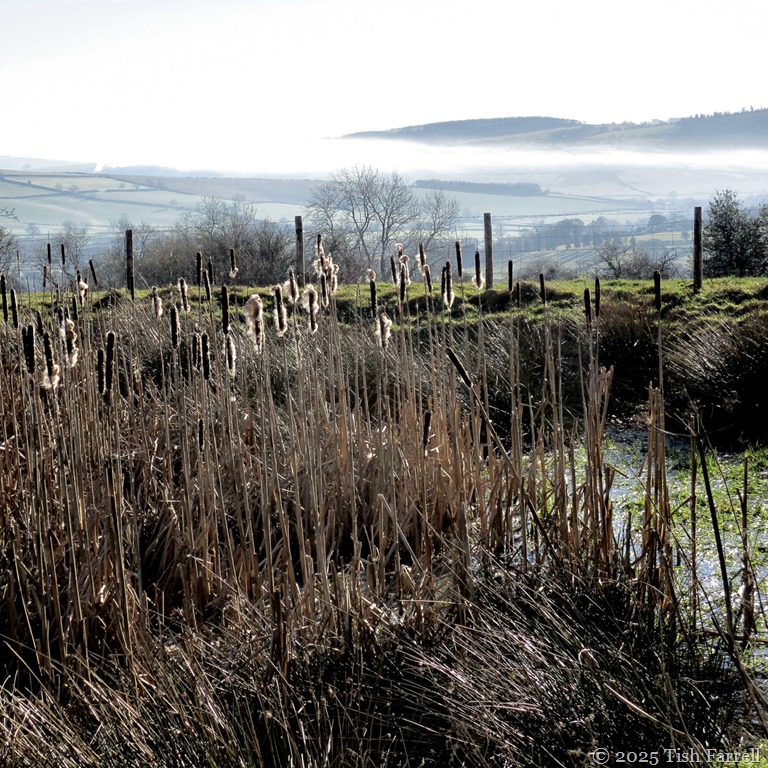
One of the dew ponds no longer in use for stock watering is in its own enclosed domain and filled with bull rushes.

IMG_6716sq

*

There are many fine views all round from this point on the footpath; also another dew pond, not presently in use:

IMG_6707sq

IMG_6709sq

*

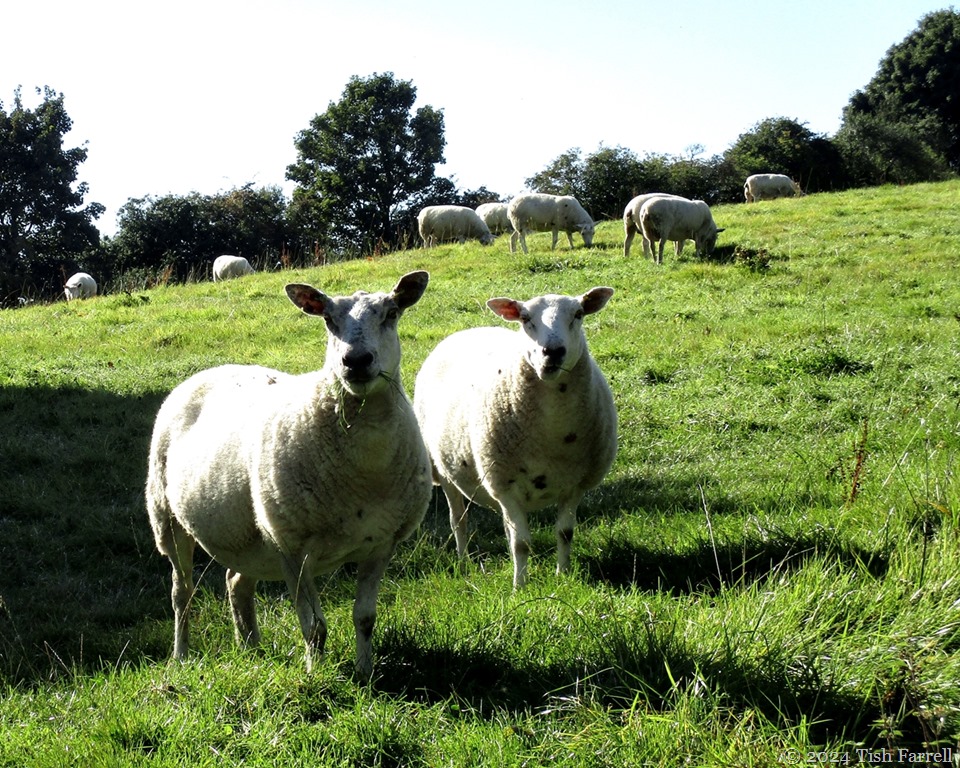
And in the field with the operational dew pond, lots of ewes waiting to have their lambs:

IMG_6724sq

*

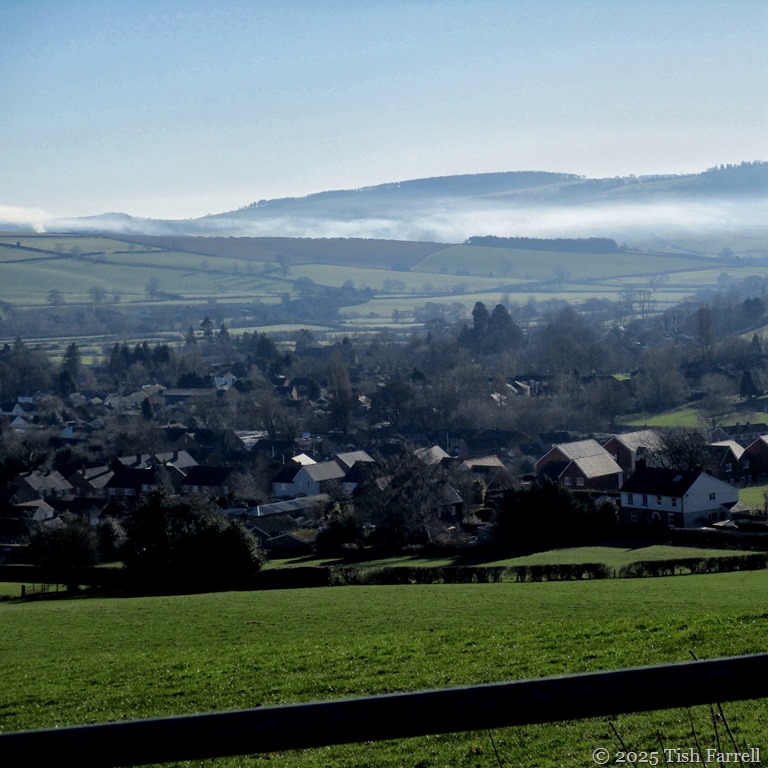
At this point we retrace our steps, although we could (if all of us were willing) follow the path for several more miles, taking a wide loop back into town. Instead, we head straight down the hill, watching the ribbon of fog flowing along the far valley from Clun towards Craven Arms. We’ve recently learned that this mist phenomenon, rather common in these parts, is also called brume.

IMG_6729sq

*

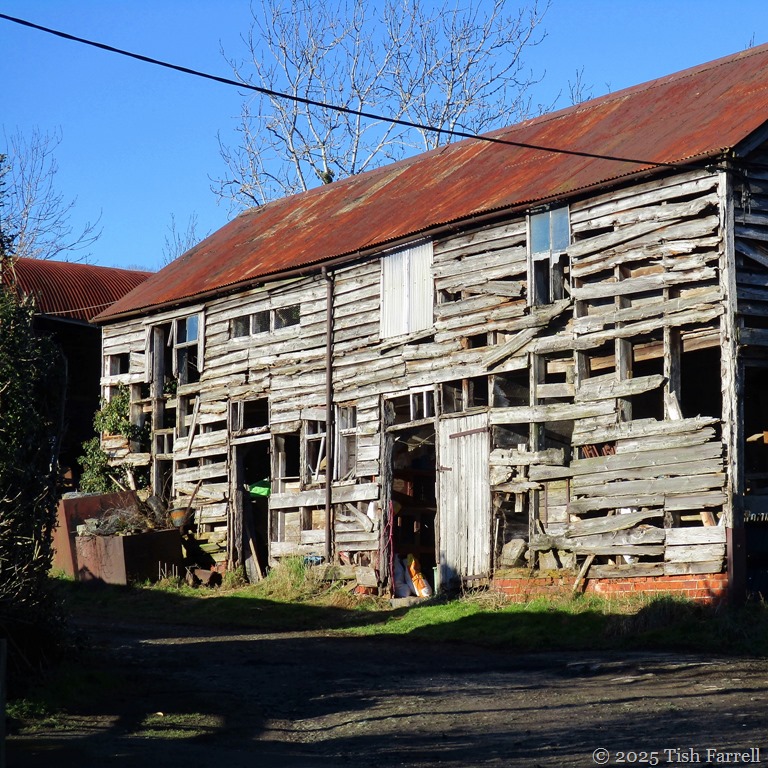
Finally at the foot of the hill by the Wintles, another favourite old barn:

IMG_6734sq

*

And by now it was lunchtime so we called in at Tahira’s Chai Shop  on the High Street for some delicious beef and vegetable samosas (also geometrical) plus lots of good chatting, topped off with (triangular) slices of Rose’s light-as-a-feather, and mouth-wateringly warm cardamom cake. None of which stayed on our plates long enough to think about taking photos. Sorry.

#GeometricJanuary Day 16

Conserving Geometrically ~ Sunshine In A Jar

IMG_6661

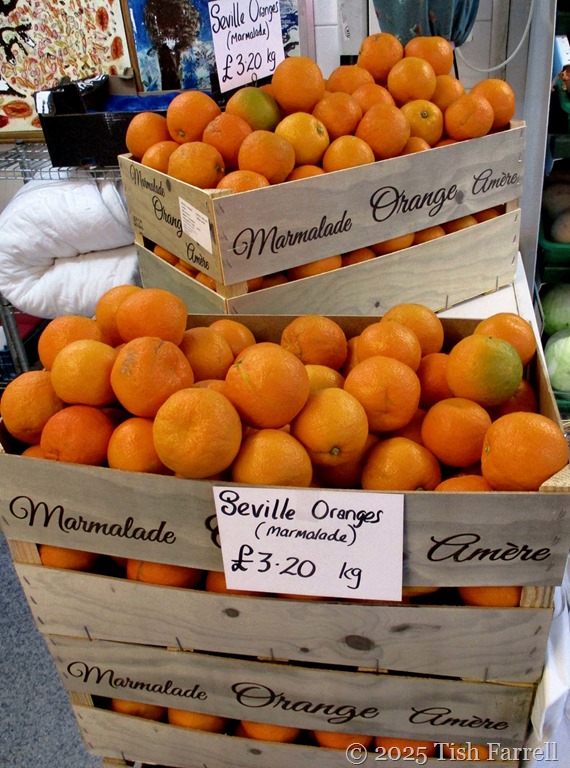
On Saturday we were in A.J. Pugh’s, our excellent Bishop’s Castle butchers. It was their first day of opening since Christmas, and so I was surprised to find the Seville oranges had already arrived. Sixteen crates of them, I think we were told.  To myself I marvelled at the crowds of marmalade makers that this prodigious quantity implied. Were there really so many in our small rural town? Clearly there must be. Andrew Pugh knows his stuff. He’s been serving the Castle since 1980.

This thought then induced an impulse purchase. Must get ahead of the marmalade makers’ stampede.

IMG_6677

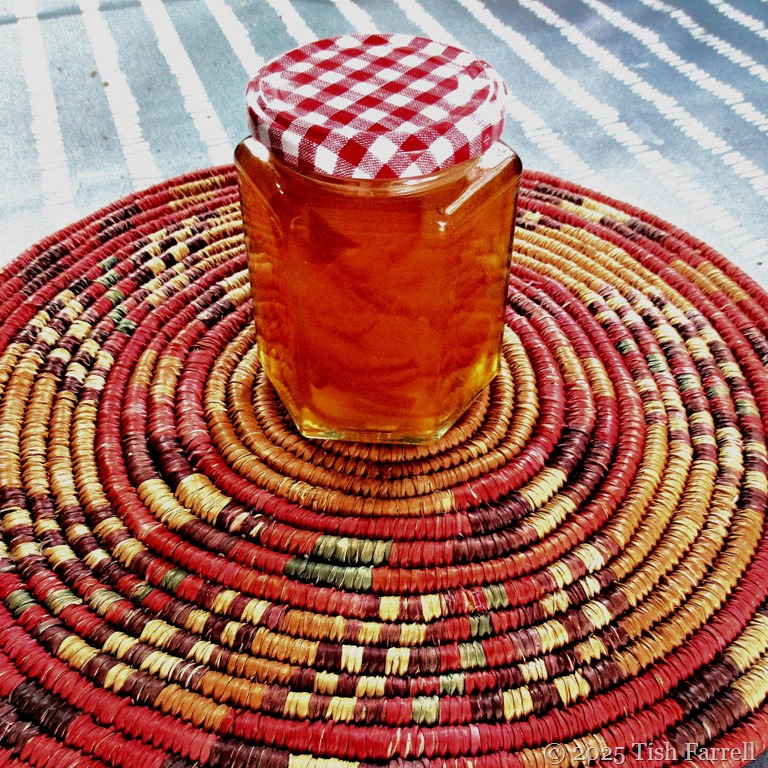
And so on Sunday afternoon, a day of gloom and wet snow (and after a quick consultation with Delia Smith HERE) I extracted pips and pithy innards, squeezed juice, and simmered the shredded peel till it filled the house with a heady orange fragrance. That alone lifted the spirits. And then, after a couple of hours, there was the pleasure of domestic produce: eight oranges, roughly a kilo, yielded eight assorted jars and a part jar, which should keep us going for at least a year, as well as providing a gift or two; this so long as Paddington Bear impulses don’t take over.

IMG_6675 header

*

#GeometricJanuary Day 7

Elephantine Geometry: The Things One Sees In Bishop’s Castle

IMG_6641sq

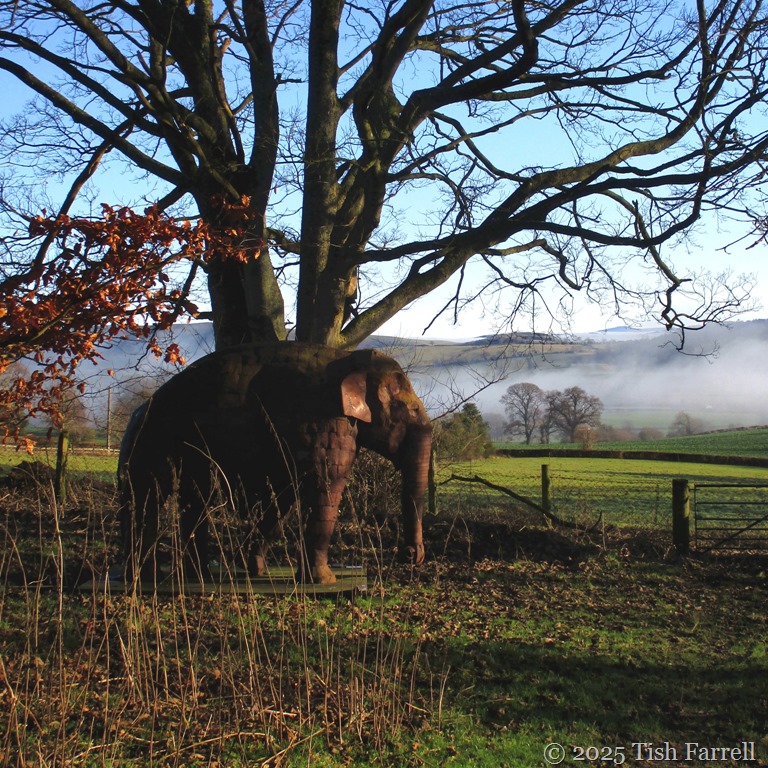
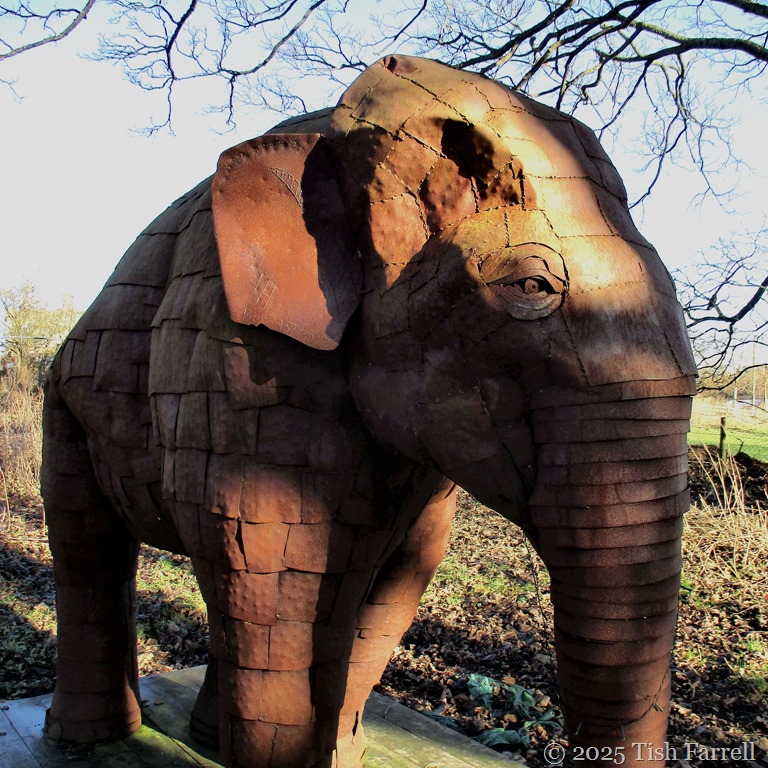
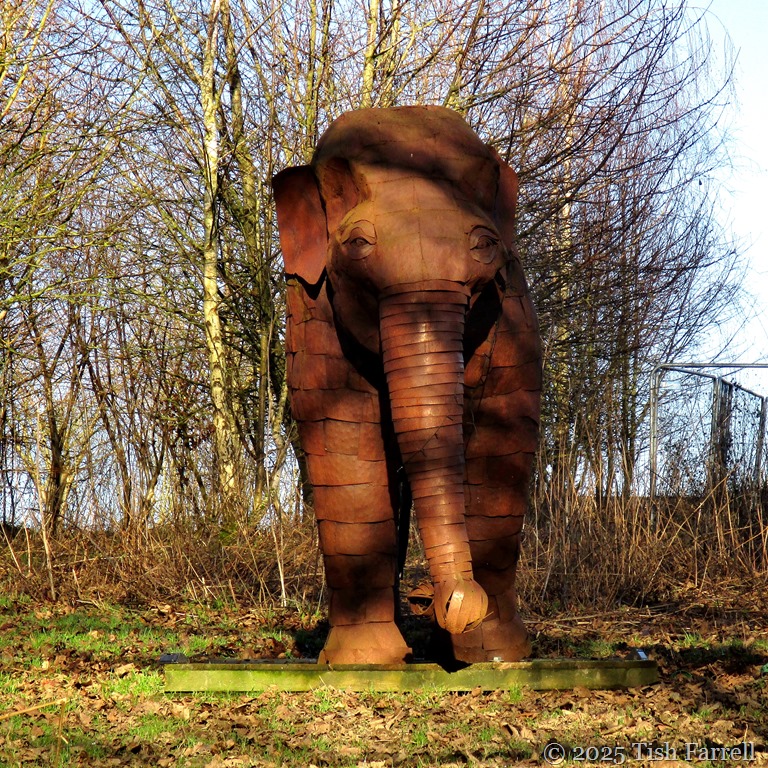
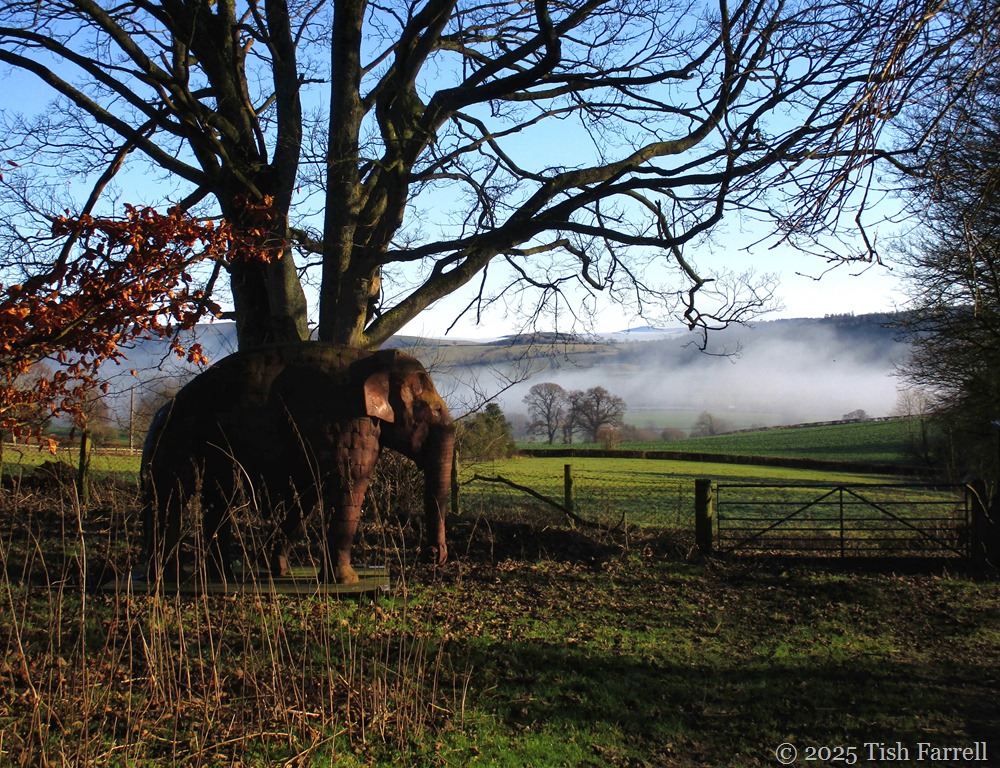
Well, at first sight, glimpsed through a December hedgerow, it truly did look like an actual elephant. Good heavens! What was it doing here in the Shropshire Hills?

We discovered it last week, by chance, as we explored the hillside paths above the town. There it was, beside the Shropshire Way, at Foxholes campsite, and with company too. The Buddha no less.

IMG_6638 sq

*

Closer inspection of course revealed that it was cunningly constructed of metal plates, now richly rusted.

IMG_6646 sq

IMG_6637 sq

*

We then realised that it was doubtless one of the exhibits in the Bishop’s Castle town trail, The March of Elephants. You can see the other artworks at that link. This particular work was created by local artist Ben Ashton, but I couldn’t find anything further about him.

By now you could well be wondering why there is an elephant art trail in a Shropshire market town wherein the trade in sheep and cattle has for centuries been the major enterprise.

There are two connections.

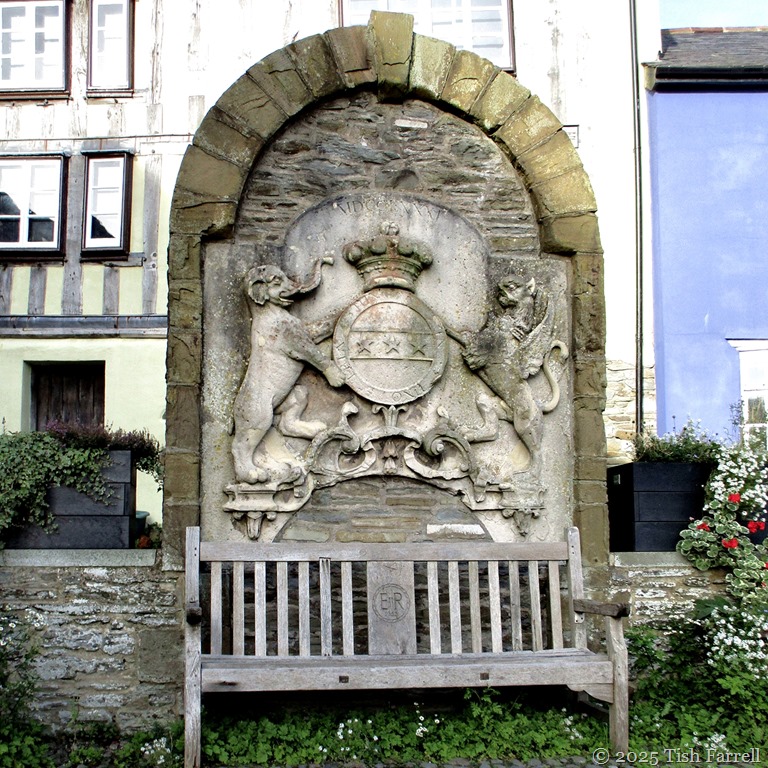
First there is Robert Clive aka Clive of India (1725-1774). After he had finished plundering Bengal (he had started out as a clerk of the East India Company), he returned to his native Shropshire with an eye-wateringly colossal fortune and lived at Walcot Hall just outside Bishop’s Castle. He was further rewarded for his India efforts with a seat in Parliament (MP for Shrewsbury) and an Irish peerage. His newly wrought family crest featured an Indian elephant, of which a carved stone version still survives in the town’s Market Square. It had once been prominently sited on the main window of the Market Hall (since demolished) built by Clive’s son Edward.

IMG_3973 sq

*

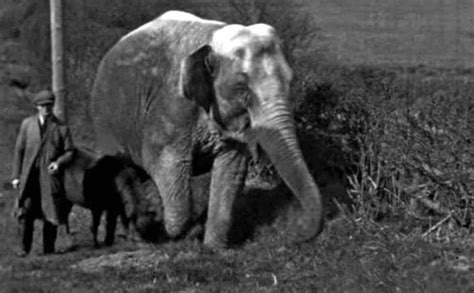
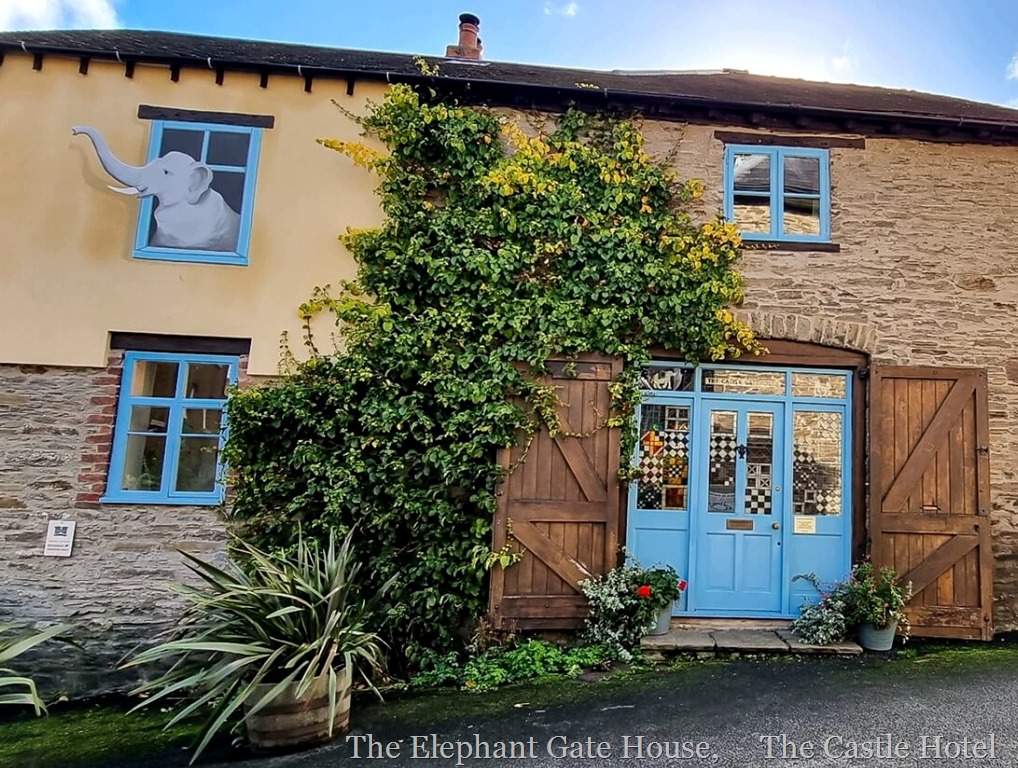
A rather more pleasing elephant association is the fact that during World War 2, one or more circus elephants were kept in Bishop’s Castle for safety’s sake. They lived in the stables of The Castle Hotel at the top of the town. At least one was to be seen exercising along the lanes. There’s a brief film clip of it here: https://www.youtube.com/watch?v=AnMu3l3Q0rE

Bishops Castle elephant

*

So there you are. Seeing elephants in Bishop’s Castle is not so outlandish after all.

 IMG_6641

*

P.S. The war-time elephants’ quarters have been given a plush makeover and you can now stay in The Elephant Gate House.

Elephant Gate House

#GeometricJanuary Day 4   This month Becky is hosting square photos with a geometrical theme.

In An Autumn Light: The New Kitchen

IMG_6545ed

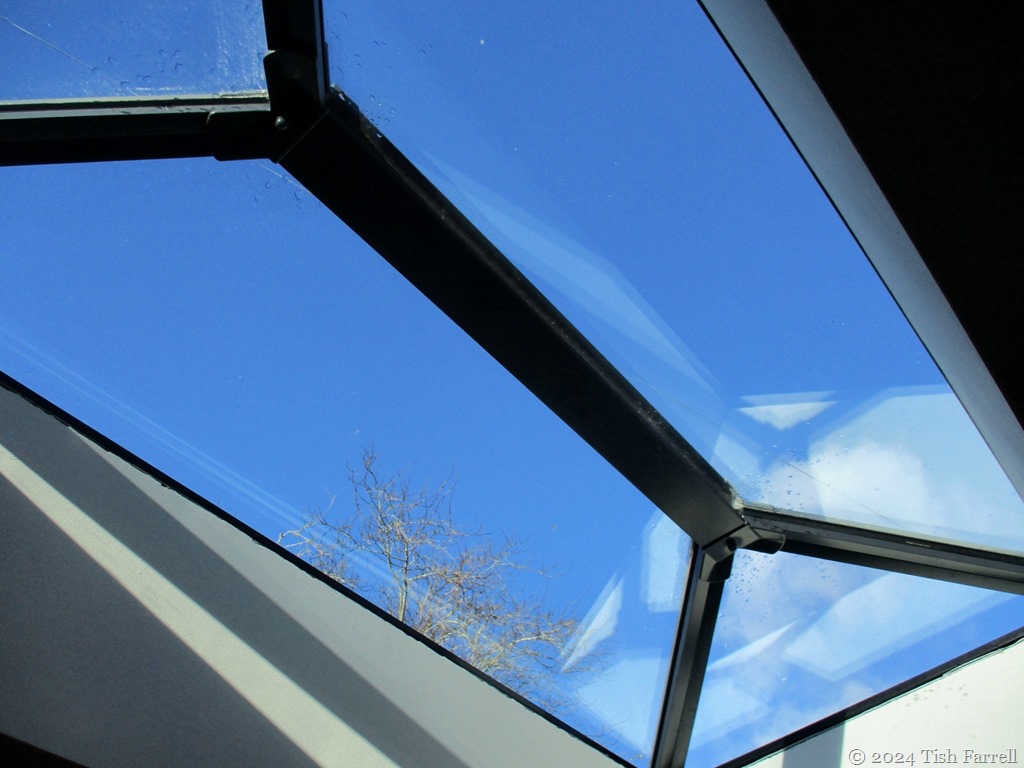
Henry, who produced the structural design brief and plans for our kitchen extension came round on Wednesday to take photos of the finished ‘product’. This reminded me that I had not posted any photos so far, mainly because there are a few bits and pieces to finish off. But then this week we’ve had some glorious light through our roof lantern and this morning it spurred me into action.

But first, this is how it was just after we moved in:

IMG_3687

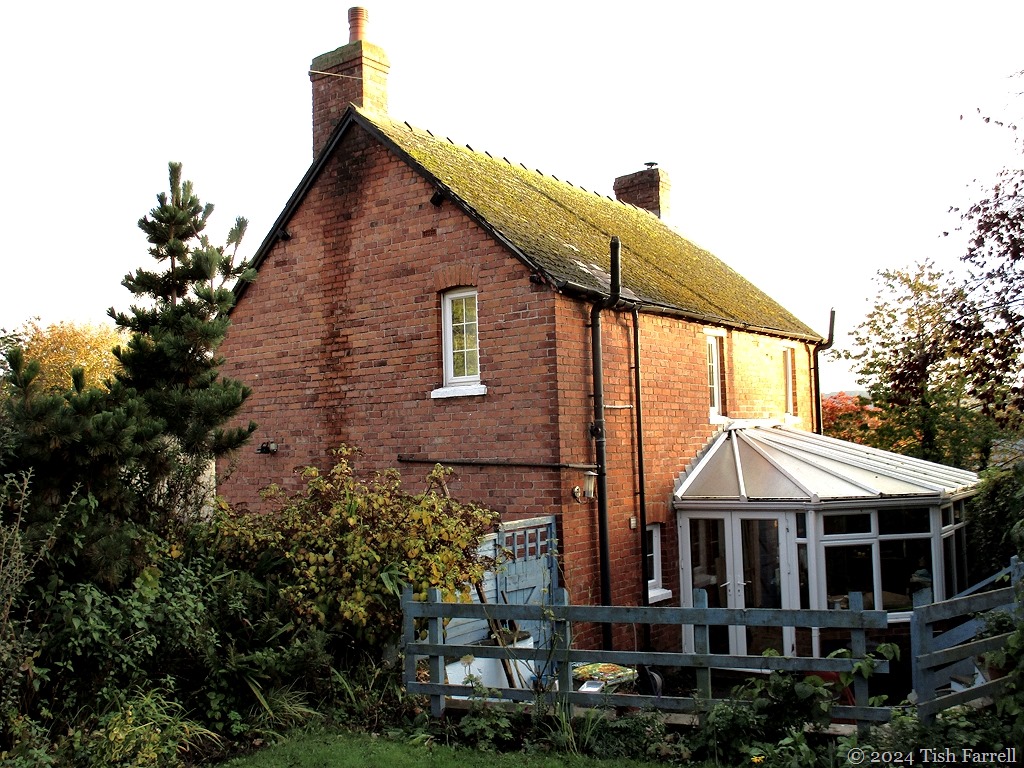
The sitting room then had a galley kitchen (around the right hand corner) and the back door opened onto an oldish, large uPVC conservatory. The conservatory was pleasant enough in summer being shaded by the house and the hedge on the south-west, but its doors also faced north so it was pretty chilly in the winter.

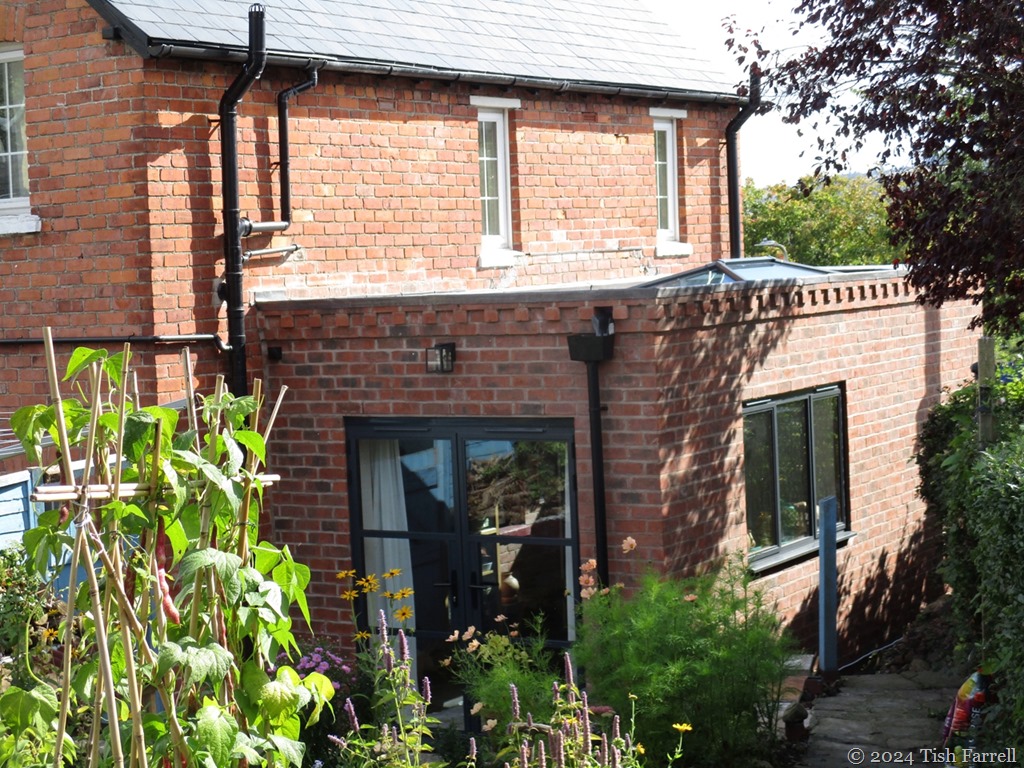
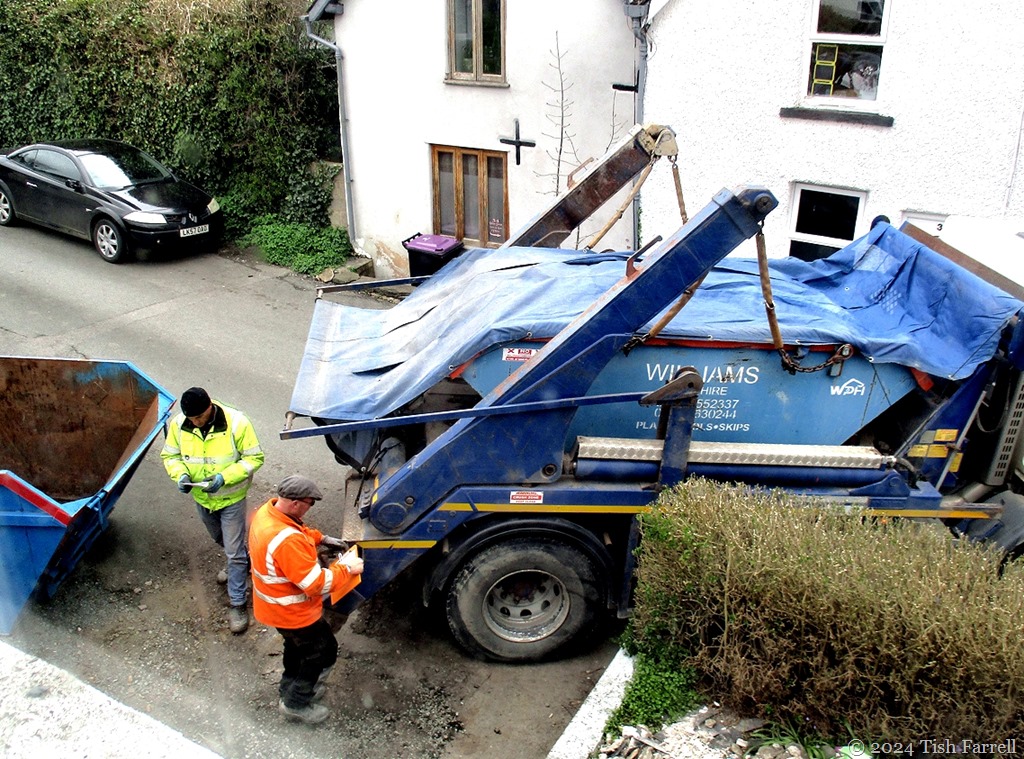
Our plans for replacing it with a properly insulated room were constrained by the hedge and the position of the upstairs windows. We are also in the town’s Conservation Area. We thus had to stick to the original footprint although we could add a metre or so along the rear wall, taking in the exterior downstairs former kitchen window. When it came to the roof, we could have had a shallow lean-to option with roof lights, but decided the parapeted flat roof with lantern would give us the best light.

before and after 1

finished!

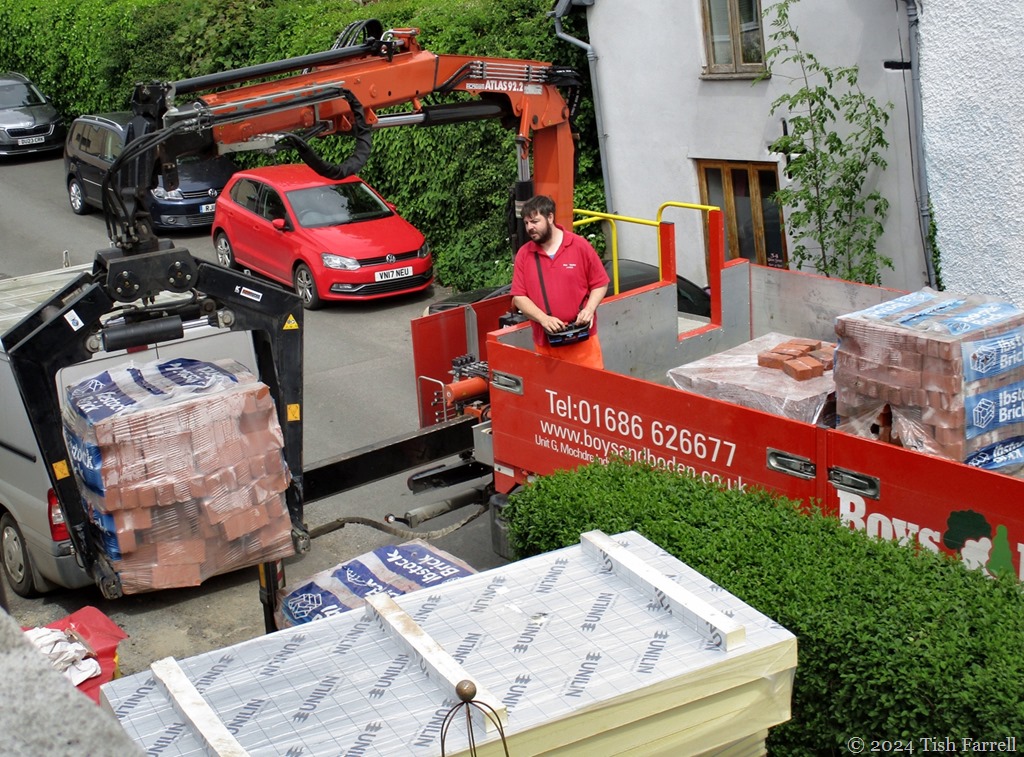
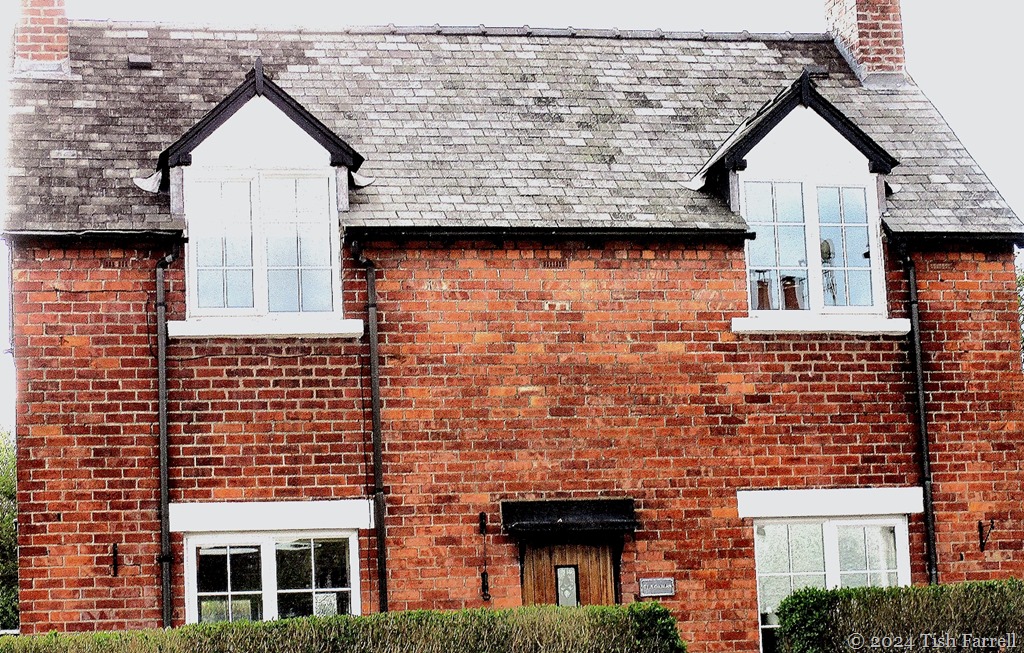
So: there were all sorts of compromises, including cost, and constraints over access at the rear of the house and to the front of the house for debris removal and deliveries. We also didn’t want to do anything that would be at total odds with this modest little 1920s town house.

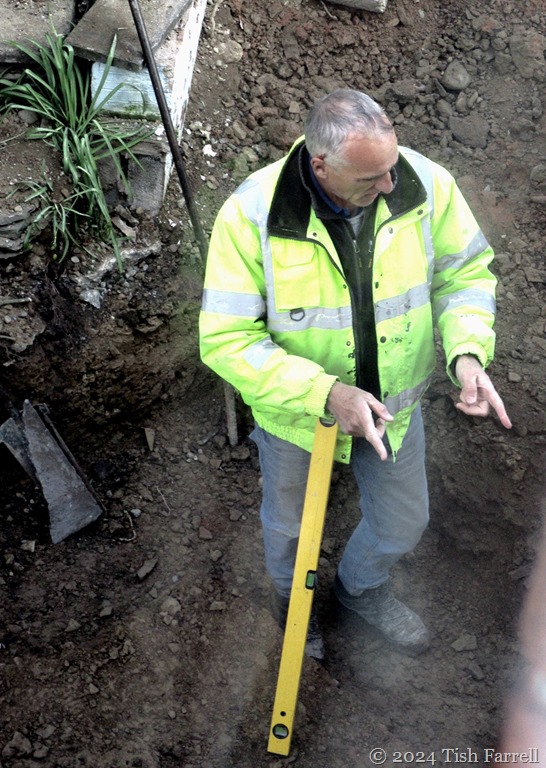
It finally came to fruition thanks to weeks of conscientious in-put from builder-hero, Alan Morris, who project managed the whole thing. He was also responsible for some nifty brickwork, as well as taking pains to match, as far as was possible, the original brickwork.

IMG_5119

Alan Morris conducting a spot of problem solving  with Graham.

*

And the final result suits us very well.

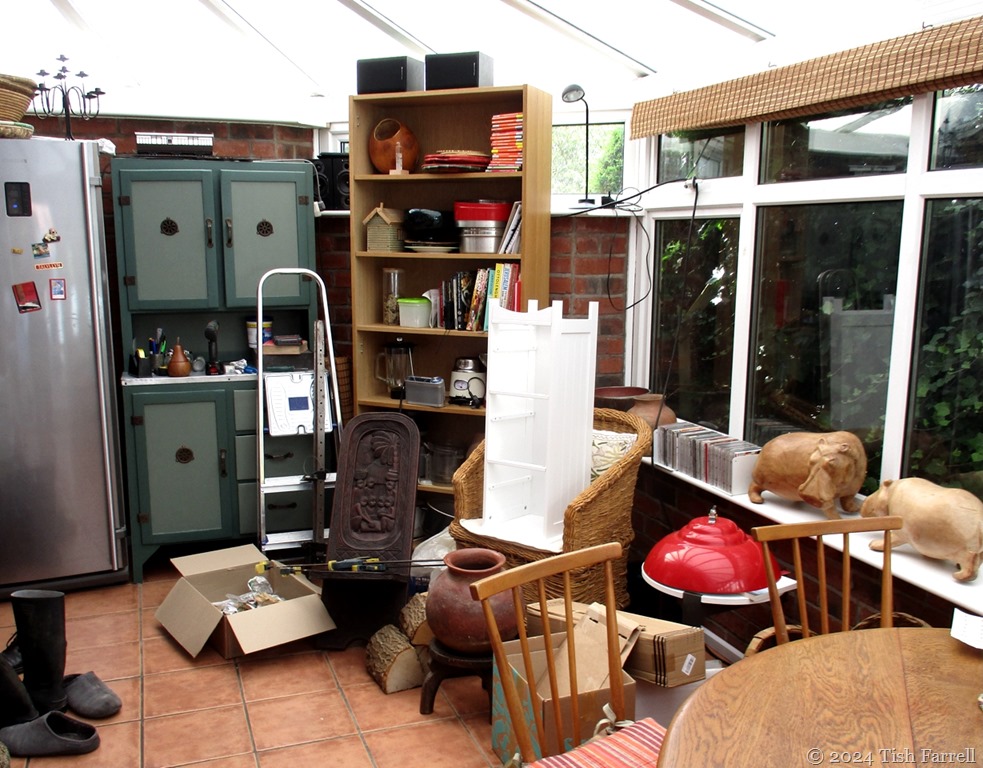
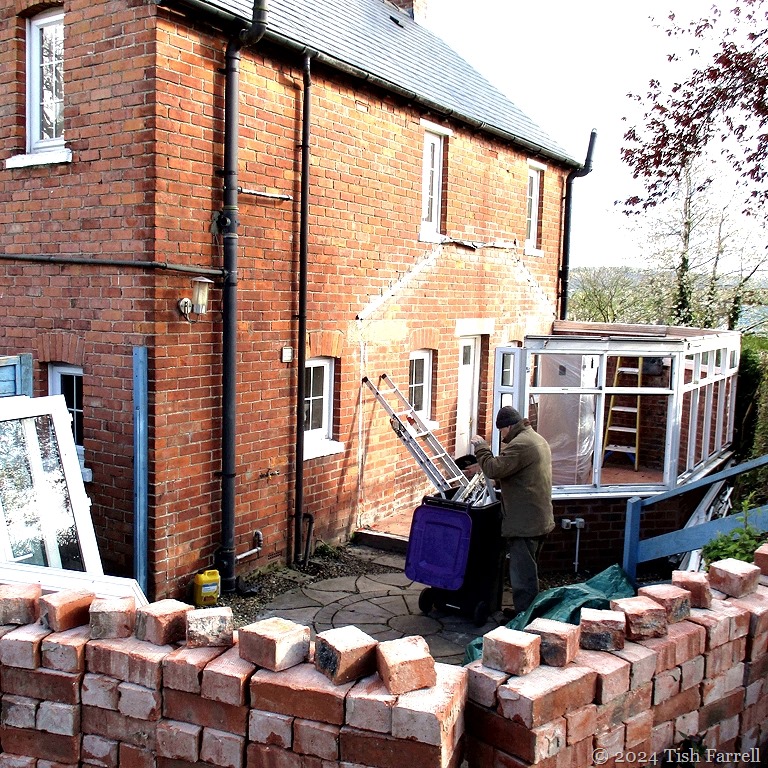
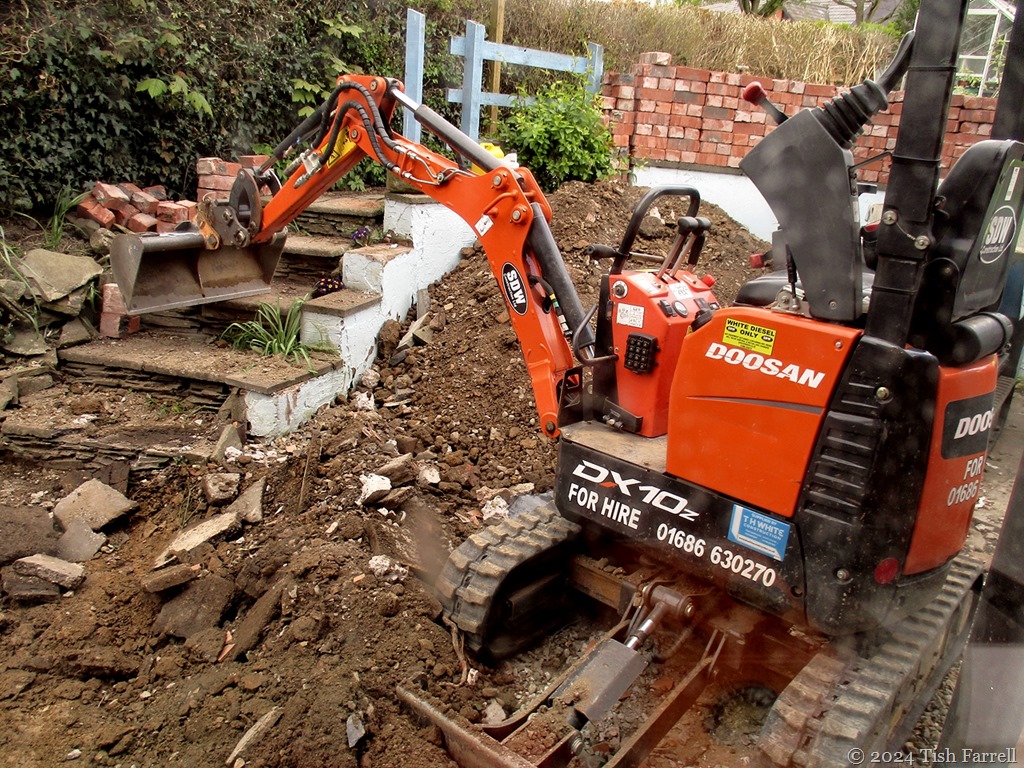
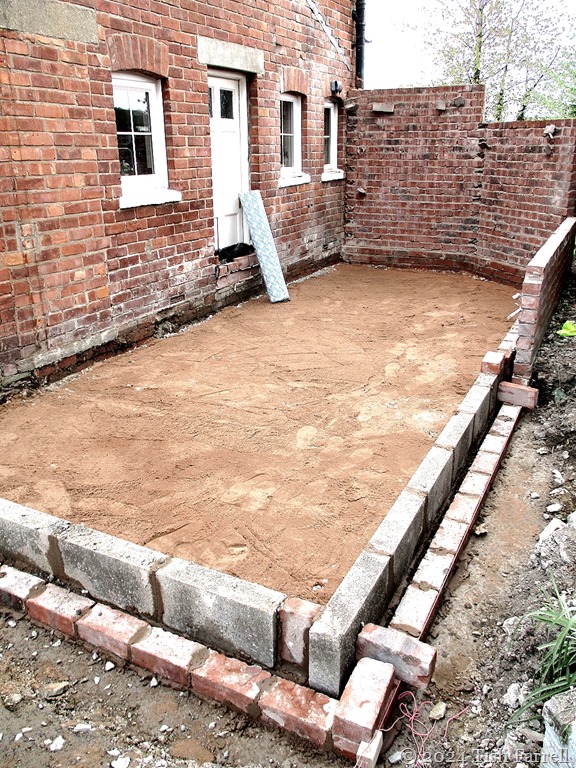
Here are some reminders of what happened in between, starting with the conservatory as moving-in dumping ground:

IMG_3682

demolition 4

demolition

IMG_5126

demolition 5

IMG_5395ed1

*

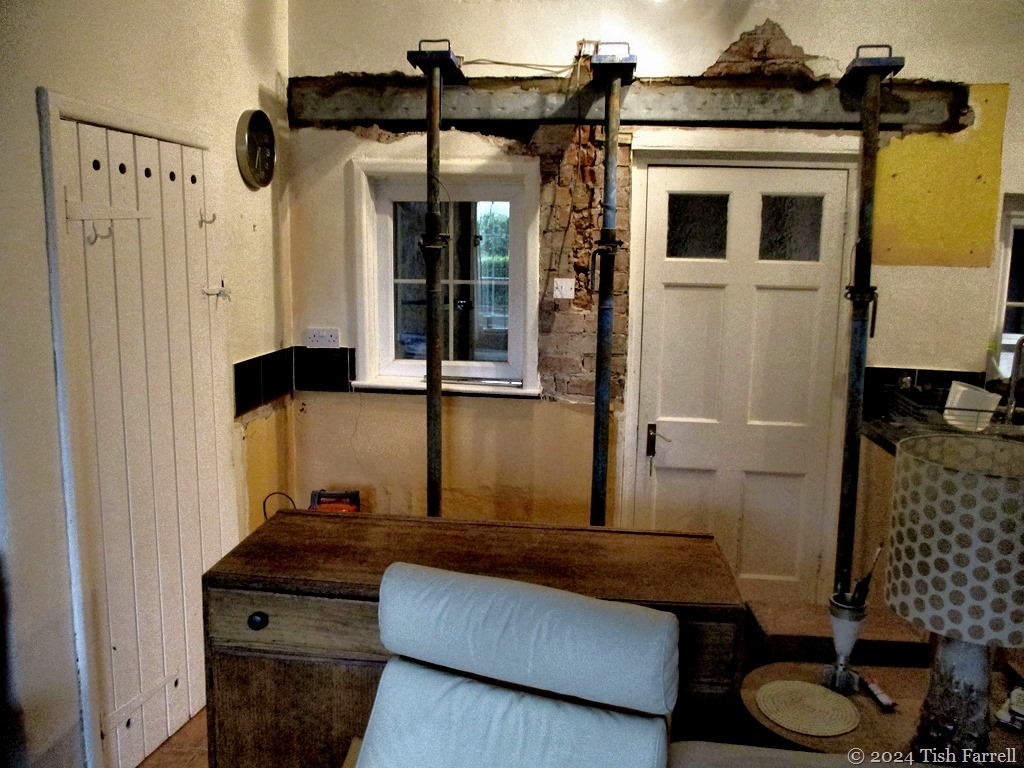
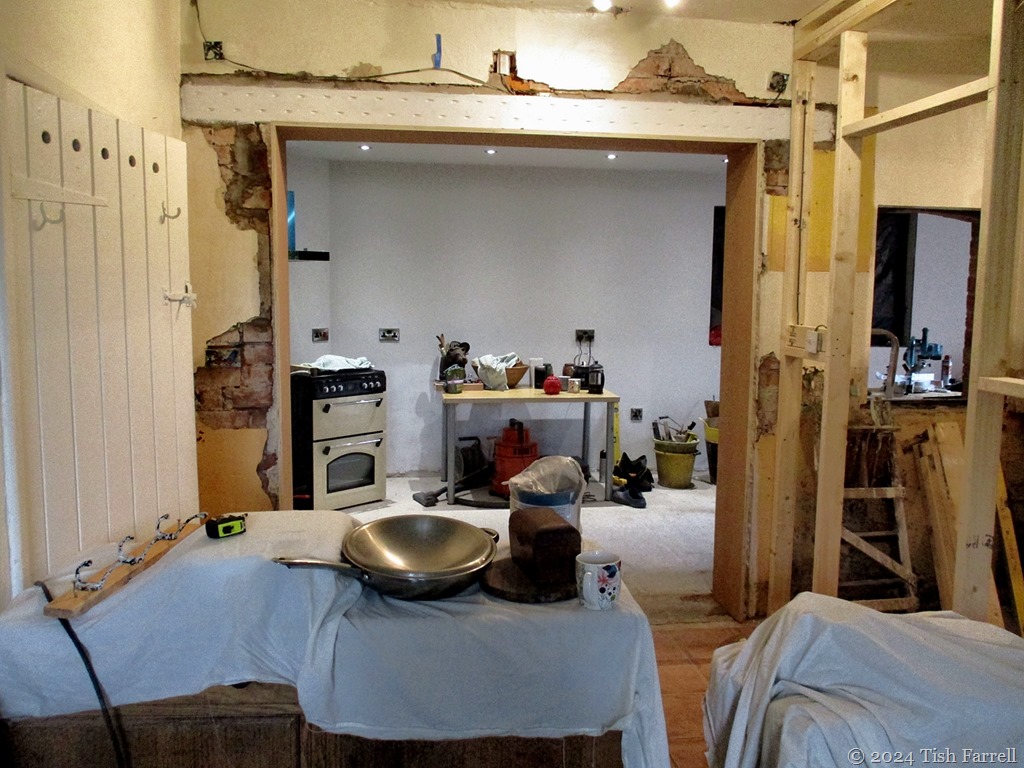
And inside, it all went on around us:

IMG_5383ed

IMG_5623

IMG_5865ed

*

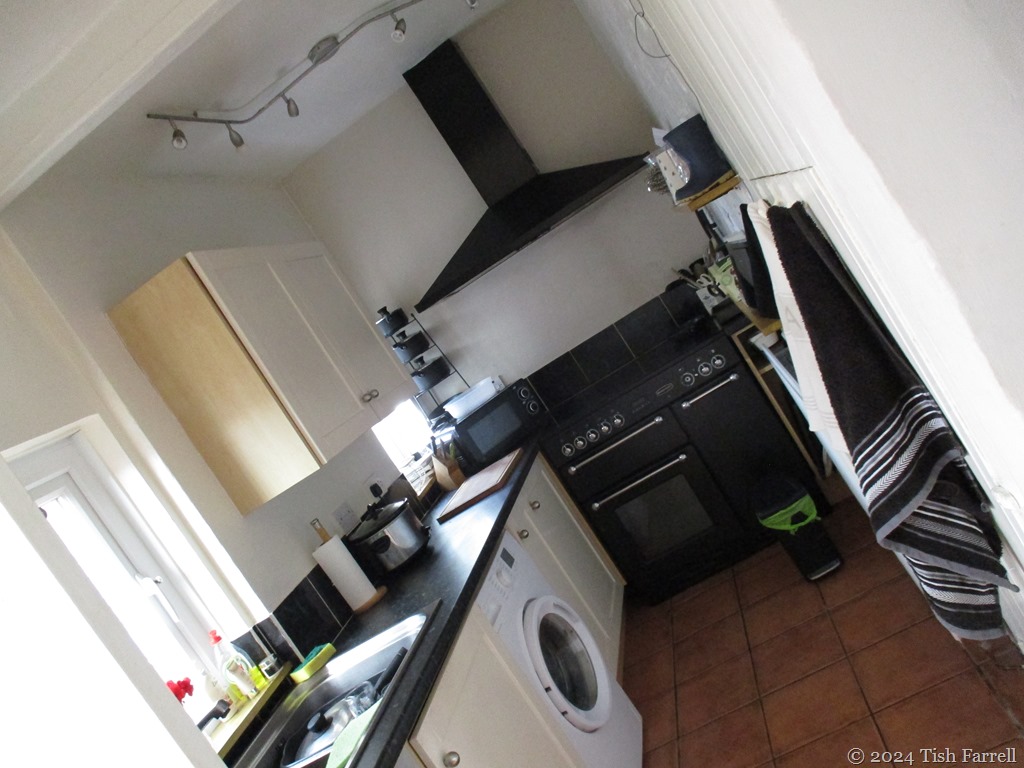
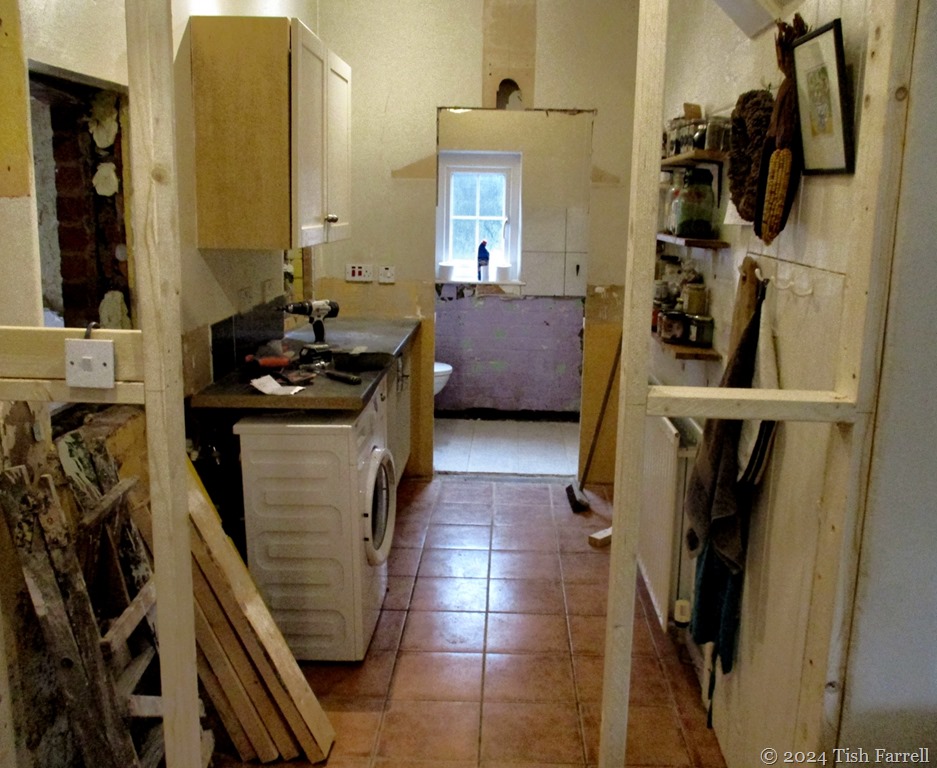
The old kitchen:

IMG_3192

IMG_5620ed

Range cooker gone and original access to cloakroom restored. This is now the utility room,  stud-walled and doored. The downstairs loo has been much smartened up and its parma violet and bottle green walls banished. Also discovered but covered up again was an old flue that probably served a laundry copper. Still some finishing off to do in this quarter.

New wall and door to the utility room on the right.

IMG_6545ed

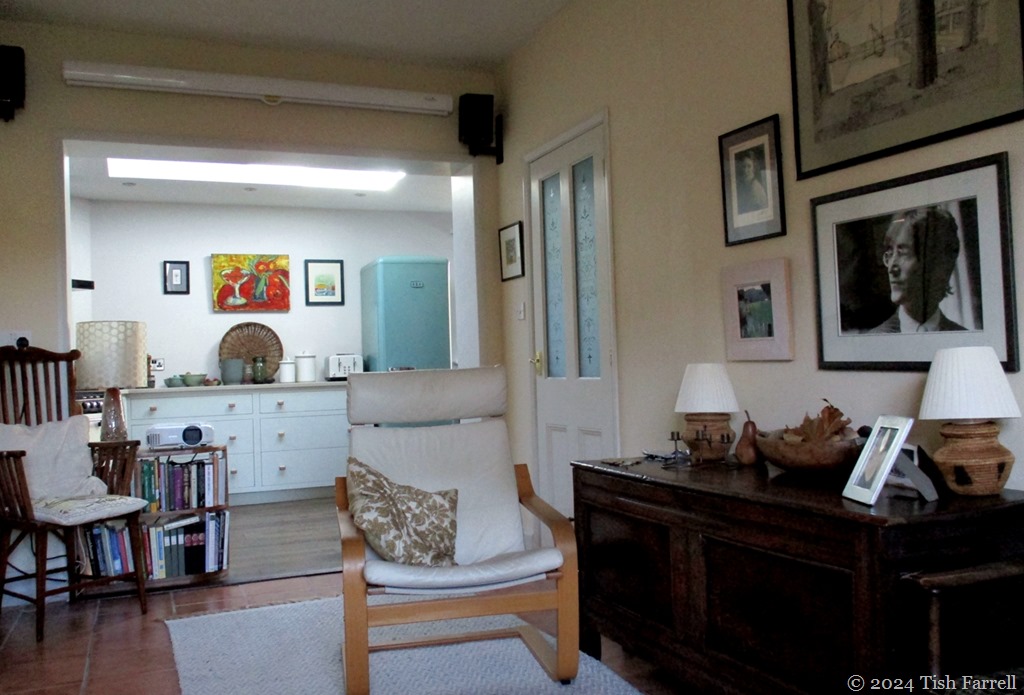
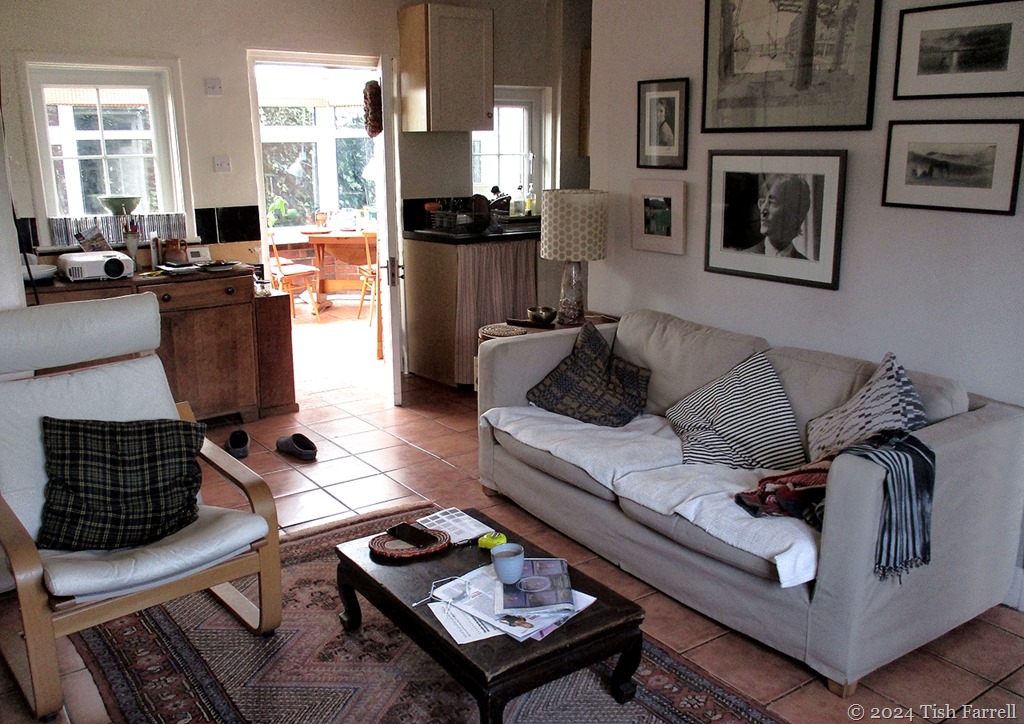
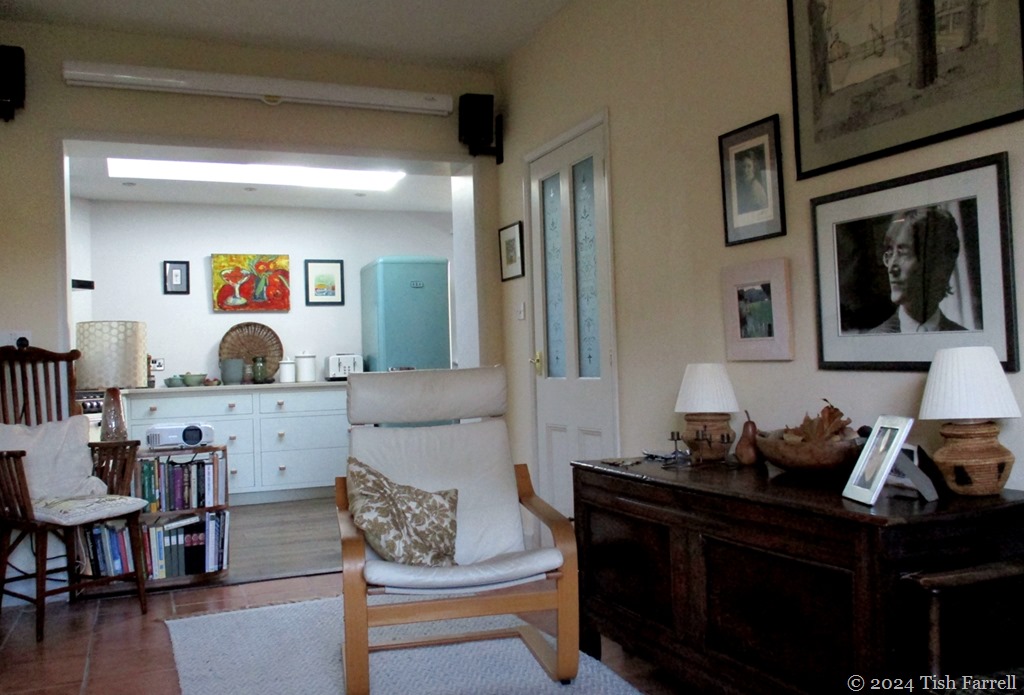
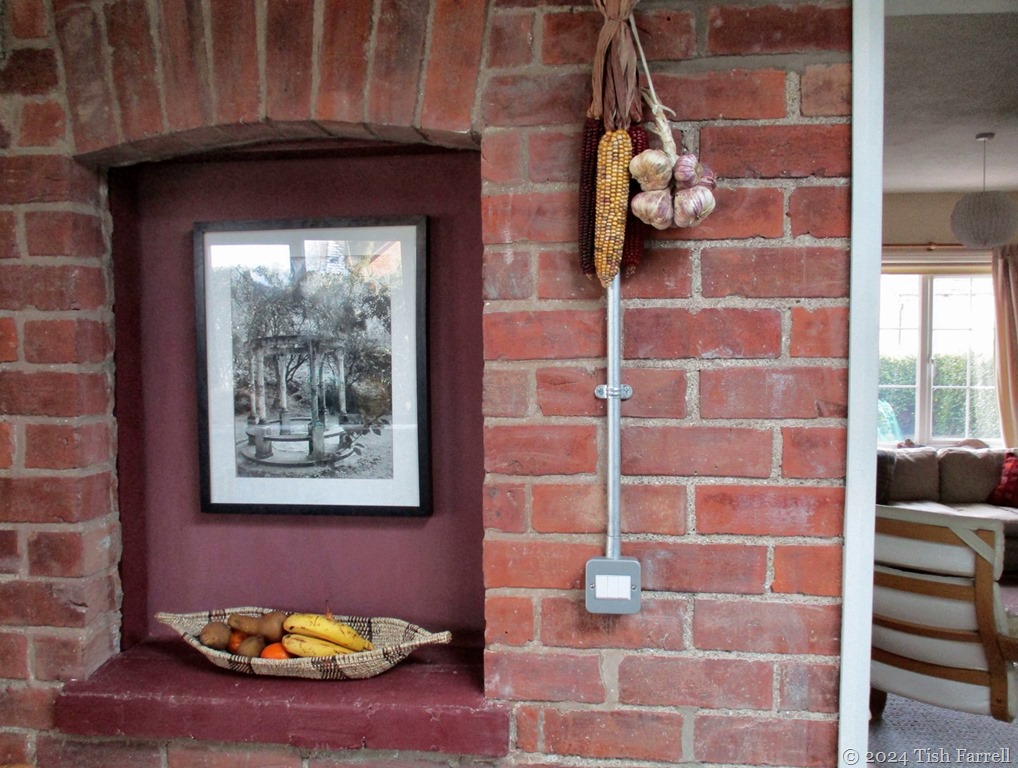
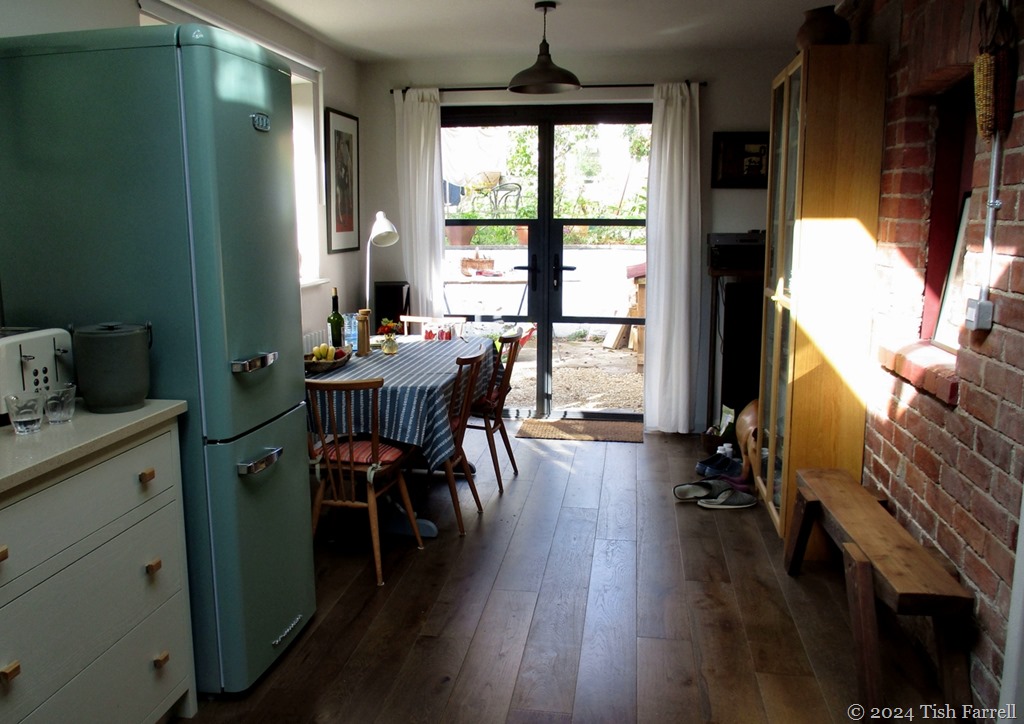
And the new kitchen – yes, I know, It is more than a touch quirky. For one thing, we didn’t domesticate the original outside wall, just washed the spiders off, and kept the window spaces too. Anyone who moves in after us can plaster board over them if they want to.

IMG_6564ed

IMG_6569

*

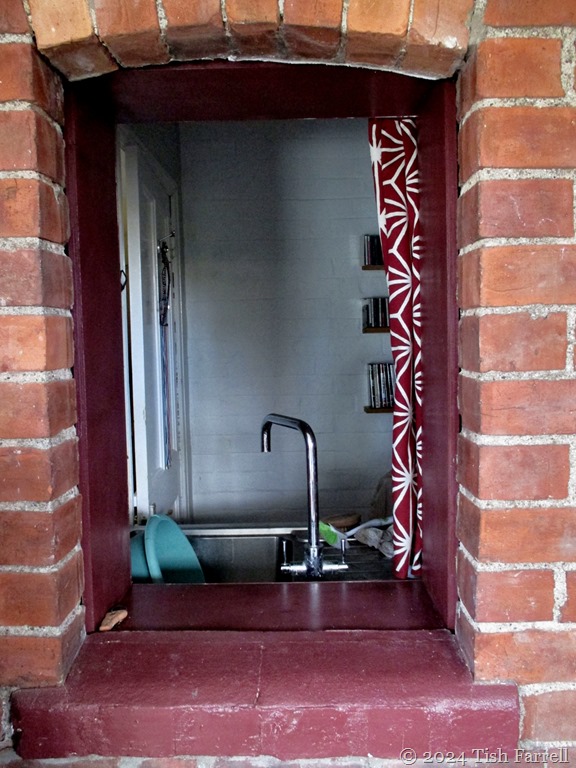
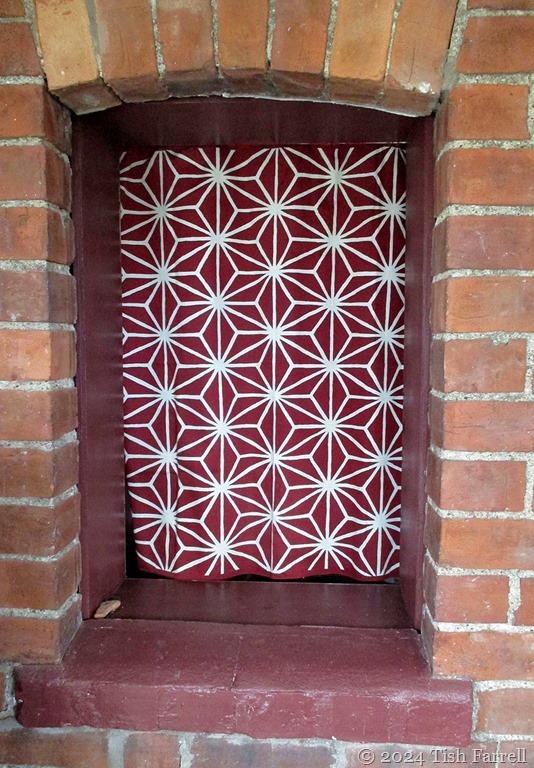
We left the window space by the back door open. A kitchen ‘hatch’ no less. It gives us instant access to the utility room sink. Ideal for chucking freshly dug spuds into it:

IMG_6565IMG_6567

*

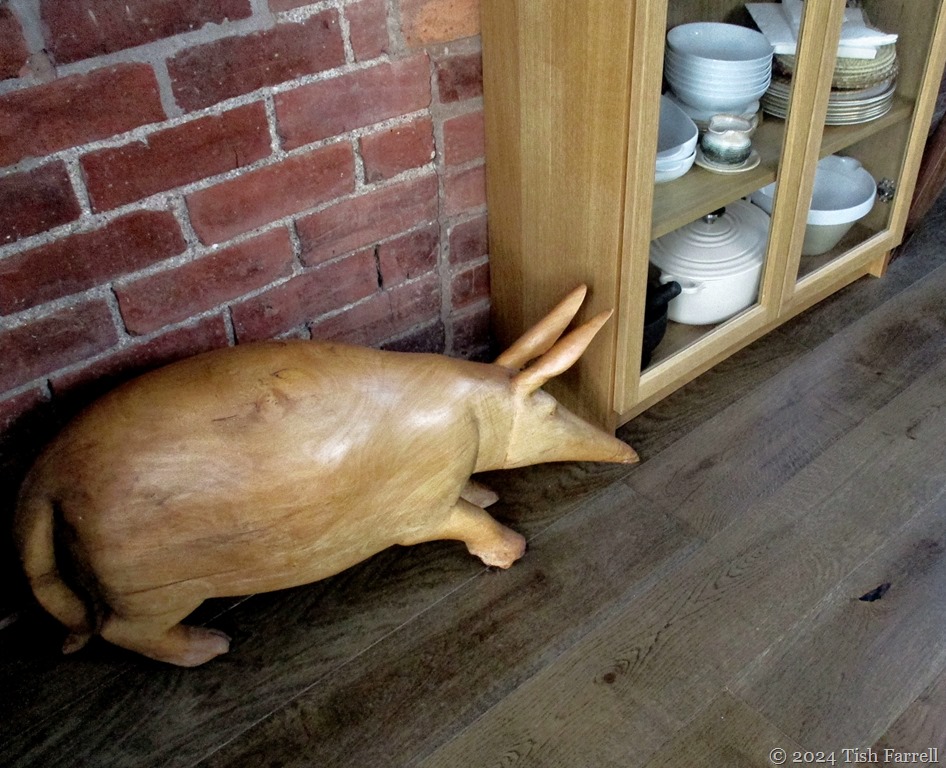
And of course there’s the aardvark:

IMG_6563

*

Handmade units made by Shepherd Hills cabinet makers. The angles either side the cooker were tricky to deal with:

IMG_6548

IMG_6245

IMG_6549

IMG_6555

The ‘horrid hedge’, which I’m still tackling, has turned out to be just the place to hang some bird feeders. The sparrows and robin have found them, but the jackdaws haven’t (not yet anyway), and we have good mealtime views of passing birds.

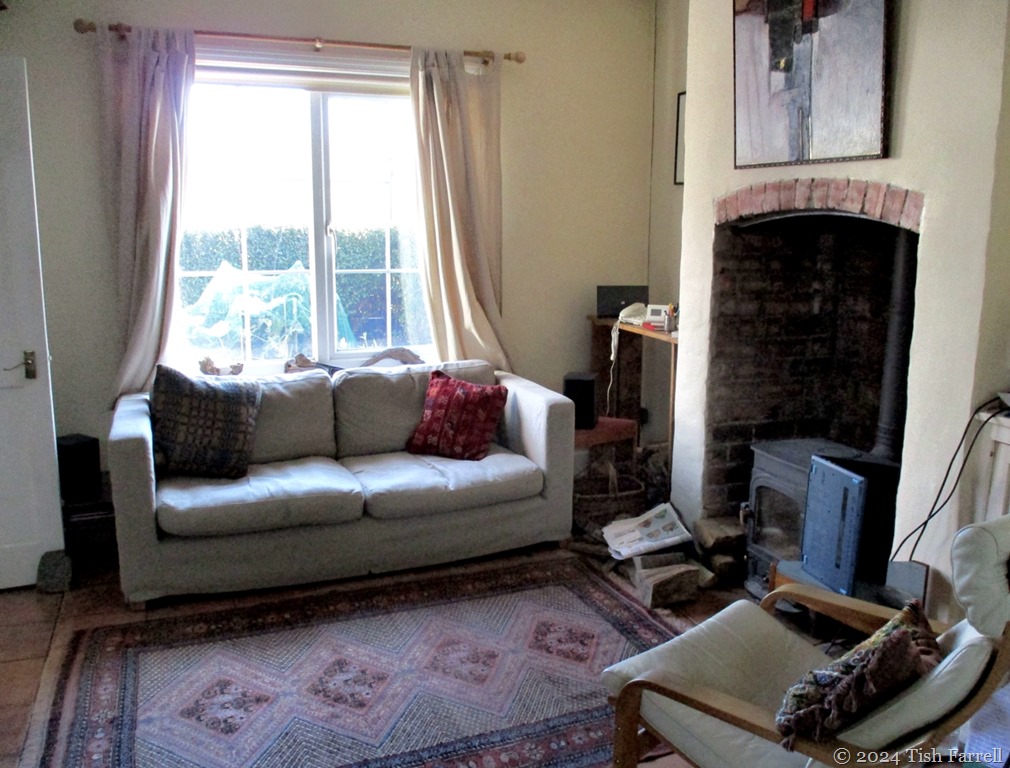
And now, after all that, a good sit down beside the wood burner is called for:

IMG_6547

*

There’s still a lot to do. Top of my list is that Graham needs to get rid of all his trailing cables. We don’t have TV but stream and screen things we want to watch via a laptop and projector. At present the system is mobile and makeshift, waiting for the moment when all the wiring will be hidden under the bedroom floor. There are signs that this might happen soon. Apart from this, much decorating is still required, and we still haven’t quite moved in. One day…

In the meantime, the Castle is a good place to be.

header3

The Grateful Gardener

IMG_6486ed

We have snow here in the Castle. We woke up to it early yesterday. What a shock. Snow in November. It’s much too soon. I’d seen the weather forecast of course, but was expecting only a spot of sleet that would soon melt away with the global boiling, not several inches of real snow, the sort perfect for snowballs.

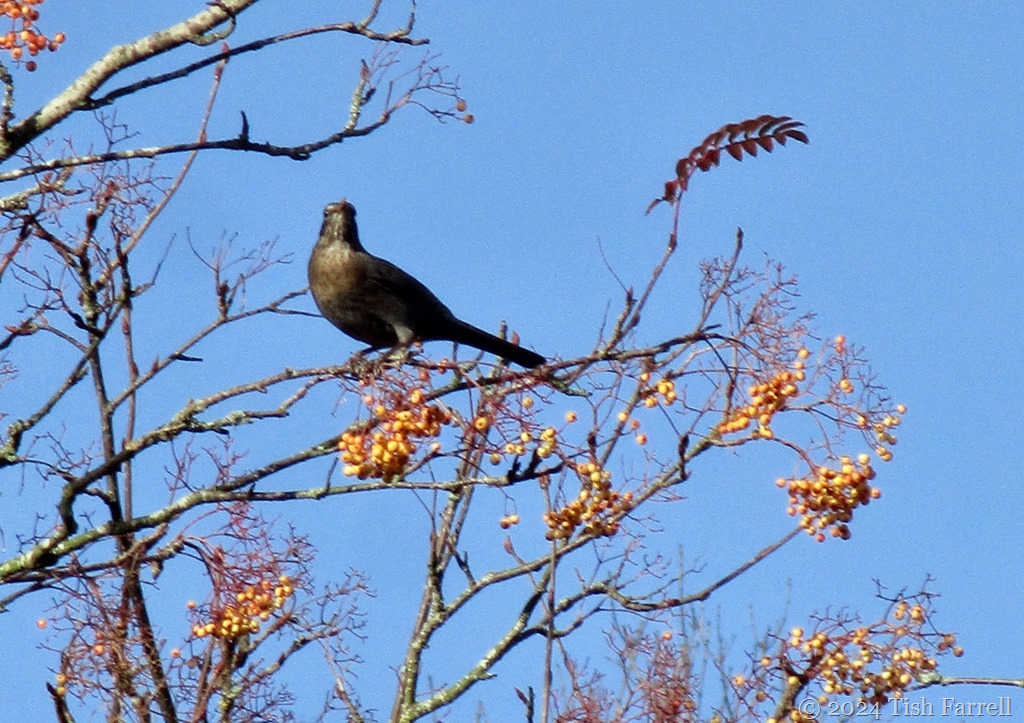
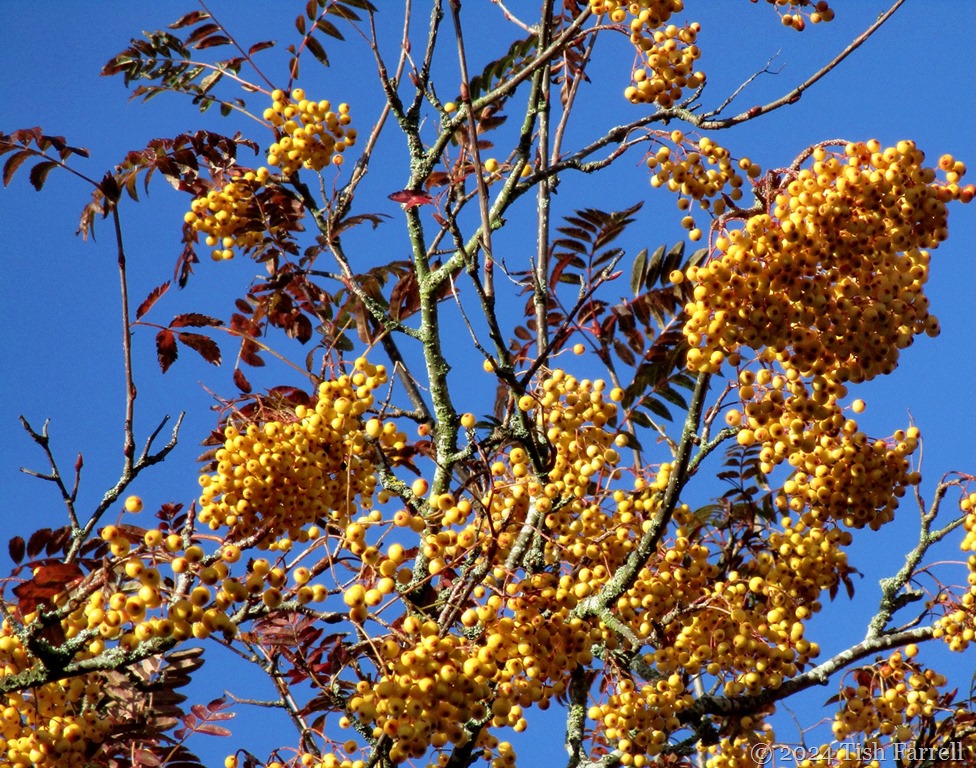
Anyway, it’s not the snow I’m grateful for, but I do love the brilliant blue sky it’s brought with it. And also this golden Rowan tree in its white cocoon. It stands just outside our garden, and provides us with some borrowed treescape. And it, in turn, has recently been much loved by the birds, especially the blackbirds. Before the snow came they were busily stripping the stems.

IMG_6457

*

I’ll miss the berries when they’ve gone. On bright autumn days they light up like jewels. This is how they looked in early October. A tree full of joy. Thank you, Rowan.

IMG_6424ed

*

The snow fall also focused my eye on the latest garden addition: a Jelly King crab apple tree. Yesterday morning while sitting at the kitchen table eating my porridge, I could see its clutch of red apples glowing like little beacons at the bottom of the garden. Time for a photo then, and to say how very pleased I am with this Halloween birthday gift from my other half. Thank you, Graham.

IMG_6489ed

It came a few days before my birthday, delivered in a tall box to the front doorstep, whither I was directed to investigate the new arrival. Once I’d broken through the cardboard, I was surprised to find the little tree had come with eight tiny apples still firmly attached. There were also a dozen loose ones in the bottom of the box, sadly not quite enough to make crab apple jelly, but filling me with high hopes. I decided to keep them as a spur to locating a wild tree. I thought I knew where there was one. And so it proved. Last week I found a fine crop of fallen apples in a patch of woodland on the way to the builders’ merchants. We now have crab apple jelly. No need to wait for the little tree to do its stuff then.

*

And speaking of stuff – we still have some of the salad variety growing outdoors and in the greenhouse.

IMG_6466

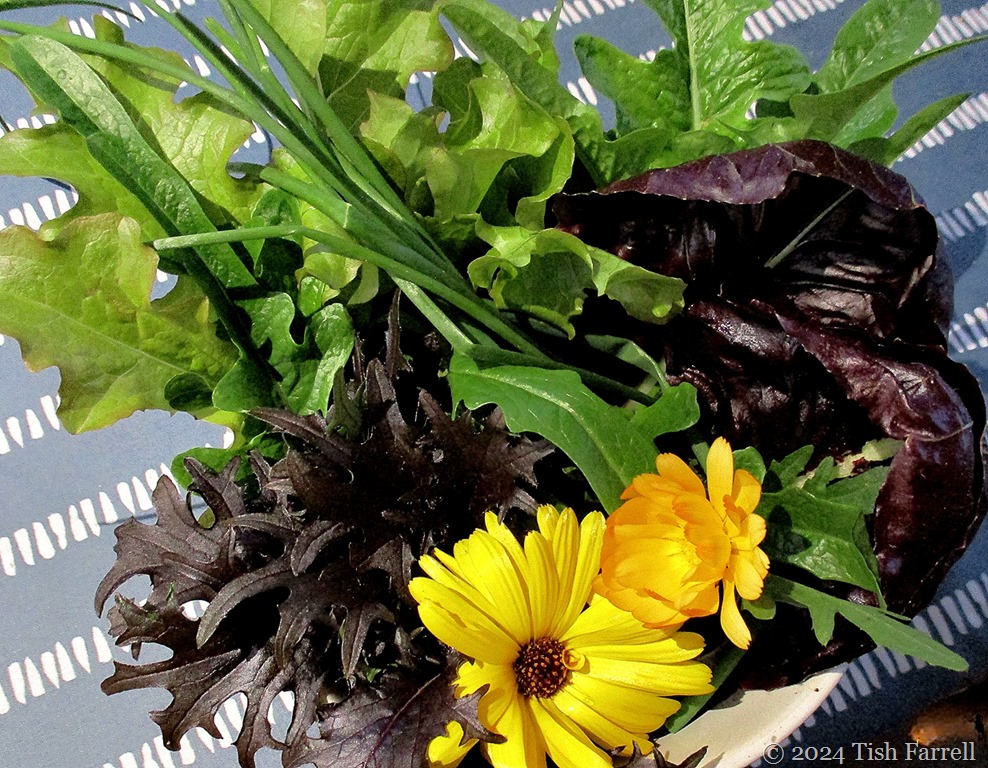
This year I’ve grown Red Radicchio endive. For the past few weeks it’s been growing fatter by the day, and as temperatures lower, the more red it becomes. I’ve been plucking the outer leaves with hopefully plenty more to come. In the greenhouse I have tubs of red Chinese mustard, Moroccan Cress which grows like a cut and come again lettuce and a few oakleaf lettuces. Also some lettuces out in the garden, though they may have succumbed to the snow. Likewise the marigolds. But it makes me very happy to find a bowl full of fresh salad leaves in late November. Thank you, garden.

And one little plant that is standing up to the snow, once I’d dug it out it earlier today:

IMG_6508

These sweet little hearts ease type pansies have been flowering for weeks and weeks in a pot on the garden steps. And they’re still going strong. They were a gift from my sister. Thank you, Jo.

Lens-Artists: Gratitude  This week Tina sets the theme, both timely and thoughtful. Please visit her ever lovely blog.

Six On Saturday: Of Flying Saucers, Scorpionweed And An End To The Great Gobbling

IMG_6143

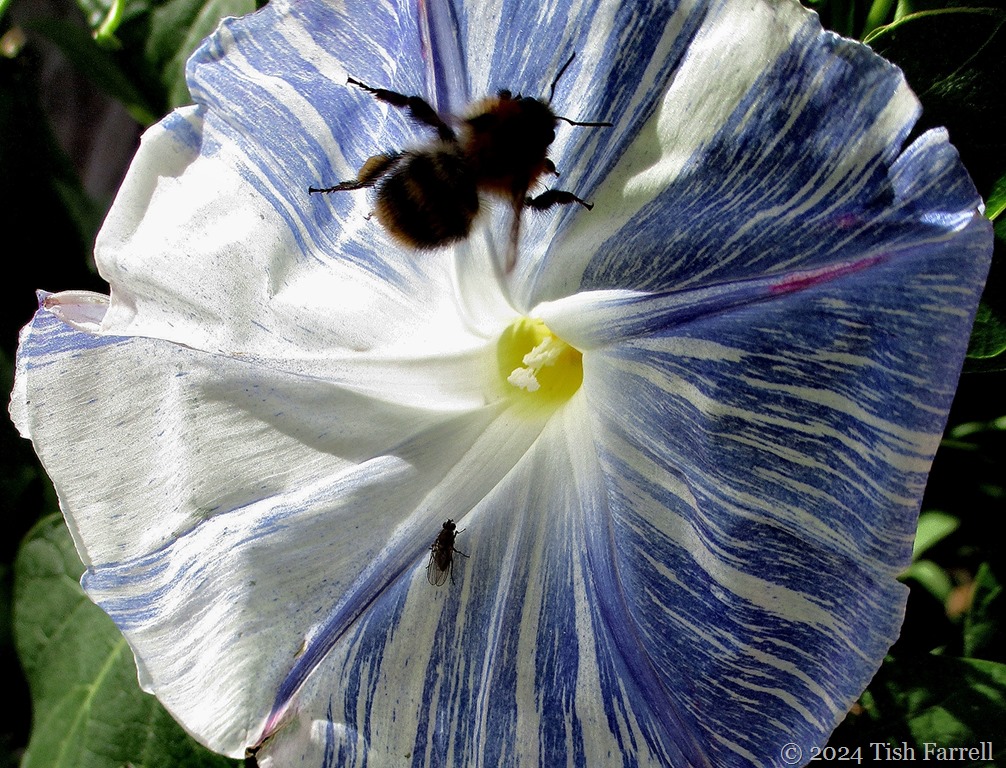
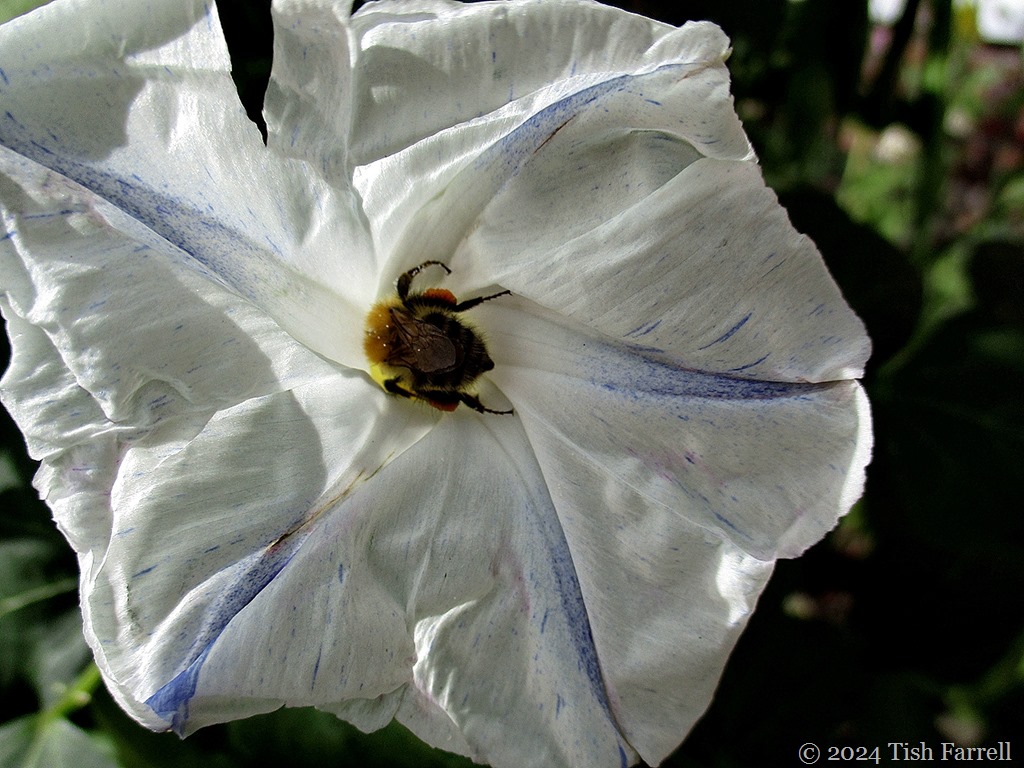
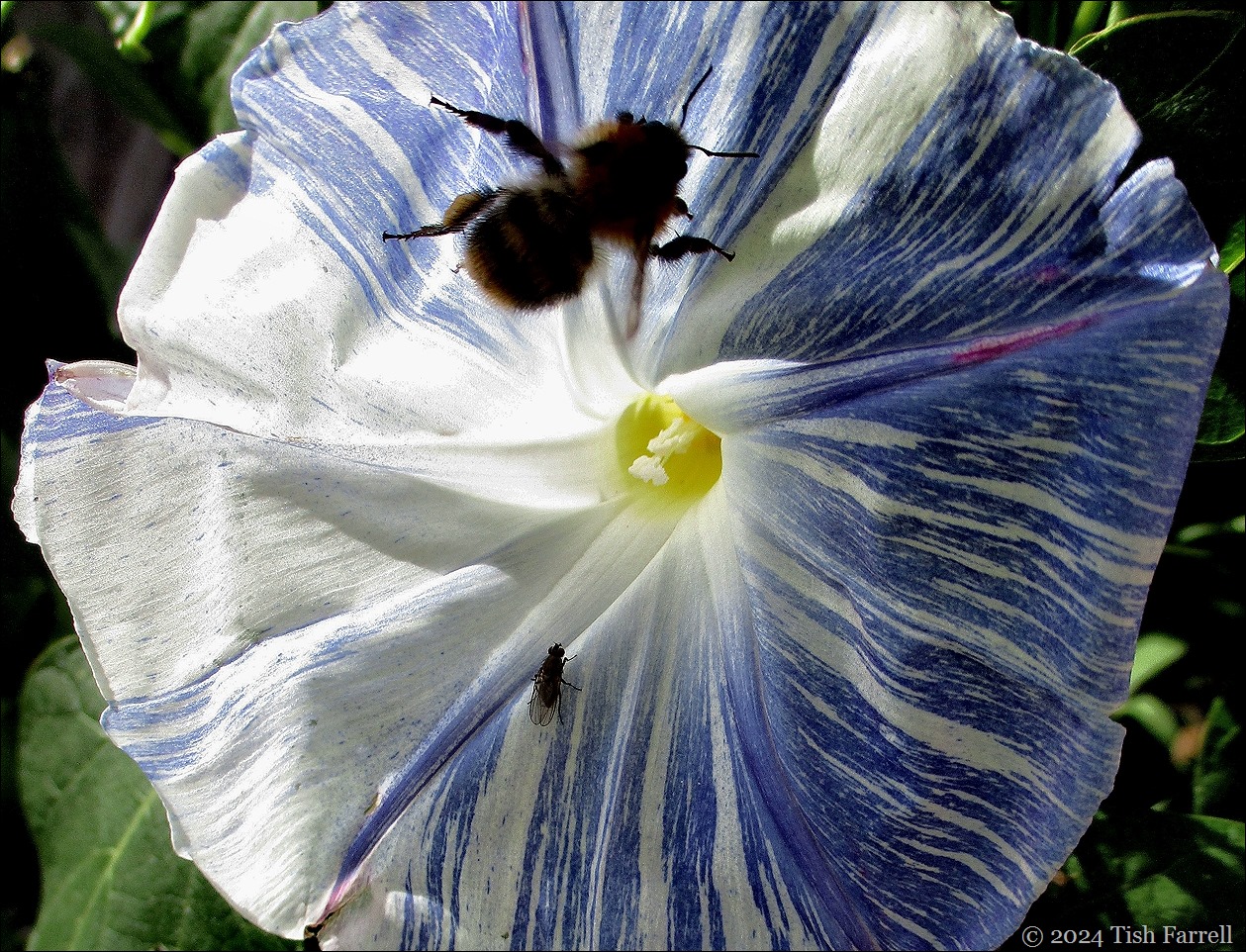
And no, we have no extra-terrestrial sightings here in Bishop’s Castle, at least not over The Gables, but I do have a few Flying Saucer Morning Glories. They are late on parade, growing up my obelisk of butter beans in the front garden.  I wasn’t really expecting them: the seed was several years old. Yet here they are, busy luring insectkind.

IMG_6145

*

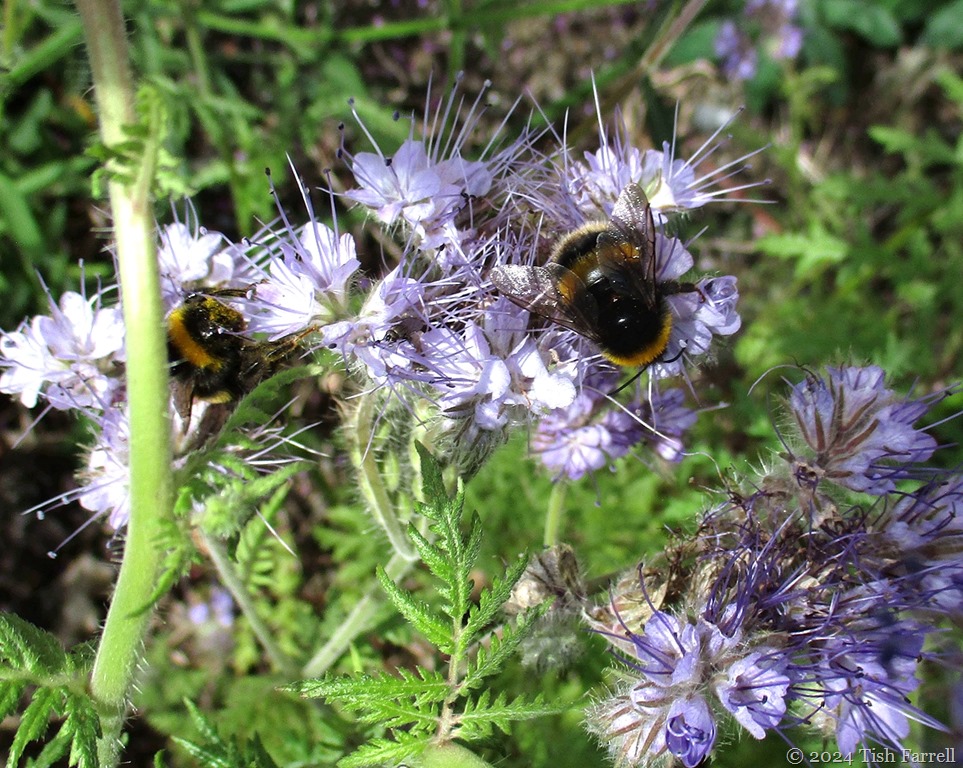
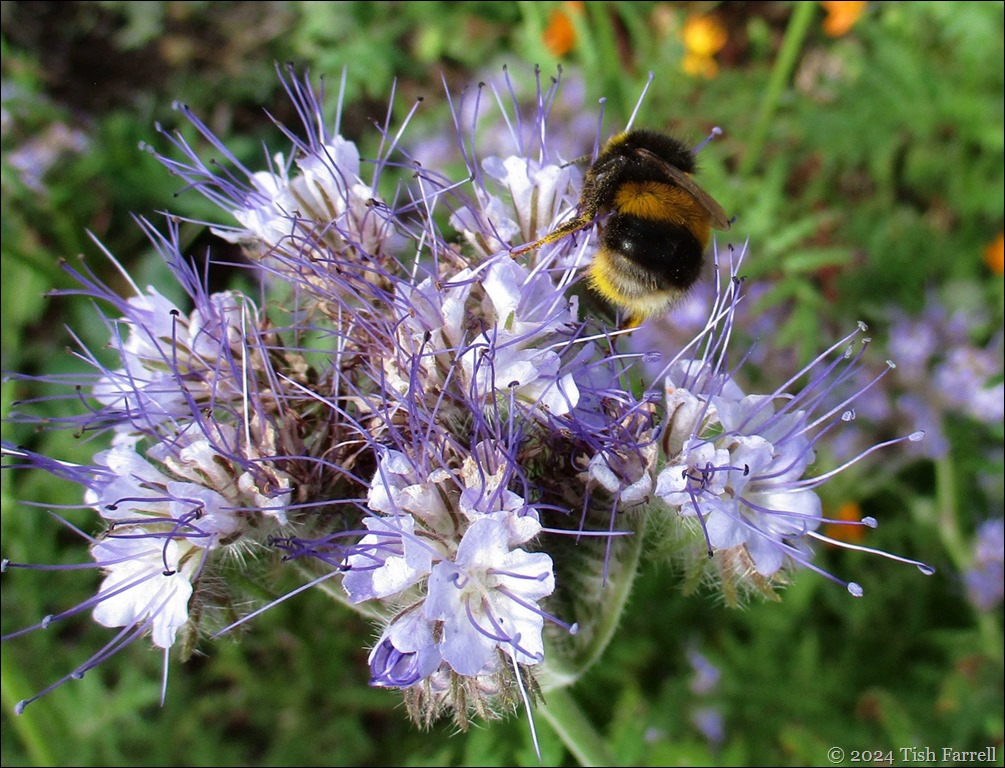
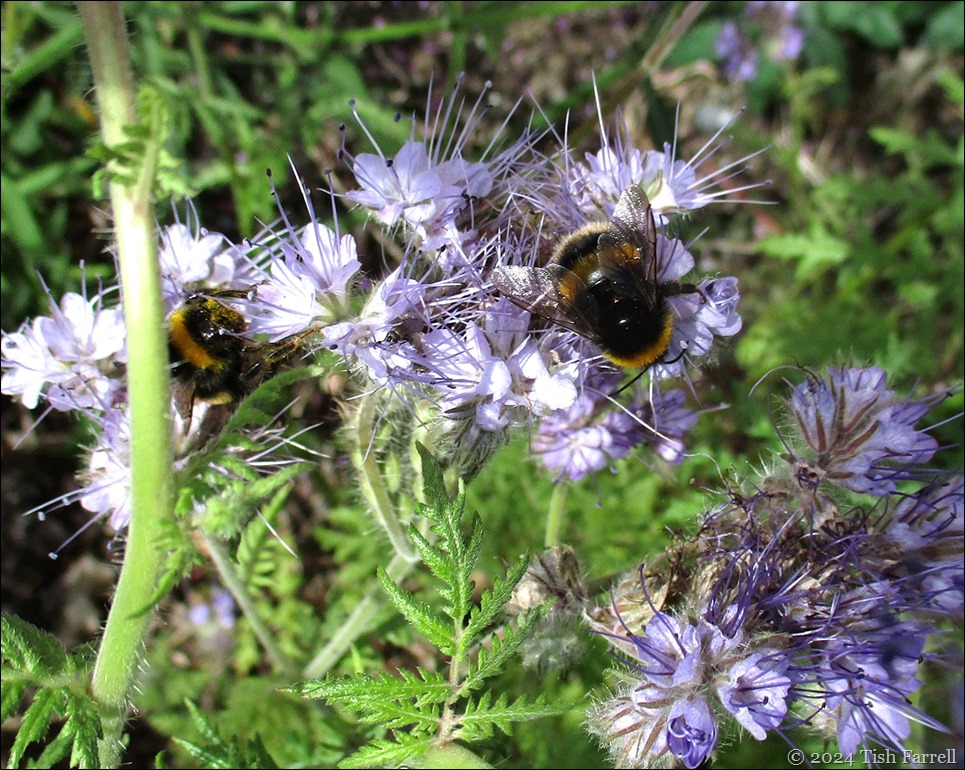
Also in the front garden, in the opposite bed, the phacelia has been flourishing for the past few weeks, every day alive with bee hum.
IMG_6172ed

IMG_6166ed

This borage family member hails from North and Central America where it also goes by the name of Scorpionweed, which sounds hair-raising. So far there has been no sign of cohabiting scorpions (no doubt a huge comfort to other half who was bitten on the foot by one while overlanding in the Sahara.)

I sowed the seeds quite late, probably around the beginning of July. As with the Flying Saucers, I was prepared for them not to germinate. The packet was left over from Wenlock allotment days. I grew it back then either as green manure or a cover crop. But then on a trip out in late June I’d spotted fields of it around Ludlow. I’d never seen it growing on an agricultural scale before. It was in full bloom and the fields seem to float in a mauve haze. More than a good enough reason to try it.

These days there is much farmer emphasis on improving soils and attracting insects on land taken out of food production (food security no longer seems to be a priority in government policy for British agriculture). Hairy crops like phacelia, vetch, linseed have been found to improve worm populations, this even in light and sandy soils.

I decided to try it on the ground where we had lifted paving slabs and left behind a layer of old mortar which had mostly been broken up into the soil. It looked very unpromising territory, and I wanted to see if anything would grow there. And it did. The seeds sprouted in a few days.

Usually if you’re growing phacelia to provide green manure, it should be dug in before it flowers to stop self seeding. But I thought never mind about that. The flowers are so pretty, their scent so subtle and, while they last, their kindness to insects immeasurable. The first frost will doubtless fell the plants, and I’ll probably leave them to dig in before spring.

*

IMG_6271ed

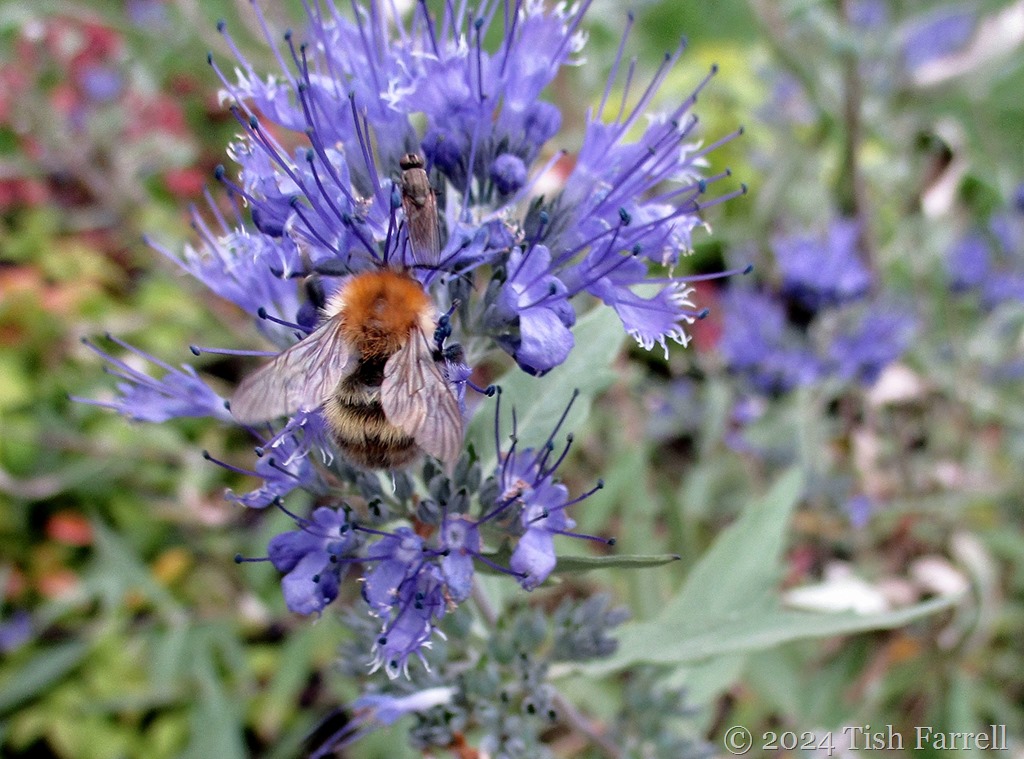
And here’s another insect friendly plant, doing its end of season feeding duty while looking lovely too: Caryopteris ‘Heavenly Blue’, a fairly compact hardy shrub bought back in the spring. It clearly loves our garden and has opened its branches so generously. The flowers are scented too, and it’s taken over catering duties from the neighbouring purple agastache, which is now a mass of dusky seed heads and no longer of interest to the bees.

Much of the rest of garden has a look of late-summer weariness. We had a couple of real summer days earlier this week, but there’s a real sense of autumn in the offing. My runner beans simply stopped producing at the end of August, for no reason that I can fathom. Although I did notice yesterday that a single plant has decided to grow a couple of strands worth. Perhaps one last small meal then.

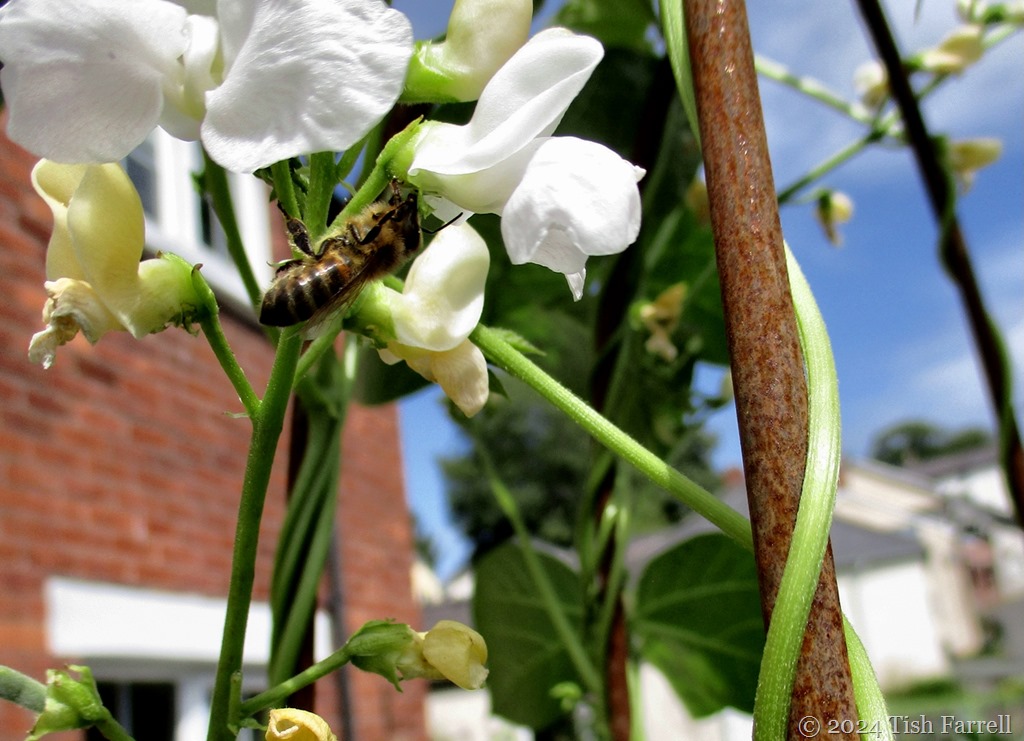
Meanwhile, the Flying Saucers’ hosts, the butter beans are still flowering like mad up the front garden obelisk. There are many pods but they are being very slow to fatten, doubtless down to the lacklustre summer and cold-spring start. I’m now hoping for an amiable October that might give the beans the chance to finish off. And for now, the blossom is still performing essential services.

IMG_5976

*

The good news, though, is that the horrendous brassica gobbling has ceased, this after the cabbage white caterpillars ate every kale plant down to the stalks. It did not matter that I’d covered crops with so-called butterfly netting and fine grade enviromesh. Somehow the butterflies sneaked in to lay their eggs. Patrolling the plants even twice a day proved a losing battle. They made inroads in the pointy cabbages too, but I’ve managed to save some of those.

Ever hopeful, I’ve replanted Russian and Tuscan kale plantlets under extra-fine mesh. The butterflies are still about, but not in the flocks we experienced earlier in the summer. Fingers crossed.

IMG_6282

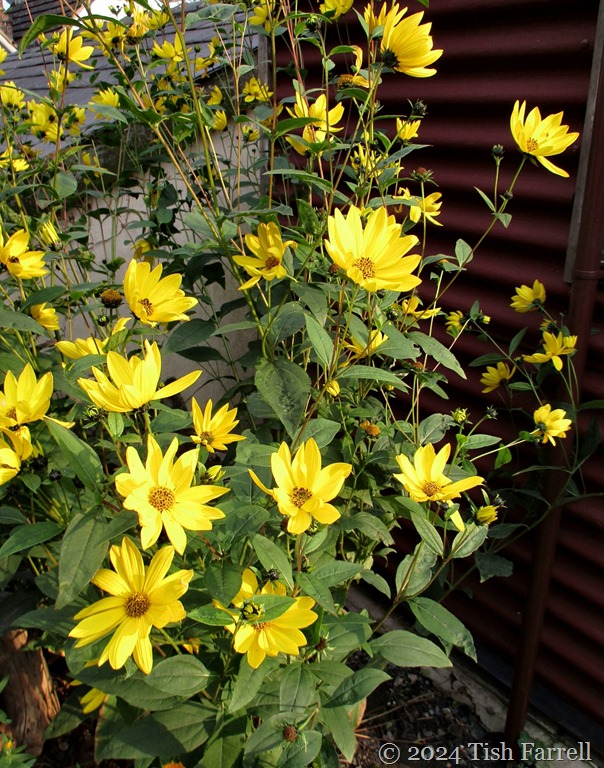
There are other bright corners in the garden, and especially this towering clump of helianthus, a perennial sunflower. Back in the spring when I planted it out, it was three single small stems with only a few roots between them. The cuttings came from my sister’s Little Stretton garden, descendants from plants that grew in our Aunt Miriam’s Devon garden. I’m so pleased to have it. I did not have a chance to grab a segment or two of my Wenlock helianthus before we moved. It used to be the star of the late summer guerrilla garden there. It’s growing even more vigorously in Bishop’s Castle.

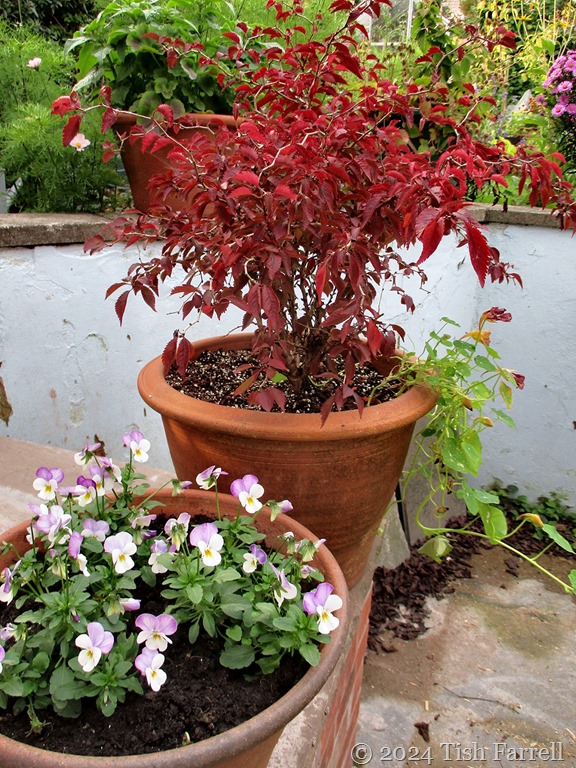
And last but not least, but definitely with an eye to autumn in its new russet foliage, this is a newcomer to the Farrell garden, Japanese cherry kojo-no-mai. (Posing here with some very sweet violas).

IMG_6254

It will eventually grow into a small tree, but for now seems happy in this pot.

*

Six on Saturday  Please visit Jim at Garden Ruminations. He needs some get-well wishes.

Oh, What A Perfect Day…

IMG_6231ed

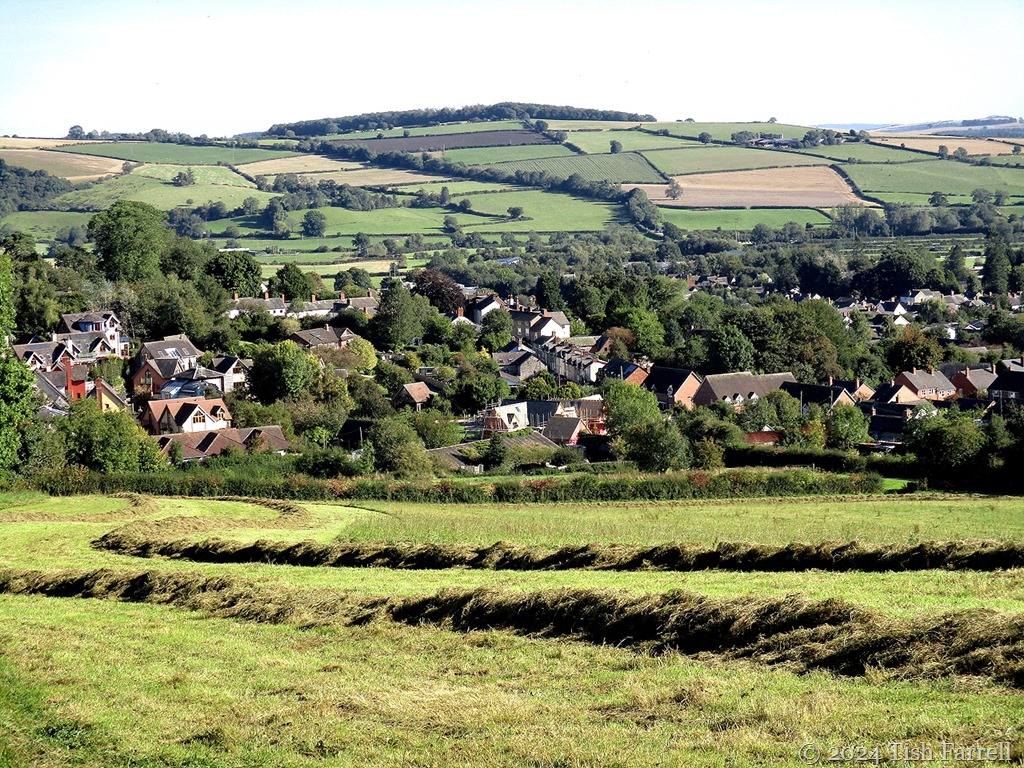
Yesterday felt as if all our missed summer days had been rolled into one. It was warm, the light golden, the sky a flawless blue in every quarter. In the afternoon I took myself off for a walk – up Laburnum Alley and into Welsh Street, and thence up a green lane out of the Castle and onto the uplands.

IMG_6233ed

IMG_6220

IMG_6191

*

There’s little to hear but the bleating of sheep, the thrum of a combine harvester just over the hill and rook call. The town lies quietly below.

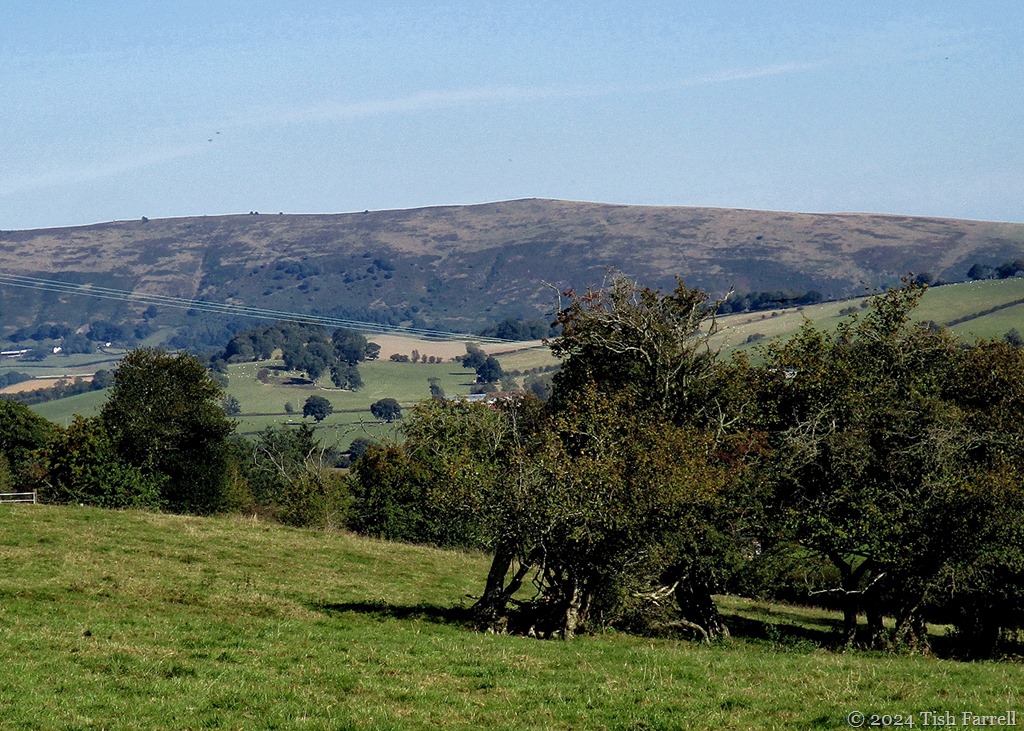
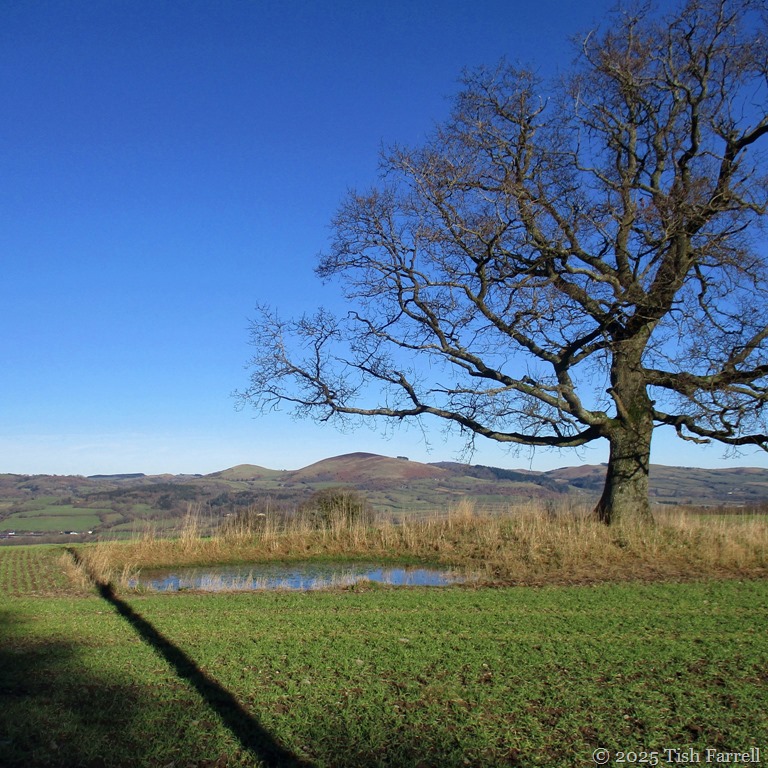
As I climb, I stop to scan the changing vistas. From the highest point there is a near 360 degree ring of hills surrounding Bishop’s Castle, the most obvious for its length being the Long Mynd. Whenever I see the Mynd I always give a mental wave to sister Jo, who lives on the other side. I sometimes thinks it’s odd to have this very big and ancient hill between us; some of the oldest rock in the world in fact.

IMG_6195

Looking east-ish towards the Long Mynd

*

And towards the opposing quarter…

IMG_6221

*

I need a Castle local to teach me the hills, particularly those to the north and west and into Wales. I know the names – Corndon, Lan Fawr, Roundton, Todleth …and I’m guessing they are in the next photo moving from right to left (?) and that the big wood below is Saddler’s Big Wood.
IMG_6228

*

For now, some other scenic spots…

IMG_6223ed

IMG_6196ed

copyright 2024 Tish Farrell

Six on Saturday ~ More From The Random Garden

IMG_5634

As I said in my last Six on Saturday post we have a new garden. I also said that for various reasons – rampant weeds to clear and too much wet weather from winter to spring – I was all behind come growing time; things got sown or planted out wherever there was space at that particular moment.

This has since made protecting cabbages, purple sprouting, kale and cauliflowers, first from pigeons, and more recently from hoards of cabbage white butterflies intent on laying their eggs, somewhat problematical, not to say given rise to a mishmash of netting and other protective devices rather too reminiscent of my former allotment contrivances.
So number 1, since it is preying on both my mind and on my brassicas: CABBAGE WHITE BUTTERFLIES…

IMG_5954

Caterpillar damage on Tuscan kale

*

cabbage white

I actually quite like this photo. The more so as the target of interest is my SoS 2: agastache or Vietnamese Mint. The butterfly is calling in for an energy fix, which I suppose I should mind. (Enough procreation, thank you!)
IMG_5898

*

I love the agastache. It smells of aniseed and its leaves are edible. It’s a perennial (I grew lots of it from seed this spring), though I’m not sure how hardy it will prove in a Bishop’s Castle winter. Anyway, it is a very tidy plant, growing beautifully upwards with lots of purple-mauve spires – not easy to photograph well.

IMG_5844

*

SoS 3 is one of this week’s very pleasing finds: a nice young toad lurking by the outside tap.

a young toad

We’d already found a much bigger toad hiding under an old tile by Graham’s new garden shed creation. I’m wondering if there may be more, because so far there has been very little slug damage along the vegetable rows – so little in fact, I can’t quite believe it. (Lull before storm?)  We were besieged with molluscs in Much Wenlock. We do have the odd big snail however.

Talking of the new garden shed, this is number 4. I’ve mentioned elsewhere that it’s being built from scratch, incorporating recycled parts from our April roof makeover and other assorted materials, the whole inspired by a Great Western Railway goods wagon. I’ve had to sacrifice what might otherwise have been a large and useful garden border, but never mind. I’m liking the shed. It’s presently having its rubber roof applied.

IMG_5883

IMG_5942*

SoS 5 is the front garden sweet corn. It’s growing tall and starting to tassel. Possibly planted rather tightly, but so far the plants don’t seem to mind.

 IMG_5947

*

As seen a couple of weeks ago:

IMG_5912

I also have a neighbouring raised bed with cabbages and spring onions. On the farther side of the front garden there is now a row of purple sprouting growing where the potatoes were, netted of course.
The two raised beds seen here were made from building work off-cuts, and I’m hoping for more to be made when the shed is done, and eventually I’ll move these to the back garden.

Or maybe not. The front garden does seem a good growing spot.

There’s also some good growing going on at the bottom of garden. I’m pleased that back in the winter I managed to make a good compost filled trench for the runner beans. It brings me to no. 6 – last night’s first meal of the season. Always a gardening landmark in Farrell household.

IMG_5944

IMG_5948

The trench of garden waste and hot bin compost certainly seems to be working  well for runner beans Emergo and Painted Lady

*

IMG_5958

Up, up and away…

*

Six on Saturday

Please visit Jim’s lovely garden at Garden Ruminations


header sweet corn