Upsy-Daisy Does It

IMG_6105

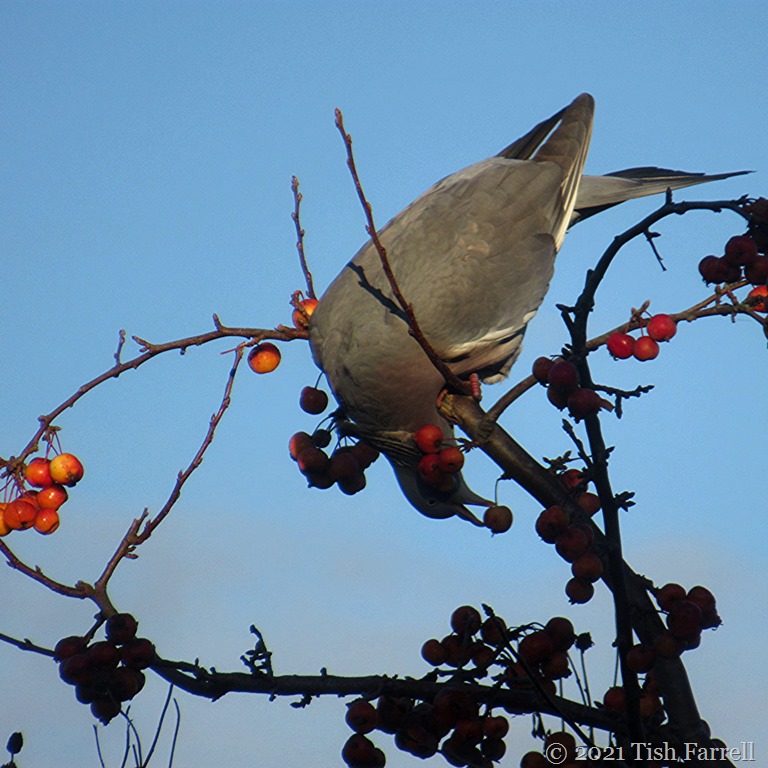
It was definitely a case of trial and error. This wood pigeon was far too big and heavy to perch safely in our little crab apple tree AND snaffle the apples. Various approaches were attempted. Finally the down-under manoeuvre did the trick. Success!


Square Up#20

Today Becky is using her magic crystal ball to do some conjuring.

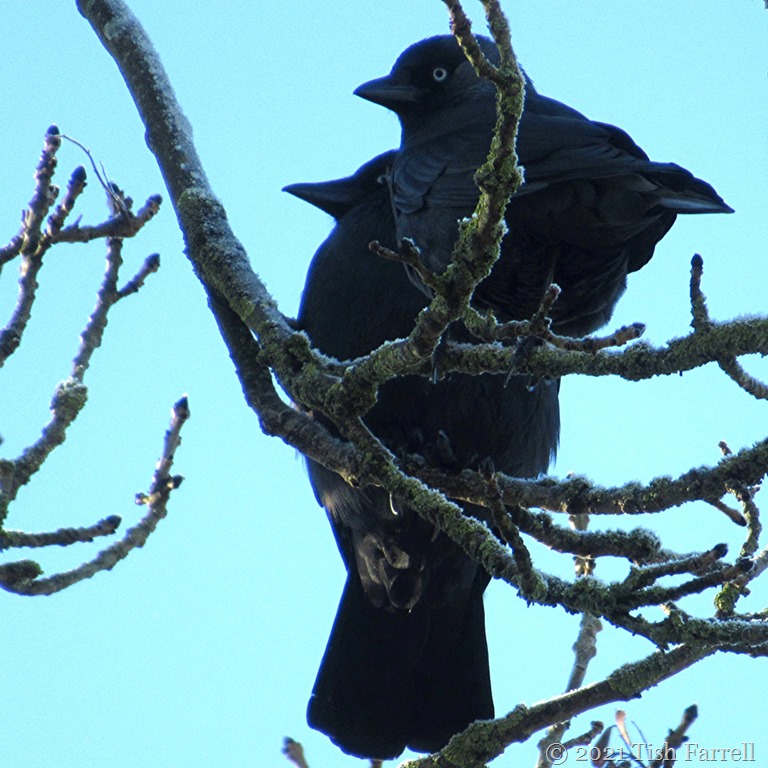
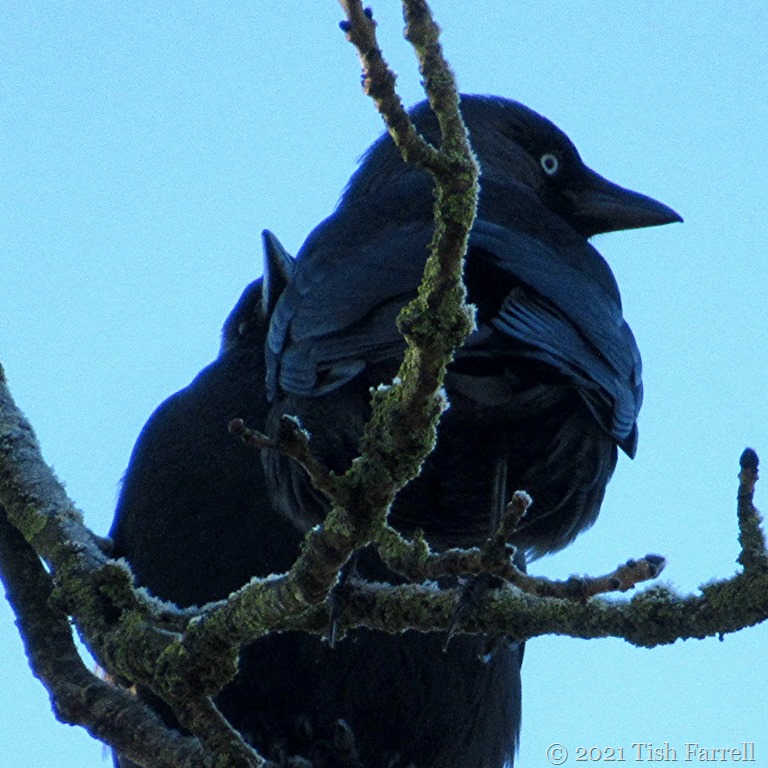
Bird Weekly – up tails all

This week Lisa wants to see ‘butts in the air’ bird life.

Uplands: Wenlock In Shades of Brown

P1020130

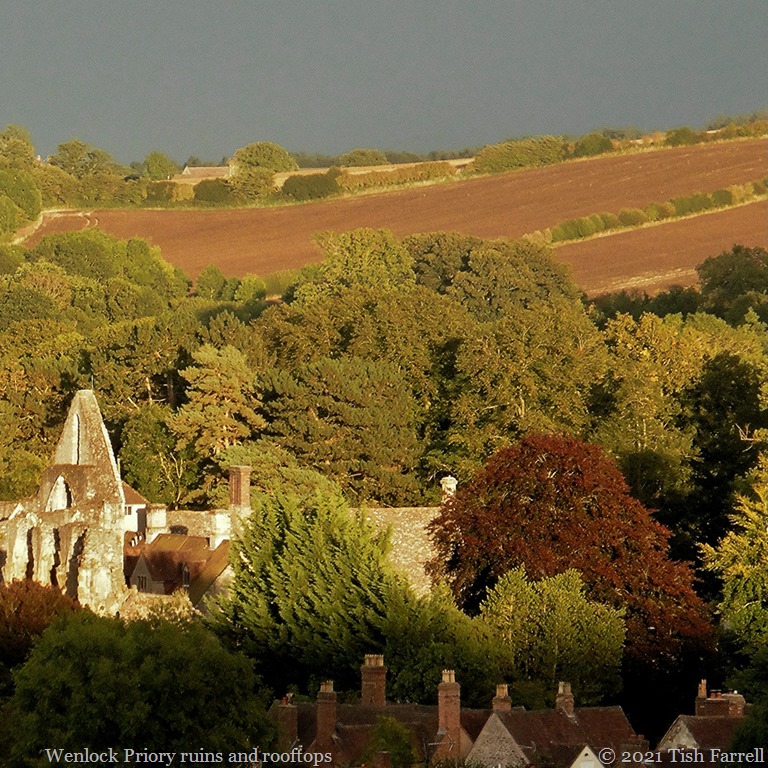
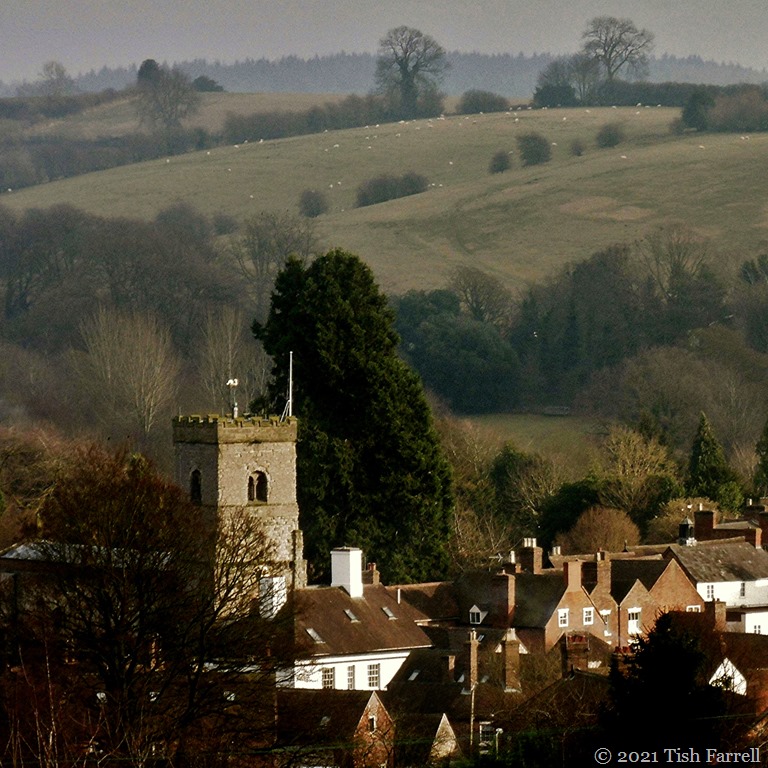
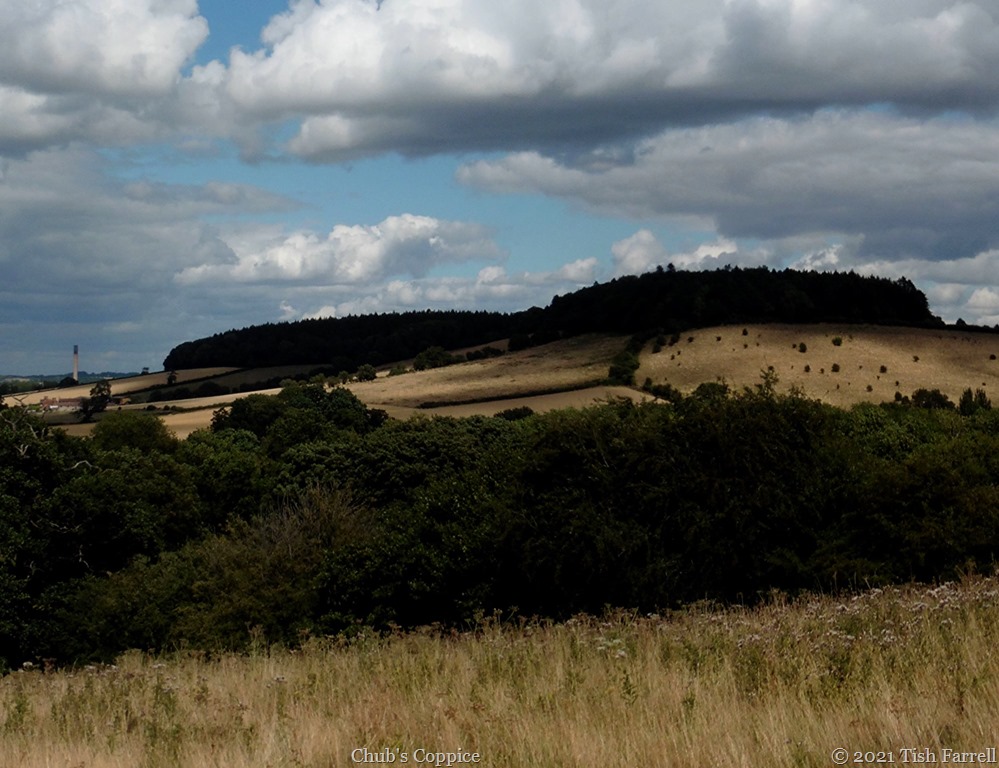
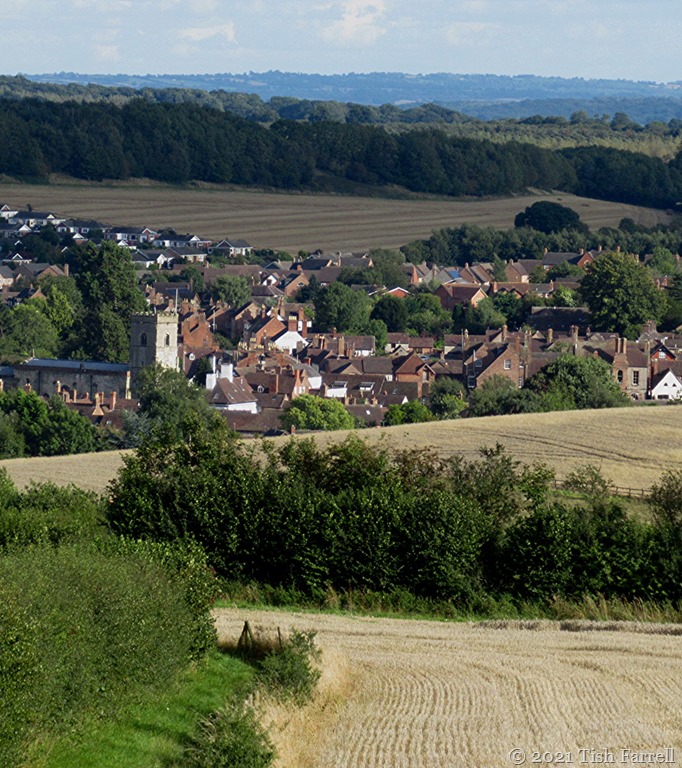
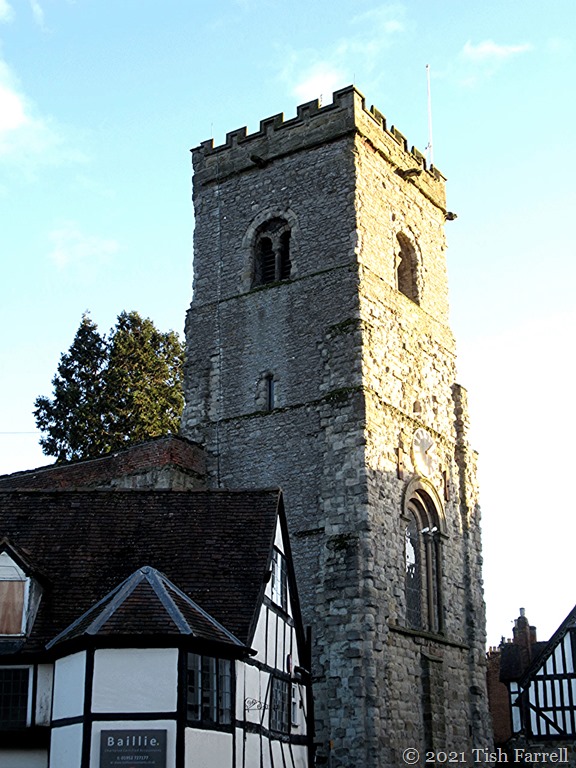
It is rather strange, but when you are wandering round Much Wenlock you are hardly ever aware of its upland surroundings. Yet it sits in a steep-sided bowl between the upthrust strata of Wenlock Edge and various residual hills and hummocks from Ice Age days. It is a place of natural springs and erstwhile saintly wells, with hints, too, from ancient finds that its waters may well have been venerated in Roman times. It was doubtless the reason why the Saxon Princess Milburga established her convent here around 670 CE, ‘cleanliness being next to godliness’ and so on.  She was the subject of many local legends, most of them relating to her fleeing the unwanted attentions or lusty males, while conjuring protective streams and rivers to thwart her pursuers. The water from the town well named after her was believed to restore poor eyesight.

The priory ruins and parish church you see in these photos date from six and more centuries after Milburga, belonging mostly to the Norman era wherein the invaders sought to dominate the local populace with overbearing architecture. Wenlockians, though, knew how to take some advantage from the situation. It was said that the best ale in town was brewed from rainwater collected from the church roof.

P1060826

P1090051sq

P1070739

IMG_9737

SquareUp #19

Life in Colour

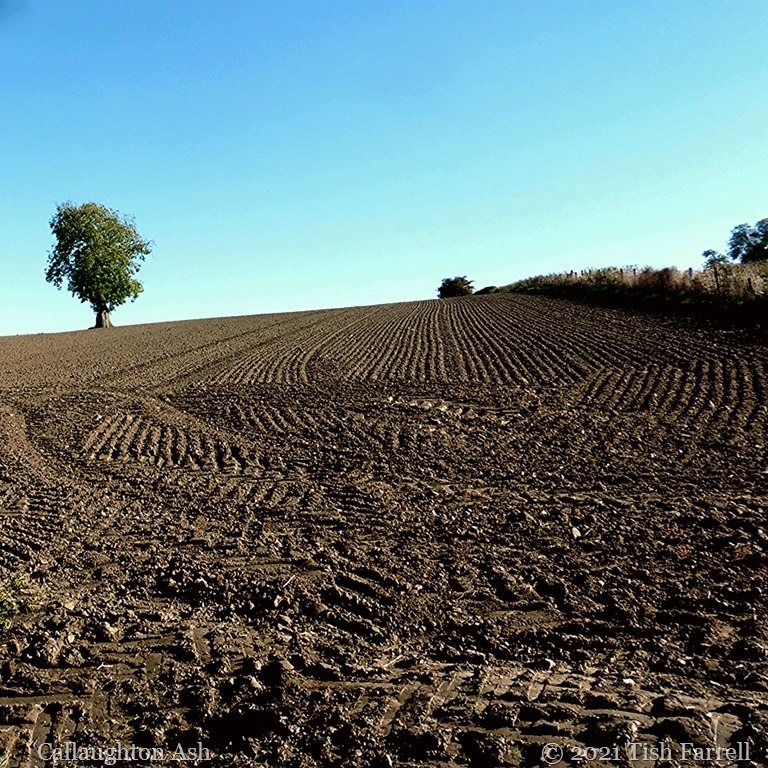
This month Jude at Travel Words is asking us to consider the beauty of BROWN – earth colours.

Onwards And Upwards

IMG_1840sq

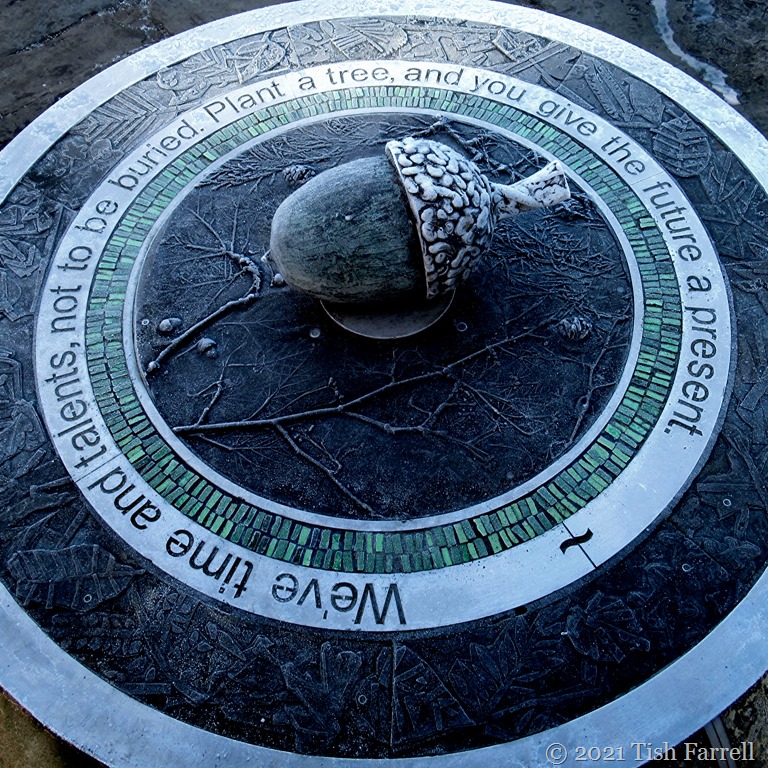
In 2012 Much Wenlock’s Olympian Games Committee commissioned a series of five artworks to mark the town’s founding connections with the modern Olympic Games[**].

You might describe them as stone ‘tuffets’, though they are rather larger and lumpier than Miss Muffet’s seating arrangements. Local school children contributed creative notions and designs for the tops. This one now sits in the town square (after a few years getting grubby on the Linden Field) and is my favourite. Cultivate our hidden talents, it says, and if we can – plant a tree.

IMG_7884


[**] see earlier post on Wenlock’s connection with the revival of the Olympian Games HERE


Square Up #18

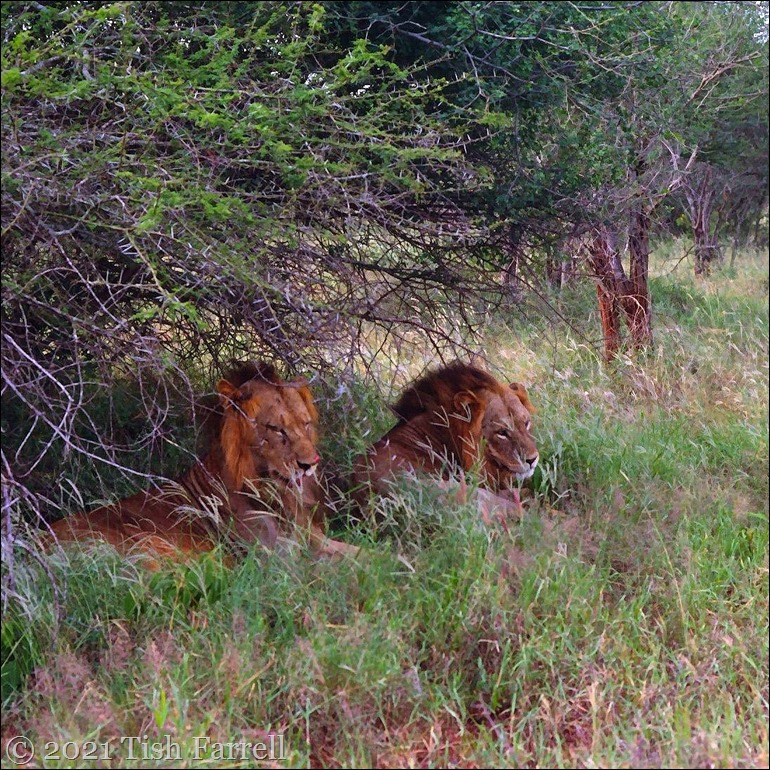
Lions Resting Up

201sq

This photo records my first close encounter with lion-kind. I still find it hard to believe I was there.  I’d not long arrived in Kenya, not so much tourist as camp-follower to Graham who was out there on a short-term consultancy. He had recently returned from Mexico where he’d been studying the habits of the Larger Grain Borer (LGB), a tiny maize-devouring beetle which had been imported into Africa from the Americas in a cargo of food aid. The alien beastie had by the 1990s spread across the continent along the lines of rail and road and was busy infesting grain stores in Taita near the Tanzanian border and also in Ukambani in southern Kenya.

Graham was there to provide technical support to a British funded project that was planning to introduce a predator-specific beetle to control the LGB spread. For several months we had no home base. Instead there was an endless back and forth along the Mombasa highway between Nairobi and the coast, Graham spending two or three days at a time at research sites in Kiboko, Taita Hills and Mombasa. I went along for the ride.

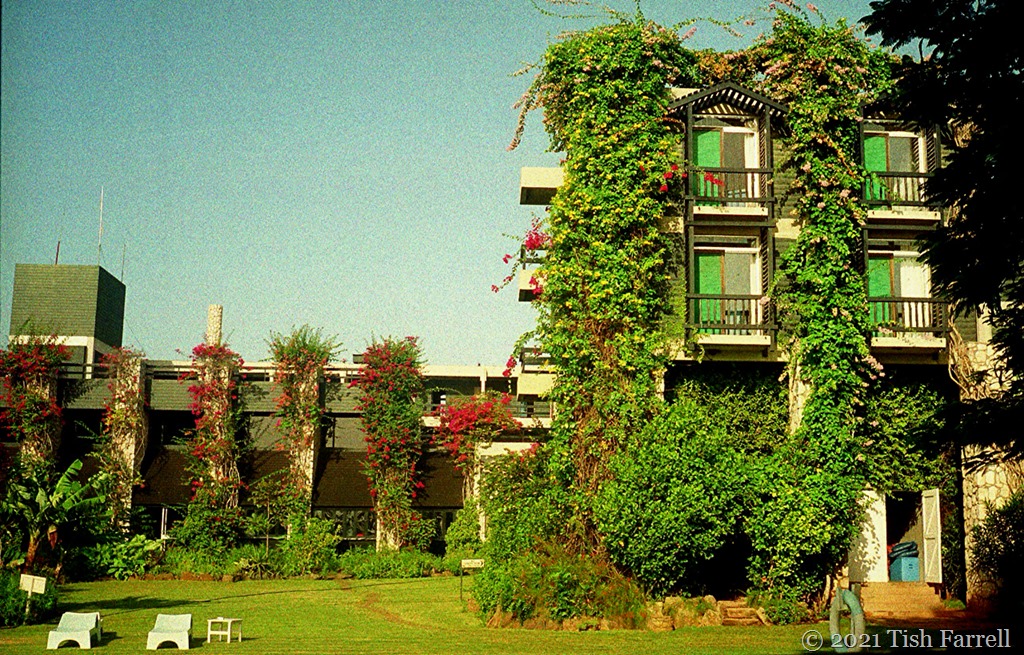
At the coast we stayed in beach cottages. At Taita there was a rest house in the hills, but when it was booked up, we stayed at the extraordinary Taita Hills Hilton, a four-star safari lodge in the middle of nowhere. It came with its own private small game reserve, a former colonial sisal plantation run back to bush. (For anyone who’s read William Boyd’s An Ice cream War  this was the territory – between the Mombasa railway and the Taveta border).

Taita Hilton pool terrace

And so, one Saturday afternoon when Graham had finished working, we took ourselves for a game viewing drive around the Taita reserve. Left to our own devices we would not have seen the lions. But some rangers on patrol stopped us. ‘Have you seen the lions,’ they said. No? ‘Come. Follow us.’ They hived off into the bush in their sturdy truck. We followed (carefully) in the works’ Peugeot 307 saloon (!) And there they were, two lions under a thorn bush. Who’d have thought it!

Square Up #17

Elephant Totos Playing Up

001 (2) sq

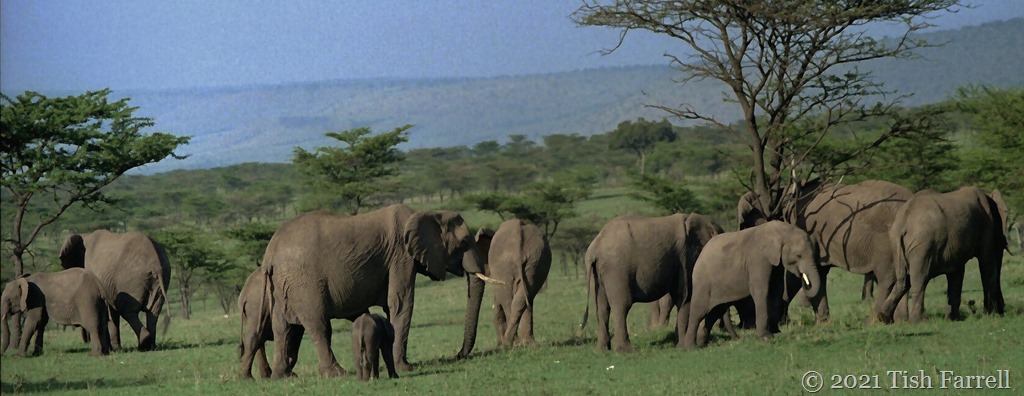
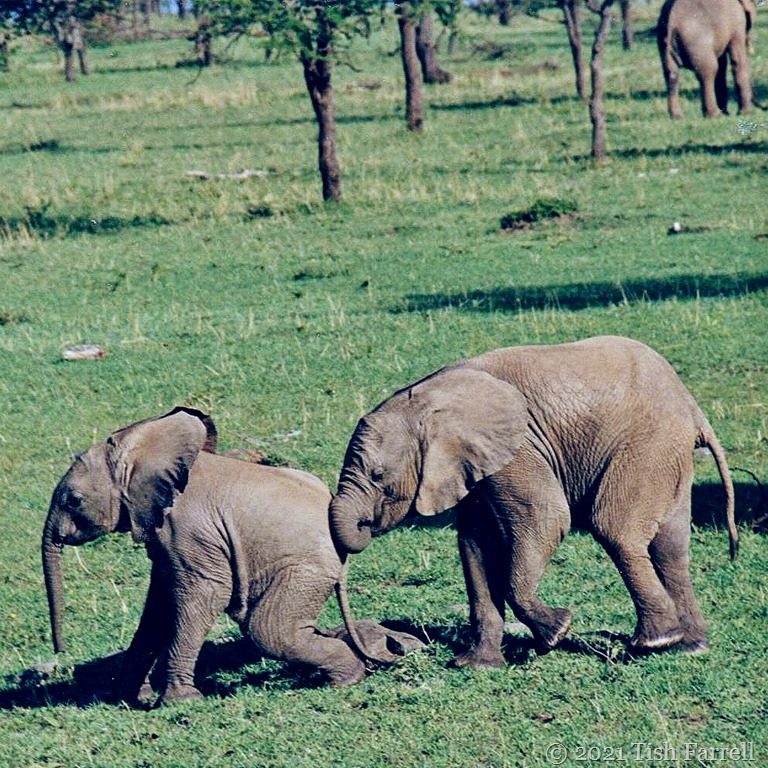
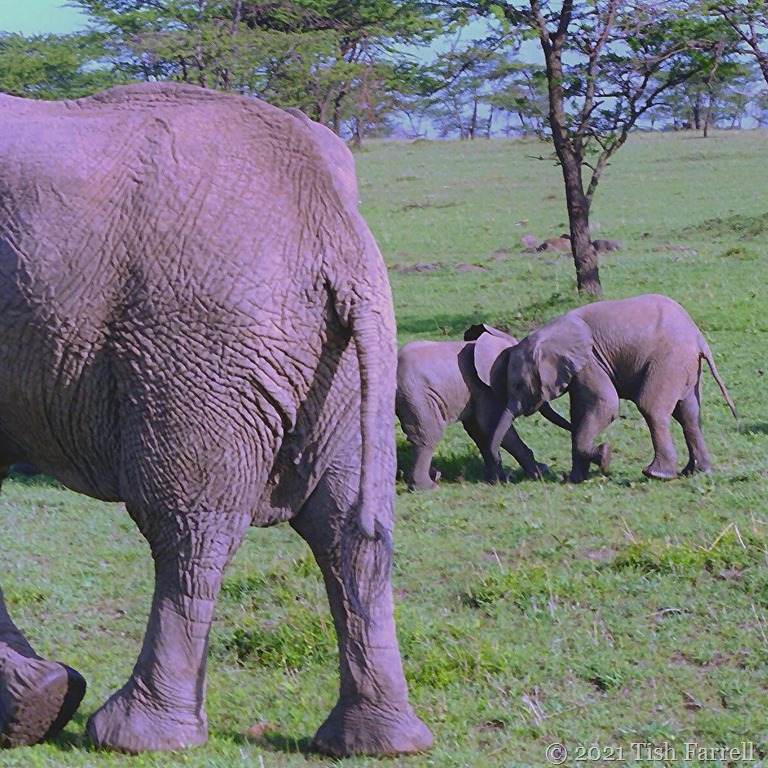
These photos are from our last trip to the Maasai Mara before we left Kenya – this after nearly eight years as ‘displaced persons’. It was late December and our family from the UK had come out to join us in millennium celebrations. Everywhere there was talk of the ‘dreaded bug’ – mass panic of how on the stroke of midnight New Year’s Eve 1999 all world intercommunications and computer functions would be scuppered. At such times one definitely knew there was more common sense to found among animal kind than with humanity.

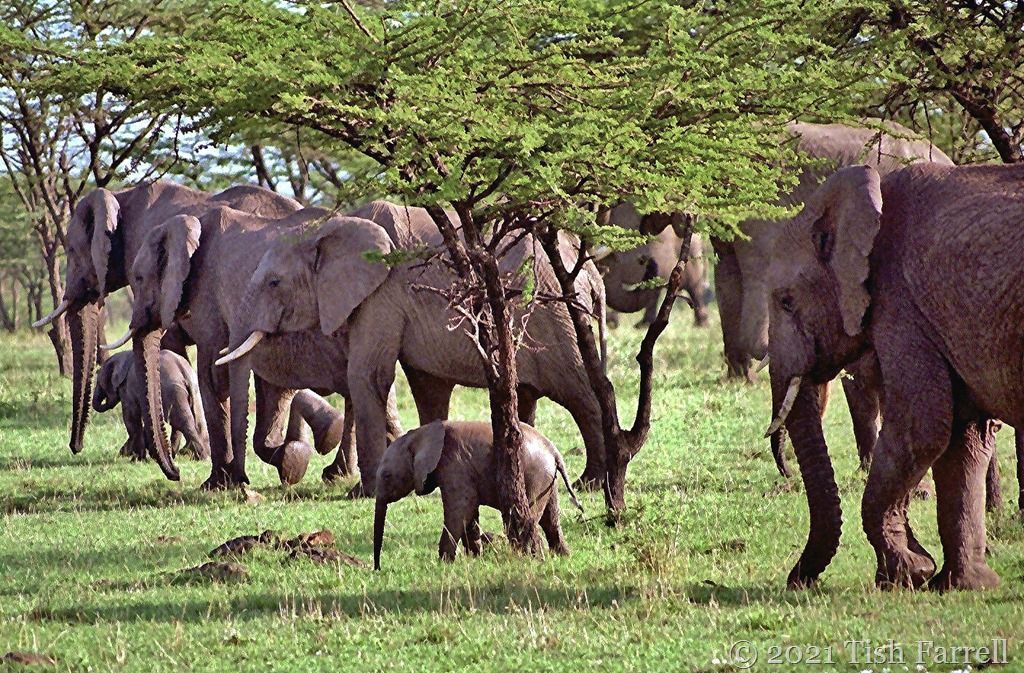
We had left camp on an early morning game drive. Dan our driver-guide had brought a picnic breakfast of mammoth proportions and it was he who decided to stop the truck and break into the hard boiled eggs and pastries just as a large herd of elephants was passing by.  They came so softly, footfalls ever muffled by the large cushions of fat that elephants have in their heels. You could smell them though – the musky, muddy smell that is like nothing else. The adults seemed to be moving as one, a measured ambling pace with no deviation. Only the children weren’t quite coming to heel.

sq

For most of the year female elephants and young live in small matriarchal groups while the adult males pursue a separate existence in their own loose-knit herds. But come the rainy season, all these small groups may gather into a single large herd as they set out looking for fresh vegetation.

They couldn’t have cared less about us; gave not one sign that they had even registered our presence. Later, as it was going dark and we were returning to camp, we met the herd again. Dan stopped the truck and the herd moved around us, close enough to touch. They moved like shadow-ships through the Mara twilight. At such moments you tend to find that you’ve forgotten to breathe.

Scan-130510-0019


Square Up #14

Gave Up Flying, Took Up Running

ostrich sq

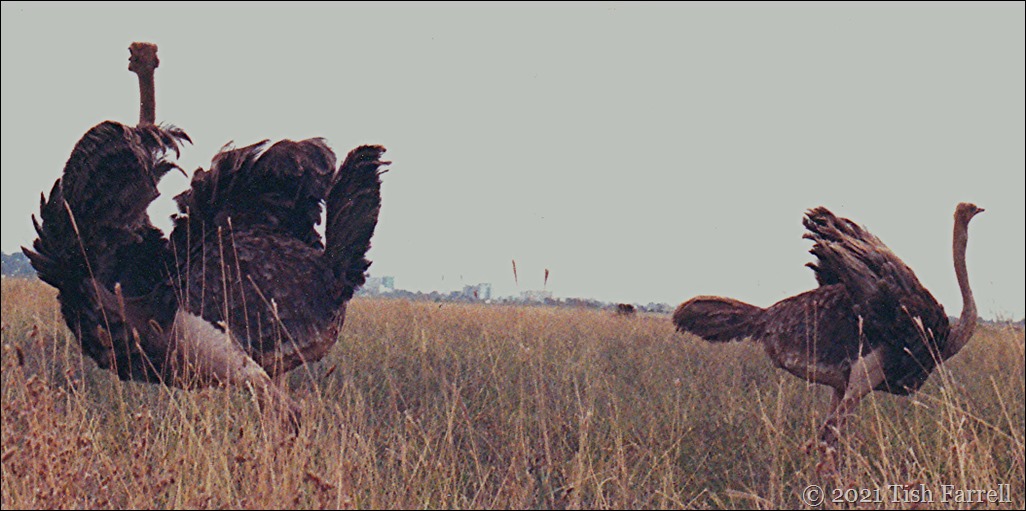
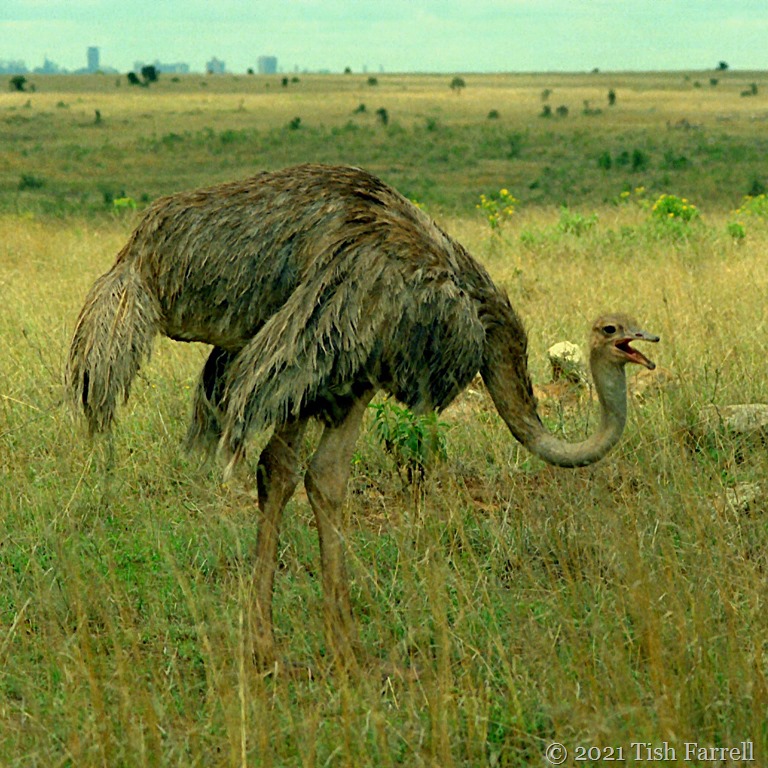
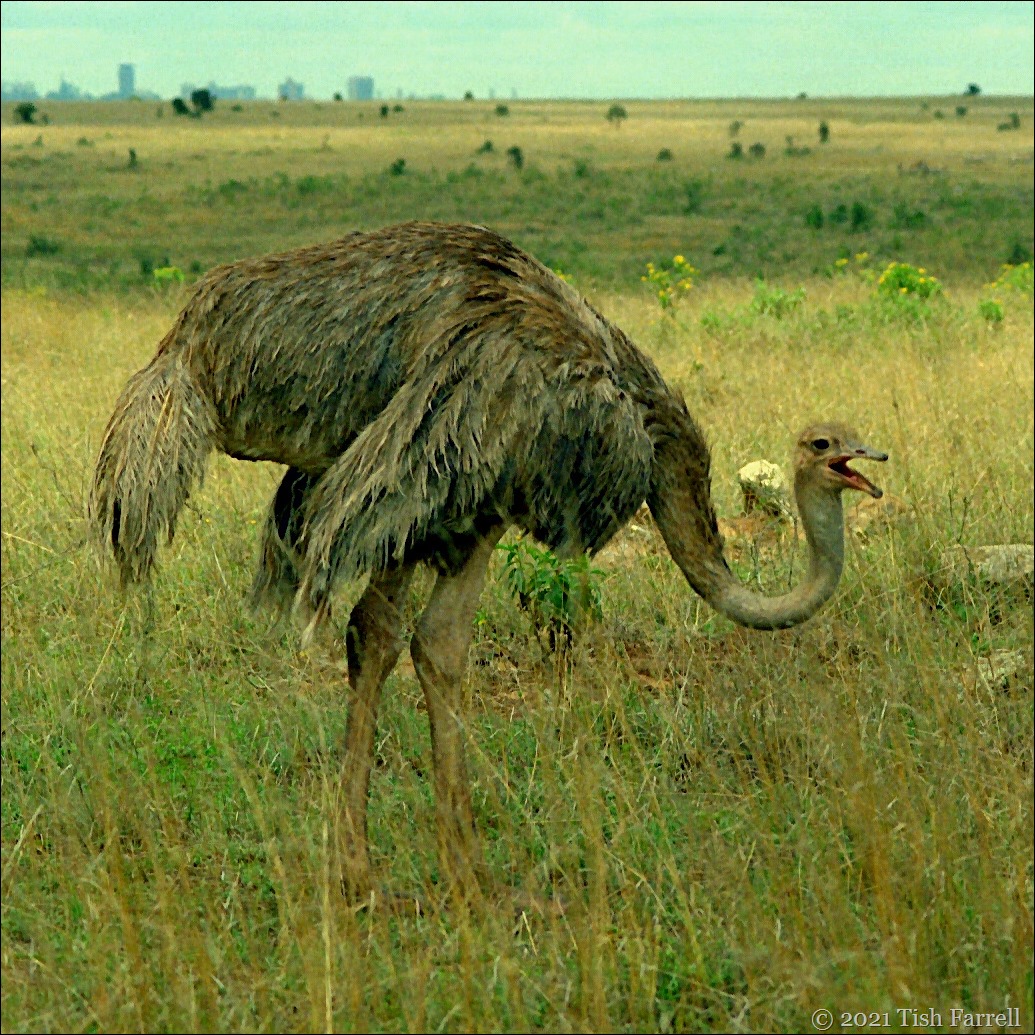
You can see the city high rises in the top left behind the hen ostrich. She is standing in Nairobi National Park (some 40 square miles) which nudges up against the perimeter of Kenya’s capital, including the industrial zone and the main airport highway. In our time, the park still had an open wildlife corridor to the south, though even then there were problems of settlement encroachment. These days too, there is another kind of incursion – in the form of a super-duper elevated Chinese railway that cuts across the park on tall concrete pillars. This line replaces the old Uganda railway built right across Kenya by the British administration between 1895-1901, also known in its day as the Lunatic Line.

The colonial railway cost British taxpayers a lot of money, and was built entirely to satisfy UK strategic interests (i.e. not at all for the benefit of local populations). In order to recoup the cost, settlement by British gentlemen and especially members the ‘officer class’ was actively encouraged. It was envisaged they would engage in large-scale ranching and planting along the line of rail and produce valuable cash crops for export.

In the early 1900s the chaps who came out to British East Africa all had notions of making big fortunes. One of those notions involved ostrich farming, or rather ostrich feather farming, since those airy plumes were just then in high demand for ladies’ hats. These same chaps also knew that some other chaps down in South Africa had made it rich from feather production.

Unfortunately the  ostriches of British East did not prove especially accommodating within what turned out to be a very small window of opportunity. One way to set up business was to collect eggs from the wild (a single nest might have twenty or more eggs) and then incubate and rear the chicks. But then robbing a nest could be hazardous; ostrich parents are fierce guardians, taking it in turns to protect their offspring. (N.B. a kick from an ostrich can break a man-leg).

Early settler Lord Delamere thought to speed up operations by recruiting a cohort of mounted Somalis to organise an ostrich drive across the open plains of his Rift Valley estate, thereby separating flocks of part-reared chicks from the hens and driving them towards the farm dairy where farmhands, stationed behind thorn trees, had been charged to grab any passing chick and imprison them. It did not go well. Even ostrich chicks can wrestle.

And then the captured adult cock bird proved most unbiddable, even with a sock over his head (an approach that was supposed to calm him down). He was last seen sprinting across the plains, still be-socked, having broken from his pen. And by the time all this had been gone through, the bottom had dropped out of the hat feather market because some idiot had invented the motor car wherein ladies’ plumed headgear proved most unsuitable and was apt to blow clean away.

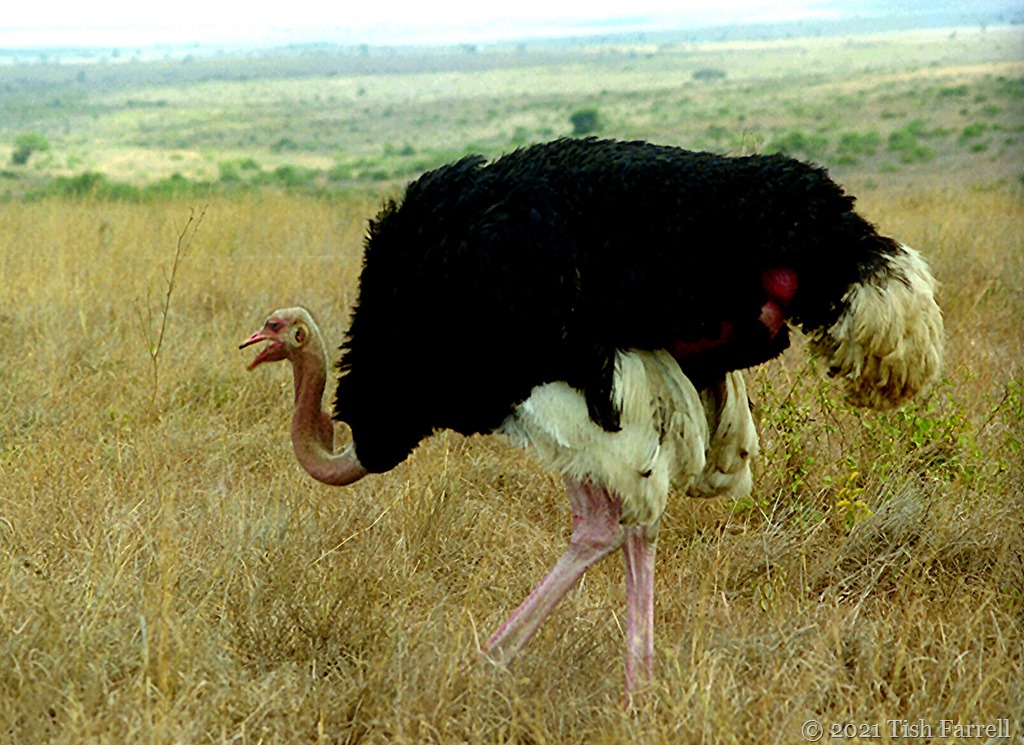
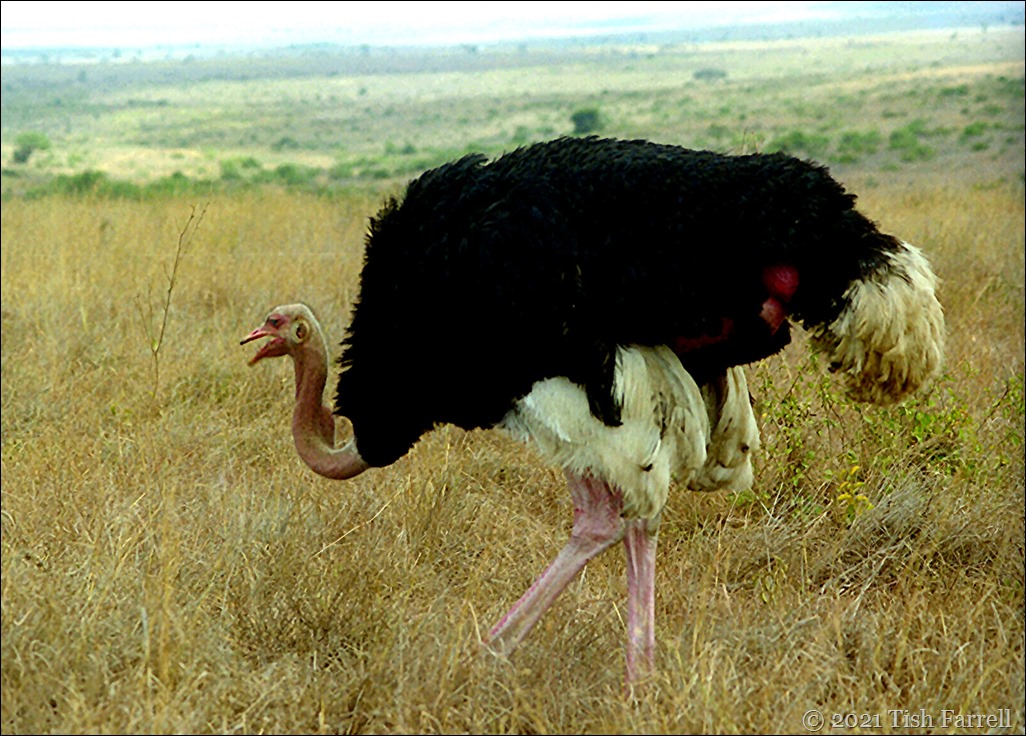
All of which is a bit of a deviation from the point I intended to make. Ostriches may not fly, but they can certainly run: over 40 mph (70kph). The fastest birds on the planet. Just look at those legs in the next photo. They also come with huge, clawed feet attached.
park 21


Square Up #13
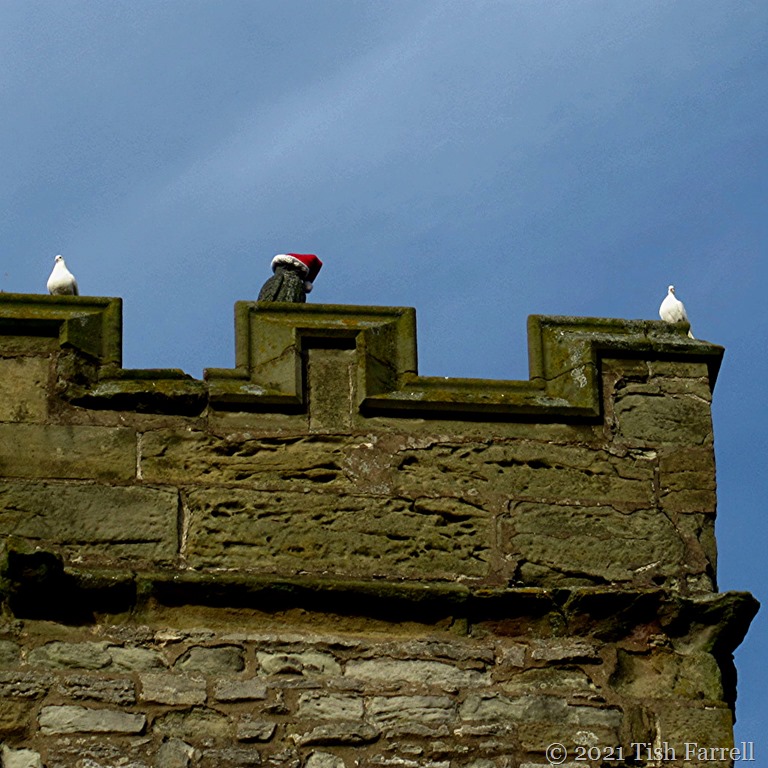
Whatever’s Going On Up There?

IMG_1850

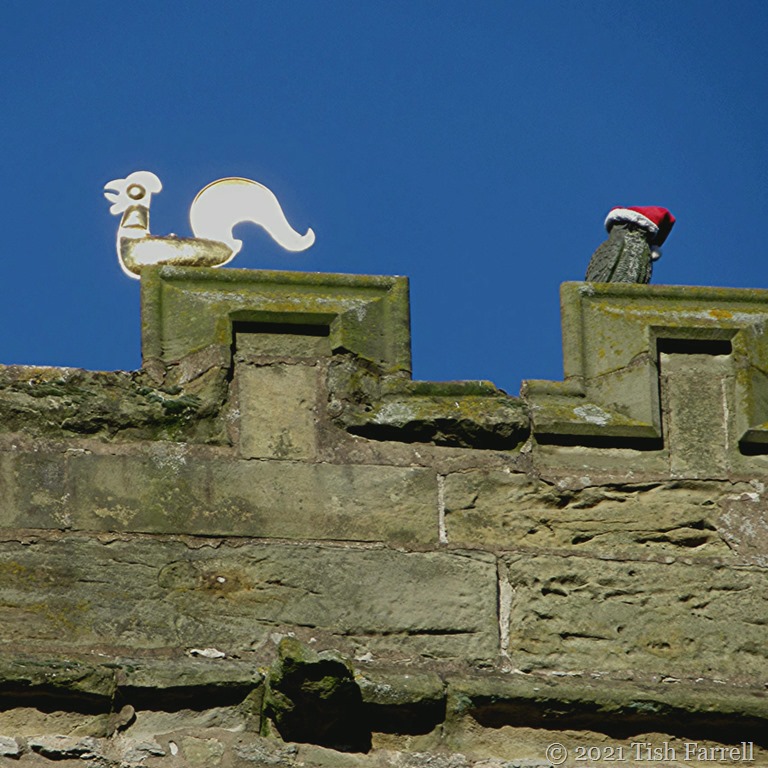
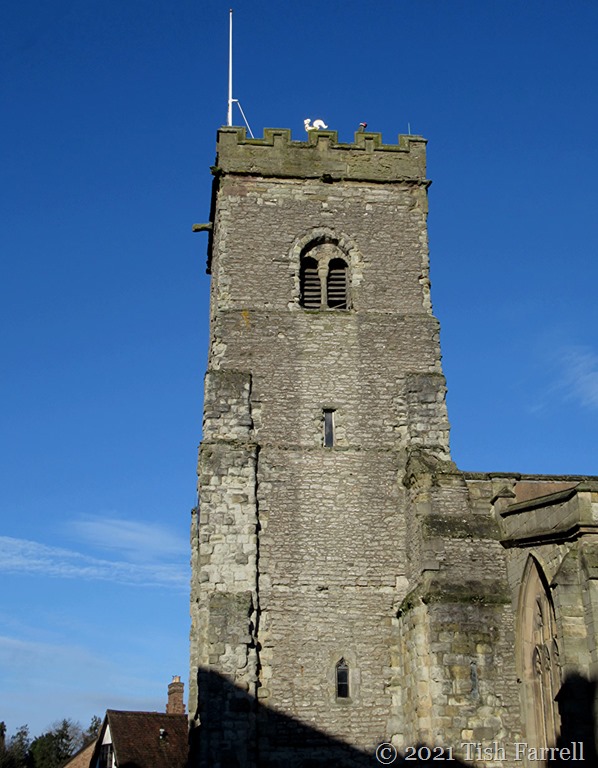
Looks like Owl has been on a festive-season bender and is yet to recover his wits (as in wits-de-woo?). He’s supposed to be on duty seeing off pigeons, and every now and then a human climbs the church tower to put him in a fresh, deemed intimidating pose. Clearly he’s not seeing much from under his Santa hat. Even Weather Cock is giving him the cold shoulder. Even the local doves are having a good laugh – hoo-hoo-hoo, they chortle. I caught them at it just a few minutes ago as I walked back from a trip to the shop.

Well! The things that go on in Much Wenlock. One could faint with the excitement of it all.

IMG_1902sq

IMG_1849

IMG_1118


Square Up #12

Wake Up, Chickens!

P1060187sq1

This cockerel had worked himself up into quite fury. None of the other hens and ornamental cockerels in the garden were paying  him a blind bit of notice. Pfft. This called for a spot of high-speed strutting, hence the blurry image…

P1060184sq

At least the daisies were standing to attention even if no one else was…

P1060195sq

These photos were taken a couple of springs ago at Arley Aboretum beside the River Severn, an almost local beauty spot, and a place with plenty of scope for upward gazing among majestic trees.

P1060100


Square Up #11