A Spot Of Kite-Flying In Bishops Castle

red kite

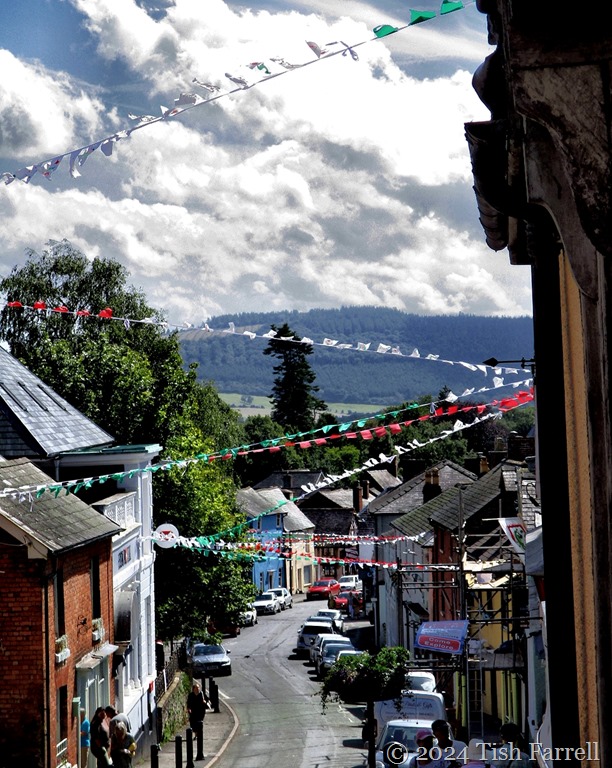
Now that we’ve moved our dining table to its winter position – i.e. from the conservatory at the back of the house to the front sitting room window – we can eat breakfast while watching a red kite scanning the town. It comes most days, drifting over the High Street, circling high above nearby gardens.  With a wing span of around six feet (180 cm) it is one of Britain’s largest birds of prey (i.e. bigger than a buzzard and easily distinguished from that particular raptor by the forked tail.)

A few years ago the species was believed to be near extinction. In the early 20th century the birds were targeted by gamekeepers who thought they were eating their pheasants. Not so, it seems. The birds’ main menu comprises carrion and worms and sometimes small mammals. In fact, back in Tudor times, kites also frequented towns in large numbers, filling an essential function as street refuse cleaners.

When we lived in Kenya, their cousins, the black kites, performed similar duties. Less welcome, we discovered there, was the cousins’ tendency to ‘gate-crash’ Nairobi’s ambassadorial garden parties. They had learned to spot the distracted guest, one with wine glass and plate politely poised and as they hung on the words of some ministerial bigwig. In the birds swooped, snatching up the undefended sailfish canape or piri piri chicken wing. Whoosh and away.

That scene jogs another black kite memory. An indelible brain cell recording. One used to roost in our front garden on Mbabane Road. It would perch in the jacaranda tree and mew all night long. A mournful cry.
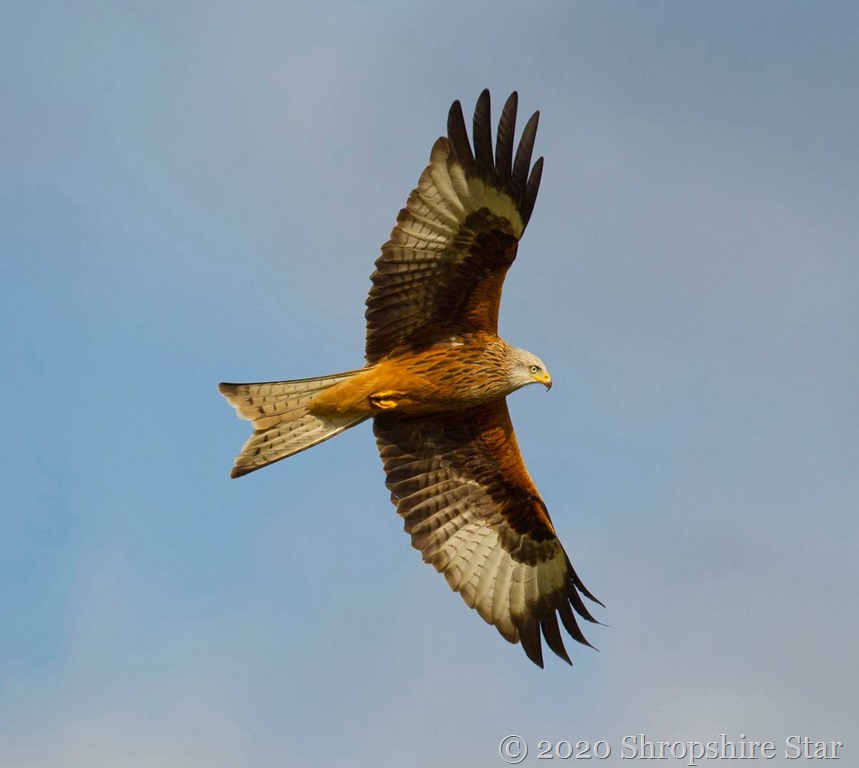
red kite

But back to the red kite. Here in Shropshire and Wales, and some illegal shooting incidents apart, they are mostly thriving. This thanks to a re-introduction programme late last century which helped boost remnant populations. And while of course we are more than happy to see them, we can only hope they do not recover the habits of their distant ancestors.

The Wildlife Trusts website explains (also see a nice video clip of a kite in flight):

Red kites were common in Shakespearean London, where they fed on scraps in the streets and collected rags or stole hung-out washing for nest-building materials. Shakespeare even referred to this habit in ‘The Winter’s Tale’ when he wrote: ‘When the kite builds, look to lesser linen’. The nest of a red kite is an untidy affair, often built on top of an old crow’s nest. It is lined with sheep’s wool and decorated with all kinds of objects like paper, plastic and cloth.

I will let you know how my washing fares when drying weather resumes.

2023 Began Beside The Sea

IMG_2372ed

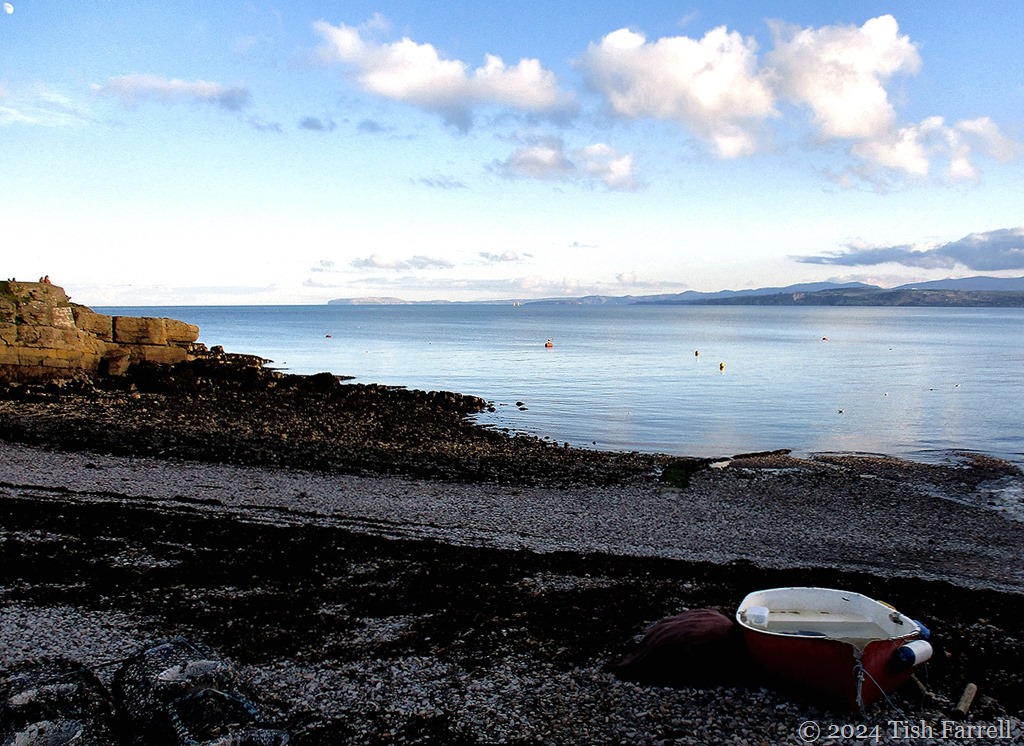
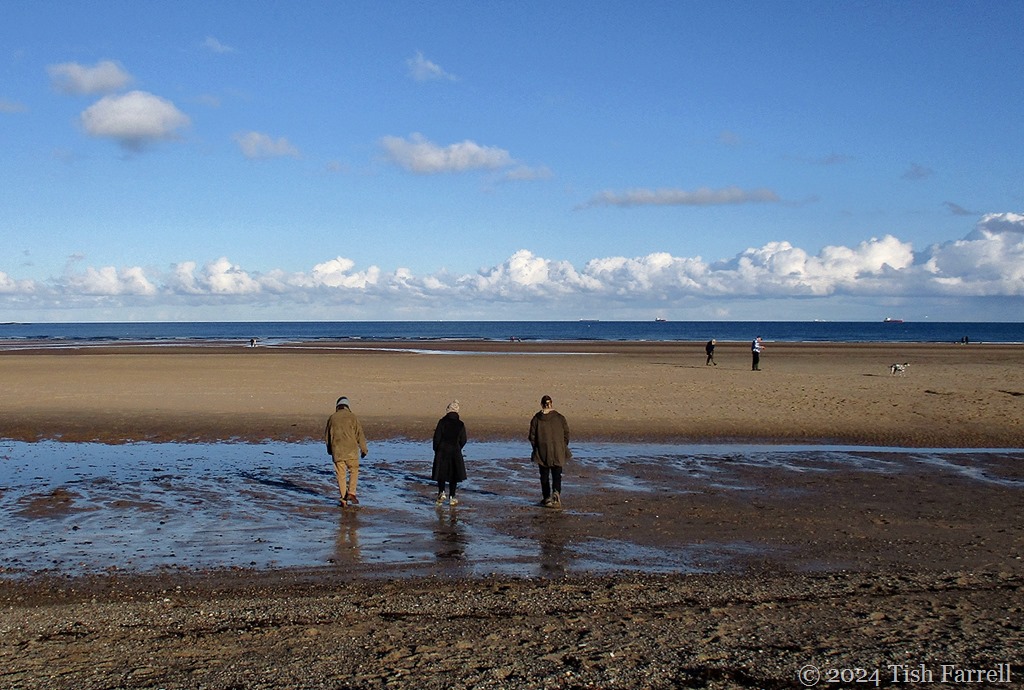
When last year began we were on the island of Anglesey in North Wales – gathering with family for a belated Christmas celebration. It was good to soak up some blue tranquillity. At the time, we were fretting over the sale of our cottage, plus trying to find a bolt-hole to rent while we looked for a new home to buy. All unnerving in all sorts of ways; nothing straight forward.

winter beach

*

Finding a house to rent proved almost as hair-raising as selling the cottage (Huge demand, few available properties). Only by the skin of our teeth did we secure a place in time for moving day in early March. And then it snowed – for two days, an unexpected blanketing that closed most of the roads. Snow – of all things. The Farrells had not factored that in. Still, a day later than planned, and by devious routes, the removal lads came through. We were re-homed.

Then more unforeseen happenings.

IMG_2716ed

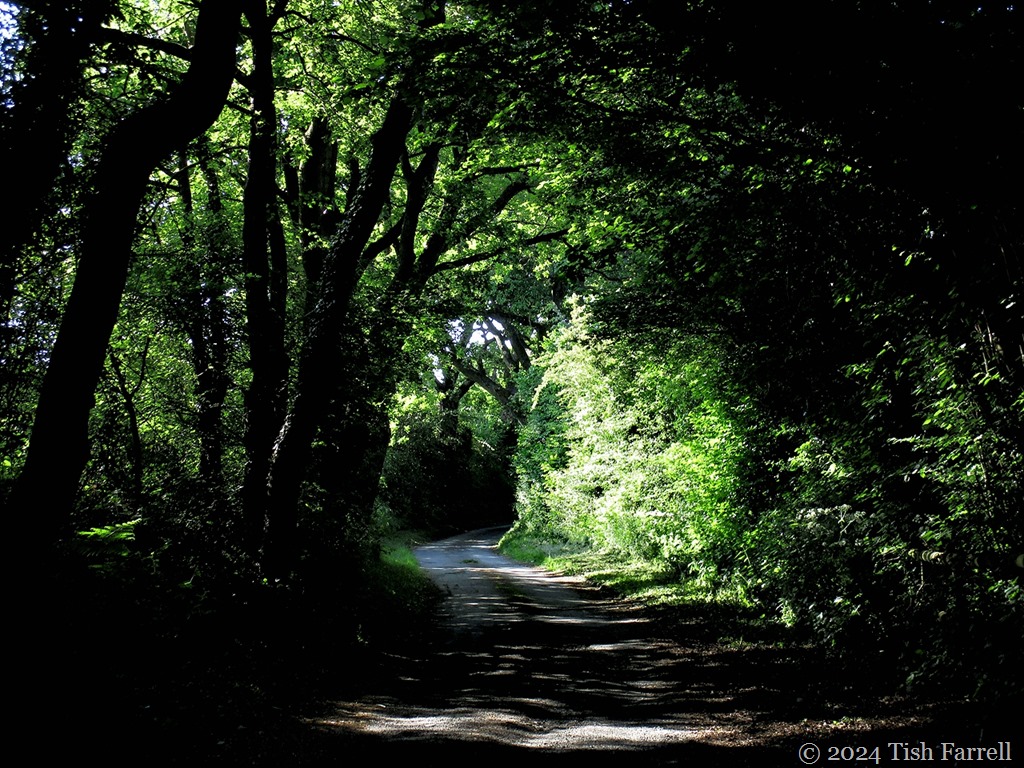
View from one of Broseley’s many country paths: bright and cold in March

*

By the time we moved to Broseley (East Shropshire), we had already set our house-buying sights on Bishops Castle or points well south-west of the county. For one thing, we wanted to be nearer to my sister, and I’d anyway dismissed Broseley as a final destination. I’d known it from an earlier chapter in my life and always thought it a plain and unalluring town.

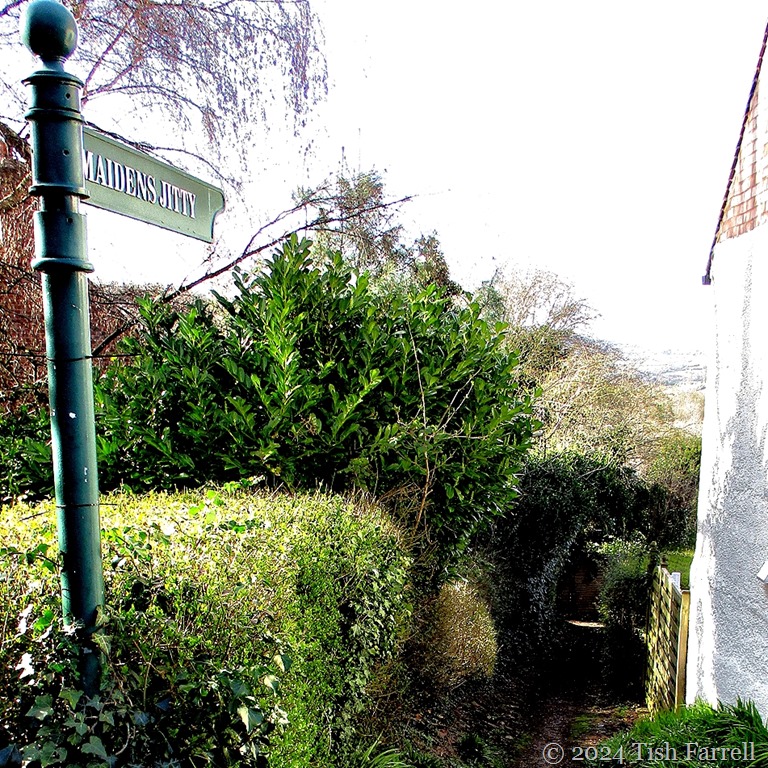
Just shows what I know. I didn’t expect to fall in love with the place. It began with finding a maypole at the end of our street; and from it a sweepingly magnificent view above the Ironbridge Gorge. And it began with finding beguiling footpaths that meandered in and out of town and took us to some wild, wild places that seemed slipped out of time. And most of all it began when I discovered the network of thoroughfares and alleyways that belonged to Broseley’s ancient industrial past, the wonderfully named jitties, that to my mind suggested jetties, or things that jutted like prows of ships. Exploring them on our cool summer days felt like voyaging – through time, space, the imagination.

Go HERE for the jitties posts.

IMG_3105

Here is one of many favourite finds: some historic re-purposing of discarded artefacts in an old wall on Gough’s Jitty. It’s been built from saggars. These earthenware boxes were once used for the packing of clay pipes, then stacked in a bottle kiln for firing. There were several factories in the town from the 17th century onwards. They exported their wares around the world. In fact clay pipes were often referred to as ‘Broseleys’.

*

IMG_2703ed

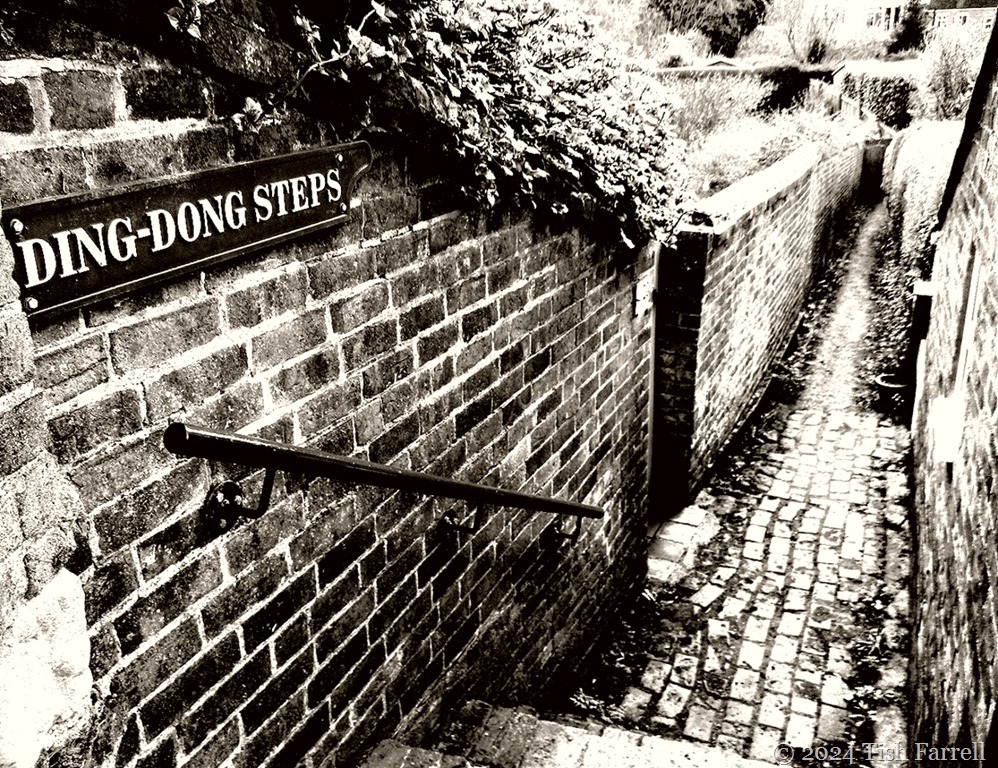
Ding Dong steps 2

Apparently the spot for some illicit fist-fighting back in the day.

*

IMG_3415

Lodge Lane became a favourite walk. Once there would have been the heavy rumble of trucks hauling coal from Broseley’s mines, an area still called the Fiery Fields due to the old coal pits’ erstwhile tendency for spontaneous combustion.

*

IMG_3314

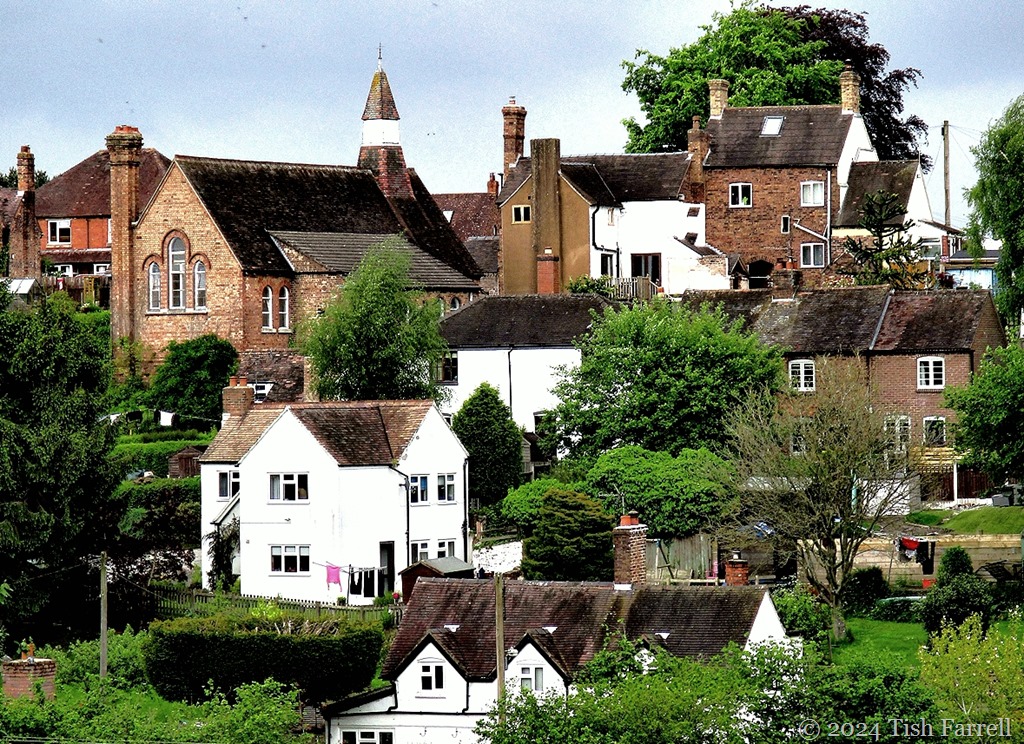
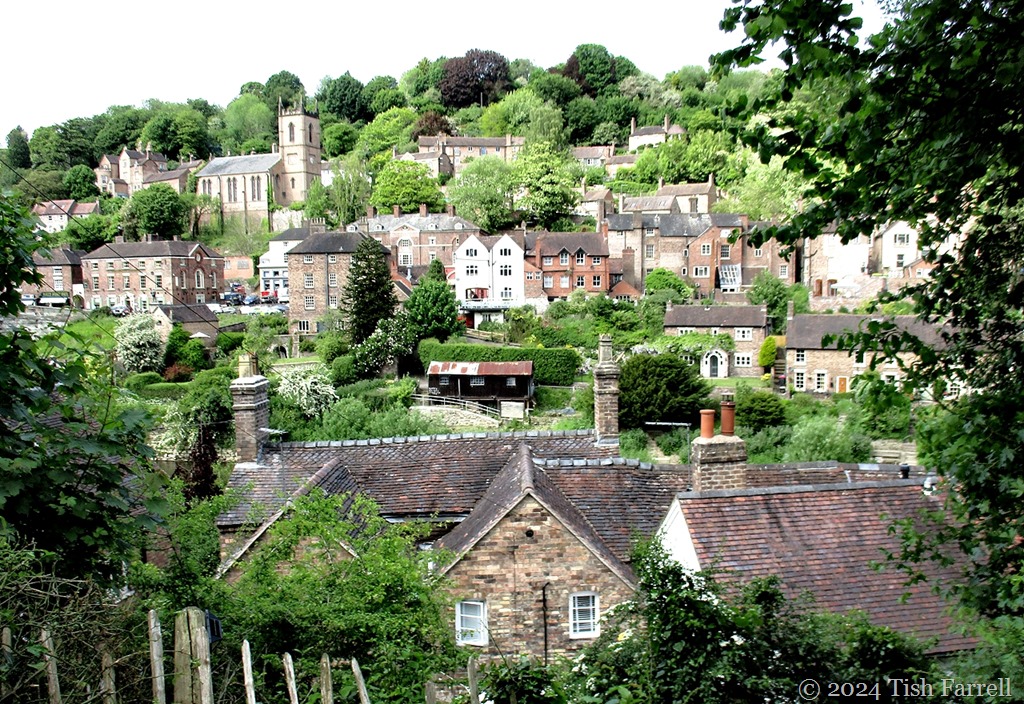
Broseley sits above the Severn Gorge, directly across the river from Ironbridge and Coalbrookdale, so-called birthplace of the Industrial Revolution. The town evolved from an early 17th century squatter community of immigrant miners. Coal, clay, ironstone and limestone were plentiful. There was timber for construction and for the making of charcoal for fuelling furnaces and forges. And there was the river for transport down to Bristol. The wealth of local resources attracted the likes of ironmaster-pioneer, John ‘Iron Mad’ Wilkinson, who lived here from 1757 in a very fine mansion opposite the parish church.

I loved these views of multi-period, multi-layered habitation.

And likewise across the River Severn on the opposite side of the Gorge:

IMG_3333

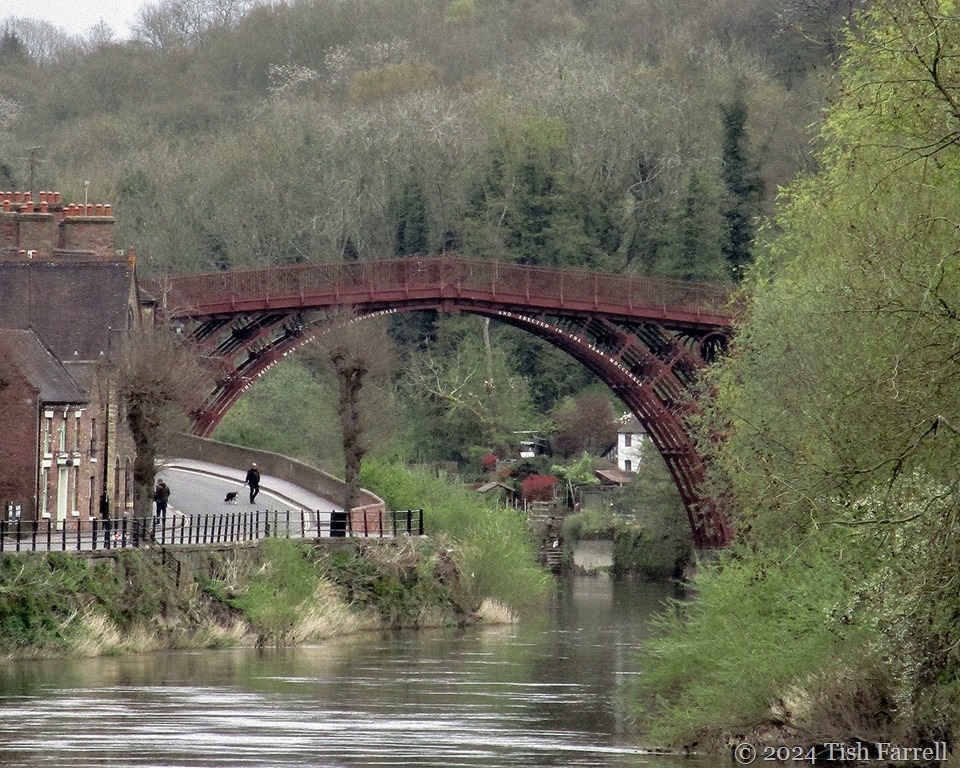
Broseley’s neighbours – Ironbridge and the Iron Bridge (1779)

IMG_3015ed

*

I suppose if the little house in Bishops Castle hadn’t cropped up, we might well have stayed in Broseley. The folks were so friendly there.  As it is, it’s good to think of our brief sojourn, even with the little pang of loss. Strange, how things turn out.

But now we’re here in an ancient agricultural town, where the folks are also very friendly. Clearly there’s many a tale to unravel here, or will be, once we’ve sorted out the house. This may take a while. For one thing, come spring there’s a new extension in the offing: this to remove an old conservatory and transform the space into a bright new kitchen with doors onto the garden. Apart from this, every room needs some serious attention, plus two chimneys to rebuild, and maybe the roof to replace. And then there’s the garden…

So all is in flux and not a little confused. But even so, with the turn in the year, it’s beginning to feel like home.

IMG_3641

IMG_3693cr

Lens-Artists: Favourite photos of 2023

Stepping Over The Past On Dover’s Hill

Dover's Hill

Of course in Britain we’re always doing it – traversing the surface of a many-layered past; below our feet decades, centuries, even millennia of stratified remains of human endeavour. A city like London, for instance, rears magnificently from Roman foundations that lie metres below the present living surface.

Mostly, though, we don’t consider what we may be walking over; not unless it’s very obvious. And the very obvious here is the rig and furrow of an ancient field system, discovered on a December walk on Dover’s Hill, near Chipping Campden in the Cotswolds.

The tell-tale ridges and furrows of this form of cultivation could date from as early as the post-Roman period, but were particularly a feature of early medieval open field systems – the feudal days of incomer Norman landlords, their serfs and villeins working long, unbounded strips of land using teams of oxen to pull a plough.

And it was the manner of ploughing that created the corrugated mounds and ditches. The plough-share was right-sided. It only went one way, and the ox team stretched way ahead of the plough. At the end of the field-strip was a headland on which the team was turned so it could plough down the further side of the ridge.

It probably worked very well for growing. The mounded strip was well turned; the ever increasing depth of soil drained well too, ideal for cereal crops, while the furrows could be used to grow moisture-loving plants such as peas. And of course this was in times before there were field fences or hedges, the land open to the entire community with access to communal pasture. But by Tudor times, this began to change in earnest, as land owners sought better returns by rearing wool sheep, thus enclosing former fields, and increasingly denying their tenant villagers age-old rights of access to commons and wastes on which the family economy depended.

It makes me ponder. The stories the landscape can tell us, if we stop and look.

There’s more about Cotswold rig and furrow HERE.

December In The Cotswolds

chipping campden

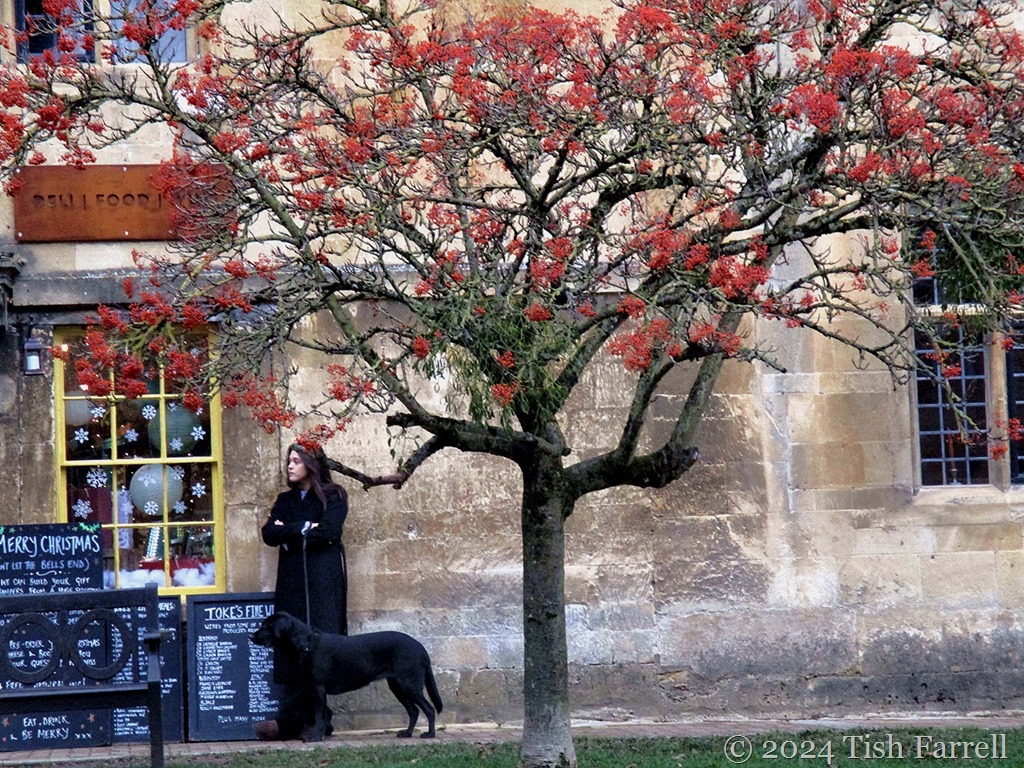
Dull day in the Cotswolds. The sort of day you will the sky gods to switch on the lights.  But then I spotted this wonderful tree. It lit up the street and the ochre tones of old Cotswold stone. I’ve no idea what it is. (I should have done a close-up of the berries). Notions anyone? Jude? Laura?

IMG_4324

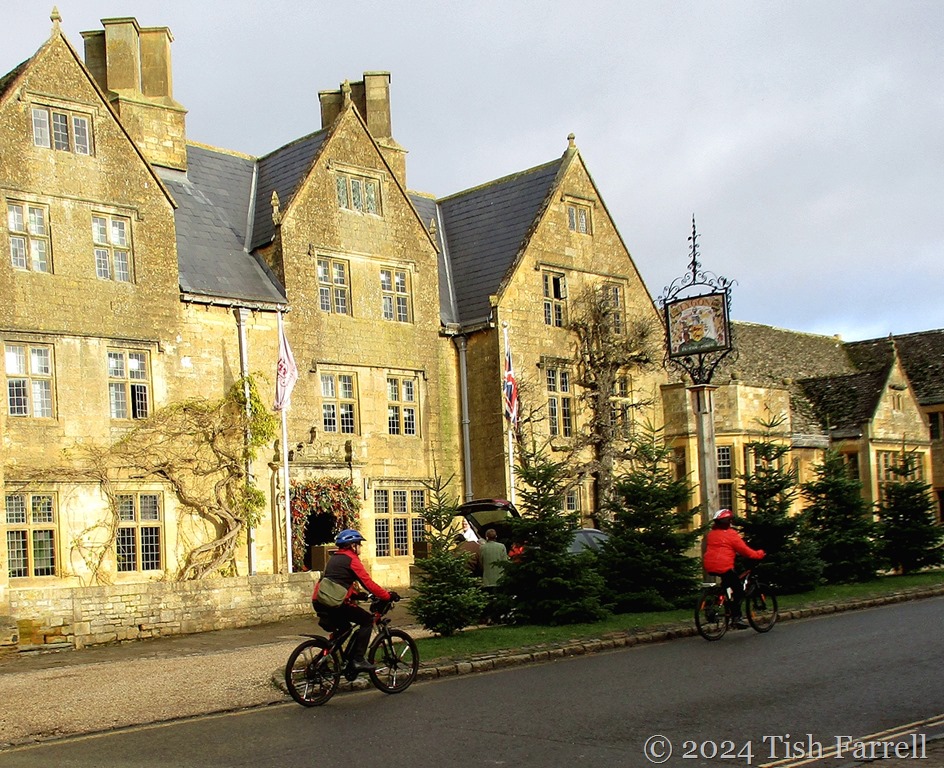
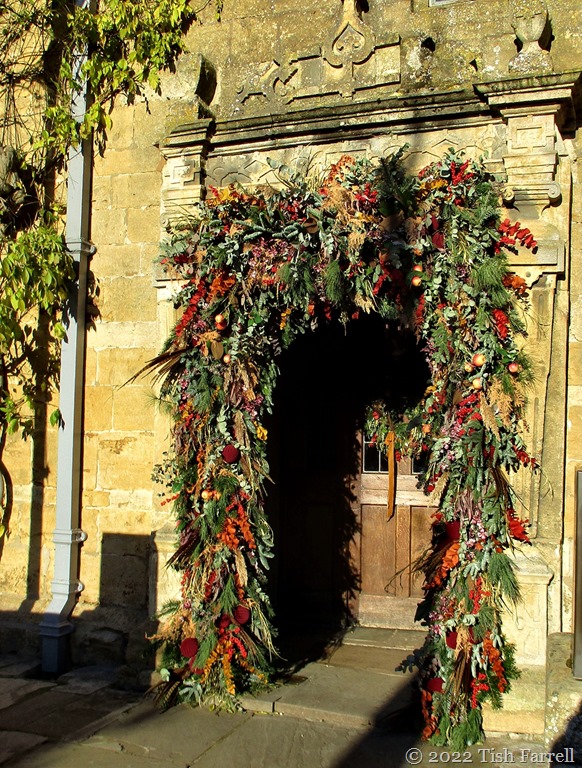
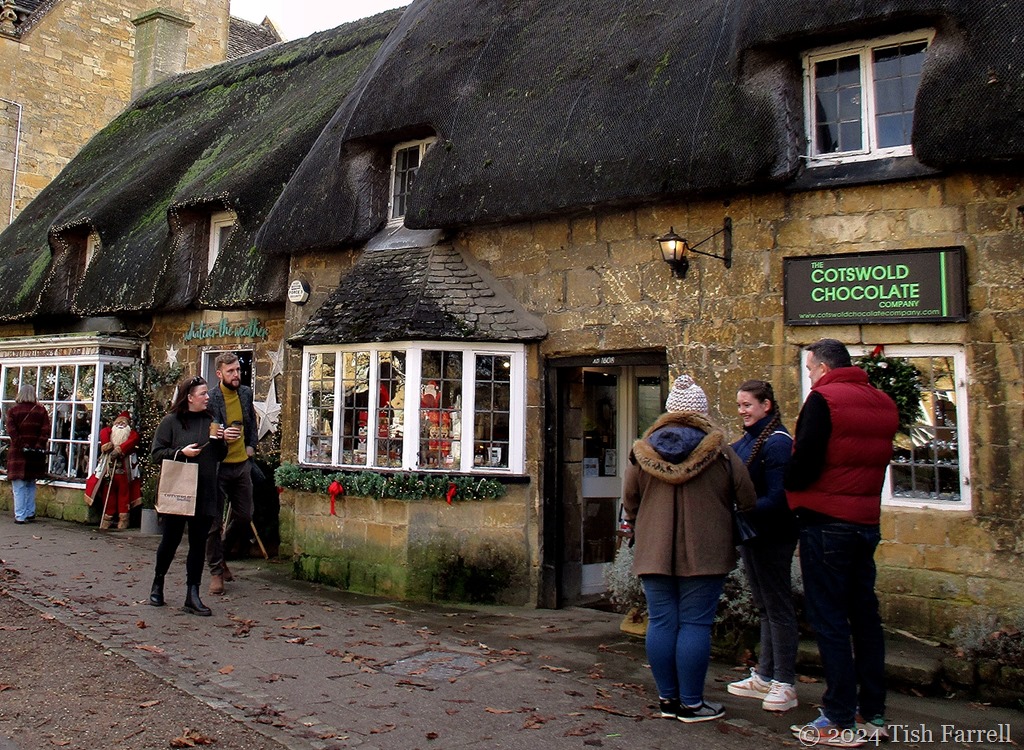
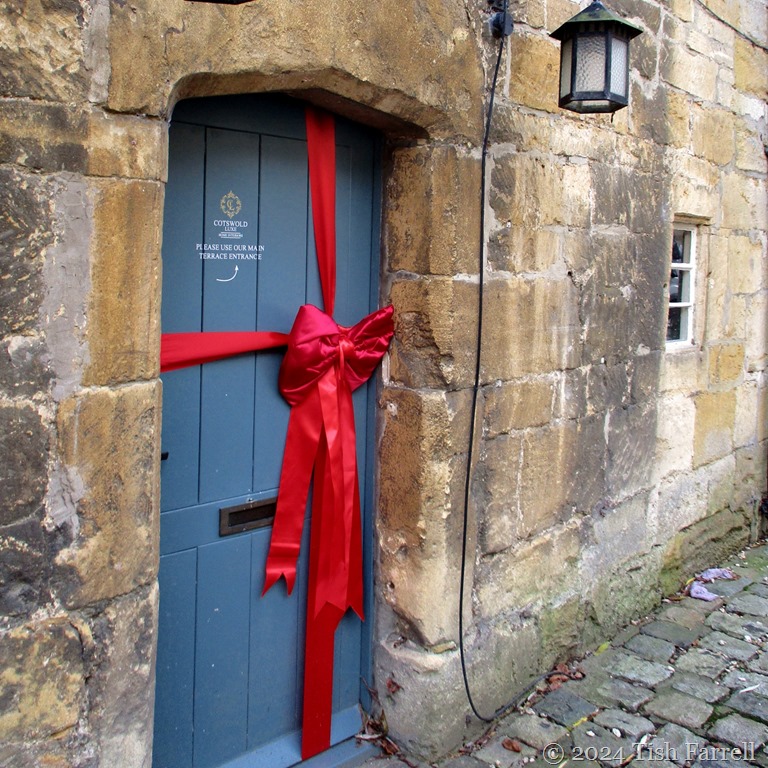
For logistical reasons that ever confound family gatherings at Christmas, we celebrated ours a week earlier than most people, staying in a cottage near Broadway. The weather was mostly dank and dismal, but there was the odd bright interval, and the splashes of red, festive and otherwise, brightened up the street scenes.

IMG_4326

IMG_4344

IMG_4330

IMG_4468

*

Happy New Year Everyone

CFFC: Red