In the Pink At The Allotment And That Includes The Cauliflowers

IMG_1506

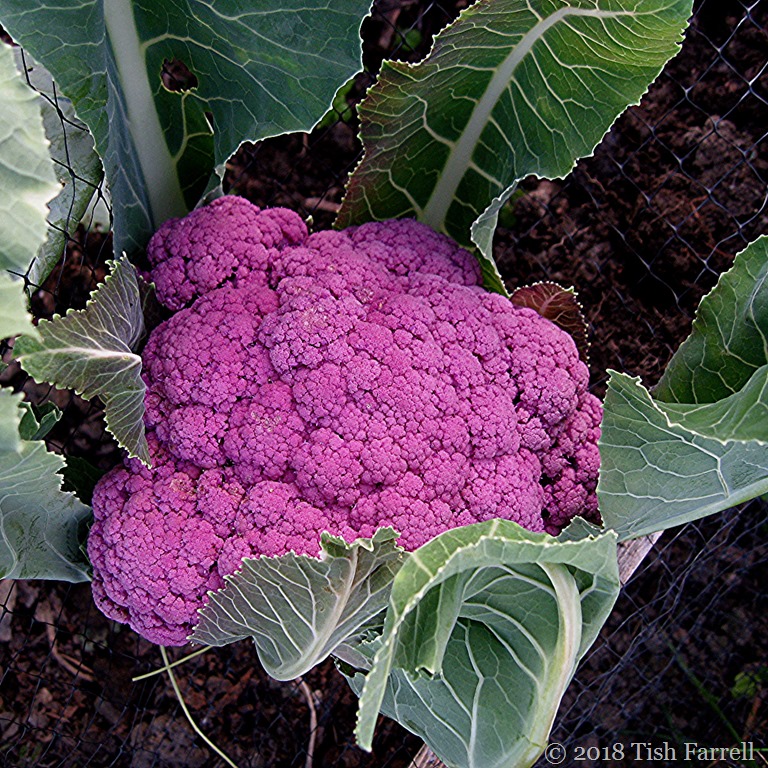
I’ve not taken you to the allotment lately. It’s been hard work all summer doing the watering, protecting crops from scorching and defending the brassicas from butterfly onslaught. But just look what cropped up this week. (And yes we have eaten it).

You have to watch cauliflowers. They can sneak up on you. One moment nothing but a bunch of leaves, the next a big head enough for two. If you miss the moment of readiness, they can soon be spoiled by grazing earwigs – the rotters.

With this year’s prolonged drought there have been a few losses and some so-so results. The broad beans and peas struggled fitfully. The runner bean seeds did not want to germinate. The strawberries started off well, then fainted. Some of the greens went grey with white fly and other nasties. The sweet peas went to seed as soon they flowered, then were attacked by aphids and had to be chopped. The French beans, though plentiful, were unusually stringy right from the get-go. And the runner beans are only now appearing at a manageable rate, this with the drop in temperature.

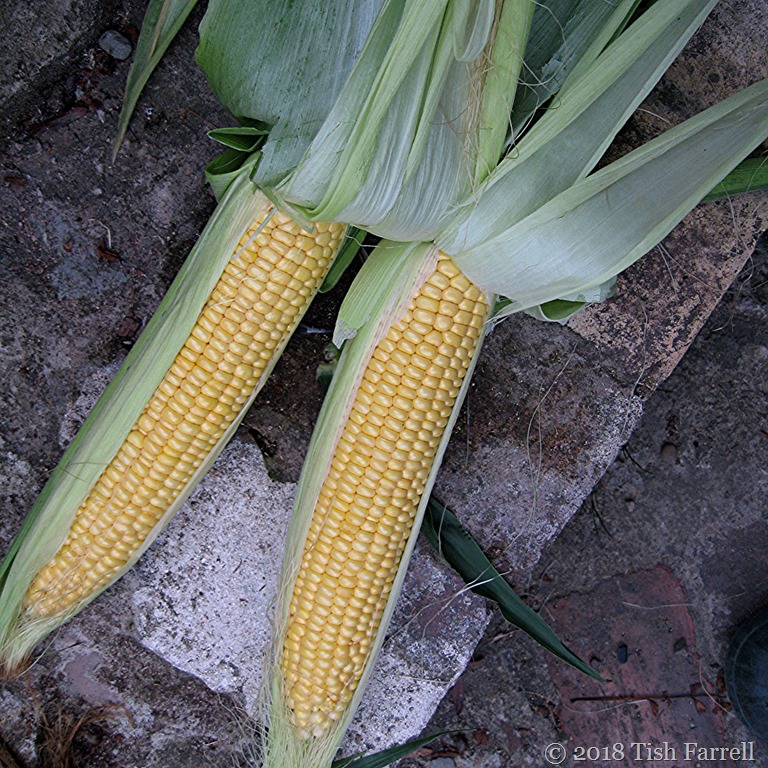
The courgettes, on the other hand, simply galloped away and are still producing. This I do not understand as they like to be watered well, and I have not watered them well, though they did have plenty of compost to grow in. We’ve also had good raspberries, beetroot, carrots, onions, a few squashes, and Swiss Chard which has grown itself. The borlotti and butter beans and leeks look to be doing pretty well, and we’ve had tomatoes and mini cucumbers from the polytunnel. The star success is the sweet corn, both the crop from the seedlings I bought in, and the Lark variety I grew myself. Round of applause for the Lark please even if it isn’t pink…
IMG_1541

And we have asters, which are amazingly pink. I used to think I did not like them, but after last year’s gift from fellow allotmenteer, Siegfried, when he appeared on my plot with armfuls of them, I have been quite won over and decided to grow them too. Some of them come with their own crab spiders.


In the Pink #4

Yesterday In The Garden ~ Kind Of Pink With Added Blue

IMG_1454

P1010049

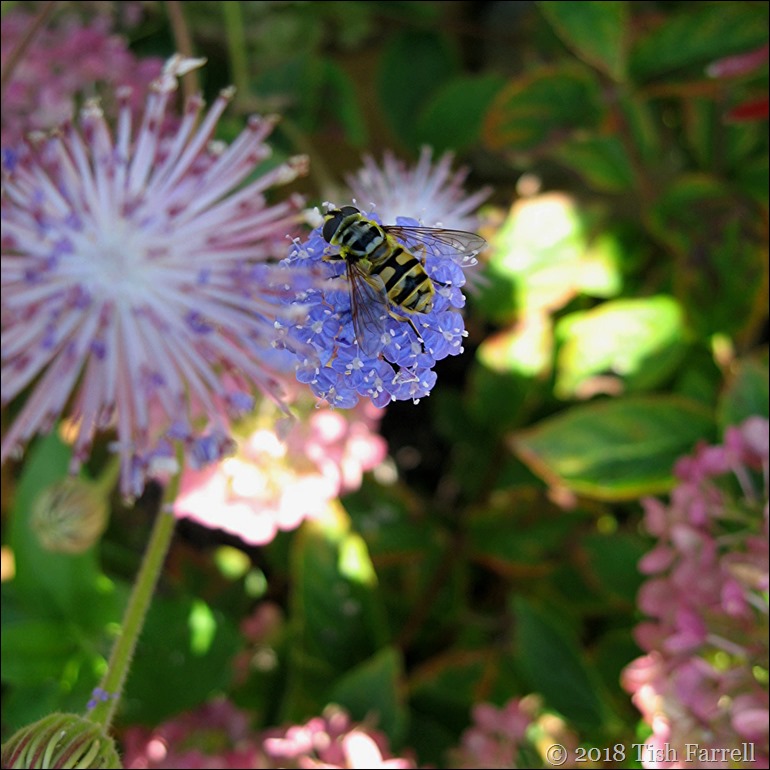
I love the way these Blue Lace Flowers have leaned in among the plumes of Hydrangea paniculata. It was not planned. In fact I did not know what to expect of the seedlings grown from the free packet of seed that came with a gardening magazine back in March. The water colour image on the packet verged on the surreaI and I was certain I had never seen anything like it in real life.

Didiscus caerulea also known as Trachymene coerulea  was apparently introduced to Britain from Western Australia in 1828 so I can’t excuse my ignorance of its existence by thinking it a ‘new’ plant. Anyway, it is well worth growing – a half hardy annual, delicately scented, good for cutting, long flowering and around two feet tall. The leaves turn a lovely shade of tangerine as they age.

An all round good-looker then, and although dead-heading encourages new flowers, I haven’t persuaded myself to do it so far. When the petals fall the flower turns into a star burst, which then curls up into a little fist of seeds. I’m wondering if it will sow itself, though imagine the seeds would not survive an English winter. But I might try collecting some and drying them for next spring’s sowing.

That the flowers also attract hoverflies is of course an added bonus.


In the Pink #3

An Excitement Of Daffodils At Bodnant Garden

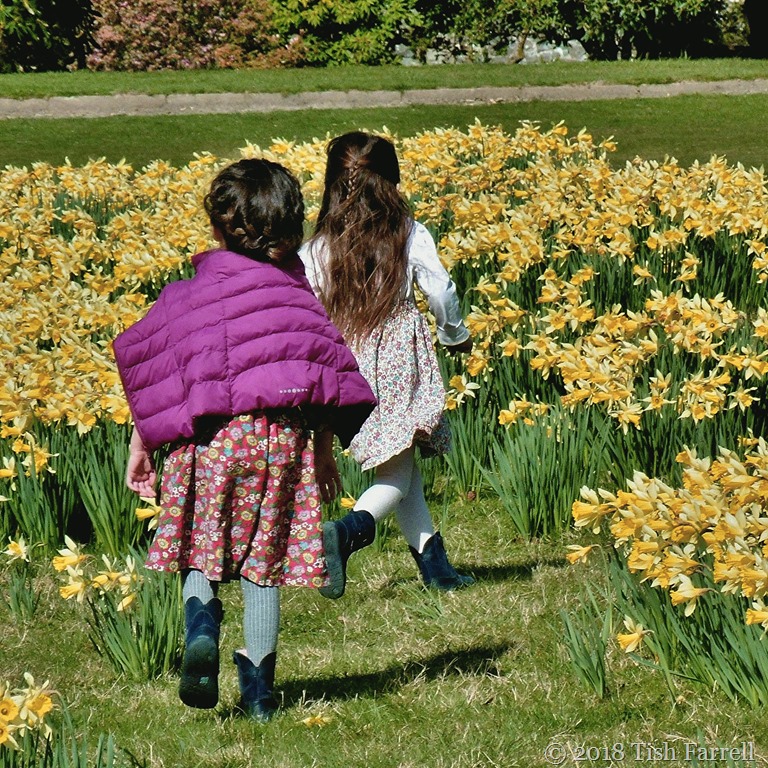
Even glimpsed from afar, it was an extraordinary sight – a yellow prairie against a Welsh hillscape. Euphoria was instantaneous. Whether old or young, there was nothing for it but head for the daffodils!


Patti at Lens-Artists asks us to show her action. Please visit the Lens-Artists to see their inspirational photos and take part in their challenges. And it’s also ‘In the Pink’ day 2 over at Becky’s.

For the story behind the creation of Bodnant Garden see earlier post  Marvellous Magnolias

Lens-Artists #9: Action

In the Pink #2 Today Becky’s gone batty.