Fiction Writers, Are You Reading Enough? Just Thought I’d Ask…

pizap.com13626625098761

…because there was a time in my adult life when I read no fiction at all. I went from avid child-teen reader (some favourites above) to wilful adult non-reader. The reason was not reasoned. As a child I decided I would be a writer ‘when I grew up’, and when I grew up I further decided that reading other people’s works would block the ethereal visitation that, any day soon, would deliver the lightning bolt of writerly inspiration, that in turn would drop into my mind the fully formed novel idea, and thus spur me to sit and write the thing.

It was not a good start – a case of locked-in block before I had written one word.

There was a further obstacle, one I did not even see until I had returned to reading. By then it had also occurred to me to buy a writing magazine, and that was a turning point. Instead of a lightning bolt of inspiration came a thunder blast of reality: I might be a whizz at writing dissertations and museum guide books, but I knew nothing of the mechanics and craft of writing fiction. I was astonished to discover that people had so much to say about it: story arcs, characterisation, foreshadowing, pace, mood and setting etc etc. Good heavens. Who knew!

Of course it might be said that you can become too knowing, that absorbing too much ‘how to’ can lead to self-consciousness and a lack spontaneity or originality.  I think my answer to this is you need to cover the ground, embed what you can through practice, then move on. It is rather like a painter learning how to prepare their canvas and mix their pigments before the real composition can begin. It is also about opening up mental pathways that clear the way for the story-making. This means reading other writers critically, and not simply reading with your discretion turned off. Two and three readings might be needed to see how and why a piece of fiction works. The best writers, after all, aim to be seamless, not to display their working methods.

So for some swift and pleasurable enlightenment on the fiction writing process I can suggest no better start than to visit the children’s section of your book store or library.  Some of the most impressive and imaginative fiction around is for young adults. Works for this age group are tightly written, multi-layered, have memorable characters, affecting themes and energetic plotting that is character-driven. The writing will be economical, but also resonant, and often very deep. The best and most telling words will be chosen. There may also be a repeating motif that is more suggestive of poetry than prose, and which may lift the tone of the book in unexpected and magical ways. There is also the overall impression of the story having been well distilled, and thus being refreshingly free of the kind of self-indulgence found in some adult literature. In other words, every word will count.

My own favourite writers for this age group include Geraldine McCaughrean (The Kite Rider), Sharon Creech (Walk Two Moons), Kate di Camillo (Because of Winn-Dixie), David Almond (Skellig and Kit’s Wilderness ), Philip Pullman ( Dark Materials Trilogy), Frances O’Roark Dowell (Dovey Coe) and Gillian Cross (The Great Elephant Chase). All these stories may be characterized by the fact that they have something worth saying, and that this ‘something’, framed in highly original ways, gives their stories stature and substance as well as making them darn good reads.

And aside from learning fiction’s nuts and bolts, there are other good reasons why writers must keep reading.  It is not so much about borrowing (stealing) ideas, but more about drawing on the creative energy of other works, and using it to fuel your own writing.  And I am not talking about plagiarism, but of tapping into the spirit of someone else’s creation. Reciprocating, if you like. Striking up an engaging conversation.

If you think about it, it is obvious. As children, we learn to speak our native tongue through exchanges with others. We learn not only vocabulary, but also rhythm, inflexion, idiom, innuendo, puns, riddles, jokes, and narrative skills – all the tools we need to communicate effectively.

With writing we thus have a paradox. Writers, as some of the world’s great communicators, generally struggle to wring out their words in isolation. It has to be done that way. There are no answering voices except the writer’s own. But if that is the only voice, how is the writer to learn, grow and and test the boundaries of their art? How will they keep their edge? And yes I do know that many writers, new ones especially, fear losing their own voice if they resort to reading other writers’ fiction.

I would argue that through continuous reading, writers replenish their imagination banks, hone their language skills, explore different modes of expression, learn new things, grow wise, develop insight and understanding, find new ways of telling a story. What they read in the external world, and their reactions to it, will all be stored in the subconscious for further processing and reworking.  And I believe that this is all part of learning how to make oneself heard, of building one’s true and distinctive voice.

Best of all, if  a project has stumbled into a dead end, then visiting another’s writer’s world may provide the very thing  to turn the work around. I personally find that I write best when I am reading a book that carries me away. My most recent writer’s refuelling came courtesy of Malaysian writer, Tan Twan Eng  and The Garden of Evening Mists.  This is an adult book, but I will also return to Geraldine McCaughrean’s The Kite Rider  whenever I need a fix of this writer’s airy prose.

So for those of you writers who have not been reading much lately, time to join the big fiction conversation. Read, read, read. You will be glad you did.


Related: Fun and Games at the Writer’s Block Party

copyright 2015 Tish Farrell

Still Life: Winter’s Harvest

P1000276

I confess I’ve been bogged down in the post-viral doldrums for the past two weeks – feeling very sorry for myself. This is definitely a bad place for anyone to be. I did not want to do ANYTHING. And everything I attempted to do I judged hopeless, and pointless, and badly executed. My writing came in for a very large amount of stick, which gross assault was especially demoralizing and depressing.

But wallowing in bouts of self-castigation has to have some limits. In fact wilful incapacity finally led to something distinctly nourishing and wonderful. I lay down all day for several days and read Emily Brontë’s Wuthering Heights, followed by Charlotte Brontë’s Jane Eyre. I let myself be psychically transported, and I cannot say how grateful I am to the spirits of those two fine women writers. They knew how to create unforgettable characters. They knew how to conjure an under-your-skin sense of place. And the tales they told, although very much of their time, also possess many timeless qualities, as well as addressing themes (the position of women, for instance) that are still very much with us today.

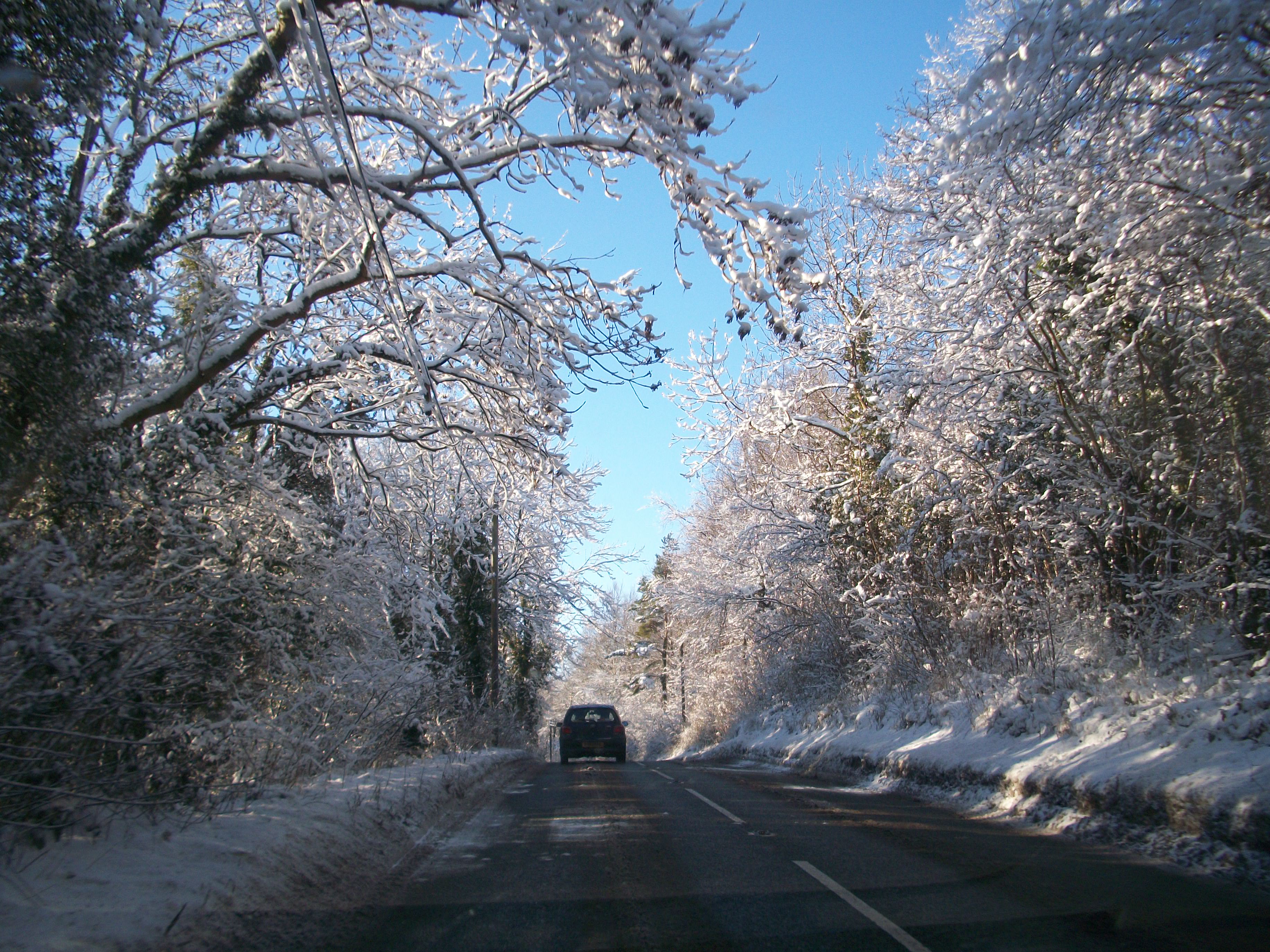
So this is my first winter’s harvest – a darn good read. In fact I finished Jane Eyre late last night. When I woke this morning the dark mood that had weighed me down for a fortnight had miraculously lifted. On the skylight above the bed were large snow flakes frosted on the pane, a blue sky and everywhere lit up by an other-worldly, early morning sun. My inner eyes were open again too. Finally I could see how lucky I was. The mild depression I had been feeling was absolutely nothing compared with the perpetual darkness that so many have to contend with.

When I got up I found that it had not snowed much – just enough to cover the field behind the house in a thin white dusting. By the time I set off across it, the thaw had already set in, but it was good to be walking out in a white world. I realised, too, it was high time to venture out in pursuit of another kind of harvest. What had been going on at the allotment during my absence?

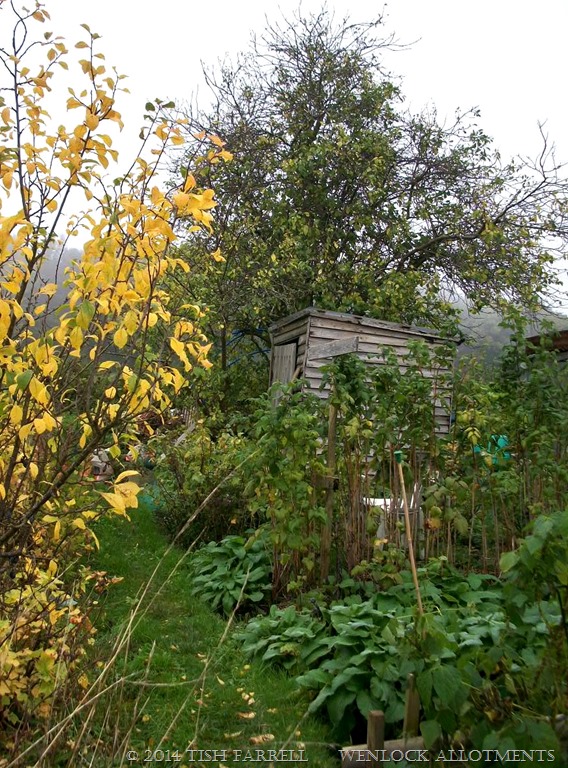
As you can see, the answer is: quite a lot. I’m amazed how much there was still to pick in the middle of winter: broccoli, purple and romanesco cauliflowers, leeks and parsnips. The brassicas are growing under enviromesh, and seem lush and healthy. In the polytunnel frilly lettuce, rocket, mizuna, bok choy and two kinds of parsley are quietly growing under fleece. Elsewhere on the plot the overwintering onions look well sprouted, and the field beans (mini broad beans) have germinated quite strongly. There will be crops of purple sprouting broccoli in the early spring, and the Swiss chard is still hanging on in sheltered corners. In fact all seems to be thriving on the additions of Biochar organic fertilizer that I added to every vegetable’s planting hole last year. It is supposed to be magic stuff – a form of charcoal that not only improves soil and feeds plants, but also possibly helps to reduce the effects of carbon emission by means of carbon sequestration.

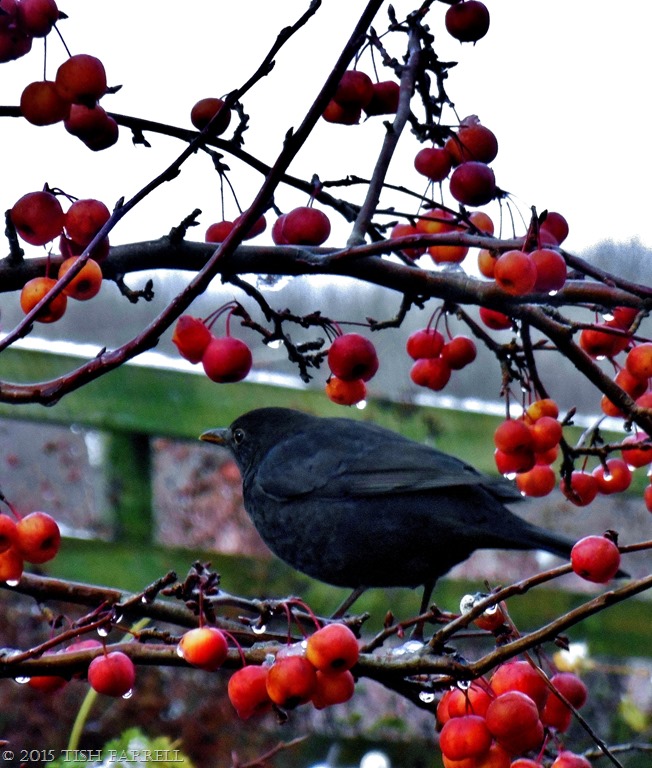
And so, finally, to all of you who might be suffering the January blues, here is my third harvest: the blackbird caught this afternoon on my frosty crab apples. May this image transform any darkling tendencies, and the colours kindle sparks of elemental joy. There is life still…

P1000283

© 2015 Tish Farrell

Losing Kui -Final[1]

ON AMAZON AND ePUB BUD

Secrets, conspiracies, tragedy,

dark comedy – a fast-paced

novella of interwoven tales set

somewhere in East Africa

First Post Re-visited: By the Silurian Sea

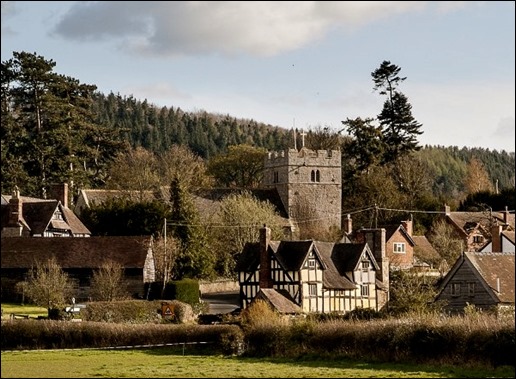
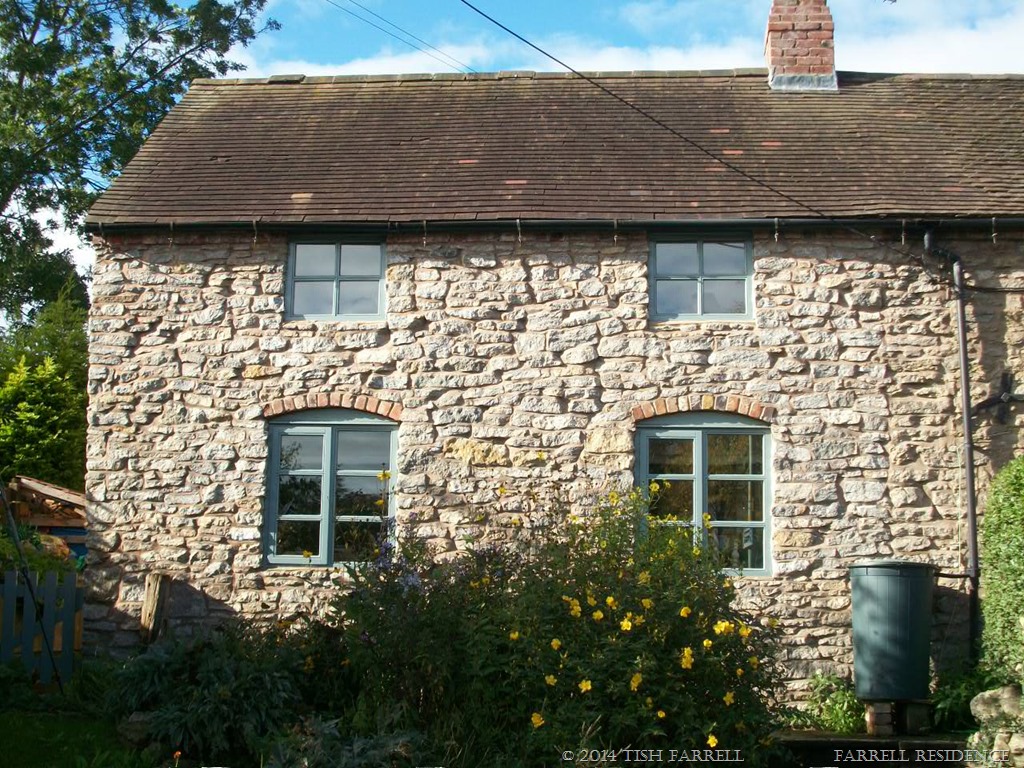
All is peripheral in the place where I live – our house beside the path, beside the field, whose name on the 1847 tithe map, Townsend Meadow, marks the old town boundary of Much Wenlock. The town, itself, is very ancient, and only in recent times has it outgrown the frontier along Sytche Brook. It anyway has a more remarkable periphery than this – the edge of Wenlock Edge under which it lies.

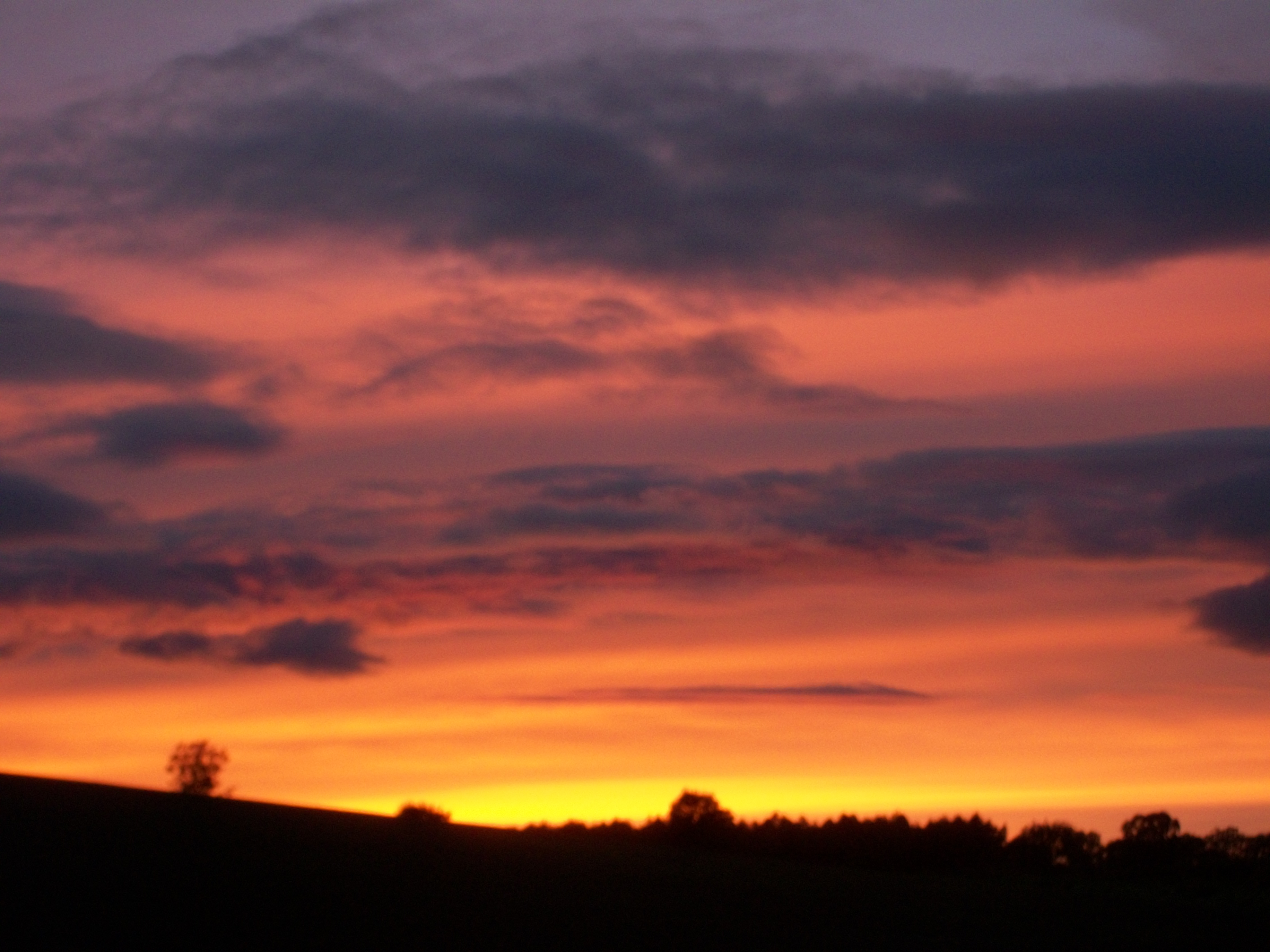
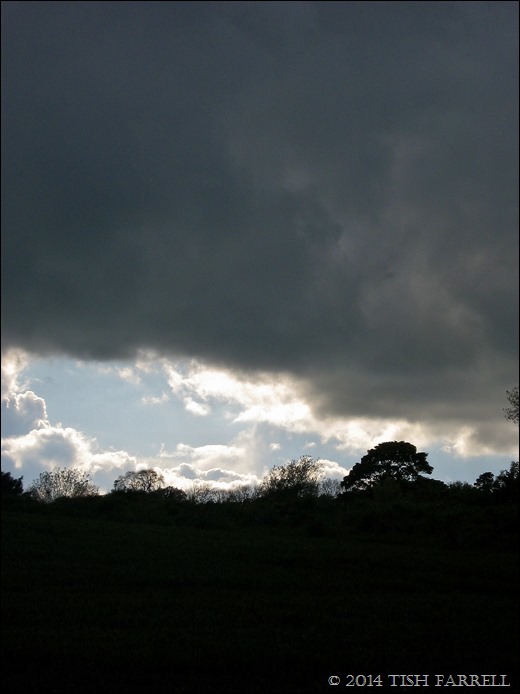
I cannot quite see the Edge from my house, but I see the big sky above it: the dramatic false horizon that the wooded scarp creates, and thus the endless movement of weather along it. Hours can be wasted sky watching: the breezy march of clouds across our roof lights, the flush of hundreds of rooks from Sytche Lane wood, peppering the skyscape at dusk; their raucous cries, their enigmatic feats of aerial choreography.
IMG_1147

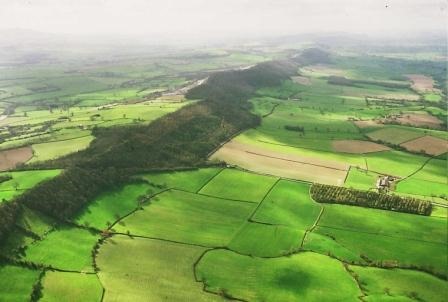
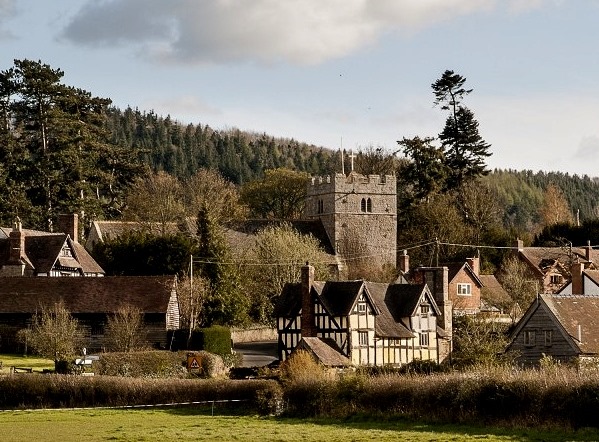
That you cannot see the Edge from the town is something of a paradox given that its massive presence has shaped the place in so many ways, and not least in the fabric of its cottages, parish church and ancient priory. To get a proper glimpse you need to leave Wenlock – take the steep hairpin-cutting down to Shrewsbury, or the tree-lined road that strikes across the Edge top to Church Stretton, or else meander along the labyrinth of lanes beneath it. The villages down there have old world names – Church Preen, Hughley, Rushbury, Longville. Above them the wooded ridge bristles like a giant hog’s back – a long, dark spine nearly twenty miles in length. It is all unavoidably mysterious.

photo National Trust

Photo: National Trust

Rushbury beneath Wenlock Edge

Photo: Rushbury Village below the Edge

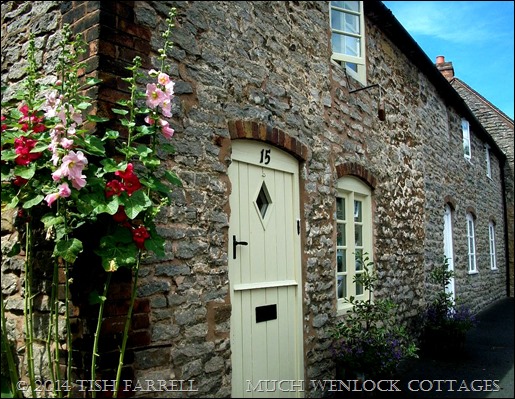
The limestone flanks have been dug into for centuries, creating vast gaping wounds. As you take the road over the top, there are dizzying glimpses through verge-side trees where the ground shears away. All the quarries are unworked now, but in earlier times, for a millennium and more they were the source of most of the area’s building stone.
100_6035

Then there was the burning of limestone to make fertilizer – another important local industry. Lime is an essential additive to unlock the nutrients of the sticky clay soils that lie below the Edge. Today, you can still come upon the remains of many kilns on Much Wenlock’s outskirts. Once their fumes must have hung like an ill-smelling fog above the town.

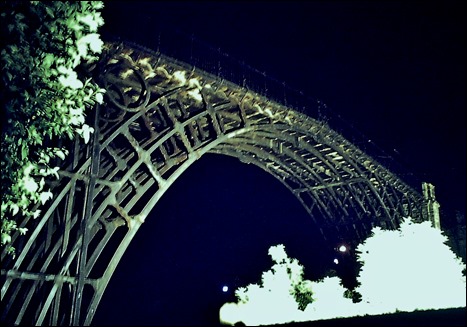
But perhaps the most important use of Wenlock limestone – at least as far as the history of world technology is concerned – was the crucial part it played in the production of iron at nearby Coalbrookdale. This small Shropshire settlement, just across the River Severn from Wenlock, has been called “the birthplace of the Industrial Revolution”. It was here, in 1709, that the Quaker brass founder, Abraham Darby I, first smelted cast iron using coke instead of charcoal. Into his blast furnace went iron ore, coke and limestone, the stone to act as a flux and remove impurities that would compromise the quality of the smelted pig iron.

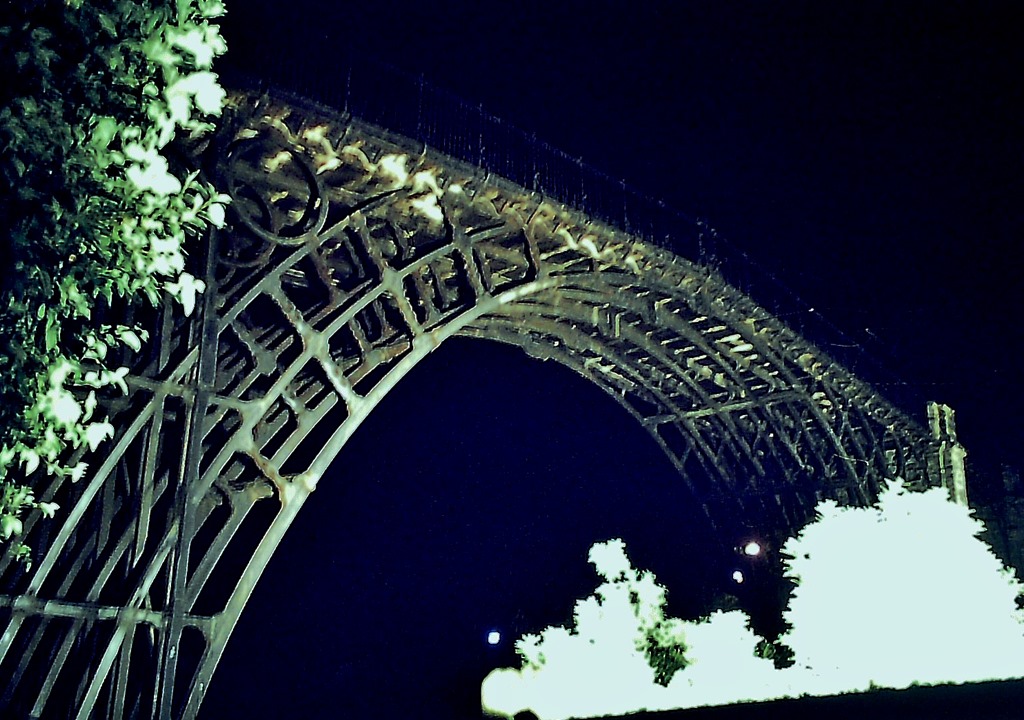
And this was only the start. It was in Coalbrookdale too, in 1779, that Abraham Darby III pulled off a monumental PR stunt to promote the family trade. He built the world’s first cast iron bridge across the River Severn at a place now called Ironbridge, and thereby spurred on huge innovation in construction techniques that spread around the globe – from cast iron garden seats and cannon to iron ships, railways and skyscrapers.
PICT0014

So it was that Wenlock limestone (from this now sleepy part of Shropshire) played its part in the great march to industrialisation.

In more recent times, only the quarry spoil has been used – crushed to produce aggregates for road building. It has been many years since Much Wenlock’s homes shuddered in a pall of white dust whenever the quarrymen were blasting, or the streets vibrated to the endless rattle of passing stone trucks.

Of course there are other sources of disturbance on our mediaeval thoroughfares – over-sized farm vehicles and garden fencing trucks. They pass by on the other side of my house, which is not so scenic, although interesting in other ways.

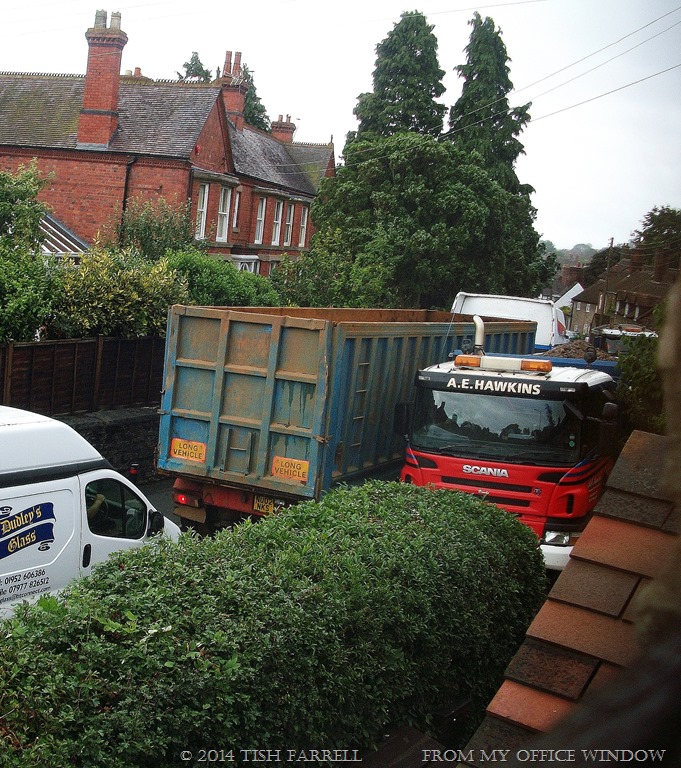
For instance when I’m standing in the kitchen eating toast, I might look up to meet the serially startled gazes of a tour bus party as their coach nudges past our windows, brushing hard through our privet hedge in order to wheedle a way past another HGV. It is the only way to do it on a road too narrow for two large vehicles to pass.
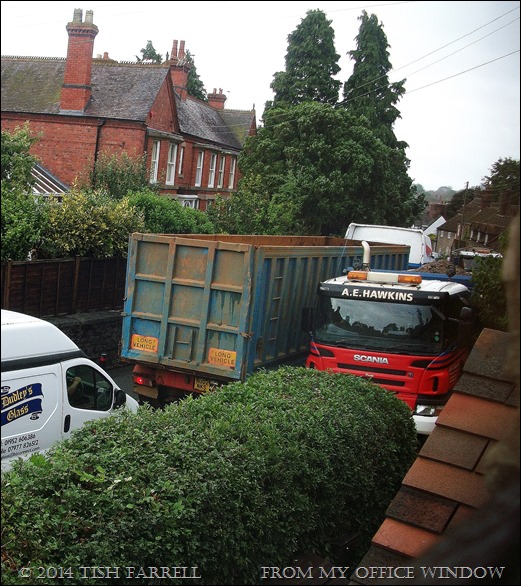
We locals amuse ourselves by taking photos of the trucks and buses that several times a day get jammed outside our homes. We send ‘the evidence’ to officers at Shropshire Council who shrug helplessly, quite unable to say what their predecessors were thinking when they upgraded a bottle-neck lane into an ‘A’ road. There’s nothing to be done, they say. It is hard to believe. One day, I tell them, a European mega-truck will drive down from nearby Telford and block the road forever. Then what will you do?

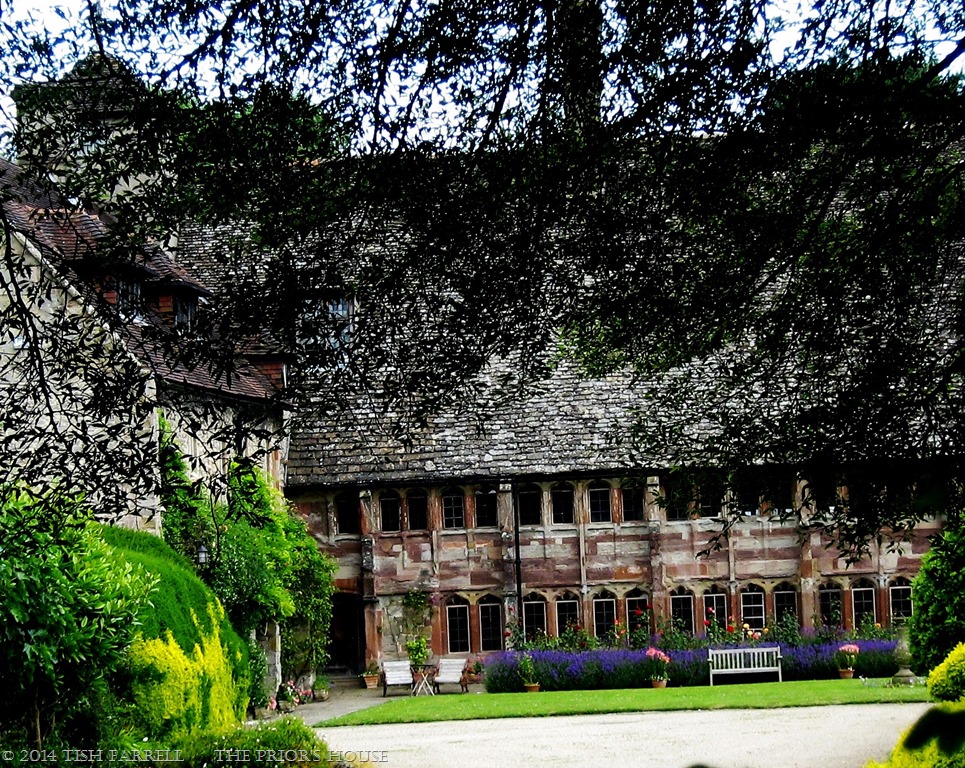
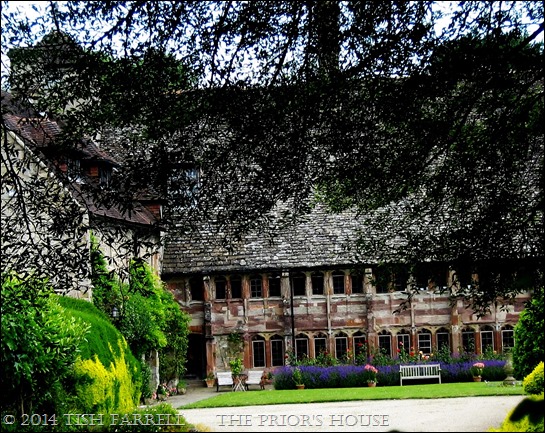
But for all the present day shove and shunt, there is still a sense of romance about the town and Wenlock Edge. Spirits from the past make their presence felt in all sorts of ways. Housman set the Edge in verse; Vaughan Williams rendered it in song; the explorer, Stanley, sat upon it, his dark heart brooding on his time in Africa as he surveyed the more benign Shropshire landscape below. Even Henry James and Thomas Hardy came visiting, James more than once, and it is said he worked on The Turn of the Screw while staying as guest of the Milnes Gaskells in the old Prior’s House. (When Henry James Came to Wenlock).

Then there is the Shropshire writer-poet, Mary Webb who spent her adolescent years living on the Edge at The Grange, and was well known about the town. When in 1949 her novel, Gone to Earth, was turned into a film by Michael Powell and Emeric Pressburger, some of the scenes were shot locally. In fact my neighbour tells me that one of the film’s extras used to live in our house, and that he was also the town’s projectionist. He would thus have shown Gone to Earth in the little town cinema that is now the museum, thrilled to bits as the scenes flickered on the screen: seeing himself and other townsfolk alongside Hollywood star, Jennifer Jones. (Jennifer Jones Comes to Wenlock).

IMG_1085

But the Edge itself has far older stories than these. Back in the Silurian Age, some 430 million years ago, it was a tropic seabed, and in rare moments when my mind can embrace such vast temporal constructs, I imagine my house on the shore of the Silurian Sea. (A Solaris moment perhaps). Of course back then the ground on which my house stands was not even in the Northern Hemisphere.

No. Back then the earth’s landmasses were still on the move, shifting up the globe from the South Pole. The English Midlands and Welsh borderlands, that I think I know so well, lay 15 degrees south of the Equator in what is now the Indian Ocean. They were part of the micro-continent of Eastern Avalonia that in turn bordered the Iapetus Ocean.

And so while Shropshire lay somewhere off Mozambique, the world warmed and the Ordovician ice caps melted, the low-lying lands filled to become the Silurian Sea. I like to imagine that, after living in East Africa for seven years, returning to settle in Much Wenlock is, in some convoluted sense, a return to the place where I was. It has a feeling of alchemy about it, and time travel, that lessens the loss of Africa.

Our much travelled escarpment is understandably a fossil hunter’s paradise and, as such, is the most famous Silurian site in the world. In its seaside days, warm, shallow waters were home to sea lilies, corals, multi-radiate starfish, trilobites, gastropods, brachiopods and fish. Indeed, somewhere over my garden hedge, there may have been some reef lagoon that hosted ammonites, squid and, horrifically, water scorpions five feet long.

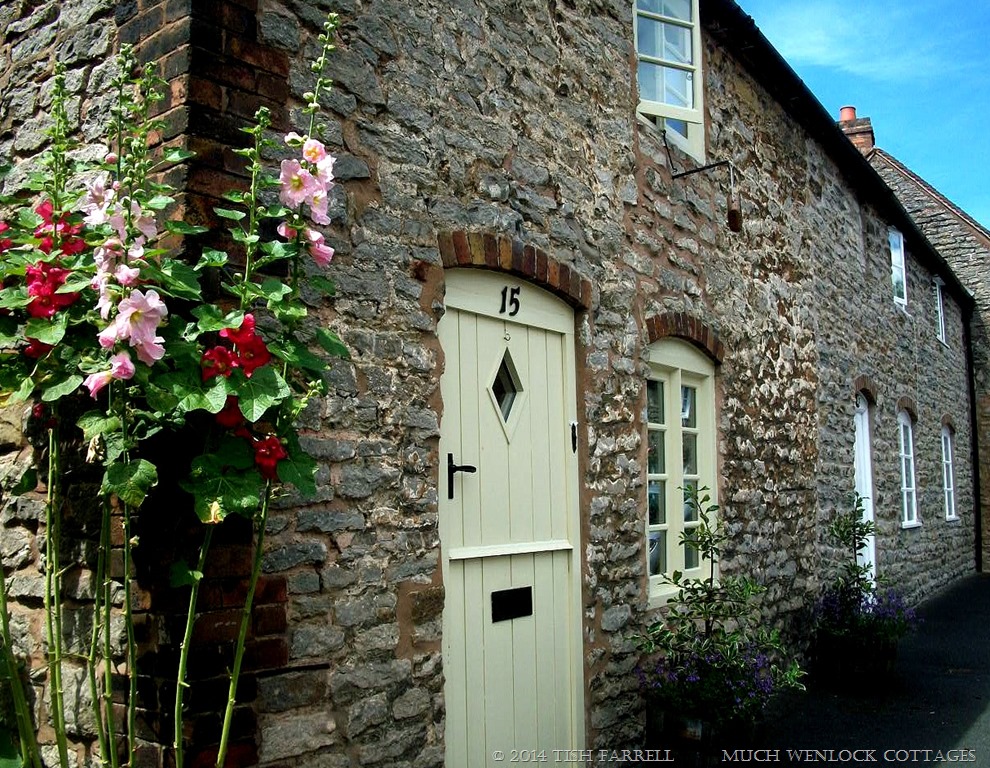
My house is of course composed of these Silurian deposits, dug from those vast quarries along the Edge. I thus inhabit a re-purposed fossil seabed. There are crinoid stems and corals in the chimney-breast, all belonging to an age before the birth of amphibians or dinosaurs, or before there were mammals and birds in the world.

100_5035

While I can easily picture my house on a flat, gravelly shore beside a teeming shallow sea, it is hard to conjure the great absence of earth-life. We might easily imagine that the terrestrial world would have been a very quiet, still place, but this, I gather, would be a grave misconception. The land may have been lacking in life forms, but there was instead a perpetual wind. And because the paucity of land life meant there was little with which to bind the earth’s surface, the Silurian seashore would have been a dreadful place of roaring sandstorms and lashing gravel.

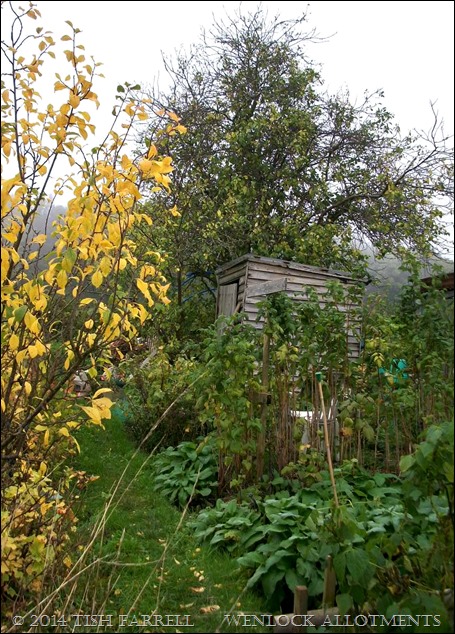
Not so now. Today, the farmland that surrounds the town is lush and homely. It has sheep and cattle, arable crops and pasture, woods and thickets, the old quarries and sundry ruins, remnant green lanes and farm cottages. There are deer and rabbits, foxes and rodents and also, as far as the town’s allotment owners are concerned, far too many birds. That said, though, it is good to hoe and dig to the mewing of buzzards, and cawing of rooks.
100_4944

Most of the land within the town boundary, and this includes Townsend Meadow behind our house, is still feudally owned and tenanted. It is within these little bounds of landowner imposition that the small market centre has grown up and been continuously lived and worked in for the last thousand years.

It is probable, though, that the first human settlement took place a few millennia earlier than this. Perhaps the first Wenlockians were Bronze Age Celts who, as venerators of water, would have been drawn to the many springs that rise below the limestone escarpment. The Celts were also skilled metal workers, and Wenlock Edge would have provided a natural, upland byway for itinerant smiths and metal traders going to and from the mineral-rich hills of Wales. Certainly Bronze Age hoards have been found in and around the nearby River Severn which, through many ages, was one of the country’s busiest inland trade routes.

There is certainly evidence for Roman settlement in the town – a large villa on the site of the Priory, and one which apparently had its own Romano-Christian chapel.
IMG_1265

Water, and sacred water at that, is another of the themes that runs through Much Wenlock’s settlement history. The town has many holy wells, including ones dedicated to St. Milburga and St. Owain. Milburga was a Saxon princess, who in 680 AD became abbess of a monastery for both monks and nuns, founded here by her father, King Merewald of Mercia. The monastery was built near the site of the Roman villa, perhaps chosen because of its already Christian associations. The invading Saxons established their authority by building chapels and monasteries. Later, the invading Normans did the same, but on a grander scale.
100_5886

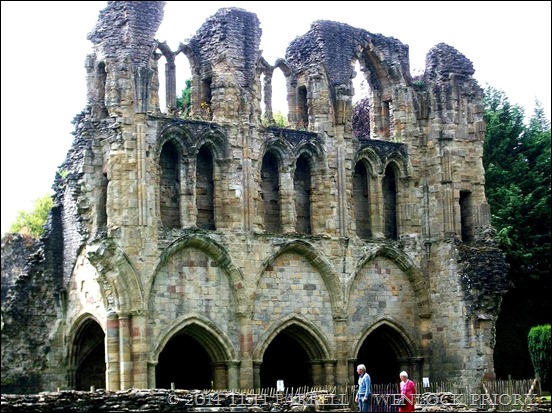
The Benedictine priory that succeeded the Saxon abbey in 1079  (and whose remains you see here) was part and parcel of the Norman master plan to control all aspects of Saxon life. Much Wenlock’s age-old reputation for holiness guaranteed that the local Norman earl, Roger de Montgomery, would choose the town for a big demonstration of power and piety. He invested heavily in the priory that was to become one of the most imposing religious houses in Europe. To ensure its future prosperity, all that remained was to annexe St.Milburga’s reputation for miracles, in particular her ability to strike holy springs from the ground. A new shrine was built to honour her sanctity, so ensuring a steady influx of  pilgrims and traders throughout the Middle Ages.

Roll forwards a few centuries and the town has another claim to fame, one that has significance to all of us today. In 1850 the town’s physician and apothecary, Dr William Penny Brookes (1809-1895) founded the Wenlock Olympian games that were to become the driving force behind the modern Olympic movement. Brookes fervently believed that exercise brought moral, physical and intellectual  improvement to all who took part in it. He was a campaigner of national standing, and responsible for the introduction of physical education into British schools.

His ideas spread, and in 1890 when Baron Pierre de Coubertin came to see the Wenlock Games for himself, Brookes shared with the young man not only his visions for everyone’s health and welfare, but also his wealth of experience from running the Games. He even designed and had made at his own expense wonderful medals for the winning competitors. Sadly, he did not live to see the first modern international Olympics in Athens in 1896, although De Coubertin did give him due credit as the inspiration behind the modern Olympic Games. Tribute was also paid to his home town in the 2012 Olympics when ‘Wenlock’ was the name chosen for one of the mascots. I hasten to say that this strange, one-eyed being bore little resemblance to any living Wenlock resident.

100_6677

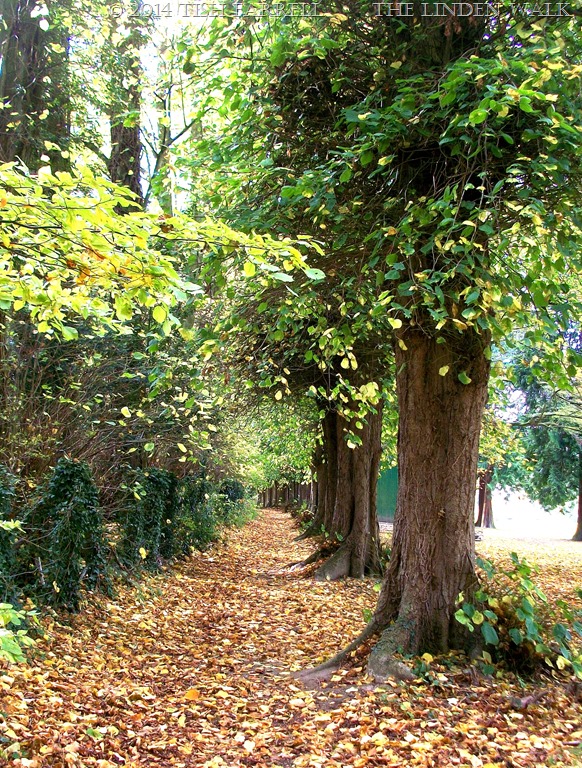
The Linden Field ,where Brook’s Olympian Games first took place, is now a public park, bequeathed by a former feudal worthy for the pleasure and recreation of the people of Much Wenlock. Every July the Games are still held here, and with competitors from all over the world.

The field is only a step from my house, and I sometimes toy with idea of running down the avenue of lime trees that Dr. Brookes planted there 150 years ago. Musing on his notions that exercise breeds mental and physical improvement, I think the activity might relieve the creative doldrums, spur on the story-telling process, help me escape the peripheries, and finally get some work done.

Of course one of the hazards of being a writer, apart from devising ever new means of diversion and prevarication, is the hoarding of story ideas. Like the Silurian seabed, they go on accreting: stuff and more stuff, piles of notes and scribble and memory sticks slowly compacting on every surface in my office. Hopefully they do  not enfolding anything as alarming as a five foot water scorpion. And now that I’ve conjured this monster, I rather wish I hadn’t, although you never know: there’s maybe a story in it.

© Tish Farrell 2014


Afterthought:

I wrote the first version of this blog’s first post as the means of showing what ‘Writer on the Edge’ was about, namely the importance of evoking place (at least in some sense) in all creative writing. It is also a portrait of the place where I live and think; it is the edge on which I reside both physically and metaphysically. For although I lived in Africa for some years, Shropshire is where my roots are. At least I think this is the case. Once you have lived in foreign places for a time, it is often hard to know where home is.


*Historical source: Vivien Bellamy A History of Much Wenlock, Shropshire Books, 2001


Related:

When Henry James Came to Wenlock

Jennifer Jones Comes to Wenlock

Songs from and Inland Sea: “On Wenlock Edge”

Old Stones of Wenlock: Repurposing the Silurian Sea


#WenlockEdge #Shropshire #TishFarrellWriter #HenryJames

Oloololo Escarpment: Maasai Dreaming


Scan-140726-0002 (3)


Night on the Mara River – darkness wraps round, close as a Maasai’s blanket.  It is cold, too, on the river’s bend. We press closer the campfire, our white faces soon roasting red. No one speaks. There’s too much to listen for. A hyena whoops across the water?  It sounds close. It sounds unearthly, sending shock waves through vulnerable bones – mine, conjuring packs of predators, out there, circling our ring of light. And even as I think it the Maasai are on us.  Six warriors, spears in hand and naked to the waist.  Their leader tosses his ostrich-feather head-dress that looks like a lion’s mane.  He is fearless.  He is lion.

Then the singing starts, a nasal falsetto that resonates through time and space – the winds’ whine through Mara grasses.  The Maasai girls trip lightly into the firelight, their wraps like flames – yellow, red; close-cropped heads hung with beads; chins jutting forward as the crescent necklets – tiny beads so patiently strung – rise and fall on skinny chests.  The moran start to leap – higher, faster.

excerpt from Dances With Warriors © 2014 Tish Farrell

Continues HERE

Flickr Comments for more bloggers’ stories

DP Weekly Photo Challenge

Bee-line

Word a Week: vibrant

100_3915.jpg

Click on the image to enlarge. This photo was taken blind (because the sun was shining on my camera screen), and on a happy snapper Kodak Easyshare. So I cannot take much credit for any of this. But isn’t it good to see so many bees, and especially after hearing of all the pesticidal threats to their existence. So a big cheer for the bees. We cannot live without them. Love the way you can see the fluttering wings.

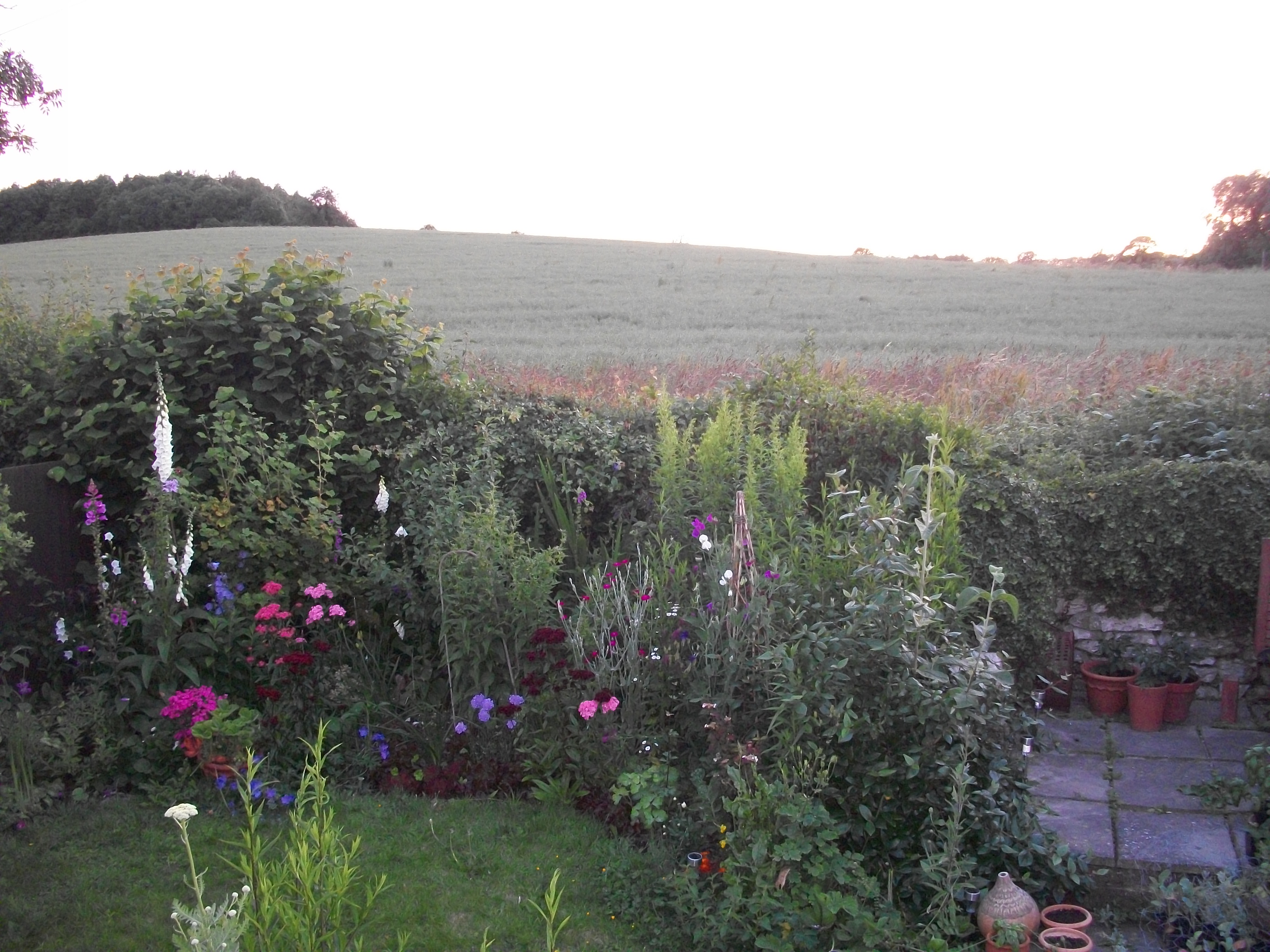
My writer’s mind, much like  my garden, is often chaotic and full of weedy overgrowth. And so this morning, as a ready excuse not to tackle the former, I decided to go into the other weedy place in pursuit of something for the ‘A Word a Week’ challenge. I also thought I would try to overlook the fact that Sue, who set the challenge is very annoyingly enjoying tropical wonders in Malaysia while manfully coping with WFDS – wi-fi deficiency syndrome.

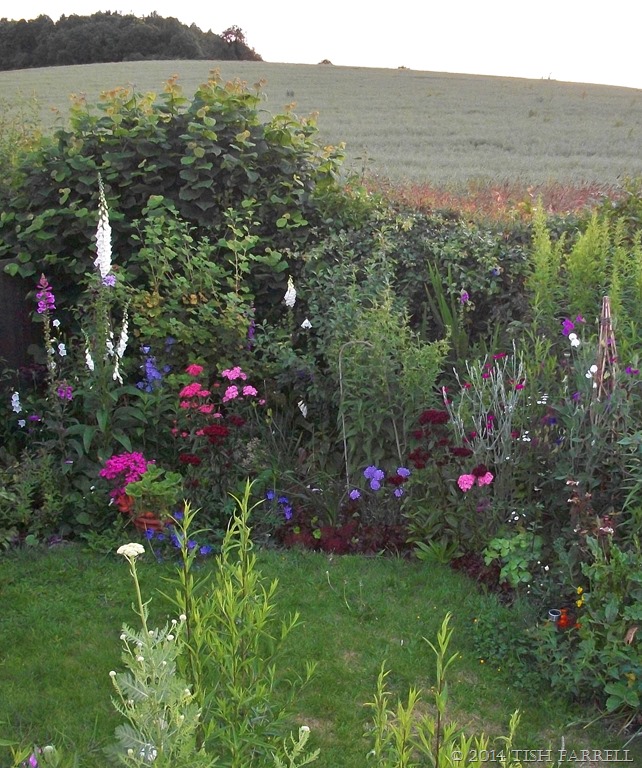
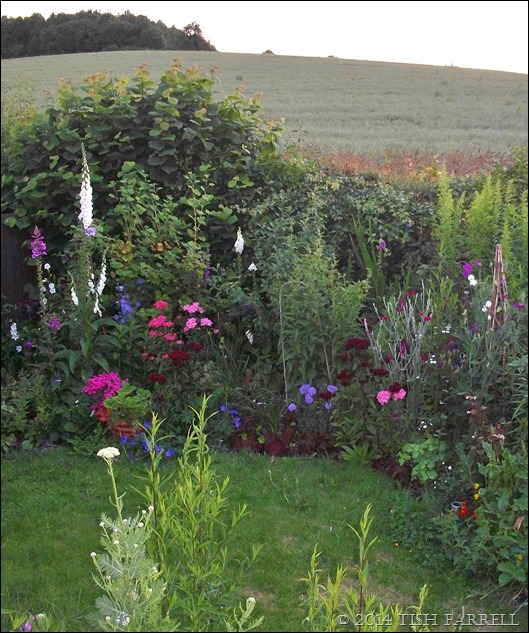
Apart from which, this is just the other excuse I’ve been looking for to show off some of the rampant vegetation in my small but multi-level flowerbeds. So welcome to my garden on the Edge of Silurian Shores.

100_3860

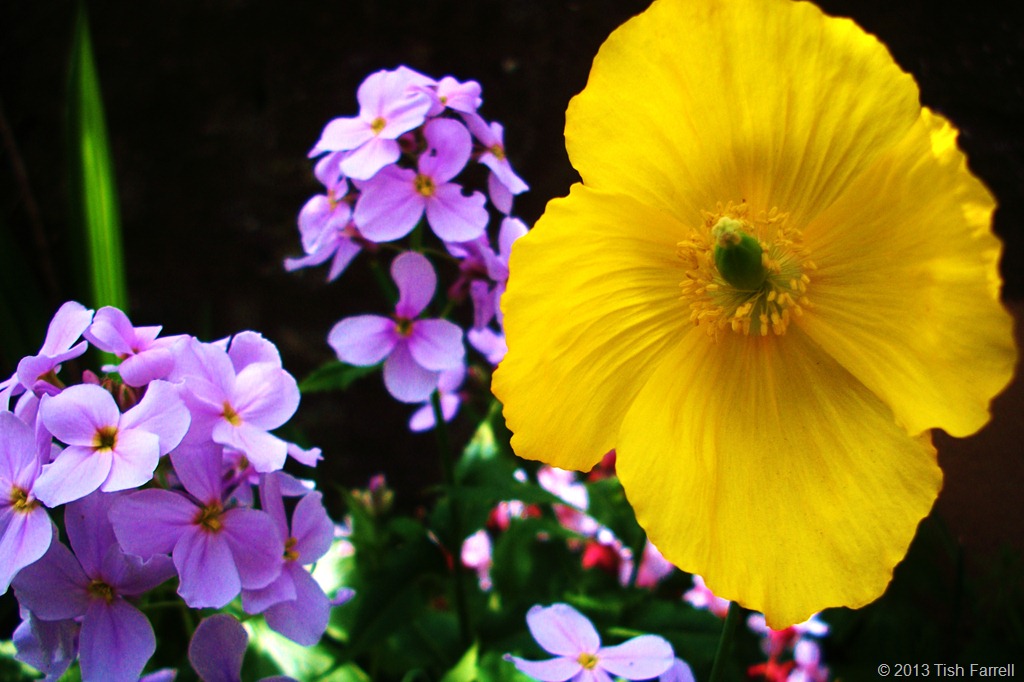
Wild stock and Welsh Poppy. These came from my batty Aunt Miriam’s Devon garden. She is no longer with us, but doubtless is dead-heading and pruning and stealing cuttings somewhere in the big garden in the sky.

100_3874

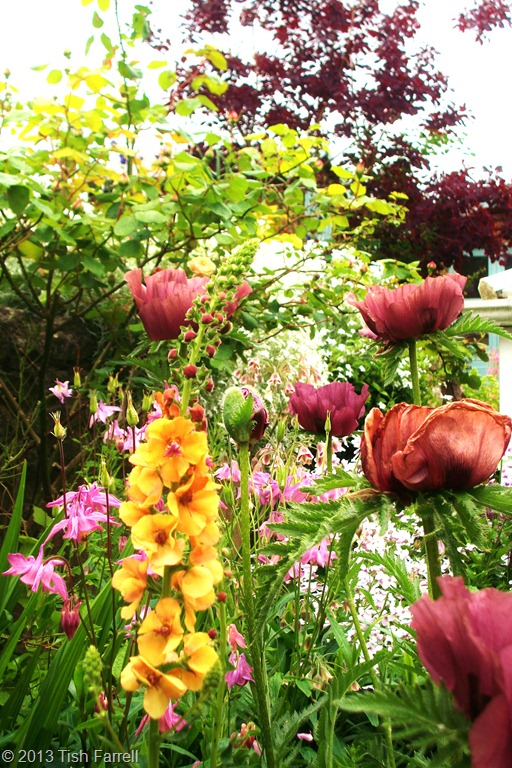
Verbascum, columbine, Patty’s Plum poppies

100_3887

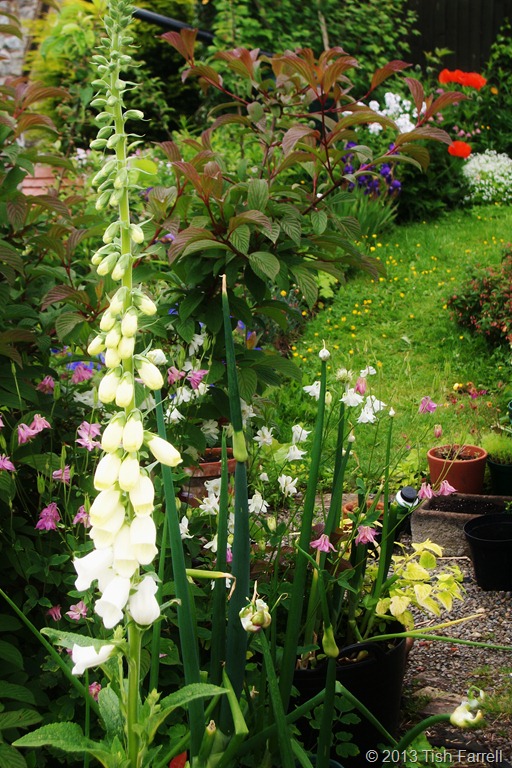
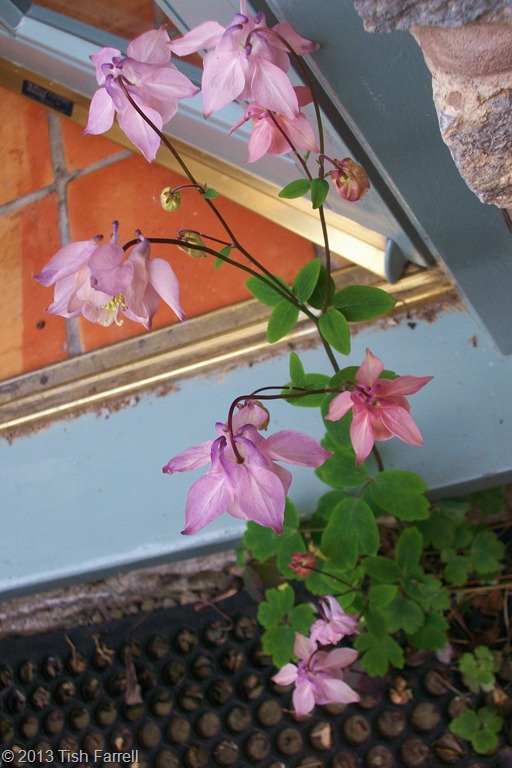
This white foxglove has grown itself in the path along with the pink and white columbine. I love plants that do their own gardening.

100_3797

Pasque flowers going to seed at sunset – much like the photographer.

100_3681

Variegated Lemon Balm not only smells delicious when you brush by it, but it makes a wonderful soothing tea if you are feeling stressed. Also good in Pimms and shredded finely on strawberries. Or in salads and tabbouleh.

100_3677

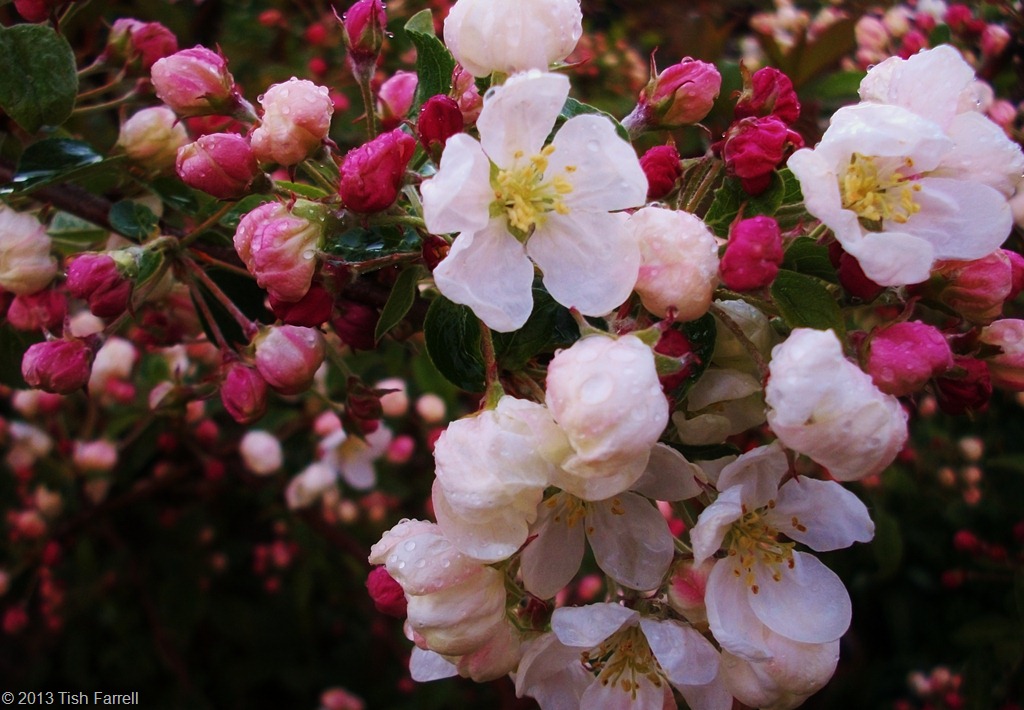
Japanese Crab Apple in bloom a few weeks ago. Already there are thousands of tiny apples forming. You can see  what they look like in autumn here. Wonderful for crab apple jelly, and of course emergency winter rations for the black birds.

100_3859

Allium.

100_3804

The garden coming into the kitchen, though a certain amount of vigilance and exclusion must be deployed. Having suffered an invasion of leopard slugs on my counter tops and in the spaghetti, I definitely draw the line at all forms of molluscs coming in too.

100_3847

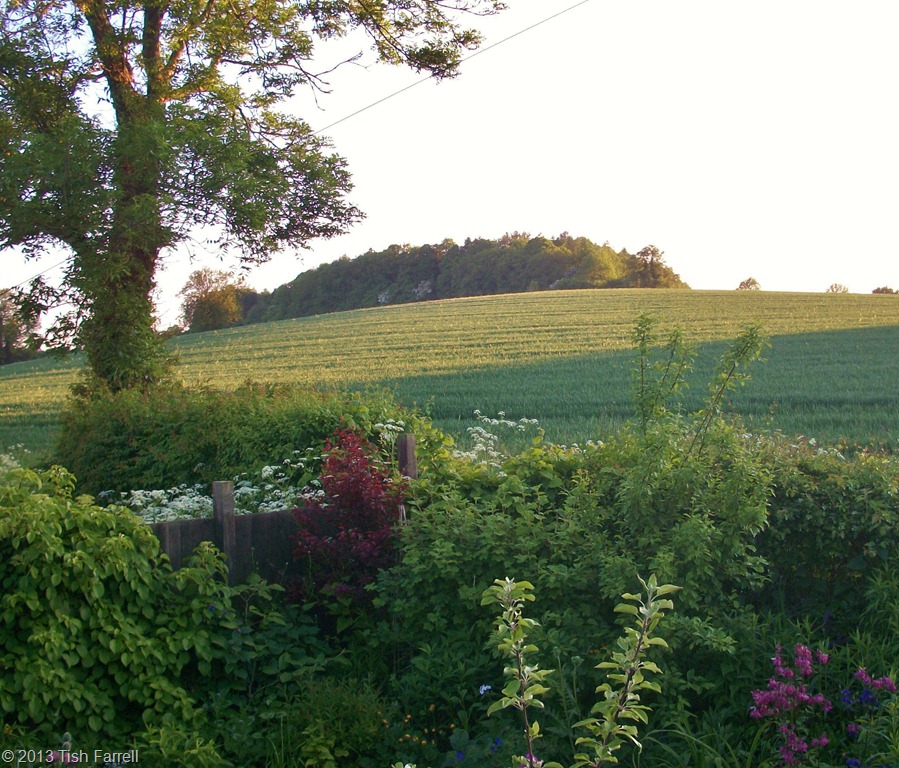
Townsend Meadow behind the garden and looking towards Wenlock Edge. For geology lovers this  upthrust limestone ridge was once the bed of the tropical Silurian Sea i.e. c.400,000 million years ago. At that time this piece of ground was lying somewhere off East Africa.

100_3849

And because one look isn’t enough, another view of an oriental poppy, freshly opened, but not quite pressed.

Finally, a Bee Movie. And for all those who follow Frizz on Flickr Comments, please note the sound effects. Don’t they remind you of something?

‘B’ Movie

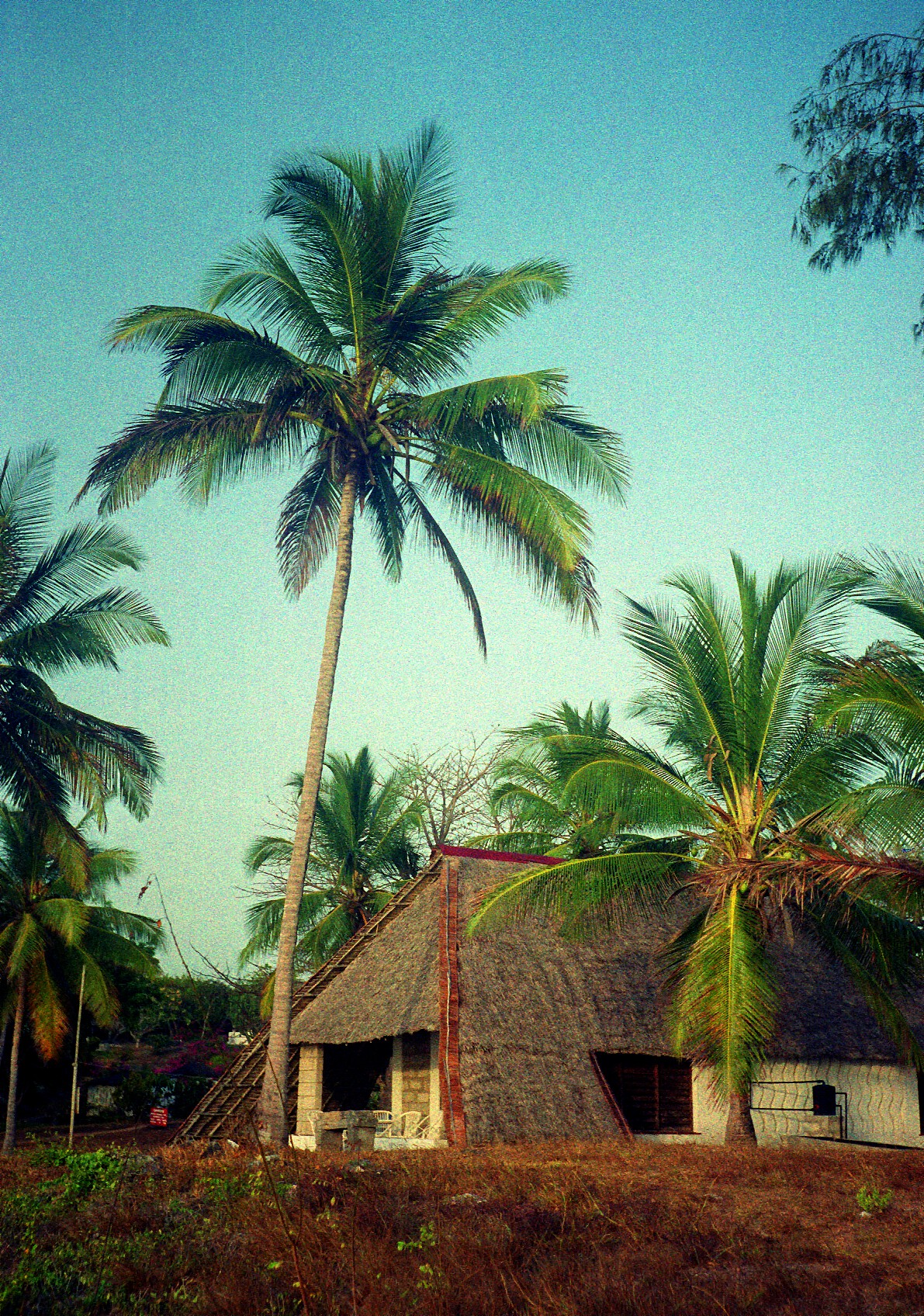
…of Mombasa Beach

In 1992 I ran away to Africa. I meant to stay only three months, but it was eight years before I came back to live again in England. When I first arrived in Nairobi on a hot February morning, stepping off an Air France jumbo jet that had taken far too long to park, I felt as if some unseen hand were striking matches on my cerebral cortex – the sky, the bush, colours, smells, so many beautiful faces: it was as if I’d woken up for the first time.

But if Nairobi was the place I woke up, Mombasa beach was always the place of waking dreams. It does not matter how well focused your eyes or how alert the brain, in the tropic light your perceptions turn to molten honey. Is this place real? I still don’t know.

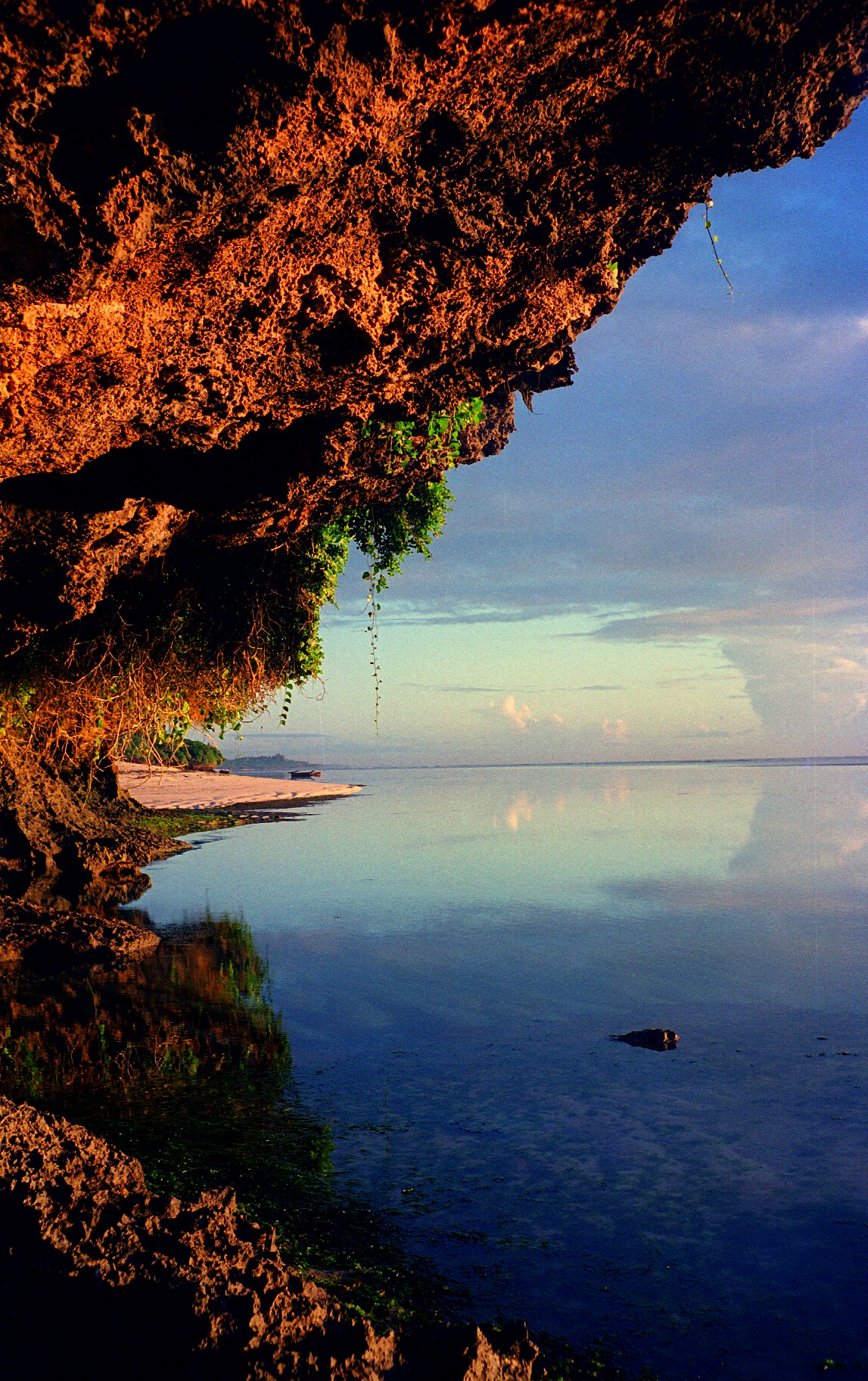
sea and sky on the reef at Tiwi

During the 1990s we often stayed at Swahili-style beach cottages that were owned by German or British expatriates. These little villages, strung out along Tiwi’s headlands, were low-key in every sense, and their bohemian, beach-combing ambience made them popular places to stay with long-term aid workers and mixed race families. Tanzanians came across the border to stay there too. Although at any one time, there never seemed to be many people staying there and the nearby beaches were often empty but for the local fishermen.

Capricho our house in Feb '92 b

The beach village owners were at pains to be part of the local community, encouraging Digo fishermen and vegetable sellers to call round the cottages with the day’s produce, and employing locals as cooks and gardeners. At night, though, there were often concerns about security. (The 90s were unsettled times in Kenya).  And this is where the village dogs came in. From dusk to dawn they patrolled with armed guards. But in broad daylight, their time was their own, and they generally spent it, unsupervised, down on the beach.

I wrote the following piece for Quartos Magazine in 1995. It won first prize in their article writing contest and was published in January 1996. 

                               Going to the dogs on Mombasa’s southern shores

It’s a dog’s life on Tiwi Beach, the white strand where ocean roars on coral, and trade winds risp the palms along the headland; and where best of all, as far as the dogs are concerned, there are quiet coves sparse in holidaymakers. It means they may do as they please. For after all, it is their own resort.

But the dogs are not churlish. They can take or leave the odd pale human wrestling to right his windsurfer on the still lagoon; ignore the sentinel heron that marks the reef edge beyond; pay no heed to the etched black figures of the Digo fishermen who stalk the shallows for prawns, parrot fish, or perhaps a mottled lobster or two.

But in this last respect at least, the dogs are smug. For the fishermen come down to the beach only to make a living. And when they are done hunting, they must toil along the headland from beach village to beach village, then haggle over the price of their catch with the rich wazungu who come there to lotus eat.  Hard work in the dogs’ opinion.

The dogs know better of course; know it in every hair and pore. And each morning after breakfast, when they take the sandy track down to the beach, they begin with a toss of the head, a sniff of the salt air, a gentle ruffling of the ear feathers in soft finger breezes. Only then do they begin the day’s immersion, the sybaritic sea savouring: first the leather pads, sandpaper dry from pounding coral beaches, then the hot underbelly. Bliss. The water is warm. Still. Azure. And there can be nothing better in the world than to wade here, hour on hour, alongside a like-minded fellow.

There’s not much to it; sometimes a gentle prancing. But more likely the long absorbing watch, nose just above the water, ears pricked, gaze fixed on the dazzling glass. And if you should come by and ask what they think they’re at, they will scan you blankly, the earlier joy drained away like swell off a pitching dhow. And, after a moment’s condescending consideration, they will return again to the sea search, every fibre assuming once more that sense of delighted expectation which you so crassly interrupted. You are dismissed.

For what else should they be doing but dog dreaming, ocean gazing, coursing the ripples of sunlight across the lagoon and more than these, glimpsing the electric blue of a darting minnow? And do they try to catch it?  Of course they don’t. And when the day’s watch is done, there is the happy retreat to shore – the roll roll roll in hot sand, working the grains into every hair root.

And if as a stranger you think these beach dogs a disreputable looking crew, the undesirable issue of lax couplings between colonial thoroughbreds gone native: dobermanns and rough-haired pointers, vizslas and ridge-backs, labradors and terriers, then think again. For just because they have no time for idle chit-chat, this doesn’t make them bad fellows: it’s merely that when they are on the beach, they’re on their own time. But later, after sunset, well that’s a different matter. Then they have responsibilities: they become guardians of the your designer swimwear, keepers of your M & S beach towel, enticing items that you have carelessly left out on your cottage veranda.

For by night they patrol the ill-lit byways of your beach village, dogging the heels of a human guard who has his bow and arrow always at the ready. And when in the black hours the banshee cry of a bush baby all but stops your heart, you may be forgiven for supposing that this bristling team has got its man, impaled a hapless thief to the compound baobab. It is an unnerving thought. You keep your head down. Try to go with the flow, as all good travellers should.

But with the day the disturbing image fades. There is no bloody corpse to sully paradise, only the bulbuls calling from a flame tree, the heady scent of frangipani, delicious with its sifting of brine. You cannot help yourself now. It’s time to take a leaf out of the dogs’ book, go for a day of all-embracing sensation – cast off in an azure pool.

And in the late afternoon when the sun slips red behind the tall palms and the tide comes boiling up the beach, the dogs take to the gathering shade of the hinterland and lie about in companionable couples. Now and then they cast a benign eye on you humankind, for at last you are utterly abandoned, surrendering with whoops and yells to the sun-baked spume. They seem to register the smallest flicker of approval: you seem to be getting the hang of things round here.

Maweni beach at dawn

© Tish Farrell 2011

…of Silurian Shores

Overlooking Townsend Meadow: on the edge of Wenlock Edge

All is peripheral in the place where I live – my house beside the path beside the field whose name on the 1847 tithe map, Townsend Meadow, marks the old town boundary of Much Wenlock. The town, itself, is very ancient and it has long outgrown the town’s-end frontier along the Sytche Brook. It also lies below its own impressive periphery – the long limestone scarp of Wenlock Edge.

I cannot quite see the Edge from my house, but I see the big sky above it, the dramatic false horizon that the Edge creates and thus the endless movement of weather along it. Hours can be wasted sky watching: the breezy march of clouds across the roof lights, the flush of hundreds of rooks from Sytche Lane wood at dawn and at dusk, peppering the skyscape.

Sky over Wenlock Edge

In fact most inhabitants of the town cannot quite see the Edge. This is something of a paradox given that its massive limestone presence has shaped Much Wenlock in so many ways, and not only in the fabric of its many stone cottages. You need to be outside the town to get a proper glimpse of it and, even then, it is hard to get the full measure of it. Nevertheless, as landmarks go, it will not fail to make an impression however you come at it: whether wending up the hairpin bends from Shrewsbury; or taking the road over the top from Wenlock to Church Stretton and the Shropshire Hills beyond, or yet meandering down below it along the narrow lanes through Kenley, Hughley, Church Preen and Longville. From the lowland, the Edge’s steep north-west slopes look so heavily wooded that they bristle up like a giant hog’s back. For some fifteen miles this dark spine stretches, bearing down on the scattered hamlets and farm fields. It is unavoidably mysterious.

Driving along the Edge on Christmas Day

The south-east slopes, by contrast, have a more domesticated feel, and something of an industrial air, having been dug into for centuries. The road that cuts along the top passes beside vast quarries (now mostly hidden by hedges and woodland and visible only to walkers). These quarries yielded limestone for building and for the iron works of Coalbrookdale where it was used as a flux in smelting, and for burning in lime-kilns to make fertiliser. In more recent times most of the stone went for road building. But now quarrying has stopped and Much Wenlock’s houses no longer shudder in a pall of white dust as they once did whenever the quarrymen were blasting; nor do the streets vibrate with the endless rattle of passing stone trucks.

There are other sources of disturbance of course – over-sized farm vehicles and garden fencing lorries. They pass by on the other side of my house, which sitting as it does on the A4169 is not so scenic, although it is interesting in other ways. For instance when I’m standing in the kitchen eating toast, I might look up to meet the serially startled gazes of a tour bus party as their coach nudges them past our windows, brushing hard through our privet hedge in order to wheedle a way past another HGV. It is the only way to do it on a road too narrow for two large vehicles to pass. We locals amuse ourselves by taking photos of the trucks and buses that several times a day get jammed outside our homes while officers at Shropshire Council shrug helplessly, quite unable to say what their predecessors were thinking of when they upgraded a bottle-neck lane into an ‘A’ road. There’s nothing to be done, they say. One day a European mega-truck will drive down from nearby Telford and block the road forever.

Coaches getting stuck on Much Wenlock’s narrow streets

But for all the present day shove and shunt, there is still a sense of romance about the town and Wenlock Edge. Spirits from the past make their presence felt in all sorts of ways. Housman set the Edge in verse; Vaughan Williams rendered it in song; the explorer, Stanley, sat upon it, his dark heart brooding on his time in Africa as he surveyed the more benign Shropshire landscape below. Even Henry James and Thomas Hardy came visiting, (James several times and said to have worked on Turn of the Screw while staying in the old Prior’s House that adjoins the Priory ruins).

Last but certainly not least, Shropshire writer-poet, Mary Webb spent her adolescent years living upon the Edge at The Grange and was well known about the town. When, in the 1950s, her novel, Gone to Earth, was turned into a film by Michael Powell and Emeric Pressburger, some of the scenes were shot in and around Much Wenlock. In fact I’m told by my neighbour that one of the film’s extras used to live in our house and was also the town’s projectionist. Perhaps he even showed Gone to Earth in the little cinema that is now the museum, thrilled to bits as the scenes flickered on the screen: seeing himself and other townspeople alongside Hollywood’s Jennifer Jones.

Wenlock Edge, of course, has much older stories than this to tell. Back in the Silurian Age, some 430 million years ago, it was a tropic seabed, and in rare moments when my mind can even begin to consider such vast temporal constructs, I imagine my house on the shore of the Silurian Sea. (A Solaris moment perhaps). Of course back then the ground on which my house stands was not even in the Northern Hemisphere. Back then the earth’s landmasses were still on the move, shifting up the globe from the South Pole. The English Midlands and Welsh borderlands that I think I know so well thus lay south of the Equator; 15 degrees south in what is now the Indian Ocean, where they were part of the micro-continent of Eastern Avalonia that in turn bordered the Iapetus Ocean. And so while Shropshire lay somewhere off Mozambique, the world warmed and the Ordovician ice caps melted and the low-lying lands filled to become the Silurian Sea. I also like to imagine, that after living in East Africa for seven years, returning to settle in Much Wenlock is like coming back to the place where I was; for I miss Africa very much. Also it gives a new connotation on the phrase ‘world travel.’

Wenlock Edge, then, is a fossil hunter’s treasure place and, as such, is the most famous Silurian site in the world. In its seaside days, warm, shallow waters were home to sea lilies, corals, multi-radiate starfish, trilobites, gastropods, brachiopods and fish. Indeed, somewhere over my garden hedge, there may have been some reef lagoon that hosted ammonites, squid and, horrifically, water scorpions five feet long. In fact, my house is composed of these Silurian deposits, dug from those vast quarries along the Edge. I thus inhabit a re-shaped fossil seabed. There are crinoid stems and corals in the chimney-breast, and all belonging to an age before the birth of amphibians or dinosaurs, or before there were mammals and birds in the world.

While I can easily picture my house on a flat, gravelly shore and a teeming shallow sea beyond, it is hard to conjure the great absence of earth-life. We might easily begin to think that the terrestrial world would be a painfully quiet and very still place, although this, I gather, would be a grave misconception. The land may have been lacking in life forms but there was instead a perpetual wind. And because the paucity of land life meant there was little with which to bind the earth’s surface, the Silurian seashore would have been a dreadful place of roaring sandstorms and lashing gravel.

Today, the farmland that surrounds the town is lush and homely. It has sheep and cattle, arable crops and pasture, woods and thickets, the old quarries and sundry ruins, remnant green lanes and farm cottages. There are deer and rabbits, foxes and rodents and also, as far as the town’s allotment owners are concerned, far too many birds. That said, though, it is good to hoe and dig to the mewing of buzzards.

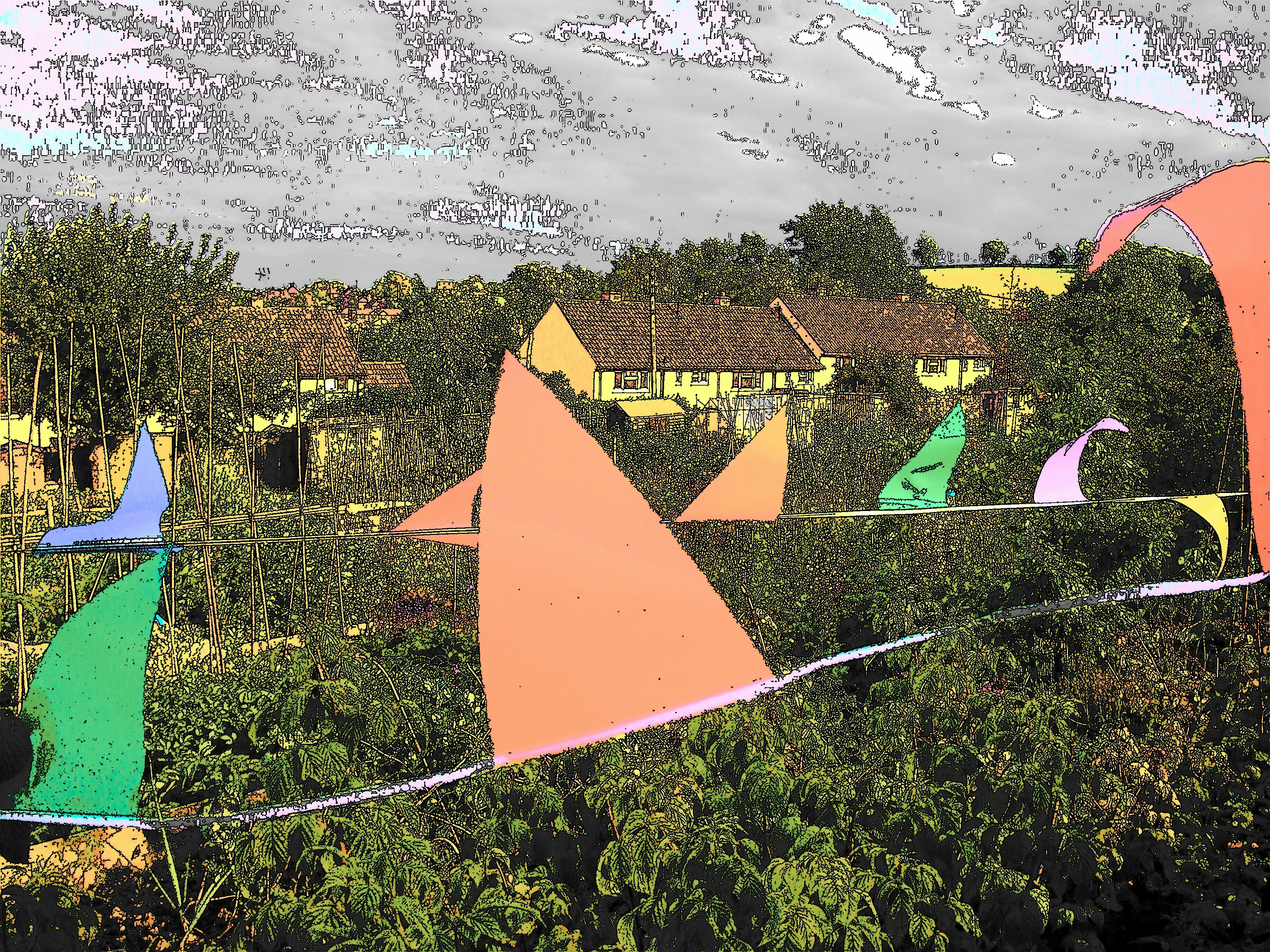
Bird-scaring bunting at the allotment

Most of the land within the town boundary, and this includes Townsend Meadow, is still feudally owned and tenanted and, within these little bounds of landowner imposition has grown a small market centre that has been continuously lived and worked in for the last thousand years.

But then that is only the historical record.* Archaeological investigations show that humans settled this valley by the Edge from at least the Bronze Age. These first Wenlockians were probably early Celts, and as venerators of water, were doubtless attracted to the many springs that rise below the limestone escarpment. The Celts were also skilled metal workers and Wenlock Edge would have provided a natural, upland byway for itinerant smiths and metal traders going to and from the mineral-rich hills of Wales. Certainly Bronze Age hoards have been found in and around the nearby River Severn which, through many ages, was one of the country’s busiest inland trade routes.

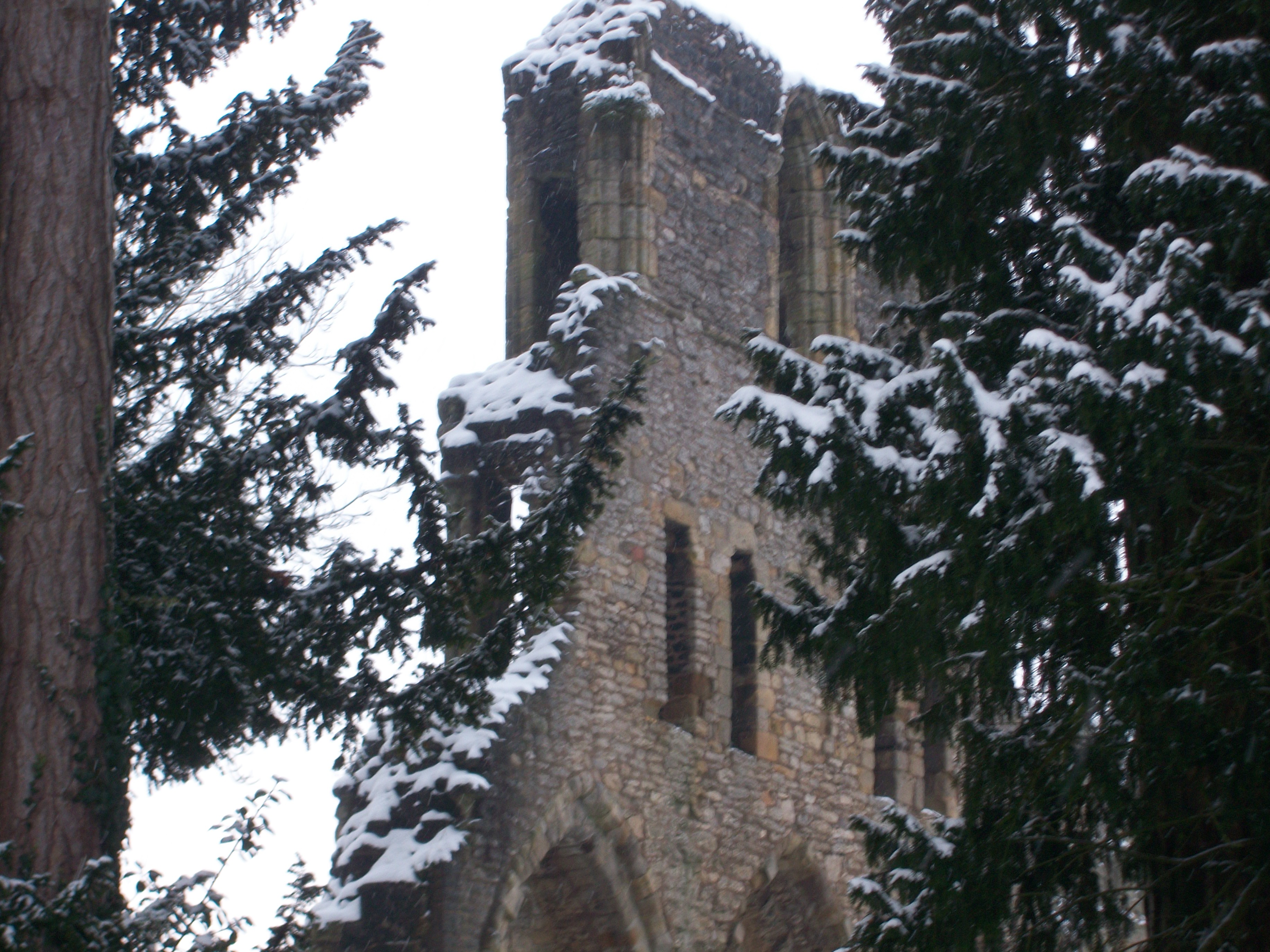
After the Celts came Roman and Saxon settlers, Viking and Norman invaders, and the town not only still has substantial ruins of an eleventh century Benedictine Priory, but many of the present houses and cottages are built from stone plundered from the monastery after its dissolution in 1540. The medieval Prior’s House, however, largely survived this recycling. It adjoins the Priory ruins, from where it may be glimpsed, and has been restored as a breathtakingly beautiful private house.

The common theme, then, that runs throughout Much Wenlock’s settlement history is the belief in sacred water. The town has many holy wells. Excavations of the Priory that sits beside a brook that runs off the Edge yielded not only the carving of a Celtic deity but also a substantial Romano-British residence that seems to have its own Christian chapel. In Saxon times, around 670 A D, Merewald, King of Mercia, founded an abbey there, and his daughter, Milburga, after training at Chelles, near Paris, became the foundation’s second abbess. She is also our saint and the heroine of a local legend that tells how she escaped an assault on her honour by a rapacious suitor. She is known, too, for striking holy springs from the ground and for her miracles of healing. The water from her well near Barrow Street was reputed to cure eye diseases.

Much Wenlock Priory ruins

The Benedictine Priory that succeeded the Saxon Abbey in 1079 was part and parcel of the Norman master plan to control all aspects of Saxon life. Much Wenlock’s age-old reputation for holiness guaranteed that the Norman earl, Roger de Montgomery, would choose the town for a big demonstration of power and piety. It was he who invested so heavily in the priory that was to become one of the most imposing religious houses in Europe. And to ensure the new priory’s prosperity as a lucrative place for pilgrimage, St.Milburga’s reputation for miracles was duly annexed to the cause and a new shrine to her established.

Today, most of the pilgrims to Much Wenlock are tourists, stopping off briefly en route for Wales. But this coming year we are expecting many more visitors, as news of Much Wenlock’s further claim to fame spreads around the world. For it was here in 1850 that the town’s physician and apothecary, Dr William Penny Brookes (1809-1895) founded the Wenlock Olympian games that were to become the inspirational force behind the modern Olympic movement. It was he who in 1890 (six years before the 1896 Athens modern Olympics) passed on to a young Baron Pierre de Coubertin not only a wealth of experience gained from running the town’s annual games, but also his passionate belief that exercise wrought moral, physical and intellectual improvements in all who took part.

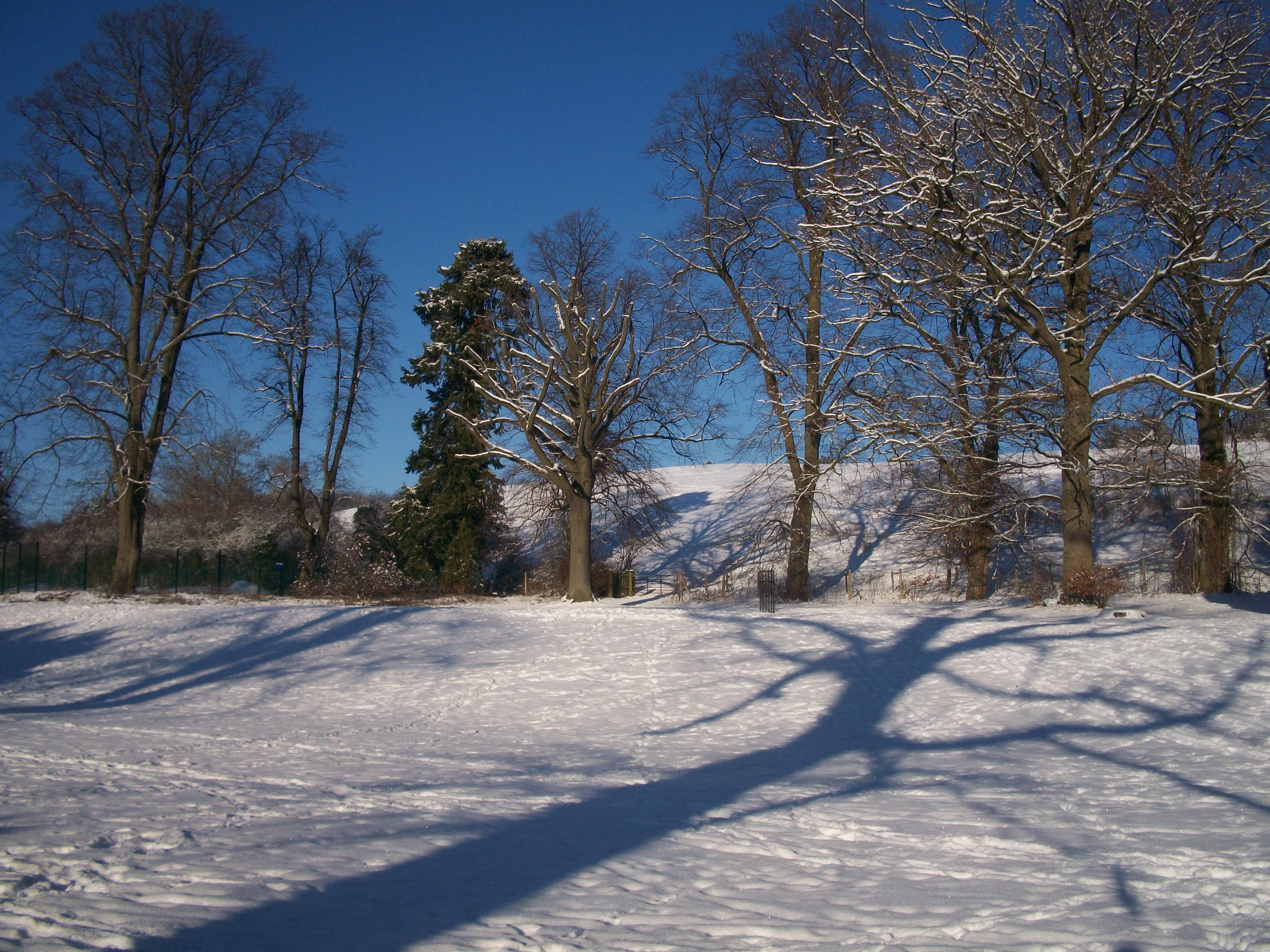
The Linden Field, Much Wenlock: birthplace of the modern Olympic Games

The Linden Field where the Wenlock Olympian Games were held amid crowds of up to 10,000 spectators is still there and is now a public park, bequeathed by a former feudal worthy for the pleasure and recreation of the people of Much Wenlock. Since it is only a step from my house, I sometimes toy with idea of running down the avenue of lime trees that Dr. Brookes planted there one hundred and fifty years ago. Perhaps such active activity would improve my mind. Perhaps it would spur on the story-telling process. Perhaps I would escape the peripheries and finally get some work done…finish a new edition of my one-time award winning African novella, Jessicah the Mountain Slayer, finally create some new tales from my backed-up story-making stock. Or perhaps, like the Silurian seabed, I will simply go on accreting: stuff and more stuff, piles of notes and scribble and memory sticks slowly compacting, although hopefully not enfolding anything as alarming as a fossilised giant water scorpion. That is a worrying thought.

© Tish Farrell 2011

www.tishfarrell.co.uk

* for many historical details I am indebted to Vivien Bellamy. See her book A History of Much Wenlock, Shropshire Books, 2001