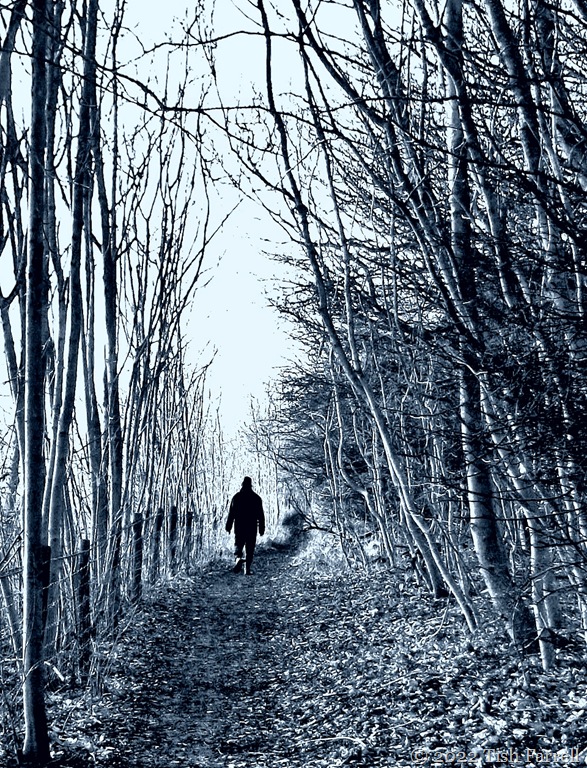
Between trees and path and sky on Wenlock Edge
*

Dandelion clocks in outer space
*
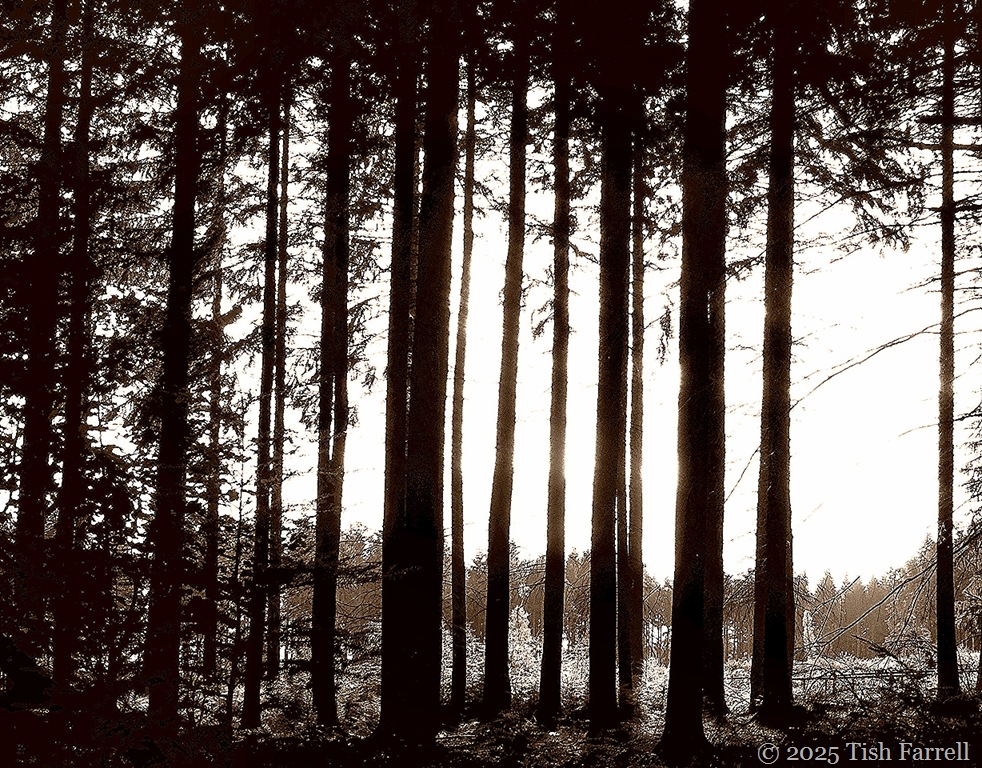
The wood between the trees
*
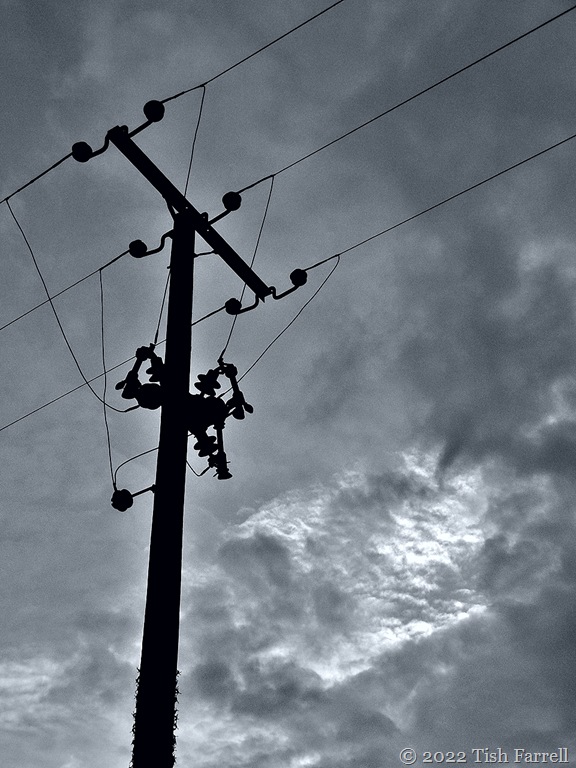
Wired
*
This week at Monochrome Madness, Stupidity Hole sets a thought-provoking theme: The Space Between

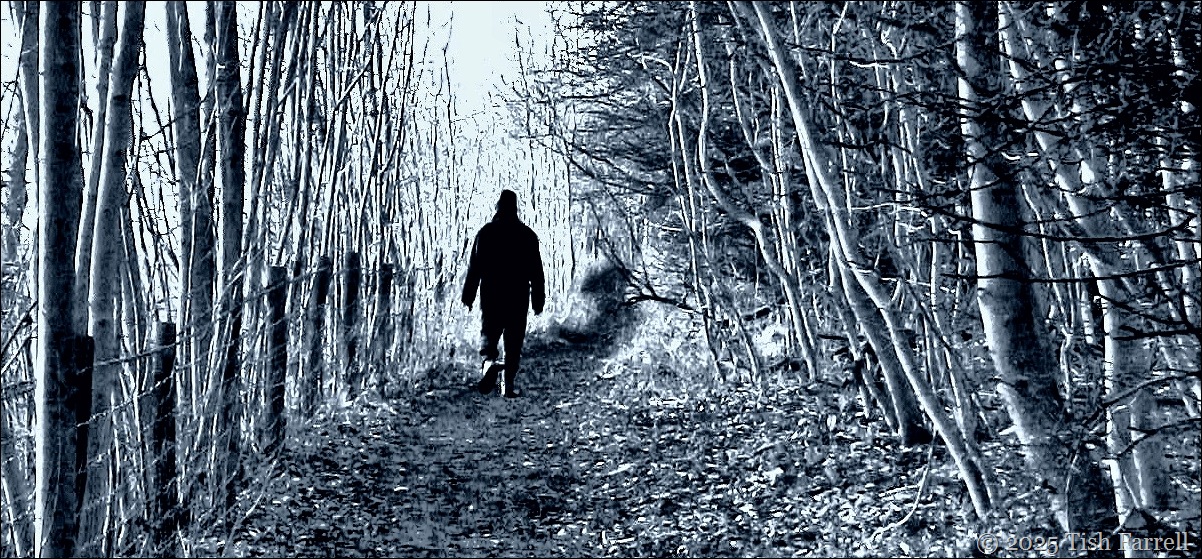
Between trees and path and sky on Wenlock Edge
*
Dandelion clocks in outer space
*
The wood between the trees
*
Wired
*
This week at Monochrome Madness, Stupidity Hole sets a thought-provoking theme: The Space Between
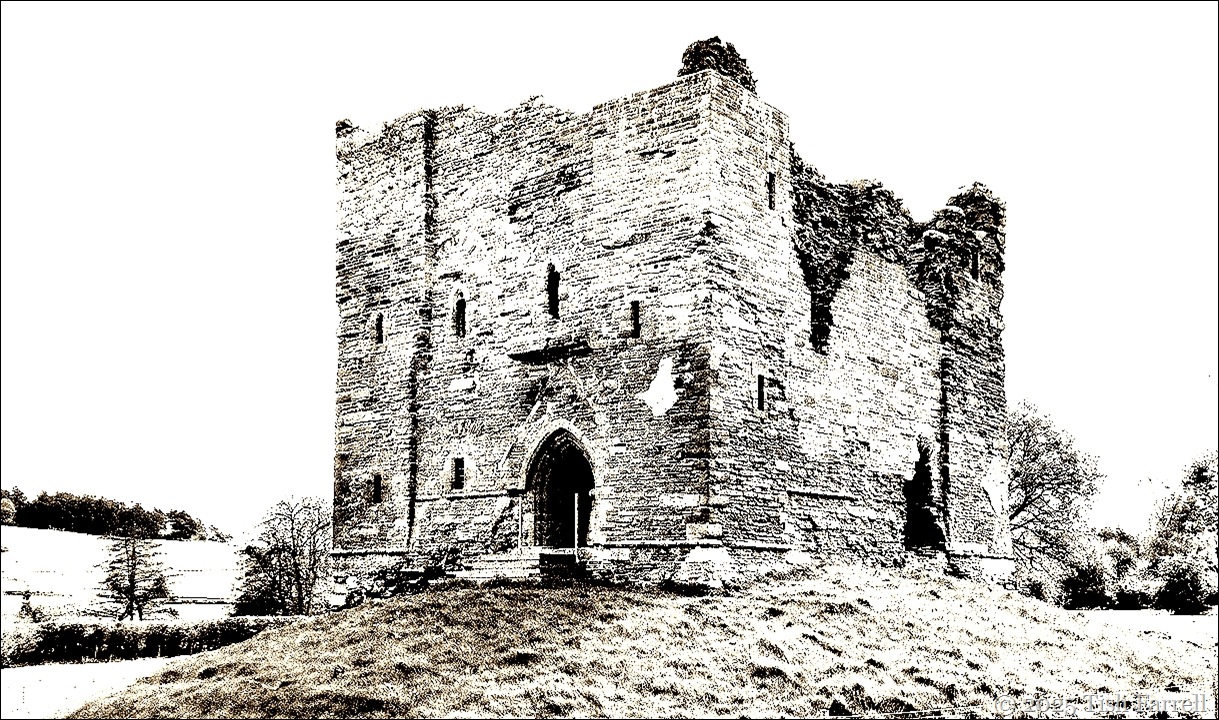
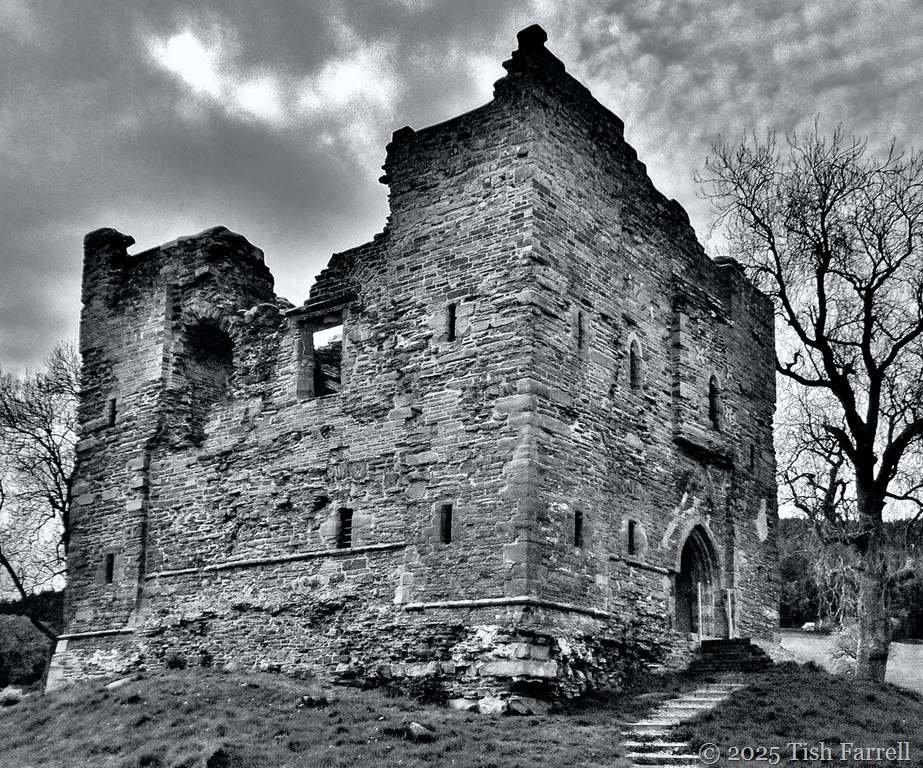
I’m quoting some text from an earlier post:
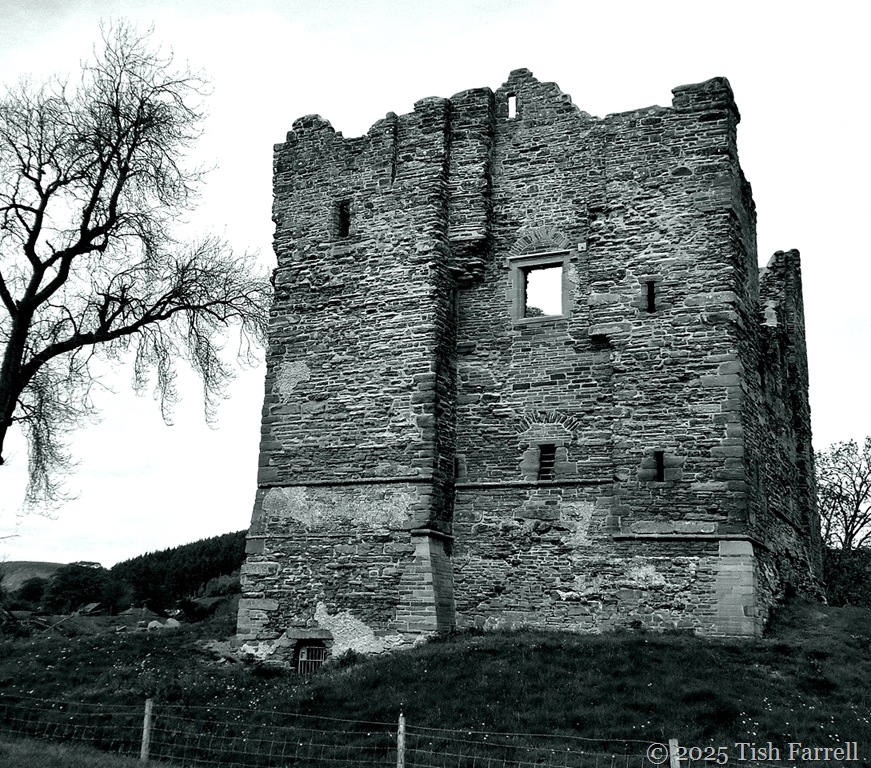
“Here we have the remains of Hopton Castle, an enigmatic ruin in the Shropshire borderland, eleven miles northwest of of Ludlow. It is called a castle, but it might be better described as an upscale medieval tower-house. That it survives at all, in this accessible state, is down to the creative efforts of the Hopton Castle Preservation Trust whose members toiled for 11 years to raise funds to consolidate the main structure, and then spent a further five years overseeing the work.
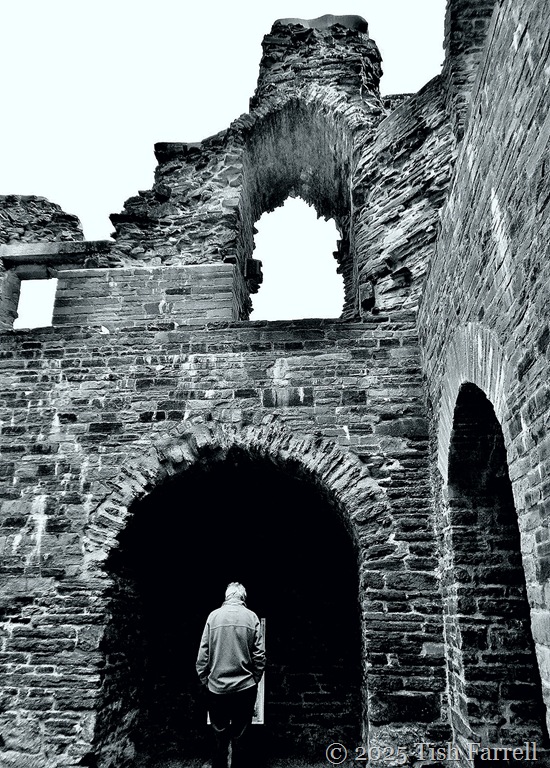
The ruin is full of puzzles. The preservation work revealed hints of 11th, 12th, 13th, and 14th century construction, but with no clear evidence for the date of the main surviving structure. It’s been suggested that the Hopton family, who owned it between the 11th and 15th centuries, at some stage deliberately set out to create a faux antique country residence much as the Victorians did with their mock Tudor ‘cottages’. In other words, the Hoptons went in for some creative intervention of their own.
One theory is that it was a hunting lodge. The interior work of all three floors appears to have been very grand, and definitely of ‘lordly’ quality.
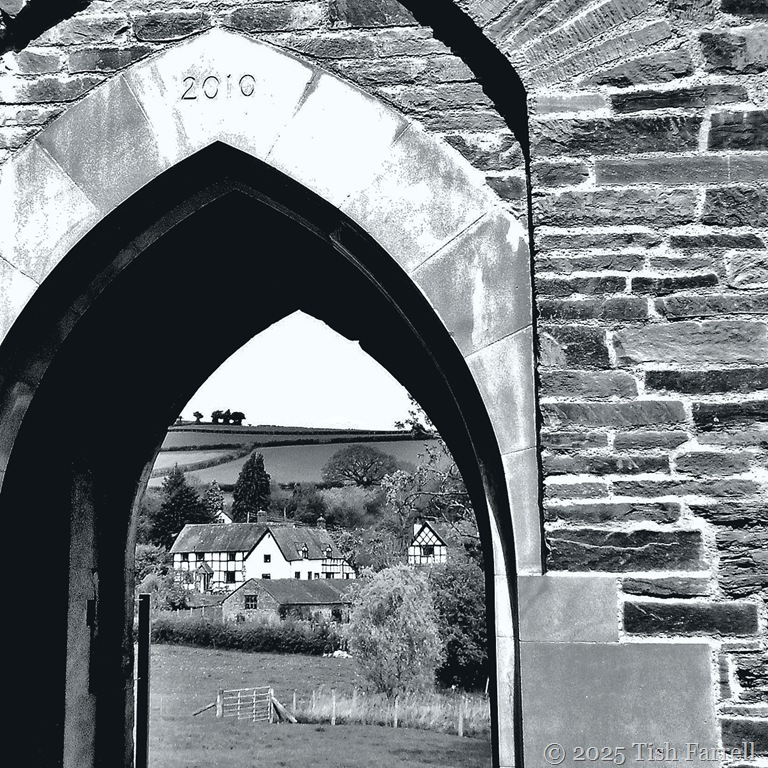
Restored entrance
*
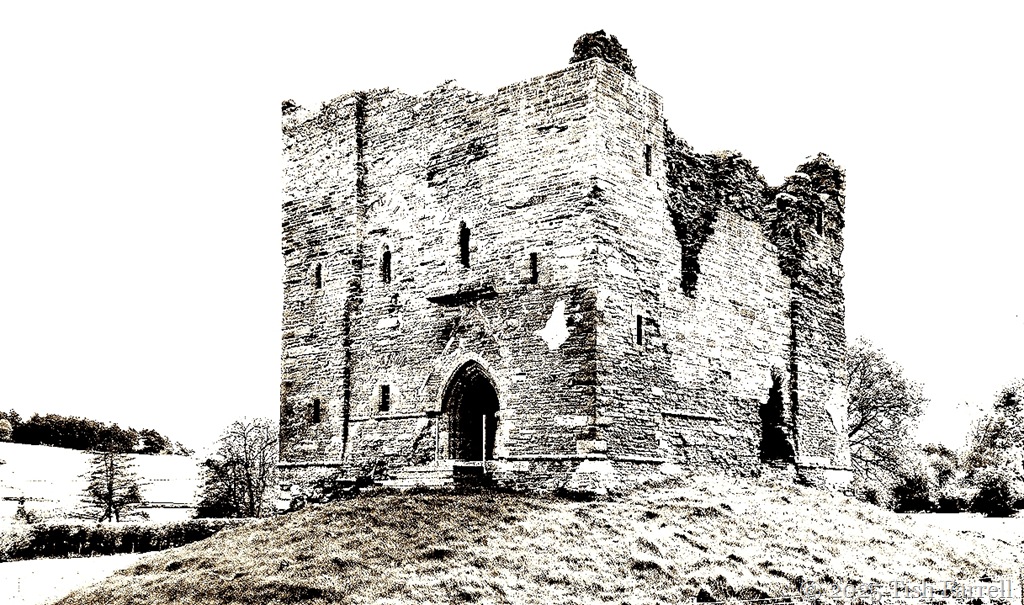
Also, the tower was clearly not intended as a defensive structure. As you can see from the first photo, any besieger could simply walk up to the front door. Yet the building it replaced, the first ‘castle’ on the mound was indeed a functioning fortification – a motte and bailey castle typical of the Normans’ early conquest of Britain after 1066. Made of timber, they could be constructed swiftly, and as the need arose, later re-built and expanded into domineering stone fortresses.
But this did not happen at Hopton. The stone walls that replaced the 11th century motte and bailey appear to have been built of poor quality stone, unsuited to withstanding a siege. Meanwhile, the interior fittings and design suggest considerable expense.
So it’s a pretend castle then?”
You can read more about this (pictorial reconstruction included) at my earlier post: Creative Intervention Rescues A Ruin
*
This week at Leanne Cole’s Monochrome Madness the guest host is Sarah from Travel With Me. Sarah’s theme is RUINS.
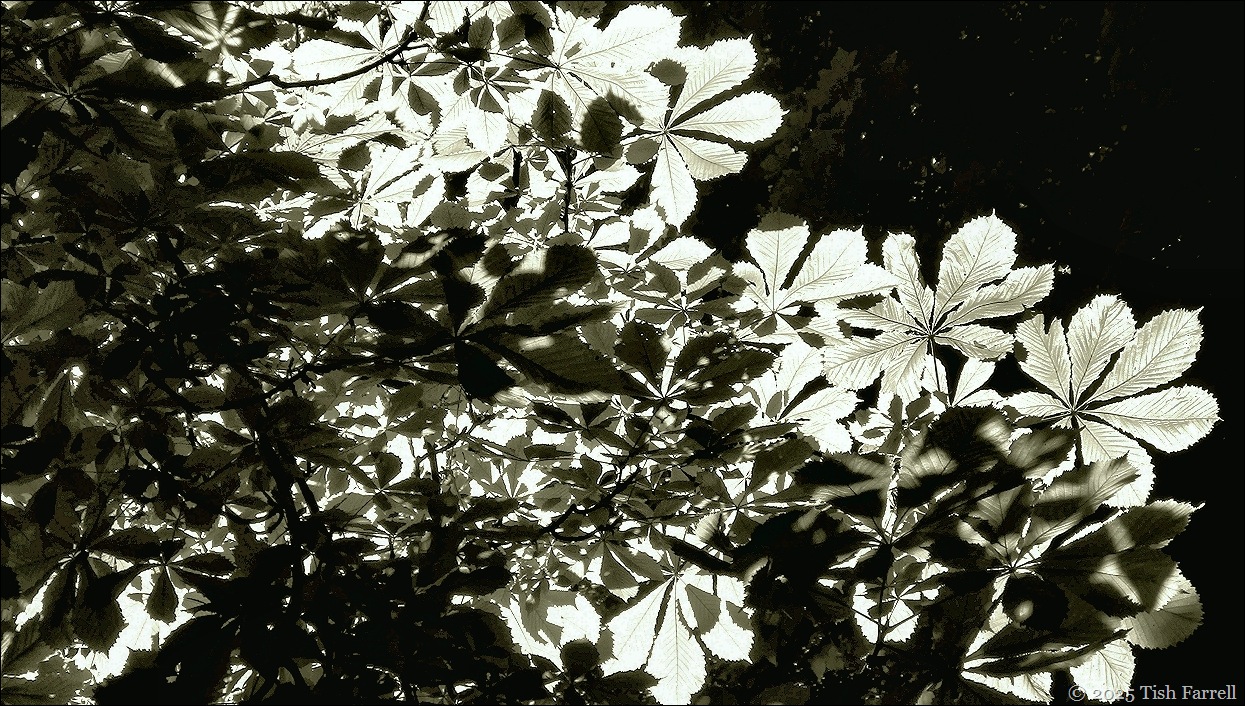
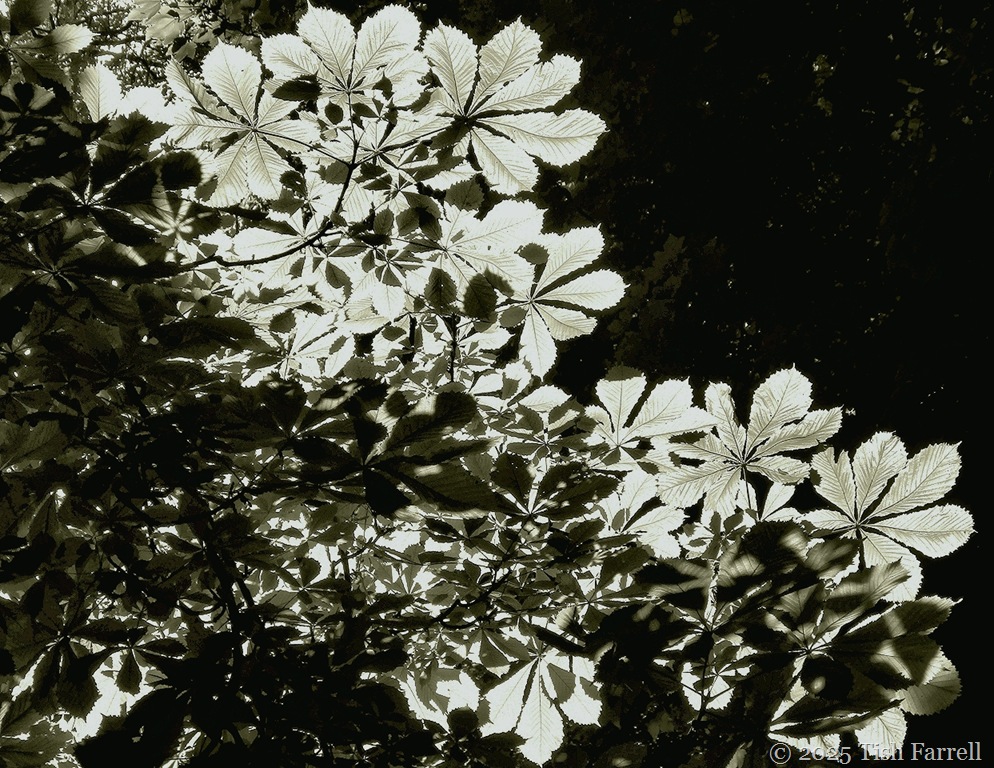
I was walking in the deep shadows of Much Wenlock’s old railway line when a break in the tree cover provided this moment for a backlit photo: the spread ‘palms’ of Horse Chestnut leaves holding up the sun.
*
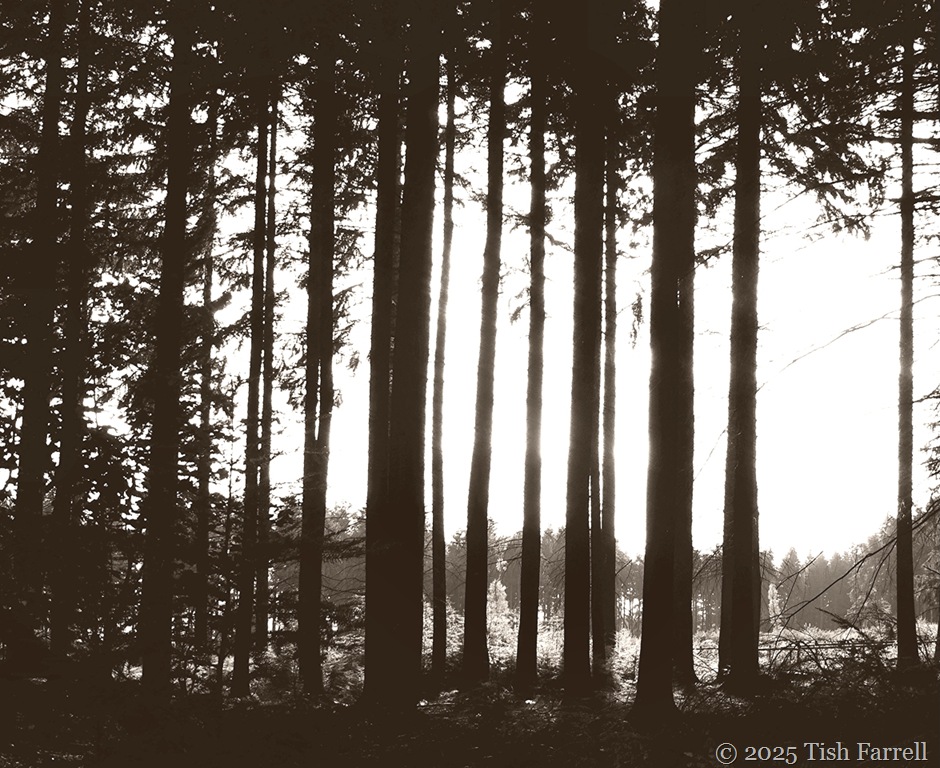
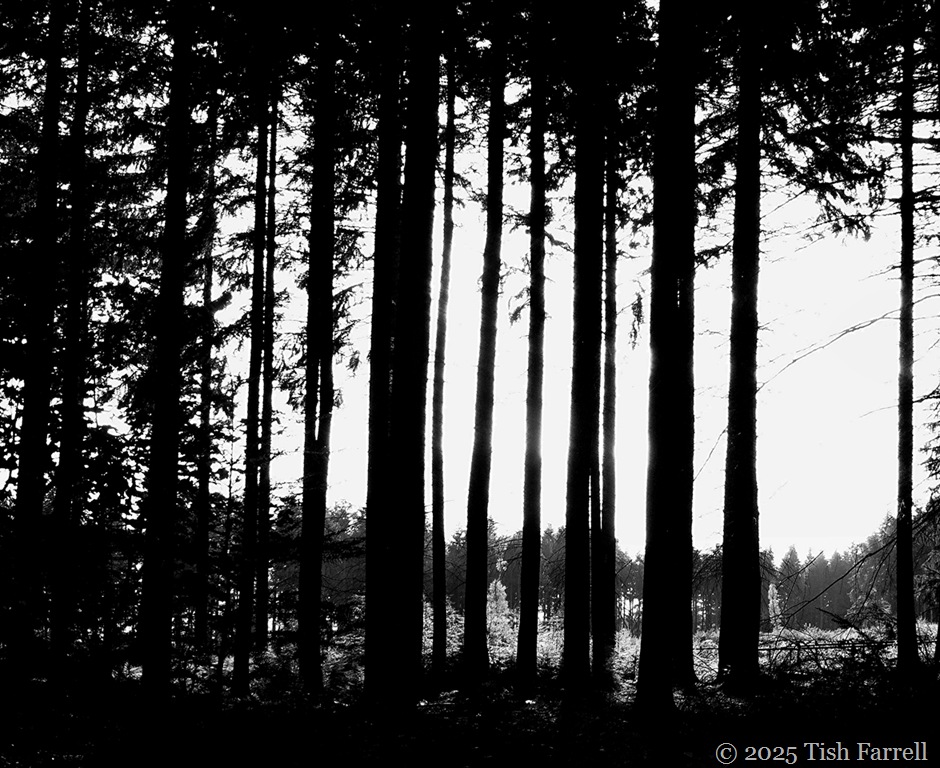
This section of clear-felled woodland viewed through a row of standing conifers caught my eye on a walk up to Iron Age hillfort, Croft Ambrey, just over the Shropshire border in Herefordshire. It was a bright autumn day, the last day of October in fact.
Here’s the non-sepia version:
*
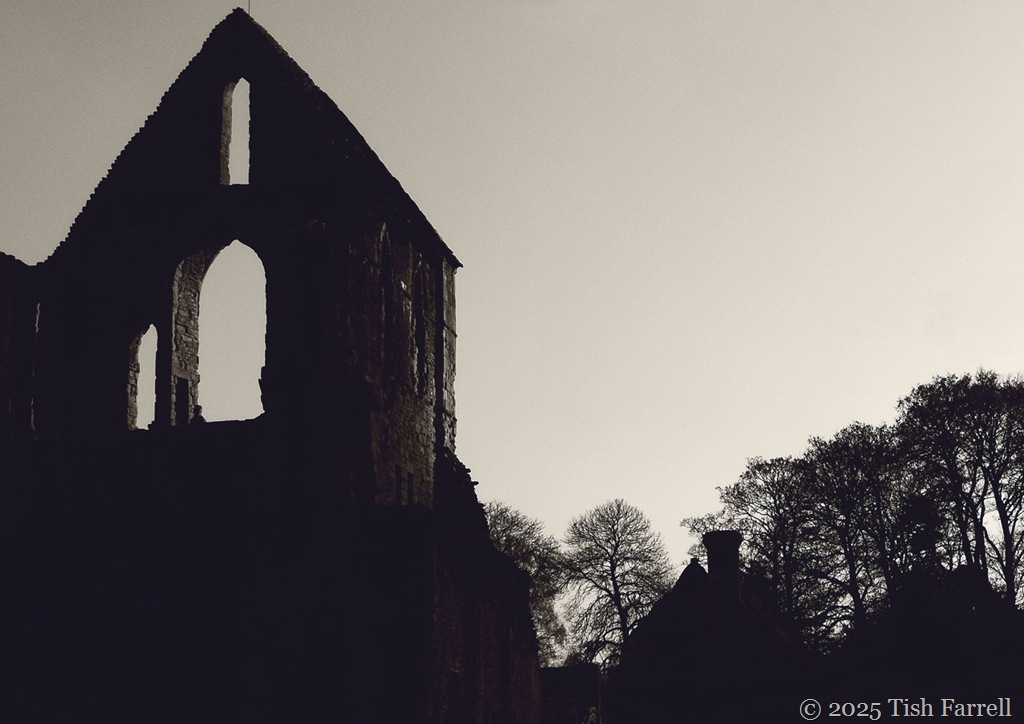
I’m often inclined to take photos in very unpromising light conditions. This next shot, edited in sepia tones, is of the ruined nave of Much Wenlock Priory taken after the sun has just set. I like the slices of remnant light inside the windows and on the corner stonework.
*
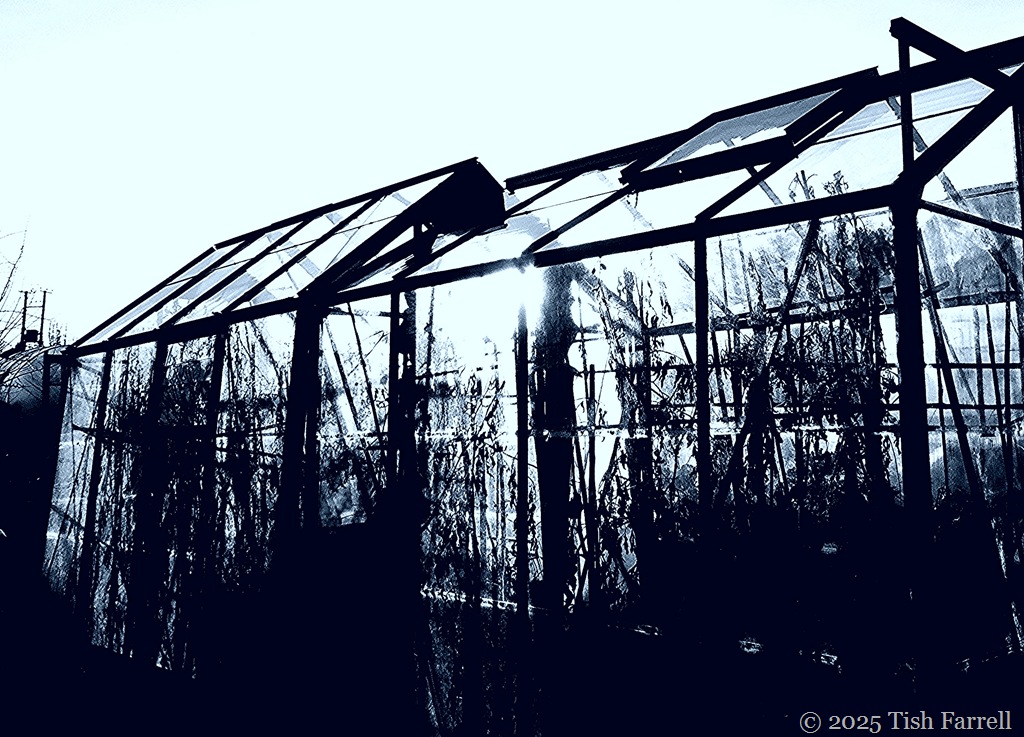
No people in glasshouses in the next shot, only weeds and general abandonment. It was a chance shot one winter’s afternoon as I was leaving my allotment plot. The glow inside the old greenhouses struck me as unearthly, a bit E.T.-ish. What alien life forms might be sprouting in there as the sunlight strikes them?
*
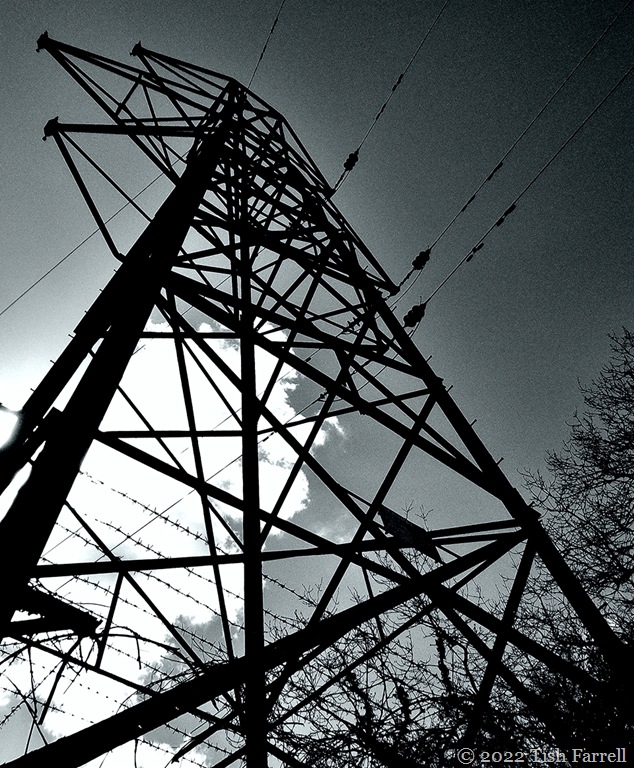
This next structure was caught in full-on spring sunshine.
*
Whereas these Pembrokeshire rooks, were snapped as they came home to roost in winter twilight: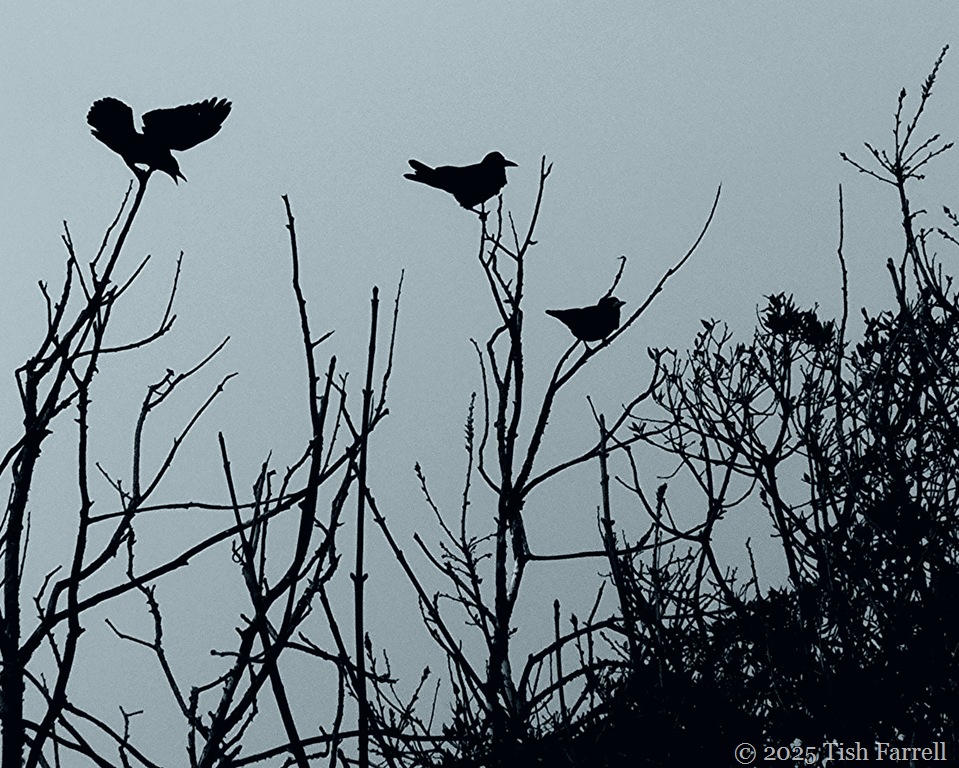
*
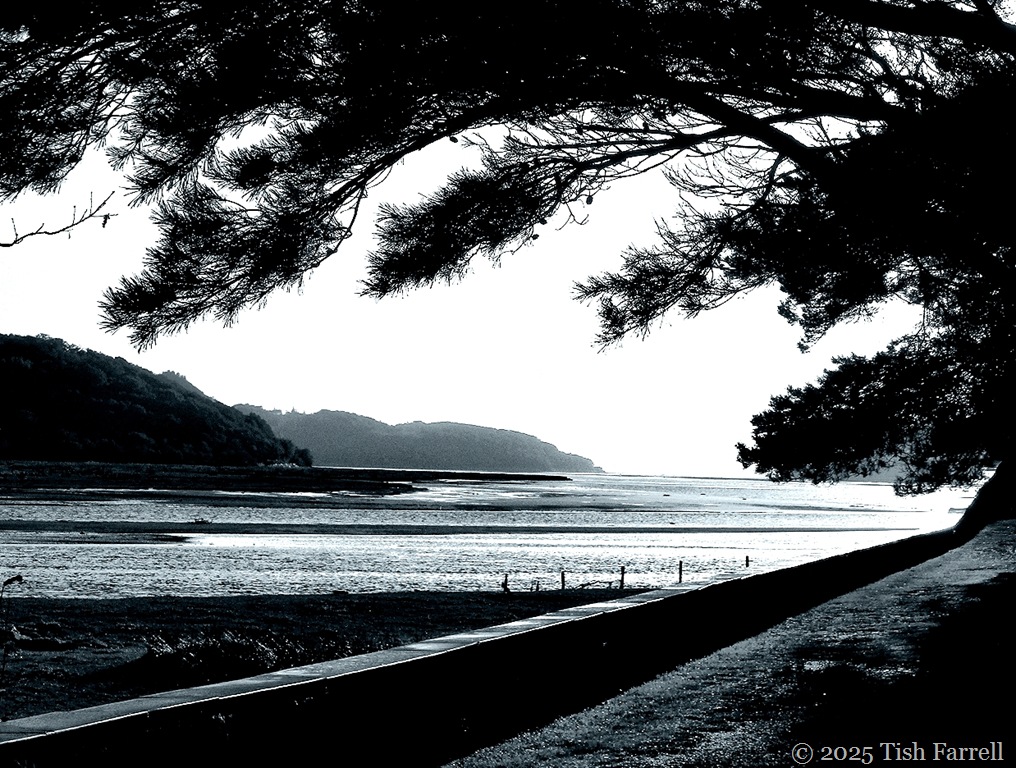
Finally, a sunsetting shot, taken looking out on the Mawddach Estuary. It’s a favourite Farrell spot in the garden of Borthwnog Hall, near Dolgellau, mid Wales
*
Monochrome Madness: Backlighting This week at Leanne’s Monochrome Madness, Brian aka Bushboy sets the theme. He wants to see our backlit photos, but for more inspiration, please take a look at his post.
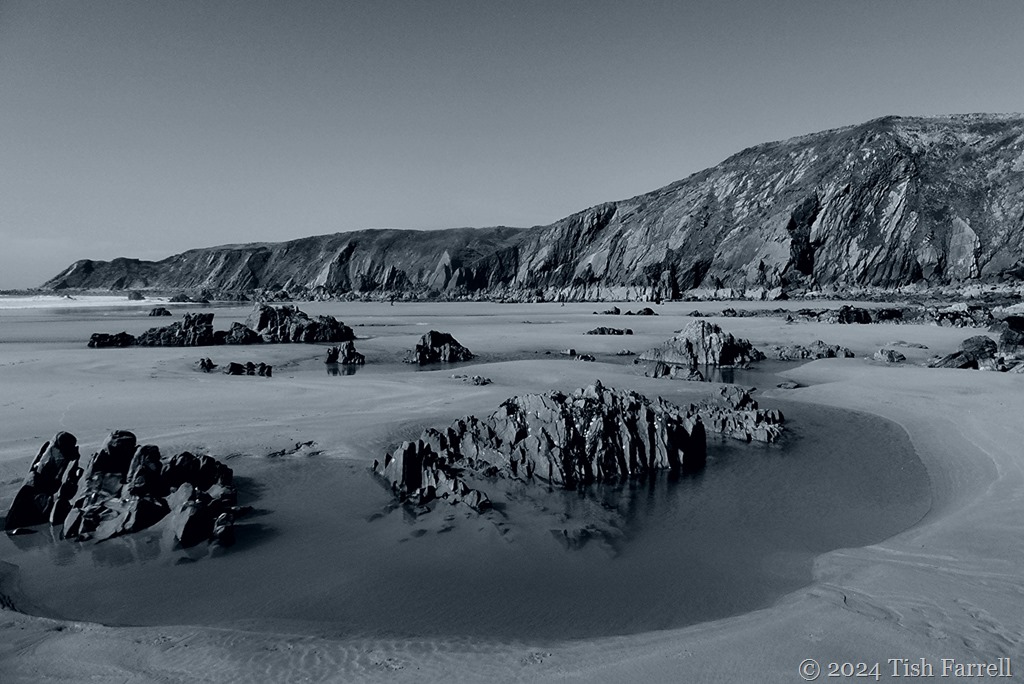

Marloes Sands, Pembrokeshire, South Wales
*
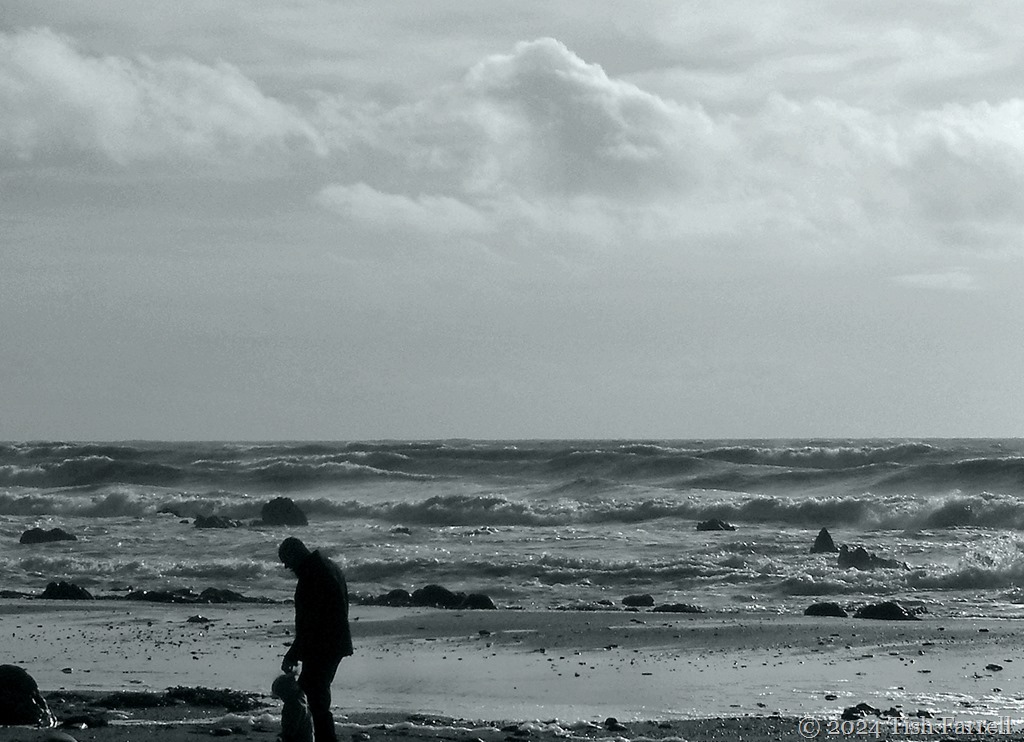
I love winter beaches. You never know how it will be there – the wildness of wind and waves, the shafts of sudden sunlight, sands strewn with sea debris, or storm-scoured, the off-season pursuits of humankind…
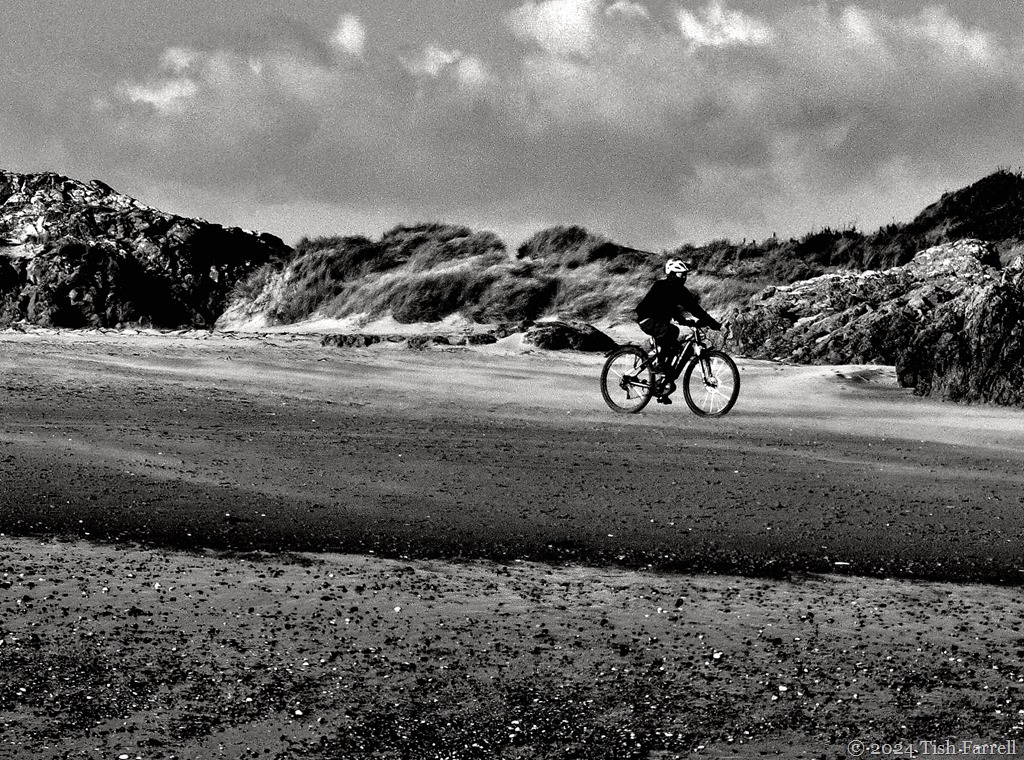
Christmas morning, Newborough Beach, Anglesey, North Wales
*
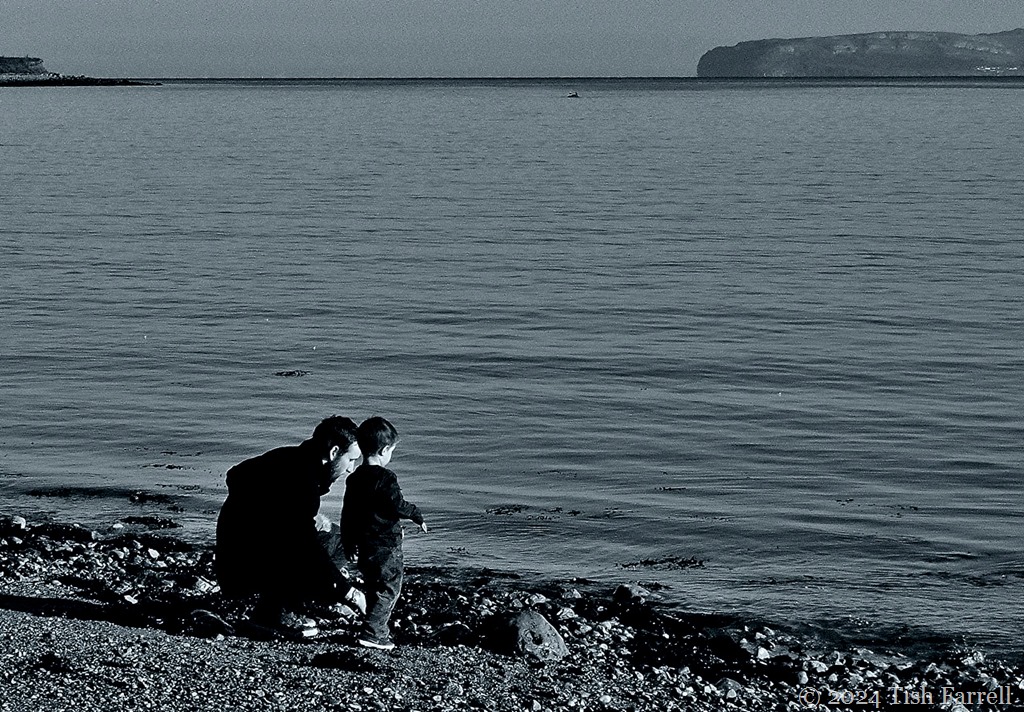
Menai Strait, Anglesey
*
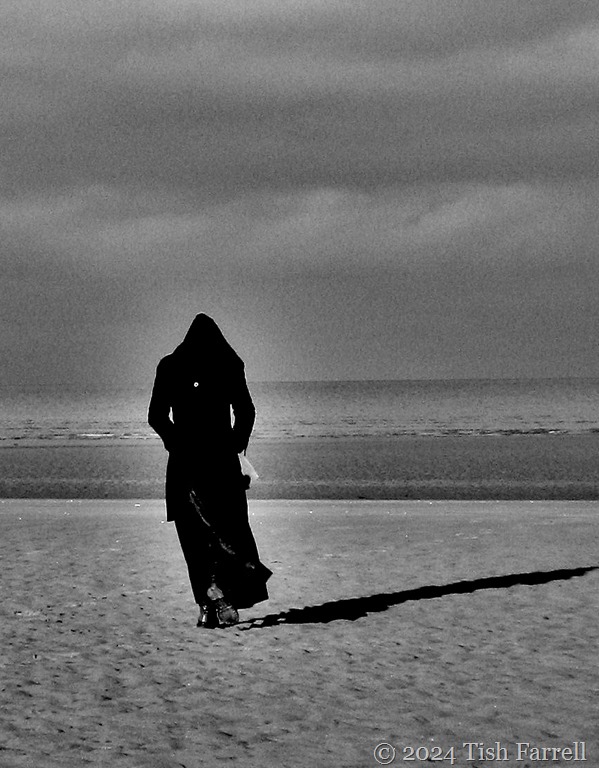
This could just be the French Lieutenant’s Woman displaced from Lyme Regis to Red Wharf Bay, Anglesey. I do know her name is Sarah.
*
These next views are of Portwrinkle beach, Cornwall, also taken around Christmas time:
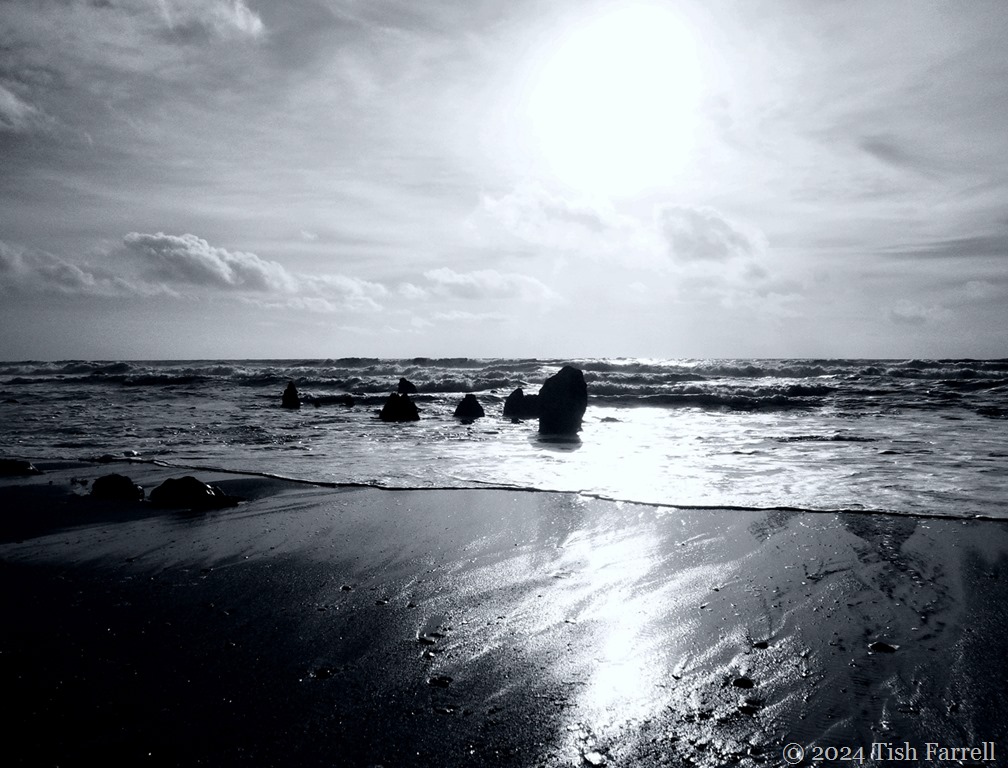
My prehistorian’s eye perceived those rocks as some flooded megalithic structure, the remains of a Bronze Age circle or chambered tomb perhaps. Certainly, in other parts of the Britain, the remains of Neolithic wood henges have been discovered on beaches below the tideline.
*
Monochrome Madness: on the beach. This week Brian at Bushboy is acting host at Leanne Cole’s Monochrome Madness

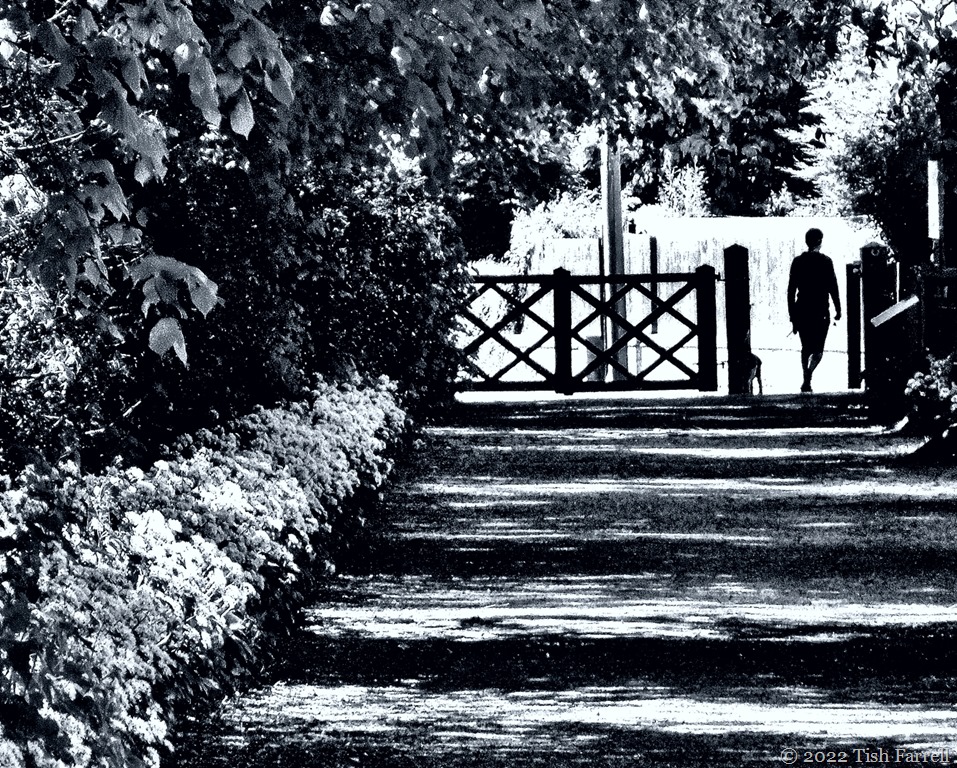
Herewith a reprise of some favourite monochrome shots from the Much Wenlock archive. The header is the entrance to the Linden Walk, which several of you (Jude especially) will well remember.
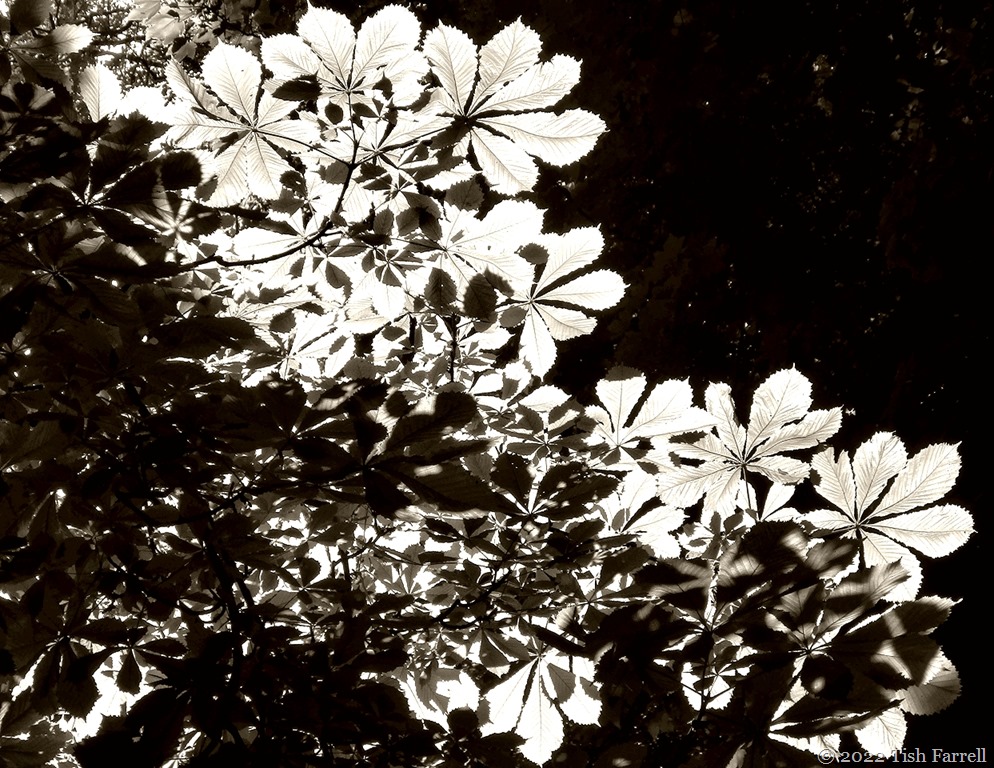
The next photo was taken on the shadowy cutting of the old railway line that runs alongside the Linden walk: top-lit horse chestnut leaves…
*
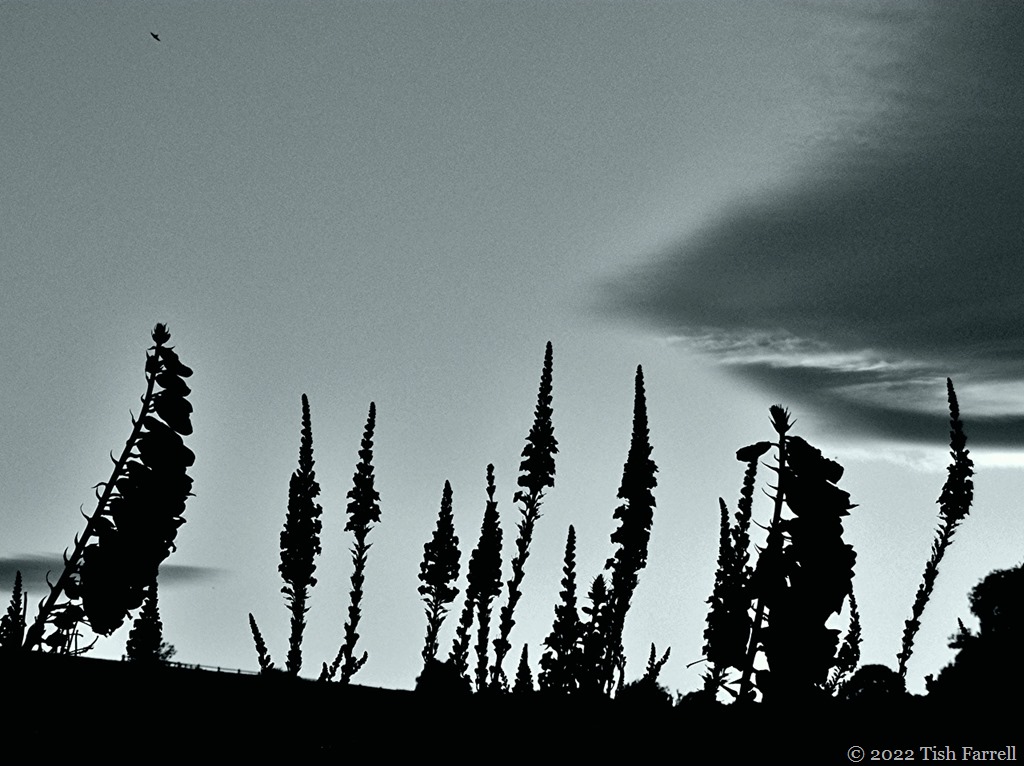
Next, a former back garden view of foxgloves: sun setting over the fence…
*
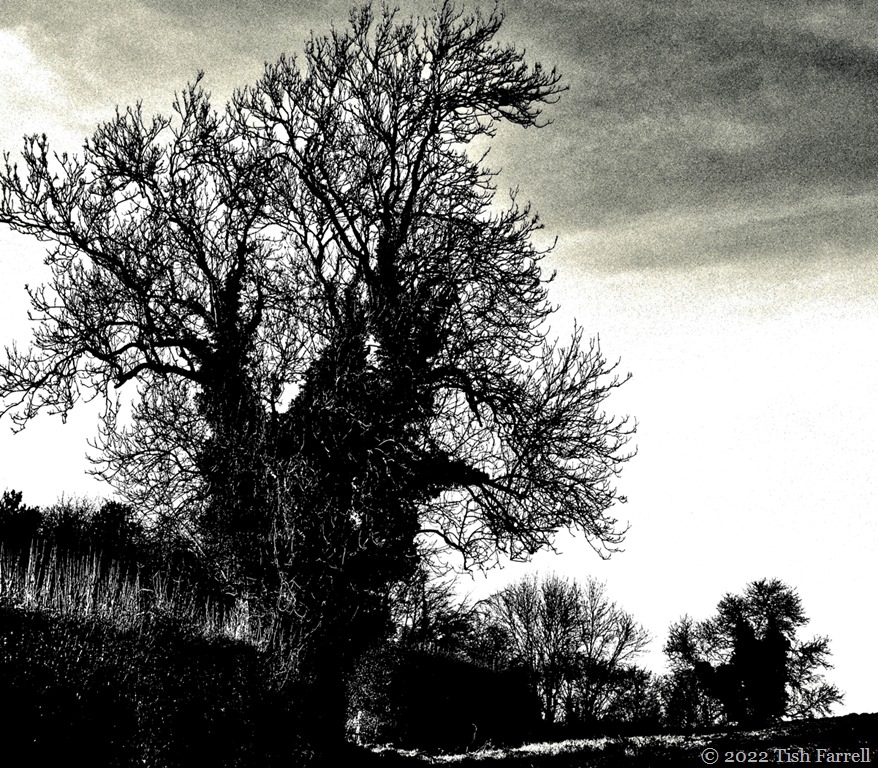
A couple of wintery scenes now. First the ivy clad ash trees in Townsend Meadow:
*
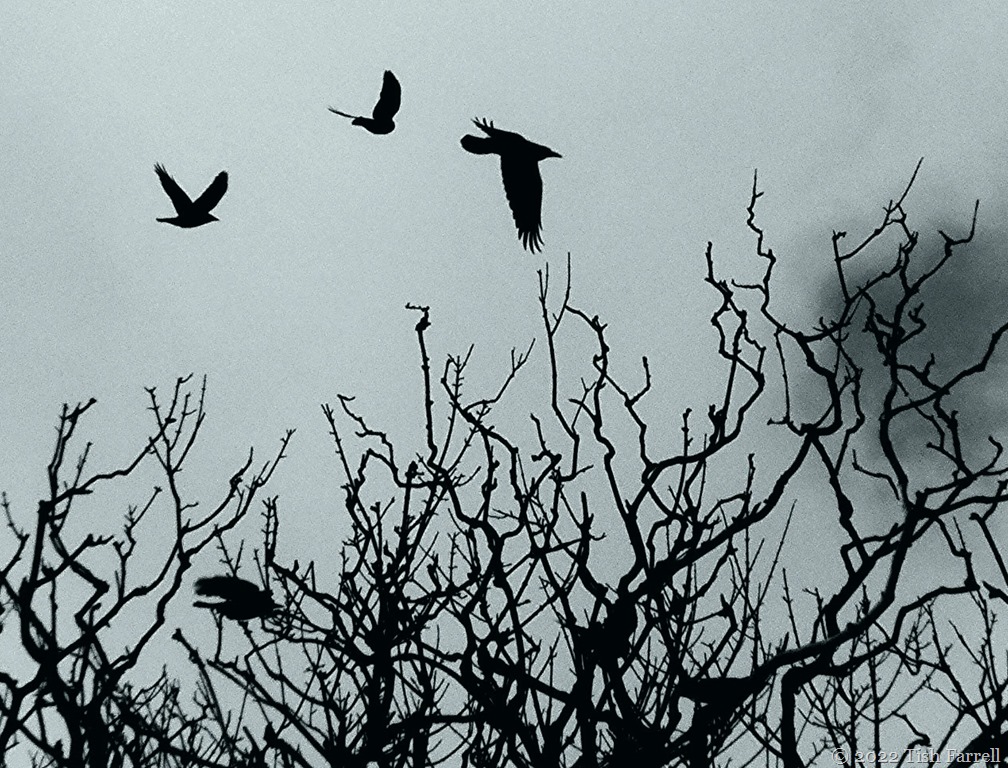
…and twilight over Rookery Wood: one rook (centre) and several jackdaws:
Shadows & Silhouettes Dawn at The Day After is this week’s host at Leanne’s Monochrome Madness
