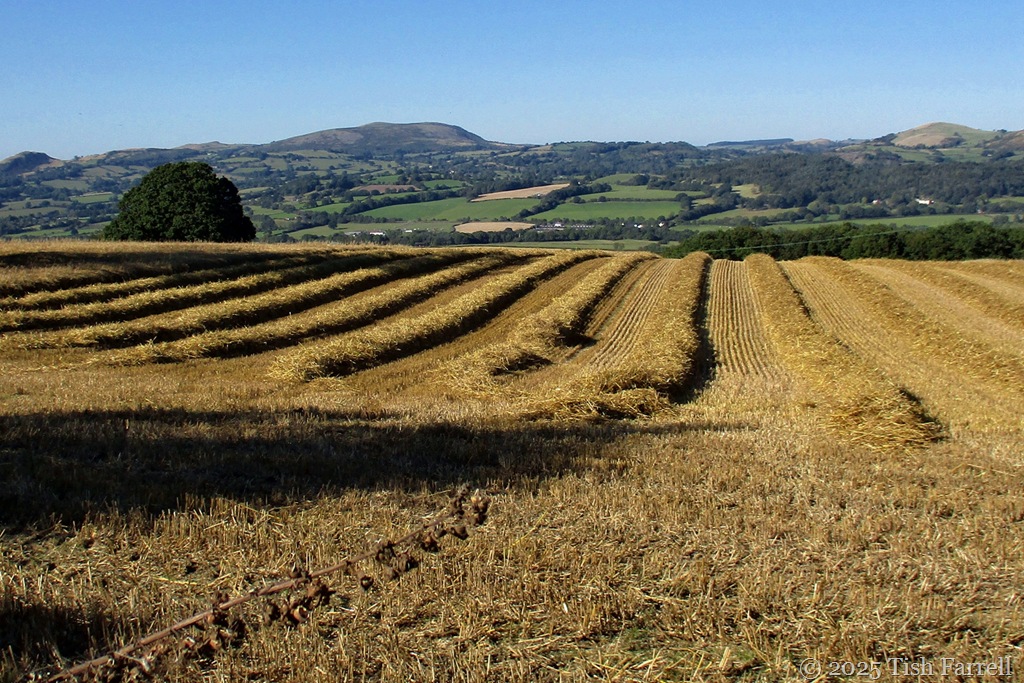
After The Harvest: Of Stubble And Straw

BC lines

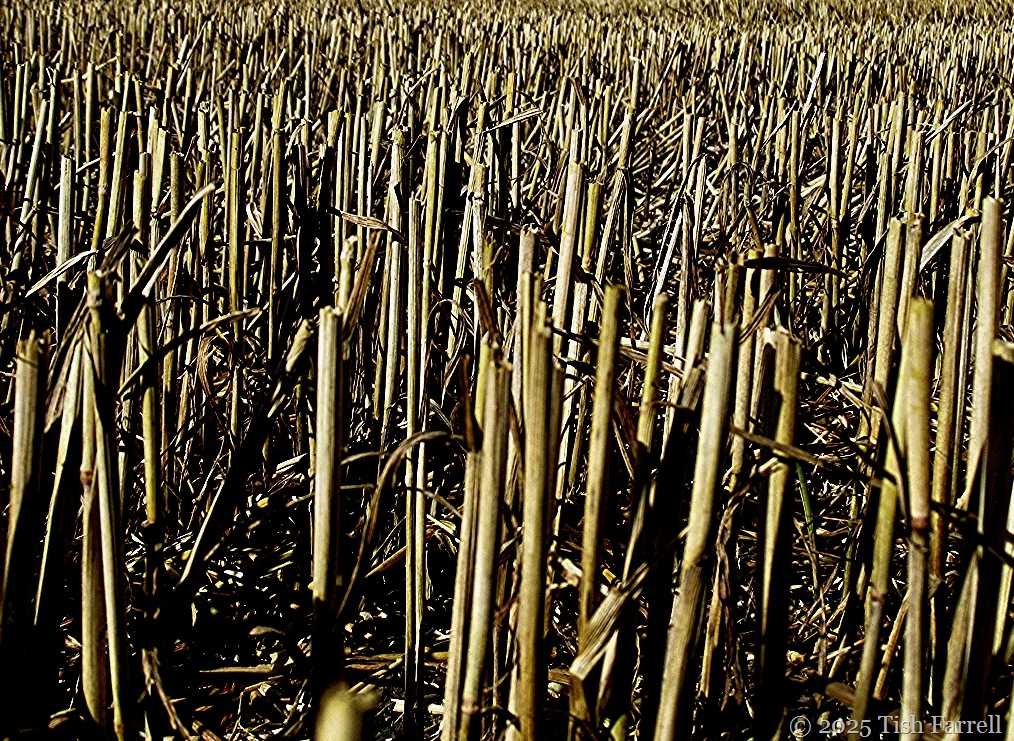
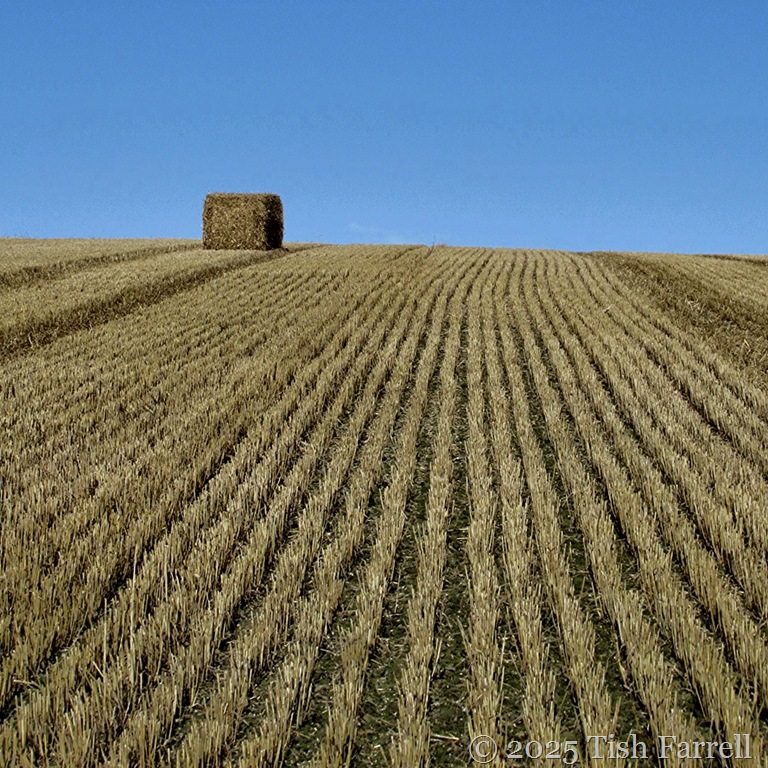
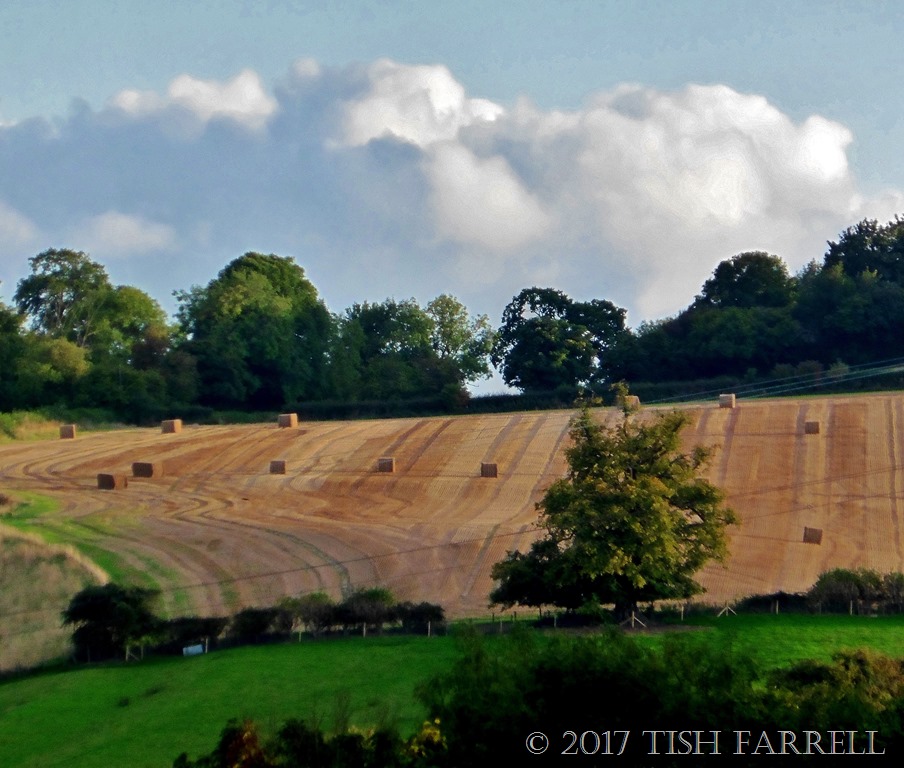
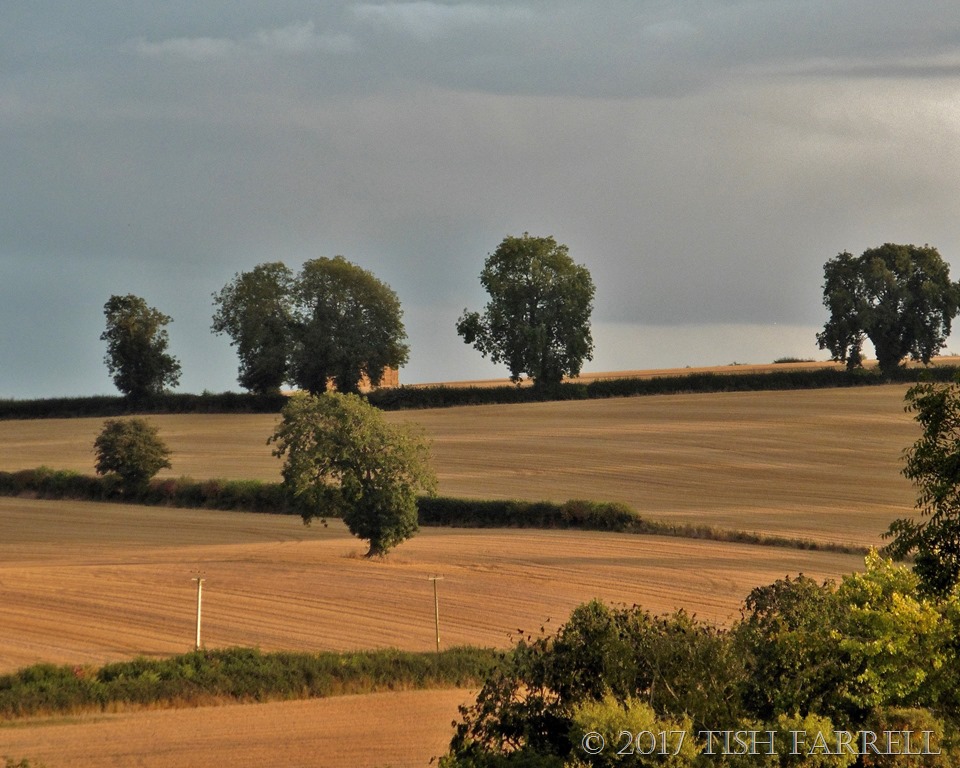
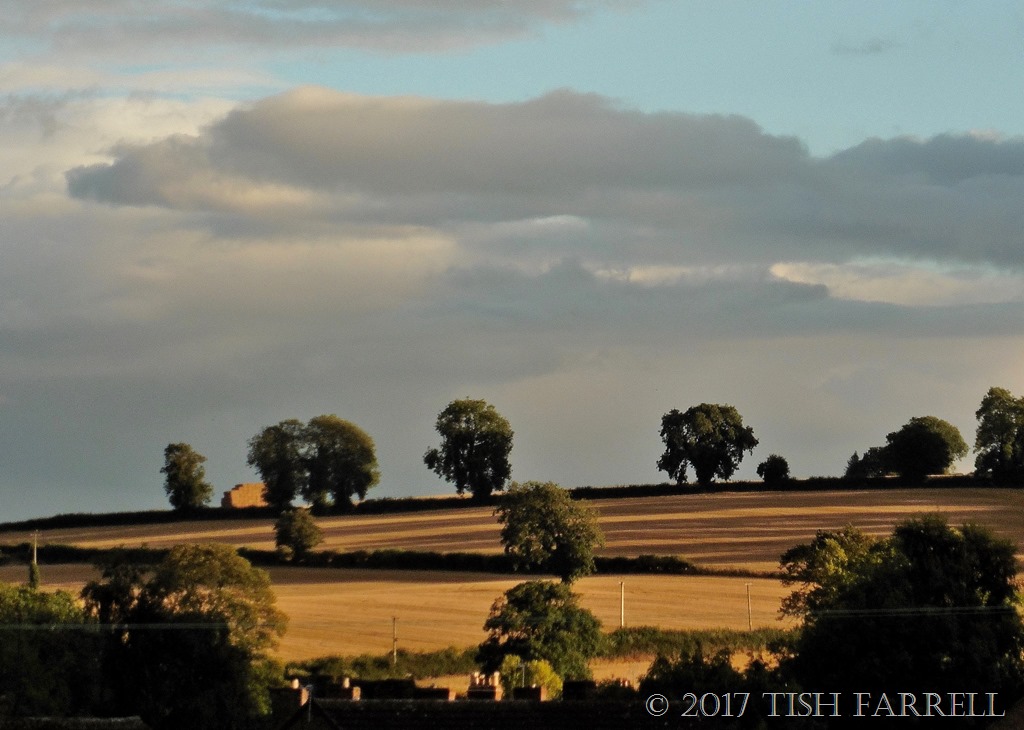
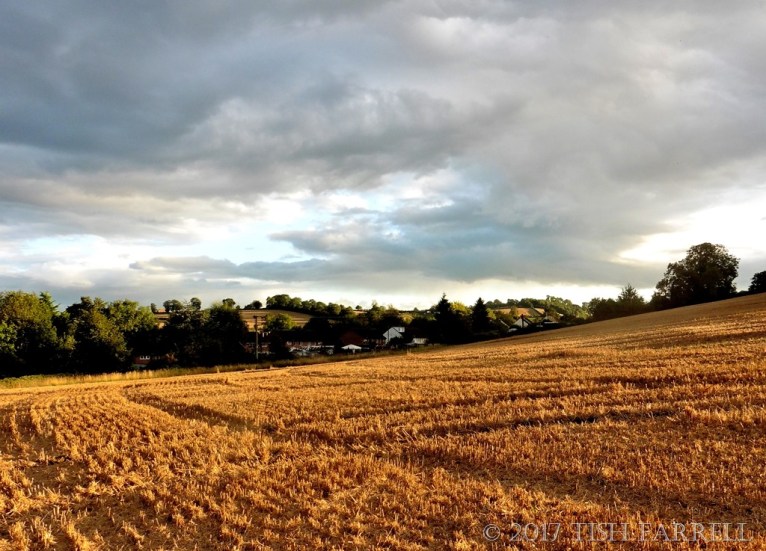
Come August and this year’s harvest has already been and gone. A good month earlier than usual. And somehow we missed it, we who live in the midst of rural Shropshire. In fact, when we drove out of Bishop’s Castle last Saturday, it was quite a shock: wherever you looked the wheat and barley fields lay shorn, the straw baled, or rolled in roundels, the remnant stubble pale and parched. Fields stripped.

How could we have missed so much activity and industry. Did we not hear the combines’ drone?

Along the lanes, too, the hedgerows had that dull and dusty out-grown look of late September. Dock and hogweed gone to seed: russet and deep umber shades of autumn. And again: how could this be? Had we been asleep, Rip-Van-Winkel-like, and lost a chunk of summer? Or had time skipped a month or two?

No. Simply distraction on the home front, gardening and household pursuits. Letting the world pass us by through weeks of day-on-day sun and rainlessness, which of course is the reason why the harvest was so early.

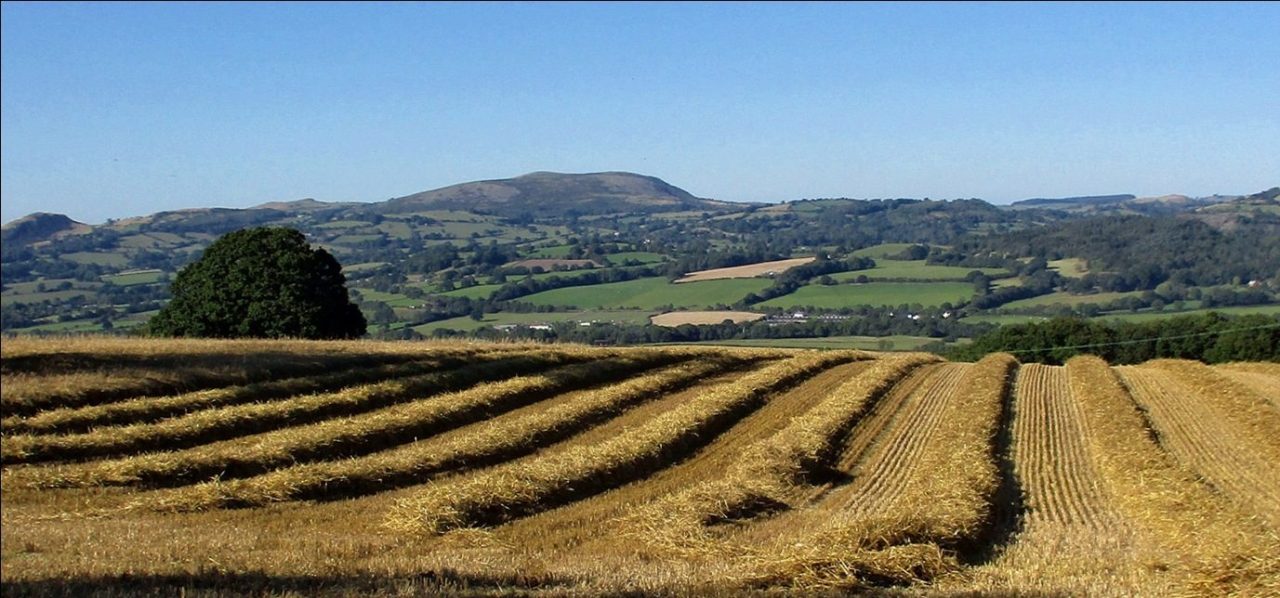
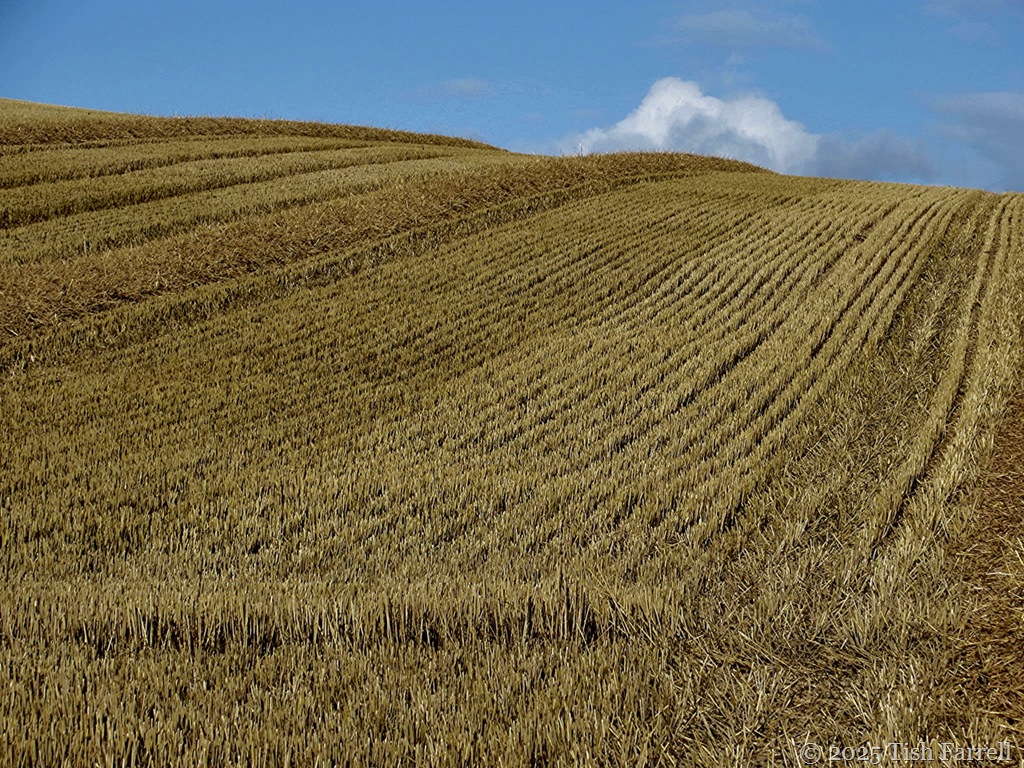
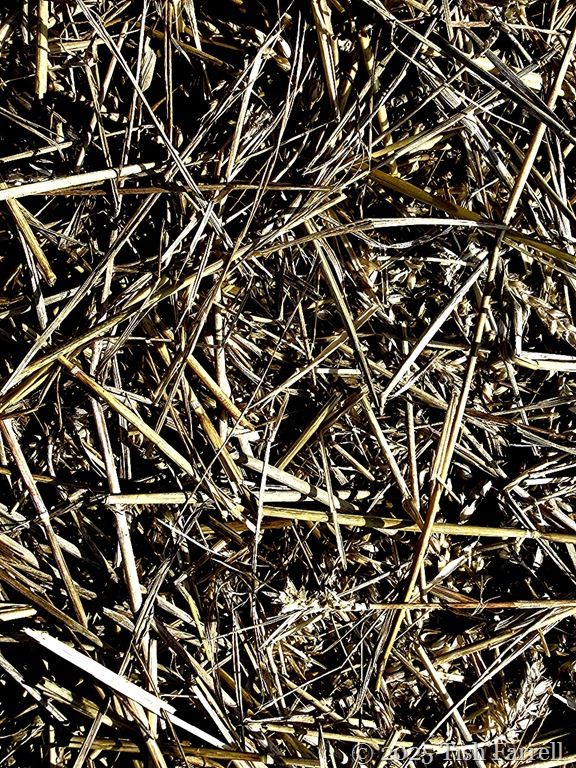
But now it has me reflecting on the beguiling looks of stubble fields, and thus a posting of photos of harvests past, of pared down textures, bare lines and simple colour palette of monocrop farming. I find myself attracted to the spareness of these humanscapes, although wary, too, of the high high-techery that produces such results. This is not the kind of farming I grew up with, the cut wheat stacked in stooks to dry, the arrival of the threshing machine, a monstrous sight over our garden wall, the contraption that, hung in sacking shrouds, throbbed and shuddered, spewing out clouds of chaff as it garnered precious grains from stalks and husks.

Hey-ho. More time slippage.

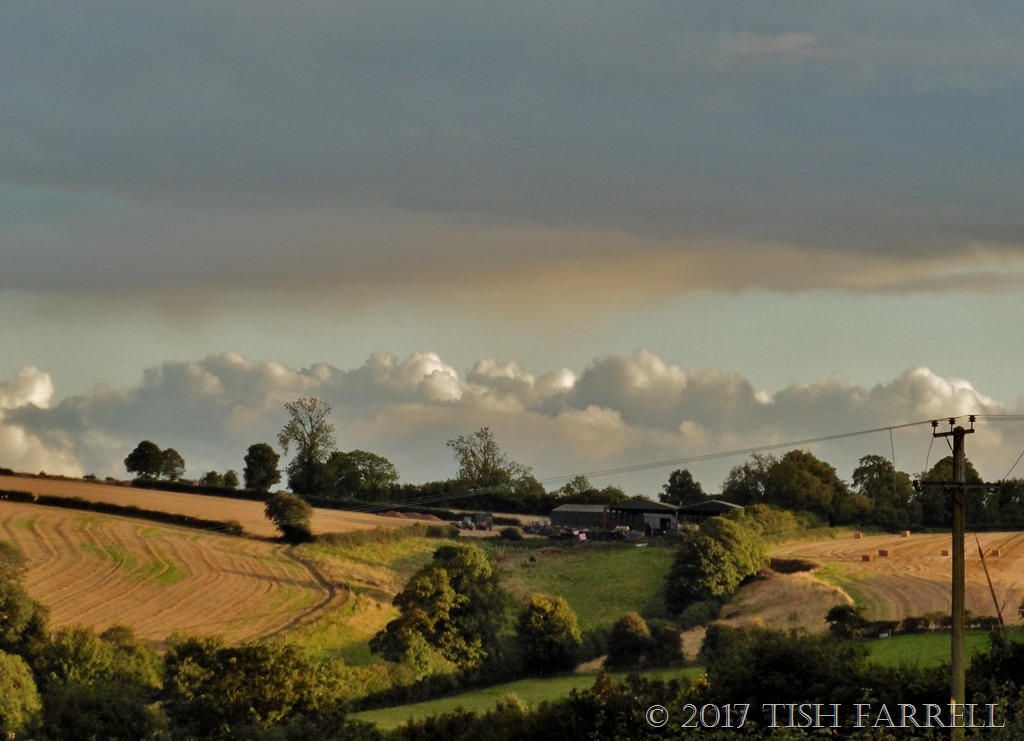
[The header and final photos were taken mid-September last year above Bishop’s Castle. The in-between shots are from Townsend Meadow, below Wenlock Edge]
lines 3

IMG_3993ed

lines stubble

lines 2

IMG_6231ed

Lens-Artists: Lines, colours, patterns  Johnbo asks us to explore these tools of photo composition.
After The Harvest Around Much Wenlock

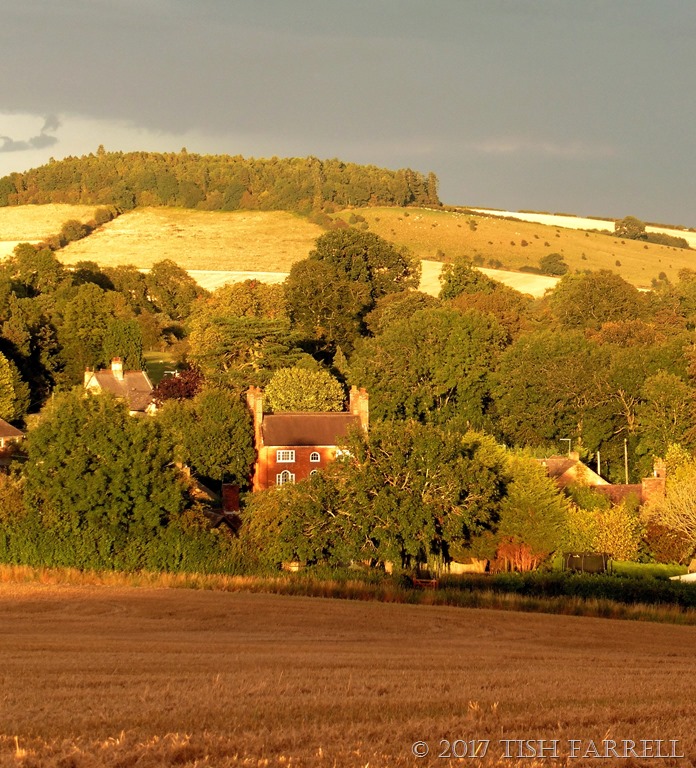
It’s the brief window of opportunity that comes when the wheat has been cut, and we Wenlockians can go in for a bit of unbridled scampering in the fields. Well, if not scampering exactly, at least walking up the hill behind the house for some fresh vistas of the town and its surroundings. I need to be quick. If past years are anything to go by, the ground will be harrowed and re-sown in the blink of an eye, so while I have the chance, I’m passing on some post-harvest views. I’ll also leave you with a paradox, because although we have good views around the town, within it there is an officially recognised deficiency in public open space; many of the footpaths that we use are permissive, that is to say, they are open only at the landowner’s discretion. In more ways than are often realised, feudal England, with its roots in patterns of Saxon landownership, still remains.

P1020123

Here you can see three of the town’s medieval relics, from middle left to right: the priory ruins, the priory gate tower, and the parish church that was once part of the priory. The town grew up around the priory, its residents subject to its rule, both in terms of paying tithes and providing labour. The monastic domain was considerable, based on the possessions of the 7th century Saxon Abbess Milburga. Her lands extended several miles – beyond the River Severn and the Ironbridge Gorge and into Madeley in Telford in one direction, and to Broseley, near Bridgnorth in the other. She was also the daughter of a Mercian king, and the setting up of religious houses ruled by princesses appears to have been a common and cunning Saxon strategy for maintaining control over the territory claimed by their regional kingdoms. After the dissolution of the monasteries in 1542, the monastic estate was sold off to members of Henry VIII’s court and merchant opportunists. Today, most of the land around the town is still in the possession of two large landowners. We are however fortunate that a good stretch of Wenlock Edge is owned by the National Trust which provides everyone with free access to a very special place.

P1020130

P1020111

The Red House, and a ghostly farm labourer off for an evening pint at the George and Dragon Inn?

*

P1020120

P1020121

I’m old enough to remember the days when the post-harvest straw was stacked in teepee-like stooks, and the wheat grains had to be detached from their ears in a hulk-like threshing machine. The farmer whose house we rented when we lived in Cheshire, would have the itinerant threshing man park his contraption the other side of our garden wall. I remember a sense of menace when I looked out of the bedroom window and find it had arrived. Once in action, it would throb hideously all day, spewing out great storms of petrol fumes and wheat dust.

*

P1020122

P1020114

Didn’t Rumpelstiltskin spin this stuff into gold?

*

P1020100


Six Word Saturday