Related:
A Word A Week: Boat (up the Congo)
Here are the links for other bloggers’ photos and stories:

Related:
A Word A Week: Boat (up the Congo)
Here are the links for other bloggers’ photos and stories:
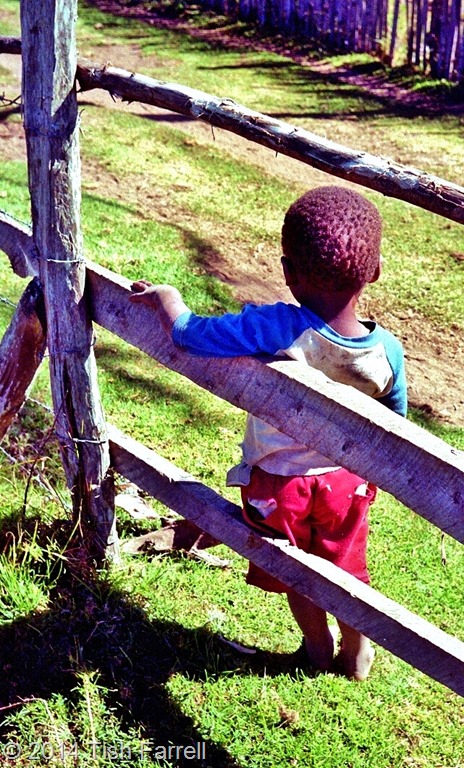
I took this photo while we were out on Kenya’s highland farms looking for smut infested napier grass. You can read the full story HERE. This little boy was torn between wanting to know what we were doing on his farm, and not wanting to talk to us. I love the nonchalant drape of his arm on the fence post.
*
Go here for more bloggers’ compositions in response to the Daily Post photo advice: http://dailypost.wordpress.com/2014/02/27/rule-of-thirds/
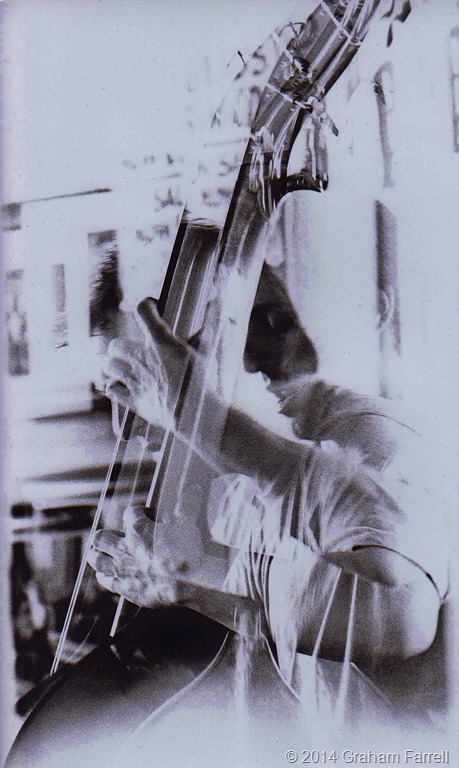
Sunday jazz at The Eagle Tavern was a regular haunt for us in the early 2000s when we lived in Rochester in Kent. The local jazz club worked its socks off to secure a programme of first class trios and quartets. We were never members. No one even asked us to join, but for the price of a few raffle tickets we could sit with a glass or two of good Kentish ale and the Observer crossword and enjoy some of the best jazz musicians around.

Gilad Atzmon at the Eagle Tavern
Bands would drive down from London to perform at The Eagle. Gildad Atzmon, Renato D’Aiello, Derek Nash, Alan Barnes – all top names in British jazz – were among the musicians who often came to play for a couple of hours over a Sunday lunch-time. In return they received nothing more than a pub meal and the raffle takings, but they came because they knew that every note they played would be listened to, appraised and appreciated by the dedicated members of the Medway jazz club. Besides which, it was a good place to warm-up for their paid Sunday night gigs back in the capital.
Unfortunately the Farrell filing system – both mental and physical, failed dismally when trying to access the name of the double bass player rendered severally above. For which apologies all round, and most especially to the musician himself. To make up for this omission here is Gilad Atzmon, first in whimsical mode, then a more serious piece.
© 2014 Tish Farrell
*
TAGGED ‘D’ JOIN THE CHALLENGE: GO TO FRIZZ’S BLOG FOR MORE GREAT ‘D’ STORIES
#jazz #GiladAtzmon
*
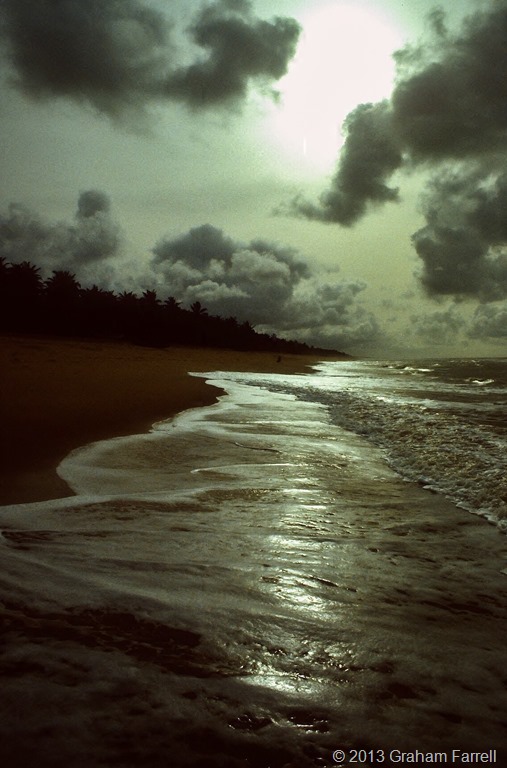
I have to confess that I’ve been raiding the Team Leader’s photo files again. No further words needed.
http://flickrcomments.wordpress.com/2013/07/02/aaa-challenge/
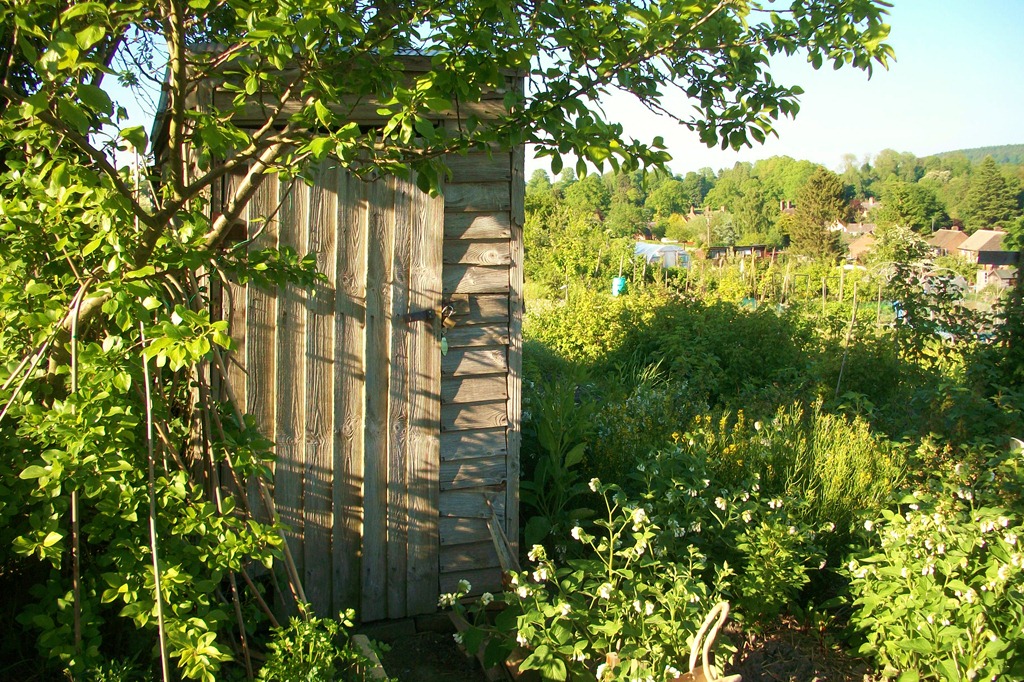
A is for Allotment, and here is mine. I inherited the shed from previous allotmenteers. It leans and snails roost in it. Last year I found a 1725 halfpenny in front of the door. The Team Leader has to come at regular intervals, armed with hammer and electric screwdriver, to keep the old place upright. He does the same for the tenant – me that is, not the snails.
When I’m not writing, this is where you’re most likely to find me, so thank you, Frizz, for your ‘A’ prompt. I’ve been toiling on this plot for around six years now, and when I first started, the soil was as heavy as lead. Gardening on the shores of the Silurian Sea is hard work. In between the layers of soil from a decaying tropical sea (c. 400 million years ago) is bentonite clay. As a substance this may have many useful properties. In the allotment, it is a guaranteed pain in the back. When remotely damp, it clings to the bottom of your wellies until you have giant’s feet. In dry weather, it goes crusty and it’s like digging through bricks.
I have learned recently that this unappealing greyish clag is formed from volcanic ash. Sometime when Much Wenlock was lying down on the Equator, all those aeons ago as our world was shaping itself, there was a volcanic eruption of unimaginable proportions. I now grow my beans and peas its degraded outpourings. Below are some pickings from last year’s crop, so you can see it does work – with effort.
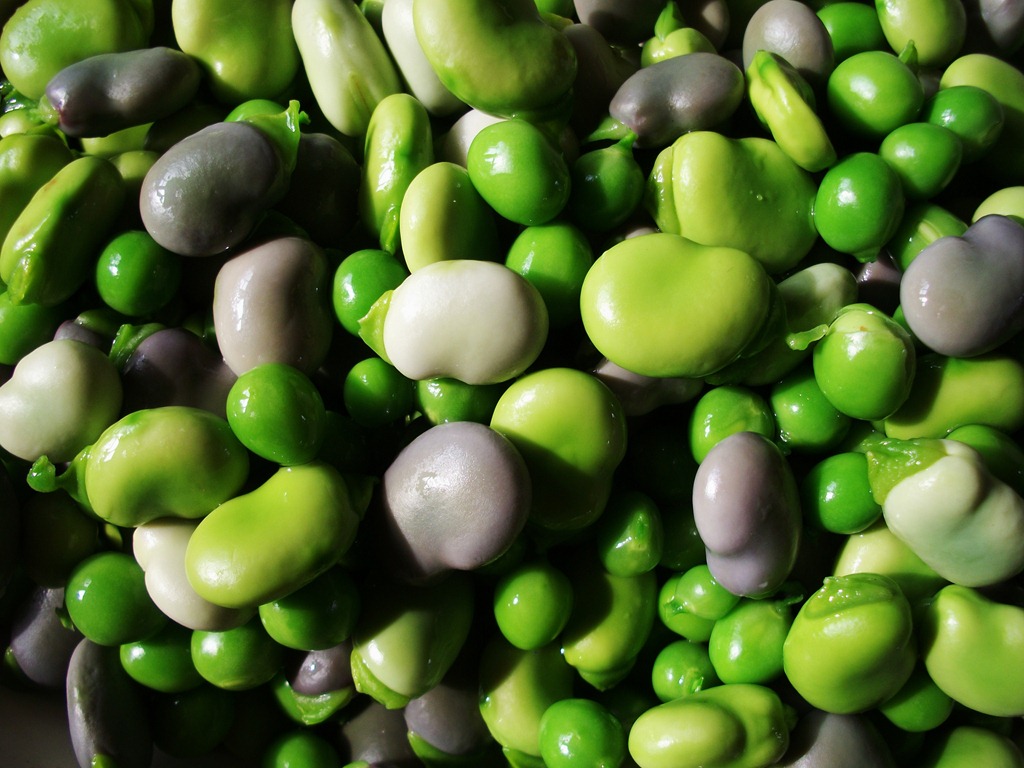
I grow several varieties of broad bean including the lovely rose coloured ones which go pale mauve when lightly steamed. They don’t seem to mind growing in the heavy soil.
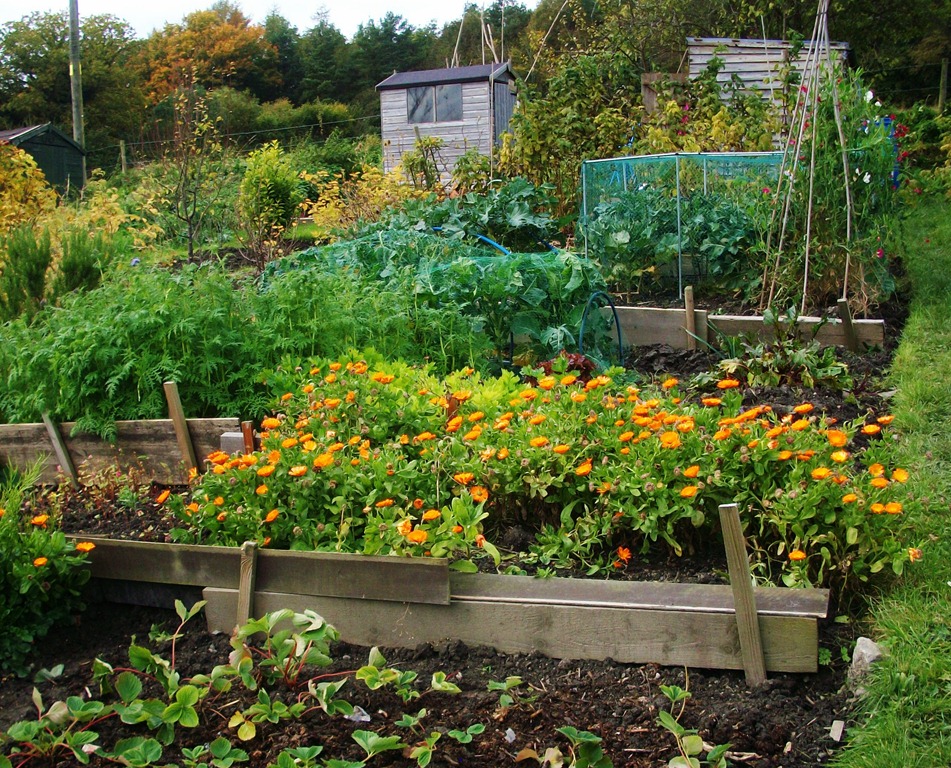
I’m afraid my plot looks a bit rackety, tidiness being sacrificed to the time needed to dig, weed, and keep the wretched pigeons away. Almost everything has to be netted or covered with enviromesh at some stage during its growing. Recently I have been following ‘Garden of Eve’ and suffering severe poly-tunnel envy.

To improve the soil, I grow areas of green manure, in this case mustard, but also phaecelia, buckwheat and alfalfa. It can be sown late summer or early spring and then dug in before it goes to seed. The difference in the soil afterwards is truly remarkable.

Comfrey grows itself all over my plot. I tear it up and use it to protect seedlings or newly planted young plants. I also fill old compost bags with it, cut the corner off the bags seal up the top with a peg, and balance them over buckets lined up inside my leaning shed. As the leaves rot down the resultant brown gunky liquid collects in the bucket. It can then be diluted with water – 15 parts water to 1 part comfrey to make a really good crop feed. Comfrey also has valuable therapeutic properties, and has been used to mend injuries for centuries, hence the folk name ‘knit bone’. The bees like it too.
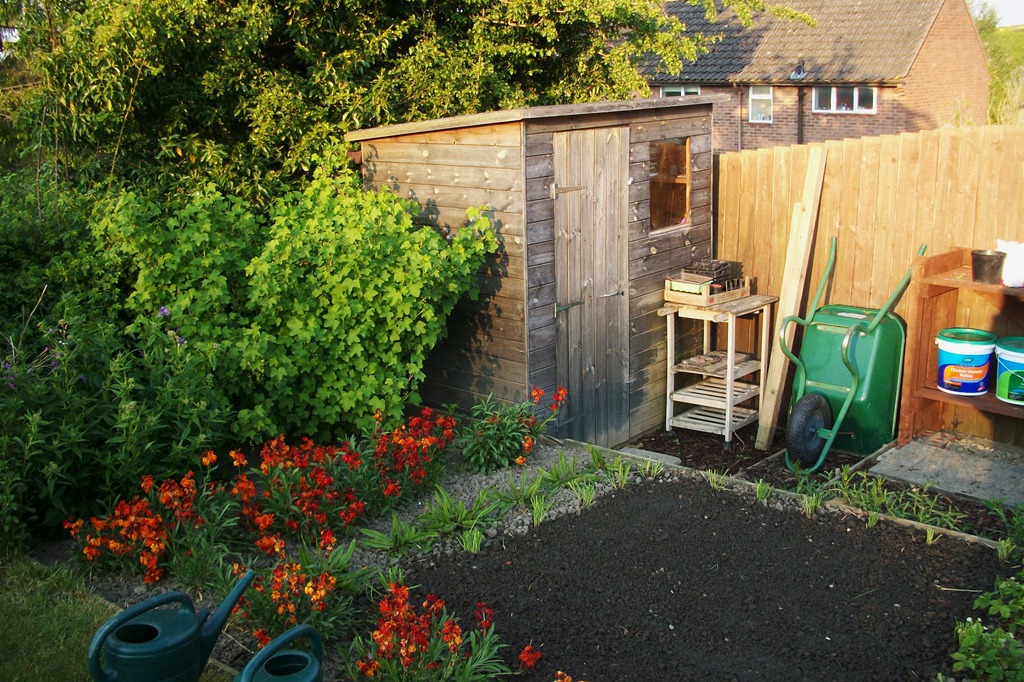
Unlike me, my fellow grower, Phoebe, has a beautifully neat plot. She also kindly mows my path. And that’s one of the wonderful things about allotments, not only can you grow delicious food (pigeons willing) but you meet such lovely, generous and creative souls up there.
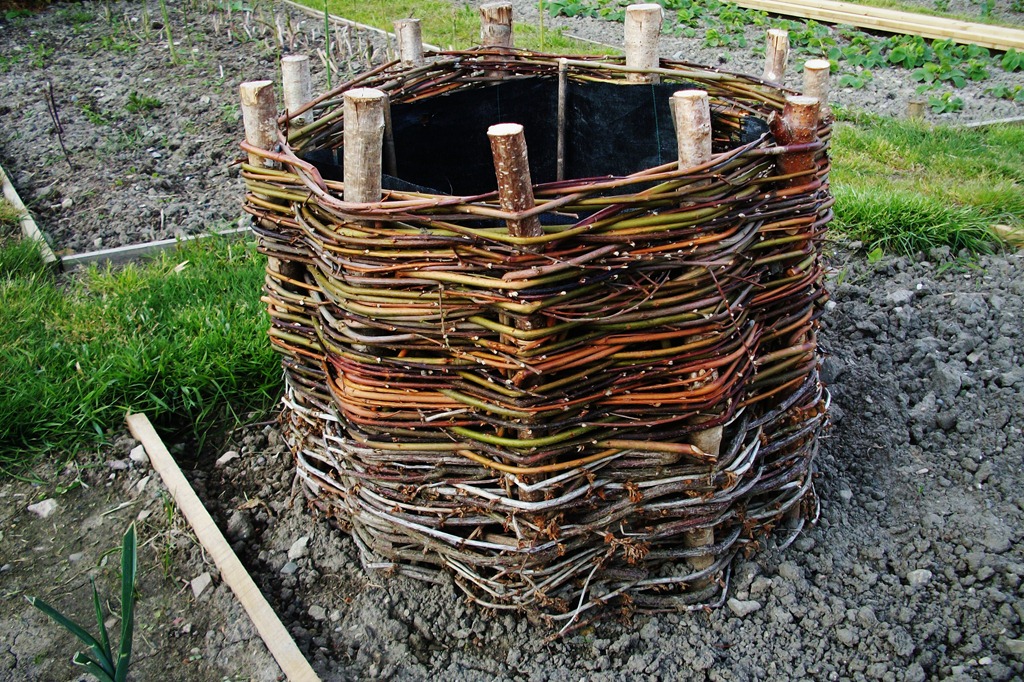
Phoebe has created these simple baskets across her plots at intervals. The uprights are embedded directly in the soil and the sides made with dogwood and hazel whips. Her aim is to use them for the rotting down of pernicious weeds like dandelion and couch grass, and then grow marigolds on top while this is all happening underneath. Gardening artistically.
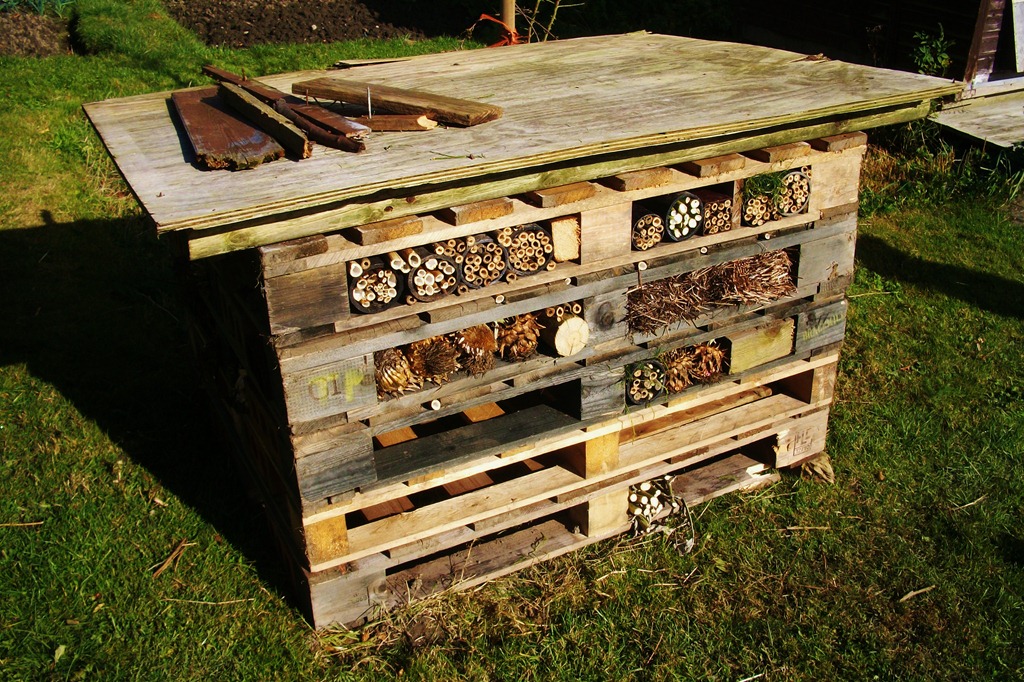
This is the allotment’s insect hotel to provide attractive accommodation for over-wintering insects. Also courtesy of Phoebe who begged some pallets from the local timber merchant. When he knew what they were for, he delivered them free to the allotment.
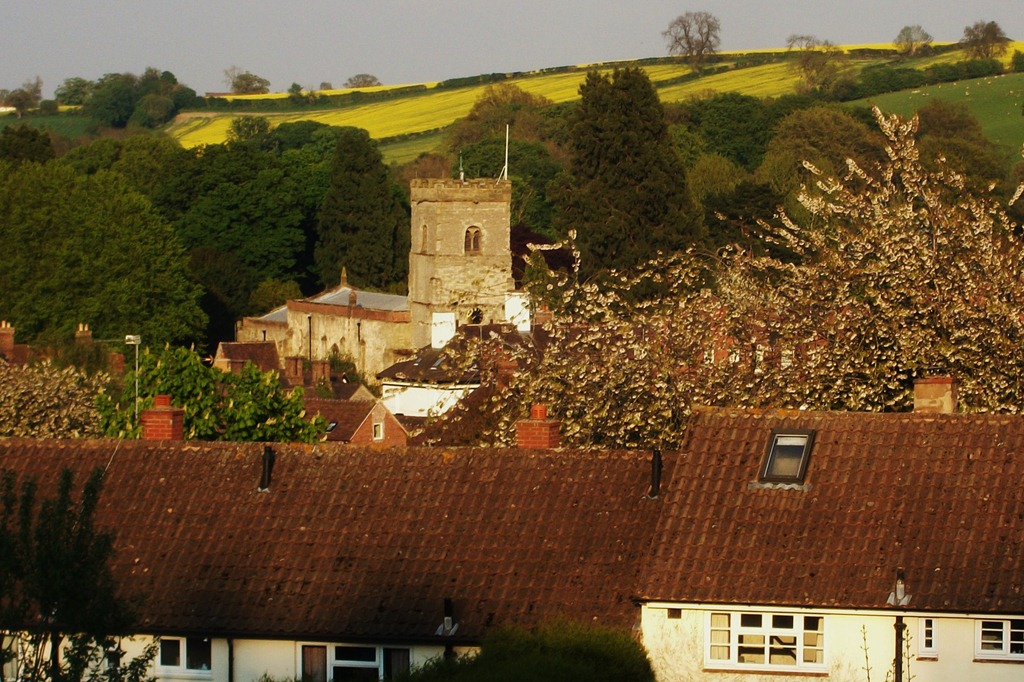
This is the view from my plot. I can hear the clock of Trinity Church chime as I work, and the mewing of honey buzzards over the fields behind.
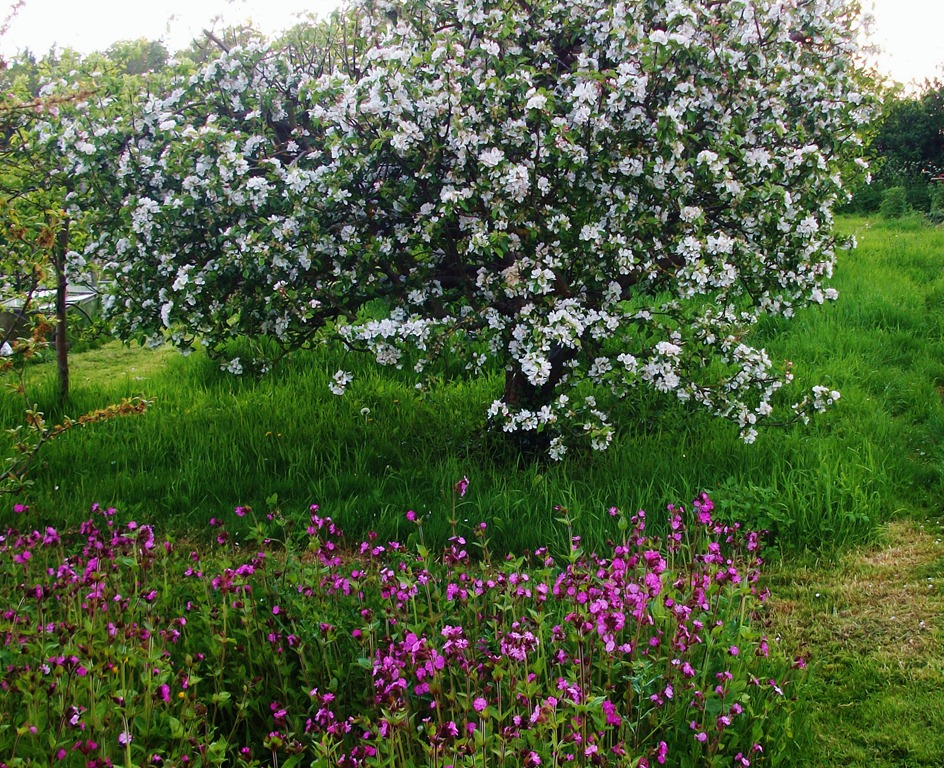
I call this the Garden of Eden tree, also The Tree of Life, because it has gloriously red apples in September. Phoebe created the wild flower garden in the foreground – lots of pink campion this year.
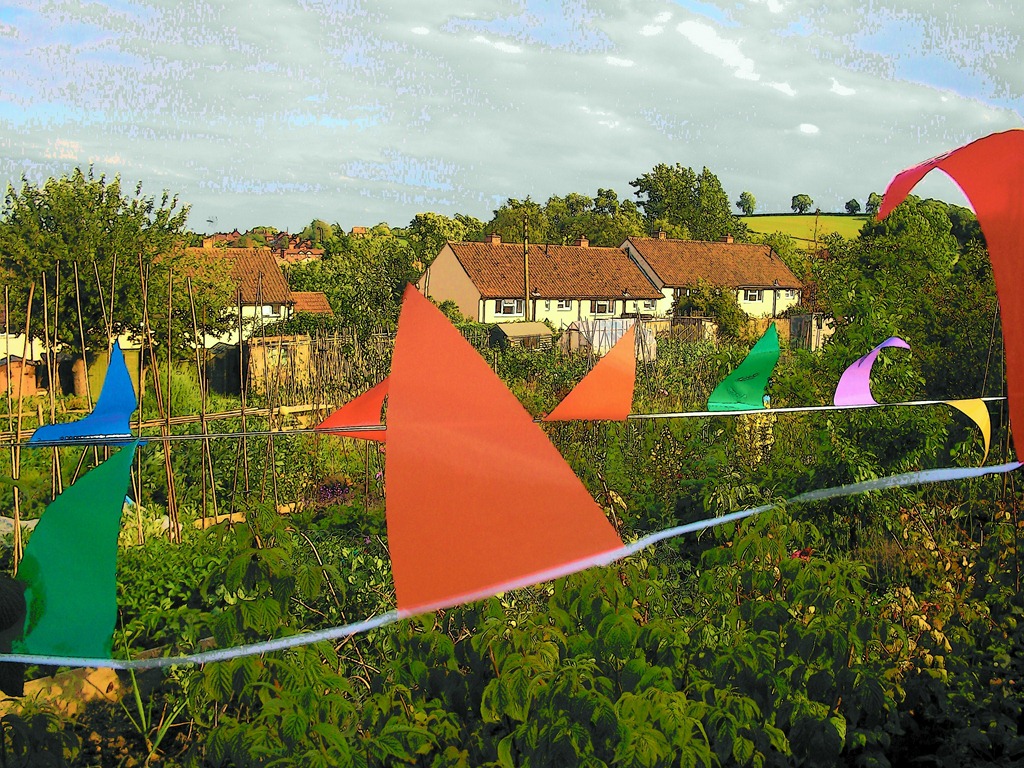
The bunting makes the raspberries look very festive and sees off the birds.
Below are two blogs that are well worth following for lots of useful gardening advice.
http://gardenofyvonne.wordpress.com/ Garden of Eve
http://peopleexcitedaboutcoexistence.com/ People Excited About Co-Existence
And when you’ve grown the produce, here are two great cooking blogs. ENJOY!
http://fromthebartolinikitchens.com/ From the Bartolini Kitchens
http://nourishingchow.wordpress.com/ Nourishing Chow
http://flickrcomments.wordpress.com/2013/07/02/aaa-challenge/
© 2013 Tish Farrell
Too nice to eat in Nice
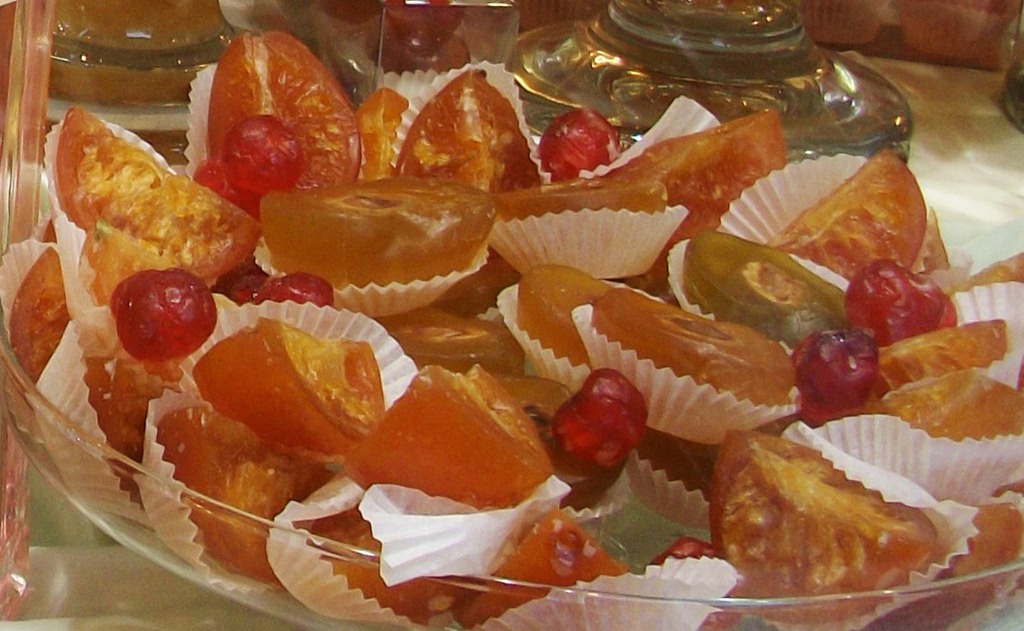
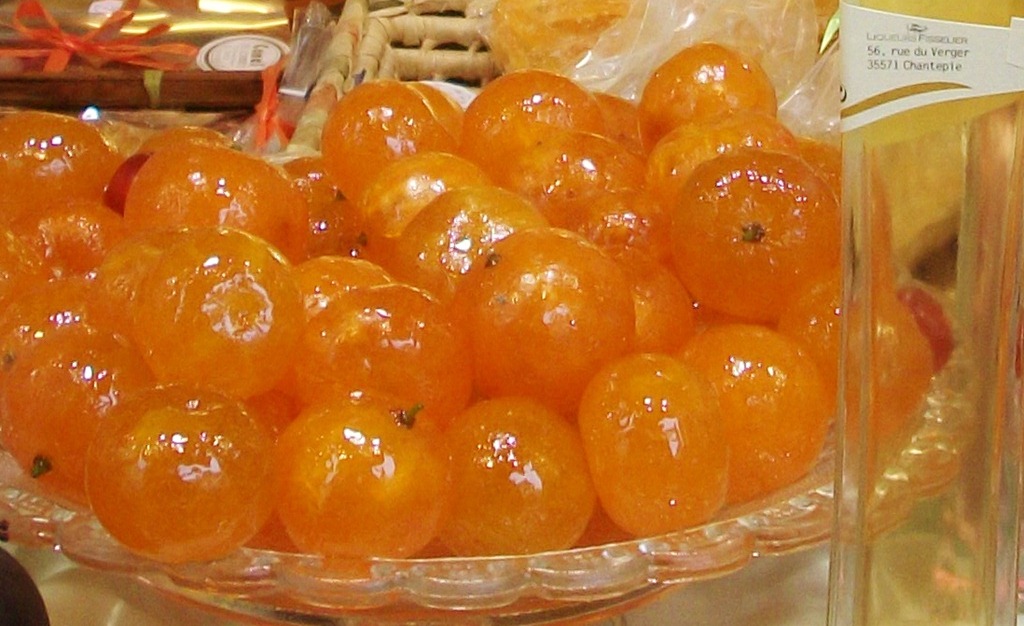
And my allotment marigolds which you can eat

…to sleep, to dream…
Anyone who has seen my post on The Swahili will know that I’ve had Lamu on my mind. The island lies off Kenya’s northern coast, and its Stone Town is one of the best preserved Swahili settlements, lived in for the last 700 years. We went there one Christmas, flying out of Nairobi in a small plane that let you watch the ground all the way there. This was comforting in some ways, but in others not: the bush country east of the capital is arid and little inhabited except by wildlife, and the coast hinterland, then as now, too often the haunt of Shifta (Somali bandits). Yet there was one especially striking moment that at once distracted me from other anxieties. It was the sight as we flew over the Tana River Delta and saw the red earth of the Kenya Highlands flowing out into the sea like blood: the country’s life force pumping away. It looked like a shark attack of epic proportions. I was glad when we touched down on Manda Island and our only concern was to catch the same ferry to Lamu as our luggage.

Map: www.theafricanaviationtribune.com
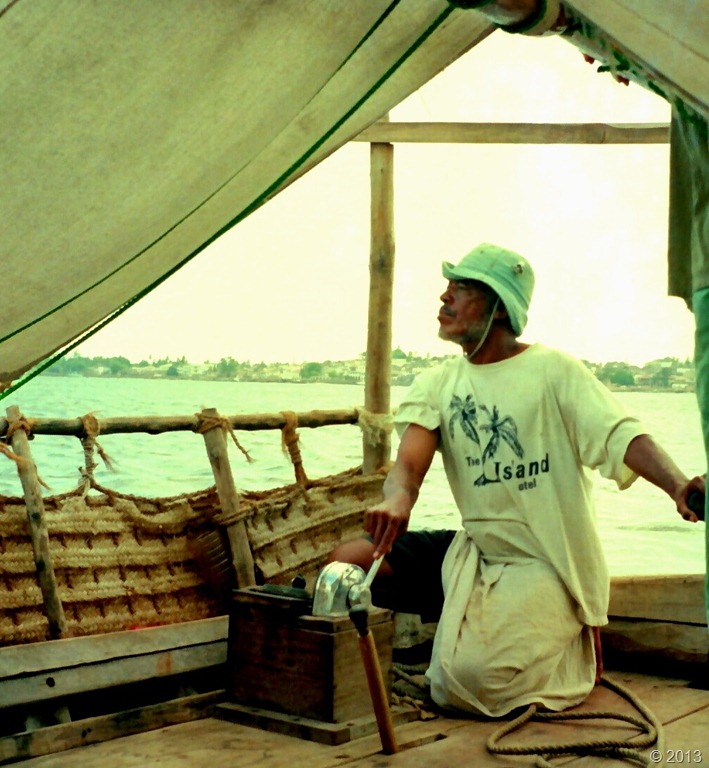
A storm blew up as we chugged across the strait in a Lamu fishing dhow. We tourists huddled under the awning to keep dry as the world turned steely grey. Our captain though, out in the rain, simply secured his hat and looked resolutely to shore. The rain did not last, and by the time we had put into Shela harbour, the coral rag walls of the houses were steaming; scents of jasmine and frangipani filling the air. As we followed our guide up a sandy path from the shore, I remembered it was Christmas Eve. It seemed we had stepped into a dream.
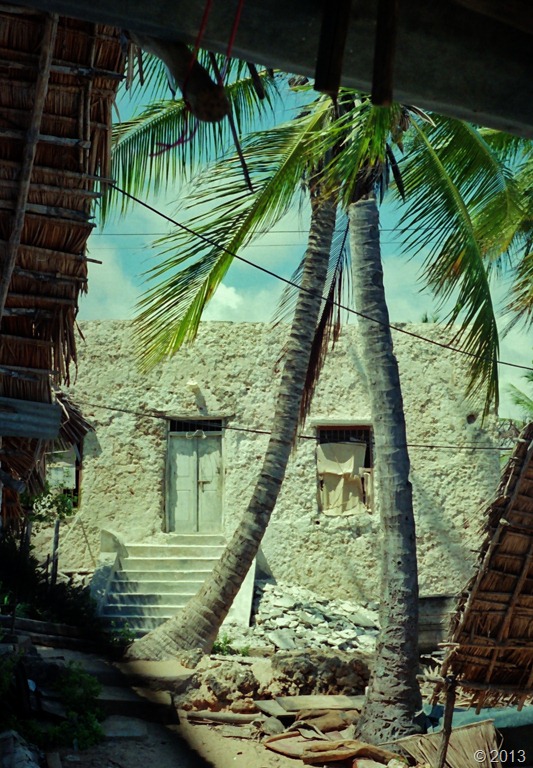
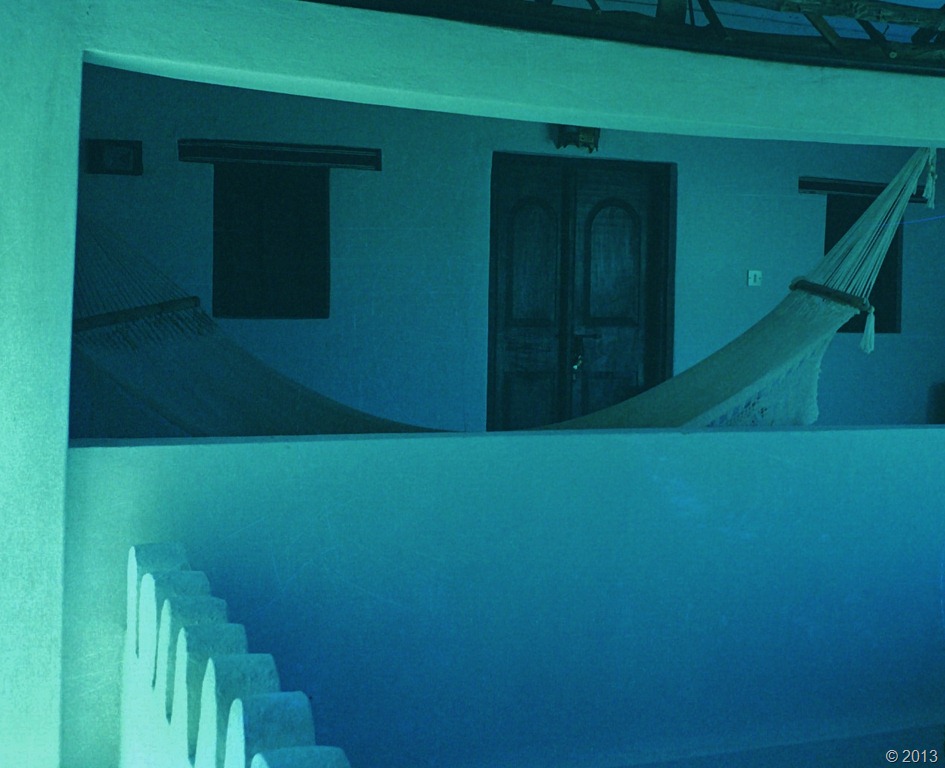
The hotel was also a dream for someone as nosy as Nosy-Writer. It occupied an old merchant’s house in the centre of the village, and best of all our room was up in the palm thatch with the whole top floor at our disposal. Not only that, most of the walls were open to the elements and overlooked the village. Sadly it seems, the place no longer exists, so perhaps I really did dream it.
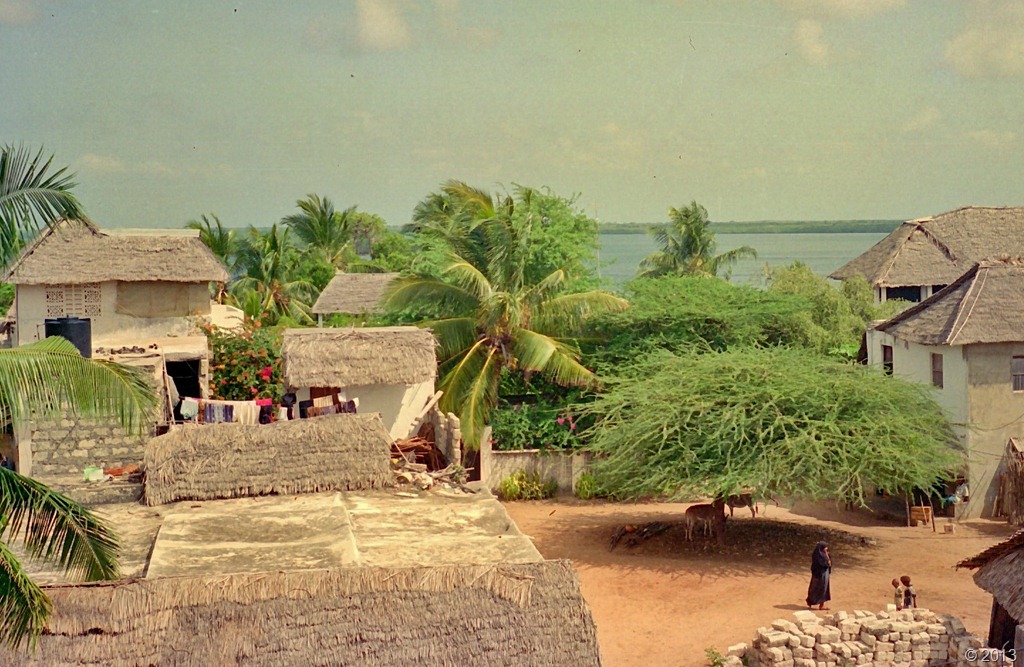
Shela village square from our room with many views. In the foreground is a stack of the coral rag building blocks from which most of the houses are built. The spreading thorn tree was the place where the donkeys were parked until needed for transport.
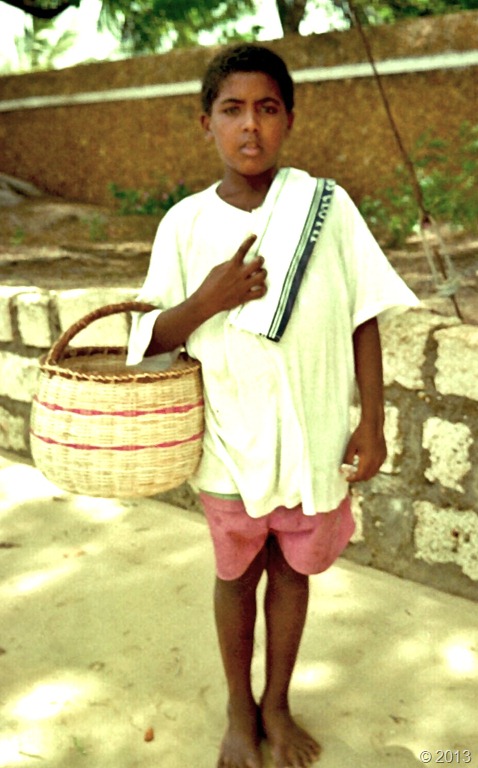
On Christmas Day we bumped into Azrael who sold us the most delicious, freshly cooked, fish samosas – a local speciality.
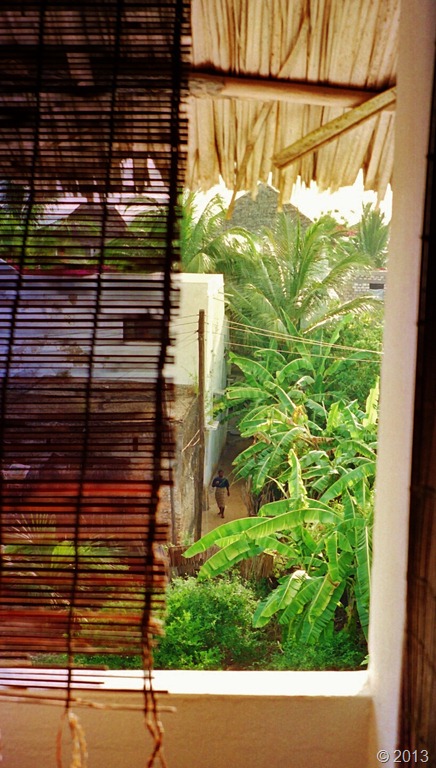
The only problem with our room’s open-plan arrangement was that not only could I see into people’s kitchens, gardens and bedrooms, but we could hear everything too. It made for nights of fractured sleep – radios playing, pots clattering, cats yowling, but mostly hee-hawing donkeys, Lamu’s equivalent of night-sounding car alarms. Then just as you were drifting back to sleep, the dawn call to morning prayer would begin, the sacred strains of Allahu akbar (God is greatest) winding through my faithless semi-consciousness. It was a disorientating start to Christmas Day. Yet later on, when we set off on the two-mile beach hike between Shela and Lamu town, from every quarter the locals greeted us – Happy Christmas, Happy Christmas. There was no stinting on hospitality, and that extended to the plentiful provision of nice things to lie down on, and what with the steamy tropical heat by day, and the wakeful nights, these were more than welcome.
Lala salama, as they say in KiSwahili – sleep peacefully.
© 2013 Tish Farrell
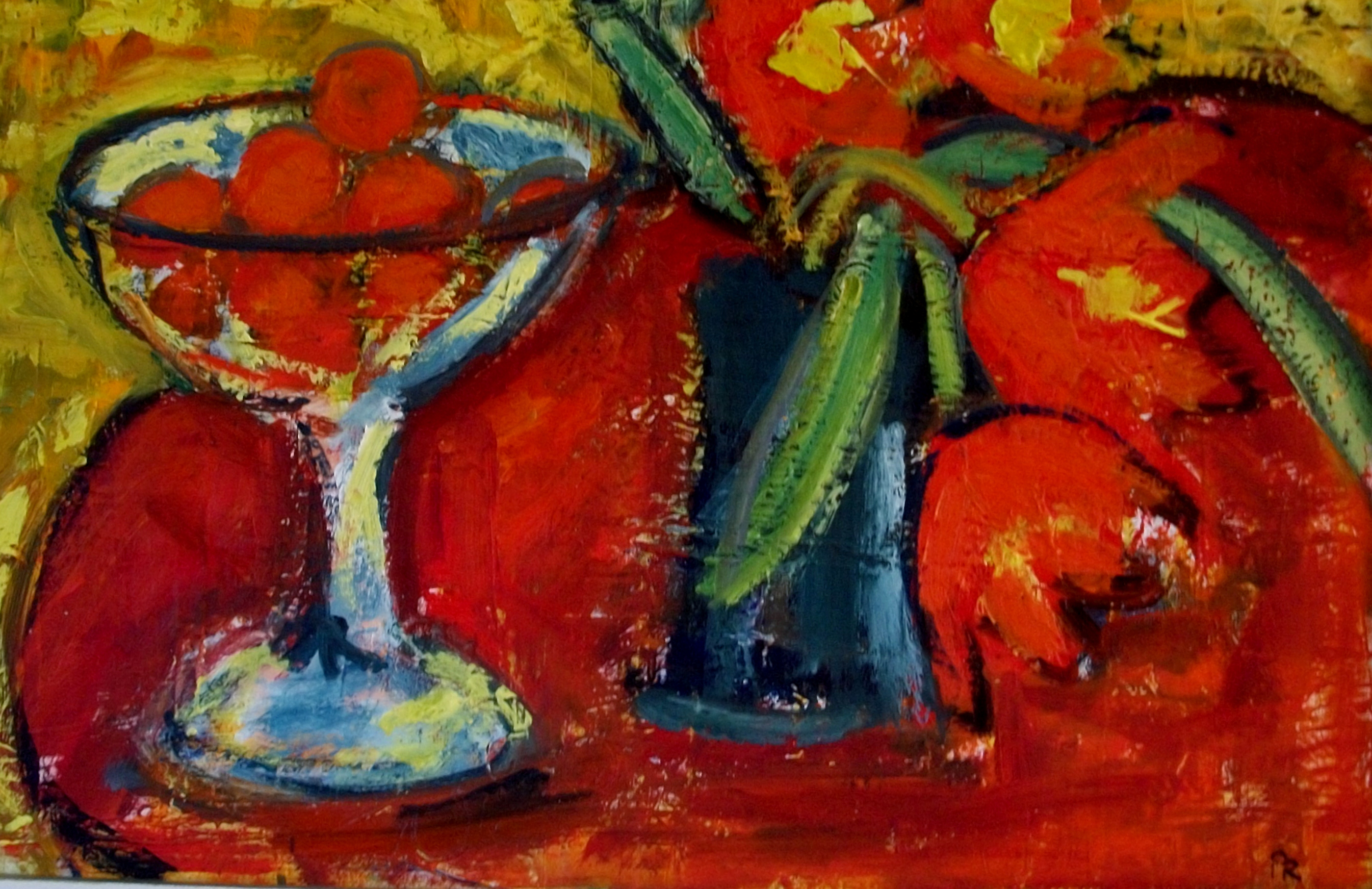
Fruit Bowl by Penny Rees
Last week I posted a photo of tulips in my snowy garden. Now here are the tulips in my kitchen. This painting shouts undiluted joy to me; tulips that want to party. It was painted by Herefordshire artist Penny Rees and I love it. It hangs beside our dining table and encourages frivolity even on a Monday night.
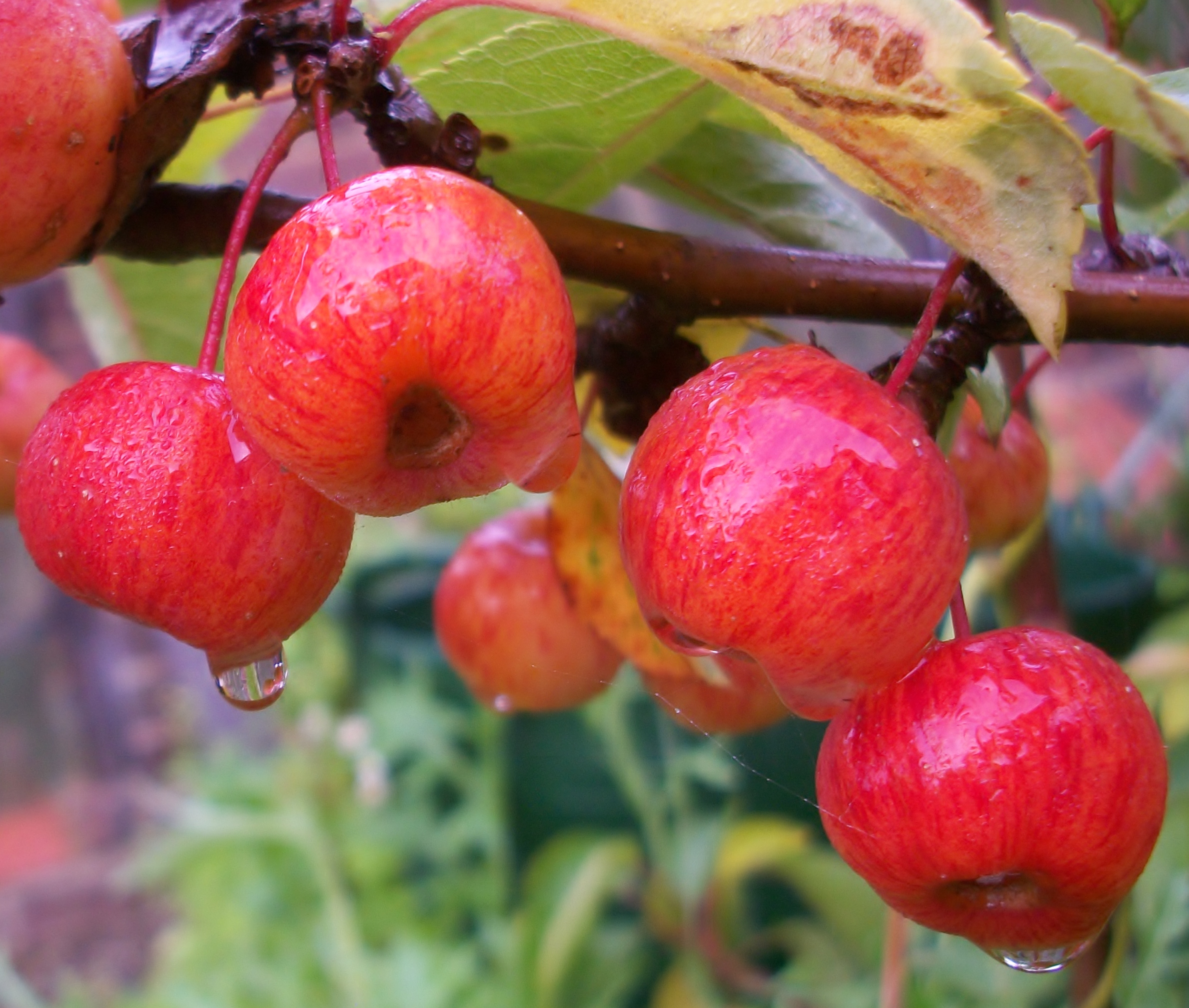
And now you’ve seen my tulips, here are my crab apples: another view from my kitchen taken back in the autumn. Red hot colours for a freezing April in Much Wenlock